
The sheer beauty and alluring magic of the Earl Scruggs Music Festival is akin to the film Field of Dreams. That adage of, “If you build it, they will come.”
Why else would one of the premier bluegrass gatherings be held at an equestrian center in the middle of nowhere, just off a rural highway, surrounded by vast farm fields in the foothills of the Blue Ridge Mountains of Western North Carolina, and work to absolute perfection year after year?
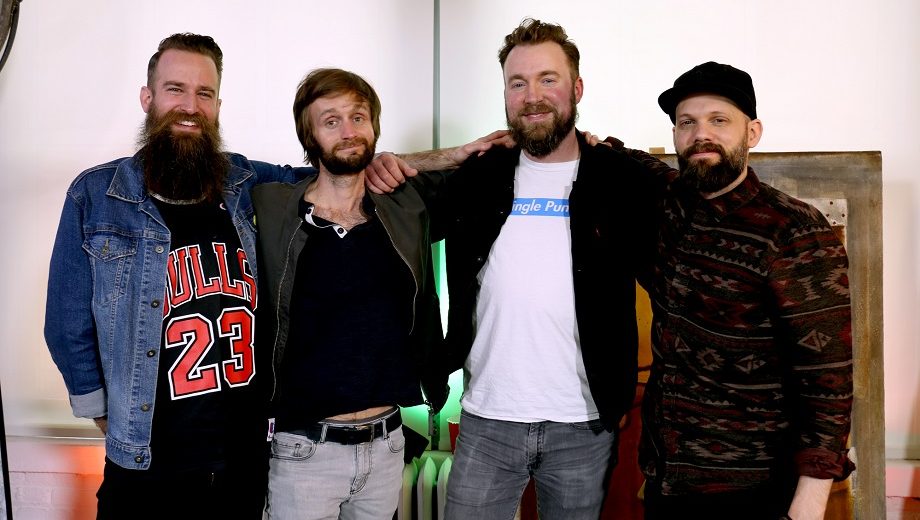
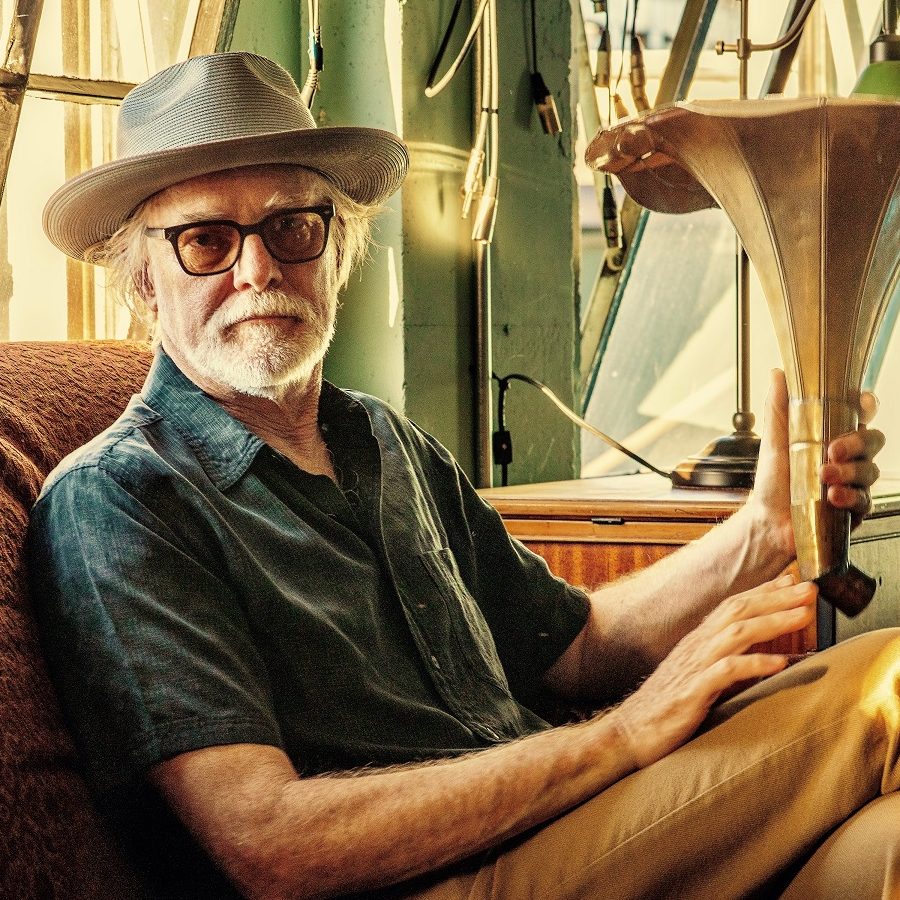
Well, it does. And for its fifth anniversary, the festival, held at Tryon International, once again invited a slew of the marquee names when it comes to the “high, lonesome sound” and those arena acts orbiting the genre itself: The Avett Brothers, Greensky Bluegrass, The Del McCoury Band, Béla Fleck, Rhonda Vincent & The Rage, Alison Brown, Mountain Grass Unit, Lindsay Lou, Della Mae, East Nash Grass, The Earls of Leicester, and more.
“He was my gateway. If it weren’t for Earl, I wouldn’t be me,” says Brown, a world-renowned banjoist and co-founder of Compass Records. “Earl was a traditionalist, in the sense that he created this style that we all play, which we consider to be the cornerstone of bluegrass. But, he was an adventurer. He was not afraid to take the banjo to places it hadn’t been before.”
Born just down the road from the festival grounds in Cleveland County in 1924, Scruggs revolutionized the banjo when he perfected a three-finger approach to the instrument. With clawhammer banjo using down-picking (using the thumb and middle or index finger), “Scruggs Style” utilized the thumb, middle and index, resulting in a rapid picking tempo known as “rolls.”
“When I was first starting to learn [banjo], I was playing out of the Earl Scruggs book,” says Michael Bont, banjoist for Greensky Bluegrass. “And I’ll never forget, there was this morning where I had been practicing the rolls and trying to play the songs, and it was ‘Little Cabin Home on the Hill.’ That’s the song [where I went], ‘Oh my god, I’m doing it.’ It never ceases to amaze me [how Earl developed] this new style of playing an instrument.”
At age 21, Scruggs joined Bill Monroe & His Blue Grass Boys. On Dec. 8, 1945, Scruggs found himself on the Grand Ole Opry at Nashville’s Ryman Auditorium when Monroe debuted his new sound to numerous standing ovations. Although Monroe had built this “muscle car” of a band that would showcase a whole new genre of music, it was Scruggs who was the gasoline that put Monroe’s vision into motion. Not long after, Scruggs would form the wildly popular Flatt & Scruggs with his Blue Grass Boys bandmate, guitarist Lester Flatt; when that duo broke up, he created the groundbreaking Earl Scruggs Revue with his sons Randy and Gary. A third son, Steve, later joined the group, too. In 2012, Earl Scruggs passed away at age 88.
Behind the festival is a partnership between the Earl Scruggs Center in Shelby (in Cleveland County), Isothermal Community College and WNCW 88.7 FM (both located in nearby Spindale). Coming together to share the story of Scruggs and expand his legacy in the 21st century, the trio built this annual gathering from the ground up, where it’s now become a bona fide bastion of bluegrass music and camaraderie.
“When you go into the first [festival], you never know if it’s going to be successful, and you always hope the next year is bigger,” says Mary Beth Martin, executive director of the Earl Scruggs Center. “But, then to be crossing this milestone of year five is pretty amazing — people are marking it on their calendar every year.”
Since its inception, the festival has showcased some of the biggest names in bluegrass and beyond: Alison Krauss & Union Station, Marty Stuart & His Fabulous Superlatives, Tanya Tucker, Yonder Mountain String Band, The Wood Brothers, Peter Rowan, Old Crow Medicine Show, Nitty Gritty Dirt Band, etc.
“Honestly, just the love that people have for the music and for the acts we’re bringing in is really touching and inspiring,” Martin says. “Because, at the same time, they also have that same love for Earl, and we’re continuing to put his legacy front and center.”
Friday afternoon. Heading backstage, I approach the green room trailer for The Earls of Leicester, a Grammy Award-winning bluegrass group that exclusively performs songs from the Flatt & Scruggs repertoire. Knocking on the door, dobro legend Jerry Douglas answers. As someone who personally knew Scruggs and spent decades getting to interact with the man himself, onstage and off, Douglas can’t help but be proud of what the festival is cultivating from both sides of the microphone.
“Every little niche of [Earl’s] musical life is being explored here,” Douglas says. “And, like Earl, the festival is doing [what he did] — staying open-minded and taking the music forward. There’s room for everybody, and we’re just pushing the envelope a little bit more.”
For Douglas, he remains in awe of Scruggs and the music he created.
“Every time I go away from it and come back to it and listen to it again, I’m amazed all over again that it even happened the first time,” Douglas notes. “And how a guy like him played this kind of music, and was able to push a whole band, a whole idiom that far.”
Before I exit the trailer, Douglas pulls an antique red bow tie out of his travel bag. Placing it on the table, he looks at it, then looks at me. “That was Cedric’s,” Douglas says.
“Cedric Rainwater?” I reply in amazement.
“Yep,” Douglas grins. “I’m letting our bass player wear it tonight.”
That evening, EOL bassist Daniel Kimbro is sporting the bow tie, this incredibly powerful symbol of Howard “Cedric Rainwater” Watts, a first-generation name etched into the bedrock of bluegrass, a musician who played bass in Bill Monroe’s Blue Grass Boys, the “Original Bluegrass Band” when Monroe debuted his new sound alongside Scruggs in the mid-1940s. Watts would later become a member of Flatt & Scruggs’ Foggy Mountain Boys and Hank Williams’ Drifting Cowboys.
Right after the whirlwind performance ends, Kimbro walks sidestage and tracks down Douglas. He hands the tie back and thanks him for letting him wear it, if but for a moment. “Keep it, it looks good on you,” Douglas says with a smile. Kimbro is rendered speechless by the poignant gesture.
Following EOL was Béla Fleck, who closed out the Flint Hill Stage on Friday night with his project, My Bluegrass Heart, which has been the banjo wizard’s highly successful return to his musical roots in recent years.
“I didn’t know I was a banjo person. Then I heard Earl Scruggs play the banjo, and suddenly I was a banjo person. He was the spark, and he’s that for a lot of people,” Fleck says backstage. “Something about Earl has that sound that makes people go, ‘Well, I don’t know what that is, but I’ve got to hear more, and I’ve got to figure out what it is’ — he had that effect on me.”
Featuring a rotating cast of stellar musicians, Fleck presented fiddler Michael Cleveland, bassist Mark Schatz, guitarist Jake Stargel, Dobro player Jeff Partin, fiddler Maddie Denton and mandolinist Harry Clark (the latter two of East Nash Grass) to a raucous audience soaking it all in.
“The part of that [musical] language that all banjo players always come back to is Earl Scruggs,” Cleveland says. “It doesn’t matter what else I’m doing, I can always turn on Flatt & Scruggs and it’s like hearing it for the first time.”
The festival grounds also showcase an endless sea of bluegrass activities and educational opportunities to immerse oneself in the history and lore of not only the genre itself, but that of Western North Carolina, too. There were numerous musical workshops and live audience Q&A sessions with artists, and even the “Spirits of Bluegrass,” a cultural collaboration and tasting area sponsored by The Bluegrass Situation and featuring local/regional distillers.
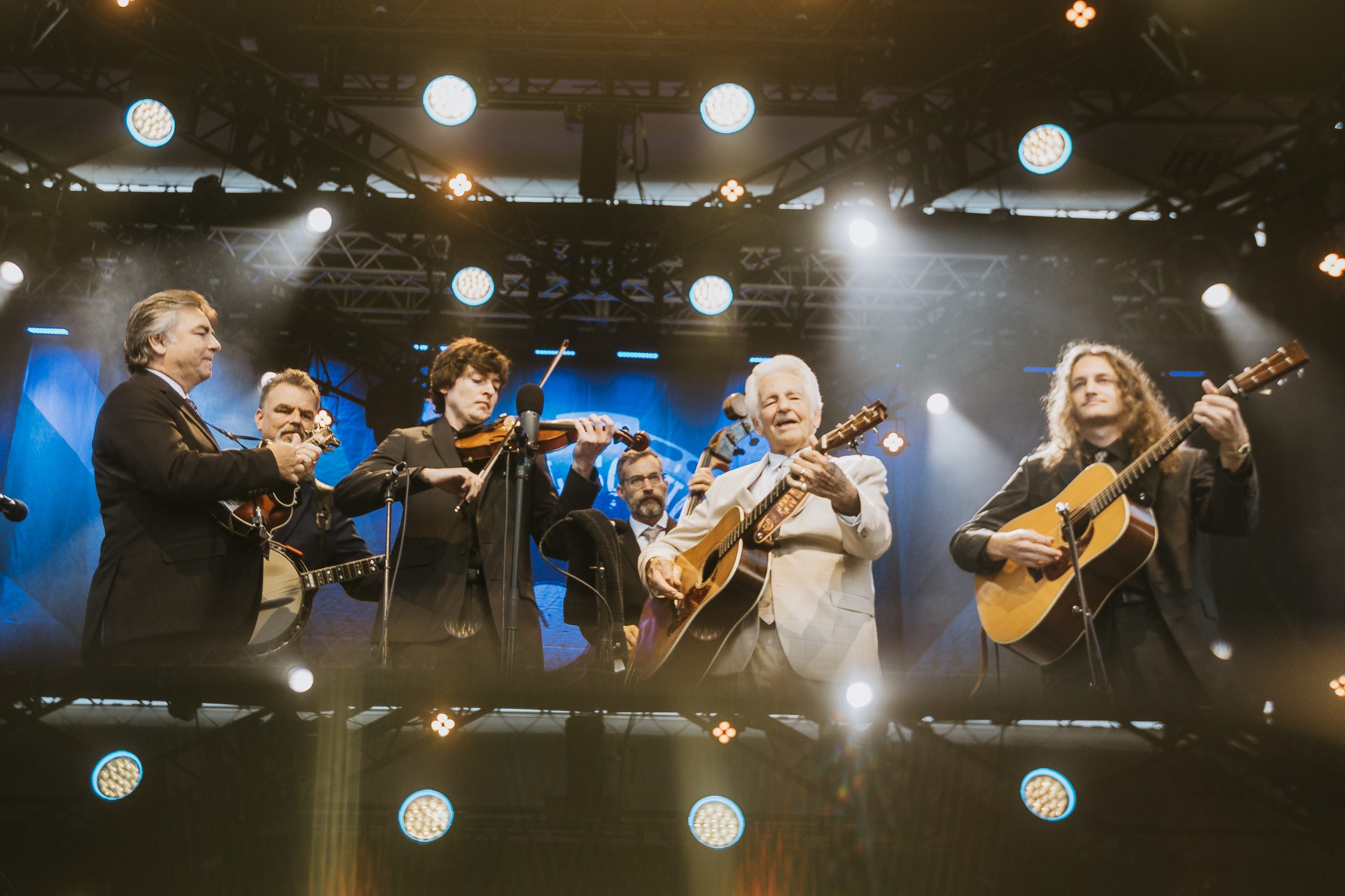
Saturday evening. The Del McCoury Band is headlong into its Flint Hill Stage set. Nowadays regarded as the elder statesmen of bluegrass, the 87-year-old McCoury represents the finest in traditional sounds. He also remains this sponge of curiosity, this open-minded, kind heart and carefree, welcoming soul that mirrors the ethos of Scruggs in more ways than just the music.
“If I hadn’t heard Earl Scruggs when I did, I wouldn’t be playing today,” McCoury says in a humble tone. “There’s something that just struck me about him. He was a genius. All of those great banjo players learned from Earl.” (To note, although McCoury is well-known for his guitar playing, he originally started out in the bluegrass realm as a banjo picker.)
“High on a mountain oh, wind blowin’ free/Thinking about the days that used to be,” McCoury’s high, powerful tenor voice rings out, his signature tone ricocheting around the arena and across the nearby fields. “High on a mountain oh, standin’ all alone/Wondering where the years of my life has flown.”
Sitting sidestage watching McCoury intently was 19-year-old Murphy Campbell. Performing earlier in the day as part of the Blue Ridge Music Trails presentation, Campbell, a native of Western North Carolina, is a rising old-time banjo player/singer. For her, music is not only tradition, it’s life, and to see McCoury in all his glory was something she was grateful for, and inspired by.
“We all have this common goal of preservation, and to see people do it on such a large scale is deeply encouraging,” Campbell says. “I’m not used to stuff like this, it’s crazy to watch it from [sidestage]. I never thought that me playing the banjo would get me here to sit and watch [Del] play.”
As of late, Campbell is in the midst of recording new renditions of old ballads that were cherished and collected by her ancestors over a century ago in Mitchell and Yancey counties in North Carolina. Those tunes were cataloged in the book English Folk Songs from Southern Appalachia, with Campbell’s relatives writing down their ballads back in 1918, on a date that coincides with Campbell’s exact birthday.
“We’re all grasping onto something that has roots, because no one feels like they [have roots] anymore” Campbell says when asked about the massive revival in string music in recent years. “And they hold on hard, real hard.”
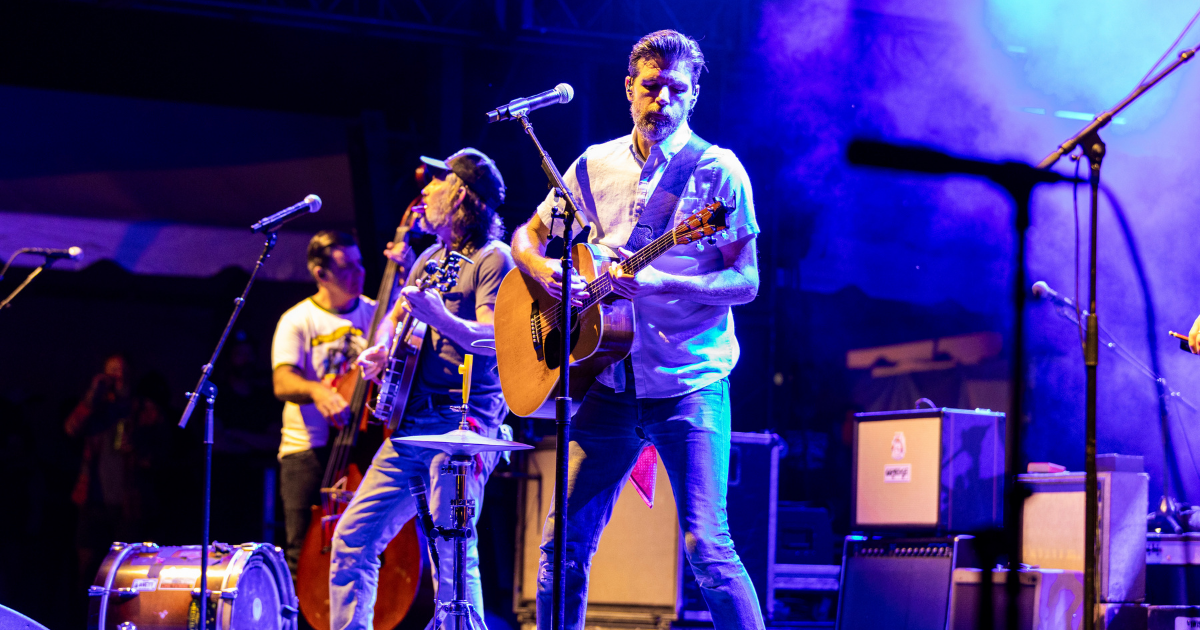
And when it comes to North Carolina musical roots, you’d be hard-pressed to find deeper ones than those of The Avett Brothers. Tying a bow on the weekend with the honors of playing the Sunday finale, the Avetts roared across the stage with their mesmerizing blend of Americana, bluegrass and folk stylings, the culmination of which being this incredibly vibrant tone of heart and soul.
“Three words that became hard to say/I, and love, and you,” Scott Avett howled to the heavens, an audience of thousands of joyous faces in the grandstands completely mesmerized and singing along to every single word. “What you were then, I am today/Look at the things I do.”
“Earl Scruggs used to be the model for a technique when I started [playing banjo],” Avett says. “And the more I learned about Earl, followed what he did, and paid close attention to his creativity, I realized he was a pioneer in more than just a technique, he was a pioneer in being an individual.”
For Avett, “being an individual” is a core value of the band’s ethos, and something that genuinely reverberates throughout the festival and the artists taking the stage. All of this circling back to Earl Scruggs and what it means to be original and authentic, whether it’s in reference to one’s music and art or simply the way one interacts with the world at-large — this deep, intrinsic sense of curiosity and camaraderie, passion and purpose.
“Doc [Watson] told us personally, ‘You’re on your path. Stay on your path. You’re not on Doc Watson’s path,’” Avett says. “Tom T. Hall told us the exact same thing, Willie Nelson would say the same thing now. I think Earl would say, ‘You guys need to do what you do,’ and we take that to heart.”
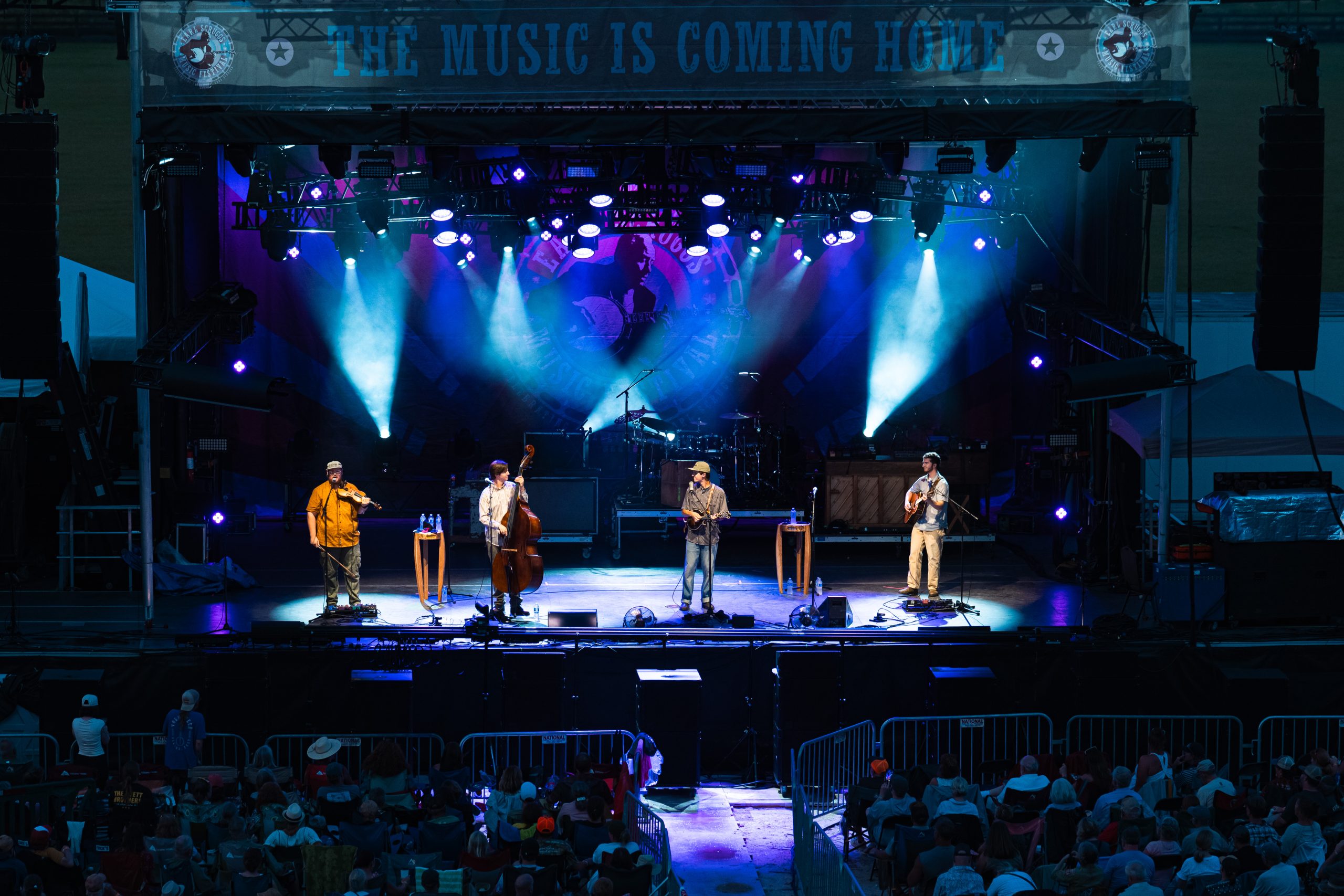
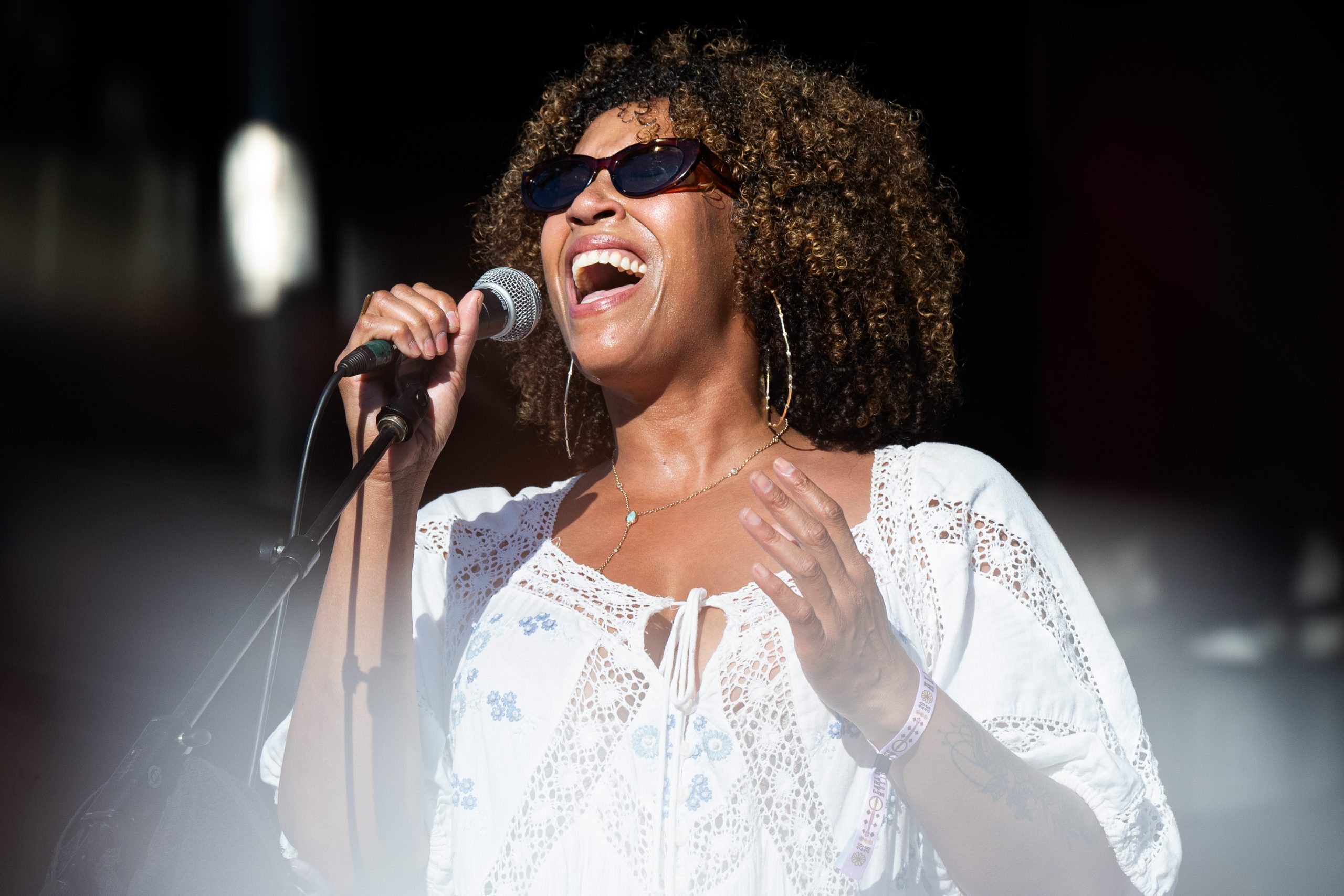
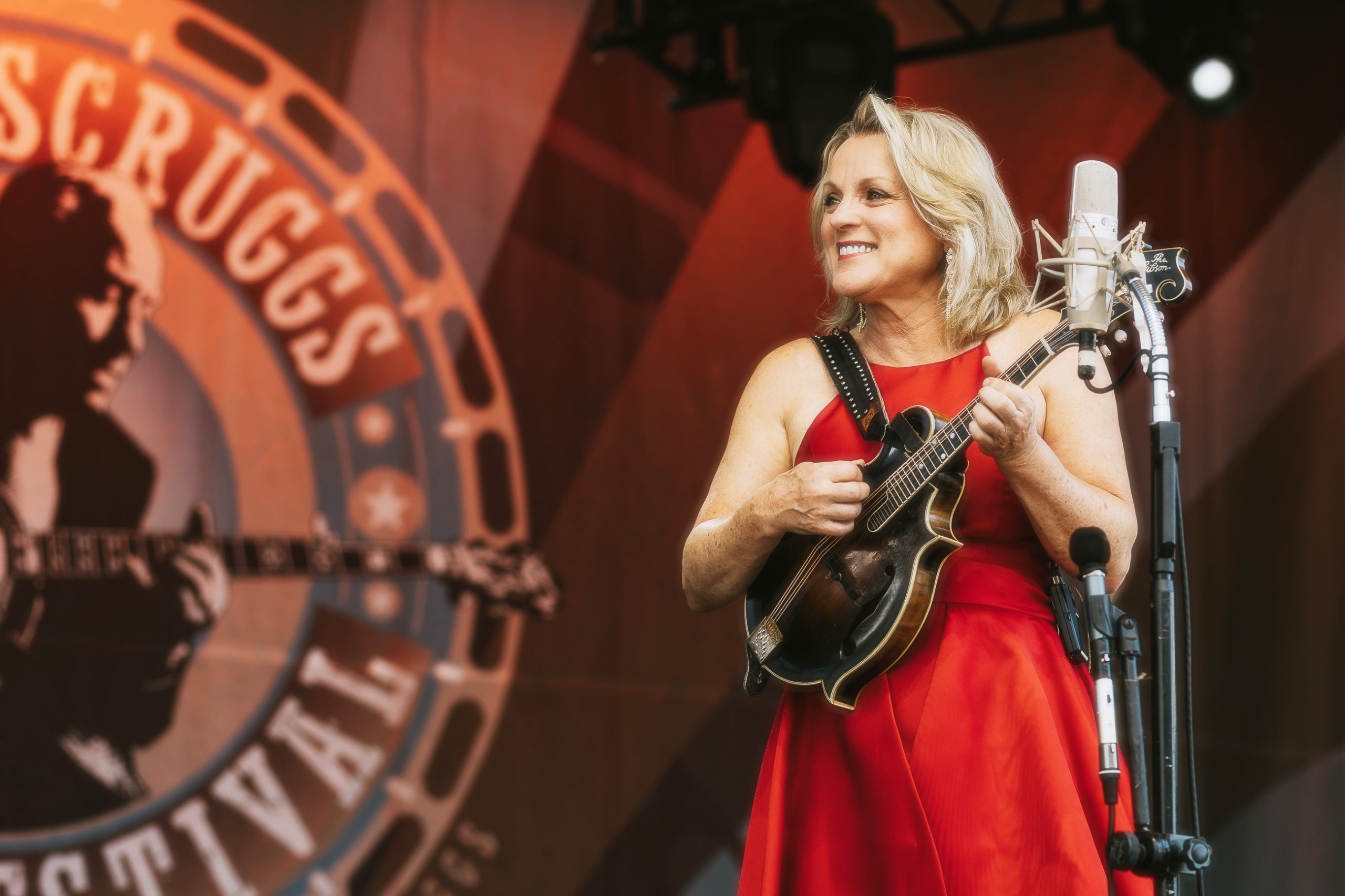
See photos from the Flint Hill Stage at the 2026 Earl Scruggs Music Festival.

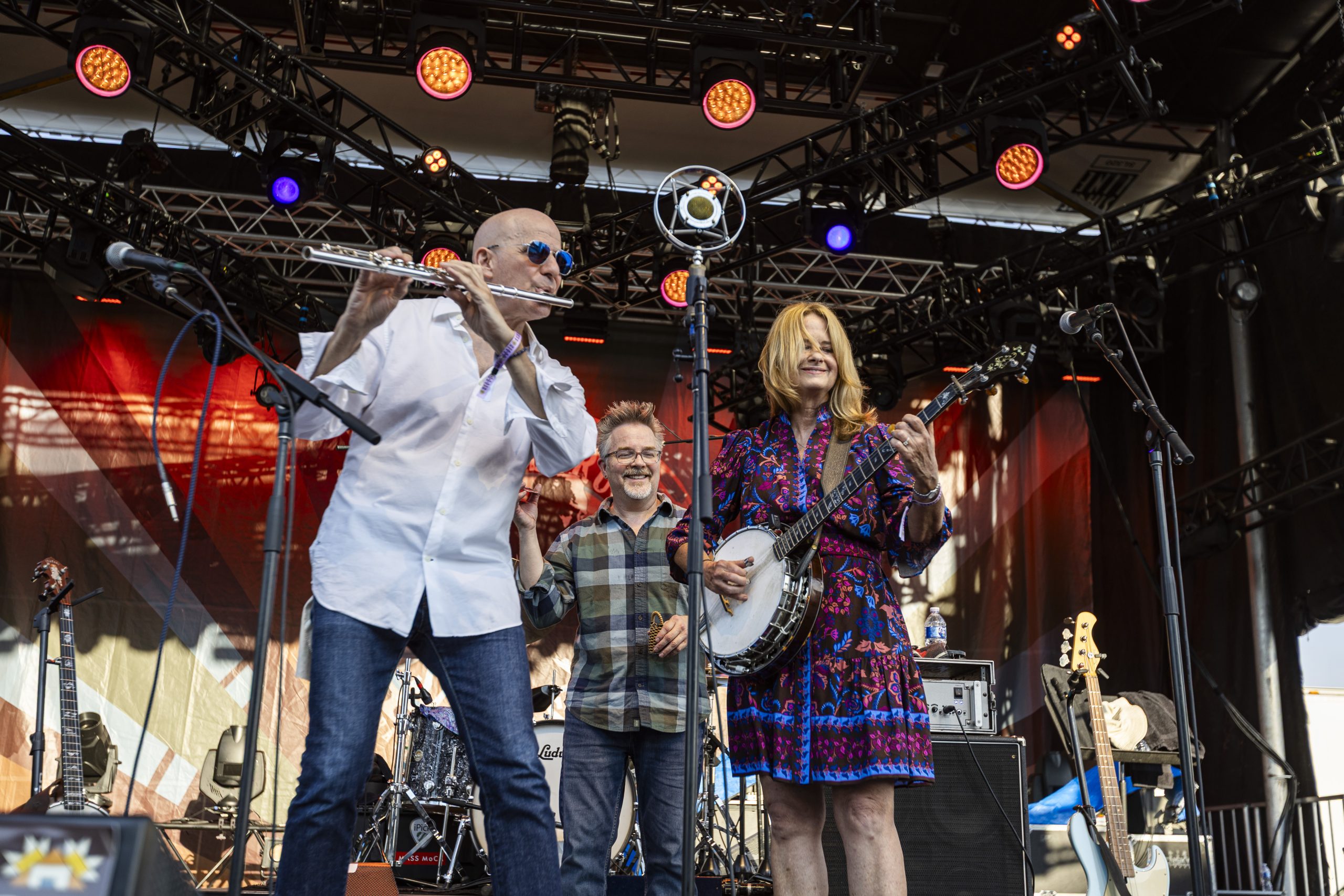
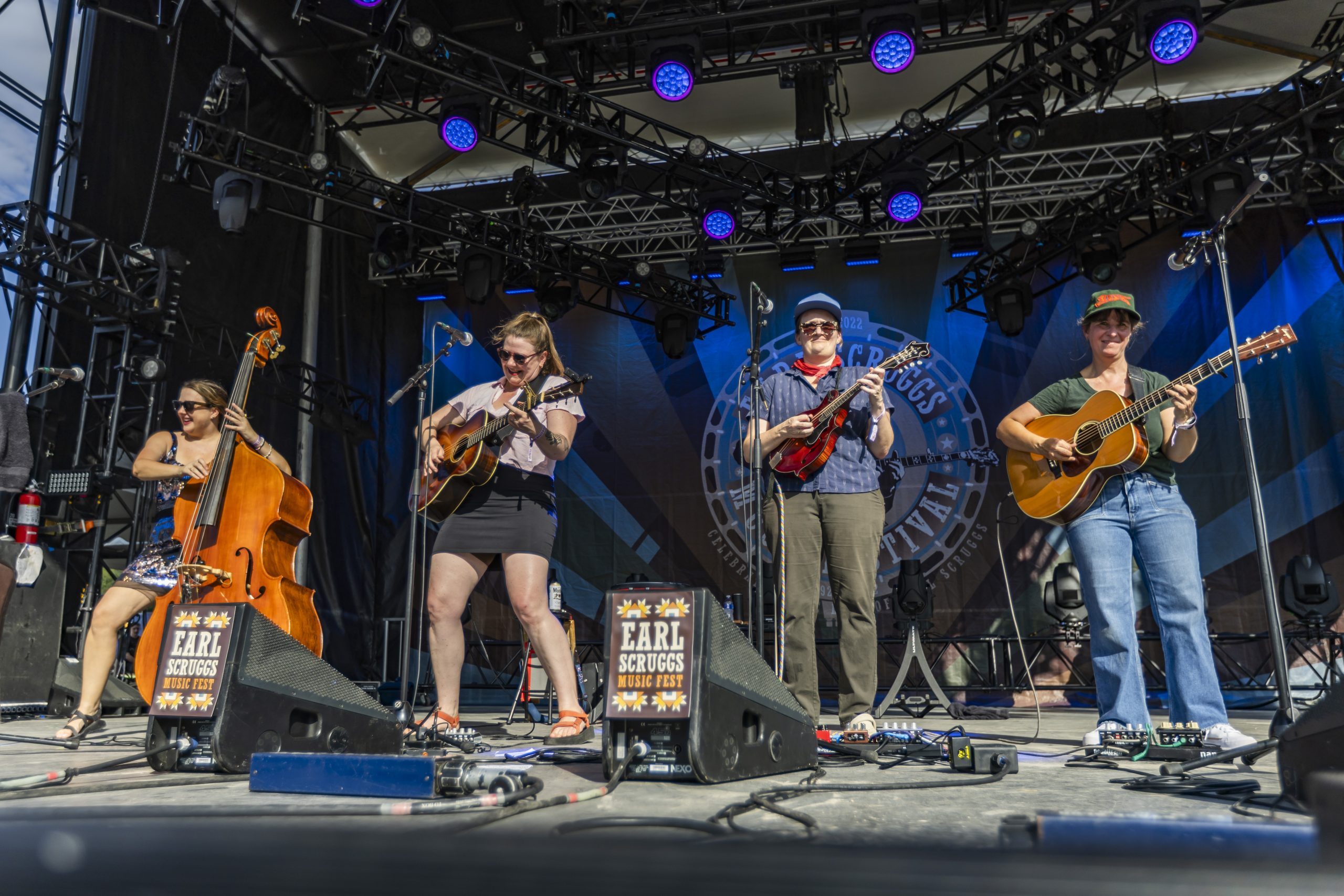
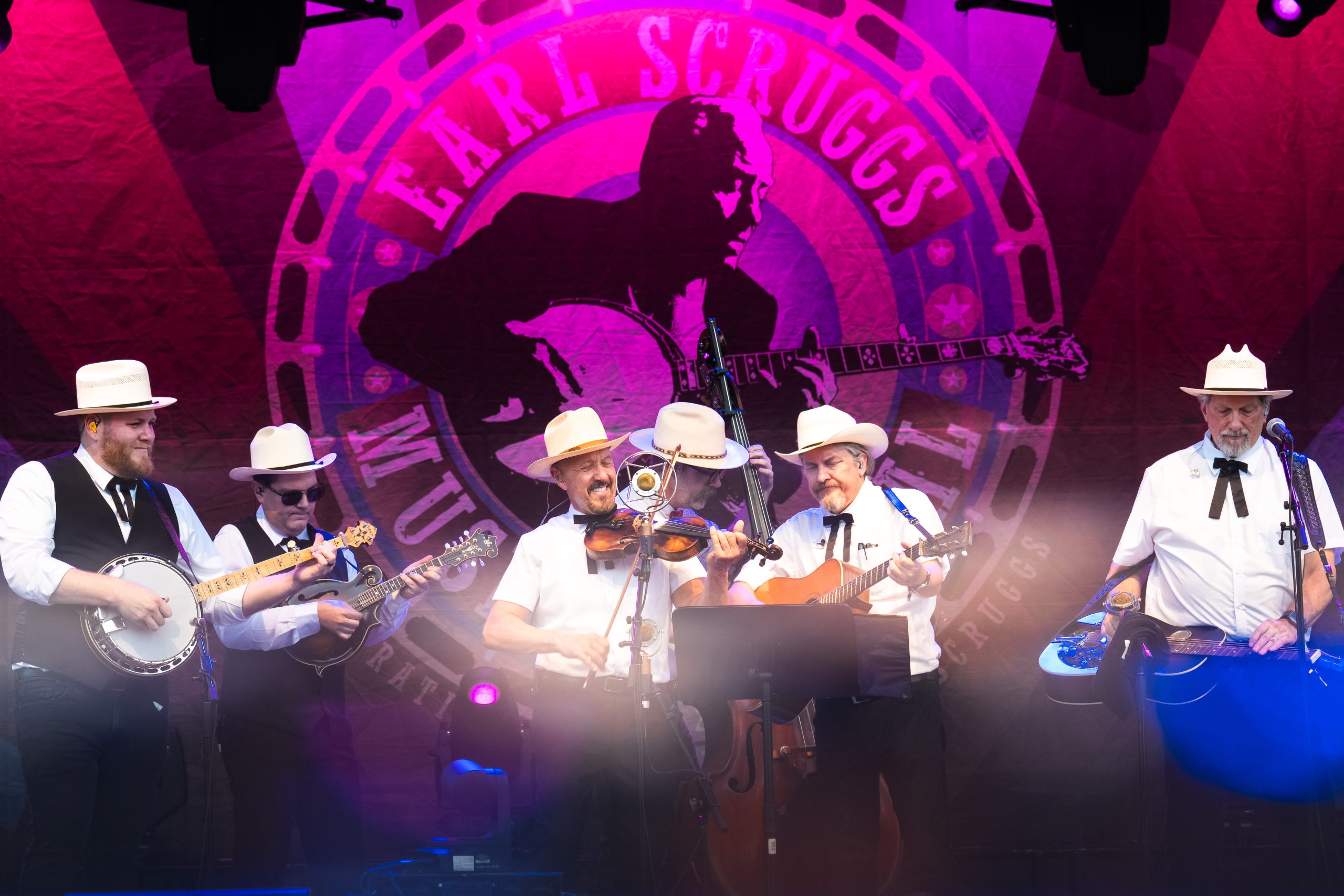
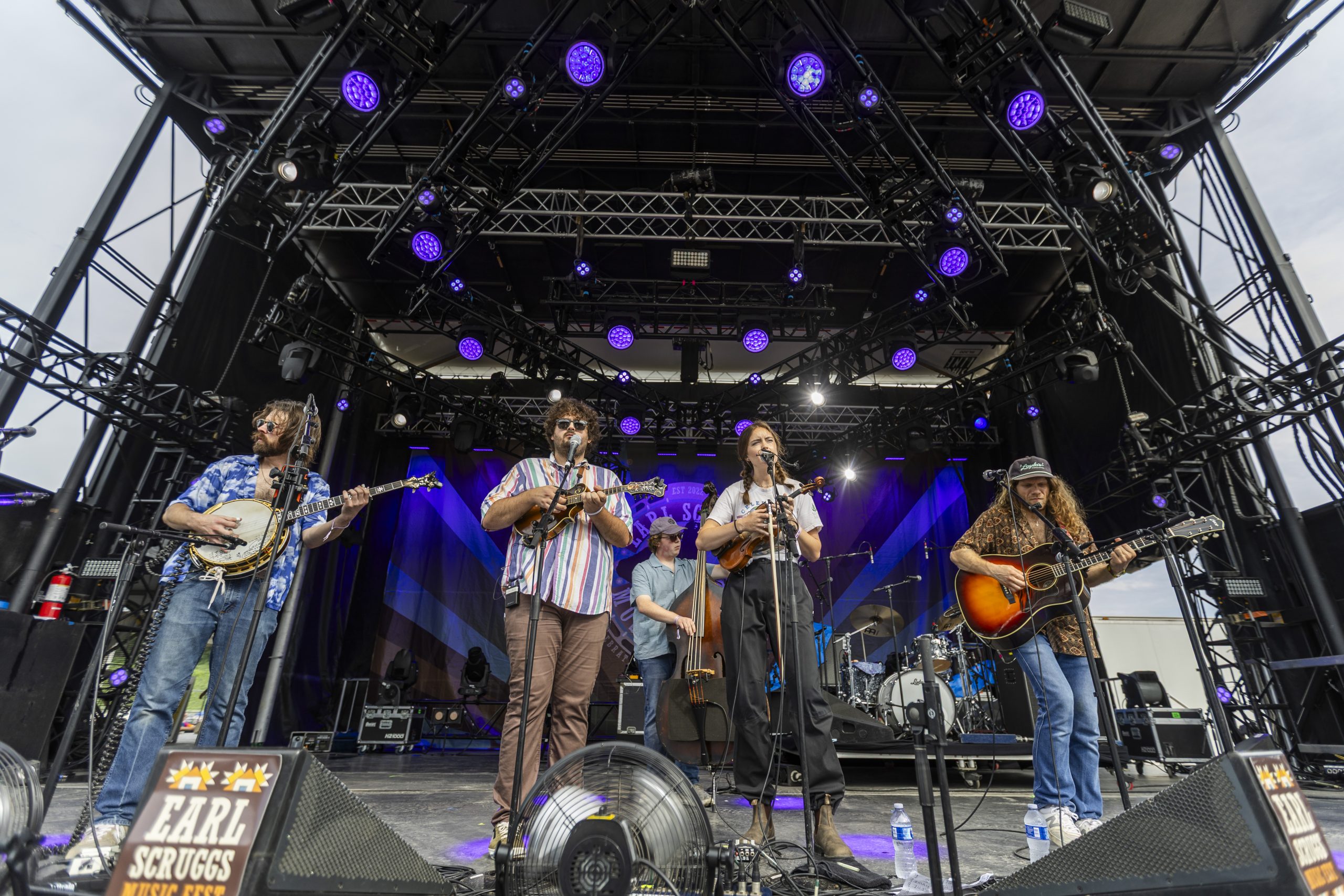
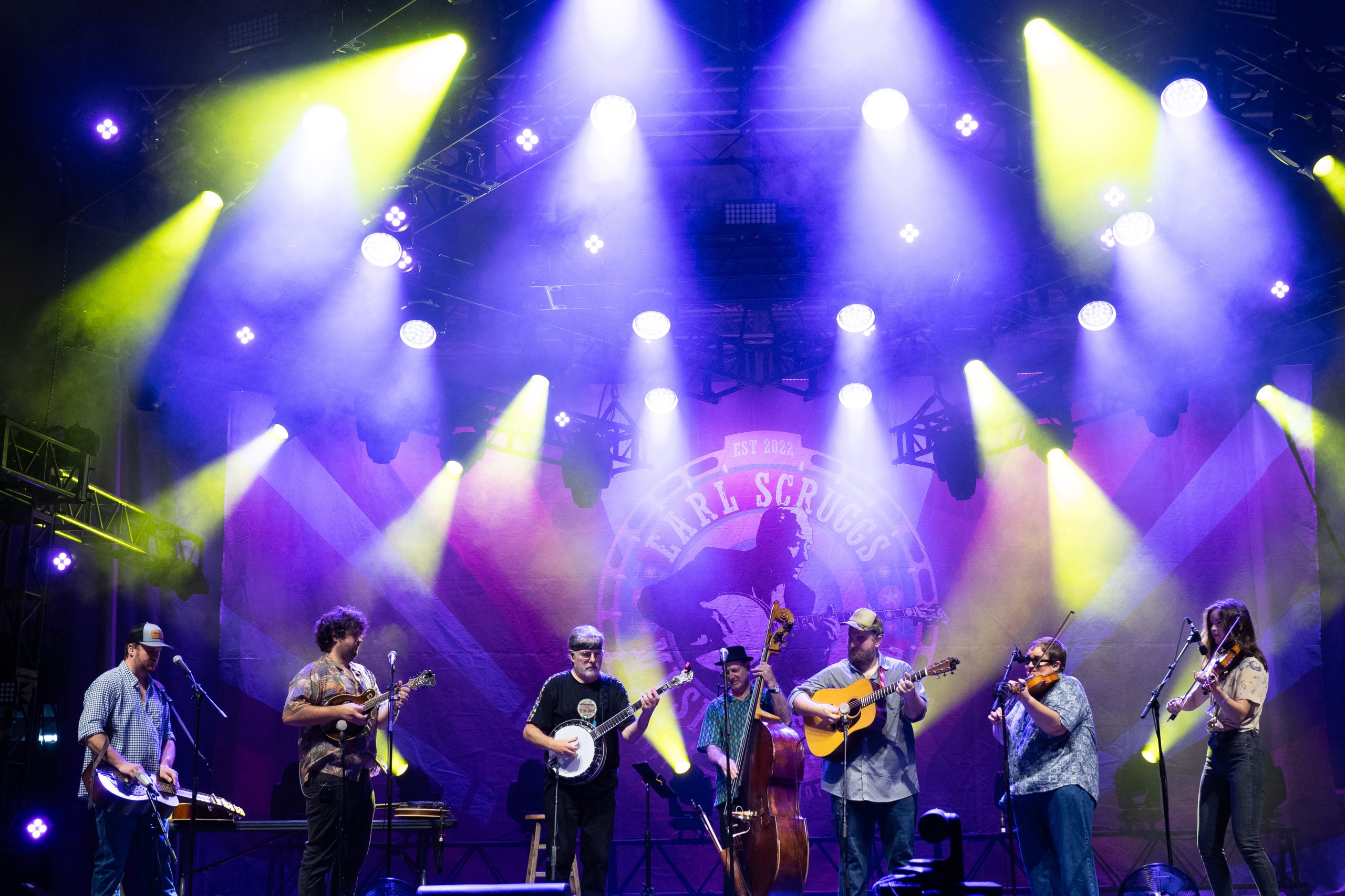


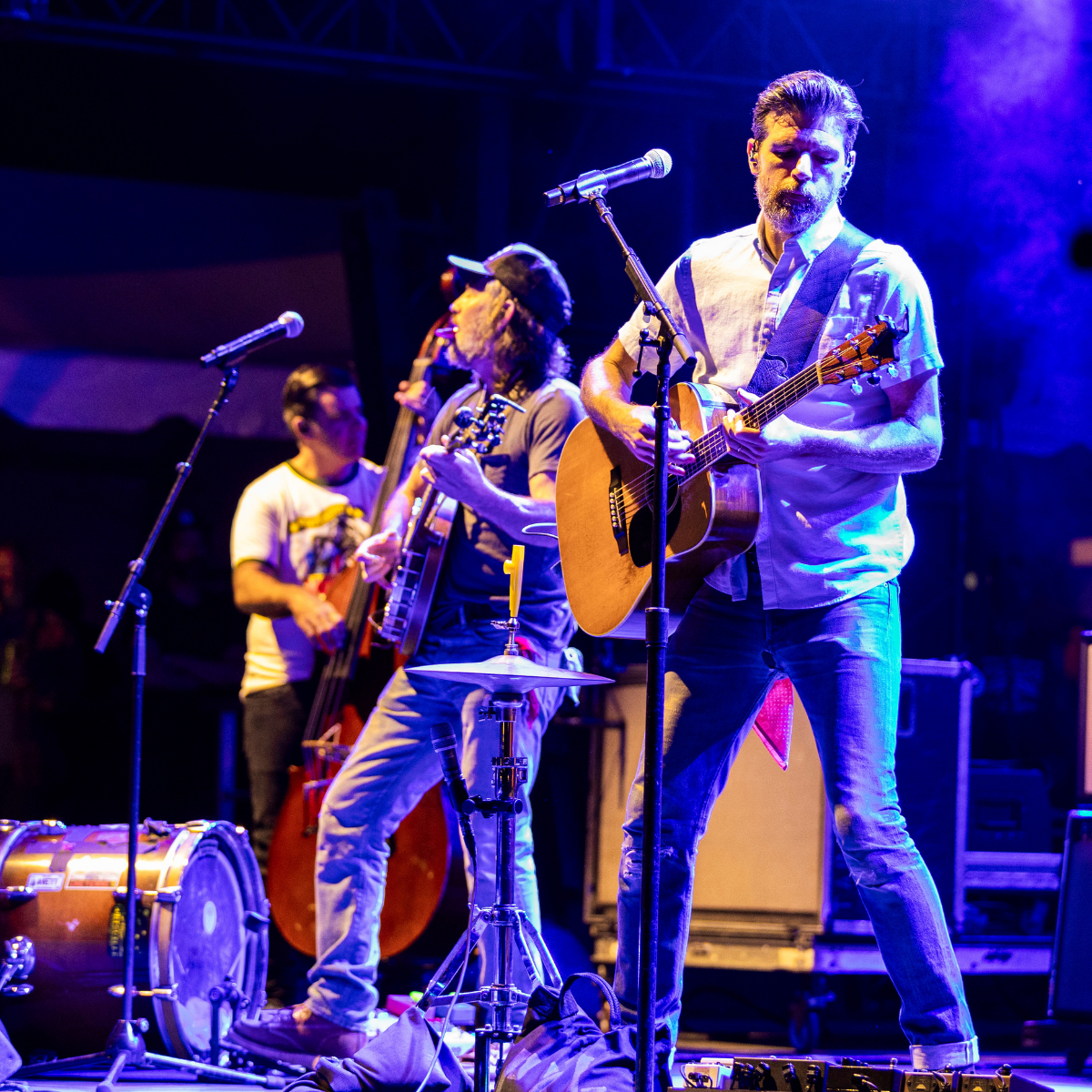
All photos courtesy of Earl Scruggs Music Festival. Lead image of The Avett Brothers: Bain Stewart.