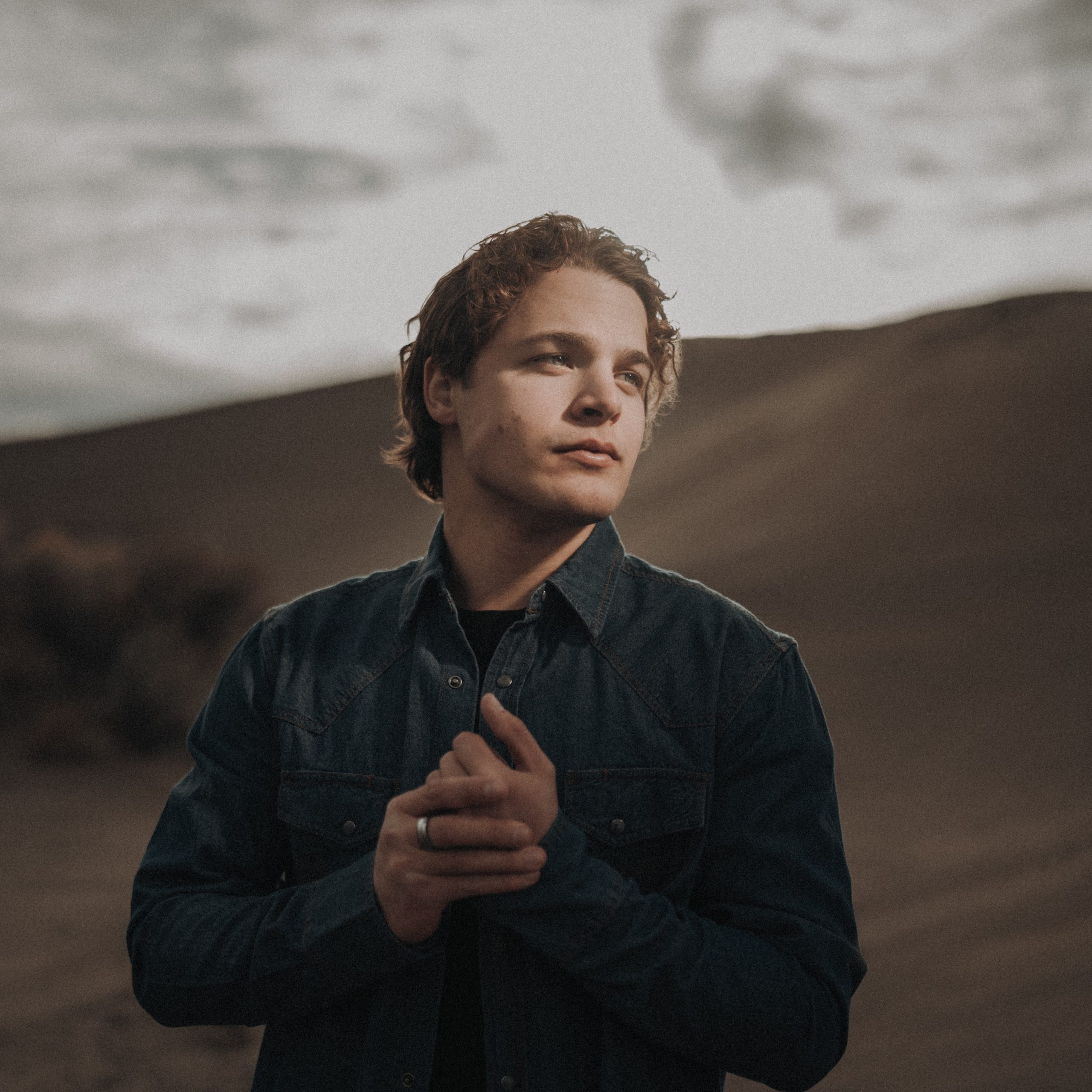
With the arrival of his latest LP, Leave on a Light, McNown leans into the appreciation and love he has for those who have anchored him through the whirlwind last few years, and reminds the listener – and himself – of the value in slowing down to embrace the beauty around us.
In the matter of three short years, the Oregon native – now based in Nashville – has made a name for himself thanks to a rapidly growing body of work – including his breakout single, “A Lot More Free,” and the follow-up hit, “Better Me For You (Brown Eyes),” which climbed to No. 26 on the Billboard Hot 100 earlier this year.
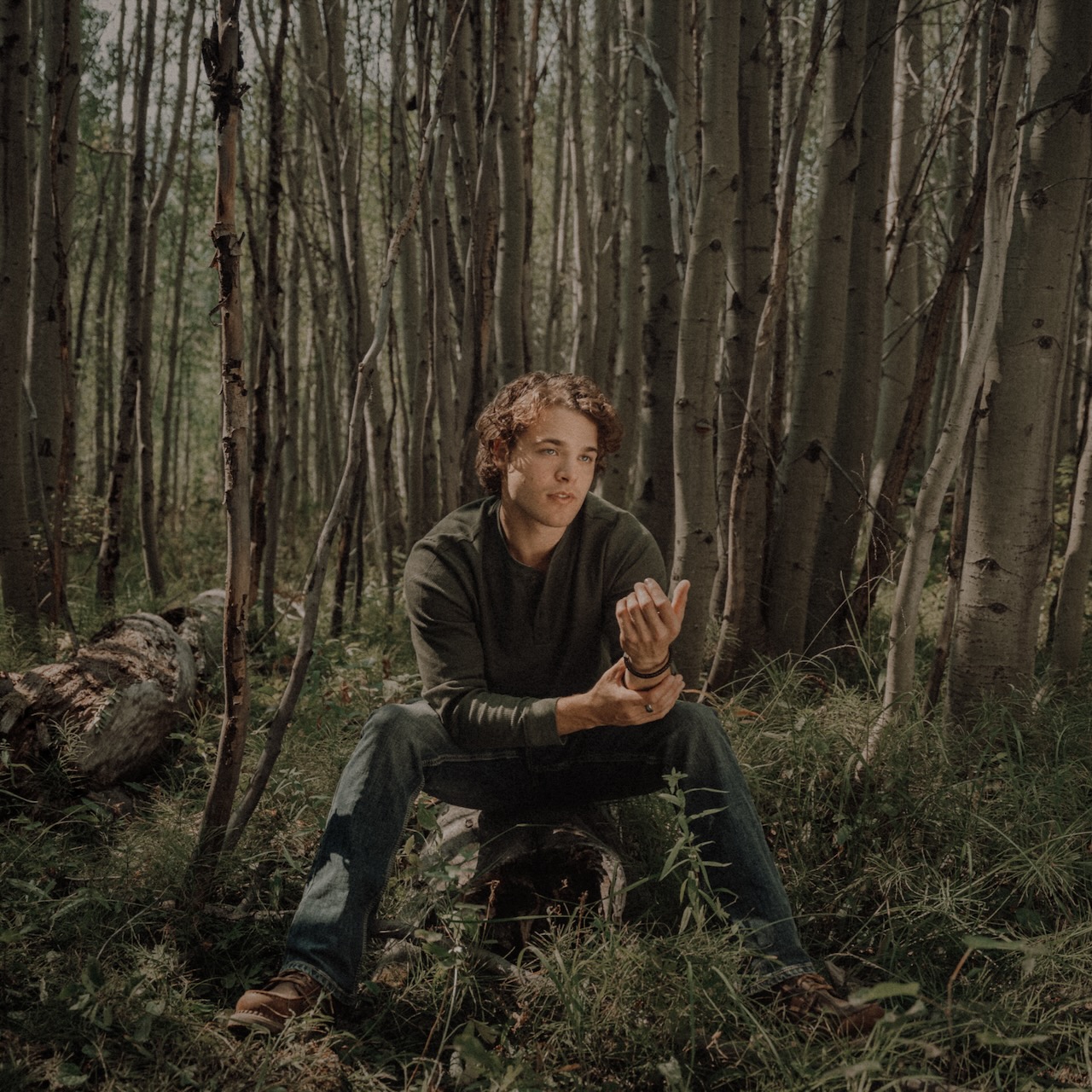
As a native son of the Pacific Northwest, the region continues to influence his sound as he finds inspiration and respite in nature, creating “music that feels like the forest.” From the opposite side of the continent, McNown spoke with BGS via Zoom from Halifax, Nova Scotia, where he was on the road as part of his headlining Summer Vacation Tour.
BGS: This is your third album in less than three years. I imagine it’s been a breakneck few years for you. How are you feeling at this moment, with the release of this new project?
McNown: Oh, gosh. I gotta say, I’m tired. I’ve been playing a lot of shows, writing a lot of music, and just kind of going nonstop for those three years, and it’s gotten me where I am, and so I’m extremely grateful, and I don’t plan on taking the foot off the gas pedal anytime soon, but yeah, it’s weird. I don’t know what time zone I’m in half the time in my life, but I am very excited about the project, and I’m very excited about the songs finally being out and seeing the light of day because I put a lot of heart into it.
I wrote about 45 songs. We had a really difficult time – well, I had a really difficult time choosing which of the songs were gonna end up making it onto the project, which is something that’s a little different about this one. The other two albums were so “go, go, go” that we wrote just a couple extra songs other than the ones that were on the album. And now, I felt like I’d grown as a songwriter and I had grown as a musician in general with the amount of shows I’ve played, I felt like I could write more than before and really hone in on what I wanted to say with the album.
Talk a little bit about the shaping of this 17-song tracklist and the themes you’re exploring over the course of this project.
Yeah, so just about every single song on the record, in some way, is an expression of gratitude for the people that are caring about me, beneath the music. I think it’s natural when I’ve been going so hard for so long that it’s the thing that I’m most grateful for and I want to focus on, is the people that haven’t changed the way they view me and haven’t changed the way they treat me. You know, my parents, my siblings – there’s a song for my little sister, Selah – and of course my wife and my crew.
The song on the record, “Greatest Audience of All” – that’s talking about the people that were there at the very beginning when I was just sitting around a fire playing music for them. Each song is a bit of its own thank-you to those people in my life that keep the light on while I’m away, whether that’s mentally or physically gone. That’s where the album title comes from too, which is pulled from the pre-chorus of the song, “Slow Down, Slow Down.”
Leave on a Light certainly feels appropriate as the album title, because many of these songs seem to radiate this sense of warmth, optimism and light. Can you talk about that infusion of those attitudes in this music?
Yeah, I don’t know if that is intentional or not, honestly. I guess I’ll find out the more songs I write. I had somebody tell me a while back that one of the reasons that they enjoy my music, specifically, is because even in the songs that are about heavier topics or sadder things, there’s always an underlying sense of hope and I think that comes from just how I was raised and my faith and my family and what makes me, me.
So I don’t know if that’ll change from album to album. But I think that that sense of warmth is just something that found its way in. I hope that it’s because it’s in my heart, you know? When I’m writing a song, I’m not really trying to think about that warmth and that light, I’m just trying to write from who I am, and I think that’s the best thing you can do to kind of stand out, is to lean into the things that make you, you.
The Pacific Northwest seems to have really influenced your songwriting and the type of music you make. Having grown up there, how do you feel like it has impacted you musically?
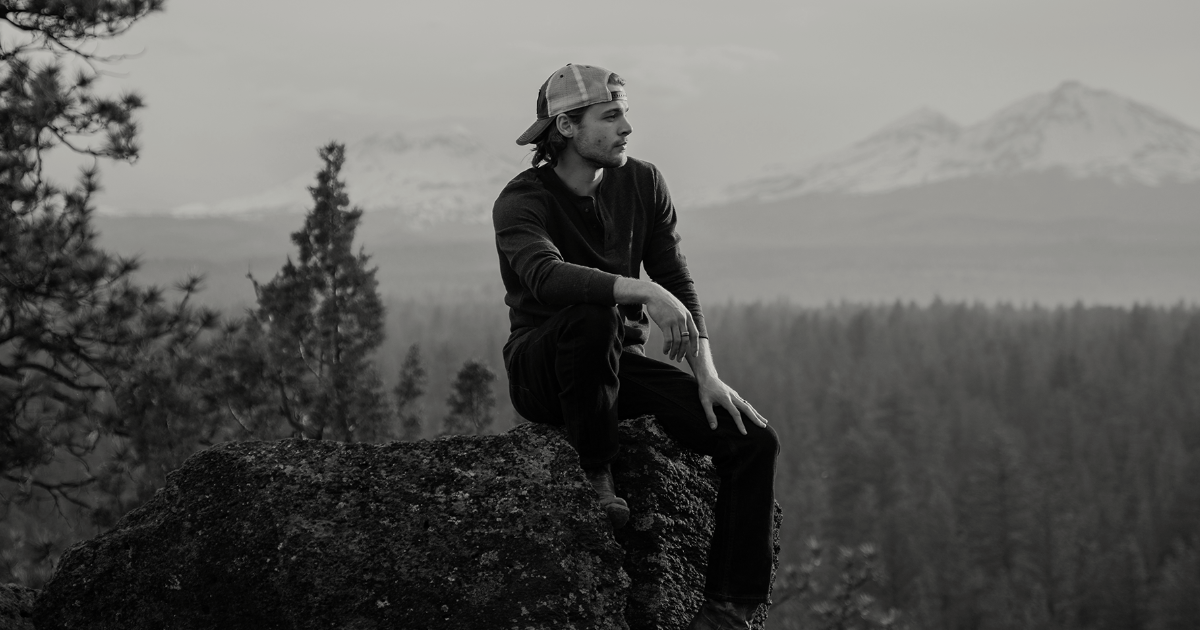
Yeah, I mean, when I was growing up in Oregon, and especially after high school, when I was spending time in Bend – and during COVID, back in West Linn – I was constantly hiking, I was constantly camping, I was constantly trying to find viewpoints and just explore nature’s beauty, because there’s so much of it out there.
And in high school and especially middle school, I kind of fell in love with straightforward pop music. And as I got older and as I started to put myself in those creation environments, the music that fit most was folk music. It was that “granola,” you know, the music that feels like the forest. I would say for me, that was Sam Burchfield, Gregory Alan Isakov, Rayland Baxter…a lot of that kind of folk-roots music. I ended up listening to pretty much just that. And I would say still to this day, that’s my personal favorite music.
Some of those similar nature sentiments seem reflected in the song, “Same, Same Sun” – how did writing this one come about?
That song was designed to feel like the forest. We were talking about Glacier National Park, we were talking about Yellowstone, we were talking about the Northern California Redwoods and the “Forever Ain’t Long Enough” music video that we just shot there and everything I had experienced there. We were all telling our stories, [songwriters] Scott Harris and Jamie Kinney and I.
Jamie was talking about what his trip to Montana meant to him, and how it made him feel small, and made him appreciate the life that he has because it’s so rare. It’s such a low chance of happening with how big this universe is. And so we set out to write a song that captured those feelings that we were all talking about. And at the end of the day, I think the primary takeaway of that song is I hope that people feel a sense that everything will be okay.
You know, that was a concept straight from my Notes page, “the same sun is shining on me.” Like, the exact same sun that every single human in the history of our Earth has seen and experienced in all of their lives that have come and passed, under that same sun, it kind of makes you realize that there’s some sort of bigger plan, and it’s gonna be okay at the end of the day. And I wrote it with that intention.
Once we got to its completion, I remember a few days later, I was driving to another write, and I was so tired. And I was listening to the rough mixes from the last few weeks, and “Same, Same Sun” came on, and I can’t really explain it, but there was an overwhelming sense of peace that I felt. And when my own songs – because I actually don’t love listening to my own voice still. It’s a little difficult for me. And so when one of my own songs evokes an emotion like that, it’s a sign to me that it’s something that needs to come out and see the light of day.
You started playing guitar just a few years ago, when you were 21. You’re 25 now, so it seems like you must be a pretty quick learner. Are there other instruments you are interested in learning to play or ways you’d like to continue expanding musically?
I’d like to get better at harmonica. I know the very basics of harmonica, you know, I play it each night on stage, but it’s pretty simple playing that I do, and I’d like to get a little better.
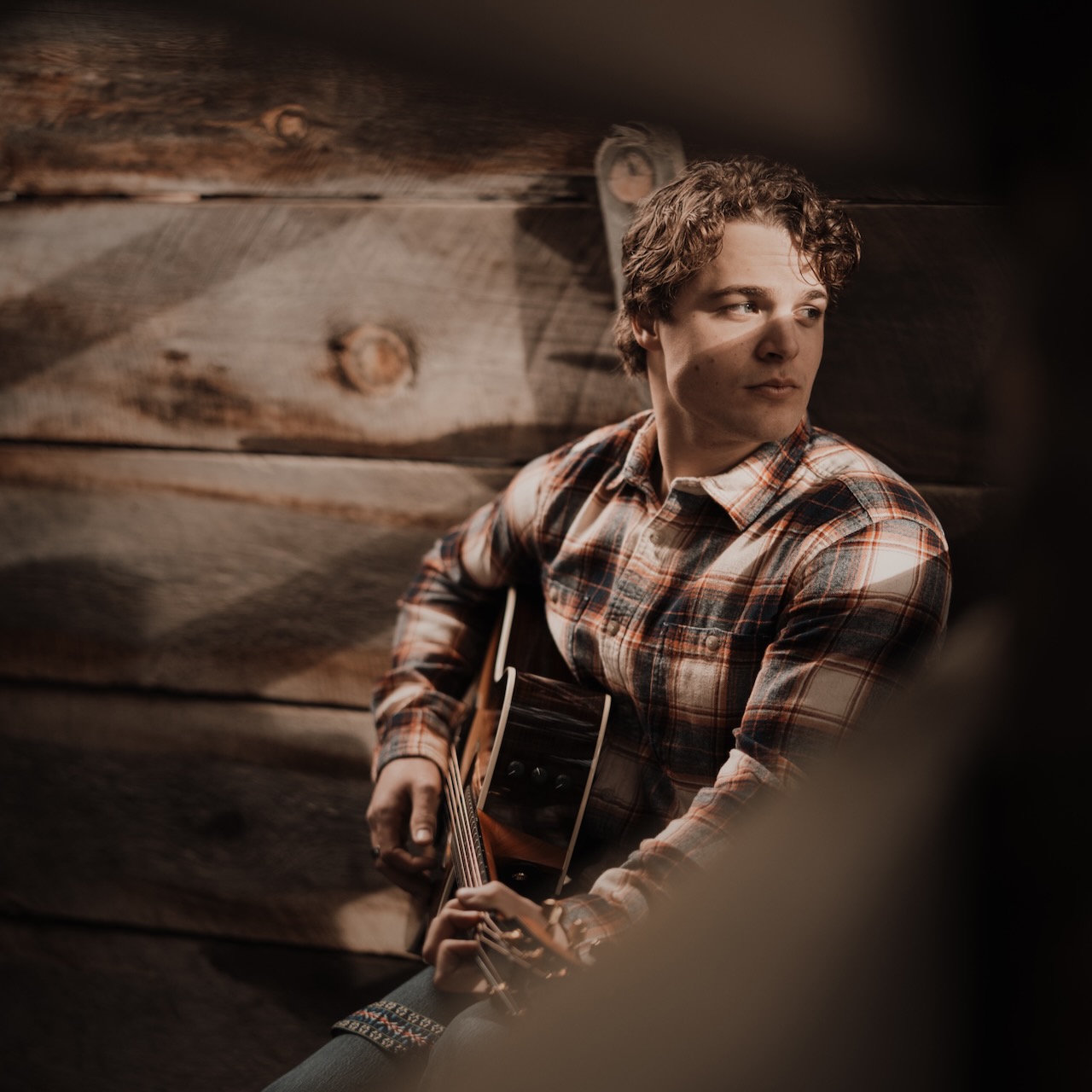
I would also really love to improve on guitar. People hear that I taught myself guitar at 21, and they’re like, “Oh, he must be really good now.” It’s been four years. And I’m like, “No, I pretty much just play rhythm on stage, and I capo and play some easy chords.” I really want to progress in that and grow so that I can start playing electric and actually playing some important parts of my songs that, you know, studio musicians would play, on stage. And so that’s something, that’s a 2027 thing that I’ve actually been talking to my bandleader about. I’m gonna try to get in one or two guitar lessons a week to really try to hone in on my guitar skills.
You’ve spoken about how some words your grandfather shared with you have really become an important reminder for you as you navigate this career: “Providence is the hand of God in the glove of circumstances.” How are you reminding yourself of those words as you go throughout your life? How would you encourage someone who wants to incorporate that way of thinking into their own lives?
Keep your eyes open. I feel like with the amount of technology we have and the doom scrolling capabilities, and especially with AI’s advancements, I feel like we’re getting further and further away from observation. We’re getting further and further away from being in moments and not thinking about other things. You know, every time you open your phone, you’re thinking about something else that pops up on your screen. I think just being present and seeking out coincidences that seem a little too insane to be coincidences, that’s where I see God personally in my life, and I think that it’s really easy to miss. It’s really easy to miss if you’re distracted, and there’s so much distraction in our world.
I think that’s one of the reasons I love nature, too. I love just not having those distractions, and being so present in this place, right exactly where you are right now, and looking around you, and observing, and thinking, and putting yourself in those places where you can fully take in the greatness of this world that we’re in. I think that’ll give you gratitude. And I think gratitude is the greatest combat to anxiety. And so the more gratitude you can try to search and feel, the better you’re going to feel mentally.
Photo Credit: Benjamin Edwards