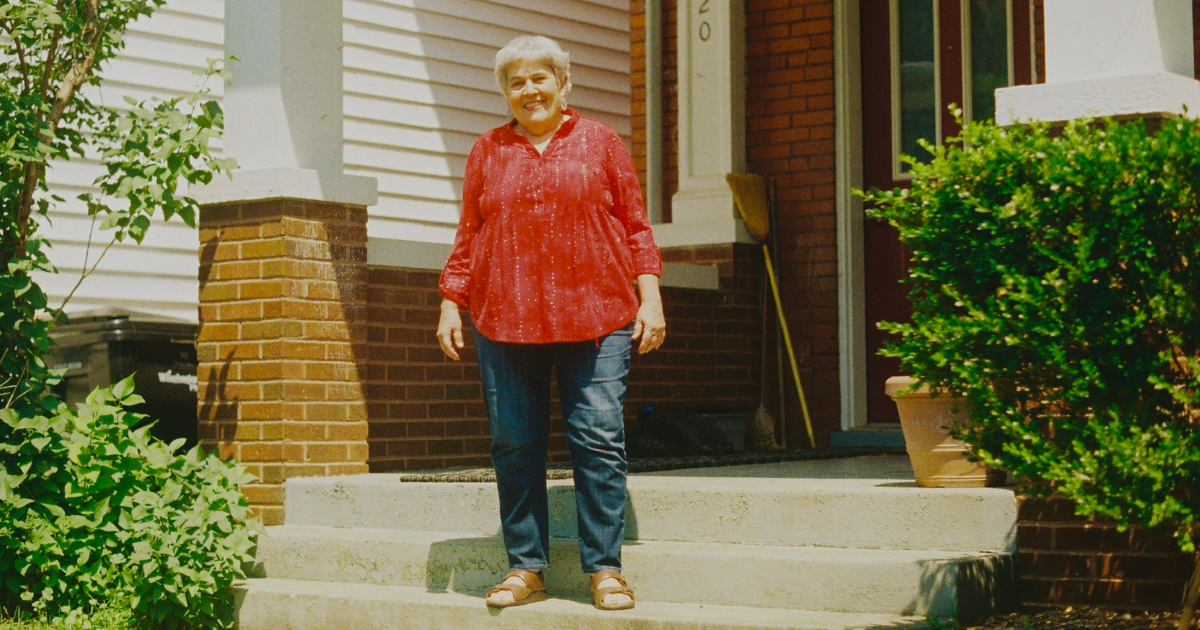

Murphy Hicks Henry used to describe herself as a banjo player. These days, she calls herself “a writer first, maybe banjo player second, fiddle player third, mother, grandmother, and feminist.” In this episode, we get to know Murphy and learn why she created the Women in Bluegrass newsletter. We hear how show co-creators Tristan Scroggins and Carolyn Kendrick first discovered these stories, and we begin to explore the systemic issues that led to the newsletter’s creation and, eventually, its quiet slide into obscurity.
In 1994, Murphy and her young daughter Casey were in the audience for a performance introduced as “the future of bluegrass.” When the curtain parted, there were five young men on stage. After a lifetime of fighting to be taken seriously as a bluegrass musician, Murphy was, in her words, “apoplectic” at the implication that the future of bluegrass didn’t include women. For Murphy, the possibility that the omission was unintentional only reinforced a familiar pattern: women simply being forgotten.
When she raised her concerns, she was told that the producers “couldn’t find” any young women to participate. Women had always been part of bluegrass music, but they had often been forgotten or simply ignored. So Murphy took matters into her own hands and began building a database of women who played bluegrass professionally, one that would make that excuse much harder to use. “I said to myself, I will start a database of women in bluegrass so this can never happen again.”
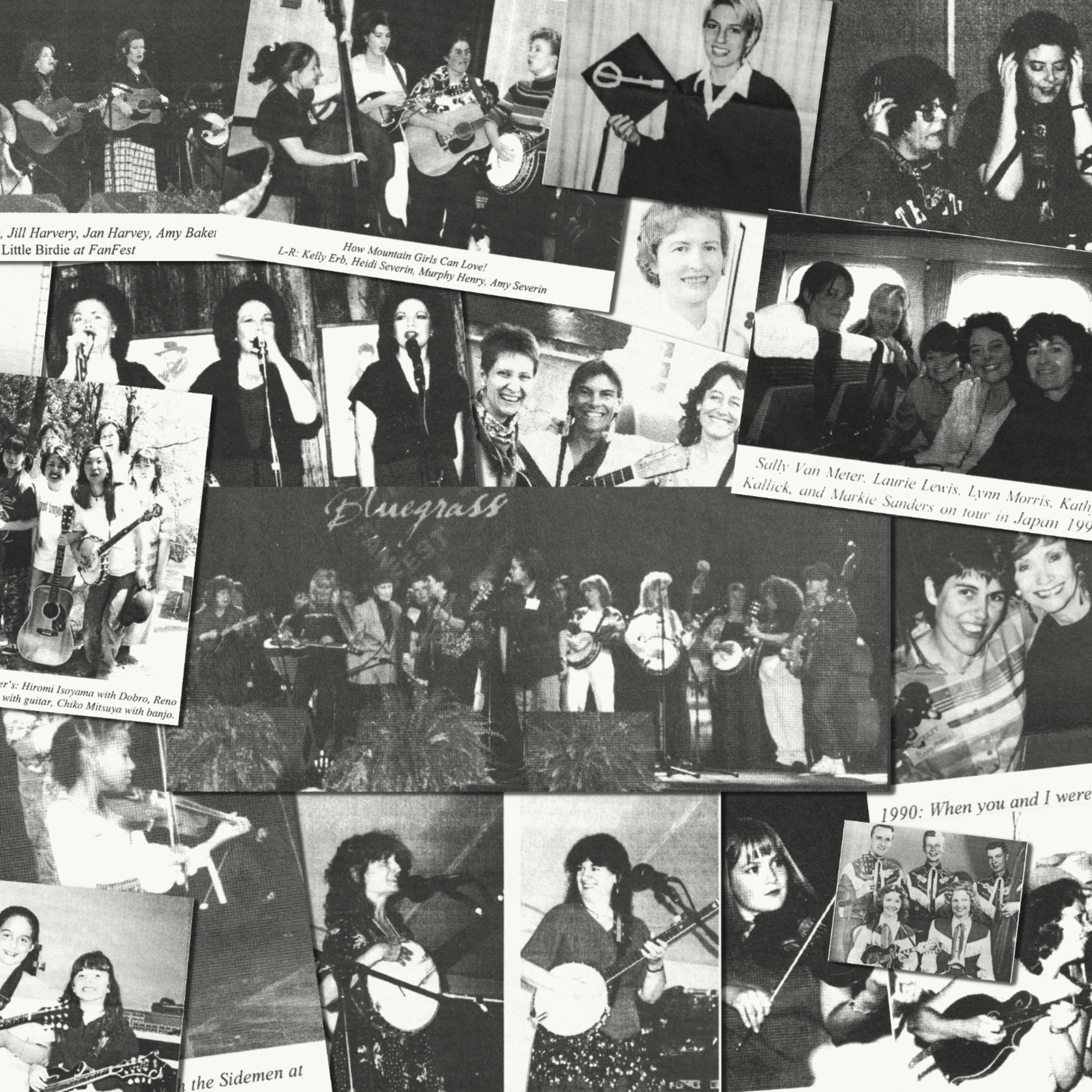
She wanted people to know what had happened and to help crowdsource more names for the database, so she put together and mailed out the very first Women in Bluegrass Newsletter in September 1994. The newsletter was published quarterly for nearly ten years, until 2003, when Murphy ended it to focus on writing her first book, Pretty Good for a Girl: Women in Bluegrass.
While interviews from the newsletters laid the foundation for the book, the newsletters themselves faded into obscurity as the world moved online. That is, until fifteen years later, when Tristan was given a complete collection. Immediately struck by their rarity and historical significance, he set out to create a digital archive, but he also wanted to bring the stories to life. When he brought the newsletters to our host, Carolyn Kendrick, she found them strikingly relatable to her own current struggles, but she was surprised and then curious why she had never heard of so many of these women.
Powered by RedCircle
LISTEN: APPLE • SPOTIFY • AMAZON • MP3
In this episode, you heard the voice of Murphy Henry as well as a brief snippet of her daughter Casey Henry. More information about Murphy, including how to purchase her book Pretty Good for a Girl: Women in Bluegrass, can be found here.
Sources and citations for today’s episode.
Read the Women in Bluegrass digital archive, created by Tristan Scroggins
To help support the archive, consider making a tax-deductible donation
For more information on our hosts and their other ongoing projects, please visit:
Carolyn Kendrick
Tristan Scroggins
Follow Don’t Call Me Darlin’ on social media
Interested in sponsoring us? Contact BGS
Underwriting Inquiries
Photo Credit: Carolyn Kendrick