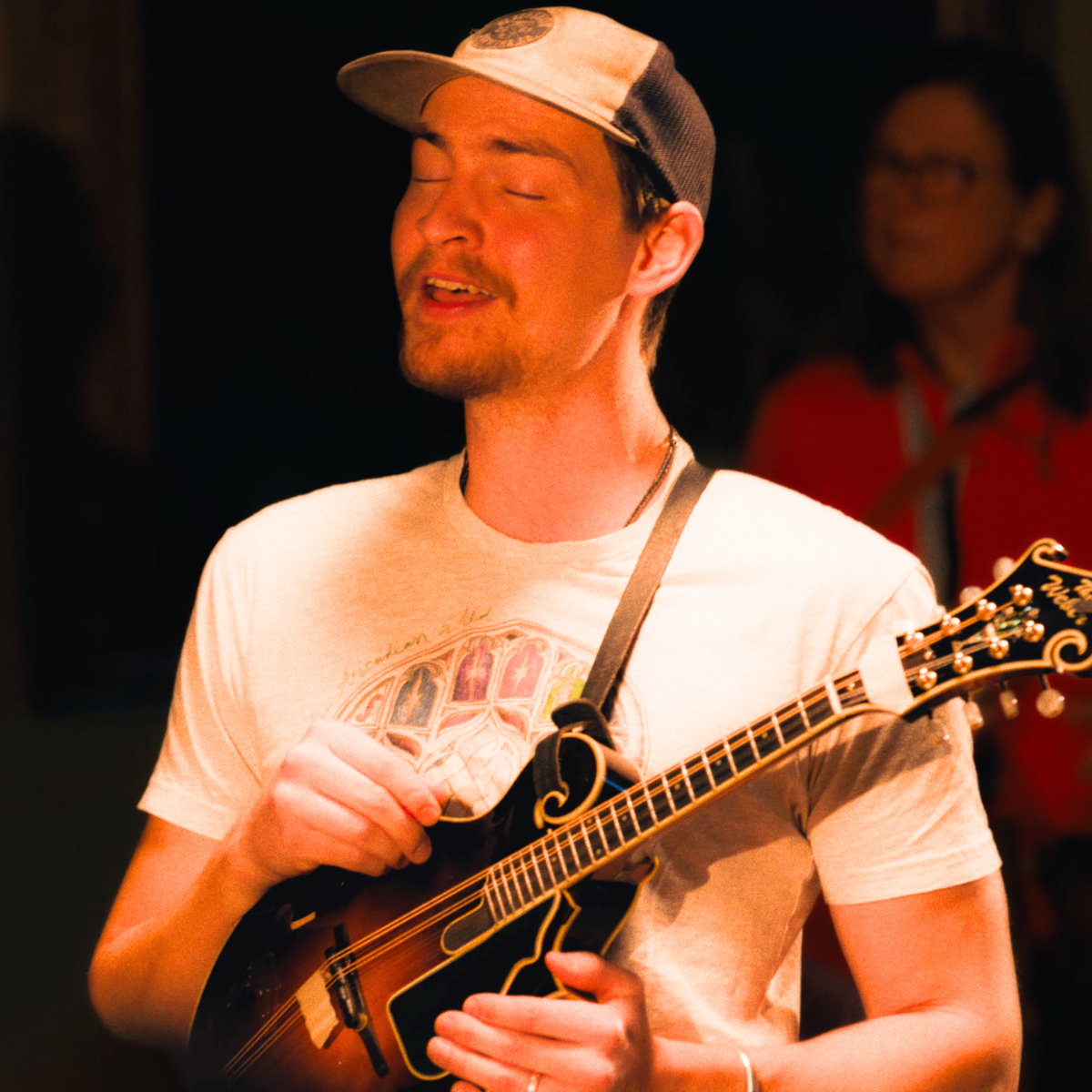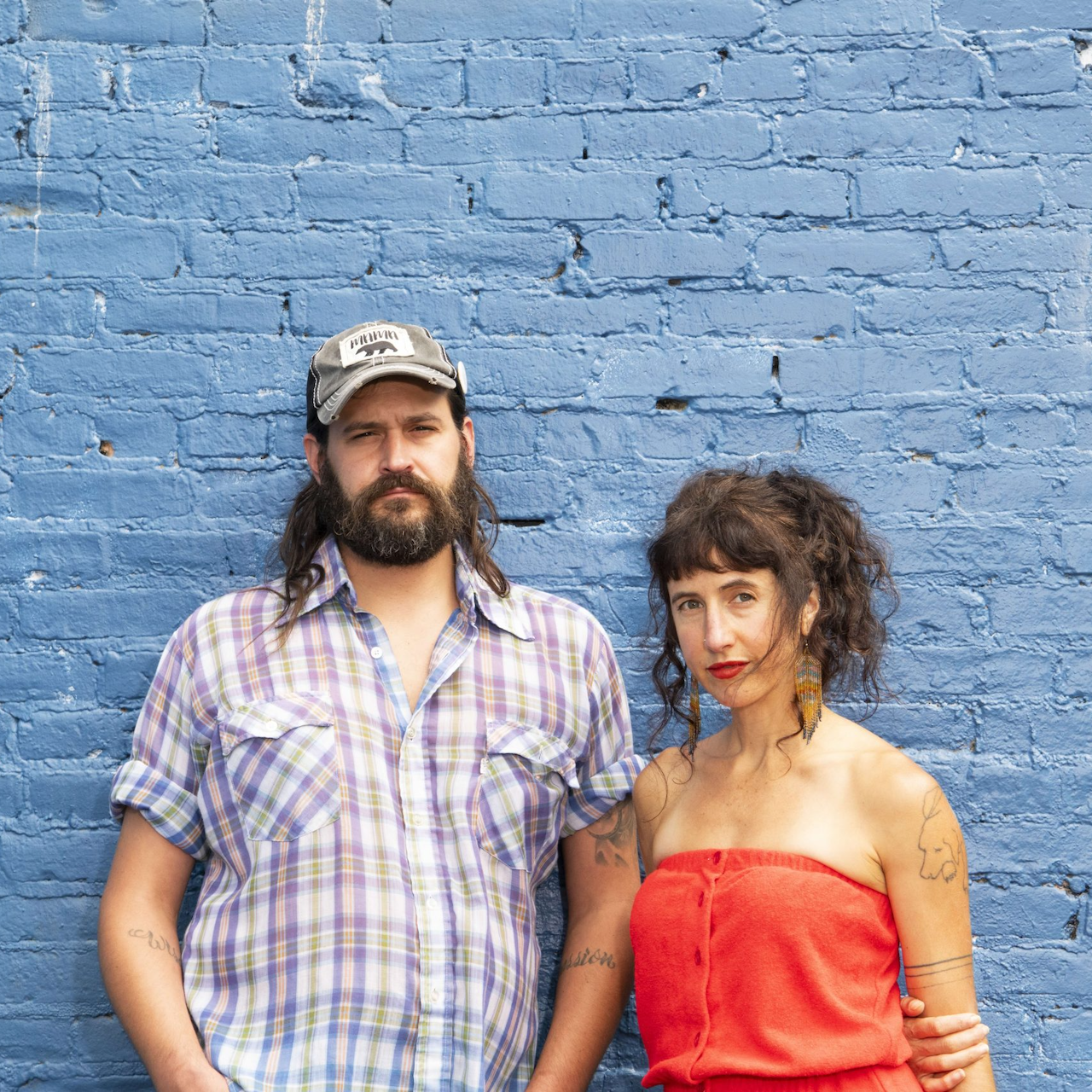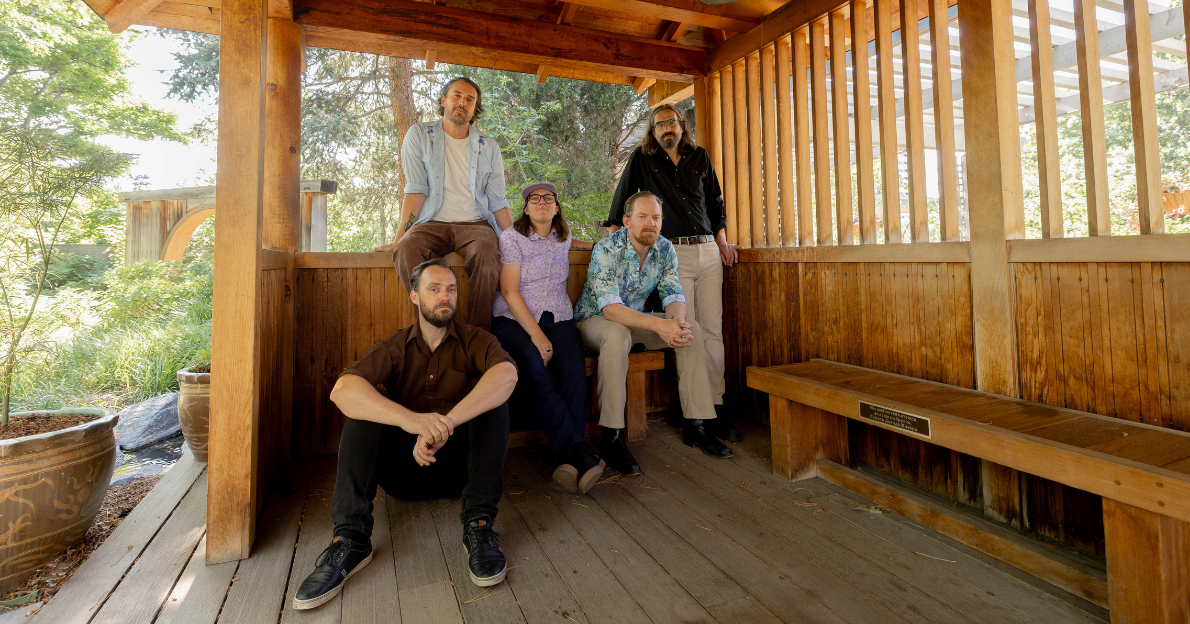

Formed in 2008 as a busking band on the streets of Portland, Oregon, Fruition has thrived in the places where people would least expect it. I mean, how else does a folk pop band wind up playing for and being embraced by the jamgrass community?
Over the past 18 years the band — Tyler Thompson, Kellen Asebroek, Miriam “Mimi” Naja, Jay Cobb Anderson and Jeff Leonard — has dropped eight albums including the just-released Something More, each one more explorative and cohesive than the last. The new album’s 11 songs touch on everything from hurdles in relationships (“Matters of the Heart”) to finding light in uncertain places (“The Well”) and dreaming about what comes next (“Something More”).
As the title track suggests, Something More also happens to be the band’s final album (for now) after it issued a statement that the economics of touring are no longer feasible. Ahead of the album release, Jay Cobb Anderson spoke with BGS about why now is the right time to say goodbye.
BGS: Tell me about the timing of this decision to step back from touring. I understand it partly stems from some issues you were having with the band’s sprinter van.
Anderson: We’d already been thinking about stepping back and the van breaking down was just another sign that was the right decision to make. It all started this spring when Mimi came to the conclusion she didn’t want to tour anymore. A lot of bands will continue on when one of its members doesn’t want to do it anymore, but the core of the group has always been her, Kellen and me, so when she told us that we all began to reevaluate things. It’s just been really hard out there since the pandemic. There’s less people coming to show and guarantees for bands are lower as a result.
Also, for a long time I’ve wanted to focus on my solo stuff. So, this doesn’t mean we’re all going to stop making music entirely. The way we’ve been doing it is just no longer sustainable. Things change and people grow, so there’s no telling what’s going to happen in the future. Just because we aren’t touring doesn’t mean we won’t play together again. In fact, I highly doubt we’ll never play again. We might even put out another record but not tour on it — you just never know.
It sounds like your desire to make music together hasn’t waned, just that the financials and logistics behind it are getting tougher to manage.
That’s absolutely the truth of it. We’ve sacrificed so much for the music, and have done so for a long time, that it just became automatic. But at a certain point we started asking ourselves, “What are we doing?” Because even when you’re doing this at a high level on a bus, it still eats your time and keeps you away from home for long periods of time. When you’re young you feel like you can go on tour forever. We used to never think about the future, so this just feels like a natural evolution of things.
However, it is also very sad because we are at the point where we’re musically connecting better than we ever have. The shows have been incredible and the sound of our band has reached a point that we’re really happy with. It’s definitely bittersweet to think that it’s not going to happen like this anymore, especially when we’re firing on all cylinders, but that’s just the way it is and life goes on. I’m just excited and proud to be releasing what I think is the best record we’ve ever made before this.
Is there anything new or different you’re planning to bring to this final run of shows?
With where we’re at, we’re already taking more chances than we ever have on stage. This record pushed us in different ways, like on the title track when our bassist Jeff Leonard played piano. It’s the only song we’ve ever done where he’s stepped away from the bass. Stuff like that is going to be special live, but I’m also looking forward to digging into our back catalog as well.
One of the shows I’m most excited for is at the Crystal Ballroom [in Portland] in January. It’s our second-to-last show, so we’re hoping to turn that into a big event with a bunch of old friends. I’m actually out on the road with Caamp right now. I’ve played with them for the past year and a half when I’m available. Over that time Taylor Meier and I have become really good friends, so I’m hoping to have a sit-in from him somewhere along the way.
When you first began writing the songs that make up Something More, did you already know this would be your “final” record?
This album was being worked on way before we ever had the idea to stop touring. As artists and writers, you’re always trying to evolve, and this record in particular has more co-writes than any record we’ve done. What’s cool is you get to not only hear the evolution of us individually through some of those songs, but true collaboration as they’re coming to life too. The song “By Now” comes to mind. I remember Kellen had a riff on the piano and all of us gathered around him shouting out words until the song wrote itself. It was a true tri-write!
There was no intentional thought of “This is ending” but I believe we were being really vulnerable with each other by bringing up songs that were half-finished and writing them together, which we’d never done before. It’s a great way to give tribute to this band that we’ve all been in for so long.
You reunited with producer Tucker Martine — whom you refer to as a sixth bandmate — on this record. What drew you to working with him again?
We first worked with him back in 2018 with our record Watching It All Fall Apart. He produced that and we recorded it at Flora Studios, so we had a rapport with him and loved working with him. We always kept it in the back of our mind that if we wanted to do the producer thing again, maybe we should go back to him. He’s just so good at knowing what to say and how to coax the best performance out of somebody. He’s one of those guys that we all trust in his ear and ability to help us build this thing.
He’s also super encouraging and open for exploration of his studio. We’re the kind of people that when we walk into his studio, we start exploring and messing around with stuff immediately. One of the things he had was this old organ from the ’60s called an Ace Tone organ. It’s a little suitcase organ that has a Farfisa sound to it. It’s a very unique sound that we immediately put on the first track on day one. Then we put it on the second track and at a certain point we’re like, “Let’s see if we can put this on every track” and that’s exactly what we did. It’s something that would never have happened if we weren’t recording with Tucker and didn’t have that kind of encouragement and freedom to just explore whatever’s in the studio.
One thing that’s really hard about being in a band with three different songwriters is making a congruent record that flows together, because everybody can be in different places in their lives. We’ve always just cared about if the songs are honest and have integrity, and Tucker has this golden thread he’s able to weave in between every track. Part of that has to do with his capabilities from the engineering side of things, like some of the amps he’s using and compression that he’s using that give everything a similar sound, even though the songs might be completely different. There’s rock and roll songs on this record, there’s soul songs, there’s country-ish songs, and for him to add his flavor to it all just makes for a much better record.
Were there any other peculiar instruments that found their way onto the record?
He’s got a really old Maestro Rhythm King drum machine, and we ended up using it on the last track on the record. He also had a specific kind of reverb tank that Lee “Scratch” Perry used on all his reggae dub stuff, which Tucker loves. Also on “All Over,” he had an analog space echo that was really fun. We’re pulling these old junker Harmony guitars off the wall because they have cool tones. He also had an autoharp that we used at the end of the song “Forward.” I just pulled it down and strummed it to see if it would work and was like, “Oh man, it’s in tune for this one chord,” and it was the ending chord of the song. [laughs]
It sounds like a lot of experimenting and trusting your intuition, which also seems to be at the heart of the song “Compass.” Care to elaborate on it?
Yes. The title suggests that in its own way and the lyrics – ‘You could be a light in the sky / Your heart is a compass rose / And it knows what’s right’ – are such poignant and simple things. Kellen actually wrote it about ten years ago and we demoed it with Tucker our first time around with him, but it wasn’t quite ready yet and wound up sitting on the back burner for a long time. It just wasn’t going to die though and popped back up during this album cycle and we knew we were finally ready for it when it did.
You already talked about how this album was recorded long before a band hiatus was on the table, but what about the song sequencing? How intentional were you with that, and does any of it reflect that this is the end of an era for the band?
The track order was really hard this time around, which is funny to me because usually it’s not for us. We typically go, “OK, this will be a great opening track” and “This will be a great ending track,” with it ebbing and flowing in between, but this time we all had different ideas of how the track flow would work.
Since we couldn’t come to a consensus on anything, we instead just did whatever Tucker wanted to do. It resulted in a very different track order than I was wanting for the record, which is interesting because I can be a little pushy in my artistic visions. But I just relinquished control, which took me a while to do, and eventually something clicked and now it really resonates with me. In Tucker we trust.
What do you hope fans remember most about Fruition when they listen and look back on your legacy as a band?
When you do this kind of thing, you always hope that you are resonating with your crowd and giving them something that they need. Our fans have been so great through the years and so supportive to us. We have a lot of hardcore fans, and I know a lot of people are going to be affected by this, but I hope that they just come to the shows like they have in the past, enjoy themselves and let us do our thing. They’ve always trusted us with throwing out new stuff and trying new things.
My goal is that people walk away from some of these last shows reflecting on the songs, the moments we’ve shared together and how we have always tried to be genuine, honest and vulnerable. I don’t want any of them to walk away thinking that we’re over each other or making music together, because that couldn’t be further from the truth.
Photo Credit: Lauren Hartmann; L to R: Tyler Thompson, Kellen Asebroek, Miriam “Mimi” Naja, Jay Cobb Anderson and Jeff Leonard