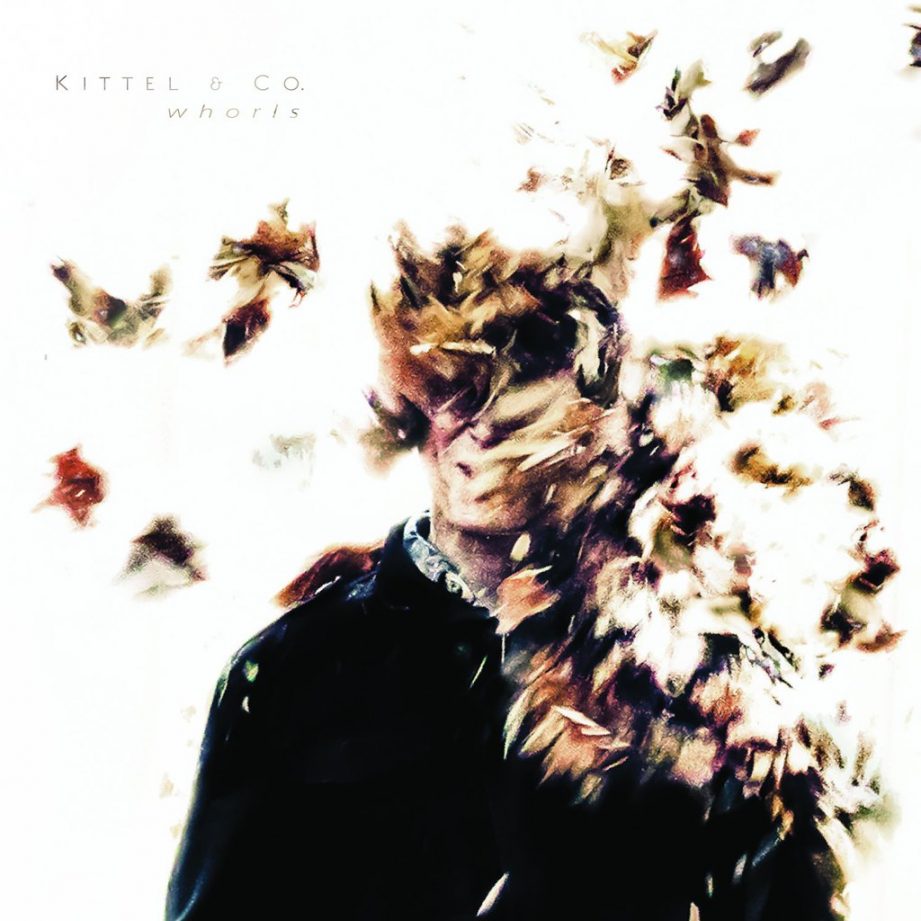
Kittel & Co., ‘Chrysalis’

It’s hard to say if humankind will ever know exactly how a caterpillar goes about shedding its skin, digesting itself, turning into a primordial soup, and then transforming its own goo into a resplendent butterfly or moth, but the entirety of this process happens in one of two places: inside a cocoon or a chrysalis.

Whorls, an eleven-tune elemental soup of its own, invites listeners to envelop themselves in the cozy, metamorphic trappings that Kittel & Co. explored as they fashioned a new identity from their harlequin musical backgrounds and experiences. Led by fiddler, composer, and virtuoso Jeremy Kittel, the outfit has accomplished a feat of new acoustic, string band-rooted chamber music that isn’t simply as mind-boggling and intangible as the inner workings of a butterfly’s transfiguration; it’s as whimsical, alluring, and magnificent, too. “Chrysalis” begins with Simon Chrisman’s bounding hammered dulcimer, contemplative and exciting, while the ensemble chimes in one by one, in dialogue, building and deconstructing the silky hook together, ever dipping back into the melodic soup to transform the song into newer, grander, wilder, softer, shimmering versions of itself.

It becomes abundantly clear, as “Chrysalis” ebbs and flows, wriggling to life, that from top to bottom, Whorls is as if innumerable chrysalises were arranged like nesting dolls, with each subsequent transformation revealing a more surprising, captivating conversion building up to and succeeding each magical metamorphosis it contains.
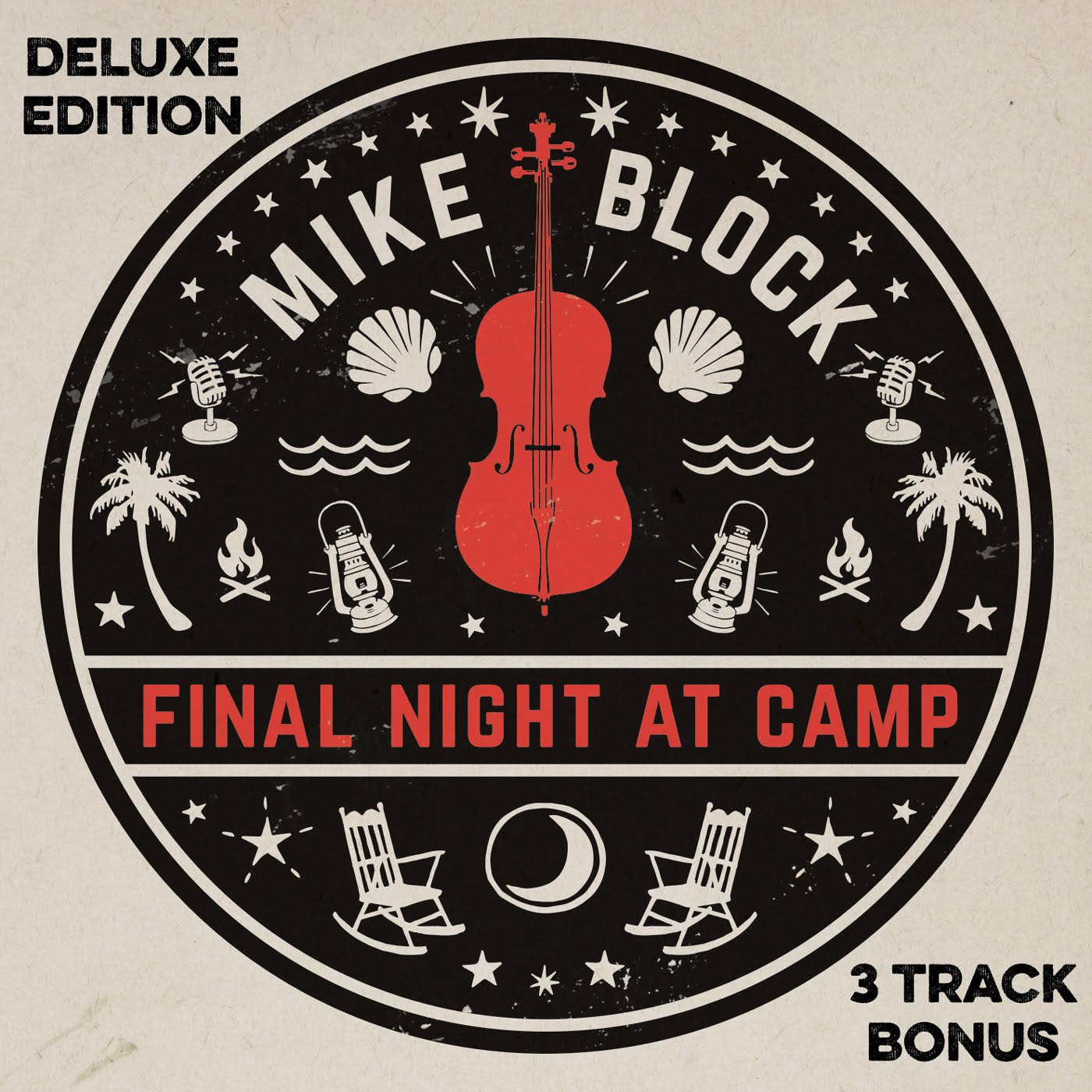
Mike Block, ‘Final Night at Camp’

Summertime = summer camp, doesn’t it? To musicians, though, camps of summer are only marginally related to The Parent Trap or Wet Hot American Summer motifs. Music camps borrow the familiar grounds, dormitories, and wood panel-clad mess halls and classrooms for a week or two here and there, when they would otherwise be left vacant, and then fill them with pickers and tunes. It’s an entirely different summer camp category, but they’re never less nostalgic, or memorable, or convivial, or sweltering than their more mainstream counterparts, even if they are a special breed of their own.

Mike Block, an acclaimed and traveled cellist, is a founder, proprietor, and curator of just such a music camp, and an experienced instructor at many others as well. His latest album, Final Night at Camp: Deluxe Edition, plays exactly like an end-of-week faculty concert, drawing on musicians and pickers who are just as familiar with the wonders and woes of folk music camps as he is. The title track seemingly mirrors a week a camp, for just as you begin to become comfortable and familiar with your surroundings, the craziness (sleep deprivation? One crazy, all-night jam? That one student who refuses to ask an actual question, opting for, “This is more of a comment, really…” instead?) sets in! On the cello-centered, original instrumental, that “craziness” is a wildly dissonant, dynamic breakdown, that reharmonizes the tune’s melodic hook fantastically and frenetically mid-song. But, just like camp, when everything settles, everything is finally sorted out and the time has elapsed, we’ve learned something — and we wish that the “Final Night at Camp” hadn’t come to a close so soon.

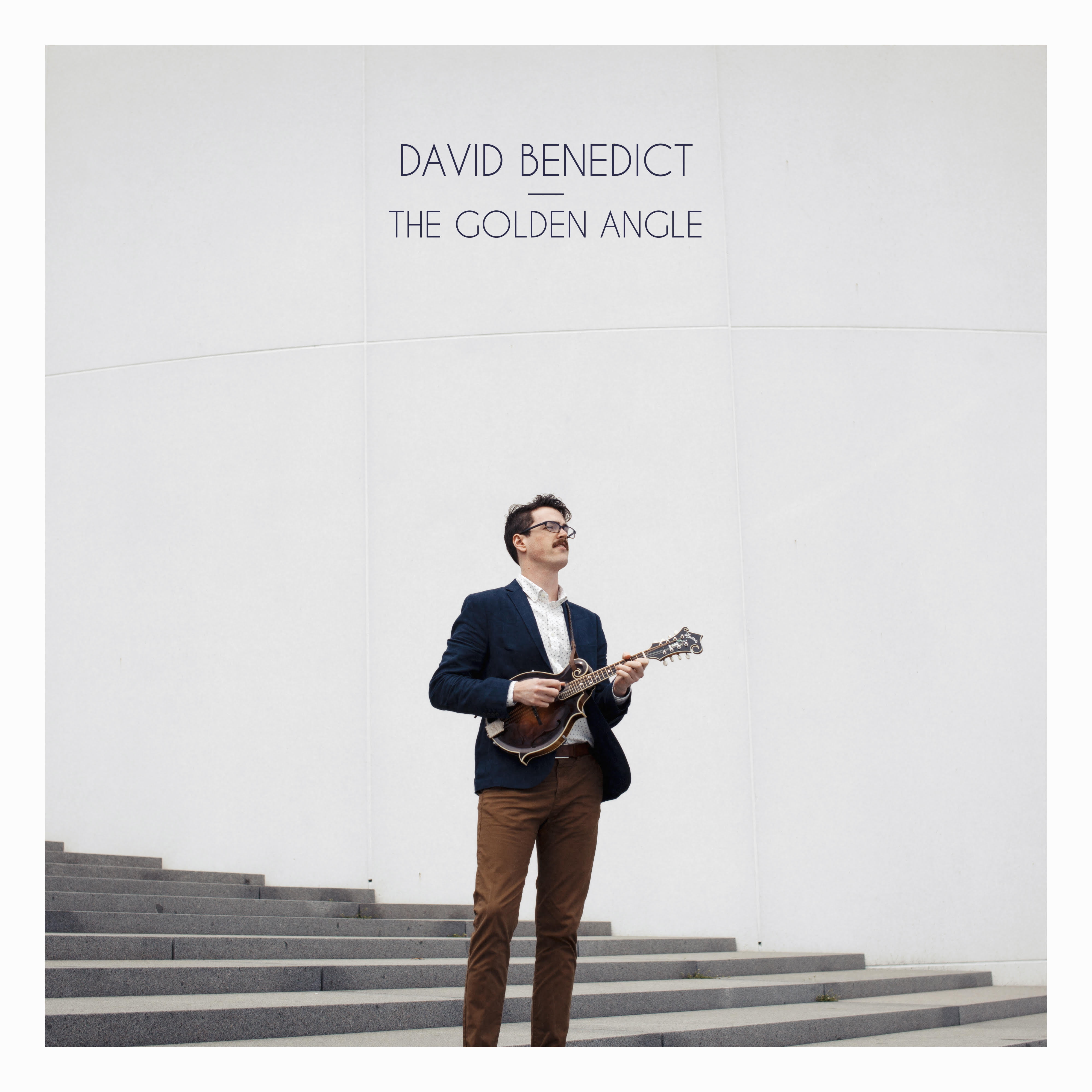
David Benedict, ‘The Golden Angle’

How does that old adage go? The one about “the company we keep” and all that? Based on the roster for his tune, “The Golden Angle,” it would seem mandolinist David Benedict had grown up with this principle as his cardinal rule. The title track of his upcoming album features bassist Missy Raines, the winningest bass player in the history of the International Bluegrass Music Association; Stuart Duncan, perhaps the most prolific fiddler and session player in Nashville and every bluegrass musician’s favorite musician; Wes Corbett, a former Berklee banjo instructor and one of the contemporary five-string’s most clever pickers; and Ross Martin, a flatpicker who impeccably combines the workhorse qualities of bluegrass with a more deft, subtle, jazz-flavored approach.

At the helm in the producer’s chair was another mandolin seer, Matt Flinner, whose fingerprints are found aplenty on the whimsical, Fibonacci-inspired tune. Like Flinner’s compositions, Benedict’s “Angle” is centered on a strong, cyclical melodic idea while it plays out linearly, each of the players listening intently to and building on what’s come before. It simultaneously registers as a danceable breakdown or a new acoustic chamber piece; it’s not better taken as one or the other, rather, its pliancy offers more varied perspectives on the song and its interpreters. Benedict’s voice as a composer and musician is remarkably mature and individualistic, without flirting with becoming too gratuitous — something that cannot be said for many pickers his age. It might be a safe bet to guess that these qualities are also thanks in part to the wildly phenomenal company he keeps, but either way, he should keep doing what he’s doing.