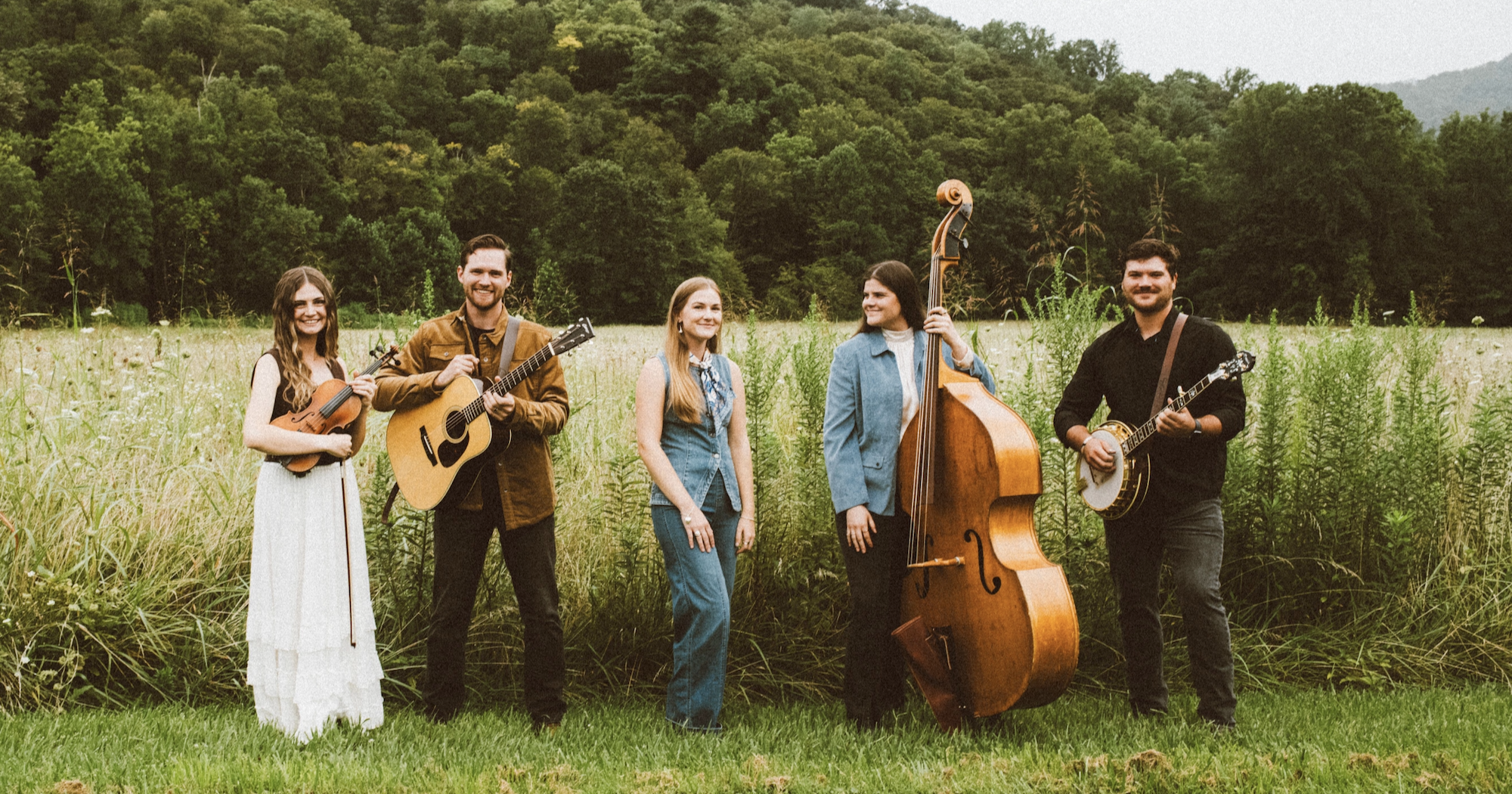
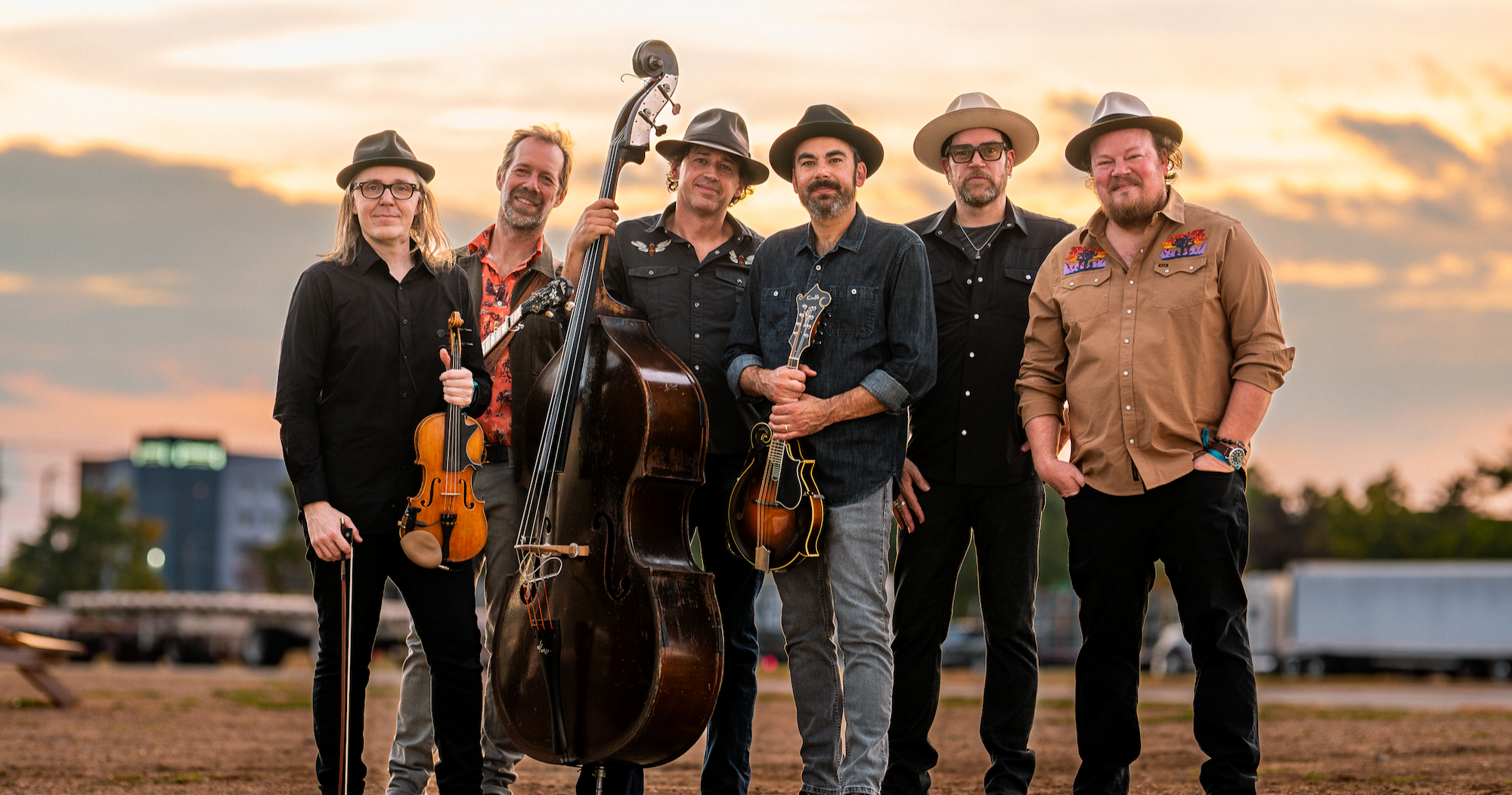
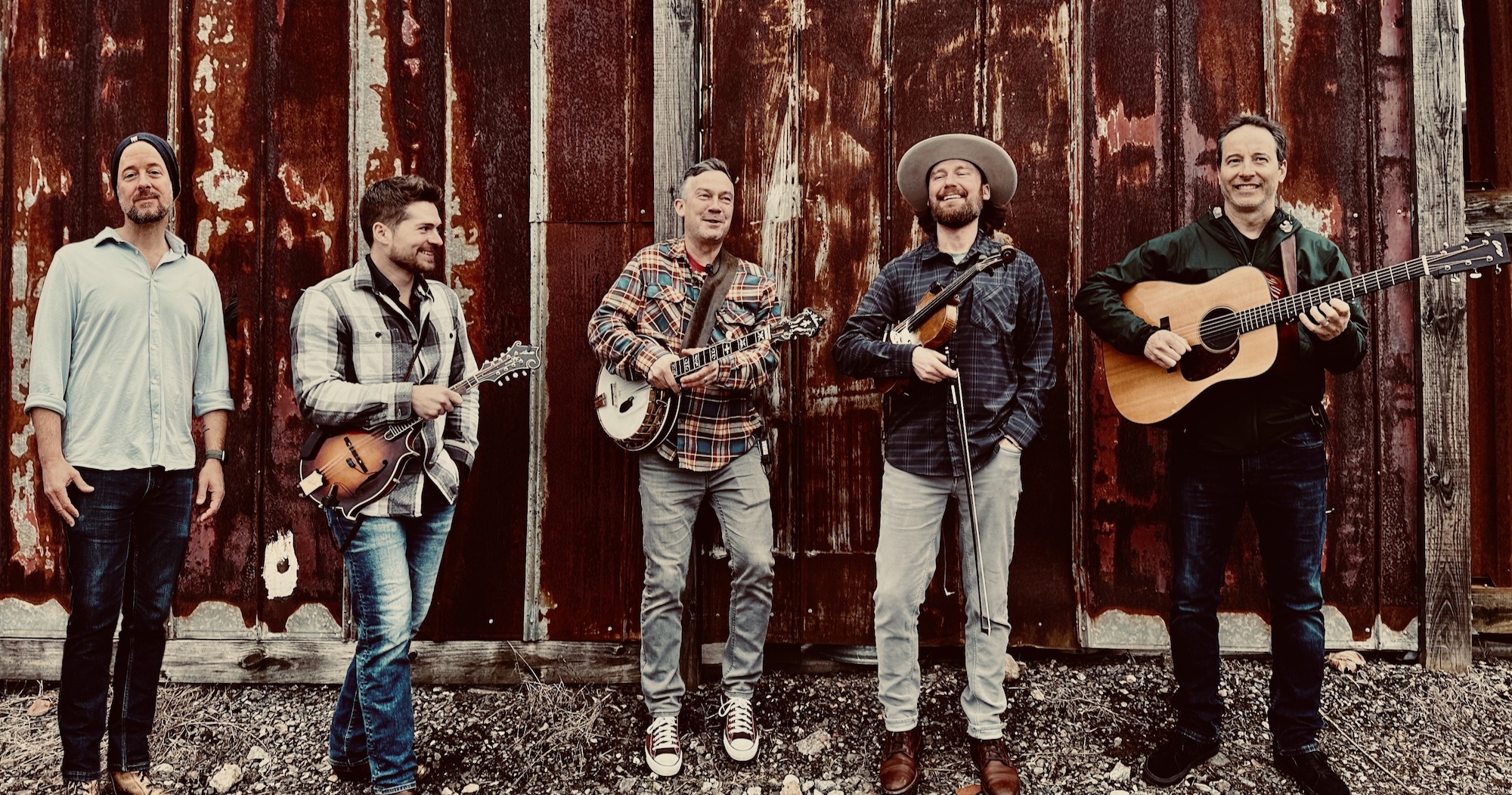
Artist:Eighteen Mile Hometown: Central, South Carolina Latest Album:Peace Be Still (released June 12, 2026) Personal Nicknames (or rejected band names): We were almost “Campbell House.” Bert and Gretchen Campbell opened their home to us in our early days of traveling as a band. That is where our direction was set early, and a lot of our first songs were written as a band!
What other art forms – literature, film, dance, painting, etc. – inform your music?
We all come from families that placed a high value on art of various forms. If you come to any of our houses you will see paintings on the walls created by family members and we will be using handmade pottery mugs given to us by family and friends. Being surrounded by quality handmade art has always set the standard high for our music and all our art!
What has been the best advice you’ve received in your career so far?
You have to believe that the best music rises to the top. Work hard on creating the best songs that you can, and then work hard to create quality recordings. If you can keep believing the best music will rise to the top, then it lets you relax a little bit once you have given it your best!
Which elements of nature do you spend the most time with and how do they impact your work?
All of us love being in nature. Jack, our banjo player, is an avid outdoorsman and is known to bring a fly rod on tour. Hallie is a photographer and has jaw-dropping photos from backroads (and off-roads) throughout the Southeast. Savannah comes from a mountain-climbing family in Idaho, so I [Carson] have found myself being dragged along on all sorts of adventures now that we are married. All of this impacts our work because we, as primarily gospel bluegrass musicians, think a lot about how to reflect God’s creativity in our music. What better inspiration is there than to be in the original creation itself!
What is the most random interview question you’ve ever been asked?
On The Dailey & Vincent Show (sponsored by Springer Mountain Farms Chicken), we were asked what our favorite chicken recipe was. We weren’t quite ready for that one, and I don’t remember what I said. So tune in on August 8th, 2026, to find out!
If you didn’t work in music, what would you do instead?
We are all still working our non-music jobs in addition to our work with Eighteen Mile! In a lot of ways, we are doing the things that we find fulfilling. Hallie is a coach, Carson works for a software startup, Savannah is a stay-at-home mom, and Jack owns a painting startup – in addition to teaching banjo!
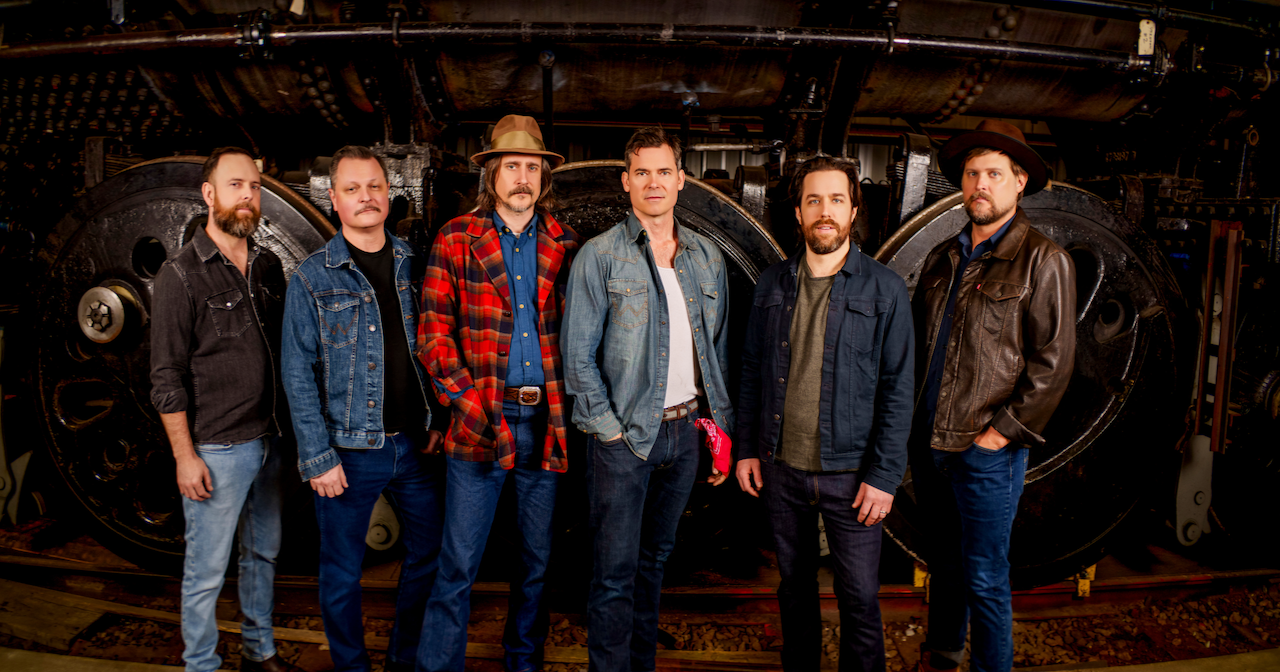
More than any of the world’s music, the songs of America are a reflection of a national identity and character. We are our songs.
Distilled into a few memorable minutes go the nation’s hopes and aspirations, the glories and tragedies of her past, and the promises of her future. This American canon is as diverse and vast as the country itself – our blues, breakdowns, or corridos are as different as prairies are from coastlines, as the Appalachians are from the Rockies. And yet, somehow, still our sound is a commonwealth, a singular voice rising from the chorus of many just like our national motto purports: “E Pluribus Unum.”
250 years is not a long time in the global scheme, and neither is 28 years of Old Crow Medicine Show‘s reign as an Americana string band. But somehow it is the vigorous and youthful American voice/song/songwriter/band (and not our transoceanic elders) that can best capture the world’s heart and soul in just a few minutes.
In this Mixtape, I’m proud to share some examples of this powerful artistry. You might already know every word to some of these songs while others you may have never heard, yet each is stitched together with a cloth of commonwealth that can only be found of uncommon ancestry. Though the singers may be perfect strangers, the songs that bubble up from our national cauldron are enough to nourish each and all. – Ketch Secor, Old Crow Medicine Show
“Howdy Do America” – Old Crow Medicine Show, Jesse Welles
Jesse Welles came whirling into the studio the other day and helped put a spit shine on this love song about the 50 states. I wondered if he was gonna get excited when he sang “Arkansas” and brother, he did not disappoint. Love this cat. He’s a brother, and I expect we’ll all be singing his tunes for years to come.
“Golden Rocket” – Jim & Jesse
I had the privilege of knowing Jesse McReynolds, even traveling and performing with him, and buddy there’s no wonder why Jerry Garcia thought he was the best of the bluegrassers.
“Field of Opportunity” – Neil Young
I was raised on Neil Young’s unique brand of tall prairie country rock. This track features the great Cajun fiddler Rufus Thibodeaux.
“Heaven Help Us All” – Joan Baez
Joan’s a real hero of mine. She’s like that tree planted by the water we all sing about, unmovable. Of all the singers on this playlist, I can say without a doubt if more people could be like Joan Baez, then this world would be a better place.
“I Wanna Go Country” – Otis Williams & the Midnight Cowboys
I love this Motown singer turned country crooner, and the world would have too, if Nashville hadn’t been so narrow-minded.
“Beautiful Land” – Old Crow Medicine Show, Maggie Rose, Lee Oskar
I wrote this one with a Baháʼí faith elder named Eric Dozier just down the street from the Tennessee State Capitol building. Sometimes politics feel like a fortress. But music has a way of wandering through the keyhole of even the most impenetrable door.
“There’s a Star Spangled Banner Waving Somewhere” – Elton Britt
I played this one for my kids on Memorial Day. They sat through it start to finish, and you should, too. It’s easy to get complacent about the sacrifice our grandparents and great-grandparents made in the 1940’s for each of us. Don’t do it.
“Oasis” – Molly Tuttle
Molly’s my favorite American singer. Here’s one of our travelogue-style songs. I had it stuck in my head all last week at the Tico Time Bluegrass Festival in Aztec, New Mexico.
“The Green Rolling Hills of West Virginia” – Hazel Dickens & Alice Gerrard
These girls rip. Back at MerleFest in the year 2000, I filled out Old Crow’s first ever W-2 form and gave it, with a shaky hand, to the great Alice Gerrard.
“How’s About You” – Dave Rawlings Machine
The Great Depression gave the world some of its most powerful songs. And even generations later, the events of the 1930s remained powerful enough to inspire music like this.
“Rock of Chickamauga” – Jimmie Driftwood
Songs about the Civil War are some of my favorites in the national cannon. Jimmie Driftwood is one of my favorite songsmiths. He’s an absolute master of the historical ballad.
“Across The Great Divide” – Kate Wolf
I am awestruck by the landscape of the West, and few songwriters can take you there better than the amazing Kate Wolf.
“What Did You Learn in School Today?” – Tom Paxton
I’ve been singing this one since I was a youngin. When I was 12, I discovered my uncle’s weathered copy of Vanguard’s album Newport Broadside: Topical Songs at the Newport Folk Festival 1963, and that was my introduction to Tom.
“The Tramp on the Street” – Molly O’Day
Born in Pike County, Kentucky, she’s one of my favorite bluegrass singers. She first heard this song from Hank Williams on a Birmingham radio station, and it became her signature song. American music has a way of championing the underdog better than most.
“Shenandoah” – Bob Dylan
I think I was 15 when I first heard Bob singing this gem, hidden in the ruffles of one of his more questionable ’80s albums. I thought, “Damn, Bob knows where I’m from.”
“Corrido de John F. Kennedy” – Los Reyes del Corrido
My band has been dabbling in conjunto for two decades now. We got to learn this one for next time we play the big D (Dallas).
“Which Side Are You On” – The Weavers
No collection of American songs is complete without a protest piece from the labor movement, the first dark corner where the full power of American music was unleashed.
“The City of New Orleans” – Arlo Guthrie
When we play Chicago, I always talk about Steve Goodman, who wrote this song. I sure would have liked to have known the guy. Thankfully his music will last forever.
“Cowboy National Anthem” – O.B. McClinton
O.B. left this world before he was fully known by the country music fanbase that would soon send black country singers consistently to the top of the charts. He was a man before his time, but the music he made reminds us that, just like Ray Charles said, “Country music is black music.”
“Deportee (Plane Wreck at Los Gatos)” – Old Crow Medicine Show
We love Woody Guthrie, and this is one of the numerous songs of his we’ve recorded through the years. In a nation of immigrants (I’m a French Huguenot), it’s hard to imagine how we could exist without a steady flow of new members to our American family.
“Big Backyard” – Molly Tuttle
When Molly and I wrote this, it was on account of having a massive vacant lot behind the house we were composing in. Now that same lot is full of little yellow flags and “coming soon” signs. Yet still we sing, louder this time.
“For What It’s Worth” – Buffalo Springfield
A few years back, I had the distinct pleasure of sharing an elevator with Stephen Stills, author of this earthquaking song which Buffalo Springfield recorded in 1966 – and we covered this year on our new album, Union Made. I wanted to tell him thanks, gush, and get my picture made. Instead, I stood quietly until he rasped, “I heard your soundcheck. Great band you got there. Keep ‘em together if ya can.” Thanks, I will Stephen.
“Louder Than Guns” – Old Crow Medicine Show
This summer, PBS stations across the country are broadcasting the film we spent three years making in a half-dozen tour stops along our travels. It’s a movie about bringing together the disparate ends of the 2nd Amendment debate during an era in which guns kill innocent Americans at shocking rates. It’s a tall order, coming together to flatten the curve, seeing past our silos and personal politics, but in town after town I watched people listening across the divide. As easy as it is to be hopeless, the film has made me hopeful we’ll get beyond this impasse and prioritize the safety of our communities. This song is the theme of this film.
“American Tune” – Allen Toussaint
I’m glad you made it through to the end. Old Crow opened up for the great Allen Toussaint in the Berkshires back around 2011. The record featuring this song had just come out and when he launched into it, I was nearly knocked off my feet. So powerful. So simple. Says it all.
Artist:Benny Bleu Hometown: Hemlock, New York Latest Album:When I Am a Fossil (released June 5, 2026) Personal Nicknames (or rejected band names): My real name is Benjamin Haravitch. I like it just fine, and maybe someday I’ll release music as that guy. For now, Benny Bleu helps out.
Which artist has influenced you the most – and how?
Early on in my old-time journey, I became obsessed with the fiddling of Rayna Gellert. I said to myself, “I want to play the banjo like she plays the fiddle.” And that goal still stands. I love the way she records and releases music, especially her latest duo albums with Kieran Kane and also alongside Joachim Cooder. The music is accessible and rooted in traditional old-time music and also totally fresh with a clear point of view. Most importantly, it feels good and flows with perpetual motion. All things I try to do with the music I make.
What was the first moment that you knew you wanted to be a musician?
When I was about four years old, a new neighbor moved in next door. Gary. He had a band called Wilderness Family (banjo, fife, snare drum, upright bass, accordion) and I remember them playing for us in my driveway. When I was eight or so, the band threw a party in my backyard and invited all their freaky musician friends who camped out and jammed and juggled all weekend. I eventually grew up, but I don’t think I ever left that party. For a while I tried to work a 9-to-5 as a geologist. But the songs never stopped ringing in my head! I knew there was no avoiding the fact that I make music and that’s just what I do.
Which elements of nature do you spend the most time with and how do they impact your work?
All of the music I make is an echo of my relationship with the earth. Even the way I tour reflects this, primarily getting around on Amtrak. My new record When I Am a Fossil is entirely focused on our place in nature. In the title track, I reflect on my past life as an environmental geologist. Scientists in the deep future might find vast evidence of our human experiment, but will they ever find the steps we didn’t take?
I live in upstate New York, in a region known as the Finger Lakes. Two of these lakes – Canadice and Hemlock – have been lasting muses for me. Ancient worlds that have witnessed glaciation, generations of native cultures, colonial progress come and gone, and now provide water for the city of Rochester. This is a story I tell in the song “Abbey Lovely.” And “All I Want to Be” is a meditation on awe and the simple pleasure of being “here” in our place in nature.
Does pineapple really belong on pizza?
All toppings belong. Especially the under-represented ones, like pineapple. If a pizza is provided with a supportive crust, a zesty sauce, and savory cheese, then all toppings will manifest greatness. I don’t do the social medias, but in my newsletters I like to let my fans know where my favorite pies are as I travel around. I usually go for a simple slice of cheese.
What is a genre, album, artist, musician, or song that you adore that would surprise people?
The element of music that speaks to me most is rhythm. So I tend to love drummers and rhythmically adventurous musicians. I love Latin music. I love Fela Kuti and James Brown. Music that holds the groove above all else. Bernard Purdie, the legendary session drummer, is one of my favorite musicians and I hear a lot of similarity in how he keeps a song moving with how an old-time fiddler creates that perpetual forward motion. My desert-island-all-time favorite track would have to be “Sugar” by Stevie Wonder.
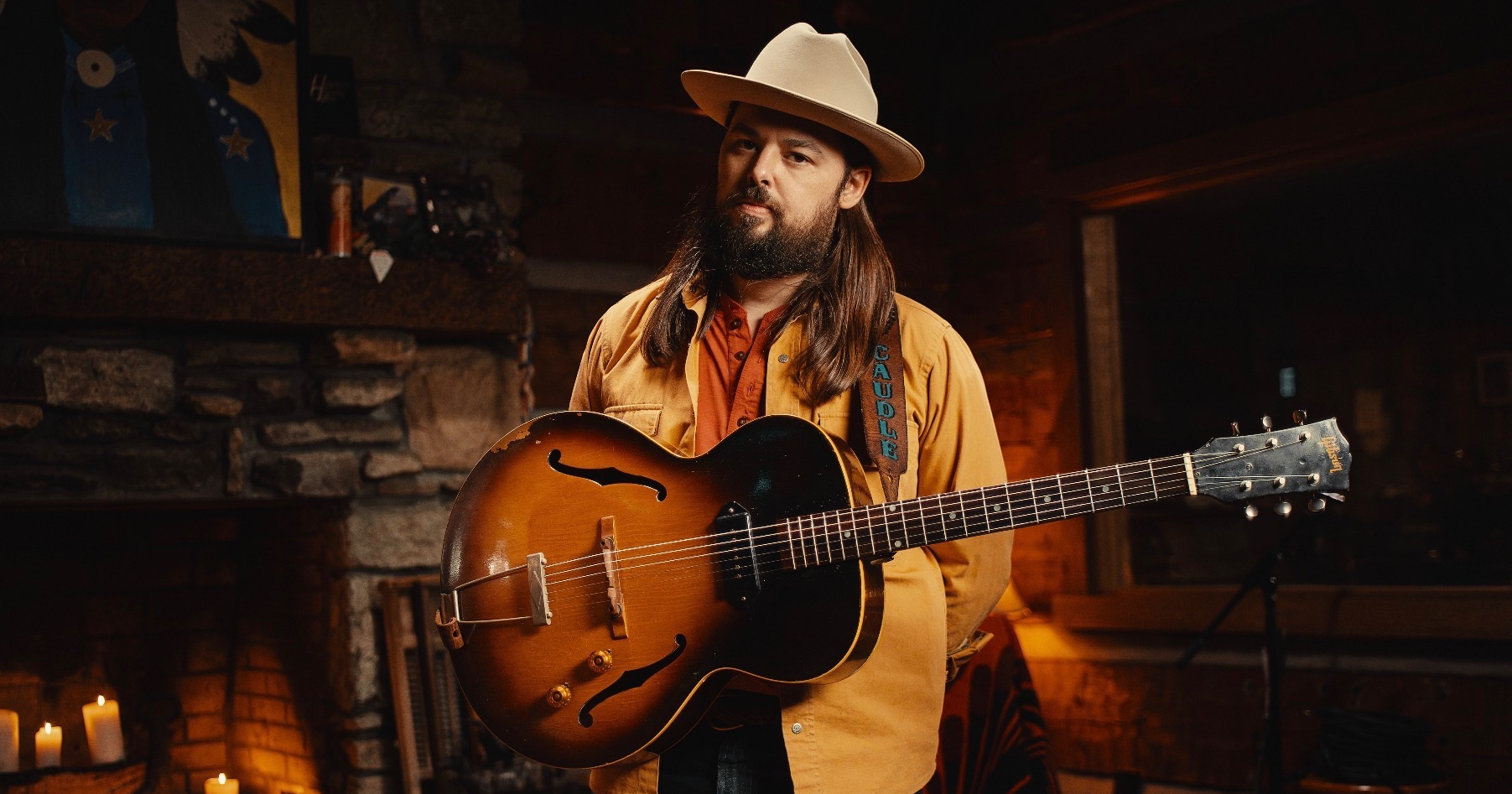
For nearly two decades North Carolina folk singer Caleb Caudle has traveled the country bringing his music to fans wherever they’ll listen, but on his forthcoming eighth studio record he adds a new role to his repertoire – producer.
Released June 5 via his newly launched imprint Hand Plow Records, Heavy Thrill looks to be his most ambitious work yet, as it melds his personal evolution and artistic journey into one singular vision. Whether he’s ruminating on a bumpy road to self-improvement on “Slow Growth,” analyzing self-doubt with “Anxious,” or examining how people deal with adversity on “Path of Desire,” Caudle’s words tell the story of his individual journey through a world that’s changing too fast for him to keep up with.
Although the bulk of the record was recorded at Johnny Cash’s former retreat-turned-studio, the Cash Cabin, Caudle actually recorded his bits for the album at a friend’s studio in the Pocono Mountains – before returning to Tennessee to wrap things up at the same place he captured his projects Better Hurry Up (2020) and Forsythia (2022). He says that the familiar setting not only helped him hone in as a producer, but also helped him to tap into the building’s history as continues chipping away at perfecting his retro modern sound.
“I feel like I’ve started to develop my own sound over the past 20 years that marries traditional elements with more modern sounds,” Caudle tells BGS.
“Because of that I’ve never been afraid to try new things. In many ways I think of what people like Sturgill Simpson, Tyler Childers, or myself are making as modern country music, but in a different timeline where people aren’t as focused on songs about pickup trucks and shaking your ass,” he continues, laughing.
Caudle spoke with BGS about learning from other producers, fatherhood, artificial intelligence, and more.
This is your eighth studio record, but your first time self-producing one of those projects. What motivated you to finally take the plunge?
Caleb Caudle: It’s been one of my end goals for a really long time. I’ve always wanted to produce my own records, but I wanted to go and work with people first that I could learn from. Each has brought different things to the table I’ve picked up on. I’ve also always been involved in the process and have a good idea for how I wanted things to sound. Then after talking with some of my past producers and telling them my plan they all gave me their votes of confidence.
Once I jumped in I wound up doing a lot more pre-production than I’d ever done in the past. I also had great mixing and mastering engineers – Jacquire King and Pete Lyman – who were my safety net in case anything went off track. It turned out to be a really fun experience that even has me thinking about producing records for other folks someday.
While producing the record was new for you, the place you did most of it at – the Cash Cabin – was not. Tell me about what drew you back there to record for the third time?
That place is like my second home now. I’ve done several video sessions there and written with John Carter Cash a bunch. This time around I also kept the band leaner there than I had ever done before. It was just five people total, with no features or guest vocalists like some of my past records have had. I instead wanted to make something that was more self-contained. I knew I could make a record the other way, so I wanted to see what it’d feel like if I took some of those pieces out and really relied on my own instincts above everything else.
It’s also a place with so much history that I’m able to tap into even though I’m writing mostly about my own modern-day experiences. At the end of the day, I love Ralph Stanley just as much as I do Big Thief. They all come from a place that’s honest to that person, which is what I’m after, too. I love what indie rock bands like Bonny Light Horseman do with melodies, but I also love Flatt & Scruggs. It’s all music to me – I’m just trying to take bits and pieces from all of it that I feel would suit my sound.
With that in mind, I also think it’s important to listen to music outside or your own genre. Sometimes when I’m struggling with songwriting I’ll start listening to a ton of jazz to provide that spark that gets me writing again. Other times I’ll go a month listening to music with no lyrics before I grab the pen again. Whether it’s a playwright, actor, poet or songwriter, I always find myself drawn to folks that are passionate about what they’re doing.
Tell me about the writing process for this record… Did anything stand out compared to previous writing sessions? And how many leftover songs did you pen for it that didn’t make the cut?
I’ve had extras every time I’ve made a record. For me, there’s the obvious ones that are going to make the record that everyone feels good about, then there’s another batch of songs that I wouldn’t call “filler,” [that] are less immediate. We do our best to decipher which of those are the missing puzzle pieces for the story we’re trying to build. It’s like having brother and sister songs on the record where something on Side A reminds you of a tune on Side B – it’s all very cohesive. Trimming the fat is such a big part of songwriting for me. As a writer you want to focus on giving people what they need and not all the fluff surrounding it.
Since writing and recording these songs you and your wife learned you’re expecting your first child this summer. How has that knowledge shifted the perspective you have of these songs?
While I didn’t know I was going to be a dad before I wrote it, it almost feels like a record that’s preparing me for that whole process. It’s a really measured and honest look at where my life is right now. There’s a lot of mass confusion in our world currently with artificial intelligence and inflation that feels out of my control. That’s the macro side of it, but I’m also looking at things on a micro level by taking care of the earth and those around me.
With this new label I’ve set up, with every 100 records I sell I’m providing 1,000 meals to the Second Harvest Food Bank of Northwest North Carolina. I want to do all I can to help the people around me in a meaningful way. I’m not saying to disregard the big stuff by any means, because I do believe it’s important to be tapped into what’s going on in the world, but for me personally I feel like my time is best placed in my own community with the people of Appalachia around me.
You just mentioned your label, Hand Plow Records. Tell me more about launching that and the intentionality behind its name?
I live across the street from my great uncle who has a single-horse hand plow that belonged to his great-grandfather and goes back multiple generations. My parents used to plow tobacco near Winston-Salem and sold it to RJ Reynolds, so it’s something I’ve always been around. It also seems like really hard work, which has me drawing lots of parallels between what I do as a musician and the farming they did. I weather storms the same way they did, by putting in the work, planting seeds and constantly nurturing them while they blossom and grow. Farmers are critical to our way of life, so I wanted to use the name to honor them for their hard work and sacrifice.
Is “Slow Growth” reflective of that hard work and change, whether it be on a farm, internally, or in society at large?
That’s a song about honing your craft and trying to become a better person each day. I’m not out here looking for shortcuts, even though so much of society right now is about “how I can get things done the quickest,” especially with AI – which in music feels like cutting corners on something I’ve dedicated 20 years of my life to. I don’t know that anything meaningful will ever come of that process, because lessons learned are the whole point. I don’t think I’d be writing the songs that I’m writing now had I not written the songs that I had before them.
AI feels like a very cheapened version of real life, and I’m not interested in that. It’s a huge threat to the existence of art and creativity – both things that can’t be faked or fast-tracked. It’s a slow process where you have to put the work in every day. There’s days where I pick up and play for two hours but don’t write a single word, but it still feels important. It feels like part of this bigger process where I’ve dedicated my life to this thing, so the fact that someone could use AI to generate a song that sounds like me is scary. It can give them an approximation of what I may sound like, but it’s not getting at where I’m at currently. It’s replicating what’s already been made, but I’m out here trying to tell new stories. It’s the opposite of progress.
Another song that reminds me of stepping away from technology and plugging into the moment is “Sequoia Polaroids.” Tell me about what inspired that one.
I’m constantly trying to pay attention to the small details. [My wife] Lauren and I were on a solo tour opening for Ray Wylie Hubbard in California a while back and we made a trip out to Sequoia National Park. That song is almost like a page from that day. We wound up taking a bunch of Polaroids and throwing them on the dash of the car. The song is about being present in those moments and spaces that feel ancient and vulnerable.
Places like Sequoia are majestic and big and we have an opportunity as humans to help preserve or destroy them. Those spaces are so important to me, so it was really cool to get a song out of that day. The trees out there shrink you in a way that’s very humbling – it’s a beautiful thing.
Nature is a great way to get in tune with yourself, just how vinyl is a great way to interact with music on a deeper level. On that note, I know the physical version of Heavy Thrill incorporates some cool imagery taken from its title track. How did that come to be?
I’ve got to shout out Skillet Gilmore, who did the art. He’s an incredible artist in Raleigh that I love working with. The ants carrying the peach pit [that appears on the center of Heavy Thrill on vinyl] come from a lyric in the title track about how an army of ants can lift up a peach. [That] is symbolic of our chaotic world and how we’ve got to work together to get things done, setting aside our differences along the way in order to find some common ground. When we do that you’ll realize we all have a lot more in common than we think and that our goal should be to help everyone be happy and thrive. A rising tide lifts all ships, so it’s important to work together and show empathy to your fellow humans, because you never know what sort of hard times they’re going through. It’s like Mr. Rogers once said: “Look for the helpers.”
One of my favorite parts of the record is the instrumental transition two thirds of the way through “No Show,” which feels like a new composition entirely. How did it come about?
That instrumental piece is something I’ve been playing at sound checks for a couple years called “June Bug Crawl.” I included it on the record because I was always a fan of when folks like Doc Watson included instrumentals on their records. I thought the song was really cool even though it’s in a different key than “No Show” is, but I still wanted them to live together on the record. I give a lot of credit to my buddy Philippe Bronchtein, who played pedal steel and keys on the record. He’s very good with the more electronic side of things. We basically had to get the instrumentals into a different moment to execute that transitional moment. It was executed flawlessly and really works well given the context of the song and record.
On a more reflective note, what has bringing Heavy Thrill to life taught you about yourself?
It’s taught me to trust myself. This is the first time I’ve seen an album all the way through calling the shots myself. I’ve spent 20 years doing this and developed good instincts over that time, so it’s important to believe in those and remain confident in what I’m doing.
The mandolin’s role in music has changed a lot over time and with its steady pace of change comes a constant flow of new players. Nobody plays or interprets music in the same way as anyone else, bringing plenty of new ideas and explorations.
There have been many different eras of mandolin playing in bluegrass. Ranging from the classic Bill Monroe style to David Grisman to Chris Thile – and, lately, a more string band sound is being popularized by players like Andrew Marlin. And of course, there are countless other mandolin eras beyond and in between.
The mandolin has also been used in many other genres besides bluegrass; it lends itself to genres such as Choro, jazz, classical, and pop. The mandolin even fills major arenas. There have been a lot of folks making incredible music on the instrument and though this is just a starting point, here are 12 mandolinists who you might not be familiar with, but we know you’ll love!
Jean-Baptiste “JB” Cardineau
Franco-American mandolin virtuoso Jean-Baptiste “JB” Cardineau is currently Boston-based, having graduated from Berklee College of Music. JB’s mandolin playing delves into many genres such as bluegrass, classical, old-time, and some traditional French music, too. His style is quite adventurous; he dives deep into the old-school Monroe ways, looking towards Frank Wakefield for much inspiration. JB has spent a lot of time touring with different bands, such as the Ruta Beggars, as well as his own project, JB and Cardineau Sin. As well as being an incredible instrumentalist, JB is also a gifted songwriter. Above is one of JB’s original tunes, “Si Tu Vois Ma Mandoline.” This tune blends the more traditional French style with bluegrass influences.
Ian Coury
Raised in Brazil’s capital, Brasília, Ian Coury is a masterful, well-respected 10-string mandolinist currently based in Boston. Growing up playing Choro, Ian pushes the boundaries of the genre, writing original music that has won him “Best Instrumentalist” awards from the National FM Radio Festival (2020) and second place in Brazil’s eFestival (2021). He has shared the stage with renowned musicians such as Hamilton de Holanda and Armandinho. In 2019, Coury enrolled at Berklee College of Music and later earned his master’s degree from the program. Here is Ian playing an original composition entitled “Solando no Limbo” for Mandolin Mondays.
Maddie Witler
Originally from and based in California, Maddie Witler is a phenomenal musician. Primarily known for her mandolin playing, Maddie is also an incredible guitarist and banjoist. Having also attended Berklee College of Music, Maddie was a founding member of the Boston-based bluegrass group the Lonely Heartstring Band. Maddie also used to tour with powerhouse GRAMMY-nominated band Della Mae. In 2022, Maddie released her debut solo album, Astronaut, a truly incredible compilation of all original songs and tunes from Maddie. In this video, Maddie is joined by Jacob Jolliff at Mandolin Camp North shredding on a classic bluegrass tune by Frank Wakefield, “New Camptown Races.”
Jesse Appelman
Jesse Appelman is both a gifted mandolinist and tune writer. Based in California, Jesse frequently tours with the Sam Grisman Project, as well as his own group, Jesse Appelman’s West Coast Stringband Project. His debut album, Where We Go, which was released in February, is a collection of original tunes and select cover songs and was produced by John Mailander. His tunes are mellow yet groovy, capturing anyone listening. This clip is Jesse’s rendition of “The Hills of Isle Au Haut” joined by Eli West and Patrick M’Gonigle.
Ethan Setiawan
An Indiana native who now makes his home in Maine, Ethan Setiawan is an incredible mandolinist and tunesmith. Ethan was the 2014 National Mandolin Champion, and in 2017 was the first place winner of the Rockygrass mandolin contest. He is also a graduate from Berklee College of Music, and has also done some teaching there, too. Ethan has toured with bands like the Acoustic Nomads, Corner House, and currently tours with both his duo Hildaland and his own group, Ethan Setiawan and Fine Ground. He has released a few albums of his instrumental music, Flux (2018), Gambit (2023), and Encyclopedia Mandolinnica (2025). Bringing in elements of bluegrass, classical, jazz, and Scottish music, Ethan makes his own sound and brings his listeners along for the story. Enjoy a recording of Ethan playing his original tune, “Uncrossed.”
Korey Brodsky
Originally from Connecticut and now based in Asheville, North Carolina, Korey Brodsky is both a talented mandolinist and guitarist. Yet another of our mandolinist picks who studied at Berklee College of Music, Korey has toured all over. In 2021, he joined Boston bluegrass band Mile 12 and he’s traveled and recorded with artists such as Jody Stecher, the Tray Wellington Band, Nefesh Mountain, the April Verch Band, and more. Above, Korey plays a beautiful take of a Karl Suessdorf and John Blackburn tune, “Moonlight in Vermont.”
Megan Cody
Originally from Colorado and now living in New York City, Megan Cody is a killer mandolinist as well as an incredible guitarist and singer. Fronting the band the Cody Sisters alongside her younger sister Maddie, Megan’s mandolin approach is playful and thoughtful. Megan tours year round with the Cody Sisters and frequently plays all over New York City. Here is a recording of the Cody Sisters playing a medley of a few songs and tunes.
Casey Campbell
A rare Nashville native, Casey Campbell is a fourth-generation bluegrass musician. An extraordinary mandolinist, Casey has performed with musicians like Bryan Sutton, Chris Stapleton, Vickie Vaughn, Becky Buller – and the list goes on! Casey was the 2017 winner of the IBMA’s Momentum Award for Instrumentalist of the Year. He has a duo mandolin album that was released back in 2017, Mandolin Duets: Volume One, which features Casey playing with various masters of the mandolin. In the video above, Casey is joined by Sam Bush as the two play a Jethro Burns tune in honor of Sam called “Sam’s Bush.”
Michael Prewitt
Originally from Kentucky, Michael Prewitt spent many years touring with the iconic bluegrass band Special Consensus. In 2024, he released his debut album, The Peerless Mountain Sessions, and then followed that up later that year with an incredible album of all original music, Something He Can Handle. Michael currently tours around the country with his own band, Michael Prewitt & CrunchGrass Supreme. The video above features one of Michael’s original songs, “Winnipeg” played by Prewitt with CrunchGrass Supreme.
Thomas Cassell
From Southwest Virginia, Thomas Cassell now resides in Nashville. A a founding member of the band Circus No. 9, he currently tours with the Wood Box Heroes and performs as a sideman with many other groups. Thomas has won many awards – he was the 2021 National Mandolin Champion and in 2020 he won the IBMA’s Momentum Instrumentalist of the Year Award. Thomas fronts his own band as well and has a few of his own albums out, Voyager (2018), What You Need to Prove (2022), The Never-Ending Years (2024), and he has a forthcoming album soon to be released! The video above is of Thomas’ new single, “Ramblin’ Heart,” featuring Tim Stafford. This is the first single off his upcoming album, so stay tuned.
Lauren Price Napier
Based out of Owensboro, Kentucky, Lauren Price Napier is a talented mandolinist and singer who digs deep into Monroe-style mandolin playing. Fronting the traditional bluegrass band the Price Sisters with her twin sister Leanna, Lauren has been nominated for multiple awards from the IBMA, such as Momentum Vocalist and Momentum Instrumentalist of the Year in 2019 and 2020, respectively. Lauren brings her own spin to playing traditional Monroe-style mandolin while also sticking to the roots of the genre. Above is a video of Lauren playing one of her original tunes entitled, “Tuel’s Landing.”
Tristan Scroggins
Tristan Scroggins is a GRAMMY-nominated mandolinist who also won the IBMA’s Momentum Instrumentalist Award in 2017. He spent years touring with his dad’s band, Jeff Scroggins and Colorado, but he also has a duo with violinist Alisa Rose called Scroggins & Rose and recently toured full time with Missy Raines & Allegheny. In 2019, he released an all-instrumental EP featuring his style of mandolin crosspicking called Fancy Boy. Tristan also has an ongoing, multi-volume project with fiddler George Jackson recording 100 of the most popular old-time tunes called Old Time 100. Tristan currently tours with Bronwyn Keith-Hynes. Here, Tristan is joined by fiddler Ellie Hakanson playing a bluegrass tune, “Ashland Breakdown.”
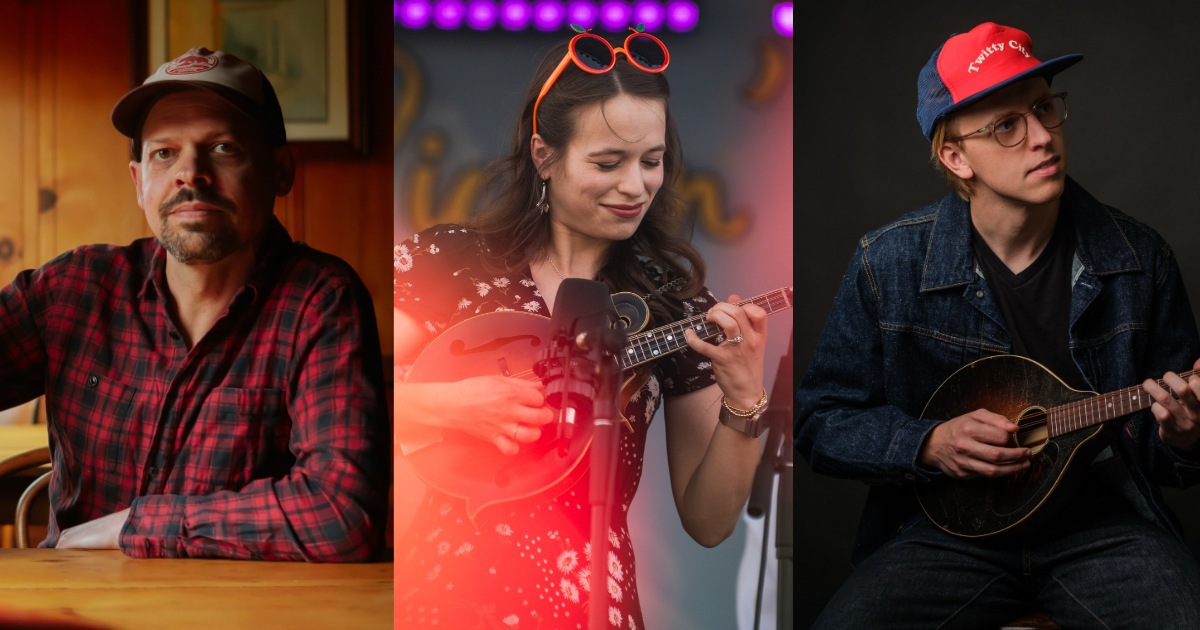
Photo Credit: Lead image (L to R), Jesse Appelman by Giant Eye Photography; Lauren Napier Price by Jay Strausser; Thomas Cassell by Scott Simontacchi.
Twenty-six years into its life as a band, the Steep Canyon Rangers get back to basics on Next Act, unplugging their amps and instruments in favor of an acoustic setup with minimal percussion. It marks a return to the foundations that first set the group up for success.
Releasing May 22, Next Act is the second studio effort to feature guitarist and vocalist Aaron Burdett, who joined the Rangers in 2022 following the departure of founding member Woody Platt. In addition to appearing on their 2023 album, Morning Shift, Burdett is part of the Rangers’ 2024 live record, which features several of his own compositions, too.
Alongside the band’s other members – Graham Sharp (banjo), Mike Guggino (mandolin), Nicky Sanders (fiddle), Mike Ashworth (percussion, Dobro), and Barrett Smith (bass) – Next Act brings Burdett into the fold even more, with six tracks written or co-written by him. “Roll of the Dice” catalogs Burdett’s early days traveling with the band and “Hard Times” finds him reflecting on adversity and how moments that once felt overwhelming can later soften in memories.
According to Ashworth, the growing role of Burdett in the band is simply a carryover of having multiple voices contributing to their songwriting over the past decade, with Sharp being the other primary force of late.
“Aaron came into that role really well with a bunch of his own material while also taking lead on some of the stuff Graham had written as well,” Ashworth explains. “After incorporating more of his own stuff on that live record, the next step was to up the ante even more on this album by bringing even more of his older work into the studio.”
Steep Canyon Rangers’ Mike Ashworth and Barrett Smith caught up with BGS to delve into how books inspired two of the album’s songs, how a road trip instigated “Halfway To Reno” featuring Edie Brickell, what remains on the group’s bucket list, and more.
How did Aaron’s level of involvement on this record grow compared to Morning Shift?
Barrett Smith: It feels like Aaron has always been here – he just fits with us so well. He’s become such a close friend and a great person to work and make art with. We’re just excited with everything having to do with the band right now, and Aaron is a big part of that. Things went well when we worked together on Morning Shift, even though we were considerably less worn-in and stable than we are now on this album. We’re really cooking right now and feel great together as a group.
Mike Ashworth: From a relationship standpoint, things have gelled much further than I’d ever hoped. It does feel like Aaron’s been a member for more like 10 years, not three. On this record you can see the band in more of a way that feels like a group that’s sure of itself. The last time we were in the studio we arranged in more of a rock ‘n’ roll style where everybody reinforces the same rhythms, but on Next Act we gave everyone a lot more room to explore their own parts. It’s indicative of how much we trust each other now and how much growth artistically the band has seen in the last few years.
BS: Another good indicator of the growth is that on Morning Shift we worked with a producer, Darrell Scott, even though we enjoy and produce ourselves really well. But then when Next Act came along, we felt like we had enough chemistry together that we could move forward without an outside producer this time. Doing that allows us more space to bounce ideas around and feed off each other, which we feel like is our greatest superpower as a band.
As well as y’all work together, it’s hard to pass up a collaboration with someone like Darrell Scott when it presents itself!
MA: I imagine it’d be hard to come into a band like this and produce, because oftentimes we have to be careful to not already be done with everything. As a result, we intentionally leave certain things unarranged or on the table to give them something to do or else we’ll just wind up taking everything away from them.
BS: I remember Darrell, a number of times, looking around and saying, “Y’all are pretty weird with how you do things.” One time when we were recording, I remember him stopping and asking us if we always had so many opinions about each song that we communicated to each other. Eventually he started telling us to just “shut up and play” – that was one of the catchphrases of our studio time together. [Laughs] If you have an idea, we want you to be confident that it’s going to be heard. There’s a lot of trust in the whole system.
MA: Another thing Darrell pointed out was, “Y’all really care so much about the story.” He’d never heard an entire band comment on the lyrics and stories behind each song like we do – whether it’s where to punch things up or down or when to add harmonies.
That’s the cool thing about this new record. It delves even more into that exploratory realm of the band trying to sell the story – and the whole band, not just one singer, absorbing what it’s all about.
Tell me about naming the album Next Act. Is that a nod to this full circle journey that’s brought you back to being more of a traditional string band?
MA: The intention was twofold, but that was definitely a part of it. As the title of the song, it’s about picking yourself up, moving into a new phase of life, and embracing change. However, Next Act for the band is us reflecting on our change and growth and the ability to reveal what our potential is at any given moment. Because of that it became a pretty conscious decision to make it the title of the record.
BS: On Arm In Arm [in 2020], it was fun getting to mess around in the studio with organs, electric guitars and all these special guests – it was like our own mini-Brian-Wilson-like experience. But on this record, we wanted to bring it back home and return to being a string band again. Because of that, this new record doesn’t have any electric instruments on it. There is percussion, but it’s not a full drum set. We’ve been doing a lot more stuff around one mic at our live shows recently and feel like these new songs are very representative of that.
MA: We’ve all had amps and drums buzzing around our heads for years, so we wanted to remind ourselves that this thing still starts around a campfire and can always come back to that. I don’t think fans will know what to call what we’re going to do on any given night, because even we won’t [know] until we see the room and start to feel the vibe of the city and people there. Doing this record has allowed us to rediscover the foundation of what we are when you strip everything away. That’s been a really cool and unnerving process to get out from behind all the extra noise and see that when you take those things away, the art is still really good.
There’s a couple songs on this record – “Back of Beyond” and “Circling the Drain” – that were inspired by books, Barbara Kingsolver’s Demon Copperhead and Horace Kephart’s Our Southern Highlanders, respectively. With that in mind, how would you say literature informs the band’s songwriting, not only with this record, but overall as well?
MA: Graham actually wrote both those songs, but I do want to speak about Demon Copperhead, because we all just absolutely loved that book. We’re not just a band, we’re also a close circle of friends, and with that comes shared mutual interests, like books. I’m so glad that Graham is my friend, because he can write things that I wish I had the ability to say. But once something is written, whether it be a book or a song, it doesn’t belong to [the writer] anymore, it belongs to you, [the reader/listener]. That’s the really cool thing about art.
I love that Graham is a voracious reader because we wind up getting a lot of great songs out of it, like these two. Damon [Demon Copperhead’s protagonist] is such a wonderful, resilient character that reminds me so much of people I grew up with – and I’m sure Barrett would agree.
BS: As a writer, artist, and creator, I think it’s a good habit to have different areas you pull inspiration from to keep you out of a rut. For Graham a big one is literature. Demon Copperhead threw all of us for a loop as it was getting passed around the bus. When we found out he was basing a song off it we jumped right on it.
As for “Back of Beyond” and Our Southern Highlanders, I think that book is essential reading for any Western North Carolinian. “Back of Beyond” was simply a term that came from meaning the middle of nowhere out in the country, in a place where you can go for days without seeing anyone or speaking a word.
“Back of Beyond” is a song that’s been lingering with y’all for several albums before finally getting recorded now. What made Next Act the right spot for it to land?
BS: During my time in the band, I would say that “Back of Beyond” is the biggest survivor, in terms of songs that have stuck around and taken on many different forms before finally making it onto a record. We actually wanted to include it on Morning Shift, but Darrell Scott didn’t think it would be a good fit, so we didn’t. We may have even called that album “Back of Beyond” if it had been on it. But when that happened, we knew it would reappear on our next record. After it missed the cut we all really wanted it for this one, which is why we call it a survivor.
I was also curious about the song “Halfway to Reno,” which came from a roadtrip you [Mike] had with Aaron from California to a gig in Reno, Nevada. Is that right?
MA: That’s right. I think Aaron was behind the wheel that day. From my view, he’s someone that is more influenced by an experience or feeling than anything else, which he can then take like putty and mold into a piece of art. That’s the beauty of being in this band, these guys will come up with these nuggets – and if it hits the Steep Canyon grinder and comes out the other end still in one piece, then they’ll take it and finish writing it.
Then when we were mixing that song we kept envisioning a high voice on it, but couldn’t figure out exactly who to ask to fill the role. Then we sent it to our dear friend Edie Brickell and she ended up putting the icing on the cake. The song is about one lover trying to get back to the other and the little things that you carry through your day – especially when you’re separated by distance – that keep you tied to home. She really understood the assignment and put this beautiful piece on top of the tune that I absolutely love.
How did the opportunity to work with Edie on the tune come about?
MA: We first met her over a decade ago through Steve Martin. He would send her banjo ideas and she’d send them back to him with lyrics over them. That quickly evolved into a fantastic record produced by Peter Asher called Love Has Come For You in 2013. But touring together is where we really befriended her, during late nights on the bus and in the dressing room. I remember being drawn in by her spontaneity and creativity and the way that she can write a song in the moment about that moment. It’s almost like a fortune teller.
Since that first encounter we’ve recorded many times together through the years and she’s become not just one of my favorite female artists, but one of my favorite artists, period. She’s just so heartfelt every time she adds to something. It comes from a real place and that’s harder and harder to find these days.
Speaking of Steve, what did it mean to have him featured with you on “Heart’s the Only Compass”? I think this is his first time on an album or single with you since 2020’s “California.”
BS: It’s always a huge honor any time we’re able to work with Steve. He’s an iconic American art figure, so to have the opportunity to create with him is a treat. When we decided we wanted clawhammer banjo on that tune we tossed a few other names around first, but it all came back to Steve, because the prowess he has on the instrument is second to none.
From what I understand, you reconstructed “The Kindest Thing” in the studio at the behest of Nicky. Tell me about that process and how the final song differs from what you were initially going for?
BS: That song took on a bunch of different forms in the studio, as our songs often do. At one point it had this Don Williams, cool country kind of feel and Nicky heard that pretty late in the game, but didn’t care for it. Instead he kept talking about “Going to California” by Led Zeppelin, which led to Mike Guggino kicking off this riff similar to the one in that song that wound up setting the foundation for what the song eventually turned into. Ultimately, it was a good decision on Nicky’s part.
Steep Canyon has been together for 26 years now. With that in mind, is there anything that remains on your musical bucket list?
BS: The band hasn’t won a GRAMMY since I’ve been a part of it, so I’d love to see that happen – maybe even with this album. [Laughs] Aside from that, it’s hard to think of specific venues, not that there aren’t any, but because we’ve gotten to play so many of our dream places already. My bucket list is mainly just keeping on and continuing to discover and hone my role in this band.
What has bringing this album to life taught you about yourselves?
MA: I thought I’d become more patient as I became older, but I actually think I’m becoming less. [Laughs] In all seriousness, this session taught me to slow down again. I kept wanting to schedule and have it done sooner rather than later, but instead, the cycle for this record was one of the longest we’ve ever endured. In the end I think it’s exactly what it wanted and I’m grateful for how it got me to take it easy and be more in the moment.
BS: Even though we’ve been playing together for so long, working on this record brought me a new level of comfort and trust with the band. I have more faith in the people in the band, what we’re doing and my place in it than ever before, which is such a good feeling. I’m really enjoying where we are right now and am excited to see how we keep building upon it.
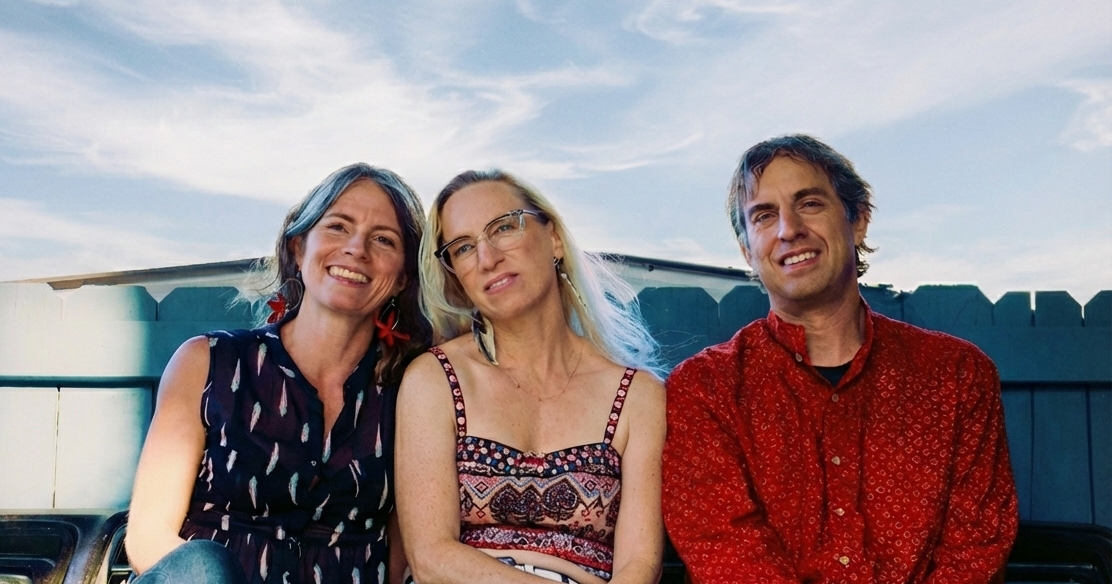
Artist:TANASI Hometown: Asheville, North Carolina Latest Album:TANASI (released May 8, 2026)
What’s the most difficult creative transformation you’ve ever undertaken?
Becoming one third of Tanasi was and continues to be a real challenge for me technically and creatively. Incorporating a lot of different styles into our music from different corners of the globe naturally stretches my comfort zone. Whether playing in odd meters, alternate tunings, providing percussion and even flatfoot dancing while playing my guitar, there is always lot to learn. In addition, being a trio, every moment requires a lot of dynamics from all of us. So we have to work very closely to make each moment count. Luckily we have a lot of years of shared effort that makes it all possible. I am grateful for the opportunity to learn new things. – Anya Hinkle
What has been the best advice you’ve received in your career so far?
I heard that when you are doing the work you are meant to do, it doesn’t feel like work. That is always a great measuring stick for everything we are “working” on. Of course, there is a lot of hard work that goes into being a musician and a lot of it isn’t exactly fun. Bfut at the end of the day, it feels natural and right and I’m grateful for the opportunity to do what I am doing with my life. – AH
What’s your favorite memory from being on stage?
We played together [recently] after having a couple month hiatus from the trio, because of other projects we’ve been working on. It brought me such a ridiculously large amount of joy to be up there creating a moment for the good people of Waleska, Georgia, at the Falany Performing Arts Center. Billy had just gotten back from teaching in England at Sore Fingers. The creative juices were overflowing and Anya was feeding off of it, rockin’ her heart out, and our harmonies were digging into each other. I was so aware of the power of that moment, the happiness that I feel performing music that inspires with these people whom I love, and getting to share that with the sweet folks sitting in their lawn chairs, enjoying a peaceful evening under the trees.
Getting to play at the Ryman with Vassar Clements is also surely a highlight. – Mary Lucey
What would a perfect day as an artist and creator look like to you?
One version of a perfect day would be having an entire day free to do nothing but write, study, and practice. Our German Shepherd sitting at my feet, howling at the occasional D note (he loves them, not sure why), fresh fruit in the fridge, nice tea and coffee – and while we’re at it, might as well be overlooking a beautiful ocean with the occasional break to go surfing.
Other versions of the perfect day involve collaborating with others, hearing original compositions come to life, co-writing something new, and still with the Shepherd, fruit, and ocean or forest. – Billy Cardine
If you didn’t work in music, what would you do instead?
I would either be a veterinarian or working on marine biology projects. – BC
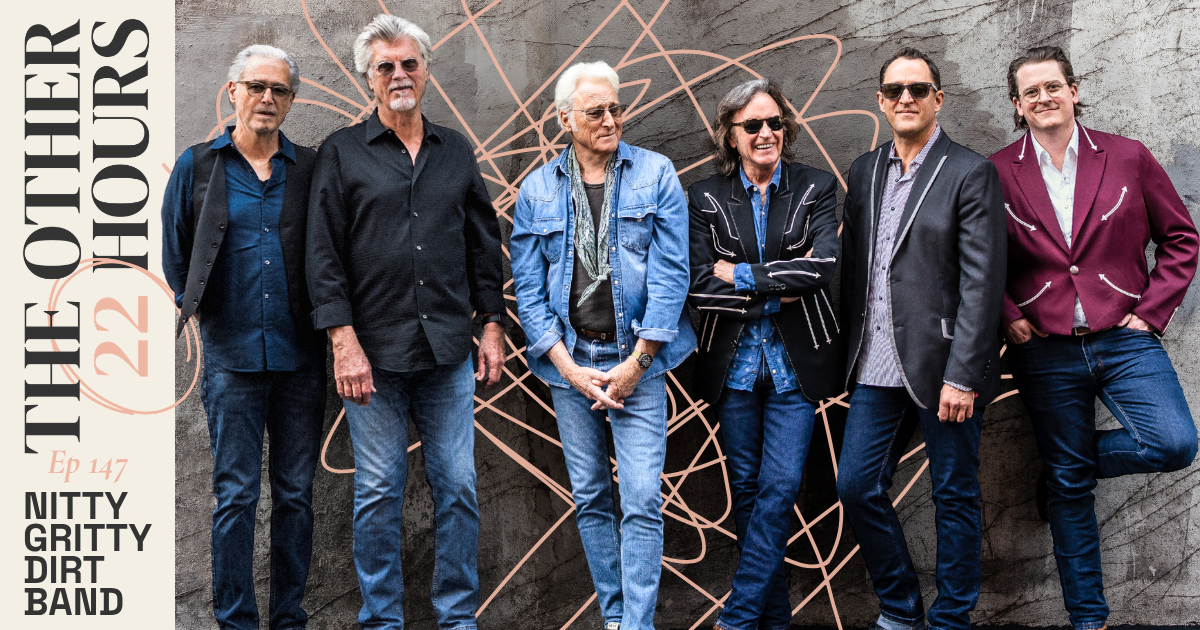
As a founding member of the legendary Nitty Gritty Dirt Band and a three-time GRAMMY winner, JeffHanna has navigated nearly 60 years in the music industry. His resumé includes credits with the likes of Linda Ronstadt, Emmylou Harris, Johnny Cash, and many others. In this episode of the Other 22 Hours we explore the geography of inspiration, from the 1970s Troubadour scene in LA to his 40 years anchored in Nashville’s songwriting community. Jeff reflects on the economy of a perfect line, the creative vitality of a “hard reset,” and why the bedrock of this work has to begin with the simple intention of having fun.
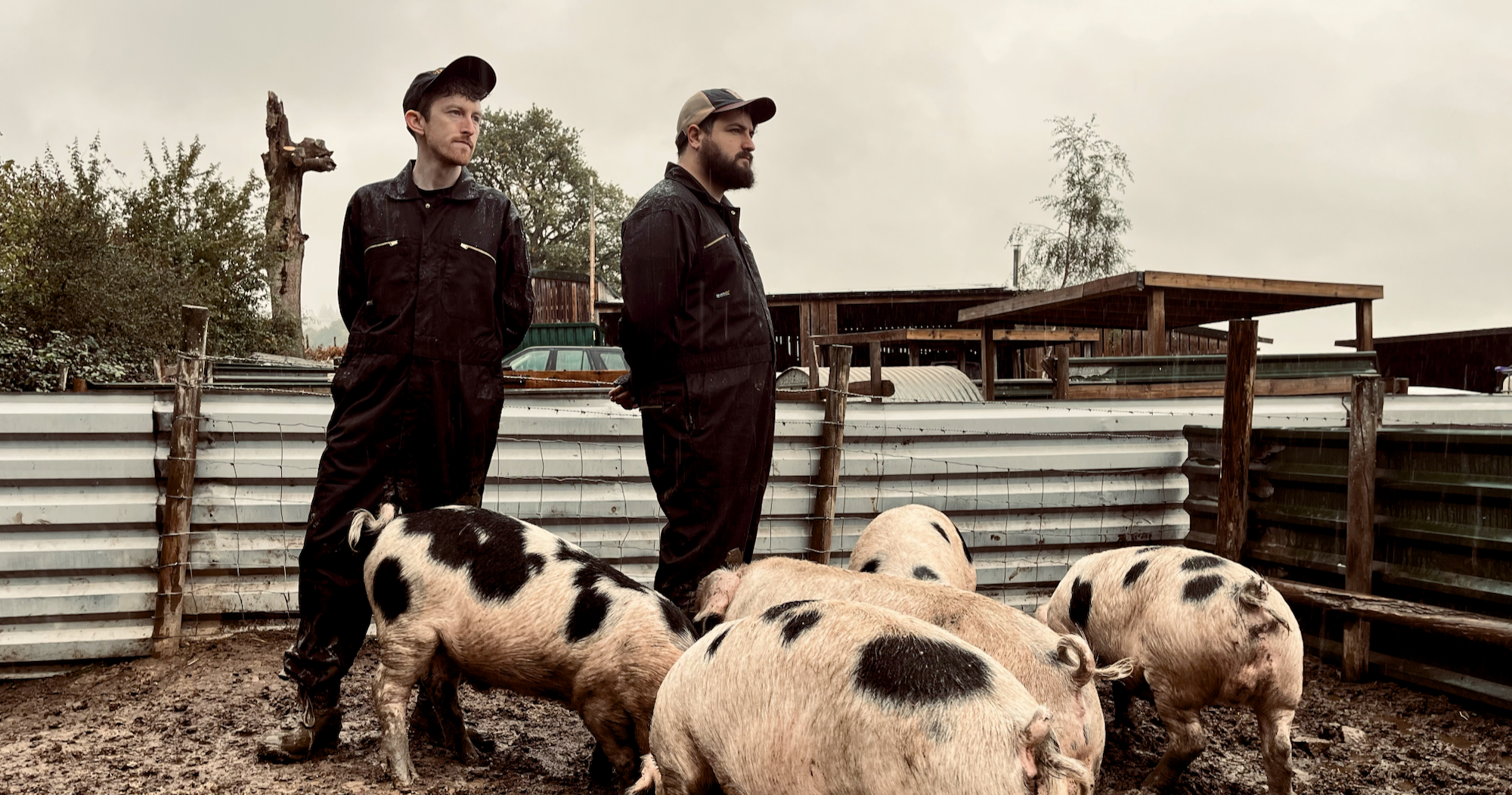
(Editor’s Note: Below, United Kingdom-based old-time duo Old Spot – Rowan Piggott and Joe Danks – curate a Mixtape for BGS celebrating old-time music of the UK and Ireland. In order to include as many tracks as possible representing the vibrant string band scene in the UK, some selections are shared via Spotify and others via Bandcamp, depending on availability. We hope you enjoy listening and learning about transatlantic old-time – and that you support all roots musicians directly whenever possible.)
This is a Mixtape designed to highlight some of the amazing old-time string band music coming out of the UK and Ireland at the moment. Old Spot is a product of a vibrant scene, with the fiddlers and bands around us just as influential to us as their American counterparts.
This playlist looks to reflect some of the musicians performing string band music today, whilst shining a light on lesser-known gems. In compiling it, we’ve realized how much of the music we love on the old-time scene here isn’t on Spotify – if you love any of this music, buy it from the artists who made it! Anyway… less jawin’ more sawin’… – Old Spot
“Elzick’s Farewell” – Rattle On The Stovepipe
Rattle On The Stovepipe formed in 2003 and have played up and down the UK spreading old-time with band stalwarts Pete Cooper and Dave Arthur joined later by Dan Stewart – probably our favorite banjo player in the UK. This groovy version of “Elzick’s Farewell” is from their first album with Dan, No Use In Cryin’.
“Maggie Mead” – Follywren
Follywren is the brainchild of Bristol musician Kai Carter. We love lots of stuff that Kai does – his old-time trio is great and his original music (Kai & Hollis) is also a tour car staple. We have a real soft spot though for this amazing Follywren album, described as a kind of New Orleans-inspired electric string band. The tuba and electric banjo actually end up landing you somewhere between Clyde Davenport, Ghanaian Highlife, and Captain Beefheart’s Shiny Beast era… a good place to be.
“Rainbow” – Cath & Phil Tyler
Cath & Phil Tyler straddle the traditional and experimental music scenes in the UK and run the Newcastle sacred harp singers. Their albums are a treasure trove of ballads, with Phil’s mesmeric guitar and banjo playing supporting Cath’s one-of-a-kind, transportive voice. In some ways though, they are at their best a cappella where their background in shape note style really shines.
“Shanghai Skyline” – Jeri Foreman & Ruth Eliza
Jeri Foreman & Ruth Eliza are a powerhouse fiddle and banjo duo and you always want to see them on a festival lineup. Where these guys go, good tunes follow and their debut album shows off their musical connection beautifully. Recorded live, we’ve chosen one of Jeri’s tunes to highlight here.
“Chicken & Dumplings” – Ben McManus
Welsh musician Ben McManus is a multi-instrumentalist and promoter of old-time music in the UK. He’s schooled in the history of old-time and has done a number of interesting projects exploring the connections between Wales and Appalachia. He’s also interned at the Smithsonian – absolute dude. This is a laid-back clawhammer guitar and cello version of “Chicken & Dumplings,” a favorite of UK sessions. This record makes us miss Ben, and not just because he makes a mean Negroni.
“Dormae” – Hannah Read
Hannah Read’s first Fungi Sessions album is one of our favorite ever records as a band. We loved the sonics of it so much that we travelled to the studio in Scotland where it was recorded to make our new album. Hannah is now based in the US, but hails from Scotland and comes over frequently to collaborate with the incredible Michael Starkey. Hannah has collaborated with indie royalty Big Thief, Julien Baker, and Lucy Dacus, and you can hear this broader sonic palette across her output. But the real star of these Fungi Sessions albums is her incredible composition and the subtle magic of her bow arm.
“Wolves A’ Howlin'” – Kieran Towers & Charlotte Carrivick
Kieran Towers & Charlotte Carrivick can most often be found in the bluegrass scene in the UK, but came together for this one-off old-time album of absolute rippers. Charlotte, one of the best flatpickers in the UK, reveals herself to be one of the finest clawhammer players, and Kieran, best known for shredding bluegrass solos, turns into prime Bruce Molsky. Being able to just casually drop this album as a side project is outrageous. A frustratingly brilliant album from two undeniable musical geniuses.
“Glory In The Meeting House” – Ben Paley & Tab Hunter
In our opinion, Ben Paley is the jewel in the crown of British old-time music. He’s performed in loads of different lineups with musicians from the South of England – probably most notably The Long Hill Ramblers and with his dad Tom Paley of The New Lost City Ramblers. His fiddling is just as good as it gets, full of character, groove, and skill. On this record from 1999, he’s backed by Tab Hunter who is an old-time backer with taste, power, and pocket.
“Pterodactyl” – One Night Stringband (Old Spot, Jeri Foreman, Ruth Eliza)
We recorded this collaborative album with Jeri Foreman and Ruth Eliza over the course of one night and a bottle of whisky. We put it out the following day after some hungover mixing and now we perform sporadically as The One Night Stringband for square dances and concerts. We’ve got our seventh and eighth gigs together this summer!
There’s a kind of exploratory madness in these recordings and we all chose tunes we couldn’t get to hang quite right in our duos. There’s a raging version of Rhys Jones’ “I’ll Reap What I’ve Sown,” a version of “Josie-O,” and this, Ruth’s prog-y old-time wig-out “Pterodactyl.”
“Benton’s Dream” – High Strung Trio
From Cork, Ireland, this is one of our favorite old-time records of the last few years. From ex-members of the Grits & Gravy Stringband comes a new trio record of uncompromising ragers. Fiddle player (and luthier) Ian is an absolute machine on this record, laying down danceable bangers like it’s nothing. A great record to pick up new tunes or to power a long car journey, we can’t stop listening.
“Two Little Sisters” – Sugarwell Hill
Sugarwell Hill is a trio from Leeds in Yorkshire. This is a new record from them that the scene has been anticipating for a while. Recorded confidently and simply, it’s a great snapshot of what is so magical about this laid-back band. “Two Little Sisters” features Simon’s relaxed vocal delivery and groovy banjo playing set against Mick’s gritty fiddle playing. We’re so lucky to have these three in the scene over here, and can’t think of a bad time to stick this beautiful new record on.
“Walk Me Round” – Rhona Dalling
Rhona is another Bristol-based fiddler, singer, and banjo player. This record is, so far, her only recorded output, but like so many of the best trad musicians, her best music happens in sessions and muddy fields. She has an incredible fiddle style, full of poise and effortless technique, and a beautiful voice. This quietly beloved record features a great waltz and her tune “Balfour Road,” which is played in trad sessions up and down the country and has really transcended the old-time scene, thanks to a recording by bal folk band Topette!. Perfect for a rainy day.
“Bear Creek” – Lankum
Whilst most of their repertoire is drawn from Irish folk, experimental trad behemoths Lankum often close their sets with this old-time tune. We couldn’t not include it after watching 20,000 people bouncing up and down to it at Glastonbury!
“Bowling Green” – Joe Mansfield & The Temperance Two
Bristol-based Joe Mansfield is another person you love to see walk through the door at a jam. He’s got an amazing repertoire and is a great hang. He’s got a new duo called The Low Line (watch that space), but he gigs out all the time with the Temperance Two. This is a great version of “Bowling Green.”
“The Roustabout Song” – Old Spot
We heard “The Roustabout Song” sung at a Morris Dance festival singing session. The song sounded distinctly American – a bit of digging led us to English folklorist Sandy Paton and, in turn, the songwriter Dillon Bustin. The song was written at Pinewoods Camp and according to Paton presented both a cappella and with a “lazy river” banjo accompaniment. We’ve done a new joyful fiddle-singing version, bringing out the song’s subtle political undertones. Unfortunately the parasols are twirling faster than ever.
“June Apple” – The Firecrackers
The Firecrackers are five of the UK old-time scene’s stalwarts, and they whip up a frenzy wherever they go. This album of field recordings is a good snapshot of them doing their thing and Benton Flippen’s “June Apple” is their signature tune.
One of the band’s fiddle players, Dave Proctor, edits Old Time News, the quarterly old-time magazine published by FOAOTMAD (Friends of American Old Time Music and Dance), a grassroots organization that has supported the growth of old-time in the UK so much over many years.
Following instructions for listeners to Get Yourself Outside in 2022 and declaring they’re heading Nowhere Next in in 2024, jamgrass torchbearers Yonder Mountain String Band have reached their zenith on Good As True.
Released March 27, the collection finds the band embracing the skill sets of its newest members Nick Piccininni (mandolin, vocals) and Coleman Smith (fiddle) more than ever, as they dissect the human condition through nine tracks highlighting everything from falling in and out of love (“Brand New Heartache”), to confronting regret (“Blind”), and frustrations with today’s political climate (“The Lie”).
During a recent phone call, bassist Ben Kaufmann spoke with BGS about working Piccininni into the writer’s room, lessons learned from touring, how former band member Jeff Austin’s spirit sticks with him, and more.
This is your third album having Nick in the writer’s room with you, Adam [Aijala], and Dave [Johnston]. What has that evolution of bringing him into the fold there been like?
Ben Kaufmann: Yonder has always had its own special sound. There’s a very specific energy and communal taste with the music that we’ve been tapping into collectively for so long. Nick had already been writing for a while before coming aboard [for 2022’s Get Yourself Outside], so once we got him up to speed with our style we realized how intuitive he is. He has his own understanding of what a Yonder Mountain song is, which has made it fun when it comes to overhearing him workshopping songs or when we swap ideas backstage and on the bus.
We also knew, with recording time on the calendar, that we’d need more material. For most of Yonder’s lifespan we’ve had four writers – going all the way back to the days with Jeff, so it only made sense to give Nick the same opportunity when we saw what he could do. After putting songs from all of us “through committee,” a bunch of his wound up being cut [recorded] these last handful of years.
It’s especially important because Nick is such a wonderful singer. He’s great at everything he does, which is really inspiring to be around. He’s really stepped into his own as a featured vocalist and as a mandolin player. It’s been fun encouraging him to cultivate his own voice while also hearing him take the reins on some of Yonder’s oldest, most beloved songs.
What’s most satisfying for me with this band is writing my own songs, playing them with the band, and having people who are ostensibly there to hear the music enjoying it. There’s no better feeling than that and we wanted Nick to feel it too, since he’s currently in what seems to be a really prolific time of his life for songwriting. He’s the perfect fit for what we do. I’m so grateful he came into our lives and continues to enjoy making music with us. Being in a touring band isn’t for everyone, but everything with Nick has felt very natural from the start.
You just mentioned touring life, which I know the band touches upon with the song “Long Ride.” Do you have any good tips or wisdom you’ve picked up from your 28 years on the road with this band?
It’s like two hours of the greatest time of your life, every day, followed by 22 hours sitting in an airplane. [Laughs] In all seriousness, it’s been very different depending on the time in my life we’re talking about. I’ve handled it really well, but I’ve also handled it terribly. I’ve made mistakes and overcome them, but I’m sure I’ll make even more. When I was young I felt invincible. I’d drink too much and do all the drugs – not to the point of turning disastrous, but I lived that life. Doing that ages you so much faster than otherwise, and touring in general is already not easy.
Because of that I’ve spent so much time, energy, and money working on my personal growth through therapy and reading about ways I am deficient and could improve, to realize my full potential. A massively important part of my life is having a deep curiosity for how to be a better person, which is something I’d like to think I’d still be doing even if I worked in an office or at a place like FedEx. I don’t even know what else I’m qualified to do at this point except survive on the road.
What’s helped me through it all is paying attention to the people around me, investing in myself, and embracing the group dynamic so we can create the highest possible energy state and vibe. Essentially, don’t be a dick! [Laughs]
Lyrically, this record deals a lot with relationships, communication, and the fallout that can occur when those two things break down. With songs like “The Lie” and “One To One Another” this seems to deal partly with politics, but were there any other factors that motivated this direction on the record?
Not in the sense that we spoke about it ahead of time. We didn’t say, “Hey, we’re going to do a record so let’s write about A, B, and C.” A lot of our songwriting is done individually, but there still are some collaborative opportunities for us to get together, as well. As we got closer and closer to our recording dates and the song started being developed, [that] was when we first noticed those common themes. At the same time, I’m not surprised when common themes like this do emerge due to being on the road together and living the same life a lot of the time. When you’re seeing, doing, and talking about the same things regularly it’s easy to have a lot of synchronicity between what we’re writing about and creating.
Ultimately, we’re at our best when we’re writing about our own experiences and what we know. With “The Lie,” I like to think about Jesus, [and] all the bad actors in our world, many of which wield immense power. It makes me feel helpless at times as a bass player and musician – like, what am I supposed to do? It’s an overwhelming predicament, and that song for me speaks to that feeling of, “How did we get here?” It’s also very empowering to sing a song that speaks truth to something like that.
“The Lie” was also one of the songs that got my explicit vote when it came to making the cut for the record. When it came to sequencing, I also wanted that to be one of the first songs you hear when you put the needle down on your vinyl or press play.
“Blind” seems to be a song about regret, mental health, and realizing too late how much someone truly mattered. Have you ever thought about how that tune and what it’s describing relates to your fallout over a decade ago with the late Jeff Austin?
To this point I hadn’t connected that song with how I engage with Jeff’s spirit, but maybe I will now. His spirit and my thinking about him happens at every show. As time has passed, I’ve found that the thoughts I have about him that stick out are all the good times we had together, which wasn’t always the case for us. It was a deeply challenging and complicated relationship we had together and it wasn’t wonderful at the end, which is ultimately why we stopped playing together.
But as time passed, and with his passing – which remains one of the most tragic things I’ve experienced in my life – I became more and more crushed that he didn’t get the help that he needed. I don’t think he knew how important he was to so many people. I think more and more fondly of his spirit, energy, and memory with each passing day.
That original version of the band really changed bluegrass music by building a bridge between it and the jam world. What it did was really powerful, so it’s very interesting trying to think back and conceptualize what it was that we accomplished because we didn’t mean to do anything – we were just trying to play music the best we could.
As I look at it – especially as far down the road as we are now – I see the scene that’s developed from it and all the people doing amazing things with the music as a result. It’s all very humbling, and Jeff was a huge part of that. There’s never going to be anybody else like him, good and bad. We had a pretty complicated relationship – we were the best of friends for a while until we weren’t – but I always have and will love him.
One of my favorite moments on the record is the 17-minute jam on “Barroom Feather.” How did it come about?
One of the things that’s always interested us once we were able to start accessing the data is what our most-streamed song is, for better or worse. [Laughs] What we found is our most-streamed song is a cover of “Dancing In The Moonlight,” which is a good song, but not an original like I wish it was. Then our second most-streamed song is a tune called “Midwest Gospel Radio” that’s an instrumental from our self-titled record. On the album, when we first released it, the song was only two and a half or three minutes long, but along the way someone else released a nine-minute version that’s gotten millions of streams and is now second on our list of top songs.
It got me reflecting on our version and how comfortable we all were in the studio recording it, so when Dave brought us this song we pivoted from doing a shorter, “radio edit” version [that you also hear on Good As True] to something much longer. We recorded a couple takes that way, allowing ourselves to exist in that space and jam a bit, and I couldn’t be happier with the spaces and textures we came up with. It has this time-travel, hypnotic space-time warp thing about it that we were really psyched about. It works really well as both a more streamlined song and as a long jam like what we end the album on, so I’m excited to see how people listen to and engage with it.
You’ve been touring with Yonder for 28 years now. What continues to motivate you nearly three decades in?
First and foremost, I love music. That will never change. I also have a 14-year-old son that I love more than anything in the world. Music is part of the fabric of my flesh, blood, and spirit – I simply don’t know what else I’d be doing if not for it. I’m so blessed that this weird little music project called Yonder Mountain String Band happened, because looking back it doesn’t make much sense. Going from that to seeing what bluegrass music has become, having schools and colleges now devoted to bluegrass music, to [the] elevation of the music’s degree of technicality and musicianship, has been mind-blowing. None of that was the case when we were starting out in the ‘90s. We loved bluegrass music but were a lot more beholden to the spirit of the Grateful Dead than we were Bill Monroe, but we still wanted to play it.
I look at it in the sense of me being good at what I do, but by no means am I the best bass player around. None of us were the best at what we did and when you put it all together it goes against all the laws of physics, mathematics, and common sense. But two plus two equaled five for that one moment in time. I can’t tell you why, but it did and here we are now.
As a result, I get to live this extraordinary musical life that’s navigated some big ebbs and flows. That, along with all the fans who’ve embraced our music through the years and found us in different ways, is what keeps us going.
Photo Credit: Lead image by Robin Vega; alternate images by Mountain Trout Photography, Trent Grogan
This website uses cookies to improve your experience. We'll assume you're ok with this, but you can opt-out if you wish.AcceptRejectRead More
Privacy & Cookies Policy
Privacy Overview
This website uses cookies to improve your experience while you navigate through the website. Out of these, the cookies that are categorized as necessary are stored on your browser as they are essential for the working of basic functionalities of the website. We also use third-party cookies that help us analyze and understand how you use this website. These cookies will be stored in your browser only with your consent. You also have the option to opt-out of these cookies. But opting out of some of these cookies may affect your browsing experience.
Necessary cookies are absolutely essential for the website to function properly. This category only includes cookies that ensures basic functionalities and security features of the website. These cookies do not store any personal information.
Any cookies that may not be particularly necessary for the website to function and is used specifically to collect user personal data via analytics, ads, other embedded contents are termed as non-necessary cookies. It is mandatory to procure user consent prior to running these cookies on your website.