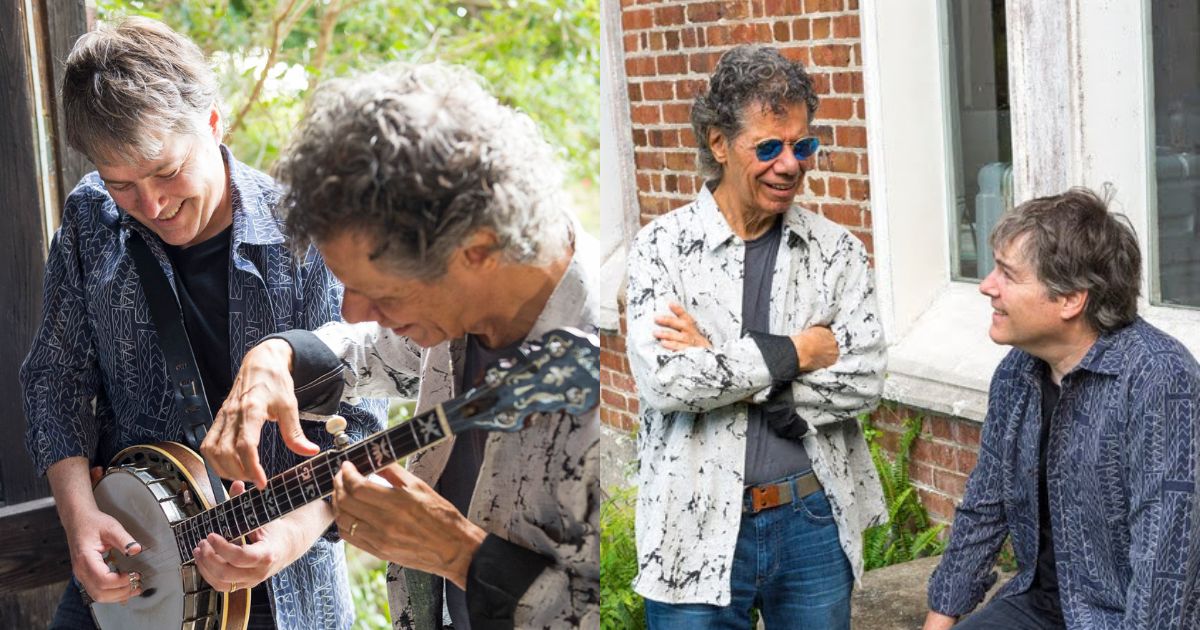
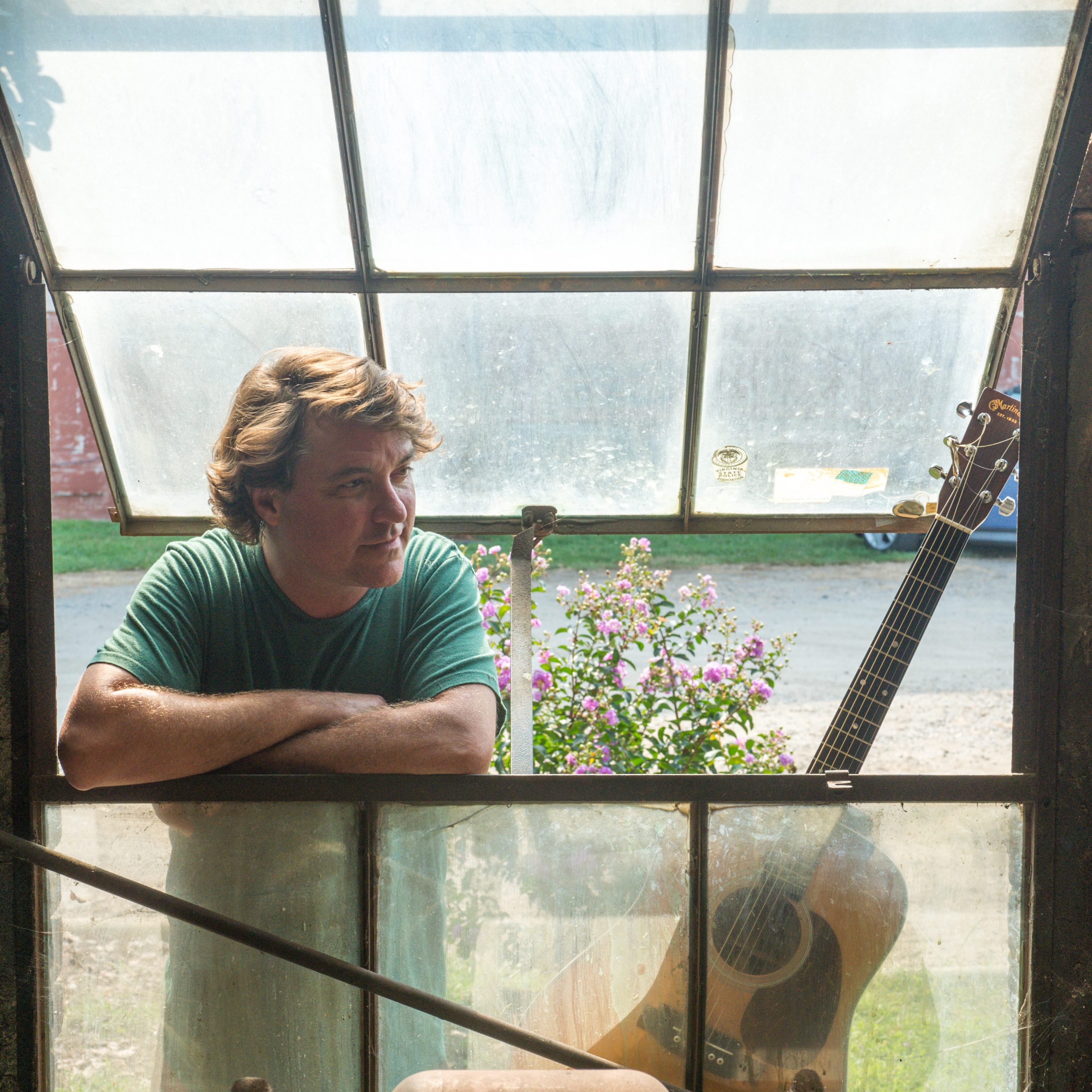
Artist:Chick Corea & Béla Fleck Hometown: Nashville, Tennessee Song: “Remembrance” Album:Remembrance Release Date: May 10, 2024 Label: Béla Fleck Productions (Thirty Tigers)
In Their Words: “’Remembrance’ is just one of those perfect Chick Corea tunes. It sounds to me like a New Orleans funeral march, even though it has a Latin component, like everything he did tended to.” – Béla Fleck
To complete our Dawg in December Artist of the Month series, we asked several musicians who have worked with and made music with the inimitable David Grisman what it’s like to really know him.
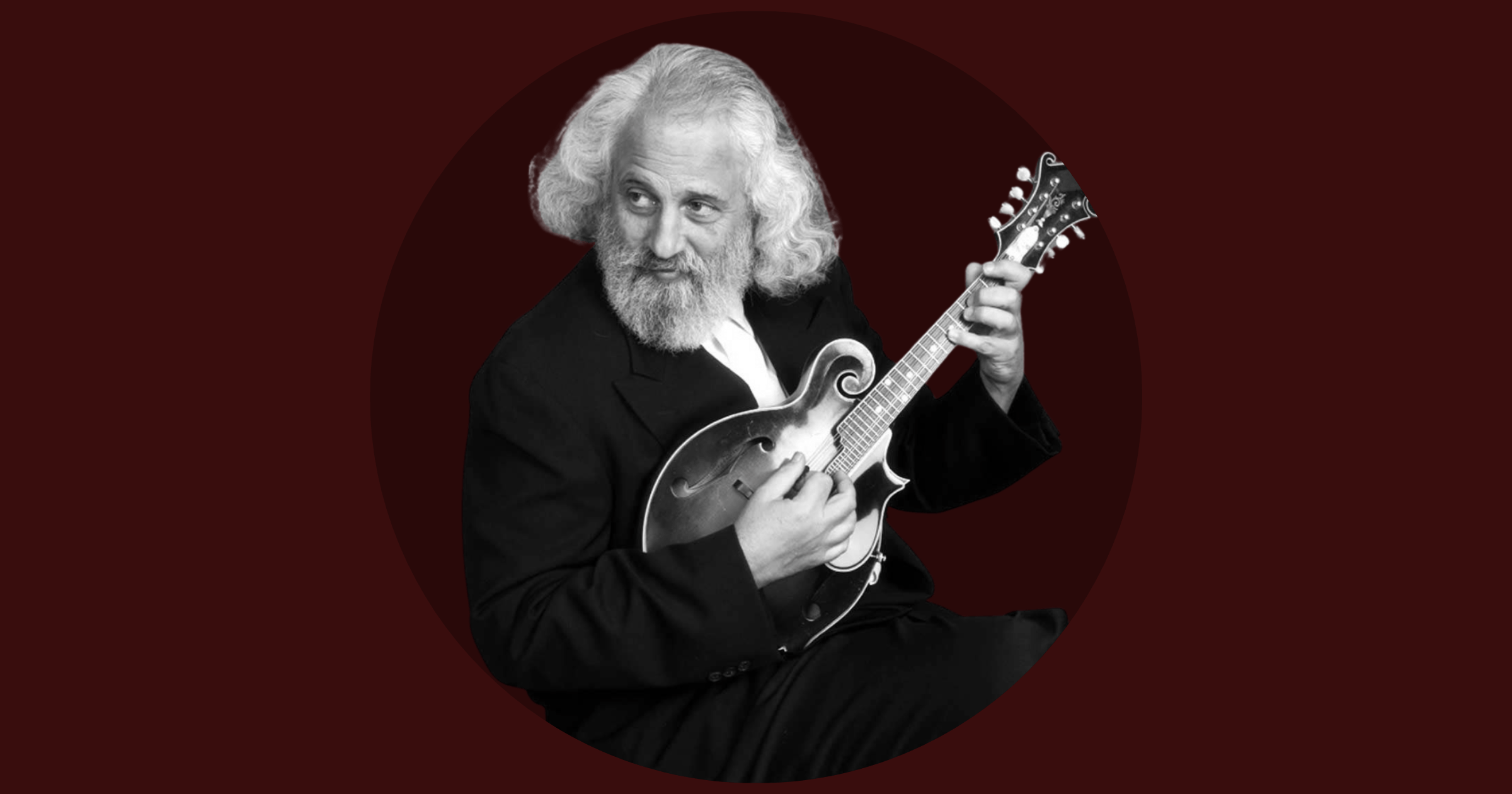
A mythological figure in American roots music, the Dawg remains remarkably accessible and embedded in the scene, despite his unofficial role as a sort of guru-meets-mentor-meets-hermit. He’s been a teacher and encourager of multiple new generations of pickers and mandolinists, from Grammy-nominated Ronnie McCoury to young, impressive upstarts like Teo Quale – who, with his brother Miles and band, Crying Uncle, performed for Dawg’s Bluegrass Hall of Fame induction at IBMA’s annual awards show in September. Others, like fellow Hall of Famer Alice Gerrard, began their friendships with Grisman long ago, before his skyrocketing notoriety and impact.
We asked these three pickers and friends of Dawg – Gerrard, McCoury, and Quale – to reflect on their relationships with the man, who despite being placed high upon a pedestal by many in bluegrass, new acoustic, and old-time music, remains a grounded and down-to-earth mandolin player with an extraordinary legacy.
Alice Gerrard
Alice Gerrard: “I remember sort of my first impression of David – I think it also was Hazel’s too, because he was this very young looking kid from New York, but he played this great mandolin. It was kind of, “What’s going on here?” you know, but the thing that really stands out in my mind is when we were riding to New York [once]. I don’t remember, it might have been my van, but it was a van, and we were going there to record the second Folkways album.
“I think that’s the one that had, ‘The One I Love is Gone.’ We were on our way to record that album in New York and Peter Siegel – who is a friend of David’s and I think Peter was the one who suggested that David play mandolin on the album, because we didn’t really know David at that point. But we did trust Peter. So, David is in the band with us and and we were practicing that song as we were driving up to New York from D.C.
“Hazel was singing the tenor, and I was singing the lead, and there was a problem. Because, you know, often those Bill Monroe harmonies are kind of a mix of major against minor and stuff like that. Hazel was having a hard time getting it, but I’m not. (I’d have to go back and really think about whether she had it right and Peter and David had it wrong.) But it ended up with David lying on the floor of the van between the front and back seats. I don’t know why he was doing that, but he was lying on the floor and singing it with Hazel, trying to get her to find this particular note.
“It was just hilarious! I mean, it was like, I don’t know, two or three hours worth of David’s face, singing ‘The One I Love Is Gone,’ and him fairly well convinced that she did not have the right note. I don’t remember. I mean, I don’t remember the specifics of that, but it was hilariously funny, and of course, what she ended up with was great, but I’m not sure whether he was trying to get her to hit a minor note or what.
“He was just this little kid, you know? From New York. And played this great mandolin. It was beautiful what he did on that song.
“I had to think about how we first met him and how we first decided to record. So I called Peter Siegel on the phone and he told me that he was the one– I mean, David was a friend of his in New York. [Peter] came down to D.C. with David. They were going to go to this bluegrass show, but that got rained out, so they didn’t go. They canceled the show. They [both] heard about this party. I remember where it was. It was at my cousin’s house, who at that time was living sort of on the edge of Georgetown.
“And so, according to Peter, they just came to the house and Hazel and I were sort of sitting somewhere singing together. It was Peter’s idea to use David. And I’m so happy that we did because yeah, he’s amazing.”
Ronnie McCoury
Ronnie McCoury: “When I started playing music, I started playing the mandolin with my dad. I was 14 ‘81– like ‘82 or ‘80, somewhere around there, either before I started playing or right after. My dad got this package in the mail and David had gotten a hold of him and said, ‘I found these tapes of a show we did in Troy, New York in 1966.’ And it was my dad, David, Uncle Jerry [McCoury], and Winnie Winston. [Dawg] said, they sounded pretty good and he’d like to put them out. So he did. It’s called Early Dawg on Sugar Hill. It was half this live stuff and the other half was studio. Along with that package he sent a couple albums of his stuff.
“I mean, that’s just how he is, you know? He just sent this along. He didn’t even really know that I was playing music at the time. I had no idea he was a California guy. I found these albums [he had sent], I had never heard anything like that played on a mandolin, because I was just [getting started]. You know, I’m a child of bluegrass. I was born into it. My dad started a band in ‘66. I was born in ‘67. [It’s] always been a part of me.
“This new music I was hearing, I couldn’t even grasp it. I didn’t know what it was, but I went to bed at night all through my teens putting his albums on and it would play one side and I’d be usually asleep by that time. I did that basically every night to David’s records.
“When I was probably 18 or so, David called my dad and said, ‘Hey, I want to do some bluegrass and I want to do this thing called the David Grisman Bluegrass Experience and we’ll do some shows.’ Basically, it was my dad’s band [backing him up]. We did that quite a bit, for a year or two – just on and off.
“I got to know David and every time we go west, we always were basically playing Northern California and either Grass Valley, California – for the festival – or touring out there playing with my dad. It was just starting for my dad a lot more in the West. He’d been going there for years, but sporadically, and we’d always wind up going to the Dawg’s house. I had been playing a Kentucky mandolin, and he told me, ‘Hey, I got a mandolin at my house for you.’ And I never thought anything about it, and I surely wouldn’t ask about it.
“My dad went out, while we were still in Pennsylvania, and he recorded with David for what is called Home is Where the Heart Is. Dad did a show at the Great American [Music Hall], I think, with Dawg, and he came home with this Gilchrist mandolin. The neck was coming out of it at the time and I had a guy repair it – Warren Blair, who was playing the fiddle.
“He laid that mandolin on me, I believe I was probably 19 or 20, and it’s the same one I play today. I’m 56. I got a Loar 10 years ago and played it a little while, but David and Sam Bush and all my peers said, ‘Hey man, stay on that Gilchrist.’ So I stuck with it. I owe him such a debt. He gave me something that is such a part of me, it defines me, I guess. I’ll tell you, it’s his giving heart. He has a huge heart.”
“My dad met David in 1963. He was playing with Bill Monroe and Ralph Rinzler was his manager at the time– Bill’s first manager. He played in New York somewhere and they stayed at David’s house. David’s father passed when he was 10 and his mother, I can’t remember if his mother was even there, but my dad would have been 24. [Dawg] would have been six years younger than my dad. He was a teenager, you know. I don’t know if Monroe did, but my dad wound up staying with David, because Ralph put him there. He and my dad go back to when he was a teenager. There’s such a long friendship there.
“One time, we were at Grass Valley and Dawg said, ‘Have you heard of this kid?’ He comes riding up on a little bicycle with his mandolin on his back and I said, ‘Well, I’ve heard the name Nickel Creek, but I didn’t really know much.’ He says, ‘Chris Thile’s his name.’ He comes riding up, you know, and he jumps off his bike and he wants to play for David.
“We’re standing around picking and [Chris] sings, ‘Roll in My Sweet Baby’s Arms’ – super high, you know – and he’s playing. David said, ‘Hey, man, do you know this tune?’ And he starts playing ‘Big Mon.’ Or ‘Monroe’s Hornpipe,’ I think it was. [Thile] didn’t know it, so David’s playing it and he starts showing him it. And [Chris is] just like a sponge. He starts just running it real slow, then he’s like, ‘Oh, that’s neat!’ And he hops on his bike and he’s off. Like an hour or so later, he comes riding up, jumps off his bike, and he’s got it down. It was pretty neat to see David show him.
“The first time I ever heard or met Jake Jolliff was with David. The first time I ever met Julian Lage was with David. Both of those guys, probably at the time, were 10 and 11, something like that.”
Teo Quale
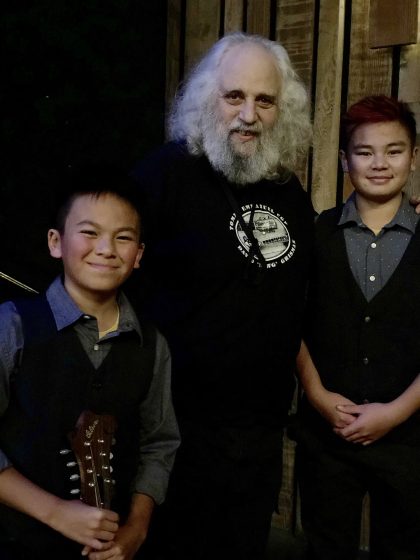
L to R: Teo Quale, David Grisman, and Mile Quale. (Photo courtesy of the Quales and Crying Uncle Bluegrass Band).
Teo Quale: “I first met Dawg as a young kid at a Manning Music event when I was about 6 or 7 – so about 10 years ago. Actually, the first time I was around David was when I was still a baby, but I don’t really remember that!
“Anyway, he jammed a bit with us and Tracy played bass. He and Chad [Manning] played later on. At the time, I was playing fiddle and I really wanted to start learning the mandolin, but my fingers weren’t strong enough yet. So, my mother got me a ukulele and replaced the strings with ones tuned in fifths. Then about a year later, I finally started on the mandolin.
“David has been an inspiration to me ever since meeting him. Over the years, I’ve also had the opportunity to take some lessons with him and he’s always been really generous with his time and his knowledge, but always in that relaxed Dawg way. His music has influenced the way I approach every aspect of my playing, from improvisation to composition.
“Most of my other heroes were also greatly influenced by David – Mike Marshall, Darol Anger, Ric [Robertson] and [Dominick Leslie]. I’m thankful that I get to call him a friend and that I’m also around so many musicians who were touched by him. I don’t get to see him as often as I’d like, but we keep in touch.
“He was born on the same day and year as my grandfather, both two really special people in my life. I play one of his old mandolins now (made in 2006, the same year I was born!), and I am thankful each time I pick it up, knowing that a part of Dawg will always be in this instrument.”
Earlier this year, David “Dawg” Grisman was inducted into the Bluegrass Music Hall of Fame at IBMA’s annual awards show in Raleigh, North Carolina. Grisman was unable to attend, but gave remarks via a pre-recorded video; his acceptance speech was striking. Dawg poured forth unmetered gratitude, listing so many artists, bands, peers, and forebears who gave him a shot, hired him, got him started, stuck with him, and contributed to his success.
It was a laundry list of names, some enormous in his creative life – Jerry Garcia, Hazel Dickens & Alice Gerrard, Mike Seeger, Roland and Clarence White, Ralph Rinzler – and others with much more granular and specific impacts. Though his speech was barely four minutes long, Grisman gave a remarkably holistic overview of his broad and varied career, pinpointing respective “dominos” in his musical life that each tipped over into the next, leading to the decades-long, groundbreaking musical output for which we all know, respect, and adore the Dawg.
He even remembered the very moment he heard bluegrass music for the first time, beginning his self-taped video mentioning the Mike Seeger-produced vinyl compilation, Mountain Music Bluegrass Style, and Earl Taylor & the Stoney Mountain Boys’ rendition of “White House Blues,” his first pivotal taste of the music that would define his life – and that he would re-define, time and time again, over the course of his career. He thanked Doc Watson, a frequent collaborator and recording partner, for being “the first professional musician to ever invite this mandolin picker on stage, when I was 17 years old.”
But Dawg’s musical pedigree – unassailable as it is – wasn’t the focal point of his Hall of Fame acceptance. Instead, Grisman positioned his lengthy and name-drop-heavy resumé not as proof of his own bona fides or validation of his music and impact, but as evidence of his own gratitude. Gratitude at the honor of being inducted into the Hall, yes, but more importantly, gratitude at having been given the opportunity to find, become, and be himself, unapologetically and with mandolin in hand.
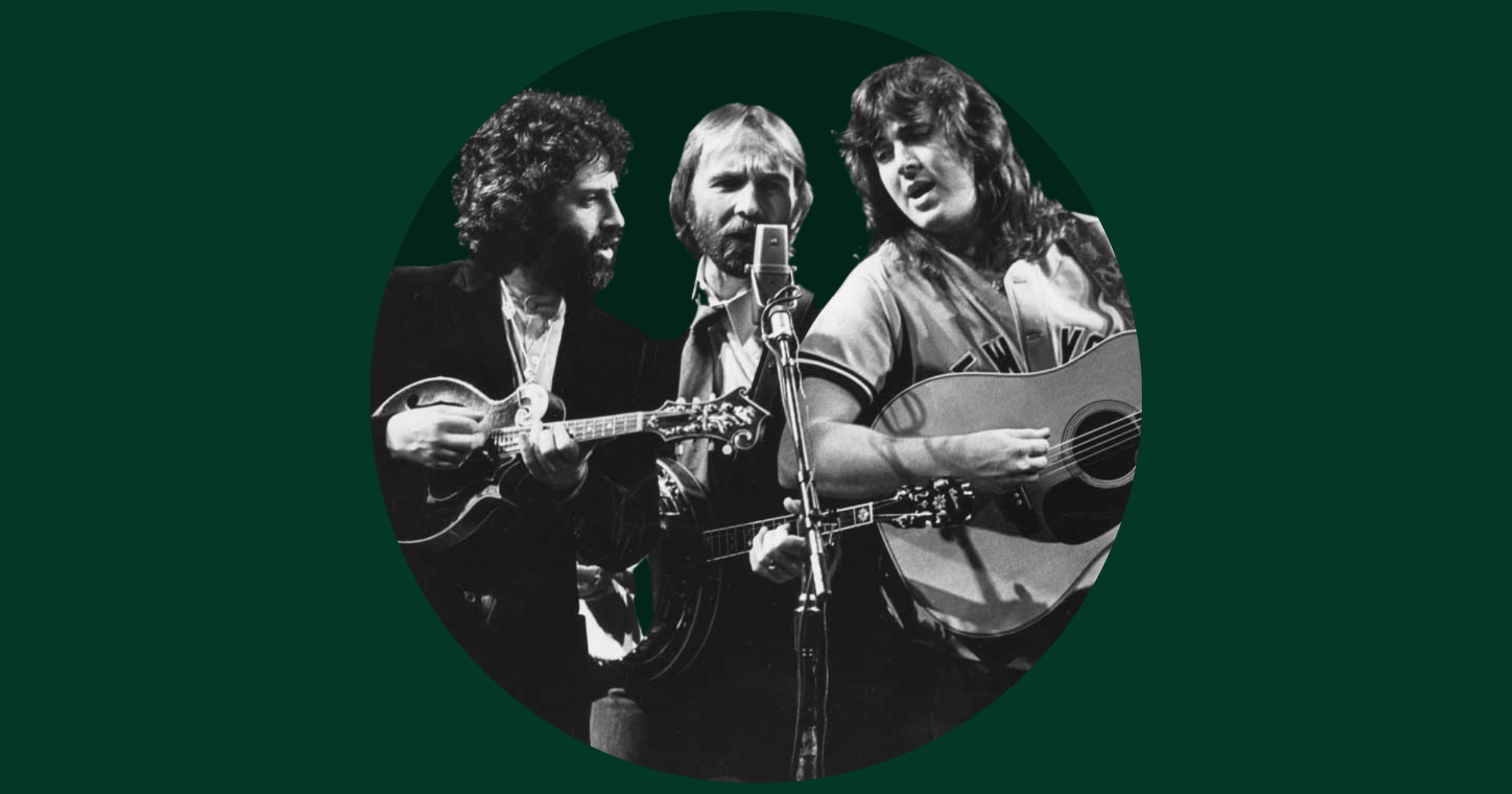
Whether in duet with Tony Rice, Del McCoury, Jerry Garcia, Tommy Emmanuel, or Andy Statman, or in groups like Old & In the Way and the David Grisman Quintet (or Trio or Sextet), Dawg has routinely and effortlessly pushed every musical envelope he’s inhabited. He, his friends, bandmates, and collaborators invented new genres and sub-genres, brought bluegrass to hundreds of thousands of new fans, and folded in virtuosos (often unknown to bluegrass) from across the roots music landscape and around the globe. No matter how “out there” or fringe Dawg’s music became, it was and continues to be indelibly rooted in a reverence and love for the traditional, vernacular roots of bluegrass and old-time – as genres, yes, but as communities and folkways, primarily.
It’s why his catalog includes music made for and with folks like Stephane Grappelli, Frank Vignola, Jerry Garcia, Dolly Parton, Linda Ronstadt, Bonnie Raitt, and James Taylor, but in his acceptance speech he went out of his way to thank and spotlight bluegrassers like Frank Wakefield, Curly Seckler, Jesse McReynolds, Bobby Osborne, and Herschel Sizemore instead. It’s also why, despite building a career and identity out of coloring outside the bluegrass lines, Dawg is still proudly claimed by the bluegrass hard liners and “that ain’t bluegrass” sorts – as well as the wooks, hippies, jamgrassers, and chambergrass acolytes.
From the highest-selling bluegrass album of its time, Old & In The Way, to The Pizza Tapes; from “E.M.D.” to the Grateful Dead’s American Beauty; from Tone Poems to “Dawggy Mountain Breakdown” playing at the beginning of each and every episode and rerun of NPR’s quintessential hit, “Car Talk;” David Grisman’s legacy is resplendent, exhaustive, and one-of-a-kind. But it’s not just a resumé to Dawg – or just a history, benign and objective. To David Grisman, the most important thing about making music is people – the ones who make it, the ones who hear it, and the ones who love it.
All month long we’ll be celebrating Dawg in December. Enjoy Artist of the Month content like our Essentials Playlist (below), plus we’ll be chatting with friends of Dawg about what it’s really like to know him and make music with him, we’ll dip back into the BGS Archives for our favorite Grisman content, we’ll feature his son’s new band, the Sam Grisman Project, and much more. So join us as we celebrate Dawg’s induction into the Bluegrass Music Hall of Fame and his entire groundbreaking career for Dawg in December.
Artist:Hildaland Hometown: Portland, Maine Song: “The Selkie of Sule Skerry” Album:Sule Skerry Release Date: October 25, 2023 (single); November 3, 2023 (album) Label: Adhyâropa Records
In Their Words: “‘The Selkie of Sule Skerry’ is an old folk tale of which there are many versions. We love a rendition sung by Kris Drever in the band Fine Friday on their 2002 record, Gone Dancing. We took inspiration from this, wrote our own melody, and had a lot of fun with the arrangement. Ethan played both mandola and the electric mandocello on this one, we worked up a string arrangement together, and had Dan Klingsberg record some double bass for us, and Sam Kassirer laid down some synth.” – Louise Bichan
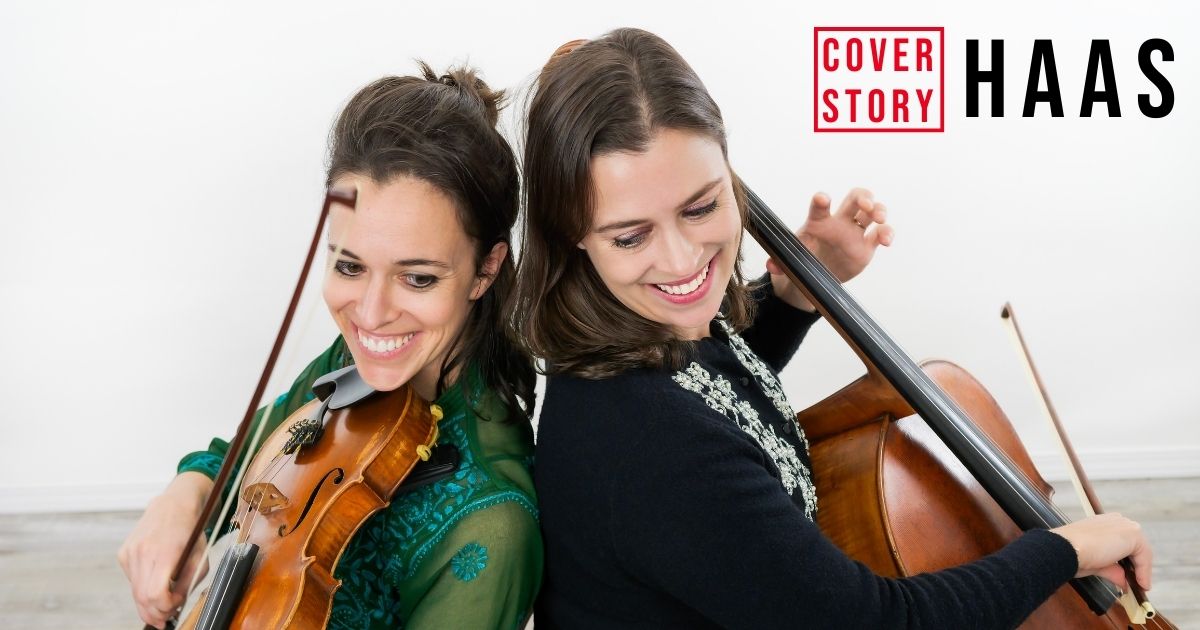
What changes about the oft championed phenomenon of “family harmonies” when the voices entwined together are not voices at all, but strings, plucked and bowed and fingered? It’s a question that immediately comes to mind as you hear the first notes of Haas, the recent duo album released by sisters, fiddler Brittany Haas and cellist Natalie Haas. It’s also a question that immediately came to mind as we chatted via Zoom last month.
“I feel like I connect more deeply with Brittany than anyone else from a rhythmic standpoint,” Natalie responds after a thoughtful pause. “That’s not so much the family harmony thing, but it does play into everything.”
The familial blend they’ve established as adults – in many ways, Haas is their first deliberate and intentional music making as a pair since their teen years – defies any and all boundaries and language, as they swap melodic hooks and call and respond and toggle between accompanying and leading, adding texture and tenderness or vigor and enthusiasm. Their interplay is as comfortable and cozy as you would expect these two sibling virtuosos to be together, their reunion the not-so-subtle underpinning that makes the entire collection of tunes and sets sparkle.
This is family harmony – and family rhythm – but unspooled, complicated, and set to a new acoustic, Celtic, chambergrass sound that defies categorization. Haas also gently and kindly stands in implied opposition to more masculine, performative, and competitive musicians and groups in similar spaces. It’s a brilliant, crave-able album that showcases how much can be accomplished musically when one’s goal isn’t just the cooperative music one creates, but the space one opens up with another in which you cultivate that cooperative music.
I wanted to start by just asking y’all how long it’s been since you put out music together, or since you’ve been in like a creative space together? How does it feel to be “reunited” in this way?
Natalie Haas: We sort of played together as kids in chamber music groups and youth symphony together. And we went to fiddle camps together – that was how we got excited about maybe doing music as a career. That would sort of continue throughout the year, because the way for us to continue all that excitement and motivation that we got at fiddle camps was for us to play together.
We did the odd gig together as teenagers, like farmers markets, school performances, and that kind of thing. Then we sort of went our separate ways and we’re both very busy doing our own thing, but we took every chance we got when other people would hire both of us to be on their gigs. We always said yes because we just wanted to hang out with each other. So this is like the first time that we’ve done anything like this and it’s pretty exciting.
The way that your musical paths have diverged, they don’t feel like they’re that separate from each other. It feels like the vocabulary that you both draw from is very similar. When you started sitting down to think about doing an album together, what changed about the way that you thought about music separately or together?
Brittany Haas: That’s a cool question. I think, it all felt kind of new in a way, but also so familiar, you know? Because it’s us. We have made a lot of music together. I think on my side, it was really cool because Nat already had a bunch of tunes. So some of [our collaboration] was just like, schedule based, it was like, “Okay, we know we want to do this thing, because we’ve been getting odd gigs.” It was really like motivated by the fact that we had shows coming up, and that was a reason to be like, “Let’s have new material for that.”
Then we were like, “Here’s our days when we can put together material.” Nat had just done a writing session where she had all this new stuff ready to go. These are the tunes that she’s cranking out and they feel very much like they come from something or some place that is like so near and dear to me, because it’s from our shared fiddle-camp upbringing. That’s like the source, the well, where the tunes come from, even though they’re new and different. It feels like very homey, I guess? The kind of tunes. And then I think we’ve just both grown a lot over the decades as musicians and as arrangers. We like bring more stuff to the table than when we were teenagers.
NH: I should certainly hope so! [Laughs]
That is the goal. [Laughs] That leads really naturally to my next question, which was going to be about material curation, especially because you both have demanding schedules that kept you apart, I’m sure, during the album creation to some degree. What was it actually like when you were like setting aside that time, like you’re talking about, to get together to make the music? What was the curation process like? It’s all originals, but one, yes?
NH: Yes. And yeah, that’s the nice thing about us both being busy is when you set aside a block of time, that’s all you are focused on. Brittany had all these amazing musical ideas and made all of my tunes better the minute she got her hands on them. The arranging process, it was pretty easy, because we’re both, comfortable switching back and forth between roles. I was just amazed at how much we got done in such a short amount of time, both in the arranging process and in the recording process. It all felt very easy. [Laughs]
BH: We did the bulk of it together, I think we had like a week or maybe slightly under a week when we first met to gather the material. And wasn’t that before we even knew we were making a record then?
NH: Oh yeah, that was preparing for a tour. Our first adult sister tour.
BH: No, no, no – second.
NH: Oh, second. Yeah! Because we toured Ireland. Right. We were playing all of these trad tunes, our shared repertoire from our of teenage years. And then for [Haas], we decided to make it all original. For the most part.
BH: Do you remember the moment when we actually said, “Let’s record this”?
NH: Uh… well, I think we toured it first. Then Brittany brings her handheld recorder to all of those gigs and recorded everything. We listened back to it and decided that it was actually pretty good and that we should make something of it. I think we had another tour coming up, of Australia, and we decided it would be fun to have something for people to take away with them.
BH: At that point, we didn’t meet again until a few days before the studio. We had arranged the material and toured it, so we kind of had it under our hands pretty good. And then a long amount of time passed, but during that time it was good to listen back to stuff and decide what we wanted to change.
We had like a couple days of rehearsals and revisions. That was from listening and emailing and saying like, “I have this idea about this. What do you think of that?” Then we had like three days in the studio before it went back to email, because Natalie lives in Spain and we’re also both busy doing stuff. So it was emailing like, “Do you like this take?” and, “Is it okay if I edit out the second B part on this?”
Did you trip into or over any sort of feeling like, “This reminds me of when we were playing together as kids” or did it feel like you were getting back on the bicycle in a way?
BH: I’d say mostly yes. It’s just really easy. I think in other collaborations, people aren’t always so willing to just try anything. We have this basis of, “I love you no matter what, and even though you’re being really annoying and you’re asking me to do something I don’t want to do, I’m still going to do it, because might as well.” It’s an ease of communication, which I think mostly comes from family. [Laughs]
NH: We were never really a band as kids. We did the odd gig, but it was always just for fun. Our parents weren’t pushing us into performing together. So yeah, no bad memories, really, associated with playing together as kids. But we do have the ease of having this shared history of fiddle camps and learning from the same kind of mentors.
BH: Since we’re both like primarily collaborators, this project was like running our own band. As adults we’ve both come into our own and we’ve probably become more opinionated about musical things as a result of that. So it’s fun to meet again where there’s a lot of give and take.
What do you think of the term, “chambergrass?” Is this album chambergrass? Is that even a thing?
BH: I like the term, but I’m not sure it applies here. I also don’t mind it applying here. I guess maybe that wouldn’t have been what I would have gone to, because from my perspective, it just feels so much more Celtic. It’s still in that sort of “past of American music,” that’s more over there in the Celtic Isles. It doesn’t feel very grassy, but I mean, that’s a part of me as a musician. So, it’s not like it’s not in there.
NH: It does feel like chamber music to me. Yeah… I’m not familiar with all of the myriad grass terms. [Laughs]
BH: We grew up going to Valley of the Moon Fiddle Camp, where there were a lot of genres meeting. So the boundaries were very blurred, and both of us having worked with Darol [Anger] from a young age, he’s all about blurring and negating the idea of boundaries. It’s everything, it’s all of that, it’s all the influences and where they’re going. I know the current Celtic world less than Nat does, but it seems like a lot of the forward-thinking, new tunes on stringed instruments are happening in chambergrass, the new acoustic realm, so it’s definitely an influence on both of us.
NH: It does have a Celtic bent, but it is Celtic from an American perspective – because we’re American. I’ve listened to a lot of stuff in the new acoustic realm – like Brittany said, all of our influences are coming out, and it’s hard to define a genre.
BH: I think Nat, for all of her “I don’t totally play bluegrass” sense of self, she can and she does sometimes. Some of the bluesier tunes that she writes lend themselves to that area.
You make very in-the-moment music, there’s a lot of improvisation, there’s a lot of dialogue, and this kind of music can often feel very – it’s silly to say this cause you’re literally performers – but it can often feel very performative and like there’s a lot of hubris in it. I also feel like new acoustic music, newgrass, jamgrass, and that sort of “Let’s jam out together, let’s be in the moment together!” music, it can often feel really masculine and toxic. How do you go about creating this space you’ve made together, to have those moments, to be together and present and making music, but it doesn’t feel like you’re being self-absorbed or self important?
BH: That is something I think about when I’m listening to music – and sometimes when I’m playing it. Sometimes I do feel like I’m uncomfortable, like that’s not something that I want to do. Even though you think that that’s what the music calls for in this moment, it can feel a little bit too masculine.
It’s like, “No, I don’t want to take a really long solo there.” I think I’m embracing that it’s okay to say, “No, I’m not gonna do that.” It’s a tricky one, because a lot of our heroes in that realm of creating this newer music, they’re men, and that nature is informing the music that they’re making and the way that they’re arranging it. It does have that hubris thing built into it. On some level, that is important and it does work well, for stepping into the moment and taking a great solo. You kind of have to have that attitude. But, it’s not necessarily masculine or feminine. Like it doesn’t have to be either one. It could be both.
What we’re trying to do, it’s a little more tune- or melody-based than based on soloing, so it lends itself well to a tight arrangement. That may not be the right term, because it still is loose, there still is a conversation going on. But, if there is a solo it’s pretty short, it’s this little thing we’re going to do to give a breath of fresh air here. It’s not like, “And now, we will rip for 50 more bars!”
“And now everybody look at me!”
BH: Yeah! I think in a duo especially, because we’re very equal and we like sharing, that’s just kind of part of the vibe. Even when Natalie’s filling more of an accompanist role, it’s still such a powerful, interesting sound. It’s so varied that it doesn’t fade into the background. It’s super interesting all the time. It’s like both voices are very equal, even if mine is higher.
NH: It’s interesting because, like Brittany said, a lot of our heroes are men. That’s definitely a generational thing in the Celtic music world, because like, the people that we grew up sort of – I don’t want to use a phrase like “hero worshipping” – that we admired and wanted to copy were mostly men, with a couple very key exceptions. But then, my generation in the Celtic music world is almost exclusively women. There are some men doing it, but it’s very different than the bluegrass thing.
Also like Brittany said, soloing is not as much a part of it. That changes the dynamic a little bit. But it is kind of a melody>accompaniment hierarchy going on. But I wouldn’t say that that’s necessarily a male thing, I don’t know.
As Brittany said before – and I hate to associate this with just feminine energy – but both of us coming from being collaborators in our other projects rather than soloists, per se, you could say that that is the more feminine approach, maybe, to music making. It does feel very equal because the melody playing is getting passed back and forth all the time. And it does feel very conversational, even though the soloing thing is not as prominent as it might be in some other genres.
I think that’s part of why you can listen through y’all’s entire album and it doesn’t feel stale, it doesn’t feel boring, while it also doesn’t feel like it’s trying too hard. It doesn’t feel like you guys have something to prove.
NH: That’s part of the thing with having done it at this point in our lives, it doesn’t feel like we have anything to prove anymore. We’re doing it because we want to, not because we’re trying to prove anything to the world.
Artist:Hildaland Hometown: Portland, Maine Song: “Trains/Fin’s” Album:Sule Skerry Release Date: September 26, 2023 (single); November 3, 2023 (album) Label: Adhyâropa Records
In Their Words: “This set is comprised of ‘Trains’ by Ethan Setiawan and ‘Fin’s Foley’ by Louise Bichan. We decided these tunes would fit well together as they’re both in three parts, and both about movement. It was an honor to get the great Neil Pearlman on the track on keyboard as well. Ethan says of the first tune, ‘”Trains” was written during some discussion with the great harpist Maeve Gilchrist about hornpipes. I tried to integrate some of the stylistic ups and downs, using arpeggios to create a melody rather than something linear.’ And Louise wrote “Fin’s Foley” for her brother, after a wheel mishap. I had forgotten all about the unofficial title until I came across the original sheet music while rummaging through things at my folks’ house: Rover’s Revenge!'” – Hildaland
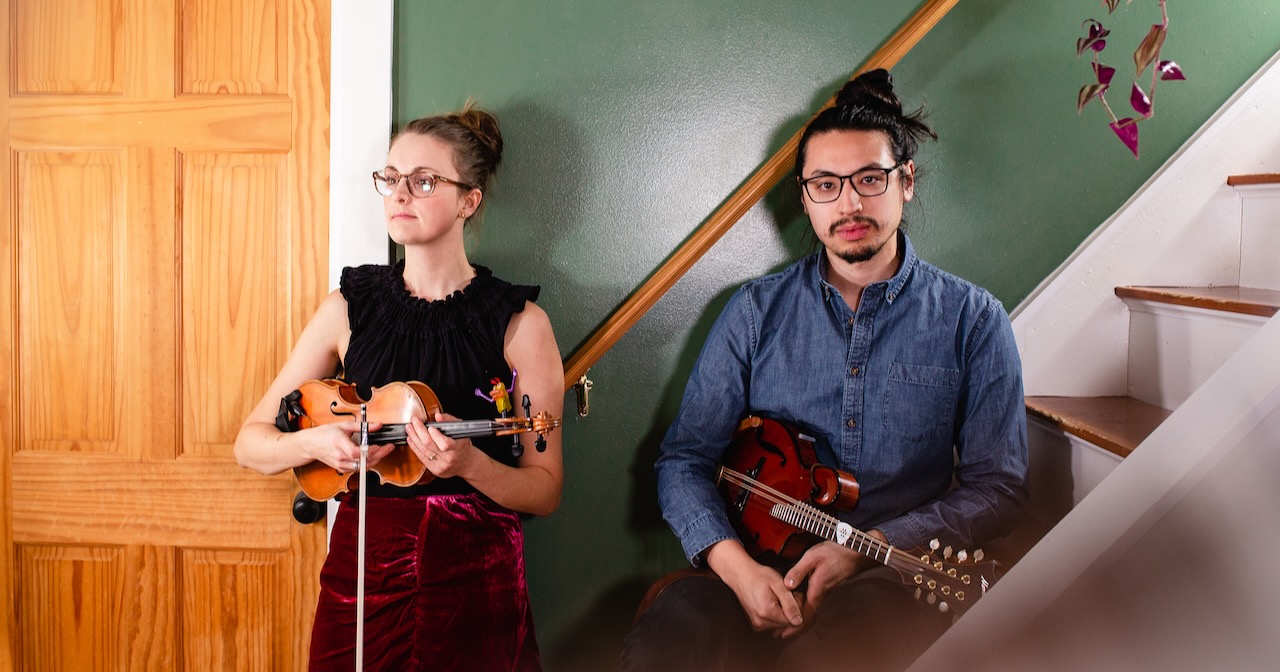
Ethan Setiawan knows the importance of a good pick. The Portland, Maine-based mandolin player has lately been experimenting with changing the entire sound of his instrument through one tiny, flat piece, pinched between his fingers. The material, girth, texture, and weight of his pick all play a crucial role in how his mandolin sounds, sometimes bright and plucky, or dark and full-bodied. “It’s good to have a sound and have gear that you like, but often the thing that helps me be more creative is just being able to change it up,” he says. “Change is helpful for your own growth and can really spark new ideas or keep things fresh.”
On his new record, Gambit, he finds himself somewhere in between, which is fitting given the way he fuses his entire musical background to create something completely new. It isn’t jazz, but it’s not not jazz. It’s bluegrass, but not in the traditional sense. It’s funk, but also old-timey.
The Berklee College of Music grad could easily fool you into thinking he’s much older than his years. A seasoned bandmate to some of bluegrass music’s finest — including Gambit producer Darol Anger, whom he first met as a high school student — Setiawan is beginning to carve out space for his own songwriting. Written in Boston, workshopped in California, recorded in Maine, and then mixed in Nashville, Gambit, as its title suggests, is a joyful mixed bag of the many styles of music that have shaped him into one of the most formidable mandolinists of his generation.
BGS: Darol Anger produced this record, and though you had been playing together for some time, this was your first experience working with each other in this capacity. What led to this partnership?
Ethan Setiawan: We’ve played a bunch of gigs over the years, and it just felt like a good next thing to do was to make a record with him. And he was on board thankfully. We had plans to [record] in August 2020, and then the pandemic started to happen, and it became apparent that wasn’t going to work. So eventually I did make this big road trip out to California where Darol was living at the time, and we had these really nice couple weeks out there, working through the material, just me and Darol kind of playing through the stuff, trying to solidify arrangements and get ideas down on paper to go into the studio with. And eventually in October, we made it into a studio, the Great North Sound Society Studio in Parsonsfield, Maine. We had this four-day session and worked probably 12 to 14 hours a day, every day. And sometimes sessions like those feel like work, you feel tired and drained after a day. But at least for me, those sessions felt really fun, really good. Part of that was not having played music with a band before that time for six months or whatever, and it was cool for me to see these tunes come together, and just working with Darol and seeing how he functioned in the studio. He put in the longest hours of everybody. He was up until 3:00 every night, replacing fiddle parts and working on everything.
The tunes on Gambit are all originals, but there’s so much tradition rooted in these styles of music you’re playing. How do you reconcile that when trying to create your own compositions?
I do a lot of that, pulling from past traditions or old recordings. A lot of the compositional ideas and things that remain the same throughout the record are tunes by people like Matt Flinner and Béla Fleck, other people that have kind of pushed the envelope compositionally. On the record there’s kind of a whole, well, gambit of different styles. There’s old-timey music with fiddle and banjo, Appalachian string band [style] — and kind of in chronological order, I guess the influences would start there. Then you’d move into bluegrass, get into jazz and eventually fusion, funk, that kind of thing. Darol actually summed it up nicely. He was in the David Grisman quartet way back in the day, so he kind of had a hand in forming this style of music. He said something along the lines of, it felt like a journey through the past 40 years of his career. It just ended up this way that all these tunes grabbed from different areas of the past 40 years. The old-timey, the bluegrass, the sort of new acoustic, the jazz. And hopefully by merit of them being my tunes, they kind of hold together as a collection at the end of the day.
How much of creating an original arrangement is improvisational?
For me, there’s always a lot of throwing paint at the wall. There’s a stage that kinda looks like that, where I write a lot of tunes or even just generate a lot of ideas, not even taking the tunes to a completed state. The way I write is kind of two stages: there’s the melody and there’s the harmony, these two sides of the composition. Basically, I write the melody and I try all different combinations of notes and phrase endings. With chords, I’m always trying different stuff. That does a lot to create a mood, I think, for the tune. For any one note, you could harmonize in many different ways, and for any one bar. So I think the important thing for me is just to try all the options, really try to be objective, and see what works the best and what feels the best. Mandolin is the main thing that I play, but I also play some guitar and some cello. So just getting off the instrument I’m most familiar with and getting onto something else can be really helpful in sparking some creativity.
Given this wide range of styles of music you’ve played over the years, how do you describe your sound now?
I’d say that it’s sort of a furthering of the stuff that Darol’s been really involved in, this new acoustic sound. Which is not a label I totally love—just the sound of it—but it’s kinda what we got, I guess. It’s using the attitude of bluegrass in a lot of ways, but not being confined to the stylistic trappings of bluegrass if that makes sense. If you think about how Bill Monroe created bluegrass, he’s kind of the guy that finally took all these influences and put ‘em together and said, ‘here’s the thing.’ He wasn’t even trying to be original; he just was being original. He was just taking all the music that he liked and synthesizing it into what he wanted to hear. And that isn’t often actually the attitude of bluegrass musicians today, but it’s an interesting concept to me and a really interesting way to sort of look at music. So that’s the essence of bluegrass that I’m trying to go after.
How has your relationship with bluegrass evolved since your earliest experience with it?
I think bluegrass is kind of the underpinning of everything that I do, even if it’s not at the forefront of the final product. When I started playing mandolin, I started playing these old-time fiddle tunes, which pretty quickly brought me to bluegrass. When we’re talking about progressions, that is kind of the natural next step for somebody who’s interested in the tunes and the music and improvising especially. You’ll get drawn to bluegrass and then eventually to jazz and so on. That bluegrass vocabulary on the mandolin is really the basis of most of my writing and my playing. And I think that comes through on the record almost more in the way that we approach the tunes and treat how we play the tunes more than the compositions themselves. There are a couple tunes that are a little more bluegrass, but they’re always a little weird. There’s always something a little funky about them. It’s sort of the attitude of the thing that I think has stuck with me the most.
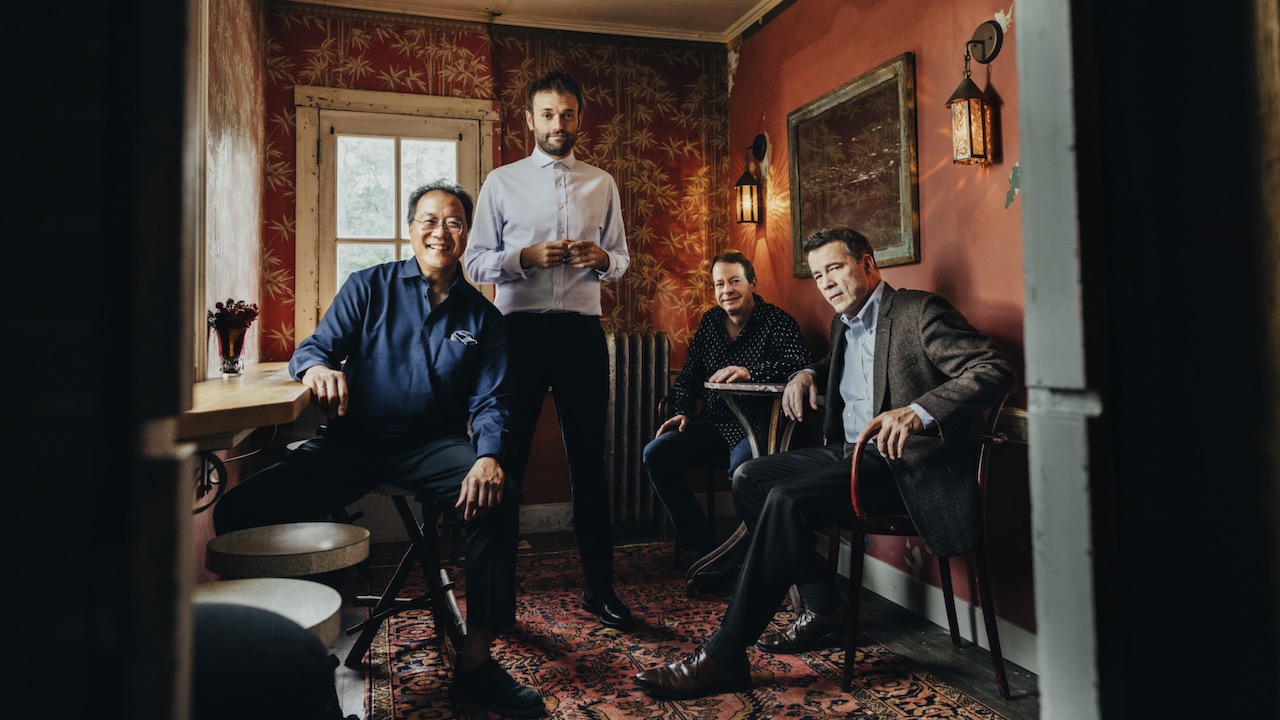
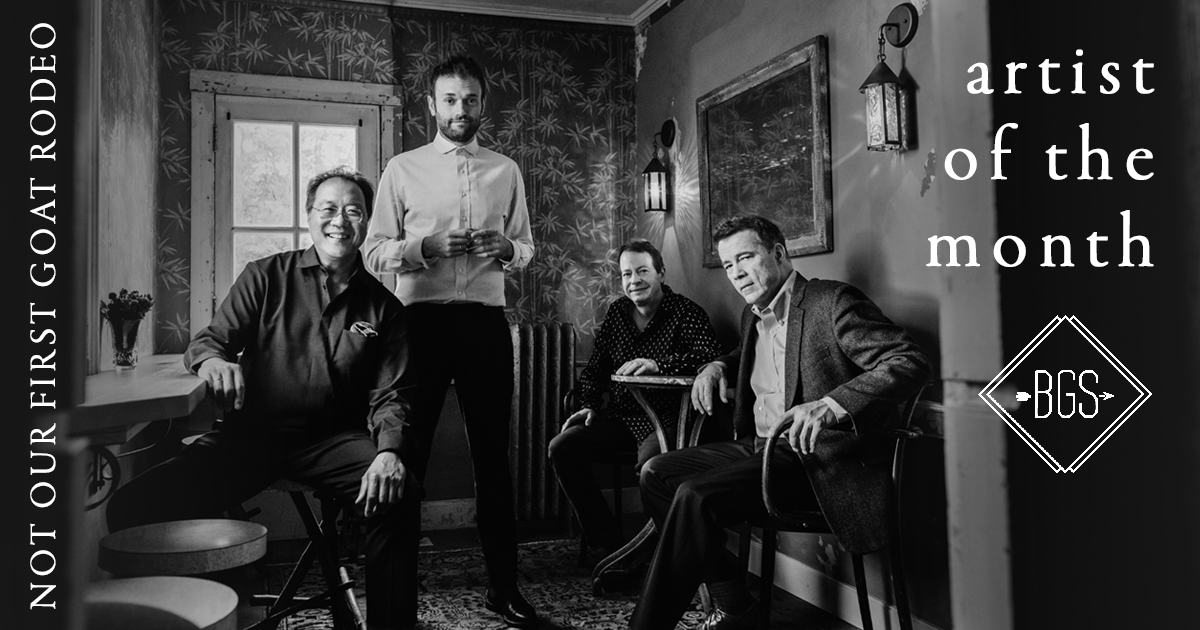
The Goat Rodeo was back in town in 2020, and while their stay was short, they left behind a new record for us to enjoy until their next visit. The all-star string quartet (no, not literally a rodeo) released their second album Not Our First Goat Rodeo in June, and much like the passing of a comet, audiences everywhere took it in with wonder and awe. The four visionaries that constitute the Goat Rodeo have each accomplished many incredible, out-of-this world feats, but when Yo-Yo Ma, Edgar Meyer, Chris Thile, and Stuart Duncan join forces, the music made feels less like an album and more like a rare phenomenon you’re lucky to see even once in a lifetime.
This fall, NPR’s Tiny Desk (Home) concert series shared music from their sophomore release. Chris Thile acts as an emcee sharing backgrounds and insights between the three songs featured, all of which can be found on Not Our First Goat Rodeo. As in the 2011 release, the rodeo’s second coming features the beautiful vocal presence of Aoife O’Donovan on the song “The Trappings” (as well as on two other tracks not performed for NPR). Despite their brief reunion, Not Our First Goat Rodeo will surely be considered as one of the highlights of 2020. Watch the Tiny Desk performance here – and read our BGS Artist of the Month interviews with Stuart Duncan, Edgar Meyer, Chris Thile, and Yo-Yo Ma.
A remarkable blend of improvisation and composition, Not Our First Goat Rodeo is the just-released second volume of music from four American acoustic icons: Yo-Yo Ma, Stuart Duncan, Edgar Meyer, and Chris Thile. The eclectic group chose their name based on the aviation term “goat rodeo,” indicating a delicate situation in which 100 things need to go right to avoid disaster.
That intricacy is apparent throughout Not Our First Goat Rodeo, and so is the band members’ mutual respect and sense of joy that stems from collaboration. One such example is “The Trappings,” a cinematic piece featuring Aoife O’Donovan, who lent her talents to the first collection and returns as a guest vocalist for the new project, too.
Sharing the story behind the track, Yo-Yo Ma recalls: “‘The Trappings’ came out of a question of aesthetics. I believe Edgar was talking about pop music, how he used to think, ‘Oh, if something’s too poppy, I’m not going to like it.’ But that’s like saying ‘classical music is boring,’ or that jazz, rock, rhythm and blues are one way, or even ‘people from different countries are’…. You know that as soon as you make a general statement like that, it’s not true, because you can think of hundreds, thousands of exceptions. ‘The Trappings’ is one of those.”
The group’s initial set, 2011’s The Goat Rodeo Sessions, is a classical crossover masterpiece that won Grammy Awards for Best Folk Album as well as Best Engineered Album, Non-Classical. The critically acclaimed project also spent 11 weeks at No. 1 on Billboard‘s bluegrass albums chart. Nine years (and many other outside projects) later, the group’s camaraderie and undeniable chemistry remain intact.
Yo-Yo Ma observes, “What is so amazing about playing with Chris, Edgar, Stuart, and Aoife is that when I’m working with them, I’m almost not a full participant, because I’m actually a fan. I’m such a big fan that I approach what they’re doing with a mixture of wonder and awe at these fellow musicians whom I feel very close to, but who are doing things that are almost beyond my imagination.”
This month BGS will conduct interviews with each of the ensemble’s members about Not Our First Goat Rodeo as well as their individual inspirations and insights. Check out our Tunesday Tuesday featuring “Voila!” and enjoy this brand new Essentials Playlist featuring music from Yo-Yo Ma, Stuart Duncan, Edgar Meyer, and Chris Thile.
Music made by Keller Williams, but without his whimsical, sideways, and often silly songwriting perspective might seem like a counterintuitive concept for a record, but Sans, his latest album, leans into just that concept, featuring nine purely instrumental tunes. Williams inhabits an equal parts entrancing and perplexing center of a Venn diagram that includes among its constituent circles bluegrass, jamgrass, musical humorism, satire, and instrumental prowess that combines flatpicking sensibility with Phil Keaggy-style ingenuity and song structure. It’s as if you dumped every single goddamn flavor of M&Ms candy you could find into one giant bowl and dared listeners to try their luck and grab a handful that made sense.
Of course, a handful of delicious, if not suspiciously harlequin, sweets will almost always excite glee, and “M&Ms,” a frenetic guitar/percussion/arco bass bounty unto itself most certainly does. It’s a kaleidoscope; a frenzy; a nearly perfect distillate of Williams’ singular personality, so potent that you almost don’t miss his lyrics — especially given the marked lyricism of the interplay between the looped guitar tracks throughout. The ebb and flow of the arrangement cast a wide array of colors and shades, each sugary scoop different from the last, but just as delicious; the “M&Ms” flavors in this bowl are not peanut, or pretzel, or classic, they’re trance, dance, jam, fingerstyle, loop station, foot-tapping, harmonic-plucking, sternum-vibrating bass, and many, many others as yet to be named. It deserves a taste.
Photo credit: Taylor Crothers
This website uses cookies to improve your experience. We'll assume you're ok with this, but you can opt-out if you wish.AcceptRejectRead More
Privacy & Cookies Policy
Privacy Overview
This website uses cookies to improve your experience while you navigate through the website. Out of these, the cookies that are categorized as necessary are stored on your browser as they are essential for the working of basic functionalities of the website. We also use third-party cookies that help us analyze and understand how you use this website. These cookies will be stored in your browser only with your consent. You also have the option to opt-out of these cookies. But opting out of some of these cookies may affect your browsing experience.
Necessary cookies are absolutely essential for the website to function properly. This category only includes cookies that ensures basic functionalities and security features of the website. These cookies do not store any personal information.
Any cookies that may not be particularly necessary for the website to function and is used specifically to collect user personal data via analytics, ads, other embedded contents are termed as non-necessary cookies. It is mandatory to procure user consent prior to running these cookies on your website.