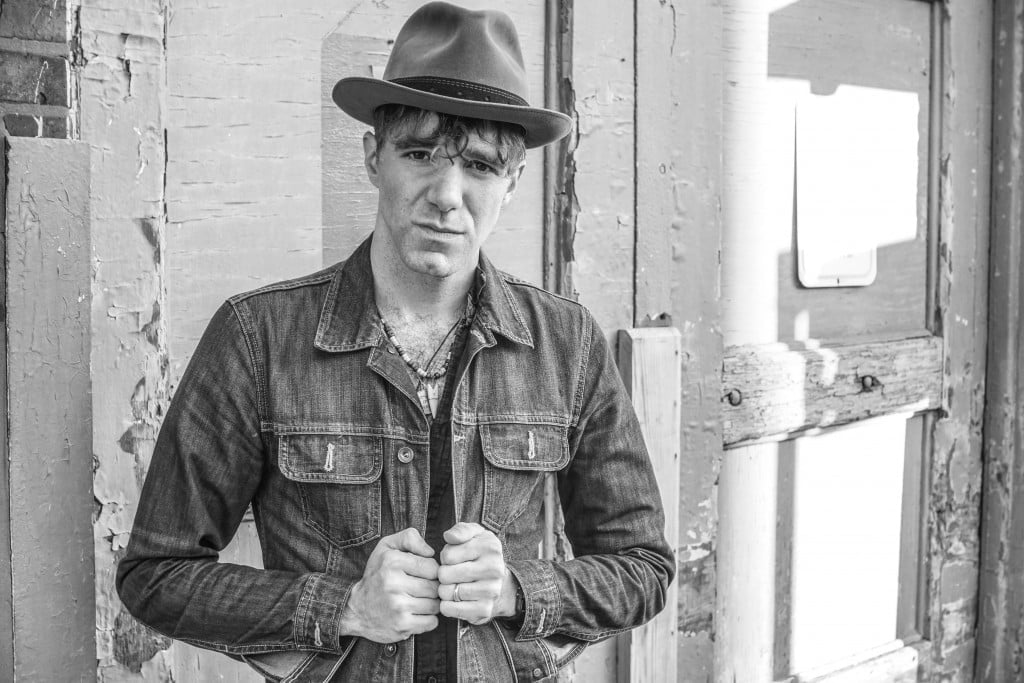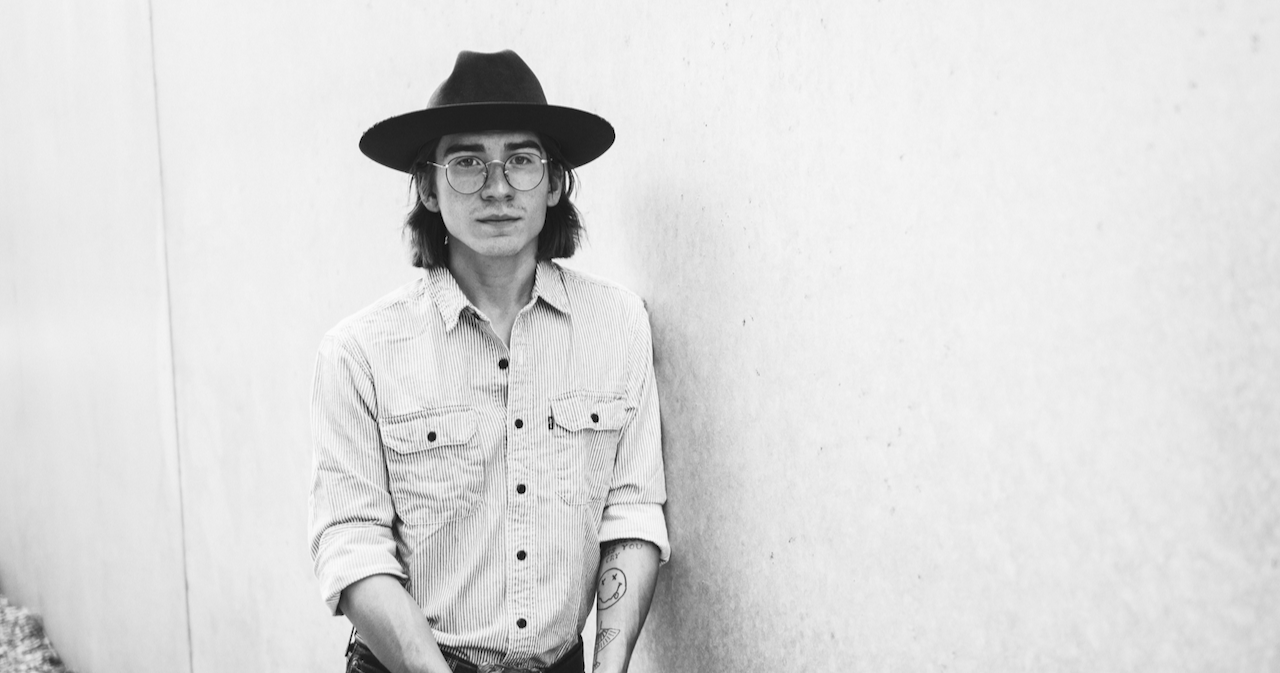
By the time Sammy Brue finished recording The Journals, he already knew something unsettling: this might be the most meaningful work he ever makes. Not because it would be his last, but because it arrived fully formed, heavy with inheritance, responsibility, and grief.
“If I never made another album again,” Brue said, almost laughing at the impossibility of topping it, “this was it.”
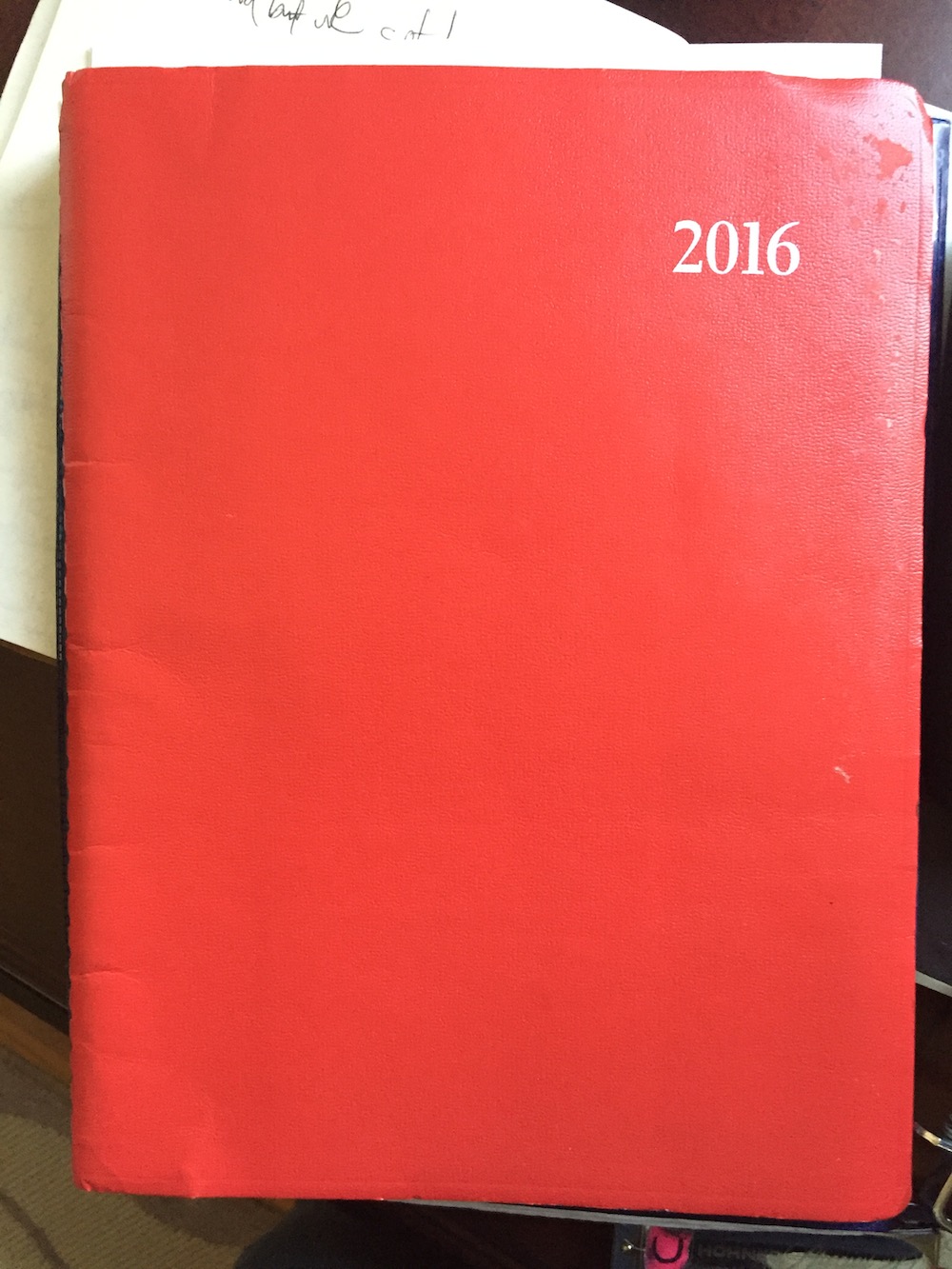
The Journals (out January 23 on Bloodshot Records) is a spare, intimate record built from the handwritten notebooks of Justin Townes Earle – Brue’s mentor, hero, and one of the most restless, brilliant American songwriters of his generation. Earle died of an accidental drug overdose in 2020 at age 38. What he left behind, scattered across hotel rooms, trains, taxis, storage units, and decades of living, was a vast, unfinished body of work. Hundreds of pages of lyrics, fragments, revisions, false starts, and songs carved and recarved like stone.
Entrusted with those journals by Earle’s widow, Jenn Marie Earle, Brue didn’t approach them as artifacts. He approached them as living documents. “I never got to write a song with Justin,” he said. “And then I thought – maybe I could.”
The result is neither a covers album nor an act of ventriloquism. Some songs on The Journals emerge directly from lyric sheets Earle left behind. Others are co-writes in spirit, with Brue completing ideas Earle had shaped over years. A few are Brue’s own songs, written from compilations of Earle’s images and themes. One track, “For Justin,” is entirely Brue’s – a quiet, aching letter written two years after Earle’s death, “by a Justin fan for Justin’s fans.”
The record was made quickly, almost violently so. With GoFundMe money raised to finish the project, Brue booked two days in Muscle Shoals, Alabama, a nod to the sparse manner that Earle once cut Yuma, his breakthrough 2007 debut. Brue wanted to honor that lineage directly: no band, no overdubs, no safety net. Just voice, guitar, microphones.
“I wanted it all live,” he said. “No tracking. No instrumentals. Just me.”
Brue practiced obsessively for months, then walked into the studio and recorded ten songs in a single day. When nerves crept in, he leaned on a conversation with Joshua Black Wilkins, Earle’s longtime collaborator, asking how Yuma had been made so quickly, so ferociously. “He said Justin was desperate,” Brue said. “He had to make it happen or he was going to sink.” That urgency – career, life, survival – became Brue’s template. The next day, they listened back, drank, and let the record sit where it landed.
Brue has been playing these songs live since the moment they were finished. Unlike most of his own catalog, they haven’t worn thin. “I’ll never get sick of playing these,” he said. “I’ll play them until my demise.”
To understand why requires also understanding what Earle represented to Brue long before the journals ever entered the picture. Brue grew up in a household steeped in American roots music – Justin Townes Earle, the Avett Brothers, Old Crow Medicine Show, Dave Rawlings. As a child, he assumed Woody Guthrie and Lead Belly were simply what came on the radio. At 10, he asked his father to take him to see Earle play in Salt Lake City, only to discover the show was 21-and-over. Fate intervened: Earle was outside the venue, smoking, when they pulled over. He signed Brue’s guitar. Years later, Earle invited him to open shows, tour, and appear on the cover of Single Mothers as a kind of “mini-Justin.”
They stayed connected. Brue watched Earle fall in love with Jenn, watched his life oscillate between discipline and chaos, sobriety and relapse. “He always treated me the same,” Brue said. “He put on a strong front for me.”
When Earle died, Brue felt the loss in stages – shock, numbness, then collapse. He later read Earle’s rehab journals but couldn’t bring himself to take them home. The pain on those pages was too raw. “Some of the most heartbreaking stuff I’ve ever read,” he said. “You want it released. You don’t want it released.”
What struck Brue most, beyond the suffering, was the work ethic. Earle wrote obsessively, filling 150-page notebooks song by song, revising endlessly. Saint of Lost Causes alone contains nearly 80 pages of drafts. “He carved songs like marble,” Brue says. “No wonder they’re undeniable.”
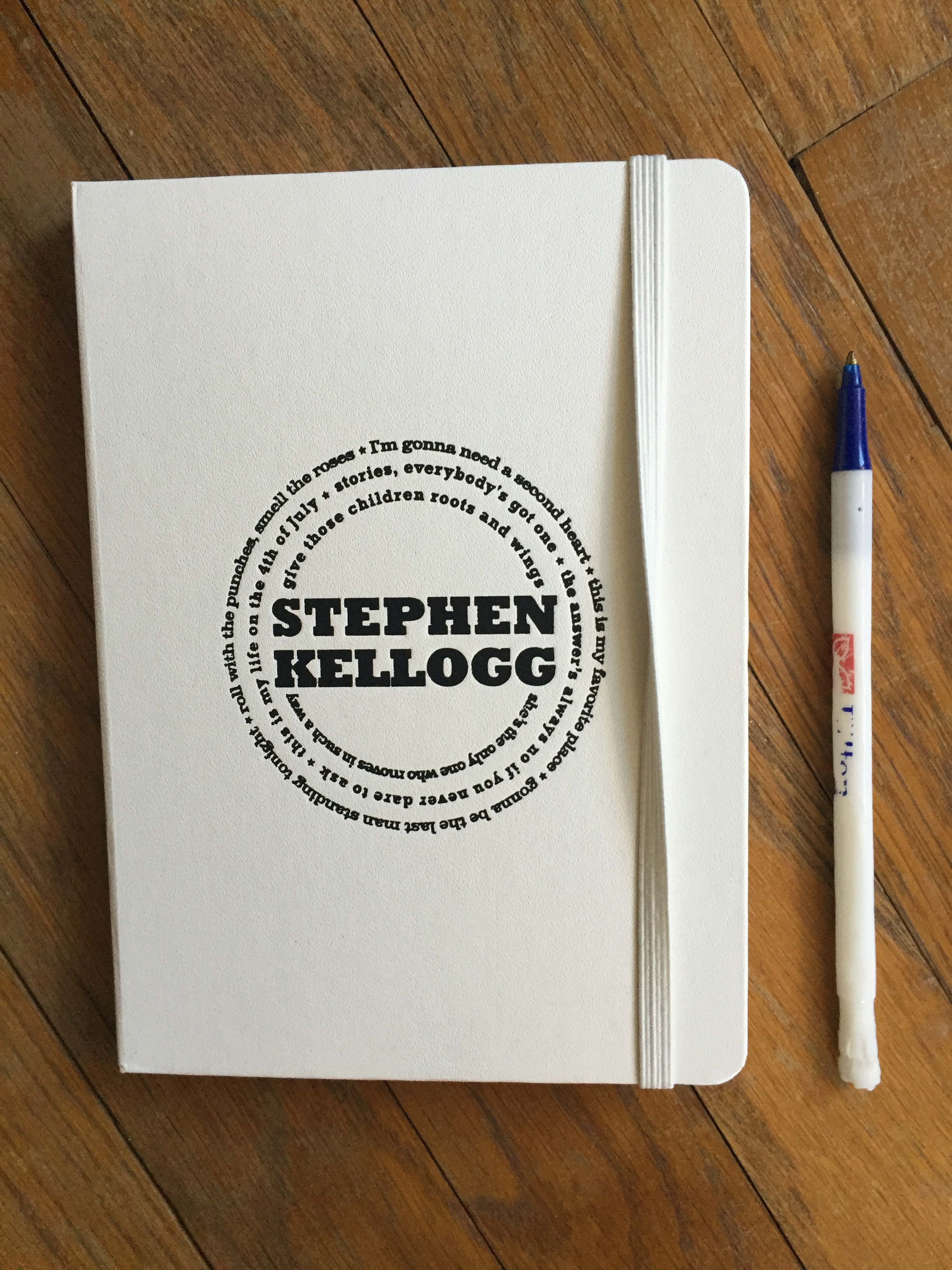
That rigor reshaped Brue’s own sense of craft. Archiving Earle’s journals – more than 800 pages total, still only a fraction of what exists – forced him to confront the fragility of legacy. “I’m looking at my own songs now like, why was I writing in the Notes app?” he said. “I need a box.”
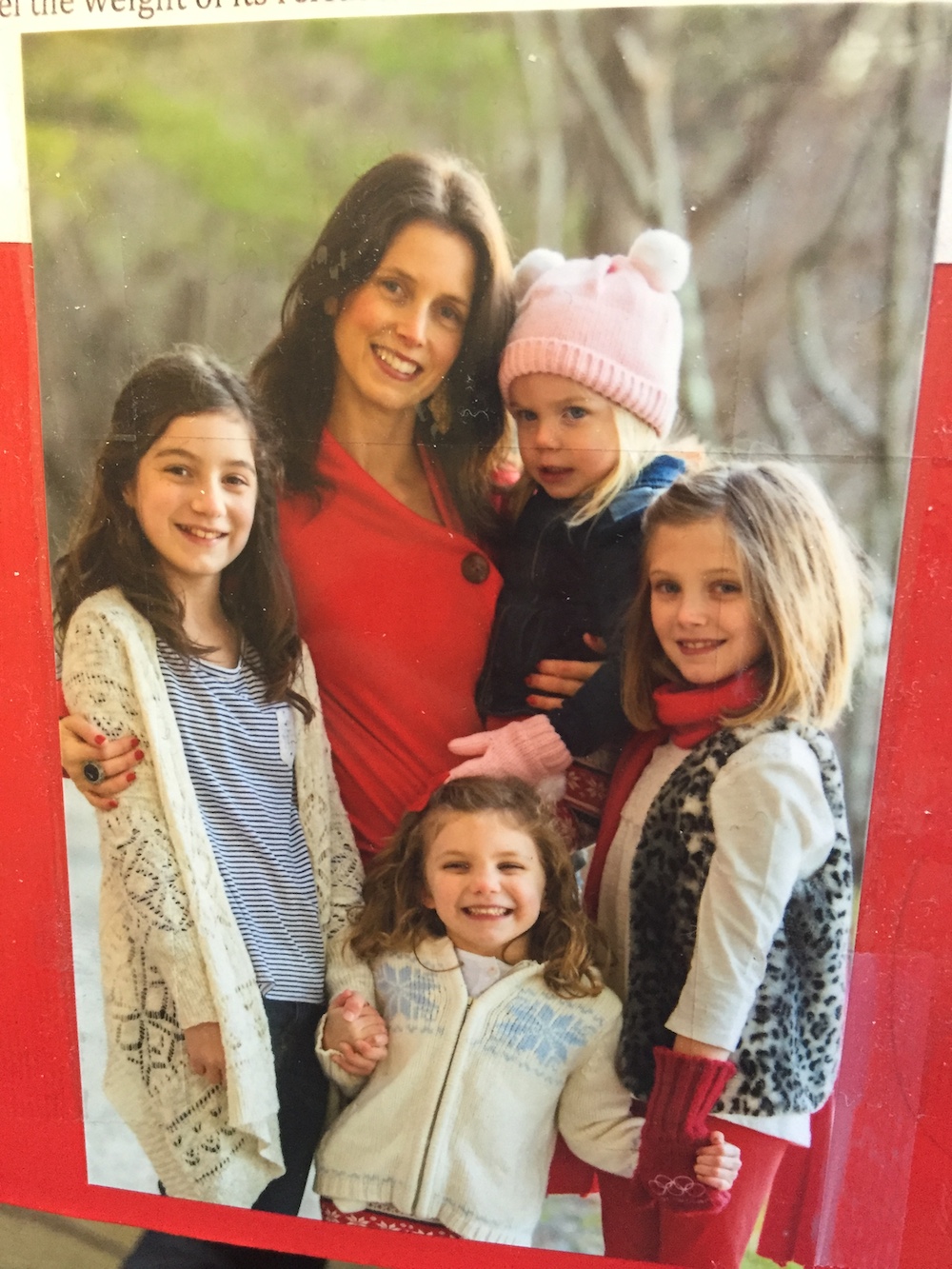
The emotional core of The Journals came together when Brue met with Jenn and Etta, Earle’s daughter, flipping through the notebooks together. Etta clung to Brue’s arm as they turned the pages. “It felt like she was closer to her dad,” Brue said. “Jenn, closer to her husband. Me, closer to my idol.” From that moment on, failure wasn’t an option.
The album arrives alongside renewed attention to Earle’s life and work, including Jonathan Bernstein’s authorized biography, What Do You Do When You’re Lonesome. Together, they suggest something rare: a continuation rather than a conclusion.
“I feel like I’m a link in the chain,” Brue said, naming the lineage he feels bound to – Guy Clark, Townes Van Zandt, Steve Earle, Justin Townes Earle. “It’s rough and tumble right now. Which is perfect.”
For all its weight, The Journals isn’t morbid. It’s alive. It moves forward. Brue knows he doesn’t have to top it. He only has to honor it. And for now, that’s enough to keep the fire lit.
Photo Credit: Joshua Black Wilkins