You Gotta Hear This: Ricky Skaggs, Cameron Knowler, and More

Our weekly roundup of new roots music is here, get into it! You Gotta Hear This…

To begin, Georgia-raised singer-songwriter Sam Burchfield releases “One More Setting Sun” today. You might find this track at the intersection of indie rock and Americana twang, replete with fuzzy guitars and a certainly summery vibe. Burchfield rightly describes “One More Setting Sun” to BGS as a “summer bop.” Staying in Georgia, you’ll also find yourself bopping to the latest from Americana/country duo Surrender Hill. Infused with a touch of Southern rock and including delicious B3 organ, “Not Alone” reflects on the ups and downs of life and how, despite ourselves, those ups and downs can often lead us directly to the right people we need in our lives. The hope in the track oozes out in its tempo and forward-leaning energy.

From bluegrass, country and string band legend, Ricky Skaggs unveils his first new music in over 10 years. “Say A Prayer” isn’t a straight-up-and-down bluegrass number; instead it pulls equally from country and rock, bluegrass and gospel. It’s built on the intense conviction and spirituality for which Skaggs is known, driving his band to the soaring climax of the song’s final chorus and impressing upon his listeners the message of hope and faith in the track. You’ll get another dose of tasty organ with that one! Another set of bluegrass legends, Lonesome River Band, keep us in a seasonal frame of mind with “Summertime,” a new song that’s nostalgic in the way it text paints images of Southern summers. Get a sampling of the twanging electric guitar picking along with one of the most beloved bluegrass lineups in the genre.

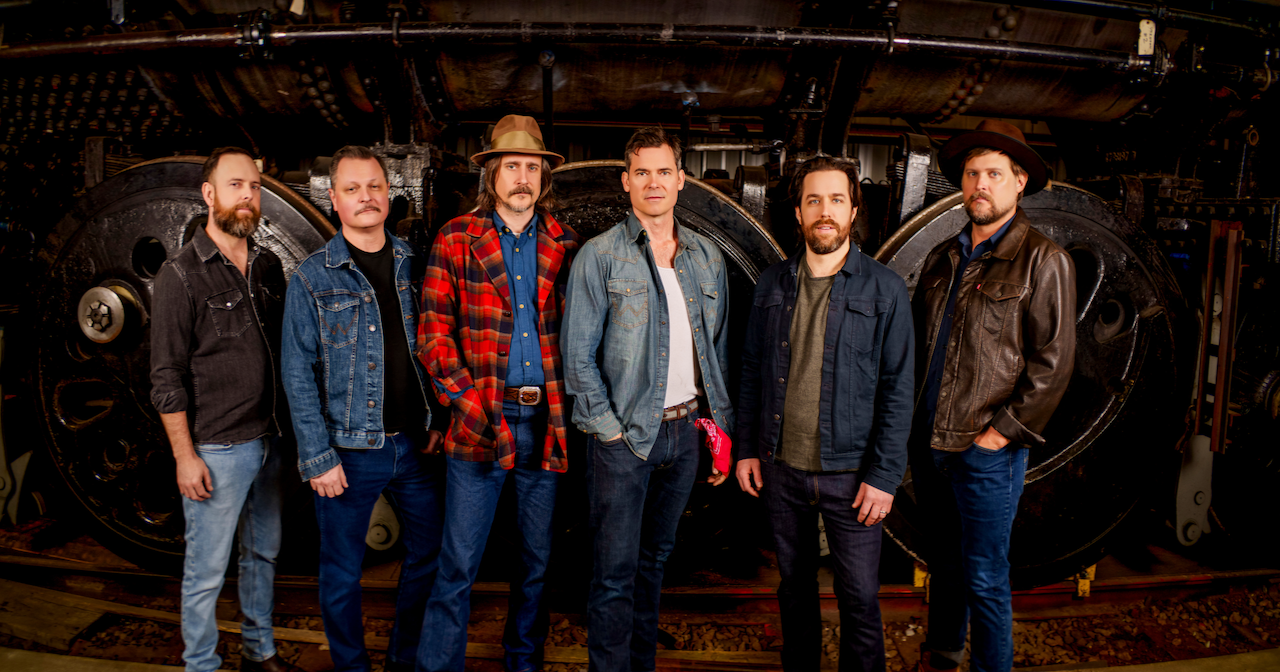
LRB’s labelmates, Unspoken Tradition, have released a brand new album today, Heartwood. To celebrate the occasion, we’re offering a sampling of “All the Gold in California,” a bluegrassified cover of the Gatlin Brothers classic that’s properly barn-burning and energetic. The entire LP is great – we’ve premiered more a few numbers from the collection over the weeks and months leading up to release day – and this up-tempo cover song is an excellent addition to the new album. Elsewhere in our roundup, guitarist, archivist, and multimedia artist Cameron Knowler is giving us a sneak peek and early listen of his next single, “El Centro (Cassette Demo),” which releases next week. “I am consistently surprised by how ‘final’ demos sound on these machines,” Knowler tells BGS via email. “Oftentimes, I get so emotionally attached to a preliminary performance that I’ll scrap the idea of taking a given song to the studio.” You’ll get attached to the cozy, artful, and lovely demo, too.

For a Celtic flair, fiddler Maura Shawn Scanlin has brought us a new track, “The Good Ship,” from her upcoming album Rule of Three. Set for release in late July, the project includes Scanlin alongside fabled guitarist/instrumentalist John Doyle and engineer/instrumentalist Duncan Wickel. “The Good Ship” is a set of tunes – a medley – featuring a Scanlin original, “The Good Ship,” followed by familiar Irish favorites “The Dusty Miller” and “Cucanandy.” Get ready to dance to this one, too – that’s what a “hop jig” is made for, isn’t it?

Bluegrass, country, folk, Celtic – there’s something for everyone below. You Gotta Hear This!

Sam Burchfield, “One More Setting Sun”

Artist: Sam Burchfield
Hometown: Blue Ridge Mountains, Georgia
Song: “One More Setting Sun”
Release Date: June 26, 2026
Label: Cloverdale Records

In Their Words: “We’re just little eternal beings trapped in bodies trying to love each other and navigate the cosmos. The world is beautiful, we are in it, and we are part of the beauty. I wanna love you forever – that’s what this song is. What else can I say? It’s a summer bop.” – Sam Burchfield


Cameron Knowler, “El Centro (Cassette Demo)”

Artist: Cameron Knowler
Hometown: Yuma, Arizona
Song: “El Centro (Cassette Demo)”
Release Date: July 3, 2026
Label: Castle Dome Records

In Their Words: “This is the newest track from my ongoing cassette demos series. These songs are either made on my Marantz single track field recorder or on one of my Tascam 4-track machines. ‘El Centro’ is one of those that was made on my 4-track, making use of electric guitar, electro-acoustic, and found objects for percussion. I am consistently surprised by how ‘final’ demos sound on these machines; oftentimes, I get so emotionally attached to a preliminary performance that I’ll scrap the idea of taking a given song to the studio. This is an example of that process in effect.” – Cameron Knowler

Video Credit: Cameron Knowler


Lonesome River Band, “Summertime”

Artist: Lonesome River Band
Hometown: Floyd, Virginia
Song: “Summertime”
Release Date: June 26, 2026
Label: Mountain Home Music Company

In Their Words: “‘Summertime’ was sent to us by our good friend Sherrill Blackman, who has pitched us so many great songs from different writers. It reminded me of my summers as a child and all the things I did growing up during my school vacations in my hometown and spending summers with my grandparents. We hope it brings back memories for our fans!” – Sammy Shelor

Track Credits:
Adam Miller – Mandolin, lead vocal
Sammy Shelor – Banjo, harmony vocal
Jesse Smathers – Acoustic guitar, harmony vocal
Mike Hartgrove – Fiddle
Kameron Keller –Upright bass
Rod Riley – Electric guitar


Maura Shawn Scanlin, “The Good Ship”

Artist: Maura Shawn Scanlin
Hometown: Boone, North Carolina
Song: “The Good Ship”
Album: Rule of Three
Release Date: June 25, 2026 (single); July 22, 2026 (album)

In Their Words: “‘The Good Ship’ is the second single out ahead of my new album Rule of Three, recorded during a rainy week last August in my West Asheville basement with John Doyle and Duncan Wickel. Duncan set up a DIY recording studio with baffles and quilts and all sorts of mics, and we sat down and played some music, tracking all together. It was fun to capture a pretty raw sound, blemishes and all – it was my intent to try to preserve the live feeling of playing music together in the same room. We hadn’t played as a trio all together prior to the session, so there was a spontaneous nature to the recordings that added some palpable energy to the music. ‘The Good Ship’ is a set of three tunes in the Irish style, one of my tunes called ‘The Good Ship’ followed by two traditional Irish tunes called ‘The Dusty Miller’ and ‘Cucanandy.’ I think of them as Hop Jigs, tunes that sit somewhere in the gray area between slip jigs and waltzes.” – Maura Shawn Scanlin

Track Credits:
Maura Shawn Scanlin – Fiddle
John Doyle – Bouzouki
Duncan Wickel – Cello


Ricky Skaggs, “Say A Prayer”

Artist: Ricky Skaggs
Hometown: Cordell, Kentucky
Song: “Say A Prayer”
Release Date: June 26, 2026
Label: Skaggs Family Records (distributed by Virgin Music Group)

In Their Own Words: “I’m incredibly excited to share my new single, ‘Say A Prayer.’ The song addresses a world carrying a lot of grief right now, serving as a universal call for everyone to stop and lean into faith. It’s got a chorus that resonates with faith, country, and rock audiences alike.” – Ricky Skaggs


Surrender Hill, “Not Alone”

Artist: Surrender Hill
Hometown: Ellijay, Georgia
Song: “Not Alone”
Release Date: July 10, 2026 (single); August 7, 2026 (album)
Label: Blue Betty Records

In Their Words: “This song sort of wrote itself; before I knew what it was about, it was done. It’s a reflection of my life and how through all the ups and downs I have somehow managed to hold onto faith that life would lead me to the right place and the right people. And, I think I found my people.” – Afton Seekins Salmon

“I had a pretty clear vision of the sound for this song. Having Dennis Parker in the studio was key. The mandolin and balance of his acoustic and mine was something I had floating around in my head. Matthew Von Doran did a fantastic job with the main solo. When he played that for me, I felt the immediate lift in the song and loved it. I had a hard time finding the right sound and feel for the electric guitar on the front end of the song, then I found a chorus sound that Nirvana used and that hit me right. That also felt appropriate as our son, Wren, has been listening to Nirvana nonstop for months. He even wants us to order him some Teen Spirit deodorant. Overall, the positive nature of this song is what made it a clear choice for the album and a single.” – Robin Dean Salmon

Track Credits:
Afton Seekins Salmon – Lead vocals, songwriter
Robin Dean Salmon – Bass, electric guitar, background vocals
Matt Crouse – Drums
Dennis Parker – Acoustic guitar, mandolin
Eric Fritsch – B3 organ
Matthew Von Doran – Lead guitar


Unspoken Tradition, “All the Gold in California”

Artist: Unspoken Tradition
Hometown: Western North Carolina
Song: “All The Gold In California”
Album: Heartwood
Release Date: June 26, 2026
Label: Mountain Home Music Company

In Their Words: “For me this is an interesting song because prior to recording this, I was not familiar with the original version. We all have our knowledge gaps – even within the things we’re passionate about – and Larry Gatlin fell in that gap for me.

“Jeff Collins, who produced the Heartwood album, suggested this song to the band as we were gathering material. We were looking for something up-tempo with a drive to it. The original version isn’t that, so this song was a great candidate for reimagining and putting our creative spin on it. It was a fun track to record. I’m so glad Jeff put this one in our minds, it turned out great.

“Even though it sounds like a fast-paced, trad-leaning song, ‘All the Gold in California’ bears a serious message worth heeding. To me, this song warns of being misled by money and fame. That world is heavily guarded, they don’t let just anybody in the club, so the idea of showing up and immediately making it big isn’t likely. So it’s best to stick to your identity, values, traditions, and work ethic to get where you want to be.” – Audie McGinnis

Track Credits:
Audie McGinnis – Acoustic guitar, lead vocal
Sav Sankaran – Upright bass, harmony vocal
Tim Gardner – Fiddle, harmony vocal
Ty Gilpin – Mandolin
Zane McGinnis – Banjo


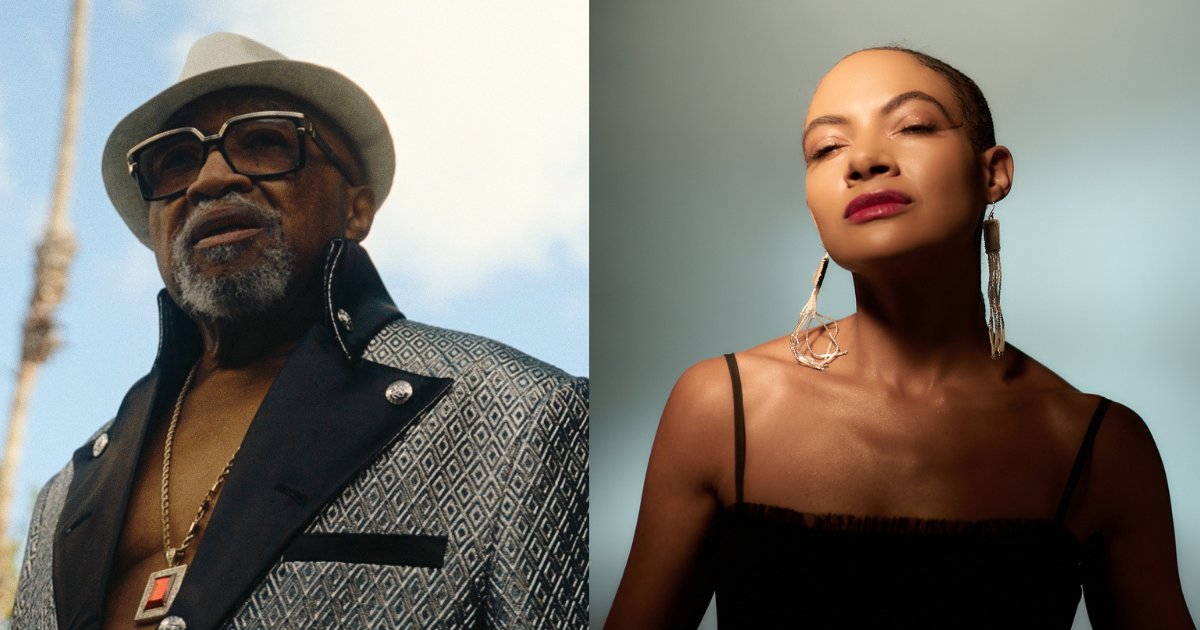
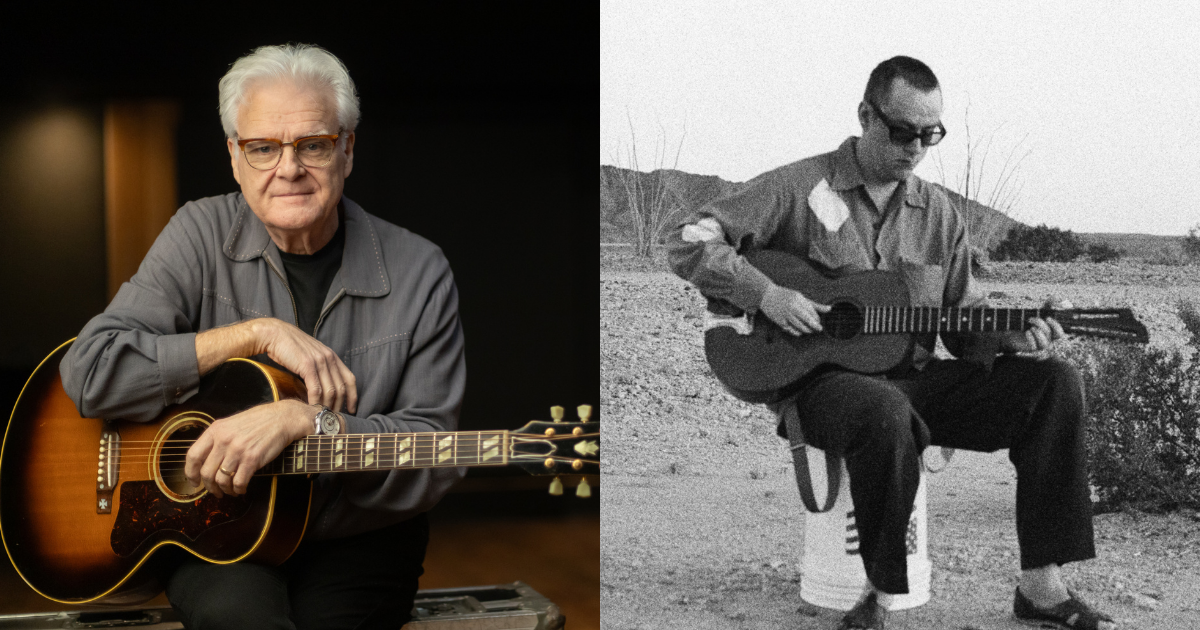
Photo Credit: Ricky Skaggs courtesy of Skaggs Family Records; Cameron Knowler by Steven Perlin.
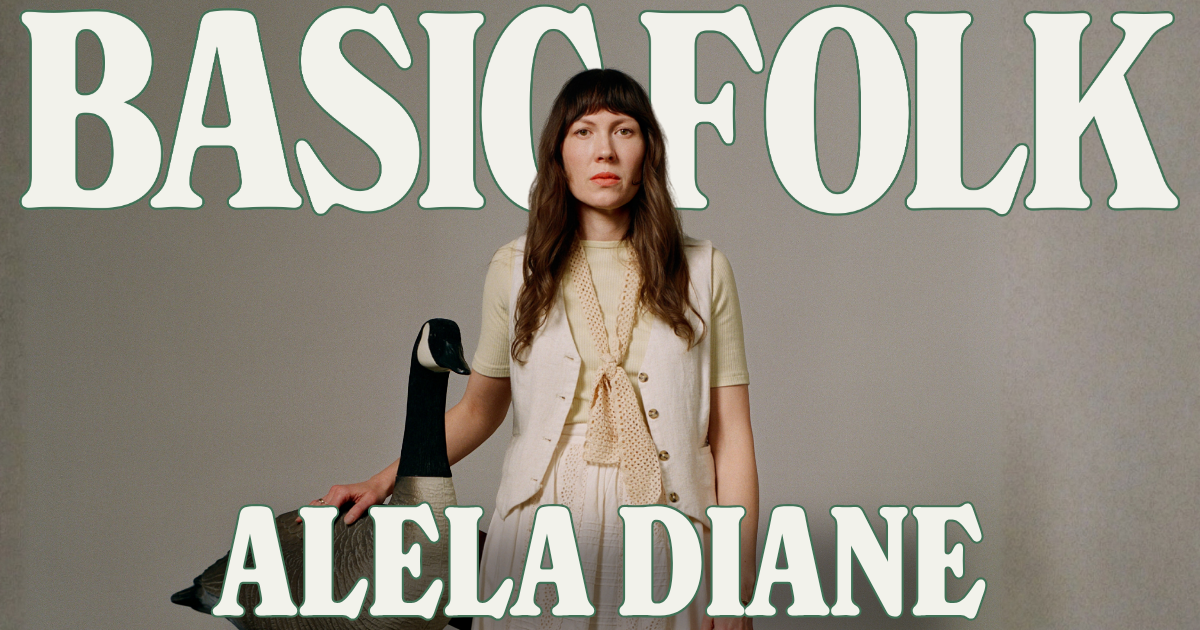
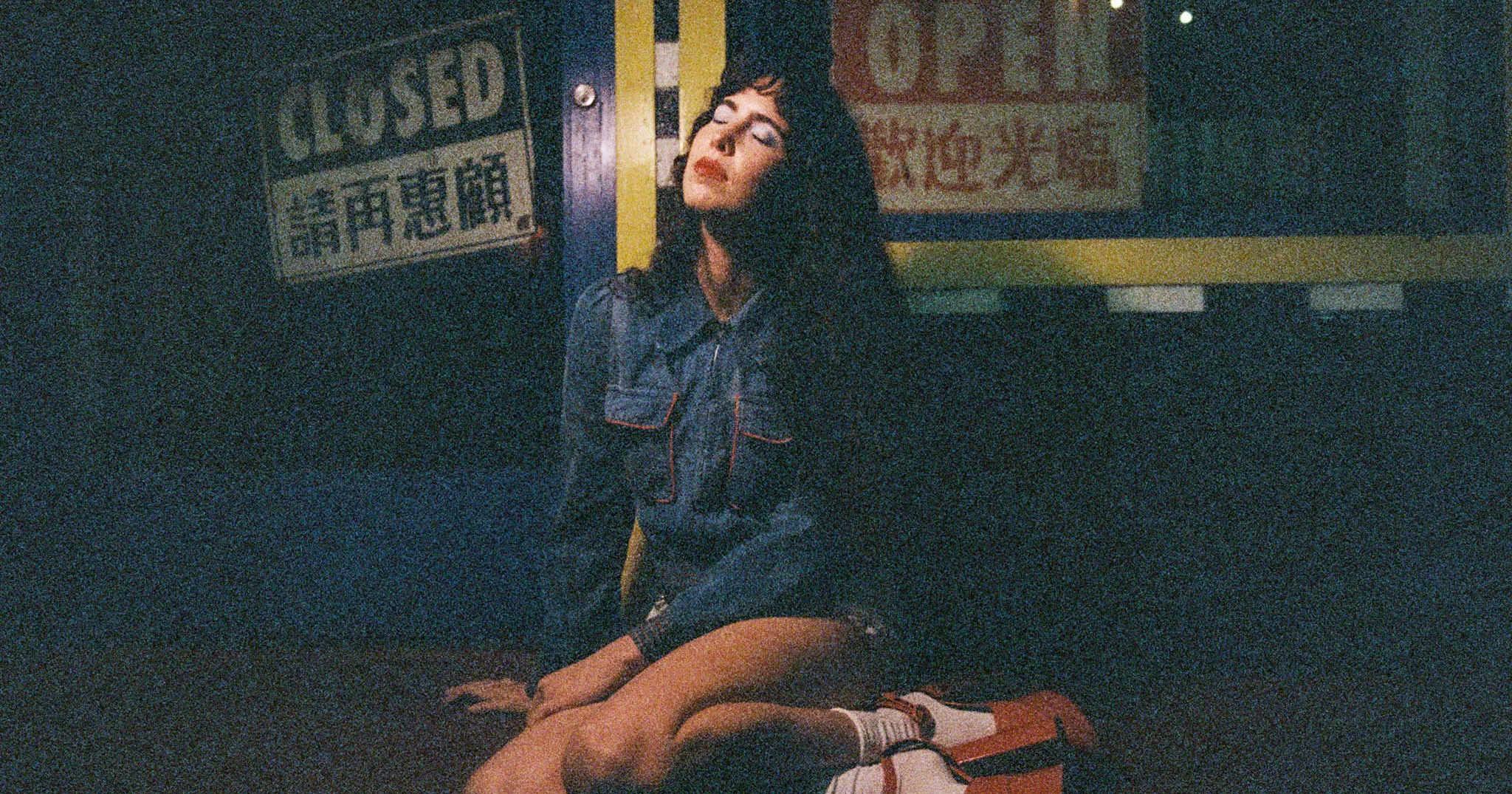
Basic Folk: Alela Diane

Back in the mid 2000s Alela Diane‘s Gospel Pirate album was ringing my bell and, apparently, it was ringing a lot of other people’s bells, too – especially Europeans. Her debut album, it went gold in France and she’s been able to maintain a pretty decent audience and career across the Atlantic ever since. Meanwhile, at home in the States – she’s based in Portland, Oregon – after 2013, she remained relatively unknown and undiscovered. That was just fine with her. She worked on her music, occasionally flew over to Europe to tour, played local gigs, and raised her two daughters with her husband in their 1892 Victorian mansion. While they were renovating their crazy old house, they also got their daughters a landline and a CD player each, along with their gifting them their old CD collections. Everything was pretty chill and great. Then her friend and mentor Michael Hurley, “the godfather of freak folk,” died last year at the age of 83.

LISTEN: APPLE • SPOTIFY • AMAZON • MP3

After playing a tribute show to Michael, she started connecting more with her Portland music community. She would go to shows, invite people like Anna Tivel over, and started collaborating with others in town. This all led to her new album, Who’s Keeping Time? This time around, she is going full bore on a huge tour, traveling roughly 40% of the time from May through December of this year. It feels like a huge return for the singer-songwriter who is feeling so inspired by creating, collaborating, and being in community again.


Photo Credit: Lead image by Caleb Gaskins. Alternate images by Camille Bruya, and Kelsey Gallagher.

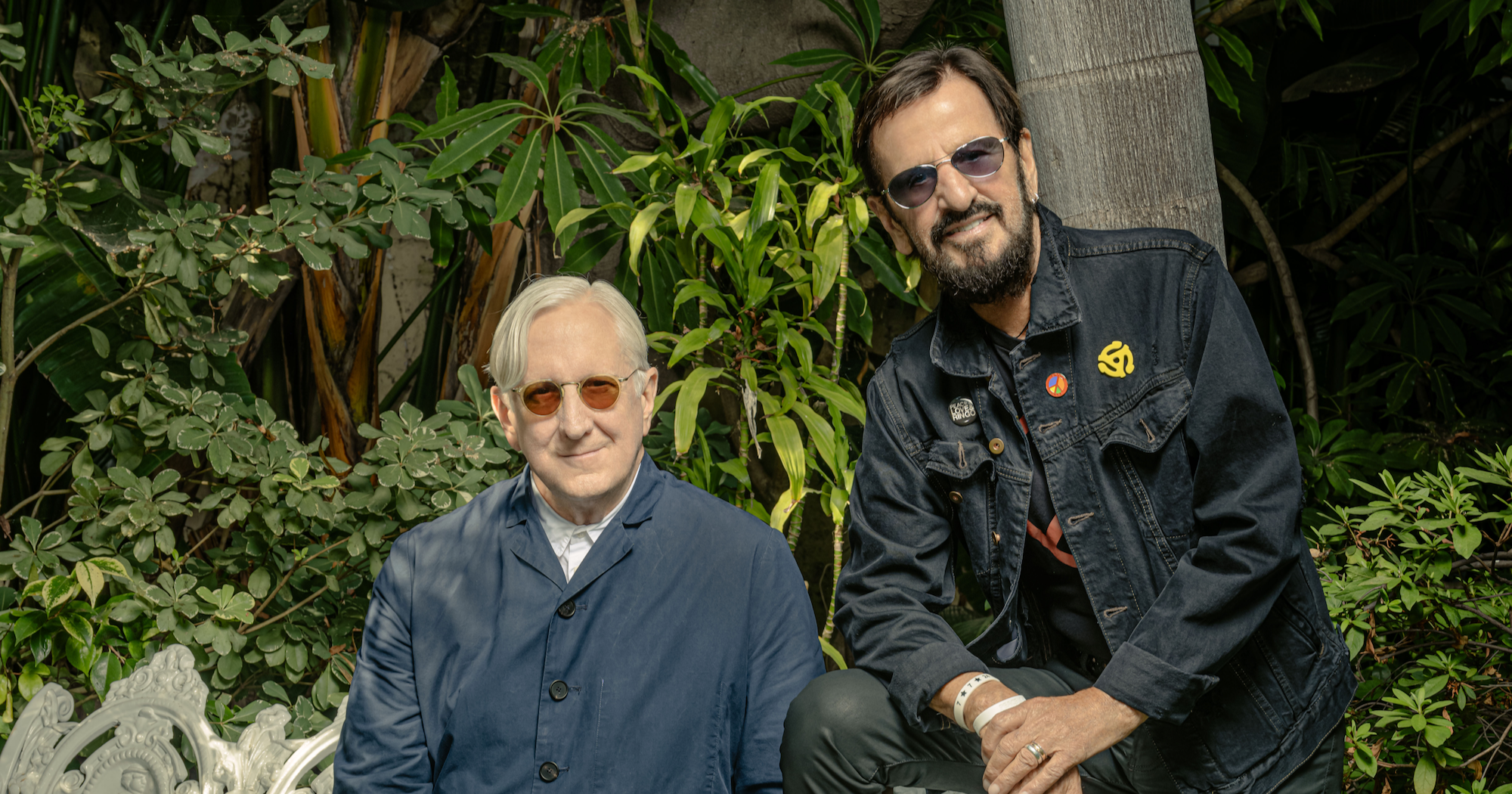
Ringo Starr and T Bone Burnett in Conversation

On a sunny day in late April, I stood outside an ad hoc interview room at the Sunset Marquis in West Hollywood waiting for my turn to speak to Ringo Starr.

Sporadic laughter boomed through the door as the hazy afternoon light danced on the doorknob hanger. Instead of the usual “Do Not Disturb,” this one simply said, “Peace.” The verbiage, apropos for Ringo, served as one part levity and one part beta-blocker as I prepared to speak to a Beatle.

When the door opened, I was surprised and delighted to come face to face with Phil Rosenthal (of Somebody Feed Phil). The unabashed smile on his face foreshadowed the similar joy I would feel taking the same steps through that door just 25 short minutes later.

And yet another revelation unfolded as I walked in the room to find both Mr. Starr and T Bone Burnett, producer of Ringo’s newest album, Long Long Road. The ensuing discussion covered their relationships with genre, synesthesia, and inevitably bobbed and weaved across the rich musical history of these two icons.

Do I get both of you today?

Ringo Starr: Yes!

Excellent!

T Bone Burnett: Only if you want.

RS: Hi. I’m Ringo.

Ha! Yes. The man of the hour. How are you?

RS: Good. Excellent.

Thank you so much for having me.

RS: Oh, it’s our pleasure.

TB: Her dad is a great songwriter, a great guitar player from Muscle Shoals.

RS: We were just talking to someone else about that today.

Really? You were talking about Muscle Shoals today?

RS: Well, we didn’t actually mention it, but we were talking about the music that, for me, started with Johnny Ray and people like that. I was a teenager, and then it went up to country music, and then I got into blues music, and then I got into pop of the day music.

I love country music. And he’s the country boy [as he points to T Bone Burnett].

That’s a fantastic segue to my first question. So as we mentioned, I grew up in Muscle Shoals, and I had this record player that was a little battery-operated blue Volkswagen bus. Do you remember these?

TB: Yeah, I do!

It would ride around the record, and it had a little speaker in it, and I would lay on the ground, and I’d listen to Abbey Road. But it was also around the same time that the video for “Act Naturally,” the duet with Buck Owens, came out. So, for me, you were very genre-fluid from a very early age. I’m curious about a couple of things genre-wise, and T Bone, please jump in on this too.

TB: Okay, I’ll jump in, and I’ll say that the Beatles probably invented what became known as “country rock.” You know, with “I Don’t Want to Spoil the Party.”

RS: And what were the two that were Carl Perkins?

TB: “Honey Don’t” and “Matchbox.”

RS: “Honey Don’t” was the best line I ever heard.

TB: Yeah, it is a killer title.

RS: “Matchbox” was a blues song, really.

TB: Well, “Matchbox” was an old Blind Lemon Jefferson song.

RS: Yes. The interesting thing is I did those in the ’60s, and we just found a Carl Perkins tune that we’d never heard, and we’ve done it on this record. “I Don’t See Me in Your Eyes Anymore.”

I love it.

RS: It is so beautiful and he was just a cool guy. You know, I was a teenager when I first heard him, and it was like, “Oh yeah!”

T Bone: Yeah, he was cool. He, [Carl], had heard “Matchbox” or his dad had heard it by Blind Lemon Jefferson, but they could only remember a few words of it, so he rewrote it as a rockabilly song.

So you knew of country music when you were growing up, you were aware of it.

RS: I did. I was aware of country music. I loved it because it was emotional, and I was a teenager. That’s what we are at that age.

[Ringo singing:] “ Well the wife is dead and I’m leaving home. I got no money for the jukebox.”

Perfect for teenagers.

When I say the words “country music” to you now, what do you think of? Who or what or how do you think of it?

RS: I still think a lot about the people from yesterday, who I came in with. You’ve got to say Willie. I mean, he’s magical and still out there. Thank you, Willie. And who used to open for Willie?

TB: Waylon?

RS: Waylon! He was great. I have to think back.

TB: Well Hank Williams…

RS: Well, no, Hank was where we came in. And Hank Snow. No one mentions him. He was Canadian. Patsy Cline. There’s too many really.

I was talking to someone the other week and they asked, “What is your all-time favorite record?” I couldn’t answer. There is too much that I love. “Who’s your favorite artist?” I start with Ray Charles. And Stevie, and down that line. But I can’t answer it. We were on TV, and I stopped it. I said, “I just can’t answer.” There are too many in my life to say, “That’s the one.”

Plead the 5th.

Do you ever feel constrained by genre? Or inspired by it? What is your relationship with the idea of it?

RS: I’m a pop-rock music drummer. I’ll play whatever you’re gonna give me. If you want it heavy, I’ll hit the cymbals. Heavy metal has some great acts going down. We would jam sometimes and be that.

TB: Oh, well, I mean, the Beatles invented heavy metal, really.

RS: Yeah. It’s just playing the same shit, but heavier.

TB: “Everybody’s Got Something to Hide Except Me and My Monkey” or “Helter Skelter.”

RS: “Helter Skelter” was a jam. We had no song, nothing, we were just jamming, and then Paul came in with, “Hey! Helter Skelter.” Like “Say It’s Your Birthday,” there was someone in the newspaper who we knew, and it was their birthday, and we were jamming. Paul stepped up again, and we got another song. We were like that. You could jump in, any one of us could jump in. I’ve got odd lines we aren’t gonna talk about on certain tracks.

[A publicist chimes in to say:] “T Bone you have five more minutes before you have to leave and then you’ll go and he’ll stay in.”

RS: And then I’ll go and then you’ll stay in. [Laughter]

Well, let’s go back to the Volkswagen.

RS: Let’s get back to it.

Because I have a little bit of synesthesia, I think.

TB: I have that, too.

RS: What have you got?

TB: I see colors when I hear music.

RS: Oh, great!

So, “Octopus’s Garden” was very purple for me. “Act Naturally” is very orangey gold. I’m curious if you’ve ever experienced anything like that. And if it’s not colors, if there are certain textures that you’re looking for in a song, when you’re casting songs for an album? And T Bone, this question’s for you too, since you have it.

RS: T Bone will give me a lot of songs, and I listen to them and I picked my six at the beginning. There were only three I didn’t use. That’s how we started this. In the end, we were talking in my little studio and I said to him, “How many songs have you got?” And he had nine. It gave me the courage to ask him if he would produce the record. All the songs were not on my mind; we were just hanging out like two guys. But it turned into a fellowship.

TB: Well, I can tell you that the Beatles stuff that first came out was very dark blue, all of it. “Don’t Bother Me” especially was the most dark blue of them. It was interesting that the album cover that first came out over here [in the U.S.] was dark blue. So it all sort of coalesced, I think.

That was one of those blessed moments that happen occasionally on earth, you know? Where everybody heard the same thing at the same time.

Absolutely.

RS: I never saw colors. I mean, I did see colors some days… You know what I mean?

[All laugh]

RS: When I listened, it’s how I felt. A sad song, a happy song, a rock song– some of it will move you, and some of it moved me.

TB: Well, I’d better go. But thank you, great to see you again.

Yeah, you too. Nice to see you again.

[As T Bone got up to leave, his wife entered the room and chatter ensued, but he added before walking out the door:]

TB: By the way, “I Want to Hold Your Hand” was very dark blue.

Well, you know, what’s funny is, I had a synesthesia question for Ringo about you, because I didn’t know you were going to be here. But I was going to say that your musical color and texture is exactly like what you are wearing, to me.

TB: Oh, is that right? That’s wild. Thank you! Nice to see you all.

RS: God Bless, peace and love!

Tell me about what it is like for you working in Nashville? Tell me what it feels like working with those players.

RS: I did have experience in the early ’70s when Pete Drake invited me to come, because we were working on a George Harrison record. You know, we keep talking about the steps we take, the moves we make. And I was there with George, and I’m playing for him and he’d called Pete – I didn’t know Pete. Pete had landed at Heathrow, and the car George was sending broke down, so we sent my car. And then he arrived. “Hey, hoss, I see you like country music.”

“Yeah, yeah, I do. How do you know?”

He said, “All those cassettes in your car.”

And then a few days later, he’s saying, “You should come to Nashville.” And I thought, “I’m not going to Nashville. I’m doing stuff here. I don’t have a month or six weeks to go to Nashville.” He said, “A month? Six weeks? Nashville Skyline took two days.” And I said, “I’m coming.” And I went, and we did the same thing.

On the first day, five songs were picked in the morning. Between us, we listened to them all. Five songs were recorded, and five songs were finished. And the next day, we picked five songs. Anyway, it went on the same way, and it was finished. And it took two days, so that was great.

Well, Ringo, you have one of the finest reputations in the music business.

RS: As a drummer or else?

EM: As a drummer, as a human.

RS: Or as a tall person?

The tallest around.

Just for being so kind to people and emanating peace and love, obviously. And you’ve been such a beacon of that for so many decades. Especially in the last couple of weeks I’ve been thinking a lot about that, after finding out that I was going to talk to you. I was curious, I’m sure it’s mostly innate, but do you ever feel like it’s a responsibility – in terms of how you are in the public, in terms of what songs you’re picking? I’m particularly thinking of “Choose Love.”

RS: I just do my best, you know, to pick the songs that give you some movement, and you say, “Oh, I’d like to sing that.” That’s what I’m with these two country songs with T Bone. I mean, I don’t really do it in a political way, that it says this or that. It’s usually peace and love. If I write it, it’s always peace and love – I don’t know what the question was.

Just wondering if it ever feels like a responsibility to you.

RS: You know, I’ve had many a good year, but some years I’ve made really bummer mistakes. It’s like that’s when your brain wins. I mean, even on this record, I’ve got the lines about “let the stuff come in, but let it go.” And I’ve been pretty good at that for a long time. Not that it’s every second of my life. Sometimes it gets in. And it stays in your thoughts. Then you’re in hell. I’m blessed that that doesn’t happen half as much anymore. I can just dump the thought that comes in and deal with whatever it is.

I was going to ask you about that line in particular, because I think it does this beautiful job of talking about a meditative quality of finding peace without being preachy or telling people “how to” and I really love that.

RS: I meditated this morning. I meditate every morning, this time since ‘92. You know, we went to the Maharishi in India with the boys. And I was worried, you know, “Am I doing it properly?” I was talking to him [Maharishi] and he says, “Ringo, even if you fall asleep, you must have been tired.”

And it taught me a great lesson. I was into like, madness and stuff, you know, “It must be this. It must be me. What’s the problem?” And now I get quite calm.

That’s wonderful. Yeah. It comes across on this album. You’re talking about your own experience and that’s–

RS: What else can I talk about? I can’t talk about yours, you know? But thank you.

Tell me about the band that played on this record.

RS: T Bone’s whole band is great. The rest of Nashville is so great. They all came out to help me. To be there. It is in my heart.

Last January, when I was there and back three times. And every time when I’ve played at the Ryman… I’ve been playing there for the last 15 years with the All Stars, but when I go on that stage, I feel all the guys and all the gals who stood on that stage.

And then what happens? The Grand Ole Opry invited me to do three songs. And I go on that stage that has the Ryman circle that the singers stand on. It is magical. For me, coming from England, it was really magical to get on that stage. And the people are great. It is built for music coming out and hitting everybody, because it was a gospel church. I’m still moved. I get on the stage, and I have to go through a minute of, “Wow, wow!”


Photo Credit: Dan Winters

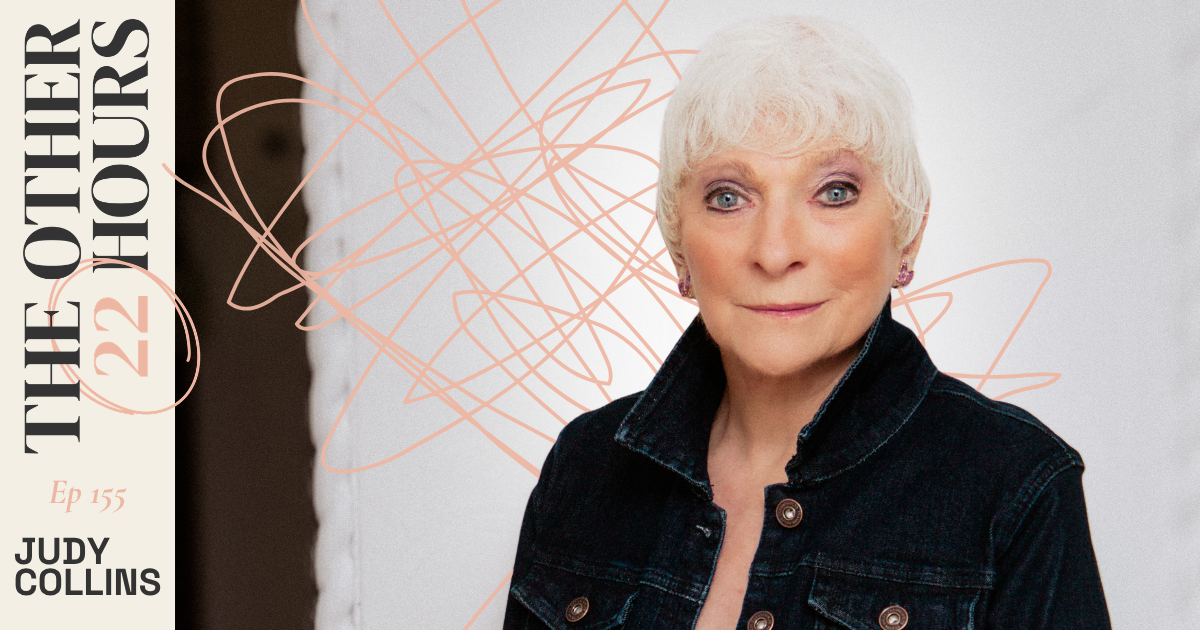
The Other 22 Hours: Judy Collins

“We write to find out who we are.” For over six decades, Judy Collins has been a pillar of American music: from a GRAMMY award for “Both Sides Now,” two platinum records, and an Oscar nomination to writing more than eight books and landing her first No. 1 album at 80 years old.

LISTEN: APPLE • SPOTIFY • AMAZON • MP3

But behind the staggering accolades is an artist who still treats her craft as a sacred, daily blue-collar job. In this episode of The Other 22 Hours, we explore the quiet discipline of her daily routines, the sanctuary of her 48 years of sobriety, and what she calls the “secret channels of songs.” Judy shares her philosophy on processing grief through poetry, the necessity of maintaining community in a solitary profession, and turning off the noise to protect the soul.

In This Episode:

Judy Collins
Catcher in the Rye – J.D. Salinger
Antonia Brico
Mark Ruffalo
Spotlight
Hemangioma
“The Lonesome Death of Hattie Carroll” – Bob Dylan
Ep 100 – Rosanne Cash
Ep 16 – Rodney Crowell
Telluride Bluegrass Festival
Jo Stafford
Barbara Allen
Al Kooper
Al Grossman

Go Deeper: 

Watch: View this entire conversation above or on YouTube.
Explore: Find similar conversations in these themed playlists.
Connect: Join the conversation on Instagram.

The Other 22 Hours is hosted by Aaron Shafer-Haiss (producer, mixer, musician) and Michaela Anne (songwriter, artist, creative coach). More about Aaron’s workMore about Michaela Anne’s work.


Produced by Aaron Shafer-Haiss. Original music written, performed and produced by Aaron Shafer-Haiss.

Photo Credit: Patrick Donovan

Haylie Davis is Keeping Laurel Canyon Sounds Alive and Well

California dreaming has become a sonic reality once more. An affinity for 1960s and ‘70s Laurel Canyon sounds is alive and well, including acolytes from onetime Brooklyn punk-rockers across to Los Angeles-based former pop and R&B singers turned country-rockers. A new cohort of such artists based in Tovaangar (the traditional lands of the Tongva, the region including Laurel Canyon and all of what is now called LA) follows Jonathan Wilson’s coronation as “the New King of the Canyon,” and the historical book round-up Canyon of Dreams published at the end of the 2000s.

Influenced by Gram Parsons and other period icons, Northern California-born-and-raised singer-songwriter Haylie Davis is a shining star of this current Laurel Canyon wave. Her debut album Wandering Star – released June 5 on Fire Records – situates her well in the cosmic American music pantheon.

Davis has circled the Los Angeles music scene for a spell with previous musical incarnations being as one-half of country duo Will & Haylie (with Will Worden); the folksy Lady Apple Tree; and under her given name, Haylie Hostetter, contributing vocals to projects of her Canyon-rock peers. Davis descends from the sonic lineage of Jackie DeShannon, whose trailblazing 1968 Laurel Canyon presaged Ladies of the Canyon. Her other key foremothers are Mary McCaslin (Mary Noel Singing Bear, Kiowa Apache) – who got her start at the Troubadour Monday Hoot Night in the late ’60s, often plying imagery of old-timey California and the Wild West – as well as Wendy Waldman, who wrote incisive songs about the tangled love affairs of hip LA.

Davis’s pellucid soprano ascends to the stratosphere, displaying that she has the voice, sounds, and image of a singer-songwriter transported to an LA canyon of yore (she did live in Topanga) – and of a singer-songwriter that could be a big star in 2026. Indeed, Wandering Star, showing a young woman artist with mythopoeic songs with quiet thunder and heartfelt illumination, could be enshrined as Carole King’s Tapestry for a younger generation.

What was your musical upbringing like in Northern California?

Haylie Davis: I was fortunate. My high school had a really good music program, so I was able to take vocal ensemble. But guitar, I would say to this day, I’m not the best at guitar. I mostly just write with guitar. I picked guitar up when I was 16 and have since just been kind of figuring it out.

Do you figure out your songs by ear or do you read music from that teaching?

I don’t know how to read music. I don’t know, honestly, much about music theory. I’d say it’s mostly just by ear. I’ve tried to learn more in-depth about theory, but I feel like my brain has a hard time understanding it. It’s still kind of mysterious. I feel like I learned singing best from just mimicking and singing along to songs consistently.

So, how did the songs from Wandering Star flow to you?

I think it’s just kind of a sequel or it’s just a continuation of my first project, which was Lady Apple Tree. I have one album out under that name, and that album was very much a naive, youthful take on music, just kind of starting out. And I think that Wandering Star is kind of a progression of that into something a little bit more mature, a reflection of more time spent in Los Angeles, the people I’ve associated with, and just a little bit more of a growth, you know? I didn’t sit down and just write the whole album as is; I think songs just kind of trickle in as time goes on. And so those were just my favorites from that passage of time.

What was your approach to producing as you did on the new album? How did you find the studio that you used for it?

So, most of the songs were recorded at my friend’s studio named Ian Doerr. He’s not at the same place anymore, but at the time he was in Highland Park in Los Angeles and he has an all-analog studio called Love Magnet.

And I partnered up with Sam Burton, who was my partner at the time as well, and I would say he was probably one of the biggest influences on the sound. He was kind of like my confidant, someone I’d always be asking for his input and advice and his guidance. He’d been in the music industry longer than I had at that point so he had a lot more insight. I just thought that he has a very, very good ear for production, and I think he’s really good at nailing what a song needs. I call it a partnership just because I feel like he took the lead on most of it, but I also have a very specific way that I want things to sound, certain instruments I want on certain things, and certain drum beats, so I participated in that as well.

How do you command your stage?

I feel like that’s definitely been developed over the years, and it depends on if I’m by myself or with band. I was opening for this band called Nude Party, and they were, at the time, a six-piece or seven-piece band of all dudes. And they were kind of rowdy, you know? I showed up by myself. At first, it was kind of hard wrangling a crowd of people who were there to see a full band just playing by myself. I feel like I was almost catering toward them, trying to win their attention over, and it was hard. I was struggling. And then by maybe the third or fourth show, I remember just being like I don’t care. I’m over this. I’m just gonna go up there and play the songs for me and feel them as deeply as I can. And that show literally just switched the energy; people were receptive.

I learned a lot through that experience. I think I learned that it was about communicating the songs as best as you can. You have to go up there and be strong and be unapologetic.

What is the story behind my favorite of the album’s songs which is “Country Boy?”

I actually wrote that song a long time ago, when I was playing with the first band I toured with which was Sylvie and we were all playing together. And I just came up with this melody, chord progression, and words, and I didn’t do anything with it for maybe two, three years, at all. Then, all of a sudden, the rest of the song kind of came together when I was living in Altadena. I feel like most of the people and men I’ve interacted with in the music scene and just in Los Angeles have been transplants from the Midwest or the South and trying to make it in California.

On the topic of California, how do you feel about previous reviews linking you to the Laurel Canyon scene lineage? Do you identify with any of the artists from that history?

Identify is a strong word. I definitely listen, and I feel like they’re all very much close to my heart, you know, I listen to them quite a bit, and I feel like they’re very formative in my music and also how my life progressed. Linda Ronstadt, and Neil Young, and Joni Mitchell, those figures I feel like musically were very inspiring to me. So, I don’t mind comparisons; I get it. Obviously, my goal is to not replicate but make something of my own.

I saw that you’re a fan of Gram Parsons. Do you have any specific influence from him?

Oh yeah, most definitely! I love him. He’s probably one of my top artists as well. I just think that song “Hickory Wind” is maybe my favorite song. Every time I hear that song, I’m just blown away. He’s huge for me; I’m very inspired by him. I was lucky enough to stay at the hotel room that he passed away in, in Joshua Tree, for a couple nights on New Year’s 2026 – which was really special.

I really think Wandering Star could be an equivalent of Tapestry for your generation. I don’t know if you relate to that statement or not?

Thank you! Oh, wow!

Love. Well, it’s hard. I feel like it’s hard to be completely self-aware of […] it’s hard to see yourself how others see you, you know? I’m just like me, and I’m just out here trying to make it, trying to survive. But I appreciate that; it means a lot. Because it takes a lot of work. I like Carole King as well. But I will say, it’s interesting because I do think that there’s been a kind of exodus out of LA at the moment. I’ve moved to Brooklyn.

Since you’ve moved across Turtle Island do you think the “California Dream” is dead for artists?

I think that there are energy hubs, like New York, LA, certain places that I don’t think it’ll ever fully go away. But I do think that there are seasons for places in cities. And I think that, at least for this specific niche that I’m a part of, I think that it’s a little bit in a low season over in LA. I think that it’s swinging over to New York right now.

Speaking of California dreamin’, I heard that you made pictures previously with my friend the photographer Henry Diltz. Do you think what he shot is like the ones that he did for various legends?

I actually took those a few years back. I was dating this guy named Will Worden who plays music. He lives in LA and I don’t know how he got Henry Diltz’s info, but he did. [Henry] came by and just shot us and it was really, really cool. Like, obviously, he’s a legend. I haven’t really posted any of those photos, so maybe I’ll look back and check them out.

Are there some albums that you find you listen to in emotional times that help you through?

There’s some things I always go back to, but right now, I haven’t really been listening to Joni Mitchell that much. I feel like she’s someone that I can listen to at any time. Right now, I am going through a breakup, and it’s crazy, but I’m surprised by the music that I’ve been listening to… I’ve been really into the first Gipsy Kings album – the second song on that record, it just really hits. I’ve been really feeling it. I love Elliott Smith; I’ve been listening to him.

Oh, I’ve been listening to Anita Ward lately, too. She does “Ring My Bell.” You know that song? And she also has a song called “Spoiled By Your Love” that has been on repeat.

What else about Wandering Star do you want known?

One of the reasons why it feels special to me is because of the people who were working on it, just like how much dedication they shared and it means so much. Just a lot of care from people who didn’t have to do that, but they did. It’s like a nice pin in all of our timelines. It’s coming to a point where we’re all kind of moving in different directions in a lot of ways. And I’m happy to have this shared moment.

I’m just grateful for everybody who participated because honestly it couldn’t have happened especially as I was broke. I didn’t have any money to really do it, and everyone just kind of showed up and was there for it. That doesn’t always happen. You don’t always have people around like that, so I really, really appreciate them for that.


Photo Credit: Sarah Ward

Old Crow Medicine Show’s Americana Commonwealth Canon

More than any of the world’s music, the songs of America are a reflection of a national identity and character. We are our songs.

Distilled into a few memorable minutes go the nation’s hopes and aspirations, the glories and tragedies of her past, and the promises of her future. This American canon is as diverse and vast as the country itself – our blues, breakdowns, or corridos are as different as prairies are from coastlines, as the Appalachians are from the Rockies. And yet, somehow, still our sound is a commonwealth, a singular voice rising from the chorus of many just like our national motto purports: “E Pluribus Unum.”

250 years is not a long time in the global scheme, and neither is 28 years of Old Crow Medicine Show‘s reign as an Americana string band. But somehow it is the vigorous and youthful American voice/song/songwriter/band (and not our transoceanic elders) that can best capture the world’s heart and soul in just a few minutes.

In this Mixtape, I’m proud to share some examples of this powerful artistry. You might already know every word to some of these songs while others you may have never heard, yet each is stitched together with a cloth of commonwealth that can only be found of uncommon ancestry. Though the singers may be perfect strangers, the songs that bubble up from our national cauldron are enough to nourish each and all. – Ketch SecorOld Crow Medicine Show

“Howdy Do America” – Old Crow Medicine Show, Jesse Welles

Jesse Welles came whirling into the studio the other day and helped put a spit shine on this love song about the 50 states. I wondered if he was gonna get excited when he sang “Arkansas” and brother, he did not disappoint. Love this cat. He’s a brother, and I expect we’ll all be singing his tunes for years to come.

“Golden Rocket” – Jim & Jesse

I had the privilege of knowing Jesse McReynolds, even traveling and performing with him, and buddy there’s no wonder why Jerry Garcia thought he was the best of the bluegrassers.

“Field of Opportunity” – Neil Young

I was raised on Neil Young’s unique brand of tall prairie country rock. This track features the great Cajun fiddler Rufus Thibodeaux.

“Heaven Help Us All” – Joan Baez

Joan’s a real hero of mine. She’s like that tree planted by the water we all sing about, unmovable. Of all the singers on this playlist, I can say without a doubt if more people could be like Joan Baez, then this world would be a better place.

“I Wanna Go Country” – Otis Williams & the Midnight Cowboys

I love this Motown singer turned country crooner, and the world would have too, if Nashville hadn’t been so narrow-minded.

“Beautiful Land” – Old Crow Medicine Show, Maggie Rose, Lee Oskar

I wrote this one with a Baháʼí faith elder named Eric Dozier just down the street from the Tennessee State Capitol building. Sometimes politics feel like a fortress. But music has a way of wandering through the keyhole of even the most impenetrable door.

“There’s a Star Spangled Banner Waving Somewhere” – Elton Britt

I played this one for my kids on Memorial Day. They sat through it start to finish, and you should, too. It’s easy to get complacent about the sacrifice our grandparents and great-grandparents made in the 1940’s for each of us. Don’t do it.

“Oasis” – Molly Tuttle

Molly’s my favorite American singer. Here’s one of our travelogue-style songs. I had it stuck in my head all last week at the Tico Time Bluegrass Festival in Aztec, New Mexico.

“The Green Rolling Hills of West Virginia” – Hazel Dickens & Alice Gerrard

These girls rip. Back at MerleFest in the year 2000, I filled out Old Crow’s first ever W-2 form and gave it, with a shaky hand, to the great Alice Gerrard.

“How’s About You” – Dave Rawlings Machine

The Great Depression gave the world some of its most powerful songs. And even generations later, the events of the 1930s remained powerful enough to inspire music like this.

“Rock of Chickamauga” – Jimmie Driftwood

Songs about the Civil War are some of my favorites in the national cannon. Jimmie Driftwood is one of my favorite songsmiths. He’s an absolute master of the historical ballad.

“Across The Great Divide” – Kate Wolf

I am awestruck by the landscape of the West, and few songwriters can take you there better than the amazing Kate Wolf.

“What Did You Learn in School Today?” – Tom Paxton

I’ve been singing this one since I was a youngin. When I was 12, I discovered my uncle’s weathered copy of Vanguard’s album Newport Broadside: Topical Songs at the Newport Folk Festival 1963, and that was my introduction to Tom.

“The Tramp on the Street” – Molly O’Day

Born in Pike County, Kentucky, she’s one of my favorite bluegrass singers. She first heard this song from Hank Williams on a Birmingham radio station, and it became her signature song. American music has a way of championing the underdog better than most.

“Shenandoah” – Bob Dylan

I think I was 15 when I first heard Bob singing this gem, hidden in the ruffles of one of his more questionable ’80s albums. I thought, “Damn, Bob knows where I’m from.”

“Corrido de John F. Kennedy” – Los Reyes del Corrido

My band has been dabbling in conjunto for two decades now. We got to learn this one for next time we play the big D (Dallas).

“Which Side Are You On” – The Weavers

No collection of American songs is complete without a protest piece from the labor movement, the first dark corner where the full power of American music was unleashed.

“The City of New Orleans” – Arlo Guthrie

When we play Chicago, I always talk about Steve Goodman, who wrote this song. I sure would have liked to have known the guy. Thankfully his music will last forever.

“Cowboy National Anthem” – O.B. McClinton

O.B. left this world before he was fully known by the country music fanbase that would soon send black country singers consistently to the top of the charts. He was a man before his time, but the music he made reminds us that, just like Ray Charles said, “Country music is black music.”

“Deportee (Plane Wreck at Los Gatos)” – Old Crow Medicine Show

We love Woody Guthrie, and this is one of the numerous songs of his we’ve recorded through the years. In a nation of immigrants (I’m a French Huguenot), it’s hard to imagine how we could exist without a steady flow of new members to our American family.

“Big Backyard” – Molly Tuttle

When Molly and I wrote this, it was on account of having a massive vacant lot behind the house we were composing in. Now that same lot is full of little yellow flags and “coming soon” signs. Yet still we sing, louder this time.

“For What It’s Worth” – Buffalo Springfield

A few years back, I had the distinct pleasure of sharing an elevator with Stephen Stills, author of this earthquaking song which Buffalo Springfield recorded in 1966 – and we covered this year on our new album, Union Made. I wanted to tell him thanks, gush, and get my picture made. Instead, I stood quietly until he rasped, “I heard your soundcheck. Great band you got there. Keep ‘em together if ya can.” Thanks, I will Stephen.

“Louder Than Guns” – Old Crow Medicine Show

This summer, PBS stations across the country are broadcasting the film we spent three years making in a half-dozen tour stops along our travels. It’s a movie about bringing together the disparate ends of the 2nd Amendment debate during an era in which guns kill innocent Americans at shocking rates. It’s a tall order, coming together to flatten the curve, seeing past our silos and personal politics, but in town after town I watched people listening across the divide. As easy as it is to be hopeless, the film has made me hopeful we’ll get beyond this impasse and prioritize the safety of our communities. This song is the theme of this film.

“American Tune” – Allen Toussaint

I’m glad you made it through to the end. Old Crow opened up for the great Allen Toussaint in the Berkshires back around 2011. The record featuring this song had just come out and when he launched into it, I was nearly knocked off my feet. So powerful. So simple. Says it all.


Photo Credit: Ed Rode

You Gotta Hear This: New Music From Swamp Dogg, Allison Russell, and More

Another week, another batch of excellent new roots music! You Gotta Hear This…

There’s plenty of Good Country to enjoy below, as we kick things off with Dallas Burrow’s brand new track, “Underdog.” In his heart of hearts, Burrow has always considered himself something of an outsider. He channels the angst and emotion of being an underdog through the rocking, passionate crescendo of the gritty country track. Then we immediately follow that up with more from similar sonic territory, as Whey Jennings and Karen Waldrup join forces on a song they co-wrote, “Damned If I Stay.” We’re sharing the new video for the number, a thoughtful Outlaw-steeped ballad that was begging for the duet treatment – which Jennings and Waldrup execute very well. It’s as relatable as it is personal.

In bluegrass (or from nearby!), banjoist Max Wareham launches his new album, If The Cosmos Were Whiskey…, today. To celebrate, we’re sharing the music video for “Closer To You,” as cosmic and enchanting as the record title. It’s experimental string band music that falls somewhere in the nebulous territory between neo-folk, indie, and trance. The psychedelia of jamgrass, but more deliberate and “slowed down.” When you read Wareham’s inspiration behind the track, these connections make even more sense.

Also arriving directly from the magical musical cosmos is a new track from the ethereal Allison Russell. Timed for release on Juneteenth, “Black Lavender” features Brittney Spencer and is a song about extending grace, comfort, and care – and the importance of community to lift each other up. “We saved this song for Juneteenth for a reason,” she explains. “Black women have been showing up for each other in this way as long as we’ve been here, and we can’t stop, won’t stop now!” Listen to the timely track below.

You’ll also want to hear new music from an Americana legend Swamp Dogg. His new album, Swamp Dogg Contemplates The Afterlife, is out today. But the Dogg doesn’t want you to be too concerned that our roundup selection, “Final Approach” is about mortality. “‘Final Approach’ uses an airliner metaphor, but it’s more about a homecoming than dealing with the end of life,” he explains via email. “[But], I’m OK with this ‘final approach,'” he continues. “I’ve been blessed and that’s something to sing about.” The song is smooth, grooving, and dripping with Swamp Dogg’s personality.

It’s all right here on BGS and You Gotta Hear This!

Dallas Burrow, “Underdog”

Artist: Dallas Burrow
Hometown: New Braunfels, Texas
Song: “Underdog”
Album: Modern Day Vagabond
Release Date: June 17, 2026 (single); September 25, 2026 (album)
Label: 40 Below Records

In Their Words: “Like the character Dally from The Outsiders – a rebel through and through – in my heart of hearts, I’ve always felt like a little bit of an outsider, an outlier, an underdog, but I always found that, on some level, to be a point of pride. It gives you a unique perspective when you’re on the outside looking in. That’s the basic spirit of this song, though it was also inspired somewhat by my own experiences within the music business, where so many people are telling you who they think you are and how things ought to be done. Usually in some attempt to conform you to their vision of who you ought to be, when each of us, ultimately, has our own path.

“I grew up listening to hard rock and metal as a kid, before I got into the more restrained approach of the singer-songwriters who I have come to love and admire. But there’s always something in me that, at some point, wants to dig in, let loose, and rock out, so it was very liberating for me to lay this track down. It gave me a chance to scream my heart out a little bit in the song’s crescendo; a guttural catharsis that is hard to achieve through any other means except rock ‘n’ roll.

“The band really brings this one to life: Mark Tokach’s searing electric guitar, Larry Chaney’s booming distorted baritone, Kullen Fox’s fiery B3 organ track, Katie Shore providing her tastefully avant-garde harmony part in the chorus, legendary producer Mike McClure on second acoustic guitar, and Adam Odor on bass, and finally Cameron Martin from my touring band on drums, who comes from a rock ‘n’ roll background – and who were all chomping at the bit to rock this one out.” – Dallas Burrow


Whey Jennings & Karen Waldrup, “Damned If I Stay”

Artist: Whey Jennings
Hometown: West Texas
Song: “Damned If I Stay” with Karen Waldrup
Album: Baptized By Fire
Release Date: June 18, 2026 (video/single)
Label: Dirt Rock Empire

In Their Words: “‘Damned If I Stay’ is about being caught between staying and leaving when both choices hurt. It’s that tension a lot of people don’t talk about. This song called for a duet and Karen’s voice added the contrast that helped bring the full emotion of the story to life.” – Whey Jennings

“Writing this song with Whey Jennings was such a career highlight for me. He is such an emotional singer and that’s what this song needed. I have such a special friendship with Whey and it’s incredible to see that friendship spotlighted on such a personal song for both of us from our own life experiences.” – Karen Waldrup

Video Credits: Director/producer – Gio Gotay.


Allison Russell, “Black Lavender”

Artist: Allison Russell
Hometown: Montreal, Quebec, Canada
Song: “Black Lavender” with Brittney Spencer
Album: In The Hour of Chaos
Release Date: June 19, 2026 (single); July 10, 2026 (album)
Label: Fantasy Records

In Their Words: “We are swimming in rivers – flash floods! – of adrenaline right now. ‘Black Lavender’ is a song about extending grace and soothing comfort to a chosen sister… the kind I have trouble extending to myself. But the beautiful thing is, she’s the same way – and she gives it all back and some. Brittney Spencer is a voice for all the ages who we need right now. We saved this song for Juneteenth for a reason. Black women have been showing up for each other in this way as long as we’ve been here, and we can’t stop, won’t stop now! Incomparable . That’s what we all are, you know? Precious… magical.” – Allison Russell

Video Credit: Directed by Athena Kulb.


Swamp Dogg, “Final Approach”

Artist: Swamp Dogg
Hometown: Portsmouth, Virginia
Song: “Final Approach”
Album: Swamp Dogg Contemplates The Afterlife
Release Date: June 19, 2026
Label: S-Curve Records

In Their Words: “‘Final Approach’ uses an airliner metaphor, but it’s more about a homecoming than dealing with the end of life. That’s something that’s inevitable, but the life I’ve lived has been truly fulfilling and I remain both hopeful and thankful. I cite some of the music pioneers – Sam Cooke, Otis Redding, and Chuck Willis – who went before their time. While I’ve come as far as I have for as long as I have, and that’s something spiritually uplifting. The great work of those guys lives on and so do I, which is why I’m OK with this ‘final approach.’ I’ve been blessed and that’s something to sing about.” – Swamp Dogg


Max Wareham, “Closer To You”

Artist: Max Wareham
Hometown: Boston, Massachusetts
Song: “Closer To You”
Album: If The Cosmos Were Whiskey…
Release Date: June 19, 2026

In Their Words: “I wrote this one thinking about 8th-century Chinese mountain poets and Milarepa, the Tibetan yogi who sang his way to enlightenment in a cave, which is either the most pretentious thing you’ll read this week or the most honest. There’s a figure wandering through it, searching for something that keeps shape-shifting: person, place, idea. The song refuses to say, and that refusal is the whole point. To me, it has the patience of something that’s been waiting a long time.

“Chris Sartori, formerly of Twisted Pine, plays an inspired bass part like he’s keen on the trail of this ghost. Give it a listen and see what you think you’re looking for.” – Max Wareham

Track Credits:
Max Wareham – Banjo, vocals
Jack Holland – Guitar
Chris Sartori – Bass
Karl Helander – Percussion
Lily Sexton – Harmony vocals

Video Credits: Grant Bouvier


Photo Credit: Swamp Dogg by Cooper Davidson; Allison Russell by Mason Poole.

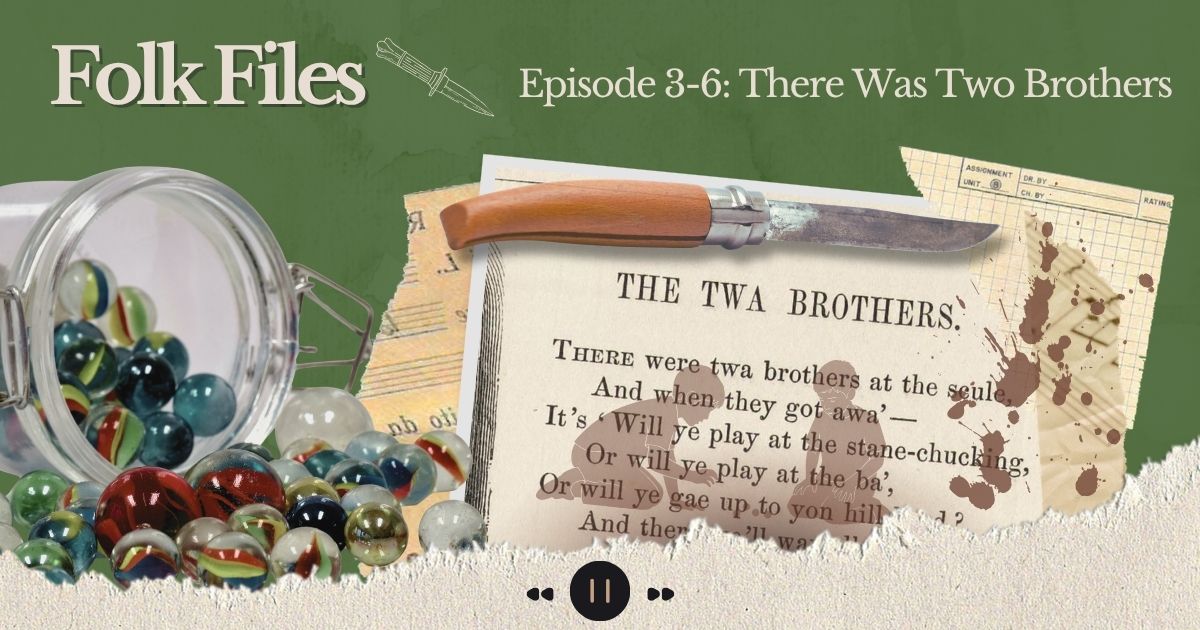
Folk Files: There Was Two Brothers

Whereas “The Two Sisters” murder ballad is a complete, coherent story, “Two Brothers” is messy. What’s the motive? Who are these brothers? Who kills whom?

In this episode of Folk Files, we search for the answers to these questions… and discover a dark hypothesis for why the story is so vague.

(Content warning: this episode discusses themes that may not be appropriate for children.)

LISTEN: APPLE • AMAZON • REDCIRCLEMP3

For a list of all musical excerpts used in this episode, click here.
Explore the Derek Piotr Fieldwork Archive.
Support Folk Files by joining our Patreon.


Host: Olivia Harding
Assistant Producer: Aaron J. Morton

Dreamy Folk Artist Satya Looks Back and Moves Forward

The release of a debut album is a momentous accomplishment for an artist. For singer-songwriter Satya, the June 5 arrival of her first full-length, Yellow House, also represents the culmination of a long and emotional journey.

A Bay Area native who recently moved to Los Angeles, Satya initially started writing the songs for this album in early 2020, with the soon-arriving pandemic serving to provide her time to work on her music along with delving into her own journals, where she explored her feelings involving growing up in a household that was both abusive and loving.

The songs on Yellow House certainly reflect this duality of emotions. Her lyrics touch upon moments of madness, darkness, and desertion, while also offering up the possibility of escape and survival. Her singing holds an alluring calmness even as she’s addressing some highly charged topics. The album’s laid-back music, which combines elements of neo-soul, dreamy folk, hushed blues, and smokey jazz, serves to support her subdued vocals, creating an inviting, enveloping sound. The blending of musical styles suits someone who has played in Nashville’s Ryman Auditorium, sung (and lived) in New Orleans, and performed at San Francisco JazzFest and Hardly Strictly Bluegrass back on her Bay Area home turf.

Satya, following some work with another producer, recorded Yellow House back around 2023 with noted blues guitarist/producer Colin Linden (Keb’ Mo’, T Bone Burnett, Bruce Cockburn) at his home studio in Nashville. When she spoke with BGS, she talked about Linden’s important contributions to the record – as well as the significance of covering Lucinda Williams’ “Fruits of My Labor” and the Grateful Dead’s “Box of Rain,” the influence of Mazzy Star, and how the release of Yellow House is both a proud moment and a bittersweet one.

How did this album, Yellow House, come together?

Satya: I started writing this project in 2020. The first song I started with was “Circles.” Then the pandemic hit. I was going through a lot at the time with family stuff. I really started writing a lot of the songs for myself.

It was something that I was working on. Then the years would go by and I would kind of put it down and work on a side project. This one always just felt so personal that I wanted it to feel right, and I wanted it to really capture sonically what I wanted.

Do you feel that your sound evolved from your prior EPs (2022’s Deep Blue and 2020’s Flourish Against Fracture) or is more like a continuation of your earlier work?

This album feels like a continuation of [my] first EP I released, in a way, sonically. … I have other stuff out that definitely feels more like soul- and R&B-forward. This one, I feel like, went back into the folky, more Americana style. I don’t even think it was kind of subconscious. It was just the songs that were happening sounded that way. And I think it definitely captures a sound that I just naturally gravitate towards.

One thing that I really loved about the album was the way your singing and the instrumentation floated harmoniously with each other – and I was wondering how you achieved this airy, lived-in feeling?

That’s a good question. I know what sounds I’m drawn to. I reference Mazzy Star a lot for this project. I’ve always kind of felt listening to her, [Mazzy Star lead singer Hope Sandoval] and listening to that band, there’s a whole world that you get sucked into sonically.

This album really is based off of my past and [is] kind of a world. So, I felt like I wanted to create that same spatial sonic feeling. I think, for me, what draws me into those spaces, I think I’ve just taken notes of other artists that I love. And I love slide guitar a lot. I love the organ. I love the Rhodes. I love things that feel like reverb or taking up space.

I grew up singing in choirs and church. So, being in a wide room and hearing sounds bounce off the wall, I really wanted to make sure that the tracks felt not too airbrushed. I wanted everything to feel very raw and, you know, some things are one take.

Colin also definitely had to remind me, too – because I like to contradict myself – as much as I love everything sounding raw, I’m a]perfectionist. So, if we’re going to do it in one take, I need to do a hundred takes. But he was very good, I think, at kind of sifting through and just like allowing things to be.

How did you get together with Colin Linden as your producer?

I met him like two years before we actually recorded the album. I connected with him through my manager, Phil Green, who used to work with an artist named Fantastic Negrito. And I believe Fantastic Negrito had been working with Colin Linden. So, he was recommended to me. At the time I was living in New Orleans, too. So, I was like, “Okay, Nashville is close.” And I made my way out there.

Actually, one of the songs on the project, “Heaven’s Cry,” we just wrote that day – the first time I met him. Then, a few years later, we brought the album to him.

How big of a contribution did he make on the album?

He is a huge part of how the sound came out, and just like how the album came out. First of all, his studio is like my dream studio. He has a home studio in the back of his house. It’s like separate, through his backyard. It’s beautiful. And he just collects so many vintage, old guitars, mics and equipment.

I really just loved his approach, too, because a lot of these songs I came with were fully written. A lot of [what he did] was just kind of restructuring [the songs] or him taking the lead with rearranging.

We spent a week. I flew out to Nashville. We recorded every day, and it just felt really organic. I think that’s also why I really gravitated towards working with him. I just really loved his approach to music and also just his passion for it.

I don’t like using a lot of auto-tune or things on my voice. I really love performing live and I also love performing with a band – just having the live instrumentation… Colin loves live tracking and bringing in instrumentalists and all of that. So, yeah, I just gravitated towards working with him and it just felt really comfortable.

There was a lot of live tracking during the week you were at his studio?

Yeah, definitely. I brought the vocal stems to him. I had kind of recorded all these songs with a different producer, and then we put it down. So, I brought all the stems with me. Some stuff I already had tracked, but some of the stuff we fully reopened. He’s all over it playing slide guitar. His wife actually was playing organ on a lot of the tracks. We brought in an amazing bassist who is playing upright on some of it and a live drummer. So, we definitely had a lot of live tracking.

How significant was it to have done some work with Colin before getting into the studio with him?

I think I was very used to – especially because of the pandemic – being in my own studio and being kind of isolated with writing, which I think there’s a lot of beauty in, too. But that was the first time in a long time where it was just a full week dedicated to just “the art.” And I think that was really special.

The song “Circles” was the first one that you recorded, and did that song show you a way into the album and led to the songs connecting with each other?

Yeah, definitely. I wrote “Circles” and it just kind of sparked all the other songs – and just the concept, too, I think. “Circles” just opened up the idea; it felt like that song was needed to be next to others. “Circles” definitely felt like, sonically, “Oh, okay, this sound feels really nice.” And I think it kind of creates the world for all the other songs to live in.

The album contains two covers – Lucinda Williams’ “Fruits of My Labor” and the Grateful Dead’s “Box of Rain.” How did they become part of this album?

When I perform covers, I try my best to embody the song or embody the lyrics and tie them to my own feelings.

Well, “Fruits of My Labor” – I loved that song forever and ever. I didn’t plan to have that on the album. It was the first day that I came to Colin’s house. I had been covering that song [since] when I was doing small tours with my band. We were doing an arrangement of it, I played it for Colin, and he was like, “Okay, so we’re tracking that right now!” I was listening to that song so much after the pandemic and her lyrics just really stuck with me.

And then “Box of Rain”… that was another song that I had covered. My grandfather, he loves that song a lot. I grew up listening to it and I just love the lyrics. I wanted to add it on the album too, just because the whole album is around my family. “Box of Rain” really reflects to me just so much beauty, as well, in my family. When I hear that song, it just reminds me of a lot of the joy and a lot of the sweetness. So, I wanted to add that too.

When did this week of recording take place?

I think it was 2023.

So, it has taken some time to get it all done?

Yeah, I took a while for sure. You know, if I lived in Nashville, after that week, I could have gone back and listened to everything. But a lot of it was kind of one and done, so it was a lot of him sending me tons of different forms of the mixes and me writing feedback and going back and forth – getting the project mixed and mastered, and then everything else around it. But, yeah, it was a long time coming.

It must be really an emotional experience to have these songs finally coming out?

Yeah, it definitely is. It feels like a mixture of emotions for sure, because I’ve sat on these songs for so long. I think it’s just like – with a lot of musicians, I’ve heard and I’ve always felt this way – by the time a song is ready to release, I’ve already heard it a thousand times and I wrote it years ago. A lot of these songs were heavier, so they were a way for me to process everything I was feeling. It definitely feels like a release to be able to just finally let it all go and give it away.

I feel like I had to really take a step back when this project was done and just look at my own personal life over the last six years – and how much I think I’ve grown and overcome and a lot of things I feel have healed. It feels like, I think, a lot of things at once. I think I feel very proud and also very bittersweet from that time.

I think that also just writing this project kind of showed me the power in music and art, and how much it can bring, and cultivate so much healing, and connection with other people even. Like the conversations just kind of sparked by sharing these stories have been really special. But at the same time, I’m going to be unwrapping a lot of this stuff forever and I think it will always spiral outward, you know.


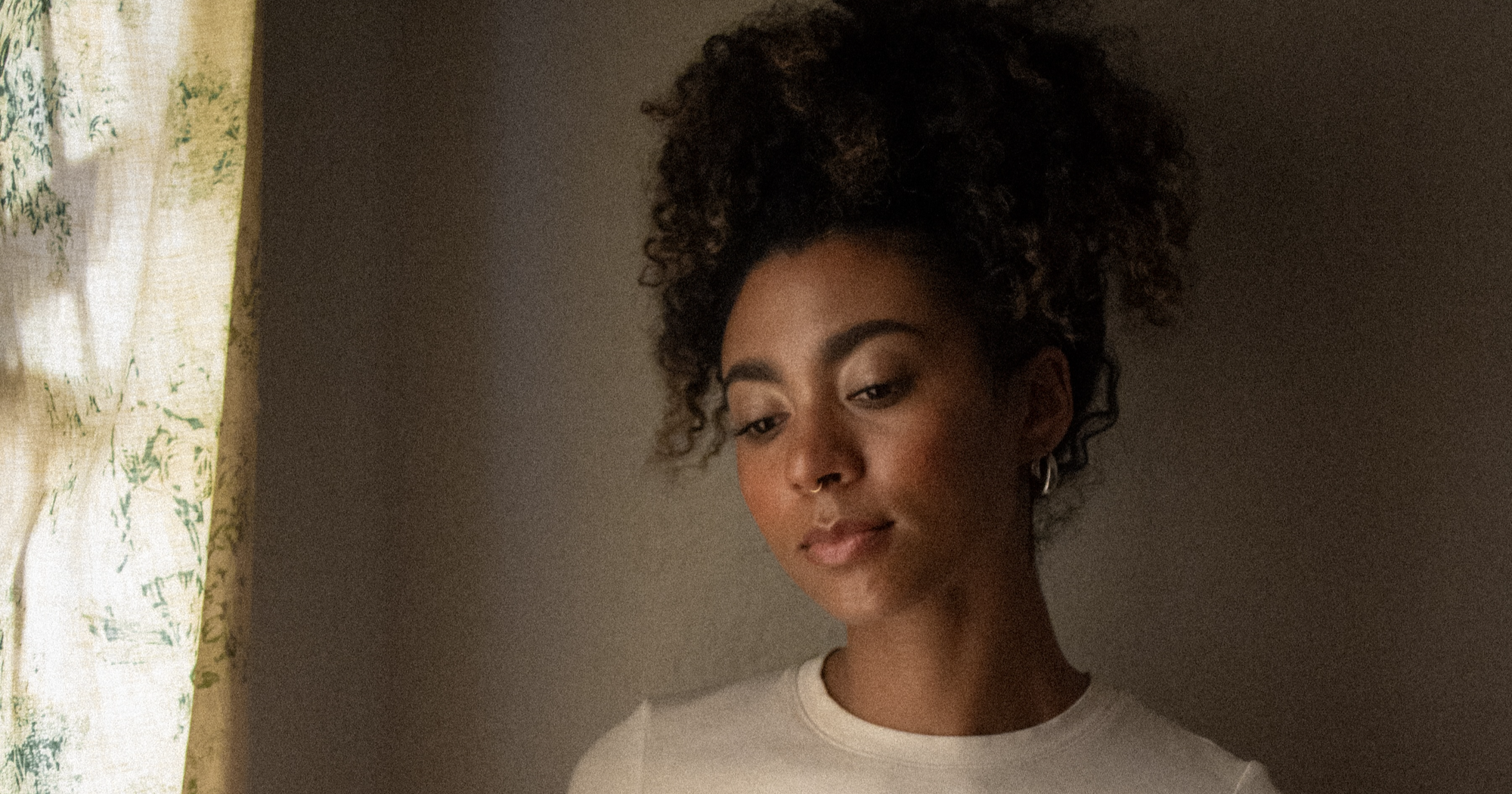
Photo Credit: Lola Lankford

The Other 22 Hours: Annie & Cranston Clements

What does it mean to treat music not as a commodity, but as a multi-generational way of life? We sit down with father-daughter side musicians Cranston and Annie Clements. Cranston, a cornerstone of New Orleans music history, has played guitar with royalty like Dr. John, Allen Toussaint, and Irma Thomas. His daughter Annie is a bass player for massive acts including Sugarland, Maren Morris, and Hootie & the Blowfish.

LISTEN: APPLE • SPOTIFY • AMAZON • MP3

The duo brings a unique perspective on lineage, structural hurdles, and the profound beauty of side musicians’ journeys. Annie shares her vital advocacy work supporting motherhood in the music industry, including working to correct the stark lack of childcare infrastructure in touring. Meanwhile, Cranston details his wild roots in the 1960s counterculture and how a single performance could dismantle a lifetime of prejudice. It is a study on what it truly means to be a “joy facilitator.”

In This Episode:

Annie Clements
Cranston Clements
Ep 151 – Rob Moose
Dejan’s Olympia Brass Band
Tuesday Night Rodeo Club
Maren Morris
Doja Cat
Joy Oladokun
Bad Bunny
Motorhead
Dr John
Boz Scaggs
Maria Muldaur
A Uterus is a Feature Not a Bug – Sarah Lacy
Lucinda Williams
Angine de Poitrine

Go Deeper: 

Watch: View this entire conversation above or on YouTube.
Explore: Find similar conversations in these themed playlists.
Connect: Join the conversation on Instagram.

The Other 22 Hours is hosted by Aaron Shafer-Haiss (producer, mixer, musician) and Michaela Anne (songwriter, artist, creative coach). More about Aaron’s workMore about Michaela Anne’s work.


Produced by Aaron Shafer-Haiss. Original music written, performed and produced by Aaron Shafer-Haiss.

Photo Credit: Michael Weintrob