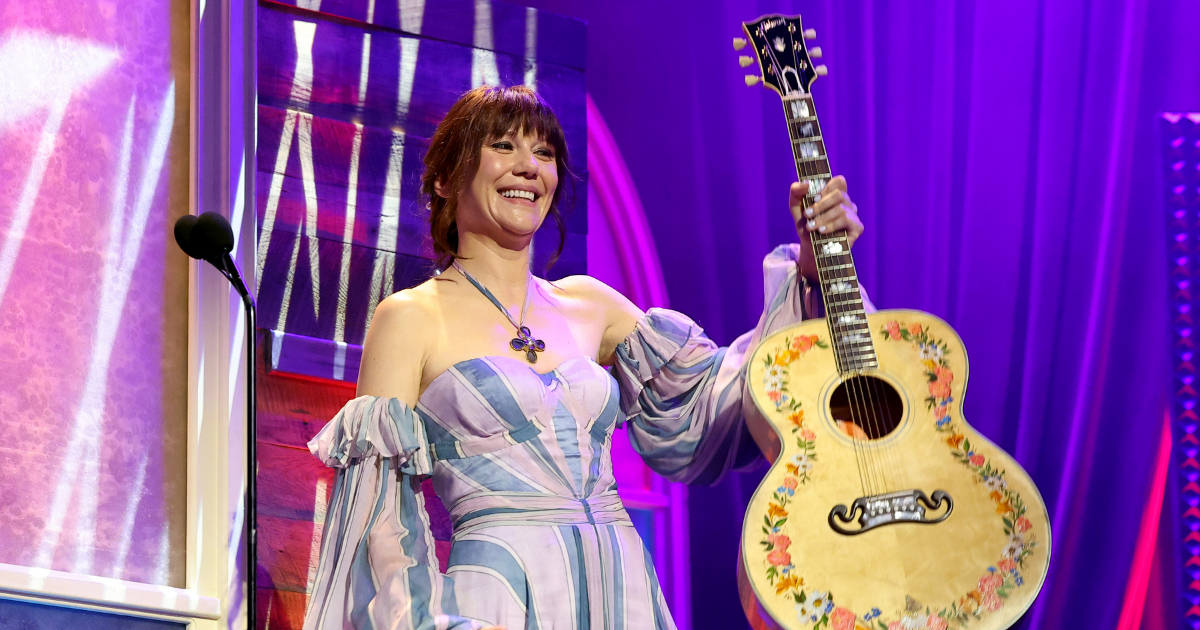
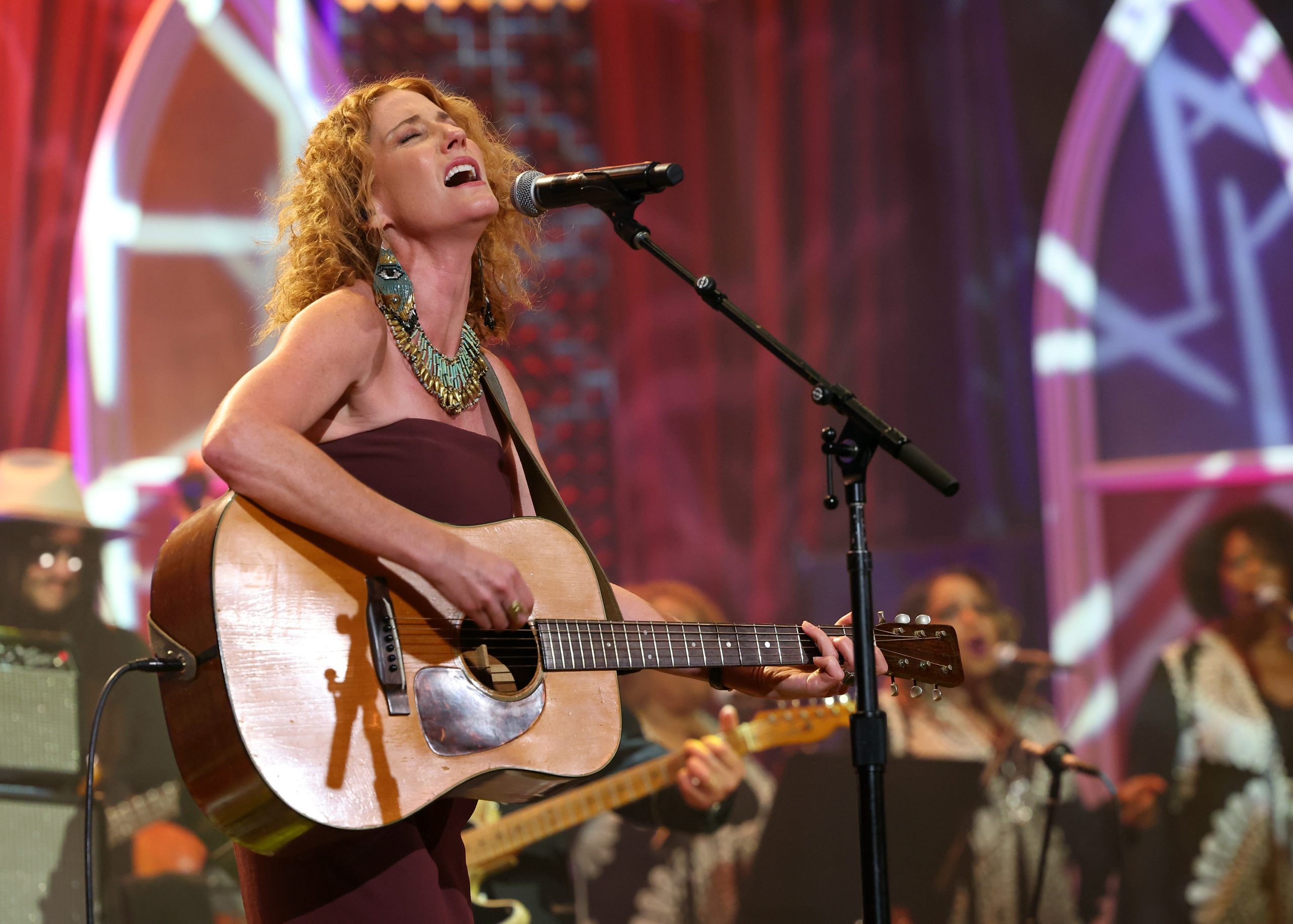
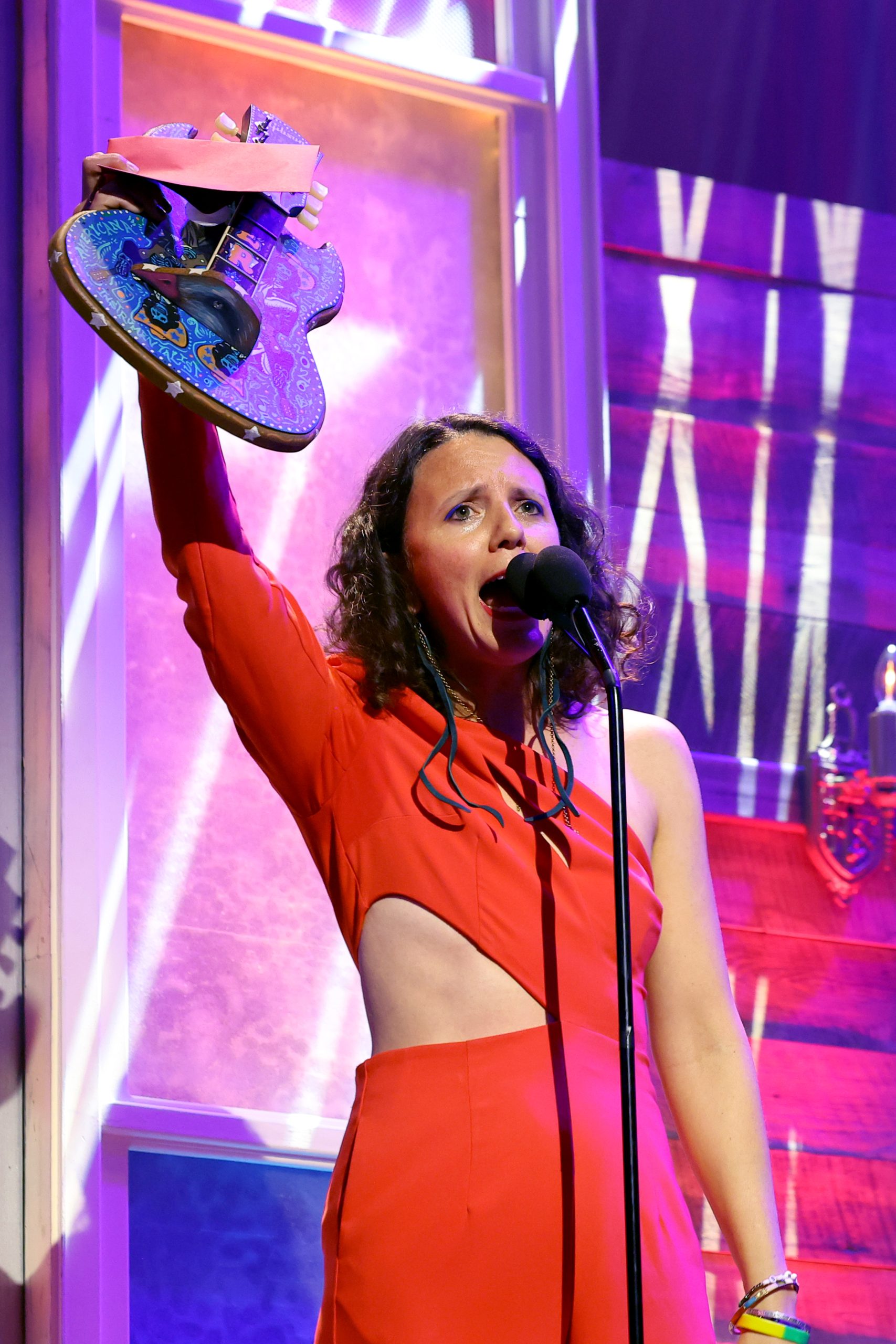
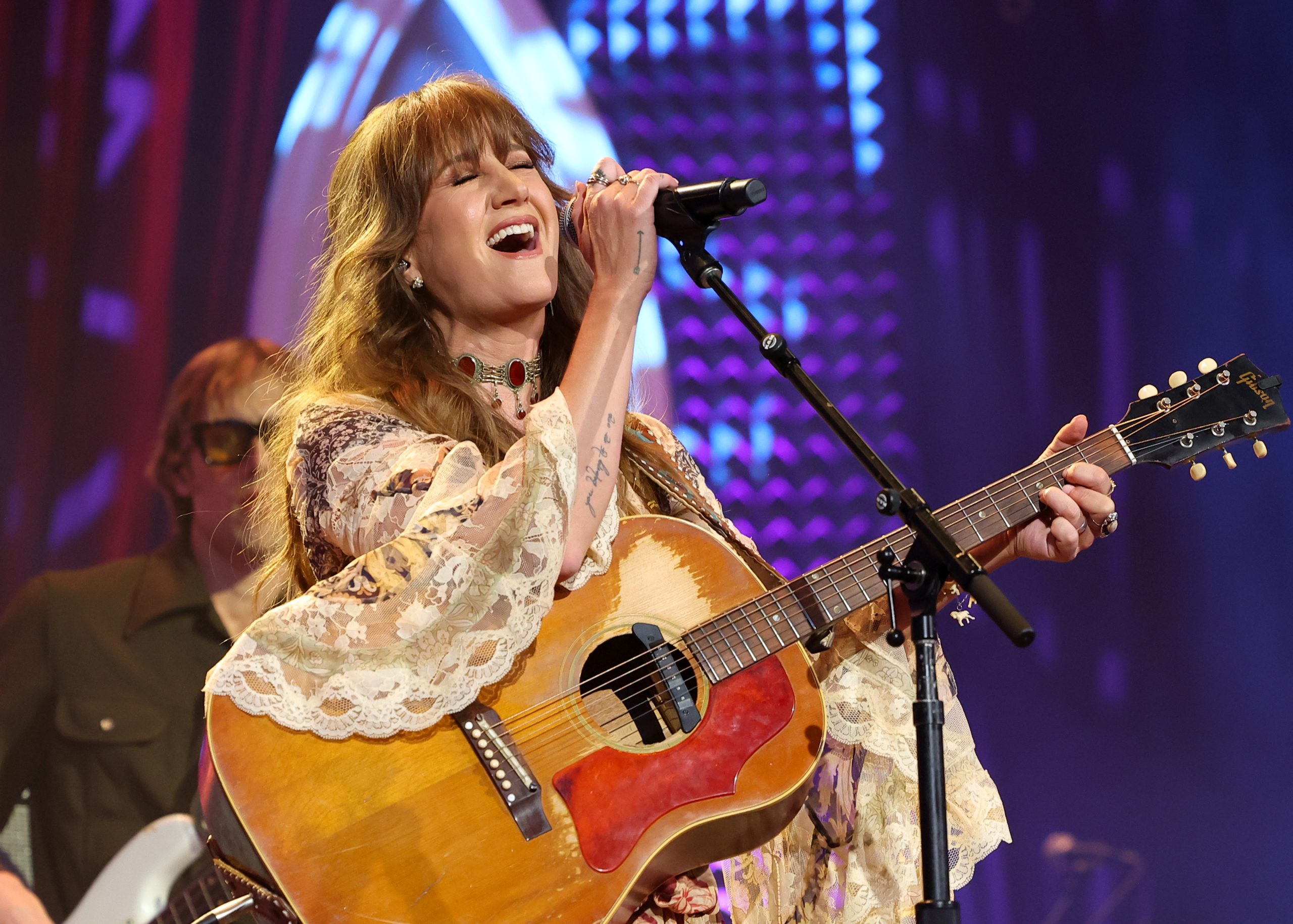
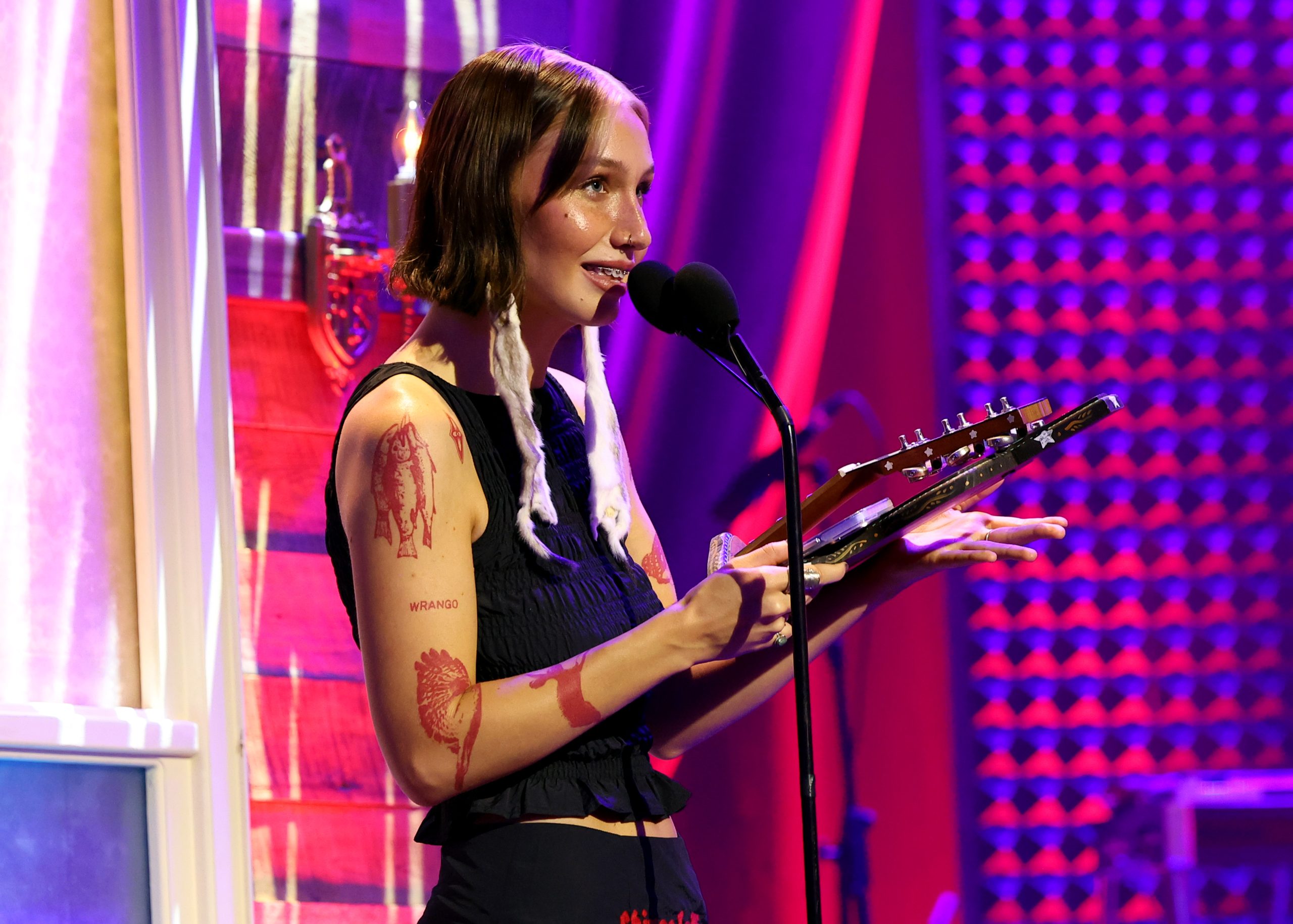
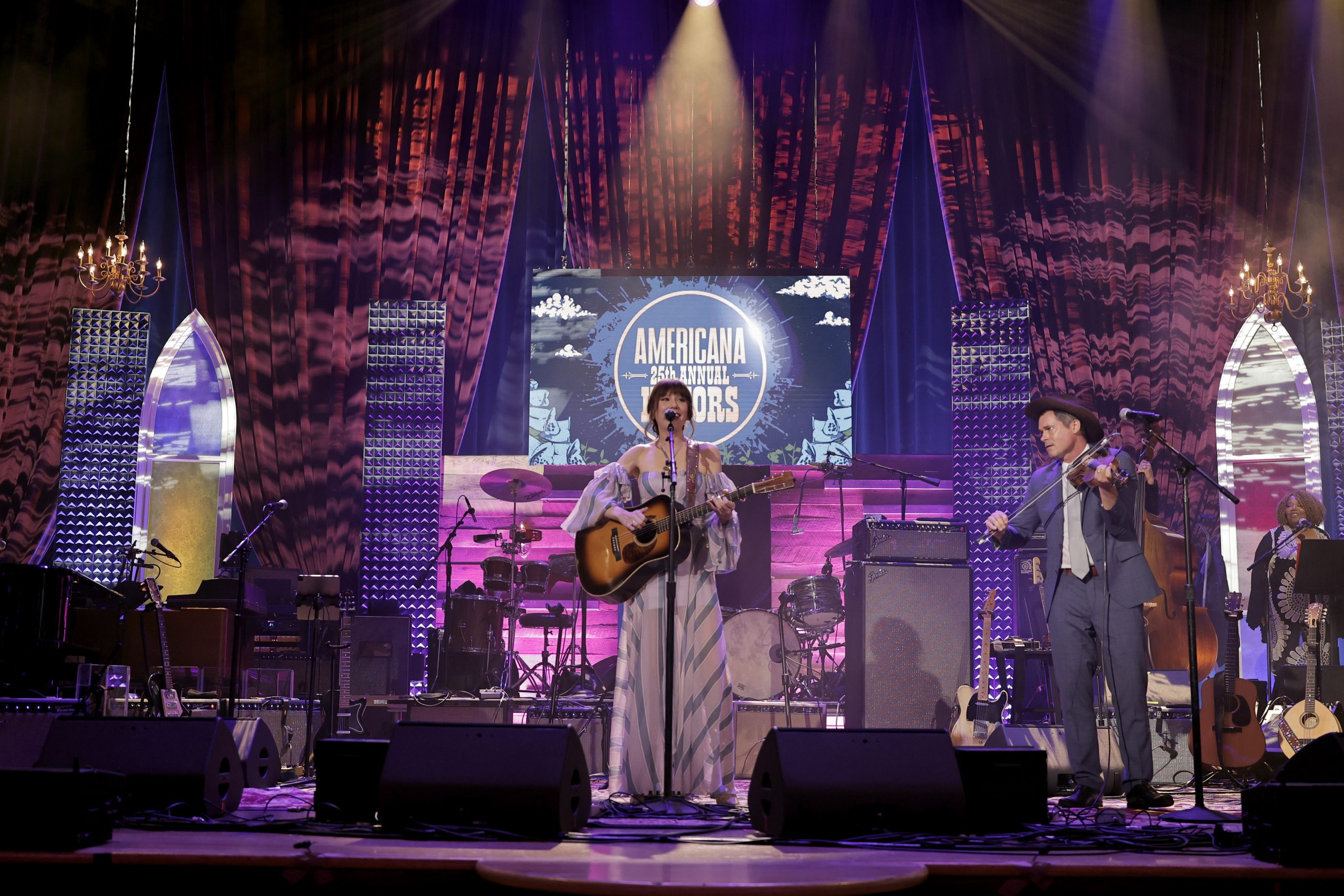
Now firmly established as one of roots music’s most compelling performers, Molly Tuttle accepted the trophy for Artist of the Year at the 2026 Americana Honors & Awards ceremony at Ryman Auditorium in Nashville on Wednesday night (September 16).
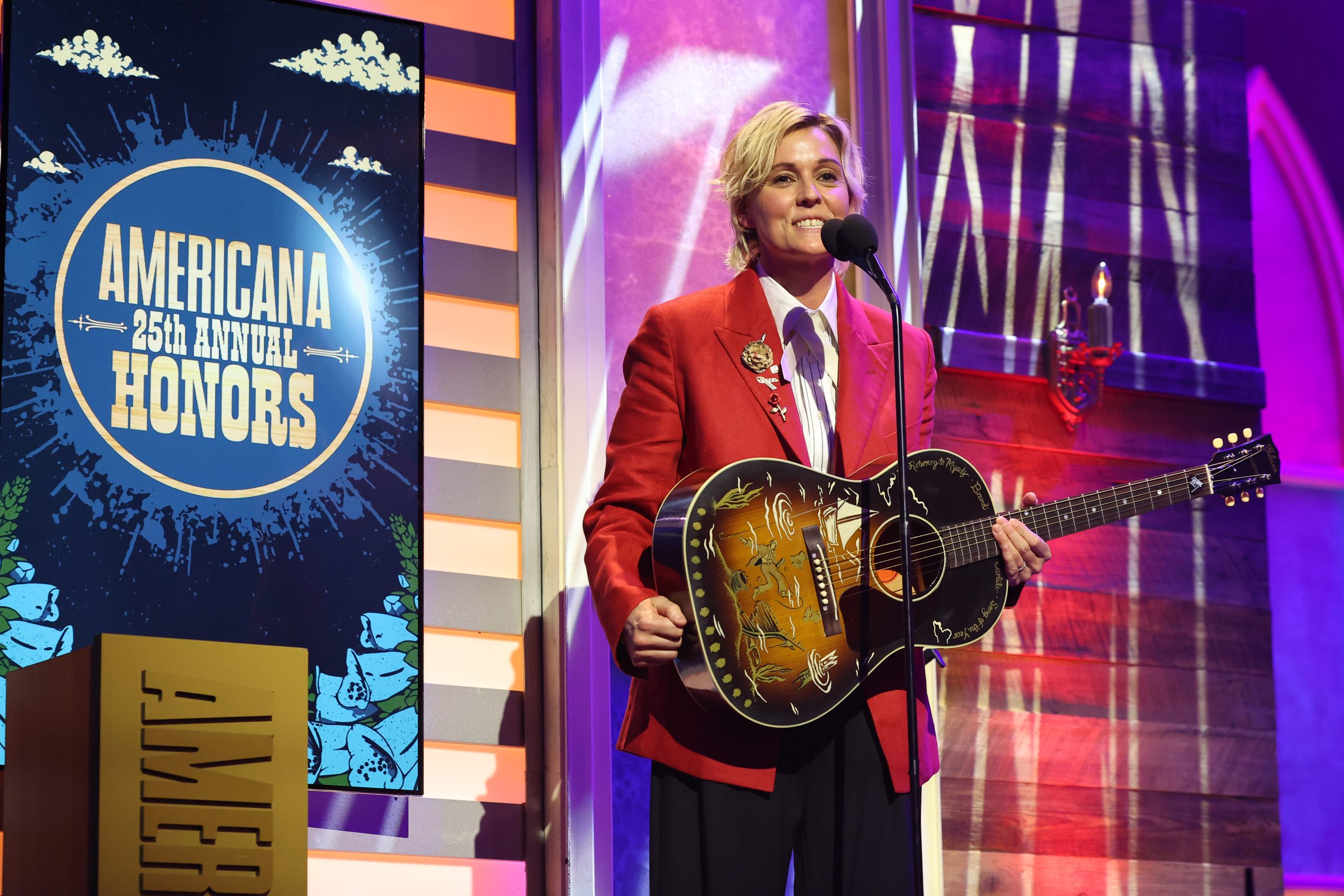
Tyler Childers, though not in attendance, was the recipient of the Album of the Year award for Snipe Hunter, produced by Rick Rubin and Nick Sanborn. Gillian Welch & David Rawlings were named Duo/Group of the Year, Ken Pomeroy accepted the award for Emerging Act of the Year, Brandi Carlile collected the Song of the Year award for “Returning to Myself,” and guitarist Mandy Fer was bestowed Instrumentalist of the Year honors.
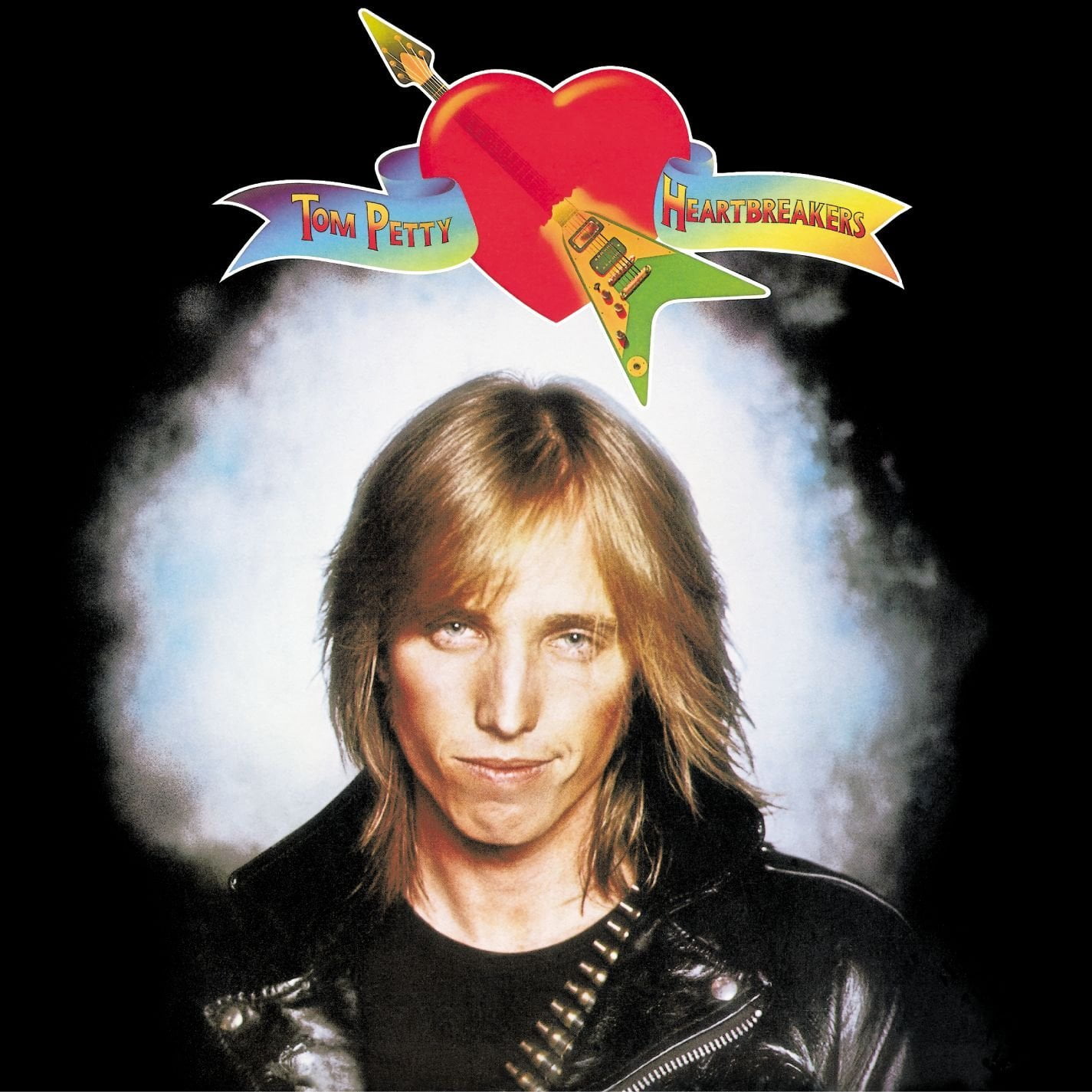
Dolly Parton, Tom Petty & The Heartbreakers and Robert Plant all received Americana Lifetime Achievement honors, which were accompanied with powerful performances.
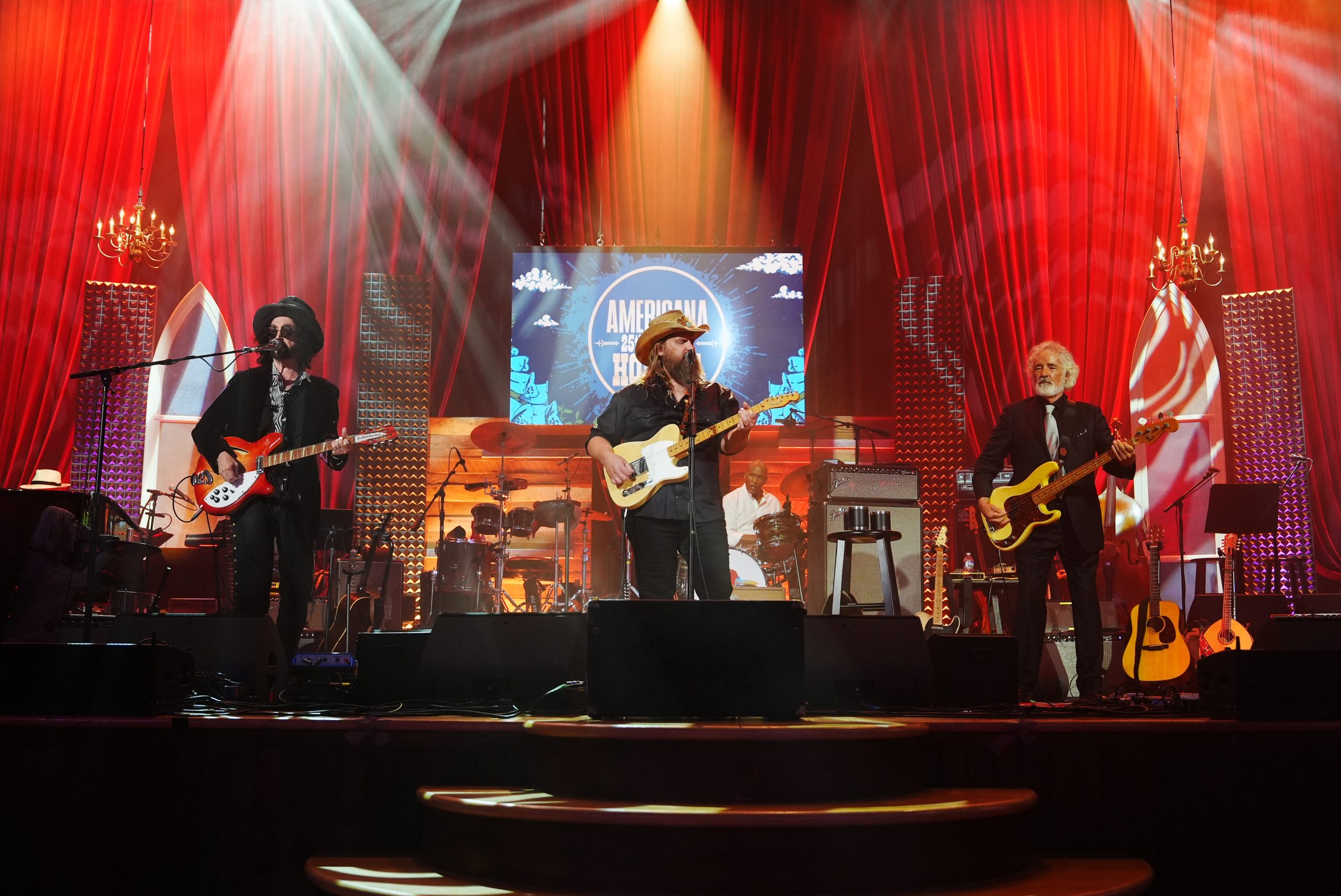
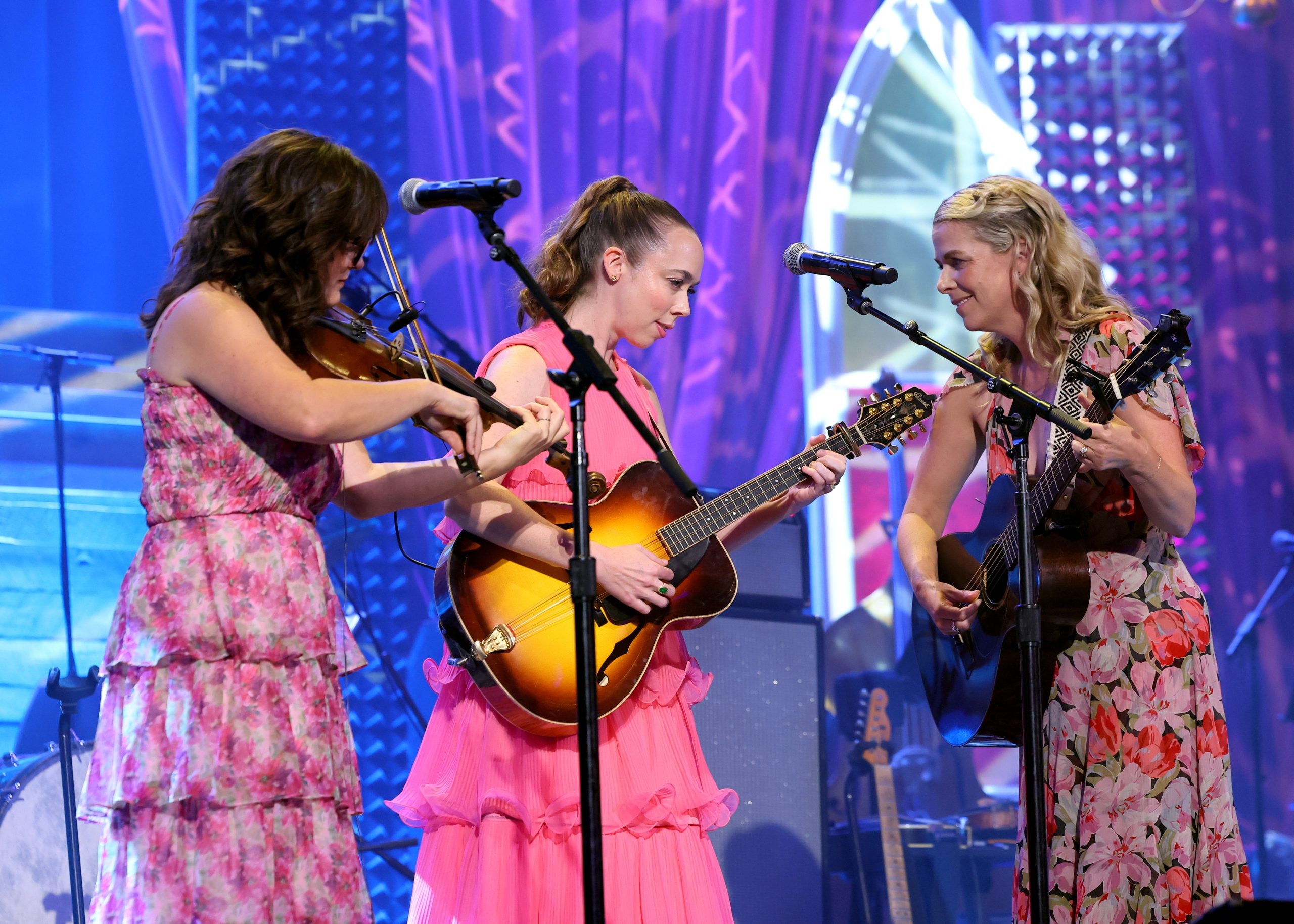
The Heartbreakers reunited with special guest Chris Stapleton; Sarah Jarosz, Aoife O’Donovan & Sara Watkins comprising I’m With Her teamed up with Brandi Carlile to deliver a moving tribute to Dolly Parton with “Coat of Many Colors”; and Robert Plant returned to the Ryman stage at the Americana Honors & Awards for the first time in 15 years with a performance of “Satan Your Kingdom Must Come Down” and “Angel Dance.” A touching video message from Dolly Parton was aired during the ceremony.
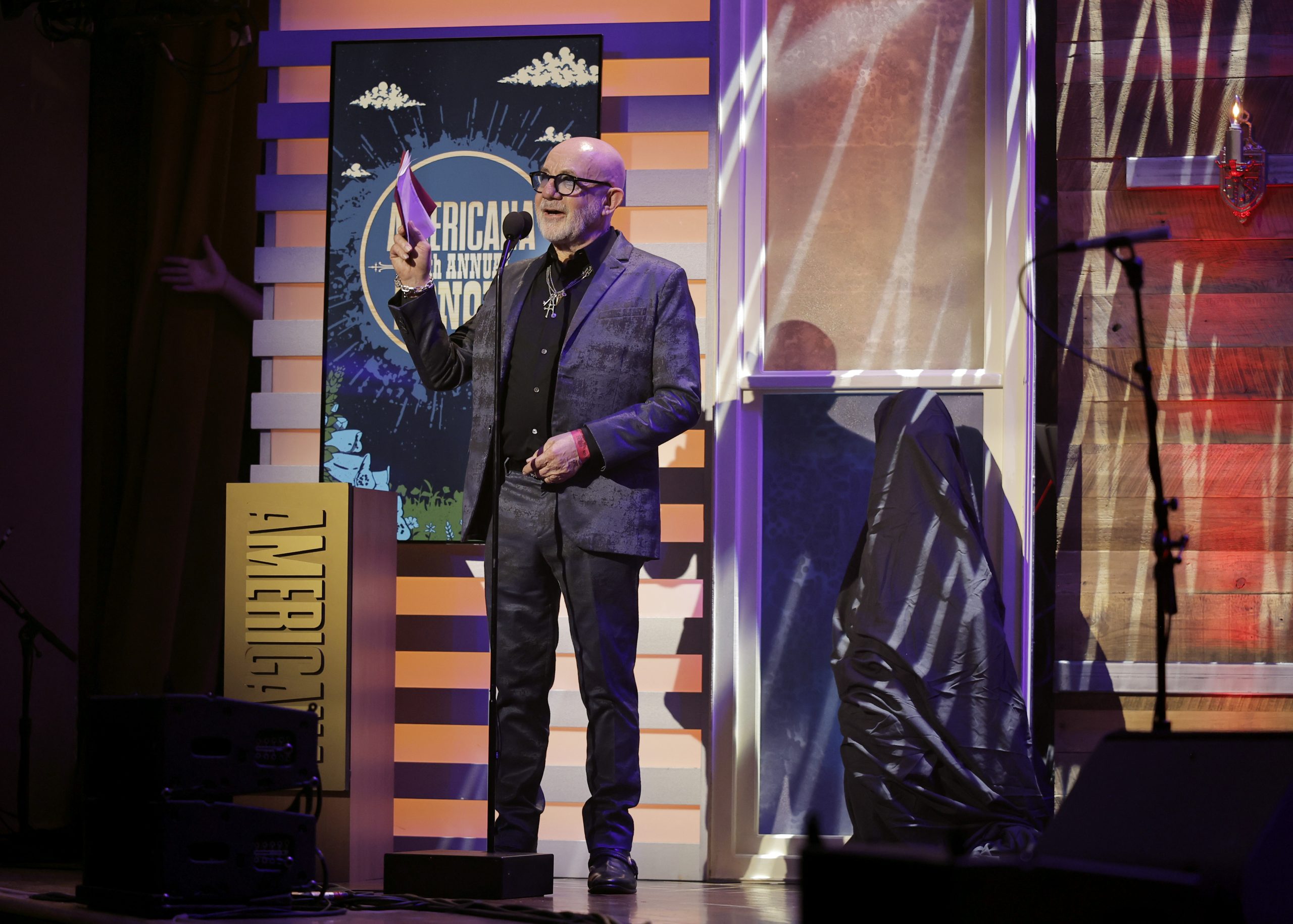
Other highlights from the evening include songwriter Bernie Taupin presenting Brandi Carlile with the Song of the Year award; a moving tribute to the late Todd Snider by Hayes Carll with Elizabeth Cook; and the finale ensemble delivering a special performance honoring the legacy of Raul Malo with “Dance the Night Away” by The Mavericks.
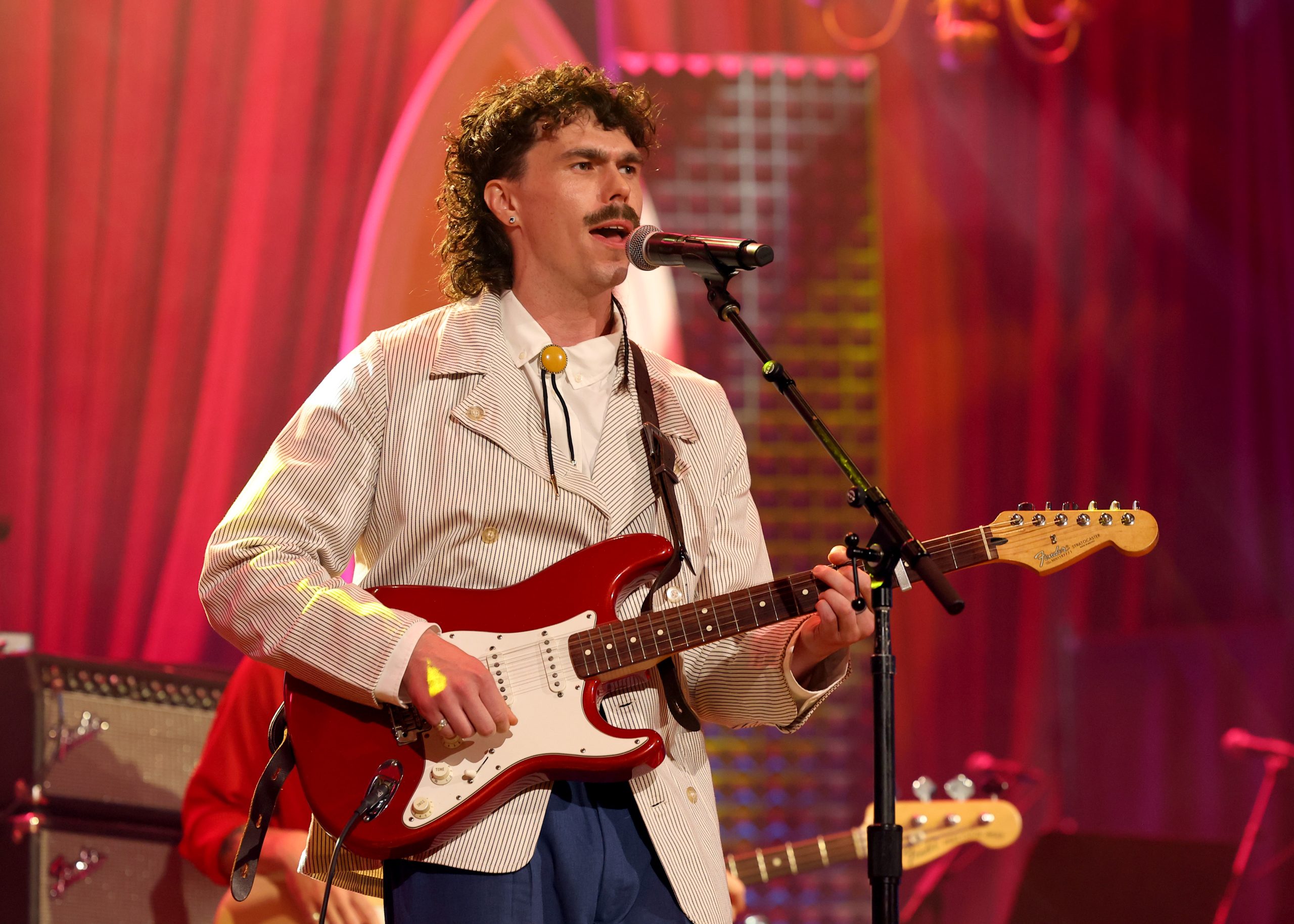
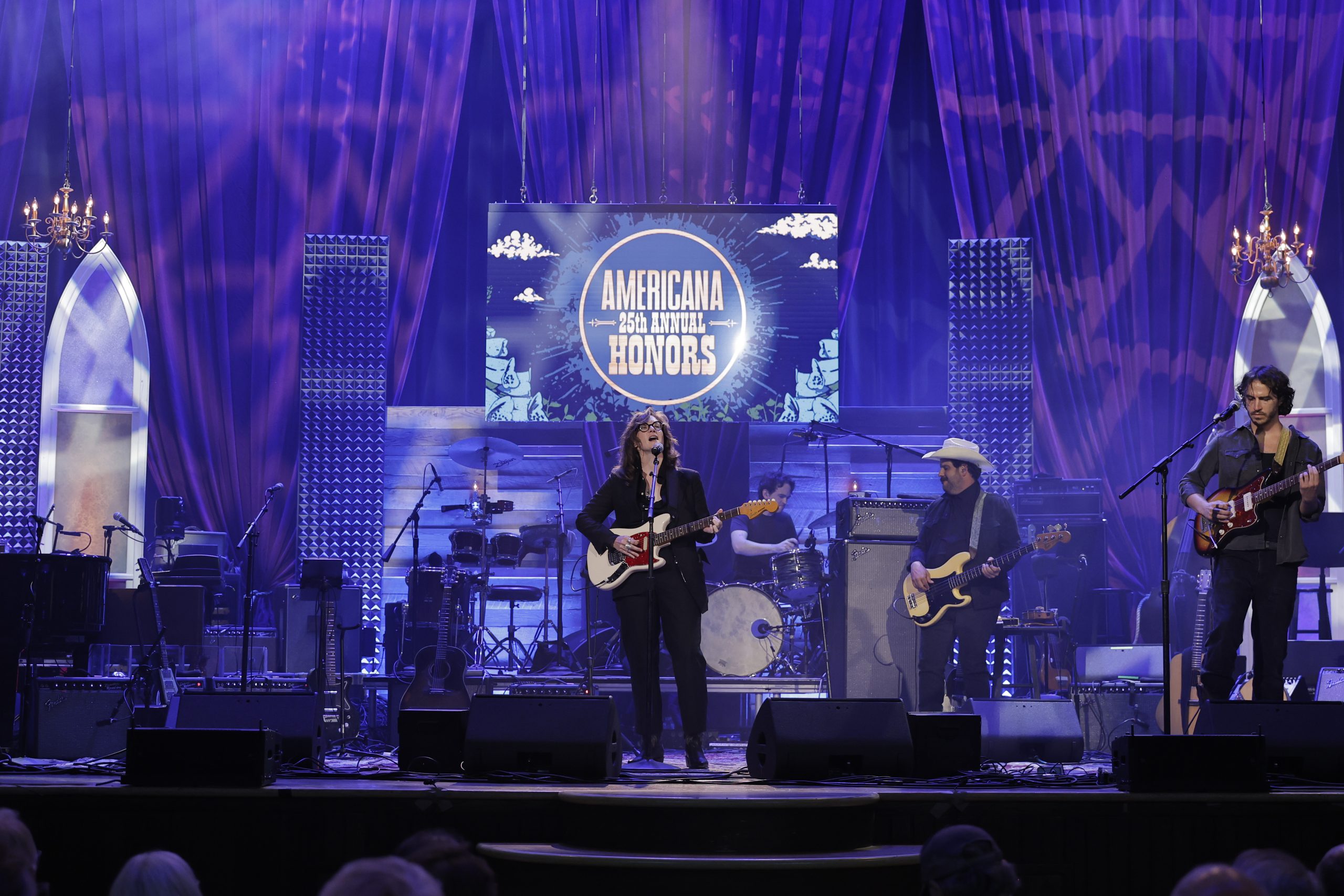
Throughout the night, attendees were treated to additional performances by Boy Golden, Crowe Boys, Flatland Cavalry, Jesse Welles, Kashus Culpepper, Kathleen Edwards, Ken Pomeroy, Margo Price, Molly Tuttle, Mon Rovîa and S.G. Goodman. Buddy Miller returned as musical director for the Americana All-Star Band, featuring Larry Campbell, Fred Eltringham, Jen Gunderman, Jim Hoke, The McCrary Sisters, and Don Was.
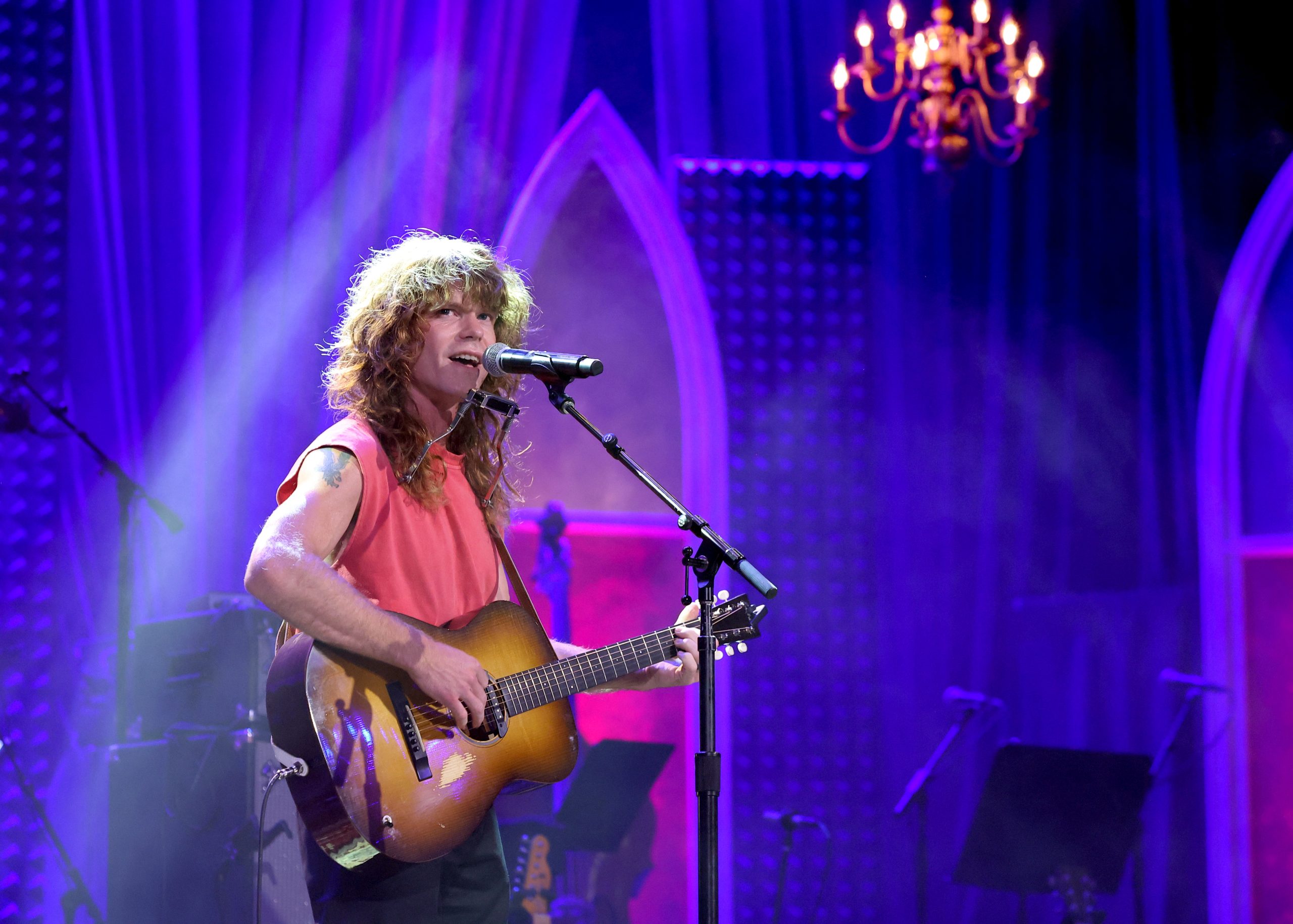
Boy Golden performs onstage during the 25th Annual Americana Honors & Awards at Ryman Auditorium on September 16, 2026 in Nashville, Tennessee. (Photo by Terry Wyatt/Getty Images for Americana Music Association)
Mike Campbell of The Heartbreakers, Chris Stapleton and Ron Blair of The Heartbreakers perform onstage during the 25th Annual Americana Honors & Awards at Ryman Auditorium on September 16, 2026 in Nashville, Tennessee. (Photo by Erika Goldring/Getty Images for Americana Music Association)
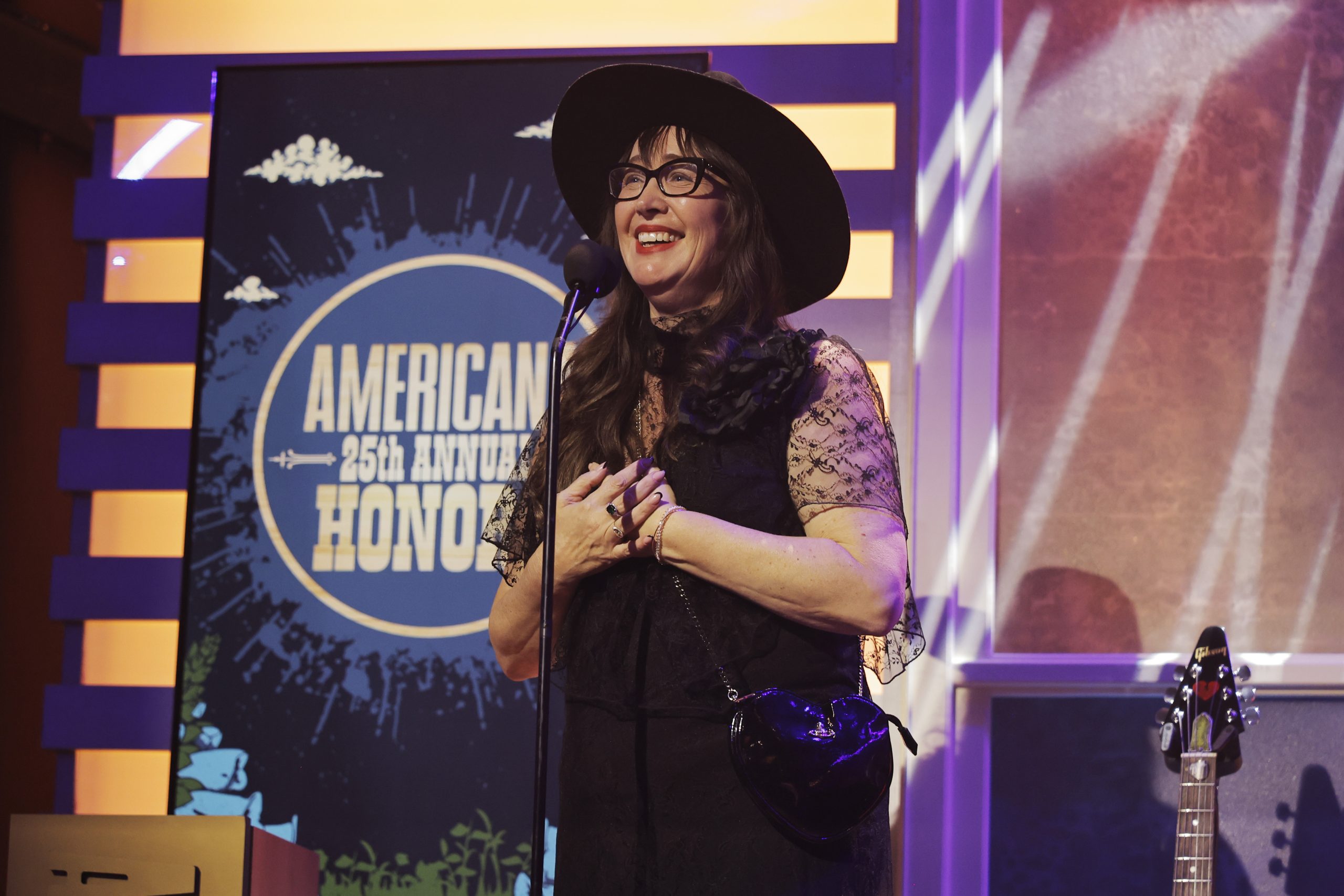
Brandi Carlile accepts the Song of the Year award onstage during the 25th Annual Americana Honors & Awards at Ryman Auditorium on September 16, 2026 in Nashville, Tennessee. (Photo by Terry Wyatt/Getty Images for Americana Music Association)
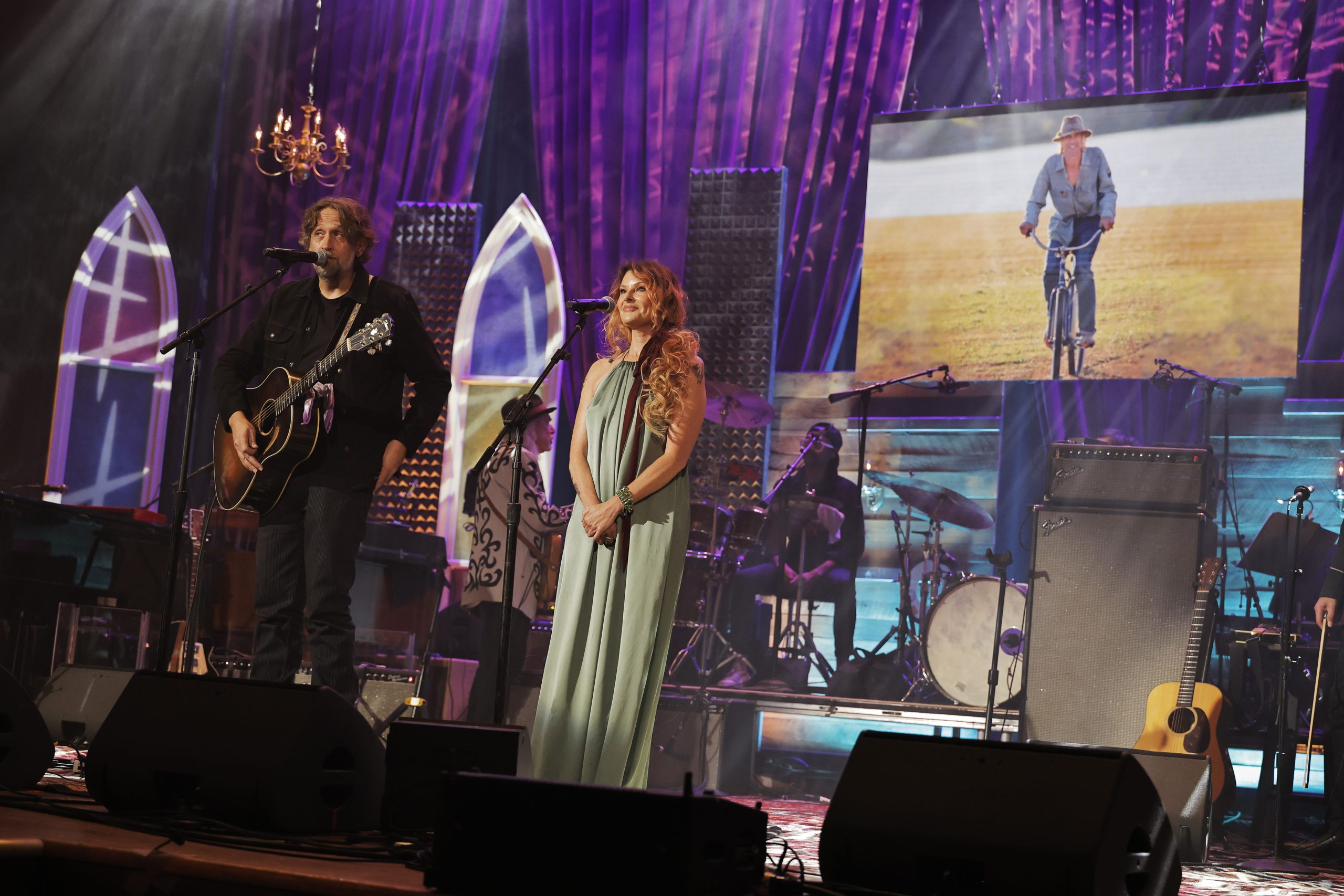
Hayes Carll and Elizabeth Cook pay tribute to Todd Snider during the 25th Annual Americana Honors & Awards at Ryman Auditorium on September 16, 2026 in Nashville, Tennessee. (Photo by Tibrina Hobson/Getty Images for Americana Music Association)
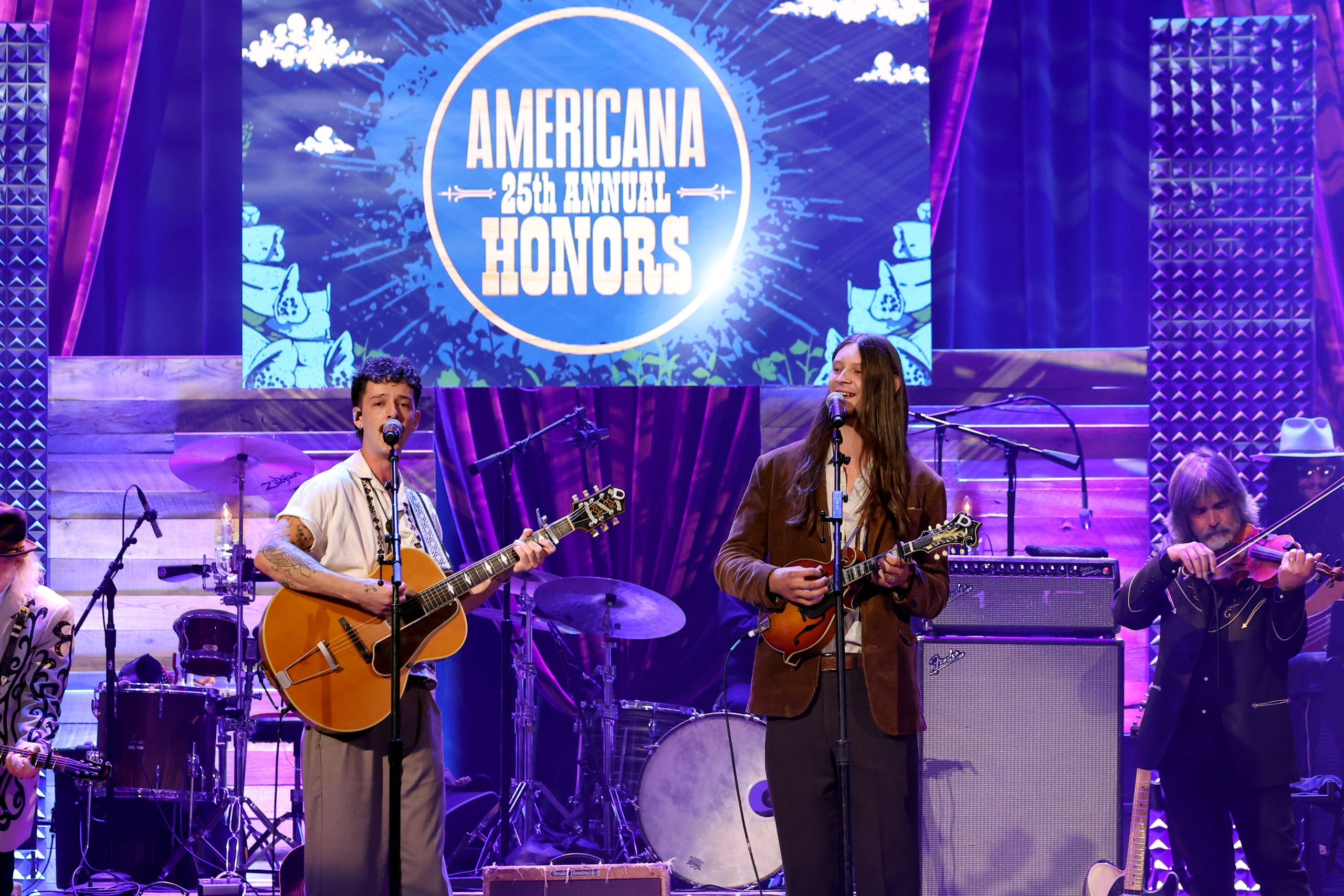
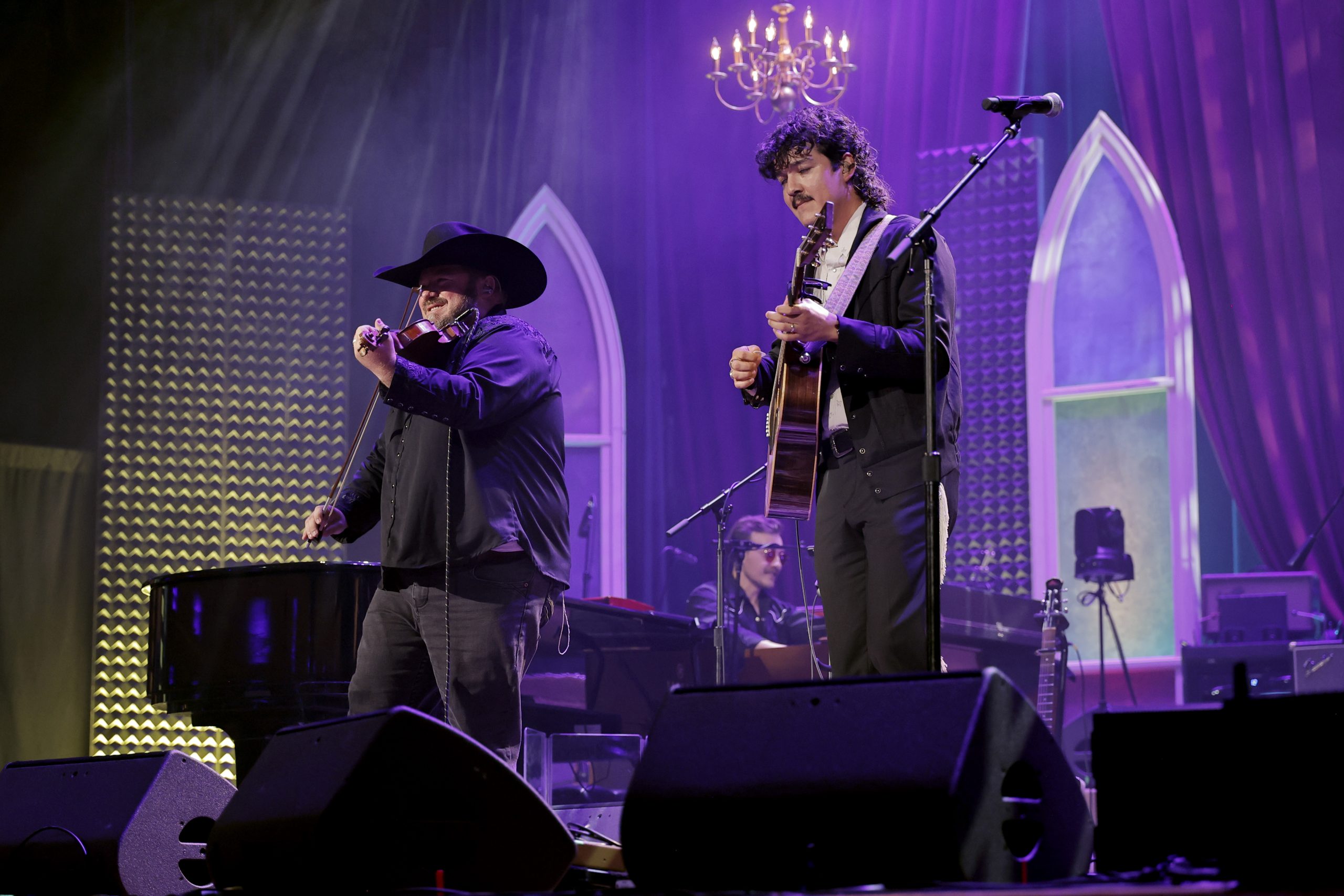
Crowe Boys (Ocie Crowe and Wes Crowe) perform onstage during the 25th Annual Americana Honors & Awards at Ryman Auditorium on September 16, 2026 in Nashville, Tennessee. (Photo by Terry Wyatt/Getty Images for Americana Music Association)
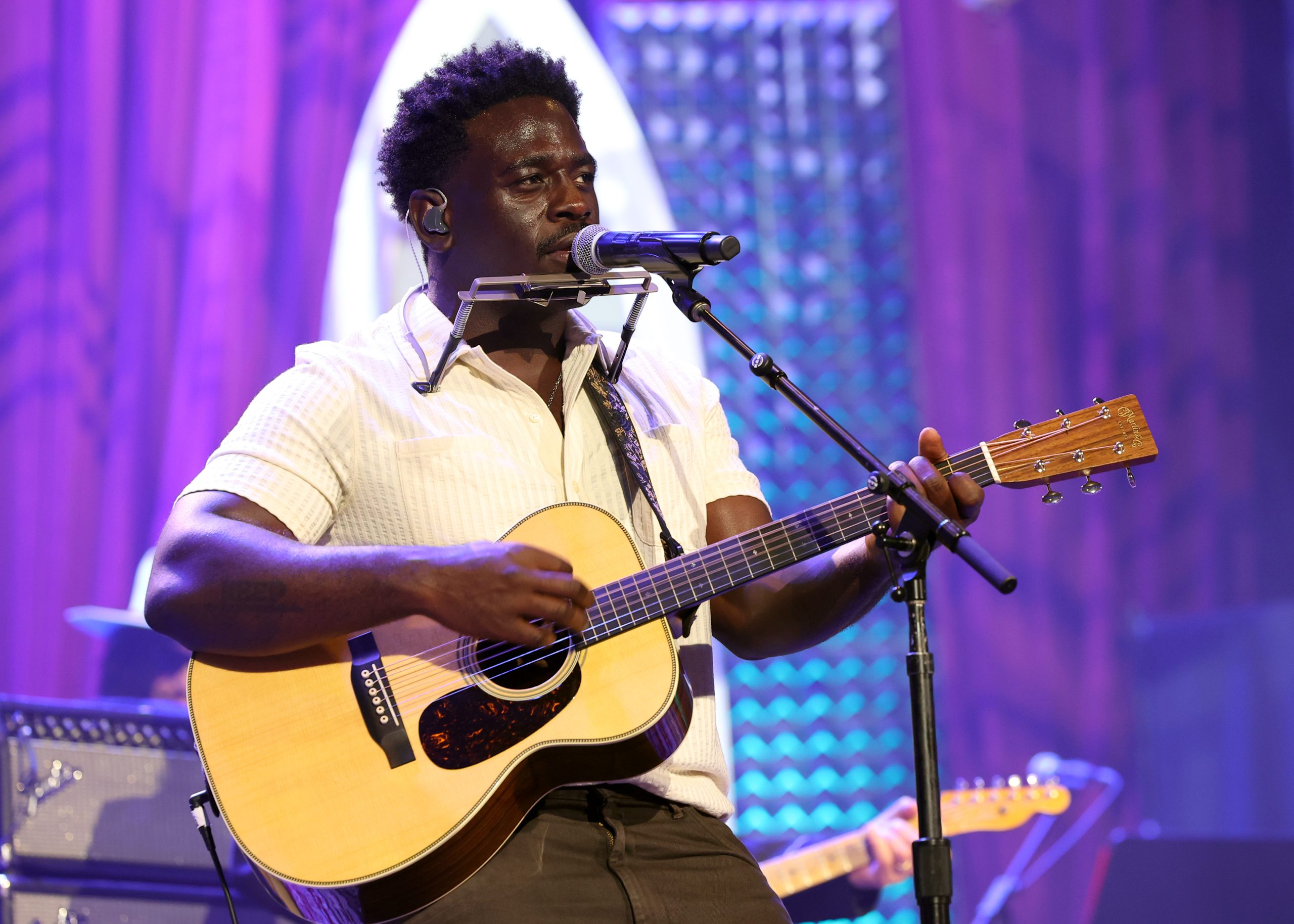
Kashus Culpepper performs onstage during the 25th Annual Americana Honors & Awards at Ryman Auditorium on September 16, 2026 in Nashville, Tennessee. (Photo by Terry Wyatt/Getty Images for Americana Music Association)
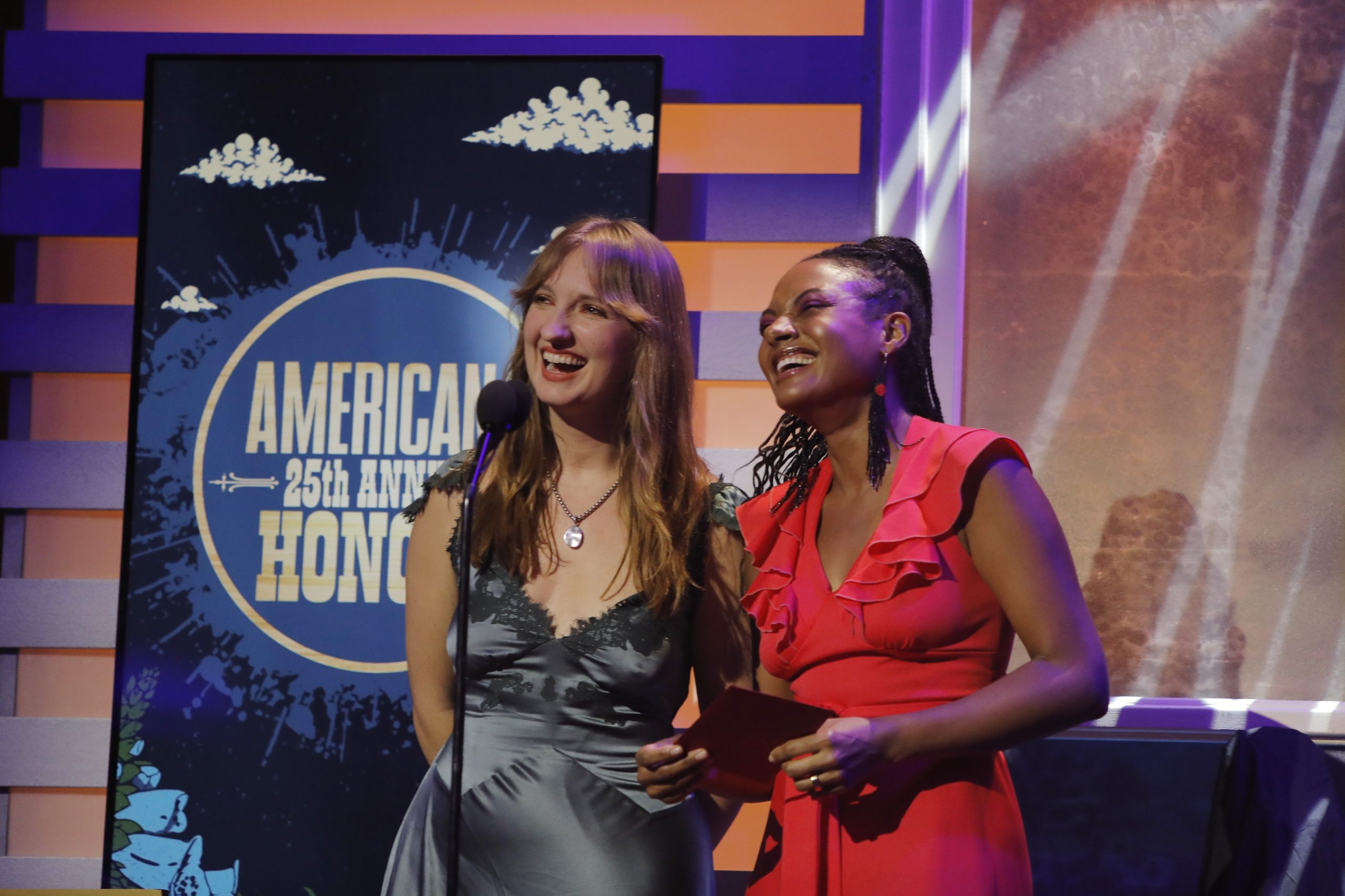
Madison Cunningham and Allison Russell speak onstage during the 25th Annual Americana Honors & Awards at Ryman Auditorium on September 16, 2026 in Nashville, Tennessee. (Photo by Tibrina Hobson/Getty Images for Americana Music Association)
Kathleen Edwards performs onstage during the 25th Annual Americana Honors & Awards at Ryman Auditorium on September 16, 2026 in Nashville, Tennessee. (Photo by Terry Wyatt/Getty Images for Americana Music Association)
Mandy Fer accepts the Instrumentalist of the Year award onstage during the 25th Annual Americana Honors & Awards at Ryman Auditorium on September 16, 2026 in Nashville, Tennessee. (Photo by Terry Wyatt/Getty Images for Americana Music Association)
Flatland Cavalry's Wesley Hall and Cleto Cordero perform onstage during the 25th Annual Americana Honors & Awards at Ryman Auditorium on September 16, 2026 in Nashville, Tennessee. (Photo by Tibrina Hobson/Getty Images for Americana Music Association)
S.G. Goodman performs onstage during the 25th Annual Americana Honors & Awards at Ryman Auditorium on September 16, 2026 in Nashville, Tennessee. (Photo by Tibrina Hobson/Getty Images for Americana Music Association)
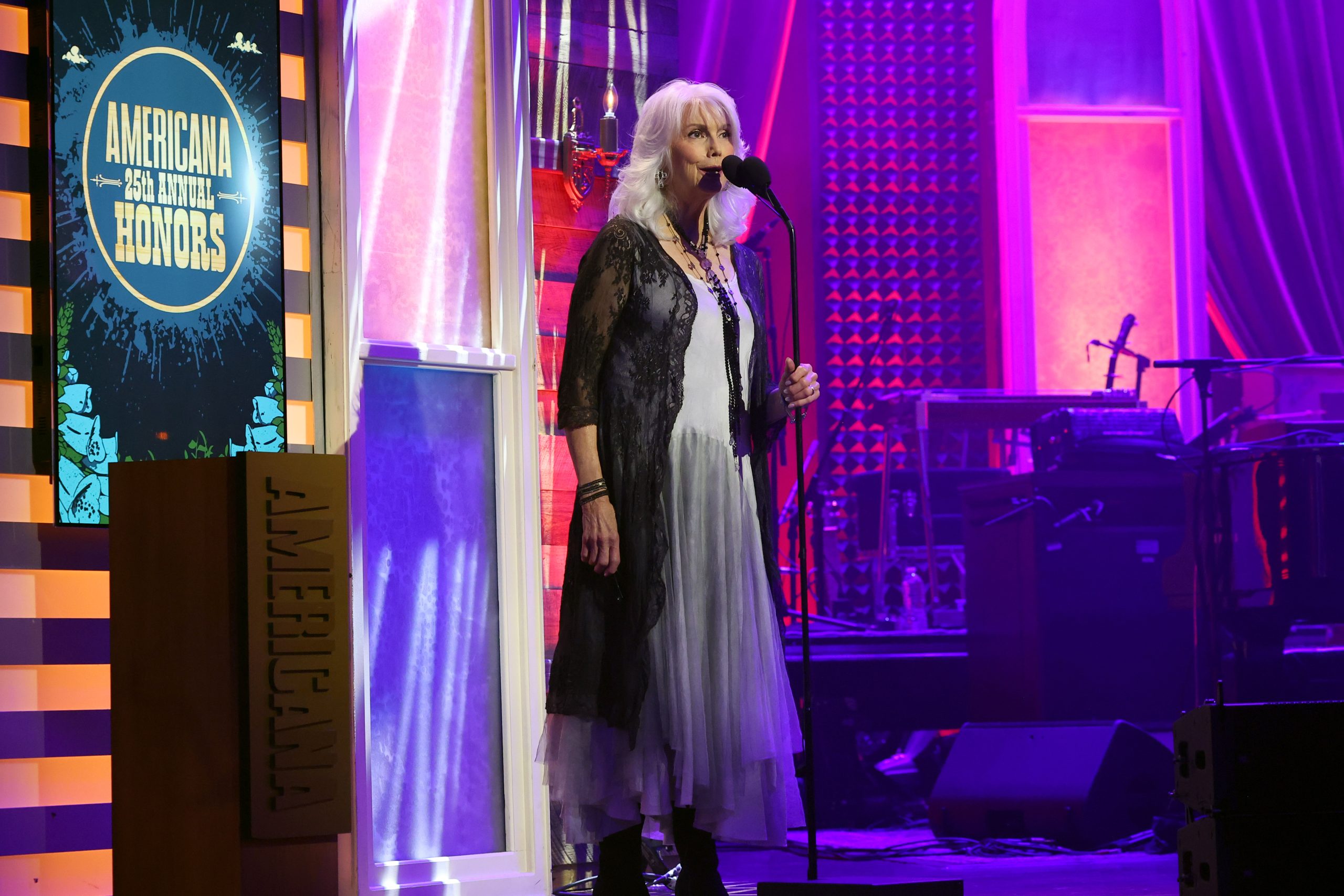
Emmylou Harris speaks onstage during the 25th Annual Americana Honors & Awards at Ryman Auditorium on September 16, 2026 in Nashville, Tennessee. (Photo by Terry Wyatt/Getty Images for Americana Music Association)
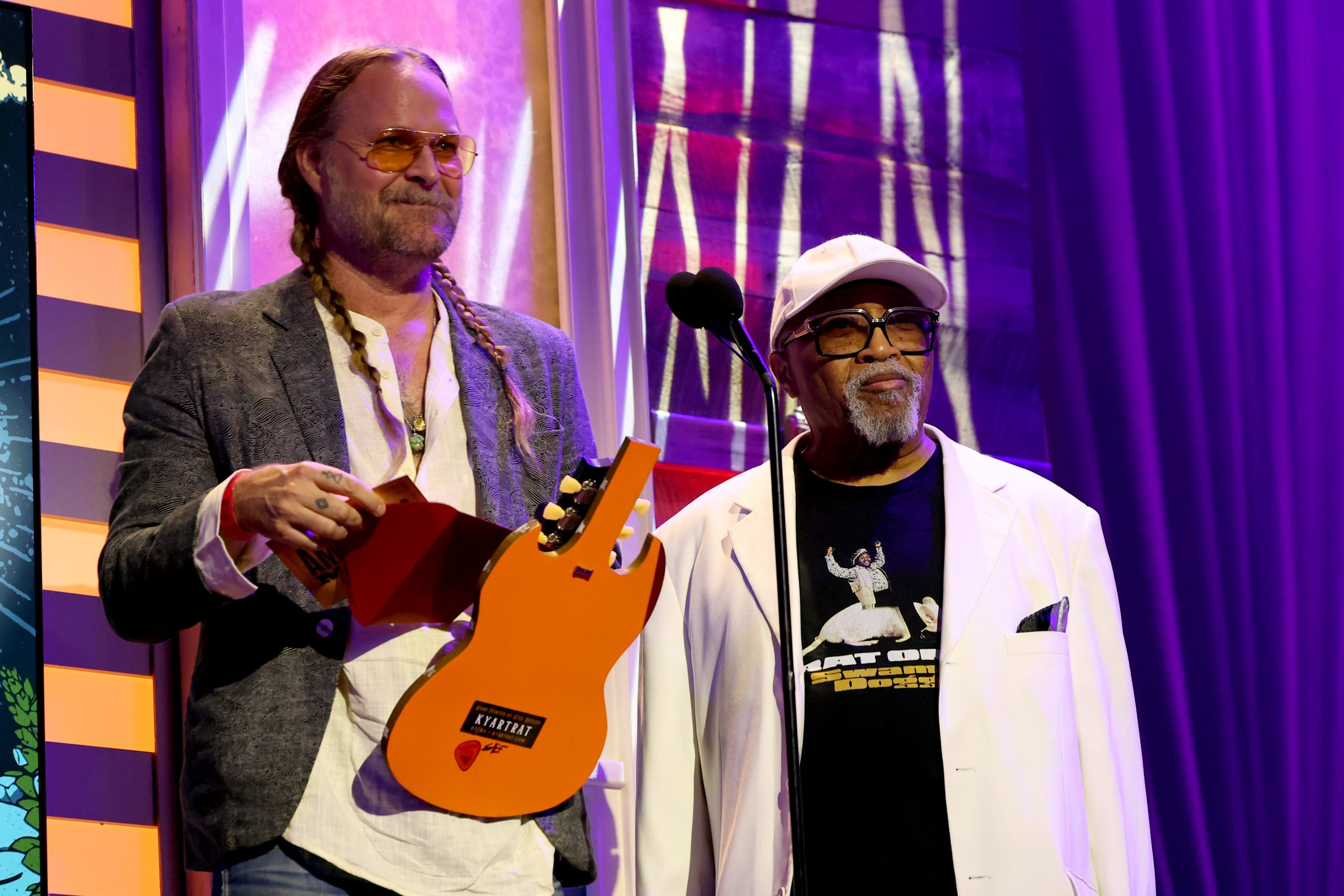
MC Taylor of Hiss Golden Messenger and Swamp Dogg speak onstage during the 25th Annual Americana Honors & Awards at Ryman Auditorium on September 16, 2026 in Nashville, Tennessee. (Photo by Terry Wyatt/Getty Images for Americana Music Association)
Sara Watkins, Sarah Jarosz and Aoife O'Donovan of I'm with Her perform onstage during the 25th Annual Americana Honors & Awards at Ryman Auditorium on September 16, 2026 in Nashville, Tennessee. (Photo by Terry Wyatt/Getty Images for Americana Music Association)
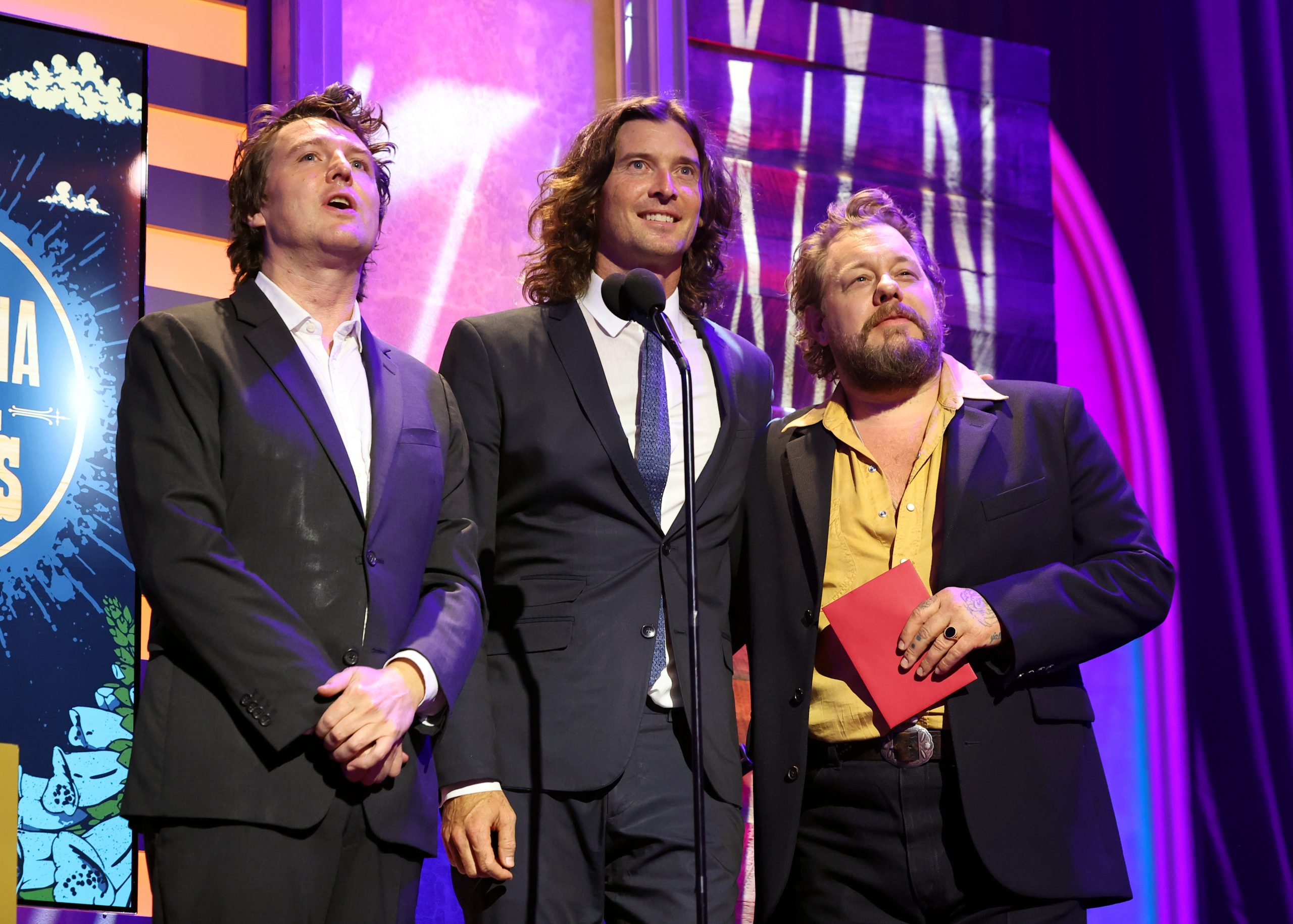
The Milk Carton Kids ( Kenneth Pattengale and Joey Ryan) and Nathaniel Rateliff speak onstage during the 25th Annual Americana Honors & Awards at Ryman Auditorium on September 16, 2026 in Nashville, Tennessee. (Photo by Terry Wyatt/Getty Images for Americana Music Association)
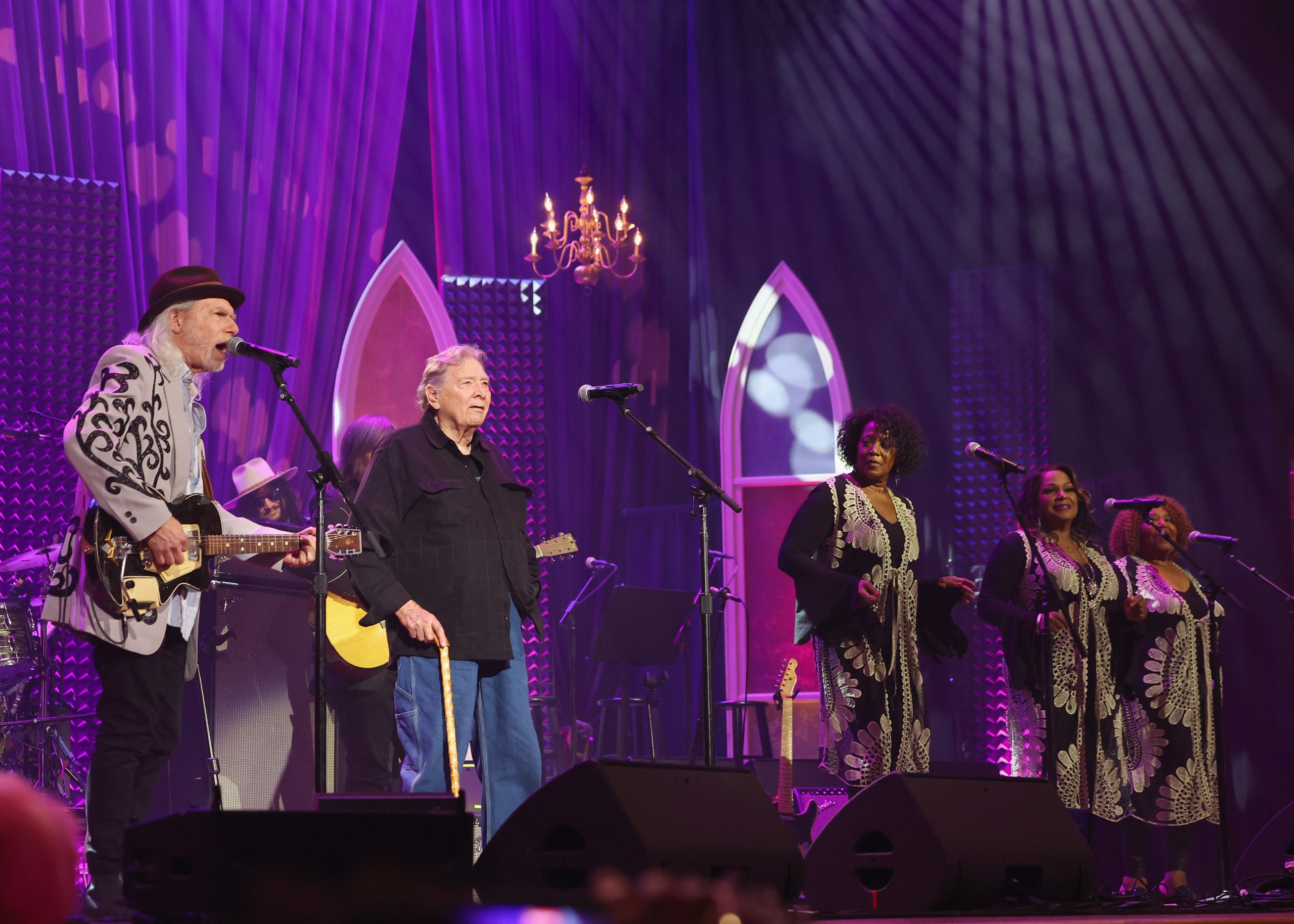
Buddy Miller, Dan Penn, and Alfreda McCrary, Regina McCrary and Ann McCrary of The McCrary Sisters perform onstage during the 25th Annual Americana Honors & Awards at Ryman Auditorium on September 16, 2026 in Nashville, Tennessee. (Photo by Terry Wyatt/Getty Images for Americana Music Association)
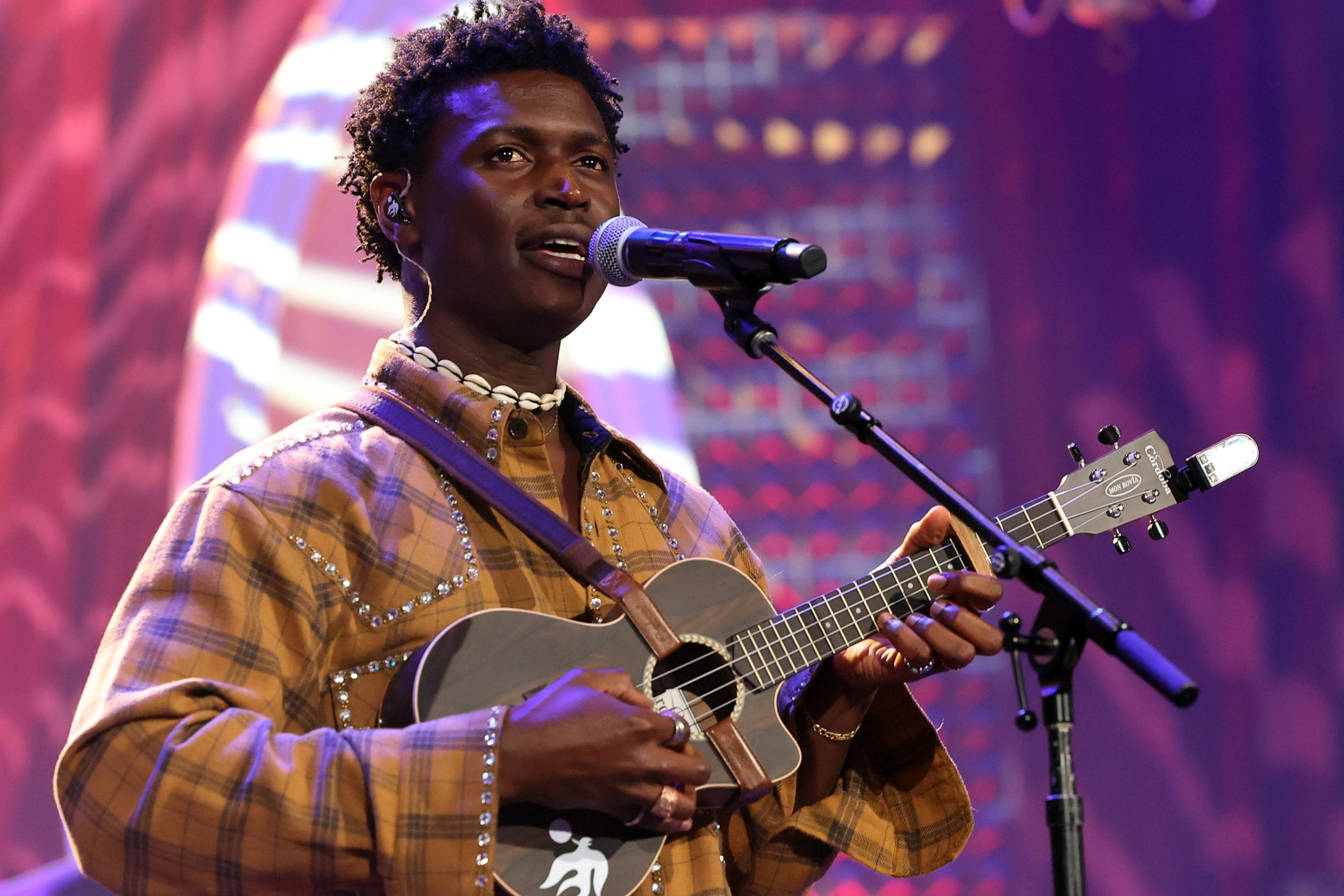
Mon Rovîa performs onstage during the 25th Annual Americana Honors & Awards at Ryman Auditorium on September 16, 2026 in Nashville, Tennessee. (Photo by Terry Wyatt/Getty Images for Americana Music Association)
Adria Petty, daughter of Tom Petty, speaks onstage during the 25th Annual Americana Honors & Awards at Ryman Auditorium on September 16, 2026 in Nashville, Tennessee. (Photo by Tibrina Hobson/Getty Images for Americana Music Association)
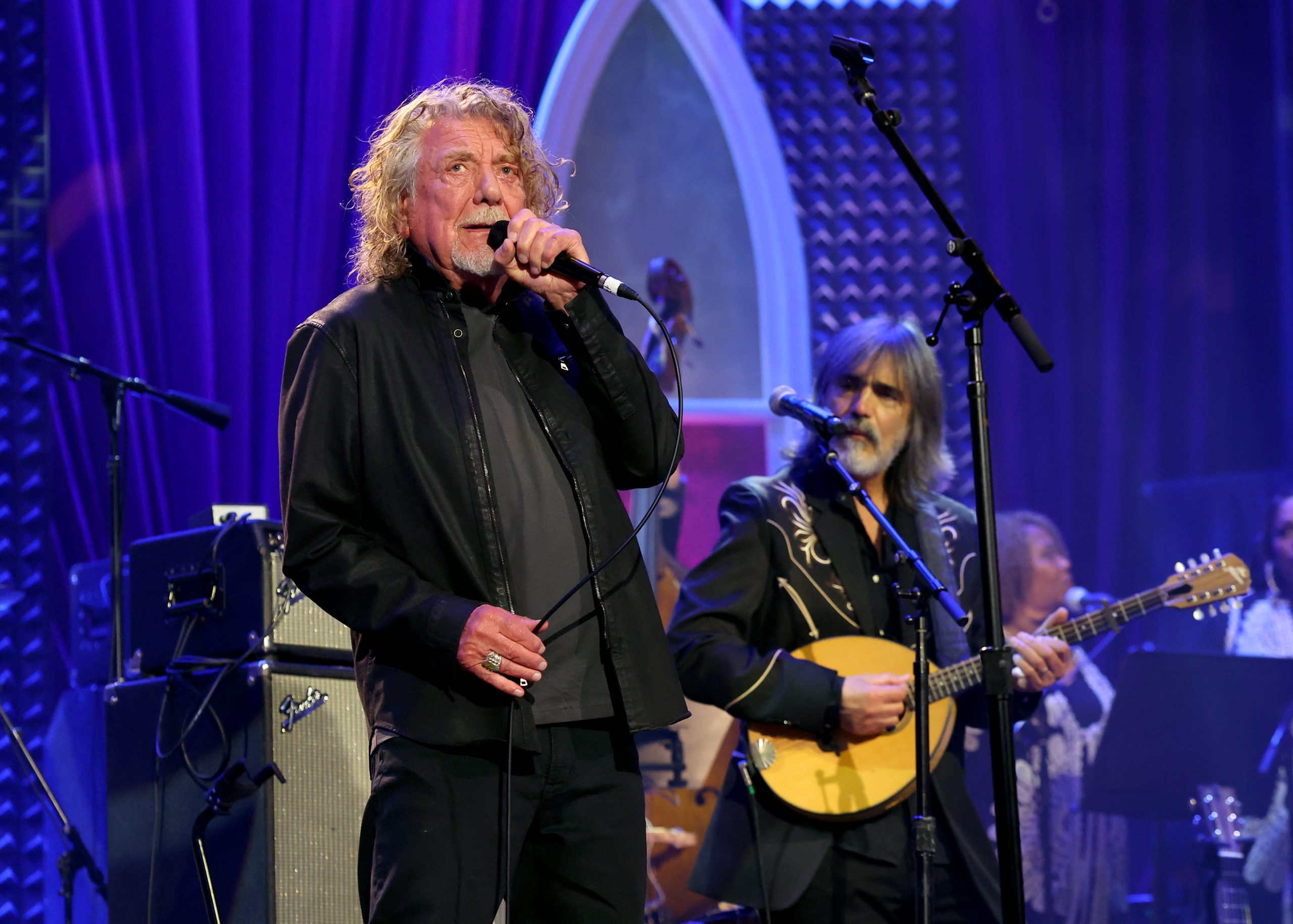
Robert Plant performs onstage during the 25th Annual Americana Honors & Awards at Ryman Auditorium on September 16, 2026 in Nashville, Tennessee. (Photo by Terry Wyatt/Getty Images for Americana Music Association)
Margo Price performs onstage during the 25th Annual Americana Honors & Awards at Ryman Auditorium on September 16, 2026 in Nashville, Tennessee. (Photo by Terry Wyatt/Getty Images for Americana Music Association)
Ken Pomeroy accepts the Emerging Act of the Year award onstage during the 25th Annual Americana Honors & Awards at Ryman Auditorium on September 16, 2026 in Nashville, Tennessee. (Photo by Terry Wyatt/Getty Images for Americana Music Association)
Katie Pruitt and Sadler Vaden speak onstage during the 25th Annual Americana Honors & Awards at Ryman Auditorium on September 16, 2026 in Nashville, Tennessee. (Photo by Terry Wyatt/Getty Images for Americana Music Association)
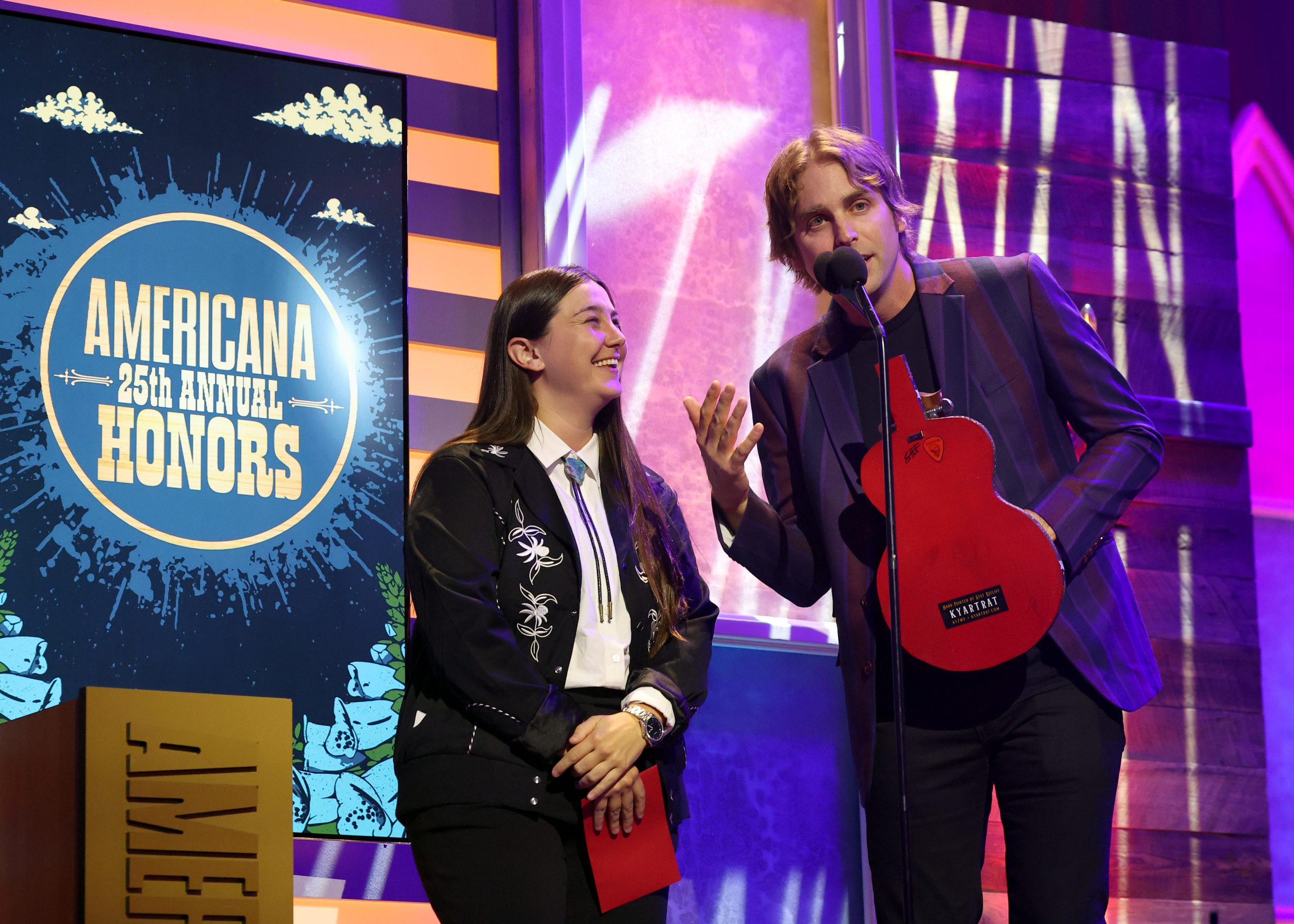
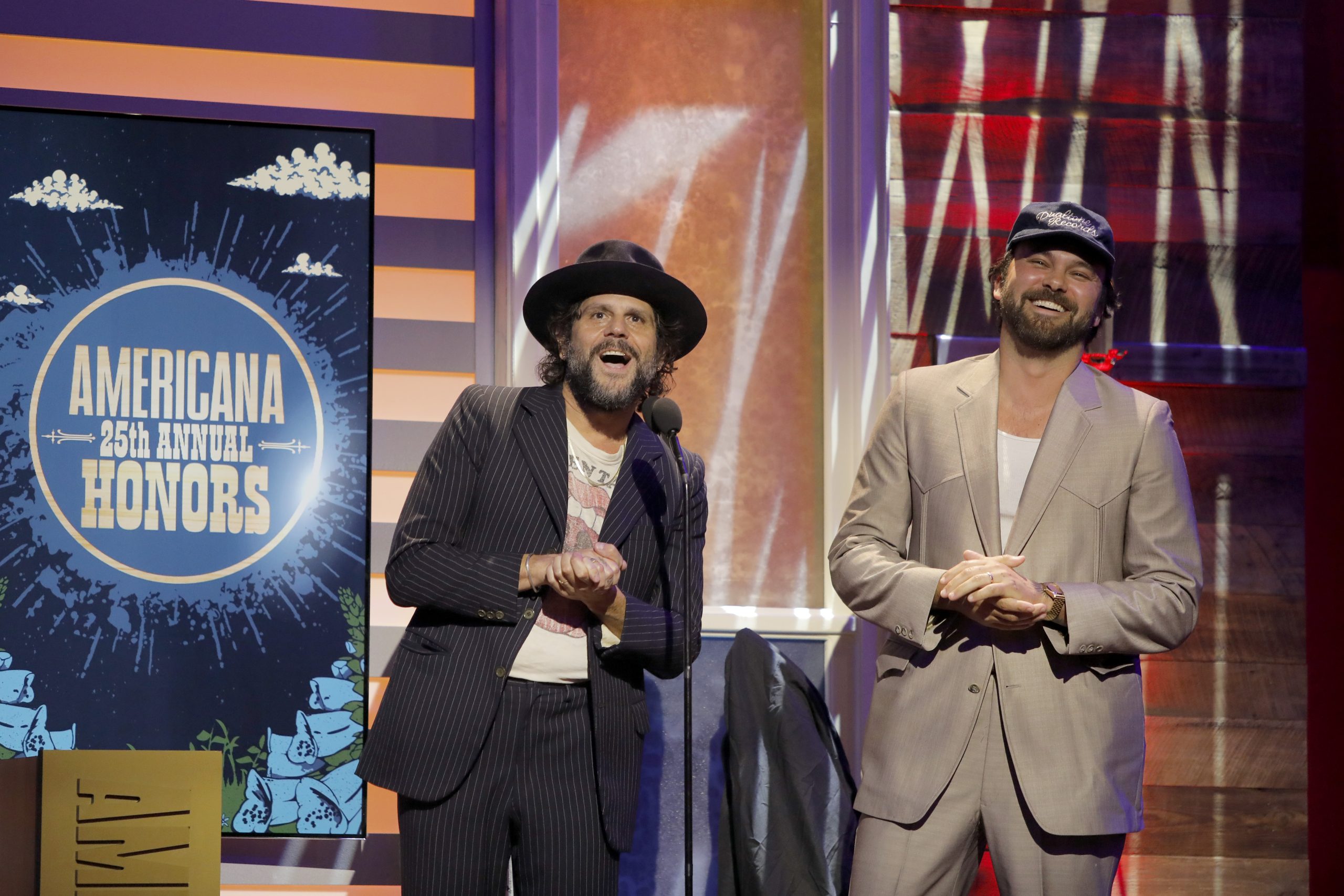
Langhorne Slim and Shakey Graves speak onstage during the 25th Annual Americana Honors & Awards at Ryman Auditorium on September 16, 2026 in Nashville, Tennessee. (Photo by Tibrina Hobson/Getty Images for Americana Music Association)
Molly Tuttle performs onstage during the 25th Annual Americana Honors & Awards at Ryman Auditorium on September 16, 2026 in Nashville, Tennessee. (Photo by Tibrina Hobson/Getty Images for Americana Music Association)
Bernie Taupin speaks onstage during the 25th Annual Americana Honors & Awards at Ryman Auditorium on September 16, 2026 in Nashville, Tennessee. (Photo by Tibrina Hobson/Getty Images for Americana Music Association)
Jesse Welles performs onstage during the 25th Annual Americana Honors & Awards at Ryman Auditorium on September 16, 2026 in Nashville, Tennessee. (Photo by Terry Wyatt/Getty Images for Americana Music Association)
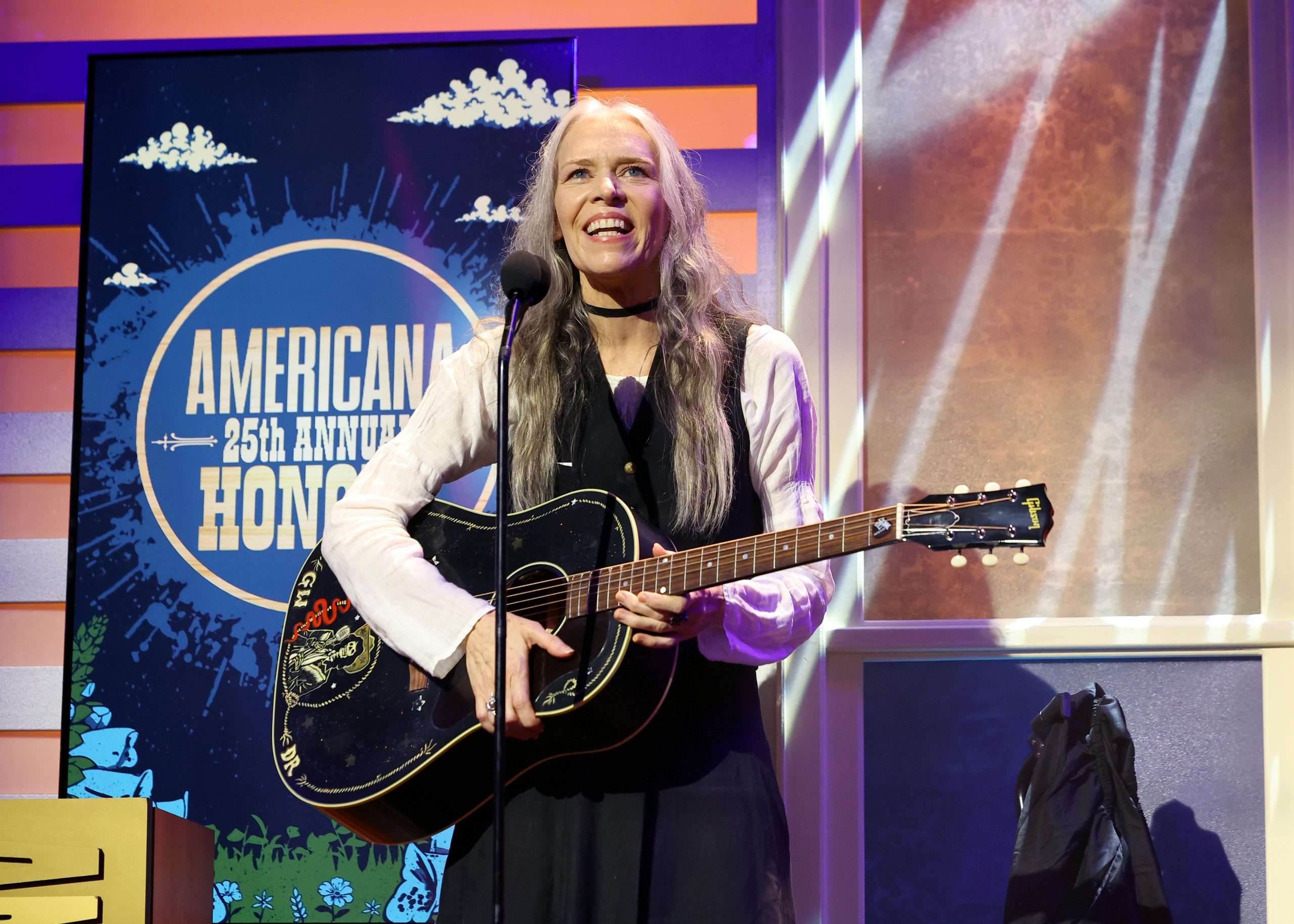
Gillian Welch accepts Duo/Group of the Year during the 25th Annual Americana Honors & Awards at Ryman Auditorium on September 16, 2026 in Nashville, Tennessee. (Photo by Terry Wyatt/Getty Images for Americana Music Association)
Photo Credit: Getty Images for Americana Music Association
Name: Boo Ray Hometown: Western Mountains of North Carolina Latest album:Sea of Lights Personal nicknames (or rejected band names): “During the few-years span that I just couldn’t seem to stay out of jail, the other incarcerated guys that I gambled with on Spades and Tonk called me ‘Boot-a-rang.’ I didn’t ever bother to correct ‘em. In grade school, my very first band was also called Rhythm & Booze; it was a 4 piece band and Marshall Tucker’s “Can’t You See” was a feature of our set.”
What other art forms — literature, film, dance, painting, etc — inform your music?
Ahh that’s a cool question… Well, it might could be that Southern writers like Harry Crews, Ron Rash, and Mark Twain make me think it’s important to have a writing voice, and that there’s something powerful and magic about the just right combination of words used to tell the truth of our human experience.
I knew this guy everybody called Mr. Jack that ran a sawmill-–an old V-Twin Harley motor bolted to a 12″x12″ post frame and a great big 15-foot 2″ bandsaw blade that pitched and twisted so wildly when it ran that it just seemed impossible it could have ever made a straight cut. But it did cut 18-foot-long, perfectly straight slices off the huge logs he used to run through that mill. He’d cut some 1/4″ thin cedar for me to use as lining on chests. The way Mr. Jack cussed at and about his sawmill, the logs, the lumber and his equipment, expressed his passionate care, deep affection, forgiving humor and humble mastery of his industry. I suppose my affection for the way Mr. Jack carried on about his sawmill might be responsible for my cussin’.
My great buddy, artist James Willis, is constantly teaching me about perspective and how to use detail and lack of detail as creative storytelling devices. Sean Brock’s amazing passion, depth of knowledge, agrarian approach, his wood coal cooking and his completely inclusive use of information, style, technique, perspective and philosophy, have certainly influenced me.
If you had to write a mission statement for your career, what would it be?
The point of the spear is compassion, inspiration and empowerment. I’m compelled to express to my fellow man that the troubles of life are not for nothing. The singer-songwriters that have moved me the most write songs that are part of the classic American songbook. So the purpose of my endeavor as a singer-songwriter is to land some songs, or a song, in the classic American songbook, whatever that is. I think that songbook includes songs by Lowell George, Leon Russell, John Hiatt and Fiona Apple. My favorite Grateful Dead record is the one that Lowell George produced, Shakedown Street. The word “Pop” ain’t necessarily blasphemy to me, unless it’s in front of the word “country”…
After writing the songs my mission is to perform the songs with my badass guitar-slingin’ band and build a dynamic, powerful and unique live sound around the character and nature of each of the songs. Live performance is more important to me than recording records, but I use the records as templates, stylistically, and to suggest possible arrangements. For me, the style itself demands that the records are exciting soundscapes, and experimental in the recording and engineering. If my records sound like someone else I’ve fallen short.
For me the singer-songwriter/guitar band-sound bar is set by acts like: Tom Petty and the Heartbreakers, Little Feat, ZZ Top, Marty Stuart & His Fabulous Superlatives, any of John Hiatt’s bands (from The Goners and Little Village to his Trio), and Jason Isbell & The 400 Unit. So what’s my mission statement? I want to be Jerry Reed.
Boo Ray & Sean Brock
Which elements of nature do you spend the most time with and how do those impact your work?
I don’t spend enough time on/in the water lately. As a kid, I was at the river every week and in the woods all summer long. Sunrises and sunsets are important to me. I really tried to get up to my buddy Sean Minor’s for spring branding and spend some time roping, riding and working cattle this year, but had shows and sessions I couldn’t get out of. I like to do tractor work, eat homegrown tomatoes, negotiate the price of a late ’50s step-side GMC truck or dispute the shape of the taillights on a ’68 Chevelle while cracking pecans against each other, and get caught in a torrential downpour and soaked to the bone after doing some farm work.
Since food and music go so well together, what is your dream pairing of a meal and a musician?
Agreed, and I totally dig a supper club-type show. How about Sean Brock doing some kind of Low Country spread with Ossabaw pork sock-sausage, rice peas, Geechie Boy Grits with a fresh catch, and some kind summer vegetables, with Billy Gibbons giving his take on Hill Country Blues. Billy and Sean are both great historians, passionate technicians and intuitive as hell. That’d be the dream pairing.
How often do you hide behind a character in a song or use “you” when it’s actually “me”?
The artists I like definitely seem to have character-driven numbers in their repertoire: Tom Petty’s “Break Down” and “American Girl,” Eddie Rabbitt’s “I Love a Rainy Night,” and Don Williams “Tulsa Time,” written by Danny Flowers. Those kind of songs hold you up as a performer and don’t require you to emote and be so intimate, at least for three or four minutes at a time anyways. Sometimes I might jokingly introduce “Redneck Rock & Roll” as a song that I wrote first-person as Kenny Powers. But I certainly do keep a few of those songs in my set: “I Got the Jug,” “Johnny’s Tavern,” “Six Weeks in Motel”, even “Sea of Lights” is that way now, most of the time. There’ve been a few times that singing “Sea of Lights” made me involuntarily weep and cry…
On the “you”/”me’ thing; I saw this Mary J. Blige performance once, she was singing this devastated lovesick number and my heart was just broken for her, you know? Then in the last chorus, nothing left but ashes and pain, she flips the script on the “you”/”me” switch and starts singing “bye bye” and waving as she left, and I realized she was singing my blues, and she was the one that was leaving. I was leveled. It was like a damned magic trick she’d just performed. I’ve tried variations of that writing device in my songs “Constantina,” “Six Weeks in a Motel,” and the “Hard to Tell” collab with Lilly Winwood all have a moment where they pivot or twist like that a little bit.
Photo of Boo Ray: Courtesy of Sideways Media Photo of Boo Ray with Sean Brock: Price Harrison
I didn’t grow up in a small town. I came of age on the streets of New York City, with Central Park as the nearest green patch, and in Boston’s Back Bay. But for whatever reason, I often fantasized about being that girl I always pictured lived in the land of a country song: It seemed romantic and foreign, to spend your nights out in some sun-kissed field, with soil under your nails, not city dirt. I wondered what it felt like to want to get away from where you were from and not be in a place — like New York City — where life was a constant battle just to be heard.
When I discovered Tom Petty, I found a different girl altogether. The person at the center of “American Girl” felt not like a fantasy, but someone I knew — someone who looked at dreams like a child at a giant ice cream cone, ready to tackle what’s ahead but nowhere near certain of where to start. I remember dancing to that song in my mother’s apartment that overlooked 65th Street with some friends who had come in to visit from my camp in Maine. We were from all over the country, towns big and small, but we all knew what it felt like to be “raised on promises,” as Petty sang. And we all loved a good melody that you weren’t afraid to dance to. This one didn’t just feel danceable; it felt cathartic. We were all American girls and boys with different hopes and ideas, and somehow Petty knew how to soothe our souls and fuel our fantasies without ever talking down to us. The song is “American Girl,” but it didn’t feel exclusive to gender. It was just … all of us.
I put this song on the day after Petty died, dancing around with my four-year-old son. He loved the melody, of course, but sang it as, “he was an American girl,” with a little young-kid lisp and a smile. The gender didn’t matter. He’s an “American Girl,” too.
This website uses cookies to improve your experience. We'll assume you're ok with this, but you can opt-out if you wish.AcceptRejectRead More
Privacy & Cookies Policy
Privacy Overview
This website uses cookies to improve your experience while you navigate through the website. Out of these, the cookies that are categorized as necessary are stored on your browser as they are essential for the working of basic functionalities of the website. We also use third-party cookies that help us analyze and understand how you use this website. These cookies will be stored in your browser only with your consent. You also have the option to opt-out of these cookies. But opting out of some of these cookies may affect your browsing experience.
Necessary cookies are absolutely essential for the website to function properly. This category only includes cookies that ensures basic functionalities and security features of the website. These cookies do not store any personal information.
Any cookies that may not be particularly necessary for the website to function and is used specifically to collect user personal data via analytics, ads, other embedded contents are termed as non-necessary cookies. It is mandatory to procure user consent prior to running these cookies on your website.