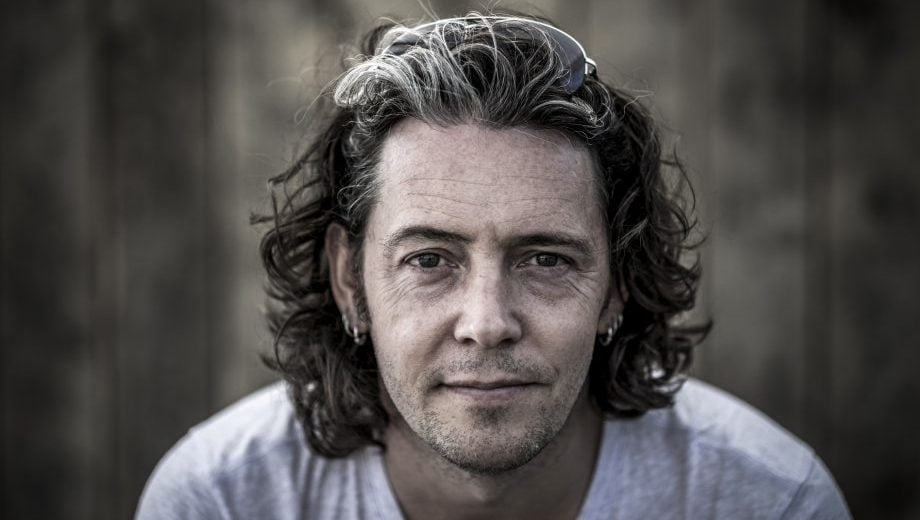
Frazey Ford has always loved soul music. She fell in love with Otis Redding at age 11 and discovered people like Ann Peebles along the way, but it was Al Green that really knocked her out. She loved the layers, the expression, and especially his voice. She completely dove in and even started an Al Green cover band.
Although she had been perfecting her soul sound, the band that took off for Ford was, of course, The Be Good Tanyas. She talks in our Basic Folk interview about how the trio really worked to perfect quiet, beautiful country music rooted in her love of soul. She took that love into her solo career with her first record, Obadiah. Even though her solo debut was mostly a folk record, documentary filmmaker Robert Gordon heard one of those songs on the radio. He sent her an email and invited her to work with Al Green’s band, The Hi Rhythm Section. That invitation was the inception of her second album, 2014’s Indian Ocean.
LISTEN: APPLE • SPOTIFY • AMAZON • MP3
Now seeing a deluxe edition release in 2025, Indian Ocean captured Ford coming into her own as a solo artist. Working with brothers Charles (organ), Leroy (bass), and Teenie (guitar) Hodges, The Hi Rhythm Section taught her so much about groove, space, and collaboration. In our conversation, Frazey revisits those sessions and the lessons they brought. She talks about how the brothers had always wanted to record with a folk artist and what kind of care and attention they brought to her songs. She reflects on her time working with Teenie, who died before Indian Ocean was released, but not before it was finished. We also get into her early life with her hippie family, her many creative outlets, and her fashion ethos.
Photo Credit: Lauren D Zbarsky