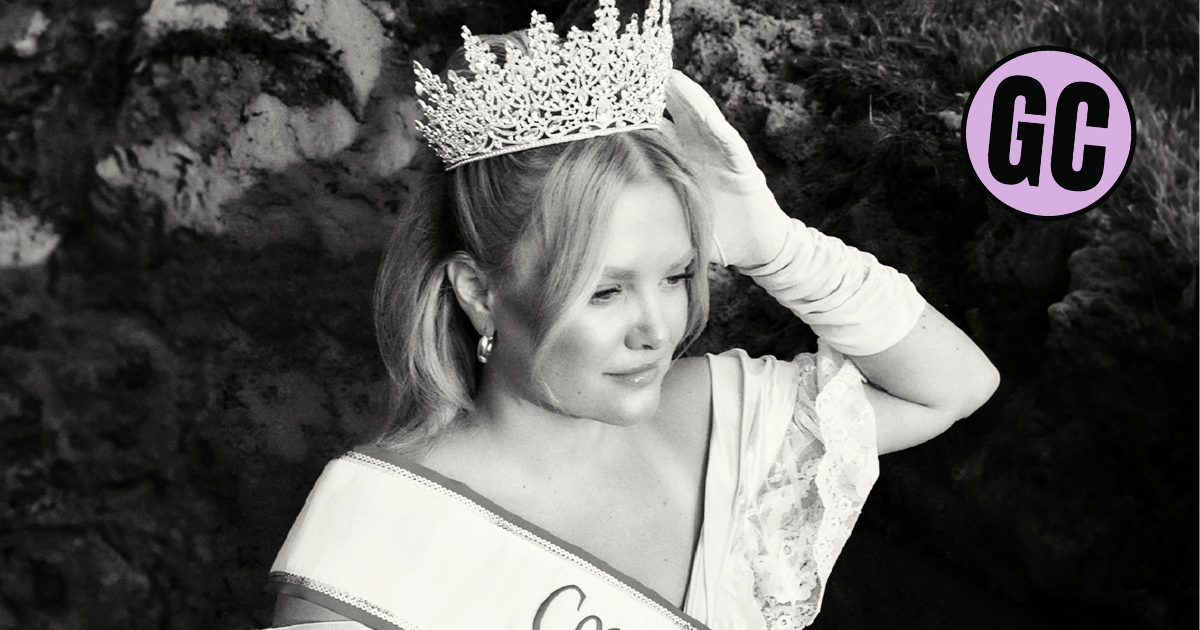
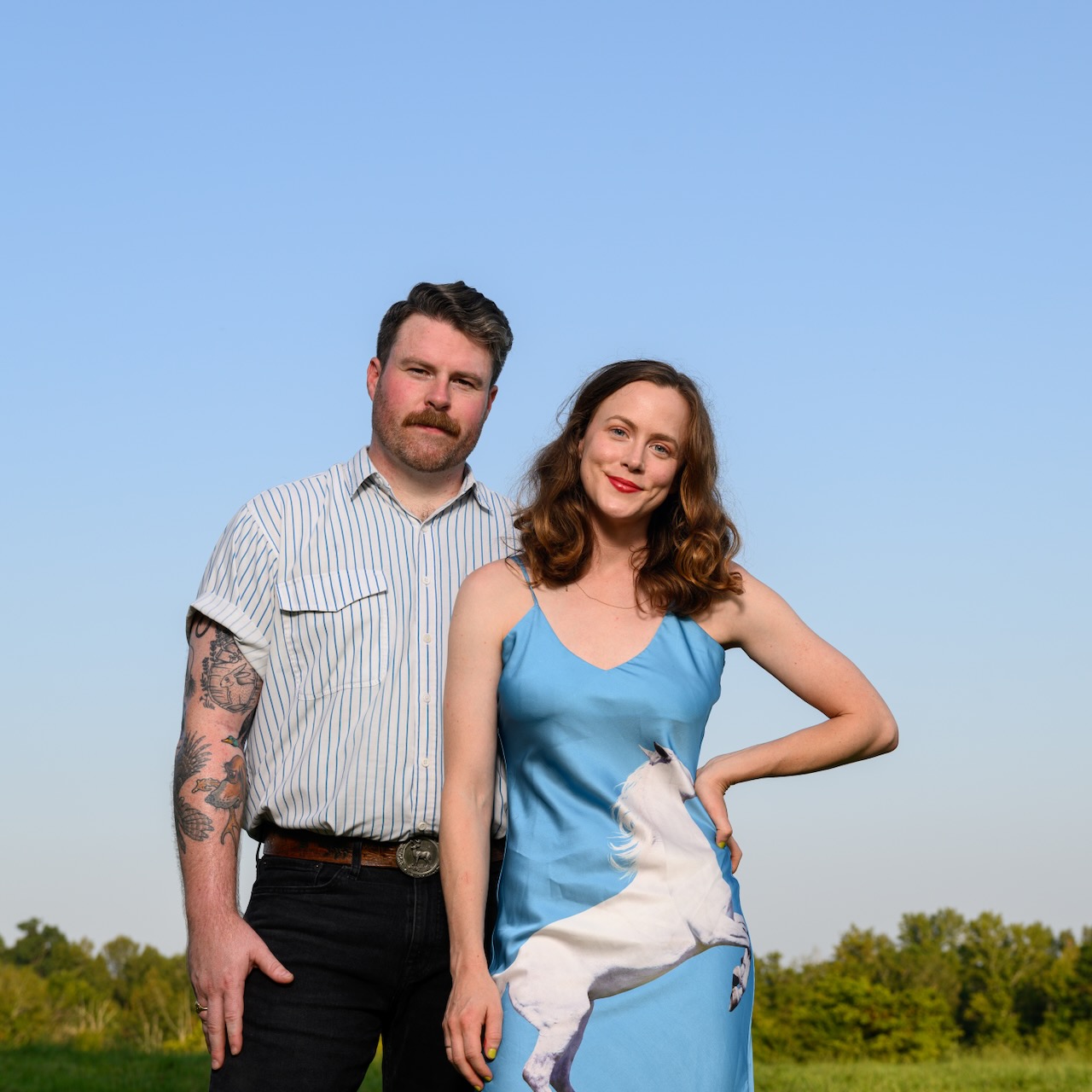
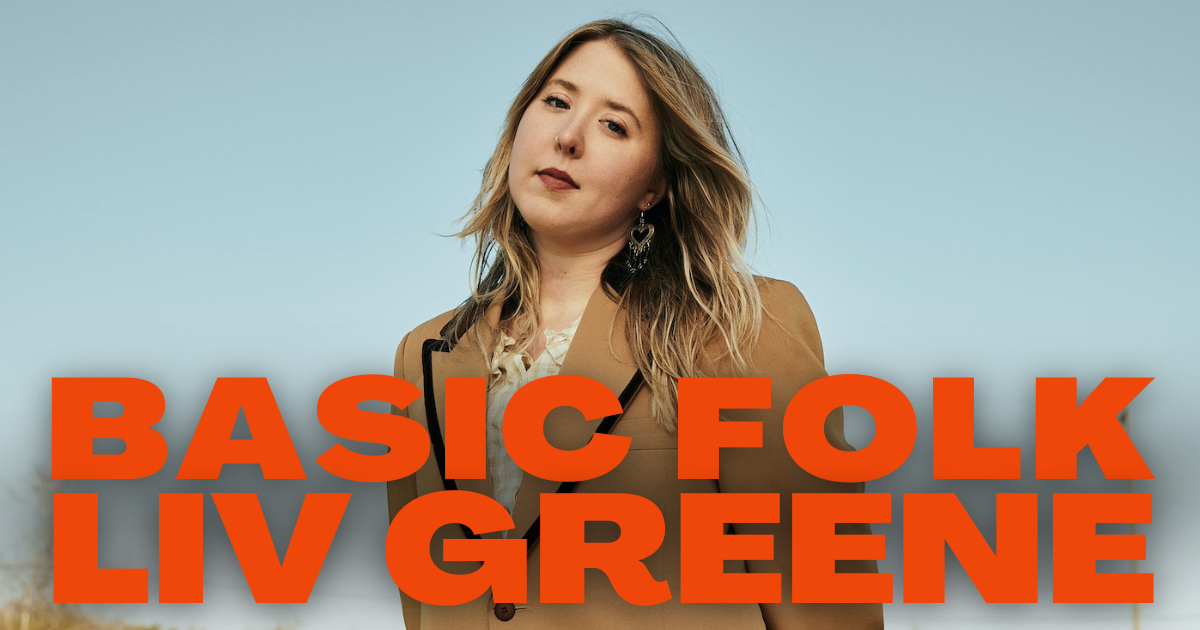
Last month, the BGS team once again embarked on Cayamo: A Journey Through Song, the 18th edition of the beloved week-long floating roots music festival that crisscrossed the Caribbean aboard the Norwegian Pearl. With performances by Jason Isbell & the 400 Unit, Dawes, Watchhouse, Patty Griffin, and many, many more, plus port visits in San Juan, Puerto Rico and Cayo Levantado, Dominican Republic, our team was more than ready to yet again partner with Cayamo and Sixthman to bring you special Basic Folk podcast live tapings on board and our fan favorite BGS Nightcap jam set, our fourth edition of the event.
There’s no festival or live music event quite like Cayamo, where ardent roots music fans and the best and most buzzed-about artists and bands come together on a floating sanctuary to enjoy music, art, community, and togetherness – and a break from the wintry weather, too. Below, enjoy a couple of clips captured on board and a series of photos from Cayamo 2026 that clearly demonstrate the joy and fun of this one-of-a-kind event.
Great news, too! The 2027 lineup for Cayamo: A Journey Through Song has already been announced (see above). Tickets go on sale on April 16th at 2pm EDT, but you still have time to join the final presale. More info here.
Days 1 & 2
It's time for Cayamo: A Journey Through Song!
Welcome aboard...
Tommy Emmanuel arrives.
Fans brave the less-than-perfect weather before setting sail from Miami, FL.
Dawes perform for the sail away set on the pool deck.
Rissi Palmer.
Sister Sadie.
Patty Griffin performs to a packed theater.
Patty Griffin.
Erin Rae.
Did you bring your instrument? You can take part in the music, too!
One of our live Basic Folk podcast tapings, hosted by Cindy Howes and Lizzie No and presented by the BGS Podcast Network.
Martina San Diego.
Rose Cousins.
Enjoying tunes while soaking in the hot tub.
Ron Pope.
Crys Matthews.
Palmyra.
The adoring fans of Cayamo, filling out the pool deck.
Ken Pomeroy.
Bronwyn Keith-Hynes and band with special guest Sierra Hull.
Pynk Beard
Tommy Emmanuel.
Jason Isbell strapping up.
Sierra Hull and the Milk Carton Kids perform “Everybody’s Talking” at the Stardust Theater during Cayamo 2026, captured by BGS on board.
Days 3 & 4
A gorgeous day to port in San Juan, Puerto Rico and leave the 'Norwegian Pearl' for some exploring.
Fortifications in Old San Juan.
Jason Isbell and Tommy Emmanuel talk backstage.
Jason Isbell.
Jon Muq.
Rodney Crowell.
Sierra Hull performs on the pool deck.
Jobi Riccio and Lizzie No.
Leon Timbo and band.
Victoria Canal.
Kathleen Edwards.
Brandy Clark and Rodney Crowell share songs and stories.
Bronwyn Keith-Hynes and her guitarist Grant Dresnok join Tommy Emmanuel on stage.
The Milk Carton Kids.
During our favorite event of the voyage – ahem, the BGS Nightcap of course – Kathleen Edwards joined Della Mae to perform “Six O’Clock News.” Thanks to Della Mae for recording and sharing this clip.
Days 5 & 6
It really is a floating festival!
Rodney Crowell performs.
Palmyra with Della Mae.
Judy Blank.
Kaia Kater.
The entire ship becomes a setting for so many different sorts of events, panels, and sessions.
Banjoist Gena Britt of Sister Sadie.
Pynk Beard performs on the pool deck.
Brandy Clark and Patty Griffin, another crowd favorite event.
Della Mae.
Alicia Blue.
Sierra Hull and band joined by Milk Carton Kids.
Lizzie No.
Chuck Cannon.
BGS Nightcap
Jobi Riccio joins our evening's hosts, Della Mae.
Rose Cousins.
Tommy Emmanuel and Celia Woodsmith of Della Mae.
Palmyra and Della Mae together, a match made in heaven.
Pynk Beard clearly got along great with our hosts!
Bronwyn Keith-Hynes made an appearance.
Kathleen Edwards. Watch a clip of her performance with Della Mae above.
Sister Sadie and Della Mae together equals real musical power.
Kaia Kater, Crys Matthews, and Della Mae on the BGS Nightcap.
Tommy Emmanuel on the BGS Nightcap with Della Mae.
Sierra Hull.
What a night! Sister Sadie and Della Mae bid the audience goodnight.
The BGS highlight of the week! A Nightcap jam session is our favorite pastime, especially aboard Cayamo. What a lineup of artists and bands and special collaborations. And this year it happened to fall on St. Patrick’s Day itself – perfect for a roots music party.
Day 7
Everywhere you look, Cayamo, Sixthman, and Norwegian make the voyage a musicful experience.
Shawn Mullins.
Kashus Culpepper brings country cinema to Cayamo.
Kathleen Edwards.
Brandy Clark's full band set.
Tylar Bryant.
A star-studded round and a full house aboard Cayamo.
Photos courtesy of Sixthman, credits as listed in each watermark. Lead image: Will Byington.
(Editor’s Note: This article originally published on Good Country in December 2024. At that time, Good Country content was available exclusively on Substack.
Townes was included as part of our end-of-year coverage in 2024, examining how many country artists across the continent have blurred genre lines to connect with new audiences and plumb greater depths of self-expression. Jewly Hight spoke to Townes about her recently becoming an independent artist at that time and together they examined where she stood and where she was headed.
Now, on April 10, 2026, Townes will release the first full-length album of her independent era, The Acrobat. To celebrate, we’re naming her our Good Country and BGS Artist of the Month. And we’re re-sharing this piece from the archives to kick off the month. Below, enjoy an excellent interview on our website for the first time and check out our Essential Tenille Townes playlist. Dive into our brand new feature interview with Townes on The Acrobat and a special bonus article of Townes in her own words.)
“Genres are a funny little concept, aren’t they?” Linda Martell poses rhetorically during the spoken intro to “Spaghettii,” roughly halfway through Beyoncé’s western epic Cowboy Carter.
“In theory,” Martell goes on with sly poise, “they have a simple definition that’s easy to understand. But in practice, well, some may feel confined.” Martell knows what she’s talked about. She endured all manner of efforts to hem in her musical sensibilities and diminish her agency back when she was country music’s most visible Black, female talent.
And now, because she lent her voice to a track where Bey and Shaboozey go hard with down-home boasts over a lurching beat, she’s up for a GRAMMY for Best Melodic Rap Performance. Other tracks from Cowboy Carter are in pop, country and even Americana contention, a staggering range of styles for one project to cover.
That’s the kind of boundary-blurring year it’s been, with Shaboozey translating country gestures and imagery to broody, contemporary hip-hop cadences with tremendous savvy and both Jelly Roll and Post Malone furthering their paths from rap origins to ever more fully embracing – and being embraced by – the country music industry.
Things haven’t been any tidier on the rootsy side of the spectrum. After being treated like a pop prodigal during her Star-Crossed era, Kacey Musgraves’ shimmering, urban folk revival-echoing ruminations on Deeper Well have been received as a country homecoming of sorts. Noah Kahan has helped bring on a resurgence of cozily folk-forward, singer-songwriter sensibilities in pop music.
A major country record label snatched up the Red Clay Strays, the type of crowd-pleasing, Southern blues-rockers that have long been celebrated in the Americana scene, where many other pivotal voices – first Allison Russell last year, then Sarah Jarosz, Amythyst Kiah, Adeem the Artist, Kaia Kater and others – experimented with lusher or more polished arrangements and production aesthetics in their latest work.
Tenille Townes offers us a particularly compelling example of an artist charting her course against the background of that extreme slippage between genre lineage, stylistic markers, and industry affiliation. She tried the major label country route in 2018, greeted as a promising new voice at a moment when the broad appeal of Kacey Musgraves’ Golden Hour ruminations made the industry a little more receptive to artists with a personalized, writerly bent, and she’s emerged independent on the other side. In her mind, being unfettered in a time of great genre fluidity is cause for optimism.
Townes began her tenure on Columbia Nashville with spare acoustic recordings, and concluded it this year in similar fashion. She was, and remains, an ardently openhearted singer-songwriter, bent on tapping deep veins of empathy whether she’s in observational or confessional mode. When I first interviewed her, it made all the sense in the world to hear her say she felt a kinship to singer-songwriters like Patty Griffin and Lori McKenna. It also struck me that Townes’ singing – curling syllables and stretching out lines with feeling, a style sometimes called “cursive” singing – was far from the hearty enunciation for which country music has been known.
In between then and now, Townes dropped an album that bore a super-producer’s digitally sharpened touch, won a pair of ACM awards to go with the pile of honors she’s received from the Canadian Country Music Association – which began to recognize her promise when she was a teen with dreams of pursuing music beyond Grande Prairie, Alberta – and she toured with big country names like Miranda Lambert and Dierks Bentley. Townes also faced enough professional hurdles, and observed enough changes in the landscape around her, to reconsider where her songs might belong. And I very much wanted to hear about that.
You’re presently on tour in Canada, aren’t you?
Tenille Townes: I’m having the best time on this run. It feels like a community at these shows. We’ve done a few tours through Canada at this point, but this was our first time going as far east as we did. I feel like live music in general is a little bit more scarce over there. They don’t get as many people making the trek. And so [I could feel] the appreciation.
They sold out the shows so fast and they’re singing all the words. And very quietly listening intently and leaning in a really vulnerable way. And then also having a blast and being loud, which is so cool to me, for it to feel like a living room and a rock club at the same time. That’s been such a big part of my vision.
I don’t know how far out you planned this tour, but I wonder if it’s become an important chance for you to return to your home turf, regroup and get reinvigorated.
Yeah, it honestly feels really essential in my creative journey. I could not be more grateful for the way the timing has aligned this year for this moment on the road. It feels like the ingredient that I’ve been craving. In January, I’m going to be so ready to dive in with my whole heart and make [the music] I’m going to share next. I don’t think that the recipe could have ever been complete without this tour in this moment. It feels so timely, because so much of this past year has felt terrifying.
And just standing on my own two feet as an artist again, pretty much entirely, I feel so excited and grateful to be making this leap into the arms of these people showing up at the shows who are so excited about this new chapter. And it’s such a wave of encouragement to go, “Oh yeah, I think I’m on the right path, doing the right thing.”
How is it different from when you’ve toured the U.S., in terms of headlining versus being an opener, the size of venues and how you’re engaging with the audience?
There’s been a lot of theaters for us on this run, which have a bigger capacity than some of the clubs that we’ve played in these towns before. It’s our first time playing a handful of these [places], but this is our third headlining tour in Canada.
What I noticed that’s different is when it’s our shows and our community, it just feels like people show up with open arms and they’re requesting songs that I haven’t played in so long. They know the deep cuts. They’re showing up excited for a night of feeling whatever they need to feel. And I think that emotional permission feels different at our shows than it does at a show where we’re a guest [in the opening slot] going to make some new friends. And it’s been really cool hearing from people that were like, “I saw you on the Dierks [Bentley] tour and this is our third Tenille show.”
One thing I always say at the top of the shows is I want our time together around my songs to be a place where everyone who walks in the door feels safe to show up and be whoever they are and to feel embraced and welcomed for that. And I thank everyone for buying a ticket and for showing up as that community. And I really feel like they’re embodying what that means.
Years back, I took note of the fact that Corb Lund had what was considered fairly mainstream country success in Canada, but he played Americana events when he came to Nashville. I’m curious whether you’ve seen folk, Americana and country are treated as separate genre categories in the Canadian market, like they are in the U.S. How do you tend to get categorized in Canada?
At least from my experience, it feels different to me. Because in Canada, I have been really grateful to have felt super embraced by the country community, by the CCMAs, by country radio, by the community of people listening to country music. And we have fit in that bubble there. And I don’t know that we fit the same way in the States.
I relate to what you’re saying about Corb Lund. I think maybe the lane is just not as narrow in Canada. And I think that they’re just more in it for live music of any capacity. I think most fans [who come see me] would be like, “Oh, I’m at a country show.” Which is funny because when we play shows here, that doesn’t necessarily feel the same. I do feel like the Canadian country music community definitely jumped on board with what I’m creating. And the music [I release in both markets] is very much the same, so it’s so strange.
I will say that the people coming to our shows, our headline club shows that we’ve done in the U.S., they feel very similar, like-minded people to me.
You’re a little more than a decade into your Nashville tenure at this point. Why is it important to you to stay?
Even though this town has a lot of jagged edges or hard things about it, I really do still feel inspired here. I feel like there’s a tapestry of artists who have come to this town with their dream and worked at sharing their art and building a group of friends and people around them who support that. I have a front row seat, you know, going to an Emmylou Harris fundraiser at City Winery and watching all of these people that she’s embraced in her life that she’s written with or jammed with that’s really a legacy.
I love this community, and I do feel inspired musically, having access to so many songwriters and musicians and producers. There is a heartbeat to this town that I want to continue to be present in and be a part of for sure.
I can picture the show that you were just describing. The atmosphere was very similar at the tribute to Mary Gauthier during Americanafest, a multi-generational gathering of Nashville’s singer-songwriter community.
When we first talked all those years ago, you described being an astute student in Nashville, paying particular attention to singer-songwriters like Lori McKenna and Patty Griffin. At the time, you considered them touchstones because of how they used the language of the heart in their storytelling.
In terms of their career arcs, their material’s been recorded by big names in country, but as respected as they are among songwriting connoisseurs in that world, they’ve had contemporary folk careers as performers. They’ve often released their music on independent labels. Were you also taking note of what their professional paths have looked like? Or are you now?
I honestly don’t know that I was conscious of it back then. It was just the music that I loved. I don’t think I even had an understanding of the choices made on an artist’s path to stay true to that route.
I’ve learned a lot in the last handful of years: “Oh, that makes sense why a certain path, like Patty Griffin’s, unfolds in a certain way.” I never thought of it as a ceiling or an alternate route. It just was where the music had taken her. That’s been inspiring to me.
I never want to look at any options of teams to work with or whatever with any closed-doors feelings. I would love to play the music that I make in stadiums. That’d be great if that still unfolds that way. But I also just really want to tell my stories and my truth, and whoever is going to come as the audience, that’s amazing to me. The idea of seeing it as a wider horizon than maybe a stereotypical path, that doesn’t seem scary to me. I think that’s because I’ve looked up to people like Patty or Lori, people who have always stayed true to what they’re doing and figured out the path there regardless. But I don’t know if I’ve ever actually intentionally thought about it that way.
Your intention has been clearer than ever this year. It wasn’t lost on me that the final two songs you released earlier this year, before you parted ways with your label – “As You Are” and “The Thing That Brought Me Here” – each were expressions of commitment to staying the course. What did you want to communicate?
I love that you noticed these themes. At the end of that journey, “As You Are” felt like such a great theme to end that season on. There was lots of resistance [from the label] in several years of working on music and getting to a point of actually getting to put it out. But that song always had a green light from them, which I really appreciated.
I wrote that song thinking it was about showing up and being a support system for someone. I had friends in mind that I was thinking of. It was just like, “I will be that safe place.” And then listening back to the demo after the [session] on the drive home, I was like, “No, I wrote this ‘cause this is what I want to hear when I’m struggling to let somebody in.” That’s been something that I’ve felt even in my professional journey for sure, just wanting to feel seen.
It really seems like you’re the one communicating on your own TikTok. In recent months, a lot of your posts have been about celebrating your professionally “single” era. When you shared the news that you were no longer in your major label deal, you framed it as a breakup that you were happy about. What felt right about striking that tone?
It felt honest. It was a lot building up to that decision, and it was not easy, and it was terrifying. All of those emotions were a part of it. I just felt like, “I can’t continue to share the music I want to make if I’m not letting people in on my process of that vulnerability, even when it’s hard.” Making those videos felt scary, for sure. But that just feels like the kind of artist that I want to be, to walk the walk.
Also part of my intention was, “This is something that creatively feels really empowering to me, to take back the ownership of my music.” And for any young girls out there, I want them to know, “That’s a possible feeling for you, to stand up for yourself at any moment in any kind of career, or on any path of your life.” It’s brave to take that step. And I guess I just want that invitation to be there for anyone following along.
And I want to bring together the community of people. Like, it is an “independent artist,” but I think it should be called a “community village artist,” because you can’t get your stuff out there without people believing in what you’re doing and coming with you. I wanted it to be very clear that we’re in this together. We’ve always been in it together, but it feels very defined to me now. And I wanted to make sure everyone knew that.
And now we have the benefit of accumulated perspective, so I want to reflect back. At the beginning of your label journey, what was in the atmosphere at the time in Nashville or the country music scene in the U.S. that contributed to a sense of possibility for you?
At the beginning, it was excitement. And [I] look back and think, “How crazy cool that I got to be a part of a major label deal that let me put out a debut single about homelessness, and then follow it up with a song called ‘Jersey on a Wall’ about losing someone in a car accident?” I’m so glad they gave me a chance to put out songs that were different and that sonically didn’t sound like a sure bet. I will always appreciate that. And it set me up with so many people who heard this record and the songs because of the way that they helped lift it up.
So I have nothing but love for that season. It might not have hit the thing over all of the world’s fences by any measure of what you measure as success. But to me, it’s a win to think that I got to share that art and that people found it and that they get to keep finding it because of that.
Years back, you told me that in one of your initial meetings, when you played some songs in a boardroom, the head of the label compared you with Jeff Buckley, which was a funny thing. In hindsight, I think that kind of speaks to the fact that you were bringing a sensibility as a singer-songwriter that might’ve been a little bit outside of their frame of reference.
And maybe the Jeff Buckley comparison – as much of a stretch as it was – was a gesture of someone who lacked the frame of reference or language for what they were hearing. Because the way you elongate your vocal phrases and hold onto lines is more akin to the “cursive” singing style that’s been a thing in indie music, folk, pop and R&B than in country, with its crisp enunciation. What kinds of conversations did you have about what you were doing, how they heard it and how they thought it fit into that world?
It is really fun to reflect on that. I definitely think from that initial meeting, they were going, “This is something that doesn’t necessarily fit in what that normal trajectory would be.”
I think that has been the compass that’s directed it a little bit left of where things would traditionally fit coming out of the system that they’re used to. I think they knew that all along. And at moments, that definitely made things a little bit bumpier or harder, because it wasn’t something that naturally made all the sense in the world, I don’t think. And I’m totally great with that.
I revisited the body of work that you released on the label, and I didn’t hear you bending your songwriting approach, singing style or artistic identity to any kind of mold that was really popular in country music at the time. What did it take to maintain that?
There was never an intention of, “Okay, that’s mainstream, so I’m closing the door to that.” I’ve always felt very openhearted in the writing room. It’s just what was coming out of what I was making that I loved the most. The Lemonade Stand came out in 2020. Then I wrote the songs for Masquerades all on Zoom in my house by myself. It was a time when I didn’t feel as much outside influence of commerciality. I was just honestly writing to express something and feel better.
We certainly, production-wise, had moments of trying to be strategic about what kind of things might — I don’t know — reach more people or something, or sonically be something that could be more mainstream. So there wasn’t a lack of strategy in that. I just had to follow the songs, I think.
On TikTok, you’ve shared clips of songs that you’ve had in the can for years that you said the label didn’t want to release. How did the disagreements over your artistic direction begin to emerge? And what was at stake for you when they did?
I think the biggest rub maybe was being able to plan far enough down an artistic vision, because it was just like, “We’ll see how this one does.” And the targets just kept moving. Mentioning putting out an EP or a record was scary. They were like, “No, we can’t. We gotta just take it one step at a time.” So I think that became the hardest thing, and where a lot of songs fell through the cracks, because we didn’t hit certain measures to be able to go to the next. We still found ways to push through and get music out. It just didn’t happen in a guaranteed, planned-out manner, necessarily.
What brought you to the place where you were ready to part ways?
I could feel it building for a while, for sure. And when it came to the point of putting out “As You Are,” there was a group of songs that were ready, and we were just getting resistance on putting out more than one or two out again. And honestly, they came to us and [said], “I don’t think we can put out the rest of these.” And it was like, “Okay, I think it’s time to go.” It wasn’t like I’d arrived at this place of courage. Circumstances were like, “Okay, I think the arrows are really pointing that this is the moment to take the leap, and I’m just going to do it.”
What did you see yourself as leaving behind and moving towards instead?
The idea of taking back ownership of what I create and jumping into this place of freedom in the sense of less hoops to get through to actually get songs to people. I think creatively, I needed change as well.
I’m so proud of that whole journey. I have no regrets, but in a lot of ways, it’s like the metaphor of having a [limited] number of crayons in your hand and trying to make a picture out of that. I felt I wanted the whole box back. I never felt like I was trying to create something to fit within [the industry], but I do feel like that kind of a system can’t not have an effect on what you’re doing creatively. I feel this freedom in my hands. What do you do? That’s a whole other process that I’m in the middle of right now, trying to figure out exactly what I want to say and how I want to sound next. It’s so liberating, and it’s also just, “Oh, this is up to me now.”
When you look back on it, do you think that label partnership was no longer the right fit for you, or that the mainstream country marketplace that it exists in was not the right fit for you?
I don’t know. I think maybe a little bit of both. But mostly, I think the major label system just ran its course for me. And I feel open to whatever team there may or may not be in the future. I wouldn’t write that experience off ever again. I think it just depends on the season I’m in creatively and what people are behind it.
What’s funny to me is looking back on the history of country music, the things that have [at certain moments] laid on the outside have actually [become] pillars of what’s created the format that we love and know. So it doesn’t scare me to [say], “I don’t actually feel like I belong in what we call right now the mainstream of country music.” I’m just going to do my thing and whatever we want to call it later, looking back, it’s fine with me.
Earlier we were talking about the singer-songwriter ecosystem that’s long existed in Nashville and has amorphous boundaries – those songwriters play their own intimate shows and write for bigger names in other lanes.
But there’s been far more visible crossing of boundaries than that this year. We’ve had pop superstars going country, and Kacey Musgraves – who never fully left her country label, but was viewed as drifting towards pop – made a folk-pop album that’s gotten her country awards nominations again. And then there are artists like Noah Kahan. I know you’ve expressed admiration for what he does. He’s been having great success with songs that are grounded in folk, but he exists in the pop world – and yet he’s also gotten Americana and country nominations. Have you been looking around you and taking note of how other artists are transcending genre boundaries?
Yes, and it feels so encouraging to be like, “How about you just make what’s you?” And then, what if there are different categories of music lovers who want to listen to stories and songs and voices and actually don’t care what sticker you put on it?
[As for] Noah, that’s just songs that are speaking to people at such a loud volume. I don’t know what you call it, and it doesn’t matter. Longterm-wise, I think Brandi Carlile’s path is a flashlight, to have something that’s just evolved with her as an artist and fit in so many different places. And I think about Patty Griffin. Even somebody like Billy Strings, Marcus King, I think is incredibly inspiring looking at all of these people who are not sticking to one lane.
You are actively narrating the decision-making process for your audience and frequently discussing what it looks like to be an independent artist, what that means, what your aims are, what challenges you face. From what I’ve read, you’ve kept some important parts of your team, management and publishing, but other aspects of the model have changed. What do you feel are the most significant differences in how you’re operating at the moment? What do you most want people to know about your present reality?
I think the biggest shift is how much making videos is a part of actually getting a song to be heard at all. And the creative output of just trying to make noise in a place that’s got way too much noise going on, the internet. That’s the most overwhelming thing that’s very different than what I thought it meant to be a singer-songwriter and write songs and tour.
I’m trying to balance the creative output of constantly being like, “Hey, I’m over here. This is what I’m working on.” And also making sure that my soul is in a good place, not just spinning on a hamster wheel, so that I can make something that I’m really proud to stand on in my life.
I’ve heard that you are working on new music. Are you broadening your circle of collaborators?
Yeah, definitely. I’ve been reaching out to people I’ve not written with before, people I’m just fans of their music and [asking], “Hey, let’s write or let’s get together and just jam.” And then I’m in the stage [where] I’m always writing. I’m at a point where I have a lot of songs and I’m trying to just zoom out and go, “Which ones are speaking the loudest to me?” The theme for me right now is very much about betting on yourself and getting to the heart of the matter without everything feeling too heavy and serious.
I’m at the spot of taking song inventory and trying to make some new friends and keep writing, and working on what might be next.
Won’t it be wild if you have an album that is on a Canadian country chart and then in the U.S., is on Americana and folk charts, the same collection of songs?
I think it’s possible. I believe it is. I love you putting that out there. I’m declaring it right now.
The expression of music is going to fit differently in different places. And I think that’s more possible in the landscape we’re in now than it ever has been.
Read our 2026 interview with Tenille Townes on her brand new album, The Acrobat, here.
Want more Good Country? Sign up to receive our monthly email newsletter – and much more music! – direct to your inbox.
Photo Credit: Lead image by Madison Rensing; inset image by Robert Chavers.
Six years ago, I found myself in the hospital for a period of a few weeks with a mystery illness, unsure of whether or not I would make it out alive. I did survive, of course; but the experience changed me fundamentally. It brought me closer to many of my heroes, both living and dead, who have walked before me, people who know a whole lot more about life and its passing than I do. As near-death experiences do for many, it led me to live differently, cherishing each present moment and honoring life’s transitory nature rather than fearing it. Retrospectively, it was a gift, because it helped me to realize that I have been fortunate to have been given a free life and my hope is to use my experience of healing to help others heal too.
My new album, Streets Of September, marks my reflection upon the anniversary of that life-altering event. It is a collection of songs that, to me, honor the beauty of being alive and the magic of alchemizing grief into something beautiful, created out of thin air in the moment we have before us. It is an ode to brevity and the wonder that can be found there: to be appreciated for a moment before being washed away.
As I have navigated the path of healing myself, these songs have served as anchors during some of the darkest of times. They are beacons of light I’ve looked to when I was uncertain of how to shift my consciousness from a place of grief to one of hope. We are all growing and healing one day at a time, and everyone else’s reality is as real to them as our own is to us. Wherever this music may find you, my hope is that there may be something here to give you the courage to press on, to continue on your journey, whatever it may be. – Jack Schneider
“Looking For Space” – John Denver
I first discovered this song when I was in middle school. That was a dark time for me. I felt different and yearned for a place to belong, wondering if it was something that even existed. This song helped me to look inward, to find peace in the home within my heart. As I continue to grow up I keep coming back to it. It reminds me to stay true to that journey, to open myself up to the space of my soul. It’s not about arriving at that place. Ultimately, it is about the continuous practice of aiming for something that we know we will never reach within our consciousness, but that the growing is what makes us who we are, stronger and more resilient, committed to the path as it disappears, which is how we can tell that it is the right one.
“Secret Of Life” – James Taylor
My parents took me to see James Taylor perform a solo acoustic show when I was nine years old. He played this song and the idea of the “secret of life” stuck out to me. At that age I barely knew what living meant. I’m still not sure I do. But coming back to that song now, having survived a near-death experience, it has more depth than I ever could have understood before. Our task in being truly present and grounded is through the power of the now and “enjoying the passing of time.” No matter how dark or difficult the road gets, nothing is forever, and if we can remember to shift our awareness and accept the unfolding of things in the time that they are meant to unfold, we can surrender to the joy of living and experience the full extent of our aliveness.
“Sweet Seasons” – Carole King
When I was growing up, my mom had an art studio in our house that she used to paint in. Every now and then I’d get to go hang out with her in there and we’d listen to music together. My mom put this song on a lot back in those days and hearing it reminds me of those special memories, of being encouraged to connect deeply with my creative energy. “Sometimes you win, sometimes you lose/ And most times you choose between the two…”
The older I get, the more I realize that we really do get to choose how we show up to the present. The hope is to be able to embrace the passing seasons as they come and go and find the beauty in watching life flow.
“I Got A Name” – Jim Croce
Jim Croce was one of my first musical heroes. I can’t remember how I found my way to his music, but his songs sound as if they always existed. I especially love this one, largely because of the last line of the chorus, “Moving ahead so life won’t pass me by.” Healing is not a linear journey and the dark times are necessary to help build and reveal our character. Time continues to pass and it is in the forward motion that we find ourselves connected to the magic of life, continuing to be reborn every time we open our eyes.
“That Lucky Old Sun” – Big Mama Thornton
A favorite song of mine and my favorite version of it. Perfect in every way.
“Shine A Light” – Rolling Stones
This was my grandmother’s favorite song. At her request, we played it at her funeral. She used to quote the lyric all the time, “May every song be your favorite tune.”
“If You Want To Sing Out, Sing Out” – Cat Stevens
My dad first showed me this song, and I’ve always loved the simplicity of its message.
“Go Wherever You Wanna Go” – Patty Griffin
I remember listening to this song leaving home, on my way to college. I cried so hard. The possibilities of the future were endless. And with that came the necessity to accept the changes happening around me and within me and the loss of the grounding presence of my family and the home I knew. I was bound to chase my dreams with tremendous uncertainty, hunger, and hope.
“One Of These Days” – Emmylou Harris
I love the line in the chorus of this song “ I won’t have this urge to go all bottled up inside.” Writing and singing songs is my outlet for processing my emotions, but I often struggle to create the space to bring them to light in my day to day life. Growing is recognizing where or who you hope to someday be, and then each day waking up and striving towards that dream, one moment at a time.
“Good Again” – Sunshine Grocery
“For us, there is only the trying. The rest is not our business” – T.S. Eliot.
“Bells Of Harlem” – Dave Rawlings Machine
A song of hope and redemption, capturing the essence of the kind of clarity that comes through after a season of darkness. The sun rises again. “A little joy, at long last.”
“Pilgrim” – Steve Earle
I was fortunate to have been at the Grand Ole Opry a couple weeks ago when Steve Earle was inducted. After becoming a member, he chose to play this song. Emmylou Harris, Vince Gill, Don Schlitz, and Connie Smith sang it with him. It was such a special moment, and I am grateful to have witnessed that kind of history. We don’t know where our journeys will lead us, but the path is homeward.
Adam Wright is a songwriter’s songwriter. An artist’s songwriter. A poet whose medium is best set to music. And not just any music, but the absolute highest echelons of bluegrass and country – radio, real, outlaw, Americana, and everything in between and beside. He writes daily from an office nestled between Music Square East and Music Square West in Nashville – the fabled Music Row.
His songs have been cut by stars like Alan Jackson, Lee Ann Womack, Garth Brooks, Trisha Yearwood, Brandy Clark, and Robert Earl Keen. In bluegrass, bands like Balsam Range and Lonesome River Band have carried his originals high up the charts, and he’s co-written with many players in the genre, like Sierra Hull, for example. His songwriting and its distinct, intentional, and artistic voice has gained him award nominations from the GRAMMYs, the Americana Honors & Awards, and the IBMA Bluegrass Music Awards.
Since early February of this year, Wright has been leaving a trail of musical breadcrumbs online and on streaming platforms, teasing out his brand new album, Nature of Necessity, in four parts, which he calls “sides.” Along with singles peppering the release cycle throughout the following months, the prior three sides of the project finally convene with the fourth today, September 25, as a coalesced and cohesive project of 18 songs. The novel delivery mechanism for Nature of Necessity feels like an extension of the intentionality Wright brings to each of these literary, textural, and fantastic songs. They each stand alone, certainly, but together they sing.
These are not Music Row fodder, or craven attempts at radio hits, or tracks churned out day-in-and-day-out for volume and viral potential. These are passion projects. Ideas and stories that stuck in Wright’s creative craw and demanded much more deliberate treatments. It’s not as though songs written with the bottom line in mind can’t be this successful as works of art – they often are. It’s just that it’s immediately tangible to the listener that these works by Adam Wright aren’t just some of his best, they were clearly written and produced without a single thought towards saleability. Rather, Wright and his creative partners – especially producer Frank Liddell – gave each of these songs the artistic treatment they deserved on their own merits as stories and tableaus, vignettes and pantomimes.
If you remember when Bob Dylan was awarded the Nobel Prize in Literature in 2016, there was a whole lot of “discourse” on the internet as to the actual literary value of songs and lyrics. It’s a painfully on the nose, forest for the trees moment to even have to accept the premise of that debate in order to refute it. But with a writer like Adam Wright – ever so rare in country and roots music and becoming even more endangered still – it’s easy, direct, and demonstrable connecting the dots between literature and songwriting. Nature of Necessity being 18 compelling points on that trail. With this album, Wright should perhaps be offered a term as the poet laureate of Music Row. Let each of its four sides stand as a resumé.
I really love the sonics of the album, the production. I’m a bluegrass banjo player, so when I listen to records I want to hear the pick noise, I want to hear the room, I want to hear the distance between a singer’s lips and the microphone. I want it to sound like music and I want it to sound like a moment in time.
Granted, I listen to a lot of music that doesn’t check any of those boxes and I like it a lot for sure, but the first thing I noticed about this album was that it sounds not just live, but alive. Can you talk about that and can you talk about how you accomplished it? It feels like, having heard so much of Frank [Liddell’s] work as producer that he was probably a perfect partner to accomplish that production style, too.
Adam Wright: Yeah, he absolutely was. And we wanted the same thing. We wanted it to be live and to sound live. With all the flaws inherent in performance, like a full unedited, undoctored performance.
‘Cause I’m like you – I’m a pretty poor listener currently but I have, in my long life of listening, listened to an awful lot of music and studied a lot of it. I know when I’m listening to a song that was gridded and then a singer came in and sang very carefully and then they cut it up and got it right. Because I’ve made records like that, too.
You sound your best that way, you truly do. It is so flattering to have someone do that to you and then listen back and go, “Wow, I sound fantastic.” So what I’ve enjoyed, for some reason, [is] getting used to what I sound like, giving it my best effort on a play down all the way through, one whole take, and go, “That’s what I sound like.”
It’s like looking at yourself like in a hotel mirror. [They] are the worst mirrors in the world. Like you go in the bathroom in the hotel room and you look awful and can’t figure out why. Something about the lighting or the quality of the lighting or where they’re placed. Every time I’m in a hotel mirror, I’m just like, “What am I doing out in the world?”
It’s a little bit like that. You listen back to yourself, play this song, and you go, “Man… that is not perfect.” There are things I just really dislike about the way I sing certain things on this record, the way I played. I hear me failing the whole way through. ‘Cause we did track it live. Me and Matt Chamberlain and Glenn Worf tracked us a three-piece, me on acoustic and singing with bass and drums. The idea was just to keep all of that as it is, intact, which we did.
I told Glenn, I said, “You’re the lead instrument. No one’s coming to save us. If something has to happen, we just have to do it right now.” We recorded it with that philosophy. The meat of it is my playing and singing with Glenn and Matt and we didn’t fiddle with it. The caveat was, “Okay, we can add things, but this has to remain what it is.” Whatever we did has to be live as it happened.
We did it a bunch of times. We did every song like seven times. So if I didn’t get it, is it gonna get better? No. That’s how I sing that line, obviously. There was some freedom in that … I’ve just gotten to enjoy it.
These feel like songs for you and not songs to sell or to get cut or to pitch on Music Row. Like, they feel like songs that, as they came out of you, you may have been squirreling them away, caching them for yourself for the future. I wanted to see if that was true or if that resonated with you. To me, they’re poetic and they’re literary without being “pick me” or “try hard.” They’re really thoughtful. I love your lyricism because it’s not too esoteric. But, these traits aren’t exactly regarded as commercial. So how did this collection end up… collected?
That’s exactly how that went. And thank you for the kind words, too. I do write every day for a publisher. Usually that means co-writing. I co-write almost every day of the week. Whether I want to or not. I’m usually writing with younger artists that want a record deal or have a record deal and they have some ambitions about the commercial music industry – and for some reason they thought I could help them. [Laughs] As misguided as that is, that’s usually what our job is in that moment. I don’t think a lot about, “Hey kid, I got a hit for you.” My brain just doesn’t really work that way. I just try to write a really good song that I think is tailored towards that particular artist.
I do a lot of that, but I would never try to force one of these ideas like [that] are on this record on someone that is trying to do something like that. This is a different endeavor. I do categorize it differently. That co-writing with people for their records or for whatever they would like to do is almost like a day job. And these songs are my night job. So they are very different. It feels like a different writing brain altogether. The process of writing ’em is very different. It’s not two hours of looking at each other. Some took me weeks, just because I couldn’t unlock ’em, but I kept tinkering away. It’s a much different thing.
I want to find out the deepest realization of whatever the story was or the idea or the character that I decided the song was gonna be about. Just follow that rabbit through the woods as deep into it and as dark as it got, that’s what we were gonna do. It’s rewarding! It’s a lot of work and it takes a long time and I’m so busy at the moment. I don’t know if I could write some of those songs right now. If you told me to write a song that had a lot of Latin in it about watching the dawn, I’m not sure I could pull it off. [Laughs]
But you know how it is when you find these things. You get a hold of this little spark, you follow it, and then at some point it dims a little. Then you’re looking for another spark to light up. I’m currently between sparks – I’m writing every day, but I haven’t found a new thread that I just can’t wait to chase yet. But sometimes you get a little hint of it.
Let’s talk about some of the music. On “Dreamer and The Realist,” are you the dreamer? Are you the realist? Is it about you?
I never really decided if I contain enough pragmatism to be both a dreamer and a realist. Like in some ways I am. Like when my wife says, “Hey, we’re going to Disney World,” that’s what we’re doing. I would never decide to go to Disney World [on my own], because I don’t like fun. [Laughs] But once I know I’ve gotta go, then I can get pragmatic about it.
But aside from those types of things, I’m pie in the sky. If I could stare out a window 10 hours a day every day for the rest of my life and not starve to death, I would do it.
Thank you!
All I really want to do is walk around the world and roll around inside my own brain. That sounds fascinating to me forever, endlessly. And not because I have a fascinating brain, just because I think it’s fun to just go, “What if” and then, “What if” and then, “What if.”
I feel like this is a long way of trying to say, I feel like everyone is some combination of a dreamer and a realist. Or you couldn’t function. But certainly nobody’s all dreamer or all realist, I don’t think. I think we all compartmentalize our dreaming and our realism to certain areas of our life and hopefully we each find someone that compensates for, or augments, [ourselves] in ways. And that’s never perfect. There’s always like a dueling going on with all that stuff. But I love the push and pull of it; within myself and within a relationship. There’s music in all of that I’ll always find it very interesting. The song really is within the same person.
With “All the Texas,” which features Patty Griffin, one of the first things I thought when I heard it was of Lyle Lovett’s “That’s Right (You’re Not From Texas).” Plus, I was thinking about this moment in time with Texas and politics and the culture wars. Country music tends to feature this thinking like, “Everyone loves Texas and you should too!” “Don’t we all agree, Texas is great??” And then you look at what’s happening in Texas and you’re like, “Oh my gosh, Texas. What the hell?” I’ve had all the Texas…
Help us help you, please! Exactly.
Can you talk to me a little bit about that song? Because I have a feeling that there’s much more going on than just the way we’re all feeling about Texas these days.
It really was written before Texas got so Texas-y, recently. I don’t remember what year it was, but it was probably four or five years ago. Texas is always pretty Texas-y, but this was before it got super Texas-y. It was just about a night opening for Patty Griffin there at the Moody [Center] in Austin. It was just a whirlwind of a trip; flew in day of show, ran around Austin for half an afternoon, and then played a show.
She’s so supernatural. There’s just something like… sorcery around her. Anytime you’re around her, she doesn’t come off that way. She doesn’t walk around like talking wizard speak or anything; she’s just such a lovely, cute, normal, funny individual. But there’s still something that swirls around her that is just supernatural.
With all of that, I was like jotting things down, like the whole 24 hours that we were there. I just kept getting like little snatches of things and they all started to have this kind of mythical quality to ’em. Some of it’s literal, the Driskill and all of that stuff was true. But it turns into a sort of dream logic, mythical stuff – which is like watching [Patty] perform. It was an exercise in playing with almost like a journal entry of that experience and then distorting it with mythical language or symbolism.
I also love “Weeds” – and not just because Lee Ann [Womack] is on it. But also because I am obsessed with wildflowers, with native gardening, and habitat restoration. Something that struck me about that line, “Heaven is a meadow with no weeds” is perhaps heaven is a place where we finally understand that a “weed” is a social construct, right? A weed is a plant that we’ve decided is in a place where it shouldn’t be, but maybe we’re the ones where we shouldn’t be–
Yeah, that’s right.
Maybe we changed so much of the environment that we look out and we see a weed, but that plant has been here all along. And [the habitat is] probably supposed to be all weeds.
Exactly.
When I heard “Weeds” I also thought of Dolly’s song “Wildflowers” and the idea of, “What is the difference between a wildflower and a weed?” So, in my own mind, I heard that line as maybe you get to heaven and you realize all these weeds were wildflowers the whole time. Maybe I’m projecting. [Laughs]
I don’t know how the farmer’s perspective developed [on that song], I just don’t remember. And I’m not trying to put any sort of romanticism on it, it just didn’t come to me. I don’t remember what the jump was, but I remember why I started the song initially. I was at the library looking for something new to read and I came across this book, it was like a catalog of late-1800s farming equipment and the techniques and things. You could order out of these catalogs in like, 1870-whatever.
It also had articles about how to fix your wagon or what to do about this particular tractor part. How to deal with a stubborn mule or a pig that wouldn’t do what you wanted them to do. I thought it was fascinating, and the language of it – I love lingo so much. I love getting into some endeavor or line of work or character where there’s lots of language that I haven’t heard before. Like specialized language to a particular job or whatever. This book was full of it. I was just fascinated by all of it.
The whole thing about the last verse about the pig, all of that, it’s just outta the catalog. Those were all things [from the book]. Like, “Are you dealing with a hog who’s ill-formed? And unquiet in his mind? Here’s what you can do.” I found it all so interesting.
Then the middle verse about the tramp, to me he was dressed in soldiers’ clothes. I imagined he’d been shot and was laid over this farmer’s fence. It would have been just at the close of the Civil War era stuff. I wanted all of it to hang together, but with all of these strange things going on the overarching thing is this farmer going, “I can’t get rid of these weeds.” Why does he care? I don’t know. I just liked the guy [because] the thing that sort of kept him going was that his eternal reward might be a meadow without all of these weeds in it.
Your career has intersected with bluegrass and has been part of your career in so many ways. You’re a picker – which is one of the first things I noticed about this album, you guys tracking it live means we get to hear you pick the guitar. All these bluegrass folks have cut your songs, you’ve been nominated for an IBMA Award. What does the genre mean to you? And of course, the inseparable community that comes with it. How does that fit into the constellation of how you make music, songwrite, and be creative in general?
That’s interesting. I love the world of bluegrass. Maybe I’m just a little particular. Like, if you looked at all genres of music as slices of a pie, there’s really only a sliver that I really love. Out of any genre. Whether it be jazz or a big band or blues or bluegrass or classic country or rock, there’s really only a little bit of it that I really like and most of it, the rest of it I find I can leave alone. Not quite for me.
But I always said, good bluegrass might be the best music ever. Like, when it’s good and it’s right. I wish I had started trying to play that kind of music when I was younger. I got fascinated with it too late to physically do it at a level that I appreciate. I can distinguish the difference in the nuances of really great players, but I’m not able to do that. I don’t lose a lot of sleep over it, but I’ve probably got carpal tunnel trying to figure out Tony Rice licks a few times in my life. There’s so much of it that I really like and I love.
I’ve never really sat down to try to write bluegrass songs. I just write songs. Like you were talking about this interview going under the Good Country category, I’ve always sat somewhere in the mushy in-between of folk, singer-songwriter, bluegrass, and country. I’ve just always existed somewhere in the middle of all that stuff. Some of my favorite artists have done that, as well.
Some of my favorite bluegrass artists were folkier or bluesy-er. Del McCoury or Doc Watson. Tony Rice was such a genre evader. I always appreciated that about certain bluegrass artists. But writing-wise, I just always wrote songs. And because of the nature of what I’ve ingested, they lend themselves fairly well to more traditional bluegrass arrangements. They always play everything a lot faster than I think they’re going to. [Laughs]
Last night at the Bluebird [Cafe] I did my version of “Thunder and Lightning,” which is a moonshining song of mine that Lonesome River Band cut. I think I’m playing my version fast, like it feels fast to me. And then I hear them do it and it’s about twice as fast as I play mine. It sounds great when they do it, but if I try to play it that fast it sounds ridiculous.
I write some with Sierra Hull, she’s so much fun to write with. It’s funny, she hardly plays when we’re writing, which I had to get used to. ‘Cause the first time I wrote with her I was like, “Oh I can’t wait to just watch her play!” And I don’t even know if she touched the instrument a couple of times, just to check a chord. But I got to like her so much and enjoy writing with her that it didn’t matter. [Laughs] …
My dad was a piano player – and still is. His dad was a piano player, too. So I started on piano when I… I think I was like four. I was kinda tugging on their shirt going, “Hey, I wanna play piano!” And they’re like, “Yeah, okay. Sure.” But they did let me, I started, and I did like classical piano for years. Then I went to saxophone and then I heard a Chuck Berry record and I needed a guitar. Today. Right now. This afternoon.
I was talking to a friend of mine who is a bluegrasser, saying, “I just don’t know how you guys do it, the flatpicking. How are you doing this?” And he goes, “You remember when you were learning Rolling Stones songs on a Stratocaster when you were a teenager? Most of these guys were playing D28s with grown men at festivals then.” When they were that age, that’s what they were doing. Picking with grown men.
Who were having pissing contests with those children. [Laughs]
Caroline Spence and Lori McKenna are both lauded for writing songs that cut straight to the heart. In conversation, it’s clear they also share admiration and a generosity of spirit, offering insight into how a life built around family can both coexist with and deepen a life in music. The two met with BGS via Zoom to discuss Spence’s new record, Heart Go Wild, produced by Peter Groenwald, Mark Campbell, and Spence herself.
As Spence charts her first year of motherhood, McKenna reflects on building a catalog of piercingly honest songs while raising five children of her own. Together, they explore the mysteries of publishing, the influence of mentors like Mary Gauthier, and the butterfly effect of one songwriter’s choices on another’s path.
Their exchange drifts from songwriting craft to the role of co-writers in self-discovery into the bigger questions of life: how family and creativity intertwine, how community ripples outward, and how songs become offerings that carry meaning long after they leave the writer’s hands.
What emerges is a portrait of two artists at different points along similar paths, each proving that family life and creative life are not competing forces, but intertwined sources of inspiration and strength.
I know you two have a lot to talk about, but I’d love to start, if we can, with how you know each other? Did you know of each other musically first, and then how did you come to know each other personally?
Lori McKenna: I think the first time we met might have been at breakfast that time?
Caroline Spence: Right. I think that was another Bluegrass Situation connection. I think that was the first time I met you.
I had a good friend from summer camp and we would often trade mixes. She put one of your songs on a CD for me. I had already found Patty Griffin and was having my singer-songwriter love affair. That led me to The Kitchen Tapes, which led me to everything else. And I distinctly remember when Faith Hill cut “Stealing Kisses” and I thought, “Wait, that’s how that works?” I didn’t know what publishing was. I didn’t know how music worked in that way and that became a new little baby dream of mine that I carried with me: to write a song that was good enough that maybe somebody else would want to sing it. I feel like I would not be aware of the job that I have had I not found you, Lori.
LM: That is really cool. I remember not knowing anything about publishing, how it works and all that stuff, too. And I still feel like I know just a tiny bit more.
CS: I know, totally. It’s still a mystery.
LM: We were at a wedding over the weekend and my son Chris, who’s a writer in town, has his first single that he co-wrote that’s going to radio. So we were singing songs and at the end of the night, my brother was like, “Chris sold the song!” I’m like, “It’s not called selling the song.” He’s like, “Well, how does it work?” Nobody knows.
CS: Yeah, nobody knows. They just stream it now into the abyss.
LM: The only reason I knew anything was because of Mary Gauthier. I did know people who had moved to Nashville before Mary, but because I’m in the Boston area, they came back saying, “Yep, it’s very different.” It is very different in Nashville. I didn’t know anyone who had stayed before Mary, you know? I love being inspired by other people. I love it that that’s how life works, that you see someone else do something, and you’re like, “Wait! I can do that! At least I can try!”
CS: I’ve been thinking about that a lot lately, the butterfly effect, and how that happens within our community. Like, if Mary hadn’t done this, then this wouldn’t have happened for you, and if you hadn’t done that, then I wouldn’t have known about this, and I’ve been thinking about that as I’ve been in this creative community for a decade now. There’s so much stuff that you never know your little ripple is doing.
LM: The ripple is such a good word. It’s such a ripple, isn’t it? It’s crazy. We’re really lucky. I know you just had a baby, but the number of people that come up to me and ask, “How did you do this with kids?” Nobody told me that I couldn’t. I know stories of other artists that someone’s told, “You can’t do this and have a family at the same time.” I’ve heard those stories, but nobody ever told me that.
It didn’t seem impossible at the time. But now my son Chris has a baby. I look at them and I’m like, “Wait, how does anybody do that ever? How does anybody have a baby?”
CS: Man, some days it really feels that way. Most days it feels that way. No one ever said that to me either, but those are absolutely the cultural messages you absorb. There are certain gigs I might not get because of my familial obligations, but you just make your choices. And I’m not building my life around what I “might get.” I want to build my life around what I know I want to have. I just feel like all of that is gonna feed your person. You can’t starve yourself of these big, beautiful growth opportunities for some sort of potential. My life is bigger than my career, and I would like it to be as big as possible.
LM: And it’s crazy, right?
CS: Yeah, it’s nuts. Absolutely nuts. The fact that I got a shower this morning is a big win.
LM: Well, that and the fact you’re putting a record out!
CS: Yeah, yeah, and the record!
LM: You did good.
CS: It’s a little bit cuckoo, but it’s been done for a while. A lot of the heavy lifting was done even before I was pregnant, so that was an accidentally smart idea and we’ve just had to be strategic about everything else. I feel like there’ll be a lot of people who assume this is a record about marriage and family, which it’s not. I’m sure I will have that, but this feels like a record that’s more about the chaos before I decided I could do all that.
LM: From the minute I knew who you were, I’ve always loved the way that you express your feelings in such a way that makes other people be like, “Oh! I’ve felt like that! This song makes me realize that I’m not alone in feeling that.”
There’s something in the way that you write that is like arms are reaching out, but they’re also like, “I know you feel this way, too and it’s okay that we all feel this way.” I feel like that’s why music exists. For someone pulling over their car and being like, “Oh my god, okay, I’m not gonna die today because I just heard the song!” It is the biggest reason, the service of songwriting, as Mary Gauthier says. You don’t do it consciously, but it just is your way of doing it. It just seems so innate in the way you write.
CS: That’s so kind and means a lot to me, because that’s really how I feel about it. It’s been a progression. I started writing because I needed to get these hard things out when I was a younger person and as I started putting those out there, I would have conversations where someone would say, “I feel that way, too.” That kind of cemented in me to keep writing from that place, because that’s what music did, and still does for me.
What is personal is universal. I feel like someone smart said that before I did, but it’s so true. And Mary’s perspective of songs as a service resonates so deeply with me. There’s a quote I read when I was doing The Artist Way a few years ago that says, “The artist has to be humble, for he is essentially a channel.” To let the divine in, whatever it is, to flow through you, you have to get small and get in your humanity.
And when I’m feeling really in my head and when I don’t want to perform or I’m feeling self-critical, I think about what I’m doing as an offering, and it makes me feel better and more inside what I’m trying to do.
LM: I love the offering.
CS: People want to feel understood. As a listener, you want to find your soundtrack for your hard time or your good time.
LM: Well, congratulations on doing all this, because the record’s beautiful, as usual. You co-produced this whole thing, right? Did you always co-produce? Because this record seems, and I hate to use the word “rockier,” but it feels like it moves a little bit more. Was that intentional?
CS: I think a lot of that might sort of be a songwriting change for me. I feel like I’ve gotten better at translating what I’m hearing into the actual thing, so I think that’s a skill I’ve slowly developed from my slow folk songs for years.
LM: The transition is so beautiful. With the song “Soft Animal,” if I wrote that song, it would be just the slowest. It wouldn’t move the way [it does].
CS: It totally started on the page, too. It was very much like a poem. Sometimes I sit down to a piece of writing, if I’m going through my ideas, and if something’s sort of dead on the page, I’ll just start playing. That one was one where it sort of just came out that way. The clash of “Soft Animal” to something that felt really thrashy, the irony of that felt celebratory to me, and it was fun. That’s one of my favorites production-wise on the record.
LM: Oh, that’s great. When I work with a producer, you can tell. You can listen to the record and know that this is definitely different. But there’s been this really consistent line with you the whole time, which is kind of remarkable when you think about how much you’ve changed in life and as a person over the years. There’s this vibe that really just comes through where you can tell that you are a big piece of the production of everything.
CS: Thank you for saying that. That was actually a dealbreaker thing for me for this record, that I would only work with people who would give me a production credit, because I felt like over the years – and not to discredit the people who are credited as producers on my albums – but because of who they are as producers, it was collaborative, and there were times when I was making sure that my vision got to the finish line in spite of their initial instincts. I didn’t know it mattered to me until maybe I’d read some press that would bring that person’s name into it and it made me feel a certain way.
Producers are important because I think it’s really helpful to get outside of yourself and your own instincts, and to be challenged. But sometimes what’s helpful is to be challenged, and then you know exactly how firmly you feel about something.
For this record, I really wanted to know that it was collaborative from the jump. That felt incredible, and I worked with two people who had the best energy and a healthy sense of ego, and it was just really fun.
LM: That’s awesome. You come through. I’m exactly the opposite, because I can’t stand being in the studio.
CS: I understand that as well.
LM: I don’t know how you do it, because I literally only hear the song and what it sounds like when I sit at my kitchen table and sing it. People kept telling me over the years that I’d start to hear parts. So I am a person who needs producers… I’m just like, “Here are the songs.”
CS: Yeah, I’ve done that so many times, I’ve given a pile of songs and been like, “I don’t know what I made. What’s speaking to you?”
LM: Well, this morning I was listening to the album again, and I thought, “Oh, she’s gonna produce other people’s records someday.”
CS: That’s very kind and, honestly, a thought I hadn’t really had for myself, but I really did enjoy it. I think if I ever do that, it’s gonna be because of the experience I just had with these people that built up my confidence in that space. It was a lot of fun.
LM: You have this beautiful voice. I have an unpretty voice and you have a very pretty voice that you know how to use really well. You can say the hard things with that beautifully well-orchestrated production and then your beautiful voice, and it still makes you feel all the feels, versus I always feel like no matter what I sing, it’s gonna sound sad.
CS: I feel like a lot of the time I try to be like, “I’m not so sweet,” and grit up the production or avoid certain songs. I was self-conscious about it, which I think may be some internalized misogyny, because I have such a high female voice.
Speaking of songs being of service, babies and children come out singing, you know? It’s such a natural thing to do. We’re meant to do it. It’s joyous; it’s a release. And knowing the way it feels in my body to perform or really sing has changed the way I perceive my own voice.
LM: It is the first thing anybody knows how to do.
CS: Your voice has this wisdom to it. It kind of doesn’t matter what you’re singing; it sounds like you believe what you’re saying and you trust what you’re saying. You have this earnestness to your voice. If you were singing “Red Solo Cup” I’d be like, “That song means a lot to me.”
LM: I actually was at a round at the Bluebird [Cafe] with the Warren Brothers a couple of weeks ago, and they sang “Red Solo Cup.” I am so jealous of songs like that, because I could never write them.
In terms of writing for you, how have things changed since the baby?
CS: I haven’t had the same amount of headspace. My publisher held a sync camp and my mom came to town to help. I wrote for days straight and that felt really good to get back at it. As far as writing by myself, that’s just now kind of coming back.
LM: Is your son enjoying you playing the guitar?
CS: It’s a pacifying thing. I could put him in his playpen if I want to and mess around on guitar, and he’s super happy to listen. The other day, I was practicing for this Springsteen cover night that I got asked to do and I just started kind of riffing around. The flow started and that felt really good. I was like, “Oh, okay, it’s still in there.” I just hadn’t had the circumstances to put myself in the position where I’m visited by that energy. Being in creative spaces with others has been really nice right now, too, to slowly rebuild.
LM: When my kids were little, I actually wrote a lot. They all shared a bedroom and, after dinner, my husband would work on the house while I tried to sing them songs – sometimes terrible ones – or make up songs while they fell asleep. That routine gave me more time to write than I expected.
Two of my kids are songwriters now, though at the time they probably went to sleep just to get away from me singing the same line over and over. But honestly, if I hadn’t had that hour and a half every night with them, I don’t think I would have learned how to write. I wasn’t planning to be a musician. My children gave me the time and space to discover that.
By the time I had five kids, I started doing open mics. I never would have had the courage to get up there if I didn’t have my kids. They were my world, so if people didn’t like what I did on stage, I could always just go home and sing in the living room with them. That gave me the confidence to try.
CS: That balance is so important and it’s hard to reverse-engineer for people. If you move somewhere completely career-focused, you can get lost in that and miss the balance of family and partnership. I feel like any sense of longevity in life or career needs that.
For me, I’ve realized that to be a happy, well-rounded person – good partner, good friend – I need a rich family and personal life. Otherwise, my career just eats me alive. I think the reason you’ve been able to sustain your career and create a catalog of songs full of humanity is that you’ve always had that balance.
LM: Exactly. And it’s not just a woman’s thing. I know men who do it, too. But when you put family first, you have to say no to some things. You can’t always do that week-long tour, for example. But the things you say no to fade away; you don’t remember them. You only remember what you did. Instead, you stayed home and sat in the backyard with your kids and that’s the summer you wrote that one song that you’re still singing years later.
Love is supposed to be the thing you surrender to. It just opens up the universe wider. I’ve seen it happen again and again; even songwriters who know exactly what they want in their twenties, after falling in love or having a child, the world opens up in new ways.
CS: That’s making me emotional. That’s exactly where I am right now. I feel like my life is starting in a really good way. My career feels like it is starting over again. It is making me recalibrate how I want to show up in the world. And it’s freeing to have my compass aligned around my family. It feels like a new beginning. It’s really beautiful.
LM: That’s exactly it. Parenthood gives you a stream of love you hadn’t experienced before and it changes everything creatively. For me, it didn’t really happen until my fifth child, but it always happens. The universe shows up when you do something hard, like having a baby. I remember putting out a record in May, right around the birth of my son, David. By Thanksgiving, I had Faith Hill cuts. It’s like the universe says, “We should remind her that she gets to keep doing this.”
CS: That really resonates.
LM: I always listen to the last song on a record first.
CS: I love that because some of my favorite songs on your records are the last songs.
LM: When I heard “Where the Light Gets Through,” that song is such an offering, such a service. I don’t know if you want to talk about where that song came from, but years from now you are still going to have people tapping you on the shoulder saying “thank you” for that song.
CS: We’d made the record basically and we couldn’t figure out the last one. I said to the producers, “What if we write this one together?” Mark and Peter started building the track. I was going through ideas and I’d been writing a lot about my brother-in-law’s passing away. It just so happened that something I’d written fit almost exactly word for word and we shaped it from there. It couldn’t have just been me on that record, because it needed to feel lighter than I wanted it to.
LM: I know exactly what you are talking about. That’s why I love co-writing. You get perspectives that you could never create alone. Sometimes you can’t do it by yourself, and the song only exists because of that.
I’ve had that experience with Liz [Rose] and Hillary [Lindsey]. I had a song I’d been trying to write for a month by myself and I was so mad I couldn’t. I showed it to them and Liz was writing and singing it immediately. Hillary was like, “Do you know this song?”
CS: Do you feel like that is possible because you know each other so well that they can meet you where your brain is?
LM: Absolutely. And that’s another thing I love about co-writing. You fall in love with each other so quickly in the room. And when you trust yourself with someone, you can say the dumbest thing and it might turn into the smartest thing. I rarely sit with someone who doesn’t make me feel like I can speak my mind. With Liz and Hillary, Liz can read my mind and Hillary is like a musical and emotional genius. They both are.
Parenthood also gives you that focus. You don’t have all the time in the world, so you go straight to the point.
CS: I’ve heard many parents say they become more productive because they have to think differently about time and energy. I feel that now, with my baby being a little more self-sufficient.
LM: Exactly. And think of all the things you can do since having a kid! You weren’t opening drawers with your feet before, were you! Well, I love what you do, and I was genuinely happy when I heard you were pregnant. It’s a good thing for artists to step into family life.
CS: There’s a class of women my age choosing to have families now, balancing careers – it feels like a statement in all the best ways.
LM: Parenthood changes your perspective. You look back and wonder how you managed everything, but the flow and the creative life meet you there. You make the things you have to make because that’s what we’re here for.
CS: Man, there’s a lot of stuff I needed to hear today that you just spouted out. Thank you for spending time with this record.
LM: Congratulations. The record is so good. I hope the biggest challenge with it is all the things you have to say no to.
In 1994, a not yet 20-year-old Dierks Bentley threw all caution to the wind when he packed up his dorm room at the University of Vermont with hopes to never return. Bentley’s relocation would not only forever change the course of his life – it would go on to catalyze his tremendous impact on roots music at large.
After a trip with his father to Nashville made quite the impression, Bentley decided to complete his college degree at Vanderbilt, dedicating his studies to English (the major most proximal to songwriting). After graduating, Bentley continued to foster both his musical education and career; his day job entailed archiving old country performances at The Nashville Network (in fact, his diligent field work even got him banned temporarily from the Grand Ole Opry), while his evenings were filled with bar gigs and songwriting sessions. After five years of grunt work, 2003 saw Bentley release a self-titled album with Capitol Records. His first single, “What Was I Thinkin’,” made waves on the country charts. Since then, Bentley has been responsible for the release of 20 No. 1 country singles and 10 additional studio albums, the latest of which, Broken Branches, arrived in June.
While Bentley’s career has seen major commercial country success, his deep respect for expansion and immersion has made him a beloved fixture within bluegrass, as well.
Of his instrumental move to Nashville, Bentley has shared, “I moved to Nashville in 1994 – I was trying to find that seed of truth, that authenticity, that thing ‘country music’ that I had in my head. And I got here and it was definitely different than I expected it to be. It’s big business, a lot of money.
“Luckily, for me, I found a little bar called the Station Inn where bluegrass music existed – and I found what I was looking for. Just the sound of a five-piece bluegrass band blew my mind. And they’re not trying to take meetings all the time and meet producers, and get their foot in the door. It’s funny, I moved to Nashville looking for country music, but I found bluegrass.”
Whether it’s his proclivity for cross-genre conversation, songwriting prowess, or patinaed tenor delivery, Dierks has proved himself a mainstay favorite for country, Americana, and bluegrass fans – here at Good Country and BGS, and beyond. In honor of his recent album release and his huge Broken Branches tour with Zach Top and the Band Loula concluding this month, we present you with our Dierkscography, a non-comprehensive compilation of more than 15 songs meant to show off some of our favorite Dierks gems from across genres sampled from the many years of his remarkable career.
“Never You” featuring Miranda Lambert, Broken Branches (2025)
Dierks’s new album, Broken Branches, arrived fresh off the press with a slew of impressive collaborators, from Riley Green to Stephen Wilson Jr. Dierks fondly calls the record a “special” display of “making music in the studio with our buddies.” Country giant and longtime collaborator Miranda Lambert joins Bentley on this banjo-driven track, with the pair’s velvety duet vocals imbuing tenderness and warmth into one of the album’s only love songs.
“High Note” featuring Billy Strings, Gravel & Gold (2023)
This rip-roaring tune off of Bentley’s tenth studio album features a whole handful of bluegrass greats. Not only does Billy’s high tenor soar above Dierks gravelly tones during choruses, his famous flatpicking joins the likes of Sam Bush, Bryan Sutton, and Jerry Douglas for a superjam ending.
Of the collaboration, Dierks recalls, “Bryan Sutton first tipped me off to Billy Strings about seven years ago, mentioning that the future of bluegrass was in good hands. I was totally blown away the first time I saw him. I’ve cut songs like these since my first record, and I knew I wanted to have him on this one, I’m such a huge fan. It was a lot of fun to have him, Jerry, Sam, and Bryan all passing licks around – having them all on this record means a lot to me personally.”
“American Girl” (2024)
Who doesn’t love an Americana “American Girl”? Bentley delivers this country-fied Tom Petty classic alongside some BGS favorites, including Chris Eldridge on guitar and Noam Pikelny on banjo. Dierks reprised the hit single joined by Bronwyn Keith-Hynes, Sierra Hull, and Molly Tuttle on stage at the 2024 CMA Awards, bringing down the house.
“For As Long As I Can Remember,” Broken Branches (2025)
The country canon has seen its fair share of heartache, murder, trains, and drinking. Also on his latest release, “For As Long As I Can Remember” shirks these motifs in favor of something a little more wholesome – a warm and adoring ballad dedicated to the strength of enduring familial bond. An ode to his brother and father, Dierks reminds that respect and love can be country, too.
“Train Travelin’,” Dierks Bentley (2003)
With many of his nascent Nashville days edified by nights at the Station Inn and in the surrounding bluegrass scene, iconic bluegrass family the McCourys quickly became repeat collaborators for Dierks. Their features pepper many of his earlier albums, dating all the way back to his debut self-titled release in 2003. “Train Travelin’” would become the first of many, with other gems such as Good Man Like Me (Modern Day Drifter, 2005) and Last Call featuring Ronnie McCoury (Feel That Fire, 2009) dotting the road to Bentley’s eventual bluegrass-centric album, Up On The Ridge.
“Up On The Ridge,” Up On The Ridge (2010)
The titular track off of Bentley’s bluegrass-inspired album is thrumming with energy, both quickly-paced and haunting with its descending melodic hook. Up On The Ridge was Bentley’s fifth studio album, featuring a star-studded list of bluegrass collaborators including Alison Krauss, Punch Brothers, Chris Stapleton, Tim O’Brien, Sam Bush, and beyond. Del McCoury even joins forces with Bentley and Punch Brothers to deliver a deliciously grassified cover of U2’s “Pride (in the Name of Love)” further evidencing the album as a culmination of both tradition and innovation.
“Freeborn Man,” (Live, 2025)
Another of our favorite timeless covers, Dierks has been adorning his Broken Branches Tour this summer with his vigorous take on “Freeborn Man.” This rendition includes a fiery feature by Zach Top, nearly toppling the stage with talent.
“Hoedown for My Lowdown Rowdy Ways” featuring Dierks Bentley, Lowdown Hoedown (Jason Carter, 2022)
With Jason Carter fiddling his heart out on Dierks’ records since 2003, it’s of course a polite roots custom for Dierks to return the favor. Released as part of Carter’s second solo album, Lowdown Hoedown, “Hoedown for My Lowdown Rowdy Ways” has Dierks singing harmony and strumming away on the bluesy breakdown. Lowdown Hoedown also features a tender Jamie Hartford number, “Good Things Happen,” that Dierks Bentley covered on his 2005 album Modern Day Drifter, yet another frame of conversation between the two artists.
“Prodigal Son’s Prayer” featuring The Grascals, Long Trip Alone (2006)
This acoustic tune features the bluegrass sensibilities of the Grascals, a long-running group lauded for their instrumental prowess. The song loosely follows the parable of the prodigal son, ultimately centering themes of repair and reconciliation. The song also features the stomps and hums of incarcerated individuals from Charles Bass Correctional Complex, who had been in Bentley’s producer’s Bible studies course at the time.
“Free and Easy (Down The Road I Go),” Long Trip Alone (2006)
From the same release, this breezy banger remains a hallmark of Bentley’s career, even after nearly two decades since it dropped. The fifth of his singles to top Billboard’s Hot Country charts, “Free and Easy (Down The Road I Go)” lures in listeners with its fast-paced country twang and life-affirming sentiment.
“Beautiful World” featuring Patty Griffin, Feel That Fire (2009)
No stranger to incredible collaborators, Dierks Bentley asked iconic folk and country singer-songwriter Patty Griffin to accompany him on this track, gushing, “Her voice is one of a kind and she’s such an important figure in the American music scene… She’s just amazing. And so I asked her.”
The result is a tender homage to the beauties of the world, largely inspired by his wife, who was pregnant with their daughter at the time of the song’s conception. “You hear people sometimes say, ‘Man, I can’t imagine bringing a child into this world. It’s so bad.’ That’s just such a negative outlook,” Dierks says. “You cannot live your life with that viewpoint of the world. Yes, there are a lot of things that are wrong, but it is a beautiful world, and you need to find the positive in it.”
“Heart of a Lonely Girl,” Home (2012)
From Bentley’s sixth studio album, Home, comes this spirited, emotionally deep number. The narrative song was penned by the infinitely talented Charlie Worsham, who would go on to join Bentley’s touring band a decade later – and you can currently see him on stage each night during the Broken Branches tour.
“Trip Around the Sun,” featuring Dierks Bentley, I Built a World (Bronwyn Keith-Hynes, 2024)
Fiddler Bronwyn Keith-Hynes first connected with Bentley through Molly Tuttle & Golden Highway, the popular bluegrass group that opened for him several times on tour. She’s also married to Jason Carter, so Dierks wasn’t just a professional collaborator, but a member of her personal Nashville network, as well. It’s no surprise, then, that she’d end up on stage with him at the CMA Awards and, in the same year, he would guest on her acclaimed and GRAMMY Award-nominated album, I Built a World.
“Mardi Gras” featuring Trombone Shorty, Black (2016)
Soaked in Louisiana charm, this tune was inspired by Dierk’s 2015 galavant on a Mardi Gras parade float. Featuring the indelible hornsmanship of Trombone Shorty, the track grooves along with bluesy undertones. “Getting Trombone Shorty to do his thing on it, what a great guy. I love working with him. He is so laid-back and so good at what he does,” Bentley boasts of his collaborator.
“Travelin’ Light” featuring Brandi Carlile, The Mountain (2018)
Featuring the powerhouse vocals of Americana giant Brandi Carlile, this tune appears on Bentley’s 2018 album, The Mountain. The collaboration between the two icons came to fruition after Bentley saw Brandi perform at Telluride Bluegrass Festival, inspiring him to approach her about dueting on the track.
“Sun Sets in Colorado,” Gravel & Gold (2023)
Written reflecting his pandemic move to Colorado (though he has since returned to Nashville), Bentley released this tune on Gravel & Gold. The song shouts out New Grass Revival and Telluride in a verse: “Sing an old new grass song with me/ Telluride along with me,” while also featuring New Grass Revival founding member Sam Bush on mandolin. Bryan Sutton also joins in on the studio recording, yet another sparkling collab with bluegrass greats.
Want more Good Country? Sign up to receive our monthly email newsletter – and much more music! – direct to your inbox.
Fueled by a strong Midwestern work ethic, Hailey Whitters played the long game to earn her well-deserved spot in country music. From the time she moved to Nashville from Iowa in 2007, Whitters immersed herself in the city’s songwriting community while chipping away at her dream of being a recording artist.
It took about a decade, but her own songs found their way to Alan Jackson, Little Big Town, and Martina McBride, and she earned a GRAMMY nomination for Song of the Year as a co-writer on Alicia Keys and Brandi Carlile’s “A Beautiful Noise.” But her true breakthrough arrived in 2022 and 2023, when her platinum single “Everything She Ain’t” charmed small-town fans and country radio programmers alike.
After “Everything She Ain’t” eased off the charts, Whitters forged ahead on the road and returned to the studio to create Corn Queen, her first new album in three years. In a call with Good Country, Whitters chatted about working with Molly Tuttle on “Prodigal Daughter,” the influence of the Chicks, and how a childhood diary set the foundation for her as a songwriter.
Corn Queen kicks off with a song called “High on the Hog.” which seems like it’s based on a true story. What was on your mind as you were writing that?
Good lord. I mean, it feels pretty literal to me. I was in the middle of just burnout, probably. I was thick in heavy, heavy touring, sometimes being in the airport three times a day. I was watching my [follow-up] single at country radio fail miserably. It was such a whirlwind, but I remember just taking a minute to be like, “What on earth is going on here?” and having a moment of clarity. I’ve been in Nashville for 17 years now, and I’ve been on the road for over a decade. I got my first bus last year. It was this funny juxtaposition where everyone was thinking that I’d made it. I’d had this big single, and my whole family thought I was so famous! But if you saw that I slept on an airport floor last night and got ready in a gas station bathroom, you would be shocked by what is behind this curtain. I wanted to show that with this song. Outsiders might think this business and this job are really romantic. And I think it’s a grand illusion!
There’s a silver lining in that song, I think. Do you consider yourself an optimistic person?
I always say I’m a negligent optimist. I’m optimistic to a fault! I’ve really had to put on some reality glasses the last few years because I will always choose “glass half full.” I’m always going to look for the brighter side of things. But yeah, I got some good kicks in the rear end the last few years, and that shook me up a little bit. So wait, what’s the silver lining, though? I’m curious, the “high on the hog” line?
Yeah, I took it as, “Hey, despite everything, I’m still out here doing this thing.”
And that’s true, too. In the bigger picture, when I’m not pulling graveyard shifts in driving the van and breaking down and having my audio engineer leave at the border in Canada and getting thrown to the wind before opening for Tyler Childers… I think it’s a silver lining. It’s also a little like sarcasm. Like, I know I’m not supposed to complain, but I’m high on the hog out here! But ultimately, there’s been some really great moments and some really cool things that I’ve dreamt about my whole life. So, at the end of the day, this gig ain’t that bad.
Molly Tuttle is on this record, too, on “Prodigal Daughter.” How did you cross paths with her?
I think one of the first times we ever met each other, I want to say we were both singing at a Tim McGraw tribute show. I may have made that up, but we were both on the bill, and it was Basement East. I remember meeting her backstage and hearing her, and she’s phenomenal! She’s absolutely incredible. And we got set up to write during the pandemic. It was me, her and Lori McKenna, and we wrote maybe two or three songs. And I really, really loved it.
I listened to her and I listened to Billy Strings a ton during the pandemic. I always thought it would be cool to do something with her someday. She’s just an insane talent. Then I wrote this song, “Prodigal Daughter,” and it felt like more of a bluegrass, rootsy kind of vibe. And I thought, “I would love for Molly to do some picking and sing on this one.” And yeah, she played clawhammer! We went over to my engineer’s studio and it was freaking insane. She just blows my mind.
At what point did you become a bluegrass fan?
I think I always liked bluegrass. Bluegrass fans might think this is crazy, but probably my gateway drug was when the Chicks made the Home album, which was more of a bluegrass record. Then that turned me on to Alison Krauss & Union Station, and the early stuff from Ricky Skaggs and Keith Whitley. I have so much respect for that music. They’re so talented and I’m in complete awe. I feel like they come out as babies with an instrument in their hand and just know it up and down. To be so dedicated and devoted to your instrument like that, it really blows my mind.
Home was a landmark record for me, too. Living in Nashville this long, I think about that song “Heartbreak Town,” and how that really shows the way the music industry is here.
So good! [Written by] Darrell Scott, another great musician. And that record was the first time I got turned on to Patty Griffin, too, because of “Top of the World” and “Truth #2.” I grew up in a cornfield in the Midwest. There was no musical influence around me. My family is super blue-collar. Everyone’s digging dirt, or farming, and women are raising babies. The only musical influence I had was what I was hearing on the radio. I was a big country radio kid, and I remember when the Chicks put out that record. That’s the first time I thought, “I need to scratch the surface and dig a little deeper into some of these influences.”
If there’s one song from Home that you think somebody has to hear, which one would you pick?
If you’re wanting to be a songwriter or an artist in country music, I would probably say “Travelin’ Soldier.” That song is so well-written. Anyone can hear that and feel something. Bruce Robison wrote that song. There’s a certain magic to a songwriter who can sit down and write a song by himself. If you want to go deep, “Top of the World.” Even when I was a senior in high school, I was so blown away by that song. It really makes you reflect and think about your life. I remember seeing a Patty Griffin show at the Ryman a few years back, and I just sobbed in the pew to that song! It was a spiritual experience for me.
How did you pick up guitar? How did you learn how to play?
It’s funny, I got a diary one Christmas in 1994. I would have been five years old, barely knew how to write at that point, and I kept a diary. So I always wrote, for my whole life. In elementary school, my guidance counselor asked me what I wanted to do when I grow up. I was like, “I want to sing country music.” And he asked me, “Well, who are some of your favorite artists?” And I said, “The Chicks.” And he was like, “You know they write their own music, right?” And I said, “No! How do you do that?” And he told me, “You’ve got to get a guitar, you’ve got to learn some chords, and you’ve got to write some songs.” So that was when I started doing all that.
How did you make friends when you got to Nashville?
Actually I’m just leaving a breakfast with three of the first people I ever met in Nashville. We met back in 2007, and still to this day, they’re some of my closest friends. When I moved here, I went to Belmont University, and I met them there. We were all Miranda Lambert fans, and she was playing a show, so we all were talking about going to the show. We just always loved country music together. Especially when we first moved to town, we were so completely enamored by Nashville and the songwriting scene. Back when Nashville had showcases, we would go to three showcases a night. It was like, get out of class, get in my friend Lauren’s car, and go hit shows all night long.
On this record, I especially enjoyed “Hearsay.” It’s a love song, it’s funny, it’s got attitude, and a great hook, of course. Are there any moments or memories that stand out for you as that song was taking shape?
That song is about the Black Squirrel in my hometown, which is this little townie bar that’s been around forever. I remember going to see bands there, and they literally had chicken wire up to protect the bands. It’s that bar where you walk in with somebody that you’re not supposed to be with, and the whole town is going to be talking about it, and everyone’s going to know within an hour.
The song “DanceMor” is inspired by a place in your hometown, too, right?
DanceMor is the dance hall across the street from the Black Squirrel. It’s been around since the 1930s. My dad grew up going into it, my aunts and uncles, generations grew up throwing their boots on to go out line dancing and listening to country music. I always thought it was so cool. It closed for a minute when I was in high school, when it was undergoing different ownership, but I’d always wanted to go back and play it. It’s literally an eight-minute drive from my parents’ house. Everyone packs it out. We drank them out of beer last time. And everyone actually went across the street and started buying buckets and came back across the street and kept drinking. It’s such a sweet spot. I’m a big fan of old shit and protecting it and keeping it alive. There’s energy in those kinds of places that you can’t get in a new, polished venue. It’s kind of our little love song to the old dance floor ballroom.
I loved to hear the Wilder Blue singing on there. What did those guys add to the feel of that track?
I think they made the track. It needed those stacked harmonies, and they bring so much texture to all the different vocals and whatnot. They seemed to be a great fit for that. I met them on the Luke Combs tour last year, and they were so fun, and felt like brothers on the road. I listened to the record they did with Brent Cobb and I thought it was phenomenal. Then we got to tour together and play stadiums last year, and me and them, we’re at the bottom of the bill! We always went on early, then we went out in the parking lot and set up cornhole and made pickle margaritas and drank tequila and smoked cigs and played cornhole all night. I just hit it off with those guys.
There’s a message of encouragement in that song, too. You must have met a lot of little girls who look up to you. What do you like about having young fans?
It’s really cute. I mean, I used to be that girl. I remember getting on my dad’s shoulders in a cowboy hat and cowboy boots, reaching out and touching Ronnie Dunn’s hand when he’s on stage. I blame those early country concerts, because those were the moments where it felt larger than life, and you’re like, “I want to do that one day.” That’s really special to see girls like that holding up posters, or with the cowboy boots on, or wanting to get up and sing “Everything She Ain’t” with me. I egg it on. I think it’s great! And they can blame me when they’re twenty years into a ten-year town one day!
From the onset of the Chatham Rabbits‘ new record, Be Real With Me, the North Carolina-based husband and wife duo are at a crossroads of sorts.
On one hand, its opening track, “Facing 29,” is filled with the despair of growing older, but on the other it also relishes in the wisdom and knowledge that comes with making it another year around the sun, as one half of the pair Austin McCombie sings of “Grabbing 30 by the strap of his boots.”
That relationship with age, the maturity that (typically) accompanies it, and the people that come and go along the way are a constant through line of the album in what Sarah McCombie describes as a journey of self discovery. “This is very much a millennials record,” she says.
Their fourth album, Be Real With Me is the duo’s most personal and vulnerable yet, a touch that’s already resonated well for them through things like 2020’s COVID-inspired 194-show Stay At Home Tour and an appearance on PBS’ limited series On The Road. “I strongly believe that putting the fans first, instead of the industry or the mystique of being an artist, has been what’s carried us to where we are now and keeps us motivated,” Sarah asserts.
The album is also set to be their most sonically diverse to date, with drum machines, synthesizers, pedal steel, and other new layers being brought into the mix. Ahead of its release, we spoke with the McCombies about the varying means of growth and evolution within it, how a pen pal inspired one of its songs, the family farm that keeps them grounded when not touring, and more.
You mentioned this being a very “millennial” record due to the heavy themes of growing up and growing away from certain people or things. Are there any other big themes that help to tie these songs together?
Sarah McCombie: Another thing that came up a lot when I was writing the songs for this record is the way we often tell others we’re doing the best we can even when we’re not, which is the case on songs like “Collateral Damage” and “Gas Money.” Sometimes you’re just completely maxed out with nothing left to give a situation other than just being a hindrance to yourself.
I thought about that a lot on “Matador,” which I wrote from a place of repeating the patterns of trusting people too fast or getting into situations that aren’t healthy, ignoring red flags along the way. Looking back, if I slowed down or was more mature I never would’ve found myself in those situations in the first place.
It all ties into the overarching theme of growing up, looking yourself in the mirror, and having these real, maturing moments. Sometimes we have to go through tough experiences to come out the other side. Where we’re at now, in our late 20s and early 30s, is when you typically come to grips with a lot of that and being real with yourself, like the album title suggests, so you can move forward in an authentic way.
Speaking of moving forward in an authentic way, your song “Gas Money” came about through an organic exchange with a longtime fan of the band that has evolved into your close pen pal. Care to explain?
SM: In the past, I’ve overcommitted or maxed myself out with friendships due to music, moving, or other circumstances that I can no longer be there for in the way I used to be. So when my pen pal Eve, who’s going to be 87 this year, sent me one of her letters containing a card with an orange sticky note with a $20 bill on it that said “for gas money for the long road home,” I knew I had to get it in a song. It’s such a cool line that reminded me of Patty Griffin’s “Long Ride Home” and turned into a story about wishing you could give more or that a friendship could be more, but you’re just maxed out at your current life stage and cannot possibly give more to that relationship.
Whether it’s pen pals like Eve or just the personal way you interact with your fans in general, it seems like both have gone a long way in pushing your career forward, in some cases almost more than the songs themselves.
SM: I couldn’t agree more. We draw so much inspiration for our music from our fans. None of what we do would be possible without them keeping us going. In addition to “Gas Money,” there’s a song on our 2022 record called “You Never Told Me I Was Pretty” that a fan also inspired.
Regarding “Gas Money,” I think there’s also a beauty in not wanting to over promise and under deliver in a relationship while still wanting to make a connection or stay in touch. And what kinder thing [is there] to do than pop a $20 in the mail in a letter to say, “Hey, I’m reaching out because you mean something to me”? I remember sending Eve the press release for the song when it came out to let her know how she inspired the chorus and to invite her to our next show in Charlottesville near where she lives. She got back to me saying she’d love to, but she’s already committed to a date that night. I thought it was so sweet how she let me down respectfully and had her boundaries about it, because that is something that’s a big part of this record as well.
Another big part of not just this record, but your lives as a whole is the family farm you live on in North Carolina. Mind telling me about that and how your work on it inspires and informs your music?
SM: The farm has been in my family since 1753, but we bought it from my grandfather a couple years ago, right before he passed away. It used to be 640 acres, but is 65 now; we still own the original cabin and home site, horses – it’s like its own entity.
It’s taught me that working really hard feels really good on a blood, sweat, and tears level. Moving fences, hauling water, and other physical work feel great to accomplish, but so do the aspects of planning ahead and working with others to build a vision. It’s very similar to how we collaborate in the band with other musicians or with graphic artists and other creatives. On that note, we work with another couple who are Angus beef farmers to help keep up our property, because it’s so much land and we’re gone so much of the time. No matter what though, the intentional behavior of putting time and effort into something, whether that be our land and the farm or songwriting and interacting with our fans, is definitely a place where you reap what you sow.
In addition to what we’ve already discussed about the record’s themes of growth, I’ve also seen you describe this project as a “new chapter” for the band. How so?
SM: We’re writing a lot more about ourselves and present-day experiences and less about older stories from our family. I went through a big phase earlier on writing Civil War-era ballads, but now we’re getting more comfortable being vulnerable with our fans and writing about our relationships and what we’re individually going through, which is huge.
Sonically, we’ve had the pleasure of working the last two years with Ryan Stigmon, an incredible pedal steel player who now tours with Zach Top. Getting to play with the pedal steel and its ambient sounds overlaid on guitar and banjo was really fun, new, and different for us. We also brought in a keys player on this record and have been touring with one as well. And “Gas Money” is an example of where we used a drum machine for the first time. We were taking a lot of ’90s pop influence from artists like Robyn and Annie Lennox. It’s led to us becoming more aware of how people are coming to see our shows and like our music because of the song, not because of the genre. We don’t care about labels, we just want to write what feels good.
Another new route y’all take on this album is with the song “Big Fish, Small Pond,” the band’s first instrumental. What led to its creation?
SM: Austin came up with the melody and we tracked it completely live in the studio, Small Pond, that we named the song after. We had an octave mandolin, banjo, guitar, and upright bass on it that we jammed on after popping gummies one night sitting around our microphones. It was around midnight or so and we got into this state and played through it a bunch of times until we got the right take.
It never had any lyrics – an instrumental is just something Austin and I had always wanted to try. We both typically just get by playing our instruments and take much more pride in our songwriting, but we still wanted to try our hand at it and challenge ourselves to place in the middle of the record that would be a breather – or intermission – from everything else we’re singing about.
Since you just mentioned that song being like an intermission, tell me about the song sequencing and how that’s helped to shape this record?
Austin McCombie: We’re really diligent about the song order. It’s not a perfect chronological order, but it does start with the first song written for this record, “Facing 29,” which helps to set the tone of getting older. As the record goes on, we also strategically placed the instrumental in the middle as a breather followed by some heavier songs like “Did I Really Know Him,” “One Little Orange,” and “Pool Shark’s Table.” It was a fun way to show how after all this reflection, we can still look in the mirror and acknowledge that we’re young, have problems, and may not be ready to change it all yet. Sometimes you have these heavy conversations where you leave trying to work on yourself and other times you table things because you aren’t ready for it, and that’s fine too.
What has the process of bringing Be Real With Me to life taught you about yourselves?
AM: It’s pushed me to realize I have more musical ability than I thought, in terms of co-producing and playing so many different instruments. In our genre you have the Andrew Marlins and Billy Stringses of the world and other folks who absolutely rip, but Sarah and I don’t really fit into that category. While that’s still true, it’s been fun to push ourselves with this record, which has given me more motivation to continue leaning into our songwriting in a deeper, more meaningful way than just a fun story about our family members. There’s still room for that, but clearly the magic is happening for us when we dig deeper.
SM: It’s taught me how to confront things I’m uncomfortable with and to not hold back as much. For instance, the song “Collateral Damage” starts with me singing, “I want my freedom and I want a baby.” It makes me cringe just saying it, but that song and phrase has wound up being a big talking point amongst fans and one of our most well-received songs during shows.
What do you hope others take away from listening to this record?
SM: I hope this record feels relatable to people in our age demographic and others wanting to look back on that time in their own lives, serving as a reminder that we’re all just trying to figure things out. It may be difficult, but if we can be real, honest and vulnerable with each other then it will ultimately help us be in a better place.
Oh, how I’ve longed to talk to Liv Greene. Every once in a while you come across a young artist that seems older and wiser than her 26 years. Liv’s been giving me that impression since I met her in 2019, when she was at Club Passim waiting tables and breaking hearts on the stage at just 21 years. Ok, enough about being young.
Liv’s been writing, studying music, and going to music camps since she was 12. Arguably she’s been studying music all her life with her Americana loving parents, who were filling the house with the sounds of Patty Griffin, Emmylou Harris, and Shawn Colvin, to name a few women in heavy rotation at the Greene house. Being the only of her friends that liked that kind of music, Liv attended many D.C.-area concerts with her mom, taking in the magic of live music at a very tender age. Speaking of tenderness, that’s what Liv Greene is all about and she digs into it in our conversation.
Liv started writing and playing shortly after she was inspired by a Taylor Swift concert. From there, she took off on the instrument and even sought out music education in camps like Miles of Music in New Hampshire. It was at that camp, as well as the arts academy Interlochen High School, where she started meeting peers with similar interests. She found herself living for summers with her music camp friends. Prior to her senior year at Interlochen, Liv was a closeted queer at her all-girls Catholic school mostly writing fictionalized stories into her songs because she could not deal with who she was.
Liv attended and graduated from The New England Conservatory of Music and released her debut album (produced by Isa Burke) right in time for the pandemic in May of 2020. Shortly after that, she moved to Nashville and has spent the last several years on an intense path of self-discovery. Liv found her community, came out, wrote, and self-produced her new album, Deep Feeler (out October 18). On the album, you can hear the growth she’s experienced and you can hear her thriving in her corner of the Nashville music scene, including indie folk. We talk about all of this, including what it means to have a neurodivergent brain, music production, the roller skating community, and Liv’s favorite Taurus personality traits.
The Americana Music Association announced the winners of its 22nd annual Americana Honors & Awards this evening (September 20) at a star-studded show at the historic Ryman Auditorium during the week-long AmericanaFest conference and festival in Nashville. Performers at the marquee event – which felt, as it usually does, more like a concert interspersed with awards presentations than vice versa – included Bonnie Raitt, Bettye LaVette, S.G. Goodman, Noah Kahan, The Avett Brothers, Adeem the Artist, William Prince and many more with Buddy Miller once again as music director for the Americana All-Star Band.
The evening’s presentations also spotlit this year’s Lifetime, Trailblazer, and Legacy Award Honorees: The Avett Brothers, George Fontaine Sr., Bettye LaVette, Patty Griffin and Nickel Creek. Allison Russell, nominated in two categories, was bestowed the Spirit of Americana / Free Speech in Music Award by the infamous Tennessee Three, Tennessee state representatives Gloria Johnson, Justin Jones and Justin Pearson, whose expulsion by the Tennessee General Assembly after protesting in support of common sense gun legislation earlier this year made international headlines.
A full list of categories, nominees and winners at the Americana Music Association’s 22nd annual Americana Honors & Awards is below, winners in bold. Congratulations to all of the honorees and awardees!
ARTIST OF THE YEAR:
Charley Crockett
Sierra Ferrell
Margo Price
Allison Russell
Billy Strings
ALBUM OF THE YEAR:
Big Time, Angel Olsen; Produced by Angel Olsen and Jonathan Wilson
Can I Take My Hounds To Heaven?, Tyler Childers; Produced by Tyler Childers
El Bueno y el Malo, Hermanos Gutiérrez; Produced by Dan Auerbach
The Man from Waco, Charley Crockett; Produced by Bruce Robison
Strays, Margo Price; Produced by Margo Price and Jonathan Wilson
SONG OF THE YEAR:
“Change of Heart,” Margo Price; Written by Jeremy Ivey, Margo Price
“I’m Just a Clown,” Charley Crockett; Written by Charley Crockett
“Just Like That,” Bonnie Raitt; Written by Bonnie Raitt
“Something in the Orange,” Zach Bryan; Written by Zach Bryan
“You’re Not Alone,” Allison Russell featuring Brandi Carlile; Written by Allison Russell
DUO/GROUP OF THE YEAR:
49 Winchester
Caamp
Nickel Creek
Plains
The War and Treaty
EMERGING ACT OF THE YEAR:
Adeem the Artist
S.G. Goodman
William Prince
Thee Sacred Souls
Sunny War
INSTRUMENTALIST OF THE YEAR:
Isa Burke
Allison de Groot
Jeff Picker
SistaStrings – Chauntee and Monique Ross
Kyle Tuttle
Jack Emerson Lifetime Achievement Award
George Fontaine, Sr.
Legacy of Americana Award (Presented in partnership with the National Museum of African American Music)
Bettye LaVette
Lifetime Achievement
Patty Griffin
The Avett Brothers
Spirit of Americana / Free Speech in Music Award
Allison Russell
Trailblazer Award
Nickel Creek
Photo Credit: Bettye LaVette by Danny Clinch; Allison Russell by Laura E Partain; Billy Strings by Jesse Faatz; SistaStrings by Samer Ghani.
This website uses cookies to improve your experience. We'll assume you're ok with this, but you can opt-out if you wish.AcceptRejectRead More
Privacy & Cookies Policy
Privacy Overview
This website uses cookies to improve your experience while you navigate through the website. Out of these, the cookies that are categorized as necessary are stored on your browser as they are essential for the working of basic functionalities of the website. We also use third-party cookies that help us analyze and understand how you use this website. These cookies will be stored in your browser only with your consent. You also have the option to opt-out of these cookies. But opting out of some of these cookies may affect your browsing experience.
Necessary cookies are absolutely essential for the website to function properly. This category only includes cookies that ensures basic functionalities and security features of the website. These cookies do not store any personal information.
Any cookies that may not be particularly necessary for the website to function and is used specifically to collect user personal data via analytics, ads, other embedded contents are termed as non-necessary cookies. It is mandatory to procure user consent prior to running these cookies on your website.

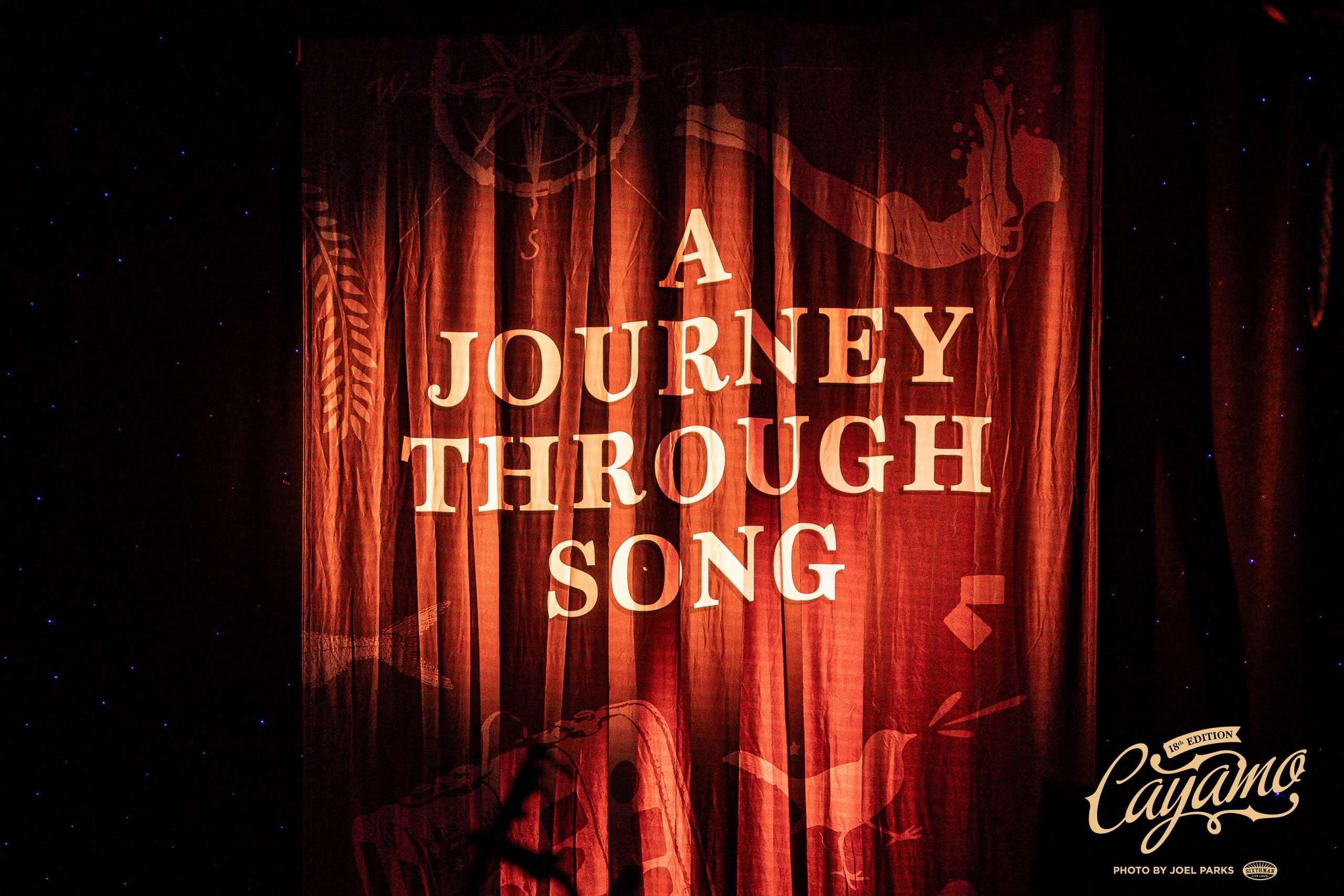
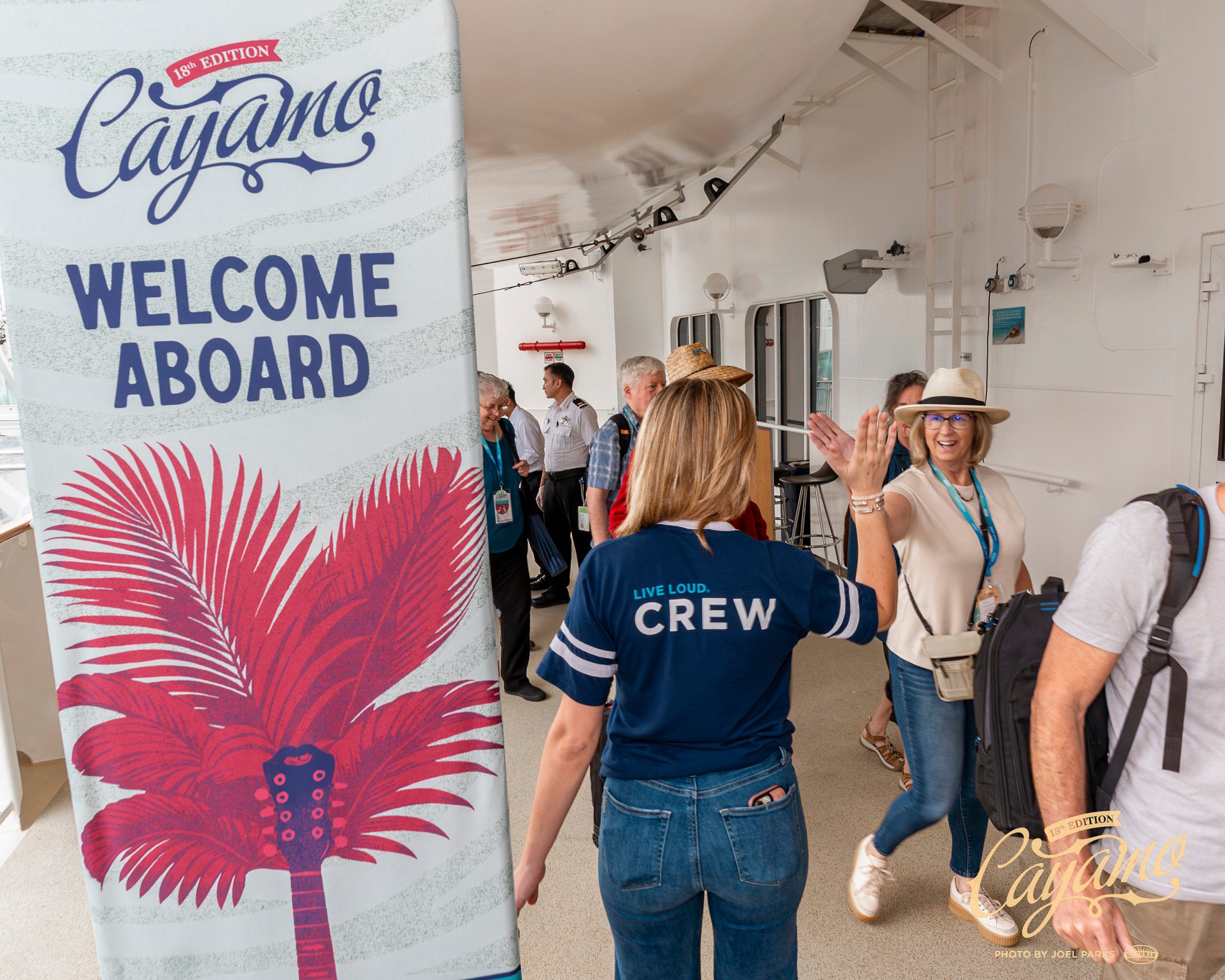
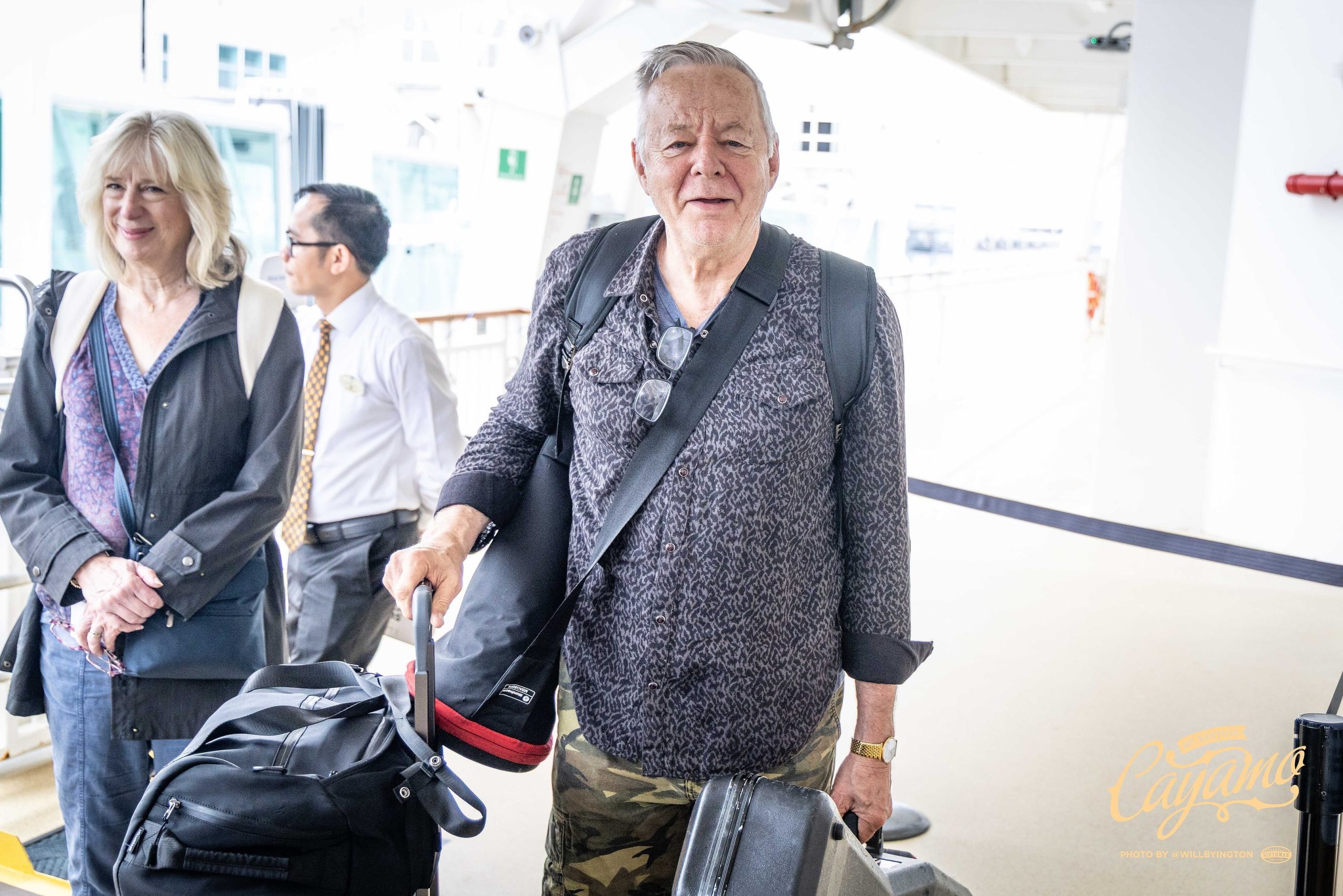

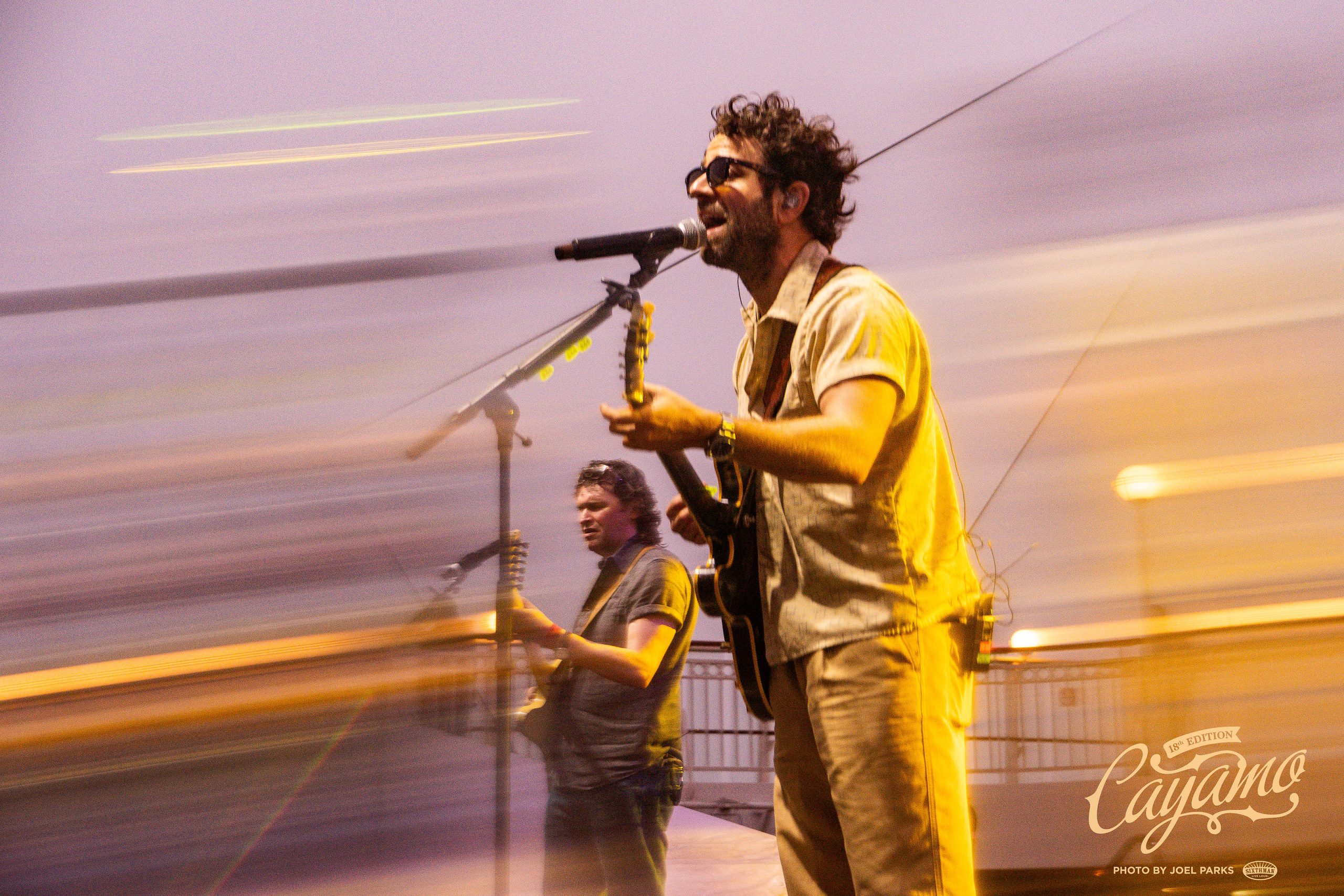
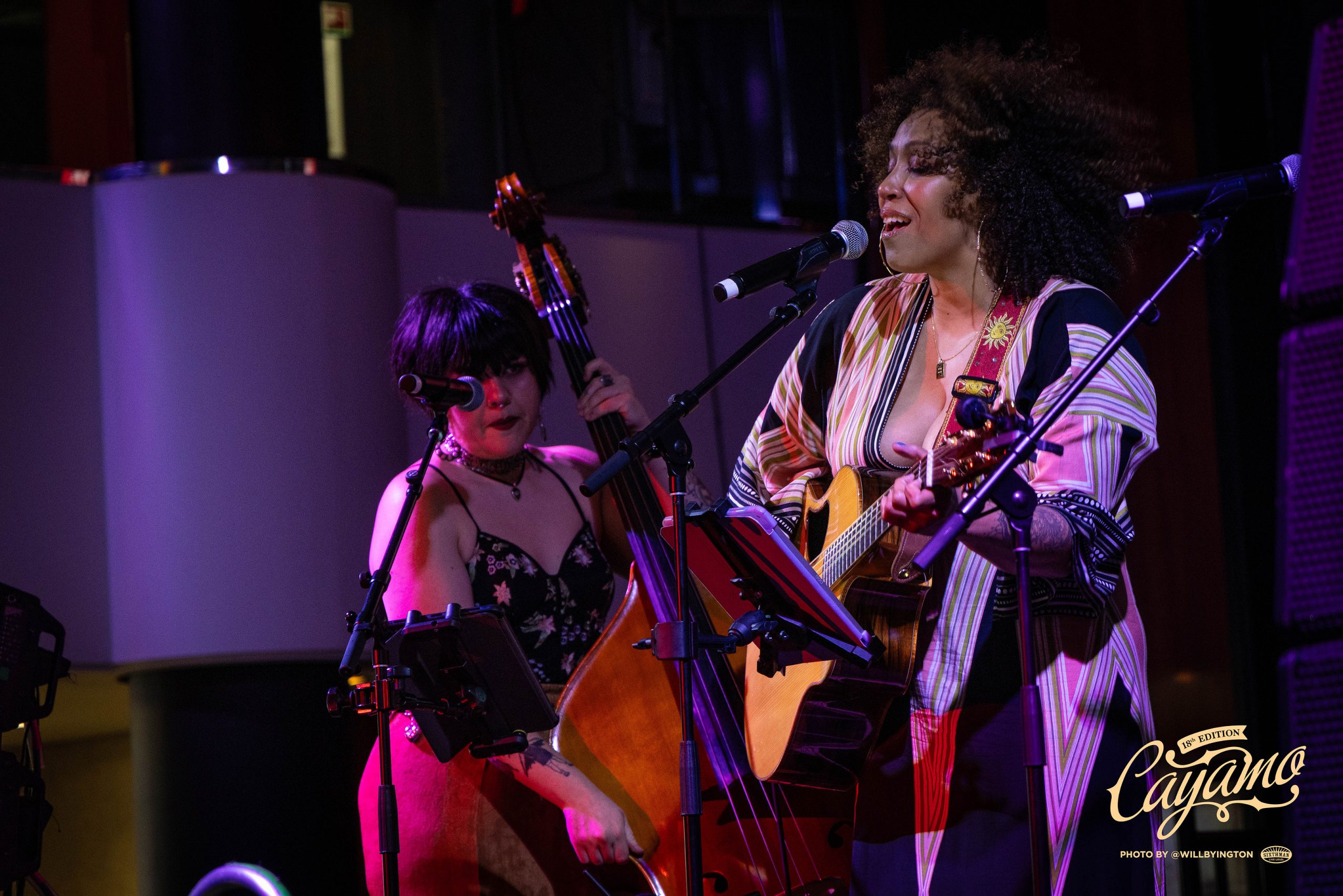
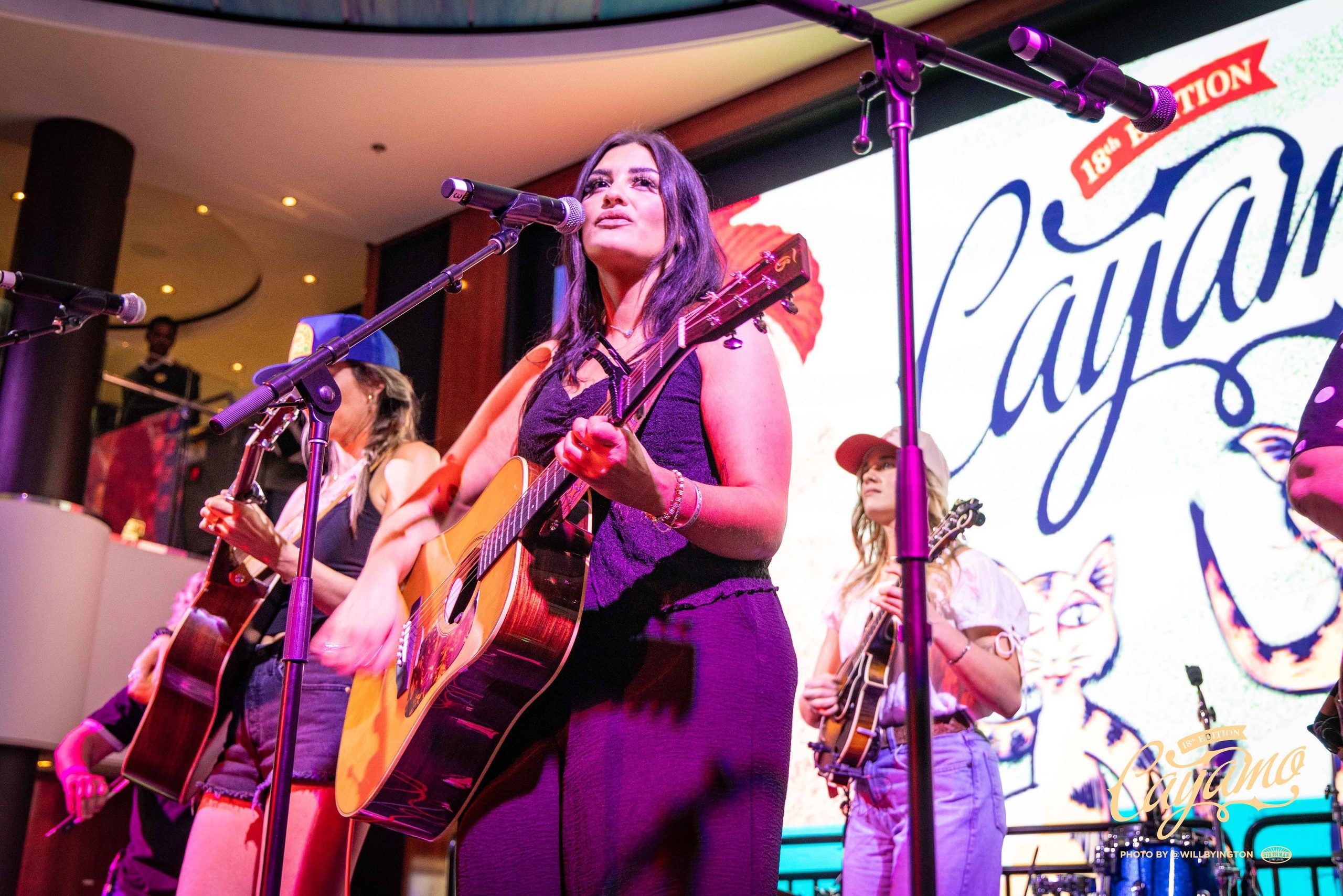
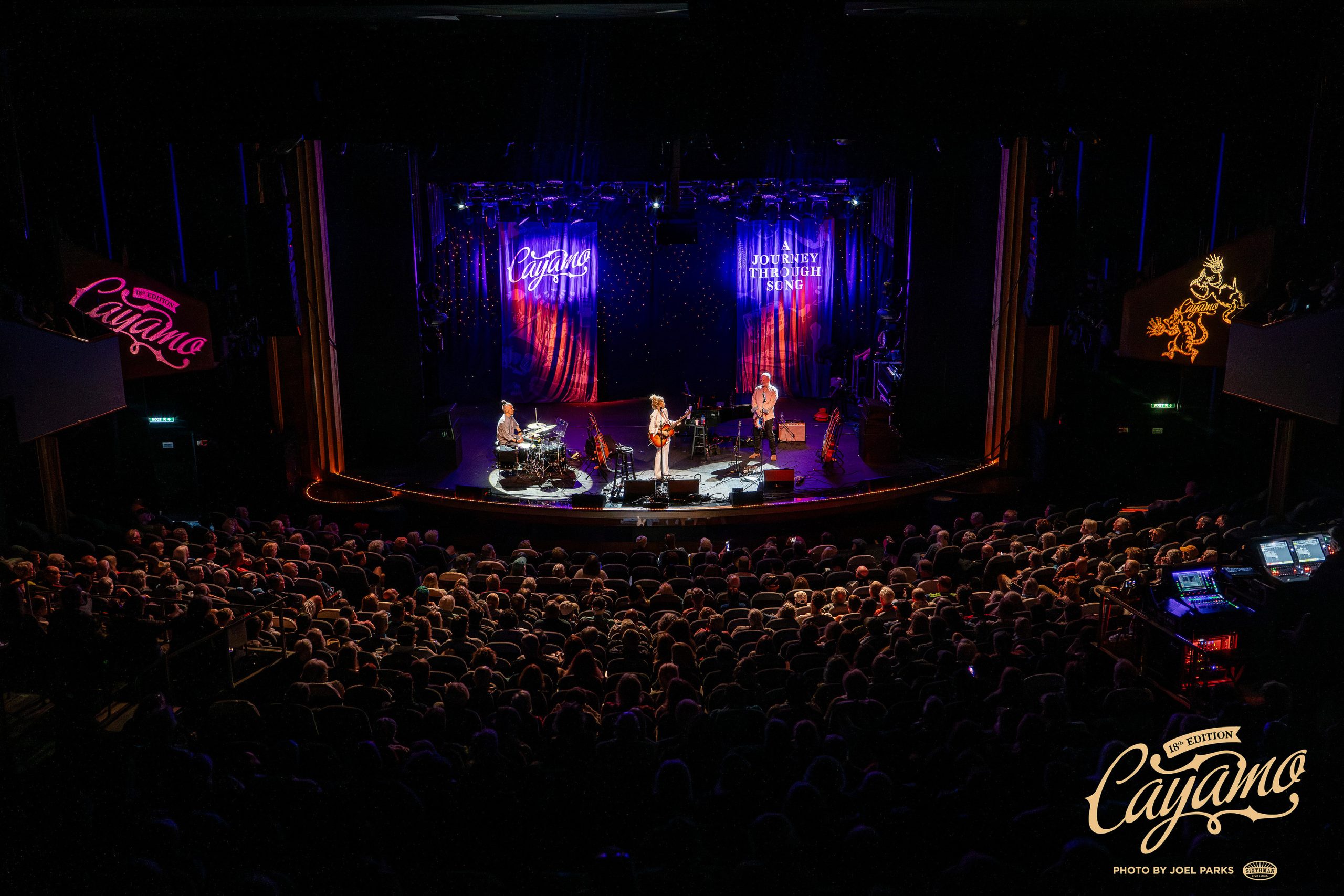
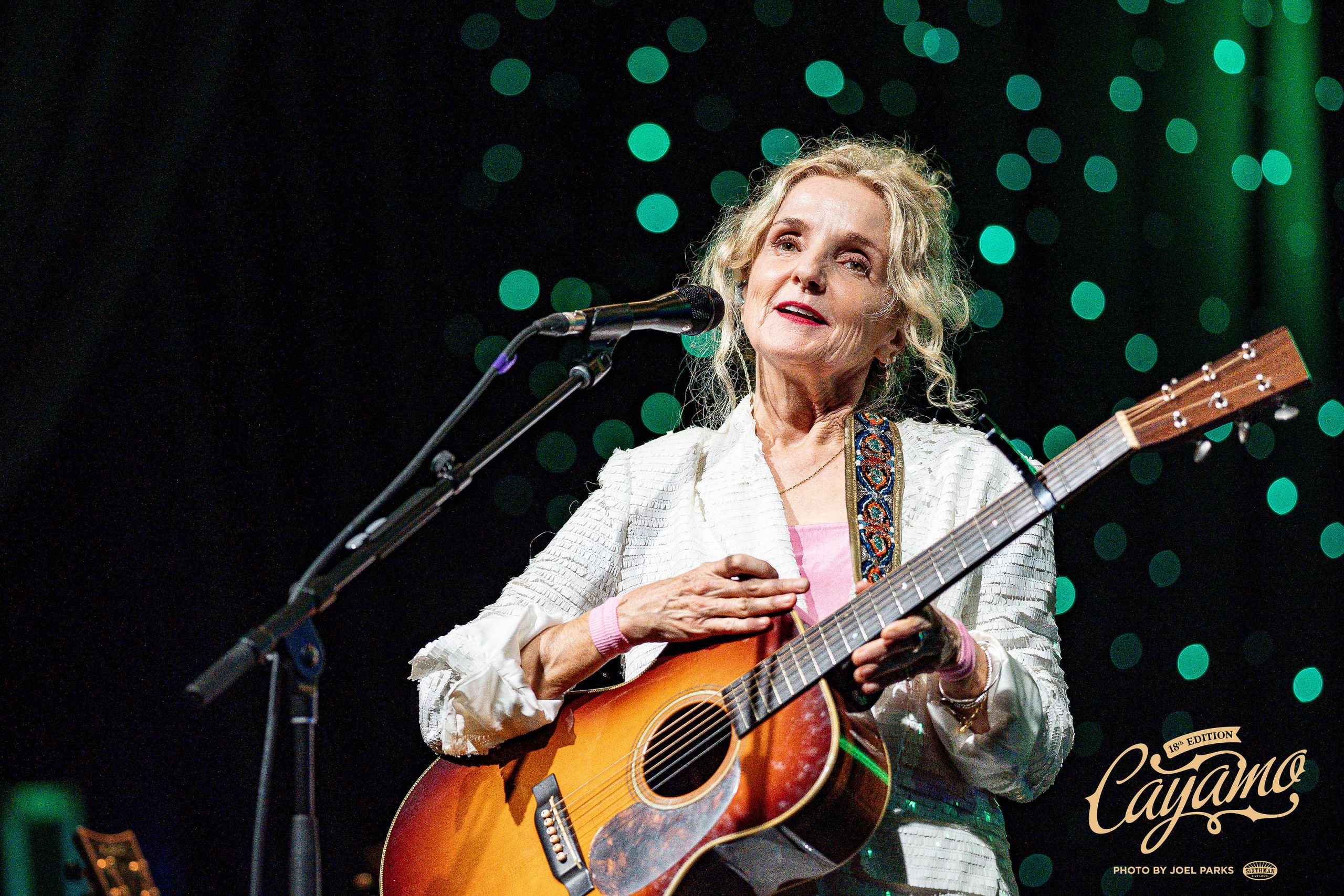
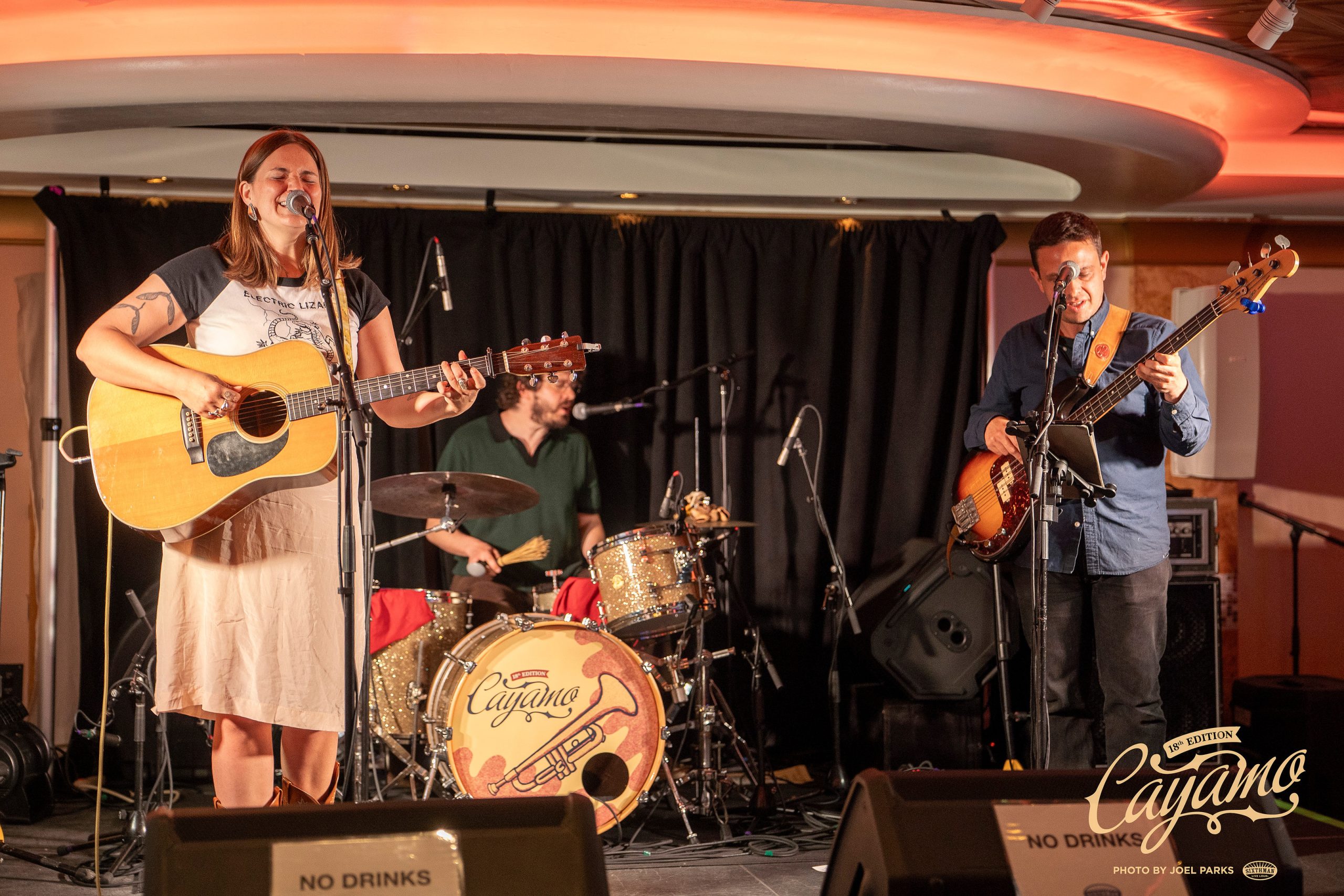
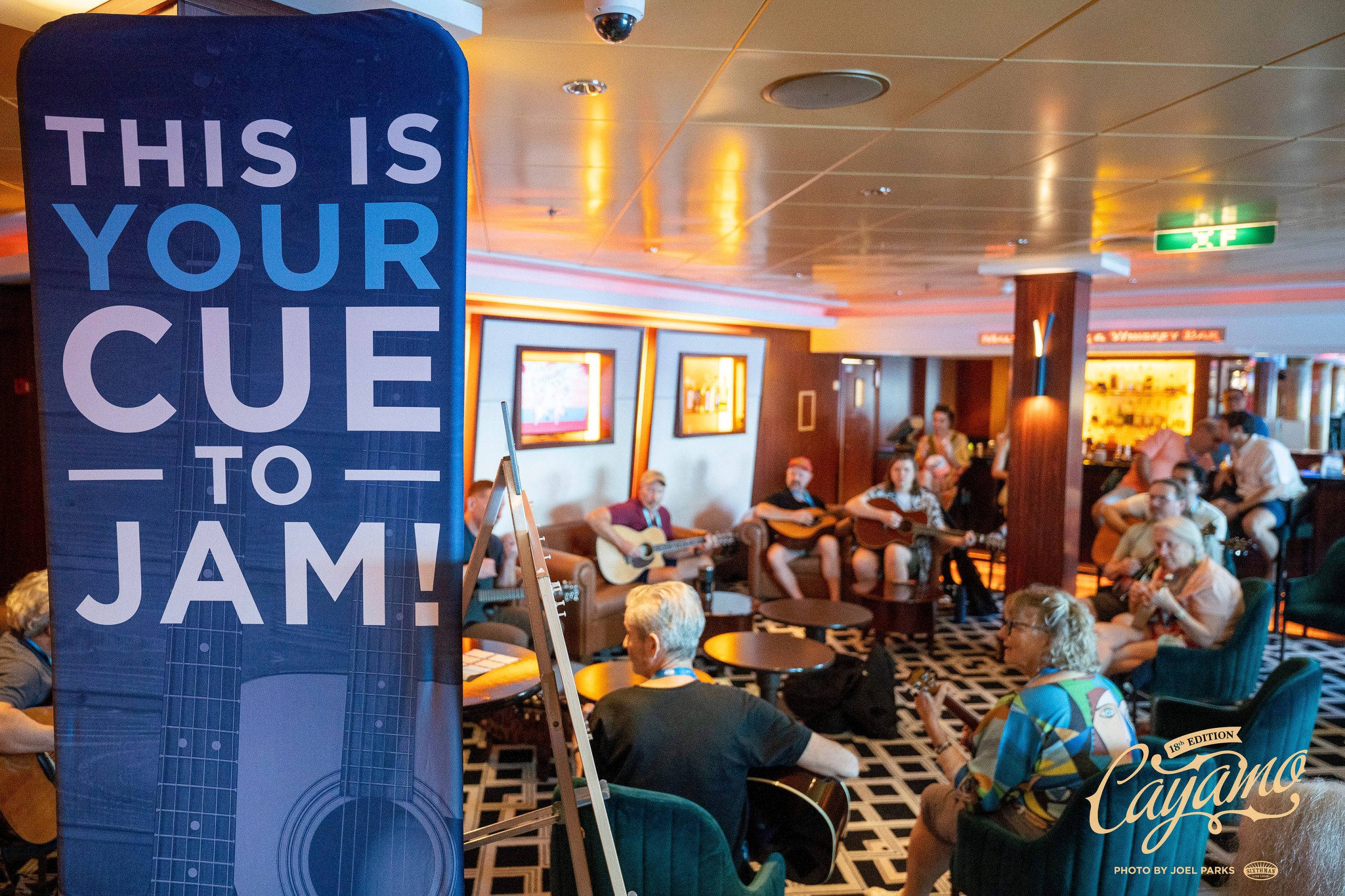
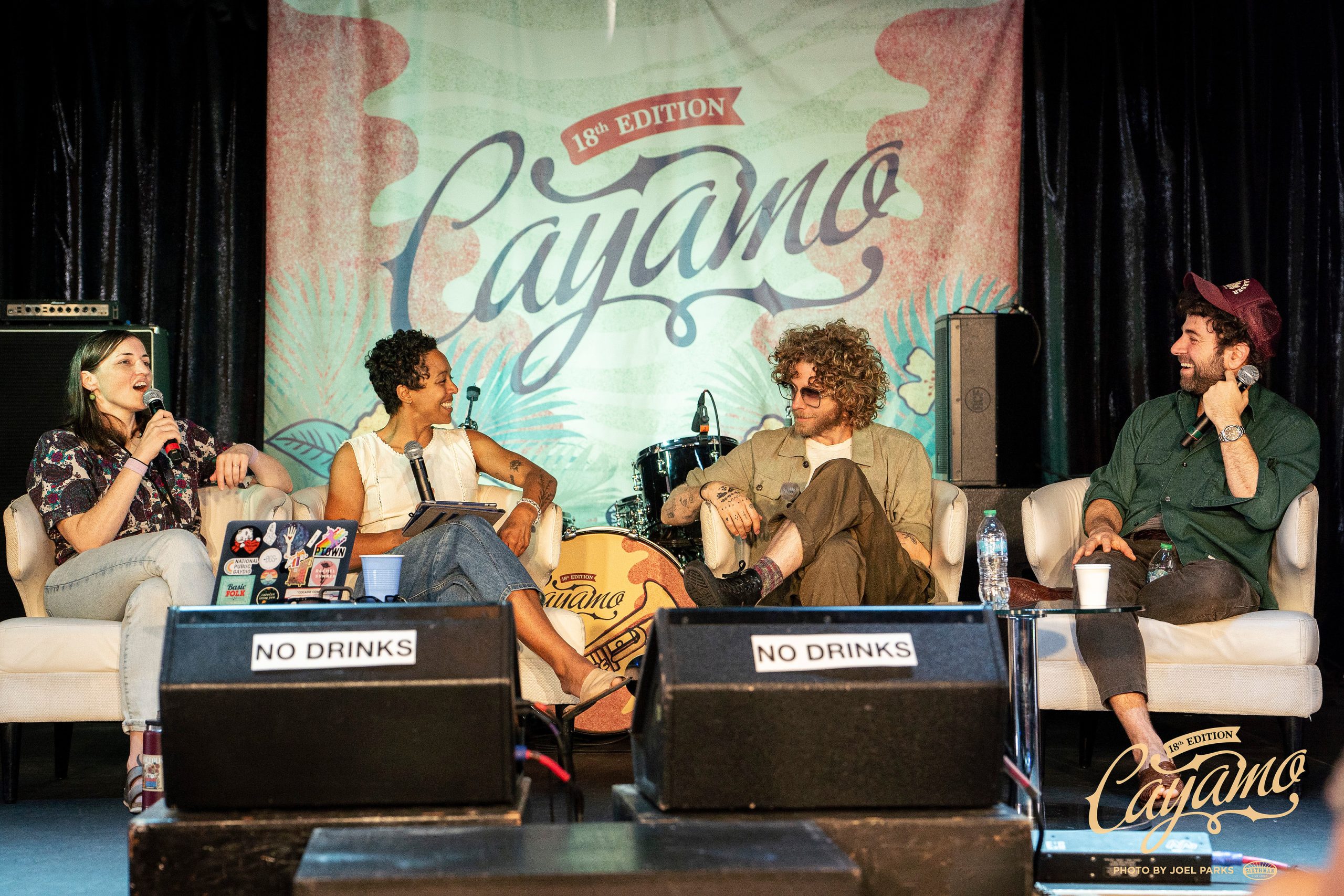
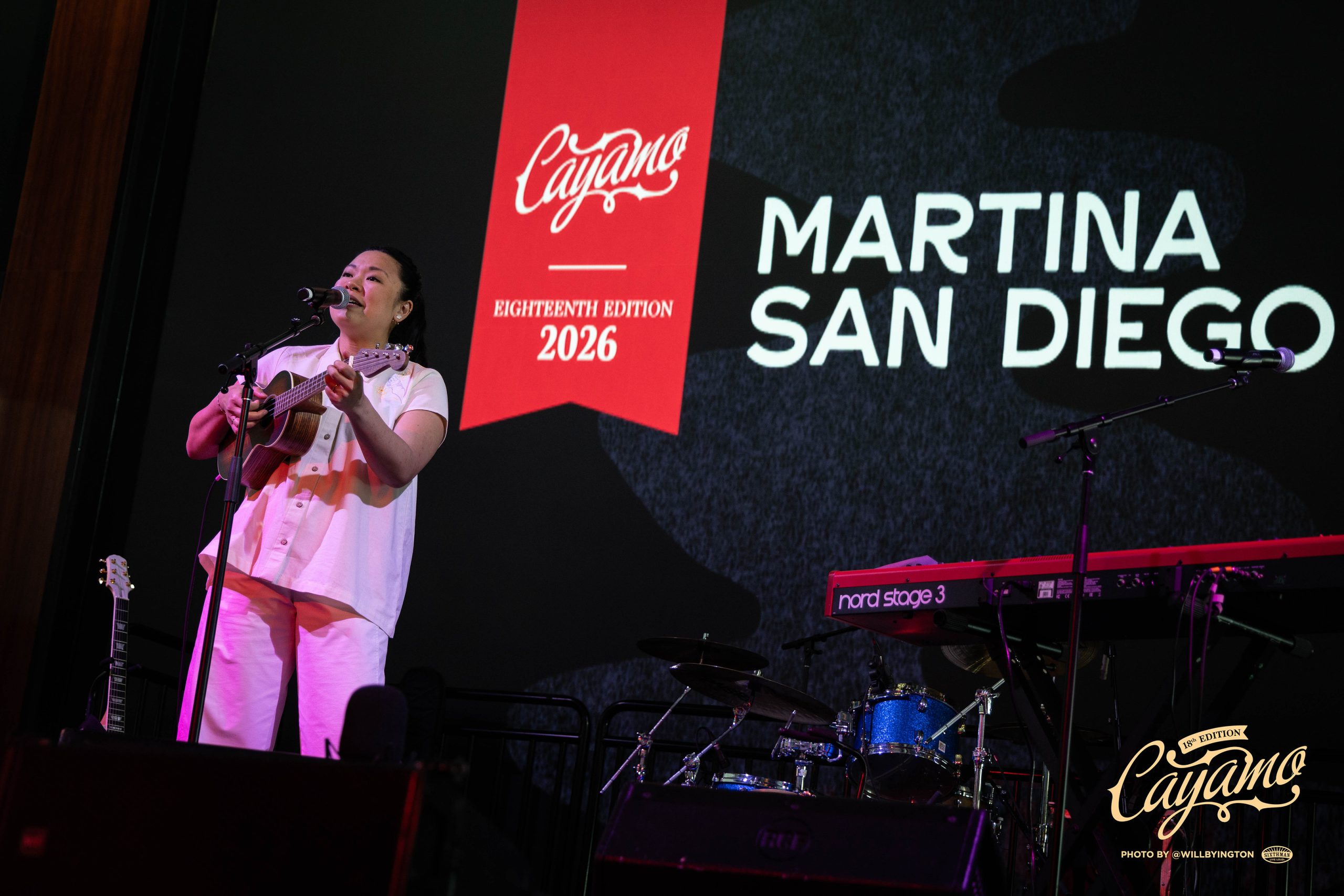
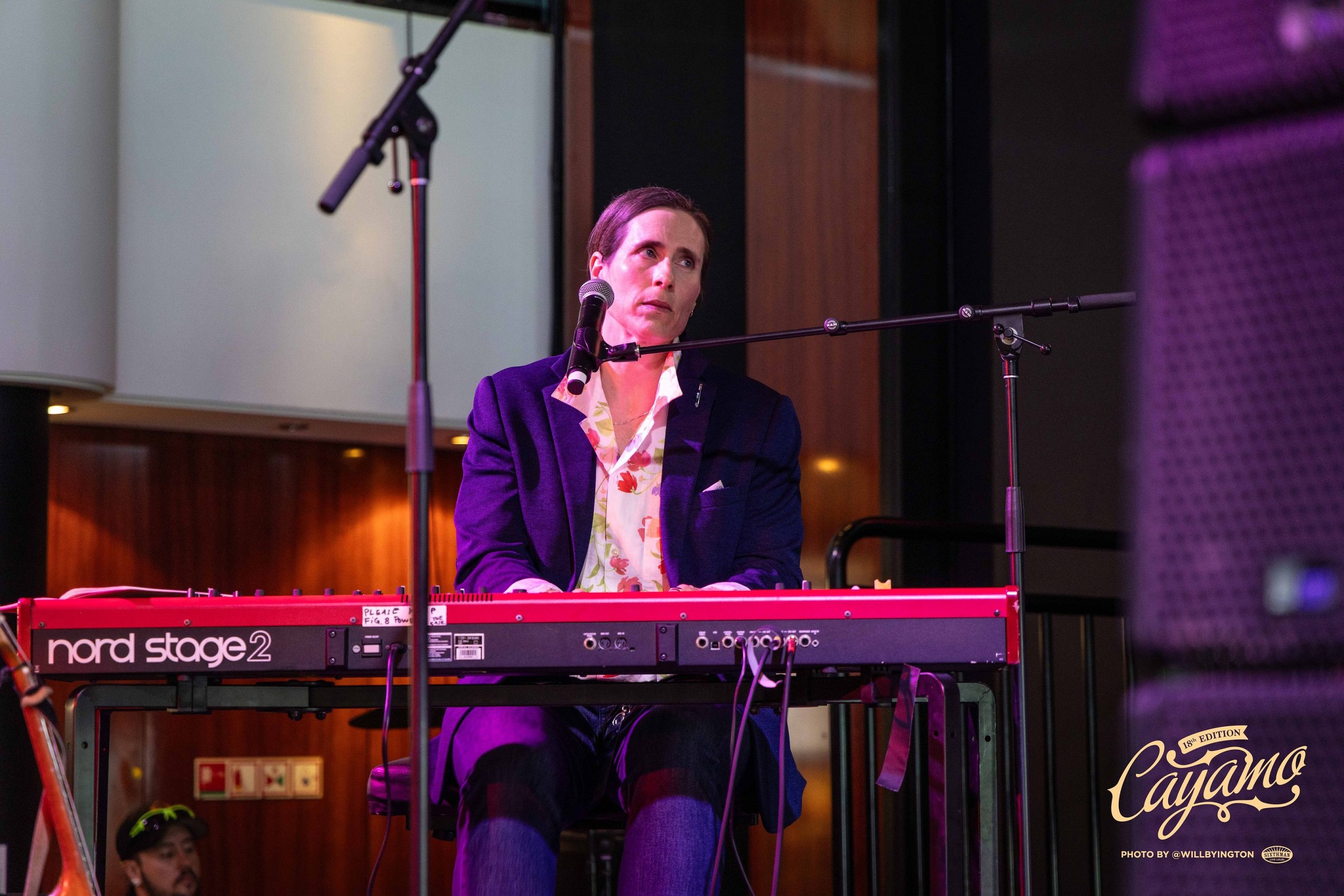

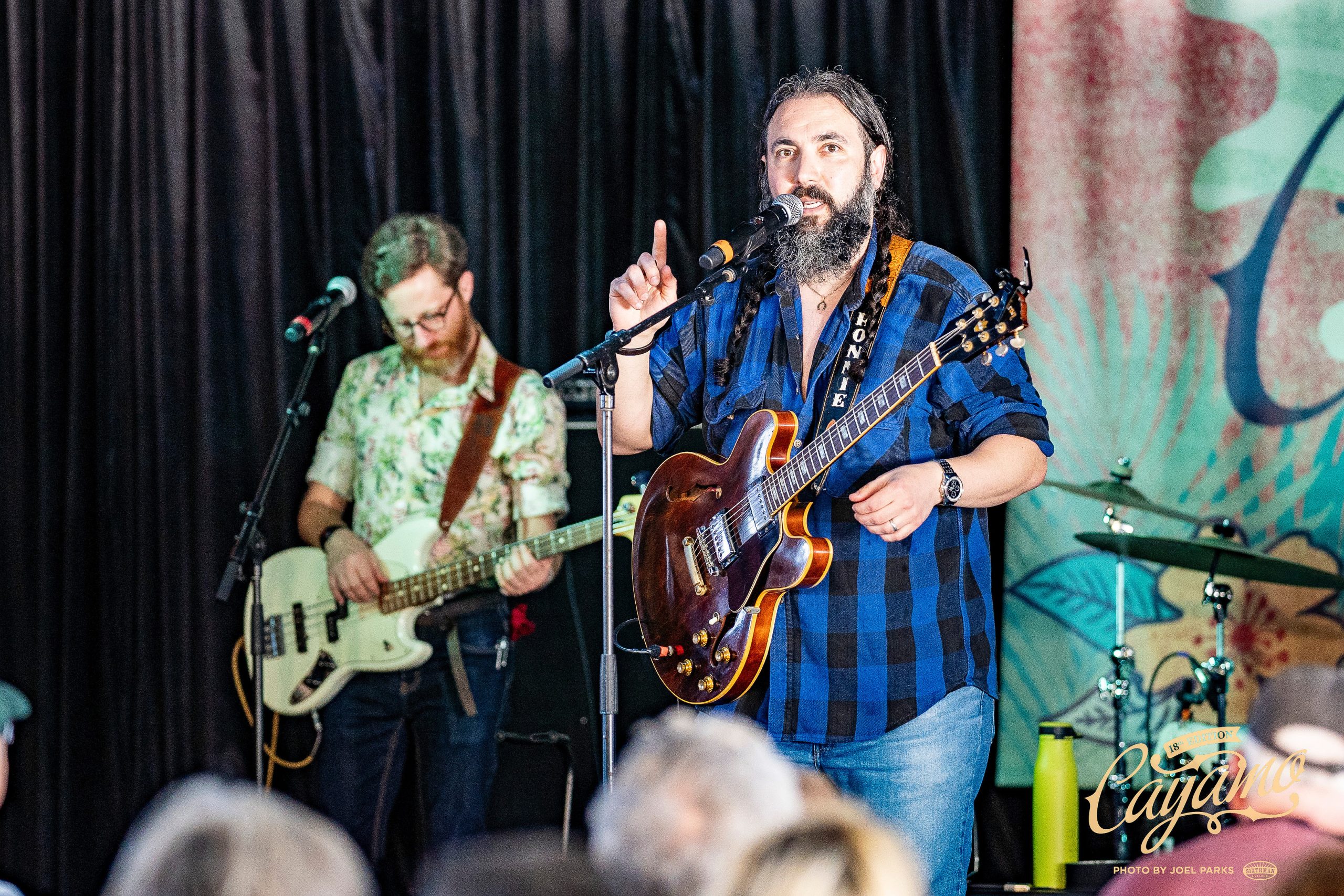
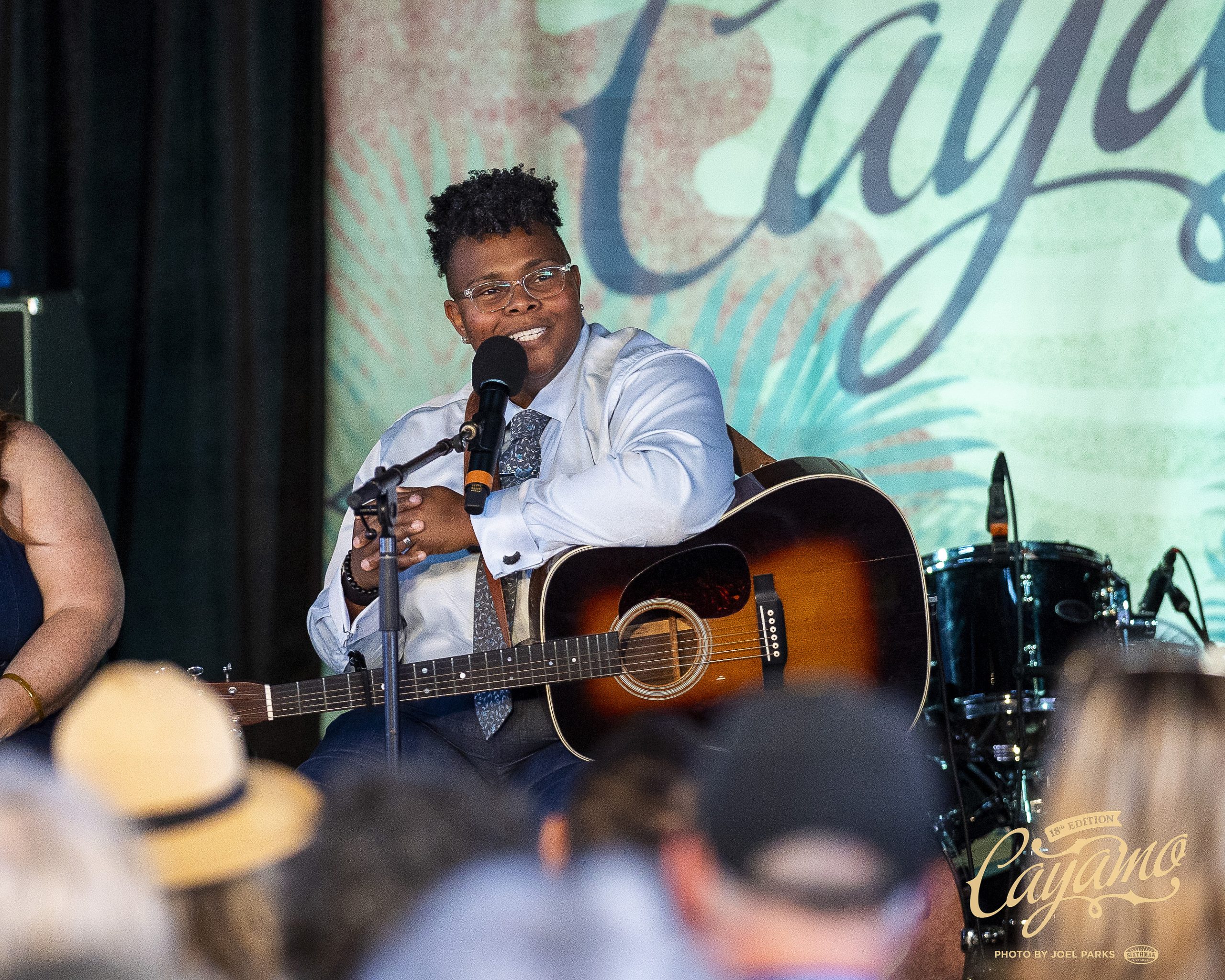
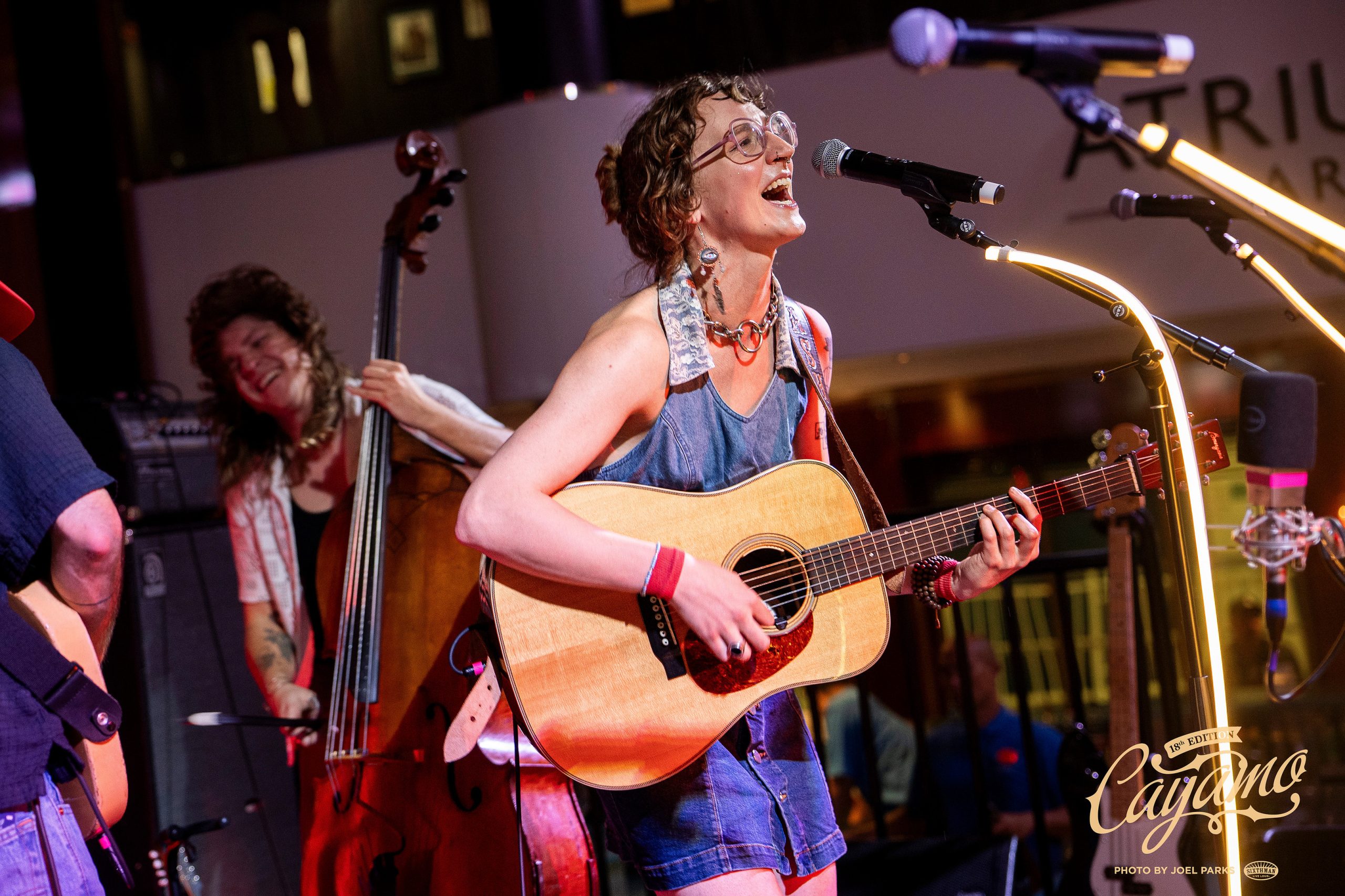

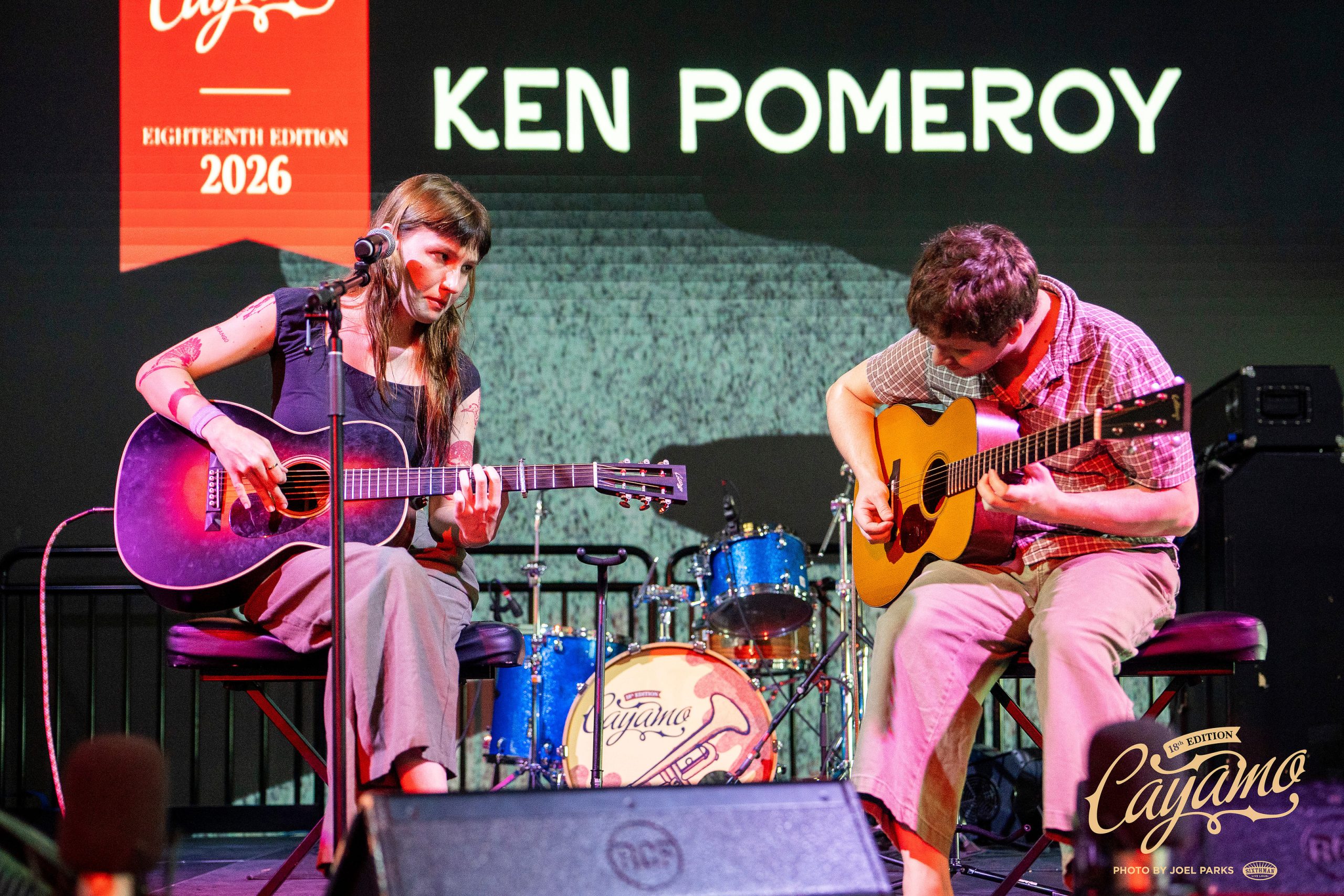
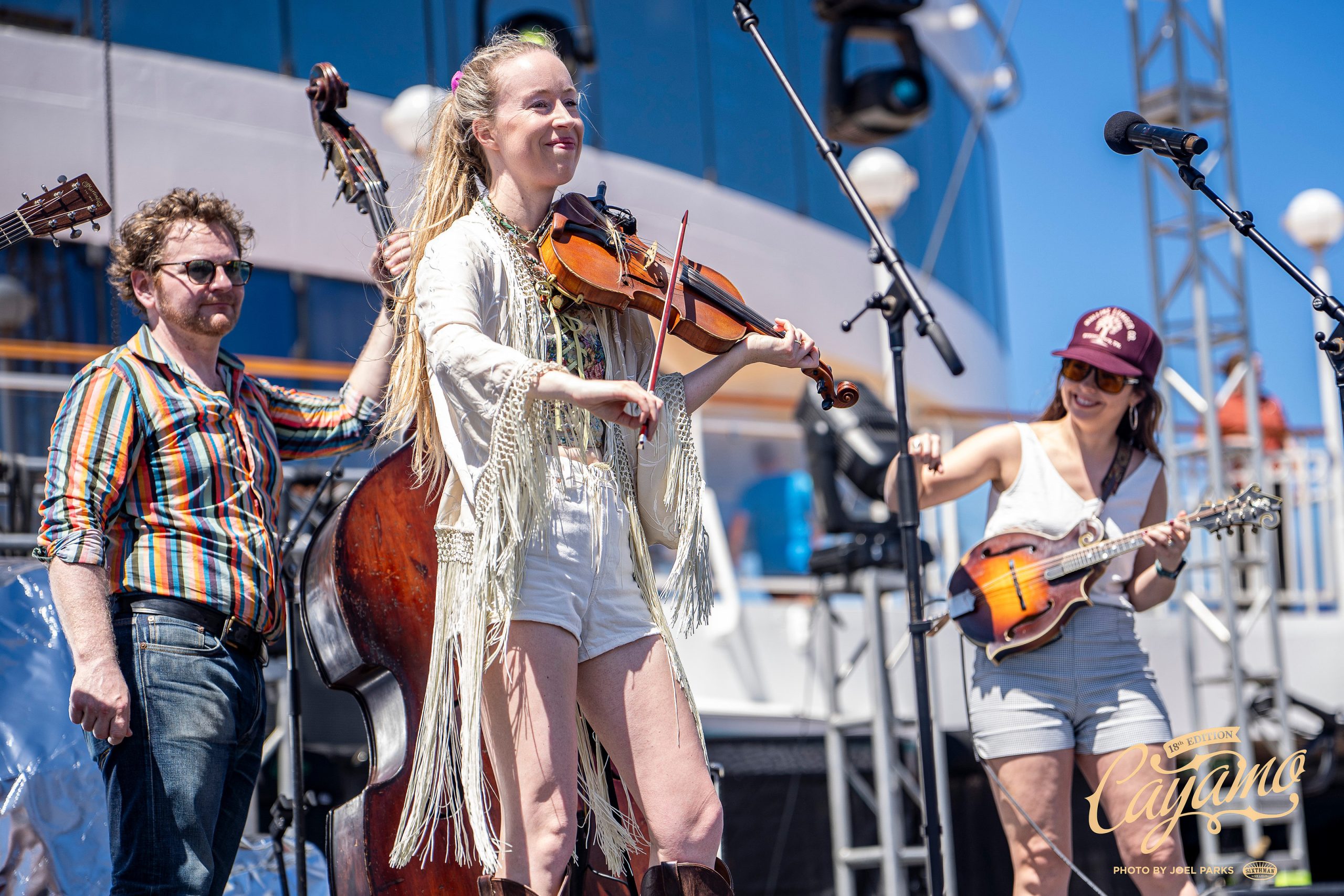
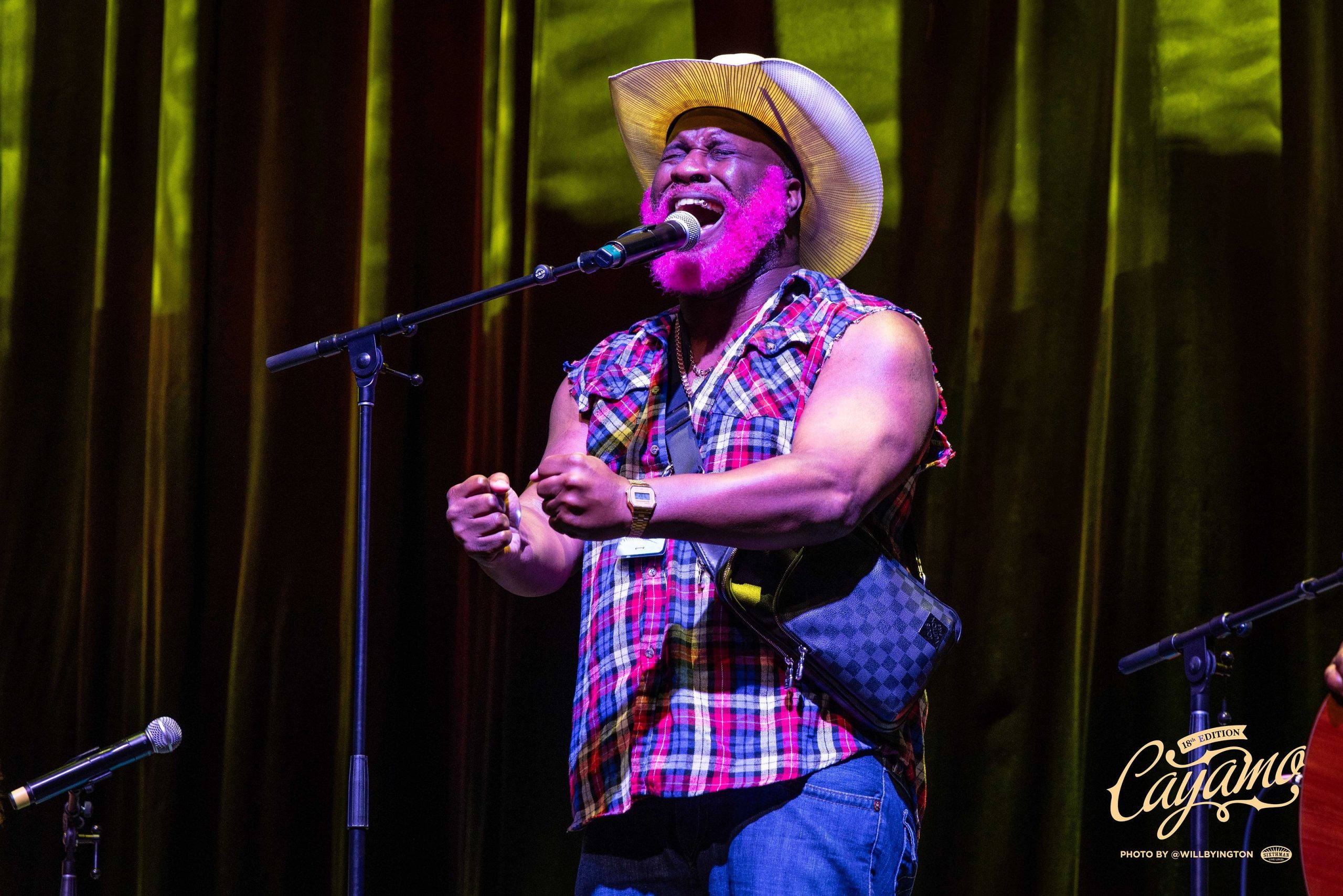
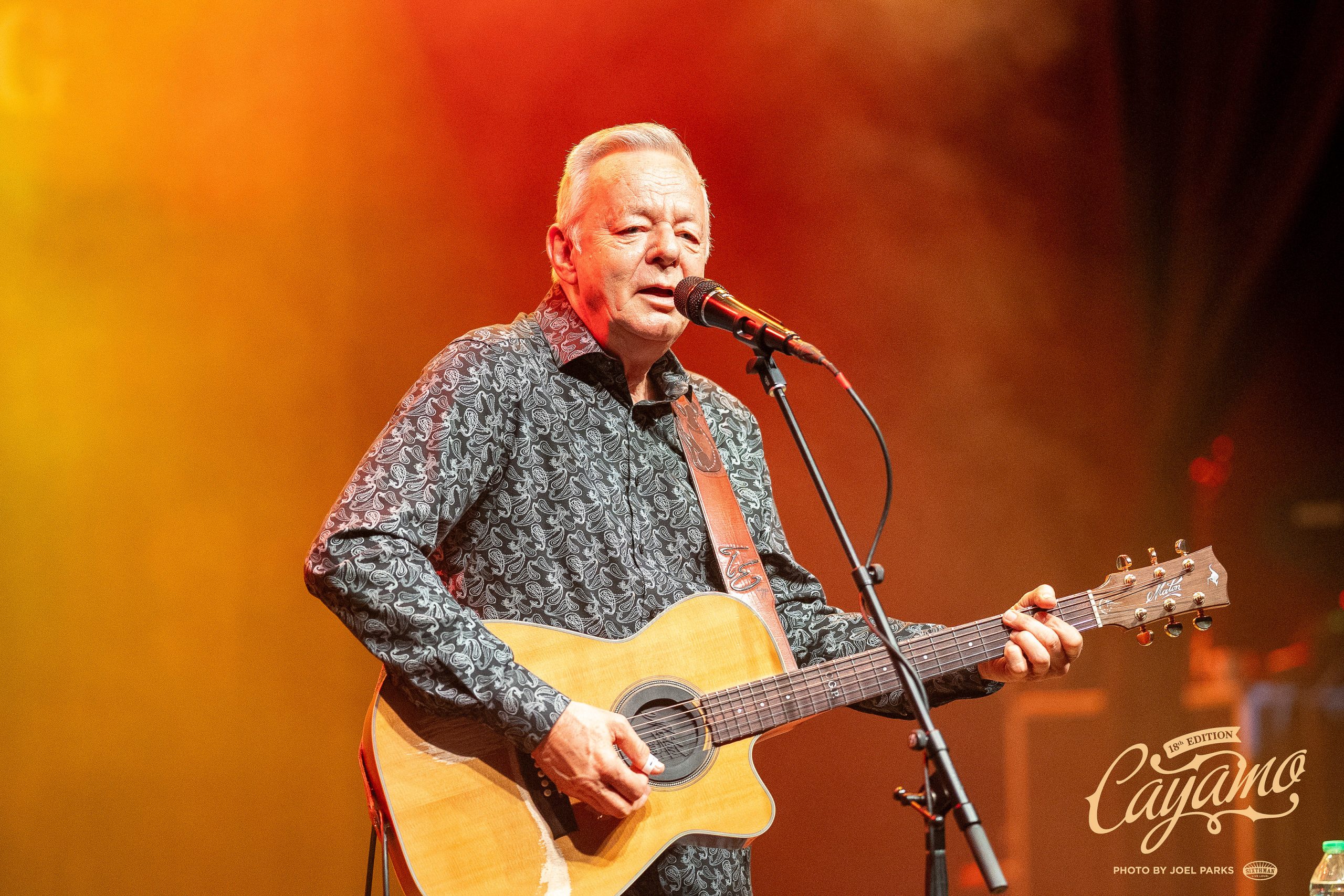
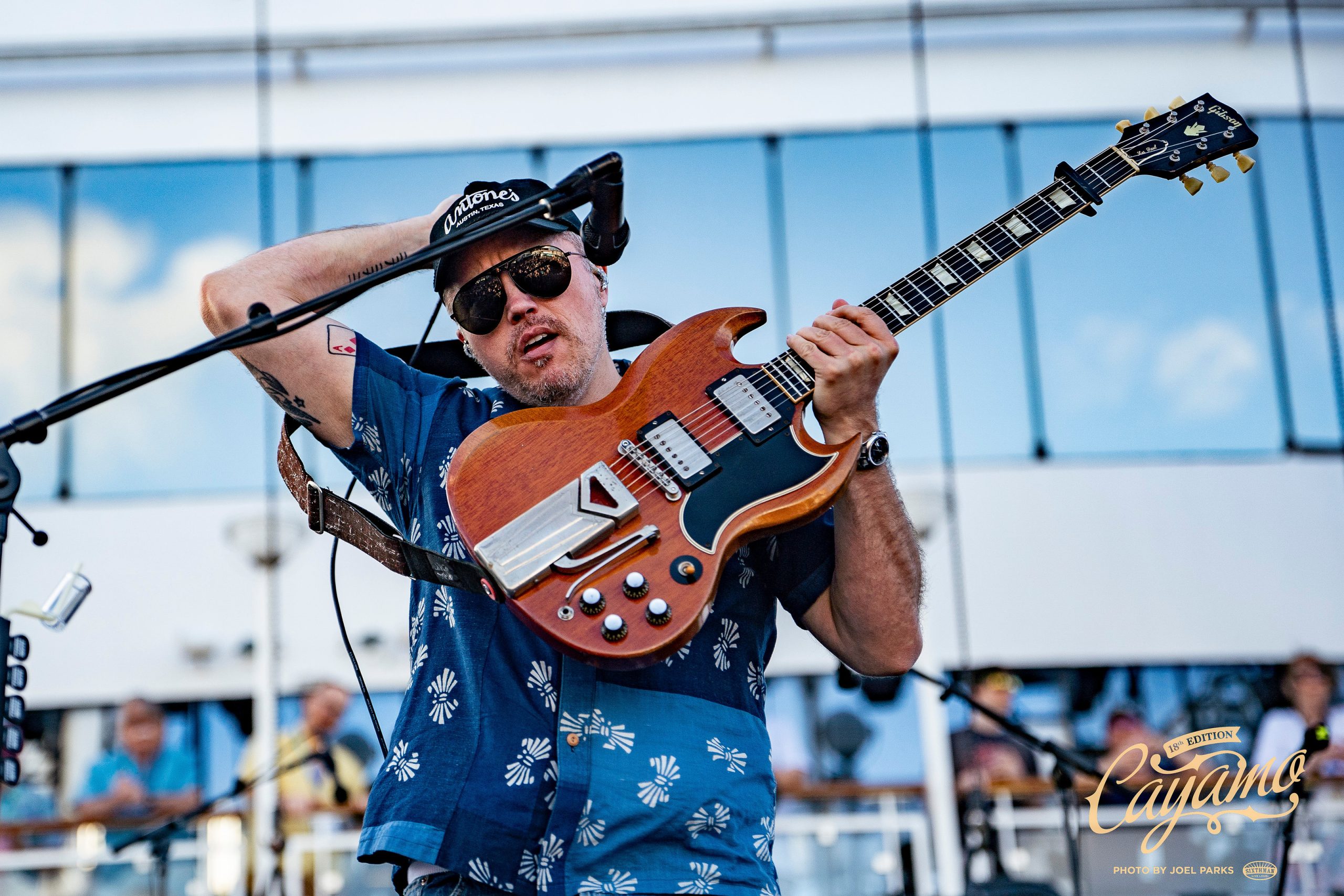

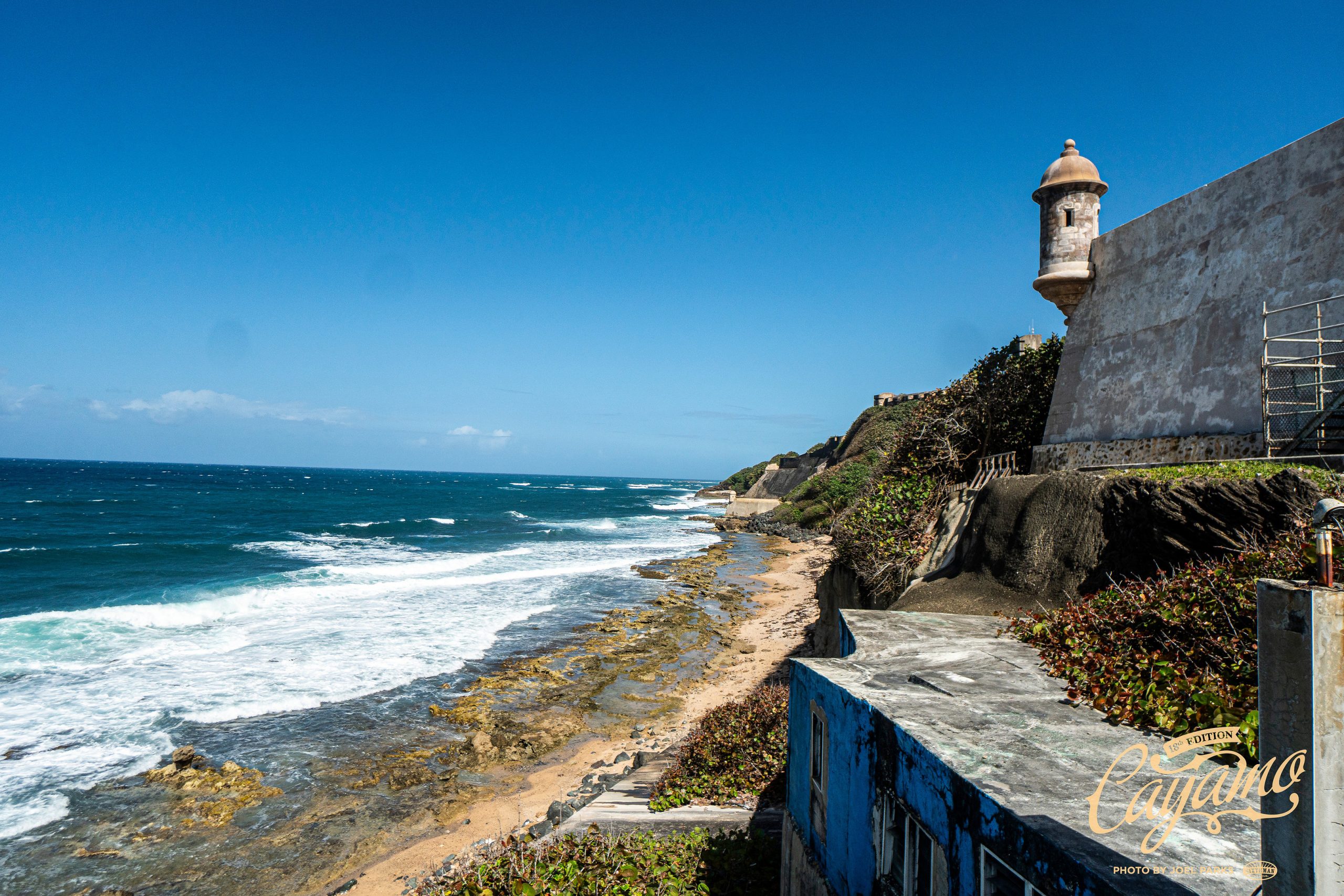
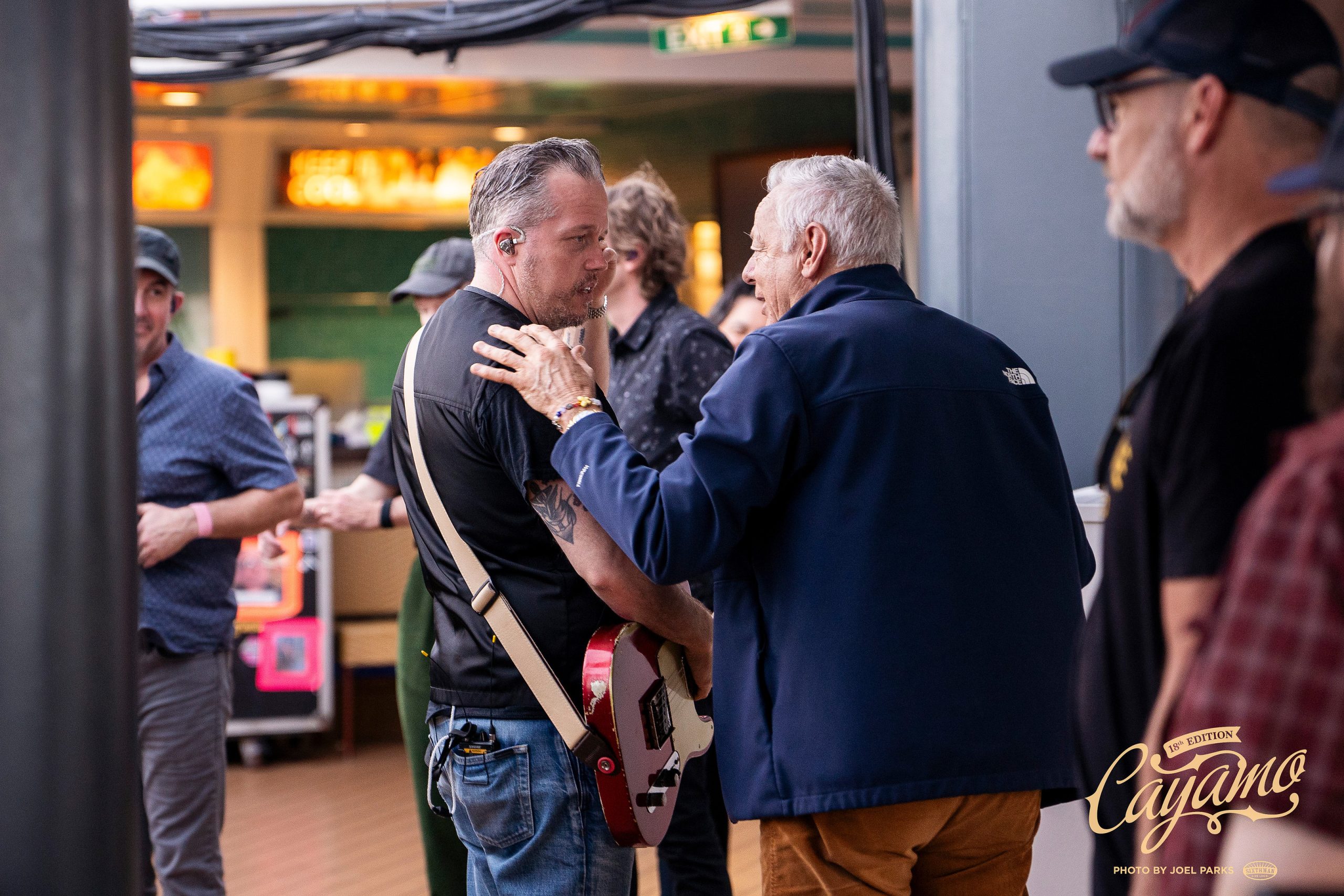
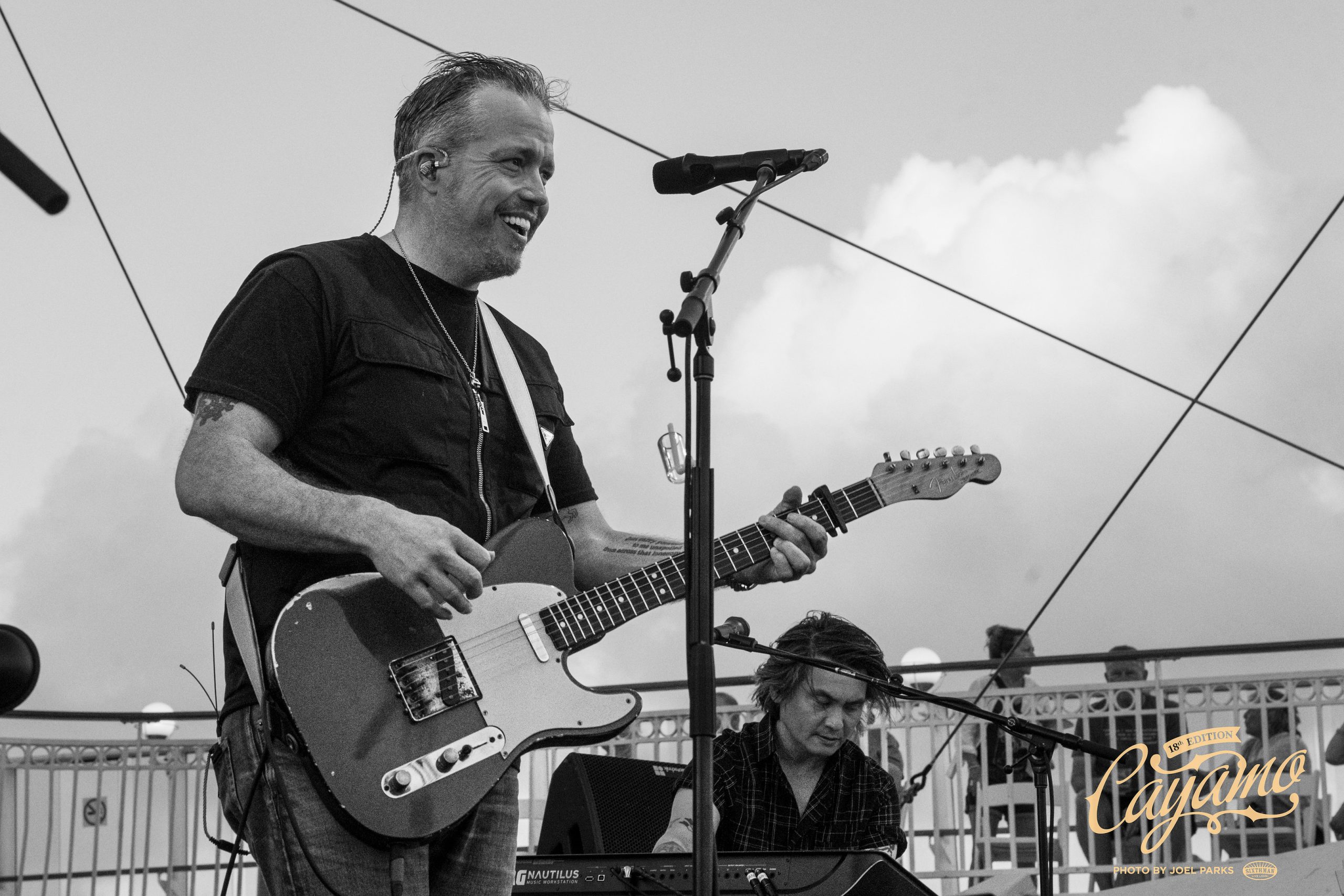
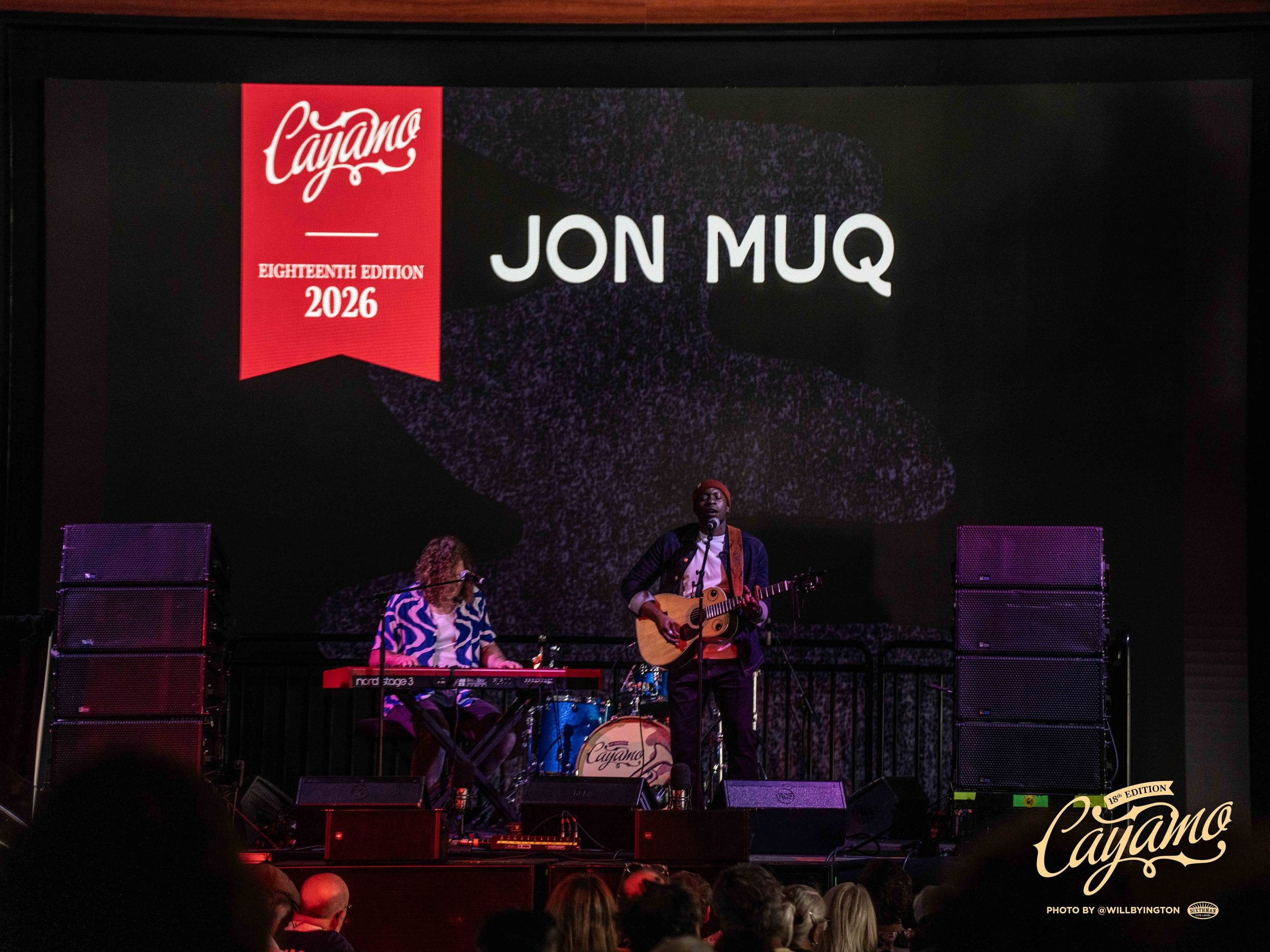
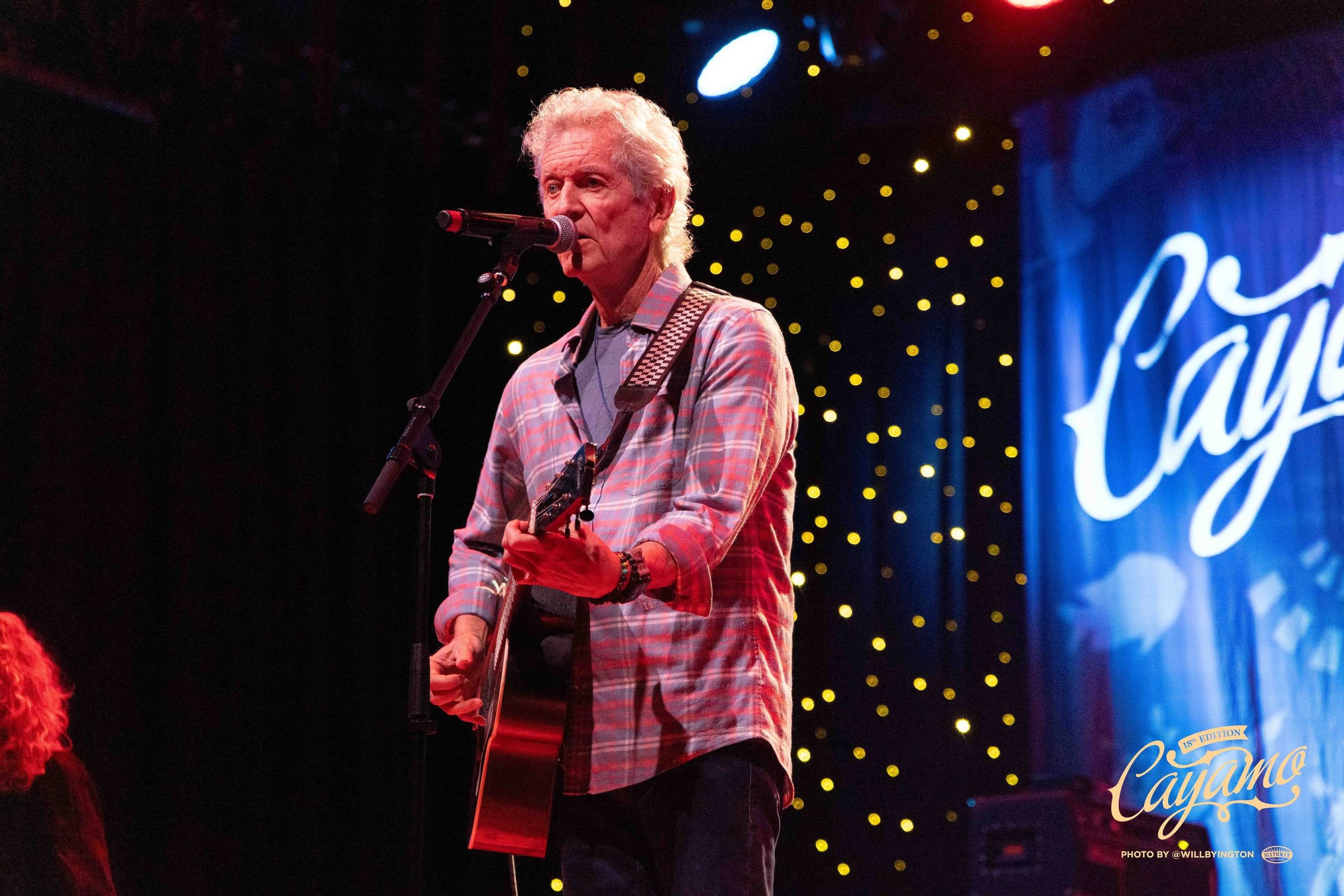
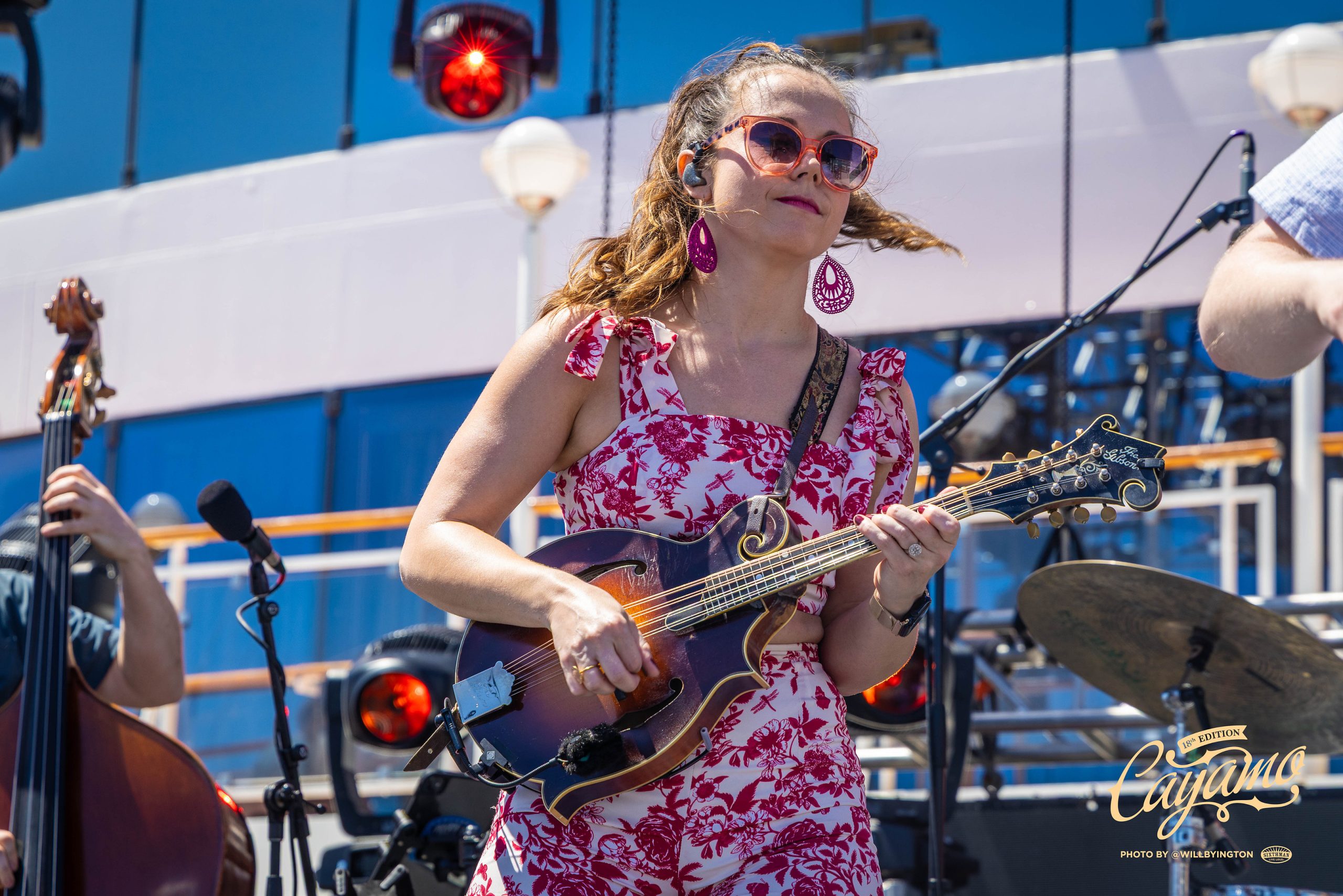
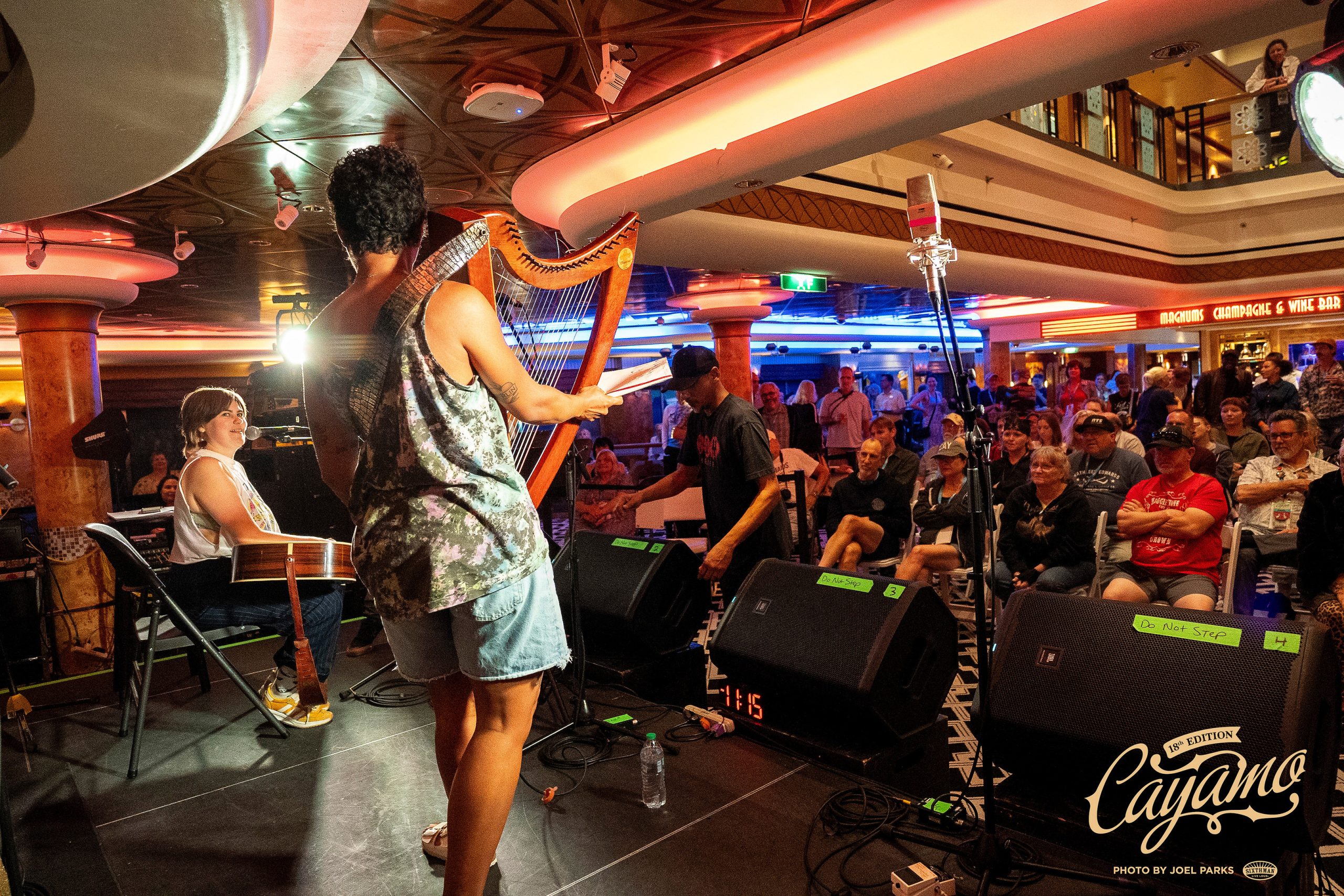
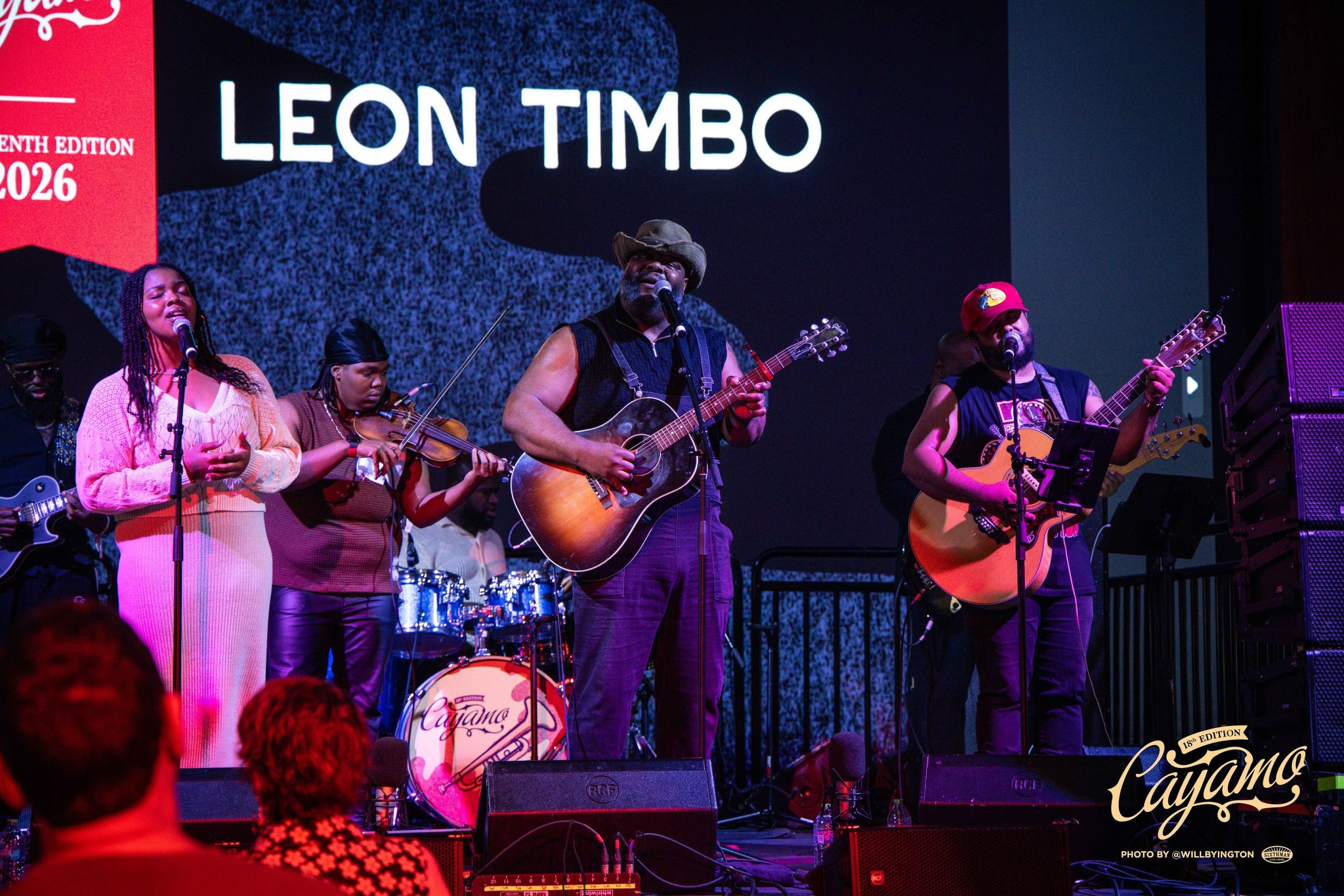
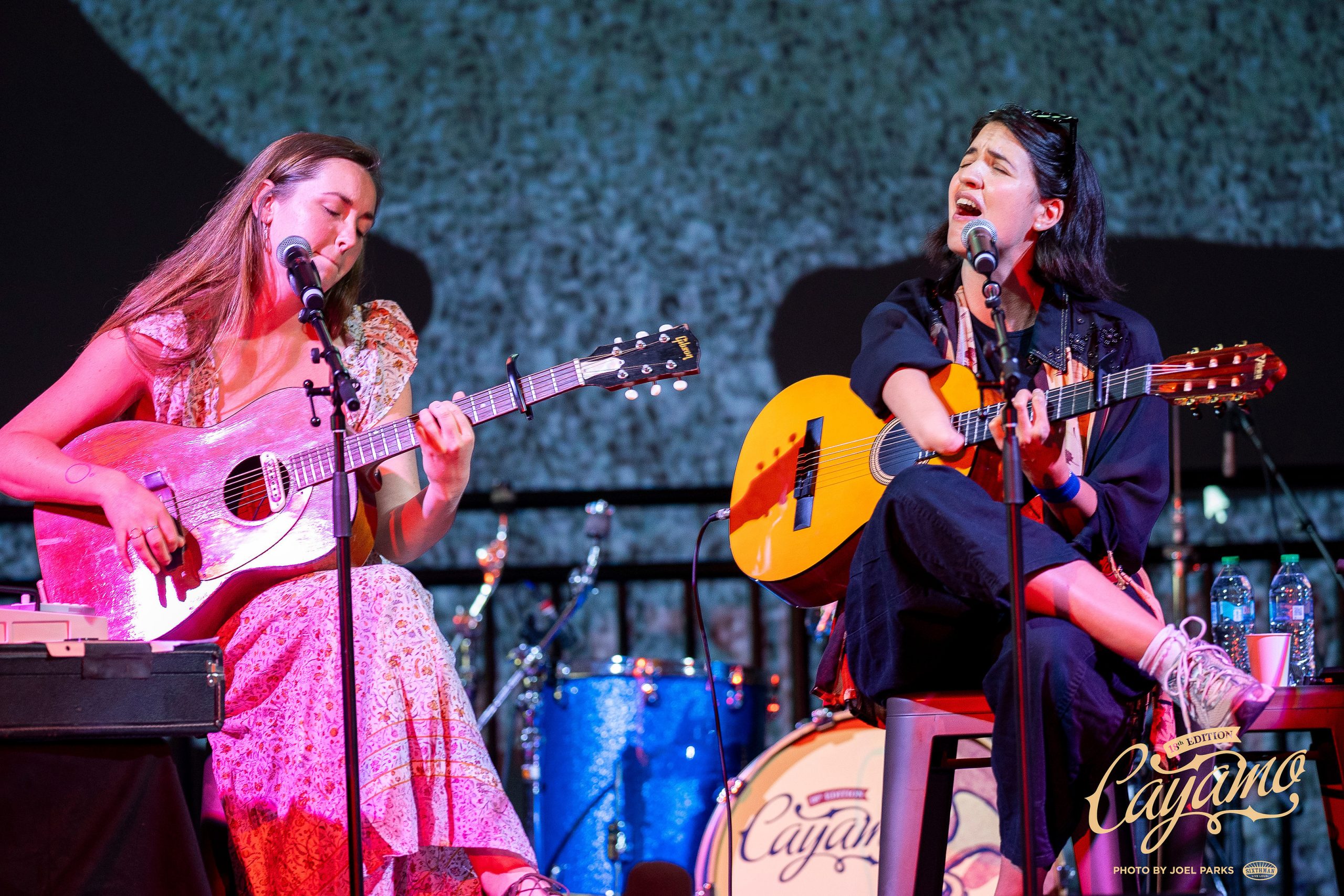
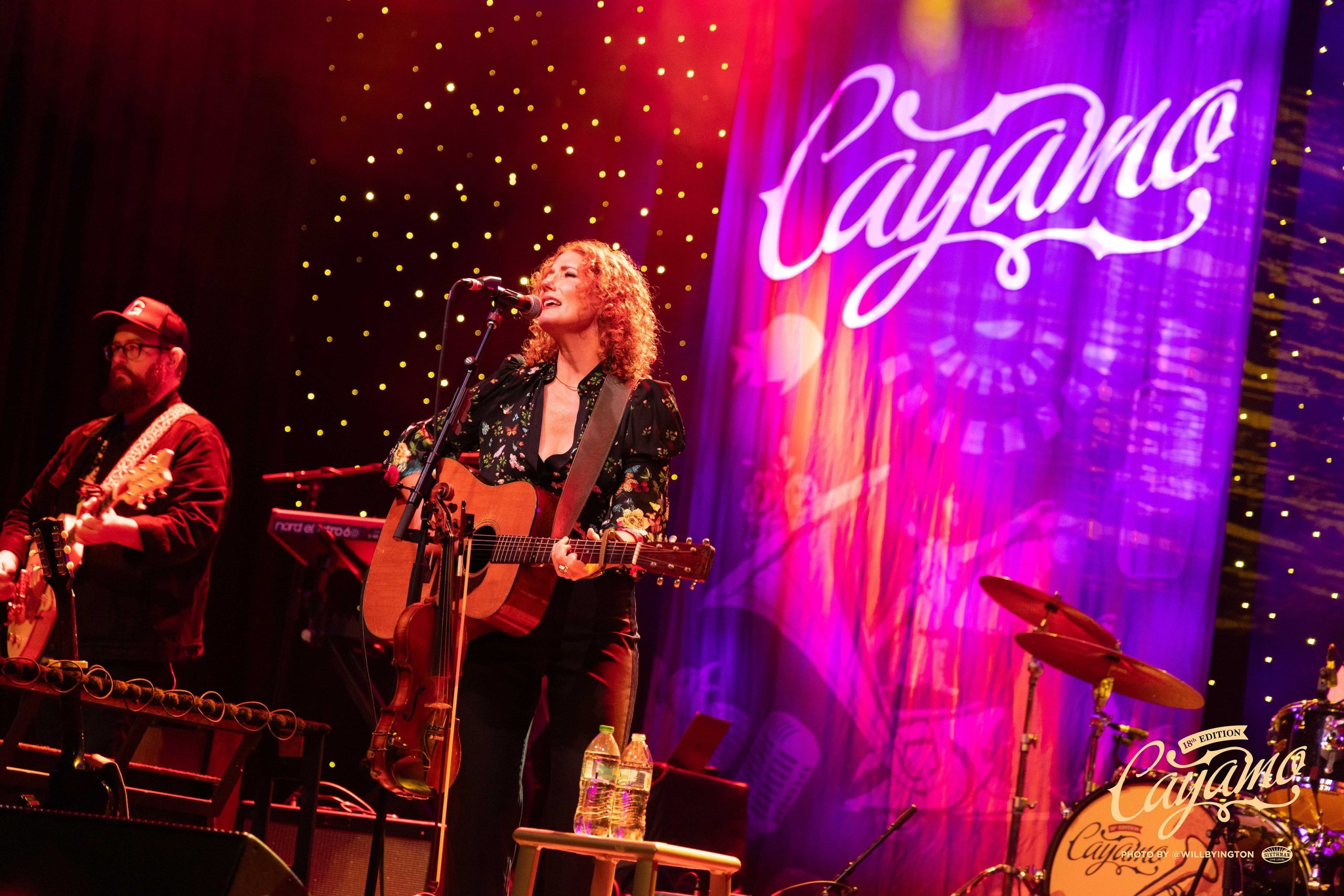
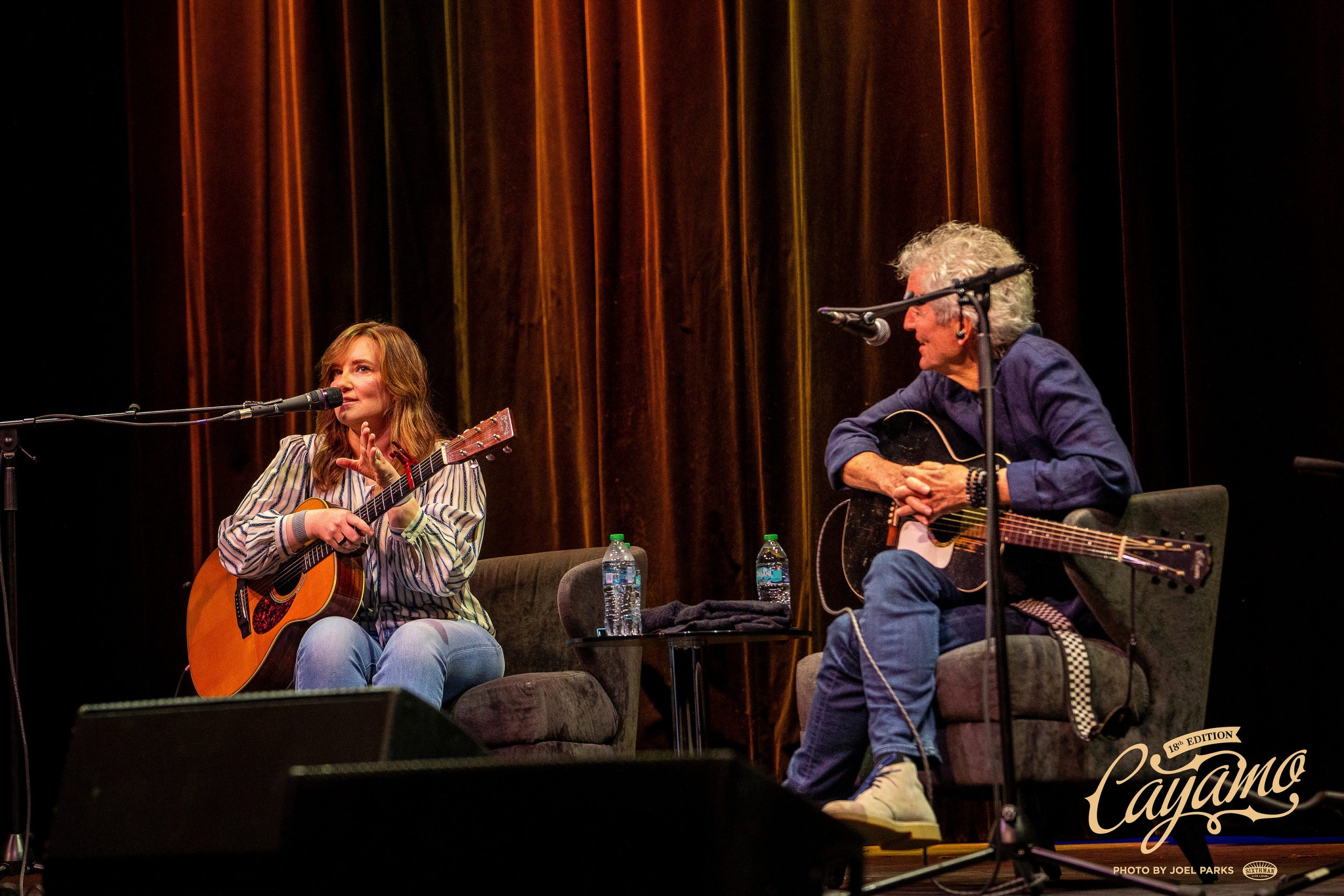
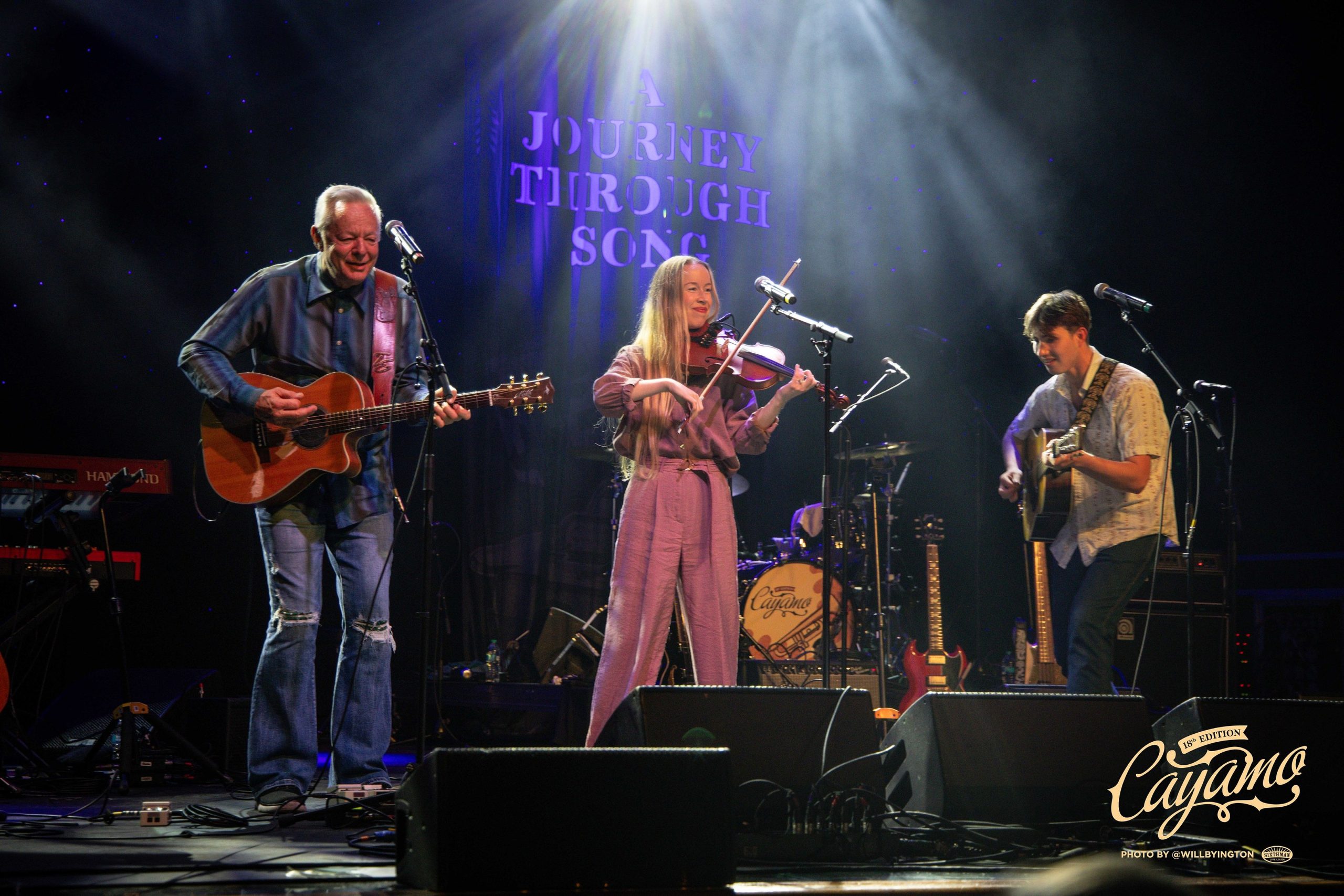
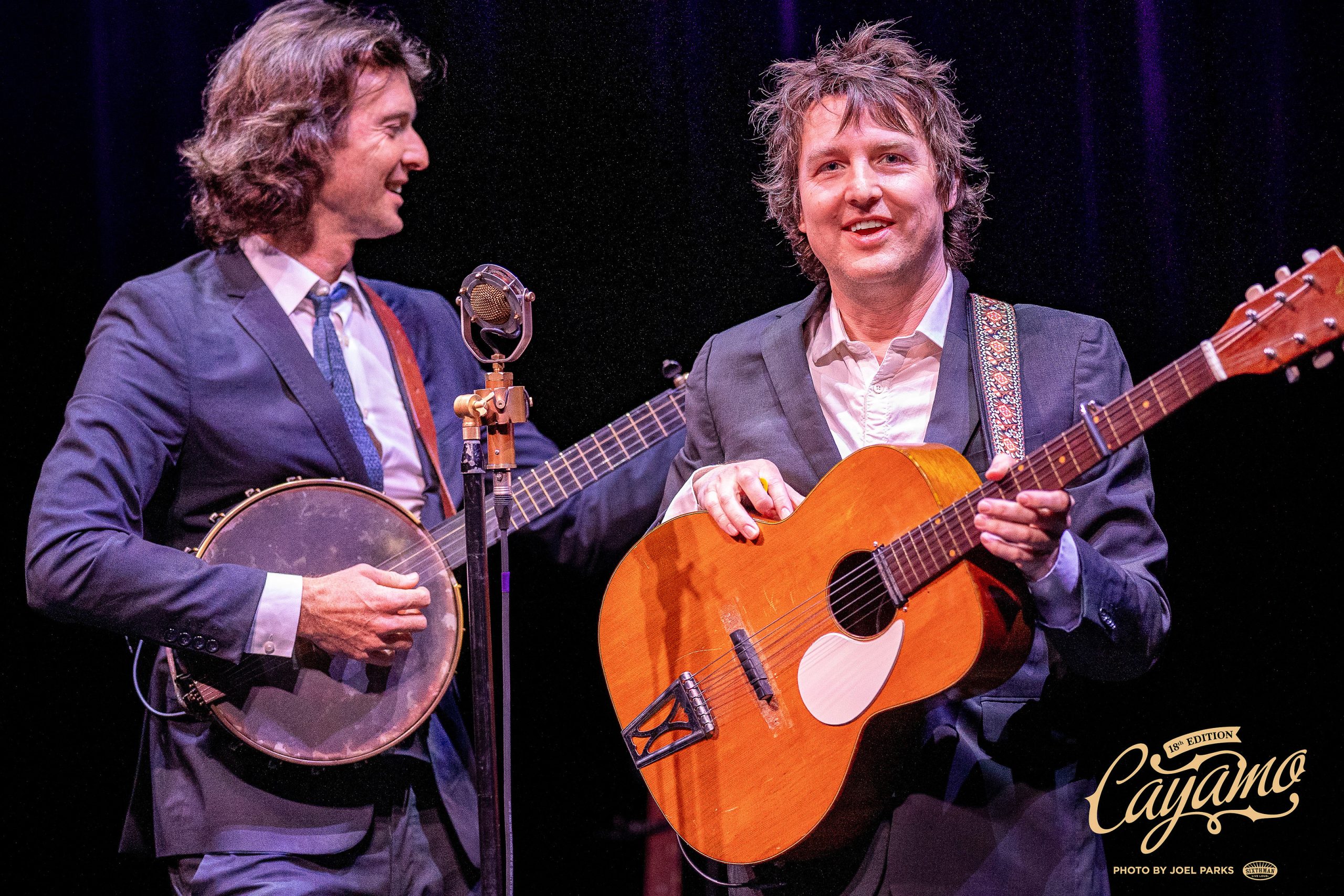

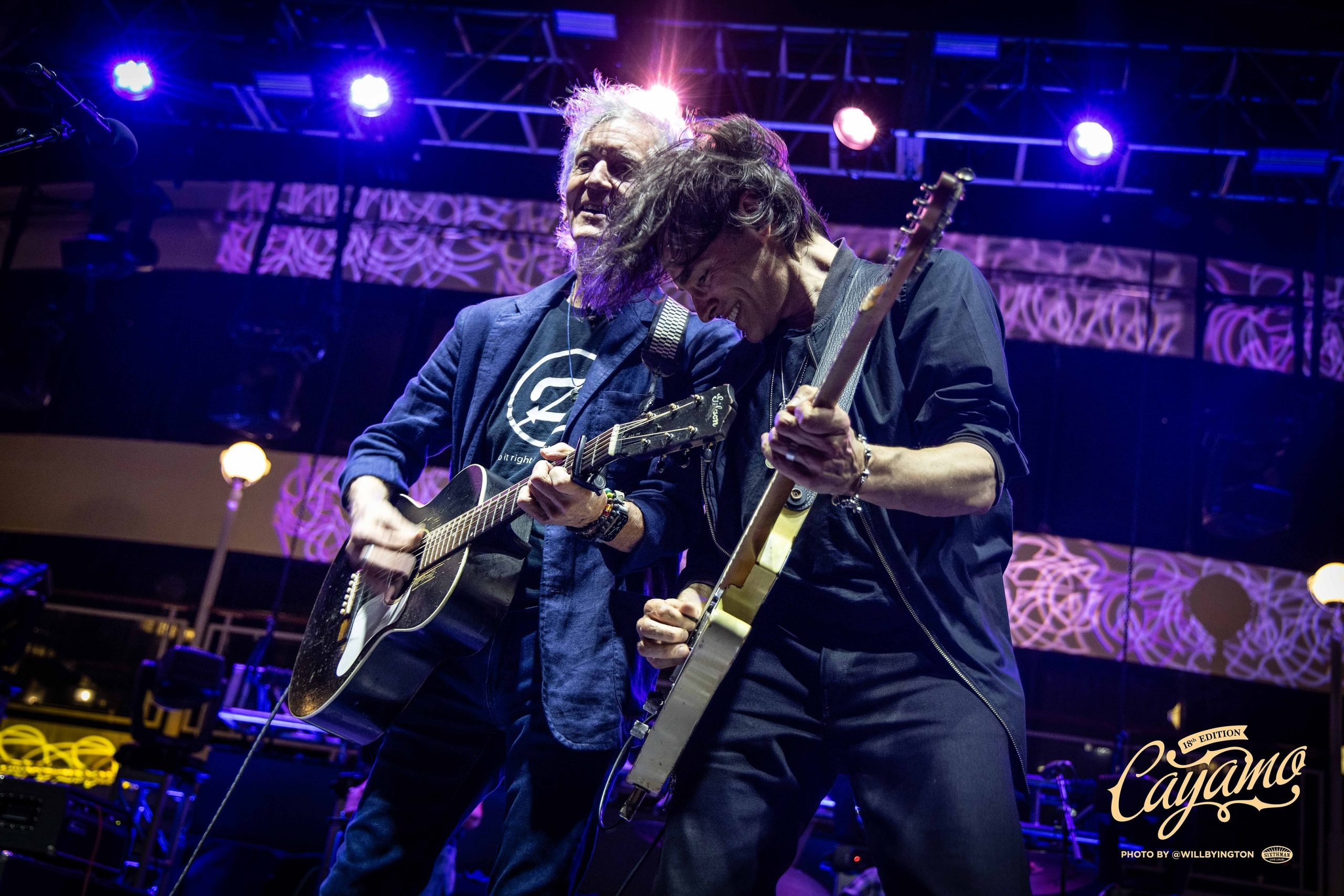
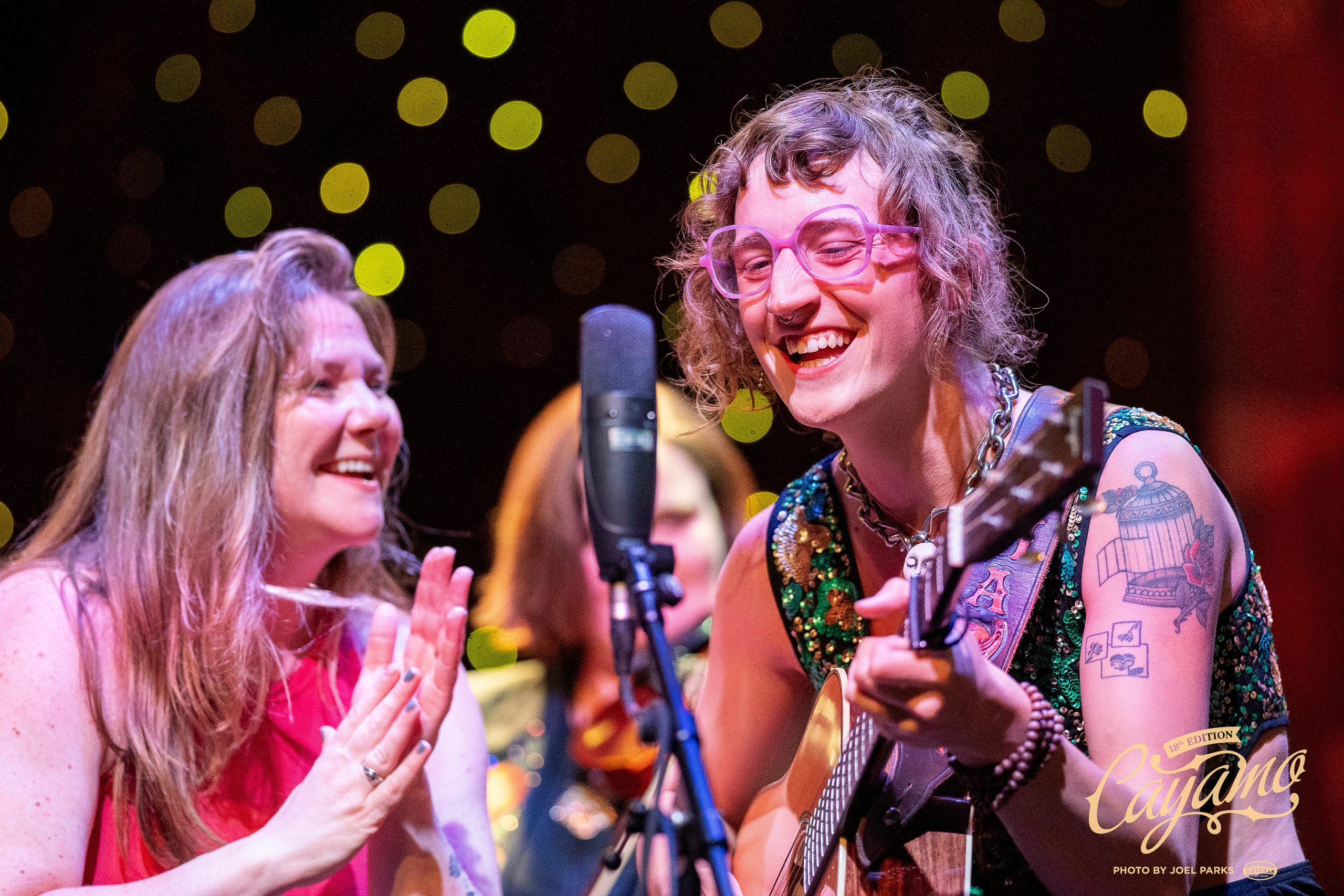
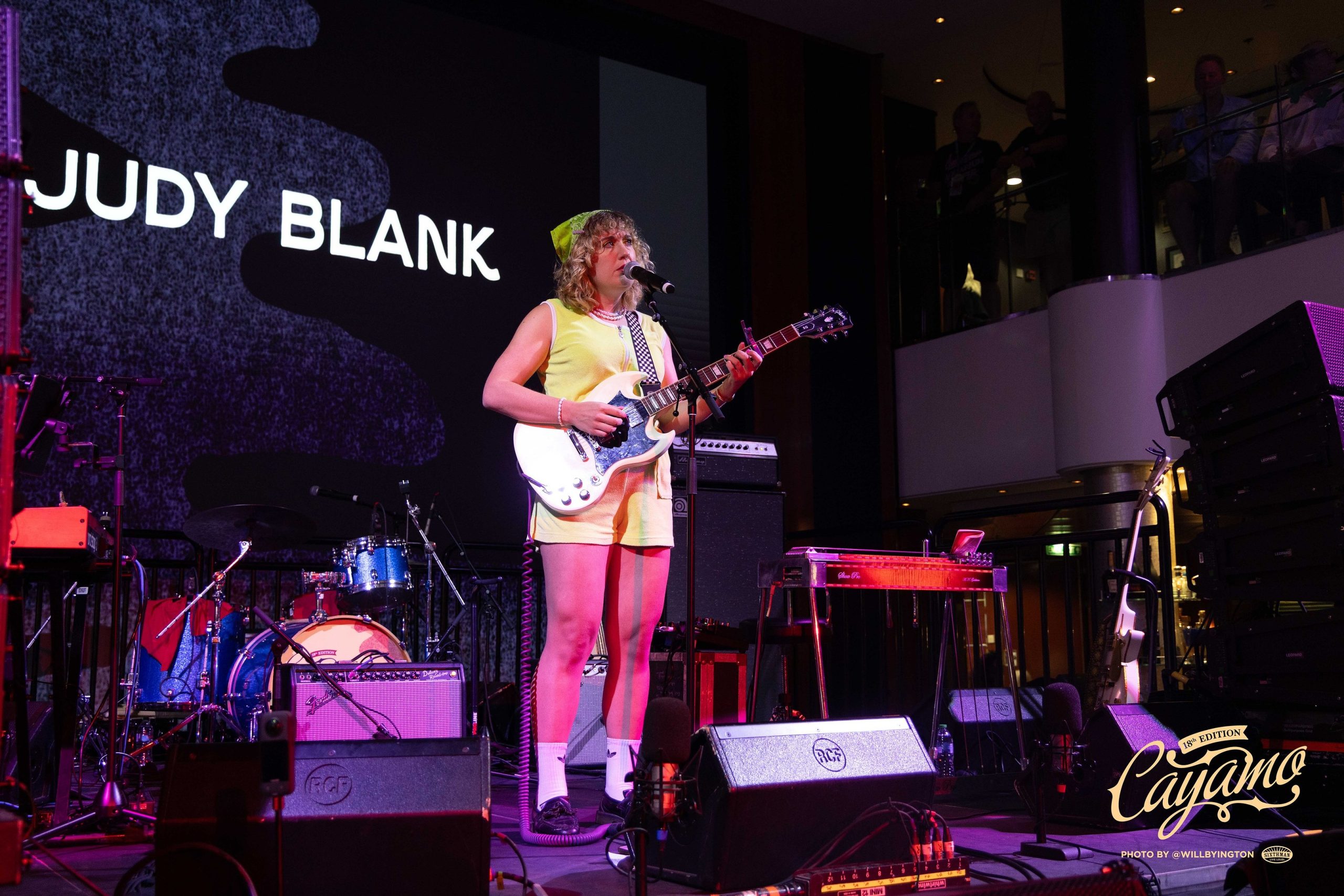
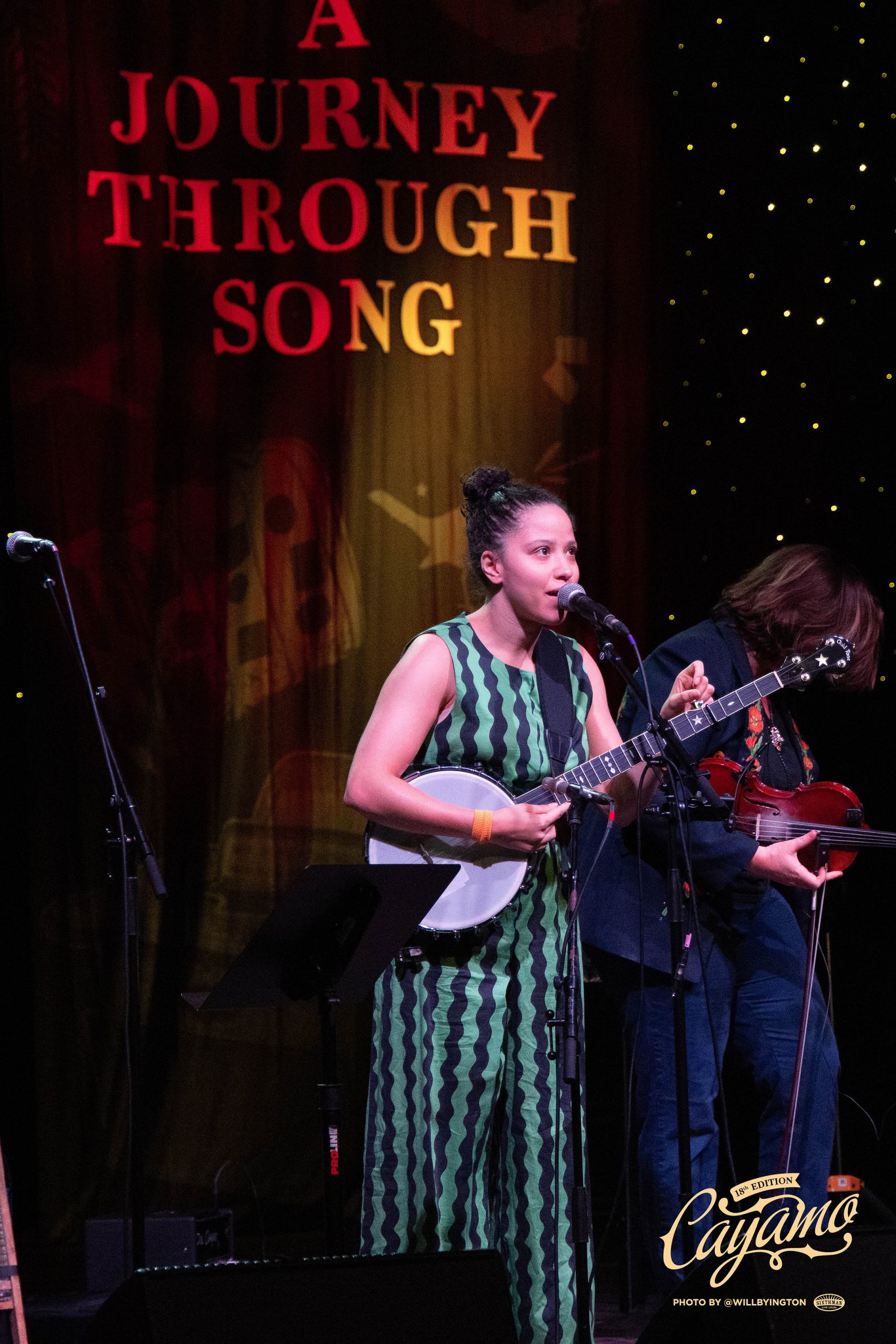
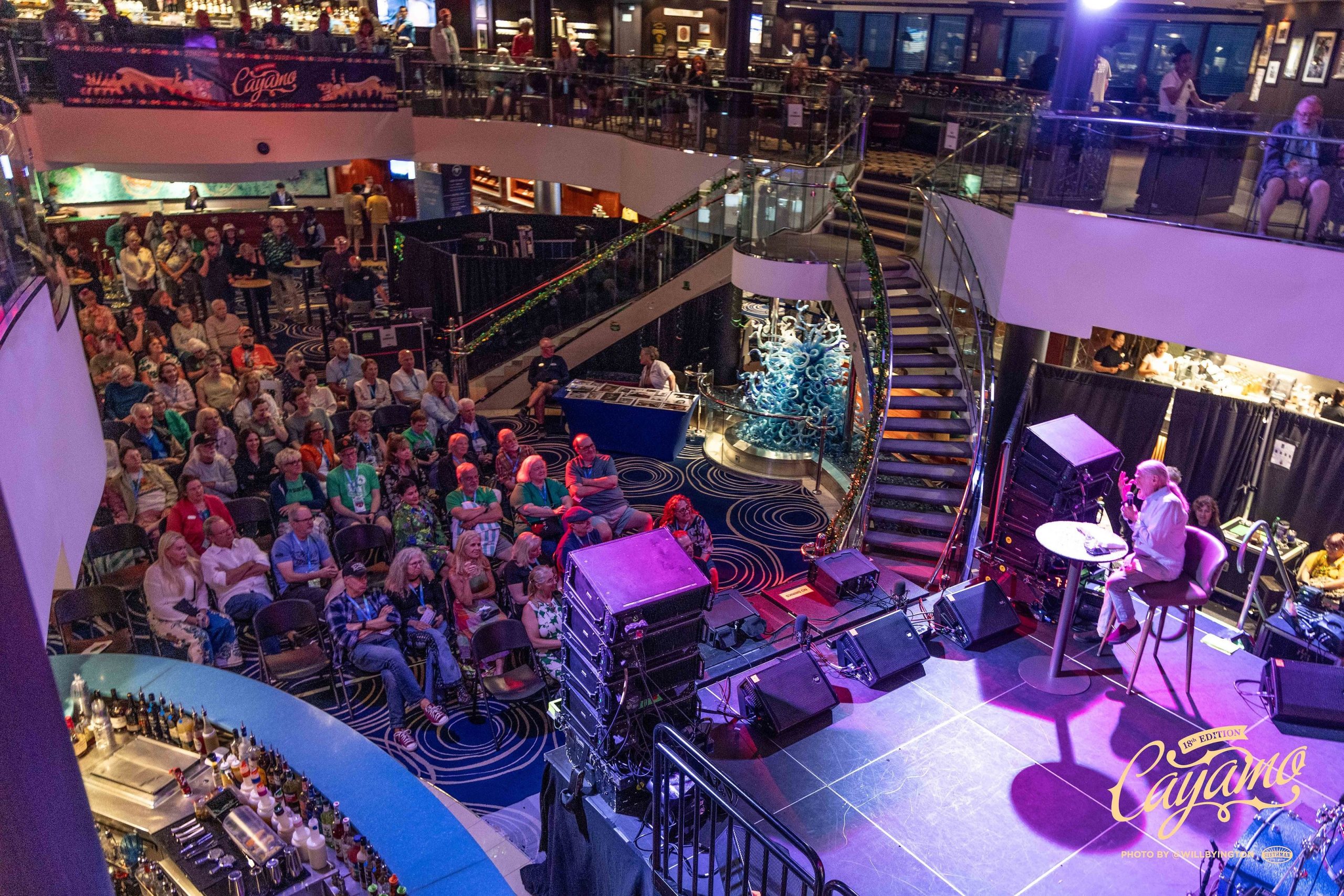
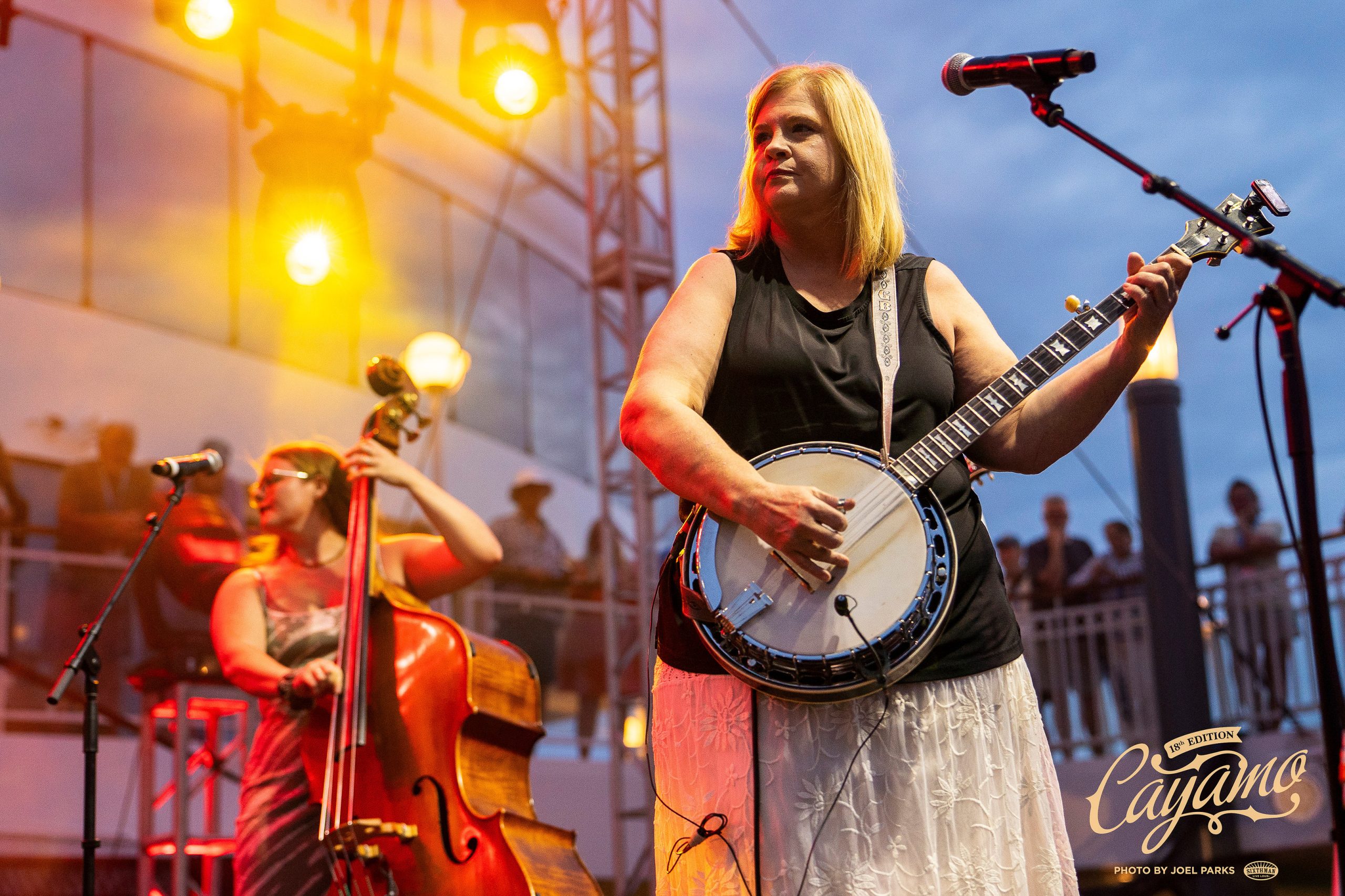

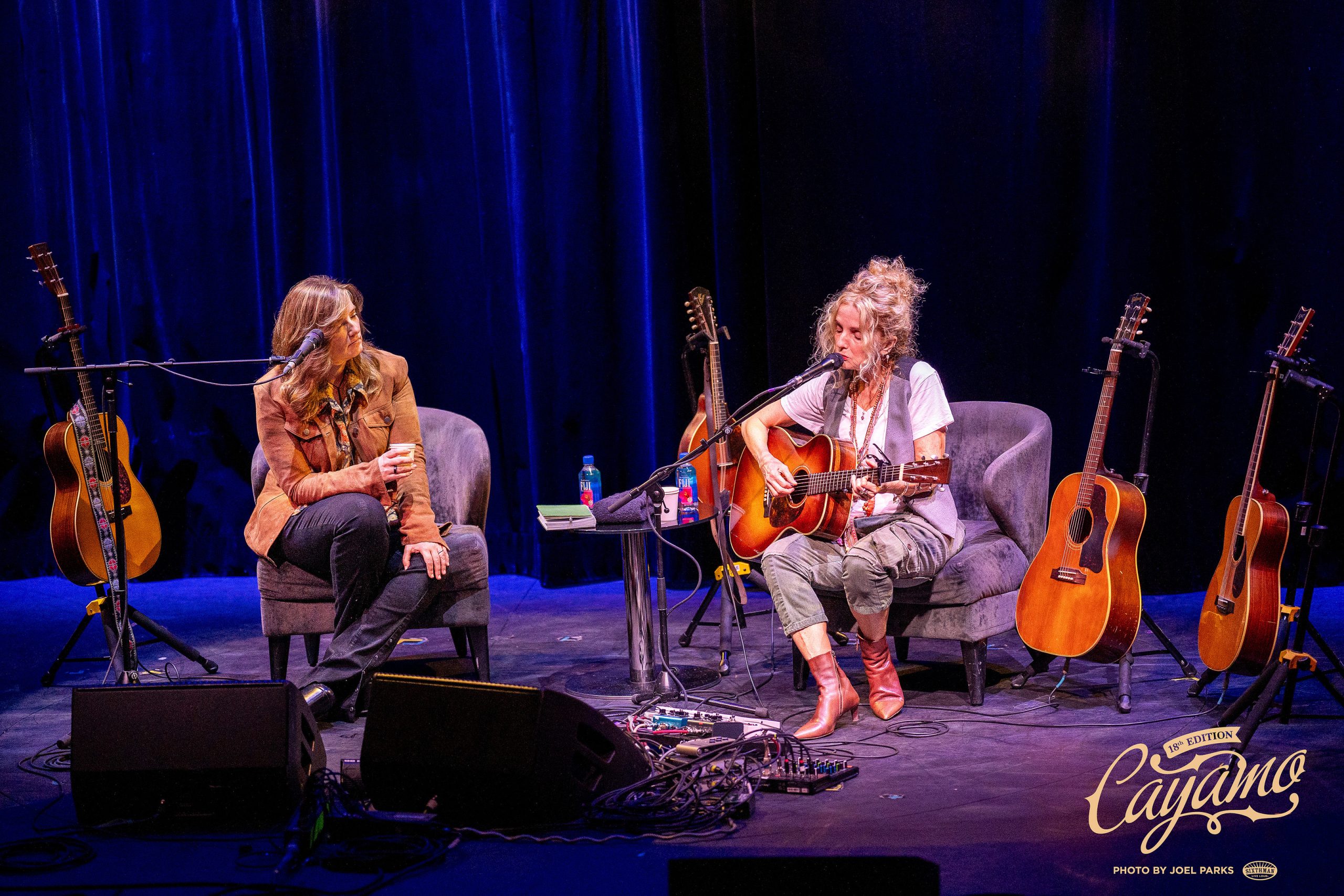
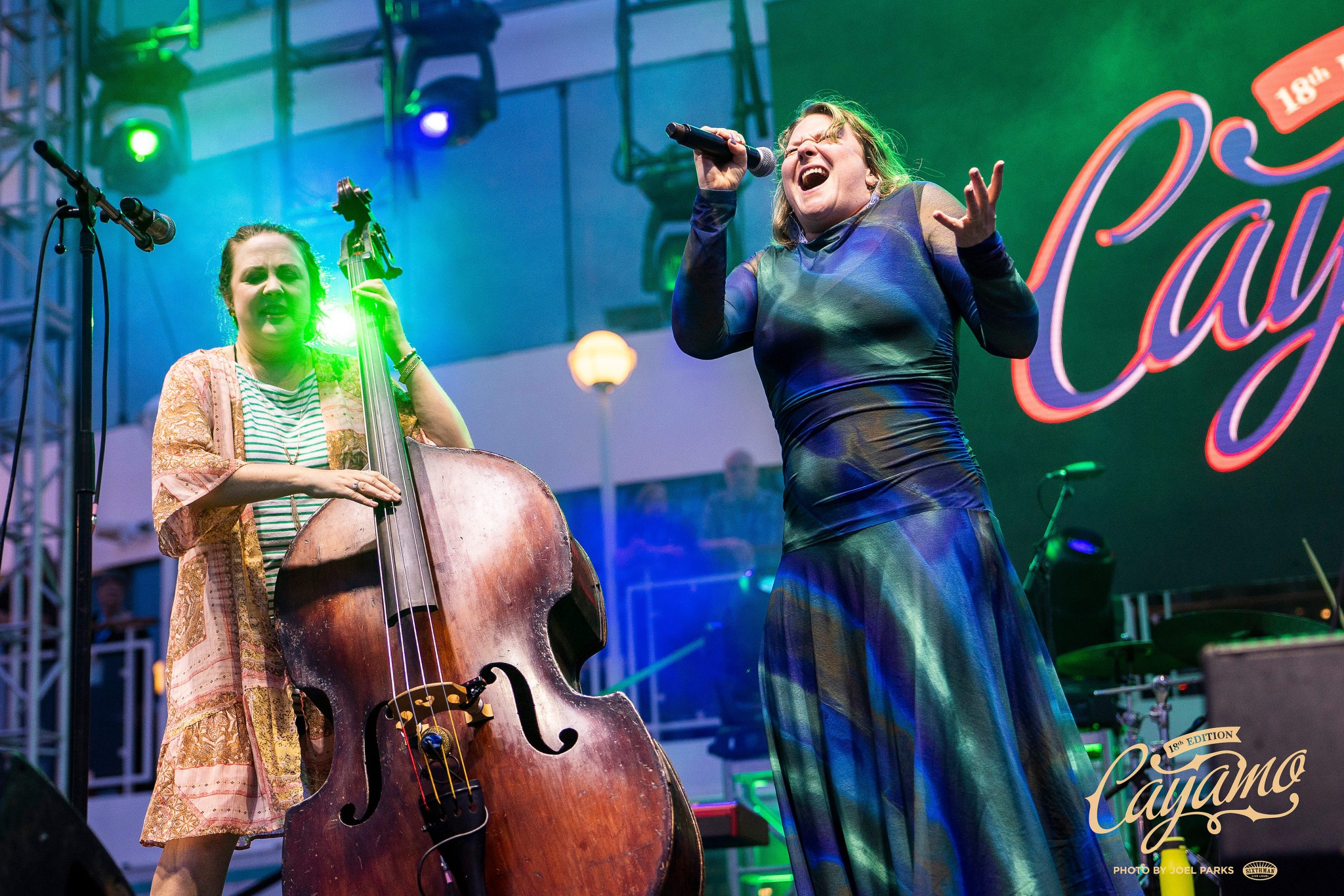
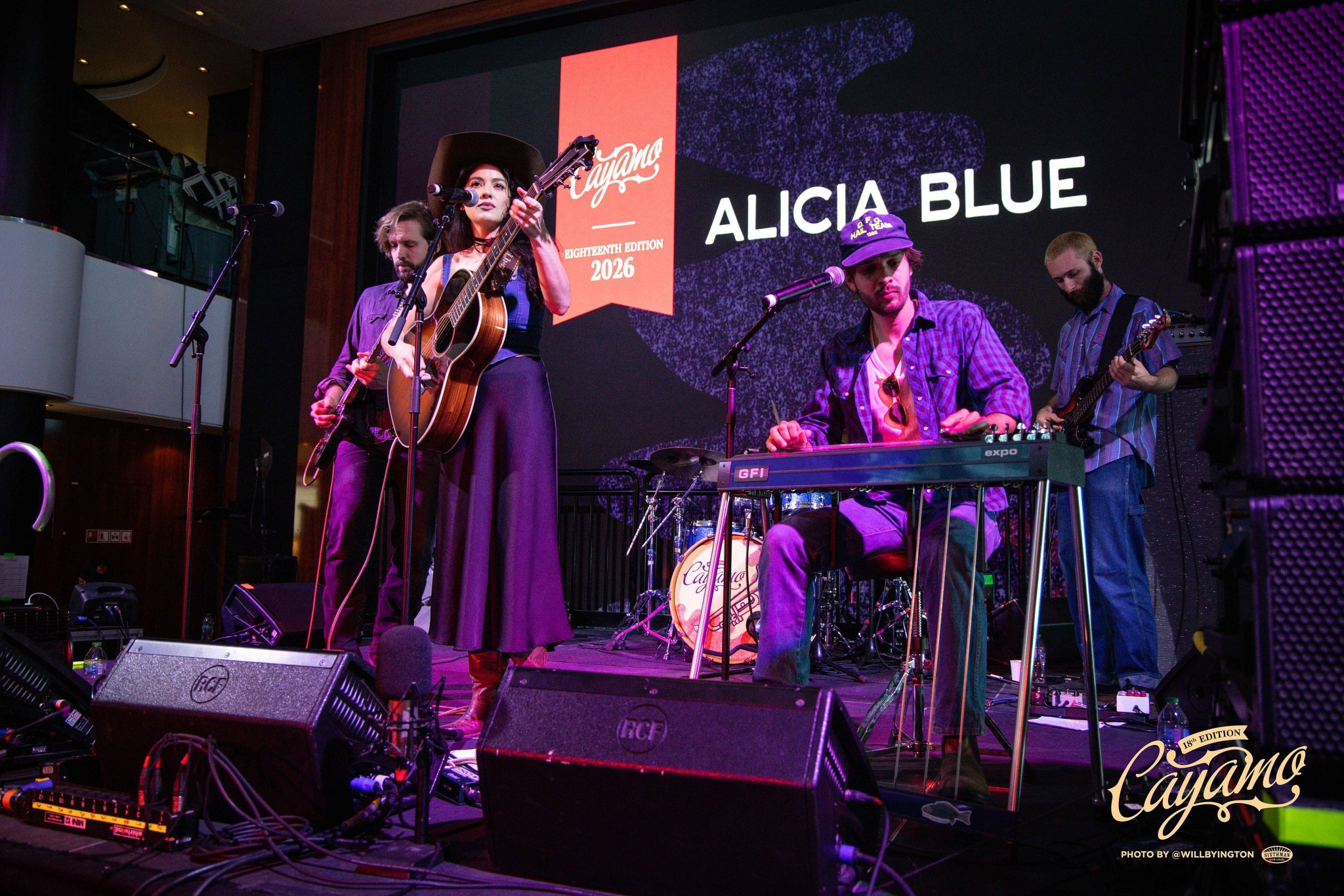
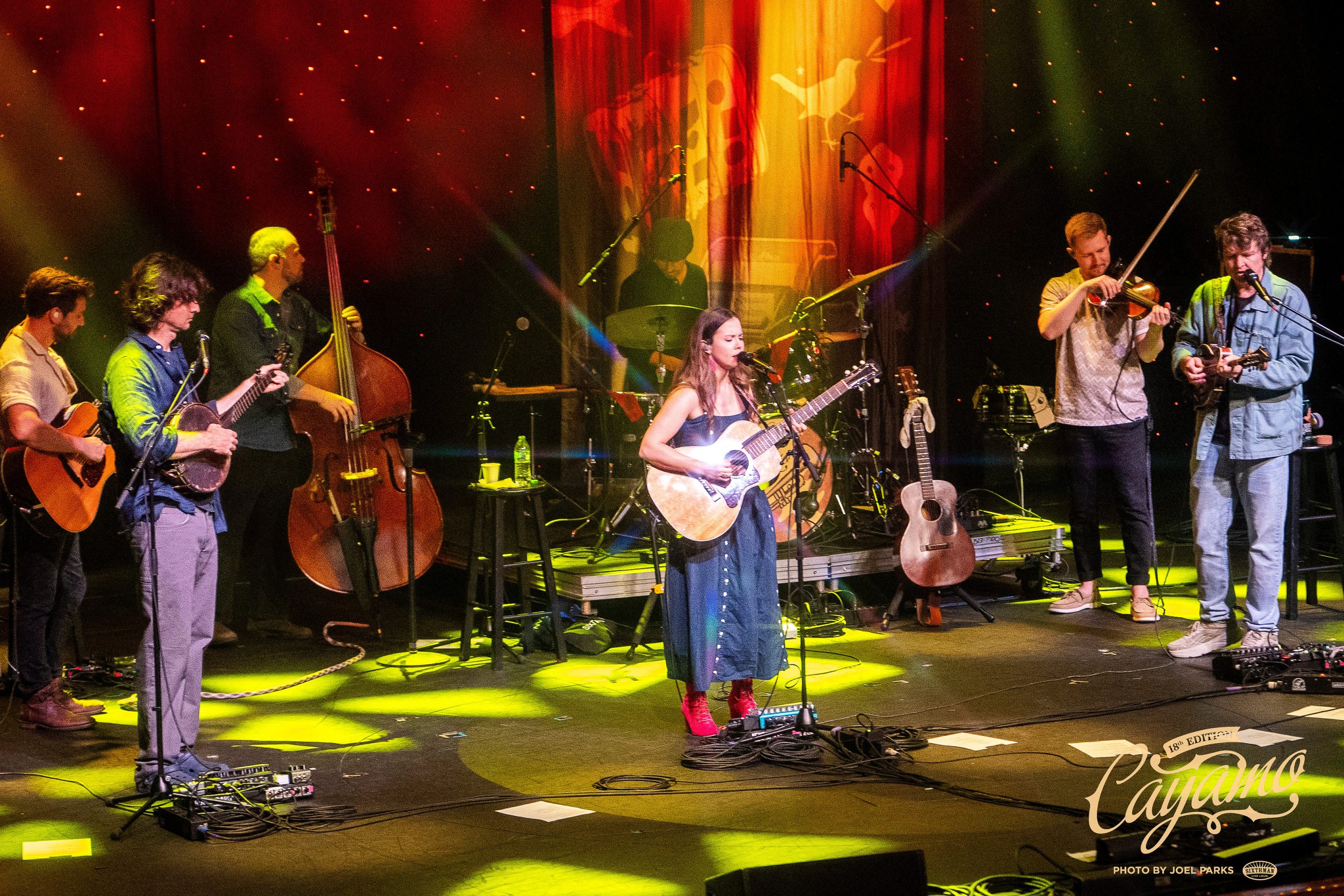
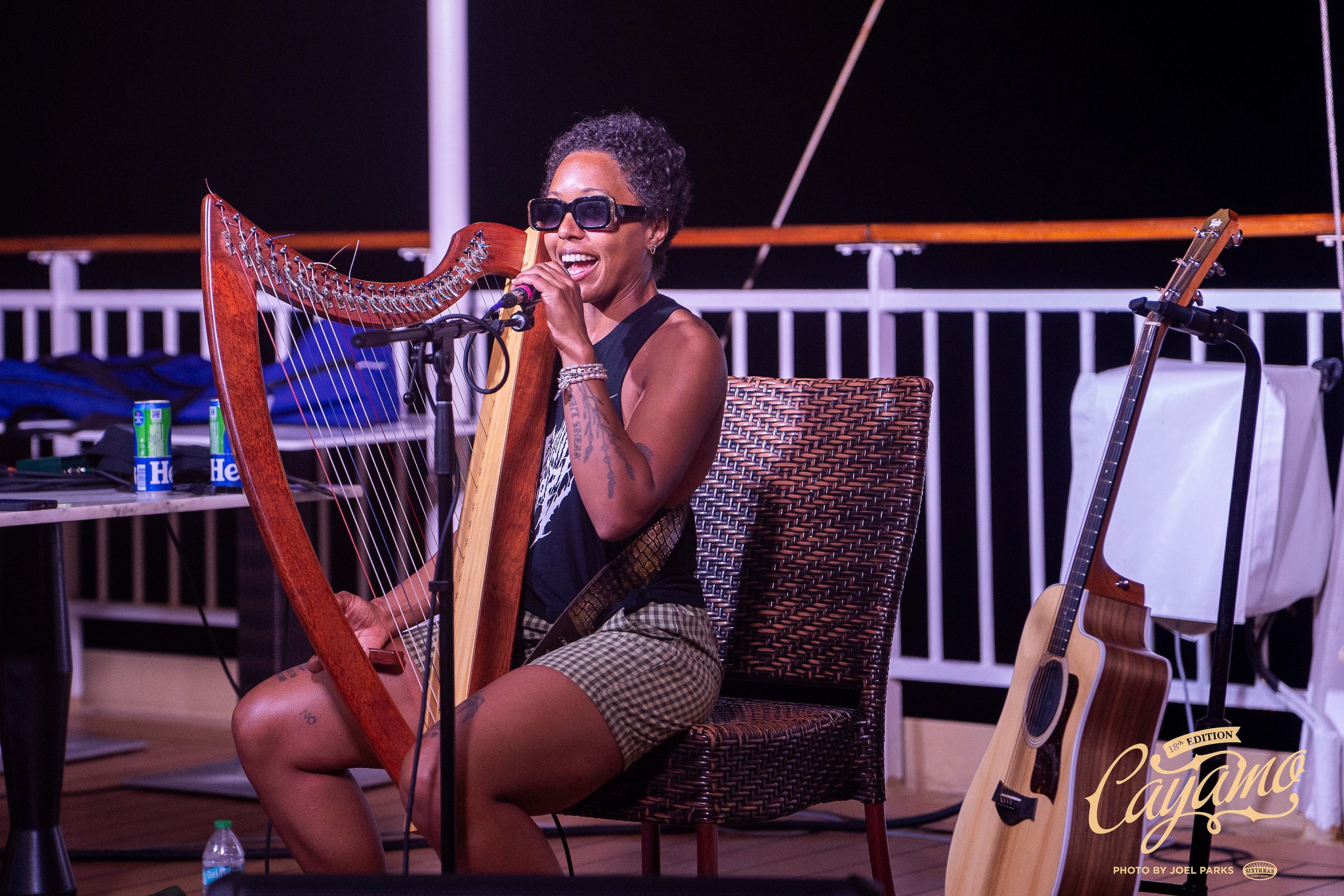
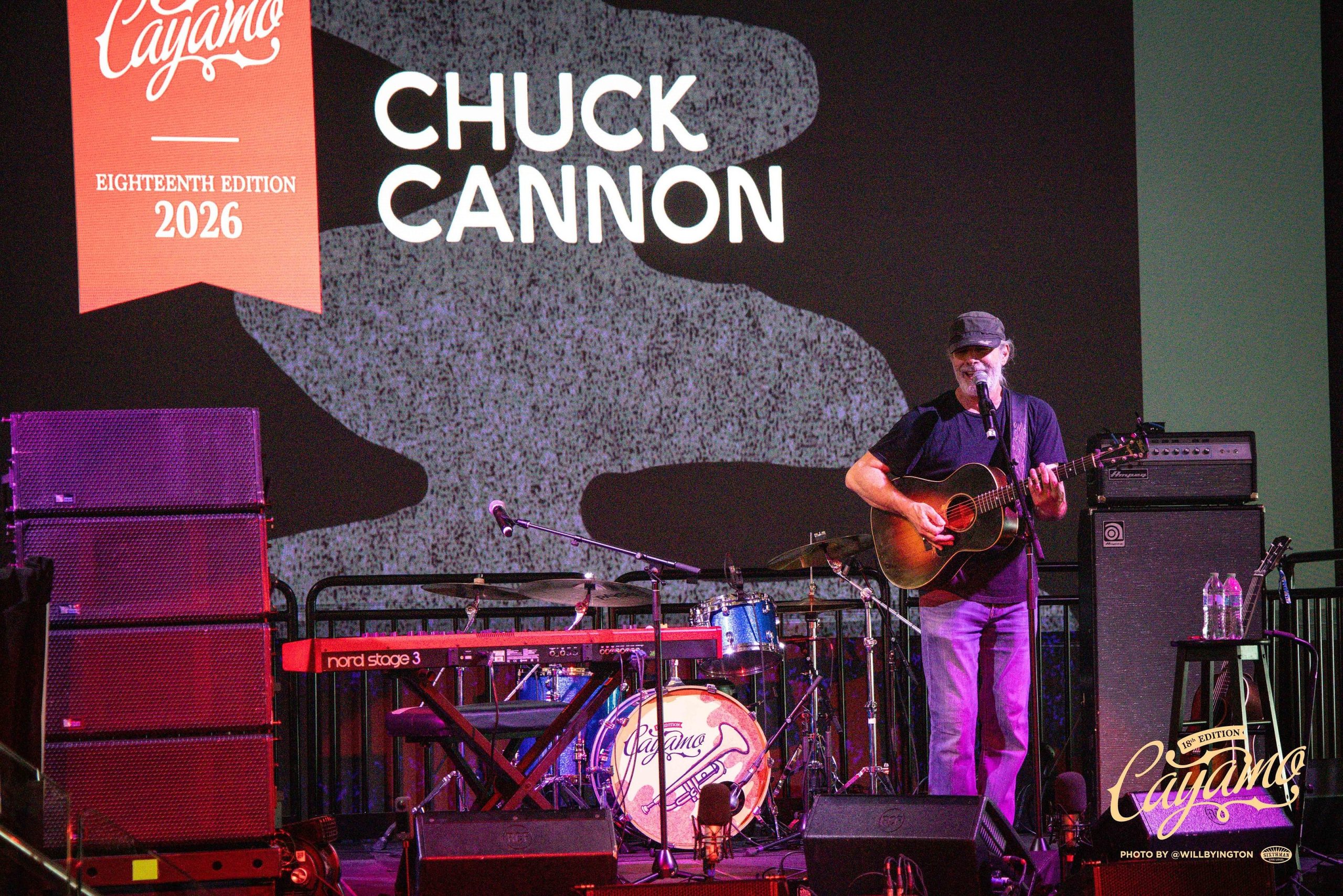
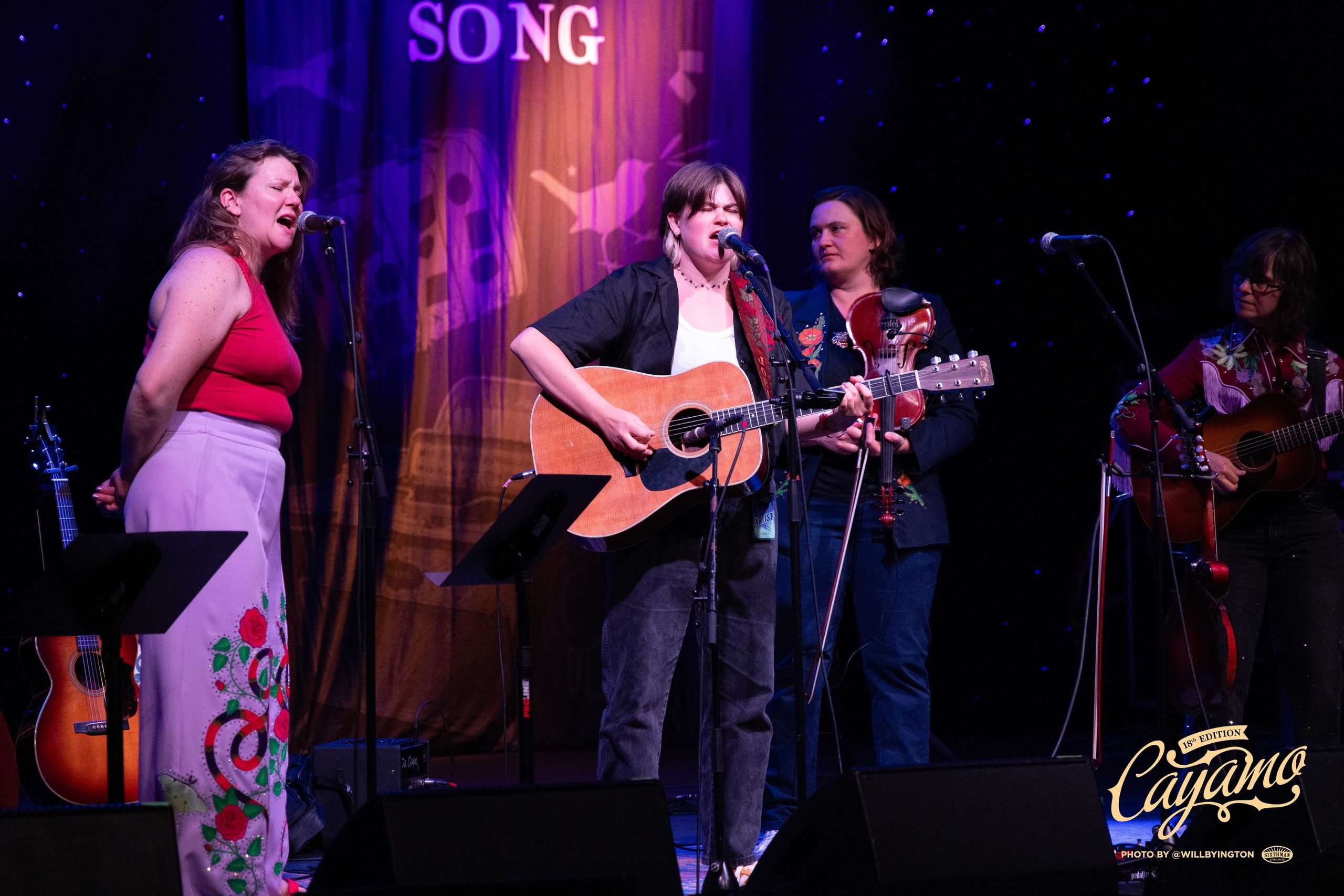
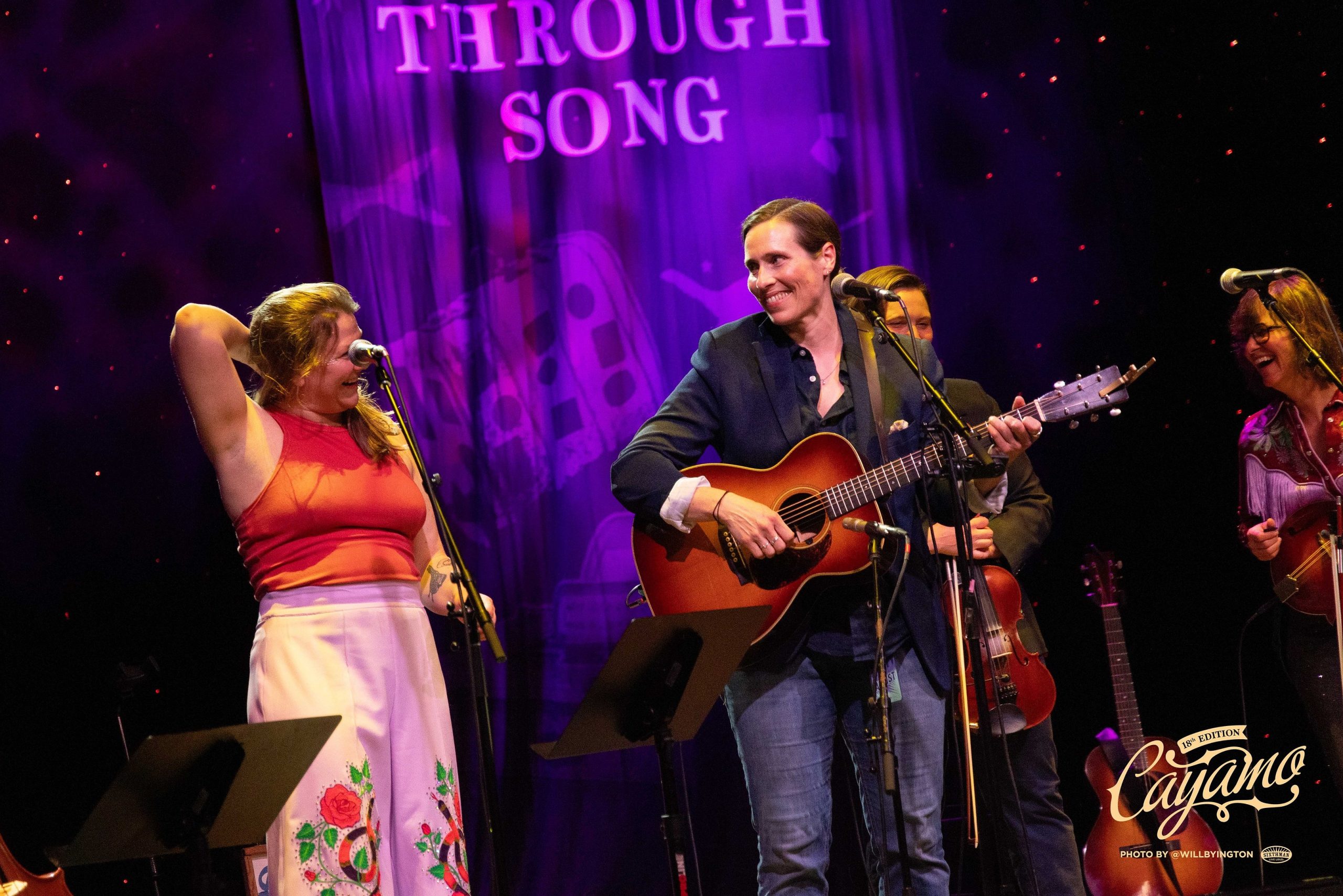
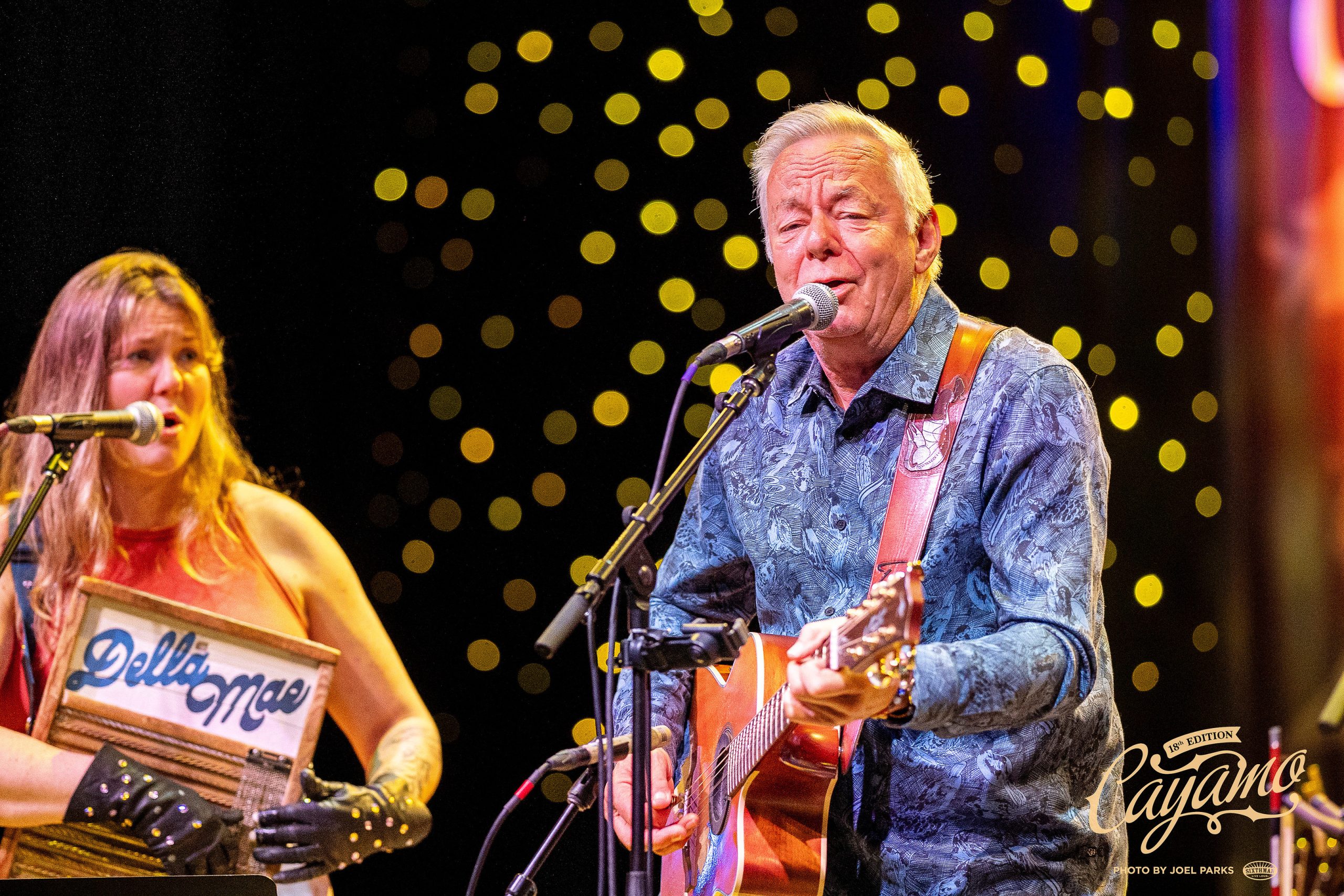
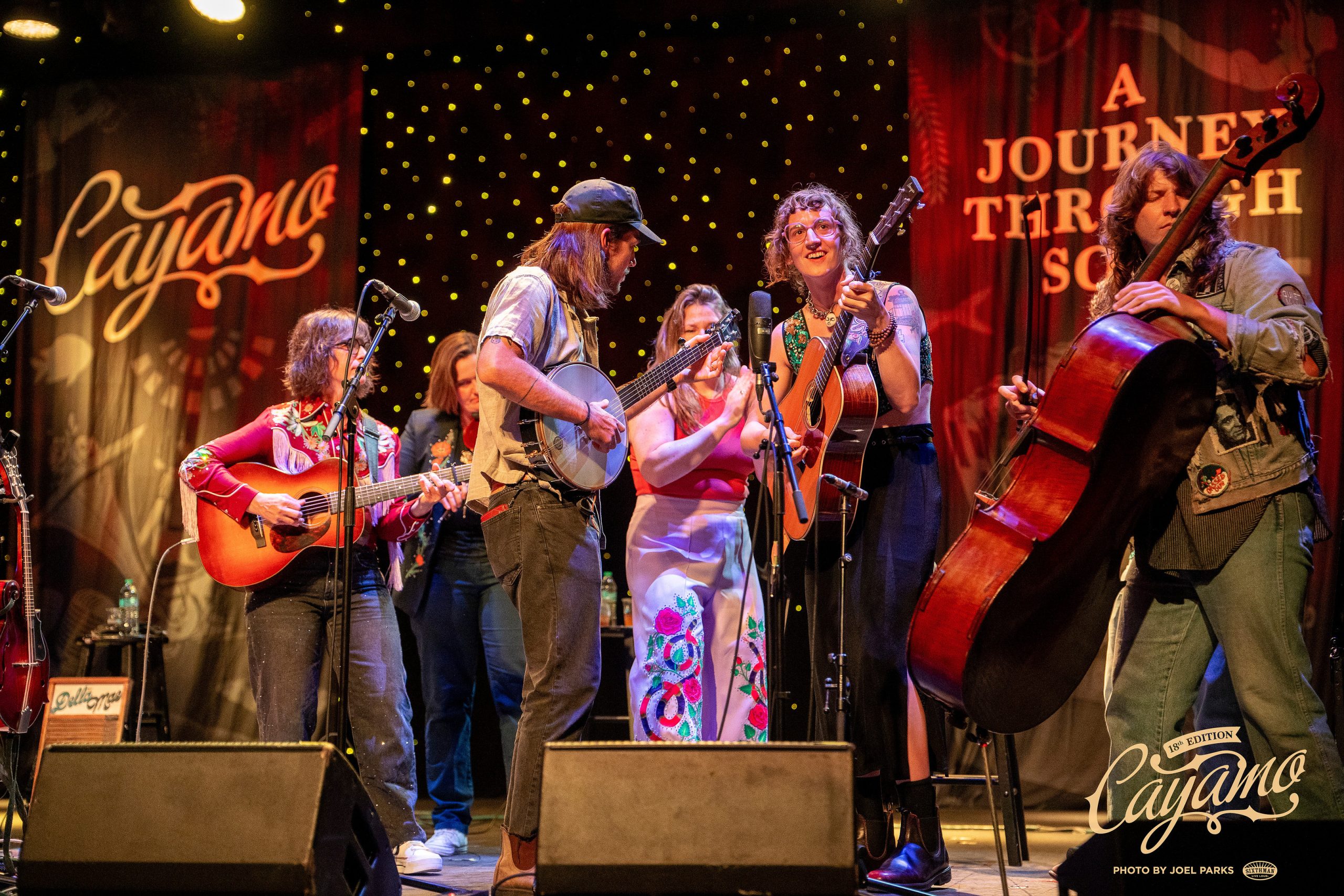
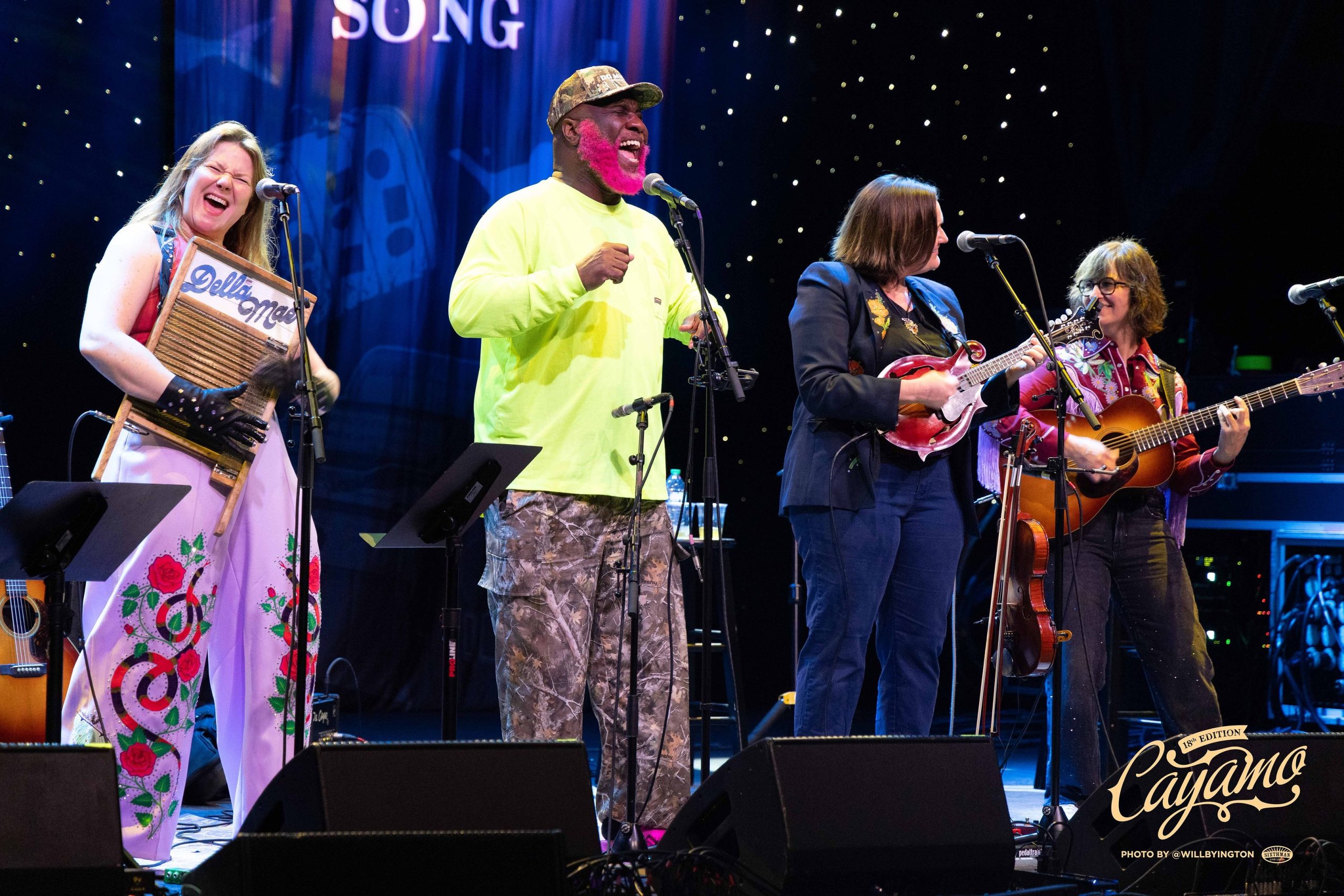
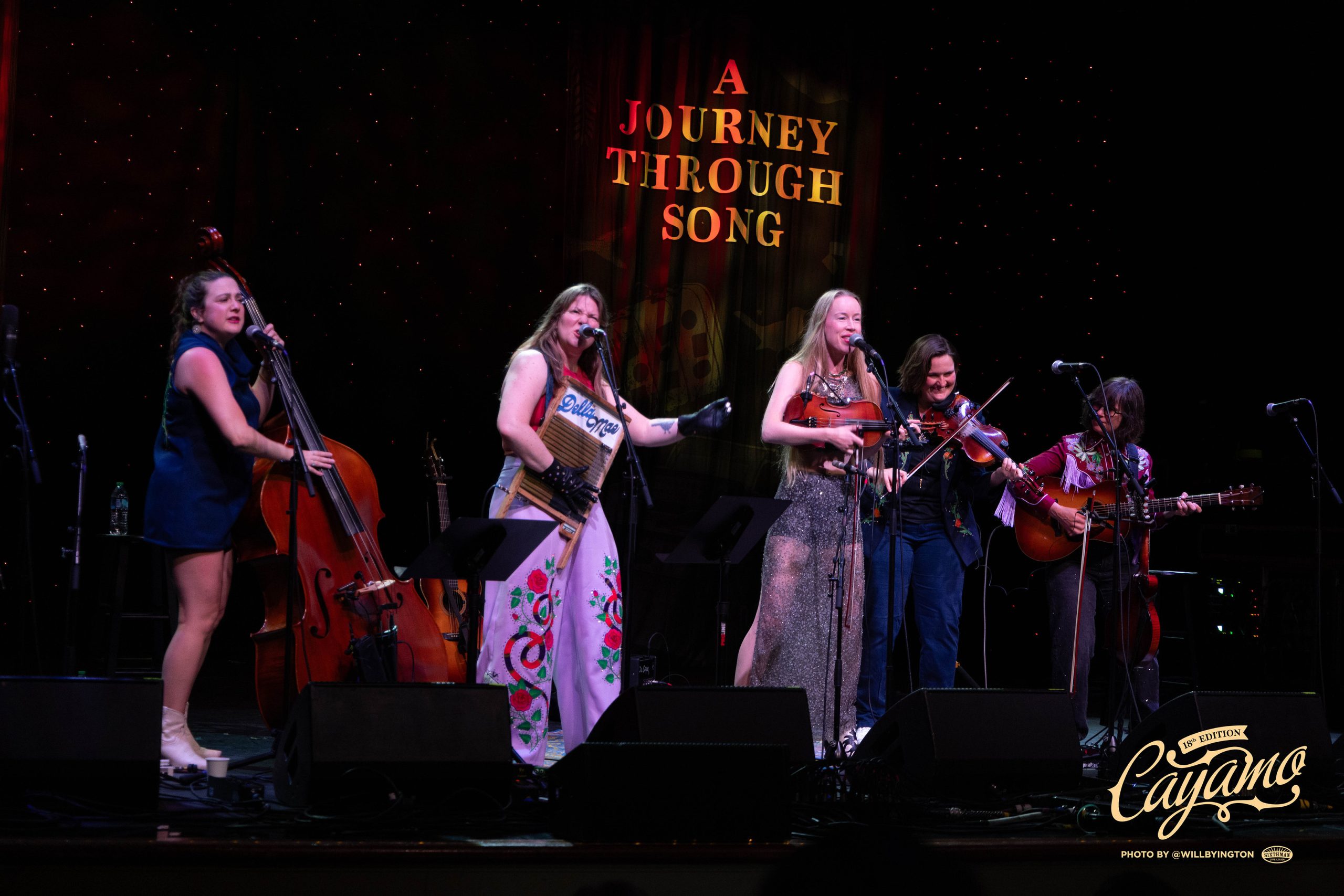
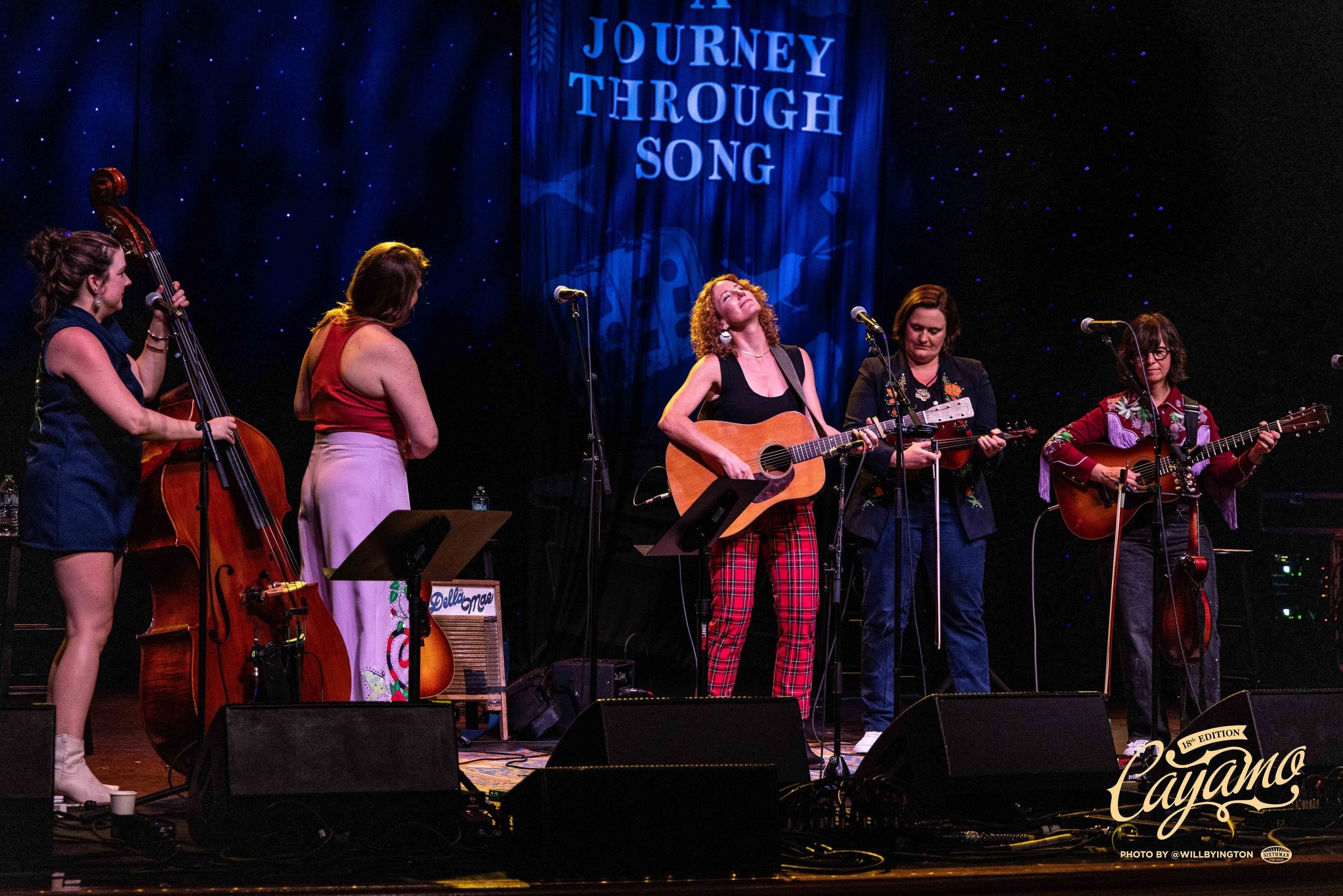
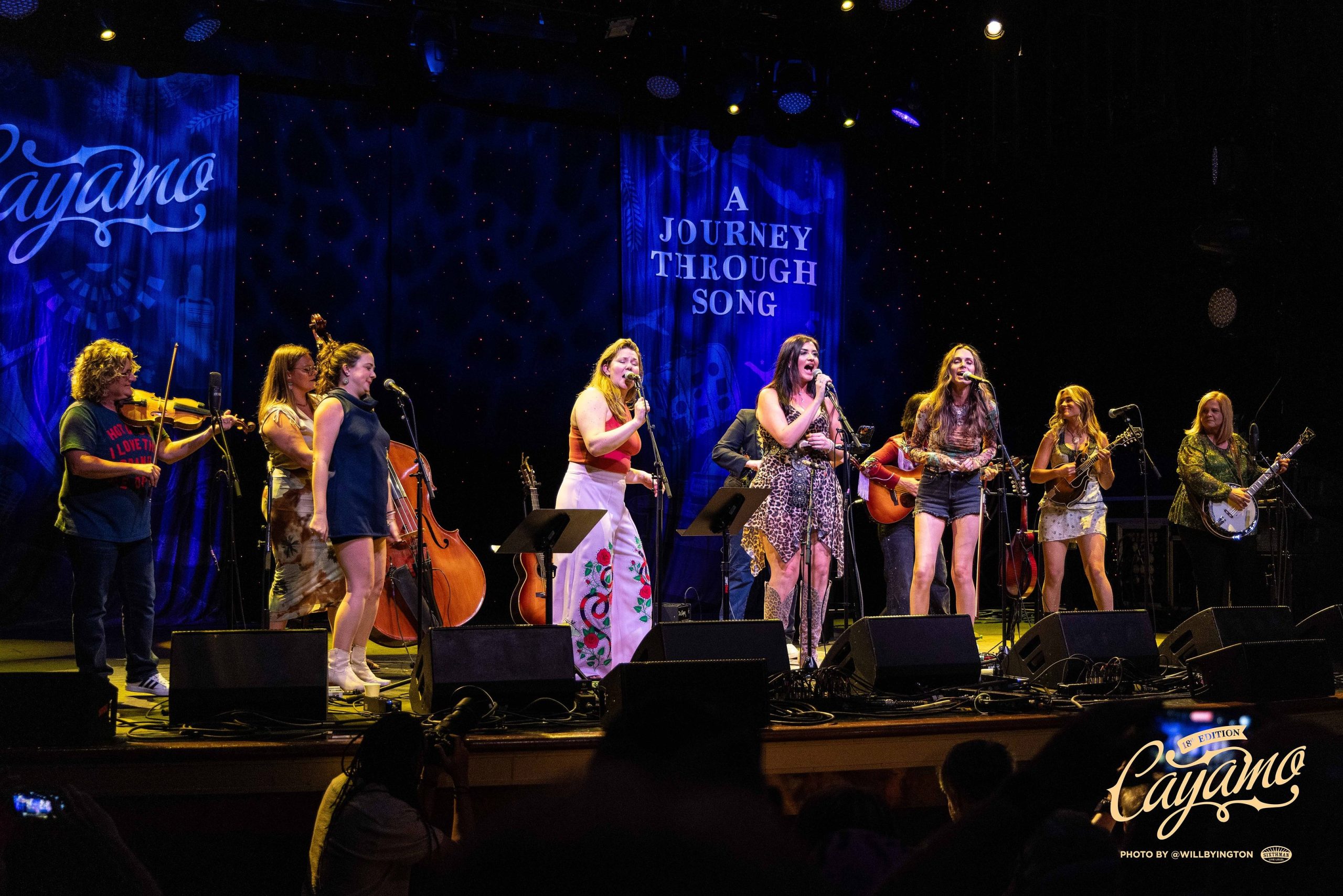
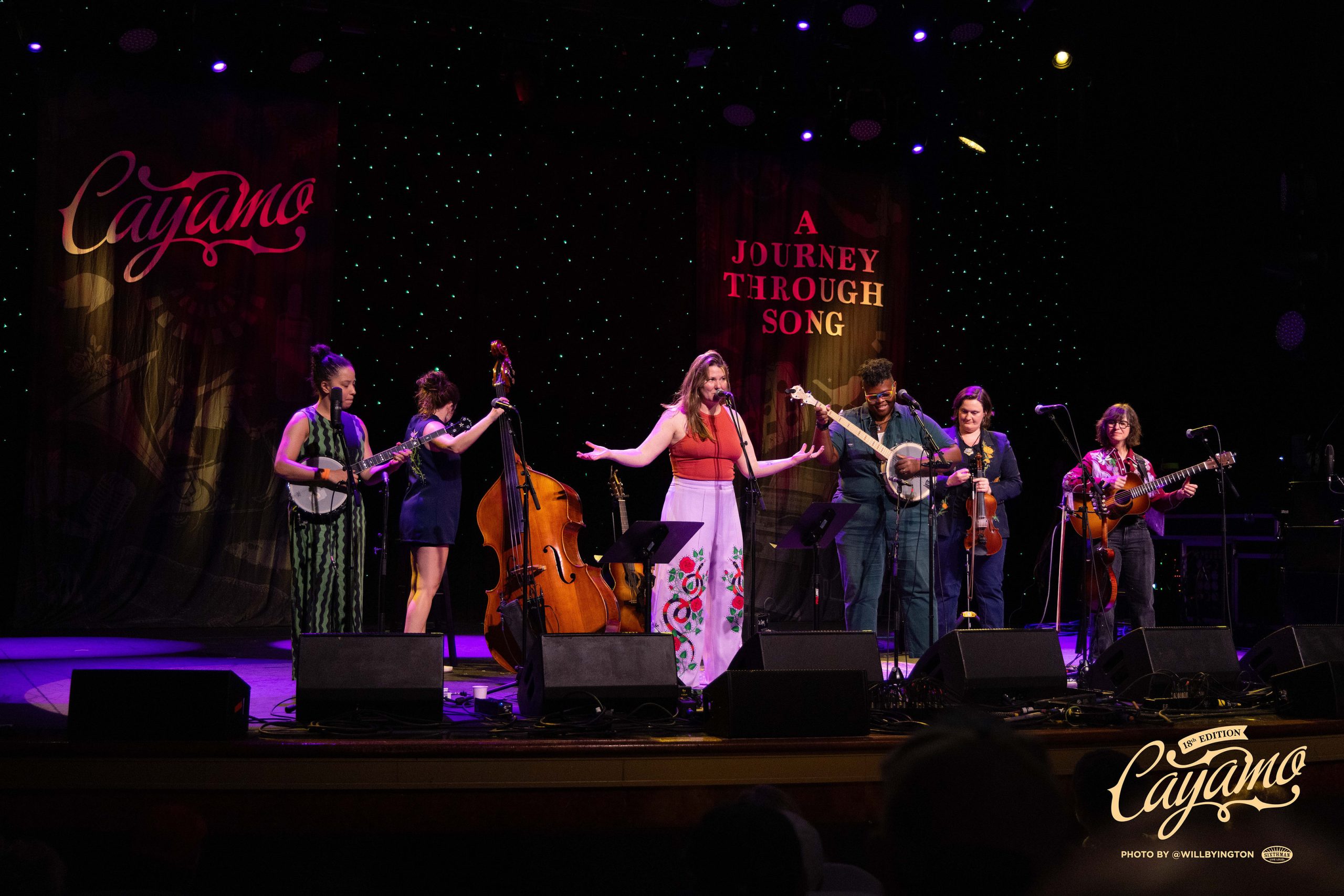
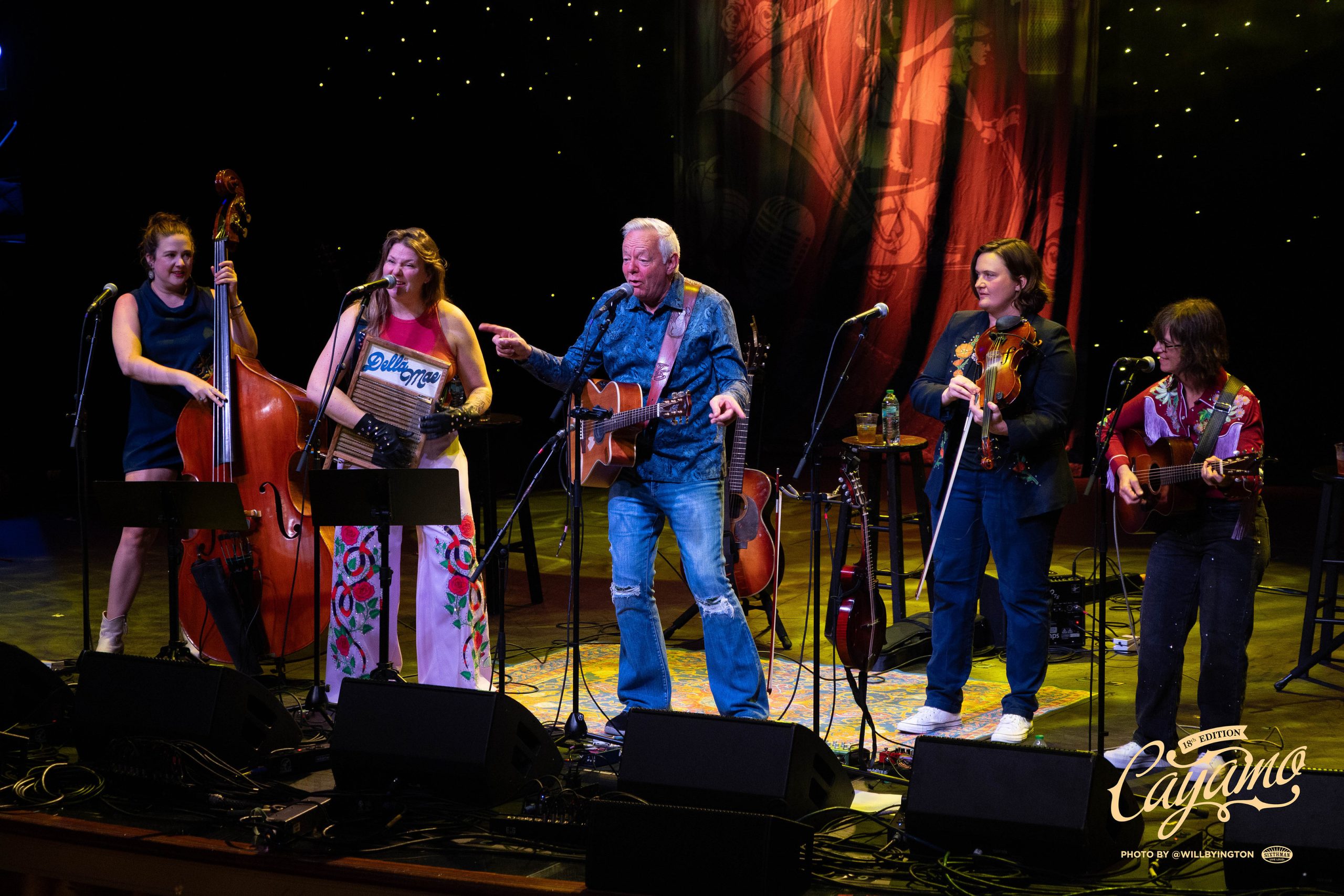
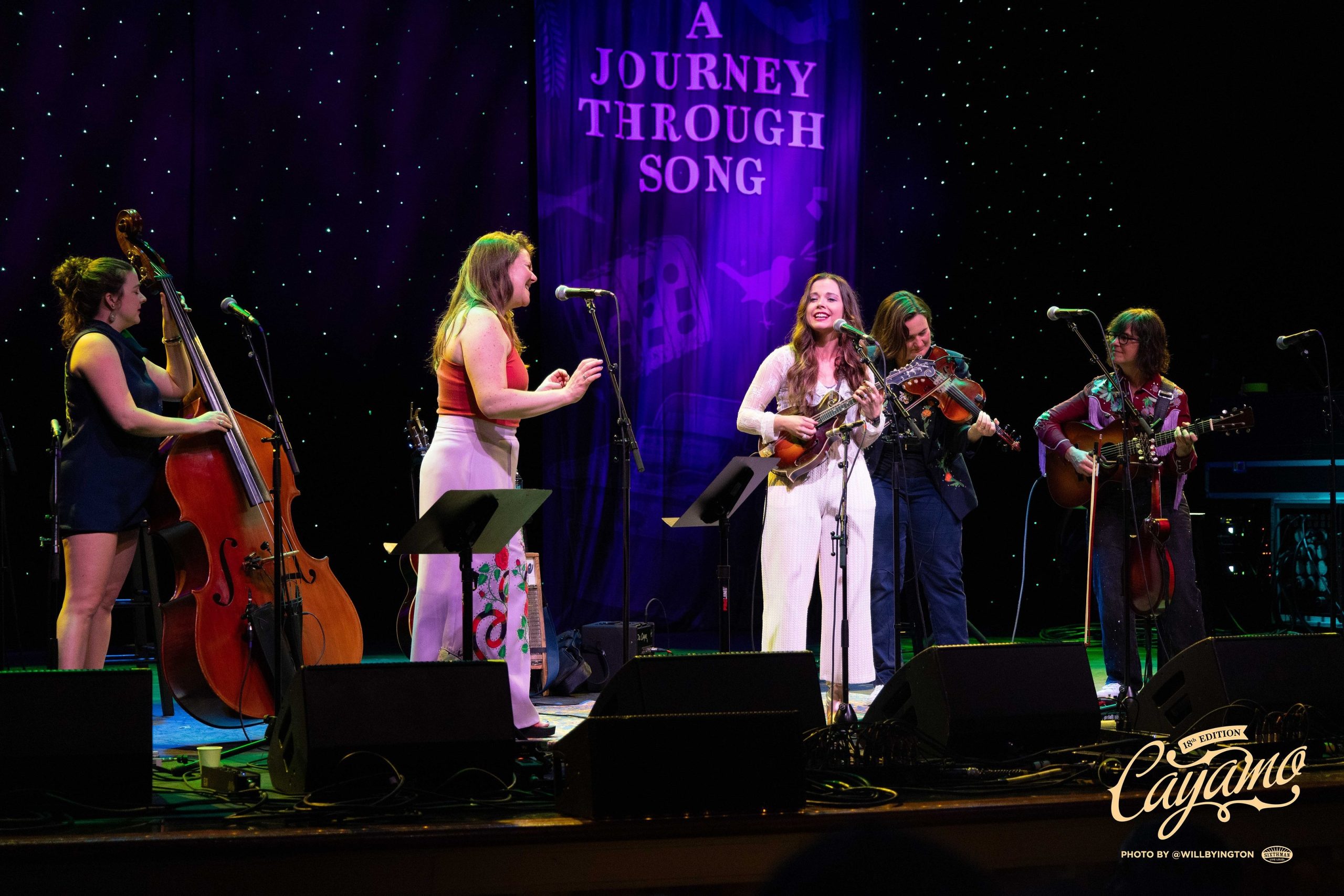
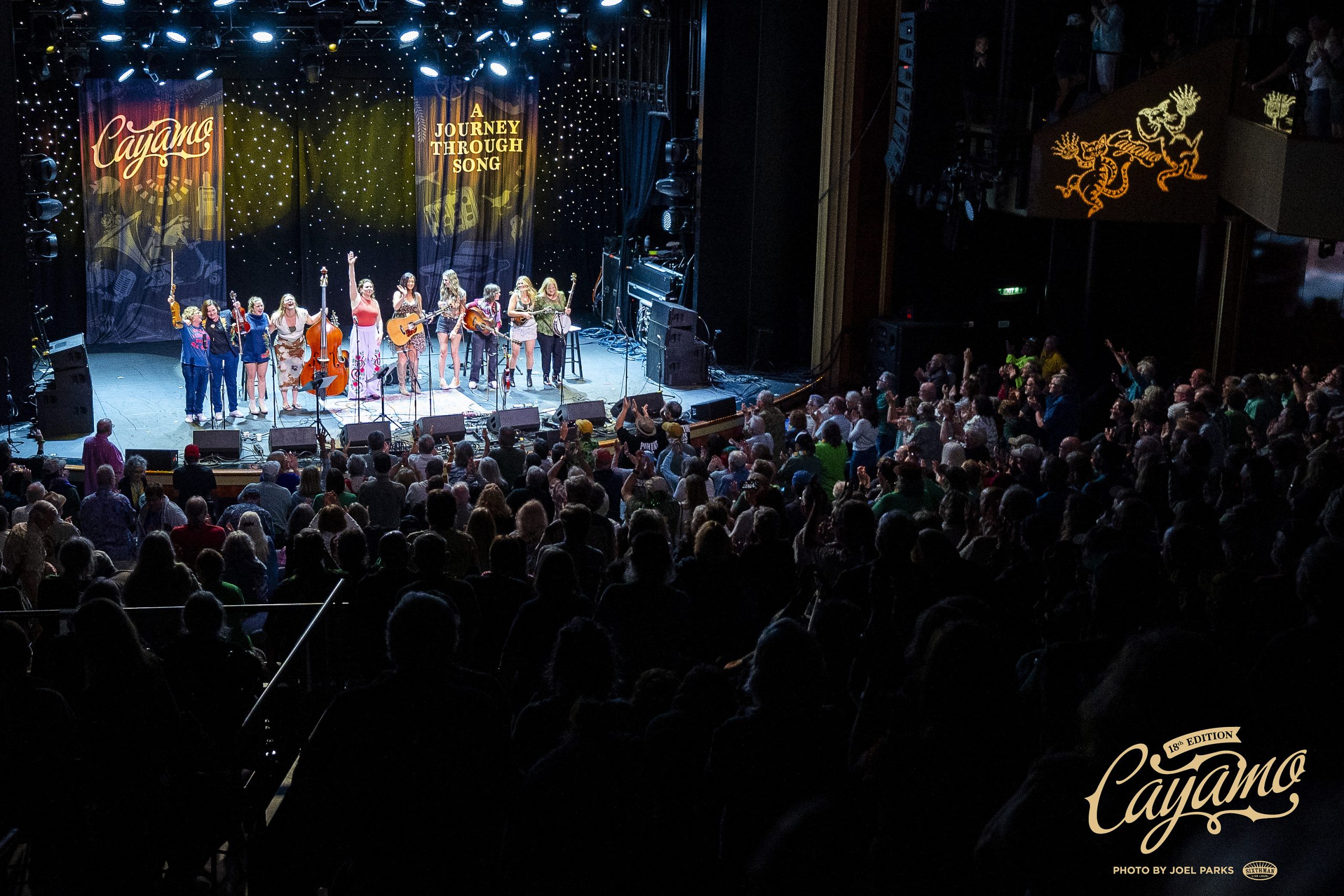
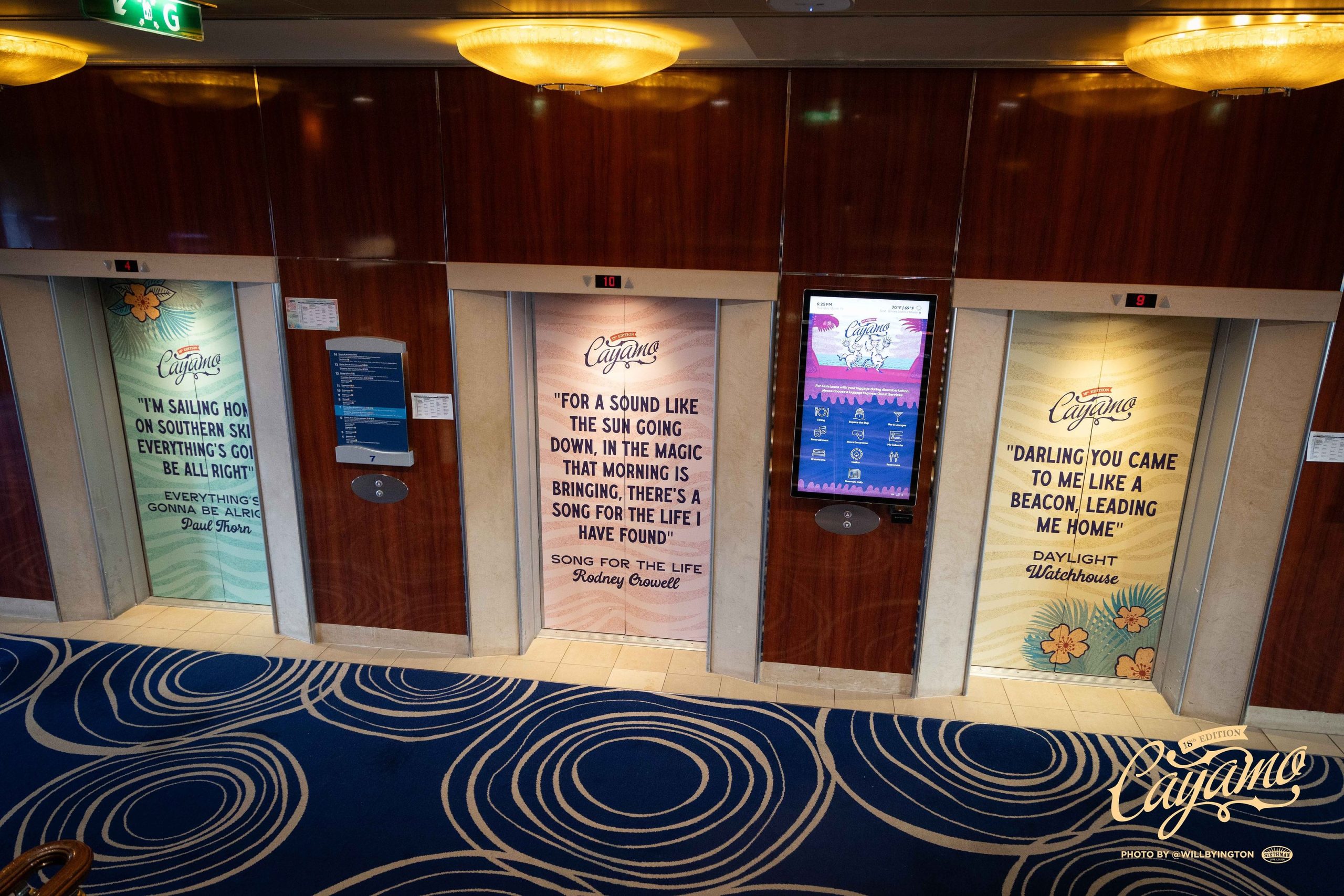
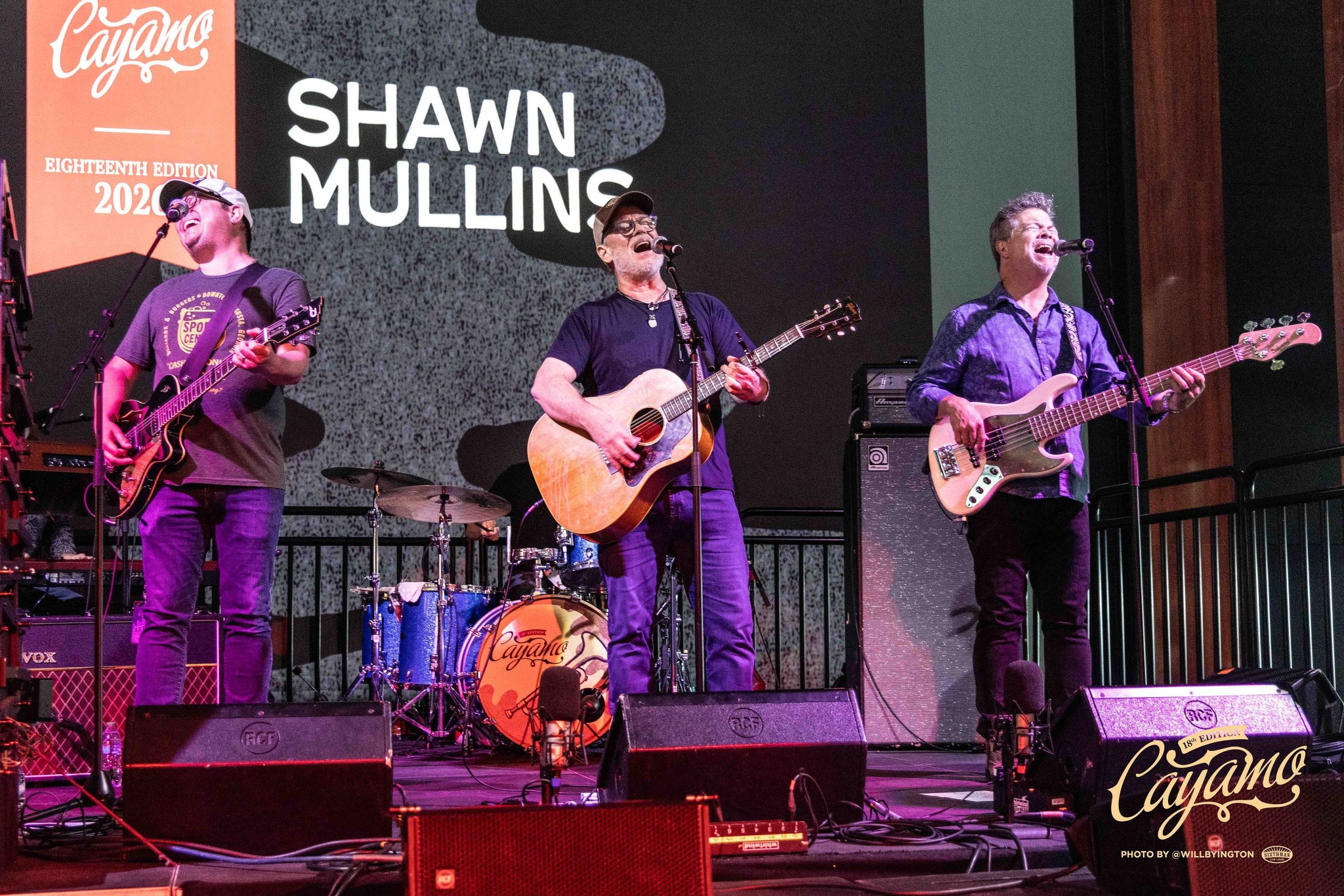
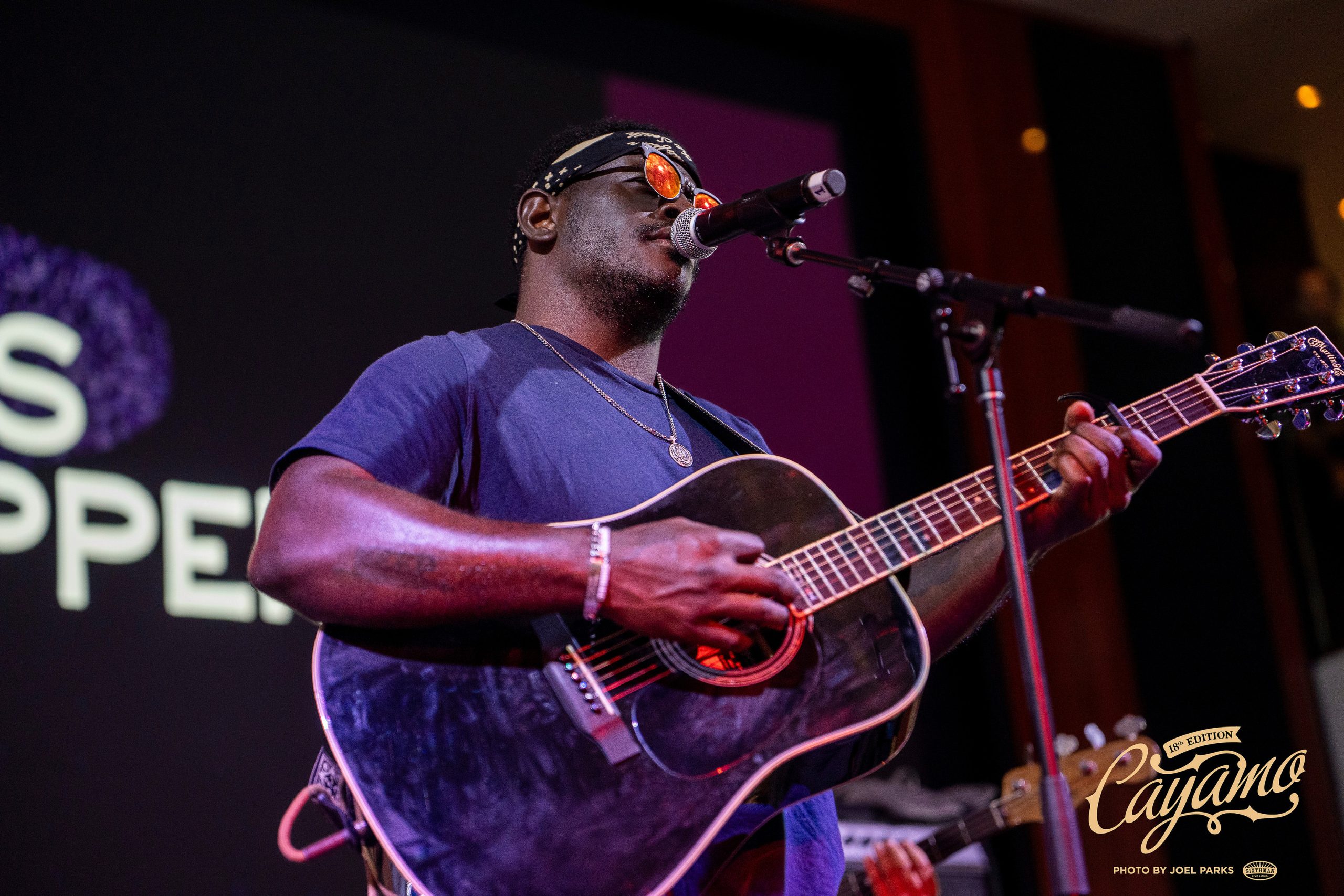
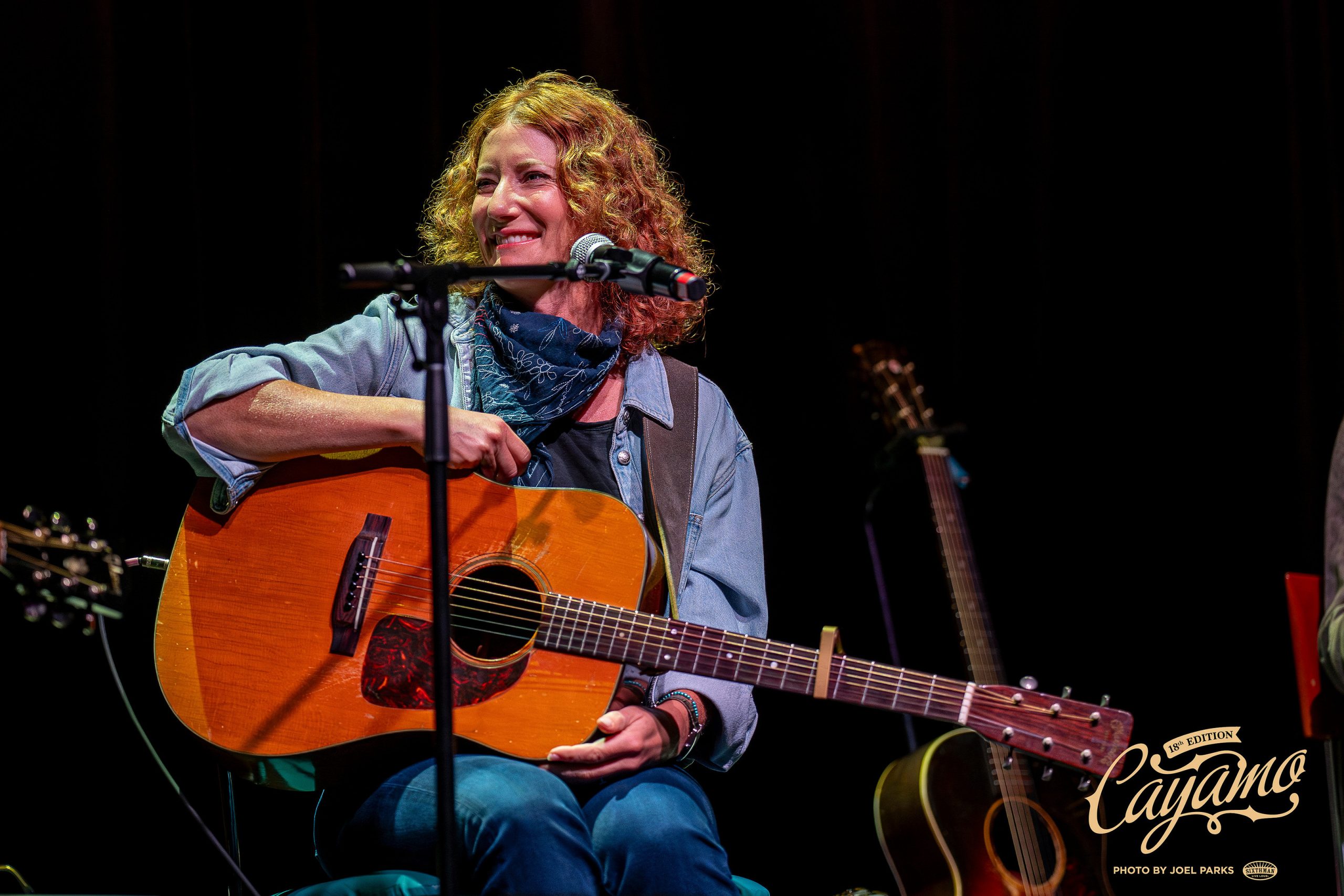
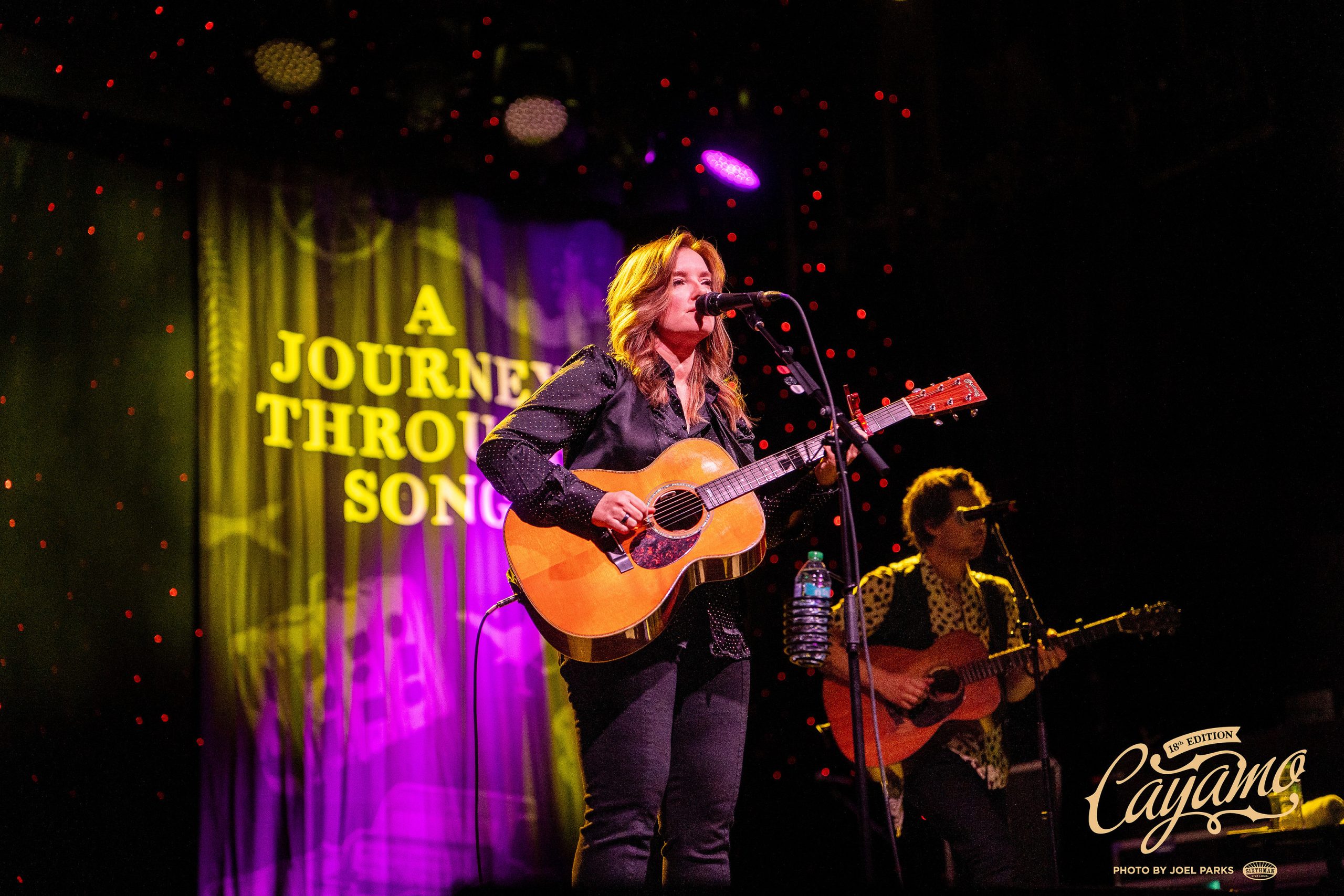
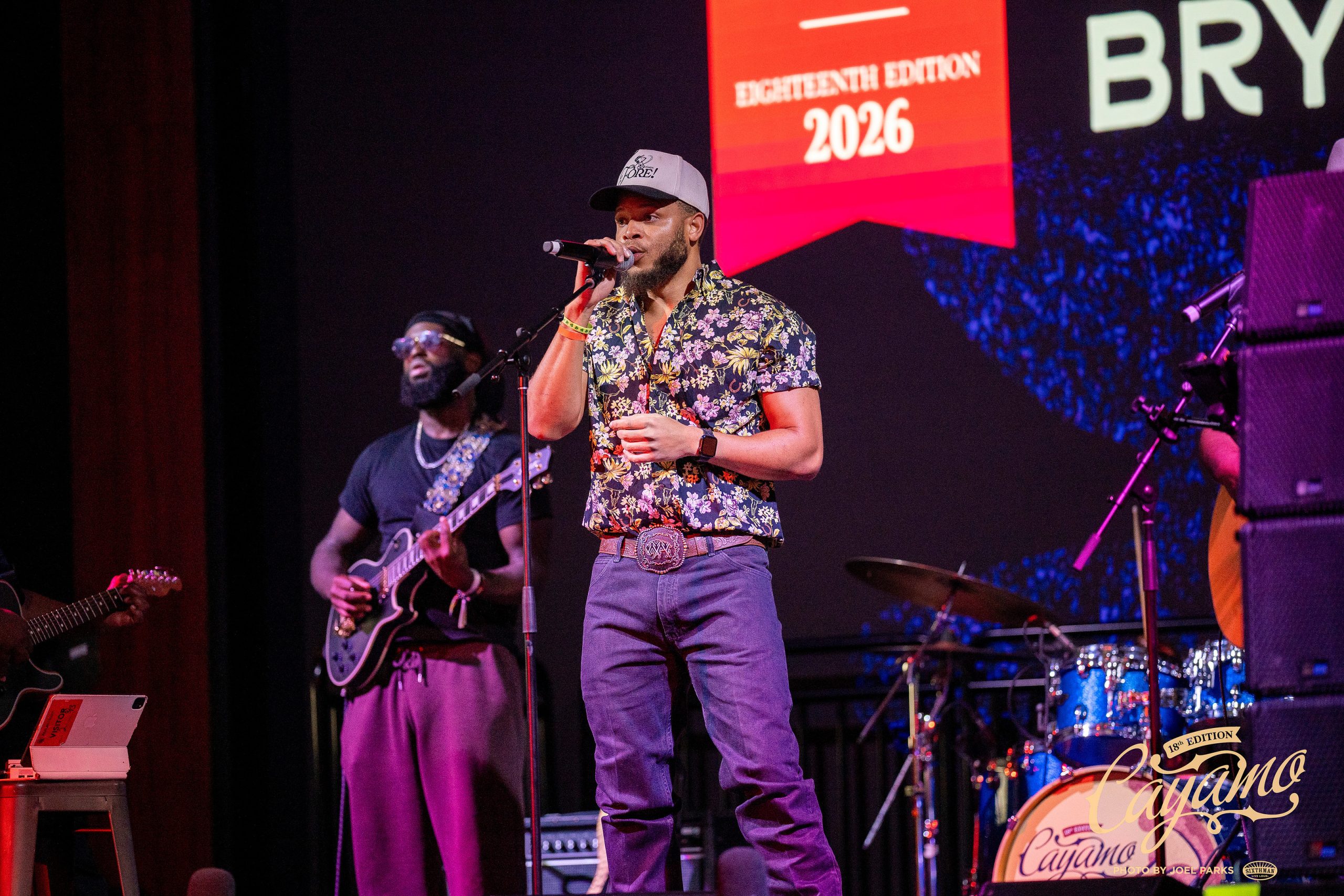
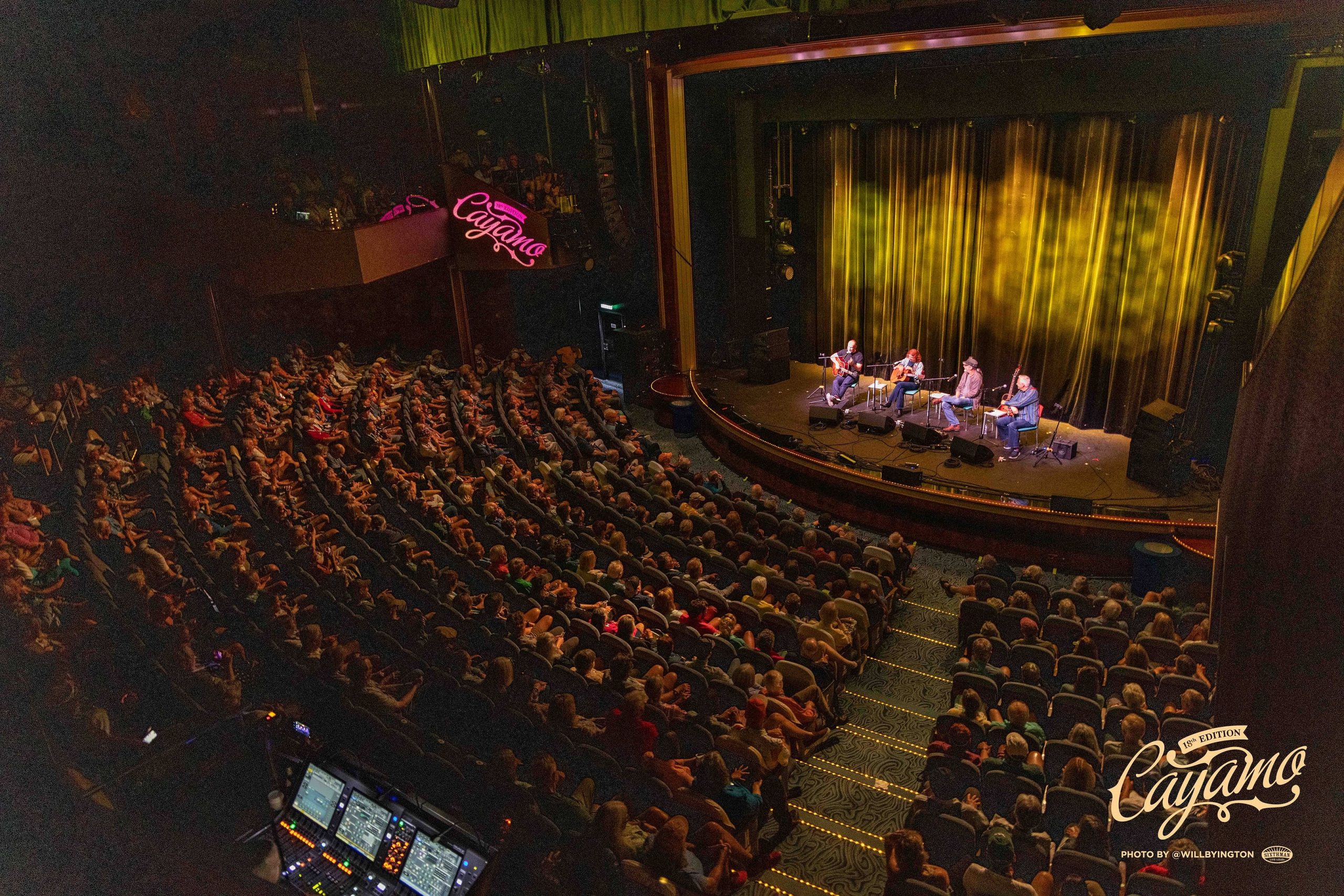
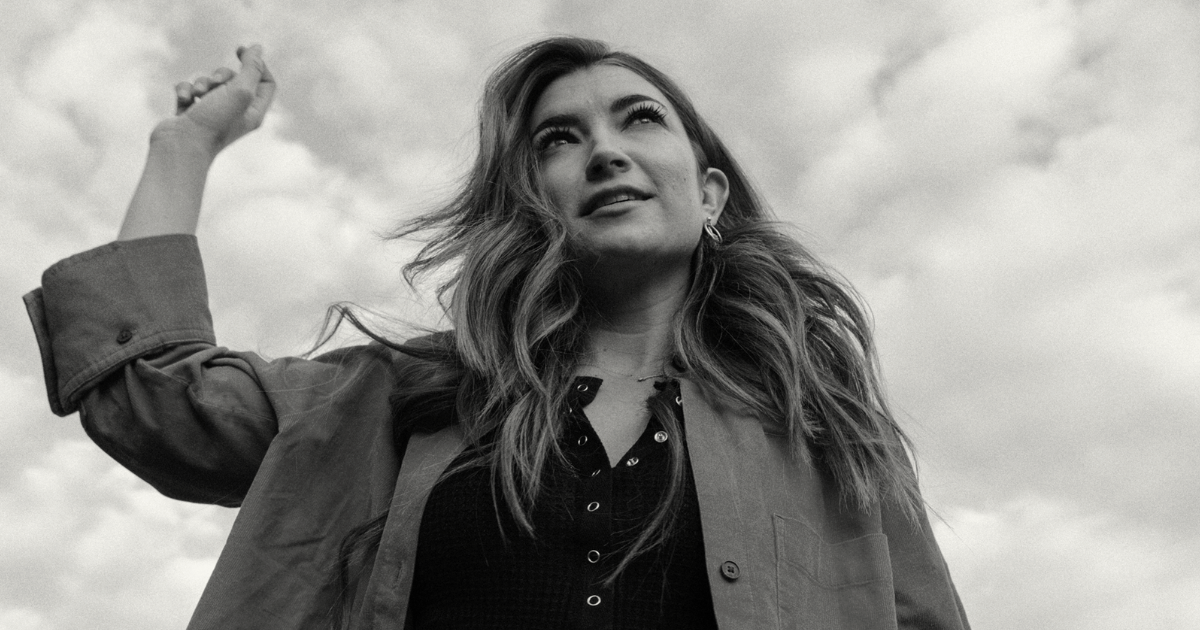
![“It's like the metaphor of having a [limited] number of crayons in your hand and trying to make a picture out of that. I felt I wanted the whole box back.” - Tenille Townes](https://thebluegrasssituation.com/wp-content/uploads/2026/03/TenilleTownes_GC_QuoteGraphic.png)