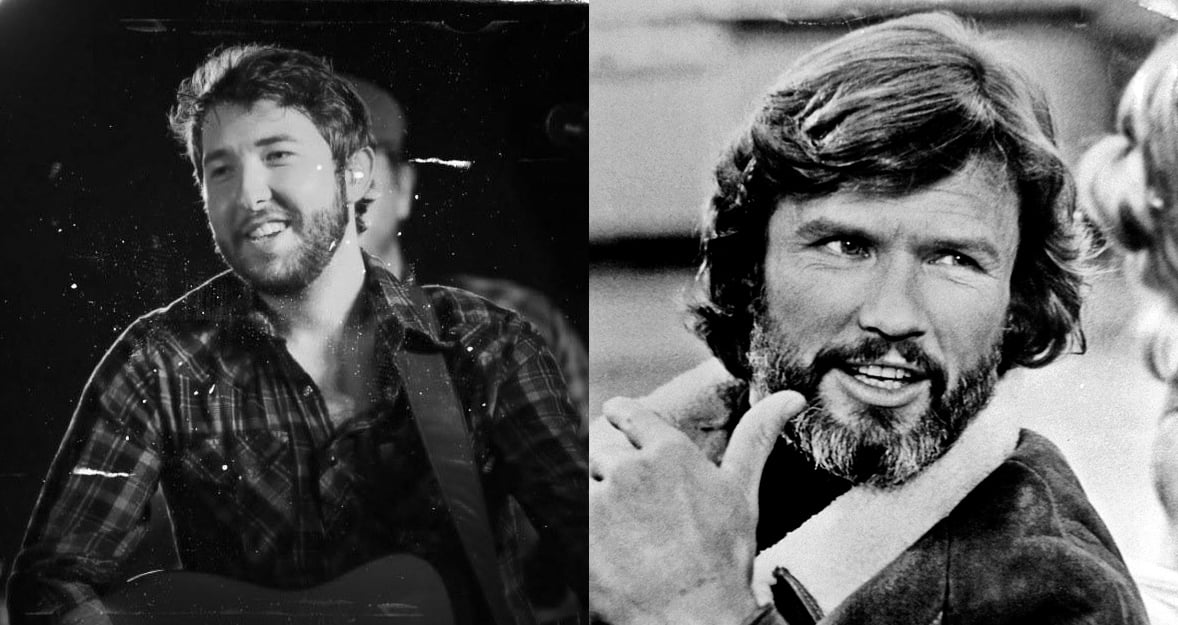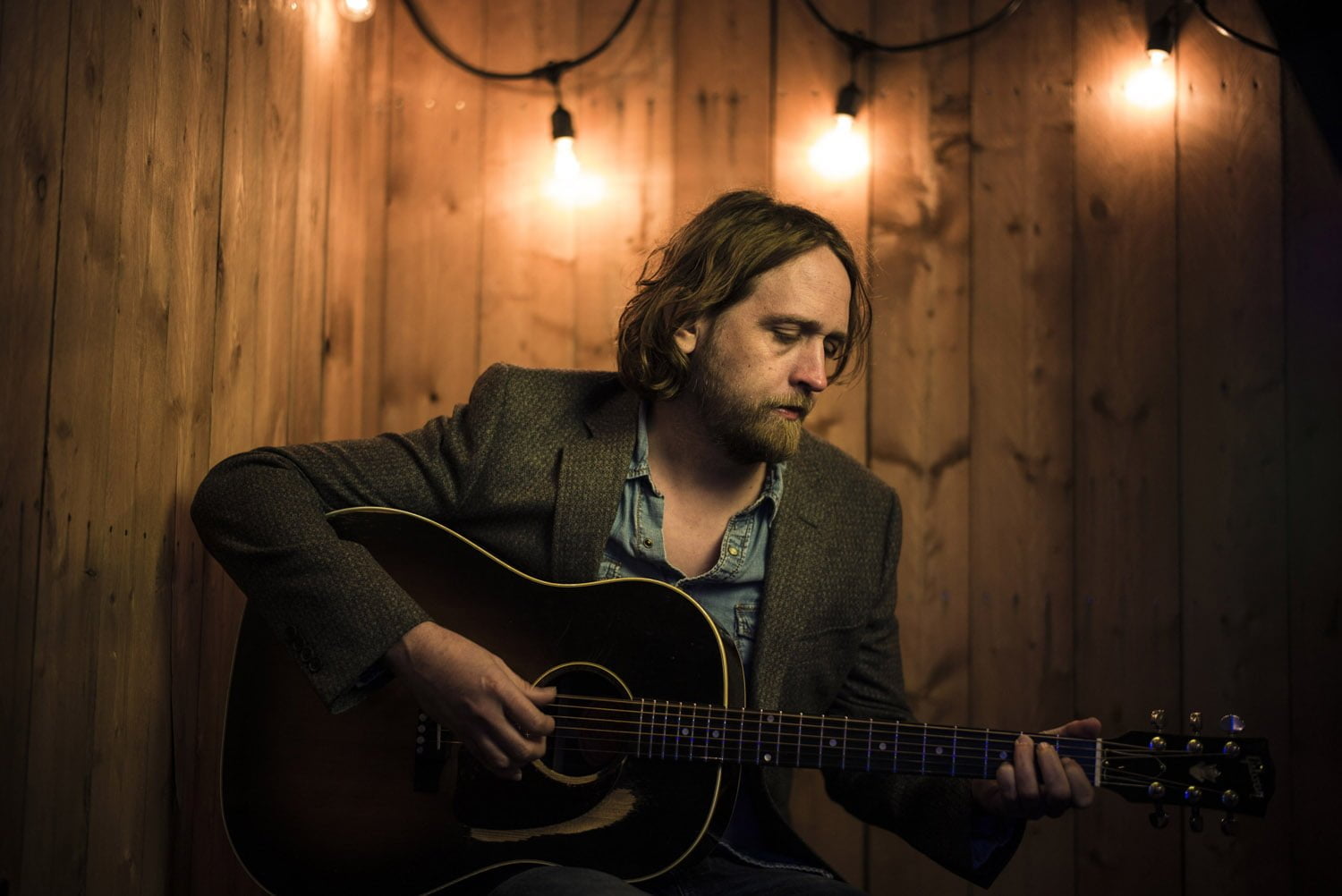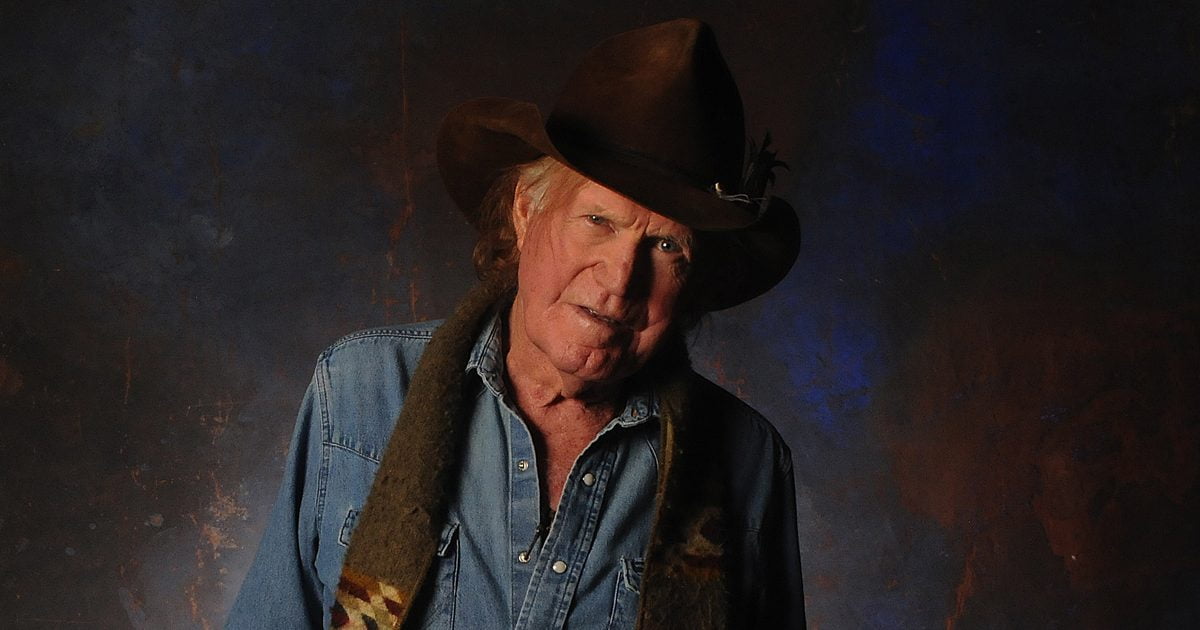
The Producers: Tamara Saviano

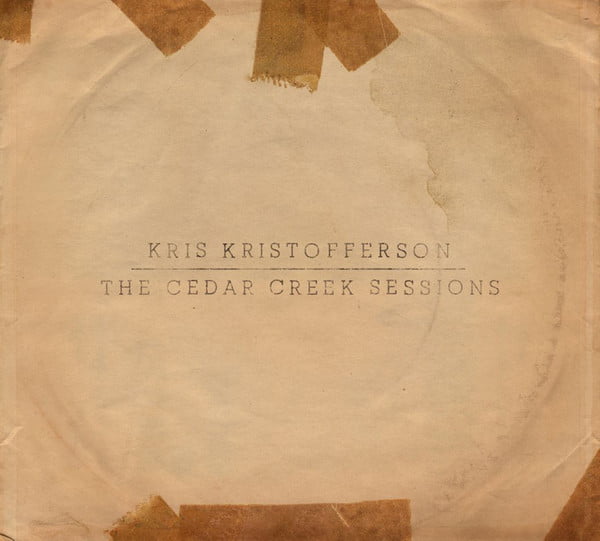
Tamara Saviano admits she might have beginner’s luck. In 2001, she won a Grammy for Beautiful Dreamer: The Songs of Stephen Foster, which just happened to be the first record she produced. Fifteen years, two books, and three tribute albums later, she has received another Grammy nomination for Kris Kristofferson’s Cedar Creek Sessions, which just happened to be the first single-artist record she ever produced.

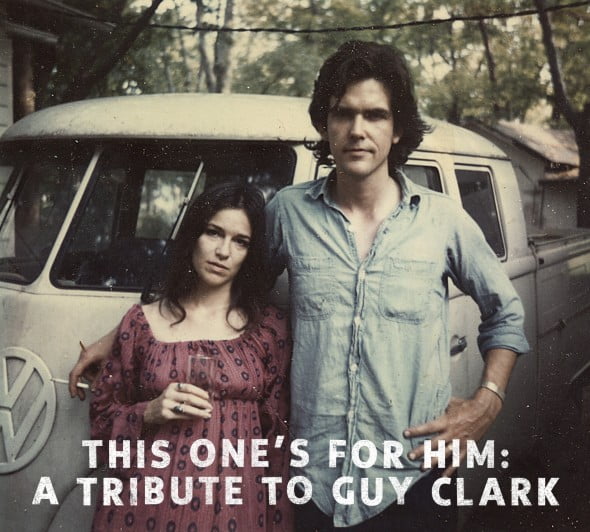
A singular figure in Nashville, Saviano works in the studio like any typical producer, twiddling knobs and convincing bass players they can get a better take. But it’s what she does outside the studio that distinguishes her. She builds albums from the ground up, starting with an idea and pursuing it until it becomes music. For Beautiful Dreamer, as well as for 2006’s The Pilgrim: A Celebration of Kris Kristofferson and 2011’s This One’s for Him: A Tribute to Guy Clark, she assembled the backing bands, scheduled the singers, assigned them songs, oversaw the sessions, determined the sequencing, approved the artwork, and in some cases even directed the promotional campaigns.

In doing so, she has become the foremost producer of tribute albums in Nashville, assembling compilations that are affectionately faithful to the honorees while also revealing new facets of their craft. Together with her recent biography of Clark, released in October 2016 and titled Without Getting Killed or Caught, her small-but-ambitious catalog constitutes a multimedia history of some of the country’s finest songwriters.

The Cedar Creek Sessions were a completely new project, even if the concept was similar: finding new life in old songs. It came together serendipitously, when Saviano found herself in Austin with Kristofferson and a handful of talented players, all with a few days to spare. Kristofferson recorded 25 songs in three days, drawing from his vast catalog spanning 50 years: some well-known (“Sunday Mornin’ Comin’ Down”), others not so much (“The Law Is for the Protection of the People”).

“He would just call out a song, and the band would start playing it,” Saviano says. “They were amazing, because they were learning things on the spot. For me, it was all about keeping the story centered: Who should be in the studio with him? Who should be engineering and mixing it? It’s all about telling his story.” By turns funky and melancholy, the double album shows a veteran musician who might be pushing 80, but has not lost a beat.

Still, she was shocked when The Cedar Creek Sessions was nominated for a Grammy for Best Americana Album — not because she didn’t think it was worthy. “I felt like I let that record fall through the cracks,” she says. “I run his label, KK Records, and I do most of the administrative stuff for him.” But both her mother and Guy Clark died from cancer in 2016, “so I spent most of the year sitting at somebody’s deathbed.” Still, she managed to get that album out to fans and publish her Guy Clark biography. When the Grammys were announced, “I almost fell off my chair. I think it spoke to people because it just captured this moment in his life.”

In March, she will release her latest tribute, Red Hot: A Memphis Celebration of Sun Records, which gathers a handful of Bluff City musicians to cover songs recorded at Sam Phillips’ legendary studio.
Your job is very different from what a lot of producers do. Do you see yourself in that role?

I think you’re right. What I do is different, even with this Kristofferson album, which is the first time I’ve produced a record by one artist. I approached it the same way I do my tribute albums. I got a house band together to play live in the studio, and then brought Kris in. He sang through 25 of his songs in three days. We did everything live, although we did end up sweetening some of it. But I never think about that when I’m in the studio. Really, it’s all about the live performance. That’s how I’ve done my tribute albums for the most part. Beautiful Dreamer was different because it was the first one. We had a band for some of the tracks, and some people turned in their own tracks. I learned on that album that I didn’t like people just turning in their tracks, because then I had no creative control. Working with a house band means there’s some consistency in the sound, which is the way I like to work.

I’m assuming that makes scheduling a headache.

It is. It’s like herding cats. But it’s so important. When we did Beautiful Dreamer — which I love and we won a Grammy and everything worked out — there were a couple of tracks that were turned in, and I just didn’t feel like they fit with the other tracks. Making the entire album work together was more challenging, and it wasn’t as much fun. It took some of the magic out of it. I realized that I didn’t want to do it that way. I want to schedule artists. It’s not always easy. We had to lay down tracks for Rosanne Cash and Willie Nelson on the Guy tribute. I just couldn’t make the scheduling work, so I had my band lay down the track and they added their vocals later. I don’t like to work that way. It’s better to have everybody in the studio at once. Like Lyle Lovett on the Guy tribute. He’s such a perfectionist, so it was amazing to watch him work. We were in the studio for a long time to get one song, but to be there with the artist and learn how they like to work and watch them give direction to the band is a great learning experience for me.

Are you using the same band for each album?

I pick musicians based on the project. With the Guy tribute, I wanted Shawn Camp and Verlon Thompson and Lloyd Maines in the band, because they all had personal relationships with Guy. Jen Gunderman played keyboards on it. We recorded half the album in Nashville and half in Austin, which was important to me, too. In Austin, we had Glen Fukunaga on bass and John Silva doing a little bit of percussion. We had a couple of bass players in Nashville because it didn’t work out to have just one. But yes, I do pick the band based on the project, based on who I think is going to hit the sweet spot of those songs.

So it’s not just the musician’s skill or technique, but the personal connections they have with the music.

You know, I still think of myself as a writer and a journalist first. I’m telling a story, and every part of it matters to me: the photos and the artwork and who’s in the studio and who’s writing the liner notes. I just did a Sun Records tribute with Luther Dickinson that’s coming out in March, and I had Alanna Nash, who has written several books on Elvis, come into the studio with us so she could write the liner notes. I wanted her to be there so she could get everything that was going on. She’s telling the story of the music that goes with Sun. I do that with all my projects, too. I don’t think a lot of people have the liner note writer in the studio, but I prefer to do that.

How did the Sun project get started?

I wish I could say it was my idea. It wasn’t. I thought I was finished producing tribute records, but there’s a new organization called the Americana Music Society of Memphis and they were fans of my Guy Clark tribute. They approached me about doing an album that was very Memphis-centric. I love Sun Records. That was what I cut my teeth on. Even though I grew up in Milwaukee, my first taste of music was that stuff. My dad was really into that stuff: Sun and Stax and all the Memphis music. Because I’m not from Memphis, it felt a little inauthentic for me to do this, so I brought in Luther. His dad was Jim Dickinson, and he grew up in the area. He has such a deep well of knowledge about the area, so I brought him in to co-produce with me. We put together a house band — all Memphis people — and we did it at Sun and Sam Phillips Recording. It was probably the most fun I’ve had doing a tribute album. It was amazing being in those historic studios with the ghosts of Sam Phillips and Johnny Cash and Charlie Rich.
How are you matching the artists with the songs? Do they get to choose, or do you — as the producer — assign them their covers?

Before I started calling artists, I spent a long time listening to the Sun catalog. And here’s something I learned during that process: Some of the stuff I was listening to was later Sun material that Sam Phillips had nothing to do with. So I had to decide: Are we going to stick to the Phillips era or cut some of the more modern stuff? And we decided to stay true to the Sam Phillips era, and that changed which songs were available. I sent a couple of ideas to the artists — Amy LaVere, Valerie June, Bobby Rush, Alvin Youngblood Hart, Jimbo Mathus. Who am I missing? They all either grabbed on to one or we had further conversations about what they might want to do. I really wanted Luther to do a blues tune. I picked out a couple of really old blues numbers for him, and he ended up choosing Howlin’ Wolf’s “Moanin’ at Midnight,” which turned out great.

Also, CMT has this new history of Sun starting next quarter, with actors playing Jerry Lee and Johnny Cash. Chuck Mead is the music director for that show, so I had him come in and bring in the actors who could really sing. They all did “Red Hot.” It was a lot of hoops to jump through, but I knew their TV show was going to start right around the time the record comes out and I thought it would be a fun tie-in. With Chuck, I was trying to think about what song he could really work with, and it just so happened that one of the songs they were doing in the show was “Red Hot,” so I thought, “Let’s just do that.”

For the Sun tribute, I gave the artists some ideas, but they all made the final decisions on their own. But with the Guy tribute, I was the one picking the songs. I didn’t leave much room for negotiations on that. Because I knew Guy’s catalog so well, I heard certain artists singing certain songs. He has this song called “Magdalene,” which is one of his newer songs. I just love it, and the only person I could hear doing that song is Kevin Welch. I asked Kevin if he would do it and he agreed. I love everything on that album, but that’s one of my favorites. He really made the song his own.

How does your understanding of people like Guy Clark and Sam Phillips change during that process?

Being a journalist, I tend to do a lot of research, so before I even go into the studio, I know so much about the songwriter and their work. So the recording of the music is just a continuation of that story. When we did Beautiful Dreamer, I had just started this nonprofit called American Roots Publishing with David Macias. It was his idea to do that album, and I thought certainly somebody had already done a Stephen Foster tribute. We looked and there was nothing that was Americana folk. It was all orchestral. So, before we started recording, I went back and listened to every Stephen Foster thing I could find. I went to the Stephen Foster Memorial Museum at University of Pittsburgh and looked through everything. I knew the same songs everybody else knew, but I just wanted to know more about him. He was the first professional songwriter in America that we know of. How did that happen? There was no recorded music or radio. It was all sheet music. But somehow “Oh, Susanna” made its way from the East Coast to the California Gold Rush. I wanted to know that story before we started recording, so that I was emotionally attached to Stephen Foster by the time we started laying down those songs.

Working on an artist who has been dead for 140 years must be very different from working with an artist like Kris Kristofferson, who is still alive and kicking.

Beautiful Dreamer was more of a history lesson, but the Kristofferson tribute was much more personal. We did that for his 70th birthday, which was 10 years ago. That was really my birthday present to him, so I wanted him to love it. Even though I had worked with him and know so much about him already, I went back and read everything I could get my hands on. I talked to Kris over and over, just kept asking him questions about the songs he had written, what he liked and what he didn’t like, what he wished he had done differently. Unlike Stephen Foster, he was somebody I could call whenever a thought popped into my head. By the time we recorded, I had a much richer understanding of him as a songwriter.

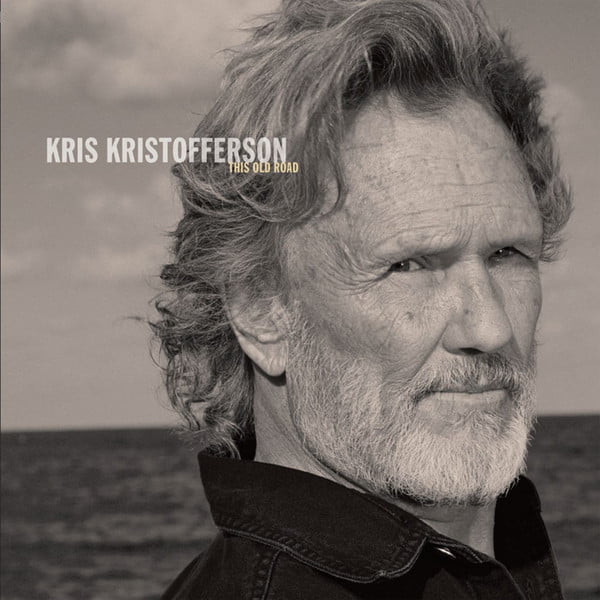
I remember when I got the final CD. We were shooting a video in the Mojave Desert for a song on This Old Road. We were sitting in this SUV, and I pulled out the final CD to show him. It has a photo of him as a young man, and the first line in the song “This Old Road” is, “Look at that old photograph, is that really me?” And that’s what he said when he saw the CD. “Look at that old photograph, is that really me?” And he started crying. I should mention that Kris does cry. He’s very emotional.
This is something I’ve been thinking about a lot lately, with all the obituaries for George Michael and Carrie Fisher. I read these beautiful sentiments about how inspiring these people are, but it’s only after they’re dead. I started wondering why we aren’t saying those things to people when they’re alive. Obviously The Pilgrim isn’t the same as an obituary, but it serves a similar function.

Those of us who are music geeks know all about Kris’s songwriting catalog, but I don’t think many people know just how deep it is. I found this out working with him, but a lot of people know him as an actor. Of course he’s a great actor, but his real gift to the world is his songwriting. So it was great to honor that aspect of his life. It was the same thing with Guy. We were talking one day and I thought, “I have to do a tribute album while he’s still here.” And I think that made my biography better.

How so?

I was already familiar with Guy’s catalog from working on the book and just being friends with him, but I hadn’t really been in the studio with him. I had gone in a couple of times when he was recording, and I knew about his recording process a little bit. When I decided to do the tribute album, I decided that I was going to use the same recording process that Guy used. That really was my baby, so I knew which artists I wanted, which songs I wanted them to do, and I knew how I wanted to record it. I wanted to walk in Guy’s footsteps, doing things the way he did them and getting to know his songs in a different way — from a recording standpoint rather than just a listening standpoint.

Even though you have a plan whenever you go into the studio, you don’t know what’s going to happen. You’re creating everything on the spot. You’re recording live with a band, and the musicians are learning the songs at the same time that they’re recording them, and it’s a creative moment in the studio. I love that. I love when I have no idea how it’s going to sound, and then a couple of hours later, there it is. It’s a song that I already love because I love Guy and I love his version, but here’s this new version with a new singer. Here’s Lyle Lovett doing “Anyhow I Love You.” Here’s Shawn Colvin doing “All He Wants Is You,” which Guy did from a male perspective and now it’s a female perspective. And then Rosanne Cash doing “Better Days.” That was very important to Guy. He actually stopped singing that song after he wrote it because he didn’t like this one line in it. A few years later, he finally wrote a new line that he liked, so when it came time for Rosanne to record it, Guy called me at least three times to make sure she sang the new line. In his mind, the songs were never really finished.

And it sounds like you’re never really finished working with these people, either. I heard that you are working on a documentary about Guy Clark.

I started working on it in 2014, but last year I didn’t do a thing on it because my book came out and, like I said, my mom died and Guy died. So that will be my first priority in 2017, getting back to work on that film.


For more insight into the producer’s mind, read Stephen’s interview with Buddy Miller.
Squared Roots: Kevin Morby Tells a Tale of Harry Dean Stanton

Roots culture cuts a wide swath that expands far beyond music, and Kentucky native Harry Dean Stanton is a living testament to that. Any list of roots icons would have to include him, if only for his performances on screens big and small in everything from Cool Hand Luke to Gunsmoke. But what only the die-hards know is that Stanton was a musician first, playing harmonica and guitar, and doing the old-school troubadour circuit back in the day. His musicianship even creeps into his acting work, from time to time, which is exactly what he was hoping for.​

Born in Lubbock and raised in Kansas City, Kevin Morby has a good bit of the Heartland in him, as well. As a musician, Morby played a part in both Woods and the Babies before branching out on his on a few years back. He recently issued his third solo set, Singing Saw, which finds him looking to his roots in Bob Dylan and Neil Young even while he stretches his wings to reach new heights.

Bold, unexpected choice you've made here with Harry Dean Stanton. I dig it. Let's hear you defend it, though. What is it about this guy that makes you think “roots music hero”?

[Laughs] To preface it, I just have to say that he's one of those people that, for the longest time, I didn't even know who he was. I'd seen him in a lot of movies, and he kind of became one of those people who you become familiar with the face, but you don't really concern yourself with the name because you feel like you already know them. Then, one day, you finally learn his name and it's, “Oh, that's that guy's name. I had no idea he had a name even.” [Laughs]

[Laughs] He was just this leather saddlebag that was always there.

[Laughs] Yeah, exactly. He's just one of those incredible actors who can pull that off. I think the thing about someone like him is that he is just who he is. He sort of plays himself all the time, which is kind of rare.

Anyway, a long time ago, when I was in a band called the Babies, we played this Western-themed art installation in a clock tower in New York. And they wanted us to pick a movie to be projected behind us while we played, and I picked Paris, Texas, because I had seen it recently and that's maybe the only movie where he's the lead role. I just love that movie. The soundtrack is so great. The cinematography is so incredible. So, we played with the movie projected behind us and all these photos came out of it that were really cool — him walking through the desert behind us.

A couple years later, I played at a venue in Portland and I didn't even realize until we were playing that they had this big mural of him from Paris, Texas behind us. So he's just always there.

He's like your guardian angel or something. You guys have a thing.

Yeah, exactly. Okay, then a couple of years ago in L.A., I went to Cinefamily because Kris Kristofferson was doing a Q&A. They were playing Cisco Pike which he starred in and Harry Dean Stanton is also in. I went because he was doing a Q&A and was going to play a couple songs before the movie. When I got there, I had no clue that he was doing the Q&A with Harry Dean Stanton. It kind of blew my mind. It was one of those things where Kristofferson was as together as he could be, but every question, he kind of gave a standard response … like they would ask, “Kris, what was it like working with that director?” And he would say, “It was a very fun time and we all had a good experience.”

Harry Dean Stanton, who was sitting next to him the whole time, literally never didn't have a cigarette in his mouth and was drinking wine on stage. Every time Kristofferson would give a positive answer like that, Harry Dean Stanton would chime in and say, “Nothing means anything.” [Laughs] He would say these nihilistic things and tell Kris Kristofferson to shut up. Even within the Q&A, he was the way he is in movies — this wingman. It was really incredible to see.

At one point, he told a story about when they were doing Billy the Kid and he and Bob Dylan were jogging and they accidentally jogged through the scene. It was really funny imagery. So, they did the Q&A, then they played three songs … they played two songs, then the second song, which might've been “Me & Bobby McGee,” they ended up playing it twice. Totally didn't realize that they were repeating themselves. [Laughs] It was so amazing. They finished the song and, off the mic — but it's a small enough room to hear — Kristofferson leaned back and was like, “Harry, I think we just sang the same song twice.” It was an incredible moment.

Afterward, I was alone because I went by myself … I was sitting outside at the little party before the movie, sitting there by myself just thinking, “What a cool night.” And Harry Dean Stanton sat down right next to me. It was one of those mind-blowing things. He was smoking and drinking wine, and I asked if I could get a picture with him, so I have this photo of me with him. That's my Harry Dean Stanton story. [Laughs]

[Laughs] That's pretty great. It's interesting that he did the thing with Kristofferson because, listening to his music, he's not that great of a singer.

He's not.

But that's never been a prerequisite for country music … like Kristofferson.

Right. Exactly. I think, with Harry Dean Stanton, if you watch the trailer of his documentary, throughout it, he's singing the Nilsson song, “Everybody's Talkin'.” The dude is almost 90 years old and he's got the total turkey warble to his singing, but it's really beautiful. And when I saw him perform, too. I think he's just one of those cool treasures. When you finally decide to look into him, you realize he's a singer who used to sing every night at the Troubadour. He's just this artist that's all-encompassing. He's invested in the arts and he's more of a musician than an actor, in this weird way. He's kind of more interested in that and just maybe happened to be better at acting. He's just an American treasure. And I love people like that.

I think that's a great way to describe him because he did — he made the choice early on to pursue acting because he thought he'd be able to do music as a part of that. And he was right. I'll tell you, it's kind of fun to listen to his take on “Tennessee Whiskey” next to Chris Stapleton's. If you haven't done an A/B on that …

[Laughs] Oh, man. I'd love to hear that. I just watched this video of him and Art Garfunkel singing at some celebration for Jack Nicholson, and they sing “All I Have to Do Is Dream” by the Everly Brothers. It's so good. He's just one of those charismatic people, this weird all-star.

You're right. And, if you do step outside of music and just consider his roles in Cool Hand Luke, Gunsmoke, How the West Was WonDillinger … he's got some dirt road cred. In terms of roots, he was even born in Kentucky.

Right. For sure.

I get it. I dig this choice. We can work with it.

It's funny. That's cool. I remember, in Cool Hand Luke, the first time I saw that was maybe 10 years ago, there's a scene where he's playing banjo and singing, “If you're going to Houston, then you better watch out.” I've never heard that song outside of that movie, but it gets stuck in my head all the time. He's just always there and he plants little seeds in your mind. You look behind you and it's like, “Oh, there's that guy.” [Laughs]

[Laughs] And, like you said, he was jogging with Dylan and he's been in videos by Dylan, Ry Cooder, and Dwight Yoakam. So, he is. He is always there.

Have you seen The Straight Story, the David Lynch movie?

No. But it's on my list.

It's a really incredible movie, a Lynch movie that views nothing like a typical David Lynch movie. It's so good. The whole thing is that this guy goes to see his brother because his brother's about to die, but the guy can't drive anymore, so he drives a tractor. The brother is played by Harry Dean Stanton. It's a very small role that comes at the end, but it's kind of the most perfect Harry Dean Stanton role, in a way. I won't give anything away. Go watch it for yourself and you'll see what I mean.


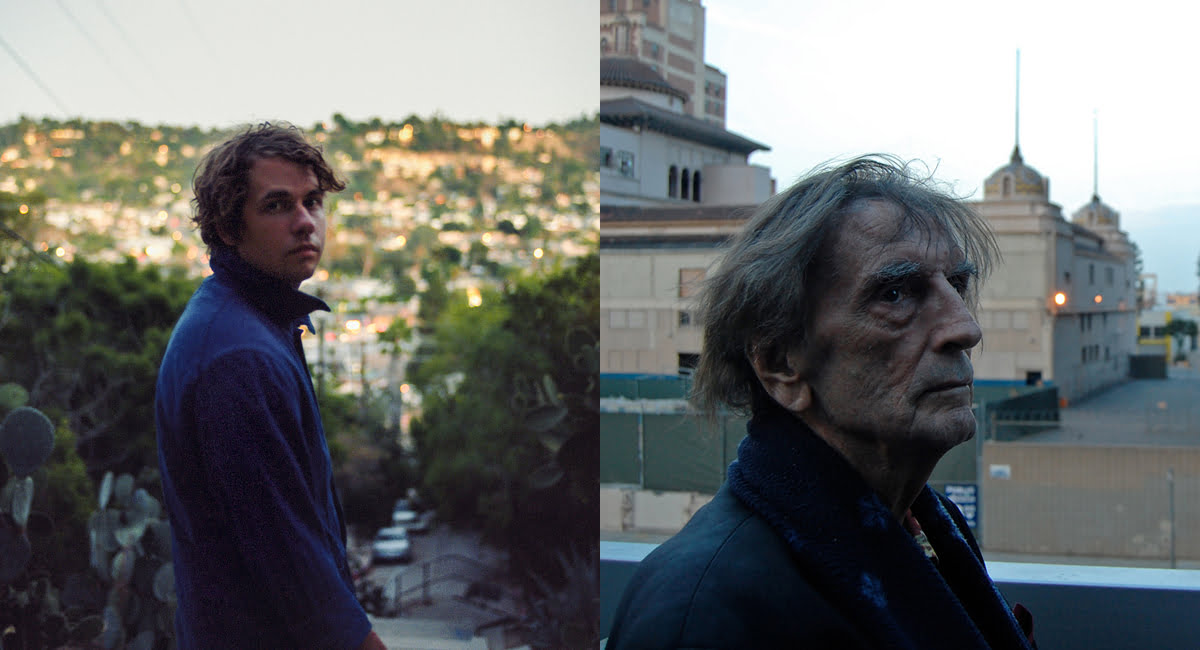
Kevin Morby photo by Dusdin Condren. Harry Dean Stanton photo by hermitosis via Source / CC BY-ND.

Squared Roots: Ryan Beaver Hails a Hero in Kris Kristofferson

Of all the country music legends in the world, there’s something truly special about Kris Kristofferson. He was — and is — a walking paradox. Gentle, yet rugged, poetic, but grounded, his personal spirit always pervaded his professional pursuits, bringing with it an air of wonder that reflected the sly, seemingly kind knowingness of his eyes. Whether on his solo songwriting or his Highwaymen collaborations, Kristofferson’s inscrutable gift will forever be enshrined in songs like “Sunday Mornin’ Comin’ Down,” “Jesus Was a Capricorn,” “Me and Bobby McGee,” and “Lovin’ Her Was Easier (Than Anything I’ll Ever Do Again).”

Up-and-comer Ryan Beaver knows a hero when he hears one, and Kristofferson tops his list … so much so that his new RX LP includes an ode simply titled “Kristofferson” (replete with an intro of “Jesus Was a Capricorn”). In it, he frames the paradox in lines like, “You can’t hide a poet’s broken heart in rolled up sleeves” as he traces the life and soul of a man he deeply admires.

Scholar, soldier, songwriter, pilot, actor … they just don’t make them like Kristofferson anymore, do they?

No, they don’t and I don’t know if there ever will be another like him. He was a renaissance man and his legacy shows that.

Even after he left the Army, he split his time between pitching songs in Nashville and flying helicopters in South Louisiana. Can you imagine taking all of that on?

Ha! No, I can’t. That makes me feel like the different hats I balance aren’t too hard when comparing what I do to that schedule.

Because he had a master’s in English literature and a fondness for poetry, it might seem natural to expect a less earthy, everyman style of storytelling from him. What do you hear in his lyrics that reflects the sort of classical side of his nature?

The ability to be poetic but also relate to the common man is an exceptional gift and something I struggle with myself. It’s a true sign of integrity to the song while hitting the human heart with life experiences anyone can get.

You captured his spirit pretty well in the song you wrote about him. What sparked that?

Jessi Alexander, Jon Randall, and I got together one day to write and just started talking about Kris and his career. We could’ve easily talked about music all day, but somehow that led to us talking about moving to Nashville. We talked about how it can be such a tough town, at times, but wouldn’t change it for anything. The song really just blossomed from there. I think there is a little of all of us in that song, and it’s a tip of the hat to the great Kristofferson, as well.

It was such an honor to hear that the family asked Jessi to sing our song to kick off the recent Kristofferson Tribute. It really doesn’t get any better than that.

“Thank you and good night!”

[Laughs] Yeah. Exactly.

What would you say is the quintessential Kristofferson tune? And why?

“Sunday Mornin’ Comin’ Down” is the song for me. Who can’t relate to that feeling of hurting from the events of a big Saturday night and the abrupt Sunday morning sunrise reminder we all have from time to time? The lyrics hit me so hard: “Well, I woke up Sunday morning with no way to hang my head that didn’t hurt” … so great. It slays from the first line of the song.

With him, Glen Campbell, Merle Haggard, George Jones … what’s been your experience of watching these legends drift away?

It’s bittersweet. I feel grateful to be able to study the lives/careers of these great musicians and sad to see them go. They’re legends for a reason. Their legacy lives on through the amazing body of work they leave behind. What a blessing to get to know someone through their songs? I feel like I understand the complexity of these people with each album they made along the way. I’m reminded of the saying “Don’t cry because it’s over; smile because it happened.”

Apparently, he has claimed that he wants the opening stanza of Leonard Cohen’s “Bird on the Wire” on his tombstone: “Like a bird on the wire / Like a drunk in a midnight choir / I have tried in my way to be free.” If you had to pick some of his lyrics for your tombstone or, let’s say, your Twitter bio, what would they be?

I love what he said in the song “Jesus Was a Capricorn”: “If you can’t find somebody else, help yourself to me.” It’s the idea that I can carry the burden for others. It’s a selfless line and also relates to the story of Jesus taking on others’ sin.


Ryan Beaver photo courtesy of the artist. Kris Kristofferson photo courtesy of the public domain.

Keeping the Door Open: A Conversation with Hayes Carll

When last the world heard from Hayes Carll, he was stomping and hollering his way through 2011's KMAG YOYO (& Other American Stories). But five years can change a man. Hell, five minutes can change a man who has the heart of a poet that Carll does. That's why, on his new Lovers and Leavers release, he eschews the pomp and circumstance of records past. In their stead, he and producer Joe Henry gently placed honesty and honor, introspection and intention. The result won't rise above a barroom din, but it'll certainly sink into a listener's heart.

Between KMAG and Lovers, a lot has happened in your own life and the world around you. What's the one thing, though, that made the biggest difference in you and your music?

I don't know if there's one thing. I can just say that I changed. [Laughs] A lot happened in a lot of different parts of my life. My personal life had a lot to do with it. My marriage ended. That sort of forced me to take stock of where I was in my life and what was going on, and that influenced everything around me. I turned 40, which felt significant, in a way, in that I'd been living a certain kind of life for a really long time and kind of looked up one day and asked myself, “Is this how I want to live? Is this the kind of artist I want to be?” and just took stock of all that. That all influenced the record that I made.

Outside of that, in the world-at-large, I don't know that it influenced anything that I did, but it feels like people are appreciating an honest, sincere songwriter in a way that … that sounds really boring, but … [Laughs] “I don't know if I want to go to that show. He's honest and sincere. Yuck!” [Laughs]

But there's so much bullshit in the world right now that, when you find something that's a little bit True … capital “t” True …

Yeah. Yeah. Something with some authenticity to it. I do think that goes a long way. And maybe people are responding to it in a way that they haven't of late. I see a lot of writers and singers who are doing really well, and I think people are connecting with how they put their work out into the world.

Jason Isbell pops immediately to mind.

Yeah, absolutely.

Like him on Southeastern, you didn't give yourself a whole lot to hide behind on this one, sonically or lyrically.

That was a real conscious choice. I always had given myself something to hide behind. I always kind of couched my serious moments with humor or with musical pomposity. I never felt comfortable being that exposed. I think it had a lot to do with how I came up playing to crowds … you start out in these bars where, if you didn't get their attention, if you couldn't make them laugh or get them dancing, you didn't get the gig or you got something thrown at you.

So I always had this mix, as a performer and as a writer, that I was aware of both things. I aspired to be Townes [Van Zandt] or [Kris] Kristofferson and be able to capture people in a certain way, but I also felt a real need to make sure that people didn't lose interest. I think I was always a little insecure about whether my words and voice, alone, were enough to keep people there. So I always felt that — whether it was onstage and connecting to them through stories or jokes, or in the music being as super-varied as my limitations would allow.

I've seen you in a few different settings, and a song like “Beaumont” always goes over really well. So I think your fans have been with you on the poet side, as well as on the cowboy side.

Yeah, I've been lucky. I have a pretty broad fan base. I've tried to never pigeon-hole myself. Whether it was playing the Texas country scene or honky-tonks across the country or going over to Europe or playing the listening rooms and folk rooms or working with people outside of my respective genre, I never wanted to feel like, career-wise, that I was stuck somewhere. I always wanted to have options. The job is too cool to go out every night and feel bored or feel like you have to do the same thing every night. So I always wanted to be able to keep that door open.

With this record, I realized that, if I wanted to make a record like this, now was the time … because, if you don't do it and show that side of yourself at some point, then it gets harder and harder for people to accept it. It was where I was at in my life and where I was at creatively, and it just made sense to me. I thought, “Whether anybody likes this or not, it's the record I need to make and it will change where I'm at, and it's reflective of my search for connecting onstage every night and what I want my life to be like.” So, for this moment in time, that was what I needed to do. It feels weird. It feels naked.

The obvious way to look at songs is that they reflect their writer. But you can also turn that lens around, right? Do you sometimes feel like you want to reflect — or maybe even live up to — something you've written?

I think I've, at times, written to a certain audience. I've written mostly just for myself about where I was at, but I've also written individual songs or just a style that I wanted to keep open for myself. I think I've written, at times, for what I wanted my performances to be and what I wanted my career to be.

I love playing honky-tonks. I love having 1,000 people at a rock club going nuts. But I very much value my ability to go play solo in a listening room and have a completely different experience. That's kept me engaged, kept me alive. That's, honestly, how I feel most connected and comfortable as a performer, because I don't need to rely on a bottle of whiskey. I don't need to rely on volume. It's me, a guitar, and these songs. They either hold up or they don't, but I have a much more immediate understanding of whether it's working or not when I'm in a more stripped-down setting.

And to make a record that reflects that … yes, it's emotional and it's creative, but it's also a little bit practical because that's job security, if you know you can always go out and play your songs solo or you know that you can make a pretty simple recording. Those are the records that stand up and become classics for the generations.

A couple of years ago, I realized that, whatever happens — whether I become a big alt-country star or whatever — that I've got a collection of songs and I'll continue to write, and worst case — and it's not all that bad of a case scenario — I can go do house concerts and folk rooms and there will be some group of people that is drawn to that music. I think maybe even more than the financial side, I just wanted to keep that open for myself. And I needed to do it now or it might not ever happen.

I always talked about having a sonically cohesive record that was a songwriter record, that was sparse, and I'd never quite done it. I'd make attempts at it, but then I would cover it up with a joke or some bombastic rock and never just let that stand on its own. I'd always, I guess, been scared to put that out there. Maybe I didn't have faith that that was enough for me, and I needed to prove to myself that it was.

So that's why I'm excited about this record. There's no single on there. It's not going to get any radio play. It's not anything people are going to play at a party. There's nothing to dance to — all these things that I could kind of peg, like, “Okay, I've got that covered and that covered and that covered.” It's sparse and emotional and personal and intimate. But listening to that and not pulling people off in other ways can get you into a headspace, as a listener, that you can't get, necessarily, if you're jumping all over the place. I'm trying to have trust that this can work. So I did it. And, whether anybody likes it or not, I'm proud of the record. That probably doesn't sound like that big a deal to a lot of people, but for me, it was important to be able to take that step, creatively and artistically.

As you were writing, instead of checking off the things you wanted, were you checking in with yourself and checking off the things you didn't want? Like, “Oh, I just habitually took this song there and I need to pull it back.”

I don't know, as I was writing, how conscious I was of that because I wrote a lot of stuff that is completely incompatible with this record. I had a lot of those things that are funny or rocking or even were more subtle but just didn't feel like they were part of this story. There are very few songs I can think of where I sat down and said, “Okay, I'm going to write for this record.” I was just writing.

And they emerged as a group?

Yeah. Themes started showing themselves. I've never been able to sit down and write thematically. I've never had the attention span to stay consistent about it. There were definitely things I was writing about in my life, here, that came out. But there were also songs I'd written before a lot of this happened that sort of fit that narrative and that part of the story, though that was not my goal when I wrote them, initially. But I'd look at them and go, “I thought it was this one thing, but it actually fits really well with what I'm doing here.”

Setting aside music as your own artistic outlet, what role does it play in the Life of Hayes? Friend? Therapist? Pastor?

It's been all of those things — and none of them — at times. It sort of depends when you catch me. Certainly, growing up, it was my teacher, my inspiration. It was my joy. It was this very mystical, foreign thing. I grew up in the suburbs and these people I was listening to, particularly the songwriters — [Bob] Dylan, Kristofferson — they took me to another place, far from where I was, and that was something that I really needed. I struggled to find my identity and an ability to articulate some of the things that I had on my mind. A lot of these guys did all that for me. They gave me some kind of identity. I felt a connection with them. I felt, “These are my people.” And it moved me. I got into Townes. There's music that can affect your life in such a deep and powerful way that everything else seems trivial.

Something I've struggled with a little bit over the years is that I have that connection to writers like that and, then, I have a connection to Chuck Berry and Jimmy Buffett. There are a lot of different elements and that hodgepodge has kind of made up my style, for most of my career. But, yeah, it can turn my day around, for sure, and keep me going.

When I interviewed Lee Ann Womack last year, she commented that sometimes she feels guilty connecting herself to you through recording “Chances Are,” and she thinks, “I hope Hayes doesn't mind that I cut his song.” Various award nominations later, may we assume that you, in fact, do not mind too much?

[Smiles] Yeah, we're talking again now. [Laughs] I was honored that she recorded it.

It's done pretty well for the two of you.

Yeah. To have the life that it's had with the Grammy nominations was completely unexpected for me. It was very cool. It took a lot for it to set in when I got the news. I thought, “Okay. Yeah. Fine.” I had sort of trained myself to not care about these things. I didn't even know when the Grammys were being announced. I had no idea it was a possibility. I have tried to distance myself from needing those things. So, when it happened, I was like, “Oh, yeah. It's no big deal.” Then, as I started getting congratulations from family and friends, and seeing the reaction that this news had on them, I started feeling like, “Oh, this is significant.” And not that it validated me for myself, but it was important to a lot of people who are important to me.

So, anyway, I'm honored that Lee Ann cut it and couldn't have been happier with its life.

So maybe you'll let her have another one at some point?

Yeah. Yeah. Absolutely. I just did a tour with Aubrie [Sellers, Womack's daughter]. Hopefully, Lee Ann and I can play together some day.

I met Lee Ann up in Colorado in Steamboat Springs. There's a little country festival up there. I remember I was sitting in this room, like a suite, and a bunch of my friends were up there playing and picking. I played “Beaumont,” and there was this little person with a hat pulled over, in a chair, legs up in the chair … I had no idea who it was. And she goes, “That's a really cool song.” Or something to that effect. I went, “Thanks … whoever you are …”

[Laughs] “… little hidden troll in a hat.”

[Laughs] Yeah. I didn't put it that way! Then it was, “Hayes, meet Lee Ann.” And we got to do a thing here in Nashville with Sirius XM and [Bobby] Bare, Jr. and Bobby Braddock and Lee Ann, which was super-cool. He played “He Stopped Loving Her Today” and Lee Ann sang “Chances Are.” It was the first time I got to hear it, sitting right next to her.


Photo credit: Jacob Blickenstaff

Get Off Your Ass: March

From now until the end of time, we'll be asking you to Get Off Your Ass with monthly concert picks. We're taking a look at the top shows we want to see in L.A., Nashville, and New York.

Darlingside // March 2 // Hotel Cafe // Tickets

Darlingside’s dreamy, one-voice harmonies drive the engine of the group’s self-described “string rock.” Their latest, Not to Disappear, is out now.

Leon Bridges with Son Little // March 19-20 // The Wiltern // Tickets

Bridges is the hottest act around with a vintage flare and Sam Cooke-esque, swoon-worthy vocals while opener Son Little puts an urban edge on to his version of nostalgic soul.

Elephant Revival & Mandolin Orange // March 24 // The Troubadour // Tickets

The diversified music of Elephant Revival incorporates influences from Celtic music to jazz to reggae to create a rounded-out genre of folk. The duo Mandolin Orange continue to maximize their beautifully throaty harmonies and classic bluegrass-folk.

Daughter // March 25 // The Theater at Ace Hotel // Tickets

A glorious blend of folk vocals and soft electronics provide a foundation for the quiet celestial music from Daughter.

Anders Osborne (with Sister Sparrow and the Dirty Birds) // March 31 // The Troubadour // Tickets

Osborne strokes a rockin’ blues guitar that could feel at home in a swamp-side bar near the bayou and Sister Sparrow (and her Dirty Birds) bring sparkling funk and soul to match as a supporting act.

Elizabeth Cook (with special guests) // March Residency (March 2, 9, 16, 23, 30) // The 5 Spot // Tickets

A member of the Grand Ole Opry family for over 15 years, Miss Cook showcases bright, tight country vocals with honest songwriting.

Deer Tick with Mutual Benefit // March 2 // City Winery // Tickets

Deer Tick’s party energy and riff-raff vibes mixed with an introduction by Mutual Benefit’s psychedelic, scenic sounds come together for an enveloping evening at City Winery.

Tedeschi Trucks Band // March 3-5 // Ryman Auditorium // Tickets

Hot on the tail of their latest album release, Let Me Get By, Tedeschi Trucks brings yet another perfectly aged and blended batch of soulfulness, twang, and rock.

John Prine // March 11-12 // Ryman Auditorium // Tickets

The immensely talented John Prine brings his timeless storytelling to the music cathedral of Nashville.

The Life and Songs of Kris Kristofferson feat. Lady Antebellum, Dierks Bentley, Ryan Bingham, Rosanne Cash, Eric Church, Emmylou Harris, Jamey Johnson, Willie Nelson, Darius Rucker, Trisha Yearwood, and more. // March 16 // Bridgestone Arena // Tickets

A killer lineup of legends paying tribute to a master songwriter in Kristofferson … all in one night.

HoneyHoney // March 2 // Knitting Factory // Tickets

Rock 'n' roll with twang coloring, vocalist Suzanne Santo brings a dark rasp layered on heavier guitar, drums, and bass that contrasts the plucking of a banjo beautifully.

Jim Campilongo with Nels Cline, Chris Morrissey, and Josh Dion // March Mondays (March 7, 14, 21, 28) // Rockwood Stage 2 // Free

Campilongo’s tunes are a melt-worthy layer cake of bending blues guitar, jazz improvisation, and country swing.

Judah and the Lion // March 31 // Gramercy Theatre // Tickets

If you’re missing the early sound of Mumford and Sons, Judah and the Lion homes in on the energy of nu-folk pushed by rolling banjo and filled out with warm strings and harmonies.

Jake Bugg // March 21 // Bowery Ballroom // Tickets

You’d most certainly recognize this Brit’s song “Lightning Bolt,” but take a listen to his new single, “On My One,” and feel the depth of '60s/'70s folk and blues echoing throughout.

Béla Fleck and Abigail Washburn // March 1 // 92nd Street Y // Tickets

With another Grammy to add to their collection — for Best Folk Album 2016 — the husband/wife duo combines an epic musicianship of the banjo with an innovative and diverse playfulness that makes each performance from them truly magical. GO and see the sparks fly.

Counsel of Elders: Billy Joe Shaver on Honoring the Song

We’re starting a new column at the BGS called Counsel of Elders, wherein long-established artists pass their wisdom down to the upcoming generations.

Billy Joe Shaver is one of the most celebrated songwriters of the 20th Century. He is a songwriter’s songwriter whose music is honest and gritty … just like Shaver himself. He lives the music. As one of the main architects of the Outlaw Country movement, Shaver wrote nine of the 10 songs on Waylon Jennings' breakthrough album, Honky Tonk Heroes. Together, Shaver and Jennings broke away from the Nashville Sound and ushered in the harder, more traditional country music of the 1970s. Fellow Outlaw Kris Kristofferson was such a fan that he produced Shaver's debut album in 1973. You may not know the name Billy Joe Shaver, but we guarantee your favorite songwriter is a fan.

Is there something that you know now that you wish you'd known when you were starting out as a songwriter that would have saved you some grief?

Oh yeah, yeah. There’s a lot of things I wish I knew. I guess the main thing is that people are gonna steal from you. You know, songs are so precious and, if they steal them, it’s okay if they get it right. But most times, when they do, they get them … I hate to bring it up, but it’s the truth: If they take them from you, they don’t record them worth a darn because they’re in a big hurry. You know, a person runs faster with a stolen watermelon than one they bought.

I read that you had some publishing rights issues. Is that what you’re referring to?

Yeah, and actually some big songs went big that just broke my heart because I’d just come into town. People need to know that, when you write these things, they’re part of you. The thing is, they’re like real people. I don’t want to say you have to guard them, but you need to be careful with them and treat them good, like children really. When I find I write what I think is a good one, one that I really want to cherish, I spend a lot of time with it before I let anyone else hear it. I just keep going over and over it because it’s like a child and good. You want to spend some time with it. I know everybody says it, but it’s true.

That’s interesting because, in your songs, you feel so present in them. I don’t have kids, but I assume you see yourself in your songs much like you would in your children.

Yeah, that’s what I got. People need to get it in them that what they’re doing is really very, very important. Don’t let anyone tell you that it’s not. It’s art. If you treat it like precious art, you’ll be better off. And the world, too, because you get it out the way you really wanted it. It don’t matter to me whose name is on it. If they get it right, it’s okay. As long as it’s out there right. It’s best to just watch it and be careful. It’s probably not what people want to hear, but it’s true.

It’s also what people need to hear. Was there anyone who helped you navigate the waters when you were starting out as a songwriter?

Not really, no. Nobody in my family played or did music. I was kind of older, anyway. I came into town and I knew … My English teacher way back when I was in the eighth grade told me how good I was and I took her word for it because she was real sharp. She was a 12th grade English teach we had in homeroom. The 8th graders were mixed with the 12th graders. She would come in for an hour and she would teach language … she was the one that always had you do something. She had us write poems. I wrote down one and she didn’t think I wrote it. I was one of those kids with the sleeves rolled up with cigarettes in it. So she didn’t believe I wrote it and she gave me an assignment about a very specific thing to write about and I did. It’s college-accepted poetry now. It was good.

When I quit school, she was upset with me for quitting school because I had a great talent, and I knew it. Which is why, when I cut my fingers off — when I was about 21, I had some fingers cut off at a sawmill — I shot a prayer up to God and said, “God, if you just get me through this one, I’ll go back to doing what I’m supposed to do.” And sure enough, I did. I went right back to practicing guitar. I’d been writing poetry that whole time anyway and I had these songs. I came to town and it happened very quick for me. Then again, I was older. I’d done a lot of living and been a lot of places. Everything I wrote about I did. Waylon Jennings did a whole album of my songs called Honky Tonk Heroes. It helped him as much as it did me, and that’s what I was figuring out … but I couldn’t sing as good as him. The songs are bigger than me, really. They’re huge and he banged them. He stuck his neck out and did that. That’s what got me on.

The main thing is just keep on trying. When you’re knocked down, don’t have a job, or not with a publishing company, if you’re a drunk even, or an addict, just keep on writing because as long as you’re writing and putting down words that you really like, that means you’re a success. Don’t let anyone tell you that you’re not because you’ll have the songs when your time comes. And it’ll come.


Photo credit: Jim McGuire