Survival of the Heart and Survival in Alaska

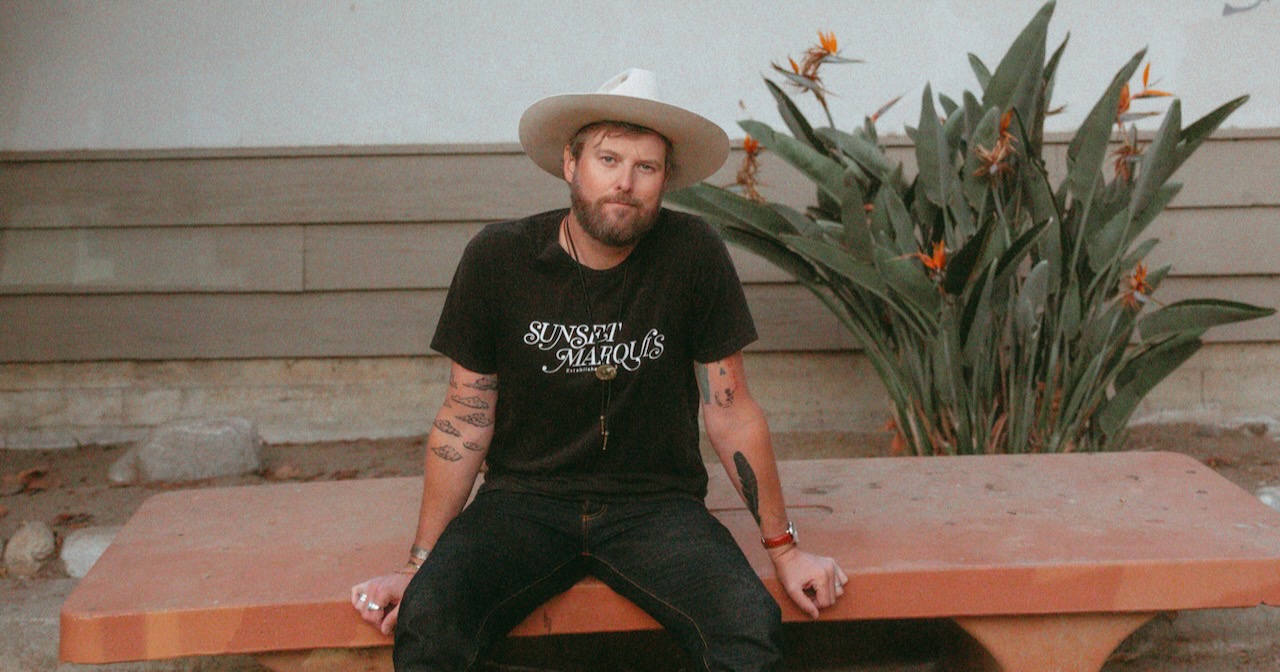
During the Klondike Gold Rush, the Red Onion Saloon in Skagway, Alaska, operated as a thriving brothel and a rare (sometimes) source of autonomy for the women who worked there. More than a century later, Juneau-based singer-songwriter Taylor Dallas Vidic found empowerment at the old bordello too, by offering feminist tours in character as Madam Anya Johnson. Innuendos loosened up tour groups, forging a connection that made them receptive to some serious history lessons – alongside dick jokes.

“What working at the Red Onion did for me was make me feel really comfortable about being a human in front of other humans, and to talk about things that often feel taboo or uncomfortable, and to normalize them,” Vidic says. “It’s translating from making sex jokes to feeling comfortable standing in front of a lot of people and saying, ‘Hey, here’s what it felt like when I broke my heart or when someone else broke my heart.’”

Vidic’s songwriting is warm and vulnerable. She’s equally capable of belting above sultry and coy jazzy tracks, carrying intricate, stripped-down folksongs on her magnanimous voice alone, and building grand theatrical numbers, as well. She does all of it on her debut album, Cat & Mouse, a collection of 13 (mostly) love songs that deliver an expansive, playful representation of what is perhaps humanity’s most perplexing and intoxicating experience. And it’s all rooted in the same multifaceted understanding of shared humanity that Vidic used to bond with strangers on those summer stints in Skagway.

Beyond an exceptional, arresting voice and range, Vidic’s songwriting conveys an acuity of emotion which pushes what is superficially an album of love songs well beyond predictable tropes. “They tell you it takes time, you’ll see/ To remember who you use to be/ Remember how to sit in the quiet/ On your own,” she sings on the album’s opening track, “Falling Out of Love,” which lays out in minute, closely felt detail the experience of returning to self after a breakup:

I’ve learned to fill the space that
I’d kept for only you, dear
I smile at all the faces
Walk past all the places
We used to go
Each breath a little deeper
Each song a little sweeter
Now that the scent of you doesn’t linger on my pillow
Anymore

Heartbreak might be age-old song fodder, but Vidic extends it far beyond breakups to many kinds of aches (loss, longing, unbearable certainty) with an alluring immediacy. In her hands, the simple mechanics of falling in and out of love – or wishing to fall in love, even if just for the evening – become a comforting exercise in self-discovery and relatable human experience.

There’s “In a Song,” about a crush that’s missed its moment. “High,” which yearns for the good parts of a past entanglement. And “In Your Arms,” a cinematic, self-aware disquisition on a relationship’s irreconcilable differences: “I said it’s a big ole world/ The place we could go, the people we’ll see/ Just imagine the strangers we could meet,” Vidic sings, adding: “He said/ My corner’s just fine with me.” By song’s end, Vidic is off on the grand adventures she dreamed for them both, solo.

Part of Vidic’s remarkably evolved approach to love songs derives from practical necessity. Juneau, Alaska – population 32,000 – is small and isolated both from the rest of the country and even the state, by geography; with no roads out of town and flanked by impenetrable mountains, ice fields, and the Gastineau channel, it’s accessible only by boat or plane. Living within those few square miles, it’s impossible to avoid running into an ex regularly. In the same way that Vidic’s ethos accepts humanity’s many facets, so too she’s maintained love and respect for her exes. Indeed, most of them were invited to – and attended – her album release show.

“Finding ways to actively reframe relationships when they have run their course is a matter of survival of the heart. And it would be such a loss to not get to continue to care for the people that I have loved, that have loved me,” Vidic says. “I don’t know if I’m just lucky in that I’ve found people that are willing to do that – even though it is messy and hard at times and a little confusing at times, too, and uncomfortable; we spend so much time with people that we choose to love and we share so much…I really like holding onto those moments.”

Juneau’s geographical limitations and eccentricities crop up on the album in other ways, as well. “I let those mystery boys get me every time/ When the stakes are low I’m better at not losing my mind/ An hour is too far when an airplane is in play,” Vidic sings on “Muse.” Nothing quite as bittersweet as unrequited love, specifically one that’s unwanted.

“Twice a Day,” the album’s opening foray into its folk/Americana B-side, is the only song that doesn’t overtly take place in Alaska, written during a few months in New York City. On it, Vidic, a consummate observer of the world around her, contemplates the near-infinite possibility for human interaction in a big city surrounded by so many more souls than in her hometown: “Maybe I would make you laugh each day/ Maybe when it ended I’d be begging you to stay/ Maybe we’d grow old and see, we’re as happy as we’d ought to be/ But we’re always a platform away.”

First albums are always special. Often, they represent the culmination of years’ worth of a musician’s best and hardest fought work – John Prine’s eponymous debut, Emmylou Harris’ Pieces of the Sky, Guy Clark’s Old No. 1 – and Cat & Mouse is no exception. Written over more than a decade (Vidic penned its oldest song, “Muse,” at 21), the album is, for Vidic, a scrapbook of her life and formative early adulthood.

“I think most people can agree that songs take us back to moments in our lives, be it a playlist that was on the radio a lot when we were in middle school, or that particular song that helped you get over a breakup or a song that makes you think about your parent,” she says. “And these songs do that for me, but they are snapshots of my existence and of the people that I’ve come across.”

From her delivery on stage to the studio production of Cat & Mouse, Vidic also brings the banter and cheek of her madam tour guide gig, as well as the showmanship she’s cultivated as part of burlesque troupe, The Nude & Rude Revue, and through many community arts events she’s helped organize. Leaning into her life’s dualities, Vidic made the album with two distinct sides; Cat, the album’s A-side, is jazzy with a big band sound; Mouse is a stripped-down, folksy, and sparsely-instrumented B-side. It’s a concept that easily could have been sonically incongruous, but both sides flow together through the power of Vidic’s voice, aided by the album’s title track, which she rendered in both styles and delivered at the end of each side, respectively.

Juneau’s geographic isolation can be a mighty impediment for musicians, but it’s also a blessing that breeds collaboration and allows musicians a certain freedom to grow and flourish without the pressures of bigger music cities in the U.S., says Juneau-based musician Andrew Heist. Heist has played in a myriad of bluegrass bands in Alaska over the last 20 years, and lends his scintillating mandolin to “Falling Out of Love.” He also shares stages with Vidic as part of their songwriting group, the Muskeg Collective.

“Without the pressure to get a product out there to build her name in a competitive scene, there’s this community familiarity that is so rare and amazing in Juneau,” Heist says. “It’s sort of like the old soul version of hearing somebody sing, there’s a depth to the way that she brings her music forward.”

Most of Vidic’s songs are exceedingly personal, yet she manages to spin the exquisite pain of heartbreak into something universally relatable, and she’s equally vivid when singing about someone else. Vidic wrote “Wet Tennis Shoes” in part thinking about a friend whose father left when she was too young to remember him. The song effuses not just ache, but a crushing loss of innocence, as well: “Boats made of paper float on the pond/ A little girl playing wonders where you have gone/ You took all the sunshine and made her skies grey.” And though the paper boats do not actually dissolve, the song’s omnipresent drizzle – “Rain on her window/ Rain on her head/ Rain on the rooftop as she lies in bed” – evokes the dissolution even more effectively.

After spending most of the album exploring feelings’ small intricacies, Vidic’s final track before the “Cat & Mouse” reprise is “Stockades,” a showy, declarative pop number about the enormity of falling head over heels. “The Stockades fell/ When he touched my hips/ And he kissed my lips in ways they’ve never been kissed,” she cries before continuing: “Lord knows it took one night to tear this empire down/ The walls we built, they’re falling faster than Jericho to the ground.” Still, kingdoms fall and so do powerful loves; and again by the end of the song, Vidic is reminding herself how to get back up and stand on her own two feet. Now, and always, too.

The strength of Alaskan songwriters’ connections extends beyond helping each other and into the community at large as well. As part of her album crowdfunding (Cat & Mouse was also partially funded by a prestigious local grant), Vidic asked for funds to bring music into the state’s network of nursing homes, a goal inspired by visiting her mother in a long-term care facility and a few concerts she’s already given.

Memorably, Vidic recalls how at a Christmastime performance she stepped offstage to sing among the audience to bring herself into focus for them. Next to a man she’d noticed never uttered a word on previous visits, Vidic sang “Silver Bells.” Part way in, the man joined her, singing along with words he’d learned long ago.

Nursing homes are often undesirable performance locations; they’re sterile, poorly lit, and underfunded, their residents not the most attentive or engaging audience members – yet, Vidic observes, those people deserve live music, joy, and respect, as much as anyone. She plans to rework her stage performance into a version with which to bring music to those spaces where it’s rarely heard, and sorely needed.

“That again brings me back to my time at the Red Onion and finding that shared humanity with strangers, and just feeling like we’re all just human beings doing our best, sharing spaces and trying to find joy and make moments worth living,” Vidic says. “What’s the point without it?”


Photo Credit: Sydney Akagi
A One-of-a-Kind Conversation with Jonny Fritz

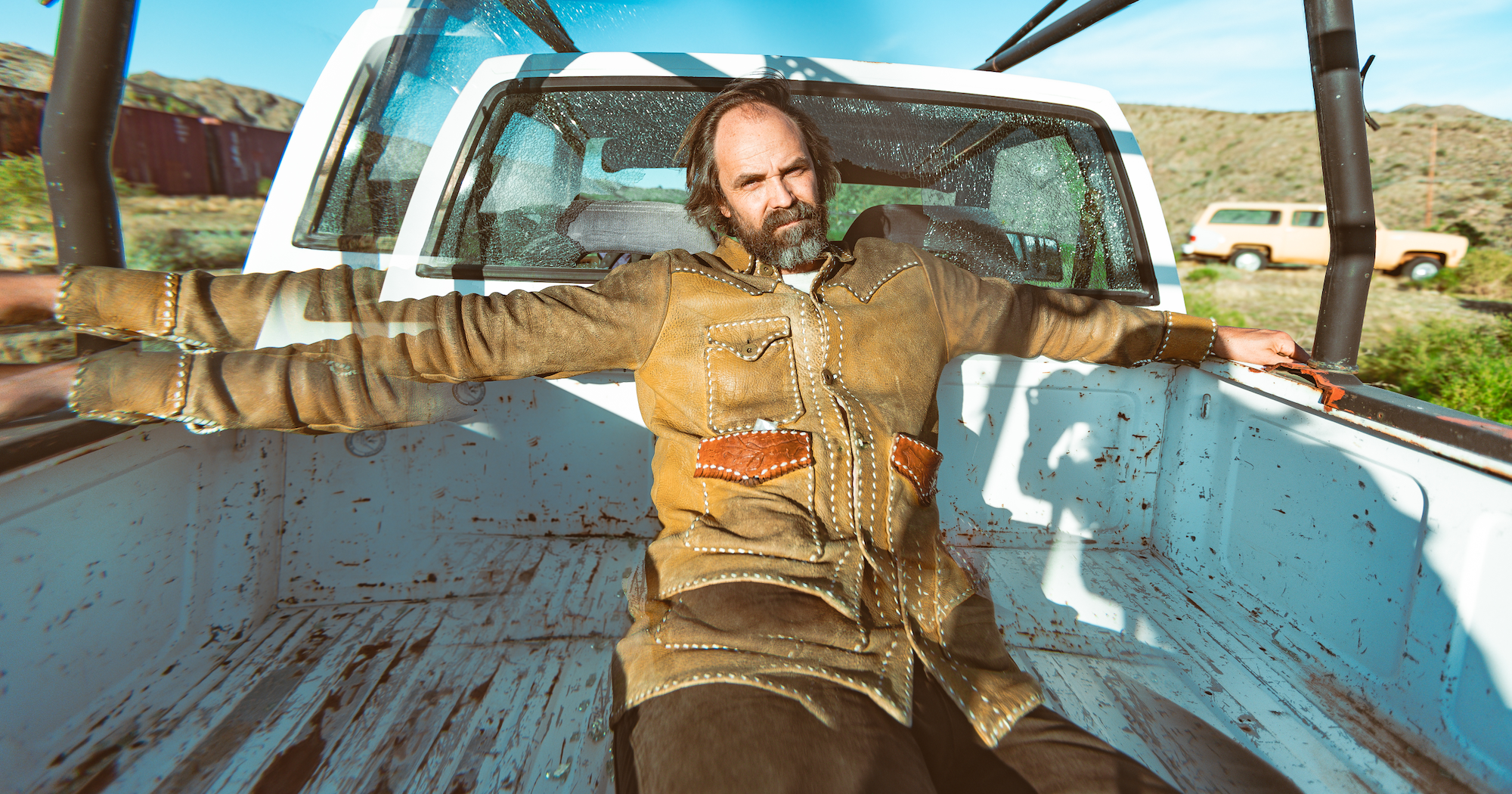
It is deeply joyful sitting with Jonny Fritz at a restaurant he suggested (Pollos Puebla #1) in an area of Los Angeles he’s an expert on (Pasadena/Altadena border) and talking about subjects he thinks about a lot, ranging from rebirthing ceremonies to alimony to how…“different” Nashville is now. He’s keenly honest about his life, his work, and his thoughts about any question thrown his way. Nothing is out of line or off limits. Nothing is filtered by a publicist or an agenda. It is off the cuff and real and wild.

We met over grilled chicken, rice, and beans to discuss his newest work, Debbie Downers (Woodwinds), a reimagining of the original 2025 album Debbie Downers. The conversation unfolded much like the album, with unexpected turns and humor that expose raw nerves about an unfriendly music industry, the beauty of PG Tips, the subtlety of serving a song, and the goal of taking a ride on the wave of a sliced open above-ground pool.

Well, let’s talk about Woodwinds. I’m a huge woodwind fan. How’d this come about?

Jonny Fritz: Oh, yeah? Me too. I love woodwinds. I’ve always loved them. I think they’re so great.

It’s so expensive making a record. It’s just stupid, you know? For example, the last record I made, Sweet Creep, I made it pretty cheap. I think it cost about 12,000 bucks. But ATO Records had an option on it so they could pick it up. They bought Dad Country, the record before that, for 5,000 bucks. It cost me five grand to make. “We’ll pay you five grand for it.” All right, fine. And then, hidden in the contract – or at least hidden to me – they got the option on the next one. Same deal. So when I made Sweet Creep they picked up the option. So for $5,000, they got this record that cost me $12k. I was like, “Jesus, man, this business is so rough.” And I just knew it was going to be something similar with the next one.

By this one, Debbie Downers, I thought, “What do I really want to do?” I might as well just do what I want, because there’s nothing worse than having something be expensive and unsatisfactory. I just decided I really wanted to make the record over and over and over again. I have a bunch of different visions for how it should go and I wouldn’t call any of them the one.

The Woodwinds one was something I’ve always just wanted to do. So I’m pretty pleased with it. I got this amazing guy in Highland Park who does film and TV stuff. There’s not a lot of work going on right now, so he was willing to do it. And the first couple of arrangements that he came up with, I was just giddy. I couldn’t believe how cool it was.

Were there any revelations for you? When you heard them in that arrangement, was there anything that shocked you about it?

Hmm… Yeah, some of the versions with the woodwinds really lent themselves to the winds better than any other version. I wrote this song called “Have You Seen Her.” I wrote it coming off of anesthesia. I was out of my mind. I got a hip replacement at UCLA 10 years ago. You know, coming off anesthesia affects people in weird ways. I’m one of them. It really got me, I wrote this song and I felt like it was the most brilliant thing.

It was so embarrassing. I wrote everybody who I knew who was high up at Rolling Stone, and all the Newport Folk Festival team, and all their PR team. I mean, I wrote everybody. And I wrote these really incoherent emails. I haven’t actually looked at them in a long time. I looked at them right after I wrote them and I was so ashamed. But I wrote all these emails being like, “You’re gonna want to get Scarlett Johansson down here. I need to perform this for her. And you need to get Joaquin [Phoenix] here, too.”

I’m not a social climber, but there was something in me that was like, “You need to make some moves. Call out a lifeline.” I was so ashamed of it for so long, because it was one of the most embarrassing moments in my life, for sure.

All of that to say, I didn’t want to play it or record it. I had to overcome it, admit it, and start talking about it. When I heard it with the woodwinds, I was blown away.

Years ago, I worked with Chris Crofton on a comedy event at Third Man Records that involved a compilation of found video footage that was submitted. There were so many submissions of people coming out of anesthesia, and I remember Chris immediately going, “No, that isn’t funny.” It really isn’t; you aren’t in your right mind.

God bless that man. He always knows exactly what the fuck is up. He is driven by pure heart and knows exactly where his morals should be. He’s incorruptible.

Do you spend a lot of time on social media? What is your relationship to it as a creator?

Pretty passive. I like social media. I feel like I’m kind of floating above social media. By like eight feet, just kind of looking down at it. Like, “What are you guys doing? That’s insane.” Then I dive into it to interact, and then just kind of get out of it. I get a little hooked on it for sure, but I hear about the addictions and the stuff that people fall for, and just like the amount of engagement. But it’s like engagement versus quality of life. I get so much fulfillment from everything else. I like playing with it. I always have fun with it, but I try not to let it get sticky.

Well, one of my favorite social media posts in the past bit is the one with your kiddo singing “Tea Man.”

Oh, wasn’t that so sweet?

So sweet.

She’s 6.5 now. She was like 2.5 then. And I just was like, I can’t post this. It felt so…I don’t know…

Personal?

It was personal, but I didn’t have a problem with that. I definitely want to protect her, you know? But that’s not her anymore. She doesn’t even look like that. She’s like doubled since that song came out. But then I was like, “Oh, fuck yeah, I’m posting this!” There was no risk of seeing her in public and recognizing that she’s the girl from the video.

Are you a tea man? In real life?

I got a PG Tips tattoo. I really like tea. I drink enough tea to float a canoe every day.

Really? All caffeinated?

Usually. Well, when I’m on tour, yeah. I get so tired. I can’t really mess with coffee. It just makes me so jittery. But I can just drink tea all day.

Are you an equal opportunist, or is it mostly black tea?

Oh, I like it all. Really like it all, but I love the black stuff, though. I think it happened when I was on tour 10 years ago with Josh Hedley. We were in England somewhere on a train, and they came down the lane with a steaming cart and it was £1 for a cup of tea. I don’t have an addictive personality. I don’t care about alcohol or anything. But I felt like, “Oh, I’m in trouble.” Just sitting on a cold, rainy train going through England with a cup of PG Tips.

It reminded me of something I heard about Andy Warhol. Although I’m not a big fan, I don’t know much about the guy. But what I do know about him is that one thing that made me really like him. I heard that he doused his whole world in a certain scent for a season. For example, in the summer of ‘63, he would just cover everything with lavender oil. And then come winter, it would be a totally different scent. And you’d put lavender away, and it’d be bergamot. So then the sense memory of whatever happened around that time would be so strongly connected to that scent that you could be completely brought back. And I really love that.

I think there’s something to it with the tea thing, because that tour was really big for me. It was a fantastic time. It was a really, really wonderful, lovely tour, and drinking PG Tips like that, I just got into English culture too. Everywhere you go, somebody’s like, “Well, you want a cup of tea?” Like, yes, I fucking do. I decided I’m never turning down a cup of tea. And I never have since.

Tell me about writing “Hot Chicken Condos” with Jordan [Lehning] and Skylar [Wilson]. I deeply connect with that song because I also left Tennessee, and for many of the reasons you list in the song.

Yeah, that was the point. Everybody who really gets this place will really understand these things, even like Pit Bull puppies in parking lots.

And humidity.

Fucking unrelenting humidity.

Were those things you were storing? How did that song come about?

God, why I love writing with Jordan and Skyler is because they don’t bring any ego to the write. They don’t fucking care. They’re just such good vibes. I’m really pretty neurotic about writing and also I’m pretty protective of my words, too. When I get into the writing space, I’m just so sensitive about what’s being said. So if somebody says or suggests the wrong thing, I can quickly be like, “This is the wrong association.” I can be a little trigger-happy.

But with Jordan and Skylar, they’re always just like, “Just play what you got.” And they usually edit everything that I have. With that song, one of the lyrics was “Mustard in the corner of his tiny little mouth.” And Jordan said, “Why don’t you say, ‘Mustard cracking in the corner of his tiny little mouth?'” And it was perfect. Mark Twain said the difference between the right word and almost the right word was the difference between lightning and the lightning bug.

It’s so true.

I got to hang out with Guy Clark once in Nashville, and it was like one of the best moments of my Nashville career. I was going through really bad writer’s block. And I asked him, “Do you ever get stuck?” And he said, “Yeah… Do you ever write with other people?” And I told him, “I don’t like the idea of giving somebody 50% of the song just because they’re sitting in the same room.” He leaned over and he goes, “Well, you never would have fucking wrote it if they weren’t sitting there.”

I was like, “Damn, old man schooled me.” Because so much of writing, I feel like, is picking up on something else that’s happening. And who’s to say you don’t owe somebody credit just because they’re sitting there?

The other thing that Jordan suggested for [“Hot Chicken Condos”], which was so right on, was that he asked me how high I could go on the Tennessee part. I told him I could go falsetto, and he told me to try it. I hit it and he said, “That’s it.” He took an idea of a song and made it a song. I just so appreciate those guys.

I just feel it is like a pedal steel player who plays about eight notes per song. That’s the best player in town, ‘cause all the other players are nonstop. Same with fiddle. Take Josh Hedley. The guy just stands there most of the time, then he pulls out something incredible, and he sets it back down. He doesn’t overplay. If you don’t overwrite and you don’t overplay, those are heavy attributes.

Those are both things to do in service of the song, not in service of self.

Absolutely. You know who I saw last night was Erin Rae. Kevin Morby and I were standing next to each other, just like, ”Oh my god, she’s so good.” One of the most amazing things about her is that she underplays the guitar. She’s playing the whole time, but if you really focus on how much she is actually playing, it is barely. It’s just enough to fill in where she’s not singing and she works the mic so well.

All those things are so important, but nobody teaches them, you know? You have to kind of know it. It’s innate, right?

Or you got to learn it trial by fire. And you have to be playing with players who know what they are doing to learn that.

Yeah. That’s right. Sometimes people are technically good, but they just don’t stop noodling, and it sucks.

You took a long hiatus from music, huh?

I did. I took nine years between records. I didn’t mean to. And I didn’t actually think that I was doing it. I was playing shows here and there. I blame it on real estate. I got into real estate because my heart got broken from music so many times from wanting to do better. Wanting to succeed more. Really, really caring what people said and thought and comparing myself. All the things you really shouldn’t do ever in any aspect of life. I mean, if you did that in a relationship, then your therapist would be like, “That’s your problem. Stop. Don’t do that.”

I couldn’t get out of it. I just felt so bad about how it was going. And I know what I’m doing is not for everybody, and it’s not gonna take off. But I love what I do. I’m not putting myself down, but I just knew my ambition was a lot faster than everybody’s interests. It was just wearing on me and I needed to do something that’s purely about money and doesn’t have anything to do with creativity, because I’m just getting my feelings hurt. And I got polyps in my vocal cords. I was touring too much. It just wasn’t going well.

So I thought, “I’m just going to pivot. I’ll still do shows and if somebody asks me to do something, I’ll do it. I love music.” I stopped prioritizing writing. I stopped prioritizing recording, and then the pandemic happened, and I had a kid, and real estate took off, and I looked up, and it was 9 years. It really was like, “Oh, crap, how did that happen?” It shocked me.

What’s your writing process like typically? Do you write everywhere?

I write everywhere. I use my voice memos a lot. I really love just making up new country songs and fake country songs – like, really bad ones. I find that if I can get them out, I can expand upon them or delete them and move on.

I was writing with Skylar [Wilson] one time and we were trying to write a song called “Remember the Alimony?” We wrote for hours and hours and it was a stupid song and it didn’t go anywhere. It went, “I’m just a poor man. All I eat is beans and write checks to my ex, one and only. I rolled the dice, but I lost my wife. But I remember the alimony.” So stupid. God. But we were writing all day and just hanging out, and neither of us thought to finish it. It just didn’t work. But then I got home and I had like 6 other song ideas that went on Sweet Creep. It’s that muscle thing that everybody talks about.

I’m also a pleasure seeker to the nth degree. If things aren’t fun, I just drop them so quick. I’m really bad about that. So I just make sure that it’s really fun and get the idea out quickly. I try to stay hovering above it, just stay light. Because as soon as I dig into it, that’s when I’m like, “Oh, my God, right. I don’t know how to do this.” Just keep it fun and it will grow. But I like to write all the time, every day.

Do you wake up and do it?

It is in the shower, on the way to school, washing dishes. You know, when you have a great idea and no way to write it down.

Soapy hands! Sometimes it happens when there’s an absence of anything else and those ideas pop up.

I have to really protect myself when I’m diving in. I wash all the dishes, do all the laundry, sweep up a bit, and make sure no one is going to ask me for anything. I’m really self-conscious about that. If nobody is home, I’m going to the basement and putting on Ken Burns’ Civil War, and I turn the radio on at low levels where it is just kind of humming. I drink a tremendous amount of caffeine. That’s my favorite.

But it is intense. I can get really emotionally rocky after diving in pretty deep.

I was thinking about Roger Miller when you were talking about the “Alimony” song. I’m drawn to that kind of writing because you can get really dark while staying very light.

People think that the meat is deep, but the nerves are on the surface. There’s meat down there, but it’s dead. I feel like the most cutting and incredible songs kind of sound like an email to an old friend. My favorite Lucinda Williams songs all sound like they were written to a buddy.

Or she’s talking to somebody over tea.

So true. And John Prine, too. Everyone’s like, “How did they do it?” They just did it. They’re just talking.

Will you play any live shows with the woodwinds?

Yes, actually, April 14, we’re doing a free show at Zebulon. It’s going to be good. I have this giant golf ball, it’s like a concession stand, and I’m bringing that to the show. The whole point of it is to give away free tea. It’s my tea ball. The tea is free, just buy a house from me!

What will the live configuration look like? How many players will you have?

Four, but they play multiple winds. It’s the players on the record. They’re such pros. They’re all symphony kids.

There’s something about stripping it down to just woodwinds; it’s so cinematic. It takes you directly to the meat and it makes you lighter when it is time, as music does for film. It helps direct your emotional experience.

I like that. I’ve always loved demos of songs. Sometimes I just want to hear someone play the songs, not the record. Or just hear someone sing it. As close to the song as I can get, I’m most happy. I love a cappella stuff. Sometimes the most powerful way to arrange a song is to remove everything.

With winds, too, it’s nice because that’s pretty much it. There’s the vocal and then there’s some wind behind it. I love that.

At the top of my notes that I took while listening to the record, I have the words “jello rebirth” scribbled down regarding the song “Polished Turd.” Can you tell me more about that concept?

For this record, it was a bit of a cynical and fatalistic career thought, but I wanted to make a record of real estate songs. The whole idea behind it was that people would hear it and would say, “This sucks.” And my reply can be, “Yes. That’s what happens when you give up on your dreams.” Music really suffers when you just write about what you’re doing. It’s like this martyrdom thing.

You know the three D’s in real estate are like death, diapers, and divorce – all the things that make people sell their homes. So I wrote one that went, “Death, diapers, and divorce. And the lottery, of course.”

During the pandemic, I had this fantasy of buying someone an above-ground pool. Have you heard of rebirthing ceremonies?

No.

Oh, rebirthing ceremonies are a thing. A fucking thing. People simulate a mother’s vagina in like a mega fucked up Christian ceremony. They make you relive your birth so you can be reborn and let go of all your childhood traumas. They have a gelatinous vagina and people push themselves through it. So anyway, I got that in my mind and thought, “What the hell is this world?” But I could see that for real estate, like a used car salesman going, “We are doing rebirthing ceremonies, come on down!”

And I have always wanted to slide through the tsunami of an above-ground pool that gets sliced open.

Yeah, that does look fun.

Right, who hasn’t wanted to do that? But then I want to turn it into jello. And then I thought maybe I should do that for my clients or have a commercial about it. I could cut a slice in the pool with a katana sword, then they’d ride in slow motion through the incision of the above-ground pool, I could hand them the keys, and they’d be reborn into home ownership. Follow me?

Yep.

That is a song very near and dear to me, but it is a hard one to explain. What was your experience with it?

Well my first thought was that wherever it was coming from and whatever it meant, you have thought a lot about it.

Fair enough, that’s true.


Photo Credit: Bobbi Rich

BGS Class of 2025: Best in Bluegrass

If you’re looking for a definitive, qualitative, and deliberate ranking; a firm and scientific rubric; or an unbiased, sterile reckoning of the best albums made in bluegrass this year, this roundup may not be for you.

Truthfully, as someone who’s worked, been acquainted, and become friends with many of the artists on this list in various capacities – from bio writing to onstage performances to media coverage to pickin’ parties to recordings and beyond – objectivity isn’t something I, personally, could establish anyway. And such year-end or other merit-based lists and collections aren’t all that interesting, are they, if not just to argue with their curation and selections.

I would not even attempt such things, because to me – to many of us – that’s not what bluegrass is about anyway. Bluegrass is about a feeling. It’s about innovation. It’s about virtuosity. It’s about tradition, loving it or retooling it or coaxing it or turning it upside down. It’s about adrenaline and a high pulse – and passing a mason jar around. It’s about feeling downtrodden or alone, shedding tears into that very ‘shine, and wailing along with the high lonesome sound. It’s folk music as much as it’s abject commercial country in “poor people drag.” It’s endlessly interesting and complex, but pretty damn simple, too.

Anyone with even an ounce of sense knows and understands that bluegrass can’t ever be objective. So indeed, why try? Why not acknowledge that bluegrass is always a matter of taste, of preference, of whimsical or capricious or convicted opinion? Bluegrass is always debatable, because, after all, bluegrass is always in the eye of the beholder.

In the eyes – and especially ears – of this particular beholder, these albums released in 2025 were the best, the most memorable, the most engaging. These collections stick to ribs like ham hocks, or stick in your throat like the tastiest clod of emotional peanut butter. They each advance, subvert, perpetuate, or wrinkle our core ideas of what bluegrass is – and what it can be.

Are each and every one of these LPs the best in bluegrass from 2025? Perhaps not… But also definitely yes.

Big Richard, Girl Dinner

In January, we gobbled down a heaping helping of Big Richard energy with the nourishing and nutritious Girl Dinner. The project may have been the band’s album debut, but this Colorado all-women quartet had already been making remarkable waves in the bluegrass, jamgrass, and string band scenes – and each of the members had extensive and glitzy musical resumés before they even convened. With a new album, Pet, on the horizon for February 2026, a signing with Signature Sounds, and an upcoming co-bill tour with fellow femme outfit Della Mae, we can tell this Girl Dinner is set to become an ongoing traveling feast.

Shawn Camp, The Ghost of Sis Draper

I remember attending Station Inn shows in Nashville in the early 2010s and sitting with rapt attention – like Martha’s sister Mary at the feet of Jesus – as Shawn Camp performed his suite of Sis Draper songs with his star-studded bluegrass bands. Often you’d hear just “Magnolia Wind” or just “Sis Draper.” Sometimes he would perform a more complete handful of the tracks he had written, individually and with his hero and mentor Guy Clark, about the mythical roots music figure from his home state of Arkansas. Now, he’s collected the slate of material – what could easily become a musical or multi-disciplinary theatre work of some kind – into one commanding, lovely, and visceral album. These are timeless songs, written and rendered as only Camp could.

Jason Carter & Michael Cleveland, Carter & Cleveland

Every now and again a new collaborative duo album comes along and makes you think, “Oh! This must have been what it felt like when Skaggs & Rice was released.” Or Tone Poems. Or Ralph Stanley and Jimmy Martin’s First Time Together. A monumental occasion, captured for posterity’s sake in the studio. When fiddlers Jason Carter & Michael Cleveland released their duo debut, that was the feeling. History made in the present, a work that will be regarded as seminal ages into the future being enjoyed in real time. Carter and Cleveland have collaborated quite a bit over the decades they’ve known each other, but what a gift to have that musical friendship ensconced forever on this album. We hope there is more to come.

Wes Corbett, Drift

Look, if all modernist banjo players sounded like Béla Fleck and Noam Pikelny, that would certainly be great. But thankfully there are dozens of five-string pickers continuing to expand on the Fleck (and Pikelny and Munde and Keith and Trischka) school of Scruggs-style, each in their own veins. Corbett is one of the best. Though he blends effortlessly into Scott Vestal’s former role in Sam Bush’s band – or into any number of recordings and one-off pick-up bands that boast his playing in newgrass and bluegrass and beyond – Corbett is a true idiosyncratic banjo player and composer. Drift, his latest, often employs traditional techniques as tools for innovation and contemporary tunesmithing. He recalls the great melodic pickers while always sounding first and foremost like himself.

East Nash Grass, All God’s Children

A few years ago, if you had told me the ragamuffin band holding down Monday nights at Dee’s Country Cocktail Lounge in Madison, Tennessee, would in 2025 release an album you’d describe as “heartfelt, contemplative, and intentional,” I would have probably laughed. East Nash Grass were just as jaw-dropping good then as they are now, but with that down-home silliness and clumsy charm all the great bluegrass bands born of indentured residencies have had. All God’s Children finds the band all the way grown up (but not really), and they never forsake their banter-rich, never-know-what-you’re-gonna-get roots. That overlap – of silly and heartfelt and virtuosic and not too serious – is where most (if not all) of the best bluegrass is born, anyway.

Sierra Hull, A Tip Toe High Wire

Every single time Sierra Hull releases a new album, journalists and critics love to talk about how she’s now “found herself” and “found her sound.” This writer, however, disagrees. I first saw Hull perform when we were both in our mid-teens and then as now I knew, wholeheartedly, this is someone who knows who they are. Granted, Hull has done plenty of finding herself along the way, as we all do, but the songs and tunes of A Tip Toe High Wire were obviously not born of someone just locating her voice, musically or otherwise. They don’t feel experimental or out on a limb, they are each solidly in her wheelhouse. They do still push the envelope, though, and they all tell personal stories, draw on individual experiences, and chase those treasured Hull-ian melodies wherever they lead.

I’m With Her, Wild and Clear and Blue

Perhaps all future I’m With Her albums should be made while basking in the “Ancient Light” of a total solar eclipse, given the striking sonic successes of Wild and Clear and Blue. Is that cosmic magic why their second full-length release feels so distinct and metamorphosed from their debut? Is it all the years and personal growth in between recordings? It’s not like they reinvented the wheel, they’re the exact same band – but something feels different here. Whatever the special sauce may be, all of I’m With Her’s offerings over the course of the band’s lifespan have been stellar, but this latest full-length project stands apart. As long as Jarosz, O’Donovan, and Watkins are making music together, we will be unendingly grateful they offer us these recorded windows into their creativity.

Kissing Other ppl, Kissing Other ppl

Bluegrass and old-time birth new projects, bands, and collaborations all the time. Some are purposefully momentary, some are unintentional flashes in the pan, some are such long strings of last names ampersand-ed together you know there’s no future for them. We hope Kissing Other ppl are here to stay. Rachel Baiman and Viv & Riley joined forces on the album – and band – turning mainstream and pop songs into bluegrassy and old-timey string band arrangements that positively vibrate with passion and life. “Sad boi” covers these are not, though you may at times find them subdued or tender or mild. Long may this old-time Americana musical polycule reign.

Cameron Knowler, CRK

If you’ve been craving a contemporary storyteller and poet who utilizes the guitar as their medium – like Norman Blake or Doc Watson or Tony Rice or so many others – I am so pleased to step onto my soapbox to tell you about Cameron Knowler. Also a writer (at times for BGS), archivist, photographer, and visual artist, Knowler’s guitar-centered album, CRK, is almost anything but a “guitar album,” despite each and every composition centering on the instrument. The LP paints vivid and haunting musical portraits of a place Knowler loves, longs for – and despises or begrudges, too – Yuma, Arizona. Knowler wouldn’t even pretend to compare himself to Norman Blake or state that he’s deliberately taking up Blake’s heavy, heavy mantle in the 2020s, but I’m saying he is. Thank goodness.

Bryan McDowell, Bryan McDowell

You may recognize multi-instrumentalist Bryan McDowell from his time performing, recording, and touring with artists like Claire Lynch, Sierra Hull, Molly Tuttle, Alison Brown, and many, many more. He’s an incredibly talented sideman and session player, so when I first received his new self-titled solo album, I imagined the sort of formless instrumental project most pickers with similar resumés create. What a pleasant surprise to find a fully fledged, well-rounded, complete song sequence chocked full of original songs and McDowell’s lovely, honeyed singing voice. (I know Bryan and I didn’t know he sang like this!) It’s on me, really – I shouldn’t have been surprised at all – but McDowell’s skill set is clearly no longer just geared towards backing others up. I am looking forward to seeing what’s next.

Shelby Means, Shelby Means

Speaking of artists ready to step out of the role of sideperson or session musician. Bassist, singer, and songwriter Shelby Means’ debut solo album is fantastic. Since departing Molly Tuttle’s Golden Highway, Means has already built striking momentum as an artist unto herself, and the quick success of her album has played a huge role in that. With originals, tasteful (and surprising) covers, and a star-studded roster of pickers – Tuttle, Ron Block, Michael Cleveland, and more – the project certainly doesn’t feel like a debut. And it shouldn’t, Means has crisscrossed the country and the globe for decades, she’s more than ready to step to the center of the stage. She’s done it before, she’s doing it again – and now a lot more frequently, I’d bet.

The Onlies, You Climb the Mountain

All the best bluegrass is old-time these days. (I say that over and over again, here’s what it means.) While mainstream bluegrass sounds more like ‘90s country played by a bluegrass string band, or jamgrass, or “MASH” – all of which depart greatly from the 1945/1946 sound of its origin – modern old-time becomes more and more of an audio swatch of essential parts of what bluegrass used to sound like and used to include. One album this year that epitomizes this phenomenon is the Onlies’ You Climb the Mountain. Is it phenotypical bluegrass? Oh, no. It’s not. But it also has plenty of textures and tones endemic to original bluegrass that are becoming increasingly rare in its modern forms. I shouldn’t sell the Onlies short, though, they aren’t here because they’re “better bluegrass” than bluegrass, or more authentic, or more “real.” They’re here because this album is excellent, on its own terms.

Danny Paisley, Bluegrass State of Mind

Danny Paisley is celebrating 50 years of bluegrass with his latest album, Bluegrass State of Mind. Still looking for new challenges and trying to add fresh sparkle to his dyed-in-the-wool traditional sound, the new LP includes Dobro (for the first time), drums (sacrilege!), and a bit of an Americana lean. (Don’t you dare call it “grassicana.”) To BGS readers, the project will most likely sound like straight down the middle bluegrass of the highest order. Longtime fans of Paisley & the Southern Grass, though, may notice that very sparkle Danny has been chasing, as he targets new audiences and still sets new goals, five decades into his career as a bluegrass tradesman. It’s the family business.

Missy Raines & Allegheny, Love & Trouble

Missy Raines is one of the winningest musicians in the history of IBMA, amassing 10 Bass Player of the Year trophies over the years and and a handful of honors in other categories, as well. She may have won her biggest prize, though, when she landed on her latest band lineup, Missy Raines & Allegheny, a few years ago now. Her second album with the group, Love & Trouble, continues building upon the chemistry and collaboration that dripped from 2024’s Highlander. They often rise to the occasion of my preferred nickname for them, Mashy Raines & Allegheny, but they remain a consistently dynamic group capable of gritty, barn-burning bluegrass and contemplative and emotive slow burners, just the same.

Red Camel Collective, Red Camel Collective

They began as Junior Sisk’s backing band, and like many of the great “spinoff” bluegrass bands of yore – Quicksilver (Authentic Unlimited), the New South (American Drive), and many more – Red Camel Collective have quickly shown they’ve got the chops to take the same route. Their debut self-titled album was released earlier this year and was made at Sisk’s suggestion – and with his blessing. (He regularly steps off the stage at his own shows to spotlight the Collective and their music, as well.) This band of lifelong pickers have clocked so many miles playing bluegrass and executing the visions of others that, when charting their own course as Red Camel Collective, they’re able to sound exactly like themselves. It’s tough to sound singular in modern, radio-inclined bluegrass. But Red Camel Collective do. Is that why they won New Artist of the Year at the IBMA Awards this fall? It sure ain’t coincidence.

Sister Sadie, All Will Be Well

Sister Sadie’s All Will Be Well is like dropping the needle on a 45-minute bluegrass therapy session. I don’t say it flippantly or sarcastically; it is indeed shocking the level of earnest contemplation, processing, emoting, and growth evident in the songs on this album. At the same time, when you hear the tracks played down at a bustling bluegrass festival or a packed rock club or a subdued listening room, they never feel twee or try-hard or sodden with greeting-card level sentiments. They never feel heavy, actually – this is fun, often hilarious, party-ready music. Dance-along music. Shout-along songs. You’ll laugh, you’ll cry. (At the vocals alone.) These are real human ideas, thoughts, and feelings set to bluegrass. Imagine.

Larry Sparks, Way Back When

How does this album seem like it could have been pulled from any year, any decade of Bluegrass Hall of Famer Larry Spark’s sceptered career? Because it could have been, damnit. He’s Larry Sparks. Way Back When sounds warm and live, like listening to tape or vinyl over earbuds or cell phone speakers. Like being in the room with that resonant, vibrant, and patinated voice. The material is timeless, but never tired or lost in retrospection. Sparks is obviously making bluegrass in the present, as he always has. He just sounds exactly like this. And the way he talks about making music – as he did in a BGS interview set for publish in January 2026 – you can tell, for him, it’s essential to inhabit the present and inhabit the song. Bluegrass really is his calling, and we’re all all the better for it.

Billy Strings & Bryan Sutton, Live At The Legion

One of the best bluegrass albums of the year? Of course. One of the best live shows and tours of the year? Doubly, triply, quadruply of course. You’d think it would be brain-melting to listen to hours of two acoustic guitars and an electric bass pick through bluegrass, fiddle tunes, and Doc Watson classics, but it was divine. Trance-like – not with eyes glazed over, but on the edge of your seat. I wasn’t at that show at the Legion when they tracked the album, but was lucky enough to catch their show this fall at the Ryman in Nashville. If you weren’t so fortunate, don’t worry, ‘cause this isn’t an incredibly exclusive club. This record really does capture all that’s ineffable of being “in the room.” (No one is surprised.) Turns out, you can actually bottle and sell it, if you’re these two. Now if only you could buy the skillset, too…

Thompson the Fox, The Fox in Tiger’s Clothing, vol. 1 & vol. 2

Maybe once a year I trip over or into a new music discovery that gets me so excited I start getting annoyed with myself from having to hear me recommend them over and over again. With Thompson the Fox, it never got annoying (not to me, at least) and the excitement of turning folks onto their music still hasn’t worn off. So here we are, again. If this is your initiation, don’t thank me, thank the people who sent Thompson the Fox my way. Jazz, newgrass, bluegrass, bebop, ragtime, and oh-so-many more styles and textures combine in a completely fresh and distinctive form. I’ve never heard new acoustic music quite like this, yet it’s clearly rooted in that tradition. The simple math of xylophone, banjo, bass, and drums doesn’t quite math, but this group sounds resplendent, rich, and fascinating. Takumi Kodera on banjo is a revelation and Rie Koyama (xylophone), Akihide Teshima (bass), and Tomohito Yoshijima (drums) complete the Tokyo-based ensemble.

Cristina Vane, Hear My Call

Cristina Vane exists at an intersection of roots music that far too few inhabit, because very few can manage there. Vane can. She does blues, bluegrass, old-time, country, and Americana. Sometimes blended, sometimes compartmentalized. She’s got short-form, short-attention-span, vertical-video appeal for days, but her songs are never vapid or playing to any kind of commercial common denominator. Her instrumental skills and the passion for learning and song collection across roots and folk genres that she exhibits bring it all together. I’d not want to subject either woman to the corniness of comparing one to the other, but for folks who love Sierra Ferrell and are looking for more artists in a similar roots-meets-mainstream space, Cristina Vane can do it. She is doing it.

Vickie Vaughn, Travel On

Vickie Vaughn has won IBMA Bass Player of the Year for three years in a row and on the heels of that remarkable accomplishment, she’s released her debut full-length solo album, Travel On. Produced by Deanie Richardson of Sister Sadie, it’s Vaughn’s first recording under her own name released in 10 years. Original songs and covers are packaged in a sound that’s always trad bluegrass, but often infused with a dash of Osborne Brothers from the ‘80s or Jim & Jesse with a drum kit. It’s an Earl Scruggs Revue sort of flair, troubadour-steeped bluegrass-country. And it’s divine.

To conclude this long yet non-exhaustive and surely myopic list of the best bluegrass albums of 2025, let me leave you with this gentle reminder. What’s bluegrass and what’s best are always in the eye – and the ear – of the beholder.

What was your favorite bluegrass album of 2025? Let us know on social media. We hope you discover some new music to love in our BGS Class of 2025 and we can’t wait to make new discoveries with you, too.


BGS Staff contributed to this list.

Photo Credit: Shelby Means by Hunter McRae; Shawn Camp by Neilson Hubbard; Sierra Hull by Spencer Showalter.

Briscoe Hit The Road and Wrote a Country Album

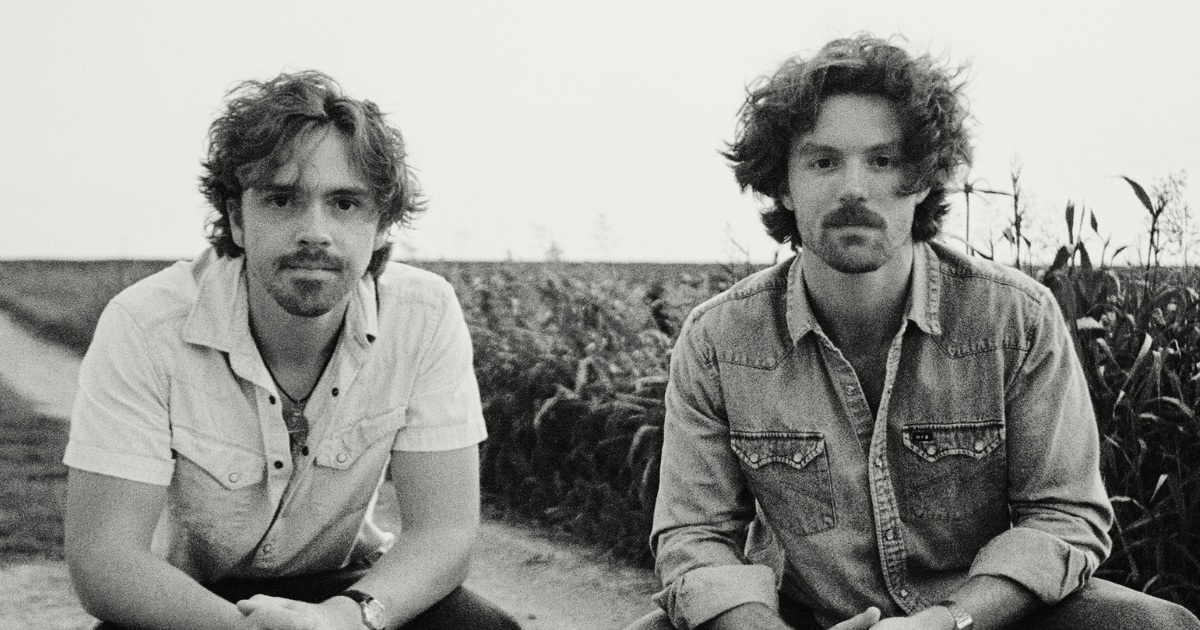
Through the windshield of their Ford Transit van, the duo Briscoe drew songwriting inspiration from the Southwestern landscape during a long, meandering road trip after graduating from the University of Texas. However, this trek was more than just a rite of passage, as band members Philip Lupton and Truett Heintzelman were launching their first national tour. In those seemingly endless miles between show dates, they would trade lyrical ideas to flesh out once they got back home to Austin.

Described by the band as “Texas folk-rock,” those cinematic songs have now surfaced on Briscoe’s second album, Heat of July. Produced by Brad Cook and released by ATO Records, the collection is a generally optimistic highway companion set against the backdrop of sunsets somewhere south of Alpine, Texas, long drives to Denver, and Mexican eagles circling overhead.

During a brief break from the road, Briscoe spoke with Good Country about how banjo fits into their sound, discovering bluegrass through YouTube videos, and the John Prine classic that set it all in motion.

I found it interesting that you were writing this album as you were driving around the country. You’re going 80 miles an hour as these songs are coming to you. Can you set the scene of what that looked like?

Philip Lupton: Yeah, that’s a great question. A lot of this record was written on the road just because we were touring hard on our debut album, West of It All. You’re in the van for so many hours a day that you eventually get tired of listening to music, no matter how much you like music. You just need some silence. I think that’s when Truett and I can find a little bit of inspiration. Like, “OK, cut the music.”

“Arizona Shining,” the second song on the record, is very much written as I’m taking in the landscape through the window. You just start to mumble a few things under your breath. And then you hold up your phone and take a little voice memo. You get back home in a couple weeks, you come back to that idea, and then, finally, get to put it to a progression and bring it to life.

When you’re out on tour, coming out of your hotel, and you see that van hooked up to a trailer, does it ever strike you, like, “We’re really out here making this happen”?

PL: Yeah, absolutely it does! There’s this old Hayes Carll song called “I Got a Gig.” I listen to that song and I’m like, “OK, we’re doing it. We’re road dogging it.” We’re staying at the cheap hotels and playing gigs for cash at the door and whatever. We’ve seen a lot of growth and success in a lot of markets, but when you’re taking it all across the country, up into Canada, there’s a lot of those same stories you can experience any time on the road.

The opening song, “Saving Grace,” seems to set a tone for the album. There’s a very positive tone in that song. Is that a fair statement, do you think?

Truett Heintzelman: Super fair, yeah. A lot of this record is written over the last year and a half to two years and one of the big components of that time for both of us is that we both got married. So that’s what we were wanting to convey. We view marriage in a positive light and, God willing, we’ll always view it in a positive light. “Saving Grace” was written about marrying our respective wives.

For me, that song was about meeting my wife and realizing early on, “OK, this feels different and I don’t want this to go away.” We just tried to write as much as we could about our lives and experiences and our time between now and the last record. And, obviously, getting married is something that takes up a lot of your brain, you naturally end up thinking about it a lot.

You’ve got a cool banjo vibe on “Saving Grace” and a couple other songs on the album, too. Philip, what pulled you into the sound of the banjo?

PL: It goes back to learning guitar when I was middle school-age. I just had a desire to learn an instrument that was different and would allow me to jam with my buddies. So, I bought a banjo at a secondhand music store in San Angelo, where I’m from, for like 150 bucks, and I ended up really falling in love with the Avett Brothers. Back in the day, when Truett and I were both learning to play guitar and sing, I’d play the banjo and Truett would play the guitar and we’d cover the Avett Brothers. That was how we fell in love with playing together.

The banjo always had a strong presence. When we started writing, it was almost second nature to incorporate the banjo in some way. If Truett was handling most of the rhythm guitar, I picked up the banjo in lieu of a lead guitar. We just kind of rolled with that, way back when.

You mentioned middle school. Is that around the same time you guys met?

PL: Yeah, I was a year older than Truett in school and we met at summer camp. We just hit it off and we were both learning guitar and both interested in similar music. We saw each other every year after that at camp and became really close in high school. San Angelo is a smaller town and we’d have to go to a major city for any big need, like a big hospital system. So, my family would go to San Antonio quite a bit. I’d get dropped off at Truett’s house and we’d play guitar until my family was ready to go back to San Angelo.

Do you guys remember the first time you sang together?

TH: Oh yeah, that first summer we met at camp, we met on the first day of the session, which was two weeks long. We both brought acoustic guitars, so it was like, “All right. You play, I play.” “What do you like to play?” “Oh, I like that song too.”

We started going back and forth, kind of jamming all throughout that week. At the end of that week, we played “Paradise” by John Prine at our camp talent show, which was really just for us. We joke that I don’t think anyone else in that camp auditorium had any idea what we were saying, but they were just excited that we were singing and we were too.

How did John Prine hit your radar in middle school?

TH: There’s a guy named Joshua Lee Turner who’s in a band called the Other Favorites and he has this YouTube channel, it’s like a gold mine. He’s super talented, an awesome artist, and he and his buddies cover all these incredible songs. I owe watching Joshua Lee Turner on YouTube for a good chunk of the artists and the music that I love. I consume a ton of bluegrass music and a lot of that is because of him. The song “Old Home Place” is one that I fell in love with after watching him. When Philip and I put it together that we both loved him, that served as a blueprint, too, for us to start posting videos on YouTube.

How did you come up with the name Briscoe?

PL: Briscoe was my grandfather’s middle name. I never met that granddad, but I always loved that name. It’s a name that goes back in my family on that side a few generations. It was in consideration for my name before I was born, but my grandma on the other side of the family didn’t like it. I always liked the name and I started Briscoe in San Angelo before we got to UT, just as a name to put music under. I knew someday Truett and I would be able to do it together, so I just chose Briscoe and rolled with it and then we never had any reason to consider changing it. And that was that.

You guys have seen the whole country by now, touring coast to coast. What is it about living in Texas that makes you want to settle there?

TH: I’ll just get this out of the way now – when you’re born in Texas and raised in Texas, you’re just inherently proud of that. So, from the get-go, you probably have an inflated sense of pride to be from Texas. But we’re now at this place where we’ve gotten to see everything in North America, pretty much. There are so many beautiful parts of this country, and of Canada and Mexico. In all these cities, you’re like, “Wow, this is such a great city. It would be fun to live here.” But I have never found a place where I’ve been like, “I would rather live here than where I live in Texas.” This is where our roots are.

Philip, how about you?

PL: The older I get, the more I appreciate Texas’ contribution in the music world on all different levels, and especially this Texas country/outlaw kind of thing. To name a few guys in particular, Jerry Jeff Walker, Guy Clark, Lyle Lovett, and Robert Earl Keen. The more we appreciate them, the more that we want to resemble what they did. No matter what level of popularity or success they achieved as musicians, they never forgot where they were from. We respect those guys a lot for that, and how they blazed their own path.

We are very proud to be part of the greater Texas subgenre of Americana, folk, and country music, and we feel like that’s where we’re always going to want to be.


Photo Credit: Justin Cook

Shawn Camp Pays Homage to A Childhood Hero on The Ghost of Sis Draper

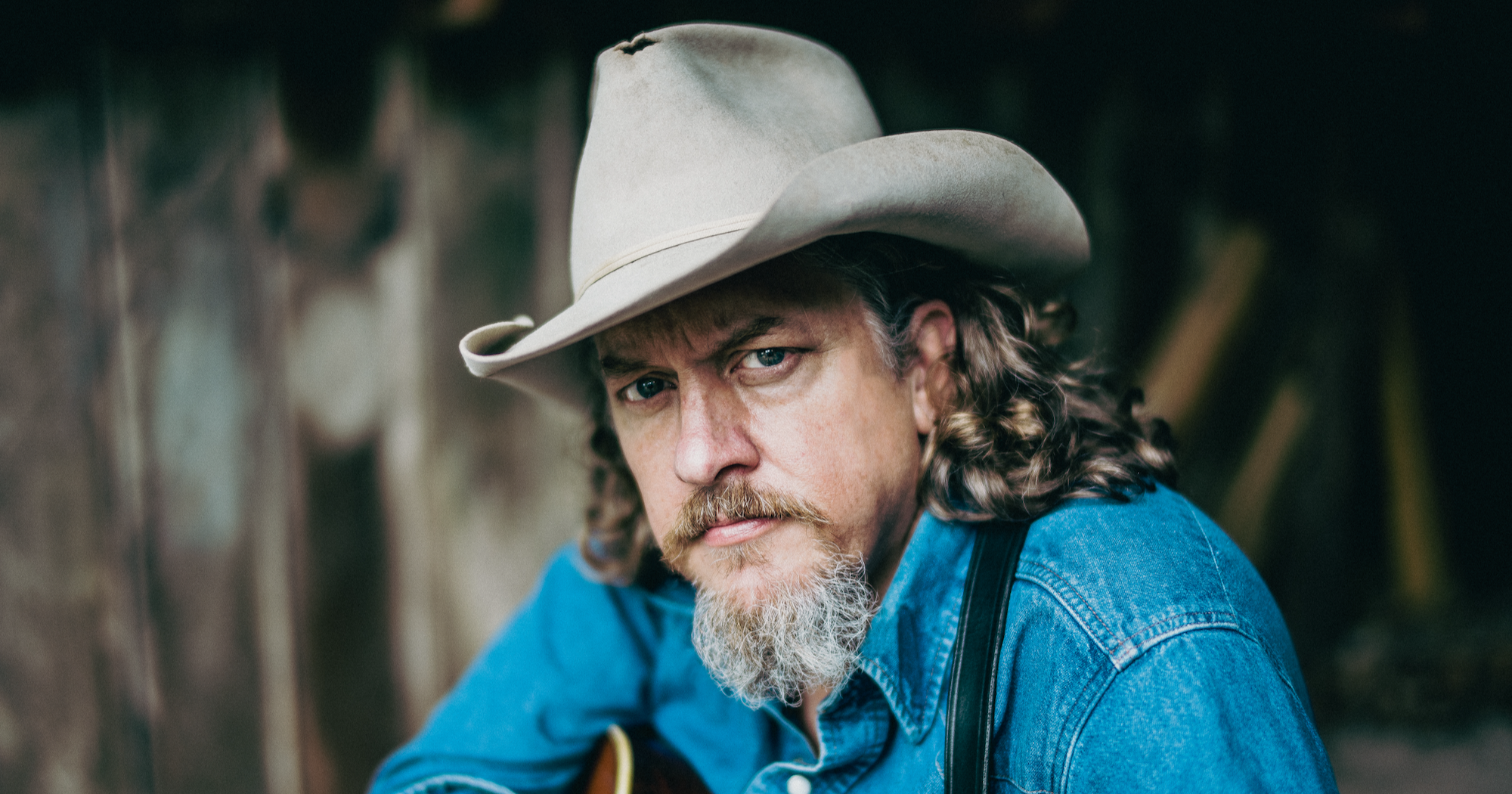
From the half dozen records under his own name to hits co-written for Garth Brooks, Brooks & Dunn, Blake Shelton, and Josh Turner; playing with Jerry Reed, Alan Jackson, Trisha Yearwood and the Earls of Leicester; or his work on Willie Nelson’s GRAMMY winning album, A Beautiful Time, in 2023, Shawn Camp has done just about everything in his 30+ year musical career.

But with his latest project, The Ghost Of Sis Draper, he’s able to cross off another box off his bucket list – making a concept album. According to the Arkansas native, the album’s origins trace back to the late ‘90s with his close friend and longtime collaborator Guy Clark, centering around a larger-than-life figure from Camp’s childhood named Sis Draper.

After laying the project’s foundation with the lead track “Sis Draper” one fateful day, the pair later penned “Magnolia Wind” soon thereafter with other songs slowly trickling out whenever they reconnected in the years that followed. Once the songs were all written, Camp took them to Nashville’s famed Cowboy Arms Hotel and Recording Spa – now the Clement House – where he knocked the entire record out in only one day.

Per Camp, the immediacy of his time in the studio helped to keep its collective sound cohesive – like Willie Nelson’s Red Headed Stranger and other standout thematic country albums that came before it. And, by the sound of it, there’s more like it coming soon.

“I’ve got lots of ideas for concept albums and songs I won’t release until I have a record like that to include them on,” Camp tells BGS. “I’ve got about 14 songs on another that I started recording last year that were inspired by Johnny Cash and Cowboy Jack Clement that’ll likely be out next year as well. It’ll be a lot different from the Sis Draper stuff, because we recorded it like Johnny Cash & The Tennessee Two – stripped down with an electric and upright bass – but in a similar fashion all belong together.”

Ahead of the release of The Ghost of Sis Draper, Camp caught up with BGS to discuss his relationship with Clark, musicals, the album’s old-time ties and more.

When did you first connect with Guy Clark?

Shawn Camp: I had a country label deal with Warner Bros. Records in the early ‘90s and in 1993 the people there asked me if I could write with anyone in Nashville, who would it be? I shot for the moon and said, “How about Guy Clark?” and before I knew it I was sitting across the room from him writing [“Stop, Look And Listen (Cow Catcher Blues)”] from my second album, 1994, that Warner shelved until 2010.

Guy was known at the time for writing songs that in parentheses included a second title he’d refer to them as and that was one of them. When you go to the Country Music Hall Of Fame now his entire writing room and workshop is on display there and it’s exactly the way it was the day he died. You can walk up to the glass and see his writing tables, his ashtrays, his guitars and all of his work tapes that he would record the day he wrote each song. He would spin around and write the title on the spine of a cassette to stick on a rack on the wall behind him. If you look into that room right now you can still see the cassette for “Stop, Look And Listen” about waist-high two or three feet from the wall on the right. It’s just a real treat to see his work environment that I spent so much time in up close again.

Years ago, I remember Guy getting mad at a fiddle he couldn’t get into tune so he smashed it into smithereens and stuck it up in his attic in a fiddle case. He got to telling me about it one time and crawled up there and set it down on his bench and it’s still laying there to this day. It’s been wild to see how they number and photograph everything so they can get it back to exactly how it was – it was a real trip to see.

How did the idea for this Sis Draper album first come about a quarter century ago?

I was just sitting around with Guy trying to write a song, but got stuck. It led to us talking for an hour or so until I eventually got around to telling him about a lady I knew in Arkansas named Sis Draper. She had a big beehive hairdo and a fiddle she carried around in a coffin case that she’d shred these old-time fiddle tunes on. Before I ever saw her, my grandpa and Uncle Cleve built her up as such a superstar that she was a world traveler in my eyes, even though in reality I don’t think she did much traveling at all.

After telling Guy about her I remember him leaning back in his chair, taking a big drag off a cigarette, and saying, “That’s your story right there,” which led to us writing more songs about Sis Draper and my family that together make up this new record.

Were there any differences in how you approached writing or recording this project compared to your other non-conceptual work?

We recorded it all in one day with the same musicians, so when you listen it doesn’t sound like a hodgepodge of different sessions and trying to make them fit together, because it basically happened live. In the past I’ve spent eight or nine months just recording the songs, but with Sis Draper it was easier to streamline because all the songs already sounded similar and fit together.

What motivated you to keep returning to this project through the years?

It’s taken a long time to come to fruition. [Laughs] We first started in the late ‘90s and would work on it anytime we got together and didn’t have other stuff to work on. We’d always thought about it being a musical play too. I even have started writing dialogue to turn these songs into that. It’s always been in the back of my mind, but now that Guy’s gone it felt like I needed to go ahead and get it into this form.

What specifically interests you about a play format?

I’ve always loved acting, even though I haven’t done much of it. I’d love to do it more and a play would be a cool way to accomplish that.

Several of the songs on Sis Draper have roots in old-time music. What made you want to weave those influences through these songs?

We wanted to pull from those old fiddle tunes that I heard Sis and others playing when I was a kid during jam sessions. Like “Lost Indian,” which is what “Big Foot Stomp” was written around. The common thread of it all was always an old fiddle tune melody, so I wanted to reference those songs in any way I could.

You and Guy both collaborated a lot with Verlon Thompson through the years. With that in mind, what did it mean to have him aboard to co-write “Old Hillbilly Hand-Me-Down” with y’all?

Verlon is one of the greatest songwriters around and an even better person. I don’t do a lot of co-writing with him, but we’re the best of friends. I love making music with him because we play off of each other so well.

The only song on the album you weren’t involved in writing was “New Cut Road,” but even so it still ties back to Guy and your childhood?

Yes. Guy wrote the song originally about his grandaddy Coleman Bonner who played fiddle in Kentucky. On the play-version of this album there’s dialogue that ties it all together. But when I was a kid, I started playing fiddle at 15. I remember standing on a ladder holding up a piece of sheet rock to the ceiling in a house my dad and I were remodeling. We had a little Gilligan’s Island radio playing across the room and Bobby Bare’s version of the song featuring Ricky Skaggs came on. It really inspired me to be a fiddler even though I didn’t know Guy wrote it at the time. Six short years later I was in Nashville, so it just felt like it belonged in this Sis Draper suite of songs.

Another tune I wanted to ask you about was “Grandpa’s Rovin’ Ear,” which I understand you originally constructed as a poem?

Guy and I wrote all those lyrics in different places, but for the longest time didn’t have a melody to go with it, so I made one up before going in to record. Similarly, “The Checkered Shirt Band” started as a rap that we played without a melody, almost like a group chant. I put melody to that right before heading into the studio, as well and was inspired by the old-time tune “I Don’t Love Nobody.”

The guy’s names I mention on [“The Checkered Shirt Band”] – Rodney, Chuck, and Rodge – are all band members from my days with the Grand Prairie Boys in Arkansas. We’d dress up like Bill Monroe & the Blue Grass Boys. I recently went back there to receive a Lifetime Achievement Award from the Arkansas Country Music Awards and got those boys together to play for the first time in years. We played that song and a couple others from the album and it was such a treat. It meant a lot to not only do that, but shout them out by name in the song as well.

The end of Sis Draper includes “Hello Dyin’ Day,” the last song you and Guy ever recorded together, sandwiched between “The Death Of Sis Draper” parts 1 and 2. What did it mean to you to include that one here?

It represents the deathbed confessions of Sis Draper. It just felt like The Ghost Of Sis Draper to me, due to the mood of it all. It’s her last words, but when we return to “The Death Of Sis Draper” in the medley it’s like Sis’ funeral, so it all just kind of belonged together in my mind. It’s about 10 minutes of music that all goes together, so hopefully it’ll be listened to that way and not dissected too much.

With that being said, what are your thoughts on song sequencing? It sounds like you designed this Sis Draper record as something intended to be listened to in order?

We’ve really gotten away from the arc of storylines on albums. It’s a two-minute world out there now, so if you can get just one single out that’s all a lot of people shoot for anymore. I miss those records like Red Headed Stranger that take you through all different kinds of moods and serve as an escape from the real world. I enjoy going on those little trips and hope listeners enjoy going on this Sis Draper adventure with us.

What has the process of bringing The Ghost Of Sis Draper taught you about yourself?

It’s taught me not to hesitate and to make the move to record stuff when it crosses your mind because if you don’t it may never happen. It initiated a whole new lease on life for me because I hadn’t put out a solo album since 2006. A lot in the world has changed since then just like it has in my own life, but I’ll never stop wanting to make music.


Photo Credit: Neilson Hubbard

The Must-See Bands and Artists of Earl Scruggs Music Festival 2025

We’ve said it before, we’ll say it again: Earl Scruggs Music Festival is a one-of-a-kind event. BGS is incredibly excited to return for our fourth consecutive year of partnership with ESMF. As we’re packing our bags for Mill Spring, North Carolina, and making our festival plans and short lists we can’t wait to be back in the foothills on Earl Scruggs’ home turf celebrating bluegrass, old-time, country, and Americana of the highest order.

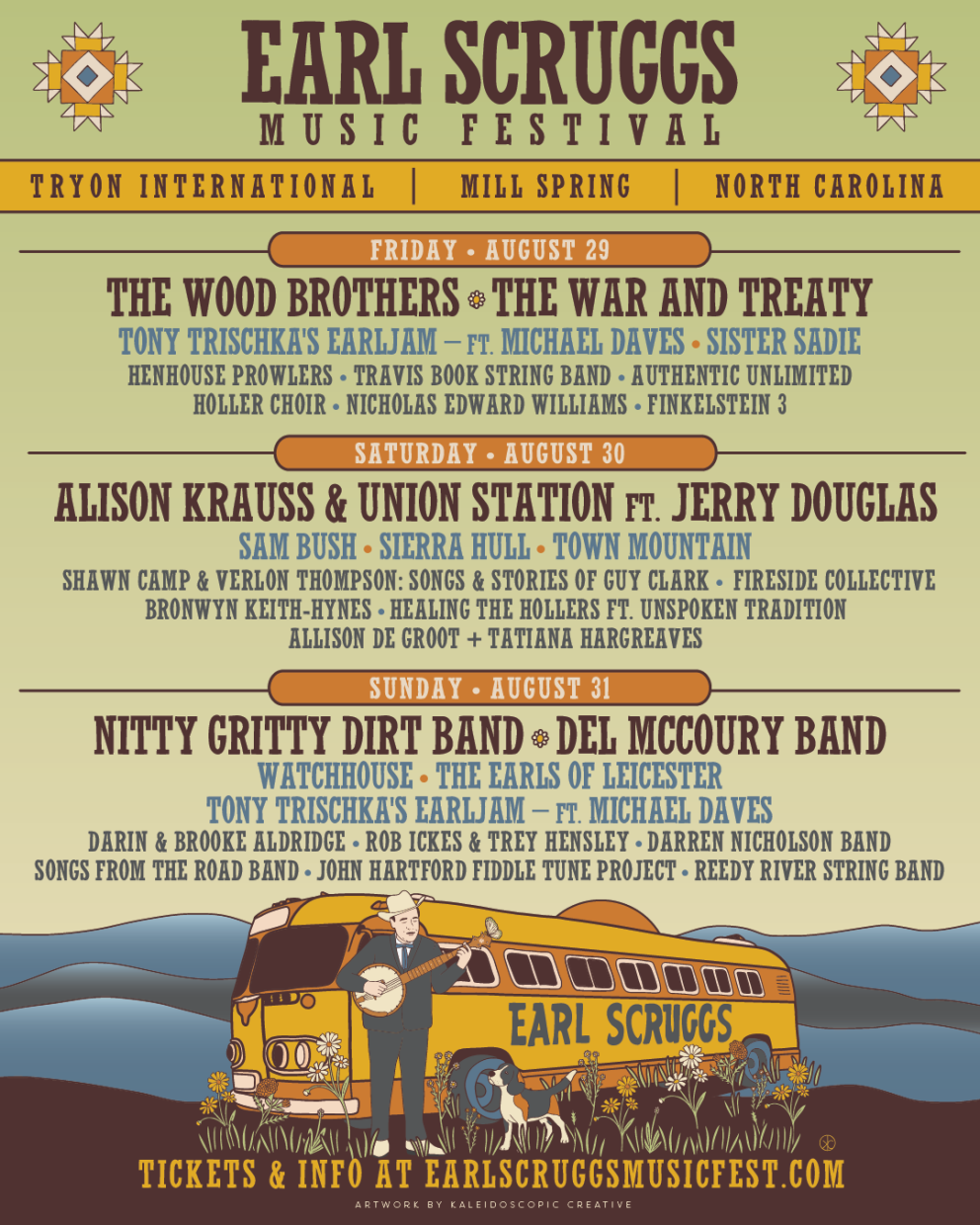
Held each year over Labor Day weekend at the gorgeous and luxurious Tryon International Equestrian Center, ESMF is co-presented by Tryon International, the Earl Scruggs Music Center – located just down the road in Shelby, the county seat near Earl’s hometown of Boiling Springs – and WNCW. This year, headliners include the Wood Brothers, the War and Treaty, Alison Krauss & Union Station, the Del McCoury Band, and a very special performance by the Nitty Gritty Dirt Band to wrap up the stellar weekend. Of course, there’s plenty more amazing music from across the roots music spectrum set for the weekend, too (see the lineup below), plus plenty of great workshops and panels, jam sessions, and more.

The BGS team spends a lot of time attending, programming for, and covering roots music festivals, so it takes a lot for events to stand out from the crowd. With their lovely grounds, thoughtful footprint, excellent vendors, eclectic and traditional lineup, and all of the many connections this event has – with the Scruggs family, the surrounding area, and the artful communities of North Carolina, South Carolina, and the entire Appalachian and Southeastern region – ESMF continues to raise the bar for bluegrass festivals.

Below, check out a quick list of bands, musicians, and artists we can’t wait to catch at Earl Scruggs Music Festival this year. And make plans to join us – whether this year or in the future! – at one of the most enjoyable bluegrass festivals on the scene today.

Shawn Camp & Verlon Thompson: Songs & Stories of Guy Clark 

It’s always a treat when these two longtime collaborators and co-writers get together to pay tribute to their friend, mentor, and hero, the late great Guy Clark. As evidenced by this Suwannee Springfest video from 15 years ago, Camp and Thompson have been performing their Songs & Stories of Guy Clark show in some format for quite a while now, but this feels like a particularly timely chance to catch the pair performing from their repertoire of co-writes with Clark and sharing stories of their times collaborating and creating with the songwriting legend. Camp’s upcoming album, The Ghost of Sis Draper, features songs that he wrote with Clark – including one also penned with Thompson – and revisits the fantastic based-on-a-true-story narrative of a folk hero fiddler by the name of Sis Draper. We can’t wait to catch Camp, Thompson, and as many Sis Draper songs as possible.

Saturday, August 20, Silver Spoon Saloon, 12 pm to 1 pm, “The Silver Spoon Sessions with Craig Havighurst”
Saturday, August 30, Foggy Mountain Stage, 6 pm to 7 pm.


Allison de Groot & Tatiana Hargreaves

These days, sometimes the best bluegrass you can find is old-time. This incredible duo often falls into that category directly, with endless drive, expansive pocket, and a penchant for listening, responding, and following each other that’s nearly familial. We’ve caught de Groot & Hargreaves shows countless times and still never tire of these two instrumentalists, singers, and writers unspooling musical moments together and reweaving them in realtime. Though de Groot hails from Canada and Hargreaves grew up in the Pacific Northwest, this is one of ESMF’s acts whose music, and the traditions that have made it, is most deeply rooted in this lush artistic region of the world – Western North Carolina.

Saturday, August 30, Legends Stage, 9 am to 10:30 am, “Bluegrass Over Easy Breakfast.”
Saturday, August 30, Foggy Mountain Stage, 2 pm to 3 pm. 


Healing the Hollers featuring Unspoken Tradition

Western North Carolina-based bluegrass band Unspoken Tradition will host a special livestream and concert at ESMF on Saturday, August 30, featuring performances by Josh Goforth, Lance Mills, Laura Boosinger, Nest of Singing Birds, Zoe & Cloyd, and more. Healing the Hollers will shine a spotlight on the impacts and devastation of Hurricane Helene and the ongoing efforts of folks in the region – like each of the artists and bands on the show bill – to keep rebuilding their communities, neighborhoods, hollers, and homes. BGS is proud to be promoting Healing the Hollers, as well, and we’ll even be carrying the livestream of the set on our Facebook page. There’s plenty of work still to be done to heal and move forward after Hurricane Helene, but with a roster of artists like these and a community like that which surrounds ESMF, we know we’ll all get it done together. That’s the exact kind of Resilience Unspoken Tradition are talking about on their brand new album – which we hope we’ll hear from during Healing the Hollers, too.

Saturday, August 30, Foggy Mountain Stage, 3:30 pm to 5 pm. Stream live on Facebook.


Bronwyn Keith-Hynes

Oh, the places she’ll go! Award-winning fiddler, singer, and songwriter Bronwyn Keith-Hynes has not slowed down for a moment since her time in Molly Tuttle’s GRAMMY-winning ensemble, Golden Highway, came to a close earlier this summer. She’s got a packed tour schedule of sold-out or nearly sold-out dates across the country, rapidly building an engaged and energetic fan base behind her style of jamgrass built on a trad foundation. It feels like, in many ways, we’ve gotten to watch Keith-Hynes “grow up” as an individual artist so each time we get a chance to catch her band live, we enjoy marking the leaps and bounds she’s taken since the last time. She’s sure to impress and inspire yet again – and who knows what impeccable pickers she’ll have out on the road with her, too!

Saturday, August 30, Foggy Mountain Stage, 7:45 pm to 9 pm. 


Alison Krauss & Union Station Ft. Jerry Douglas

If you haven’t gotten to catch Alison Krauss & Union Station on their most extensive headlining tour in nearly fifteen years, Earl Scruggs Music Festival is your chance! With just over four weeks left in their continent-spanning Arcadia Tour, we’re the lucky ones for being able to catch the iconic band and their iconic songs at Tryon International. Social media videos from the tour show quite a few fan favorite tracks have made the set list alongside the bevy of new material from their brand new album, Arcadia. Veteran bluegrass picker and vocalist Russell Moore, who was just tapped this year to join the group, is certainly holding his own on this gig of a lifetime. We can’t wait for our evening with AKUS in North Carolina!

Saturday, August 30, Flint Hill Stage, 9 pm to 10:30 pm. 

(Alison Krauss & Union Station were our Artist of the Month in April. Explore our exclusive coverage here.)


Nitty Gritty Dirt Band

Heartbroken that the one and only Nitty Gritty Dirt Band are on their farewell tour at the moment? Us too! With only a handful of dates left in their All The Good Times: The Farewell Tour, the existential woe is creeping in fast. The best way to stave off the end-of-an-era scaries is to be there at ESMF for their headlining set, the culmination not only of a superlative festival weekend, but of a decades-spanning career of a seminal string band who took Earl Scruggs’ legacy places it wouldn’t have ever gone without them. There could be no better way to cap the main stage at Earl Scruggs Music Festival this year than with NGDB. Of all the “must-see” happenings at this year’s event, this set is truly top of the list. Once in a lifetime occurrences happen every year at ESMF.

Sunday, August 31, Flint Hill Stage, 7:45 pm to 9:15 pm.


Sister Sadie

You have not one but two chances not to miss this bluegrass supergroup at Earl Scruggs Music Festival this year. Fresh off the release of their new album, All Will Be Well, Sister Sadie are sounding better than ever – and these are IBMA Award-winning veterans, right here. Their new album is full of emotion, contemplation, and redemption while at the same time it’s just… plain fun. They strike a deft balance between heartfelt songwriting, gut-wrenching narratives, hair-raising harmonies, and bluegrass virtuosity that will make you hoot, holler, and dance. We can’t ever get enough of Sister Sadie, so you may catch us on the barricade for both of their ESMF appearances.

Friday, August 29, Flint Hill Stage, 5 pm to 6:30 pm.
Friday, August 29, Foggy Mountain Stage, 10 pm to 11:30 pm.

(Sister Sadie were our Artist of the Month in July. Catch up on our AOTM content here.)


Watchhouse

When you’ve been on the roots music beat like we have for more than 12 years, festival season isn’t just about festivals – it’s like a mobile family reunion. We can’t wait to reunite with our old pals Andrew and Emily – and in North Carolina, too! – for Watchhouse at ESMF. Like Earl Scruggs himself, Watchhouse carefully and intentionally synthesize so many different textures and inspirations from North Carolinian folk music through their own creativity and songcraft, creating something totally brand new that’s still deeply rooted in tradition and the region. That’s just one small reason why they’re a perfect lineup selection for this amazing festival. We’re geared up and ready to hear new music from their new album, Rituals, during the weekend. See you there!

Sunday, August 31, Silver Spoon Saloon, 3:30 pm to 4:30 pm, “The Silver Spoon Sessions with Craig Havighurst”
Sunday, August 31, Flint Hill Stage, 6 pm to 7:15 pm.

(Watchhouse were our Artist of the Month in June of this year. Dive into more on their new album here.)

The Wood Brothers

Blending blues, Southern rock, alt-country, and jam band music, the Wood Brothers have an eclectic and often psychedelic approach to roots music that’s all their own. They pop up along the roots music genre spectrum with ease at every waypoint, from string band folk to grungy, hard rock and roll – like the most exciting game of musical aesthetic whack-a-mole you’ll ever play. There’s something for every kind of listener in the Wood Brothers’ catalog of music and their brand new albumPuff of Smoke, is as entrancing and diverting as ever. We’ll be camped out in the grandstand for this set, for sure!

Friday, August 29, Flint Hill Stage, 9 pm to 10:30 pm. 

Default icon

These bands and artists listed above are truly just the tip of the iceberg for everything that’s going on this year at Earl Scruggs Music Festival. You also won’t want to miss Town Mountain, Sam Bush, Sierra Hull, the John Hartford Fiddle Tune Project, Tony Trischka’s EarlJam, Fireside Collective, the Earls of Leicester, the Del McCoury Band, and still many more.

Check out the full schedule of panels, chats, performances, and acts here on the ESMF website and make plans to join us this year or in the future in Mill Spring, North Carolina, for a lovely weekend of bluegrass and roots music.


Lead image: Tanya Tucker performs on the Flint Hill Stage during ESMF 2024, shot by Jess Maples.

Drew Kennedy’s “Head Out West” Playlist

I’ve been enamored by the West since I first set a dusty boot down in Marathon, Texas – a town that would be my spiritual hometown, if such things existed.

I made my last record, Marathon, with my incredibly talented friend Davis Naish in a tiny adobe house in that little town. For the new record, we camped out in his Los Angeles studio, so I figured, “Hey, let me put together a playlist that I think captures the way I feel about the vast stretch of land that lies between Marathon and LA.” Road trip! – Drew Kennedy

“Desperados Waiting For A Train” – Guy Clark

Guy was born in Monahans, Texas, not too far from Marathon, so this feels like a natural starting point. To me, there are few artists who are able to capture the spirit of Far West Texas like Guy Clark. With equal parts romance, unflinching honesty, and those trademark turns of phrase that make him a hero to songwriters who know, Guy can always make me feel like I’m standing beside him in the little movies that are his songs.

“Levelland” – James McMurtry

If you trekked due north and just a little east out of Monahans, eventually those sand hills and mesas play out into plains so flat and wide open it can make the uninitiated feel uncomfortable. A friend once told me a buddy of his said he didn’t like it because “there was no place to hide.” From what or whom didn’t matter. You’re just out there, totally exposed–the only thing breaking the perfect line between land and sky. Those McMurtrys sure know how to tell a good story. Anyway, if we kept going north we’d be getting farther away from California, so let’s hang a left.

“Watch It Shine” – Walt Wilkins

Walt Wilkins is another songwriting hero and I’m lucky to call him a friend, as well. The Poet Laureate of the Hill Country teams up with Owen Temple to take you on a ride following the Rio Grande as it snakes south from Taos towards Santa Fe. It also features one of my favorite lines I’ve ever heard in a song: “They say there’s iron in these mountains, and in bone and skin and mud/ They say that iron only comes from stars, so stars are in my blood.” Goosebumps every time.

“Low Sun” – Hermanos Gutiérrez

Put a ranch water in my hand, fire up this album, and cue a good sunset. The only three ingredients I need to find my favorite places inside my mind no matter where on earth I am. Doubly effective if I’m already in one of my favorite places.

“Don’t Worry” – Marty Robbins (single, 1961)

We’re getting out into the type of landscape most people who’ve never visited the desert picture in their heads when someone mentions it. Saguaros, red rocks. We’re well beyond El Paso now, so we’ll go with this beauty from Marty Robbins. Yes, that is the coolest guitar solo of all time. I’ve heard several different stories about how they got that sound, but however they came by that tone, hell yeah.

“Willin'” – Little Feat

We’ve covered a lot of ground… maybe we’re dragging a little bit after all of those miles. The boys in Little Feat know how we feel, and they’ve got our back.

“Queen of California” – John Mayer

Now that we’re pulling into town we need something we can nod along to with our Wayfarers on and our hair blowing in the sweet California breeze, as we take in the sights. This song is a badass way to kick off a record, too.

“Beautiful World” – Colin Hay

I mean, when we get there one of the first things we’re gonna do is jump into the Pacific, right? I love that Colin Hay sounds like Colin Hay and nobody else and man, do I love the way he writes a song.

“It Never Rains In Southern California” – Trent Summar & The New Row Mob

I love their version of this song. It’s not all sunshine and roses out there, you know.

“California Poppy” – Theo Lawrence

I was shocked when I found out this guy was from France. Sometimes people in Texas are shocked when they find out I’m from Pennsylvania. Point is, if it’s in you, it’s in you. I would believe it if you told me the ghosts of Buck Owens and Don Rich were sprinkling a little of that Bakersfield dust around the studio the day they laid this one down.

“Mama Told Me Not To Come” – Randy Newman

I’ve aged out of today’s version of this kind of party, but that doesn’t mean I don’t expect to see some unexpected things whenever I’m out in LA. Another one-of-one, Randy Newman.

“Texas Time” – Explorer Tapes

And with that, let’s turn this big baby blue Cadillac convertible around and head back home. I assume that’s the kind of ride we’d want for this road trip. Thanks for tagging along.


Photo Credit: Sarah Barlow

MIXTAPE: Thomas Cassell’s Songs to Pass the Time

2024 is winding down and like any other year, there’s a lot to say goodbye to as we welcome in the future. Memories (the good and bad), loved ones, homes – all seem to eventually become markers in time.

A marker in my ‘24 was the release of my third record, The Never-Ending Years, in October. The theme of time is common throughout (as the title would suggest), and when BGS asked me to put together a playlist in celebration, I considered the many topical songs that have had an impact on me.

There may be some obvious players left out (sorry, Pink Floyd and Jim Croce) but really, these are simply the songs that have meant the most to me, songs I listen to in eternal recurrence, all having something to do with the fact that time moves on – with or without our blessing. – Thomas Cassell

“Where Did the Morning Go?” – Blue Highway

Blue Highway has had an incredible impact on everything I do. They really set a bar with thoughtful, original material in bluegrass music. This song in particular pulls a heartstring, as the every-quickening pace of life only blurs with time.

“Childish Things” – James McMurtry

There’s an innocence that we lose every day and much of our wonder and curiosity tends to disappear with it. But for me, the contentment of looking back brings calmness and comfort for the future. James McMurtry is on my Mount Rushmore of songwriters and this song (I think) is as good as anything he’s ever written.

“Mama’s Hand” – Lynn Morris (written by Hazel Dickens)

Leaving home is tough, as most anyone knows. Inevitable as it is, it can be hard to say goodbye, no matter the opportunity that awaits. Lynn’s music has brought me a lot of comfort in this life.

“Today” – John Hartford

John Hartford’s songwriting certainly doesn’t need my endorsement, but I think his early records are often overlooked. This song was released in 1967, Hartford’s LA era that gave us “Gentle On My Mind,” “No End of Love,” and so many others. There ain’t nothing but today.

“Last Time on the Road” – Nashville Bluegrass Band (written by Carl Jones)

This song found me at the right time. I was getting burnt out from touring and music in general had become a daily commitment that brought little joy. It was nice to know that others felt the same, but also that they were capable of salvaging the good and moving forward making great music – in the NBB’s case, four more great records.

“Needed” – Robbie Fulks

Robbie Fulks has been a favorite for a long time, partly for his unpredictable performance style – check out Revenge! (Live) – but also for his thoughtful lyricism and vulnerable storytelling. This song highlights the latter, and all the reflection and regret that comes with getting older.

“Blackberry Summer” – Dale Ann Bradley

Is it possible to be nostalgic for a childhood you didn’t have? I think so – at least that’s how I feel when I listen to this song. Dale Ann takes me back to all of my childhood summers, as similar or different as they may be.

“Nail” – Ed Snodderly

Ed is a songwriter’s songwriter, and one of the coolest musicians I know. His group The Brother Boys is an all time favorite, but this song from his 2017 solo record really fits the current theme. The nothin’ here leaves no more.

“Don’t You Know I’m From Here” – Brennen Leigh

Prairie Love Letter is one of those records that I downloaded before a flight and then proceeded to listen to three or four times through before landing (still do sometimes). The writing is incredible front to back, but the opening track really hit me hard. I’m from a very small town and every time I go home, I find I have less of a connection to the place – only a growing longing for one. This song of Brennen’s couldn’t articulate that feeling any better.

“Bed by the Window” – James King (written by Marnie Wilson and Rob Crosby)

The Bluegrass Storyteller. I’m not sure there’s a song that earned James King that title more than this one does. Here’s your reminder to go and visit the elderly in your life, wherever they may be.

“The Randall Knife” – Guy Clark

I couldn’t finish this playlist without including Guy Clark’s magnum opus. There’s a lot I could say about this song, but none of it as well as him.

“Autumn Leaves Don’t Fall” – Thomas Cassell

And if you’ve made it all the way to the end, I’ll reward you with a little bit of self-promotion. Jon Weisberger and I wrote this song after thinking about how the more people we lose, the quicker we seem to lose them. Time is exponential.


Photo Credit: Scott Simontacchi

MIXTAPE: Books, Story, & Poetry by Ordinary Elephant

As humans, we have a history of turning to story for comfort, direction, and preservation – a way to keep the present alive in the future. Story can be found in books, poetry, song, and our minds and mouths.

This playlist starts with our song, “Once Upon a Time,” which was born of our turning to story in the deep uncertainty of early 2020, and is the opening track of our recently released, eponymous album. In this Mixtape, we feature songs that incorporate or allude to books, authors, poetry, or story, written by artists that inspire us to write our truest stories. – Ordinary Elephant

“Once Upon a Time” – Ordinary Elephant

When the world shut down in March of 2020, we found ourselves one show into a two-week Australian tour. After scrambling to get home, the quiet hit and the processing of a new world began from our Louisiana porch, deeply feeling the human instinct to turn to a sense of story when faced with intense uncertainty.

“Always a Little Less Time” – Justin Farren

“So I guess that’s always been the story of you and I.” Justin paints pictures with the specifics that draw you in and let you see yourself in his songs, then cuts straight to the truth. The impermanence and the importance of our time here. This song guts us, in the best way, every time.

“Nothing at All” – Clay Parker & Jodi James

“I’ve got books stacked on the bedside table, that are gonna make me well and able, but the light in my room is still burned out,” Jodi sings, as one of our favorite duos spins an ethereal tune of rejection and resolve.

“Walking Each Other Home” – Mary Gauthier

One of our favorite songs of Mary’s. Achingly beautiful, it details the uncertainty of a relationship ending, but also speaks to the broader idea of the unknown. “I don’t know how this story’s supposed to go,” she sings in the chorus, as it’s hard to know when we’re living it. But there is clarity and acceptance that “we’re all just walking each other home,” helping each other find our own stories.

“Under My Fingers” – Wes Collins

Wes is one of those writers who takes you places you didn’t know you needed to go. Both with his words and with his music. This song follows a writer’s thoughts, even alluding to the scarcity mindset that can sometimes take hold of creatives. The fear that it won’t last and the solution of surrendering to the pen.

“Paperback Writer” – The Beatles

The Beatles were Pete’s first musical love, showing up in his life around sixth grade and giving a wealth of melodies and harmonies to soak in. He studied guitar through their songs, which span so many genres, it was easy to get lost in their catalog for years.

“Windmills” – Mutual Admiration Society

The story of Don Quixote twisted into a song by one of Pete’s favorite songwriters, Glen Phillips. This song first appeared on Toad the Wet Sprocket’s 1994 album, Dulcinea. This version is from an incredibly underrated collaboration between Glen and Nickel Creek. Both of these artists changed Pete’s musical world, Glen being one of the first songwriters that he really dug into and in this collaboration, Nickel Creek introducing him to the world of acoustic music.

“Hemingway’s Whiskey” – Guy Clark

Guy Clark’s use of simple language to tell deep truths is unparalleled in the modern songbook. Here he salutes his admiration for another legendary writer, toasting with a drink, and reveling in the difficult work it takes to be a writer of that stature. Guy’s songs are revelations.

“I Ain’t Playing Pretty Polly Anymore” – Dirk Powell

We have the choice to perpetuate stories or let them die off. Some traditions continue to enrich our lives, but it’s important to realize when we’ve moved past them and when it’s time to draw the line between cautionary tale and normalizing certain types of violence. As someone steeped in tradition, Dirk makes an important statement about what songs are able validate, and that we can choose not to continue singing certain ones.

“The Other Morning Over Coffee” – Peter Mulvey

In remembering a conversation with a friend, Peter recalls talking about having lived lives “so full of poetry and adventure that if we died right then and there it would have been fine.” It’s a goal we can hope that some part of us is always aiming for. As the song unfolds, it becomes a perfect reminder that we’re all moving through the same world, the same bigger story, despite the difference in our details.

“Velvet Curtain” – Anna Tivel

Anna’s songs are movies, thick with imagery and emotion. She’s one of those writers who you’re thankful is walking this earth at the same time as you. This song shows us that sometimes there are words that need to be heard, and sometimes you’re unknowingly the one singing them.

“Billy Burroughs” – Jeffrey Martin

Jeffrey’s work tends to knock your socks off, right out of the gate. His rich voice and insightful command of language immediately demands your full attention. His background of teaching literature melds with his own writing here.

“Tailor” – Anaïs Mitchell

“When he said that my face he’d soon forget, I became a poet.” One of our favorite songwriters, Anaïs has a way of weaving a story that hits you in the softest spots. Here she spins a gorgeous warning of how easy it is to let others define our story, and that we can learn to tell our own if we remember to listen to ourselves.

“The Prophet” – Ordinary Elephant

Crystal came across a copy of Khalil Gibran’s The Prophet, gifted to her by a dear friend 20-something years ago. The bones of this song were hiding between the dog-eared pages, a discovery of self-love through returning to reminders of a love gone.

“Everything Is Free” – Gillian Welch

“We’re gonna do it anyway.” In lyric, and in delivery, Gillian shows us the power of song and story to persevere. Her voice and style are singular, and are always a welcome reminder to find comfort in the unique and truest version of ourselves.


Photo Credit: Olivia Perillo

BGS 5+5: Patrick Davis

Artist: Patrick Davis
Hometown: Formerly Camden, South Carolina; now Nashville, Tennessee
Latest Album: Couch Covers (2020); Carolina When I Die (upcoming)

(Editor’s Note: Hear the premiere of Patrick Davis’s latest single, “Wrong Side of the Tracks,” below.)

What’s your favorite memory from being on stage?

One of my favorite memories on a stage took place 15 years or so ago, back when the great Guy Clark agreed to play a round in a small Nashville venue with me and my friend Jedd Hughes. Guy and I were writing that week and I told him about the show and then asked if he would want to join and somehow he said sure. There was no higher compliment I could have received than Guy agreeing to sit beside me and Jedd and trade songs and stories for an evening. It was like he accepted us – maybe not as equals, but at least as somehow worthy. It was, and still is, a rather incredible memory. Guy has been gone for a while now, but I will forever carry that night with me.

What has been the best advice you’ve received in your career so far?

When I first arrived in Nashville an old writer sat me down and said, “Patrick, if you have a plan B you should take it, because the music business is a harsh place and if you are not 100% fully committed you will not last.” And after 20+ years I have to say he was right. I have seen many folks come through the music world and if they have any outs, the odds of them sticking with it, which is what it takes to succeed, are almost zero.

If you had to write a mission statement for your career, what would it be?

Never give up, never ever give up. (And yes, I know this is a Jimmy Valvano quote… but it should be every musician’s motto as well.)

Since food and music go so well together, what is your dream pairing of a meal and a musician?

I would love to have simple fish & chips with a few Guinness in the corner of a proper pub in the UK or Ireland with Eric Clapton, or maybe Keith Richards or hell, Paul McCartney. Just talk and see where it goes. Those guys are the last of a dying breed and I would love to hear some stories, maybe gain a little wisdom, a song idea, or even just a good buzz.

What was the first moment that you knew you wanted to be a musician?

I heard “Tangerine” by Led Zeppelin and immediately asked my guitar-playing father if he could teach me how to play that intro. It forever changed my life – the second I realized that I too could play an A-minor and make it sound at least somewhat similar to what Jimmy Page was playing, I was hooked!!


Photo Credit: Zach Sinclair