3×3: MAITA on Polar Bears, Perfect Empathy, and an Appetite for Reading

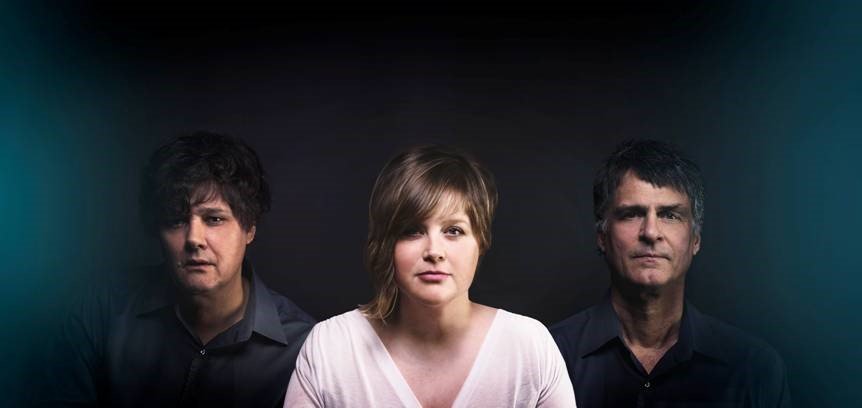
Artist: MAITA
Hometown: Portland, OR
Latest Album: Waterbearer
Personal Nicknames: Mango, Mia, my Japanese nickname was Machan.


If you could safely have any animal in the world as a pet, which would you choose?

A polar bear (emphasis on “safely”).

Do your socks always match?

Surprisingly, they do.

If you could have a superpower, what would you choose?

Perfect empathy — to never be able to fully understand another human being is an eternal struggle.

What’s your go-to road food?

Burritos.

Who was the best teacher you ever had — and why?

Ms. Mora in middle school, who fed my voracious reading appetite and whose classroom was a haven for artists and writers.

What’s your favorite city?

Kyoto is one of them — the mountains, the shrines, the old, and the flashy new overlaid on top of each other, and a river that cuts through the center. All my favorite cities have rivers.

Boots or sneakers?

Boots!

Which brothers do you prefer — Avett, Wood, Stanley, Comatose, or Louvin?

I’m going to have to go with Wood.

Canada or Mexico?

Both! I’ve barely scratched the surface of those two countries — I understand that I can’t base my opinion on Tijuana and Vancouver.

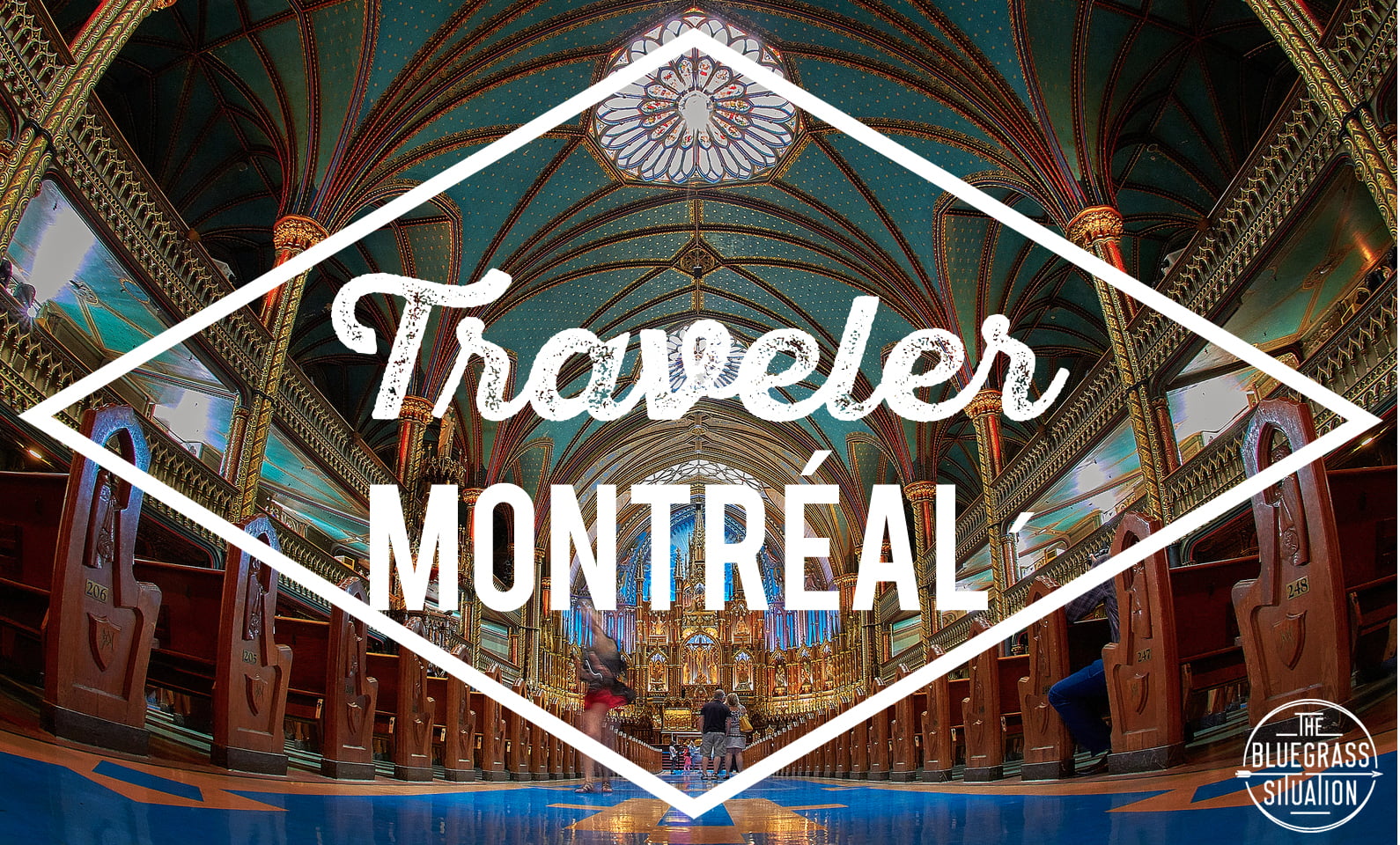
Traveler: Your Guide to Montréal

“Hi, bonjour, hello,” is the greeting when you walk into any spot in the faux-Euro artsy port city of Montréal. This vibrant, French-speaking city is full of open-air markets, intricate architecture, vintage shops, and every kind of art. With just a quick hop over the U.S. border, English speakers may get cold feet upon arrival, but 56 percent of the population can speak English and French. Between Mont-Royal, the walkable streets of Old Port, and the array of diverse museums, you’ll want to pack your walking shoes, then refuel with the carb-heavy signature dishes of the city.

Getting There

Montréal has an international airport named for everyone’s favorite hunk of a prime minister’s dad: Pierre Elliott Trudeau International Airport. It’s 12 miles from downtown and a quick city bus ride into town. Multiple railway lines service Montréal, including a daily Amtrak train to and from New York City. From Montréal, you can also hop on a train for a quick trip to Québec City or Toronto.

Accommodations

A variety of quality hostels, like Hi-Montreal in downtown or Auberge Saint-Paul in Old Port, range from $15-25 CAD for shared rooms to $85 CAD for private rooms. Most of them have free wi-fi, free breakfast, and an upscale European vibe, unlike many seedy American places that give hostels a bad rap. There are also plenty of Airbnb options and quaint hotels, if you’re looking to spend a little more. Check out Hotel Nelligan or W Montréal. Staying in or near downtown is a good idea, if you’re sans car.

Entrée Libre Attractions (Free Entry)

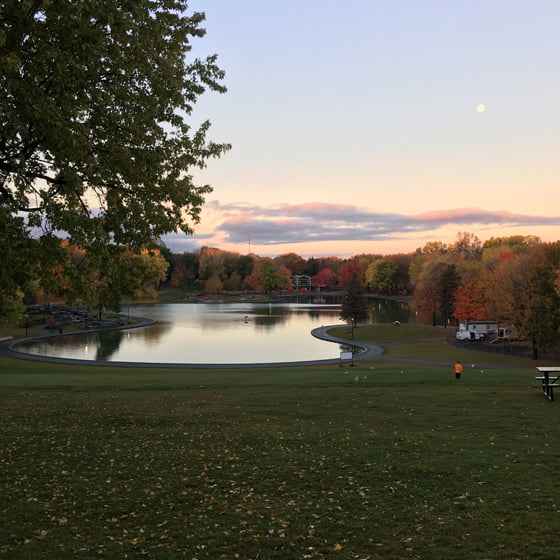
Just walking the streets of Montréal could take up a whole trip to the city. There’s also a lot to take in if you’re strapped for cash. Mont-Royal was designed by Frederick Law Olmstead (Central Park, the Biltmore) and is a great people-watching spot, with lots of room to hike, bike, picnic, etc. Highlights include Beaver Lake, a chalet that overlooks downtown Montréal, and an old cemetery. It’s also home to Tam-Tams, weekly drum circles held on the lawn — a uniquely Montréal tradition.

Saint-Laurent Boulevard is peppered with murals, vintage shops, a stretch of Chinatown, clubs, and the best bagels you’ll ever eat.

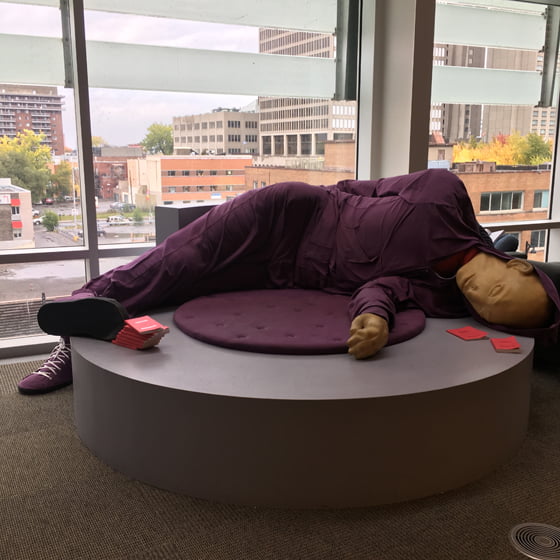
Nerds will agree the Montréal Main Public Library is something special. The large, modern building is centrally located and is worth stopping by for a look. Plus, there’s an art gallery downstairs.

Montréal has some of the oldest buildings in North America, located near the port in Old Montréal. Bonsecours Market, Montréal City Hall, and Notre-Dame Basilica are among the buildings not to be missed. The 17th-century architecture borders Old Port, which is exactly what the name says — an old shipping port. Both areas are major tourist attractions, but worth the crowds. Parc La Fontaine in the Plateau also has a skating pond during the winter that is free.

Paid (and Worth It) Attractions

Getting lost in the Museum of Fine Arts is a must. Artists from Edmund Alleyn to Toulouse to Robert Mapplethorpe have recently been on display in this contemporary-leaning museum. It’s half-priced on Wednesday evenings and costs a well-worth-it $10-$14 CAD.

The Jardin Botanique is the second-largest botanical garden in the world. History buffs and plant lovers will both dig this spot, opened in 1931, featuring 10 greenhouses.

Music

Montréal’s music scene is plentiful and diverse. Catch Hillbilly Night at the Wheel Club , the Montréal Orchestra, or an indie band at myriad venues across town. Get fancy at the Theatre Rialto, a neo-baroque dinner theatre hosting all types of music, or visit La Sala Rossa and Casa Del Popolo, sister venues located across the street from each other — the latter is where Arcade Fire got their start. PDB Ritz, Club Soda, and Divan Orange are hipster haunts for live alternative music.

Eats

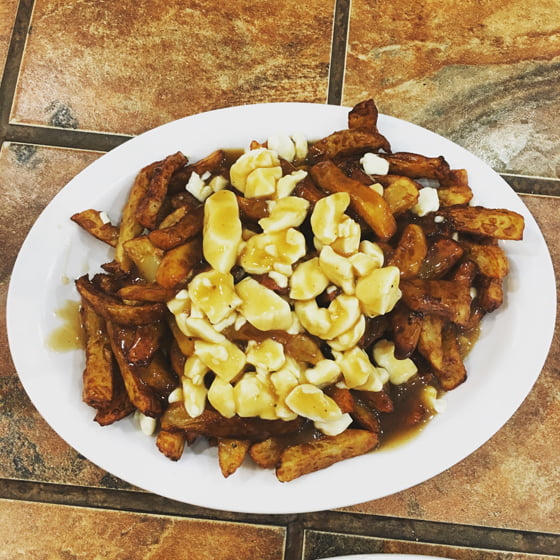
Get ready to carb load. Poutine, bagels, thick sandwiches … Montréal’s food scene is home to some heavy-hitting dishes. Highlights include:

Patati Patata — Best burger $2.75 can buy ya, tucked in a lively neighborhood.

Chez Broussard — Because you have to have poutine.

Tommy — The coffee scene is alive and well in Montréal, boasting homemade croissants almost as good as in Paris. Almost.

Local Marches are a trademark of the city’s culture. You’re sure to run into fresh produce, if you go during the Summer or Fall. Check out Jean-Talon Marche.

Getting Around

Montréal’s public transportation is award-winning. Four lines service 68 stations across town, allowing you to get to — or within walking distance of — almost anywhere in the city via metro, or bus the Société de transport de Montréal (STM) for $3.25 CAD/trip or $18 CAD/weekend. The city is easy to navigate, and there are plenty of ridesharing services available. They also have a network of rental bikes located throughout the city, if you’re feeling active.


Lede photo credit: szeke via Foter.com / CC BY-SA. All other photos by Josephine Wood.

WATCH: Lori Cullen, ‘True’

Artist: Lori Cullen
Hometown: Toronto, Ontario
Song: "True"
Album: Sexsmith Swinghammer Songs
Release Date: October 28
Label: True North Records

In Their Words: "A song about things we know to be true, instinctively, the way a child knows when something is real or not." — Ron Sexsmith

"The lyric video was shot on my phone. Most footage is of the sunshine coast in British Columbia. We stayed at a cottage next door to Joni Mitchell sharing her views of the Georgia Strait spilling into the Pacific Ocean." — Lori Cullen


Photo credit courtesy of True North Records

Traveler: Your Guide to Winnipeg

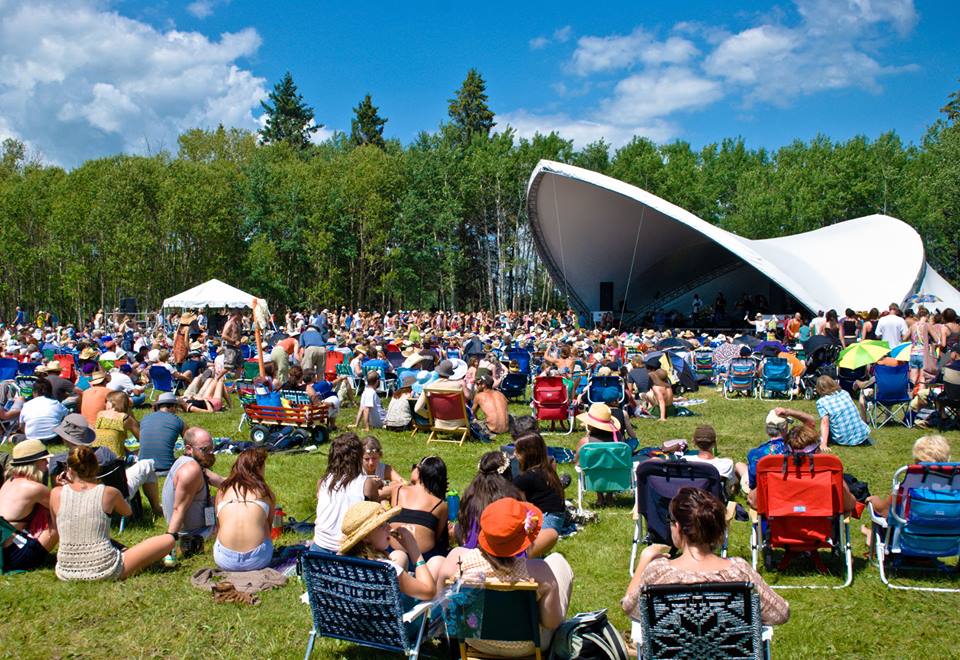
The license plates say “Friendly Manitoba” and they are not wrong. Manitoba is one of Canada’s oldest provinces. It is full of lakes, rivers, music, history, and culture — and Winnipeg is the capital city and hub of all the action. The winters are frigid but, come summer, it’s a hot, bustling city full of patios, festivals, and good times. Winnipeg is home to legendary musical talents like Neil Young, Bachman-Turner Overdrive, the Guess Who, and the Crash Test Dummies, and it continues to foster amazing talent like the Weakerthans, Begonia, and Royal Canoe. So it is no surprise the Winnipeg Folk Festival draws over 60,000 visitors each year during its four-day celebration of international musicians. If you are coming to Winnipeg for the Folk Festival, do yourself a favor and stay a few extra days so you can check out the abundance this city truly has to offer.

Getting There

The James Armstrong Richardson Airport is the only commercial airport and is new, sunny and has a Hug Rug at the arrivals gate. The other option for getting to Winnipeg is Canada’s national railway — Via Rail — arriving at the historic and beautiful Union Station. Taking the train in Canada takes a lot longer than flying, but is a stunning way to travel and really experience the vastness of the country and its ever-changing scenery from province to province.

Lodging

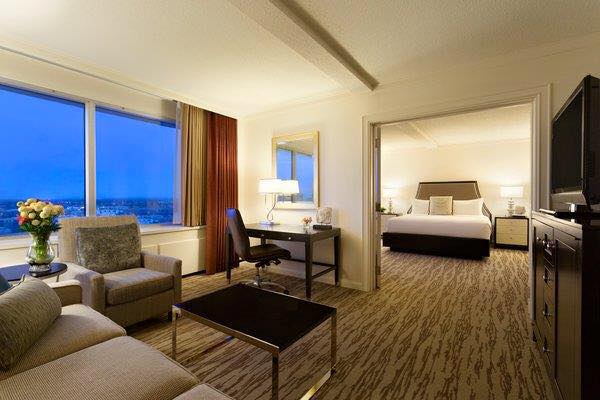
Photo courtesy of the Fairmont Hotel

The Fairmont Hotel is a luxury option located in the heart of Winnipeg’s historic Exchange District. Connected to the underground PATH system to avoid the frigid cold in the winter months, the Fairmont has modern, beautiful rooms and is minutes from shopping and restaurants, as well as a short walk from one of Winnipeg’s main tourist sites — the Forks. A less expensive, newer, and very hip alternative is the Mere Hotel in the downtown core. A comfortable stay with a modern, clean, and bright feel, this hotel is family-friendly and smells amazing upon entering.

Coffee

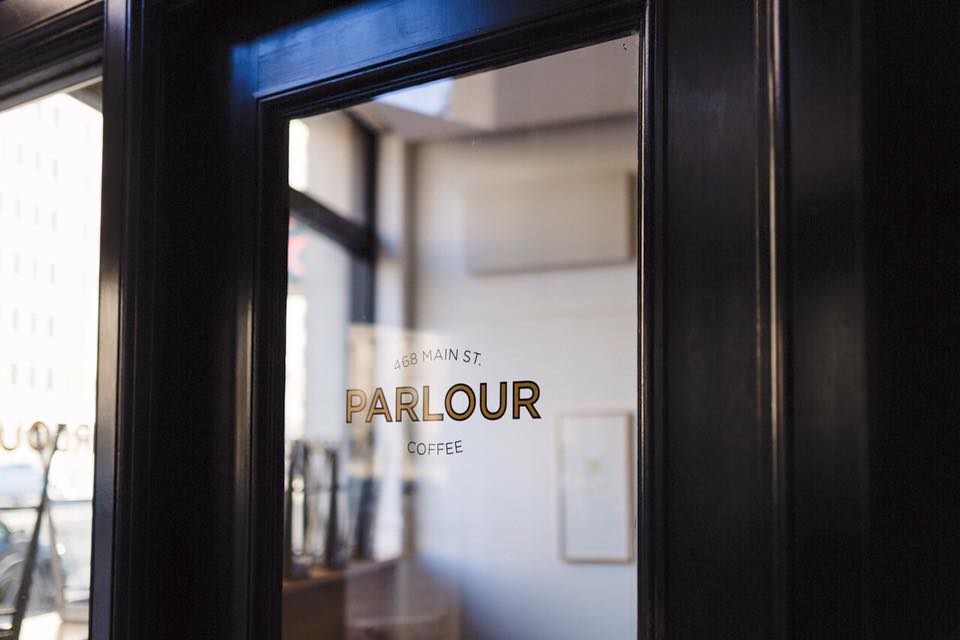
Photo courtesy of Parlour Coffee.

Parlour Coffee is a staple for caffeine connoisseurs in Winnipeg. Located on Main Street, this bare bones coffee shop doesn’t have wifi and encourages you to, instead, speak to your neighbor. If you find yourself in trendy Osborne Village, you’ll want to hit up Little Sister Coffee Maker on River which was voted best coffee in Winnipeg by a local panel of expert judges.

Food

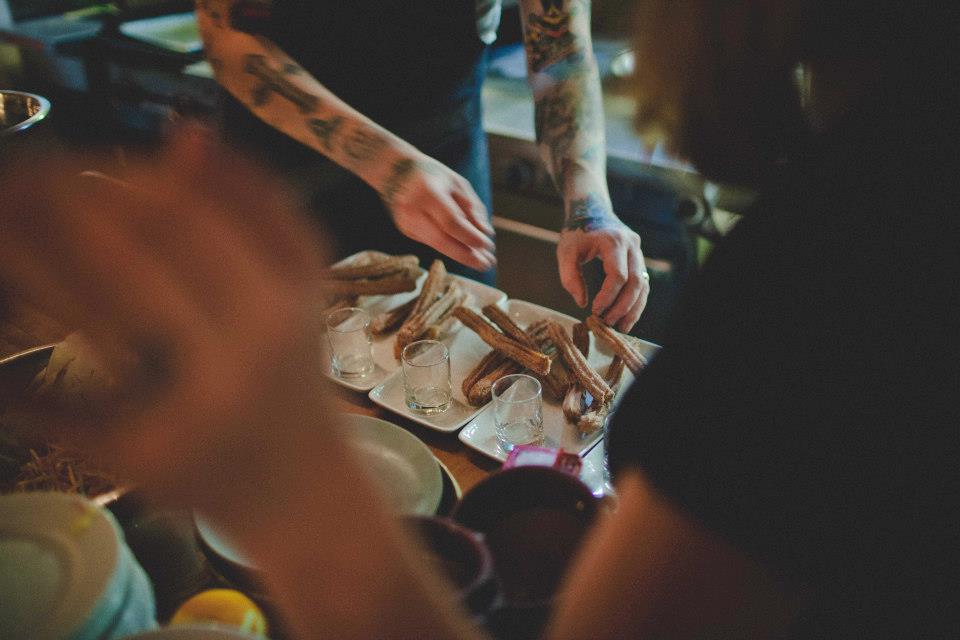
Photo courtesy of Segovia Tapas Bar

Winnipeg has one of the highest restaurant counts per capita in the country, so your choices are endless. One hot spot is Segovia, a Spanish tapas restaurant with an ever-changing menu and one of the coolest patios in the city. There is also Fusion Grill on Academy for fine dining with locally sourced ingredients. If you want to truly be like the locals, I recommend joining the queue for brunch or lunch at one of the eight Stella’s café locations serving up homemade jams, breads, and soups. Finally, you can’t visit Winnipeg without hitting up the Bridge Drive-In for an ice cream dessert that is totally worth the crazy line up. (The locals will give you bonus points if you refer to it as the BDI and order the infamous Goog.)

Drink

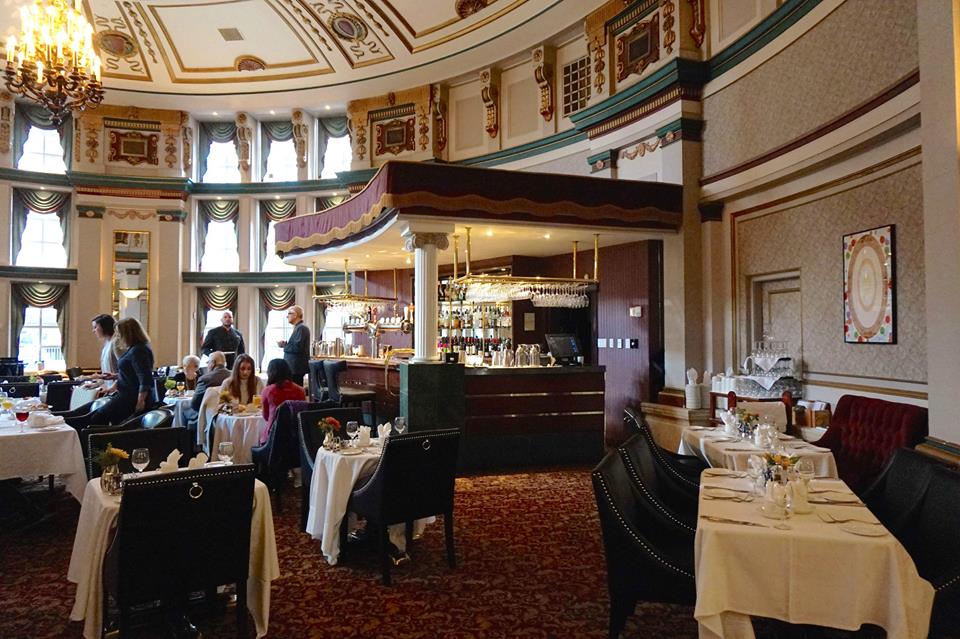
Photo courtesy of the Fort Garry Hotel

Built in 1913 and since designated as a National Historic Site of Canada, the Fort Garry Hotel boasts the opulent Palm Lounge. The wide selection of spirits and wines will bring you in, but the stunning architecture and historic feel will keep you there. It is rumored that the hotel is haunted, so if you see a ghost, it may not just be the cocktails. If you’re looking for a pub feel, head to Bailey’s for their large selection of beers on tap and English pub fare. Lovers of wine will enjoy Peasant Cookery in the Exchange District — go on a Tuesday for discounts on bottles. And, if it’s beer you fancy, stroll down to the Kingshead Pub with two floors, live entertainment, and over 30 beers on tap.

Shopping

Photo courtesy of the Exchange District

The Exchange District is one of Winnipeg’s most historic areas and hosts some of the city’s best boutique shops — be sure to check out Ordnry and the Haberdashery Guys & Girls. Osborne Village is another great area where you’ll find a strip of shops with one of a kind apparel and housewares. Walk into Rooster Shoes only if your suitcase has room for new kicks. The spot to find luxury and high quality fashion labels is Danali with a knowledgeable team of staff, some of whom are designers themselves.

Music

Photo courtesy of Times Change(d)

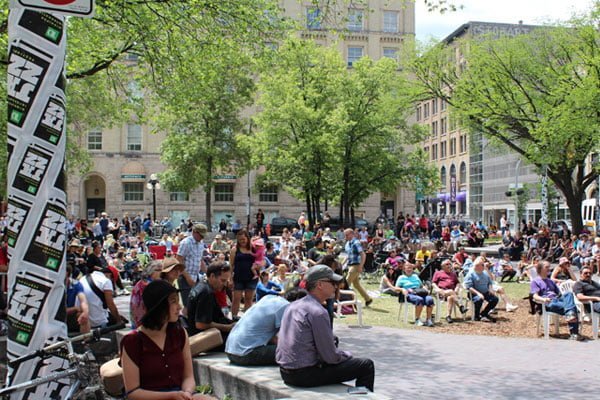
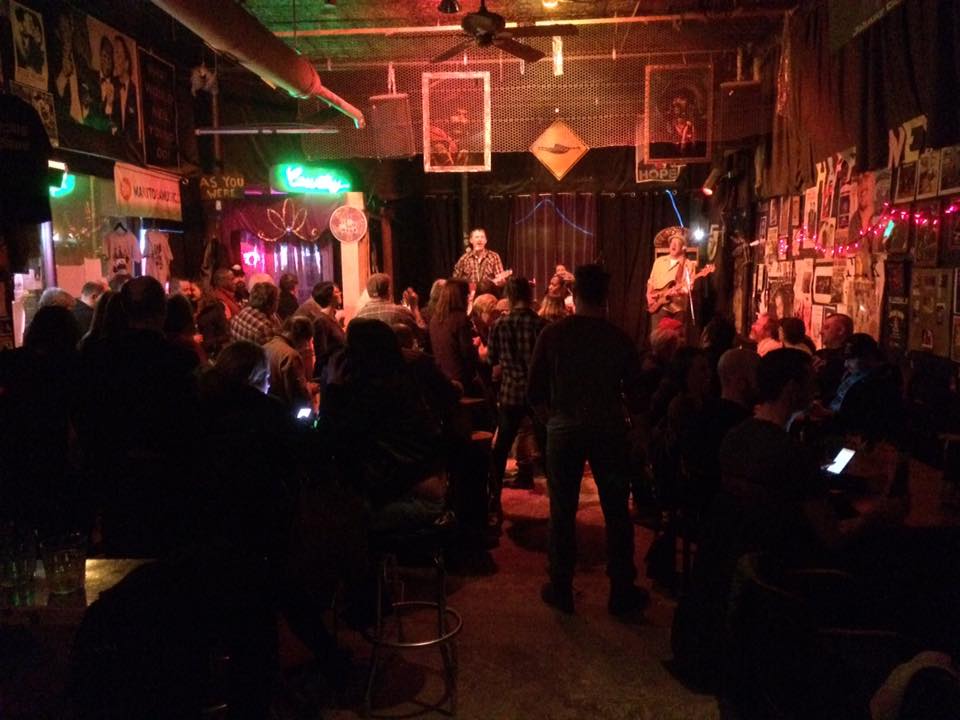
Winnipeg is a town full of amazing music. Top venues include the Park Theatre, which is known for putting on amazing shows from music to comedy to movies with live commentary. One of Winnipeg’s well-known dive bars is the Times Change(d) High and Lonesome Club. Don’t let the rough exterior fool you — this tiny joint regularly hosts some of the best nights of nitty gritty music in the city. The Good Will in the downtown core is another great place for live music, tasty pizza, and a chill atmosphere in which to party with the locals. If you come in the summer, visit the outdoor stage called “The Cube” at Old Market Square where urban festivals like Winnipeg Jazz Festival, the Fringe Festival, and Soca Reggae happen.

Local Flavor

Photo courtesy of Winnipeg Folk Festival

A mix of many cultures old and new, Winnipeg is extremely diverse with residents from all over the globe. Celebrating this is one of the longest cultural festivals in the world called Folklorama, which takes place over two weeks in the summer. The Winnipeg Folk Festival is not to be missed with camping, music, and art only 10 minutes away from the city center at the Birds Hill Provincial Park. Or, take a day trip to Grand Beach — about an hour outside the city — and bask in the sun on the infamous white sand. If you prefer to stay in the city, check out the restaurants and entertainment in the French quarter called St. Boniface, take a tour of the legislative building downtown, or head down to the Forks, an historic site where the Red and Assiniboine Rivers met and where the fur trade business thrived in early Canada. And a visit to Winnipeg isn’t complete without spending time at the Canadian Museum for Human Rights with its controversial and stunning architecture and affecting exhibits.


Lede photo credit: AJ Batac via Source / CC BY.