Renée Fleming and Béla Fleck in Conversation

Renée Fleming, Béla Fleck, Appalachia, and an all-star bluegrass band. Though the knee-jerk reaction to this list might be to play “one of these things is not like the other,” there is much more to this premise than meets the eye – and ear.

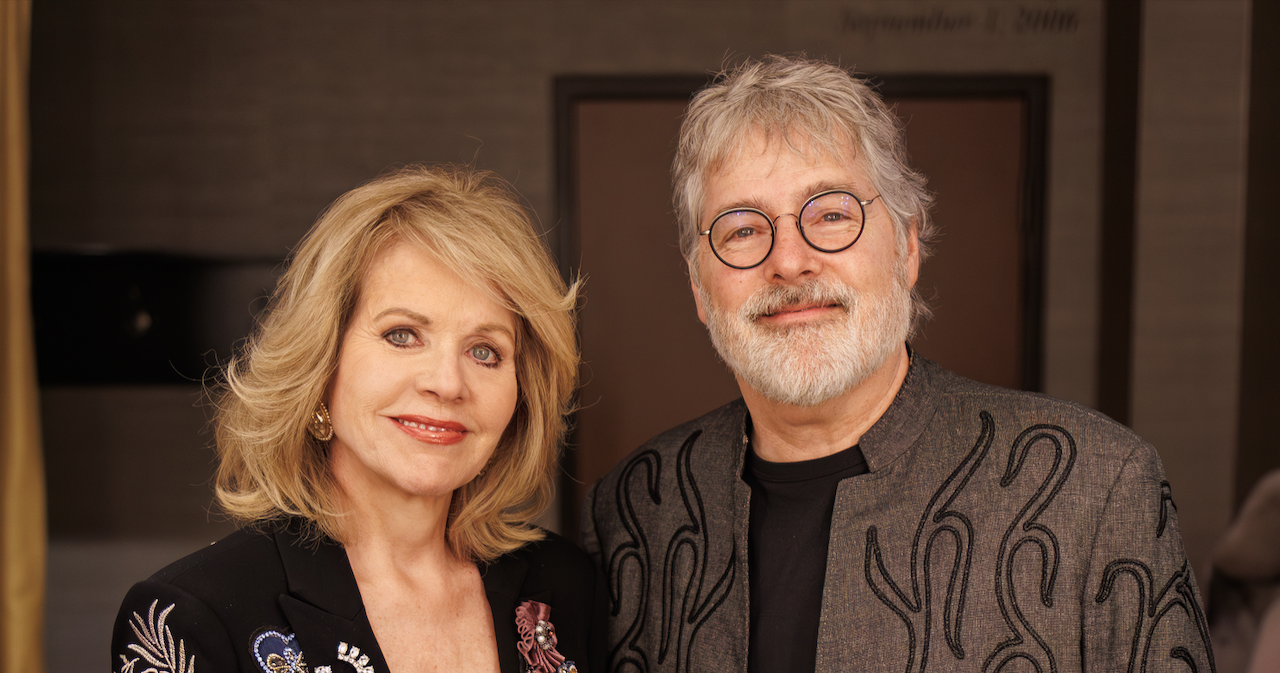
Fleming is one of the most renowned opera singers of the modern day, but the internationally acclaimed soprano has a long history of musical curiosity and often enthusiastically indulges thereof. From this trait alone, she and Béla Fleck found a resonance within one another, embracing and making music beyond the bounds of their respective claims to fame. This resonance sparked an idea that endured for more than 20 years, culminating in The Fiddle and the Drum, an album of Appalachian songs sung by Fleming and produced by Fleck – one that, more than anything, reveals a journey of familiarity and discovery for both artists.

The pair joined BGS on a phone call to delve into the musical, historical, and personal connective dimensions of this record. The memories shared are rich and many. Some extend as far back as Fleming’s preteen years. Others revive Fleck’s contemplations of how each song might come to life through Fleming’s vocal prowess. Every one of their recollections is imbued with immense mutual respect and awe for each other as well as the album’s many collaborators; it’s clear they both appreciate the gifts each and every person brought to this record.

Our conversation isn’t without painful realities, as the album’s focus on love and loss and war prompts reflections on fights and fatalities happening today. But, ultimately, it’s a conversation colored by a range of emotions and experiences, not unlike the very music of The Fiddle and the Drum itself.

Renée, you’ve spoken extensively about your upbringing and how you formed your relationship with a lot of folk music and folk artists. In that vein, how would you describe the initial perspective you formed about the music of folk, bluegrass, and Appalachia during the younger formative years of your life?

Renée Fleming: I think it was in middle school that they offered a guitar class – which I think is a fantastic way to get kids interested in music, because it’s an instrument you can carry around and you can read tablature pretty easily and pretty quickly. So that got me interested in [music], but also some of the music that I really genuinely liked [and got me interested] came a little later, including my discovery of Joni Mitchell in junior high school and high school. Then I was exposed to it through my family as well, because my grandfather was a fiddler and a drummer, so we had very eclectic tastes in music. I just was constantly exploring. [I] wrote a lot of songs and wrote a lot of music, starting probably when I was 12 years old, and it just branched out from there.

Where did Béla Fleck initially come into the picture for you?

RF: I was already a fan of Béla because of Béla Fleck & the Flecktones. In college, I really started singing jazz with a big band and also with the trio every weekend, so I was a big fan of his [at that time].

Obviously everything worked out the way it was meant to, but you still carry those glimpses into other worlds – folk, jazz, and so on – and it helped somewhat shape where we are now. I think it’s really brought a lot of extra color, showing people that [music] doesn’t have to be so rigid and doesn’t have to be about genres and specific labels and I think that’s something that really shines through with The Fiddle and the Drum.

Béla Fleck: I think we all have a tendency to pigeonhole people and put them into a black-and-white kind of a concept. You know, “They do this, they don’t do that,” but people are nuanced and love all kinds of things, especially when growing up and you’re open, you’re trying things and figuring out where you’re going to land.

I was also a huge fan of Joni Mitchell, and I was a vocal major in school, even though I couldn’t sing worth a darn and was secretly working on the banjo in the closet. But being exposed to classical music in high school – and my stepfather is a cellist, so I was listening to string quartets and stuff when I was a kid. People might be surprised by that, or maybe not, considering the kind of music I like to do, which is very varied. But I think it makes all the sense in the world that all of these other interests make Renée an even better opera singer, if that’s the right thing to call her. But the bigger your world is, the more you can bring to the specific things that you do.

RF: I never heard that you were a voice major before. I love that.

BF: Don’t think I’m gonna sing, because I want to protect you from awful pain, agony, despair.

RF: I don’t believe it.

BF: Nobody ever gave me a voice lesson, but they started me on French horn. I got into my school playing guitar and then it became clear that I wasn’t going to be able to play the French horn. They said, “Listen, you could just go stand in the chorus and still be in the school.”

So they put me back in there, but they needed tenors. I wasn’t a tenor so I just kind of screamed, looked at the music, and tried to figure out what they were singing and sing along. Then, when I got to my final year, they said, “Oh, we found out we’re doing Rhapsody in Blue for the semi-annual concert, and we found a banjo part so you can get out of chorus. If you want to get out of chorus, you can play this banjo part on the final concert.” I was like, “I think I’ll stay in chorus.” I liked it at that point.

Then on the last day of school, the chorus teacher – a woman named Mrs. S, who was an amazing vocal teacher – she had never spent any time with me, but she got me in front of the piano and said, “Stand up straight, sing from your diaphragm!” And she gave me a few quick things she made me do and I was singing like a bird. I was like, “Holy cow, I wish you had given me a lesson when I started at the school. I would actually be able to sing!” She knew exactly what I needed to do. It was remarkable.

Speaking of singing technique, Renée, when you were preparing to record the songs for the album, where on the spectrum of vocal expression did you anticipate needing to steer your voice?

RF: I think it was Béla who kind of clocked that a lot of the songs we were choosing kind of fell in line with [themes of] love and loss – and war, as well.

One of the things that I do, especially when I’m singing outside the classical genre, is I try to avoid an obviously classical sound. That, typically for me, means the upper register. But we worked it in some songs and you just have to be mindful of vibrato. It’s really thinking about style and, for me, that’s the same as when I’m singing on a program of French art song versus an Italian aria. So I may sound the same, but the style is completely different.

What struck me as I listened to the album was just how subtle and yet impactful the differences in how you sing can be. It’s just shaping and forming your voice around the mood that needs to come through. And I visualized that, if your voice was some kind of an entity or something that could be shaped, that you just have this beautiful ability to mold it and manipulate it into exactly the shape and form and size it needs to be to express whatever the music calls for.

RF: I like to record. I like the idea of focusing only on what we hear and not adding so many other elements like you do in a live performance, where it’s also your acting and your movement and how you look and your facial expression. This is a very much more focused activity and we would do many versions of the same song. I left it to Béla to choose which versions he liked. I had almost no complaints about the choices he made.

BF: I loved to hear your voice on all the takes. And then sometimes there would just be a magic moment of, “Oh my god, the song is really happening here. We’ve got to make sure this is part of the final takes.”

I have a frustration when you have something killer that happens in one portion of the take and then the rest of the take isn’t as good. I like to find those magic moments and have them all end up on the record. But I also think for Renée, there’s an unconscious element to being a musician. [To Renée:] You’re inspired by a moment, and sometimes it’s hard to put into words all the things that you’re [doing]. You put the material in front of yourself, you decide [to] embody it, and the music is correct and things are happening in the right way – you just know what to do. And it’s hard to say how you know.

Renée and I worked really, really hard on our craft, but I think the craft is there to serve something that’s a little harder to quantify, which is just what the unconscious – what our bodies and our souls – wants to doubt when it’s time to make the music.

RF: And it has to do with the expression. I’m also thinking of specific pitches and words that relate to the song, but [to Béla:] I was really thrilled to hear how much you could vary what you were playing. Sometimes your harmonies would just come from another world and I’d say, “Wow, that’s so cool. Béla can kind of put in a jazz harmony once in a while.”

BF: You also pushed for that. I remember the first arrangements you said, “I think this could be more interesting.” And then in the moment, I had to come up with a better arrangement, a more interesting arrangement, for the first song on the record [“He’s Gone Away/Storms Are on the Ocean”]. I’m really proud of it. I think if you hadn’t pushed and I hadn’t reacted, we wouldn’t have ended up with that arrangement, which was quite unusual for that song, and then that kind of led the way to being a little bit more open.

It’s funny, when I’m playing with the Flecktones, or Chick Corea, or somebody like those folks, I feel very open harmonically. When I’m playing music that’s more traditional, I’m very careful not to get too harmonic. So, when I discovered this was a safe place to explore a little bit and look for just the right kind of harmonic additions to the basic chords, it was very freeing and inspiring. And of course, getting to work with a great vocalist like Renée… I’ve been a big fan of female vocalists since Joni Mitchell and Joan Baez and Linda Ronstadt and all of these people. I saw that there was a lot of art to working with a great vocalist like that. I was eager to have that opportunity and thankful to get a chance to try and figure out how to make it work from my end.

RF: It’s funny you say that, because I’m a huge fan now of Hazel Dickens, and you said that you had worked with her. Because there’s something so plaintive about the way she sings, it’s like Roscoe Holcomb, too. There’s something– I can’t describe it. It’s authentic and it’s immediate simplicity. I just absolutely love it.

BF: We used to talk about the “ancient tones” in the bluegrass world, and Bill Monroe had this quality. It might not always be perfectly in tune but it didn’t matter. It was just so pure and so powerful. And Hazel has that. It’s like it’s coming from another planet, almost. It’s so deep and powerful the ordinary rules don’t apply. It’s something else.

RF: I agree.

Connecting this topic of the intangible with the themes of the record, how are you both feeling about the album’s thematic focus, given the various experiences of war and loss that are happening in the U.S. and abroad?

BF: What happened was, we had a certain amount of songs we were committed to and we were excited about, and we were looking at quite a large list of additional songs that might finish out the record. That’s when I started looking at the original six songs we had recorded and thought, “You know, there really is a thematic arc.” Some of these songs were not working for me, and I couldn’t explain why until I put my finger on the fact that the six songs that we’d already recorded were telling me a story. When I explained what I was seeing to Renée, she said, “Oh, I see that. That makes all the sense in the world.”

It kind of starts with a romantic relationship that leads to commitment and then the man, in this case, goes off to war and doesn’t make it back. The woman is left on her own, maybe with a child, and then in the end, there’s a rumination about life and the way it goes like this often in the world. So that’s the story arc. Basically, to me, that is about when you make a man your boss, you give yourself up. You give up your beauty. You give up your individuality and all the promise that you could be if you weren’t in that kind of a relationship, you know what I mean? And in a way, the woman in this story is taken advantage of by bigger forces, a war.

Well, this stuff is happening every day, all over the world. And we’re in a big one right now, and there’s a lot of questions as to whether we should be there. Those questions usually come out a few years after the war is over, and everybody will say, “Oh, this was a terrible idea, and here’s why.” You don’t have to be a genius to know that we’re going to be saying the same thing about a lot of these conflicts before long. So to me, it just makes the record have that much more meaning. It’s happening right now, just like it always does – this is what people do. This is what mankind does. And it’s very disappointing that it keeps going back to this place.

RF: [My and Béla’s] generation has been fortunate that, in a way, we’re too young to have really understood what was happening in Vietnam. A lot of this repertoire really relates specifically to Vietnam. But there’s also the Civil War. And every once in a while, things really fall apart. We’re in a period now where the same thing is happening. And it’s really not useful. It’s not going to move the needle for Iranian citizens – it might even make it worse for them. So I just think it’s tragic when leaders feel like the only alternative is war.

BF: Renée also mentioned she wasn’t sure that “Scarlet Tide” would fit with the other songs, but we went ahead and did it because we both loved it. And then when we looked at what we had – again, those first six songs – it made all the sense in the world. The songs were leading us in a direction, one that, unfortunately, mirrored what mankind does.

RF: And my heart goes out also to people in the Ukraine. There are always conflicts happening around the world. There have been so many reasons for these things, it’s shocking that sometimes it’s just [plain] political. I find that really sad.

It certainly has just felt like a very heavy time, for quite a long time. So even though the themes on this album are rather heavy and emphasize a lot of the sadness that’s going on, I think it’s also very cathartic.

BF: It’s funny how in blues and bluegrass, sometimes you’ll sing the most terrible lyrics – little girl and the awful, dreadful snake or a guy killing a woman – and make this very happy, jolly song about it. It’s bizarre! And in blues, a lot of time you’re singing the saddest things, but it’s uplifting somehow to bring them out in the open and treat them maybe in a different way that allows you to experience them differently and work them through in different ways. Some bluegrass songs are really, really sad but they’re so jaunty you don’t quite realize it.

RF: Well, it’s also that we are practicing grief. That’s one of the things that scientists have come up with, that sad songs really help us process and learn how to process actual grief, because we’ll all experience it.

BF: I think also having kids – we’re both parents – but you realize that people process grief in really different ways. Some people don’t show it for a long time, but then it comes out. It’s handled in a lot of different ways.

When you were putting the music together, what kind of unexpected creative sparks came up amongst the two of you and also among the large group of immensely creative artists that are contributing to the album?

BF: I think with music, you can be over prepared because there’s a lot of things that happen very spontaneously when you have musicians of this caliber – people like Sam Bush, Jerry Douglas, Stuart Duncan. Just like Renée colors every take differently, they’re going to do the same. They’re going to be very responsive. Things are going to happen on the floor. Someone’s going to want to stay on the floor in the studio while we’re doing takes, someone’s going to say, “Yeah, I don’t know, that part’s not working for me.” And we’re going to solve it in a matter of seconds and something’s going to work.

It’s a very emotional place to get into when you’re recording, especially songs like this. As we’re all listening to Renée, we’re all inspired by how she’s singing them. They’re different than we’re used to hearing. So we’re playing differently than we’re used to. But we also come up with an arrangement, develop it, and do it a few times so we really think we have something and try not to rush through it. But there’s a tendency for things to really work out very quickly.

So with the producer role that I was in – and Renee didn’t have that experience with these folks, although she has with a lot of other musicians that are improvising musicians – where the parts are not written down and they’re very spontaneous, she was able to ride those waves very well. And whenever she spoke up, she gave me a lot of latitude, a lot of rope. But whenever she spoke up with any comment, it was always dead on the money. It was going to make it better. We listened and we tried to incorporate everything we could to make it her music.

RF: I think also that collaboration, for me– the example I would use is working with a conductor is, at best, very intuitive. You’re reading each other’s signals that you’re giving musically, in terms of dynamics, and it’s never the same way twice. I think that was true in this process as well. And having Béla, who had really created the structure for each of these arrangements, helped to anchor everything.

But to have those other musicians playing – they’re the crème de la crème of Nashville I think, and the singers as well. I mean, the way Dolly Parton was able to add her voice to the track I had already created [“In the Pines”] and just blend in amazingly, but then to also add so much to it. And the same was true for Jerry Douglas. Aoife O’Donovan, I already knew and had worked with her already on a project at the Kennedy Center. I didn’t know Sierra Hull and Sarah Jarosz, who are also just extraordinary musicians and terrific artists. For me, it was really a delight to be working with so many truly great musicians.

I’ve been fortunate to see Béla perform live in other genres with other musicians. [To Béla:] You never do anything easy, because I just wondered at your ability to manage these polyrhythms and changing meters, and then also to keep track of where you are. I mean, it just boggles my mind.

BF: Thanks. I feel like the banjo is like a percussion instrument. Like a tuned percussion instrument, similar to maybe a marimba. The rhythm of things is very fundamental to what makes me tick and what makes the banjo tick, because we don’t have sustain. So everything’s all about where you place the note.

So when they say, if you [lose or] don’t have a sense, your other senses become stronger – I think, as a banjo player, we have certain limitations that are almost like senses we don’t have. We can’t take a note and hold it for a long time. It’s just not possible. So we get better and better at timing and rhythm. If we’re on top of it, and we understand that, then we become rhythmicists.

It’s more challenging for me to do music with a lot of space, because I can’t do it. Banjo won’t do it. So notes will hang in the air for a little while. I can’t sustain like a piano with the whole pedal or things like that, but I find ways to work around it. In this case, I got to play the band. I couldn’t sustain, but I sure know who could. Jerry Douglas, Stuart Duncan, they know how to hold a note and have it mean something. It’s not just a length, it’s a feeling and a depth. So, I know I can step out of the way.

I mean, for a record that you’re kind enough to want my name on the record as an equal, I felt like I was really playing more of a producer role most of the time, and I really enjoyed that opportunity.

As the producer for the album, did you have a vision for the overall sonic profile of the music? Was there a particular way you envisioned blending the typical folk and bluegrass instrumentation with Rénee’s voice before you hit the record button?

BF: I did have the experience of hearing her sing live, doing opera in China. But I also listened to her recordings before taking the project on, because part of me was wondering, “Well, can she do this? Is this going to work?” I listened to some of her recordings and I heard some stuff that she did with Bill Frisell on one of her records, where she used a lower range. It was almost like a different person. I was amazed at how much I loved it. I love hearing her do her opera thing, because it’s the best it can be. It’s just so good. It’s like how I was not a basketball fan, but when Michael Jordan played, I wanted to watch.

I feel like Renée is like that with opera. Even if you don’t know about opera, or the form is strange to you and you’re not sure what you think about it, when you get a chance to hear her, do it. You want to see it. You want to do it, you want to hear it. I knew she was a world-class singer, but I didn’t realize that she had this other gear that was possible for her in her low range. I’m not trying to say that the opera stuff isn’t unbelievable. It’s just in a different language. It’s a different world of music. It’s a role. She plays these roles on every song.

I just didn’t know if she could translate her honest, personal humanity to these songs. And when I heard these Bill Frisell tracks, I went, “She can, she can! And it’s not a bluegrass/country singer doing their thing. It’s a whole different authenticity. I guess I didn’t know at that time that she had it in her family, and that it was music that she’d heard the whole time. So she wasn’t sitting there thinking or singing down to it, “Well, I can do this. This is easy. I do hard stuff.” She wasn’t like that. She was like, “I’m committing. I’m really going to do this thing.” So I was very impressed by her professionalism but also in the way she could summon up the emotion that felt true and authentic.

I think the album will just keep reinforcing to the listening population out there that people should embrace differences, embrace new, and embrace change – and maybe even embrace the unknown.

BF: I think it’s important to remember that it’s not just the idea that’s good or bad, it’s how it’s done. The same idea could be a disaster if it’s not done the right way.

We have something called a mashup, when you take two people that do completely different things and you throw them onto the same song and they alternate doing their thing. To me, that can be fun and enjoyable, but it’s not a true collaboration – where the artists actually have to change, grow, and listen to each other. You have to actually learn things. I look for those kinds of collaborations, where you’re doing something different from what you normally would do in order to play with this person.

But again, and you can talk about politics [in the same framing], too. Sometimes it’s not the thing that they’re doing, it’s the way that they’re doing it that is either good or bad. When you put musicians together from different musical worlds, often we can figure something out. We can work something out.

When I play with musicians from different parts of the world, people get really excited and happy. I do, the other musicians do, and we find a common ground. We find some way to play together. The people around that are there hearing it are uplifted by the idea that, “Hey, you guys worked it out.” And again, that’s what we need to do politically, too. We need to find ways to reach each other and connect with each other and listen to each other. It doesn’t need to be as hard as it feels like it is.

My most uplifting times have been playing with musicians from other cultures or from other musical worlds and finding common ground – finding a way to be yourself, together, and accommodate each other in that aural space.


Photo Credit: Madison Thorn

Roots Songs All About Mental Health

May is Mental Health Awareness Month, but for those with lived experience, every day is about mental health awareness. During the most difficult times, many creators and listeners turn to music. It’s where we connect through lyrics and melodies that express the things we so often cannot, will not, dare not say.
The intersection of music and mental health is nothing new. Long before memes and catchphrases about “break the stigma,” Hank Williams did just that with “I’m So Lonesome I Could Cry.” Years later, Porter Wagoner exposed the ugly unspoken truth about “The Rubber Room.” 

Thankfully, through incremental steps, times have changed – although not enough – in terms of media portrayal and public discourse. With great courage, more and more artists are coming forward about their struggles. Dozens of artists and musicians have spoken openly with BGS and Good Country about how mental health challenges move them to create songs and albums that make us all feel a little bit less alone. (Scroll to find our playlist of roots songs all about mental health below.)

Artists and bands like Becky Buller, Courtney Marie Andrews, Sister Sadie, and Tenille Townes give us glimpses at how mental health and self-care inform their creative processes and how they craft their songs, albums, and sets. Groups like Southern Avenue and the Band Loula – who make music built on the sonic and storytelling traditions of the South – subvert regional expectations about what’s “allowed” to be spoken about in the light of day with their approaches to infusing mental health awareness into their songs. Still more conversations with artists like Fruit Bats, Cole Chaney, Emily Scott Robinson, and Chely Wright reinforce that mental health in roots music isn’t a fad or passing trend, it’s an intentional through line. Songwriting and roots music are perfect vehicles for this sort of vulnerability and these once forbidden topics.

The proliferation of YouTube and democratization of music videos in the 2000s and 2010s opened up new dimensions for artists, giving them more formats in which to express themselves, depict their work, and consider mental health. Additionally, of course, it offers live performances that go beyond anything a studio recording can capture.

“I Think It’s Going to Rain Today” – Randy Newman

Randy Newman’s masterpiece has been covered many times, and the internet is full of those recordings – as well as his. This performance, however, at his induction into the Rock and Roll Hall of Fame, may very well surpass them all.

“God, Can You Hear Me?” – Dax

Dax is fearless in addressing the most difficult and “taboo” topics. “God, Can You Hear Me?” asks the unspoken question within the context of a subject that far too many people refuse to address: suicidal ideation. (Content warning: graphic.)

“Let the Circle Be Broken” – Sister Sadie

In genres predicated upon generational legacies and “handing down” tradition, Sister Sadie’s song of release, letting go, and stepping out from underneath the long shadow of generational traumas is more than powerful. By the same token, that it was written and is sung and performed by a band of all women makes it a truly transcendent message. Some circles are meant to remain unbroken, others must be demolished.

“Bench Seat” – Chase Rice

Chase Rice broke down walls and stereotypes and opened doors to discussions about suicide with this multiple-award-winning video. Country needed this. Country needs more of this. (Content warning: graphic.)

“Hurt” – Johnny Cash

Johnny Cash. Enough said.

“I’m Gonna Be the Wind” – Laurie Lewis

Bluegrass legend Laurie Lewis has penned many a fine song tackling issues of mental health, but this is the song for when you’re ready to stride out anew again. It’s a song of strength, resilience, of realizing that often one of the primary forces keeping us down is our own mindset. Tired of being a blade of grass, bent and bruised by the wind? Be the wind!

“Sunday Morning Coming Down” – The Highwaymen

Mickey Raphael described them as “like Mount Rushmore onstage” and called Kris Kristofferson “the Shakespeare of our time.” This is why.

“Will the Sun Ever Shine Again” – Bonnie Raitt

One of the best songs Bonnie Raitt has ever sung and released was recorded for the 2004 animated film Home on the Range. Devastating, endlessly relatable, but ultimately hopeful, the film cut of “Will the Sun Ever Shine Again” is hard to track down on streaming services and online, but it’s truly lovely. A gem of a soundtrack find from an often overlooked Disney children’s movie from the aughts.

“Alone Again (Naturally)” – Gilbert O’Sullivan

In 1971, Gilbert O’Sullivan bravely addressed loss, grief, heartbreak, loneliness, depression, suicidal thoughts, and questions of faith, wrapped them up in a lovely melody, set them to a catchy beat, and rode to the top of the charts with one of the most gutting, most accurate depictions of mental health challenges ever put to song. Decades and numerous cover versions later, stripped down to keyboard and guitar, his voice aged like fine wine, “Alone Again (Naturally)” remains poignantly accurate and relatable.

“Bad Mind” – Erin Rae

A song so perfect in its illustration of how we project and ascribe mental health, onto ourselves and others. We all may know, somewhere inside ourselves, that there is no such thing as a “Bad Mind,” but stigma and internalized expectations leave so many of us feeling broken and “incorrect.” Listening to Erin Rae sing this lovely, devastating song brings an immediate feeling of needing to reassure the singer that there really aren’t bad minds… and thereby the realization we should also apply that grace to ourselves.

Below, you’ll find our full playlist of nearly 8 hours of roots music created by the teams at BGS and Good Country that features some of the many excellent songs that address mental health. For Mental Health Awareness Month and beyond.


Photo Credit: (L to R) Cole Chaney by Anthony Simpkins; Sister Sadie courtesy of the artist; Dax by Annie Devine.

Additional curation and contributions by Shelby Williamson and Justin Hiltner.

The Other 22 Hours: Hunter Hayes

Five-time GRAMMY nominee Hunter Hayes has spent his entire life on the national stage, from performing at the White House at age seven to sharing stadium spotlights with the likes of Stevie Wonder and Taylor Swift. Yet, behind the multi-platinum accolades was a realization that his professional development had far outpaced his personal life. In this episode of the Other 22 Hours, we explore the vulnerability of “growing up” in the public eye, the paralyzing fear of not being busy, and how a strict routine can actually provide the ultimate freedom to play. And, we chat about how starting from a place of love is the only viable way to build an artistic career that lasts.

LISTEN: APPLE • SPOTIFY • AMAZON • MP3

In This Episode:

Hunter Hayes
Dann Huff
Ep136 – Chely Wright
Ep 73 – Edwin McCain

Go Deeper:

Watch: View this entire conversation on YouTube.
Explore: Find similar conversations in these themed playlists.
Connect: Join the conversation on Instagram.

The Other 22 Hours is hosted by Aaron Shafer-Haiss (producer, mixer, musician) and Michaela Anne (songwriter, artist, creative coach). More about Aaron’s workMore about Michaela Anne’s work.


Produced by Aaron Shafer-Haiss. Original music written, performed and produced by Aaron Shafer-Haiss.

Photo Credit: Noah Tidmore

Basic Folk: Mark Erelli & Joe Henry

Joe Henry has released 15 studio albums, apprenticed for legendary producer T Bone Burnett and, in turn, has produced many other musicians’ albums on his own, including three GRAMMY Award-winning albums – for Solomon Burke, Carolina Chocolate Drops, and Ramblin’ Jack Elliott. He’s co-written a few songs as well, including a couple with his sister-in-law, who happens to be the one and only legendary pop icon Madonna. His latest album is Life and Time, a collaboration with songwriter Mike Reid, who has written many wonderful songs like “I Can’t Make You Love Me,” one of Bonnie Raitt’s most successful and beloved recordings. In recent years, Joe has struck up a friendship with our bestie, Mark Erelli. Mark’s been on Basic Folk 10,000 times and in honor of his new record, Spring Green, we invited him to do whatever he wanted on this appearance on the pod. Mark chose to be in conversation with his friend Joe on location at Joe’s beautiful studio located north of Portland on the coast of Maine.

LISTEN: APPLE • SPOTIFY • AMAZON • MP3

In 2020, Mark was diagnosed with retinitis pigmentosa (or RP) which is causing him to slowly go blind. Joe was diagnosed with stage 4 prostate cancer in 2018 and was told he only had months to live. Now, in 2026, his cancer is in remission and his health has improved. In this Basic Folk conversation, they tackle topics such as asking for help and finding hope while living with chronic illnesses. They also get into other parallels the two musicians have experienced, including how music has shaped their male friendships and being free of vanity. Mark and Joe have never worked together, but their respect and admiration for the other is clear from their time together. Here’s hoping a collaboration is in the works for the near future!


Photo Credit: Joe Henry by David McClister; Mark Erelli by Joe Navas.

The Other 22 Hours Joins BGS Podcast Network

BGS is ecstatic to announced The Other 22 Hours, a beloved podcast hosted by singer-songwriter Michaela Anne and music producer Aaron Shafer-Haiss, is joining the BGS Podcast Network. Beginning Wednesday, March 4, new episodes of The Other 22 Hours will be distributed by BGS and hosted right here on our website, as well. Founded in 2023, the show has produced more than 130 episodes – which drop weekly – featuring conversations with renowned musicians and artists who share tools for resilience, helping all kinds of creatives to feel more inspired, connected, and confident in their creative journey. If an artist, creative, or musician is “performing” only a couple of hours each day, what do they do with the other 22 hours? The brand new season of the pod will launch Wednesday with an interview with producer, musician, and singer-songwriter Butch Walker. Subscribe now.

“BGS is thrilled to welcome The Other 22 Hours to the BGS Podcast Network,” said Cindy Howes, who directs the network for the Bluegrass Situation and Good Country. “Michaela and Aaron have developed a beautiful space to hold conversations that offer a unique look behind the humans who make the art we love. There’s so much the public at large does not know about what it takes to live and maintain a creative life; Michaela and Aaron help us all be more responsible patrons of the arts as well as seeding inspiration for our own creative endeavors.”

SUBSCRIBE: APPLE • SPOTIFYAMAZON

Michaela Anne is a celebrated singer-songwriter and folk/Americana artist who has been covered by BGS and featured on our stages many times over the years. Shafer-Haiss, her husband and collaborator, is an accomplished record producer, drummer, songwriter, and composer. Together, they’ve have had thoughtful and down-to-earth conversations over the past few years with incredible creatives like The Milk Carton Kids, Leyla McCalla, Rodney Crowell, Adia Victoria, Mary Gauthier, Lori McKenna, Watkins Family Hour, Miko Marks, Brandy Clark, Tift Merritt, Raye Zaragoza, and many more.

“We’ve been friends and occasional collaborators with the BGS family for years,” Michaela Anne and Shafer-Haiss share via email, “so bringing The Other 22 Hours to the network feels like a bit of a homecoming. Our show has always been about the reality behind the highlight reel, a community-built road map to sustaining a creative life. We’re thrilled to get to align our conversations with a network that values the craft just as much as the art.”

To celebrate the Other 22 Hours joining the BGS Podcast Network and in anticipation of the new season launching this week, we’re sharing five of ours, Michaela Anne’s, and Shafer-Haiss’s favorite archive episodes from the podcast’s three existing seasons. Dive in, catch up on what you missed, and stay tuned for more episodes of The Other 22 Hours coming weekly right here on BGS and wherever you get podcasts. More info on the show here.

Rosanne Cash (EP 100, April 2025)

“We talk with the legendary songwriter about navigating insecurity and imposter syndrome, measuring your own success by your talent and not your validation, and allowing yourself to be called an artist. We also get into prose vs. songwriting, respect for yourself and for the audience, and Cash’s rituals.”


Maggie Smith (EP 96, March 2025)

“We talk with New York Times best-selling author about keeping the purity of your creativity, being integrated as a human, and trusting yourself to do what’s needed to keep this career going. Plus, being your own safety net, being open to completely revamping work, and arm wrestling.”


Yancey Strickler (EP 126, October 2025)

“We talk with the co-found of Kickstarter (and the Creative Independent, Metalabel, and Artist Corporations) about revolutionizing the creator economy. We talk about his concept and creation of Artist Corporations – think incorporating independent artists – the systemic exploitation of artists, how DSPs trade convenience for meaning and depth, platform boycotts, and ‘winning’ in its purest sense.”


JOHNNYSWIM (EP 113, July 2025)

“We talk with the folk/soul/pop duo about staying curious in your pursuits and creating space for wonder and childlike-ness. They offer their thoughts on how to rejuvenate yourself and your creativity on the run, the blinders of fixation, family, and more.”


Joe Henry (EP 39, 2023)

“We talk with the acclaimed songwriter and producer about keeping yourself in the creative stream, knowing when to step away, acceptance, and the quote, ‘How you do anything is how you do everything.'”


Photo Credit: Sam Wiseman

The Festival-Lover’s Ultimate Holiday Shopping Guide

2025 has flown by and as we enter December we once again find ourselves preparing for the holiday season. We think it’s important to focus on slowing down, being together, and being more intentional in our gift-giving. Which is why we’re thrilled to bring you the second year of the BGS holiday gift guide.

This installment of our guide, featured below, is specifically tailored to the avid outdoor festival-goer. Maybe they’re already planning out their next festival season a year in advance. Or maybe they’re the type who always has a bag ready, so they can pack up and pitch a tent when the music calls. Whatever their style, these gift recommendations from our friends, partners, and staff will be well-loved by those who like to take their musical experiences outside.


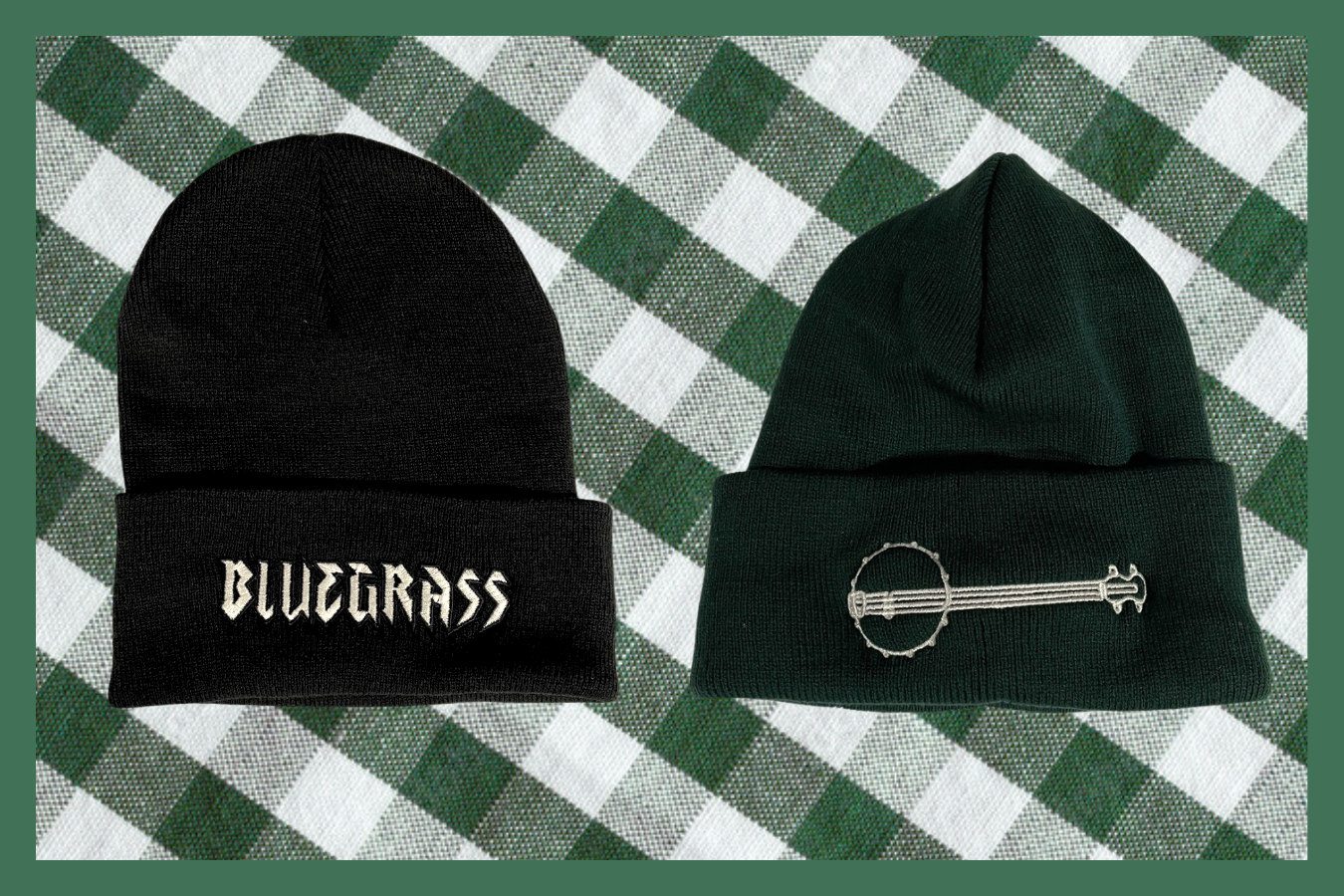
BGS Bluegrass Metal and Banjo Beanies

Warm noggins are all the rage this winter, and you can keep yours cozy with our two new original beanie designs. Freshly added to the BGS Mercantile, choose between two styles that are both sure to turn heads and start great conversations wherever you wear them.

Purchase Metal Beanie | Purchase Banjo Beanie


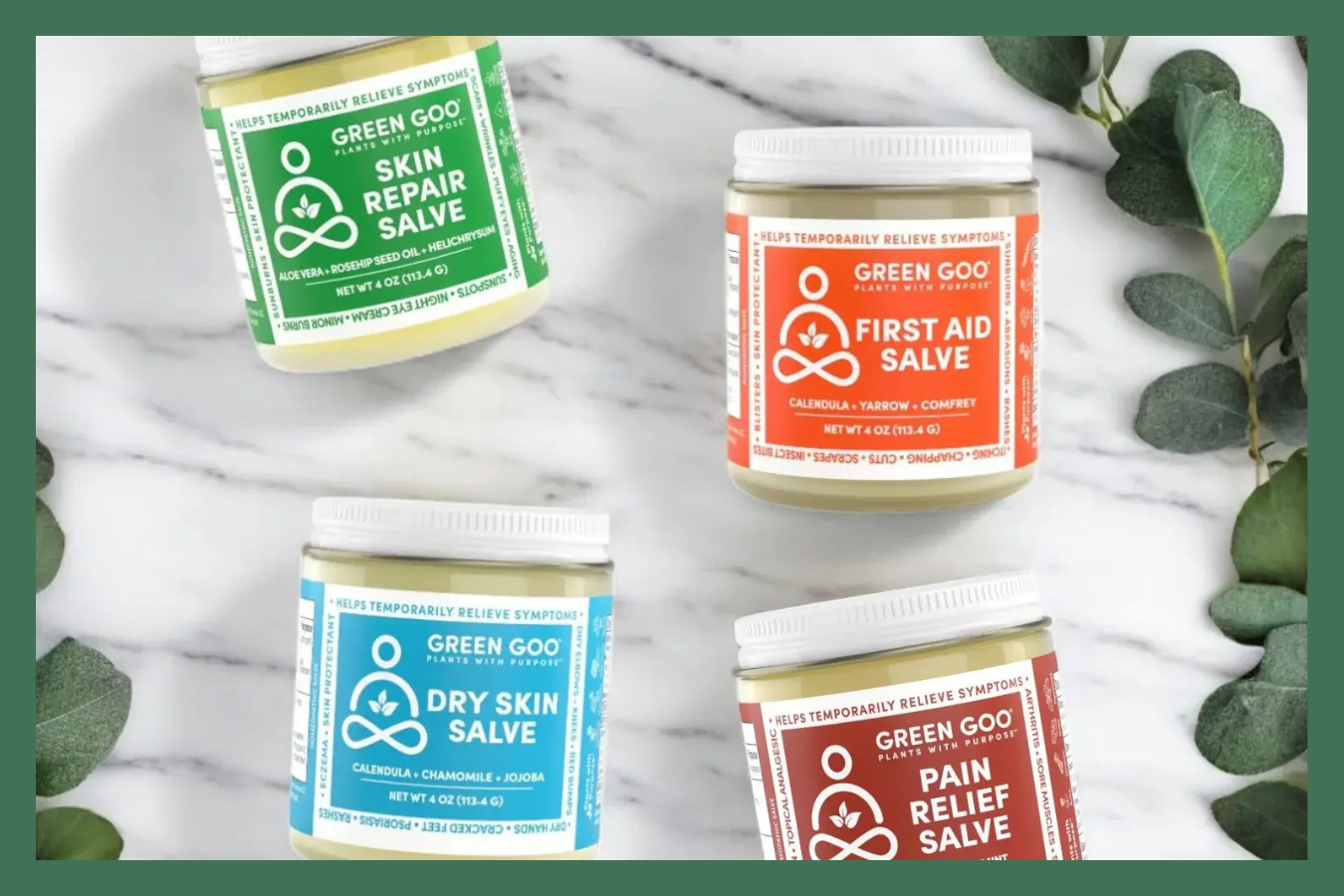
Green Goo Ultimate First Aid Care Bundle

Festivals can be unpredictable. This is why we love them, of course, but it’s also why we always arrive prepared. Green Goo’s Ultimate First Aid Care Bundle is the perfect prep kit for festival season, with four handmade herbal salves meant to soothe bug bites, bruises, scrapes, sore muscles, dry skin, and much more. Best of all, BGS readers can get 25% off their order with code HOLIDAY25.

Purchase


Guest Gifter: Chris Pandolfi
(GRAMMY-Winning Musician with The Infamous Stringdusters & Avid Fly Fisherman)

“If you know someone who travels to fish, they need the Orvis Carry-It-All Bag! It’s ideal for carrying a bunch of gear without all the rod tubes/bulk and you can carry it on to any plane, so you’ll never be without your essentials. I used to make the rounds just stuffing everything into my suitcase, but this Orvis gear bag is a total game changer and I never leave home without it if I’m heading out to explore.

The Flylow Micah Fleece is a really quality, stylish midlayer from one of my favorite apparel brands out there, Flylow. They make gear that lasts but also looks great, from the mountain to the stream to the stage. You can never have too many midlayers!” – Chris Pandolfi

Purchase Orvis Carry-It-All Bag | Purchase Flylow Micah Fleece

Chris Pandolfi is a founding member of The Infamous Stringdusters. He is also the host of the Inside the Musician’s Brain podcast and an avid fly fisherman and guide.


Eagle Nest Outfitters Lounger DL Chair

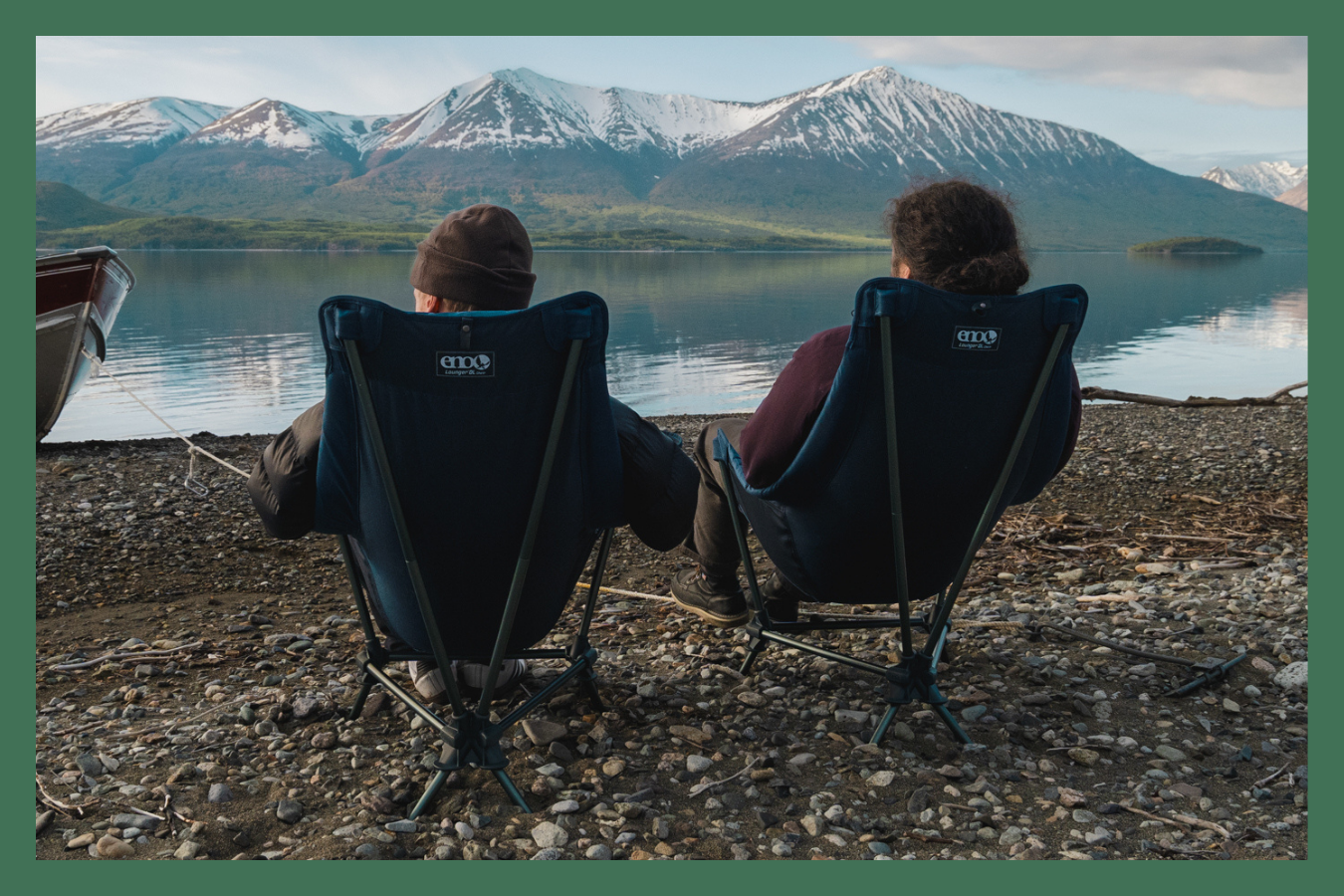
Please, for the love of god, replace your rickety old camping chair. At every festival campsite, the good chair is always obvious… and that one you “borrowed” from your parents’ garage ten years ago might just collapse at any moment. Upgrade your festival seating experience with Eagle Nest Outfitters’ Lounger DL Chair. This lightweight, portable hammock chair sets up quickly, is fully adjustable, and has a cushioned pillow and armrests — just trust us, it’s the good chair.

Purchase


Natural Life Cozies

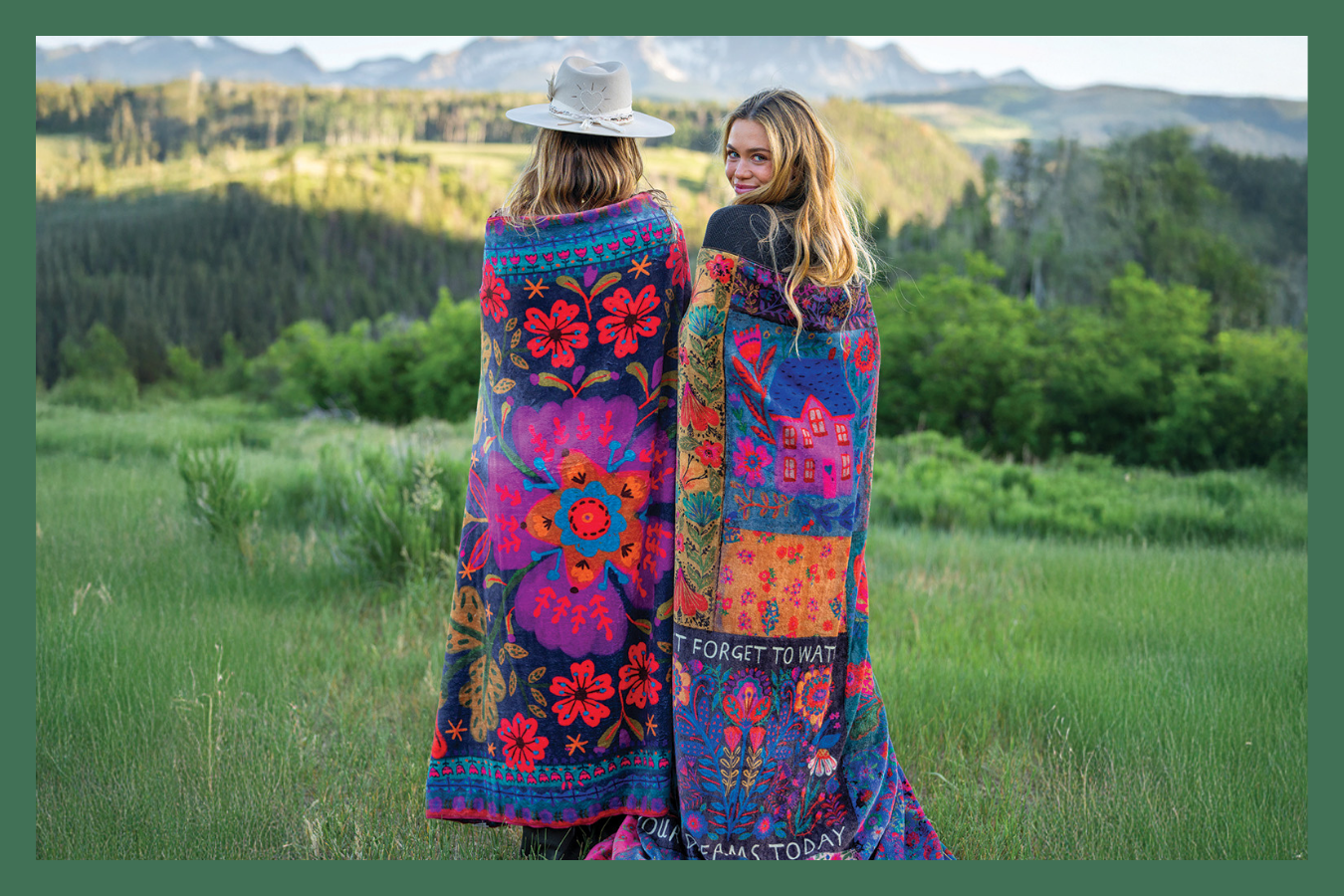
After a long day at an outdoor music festival, there’s nothing like getting cozy back at your campsite. Natural Life has you covered on cozy essentials, with warm socks, sherpa-lined slippers, the super soft (and versatile) boho bandeau, and your new favorite mug for hot toddy night caps or coffee on a chilly morning. And the best part about gifting these around the holidays? Break them out early and stay warm all winter long.

Purchase


Guest Gifter: Amy Reitnouer Jacobs
(BGS Co-Founder & Executive Director)

“I spend enough time at music festivals to know that these days a sturdy clear bag is an absolute essential. But finding something that is efficient and cute is easier said than done. That’s why the Away Stadium Bag is on my wish list this year. It’s a hard shell clear bag that’s big enough to hold your phone, keys, glasses, lip balm, Loop earplugs, etc., getting you through security without skipping a beat. Added bonus: you can even get it monogrammed!” – Amy Reitnouer Jacobs

Purchase

Amy Reitnouer Jacobs is the co-founder of BGS and Good Country, as well as producer for concerts, stages, and experiential events throughout the country. She also collects and sells vintage homewares with her company Fernweh Flea.


WinterWonderGrass Tickets

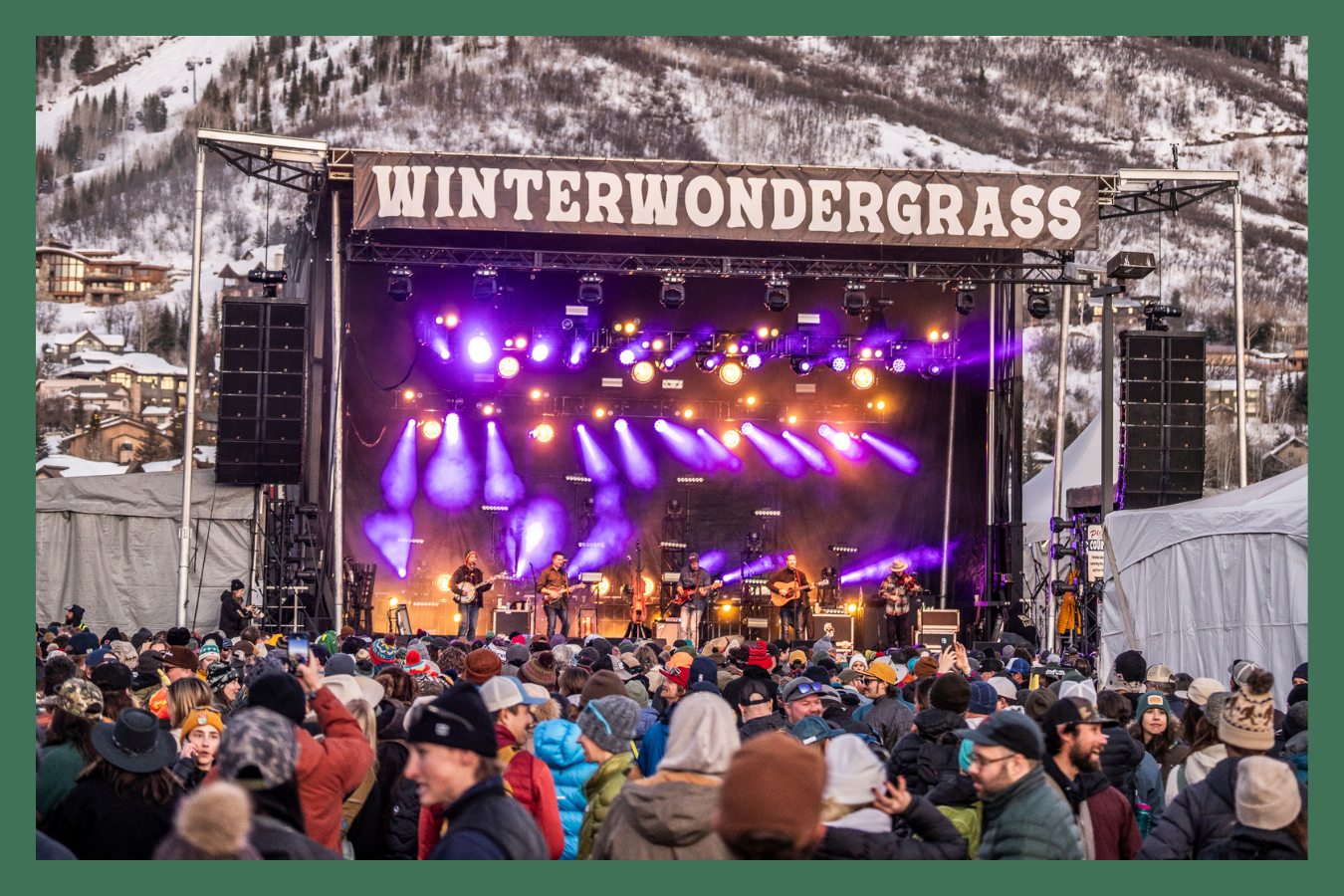
One of the most unique and anticipated festivals of the year is always WinterWonderGrass. This year’s lineup is one of their most fun yet with The Infamous Stringdusters, Leftover Salmon, The Devil Makes Three, Daniel Donato’s Cosmic Country, and so many other BGS faves jamming out over three days alongside the perfect powder of Steamboat Resort in Colorado. Tickets, packages, and more info here.

Purchase


Zeal Optics

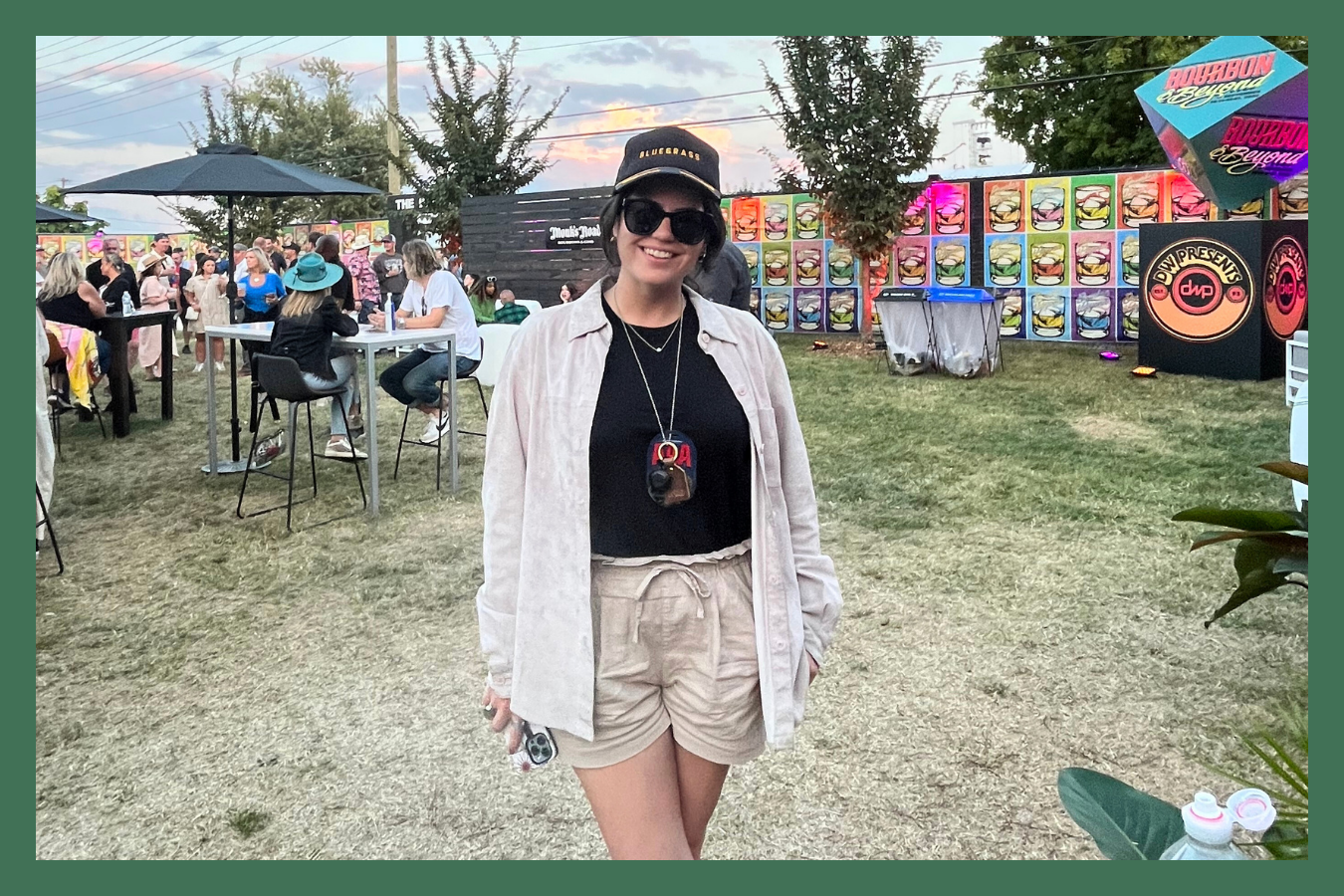
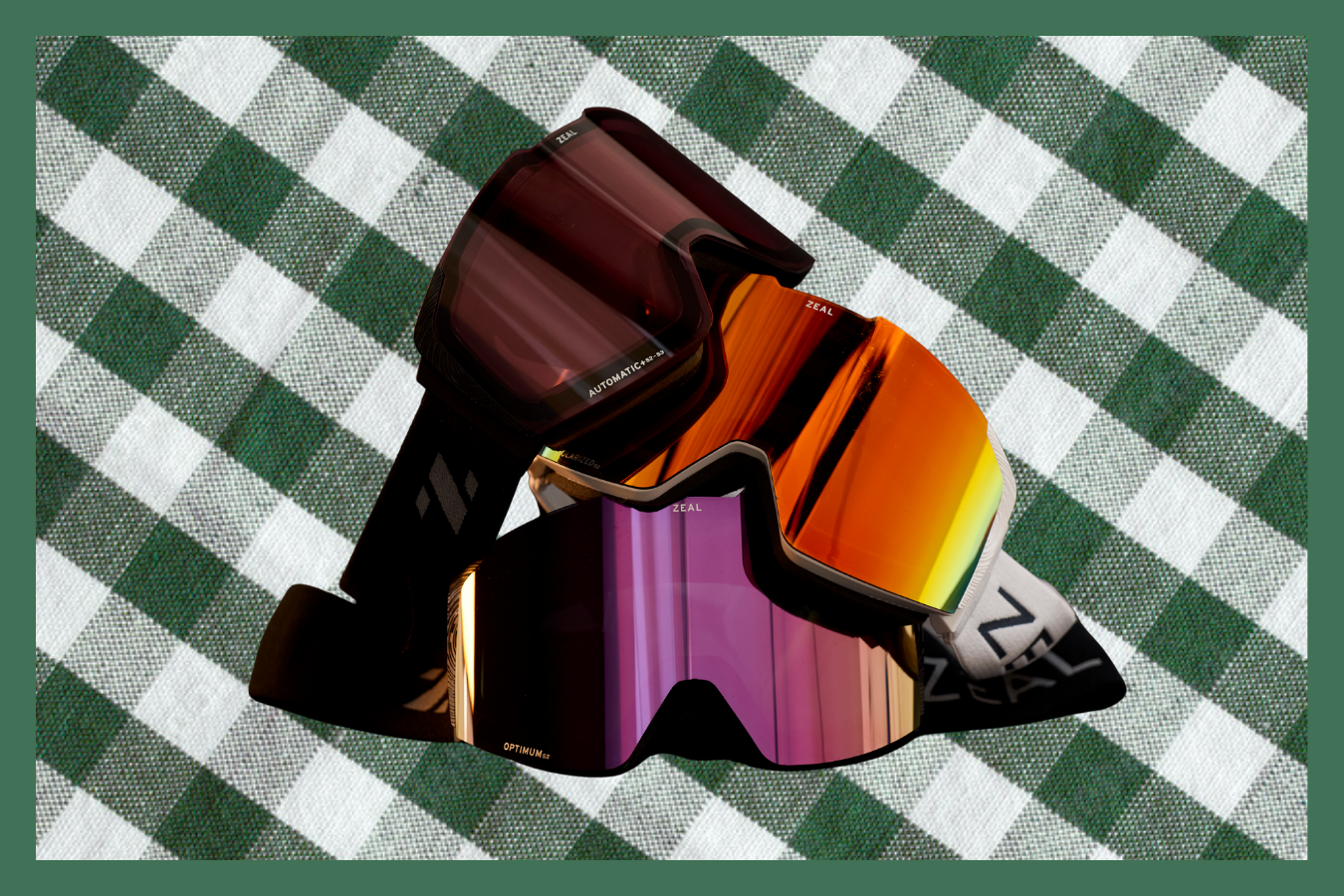
The right eyewear is essential for a good festival weekend, and from the desert landscapes of Stagecoach to the mountains of Telluride Bluegrass, Zeal Optics has your eyes covered. Their polarized Rangely sunglasses will keep you glare-free at Bourbon & Beyond, while their Meridian Goggles are perfect when you hit the slopes between sets at WinterWondergrass.

Purchase


_


This content brought to you in partnership with Green Goo and WinterWonderGrass.

The Musician’s Holiday Gift Guide

2025 has flown by and as we enter December we once again find ourselves preparing for the holiday season. We think it’s important to focus on slowing down, being together, and being more intentional in our gift giving. Which is why we’re thrilled to bring you the second year of the BGS holiday gift guide.

Below is the first of our guides – this one specifically geared towards avid musicians, be they recreational or professional players. Check out personal product selections from our friends, partners, and staff.


D’Addario Humidipak

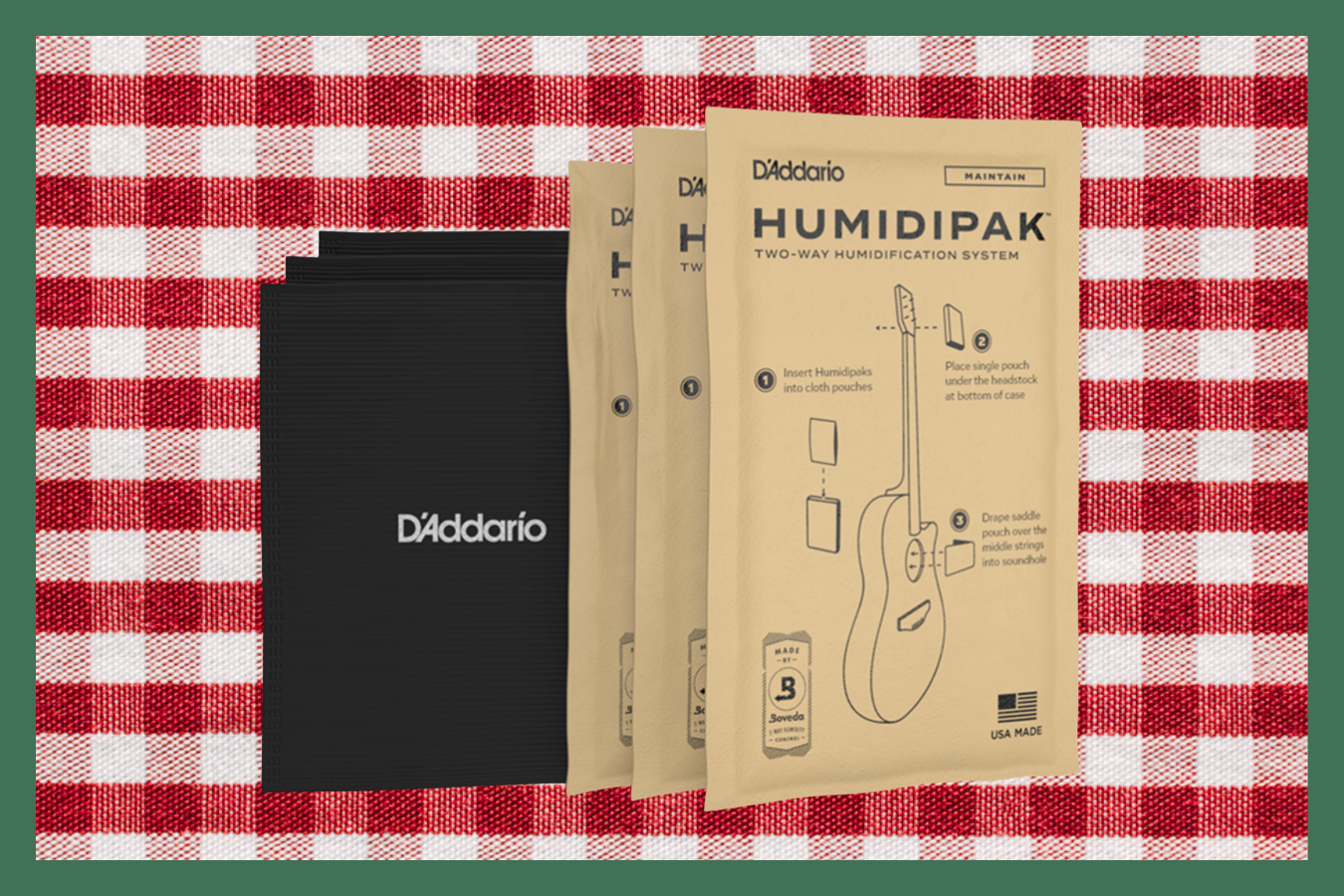
Most beginner or hobby-level acoustic players don’t consider the proper storage environment for their instrument, but did you know that maintaining humidity and temperature can be just as important as buying a sturdy case? D’Addario’s Humidipak is a two-way humidification system automatically maintaining the ideal humidity level to preserve tone and protect damage. They even have three different variants to accommodate your specific humidification needs.

Purchase


Guest Gifter: Hannah Connolly
(Singer-Songwriter & BGS Social Media Director)

“Traveling as a guitarist you can never have too many capos. This Shubb C1 capo is my usual go-to, but I have friends who swear by the F1. It’s on my wishlist because although it’s a little more of an investment, it can be stored on the guitar itself (behind the nut of the headstock) when it’s not in use… making it nearly impossible to misplace on tour!” – Hannah Connolly

Purchase Hannah’s Pick | Purchase Budget Option

Hannah Connolly is a singer-songwriter based between Nashville and Los Angeles. Her latest release is Shadowboxing, and her third album is set for release in 2026. When she’s not writing or performing, Hannah also serves as the Social Media Director for BGS and Good Country.


nugs Annual Subscription

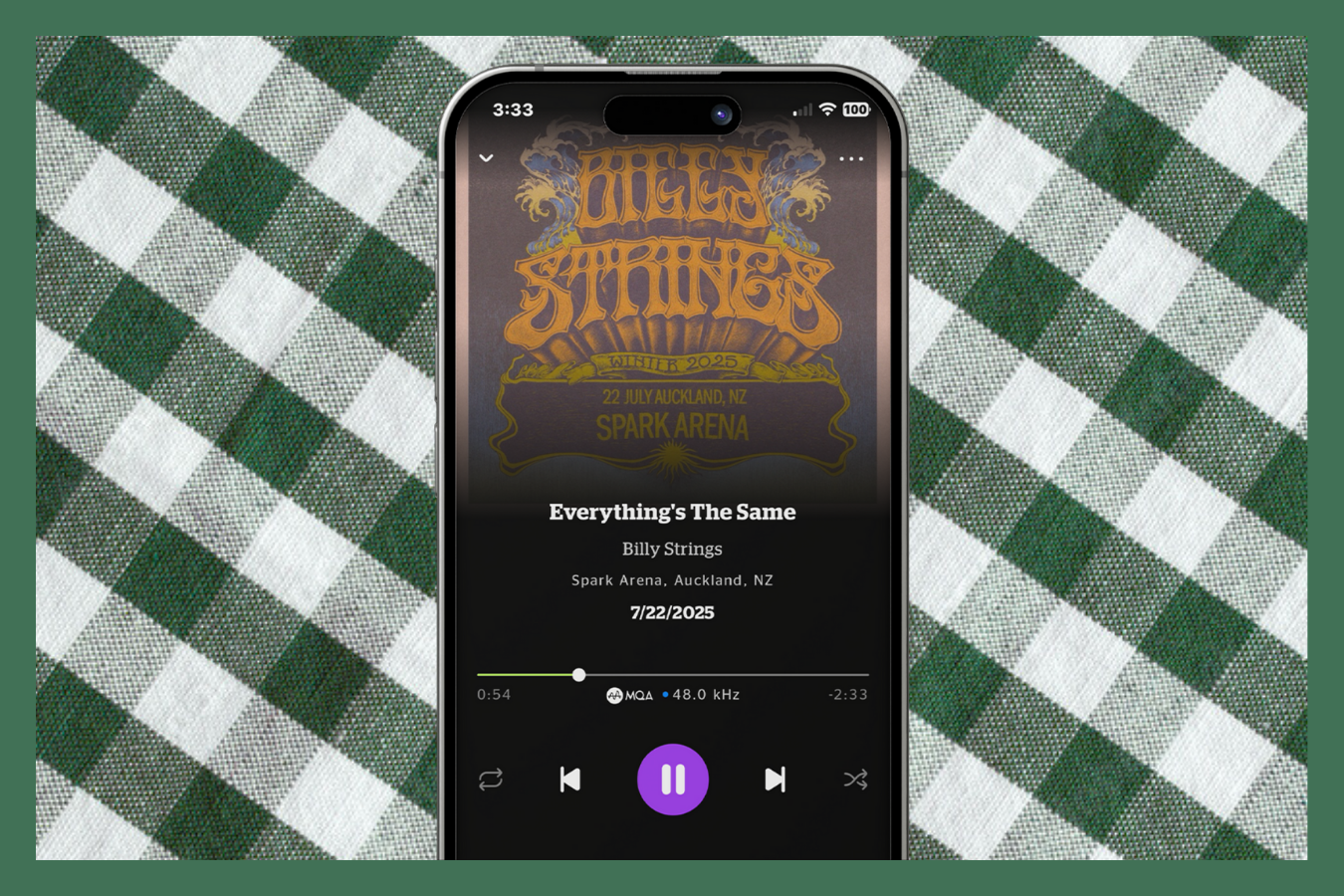
If you’re a regular reader of BGS, chances are you know that one person in your life who worships bootleg Grateful Dead recordings or would drive thirteen hours just to catch one more Billy Strings show. (If you don’t know that person, perhaps it’s you…?) Why not gift them All Access to a one-stop destination for concert livestreams, on-demand videos, and high-quality audio recordings with a nugs annual subscription? nugs partners with legendary artists such as Bruce Springsteen, Dead & Company, Pearl Jam, Goose, Greensky Bluegrass, Johnny Blue Skies – and of course Billy Strings – to ensure you always have a concert on the calendar.

For a limited time, BGS readers can get a nugs 1-year All Access subscription for 50% off the regular price using the link below. Offer valid through January 5, 2026.

Purchase


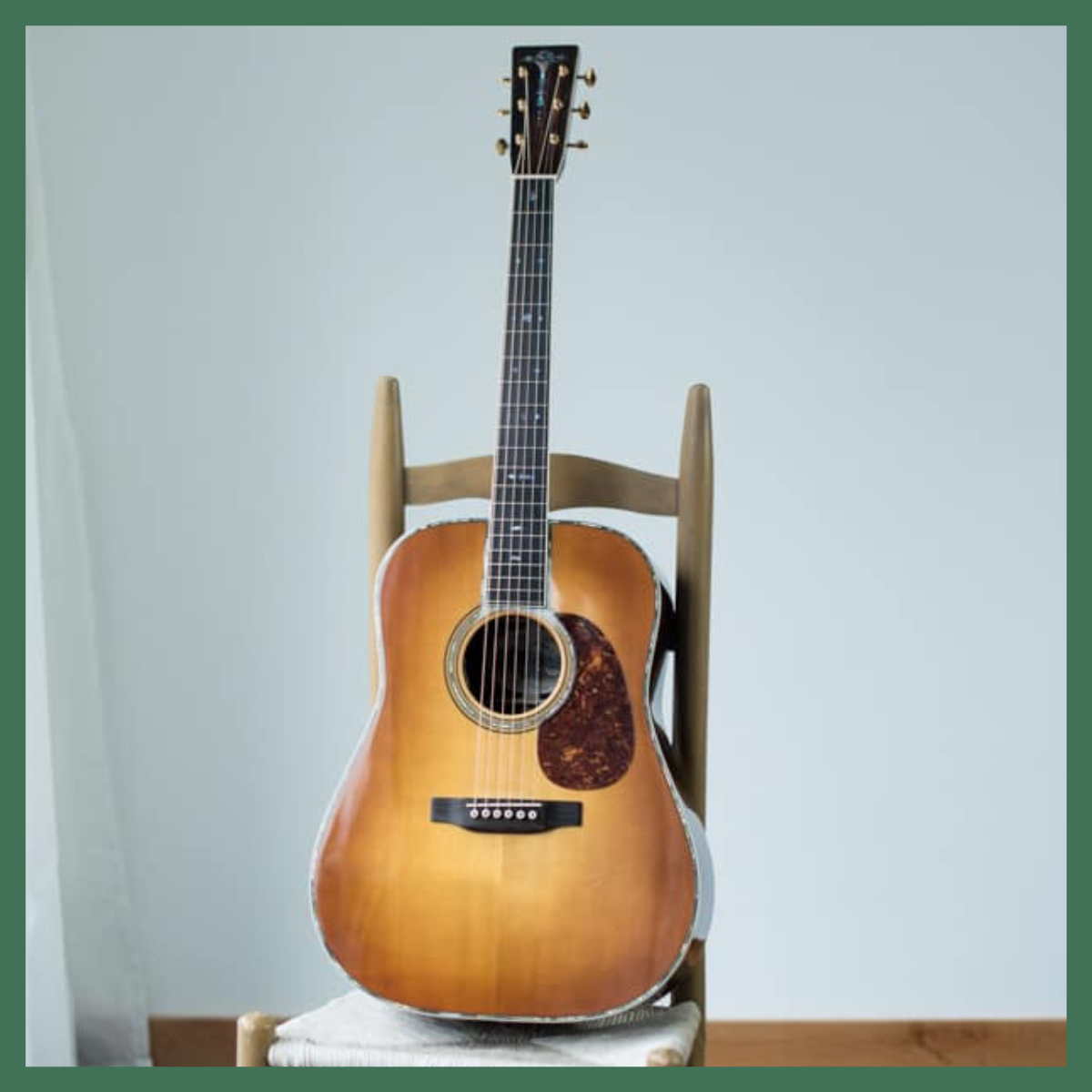
Preston Thompson Guitars – DMC Model

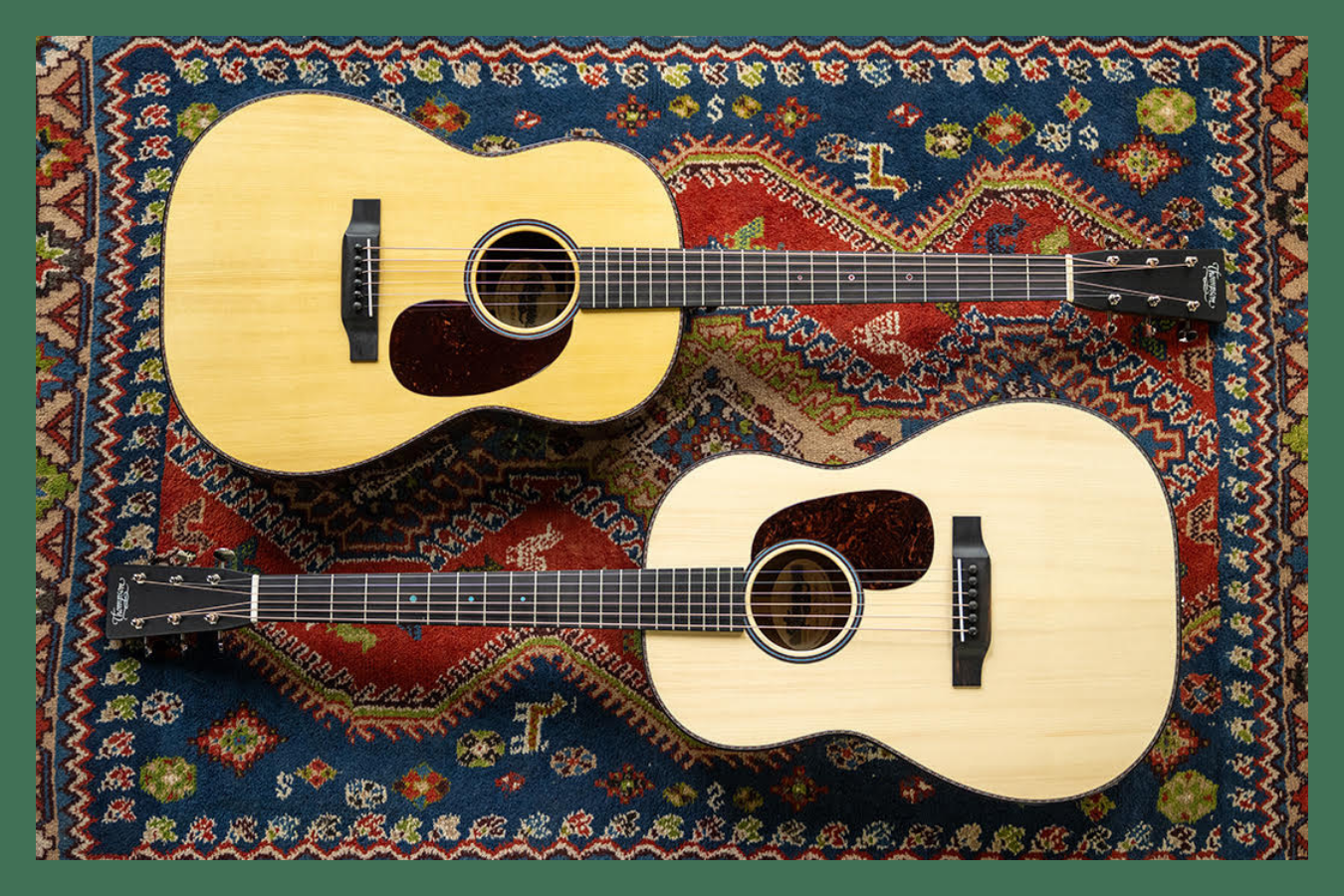
At a studio deep in the heart of Oregon, Preston Thompson Guitars has long been making some of our favorite high-end custom instruments. Their new model, DMC, is a smaller, deep bodied guitar which is fashioned after Willie Nelson’s famous “Trigger,” a N-20 Hybrid Classical. Between now and January 31, you can get one of these Spruce-top beauties for 15% off. After all, we could all stand to be a little more like Willie.

Direct orders only. Contact [email protected] for more info.


Qobuz or TIDAL Streaming Subscription

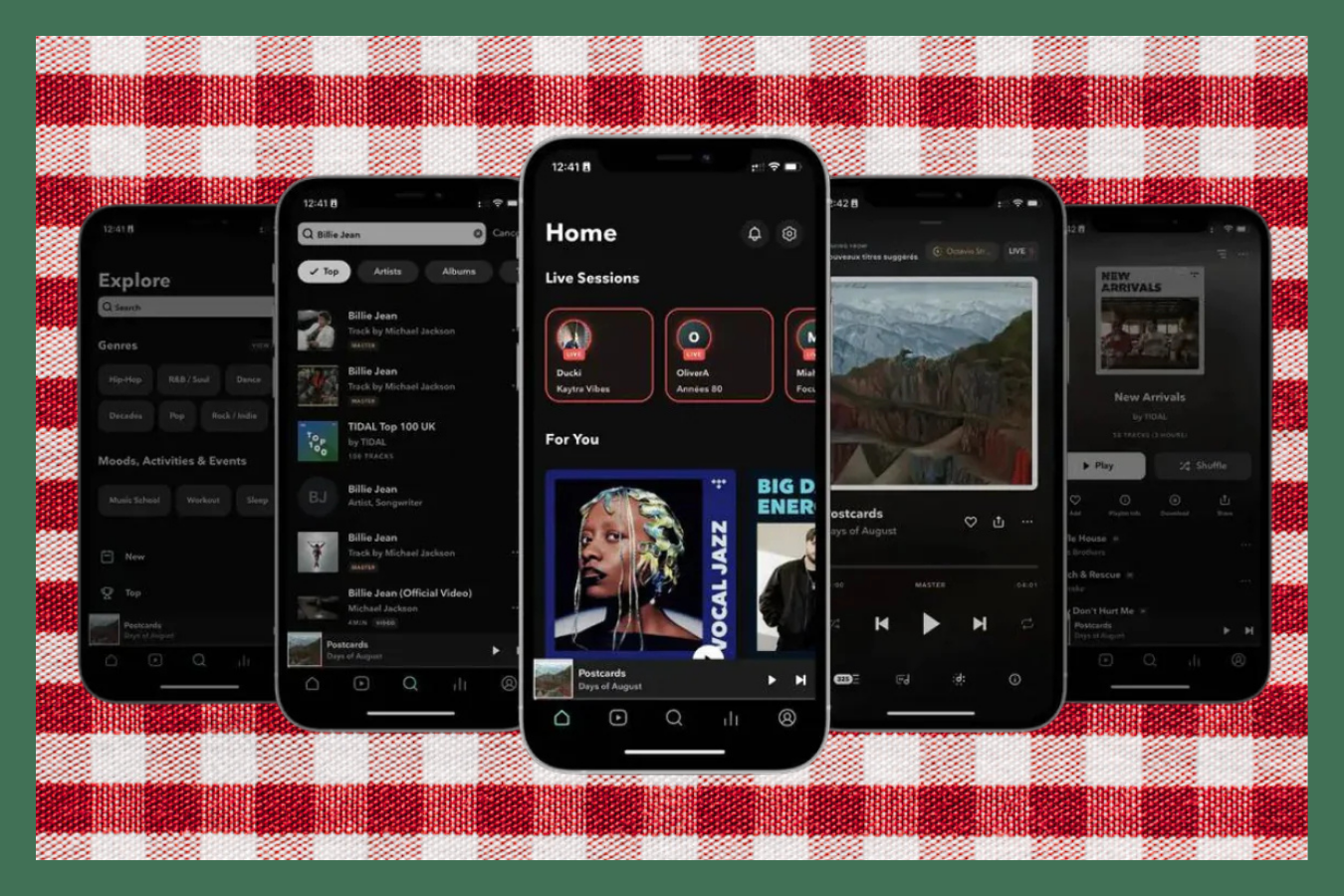
Suffice to say, we really hate that streaming services are paying out less than ever to musicians and songwriters in royalties (and don’t get us started on the lack of regulation over AI-generated music). But with that said, it’s more important than ever to make purchasing decisions that actually make an impact and help support your favorite artists. Consider gifting a subscription to an alternative streaming service like Qobuz or TIDAL — both platforms pay some of the highest streaming royalties to artists, and streaming at a higher audio quality audio than their major competitors. It’s the gift that keeps on giving.

Qobuz | TIDAL

And on a similar note, we all know a live music lover that has been shut out of a recent ticket on-sale that may be feeling frustrated about inflated prices on the secondary ticket market. A CashorTrade Gold Membership is a great way to support the face value ticketing movement. All transactions are insured so you can feel confident you’re not getting scammed.


Guest Gifter: Sierra Hull
(GRAMMY-Winning Musician)

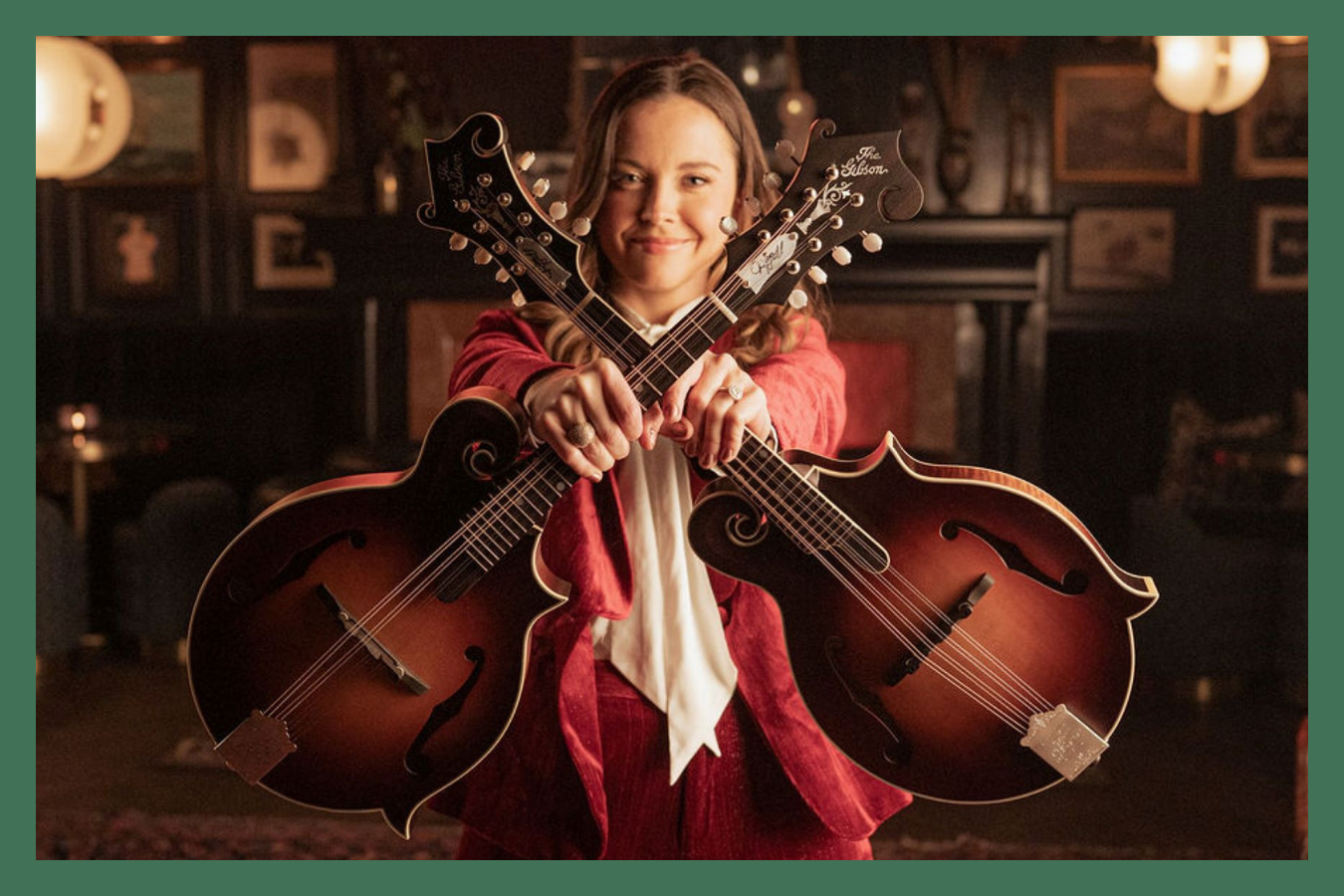
“I’ve had my eye on getting one of these Crossrock double mandolin cases so I can more easily bring along both of my new signature model Gibson mandolins (both the master model and the F5G) on tour! The last few months I’ve been carrying around three different mandolin cases, so I think it would be awesome to consolidate a couple of them into a single case. I currently have one of the smaller fitted Crossrock cases and they are really solid [and] such affordable little cases!” – Sierra Hull

Purchase

Sierra Hull’s latest record, A Tip Toe High Wire, recently garnered four GRAMMY nominations. Discover more and find out how to catch her on tour with the Milk Carton Kids in 2026 at SierraHull.com.


Yamaha Acoustic Guitars – FG/FS9 Series

For over fifty years, Yamaha has been handcrafting their acoustic artistry, incorporating traditional Japanese woodworking with innovative Japanese technology. Their flagship model, the FG/FS9 steel-string acoustic guitar, is ideal for singer-songwriters.

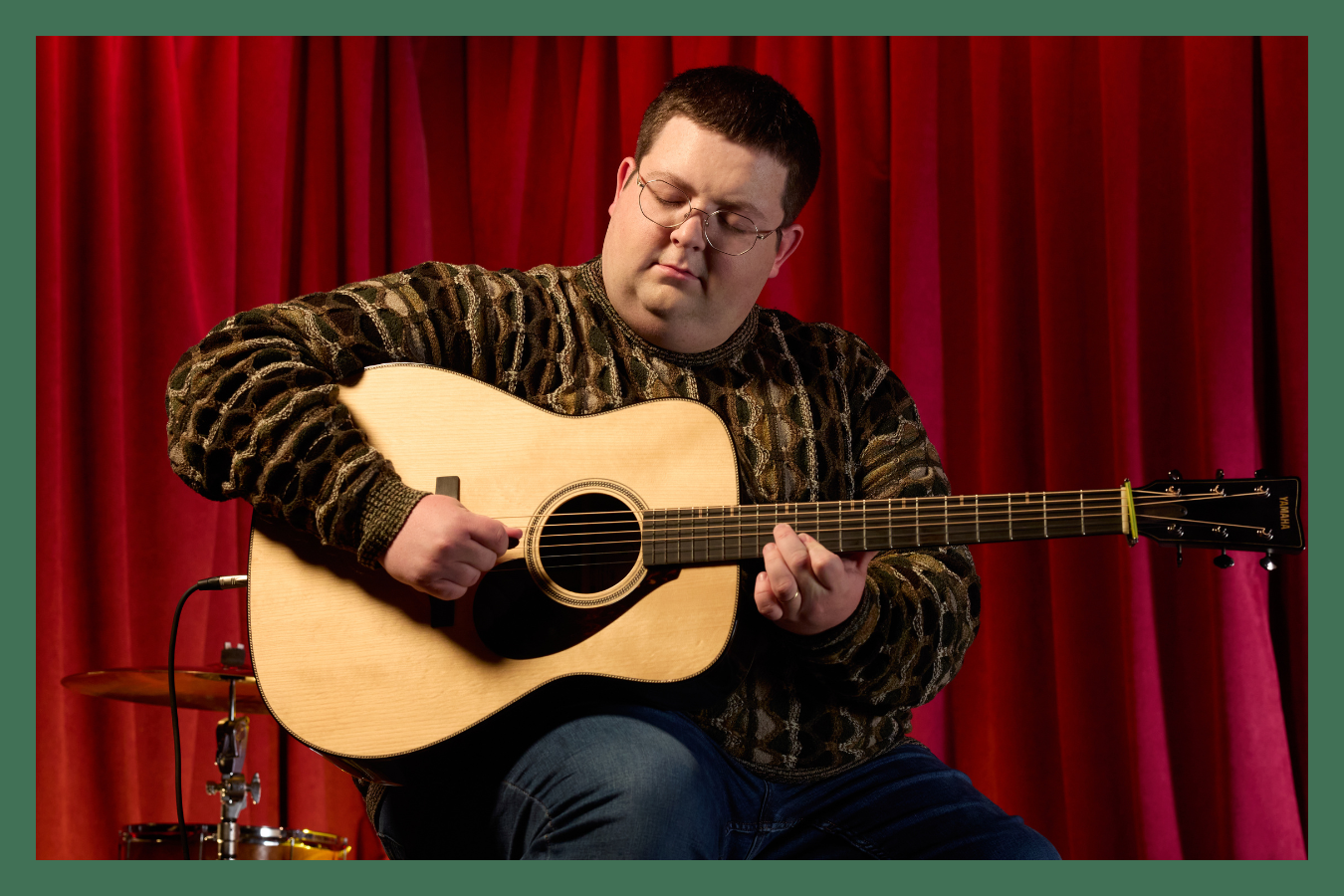
Check out bluegrass guitarist Jake Eddy playing his FG9 RX below.

Purchase


This content brought to you in partnership with D’Addario, nugs, Preston Thompson Guitars, and Yamaha Guitars.

Be Part of Our Winter Readers’ Collection

What is your family’s version of a “Lime Jell-O Marshmello Cottage Cheese Surprise”? Did you ever sing a song about it? We’re dying to hear about it!

In anticipation of the holiday season, BGS wants to read your food and music stories, writings, and traditions! We welcome fiction, nonfiction, poetry, and hybrid-form writing (perhaps a recipe with music?) of up to 1,000 words focusing on the crossroads of food and music. Please ensure that your writing incorporates both of these topics in some small way, not either/or (i.e. not just a recipe).

Selected entries will be published in our new, periodical BGS creative writing collection. See our first scary-season-themed collection and its selections here. Selected writers will receive free BGS merchandise and will be invited to present their work on the BGS website and social media. In addition, BGS will retain no rights to your work and creators are welcome to publish elsewhere or on their own channels.

Submissions will close at 50 entries, so make sure to send in your work ASAP!

Deadline: November 24, 2025 at midnight PDT.
How to submit: Please fill out this Google Form and attach your work as a Word file (.docx).


2024 BGS Holiday Guide

It’s the most wonderful time of the year! As we count down the days to holiday and family gatherings, our to-do lists stack up, getting longer and longer.

Not sure what to get the musicians, roots artists, and music lovers in your life this year? Never fear! Together with our BGS team, our partners, and our friends and neighbors, we’ve compiled a holiday gift guide that will hopefully put a sizable dent in your shopping list.

Below, check out essential festivals, tried-and-tested gear, superlative instruments, exciting and engaging books and albums, and perfectly on-theme trinkets for all the music obsessed giftees in your life! Maybe your loved one needs a music museum membership? Or perhaps they’re starting up a brand new musical hobby. Know someone who can’t get enough of music and the outdoors? We’ve got ideas for them, too.

The holiday season is the perfect time of year for the love and joy of roots music and we hope, with our 2024 Holiday Guide, you’ll be able to have a cheerful and dreamy December and a delightful new year – with a bumpin’ bluegrass, country, and Americana soundtrack.

Default icon

For Getting Into the Holiday Spirit

Dust the Halls: An Acoustic Christmas Holiday (Signed, only 25 available) – $35.99

 
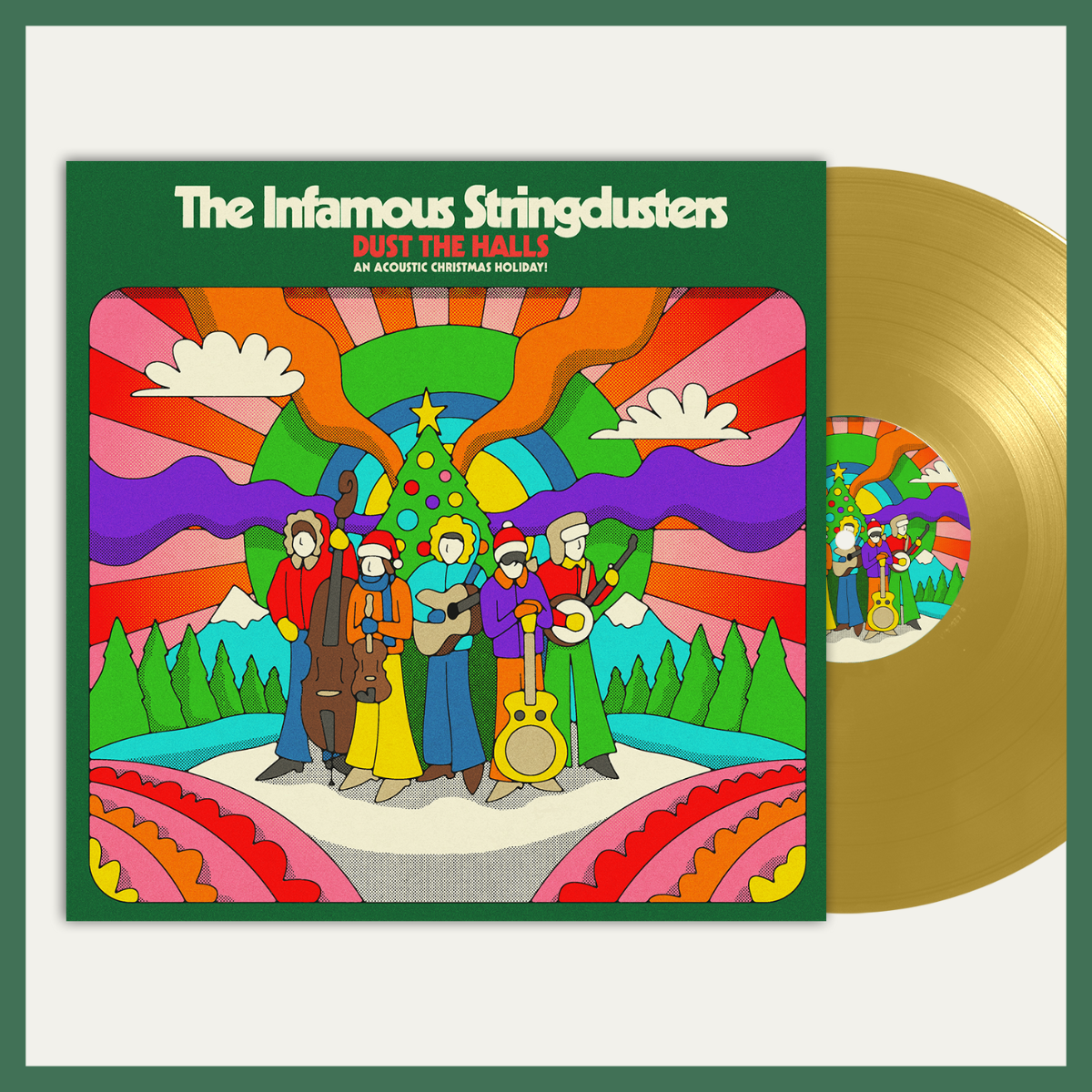
The Infamous Stringdusters have announced a new color variant for Dust the Halls: An Acoustic Christmas Holiday, releasing on vinyl via Americana Vibes. This is the eighth studio album from the GRAMMY-winning band, who put their signature acoustic bluegrass twist on timeless holiday classics. Recorded remotely during the 2020 pandemic, the record showcases the Stringdusters’ unmatched ability to collaborate from afar, weaving together intricate arrangements and harmonies that make each track sparkle with warmth and cheer.

Purchase | Stream


Musical Instrument Museum Holiday Ornaments – $12 & up

 
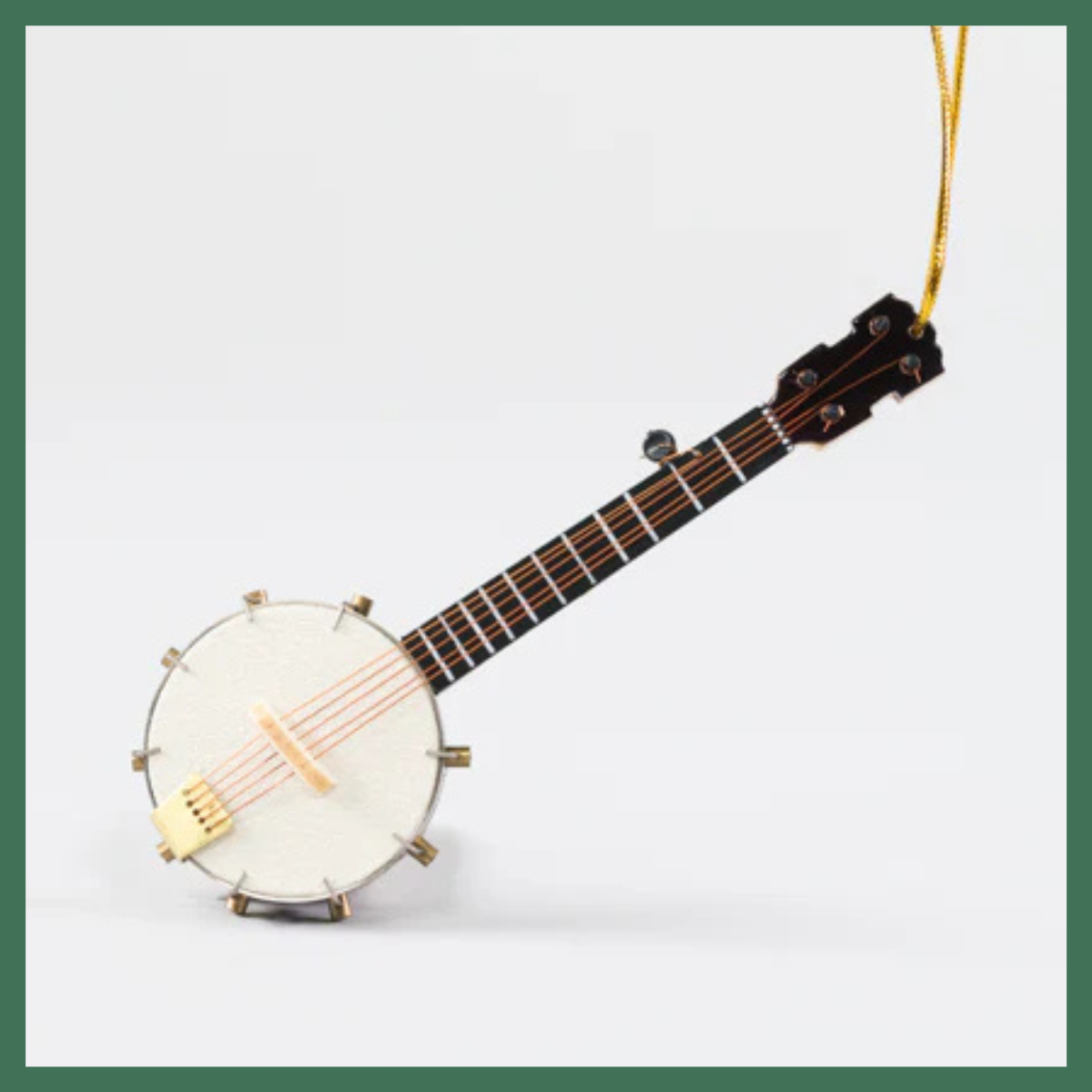
Our friends at the Musical Instrument Museum in Phoenix, Arizona, have the most adorable and festive collection of instrument and music-themed holiday ornaments available at their museum gift shop and online. Choose from treble clefs, banjos, violins, bongos, bagpipes, acoustic guitars – with and without cutaways! – and so much more. Maybe throw in a MIM membership as well, to receive 20% off most purchases. Anddd because this is a museum with a mission worth supporting, as they highlight all musical genres and traditions, from classical to bluegrass, folk, Americana, and beyond.

Purchase

Default icon

For Starting Up a Brand New Hobby

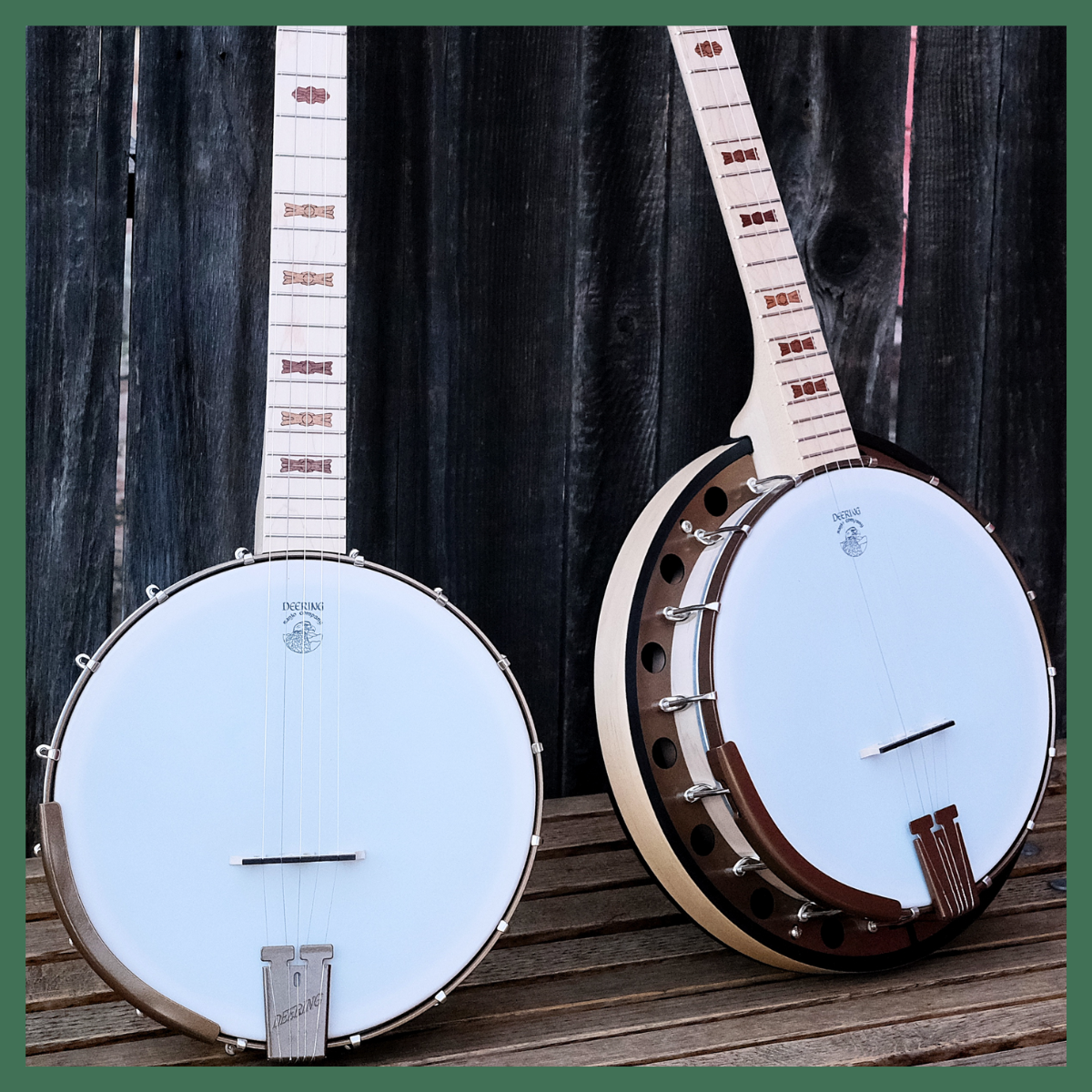
Deering Goodtime Deco Banjo – $579 & up

 
Unwrap the gift of music this holiday season: Save 10% on Deering Goodtime Deco Banjos! Looking for the perfect present for the aspiring musician on your list? Look no further than Deering Goodtime Deco Banjos. Our Goodtime banjos are the #1 choice of banjo teachers for beginners! Use this special BGS discount code below to save 10%.

More than just a beginner’s instrument, the Goodtime banjo is crafted with high-quality materials and American-made construction, ensuring it will last for years to come. Plus, its light weight makes it ideal for travel, jam sessions, and impromptu gatherings – perfect for creating lasting musical memories together.

Use code BGS24HOLIDAYBANJO10  to save 10% on Goodtime Deco banjos! (Offer valid 11/29/24 to 12/31/24)

Purchase


Peghead Nation Lessons

 
Peghead Nation is celebrating its 10th Anniversary of teaching the world to play bluegrass, old-time, swing, Irish music, and other roots music styles – and we’re just getting started! With 75 streaming video courses and live workshops taught by the best instructors and players in the acoustic music community, you can learn guitar, mandolin, banjo, fiddle, Dobro, ukulele, bass, and voice, no matter where you are in your musical journey.

Join us in any course now and get your first month free with the promo code BGS10. Or, save on gift subscriptions for your musical friends and family members. We can’t wait to hear the music you’ll make!

Purchase


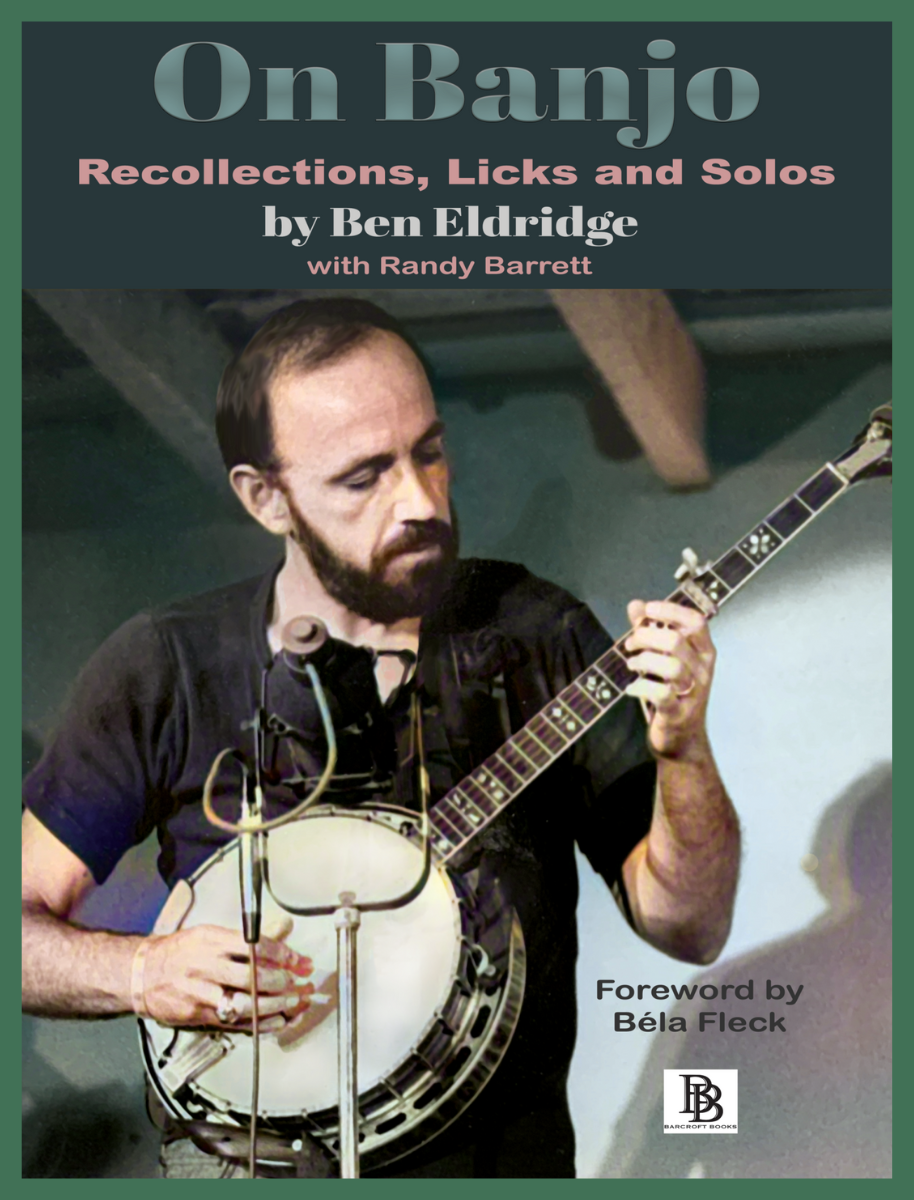
On Banjo: Recollections, Licks, and Solos
by Ben Eldridge with Randy Barrett – $39.95

 
Just getting started on banjo? You picked the correct new hobby. Now you can select the perfect instruction book to get you up to speed. The late Ben Eldridge, a legendary five-string banjo innovator, combines memoir, instruction, tablature, and more in his excellent book, On Banjo – written with Randy Barnett and featuring a forward by Béla Fleck. It’s a perfect compendium for beginners and veterans alike, filled with stories, memories, and plenty of Eldridge’s idiosyncratic and mind-bending licks and solos. Build your banjo picking on a solid foundation with this book!

Purchase

Default icon

For Professional Touring Musicians

D’Addario Cradle Capo – $72.99

 
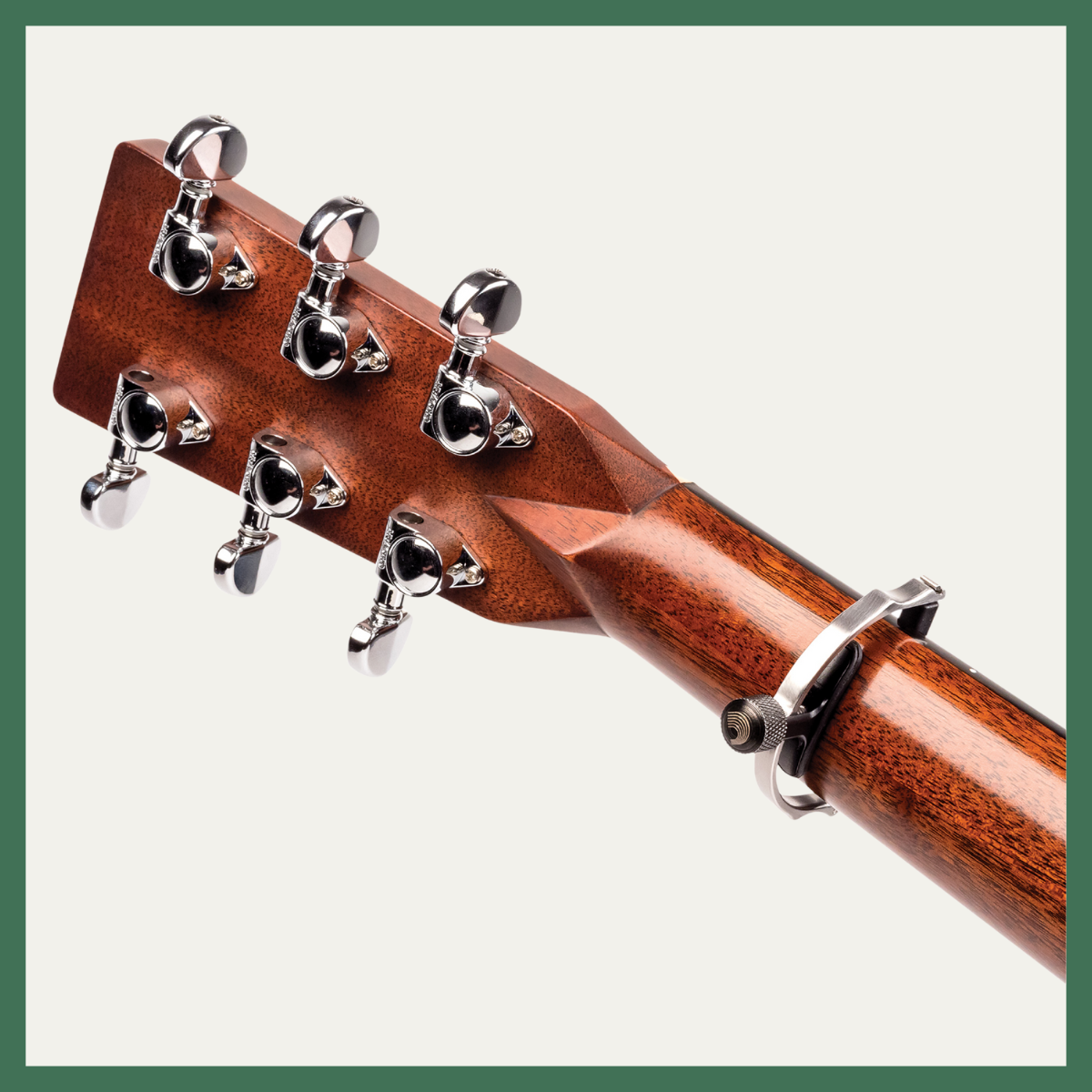
With its stainless steel, self-centering design, D’Addario’s Cradle Capo ensures even tension across the fretboard. Its adjustable micrometer lets you dial in the perfect pressure, while allowing the freedom for quick transitions and the ability to stay on the guitar, even when not in use.

Order one for yourself or surprise a friend this holiday season with the perfect gift for every bluegrass guitarist!

Purchase


Preston Thompson Guitars Brazilian Dreadnought

 
Noted for their power and immediate, responsive voice, Preston Thompson Guitars pay tribute to the best American-made instruments from the 1930s. Master guitar luthier Preston Thompson started with a small team of highly skilled craftsman to produce custom acoustic guitars that have the look, playing feel, and above all, the sound of the best instruments from that original golden era of guitar making.

Thompson Guitars are built strong and light with time-tested designs and construction methods, providing a lifetime of enjoyment. Our instruments are handmade every step of the way, from the finest woods available.

Check on their website for possible ready to ship models available – a rarity for this custom shop! BGS readers can receive an exclusive 10% discount on all custom orders placed before January 31, 2025 using the code THOMPSON10.

Purchase


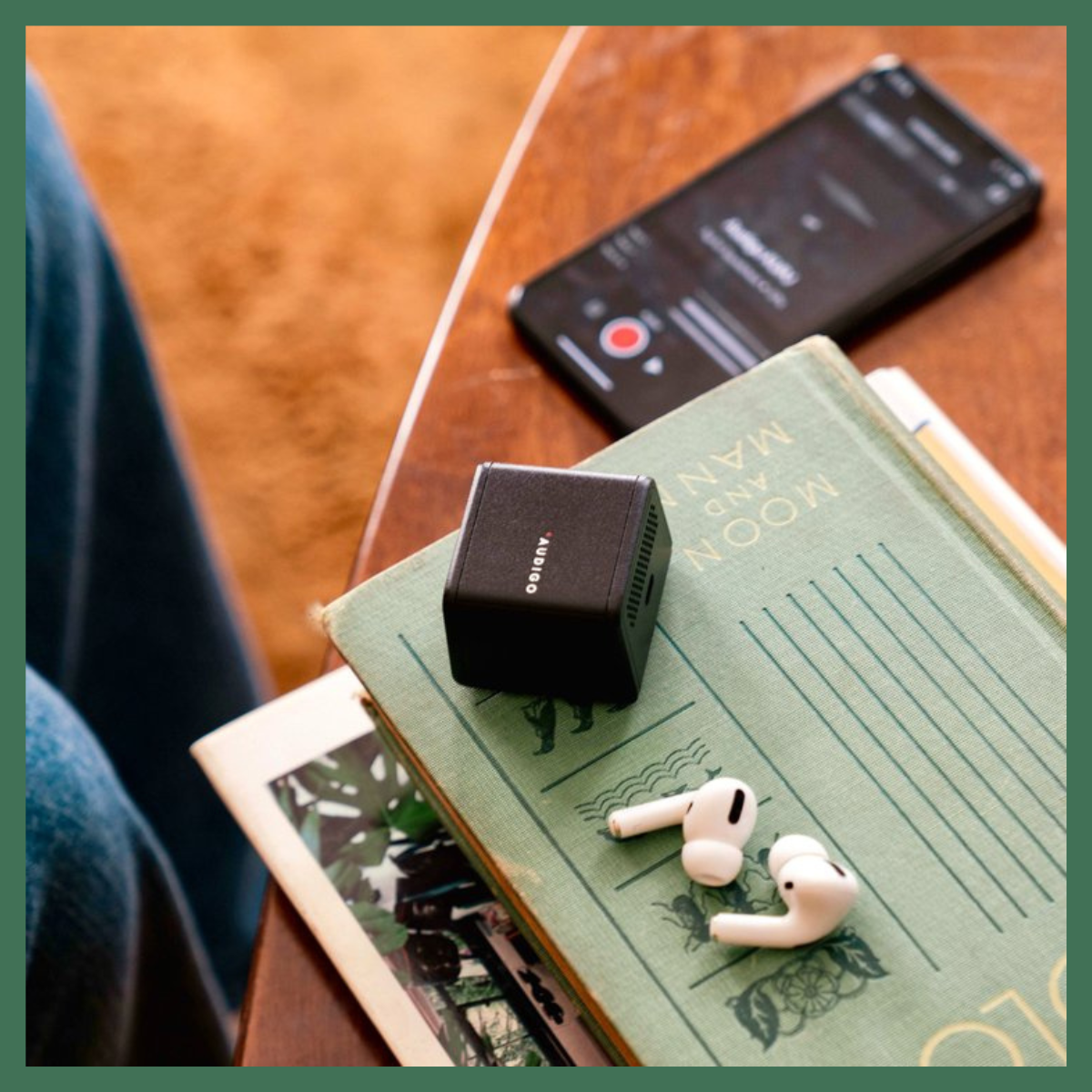
Audigo Wireless Mic – $219 & up

 
Audigo’s wireless, social media- and content capture-ready mics are seemingly everywhere these days. And for good reason! With their easy-to-use app, you can record multi-track audio and video at the highest qualities, recording from multiple Audigo mics simultaneously to one iPhone.

Audigo makes the kind of rapid content creation necessary for all levels of artists and bands at this point in time infinitely easier and strikingly seamless. Ready to make the plunge into vertical video content? Ready to shoot your own music videos? With Audigo, you can. And you won’t have to sacrifice quality.

Purchase


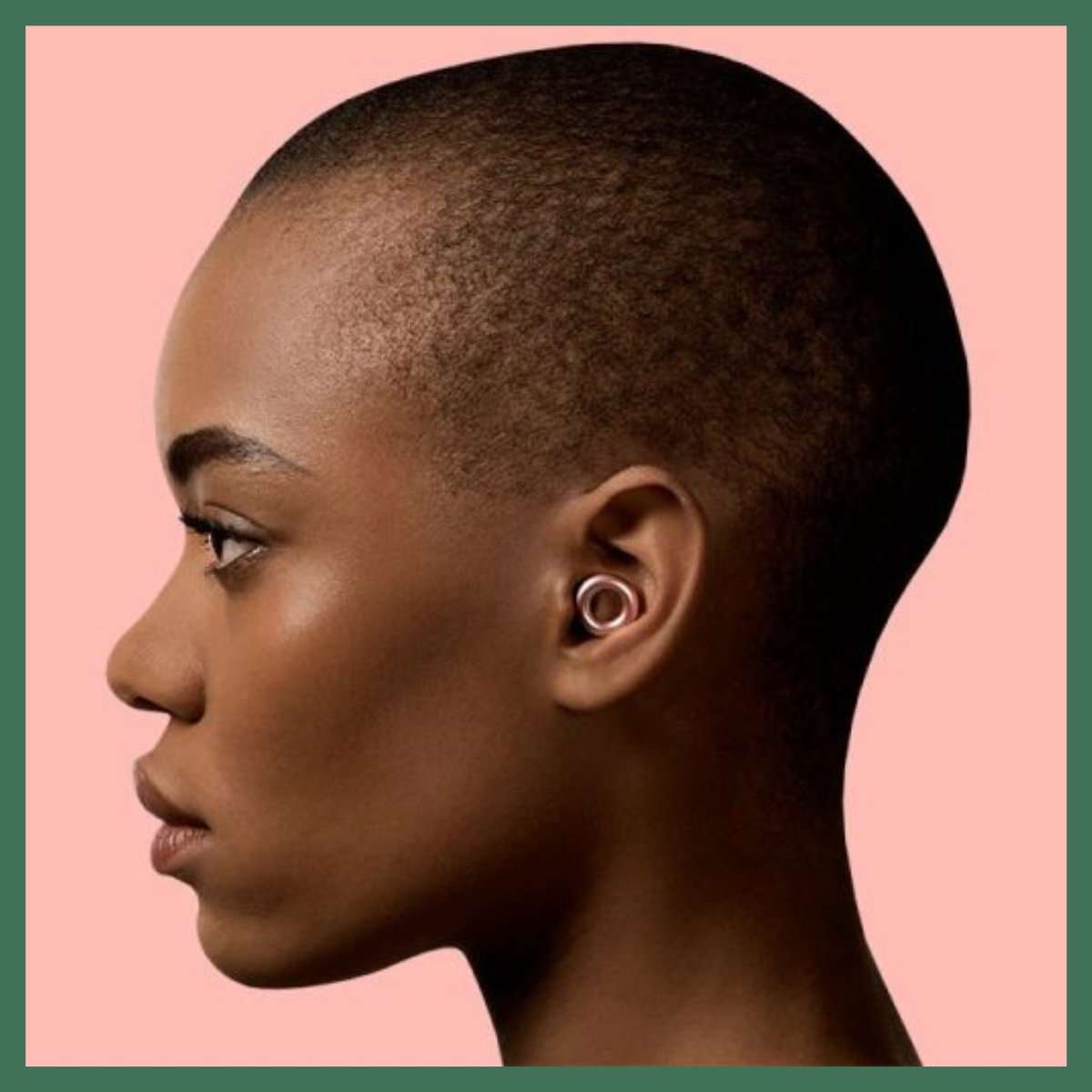
Loop Earplugs – $19.96 & up

 
Acoustic and roots musicians know that your hearing is worth protecting! Keep your own ears – or those of your professional touring loved one – cared for over the long haul with a pair of Loop Earplugs. Stylish and functional with a futuristic look, Loop Earplugs have received glowing reviews from consumer outlets like NYT‘s Wirecutter and offer a range of options, features, and styles. Whether you’re a casual concert goer or you spend each night on stage camped out in front of a drum kit, Loop has earplugs for you.

Take care of your ears now, so you never miss a single pluck or twang of your jam sessions down the line.

Purchase


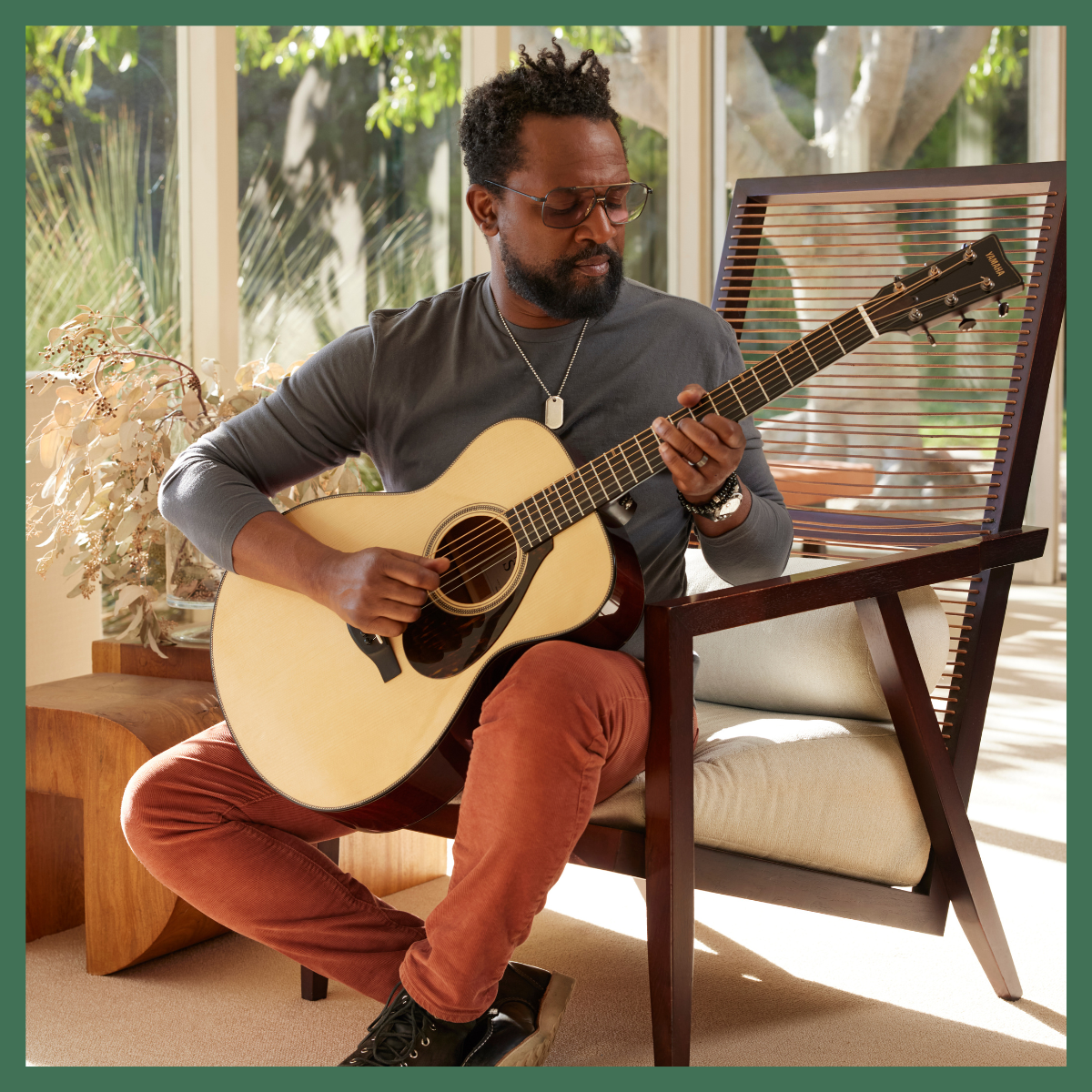
Yamaha Guitars FS9 M – $3,999.99

 
Handcrafted in Japan, the FS9 M concert-style acoustic guitar offers extraordinary projection and produces an open, clean sound with mid-focused warm tones at any volume — ideal for singer-songwriters who play subtle arpeggios or fingerstyle.

The FS9 M features an Adirondack spruce top, “modified V” bolt-on neck, scalloped Adirondack X bracing pattern, 25-inch scale, African mahogany back/sides, and a beautiful, gloss nitrocellulose finish. Traditional Japanese details include a washi paper label, rope purfling and inlay on the rosette, and Kumiki woodworking-inspired fret markers.

Purchase


Calton Cases

 
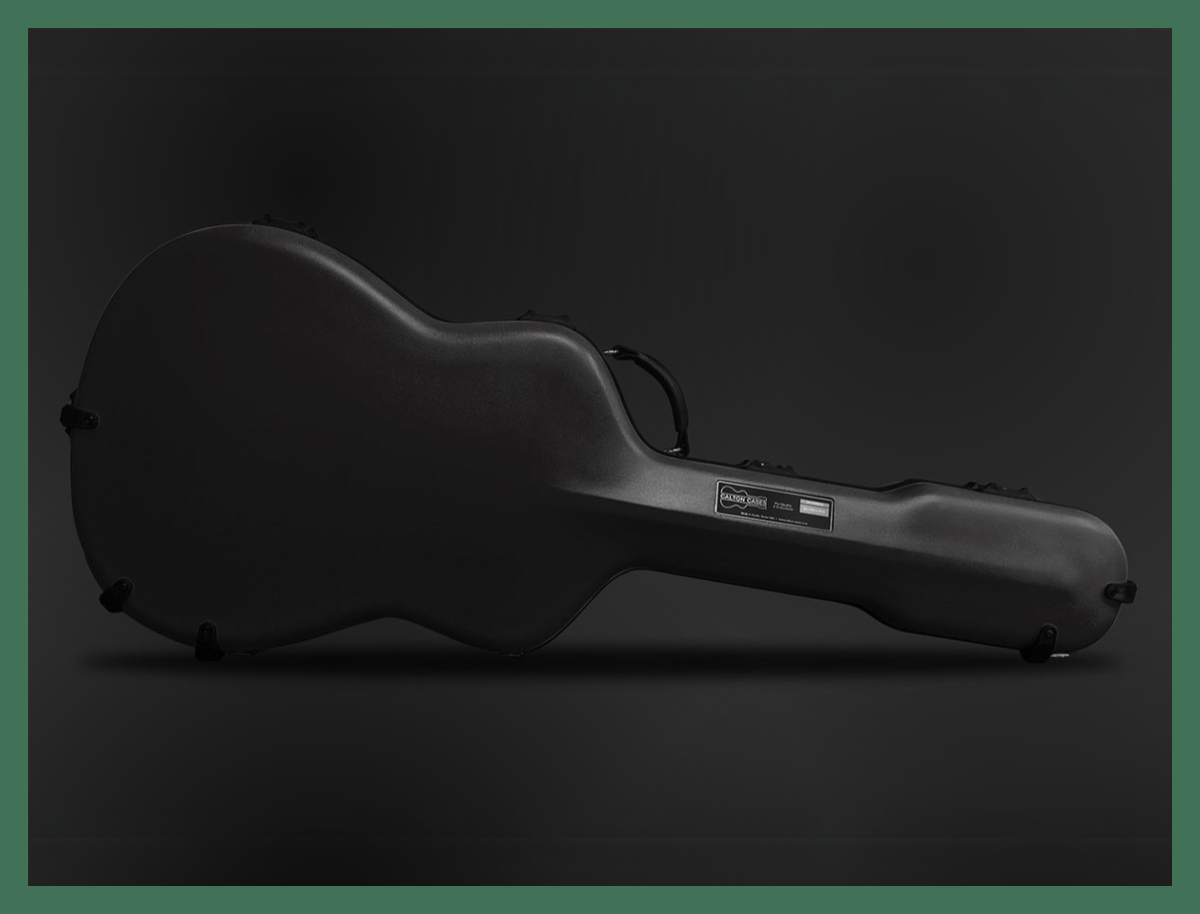
Calton Cases set the standard for professional, flight-ready, peace-of-mind instrument cases – for all kinds of players, genres, and styles. We love the wide range of colors – especially the glitter options! – and options, and that you can secure your precious axes no matter what you play or travel with. From gear and electric guitars to mandocellos and bouzoukis, professional touring musicians can rest easy whether there’s space in the overhead bins or not.

If you have a professional touring musician in your life, ease their travel anxiety this holiday season with a superlative Calton Case.

Purchase

Default icon

For the Music Lover Who Has Everything

Oxford Pennant

 
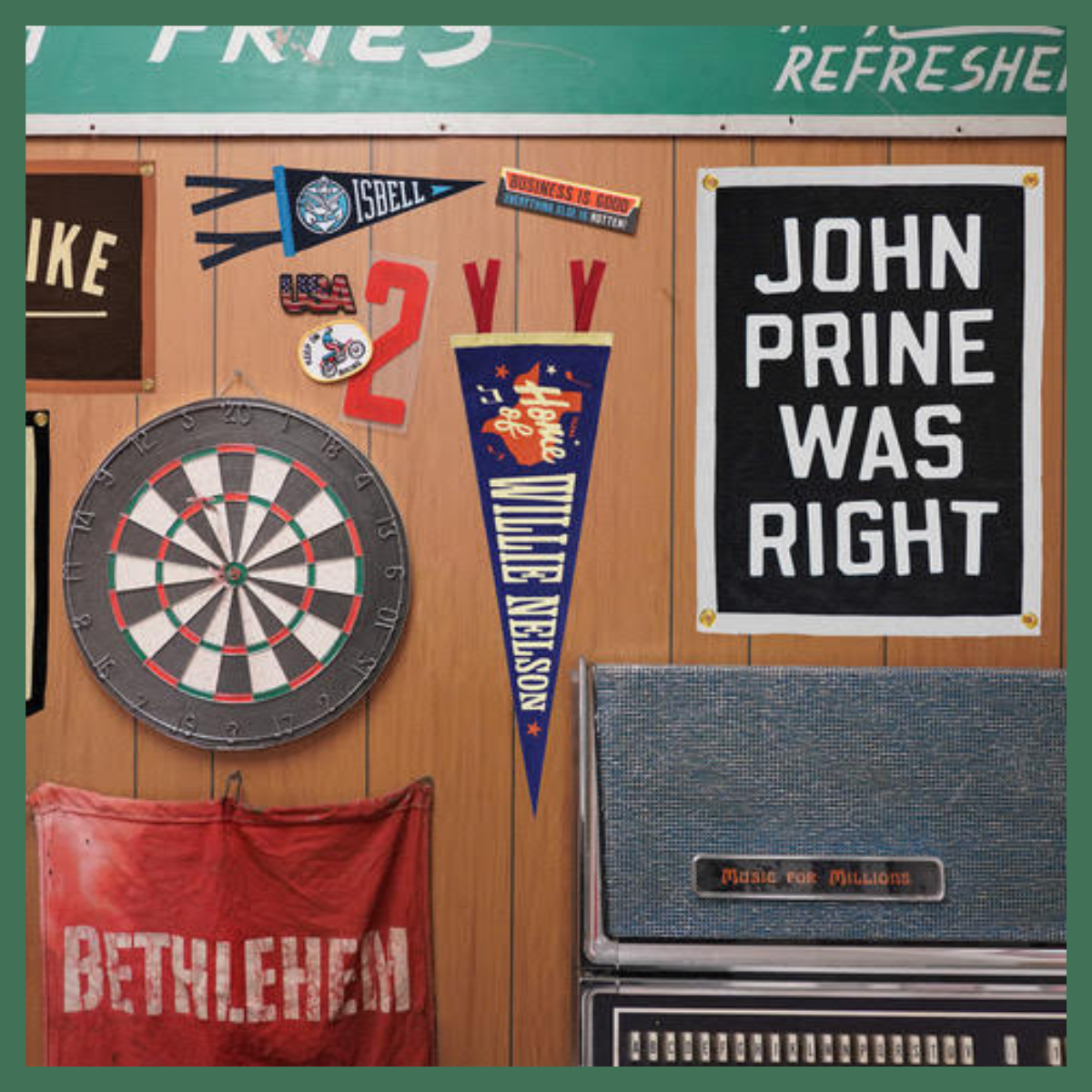
Officially licensed handmade flags by Oxford Pennant in Buffalo, New York! John Prine, Willie Nelson, Jason Isbell, Turnpike Troubadours and many more artist collaborations available here.

We’ve loved every time we’ve gotten to collaborate with Oxford Pennant over the years and we can’t recommend their fine work highly enough. From the stages of Newport Folk Festival to our own closets, mantelpieces, and walls, Oxford Pennant fits just about everywhere – especially wrapped up with ribbons and bows for the music lover in your life who already has everything!

Purchase


Earl Scruggs Music Festival – $150 & up

 
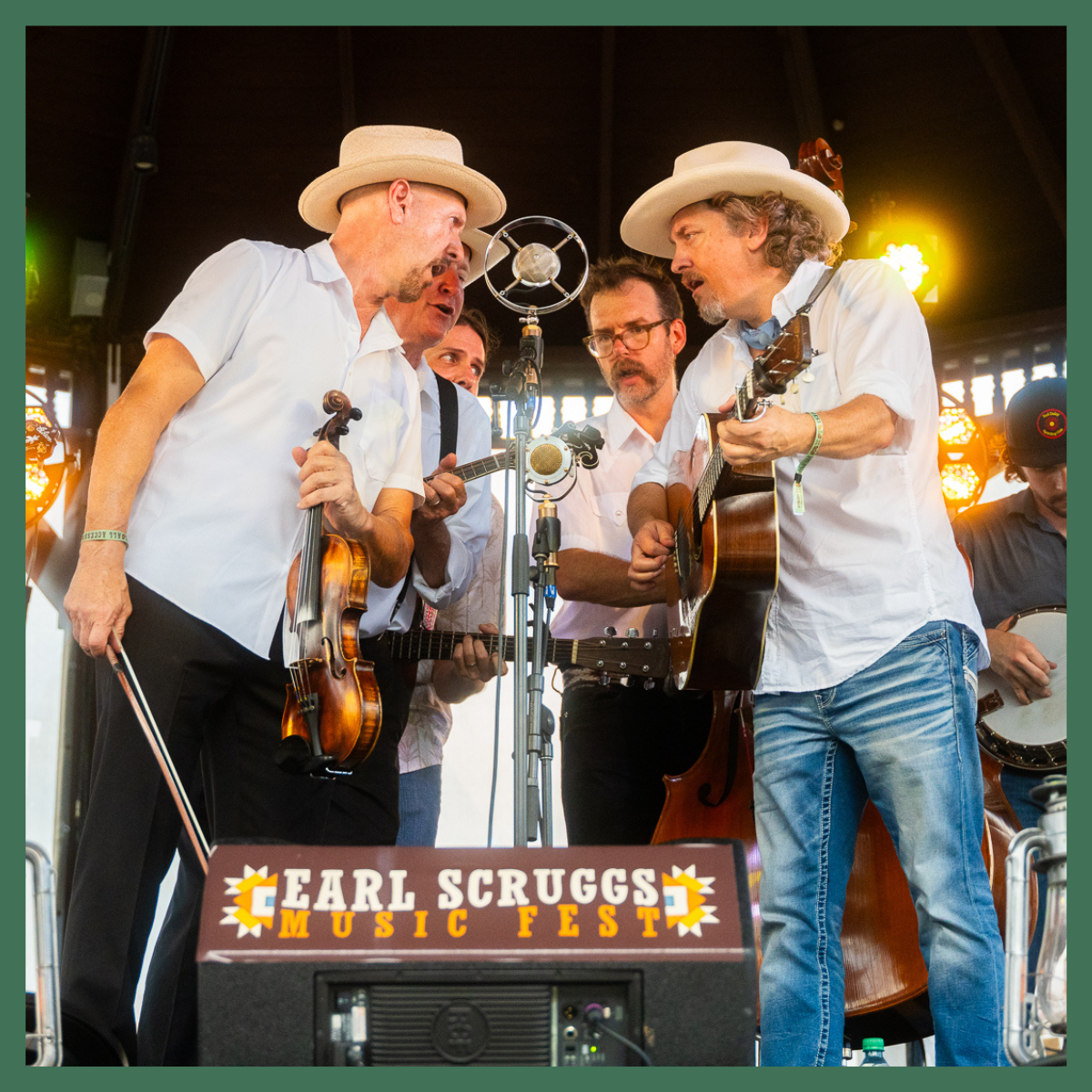
We’ve said it before, we’ll say it again: No one is producing bluegrass festivals like the Earl Scruggs Music Festival in Mill Spring, North Carolina. We’ve partnered with the event each year since its debut in 2022 and they continue to raise the bar for roots music festivals year over year. Held at the luxurious grounds of the Tryon International Equestrian Center in the foothills of the Blue Ridge Mountains, ESMF is just minutes away from where Scruggs himself grew up and established his unique playing style. Scruggs’ surviving family members play a big role in the festival, too, which is a partnership between the Earl Scruggs Center in Shelby, NC, the Equestrian Center, and WNCW.

We can’t wait to return to ESMF in 2025 for another weekend of bluegrass, country, Americana, and more – with amazing food, beautiful views, and gorgeous, well-maintained grounds. From tent camping to tiny-cabin glamping, from food truck barbeque to gourmet, wood-fired Italian food, from Twisted Pine to Marty Stuart & His Fabulous Superlatives, Earl Scruggs Music Festival has something for everyone.

Purchase tickets


Taylor Rushing x BGS Mercantile Graphic Tee Collab – $32

 
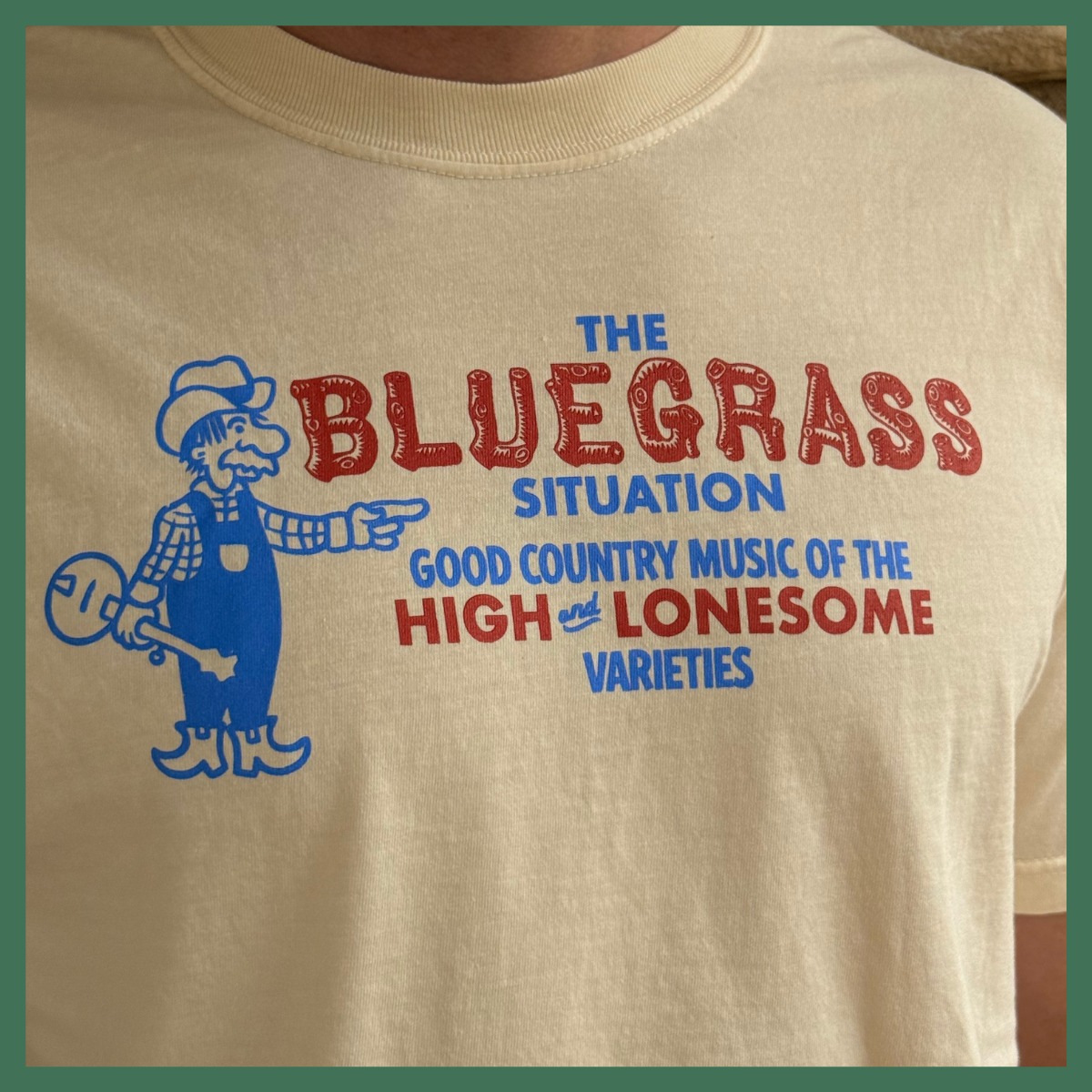
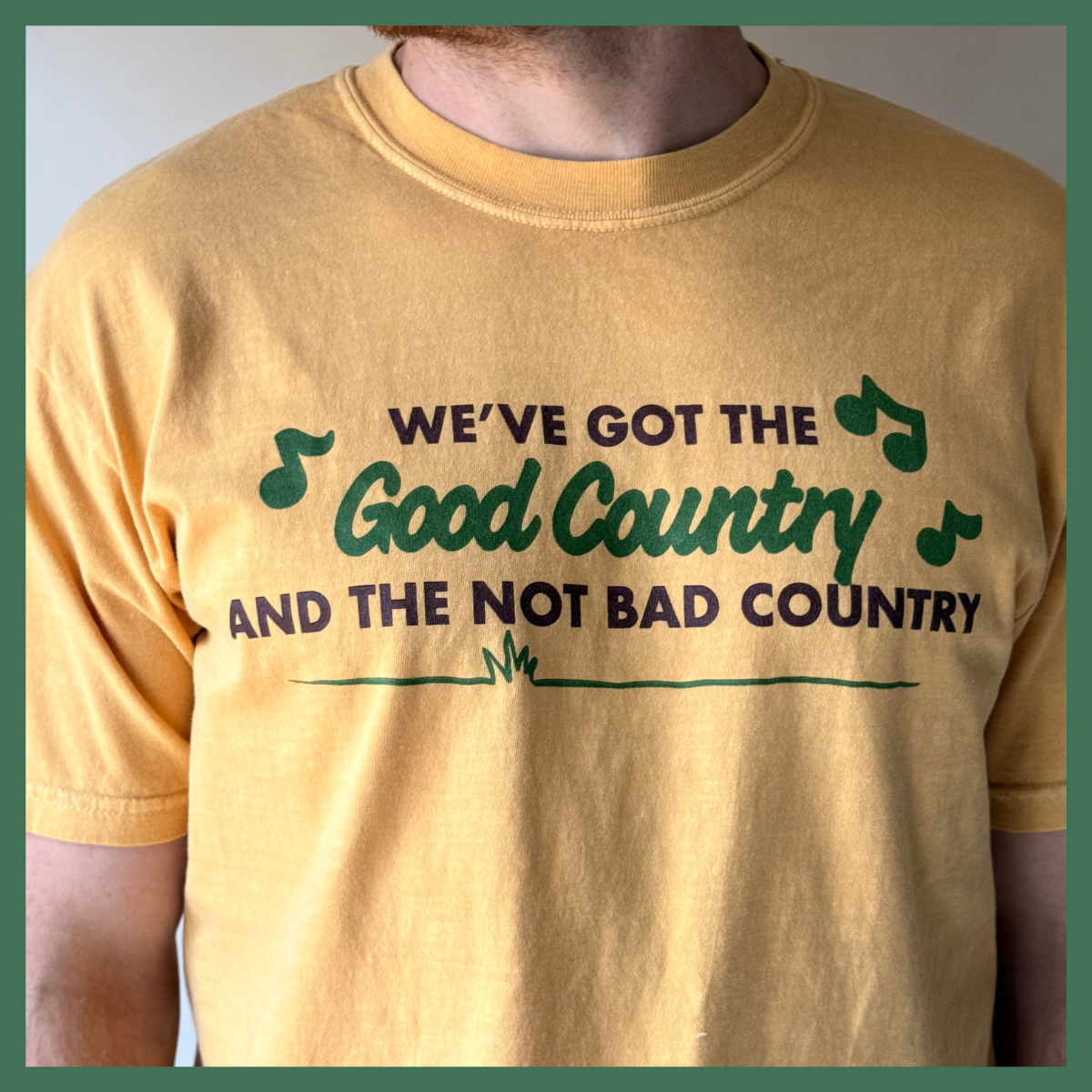
We are so excited to launch a brand new merch collab on the BGS Mercantile featuring art and design by the one and only Taylor Rushing of NOT BAD Illustration. We’ve gotta say, these designs are not bad!

Our two brand new, exclusive additions to the BGS Mercantile feature bespoke designs by Rushing that celebrate the launch of our new vertical and email newsletter, Good Country. Wear your love for good country music of all varieties on your sleeve– er, or on your chest. We love these timeless, simple illustrations printed on cozy, comfortable tees. Pre-order now for holiday delivery and be one of the very first BGS fans to own the new, limited edition designs. All while testifying your commitment to Good Country and NOT BAD country.

Purchase


Music Museum Memberships – $60 & up

 
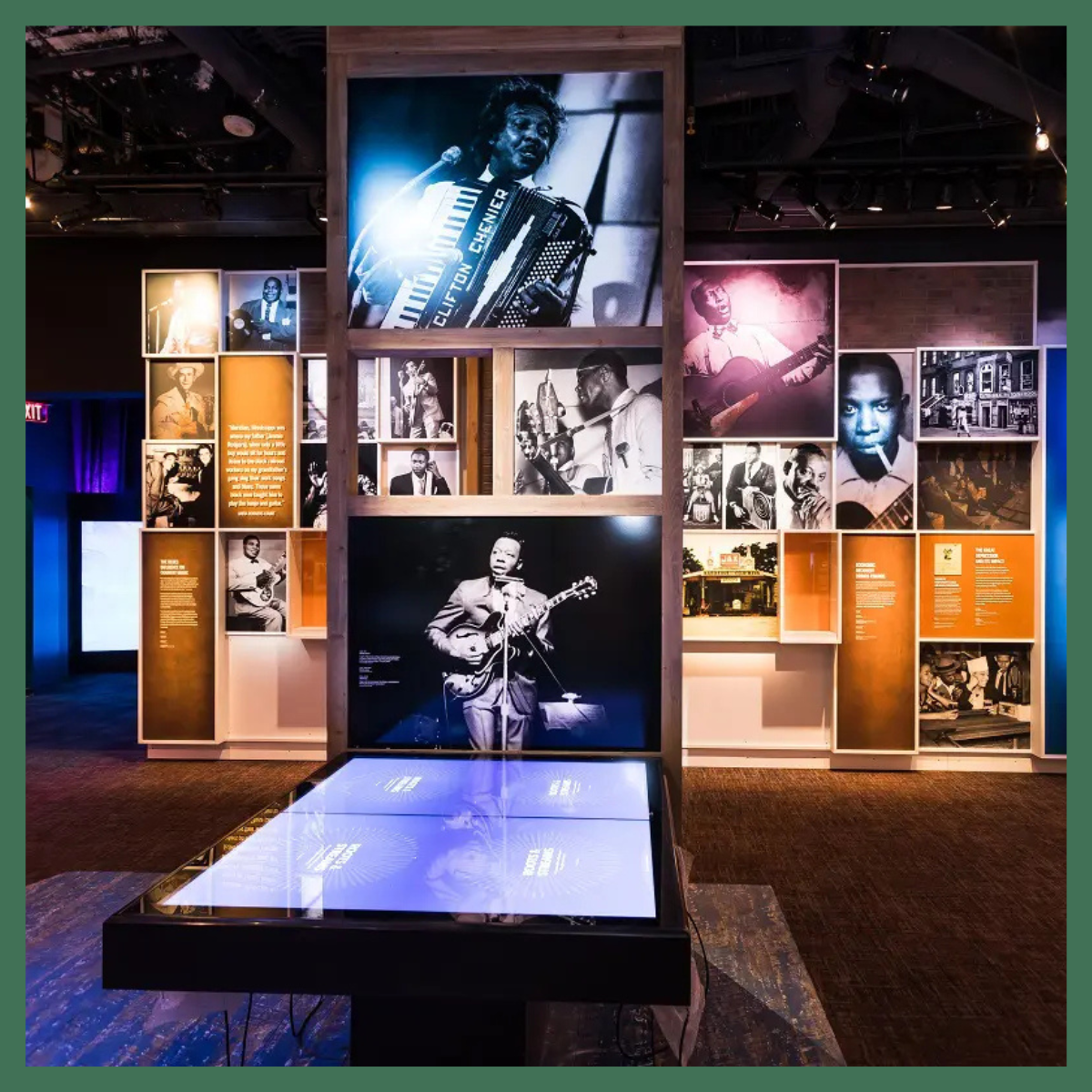
Okay, so you have a music lover in your life that already has everything? Why not gift them a membership to two first-class music museums in Nashville, Tennessee? The next time they visit Music City, they’ll have the inside access of a true local.

We can’t recommend the National Museum of African American Music ($60 for an annual individual membership) and the Country Music Hall of Fame & Museum ($65 for an annual individual membership) highly enough! These two incredible institutions – who often collaborate and co-produce programming and events – tell detailed, thoughtful, and nuanced stories central to Nashville, and to country, pop, and African American musics. Between the two, you can gain an incredibly holistic viewpoint of American popular music and the many threads woven throughout its traditions.

With a gift of a museum membership, you’re giving something that will keep on giving. Knowledge, expertise, insight, culture, community, and so much more come hand-in-hand with a membership to each of these fine institutions.

Plus, the Country Music Hall of Fame is currently running a special membership discount! Between November 4 and January 2, the museum is offering new members will get $5 off Troubadour Individual and individual-level memberships and $10 off Troubadour Dual and family-level memberships! Now’s your chance to save a bit of money and support the museum’s mission, too.

Purchase NMAAM Membership | Purchase CMHOF Membership


White Limozeen by Steacy Easton – $10.46

 
New this year from BGS contributor, freelance writer, and author Steacy Easton, White Limozeen is part of the essential and exhaustive 33 1/3 series from Bloomsbury. Easton is the perfect thinker to take on Dolly Parton’s White Limozeen, an album that joined her catalog at a critical juncture in her career. The book is certainly well-timed, releasing at a time when Parton’s current career continues to raise the ceiling time and time again for her own success, while reaching points of ubiquity and mainstream recognition she may have never considered possible – certainly not at the time of White Limozeen‘s making.

The book is an easy (while dense and informed) read that examines canon, mythos, the construction of image and self, and so much more. Pick it up now for a perfect holiday gift for the Parton acolyte or new initiate on your list.

Purchase

Keep your eye out for our full 2024 music books guide coming to BGS soon, too!

Default icon

For the Outdoor Festival Enthusiast

WinterWonderGrass – $249 & up

 
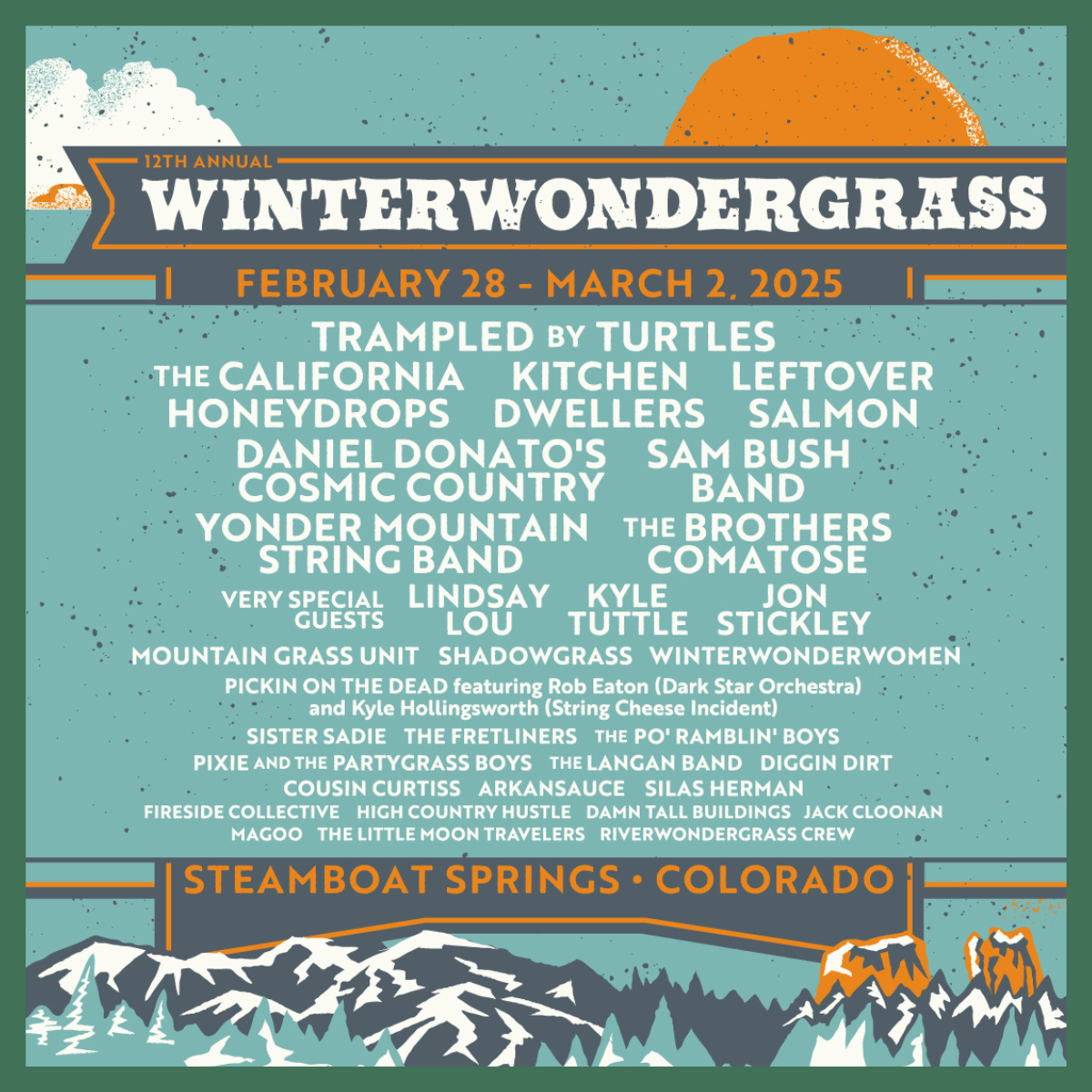
WinterWonderGrass enters its 12th year in Colorado, remaining true to the deep community it has built while celebrating the music and connections that bring us all together. In a world where many small, independent festivals have disappeared, this festival is committed to honoring bluegrass legends while embracing fresh new talent and filling their community’s cup.

WinterWonderGrass is part music festival, part beer festival, and part family reunion. The event boasts four stages, three of which are under huge heated tents, a robust kid’s zone, local food trucks, a VIP area, and a coffee bar. Plus, two hours of free beer, wine, spirits, and non-alcoholic tastings from 2:00 – 4:00 pm daily.

Join the festival in Steamboat Springs from February 28 to March 2, 2025! This year’s lineup features an incredible array of artists, including Trampled by Turtles, The California Honeydrops, Kitchen Dwellers, Leftover Salmon, Daniel Donato’s Cosmic Country, Sam Bush Band, Yonder Mountain String Band, The Brothers Comatose, Lindsay Lou, Mountain Grass Unit, and more

Enter the WinterWonderGrass holiday giveaway for a chance to win WWG VIP tickets, ski passes, Mountain Top Dinner passes, tickets to all late nights, and more! Enter to win here.

Purchase tickets


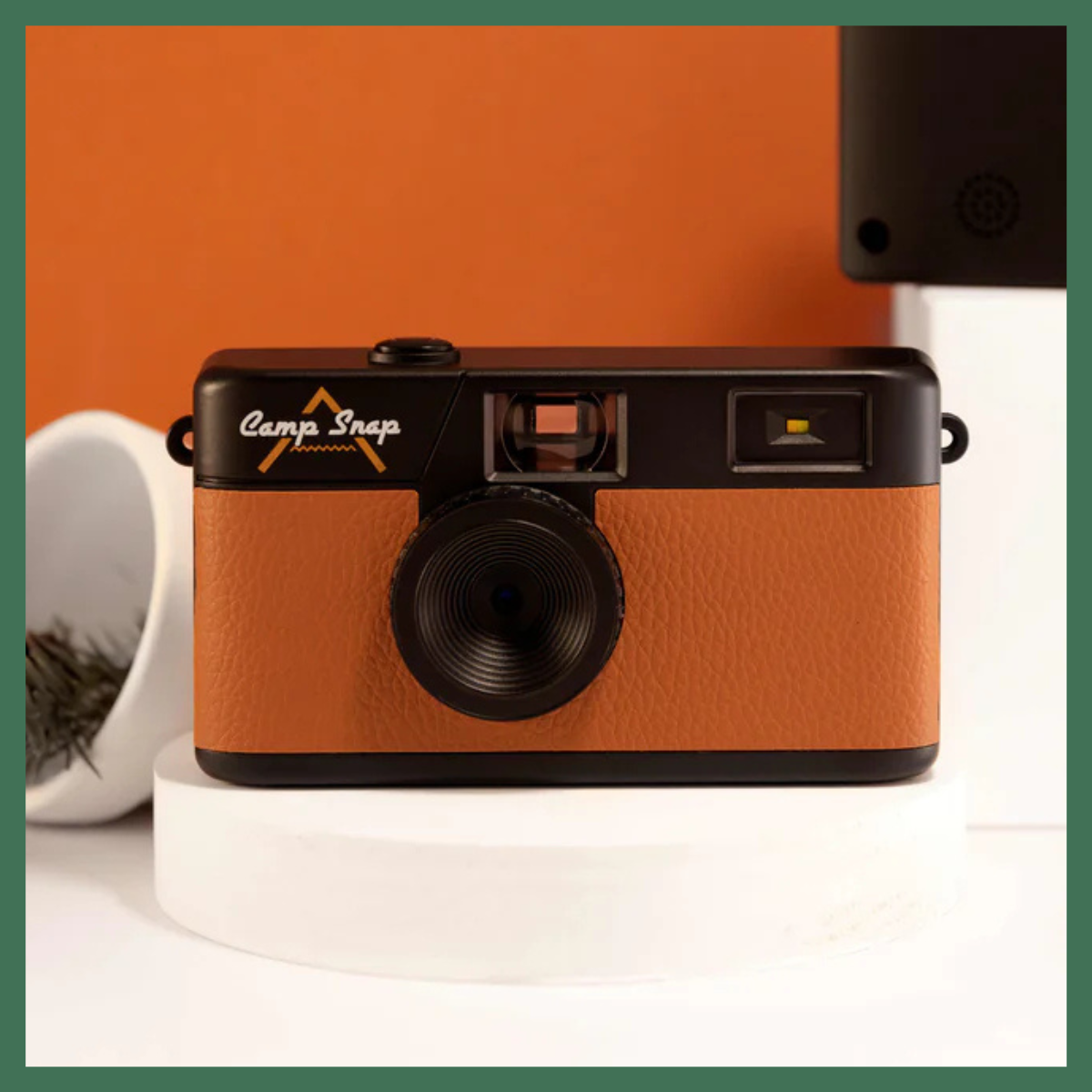
Camp Snap Screen-Free Digital Camera – $59.99 & up

 
An essential accessory we bring along to nearly every music festival, conference, and event we attend, Camp Snap’s screen-free film-style digital cameras bring back joy and mystique to point-and-shooting. Don’t take our word for it, either, you can check out our Camp Snap shots from our cruise with Cayamo earlier this year.

If you’re stumped brainstorming gift ideas for the music lover who already has each and every thing you can imagine, why not get them a Camp Snap? The photos are charming, high quality, with plenty of personality. And they bring back some intention and deliberation to the usual social media grind. It’s like a disposable camera, but not! Like shooting Polaroids, but with an exciting period of suspense and anticipation. With sync capabilities via USB-C or SD card, it’s a breeze to use. Bring Camp Snap to your next festival or show!

Purchase


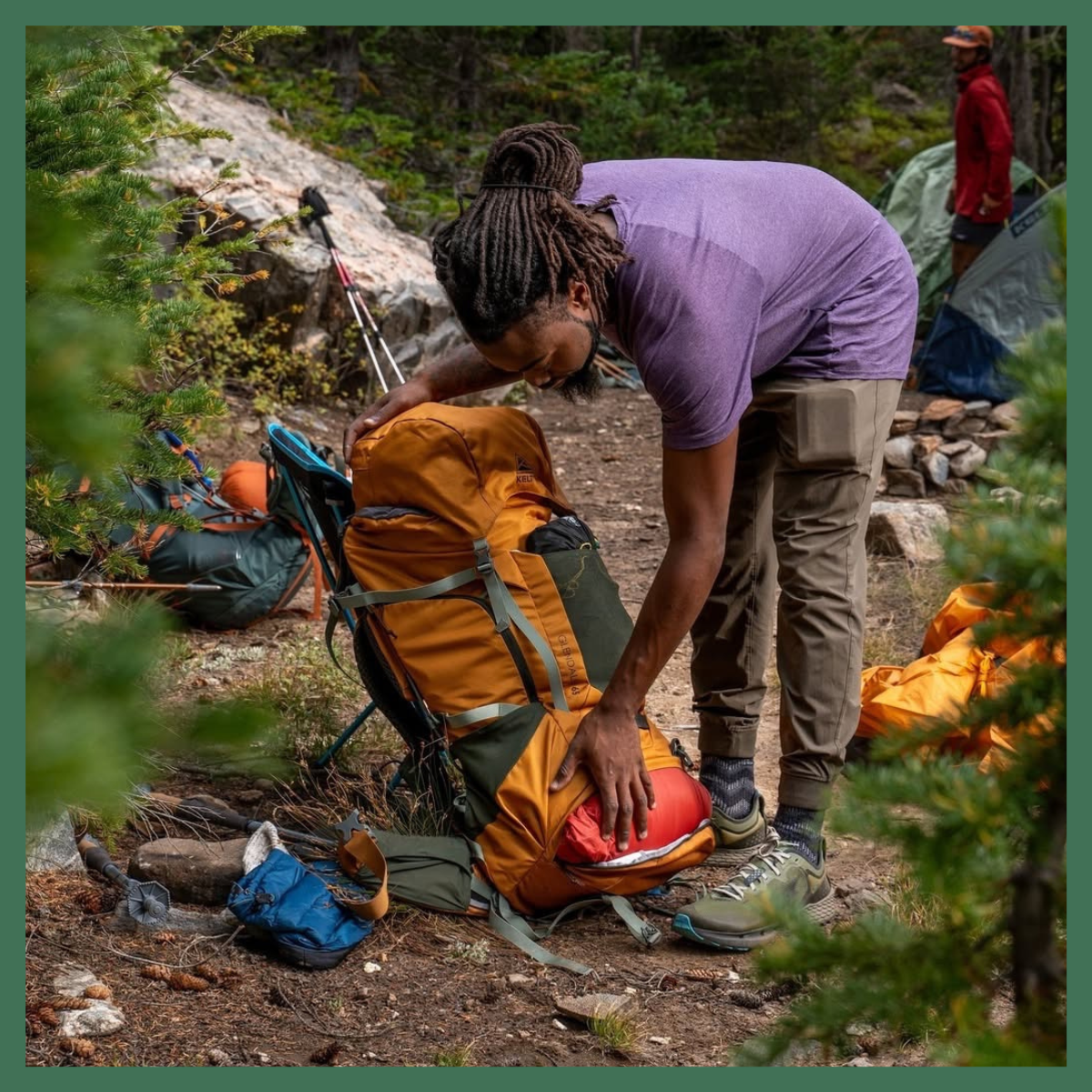
Kelty Packs – $19.95 & up

 
When you go to as many festivals, concerts, and music events as we do – or as the average outdoor festival enthusiast – you daydream a lot about the perfect pack. We happen to love Kelty, and their fabulous array of fanny packs, belt bags, backpacks, and beyond. From arduous and involved backpacking trips to quick jaunts to the farmers’ market, Kelty has something for every application.

We know our Kelty Packs would be right at home at WinterWonderGrass or Earl Scruggs Music Festival, both. They’re perfect for a carry-on bag, too! Plus, don’t miss their selection of tents, sleeping bags, camp chairs, and more to finish outfitting your festival campsite.

Purchase


This content brought to you in partnership with BGS sponsors Americana Vibes, Yamaha Guitars, Deering Banjos, Thompson Guitars, D’Addario, WinterWonderGrass, Earl Scruggs Music Festival, Peghead Nation, and Oxford Pennant.