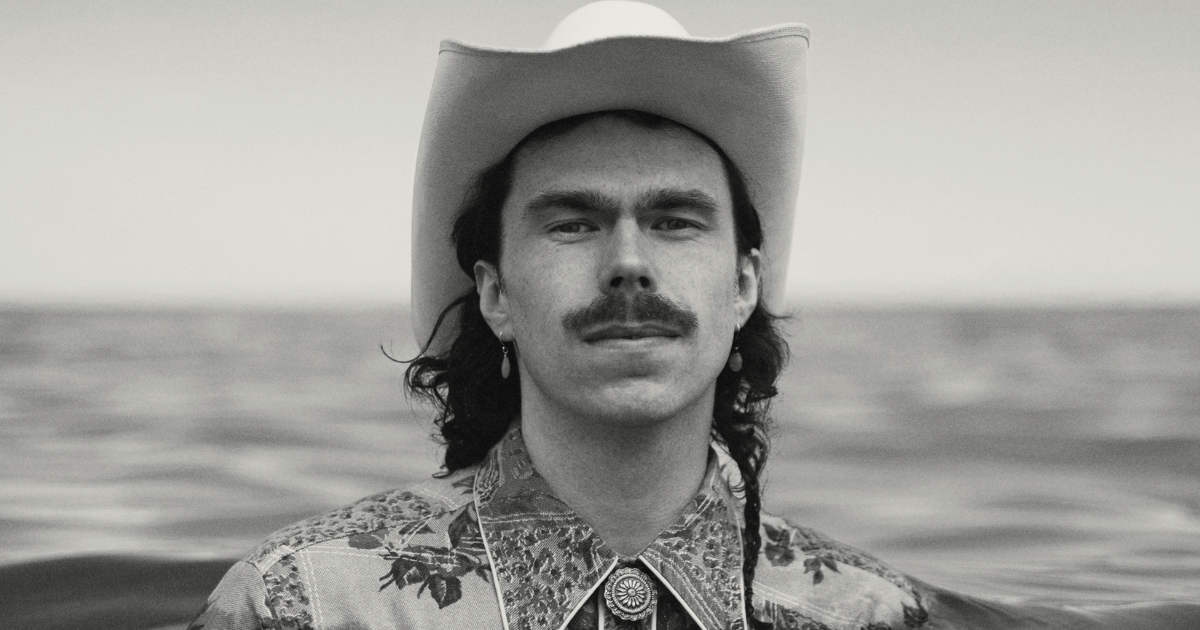
Boy Golden is Rooted in Roots

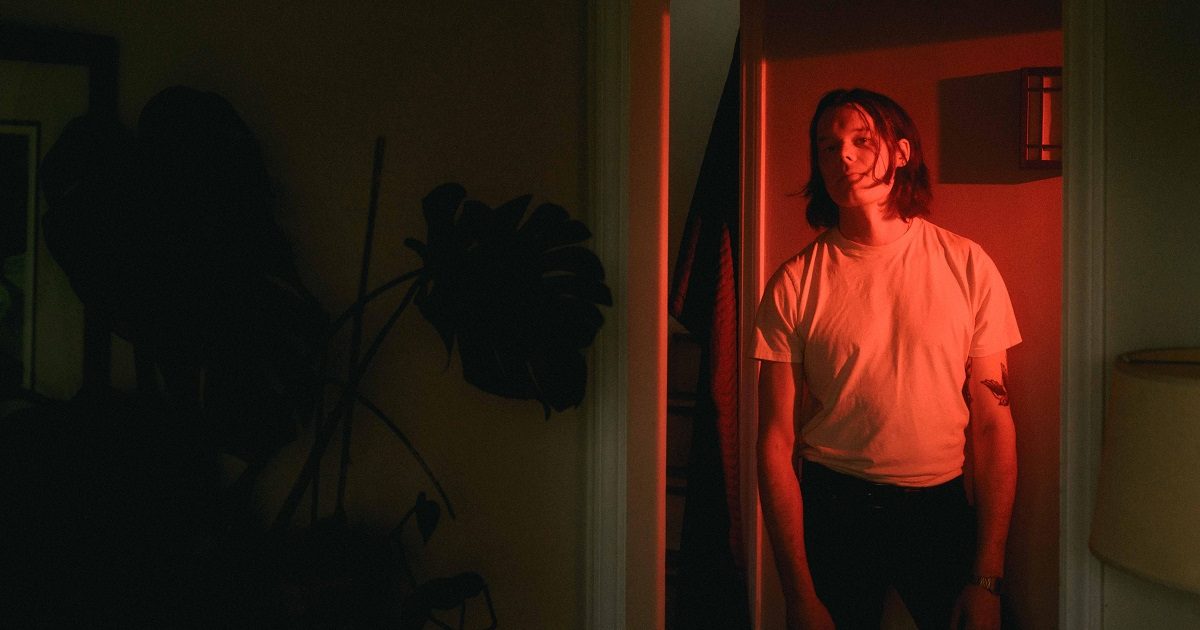
Lots of people are taking a shine to Boy Golden lately. Radio stations in Canada sent his populist pop single, “Suffer,” to the top of the modern rock chart. He produced William Prince’s 2025 album, Further from the Country, which recently received a Juno nomination in the Contemporary Roots Album category. And he’s among the new additions to the esteemed Telluride Bluegrass Festival lineup in June.

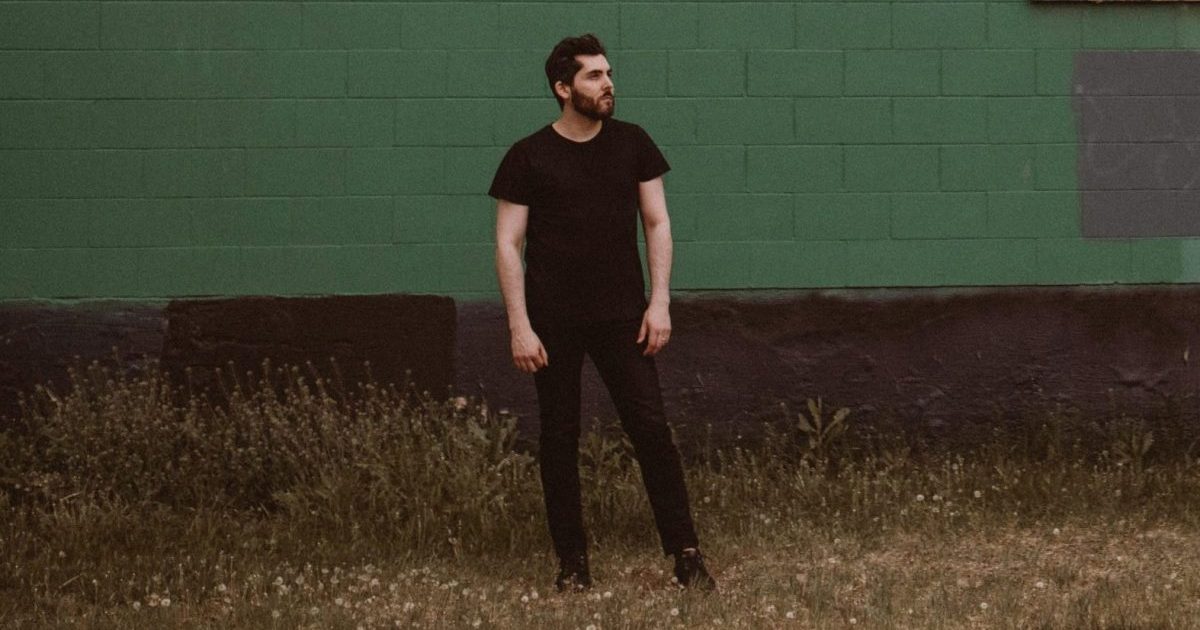
Offstage, Boy Golden is Winnipeg-based musician Liam Duncan. (His mother’s maiden name is Goulden, so he conjured the stage name Boy Golden.) In addition to jumping across genres, he’s also crossing the Canadian/American border this spring, with dozens of U.S. tour dates to promote his new album, The Best of Our Possible Lives. Duncan recorded the project in Los Angeles with fellow Winnipeg guitarist Austin Parachoniak, producer Robbie Lackritz, and cream of the crop LA studio players.

Duncan called in to Good Country to talk about making the new record, though the conversation also gravitated toward his abiding love for bluegrass music.

“Suffer” has been a big hit for you in Canada. What do you remember about trying to get “Suffer” to sound the way you wanted it to sound? Was it hard to come up with that song?

Boy Golden: No, that was a quick one. I sat down and wrote it all in one chunk. I remember it taking about an hour, maybe. But then I did make several demos of it, and throughout that process, I did edit it a fair bit and experimented with different lyrics and arrangements. By the time I got to the studio, I was really confident in the foundation, the bare bones of it. I could trust the musicians there, and they nailed it.

On that song, Pino Palladino plays the bass, which is really cool because he’s a legend, and then Abe Rounds is on the drum kit and he’s a really great drummer and musician. We had a few drummers we were thinking about asking, but I listened to Abe’s solo album – which is called The Freedom to Make Mistakes – and his percussive sensibilities on percussion instruments, beyond just the drum kit, were so spot on. It made it an easy decision, because I really wanted a lot of percussion on this album.

Why is that?

A lot of records that I love have a lot of percussion, first off. I was listening to a lot of Ry Cooder. I was listening to a lot of Paul Simon. The percussion on those records is fantastic. But also I was thinking about the first record I made as Boy Golden and I really went overboard with the percussion on that album. I hadn’t listened to it in years, I was in a store in Portland, and the guy running the store put on my song while I was in there. I was like, “Oh gosh, this is really great!” [Laughs]

I went back and listened to the record and I was like, “I should do that again,” because the records that I made between that first one and this one were way more stripped back. I made both of them on different types of 8-track tape machines so there’s just not as much room to go crazy with it. And I knew I was gonna have the freedom to do anything on this record.

The album before this one [For Eden] had a lot of banjo. Are you still grabbing the banjo from time to time?

Oh, yeah. I made a demo yesterday that has a bunch of banjo on it. And I spent the Christmas holidays just shedding some old-time, which is a really fun thing to do and does not bother my family much!

When did you pick up the banjo originally?

When did I pick up the banjo… 2020? 2019? Somewhere in there. It wasn’t, like, always a thing, but I’ve always loved bluegrass, and I’ve always listened to a fair bit of bluegrass, but I was just in a big phase. And I think part of it was, I was like, “I am never going to be a good enough guitar player to really play bluegrass, so maybe I should try a different instrument.”

You included “The Year Clayton Delaney Died” on that first record. Is Tom T. Hall somebody that you gravitated toward?

Yeah, particularly his bluegrass record, The Magnificent Music Machine. It’s such a good album! Something I love about that album is, a lot of bluegrass is pretty dry, and that record is not. It just sounds like a bunch of people playing in a big room, like maybe a church or something. I don’t know how it was recorded, but I love the energy on that record.

What are some of your other favorite bluegrass records?

My favorite bluegrass records are the Bluegrass Album Band’s Volumes I through III. [Laughs] They’re my favorite. I love a lot of what’s going on in the old-time scene right now, like Nora Brown and Stephanie Coleman. And I love playing music acoustically with friends. I love sharing songs that way. I grew up going to the Winnipeg Folk Festival, and that was where I was first exposed to bluegrass, and it has been a lifelong love. And I feel like it does make its way into my music, even though I write kind of pop songs or something. I like to produce in all sorts of different ways, but on each song on this album, I tried to have at least one element that felt distinctly rooted in roots, whether that was a guitar part or a banjo part or a pedal steel or whatever. I just tried to always have some sort of grounding in the roots.

Reading up on you, I found that you were a Gillian Welch fan.

Yeah, I saw Gillian and Dave for the first time this [past] year at Winnipeg Folk Fest. It was very emotional for me. I cried a lot because I had a friend pass away right before we made this record. We had made a record together, me and this friend, and one of the songs was called “I Dream an Ocean,” which was inspired by “I Dream a Highway.” We would just bond over those records so much. … I could cry right now thinking about listening to Gillian and Dave when he was here. It was super affecting and really gorgeous.

I’ve enjoyed the videos that you put out so far and I think visuals must be really important to you. Can you talk about the concept of the video for “Cowboy Dreams”?

Yeah. I had a couple pretty specific visual references. One of them was the Brazilian tune “Águas De Março,” which has a great video you can find of Elis Regina and Antônio Jovian duetting that song together on an old stereo capsule mic. You can put [that mic] off-axis and then you can both sing into it. Anyways, it’s just a really beautiful video, and I love watching it because they have such chemistry. Me and my friend Cat [Clyde] have a great creative chemistry as well. We wrote that song together and made the demo together. So, I thought we could basically steal that concept and make it a little more cinematic by putting a 360-degree dolly camera around it. I love that shot.

The other one was a killer Sade video that’s all in black and white, and she’s galloping on a horse bareback, which is beyond my skill level, and it’s just so cool. Cat’s a really good rider. I was not a great rider. I’m still not a great rider, but I took a bunch of riding lessons leading up to that video shoot and got myself to the point where I could gallop comfortably. The ranch where we shot the horse stuff is run by some friends of mine, and they gave me, like, a Cadillac of a horse, so it was super easy.

You’re riding a horse in that video and you’re in Lake Winnipeg on your album cover. I’m assuming you’re pretty outdoorsy. Do you like the great outdoors?

I do, yeah. Yes sir. There are references to the natural world in my writing a fair bit.

Say you’ve got a free afternoon, what would you do?

Well, right now in the winter, I go cross country skiing. I go a couple times a week, usually. And I love cross country skiing, because it’s very meditative once you get into the flow and if the conditions are good – kick, glide, kick, glide. … And you can get into the woods with it, which is what I like about it. I mean, you can’t downhill ski where I live, because it’s just flat, but on cross country, you don’t need a lift pass. You don’t have to pay any money, usually. Maybe a trail fee of like $5 but once you get going, you can get onto this trail and you’re in the woods in the middle of winter. It’s a pretty special experience, not something everyone gets to enjoy, or even maybe realizes is as wonderful as it is. You know, to be out in the woods in the middle of winter, it’s sweet. And in the summer, I like to hike. I like to backpack.

That reminds me of the song “Blue Hills” from one of your past records. That one seems more of a country-leaning song to me. What inspired you to write that song?

I was thinking about being in high school actually. The town I grew up in is called Brandon and Brandon famously has hills [laughs] in Manitoba and they’re called the Blue Hills of Brandon, ostensibly because from a distance, they kind of look blue, I guess. And I was under the impression when I wrote that song that I had a great aunt or some ancestor who had written an old song called “The Blue Hills of Brandon.” I found out later from my dad that I must have made that up, because I don’t! That person who wrote that song is not my ancestor.

But either way, at the time, I thought she was, so I was like, “I’m gonna write my own version,” which I thought would be really special. I was thinking about high school, I was thinking about my late grandma and grandpa. Thinking about how those really early memories of love are so tangible, no matter how old you get. That’s why I say, “It’s the only thing I know to be true.” It’s like, that early love just was true.

When did the spark start for you as a songwriter?

I always wanted to write songs, but I was really blocked until I was about 21 or 22. And then I had a relationship end. It’s a common story, and I think I was so heartbroken that I didn’t really care if I wrote anything bad. And then it was like a spiritual revelation for me.

Had you been on stage a lot before that moment?

Yeah, I toured with my high school band all over. We played over 600 shows together. I’ve been in some sort of band with friends since I was like 14, so it’s been a lifelong thing. But I kind of thought I would just be a producer. To be honest, I never really thought I’d end up doing this.

When did you turn the corner? When did you decide, “All right, let’s make it happen”?

I guess when I had enough songs. And then I made a record that came out under my own name, which you can’t really find anymore. And then I came up with the Boy Golden character and idea and had a bunch of songs that I felt like were in the Boy Golden world. And ever since it’s been an obsession.


Photo Credit: Best of Our Possible Lives album cover
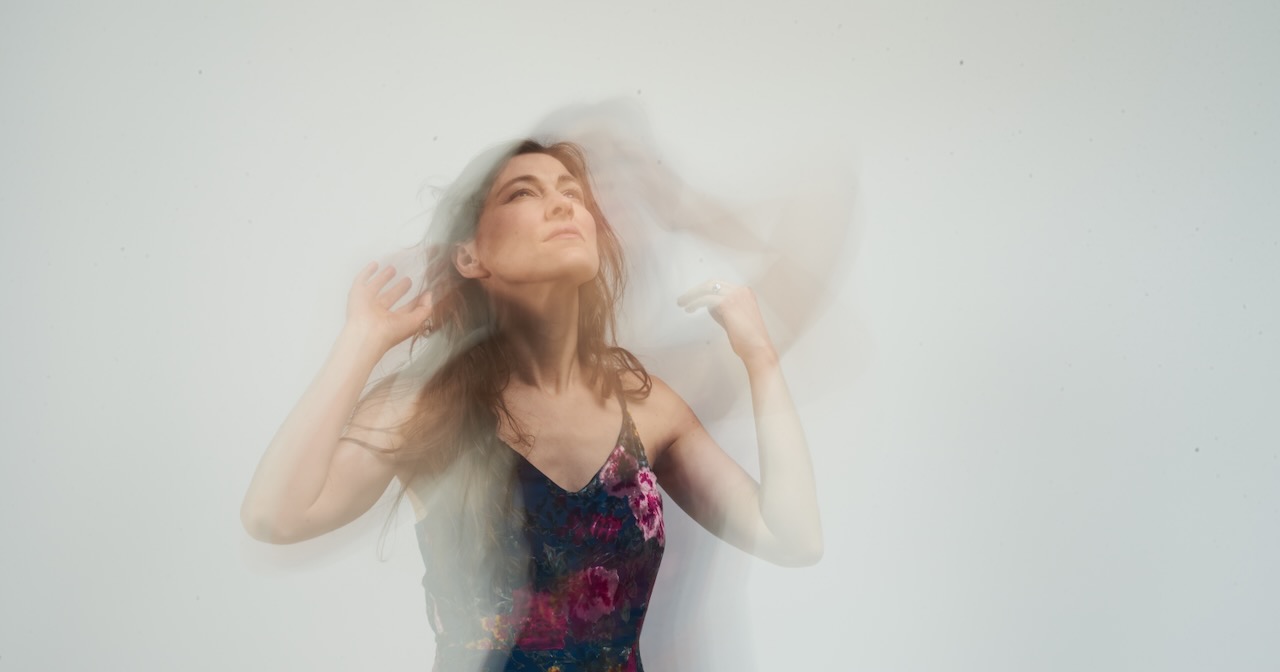
Ruth Moody on Canadian Roots Music, Parenthood, and Being a ‘Wanderer’

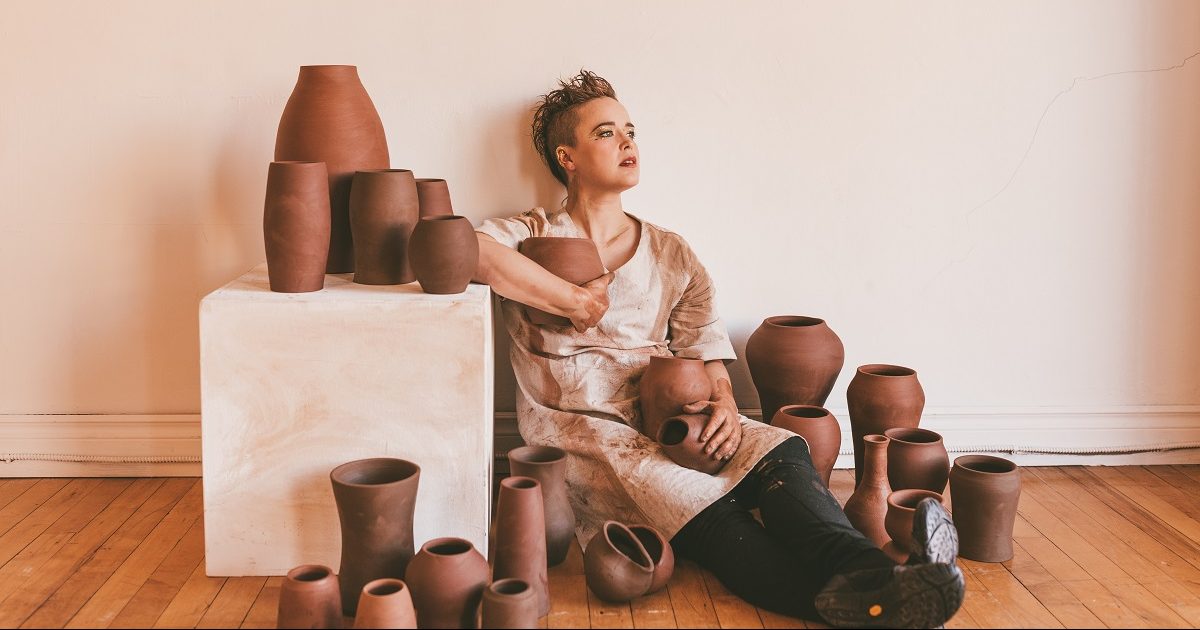
Ruth Moody has a singular voice, whether she’s joining the soaring three-part harmonies of the Wailin’ Jennys, or carving her own path on her new solo album, Wanderer (released May 17.) The project was almost a decade in the making and finds Moody betting on herself as a songwriter, co-producer, and now-label head for her own Blue Muse Records. The album is parallel to Moody’s own journey at continuing to define herself, with its emphasis on confronting the past and carving away detritus that is no longer needed.

Moody splits her time between Nashville and Vancouver Island. The pull between her sense of place, as well as her identities as artist, wife, and mother, characterize Wanderer. The album was recorded at the legendary Sound Emporium in Nashville and was co-produced with Dan Knobler (Allison Russell, Lake Street Dive) and mixed by Tucker Martine (My Morning Jacket, First Aid Kit, The Decemberists).

As discussed below, Moody waited until the time was right to bring her favorite musicians together for the record: her partner Sam Howard, who plays upright bass and provides backing vocals; her older brother Richard Moody; The Wailin’ Jennys’ touring band member Anthony da Costa (guitars); Jason Burger (drums); Kai Welch (keyboards); Russ Pahl (pedal steel); Adrian Dolan (string arrangements); and duet partner Joey Landreth (on “The Spell of the Lilac Bloom”). Moody’s patient commitment to executing Wanderer the way she wanted to shows in its transcendent arrangements.

In our BGS interview, Moody discusses how she establishes her sense of self amidst the competing demands in her life, the factors that give Canadian roots music their own special quality, and the lessons she’s learned from doing Wanderer exactly the way she intended to.

What do you think it is about Canadian roots music in particular? It does have a different feel than roots music in the States.

Ruth Moody: You know, I’ve been asked this question for so long. It’s a very valid question, because I think there is something, but it’s really hard to have a clear answer. In Canada there’s such a range of geography and music culture. You can’t really pin it to one thing.

I grew up in Winnipeg and the winters are so harsh that I think music and art are one of the things that get people through. It’s something you can do in the winter. I also think that there’s something about the landscape and the winter that creates a certain work ethic because you’re so small against the elements, really. So consciously or subconsciously, that enters into the picture for people. And so I think people tend to work hard and really apply themselves. And when it comes to touring, especially if you’re from Winnipeg, it takes some effort to get to the next town. It’s a six-hour drive before you get to the next major town. So I think right from the start, young musicians know they have to go out in the world to tour and get their music out.

We’re pretty diverse and we’re also influenced by so many different cultures and types of music. So I think there is a very exploratory aspect to Canadian music. And a lot of cross-pollination between genres and scenes. We are very lucky to have government support for the arts and I think that helps artists thrive, obviously, but it also helps to create music communities and bring artists together in collaborative situations.

Well, it’s always good to start an interview out by asking you to speak for your entire country! But Wanderer focuses on the idea of home, and I know you’ve lived many different places. Did I read that you grew up in Australia?

I was born in Australia, and my parents are Australian, but they came back to Canada when I was only a year old. I grew up in Winnipeg, but, as an adult, I’ve moved around a ton and that was what inspired the title track. I’ve been touring for over 25 years at this point. “Wanderer” is a love song that I wrote for my partner, because he helped me have that feeling of home for the first time in my adult life.

There are a number of songs about young love and new love on the album. Was there something that was making you reminisce about those times in your life?

These songs were all written across a long time-span – over 10 years really – since my last record. So the songs come from different stages and sides of love, right into motherhood. Some songs deal with heartbreak too and some are more reflective about the past. During the pandemic, I was reflecting a lot about how we internalize the messages we receive from society, how as a woman I took on the expectations of others and how that has affected my life. I was looking back, looking for clues, curious about where fear comes from, where strength and resilience come from. How we learn how to be our authentic selves when there are so many outside pressures and confusing messages. “Seventeen” isn’t about that, at all, but it ended up coming out of that period of reminiscing. It’s a song that came from my own experiences but that is essentially about being in love and not being ready or able to face it or express it, which I think is probably a pretty common experience.

These are all things I’m thinking about a lot now that I have a child, too, because they become very relevant. You’re trying to model behaviors for a young person and it really makes you face yourself. You have to look at why you do and say certain things and what you want to teach and how you want to be.

Speaking of wandering, I read that you split your time between Nashville and Vancouver Island.

I just got back from British Columbia, and I’ll be back in BC in the summer, so yes, I’m back and forth. I tour a lot, so I try to get home to BC when I’m already out traveling. But I work a lot in Nashville and so does my partner, so we’re still figuring that out.

Do you feel you are different when you are in these two different places?

Definitely. That’s been a real theme becoming a mother, really. Suddenly, you’re responsible for another human life. You have to let go of a lot of ways that you used to do things and prioritize what matters. I’m always shifting modes.

When I’m on tour, I operate in a certain way. When I’m in BC, I’m close to my parents and that brings out certain things. When I’m on my own, I have a bit more freedom to maybe be my creative self and when I’m in parenting mode, that goes out the window. Additionally, a partnership requires a lot of work and time, too. There are a lot of different parts of life that I’m juggling. But it keeps it interesting.

This isn’t meant to be a conversation about being a musician and motherhood and “having it all,” but it is a big theme of the record!

It has been a big theme of my life of late. Actually, I wanted to make this record about eight years ago and then I put it on hold, because I wasn’t able to line up all the musicians I wanted involved. I thought, “I’ll do it next year.” And then I had my son and I just didn’t know that motherhood would be such an all-consuming thing. It doesn’t have to be – and everyone’s different!

I really want to do a good job at everything that I do, and so I found it hard [to balance everything.] I felt like I wasn’t doing a good enough job at being a parent and I wasn’t doing a good enough job at performing. That was really hard on me. And I think now, with this new way of looking at things, I’m just being easier on myself and thinking to myself, “Maybe I was enough. Maybe we can’t be perfect at every single thing.” Maybe we don’t have to attempt to be perfect at everything.

First and foremost I think that any woman should have the choice to [balance motherhood and work] in the way she wants to do it. I am still figuring out how to juggle everything – especially since for this record, I decided to put it out on my own label. It’s really exciting and I think will be really rewarding, but it is a ton of work and the learning curve is quite steep.

Wanderer is your fourth solo album. Do you feel this process is different than when you’re working with another artist or with The Wailin’ Jennys?

It is different. The Jennys – I mean, we’ve been together for so long and we have a certain way of working. We’re talking about making a new record, which is really exciting. It’ll be different, because it’s been a while and we’re all changing all the time, you know? That feels like it will be an exciting new experience.

But it is of course different working on my own, especially in this case, because I co-produced this record. When you’re on your own, you draw on a different part of your brain and even your heart. Wanderer is a really personal collection of songs. With the Jennys, we tend to maybe gravitate towards songs that call for three part harmony, so they end up being a bit more anthemic. With these really personal, intimate songs, I connect to them in a different way.

What lessons do you feel like you can take away now that you’ve finished making Wanderer that you want to take with you on your next project?

I’ve learned so much in doing this. Because it took so long to make it and these songs were waiting in the wings for so long, it felt really important for me to make it. The stakes felt high, because it had been so long in the making.

Now that it’s done and I’m putting it out, I am really excited and proud of it. I want to just keep releasing expectations and I’m very excited to dig into creative work again.


Photo Credit: Jacqueline Justice

WATCH: Kris Ulrich, “1994”

Artist: Kris Ulrich
Hometown: Winnipeg, Canada
Song: “1994″
Album: Big in the USA
Release Date: March 31, 2023
Label: Birthday Cake Records

In Their Words: “I wrote this song after coming home from a night at my parents’ house watching old video tapes of us as kids. I specifically recall a scene of my brother and sister twirling around our living room laughing, wearing clothes my mom had sewn for them. Watching these videos with my parents at about the same age they were in the videos really made me think about how they were feeling at that time in their lives. What did they feel like watching it now? Writing ‘1994’ felt really cathartic and it kind of poured out of me. I wanted the song to feel like a warm embrace, like you were being enveloped by it.” — Kris Ulrich


Photo Credit: Adam Kelly

BGS 5+5: Whitehorse

Artist: Whitehorse (Luke Doucet and Melissa McClelland)
Hometown: Toronto, although the band was conceived while we were living in Hamilton, Ontario — and we’re temporarily living in Winnipeg, Manitoba, for a year. I know… simple question; complicated answer.
Latest Album: I’m Not Crying, You’re Crying (out January 13, 2023)
Rejected Band Names: Yellowknife (also a city in the north of Canada)

Which artist has influenced you the most … and how?

Our band and this record in particular (I’m Not Crying, You’re Crying) was really informed and inspired by our long love affair with Gram Parsons and Emmylou Harris, which began in earnest when we were living in Nashville over a decade ago. We’ve made lots of detours into different corners of the Americana landscape since then, and now maybe for the first time, we’re tying ourselves back to that time and place. There’s a sort of Beauty and the Beast element to Gram and Emmylou that we have always related to — or sought solace in. His vulnerable warble and her impossible majesty bring the songs to life in a way that is hard to define but there’s something beautiful in that juxtaposition. We’ve gleaned a lot from them over the years.

What rituals do you have, either in the studio or before a show?

We have a fairly simple pre-show ritual and that is: one drink; no more, no less. There’s a sweet spot where you’re just loose enough to get lost in the songs and make brave choices but not so loose your playing stinks. And yeah, maybe bring one on stage with you…

Which elements of nature do you spend the most time with and how do those impact your work?

We are spending a year living in Winnipeg, Manitoba, or “Winter-Peg, Man-it’s-cold-out” where as I write, the temperature is a frosty -20°C. We are a walking family — we don’t own a car — so we all have excellent winter parkas and boots to trundle across the frozen prairie city. Manitoba is also a sun bathed province so a blanket of snow and a vast bright blue prairie sky can make for a rare kind of beauty and mystery. We find ourselves leaning on that big sky ambience in the production choices we employ in the studio. Reverb-drenched guitars, midtempos and big spaces are all tributes to the Canadian winter. You hear them in records by Joni Mitchell, Neil Young, Blue Rodeo, k.d. lang, Colter Wall and The Sadies, too. Coincidence? Dunno.

What has been the best advice you’ve received in your career so far?

The best career advice actually came from a running coach on the eve of my (Luke’s) 2013 Boston Marathon race: “The hay is in the barn” is what my coach Tanya Jones offered me when I called her in a panic over my impending pre-race insomnia. She reminded me that the work had been done, the miles had been logged, and that the difference between success and failure would come down to training and hard work — which I had done. Add a dollop of adrenaline and a sleepless night won’t matter, since “the hay is in the barn,” i.e., the harvest had been collected. She was right (2:55:11, meaning I finished my race a full hour before the horrifying detonation of the two bombs that marred the event that year) and that advice has helped me (and us) ever since.

If you had to write a mission statement for your career, what would it be?

Follow the muse wherever she wanders, know that this game is a long one, spend more time on the finer points than you think you need to, assume your fans to be smarter than you and never forget that if you’re lucky, the very act of playing the show is tantamount to stopping to smell the roses.


Photo Credit: Lyle Bell

WATCH: Sweet Alibi, “Next Somewhere”

Artist: Sweet Alibi
Hometown: Winnipeg, MB Canada
Song: “Next Somewhere”
Album: Make a Scene
Release Date: January 28, 2022
Label: Comino Music

In Their Words: “This live video for ‘Next Somewhere’ was shot prior to us going into the studio to record the album. It’s more of a stripped-down version. This song is about living a touring life, and being away from home often, but finding a sense of home on the road. So many fans that start out as strangers become friends, and give us a sense of comfort every time we visit their city and their homes. Touring is what has kept us going strong as a band these past few years and we are so truly grateful to be heading back out on the road this spring with tours across Canada and Europe in the summer! We had such an amazing time making this album, Make a Scene, and we are thrilled to show it off to our audiences. It will be good for the soul to see some familiar faces and know that we are spreading some joy during this time!” — Amber Nielsen, Sweet Alibi

Photo Credit: B&B Studios

WATCH: Field Guide, “Tupperware” (Live at Monarch Studios)

Artist: Field Guide
Hometown: Winnipeg, Manitoba; now Toronto
Song: “Tupperware” (Live at Monarch Studios)
Album: Make Peace With That
Release Date: September 17, 2021
Label: Birthday Cake

In Their Words: “Once in a while if you’re open to it, the universe may use you as a vehicle. This was the case with ‘Tupperware’ which came bursting out of me in a cool 20 minutes. I love that feeling and I really love this song. It’s about my early days living in Winnipeg; it’s about Tuesday nights in Osborne Village where a couple of wicked soul bands play weekly; it’s about my favourite restaurant which has since closed its doors; it’s about the beautiful parts of life that aren’t meant to last forever, and that’s okay.

“I wrote this album while swimming through a sea of change. ‘Tupperware’ came to be as my life in Winnipeg was coming to a close. I’d just moved out of my house, ended a relationship and was set to move to Toronto as soon as a cheap sublet surfaced. In September 2019 I finished mixing my previous release You Were just outside of Vancouver. I jumped on a plane and flew straight to Toronto to move into a little basement apartment at Crawford and Harbord St. in Toronto’s West End. For the next few months I wrote songs, put together a band and started to play around town, and then I met someone who made the songs come out even faster than before. The world shut down and I started looking inward, writing and writing some more. In the summer of 2020 I rented a van and drove back to Manitoba to make this album with my dear friends. I hope you like it!” — Dylan MacDonald, Field Guide


Photo credit: Joseph Visser

WATCH: Ariel Posen, “Now I See”

Artist: Ariel Posen
Hometown: Winnipeg, Manitoba
Song: “Now I See”
Album: Headway
Release Date: March 5, 2021

In Their Words: “This song was inspired by my own personal growth over time but more specifically by a friend that had once told me that ‘now they could see’ that everything was left behind them. They were struggling with some relationships and some severe personal issues and it took time, but they finally found acceptance in themselves and were able to move past it. Just because they weren’t the type of person that they thought they would be, and just because someone isn’t perfect, doesn’t mean that they don’t belong. Sometimes the smallest realizations and changes lead to gigantic breakthroughs and in the theme of the album, make significant ‘Headway.'” — Ariel Posen


Photo credit: Lynette Giesbrecht

WATCH: Raine Hamilton, “Brave Land”

Artist: Raine Hamilton
Hometown: The flatland prairies of Winnipeg, Manitoba
Song: “Brave Land”
Album: Brave Land

In Their Words: “I am a prairie person, but this album is about the mountains. As a flat lander, I was in a good position to appreciate the contrast of the open, vulnerable spaces of my upbringing, with the courageous, up-reaching lands of the mountains. We don’t have ‘up’ where I come from, so I really had a lot to learn from the mountains, this brave land that connects both the earth and the sky. This song, ‘Brave Land,’ is the title track of the record, and speaks to the courage of these landforms that reach out beyond their earthly world, and the spiritual connection that represents. ‘Brave Land’ is a joyful song that celebrates being alive on the Earth! What an amazing time that can be!” — Raine Hamilton


Photo credit: Megan Steen

William Prince Sparks Joy on ‘Reliever’

When Canadian songwriter William Prince cites his influences, there’s one that is particularly surprising: The Mighty Ducks, a feel-good hockey film from 1992. In one pivotal scene, the kids on the down-and-out team get all-new equipment — a cinematic turn of events that Prince has never forgotten from his childhood.

“It moves you in an interesting way. I’ve always gone back to that,” Prince says during a conversation over coffee in Nashville. “That’s one of the first feelings of joy for another that I remember taking on as a young person. Like, ‘Oh, man! That’s great for the disenfranchised hockey team to get that!’ I was a hockey player and loved it – I knew that feeling, I shared that. And from then on, it was about creating similar encounters with people. That’s what these songs are.”

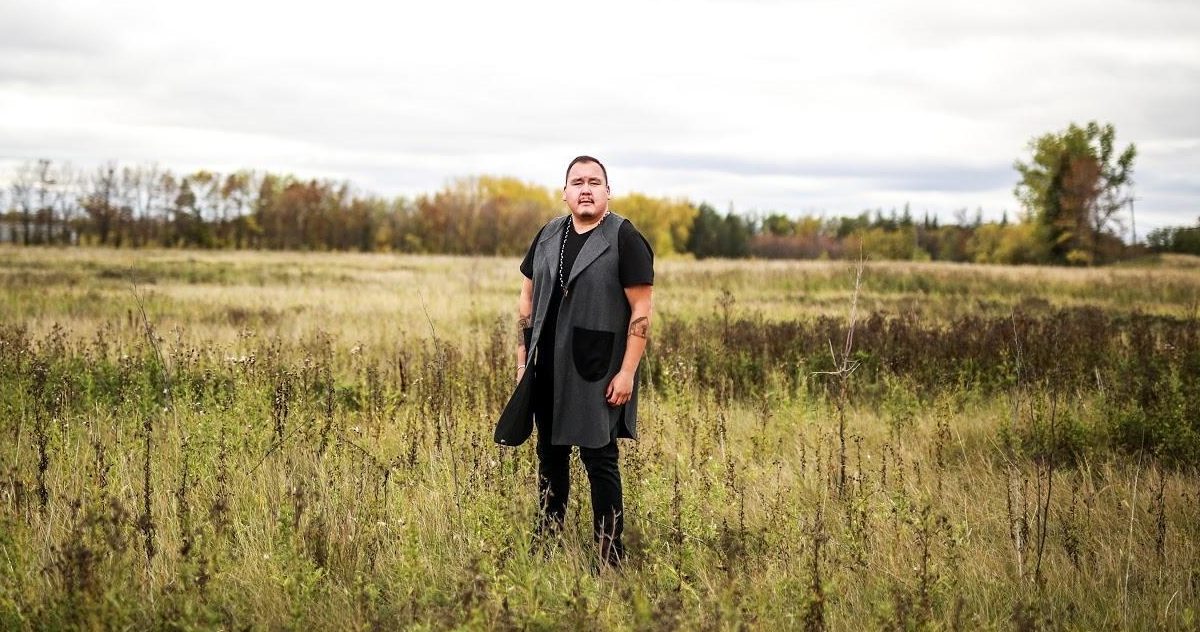
Raised in the community of Peguis First Nation, Prince grew up listening to Kris Kristofferson and Johnny Cash, as well as the gospel records his father recorded independently. For years Prince barely skated by with an unwavering dream to make it as a performing songwriter. By the end of 2015, he’d released the album, Earthly Days, which led to a Juno Award for Contemporary Roots Album of the Year in 2017, and ultimately the opportunity for an American reissue in 2018 with a new track, “Breathless.”

Five years after Earthly Days, he’s currently in a good spot after grieving the death of his father, getting over a breakup with the mother of his young son, and settling into a stable life in Winnipeg. A keen sense of maturity and perspective informs his newest album, Reliever, but the overwhelming emotion in lead single, “The Spark,” is quite simply love — a reflection of his new relationship and a still-burning passion for making a connection through his music.

BGS: It seems to me that you are writing from a lot of your personal experience throughout Reliever. How much of your own life is in these songs?

WP: Ah, it’s everything. I say it’s just a presentation of different thoughts while going through a plethora of things. Change, transition, all of this. The ever-changing landscape of this adventure we’re on now, making music all the time.

What was that transition like, from wanting to be a musician to now being a musician?

I think I was always a musician, always an artist. People tend to make it become about the album itself: “If I just had a record, I would sell CDs and be an artist.” Or, “If I just had more shows, I would be a musician and artist.” The thing I’ve learned now is that it’s all the time off of the stage. It’s all the time working on the stuff, building it, and the moments in between those short 45 to 90 minutes on the stage. That becomes the smallest part of the whole artist/musician illusion. You are living it all the time. That’s the thing — you will become what you put your greatest effort into. Just writing songs and wanting it that much, you eventually end up with what you dream about.

What took up the most time for you, do you think?

I was going to university for a lot of years, trying to find a path into medicine. I took my entrance exam for college and didn’t get in for the first round of the med school applications. I ended up working on the radio as a morning host on an Indigenous radio station that runs across the country. I was kind of staying alive while working on the songs. I was still finding my voice and how I wanted to build the songs, in a way. It’s all the time spent building. I knew there was going to be one chance for one good first impression, so it was important for me to collect the right things. I’m glad now that it didn’t work out back then. I don’t think the record I made at 20 would have been the record I made at 29.

I’m curious about your First Nations background because I’d think it would give you a different perspective than other songwriters. How has that shaped your musical approach, do you think?

I grew up on a reserve where the conditions are as bad, and sometimes worse – and sometimes better – than what you hear the conditions are for First Nations people in Canada. I was always just singing songs about my family, you know? I never really considered our heritage, in a way. These are songs about loved ones, and that transcends everything – who we are as a family, who we are as a people.

Things can be pretty rough in this living situation, like a house without running water or going to shower at your brother’s, or borrowing jackets because we just couldn’t afford certain things sometimes. When that [burden] is taken off your shoulders, like worrying about how to pay for the place you’re living in, to having groceries and an abundance of things now, it’s been the greatest perspective [going from] the quiet reserve life, to living a life that’s prosperous and doing something you love every day. So that influence and perspective is what it’s given me, for all things.

I don’t have kids, but the songs where you reference your son are very touching. How old is he?

He’s three and a half, and that’s a delicate line to walk. You can get “aw shucks” and then it doesn’t resonate with people who don’t have children. For you to say that is an affirmation of a job done in a direction that I hoped for. You don’t have to have children, but you can see that [the character in the song] takes really good care of what he cares about. That’s the message that I was trying to get across.

And the lessons that you want him to learn are the lessons that you would want your friends to learn, too.

Yeah. A manual for being the kind of person that I’m trying to exit this world as — good and caring and thoughtful and empathetic and conscious of all things around you. People are quite fascinating to observe. That will never go out of style. That will never change in season. There will always be people living life and experiencing great things, and going through things. I understand that’s general, but I get asked this more and more: Where does it come from? What is this thing I’m doing? I’m trying to quantify it for people in a more satisfying way, but the truth is, I’m breathing every moment of it, all the time. Everything is a collection, planting and harvesting, I’d say.

I hadn’t realized that your dad made some records, too.

Yeah. I traveled with him when I was 13 to 17, setting up the amps and we sang songs at all the funerals and wake services, all those traditional hymns. Which is essentially Hank Williams music — it comes from that kind of place. So having that in the center taught me basic structure. Somebody once said there was antiquity within my songs, which is a cool feeling, like you appreciate an old kettle that’s lasted 60 years. That frame for songs is in my life because of that gospel music.

Did all of these songs come to you over the last four years?

Funny enough, after writing through a number of things like grieving my dad passing, and a separation from my partner, and being a new dad and feeling that joy, and finding validity and success in this music thing that I’ve been trying for some time. So, all that is a wild blend to be taking in. I did my best to work through those things. I was writing in real time for a long time and those songs, as they aged, became reflective. They would blend with the songs I was writing in a period where I was past the grief and hurting a little more.

“The Spark” is one of the first half-dozen six songs I’ve ever written in my life. I kept it away because it used to be six minutes long and had this whole other side to it. I got a little nervous coming down to work on this next record with Dave, like, “I don’t know if I have any real love songs like ‘Breathless.’” I wanted something like that to share, and I thought of ‘The Spark.’ I quickly gave it a bit of a haircut and brought it in. Dave made his suggestion to save one lyric for the final line — “You’re the flame, the fire, and most of all you’re the spark.” And we had a song. Funny, too, how things start with a spark. Let’s get it going, now that people are looking. Let’s make it count.


Photo credit: Alan Greyeyes

LISTEN: The Bros. Landreth, “Master Plan”

Artist: The Bros. Landreth
Hometown: Winnipeg, Manitoba
Song: “Master Plan”
Album: ’87
Release Date: September 25, 2019
Label: Birthday Cake/The Orchard

In Their Words: “‘Master Plan’ is all about putting your faith in your partner, when you’re really on your knees. We wrote this about halfway through what would end up being a pretty substantial hiatus between records and it was a tremendously difficult time. It talks about asking for grace from the ones you love and stating your intentions: ‘I know that I’m not strong right now, but I’m working on it’ — while simultaneously saying ‘Thank you for having my back and believing in me, even if I don’t right now.'” — David Landreth

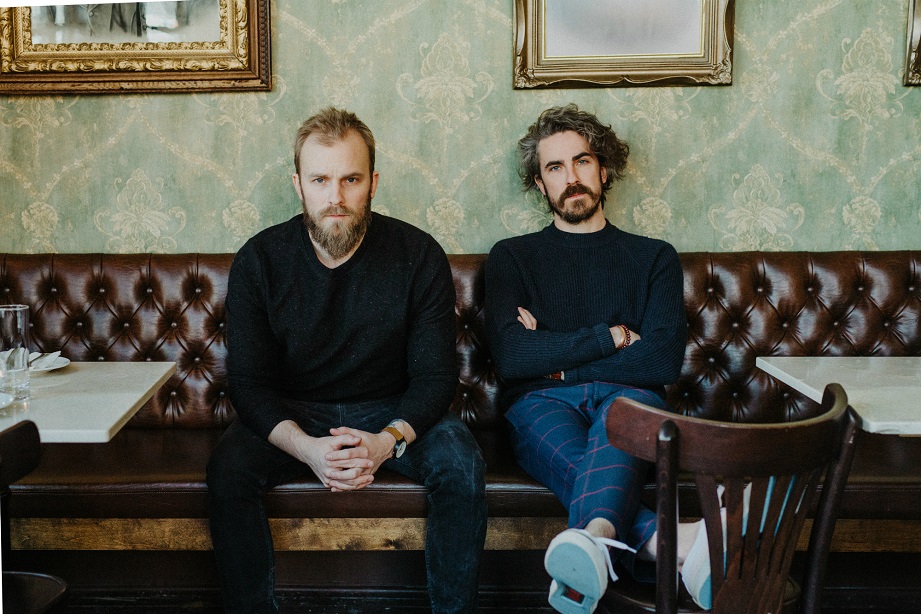
“Dave came to the table with this incredibly honest and beautiful tune already finished. He wasn’t convinced that it was and thought it needed more. All I did was write a hook. Which is just his melody anyways. This might be my favourite song on the record!” — Joey Landreth


Photo credit: Josh Dookie