The Nomadic Singer Stills Her Wild Heart: A Conversation with Bedouine

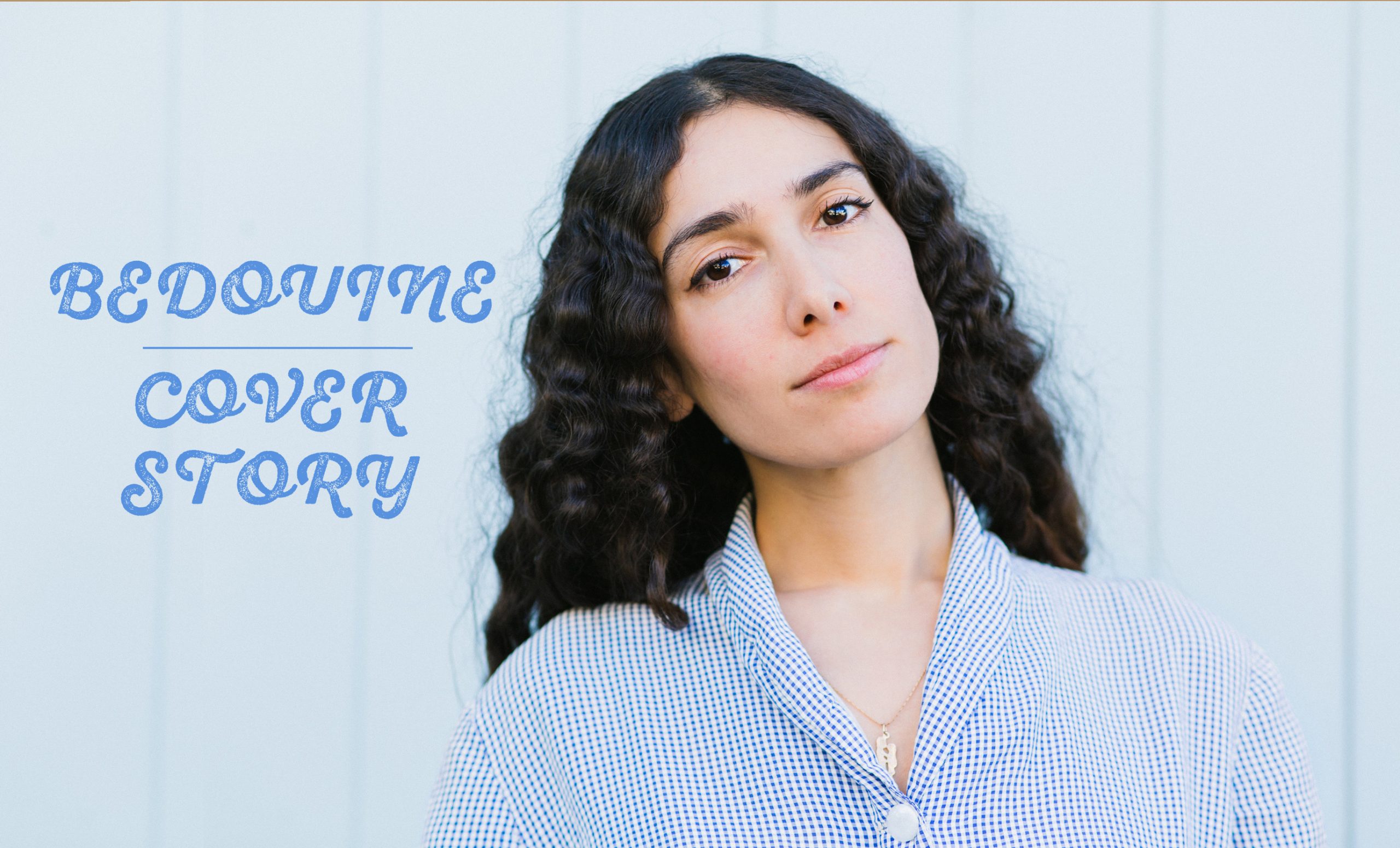
Like her appellation, Bedouine (Azniv Korkejian) has wandered far from where she first began. The nomadic impulses beating at the heart of her chosen stage name carried her from her birthplace in Syria to her self-described home in Saudi Arabia as a child and later to the United States, where she continued shuffling from Boston to Houston to Lexington to Savannah, and eventually Los Angeles. But with that kind of existence forming the bedrock of her identity, and the mystery — not to mention magic — of new places constantly calling, what does it take to stay? Nothing really so romantic, really. Just a choice. Thanks to the artistic community she eventually found in her most recent adopted city, Korkejian has sacrificed the wild call of the road to instead see whether or not the old adage about blooming where you’re planted holds salt … for now.

Rather than focus entirely on her wandering ways, her self-titled debut traces the surprising blossom of love for one so used to traveling light. On “Heart Take Flight,” she spends the first meters of each verse allowing her voice to convey its full dusky depth before loosening it to rise to a joyous conclusion. The chorus’s simple maxim, “Heart take flight. I give you every right, when he’s around,” not only encourages mindfulness, but also acts as a kind of permission: “Dive in, it’s okay.” But Korkejian’s lyricism contains an enchanting ephemerality, as if she knew one day she would need to sing these songs to herself. The “you” surfacing throughout the album shifts from lover to self as time carries the message back to the messenger. In “Dusty Eyes,” she ventures forth her feelings, but her declarations feel as much to herself as to anyone who has momentarily captured her heart. “The lampposts burn the night, but they don’t come close. No, they don’t come close to the way that I feel about you now.” If movement involves a process of self-discovery, then Korkejian traces a similar means of self-exploration by choosing where to stay, and for whom. The answer may have initially involved someone else, but by the album’s end, it largely comes down to her.

Written over the course of three years, Bedouine came about after Korkejian heard what Matthew E. White’s Space Bomb studio had done for artists like Natalie Prass. She sent him a demo, and something about the confluence of her lyricism, the space she breathes into every song, and her soporific yet self-assured voice wasn’t so easily brushed aside. It’s easy to hear why on songs like “Solitary Daughter” which reverberates with independence — the kind fought for after years of self-doubt and discovery. “I don’t want your pity, concern, or your scorn. I’m calm by my lonesome, I feel right at home,” she sings. Korkejian’s debut comes in her early 30s, a refreshing place for a new voice to enter the conversation, as she eschews the often-solipsistic questioning that takes place earlier in life, and instead enters quietly yet assertively to offer a different, more internally robust, picture of the wanderer enticed to stay.

How have you curated a sense of rootedness within all the movement you’ve experienced?

I don’t know that I have, to be honest. I love L.A. — I think it’s the closest thing to home that I’ve felt in a really long time. But I think when I left Saudi Arabia as a kid, I had this pent up resentment like, “As long as I’m not there, I may as well be anywhere.” I was pretty intentional with anything I acquired: I wanted to stay light on my feet; I wanted to know I could move myself place to place on the drop of a dime. It’s only recently that I was like, “Maybe I’ll buy some furniture.” I do want to feel at home in L.A., and it’s a current process for me.

Like choice over happenstance.

Yeah, I think so. It’s largely due to the people that I’ve met. They’re so wonderful and talented, and I feel so inspired, and it wasn’t until I moved to L.A. that I pushed myself to be a better writer. There’s no room for mediocracy there. Not to say that I’m so great — I just felt like I got better.

It’s the kind of record that demands attention. I think that’s part of its power: There’s a soothing quality about it.

Thank you. There are times I’m singing and I think I’m singing my heart out in there, and I go back to listen to it and I sound half asleep. It’s just what I know. I don’t know how to sing any other way. Growing up, I loved to sing a little bit more bombastically, but it was always to other people’s music. I don’t think it’s conducive to the kind of song I write, and I’ve learned to accept that — that it’s a different quality.

You’ve drawn comparisons to Judy Collins and Nick Drake, and especially Leonard Cohen in terms of your lyrics’ poetic quality …

Which is totally fine!

Not a bad comparison! So that blend of the poet’s voice — quiet but insistent — alongside the melodic, what are you turning to for guidance? Other writers? Something else?

[Regarding “Solitary Daughter”] The whole thing was so reactionary. It just poured out of me that one night; I didn’t even stop to ask myself what I was trying to say exactly. The language is so figurative, and I leaned into it without interrupting it much. It felt so internal. I don’t think I was reading anything at the time that found its way in, necessarily. It was just a really emotional experience writing it.

I know people have fixated on the claim of solitude you make, but you’ve also said it’s about experiencing a relationship as two whole individuals rather than hoping such a connection will make you whole.

Yeah, I’ve had to backpedal a bit to understand what I was saying. It’s inspired by that quote, “No man is an island.” It’s about empathy and isolation, and here I am singing this song that says like, “Leave me alone, leave me alone.” I had to dig a little deeper, like “Why did I say that?” I had to come to terms that it was about this specific kind of relationship: If I’m doing something entirely on someone else’s terms and I’m not being considered, that’s why I’m saying, “Leave me alone.” But then I sing about an ocean, and an ocean is about connectivity, but it’s also about a self-sustaining, rich internal life existing underneath a surface. It’s fine on its own. It doesn’t need tending to, but it also connects everything together. It’s been a joyful process, breaking that down.

Discovering and rediscovering, in a way.

Yeah, it’s revealed itself to me, in a way.

This is just one interpretation, but I think of it as a love song both in terms of what one offers to oneself.

I love that. Someone brought up with me that it’s not as common to hear a woman singing about a rich internal life. I didn’t even think of it that way, but it must’ve found its way in there. As a woman, maybe, I feel a little bit protective of myself in a way that I don’t want to be perceived as “less than.” I also don’t want to overcompensate, but sometimes you feel you have to. I think it does say that: “I’m happy with myself, and if you can’t see me as an equal, then there’s no reason to continue.”

Yes. Also, too, I think society doesn’t know what to do with women who are out in public and visibly, comfortably alone. So I love that you’ve managed to cultivate this rejoinder to that.

Yeah, it is. And it’s a pretty passionate claim, too.

Another love song that struck me is “Heart Take Flight.”

I’m so happy you feel that way because no one has asked me about that song.

How much would you say that your movement has made you guarded to a point where you have to remind yourself to enjoy those romantic, vulnerable moments when you find them?

Absolutely. That song is like a memo to myself. I wrote it when I first fell in love with someone, and I thought to myself, “I can’t forget the way this feels.” You hear about love or feelings fading or building an immunity to it, and I wanted to remember the way I was feeling at that moment.

A reminder and also a permission, which I thought so haunting.

Yes! I haven’t had to talk about this song, so I’m still sorting this out, but, yeah, it is about giving my heart permission to let go a little bit. And it is a counterpart to “Solitary Daughter.” Like a bookend.

Also, what you were saying before about rootedness and the materialism it engenders — buying furniture — it also means attachments, and people can be part of that equation.

Yes, so to speak in terms of the song, “Back to You,” which is the third track, that is a song I wrote about having an instinct to leave Los Angeles, but staying for someone, so it all kind of connects, in a way. What I’m saying in that song is, “It always comes back to you. That’s why I’m here.” It doesn’t make a huge case or anything, really. It’s just more of an observational song. Taking in L.A. and trying to understand everyone’s place there and what they do, and being confused about it sometime. Taking note that I’m there for that reason, and trying to be okay with that.

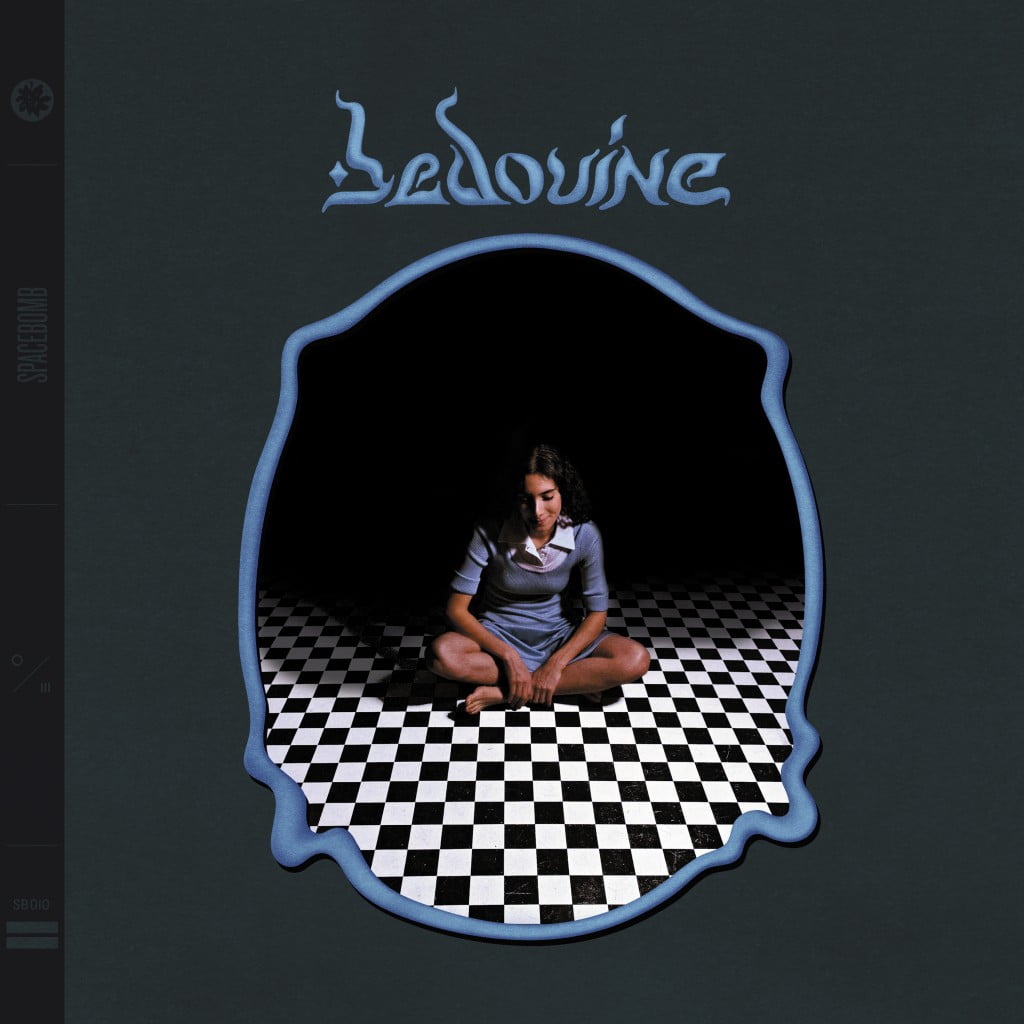
Definitely, and what we were discussing before about choosing a place. There’s freedom in that action, but it can be overwhelming in how you define and create “home.” Turning to the cover, I couldn’t help thinking of Alice in Wonderland. What was the intention behind that?

That was not intentional. Yeah, a lot of people have said that ,and I totally see it, and it actually kinda works with this whole theme. That photo was taken from a series of photos that my friend Polly did. The floor — that was the studio we recorded the record in. Before, you could see the background, but the photo was more striking when we blacked out the background and brought the shadows down. We didn’t shoot it with the intention of it being the cover, but I started messing around with a lot of templates, and I was looking at Nick Drake’s cover of Bryter Layter, which I think is one of the most beautiful album covers, especially the color combinations, and that lavender with the bright orange, I thought was so cool. I didn’t want to take that, as much as I did the oval pendant.

As a frame.

Yes, I love that frame. I think it’s so sweet and elegant. I brought that idea to Robert Beatty. He lives in Lexington, Kentucky, and I’ve always been a fan of his work, but in the last two years he’s gotten some really big records, but thankfully he did it. He made it a little psychedelic. The thing about it, which also was not intentional, it looks like a book cover, especially with the Space Bomb banner. To help with the symmetry of the record, we extended the banner, so you’ll see it looks different than their other releases.

And here you also created such lovely space throughout the album.

We were 30 songs deep, actually. We were just recording bits and pieces and slices of time — this is over the course of the last three-and-a-half years. They inherently had so much space to them because nothing was over-produced. When Matthew became interested in the record, we cherry picked our 10 favorite songs, and because we were aware of their process and how they wanted to put arrangements down, it worked out where it was like, “Let’s not over-produce these songs. If anything, let’s give them more space to work with.” They had to finagle their arrangements, which is something they normally have in mind when they’re producing.

That would have been a curious way to go about shaping this as a record.

I was so nervous about it because I had so much time to grow attached to these songs exactly the way they were, and I also fell in love with the space. “Heart Take Flight” is the perfect example. I presented it to Matthew as an afterthought and he was pretty passionate about “Heart Take Flight” being on the record. At that point, Trey had already started writing the arrangements. We didn’t intend it to sound so Nick Drake-y, and so Gus had to counteract that with something different, which is why he chose to put the moog on it, so it became a little less traditional. I didn’t listen to a Nick Drake song and think, “I’m going to write this.” I just changed the tuning on my guitar and started writing that. At the time, I really liked the method of seeing how long I could stay on one chord for, which is what I did for “Solitary Daughter.” I didn’t see it as an issue, but Gus said we needed to back away from that.

It’s a haunting sound, akin to a finger running over the rim of a wineglass.

Yeah, it’s so round. I think it worked out because it leant itself to an otherworldly type of thing. That’s a reference I gave to Robert Beatty. This is a perfect example of what the artwork could do: Traditional and simple, but notes of otherworldliness.

All of which came across. It’s really striking altogether.

Thank you. I’m so in love with the artwork.

I’m excited because when you’re talking about having 30 songs and carving them down to 10, that means we get more albums in the future, right?

Oh man, if I wanted to, I already have the next two records written, but I do want to challenge myself to keep writing. I have such a backlog of stuff that I didn’t record.

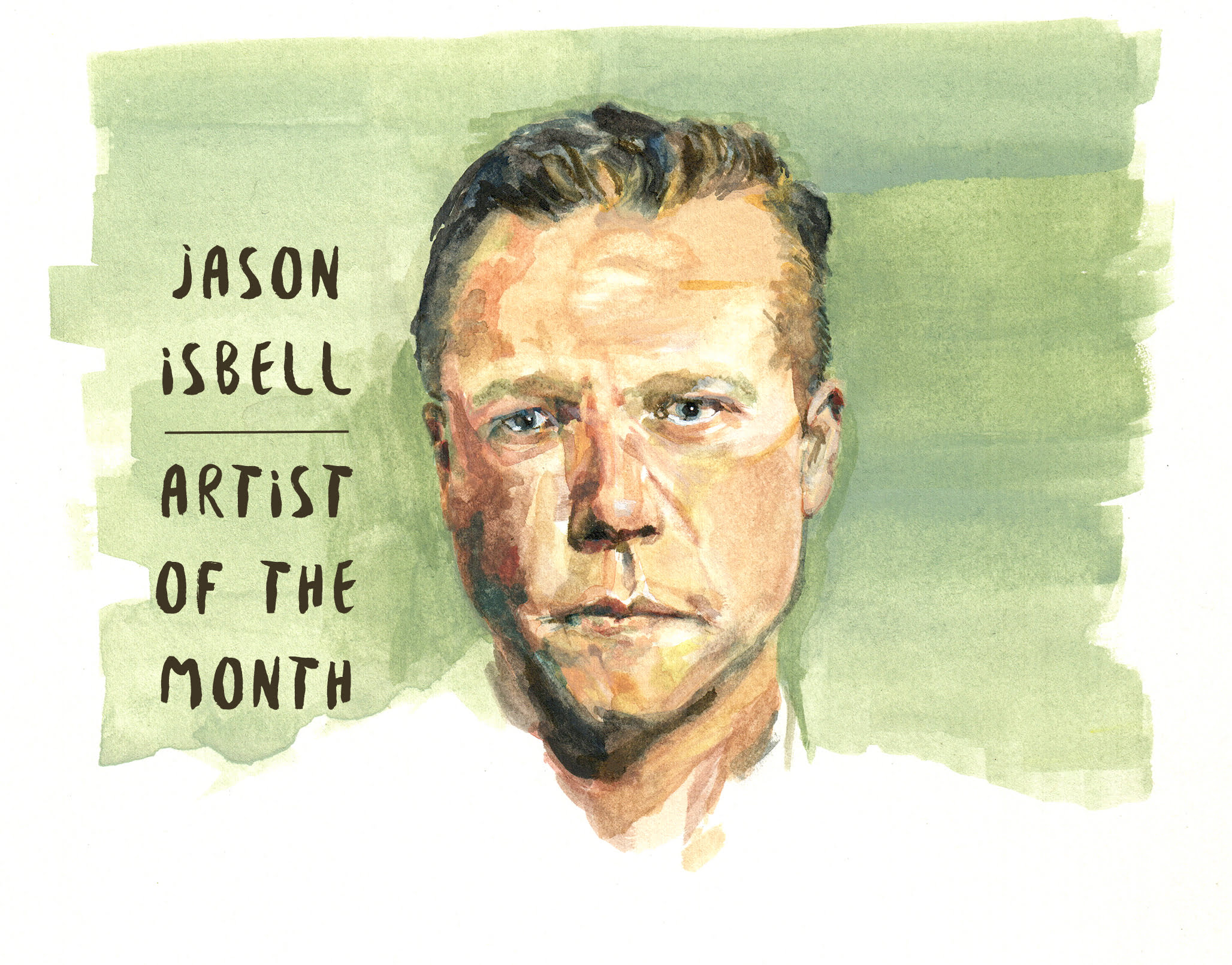
Jason Isbell: Finding the Common Ground

No one really knows who actually watches Today in Nashville, a newsmagazine show that comes on at 11 am and usually includes segments featuring local chefs making seasonal cocktails, barbeque tips, and probably a few cute and/or furry pets. It’s the kind of program that makes Nashville still feel like a small town, full of random snippets and Southern quirk — something nearly prehistoric in the post-Trump, Twitter-rage-filled America, where a quaint five minutes dedicated to, say, an ice cream truck, strikes as indulgent. Who tunes in to that sort of thing? Well, Jason Isbell, for one.

“I get a big kick out of this show,” says Isbell, calling from his home in the country right outside of Nashville, where he’s been watching: This morning, he learned about peanut-free day at the ballpark and squat techniques from Erin Oprea, Carrie Underwood’s trainer. “They just try to fill the space with local Nashville color every day, and it just cracks me up.”

It makes sense, really, that Isbell is drawn to Today in Nashville — there’s perhaps no better working student of local color, in all its permutations, than the Alabama native, who released his most recent album, The Nashville Sound, last month. It’s a collection of songs that don’t take the gifts of humanity at face value: love in the context of death, privilege amongst suffering, hope in a world on a collision course with an irreparable future. Much has been made about this being Isbell at his most “political,” but, really, it’s an LP that studies the causes and not the effects. Isbell is a listener, not a screamer, and as the Trump era has divided the country more than ever, he’s looking to understand why we got here, and not just point fingers. Isbell’s characters might be wanderers in small towns or coal miners looking for peace at the bottom of a glass, but he’s more interested in what he might have in common with them than what he doesn’t.

“This album, I wanted to stay away from a lot of the same type of reflection I did on Southeastern,” Isbell says about his breakthrough LP, which was followed by 2015’s Grammy-winning Something More Than Free. “But I also wanted it to be personal or reveal parts of myself that were frightening and were scary to reveal. And that came across in songs people might describe as having a political slant or agenda. I don’t think political is right: That’s not very interesting to me. What’s interesting to me is belief.”

“Belief,” after all, is a potent potion — especially since beliefs are often digested outside of a moral code. Isbell hasn’t been shy on social media about his stance on Mr. Trump’s policies (Spoiler: He is not in favor of them.), but The Nashville Sound is not the work of just an angry man; it’s the work of one who knows that human beings are complicated, confusing things who don’t always make the right choices, but not always for the reason you think. It’s a challenge to both criticize and empathize at the same time, and that’s what Isbell can do so artfully, by finding freedoms amongst flaws.

“Writing songs about race and gender, that’s a minefield,” says Isbell about tracks like “White Man’s World,” which take an honest stock of the privilege bestowed upon people simply born a certain skin color and sex. “One false move, and I am a laughing stock. One tiny little ignorance of privilege, and I am screwed. So you have to be very, very careful. And careful in a way to represent yourself correctly. You have to start out believing in the right things, and then you have to tell people that in the clearest way. That’s a great exercise, but it’s scary.”

On “White Man’s World,” Isbell doesn’t just try to offer apologies to people of color or to women — he takes it one step further. And that’s by admitting that there are layers that he doesn’t see, bias he might not even realize: “I’m a white man living in a white man’s world,” he sings. “Under our roof is a baby girl. I thought this world could be hers one day, but her mama knew better.”

That baby girl he sings about is Mercy, his daughter with wife and 400 Unit bandmate Amanda Shires. The album, produced by Dave Cobb, isn’t a “dad” record, but it is shaped by Mercy’s existence, and by the litmus test she adds to Isbell’s life. His marriage is also confronted, but, once again, in an unusual context: On “If We Were Vampires,” Isbell looks at love as something that can only exist within the sands of an hourglass. “It occurred to me that it’s a beautiful thing, death, if it happens when it’s supposed to and not a minute sooner,” Isbell says. “There is nothing else that would move us, if we didn’t know it was going to end. I wouldn’t be in a hurry to find somebody to spend my life with, to have a child, or work. I wouldn’t have any motivation to do anything — make art, get up off my ass, whatever. That’s really the point. People call it a sad song. Yeah, it’s a sad song, but sometimes people use the word sad to mean moving.”

There’s no doubt that Isbell’s a lyrical master — like the best songwriters, he blends prose and poetry in the most delicate balance — but part of what makes his work so captivating is that idea of what is “moving” over simply just sad, or any base emotion. The Nashville Sound gets this feeling across often by asking questions as much as it gives answers: Why does happiness breed so much discomfort? Is there any peace in knowing that death will come? What can we do, in this short life, to leave the world a better place than we found it? Rather than get purely political, Isbell aims to move minds, and to challenge beliefs that are held dear, through subtler storytelling and not just through enraged diatribes.

“If you want people to listen, you can’t just yell at them all the time, even if you are right,” he says. “If I am arguing with someone who is a hardcore conservative, I might think this person doesn’t realize how offensive his or her beliefs are, that they are racist or sexist, but you can’t just start screaming ‘You are a racist and you are sexist,’ unless you just want to alienate those people and cause them to move out to the fringes. Once people get alienated, they start throwing fire bombs.”

That sense of alienation is a lot of what built the Trump agenda, and, now, Isbell feels alienated, too. He’s confused by a country that could overlook “deplorable behavior” like Trump’s. “I thought I knew more about Americans that I did,” he says, talking about “White Man’s World.” “Having grown up in a small part of a Southern state and traveled for nearly 20 years, I thought I knew more than I do about American people.”

Of course, Isbell wants to know them as much as he can — it’s whyThe Nashville Sound is the number one country (and rock) record on the Billboard chart. You don’t appeal to both red and blue without reminding the audience that you’re not just preaching to them, you’re hearing them, too. And Isbell is listening to the Nashville sounds, as much as he is making them.


Lede illustration by Cat Ferraz.

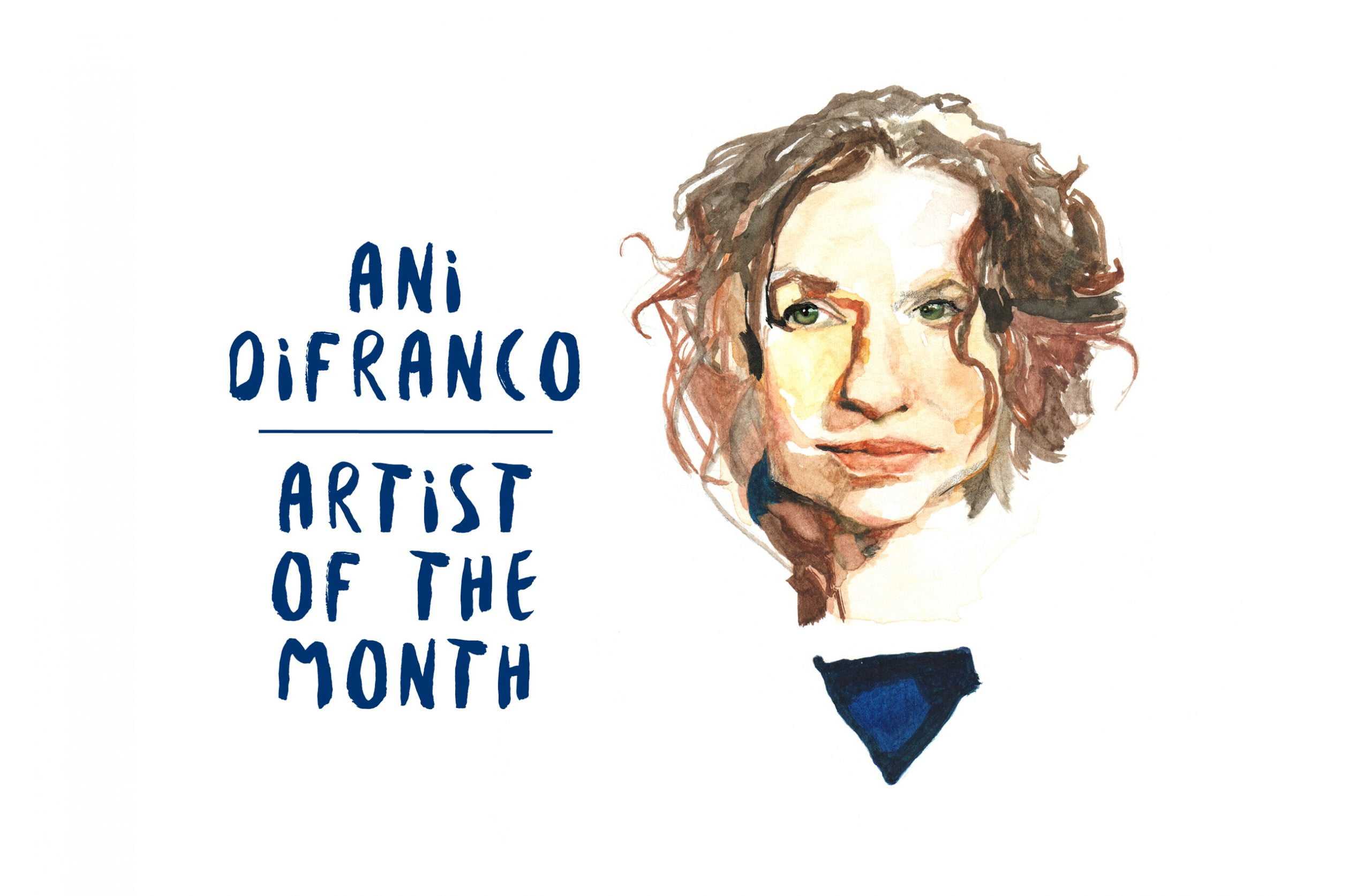
Ani DiFranco: Steady as She Goes

Two decades ago, 1996 was a leap year, a time before America had lost itself in iPhones and Instagram, before music was as much of a soundtrack to life and love as it was a 10-second signal that your mom was calling, and why weren’t you picking up? It was also the year that Ani DiFranco released Dilate, her seventh album, which began, about one minute in, like this:

“Fuck you, and your untouchable face,” she sang. “Fuck you, for existing in the first place.”

DiFranco fired those words with both tenderness and insurmountable fury. And when she did, she spoke for a generation of people who were sick of being polite and playing by the rules — who didn’t fit in with political norms, gender norms, sexual norms, norm norms. With her hair braided and her arms toned from hours upon hours of strumming the guitar, she smiled as she sang; venom dripped from her lips, sealed with a kiss. Her words often rolled out like poetry or magnificent chains of thought, and she didn’t sensor. She was both a political voice and slinger of love songs, a truth-teller and a vehement judge. She took artificial nails and attached them with electrical tape, so she could pluck the strings hard enough to ask the harder questions. It was certainly never what Lee Press-Ons had in mind.

Dilate was just over 20 years ago. And her new LP, Binary, is her 20th studio album. But anyone who expected DiFranco to look back retrospectively on any of those occasions is searching in the wrong place, for the wrong person.

“I’m not really about heralding numbers or time,” DiFranco says. “For me, it’s really all one long song. Other people have asked or presented the idea of looking back. On the anniversary of Dilate, it was, ‘Oh, you should go back on tour and play Dilate!’ I’m like, ‘No, no. That is never going to happen! Next idea?’ I’m into looking forward. What’s the next idea? What’s the uncharted territory?”

Binary is DiFranco taking stock of her present, our present, and, in her own sort of premonition-inclined mind, the future. Though the songs were written before Donald Trump was elected president, they feel as though they could be a reflection on the 2016 election cycle and the world at large, and that sort of preternatural sense is something that DiFranco has always possessed. “See how quickly shit gets absurd,” she sings on “Alrighty.” “You invented angels and then you ignore the birds.” Or, on “Play God”: “You don’t get to play God, man. I do.”

“That has happened to me my whole songwriting life. I’m like a Sunday scientist,” she says in the DiFranco chuckle, mischievous as it is. “I love quantum physics. I love the vanguard of scientific understanding, which has brought us full circle back to a very ancient understanding. I go into this subconscious place when I am writing. That shit, my consciousness sees it coming, even though I don’t know what I am writing about until it happens.”

Many have long-turned to DiFranco as a fearless feminist leader: An activist and outspoken voice against the patriarchy of politics, corporate America, and everything in between, she launched Righteous Babe Records in 1990 as a way of taking control over her own artistic property. She was always going to grow and change, but the morphing DiFranco was sometimes a difficult thing for her long-time fans to stomach. Getting married, having children … these choices occasionally were hard for those who saw DiFranco as belonging to only herself — up there on the stage, tank top tight with sweat and chinos that could have been worn by both a woman or a man — and to them. And though she has released albums since giving birth to her two babies, now 4 and 10, Binary is an album that explores how exercising our rights to belong to one another — be that a lover, a son, a daughter, a friend, or even our green earth — is one of the most feminist proclamations of all.

“I was trying to approach this concept of feminism without saying the word ‘feminism,’ and really get at it in an elemental way,” she says. “That the universe is born of relationships. And until we start holding that understanding as high as we do the individual and the hierarchy of individuals in competition, then I think we’re never gonna get to the right answer.”

The process of becoming a mother was a complex one for DiFranco. Though the act of raising a child “totally reinforces my feminism,” she says, some of the constructs of parenthood were more difficult to see through her enlightened lens.

“I remember the first time I had to push a stroller down the street,” she says. “I felt like such a fucking asshole. There was something about pushing a stroller down the street that didn’t fit with my sense of my own identity. I sort of remember in a humorous way trying to reconcile my identity as a mom with my life until then. But that’s surface, superfluous. Underneath it, the real situation for me was that becoming a mom really reinforced everything I thought I knew. Once I had actually lived the literal experience of ‘Your body is my body,’ I could stand there as tall as I ever did and say, ‘This idea of autonomy is a fallacy.’ The feminist idea is holding relationship higher than anything else. There is no separation between you and me.”

Indeed, Binary is about how our existence, our thoughts, our love, our presence, our fights are only in relationship to something else or someone else. So to celebrate that spirit, she decided to extend outward and invite some participation from special guests: violinist Jenny Scheinman, keyboard player Ivan Neville, Maceo Parker, David Bowie bassist Gail Ann Dorsey, and Justin Vernon of Bon Iver.

“My manager said, ‘You have a lot of amazing friends. You should call them. You should connect with people,'” she recalls. “A lot of my artistic life has been in isolation. I write songs alone. I play them alone. I develop a relationship with an audience alone. But I’ve always been jealous of people whose bands are beautiful communities, and I have been more solitary than I want to be in my art. Calling people up and connecting with them, that was just one of the oblique strategies in his record. How do you make album 20 new and fucking fun again?”

Binary is, well, fucking fun. It’s full of fire, horns, and funky riffs, and stacks of DiFranco couplets that feel as urgent as ever: “They got networks like insects with webs of deception,” she sings on the title track, both a manifesto for the album’s central themes and a call to put down our screens and look not into that white glare, but the white’s of each other’s eyes. And not just look, but listen. “Right from the beginning, I was like, ‘Fuck all that,'” she says. “‘Talk to me.'”

In 2016, DiFranco used her tour to encourage voter turnout: Called “Vote Dammit,” she registered fans in each city she passed through. And she will, of course, still stay political in a Trump era, letting the words of Binary lead the way. But she’s also paying attention to what lies beneath the dark side; and she has been following the shifts in the energy of the earth charted as the “Schumann Resonances.” Remember, she’s a Sunday scientist. Things had been pretty steady here on the planet, but then, just as Trump took office, that measure of energy plummeted.

“If you’re me, you could take this really far,” she says laughing. “What we see up there at the podium is the shadow side of an awakening. And this is the trigger. This is what it takes for us to wake the fuck up. And I feel so excited that there are people who want to talk about the things I want to talk about. And I feel less alone and more hopeful in many ways than I have in my whole life.”

Because consciousness, as she sings, is binary.


Lede illustration by Cat Ferraz.

WATCH: Modern Mal, ‘S.O.S.’

Artist: Modern Mal
Hometown: Lovells, MI
Song: “S.O.S.”
Album: The Misanthrope Family Album
Release Date: May 12, 2017

In Their Words: “What we love about certain songwriters is their ability to say a lot, without an excess of wording. Writers like Fats Domino, Johnny Cash, and Hank Williams could convey a feeling or mood without having to say much at all. ‘S.O.S.’ was Brooks’ attempt at writing a ‘pop’ song using that same method. Brooks wrote this song about me, actually, which makes it sort of personal and extra sad from my perspective. But It’s about moving on from someone who you thought loved you as much as you loved them. The layered harmonies at the end are intense. I think we have 10 different vocal tracks going on there.” — Rachel Brooke

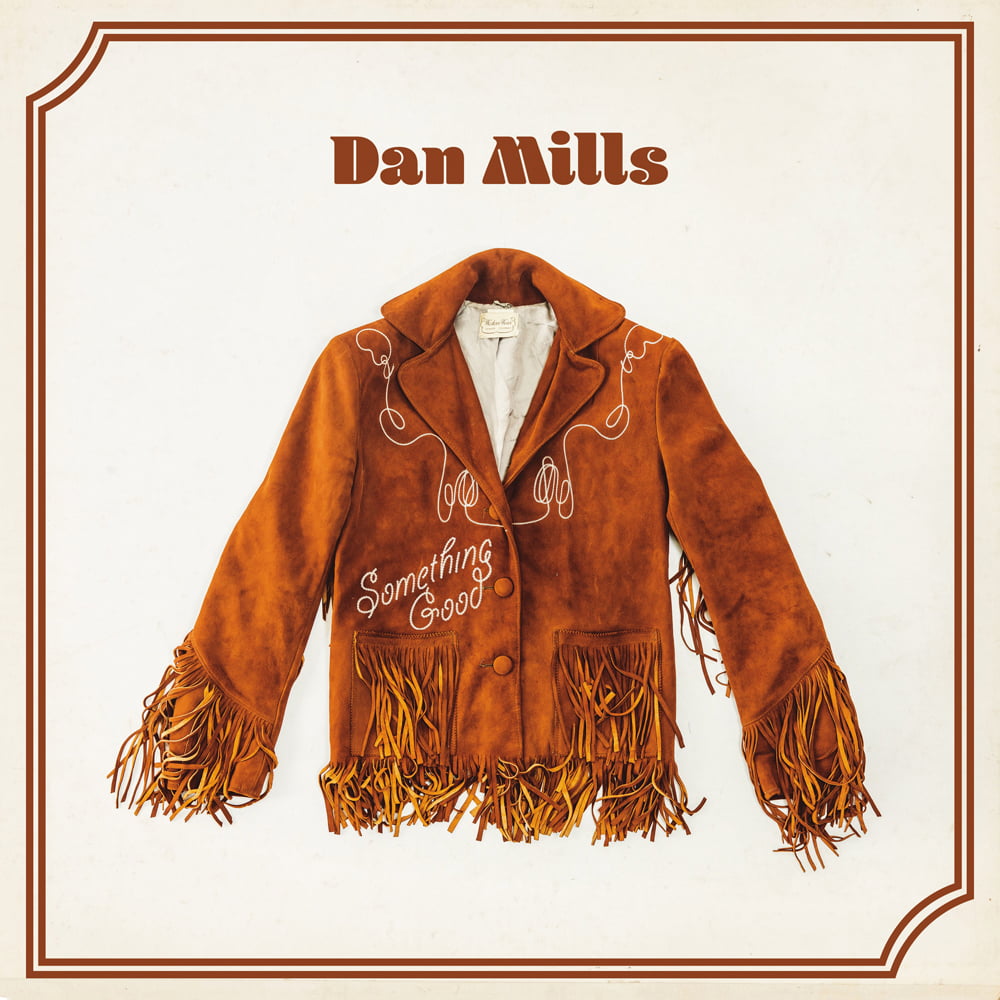
STREAM: Dan Mills, ‘Something Good’

Artist: Dan Mills
Hometown: Cambridge, MA
Album: Something Good
Release Date: July 7, 2017

In Their Words: “I love performing and I love being in the studio, but songwriting is what keeps me going. Songwriting is everything to me. Every hour of every day, I’m just humming ideas for melodies and scribbling down lyrics. At this point, I’ve written more songs than I ever thought I would, and if there’s one thing I’ve learned, it’s that the good ones are always honest. People always seem to respond most to the songs that feel a little too private when I’m writing them down. With Something Good, I pushed myself to be as honest as I could be, to only write music and lyrics that felt true to my voice, and to record an album that feels and sounds like me and my band — raw and meticulous at the same time.” — Dan Mills

Transatlantic Telephone: Colin Meloy in Conversation with Olivia Chaney

Offa Rex began with a daydream. Colin Meloy, best known as frontman for the Decemberists, was driving his car around Portland, Oregon, and blasting No Roses by the Albion Dance Band. “I was marveling at the interplay between Ashley Hutchings’ arrangement work and Shirley Collins’ vocals,” he recalls with the geeky glee of a metalhead describing a Randy Rhoads guitar solo. Then he experienced the kind of epiphany that typically strikes more fans than performers: “It was like a light bulb turning on. I wanted to be in the Albion Dance Band!”

His was an impossible dream. The Dance Band, a loose supergroup of English folkies active during the 1970s, is no more. “I don’t have a time machine, but I have a band and I know somebody who sings really beautiful English folk music. Together, perhaps we could not only discover and re-evaluate old folk songs, but also pay homage to that era of music making.”

That “somebody” was Olivia Chaney, a London-based folk singer who straddles the trad and new folk scenes in England. Following the release of her full-length debut, 2015’s The Longest River, she toured with the Decemberists and left an impression on the band, especially its frontman. Open to the idea of collaborating on a folk-revival record (or is it a folk-revival-revival record?), Chaney joined the Decemberists in Portland for rehearsals and recording sessions

Thus was Offa Rex born, taking their name from the eighth-century Anglo-Saxon king. Their debut, The Queen of Hearts, collects new recordings of old tunes, with Meloy and Chaney trading off vocals. Some are fairly well known, such as “The First Time Ever I Saw Your Face,” written by Ewan MacColl but popularized (in the States, at least) by the R&B singer Roberta Flack. Other choices will be perfectly obscure to Yankee listeners, such as “Flash Company,” a 19th-century tune about the dangers of stylish cliques best known from a 1980 album by June Tabor and Martin Simpson that is long out of print.

The Queen of Hearts is a curious album: UK songs filtered through a U.S. lens, a transatlantic exchange between Americans enamored with British folk music and a Brit so thoroughly embedded in that scene that she felt compelled to ask permission from her idols to cover their songs. More than that, it argues for an inescapably political aspect to this music, which is never merely decorous, as it harkens back to a very different Albion of the past. At a time when both Meloy’s America and Chaney’s England are experiencing similar convulsions of identity — Brexit over there, 45 over here — the act of singing these old songs raises questions of appropriation and nationalism that the musicians are still pondering as they prepare for an extensive tour.

For that reason, The Queen of Hearts sounds heavier and timelier than your typical covers album, although Meloy insists they undertook the project primarily for fun. “This was something we just wanted to do, not because we felt there was an audience for it, but because it was a grand experiment and a creative journey.” Will Offa Rex produce an heir? “Certainly, there are more folk songs out there to be sung.”

Tell me about the transatlantic nature of this project. How did that inform the concept of Offa Rex?

Olivia Chaney: The funny thing between Colin and me has been a to-ing and fro-ing of what he sometimes wittily describes as his almost fantasy of this project and then, for me, the reality of actually still knowing, if not working with, some of the people who made some of the records that we both know and love. For example, No Roses, I’d been doing a tribute project to that specific record with some of the people who’d been on it. Ashley and Shirley are both friends. Sometimes it was tough for me because I’d fear their judgment, but sometimes it was a really nice thing because it felt like a hand into the past. Obviously, it was a great honor to be invited by Colin to come and do this, and an interesting transatlantic conversation ensued.

Colin Meloy: The target I was going for was not necessarily realistic, and the aim was not really aping a record from the ‘60s or early ‘70s. What we came out with, potentially in some ways, you could find a place in time for it, but so much of it is also filtered through our influences as people who weren’t necessarily even alive at that time. Inevitably, it becomes something different and new. We were keeping each other in check and created something wholly different than what we had set out to do.

It wasn’t just the re-creation. You were trying to make it about interpretation.

CM: I quickly realized, even though it might be soul satisfying just to sit down and re-create note-for-note the Anne Briggs dual bouzouki/voice version of “Willie O’Winsbury,” nothing could’ve been more boring. You already have that. I think that was also the spirit of the folk revival itself — not only in England but in America. You had this group of standards that everybody was playing with and putting their indelible marks on, even if they were doing, for the most part, similar arrangements. In some ways, the interpretations would be drastically different and, in some ways, it was just incremental steps. I feel like the version of Anne’s “Willie O’Winsbury” versus John Renbourn’s, they’re really closely related and yet feel miles apart.

A lot of contemporary folk groups seem to be confronting that distinction: How do you get past the revival to the raw material?

OC: For me, a bit of a personal irony is that I get called very trad. Even though I grew up listening to a lot of the second revival records, I didn’t, and still don’t, regard myself as trad compared to lots of people in the real deep English folk scene. My interest is in contemporary classical music and other songwriters who were pushing boundaries — that’s often the way I come at trying to reinterpret traditional songs. That’s what interests me. So it was good, Colin and I working together, because we’d keep a check on each other’s agenda and hopefully meet somewhere in the middle.

CM: I don’t know if purism is really the thing because, if we were being purists, we would be in a barn singing a cappella in front of a shitty microphone and …

OC: Colin, we were in a barn.

CM: That’s right. We were in a barn. We had that much going for us. It’s not necessarily purist, but you’re always going for what you feel is right and organic. In popular music, there is a time-honored conversation between the English and Americans — not only in the folk world, but certainly in R&B and rock ‘n’ roll. Both sides of the Atlantic have informed the other. Sometimes the person who seems least qualified to approach a certain kind of music inevitably injects something interesting into it. I feel like there’s so much discussion going on about the dangers of cultural appropriation, and that’s something that we talked about in regard to Offa Rex. I imagine that accusation could be leveled at us. Other than having our token Englishwoman fronting the band, we’re definitely guilty of cultural appropriation. We’ll see how people respond.

Folk music has always been tied to a national identity. Especially at a time when Brexit and other things are changing that identity, this album potentially reflects that change in an interesting way.

OC: I’m obviously very English, but really, in some ways, ethnically or in terms of my upbringing, I’m quite a mongrel, as well. I am interested in a sense in cultural identity — or going back to certain roots of different cultures. Folk music often is such a profound expression of a culture or a people. It’s quite a strange mix of things in that sense, as well, the record.

Do cultural purism and musical purism lead to the same dead ends? Sorry, this is getting really deep.

CM: It is really getting deep, but I think it does. If you put boundaries around everything, innovation becomes more difficult. We’re seeing that, if you really want to get political, in our own country, the idea of shutting out immigrants and immigration will do real harm to the sciences and to culture. We need new input for innovation. Particularly for the fraying relationship between America and England, maybe this is a bridge. We’re going to bring America and England back together. [Laughs]

This music is obviously linked to a certain place and a certain culture. With that in mind, I’m curious about the decision to record in Portland, as opposed to some old farm in Northumbria.

OC: I think there was probably some logistical, practical …

CM: Financial …

OC: Exactly.

CM: We were working on a budget. Also, the environment that you create something in can have a profound effect on the outcome. We rehearsed it in the country outside of Portland, in Willamette Valley — very western America. And then we recorded it in Portland with Tucker Martine. All of that created a flavor that’s going to offset whatever sort of Britishisms are there in the music and create a different color altogether, hopefully.

What can you tell me then about choosing these songs? Did you have criteria in mind for a finished product? Or were they just songs you wanted to sing?

CM: We both just made wish lists from the outset. She came out in the summer and we sat around and listened to a lot of records. Then we went away and listened to each other’s wish lists and hemmed and hawed about things — something’s too familiar or it’s not familiar enough.

OC: There were a few songs that I ended up doing that were almost soloistic, and those ones tended be ones that Colin had maybe not commissioned me to do, but certainly gave me license to do. My fear was that the criticism from my own people on the folk scene in the UK would be that we had done too many of the tried-and-tested classics. But then we both agreed that there’s nothing wrong with that. I don’t think I would’ve had the bravery to come up with something like “The First Time Ever I Saw Your Face.” I didn’t quite realize it could fit the brief, but Colin was very decisive and clear that he thought that would be a great one to do. I’m really happy that we did it.

CM: That came from a place of relative ignorance. I thought I was really steeped in this music, but now I feel like I’m barely breaking the surface. I was like, “Let’s do ‘Fine Horseman’ and give it the pulpits it deserves.” But Olivia said, “No, everybody does ‘Fine Horseman.’” It’s funny: In America, Lal Waterson’s “Fine Horseman” is as obscure as it gets on a record that been out of print for years — although I saw that Domino is reissuing it. But that song is more well known in England. That was something to keep mind — that certain songs I felt were ripe for re-evaluation were considered too familiar by Olivia. It was really a question of finding a balance. Is this a rediscovery record? Or is it a standards record? I think we did a little bit of both.

OC: With someone like Lal Waterson, when I got off the phone with Colin, I had to ring Eliza Carthy, Lal’s niece. I felt I had to seek the family’s permission, if we were going to do one of Lal’s songs. It was just a funny expression of the situation; we were both coming from such differences places and experiences in relation to the music. Me, coming from a tiny island, I’m inevitably going to know half the people who sang or wrote those songs.

Is that something you did with other songs? Did you feel compelled to seek permission or guidance from the originators?

OC: Yes. I had a really interesting correspondence with Andy Irvine about a few songs I did for a new Kronos Quartet record. Some of it’s trad singers, but some are just artists on Nonesuch Records. I did a version of an old Irish song, “You Rambling Boys of Pleasure,” which I learnt from an Andy Irvine recording. I combined asking him about the origins of that song with talking to him about “Willie O’Winsbury” which, rumor has it, he taught Anne Briggs. Also, I did some shows with Norma Waterson and Martin Carthy very recently and was asking Martin about the song “Queen of Hearts.” I think it’s my issue of needing to seek approval from elders and experts. That’s my big hang-up, and Colin certainly was trying to kindly beat that out of me.

CM: I wanted you to be in the cone of silence and not have any interaction because you would just be intimidated. Inevitably, it would influence the process. But that may be the American dilettante in me. Covering a song, I’d never really sought permission and maybe that’s a bad thing. It is more of an American attitude, although I did appreciate getting some sort of approval from the MacColls when we did “First Time Ever I Saw Your Face.”

OC: I would be pretty terrified as to what Peggy Seeger would actually say about it. I saw her on a BBC program which, Colin, I still need to send you. It’s for some anniversary of the song and they’re interviewing her and playing the Roberta Flack version in the background. Peggy is quite a force of nature, as I’m sure you both know. She basically says, “I don’t really like most of the versions,” and I don’t think she’s a huge fan of the Roberta Flack version, either. But her son, Neil MacColl, is a friend and a wonderful musician, plus he’s a big Decemberists fan. He loved the fact that I was doing the project at all with Colin and thought it was a really wonderful idea. I’m excited to play it for him — just not his mum.

That song was one, in particular, I wanted to ask you about. It always feels like the “Mustang Sally” of folk tunes. Everybody covers it. It’s very popular. But this version sounds very fresh, especially with that flickering drone in the background.

OC: That’s the weird tremolo stop on my little Indian harmonium. It’s really magical, that sound.

CM: It’s got a good psychedelic bent. I wouldn’t go so far as to call it the “Mustang Sally” of English folk music, although I do think that people associate it with the Roberta Flack version. I didn’t know that it was actually written by Ewan MacColl, until I was studying the liner notes of some Atlantic R&B compilation and saw Ewan MacColl had written this beautiful, smoky R&B tune. This is the same guy who had written “Dirty Old Town,” which I had known from the Pogues. So there was this weird line between these two things. I heard Peggy’s version much later, which has this beautiful, almost naïve art approach to it — a piece of folk art in her inimitable way of singing and phrasing. To my mind, this project was an opportunity to strike a balance between those two and maybe make something new there. Olivia did a phenomenal job of that. It was beautiful.

OC: I don’t know about that. But, again, this is an example of where I don’t feel like a pure folkie. Although I know the son of Ewan and Peggy, and work with a lot of those people in that scene and love traditional British folk music, it’s certainly not the only influence on me or the only music I grew up on. I grew up on the Roberta Flack version. I used to lock myself in my room and listen to her record. I was a massive fan. I felt like I really had both strands and very consciously tried to pay homage to both. And, again, I was kindly bullied by Tucker and Colin not to do 160 takes, but actually live with possibly the second or the third.

CM: For many, many versions of “First Time Ever I Saw Your Face,” the Roberta Flack version is the source material, whereas we really made an effort to take the Peggy Seeger version as our source material. Maybe that’s part of the process, too: Rather than going off the last version of a song that’s been done in an effort to move the needle forward, we went back even further and hoped that would lead us down a different road.

You mentioned not doing 160 takes of a song. Did you have to adjust your process working with the Decemberists?

OC: Yes. Especially since we were working to tape, it was quite an eye opener for me and really challenged the way I approach making music. There were just some really hilarious moments, specifically on “Flash Company.” We’d get to the end of a take, and I would look at everyone and be all kinds of “Oh, God. That was a disaster. We’ve got to do it again!” And they’d all be high-fiving and going, “Yeah. We’ve got it in the bag.” “Are you serious? What the hell?” Then they’d be bummed out by me being bummed out by my own singing, but eventually I’d have a slow epiphany that maybe there was some truth in the fact that actually that first take was quite lovely. It took me a while to get there.

I love the way that song leads into “Old Churchyard.” Musically, it’s a nice moment, but, thematically, it’s pretty powerful to have those two songs tied together and talking about the nature of life and death.

CM: It does work, thematically. In my head, it’s like, “Oh, it’s in the same key and we can drone into the next one.” But it is kind of like a pilgrim’s progress a little bit.

OC: I used to sing that song a cappella at gigs. When I first started singing traditional music, I was not playing folk clubs at all and I’ve never really done the hardcore folk circuit ever. I was just playing strange DIY hipster venues around East London, which certainly wouldn’t be the kind of place where they’d expect to hear an a cappella religious song. It was a good way to shut a room up and get them listening in a way that they might not otherwise. The song has got a very ping-pong transatlantic journey, because I knew that song from the Waterson:Carthy record. The Watersons learnt that song from an old American singer, when they were traveling around America. Of course, it would have originally come from the British Isles, but then become an American folk song. I think it’s gone to and fro across the Atlantic Ocean many times.

CM: Sort of like a game of telephone — with each pass, the song distorts a little more.
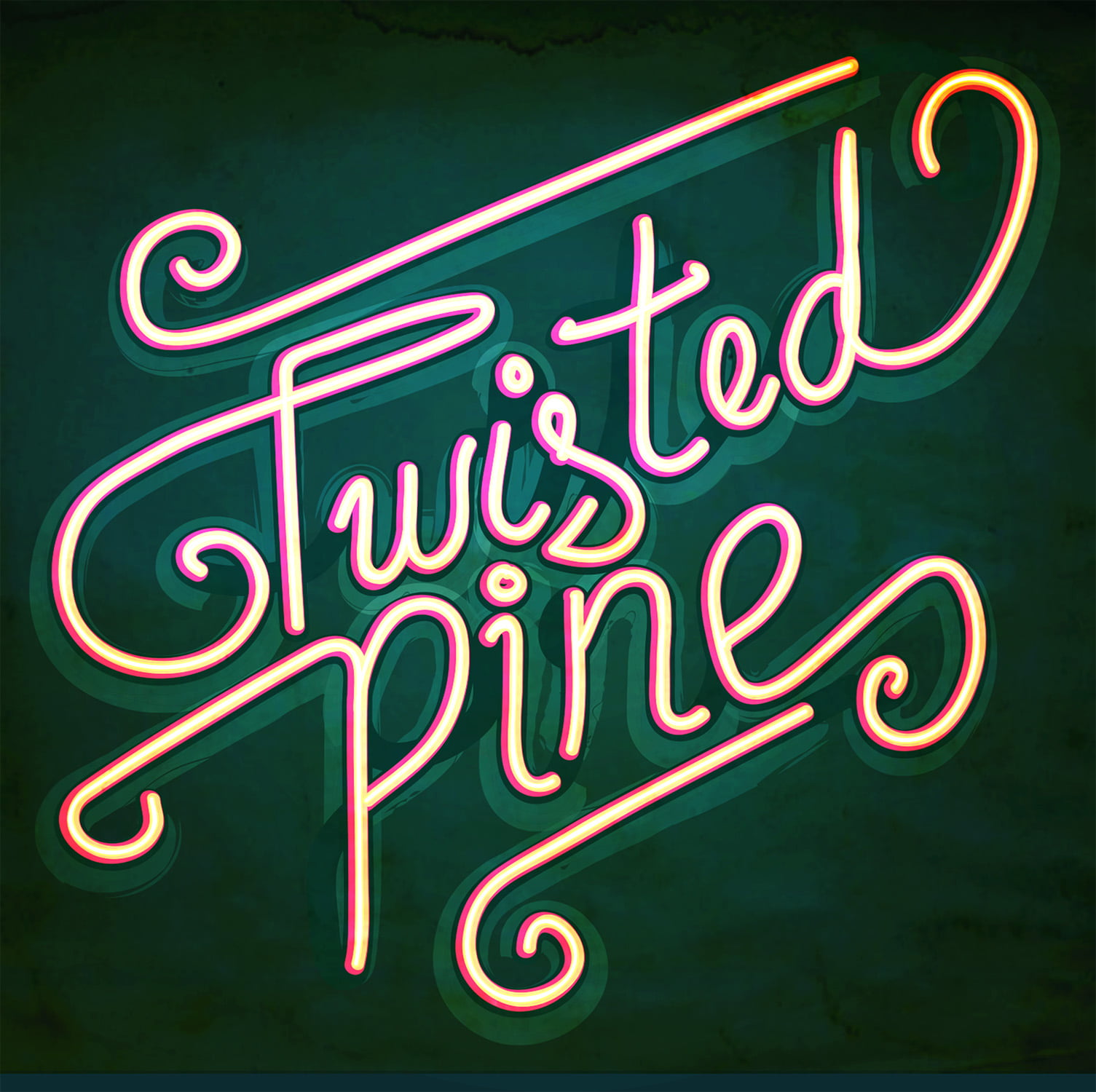
STREAM: Twisted Pine, ‘Twisted Pine’

Artist: Twisted Pine
Hometown: Boston, MA
Album: Twisted Pine
Release Date: July 14, 2017
Label: Signature Sounds

In Their Words: “With this album, we dove head-first into writing our own original music and, in the process, we learned a lot about ourselves as individual writers and as a band. The four of us come from completely different musical backgrounds, and it was satisfying to hear those personal influences coming out on the record. There’s pop, there’s funk, there are fiddle tunes, and there’s some very personal and heartfelt songwriting.

This band first formed around a shared love of bluegrass and we still love playing bluegrass together. We weren’t consciously trying to move in any particular musical direction; the sound arose organically and feels natural and right to us. It’s fitting and exciting to have our debut record out on Signature Sounds, as in a lot of ways it follows in the footsteps of bands we really admire like Crooked Still and Joy Kills Sorrow.” — Dan Bui

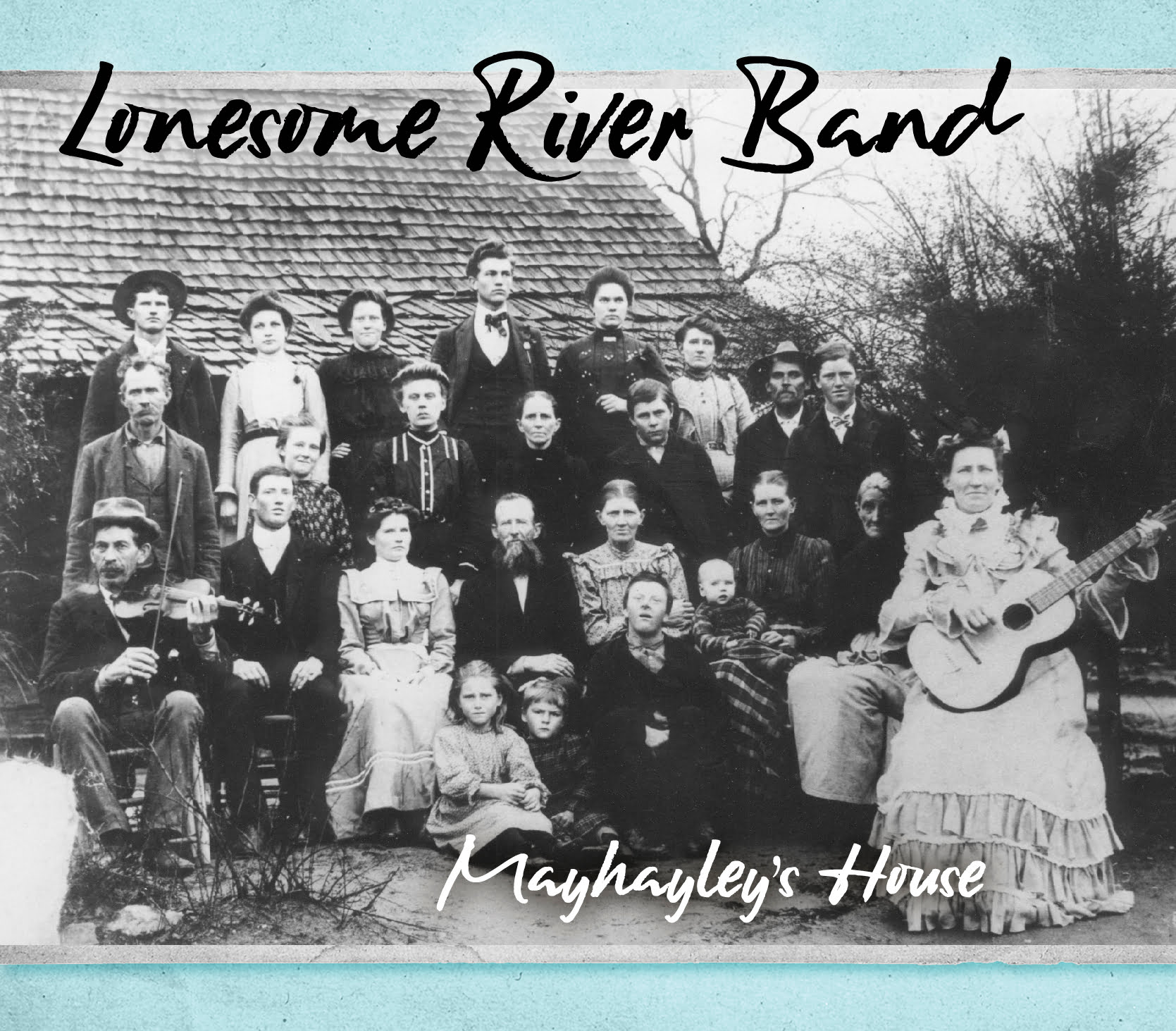
STREAM: Lonesome River Band, ‘Mayhayley’s House’

Artist: Lonesome River Band
Hometown: Floyd, VA
Album: Mayhayley’s House
Release Date: June 23, 2017
Label: Mountain Home Music Co.

In Their Words: “Continuing a series of projects of doing songs that we love, Mayhayley’s House is a set of songs that we collected from our favorite writers. Bordering on acoustic country with an Appalachian feel, we hope everyone will enjoy hearing these as much as we enjoyed doing them.” —  Sammy Shelor

LISTEN: Bern Kelly, ‘Last Day of Spring’

Artist: Bern Kelly
Hometown: Nashville, TN
Song: “Last Day of Spring”
Album: Lost Films
Release Date: June 23, 2017
Label: Underpass Records

In Their Words: “‘Last Day of Spring’ finds a character visiting the fresh grave of someone they knew very intensely, yet for only a very short time. The character is trying to make sense out of their death and the subsequent instructions for delivering roses and money to her family members.

I saw Bert Jansch open for Neil Young a few months before Bert passed away. I always marveled at his acoustic playing. Instead of using a 12-string guitar, I just stacked multiple parts on top of each other to simulate that feel. Lyrically, it’s very sparse yet direct. I wanted to set the scene, but let the listener fill in their own details.” — Bern Kelly


Photo credit: Michael Butcher

WATCH: Sam Gleaves & Tyler Hughes, ‘When We Love’

Artist: Sam Gleaves & Tyler Hughes
Hometown: Wytheville, VA and Big Stone Gap, VA
Song: “When We Love”
Album: Sam Gleaves & Tyler Hughes
Release Date: June 16, 2017
Label: Community Music, INC

In Their Words: “This song is our way of advocating for love in this time of divisions. Music celebrates our shared humanity. We are grateful for our friends who are doing inspiring work and especially the wonderful young people who appeared in this music video. The evidence is all around us that we can and should work together to build a more inclusive society.” — Sam Gleaves


Photo credit: Susi Lawson