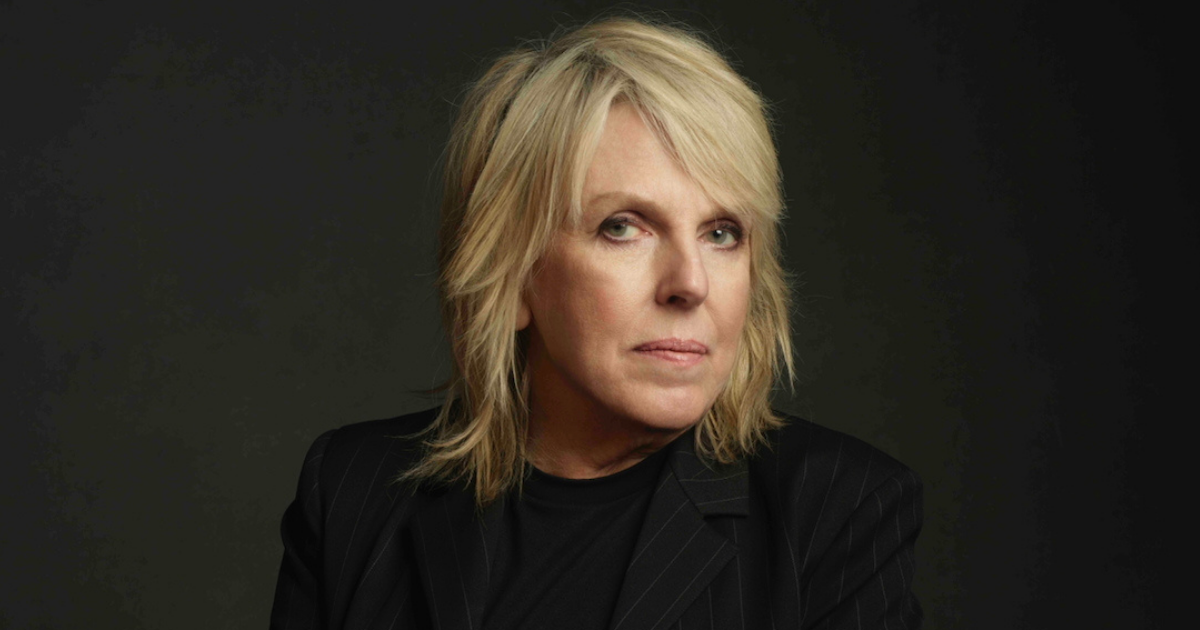
It’s been a minute since Jo Dee Messina graced us all with an album of new material.
The flame-haired singer from Framingham, Massachusetts, made an immediate splash on the country music scene with her self-titled 1996 debut. Her 1998 sophomore set, I’m Alright, was even more successful. Messina became the first female country artist to have three multiple-week, chart-topping singles from the same album. Burn, which arrived in 2000, was also a smash, delivering the popular title track and the Tim McGraw collaboration, “Bring on the Rain.”
Admittedly, Messina has been less prolific over the past 25 years or so. Her fourth studio outing, Delicious Surprise, came out in 2005. Record company challenges preceded the release of Unmistakable, which was supposed to be her next album; instead, it wound up being a series of three EPs. Her next proper studio album, which was simply called Me, did not appear until 2014.
Messina returned on June 5 with her long-awaited sixth album, Bridges, released through her own label. She has weathered a number of personal and professional ups and downs in the dozen years between the new album and Me – and some of that is reflected in the lyrics of her new songs. Bridges is Messina’s most personal disc to date, and she wrote (or cowrote) all but one of its 11 songs herself.
To coincide with the release of Bridges, and to celebrate her being our Artist of the Month, we’ve gathered 10 of Jo Dee Messina’s best songs – from her debut to the present.
“Some Bridges” (2026)
The track that inspired the title of her new album, “Some Bridges” is a slow-building statement of purpose and offers hard-won perspective. “Some bridges are meant to build,” sings Messina. “But some bridges are meant to burn.”
“Message In A Bottle” (2026)
Also from Bridges, “Message In A Bottle” is pretty catchy for a song about alcoholism. “Feeling 10 feet tall on 80 proof/ But the midnight lies, ain’t it the truth?” she sings. And you know she’s singing from experience.
“Don’t Let Them Hide Your Beautiful” (2026)
The centerpiece of her new album, “Don’t Let Them Hide Your Beautiful” is a moving, midtempo ode to being yourself. It’s a common theme across Messina’s entire career and discography.
“A Woman’s Rant” (2014)
The underrated “A Woman’s Rant” appeared on Me, Messina’s first studio album after a lengthy break. It pairs an old-time, bluegrass sound with a more modern, feminist lyric. To wit: “Husband, kids, work all day, I got PMS and PTA/ Find the thing my kid can’t find, I need a drink but there’s no time.”
“Bring On the Rain” (2000)
“Bring On the Rain,” a contemplative duet with Tim McGraw, is from Messina’s third album, Burn. It’s a true modern classic, having peaked at No. 1 on the Billboard Hot Country Songs chart, been certified Gold, and garnering tens of millions of streams. McGraw also co-produced the GRAMMY-nominated vocal event with Byron Gallimore.
“Downtime” (2000)
Another one from Burn – and a good song to listen to in the aftermath of a breakup. “I’ve been down this road a time or two/ I’ll get on my feet and over you,” Messina sings over electric guitars. “I’m just goin’ through a little downtime.”
“Because You Love Me” (1998)
From Messina’s sophomore set I’m Alright, “Because You Love Me” is a song about a love that stood the test of time. It proved that Messina could also pull off ballads. The double-platinum success of I’m Alright also helped Messina collect the 1999 CMA Horizon Award.
“Bye Bye” (1998)
The ridiculously catchy “Bye Bye,” also from I’m Alright and written by Phil Vassar and Rory Michael Bourke, scored Messina another big hit. A rollicking kiss-off to a former guy who is noncommittal, it finds her singing “Bye-bye, love, I’ll catch you later/ Got a lead foot down on my accelerator…” And suddenly we’re all singing along!
“You’re Not in Kansas Anymore” (1996)
The opening song from her debut LP, “You’re Not in Kansas Anymore” is another upbeat tune about a guy who left the Midwest for the Hollywood lights. It contains the great opening line, “He said, ‘I grew up in Wichita, in a Mayberry kind of town.’”
“Heads Carolina, Tails California” (1996)
Messina’s first single, from her self-titled debut. This upbeat jam about hitting the road reached the Top 10 on both the U.S. and Canada country charts. A definite fan favorite, it’s also the title of a 2023 greatest hits collection. Certified platinum, it’s easily landed in the 200 million-plus streams category – it’s such an iconic song, it’s birthed other country songs that reference it. Namely Cole Swindell’s 2022 track, “She Had Me at Heads Carolina.”
Explore more of our Artist of the Month content on Jo Dee Messina here.
Jo Dee Messina wants to know where the real cowboys are.
“Well, are they in some greener pastures?” she asks on “Where the Cowboys Ride,” a spicy sendup of Tecovas-rocking poseurs and a standout on Bridges, Messina’s first album in over a decade, out June 5.
Sometimes cheeky, often affecting, Bridges condenses a lifetime of lessons into 12 tight tracks. Whether she’s taking a narcissistic partner to task (“It’s All About You”), warning about the dangers of self-medication (“Message in a Bottle”) or setting the record straight on scripture (“The Jesus I Know”), Messina explores life’s complexities with her signature mix of grit and hard-fought joy.
Lead single “Some Bridges” is a power-pop-country belter that recalls the triumphant highs of 1998’s I’m Alright, which spawned three consecutive No. 1s and cemented Messina as one of the leading voices of country pop’s golden age. Like “Bye Bye,” Messina’s indelible ode to putting “a lead foot down on my accelerator” and leaving a bad relationship in the rearview, “Some Bridges” reminds listeners that self-preservation sometimes means burning things down.
“You have to learn to forgive, but do you go back to that abusive situation?” she says. “Do you go back to that addiction? You don’t have to subject yourself to these things.”
Jo Dee Messina is our Artist of the Month for June 2026. She sat down with Good Country to talk burning bridges, her “sweet” relationship with Ella Langley, and what she hopes fans will take away from this new era. Check out our interview and don’t miss our Essential Jo Dee Messina playlist below, too.
Why was now the right time to put out new music?
Jo Dee Messina: Because it was done. [Laughs] I’ve been writing a lot with people, and [my co-writers] are just so encouraging. We’d write a song and they’d be like, “Man, you should record this.” It happened so many times, and I was like, “Well, I think I’m at a stage right now where I have time I can dedicate to a project,” releasing the songs and a tour schedule to support it. It just seemed like the right time.
Do you feel like you’ve gained confidence as a writer as your career has gone on?
I’ve always been a songwriter. I do believe that in the last few years, my songwriting has had time to develop and I’ve written a lot more. I’ve had more time to write, so I’ve had a lot more content.
To hear songs like “Some Bridges” on the radio kind of brings tears to my eyes, because it’s like, I actually wrote this. I actually wrote the songs on this record.
“Some bridges are meant to burn” is a great lyric. Do you feel like you’ve had to burn bridges in your career?
I wouldn’t say career. But with life, sometimes there are situations that aren’t beneficial, or jobs or that really take the life out of you. I think everybody has experienced that. And it doesn’t have to be heavy. It could just be like, “I feel like my talents aren’t being used, and so I’m going to move elsewhere.”
With that song, we were in the writers’ room, and somebody brought up the idea that you can’t be burning bridges. But what if they’re meant to burn? What if that bridge leads you to pain and abuse, or to a job that sucked the life out of you? Forgiveness is for us, we’re not built to carry the weight of unforgiveness, but you can forgive from the other side of the bridge.
“Where the Cowboys Ride” is such a fun song. Did that song come out of any experience in particular?
It’s funny, because it’s not portrayed in the song, but the truth of that song is that a friend of mine went down to Lower Broadway [in Nashville] one weekend and came back and had his foot in a sling. I’m like, “What is the deal? What happened?” And he’s like, “I wore my cowboy boots down to Broadway this weekend.” I was like, “I’ve never seen you in cowboy boots. You wear sneakers every day.” But he dressed the part.
There’s a line in the song about how you don’t see them around here on a Friday night. I want to see the guys that are slinging dirt for a living. I want to meet the guys that will lay their life down for their family. All the things that a true cowboy does.
Everyone’s certainly throwing on the cowboy boots right now. Any theories as to why country music is having such a moment?
Country music tells the story of life. The messages don’t change as far as the relatability to different generations. Dolly Parton wrote “I Will Always Love You” in the ’60s, and then it came back in the ’90s, and people are still cutting it. You ask seven-year-olds and they know that song because their parents are singing it. With some songs, the emotion and the life story behind them doesn’t go out of style.
Of course, some of your older songs have been getting renewed attention as well. You recently performed “Lesson in Leavin’” with Ella Langley at the Ryman Auditorium, and then the two of you interviewed each other at Country Radio Seminar (CRS). Can you tell me about your friendship with her?
That started off with us messaging each other online. She sang “Lesson in Leavin’” on TikTok, and I reached out to her. We talked about writing together, but then life got crazy. Then when she played the Ryman she reached out to me and was like, “Hey, do you want to do this deal with me?” And then she did CRS and asked if I wanted to do that.
I think it’s just a mutual admiration. I’m really proud of what she’s doing and how she’s handling it. We both know Jesus, and we both love Jesus, and so I’m able to have that connection with her, and just say, “Hey, if you need prayer, I’m here. If you need a safe space, I’m here.” It’s a sweet friendship.
“If He Knew Jesus” is one of a couple songs on that album that takes up the topic of faith. What’s the backstory behind that song?
I’ve been a single mom for a while, and it’s difficult because you can’t split yourself up. Especially if you have more than one child, you can’t go to one’s recital at school and one’s hockey game, so one of them is always missing something. Someone had asked me if I would ever consider dating somebody, and my first response was that he would have to love Jesus. And so in these conversations with other moms is where we came up with the line, “If you knew Jesus, there’d be no raising these babies alone.”
I started to cry in the writing room when we wrote that. I was like, “That’s the saddest thing,” and then I went on to other examples: “He wouldn’t crush you beneath all that he did,” all of the hurt and pain and abuse and whatever, where Jesus raises us up. He protects us, and He cares for us, and He puts us first, and He dies for us.
What’s the best thing someone can tell you about what your music means to them?
I think, “It gave me hope. It made me not feel alone.” That would be the greatest thing. “It made me not feel alone in my situation,” whether it’s a happy situation, a lonely situation, a feisty situation, because the songs cover everything. Keep in mind the enemy tries to separate us so we feel alone, and when we’re alone, all sorts of crazy things go through our brains.
Who’s the enemy?
Satan. It’s like, if you get alone, your mind starts going, “Why am I alone? Oh, because nobody likes me, or I’m not good enough.” All these crazy thoughts go through your head, and so you don’t start to think, “Wow, I’m beautiful, and I’m worth it, and I’m treasured.” That’s why it’s called the enemy of who you really are and who God created you to be. He’s working against it.
Are there experiences you’ve had in life where you felt like you were alone?
I think we all have. So I just want to be sure that people know you’re never alone. Even if you don’t see another person in the room, you’re still not alone. Period. God’s word tells us you can never go too high, too low. He’s there. We just have to open our hearts and see it.
I work with teenagers and I remember a teenager saying, “I don’t even think my parents hear what I say.” It was such a sad statement, and it inspired the song “Can Anybody.” In my inner circles, I’ll call that song “The Teenager’s Lament,” because they all feel invisible. It’s why they’re doing things on social media and hanging out with certain people. It’s why they sometimes don’t talk to their parents.
That’s where the first verse came from, and then the second verse came from myself: “I’ve got a history of trying to save myself/ But God, if you’re listening/ I’m screaming out for help.” That’s me. I’m a doer, and I have a history of thinking, “I’ll fix it, I’ll fix it, I’ll fix it.” But there are some things I can’t fix. You can’t fix someone else’s health or their mental state. After my mother had anesthesia, she was confused, and I couldn’t fix that. I tried and drove myself crazy. I’d made her photo albums, and I made her song playlists, and, and I couldn’t do it. She was still confused. It made me realize the humanity of myself and the limits of a human.
Editor’s Note: Each issue of Good Country, our co-founder Ed Helms shares a handful of good country artists, albums, and songs direct from his own earphones in Ed’s Picks.
Great news from a roots-country legend, Rodney Crowell returns with a “new/old” album on June 26, Then Again. Largely recorded over two decades ago in the early 2000s with Steuart Smith co-producing and completed with Dan Knobler stepping in, its lead single, “Are You One of Us?,” is the final recording by Crowell and his friend and compatriot Guy Clark. It’s a track perfectly suited for these divided times we’re living in, bringing wisdom and wit like only Crowell and Clark could. We can’t wait to hear more from Then Again!
We’ve known, covered, and collaborated with our friend Alejandro for years and years, so we’re especially excited to have him as our current BGS Artist of the Month, celebrating his brand new album Fondness, Etc. For an artist who’s adept at sonic and aesthetic reinvention, his music still always sounds exactly like himself – even as he bends and breaks the barriers of alt-country, neo-folk, Americana, and western to his liking. This is one of our favorite Shakey eras yet.
Another legend of American roots music, Taj Mahal is woefully underappreciated and undersung, even while being rightfully worshipped by so many as a keystone of blues, Americana, string band, and country musics. His new album, Time, released with his Phantom Blues Band on Resonatin’ Records/Thirty Tigers, shows that he remains as dynamic and innovative as ever. The title track is a deep-pocketed and smooth never-before-heard Bill Withers number that Taj makes his own. If you’re used to his gritty, playful, and down home blues, the sound here may surprise you – but damn, that’s Good Country, isn’t it?
Our queen of country, Oklahoma, and corn dogs is celebrating her 50-year groundbreaking, iconic career with new music – lucky for all of us! A brand new track, “One Night In Tulsa,” leads off an EP that encapsulates a few of her musical tributes to her home state from over the years: “Tulsa Time,” “Oklahoma Swing” featuring Vince Gill, “Does the Wind Still Blow in Oklahoma” with Ronnie Dunn, and the excellent Buddy Cannon-produced “No U in Oklahoma.” “One Night In Tulsa” is a soaring, dramatic, and longing love song to Tulsa and beyond, uttered like only Reba could. This version is the just-released live performance video of the song shot live at Reba’s Place, her restaurant, gift shop, and music venue in Atoka, OK.
Jobi Riccio charmed the country universe with her 2023 debut, Whiplash, but hold onto your necks, ‘cause her brand new album, Face the Feeling, finds the Coloradoan singer-songwriter evolving her production styles and genre descriptors in a big way. She’s infused grunge, alt-folk, and country-rock into these new songs; the results vary from straight-down-the-middle Southern rock to expansive, electronic indie-twang. We especially find Good Country touches in songs like “Pilar, NM” and “Wildfire Season,” but they can be found throughout the rockin’ project.
Listen to this issue of Ed’s Picks in one YouTube playlist here.
Listen to the full Ed’s Picks archive playlist here.
Want more Good Country? Sign up to receive our monthly email newsletter – and much more music! – direct to your inbox.
Photo Credits: Rodney Crowell by Claudia Church; Shakey Graves by Jonathan Terrell; Taj Mahal by Mike Coeyman; Reba McEntire, One Night in Tulsa album cover; Jobi Riccio by Rett Rogers.
There has always been something uncontainable about Shakey Graves – a sense that his songs arrive not as glossy statements but as lived artifacts, scuffed at the edges, humming with the residue of wherever they’ve been. Born Alejandro Rose-Garcia, he first emerged from Austin’s DIY scene as a one-man band, stomping out rhythms on a suitcase kick drum while threading guitar lines that felt equal parts front-porch confession and desert hallucination. It was a sound built on immediacy and invention, earning him a devoted following long before the industry quite knew what to do with him.
That restless instinct runs straight through Fondness, Etc., his fifth studio album, due May 15, and the subject of the hour-long Artist of the Month conversation that follows. Where earlier releases by Graves leaned into the spectacle of one-man-band ingenuity, this collection turns inward – quieter, stranger, and more revealing. Recorded at home over a single, focused month, the album trades gloss for atmosphere, unfolding as a lo-fi meditation on time, memory, and the uneasy grace of becoming someone new while still carrying who you once were.
The record often feels more uncovered than constructed. Graves tracked the songs onto a pair of TASCAM tape machines, committing performances in ways that resist the endless revisions of digital recording. What remains are nine lived-in tracks that breathe with their surroundings – passing trains, stray birds, the soft blur of the tape – all of it absorbed into the music’s grain. In that sense, Fondness, Etc. becomes a document of a moment, caught before it could be refined into something less human.
That approach shapes the album’s sound, which drifts between avant-garde folk and restrained indie rock without settling too comfortably in either. Graves plays nearly everything – guitar, drums, synth, even Optigan – building arrangements that feel intimate but slightly off-center. There’s a tactile quality throughout, as if each sound has been handled, worn down, and set in place with intention rather than perfection.
“I Once Was an Ocean,” the album’s lead single, offers a clear window into that sensibility. Inspired by mid-century composer Martin Denny, the track re-envisions exotica through the stark geography of West Texas. It moves in a slow, dreamlike sway, as if the land itself were remembering what it used to be. The idea that the Big Bend area of the Rio Grande River was once a prehistoric ocean lingers beneath the surface, mirroring the album’s quiet fixation on change and the long arc of transformation – how nothing holds its shape forever, and perhaps never did.
Elsewhere, the album keeps its footing in that same reflective terrain. A cover of “Time Flies,” originally by Frankie Sunswept, is rendered with a measured restraint, its string arrangement adding a subtle weight to an already wistful meditation on love and impermanence. Across the record, Graves circles a familiar tension: how to hold onto the past without getting stuck in it.
That question carries added weight now. Removed from his early, road-worn persona, Graves approaches this work from a life reshaped by family and fatherhood. The songs don’t proclaim that shift, they absorb it. There’s a quiet awareness of time passing, of priorities morphing in ways that are less dramatic than they are decisive – changes that, indeed, tend to reveal themselves only in hindsight.
If there is a unifying thread here, it is the idea that imperfection can tell the truth more plainly than shine. By choosing limitation – tape over digital, immediacy over endless revision – Graves has made a record that resists easy categorization. It stands as a snapshot of a particular stretch of life, captured without much concern for how it might be received.
In the interview that follows, he traces that path with candor, moving between the making of Fondness, Etc., the milestones that have marked his recent years, and the earlier chapters that continue to echo through his work. It’s a conversation about process, memory, and the slow accumulation of experience – how a life in music is shaped not just by forward motion, but by the willingness to look back and take measure of what still lingers.
You’ve had an ongoing relationship with the Bluegrass Situation over the years, across different formats and moments. What has that meant to you?
Shakey Graves: I’ve always really loved the way Bluegrass Situation approaches things. It’s never just one lane – it’s a bunch of different formats, different kinds of events, different ways of presenting music. That flexibility feels true to how music actually exists in the world. I’ve gotten to be part of it at a bunch of different stages, and it’s always felt natural, never forced. There’s something about that openness that I really connect with.
Austin is a destination for so many people – a pilgrimage of sorts. But you were born there. What has it been like watching it change from the inside?
Growing up, Austin always felt small. Not isolated, but intimate – like a place where you could run into people you knew almost anywhere. Even as the capital, it had a small-town heartbeat. That’s probably the most noticeable shift: it’s now fully becoming a major city.
There was a time when “Keep Austin Weird” didn’t exist. That slogan showed up at some point during my lifetime and, honestly, people who grew up here didn’t feel like it was necessary. It was already weird. So when that phrase came along, it felt almost like labeling something that didn’t need to be labeled.
Now it’s different. The growth is real, the changes are real, but at the same time, the essence is still there if you know where to look. For me, Austin isn’t just a place – it’s the backdrop to everything I’ve done creatively. I don’t really know how to separate it from my identity.
Your parents were both involved in the arts. How did that shape your sense of what was possible?
They both ended up in Austin through the University of Texas theater department. My dad was a set designer, my mom’s an actor who later taught directing. So from the beginning, I was surrounded by people whose lives revolved around making things – plays, performances, stories.
But it wasn’t a traditional path. It wasn’t like there was a clear blueprint for success. I used to think of it as “magic beans income.” Somehow, through theater or dance or whatever project was happening, we’d get by. That unpredictability didn’t feel scary to me. It felt normal. What that did was make creativity feel viable. It never seemed unrealistic to pursue something artistic, because that’s what the adults around me were doing. The more I’ve traveled, the more I’ve realized that’s actually a rare environment. Austin gave me that without me even realizing it at the time.
What are your earliest musical memories – the ones that really stuck with you?
Music was always there, but it wasn’t always front and center. It was part of the atmosphere – something happening around me all the time. The first moment where I really engaged with it was in middle school. My mom let me go to a concert with my neighbor; we saw the Bloodhound Gang at La Zona Rosa. I got to come into school late the next day, which already felt rebellious. Then at the show, I got crowd-surfed, got kicked in the head – just total chaos. It was perfect. That’s probably my first vivid concert memory.
At home, my parents had their own band, Moon Coup. It was kind of this eclectic, world-music thing. There were always strange performances happening – Alejandro Escovedo playing in our backyard at a birthday party, stuff like that. It wasn’t polished or industry-driven. It was just… happening.
What about the records that shaped your taste early on? How did you discover music for yourself?
It was a mix of tapes and CDs, a lot of those old mail-order deals – buy one, get a bunch free. I got a steady stream of whatever my parents were into: R.E.M., Talking Heads, The Beatles, even Enya. For a long time, I didn’t really know what I liked. So I leaned heavily into soundtracks. If I loved a movie, I’d get the soundtrack, even if the music didn’t quite hold up outside the film. I had some strange ones – like the Predator 2 soundtrack, a lot of Alan Silvestri stuff. So my early listening habits were kind of all over the place. It wasn’t curated. It was just whatever stuck.
You’ve experimented with performance in a lot of settings, but busking never really stuck for you. Why is that?
I’ve barely done it – maybe a handful of times. It’s not something I enjoy. Even when I built my setup in LA, which could have worked for busking, it wasn’t about that. It was about having control over my sound wherever I went. I wanted to feel like I could present something intentional, not just fill space.
The challenge with busking – or even playing certain bar gigs – is that you’re often background noise. And I’ve always wanted the opposite. I want people to stop, to listen, to be pulled into it. I had friends who were incredible at busking. They had systems, routines, ways to make real money doing it. But for me, it felt like it took me away from what I actually wanted, which was connection.
Where did you first start playing your own material in a serious way?
A lot of that happened in Los Angeles. I was bouncing between LA and Austin at the time. One of my first gigs came through Craigslist – a Chinese restaurant on the [Sunset] Strip. I thought it sounded great. It wasn’t. I basically played to people who were just trying to eat dinner, yelling songs at them for half an hour.
Then there were the pay-to-play situations, like the Viper Room, where you had to bring a crowd or pay to perform. I didn’t always know what I was getting into, but I learned quickly. At the same time, I was playing DIY spaces – warehouse shows, house shows. That’s where things started to make more sense. When I moved back to Austin, everything clicked a bit more. I got a happy hour slot at the Hole in the Wall, and that place became foundational for me. It’s still one of the most important venues in my life.
You’ve said there’s no “right” or “wrong” way to make music. Where does that philosophy come from?
It’s something I come back to constantly. It’s kind of my guiding principle.
Recently, my daughter gave me a new perspective on it. She’s two, and at her preschool they were explaining how she loves the process of doing things. Like painting – she’ll get excited about setting everything up, picking colors, putting on the apron. But when it comes to the actual painting, she doesn’t really care about the result.
That hit me. Somewhere along the line, we lose that. We start focusing on outcomes – on whether something is “good” or “successful.” But the process is the real thing. You don’t need a studio or a perfect setup to make music. You can make it with anything. What matters is that you’re engaged in it. Some days I feel completely lost with my gear and other days everything aligns. That unpredictability is part of it.
How has fatherhood changed the way you approach your work and your life?
It shifts everything. Suddenly, the stakes are different. Spending hours worrying about a reverb setting feels a little absurd when you’re also responsible for raising a person. But at the same time, I’ve realized how important it is to hold onto your sense of self. Parenthood can completely disrupt your routines – everything you’ve built to manage your life just gets wiped out. You have to rebuild from scratch. That process – figuring out how to balance those things – is a big part of what this record came out of. It’s not about losing one identity to gain another. It’s about learning how to carry both.
Fondness, Etc. feels reflective, even intimate. How did it take shape?
It felt less like building something and more like uncovering it. Like an archaeological dig. I don’t usually go in with a clear concept. I start with a song, or even just a feeling, and follow it. The first piece was “When the Love Is New,” which I wrote before my daughter was born. It had a certain honesty, a kind of Western tone, and that became the direction. From there, the record revealed itself as a series of vignettes – little snapshots of relationships. Not necessarily my own, but drawn from experiences, observations, stories. It’s not linear, but it’s cohesive in its own way.
Big Bend shows up in your writing. What draws you to that landscape?
It’s an otherworldly place. Growing up in Texas, you learn that it was once a shallow ocean and when you’re out there, you can almost see that history. It looks empty, but it’s full of life – you just don’t always see it. That contrast is something I connect with. Texas in general has that dual nature. It’s complicated, layered, sometimes contradictory. No matter who you are, there’s a little bit of that mythology in you if you’re from Texas. Big Bend just makes it visible.
You’ve also talked about exotica music influencing you. What appealed to you about that genre?
I got into it pretty late – about 10 years ago – and then went all in for a while. What I love about it is that it’s not literal. It’s music imagining a place rather than representing it. It’s like fictional geography in sound form. That idea resonates with me. I’m not a traditional country artist, but there’s something Western in what I do. It’s not about authenticity in a strict sense – it’s about interpretation, imagination.
As a DIY artist, who helped shape your sense of independence?
Elliott Smith was huge for me – someone who could do everything himself. And Beck, especially One Foot in the Grave. That record felt chaotic and free. Hearing that made me realize there were no rules. Songs could be short, messy, weird – whatever they needed to be. That freedom has stayed with me.
Your audience has grown steadily over time. What does that connection feel like?
It means everything… The first time someone I didn’t know – someone far away – connected with my music, that was it. That was the moment I felt like I’d made it. What’s really amazing is how people continue to discover it. There’s always a new group coming in, finding something in it that I might not have even intended. That’s incredibly comforting.
Have you ever felt like walking away from it, or has it always been forward momentum?
I’ve never really felt like quitting, but I do think about expanding. If I could go back, I might have separated some of my projects under different names, just to give myself more freedom. Everything being under one umbrella can get a little limiting. Moving forward, I want to collaborate more, experiment more, maybe not always be the center of it. That feels exciting.
Storytelling is such a big part of your work. Where does that come from?
It’s always been there. My family are storytellers, my dad especially. And then there’s what I grew up on: Calvin and Hobbes, The Far Side, The Simpsons, Shel Silverstein. Those things are deceptively deep. They’re funny, but they’re also philosophical. Later, hearing artists like Townes Van Zandt or Tom Waits, it felt like a natural extension of that. Storytelling through music just made sense.
There’s a remarkable story behind the 1932 Gibson L-7 guitar that you’ve recorded with on this new album and other previous offerings. What does that instrument mean to you?
It’s one of those things that feels almost mythic. I met a guy at a weird speakeasy in LA, a bar in the warehouse district when I was figuring out who Shakey Graves was. After talking for a while, he told me he had this guitar – his grandmother’s boyfriend had owned it. The guy played on the Chitlin’ Circuit, took it to World War II, survived a fire that burned his hands, but still kept playing. It was a crazy guitar with all of the newspaper clippings of the guy who played it.
After the ten-year anniversary of my first album, Roll the Bones, the guy I met in LA gave it to me. When I first handled it, it was this stubborn, living thing – it didn’t want to stay in tune, felt like it had its own personality. But I connected with it immediately. I wrote some of my most important songs on that guitar. Then I broke it. The neck snapped clean off. It stayed like that for years before it was finally restored. Getting it back for this record felt like being reunited with something essential. Like picking up a tool that had shaped you in the first place.
What do you want at this point in your life and career?
I want everything. I want contradiction. I want to be obscure and famous. I want to be a family man and also like a scamp disappear into something unpredictable. I don’t think I’ll ever stop wanting all of it at once. That’s kind of the beauty of it. I don’t think I’ll ever be able to stop wanting every opposing direction in some shape or form.
Texas has long been known for its singer-songwriters and country acts, but there’s plenty of music within the Lone Star State that navigates outside those boundaries as well. A few recent examples include Spoon, Gary Clark Jr., Khruangbin, White Denim, and Shakey Graves, the latter of which has become a cult hero of sorts in the folk and roots music space.
Born Alejandro Rose-Garcia, Graves’ career in music didn’t begin to take hold until the mid-2000s following acting roles with the Spy Kids franchise and television series Friday Night Lights, but once it did momentum hasn’t slowed since. Each step along the way the singer has reinvented himself. From the solo one-man band setup on his independent 2011 debut, Roll the Bones, to 2014’s And The War Came – which featured the indelible Esmé Patterson on songs like “Dearly Departed” and “Big Time Nashville Star” and eventually culminated in Graves winning Emerging Artist Of The Year at the 2015 Americana Honors & Awards – to the trippy, extended jams of 2023’s Deadstock anthology.
That constant transformation leaves listeners in perpetual awe. Among those caught in the cycle of captivation has been BGS executive director and co-founder Amy Reitnouer Jacobs, who first encountered Graves at Pickathon in Happy Valley, Oregon.
“I remember hearing him start his set and watching the crowd grow,” recalls Reitnouer Jacobs of that maiden experience. “There’s certain festival sets where you can feel a palpable energy and buzz, and this was one of them. It was just him, a guitar, a harmonica, and a suitcase holding a kick drum. It was a truly magical moment where you knew the person you’re watching is really gonna hit.”
In the 18 months that followed, Reitnouer Jacobs began booking Graves on several BGS-related gigs and sponsored stages at places like Bonnaroo, the Newport Folk Festival, and the LA Bluegrass Situation Festival. Around the same time, Graves was starting to pop off with his first big hit, the aforementioned “Dearly Departed,” which to this day remains his second-most streamed song ever with over 133 million listens on Spotify at the time of this story’s publication.
According to Reitnouer Jacobs, being around to witness Graves then was like a once-in-a-lifetime opportunity that is still in the process of playing out: “There’s a few key moments in anyone’s career where, if they’re lucky, they get to witness and be adjacent to somebody’s incredible talent,” she explains. “Getting to know Alejandro feels exactly like that.”
“He is always beholden to himself first and foremost,” she continues. “He’s not an artist that will crank out material just for the sake of doing so. When he comes up with something it’s going to be really considerate and developed. He’s also not afraid to try new things. I’ve seen him with a full band and solo, acoustic and plugged in. It really speaks to his multifaceted nature and how no one artist exists within a vacuum. Sometimes roots music can get a bit caught up in that, but Alejandro does a good job of having these different sides of him coexist and come through in his music.”
Speaking of trying new things, Graves does just that on his latest record, Fondness, Etc. Out May 15, the album of home recordings takes on an ambient and lo-fi approach that most closely compares to his simplified 2017 project, Shakey Graves And The Horse He Rode In On. Accompanying the minimalist methodology on these songs are the sound of bird calls and wind gusts on “On My Own” and various tropical noises on “I Once Was An Ocean” that give the compilation a very lived-in feel, something that’s not often the case for an artist who’s constantly reimagining his own work.
Per Reitnouer Jacobs, she thinks a lot of that intimacy and experimentation goes back to Graves’ roots in Austin, a Texas town known for embracing its weird side. “There’s a lot of really cool stuff happening in that part of Texas, so it doesn’t surprise me that something like ambient music is sneaking into what he does,” she observes. “My favorite artist, personally, is Kate Bush, with my top lyric of hers being ‘let the weirdness in’ on her song ‘Leave It Open.’ I go back to that a lot, because I think artists fearless enough to let the weirdness in are the ones who actually move their genres forward, which is exactly what Alejandro is doing.”
Editor’s Note: Each issue of Good Country, our co-founder Ed Helms shares a handful of good country artists, albums, and songs direct from his own earphones in Ed’s Picks.
Suzanne Cox (of the GRAMMY-winning bluegrass band the Cox Family) and her son, country singer-songwriter Brandon Ratcliff, are taking the internet by storm with their lovely and tender familial harmonies. Their duets have racked up millions of views and likes on social media, leading to a new EP, Mother/Son Volume 1, and a recent appearance on the Grand Ole Opry. Those voices!
You may have seen, I’ve had the good fortune of getting to spend a lot of quality time making a film – and doing plenty of banjo pickin’! – with Rhiannon Giddens recently. Since shooting An Ode to Mary Jo together, I keep going back to Rhiannon’s catalog of recordings and cannot get enough. This duet with fiddler Justin Robinson is from her most recent release, 2025’s What Did the Blackbird Say to the Crow. Fantastic old-fashioned, down-home fiddle and banjo music drawn from North Carolina.
I’m with I’m With Her, too. One of our favorite trios in Americana and bluegrass released a brand new live album today, Sing Me Alive, packed with 20 tracks captured at performances across the country and in Canada. Many familiar favorites can be found alongside cover songs and tracks they’ve never released before. Here, they’re joined by Ye Vagabonds in Rocky Mount, Virginia, on “Rhododendron” in November of 2025.
Our Good Country and BGS Artist of the Month, Tenille Townes, released the first full-length album of her independent era last week. As she describes in our exclusive Artist of the Month interview, she took a much different approach to recording this music, doing most of the tracking herself, alone. The songs are deep, meaningful, and cathartic – and damn good. But it’s not an entirely solo album, as I’m With Her (how perfect) and Lori McKenna both feature on tracks. Hear McKenna join Townes on the title track, “the acrobat.”
Our old pal Charlie Worsham is back at it – though he truly never stops. A sideman, radio and podcast host, session player, songwriter, and artist, Charlie does it all. He’s got new music of his own out and the GC team can’t wait for more. As he usually does, he’s once again calling on his superlative cohort of friends in Music City. On his most recent single, “They Never Do,” it’s Lainey Wilson joining in. From some teases on social media, though, we’re expecting many more special guests on Charlie’s outings in the future!
Listen to this issue of Ed’s Picks in one YouTube playlist here.
Listen to the full Ed’s Picks archive playlist here.
Want more Good Country? Sign up to receive our monthly email newsletter – and much more music! – direct to your inbox.
Photo Credits: Suzanne Cox & Brandon Ratcliff by Chase Hentges; Rhiannon Giddens by Karen Cox; I’m With Her by Alysse Gafkjen; Tenille Townes by Madison Rensing; Charlie Worsham courtesy of the artist.
Editor’s Note: Earlier this month, we shared our exclusive Artist of the Month interview with Tenille Townes exploring the many factors and creative processes that brought about her excellent new album, The Acrobat.
That interview, with BGS contributor Alison Richter, included many more golden moments and special tidbits that ended up cut for length, so we’re excited to share portions of those edits here as a bonus follow-up to our feature conversation. Below, enjoy Townes’ insight, wisdom, and feelings about her songwriting methods, collaborating with Lori McKenna, trusting herself at the helm of her new album, and more.
And, continue exploring all of our Artist of the Month coverage of Tenille Townes – and our Essentials Playlist – right here, on Good Country and BGS.
Songwriting
I have a notes thing on my phone that I’m always picking at. I also have random voice notes in my phone from airplane windows. There’s something about the perspective of zooming out. I think about songs differently up there, so there’s plenty of voice memos of me singing into the window seat with the hum of the engine.
Songwriting is so interesting because it calls you to be present in the moment. When I’m more present, I notice songs around me anywhere. It’s the gift of paying attention. I push myself to keep working on that, striving to notice what’s happening around me and how I feel about it. That’s what inspires me to keep writing.
Working with Lori McKenna
I love Lori so much. Talk about somebody with lived experience, and also she has this way of completely disarming any sort of fear. Obviously she’s a legend. She’s a hero to me. She’s been that forever. When I first moved to Nashville, I saw her play a round at the Bluebird [Cafe] and I was like, “I want to write songs like that someday.” I dove into her whole catalog and learned so much from studying her work. There’s such vulnerability to her writing and there’s so much she isn’t afraid to say. She’s paved the way for so many writers. We’ve all learned from her.
I’ll never forget when we got to write for the first time. I was so nervous, but she made me feel at home and listened to and valued all the things. I had the best day. A lot of times people will say, “Be careful about meeting your heroes.” That could be the farthest thing from the truth about Lori. She’s over and beyond what you would expect. From that, we struck up a friendship and have gotten to write a ton of songs through the years.
She invited me to Boston and I got to spend a few days with her, writing in her music room. I loved every second of that trip. A lot of the songs on this record came from that time with the two of us together. She was always so encouraging about my work tapes. She was like, “You should really make a record of that someday.” So it’s full circle to me to have some of our songs together on this project.
It made sense to extend the invitation, in case she was up for singing on “the acrobat,” and she ever so graciously said yes. It was such a great experience getting to work on that with her. She starts singing as the fortune teller in the song. She enters around that line, which is such a timely entrance because she’s got this perspective of wisdom that comes from lived experience and from somebody who’s a complete master of the craft. I respect her so much, and I’m so glad to call her a friend.
I was maybe four or five songs in. Honestly, if I’d sat down at the beginning of it and gone, “I’m gonna produce a record,” I’m not sure I’d have ever started. I had so much fear and anxiety at that time – that plan never would have worked. But it’s like this record guided me along its way.
I got a few songs done and sent it to a producer friend I’ve worked with in the past. I was like, “This is something I’m excited about. Who should I get to mix this or would you want to maybe guide the rest?” He was like, “I don’t think you need anybody. You should see this through. This sounds wonderful. Just follow your gut and enjoy the ride.” That was so encouraging to hear in that pivotal moment. I kept going and I really enjoyed the process beyond that point.
I think I’m hardwired … in my family system and everything I was always the peacekeeper, and it’s in my nature to make sure everybody else is okay. It was really strengthening to not have to check on anybody else in this process and to trust my own compass again. I’m glad I gave myself permission to do that, but it was never the initial plan.
The Challenges of Self-Producing
Once I decided I was doing it, I had reached the part in my healing, my mental health journey, where I was starting to recognize that the imperfections of this project were actually where the magic was. I think the music guiding me [toward] that was a little bit of a spiritual letting go. That’s the practice.
One of the themes in this record is letting go. Even making it was a practice of that and going, “I could do that fifty more times and get it perfect, or I could accept that I think it sounds beautiful and human just like that,” and that’s what I did.
“she plays the piano”
This song is so special to me and it’s been a special one to me for years. I wrote it with Lori McKenna, Alex Stacey, and Amy Wadge over Zoom during the pandemic. I remember finishing it and going, “This song is so special. I don’t know when its moment is going to be,” because it wasn’t quite in the vibe of what I was releasing at that time. But I knew the song would tell me when it was time and I’m so glad the time is now.
The idea came from visiting my great-grandmother at her nursing home. She was there for close to 10 years and was on the Alzheimer’s and dementia ward. It was so tough, especially watching my grandmother. She went all the time, and watching her with her mom in that space was devastating. The fact that she didn’t recognize any of us or know where she was, that she was always time traveling, that was heartbreaking to have a front row seat to.
We went to visit and have lunch one day and there was this woman, this other patient, in the cafeteria. They had a keyboard, and at lunchtime she would sit and play this polka over and over. This sweet woman couldn’t tell us her name, she had no idea where she was, but she could play that polka like nobody’s business. She’d play the song and then glance around her shoulder and wait for us to clap. We’d cheer every time. It was like she played Carnegie Hall or something. We would applaud her and then she’d turn and face the piano and start the song over again.
I sat there, as a teenager, thinking how music can remember who we are even more than our mind can sometimes. That’s such a powerful thing. I’ll never forget witnessing that. I’ve wanted to write that song for a lot of years, so I’m glad it’s a part of this project. I think of that sweet woman and my great-grandmother every time I play it.
When Good Country spoke with award-winning singer-songwriter Tenille Townes in 2024, she had severed ties with Columbia Nashville and claimed her autonomy as a recording artist. It was a tremendous, liberating step into the unknown.
This month, Townes releases her first independent project, The Acrobat. Over the course of its 10 songs, she transparently and hauntingly channels the healing journey of the past two years – one that intertwined heartache, isolation, a plunge into depression, and the long road back.
She recorded The Acrobat at home, in the company of her beloved dog Sam, played all the instruments, and produced and mixed the tracks. This wasn’t the original plan, but as the work tapes progressed, she found catharsis in the honesty of the stripped-down vocals and guitar. This, she decided, was the album, and the best way to bring it to audiences was to perform it the way it was recorded.
She is now on The Living Room Tour, again with just her vocals and guitar, for intimate performances across the U.S. and her native Canada – with one exception: two dates with the Calgary Philharmonic Orchestra on April 23 and 25.
“I’m working with Dave Pierce, who’s arranging the shows,” she says. “He has written musical interludes between the songs that will accompany the storytelling pieces of what I’m doing and connect it all together. Hearing these songs in a completely different light has inspired me. Thinking about the magnitude of that many people onstage, it’s going to be emotional hearing that wall of sound all around me. It’s unlike anything I’ve ever done.”
You moved from Alberta to Nashville in 2013. Who were you then and who are you now? How has Nashville changed over 13 years and how has Nashville changed you?
Tenille Townes: I still feel that the spark for music, the love for it, the complete joy is intact, and I’m grateful for that. Nashville, as a community, has obviously grown so much and taken on lots of different lives in those 13 years, but the heart of the community feels the same to me.
What drew me to Nashville initially was the creative community, the writers, the songs that are created there every day, and this group of people that creatively have each other’s backs. I still love the heartbeat of that town so much. It’s a little harder to get in to see rounds at the Bluebird [Cafe] these days, or things like that, but the spirit’s the same.
When I first got to town, I was so wide-eyed and just [full of] complete optimism. I had this belief that anything’s possible, everything to prove and nothing to lose, and that tenacious… maybe naivete helped me kick down some doors and get things going.
A lot of the dreamer’s expectation is to show up in town, get the deal, and try to find a tribe of people who believe in what you’re doing. I had such an amazing experience finding wonderful people who believed in it with me, and we had a great run. But the deal is not the finish line. It’s where the whole new page of the dream begins, and I feel like a different person now experiencing the other side of that.
There were a lot of beautiful highs and a lot of hard parts in that journey and losing myself for a while. I feel this return to that same “everything to prove, nothing to lose” situation I started with 13 years ago. So it feels good to be getting back to that feisty energy.
How did the cumulative effect of those years and experiences bring you to this point professionally and personally?
I think it’s just life lived. It’s the experiences of finding out that sometimes the picture we paint in our minds of how we think it’s going to be is completely different than how it turns out. Sometimes that’s for the better and sometimes that’s way harder.
Also I think about cumulative experiences, and about the places I got to travel because of music. Touring around the world, playing shows for people in the U.K. and Australia, and they know the second verses to songs I’ve written. That’s such a crazy thing to think about. My experiences on the road have definitely grown my capacity for seeing a community of music that’s bigger than your own backyard, and I love looking at music like that. It makes the world feel smaller in the best way.
It’s been a lot of experiences. It shaped this record I’ve just made, because for a while I lost my footing a little bit in going, “What artistically is my vision, and what do I want to say in these songs and talk about?” I had certain expectations that were like a moving bull’s-eye, and I got a little lost for a while. When I let that rest, I got back to the art of the truth of the matter, just songs I love that tell stories that are important to me.
I ended up making this record sitting in this spare room of my house, next to my dog. It’s this return to creatively tuning out all the noise around me and getting back to the truth underneath. All the experiences led to my hunger for that sparseness and return to self and that feels good.
You pursued every artist’s dream of a record deal, captured the dream, and walked away from the dream – which can be done in this DIY era. Still, it’s a breakup of sorts. Two years later, what are the lessons learned from being signed and from now being independent?
It really is a breakup of sorts. It’s this group of people that were working towards the same common goal beside me. We had such great experiences together and we moved a lot of mountains in our time together. But it got to this point of, “I think I’m losing myself in this.” It is such a unique opportunity right now, the power being back to the people, and being able to post something and have people get excited about it. There is the opportunity to have that freedom to make my own green lights for releasing music anytime it feels creatively right for me.
It took me a few years of unwinding from that structure and that system of how things used to be. There was a lot of heartache in that, a lot of feelings of failure for a while, and eventually busting out of that. I feel like I’ve gotten to this other side, where it is freedom and liberation and, “I get to do whatever I want now.”
With the label, we’d done vinyl before, but never this way. We launched this album online and I had this feeling in my gut that it needed to be a vinyl project. People got excited about it and it blew past all my expectations. I had planned to try to sell 300, which would have beaten my past goals. We launched it and I told the fans, “I’m doing this independently. Make this leap with me. You guys have been believing beside me for so long.” They totally embraced it. They took the leap and we sold over a thousand copies in one weekend of announcing the record. Feeling that support, I was like, “Wow, I feel so much more capable and able to take the leap into the unknown without the safety net of that system.” Feeling this supportive community behind what I’m doing, it was incredibly encouraging.
The Acrobat is obviously a deeply personal album, as are all your albums. You’ve spoken openly about your battles with mental health challenges, but as relates to this album, how was your mental health going into the creative process, during the process, and now?
I made this record in the heart of the mess and a lot of these songs were written in a really dark place. But I do feel, even though it’s a cliché to say this, the more I worked on this project, and the more I felt the liberating side of the freedom coming back to me, the better my mental health got.
This record was quite healing for me and the fact that I produced this myself and played everything on it was a moment of going, “I’m capable of doing this. I got this.” That feeling was really helpful in my mental health space. I didn’t seek out producing my own record and doing it this way. I started just making guitar vocals of some of my favorite songs that had never seen the light of day, so I could decide which ones to take into the studio for the next record. I got a handful done and I was like, “Wait. I really love these just like this. What if I did this myself? What if I recorded it here and made a record that’s really sparse and vulnerable and messy?”
I’ve never done that before. I’m not a master engineer of any sorts. A lot of the imperfections of this record, the truth that people can hear through it, are due to my limitations. None of these vocals are tuned, because I don’t know how to do that. It was a lesson in letting things be not perfect and that was helpful for my mental health, too. Coming to this place of, “I like this as it is,” and finding that strength on my own two feet again to be okay with that.
All in all, this record was a healing experience. I finished it and had this feeling of an exhale. So much of what I’ve walked through in the past few years is very much in the theme of these songs. There’s also this passage of time that I have a new appreciation for. Stepping back and looking at things from a different way and getting back to more vulnerability helped me see. I think that through line thematically is connected to being in a better state of mind as well.
Whatever happens to this record, I’m excited that people will get to hear it, and hopefully these songs will take on entirely different lives and meanings to other people. What I love about music is it’s so open for everyone’s own experiences, but the thread of emotion that runs through them is the same, and that’s something we can all hold on to together. I’m excited for the invitation of that, and whatever life it takes on beyond is great, but just the experience of making this record was so healing for me. That is a victory in itself, and I’m really grateful for that.
Is it paramount to find co-writers who understand your work from lived experience? What is your vetting process for opening up this way to someone who is going to have their input in your material?
Lived experience is so much a part of that, but also I have to feel safe around those people, to show up and be exactly who I am. There’s something disarming about a great co-writer who’s happy to sit with you in whatever you’re processing, and vice versa. Being a good co-writer means being a great listener. A lot of empathy has to be present, to me, in co-writers.
I’ve gotten to write songs with so many people through the years, and I’ve learned something new from every person. I’m always trying to be a sponge and soak in what somebody’s habits are, how they get past the little blocks that pop up in your mind, or how they keep diving in and not settling until you have complete peace about a line. Everybody’s got their own ways of doing that.
But, to me, it’s just feeling safe to really share the truth. That’s the vetting process. Sometimes that takes a few times and sometimes it happens on the first time. Music is such a magical mystery to me. I could sit with someone I’ve never had a conversation with before, but there’s something unspoken in the room, where you’re like, “Here’s what I’m going through,” and the other person is like, “Yeah, I’ve been there. Let’s talk about this. How can we unpack it?”
The song has its own agenda in the room, too. It’s this thing you can’t quite articulate, but when a song is supposed to be written, I believe it will be. I love getting to find out the characters that will help me pull out those songs. Sometimes it’s trusted friends and sometimes it’s complete strangers. It’s all such a magical thing.
On the Bobby Bones Show in 2024, you said every full record gets a new “time capsule” guitar. What’s your newest?
This album is an LG-2, and I love it. I’ve not had a Gibson before and it’s been so fun to play. I got this guitar a couple years ago, thinking that new music was a lot closer than it ended up being, so this guitar has been waiting in the wings for its moment. I wrote a lot of these songs on this guitar because it was on standby.
After I got to the point of “I think this is an album,” I was like, “I need to tattoo this guitar. It’s a match.” I met up with my friend Lewis Lavoie, who’s an incredible muralist painter in Alberta. I brought it to him and shared the different symbols and themes of the record. It was like, “There needs to be hands letting go.” There’s some azaleas from one of the lyric lines. “The Acrobat” is represented by a petal that turns into a bird, and that leads into “In Love With The Sky.” Every song has its moment on the guitar canvas. It’s a trilogy of the guitar time capsules I’ve made. I’m excited to take that one on the road.
How many guitars do you have?
I have two Martins that are tattooed as well. One was for The Lemonade Stand and one was for Masquerades, and the back was for Train Track Worktapes. I also have a Gibson electric that I love to play, an old D-28 that I love playing at home, and a Taylor 912ce that I got for my high school graduation. My family all wrote their names on little pieces of paper and tucked them into the case and I felt like I headed out into the world with this guitar in hand and all their love and support with it. My grandparents bought me my first guitar. It was a parlor size, not a Sears catalog guitar, but something close to that. It’s at my parents’ place in Canada. That was the first guitar I ever played. The stories that come with the guitars mean so much to me.
Does the guitar play as much a part as the lyrics in terms of expression and what you need to say?
Yeah. It’s really hard for me to separate the two. A lot of people will write the music and then write the lyrics. I respect that process, and I’ve written a couple songs that way, but to me, they really feed each other. I can’t hear the space for the melody and how many words need to make sense for it without the guitar laying that out. They’re like threads completely woven together. I enjoy taking away all the noise to leave space to hear how the guitar and vocal would interpret a song. That’s always the truest form to me. That’s the way I started as a kid, just playing songs in my room.
How do you protect yourself mentally and emotionally when you perform these songs?
There’s an exhale once the song has been recorded, and in the live experience it becomes so much more communal. I feel like my job up there is to hold open doors. Songs have ways of helping us sit inside the rooms in our hearts that are terrifying to go into alone, and the live experience is very much part of the exhale. It doesn’t hurt to relive it onstage as much as I might think it would, because it’s a part of something bigger.
I’m very nervous for these shows because there’s nothing else to fall back on. I’ll miss my band very much. I love those guys, so it’s going to be very different. But it feels timely for this creative season I’m in right now, and I think it will help me continue to build that intuition back even stronger. These shows are more of a living, breathing thing because it is just me up there. It’s going to be a two-way street with the audience and it will be a way for us to maybe chat a little bit, take some requests, and be less locked to a grid that five or six people are working towards the same goal on. It’s just me and the audience, so I’m pretty excited for that.
You posted a video last year in tandem with Mental Health Awareness Month, in which you said that you “came to a whole different low” the previous year and “depression doesn’t care how much you had a grip on positivity and gratitude.” What was different about that low, and how did you claw your way out?
It’s a process. There were a lot of personal changes in relationships for me, career shifts, and feeling a different kind of alone. The unending joy that music has always given me – it was such an indication that something was off, because that light was really dimmed. That was scary, because that has never gone away.
I consider myself a pretty positive person. I grew up learning tools of how to stay looking on the sunny side and all those things. But there’s also an avoidance of the truth that builds up over time, and that all caught up to me in that space, a lot of the people-pleasing tendencies and this realization that I was taking matters into my own hands again.
There’s such waves to it. Everybody’s experience with depression is different, but it’s this big scary thing to talk about because it is really scary. It’s dark. It’s so lonely and isolating and hard. I love when I see other people talk about it. It’s like, “Oh, I’m not the only one. Okay, good.” This is a part of the human experience, and we have to lean on each other to be able to know that it’s okay to feel that low sometimes and you’re not the only one.
I tried medication that helped and got me to a base level where I could go, “How else can I keep chipping away at this?” It’s not easy. It was an incredibly slow return of every day waking up and trying to have the right intention to take a step in a better direction for myself. So going for walks, trying to hit a certain amount of steps every day to keep my body moving, eating healthier foods, and being able to have friends that I force myself to check in with and be honest with.
Those things are not easy for me at all, but it’s part of the process and it definitely helps get me to this place. At that time I wasn’t creatively doing anything. Once I got a little bit better, I was able to start working on this record, and that really helped me continue the mental health journey.
How long were you in that dark place?
It was probably six to eight months of really dark. But I think it had been brewing for a long time and I had been denying its existence and covering it up. So it was a buildup, and then a slow, gradual return from there.
Was this your first experience with depression?
It was my first time acknowledging it for what it was. I think I’d experienced it before, but I hadn’t given myself permission for that to be okay, to be the truth.
Was it tough to record that video and say it publicly?
It was tough, for sure, but it also was part of the exhale. It was scary to make the video and press the button to post it. I didn’t want to do that, but after I did, the encouragement from the community and people reaching out going, “I have dealt with the same thing,” or “This helped me because I have been feeling the same way,” or whatever the responses, it’s like we give each other permission, and that encouraged me to do it, because I do love the community of people. It’s been a long ride, and I felt like I needed to be honest with what I was dealing with. It was powerful and encouraging to see that other people felt the same. It made a really lonely and isolating time feel a little less lonely.
Your awareness of and empathy for youth shelters, food banks, homelessness, the ills of the world, and now mental health, goes back to your school days, when you wrote a song from the perspective of a daughter whose father was in Afghanistan. Feeling so deeply for so many about so much, it’s easy to overload and spiral when you’re carrying everybody else’s struggles along with your own. How do you take care of yourself and find balance?
I don’t think I balance that very well at all, which is why I struggled for a long time. To me, it’s always keeping a connection to something greater than all of us. There’s different phases of what that’s looked like in my life, but that is what intuition is, just listening to that guiding force. If I keep that in check, then my compass tells me what to hold on to and what to let go of. When that “check engine” light is on, I know I’ve got to pay attention and get back to that.
I’m still learning what that balance is, and I don’t have all the answers at all, because I do feel things quite deeply. Maybe that’s an empath thing. I think that’s also part of being a creative and part of being a writer. You have to soak things in and feel them to a certain degree for it to become real in your own interpretation, so that you can write about it. Keeping those channels open is important to me, but I’m still learning ways to protect my own heart in that process.
Music is a big part of your healing, but dog lovers also understand canine therapy. Tell us about Sam.
Sam is 6. He is a pandemic baby. I found him on Petfinder and got him from a rescue in Illinois. He’s been my buddy ever since. He’s coming with me on tour. Because it’s an acoustic show, it’s a smaller crew – just my tour manager, my sound guy, and Sam and I – so Sam’s able to come on his first tour. I’m pretty excited about it.
Sam gets an unwritten executive producer role on this project, for sure, an emotional support credit. I’d be lost without this little guy. He brings me so much joy, but also a dog will force you to be present and in the moment. They need to go outside right now. They need to go for a walk. They need to get out of bed in the morning because they’re hungry. This beautiful creature is a constant reminder of showing up as your most authentic self in every moment. Sam is the perfect example of that.
They’re also such intuitive creatures. In some of those really dark times, he just knew. He would come snuggle right up beside me and put his little chin on my knee like, “Hey, I got you.” I’m so grateful to know and experience that kind of unconditional love from this beautiful little guy. There’s nothing like it.
When people listen to The Acrobat, what do you hope they learn about you, and maybe also about themselves, through your songs?
I hope they hear the courage it took to get to this sort of honesty, and that they feel permission to stand on their own two feet as well. This returning to autonomy, and this ability to let things go and embrace change, even when it’s hard and feels like the worst thing in the world, I hope they feel comforted that somebody else knows what that feels like and that they’re not alone.
That’s always the greatest mission of my music. I hope it helps people feel a little less alone, and that’s definitely one of my hopes with this record. I think there’s a lot more humanness when we talk about these things. That’s what I love about music. It opens the door for those conversations.
Continue exploring our Artist of the Month coverage of Tenille Towneshere.
(Editor’s Note: This article originally published on Good Country in December 2024. At that time, Good Country content was available exclusively on Substack.
Townes was included as part of our end-of-year coverage in 2024, examining how many country artists across the continent have blurred genre lines to connect with new audiences and plumb greater depths of self-expression. Jewly Hight spoke to Townes about her recently becoming an independent artist at that time and together they examined where she stood and where she was headed.
Now, on April 10, 2026, Townes will release the first full-length album of her independent era, The Acrobat. To celebrate, we’re naming her our Good Country and BGS Artist of the Month. And we’re re-sharing this piece from the archives to kick off the month. Below, enjoy an excellent interview on our website for the first time and check out our Essential Tenille Townes playlist. Dive into our brand new feature interview with Townes on The Acrobat and a special bonus article of Townes in her own words.)
“Genres are a funny little concept, aren’t they?” Linda Martell poses rhetorically during the spoken intro to “Spaghettii,” roughly halfway through Beyoncé’s western epic Cowboy Carter.
“In theory,” Martell goes on with sly poise, “they have a simple definition that’s easy to understand. But in practice, well, some may feel confined.” Martell knows what she’s talked about. She endured all manner of efforts to hem in her musical sensibilities and diminish her agency back when she was country music’s most visible Black, female talent.
And now, because she lent her voice to a track where Bey and Shaboozey go hard with down-home boasts over a lurching beat, she’s up for a GRAMMY for Best Melodic Rap Performance. Other tracks from Cowboy Carter are in pop, country and even Americana contention, a staggering range of styles for one project to cover.
That’s the kind of boundary-blurring year it’s been, with Shaboozey translating country gestures and imagery to broody, contemporary hip-hop cadences with tremendous savvy and both Jelly Roll and Post Malone furthering their paths from rap origins to ever more fully embracing – and being embraced by – the country music industry.
Things haven’t been any tidier on the rootsy side of the spectrum. After being treated like a pop prodigal during her Star-Crossed era, Kacey Musgraves’ shimmering, urban folk revival-echoing ruminations on Deeper Well have been received as a country homecoming of sorts. Noah Kahan has helped bring on a resurgence of cozily folk-forward, singer-songwriter sensibilities in pop music.
A major country record label snatched up the Red Clay Strays, the type of crowd-pleasing, Southern blues-rockers that have long been celebrated in the Americana scene, where many other pivotal voices – first Allison Russell last year, then Sarah Jarosz, Amythyst Kiah, Adeem the Artist, Kaia Kater and others – experimented with lusher or more polished arrangements and production aesthetics in their latest work.
Tenille Townes offers us a particularly compelling example of an artist charting her course against the background of that extreme slippage between genre lineage, stylistic markers, and industry affiliation. She tried the major label country route in 2018, greeted as a promising new voice at a moment when the broad appeal of Kacey Musgraves’ Golden Hour ruminations made the industry a little more receptive to artists with a personalized, writerly bent, and she’s emerged independent on the other side. In her mind, being unfettered in a time of great genre fluidity is cause for optimism.
Townes began her tenure on Columbia Nashville with spare acoustic recordings, and concluded it this year in similar fashion. She was, and remains, an ardently openhearted singer-songwriter, bent on tapping deep veins of empathy whether she’s in observational or confessional mode. When I first interviewed her, it made all the sense in the world to hear her say she felt a kinship to singer-songwriters like Patty Griffin and Lori McKenna. It also struck me that Townes’ singing – curling syllables and stretching out lines with feeling, a style sometimes called “cursive” singing – was far from the hearty enunciation for which country music has been known.
In between then and now, Townes dropped an album that bore a super-producer’s digitally sharpened touch, won a pair of ACM awards to go with the pile of honors she’s received from the Canadian Country Music Association – which began to recognize her promise when she was a teen with dreams of pursuing music beyond Grande Prairie, Alberta – and she toured with big country names like Miranda Lambert and Dierks Bentley. Townes also faced enough professional hurdles, and observed enough changes in the landscape around her, to reconsider where her songs might belong. And I very much wanted to hear about that.
You’re presently on tour in Canada, aren’t you?
Tenille Townes: I’m having the best time on this run. It feels like a community at these shows. We’ve done a few tours through Canada at this point, but this was our first time going as far east as we did. I feel like live music in general is a little bit more scarce over there. They don’t get as many people making the trek. And so [I could feel] the appreciation.
They sold out the shows so fast and they’re singing all the words. And very quietly listening intently and leaning in a really vulnerable way. And then also having a blast and being loud, which is so cool to me, for it to feel like a living room and a rock club at the same time. That’s been such a big part of my vision.
I don’t know how far out you planned this tour, but I wonder if it’s become an important chance for you to return to your home turf, regroup and get reinvigorated.
Yeah, it honestly feels really essential in my creative journey. I could not be more grateful for the way the timing has aligned this year for this moment on the road. It feels like the ingredient that I’ve been craving. In January, I’m going to be so ready to dive in with my whole heart and make [the music] I’m going to share next. I don’t think that the recipe could have ever been complete without this tour in this moment. It feels so timely, because so much of this past year has felt terrifying.
And just standing on my own two feet as an artist again, pretty much entirely, I feel so excited and grateful to be making this leap into the arms of these people showing up at the shows who are so excited about this new chapter. And it’s such a wave of encouragement to go, “Oh yeah, I think I’m on the right path, doing the right thing.”
How is it different from when you’ve toured the U.S., in terms of headlining versus being an opener, the size of venues and how you’re engaging with the audience?
There’s been a lot of theaters for us on this run, which have a bigger capacity than some of the clubs that we’ve played in these towns before. It’s our first time playing a handful of these [places], but this is our third headlining tour in Canada.
What I noticed that’s different is when it’s our shows and our community, it just feels like people show up with open arms and they’re requesting songs that I haven’t played in so long. They know the deep cuts. They’re showing up excited for a night of feeling whatever they need to feel. And I think that emotional permission feels different at our shows than it does at a show where we’re a guest [in the opening slot] going to make some new friends. And it’s been really cool hearing from people that were like, “I saw you on the Dierks [Bentley] tour and this is our third Tenille show.”
One thing I always say at the top of the shows is I want our time together around my songs to be a place where everyone who walks in the door feels safe to show up and be whoever they are and to feel embraced and welcomed for that. And I thank everyone for buying a ticket and for showing up as that community. And I really feel like they’re embodying what that means.
Years back, I took note of the fact that Corb Lund had what was considered fairly mainstream country success in Canada, but he played Americana events when he came to Nashville. I’m curious whether you’ve seen folk, Americana and country are treated as separate genre categories in the Canadian market, like they are in the U.S. How do you tend to get categorized in Canada?
At least from my experience, it feels different to me. Because in Canada, I have been really grateful to have felt super embraced by the country community, by the CCMAs, by country radio, by the community of people listening to country music. And we have fit in that bubble there. And I don’t know that we fit the same way in the States.
I relate to what you’re saying about Corb Lund. I think maybe the lane is just not as narrow in Canada. And I think that they’re just more in it for live music of any capacity. I think most fans [who come see me] would be like, “Oh, I’m at a country show.” Which is funny because when we play shows here, that doesn’t necessarily feel the same. I do feel like the Canadian country music community definitely jumped on board with what I’m creating. And the music [I release in both markets] is very much the same, so it’s so strange.
I will say that the people coming to our shows, our headline club shows that we’ve done in the U.S., they feel very similar, like-minded people to me.
You’re a little more than a decade into your Nashville tenure at this point. Why is it important to you to stay?
Even though this town has a lot of jagged edges or hard things about it, I really do still feel inspired here. I feel like there’s a tapestry of artists who have come to this town with their dream and worked at sharing their art and building a group of friends and people around them who support that. I have a front row seat, you know, going to an Emmylou Harris fundraiser at City Winery and watching all of these people that she’s embraced in her life that she’s written with or jammed with that’s really a legacy.
I love this community, and I do feel inspired musically, having access to so many songwriters and musicians and producers. There is a heartbeat to this town that I want to continue to be present in and be a part of for sure.
I can picture the show that you were just describing. The atmosphere was very similar at the tribute to Mary Gauthier during Americanafest, a multi-generational gathering of Nashville’s singer-songwriter community.
When we first talked all those years ago, you described being an astute student in Nashville, paying particular attention to singer-songwriters like Lori McKenna and Patty Griffin. At the time, you considered them touchstones because of how they used the language of the heart in their storytelling.
In terms of their career arcs, their material’s been recorded by big names in country, but as respected as they are among songwriting connoisseurs in that world, they’ve had contemporary folk careers as performers. They’ve often released their music on independent labels. Were you also taking note of what their professional paths have looked like? Or are you now?
I honestly don’t know that I was conscious of it back then. It was just the music that I loved. I don’t think I even had an understanding of the choices made on an artist’s path to stay true to that route.
I’ve learned a lot in the last handful of years: “Oh, that makes sense why a certain path, like Patty Griffin’s, unfolds in a certain way.” I never thought of it as a ceiling or an alternate route. It just was where the music had taken her. That’s been inspiring to me.
I never want to look at any options of teams to work with or whatever with any closed-doors feelings. I would love to play the music that I make in stadiums. That’d be great if that still unfolds that way. But I also just really want to tell my stories and my truth, and whoever is going to come as the audience, that’s amazing to me. The idea of seeing it as a wider horizon than maybe a stereotypical path, that doesn’t seem scary to me. I think that’s because I’ve looked up to people like Patty or Lori, people who have always stayed true to what they’re doing and figured out the path there regardless. But I don’t know if I’ve ever actually intentionally thought about it that way.
Your intention has been clearer than ever this year. It wasn’t lost on me that the final two songs you released earlier this year, before you parted ways with your label – “As You Are” and “The Thing That Brought Me Here” – each were expressions of commitment to staying the course. What did you want to communicate?
I love that you noticed these themes. At the end of that journey, “As You Are” felt like such a great theme to end that season on. There was lots of resistance [from the label] in several years of working on music and getting to a point of actually getting to put it out. But that song always had a green light from them, which I really appreciated.
I wrote that song thinking it was about showing up and being a support system for someone. I had friends in mind that I was thinking of. It was just like, “I will be that safe place.” And then listening back to the demo after the [session] on the drive home, I was like, “No, I wrote this ‘cause this is what I want to hear when I’m struggling to let somebody in.” That’s been something that I’ve felt even in my professional journey for sure, just wanting to feel seen.
It really seems like you’re the one communicating on your own TikTok. In recent months, a lot of your posts have been about celebrating your professionally “single” era. When you shared the news that you were no longer in your major label deal, you framed it as a breakup that you were happy about. What felt right about striking that tone?
It felt honest. It was a lot building up to that decision, and it was not easy, and it was terrifying. All of those emotions were a part of it. I just felt like, “I can’t continue to share the music I want to make if I’m not letting people in on my process of that vulnerability, even when it’s hard.” Making those videos felt scary, for sure. But that just feels like the kind of artist that I want to be, to walk the walk.
Also part of my intention was, “This is something that creatively feels really empowering to me, to take back the ownership of my music.” And for any young girls out there, I want them to know, “That’s a possible feeling for you, to stand up for yourself at any moment in any kind of career, or on any path of your life.” It’s brave to take that step. And I guess I just want that invitation to be there for anyone following along.
And I want to bring together the community of people. Like, it is an “independent artist,” but I think it should be called a “community village artist,” because you can’t get your stuff out there without people believing in what you’re doing and coming with you. I wanted it to be very clear that we’re in this together. We’ve always been in it together, but it feels very defined to me now. And I wanted to make sure everyone knew that.
And now we have the benefit of accumulated perspective, so I want to reflect back. At the beginning of your label journey, what was in the atmosphere at the time in Nashville or the country music scene in the U.S. that contributed to a sense of possibility for you?
At the beginning, it was excitement. And [I] look back and think, “How crazy cool that I got to be a part of a major label deal that let me put out a debut single about homelessness, and then follow it up with a song called ‘Jersey on a Wall’ about losing someone in a car accident?” I’m so glad they gave me a chance to put out songs that were different and that sonically didn’t sound like a sure bet. I will always appreciate that. And it set me up with so many people who heard this record and the songs because of the way that they helped lift it up.
So I have nothing but love for that season. It might not have hit the thing over all of the world’s fences by any measure of what you measure as success. But to me, it’s a win to think that I got to share that art and that people found it and that they get to keep finding it because of that.
Years back, you told me that in one of your initial meetings, when you played some songs in a boardroom, the head of the label compared you with Jeff Buckley, which was a funny thing. In hindsight, I think that kind of speaks to the fact that you were bringing a sensibility as a singer-songwriter that might’ve been a little bit outside of their frame of reference.
And maybe the Jeff Buckley comparison – as much of a stretch as it was – was a gesture of someone who lacked the frame of reference or language for what they were hearing. Because the way you elongate your vocal phrases and hold onto lines is more akin to the “cursive” singing style that’s been a thing in indie music, folk, pop and R&B than in country, with its crisp enunciation. What kinds of conversations did you have about what you were doing, how they heard it and how they thought it fit into that world?
It is really fun to reflect on that. I definitely think from that initial meeting, they were going, “This is something that doesn’t necessarily fit in what that normal trajectory would be.”
I think that has been the compass that’s directed it a little bit left of where things would traditionally fit coming out of the system that they’re used to. I think they knew that all along. And at moments, that definitely made things a little bit bumpier or harder, because it wasn’t something that naturally made all the sense in the world, I don’t think. And I’m totally great with that.
I revisited the body of work that you released on the label, and I didn’t hear you bending your songwriting approach, singing style or artistic identity to any kind of mold that was really popular in country music at the time. What did it take to maintain that?
There was never an intention of, “Okay, that’s mainstream, so I’m closing the door to that.” I’ve always felt very openhearted in the writing room. It’s just what was coming out of what I was making that I loved the most. The Lemonade Stand came out in 2020. Then I wrote the songs for Masquerades all on Zoom in my house by myself. It was a time when I didn’t feel as much outside influence of commerciality. I was just honestly writing to express something and feel better.
We certainly, production-wise, had moments of trying to be strategic about what kind of things might — I don’t know — reach more people or something, or sonically be something that could be more mainstream. So there wasn’t a lack of strategy in that. I just had to follow the songs, I think.
On TikTok, you’ve shared clips of songs that you’ve had in the can for years that you said the label didn’t want to release. How did the disagreements over your artistic direction begin to emerge? And what was at stake for you when they did?
I think the biggest rub maybe was being able to plan far enough down an artistic vision, because it was just like, “We’ll see how this one does.” And the targets just kept moving. Mentioning putting out an EP or a record was scary. They were like, “No, we can’t. We gotta just take it one step at a time.” So I think that became the hardest thing, and where a lot of songs fell through the cracks, because we didn’t hit certain measures to be able to go to the next. We still found ways to push through and get music out. It just didn’t happen in a guaranteed, planned-out manner, necessarily.
What brought you to the place where you were ready to part ways?
I could feel it building for a while, for sure. And when it came to the point of putting out “As You Are,” there was a group of songs that were ready, and we were just getting resistance on putting out more than one or two out again. And honestly, they came to us and [said], “I don’t think we can put out the rest of these.” And it was like, “Okay, I think it’s time to go.” It wasn’t like I’d arrived at this place of courage. Circumstances were like, “Okay, I think the arrows are really pointing that this is the moment to take the leap, and I’m just going to do it.”
What did you see yourself as leaving behind and moving towards instead?
The idea of taking back ownership of what I create and jumping into this place of freedom in the sense of less hoops to get through to actually get songs to people. I think creatively, I needed change as well.
I’m so proud of that whole journey. I have no regrets, but in a lot of ways, it’s like the metaphor of having a [limited] number of crayons in your hand and trying to make a picture out of that. I felt I wanted the whole box back. I never felt like I was trying to create something to fit within [the industry], but I do feel like that kind of a system can’t not have an effect on what you’re doing creatively. I feel this freedom in my hands. What do you do? That’s a whole other process that I’m in the middle of right now, trying to figure out exactly what I want to say and how I want to sound next. It’s so liberating, and it’s also just, “Oh, this is up to me now.”
When you look back on it, do you think that label partnership was no longer the right fit for you, or that the mainstream country marketplace that it exists in was not the right fit for you?
I don’t know. I think maybe a little bit of both. But mostly, I think the major label system just ran its course for me. And I feel open to whatever team there may or may not be in the future. I wouldn’t write that experience off ever again. I think it just depends on the season I’m in creatively and what people are behind it.
What’s funny to me is looking back on the history of country music, the things that have [at certain moments] laid on the outside have actually [become] pillars of what’s created the format that we love and know. So it doesn’t scare me to [say], “I don’t actually feel like I belong in what we call right now the mainstream of country music.” I’m just going to do my thing and whatever we want to call it later, looking back, it’s fine with me.
Earlier we were talking about the singer-songwriter ecosystem that’s long existed in Nashville and has amorphous boundaries – those songwriters play their own intimate shows and write for bigger names in other lanes.
But there’s been far more visible crossing of boundaries than that this year. We’ve had pop superstars going country, and Kacey Musgraves – who never fully left her country label, but was viewed as drifting towards pop – made a folk-pop album that’s gotten her country awards nominations again. And then there are artists like Noah Kahan. I know you’ve expressed admiration for what he does. He’s been having great success with songs that are grounded in folk, but he exists in the pop world – and yet he’s also gotten Americana and country nominations. Have you been looking around you and taking note of how other artists are transcending genre boundaries?
Yes, and it feels so encouraging to be like, “How about you just make what’s you?” And then, what if there are different categories of music lovers who want to listen to stories and songs and voices and actually don’t care what sticker you put on it?
[As for] Noah, that’s just songs that are speaking to people at such a loud volume. I don’t know what you call it, and it doesn’t matter. Longterm-wise, I think Brandi Carlile’s path is a flashlight, to have something that’s just evolved with her as an artist and fit in so many different places. And I think about Patty Griffin. Even somebody like Billy Strings, Marcus King, I think is incredibly inspiring looking at all of these people who are not sticking to one lane.
You are actively narrating the decision-making process for your audience and frequently discussing what it looks like to be an independent artist, what that means, what your aims are, what challenges you face. From what I’ve read, you’ve kept some important parts of your team, management and publishing, but other aspects of the model have changed. What do you feel are the most significant differences in how you’re operating at the moment? What do you most want people to know about your present reality?
I think the biggest shift is how much making videos is a part of actually getting a song to be heard at all. And the creative output of just trying to make noise in a place that’s got way too much noise going on, the internet. That’s the most overwhelming thing that’s very different than what I thought it meant to be a singer-songwriter and write songs and tour.
I’m trying to balance the creative output of constantly being like, “Hey, I’m over here. This is what I’m working on.” And also making sure that my soul is in a good place, not just spinning on a hamster wheel, so that I can make something that I’m really proud to stand on in my life.
I’ve heard that you are working on new music. Are you broadening your circle of collaborators?
Yeah, definitely. I’ve been reaching out to people I’ve not written with before, people I’m just fans of their music and [asking], “Hey, let’s write or let’s get together and just jam.” And then I’m in the stage [where] I’m always writing. I’m at a point where I have a lot of songs and I’m trying to just zoom out and go, “Which ones are speaking the loudest to me?” The theme for me right now is very much about betting on yourself and getting to the heart of the matter without everything feeling too heavy and serious.
I’m at the spot of taking song inventory and trying to make some new friends and keep writing, and working on what might be next.
Won’t it be wild if you have an album that is on a Canadian country chart and then in the U.S., is on Americana and folk charts, the same collection of songs?
I think it’s possible. I believe it is. I love you putting that out there. I’m declaring it right now.
The expression of music is going to fit differently in different places. And I think that’s more possible in the landscape we’re in now than it ever has been.
Read our 2026 interview with Tenille Townes on her brand new album, The Acrobat, here.
Want more Good Country? Sign up to receive our monthly email newsletter – and much more music! – direct to your inbox.
Photo Credit: Lead image by Madison Rensing; inset image by Robert Chavers.
Befitting Lucinda Williams’ stature as one of the greatest songwriters of modern times, she might be the most covered artist this side of Bob Dylan (who, as far as I can tell, might be the only major artist never to have covered one of her songs).
From “Are You Alright?” to “You Can’t Rule Me” and all points in between, Williams’ catalog is broad, deep, and multivalent, with lavish emotional content to dig into. Truly, the woman’s body of work contains multitudes.
Where she’s coming from is no mystery, because Williams has always been generous about showing off her own influences and idols. She has covered too many other artists’ songs to count, by the likes of Dylan, Nick Drake, Howlin’ Wolf, and more. She has also done multiple tribute albums in her Lu’s Jukebox series, covering the Beatles, the Rolling Stones, Tom Petty, and even Christmas songs, among others.
There’s almost too much to choose from, but here is a small sampling of what other artists have done with Williams’ songs over the years – focused more on stylistic departures than faithful readings.
“Passionate Kisses” – Saintseneca (2014)
It’s hardly surprising that a great deal of this list of covers will come from 1988’s breakthrough album Lucinda Williams, starting with this forthright statement of purpose. The obvious “Passionate Kisses” cover choice would be Mary Chapin Carpenter’s 1993 hit version, which put both women on the map. But let’s go more left-field with the sprawling, atmospheric grandeur of the cover by Ohio indie-folk band Saintseneca. It’s never sounded more wide-open cinematic, to the point that I kind of can’t believe no one has put it onscreen yet. Cue opening credits.
“Bus To Baton Rouge” – Amos Lee (2023)
This Philadelphia-born soul man thinks enough of the Williams oeuvre to have covered 12 of her songs for an album, Honeysuckle Switches: The Songs of Lucinda Williams. Williams’ original appeared as the penultimate track of her 2001 release, Essence. The lyrics yield up the title phrase of Lee’s tribute LP, and it makes a stunning album-closer here.
“Side of the Road” – Ben Folds (2005)
In Williams’ hands, “Side of the Road” conveys stoic resolve on her 1988 self-titled joint. North Carolina native virtuoso Ben Folds transposes it to winsome piano pop for his 2005 solo album Songs For Goldfish, and the transition works beautifully.
“Change the Locks” – Tom Petty (1996)
Originally titled “Changed the Locks” on her eponymous album, this is in the conversation for Williams’ greatest songs. Her version coursed with undercurrents of the sort of domestic violence that would inspire a woman to, well, change her locks. So it’s interesting that so many men have taken a crack at this song in the decades since, including Silos, Vampire Weekend, Rostam, and Elvis Costello. But maybe best of all is Tom Petty, who recorded it for the soundtrack to 1996’s She’s The One, getting the defiance just right.
“Joy” – Bettye LaVette (2005)
As good as all of Williams’ records have been, it wasn’t until 1998’s GRAMMY-winning Car Wheels on a Gravel Road that she finally got herself a gold record. “Joy” was a high point, equal parts angry and exuberant. Still, powerhouse soul woman Bettye LaVette took it to a whole new level with a swamp-blues rendition on her 2005 comeback LP, I’ve Got My Own Hell to Raise.
“Abandoned” – The Lemonheads (2019)
While The Lemonheads’ troubled leader Evan Dando is a decidedly problematic figure, there’s no denying his taste in covers. The Lemonheads have released two volumes of cover collections with good, bad, and ugly songs by everyone from Townes Van Zandt and Yo La Tengo to Florida Georgia Line and GG Allin. From 2019, Varshons 2 also features a fuzz-toned version of Williams’ very forlorn “Abandoned” (yet another Lucinda Williams song).
“Concrete And Barbed Wire” – Bella White (2022)
There has always been a stateliness to the Car Wheels on a Gravel Road track “Concrete And Barbed Wire,” which was in Canadian songbird Bella White’s onstage setlist years before she released a studio version on 2024’s Five For Silver. The song’s waltz tempo makes a perfect fit for bluegrass – recorded live at the Green Mountain Bluegrass and Roots Fest in Vermont.
“Metal Firecracker” – Mary Lou Lord (2015)
Everybody’s favorite busker, Mary Lou Lord is best-known for solo deconstructions of songs from the indie-rock canon. But on her 2015 LP Backstreet Angels, Lord goes full-band indie-rock for “Metal Firecracker” (which Williams originally cut on Car Wheelson a Gravel Road). Lord sounds dreamy to Williams’ earthiness – but both versions come down to, “All I ask, don’t tell anybody the secrets I told you.”
“People Talkin’” – Hurray For the Riff Raff (2012)
Maybe the acid test of a song’s worthiness is how well it holds up if stripped all the way down to voice and quiet strumming. As if there could be any doubt, Williams’ “People Talkin’” (from 2003’s World Without Tears) is superb in this guitar-and-fiddle version that Hurray For the Riff Raff recorded in a London kitchen for an edition of “notes from mt. pleasant.”
“Fruits of My Labor” – Waxahatchee (2021)
“Fruits of My Labor” seems like a song that’s still going to be played around campfires a century from now. Its structure and vibe bear passing resemblance to that classic spiritual, “A Change Is Gonna Come,” and it’s been covered numerous times since first appearing on Williams’ 2003 LP World Without Tears – fine, fine versions by Margaret Glaspy, Mia Dyson, and Rostam, among others. But Waxahatchee (Alabama-born Katie Crutchfield) gets closest to the song’s soul with her cover from 2021’s Saint Cloud +3 album.
“The Last Time” – Lucinda Williams (2021)
We’ll break the format here at the end and give Williams herself the last word, showing everyone how one pays proper cover homage. From her 2021 tribute LP, You Are Cordially Invited…A Tribute to the Rolling Stones, “The Last Time” is a song with a long and winding road behind it. Originated by the Blind Boys of Alabama, it was famously covered by the Staple Singers in 1961. Four years later, the Stones fit it with a snarling lead-guitar hook that took it out of church – and here Williams moves it right on over to the honky-tonk.
Continue exploring our Artist of the Month coverage of Lucinda Williams here.
Photo Credit: Mark Seliger
This website uses cookies to improve your experience. We'll assume you're ok with this, but you can opt-out if you wish.AcceptRejectRead More
Privacy & Cookies Policy
Privacy Overview
This website uses cookies to improve your experience while you navigate through the website. Out of these, the cookies that are categorized as necessary are stored on your browser as they are essential for the working of basic functionalities of the website. We also use third-party cookies that help us analyze and understand how you use this website. These cookies will be stored in your browser only with your consent. You also have the option to opt-out of these cookies. But opting out of some of these cookies may affect your browsing experience.
Necessary cookies are absolutely essential for the website to function properly. This category only includes cookies that ensures basic functionalities and security features of the website. These cookies do not store any personal information.
Any cookies that may not be particularly necessary for the website to function and is used specifically to collect user personal data via analytics, ads, other embedded contents are termed as non-necessary cookies. It is mandatory to procure user consent prior to running these cookies on your website.
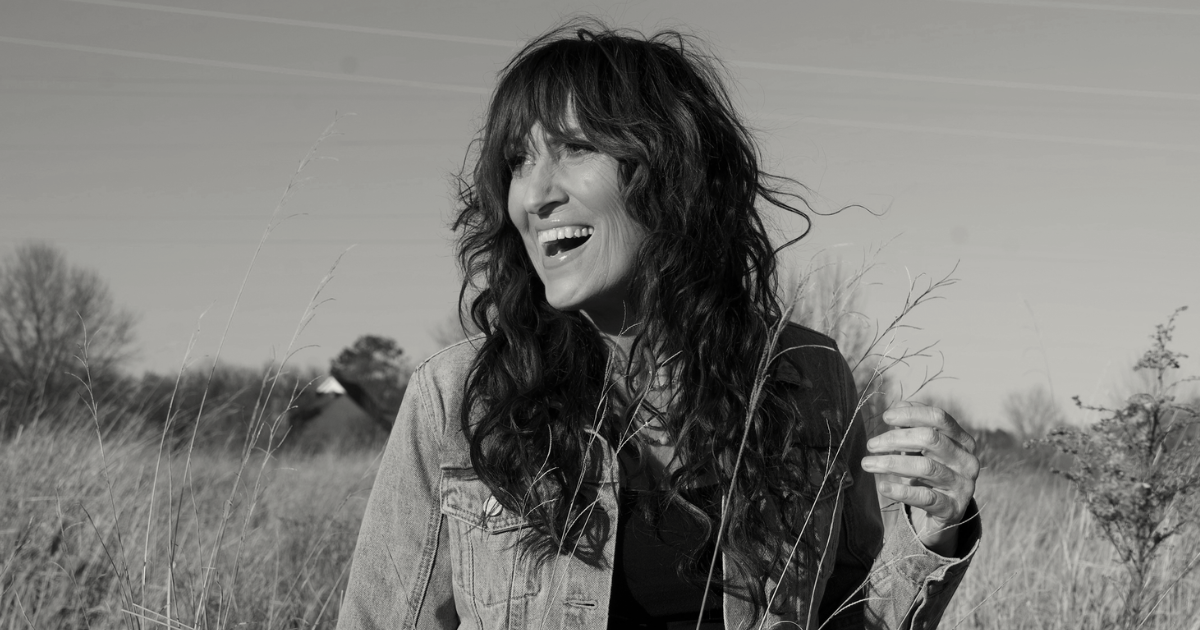
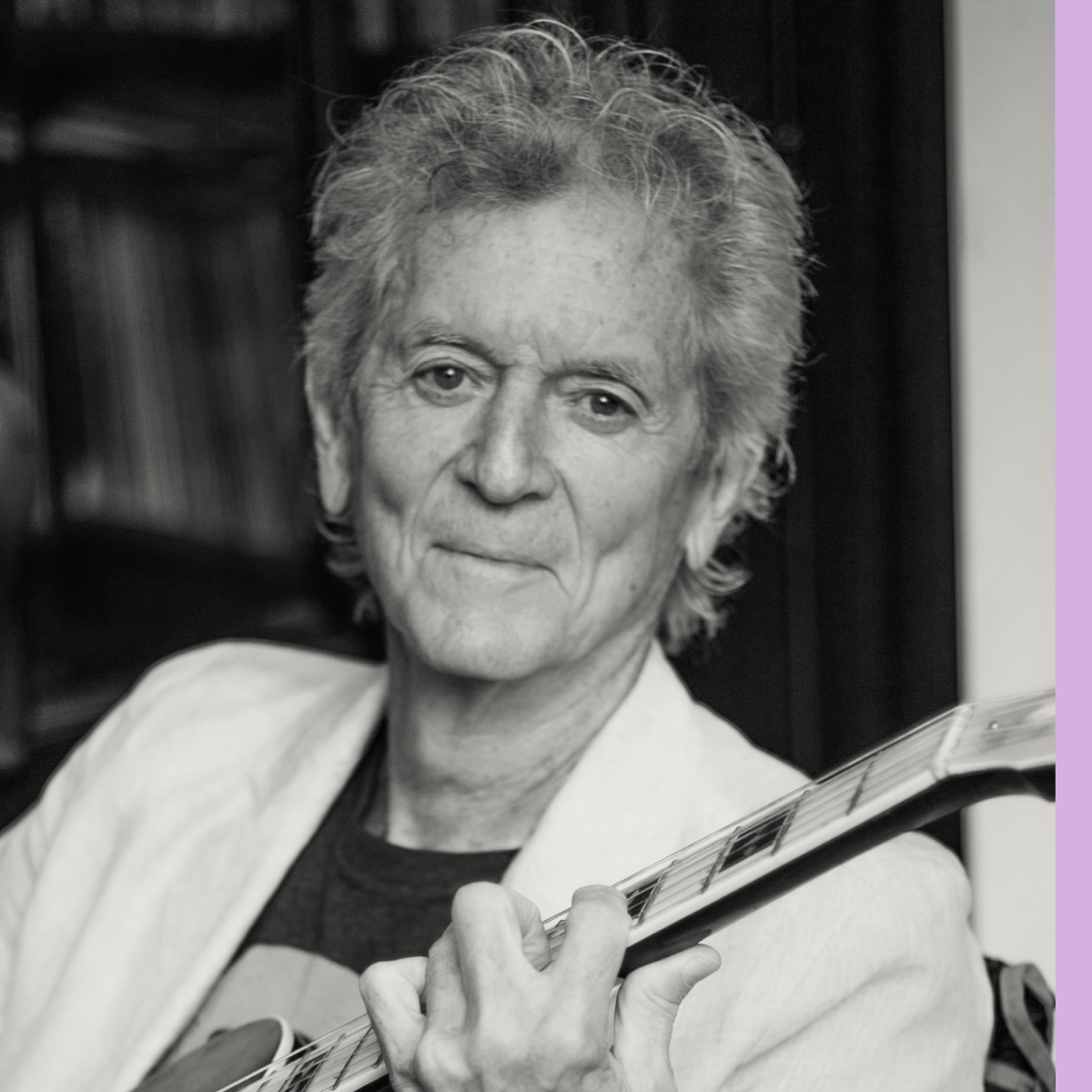
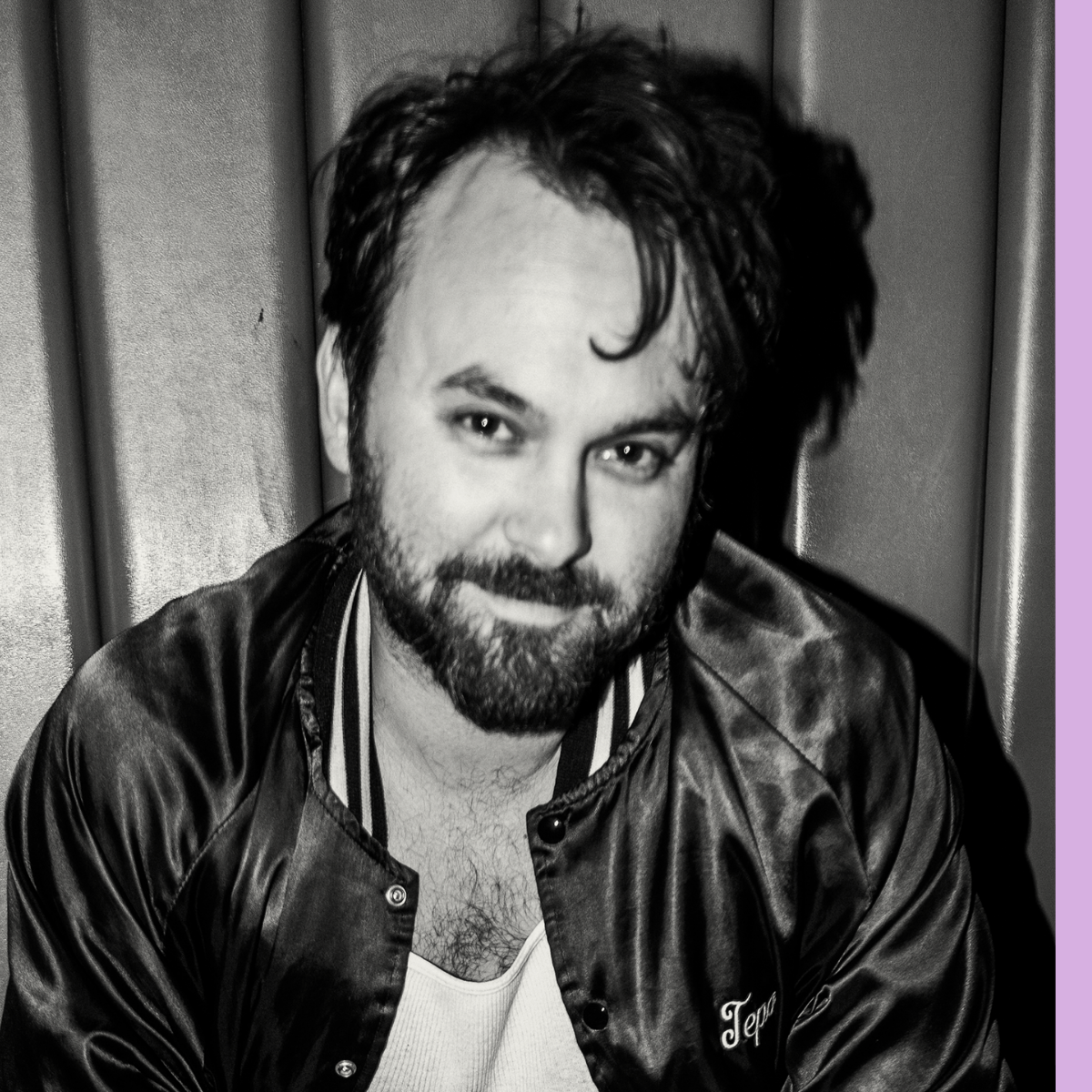
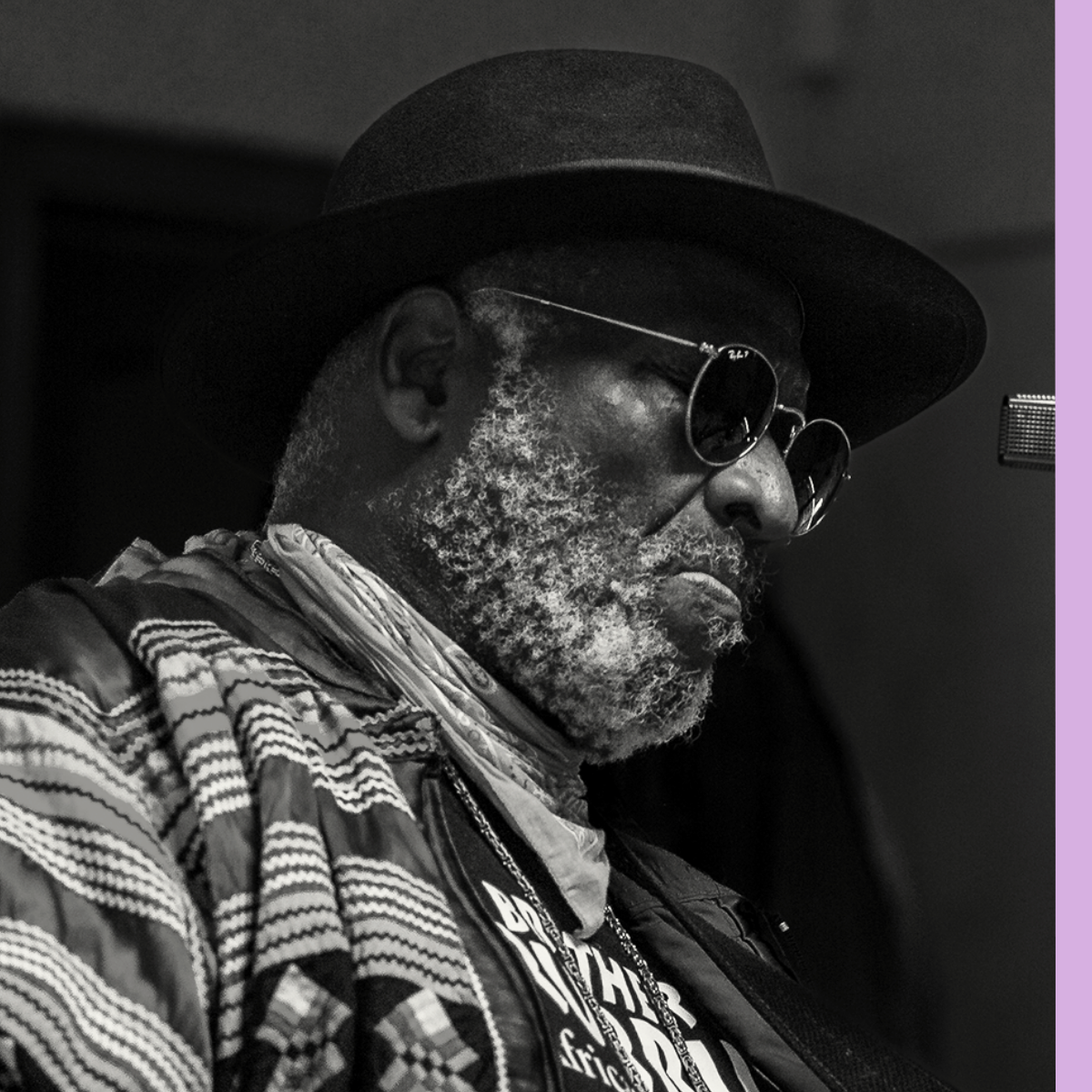

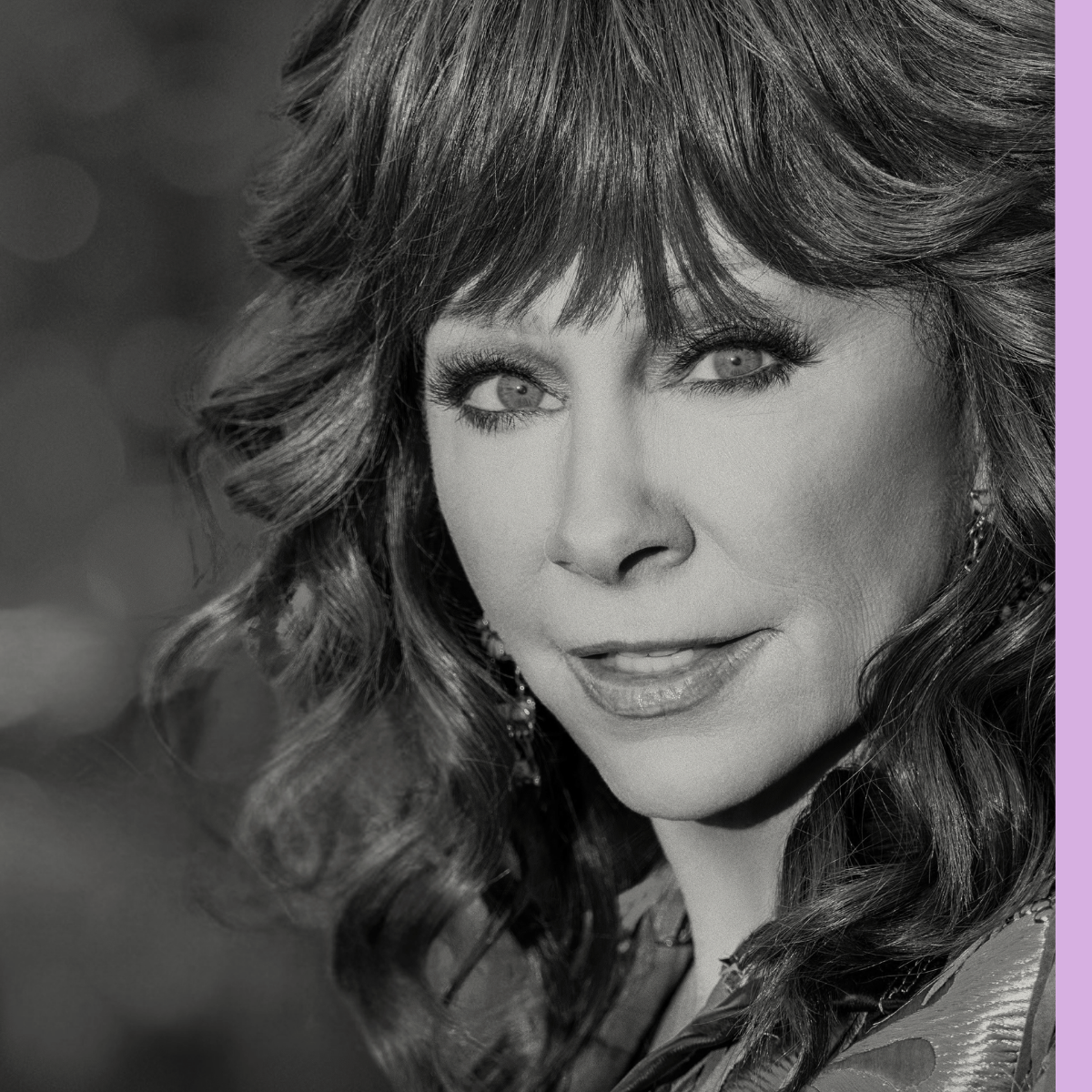

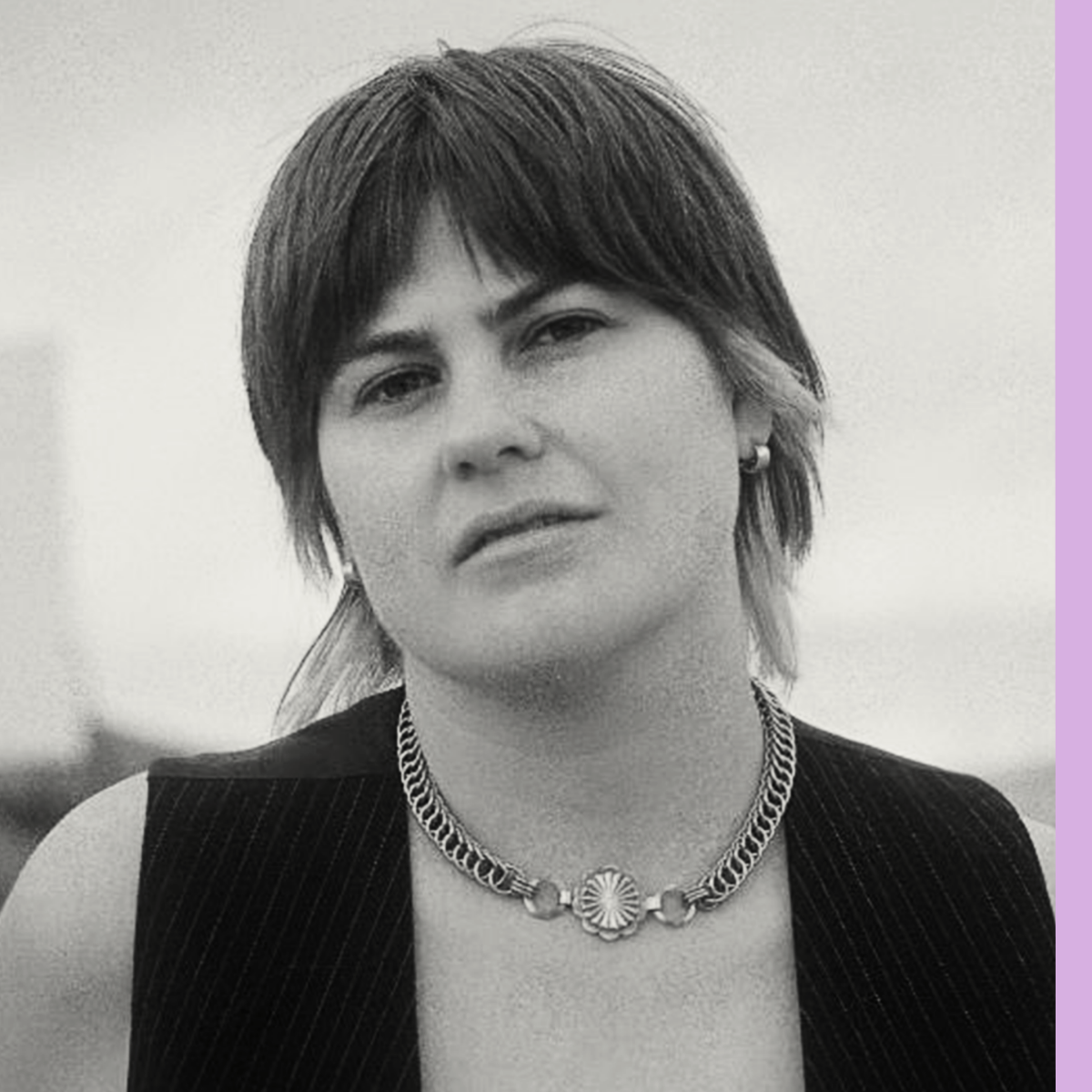

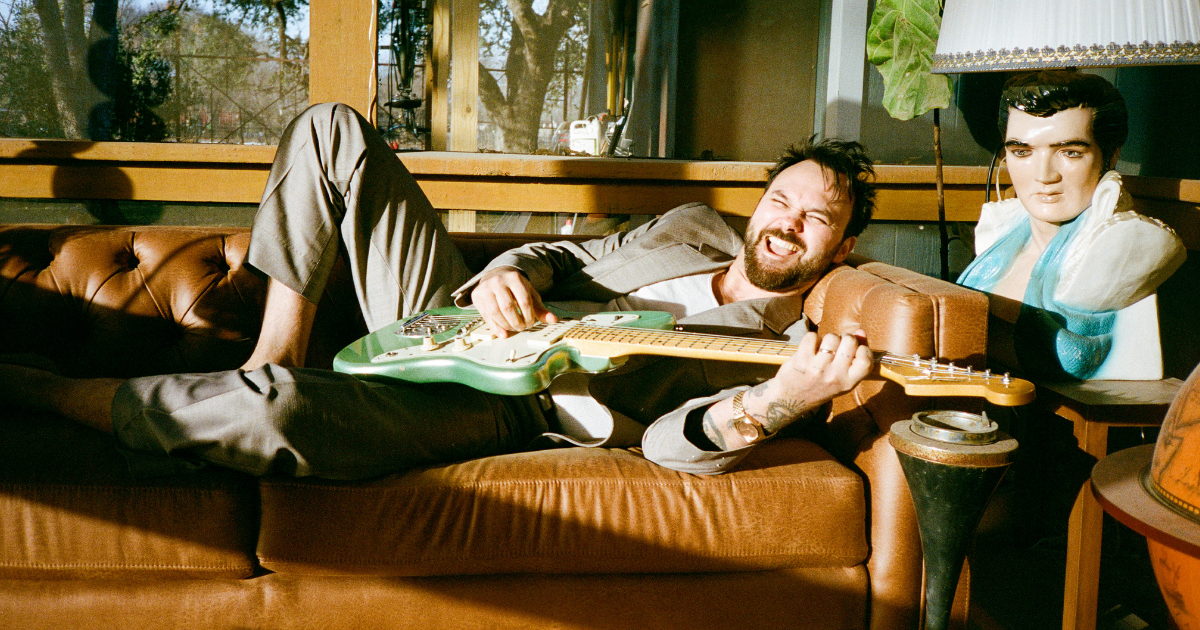
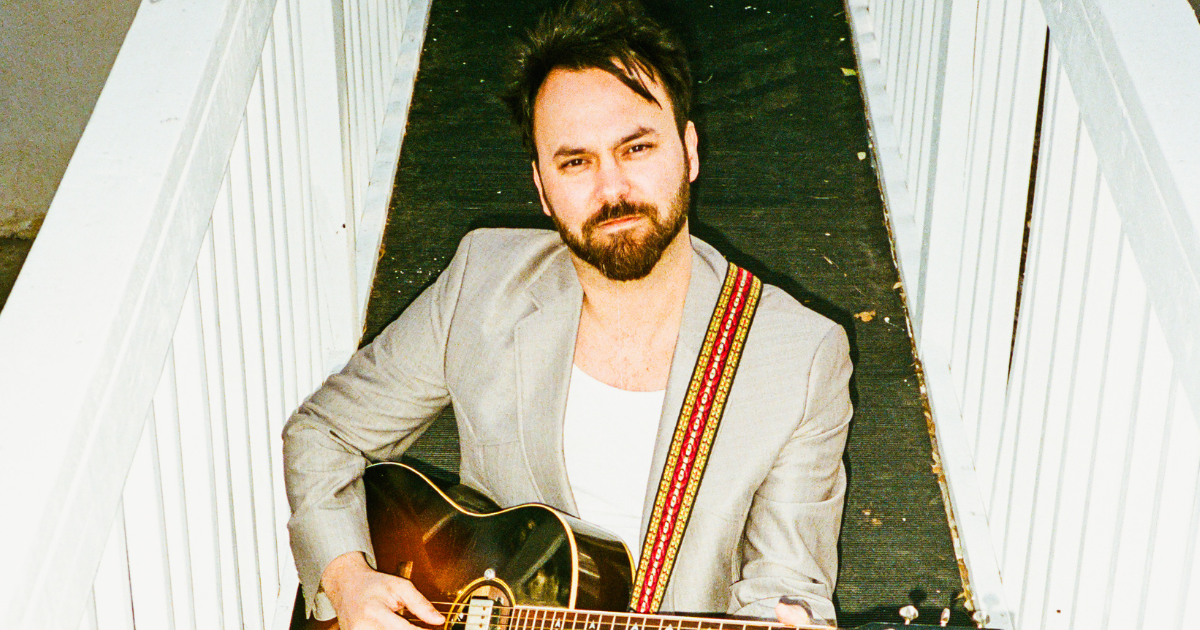
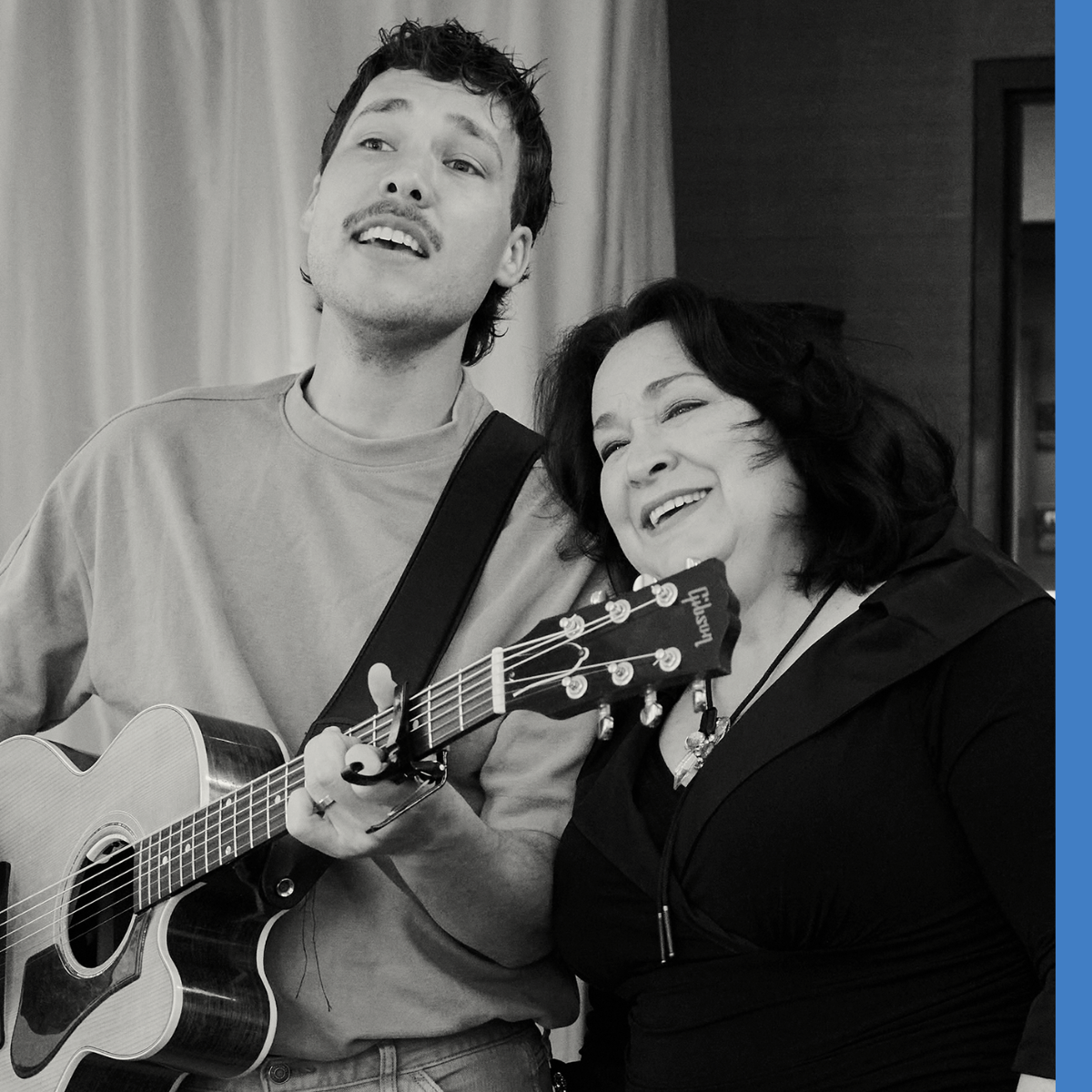

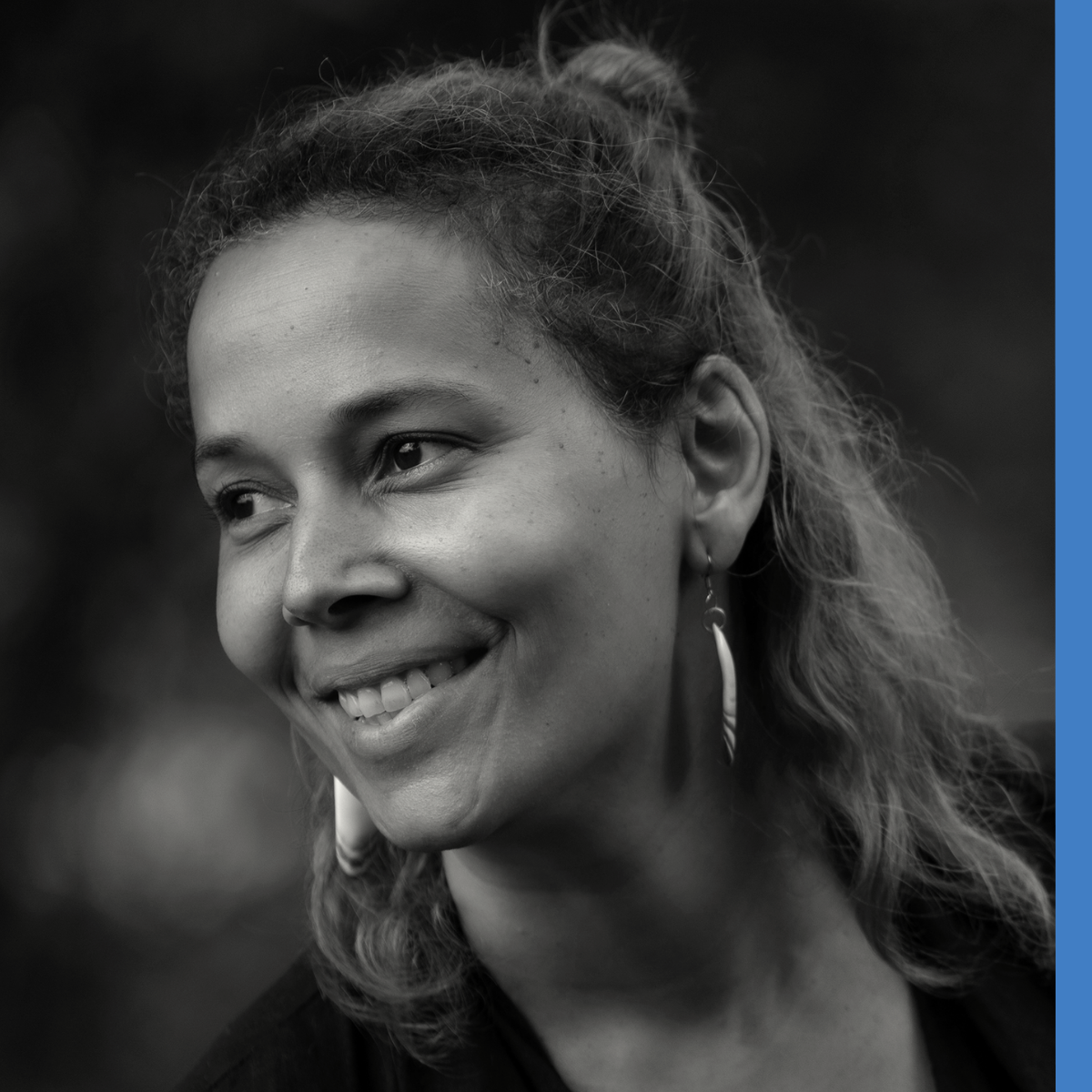

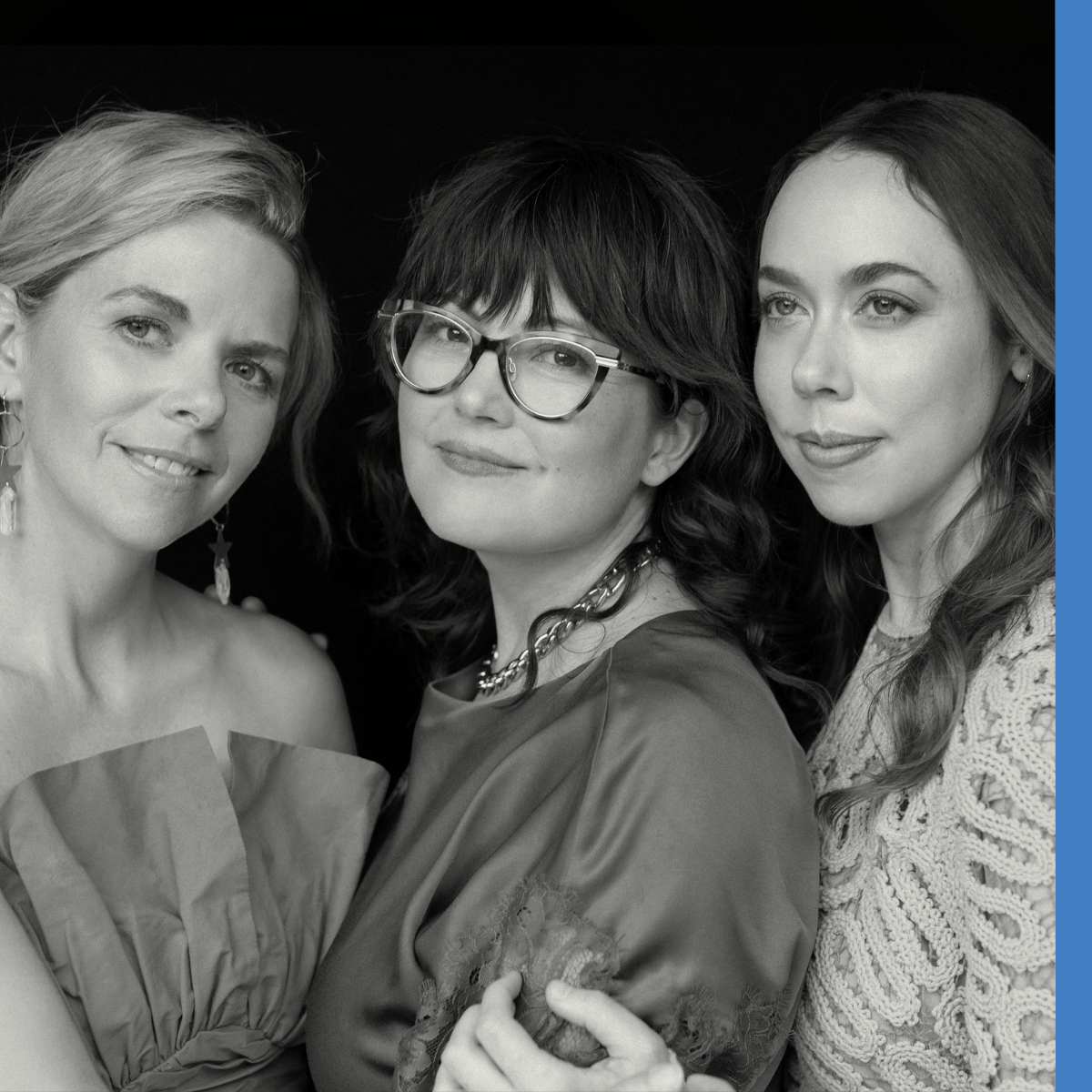

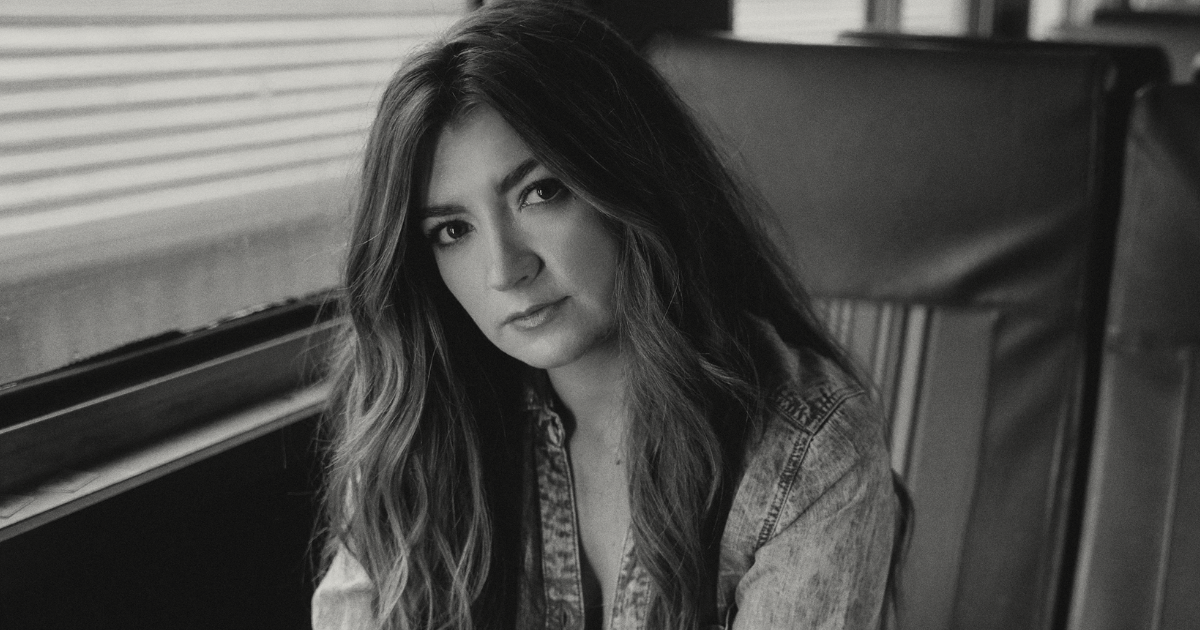
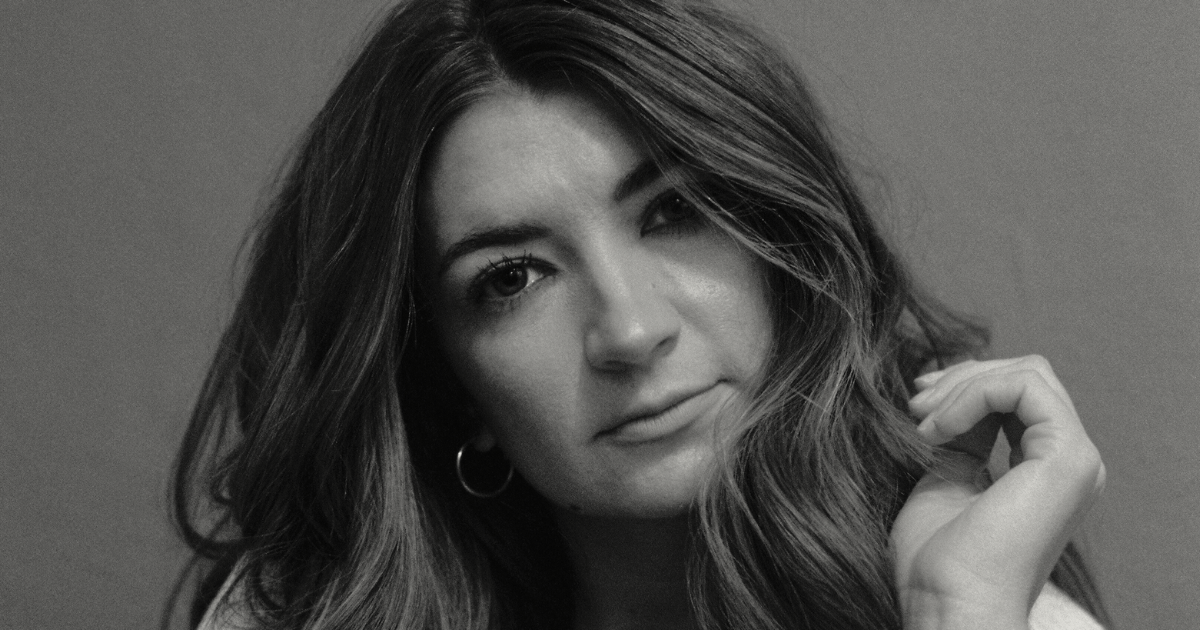
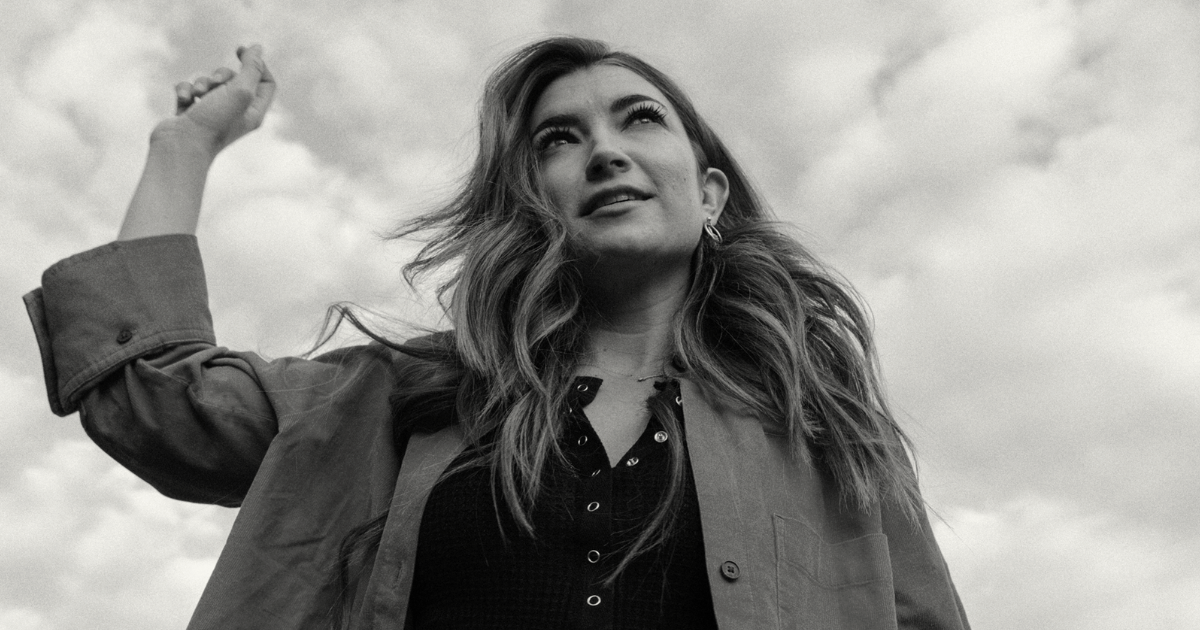
![“It's like the metaphor of having a [limited] number of crayons in your hand and trying to make a picture out of that. I felt I wanted the whole box back.” - Tenille Townes](https://thebluegrasssituation.com/wp-content/uploads/2026/03/TenilleTownes_GC_QuoteGraphic.png)