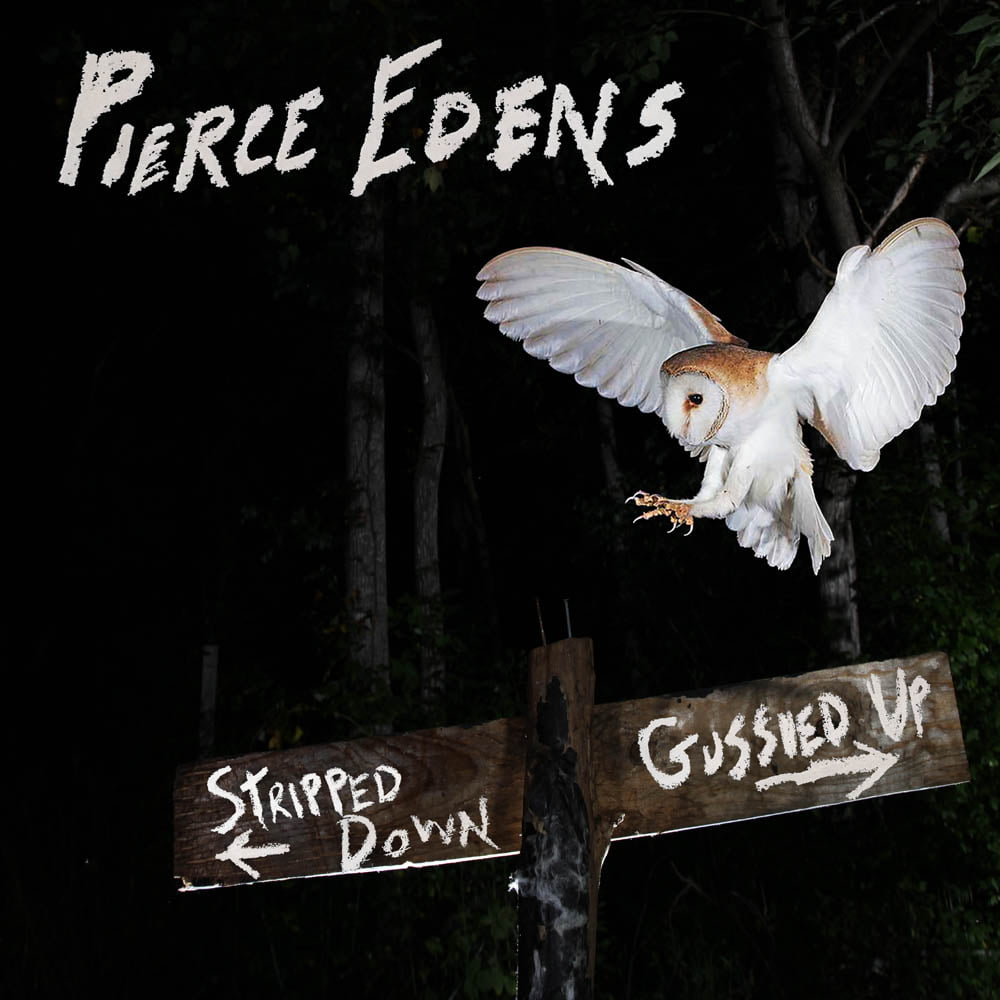
STREAM: Pierce Edens, ‘Stripped Down, Gussied Up’

Artist: Pierce Edens
Hometown: Asheville, NC
Album: Stripped Down, Gussied Up
Release Date: June 2, 2017

In Their Words: “It was late spring 2016. I was home in the Blue Ridge Mountains and digging into some of the sounds I had grown up with. I had recently pulled back from traveling around and playing with a full backing band (the Dirty Work). We had developed into a big raucous rock ‘n’ roll sound, and I found myself, instead, reveling in some of the quieter folksy ballads and acoustic tunes that surrounded my childhood. Kevin Reese (lead guitar in the Dirty Work) and I started playing with those more stripped-down arrangements, just me and him. From that, songs that fit the bill started to fall out of me.

We set up and started recording in my living room and just went at it with the notion to make a demo; call it stripped-down. As it progressed, though, a tension developed between the acoustic treatments and the heavier storytelling. Darker hollows opened up behind the guitars, and Kevin and I headed down them. We were picking out our way with one foot anchored in the old-time sound and the other foot on the gas. We started dressing it up, incorporating modern treatments, pushing the noise toward country, rock ‘n’ roll. Gussying it up. The song list grew. The sound developed. Suddenly, we didn’t have a demo any longer, we landed on an album in the crossroads: Stripped Down, Gussied Up.” — Pierce Edens

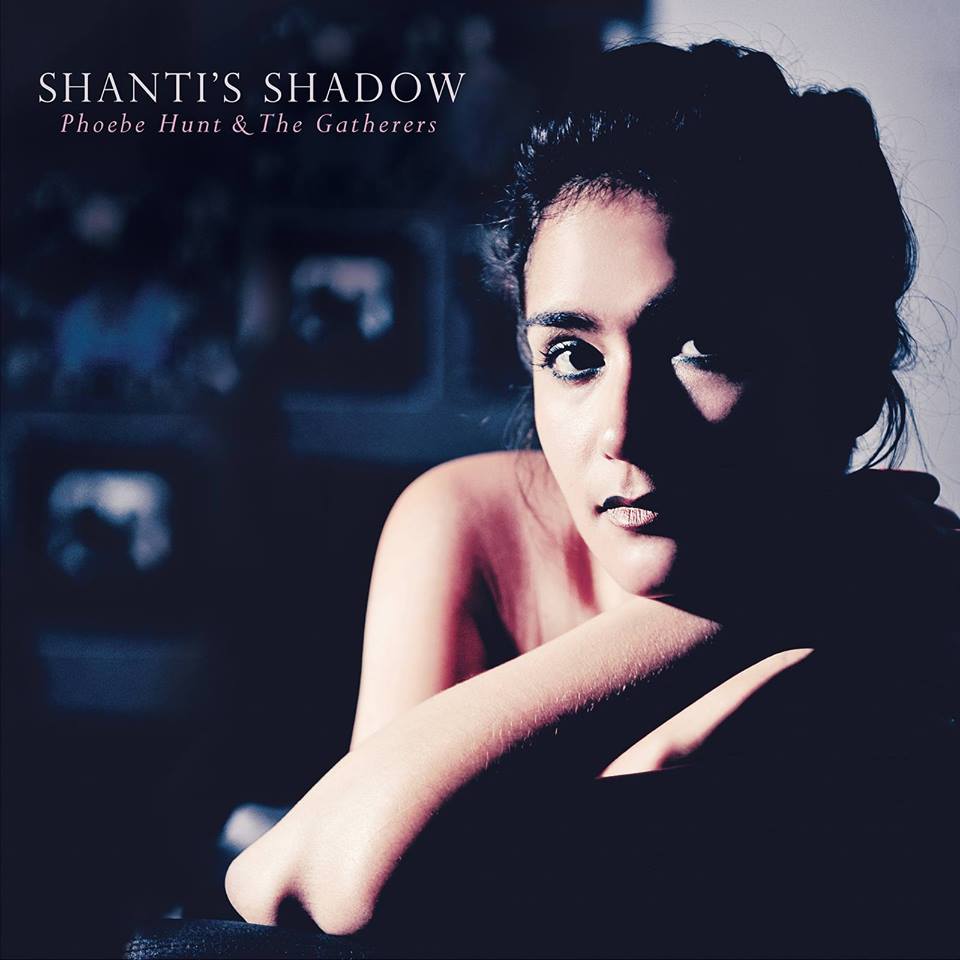
STREAM: Phoebe Hunt & the Gatherers, ‘Shanti’s Shadow’

Artist: Phoebe Hunt & the Gatherers
Hometown: Brooklyn, NY
Album: Shanti’s Shadow
Release Date: June 2, 2017
Label: Popped Corn Records

In Their Words: “For me, Shanti’s Shadow feels like my coming of age story. I’ve had to face every one of my fears throughout the process of creating this album. From being intensely vulnerable and honest with myself in the songs, to stretching beyond what feels comfortable financially to bring the album to life, I have had to break through many barriers in my mind to come to a place where I truly believe it is possible to create art that doesn’t compromise artistic integrity.

Honestly, it was when I found this group of guys to play music with, who feel like my brothers, that I knew the music would be so deeply honored. I feel like they are wizards who could elevate any artist they support. When I am making music with this crew, I feel that we can do no wrong. Around our house, whenever we are in a music setting, we always joke around, pumping one another up, saying, ‘You can’t sink this ship.’ Once I felt that feeling, I knew I was willing to do whatever it would take to nurture it and bring it to the world.” — Phoebe Hunt

WATCH: Rachel Baiman, ‘I Could’ve Been Your Lover Too’

Artist: Rachel Baiman
Hometown: Chicago, IL
Song: “I Could’ve Been Your Lover Too”
Album: Shame
Release Date: June 2, 2017
Label: Free Dirt

In Their Words: “This song is about lust, pure and simple. The feeling of wanting someone you can’t have, and knowing that it’s wrong to feel the way you do. It’s perhaps one of the most powerful feelings in the world and can make you do some crazy things. The lyrics of the chorus are ‘A man in love ain’t mine for the taking, but if he comes my way, Lord, I’m … gonna shake him.’ Although we never discussed the subject matter of the songs, in the studio, Andrew Marlin (who produced the album) kept changing the words of this song to ‘That chicken’s ripe for the pluckin … and if he comes my way, Lord, I’m … gonna …’ which resulted in a lot of takes being interrupted by fits of laughter.” — Rachel Baiman


Photo credit: Gina R. Binkley

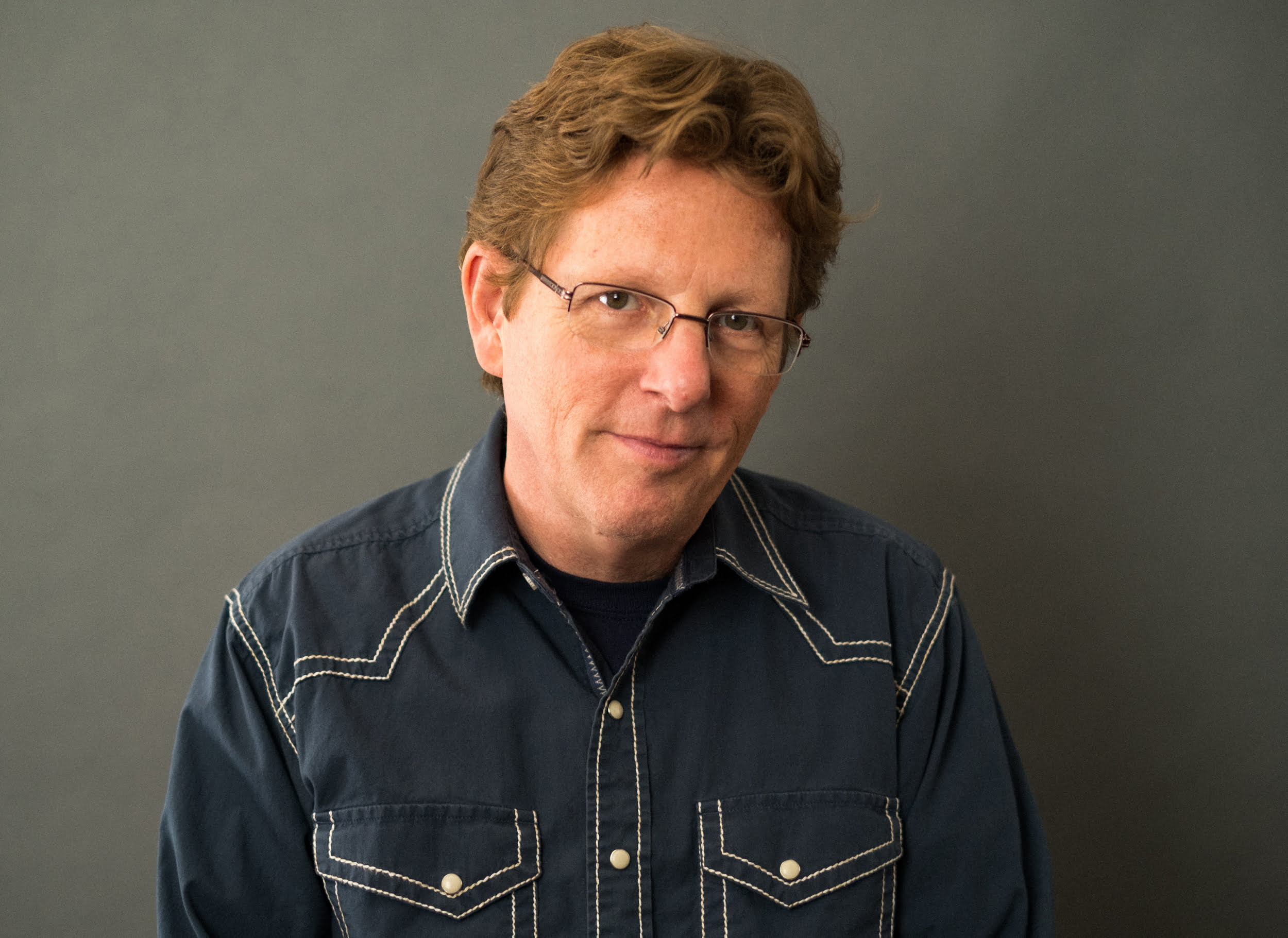
The Unbroken Circle: An Interview with Tim O’Brien

Let’s say your banjo-obsessed buddy asks you to join him at the local Tuesday night bluegrass jam. Bluegrass. Sure, you’re aware of the term. You loved that George Clooney movie. You’ve got a couple verses of “Wagon Wheel” up your sleeve for wedding receptions. Plus, you’ve been wondering how Garrison Keillor suddenly got so good at the mandolin. Why not dive a little deeper?

As a newcomer to the strange pastime of standing in a circle with fiddles, banjos, and mandolins, you will be perfectly positioned to ask a really good question: “Where did all of these songs come from?” Your banjo friend might try to satisfy you by calling the songs “traditional,” but that’s just evading the question. Sure, some common tunes arrived in America on boats from Europe, and some of them were “collected” by folklorists like John and Alan Lomax who combed through rural America in the early 20th century, but the bigger-picture truth is that the bluegrass canon has been alive and evolving throughout its history. Even before bluegrass’s inception in the 1940s, the story of folk music in the 20th century is one of surprising re-discovery, unorthodox re-interpretation, and, yes, the addition of songs that happen to be brand new. Right up there alongside the other great writers and re-interpreters — A.P. Carter, Bill Monroe, the Stanley Brothers, and many others — there’s a whipper-snapper (by “traditional” music standards) named Tim O’Brien.

Tim’s band, Hot Rize, emerged in the late ’70s as part of a neo-traditional reaction to New Grass Revival and David Grisman’s no-holds-barred hippie bluegrass boom of the early ’70s. There was a back-to-basics element to Hot Rize’s chemistry — led by O’Brien’s distinctive tenor and mandolin playing — but bassist Nick Forster played an electric bass, banjo player Pete Wernick occasionally played through a trippy phase-shifter effect, and they all wore obnoxiously ugly ties with their formal wear. (Traditional Ties was one tongue-in-cheek album title.) In other words, in a world of stiff suits and tall Stetsons, they injected a playfulness that both revitalized the tradition and reminded it not to take itself too seriously. In that way, they weren’t a reaction to New Grass Revival so much as their fraternal twin. Both bands effectively proved the point: Long-haired kids can play their own kind of bluegrass.

Tim’s original songs “Nellie Cane” and “Ninety Nine Years” share the rare double distinction of being staples of many local jams and also popular covers in the repertoires of Phish and the Punch Brothers, respectively. He’s also re-energized old songs like “Blue Night,” “Pretty Fair Maid,” and “Look Down that Lonesome Road,” bringing them and many others into popular bluegrass rotation.

Before all that, O’Brien was just a kid from West Virginia listening to the Beatles on the radio and playing wedding gigs with his talented sister, Mollie O’Brien. This month, he released a record, Where the River Meets the Road, that returns him to his West Virginia roots. True to form, he uses the opportunity to try his hand at old gems like “Little Annie” and to bring to life surprising re-interpretations of other West Virginians’ songs, like Bill Withers’ “Grandma’s Hands.” We talked about the new record as well as his many decades spent nudging the folk tradition forward. 

The band on Where the River Meets the Road is killer. They really move together like a tight band, rather than just background studio musicians. Some of them are familiar folks from the bluegrass world like Stuart Duncan and Noam Pikelny. How’d you end up incorporating Chris Stapleton?

I’ve known Chris for a good while. When he first moved to Nashville, Bryan Sutton was hired to produce demos of his. I went and played and sang on his demos, and I was really impressed. We wrote together a little bit, messed around. We stayed in touch. He sang on a record I made called Chicken and Egg. I was really pleased he was able to sing on this one.

That’s a great duet. Your voices are totally different, but the harmony is kind of striking. It really works.

He came in there and nailed that thing. I have to say, that track was good before he sang. You know how it can get in the studio. It’s pretty mellow listening to the same track over and over. Then he came in, started singing, and we all shot up straight in our chairs. Our spines straightened and our hair stood up on the back of our necks. I said, “Yeah, more of that!” It was really wonderful.

I saw on your schedule that you’re headed to Wheeling, West Virginia, tonight.

Yeah, that’s right. I’m playing my hometown tonight. It’s really exciting and terrifying at the same time. I haven’t played there in so long, and I think most of the people who bought tickets in advance are friends of mine, so you’re kind of on display. But I’m excited about seeing the old hometown.

Have you spent much time there since you left home many years ago?

No. You know, my dad died in 2011, and my mom had died before. I have a few cousins there, but I’m not close to them. I’ve only just sort of passed through a couple of times. I played with the Wheeling Symphony a couple of years ago and that was fun. My sister and her husband and my partner Jan and I sang.

Wheeling has a symphony?

Wheeling was the biggest city in the state for a long time. It was the only symphony in the state before they ever had one in Charleston. Yeah, Wheeling was a rich town with a steel mill at one point. People dressed in finery, you know. It’s a faded town now, but it has surprising culture. [Laughs]

And it had a great radio station that you grew up listening to, right? WVA?

WVA was a great resource. I was into pop music and stuff at the time, but WVA was a place you could actually see live performers on a Saturday night. I enjoyed listening to the radio, as well, but I liked going down to the Saturday night show and seeing the pros play their guitars.

But you were just a kid mostly listening to pop radio and Beatles records. So, in other words, you weren’t from a traditional music family on an inevitable path toward a folk career?

No. Not at all. My parents loved music, but it was just on the sidelines. They liked the music of their era — Glen Miller and Benny Goodman and stuff like that. When my sister and I got into music, they encouraged us. They tried to steer us toward a well-rounded experience growing up, so we could choose what we wanted to do.

Did you and Mollie sing together and learn from each other growing up?

Well, she was playing the piano and I started playing guitar. By the time she was in high school, she was studying voice there, so, yeah, we would get some little gigs — school plays, different things. We would play at weddings, sing a few Peter, Paul, & Mary songs, Beatles songs, or whatever.

Then you left college to move west and pursue music. Did your parents think you were crazy?

Well, I was the youngest of five. Being the youngest, my parents cut me a lot of slack, I’d say. They had been through it with the rest of them. Also, you know, I was determined. They wanted me to stay in college, but I just wasn’t going to respond. So they said okay. I think they were holding their breath for about three years. Then I put out a record on a little label — I think it was ’77 or ’78 — and that’s when they finally said, “Oh, maybe this will lead to something.” They developed a more open mind. Then my parents became big fans of whatever I was doing and supported it. So it was a gradual thing, kind of a wait and see. They lightly steered me, but they knew they couldn’t do the final job, you know? I’m lucky I had that background with them.

So after growing up in West Virginia, you moved out west to Colorado to get your career started. Why did you feel like you had to leave the south to play bluegrass music?

My dad said, “You just want to go as far away as you can, don’t you?” I said, “Well, sort of.” [Laughs] Really, I was going out there because I loved the weather and the scenery, the lifestyle out west. I thought in a ski area, maybe I could play music and ski — both things I was excited about. So I went to Jackson Hole. Some other friends that had worked at summer camp with me were going to spend a winter there, so I went out and joined them and scuffled around for the winter. I ended up looking for a more active music scene and I ended up in Boulder. I guess I could’ve moved to a college town in West Virginia, but I wanted to see the rest of the country.

It’s funny — when I sing the song, “High Flying Bird,” from this record, I realize it’s symbolic of what I wanted to do when I was young. I wanted to get the heck out of there. I didn’t want to be rooted and tied down in West Virginia. I wanted to see the rest of the country, the rest of the world. And I didn’t realize that song was from West Virginia until now. You get away and you find perspective on where you left. You can see it from a longer view. The music provided a connection to West Virginia, as well as my family, so I kept going back. I realized it was a valuable base to have started from, and I continue to value that.

What is it that’s made you interested in reconnecting with your West Virginia heritage? Why now?

I feel like I’ve been given a gift of this music and this background. I got involved with the West Virginia Music Hall of Fame when they wanted to start that about 12 years ago. Meeting all these people as they come through to be inducted was really wonderful. You learn that a lot of people you knew about and music that you’d heard came from West Virginia.

Until I heard your record, I had no idea Bill Withers was from West Virginia.

Yeah, and that’s the thing. Part of the aim of the Hall of Fame is to connect those dots. We’re doing it for the public, but as it turns out, the members of the board and the members of the Hall of Fame are learning about the rest of the scene and connecting dots themselves. I think why I did this project now is, well, I needed to put a record together! [Laughs] I originally wanted to do a record of all original material, but I didn’t think I could pull that off for another year. I’d been thinking about a West Virginia record for a while, and I didn’t realize how much work I’d already done organizing it, making lists of songs, brainstorming on it. I’d already done a lot of that. So it came together really fast. It felt right.

One big part of your story is that you’ve made so many different types of music, so many types of records over the past nearly four decades. Do you have to keep exposing yourself to new songs and new sounds to keep your ideas fresh? How do you do that?

You just keep looking. You go to the record store. Nowadays, I get online — YouTube or Spotify. Then back to my own old record collection. My huge CD wall. Every year, I clean a lot of stuff out of it, give it away, put it in the free box at the Station Inn or something. Then there’s a lot of stuff that always stays there — the first generation of bluegrass masters, or the Lomax field recordings, or classic songwriters like Randy Newman or whatever. Then my friends around me are always writing new stuff, and I’m trying to keep up with their stuff. It’s a constant search, and I always feel the need to refresh the palate. But it’s funny — even by going back to the same stuff you’d passed over, you’ll hear new things and learn. So I’m always combing. Part of the week’s work is to comb for new music.

I like that — it’s part of the week’s job. It’s what you do when you wake up. Reminds me of the first time I saw you solo, at Grey Fox in 2012, when you did a solo guitar tribute to Doc Watson. I’m a North Carolinian and I know Doc’s stuff pretty well, but you put a new stamp on those tunes. It was like rediscovering Doc. So, for me, it was a sort of revelation, but I heard a guy next to me say, “Wish he’d brought his mandolin …” I can imagine for you that must be frustrating. Do you have to put effort into not being pigeonholed?

Yeah, you do get pigeonholed in bluegrass. I think back when I was starting, if you did bluegrass, you couldn’t do anything else. People wrote you off. When Pete Wernick called me [in 1978] and said, “Hey, why don’t we get a band together?” — our solo records were both coming out around the same time in ’78 — I said, “Yeah, that would be great.” I told him I wanted to play some traditional bluegrass, for sure, but I also wanted to do some country music and different things. I asked him if he played dobro so we could get away from the traditional thing.

Nowadays, the rock ‘n’ roll and country players, even the jazz players, are respectful of bluegrass. They understand it’s a training ground, that there’s a certain amount of woodshedding you have to do to even try to play bluegrass. So, yeah, I didn’t want to be pigeonholed. But I am pigeonholed. I’m always referred to as a bluegrass artist — and I’m glad to have a handle to carry it around on. Bluegrass music is Bill Monroe’s music, but then the bluegrass audience is a separate thing. There’s the genre as defined by the history, the classic examples. Then there’s the genre as defined by the audience — though it may only be a small part of what that audience listens to. So, in a way, I’m lucky to have been labeled a bluegrass artist while still sneaking in this other stuff. If I play something on acoustic instruments, they tend to accept it. Bluegrass fans are a very tenacious, very loyal bunch. They keep giving you another chance.

Can’t they be a pretty judgmental bunch, too?

I’m sure there’s judgmental stuff going on, but I don’t really look for that or worry too much about that. I just go my way and hope things will work out. And they have. I tried to get on a major label — I sort of glanced at the big time there. It didn’t take. I thought maybe I’d get the big publicity for a while and then I’d be on my way. Instead, I dug into the trenches of the folk and bluegrass worlds and developed an audience slowly but surely. You’re a product of what you do, so if my output has been eclectic, the audience that has remained has been willing to accept that. There’s enough of them out there to make a career.

Back in the Hot Rize days, and also what you do now, your music was right on that line between the traditional and the progressive — or neo-traditionalist, as people called Hot Rize. Did you ever feel any tension between those two camps? Or was the general attitude different in Colorado?

With Hot Rize, it was interesting. West of the Mississippi, we represented a traditional bluegrass band, but east of the Mississippi, we were these wild card guys. Our hair was too big and our ties were wrong and we had an electric bass.

But you guys had a sense of humor about it, too.

Yeah, we did. I mean, you’ve probably been at a bluegrass jam where people play a tune and, when it’s done someone, will say, “Well, that’s not bluegrass,” and everyone will laugh. Bluegrassers are always referring to their relationship with Bill Monroe’s music. They’re always measuring that. It’s part of our thing.

Sort of a self-conscious conversation we’re always having.

Yeah. And there is a tension. I’ll say this: There are a couple of places where we couldn’t get booked because Pete [Wernick] is Jewish. But, like I said, we took it where we could. Luckily, we came along at a time when people like New Grass Revival and David Grisman had broken a lot of ground. There was a hippie element that supported an alternative to the music. We were on a wave that was returning back to a traditional sound — the Johnson Mountain Boys, Nashville Bluegrass Band, Doyle Lawson & Quicksilver were starting out at about the same time. They were hip and innovative in the way they were presenting traditional music, but they weren’t breaking the walls down like New Grass Revival did. This was viewed by a lot of people as a refreshing return to form. We enjoyed that. You know, we tried to play the kind of no-boundaries music when we started, and it just didn’t work out. Charles [Sawtelle] was playing bass at first, and we had a different guitarist. When Charles started playing guitar, he was much better at the traditional stuff. And we felt better playing it. You’ve just got to find your feet in whatever situation you’re in. That seemed to be the way to go, so we kept going there.

Since then there have been many ups and downs in terms of bluegrass’s broader popularity, the general awareness among the public. Is there anything that surprises you now about what the scene is like or feels particularly different about the 2017 bluegrass world?

The biggest draws in bluegrass now are the jam bands. Again, if you defined it in terms of Bill Monroe’s music, they’re not bluegrass. But they’re playing banjo and bluegrass and they’ve got a lot of attention. There’s a crowd that will get interested in that and look behind it for their influences. They might get into Widespread Panic or the Grateful Dead — or they might go to Doc Watson and the people that he learned from. The thing about bluegrass — even with the ebbs and flows of it — it’s always been growing. With O Brother, Where Art Thou, or with Alison Krauss crossing over into country, or with String Cheese Incident becoming a big draw — there might be a surge related to those things. But mostly the genre grows slowly like a tree. It’s healthy. The roots are growing, as well as the branches.

From those days starting out with Hot Rize in ’78, it just seems to keep growing. That’s the overall trend. Young kids are going back to the old stuff and remaking it. Even if you do something that’s been done before, your version of it will appeal to someone in a new way. It’s heartwarming to see it. Evolution is part of the definition of tradition. Each musician is a link in the chain and, whether you like it or not, you’re part of a tradition. You’re not going to do it exactly like the old folks did it, and you’re not going to do something completely original. You might as well get used to it.

In the same vein, you’re circling back to Wheeling tonight.

Yeah, it’s really exciting. I’m playing a little restaurant bar! [Laughs] Almost everyone there will be my friend, so that’s a little intimidating. But it’ll be fun. I just want to go out and walk the streets a little bit.
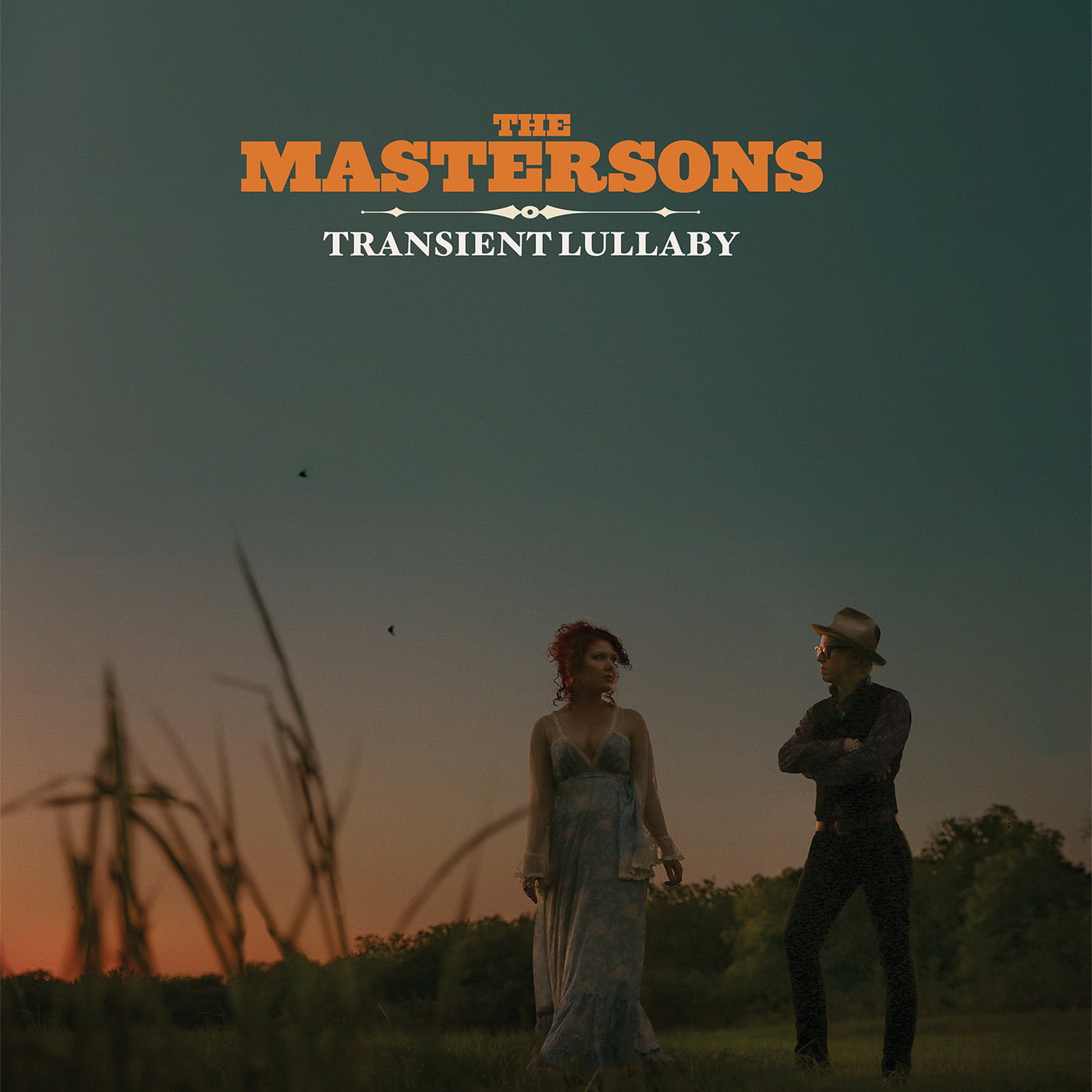
The Mastersons, ‘Don’t Tell Me to Smile’

“You should smile more.”

Any woman who’s ever walked around with less than a permanent, pageant-ready, toothy grin has heard this many times: Smile more, and you’ll look more beautiful. Smile more, don’t be so serious. Smile more, and you could be president. Yes, even Hillary Clinton wasn’t immune, constantly told by pundits and politicians to turn her frown upside down (and then, when she did, she was told she smiled too much). But really, it’s bigger than the appearance of a happy face. There’s a universal discomfort with intelligent, strong women, and, in so many ways, telling one to “smile more” is a nicer way to say that we should focus on being pretty, not smart. Pretty, and not powerful.

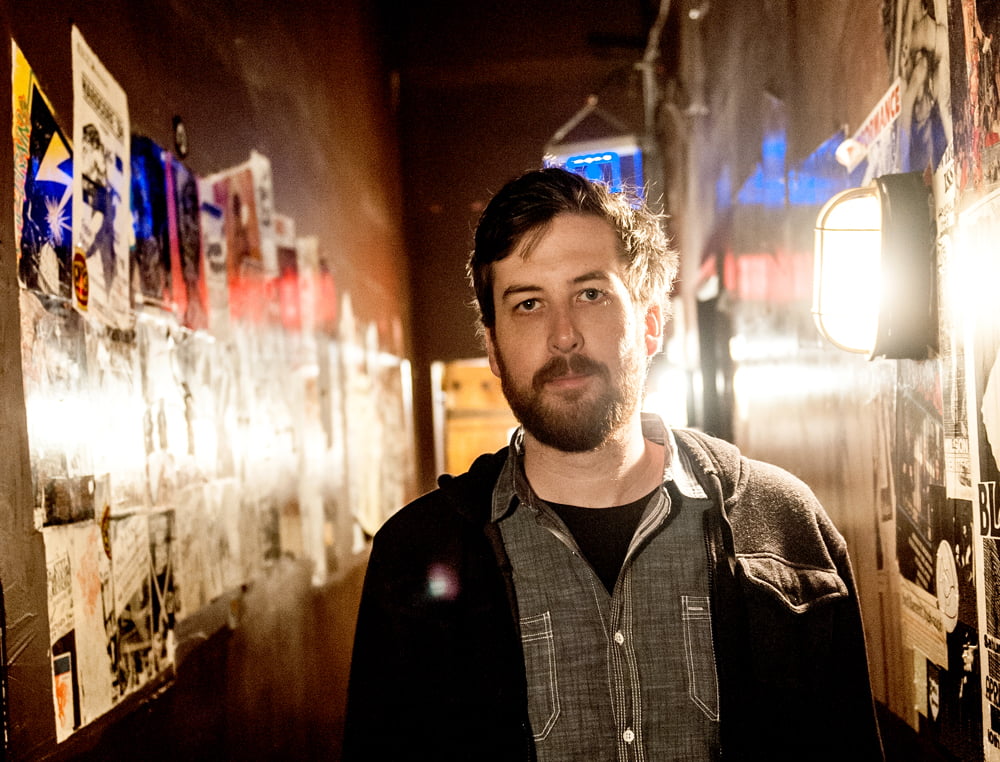
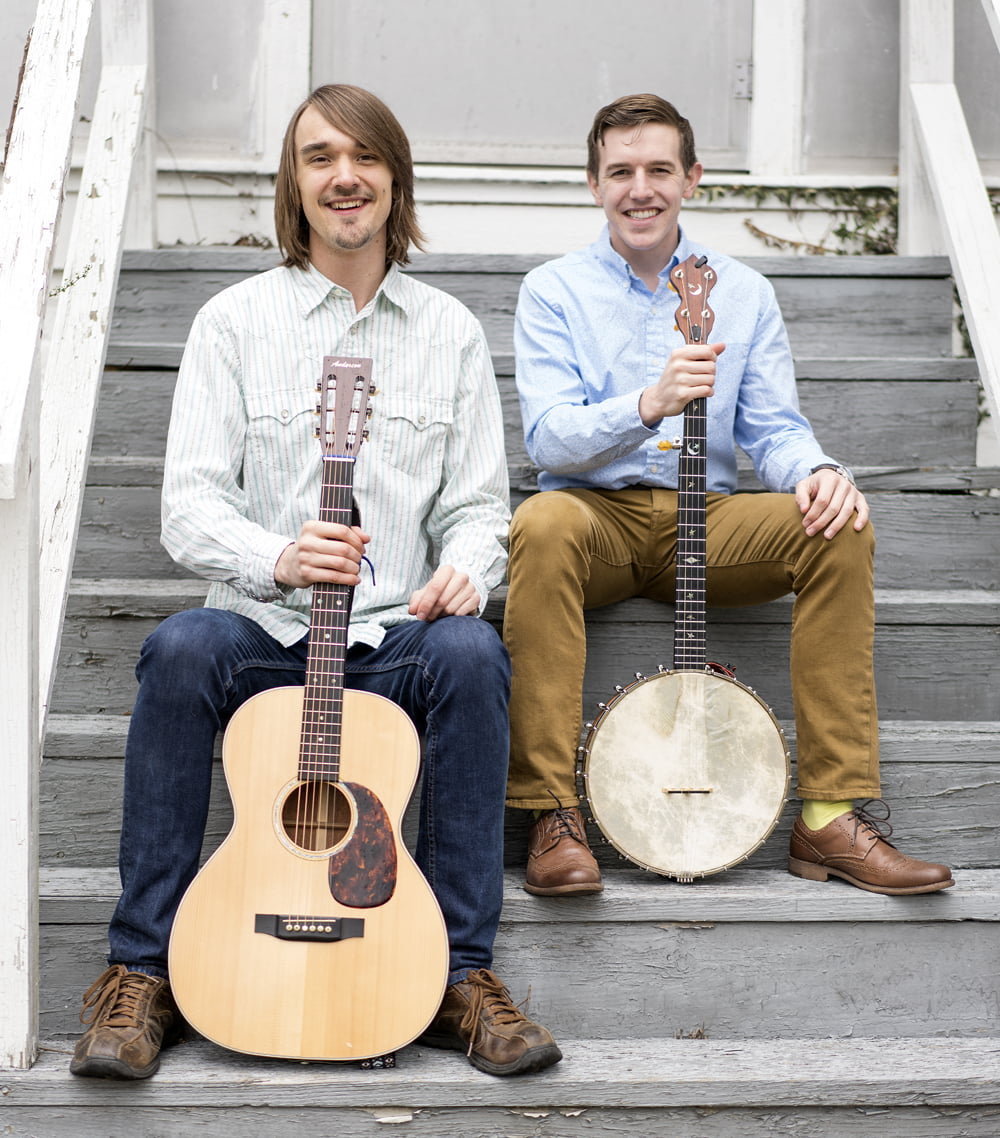
“Don’t Tell Me to Smile” from husband-wife duo the Mastersons was written by Eleanor Whitmore after a woman — yes, another woman — yelled at her to smile more from the crowd. From their new record, Transient Lullaby, it’s about being sick of hearing others tell you how to appear or act when they really should be listening instead of looking. Here, Whitmore’s talking about life on the stage, but it’s a universal experience she shares, told with a bit of Liz Phair sass in a rich, roots-rock package and a lush hook. “Don’t tell me to smile. I will if I want,” Whitmore sings alongside backing from her partner Chris Masterson. Pretty, and powerful.  

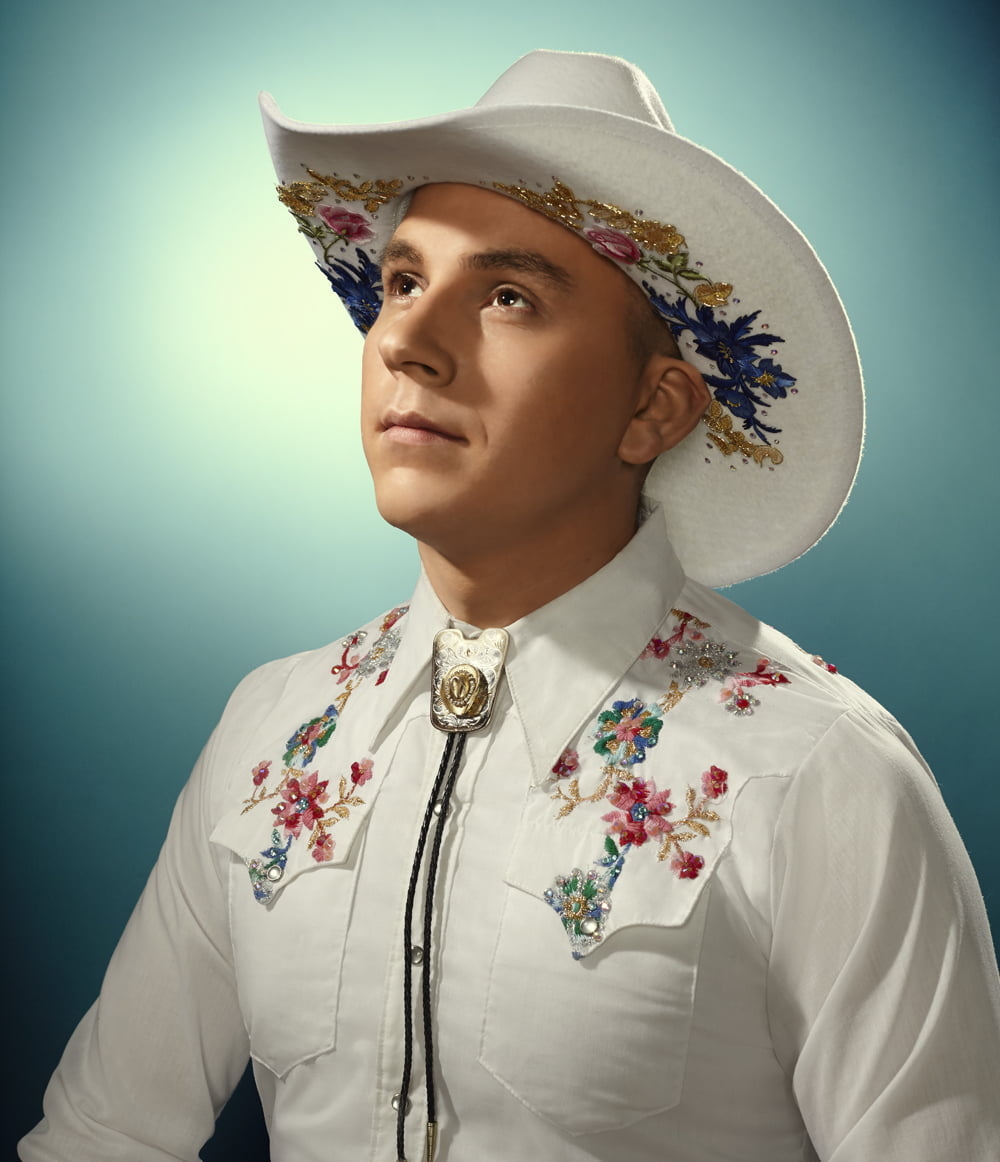
Trixie Mattel: Equal Parts Mother Maybelle and Mama Ru

To be in roots music is to be infatuated with its “good ol’ days,” with its forefathers, and with tradition. Almost any change — stylistic or cultural — is debated. The labels on album spines and headstocks are just as important as the labels given to each other. After all, any genre within roots music is not simply a genre, but a community and, if the members of these communities look, sound, act, and think like ourselves, it’s easier.

On the other hand, the art of drag is all about challenging perceptions and presuppositions. By slapping on a wig and three or four pairs of pantyhose, a queen puts gender identity, sexuality, and societal pressures all under the microscope. In drag, boundaries are meant to be pushed, shock is a commodity, and respect for the “tradition” is more often than not shrouded in biting, heartless insults. Nothing is sacred and no one is safe.

Where the two overlap, we find international drag queen superstar, contestant on season seven of RuPaul’s Drag Race, and folk musician Trixie Mattel. While many Drag Race alumni have released albums — not surprisingly all are dance/club-oriented — Trixie (aka Brian Firkus) just released Two Birds, a folk-influenced country album of original songs. Firkus grew up in rural northern Wisconsin with hardly a neighbor and a shortage of friends, so playing Carter scratch guitar and listening to his grandad’s favorites — Conway Twitty, Johnny Cash, and the like — were the most entertaining use of time. To most roots music fans, that’s an awfully familiar story, right up until you add a wig even larger than Dolly’s, makeup that rivals a clown’s, and a lacy nightgown.

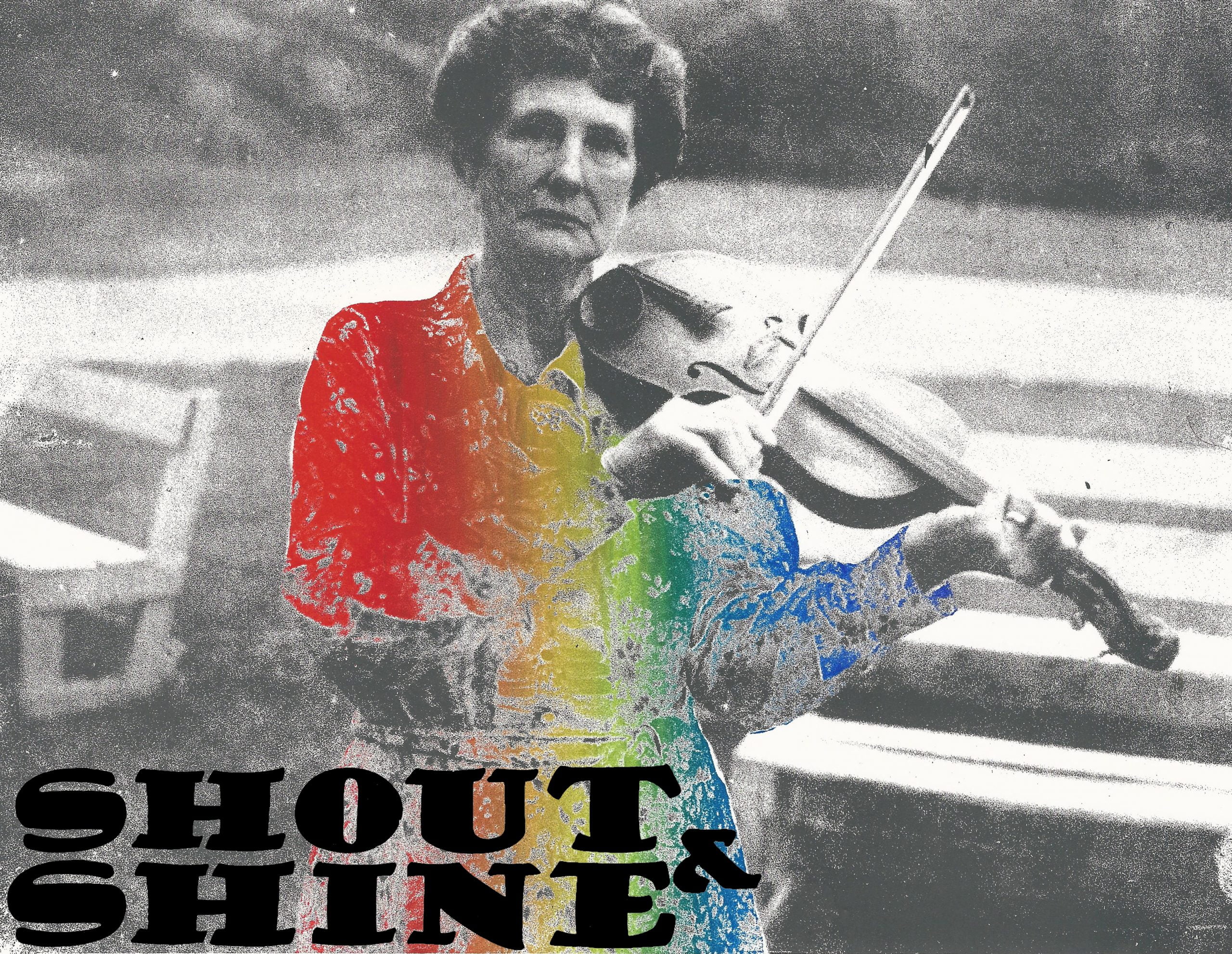
In our brand new column, Shout & Shine, we will explore diverse voices and identities in roots music. We’ll talk to musicians, artists, and creators who don’t fit the “mold.” People who are marginalized within roots music communities — not because their love and respect for the music is lacking, not because they don’t have the familial or cultural ties, and not because they did not grow up learning chords from their grandparents at the kitchen table, but because there are people out there who believe the music can only belong to those who are exactly like themselves. A man in a wig, lashes, nails, and a nightgown is surely disqualified.

When I was scrolling through Twitter and I saw a video of you playing “Storms Are on the Ocean” on autoharp, I was shocked. Where did you get those autoharp chops?

Oh my God, you are going to laugh. I’ve only been playing autoharp for like … five months? I love the instrument! Plus, it’s such a pretty-looking instrument to play in drag. It has such an angelic, feminine look to it. I learned on a chromaharp by Oscar Schmidt and I just got a D’aigle harp made for me. It’s a custom build and it’s so beautiful.

I’ve played guitar for 15 years. I play kind of “Carter scratch” style. I grew up alone in the country playing, so I learned how to play the accompaniment with the melody together on guitar. I’ve always sung and played together, so it made perfect sense. I taught myself guitar, and autoharp, to me, it’s the same business. You use the leading tones of the chords to find the melody. You just learn to play by ear. That instrument, it’s sort of like learning to sight-read or sing solfege — like do-re-mi. Once you do it enough, it becomes second nature. On the album, I got Allison Guinn to play it. She’s like the Beyoncé of autoharp — she’s been on the cover of Autoharp Quarterly and she’s a Broadway actress whose special skill on her Broadway resumé is that she’s an autoharp champion. She’s fabulous.

I saw you perform in Nashville for A Drag Queen Christmas where you sang Dolly Parton’s “Coat of Many Colors” live and accompanied yourself on guitar.

That was the only night I did “Coat of Many Colors.” I love that song and, to me, it’s almost a Christmas song. I ended up dropping it because I wanted to do what I normally do — I do a stand-up set with music woven in. I’ll make a joke about Aja [RuPaul’s Drag Race season nine contestant] looking like a burn victim, then I’ll sing “Girl on Fire” for 15 seconds. Or I’ll make a Columbine joke then sing “Dust in the Wind” for 10 seconds. That’s usually what I do — little bits of music punctuated by jokes. For Nashville, I wanted to do “Coat of Many Colors,” because I thought, if anybody is going to go on this journey with me, it’s the people in Nashville.

I play guitar. I went to school for music, but it never occurred to me to make Trixie sing. When I started, it was like a light turned on. I never really sang in drag until this year. I look like Dolly Parton, but I sing like Garth Brooks … like it doesn’t really make sense. [Laughs] It didn’t make sense to me for Trixie to have this man’s singing voice. But then the comedy became less about being a drag queen and more autobiographical. The stand-up show I’m doing now, there’s a portion where I do original music and it’s always everyone’s favorite part of the show. It occurred to me, people relate and are more responsive to Trixie being a singing drag queen than I thought they would be, so I might as well run with it.

You said you’ve been playing guitar for 15 years — how did you get started?

I’m from the Northwoods of Wisconsin, and we didn’t have any neighbors or anything. I didn’t have any friends. There wasn’t anyone else who lived around us, so I learned to play guitar at the kitchen table from my grandpa, who was a country musician his whole life. At 13, I started and he kind of taught me, but he was a little more insistent on me teaching myself. He said, “If you were a good musician, you could figure it out on your own,” which I think is sort of true.

Who did you listen to growing up? Who did your grandpa turn you on to?

He turned me on to George Jones, Roy Orbison, Johnny Cash, Conway Twitty. Obviously, I gravitated more toward the women — I liked Loretta a lot. Dolly. Loretta and Dolly, for me, are running head-to-head for my favorite. I think Dolly is a finer musician, but I do like that Loretta’s music is a little rougher and tougher. She’s a little more like a tomboy in country music. I like the rougher side of her lyrics, and it’s a little more mellow. Her songs are about being poor and stuff, but obviously, I’m a drag queen, so I like that Dolly wears full drag.

There was some crossover into pop music for a while, that stuff you listen to when you’re a teenager. With folk, I was like, “That’s old people music! My grandparents like that.” When I started to get older, I was done with it, but then only as an adult, when I entered my mid-20s, did I realize that country and folk, given how simple it is, it speaks to the most basic human needs. It’s simple music because it’s by simple people for simple people, really.

I’m the only person from my family to go to college. You can be smart, but not educated and, in folk music, that’s pretty apparent. There’s an emotional intelligence. They communicate really deep things with clean, simple structures in the music.

The people who created this music have always had marginalized identities: immigrants, impoverished people in Appalachia, African slaves, African-Americans being excluded from Western European music and turning to jazz, creating blues. Roots music has always been this vehicle for the struggle of people who are othered. It would makes sense that LGBTQ identities could be intuitively folded into that music, but within these genres, there persists this narrative that they belong to straight, white, Christian men.

Folk music feels like it’s not for us because the culture that surrounds folk music is so old school and very religious. We feel like we can’t belong in that genre of music. When is a gay [artist] ever going to win a CMT Award? Probably never. Or even like an Americana award or something smaller. It’s a challenging thing. Folk’s contemporary movement is a little more liberal.

When I wanted to do the album, I thought it was going to be a shot in the dark, because I really wanted to use gay musicians, if I could. It wasn’t as hard as I thought it would be. My producer, Brandon James Gwinn, is originally from Nashville, but he works in New York producing off-Broadway music material for musical theatre. I’m a half-musical theatre person, half-folk person, so he was perfect, because he knew the Nashville sound. He worked on Ring of Fire, the Johnny Cash musical, and he had a network of people, like the fiddle player and bass player.

I feel like a foray into the roots music market would be daunting for any LGBTQ person, let alone a behemoth character/star such as Trixie?

Originally, when we shot the album artwork, we did it in drag, out of drag, and we shot one together, because we weren’t sure how we were going to market it. We also thought about doing two different covers and different names to sell the album in different ways, because we wanted people who like folk music to pick it up, but not be deterred by the fact that there’s somebody who puts on a dress on the cover. My manager asked me if I wanted to release it as Trixie or as Brian. First I said Trixie, then I said Brian, then I was like, “You know what? It’s kind of irrelevant. It’s more about the story of the music. People can envision whoever they want singing it. That’s kind of irrelevant. That’s sort of the point of the album.”  I didn’t want to market it as drag, but I didn’t want to shit on what people already know about me. It would make no sense, as a business person, to market it without the name on it, because all of the followers I’ve gotten — who like me for comedy, for dressing up — it would be stupid to not try to also let them know that there are other things going on.

I think people, in general, especially in drag and with the age of drag on television, people aren’t used to drag queens having any discernible gifts whatsoever. Nowadays, dressing up is enough. When people see you do something, they’re like, “Oh my God! That person got on stage and did a thing!” I’m like, “By the way, Linda, people used to have to do that.”

How does it feel for you to go from being a former Drag Race contestant to becoming a songwriter?

I’ve always felt like a songwriter first and a live performer second. It’s exciting to have people hear it, even if they don’t hear it live. But I also prefer to play alone. I’ve always played by myself — it’s just what I’m used to. I really love to do stand-up and I love to do comedy and I think I’m actually funnier than I am a fine musician, so I like to blend the two together.

I’m hoping people will go on the journey with me. A lot of people love me for the look and for the comedy. I hope that they’ll listen to it. The music is kind of the behind-the-scenes of the lifestyle of being a comedian and drag queen. It’s not necessarily funny music; though a lot of it has a sense of humor to it, it’s not comedy music.

Would you say on your family tree, on one side you have Mother Maybelle and on the other side you have Mama Ru?

Oh yeah, totally! I’m so into that. There’s a museum somewhere that has Mother Maybelle’s autoharp on display and I’d love to go see it someday.

Last question: Do you think there oughta be a bluegrass drag queen named Shady Grove?

Oh my God. Yes. The answer is yes.

LISTEN: Dougmore, ‘Best Outta Three’

Artist: Dougmore
Hometown: Brooklyn, NY
Song: ”Best Outta Three”
Album: Outerboros
Release Date: June 2, 2017
Label: Golden Stag Music

In Their Words: “In ‘Best Outta Three,’ I attempt to capture a moonlight-drenched walk home from a first date gone wrong — that feeling when Lady Luck lets you lose, when a brazen first kiss is met by a turned cheek. Exploring games of chance to find my language for this particular heavy-hearted experience took form from its well-known, most basic-level — a playground match of rock, paper, scissors. Suddenly, metaphors for this romantic tête-à-tête find new life through the signing of hands by a metonymic displacement of the kiss event.

In the language of love, hand imagery is commonly employed, as in ‘winning his/her hand in marriage,’ a figure of speech that is an extension of the symbolic exchange of rings as signifiers for a couple’s love and relationship status. I use the poetry of the song to play in the space existing between sign and meaning, as well as signified and signifier, as my metaphors dance and spin out into something new as they run away with themselves.” — Dougmore


Photo credit: Yoichi Nagano

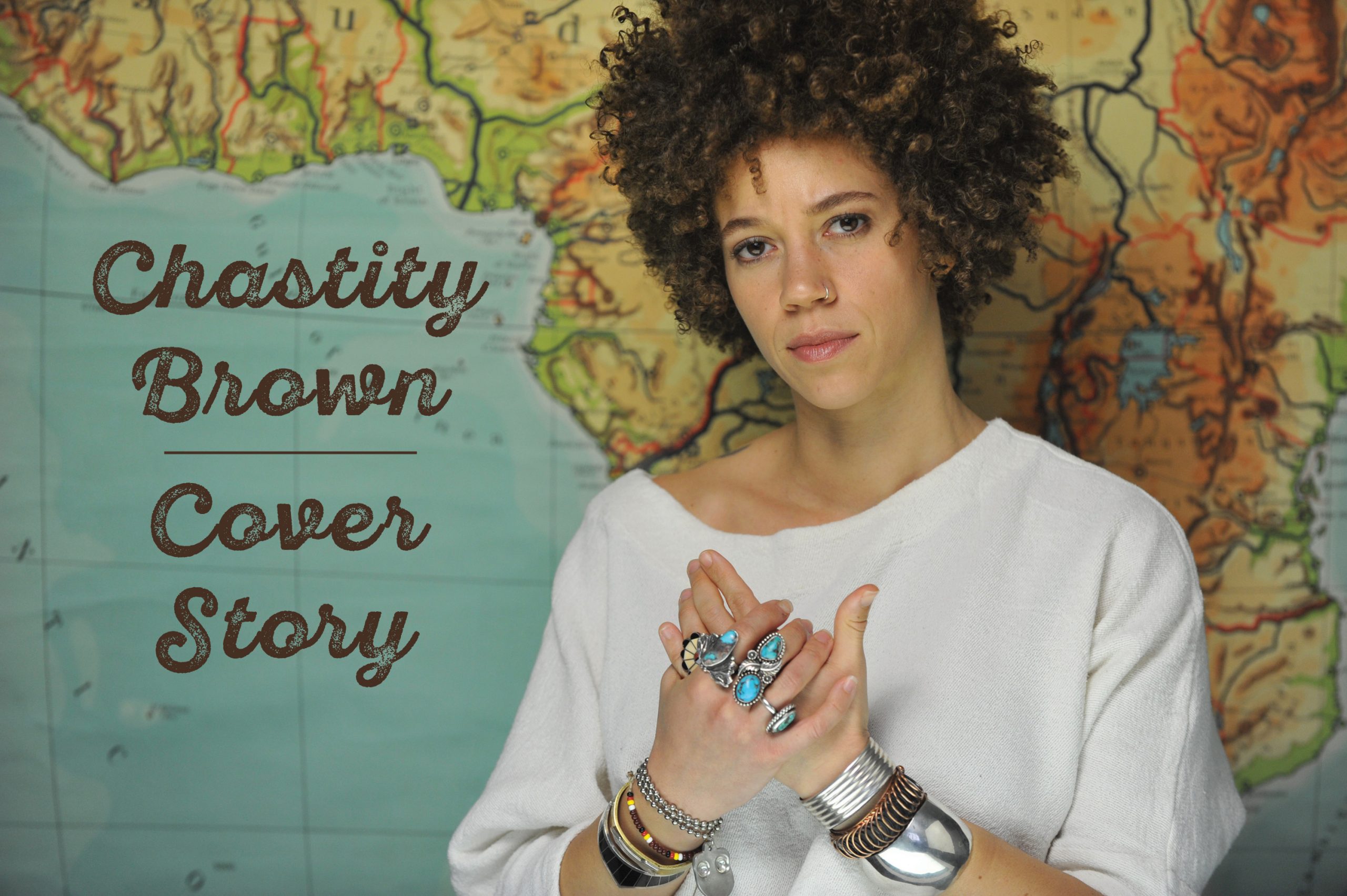
Healing the Heartbreak: A Conversation with Chastity Brown

“All my life, I was afraid of everything, and I wouldn’t touch what was beautiful to me,” sings Chastity Brown on “Drive Slow,” the first track on her new LP, Silhouette of Sirens. Appropriately, it’s a song filled with motion: an automotive chug toward the horizon, a call to move on and leave our ashes behind. But, like Brown herself, it’s more complex than just that. There are moments to stop, plant your feet, and savor the stillness, a rearview mirror filled with memories both sweet and sinister.

But Brown likes to move, no doubt — right now, she’s just completed a run in Denver, where she’ll be singing in Ani DiFranco’s back-up band later in the night. She certainly likes to move on, too, and Silhouette of Sirens finds the Minnesota-residing, Tennessee-born artist pondering perseverance: how to overcome and heal a broken heart with an understanding of all the many ways one can be shattered in the first place.

Now signed to Red House Records, Brown crafted Silhouette of Sirens with her longtime writing partner, Robert Mulrennan, and the result is a set of songs that exist in the perfect sweet spot between roots inspiration and modern sensibilities. And with plenty of soul-bearing honesty, too. “I try to find a way to sing where I’m not having a therapy session,” says Brown. “But I think there is a lot of longing on this record.” These aren’t songs to be heard prone on the couch anyway. “Pouring Rain” has a soul-filled groove, and “Carried Away” is a delicate but sweeping mid-tempo ode to rising up and over what sets us adrift.

You just got back from a jog — does running help you think creatively?

It helps me calm down. I think I have such high anxiety that it clears out the cob webs. I don’t do it to be entirely healthy. I just have to have something to take the edge off.

It’s been quite a bit of time since 2012’s Back-Road Highways, your last release. So much has changed since then: You have a new label, you’re five years older, we have a new president. How do you reflect back on it all?

There are mile markers that I think are physical: a record label, for one. I finished the album two years ago and, at that point, I had taken two years to make it. That was the longest I had taken for anything. And, at that time, I was also turning 33. I’m not religious or anything, but I was like, “This is my Jesus Christ year. This is my Buddha year.” Thirty-three is where you go big or go home. And I gave myself permission to actually be ambitious and gave myself permission to get what they call in the music business a “team.” To make the album, I had emotionally gone through a really dark time without realizing it, and that influenced the work. I was separating all the dark shit going on in my head with these songs I was writing with my writing partner. It wasn’t until after I finished that I was like, “Holy shit, this actually digs deep into my subconscious and exercises some demons I wasn’t ready to acknowledge.”

How so?

The music reflected itself back to me and, in one part, let me know I was quite broken, and in another part of the album, let me know I wasn’t that way anymore. It’s a fucking therapy session, but I can’t say what it feels like to be different. Though I know I’m literally in a different place than when I was making it.

Was it difficult to give up your independence and sign to a label?

Yeah, I’m a little bit — and I think my band mates can vouch for the fact that — I am a little bit controlling. But at the same time, this isn’t really possible to do alone. I had to ask people for their gifts and talent. It was difficult to relinquish some of that, but we all work really well together. I’m a 34-year-old woman who is not going to be told what to do. Working with these people on collaboration, I don’t feel like it’s me telling them what to do or the opposite. But I do have clear goals, and it wasn’t just a spur-of-the-moment decision. It was thought out, and I have to trust them. And I do.

You mentioned the album was finished two years ago, so do these songs still feel fresh to you?

I was expecting them to be old by now, but they’re not old to me. Maybe it’s just my relationship with them. For 2016, I got the incredible opportunity to tour with Ani DiFranco, and that was the real test of these songs. And I feel like they can hold their own. I still love them. But after you create, and you go on the road, and you geek out, the songs are still evolving. All I did is capture where these songs were at the time. But now I’ve changed, shit’s changed. They augment with me.

Who were you then versus now?

What I was experiencing during that dark time was having a really dark childhood. I think because of that — and the album is not about that at all — but I feel really sensitive to other people’s stories, and what I had realized is, that time period in my life broke my heart. As a child, my heart was broken, and it has taken me so long to mend that and allow love in my life. So the overall theme came out that there are different types of heartbreak. Of course there are love songs, but there are other things that break your heart. There is more to life than songs about coupled relationships — though I love those — but this is a little bit broader. A macro view of different types of heartbreak informed by my own personal heartbreak.

You’re singing with Ani tonight and you’ve opened for her in the past. That must have been an amazing, informative experience.

Yeah. Shit. I’ve said this before: It’s the most generous thing that any artist has done. She’s showed me how it’s done, in a different way. I’ve been touring for 10 years, but there are different things at her level, which you can only see from there. In the folk world, it’s generational, passing things down. It’s huge to me, how generous she’s been. And it’s a good affirmation that someone I respect gives me a thumbs up.

Did you have conversations with her about what it means to be a politically engaged artist?

Well, I don’t think we talk in terms of what things mean. We were out on the road when Trump was elected president, and what we talked about was how to act, and in what capacity. We have such a privilege, all across the country: When you step on stage, you are the loudest person in the room. I feel like Ani teaches by showing. She stands in her integrity so fiercely, it made me want to articulate even more what matters to me. Like how Black Lives Matter has been a huge cornerstone in what I talk about from stage the past year-and-a-half, and it will be until I feel like folks get it. You’d be surprised how many “liberal” audiences have a rebuttal to that.

Really?

I remember in Utah, I was talking about this Nina Simone song and I said, “I play this because Black lives matter.” And this woman was like, “All lives matter!” I want to use compassion to educate people, but at the same time, God, that woman fucking infuriated me. But it wasn’t the time. Going back to what to do as an artist during these times, it’s to use your voice in the capacity of your life. I’m from Tennessee; I have family members who voted for Trump. And those are family members I love, and I can’t pretend that they are evil. But I can get down and dirty in a difficult conversation, trying to figure out where they are coming from.

Have you written any overtly political songs?

I have, but none that I would play out. One of the titles was like, “Fuck You Pieces of Shit!” An ongoing rant. I was like, maybe I can kind of hone it in! But I have been creating. A lot of people are saying, “What are artists going to say as a comeback to all this?” And I’ve heard some incredible work that’s going after how fucked up our government is, but there are other things to focus on. Like the beauty of being a brown woman and celebrating that. There was a time after so many police shootings, all the songs I was writing were really angry. But Solange [and her 2016 LP, A Seat at the Table] was a great reminder of “Yo, let’s talk about our beauty.” And we should.


Photo credit: Wale Agboola

LISTEN: The Mastersons, ‘Perfect’

Artist: The Mastersons
Hometown: Houston, TX
Song: “Perfect”
Album: Transient Lullaby
Release Date: May 19, 2017
Label: Red House Records

In Their Words: “We wrote the bulk of ‘Perfect’ in Washington, D.C. and finished it years later in Newcastle, UK. Rarely is anything in this life perfect (especially the characters in this tune). Our best hope is to walk through it with a little bit of grace. ‘Perfect’ is a strange optimism from a broken pair.” — Chris Masterson


Photo credit: Curtis Wayne Millard

Vikesh Kapoor, ‘Down by the River’

Like Bob Dylan to those roaring locomotives, the mythical river has long been a source of artistic inspiration, impacting everyone from classical musicians to modern rock stars: Less assuming than a powerful ocean but no less captivating, that wayward wind of water often tells a story of its own. The mystery of the river — so easy to take for granted, until it dries up or overflows — runs as deep and long as its path, always headed toward a greater force and never sedentary. A river can whisper one moment and rage the next, hiding truth and lies beneath its murky surface.

When folk musician Vikesh Kapoor wrote “Down by the River,” he wasn’t hopping steadily along the banks in the summer sun. Instead, he was stuck home in Pennsylvania, while a snowstorm lingered. “A river called the Susquehanna rushed through my town and I’d sit on its bank in the snow thinking about a Ukrainian girl I met there, by chance, the winter before,” Kapoor says. “A few nights later, waiting for the snow to melt, the image of her on the edge of the river became clear in my mind. I finished the song while the sun was still down, but never got to sing it for her in the morning.” Maybe, just maybe, she can hear it now.

Set to a delicate pluck of guitar and Kapoor’s voice floating like a gentle mist over the water, it’s a moment to appreciate the ephemeral nature of things: Just like love, which changes in an instant, the river is transforming as it’s being watched, ever shifting and creeping toward its eventual goal. On “Down by the River,” Kapoor acknowledges that movement — and understands that, as romance and time get washed down stream, there is nothing more valuable then a simple second of standing still.