Another New Chapter Begins for 49 Winchester

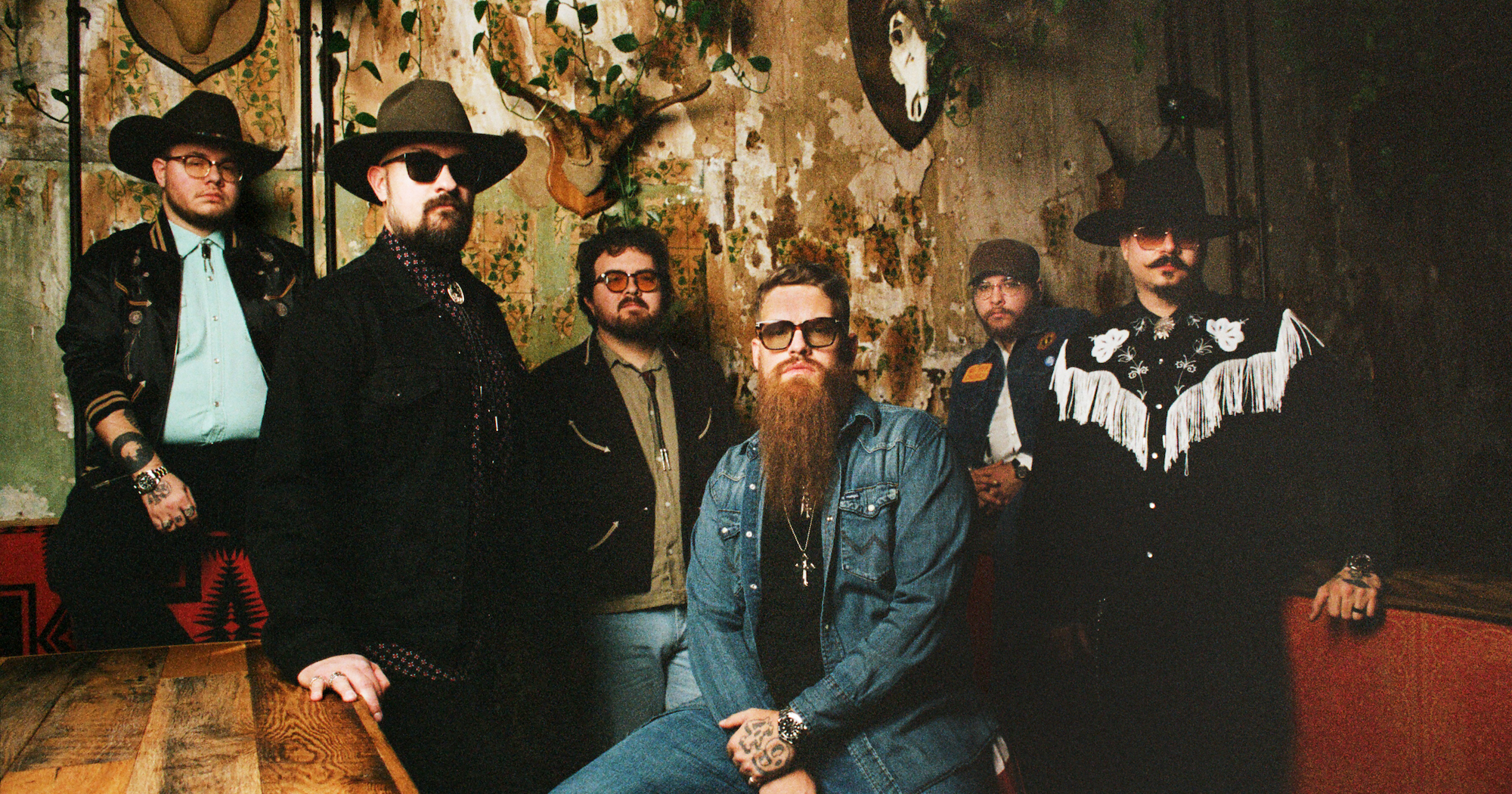
One of the most heartwarming stories in roots music over the past decade has been the emergence of 49 Winchester. The group of high school friends-turned-roommates – then bandmates – emerged from the hollers of Southwest Virginia to become an ACM Award-nominated group and a future household name, off the back of songs like “Hays, Kansas” and “Russell County Line.”

Now, on their new album Change Of Plans, they’re ready to take big next steps, enlisting help from someone who’s frequented that kind of territory to do it. Released on May 15, the group – Isaac Gibson (vocals), Bus Shelton (lead guitar), Chase Chafin (bass), Noah Patrick (pedal steel), Tim Hall (keys), and Justin Louthian (drums) – teamed up with Dave Cobb for the project. It’s their most expansive to date, as it navigates everything from honky-tonk (“Bringin’ Home the Bacon”) to Southern rock (“Pardon Me”) and 2000s alternative (“Heavy Chevy”).

The album is not only the band’s first with Cobb, it’s also their maiden venture with Cobb’s imprint, Lucille Records. (It’s being released in partnership with MCA, where Cobb was named Chief Creative Officer in 2025, and New West Records, 49 Winchester’s label home since 2022’s Fortune Favors The Bold.) Isaac Gibson knew that Lucille would be a good home for the band because he was confident that Cobb would grant them creative freedom. Which he did.

“I don’t think there’s anybody else in the world that has quite the same brain as him,” remarks Gibson. “He’s hyper-efficient and unbelievably tasteful with what he does. Because of that, there was a lot less overthinking than usual. It was very instinctual, like catching lightning in a bottle.

“We also tracked it live for the first time, which is always something we wanted to do. The best way to experience 49 Winchester has always been at a live show, so we wanted to capture some of that energy while also utilizing some of the tools only available in a studio. The result is a version of the band on steroids,” Gibson continues, laughing.

Ahead of the album’s release, Gibson spoke with BGS about the studio time with Dave Cobb, paying homage to Ozzy Osbourne, the band’s trilogy of law-breaking songs, and more.

Tell me about the decision to record the album in only eight days – was that a “Dave” thing?

Isaac Gibson: Previous records have taken a whole lot longer for us. There’s some really great records that have been labored over and over, and other ones that were like pulling a rabbit out of a hat. It was cool to have a different experience this time around where we just focused on doing the thing that got us here in the first place, which is playing and singing and saying things that resonate with us and make us feel good.

But doing things so quickly wasn’t a conscious decision either. It was just the first block of studio time we had available when we weren’t touring and happened to get things done fast. There was a lot of cohesive idea sharing, which was one of the most beautiful things about the entire experience.

One of the most intriguing moments to me came with the inclusion of “Changes,” a Black Sabbath cover that marks the first such tune to ever appear on one of the band’s studio albums. Why was this record and moment the right time to make it happen?

Ozzy’s death is definitely what lit the spark. I remember first throwing the idea for it out to the guys while we were eating lunch in a fellowship hall next to the church in Savannah where we were recording with Dave. We’d been tossing around ideas for dream 49 covers in a group chat for years, so when we decided to actually include one on the record, “Changes” was the first mentioned. We immediately went to record it, not even waiting to finish our lunch. [Laughs]

Once we started tracking it we wanted to grab hold of the raw emotion of it and send it home. It wasn’t even rehearsed – we talked about arrangements and song structure, then cut it. It was a really cool way to pay homage to not only Ozzy but also Charles Bradley, who died in 2017 and performed an awesome soulful version of the song that our version leans toward.

Would you say that “Changes” – both sonically and lyrically with the line “I’m going through changes” – is reflective of the band’s evolution present on this album?

That’s why we chose the title we chose, which is taken from a line in the song “Bluebird.” We’ve all grown so much since starting this band and seen a lot of change in our lives, but through it all 49 has remained steady. But right now has been a distinct season of change for us. We all started this band as kids just out of high school, and now we’re all grown up. This record is just as much about a new chapter for the band as it is new chapters for us individually. We’re all trying to be the best we can be every day, which is what a lot of this record is about.

Regarding “Bluebird,” is it a song about having a plan or vision for how you want a scenario to play out, only for something entirely different to happen instead?

You’re spot-on, and it’s something I’ve recently lived through, too. It sounds cliché, but I always want to write songs as honestly as I possibly can. I think the best thing you can do as a songwriter is give people a little bit deeper glimpse into your life than is sometimes comfortable for you. That’s also an example of what “Slowly” was for me, too. It’s me thinking I’ve got it all figured out, only to have circumstances change that make you rethink everything you thought you knew.

Whereas “Bluebird” focuses on plans not materializing as you’d hoped, it seems “Slowly” focuses more on personal growth and the process of trying – and sometimes failing – to get better?

That one’s not very abstract at all – it’s very direct. When you’re writing about your life sometimes you’ve got to commit to write about it all – the good, the bad and the ugly. Getting better and showing myself more grace through the ups and downs is something I’ve improved on a lot over the years, but I still have more to learn.

With that in mind, the writing on Change Of Plans feels in many ways like your most personal yet. What was the catalyst for that?

It was just a natural order of things. When you’ve only ever relied on your own experiences and feelings for songwriting, you have to find more ways to connect with folks as time goes on so you can get that little bit extra out. You can only write about love, breakups, and drinking so many times before it gets stale and you start wondering what you have left in the tank creatively. This record proved that we’re still able to dig in and continue to do things our own way while staying creatively fresh. As I write more I find myself getting more and more in tune with what I want to say, and this record is the culmination of that.

Jumping back to “Bluebird” and “Slowly,” there also seems to be a bit of yearning for a person on those songs as well. Which is also the case on “Oh, Savannah,” too, albeit with a more positive tone. Are there any other connections between them?

“Slowly” and “Oh, Savannah” were actually written on the same day. “Slowly” was a song I almost had finished before bringing to a [writing session] I had with Jessie Jo Dillon and Chris Tompkins to flesh out. After that we started working on something completely new, which wound up being “Oh, Savannah.” Jessie Jo knew we were making our record in Savannah, Georgia, and said she’d always wanted to write a song about the city, but painting the picture as if it were a girl instead.

As opposed to being something introspective or very personal to me, that one became more of a story song in the vein of “Damn Darlin’” that contains references to very Savannah-y things like the sand dunes and the Cherokee rose. It’s one of these places that aesthetically inspires creativity. There’s a vibe and age to it that I love being around, which made for some cool moments both with this song and the record in general.

Similar to the connection you just made between “Oh, Savannah” and “Damn Darlin’,” I can’t help but notice the ties between “Bringing Home the Bacon” and another track from Fortune Favors The Bold, “Hillbilly Daydream” – only the former is about running marijuana and not moonshine. Tell me about it.

That’s right! It’s part of a trilogy [with “Long Hard Life” from 2020’s III] of hard times and illicit substances being used as a way out of them. We wanted a real honky-tonker on the record and that song was one I’d sat on for about eight years. I had it finished at one point but couldn’t remember anything beyond the first verse, so we brought Aaron Raitiere in to help knock out the rest. He was the perfect guy for that particular song because he leans so hard into that humorous storyteller role like a modern-day John Prine. There’s always a nugget of something to crack a smile or chuckle about in his writing, and this song is no exception.

Are there any other songs on this record like “Bringin’ Home the Bacon” where the origins stem back years?

The first verse of “Heavy Chevy” was also something I sat on since before [recording 2024’s Leavin’ This Holler]. But those were the only two on this record that had been in the tank already without the chance to grow up yet. [Laughs] Songs are like that sometimes – they don’t come to fruition until you least expect it. Most of the songs I’m really proud of have happened very quickly and write themselves in an hour or two. But other times they don’t, and if you keep something of value for long enough then it’ll eventually turn into something else. Getting to breathe new life into something that was dormant and underground for a bit is super cool.

The band has been growing into bigger and bigger venues and straying farther and farther from Southwest Virginia with each passing year and album. Considering this, how has your perception of home changed since the band’s inception?

It’s difficult to say because our home is so linked to who we are. At the end of the day, you can take the boy out of the holler, but you can’t take the holler out of the boy. We’ve gotten to travel the world now and play music for people who don’t even speak our language, which is incredible. Doing that has actually made me appreciate where I come from even more. As I’ve gotten out and seen more, it’s also made me realize just how rare and difficult it is for us to do what we’ve done coming from where we did. In the early days we were still proud to be where we’re from, but we didn’t understand what it meant to be somebody paving the way for others and doing something no other band in Southwest Virginia had done until now.

What has the process of bringing Change Of Plans to life taught you about yourself?

Making this record got me to fall in love with all this again. We’ve worked really hard the past decade, which is good because there were a lot of cool opportunities coming our way, but a doldrum had set in on me that I was able to finally shake off working on this record. It really reignited my spark for the whole thing. My love for the live performance has always been there, but the act of touring can be so grueling. However, I now feel like I have so much left in the tank that I still want to say. This music is going to be our legacy long after we’re gone, so it’s important to stick to it and keep the pedal to the floor.


Photo Credit: Daniel Prakopcyk
Blackberry Smoke’s New Album Offers a Crunchy Continuation of String Band Traditions

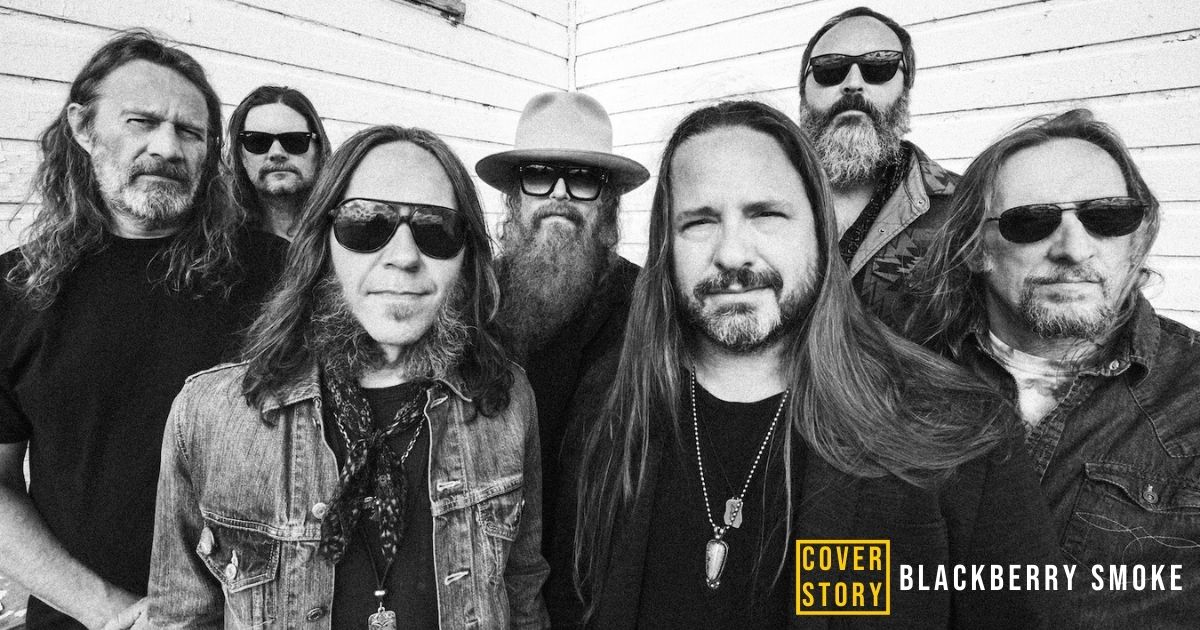
With 23 years behind them, Blackberry Smoke are still one of the best examples of Southern rock in the modern era – but what does that even mean, right?

Led by singer, guitarist, and primary songwriter Charlie Starr, the band does indeed have roots pointing straight to hard-driving ‘70s icons like Lynyrd Skynyrd, the Allman Brothers Band, and more. That’s true, but they also pull inspirations from farther back. And to Starr, Southern rock, at its core, is a continuation of the Appalachian tradition: “String band music and storytelling.”

With their latest album, Be Right Here, some of that old-time tradition shines through the cracks of a warm, distorted wall of sound, with heartfelt song craft and acoustic-guitar melodies front and center. Meanwhile, the band continue to prove crunchy, doubled guitar solos, thundering drums, and anthemic vocals never go out of style.

BGS spoke with Starr before Be Right Here was released, to see what has changed (and what will always stay the same) for one of the most dynamic Southern rock bands in history – a history they know all too well.

I thought I’d kind of start just seeing how you’re feeling at this point. You’ve been burning up the road for over two decades now, which seems crazy to me. How do you feel about where you’ve have been, and where you are now?

Charlie Starr: I mean, I’m tired. [Laughs] No, I feel good. We all do. It doesn’t seem like it’s been that long. It’s surreal to think it’s been 23 years. I don’t feel like I’m old enough to say that I’ve been doing anything for 23 years other than breathing, but I’m proud of what we’ve accomplished. It feels good.

Blackberry Smoke is one of the best pieces of evidence that Southern rock is still alive and well. But I was just wondering, do you think there’s still more to say in that? Is the form still inspiring to you?

Totally. Just listen to any song from those amazing early Skynyrd records or Allman Brothers or Marshall Tucker Band records, Blackfoot – all those bands are so different, and it really was just geography that tied ‘em all together. They all had their own fingerprint. And I think that we do, too.

I was listening to Patty Loveless in an interview and she was talking about bluegrass – which I grew up playing and I dearly love also – and she was talking about how those first generation bluegrass bands, like Bill Monroe and the Blue Grass Boys, Flatt & Scruggs, and the Stanley Brothers, they came from this rich musical heritage of the mountains where they grew up in Kentucky, Virginia, Tennessee, North Carolina. And what they were drawing from was acoustic string band music and storytelling.

Well, now, fast forward all this time, and modern bluegrass musicians not only have that, but they also have Led Zeppelin and the Beatles and the Rolling Stones and all this. There’s so much more. So I kind of look at it in a similar fashion with “Southern rock” bands, because those guys were listening to not only what I just mentioned, with the hillbilly country music and string band music, but also the British invasion and then traditional country and the Beach Boys. As time moves along, there’s just more and more that gets poured into the soup. So to answer your question in a very long-winded way, I think that it can go on forever.

So you’re kind of the third wave of popular Southern music, taking all that was done before and adding in the new influence, too.

Yeah, if we were a tribute band that just dressed up like some old ‘70s band and played their songs, then it would suck. But since we have the freedom to explore our own musicality, it can never end.

The new album is called Be Right Here. What was the spark that got this one going?

In my case, it’ll usually be a little explosion of songs. I’ll know that album time is coming, and so I’ll get to work on writing a batch of songs. It doesn’t always come quickly but it usually seems to work out, which I’m happy to say, because it kind of falls on me – which I don’t complain about that at all. I dearly love to write songs and I’m glad that it’s my job. There are worse jobs to have. Writing songs for Blackberry Smoke is much easier than working in a body shop, which I did for years.

At this point, 23 years on, are you still writing about the same stuff?

Well, I guess stories can all be new, stories of love and loss and frustration and women and men and drinking – or not – whatever. But if you look at popular music as a whole, there are new subjects that enter our culture, like cell phones and the internet and Facebook. I don’t know if I’ve ever used the word Facebook in a song. I probably won’t. But no matter what comes along technology wise, time stays the same. It’s still moving at 60 seconds per minute, and that’s not going to ever change. And human beings behave really the same way.

That said, the internet’s changed everything really. Not entirely, but it’s added a new accent to everything we do. I think John Mellencamp said it best, he goes, “I’m not sure if we’re supposed to hear this many voices at all at once.” That complicates life, really. It might push me back into my hermit hole a little more. As a songwriter even, it pushes me to the old ways more, melodically and musically. I don’t think anything really new can be said. We’re just trying to find an interesting slant on the way we say it.

You teamed up with Grammy-winning producer Dave Cobb for the second time, and he’s famous for live recording and loving first takes. Does that work well for a band like you guys, who are very live-show oriented?

It does. And in this case, it’s very interesting. We went back to RCA Studio A again, and he said, “This time I’m going to put the drums and amps and you guys all in the big room, so we’re all going to be in a little cluster.” And I was like, “Really?” As soon as we started playing together, it was like, “Oh man, okay, this is working. We don’t necessarily need all the separation.”

Some producers would be like, “Hell no. There’s no way I’d ever make a record like that.” It can be too sloppy. But Dave was like, “Well, we’re capturing this one sound. Let’s capture it all in the room, like a ‘60s record or even a ‘50s record.” So that’s what we did.

Tell me a little bit about “Dig a Hole.” It was the first track written, the first track on the album and the first one released, with a theme of choosing your own path – for better or worse. Is that kind of what you have done as a band?

We have. It’s been our only choice, really, because nobody’s ever come around with a different idea. [Laughs] It’s funny, I put together a [track list] and sent it to Dave, and I had “Hammer at the Nail” first. And Dave goes, “Are you insane? ‘Dig a Hole’ is first. Why would you think that ‘Hammer at the Nail’ should be first?” I said, “Because it’s faster.” And he said, “I don’t give a shit about fast. ‘Dig a Hole’ is like you guys are winding up to kick somebody’s ass!”

Azalea” leans more into the folky aspect of what Blackberry Smoke does. It’s got that acoustic shimmer of a classic-rock ballad. Where does that come from for you?

Man, I just love that kind of acoustic music. Again, that kind of stuff was my upbringing, and I’ll never turn it loose. That song lyrically was about fatherhood, because here we are now, our children are all growing up. I’ve already seen one go to college, graduate, now get married, so it’s like, “Well you hold on tight, but you don’t want to smother ‘em.” They have their own path to forge, so all you can do is try to be there for ‘em.

I’ll leave you with the big picture. After 23 years, what you hope people take away from this particular record?

I just hope they dig it. I mean, I don’t know if I expect people to experience it in a different way than I do or not. I don’t know. But I do get a lot of enjoyment right now listening to it.


Photo Credit: Andy Sapp

6 of the Best Roots Songs on ‘Songbirds & Snakes’

Years before Katniss Everdeen became the bow-wielding, redneck antihero of impoverished coal-mining District 12, there was another — Lucy Gray Baird. In the new movie adaption of the dystopian prequel to the original Hunger Games trilogy, Baird must brave the deadly annual games as well as future-President Coriolanus Snow’s affections.

If it sounds like the makings of a country murder ballad, well, you’d not be far off. Aside from being a multi-million dollar blockbuster event, the new film, officially titled The Hunger Games: Ballad of Songbirds and Snakes, features an excellent original soundtrack produced by Dave Cobb and chock-full of BGS Friends and Neighbors we know and love. The rootsy songs are the perfect backdrop for boot-stomping bar scenes and the desperate struggle against an authoritarian regime that eventually led to the villainous Snow’s power grab. They’re also just plain good!

If you’re new to the Hunger Games, to these artists, or to roots music, we’re happy to be your guide. With performances from Molly Tuttle, Billy Strings, Sierra Ferrell, Charles Wesley Godwin, Bella White, and more there’s something here for bluegrass and Americana fans of all ages. But there are also hidden gems in Rachel Zegler’s performance. Zegler, who portrays Baird, plays a guitar influenced by a very famous finger picker indeed.

In no particular order, here are six of the best roots tunes on the official Hunger Games: Ballad of Songbirds and Snakes movie soundtrack.

“The Garden” – Sierra Ferrell

A slow-moving acoustic, country-ish standard with emotional fiddle swells, Americana firebrand Sierra Ferrell performs “The Garden” on the official soundtrack. The tune features a wistful dream of a green garden watered with something other than salty tears, and of better days ahead.

“Bury Me Beneath the Willow” – Molly Tuttle

Together, Molly Tuttle and Dominick Leslie provide the guitar and mandolin parts heard throughout much of the film, but also on “Bury Me Beneath the Willow.” This tune is more of a bluegrass standard and features Tuttle’s iconic picking style and vocals. The lyrics speak of deep betrayal by a lover.

“Nothing You Can Take From Me” – Rachel Zegler

In the official featurette video for this tune, Rachel Zegler whips a gathered crowd into a barn-stomping frenzy with her vocal performance on “Nothing You Can Take From Me.” While District 12 workers clap and dance and Zegler sings, Molly Tuttle revealed in an Instagram post that she provided the guitar parts.

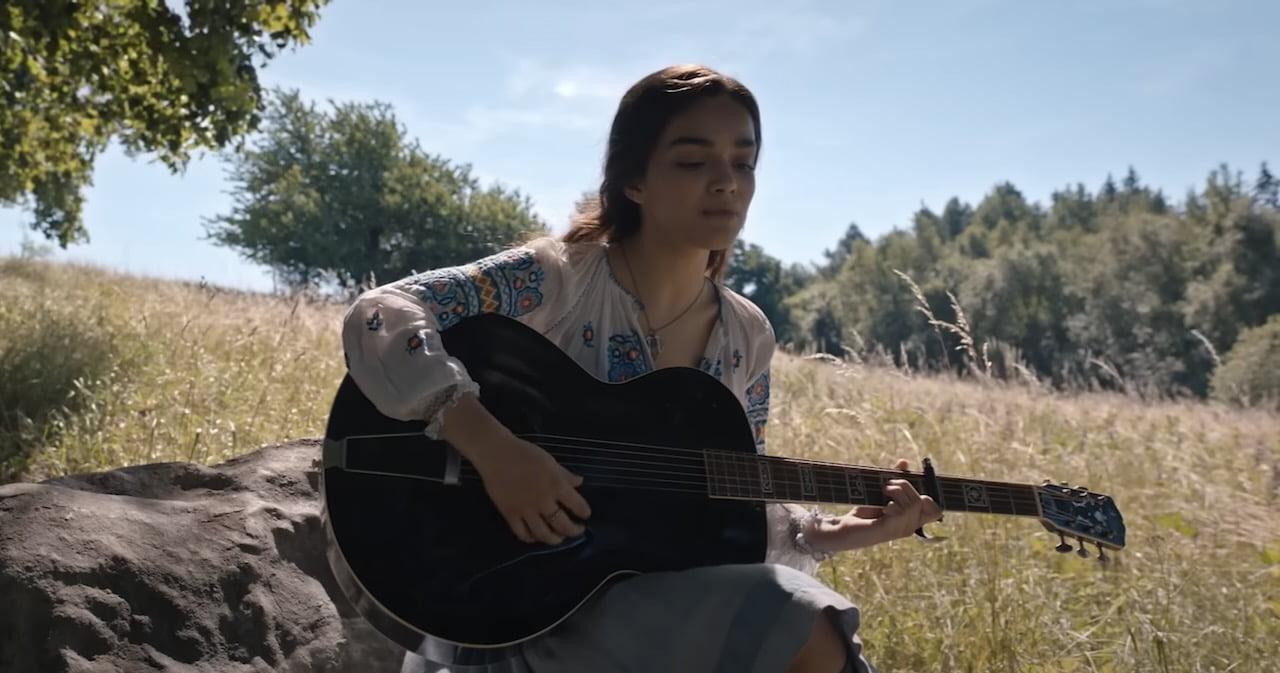
“I played Lucy Gray Baird’s guitar parts and Dom [Leslie’s] parts are in the Covey Band,” Tuttle said in her Instagram caption. “I was nerding out the whole time we worked on this. Fun fact: the guitar I recorded with is the same one that you see [Zegler] play in the movie. The choice of guitar was inspired by the archtop Gibson that Maybelle Carter plays.”

“Burn Me Once” – Bella White

Bella White’s haunting, vibrato-filled vocals hang in the air on “Burn Me Once,” a finger-picked acoustic tune. The lyrics speak to being heartbroken and wishing for true love with a new, more mature partner.

“Cabin Song” – Billy Strings

By far one of the fastest, hardest-driving tunes comes – perhaps unsurprisingly – from Billy Strings. Employing his famous guitar-picking skills on “Cabin Song,” Strings sings of wishing to go back to the woods.

“Winter’s Come and Gone” – Charles Wesley Godwin

Seasonally appropriate given the movie’s November release date, Charles Wesley Godwin’s smooth but gritty vocals lends the perfect tinge of darkness to lyrics about a little bluebird, being left in the rain and snow, and not having enough money to see the winter through.

Even if you’re not a fan of The Hunger Games, it might be worth hitting up the theatre to support roots music featured in such a high-profile and recognizable title. Or, you know, you could just download, stream, or purchase the soundtrack — it’s available on Spotify, Apple Music, or wherever you get your folk-y tunes!


Lead image of Rachel Zegler as Lucy Baird screenshot from The Hunger Games: The Ballad of Songbirds & Snakes (2023) Special Feature ‘Music.’

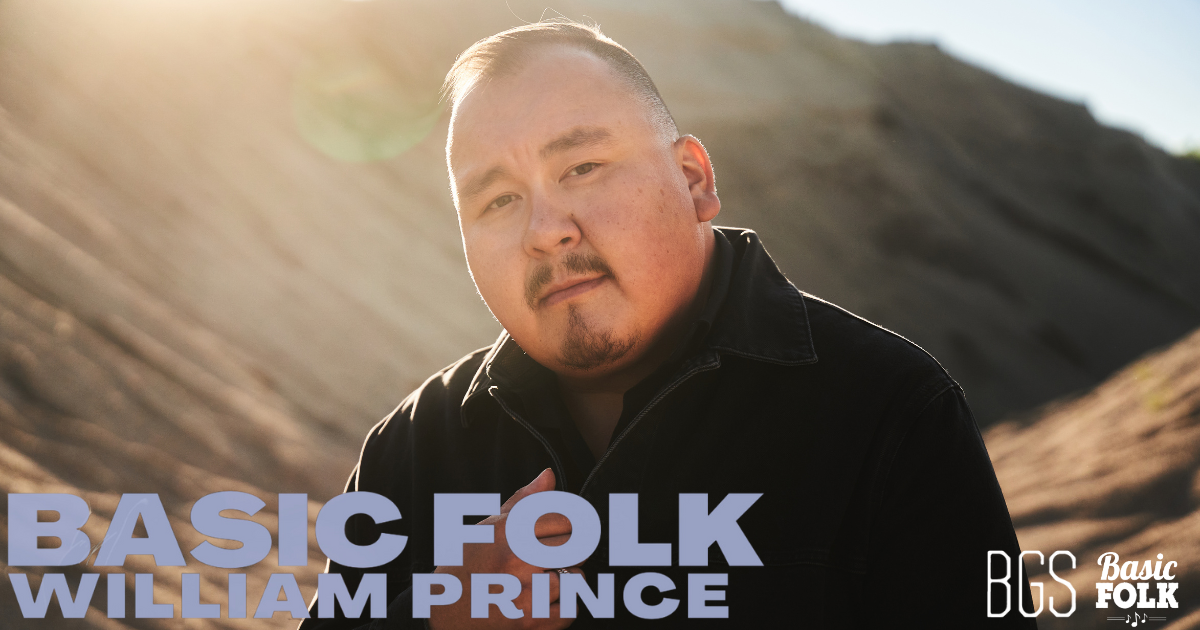
Basic Folk – William Prince

William Prince spent a long time recording his debut album. By the time Earthly Days was released in 2015, Prince had lived a lot of life and was ready for the sort of instant stardom that would throw a lot of emerging singer-songwriters for a loop. A number of extraordinary things happened followed the release of Earthly Days: the song “Breathless” was a hit on the Billboard adult contemporary music charts, Prince won the Juno Award for Contemporary Roots Album of the Year, and he toured the hell out of the record for several years, opening for artists like Neil Young. This extended tour gave him the opportunity to basically perfect his live set in a way many new artists don’t get to.

LISTEN: APPLE • SPOTIFY • STITCHERAMAZON • MP3

William has gone deeper and deeper and deeper with subsequent releases. He describes love and loss and self and community and fear and courage with universal appeal on 2020’s Reliever. He reinterprets the orthodoxy and aesthetics of his Christian upbringing through an indigenous lens on Gospel First Nation. He synthesizes varied traditions and flexes impressive vocal chops almost casually.

William’s new record, Stand In The Joy, comes out April 14th on Six Shooter Records, and it is a catchy, ambitious testimony about the power of love and hope. Talking about the album with William gave me the chance to ask him about his evolving spirituality, the tension between tradition and trendiness in roots music, how the loves of his life change how he shows up as a performer, what it’s like to work with superstar producer Dave Cobb, and what freedom looks like from a Peguis First Nations perspective.


Photo Credit: Joey Senft

LISTEN: William Prince, “When You Miss Someone”

Artist: William Prince
Hometown: Peguis First Nation – Manitoba
Song: “When You Miss Someone”
Album: Stand in the Joy (produced by Dave Cobb)
Release Date: April 21, 2023
Label: Six Shooter Records

In Their Words: “Time has been on the forefront of my mind. This record is making up for the time I lost to grief and pain… This record dares to remain positive amidst the seemingly endless reasons to feel negative or sad, while still holding space for just how crucial those things are to feeling joyful and happy. This record acknowledges pain but does not give it power. What I hope comes through are feelings of love, peace, and strength. The strength to stand in the goodness of what you have, rather than sit in what you have lost. This record showcases what provides me my greatest joy. The love in my life.” — William Prince


Photo Credit: Jsenftphotography

Americana Honors & Awards 2022: See the Full Winners List

It was a wonderful night of music, celebration, reflection, and joy last night at the Ryman Auditorium as folks gathered for the 21st Annual Americana Honors & Awards.

Billy Strings was crowned Americana’s Artist of the Year, with Jerry Douglas presenting the award.

Triple nominee Allison Russell earned the Album of the Year Award for her record Outside Child, produced by Dan Knobler. She accepted the award from respected music critic and NPR writer Ann Powers.

Allison Moorer and Hayes Carll awarded two-time Artist of the Year Brandi Carlile for the Song of the Year with “Right On Time,” written by Carlile, Dave Cobb, Phil Hanseroth and Tim Hanseroth.

The War and Treaty (Michael and Tanya Trotter) won Duo/Group of the Year after winning Americana Emerging Act of the Year in 2019.

On the heels of her new album Long Time Coming, Sierra Ferrell was also honored by the Americana music community and received this year’s Emerging Act of the Year Award.

Multi-instrumentalist Larissa Maestro took home the Instrumentalist of the Year Award, as Molly Tuttle recognized the Berklee College of Music grad. Maestro has performed and recorded with many high caliber artists and musicians, including Allison Russell, Mickey Guyton, Eminem, Ms. Lauryn Hill, H.E.R., Michael Bublé, Margo Price, and Gillian Welch and Dave Rawlings.

Highlights from the evening include Brandi Carlile and Allison Russell delivering a soul-stirring rendition of “You’re Not Alone,” as well as the iconic McCrary Sisters honoring their late sister Deborah (who passed away in June) with a chills-inducing performance of “Amazing Grace.”

Americana stalwart and reigning All-Star Band musical director Buddy Miller was surprised by Robert Plant, who presented Miller with The Lifetime Achievement Award, which was previously unannounced. Miller graced the audience with his classic “Wide River To Cross.”

Throughout the night, attendees were treated to additional performances by the Fairfield Four, Indigo Girls, Lucinda Williams, Adia Victoria, James McCurtry, Lukas Nelson, Morgan Wade, Neal Francis, The War and Treaty, Sierra Ferrell, and JP Harris honoring the late Luke Bell.

Previously announced Lifetime Achievement honors were accepted by the Fairfield Four (Legacy of Americana Award, co-presented with the National Museum of African American Music [NMAAM]), presented by NMAAM’s Katie Rainge-Briggs and award-winning producer Shannon Sanders; Chris Isaak (Performance), presented by Lyle Lovett; the late Don Williams (President’s Award), presented and accepted on behalf of the Williams’ family by producer Garth Fundis; Al Bell (Executive), presented by music executive and Chairman of the Black American Music Association Michael Mauldin; and the Indigo Girls (Spirit of Americana Award, co-presented with the First Amendment Center), presented by Brandi Carlile and First Amendment Center’s John Seigenthaler.

Here’s the full list of the 2022 Americana Honors & Awards Winners and Honorees:

Album of the Year: Outside Child, Allison Russell; Produced by Dan Knobler

Artist of the Year: Billy Strings

Song of the Year: “Right On Time,” Brandi Carlile; Written by Brandi Carlile, Dave Cobb, Phil Hanseroth and Tim Hanseroth

Duo/Group of the Year: The War and Treaty

Emerging Act of the Year: Sierra Ferrell

Instrumentalist of the Year: Larissa Maestro

Legacy of Americana Award, presented in partnership with the National Museum of African American Music: Fairfield Four

President’s Award: Don Williams (posthumous)

Lifetime Achievement Award for Performance: Chris Isaak

Lifetime Achievement Award for Executive: Al Bell

Spirit of Americana Award: Indigo Girls


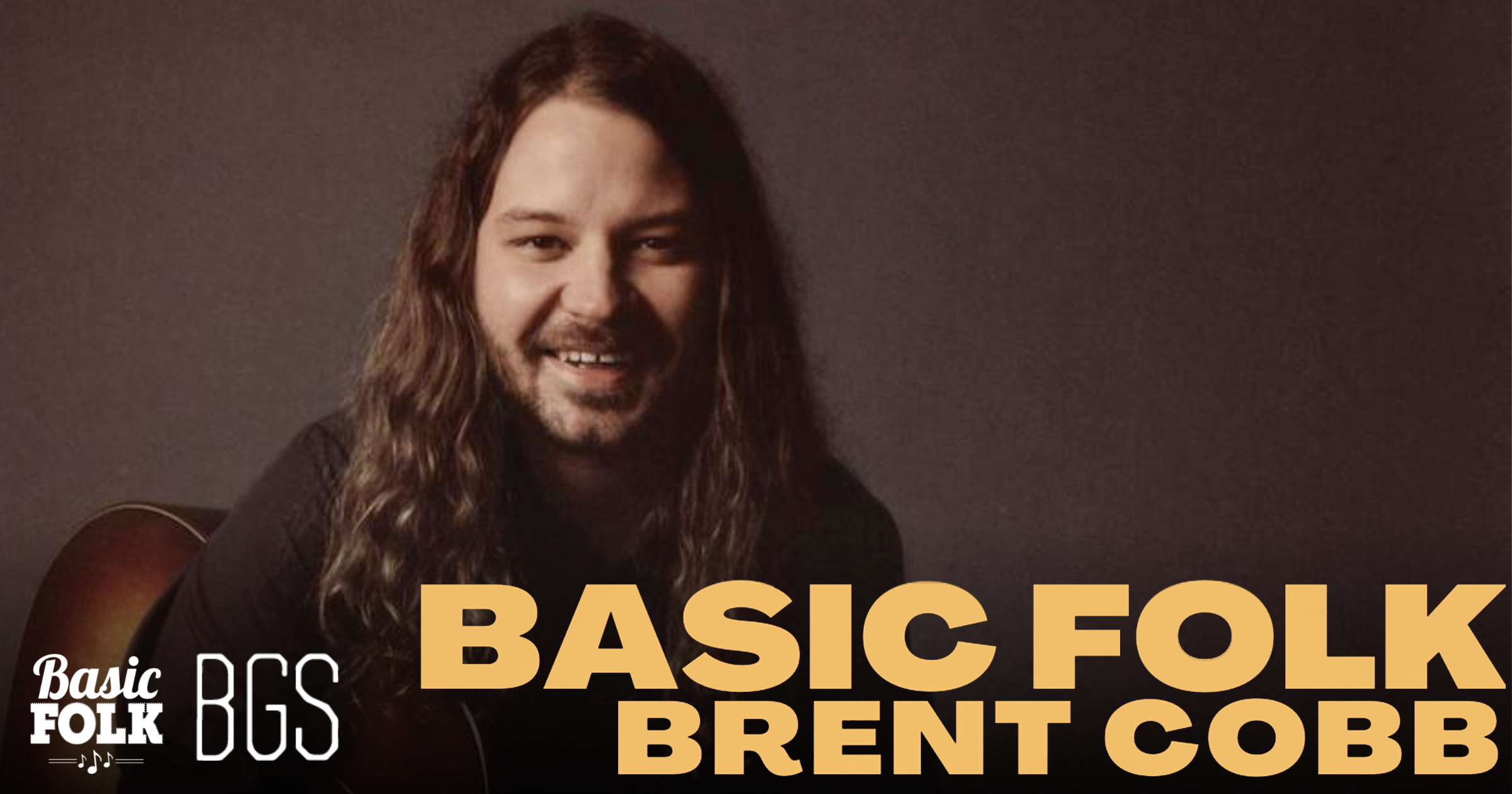
Basic Folk – Brent Cobb

Georgia-born Brent Cobb is a true blue southern Gospel country artist. His music career kicked off when he shared a demo tape with Dave Cobb, one of Nashville’s finest producers and Brent’s cousin. The two have collaborated on numerous albums since Brent’s debut and I had a lot of questions about that creative relationship during our interview.


LISTEN: APPLE • SPOTIFY • STITCHERAMAZON • MP3
 

Cobb’s 2016 album, Shine On Rainy Day, earned him a Grammy nomination and saw him tour with country stars Chris Stapleton and Zac Brown. He has also written songs for artists like Luke Bryan and Miranda Lambert. Brent has fascinating insights about touring, collaboration, and his role as an interpreter of Southern culture in an interconnected world.

In July of 2020, Brent was driving with his one-year-old son when their truck was t-boned. He got up off the pavement and found his son unharmed in his car seat. This brush with death inspired him to create a Gospel album, drawing on the musical tradition in which he was raised. And Now, Let’s Turn to Page… reimagines time-honored hymns and features one original song co-written by Brent and his wife, Layne. Life, death, love, community, and Willie Nelson-style gentle vocal performances – this album has it all.


Photo Credit: Alysse Gafkjen

The Show on the Road – The Secret Sisters

This week, host Z. Lupetin talks with Laura and Lydia Rodgers, Grammy-nominated songwriters and preeminent harmonizers from Muscle Shoals, AL, who for the last decade have recorded as The Secret Sisters.

LISTEN: APPLE PODCASTSSPOTIFY • STITCHER • MP3

First breaking through with their warmly-vintage, vocally-entwined self-titled record in 2010, the Secret Sisters have toured the world relentlessly, while recording with a who’s who of Americana royalty like Dave Cobb and T Bone Burnett. If you’ve ever seen them live, Laura and Lydia are known for their sharp-tongued and story-filled live shows — which, even over Zoom, made them particularly rip-roaring interviewees.

After breaking free of a major label hell which sidelined and nearly bankrupted them for a time, the sisters regrouped and created their most personal and pop-forward work yet, the heart-string pulling You Don’t Own Me Anymore (2017) and 2020’s fiery Saturn Return. Both were made with friend and producer Brandi Carlile, and both were nominated for a Grammy.

While the last year plus was hard — they lost both grandmothers — there was quite a silver lining: Lydia and Laura each become moms, and have begun to sing their own lead pieces, courageously facing uncomfortable truths about their southern upbringing, calling out the double standards and sexual politics of the music industry, and showcasing their very different experiences as young mothers.

With Carlile pushing them to find their own voices, Laura wrote the tender “Hold You Dear” while Lydia penned the more yearning and sardonic “Late Bloomer,” two favorites that stick out after repeated listens to the album. Still, the true beauty of Saturn Return — which they recorded with Carlile’s beloved band — may be how Laura and Lydia can split off into new territory and then return together in chills-inducing harmony, as only sisters could.

Stick around to the end of episode for an intimate acoustic performance of “Nowhere, Baby.”


Photo credit: Alysse Gafkjen

LISTEN: Barry Gibb and Jason Isbell Share “Words of a Fool”

Legendary artist Sir Barry Gibb of Bee Gees fame has now fulfilled one of his greatest artistic visions. Gibb, the sole remnant of the pop music paradigm, is a self-avowed lifelong bluegrass and country music fan, and his new album bears testament to that affinity. The record, titled Greenfields: The Gibb Brothers Songbook, Vol. 1, offers twelve Gibb brothers classics reimagined with voices from across the bluegrass and country music realms. Guests include Brandi Carlile, Tommy Emmanuel, Jason Isbell, Alison Krauss, Dolly Parton, and Gillian Welch & David Rawlings, to name only a few.

The magnitude of creative power is manned by none other than Nashville producer Dave Cobb, whose expertise and track record ensure that the new album will be nothing short of magical. Remembering his late brothers, Gibb says the collection is something that “Maurice and Robin would have loved… for different reasons.” To promote the January 8 release, Gibb shared an insightful trailer for the album, in which he details the influences, goals, and parts of the recording process that created Greenfields. Watch the trailer and listen to “Words of a Fool” featuring Jason Isbell below.


Photo credit: Desiree Prieto

Americana Honors & Awards: Black Pumas, The Highwomen Among Winners

The Highwomen picked up three trophies for the Americana Music Association’s 19th Annual Americana Honors & Awards, which were revealed online today. The collective of Brandi Carlile, Natalie Hemby, Maren Morris, and Amanda Shires, joined fellow winners Black Pumas, Brittany Haas, and the late John Prine.

The Highwomen received the following awards: Album of the Year for their self-titled debut, produced by Dave Cobb; Song of the Year for “Crowded Table,” written by Carlile, Hemby and Lori McKenna; and Duo/Group of the Year.

Prine, who died in April, was named Artist of the Year for the fourth time since 2005. Black Pumas carried the Emerging Act of the Year category, while fiddler Brittany Haas won the Instrumentalist of the Year award.

For nearly two decades, the Americana Honors & Awards program has provided a unique platform for commemorating the best and brightest musicians in the Americana music scene at the historic Ryman Auditorium in Nashville. Due to the COVID-19 pandemic, in an effort to preserve the safety of musicians, fans and other members of the close-knit roots community, the Americana Music Association chose to forego having an in-person ceremony this year.


Photo of Black Pumas: Lyza Renee; Photo of The Highwomen: Alysse Gafkjen; Photo of John Prine: Danny Clinch; Photo of Brittany Hass: Michael George