The Producers: Jamie Mefford

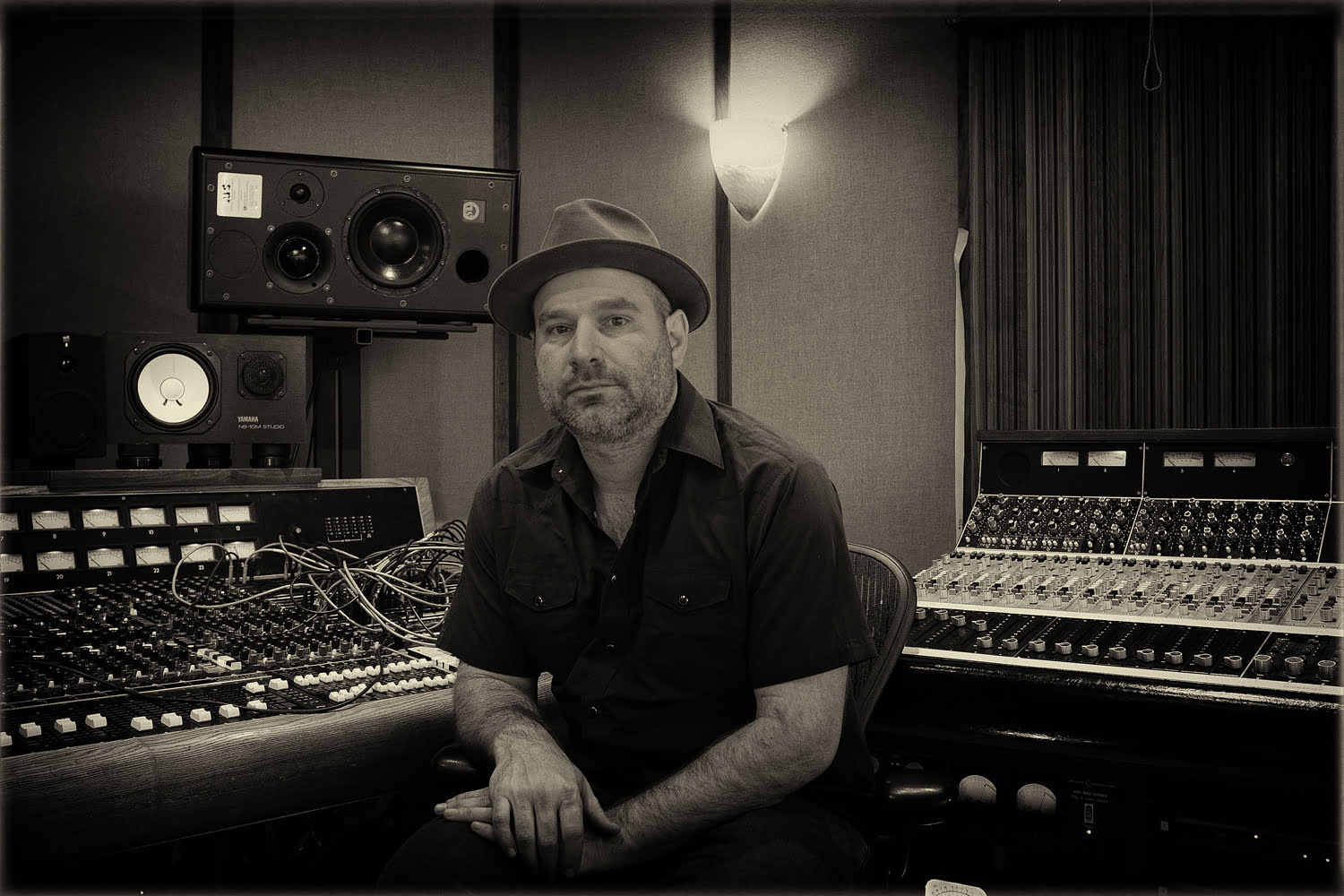
Producer and sound engineer Jamie Mefford sort of fell into this whole music thing. Recording friends' bands for free ended up snowballing into a fully fledged career. Aside from having produced a handful of excellent records — notably Gregory Alan Isakov's This Empty Northern Hemisphere and Nathaniel Rateliff's Falling Faster Than You Can Run — he also hits the road with many a touring band, offering an expert touch to the house boards of rock halls across America. 

One of the reasons I'm enjoying writing this series on producers that I secretly want to be Quincy Jones. What producer would you secretly like be?

I’m a big fan of Daniel Lanois and Ethan Johns. There are a lot of them, actually, but those are the first two who come to mind.

What is it about their work that impresses and inspires you?

They seem to have a sound that’s theirs, especially Daniel Lanois. It’s a sound I recognize and appreciate. He has an ethereal quality to his work, especially the stuff with Brian Eno. I’ve always enjoyed that.

Is there an album he did you’re particularly fond of?

Some of the U2 stuff. The Dylan record [No Mercy] that he did. Emmylou Harris’s Wrecking Ball is a record I love.

Those are the three I would pick, too. They’re his iconic records. And Ethan Johns did Ryan Adams’ Gold album, right?

Yeah, and the one I really gravitate toward is Heartbreaker. It’s an album I always reference when I’m working. I really love the sounds on it.

Give me a short bio on Jamie Mefford, starting with the first song or album you remember hearing as a kid.

[Laughs] I don’t know. I grew up with two older brothers and they listened to a lot of harder rock and metal — weirdly. That’s what I grew up on: AC/DC … stuff like that … Pink Floyd. Heavier stuff than I would listen to now.
Did you play in a band? Was “rock star” at the top of your career list or did you always want to be a producer?

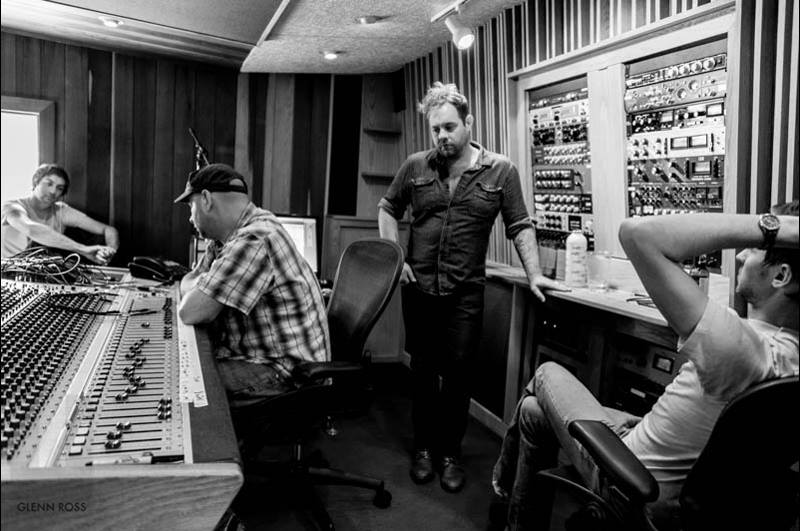
When my first band went into the studio, it just fascinated me — the whole process. I wanted to learn how to do it myself because I thought I could do it better. So slowly, over time, I just kept learning and learning. I’ve gotten good enough at it now that people call me to do it for them.

It’s been a slow process, really, of me just learning sound, learning how to record things, how other people made things, trying how things fit together, listening to other people’s records. It took me a while to figure it out.

Every producer I talk to says almost the same thing: "I was fascinated when I went into the studio and I’m always trying to figure out how things are done.” Seems to be universal.

Yeah, I hear other people’s records and I think, "Man, how did that happen? What is it about this that I really love? What draws me in?" And then I try to pinpoint it. I feel like I never get there — like everyone else’s work is always better. I’m always trying to translate that emotional quality into the recordings.

When I talked to Steve Berlin, we referenced Arif Mardin’s production on Hall & Oates’s Abandoned Luncheonette. He said the same thing: "I’m always trying to reach that level of work." How did you win your first job?

I started recording friends for free, just to learn. It kept snowballing. I owned a studio, at one point, worked as just an engineer for a long time. There was really not one moment where I was, like, "Oh, this is it." It just evolved into this thing and became a full-time gig. When I look back, I guess that was the moment where I thought, “Wow, I’m doing this.” I didn’t have another job. [Laughs]

That seems to the qualifier — when I didn’t have to do anything else to make a living. Let's talk about a couple of your productions, starting with the “West” portion of Stephen Kellogg's new album. I like to learn about the process behind the production.

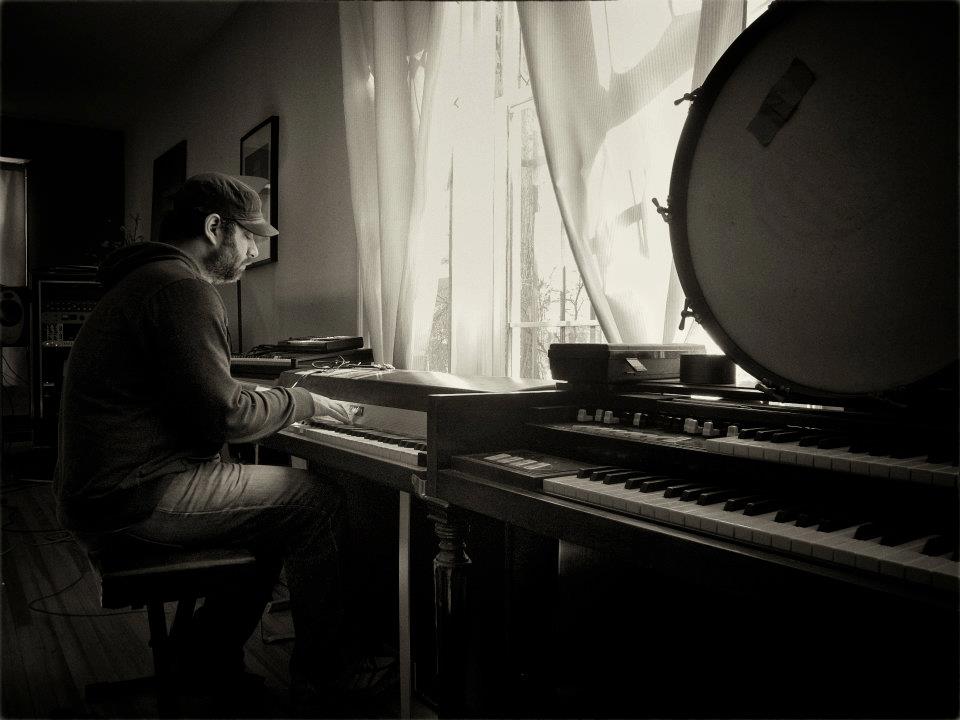
I co-produced it with my friend Gregory Alan Isakov. It was the two of us, working together and separately. Stephen basically showed up with nothing; he didn’t even bring a guitar. We just worked on the songs first. Gregory worked with him on lyrics; we found tempos, we found sounds, figured out where we wanted to go sonically with it. Then he picked up a guitar and we built the record up from just guitar and vocal tracks, mainly with Gregory and me playing the other stuff. At the very end, we brought some friends in to sing and play some extra things we couldn’t do. It was a thoughtful record in that we didn’t record it live with a band. It was about what works — what we wanted, how we wanted to build it up.
I assume that having an artist show up at the studio without a guitar is somewhat unusual.

[Laughs] Yeah. That’s the first time that ever happened. I think it was because he was on tour at the time and his guitar was on a tour bus. It wasn’t an intentional thing. He also knew we had a lot of great, old, vintage guitars that he could play.

This morning, taking my kid to school, we were listening to Gregory Alan Isakov's The Weatherman record. He actually had his earbuds in listening to something else, then he said, "Hey, wait, that’s Weatherman, isn’t it?" So that record appeals to 15-year-olds and 50-year-olds equally.

I’ve actually been out of the road with a few of the bands I’ve worked with in the studio, just doing live sound, just to get out of the studio a little bit. It’s been interesting to see the fan base because I get locked away in the studio. I make these records and move on to the next one and never see what they do. Then I go out with these artists in the real world and think, "Oh, people really like this work." It kind of hits me in a really interesting way.

And that record specifically … it’s kind of a slow, thoughtful record, and I really loved it. But it wasn’t until I went out with him and saw the reactions to the songs, that I realized how good it is. For that one, we went into a studio in the mountains of Colorado — just the two of us — and worked really hard on it, off and on, for about a year. It was kind of the same process as with Stephen. We started with acoustic guitars and vocals and were really thoughtful about how we wanted to build the songs. Some of them we recorded 10, 12, 14 times to really get them right. We weren’t afraid to throw anything out. We actually threw out an entire record we made at the same time, just as part of the process of searching for the right songs.

Besides the symphonic album I know you’re producing with Gregory, what else is coming up for you?

That’s the main thing on my schedule right now. I have a few other things in the works, but nothing that’s super-solid. And right now, I’m out on the road with another friend of mine, Nathaniel Rateliff, doing live sound for him. Then I’m heading back to finish Gregory's record.


Photos courtesy of Jamie Mefford
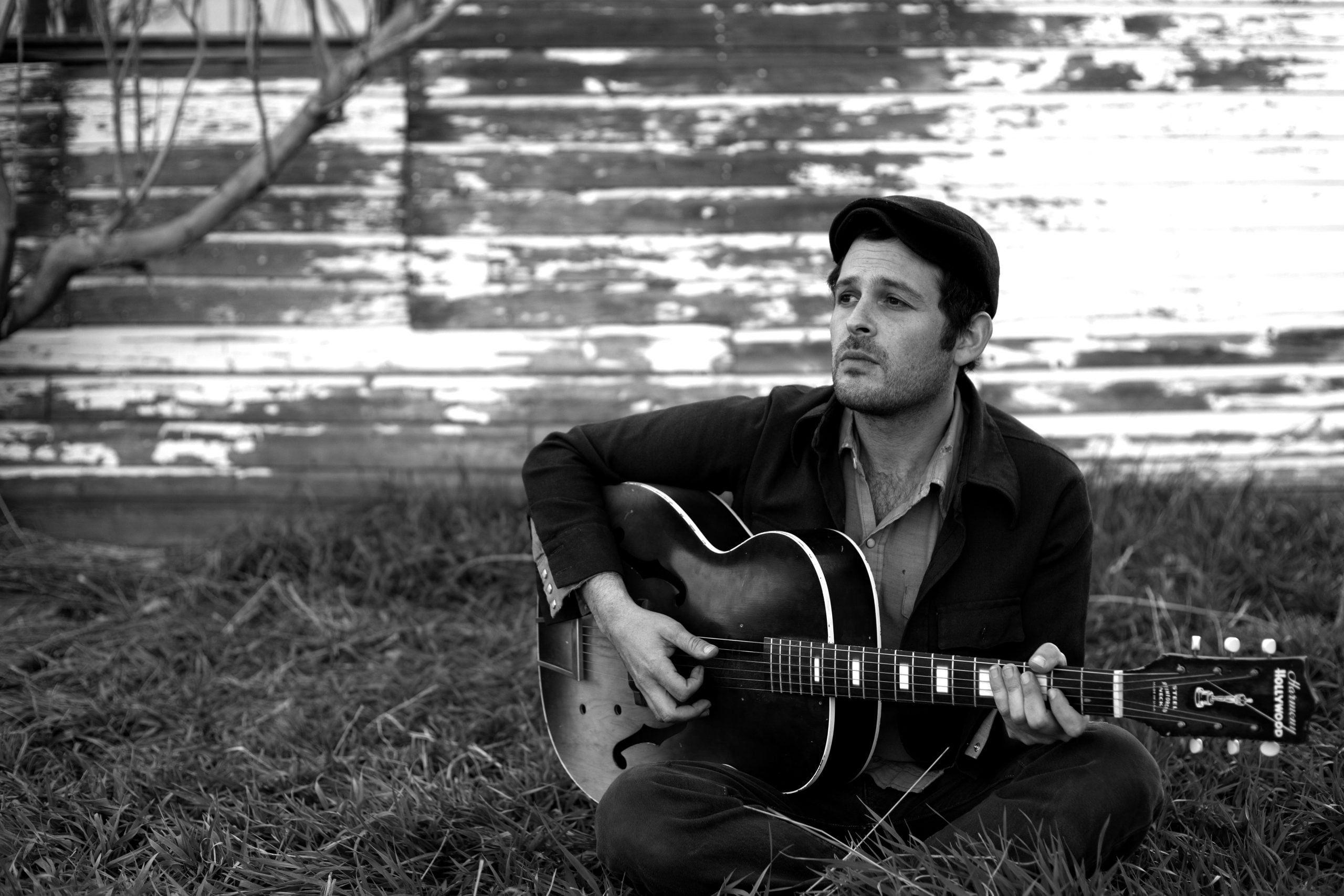
Coming Out of the Dark: A Conversation with Gregory Alan Isakov

Gregory Alan Isakov's 2013 release, The Weatherman, thrust the 35-year-old South African-born singer/songwriter into the limelight with a stunning soundscape that evokes classic 1970s folk music. With a new symphonic record on the horizon and an appearance at the L.A. Bluegrass Situation coming up this weekend, Isakov caught up with the BGS on the topics of folk music, symphony halls, the Rocky Mountain music aesthetic, and playing live for the benefit of your landlord.

I really love The Weatherman, your album from a couple of years ago. I'm a '70s kid. And it reminds me of the folk records I heard growing up, names that are long gone but sounds that stick gently in my mind. Did those kinds of records have an influence on that album?

Yes. A giant influence. I was after that sound. We found this little studio with an analog board and a tape machine. I really wanted to make something that had that kind of saturation, like those old records I heard when I was a kid.

What records do you remember listening to then?

Let’s see … When I was real little, I had a single of “We Are the World.” I’d just play it over and over again. [Bruce] Springsteen was on it, so I really got into him when I was maybe seven or eight. Paul Simon. Nick Drake. Leonard Cohen was always a big one.

Leonard Cohen is one the who stands out for me as being pretty influential on your sound.

Yeah, for sure. I love his records.

Even though Cohen wasn’t from Colorado, he had that “sitting alone in a cabin in Colorado” sound to his songs.

Yeah, that’s it.

Do you think there’s a Rocky Mountain music aesthetic?

I think so. I think it makes it into the music. For me, the music I notice in the Boulder area — the Colorado front range area — includes a lot of bluegrass. The Rocky Mountain brand of bluegrass definitely has a different kind of sound than Appalachian bluegrass. I’ve always loved the music out here, even though it’s different than what I make. It definitely has a sense of place, for sure.

And there’s so little oxygen!

That’s probably it.

It makes everything sound much lighter.

[Laughs] Yeah.

I like all the songs on The Weatherman, but "Suitcase Full of Sparks" is one of my favorites.

Cool, man. That’s awesome.

Tell me a little about that one.

I don’t hear many people say that’s a favorite. That song I wrote with a few friends of mine down in Texas — old friends I’ve known forever. We just kind of hang out and write songs whenever I go down there. There was this bluesy song my friend Ron Scott’s got … [growls like an old bluesman] … "traveling with a suitcase full of sparks." [Laughs] I was like, "Hold on. I’ll be right back." I just cranked out a few verses. It was a fun tune to do, a nice communal kind of song that I don’t get to do too much.

Your music lends itself very kindly to orchestration, so it's no surprise your next album is going to be recorded with the Colorado Symphony.

Yeah. It’s been great. We got to do a few shows with them, so far. And we just did one in Seattle, with the Seattle Symphony. It was amazing. Kind of surreal, actually, walking out onto the stage at Symphony Hall with 75 amazing musicians, all very well-dressed with very good posture. And I was kind of hobbling out of stage and playing all our weird songs. It was awesome.

Were those shows orchestrations of existing music or was it new music you wrote for these shows?

All the arrangements were new versions of songs from the three records we have out now. And then we did one new song. We just wanted to pick out the ones that really lent themselves well to the arrangements and had the energy. We’re actually mixing that record now … today.

When will it be out?

We’re shooting for Christmas time, maybe January.

I’m a strings guy. I’m a longtime Simon & Garfunkel/Elton John kind of guy. You can put strings with most anything and make me happy.

I feel the same way. I can relate.

Working in that kind of atmosphere is significantly different than hanging out in Texas writing songs or playing rock 'n' roll at festivals. What was the thing that was scariest and what was the thing that was most fun?

It was the most humbling experience I ever had. You’re standing up there with these musicians that are mind-blowing at what they do. We didn’t play with a drummer on those shows. Everyone had to be pretty separated, so he’d be behind glass — so the conductor was just going off of my guitar. It kind of felt like this ocean of sound behind us. It was kind of intimidating. I was really humbled and amazed, just being up there, hearing all that.

It was also one of those shows where all your weird cousins come and your landlord’s there. [Laughs] They’re like, "Yeah, we’ll come to that one. Cool." So there was that other external stuff, like, "Yeah, this is a special show."

Did you just wake up one day and think, "Yeah, I’d like to play with a symphony orchestra"?

It’s something I've been writing down on my dream list of things to do for so long I can’t believe it happens. It proved to me that we can do whatever we want. We really can. We can manifest what we want to do.

You're coming to my town, Portland, to play with the Oregon Symphony.

I love Portland. Yeah.

Now you got me all excited to come and see you play.

Yeah, you should come. Bring your landlord.

[Laughs] In my case, I guess I would bring my mortgage broker.

[Laughs] Yeah, bring your mortgage broker.

That would be funny. Last, but certainly not least, you're taking part in our get together his weekend: the Bluegrass Situation in L.A. at the Greek Theater. What do you have planned for that show?

I’m so excited about that. Actually, there are going to be a lot of strings at that show, as well. Cello, violin, bass, some electric guitar, and banjo. We don’t do a lot of festivals, in general. We’re doing Hardly Strictly right after that, but mostly we do theater and club shows. In the dark. At night. [Laughs] That’s been our comfort spot so we’ve been branching out and doing new stuff, trying to make each show unique. So I’m really excited about it.


Top photo credit: Erin Preston. Van photo credit: Laurie Shook


Get Off Your Ass: August Is Upon Us

Melaena Cadiz // Hotel Café // August 2

The Wood Brothers // Fig at 7th // August 5

Alabama Shakes // Greek Theatre // August 9-10

Robert Ellis // Standard Hotel // August 10

Indigo Girls // The Fonda // August 11

Gregory Alan Isakov // The Fonda // August 12

Hard Working Americans // El Rey Theatre // August 13

Mavis Staples // Santa Monica Pier // August 18

Mary Gauthier & Dave Alvin // McCabe's Guitar Shop // August 19

Chris Pureka // Bootleg Theater // August 26

Claire Lynch Band // Ford Amphitheatre // August 28

The Hillbenders // The Mint // August 31

Charlie Worsham // The Basement East // August 1

Buddy Guy // Ascend Amphitheater // August 3

Patterson Hood // City Winery // August 4

Sam Lewis // The Basement East // August 4

case/lang/veirs // Ryman Auditorium // August 6

Kim Richey // City Winery // August 6

McCrary Sisters // 3rd & Lindsley // August 10

Elise Davis & Becca Mancari // Tomato Arts Festival in Five Points // August 12

Dixie Chicks // Bridgestone Arena // August 17

Tim McNary // The High Watt // August 18

Cale Tyson // The Basement // August 26

Uncle Earl // City Winery // August 29

Mark O'Connor Band // Joe's Pub // August 2

Anais Mitchell // City Winery // August 3

Aaron Neville // Apollo Theater // August 4

Lori McKenna // City Winery // August 4

Buddy Miller, Lucinda Williams, Patty Griffin, Mary Gauthier, & Dr. John // Lincoln Center Out of Doors // August 6

Elizabeth Cook // Bowery Ballroom // August 9

Junior Brown // City Winery // August 11

The Avett Brothers // The Amphitheater at Coney Island Boardwalk // August 13

Jon Stickley Trio // Joe's Pub // August 17 & 25

Buffy Sainte-Marie // Highline Ballroom // August 21

Carrie Rodriguez // Joe's Pub // August 24

Benjamin Booker // Commodore Barry Park // August 27

Stream Newport Folk Festival This Weekend

Can't make it to Newport Folk Festival? Fret not, you can stream performances of the festival from the comfort of your own home! Newport Folk Radio will broadcast a number of performances this weekend, all for your listening pleasure. 

Listen here. 

Other Roots Music News:

• Watch Gregory Alan Isakov perform "Saint Valentine." 

• Sharon Van Etten is one of many artists featured on an upcoming Donovan tribute album. [Consequence of Sound] 

• Go backstage at the Grand Ole Opry with Ashley Monroe. [American Songwriter] 

• Dave Cobb and Anderson East talk bromance in the Nashville Scene. 

• Sturgill Simpson sold out two nights at the Ryman and added a third. [Nashville Scene]