Lucinda Williams: A Folk Singer’s Heart and A Rock Star’s Swagger

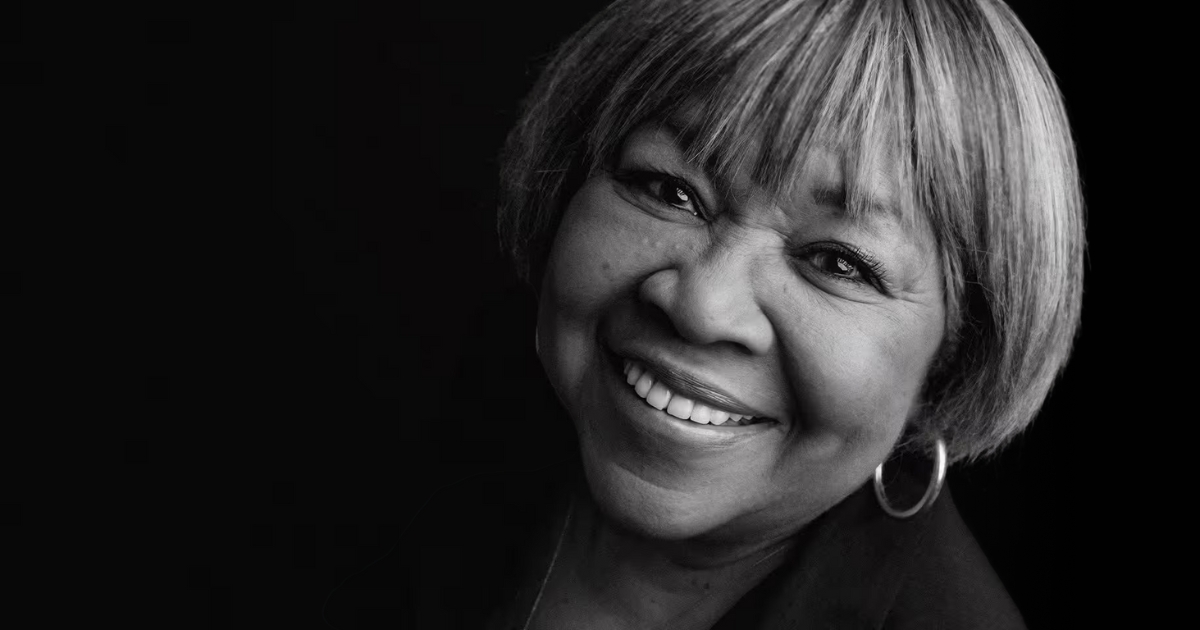
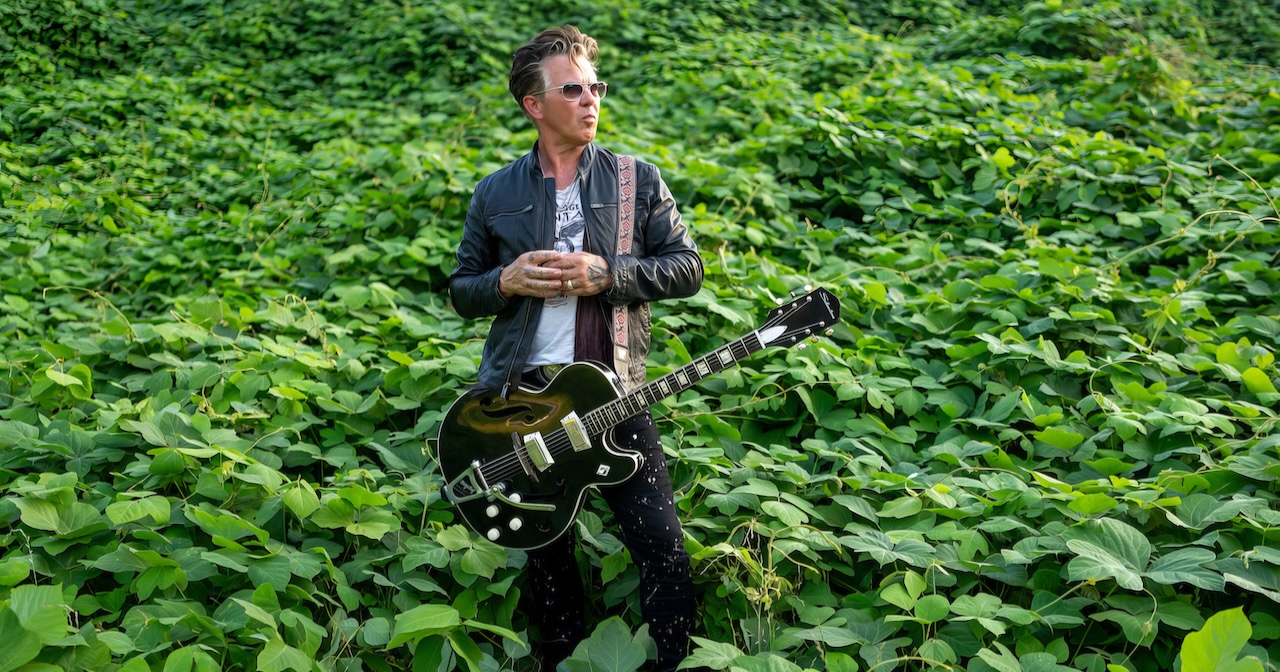
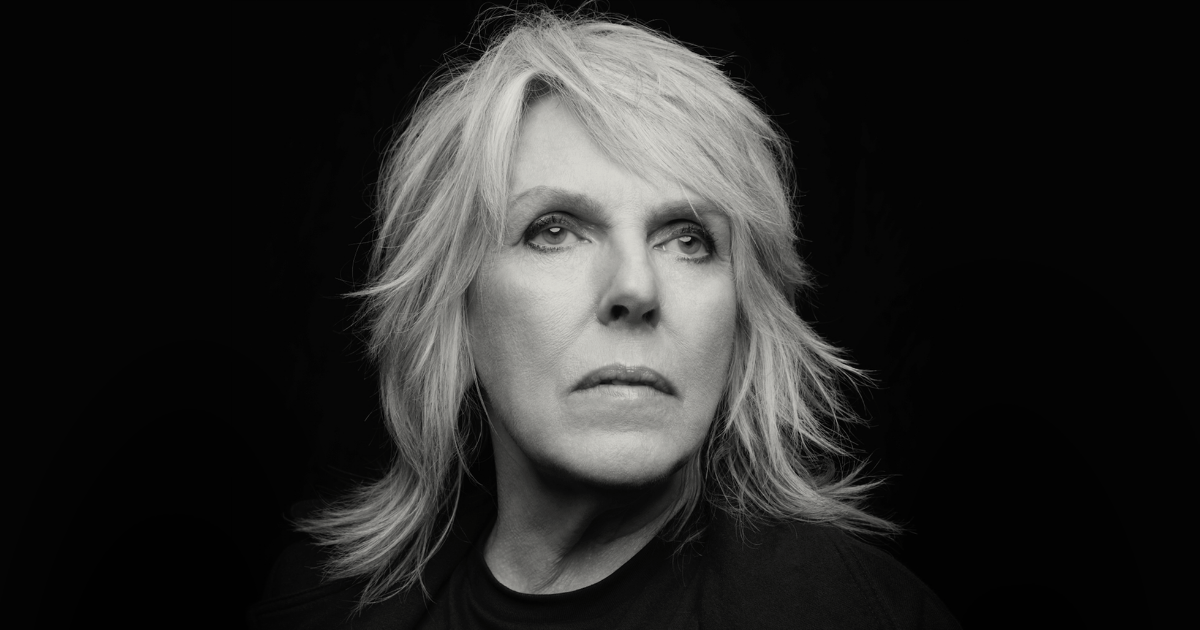
With a folk singer’s heart and a rock star’s swagger, Lucinda Williams gets it right on World’s Gone Wrong. Produced by Ray Kennedy and Tom Overby and released January 23, 2026, the topical album shows no love for the current president; instead, Williams turns to the musicians in her band, R&B legend Mavis Staples, and even a Bob Marley classic to put her own beliefs front and center.

As protesters take to the streets across America, Williams is reaching people where they live by maintaining an impressive tour schedule, just as she’s done for the last four or five decades.

BGS caught up with Williams for an Artist of the Month interview by phone, in motion and outspoken.

First off, I just want to say I love the electric guitar on this record.

Lucinda Williams: Yeah, I’ve got two of the best in my band, Doug Pettibone and Marc Ford. Marc was in the Black Crowes before and Doug’s been with me for a while. The two of them just play off of each other. They’re really great when you see the band live.

Thanks for saying that. I’ll pass that on! I’ve always managed to find really good guitar players to work with me. It’s important to me, having a good guitar sound in the band, both live and on the record.

This record’s got that live energy, which is hard to capture on an album. What were the sessions like putting this album together?

Wow! You’ve said all the right stuff that I want to hear! I love you! [Laughs] But like you said, it’s hard to get the recording to reflect that. That’s why I’m so excited that came across, but I always record live for the most part. … We’re all situated in that part of the studio where we’re recording, but the vocals are isolated, just for the sake of convenience, so we don’t have to worry about the [tracking band] bleeding in, in case there’s a mistake. But it has that live feel, because we’re not putting down certain things and then coming in later. The drummer is not coming in separately and putting the drum track down, that kind of thing. We’re putting down the basic track all at the same time, together.

I would be playing guitar normally, but since I had my stroke about five years ago, I’m struggling with it. That hasn’t come back all the way yet, unfortunately. Which makes it even more challenging, because normally I would set up the vibe and the feel on acoustic rhythm guitar, and then the guys would follow me and fall in behind me. So, now one of the other guitar players has to fill in for me. And even though they’re both great guitar players, nobody’s going to do a rhythm thing exactly like I do. That’s a little bit of a challenge right now, but we managed to pull it off somehow.

You’ve had so many musicians that have worked with you over the years. When it’s time to hire somebody in the studio or in your band, what qualities are you looking for?

Probably just being aware of different styles of music. I can’t read or write music, so for me to have to discuss something to another musician, I usually use a reference of another artist. And I might say, “I want to play this song kind of like Clifton Chenier,” like a zydeco thing. And if they don’t know who that is, it’s hard for me to describe it musically. So, the easiest and best way is just [bringing up] the sound of another style of music and using an artist to describe that.

What was on your mind as you were writing the song, “The World’s Gone Wrong”?

Well, what do you think? What’s going on right now, every single damn day. There’s some other crazy piece of news surrounding the so-called King of the United States. Or he wants to be king. He wants to name the Kennedy Center after himself. That stuff builds up in your mind, and after a while it’s therapeutic to sit down and write a song about it. Just get it out of your system. … I just remember, every single day there’d be something on the news, in the newspaper, on TV or somewhere online. You couldn’t get away from it. It was pervasive. It was just on my mind a lot, of course, and still is.

This might be venturing out a little bit, but it seemed like a love song too, because these two people in the song are leaning on each other.

Yeah, I’m glad you brought that up. I’m glad you saw that in there. I think it’s an interesting way of dealing with the political unrest, by painting a picture of a regular, everyday couple and what they’re going through. So you can express it that way.

I’ll shift it over to “Low Life,” because I feel like I’m sitting at that bar with you when I listen to that song. And I also like those bars where you can be anonymous and no one really knows you. When you’re out on tour, do you look for places like that?

Yeah, the guys and me will look for a cool little place to maybe go hang out after the show. It’s hard to find one, though, where they won’t know who we are, because then they’ll want to come up and talk and stuff. A lot of times the guys will go somewhere and I’ll be like, “I want to go! Take me! Take me!” And they’ll go, “Lu, you’re not going to want to go, because it’s going to be swamped with fans and everybody’s going to want to talk to you,” and all that. Then I get all disappointed because I can’t go. [Laughs] So I’d just stay on the bus.

We end up hanging out on the bus more often than not. That becomes our little bar. I like to fraternize with the band guys after we do a show. I like to bond with them a little bit on the tour bus.

I noticed you’re going on the road with the band Heart in March. When that offer came through, what made you think, “Yeah, I’ll do that.”

Well, turns out they were fans of my music, which I wasn’t aware of, and I guess their people reached out to my people… or my person [laughs] and wanted to take me out with them. Ann and Nancy Wilson are just two of the nicest people ever, real down to earth. We went out and already did some shows with them not too long ago. It seemed like with their fans and my fans, there was kind of an overlap there. It seemed to work musically as a bill.

I don’t think enough has been said about Nancy’s playing. I caught a documentary a while back on the music scene in Seattle back in the day, and with Heart a lot of people don’t realize they were there then, right when Nirvana was around. They were a little bit different, but I hadn’t realized how proficient Nancy was on the electric guitar and I was just sitting there watching it like, “Oh my God!” And Ann’s voice – they’ve got what it takes, that’s for sure.

You’re back out on the road, you’ve got this new album, and I’m sure there are a lot of other things in the works. What are you enjoying most about this stage of your career?

Being able to go out and do shows with artists like Heart. I got to go out and do shows with a tour featuring Bob Dylan and Van Morrison. I got to go out and do shows with the Allman Brothers. I’ve met so many fantastic, legendary artists over the years who like my music. And some might be a surprise. I was surprised, actually.

Like, Joey Ramone was a fan. David Byrne is a fan. Robert Plant is a big fan and I’ve done quite a few shows with him. So that’s been a big boost. Those probably have been the highlights of my career, being able to connect with those kinds of artists. The people I listened to when I was starting out and looked up to.

It was interesting to hear you include “So Much Trouble in the World” on this record. What did you like most about Bob Marley’s original version of that song?

First of all, I feel like that song was ahead of his time and it still rings true today. It’s still so fresh and could have been written yesterday. It’s still relevant. People still love the song. It’s got a great melody. Nobody can do it like Bob Marley did, though. I was a little self-conscious about that when we cut that song, because I was thinking, “What are people going to think? Me covering a Bob Marley song?” Like, “What does she think she’s doing?” But it’s a great song to play live. And like I said, it’s so much about what’s going on right now.

Having Mavis Staples on that recording is such a treat. What did she bring to the track?

She just added a whole extra level of soul, and thought, and everything. And we didn’t tell her what to sing or how to do anything. We didn’t give her parts to do or anything like that. We just showed her where the vocal booth was. You know, “Here’s the microphone,” turn it on, and she just let it rip. We’re so grateful to have her on there. And every single person I’ve done an interview with has mentioned her. Like, “What’s this about Mavis Staples on the record? How did you get her in the studio?” and all this. Everybody’s so excited to hear her on there.

I also wanted to ask you about “Too Far to Turn Around.” It feels like something we could sing at a protest march, but it’s kind of like a meditation, too.

Yeah. Thank you so much. I love hearing you say that, because that’s what I had in mind when I was writing it. Exactly that. I was thinking about songs like “We Shall Overcome” and everybody singing it together and holding hands. Because I experienced that myself back in the ‘60s. When I was a teenager, I used to go to all these marches and demonstrations. And music was the thing that kind of brought people together back then.

Those kinds of songs like “We Shall Overcome” were being sung and Bob Dylan was writing all those amazing protest songs like “Masters of War,” which I used to sing. I’d get my guitar, go to these things, and sometimes they’d ask me to sing. I’d do those kinds of songs, like Joan Baez and all. I mean, there was just a gamut of great folk singers. That’s what they used to call us! I kind of wish that would come back. Just call it folk music. The people’s music.


Continue exploring our Artist of the Month coverage of Lucinda Williams here.

Photo Credit: Mark Seliger

Despite a Sad And Beautiful World, Mavis Staples Still Transcends

Such words as “legendary,” “transcendent,” and “magnificent,” while accurate, only skim the surface in describing the greatness of vocalist Mavis Staples. There’s no idiomatic area where she doesn’t excel and no song, regardless of origin or writer, that she can’t turn into a personal triumph. She’s also a genuine survivor, both in the familial (she’s the last living member of the Staple Singers) and socio-political sense (she’s a cultural warrior and champion of the Civil Rights era whose resonant voice has inspired generations of listeners).

For many artists, claiming they’ve gotten better with age is at best polite overstatement, and at worst woeful exaggeration. But Staples at 86 still has the authoritative edge, tonal quality, and lyrical flair that’s always marked her performances. It seems hard to believe she’s been singing since childhood, and listening to the 10 tracks on her newest release, Sad And Beautiful World (released November 7 by Anti), you hear the confident, jubilant sound of a vocal titan.

That Staples can cover with equal distinction and flair songs penned by Tom Waits, Curtis Mayfield, Gillian Welch & David Rawlings, Leonard Cohen, and Frank Ocean reaffirms her versatility. Producer Brad Cook smartly lets her voice dominate through each setting, regardless of instrumental backdrops, tempo or lyrical setting. Her spoken word narrative adds additional punch to the cover of Ocean’s “Godspeed” and underscores its recurring themes of urgency and redemption that fuel the album’s sensibility.

But the album also contains prominent message tracks, most notably “We Got To Have Peace,” a number whose tone and lyrics couldn’t be more timely in an era where it seems lunacy often runs supreme. “Anthem” and “Satisfied Mind” are just as powerful and energetic in their declarations of the importance of persistence, kindness, and goodwill. “Everybody Needs Love” provides the perfect finale, with Staples superbly punctuating its theme and completing a 38-minute epic work. Indeed, songwriter Kevin Morby has offered perhaps the best tribute to Staples’ brilliance possible, when he gave a press statement about what it meant to have her doing his song “Beautiful Strangers,” which is another memorable and passionate number.

“It isn’t easy to put into words what it feels like having one of the best, most important vocalists and cultural figures of both the 20th and 21st century sing one of my songs,” Morby said. “But hearing Mavis sing ‘Beautiful Strangers’ is hands down the greatest moment and highest honor of my career. Far beyond any kind of accolade or acclaim – having one of my biggest heroes sing something I wrote is the most validating and flattering thing that could ever happen to me as a songwriter and person. Thank you, Mavis.”

Staples has been awesome for so long, sometimes it’s easy to forget how many different periods and genres her artistry covers. The original family unit the Staple Singers were gospel and folk song giants. The unit included her sisters Cleotha and Yvonne, plus her brother Pervis, her father Pops, whose roots reached back to the seminal days of Delta blues, and Charlie Patton, who served as anchor, both vocally and on guitar. The Staple Singers began singing in Chicago churches in the late ’40s, became recording artists in the early ’50s, and earned their first hit with “Uncloudy Day” in 1952, recorded for the Black-owned label Vee-Jay. By the ’60s they were a cornerstone unit of the Civil Rights Movement, often accompanying Dr. Martin Luther King at rallies.

Mavis began really getting noticed as a solo performer during their transition in the late ’60s and early ’70s to a soul and pop unit. The decision to sign with Stax Records and the shift to secular music was one Pops often acknowledged as a controversial one, but it ultimately paid off as the group’s status elevated into crossover stars. They had eight Top hits in the early and mid-’70s; “I’ll Take You There” and “Let’s Do It Again” were chart toppers and “Who Took The Merry Out of Christmas” reached number two. Mavis also cut her first solo single in the late ’60s, then a full self-titled release for Stax in 1969. Their songs were expertly produced, featuring the crisp and outstanding backing of Booker T. & the MGs. Other essential hits included “I’ll Take You There” and “Respect Yourself.”

Slowly but surely, Mavis began to establish herself outside the Staples family trademark. Her soundtrack LP, A Piece of the Action on Curtis Mayfield’s label, helped her reach some new audiences, as did another self-titled mid-‘80s LP. But it was a pair of releases produced by Prince in the ’90s that really helped her reach the next generation of listeners. The second by the duo, The Voice, was another masterpiece. It included her magical version of Prince’s “Positivity,” as well as a cover of “Melody Cool” from the film Graffiti Bridge. Staples returned to the church in 1996 for a marvelous release, Spirituals & Gospels: Dedicated to Mahalia Jackson, that personified the close friendship that Jackson had with the entire Staples family and her influence on Mavis, personally and professionally.

Over the course of the 21st century, Mavis Staples has unquestionably become an iconic figure. The roster of artists with whom she’s worked over the course of her remarkable career is an astonishing one, both in terms of talent and musical approach. She’s recorded with jazz guitarist John Scofield, Los Lobos, Bob Dylan, Johnny Paycheck, Natalie Merchant, George Jones, Delbert McClinton, Aretha Franklin, Nona Hendryx, and Ann Peebles, to cite only a handful. Staples has also continued making emphatic message albums, among them the 2017 dynamo If All I Was Was Black. Her voice has been sampled by rappers and hip-hop and pop artists like Salt ‘N’ Pepa, Ice Cube, Ludacris, and Hozier.

Mavis also been featured in a host of television shows and films, among them The Tonight Show with Jay Leno, The Late Show With David Letterman, Conan, and “CBS Saturday Morning: Saturday Sessions,” and she was the featured performer on the very first episode of The Late Show With Stephen Colbert. Her film resume includes appearances in Martin Scorsese’s The Last Waltz and Antoine Fuqua’s documentary Lightning in a Bottle, about the Salute to the Blues concert at Radio City Music Hall in February 2003.

Mavis!, the first feature documentary about Staples and the Staple Singers, was directed by Jessica Edwards and had its world premiere at SXSW in March 2015. It was later screened in theaters and was broadcast on HBO in February 2016, eventually winning a Peabody Award. Her appearance with Mahalia Jackson at the 1969 Harlem Cultural Festival is among the many highlights in the award-winning documentary Summer of Soul, which was released in 2021. Staples has even been portrayed on film, played by Laura Kariuki in the 2024 hit film, A Complete Unknown.

Staples has rightly won numerous awards. The array includes three GRAMMYs and a GRAMMY Lifetime Achievement Award, induction into the Rock and Roll, Gospel Music, and Blues Halls of Fame, and having been a Kennedy Center Honoree. The Rock and Roll Hall of Fame honored her a second time in 2019 with the inaugural Rock Hall Honors Award for her solo work. Rolling Stone named her 56th among the “100 Greatest Singers of all Time” in 2008, though there was already no question about her inclusion in that select company.

Amazingly, there doesn’t seem to be any slowing down for Mavis Staples. She celebrated her 80th birthday at the Apollo Theater in 2019, returning to the famed venue where she first appeared as a teenager 63 years before that date. She did a series of collaborative birthday concerts that year with special guests that included David Byrne and Norah Jones. She also collaborated with Run the Jewels on the track “Pulling the Pin” from their studio album RTJ4. In 2022, Staples released Carry Me Home, a collaborative effort with the late Levon Helm that they recorded together at Helm’s Midnight Ramble in 2011.

She’s already announced upcoming tour dates for 2026 at three famous sites: Chicago’s Chicago Theatre, Nashville’s Ryman Auditorium, and New York’s Beacon Theatre. Mavis Staples also remains a voice for social justice. Way back in 2010, she performed at the Rally to Restore Sanity and/or Fear alongside singer Jeff Tweedy. In 2011, she was joined onstage at the Outside Lands Music And Arts Festival by Arcade Fire singer Win Butler. The two performed a version of “The Weight” by The Band. Shortly after the release of her 2016 LP Livin’ On A High Note, produced by M. Ward with songs written for her by Nick Cave, Justin Vernon, Neko Case, and others, Staples issued these prophetic words:

I’ve been singing my freedom songs and I wanted to stretch out and sing some songs that were new. I told the writers I was looking for some joyful songs. I want to leave something to lift people up; I’m so busy making people cry, not from sadness, but I’m always telling a part of history that brought us down and I’m trying to bring us back up.

These songwriters gave me a challenge. They gave me that feeling of, “Hey, I can hang! I can still do this!” There’s a variety, and it makes me feel refreshed and brand new. Just like Benjamin Booker wrote on the opening track, “I got friends and I got love around me, I got people, the people who love me.” I’m living on a high note, I’m above the clouds. I’m just so grateful. I must be the happiest old girl in the world. Yes, indeed.

Anyone paying attention to the songs on Sad And Beautiful World knows that’s still the case with Mavis Staples’ music.


Photo Credit: Elizabeth De La Piedra

Mavis Staples Finds a Place to Call Home in Frank Ocean’s “Godspeed”

Mavis Staples counts herself among the legion of Frank Ocean fans and she’s just released her rendition of “Godspeed” as a sign of her admiration. Of course Staples is an iconic voice of her generation through her groundbreaking music with the Staple Singers on “I’ll Take You There,” as well as the family group’s participation in the 1960s civil rights movement alongside Dr. Martin Luther King Jr. For this heartfelt track, Staples and producer Brad Cook bring in songwriter and Youth Poet Laureate Kara Jackson for spoken word vocals.

Channel Orange was my first introduction to Frank Ocean and I was just amazed at the writing and soulfulness coming from his voice,” Staples said. “And I loved Blonde when that record came out. That first line in ‘Godspeed’ of ‘I will always love you’ just crushes me every time I hear it… or sing it. It’s just such a beautiful song and he sounds amazing on it so I was a little nervous if we could pull it off. I was honored to sing his words.”

This weekend in Canada, Staples will sing at jazz festivals in Ottawa, Toronto, and Montréal before crossing back over the border for shows in Knoxville, Tennessee, and Brevard, North Carolina. After a number of American concerts in July, she’ll pause just long enough to celebrate her 86th birthday. Then she’s bound for dates in Norway, the Netherlands, and Sweden in August, with even more stops scheduled throughout the U.S. through early October.

Yes, she’ll take you there… but only if you can keep up. Check out the Rock & Roll Hall of Fame member’s cover of Frank Ocean’s “Godspeed” released by ANTI- Records below.


Photo Credit: Myriam Santos

MIXTAPE: Shoals Gold with Mike Farris

Playlists are the new Mixtape – and who doesn’t love a good Mixtape? With the release of my brand new album, The Sound of Muscle Shoals, recorded at legendary FAME Studios in Muscle Shoals, Alabama, I thought it would be cool to highlight not only a few of the most important – albeit ubiquitous – classic songs, but more importantly some of the rare gems from the legendary Muscle Shoals canon. For a nerd like me, to be able to have personal access to reach out to guys like Norbert Putnam and David Hood and ask, “Where was this recorded?” is a surreal and cherished thing. I had no idea that Leon Russell’s “Stranger in a Stranger Land” was recorded down there– just amazing.

For this list, I didn’t want to put just the usual suspects on it, but how could you do a Muscle Shoals playlist and not include the song that launched Aretha’s career, “I Never Loved a Man”? For me, everybody on this list is owed some more attention, but the big three that jump out to me that should be way more well known, in my opinion, are Candi Staton, George Jackson, and Arthur Conley. Enjoy! – Mike Farris

“You Left the Water Running” – Otis Redding

Written by the great Dan Penn along with Rick Hall and Oscar Franks. I believe this may be the only record the Big O recorded at FAME – Rick Hall had merely asked Otis to sing the demo for an upcoming Wilson Pickett session – as this predates Otis’ ascension the King of Soul. This is one of the many great songs Dan Penn had a hand in, by the way.

“I Never Loved a Man (The Way I Love You)” – Aretha Franklin

A must for any Shoals playlist. The song that launched the Queen of Soul!

“Stranger in a Strange Land” – Leon Russell

I actually had no idea “Stranger” was recorded with the Swamper crew. There was a lot of confusion online about this one, but in the sometimes surreal nature of the music business, I realized that I could just text the great David Hood and simply ask him about it, which is nice. And he did, in fact, confirm it was recorded at Muscle Shoals Sound.

“Mustang Sally” – Wilson Pickett

Another must-have. I always imagined being in the studio watching everyone’s expressions on their faces while WP sang. It had to have been unreal. Also, this groove is DEEEP!

“Ease On” – Mike Farris

I tried to demo this song a few times, but it never came close to what I was hearing. From the moment we stepped out on the floor with all the FAME guys in FAME Studios’ legendary Studio A, I knew this song was being delivered to the right guys. It’s everything I imagined it to be and then some…

“You Better Move On” – Arthur Alexander

Arthur Alexander gave Rick Hall and FAME Studios their first hit record with “You Better Move On” and he was just getting started.

“Heart on a String” – Candi Staton 

Candi is one of the greatest R&B singers, period. I could literally fill this playlist with all of the great Candi Staton songs.

“You Got a Lot to Like” – George Jackson

George Jackson was one of the most prolific and important writers in the Southern R&B and rock and roll world, make no mistake, but he was also a great artist in my opinion. This one highlights his great vocal ability.

“I’m Your Puppet” – James & Bobby Purify

A great song by the great Dan Penn and Spooner Oldham. In addition to being an all-around damn fine composition, “I’m Your Puppet” has to be one of the hardest hittin’ mid-tempo grooves of all time.

“When a Man Loves a Woman” – Percy Sledge

I once asked Spooner Oldham and the late Jimmie Johnson why they chose to use a Farfisa instead of a Hammond organ on “When a Man Loves a Woman.” I would actually throw these questions out knowing full well that it would spark a long, meandering, completely engaging conversation with them that could and would take you all over town and back before finally coming back around to what would typically be a simple answer. This question was no different. The answer, given by Jimmie and agreed upon by Spooner was, “We used the Farfisa because that was all we had.”

“I’ll Take You There” – The Staples Singers

Produced by Al Bell, possibly the biggest hit by The Staples features an iconic shoutout by Mavis to the legendary “Swamper,” David Hood, on bass. Jimbo Hart pays homage to his hero, David, on “Learning to Love,” from my new album, The Sound Of Muscle Shoals, which I am forever grateful for.

“Loves Me Like a Rock” – Paul Simon

One of my favorite songs growing up. I clearly remember hearing this song play over WCDT 1510-AM radio station in my hometown as a kid and being completely taken with the backing vocals of the great gospel group, The Dixie Hummingbirds.

“Sweet Soul Music” – Arthur Conley

Classic soul swing-dance groove with one of the most explosive and iconic horn intros of all time! Soon as they heard that intro in the control room, you just know that they knew they had a hit on their hands.

“I Worship the Ground You Walk On” – Jimmy Hughes

Jimmy Hughes at his best with a very underrated classic

“This Love of Mine” – Arthur Conley

Incredible number with an amazing arrangement by the one of the greatest soul singers of all time, Arthur Conley.

“Before There Was You & I” – Mike Farris

I had the verses and chorus when I showed up at FAME. What I didn’t have was the B section for the solo break and the outro, which the great Will McFarlane came up with. It made the song

“Lovin’ the Easy Way” – Candi Staton

This has to be one of the steamiest, sexiest songs ever.


Photo Credit: Ed Rodes

Celebrating Black History Month: Mavis Staples, Chapel Hart, Charley Pride, and More

To celebrate Black History Month – and the vital contributions of Black, Afro-, and African American artists and musicians to American roots music – BGS, Good Country, and our friends at Real Roots Radio in Southwestern Ohio have partnered once again. This time, we’ve brought you weekly collections of a variety of Black roots musicians who have been featured on Real Roots Radio’s airwaves. You can listen to Real Roots Radio online 24/7 or via their FREE app for smartphones or tablets. If you’re based in Ohio, tune in via 100.3 (Xenia, Dayton, Springfield), 106.7 (Wilmington), or 105.5 (Eaton).

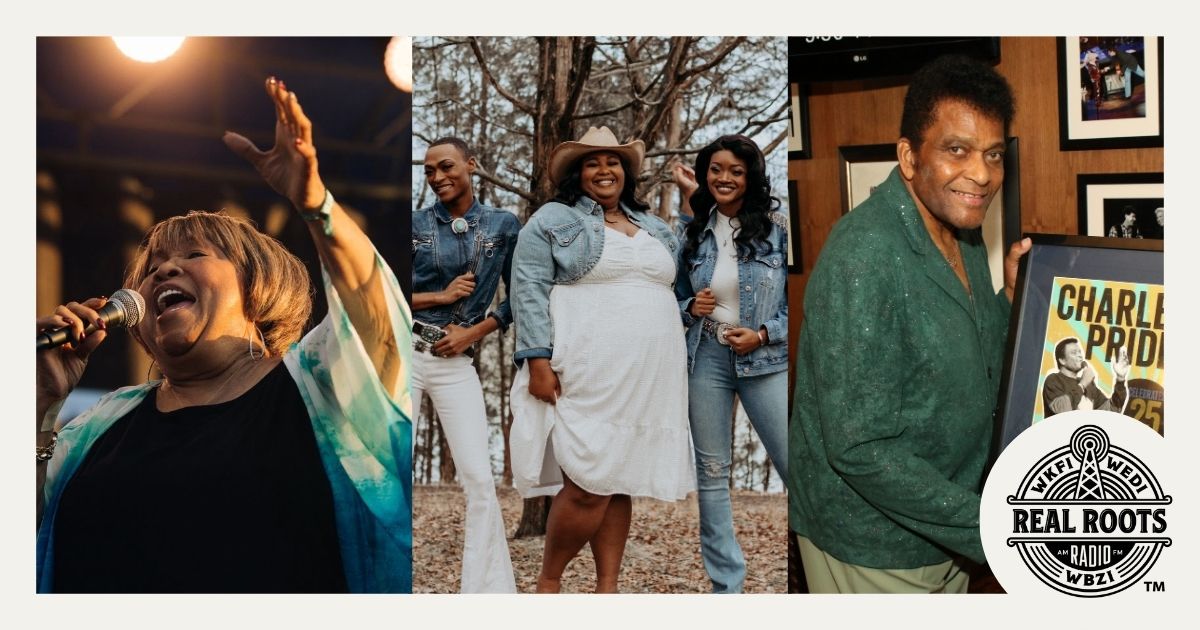
American roots music – in any of its many forms – wouldn’t exist today without the culture, stories, skills, and experiences of Black folks. Each week throughout February, we’ve been spotlighting this simple yet profound fact by diving into the catalogs and careers of some of the most important figures in our genres. For week four of our celebration, RRR host Daniel Mullins shares songs and stories of Charley Pride, Mavis Staples, Chapel Hart, Carolina Chocolate Drops, and Philip Paul. Be sure to check out week 1, week 2, and week 3 of the series, too.

Today is February 28, so sadly this will be the final installment of our Black History Month celebrations this year. But, as always, we’re committed to bringing you even more music celebrating Black History – and the songs and sounds we all hold dear – not just in February, but year-round.

Plus, you can find a full playlist with more than 100 songs below from dozens and dozens of seminal artists, performers, songwriters, and instrumentalists from every corner of folk, country, bluegrass, old-time, blues, and beyond.

Black history is American roots music history; the two are inseparable. As we celebrate Black History Month and its legacy throughout the year, we hope you’ll join us in holding up and appreciating the artists who make country, bluegrass, blues, folk, and Americana the incredible and impactful genres that they are today.

Chapel Hart (est. 2014)

If you haven’t heard of Chapel Hart yet, it’s time to change that! This powerhouse trio – Danica, Devynn, and Trea – are taking the country music world by storm with their soulful harmonies, fiery energy, and a whole lot of heart. Hailing from Poplarville, Mississippi, these ladies bring a fresh and fearless sound to country music with their family harmonies; Danica and Devynn are sisters, while Trea is their cousin.

The group first began their musical journey by busking on the streets of New Orleans. In 2021 they were among CMT’s Next Women of Country, before making their way to America’s Got Talent in 2022. Their unforgettable run on the hit music competition television show is where the nation first heard their breakout hit, “You Can Have Him, Jolene,” an answer song to the Dolly Parton classic.

Since their time on the competition, Chapel Hart have released “Welcome to Fist City” as well, in response to Loretta Lynn’s fiery “Fist City” per Loretta’s request. They have been frequent performers on the Grand Ole Opry, and have recorded collaborations with Darius Rucker, Vince Gill, The Isaacs and more. Chapel Hart are proving that country music is alive and well – and full of girl power!

Suggested Listening:
American Pride
Welcome to Fist City

Mavis Staples (b. 1939)

You know Mavis Staples as the gospel and soul legend, but did you know she’s got deep country connections as well? That’s right, her powerful voice and storytelling fit right into the heart of country music.

Mavis grew up singing gospel with the Staples Singers, even marching with Dr. Martin Luther King, before finding success in R&B and beyond. However, her musical influences also include listening to Hank Williams and the Grand Ole Opry. She once said, “Country music is just another way of telling the truth” – and if anyone knows about truth in music, it’s Mavis Staples.

Over the years, her stellar career has included forays into country that include collaborations with George Jones (“Will The Circle Be Unbroken”), Willie Nelson (“Grandma’s Hands”), and Dolly Parton (“Why”). Staples’ recording of “Touch My Heart” for the 2004 tribute to Johnny Paycheck is a masterpiece. She and Marty Stuart are dear friends and mutual admirers of one another’s music. Together, they have recorded wonderful renditions of “Uncloudy Day,” “Move Along Train,” and “The Weight.”

Staples and Stuart were part of a show-stopping performance on the CMA Awards a few years ago alongside Chris & Morgane Stapleton and Maren Morris, tackling Stapleton’s “Friendship” and the Staple Singers’ classic, “I’ll Take You There” in an awards show mash-up.

Mavis Staples is a member of the Gospel, Blues, and Rock & Roll Halls of Fame. Whether it’s gospel, soul, or country, her voice carries a message of love, hope, and resilience.

Suggested Listening:
Uncloudy Day” with Marty Stuart
Touch My Heart
Grandma’s Hands” with Willie Nelson

Carolina Chocolate Drops (active 2005-2016)

Let’s shine a spotlight on a group that revolutionized old-time string music – Carolina Chocolate Drops. Formed in 2005 by young twenty-somethings Rhiannon Giddens, Dom Flemons, and Justin Robinson after attending the first Black Banjo Gathering in Boone, North Carolina, they revived the nearly forgotten Black string band tradition.

Inspired by the legendary Black North Carolinian fiddler Joe Thompson, Carolina Chocolate Drops brought energy, authenticity, and a fresh perspective to Appalachian folk music and were a powerhouse on stage. The first African American string band to perform at the historic Grand Ole Opry, their GRAMMY-winning 2010 album Genuine Negro Jig fused tradition with innovation, blending deep-rooted folk with modern influences and proving that history and rhythm go hand in hand.

Carolina Chocolate Drops didn’t just perform, they educated, too, sparking a renewed appreciation for African American contributions to folk and traditional music. Over the years they would open for Taj Mahal and Bob Dylan, perform at events like MerleFest and ROMP, appear on Prairie Home Companion and BBC Radio, and even contributed to the soundtrack of The Hunger Games. Though they’ve since been on a hiatus for the last decade plus, their impact on American roots music is undeniable. Look for a reunion at Biscuits & Banjos festival in downtown Durham, North Carolina, in April.

Suggested Listening:
Trouble In Your Mind
Pretty Bird
Day of Liberty

Charley Pride (1934-2020)

He broke barriers and made history. Charley Pride, the son of sharecroppers, a Negro league baseball player, and the Pride of Sledge, Mississippi, became a country music legend.

In the 1960s, when country music was overwhelmingly white, Pride’s rich baritone and heartfelt songs won over audiences. At the urging of Red Sovine and Red Foley, Pride pursued a career as a country recording artist. Cowboy Jack Clement brought some of Charley’s demos to Chet Atkins and he was signed to RCA Records. His first big hit, “Just Between You and Me,” earned him a GRAMMY nomination and soon he was topping the charts with classics like “Kiss an Angel Good Mornin’.” His popularity was undeniable, outselling all of his RCA labelmates except Elvis Presley during his peak.

With over 50 Top-Ten hits and more than 30 Number Ones, Pride became country’s first Black superstar – earning the CMA’s Entertainer of the Year award in 1971. His nationwide popularity was such that in 1974 he became the first recording artist to perform the National Anthem at the Super Bowl.

“Is Anybody Goin’ to San Antone,” “Mississippi Cotton Picking Delta Town,” “All I Have to Offer You (Is Me),” “Roll On Mississippi,” “You’re So Good When You’re Bad,” and dozens of others are essential country listening. Pride would be only the second African American made a member of the Grand Ole Opry and the first Black artist inducted into the Country Music Hall of Fame. His music broke racial barriers, his talent captivated millions, and his legacy? It still inspires artists today.

Charley Pride wasn’t just a country star – he was a pioneer.

Suggested Listening:
The Snakes Crawl At Night
Roll On Mississippi

Philip Paul (1925-2022)

Philip Paul was a legendary drummer who made history in Cincinnati for decades, making major contributions to classic recordings in rock, blues, country, jazz, bluegrass, and more. Born in Harlem in New York City, he moved to Cincinnati at the urging of jazz legend of Tiny Bradshaw, to join Tony’s band. Post-WWII, Cincinnati became a hub of various music – including bluegrass – thanks to an influx of people migrating to the area for factory work. While playing in jazz clubs in the Queen City, Paul met Bluegrass Music Hall of Fame member Syd Nathan. For a dozen years, Philip Paul was a member of the house band at Syd Nathan’s King Records, where he appeared on countless classic recordings by Cowboy Copas, Hank Ballard, Freddie King, The Stanley Brothers, and more – over 350 records.

Paul is playing on drums on such American classics recorded in Cincinnati as “Fever” (Little Willie John), “Soft” (Tiny Bradshaw), “Alabam’” (Cowboy Copas), “Please Come Home For Christmas” (Charles Brown), and so many more – including the bulk of Freddie King’s catalog. He is also responsible for laying down the rhythm on the original recording of “The Twist” for Hank Ballard & The Midnighters before it was covered by Chubby Checker. In addition he performed on Hank Ballard’s “Finger Poppin’ Time” and added percussion on the overdubbed version by King recording artists, The Stanley Brothers.

For the ensuing decades, Paul would consistently perform at various jazz nightclubs around the Cincinnati area. He received Ohio Heritage Fellowship honors in 2009, the same year he was recognized for his remarkable career during a special presentation at the Rock & Roll Hall of Fame and Museum. The museum’s president at the time, Terry Stewart, had this to say: “If someone were to try to isolate the single heartbeat of the early days of rock and roll, as it transitions from ‘race music’ to ‘rhythm & blues’ to whatever you want to call what early rock and roll is, that heartbeat is Philip. [He is] the thread that runs through so much of the important music of that period.”

Philip Paul even contributed to the 2021 IBMA Album of the Year, Industrial Strength Bluegrass: Southwestern Ohio’s Musical Legacy, playing drums on “Mountain Strings” (Sierra Hull), “Readin’ ‘Rightin’ Route 23” (Joe Mullins & The Radio Ramblers), and “Are You Missing Me” (Dailey & Vincent). These would be the final recordings of Philip Pauls’ remarkable career in American music. He passed away in January 2022 at the age of 96. Phil Paul played drums on some of the most famous recordings in American history, and he did it all at Cincinnati’s King Records!

Suggested Listening:
Fever,” Little Willie John
Hide Away,” Freddie King
Mountain Strings,” Sierra Hull


Want more Good Country? Sign up on Substack for our monthly email newsletter full of everything country.

Listen to Real Roots Radio online 24/7 or via their FREE app for smartphones or tablets.

Photo Credit: Mavis Staples by Daniel Jackson for BGS; Chapel Hart courtesy of SRO PR; Charley Pride courtesy of CharleyPride.com.

Photographer Mario Alcauter’s Beautiful Portraits From Park City Song Summit

In August earlier this year, BGS was on hand for the latest edition of Park City Song Summit in Park City, Utah. An intentional and unique event focusing on songwriting, songcraft, singer-songwriters, and more – like mental health, community, wellness, and thought leadership from a musical and artistic perspective – PCSS is a premier event. It’s certainly one-of-a-kind, and in so many ways.

This year, the lineup included artists like Nathaniel Rateliff & the Night Sweats, Mavis Staples, Larkin Poe, Tank and the Bangas, Steve Poltz, Duane Betts, and many more, as well as programming like song summits, sound baths, and panels, conversations, and dialogues.

Beautiful Park City is the perfect home for such a festival, with stunning natural surroundings, an excellent art scene, incredible food and restaurants, but a relatively cozy and small-town feel.

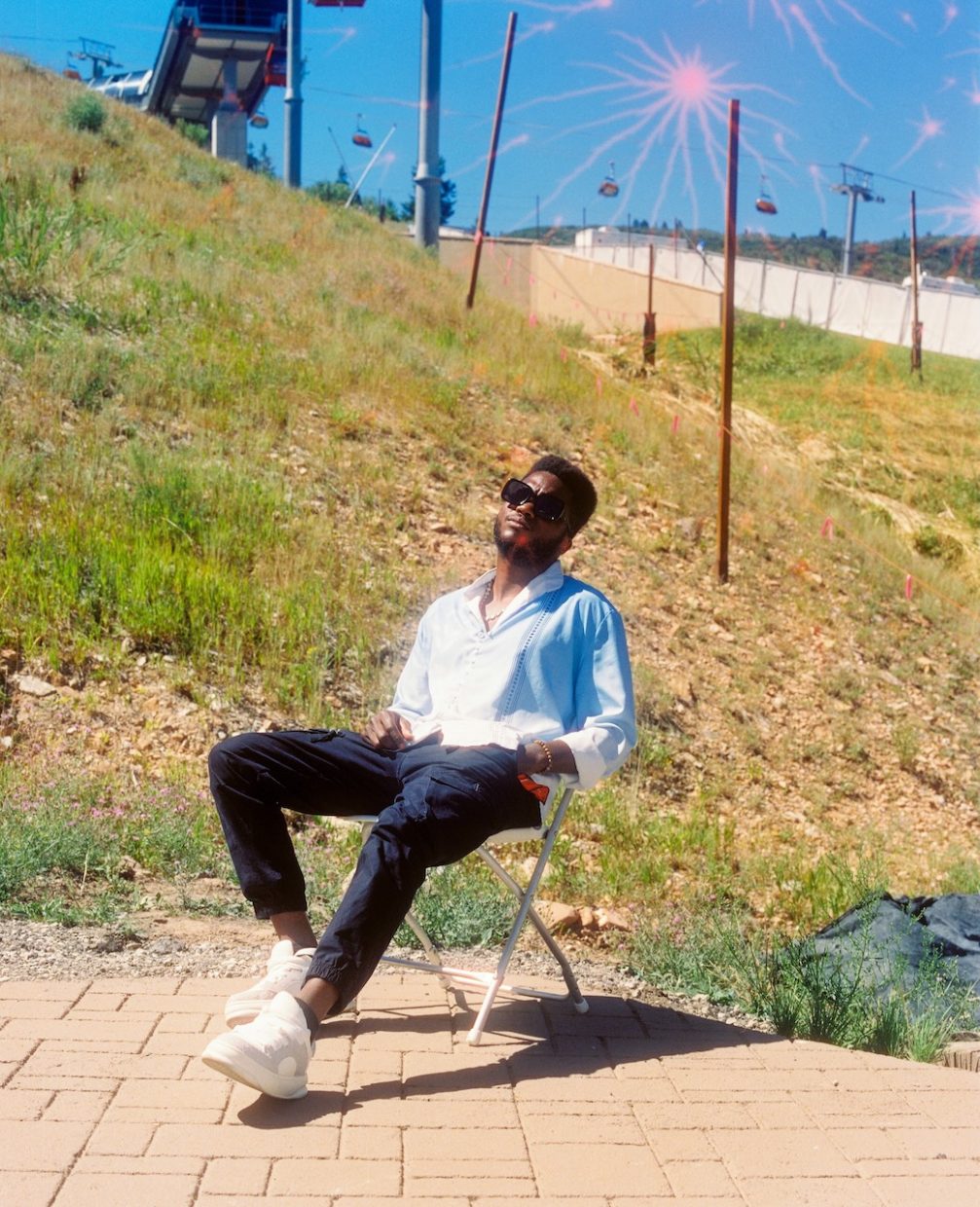
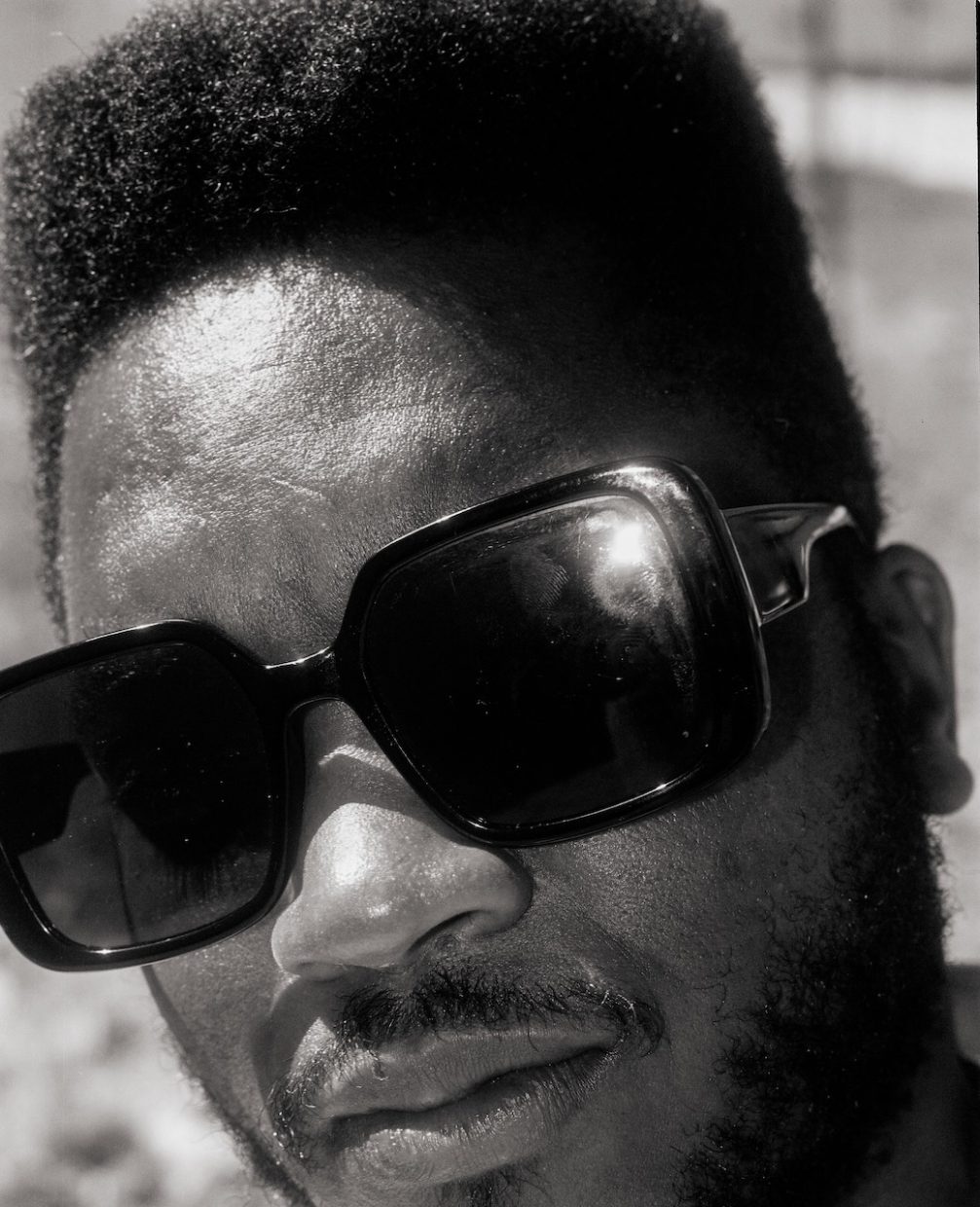
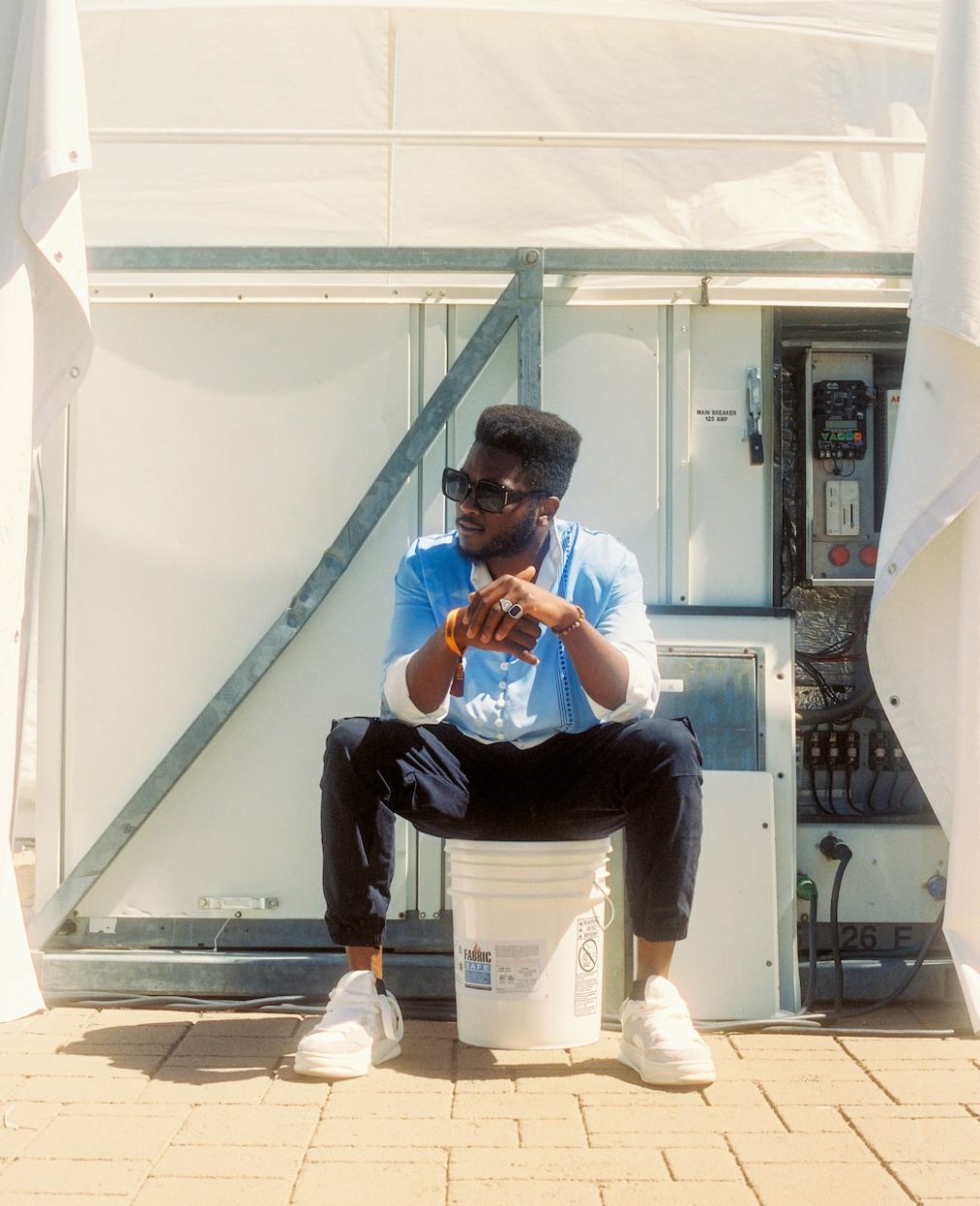
This year at PCSS, photographer Mario Alcauter shot a series of gorgeous portraits of many artists on the PCSS lineup. For BGS, Alcauter collects a handful of his favorite shots and subjects, sharing his thoughts on each.

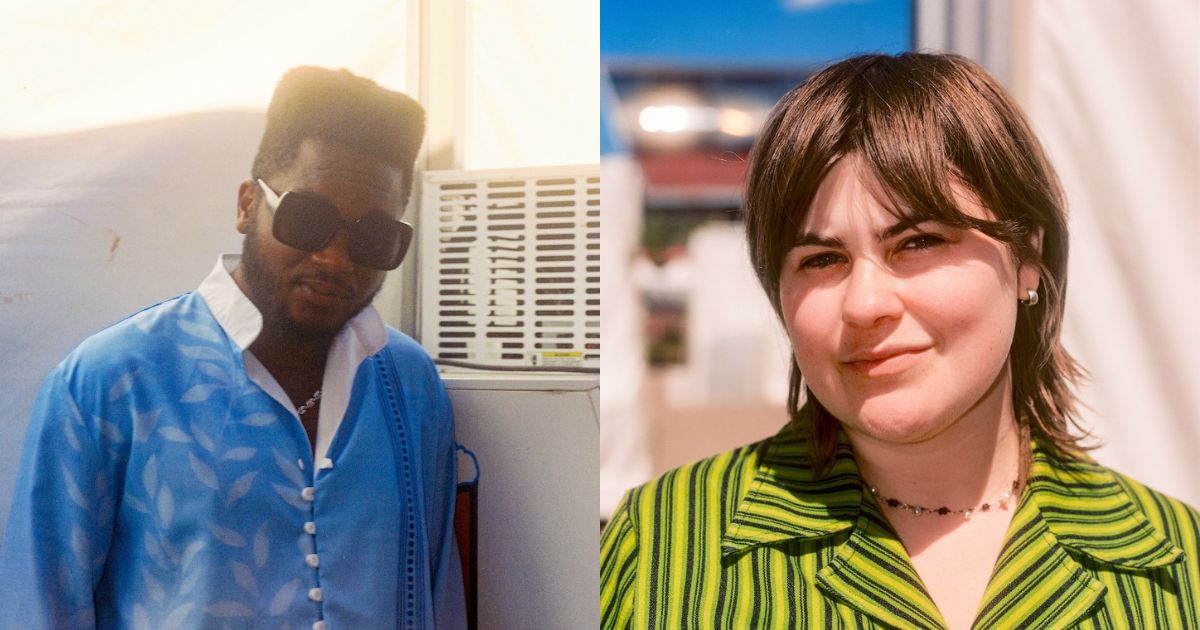
Check out the photographs below – featuring artists and songwriters Cimafunk, Primera Linea, Sean Marshall, and Jobi Riccio – and make plans to join us in Utah for Park City Song Summit next year, August 14 to 16, 2025.

Cimafunk

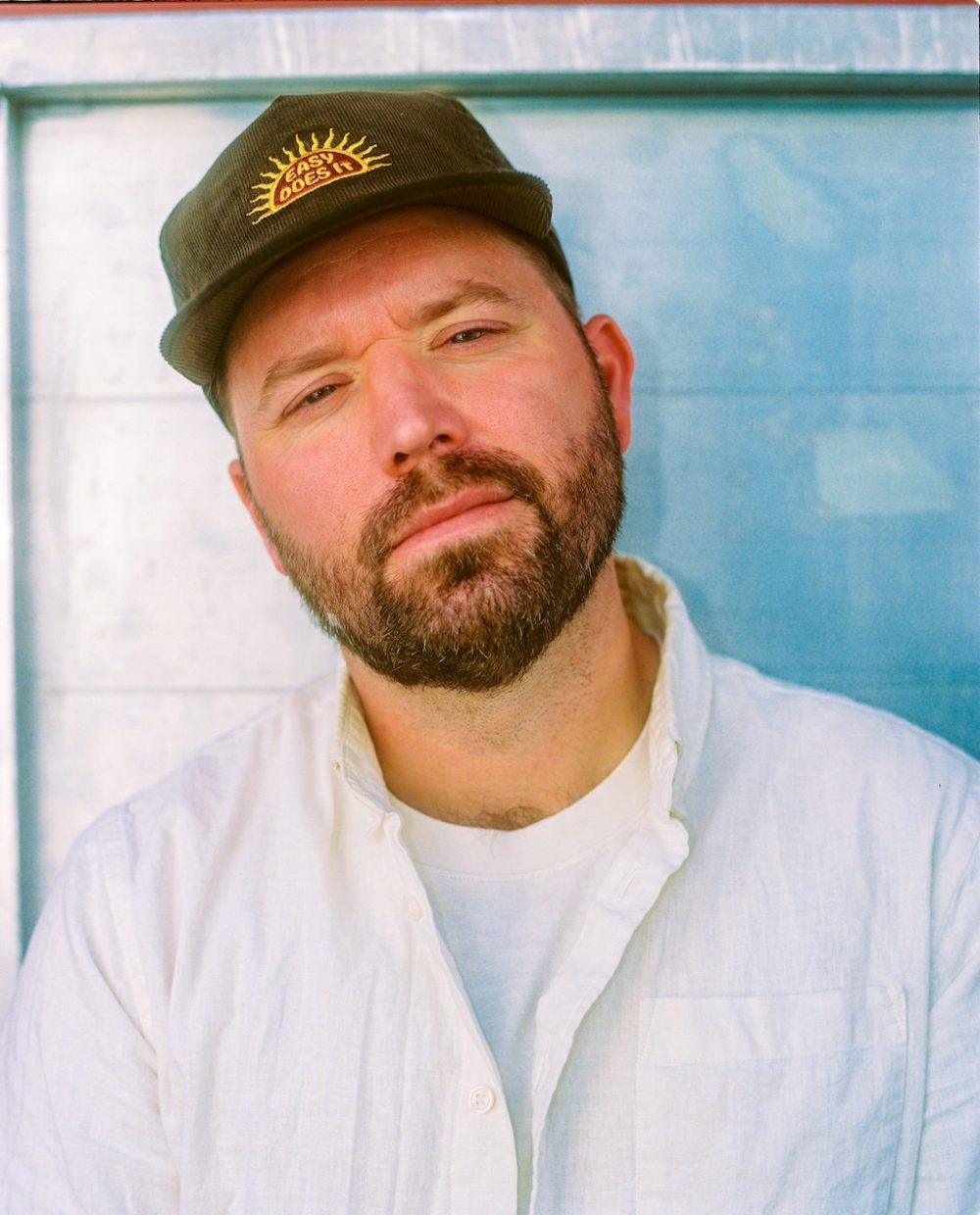
Mario Alcauter: “Channeling Cimafunk’s vibe – bold, soulful, and effortlessly cool, just like those iconic shades. This is something I wanted to capture with the short time I had with him. His music isn’t just sound; it’s a whole aesthetic.”


Primera Linea


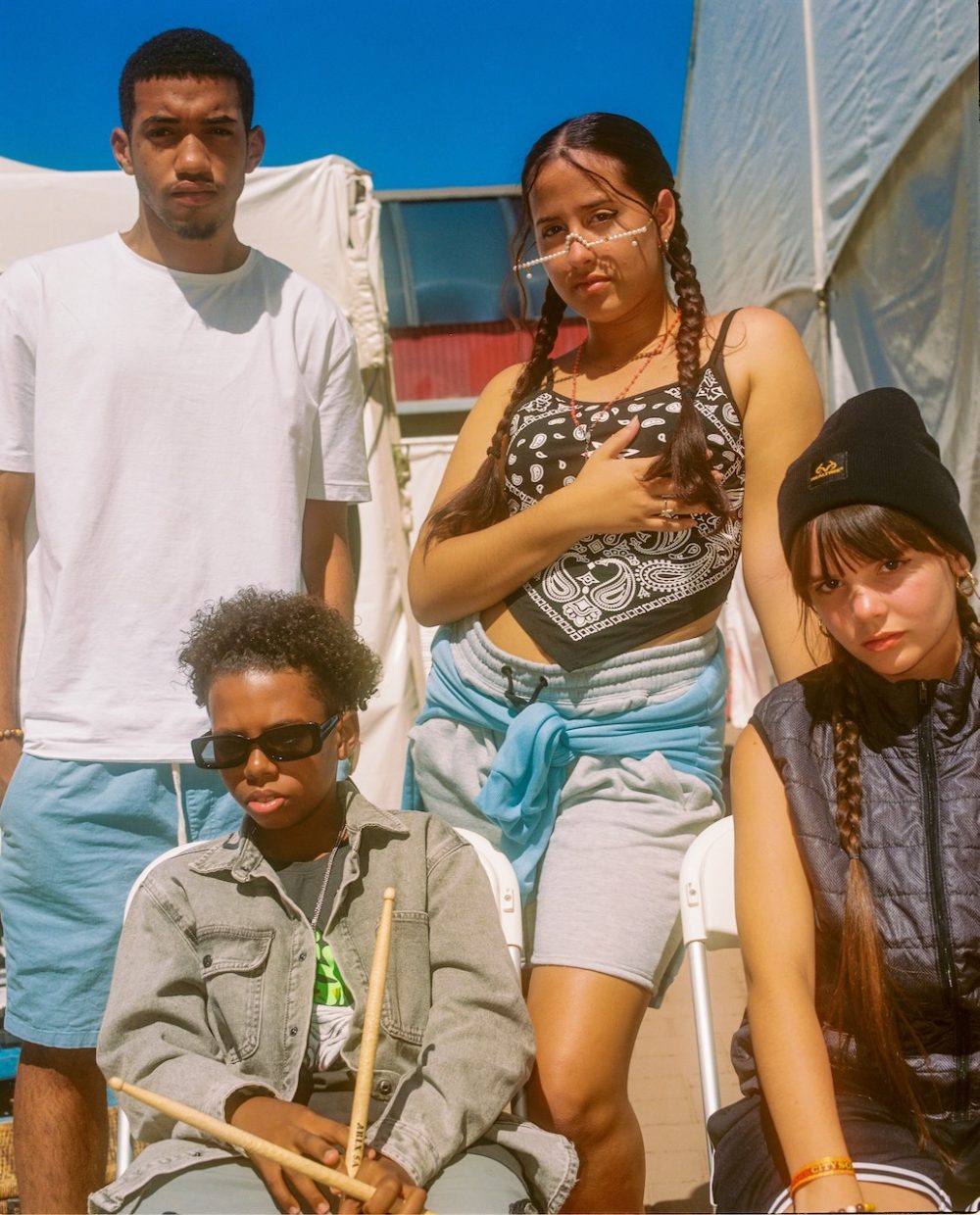
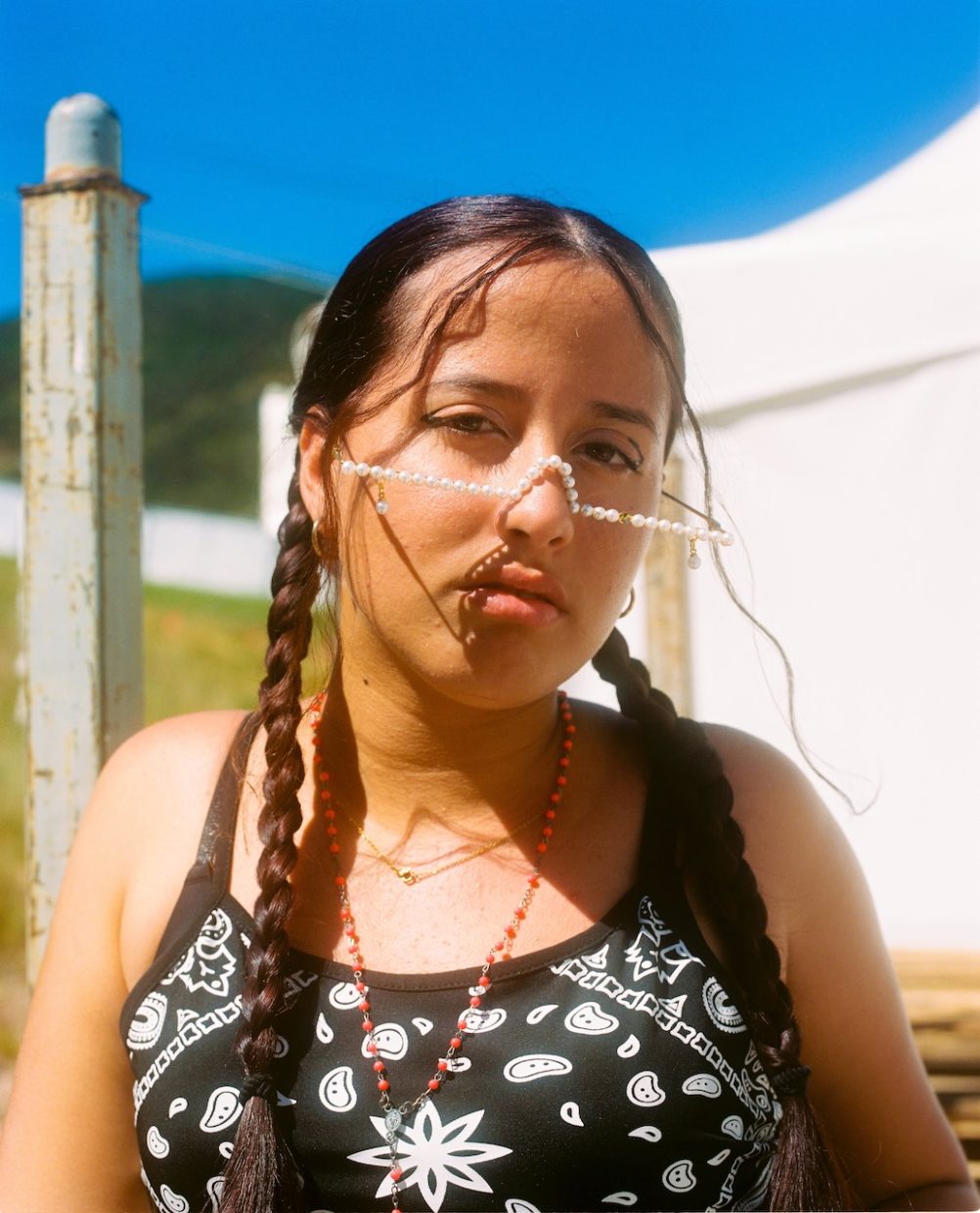
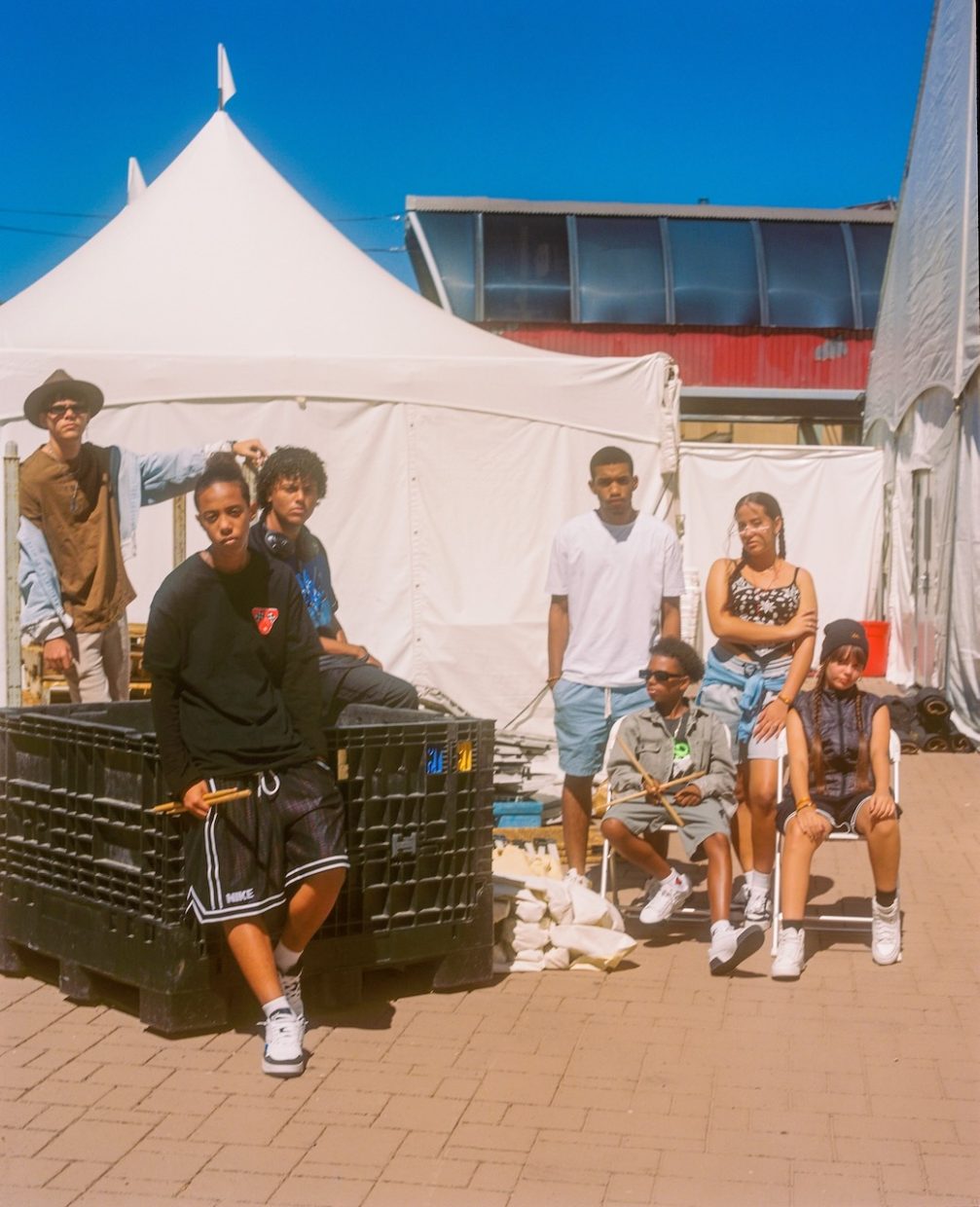
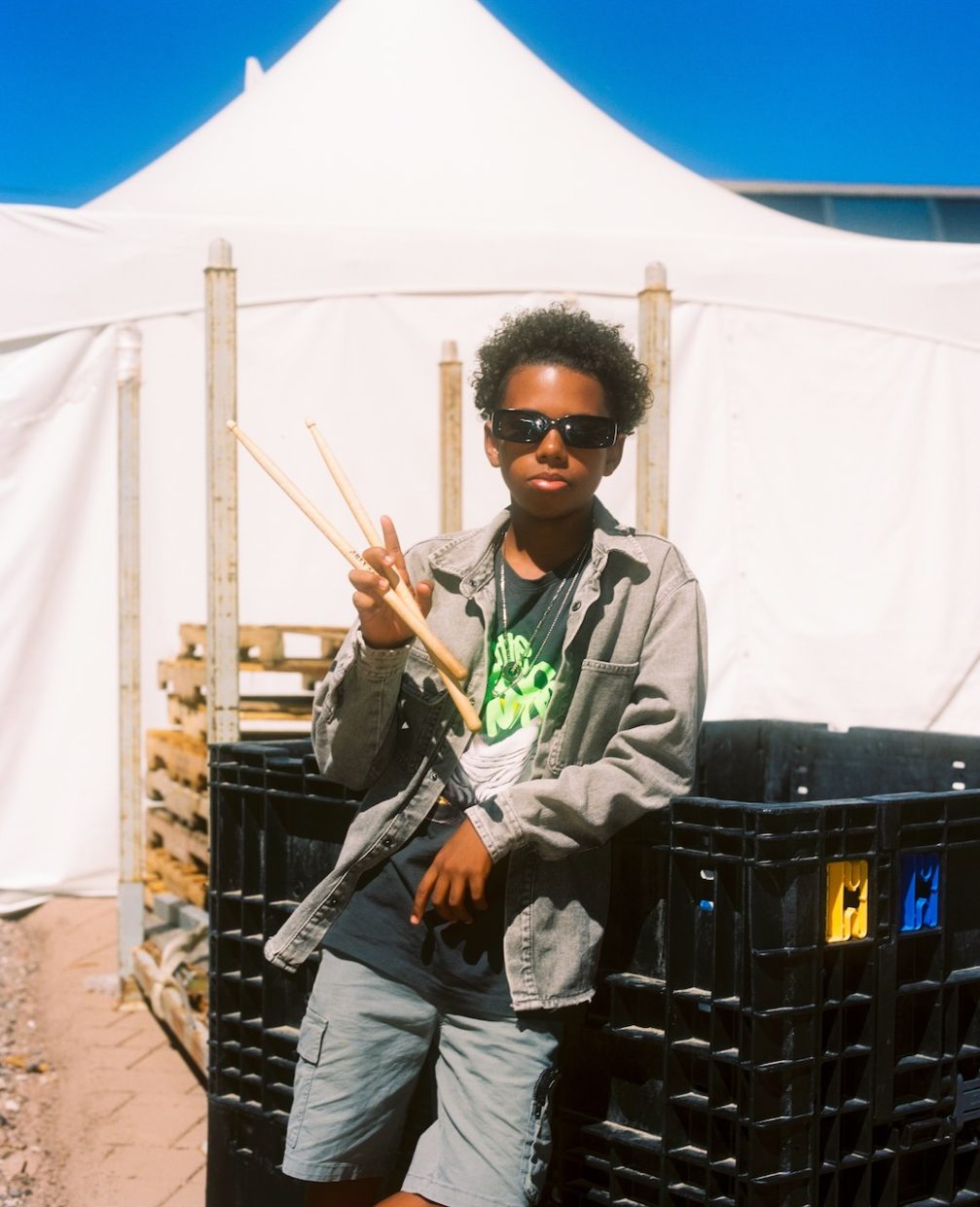
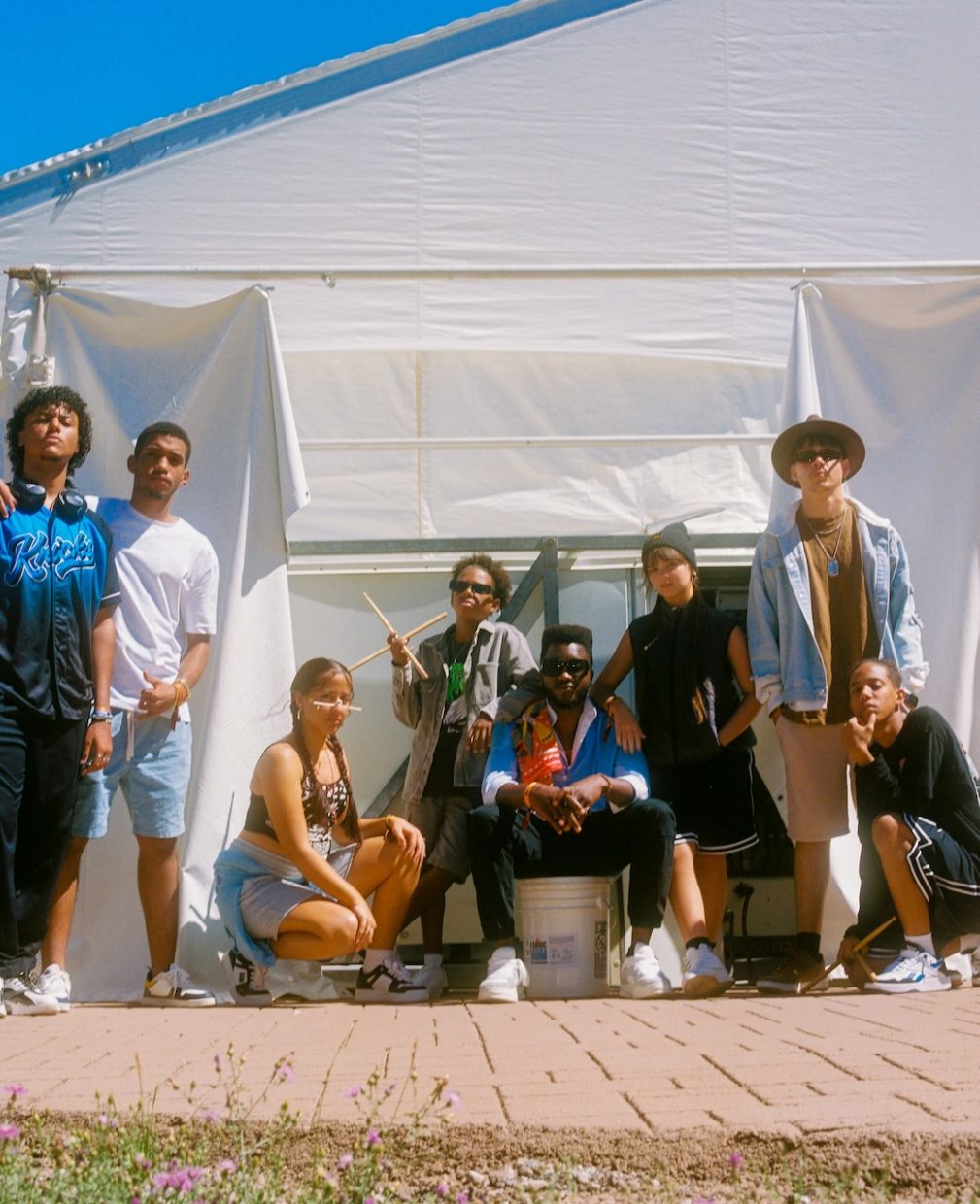
Mario Alcauter: “Photographing Primera Linea, I wanted to capture their raw, collective energy – young, grounded, and proud of their AfroCuban roots, fused with New Orleans funk. Each member brings their own style, yet together they stand as a united ‘First Line’ from Havana, ready to share their vibrant sound with the world. This shot shows their casual confidence and the pride they carry as they redefine tradition.”


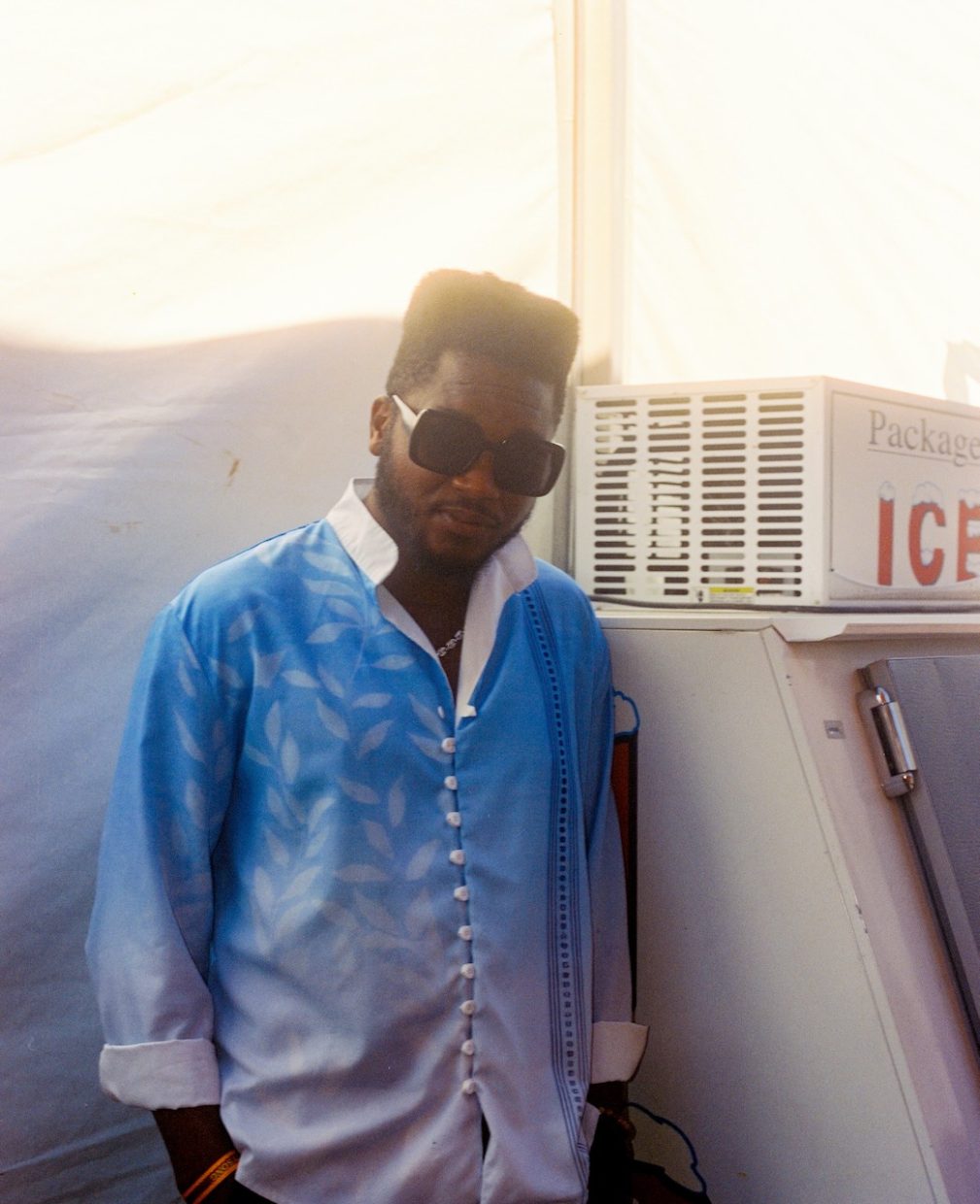
Sean Marshall

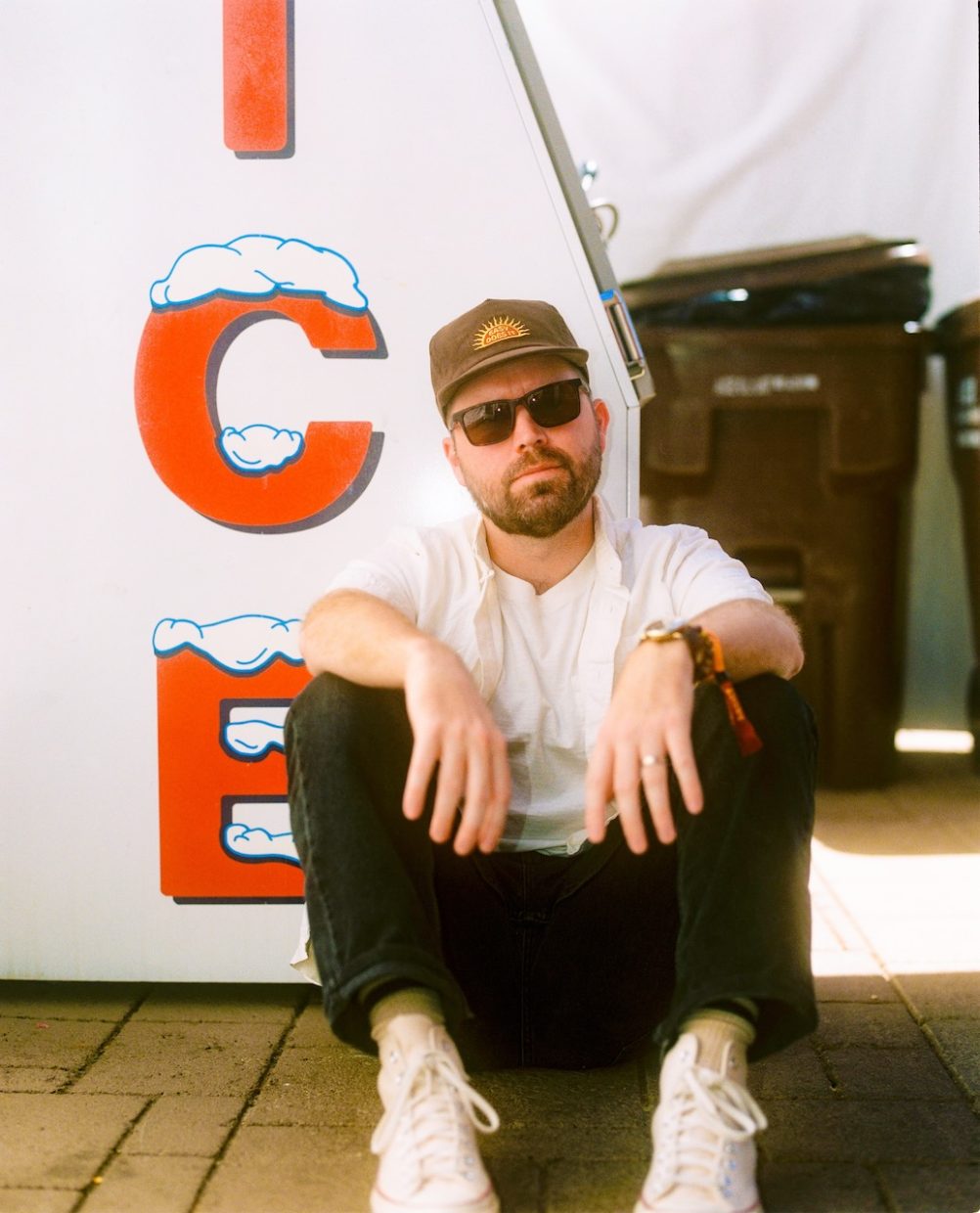
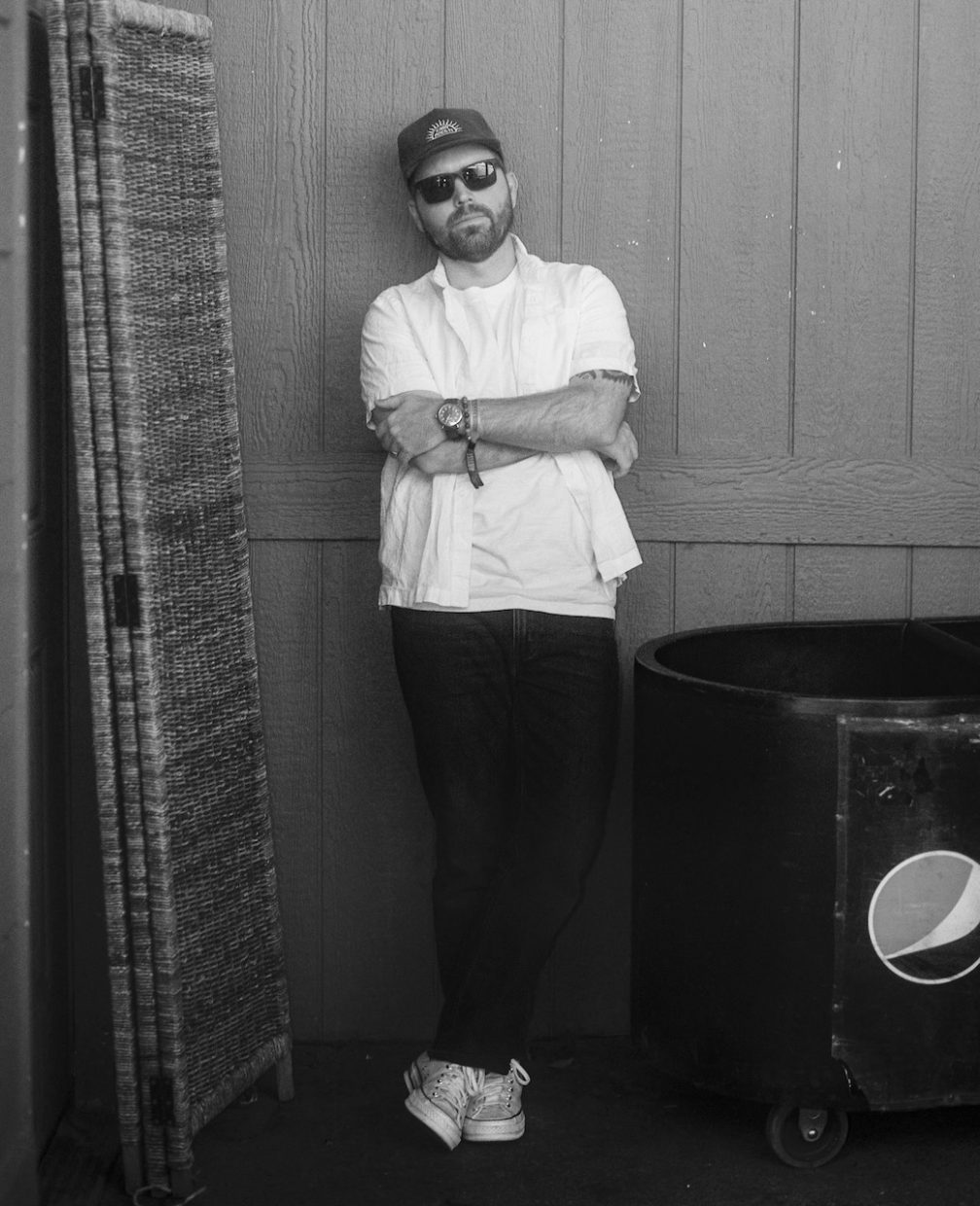
Mario Alcauter: “Shot Sean Marshall by an ice machine – low-key and real, just like his blend of folk, indie, and country. His music is as honest and I wanted to capture that in this environment.”


Jobi Riccio

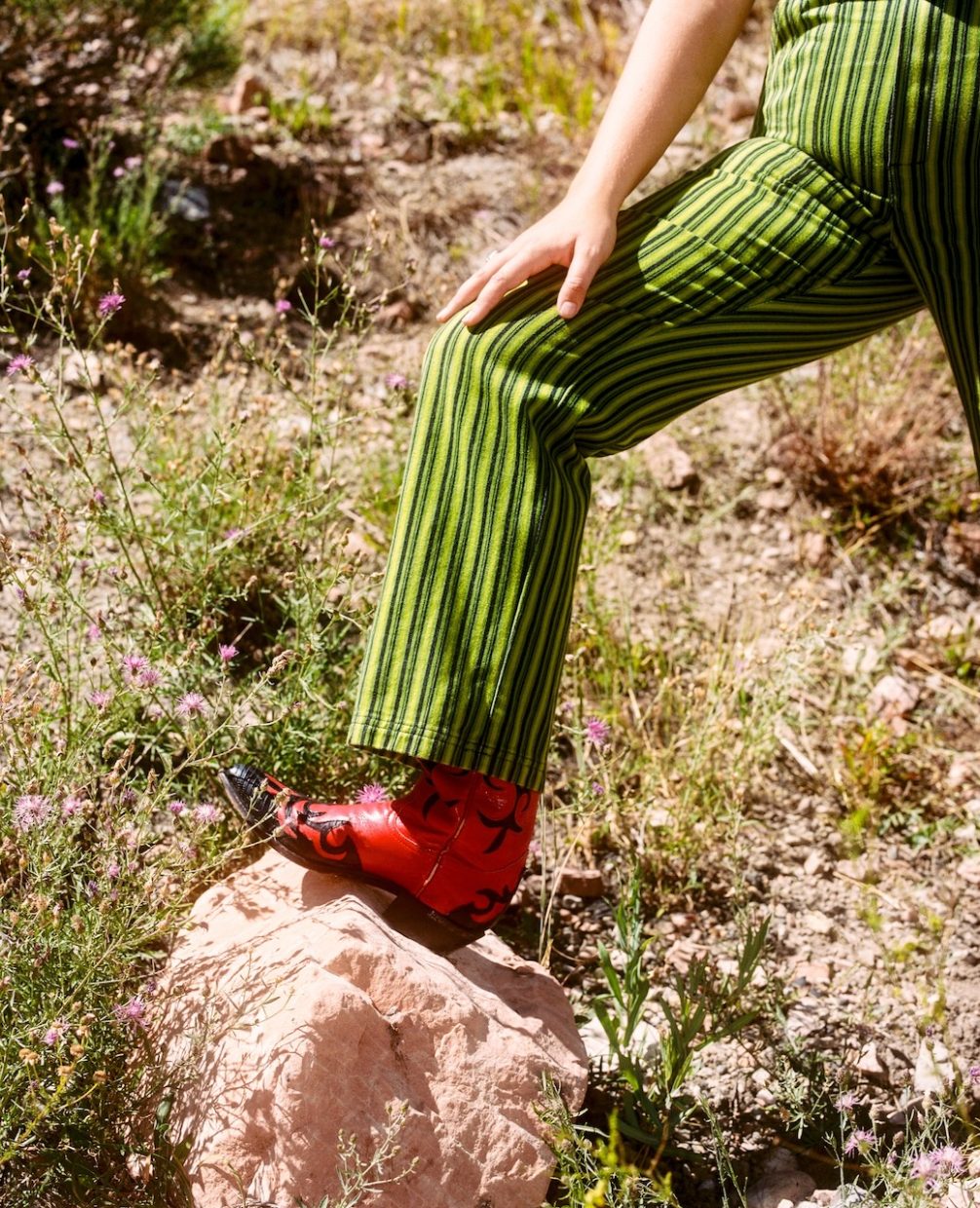
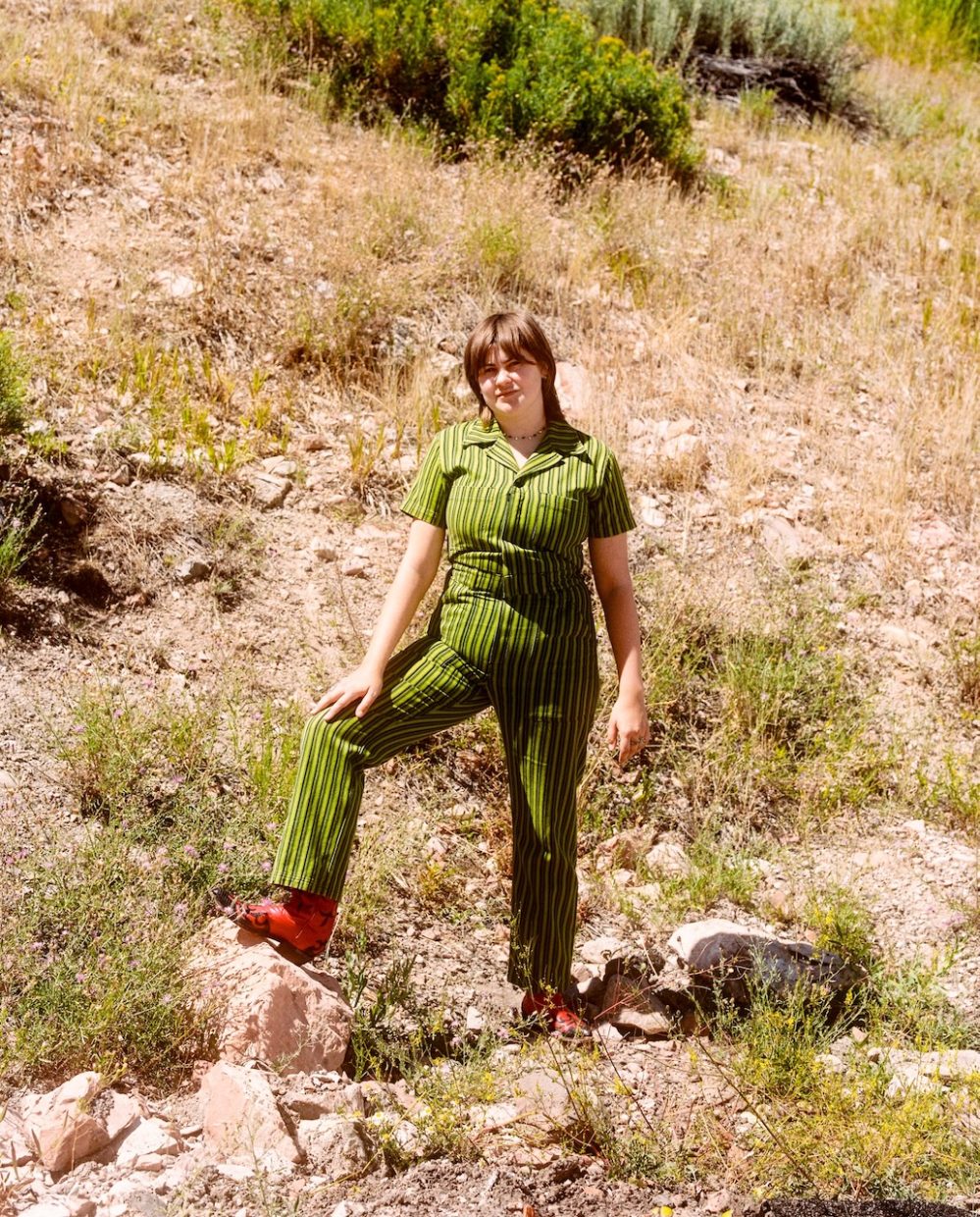
Mario Alcauter: “Capturing Jobi Riccio – authentic, grounded, and a bit rebellious, just like her music. Her songs weave together folk and Americana with a fresh, honest voice, and this outfit – bold stripes, red boots, and all – perfectly reflects that. I wanted this shot to feel like her sound: down-to-earth yet striking, with a personality all its own.”


Mario Alcauter is a Mexican photographer based in Utah who focuses on combining fashion and documentary-style images.

All photos: Mario Alcauter

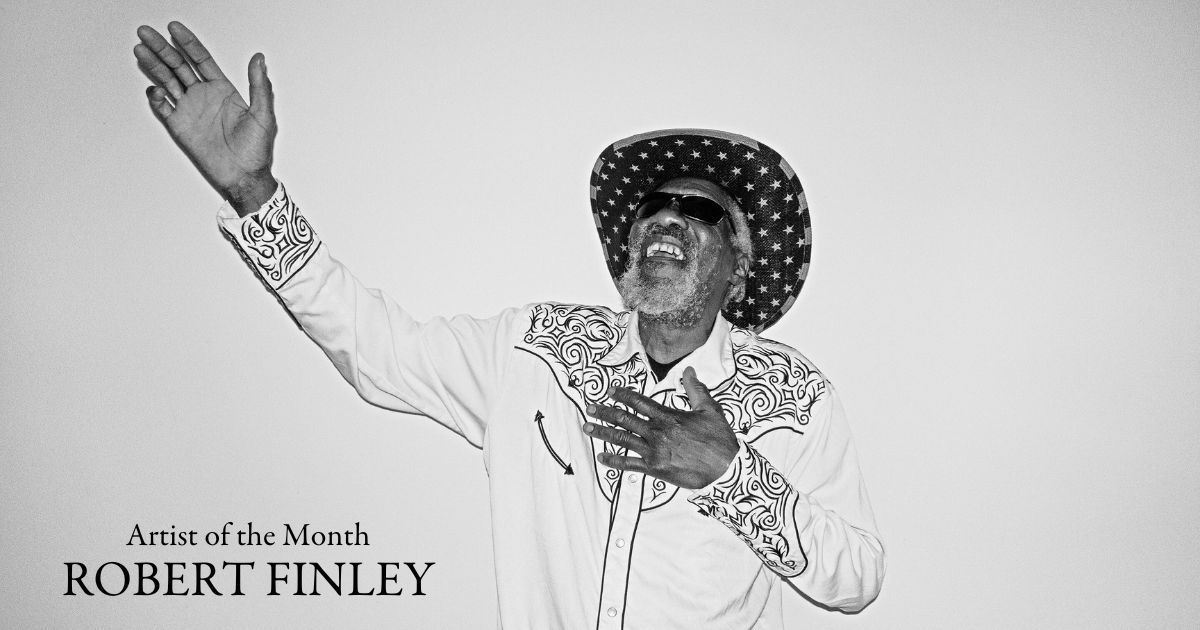
From “Alligator Bait” to “Gospel Blues,” Joy Is Central on Robert Finley’s ‘Black Bayou’

Been around the world, seen some of everything, but what I like about it the most is the joy that I bring…

– Robert Finley,Livin’ Out A Suitcase

Whether it’s at home or abroad, Robert Finley’s youthful exuberance has a knack for not only lighting up rooms, but people’s faces as well. On his latest batch of songs, the former sharecropper and carpenter – who got his start in music during a stint in the Army – continues that trend with 11 stories pulled from his Louisiana upbringing that include everything from the poignant “No One Wants To Be Lonely” to the cheeky and overly embellished “Alligator Bait.”

Pulling from rock, soul, blues and a whole lot of gospel, Black Bayou is easily Finley’s most personal and sonically developed record to date. His third project with Dan Auerbach and Easy Eye Sound, the record is one that came about organically, feeding on the artist’s energetic live performances with lyrics and arrangements put together on the spot in the studio with no pre-fabricated blueprint.

“When we did this album there was no pencil or paper in the room,” Finley tells BGS of the process. “The band was free to jam what they felt and I had the freedom to say what I felt. Nothing was written beforehand, it all came to life in the moment.”

Born in Winnsboro and now based in Bernice, a North Louisiana hamlet only thirty miles from the Arkansas border, Finley has excelled at living in the moment despite the fast moving world around him. That essence is what accelerates his storytelling throughout Black Bayou, particularly on songs like the aforementioned “Livin’ Out A Suitcase” and “Nobody Wants To Be Lonely,” the latter of which has the artist crooning about the elderly sitting at nursing homes around the country with no family wanting or able to keep in touch or care for them. It’s a topic that Finley doesn’t just sing about from the studio, though. He visits nursing homes in his community on a regular basis to serenade its residents.

“So many people have been forgotten,” says Finley. “Their kids drop them off and go on with their lives. I go down occasionally and perform at the old folks home in Bernice. Just take my guitar and play for 30 minutes or so, try to get them to dance, try to bring some joy to them.”

Whether in those homes or the local clubs, Finley is determined to use his platform to give back to the community that made him. In addition to never turning down a conversation or photo op, he also aims to lift up the next generation of musicians, offering support and guidance to those cutting their teeth and in need of a role model as they pursue their own musical dreams.

“I always go back whenever I’m not on tour, simply because that’s where I got my start,” says Finley. “It also gives me a chance to encourage the young artists there to pursue their dreams, because I can share how I started busking over there on the corner eight years ago and now I’m touring the world. Had I not made that first step, then nobody would even know what I was capable of doing.”

As listeners have come to expect from Finley, Black Bayou is full of lust, love, spirituality, and humor as well. Tunes like “Sneakin’ Around,” “Miss Kitty,” and “Can’t Blame Me For Trying” showcase Finley’s flamboyant and flirtatious side, which goes hand in hand with his center-stage shimmying and shaking at live shows. On the flip side, cuts like the swampy album closer, “Alligator Bait,” unravels as a spoken word recollection of a formative day on the bayou with his grandfather with a gnarly and always evolving backbeat oozing with attitude.

Together these stories make a patchwork quilt of sounds, emotions, and stories that only Finley could piece together. Calling into his North Louisiana home, we spoke with Finley — our November Artist of the Month — in detail about Black Bayou, making music with his family, the similarities between performing and preaching, and more.

What has busking taught you about performing and holding an audience’s attention?

I’ve learned that you don’t need to put all of your eggs in one basket. I’m always trying to shake it up and introduce new things to the crowd at my shows, because no matter how good a movie is, if you watch it two or three times you’re going to know exactly what happens next. It doesn’t mean it’s not a great movie, it just means you’re not going to watch something that you already know the result of. I don’t want to rehearse and be programmed to do the same thing over and over, I need to have the freedom of the spirit of the moment.

Your daughter Christy Johnson and granddaughter LaQuindrelyn McMahon both joined you on this record. What’s it mean to you to share your love for music with them?

It’s great being able to have three generations of Finleys singing together. I’ve always admired Pop Staples and The Staple Singers for him and his daughters. I have two other daughters as well, but they both work in the medical field and can’t just uproot and follow me around the world. My oldest is a licensed beautician, but put it on hold to help me pursue my career due to my sight being bad. She saw that I was determined to do it either way, so she sacrificed hers to make sure I wasn’t alone. Because of that I want to share the spotlight with her every chance I get.

She first came on during the audition process for America’s Got Talent, which was her introduction to the world. The label loved her so much that they were willing to use her on the albums. Soon we needed a second background singer, so I let Dan [Auerbach] know about my granddaughter. He and the label were immediately supportive and have been willing to [incorporate] as much of my family as possible into my career. This is mostly just me trying to open a gateway for them, because they have the potential to be bigger and better successes than me. Or at least it won’t take them 69 years to get discovered.

You’re often referred to as a bluesman, but Black Bayou could also just as easily be described as a gospel album. What are your thoughts on the dynamic between the two genres and how you’re able to tie them together on the record?

The only difference between the gospel and the blues is really the choice of words you use. The same music that you hear in the club is being played in the church and the same music that we grew up on in the church is being played in the clubs. The only difference is that if you want blues you sing “oh baby” and if you want gospel you sing “oh lord.” Other than that, a lot of the rhythms and dances are the same.

What’re your thoughts on continuing to make this type of music in the modern age?

I don’t even look at it as gospel or blues anymore. I look at it as just saying the truth. Regardless of what you’re going through, there’s someone else who’s somewhere who’s been through the same thing. The fact that they made it through gives hope that you can do it, too.

As artists, we’re blessed with fans that will pay to come see you and even take your advice home with them. The same people who go to church will not remember a thing the preacher talked about, but if they like your song they’ll remember it word for word. If you’re really trying to reach people, you’ve got a better chance to reach a lot more folks by singing than you would preaching. Nobody wants to listen to an hour and a half or two hour sermon, but they will stay around a concert for an encore. That’s why it’s so important when you have the world’s attention to tell them something positive with it.

It almost sounds like you view yourself performing on stage like a minister preaching from the pulpit?

That’s it. I can get a bigger crowd than the average preacher even though church is always free, but even then people will flock to the clubs. I’ve also sang “Amazing Grace” in nightclubs and had people put down their glasses, sing-a-long, and go to church with me. You just don’t know what people will do. Everyone’s going through something. If you stop the church people from going to the club then the club will shut down, because most of the people frequenting there are church folks from the other side of town. The problem is that while there they’re not getting the truth. They’re getting the water, but not the wine.

There’s not a better song on the album that ties these influences together than the aptly named “Gospel Blues.” Are you hypothesizing what you’ll do in heaven on it?

I’m trying to tell people not to be so judgmental. That’s why I sing, “I do drink a little whiskey, and I’ll take a little shot of wine” – because it’s better to be real with people than to try and fool them. Whether I have some whiskey [or not] isn’t going to have anything to do with whether or not I go to heaven or hell.

Another song I’ve been captivated by is “Alligator Bait.” Is that a true story?

That song was actually designed more or less as a joke. I never met my grandfather on either side, but I did hear stories when I was sitting around with my dad and his brothers about things like that. It seemed like I had a cruel, cruel grandfather, but that wasn’t the message I was trying to convey. I was trying to prove that any song where you think you’re right needs to be like you just read a novel. It needs to tell a story. It’s more about being a convincing writer than deceiving.

On the cover of Black Bayou is the pond that I used to swim in and got baptized in. For a while it’s just been deserted, but we went back there, because it conjured up a lot of those childhood memories. Even just standing there taking photos my mind flashed back to the things we used to do there like swimming on one end and fishing on the other. Us jumping in the water would scare the fish over to the other side where they could get caught easier, which in many ways is similar to how the alligator is lured in the song.

What has music taught you about yourself?

It’s helped me to find and be myself. I used to try imitating everyone from James Brown to Ray Charles, but soon I realized that the only person I could be the best version of was myself. Nobody can beat you being you. If you just be yourself then you’re automatically different from everybody else anyway. Being real with myself and my music has opened so many doors for me, because of that.


Photo Credit: Jim Herrington

25 Years On, It’s Old Crow Medicine Show’s ‘Jubilee’

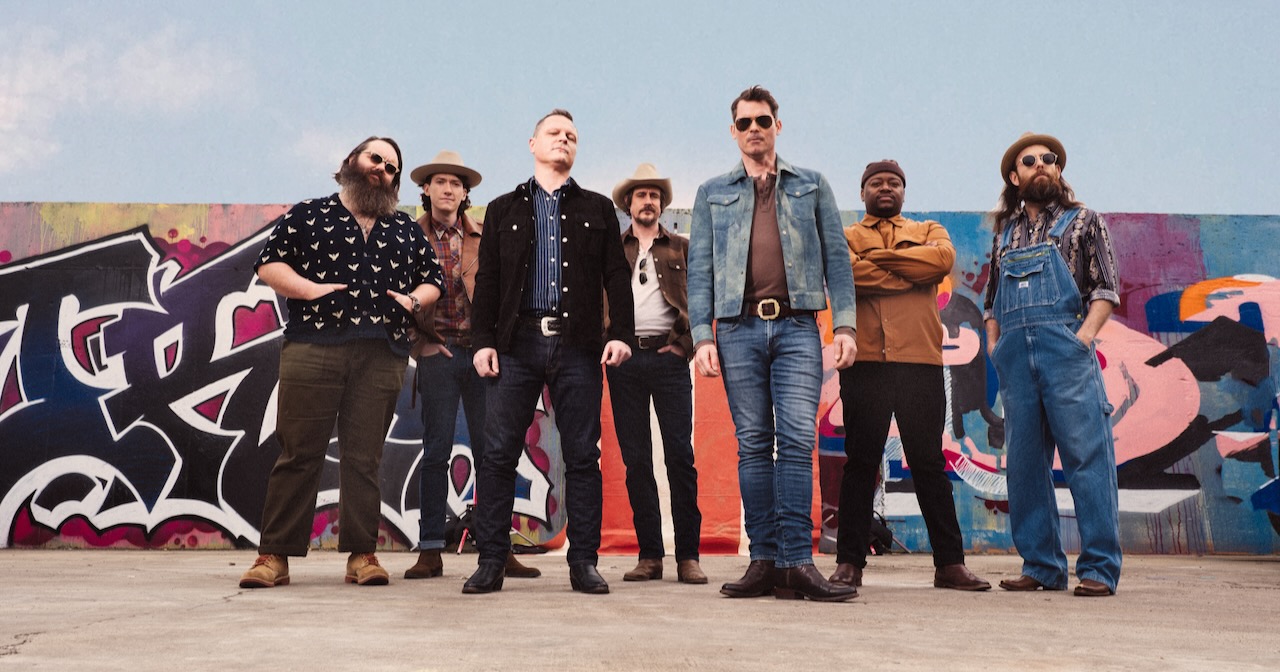
Old Crow Medicine Show co-founder and frontman Ketch Secor is always busy. In September, Secor and flatpicking master Molly Tuttle co-hosted the Annual IBMA Bluegrass Music Awards, a brief respite from the ongoing national tour Secor and Old Crow are currently on. They hit the road earlier this year after releasing Jubilee, their latest record, celebrating 25 years as a band. With a few recent lineup changes, their energy is still fresh and exciting — and in this exclusive BGS interview, Secor explains that you really just have to see them live to fully understand and appreciate the bit.

This will be the second tour with the current lineup, right? What do you think will be different with touring Jubilee?

Ketch Secor: In typical Old Crow fashion, an 11th-hour lineup change occurred as we were putting the finishing touches on this album. We’ve hired two new players, and that’s Dante’ Pope on drums and piano, and PJ George as a utility player, so with these two additional players we have yet another iteration of Old Crow that has subtle differences from any other one we’ve had before. This kind of thing just makes it fun. That fluidity of the lineup has made it a lot more palatable — it’s still Flagstaff in the fall, but getting to see it with somebody who’s never been before, and getting to share the stage with people who bring out something new in you musically.

I feel like music for the old-time string band – and maybe this is the same for bluegrass – but music is really relational. It’s about who you’re with. I play different with different people. The pitcher isn’t gonna play differently because of who the shortstop is, but in a string band, the fiddler’s following a groove that the banjo sets, and if there’s a great mandolin player with chops then the fiddler is going to weave in and out of something differently.

How did you choose the guest appearances on this album, like Sierra Ferrell and Mavis Staples?

KS: That kind of thing just evolves. Making records in the 21st century, collaborations are what’s on the menu more so than when we were kids. We didn’t think about who was going to be the guests when we were kids. For Sierra, we thought that song needed something, and we realized it was a duet. I’d been sitting on that one for a couple years. I rewrote it as a duet, and we called the best woman to sing on a cock-fighting song — we called out to West Virginia.

Why are collaborations more necessary now?

KS: If I could be frank, it’s because labels are trying to do anything they can to sell albums. It adds to social media platforms. It increases the scope in ways that are much more specific to these times than just making great music. When Lita Ford came out with Ozzy Osbourne, that probably had a different purpose to it than it does today. Independent labels are taking a cue from hip-hop artists who experiment with this all the time. Bluegrass and old-time and traditional music tends to be 10 years behind those types of styles, so it makes sense that nowadays we’re all making collaborative contributions.

Were there any surprising or touching moments working with Willie Watson in the studio again? Was the chemistry there after 12 years?

KS: Yeah, I think that having Willie back is just important to the ethos of Old Crow Medicine Show, and celebrating its 25th anniversary. We’ve been working together since COVID on some things from live streams to concert appearances, and this was sort of the next frontier for Old Crow and Willie in burying the hatchet and making music together. When you’re in a 25-year-old band you get a lot of ex-boyfriends. Hindsight is 20/20, and I just know that nowadays it’s better to be back on stage together. 

How has your fiddling changed over the years? What are some of the areas you focus on when you practice? Old-time is known for being scrubby, but there’s a lot more going on there.

KS: Well, it’s changed over the years as I’ve gotten to be a lot better and gutsier as a violin player. I play it harder and stronger and faster than I did when I was 18 when I learned. For 25 or some years it’s been my dance partner. At the quarter century mark as a violin player, I feel like I know my partner well. I know where to take it, where on the neck to go. I know how to get the sounds that I’m looking for.

But I’m not a player who practices. My practice is just playing 95 concerts a year for 25 years and making 15 records in that period of time and being a special guest on 50 other records. I’ve grown up like a plant in the window when it comes to my violin playing. I see where the light is and I’ve grown towards it, and it’s bushier and brighter than it used to be when I was just a little twig. It just keeps growing all the time, but it’s not because I’m changing anything. There’s no additive to the soil.

You play old-time, but do you ever try other genres?

KS: I’ve played a few jazz gigs, but it’s not what I do well. I listen to all manner of songs. As a fiddle player, I like to think about all of the music that I’m channeling into the way I play, and a lot of it is traditional fiddle music, but a lot of it’s not. I feel like there’s Public Enemy and Nirvana and Bosco and the Carter Family, and other things that are not fiddle playing in my playing. But mostly what there is in my fiddle playing is mileage. It’s experience. It’s rust. It’s calcified. That’s the case with people who’ve played music for a lifetime. They get better not because they’re doing something different, but because they’re doing the same thing again and again. 

You mentioned that folk music should be topical — not kept in a museum case. Do you think that kind of folk has a special place in the world right now given the political and economic hard times we’ve been seeing?

KS: I think that anybody who’s making genuine art has a reflection of the world around in that work. We the artists are sort of like poetic mirrors of what we see. There’s lot of songs now that reflect the discord, either in a lamentation or in a protest or in just a pure reflection. My music tends to talk about the plight of the people who are most associated with this music, so that can be the people of the Southern Highlands. It can be the hardship of the African American co-inventors of this music. But I’m also a real vessel for global topics, and I say that because when I read the news it’s almost like it starts riding on my back. So I’m thinking about flood waters in Libya and earthquakes in Morocco and school shootings in Nashville. To me they’re all part of a human struggle to find peace in the world. 

What change do you hope comes about from songs like “Allegheny Lullaby?” How do people take that sentiment and make it actionable?

KS: That’s a song about a limitation of choice. That’s a matter of equity or inequity. So the equitable solution is: More choice. It’s widening the spectrum of options for people who live in the coal district, and that’s a very doable action item. It’s just a hard thing to do and live the exact same way, without a change in economics, but that’s the story of the American people. We adapt. And so I think the natural adaptation cycle in the Southern Highlands is in flux right now because of some strident efforts to hold it back. The results of those actions are that you got an opioid epidemic, a fentanyl epidemic — so many dysfunctions. I’m looking forward to the people eventually standing up and getting what they need. I wouldn’t put it past the people to get that. They got it before. They unionized in those situations and fought for livable wages, and they can do it again.

You talk a lot about nature, like mountains and feral critters, in your music. Is that an intentional part of folk or where does that come from?

KS: When I think about what made [American music] so rich, I know it’s the land and the soil and the people and the stories. So to evoke the same is just a natural link in the chain forged anew. And that’s all I’m doing. I’m just singing about the rivers that mean something to me when I sing them. I don’t think you’re ever going to get tired of thinking about the Big Sandy River, no matter if it’s clean or dirty. It’s called the Big Sandy, doesn’t that sound like freedom? 

What do you hope listeners will take away from this album?

KS: You know, we make music because we’re a live band. We make albums because we’re a live act. Come and see us. If you like this record, go buy a ticket. We’re coming to your town; we have for a quarter of a century. We loved you then, and we love you even more now. And if you hear something on this record you like, then that’s just one more reason to come buy that ticket and see us when we come to your community and make a unique and special community in yours for one night. This is an age-old P.T. Barnum routine. The hat is magic, the ring is heavenly. Once you gaze on what lies behind the curtain, you will be dazzled. That’s where the magic is. The album is a big arrow.


Photo Credit: Joshua Black Wilkins

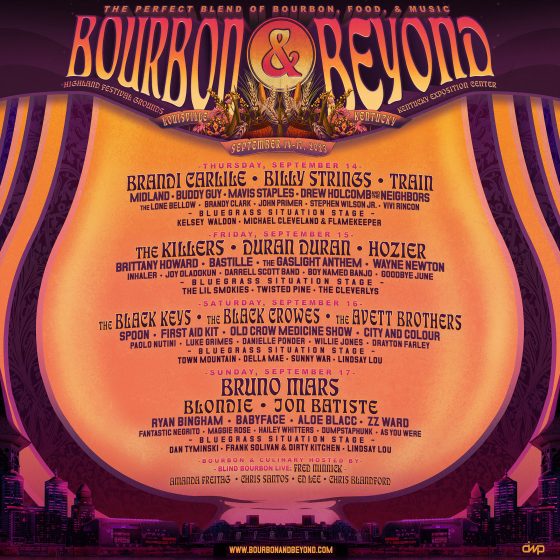
33 Must-See Roots Artists at This Year’s Bourbon & Beyond

Since 2017, Bourbon & Beyond has become one of the BGS Team’s favorite annual events. The music, spirits and food festival held at the Kentucky Expo Center in Louisville, Kentucky, always boasts a roots-forward lineup – on and off the BGS Stage.

In anticipation of Bourbon & Beyond kicking off Thursday, September 14, and running through Sunday, September 17, let’s preview all of the artists gracing our stage throughout the weekend – and we’ll throw in a few we’re excited to catch on the main stages as well. 

Limited tickets are still available! Join us this weekend at Bourbon & Beyond in Kentucky. Scroll to see the full schedule for the BGS Stage. 

The Arcadian Wild – BGS Stage

We’ve been a fan of this bluegrass-infused Nashville string/Americana band for more than a few years now. In 2021 we invited the Arcadian Wild to perform a Yamaha Artist Session, for which they performed two songs, “Hey Runner” and “Finch In the Pantry.” They hit the BGS Stage at B&B on Sunday.

Armchair Boogie – BGS Stage

We recently caught this jammy Wisconsin outfit, Armchair Boogie, at Earl Scruggs Music Festival, where they burnt down their late-night set. You have two opportunities to see them on the BGS Stage, as they’ll kick us off both Friday and Saturday.

The Avett Brothers – Main Stage

These Saturday headliners need no introduction to our BGS readers and followers, as the Avett Brothers have been a staple of our community for nearly our entire lifespan. Looking at the Bourbon & Beyond lineup poster, it’s hard to believe we didn’t book this entire event! 

Jon Batiste – Main Stage

Fresh off the release of a brand new album, World Music Radio, in August, don’t miss Americana renaissance man Jon Batiste when he hits the B&B main stage on Sunday. We can certainly appreciate this Louisianan’s love for blurring genre lines – a perfect fit for Bourbon & Beyond.

Brandi Carlile – Main Stage

Let’s return to MerleFest 2019, the last time we had a stage at a festival Brandi Carlile headlined – and she brought her pals the Avetts out to sing “Murder In the City.” A BGS classic! We’ll be running from the BGS Stage to see Brandi on Thursday evening for sure.

Brandy Clark – Main Stage

Appropriate that Brandi and Brandy would end up as list neighbors and both on the Bourbon & Beyond main stage lineup, as the former produced the latter’s stunning new self-titled album. Clark has been a Music Row mainstay as an artist and songwriter for decades, but with her new record and her hit Broadway show, Shucked (penned with Shane McAnally), she’s finally getting her well-deserved flowers. 

Clay Street Unit – BGS Stage

We crossed paths with Denver, Colorado, country-folk-grass group Clay Street Unit earlier this year at WinterWonderGrass, so we’re more than pleased to have them on the BGS Stage on Thursday afternoon. 

Michael Cleveland & Flamekeeper – BGS Stage

Fiddlin’ phenom Michael Cleveland has performed for BGS at Bourbon & Beyond before, but with his new critically-acclaimed album, Lovin’ of the Game, and his recent selection as our March 2023 Artist of the Month, it’s the perfect time to get him back to Louisville. It’s basically home turf for Cleveland, and his set Thursday evening is not to be missed.

The Cleverlys – BGS Stage

Bluegrass’s preeminent song-interpreters – or song skewer-ers, depending on how you look at it – are a humorous hoot, bolstered by fantastic picking and on-stage personas pulled straight out of a caricature book. If you’ve never seen the Cleverlys live and in person, now’s your chance to catch covers like this waltz version of Radiohead’s “Creep” like you’ve never heard them before. 

Della Mae – BGS Stage

Our old pals Della Mae brought an outsized energy and charisma with them to their sets at Earl Scruggs Music Festival a couple of weeks ago, wowing the crowds in North Carolina. Now the groundbreaking bluegrass foursome set their sites on the BGS Stage at Bourbon & Beyond. There’s a reason why this group of all women remains a stalwart in bluegrass, old-time and Americana.

Myron Elkins – BGS Stage

If you’re not familiar with guitarist and Americana alt-rocker Myron Elkins, you’re about to be! His debut album, Factories, Farms & Amphetamines, was produced by superstar musician-engineer-producer Dave Cobb and released on Elektra. Catch him as he ascends on the BGS Stage on Thursday, kicking off the entire weekend for us at 12:30 p.m.

Fantastic Negrito – Main Stage

Fantastic Negrito is a one-of-a-kind performer. An expert in blues – and a purveyor of post-blues, neo-blues, and the tastiest of fringe Americana – Fantastic Negrito occupies a stage like no other. He’s a Bourbon & Beyond veteran as well, and his past performances are seared into our memories of this amazing event. Do not miss!

First Aid Kit – Main Stage

Indie folk duo First Aid Kit, made up of Swedish sisters Klara and Johanna Söderberg, are a favorite of BGS readers – the kind of readers who equally love Bill Monroe, Nickel Creek and boygenius. Get a taste at their Saturday main stage set or check out our 2018 feature on the group.

Drew Holcomb & the Neighbors – Main Stage

Don’t you just wish Drew and Ellie Holcomb and the Neighbors were your neighbors? (Sigh…) It just seems like it would be lovely. At any rate, you can catch up with these fine folks from next door on the main stage at B&B on Thursday. 

Brittany Howard – Main Stage

A god of rock and roll incarnate, Brittany Howard’s particular brand of roots rock is enormous and will fill the Bourbon & Beyond main stage and then some. If you haven’t caught the Alabama Shakes front person recently, now is your chance. Howard hits the main stage on Friday.

The Lil’ Smokies – BGS Stage

Formed in Montana, the Lil’ Smokies combine so many contemporary bluegrass influences into a Western-influenced, jam-forward sound. We enjoy every chance we have to cross paths with this group – if you miss their set at Bourbon & Beyond, catch the Lil’ Smokies at AmericanaFest in Nashville very soon.

Lindsay Lou – BGS Stage

Roots singer-songwriter Lindsay Lou is entering yet another new era of her career, with her signing to Kill Rock Stars and upcoming album, Queen of Time, due out later this month. At Bourbon & Beyond you’ll have two chances to hear current and past sounds from Lindsay Lou – on both Saturday and Sunday on the BGS Stage.

The Lone Bellow – Main Stage

One of our all-time favorite rootsy, folky, string band trios. It’s been too long since we’ve reconnected with our friends The Lone Bellow and we’re grateful B&B will give us that opportunity when they play the main stage on Thursday.

Lola Kirke – BGS Stage

Lola Kirke, who you can see on Friday on the BGS Stage at B&B, is an accomplished actress whose dream is to be a country singer – dream, achieved! She makes joyous, lyrical, story-rich music that pulls as much from country’s grit as its glitz. (And an appearance from lineup-mates First Aid Kit on “All My Exes Live in L.A.” is the cherry on top.)

Joy Oladokun – Main Stage

Intricate and involved indie folk is Joy Oladokun’s medium, her songs dripping with pop sensibilities and led by an agnostic approach to genre that builds on work by predecessors like Aimee Mann, Ani DiFranco, Tracy Chapman, k.d. lang, and many more. Oladokun continues to rise through the music-industry ranks, her latest album Proof of Life building more momentum off the ex-evangelical’s heart-forward, earnest, stoner indie pop.

Old Crow Medicine Show – Main Stage

Old Crow Medicine Show bring the Jubilee to Bourbon & Beyond! Don’t miss the party as the world’s most renowned and rollicking string band celebrates their just-released album on the B&B main stage on Saturday. And keep an eye out for a BGS feature on the new record coming soon to the site.

Pixie & The Partygrass Boys – BGS Stage

Another of our WinterWonderGrass pals headed to Bourbon & Beyond! Catch Pixie & the Partygrass Boys on the BGS Stage kicking off our final day of music on Sunday. You’ll certainly enjoy the party – unless you’re a fascist, in which case, avoid our stage altogether or you might get eaten by some chickens.

Darrell Scott Band – Main Stage

Darrell Scott is a musical shapeshifter, effortlessly moving from Music Row country to dyed-in-the-wool bluegrass to rocking and rolling. At his Bourbon & Beyond main stage set on Friday, you’re sure to hear new tracks from his recent album, Old Cane Back Rocker, made with the Darrell Scott String Band, as well as original hits like “It’s a Great Day to Be Alive” and some tasty covers, too. We never get enough of Darrell Scott! (Watch for an interview with Scott coming to BGS soon.)

Frank Solivan & Dirty Kitchen – BGS Stage

If this is the kitchen dirty, let’s never clean it up! Frank Solivan & Dirty Kitchen are a shredding bluegrass jam band certainly worth sticking around for on Sunday evening. You’ll hear music from their most recent Compass Records album, Hold On, which recently turned one year old, and plenty of mind-(and string-)bending solos.

Mavis Staples – Main Stage

Put the legendary Mavis Staples’ main stage set (Friday, 3:50 p.m., Oak Stage) on your calendar and circle it. And underline it. And set a push notification. We are grateful every single time we get to occupy the same space and air as Mavis, and this time will be no different. It’s a privilege to walk the earth at the same time as this civil rights leader and musical oracle! 

Billy Strings – Main Stage

Not so long ago our old friend Billy Strings would have been playing our BGS Stage, but not anymore, this flatpickin’ global sensation has decidedly hit the big time! We’ve so enjoyed watching Billy move up and up and up in the world and we can’t wait to see his main stage set at Bourbon & Beyond Thursday night. With such a stacked lineup, the special guest opportunities are exciting and limitless. 

Town Mountain – BGS Stage 

Western North Carolina string band Town Mountain have built up their sound over the past few years to where they feel and sound something like Ricky Skaggs in his country days — bluegrass bones, but fleshed out country. Their songs still go by you like a rousing honky tonk dance band, bluegrass or no, but with spit and polish and thousands of miles under their belts. Worth an add to your B&B to-do list!

Twisted Pine – BGS Stage

Another group that blew us away at Earl Scruggs Music Festival, Twisted Pine turns the jamgrass model on its ear, building their vibey, virtuosic songs and tunes with as much jazz interwoven as bluegrass, old-time, and country. They’re like Lake Street Dive and Crooked Still, mashed up together and lingering a bit longer in string band traditions – from across the Americana continuum – before taking off. Plus, bluegrass just needs more flute, right? See them Friday on the BGS Stage.

Two Runner – BGS Stage

We’re glad to be bringing some California sounds to Kentucky with Two Runner, old-time and Americana duo of Paige Anderson and Emilie Rose coming to B&B. They bring to mind duos like Hazel & Alice and Anna & Elizabeth, combining country harmonies and old-time instrumentation – all dragged through the coastal evergreen woods of Northern California. Hear them Thursday on the BGS Stage.

Dan Tyminski – BGS Stage

Dan Tyminski headlining a BGS Stage is simply a dream come true! This multi-hyphenate, lifelong bluegrasser has been a member of so many seminal and groundbreaking bluegrass groups and projects. He’s had a full career within and outside of bluegrass, but lately has returned to the genre that made him with a new band, a new album, God Fearing Heathen, excellent songs, and that voice – fit for George Clooney. 

Kelsey Waldon – BGS Stage

Kelsey Waldon on her home turf! Though she hails from West Kentucky, the entire state is certainly this country singer-songwriter’s domain. We’ve collaborated quite a bit with Waldon across her career, and are looking forward to her headline set closing out our first day of Bourbon & Beyond on the BGS Stage. She may be country, but her bluegrass roots run deep – and will be on full display at B&B for sure. 

Sunny War – BGS Stage

 One of our favorite guitarists of the last several years has released one of our favorite albums of 2023, Anarchist Gospel. If you’re unfamiliar with her work, you won’t want to miss Sunny War perform on the BGS Stage on Saturday. Her right hand is confounding and inspiring, an often textural and tone-setting device in her bigger sounding recent songs that combine punk, blues, indie and more. Not to be missed! 

Hailey Whitters – Main Stage

It’s no secret BGS loves some good country. Hailey Whitters is certainly some of the best to come out of Music Row in recent memory, releasing radio-ready bops that are fun and exuberant, yes, but also have a rich and subversive well of influences, content and production styles. That Whitters is connected with all the best pickers and singers in Nashville and has a penchant for bluegrass are nice little details to remember about this TikTok phenom. Worth a mosey to the main stage on Sunday, certainly!


The Bluegrass Situation Stage – Daily Schedule

Thursday, September 14

5:45 p.m. – Kelsey Waldon
4:15 p.m. – Michael Cleveland & Flamekeeper
3 p.m. – Two Runner
1:45 p.m. – Clay Street Unit
12:30 p.m. – Myron Elkins

Friday, September 15

5:45 p.m. – The Lil’ Smokies
4:15 p.m. – The Cleverlys
3 p.m. – Twisted Pine
1:45 p.m. – Lola Kirke
12:30 p.m. – Armchair Boogie

Saturday, September 16

5:45 p.m. – Town Mountain
4:15 p.m. – Della Mae
3 p.m. – Lindsay Lou
1:45 p.m. – Sunny War
12:30 p.m. – Armchair Boogie

Sunday, September 17

5:45 p.m. – Dan Tyminski
4:15 p.m. – Frank Solivan & Dirty Kitchen
3 p.m. – The Arcadian Wild
1:45 p.m.- Lindsay Lou
12:30 p.m. – Pixie & The Partygrass Boys

Purchase your Bourbon & Beyond tickets here.


WATCH: Mavis Staples & Levon Helm, “You Got to Move”

Artists: Mavis Staples & Levon Helm
Song: “You Got to Move”
Album: Carry Me Home
Release Date: May 20, 2022
Label: ANTI- Records

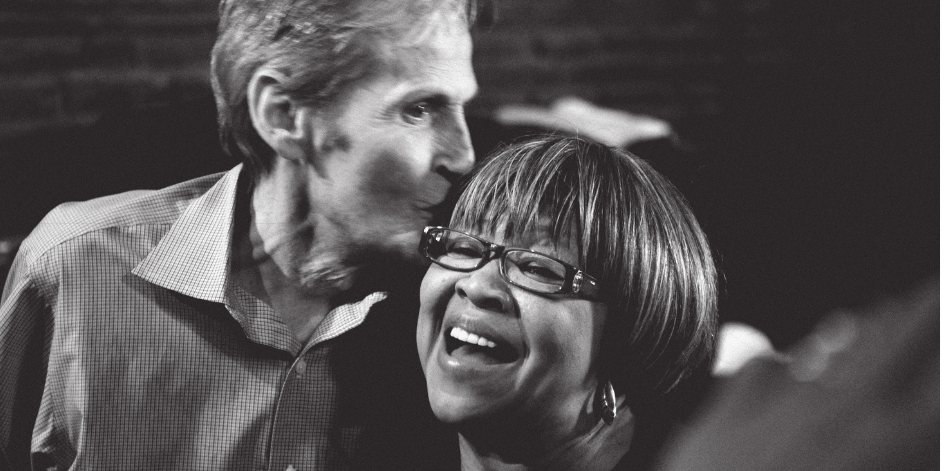
Editor’s Note: Mavis Staples’ concert appearance at Levon Helm’s renowned Midnight Ramble series from the summer of 2011 will be released for the first time on
Carry Me Home. The new album features a mix of Staples’ and Helm’s bands performing tunes made famous by the likes of Nina Simone, The Impressions, Bob Dylan, and The Rolling Stones. Staples spent five or six days on the property in Woodstock, New York, leading up to the show. Helm’s daughter, Amy Helm, sang backing vocals at the performance and remembers her father rehearsing for hours to prepare for the concert.

In Their Words: “My dad built The Midnight Rambles to restore his spirit, his voice, and his livelihood. He’d risen back up from all that had laid him down, and to have Mavis come sing and sanctify that stage was the ultimate triumph for him. … My dad was very spiritual, and the music that Mavis and her family made was sacred to him. He absolutely revered and respected the Staple Singers. Everybody in the Ramble band was laughing because it was the first and last time we’d ever seen my dad show up for rehearsals like that. He would have done anything for Mavis.” — Amy Helm

“It never crossed my mind that it might be the last time we’d see each other. He was so full of life and so happy that week. He was the same old Levon I’d always known, just a beautiful spirit inside and out. … We hugged and hugged and hugged [as we said goodbye]. I just held on to him. I didn’t know it’d be the last time, but in my heart and in my mind, Levon will always be with me because I take him everywhere I go. Yes, indeed. I can see him right now. And some sweet day, we’ll be together again.” — Mavis Staples


Photo Credit: Greg McKean