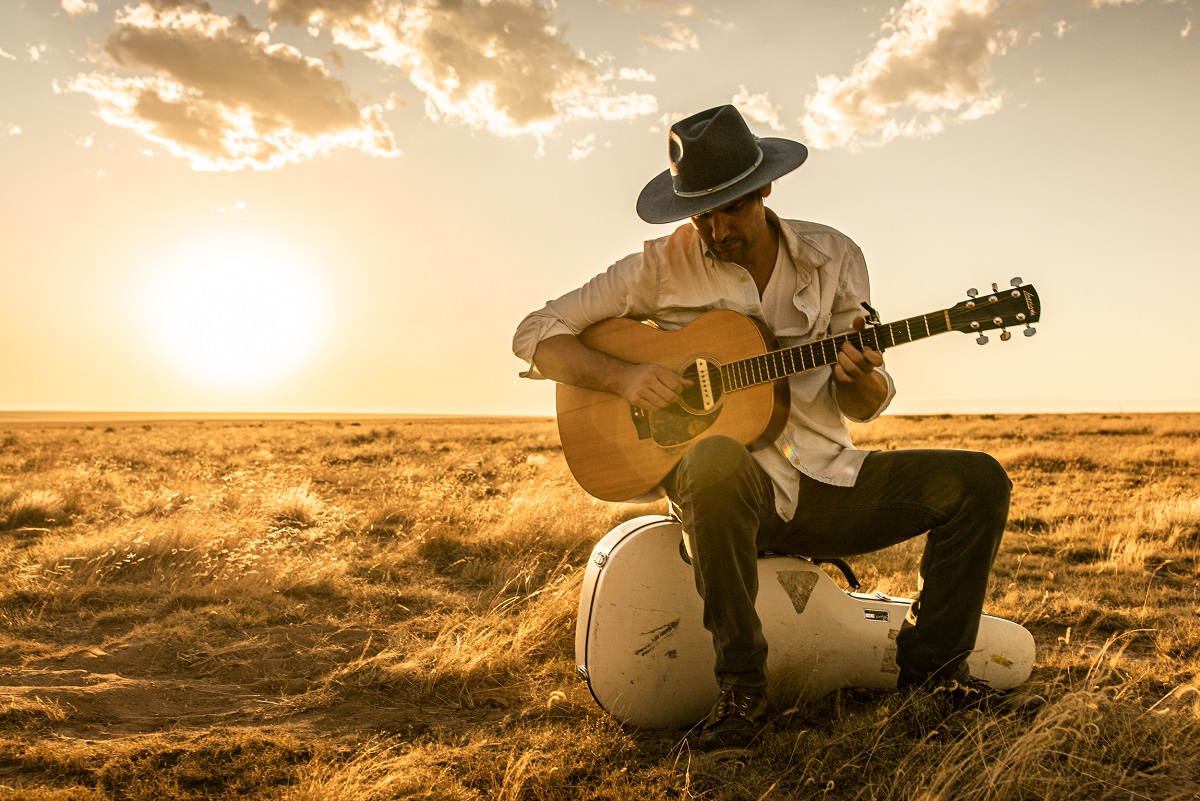
MIXTAPE: Daniel Rodriguez’s Songs of Authenticity

I love all types of music and song. How beautiful a thing to hear the invisible insides of someone shared outwardly. A culmination of dynamic forces, experiences and sensibilities dialed into pulsating, Pythagorean waveforms, giving color to the space in between. The only catch is we have to trust what we’re hearing is authentic. Whether it’s the tonal intention of a singer or the specific touch of an instrumentalist, the song has to move me in some way or else I’m changing the station. Authenticity is subjective to each listener where no authority exists, though goosebumps, tears, movement, lofty notions and inspiration have always been my litmus tests to playing something thrice or more.

Here’s a list of songs that have moved me in some way worthy of mention. Also, if you’re so moved, check out my album Sojourn of Burning Sun out on August 28. — Daniel Rodriguez

Bill Monroe – “Uncle Pen”

From what I hear, this song is Bill giving gratitude and paying tribute to his actual uncle, Pen [James Pendleton Vandiver]. Pen played the fiddle at family gatherings and inspired Bill to join the musical world. The song structure of “Uncle Pen,” though only a few chords, is kind of complex. It’s a jubilant song with a great melody and has those goosebumping, Appalachian harmonies that Bill and his band often showcased. Probably what I like most about the song is that it appears to skip a beat before the head of each verse. It happens during a G run directly after the chorus that impossibly lands at the head of the next section. Simple genius.

Gregory Alan Isakov – “Amsterdam”

I like pretty much all of Gregory’s songs and his recordings. Catching his band live or him solo is a remarkable experience. I’m lucky to call him a longtime friend and I keep my fandom of his music separate from that. Gregory paints imagery that is most times not specific, which leaves you, as a listener, more in an abstract state of mind. Yet he threads a powerful emotion throughout, which his voice and arrangements unavoidably invoke. He uses imagery of a woman often, which comes across as more a mythical character of the sacred feminine, rather than one of a romantic endeavor. This is apparent in “Amsterdam”: “That howling wind, she’s waving hi, her other hand’s in mine.” The song ascends towards the end in some epic way when Greg moves his voice up an octave and sings “Churches and trains, they all look the same to me now / They shoot you some place, while we ache to come home somehow.” Goosebumps to follow.

Bruce Springsteen – “Youngstown”

The Boss has never failed to paint us the pictures of the struggling American working class. Our popular culture seems to only highlight the celebrities and billionaires, and yet The Boss celebrates and sheds light on the untold stories of the common man, the backbone of our culture. His stories are always rich with the American story, full of its hypocrisies and triumphs. “Youngstown” paints a very real picture of the uphill and endless bogging down of industry and war. The arrangement has a suiting Americana feel, stripped down and intimate. The pedal steel and fiddle give an eerie voice to the emotion of the character in the story who sings, “My sweet Jenny, I’m sinking down, here darling in Youngstown.”

John Prine – “Lake Marie”

When John Prine passed on earlier this year I cried constantly for three days. I’ve been lucky enough to catch him live more than a few times at festivals that we both played. The authenticity in his delivery has healing properties that only a few possess. John touches on all the hidden sadnesses and joys of humanity, and gives color to the seemingly opaque hidden corners of the human condition. “Lake Marie” is a special song with all the ingredients: New love, tenured love, relationship struggles and cold-blooded murder. John delivers this story in a very light-hearted and humorous way. He speaks the verses and accentuates certain parts, which become vital to the song’s DNA. The chorus is maybe the best chorus ever written, beautiful and joyous, juxtaposed with a very brutal and tragic story.

Levon Helm – “The Mountain” (written by Steve Earle)

Just like any song that Levon sings of someone else’s, he makes it his own. That is very much the case with “The Mountain” by Steve Earle. Steve recorded a great version of this song with Del McCoury, but my favorite version is the one Levon sings. It’s about the coal industry brutalizing the natural wonder of a homeplace. Removing mountaintops from where once majestic mountains stood. Filling in swimming holes that you once could cool off from the summer’s heat within its cool mountain runoff. Levon brings you there to those mountains, and he takes you to that swimming hole, and then he shows you the pain of it being no more.

Gillian Welch – “Everything is Free”

When speaking of Gillian’s songs it would be prudent to also mention David Rawlings. The line is blurred when trying to understand who wrote what — and it’s fitting that their voices in harmony become an entity of grace and grit that is alive and well. “Everything Is Free” is a song that hits home for the majority of musicians and artists who are at large suffering in an age where the fruits of their labors are taken for granted. This is certainly reflected by our culture, which would ironically feel the worth of music in its absence. In regards to this, Gillian sings: “If there’s something that you wanna hear you can sing it yourself.”

Leon Bridges – “River”

I’m not a religious person, but I am spiritual. Even though Leon uses biblical terminology in this beautiful song of yearning, and being cleansed from your sins — it’s the intention of the song that shines through and transcends all the negative connotations that might come with organized religion. It’s the true Christian values that are evoked here, of actively wanting to become a better person. It sounds like it was recorded live around one mic in a big room and really captures a beautiful moment of music.

Bob Dylan – “Murder Most Foul”

Bob is my favorite artist and songwriter. I love all the phases of his expression. I don’t subscribe to picking a favorite era or compare everything he creates to what he produced in the 1960s. This brings us to “Murder Most Foul,” a recent release of his. It is a nearly seventeen-minute song that talks about the day and days that followed the assassination of John F. Kennedy. Bob beautifully describes this tragic and heightened moment in history, giving us a stream of consciousness of images peripherally and directly happening around the time of the assassination. The production of this song is very minimal which allows the lyrics to be absorbed and breathe.

Mandolin Orange – “Wildfire”

Growing up and residing in the hills of North Carolina, Mandolin Orange has lived and been more than aware of the culture that exists below the Mason-Dixon Line. Not buying into the rhetoric of those holding on to the nostalgia of the Confederacy, Mandolin Orange gives a historical and psychological look at the wildfire that unfortunately still is fueled today. “Wildfire” is a bit of medicine to us all, and carries a hope that some who might need the medicine most. Listen to this song that is served in the musical genre of its commonplace.

The Del McCoury Band – “Hot Wired” (written by Shawn Camp)

This song is a hoot. It’s very well-written, witty and might even spark a belly laugh or two. It talks about all the things the author’s girlfriend is capable of hot-wiring. My favorite lyric is “She might hot wire your Chevy, she might hot wire your Ford / And if she ever gets to Heaven she might hot wire the Lord.” Del breaks the bluegrass rules on this song and introduces an electric guitar after singing about his girlfriend hot-wiring his acoustic guitar to play like the “doggone Rolling Stones.”

Billie Holiday – “Strange Fruit” (written by Abel Meeropol)

This song is so powerful. Billie Holiday recorded it in 1939. The emotion and dynamics of her timing are delivered in a powerful and haunting way. The fruit that hangs from the trees is not fruit at all. [The song’s titular analogy references lynchings of Black folks.] It is perplexing to me that humanity can stoop so low to such an evil as to think one is inferior to another, where murder is rationalized within such a vitriolic mindset. In this specific case it is rationalized within the minds of pale complexion below the Mason-Dixon line. How those trees still stand and the fruit still hangs, though embedded within policy, social structures, the psychology of an unexamined people and history books with whole chapters missing. Music and song throughout time has been utilized to pass stories down and convey emotions. This is a song that passes down and conveys a traumatic truth; its shockwaves still crash on the shores of our everyday.

Josh Ritter – “Girl in the War”

This is one of my favorite songs. I’ve had the fortunate opportunity to play a bunch of shows with Josh and actually back him up on this song with my old band. I’ve heard him say in an interview that this song is about America. I’ll take his word for it. I’m not quite sure what the song is about myself, but I do know it’s a goosebumper. The recording of the song is stunning and I sure do like to play this song around the fire at gatherings.


Photo credit: Jesse Borrell
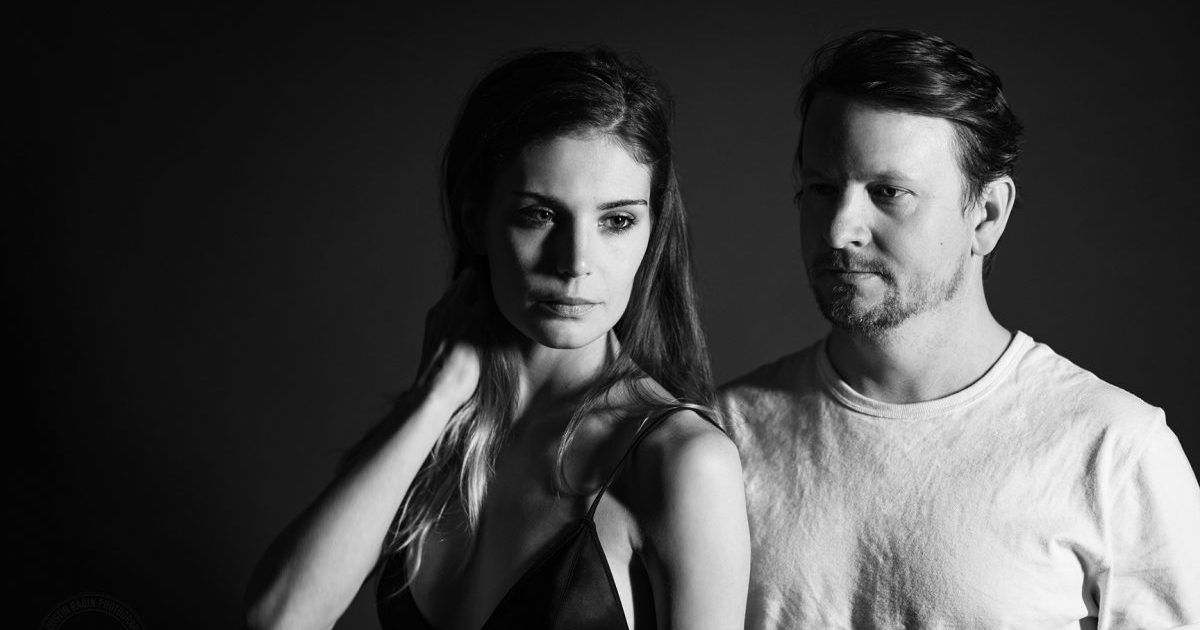
MIXTAPE: Ocie Elliott’s Favourite Folk Through the Ages

Folk music, especially acoustic ballad folk, country folk, and early blues, has always held a special place in my heart and soul. From a young age, my dad would pull out his acoustic guitar when we’d go camping and around the campfire he would sing the family a folk song or two, mostly acoustic versions of Johnny Horton’s “The Battle of New Orleans” and “Sink the Bismarck.” The sound of the acoustic guitar and voice and their telling of a tale touched something deep inside me and my love for folk music was begun. Here are some of my (and our) favourite songs in this genre through the ages. — Jon Middleton, Ocie Elliott

The Carter Family – “Chewing Gum”

While not necessarily my favourite song by the Carter Family, there is something unique and uplifting about this one. I’ve always thought that Kurt Cobain would have loved it.

Lead Belly – “The Grey Goose”

Lead Belly is definitely one of the best ever, such an incredible songwriter. To me his power lies in the uniqueness of his sound; no one wrote songs like him either. The first time I heard this it filled me with so much joy: I could hear it being performed with a big group of people all singing the “lord, lord, lord” part. I’ve also always imagined Toots and the Maytals covering this song.

Blind Willie Johnson – “Trouble Will Soon Be Over”

My favourite blues artist of all time, Blind Willie Johnson’s voice and slide-guitar playing are otherworldly. This tune has such a beautiful melody and feel, it also displays the softer side of his voice and the female accompaniment adds a lovely depth to it all.

Mississippi John Hurt – “Spike Driver Blues”

The first time I heard his 1928 recordings my mind was blown. He has had the biggest influence on my fingerpicking without a doubt. The melody he picks in this song is just so beautifully circular, bouncy and perfect.

Doc Watson and Clarence Ashley – “Old Ruben”

I love the recordings these two did together — there is something very vibrant, authentic and alive in them. I think this song is my favourite of all of them, although “The Coo-Coo Bird” is a close second.

Johnny Cash – “Dark as a Dungeon” (Live at Folsom State Prison)

This whole album is amazing, but this song has always stood out, partly because it sounds like something to be sung around a campfire, but also because his voice is so rich and deep — it’s the perfect voice for this song.

Bob Dylan – “I Threw it All Away”

It’s impossible to pick a favourite from someone who has written more classics than most songwriter’s output in total. But I choose this one because oddly enough, this album (Nashville Skyline) was what led me into Dylan’s universe (I purchased it because it had Johnny Cash singing with Dylan on one song). Needless to say, I fell in deep.

John Prine – “Mexican Home”

We cover a number of John Prine’s songs, including “In Spite of Ourselves” and “Long Monday,” but one of our favourites that we don’t cover is “Mexican Home.” Both recorded versions are great in their own way, but the studio version feels truer to the content.

Guy Clark – “Anyhow, I Love You”

One of our favourite duets. A friend of ours showed us this song a few years back and we immediately started to learn it and sing it. It’s a very special and unique tune, especially in the lyrical phrasing.

The Country Gentlemen – “Fox on the Run” (Live)

I love that this was first recorded as a rock ‘n’ roll song by Manfred Mann. The Country Gentlemen’s version and harmonies literally sound like the lyrics, especially the line: “Her hair shone like gold in the hot morning sun.”

Loudon Wainwright III – “The Swimming Song”

We were also introduced to this by a friend and ever since then we’ve been in love with it. It’s uplifting, but also has this tinge of melancholy to it.

Mason Jennings – “Crown”

A favourite songwriter of ours, I’ve been in love with his music ever since I bought one of his albums on a whim in L.A. and drove with it the whole way back up the coast to San Francisco. Once there, I immediately pulled into Amoeba Records and purchased another.

Gillian Welch – “Winter’s Come and Gone”

Gillian Welch and David Rawlings are one of our biggest influences as a group. When Sierra and I first met, our first connection was made over a mutual love for Gillian Welch, and the first song we ever played together was “Look at Miss Ohio.” Something about this song though, the whole album really.

Gregory Alan Isakov – “Amsterdam”

This song has a rich, wonderful vibe to it — the recording quality, the playing, the mixing and of course, the tune itself. It feels like a warm blanket on a rainy day.


Photo credit: Dustin Rabin

BGS 5+5: LULLANAS

Artist: LULLANAS (twin sisters Atisha and Nishita Lulla)
Hometown: Philadelphia, Pennsylvania
Latest album: Before Everything Got Real EP

Which artist has influenced you the most … and how?

It’s really hard for us to pick just one… honestly our music catalogue really started developing when we noticed the music in the background of tv/film/commercials. Once we saw how instrumental (pun intended) songs were to telling the story… that’s what really took our breathe away. Some artists who inspire us through that realm are Ingrid Michaelson, Peter Bradley Adams, and Gregory Alan Isakov.

What’s your favorite memory from being on stage?

We drove down to Nashville for a week and got a chance to play at the Bluebird. It was a moment we built up in our heads for a while and it did not let us down. We only played a few songs, but as soon as Nishita strummed the first chord to our song “Melody” on her guitar… the room went silent. It was the kind of intensity every artist craves. We could tell that the audience was taking in every feeling, every lyric, every note and any intimate artist to listener moment like that is a favorite stage moment for us.

What other art forms — literature, film, dance, painting, etc — inform your music?

When we aren’t creating music, we are in the kitchen baking up a storm. For us, baking is all about the process and attention to detail. The same goes for our music. One of our favorite things to do is create custom cookie designs inspired by artists who we look up to. We use baking as another outlet of artistic release. What we can’t write/sing about, we can bake about.

What’s the toughest time you ever had writing a song?

We had the chorus scribbled on a page for one of our songs off our latest EP. It was just a chorus for about seven months. No matter how bad we wanted to finish it… we just couldn’t. Eventually, taking a step back from it was what helped us complete it. It was one of the toughest times, but also one of the most rewarding.

If you had to write a mission statement for your career, what would it be?

To create music that helps people feel something in a world that can be a little numbing at times.


Photo credit: Lenne Chai

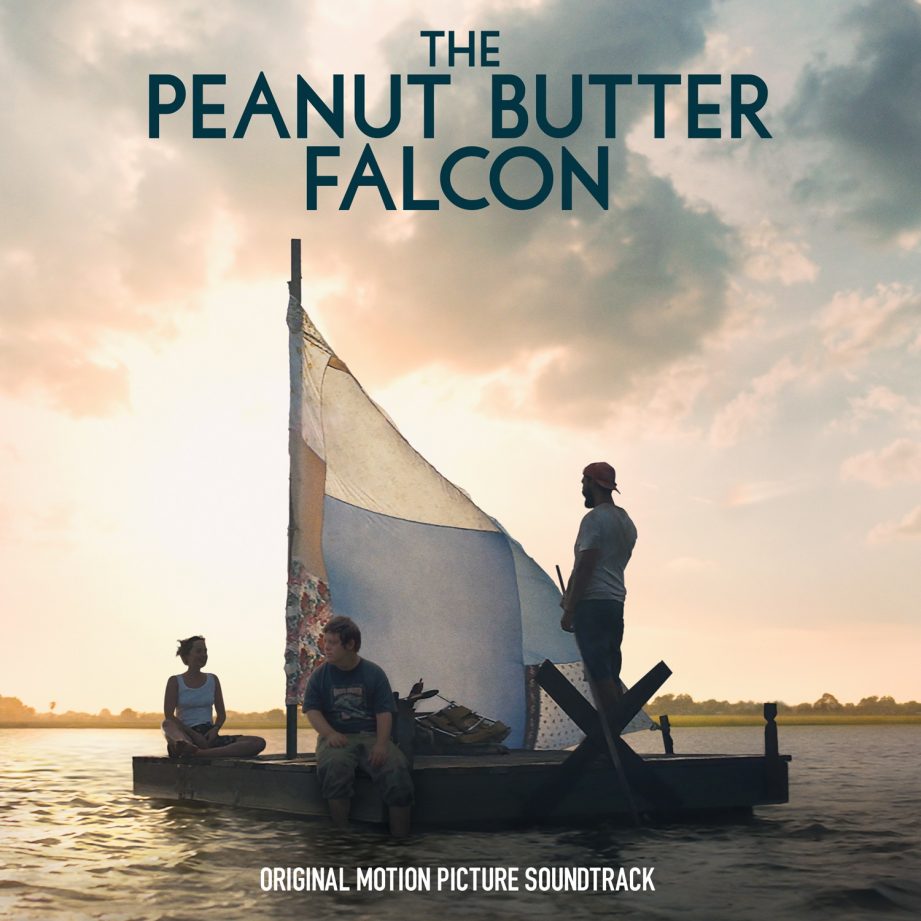
LISTEN: ‘The Peanut Butter Falcon’ Soundtrack

The Americana-based soundtrack to The Peanut Butter Falcon features new and classic songs from Sara Watkins, Gregory Alan Isakov, The Staple Singers, The Time Jumpers, Ola Belle Reed, Chance McCoy, Parker Ainsworth, Butch Walker, Paris Jackson and Jessie Payo, as well as a score composed by Zach Dawes, Jonathan Sadoff, and members of The Punch Brothers. The heartwarming film written and directed by Michael Schwartz and Tyler Nilson premiered in March at the South by Southwest Film Festival where it won the Audience Award in the Narrative Spotlight category.

The Peanut Butter Falcon tells the story of Zak (Zack Gottsagen), a young man with Down syndrome, who runs away from a residential nursing home to follow his dream of attending the professional wrestling school of his idol, The Salt Water Redneck (Thomas Haden Church). A strange turn of events pairs him on the road with Tyler (Shia LaBeouf), a small time outlaw on the run, who becomes Zak’s unlikely coach and ally. Together they wind through deltas, elude capture, drink whisky, find God, catch fish, and convince Eleanor (Dakota Johnson), a kind nursing home employee charged with Zak’s return, to join them on their journey.

“Michael Schwartz and Tyler Nilson are very musical and it was clear they heard what they wanted the film to sound like as they wrote the script. We discussed scores they liked as well as a curated playlist that felt aligned with the characters and place. ‘Atomic Throw,’ at the end of the picture, is my favorite musical moment because it serves the fantastical elements of the story – the music branches off from previous arrangements and instrumentation in a nice ethereal manner. I hope audiences see the importance of human connection and how integral that is to love and happiness. Family is what you make it and never be afraid to trust or love someone, or something.” — Zach Dawes, composer and music supervisor

“Music is an essential element in The Peanut Butter Falcon. One of the tracks that feels really special to us is the end credits song ‘Running for So Long (House a Home).’ It was the last cue left unfilled and the whole team was trying to find something with the right feeling to leave the audience with. After countless suggestions, we invited our good friend Parker Ainsworth to come over to write something with us in our living room a week before the movie went to final mix. Within three hours we had written the song, recorded it on an iPhone, cut it to picture, and sent it to our producers.” — Michael Schwartz & Tyler Nilson, writers and directors

“When my good friend Tyler told me about The Peanut Butter Falcon, and played me the song his friend Parker co-wrote for the film, ‘Running For So Long (House a Home),’ I was very excited and couldn’t wait to start recording. I suggested to bring Paris Jackson on board for some accompaniment — she has been a family friend for many years and she had just recently done some backing vocals on a record of my own. Everyone involved thought that she was perfect for the song and her vocals gave it a very special note, just like I feel the movie is. We also ended up putting a third singer on with them named Jessie Payo, who was Parker’s suggestion and I LOVE the result. The Peanut Butter Falcon is such a beautiful story with a wonderful (and much needed) message right now, that touched me deeply every single time I watched it — and I’ve watched it multiple times now. I’m sure it will touch the hearts of so many others as well.” — Butch Walker, music producer

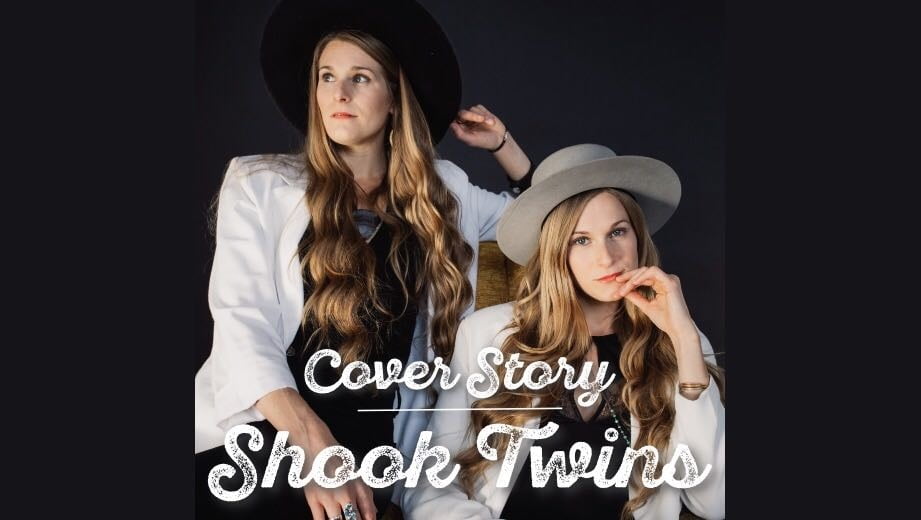
Shook Twins Pay Tribute to Honorable Men on ‘Some Good Lives’

Shook Twins — the duo composed of sisters Laurie and Katelyn Shook — have abided by the label “quirky” ever since they released their first album, You Can Have the Rest, in 2008. Their process of integrating unexpected sounds, looping, and multiple instruments (including a golden egg typically used for percussive flares) may seem unconventional, but those touches serve as thoughtful embellishments to elevate their honeyed voices.

On their new album, Some Good Lives, the Portland, Oregon-based musicians put those voices to use in praise of good men. At a time when women’s narratives have increasingly come to the fore, Shook Twins instead focus on the positive influence certain men have had on their lives. The choice suggests there’s room to strike a balance, rather than cast one gender aside to uplift another.

Following in the footsteps of their archivist grandmother, Some Good Lives is an amalgamation five years in the making — a blend of original songs and “found sound,” of a sort. Katelyn spoke to the Bluegrass Situation about the band’s new project.

BGS: Your grandfather played piano — you even include a clip of it on the album. So it seems like you have music in your blood.

Katelyn Shook: Yeah, that was our first musical experience. We’d go over to their house and lie under his grand piano. He was totally untrained, just [flying by] the seat of his pants. That’s why I had to put those snippets on there, because it’s so Grandpa. We started singing really young and fell in love with it. We chose to be in choir but we didn’t pick up instruments until we were 17.

“Grandpa Piano” and “Moonlight Sonata” aren’t really “found sound” pieces, but they provide an interesting texture to the tracks that you wrote. What was the thinking behind including those?

I wanted to sprinkle those in because it goes with the theme of Some Good Lives. I realized that a lot of the songs were about somebody or dedicated to somebody, and all of them happened to be men, which blew my mind. I was resistant to it at first, like, “Now is not the age of man!” I just wanted to honor women. But then I had to realize and keep in check that there’s a balance, and we need to remember and honor the good men in everybody’s lives.

We’d grown up with such good men, and that’s what made my life so balanced. Most of them have passed away, except for two, so I sprinkled in “Grandpa Piano” because there was not really a song dedicated to my grandpa, but he was such a big musical influence on us.

Considering that so many people want to make room for new stories, how have you made the case that now is a time to also share stories about men, even if they’re positive?

I don’t know. I don’t know that I’ve made that case. We’ve always lived by example, and talking with all the women around me, I honestly feel like Laurie and I are very rare in our generation to have such positive male impacts in our lives. It’s funny when a theme pops up. It’s not like we went into this record like, “We want to honor the good men.” It just came out.

On “Dog Beach,” which was originally written by your grandfather Ted, you added your harmonies to an old recording. How did you retain that original, almost old-timey sound quality?

That song is a trip! It’s a long story, but I’ll try to keep it short. My grandma was an archivist, and she had this tape recorder always going. Anytime we had a campfire with our family, we made [Ted] play that song, and he was always resistant to it because he never thought it was a great song. But it was the only one he ever wrote. Ted passed away in 2015 from this massive, traumatic heart attack out of the blue. It was terrifying, horrible. After he passed away, my dad was listening through those tapes, and we heard “Dog Beach” on there. We didn’t even know it’d been recorded — Laurie and I were 5 at the time.

I heard that, and I got the idea to sing this with him one last time. We were in Portland, and we had a whole bunch of friends over— including his ex-wife and his daughter, who’s our best friend — and I had the tape with me and a shitty tape player. I put it in to play it, and we’d sing along and record it. I hit play and it ate the tape. I was like, “No!” But I knew it wasn’t the only copy — we had another one at home — so I called my boyfriend, woke him up (because he was staying with my parents), and I made him go inside with my dad and look for this extra tape. They found the other tape, they found a tape player, put it in there, and it ate the tape.

It sounds like at this point Ted didn’t want you to share it.

Exactly, but I knew he was just fucking with us because he was always resistant to playing it at campfires. So they took the tape out and they put it together — it didn’t break, it just unwound. Then my boyfriend went to sit in the car, which was the only other tape player we had at the house. If you go back and listen to his recording, you can hear his puffy coat rustling. He’s in the car just voice memoing it on his iPhone, and then he emails me the voice memo, and we play the voice memo in the living room. This all took an hour. It’s emailed through time and space. I don’t know, it’s the way it worked out. It was such a crazy night.

What was the recording process like? I know it took a few years to get to that place after your last album, but it seems like it was worth that wait.

This process was a lot different. We normally block 20 days, and we go to the studio and knock it all out. But this time we took our sweet-ass time. We did it in several chunks. We’d been playing these songs live, and we might choose not to do that with our next album, but I really like to because it lets the song marinate. We recorded three songs first and then we’d listen back to them, and since we’d been playing them live, we added more stuff to it. It was a cool way to do it but it took forever.

I think “Vessels” might be one of my favorites on the new album, both for the message and for the vocals.

That one is really special to us, too. It’s dedicated to one of the men who’s still alive, but he has a brain tumor. We wrote it right after we found out he had it.

Is he around your age?

He’s four years older, but he’s super healthy and super young. It’s super nuts. When we wrote it, we were still in that phase where he could die at any moment. It’s a really gnarly brain tumor. Nobody survives this. It’s a total miracle that he’s come this far — it’s been like five years now. But we were in this state of shock and terror, we had our moments of coming to grips with it. That song was us accepting that we’re just vessels, and we have to say goodbye sometimes, and we have to be thankful that we got you at all. It’s narrow, singing to him, but it’s a broad statement to everybody about accepting your death, your friend’s death, and finding a way to be ok with it.

Vocally, we really like what Laurie did. That’s another song that Gregory Alan Isakov helped out on. She took four songs to him. She repeats lines, talking; I really like that effect because it made it this ghostly statement. Isakov helped make it sound more vibey; we call it adding “God noise,” where he adds all this weird ass-shit, and he tweaks it in Pro Tools, but the stuff he comes up with, he’s a total genius. His essence, his God noise, made that song extra special for sure.

Familial harmonies have their own kind of magic, but as twins you have similar vocal cords, which seems like it could pose a challenge at times. What kind of thought process have you put into your arrangements?

We use that vocal identicalness to our advantage. We’ve started to experiment with more unison singing. It’s trippy because people try to achieve that in the studio, where they double themselves, and you can’t really tell there’s two tracks, but there’s an essence. That’s what it sounds like. Harmony-wise, it’s mostly Laurie; it just comes out of her. When we analyze it, sometimes we’ll totally overlap and all of a sudden one voice will naturally go lower and one will go higher. We don’t do the typical harmony. We intertwine. It’s very trippy.

As twins, how have you managed to forge a sense of individuality in the duo?

It sounds weird, but it’s never been an issue to express ourselves individually. We’ve always been Shook Twins. We actually strive to be more of a duo. Sometimes we play solo and it doesn’t feel right; we don’t enjoy it as much. I think we’re definitely strongest together. We’ve never had a competition issue. We always say, “We’re the twin-iest twins we know.” Most times we meet other twins and they all have their own lives. It’s kind of weird to us. We’ve always had the exact mindset about everything. It’s crazy.

MIXTAPE: Jared & the Mill’s Overnight Driving Playlist

“Overnight drives are the lifeblood of developing into a touring band. Leaving the comfort of street lights and neighborhoods and going into the void to get to the next town in time for soundcheck is as thrilling and mysterious as it is exhausting and daunting. It’s a ritual we share with bands all over the country and it teaches us to identify as the road dogs we are. It’s a powerful sympathy that unites us with others like us. Looking out at the nothingness and knowing there are many hours left without comfort is isolating and forces us to look inward.

“After conversation about the show earlier that night or what we miss back home diminishes, we’re left with the stars, the dashboard, and the radio to keep us company as we try to stay awake through the hypnotic rhythm of yellow lines passing beneath us. These are some of the songs that keep us going as we pass through the voids in between towns, we hope you enjoy.” Jared & the Mill


Gregory Alan Isakov – “Stable Song”

The sonic qualities of this song are absolutely perfect for lonely nights away from home, and the lyrics inspire wanderlust just enough that I forget my homesickness and reinvigorate my excitement for adventure. It’s a godsend on long overnight drives.

James Taylor – “Sweet Baby James”

I was raised on ‘60s/’70s singer-songwriter music for a lot of my childhood, and this song brought my worlds together when I realized its subject matter covers the spirit of chasing a dream away from home and into the void. I come from a cowboying family and really love the idea of the traveling musician being the last of the cowboys.

–Jared Kolesar (vocals, acoustic guitar)


Feist – “Graveyard”
Feist’s “Graveyard” is a slow build that’s always worth it. Lyrically I feel like it dances around the topic of death, the dead, our memories, and our relation to our past, and our past relatives. Great for a long pondering drive. What a wonderful and beautiful chance it is, to be alive and experiencing anything.

Ennio Morricone – “The Good, the Bad and the Ugly – Main Title”

If this song doesn’t make you want to trip back to your previous life, strap on your shooting irons, and gallop down a dry arroyo to avenge your lovers death, then I don’t know what will.

–Michael Carter (banjo, mandolin)


Glen Campbell – “Wichita Lineman”

Glen is an amazing guitarist and the glittery arrangement of this great Jimmy Webb song always makes me long for home.

Jackson Browne – “These Days”

Sometimes thoughts of regret can creep in on those late-night drives. This song has an awesome way of acknowledging past mistakes while moving on from them.

–Larry Gast III (electric guitar)


The Wallflowers – “One Headlight”

Pretty sure this song that was scientifically created to make you feel like you’re in a driving montage in a movie. Maybe one of the best rhythm section grooves in the history of Americana to boot.

Kacey Musgraves – “Space Cowboy”

Kacey makes a stronger case for modern country music with every record she puts out. This is a perfect song for looking out the van window into the darkness of night and wondering why you are the way that you are.

–Chuck Morriss III (bass)


Fleet Foxes – “Helplessness Blues”

Lots of times on overnight drives you wonder if you have chosen the right path, or if a standard 9-5 could be more fulfilling. This song is a good way to consider the possibilities of that life, while the driving acoustic guitar keeps you alert at the wheel after an arduous day.

Robert Ellis – “Elephant”

I love the intricate plucking rhythms in this song, while the lyrics tackle relationship complications of being in a touring band.

Josh Morin (drums)


Photo credit: Cole Cameron

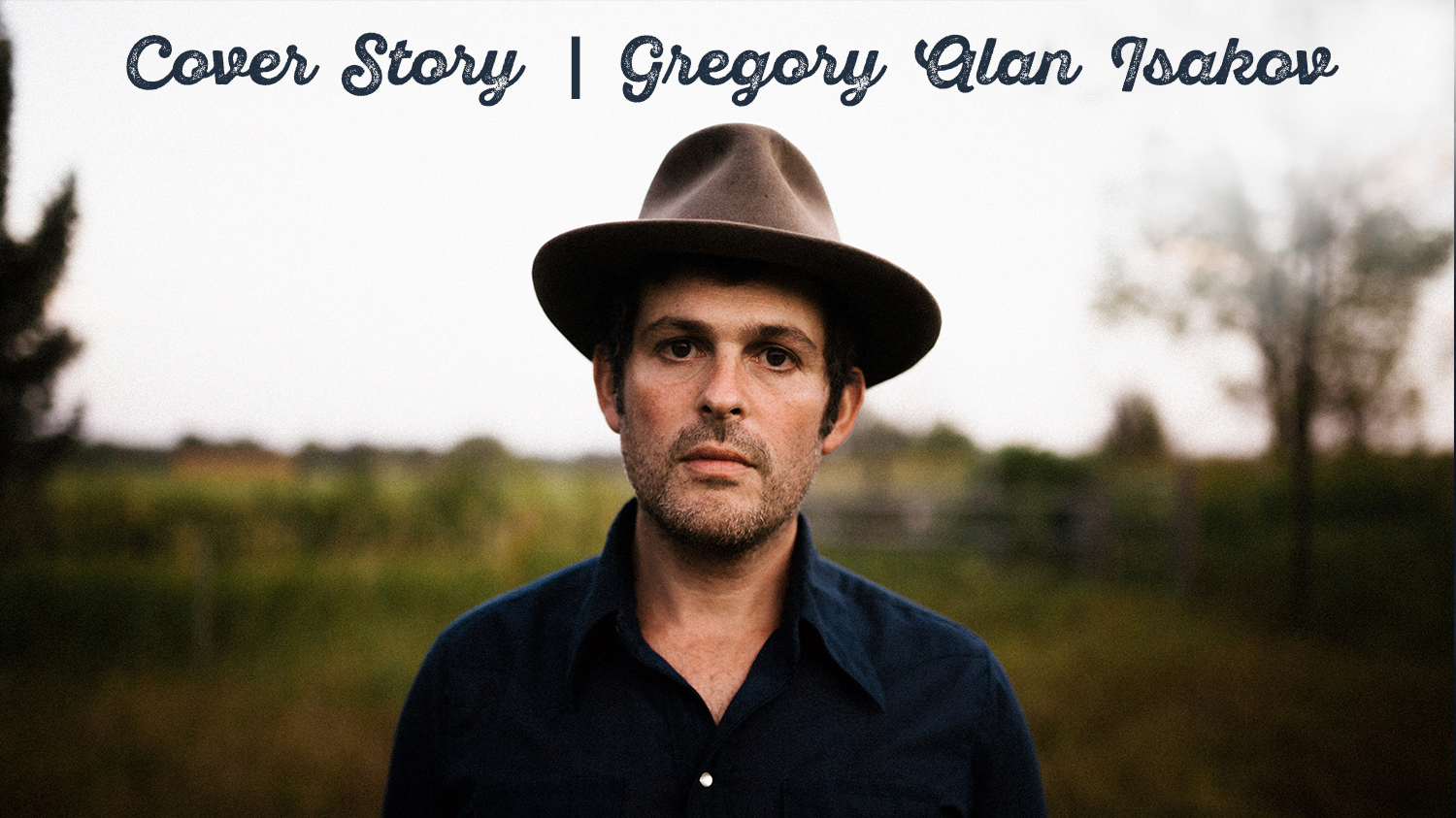
An Otherworldly Landscape: A Conversation with Gregory Alan Isakov

You could call it an epiphany of sorts. Gregory Alan Isakov was riding an elevator with the rest of his band when the doors slid open and a woman got in. She noticed their instruments and asked the question musicians dread. “What kind of music do you play?”

Isakov chuckles. “I never know what to say to that question, you know? So I said, ‘Oh, like, sad songs about space.’” It was, the band immediately agreed, as perfect a genre definition as Isakov could have given.

The singer-songwriter’s new album, Evening Machines, is undeniably dark and cosmic. Atmospheric, opaque, and layered with texture, its electronically accented folk-rock is a departure from the spare, intimate sound Isakov has favoured in the past. And while he is perfectly upbeat today, looking out from his kitchen window onto his four acres of Colorado fields and handful of sheep, he admits that his latest music came from “a pretty dark birth.”

On the face of it, Isakov’s life was going great. But even as he had just fulfilled one of his most fantastic career goals – orchestrating his work for the Colorado Symphony – he was beginning to suffer from a debilitating physical anxiety. “When you’re touring, and trying to figure out how to put out records, you forget about peace and quiet for long periods,” says Isakov, who admits to being a natural introvert. “You’re just hustling all the time. I did that for so long I forgot how to unplug. And it caught up to me in a way I’ve never experienced before.”

And then, on the plane home from Scotland after a six-month tour of Europe, he heard the news that Donald Trump had won the presidential election. “I’ve never had a sense of overwhelming darkness and anxiety like I had that year. You can’t ignore it on an emotional level, whether you read the news or not. And it does make it into the landscape of music or anything that you’re doing. You’re going to feel that stuff. It’s part of being alive.”

Songwriting was a focus and a release; it was also, he says, a reminder that he was someone who needs space and quiet built in his life. Hence the sheep. Isakov took 12 months off from touring and immersed himself in the life of the land he has been working for some years now, supplying vegetables to restaurants and markets. When Isakov was not in his recording “barn” with engineer Andrew Berlin, he was out in the fields, planting salad greens, turnips, and cucumbers, feeding and watering his 10 sheep. “They’re great, they have good vibes when you want to chill,” he smiles. “They’re so easy to look after.”

While the songs on the album draw from what Isakov calls an “otherworldly landscape,” the farm itself is a very real character in his recording process. Apart from the live symphony recording, every album he has released has been made in his own home – “because I really don’t like studios,” he laughs. “I don’t like the glass, I don’t like going into another room to listen, I like to have the words to the songs up everywhere, and all the stations ready to go.”

For Isakov, the key factor is speed: the ability to capture, as quickly as possible, the emotions and sensations he is exploring. Evening Machines, it turns out, is full of first takes. “To maintain whatever feeling you’re having is really important. In the moment you say, ‘This is just an idea, but later I’ll do this good,’ you know? And then I’ll come back to it and something’s different and I can never get back that initial emotive, ineffable something.”

So Isakov developed his own mantra – “sketch to keep” – and created a working space nimble and nearby enough that he could to capture inspiration whenever it struck. The ‘evening machines’ of the title are actually the blinking lights of his electronic equipment, which he visited mostly at night. By the time he came to create the record, he had more than 40 tracks to choose from.

The songs that made the final cut – the ones that felt, to Isakov, to “live together” – share a common, haunting feel. Images return in numerous songs, stars and weightlessness, gunpowder and bullet holes, while the sounds of the machines – a Juno synth from the ‘80s, a compressed drum kit, an Orcoa pump organ that sounds like a toy – provide an unnerving and ethereal backdrop. It is a sound far heavier and, dare one say, dirtier than Isakov’s previous albums. And yet the lyrics remain fraught with the fragility of human essence.

Some, like “Powder,” read off the page like poems – “were we the hammer/were we the powder/were we the cold evening air” – which pleases Isakov to hear. “That’s the goal!” he laughs. “Powder” in particular was inspired by one of Isakov’s favourite poets, Billy Collins. “I bring his poems out with me on the road because I tend to slow down whenever I read them.” And if meaning can feel mysterious in Isakov’s songwriting, it’s not only obscured to the listener: Isakov says he often doesn’t know what his songs are about until after he’s written them.

Take “Berth,” which he wrote with his brother Ilan – a film score composer and “one of my all-time favourite songwriters.” The pair often spend the summers together, engaged in all-night-co-writes. “We start after dinner, and this time I had a melody in my back pocket, that crooked piano part, and I went to one end of the building and he went to the other and we wrote as many verses as we could and then met back up, and mixed them together. The original song was 17 minutes long!” It was only when they edited it down to its final version that they realised what they’d written. “And then we were like: I think this is an immigrant song. We didn’t see that coming.”

Isakov was born in South Africa at the heart of the apartheid era – “a pretty rough situation” – and his family emigrated to the U.S. when he was a young child. For the first couple of years, he lived in a one-bedroom apartment with his parents, his granny, and his two brothers. “A lot of friends I made growing up were immigrants and I really connected to their families a lot. They had a different vibe to the American kids I knew.

“Even now – in no way is our country somewhere that feels safe all the time, or going in a good direction at all – but, man, we are lucky to be in a place where we can have a sense of freedom and be able to work and create whatever we want. That doesn’t exist hardly anywhere and it’s a nice perspective to have.”

His upbringing also created a close bond with his brothers, who would play instruments together in the basement: “I was always excited to get back home from school to play with them. That was the fun part of my day.” Not that music has made any of them any less introverted, Isakov admits. “When we’re hanging out, we don’t even talk,” he laughs. “One of us will ask, ‘Who’s he dating now?’ and the others will be like, ‘I don’t know, we don’t talk about that.’”

But then, Isakov is happy to live with uncertainty. It’s a principle that’s central to his creativity. “I’ll read an interview with another artist saying ‘I wanted to write a song about this or that,’ but that’s never happened to me,” he says. “I never set out to write a song about anything.

“I feel like I’m sort of holding on, not even driving. You just hope you can get it all. Sometimes you do, and when you do it’s the greatest feeling, you’ve struck gold or something. But there’s plenty of times I don’t get it. My trash can’s pretty big.” It makes him reluctant, he says, even to take credit for his songs – and even more so to imbue them with too much narrative. For instance, “Was I Just Another One” can sound to the unknowing ear like a simple love-gone-wrong story. “To me that song’s about a relationship with someone on heroin but it never says that. And it’s not interesting what I think it’s about.”

His fascination with roots – from jazz and blues standards to the old-time clawhammer banjo he learned to give him a break from guitar – has not left him. “Some of the traditional songs that are so relevant today, stuff like Mississippi John Hurt, you can listen to it and they could have been written right now.” And now that his own dark period is, happily, over – “I’m so lucky to be on the other side of that” – the lighter tracks he recorded over the past year will be repurposed into a new, more country-influenced collection. If this record has taught him anything, however, it’s never to assume. “Songs have minds of their own,” he laughs. “And I’m just following them along!”


Photos of Gregory Alan Isakov: Rebecca Caridad

Best of: Sitch Sessions

Since 2014, we at the BGS have been putting together videos of amazing artists singing great songs in stunning locations. So before jumping into a whole new year, take some time to sit back, put your feet up by the fire, and watch five of our favorite Sitch Sessions … picked just for you.

Birds of Chicago — “Lodestar”

There is something otherworldly about this performance of “Lodestar” at the 2016 Fayetteville Roots Festival in Fayetteville, Arkansas. And the barefoot Allison Russell absolutely steals the show with her tender vocals, delicate banjo plucking, and clarinet solo.

Billy Strings & Don Julin — “Meet Me at the Creek”

In one of our most watched Sitch Sessions, Billy Strings and Don Julin are joined by bass player Kevin Gills for a lively performance of “Meet Me at the Creek.” Be sure to stick around for the whole instrumental breakdown to see Strings and Julin show off their fast fingers!

Gregory Alan Isakov — “Saint Valentine”

For this Sitch Session, Gregory Alan Isakov paired up with the Ghost Orchestra to bring you a new arrangement of his 2013 classic, “Saint Valentine.” While we love Isakov for his smooth vocals and beautiful guitar parts, something magical happens when he is backed up by orchestral strings and a haunting brass line.

Hubby Jenkins — “Mean Ol Frisco”

“Mean Ol Frisco” may be a blues song, but you will be grinning from ear to ear after watching this performance by the husky-voiced Carolina Chocolate Drop multi-instrumentalist Hubby Jenkins. You can even tell he’s having fun playing it, as he can’t help but crack a smile after delivering each line once he gets about a minute in.

Front Country — “If Something Breaks”

Fuschia-haired front woman Melody Walker glows in this low-lit Sitch Session at 25th Street Recording in Oakland. Between Walker’s strong vocals and the picked and plucked instrumental backing, we can’t help but listen to “If Something Breaks” over and over again.

3×3: Ira Wolf on Gillian Welch, Getting Magical, and Grossing Out

Artist: Ira Wolf
Hometown: Missoula, MT
Latest Album: The Closest Thing to Home
Personal Nicknames: N/A

What song do you wish you had written?

“I Can’t Make You Love Me”

Who would be in your dream songwriter round?

Gillian Welch, Ben Gibbard, Sam Beam, Gregory Alan Isakov

If you could only listen to one artist’s discography for the rest of your life, whose would you choose?

Gillian Welch or Iron & Wine


You belong among the wildflowers, You belong where you feel free~

A post shared by Ira Wolf (@irawolfmusic) on

How often do you do laundry?

Every few weeks, or whenever it’s offered on the road.

What was the last movie that you really loved?

Inside Out. It gives me all the feels, and I cry every time.

If you could re-live one year of your life, which would it be and why?

So far 2017 has been the most magical. I traveled to some of my favorite places in the world, spent time with people I care the most for, and recorded my dream album in Nashville.

What’s your go-to comfort food?

Kraft Mac n Cheese with tuna. I promise it’s not gross.

Kombucha — love it or hate it?

Hate it. After seeing a bunch of friends make their own, I’ll never get over the sight of the mother.

Mustard or mayo?

Mustard. Spicy, preferably.


Photo credit: Dennis Webber

The Producers: Jamie Mefford

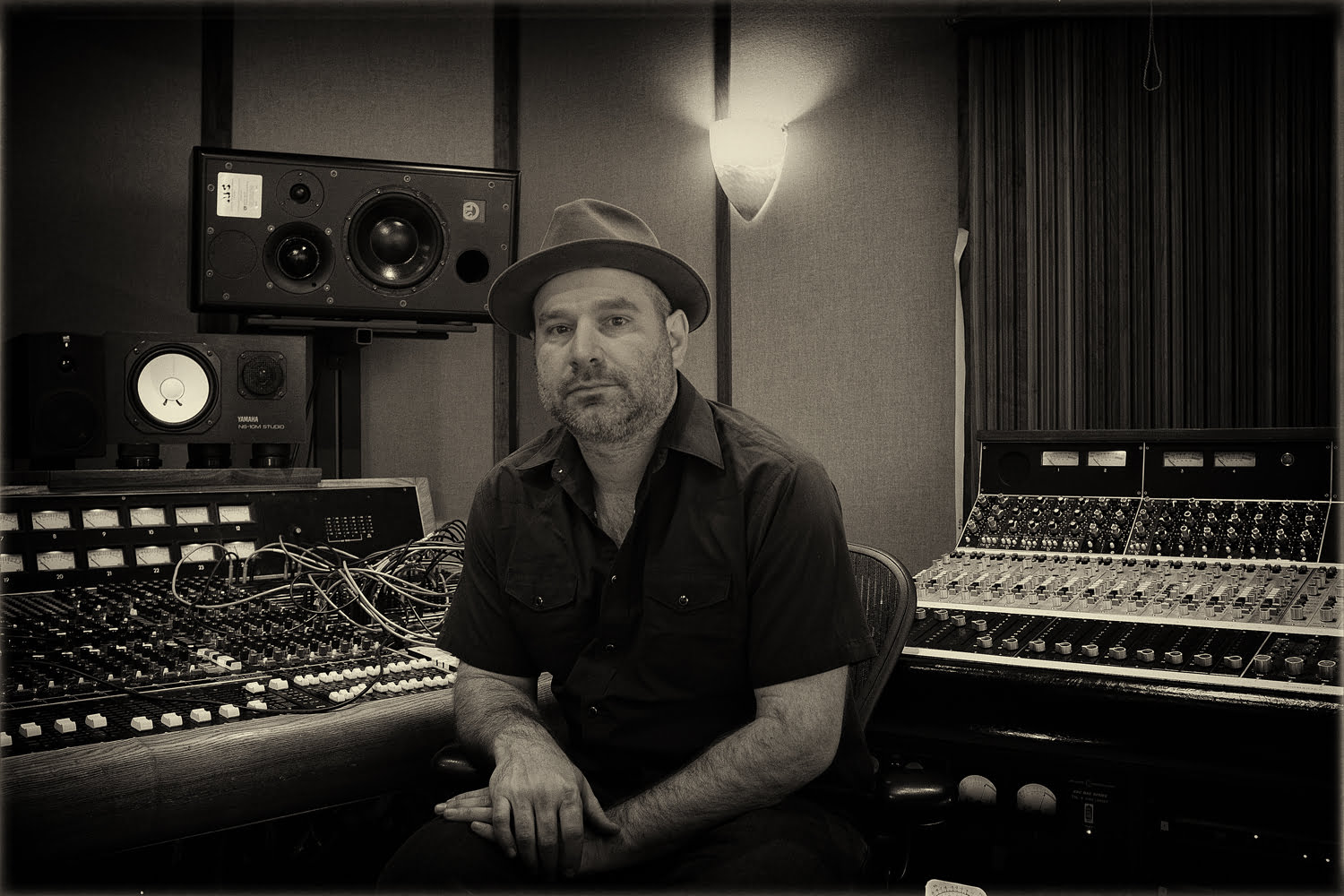
Producer and sound engineer Jamie Mefford sort of fell into this whole music thing. Recording friends' bands for free ended up snowballing into a fully fledged career. Aside from having produced a handful of excellent records — notably Gregory Alan Isakov's This Empty Northern Hemisphere and Nathaniel Rateliff's Falling Faster Than You Can Run — he also hits the road with many a touring band, offering an expert touch to the house boards of rock halls across America. 

One of the reasons I'm enjoying writing this series on producers that I secretly want to be Quincy Jones. What producer would you secretly like be?

I’m a big fan of Daniel Lanois and Ethan Johns. There are a lot of them, actually, but those are the first two who come to mind.

What is it about their work that impresses and inspires you?

They seem to have a sound that’s theirs, especially Daniel Lanois. It’s a sound I recognize and appreciate. He has an ethereal quality to his work, especially the stuff with Brian Eno. I’ve always enjoyed that.

Is there an album he did you’re particularly fond of?

Some of the U2 stuff. The Dylan record [No Mercy] that he did. Emmylou Harris’s Wrecking Ball is a record I love.

Those are the three I would pick, too. They’re his iconic records. And Ethan Johns did Ryan Adams’ Gold album, right?

Yeah, and the one I really gravitate toward is Heartbreaker. It’s an album I always reference when I’m working. I really love the sounds on it.

Give me a short bio on Jamie Mefford, starting with the first song or album you remember hearing as a kid.

[Laughs] I don’t know. I grew up with two older brothers and they listened to a lot of harder rock and metal — weirdly. That’s what I grew up on: AC/DC … stuff like that … Pink Floyd. Heavier stuff than I would listen to now.

Did you play in a band? Was “rock star” at the top of your career list or did you always want to be a producer?

When my first band went into the studio, it just fascinated me — the whole process. I wanted to learn how to do it myself because I thought I could do it better. So slowly, over time, I just kept learning and learning. I’ve gotten good enough at it now that people call me to do it for them.

It’s been a slow process, really, of me just learning sound, learning how to record things, how other people made things, trying how things fit together, listening to other people’s records. It took me a while to figure it out.

Every producer I talk to says almost the same thing: "I was fascinated when I went into the studio and I’m always trying to figure out how things are done.” Seems to be universal.

Yeah, I hear other people’s records and I think, "Man, how did that happen? What is it about this that I really love? What draws me in?" And then I try to pinpoint it. I feel like I never get there — like everyone else’s work is always better. I’m always trying to translate that emotional quality into the recordings.

When I talked to Steve Berlin, we referenced Arif Mardin’s production on Hall & Oates’s Abandoned Luncheonette. He said the same thing: "I’m always trying to reach that level of work." How did you win your first job?

I started recording friends for free, just to learn. It kept snowballing. I owned a studio, at one point, worked as just an engineer for a long time. There was really not one moment where I was, like, "Oh, this is it." It just evolved into this thing and became a full-time gig. When I look back, I guess that was the moment where I thought, “Wow, I’m doing this.” I didn’t have another job. [Laughs]

That seems to the qualifier — when I didn’t have to do anything else to make a living. Let's talk about a couple of your productions, starting with the “West” portion of Stephen Kellogg's new album. I like to learn about the process behind the production.

I co-produced it with my friend Gregory Alan Isakov. It was the two of us, working together and separately. Stephen basically showed up with nothing; he didn’t even bring a guitar. We just worked on the songs first. Gregory worked with him on lyrics; we found tempos, we found sounds, figured out where we wanted to go sonically with it. Then he picked up a guitar and we built the record up from just guitar and vocal tracks, mainly with Gregory and me playing the other stuff. At the very end, we brought some friends in to sing and play some extra things we couldn’t do. It was a thoughtful record in that we didn’t record it live with a band. It was about what works — what we wanted, how we wanted to build it up.

I assume that having an artist show up at the studio without a guitar is somewhat unusual.

[Laughs] Yeah. That’s the first time that ever happened. I think it was because he was on tour at the time and his guitar was on a tour bus. It wasn’t an intentional thing. He also knew we had a lot of great, old, vintage guitars that he could play.

This morning, taking my kid to school, we were listening to Gregory Alan Isakov's The Weatherman record. He actually had his earbuds in listening to something else, then he said, "Hey, wait, that’s Weatherman, isn’t it?" So that record appeals to 15-year-olds and 50-year-olds equally.

I’ve actually been out of the road with a few of the bands I’ve worked with in the studio, just doing live sound, just to get out of the studio a little bit. It’s been interesting to see the fan base because I get locked away in the studio. I make these records and move on to the next one and never see what they do. Then I go out with these artists in the real world and think, "Oh, people really like this work." It kind of hits me in a really interesting way.

And that record specifically … it’s kind of a slow, thoughtful record, and I really loved it. But it wasn’t until I went out with him and saw the reactions to the songs, that I realized how good it is. For that one, we went into a studio in the mountains of Colorado — just the two of us — and worked really hard on it, off and on, for about a year. It was kind of the same process as with Stephen. We started with acoustic guitars and vocals and were really thoughtful about how we wanted to build the songs. Some of them we recorded 10, 12, 14 times to really get them right. We weren’t afraid to throw anything out. We actually threw out an entire record we made at the same time, just as part of the process of searching for the right songs.

Besides the symphonic album I know you’re producing with Gregory, what else is coming up for you?

That’s the main thing on my schedule right now. I have a few other things in the works, but nothing that’s super-solid. And right now, I’m out on the road with another friend of mine, Nathaniel Rateliff, doing live sound for him. Then I’m heading back to finish Gregory's record.


Photos courtesy of Jamie Mefford