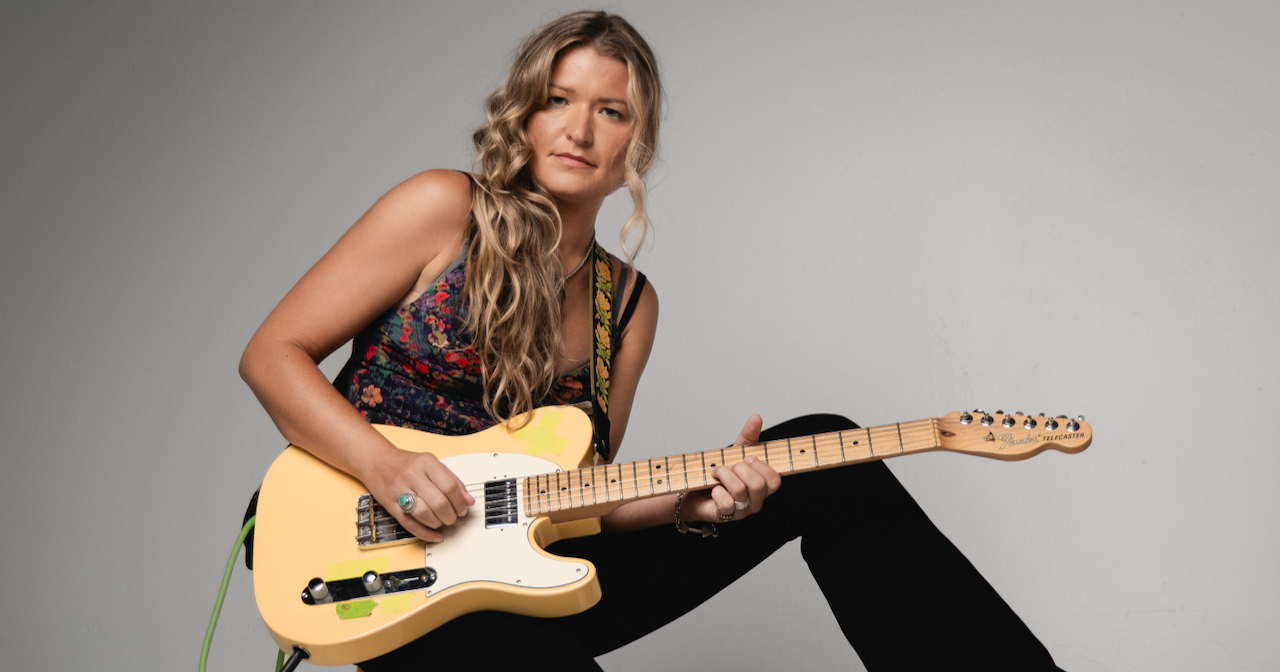
Artist: Sophie Gault
Hometown: Temple Hills, Maryland; now Nashville, Tennessee
Latest Album: UNHINGED (released January 23)
Personal Nicknames (or rejected band names): Soph, SMFG, Dimples
Which artist has influenced you the most – and how?
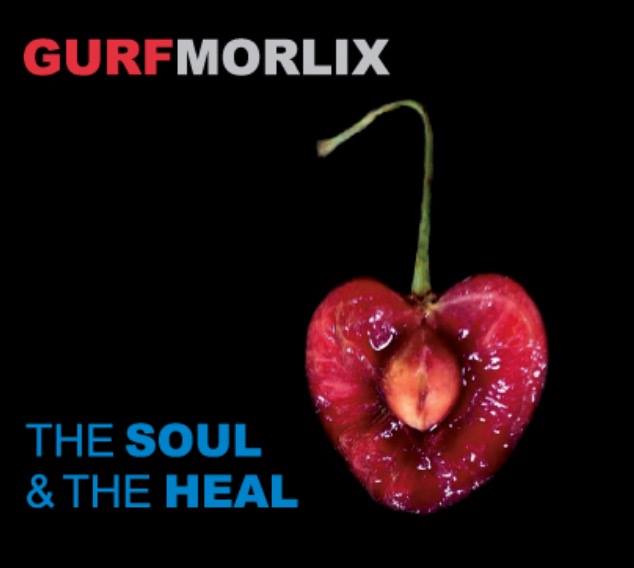
Gurf Morlix has been my biggest influence since I was a teenager. I used to spend hours late at night in the barn behind our house with my guitar, playing along to records and trying to figure out his parts by ear — not just the notes, but the feel of them. His sense of space and restraint really shaped how I think about music.
Before that, I was listening to a lot of pop-punk like Green Day. I loved that raw energy, but Gurf’s playing opened up a different emotional world for me. It showed me that subtlety can be just as powerful as volume, and that sometimes what you leave out is what makes a song linger. That influence never really left me–it’s still part of how I write, arrange, and listen today.
What’s your favorite memory from being on stage?
Recently, I played a show in Dallas celebrating Twangville’s 20-year anniversary and it ended up being one of those nights that reminds you why you do this. I hired a pickup band, and we had no rehearsals, but they absolutely knocked it out of the park. It was Louis Balderas on drums, Emsy Robsinson Jr. on bass, and Michal Witek on guitar. There was this instant trust and musical conversation onstage, and it felt special.
The whole night felt meaningful, because it was such a strong bill. I was opening for Lydia Loveless, and J. Isaiah Evans & the Boss Tweed, and that hit me in a very full-circle way. When I was in my first year of college, I became a huge fan of Lydia’s album Indestructible Machine. Her songwriting – that raw, gritty honesty – really shaped what I thought was possible in songs. I’ve always looked up to her as one of the great voices of my generation, so seeing my name on a poster with hers felt like one of those milestones you don’t forget.
What other art forms – literature, film, dance, painting, etc. – inform your music?
I’m drawn to short stories and mystical realism. Lately, I’ve been reading Haruki Murakami and Raymond Carver. There is a book called Kafka on the Shore by Murakami that is beautiful and strange and otherworldly. Ideally, that’s how I want my music to sound—like its own universe that doesn’t follow any set of rules.
Does pineapple belong on pizza?
Absolutely, yes. I’ve always ordered pineapple and black olives together. There is no other acceptable answer!
If you didn’t work in music, what would you do instead?
I love the idea of owning a wine shop with a carefully curated selection from all over the world. There is a great one already in Five Points in East Nashville called the Woodland Wine Merchant. They’re great.
Photo Credit: Sam Wiseman