You Gotta Hear This: New Music From Wyatt Flores, Larry Keel, and More

New Music Friday is here! And here’s what we’re listening to today. You Gotta Hear This:

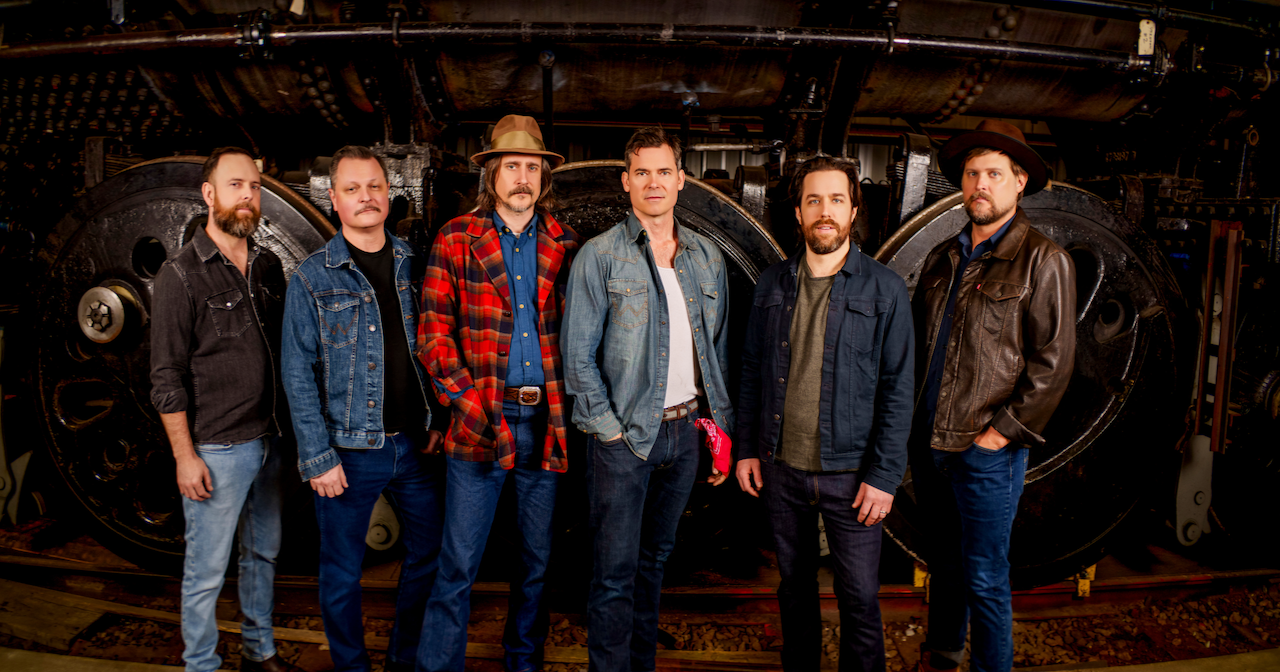
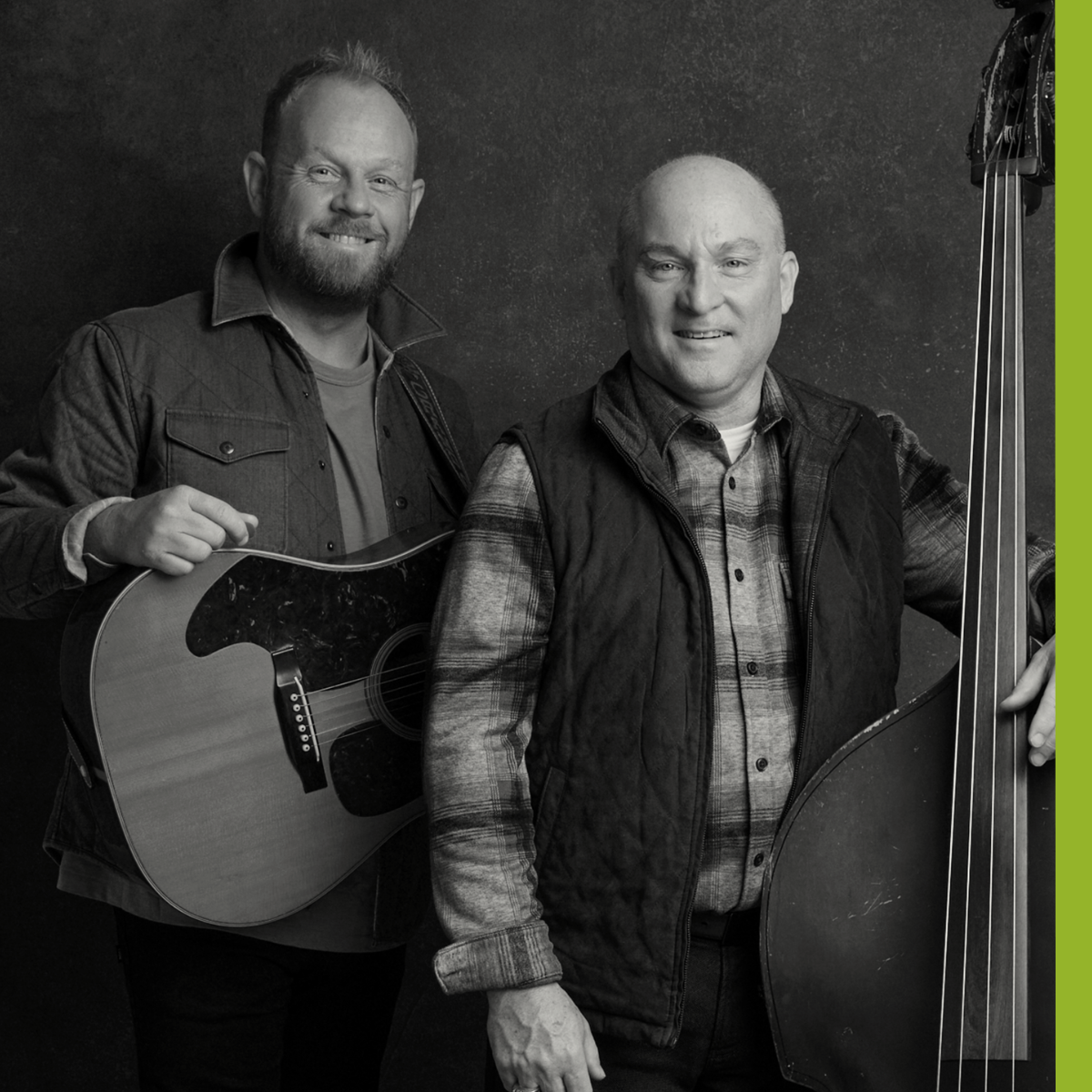
Kicking us off, Western North Carolina’s premier bluegrass outfit Balsam Range bring us a bluegrass classic: a train song. “Life I Left Behind” is out today, the latest single from the IBMA Award-winning group is soulful and brooding, built on strong harmonies and the clean modern bluegrass sound the band has become known for. Below, bassist and singer Tim Surrett describes how the track is personal to him and his family.

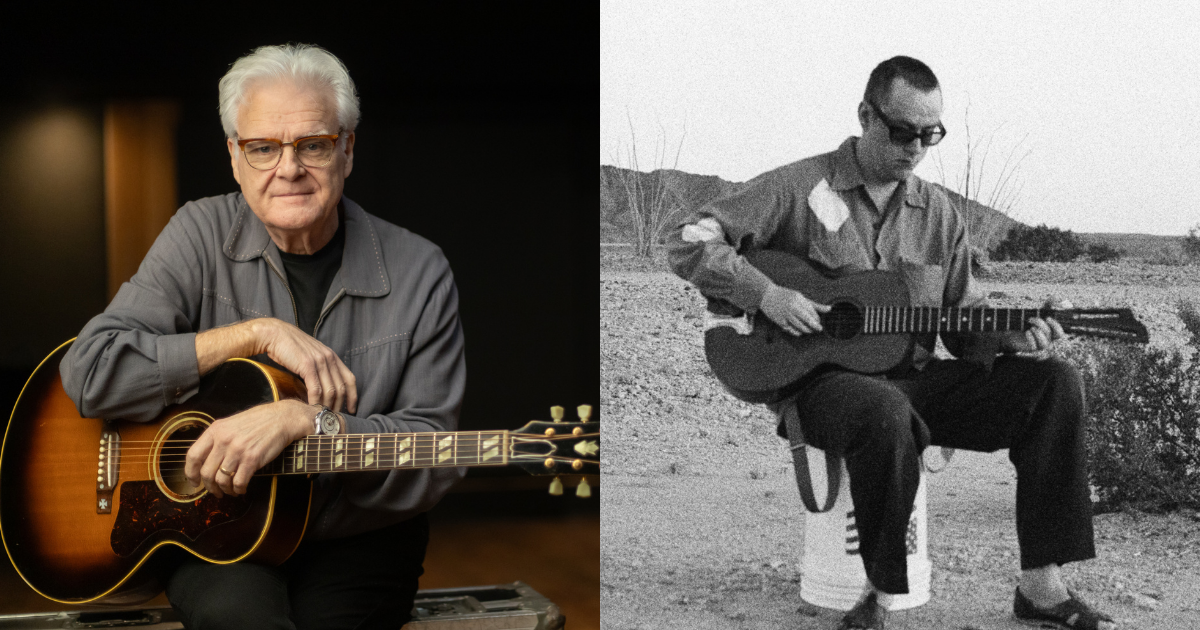
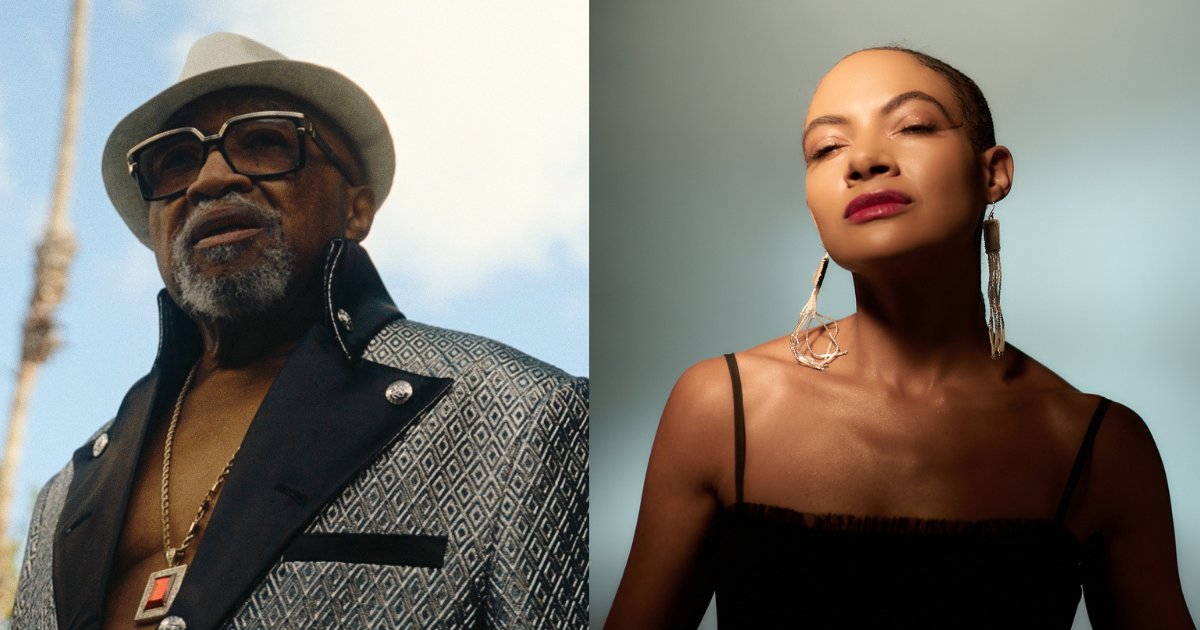
From north of the NC border and a few steps towards jamgrass, guitarist and singer-songwriter Larry Keel has dropped a new, hilarious song this week entitled “Butt Dial.” Yep, it’s about exactly what you think it’s about – and it was co-written with bluegrass legend Peter Rowan. Keel and Rowan each tell us about the song and its inspirations and you can take a listen as well.

Rachel Sumner & Traveling Light share a new music video today for “Yodelay,” a cozy and vibrant song about the afterglow of good times and fellowship. Written by Sumner and Dinty Child of Session Americana, the group tracked the song at eTown in Colorado after winning studio time at the Telluride Bluegrass Festival band contest last year. An EP, also titled Yodelay, is on the way later this month.

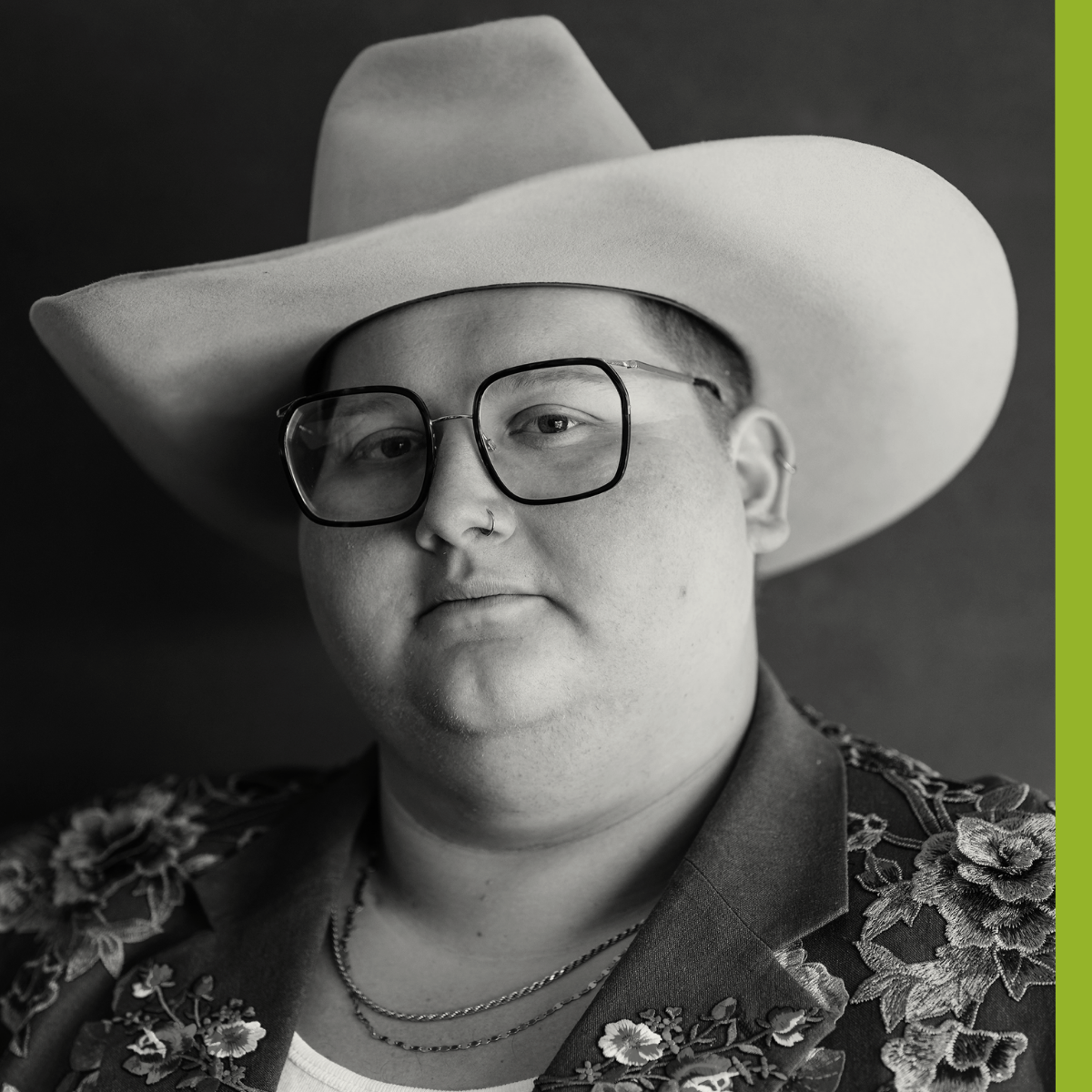
Country star-on-the-rise Wyatt Flores has a new single out this week as well, as he looks ahead to his next album, Scared of Heights, coming in late July. “Half The Man” showcases the level of contemplation and introspection always evident in Flores’ writing and the grit and red dirt he brings to modern, mainstream country.

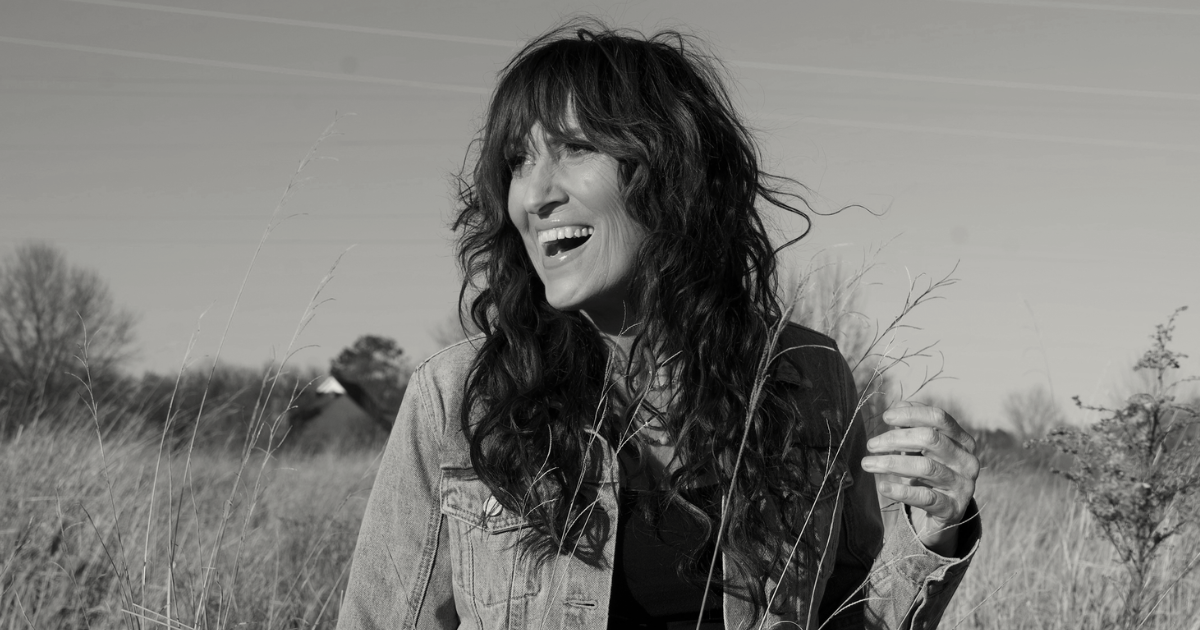
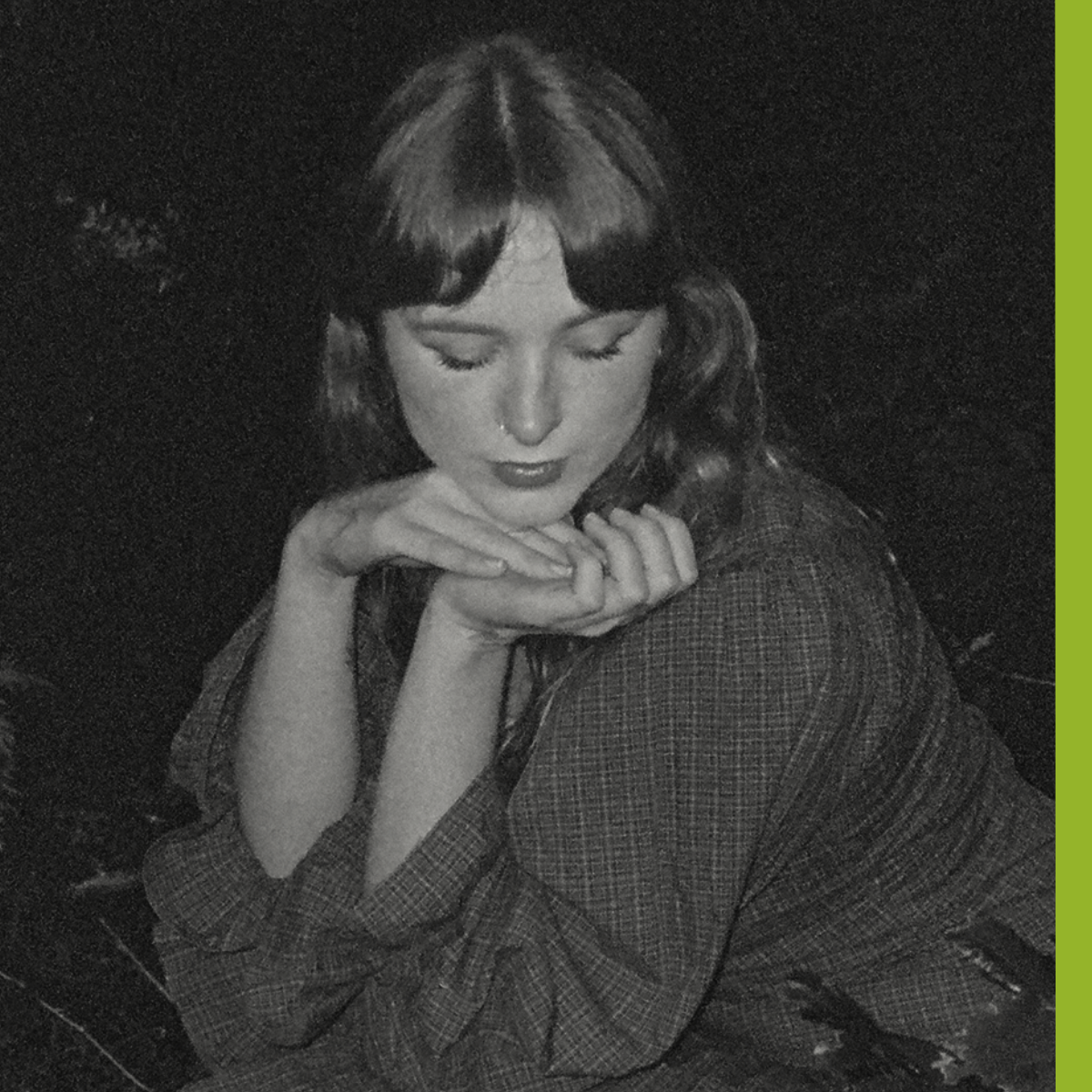
Rounding out our collection this time is Memphis-via-New York singer-songwriter Kate Prascher, whose new song “Jubilee” was inspired by a stroll across an old train trestle in the Hudson River Valley. Folky in a timeless fashion with a delicious and slow sonic build, “Jubilee” carries some of the eeriness Prascher felt when writing the song walking that train track.

Trains, butt dials, good times with good friends – exactly what we want in our weekly round-up! Enjoy, ’cause You Gotta Hear This!

Balsam Range, “Life I Left Behind”

Artist: Balsam Range
Hometown: Haywood County, North Carolina
Song: “Life I Left Behind”
Release Date: June 5, 2026

In Their Words: “There has always been a connection between bluegrass and trains. It’s personal for me because my dad worked nights for 30 years on the Norfolk Southern Railroad. Sometimes he would take me to work with him so I could ride the trains all night. There is a mysterious romantic quality about the freedom of the rails, and I think this new song has a bit of that. There’s a conflict between the freedom of going and the life left behind.” – Tim Surrett

Track Credits:
Caleb Smith – Acoustic guitar, lead vocal
Tim Surrett – Upright bass, resonator guitar, harmony vocal
Marc Pruett – Banjo
Alan Bibey – Mandolin
Stephen Hudson – Fiddle, harmony vocal


Wyatt Flores, “Half The Man”

Artist: Wyatt Flores
Hometown: Stillwater, Oklahoma
Song: “Half The Man”
Album: Scared of Heights
Release Date: June 5, 2026 (single); July 31, 2026 (album)
Label: MCA/Island Records

In Their Words: “I finally feel like I know who I’m supposed to be, right here in this moment. I’m not second-guessing myself anymore on what the music’s supposed to be, what I’m supposed to be chasing, or who I’ve become. This is who I am now in 2026. Still figuring out my struggles and mental health but finally getting the confidence to step back into this and to believe in myself again.” – Wyatt Flores talking about his upcoming album, Scared of Heights.


Larry Keel, “Butt Dial”

Artist: Larry Keel
Hometown: Lexington, Virginia
Song: “Butt Dial”
Release Date: June 3, 2026

In Their Words: “‘Butt Dial’ is a real-life, happy accident story that led Peter and a friend to reconnect and have a fun, late-night phone conversation. The lyrics are mostly Peter’s and I tweaked some words and phrasing to sync with the music I wrote for the song. Collaborating with Peter is such an easy, natural process. Can’t wait for more!” – Larry Keel

“Butt dialing is one of those phenomena of the guess times we live in. Sometimes you are listening to a soundtrack of a friend’s life, like entering someone’s dream, you can only wonder what is going on! In the song the butt dialing friends finally connect! Writing with Larry Keel is like that, jumping into an unknown dream!” – Peter Rowan

Track Credits:
Larry Keel – Guitar, vocals
Winston Mitchell – Mandolin
Justin Doyle – Bass
Kyle Tuttle – Banjo


Kate Prascher, “Jubilee”

Artist: Kate Prascher
Hometown: Memphis, Tennessee
Song: “Jubilee”
Album: Sunday Afternoon
Release Date: June 3, 2026 (single); August 28, 2026 (album)
Label: First City Artists

In Their Words: “‘Jubilee’ follows a ghost train. I wrote it while walking on an old train trestle in Rosendale, New York, a town ringing with the eerie history of a stone quarry, carrying memories of my hometown across it. By the time I climbed down from the track, the song was mostly written. It’s a lyrical exploration of the word ‘jubilee’ as both a signal of celebration and of forgiveness.” – Kate Prascher


Rachel Sumner & Traveling Light, “Yodelay”

Artist: Rachel Sumner & Traveling Light
Hometown: Boston, Massachusetts
Song: “Yodelay”
Album: Yodelay
Release Date: June 5, 2026 (single); June 19, 2026 (EP)
Label: Bridge & Key

In Their Words:  “‘Yodelay’ is about having such a good night out that you decide to dwell in that feeling a little longer. Instead of jumping right back into work or the next thing on the calendar, it’s about lingering in the glow of a great evening, sleeping in, and appreciating life, love, and light. Dinty Child (Session Americana) and I wrote the song together after the chorus came to me before a show we were playing. We ended up finishing it from separate songwriting retreats, sending ideas back and forth over text. The song felt playful from the beginning and I loved the way the title seemed to carry more than one meaning. I’ve always been drawn to songs that let sound and language blur together a little bit.

“After Rachel Sumner & Traveling Light won the Telluride Bluegrass Band Contest last year, part of our prize was studio time at eTown in Boulder, Colorado. We decided to use it to record a cowboy EP featuring a mix of old songs and new originals. ‘Yodelay’ became the title track because it captures the spirit of the record so well – inviting and fun on the surface, with a little more waiting for the listener underneath.” – Rachel Sumner

Track Credits:
Rachel Sumner – Guitar, vocals, songwriter
Kat Wallace – Fiddle, vocals
Mike Siegel – Upright bass, vocals
Dinty Child – Songwriter

Video Credits: Video by Dylan Ladds.
Title artwork by Dan Blakeslee.


Photo Credit: Wyatt Flores by Matt Paskert; Larry Keel courtesy of the artist.

Another New Chapter Begins for 49 Winchester

One of the most heartwarming stories in roots music over the past decade has been the emergence of 49 Winchester. The group of high school friends-turned-roommates – then bandmates – emerged from the hollers of Southwest Virginia to become an ACM Award-nominated group and a future household name, off the back of songs like “Hays, Kansas” and “Russell County Line.”

Now, on their new album Change Of Plans, they’re ready to take big next steps, enlisting help from someone who’s frequented that kind of territory to do it. Released on May 15, the group – Isaac Gibson (vocals), Bus Shelton (lead guitar), Chase Chafin (bass), Noah Patrick (pedal steel), Tim Hall (keys), and Justin Louthian (drums) – teamed up with Dave Cobb for the project. It’s their most expansive to date, as it navigates everything from honky-tonk (“Bringin’ Home the Bacon”) to Southern rock (“Pardon Me”) and 2000s alternative (“Heavy Chevy”).

The album is not only the band’s first with Cobb, it’s also their maiden venture with Cobb’s imprint, Lucille Records. (It’s being released in partnership with MCA, where Cobb was named Chief Creative Officer in 2025, and New West Records, 49 Winchester’s label home since 2022’s Fortune Favors The Bold.) Isaac Gibson knew that Lucille would be a good home for the band because he was confident that Cobb would grant them creative freedom. Which he did.

“I don’t think there’s anybody else in the world that has quite the same brain as him,” remarks Gibson. “He’s hyper-efficient and unbelievably tasteful with what he does. Because of that, there was a lot less overthinking than usual. It was very instinctual, like catching lightning in a bottle.

“We also tracked it live for the first time, which is always something we wanted to do. The best way to experience 49 Winchester has always been at a live show, so we wanted to capture some of that energy while also utilizing some of the tools only available in a studio. The result is a version of the band on steroids,” Gibson continues, laughing.

Ahead of the album’s release, Gibson spoke with BGS about the studio time with Dave Cobb, paying homage to Ozzy Osbourne, the band’s trilogy of law-breaking songs, and more.

Tell me about the decision to record the album in only eight days – was that a “Dave” thing?

Isaac Gibson: Previous records have taken a whole lot longer for us. There’s some really great records that have been labored over and over, and other ones that were like pulling a rabbit out of a hat. It was cool to have a different experience this time around where we just focused on doing the thing that got us here in the first place, which is playing and singing and saying things that resonate with us and make us feel good.

But doing things so quickly wasn’t a conscious decision either. It was just the first block of studio time we had available when we weren’t touring and happened to get things done fast. There was a lot of cohesive idea sharing, which was one of the most beautiful things about the entire experience.

One of the most intriguing moments to me came with the inclusion of “Changes,” a Black Sabbath cover that marks the first such tune to ever appear on one of the band’s studio albums. Why was this record and moment the right time to make it happen?

Ozzy’s death is definitely what lit the spark. I remember first throwing the idea for it out to the guys while we were eating lunch in a fellowship hall next to the church in Savannah where we were recording with Dave. We’d been tossing around ideas for dream 49 covers in a group chat for years, so when we decided to actually include one on the record, “Changes” was the first mentioned. We immediately went to record it, not even waiting to finish our lunch. [Laughs]

Once we started tracking it we wanted to grab hold of the raw emotion of it and send it home. It wasn’t even rehearsed – we talked about arrangements and song structure, then cut it. It was a really cool way to pay homage to not only Ozzy but also Charles Bradley, who died in 2017 and performed an awesome soulful version of the song that our version leans toward.

Would you say that “Changes” – both sonically and lyrically with the line “I’m going through changes” – is reflective of the band’s evolution present on this album?

That’s why we chose the title we chose, which is taken from a line in the song “Bluebird.” We’ve all grown so much since starting this band and seen a lot of change in our lives, but through it all 49 has remained steady. But right now has been a distinct season of change for us. We all started this band as kids just out of high school, and now we’re all grown up. This record is just as much about a new chapter for the band as it is new chapters for us individually. We’re all trying to be the best we can be every day, which is what a lot of this record is about.

Regarding “Bluebird,” is it a song about having a plan or vision for how you want a scenario to play out, only for something entirely different to happen instead?

You’re spot-on, and it’s something I’ve recently lived through, too. It sounds cliché, but I always want to write songs as honestly as I possibly can. I think the best thing you can do as a songwriter is give people a little bit deeper glimpse into your life than is sometimes comfortable for you. That’s also an example of what “Slowly” was for me, too. It’s me thinking I’ve got it all figured out, only to have circumstances change that make you rethink everything you thought you knew.

Whereas “Bluebird” focuses on plans not materializing as you’d hoped, it seems “Slowly” focuses more on personal growth and the process of trying – and sometimes failing – to get better?

That one’s not very abstract at all – it’s very direct. When you’re writing about your life sometimes you’ve got to commit to write about it all – the good, the bad and the ugly. Getting better and showing myself more grace through the ups and downs is something I’ve improved on a lot over the years, but I still have more to learn.

With that in mind, the writing on Change Of Plans feels in many ways like your most personal yet. What was the catalyst for that?

It was just a natural order of things. When you’ve only ever relied on your own experiences and feelings for songwriting, you have to find more ways to connect with folks as time goes on so you can get that little bit extra out. You can only write about love, breakups, and drinking so many times before it gets stale and you start wondering what you have left in the tank creatively. This record proved that we’re still able to dig in and continue to do things our own way while staying creatively fresh. As I write more I find myself getting more and more in tune with what I want to say, and this record is the culmination of that.

Jumping back to “Bluebird” and “Slowly,” there also seems to be a bit of yearning for a person on those songs as well. Which is also the case on “Oh, Savannah,” too, albeit with a more positive tone. Are there any other connections between them?

“Slowly” and “Oh, Savannah” were actually written on the same day. “Slowly” was a song I almost had finished before bringing to a [writing session] I had with Jessie Jo Dillon and Chris Tompkins to flesh out. After that we started working on something completely new, which wound up being “Oh, Savannah.” Jessie Jo knew we were making our record in Savannah, Georgia, and said she’d always wanted to write a song about the city, but painting the picture as if it were a girl instead.

As opposed to being something introspective or very personal to me, that one became more of a story song in the vein of “Damn Darlin’” that contains references to very Savannah-y things like the sand dunes and the Cherokee rose. It’s one of these places that aesthetically inspires creativity. There’s a vibe and age to it that I love being around, which made for some cool moments both with this song and the record in general.

Similar to the connection you just made between “Oh, Savannah” and “Damn Darlin’,” I can’t help but notice the ties between “Bringing Home the Bacon” and another track from Fortune Favors The Bold, “Hillbilly Daydream” – only the former is about running marijuana and not moonshine. Tell me about it.

That’s right! It’s part of a trilogy [with “Long Hard Life” from 2020’s III] of hard times and illicit substances being used as a way out of them. We wanted a real honky-tonker on the record and that song was one I’d sat on for about eight years. I had it finished at one point but couldn’t remember anything beyond the first verse, so we brought Aaron Raitiere in to help knock out the rest. He was the perfect guy for that particular song because he leans so hard into that humorous storyteller role like a modern-day John Prine. There’s always a nugget of something to crack a smile or chuckle about in his writing, and this song is no exception.

Are there any other songs on this record like “Bringin’ Home the Bacon” where the origins stem back years?

The first verse of “Heavy Chevy” was also something I sat on since before [recording 2024’s Leavin’ This Holler]. But those were the only two on this record that had been in the tank already without the chance to grow up yet. [Laughs] Songs are like that sometimes – they don’t come to fruition until you least expect it. Most of the songs I’m really proud of have happened very quickly and write themselves in an hour or two. But other times they don’t, and if you keep something of value for long enough then it’ll eventually turn into something else. Getting to breathe new life into something that was dormant and underground for a bit is super cool.

The band has been growing into bigger and bigger venues and straying farther and farther from Southwest Virginia with each passing year and album. Considering this, how has your perception of home changed since the band’s inception?

It’s difficult to say because our home is so linked to who we are. At the end of the day, you can take the boy out of the holler, but you can’t take the holler out of the boy. We’ve gotten to travel the world now and play music for people who don’t even speak our language, which is incredible. Doing that has actually made me appreciate where I come from even more. As I’ve gotten out and seen more, it’s also made me realize just how rare and difficult it is for us to do what we’ve done coming from where we did. In the early days we were still proud to be where we’re from, but we didn’t understand what it meant to be somebody paving the way for others and doing something no other band in Southwest Virginia had done until now.

What has the process of bringing Change Of Plans to life taught you about yourself?

Making this record got me to fall in love with all this again. We’ve worked really hard the past decade, which is good because there were a lot of cool opportunities coming our way, but a doldrum had set in on me that I was able to finally shake off working on this record. It really reignited my spark for the whole thing. My love for the live performance has always been there, but the act of touring can be so grueling. However, I now feel like I have so much left in the tank that I still want to say. This music is going to be our legacy long after we’re gone, so it’s important to stick to it and keep the pedal to the floor.


Photo Credit: Daniel Prakopcyk

Maoli Fully Embraces His “Island Country” Point of View

In an era of polarization, social division, and dissent, Glenn Awong, the Hawaiian country reggae star better known as Maoli, believes we’ve all got more in common than not. Awong came to this realization in the late 2010s while he was touring through the US with his band. Show by show, he discovered that life in the American South wasn’t too dissimilar from the cattle ranches and pineapple fields where he grew up on Maui’s North Shore.

Once Awong had those shared realities in mind, he observed that island reggae pop and the soulful sides of country, folk, and bluegrass weren’t that different either. Emboldened, he began to cover popular contemporary country hits like Brett Young’s “Mercy” and “In Case You Didn’t Know,” imbuing their lilting melodies, range-roving rhythms, and plainspoken storytelling with a breezy, coastal shuffle. The results spoke for themselves, catapulting the big-hearted singer into a new tier of success, paving the road towards 2023’s hit-laden Maoli Music Overload album and the innumerable singalong singles that have followed.

Prior to his transformative revelations about island and country, Awong and his band had spent a decade building audiences across Hawaii, the Pacific Islands, and the American West Coast. Once he wholeheartedly embraced his fusion style, the rest of America and locations as far flung as Australia and New Zealand welcomed him with open arms. Since then, it’s been one rodeo after another.

Ultimately, the secret, as Awong has come to understand it, is leaning all the way into his island country upbringing and lifestyle. He didn’t need to disguise himself as someone else. He just needed to be the most unapologetic version of himself.

“I’m really that island guy, but I can go into the country right now and do my rodeo cowboy thing,” he says, grinning from ear to ear on a video call from Maui. “I can hunt, go down to the beach, enjoy a beer, jump in the water and start fishing, all in the same day.”

Several weeks before the release of his latest single, “Runnin’ Me Off” featuring Nashville’s Maddie Font (formerly of Maddie & Tae), Awong spent 45 minutes in conversation with Good Country. Punctuating his thoughts with an infectious laugh, he spoke generously about his musical heroes, island and country life, his experience in Nashville, and the realities of life on the road as an entertainer.

I noticed you follow Aaron Neville on Instagram. What does he mean to your music?

Maoli: Aaron Neville is one of my musical heroes. My grandmother introduced him to me when I was a kid. I was always fascinated by his music. His voice is super unique. He moved me in a way that made me feel like he was the greatest. I used to try to mimic him. You can hear it in my music.

I grew up on his music as well. I was impressed by how effortlessly he could work across genres while always sounding like himself.

I really loved it when he sang a cover of “The Grand Tour” [by George Jones]. I love it more than the original. He’s transcended genre multiple times. He did what I’m trying to do right now. I look up to people who take risks and do things that are not normal. He didn’t limit himself. I love people who take that to heart.

What do you see as the values that underpin your music?

When it comes to country and reggae, it’s really like a lifestyle for me. It’s really who I am. Reggae music comes from Jamaica. Jamaica is an island, but so is Hawaii. We can relate in Hawaii, because we’re both island people. A lot of people don’t get to see this, but in Hawaii, we live country lives as well.

If you weren’t a singer, who do you think you’d be?

I’d probably be some type of farmer or cowboy. I’d probably be cowboying for a living, or I’d be a construction worker, like a lot of people out here. I’d be in some line of labor work.

Which would have probably led you to write songs anyway.

Yeah, that’s true. That’s how songwriting is done. You’re inspired by things that happen around you.

I like how you’ve identified that your music is the outgrowth of a lifestyle.

I see a lot of artists try to copy other people. What they’re missing is that you have to find out who you are. I studied the greats as well, but I always wanted to find my own voice.

What you’re talking about is a durational exercise. It doesn’t happen overnight.

I didn’t find crazy success until five years ago. People don’t understand this, but I was in the game for 15 years before that. I was trying to discover my voice, and it led me back to where it all began, my country lifestyle.

Who are the gold standards for you in country music?

There are so many good country songwriters. Zac Brown is one of them. I love his style, which also comes from that Jimmy Buffett feel. Then Kenny Chesney or George Strait, but I can’t say George was a writer, but I love his songwriters. That type of country. George Jones. I’m an old school guy.

Songwriting, recording, performance. These are all art forms that have to work together. Often, it takes a team.

That’s what I’ve learned in the business. I’ve done covers. I used to get a lot of shit for doing covers. If that’s a crime, you might as well take Whitney Houston and Elvis Presley out of the picture. A lot of your favourite artists do not write their own music.

There’s a process where you find the great songwriters, you find the perfect producer, the perfect engineer, and all that stuff. You gotta create that team. You can’t always do it all yourself. The best of the best have teams.

What are some of your favorite covers to sing, and what did you learn from them?

My favorite cover to play live is “Every Night, Every Morning” [by Maddie & Tae] because that’s the only time I can rest. The crowd sings the whole song. [Laughs] Doing covers helped me as a songwriter. I get to see how these people put these masterpieces together. I don’t just do any cover; it has to move me. The melody and lyrics have to move me.

I thought I was a good songwriter until I went to Nashville and started writing with the best songwriters. They really know what they’re doing. What I learned with them is you gotta have good storytelling, the melodies just gotta come, and all that stuff. It was cool going out there and learning how to write.

What do you think makes a good story?

It has to come from a place of truth. It can’t be fake. I’m not going to name names, but I’ve listened to songs where they’re talking about drinking and partying, and they’ve never touched a beer in their lives. How do you understand that energy if you’ve never partied?

Not everyone will be familiar with the relationship between country music and Hawaii.

People ask me all the time what my shows are like. I always say it’s something you have to experience. It’s the same with our relationship with country music. I’d really have to take you where I’m from so you could see how we live.

Country is country, right?

The country that I love is the songs that really talk about that cowboy life. Hard work, heartbreak, leaving when times are rough, and finding yourself in a bar, drinking your sorrows away. That’s real shit, right there. That’s where the relationship between island and country is very similar in ways. I spent a lot of time in Texas and Nashville. If Polynesians knew how these cowboys really live, they would realize that we’re the same.

If I asked you to name-check some Hawaiian musicians who were combining country and reggae music before you, who would you mention?

I would have to shout out the Kaʻau Crater Boys. They’re the original group that brought country covers and gave them an island reggae feel. I’d also have to say Kapena. Those are the two groups I looked up. They’ve done this stuff longer than I have. I can’t say I created it. They were really popular here. Some people didn’t know their country reggae songs were covers. They became a staple in Hawaii. Even Israel Kamakawiwoʻole, one of our greatest singers, did a cover of “Country Roads” by John Denver. It was one of the biggest songs in Hawaii. People here thought that he wrote it.

At this point, there’s a back-and-forth relationship between American country music and different scenes all over the world.

People don’t always understand. Even for me, when I started going to Nashville, it took me a while to get used to their customs and culture. I would sit in on songwriting sessions with some really incredible songwriters who had written platinum songs and had never heard of me before. I sold 42,000 tickets in Hawaii. I sold out shows in Tahiti and Samoa. I’m not trying to brag, I’m just saying that, for example, I could do all of that, and they still had no idea who I was in Nashville. When they found out who I was and what I could do, they wanted to write with me. If I hadn’t gone there, I wouldn’t have known who they were either.

It’s an interesting situation to be in. When you’re building a career like you have, you might be famous in one country and unknown in another. How do you keep yourself grounded through it all?

I don’t let any of it get to me. I stay neutral. If you tell me I’m the goat, I’ll say thank you. If you tell me I’m a piece of shit, I’ll say thank you. The way I feel is whether I’m selling 42,000 tickets or an unknown in Nashville, I’m the same. You’ve got to be humble in your success. I love going places where they don’t know me, because I can really be myself and not worry about people pulling out their phones to film me.

It seems like a hard thing to navigate in the social media era.

I’ve gotten better at the post-and-ghost thing. When you have a certain level of success, everyone on social media has an opinion. I try to spend as little time as possible on that stuff. There are great things about it as well, but I have a team to handle that stuff. I don’t let it get to me. You can get trapped on social media. Whether what they’re saying is good or bad, you don’t always need to hear it. I don’t want to break my humility. I’m just a regular guy doing my thing.

How important has the West Coast of America been to your growth as an artist?

I think it’s been really important. They were my voice when it came to the States. I started in small little bars with maybe fifty people showing up. I remember playing in venues where I counted 10 people, including security. I just told myself one day I’m gonna sell out arenas. The West Coast really helped me with that. They helped me to cross over to the Midwest and the East Coast, too. The West Coast has always been good to me. I consider them my voice when it comes to the mainland. It all started there.

Those ten people at those shows had a good time, right?

Right! I think the security guards even bought me a couple of drinks. [Laughs]

You must have had some interesting conversations with fans.

People have told me I brought their marriage closer, or I stopped them from committing suicide. There are those people who just come up, say thank you, and tell me they loved the experience. It’s all over the show.

It’s a lot of energy to give out and take in.

It takes a lot of energy to go on stage every night. At the end of the night, I just go back to my bus, green room or hotel, and decompress. It takes a lot, but you get a lot back. I’ve been backstage puking my guts out, or on an IV drip to get hydrated before performing, because I know there is someone in the audience who spent months saving to watch me. I’ve had fans drive 400 miles or fly halfway around the world to see me perform. I don’t take any of that lightly.

Did you watch cowboy movies when you were younger?

I wasn’t really a television guy. We spent a lot of time outdoors. On the weekends, I’d help dad with the pigs and goats, or herding the cows. That was my lifestyle for a long time.

If you could go back, what would you say to that kid?

I would tell that kid to just keep going. Be passionate about what you do, and never give up. They’re going to tell you that you’re crazy, but just keep going. As long as you don’t give up, you’re destined to succeed.

One of the hardest things to master in life is patience. When you’re planting, it takes time. It takes time for the plants to grow and bear fruit. You’re not going to plant the seed and get the fruit tomorrow. You’ve got to water it, let the sun do its thing, and be patient. Everything happens when it’s supposed to happen.


Photo courtesy of the artist.

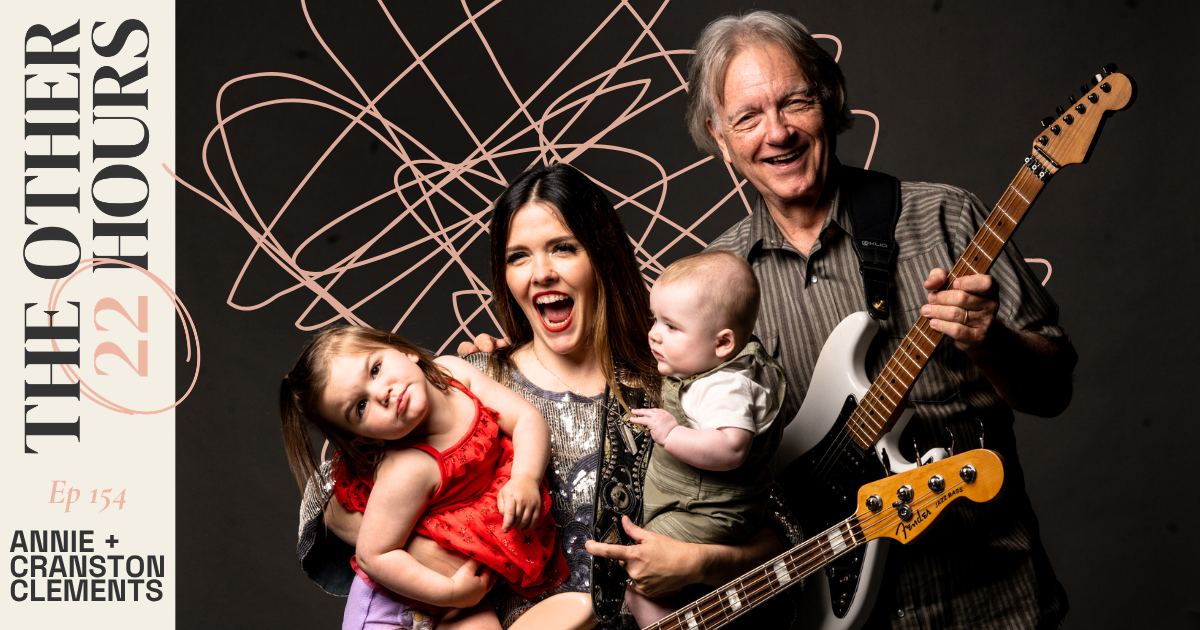
The Other 22 Hours: Matraca Berg

We often treat commercial success as the final destination of a creative life, but for legendary songwriter Matraca Berg, it was just the first act. Her songs became major country hits for Martina McBride, Trisha Yearwood, Deana Carter, Kenny Chesney, the Chicks, Patty Loveless, and Reba McEntire, among many others. Matraca’s catalog defines generations of American songwriting.

LISTEN: APPLE • SPOTIFY • AMAZON • MP3

We sit down with the GRAMMY-nominated member of the Nashville Songwriters Hall of Fame on the Other 22 Hours to explore the realities of achieving massive success while battling paralyzing stage fright, the transition from the multi-platinum physical sales era of the 1990s to modern streaming, and how she keeps her creative tank full as the industry has changed around her. In a culture obsessed with youth and immediate output, Matraca offers a grounded, reassuring perspective on aging within an art form, artistic alignment, and learning to trust.

In This Episode:

Matraca Berg
Ep 147 – Jeff Hanna
Sudie Calloway
Mel Tillis
Joni Mitchell
Bluebird Cafe
Clint Black
Nanci Griffith
Ep 60 – Lori McKenna
Bobby Braddock
Harlan Howard
Ashley McBryde
Gary Harrison
Ep 28 – The Wood Brothers
Zach Berkman
Tiger King
Chris Stapleton
Ella Langley
Jessi Colter
Waylon Jennings
Maggie Gyllenhaal
Peter Sarsgaard
Hill Country Barbecue
Jake Gyllenhaal
Minnie Pearl

Go Deeper: 

Watch: View this entire conversation above or on YouTube.
Explore: Find similar conversations in these themed playlists.
Connect: Join the conversation on Instagram.

The Other 22 Hours is hosted by Aaron Shafer-Haiss (producer, mixer, musician) and Michaela Anne (songwriter, artist, creative coach). More about Aaron’s workMore about Michaela Anne’s work.


Produced by Aaron Shafer-Haiss. Original music written, performed and produced by Aaron Shafer-Haiss.

Photo Credit: Glenn Rose

Artist of the Month: Jo Dee Messina

Jo Dee Messina wants to know where the real cowboys are.

“Well, are they in some greener pastures?” she asks on “Where the Cowboys Ride,” a spicy sendup of Tecovas-rocking poseurs and a standout on Bridges, Messina’s first album in over a decade, out June 5.

Sometimes cheeky, often affecting, Bridges condenses a lifetime of lessons into 12 tight tracks. Whether she’s taking a narcissistic partner to task (“It’s All About You”), warning about the dangers of self-medication (“Message in a Bottle”) or setting the record straight on scripture (“The Jesus I Know”), Messina explores life’s complexities with her signature mix of grit and hard-fought joy.

Lead single “Some Bridges” is a power-pop-country belter that recalls the triumphant highs of 1998’s I’m Alright, which spawned three consecutive No. 1s and cemented Messina as one of the leading voices of country pop’s golden age. Like “Bye Bye,” Messina’s indelible ode to putting “a lead foot down on my accelerator” and leaving a bad relationship in the rearview, “Some Bridges” reminds listeners that self-preservation sometimes means burning things down.

“You have to learn to forgive, but do you go back to that abusive situation?” she says. “Do you go back to that addiction? You don’t have to subject yourself to these things.”

Jo Dee Messina is our Artist of the Month for June 2026. She sat down with Good Country to talk burning bridges, her “sweet” relationship with Ella Langley, and what she hopes fans will take away from this new era. Check out our interview and don’t miss our Essential Jo Dee Messina playlist below, too.

Why was now the right time to put out new music?

Jo Dee Messina: Because it was done. [Laughs] I’ve been writing a lot with people, and [my co-writers] are just so encouraging. We’d write a song and they’d be like, “Man, you should record this.” It happened so many times, and I was like, “Well, I think I’m at a stage right now where I have time I can dedicate to a project,” releasing the songs and a tour schedule to support it. It just seemed like the right time.

Do you feel like you’ve gained confidence as a writer as your career has gone on?

I’ve always been a songwriter. I do believe that in the last few years, my songwriting has had time to develop and I’ve written a lot more. I’ve had more time to write, so I’ve had a lot more content.

To hear songs like “Some Bridges” on the radio kind of brings tears to my eyes, because it’s like, I actually wrote this. I actually wrote the songs on this record.

“Some bridges are meant to burn” is a great lyric. Do you feel like you’ve had to burn bridges in your career?

I wouldn’t say career. But with life, sometimes there are situations that aren’t beneficial, or jobs or that really take the life out of you. I think everybody has experienced that. And it doesn’t have to be heavy. It could just be like, “I feel like my talents aren’t being used, and so I’m going to move elsewhere.”

With that song, we were in the writers’ room, and somebody brought up the idea that you can’t be burning bridges. But what if they’re meant to burn? What if that bridge leads you to pain and abuse, or to a job that sucked the life out of you? Forgiveness is for us, we’re not built to carry the weight of unforgiveness, but you can forgive from the other side of the bridge.

“Where the Cowboys Ride” is such a fun song. Did that song come out of any experience in particular?

It’s funny, because it’s not portrayed in the song, but the truth of that song is that a friend of mine went down to Lower Broadway [in Nashville] one weekend and came back and had his foot in a sling. I’m like, “What is the deal? What happened?” And he’s like, “I wore my cowboy boots down to Broadway this weekend.” I was like, “I’ve never seen you in cowboy boots. You wear sneakers every day.” But he dressed the part.

There’s a line in the song about how you don’t see them around here on a Friday night. I want to see the guys that are slinging dirt for a living. I want to meet the guys that will lay their life down for their family. All the things that a true cowboy does.

Everyone’s certainly throwing on the cowboy boots right now. Any theories as to why country music is having such a moment?

Country music tells the story of life. The messages don’t change as far as the relatability to different generations. Dolly Parton wrote “I Will Always Love You” in the ’60s, and then it came back in the ’90s, and people are still cutting it. You ask seven-year-olds and they know that song because their parents are singing it. With some songs, the emotion and the life story behind them doesn’t go out of style.

Of course, some of your older songs have been getting renewed attention as well. You recently performed “Lesson in Leavin’” with Ella Langley at the Ryman Auditorium, and then the two of you interviewed each other at Country Radio Seminar (CRS). Can you tell me about your friendship with her?

That started off with us messaging each other online. She sang “Lesson in Leavin’” on TikTok, and I reached out to her. We talked about writing together, but then life got crazy. Then when she played the Ryman she reached out to me and was like, “Hey, do you want to do this deal with me?” And then she did CRS and asked if I wanted to do that.

I think it’s just a mutual admiration. I’m really proud of what she’s doing and how she’s handling it. We both know Jesus, and we both love Jesus, and so I’m able to have that connection with her, and just say, “Hey, if you need prayer, I’m here. If you need a safe space, I’m here.” It’s a sweet friendship.

“If He Knew Jesus” is one of a couple songs on that album that takes up the topic of faith. What’s the backstory behind that song?

I’ve been a single mom for a while, and it’s difficult because you can’t split yourself up. Especially if you have more than one child, you can’t go to one’s recital at school and one’s hockey game, so one of them is always missing something. Someone had asked me if I would ever consider dating somebody, and my first response was that he would have to love Jesus. And so in these conversations with other moms is where we came up with the line, “If you knew Jesus, there’d be no raising these babies alone.”

I started to cry in the writing room when we wrote that. I was like, “That’s the saddest thing,” and then I went on to other examples: “He wouldn’t crush you beneath all that he did,” all of the hurt and pain and abuse and whatever, where Jesus raises us up. He protects us, and He cares for us, and He puts us first, and He dies for us.

What’s the best thing someone can tell you about what your music means to them?

I think, “It gave me hope. It made me not feel alone.” That would be the greatest thing. “It made me not feel alone in my situation,” whether it’s a happy situation, a lonely situation, a feisty situation, because the songs cover everything. Keep in mind the enemy tries to separate us so we feel alone, and when we’re alone, all sorts of crazy things go through our brains.

Who’s the enemy?

Satan. It’s like, if you get alone, your mind starts going, “Why am I alone? Oh, because nobody likes me, or I’m not good enough.” All these crazy thoughts go through your head, and so you don’t start to think, “Wow, I’m beautiful, and I’m worth it, and I’m treasured.” That’s why it’s called the enemy of who you really are and who God created you to be. He’s working against it.

Are there experiences you’ve had in life where you felt like you were alone?

I think we all have. So I just want to be sure that people know you’re never alone. Even if you don’t see another person in the room, you’re still not alone. Period. God’s word tells us you can never go too high, too low. He’s there. We just have to open our hearts and see it.

I work with teenagers and I remember a teenager saying, “I don’t even think my parents hear what I say.” It was such a sad statement, and it inspired the song “Can Anybody.” In my inner circles, I’ll call that song “The Teenager’s Lament,” because they all feel invisible. It’s why they’re doing things on social media and hanging out with certain people. It’s why they sometimes don’t talk to their parents.

That’s where the first verse came from, and then the second verse came from myself: “I’ve got a history of trying to save myself/ But God, if you’re listening/ I’m screaming out for help.” That’s me. I’m a doer, and I have a history of thinking, “I’ll fix it, I’ll fix it, I’ll fix it.” But there are some things I can’t fix. You can’t fix someone else’s health or their mental state. After my mother had anesthesia, she was confused, and I couldn’t fix that. I tried and drove myself crazy. I’d made her photo albums, and I made her song playlists, and, and I couldn’t do it. She was still confused. It made me realize the humanity of myself and the limits of a human.


Photo Credit: Madison Sharp

You Gotta Hear This: New Music From Full Cord, the Arcadian Wild, and More

It’s another excellent lineup for our weekly collection of premieres and just-released music! You Gotta Hear This…

Earlier this week, the Arcadian Wild announced their upcoming album, Make It Out Alive (set for release in August), with a brand new single “Cool To Know You.” Poppy and lush, its deep and vibey production style brings in varied roots influences reminding of Nickel Creek and indie-pop all at the same time, held together with a bluegrassy mandolin chop. Plus, watch a video from geologist-musician-songwriter Benny Bleu, who’s shared “March of the Mollusk” with us today. Old-time with plenty of modern twists, it’s an entrancing instrumental number inspired by the ceaseless march of time, the steady drip of existence spending or being spent. The melody – and rhythms – have that delicious “neverending song” feel, where each subsequent section of the tune has you craving to return back to the start and do it again.

Benson, husband-and-wife bluegrass and string duo Wayne and Kristin Benson, release their brand new album today, Double Dose. We’ve shared a few tracks from the project over the weeks and months in the run up to today; to celebrate release day, we’re shining a spotlight on “Banjo Radio Bounce,” a swingin’ bluegrass instrumental with a title paying tribute to bluegrass radio and streaming service BanjoRadio. Also in bluegrass, long-running Michigan band Full Cord release a new track today featuring their friend, peer, and fellow Michigander Billy Strings. The band tell us a bit about the inspirations behind “Hubris Comes to Town” below. Strings and the stalwart MI band sound great.

Jesse Smathers, who you may know from the Lonesome River Band, has more excellent solo music to share today. A new single, “Gambler’s Last Game,” is another truly timeless number from the young artist and picker. Smathers, born and raised in the old-time and bluegrass rich territory of Southwest Virginia, is one of the most compelling up-and-coming creators who can collapse time with his songs. And he can effortlessly code switch between bluegrass, old-time, string band, and more styles from the primordial ooze that birthed this genre. Not many can.

You’ll also want to watch and enjoy a new animated music video featuring a song by artist, multi-instrumentalist, and songwriter Elena Moon Park and animation by Xuan. “Nothing Is Ordinary” is a song celebrating just how extraordinary every single little detail of life really is. It’s built on a prominent sense of gratitude wrapped with a bouncy, charming vibe – and paired with a music video that perfectly encapsulates its message. It’s beautiful and certainly captures “the grand and the mundane,” both of which are extraordinary in their ways.

We hope you enjoy these songs and videos. You Gotta Hear This!

The Arcadian Wild, “Cool To Know You”

Artist: The Arcadian Wild
Hometown: Nashville, Tennessee
Song: “Cool To Know You”
Album: Make It Out Alive
Release Date: May 27, 2026 (single); August 14, 2026 (album)

In Their Words: “I have known my best friend Carly since I was 3 months old. She is truly a sister that was gifted to me. She is the coolest girl I know, and she makes me cool just by knowing her. We live very far away from each other now and we have to work really hard to stay in touch and spend time together, but it is always worth the effort. This song came out of me after she was having a tough time and I couldn’t physically be there for her, so I wanted her to know that she is seen, she is loved, and I’m a better and cooler person for knowing her.” – Bailey Warren

“We’ve typically just captured intimate acoustic performances in our past work and it was fun to remove some limitations in the studio and really give it a full send approach. It felt like we gave ourselves permission to build an actual pop song from the ground up. Drums?! Electric guitar?! Mandolin overdubs?! What?! It was a delightful process of playful discovery, and we had a blast with our producer, Micah Tawlks, putting it all together.” – Lincoln Mick


Benson, “Banjo Radio Bounce”

Artist: Benson
Hometown: Boiling Springs, South Carolina
Song: “Banjo Radio Bounce”
Album: Double Dose
Release Date: May 29, 2026
Label: Mountain Home Music Company

In Their Words: Kristin: “‘Banjo Radio Bounce’ from our album, Double Dose, honors our good buddy Kyle Cantrell, who launched BanjoRadio around the time we recorded it. Obviously, if this is the title of the station, you know I’m gonna be a fan!” – Kristin Scott Benson

“‘Banjo Radio Bounce’ is a tune I wrote originally on electric mandolin. When Kristin heard the demo, she thought it would work well for banjo – and it did!” – Wayne Benson

Track Credits:
Wayne Benson – Mandolin
Kristin Scott Benson – Banjo
Jon Stickley – Acoustic guitar
Samantha Snyder – Fiddle
Jon Weisberger – Bass


Benny Bleu, “March of the Mollusk”

Artist: Benny Bleu
Hometown: Hemlock, New York
Song: “March of the Mollusk”
Album: When I Am a Fossil
Release Date: May 29, 2026 (video); June 5, 2026 (album)
Label: Circus Tent Records

In Their Words: “Even when I released this song as a solo banjo piece I had this drum groove in the back of my head. We all march forward whether we like it or not. Who sets our cadence? Climate change will march on whether we believe in it or not. Future generations on this planet will live simpler lives. With less stuff. They’ll live more local lives. Now that’s not necessarily all bad. To me, that sounds like the kinda place where folk and acoustic music will fit right in.” – Benny Bleu

Track Credits:
Benny Bleu – Banjo
Huck Tritsch – Drums
Eric Heveron-Smith – Bass
Gus Tritsch – Fiddle

Video Credits: Filmed at Ironwood Studio, Springwater, New York.
Filmed by Mike Martinez. Audio by Benny Bleu.


Full Cord, “Hubris Came to Town” Featuring Billy Strings

Artist: Full Cord
Hometown: Grand Haven, Michigan
Song: “Hubris Came to Town” (featuring Billy Strings)
Release Date: May 29, 2026

In Their Words: “‘Hubris Came to Town’ is a song that has many inspirations. Its structure and harmonic interest are similar to a song I wrote 11 years ago called ‘Downtown.’ The chorus has the vocal harmonies, chords, and darkness from the likeness of System of a Down, while the jam section is lightly inspired by Béla Fleck’s “Charm School.” Rhythmically inspired by the second movement of Shostakovich’s 10th string quartet. The lyric content could be construed as age-old rhetoric about anyone in your life that has these certain qualities. This is the kind of music I like to write for bluegrass, in an effort to put my own stamp on the genre with (primarily) harmonic interest and edgy lyrics. With Billy Strings and the band absolutely ripping throughout the entire song, it now has the aggressive demeanor I intended. All the guys in Full Cord made this version of the song what it is and I am very pleased with the track.” – Brian Oberlin

Track Credits:
Brian Oberlin – Mandolin, lead vocals, songwriter
Chase Potter – Fiddle, harmony vocals
Todd Kirchner – Bass
Eric Langejans – Guitar, harmony vocals
Max Allard – Banjo
Billy Strings – Guitar


Elena Moon Park, “Nothing Is Ordinary”


Artist: Elena Moon Park
Hometown: Oak Ridge, Tennessee
Song: “Nothing Is Ordinary”
Album: Nothing Is Ordinary
Release Date: May 29, 2026
Label: Adhyâropa Records

In Their Words: “This song, the title track of my new album, celebrates the idea that everything around us is magical, while also being oh-so common. We wake up and hear a bird song; in the evening stars appear in the sky. Nothing is ordinary, yet everything is ordinary. Or perhaps, everything is extraordinary. When I embrace this thought, I remember that my greatest joy is in noticing both the grand and the mundane, and listening to the stories around me. Inspired by a piece of art made by my friend Kristiana Pärn and accompanied by a truly magical video by Xuan, the song features an eclectic group of musical friends who encourage us to find our own stories and sing them out loud.” – Elena Moon Park

Track Credits:
Elena Moon Park – Vocals, jarana, Omnichord
Brett Parnell – Guitar, pedal steel
Nathan Koci – Horns, trumpet
Colin Brooks – Drums
Yoshi Waki – Bass
Michael Bellar – Synths
John Foti – Vocals
Sonia De Los Santos – Vocals
Devin Greenwood – Sounds
Chorus: Philippa, Roger and Marianna Thompson, Lyla, Ezra and Sruly Lazaros, Shai Fuller, Jay and Tearin Kim

Video Credits: Written, directed, and animated by Xuan.


Jesse Smathers, “Gambler’s Last Game”

Artist: Jesse Smathers
Hometown: Floyd, Virginia
Song: “Gambler’s Last Game”
Release Date: May 29, 2026
Label: Mountain Home Music Company

In Their Words: “‘Gambler’s Last Game’ was written by my talented pal Mason Via and myself. The modern-day ballad tells of a traveling gambler whose true love won’t settle down with him, so he heartbreakingly stays on the go. This tune was stripped down to the instrumental accompaniment of only Hunter Berry’s fiddle and Corbin Hayslett’s banjo. They did a tremendous job, weaving in and out of each other’s waltzing rhythm with their note selections. Ballad singing and fiddle and banjo interplay is such an important part of string band music tradition. Though this is a new song, its story, form, and melody was approached the same way I tackle learning songs that are 200 years old. It truly transports me to another time. I hope everyone is similarly transported hearing ‘Gambler’s Last Game.'” – Jesse Smathers

Track Credits:
Jesse Smathers – Vocal
Hunter Berry – Fiddle
Corbin Hayslett – Low-tuned banjo


Photo Credit: Full Cord by Karuna Photo; the Arcadian Wild by Shelby Mick.

Roots Songs All About Mental Health

May is Mental Health Awareness Month, but for those with lived experience, every day is about mental health awareness. During the most difficult times, many creators and listeners turn to music. It’s where we connect through lyrics and melodies that express the things we so often cannot, will not, dare not say.

The intersection of music and mental health is nothing new. Long before memes and catchphrases about “break the stigma,” Hank Williams did just that with “I’m So Lonesome I Could Cry.” Years later, Porter Wagoner exposed the ugly unspoken truth about “The Rubber Room.” 

Thankfully, through incremental steps, times have changed – although not enough – in terms of media portrayal and public discourse. With great courage, more and more artists are coming forward about their struggles. Dozens of artists and musicians have spoken openly with BGS and Good Country about how mental health challenges move them to create songs and albums that make us all feel a little bit less alone. (Scroll to find our playlist of roots songs all about mental health below.)

Artists and bands like Becky Buller, Courtney Marie Andrews, Sister Sadie, and Tenille Townes give us glimpses at how mental health and self-care inform their creative processes and how they craft their songs, albums, and sets. Groups like Southern Avenue and the Band Loula – who make music built on the sonic and storytelling traditions of the South – subvert regional expectations about what’s “allowed” to be spoken about in the light of day with their approaches to infusing mental health awareness into their songs. Still more conversations with artists like Fruit Bats, Cole Chaney, Emily Scott Robinson, and Chely Wright reinforce that mental health in roots music isn’t a fad or passing trend, it’s an intentional through line. Songwriting and roots music are perfect vehicles for this sort of vulnerability and these once forbidden topics.

The proliferation of YouTube and democratization of music videos in the 2000s and 2010s opened up new dimensions for artists, giving them more formats in which to express themselves, depict their work, and consider mental health. Additionally, of course, it offers live performances that go beyond anything a studio recording can capture.

“I Think It’s Going to Rain Today” – Randy Newman

Randy Newman’s masterpiece has been covered many times, and the internet is full of those recordings – as well as his. This performance, however, at his induction into the Rock and Roll Hall of Fame, may very well surpass them all.

“God, Can You Hear Me?” – Dax

Dax is fearless in addressing the most difficult and “taboo” topics. “God, Can You Hear Me?” asks the unspoken question within the context of a subject that far too many people refuse to address: suicidal ideation. (Content warning: graphic.)

“Let the Circle Be Broken” – Sister Sadie

In genres predicated upon generational legacies and “handing down” tradition, Sister Sadie’s song of release, letting go, and stepping out from underneath the long shadow of generational traumas is more than powerful. By the same token, that it was written and is sung and performed by a band of all women makes it a truly transcendent message. Some circles are meant to remain unbroken, others must be demolished.

“Bench Seat” – Chase Rice

Chase Rice broke down walls and stereotypes and opened doors to discussions about suicide with this multiple-award-winning video. Country needed this. Country needs more of this. (Content warning: graphic.)

“Hurt” – Johnny Cash

Johnny Cash. Enough said.

“I’m Gonna Be the Wind” – Laurie Lewis

Bluegrass legend Laurie Lewis has penned many a fine song tackling issues of mental health, but this is the song for when you’re ready to stride out anew again. It’s a song of strength, resilience, of realizing that often one of the primary forces keeping us down is our own mindset. Tired of being a blade of grass, bent and bruised by the wind? Be the wind!

“Sunday Morning Coming Down” – The Highwaymen

Mickey Raphael described them as “like Mount Rushmore onstage” and called Kris Kristofferson “the Shakespeare of our time.” This is why.

“Will the Sun Ever Shine Again” – Bonnie Raitt

One of the best songs Bonnie Raitt has ever sung and released was recorded for the 2004 animated film Home on the Range. Devastating, endlessly relatable, but ultimately hopeful, the film cut of “Will the Sun Ever Shine Again” is hard to track down on streaming services and online, but it’s truly lovely. A gem of a soundtrack find from an often overlooked Disney children’s movie from the aughts.

“Alone Again (Naturally)” – Gilbert O’Sullivan

In 1971, Gilbert O’Sullivan bravely addressed loss, grief, heartbreak, loneliness, depression, suicidal thoughts, and questions of faith, wrapped them up in a lovely melody, set them to a catchy beat, and rode to the top of the charts with one of the most gutting, most accurate depictions of mental health challenges ever put to song. Decades and numerous cover versions later, stripped down to keyboard and guitar, his voice aged like fine wine, “Alone Again (Naturally)” remains poignantly accurate and relatable.

“Bad Mind” – Erin Rae

A song so perfect in its illustration of how we project and ascribe mental health, onto ourselves and others. We all may know, somewhere inside ourselves, that there is no such thing as a “Bad Mind,” but stigma and internalized expectations leave so many of us feeling broken and “incorrect.” Listening to Erin Rae sing this lovely, devastating song brings an immediate feeling of needing to reassure the singer that there really aren’t bad minds… and thereby the realization we should also apply that grace to ourselves.

Below, you’ll find our full playlist of nearly 8 hours of roots music created by the teams at BGS and Good Country that features some of the many excellent songs that address mental health. For Mental Health Awareness Month and beyond.


Photo Credit: (L to R) Cole Chaney by Anthony Simpkins; Sister Sadie courtesy of the artist; Dax by Annie Devine.

Additional curation and contributions by Shelby Williamson and Justin Hiltner.

There’s an Edge to Abbie Callahan’s Sugary Country

There’s an effortless charm to singer-songwriter Abbie Callahan’s persona when you first encounter her via vertical video. Beautiful and whimsical makeup, adorable wardrobe, hyper-femininity, and a Gen Z polish to her social media presence are all complicated in the most fascinating ways by her music itself. Landing somewhere in between witty and incisive pop country like Kacey Musgraves and gritty, train-hopping Americana such as Sierra Ferrell, you’d be well served not to make assumptions – or to sell Callahan’s songs short based on appearances.

This is not a book you can accurately judge by its cover. Callahan’s songs will reel you in with her sharp, impactful vocals, her deft wordplay and solid hooks, and a wink and sly smile around every lyrical corner. Tracks like “Simon Says” will have your head bobbing before you even realize the devastation and trauma woven through the lyrics. A new, as-yet-unreleased number, “OptiMystic” – debuted, as Callahan tracks often are, on TikTok – lays out her worldview pretty tidily:

I’ve been known to be a little easy on a Saturday
Known to smoke a cigarette and throw up in the alleyway
Checked off greed and lust in a church pew
Had confession in the Red Door bathroom

Who can really say where you can talk to Jesus anyway?
Anyway…

If you were to engage with and enjoy Callahan’s music without any deeper inspection, you’d still come away with plenty. But the real appeal here is that the sweet, sugary veneer on these songs is only to bring you in. It’s the tinges of bitterness, the tannins, the “something much deeper going on below the surface” that will bring you back again and again. However you zoom out or zoom in on Callahan, her lyrics, her process, and the way she brings her songs directly to her listeners there’s subversion, a deliberate and inspired flouting of expectations.

@iamabbiecallahanWho can really say where you can talk to Jesus anyway… anyway🧚🏼‍♀️🔮♬ OptiMYSTIC – Abbie Callahan

Callahan is intentionally leveraging the way she’s perceived outwardly and visually to “Trojan horse” her way of making music into a country industry that’s often loath to platform artists like her, who build fandoms and idiosyncratic styles on hyper-femininity without apology. Like Dolly, Loretta, Kacey, and so many others who’ve come before her in that age-old country tradition, Abbie Callahan is onto something.

We caught up after a gentle spring rain in Napa Valley, as Good Country attended Live in the Vineyard Goes Country and caught Callahan performing as part of the event. Finding ourselves in such a stunning location, we began our interview chatting about country’s relationship to place and how well-suited this music is to the many settings it finds itself in.

I wanted to start by asking you about country’s relationship with place. Country music is always about place – rural places, urban places; farms and ranches; California, Tennessee, Iowa. We’re at Live in the Vineyard Goes Country here in Napa, so I’m thinking about country and place, and I wonder if you think about country’s relationship to place – and about how this music is so appropriate for so many different contexts, whether you’re in Napa or playing a honky-tonk or a festival. How do you think about country’s relationship to place and to land? It’s interesting to be here in a place like this with everybody sharing a few days in such a beautiful setting.

Abbie Callahan: That’s a great question. Usually I think about it in context of place in genre. It kind of is the same thing to me. My music with a band or just with guitar, I can make it fit into whatever genre I want – I feel like that in place, too.

But here [in Napa] it’s spring and the flowers are everywhere, it feels like they are one and the same. Especially my last project, Grossly Aware, with all the flowers – and we have the garden [right beside us] and all that. It feels like this is the perfect spot for me to be.

Two weeks ago we were back where I’m from in Iowa. It was gloomy and rainy and we were playing a bunch of the new stuff. It was, I don’t know, probably a little bit out of place, ’cause it was all fun disco [music]. But maybe it added to [the impact], because it was so gloomy and getting rained out. I don’t know how [my music] relates to place, but I feel like I can make it whatever I want, which is kind of nice. Kind of fits anywhere.

Well, being in California for this interview makes me wanna talk about “Strawberry, California.”

We went there yesterday! We drove through it. It was my first time actually there. We went over the Golden Gate Bridge and I was– I’m from Iowa, so I’m from like, not much. [Laughs] So it’s cool that music can bring you somewhere and you get to see all the things. I don’t think I would’ve been able to see the Golden Gate Bridge and come to California [without music]. Or be in Napa for country music. Napa’s outside of my tax bracket, so it’s nice to be here. [Laughs]

One of the things I noticed when I was listening to “Strawberry, California” to get in the mood for us talking in California is the banjo playing. I love that the banjo is playing the melody along with your voice. And I love that you evoke bluegrass in your music so often. Could you talk a little bit about that song and having banjo in it, and about the bluegrass touchpoints across your catalog?

I was in a rock band that played in downtown Nashville. That’s how I paid for college. I was playing ‘90s grunge, so I’d go home and I want to listen to the opposite. That’s how I found bluegrass – just how simple and deep everything is. It’s different than how I write and talk. It’s so concise and wrapped up so well that I just envy it, in a way. I love listening to it, ’cause I feel like I can learn a lot. But then my setup, my band when I play, is a bluegrass setup. It’s upright bass, me, guitar, fiddle, another guitar. We just added drums, which is a big step.

But that’s when I started listening to bluegrass, ’cause it was like a palate cleanser. I don’t listen to a lot of modern country, because that’s the space I’m in. When I listen to it too much, I feel fatigued from it all. So bluegrass is a nice outlet. It just feels refreshing to listen to. I wasn’t raised on it or anything, so I feel a little bit like an impostor, but I love it so much.

Charlie Worsham played banjo on “Strawberry, California.” He played throughout the whole record, Grossly Aware, on guitar and banjo. “Strawberry, California,” it was tricky to get it right with a band, because of the time changes and how intricate the guitar is. But I pulled it up for him in the studio, he listened to it once, and he was like, “Wow, this is tough.” Listened to it twice, and then had it perfectly. I was like, “What in the world?!” He’s a freak. So good.

I really enjoyed listening to it. And then I also have been listening to your new single, “Drag, Queen.” I love it in so many ways.

It’s a little controversial.

Of course, it’s a little controversial, but also it’s 2026. They can catch up or we don’t need them. [Laughs] I love that, again, you’re subverting expectations. And again, it’s traditional modern country with that big hook, the wordplay is great. The sort of wink and a smile about it. But also I love that it sounds so bluegrassy.

Yeah, it’s the grassiest song I’ll be putting out this year. It’s super grassy. It’s so fun to play live. I played it on tour with Carter Faith this spring. Her audience was so perfect for it, ’cause they love weed and they are awesome. [Laughs] I played it on tour with her and it was probably my favorite song in my set.

I wrote that song last year – last June – and I posted it right away and it’s just been my favorite. I think it’s silly, but it has a lot of layers to it. I had a song, “Marry Jane,” blow up on TikTok. It was my first thing that ever did anything on TikTok, so I got hate for the first time. Which is always an interesting experience. It was all like balding, middle-aged old men being like, “Is this a song about a lesbian or a song about weed??” And I was like, “It’s about both, duh.” [Laughs]

Have you ever heard of an entendre? Yeah, no, you haven’t.

Double it. [Laughs]

[Laughs]

Anyway, it was so funny. But that’s why I wrote it. I was like, “They’ll hate this.”

@iamabbiecallahan Wrote this one yestersay, Marry Jane💌🍃 #maryjane #singersongwriter #nashville ♬ original sound – Abbie Callahan

I also wanted to ask you – femininity and hyper-femininity in country are also traditions. The performance of femininity by folks like Dolly Parton and Loretta Lynn all the way to k.d. lang. I love the way that you inhabit femininity and it’s so clear that you do not feel like it’s a burden, or that it weighs you down, or that it’s something that you could be penalized for. But I wonder how you feel like it’s received – especially on social media, like you mention, TikTok. Do you ever feel like you’re penalized for your femininity?

You know, I think as we’re starting to talk to labels and all that, yeah. I think if I was a man with this amount of monthly listeners and success so far, I would have a deal already. In that way, it’s definitely hindering, but it’s not gonna stop me from anything. I will have more leverage in two years, and that’s fine. [Laughs] But whatever. But because it’s so raw and real and feminine, I feel like my audience is all girls. It’s been really nice. I feel like I can be myself, say whatever I want, and I don’t have to worry about it. [I can] dress however I want – and dress strange – and be something to look at and not just, like, pretty, you know?

And the girls get it. I love it. I don’t think it’s a bad thing at all. It’s what I prefer. …

Another song that really jumped out at me is “Simon Says.”

The production of it started with just me in my room on guitar on TikTok, and then people were like, “I need a full strings version of this. I need a banjo version of this. I need a pop version,” all these different things. When we recorded it for the first time the demo had a synth on it, which is the banjo part. That’s how it started. I knew that wasn’t how it was gonna end, but it was like in demo jail for a year and a half. And I was like, “It has to have that element,” and then it just worked out for the banjo.

I did have a question about TikTok, so it’s interesting to hear you talk about how you’re in the comment section, you’re seeing what people say. It’s interesting to me that you’re responding in your creative process as well. Like what you just said about “Simon Says.” You’re listening to the fans being like, “I need this, I need that.”

If they want an acoustic version I’m like, “If you’ll stream it, I’ll do it.” Without a label right now, that’s been amazing. Something will blow up and in a month and a half or two months later we can have it out. You can’t replace that. It’s been really nice.

How do you feel when you’ve done a bunch of reps of a song, or when you’ve taken it from TikTok, to demo, to recording, to bringing it to an audience – do you feel like the song changes meaning? Do you feel like “Simon Says,” for instance, will always have that tinge of sadness and trauma to you? Or do you feel like the audience takes it, it changes, and then you get up on stage and you don’t feel that anymore? Or does that feeling always stay with you? ‘Cause as a songwriter myself, I feel like I re-traumatize myself every single time I play one of my songs. Is that how it feels to you with a song like that?

I have to write about what I live. I can’t just write to write. I have to put myself through stuff. It’s whatever – “tortured artist,” you know. Every line in there is real, so it’s definitely re-traumatizing.

But I guess it was my first tour, my first time singing it on stage, I was thinking about the writing of it a lot. ‘Cause it’s something so magical, that three people are in a room – or two people or just me – and then now I’m in front of 1,000 people and some of them know the songs. I don’t know, something about that is so special. I wish my co-writers were there to see it. It’s such an intimate thing.

There’s a little bit of a healing moment there.

Totally. It kinda changed what I was thinking about, especially with “Simon” and a lot of the next project. All of it’s co-written, which is different for me. I was just thinking about the people that made it all come to life. When we were in the studio, little ideas that people had. It’s so cool.

So it’s like, less sad now. I guess it depends on the situation. If it’s me on TikTok, I’m getting into the sad headspace. But in person I’m like, “Oh my gosh, this is so fun. My favorite people helped get me here.” I’m like singing “Simon Says” with a pep in my step. Like, what is going on?! [Laughs]


Want more Good Country? Sign up to receive our monthly email newsletter – and much more music! – direct to your inbox.

Photo Credit: Catherine Powell

2026 Americana Honors & Awards Nominees Announced

The Americana Music Association has announced the nominees for this year’s Americana Honors & Awards. The nominations include Album of the Year, Artist of the Year, Duo/Group of the Year, Emerging Act of the Year, and Song of the Year. The winners will be unveiled during Americanafest, which will return for its 26th year September 15 through 19 in Nashville, Tennessee. (See the full list of nominees below.)

Each year, the Americana Honors & Awards are a sort of “kick-off” for Americanafest, held on the Wednesday night of the conference and festival at the beloved Ryman Auditorium. This year the awards show falls on September 16; as the Americana Music Association explains via email, “Tickets to the Americana Honors & Awards are on sale now to Silver Wristband Holders. Honors & Awards tickets will be available to Festival Wristband Holders, members, and the general public at later dates.” Wristbands can be purchased here.

Nominees this year include country, roots, and Americana mainstream superstars like Tyler Childers, Brandi Carlile, and Mumford & Sons alongside newer discoveries and up-and-coming artists like Ken Pomeroy, Molly Tuttle, Mon Rovîa, Kashus Culpepper, and more. Other awards bestowed on September 16 will include Americana Lifetime Achievement Honors, the Legacy of Americana Award, and the Spirit of Americana Free Speech in Music Award.

In past years a trophy for Instrumentalist of the Year has also been announced in tandem with the “of the year” categories, this year the category was notably absent from the announcement. After outcry from musicians and members, the organization made a statement on social media a few days after the announcement stating that the Instrumentalist of the Year Award will be “presented at a later date.” The Honors & Awards host(s), house band, and musical performers have not yet been announced, but participants each year are stellar.

See the full list of nominees below and make plans now to attend the Americana Honors & Awards in Nashville, Tennessee on Wednesday, September 16, 2026.

ALBUM OF THE YEAR

Snipe Hunter, Tyler Childers; Produced by Tyler Childers, Rick Rubin, Nick Sanborn

Billionaire, Kathleen Edwards; Produced by Jason Isbell & Gena Johnson

Planting by the Signs, S.G. Goodman; Produced by S.G. Goodman, Matthew Rowan, Drew Vandenberg

Cruel Joke, Ken Pomeroy; Produced by Colton Jean, Dakota McDaniel, Gary Paczosa

Hard Headed Woman, Margo Price; Produced by Matt Ross-Spang

ARTIST OF THE YEAR

Brandi Carlile

Charley Crockett

Margo Price

Molly Tuttle

Jesse Welles

DUO/GROUP OF THE YEAR

Flatland Cavalry

I’m With Her

Mumford & Sons

Turnpike Troubadours

Gillian Welch & David Rawlings

EMERGING ACT OF THE YEAR

Boy Golden

Crowe Boys

Kashus Culpepper

Ken Pomeroy

Mon Rovîa

SONG OF THE YEAR

“Returning To Myself,” Brandi Carlile; Written by Brandi Carlile

“Snapping Turtle,” S.G. Goodman; Written by S.G. Goodman

“Wild and Clear and Blue,” I’m With Her; Written by Sarah Jarosz, Aoife O’Donovan, Sara Watkins

“Heavy Foot,” Mon Rovîa; Written by Grant Averill, Eric Cromartie, Cooper Holzman, Andrew Lowe

“The World’s Gone Wrong,” Lucinda Williams (feat. Brittney Spencer); Written by Tom Overby, Doug Pettibone, Lucinda Williams


Lead image courtesy of the Americana Music Association.

This post was updated to include mention of the Americana Music Association’s social media statement regarding Instrumentalist of the Year.

You Gotta Hear This: New Music From Danny Roberts, Midnight South, and More

Here’s your weekly dose of new roots music! You Gotta Hear This…

A perfect kick-off to the weekend comes from Dominique and the Diamonds, who are previewing their next single, “Cocaine,” ahead of its release next week. Perhaps frontwoman, singer-songwriter (and Honky Tonk Queen) Dominique Gomez, isn’t the “crazy party girl” she once was, but she channels fun rockin’ and rollin’ party energy in full force on the country-folk number.

Next up, Matt Jones and the Bobs share a video for “The Weight of the World,” out today. No matter the burdens we all carry, the song offers a message of hope and resilience. As Jones puts it in talking about the song with BGS, “The song looks at struggle not as defeat, but as a universal weight we all carry and the beauty of having someone there to help lighten the load.” It’s certainly a timely message.

For a little rockabilly-steeped Americana, Arkansas-based country group Midnight South give us an exclusive preview of their upcoming single, “Curves in a Square Body,” set for release next week. Dripping with nostalgia and built around a solid country hook, it’s a twang-ful number perfect for putting the pedal to the metal – even if you don’t happen to be lucky enough to be driving around in a square body. Add this one to the list of actually good country songs about trucks.

Capping off our roundup today is bluegrass mandolinist Danny Roberts, whom you may recognize from The Grascals. Roberts’ brand-new album The Winding Road Leads Home is out today, so we’re celebrating by sharing a lovely and sweet instrumental number – with a funny title, “Tologna Bologna.” (That’s pronounced “Tony Baloney,” per Danny.) If you’re more familiar with the mandolin as a barn-burning instrument, Roberts often shows the depth and breadth of the instrument, as he does on this track.

We’ll let you go so you can get to listening! You Gotta Hear This.

Dominique and the Diamonds, “Cocaine”

Artist: Dominique and the Diamonds
Hometown: Los Angeles, California
Song: “Cocaine”
Album: Honky Tonk Queen
Release Date: May 29, 2026 (single); June 26, 2026 (album)

In Their Words: “‘Cocaine’ is loosely based on a true story. I was a broke and debaucherous 20-year-old in San Francisco with a dealer who incessantly kept asking me out. I started to imagine how my life would have turned out if I did end up going on those dates with him. The song basically wrote itself from there. I’m nowhere near the crazy party girl I once was! But I wanted this song to be the perfect blend of country and rock ‘n’ roll as an ode to that era of my life. ‘Party girl Dom’ was a mess, but I don’t regret a single thing about her.” – Dominique Gomez


Matt Jones and the Bobs, “The Weight of the World”

Artist: Matt Jones and the Bobs
Hometown: Salem, Virginia
Song: “The Weight Of The World”
Release Date: May 22, 2026

In Their Words: “‘The Weight of the World’ reflects on life’s burdens and the quiet strength it takes to face them, while honoring the friends who help shoulder what we can’t. The song looks at struggle not as defeat, but as a universal weight we all carry and the beauty of having someone there to help lighten the load. It is a song about struggle, resilience, and the quiet beauty of friendship, sitting at the emotional center of everything the band has worked toward since their return. For the listeners who have been with them since college and those discovering them now, the message is the same: your story matters, even the hard parts. We have lived that truth, and we are finally ready to tell it in full.” – Matt Jones

Track Credits:
Matt Jones – Vocals, acoustic guitar
Pat Keefe – Electric guitar
Jonthan Crandall – Piano
Trevor Creany – Drums
Andrew Carper – Bass guitar

Video Credits: Matt Jones, Jonathan Crandall, Kevin McNeill


Midnight South, “Curves in a Square Body”

Artist: Midnight South
Hometown: Little Rock, Arkansas
Song: “Curves in a Square Body”
Release Date: May 29, 2026
Label: Rock Ridge Music

In Their Words: “We started with this simple idea of contrast – curves set against a square body – and it just sparked something that felt bigger than the visual. Like a lot of our songs, it naturally drifted into something nostalgic and before we knew it, we were writing about that first truck and all the memories tied up in it.

“From the beginning, the energy of the track pushed us to keep things lively and fun and that really carried through the entire process. Working with Ben Jackson took it to another level – he helped us shape the sound and brought a clarity and punch to the production and mix that really made the song come alive. It’s one of those tracks where everything just clicked in the studio and you can hear that excitement in the final version. We chose it as a single because it feels like a perfect snapshot of who we are right now – high energy, rooted in storytelling, and not afraid to lean into a little nostalgia. At its core, it’s about holding onto those early moments that define you and realizing how much they still ride with you today.” – Darin Davis

Track Credits:
Ben Jackson – Percussion, producer, engineer
Darin Davis – Drums
JL Jones – Acoustic guitar, background vocals
Billy Lowe III – Electric guitar, background vocals
David Tidwell – Bass
Steve Hinson – Pedal steel guitar
Wil Houchens – Keyboards, Hammond B3 organ
Matt Sammons – Lead vocals


Danny Roberts, “Tologna Bologna”

Artist: Danny Roberts
Hometown: Nashville, Tennessee
Song: “Tologna Bologna”
Album: The Winding Road Leads Home
Release Date: May 22, 2026
Label: Mountain Home Music Company

In Their Words: “When I wrote this tune, I had my great friend Tony Wray in mind. He’s played on all of my records and has helped me arrange much of my music, so I wanted to name it for him. If you listen closely to the melody, you might catch a little nod to the old Oscar Mayer bologna TV commercial – which is where the spelling ‘Tologna Bologna’ comes from. (I say it ‘Tony Baloney,’ though.) I hope you enjoy ‘Tologna Bologna,’ and make sure to check out my new album The Winding Road Leads Home that’s out today!” – Danny Roberts

Track Credits:
Andrea Roberts – Bass
Tony Wray – Acoustic guitar, banjo
Danny Roberts – Mandolin
Adam Haynes – Fiddle


Photo Credit: Danny Roberts courtesy of the artist; Midnight South by RK Barger Photography.