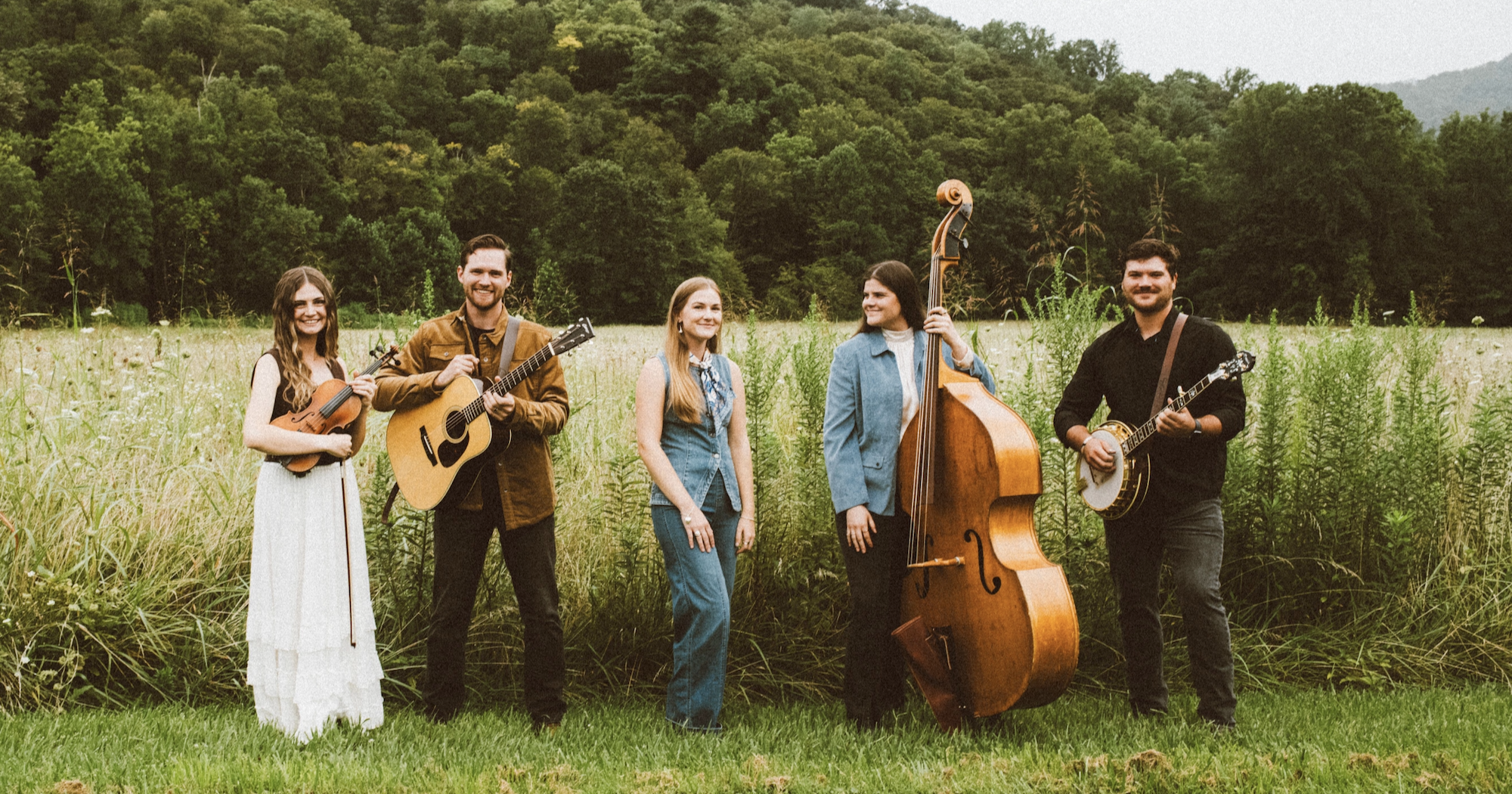
Artist:Eighteen Mile Hometown: Central, South Carolina Latest Album:Peace Be Still (released June 12, 2026) Personal Nicknames (or rejected band names): We were almost “Campbell House.” Bert and Gretchen Campbell opened their home to us in our early days of traveling as a band. That is where our direction was set early, and a lot of our first songs were written as a band!
What other art forms – literature, film, dance, painting, etc. – inform your music?
We all come from families that placed a high value on art of various forms. If you come to any of our houses you will see paintings on the walls created by family members and we will be using handmade pottery mugs given to us by family and friends. Being surrounded by quality handmade art has always set the standard high for our music and all our art!
What has been the best advice you’ve received in your career so far?
You have to believe that the best music rises to the top. Work hard on creating the best songs that you can, and then work hard to create quality recordings. If you can keep believing the best music will rise to the top, then it lets you relax a little bit once you have given it your best!
Which elements of nature do you spend the most time with and how do they impact your work?
All of us love being in nature. Jack, our banjo player, is an avid outdoorsman and is known to bring a fly rod on tour. Hallie is a photographer and has jaw-dropping photos from backroads (and off-roads) throughout the Southeast. Savannah comes from a mountain-climbing family in Idaho, so I [Carson] have found myself being dragged along on all sorts of adventures now that we are married. All of this impacts our work because we, as primarily gospel bluegrass musicians, think a lot about how to reflect God’s creativity in our music. What better inspiration is there than to be in the original creation itself!
What is the most random interview question you’ve ever been asked?
On The Dailey & Vincent Show (sponsored by Springer Mountain Farms Chicken), we were asked what our favorite chicken recipe was. We weren’t quite ready for that one, and I don’t remember what I said. So tune in on August 8th, 2026, to find out!
If you didn’t work in music, what would you do instead?
We are all still working our non-music jobs in addition to our work with Eighteen Mile! In a lot of ways, we are doing the things that we find fulfilling. Hallie is a coach, Carson works for a software startup, Savannah is a stay-at-home mom, and Jack owns a painting startup – in addition to teaching banjo!
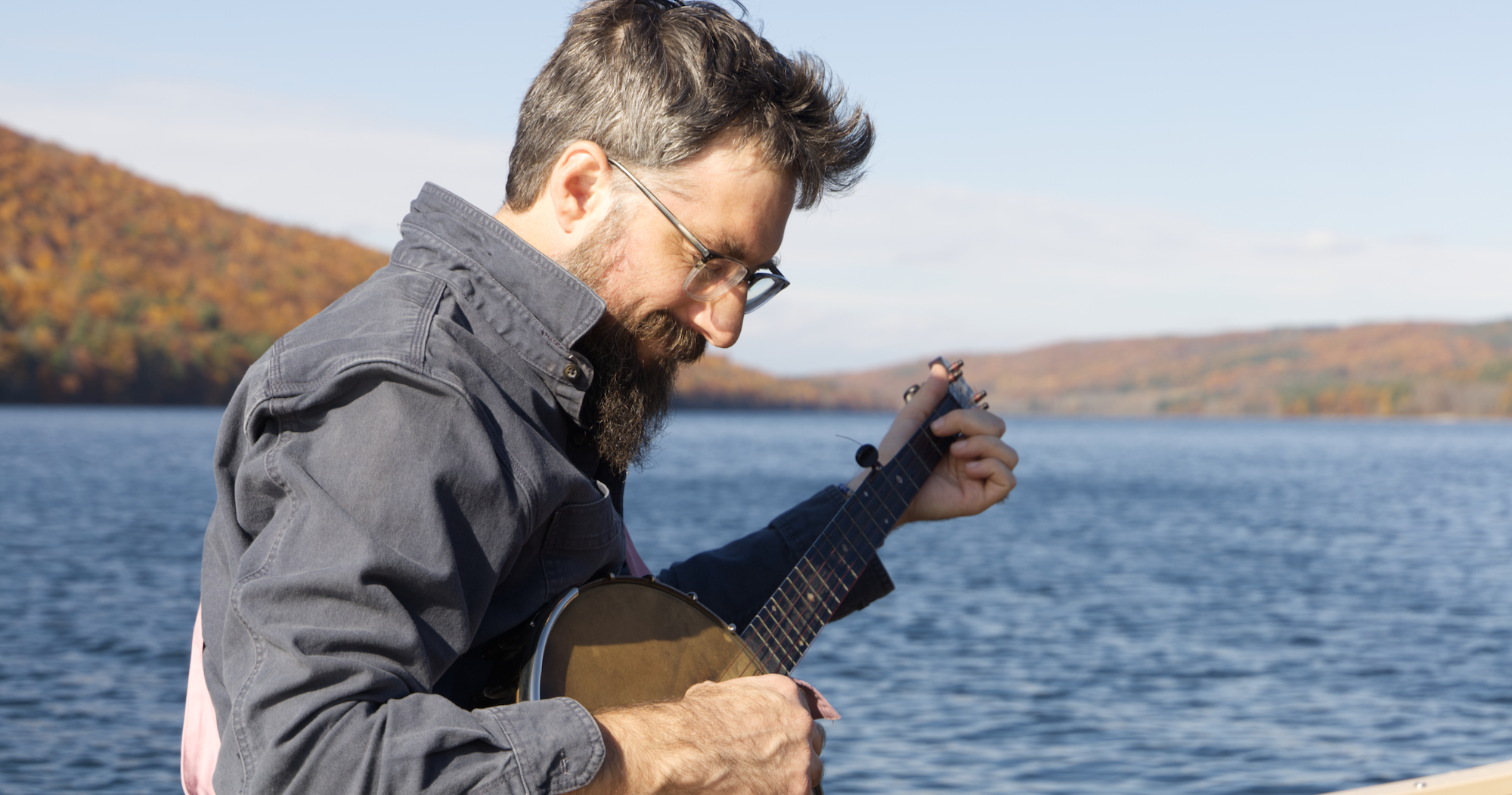
Artist:Benny Bleu Hometown: Hemlock, New York Latest Album:When I Am a Fossil (released June 5, 2026) Personal Nicknames (or rejected band names): My real name is Benjamin Haravitch. I like it just fine, and maybe someday I’ll release music as that guy. For now, Benny Bleu helps out.
Which artist has influenced you the most – and how?
Early on in my old-time journey, I became obsessed with the fiddling of Rayna Gellert. I said to myself, “I want to play the banjo like she plays the fiddle.” And that goal still stands. I love the way she records and releases music, especially her latest duo albums with Kieran Kane and also alongside Joachim Cooder. The music is accessible and rooted in traditional old-time music and also totally fresh with a clear point of view. Most importantly, it feels good and flows with perpetual motion. All things I try to do with the music I make.
What was the first moment that you knew you wanted to be a musician?
When I was about four years old, a new neighbor moved in next door. Gary. He had a band called Wilderness Family (banjo, fife, snare drum, upright bass, accordion) and I remember them playing for us in my driveway. When I was eight or so, the band threw a party in my backyard and invited all their freaky musician friends who camped out and jammed and juggled all weekend. I eventually grew up, but I don’t think I ever left that party. For a while I tried to work a 9-to-5 as a geologist. But the songs never stopped ringing in my head! I knew there was no avoiding the fact that I make music and that’s just what I do.
Which elements of nature do you spend the most time with and how do they impact your work?
All of the music I make is an echo of my relationship with the earth. Even the way I tour reflects this, primarily getting around on Amtrak. My new record When I Am a Fossil is entirely focused on our place in nature. In the title track, I reflect on my past life as an environmental geologist. Scientists in the deep future might find vast evidence of our human experiment, but will they ever find the steps we didn’t take?
I live in upstate New York, in a region known as the Finger Lakes. Two of these lakes – Canadice and Hemlock – have been lasting muses for me. Ancient worlds that have witnessed glaciation, generations of native cultures, colonial progress come and gone, and now provide water for the city of Rochester. This is a story I tell in the song “Abbey Lovely.” And “All I Want to Be” is a meditation on awe and the simple pleasure of being “here” in our place in nature.
Does pineapple really belong on pizza?
All toppings belong. Especially the under-represented ones, like pineapple. If a pizza is provided with a supportive crust, a zesty sauce, and savory cheese, then all toppings will manifest greatness. I don’t do the social medias, but in my newsletters I like to let my fans know where my favorite pies are as I travel around. I usually go for a simple slice of cheese.
What is a genre, album, artist, musician, or song that you adore that would surprise people?
The element of music that speaks to me most is rhythm. So I tend to love drummers and rhythmically adventurous musicians. I love Latin music. I love Fela Kuti and James Brown. Music that holds the groove above all else. Bernard Purdie, the legendary session drummer, is one of my favorite musicians and I hear a lot of similarity in how he keeps a song moving with how an old-time fiddler creates that perpetual forward motion. My desert-island-all-time favorite track would have to be “Sugar” by Stevie Wonder.
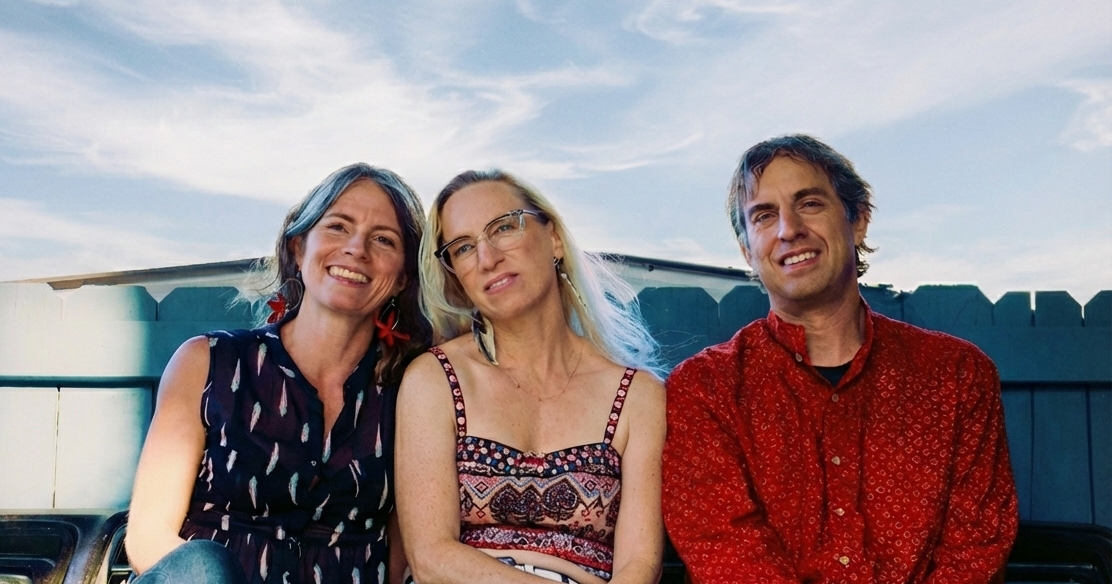
Artist:TANASI Hometown: Asheville, North Carolina Latest Album:TANASI (released May 8, 2026)
What’s the most difficult creative transformation you’ve ever undertaken?
Becoming one third of Tanasi was and continues to be a real challenge for me technically and creatively. Incorporating a lot of different styles into our music from different corners of the globe naturally stretches my comfort zone. Whether playing in odd meters, alternate tunings, providing percussion and even flatfoot dancing while playing my guitar, there is always lot to learn. In addition, being a trio, every moment requires a lot of dynamics from all of us. So we have to work very closely to make each moment count. Luckily we have a lot of years of shared effort that makes it all possible. I am grateful for the opportunity to learn new things. – Anya Hinkle
What has been the best advice you’ve received in your career so far?
I heard that when you are doing the work you are meant to do, it doesn’t feel like work. That is always a great measuring stick for everything we are “working” on. Of course, there is a lot of hard work that goes into being a musician and a lot of it isn’t exactly fun. Bfut at the end of the day, it feels natural and right and I’m grateful for the opportunity to do what I am doing with my life. – AH
What’s your favorite memory from being on stage?
We played together [recently] after having a couple month hiatus from the trio, because of other projects we’ve been working on. It brought me such a ridiculously large amount of joy to be up there creating a moment for the good people of Waleska, Georgia, at the Falany Performing Arts Center. Billy had just gotten back from teaching in England at Sore Fingers. The creative juices were overflowing and Anya was feeding off of it, rockin’ her heart out, and our harmonies were digging into each other. I was so aware of the power of that moment, the happiness that I feel performing music that inspires with these people whom I love, and getting to share that with the sweet folks sitting in their lawn chairs, enjoying a peaceful evening under the trees.
Getting to play at the Ryman with Vassar Clements is also surely a highlight. – Mary Lucey
What would a perfect day as an artist and creator look like to you?
One version of a perfect day would be having an entire day free to do nothing but write, study, and practice. Our German Shepherd sitting at my feet, howling at the occasional D note (he loves them, not sure why), fresh fruit in the fridge, nice tea and coffee – and while we’re at it, might as well be overlooking a beautiful ocean with the occasional break to go surfing.
Other versions of the perfect day involve collaborating with others, hearing original compositions come to life, co-writing something new, and still with the Shepherd, fruit, and ocean or forest. – Billy Cardine
If you didn’t work in music, what would you do instead?
I would either be a veterinarian or working on marine biology projects. – BC
What was the first moment that you knew you wanted to be a musician?
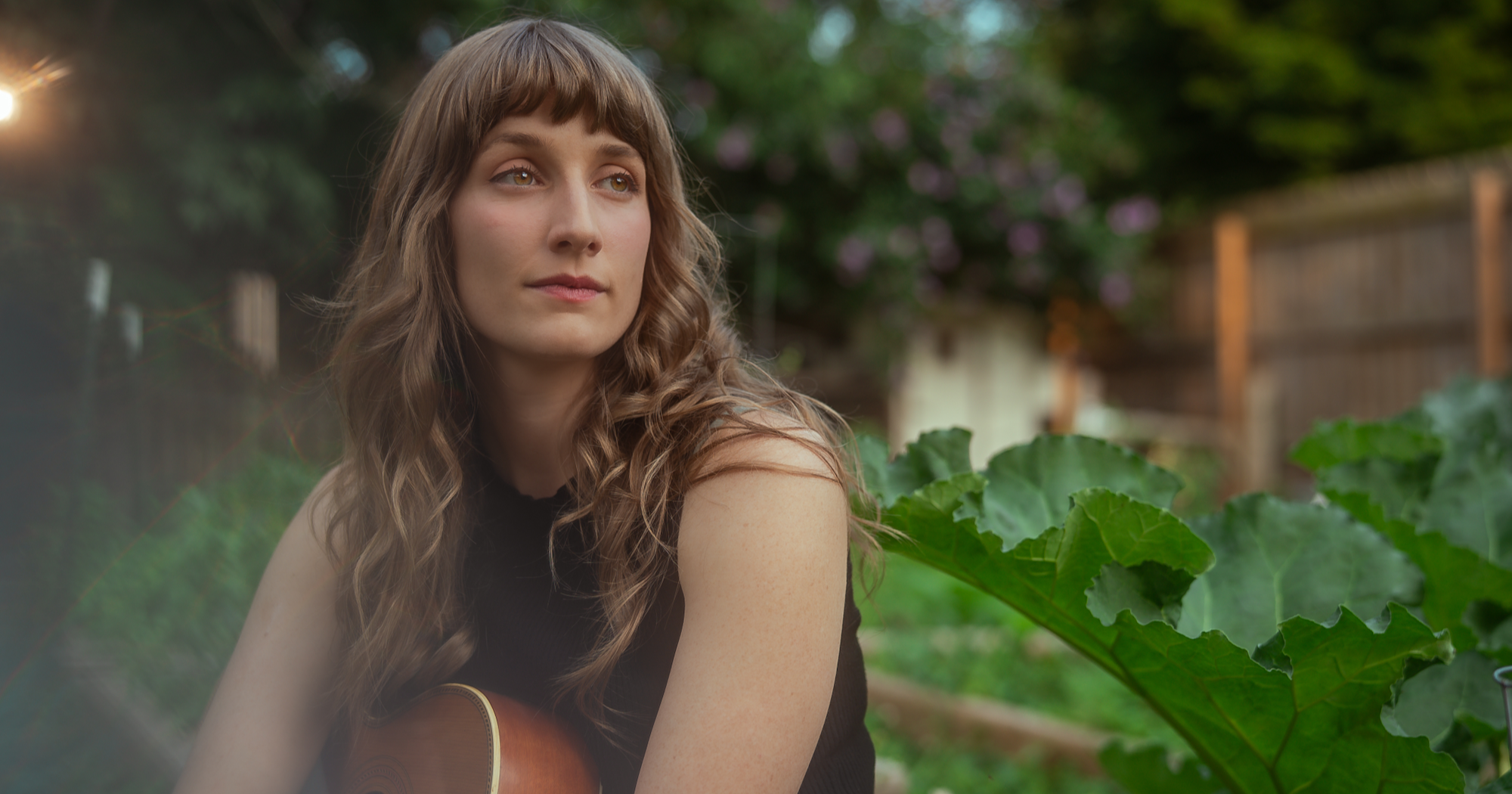
Seeing my parents play music when I was little. I loved watching my dad play guitar – we’d sit together, he’d let me strum the strings, and it felt like magic. I got the same feeling when my mom would sing, too. I loved her voice. That was really formative for me. My parents weren’t working musicians, so I wouldn’t see professional musicianship modeled for a while longer, but those experiences made it clear to me that I wanted to hold that magic feeling as closely as I could.
What’s the toughest time you ever had writing a song?
Maybe not the toughest, but the most intentional. I wrote one song on the album, “Bow River,” one day at a time on a road trip through the Canadian Rockies. Every day I wrote down a couple of lines about what we were up to on this insanely beautiful trip and the song came out like a memoir of a long journey. It made that song feel very special, like it’s a little snowglobe where I can see myself and my Canadian friends frozen in time.
What’s the most difficult creative transformation you’ve ever undertaken?
Making this record, I think. Prior to this record, which I recorded about a year ago now, I really only performed and created music that was a lot more traditional in nature. I had joined a band called Bill and the Belles during the pandemic and in that band I played mostly three-finger banjo, sometimes clawhammer. Making my own record was a big departure from that. I intentionally didn’t play any banjo on this record. I was in such a post-breakup headspace – I was totally grieving the end of that band and the connectedness to that creative world. I leaned into fingerpicked guitar for these songs instead.
I wrote all of these songs on a lovely little ’20s parlor guitar given to me by a dear friend. When I brought that guitar to the studio to make the record, though, it wouldn’t behave. Not sure if it was temperature or age or humidity that pushed it over the edge, but it was a disaster. It was buzzing and bridge pins kept flying out. Maybe the guitar was telling me it was happy to be a songwriting guitar, but it didn’t want to be recorded with. Maybe it marked the symbolic ending of that chapter of grieving. The guitar I ended up using on the record was a beautiful Waterloo guitar, made by Collings, which was lent to me by my sweetheart Anthony da Costa. I think that was symbolic, too.
What is a genre, album, artist, musician, or song that you adore that would surprise people?
I’m not sure if this would surprise anyone that much, but I love the Mountain Goats and have for a long time. I think I’ve listened to The Sunset Tree enough times that it’s just baked into my subconscious now. John Darnielle is such a fantastic songwriter – the way he writes characters and imagery is so compelling, he just pulls you into these different worlds. It’s amazing.
What would a perfect day as an artist and creator look like to you?
Honestly, my ideal day has a big grandma vibe. I’d wake up at 6:30 in the morning on a farm somewhere and let out my chickens and ducks. I’d throw a stick for Russo, our dog, then have an enormous breakfast. Afterwards, I’d write some songs and head into the studio for the afternoon. In the evening I’d make some pottery then play at a cozy little wine bar or late-night coffee joint. I’d get home and go to sleep by 9:30pm, and that’s the dream.
(Editor’s Note: Answers supplied by Cold Chocolate’s Ethan Robbins.)
What’s the toughest time you ever had writing a song?
In May of 2020, smack dab at the beginning of the pandemic, my wife and I were expecting our second daughter. At the time, among other things, we were worried about whether or not I would be allowed to accompany my wife to the hospital to give birth – that’s the way the protocols were set. Fortunately I was able to, but unfortunately the birth didn’t go as smoothly as one always hopes it will and Casey, our daughter, had to remain in the hospital for 17 days after she was born. Because of the protocols at the time, my wife and I were not allowed to stay with her. So all we could do each day was call the hospital to find out when she was coming home. If you recall, back in the early pandemic days, each day felt like a year. Those 17 days really felt like 17 years.
It was an incredibly emotional time. I’d find myself crying out of nowhere, in the middle of the day, without any warning. It was during that emotionally charged period that I wrote “How You’re Feeling Today,” and although it was hard to find the right words to write and sing, it was incredibly cathartic in that moment. Through the writing of that song, I was able to start to see the light at the end of the tunnel. Now, when we play that song live, I get to revisit some of those feelings, but in a much more positive light – because Casey is 5 years old now. Incredibly healthy, incredibly beautiful, incredibly hilarious, and one of the best dressers I know.
Genre is dead (long live genre!), but how would you describe the genres and styles your music inhabits?
We call our music Americana. It’s a broad term that’s meant to encapsulate many different genres, as does our sound. Our band goes back a long way, over a decade, and has evolved considerably over that time. When we began the band over 10 years ago, we had a banjo player and an upright bass player and the music we were playing was very much bluegrass-forward – or at least, that’s what we considered it to be. We always had drums, so some people may never have considered us a bluegrass band, but we did.
The issue for us back then was that the entire time our banjo player was touring with us he was also studying to get his PhD in Physics from Harvard University. So when he graduated and became a doctor, he had to make the very difficult decision whether to pursue his career in science or his career in banjo. He made the wrong decision that day – and we obviously continued on as a band and our music continued to evolve as anything and everything does over 10+ years of time.
We began to get enthralled by the music of bands like the Wood Brothers and the Black Keys, and I started playing electric guitar live more than ever before. Ariel [Bernstein] and I delved pretty far into what this electric sound allowed us to do. We found we were now able to play things and express things that we’d been unable to achieve before. So we went forth as an electric “power duo” (trademark pending) and wrote and performed a ton in that duo setting. Then, bam! – pandemic hits, and we don’t see each other for more than two years.
In May of 2022, I showed up at Ariel’s house and he says, “Oh, I play banjo now!” Through his banjo and my mandolin’s addition to our band, we were able to revisit some of the bluegrassy material that we’d started with so many years ago. We breathed fresh life into tunes that were as old as the band itself and now they feel like some of our newest songs. It’s added an arc to our albums and live shows that we adore. So in a live setting, we’ll play everything from electric funk and rock with a drum kit and guitar amp to acoustic bluegrass and folk with banjo and mandolin around a condenser mic. It’s hard to put one word on what we do. It’s all… us.
What was the first moment that you knew you wanted to be a musician?
I started classical violin lessons when I was 4 years old. I studied with the same teacher until I went to college at 18. At the beginning, although there was certainly a level of enjoyment that I was aware of, I never connected with classical music in a way that made me want to take complete ownership of my music education. When I was 14, I started teaching myself guitar and my love of playing music started to grow. I was finally able to play things that I wanted to play. At the time, that was a lot of Dave Matthews Band – but it was the first time I realized that music could be so soul-fulfilling.
When I got to college at Oberlin, at that point listening to a lot of Grateful Dead, I met some people who were really into bluegrass. I didn’t know what that was at the time, but the first time I heard Old & In the Way I was sold. I went to the very first DelFest in 2008, right before spending the summer working for HeadCount – the voter registration organization – on a six-week tour with the Dave Matthews Band. It was that juxtaposition, seeing my favorite childhood band rock out every night then going to sleep listening to Peter Rowan and Vassar Clements in my headphones, that I started to visualize a life path for me as a musician.
It certainly took us some time as a band to figure out how to make that dream a feasible reality and, in some ways, we are still figuring that out. But truthfully, I just met the right friends at the right time, saw and listened to the right music when it mattered most, and that sparked the dream.
What is a genre, album, artist, musician, or song that you adore that would surprise people?
When I was at IBMA in 2024 in a meeting setting, as an icebreaker, someone asked what the first album each person had ever purchased was. Most people responded on-brand with a classic bluegrass or newgrass album, Bill Monroe’s Uncle Pen or Alison Krauss & Union Station’s Paper Airplane. For me, it was an easy answer: Third Eye Blind’s self-titled record. I know all of the words to all of the songs on that record and it’s still a personal fave of ours as a band. During late-night drives, we’ll blast that album front to back in the van. It still pumps us up, sets the vibe and energy high, and keeps us going full-speed ahead toward our next destination. ’90s pop, across the board, is a winner for this band, but that album specifically will always and forever hold a special place.
Since food and music go so well together, what is your dream pairing of a meal and a musician?
Great question. My top act to have seen live, hands down, would have to be the Band. Certainly Cold Chocolate’s musical vibe has been modeled after those raw, rootsy sounds of theirs. Their songs transcending genre, while being just so totally “them.” I’m not sure what food would pair best with seeing them. At The Last Waltz it was a Thanksgiving dinner, which is honestly one of my favorite meals of all time. But [with] a heavy meal, I’d want to dance my ass off at that show.
Southern BBQ is another obvious choice for Levon’s Arkansas-growl, but again maybe too heavy. I think I could get down with a fish boil at a show by the Band, thrown out across a table, family-style. Then I could grab little bites throughout the show while belting out “The Shape I’m In” with my idols on that stage.
WBUR recently wrote about us that our song “I Know This Girl” has “enough grit, drive and backbeat to make Cold Chocolate worthy heirs to The Band,” which is maybe the best thing ever written about us in the media.
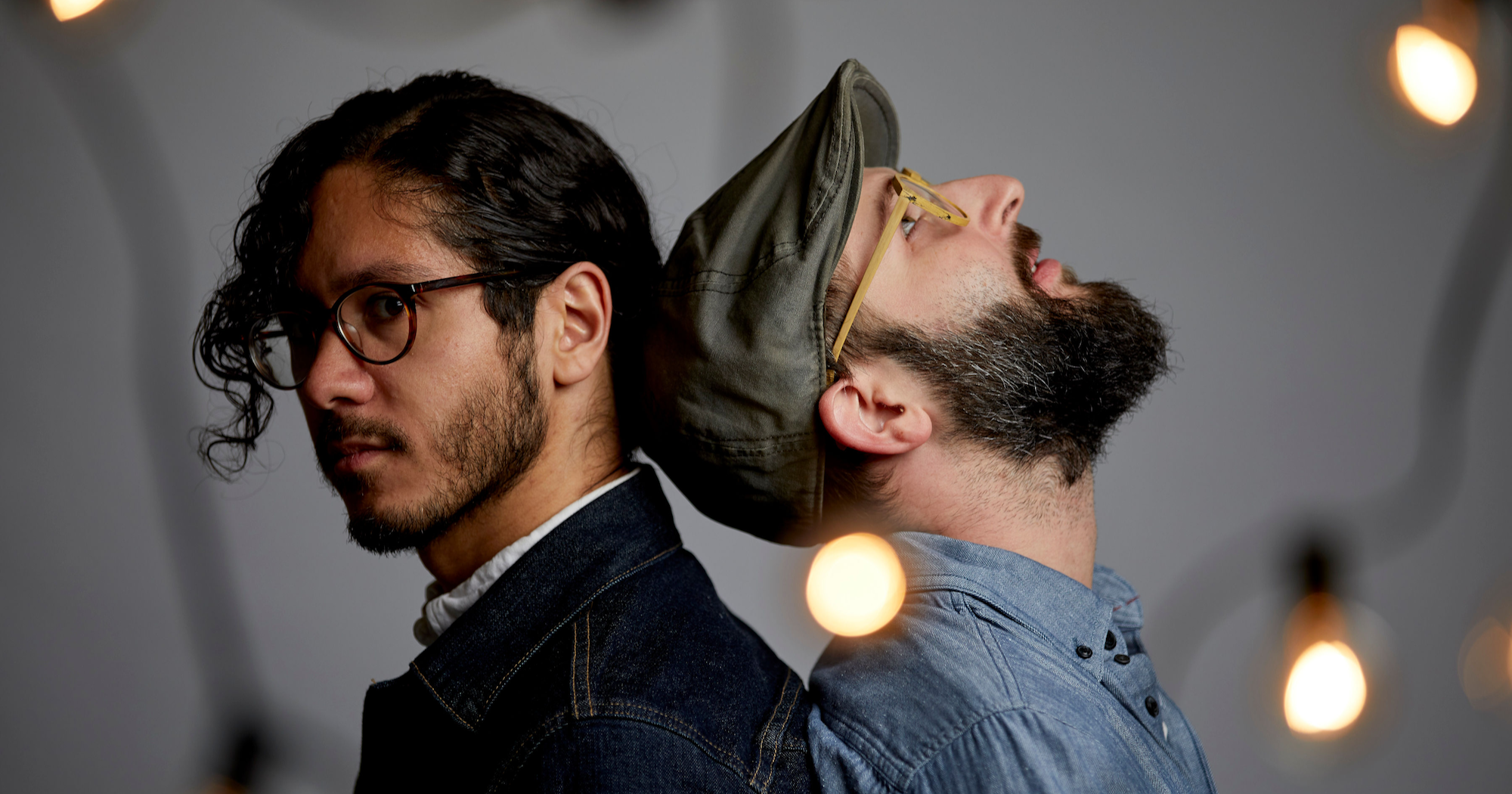
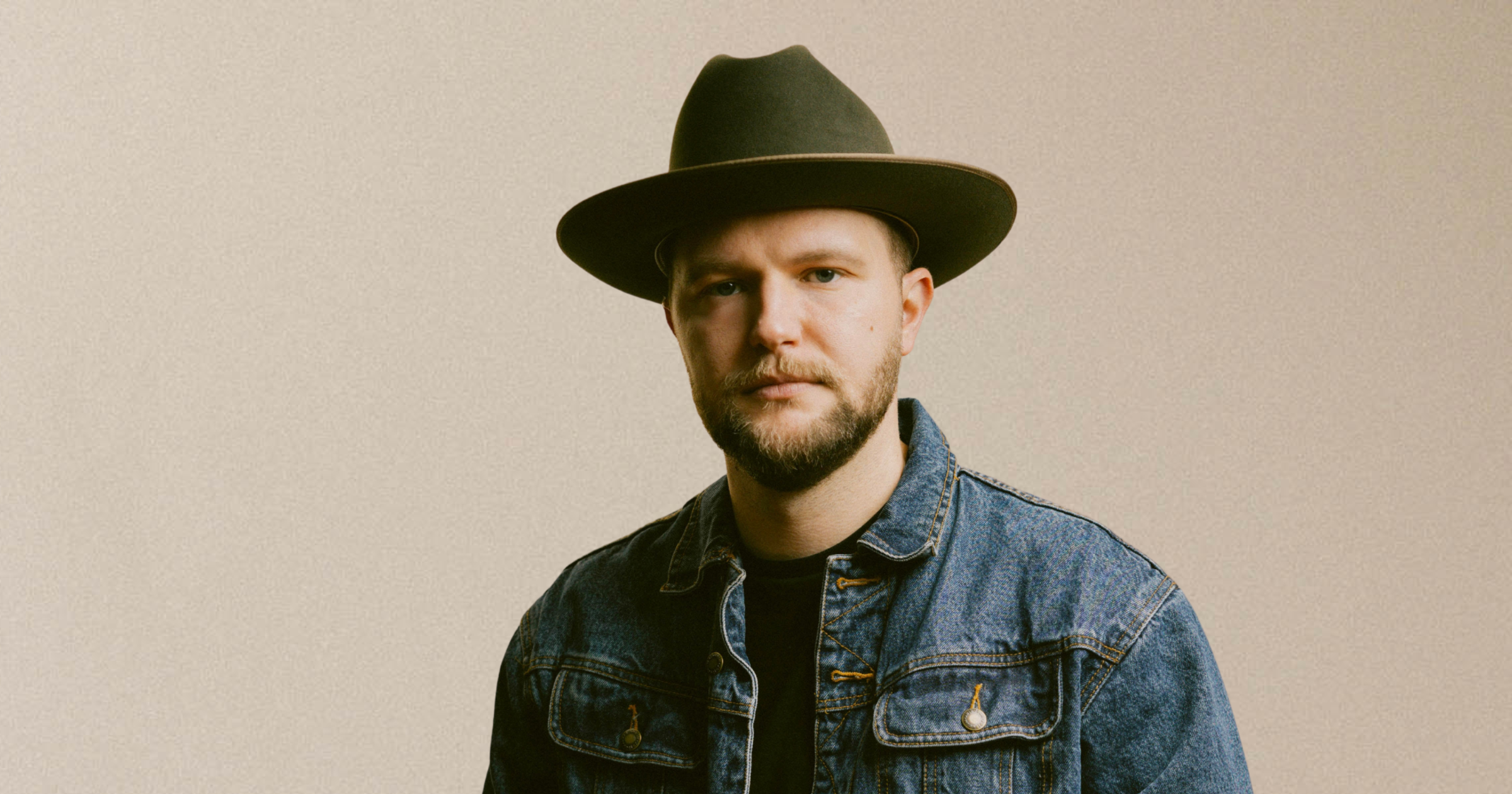
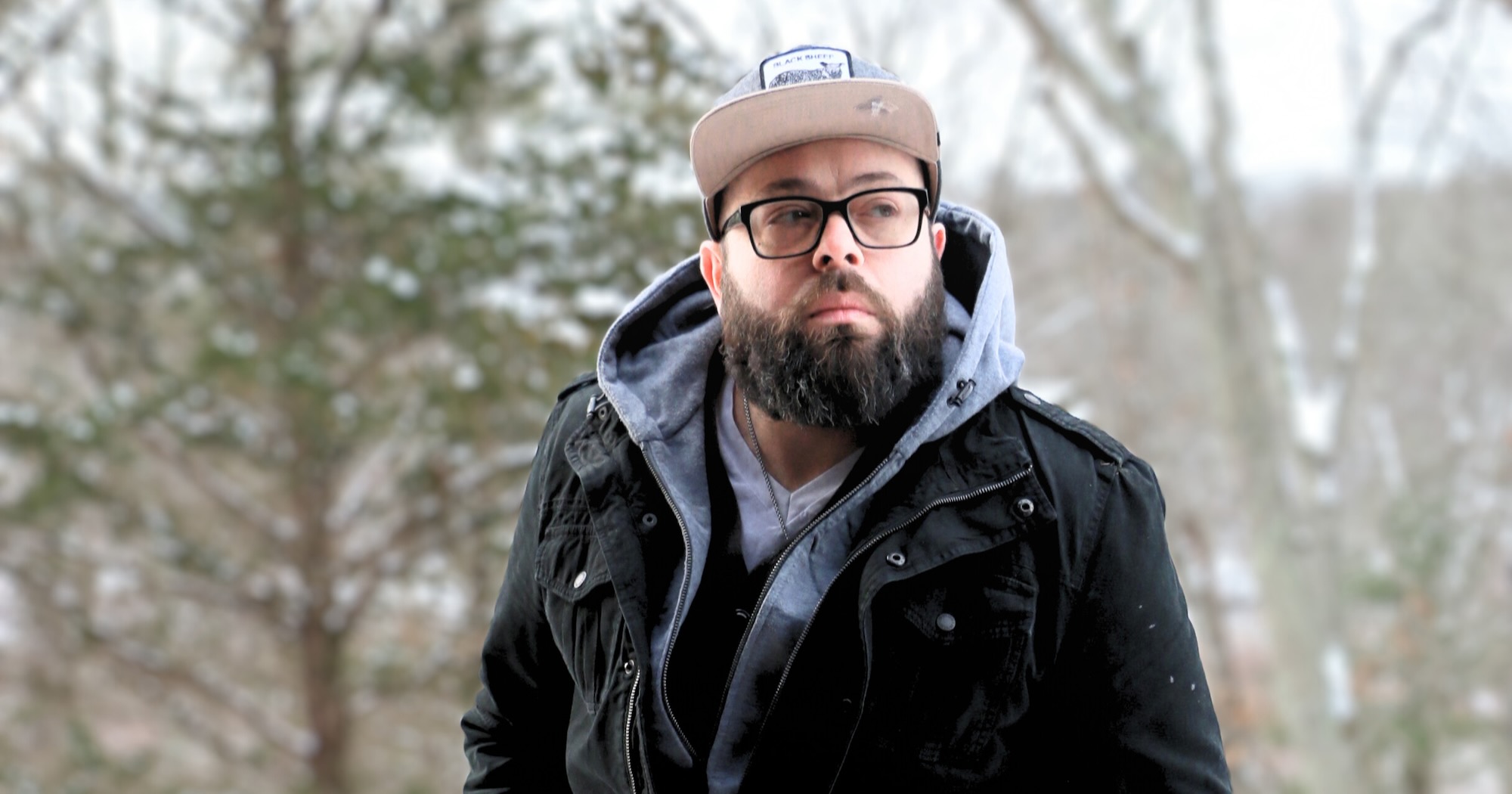
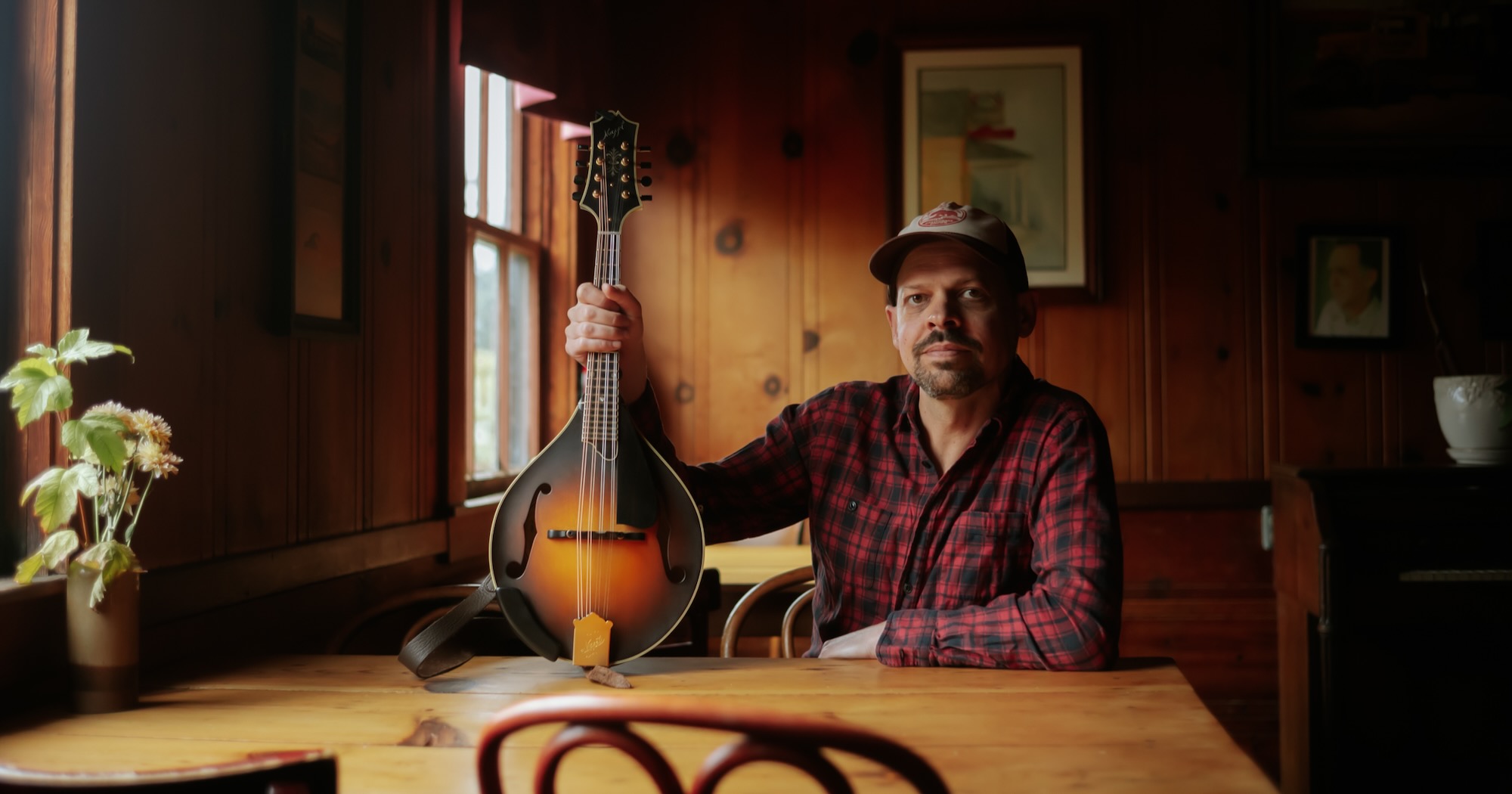
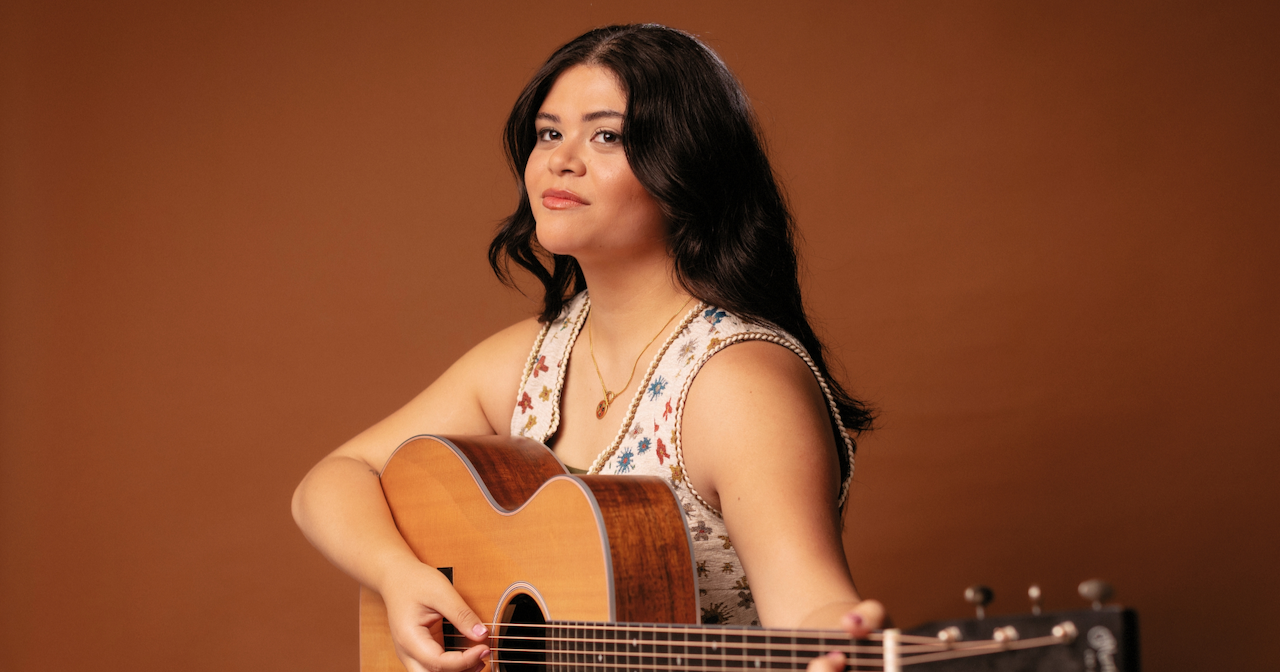
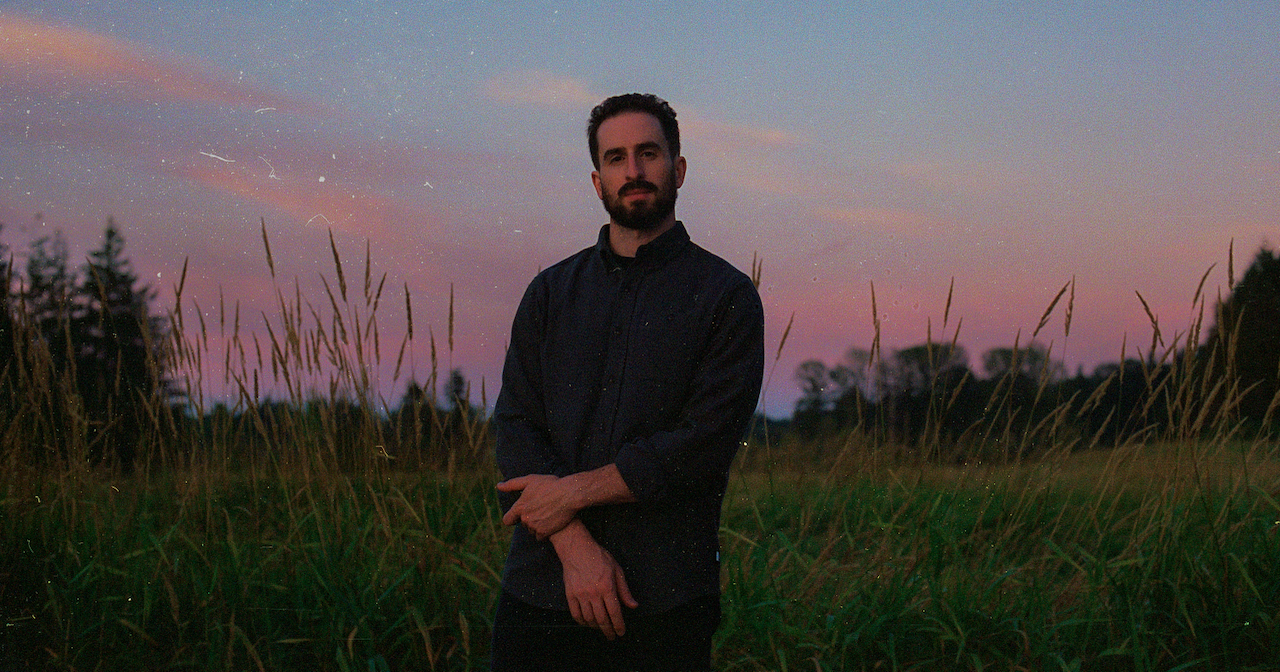
Photo Credit: Lead image by Kelly Davidson, alternate images by Joe Navas.
What other art forms – literature, film, dance, painting, etc. – inform your music?
Literature. It has probably helped my writing more than anything besides the act of writing itself. Wendell Berry has had a huge influence on me and he’s far and away my favorite writer. His prose is exceptional. There is a restraint and steadiness to it. He’s extremely prolific and consistent, which isn’t an easy thing to achieve. He says a great deal with very little and I learn from that every time I read a page.
There are many great writers I draw from in the same way: McCarthy, Kingsolver, McMurtry, Leopold, Abbey, Rooney, Hemingway, Faulkner, Burroughs – to name a few. I read widely, but tend to gravitate toward certain styles when I’m working on a project of my own. I’m always reading and if I’m not I make myself feel bad until I do. It’s a big part of the peace my wife and I have built into our days. When I’m in a creative season, I am a bit more intentional about my picks.
Which elements of nature do you spend the most time with and how do they impact your work?
I love the out of doors. I grew up on a cattle farm in Appalachia and was usually either outside or in trouble. I still spend as much time as I can fishing and hiking and – something that is likely unknown about me – I love rock climbing and have traveled the world climbing. I am also a geologist in my straight job, which especially early on kept me working outside.
Nature shows up in almost every one of my songs. It is not something I reach for. It is just part of how I see things. Being outside has always been another place I find peace. If things are bad, going outside almost always makes them better to a varying degree for me
Admittedly, I do get tired of winter and the blues that come with it. That makes its way into the songs, too.
Genre is dead (long live genre!), but how would you describe the genres and styles your music inhabits?
I don’t think much about genre. My songs usually start on an acoustic guitar, so there’s naturally some bluegrass and country in them. That’s the language I grew up around. But I’m not trying to recreate anything. I don’t read music or know much theory and I don’t really know what rules I might be breaking. I’ve always had a good ear and I let that guide me. I’m lucky to have close friends who are incredible musicians, and they’d dress me down if something was off.
If someone needs a label, Americana works fine. Beyond that, I try not to overthink it or limit myself.
What is a genre, album, artist, musician, or song that you adore that would surprise people?
I love hip-hop, R&B, neo-soul type music. I especially love ’90s early 2000s neo-soul. D’Angelo, Erykah Badu, Lauryn Hill, Tevin Campbell, Mario, etc.
I enjoy those genres as much if not more, at times, than bluegrass and country. It’s like reading, I put on the music I need in the moment and I don’t limit myself. I guess that would surprise people, but I think it comes across in my singing some and may present in future sonic choices as well. We’ll see.
Since food and music go so well together, what is your dream pairing of a meal and a musician?
Fried potatoes from a cast iron skillet, greasy beans from Mamaw’s garden, macaroni noodles with tomato sauce, and a chicken fried steak. I could think of a lot of musicians to share that meal with, but the one who keeps coming to mind is Jerry Reed. He was hilarious and super intelligent. A great singer with excellent tone, and he was even a writer for Elvis on a couple tracks.
There’s a story about Elvis asking for Jerry to play on “Guitar Man,” a song Jerry wrote. Folks on Elvis’s team had to go get Jerry from the river where he was fishing to come to the studio and play the guitar part. None of the other session musicians could get it quite right. Legend. He isn’t really revered in modern memory for how brilliant of a technical player he was. He’d be a fun person to share that meal with.
Artist:Frank Viele Hometown: New Haven, Connecticut Latest Album:The Silo (EP) Personal Nicknames (or rejected band names): I have no personal nicknames. Really.
Which artist has influenced you the most – and how?
In my formative years, it was Dave Matthews Band. I saw them live 137 times before I graduated college and basically learned how to play guitar in the parking lots of those shows. That constant-strum acoustic style Dave is known for shaped my right hand as a player from day one and still guides the way I play.
Beyond that, I’ve studied all the great songwriters, but I always lean toward heart-on-the-sleeve emotion – that raw, unfiltered passion you hear in Bruce Springsteen or in old soul records like Percy Sledge and Otis Redding. The kind of singing where it feels like the person might crack open mid-line. That honesty is what I chase every time I write or step up to a mic.
What’s your favorite memory from being on stage?
Almost a decade ago, I got to open for Blues Traveler in front of nearly 5,000 people at a festival in my childhood hometown – on the same field I used to play tee ball on. That was a full-circle, surreal kind of moment.
The only things that might top it are the first time Zach Myers from Shinedown pulled me on stage to sing “The Weight” with his Americana project, Allen Mack Myers Moore. Or when John Waite invited me up on stage in the Boston area to sing backup and play guitar with his band on Led Zeppelin’s “Whole Lotta Love.” Those moments as a growing indie artist where one of the greats treats you like a peer… that stuff sticks with you forever.
What has been the best advice you’ve received in your career so far?
My first run of shows opening for Lee DeWyze back in 2015 had me pretty nervous — I mean, that guy can really sing. I think he could sense it. Before the last show of the run, he came into my green room just to hang out.
He said, “I’m going to give you some advice Joe Cocker gave me before we sang together on American Idol. Remember, everyone out there is rooting for you to be great.” That completely changed how I see a stage. I had an incredible show that night, and I carry that with me every time I walk out.
A close second came from Christine Ohlman, who I perform with each year at the Rhode Island Rhythm & Roots Festival. I was nervous before a set because the crowd kept growing, and she just smiled and said, “Just take ’em to church, Frank.”
So now that’s the mission every time – remember they’re rooting for me, and always take ’em to church.
Does pineapple really belong on pizza?
Being from New Haven, Connecticut – the pizza capital of the world – I feel obligated to answer this one sternly. I respect the idea of using pizza crust as an edible plate and experimenting, but pizza basically reached perfection when Pepe’s put clams on a pie. After that, we were done. We nailed it.
If you want pineapple, call it something else. Flatbread. Dessert bread. A tropical situation.
But the word pizza needs boundaries. As I say this, I also want to stress that I’m joking. And as much as I love pizza my way, I love chefs that treat their meals like art, and art can assuredly be experimental.
Since food and music go so well together, what is your dream pairing of a meal and a musician?
After that last question, you’ve got me in a full Italian food headspace. So give me my mom’s pasta e fagioli, an arugula salad with fresh tomatoes and my dad’s homemade lemon vinaigrette, and a basket of garlic knots from Salerno’s in Stuart, Florida.
All of that on the table, a bottle of red open, and Sinatra’s Songs for Swingin’ Lovers! spinning on the turntable.
Artist:Jesse Appelman Hometown: Oakland, California Latest Album:Where We Go (released February 20, 2026)
If you had to write a mission statement for your career, what would it be?
For me, music is about community, connection, and collaborative creation.
It’s about the intimacy of singing harmony with someone, or finding musical ideas that only occur to me because of what someone else just played. I’m in awe of people like Keith Jarrett who can carry a full solo show, but my musical voice only feels complete in collaboration. I play best when I have things to respond to.
I leave most festivals with at least one new real friendship, forged through a shared language and the vulnerability of playing music together. There are not a lot of spaces where this can happen so easily, especially once you’re past your 20s, and they only exist because people keep showing up and participating.
I’m most interested in the music that results when musicians prioritize the collective sound while still bringing their full and unique personality to the table. When everyone listens and tries to make everyone else sound better rather than demonstrating their own ability. It’s easy to take for granted the ability to sit down with strangers and create music in real time but we are so lucky to get to do it.
Genre is dead (long live genre!), but how would you describe the genres and styles your music inhabits?
I don’t think anyone involved in this record ever discussed what genre of music we were making. Not John Mailander, who produced the album, and not the band (Eli West, Sami Braman, and Emily Mann). We talked a lot about the how and the why. We talked about density and space, groove, melody, interaction, texture, and flow. Nobody asked if they should be playing these tunes like bluegrass, old-time, Americana, or anything else.
So what kind of music is it? It’s the sound of these particular musicians playing these tunes, trusting their ears and instincts, and adding their unique personalities to the stew. Bluegrass is certainly in there, and old-time, and probably some jazz and classical, but it’s not a conscious “little bit of this and little bit of that,” it’s just what comes out when we play without thinking too hard.
I remember listening back to the tunes at the end of the first day in the studio and John said something like, “Isn’t it cool how you can do all this planning and arranging and preparing, but you have no idea what the album will sound like until you start making it?”
Some musicians immerse themselves in a single tradition or lineage and spend a lifetime going deep inside it. I listen to a lot of stuff like that, and it’s some of my most beloved music, but when I play I’m most interested in what happens when you agree on priorities and principles, and let musical identity emerge. My priorities come from lessons learned from musicians in my West Coast string band community. Some get called innovators, some traditionalists, but all share a commitment to deeply-felt, collaborative, and highly personal music-making.
Music is an activity and genre is a labeling system; the best I can do is focus on the activity and get the right people together and trust that the result will sound like us.
If it needs a label, maybe string band music that breathes?
What rituals do you have, either in the studio or before a show?
I have a loose mental checklist that I try to review before I go on stage or into the studio or even to a jam. I don’t succeed at all of them all the time but it’s a north star to aim for.
1. Play only what you hear. 2. If you don’t hear anything, don’t play anything.
This is simple and sometimes really hard. To me it means that every note should exist in my mind before it comes out of my hands – whether it’s a particular texture when playing backup or a phrase in a solo. Even down to the tonal color, dynamics, and articulation. This takes deep focus and deep listening both outward to the band and internally to your own ideas. When I listen to my favorite improvisers – Jim Hall, Stuart Duncan, Keith Jarrett, David Rawlings – I hear this level of intentionality.
The second is from John Hartford: “Style is based on limitations.” This means giving myself permission to play within my actual capabilities rather than the ones I wish I had. If I have to take solo over something that is outside of my comfort zone in terms of tempo, harmony, or whatever, I search for the most musical solution available within the boundaries of my own technical and conceptual limitations. This might be something simpler and more spacious than what I might feel like I’m supposed to play, and consequently truer to my own voice.
The rest of the checklist: Stay relaxed in mind and body. Listen deeply at all times. Never sacrifice groove or tone to execute an idea. Never go on autopilot when playing behind someone else’s vocal or solo. Search for the most beautiful idea, not the cleverest.
Which elements of nature do you spend the most time with and how do they impact your work?
My happiest place outside of music and family is underwater. I scuba dive and snorkel for the same reasons I play music. It feels like a portal into another universe. Diving requires an intentionality of every movement that I try to apply to making music. Your time underwater is limited by the air in your tank, and the more you exert, the faster you breathe. Every muscle movement costs you air and time, and the best divers carry themselves in the water with a calm and economy of movement that is almost meditative. It’s a flow state that slows your breathing and lets you focus your attention fully on the environment around you. I make my best music when I find that same state and put most of my awareness on what’s happening around me.
I find a lot of inspiration in California’s landscapes and colors. Kelp forests, rocky coasts and windswept coastal meadows with washed-out browns and green, golden hills dotted with green oaks, the pale gray granite of the High Sierra. There’s an aesthetic minimalism to these environments that I think shows up in some of my music, like “Lyell Fork,” a stream that flows from a glacier on a high peak in Yosemite and flows through alpine meadows and over granite slabs before joining the Tuolumne River. Or “Montaran” which is a stretch of coast south of San Francisco. In both cases I thought those tunes sounded like how those places feel.
What would a perfect day as an artist and creator look like to you?
Waking up to my kiddo climbing in bed for a cuddle. Breakfast, immediately followed by some quiet unstructured time with an instrument in my hands with an extremely good cup of coffee, before all the details of life fill my brain. A hike or bike ride with my wife. Some silly afternoon play time with my kid. Cooking mapo tofu for family dinner. Tunes and songs in the evening with a few dear friends. Someone else sends all my emails for the day.
Artist:Natalie Del Carmen Hometown: Los Angeles, California Latest Album:Pastures (released January 20, 2026) Personal Nicknames (or rejected band names): Natalie, Nat
Which artist has influenced you the most – and how?
Brandi Carlile has been such a north star for me. There just aren’t enough big kid words to describe how much Brandi Carlile has influenced me. I heard The Firewatcher’s Daughter and never looked at songwriting the same. Then In These Silent Days came out and there just wasn’t a higher artistry bracket I could’ve dreamt of reaching.
My favorite writer these days is Izaak Opatz. I found him about 3 years ago now. I feel sorry for folks who haven’t gotten the chance to take a road trip and listen down to his discography and have a full meltdown over how good the material is alone in your vehicle. Opatz will never tell you how to feel about anything, but somehow, you leave every song feeling like you were just exposed a little. This guy overflows with ways to punch you in the gut without saying much at all.
What other art forms – literature, film, dance, painting, etc. – inform your music?
I like to joke to people around me that it really is just me and my hobbies. “Natalie and her hobbies. And one day, may she make money off of one of them!”
I suppose I’ve always been interested in learning new things with my hands and indulging in anything creative. I taught myself guitar, cross stitch, knitting, paint by number… I believe the internet is an endless place to learn a number of things on your own. That being said, I tend to walk a pretty straight and narrow path. Songwriting and artistry will always be my first priority, but I happened to have chosen a career that doesn’t always offer stability in the ways I crave it. Something about my creative hobbies gives me something to do mentally when the world gets kind of loud. I can’t ever just sit there.
How often do you hide behind a character in a song or use “you” when it’s actually “me”?
It’s funny, I think the answer should be pretty often, just to avoid outing myself so much. But the real answer is almost never, at least these days. These days, I’m usually writing in first person and admitting exactly what I hope to say, as me. But, it was something I wrestled with on my first record as a late teenager, the whole “you” versus “me” dilemma. I wrote a lot more cutting back then, cutting and directed to one person, without the confidence to really back it up. I hid behind “you” a lot. It’s like walking into a fight and saying, “Actually, put someone else in my place to throw it down for me.” When I’m choosing storytelling, “you” still works beautifully and I love it. But my favorite songs, from any artist, are always known and personal.
What is the most random interview question you’ve ever been asked?
I got asked recently what my go-to karaoke song was and I said “Goodbye Yellow Brick Road” by Elton John, which was a solid choice upon a very quick answer, but the actual response is “Anywhere But Here” by Hilary Duff, so this is me setting the record straight.
What is a genre, album, artist, musician, or song that you adore that would surprise people?
I really love a few alternative or indie bands that I don’t get the chance to talk about often. Music from the band Hippo Campus is some of the best you’ll ever hear, honestly. Big Djo fan. Besides that, one of my favorite songs is “Tubthumping” by Chumbawamba and I’m really glad I get to say that in at least one interview.
Artist:Luca Fogale Hometown: Vancouver, British Columbia, Canada Latest Album:Challenger (out January 30, 2026)
What other art forms – literature, film, dance, painting, etc. – inform your music?
I’m really inspired by cinema and have loved movies ever since I was young. As someone with a very limited set of creative skills outside of music, I find so many elements of the craft of filmmaking so impressive. I am very grateful for how many beautiful films I’ve been able to watch in my life; to see our humanity reflected in such a diverse and dynamic way.
Whether intentional or not, I know that there are always a handful of movies that have inspired songs and albums of mine (It’s a Wonderful Life was one of the starting points for my song “Youth,” about recognizing the passage of time and having dreams of life turning out differently. And Arrival [informed] my song and album Nothing is Lost, in beginning, thinking about time and language not as linear, but circular.)
Which elements of nature do you spend the most time with and how do they impact your work?
Water seems to always be what I’m called towards. I’ve spent a lot of my life near lakes and the ocean, and I recognize how much peace and solace I feel near bodies of water; to be able to watch the world flow and breathe through the rivers and tides. I think it has informed my process in the slow intentionality with which I try to work, as well as given me a deep reverence for the natural world.
How often do you hide behind a character in a song or use “you” when it’s actually “me”?
While I don’t know for certain if I hide behind the characters in my songs, I definitely step outside of myself often and view myself in the third person in order to try to get a glimpse of something objective; to look at my life from a bit of a wider angle. I spend so much of my time inside my own head that when I can use music and lyrics to see myself and my current reality from another vantage point, it always helps me to understand myself a bit better.
If you didn’t work in music, what would you do instead?
At this moment, fueled by my current obsession with chairs, if I wasn’t working in music I would love to take a swing at designing and building furniture. I often crave work that is more physical, while still being creative, and the time I spend as a hobbyist carpenter making (very crude) prototypes of chairs and tables has been some of the deepest peace I’ve felt, and something that feels separate but parallel to making music, resulting in a tactile and immediately useful outcome of time spent.
What would a perfect day as an artist and creator look like to you?
I feel lucky to have experienced a couple of different versions of answers to this question. As a songwriter, I would spend some time reading, followed by having a friend come over to my little home studio to write some music, share a meal afterwards, and perhaps some time spent writing solo afterwards.
As a touring artist, it would look like the day I had today as I type this. My band and crew and I had some breakfast together after a day of rehearsal yesterday, got on a flight to LA, arrived, had a beautiful dinner, and are now heading to bed at the hotel before our show here in town tomorrow. All I could ever ask for.
Photo Credit: Brandon Artis
This website uses cookies to improve your experience. We'll assume you're ok with this, but you can opt-out if you wish.AcceptRejectRead More
Privacy & Cookies Policy
Privacy Overview
This website uses cookies to improve your experience while you navigate through the website. Out of these, the cookies that are categorized as necessary are stored on your browser as they are essential for the working of basic functionalities of the website. We also use third-party cookies that help us analyze and understand how you use this website. These cookies will be stored in your browser only with your consent. You also have the option to opt-out of these cookies. But opting out of some of these cookies may affect your browsing experience.
Necessary cookies are absolutely essential for the website to function properly. This category only includes cookies that ensures basic functionalities and security features of the website. These cookies do not store any personal information.
Any cookies that may not be particularly necessary for the website to function and is used specifically to collect user personal data via analytics, ads, other embedded contents are termed as non-necessary cookies. It is mandatory to procure user consent prior to running these cookies on your website.