For most listeners of bluegrass, the history of the music begins (and often ends) in December of 1945, when Bill Monroe brought his Blue Grass Boys — Earl Scruggs and Lester Flatt, included — on stage at the Grand Ole Opry. Bluegrass was created by the men on that historic stage, straight from their brains through their fingertips. Right?
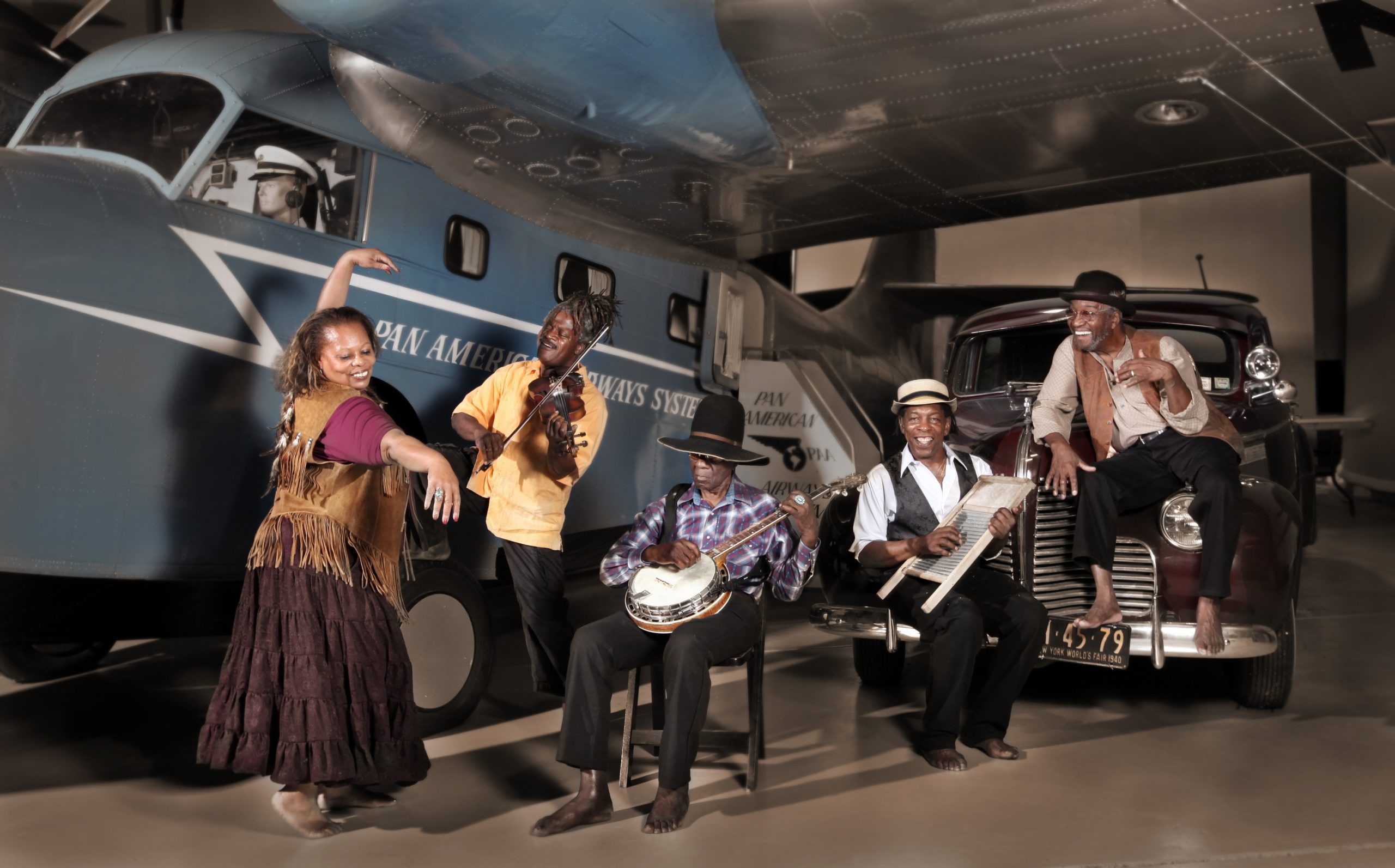
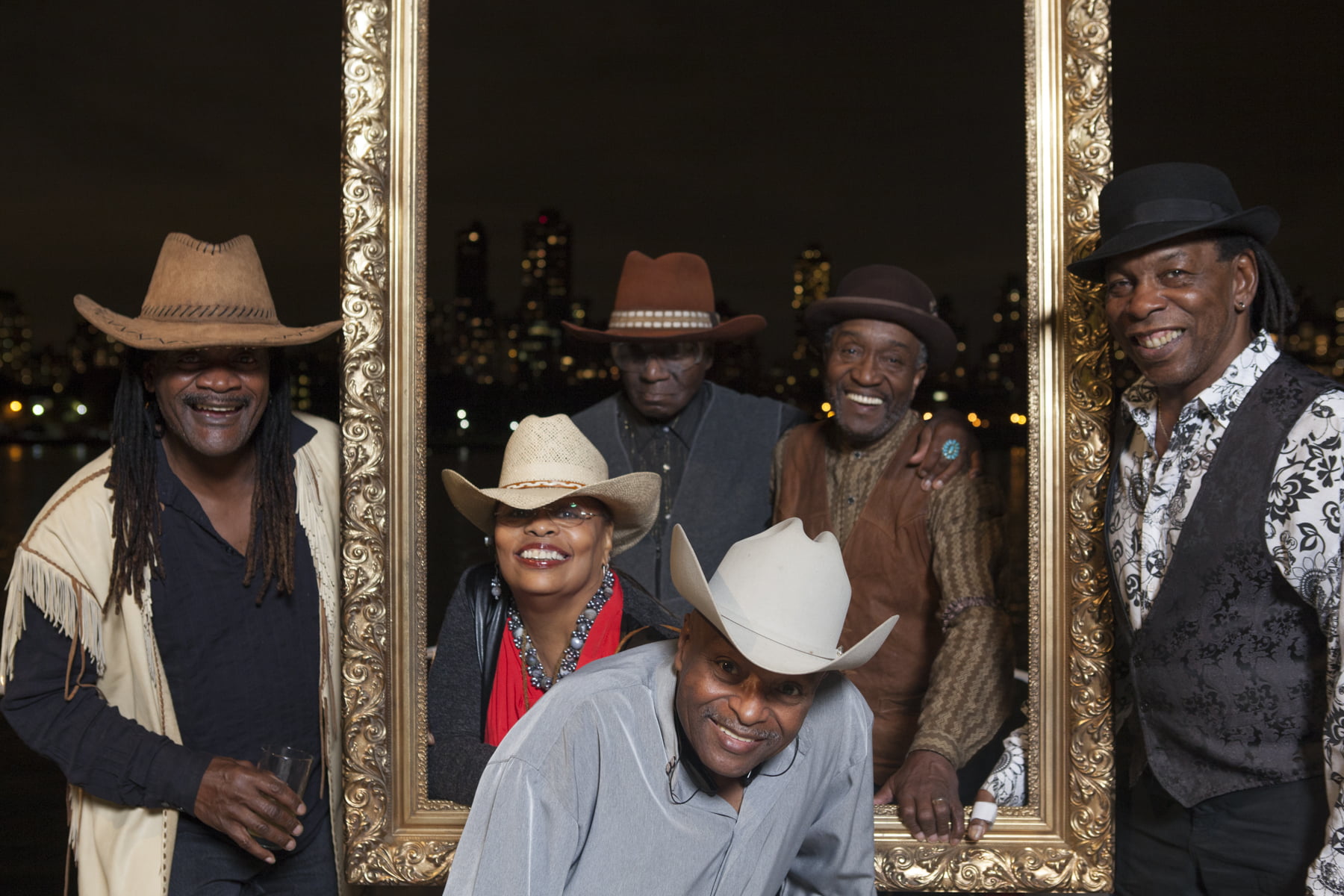
For roots musicians whose identities don’t fit the proverbial mold, this telling of history is not nearly so convenient. Henrique Prince and Gloria Thomas Gassaway, of the New York-based Black string band the Ebony Hillbillies, tell a much different story. When the Hillbillies headline our Shout & Shine showcase at the International Bluegrass Music Association’s World of Bluegrass conference, there will almost undoubtedly be attendees questioning the band’s place beneath the umbrella of “bluegrass.” But omitting or excluding any pieces of the music — and its history — deprives us all of some of its best parts … like the music, tradition, and dances of the Ebony Hillbillies.
How did roots music and string band music come into your lives?
Gloria Thomas Gassaway: I grew up with parents from the South who played this music and knew the history and roots of it. My dad played banjo and he knew all this music; he knew where it came from and how it evolved. I did move into other music genres, but I always had those roots from South Carolina.
Henrique Prince: My parents were Caribbean. My father’s parents were a bunch of musicians. They had bands and they played old folk music from their culture. I wanted to learn how to play violin pretty young, but nobody could afford lessons and nobody knew what to do. I was really precocious about it. Little folk tunes were what I could do and play. I started to learn everything I could about that music. That’s how I sort of learned to play — learning those old folk melodies. I learned a lot of the history. I tried to find out everything I could. There’s a whole connection to Caribbean music, as well, in the mainstream of American folk music.
Why do you think a bluegrass fan or roots music fan might look at the Ebony Hillbillies and think that you’re a novelty or that you don’t have equal claim to string band music as a traditional, Appalachian bluegrass band does?
HP: It’s because people have been fed a convenient story that makes it seem like it’s all about themselves. The history is told so people won’t have a lot of strange feelings about the past. The truth is that the banjo is an instrument that is generations removed from the original instruments that came out of Africa. The most likely history of the word “fiddle” is an erosion of a Latin word for “string,” which came about because the Romans got bowed stringed instruments out of Ethiopia 2,000 years ago. All of this stuff, this music, has been in the Black community, in the Moor and Arab community, since the 11th century. This stuff goes back, back, back, back beyond Appalachia. But it’s never been convenient here in America, for various reasons, to explain all of that.
The interesting thing for us, when we play for our own audiences, Black people are delighted that there’s a Black band that plays this because, some of this music, they’ve actually liked, but they’ve never been able to be involved in these kind of things. We’ve done these big dances, big hoedowns in Harlem where our arms want to fall off playing a reel long enough that all of the dancers can go through the arches and do all the steps, because there are so many people involved. They’re having so much fun.
If you want to teach the story so it only involves one group of people, then you’re going to leave out most of the history. If you tell more or less the truth, then the story might become more complicated or have more parts — some of which may even be uncomfortable — but it will be a much more interesting story.
GTG: And it is much more interesting. I come from a long line of musicians in my family out of South Carolina. I’ve been able to go back through the history of my dad’s family — my family is native — to trace the interaction of (my ancestors) playing this music all the way back to the 1800s. They taught people how to play the instruments and this music.
It seems like the Ebony Hillbillies found each other pretty serendipitously. How did you all come together to form the band?
HP: That would take a couple of beers! [Laughs] It all started with an idea of specializing in dance music, because I really liked the idea of the violin as a dance instrument. I thought it’s the greatest dance instrument in the world, outside of the drum. I tried to learn all different kinds of dance music to play and then began doing it as a duo with different bass players. Then, when I finally found a banjo player, it was the real deal. Banjos and bowed stringed instruments go way back. This is African. This goes back to some place in the 12th century. People would hear the music, I’d explain to them the history, and musicians would respond by coming on board. Then, suddenly, we were a band. That’s basically — to make a long story short — how it happened.
What does it mean to you to be coming back to IBMA’s World of Bluegrass conference and festival this year with the whole band, representing Black string band music at Shout & Shine: A Celebration of Diversity in Bluegrass?
HP: That’s a wonderful thing, a very wonderful thing. Sometimes you’d wish that musicians’ welcome would be more like a welcome back because, in a sense, we’re bringing back something that really hasn’t been associated on this level since the 1920s, very early on in the music, even before the recording industry started. We just hope to bring what we do, which is hopefully a joyful sound, and relate it to what other people do so they can understand it. We play the same instruments and even play some of the same songs. We play for audiences that usually never get a chance to enjoy this music with people they can connect with emotionally or culturally. So it’s interesting to be with people of different cultures because, again, the connection will be the music. We all know this music. It will be a lot of fun.
GTG: And, a lots of times, people don’t realize that they can actually get up and really dance to this music!
HP: That’s true. In so many experiences we’ve had playing nationally and outside of New York, one of the things we’ve noticed is that a lot of bluegrass audiences tend to be sit-down audiences. I don’t know how much that’s changed in the time since we started doing this. We’ve been in situations where people who never get up got up for our band and danced. Which is okay with us, because we just love to get people dancing!
Why is it that you actively, overtly work to spread dance with your music?
HP: This is one of the celebrations of diversity that you’re going to have (at Shout & Shine.) Black music has very much to do with dance.
GTG: They go hand-in-hand.
HP: It’s like a form of communication. It’s a cultural form of language. It’s always been part and parcel of the music. Movement and physical participation with the music means you dance. Slaves, displaced Africans here in America, working for this economy, they developed this music in order to give them relief from the incredible hard work and the psychologically demeaning situation they found themselves in. The only things they had were making their banjos, making their fiddles, stomping their feet, and clapping their hands. The power of music was transporting them, making them dance, giving them joy, taking them away. That’s one of the things that’s appealing about this music. It is chock-full of joy, this ancient joy from people that was put in there because it had to be. When someone played the banjo, you just had to move your feet.
That’s the way we play the music. We play the same tunes as anybody else. Ours aren’t any better than anyone else, but we have a certain attitude that makes it affect that part of you that makes you move. You could just sit down and listen, but this music has always been designed to make you react, become a part of it, and enjoy yourself. Part of the way to express and enjoy yourself is to dance and clap your hands.
If you read that poem “The Party,” where [Paul Laurence Dunbar] talks about going to a slaves’ party and, when a fiddler comes in and starts to play, nobody can stand still anymore. That’s talking about a Black fiddler. Dance is the required and sought-for reaction. [Laughs] When that’s missing, something bigger is missing. A downside of reorganizing the history is that you end up leaving some parts out that are really good for you.
I think about the “transportive” quality of this music a lot, and I try to unpack this with people in roots music communities because, to me, being gay, it makes sense that this music — which was designed and created to take people away from the hardship of their lives — would have something to offer all marginalized people, from women to LGBTQ+ individuals to people of color to immigrants and on and on. Do you feel this potential as well?
HP: You definitely hit on something there. The mainstream culture, the narrative that’s spoken, “This is what the history is. It is what we say it is,” is the dominant culture that’s interested in being one certain way. That way excludes people who don’t fit, people who are expected by the mainstream to have certain behaviors. We don’t know which musicians were gay 200 years ago. You don’t know who people were or what they were thinking. Just because you suppress something doesn’t mean it goes away. All the evidence proves it doesn’t. You might have some hero in the past and, if you got in a time machine and found out, you would be shocked. [Laughs] These are ideas that are not only outdated, they are just wrong. You can’t leave out people — we need all hands on deck — because you don’t particularly, supposedly approve of their behavior or something about them. These people are very, very valuable people and have valuable ideas.
We’re trying. It seems like the whole community is trying. We’ve raise a real pimple recently in this whole society that’s about to bust. But it’s always been here. It’s been sitting by, unaddressed, getting bigger and bigger and uglier and uglier for years. Everybody feels like they have to tiptoe around the truth with people, or they threaten death, destruction, and mayhem if you dare say certain things. It’s always been that way, but finally, in the end, the only thing that could save us — the only thing that could organize us enough to save our own lives, our own houses, our own anything — is the truth.
GTG: It’s sad that, in this day and age, people cannot understand that all people are different and just let them be who they are. It’s sad. It sickens me. It sickens me in race, in people’s gender, and who they choose to be and love in their lives. I’m not a young chicky, but years before it became fashionable, someone came to me and asked me if I’d sign a petition for LGBT rights. I was in an upscale area of Queens, New York, and I looked at him and said, “Is water wet? Is James Brown funky? Is King Kong a great big monkey?” [Laughs] I said, “Can I sign more than once?” I was sick and tired because I know how it is to be treated a certain way. I said, “Give me another sheet of paper cause I’m going to take it around and get it signed.”
You guys will be at IBMA for the Shout & Shine showcase, but you’re also playing Bluegrass in the Schools throughout the week, and you’re playing a couple of sets at the Wide Open StreetFest, so what are your hopes for your time in Raleigh?
HP: We hope people will just love it so much they’ll be dancing around and that people like it so much that they won’t want it to stop and the cops will have to come and clear the place. [Laughs] It’s going to be a big ol’ wang-dang-doodle of a time.
GTG: Oh yeah, we’re gonna have a ball. We just hope people enjoy the party.
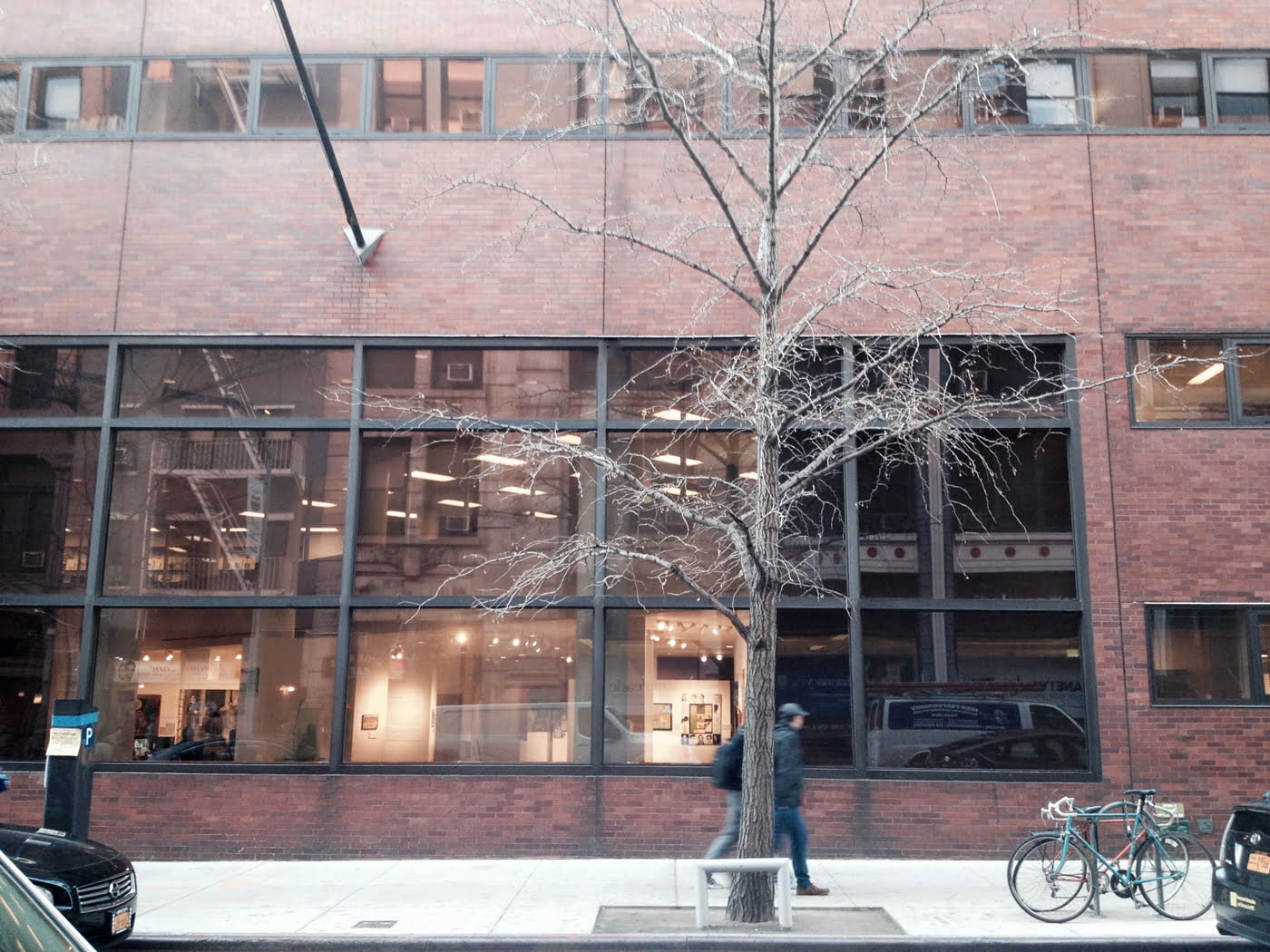
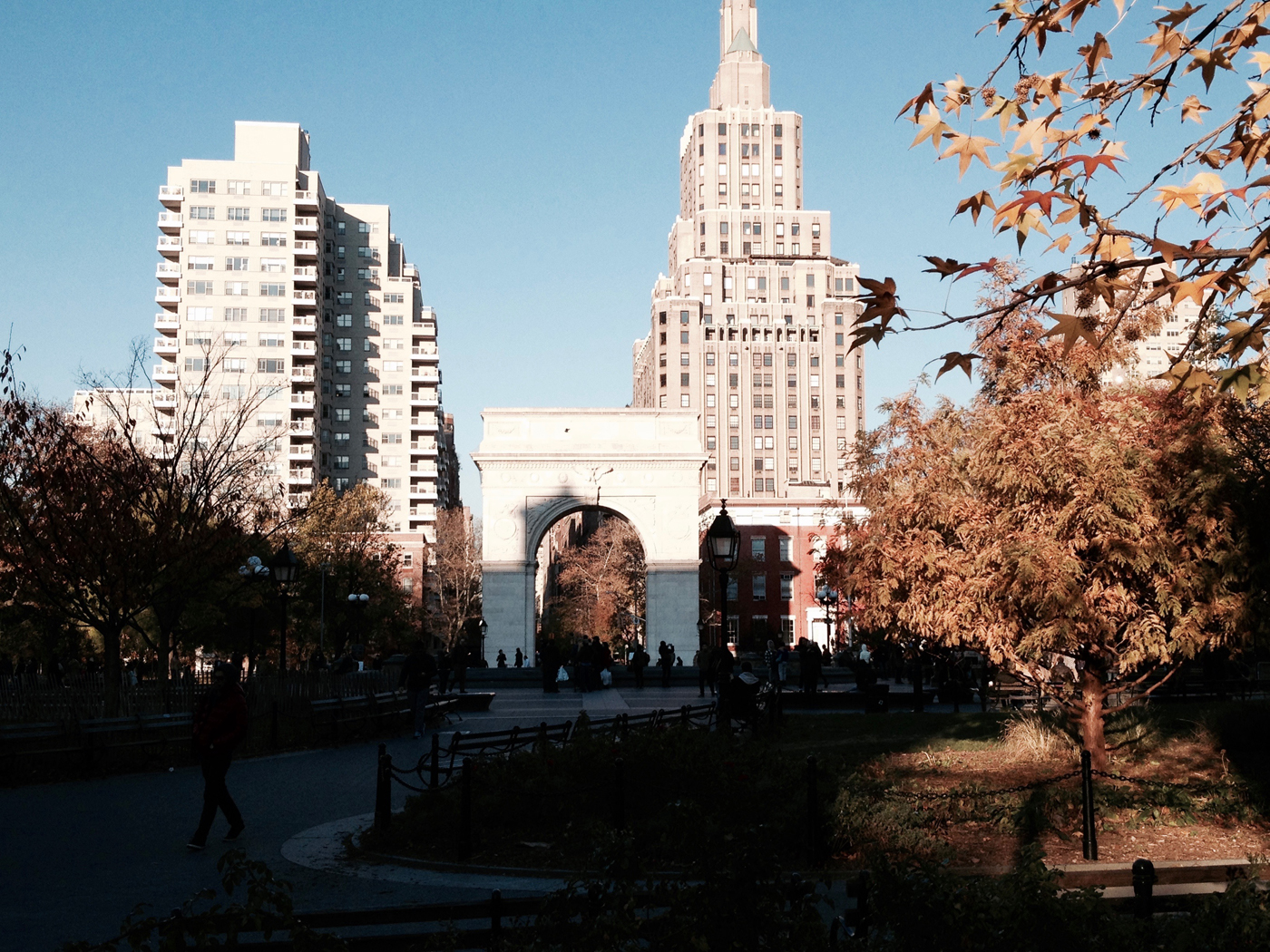
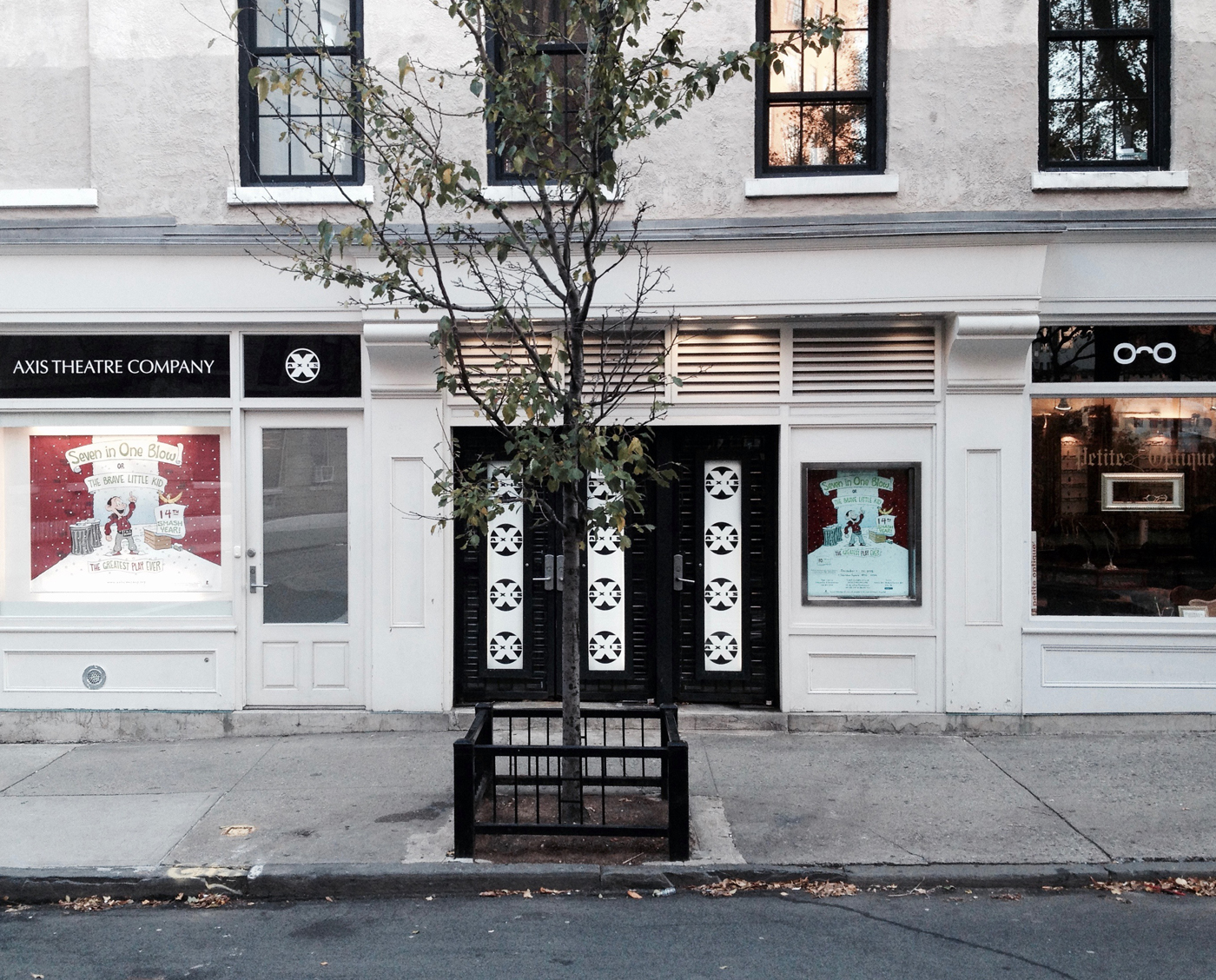 In the 1940s, this was one of the first nightclubs to feature folk music. The great protest and folk singer Josh White held court at Café Society for five years. Billie Holiday and Lester Young were regular performers in what was one of the first clubs to truly break color barriers. When Dylan lived here in 1962, it was the Haven — one of New York’s largest openly gay nightclubs.
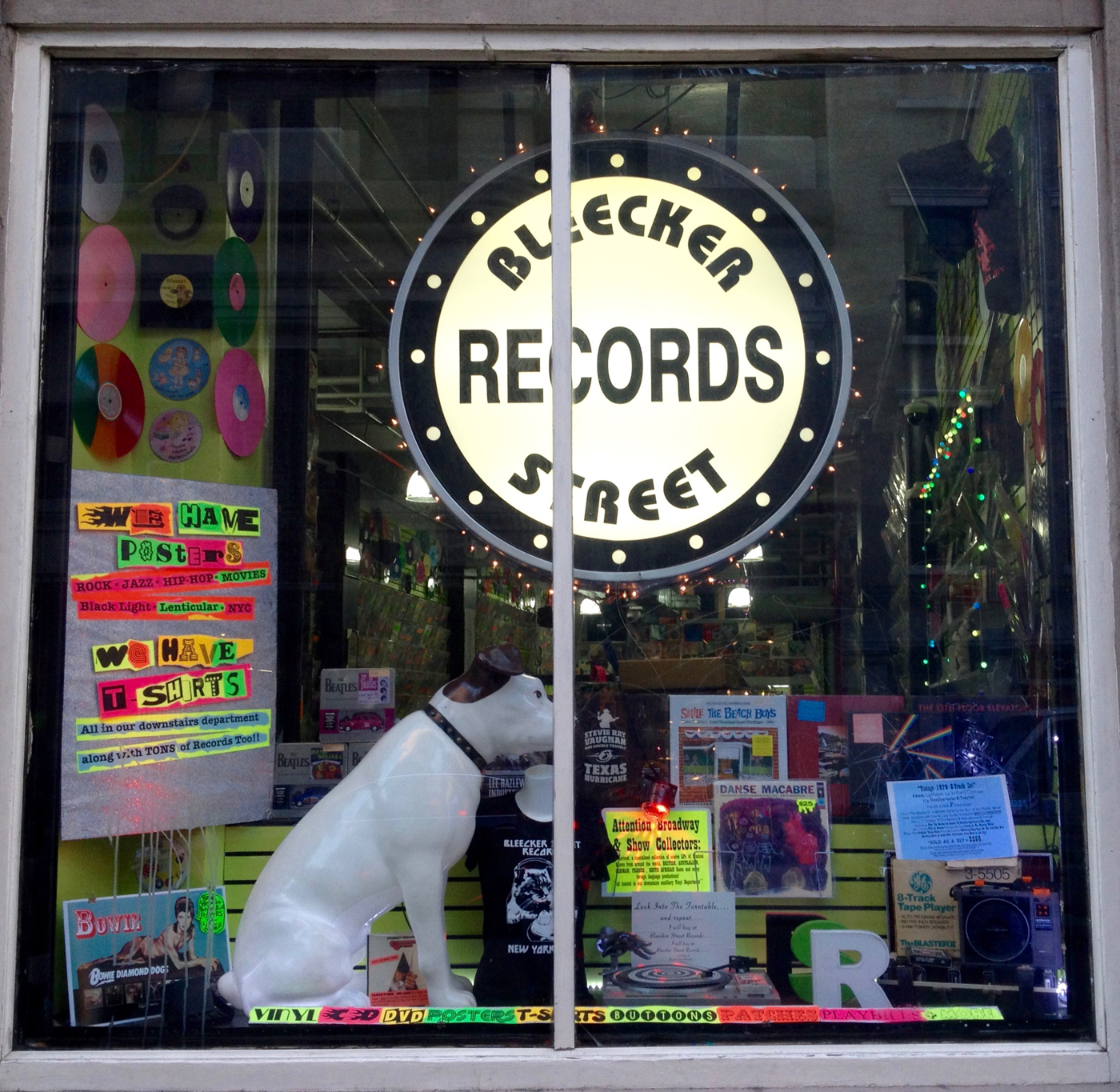 Keep heading toward Dylan’s apartment and then turn right on Jones Street.
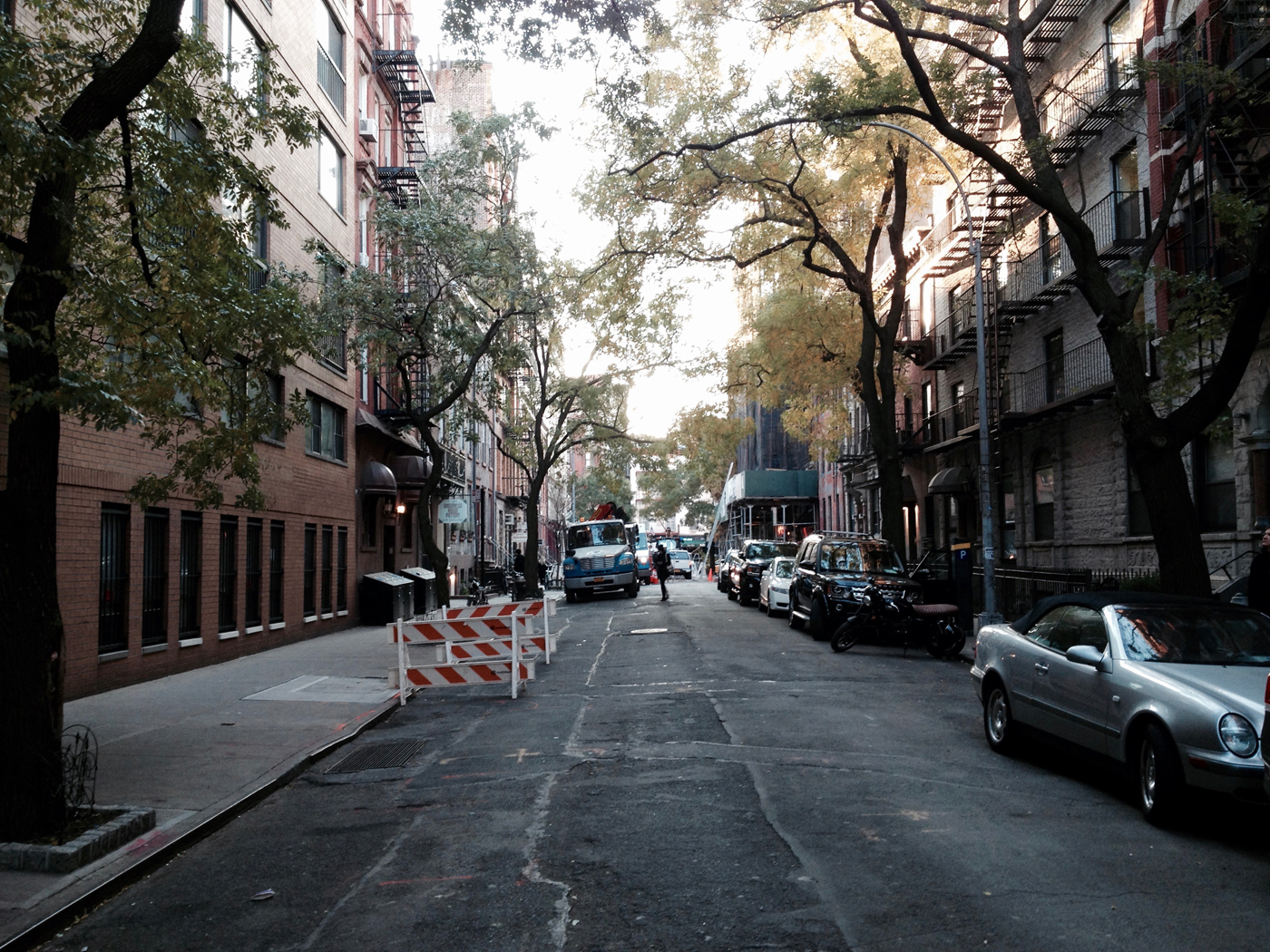 This is the street from The Freewheelin’ Bob Dylan album cover. Take some photos and continue down the street — at the end is Caffe Vivaldi. Pop in for a beer. It’s a great place to hear some burgeoning New York musicians, as it is still home to songwriters and one of the only clubs with a piano. It’s a great old room.
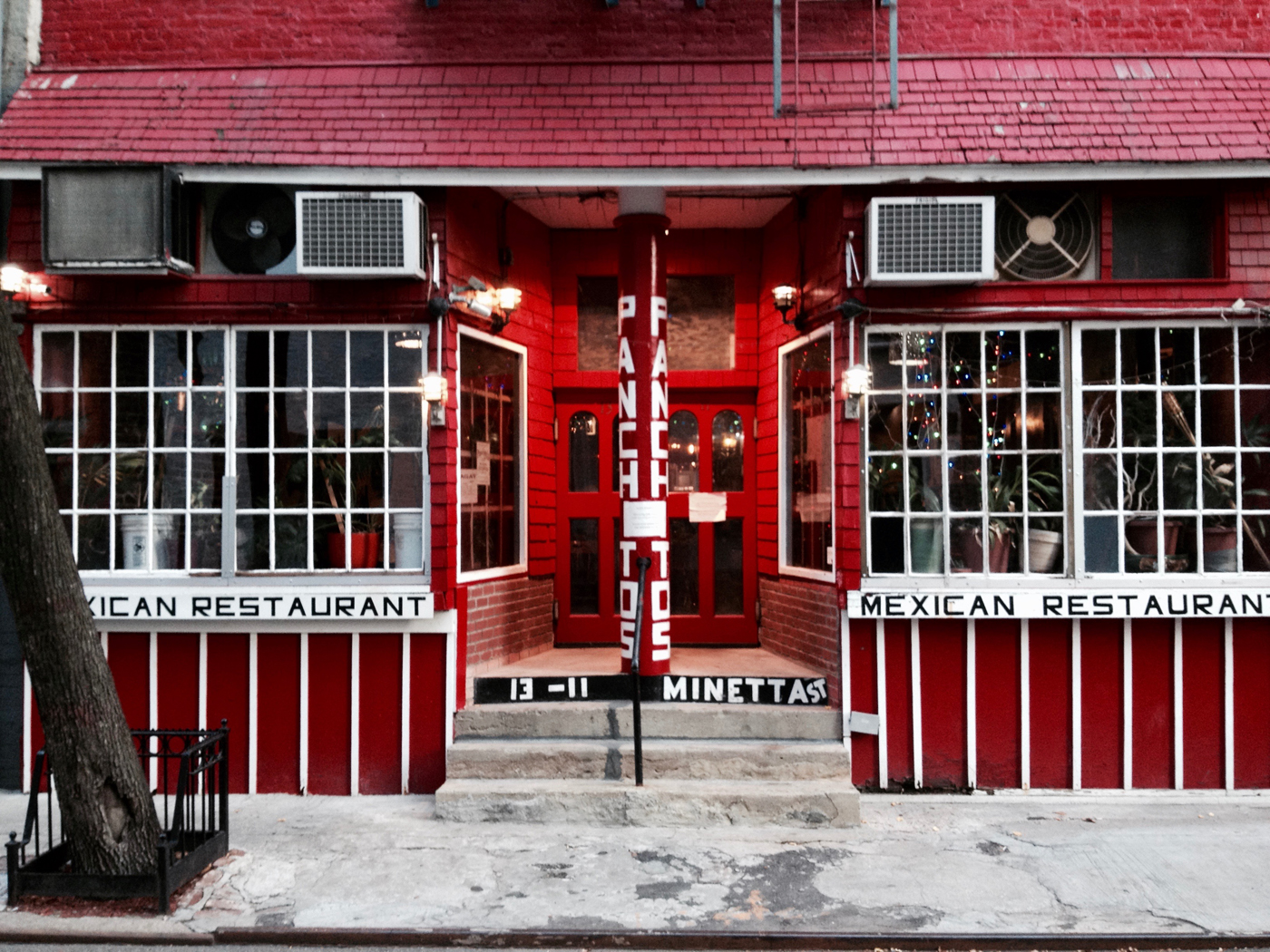 This room has a rich history. It was first the Commons. Opened in 1958, the Commons was originally a small theater and café that was tres bohemian. It was also one of the first basket houses — a coffee shop that had live music — in Greenwich Village. The performers were paid in tips, which were collected in a passed basket. The Commons expanded in 1960 and changed its name to the Fat Black Pussycat. This is where Dylan wrote "Blowin' in the Wind."
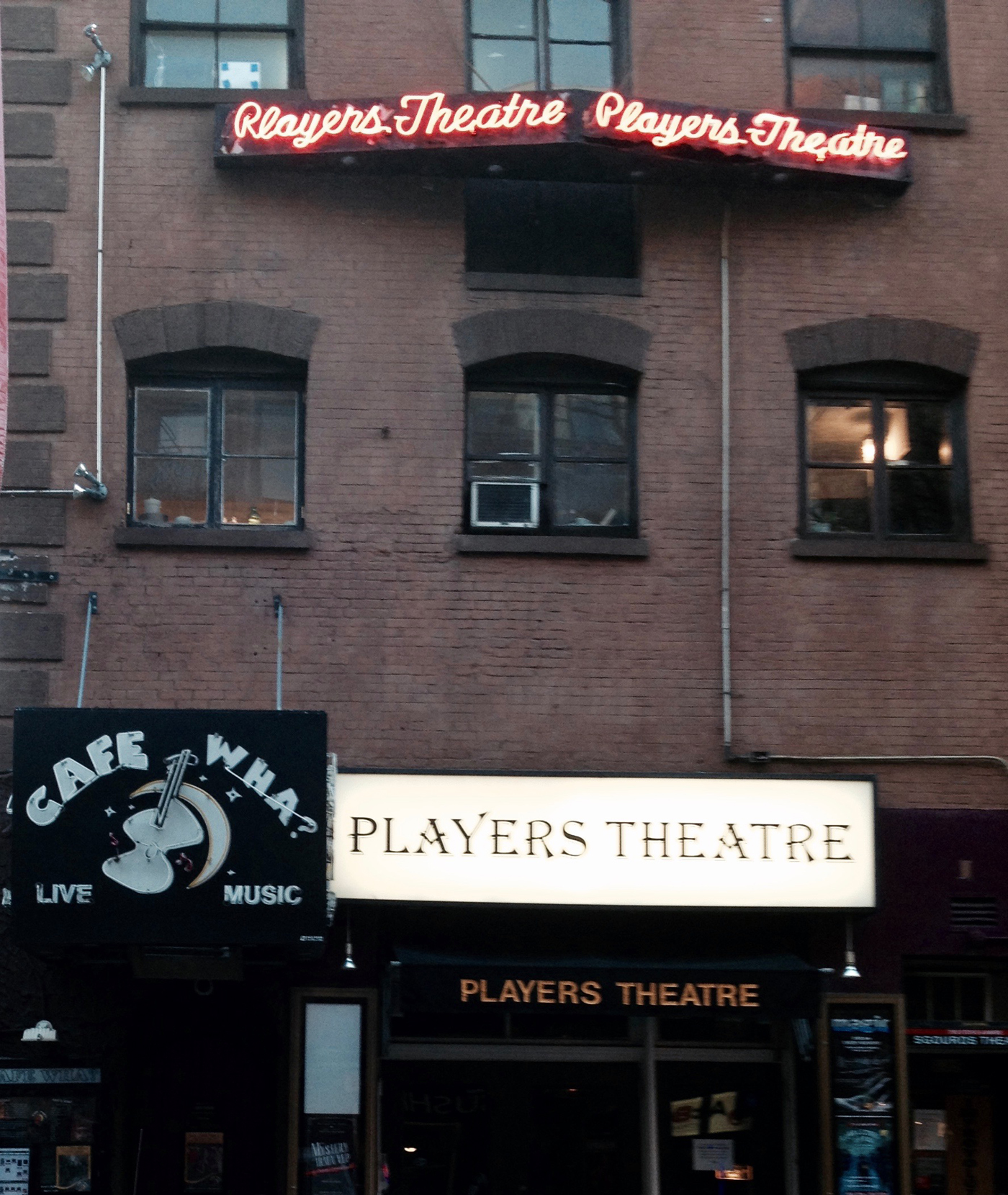 Dylan performed at Café Wha? on his first day in New York. It was an open mic hosted by Fred Neil. Fred Neil is best remembered as the songwriter behind “Everybody’s Talking” from the film Midnight Cowboy. In 1961, he managed the café’s day bookings and MC’d the open mic. Dylan did a set of Woody Guthrie songs and Neil hired him on the spot as his harmonica player.
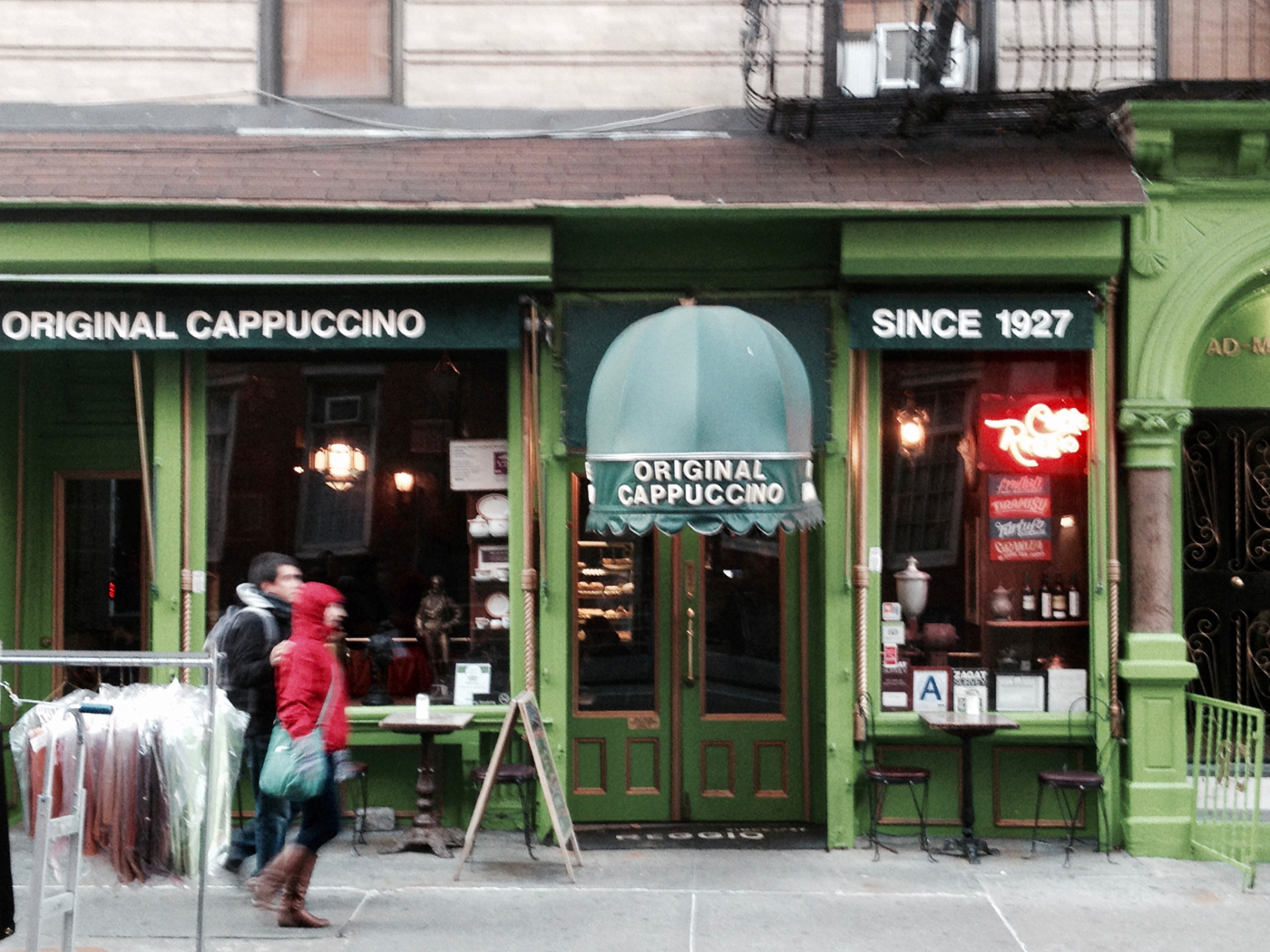 This café is virtually unchanged from the day it opened. Without a doubt, Dylan spent time here. You might also recognize it from the film Inside Llewyn Davis. Caffe Reggio also claims to be the birthplace of the cappuccino.
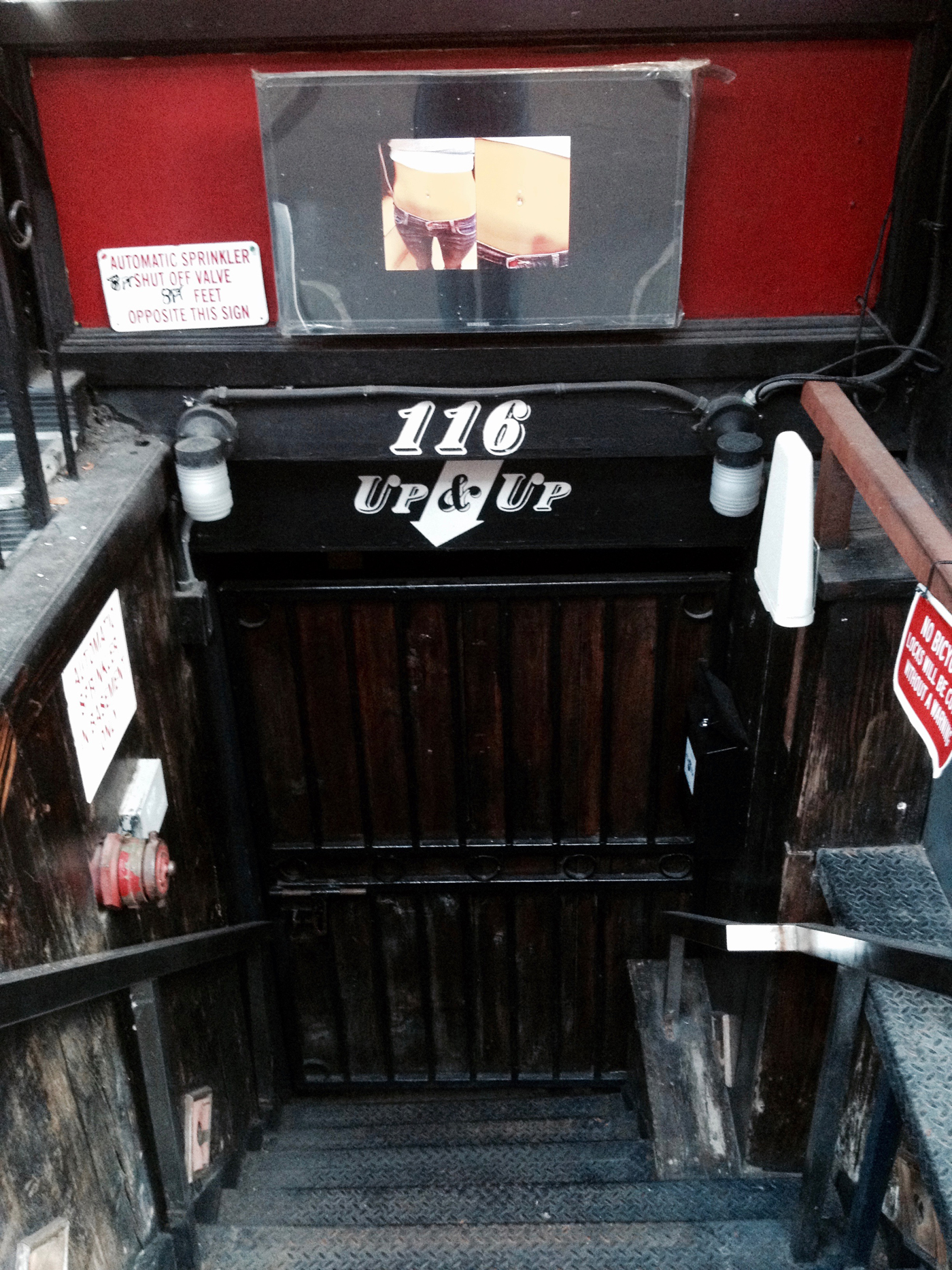 The Gaslight was the place to play in the 1960s. It was the Carnegie Hall of folk music, where Dave Van Ronk hosted the weekly hootenanny every Monday and Dylan was one of the regular performers within a year of moving to town. There were typically five performers each night and they would rotate every four songs. It is a tiny spot, and there would be lines stretched down the block. Before being converted to the Gaslight, this was the coal room for the building. The walls were stained black from years of storage, but the room embraced it and left it dark. It’s also been rumored that this is where the beatniks began snapping instead of clapping, so as not to disturb the upstair tenants.
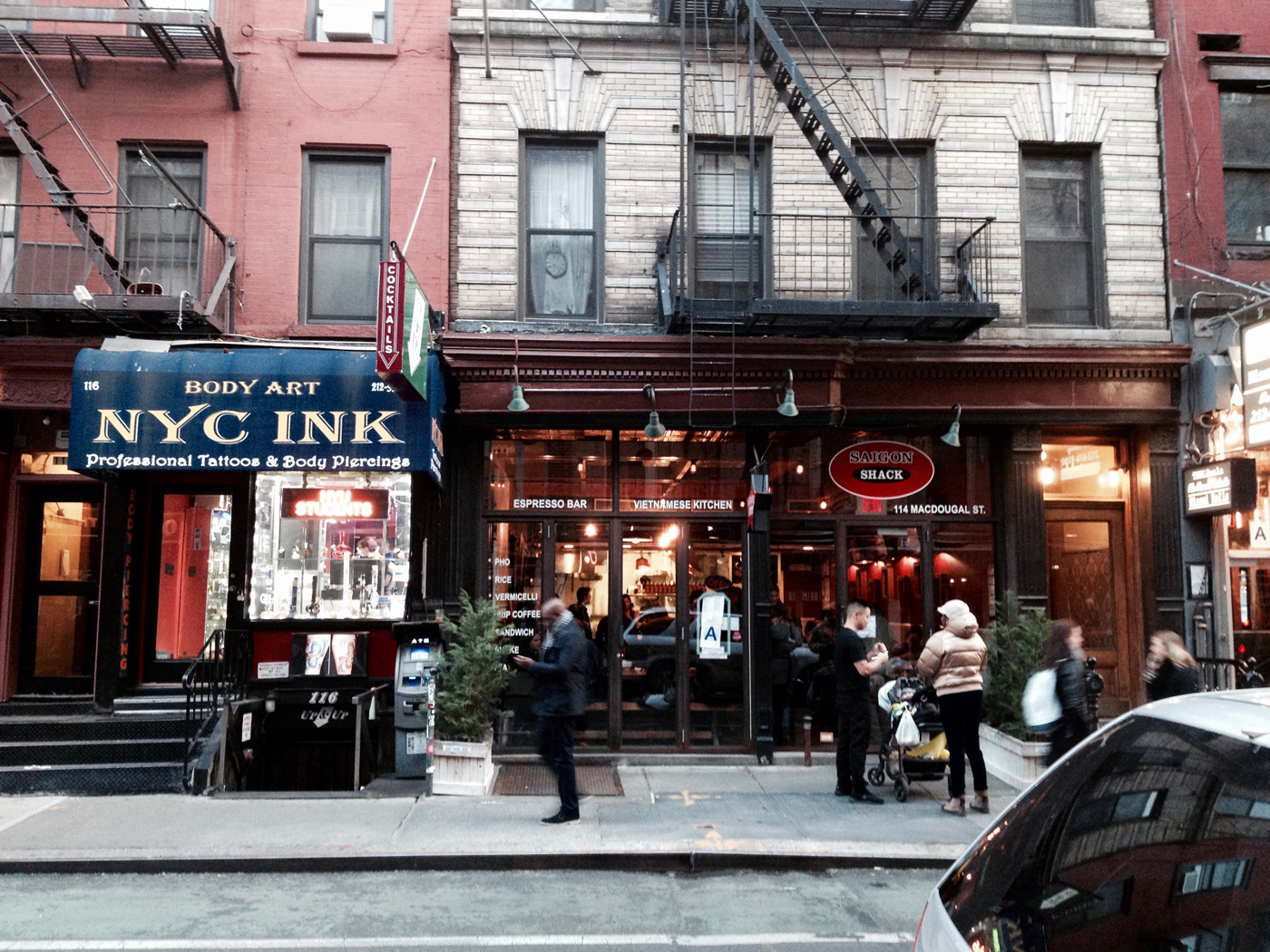 This is the former Kettle of Fish. When not performing, the musicians would eat and play cards up here.
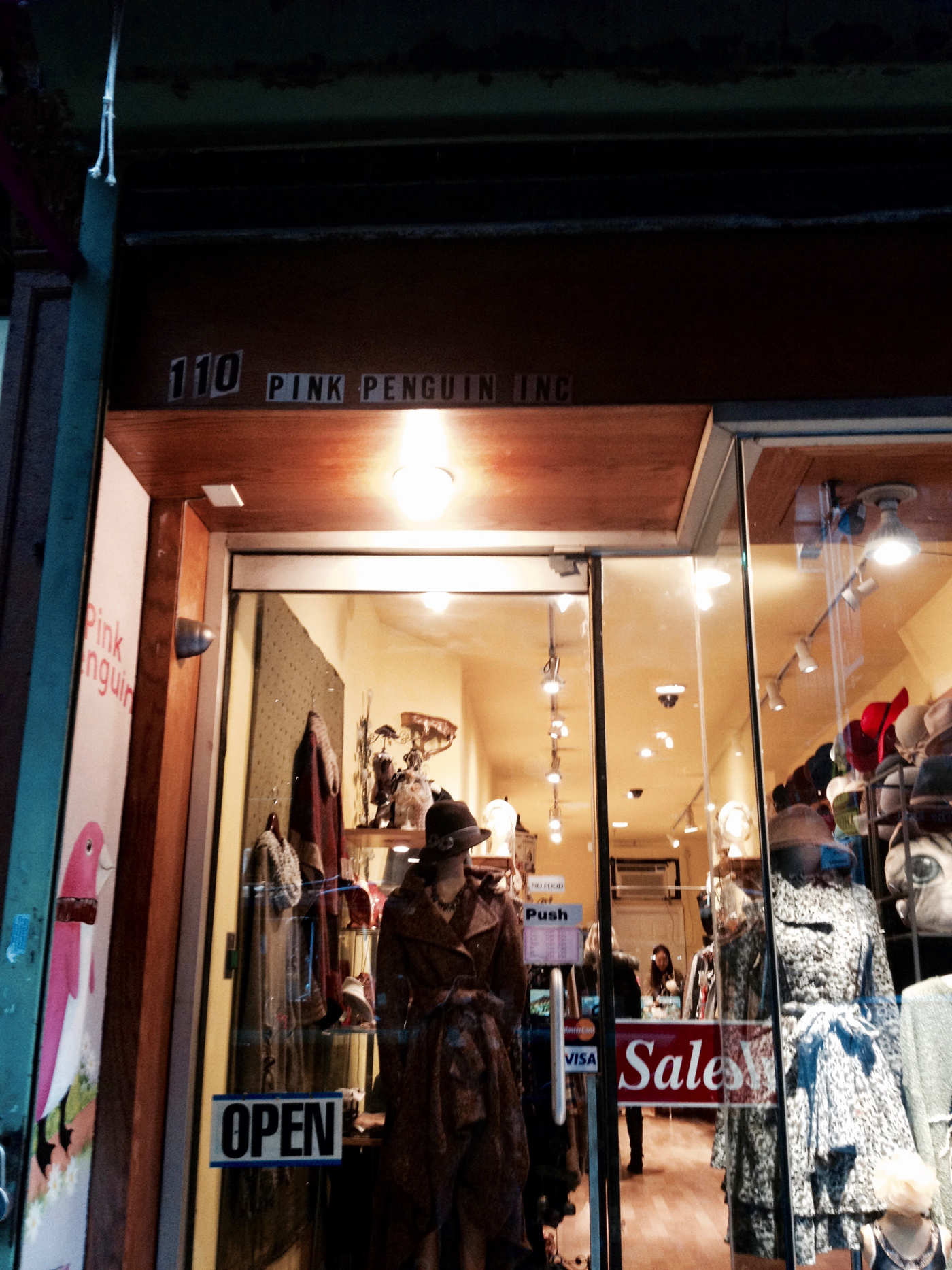 Izzy Young from the Beatnik Riots was the proprietor. Dylan referred to the Folklore Center as “The Citadel of American Folk Music.” Izzy was a notoriously bad businessman, but his folklore center was the hub of the New York folk revival. Van Ronk, and countless other musicians, were technically homeless — although they always had a place to crash. This was where their mail was sent. It was also where Dylan came to absorb records and learn new songs.
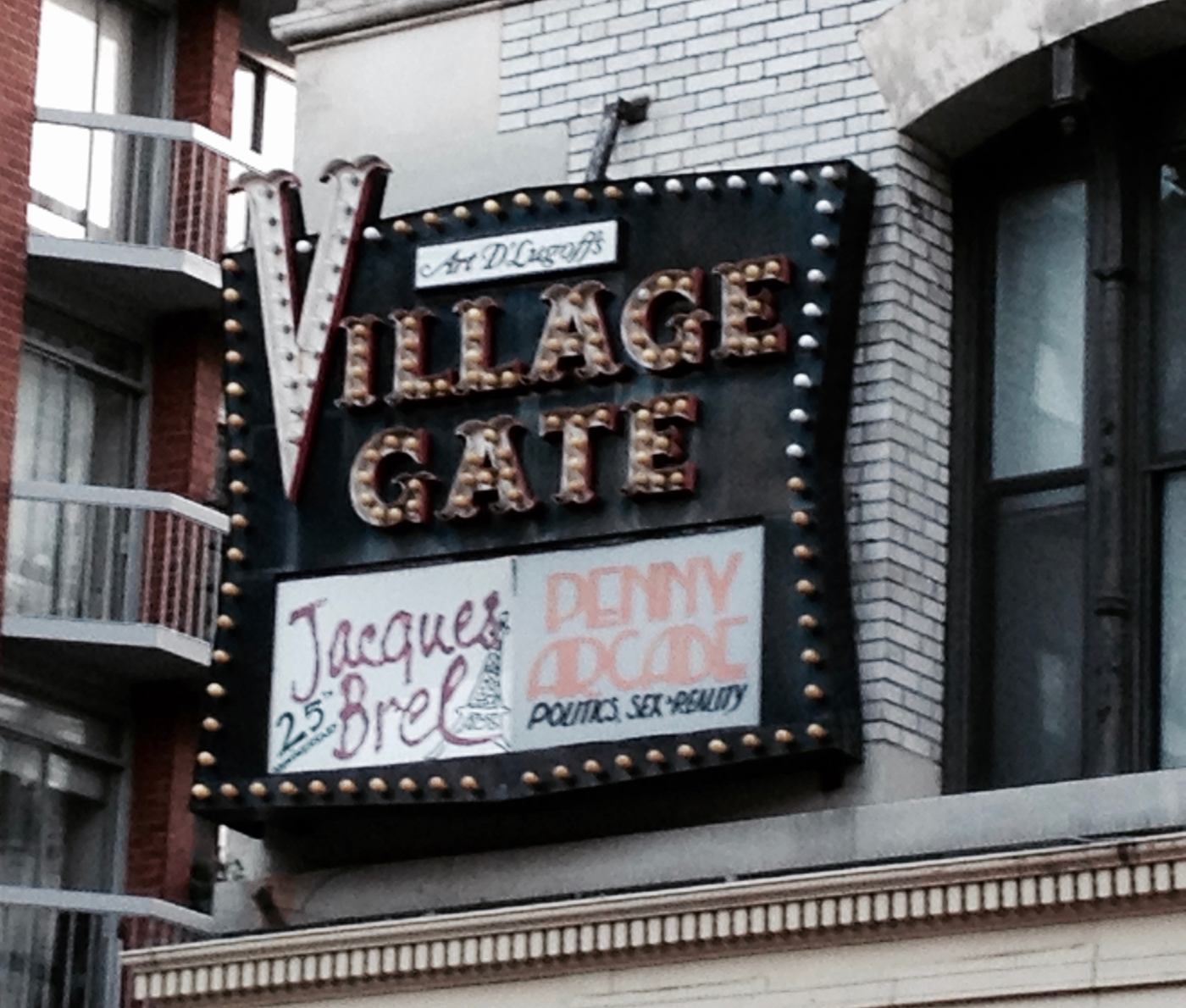 Continue to 152 Bleecker Street where the old Café Au Go Go is now a Capital One Bank. Café Au Go Go was a cultural hotbed in the 1960s hosting folk, jazz, comedy, blues, and rock. The Grateful Dead played their first New York show at Café Au Go Go. A young Joni Mitchell had a weekly gig. Blues legends Lightnin' Hopkins, Son House, Skip James, Bukka White, and Big Joe Williams performed at the club after being "rediscovered" in the '60s. Young Bob Dylan spent many nights listening to his peers and forefathers.
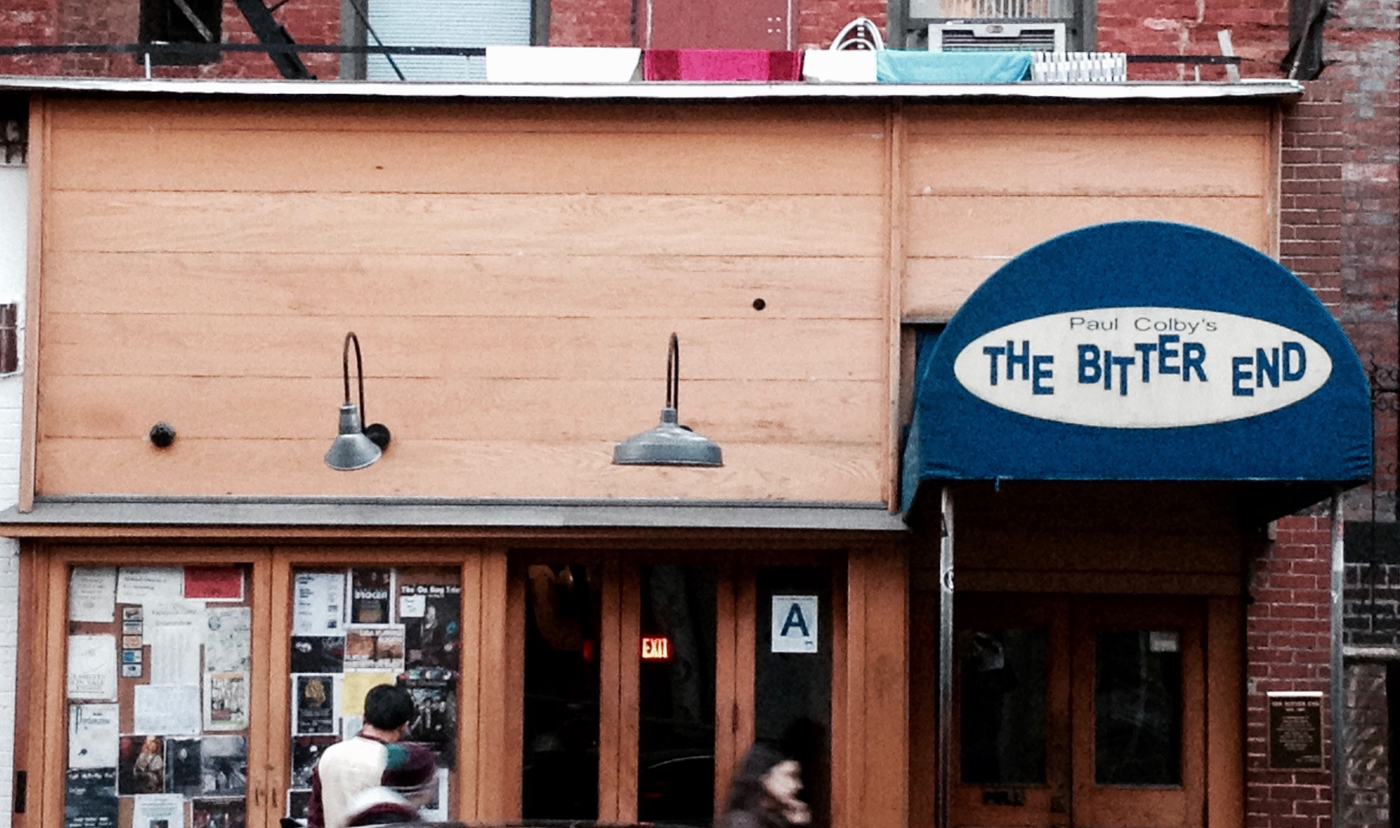 This is where Dylan came up with the Rolling Thunder Review. When he moved back to Greenwich Village in the '70s, he spent many nights at the Bitter End. There were many late-night jam sessions and, one night, he decided to take this loose collective on the road. He recruited some of his famous friends, hired a film crew, and embarked on one of the most ambitious tours of the 1970s. The Bootleg Series put out an amazing double album, and Heavy Rain was recorded on this tour. If you’ve ever seen Dylan in white face with a pimp hat, it was from the Rolling Thunder Review.