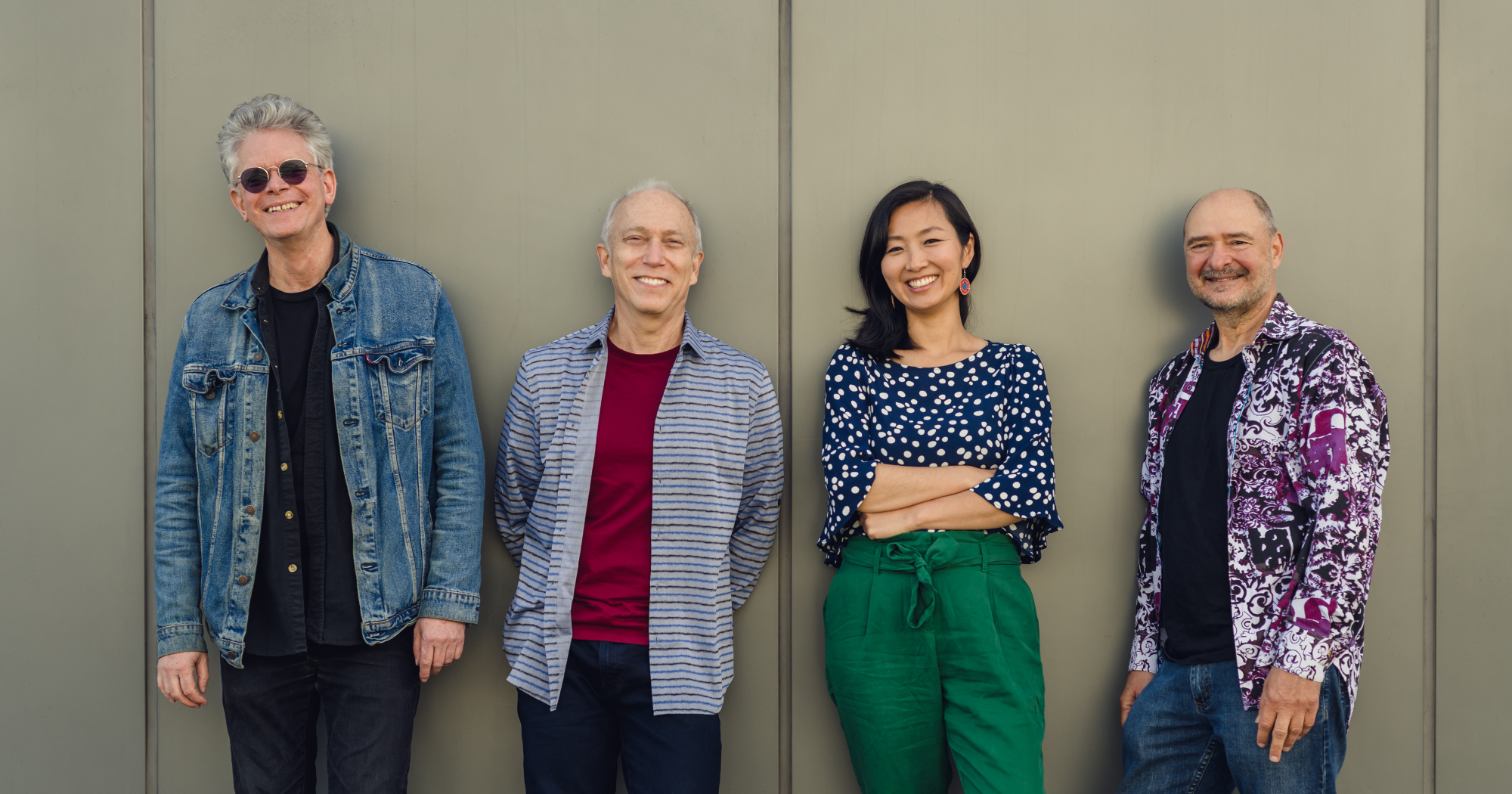
Kronos Quartet Wants You To Know Mahalia Jackson’s Impact

“If Mahalia Jackson were singing right now, I would have figured out a way that we would be able to perform with her,” says David Harrington, co-founder and violinist of Kronos Quartet, an ensemble that in its more than 50 years has consistently set new standards for what a string quartet can be.

He laughs as he leans into the camera on a Zoom from his San Francisco home, his white hair sticking straight up.

“You can count on that.”

Of course, that’s impossible. Mahalia Jackson, the New Orleans-born gospel singer, voice of the Civil Rights Movement, mentor to Aretha Franklin, confidant of and advisor to Martin Luther King Jr., died in 1972 at age 60. But Harrington got close. A little while back he commissioned composer Stacy Garrop to craft musical settings for excerpts from a 1963 interview conversation Jackson did with Chicago radio host Studs Terkel, a longtime friend of hers, and from performances broadcast in 1957.

The result is Glorious Mahalia, a five-part suite and the title piece of a new Kronos Quartet album featuring the ensemble’s recent lineup of Harrington, John Sherba (violin), Hank Dutt (viola) and Sunny Yang (cellos). It’s insightful and bold, the music echoing and enhancing the conversations, at times cordial, but also at times testy between these two friends as Jackson tells Terkel that he can never understand the experience of Black people in America.

And in one segment, Harrington gets right up next to his wish, as Kronos performs to a recording of Jackson singing “Sometimes I Feel Like a Motherless Child.” It is, indeed, glorious.

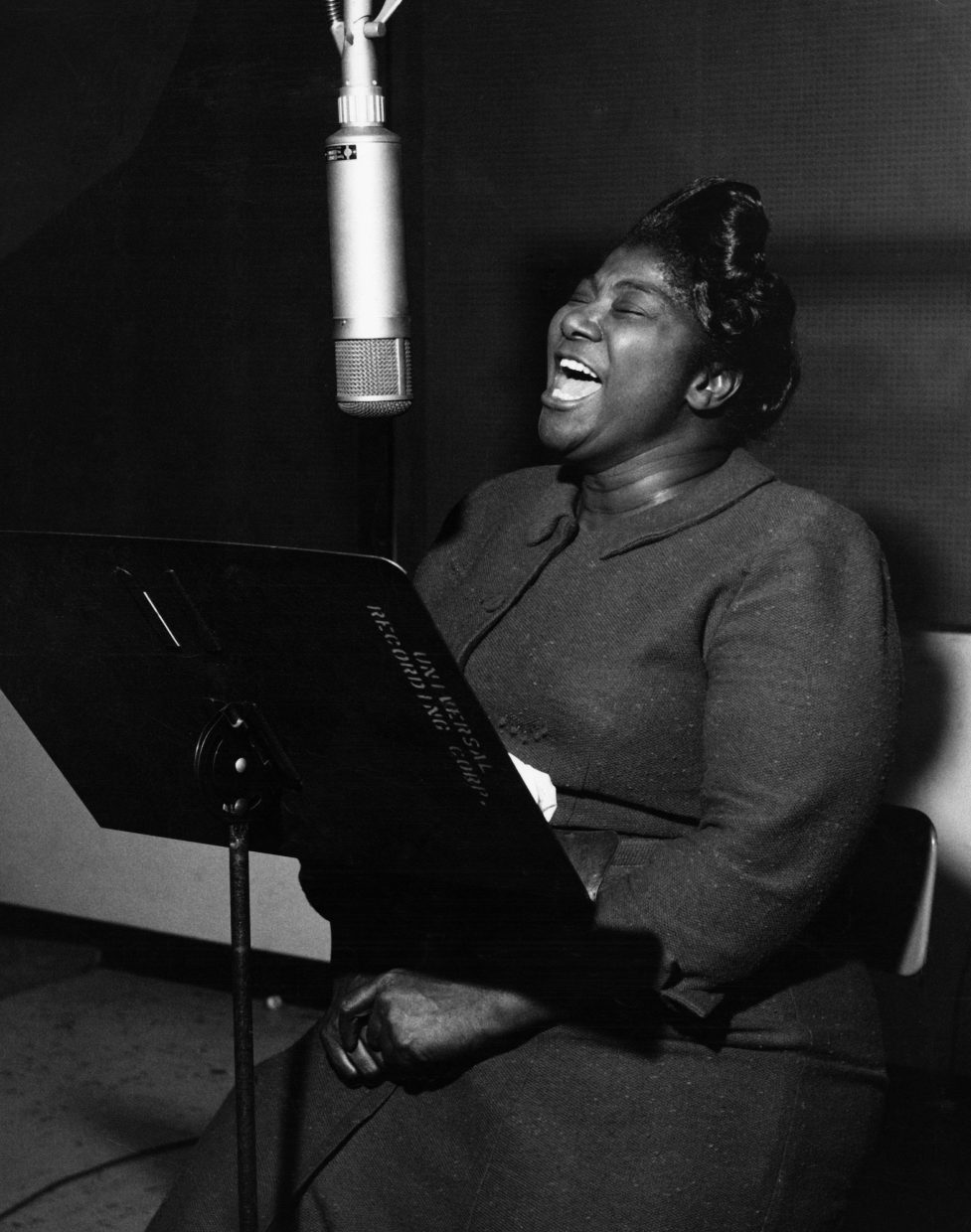
Mahalia Jackson photo by Lacey Crawford (courtesy of the National Museum of African American History & Culture.)

This is complemented by another suite, “Peace Be Till,” commissioned by Kronos from composer Zachary Watkins, incorporating reminiscences by King lawyer and speechwriter Clarence Jones as recorded by Harrington about the friendship between King and Jackson. At its core is the moment in a 1963 rally as he watched Jackson interrupt the written speech King was giving, shouting to him, “Tell them about the dream, Martin,” spurring one of the most impactful orations of modern times, the extemporaneous “I Have a Dream.”

An instrumental arrangement by composer Jacob Garchik of Antonio Haskell’s hymn “God Shall Wipe All Tears Away,” based on a 1937 Jackson recording, serves as a perfect interlude between the suites. Kronos has performed the song for years, including a stunning version with Mali’s Trio Da Kali on the 2017 album Ladilikan.

Kronos has long used spoken oral histories in its vast, wildly eclectic career. There is 1988’s landmark Different Trains, composed for the quartet by Steve Reich, juxtaposing audio accounts from a former Pullman porter and survivors of Holocaust transports, and last year’s Witness, by composer Mary Kouyoumdjian, with audio from survivors of the Lebanese civil war and the Armenian genocide. Glorious Mahalia’s themes of social justice also connect to, among many others, 2020’s Long Time Passing, a celebration of Pete Seeger, and 2022’s My Lai, the Jonathan Berger/Scott Chessman opera about the 1968 U.S. Army massacre of a Vietnam village. The new album follows those latter two as the third Kronos release from Smithsonian Folkways.

Harrington discusses all of this in a generous, wide-ranging chat for BGS, edited for length and clarity.

What were your first experiences with Mahalia Jackson’s music?

David Harrington: I think I heard her on television as a kid. But it was Hank Dutt, our longtime violist, who gave me an LP of hers in the late ‘70s. It just blew me away. Have you seen Summer of Soul, that film [Questlove’s 2021 documentary about the 1969 Harlem Music Festival]? Then you’ve seen Mahalia on that. Our family watched it, my daughter, son-in-law, grandkids, wife, and I watched together. And wow, when Mahalia got on, I said to everyone, “I have never seen a singer with a full-body vibrato before!” [Laughs] That was one of the most amazing performances I’ve seen in my life.

Glorious Mahalia springs from the conversations between Mahalia and Studs Terkel, and then it feels like Stacy Garrop joins the conversations with her music, and then Kronos join in too, all of you in a four-way exchange.

That’s a beautiful expression of it. I’ve never thought of it that way. What I wanted to do was hear all the interviews [Terkel] ever did with Mahalia. And that’s where my conversation started with Stacy Garrop. I think she knew a lot about his work, so it started there, really. We wanted a piece that celebrates their friendship and relationship, and what they brought to our society and our country.

It’s not always an easy conversation between Terkel and Jackson. She pushes back on him, even snaps at him that he can never know what it’s like to be her, to be Black in America. Was that part of your process with this, to consider, culturally and experientially what your place is in terms of presenting her views and experiences?

It gets back to wanting to perform with Mahalia Jackson. [Laughs] It’s like, every once in a while I hear a musician – I’m lucky as an explorer of music – I’ll hear something that is just so amazingly powerful. I want to find a way of bringing it into my own experience and that of the other members of Kronos and of our audience. And so I think I’ve been really consistent about that through the years.

The question is, what gives me the right to do that? I guess I’ve never really asked that question too often, because this is what musicians do. I’m absolutely convinced that if Beethoven would have heard some of the amazing musicians in India or various places around the world in his time, he would have wanted to bring elements of that music into his work in some way or another. Beethoven did a lot of transcriptions of Scottish music!

The first thing we hear on the album is Jackson’s voice, alone, singing the words “hold on.” It’s gripping and powerful, and must be even more so in a darkened theater for both you and the audience, hearing that before you even start playing.

Yeah, it’s about as good as it gets!

And then, from there, your task is to enhance and echo and illustrate the tone of her voice.

We’re also commenting, and our role takes on different kinds of complexities, being there as a platform for [Jackson’s and Jones’s] thoughts and voices to exist.

You have a history of projects that let others tell their cultural stories and experiences, from the oral histories of Different Trains and Witness to working with composers and musicians from many different places and traditions around the globe. This one is more centered on one person, though.

It goes back a long way, and thinking how to present this on a Kronos album – not only the voice, but the personality, the force, just the being of Mahalia Jackson. [That] was what I felt would be a good thing to do. That really came into focus when right around the 50th anniversary of the “I Have a Dream” speech, Clarence Jones was on television and he recounted how the speech became the speech as we know it.

When he described that moment of hearing Mahalia Jackson, someone King relied on in moments of need, Clarence spoke of when she would sing to him on the phone. I mean, when you think of anybody in the universe, a leader like Martin Luther King Jr., a civil rights leader, a spiritual leader, and he’s getting sustenance from a musician!

So then the speech is happening and, from what I can gather, she wasn’t quite hearing what she needed to hear from her friend. And so she called out to him: “Tell them about the dream.” When I heard that story I thought, “Okay, I get it. Mahalia Jackson has defined to me the role of musicians, the musical community in our world.” It was so clear. And what we get to do as musicians is listen. We listen to our inner selves, we listen to our families and our friends and our society.

In this case, Mahalia Jackson used her musical ability and listened to Martin Luther King and then gave him feedback. “Come on. I’ve heard you do better.” Now, am I imagining this? I don’t know if I am. I don’t even care, because it kind of defined something for me about my own role and the role of Kronos and musicians. So at that moment I thought, “I need to get in touch with Clarence Jones.”

This project started a few years back, but it’s coming out as the U.S. celebrates its 250th birthday. How does that timing feel, especially with the current political and cultural climate?

We’re doing a triptych, “Three Bones,” that’s premiering at Carnegie Hall [on April 25]. Part one will [draw on] Indigenous cultures. Part two will be African American, particularly Gullah Geechee [of the Southeastern U.S.]. Part three will be Chinese and Chinese American.

I’d like to make an experience that brings these three essential elements of American society to the stage at Carnegie Hall as our contribution to the 250 years. It’s about listening. It is just growing from listening. That kind of gets back to Mahalia.

Back to the idea of a conversation, it seems like it’s not just with Jackson and Terkel, but with the nation, with the cultures and the experiences, and not a static situation from 60 years ago. Does it feel like your relationship with Mahalia, her music, and her mission is something living and evolving?

I am very happy when Kronos gets to play this music on a college campus and for audiences that maybe never heard Mahalia Jackson, never heard about her, [or heard] that an artist can have very powerful ideas about life and our society. [About] what’s good and what’s right, and can express them as beautifully as Mahalia Jackson and Studs Terkel and Clarence Jones. You put these leaders together and it’s very impressive. And I don’t think there’s an expiration date there.


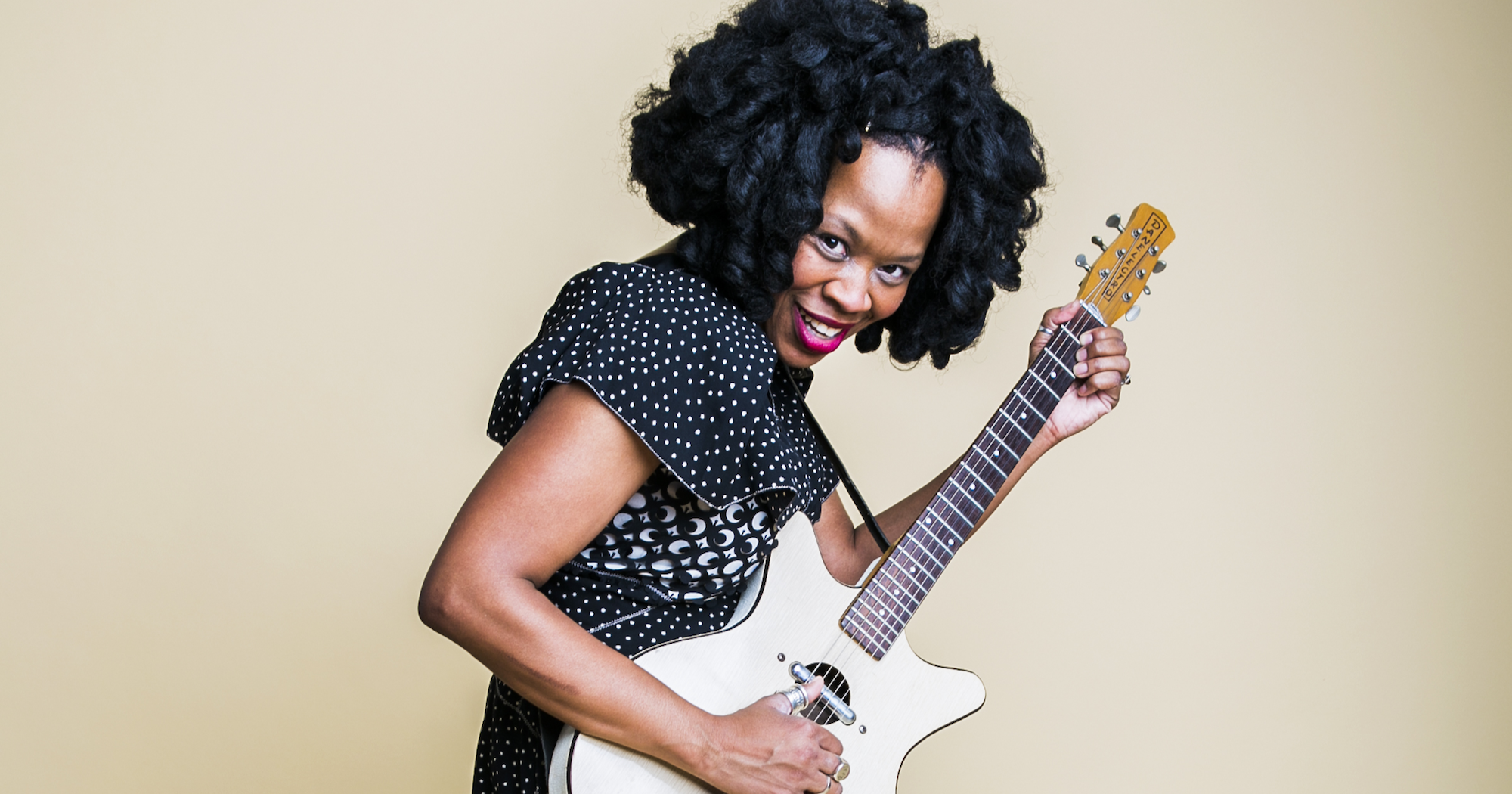
Photo Credit: Lead image of Kronos Quartet by Lenny Gonzalez. Inset image of Mahalia Jackson by Lacey Crawford courtesy of the National Museum of African American History & Culture.

Queen Esther Made a Civil War Album Unlike All the Rest

Civil War albums are all too common in roots music, bluegrass, country, and Americana. Usually, these concept projects romanticize and valorize one of the darkest periods in our nation’s history, while cheerfully and cartoonishly detached from reality and untethered from the nuances of this horrifying and violent period of tumult in the U.S. Revisionism and imperialism are enacted by fiddles and banjos in loose, contrived musical period garb.

Audiences seem to devour this kind of idyllic reimagination of the Civil War and the issues that gave rise to it. Though chattel slavery and its foundational role in our economy were central to the conflict, Civil War concept albums rarely interrogate those facts, instead leaning on listeners’ love for story songs and cursory understanding of “brothers against brothers” narrative paradigms to sell records and tickets. The sketchiness of this practice is overlooked across the board, perhaps due to the sheer ubiquity of such efforts.

On February 6, artist, musician, songwriter, actor, and playwright Queen Esther released a very different sort of Civil War album, Blackbirding. Enabled by a grant from The National Parks Arts Foundation, Queen Esther worked and lived in residence at Gettysburg National Military Park in Gettysburg, Pennsylvania, for a month in 2020. During that time, she communed with the land, the place, and the losses and griefs seeped into the blood-soaked soil, plumbing stories, myths, memory, and feelings to craft her 12-song reckoning with the Civil War. Original songs, songs from that time period, and fascinating covers combine into a work of roots music and theater, dramatization and storytelling interwoven with knowledge-bearing and memory-keeping.

Queen Esther being a Southern Black feminist multi-hyphenate creative is exactly why Blackbirding stands out among its peers in the curséd Civil War concept album space. There is no idealization or revisionism happening in Queen Esther’s songs. Instead, there’s a tangible humanity and an awe-inspiring alchemy of grief, loss, and crimes against humanity into beautiful, redemptive music.

Queen Esther first brought Blackbirding into the world as a piece of performance art with a staged reading in 2024. Even now, in its LP form, these songs lean forward, doing narrative work perceptible whether on stage or off, and coaxing listeners to abandon passive listening and – as all theater asks – inhabit a third, artistic, creative space together in our interaction with these compositions.

The central point of the album is made over and over again across the 12 tracks and throughout our lengthy and in-depth BGS conversation. “Blackbirding,” the 19th-century practice of kidnapping free Black folks and selling them into slavery or back into slavery, never really went away. The Civil War was not won. Reconstruction failed. Slavery itself was not abolished, but rebranded. As such, Blackbirding, whether from the perspective of its content or its genre aesthetics, isn’t a throwback or time capsule album. This is music made in the present, for the present, about the present, and it calls on all of us – again, in the present – to reckon with and consider how we each contribute to or act in defiance of the continuation of racial apartheid and imperialism in the United States.

Do not fear, though, because Queen Esther’s approach to such musicmaking is remarkably joyous, grounded, and compassionate. It’s clear she’s not only ready to engage in the conversations this music evokes, but that is exactly her purpose. And the ultimate culmination of her many talents. In this way, she yet again distinguishes herself from other such concept albums in Americana.

I’ve been a fan of yours for a few years, ever since we discovered your TED Talk. When I first watched it, it was so revelatory. It felt like you supplied vocabulary – and knowledge and expertise – that I wish I would’ve had my whole life to help describe the multi-ethnic origins of roots music and bluegrass and country. If all of this came from “Scotch-Irish tradition,” then why does bluegrass sound like bluegrass? Why does country sound like country? Why doesn’t it sound like Irish music or Scots music or music from the British Isles? It sounds different.

I just wanted to start by saying thank you for that talk – and thank you for all of the insight, feeling, and emotion that you bring to these intellectual topics that people tend to forget are about real humans, real experiences, and real music.

Queen Esther: Absolutely. I really appreciate you saying that. I think more often than not, Black people have these conversations amongst ourselves. We wait until the door is closed and then we talk. I think we should have more conversations with everyone in the room. As long as they’re willing to listen. That’s a tall order. Much more so than you would think.

I’m really happy about this album, especially because people are starting to have conversations around the songs, topics, and everything that I’m bringing up. The fact is that slavery has never ended. It was just modified. The Civil War has never ended. It just evolved. “Blackbirding” has never ended. It just got a lot more inclusive.

Those three things are standing in the way of America being America. There is the America that is on paper – the one that is in the brochure with the Statue of Liberty, the flag behind it, and mom, and apple pie, and all of this stuff. And none of it is true. It’s all a marketing ploy. The actual America that really exists, that’s the one that Black people have had to endure and survive for hundreds of years. That’s the America that turned its back on us.

You know as well as I do that there are so many Civil War albums in bluegrass, folk, string band music, and Americana. So many are built upon the revisionist history that you’re talking about. The manicured, sanitized “picket fence and 2.5 kids” version of the “American Dream.” So, normally when I get a pitch about an album like this, it just goes straight to my email archive. Knowing you and knowing your work – and especially the way that you bring theater and all of your multi-hyphenate titles into crafting and creating – I was so excited to have a chance to talk about approaching the Civil War and approaching Gettysburg as an inspiration for music.

Blackbirding is set in the present. You’re talking about how slavery never went away, how reconstruction failed, and how the Civil War was not won. You’re contextualizing this art in the present sonically, as well. Because, like you’re saying, the Civil War never ended, slavery never ended, blackbirding never ended. Can you talk a little bit about placing all of this discourse in the present and not just in period garb, as it were?

I have to say perspective is a powerful thing. As a Black woman, as a Southerner, as someone that’s two generations removed from slavery, as a creative, I never heard any of this told from a Black perspective. It was always “the lost cause”: “These Yankees came and they just attacked us from out of nowhere. We were living this beautiful life and they just ruined everything.” When nothing could be further from the truth.

They literally terrorized Black people. They tore us apart, they raped our children. They did all manner of evil constantly, under the guise of Christianity. And it was even uglier than anyone would dare to imagine. Which is why they’re struggling to hide Black history, to hide lost history, to make sure that it stays lost. To not have anyone like me turn over the rock to see what’s underneath.

At the same time, these songs from minstrelsy, these songs from not that long ago, they’re important songs. They should be rediscovered. The problem that I’ve always had is that once you have that technical prowess as a musician and once you plumb the depths with that music, no one was bringing that music forward into the present. Not unless they were … putting it in a historical context, and that’s important, but to bring it into the now [is just as important]. …

Having a sense of intellectual curiosity, it’s really important. It doesn’t matter that you’re not the smartest, but that you are curious intellectually and that you are brave enough to explore that curiosity is way more important. That’s really my bedrock. That’s where I’m coming from now.

I’m a generative performing artist. … We are the ones who generate our work and we perform that work. Some people don’t necessarily perform their work. They just write it or they create it and they’re looking for other people to do the work, to perform the work, so that they can get their work out there. Lots of songwriters like that. Lots of lyricists are like that. That’s beautiful. That’s great. …

The songs would come to me, they would just float up in my head. It’s like a patchwork quilt. You take all these different kinds of fabric and all these bits and pieces. But you’re making this mosaic that turns into this overall image that is bigger than whatever bits and pieces you brought to it in the first place.

Talking about that mosaic, it makes me think that of course we would end up at this point, with a project like this, with a conversation like this, and with a body of work that couldn’t have been made if you had tried to step outside of yourself or your own identity to make it.

Exactly. All of that fueled me. I was reaching out in different genres, not just musically, but in the world. I was doing a lot of alternative theater, I was doing cabaret. I was doing performance art, I was doing solo performance. I was doing storytelling. I’d get up on stage and I would do just about anything. That was a world in and of itself.

Now, after a certain point, when you’re a generative performing artist, you’re looking for grants so that you can develop the work in general. It takes seven to nine years to develop a musical. It takes five to seven years to develop a play. When you see someone go, “Oh yeah, my new play, it’s up.” They put in a heavy grind! That’s five years of rewrites and workshops and readings. Some theater taking them on with their theater company and developing that work until it was ready for a test audience, not even necessarily ready [to open]. It’s just a lot of hard work and a lot of heavy lifting. There are certain grants that make that possible, where you just have to go away and you have to write and create.

I found a grant that would let me do that with this album through the National Park Service. The National Parks Arts Foundation has grants to at least a dozen National Parks. You can go to the park, you can live on the park, and they will pay you.

This project is also a work of theater. What jumped out to me first and foremost in that regard is what you’re talking about – the residency, the grant, being on location. Bluegrass, roots music, country music, they all ask us to be in a place together, but not in the same way that theater does. Theater is very much created so the audience are not passive participants. It actively invites listeners and collaborators and bystanders into a space and into a place.

You are doing that with this body of work – and with your residency at Gettysburg. I thought that was one of the most fascinating things about this project. Using theater, with a capital T, to help do that work of transporting all of us to the battlefield, to Gettysburg, to the geographical place that you are evoking with these songs.

I’ve been doing theater ever since I could stand up straight. Think about the cavemen, just standing in front of their brethren and telling a story about what happened to them that day. If my grandmother were here right now and in on this conversation, she’d tell you that I was telling stories ever since I could talk. I would just make things up. She would be sitting there washing dishes and I would try to distract her by making up something wild or crazy or imaginative. I don’t know, I just gotta say something to make her drop that dishcloth or at least laugh or something. [Laughs]

What is fantastic realism? Fantastic realism is when you have ordinary circumstances and then something extraordinary just pops right in. … So the idea of theatricalizing whatever was happening around me as a little kid, [that’s fantastic realism]. If we were sitting here at a table talking, for example, and then an elephant came along and took the hat off your head – that kind of a thing. Just the outrageous Southern tall tale. Bombastic storytelling is always floating just beyond your reach, I think, as a Southerner. It’s just how we do.

And of course, like everything in the South, this is an African tradition. This is an oral tradition handed down from West Africa. West African traditions [are] something else that people have a really hard time saying out loud and acknowledging. It’s not that other cultures didn’t tell stories, but our influence as Africans, as enslaved Africans, of our African ancestors on the South and on America, is seismic. It’s time for people to make the shift however small, however great, and center that and acknowledge it. They can’t even acknowledge it. …

I’m going to tell you a story. I almost always start [performances] with, “You wanna hear a story? I got a story to tell you.” Sometimes I’ll sing it, sometimes I’ll say it with music happening around me or behind me. But this is a story that you’re gonna want to hear. And every single song on [Blackbirding] is wrapped up in a story. There’s a story that’s around it that’s historical. There’s a story that resonates into the now, and there’s a story that I bring to you as an audience when I’m performing the song itself.

I’m thinking about how there’s so much music made in these genre spaces that is also putting on a costume, or telling a story, or doing theater, but that often isn’t grounded in reality at all. It’s all construction. So where some people might interface with your art and think, “Oh, this is a musical, this is theater, this is going to be a play, this is going to be ‘make believe.’” It’s actually so much further from that.

Oh no, it’s reality!

Exactly. And to me, that’s the whole story here. The thing I wanted to talk about most about Blackbirding is the point that you made right at the top – and that you’ve made throughout this conversation. You’re not talking about something that was happening a while ago and isn’t happening today.

Look, the 13th Amendment said slavery’s over “except.” Except? That’s a gigantic loophole. Except for what? Except for incarceration. That means if you’re incarcerated, you’re a slave. What if someone said to you, “You’re fired except on Tuesdays”? Then I’m not fired. You have to come in on Tuesday for four hours. Other than that you’re fired. You don’t work here. How much sense does that make? No one would hear an employer say that and go, “Am I fired or not?” Am I free or not?

You are free. Except they had to make that exception. They had to. Why? Because when the Civil War ended, this country was in absolute shambles. And because Black people were the actual currency. There were 4 million of us and we were basically worth trillions in today’s money.

We went off and we started our own little hamlets and towns, and we started working for ourselves. Suddenly there was this massive tilt. Black people were the money and had all of these resources, energy, and power. And just by sheer force of will, we started building for ourselves, which is why they started tearing us down. Showing up to each and every single community and just murdering people, burning people [alive] in their homes. Coming up with all of these lies built on pseudoscience to justify all of the things that they did. …

But it never ended. Pulling Black people over on the road, out in the middle of nowhere for no reason whatsoever. Beating them up. Maiming them, murdering them in some instances. This has always been the way. This has always been the case.

I’m imagining you on site at Gettysburg. How do you take that sort of emotional devastation or the intrinsic triggering and challenging nature of these topics and turn them into something beautiful? Do you see them as beautiful to begin with? I’m trying to imagine how you take care of yourself emotionally and psychically as you’re doing this important work. Because I think there must be an emotional toll to it, but you clearly are built for it as well. This feels like your wheelhouse – and the way you talk about it and the comfortability you have in having these conversations.

Simple. I am not an atheist. I am not an agnostic. I believe in God. I believe in Jesus. I’m a Christian, and I know that God is with me. I feel God’s presence upon me. I feel God hovering over me, protecting me divinely. I feel that I’m walking in divine purpose and in divine order. I know that I am divinely protected, that the blood of Jesus covers me everywhere I go. …

There’s this point at which inspiration takes over. There’s a point at which you are no longer there, and inspiration is there instead. An actor prepares– the idea is that you have technique, right? Your technique is there whether you’re playing an instrument or singing or washing the dishes or driving the car.

Let’s say driving the car. I don’t know how to drive. So, every time I get behind the wheel and the car is moving, even if it’s moving slightly, I’m screaming like a banshee. I’m so excited. But when I get in a car [with my partner], he just does what he’s been doing. He doesn’t think about it. He adjusts the window here and he readjusts this here, he puts the key in, and he does all of these dozen or more motions. He just does it automatically.

That’s the idea. When you make art, when you’re on stage, when you’re performing, when you’re creating, there has to be something that takes over. Inspiration takes over. Once you’ve got the technique, set the technique, learning how to drive the car, what do you do? Something else takes over. And I’m telling you, that’s something else for me, personally, is not my ego. For me, that’s the Holy Spirit.

I remember when I got to the house [at Gettysburg], everything was explained to me, and they gave me the keys. I’m sitting there in the parlor, I’m arranging everything, and it’s still light outside. I thought, “You know what? Why not?” I took my camera and I walked to Devil’s Den. The first song that I wrote was “The Devil May Care (But Jesus Knows).” I came back and I wrote that down like I was writing someone a letter. It just poured right out of me.

I can’t even begin to explain the process. I wrote it down and I wrote down the chords. I shaped it around everything that I did and I thought, “This is a complete song.” What is that song about? It’s about Devil’s Den, the Valley of Death, which is what they called that area in between Devil’s Den and Little Round Top. These soldiers would climb into Devil’s Den, which is these hulking, gigantic rocks. There was this big snake that lived there. It was huge. They called it the devil. It was so huge, it was as big around in the middle as a grown man’s waist. There were children that liked to play around that rock, so the townspeople got up the courage and killed it.

They would climb inside of that perfect coverage for a sniper and they would shoot Yankee soldiers that they could [see] from Little Round Top and they would fall into the Valley of Death. That was a run, Plum Creek – a run is a creek – and it was so filled with blood they just called it a bloody run. From where the creek started, all the way past the house that I lived in, all the way through that valley of death, was just nothing but human blood.

To be a soldier caught in [Devil’s Den] meant that you could not be saved. Someone would have to come and get you if you were wounded. More often than not, those soldiers died, not because they were shot and they fell down and they died. They died because no one came to get them. They died because they were wounded and the wounds got infected and they just bled out or [succumbed].

That Valley of Death comes for you, not just at the end of your life. It comes for you at any given moment, at any crisis that you have. Over and over and over again.

Can you talk a little bit about how you approached genre on these songs? Because I really love that you didn’t make a “time capsule” record that’s trying to sound like it came from the 1800s. At the same time, you’re collapsing time musically and creatively so that you can draw on those textures and on those sort of old-timey elements to do that storytelling for you, sonically. How did the production process actually look or feel as you were putting this collection together?

I think that when you have a kid or when you give birth to a kid, you just let that kid be the kid. You’re not sitting there going, “I want this kid to be this,” or “I want this kid to be that.”

That’s a really good metaphor. Just let them be themselves.

And what you’re doing, really, is sitting back and waiting to see what that kid turns into. You have no idea how they got so great at math. This kid is a mathematician. You can’t balance your checkbook. This kid is just explosively running in this whole other direction that you can’t even fathom. You have no idea what your children will do, what they will become. And none of it really has anything to do with you.

It’s the same thing. These songs came to me and when they came to me, sometimes fully formed, I literally wrote down what I heard in my head. And that really is it. Each song is its own world. I just let the song be what it is, whatever it is. However it came to me, I just let it be what it is.

I consider myself to be a transcriber of the song. I’m sitting there. The song is in my head and I’m just writing it down as quickly as possible. I’m someone with a butterfly net chasing the butterfly through the jungle. I’m running after the butterfly and I’m hoping that it doesn’t get away. It’s fluttering. It’s right above my head. Sometimes I capture it, sometimes I don’t. My job as a producer is to make sure that song sounds exactly the way it did in my head.

Even the cover songs, the Olivia Newton John song, “Magic.” When Olivia Newton John is singing that, it’s one way. It’s interesting. But I’m a Black woman and I’m singing that about my ancestors, and my family, and all of us in community. It turns into a completely different song.

You have to believe that we’re magic. Nothing can stand in our way. You have to believe that because, ultimately really, Black people never thought we were supposed to survive any of this.
Toni Morrison says that in an infamous speech that she gave, we were not just supposed to survive any of it. …

When the song comes, it comes as it comes. I knew that I had the goods as a producer, because the song sounded in the room the way they did in my head. That’s the best feeling. But moreover, more than anything else, you have to develop your own aesthetic. You have to know what’s good, what’s not good, and why. You have to know your own mind. You have to know your own aesthetic. And you have to have the courage and the willpower to stand on it.


Photo Credit: Whitney Browne
BGS Class of 2025: Books

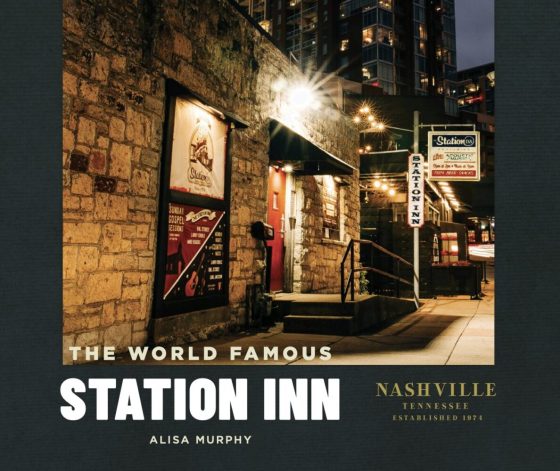
2025 was a standout year for roots music books. In a time of political upheaval and uncertainty, authors like Craig Shelburne & Brenda Colladay and Alisa Murphy brought us deep into the history of music institutions that have weathered generations of American ups and downs: the Grand Ole Opry and The Station Inn. Reading about these places is a reminder that culture is often a better litmus test than news cycles, when it comes to what a country stands for and where its soul can be found.

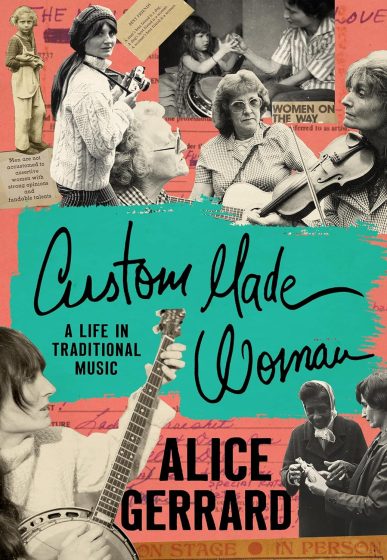
Biographies of Dolly Parton and Alice Gerrard (the latter written by Gerrard herself) highlight women who defied the odds to become iconic voices in country and old-time. Parton first debuted on the Opry at the age of 13 and her influence on American culture has spanned from highlighting women in the workplace with “9 to 5” to donating a million dollars for medical research to accelerate the creation of the Moderna COVID vaccine. Gerrard, while less of a household name, is considered one of the last of the old guard in traditional music; even if you haven’t heard of her, you’ve probably still been touched by her work. These books detail the unlikelihood of these women’s successes given the time and place of their work and both good reminders of changing gender norms that we now take for granted.

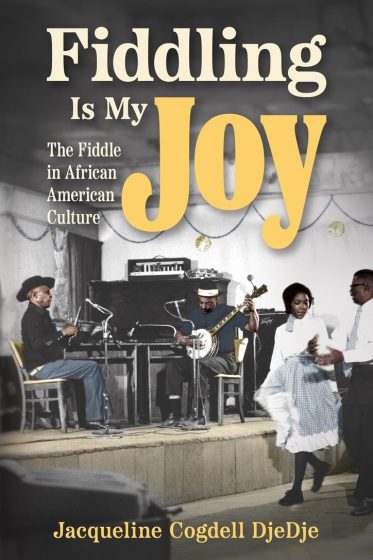
Two books on Black American fiddle and banjo music continue the quest to restore African music’s and African American musicians’ rightful place in the history of the American string band tradition. With additional archival and notation resources, these books offer not only scholarship, but an opportunity for dedicated pickers to add to their repertoire, too.

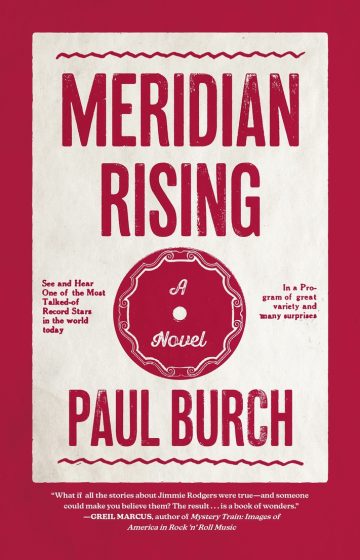
And finally, roots musicians Paul Burch and Charlie Parr channel their creative writing into novels Meridian Rising and Five, respectively, the former a fictionalized story of Jimmie Rodgers and the latter a wild meditation on the wanderings of a troubadour.

From coffee table aesthetics to novels and new tunes, 2025’s roots music books have you covered! See a list of our favorites and a collection of “honorable mentions” below.

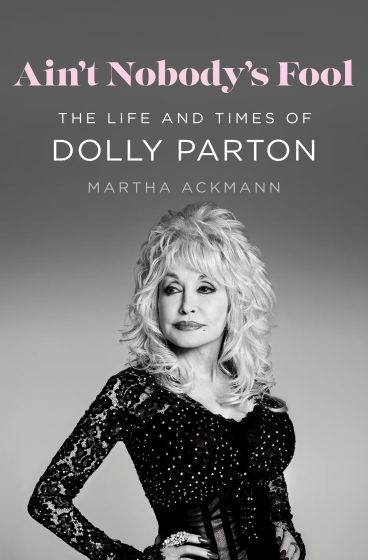
Ain’t Nobody’s Fool: The Life and Times of Dolly Parton by Martha Ackmann

Martha Ackmann is known for illuminating the stories of women who rise above societal expectations, so it’s only appropriate that she should tell the story of Dolly Parton’s ascent to success. With new interviews and documents, the book focuses on the price Parton paid for her early fame, penalized and criticized by those who saw it as a betrayal of her roots. Despite legal battles and struggles with her mental health, Parton persevered and went on to use her affluence to help her East Tennessee home, through the development of Dollywood, her charitable work, and the creation of The Imagination Library. Find it here.


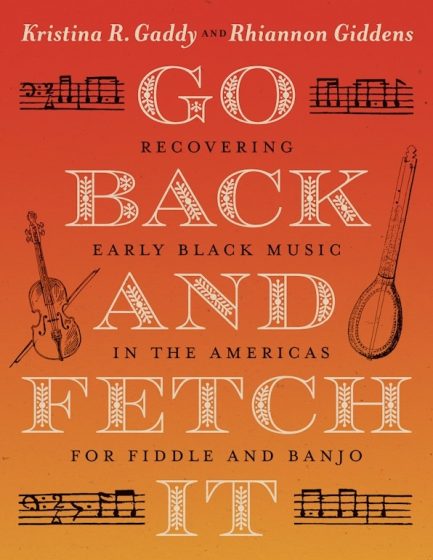
Go Back and Fetch It: Recovering Early Black Music in the Americas for Fiddle and Banjo by Kristina R Gaddy and Rhiannon Giddens

Appropriate for pickers and scholars alike, this collection of early Black Atlantic music is equal parts songbook and history lesson. Nineteen carefully transcribed tunes sourced from 1687 to the 1860s are presented in standard notation and banjo tablature, and accompanied by rich historical essays detailing their origins, cultural context, and evolution over time and place. This collection is another important step in the recovery of Black history of the American musical canon – and specifically the fiddle and banjo canon – from two lauded experts on the subject. Find it here.


Meridian Rising by Paul Burch 

Meridian Rising, the debut novel from Paul Burch, fictionalizes the life of country star Jimmie Rodgers and was released this fall to rave reviews. As the Chattanooga Free Press says, “Burch must have done a great deal of research to deliver a story that feels so authentic, but research alone doesn’t make a good novel. The writing is what matters, and Burch skillfully renders a large cast of narrators throughout Meridian Rising, especially its main subject, whose witty, sometimes barbed voice is vivid and memorable.” Find it here.


The World Famous Station Inn by Alisa M Murphy 

The passing of JT Gray in 2021 marked the end of an era for The Station Inn. Although the venue continues its bluegrass legacy with new management, it has been long past time to commemorate this (as its name rightly points out) world-famous venue with a book of stories and photos. Author Alisa M Murphy spent two years immersing herself in the culture of the venue and conducting interviews to put together her coffee-table book, The World Famous Station Inn. Find it here.


Custom Made Woman: A Life in Traditional Music by Alice Gerrard

This new memoir from one of our national treasures, Alice Gerrard, features over 100 of her personal photographs along with stories from pivotal times and an exceptional life in traditional music. Gerrard’s career saw her crossing paths with Bob Dylan, Doc Watson, Elizabeth Cotten, and many more. Recent rereleases of Gerrard’s trailblazing collaboration albums with Hazel Dickens have been put out by Rounder Records and Smithsonian Folkways, and they can be listened to in an entirely new context thanks to this book. Find it here.


Fiddling is My Joy: The Fiddle In African American Culture by Jacqueline Cogdell DjeDje

UCLA Ethnomusicologist Jacqueline C. DjeDje investigates the fiddle in Black America, not only helping restore it to its rightful position in history, but also exploring why fiddle in African American culture disappeared from the mainstream story of the instrument in the first place. In addition to exploring geographic differences in African American fiddling traditions, DjeDje’s scholarship looks at fiddle traditions in West African and how their specific characteristics made their way to both Black and white American fiddlers. The book is accompanied by an online eScholarship Companion with primary source documents and audiovisual examples of music discussed in the text. Find it here.


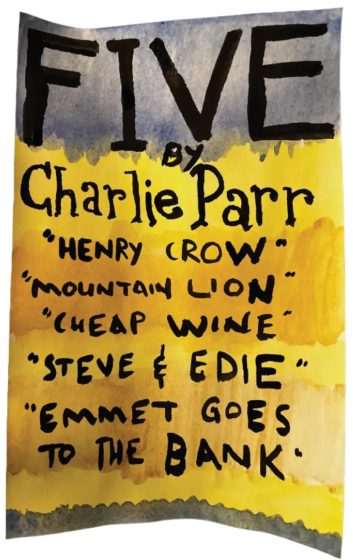
Five by Charlie Parr

The second collection of short fiction from beloved Minnesota musician Charlie Parr is not for lovers of a tight plot and succinct characters. Parr’s five stories are, according to his own description, “more like sad anecdotes told to you at the end of an impossibly long dinner party by the drunken spouse of someone that you barely know while you’re easing your way to the door, having already put your coat on around the time that these stories began.”

But, if you’re a fan of Parr and his 18 (!!!) studio albums, this collection is a must. Find it here.


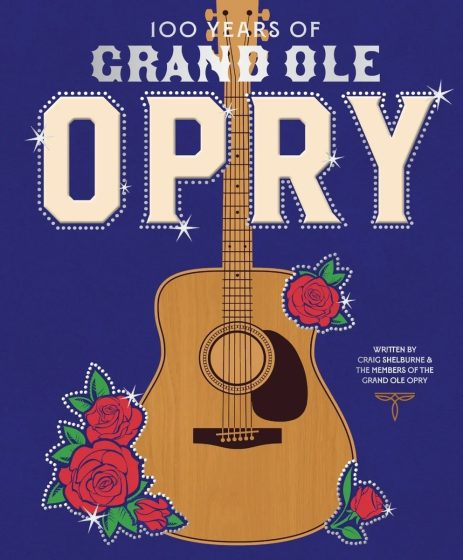
100 Years of Grand Ole Opry by Brenda Colladay & Craig Shelburne

Music journalist Craig Shelburne worked tirelessly with Opry historian Brenda Colladay – and dozens of artist, announcer, and Opry employee interviewees – to tell the story of the world’s longest-running live radio show over a century. The Grand Ole Opry is certainly the main character. This book is perfect for collectors and readers alike, since it’s full of illustrations and photographs. It’s separated into chapters by time periods, following the twists and turns of the Opry’s youth, adolescence, and adulthood. From Lester Flatt to the 2010 flood, the book is as deep as it is wide. An entertaining resource for country fans who like to get the full story. Find it here.


Other Reads From Our Inbox

  • Solomon Simon Dog Man Jack by Cindy Baucom, illustrated by Grace van’t Hof (Self-published)
  • Bluegrass Gospel: The Music Ministry of Jerry and Tammy Sullivan by Jack Edward Bernhardt (University Press of Mississippi)
  • Land of a Thousand Sessions: The Complete Muscle Shoals Story by Rob Bowman (Malaco Records Press)
  • Heart Life Music by Kenny Chesney with Holly Gleason (Harper Collins)
  • Southern Mountain Music: The Collected Writings of Wayne Erbsen (McFarland Books)
  • Howdy! Welcome to the Grand Ole Opry! by Emily Frans (Abrams Books)
  • Blood Harmony: The Everly Brothers Story by Barry Mazor (Da Capo Press)
  • The Hours Are Long, But the Pay Is Low: A Curious Life in Independent Music by Rob Miller (University of Illinois Press)
  • Star of the Show: My Life On Stage by Dolly Parton (Ten Speed Press)
  • Roots & Rhythm: A Life in Music by Charlie Peacock (Eardmans)
  • Poets and Dreamers: My Life in Americana Music by Tamara Saviano (Texas A&M University Press)
  • Bluegrass and Religion by Pete Ward (Bloomsbury)


Celebrating Black History Month: Mavis Staples, Chapel Hart, Charley Pride, and More

To celebrate Black History Month – and the vital contributions of Black, Afro-, and African American artists and musicians to American roots music – BGS, Good Country, and our friends at Real Roots Radio in Southwestern Ohio have partnered once again. This time, we’ve brought you weekly collections of a variety of Black roots musicians who have been featured on Real Roots Radio’s airwaves. You can listen to Real Roots Radio online 24/7 or via their FREE app for smartphones or tablets. If you’re based in Ohio, tune in via 100.3 (Xenia, Dayton, Springfield), 106.7 (Wilmington), or 105.5 (Eaton).

American roots music – in any of its many forms – wouldn’t exist today without the culture, stories, skills, and experiences of Black folks. Each week throughout February, we’ve been spotlighting this simple yet profound fact by diving into the catalogs and careers of some of the most important figures in our genres. For week four of our celebration, RRR host Daniel Mullins shares songs and stories of Charley Pride, Mavis Staples, Chapel Hart, Carolina Chocolate Drops, and Philip Paul. Be sure to check out week 1, week 2, and week 3 of the series, too.

Today is February 28, so sadly this will be the final installment of our Black History Month celebrations this year. But, as always, we’re committed to bringing you even more music celebrating Black History – and the songs and sounds we all hold dear – not just in February, but year-round.

Plus, you can find a full playlist with more than 100 songs below from dozens and dozens of seminal artists, performers, songwriters, and instrumentalists from every corner of folk, country, bluegrass, old-time, blues, and beyond.

Black history is American roots music history; the two are inseparable. As we celebrate Black History Month and its legacy throughout the year, we hope you’ll join us in holding up and appreciating the artists who make country, bluegrass, blues, folk, and Americana the incredible and impactful genres that they are today.

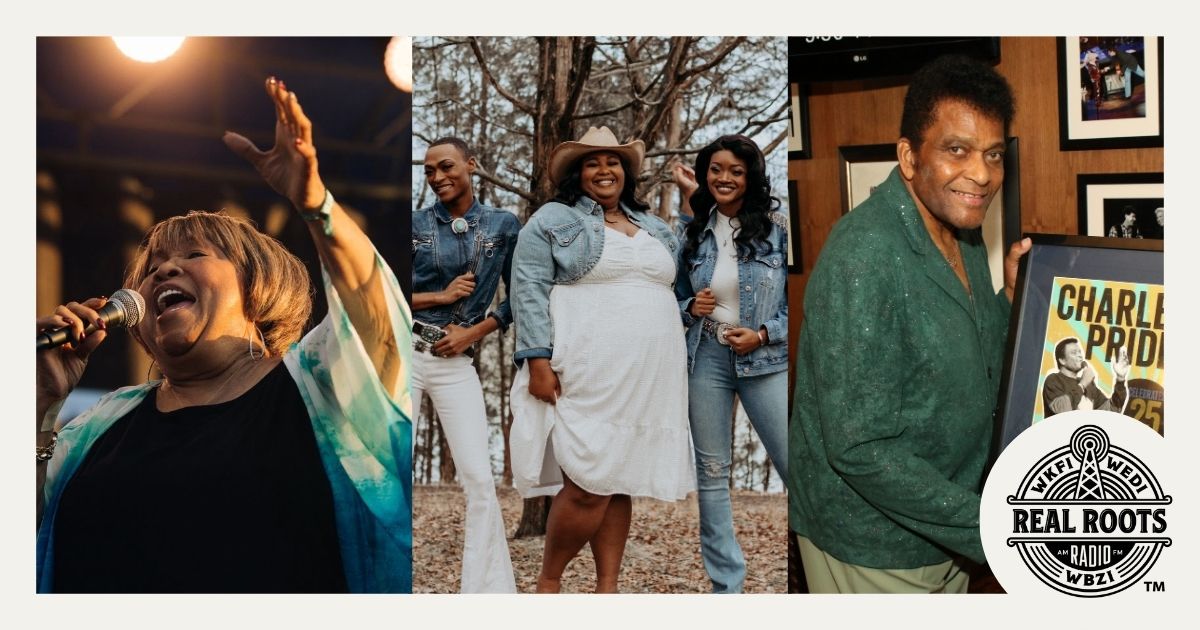
Chapel Hart (est. 2014)

If you haven’t heard of Chapel Hart yet, it’s time to change that! This powerhouse trio – Danica, Devynn, and Trea – are taking the country music world by storm with their soulful harmonies, fiery energy, and a whole lot of heart. Hailing from Poplarville, Mississippi, these ladies bring a fresh and fearless sound to country music with their family harmonies; Danica and Devynn are sisters, while Trea is their cousin.

The group first began their musical journey by busking on the streets of New Orleans. In 2021 they were among CMT’s Next Women of Country, before making their way to America’s Got Talent in 2022. Their unforgettable run on the hit music competition television show is where the nation first heard their breakout hit, “You Can Have Him, Jolene,” an answer song to the Dolly Parton classic.

Since their time on the competition, Chapel Hart have released “Welcome to Fist City” as well, in response to Loretta Lynn’s fiery “Fist City” per Loretta’s request. They have been frequent performers on the Grand Ole Opry, and have recorded collaborations with Darius Rucker, Vince Gill, The Isaacs and more. Chapel Hart are proving that country music is alive and well – and full of girl power!

Suggested Listening:
American Pride
Welcome to Fist City

Mavis Staples (b. 1939)

You know Mavis Staples as the gospel and soul legend, but did you know she’s got deep country connections as well? That’s right, her powerful voice and storytelling fit right into the heart of country music.

Mavis grew up singing gospel with the Staples Singers, even marching with Dr. Martin Luther King, before finding success in R&B and beyond. However, her musical influences also include listening to Hank Williams and the Grand Ole Opry. She once said, “Country music is just another way of telling the truth” – and if anyone knows about truth in music, it’s Mavis Staples.

Over the years, her stellar career has included forays into country that include collaborations with George Jones (“Will The Circle Be Unbroken”), Willie Nelson (“Grandma’s Hands”), and Dolly Parton (“Why”). Staples’ recording of “Touch My Heart” for the 2004 tribute to Johnny Paycheck is a masterpiece. She and Marty Stuart are dear friends and mutual admirers of one another’s music. Together, they have recorded wonderful renditions of “Uncloudy Day,” “Move Along Train,” and “The Weight.”

Staples and Stuart were part of a show-stopping performance on the CMA Awards a few years ago alongside Chris & Morgane Stapleton and Maren Morris, tackling Stapleton’s “Friendship” and the Staple Singers’ classic, “I’ll Take You There” in an awards show mash-up.

Mavis Staples is a member of the Gospel, Blues, and Rock & Roll Halls of Fame. Whether it’s gospel, soul, or country, her voice carries a message of love, hope, and resilience.

Suggested Listening:
Uncloudy Day” with Marty Stuart
Touch My Heart
Grandma’s Hands” with Willie Nelson

Carolina Chocolate Drops (active 2005-2016)

Let’s shine a spotlight on a group that revolutionized old-time string music – Carolina Chocolate Drops. Formed in 2005 by young twenty-somethings Rhiannon Giddens, Dom Flemons, and Justin Robinson after attending the first Black Banjo Gathering in Boone, North Carolina, they revived the nearly forgotten Black string band tradition.

Inspired by the legendary Black North Carolinian fiddler Joe Thompson, Carolina Chocolate Drops brought energy, authenticity, and a fresh perspective to Appalachian folk music and were a powerhouse on stage. The first African American string band to perform at the historic Grand Ole Opry, their GRAMMY-winning 2010 album Genuine Negro Jig fused tradition with innovation, blending deep-rooted folk with modern influences and proving that history and rhythm go hand in hand.

Carolina Chocolate Drops didn’t just perform, they educated, too, sparking a renewed appreciation for African American contributions to folk and traditional music. Over the years they would open for Taj Mahal and Bob Dylan, perform at events like MerleFest and ROMP, appear on Prairie Home Companion and BBC Radio, and even contributed to the soundtrack of The Hunger Games. Though they’ve since been on a hiatus for the last decade plus, their impact on American roots music is undeniable. Look for a reunion at Biscuits & Banjos festival in downtown Durham, North Carolina, in April.

Suggested Listening:
Trouble In Your Mind
Pretty Bird
Day of Liberty

Charley Pride (1934-2020)

He broke barriers and made history. Charley Pride, the son of sharecroppers, a Negro league baseball player, and the Pride of Sledge, Mississippi, became a country music legend.

In the 1960s, when country music was overwhelmingly white, Pride’s rich baritone and heartfelt songs won over audiences. At the urging of Red Sovine and Red Foley, Pride pursued a career as a country recording artist. Cowboy Jack Clement brought some of Charley’s demos to Chet Atkins and he was signed to RCA Records. His first big hit, “Just Between You and Me,” earned him a GRAMMY nomination and soon he was topping the charts with classics like “Kiss an Angel Good Mornin’.” His popularity was undeniable, outselling all of his RCA labelmates except Elvis Presley during his peak.

With over 50 Top-Ten hits and more than 30 Number Ones, Pride became country’s first Black superstar – earning the CMA’s Entertainer of the Year award in 1971. His nationwide popularity was such that in 1974 he became the first recording artist to perform the National Anthem at the Super Bowl.

“Is Anybody Goin’ to San Antone,” “Mississippi Cotton Picking Delta Town,” “All I Have to Offer You (Is Me),” “Roll On Mississippi,” “You’re So Good When You’re Bad,” and dozens of others are essential country listening. Pride would be only the second African American made a member of the Grand Ole Opry and the first Black artist inducted into the Country Music Hall of Fame. His music broke racial barriers, his talent captivated millions, and his legacy? It still inspires artists today.

Charley Pride wasn’t just a country star – he was a pioneer.

Suggested Listening:
The Snakes Crawl At Night
Roll On Mississippi

Philip Paul (1925-2022)

Philip Paul was a legendary drummer who made history in Cincinnati for decades, making major contributions to classic recordings in rock, blues, country, jazz, bluegrass, and more. Born in Harlem in New York City, he moved to Cincinnati at the urging of jazz legend of Tiny Bradshaw, to join Tony’s band. Post-WWII, Cincinnati became a hub of various music – including bluegrass – thanks to an influx of people migrating to the area for factory work. While playing in jazz clubs in the Queen City, Paul met Bluegrass Music Hall of Fame member Syd Nathan. For a dozen years, Philip Paul was a member of the house band at Syd Nathan’s King Records, where he appeared on countless classic recordings by Cowboy Copas, Hank Ballard, Freddie King, The Stanley Brothers, and more – over 350 records.

Paul is playing on drums on such American classics recorded in Cincinnati as “Fever” (Little Willie John), “Soft” (Tiny Bradshaw), “Alabam’” (Cowboy Copas), “Please Come Home For Christmas” (Charles Brown), and so many more – including the bulk of Freddie King’s catalog. He is also responsible for laying down the rhythm on the original recording of “The Twist” for Hank Ballard & The Midnighters before it was covered by Chubby Checker. In addition he performed on Hank Ballard’s “Finger Poppin’ Time” and added percussion on the overdubbed version by King recording artists, The Stanley Brothers.

For the ensuing decades, Paul would consistently perform at various jazz nightclubs around the Cincinnati area. He received Ohio Heritage Fellowship honors in 2009, the same year he was recognized for his remarkable career during a special presentation at the Rock & Roll Hall of Fame and Museum. The museum’s president at the time, Terry Stewart, had this to say: “If someone were to try to isolate the single heartbeat of the early days of rock and roll, as it transitions from ‘race music’ to ‘rhythm & blues’ to whatever you want to call what early rock and roll is, that heartbeat is Philip. [He is] the thread that runs through so much of the important music of that period.”

Philip Paul even contributed to the 2021 IBMA Album of the Year, Industrial Strength Bluegrass: Southwestern Ohio’s Musical Legacy, playing drums on “Mountain Strings” (Sierra Hull), “Readin’ ‘Rightin’ Route 23” (Joe Mullins & The Radio Ramblers), and “Are You Missing Me” (Dailey & Vincent). These would be the final recordings of Philip Pauls’ remarkable career in American music. He passed away in January 2022 at the age of 96. Phil Paul played drums on some of the most famous recordings in American history, and he did it all at Cincinnati’s King Records!

Suggested Listening:
Fever,” Little Willie John
Hide Away,” Freddie King
Mountain Strings,” Sierra Hull


Want more Good Country? Sign up on Substack for our monthly email newsletter full of everything country.

Listen to Real Roots Radio online 24/7 or via their FREE app for smartphones or tablets.

Photo Credit: Mavis Staples by Daniel Jackson for BGS; Chapel Hart courtesy of SRO PR; Charley Pride courtesy of CharleyPride.com.

Celebrating Black History Month: Rhiannon Giddens, Linda Martell, Miko Marks, and More

To celebrate Black History Month – and the vital contributions of Black, Afro-, and African American artists and musicians to American roots music – BGS, Good Country, and our friends at Real Roots Radio in Southwestern Ohio have partnered once again. This time, we’ll be bringing you weekly collections of a variety of Black roots musicians who have been featured on Real Roots Radio’s airwaves. You can listen to Real Roots Radio online 24/7 or via their FREE app for smartphones or tablets. If you’re based in Ohio, tune in via 100.3 (Xenia, Dayton, Springfield), 106.7 (Wilmington), or 105.5 (Eaton).

American roots music – in any of its many forms – wouldn’t exist today without the culture, stories, skills, and experiences of Black folks. Each week throughout February, we’ll spotlight this simple yet profound fact by diving into the catalogs and careers of some of the most important figures in our genres. For week three of our celebration, RRR host Daniel Mullins shares songs and stories of Linda Martell, B.B. King, Miko Marks, Darius Rucker, and Rhiannon Giddens. Be sure to check out the first week and second week of the series, too.

We’ll return for one last edition next Friday to bring you even more music celebrating Black History and the songs and sounds we all hold dear. Plus, you can find a full playlist with more than 100 songs below from dozens and dozens of seminal artists, performers, songwriters, and instrumentalists from every corner of folk, country, bluegrass, old-time, blues, and beyond.

Black history is American roots music history; the two are inseparable. As we celebrate Black History Month and its legacy, we hope you’ll join us in holding up and appreciating the artists who make country, bluegrass, blues, folk, and Americana the incredible and impactful genres that they are today.

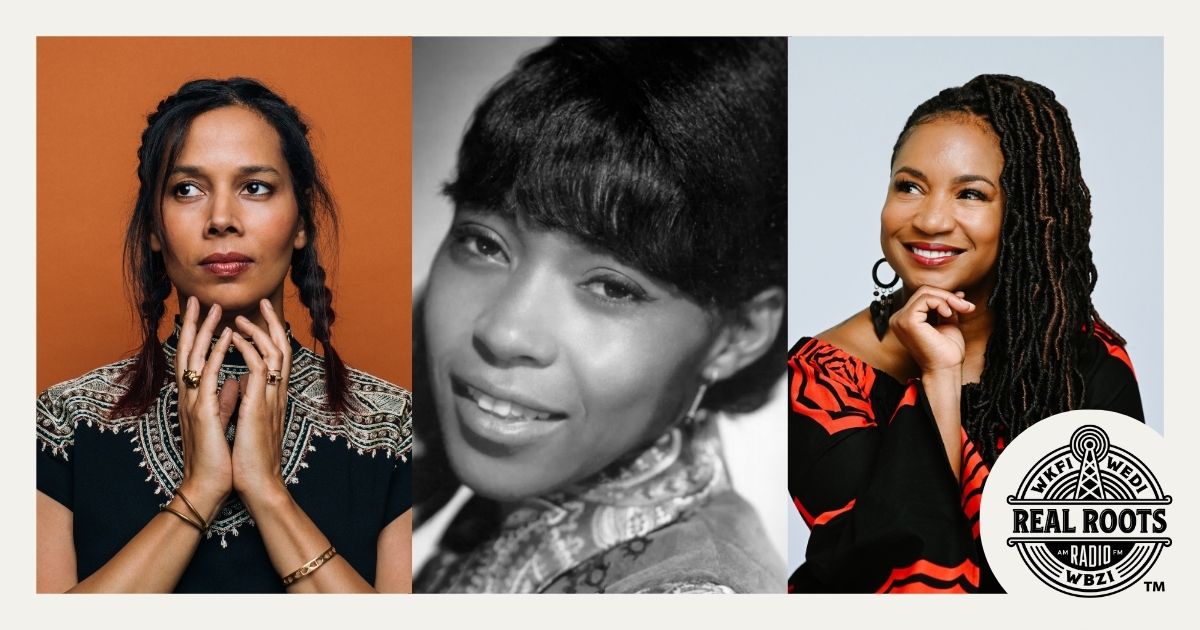
Linda Martell (b. 1941) 

She was a trailblazer, a pioneer, and a voice that country music wasn’t ready for – but she made sure they heard her anyway!

Linda Martell, the first commercially successful Black female country artist, broke barriers in the late 1960s with her soulful voice and undeniable talent. In 1969, she made history with her hit song “Color Him Father,” reaching the Top 25 on the country charts before the release of her debut album – Color Me Country on Plantation Records — resulting in two more charting singles. She became the first Black woman to perform on the Grand Ole Opry, making a dozen appearances on the historic radio program and appearing as a special guest on television programs like Hee Haw, proving country music is for everyone.

Despite her success, the industry wasn’t kind. Racism and label conflicts cut her career short, leaving her influence overlooked for decades. She would spend many of those decades settling into domestic life, working a variety jobs including as a school bus driver. Still, her legacy lives on, inspiring a new generation of Black country artists. She is an influence on many African American country artists today, including Mickey Guyton. When Rissi Palmer began her program on Apple Music Radio, it was intentionally named “Color Me Country” after Martell’s historic album. As she puts it, she was “paying homage to the foundation on which my house is built, and that is Linda Martell.”

In 2021, Martell was recognized with CMT’s Equal Play Award and has had an even greater spotlight shone on her groundbreaking work after she made guest appearances on Beyoncé’s Cowboy Carter album, resulting in Martell’s first GRAMMY nomination at age 83. Thankfully, Linda Martell is finally getting the recognition she deserves. Her story is one of resilience, talent, and breaking down barriers—one song at a time.

Suggested Listening:
Color Him Father
Before the Next Teardrop Falls

B.B. King (1925 – 2015)

Let’s talk about a blues icon who found inspiration in country music – B.B. King! Born on a Mississippi plantation in 1925, B.B. grew up listening to blues. But did you know he also had a love for country music? As a young man, he was inspired by the guitar playing of country stars and tried to emulate the sound of a crying steel in his bluesy pickin’ style with his guitar, Lucille. He would frequently collaborate with country music stars both on stage and in the recording studio, including on his album, Deuces Wild, which featured appearances from Willie Nelson and Marty Stuart.

He performed at Willie’s FarmAid, on the GRAMMYs with Keith Urban, and even appeared on the popular That Nashville Music TV Show with Jerry Reed. In the ’90s, the hit all-star album Rhythm, Country & Blues closed with a legendary collaboration between B.B. King and George Jones on the old story song, “Patches.”

B.B. King proved that great music knows no boundaries. Blues, country, rock and roll – it’s all about storytelling from the soul and letting the good times roll! B.B. King was inducted into the Rock & Roll Hall of Fame in 1987. He passed away in 2015 at the age of 89.

Suggested Listening:
Patches” (featuring George Jones)
Let the Good Times Roll” (featuring Brad Paisley)

Miko Marks (b. 1973)

She’s breaking barriers, blending genres, and bringing a fresh voice to country – meet Miko Marks. Born in Flint, Michigan, Marks has been redefining country since the early 2000s. She was named Best New Country Artist in 2006 by New Music Weekly and won several awards at the Independent Music Awards in the early aughts as well. With a voice that’s equal parts soul, blues, and traditional country, she has a compelling sound full of power and conviction.

After years of industry struggles, Marks focused on her role as a mother for the next decade-plus. She mounted a powerful comeback with her 2021 album, Our Country, earning critical acclaim and recognition from Rolling Stone and NPR. The equally impressive follow-up, Feel Like Going Home, was released in 2022. She was named one of CMT’s Next Women of Country that same year.

Miko’s music speaks of resilience, hope, and inclusivity, carving a space for new voices in country. Her release Race Records features her take on country classics from The Carter Family, Willie Nelson, and more. From performing at the Grand Ole Opry to rocking major festivals, Miko Marks is a name you need to know. If you haven’t heard her yet, now’s the time!

Suggested Listening:
Tennessee Waltz
Freeway Bound

Darius Rucker (b. 1966)

From Hootie & the Blowfish to country superstardom, Darius Rucker has done it all. This GRAMMY-winning artist first made waves in the ’90s by leading popular alt-rock band Hootie & The Blowfish, which he helped found while attending the University of South Carolina. They scored half a dozen Top 40 hits, including “Hold My Hand,” “Let Her Cry,” and “Only Wanna Be With You.” There were seeds even then of his future country success, especially with the band’s bluegrass-flavored “Desert Mountain Showdown” from their Musical Chairs album.

Rucker began pursuing a country career in 2008. His debut country single, “Don’t Think I Don’t Think About It,” made history as he became the first Black artist in over 25 years to top the country charts. He was named CMA’s New Artist of The Year in 2009, making him only the second African American artist to win a CMA award – the first being Charley Pride. He would join the Grand Ole Opry in 2012 as only the third Black member of country music’s oldest institution.

He has continued to release many country hits, including nine chart-toppers. In 2013, he released the biggest song of his career, his take on an Old Crow Medicine Show song, “Wagon Wheel.” This number one hit is only the fourth country song to be RIAA-certified Diamond (for 10 million units) and earned Darius Rucker a GRAMMY Award for Best Country Solo Vocal Performance, making him only the third Black artist to win a country vocal performance GRAMMY. With his distinctive voice, heartfelt lyrics, and undeniable charm, Darius Rucker continues to break barriers and bring fans together. Whether it’s rock, country, or beyond, one thing’s for sure – this guy’s got soul.

Suggested Listening:
Don’t Think I Don’t Think About It
If I Told You

Rhiannon Giddens (b. 1977)

From the rolling hills of North Carolina to the world stage, Rhiannon Giddens is a musical force re-centering American roots music. A singer, songwriter, multi-instrumentalist, and historian, Giddens brings the forgotten voices of history back to life one song at a time. After leading the GRAMMY-winning old-time band, the Carolina Chocolate Drops, she has focused on her solo career for now more than a decade.

Rhiannon blends folk, blues, gospel, country, Celtic influences, and more into her dazzling brand of American roots music, all while shining a light on Black contributions to the American musical landscape. Her voice? Soulful. Her banjo? Revolutionary, as she is a recipient of the Steve Martin Prize for Excellence in Banjo and Bluegrass. Giddens has also earned MacArthur Genius honors, collaborated with folks like Elvis Costello, Eric Church, and Gillian Welch, written ballet music, and even composed a Pulitzer Prize-winning opera! (She did study opera at Ohio’s Oberlin College after all.) She has even written several children’s books based off some of her original songs.

Recently, Giddens has partnered with fellow Carolina Chocolate Drops co-founder Justin Robinson to shine a light on fiddle & banjo music from North Carolina. Whatever she sets her sights on, Rhiannon Giddens tackles it head on, inspiring us all in the process.

Suggested Listening:
Julie
Don’t Let it Trouble Your Mind
Hook and Line


Want more Good Country? Sign up on Substack for our monthly email newsletter full of everything country.

Listen to Real Roots Radio online 24/7 or via their FREE app for smartphones or tablets.

Photo Credit: Rhiannon Giddens by Ebru Yildiz; Linda Martell courtesy of the artist; Miko Marks by Karen Santos.

Celebrating Black History Month: DeFord Bailey, Tina Turner, Keb’ Mo’, and More

To celebrate Black History Month – and the vital contributions of Black, Afro-, and African American artists and musicians to American roots music – BGS, Good Country, and our friends at Real Roots Radio in southwestern Ohio have partnered once again. This time, we’ll be bringing you weekly collections of a variety of Black roots musicians who have been featured on Real Roots Radio’s airwaves. You can listen to Real Roots Radio online 24/7 or via their FREE app for smartphones or tablets. If you’re based in Ohio, tune in via 100.3 (Xenia, Dayton, Springfield), 106.7 (Wilmington), or 105.5 (Eaton).

American roots music – in any of its many forms – wouldn’t exist today without the culture, stories, skills, and experiences of Black folks. Each week throughout February, we’ll spotlight this simple yet profound fact by diving into the catalogs and careers of some of the most important figures in our genres. For week two of the series, RRR host Daniel Mullins shares songs and stories of Stoney Edwards, Rissi Palmer, Keb’ Mo’, Tina Turner, and DeFord Bailey. Check out the first week of the series here.

We’ll return each Friday through the end of the month to bring you even more music celebrating Black History and the songs and sounds we all hold dear. Plus, you can find a full playlist with more than 100 songs below from dozens and dozens of seminal artists, performers, songwriters, and instrumentalists from every corner of folk, country, bluegrass, old-time, blues, and beyond.

Black history is American roots music history; the two are inseparable. As we celebrate Black History Month and its legacy, we hope you’ll join us in holding up and appreciating the artists who make country, bluegrass, blues, folk, and Americana the incredible and impactful genres that they are today.

Stoney Edwards (1929 – 1997)

If you don’t know the late, great Stoney Edwards’ name, it’s time to fix that – because his story in country is as powerful as the songs he sang.

Born Frenchie Edwards in Seminole Country, Oklahoma, in 1929, Stoney was part African American, Native American, and Irish. The son of sharecroppers, he was a prominent bootlegger in Oklahoma during his younger years. Stoney had dreams of playing the historic Grand Ole Opry. His big break in music would come later in life, in his early 40s, when he was discovered in California singing his honky-tonk style at a benefit for the King of Western Swing, Bob Wills.

Stoney was signed to Capitol Records in the early ’70s and from there he made history. He scored fifteen charting singles, including a pair of Top 20 hits, one of which – his 1973 hit “She’s My Rock” – is still revered as a bona fide country standard later covered by artists like Brenda Lee and George Jones. His songs were deeply authentic, whether he was singing about love, loss, or his own experiences growing up poor and Black in America. He gave a voice to the underdog, often drawing from his own struggles, including battling discrimination and working blue-collar jobs before music. Edwards would also record several songs saluting his country heroes over the years, including “The Jimmie Rodgers Blues,” “Daddy Bluegrass,” and his Top 40 hit, “Hank and Lefty Raised My Country Soul.”

Stoney’s music wasn’t just about catchy melodies; it was about storytelling. His debut single was inspired by a true story. Before he hit it big as a country singer, Stoney was trying to provide for his family working as a forklift operator at a steel refinery in San Francisco. A workplace accident resulted in Edwards being sealed up in a tank and suffering dangerous carbon dioxide poisoning; he endured an extensive two-year recovery, both physically and mentally. During this time, Stoney was struggling to care for his wife and children, so he planned to leave in the middle of the night. However he tripped over one of his daughter’s toys, and it prompted him to stay. In 1970, backed by the virtually unknown Asleep at the Wheel, Stoney Edwards released his debut single, the autobiographical “A Two Dollar Toy.”

While his career didn’t reach the same commercial heights as some of his peers, Stoney Edwards left an indelible mark on country music. He paved the way for greater diversity in the genre and showed that country music is for everyone – no matter where you come from or what you look like. Stoney Edwards passed away from stomach cancer in 1997 at the age of 67.

Suggested Listening:
She’s My Rock
Hank and Lefty Raised My Country Soul

Rissi Palmer (b. 1981)

She’s a trailblazer in country music, a voice for change, and an artist who refuses to be boxed in – meet Rissi Palmer!

Palmer’s mother passed away when she was just seven years old, but she instilled in her a love for the music of Patsy Cline. Rissi would burst onto the country scene in 2007 with her hit single, “Country Girl,” making history as one of the few Black women to chart on the Billboard country charts. Rissi has built a career on breaking barriers by blending country, soul, and R&B into a sound all her own. She has penned some empowering original songs, helping folks on the margins feel seen, especially her most personal song, “You Were Here,” dealing with the heartbreak of a miscarriage.

Beyond the music, Palmer uses her platform to uplift underrepresented voices in country and roots music. As the host of Color Me Country radio on Apple Music, she spotlights Black, Indigenous, and Latino artists in country music – proving that the genre belongs to everyone. With her powerful voice and unwavering spirit, Rissi Palmer isn’t just making music, she’s making history.

Suggested Listening:
Leavin’ On Your Mind
Seeds

Keb’ Mo’ (b. 1951)

Keb’ Mo’ is a modern blues legend. Born Kevin Moore, this L.A. native blends Delta blues with folk, soul, and a touch of country. With his smooth vocals and masterful guitar skills, he’s kept the blues alive for over four decades.

Mo’ is heavily influenced by the late Robert Johnson, who preceded Keb’ by about 60 years. Keb’ portrayed Robert Johnson in a 1998 documentary and included two Johnson covers on his breakthrough self-titled album in 1994. He has since won five GRAMMY Awards, collaborated with legends like Bonnie Raitt, Jackson Browne, and Taj Mahal, and performed for multiple U.S. presidents.

Mo’ is embedded in country and Americana music as well, working with cats like Lyle Lovett, Old Crow Medicine Show, John Berry, Alison Brown, Jerry Douglas, and Darius Rucker over the years. He has been quick to share his respect for country and gospel traditions, appearing on the critically acclaimed all-star album, Orthophonic Joy, recreating the magic of the 1927 Bristol Sessions – country music’s big bang.

Whether he’s playing a heartfelt ballad or a foot-stomping blues groove, Keb’ Mo’ keeps the genre fresh and timeless. His music isn’t just about the past – it’s about where the blues is going next. We love his passion for all things American roots music. Fifty years into his remarkable career, Keb’ Mo’ is still one cool cat.

Suggested Listening:
To The Work
Good Strong Woman” featuring Darius Rucker

Tina Turner (1939 – 2023)

She was the Queen of rock ‘n’ roll, but did you know Tina Turner had deep country roots?

Born Anna Mae Bullock, she grew up in Nutbush, Tennessee. Tina recalled picking cotton as a youngster during her hardscrabble rural upbringing. Her musical journey began by singing at church on Sunday mornings. She grew up on country, gospel, and blues. Turner and her husband, Ike (who was abusive towards her) had massive success in R&B and rock and roll, but her first solo record was actually a country album.

In 1974, Turner released her debut LP, Tina Turns The Country On!, introducing herself as a solo act. Featuring top musicians, including Country Music Hall of Famer James Burton on guitar, Tina tackled songs from country greats like Dolly Parton, Kris Kristofferson, and Hank Snow. It would go on to receive a GRAMMY nomination for Best Female R&B Vocal Performance in 1975. Over the years, unreleased songs from this groundbreaking album would be dropped, including her powerful take on “Stand by Your Man.”

However, her most enduring impact on country might be as the inspiration behind one of the outlaw movement’s most popular hits. In 1969, Waylon Jennings was staying at a motel in Fort Worth, Texas, when he saw a newspaper ad about Ike & Tina Turner that intrigued him enough to interrupt Willie Nelson during a poker game so they could write a country classic. The phrase that struck Waylon heralded Turner as “a good hearted woman loving a two-timin’ man.” Sound familiar?

From honky-tonks to stadiums, Tina Turner’s fiery spirit left an unforgettable mark on practically every genre – country, rock, and everything in between.

Suggested Listening:
Stand By Your Man
Good Hearted Woman

DeFord Bailey (1899 – 1982)

Let’s go back to the early days of country to a name that shaped the Grand Ole Opry, but is often forgotten: DeFord Bailey, “The Harmonica Wizard!”

Born in 1899 in Smith County, Tennessee, Bailey grew up around banjos and fiddles in a musical family, saying that he learned the “Black hillbilly music” tradition. He overcame polio as a child, resulting in his short stature – he was only 4’ 10” tall – but it was through this ordeal that he found his voice in a harmonica. While recovering from the disease, he was bedridden for a year, and learned to mimic the sounds he heard outside on his harmonica: trains, animals, and the rhythms of life.

In 1927, Bailey became one of the first stars of the Grand Ole Opry on Nashville’s WSM, dazzling crowds with hits like “Pan American Blues.” He was actually the first artist introduced after George D. Hay referred to WSM’s Barn Dance as the “Grand Ole Opry” for the first time to poke fun at NBC’s classical Grand Opera. Bailey would also become the first artist to record in Music City. His hits like “Fox Chase,” “John Henry,” and “Evening Prayer Blues” captivated radio audiences, making him one of the Opry’s most popular performers. He would tour with other stars like Roy Acuff, Uncle Dave Macon, The Delmore Brothers, and Bill Monroe, but would often not be allowed to stay in the same hotels or eat at the same restaurants as his white contemporaries due to Jim Crow laws.

In 1941, DeFord Bailey was unceremoniously fired from the Grand Ole Opry under suspicious circumstances. He would make his living shining shoes in Nashville and would not perform on the Opry again until 1974, the first of only a handful of final performances on the radio program which he helped grow during its infancy, before his passing in 1982.

The Grand Ole Opry would eventually work to reconcile its mistreatment of its first Black member, issuing a public apology to the late DeFord Bailey in 2023 with his descendants on hand. Old Crow Medicine Show was there to celebrate the occasion, performing their tribute song to Bailey led by black percussionist Jerry Pentecost, entitled “DeFord Rides Again.”

In 2005, Bailey was rightfully inducted into the Country Music Hall of Fame and over 40 years since his passing, he is still recognized as the Harmonica Wizard.

Suggested Listening:
Pan American Blues
Evening Prayer Blues


Want more Good Country? Sign up on Substack for our monthly email newsletter full of everything country.

Listen to Real Roots Radio online 24/7 or via their FREE app for smartphones or tablets.

Photo Credit: Stoney Edwards by Universal Music Group; DeFord Bailey courtesy of the Country Music Hall of Fame; Rissi Palmer by Chris Charles.

Celebrating Black History Month: Big Al Downing, Yola, Elizabeth Cotten, and More

To celebrate Black History Month – and the vital contributions of Black, Afro-, and African American artists and musicians to American roots music – BGS, Good Country, and our friends at Real Roots Radio in southwestern Ohio have partnered once again. This time, we’ll be bringing you weekly collections of a variety of Black roots musicians who have been featured on Real Roots Radio’s airwaves. You can listen to Real Roots Radio online 24/7 or via their FREE app for smartphones or tablets. If you’re based in Ohio, tune in via 100.3 (Xenia, Dayton, Springfield), 106.7 (Wilmington), or 105.5 (Eaton).

American roots music – in any of its many forms – wouldn’t exist today without the culture, stories, skills, and experiences of Black folks. Each week throughout February, we’ll spotlight this simple yet profound fact by diving into the catalogs and careers of some of the most important figures in our genres. To kick us off, RRR host Daniel Mullins shares songs and stories of Big Al Downing, Yola, Cleve Francis, Charley Crockett, Elizabeth Cotten, Dom Flemons, and Lead Belly.

We’ll return each Friday through the end of the month to bring you even more music celebrating Black History and the songs and sounds we all hold dear. Plus, you can find a full playlist with more than 100 songs below from dozens and dozens of seminal artists, performers, songwriters, and instrumentalists from every corner of folk, country, bluegrass, old-time, blues, and beyond.

Black history is American roots music history; the two are inseparable. As we celebrate Black History Month and its legacy, we hope you’ll join us in holding up and appreciating the artists who make country, bluegrass, blues, folk, and Americana the incredible and impactful genres that they are today.

Big Al Downing (1940 – 2005)

Big Al Downing was an engaging entertainer whose winding career included forays into many genres, including country music. An Oklahoma boy, Downing played piano on Wanda Jackson’s signature rockabilly hit, “Let’s Have A Party,” before pursuing a solo career, finding some mainstream success, dabbling in R&B, and even scoring a Number 1 disco hit, “I’ll Be Holding On.”

However, Downing made history in country as one of the earliest Black artists to find success in the genre. Beginning in the late ’70s, he would have a string of fifteen singles hit the Billboard country charts over the next decade, three of which reached the Top 20. He was nominated by the Academy of Country Music for their Top New Male Vocalist award in 1980. Big Al would be a frequent guest on the Grand Ole Opry, Hee Haw, Nashville Now, and more.

Downing’s soulful singing on hardcore country songs like “Bring It On Home” and “Touch Me (I’ll Be Your Fool Once More)” endeared him to fans, while his story song “Mr. Jones” has remained beloved by country enthusiasts. His career spanned five different decades of country, rockabilly, and more, remaining active in the country music world until shortly before his passing in 2005 after a brief battle with leukemia. Downing is a member of the Oklahoma Music Hall of Fame and Rockabilly Music Hall of Fame, and his legacy is still remembered by longtime fans of country music.

Suggested Listening:
Mister Jones
Touch Me (I’ll Be Your Fool Once More)

Yola (b. 1983)

Yola is a soul, country, and roots powerhouse! Born in the United Kingdom, Yola’s voice is a force of nature – rich, soulful, and packed with emotion. She started as a songwriter and backing vocalist before stepping into the spotlight with her 2019 debut album, the GRAMMY-nominated Walk Through Fire! Featuring contributions from Vince Gill, Molly Tuttle, Charlie McCoy, Ronnie McCoury, and more, the project was produced by Dan Auerbach of The Black Keys, and quickly endeared her to roots music lovers everywhere. She even appeared as a guest vocalist with all-star group The Highwomen.

With her unique blend of country, rock, and soul, Yola shatters boundaries. In 2021, she dropped Stand for Myself, an album full of bold, genre-blending anthems that brought her more GRAMMY noms. She has even dabbled in acting as of late, appearing on Broadway in Hadestown and playing Sister Rosetta Tharpe in the hit blockbuster Elvis. Do yourself a favor and check out this bon a fide star in roots music.

Suggested Listening:
Whatever You Want
Hold On” (featuring Sheryl Crow, Brandi Carlile, & Natalie Hemby)

Cleve Francis (b. 1945)

Do you remember Cleve Francis? He grew up listening to Hank Williams in Louisiana as a child before making his first guitar out of window screen wire and a King Edwards Cigar Box on his way to becoming an inspiring country artist. Cleve isn’t just a singer – but he’s a songwriter, a dreamer, and a doctor? That’s right, before he hit the stage, Cleve was saving lives.

Dr. Cleve Francis was a practicing cardiologist before he pursued his passion for country music full-time in the late ’80s. Cleve brought a fresh voice to the genre in the 1990s with his smooth voice and heartfelt lyrics that resonated with country fans, resulting in four singles on the Billboard country charts. Cleve’s style of country earned him appearances on major stages like the Grand Ole Opry, The Today Show, and more.

Though he eventually returned to medicine, Francis left an enduring legacy, inspiring many Black country artists who have followed in his wake. He was instrumental in the curation of the Country Music Hall of Fame & Museum’s “From Where I Stand: The Black Experience in Country Music” exhibit while also helping found the Black Country Music Association in the mid ’90s.

In 2021, he was recognized with a Black Opry Icon Award, and his album Walkin’ is on display at the National Museum of African American History & Culture in Washington D.C., where he could still been seen frequently performing at the legendary Birchmere music club until his retirement in 2021.

Suggested Listening:
Love Light
You Do My Heart Good

Charley Crockett (b. 1984)

One of the most authentic voices in modern American roots music, Charley Crockett has a story that sounds borderline mythical. A descendant of Davy Crockett who grew up in Texas, Crockett spent his early years busking on street corners from New Orleans to Dallas to New York, learning the art of storytelling from life itself. His travels took him to California, Paris, Spain, and Morocco before returning to Texas and releasing his debut album in 2015. Crockett’s recording output has been impressive, frequently releasing multiple albums a year and balancing his records with heartfelt originals and a deep catalog traditional songs from the likes of Tom T. Hall, Hank Williams, Willie Nelson, George Jones, Johnny Paycheck and more.

The common denominator is Charley – his voice carries a raw, timeless quality that cuts straight to the heart. Now performing at the Ryman Auditorium and on Jimmy Kimmel Live!, Charley’s rise hasn’t gone unnoticed. He’s earned critical acclaim and has racked up accolades from the American Music Association and a GRAMMY nomination. With black, Cajun, Creole and Jewish heritage, Crockett’s unique take on country and American roots music is sure to speak to music lovers everywhere for years to come.

Suggested Listening:
Jukebox Charley
$10 Cowboy

Elizabeth Cotten (1893 – 1987)

An underappreciated hero of American folk and blues, Elizabeth Cotten was born in 1893 in Chapel Hill, North Carolina. Growing up in a musical family, by the time she was 7 Elizabeth taught herself to play guitar left-handed. She flipped the guitar upside down, creating her own unique picking style, now known as “Cotten picking,” which featured alternating bass notes played with her fingers while her thumb played the melody.

Elizabeth wrote her iconic song, “Freight Train,” when she was just 12 years old. This classic has been recorded by Bob Dylan, Joan Baez, Tommy Emmanuel, Doc Watson, and dozens more artists across multiple genres. But her music remained largely unheard for decades as she spent much of her life working as a domestic housekeeper. It wasn’t until she reached her 60s, while working for the Seeger family – yes, that Seeger family – that her incredible talent received a proper platform. Working for a family that loved and appreciated music inspired Elizabeth to resume playing. With the Seegers’ encouragement, Elizabeth recorded her first album, Folksongs and Instrumentals with Guitar, in 1958, recorded at home by Mike Seeger, a member of the Bluegrass Music Hall of Fame.

Cotten went on to perform at major festivals thanks to the folk revival, w0n a GRAMMY at age 90, and inspired countless musicians before passing away in Syracuse, New York at the age of 94. Elizabeth Cotten was posthumously inducted into the Rock & Roll Hall of Fame in 2022.

Suggested Listening:
Shake Sugaree” [Live]
Oh Babe, It Ain’t No Lie

Dom Flemons (b. 1982)

Let’s shine a spotlight on a modern-day troubadour, the Grammy-winning musician, historian, and storyteller Dom Flemons, The American Songster. An avid folk music fan, Flemons was a busker in his home state of Arizona before moving cross country to North Carolina to help found the Carolina Chocolate Drops, a band that revived the nearly forgotten legacy of Black string band music.

Flemons has been a successful solo artist for the last decade-plus. He is a master of multiple instruments – banjo, bones, guitar, harmonica – you name it! His music blends old-time, folk, blues, jazz, and country, tracing the deep roots of African American contributions to American music. From the Grand Ole Opry to Carnegie Hall, Flemons brings history to life with every note.

His 2018 album, Black Cowboys, uncovered the often overlooked stories of African American pioneers in the West, earning critical acclaim and a GRAMMY nomination. Today, whether performing solo or collaborating with legends like Taj Mahal, Sam Bush, and Rhiannon Giddens, Flemons keeps the rich traditions of American roots music alive. In addition to educating audiences about the origins of roots music, Flemons creates great original music as well, truly embodying his moniker.

As The Boston Globe said, “most folk artists go by ‘singer-songwriter’ or simply ‘musician.’ But ‘American Songster’ speaks to a greater truth about the work Flemons, a multi-instrumentalist, has accomplished.” We couldn’t agree more.

Suggested Listening:
Steel Pony Blues
Nobody Wrote It Down

Lead Belly (1888 – 1949)

He was a man of legend, his voice as powerful as the chains that once bound him. Born Huddie Ledbetter in 1888, the world knows him as Lead Belly. Imprisoned and pardoned multiple times, Lead Belly carried his music from the prison yards of Louisiana to the streets of New York City.

Legend has it that his musical gift led to his release. His background makes his prison, chain gang, and work songs even more haunting, including “Midnight Special.” His original song, “Goodnight Irene,” has been recorded more than two hundred times, including versions by Ernest Tubb & Red Foley, Moon Mullican, Frank Sinatra, Jerry Reed, and Johnny Cash. It is viewed as a verified country standard.

“Duncan and Brady,” “In the Pines,” “Cotton Fields” – his songs told stories of hardship, freedom, and the American experience. Lead Belly’s music shaped folk, blues, rock, and country inspiring legends like Creedence Clearwater Revival, Bob Dylan, Robert Plant & Alison Krauss, Pete Seeger, Johnny Cash, The Johnson Mountain Boys, and Nirvana.

Lead Belly died in 1949, but his music lives on. His voice still echoes in every blues riff and folk song today. Lead Belly was posthumously inducted into the Rock & Roll Hall of Fame in 1988.

Suggested Listening:
Black Girl (In The Pines)
Irene (Goodnight Irene)


Want more Good Country? Sign up on Substack for our monthly email newsletter full of everything country.

Listen to Real Roots Radio online 24/7 or via their FREE app for smartphones or tablets.

Photo Credit: Big Al Downing via Team Entertainment Records; Elizabeth Cotten via Smithsonian Folkways Recordings; Yola by Valeria Rios.

Rhiannon Giddens & Justin Robinson Announce Duo Album with “Hook and Line” Video

Two of the world’s preeminent experts on folk, old-time, and string band traditions (and on Black folks’ seminal contributions to these art forms), Rhiannon Giddens and Justin Robinson have announced they are reuniting on a brand new album, What Did the Blackbird Say to the Crow (set for release April 18 on Nonesuch Records). The project will feature 18 traditional North Carolina fiddle and banjo tunes tracked live and in remarkably simple settings, captured entirely outdoors and accompanied only by the wind, the rustle of the foliage, and the singing of nearby birds.

With the announcement, the pair have released a live performance video of “Hook and Line” (watch above) that was recorded at the home of Joe Thompson, their late mentor and a vital roots music forebear in the Black string band tradition’s modern iteration. What Did the Blackbird Say to the Crow was tracked in meaningful locations such as this, tying this body of music directly back to the land, the locales, and the people that birthed it.

Giddens, a MacArthur “Genius” and two-time GRAMMY Award winner and 11-time nominee, and Robinson, a fellow GRAMMY winner, thought leader, botanist, and ethnomusicologist, were both founding members of the incredibly important supergroup the Carolina Chocolate Drops. The string band would end up defining the early 2000s era of old-time music, making a huge mark in Americana circles and spawning multiple generations of Black roots-and-folk musicians after them.

What Did the Blackbird Say to the Crow, even from just this first glimpse, promises to be a natural extension of the many ways Giddens & Robinson continue to expand our roots music discourses, broaden our understandings of the people and places that birthed these sounds, and will do so in a format that’s charming, passionate, warm, and ultimately endlessly danceable.

Catch Giddens & Robinson on tour with Dirk Powell and more beginning in April 2025 and continuing through the summer. And, don’t miss Giddens’ inaugural Biscuits & Banjos festival to be held in Durham, North Carolina, at the end of April.


Photo Credit: Courtesy of the artists.

PREVIEW: Brand New Black Stringband Symposium Set for IBMA’s Conference

This year, a new event will debut at the IBMA World of Bluegrass in Raleigh, North Carolina. Presented by IBMA and The Banjo Gathering, Roots Revival: Black Stringband Symposium will explore Black contributions to bluegrass and traditional music over two days of the week-long event with six especially programmed sessions.

On Thursday, September 26, conference-goers, virtual participants, and symposium attendees will engage with sessions like “Navigating Narratives: Being a Black Woman in Folk Music” and “Alive in the Archives.” On Friday, September 27 programming will include “Making Instruments” and “Journey of a Song,” featuring musicians Hubby Jenkins, Amy Alvey, and Mike Compton, as well as two special showcases: “Black Music in Appalachia” and “Beyond Bluegrass.” (See a full schedule with panel descriptions below.) Virtual passes for the symposium are available here, in person passes can be purchased here.

“First of all, I’m extremely excited to be part of this event,” said artist, scholar, and educator Brandi Waller-Pace, who will be participating in the symposium programming. “I’m happy to see something happening at IBMA that provides a platform for black people from a multitude of backgrounds and experiences to talk about all of these key things within these musical forms that we have been excluded and erased from. I really hope that this is the beginning of more widespread recognition and acknowledgment for our contributions in this field and for our own cultural reclamation.”

Other artists, creators, and experts on the symposium’s lineup include Art Bouman, Dena Ross Jennings, Kelle Jolly, Jen Larson, Valerie Díaz Leroy, Waller-Pace, Tray Wellington, Nelson Williams, and many more. Organizers Lillian Werbin, of the Banjo Gathering, Elderly Instruments, and Bluegrass Pride, and Kristina Gaddy, author of Well of Souls: Uncovering the Banjo’s Hidden History, set out to spotlight the many ways in which Black musicians, builders, and researchers navigate bluegrass and traditional music spaces as they built the event from the ground up.

“We are thrilled to be collaborating with IBMA on Roots Revival,” explains Gaddy via email. “We’ve put together these panels to highlight both the important history and contributions of Black Americans in bluegrass and traditional music, and to showcase how these traditions evolved over the 20th century and continue to be innovated by Black musicians in the 21st.”

It is a humbling experience to bring these conversations forward,” added Werbin. “I am looking forward to hearing insight and delving into the experiences each panelist brings to the space.”

Sponsors from across the roots music landscape showed up in force to make the symposium happen, with programs supported by organizations and companies like the Berkeley Old Time Music Convention, Bluegrass Pride, the DC Bluegrass Union, Folk Alliance International, Pisgah Banjos, and of course the IBMA Foundation, Elderly Instruments, IBMA, and the Banjo Gathering.

Roots Revival, the first event of its kind programmed in tandem with IBMA, will work to tell a more complete story about the origins and influences that shaped the bluegrass genre as we know it today. Make plans to attend World of Bluegrass and Roots Revival today.

Roots Revival: Black Stringband Symposium

Raleigh Convention Center (500 South Salisbury St., Raleigh, NC) Room 304

THURSDAY, SEPTEMBER 26
1:30PM – Welcome
2:00PM – “Navigating Narratives: Being a Black Woman in Folk Music”

“Navigating Narratives: Being a Black Woman in Folk Music” builds on the “Avoiding Tokenism in Trad Music” panel from 2023, and includes panel of Black women in the traditional music industry explores how they each build upon their experiences and the expectations placed upon them to create authentic representation in the industry.

3:30PM – “Alive in the Archives”

This panel will explore how Black bluegrass and folk musicians use source and archival recordings to bridge the gap in person-to-person transmission of music between Black musicians who were recorded in the 20th century and musicians today. Musicians and scholars will play some tunes and discuss their research methods and limitations.

FRIDAY, SEPTEMBER 27
11:15AM – “Making Instruments”

Within the history of American traditional music, Black instrument builders have often been overlooked, from the creators of gourd banjos in early America to contemporary makers today. They will explore how building instruments honors the history of the music while making it more accessible to broader audiences.

12:45PM – “Journey of a Song”

This panel and showcase will explore how songs from the Black tradition became bluegrass standards. Musicians Amy Alvey, and Hubby Jenkins will play some songs and they’ll also be in conversation with cultural historians Valerie Díaz Leroy and Jen Larson, discussing how we can accurately and appropriately bring music’s history into our performances and recorded work.

2:15PM – “Black Music in Appalachia” Showcase

In this showcase, Black Appalachian musicians Dena Ross Jennings, Kelle Jolly, and Tray Wellington will be performing and discussing the influences the region has had on their music.

3:45PM – “Beyond Bluegrass” Showcase

In recent years, Arnold Shultz has been acknowledged as a core figure in Bluegrass history. This showcase features musicians Darcy Ford, Art Bouman, and Nelson Williams and how they build a diversity of styles and bring in other traditional music into their repertoire.

More information is available here and via worldofbluegrass.org.


Artwork courtesy of IBMA and the Banjo Gathering.

Black Roots

It is clear to me that 2024 will be known for being a landmark year in the evolution of Black roots music. Not only has there been tremendous growth in the number of artists that are throwing their hat in the ring for roots music – whether it be country & western, bluegrass, folk or Americana – but it is also a time where the mainstream music world is responding to this outpouring of talent in a way that hasn’t been seen in a long time. In many ways, it’s not surprising that things have grown in this fashion. Since I started my professional music career back in 2005, I have seen quite a few changes in the general musical landscape that have set the stage for a Black Roots music revolution.

In the early 2000s, the musical fabric of Black Roots had already been woven into the tapestry of American culture. Hidden between the more well-known pieces of Black music, these acoustic styles that didn’t fit into the traditional mold of blues, jazz, and gospel remained unseen and unheard, relegated to the fringes. Even though it was simultaneously considered a quintessential piece of the larger puzzle of American popular culture, Black Roots music was held in greater reverence for its historical significance than for being a living musical tradition played by modern musicians of the African Diaspora.

There were great pioneers who set the stage back in the early 20th century. There were songsters, string bands, folk musicians, storytellers, songwriters, composers, and community historians who shared their stories for the early folk song collectors who were searching for the purest forms of black expression. This happened while the commercial recording companies sent their representatives out to the field looking for music that they could sell to a record buying public who wanted a sound that not only reflected the past, but the future as well.

With all that in mind, my goal in becoming a professional musician came not from a desire to be a stage performer alone, but to also expand the scholarship and visibility of Black Roots music. By becoming a touring musician I found I was filling a void that most people are not aware of today. Having the opportunity to evoke the names of people who had not gotten their due in their own time was empowering. Not only have I advocated for the music, I have played it and arranged it to reflect the rich history of American music while at same time writing my own songs that represent the modern Black experience in all of its phases.

When I first began performing in Arizona, there was no Black Roots community for me to lean on, so I had to teach myself everything. I had to learn to play the guitar, the banjo, and all of the other instruments in my repertoire on my own. Before the internet, the library was my main resource for music and I grew up in a time when a good portion of all of the world’s recorded music throughout history was not readily available on streaming platforms. Sometimes, I had to search far and wide through stacks of CDs, LPs, and 78s to gain access to the music, just so I could learn how to play it. As I began to learn more songs, I found out about the history of the performers and the legacies they left behind. Later on, I met others who held a similar passion and those individuals taught me how to play different styles and shared more parts of the history that I didn’t know about.

We are now in an era where people have access to the music that was once very hard for me to find. In many ways, I was at the forefront of these musical discoveries in the roots music community, because I took what I had learned and planted seeds all around the world with the Carolina Chocolate Drops and on my own as a solo artist over the past 25 years.

Once I left Arizona and we formed the Carolina Chocolate Drops, we were able to tap into a certain energy in the crowd that changed the paradigm for Black Roots music, so that now people can see the whole picture of American music in a different way. They could see a Black person playing the banjo in the modern world and be inspired to learn more about the African and Caribbean roots of the banjo. We did that for the better part of a decade and then I decided to move on into a new territory: Black Cowboys and Black Western music. This was a new area of music that the Carolina Chocolate Drops were not a part of in any way. The Chocolate Drops had focused on the music of North Carolina and this new musical venture was an exploration into my own family roots in the Southwest.

Back in 2010, I had come across a book called The Negro Cowboys, which encouraged me to research about African American cowboys of the West. In 2018, my research came together in my solo album, Dom Flemons Presents Black Cowboys, which came out on Smithsonian Folkways as a part of the African American Legacy Series. Having grown up in Arizona, I knew that the album needed to be a part of the National Museum of African American History & Culture so that future generations could appreciate and respect the history of the Black West as well as activate the communities that had been there all along.

Back when I released Black Cowboys, I was one of the few artists talking about the contributions of African Americans out west and their varied connections to country music. Not only was I sharing this lesser known history, but I was playing the music that we now celebrate as “Black Country” long before Beyoncé, Lil Nas X, the “Yee-Haw Agenda,” or any of the newer Black artists who have risen to fame in the TikTok era. Now that the concept of Black Cowboys has gone mainstream in music, television, movies, and fashion, it’s another reminder to me that the music I created had made a major impact on American culture in both a conscious and subconscious way.

The most important part of it all is that no one owns Black Country music and nobody owns Black Cowboys or the roots of Black music. However, nowadays I am noticing that people are trying to take credit for exposing the history when they have only scratched the surface of it.

What I have learned is that there are so many parts of the Black Country and roots music story that are still missing and are being left out of the media. There are many other artists who should be considered in the conversation and yet they aren’t getting their flowers. I have noticed the Black Country music narrative that has sprung up recently has actively disregarded the work of the many Black artists who are deeply connected to the legacy, including myself on many occasions. My hope is that people will take the time to acknowledge the ones who have paved the way for the current movement and shed light on their individual stories, too.

The main reason I have included extensive liner notes in all of my albums, including my most recent, Traveling Wildfire, is because I always make sure to give credit where it is due. The sources for my traditional songs are clearly laid out for anyone to see and my original songs are exercises in expanding the existing palette of roots music so that both can be presented to a new generation of listeners. I have seen my talking points being used to fuel many of the current conversations, but oftentimes there is no back reference to the work I have done. All of the fanfare has forgotten to give proper credit to someone who has spent the majority of their career trying to set the record straight. As a well known musician in my community, this exposes a general trend that is problematic for the current state of Black Roots music.

If it is acceptable for a mainstream pop star or the media to sidestep and steamroll the pioneers of Black Roots music, it can only lead to a narrative of uplift that will ring hollow in the long term. It will teach the future generations that sleight of hand is the only way to get ahead and that surface level fame is the goal and key to being successful. Bad ideologies take a long time to disperse once they have become a part of the general fabric of society, and if people continue to spout it the integrity of the music can be undermined without them even knowing it.

This is why I am cautiously optimistic for the current state of Black Roots music, because oftentimes it feels more like a one-sided competition than a community of Black artists coming together to be celebrated collectively.

Yet, on a positive note, I believe the current state of Black Roots music is very exciting. People are being activated by the work that has been done by the pioneers of the past one hundred years. They are reinterpreting, reinventing, and showcasing music that is becoming a viable part of the mainstream music industry. They come with a variety of sounds, instruments, and songs that will shift the template of American culture as Black Roots music always has and always will.

More voices are being added every day in places and spaces that would have been unheard of even ten years ago. It can be clearly stated that there are now plenty of young musicians in every field of Black Roots music and there is no shortage of new talent who have proven their worth on the stage, on recordings, and on social media.

The holistic landscape of the modern Black Roots music community is something that I am proud to have helped establish over the past 25 years. Major growth is upon us, but I feel like it can only happen if everyone in the community gets acknowledged, not just the “favorites” or the ones making the most money while begging for all of the attention. The connecting of dots that bind the past and future are within our reach through the technology we have at our fingertips; it is essential for us to use it with great care and responsibility.

I started my journey as the American Songster building a legacy upon a dream. I got the notion to write songs and play the old styles back when I was sixteen years old and this eventually led me to sell everything I own, jump in my car, and drive across America to find where that dream could take me. It then took me all over the world and brought me much acclaim, but I have never lost sight of what inspired me to start this journey.

For me, I’m just getting started and I’ll always be here, no matter who stays and who goes. I’ve done the work to make the music more accessible for others and I can hope that it has reflected well on my own legacy as well as the entire community I have tried to uplift.


Photo Credit: Dom Flemons by Steven Holloway.