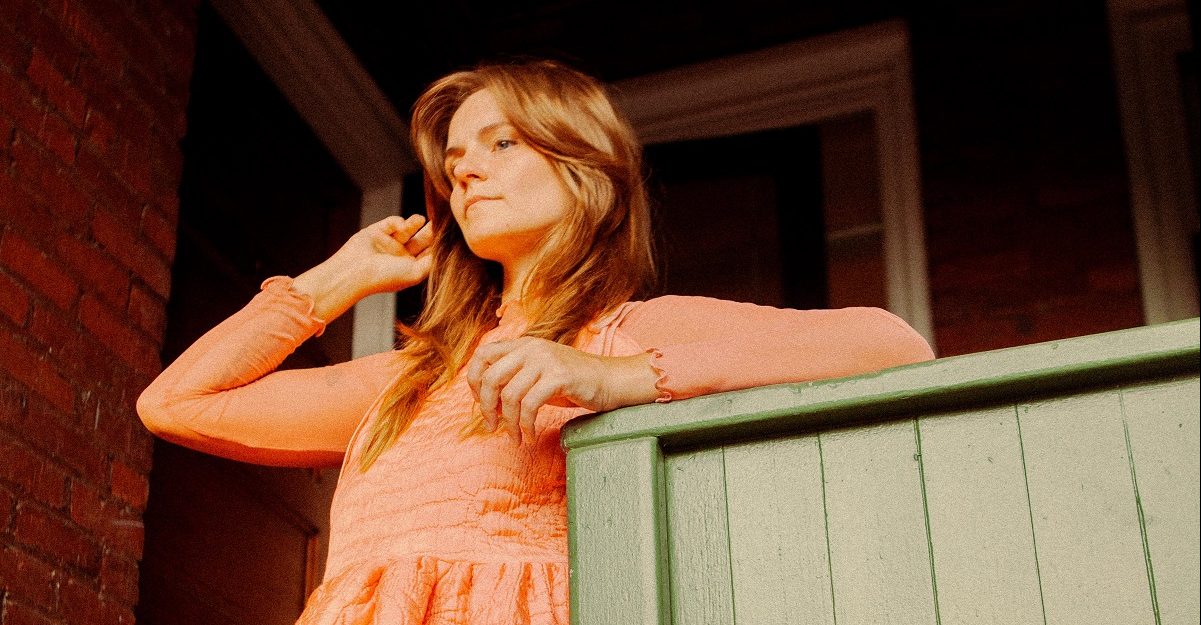
BGS 5+5: Erin Rae

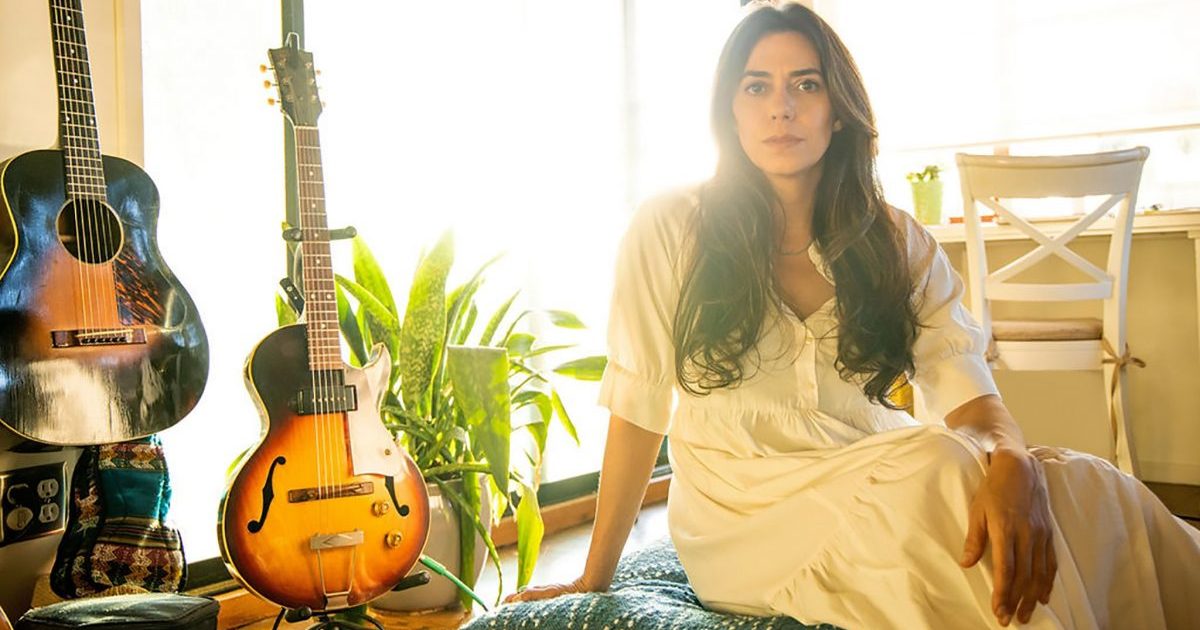
Artist: Erin Rae
Hometown: Nashville, Tennessee
Album: Lighten Up

Which artist has influenced you the most … and how?

Aside from my parents, I’d say it’s a toss up between the melodic storytelling of Kate Campbell, a Nashville songwriter that I grew up listening to, and Feist. Kate’s melodies and the way she captures the experiences of herself and others; the way she captures a feeling, I think I have spent enough time with a couple records of hers specifically that they are grooved into my brain, haha. Not to be dramatic. I listened to her record Moonpie Dreams a lot on my drives from Nashville to Cookeville, Tennessee, in college, and Nashville to Birmingham. There are so many references to Tennessee specifically. I was introduced to Feist by my friend April in high school, when “1234” came out, but then again I was reintroduced at about 19 when I started writing songs. A friend told me to listen to Let It Die in full, and that was in like 2010. I pretty much haven’t stopped listening. Her documentary called Look at What the Light Did Now inspired me and showed me the various avenues to explore and develop when making a record. I loved the input from her creative director, and I am continuously inspired by the soft strength of her voice, and her freaking guitar playing. Geez.

What’s your favorite memory from being on stage?

This will sound like a no-brainer, but last summer, I got to open for Trampled by Turtles + CAAMP at Red Rocks in Colorado. It was my first performance with a band since 2019, not to mention this legendary venue surrounded by all this natural beauty. I think what made it the most special though, was that my family flew out for the shows, and my management team is based just down the road in Denver, so they were there. I was feeling excited, prepared, and most of all extremely supported by everyone in my corner. The show had stayed on the books from the summer of 2020 when it got bumped, so it was that light at the end of the tunnel. I looked over at Sean Thompson, who was playing guitar and his hair was blowing back in the wind and his eyes were closed… epic, haha.

What has been the best advice you’ve received in your career so far?

I feel like I received this advice from two people I admire, but the gist from both folks was this: When you are playing a show, go ahead and consider it practice for the next one. Be in the moment of course, but do not worry so much about how perfect it is. You’re going to be playing shows for a long time. Each one is an opportunity to be present, and an opportunity to learn. Another piece along similar lines was from my dad. He likened playing shows to a meditation practice. Occasionally, you sit down to meditate, or you get up to play, and it’s just amazing; it’s just automatically flowing. And you think, “Oh, awesome, I have to remember this, surely I can make this happen again tomorrow,” and then inevitably the next show or set is just so-so. You can’t get out of your head. The goal is not to have a perfect show or perfect meditation every time; the goal is to be present and show up consistently as best you can. Over time, you’ll have played some great shows! And a lot of shows that were just okay, or even bad. But it’s not really personal.

What rituals do you have, either in the studio or before a show?

I think the main one is a little mini meditation. I’m not saying that to brag about how mindful I am, because I am most definitely NOT. But Questlove said it best in his book, Creative Quest. He said he takes a little second to settle into the present moment. Sometimes I will say a little prayer, but mostly it’s just about feeling my feet on the ground and breathing into the moment. That’s the only place we can connect to one another!

What was the first moment that you knew you wanted to be a musician?

I think I officially caught the bug at Cafe Coco, at the legendary open mic that used to happen there, back when it was hosted by Maurice Barrett. I had been teaching myself guitar a little bit, and was home for Christmas break from what ended up being my only semester in college, and my brother Wil took me to the open mic. I didn’t leave until 3 a.m., and after a couple more Thursdays of that, and some song ideas starting to percolate, I told my parents I was going to stay home for a semester to pursue music. A little optimistic of me, I will say, but that was ten years ago. I started taking guitar and vocal lessons that next month, and felt supported by everyone around me to keep going. That I’ve kept going is due mostly to the encouragement of any friends of mine that have nudged me to make records, or facilitated them. And now I’ve gotten to do so many bucket list things, and see so many places, and I can’t wait to keep going.

For my playlist, I chose five of my favorite songs from that record of Kate’s, Moonpie Dreams.


Photo Credit: Bree Fish

LISTEN: Gina Leslie, “I See You Everywhere I Go”

Artist: Gina Leslie
Hometown: New Orleans, Louisiana
Song: “I See You Everywhere I Go”
Album: No, You’re Crying EP
Release Date: February 11, 2022

In Their Words: “This song comes from a small bedroom in a yellow house in New Orleans, where I was nursing my heart back to health after a never-ending ending. Surrounded by the photos on the walls, dead flowers and love letters, I was spinning in my heartbreak. This song came to light as a call to letting go, even when I know there’s no forgetting. I had all the pieces of the song swirling around for some time, and my good friend Elise Leavy helped me finish the puzzle.

“I started recording my EP just a few weeks before the lockdown, and the project got stalled for months, so I holed up in that same room and recorded my own harmonies to stay busy. The most sparse track on the EP, I wanted to keep the raw and intimate feeling that song was born from. I sent it to my friend Alex Hargreaves and he added a ghostly and melancholy string section that makes the hair stand up on the back of my neck.” — Gina Leslie


Photo Credit: Noe Cugny

WATCH: Haroula Rose, “Time’s Fool”

Artist: Haroula Rose
Hometown: Chicago, now LA
Song: “Time’s Fool”
Album: Catch the Light
Release Date: June 2022
Label: Little Bliss/Tonetree

In Their Words: “It feels like so much about love has also to do with timing, not only in the external world but in our internal worlds, our own emotional maps so to speak. Sometimes we are open to things more fully, and other times we are not, but wish we could be or could have been. So this song is, in a sense, a plea for someone to be patient with one’s heart, having the knowledge that you might not be ready but want to be and could be, that becoming more intimate with someone is scary but beautiful sometimes and so requires some extra time or care.

“I wrote this song in the UK with Geoff Martyn during a songwriting residency in Sussex. It was quiet which is fitting since it is inspired by the Shakespeare Sonnet 116 that is perhaps most familiar to people from Jane Austen’s Sense and Sensibility, which is one of my absolute favorite films:

Love’s not Time’s fool, though rosy lips and cheeks
Within his bending sickle’s compass come;
Love alters not with his brief hours and weeks,
But bears it out even to the edge of doom.

“Molly Parden is singing the harmonies and callbacks. I love Molly’s voice so much. Trying some more close and dissonant harmonies felt really cool and organic. You can also hear me fingerpicking on the guitar, Omar Velasco on the second/higher guitar part, and the inimitable Greg Leisz on the pedal steel. I was so excited to have this group of musicians on this track.” — Haroula Rose


Photo Credit: Logan Fahey

Tammy Rogers & Thomm Jutz Keep It Simple on ‘Surely Will Be Singing’ Debut

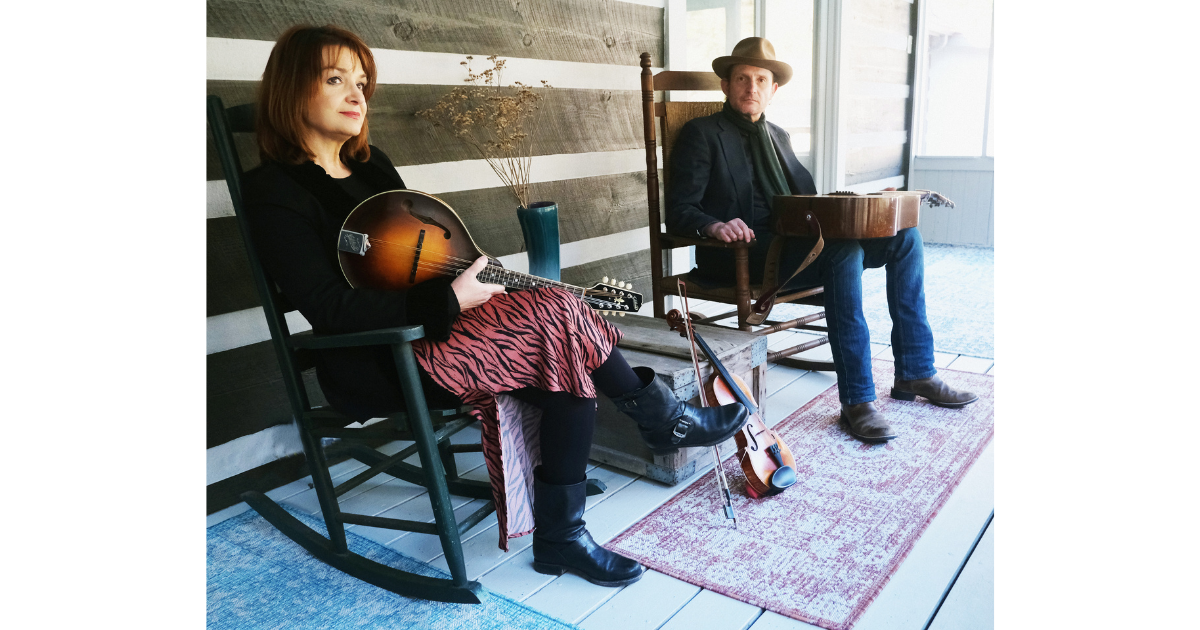
Oftentimes keeping things simple yields the most profound results. Such is the case for accomplished fiddler Tammy Rogers of The SteelDrivers and well-traveled guitarist Thomm Jutz, the reigning IBMA Songwriter of the Year. Surely Will Be Singing, a new compilation of their co-writes, marks their first album together.

Having known of each other through bluegrass and roots music circles for years, the two finally met at a SESAC music industry dinner and awards show in 2016. Although neither won any awards that night, Rogers and Jutz were seated together, leading to the beginning of a long and fruitful friendship. After exchanging phone numbers on their way out of the gala while waiting in the valet line, the two met up at Rogers’ home the following week for their first songwriting session. Coming from that meet-up was “Old Railroads,” a song Jutz recorded for his 2017 album Crazy If You Let It as well as Eric Brace & Last Train Home’s Daytime Highs & Overnight Lows. Since then, Rogers and Jutz haven’t slowed down, writing on average one song per week for an cumulative total of over 140 songs and counting.

BGS: Considering you’ve written over 140 songs together, how’d you go about dwindling those down to the 12 that made it on the album?

Tammy Rogers: It’s a really hard process because we write so much together and love all the songs. They’re all like children to us. That being said, we don’t usually set out with the mindset of writing for Del McCoury or Tim McGraw. We just sit down and write whatever we’re feeling that day. Oftentimes a book, show, current events or just a random conversation will spark an idea. When we started talking about doing this record, the idea of keeping it simple kept coming up. Part of that was because when we began recording, we were still in serious lockdown mode. We knew we wouldn’t be able to get together in a big studio with our friends to record something really grand, so the simplicity was born out of necessity. The songs we chose lend themselves well to simple production.

Thomm Jutz: We also searched our catalogs for songs that would work well as duets. We’re also both big fans of the Carter Family, the Monroe Brothers, the Blue Sky Boys and other early country music. We didn’t necessarily want to make a full-band record. We wanted to have some bands on it, but at this point in my life with my own work I’m really intrigued by just whittling it down to duo and trio stuff with as much simplicity as possible.

Earlier y’all mentioned getting song inspiration from everything from current events to books and even television. Do you try to tie a lot of those themes back into your own lives with your songwriting or do you prefer going the fictional route? Or is it a bit of both?

Rogers: I don’t even know that I could even quantify how that would split because Thomm is the kind of writer who always has his antennas up. Whether he’s reading a book, watching a documentary or just letting his mind wander in conversation, I think he’s always listening for a phrase or thought that could turn into a song. I’m the same way. Just the other day I said something to a friend and immediately thought, “Hey, that’s a song!” I texted it to Thomm and he was on board. It’ll probably be the next song we work on. When you’re a writer and you’re really in the flow of it, anything can inspire. And if something catches your ear, whether it’s a fleshed-out story or a phrase that could be a title, you run with it. I do that all the time without thinking of a backstory. A phrase will pop into my head or I’ll say something and someone will follow up with something else and an idea snowballs from there.

Jutz: It’s important to pay attention. I think that’s the whole job description of a songwriter, or at least 90 percent of it. It’s also important to take good notes, whether it be a verse, one line, a title or just a general idea. I write all that stuff down, but like Tammy, I don’t try to overthink things. It’s important to keep an open mind because if you bring that into a co-writing session someone may interpret something completely different than you. But Tammy and I mostly write off of titles or general ideas. One of the nice things with bluegrass is that there’s a sort of vocabulary that goes with it. There are rules of what you say and how you say things that help us to focus on that structure when we’re writing. It’s like figure skating. You have to do certain poses or jumps to express yourself within the given parameters. That’s something I’ve always been intrigued about with bluegrass and American roots music. There’s a sense of structure already there and you have to try to do right by that.

Tammy, a moment ago you mentioned Thomm always having his antennas up. Going off that, what is it you each appreciate most about one another as songwriters and artists?

Tammy: One of the things I love most about writing with Thomm is that I’m from the Appalachian Mountains of East Tennessee and even though he’s from Germany, he’s studied my part of the world and is familiar with the culture. If I tell him we should try coming at something with a Carter Family approach or the Monroe and Stanley Brothers he knows exactly what I mean. That makes the process so fun and easy. I don’t think we’ve ever argued about a song and the direction it should go. It really allows us to get inside of a song and go to that place.

Jutz: I think what we both appreciate about each other is that we both take the work very seriously without taking ourselves too seriously. That’s not something that either of us came up with, but rather something that William Faulkner said when asked about writing for movies out in California. I think that mindset is a good recipe for a successful collaboration. In regards to Tammy, she’s just so musical. Not to say that other songwriters aren’t, but Tammy and I approach songwriting as instrumentalists. With that comes a different skill set that allows us to communicate differently than with people who work primarily as songwriters only. It’s very different writing with someone who’s a good instrumentalist, which Tammy obviously is.

That’s the second thing I find unique about our writing relationship, it just comes easy. We get along well and we’re close to the same age but have completely different life experiences. Tammy has children and I don’t, for example. Our lives are very similar and very different at the same time, which makes for a great exchange of ideas.

Speaking of the songwriting process, I love the song “Speakeasy Blues” and the Prohibition Era vibes it radiates. Can you tell me about the song’s story and how you pieced it together for the album?

Jutz: It doesn’t really tell the story of a book, but Tammy and I both had just read a book by North Carolina author Terry Roberts called The Holy Ghost Speakeasy and Revival. It’s a really cool story about the prohibition era and a preacher who had his own train and would recruit misfits to join his crew, preaching to them and selling them liquor. It’s a wild story. One day we were talking about it and I remember Tammy saying that “Speakeasy Blues” sounded like a good song idea, and we ran with it.

Rogers: That song is a great example of how Thomm and I write. We share a lot of books and always share stories we enjoy with one another. It’s fun making music with literary sources because not everyone who hears the song has read the book, which leaves some nuances of the song up to interpretation. On that song in particular, after framing it into the Prohibition Era, we sought to make sure it had a fast tempo and driving beat similar to a train because in the book that’s how they traveled. There’s stuff like that that’s almost subliminal that you may not catch as a listener but that we were aware of when constructing it. Those little easter eggs are fun.

Jutz: Another interesting side to that song is that the book’s author, Terry Roberts, wrote the liner notes for our record. After sending it over and asking him to write for us he said he first listened to it while in London and upon hearing the first line of “Speakeasy Blues” said, “That’s Jedediah. That’s the preacher from my book!”

Rogers: I just started reading another book of his called A Short Time to Stay Here. I really like the title, so maybe one day it’ll become a song, too.


Photo Credit: Anthony Scarlati

WATCH: Clever Hopes, “Made You Mad”

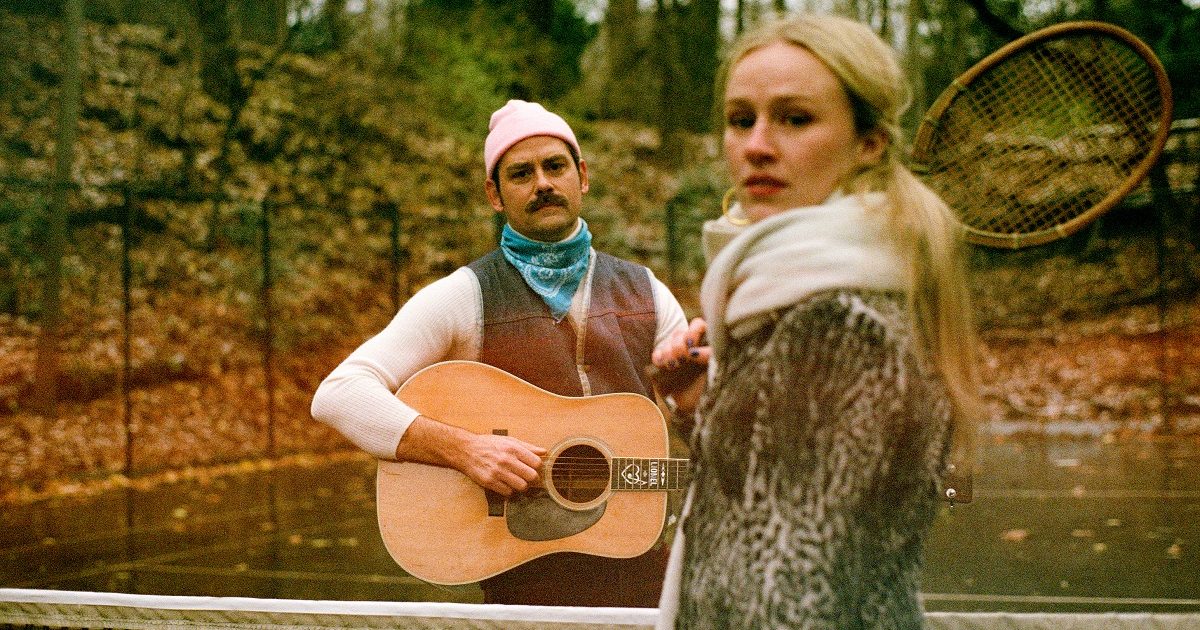
Artist: Clever Hopes (Andrew Shaver & Eva Foote)
Hometown: Toronto, Ontario, Canada
Song: “Made You Mad”
Album: Artefact
Release Date: January 20, 2022

In Their Words: “With a tip of its cap to the great rock duets that gave it life, ‘Made You Mad’ is the phoenix that soars out of love’s fiery demise. A reminder that, even when it is your fault, it’s going to be ok. It’s the kind of brokenhearted love song that might come too late to fix it, but just in time to try again. This is the song that documents the catalyst for the breakup and, as such, the album. It’s also the first song Eva and I worked on together. We had sorted out harmony lines for her, but it was originally written just from my perspective. We were days away from recording before we realized that we needed to divvy up the verses to really tell the story properly. We switched the pronouns and it came to life in a whole new way. I can’t imagine it otherwise now. It became the blueprint for how we approached the rest of the album in-studio.” — Andrew Shaver, Clever Hopes


Photo Credit: Ian Lake

BGS & Come Hear NC Explore the Musical History of North Carolina in New Podcast ‘Carolina Calling’

The Bluegrass Situation is excited to announce a partnership with Come Hear North Carolina, and the latest addition to the BGS Podcast Network, in Carolina Calling: a podcast exploring the history of North Carolina through its music and the musicians who made it. The state’s rich musical history has influenced the musical styles of the U.S. and beyond, and Carolina Calling aims to connect the roots of these progressions and uncover the spark in these artistic communities. From Asheville to Wilmington, we’ll be diving into the cities and regions that have cultivated decades of talent as diverse as Blind Boy Fuller to the Steep Canyon Rangers, from Robert Moog to James Taylor and Rhiannon Giddens.

The series’ first episode, focusing on the creative spirit of retreat in Asheville, premieres Monday, January 31 and features the likes of Pokey LaFarge, Woody Platt of the Steep Canyon Rangers, Gar Ragland of Citizen Vinyl, and more. Subscribe to the show wherever you listen to podcasts, and be on the lookout for brand new episodes coming soon.

LISTEN: APPLE • SPOTIFY • STITCHERAMAZON • POCKET CASTS • YOUTUBE • MP3

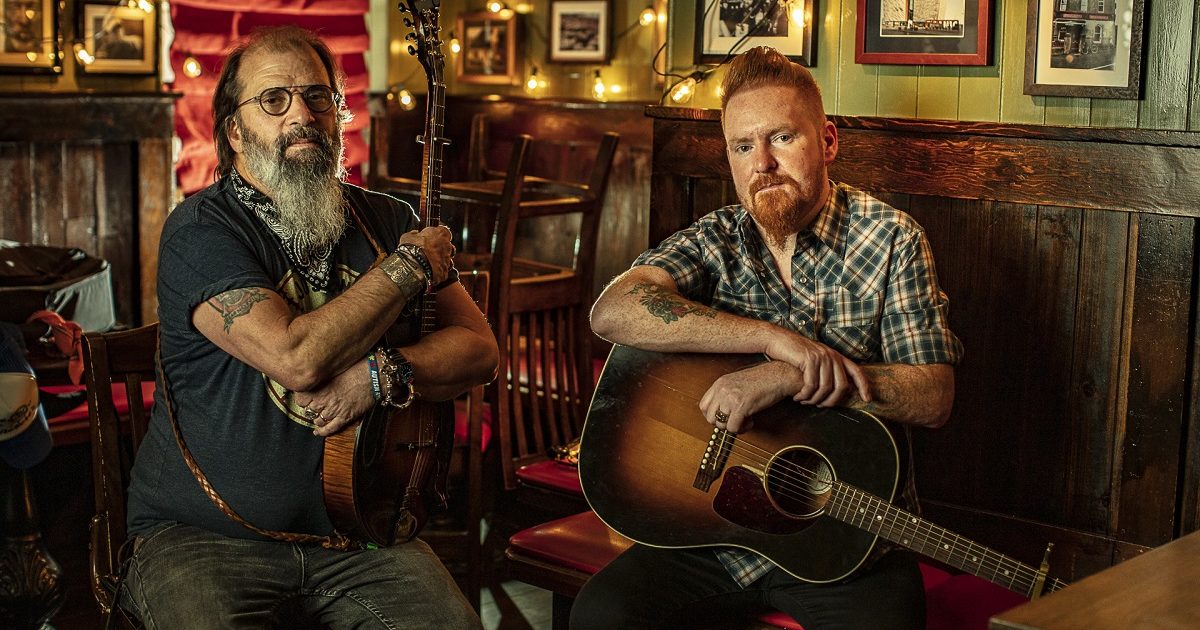
WATCH: Danny Burns & Steve Earle, “Mercenary Song”

Artists: Danny Burns & Steve Earle
Song: “Mercenary Song”
Album: Hurricane EP
Label: Bonfire Music Group

In Their Words: “We cut ‘Mercenary Song’ before the pandemic, and I had reached out to Steve and he really dug our arrangement. I had my pal Colin Farrell (of Lunasa, not the actor) add a fiddle tune into the middle parts and then thought it would be cool to add some Tex-Mex vibes on accordion. So we asked Michael Guerra from The Mavericks to add some accordion and he blew the doors off it. Then, Chris Masterson of The Mastersons and The Dukes added bari Tele and it all came together nicely. We also added Josh Day on drums, Byron House on upright bass, and Matt Menefee on banjo, mando and dobro. Finally, Steve added his bouzouki in the mix in a bajo sexto vibe.

“We thought it would be cool to shoot a video in NYC at the Dead Rabbit Irish pub. Sean Muldoon, one of the owners who’s from Belfast, was a great host. I recruited director Jim Wright into the project. We had been threatening to work together for few years now, and Steve was up for it and lives pretty close. So we just hung out, talked music and guitars, Ireland, and Irish breakfasts for a day and shot it upstairs at the Rabbit.” — Danny Burns


Photo Credit: Jim Wright

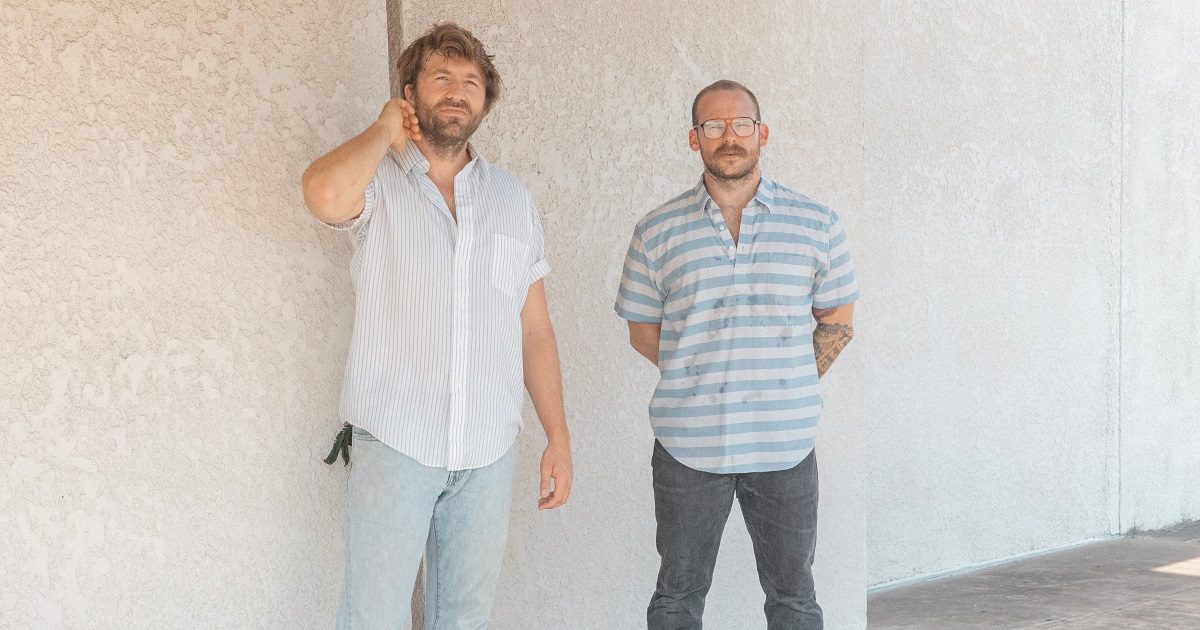
LISTEN: Penny & Sparrow, “Cheyenne”

Artist: Penny & Sparrow
Hometown: Florence, Alabama / Waco, Texas
Song: “Cheyenne”
Album: Olly Olly
Release Date: January 21, 2022
Label: I Love You distributed by Thirty Tigers

In Their Words: “‘Cheyenne’ is a classic murder ballad with all the fixins… We got hammocks, bathtub erotica, country music references, a nod to old trucks, and a kinky/melancholy twist-ending. Also, if you stick around for the very end, you’re gonna hear the tastiest pedal steel solo we’ve ever put on a tune. Drink deep my baby.” — Kyle Jahnke and Andy Baxter, Penny & Sparrow


Photo Credit: Jake Dapper

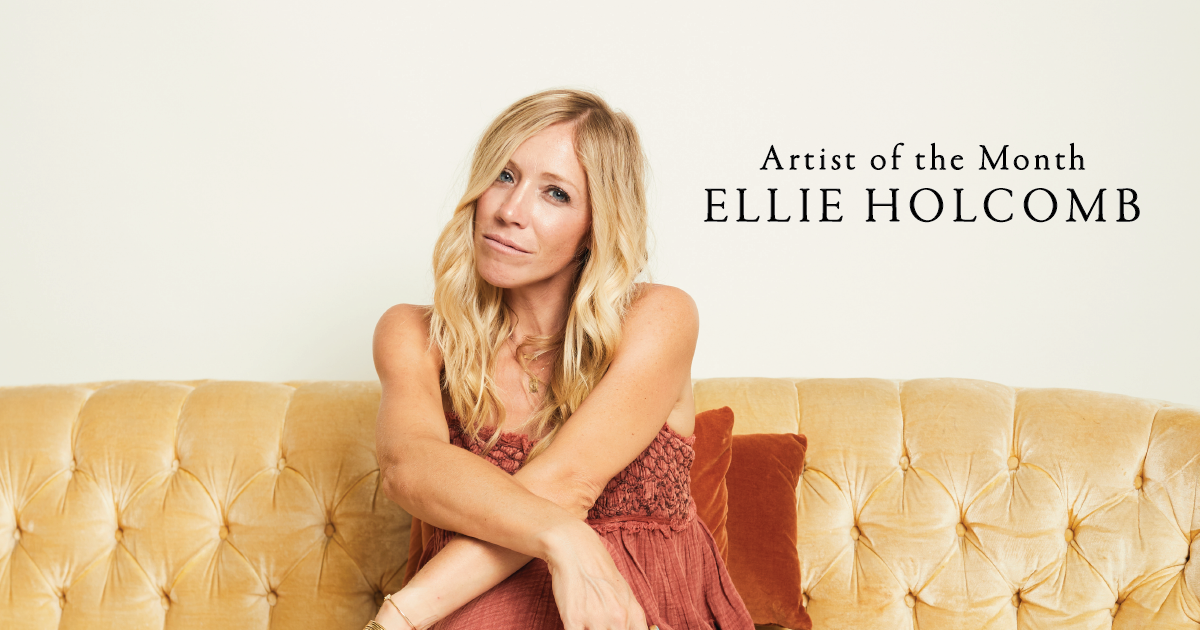
Finding Inspiration in Creation, Ellie Holcomb Moves Forward in Love

As a consequence of growing up in the music industry and singing background vocals on albums since she was 8, Ellie Holcomb opted not to seek a future as a professional singer.

“I actually decided that I didn’t want to be a part of it at an early age, which is hilarious,” says Holcomb, who today has a thriving career as a Christian music singer and also records and performs with her husband, Drew Holcomb. It amounts to two separate careers, with her solo music tending towards inspirational anthems and the duo producing a more intimate Americana sound. Ellie’s powerful voice is equally adept at belting out a dramatic ballad or giving a more tender, reserved performance.

Ellie’s father is producer Brown Bannister, who produced albums by Amy Grant and many other Christian singers. He now runs the music school at Lipscomb University in Nashville.

“I was around a lot of people who did this for their work,” she says. “I’m so grateful because I saw from a really young age the power of music to encourage, to bring hope and to help people feel less alone. But I also saw the cost of doing music, like you have to leave. It’s often really hard on families.”

For our Artist of the Month interview, Ellie fielded questions from BGS as she and Drew drove to Chattanooga for a performance. (Read our Artist of the Month interview with Drew.)

BGS: You’ve got a powerful voice. When did you first realize that?

Oh, thank you. I guess from a pretty young age. I was singing in studios with my dad. When the budget ran out, I would come and be the background singer on whatever project he was working on.

What a great way to get experience.

I’ve kind of learned from the best in terms of how to become a singer. But I think even on this last record (Canyon, 2021), there were parts of my voice that I didn’t really know were there. As I’ve gotten older, there’s been this other realm that I’ve tapped into. It feels like painting with more colors. That’s been really fun, to realize I have this whole other set of tones and colors and textures that I didn’t realize in my voice.

Who are some of the artists you worked with as a child?

I sang on (Amy Grant’s) Home for Christmas as a little 8-year-old girl. It’s kind of hard to imagine artists in the Christian world that I haven’t sung with. I’ve done Sandi Patty back in the day, Steven Curtis Chapman, Matthew West, Charlie Peacock, Mercy Me, Bart Millard. It’s hilarious because there will be songs I’m hearing and I’m like, “Oh, it’s me. I forgot I sang on that.”

How do you and Drew differ in your music tastes?

It’s interesting. We have a lot of overlap in what we love. He grew up listening to Bob Dylan and Van Morrison. When I grew up, my dad was making records with Amy Grant. I love Sara Groves. Then we both love Carole King. He leans a little more into the rock land, and I lean more singer-songwriter.

You have young children (Emmylou, 9; Huck, 6; and Rivers, 3). Is touring difficult for you and Drew because of that?

I feel like we found a really beautiful way to kind of blend all that together. We bring the kids on the road a lot and we tour together and apart. So we kind of have a crazy schedule. But thankfully, Drew is a logistical ninja. He’s really good at keeping tabs on where everybody is and childcare. We’ve got a village of people that have come around us. We just keep getting family members and nannies (to help). It just feels like when they have to move on, we have another aunt in the arsenal. So we have been very blessed to have family and friends and incredible nannies come alongside of us as we do this crazy music life.

You quit your husband’s band (Drew Holcomb and the Neighbors) after seven years in 2012, and then pursued a solo career. What brought that about?

I’d actually quit Drew’s band to be a stay-at-home mom. Our daughter was in a car seat for over eight hours a day. By the time she was six months, she’d been to 32 states and Canada. And I’m like, “I don’t think I can keep her in a car seat for seven hours a day, poor thing.” So I quit to do the mom thing.

How did that morph into launching a solo career?

It was hilarious. I kept trying to write songs for his band. But often when I would sit down to write a song, I would say, “Drew, I’m so sorry, I accidentally wrote another song about God.” I didn’t mean to, but I’m just a spiritual person. I don’t fully understand everything, and I feel really comfortable in a lot of the mystery, but that is something that my heart has always been drawn to. And so I loved what Drew’s response was. He was like, “Hey, write what’s in you. Let those songs out.”

When he said that, it lit a fire within me. I don’t know that I needed permission from him, but all of a sudden I just felt this freedom to sing what was in my heart. That’s usually me saying, “I believe, but help my unbelief.” I’m usually wrestling my faith to the ground. I’m working my faith out through song. I guess the songs were helping me find some semblance of peace and comfort and solace. So I thought, “Man, maybe they’d help somebody else. That’d be cool.”

Does the divisiveness going on now in the U.S. tempt you to write political songs?

I don’t know that it does. I feel called to move forward in love, and I guess sometimes that will intersect, politically speaking, in terms of using your voice to speak up on behalf of those who maybe don’t have a voice. That can look political at times. But I think for me, I’m less motivated by politics and more motivated by love and peacemaking. But sometimes to make peace, you’ve got to tell the truth.

Many of your solo videos are filmed with spectacular nature backgrounds. Why do you return to that approach so often?

It’s very intentional because creation itself is one of the ways that I experience God most. I feel like the story of love beating death is written all over creation. When the (coronavirus) numbers were low, we did a trip where we went down into the Grand Canyon, rafted the Colorado River, spent the night on the riverbanks and then rafted out. While we were down there, a guide was telling us that in the Grand Canyon, the walls really tell a story. It’s actually a story of disaster upon disaster: landslide, mudslide, volcano, earthquake, flood, drought. Then there’s this great divide split wide open by a river, and I thought, this just looks like a picture of literally all of our hearts, especially after the last two years. There is a current of love that runs deeper than our deepest ache, pain or longing that will carry us back to a place where we can know that we’re beloved, no matter how broken we are. I’m like, “All right, let’s get in a place where I’m reminded of that. Maybe it’ll remind other people of that.”

You’ve spoken on stage about seeking help for depression and anxiety. Why did you decide to do that?

I want everybody to know how precious they are. I want to remember it myself and I want kids to know that. So it’s been a joy to speak openly about depression and anxiety and worry and fear and division and to say, these are all real things in a broken world. But we’re invited to be hope-people and bridge-building people and people who are about reconciliation and love. I really love getting to come stumbling and tripping and broken and full of doubt and fear sometimes into the presence of love. And I will happily hobble my way into that presence over and over again and invite others to come along with me.


Photo Credit: Ashtin Paige

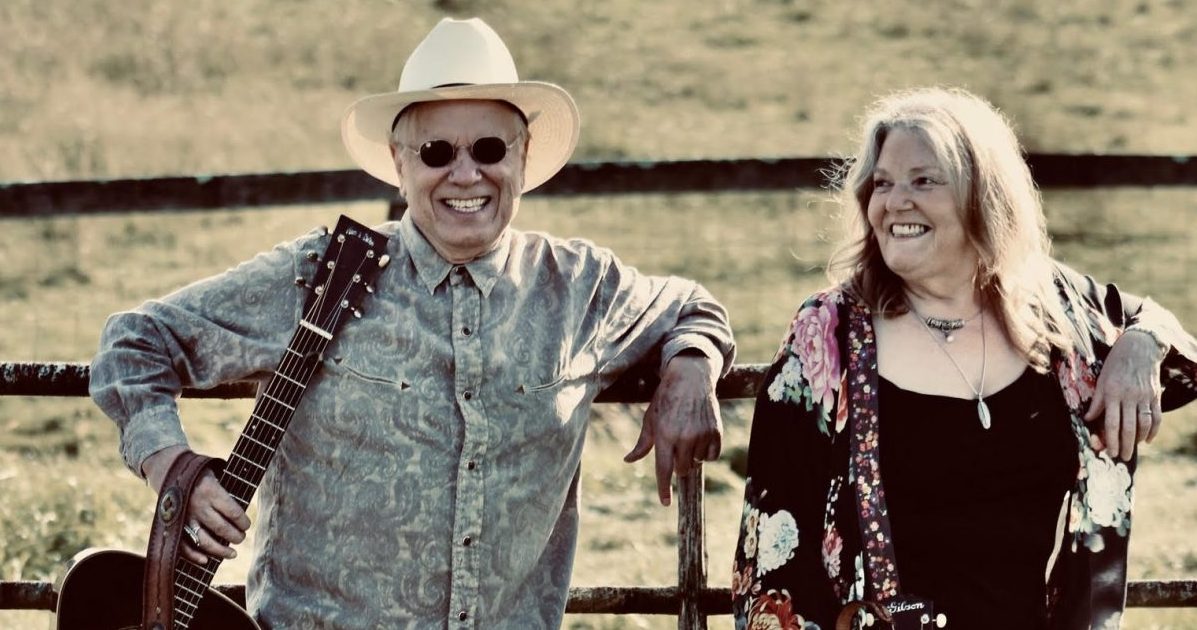
WATCH: Robin and Linda Williams, “Old Lovers Waltz”

Artist: Robin and Linda Williams
Hometown: Staunton, Virginia
Song: “Old Lovers Waltz”
Album: A Better Day A-Coming
Label: Oakenwold Recordings

In Their Words: “‘Old Lovers Waltz’ is one of our favorite songs off the A Better Day A-Coming release. It has personal meaning to the two of us, and we think Deep Structure Productions did an excellent job of producing the video. The ‘old Robin and Linda/young Robin and Linda’ idea, based around the banjo painting, was their vision, and they did a great job making the concept of a lifetime partnership come to life in four minutes. Their video captured the essence of our song. We wrote this after being married for 46 years. It’s not essential to be married that long to write such a song. You might be able to do it after only 30 or 35 years. ‘When you’re gliding with ease and stepping light/Then the Old Lovers Waltz, you are doing it right.'” — Robin and Linda Williams


Photo Credit: Jahna A Parker