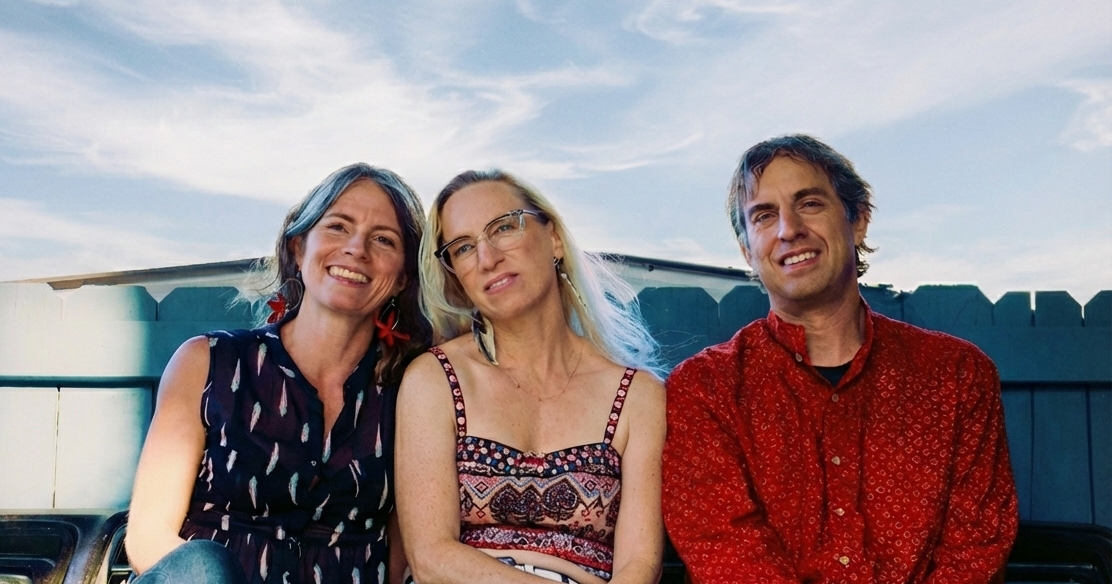
BGS 5+5: TANASI

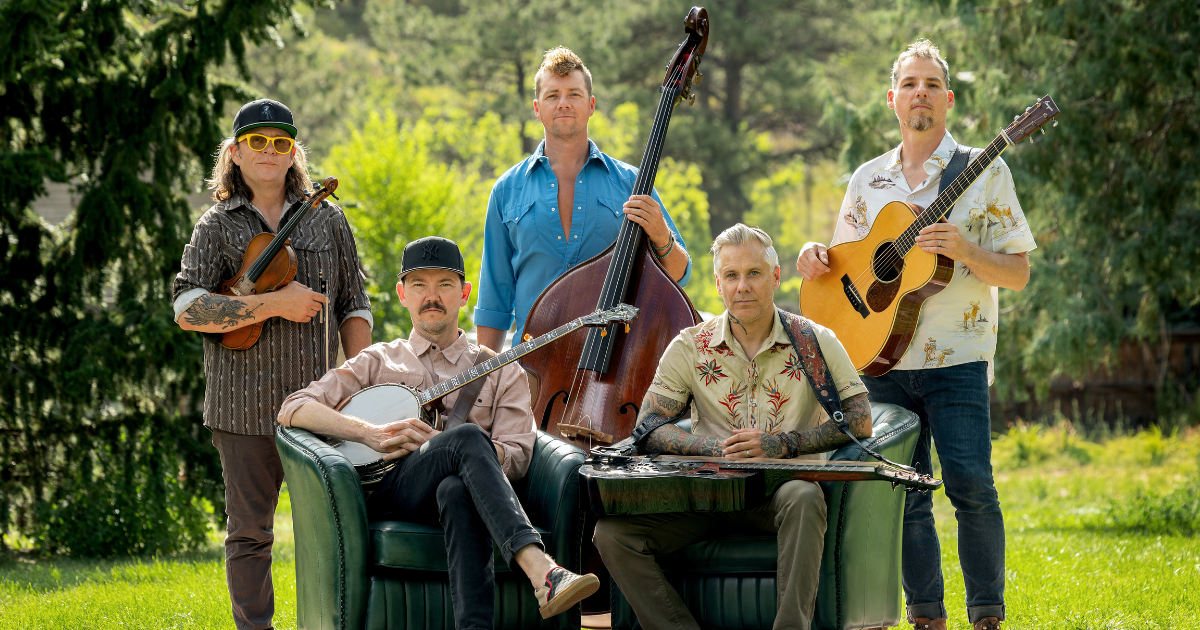
Artist: TANASI
Hometown: Asheville, North Carolina
Latest Album: TANASI (released May 8, 2026)

What’s the most difficult creative transformation you’ve ever undertaken?

Becoming one third of Tanasi was and continues to be a real challenge for me technically and creatively. Incorporating a lot of different styles into our music from different corners of the globe naturally stretches my comfort zone. Whether playing in odd meters, alternate tunings, providing percussion and even flatfoot dancing while playing my guitar, there is always lot to learn. In addition, being a trio, every moment requires a lot of dynamics from all of us. So we have to work very closely to make each moment count. Luckily we have a lot of years of shared effort that makes it all possible. I am grateful for the opportunity to learn new things. – Anya Hinkle

What has been the best advice you’ve received in your career so far?

I heard that when you are doing the work you are meant to do, it doesn’t feel like work. That is always a great measuring stick for everything we are “working” on. Of course, there is a lot of hard work that goes into being a musician and a lot of it isn’t exactly fun. Bfut at the end of the day, it feels natural and right and I’m grateful for the opportunity to do what I am doing with my life. – AH


What’s your favorite memory from being on stage?

We played together [recently] after having a couple month hiatus from the trio, because of other projects we’ve been working on. It brought me such a ridiculously large amount of joy to be up there creating a moment for the good people of Waleska, Georgia, at the Falany Performing Arts Center. Billy had just gotten back from teaching in England at Sore Fingers. The creative juices were overflowing and Anya was feeding off of it, rockin’ her heart out, and our harmonies were digging into each other. I was so aware of the power of that moment, the happiness that I feel performing music that inspires with these people whom I love, and getting to share that with the sweet folks sitting in their lawn chairs, enjoying a peaceful evening under the trees.

Getting to play at the Ryman with Vassar Clements is also surely a highlight. – Mary Lucey

What would a perfect day as an artist and creator look like to you?

One version of a perfect day would be having an entire day free to do nothing but write, study, and practice. Our German Shepherd sitting at my feet, howling at the occasional D note (he loves them, not sure why), fresh fruit in the fridge, nice tea and coffee – and while we’re at it, might as well be overlooking a beautiful ocean with the occasional break to go surfing.

Other versions of the perfect day involve collaborating with others, hearing original compositions come to life, co-writing something new, and still with the Shepherd, fruit, and ocean or forest. – Billy Cardine

If you didn’t work in music, what would you do instead?

I would either be a veterinarian or working on marine biology projects. – BC


Photo Credit: Gen Kogure

The Band of Heathens Leave Nothing on the Table

Don’t be fooled by their name, as the Band of Heathens actually give us something to believe in.

Coinciding with their 20th anniversary as a band, their new project Country Sides is equally feel-good and philosophical. The band’s co-founders and songwriters Gordy Quist and Ed Jurdi called in to Good Country from their homes in Austin and Asheville, respectively, to talk through their inspirations for the album, their writing (and rewriting) process, and how banjo fits into their house of music.

Just a few weeks after our visit, Country Sides and the single “Take the Cake” topped the Americana Music Association’s album and singles airplay charts simultaneously, a new feat for the well-established group.

“We have been really fortunate as an independent band,” Quist says. “We’ve never been on a label or been a part of the machine, and we just have a lot of gratitude for the 20 years we’ve had together as a band.

“This record is like a message of gratitude for all that we do have. And as much as we love making records, the live show is certainly my favorite part of this career. That’s what’s special about this band. When we get on stage, I feel lucky to be a part of this thing that really is fun live, so I would encourage people to check out a live show if you haven’t done it.”

As I was listening to the album, I was picking up a lot of messages of encouragement. It feels like a positive record to me. Is that a fair statement, do you think?

Ed Jurdi: Yeah, I think so. It’s like the musical retrospective of the band, in a way, sort of our history as an entity. Maybe in the background, with the realization that we’re making it 20 years at this point, there’s a little bit of a celebratory nature. I don’t know about Gordy, but in my writing process, I tend to almost have the opposite reaction to everything going on around me, outside in the world. If everything’s really negative, and the messaging is really negative, and there’s a lack of hope – maybe it’s a form of escapism for me, but I tend to lean into that [opposite reaction] a little bit more in my messaging.

And insofar as sharing music with people, it’s almost like the internal pep talk that I’m having with myself turns itself into the art and into the lyrics and something to share as a message with other people. We’ve never really been ones for beating people over the head with the message, but things are pretty wild and wooly – and not in a good way out there, in a lot of ways. So, I think some messages of community and togetherness and rallying around a common good – we could certainly use more of that.

Did you have a certain sound in mind as you made this record?

Gordy Quist: I think we talked about trying to make a country soul record. We were listening to some of the early Dobie Gray records and thought, “OK, what if we took a mix of soul music and country music melodies and textured it…” We put more pedal steel on this record than we probably ever have on any record. And that was intentional. From the beginning we knew we wanted to do that. I guess it was intentional to try to make a country soul record. Whether we did that or not, I’m not sure. But that’s how we arrived at whatever we did.

I like the spirit of fellowship in the song “High on Our Own Supply” and there’s a lyric in there about hearing the banjo playing soft and slow, like a stereo. This being the Bluegrass Situation (and Good Country), I’m curious, do you often reach for the banjo?

EJ: I do. I’m a terrible banjo player. You know, my buddy Graham Sharp in Steep Canyon Rangers is an amazing banjo player. So if I need a banjo on a record, I’d probably call him.

I think writing “High on Our Own Supply,” it was almost like we’re building a house of music. You know, if you were to go into any room in that house, there might be this different scene going on. You open the door and there’s someone in there playing the banjo, and it’s so good, it sounds like it’s just coming out of the stereo.

The song “Pleasing People” reminded me of soul music from the ‘70s and I wondered about that soul influence. How does that show up in your music?

GQ: I guess there’s two elements. I think the rhythm section is the foundation of soul music and the groove. That was something on this record we really tried to dig into. The band right now – Clint Simmons on the drums and Nick Jay on bass – are a deep and heavy rhythm section, so that lends itself to a style of American roots music that leans into soul music. But also, simplicity. Lyrics that sound conversational and simple but have some depth to them. It’s hard to do that well. That’s part of what makes soul music great – that it’s simple but it’s good.

It takes skill to make it look easy or sound simple. What’s your editing process and your rewriting process like for you?

EJ: It never really ends. Even after we record these songs, I definitely change lyrics to songs as we play them live. The cool thing about these songs, especially making a recording, it’s a snapshot in time. But songs, I think of all the artistic mediums, they kind of move with you through time in a really special way. What a song means to you at 16 can mean something completely different to you at 40. You’ve piled up life experiences and you view the world in a little bit of a different way. So that’s always fun, but editing is constant.

I would say Gordy and I both are doing a lot of lyrical editing and we’re doing a lot of musical editing, too. When we get together and make records, it looks something like Tuesday morning, 10 o’clock: “Hey, Gordy, what do you got?” You know, Gordy grabs an acoustic guitar, sits in the middle of the room… And I’ve [already] heard these songs we’ve worked on, the two of us, but that’s the first time that Trevor Nealon (our keyboard player) and Nick and Clint have heard the songs.

So it’s like, “Hey, OK, first impressions? Go!” and then we start filling the canvas up, taking stuff away, adding stuff, changing colors, all these different things, until we’re at a point where we feel like we’ve edited something down to a nice, presentable format. So, it’s a work in progress, always. To your point, the more you can tolerate the editing, the better things become. It certainly is the most challenging part of the job, but it can also be the most rewarding.

“Take the Cake” has a great vibe. I’m sort of a workaholic, so it’s a nice message to hear, to hit pause and go do something fun. What were you hoping to convey in that song?

GQ: I think I was playing with the idea of giving versus taking, in life. I’ve been working on that song and editing that song for a couple of years actually. I’ve had it for a while. You know, there’s a weird juxtaposition of giving and taking. If you are always taking, in theory you should have lots of things because you’re receiving them. But in reality, you usually end up empty, whether it be friendships or whatever.

The opposite is true also. If you’re always giving and generosity leads, in theory the fear side of you thinks you’re going to run out of stuff. But the opposite actually is true. And that’s kind of what I was playing with, just the idea of letting go of that consumerism or just the [mentality of] “I need to keep what’s mine.” And being cool with letting go of that and letting generosity be the leading force.

As you mentioned earlier, this album is like a 20th anniversary celebration of the band. Are you enjoying this period of your life? You still have a lot of years ahead, but you’ve got 20 years of experience behind you too.

EJ: Yeah, I think it’s a good vantage point. I’ve heard Gordy describe it as standing at almost the peak of a hill. We’re all dads, so we can look down and look at our kids and remember being their age. Looking the other way on the hill, we see our parents, and we remember our grandparents being that age. So, it’s kind of a trip to be in this middle age of life. We still have the energy of young people. I think the fire is still there. There’s no lack of commitment or of energy or passion to what we’re doing. But we’ve assimilated a little bit more wisdom, and we have a few more tricks up our sleeve, a few more shortcuts. It’s fun exploring those things and trying to share them with people.

GQ: Talking about this phase of life that we’re in, I have this feeling like, when we were young, making our first records, we would put everything into it and the goal always was, “I hope this is good enough that we get to keep making records and make another record.” At the end of every record we’ve made I felt like, “Man, that’s the best thing we’ve ever done and I don’t know how we’re ever going to top that.” Whether it is truly the best thing we’ve ever done or not each time, that’s not for us to decide, but it feels that way to us.

EJ: We’ve always left nothing on the table when we’ve made a record. Now we’re just a little bit more conscious of our surroundings and what our intentions are. Again, I don’t think there’s ever been a lack of effort, but now there’s maybe a realization like, “Hey, every time we get on stage, every time we sing, every time we make a record, it might be the last time we do, so let’s make sure we’re doing it with everything we got. Let’s leave it all out there, because at the end of the day, that’s all you got.” You can feel good about that in the rearview mirror.


Photos courtesy of the artist.

Headed to Earl Scruggs Music Festival? Here’s What to See and Do

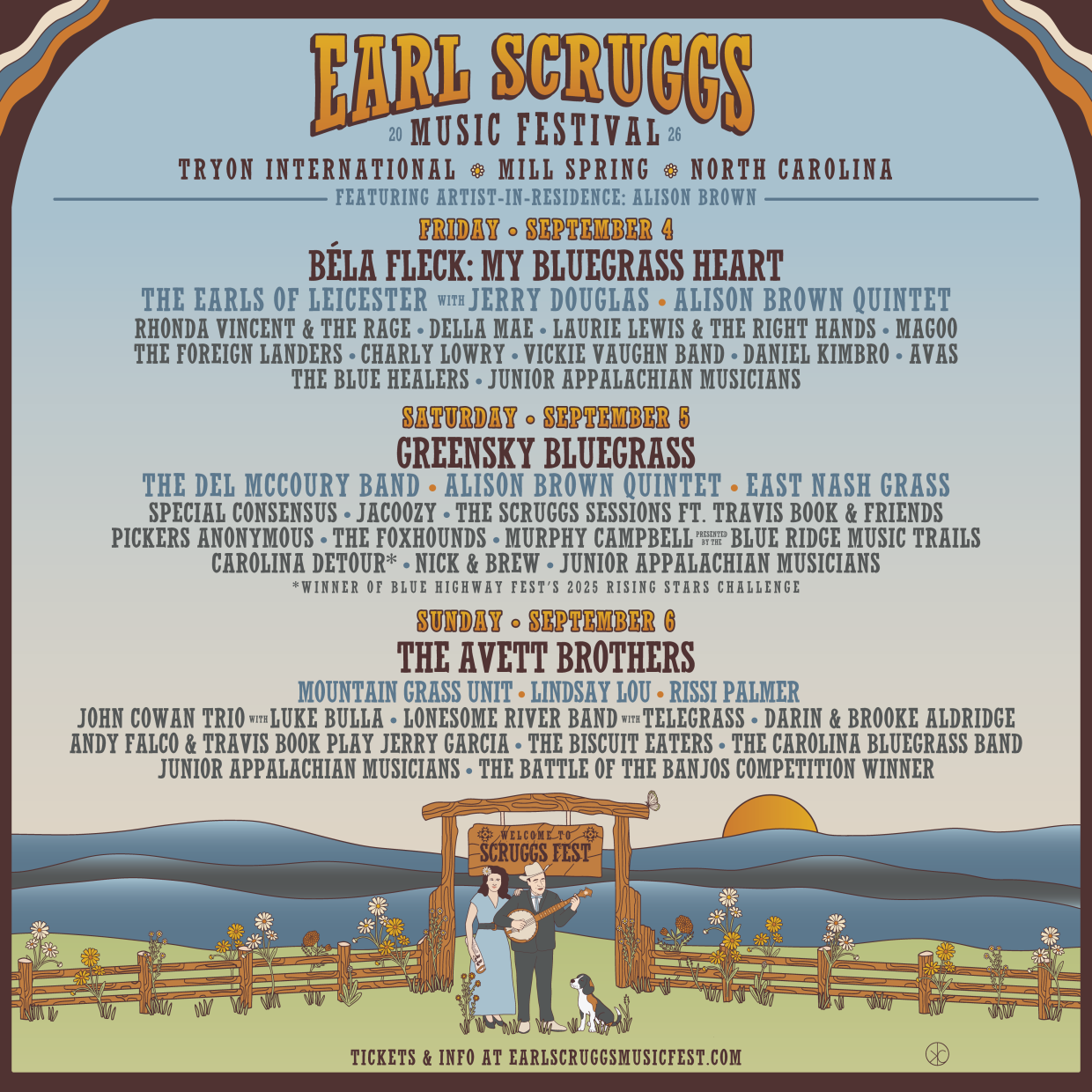
On March 4, 2026, the team behind Earl Scruggs Music Festival announced the lineup for the 5th annual edition of their event, which was recently honored with the 2025 IBMA Award for Event of the Year. Held each year in Mill Spring, North Carolina, at the Tryon International Equestrian Center, the festival will take place September 4 through September 6 with performances from headlining acts Béla Fleck: My Bluegrass Heart, Greensky Bluegrass, and the Avett Brothers as well as many, many more artists and bands. Tickets are on sale now; see the full lineup below.

BGS has been proud to partner with ESMF since the very first year of the festival, presenting special sets of music, doing on-site coverage, and bringing the unique setting and community of the weekend to our audience. This year we’ll be back again for still more of our partnership – and to enjoy some of the best bluegrass, Americana, country, and roots music on offer anywhere in the country.

Get a sampling of Earl Scruggs Music Festival with our photo stories, previews, and recaps from previous years: 2025; 2024; 2023; 2022.

The most striking feature of ESMF each year – besides their superlative lineups, of course – is the grounds and festival footprint. Tryon International is a luxurious, resplendent location for a music festival, featuring brick-and-mortar restaurants (we love Campagna – scratch made Italian and wood-fired pizzas at a bluegrass festival? Yes.), adorable boutiques, horse riding and jumping demonstrations, a shaded grandstand, multiple bars, a general store, posh VIP areas, and much more. There are campsites for RVs and tents, glamping options and tiny homes, and even a just-opened on-site lodge. Tryon International may just be the most amenity-rich site for a bluegrass festival we’ve ever encountered.

Still, it’s worth getting off-site when you can and exploring the foothills of the Blue Ridge Mountains and the many adorable, vibrant communities surrounding Mill Spring and Tryon International. We’ve attended ESMF for five years now and each time we uncover new (to us) hidden gems, restaurants, activities, shops, and highlights around every corner. In 2025, we decided to take our audience – and any potential ESMF attendees who may need extra convincing – along with us for a Camp Snap photo journey as we adventured down the mountains from Asheville, North Carolina, to the festival and beyond. We stopped in Saluda, Tryon, Shelby, and Boiling Springs, North Carolina, getting lunch, shopping for antiques, stopping in adorable boutiques, and visiting the homeplaces of two local legends: Nina Simone (in Tryon) and Earl Scruggs himself (in Boiling Springs). We also hopped just across the border to Landrum and Gaffney, South Carolina, for more markets, horses, and trains – and live music, too.

We’ve only just scratched the surface but if, like us, you’re looking forward to getting back to Earl Scruggs Music Festival this year, we’ve got the list of things to do and see outside of the festival grounds while you’re there. Make your plans to attend ESMF in 2026 here and scroll for more of our tips, tricks, and local favorites.

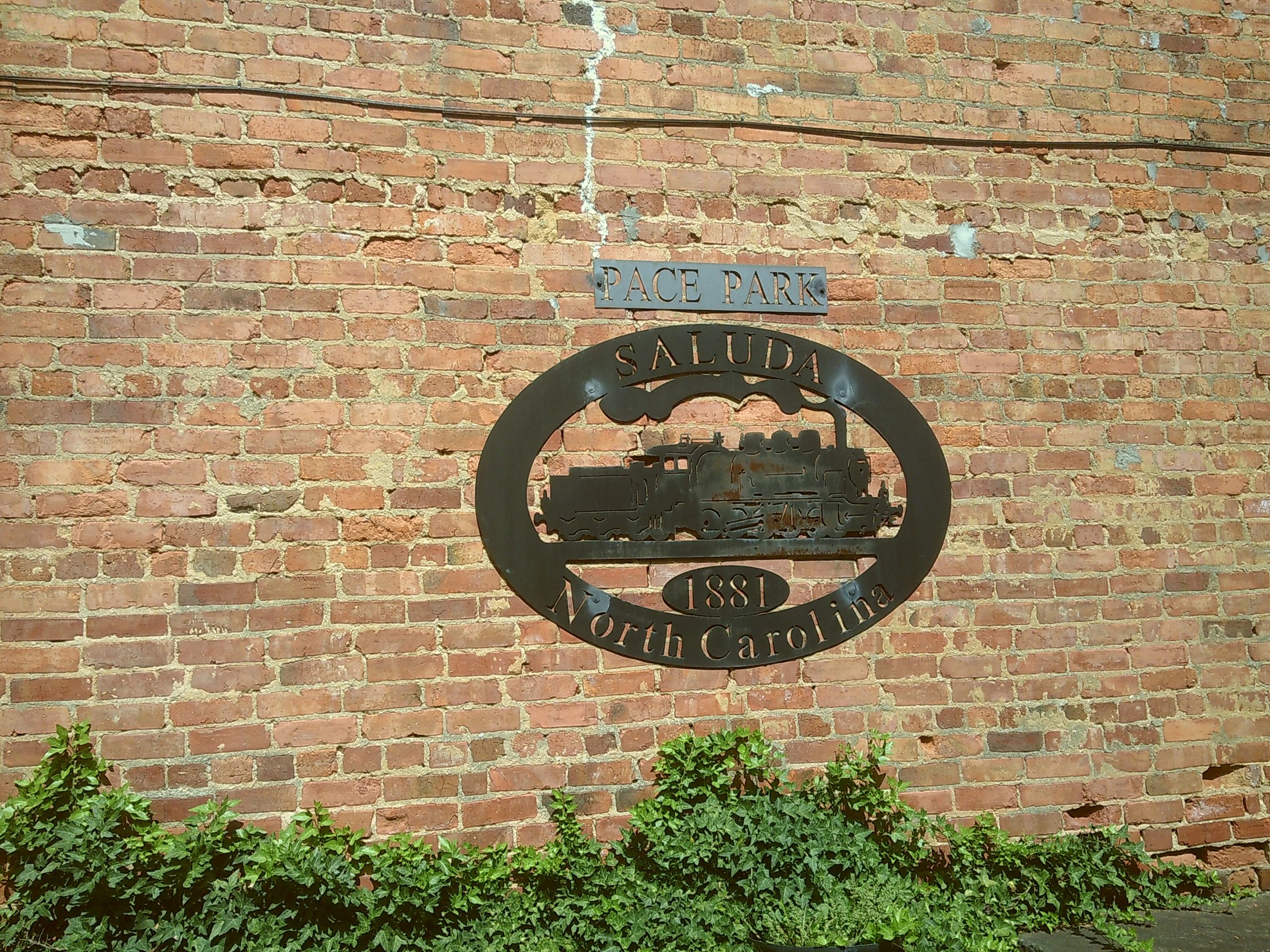
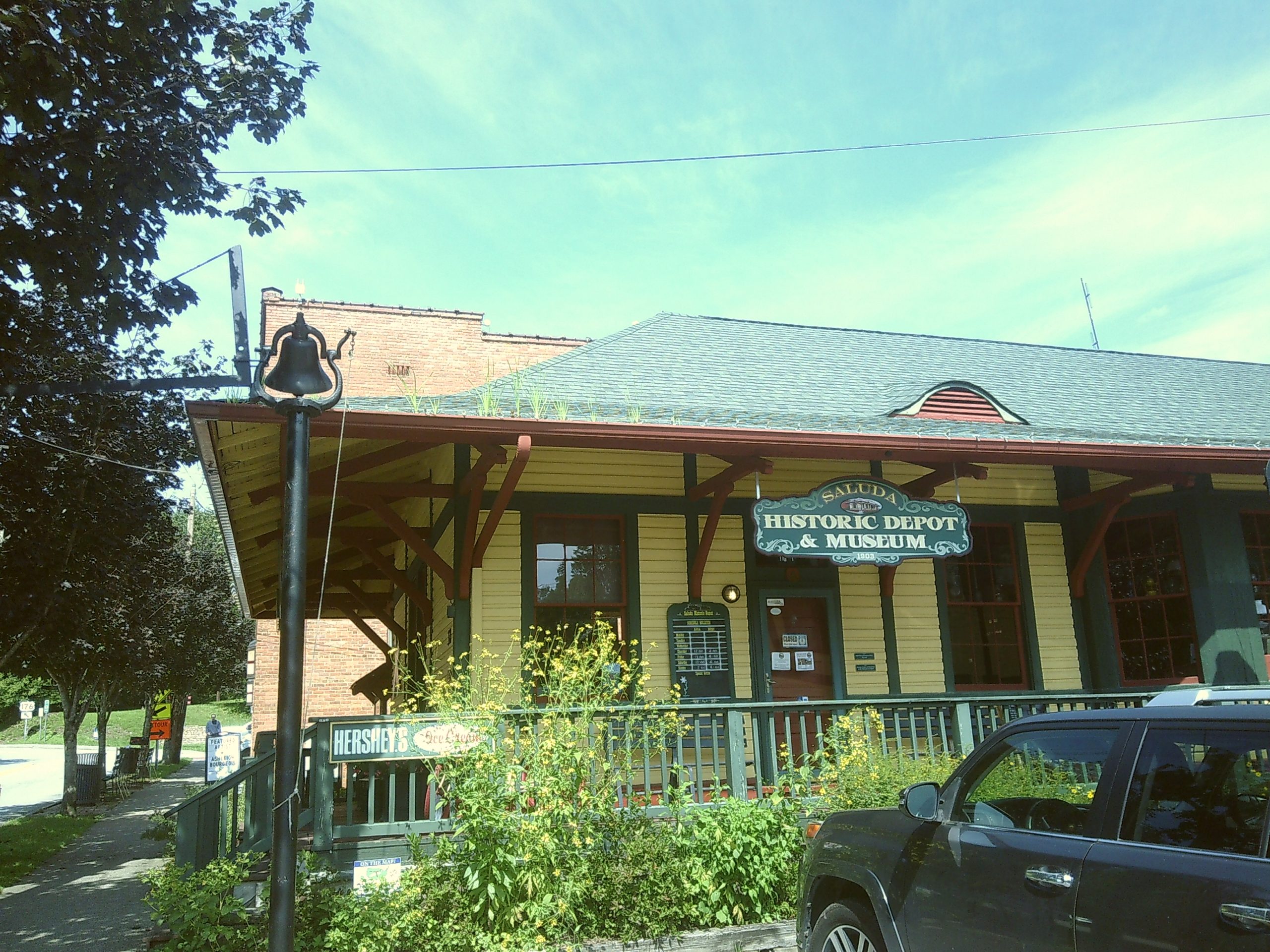
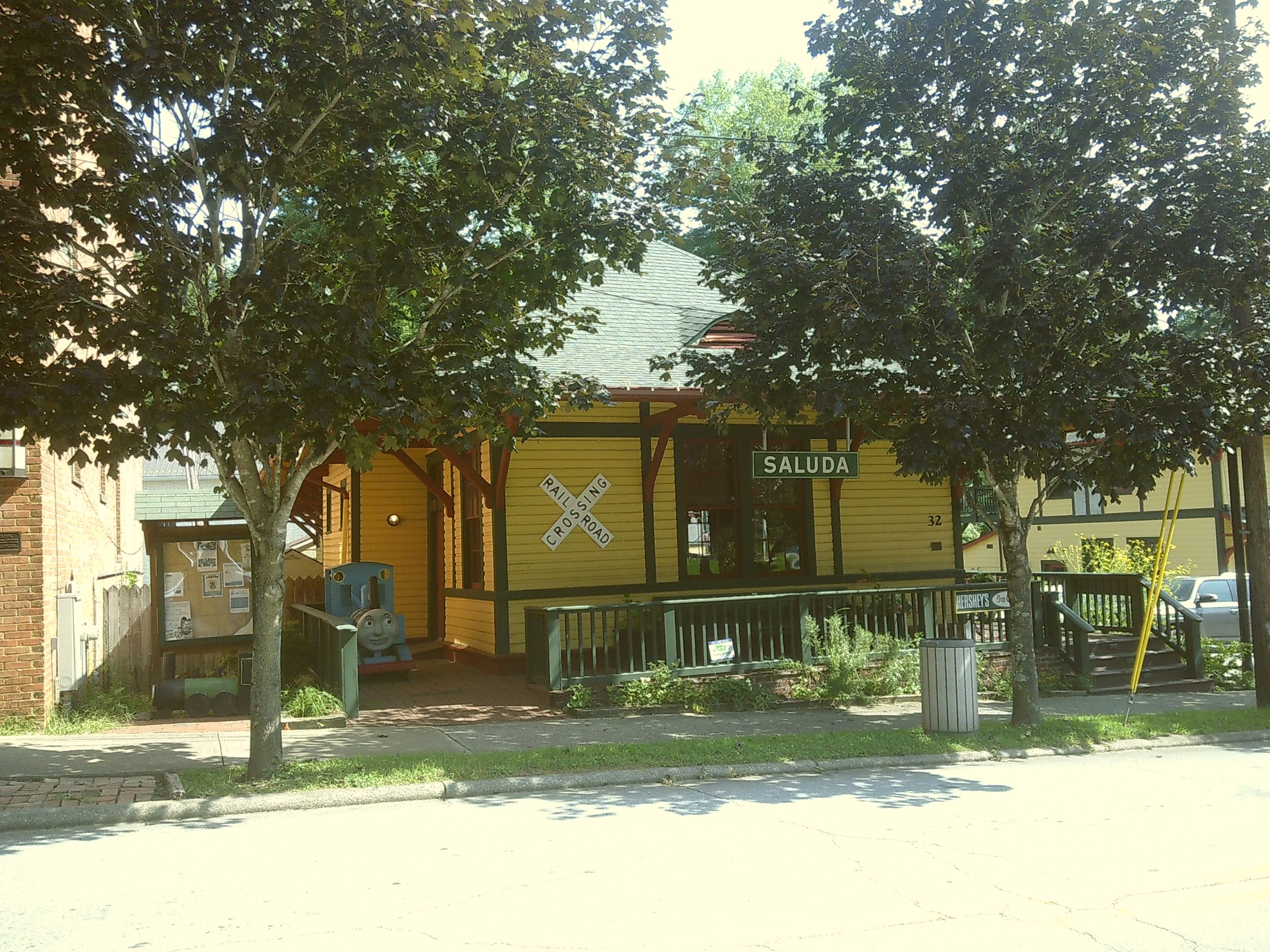
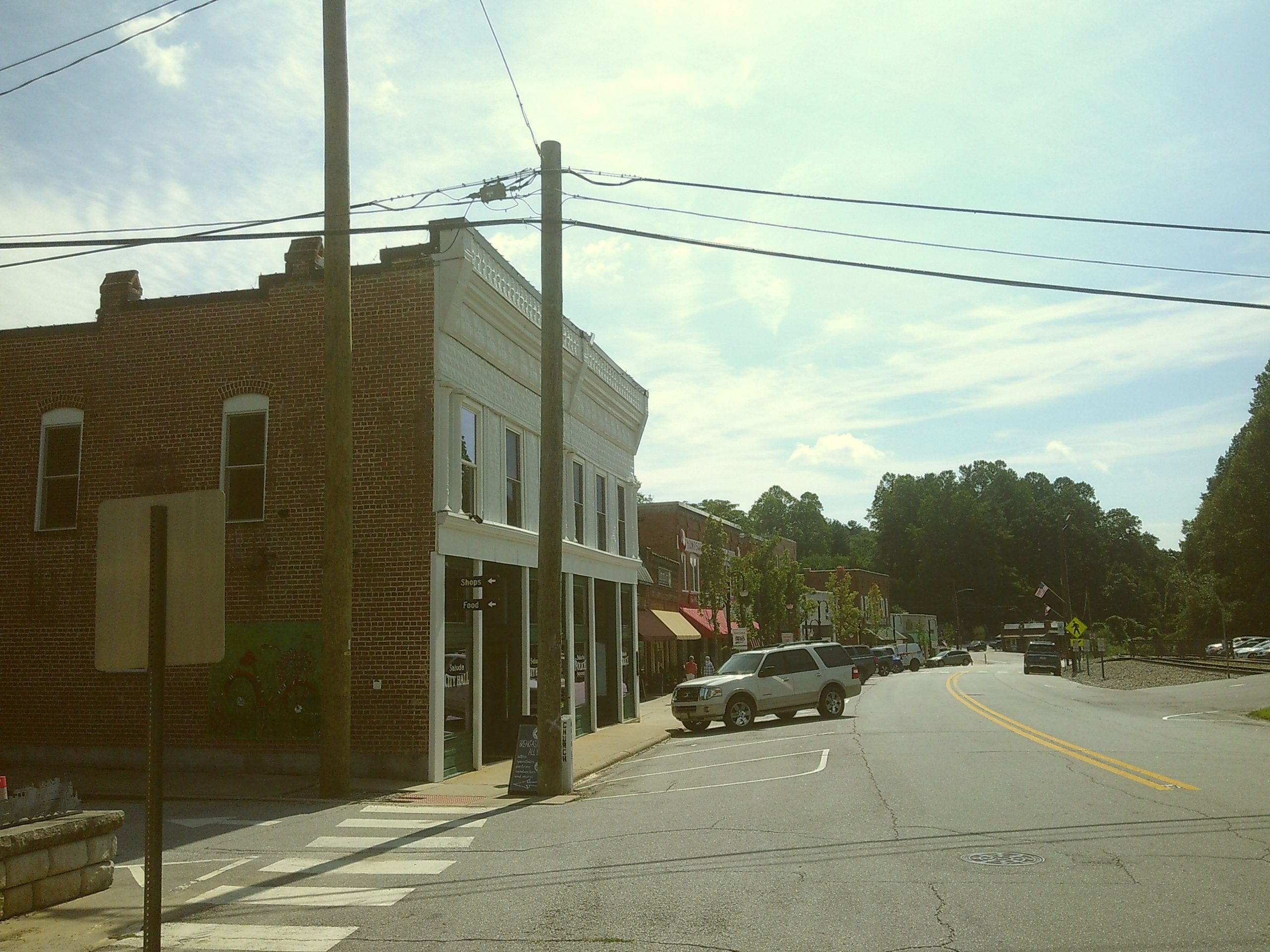
Saluda, North Carolina

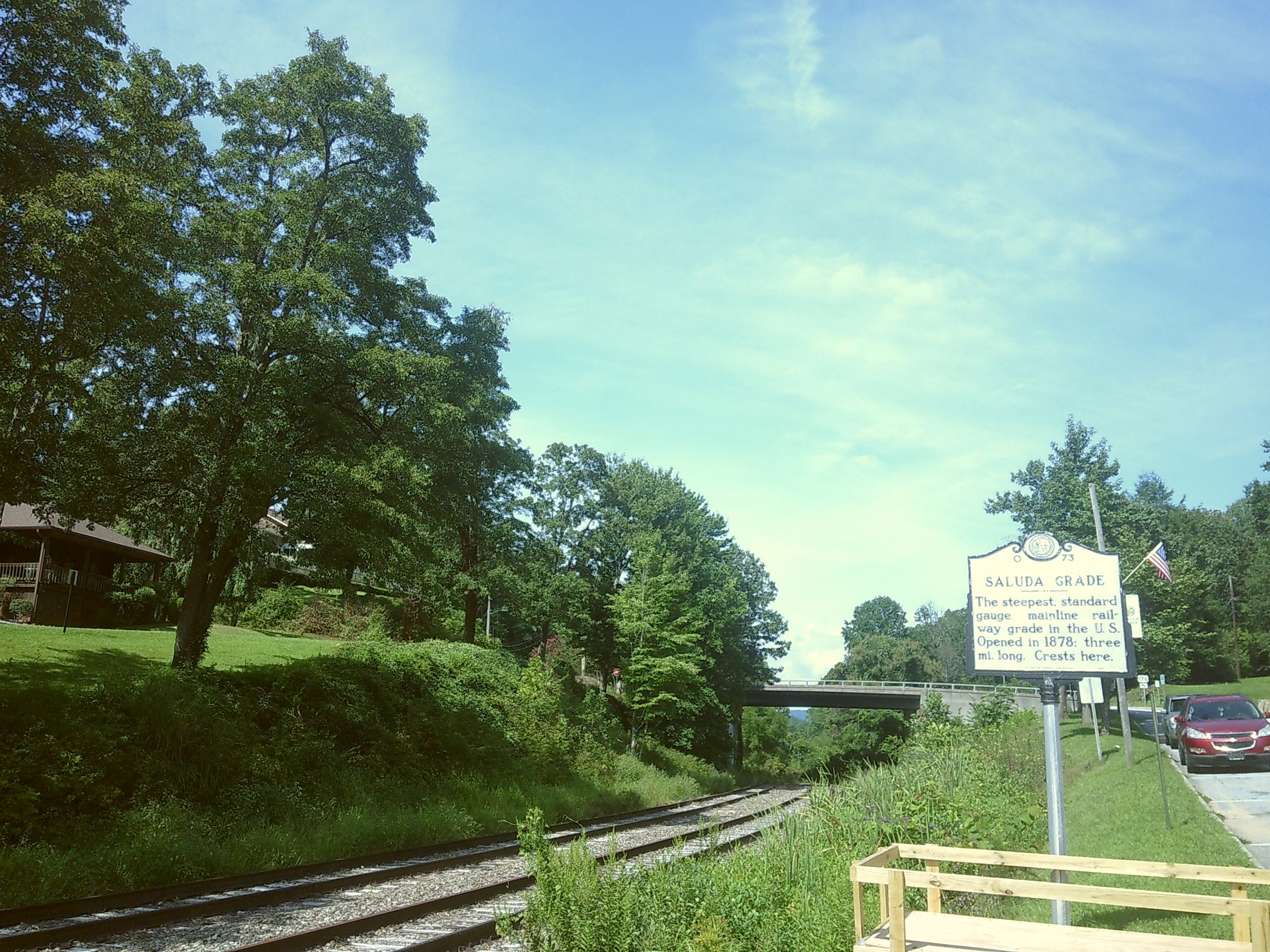
If you’re headed across the Blue Ridge Mountains to ESMF from Asheville, the Asheville Airport, Johnson City, Bristol, TN/VA – or even as far as Knoxville, Nashville, Lexington, or Louisville – a stop in Saluda, North Carolina, is in order before taking on the grade down the mountains to Mill Spring. Here, the United States’ steepest standard gauge railway grade crests in an adorable little music-steeped and outdoor activity-obsessed community.

Stop by the Saluda Historic Depot & Museum and the Saluda Visitor’s Center next door – and snack on some delicious ice cream while you’re there.

Picturesque and adorable downtown Saluda on a bright late summer day.

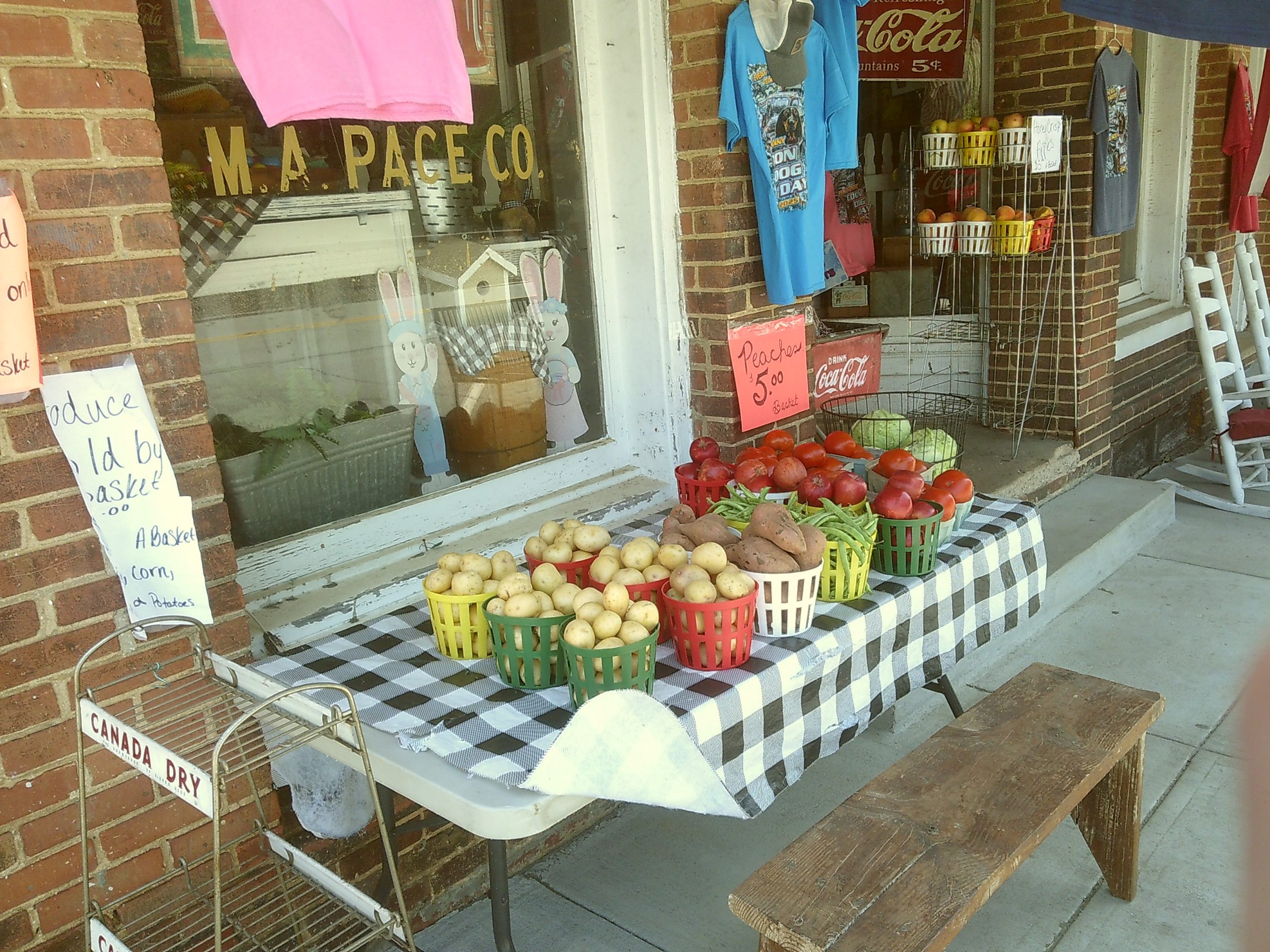
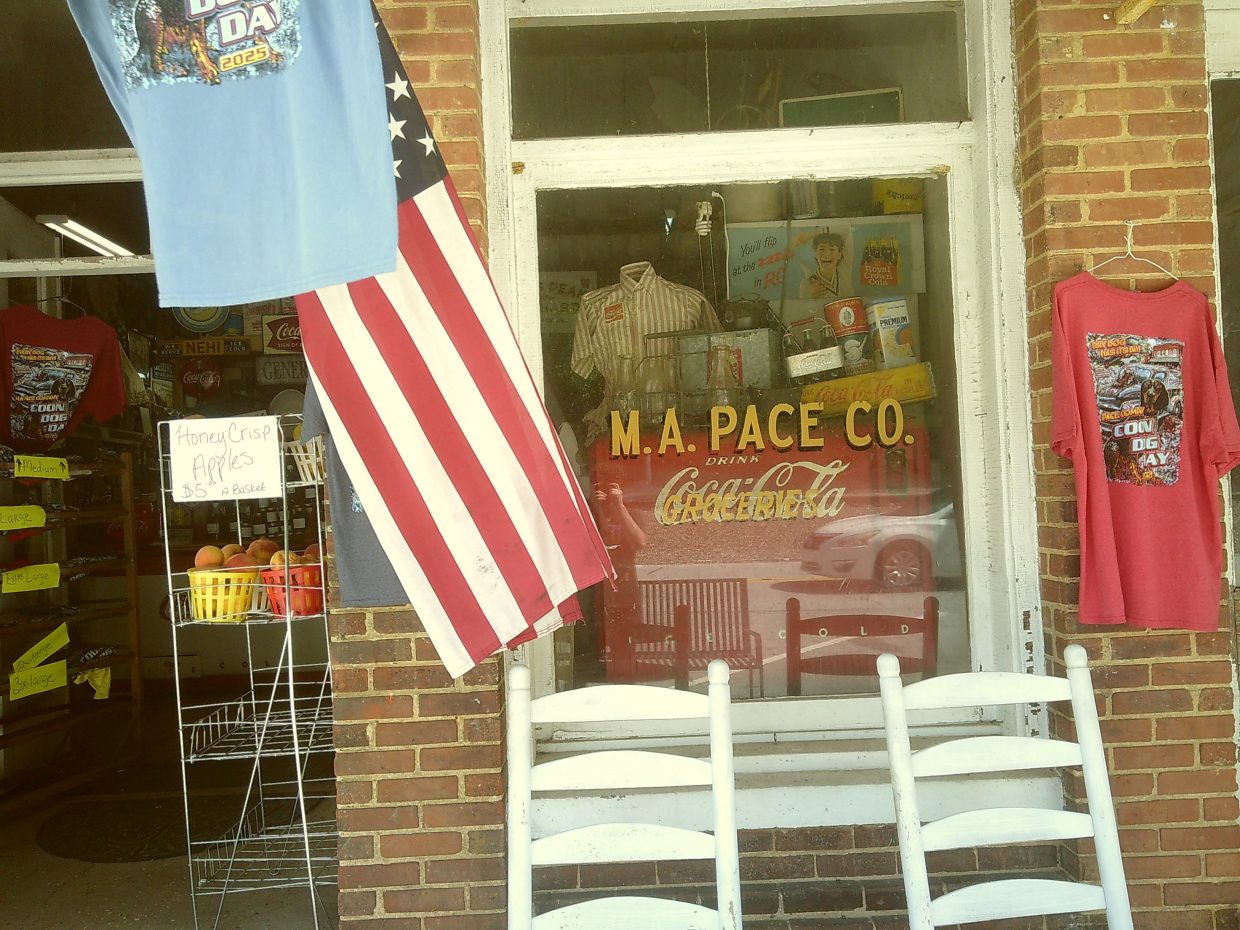
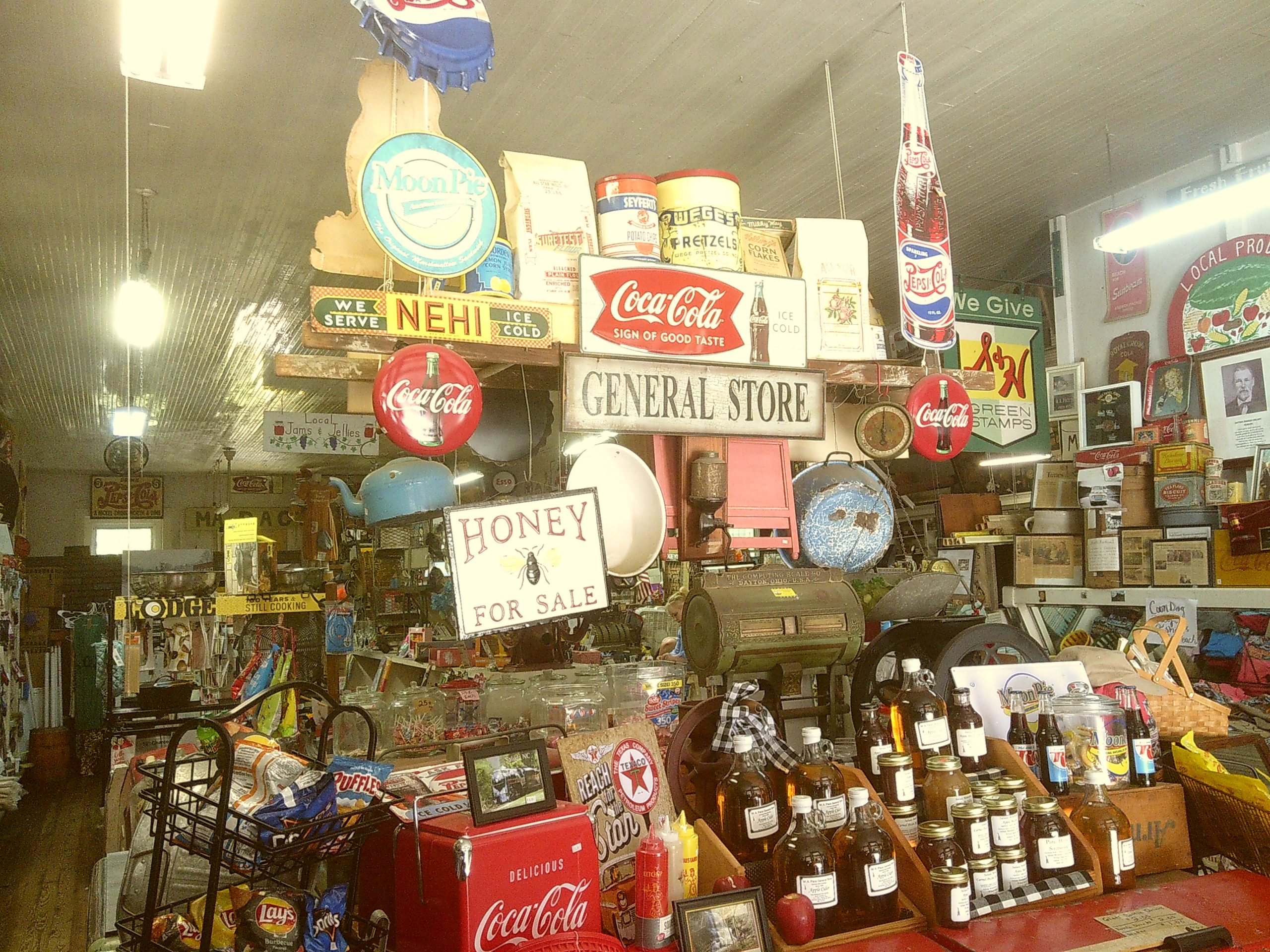
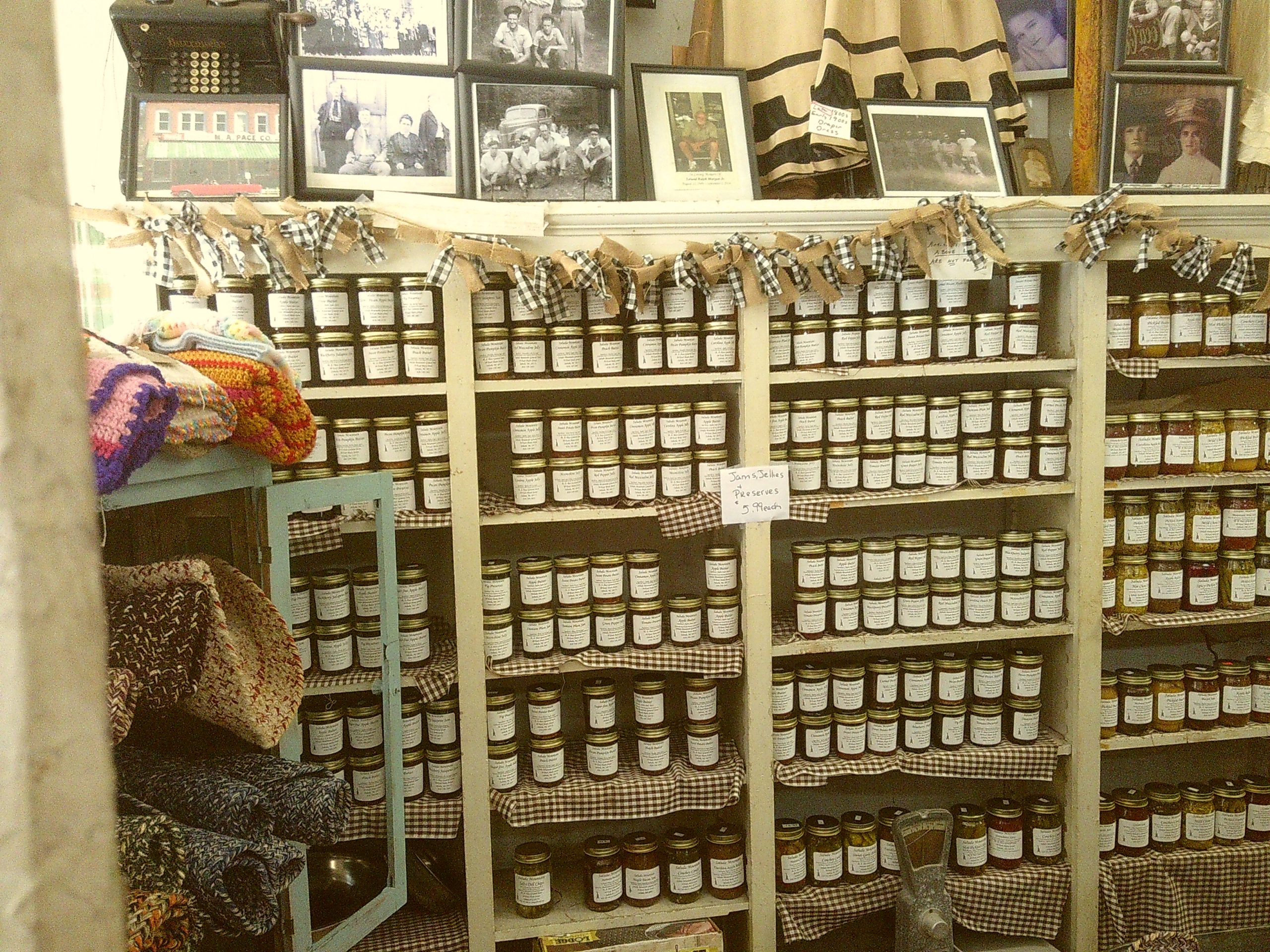
Stop inside a classic, time capsule of a shop, the M.A. Pace Co. General Store, open and in operation since 1899. Refreshing drinks, sundries, souvenirs, local produce, and an array of jams, preserves, sauces, salsas, honey, syrups, and more from local vendors are on sale.

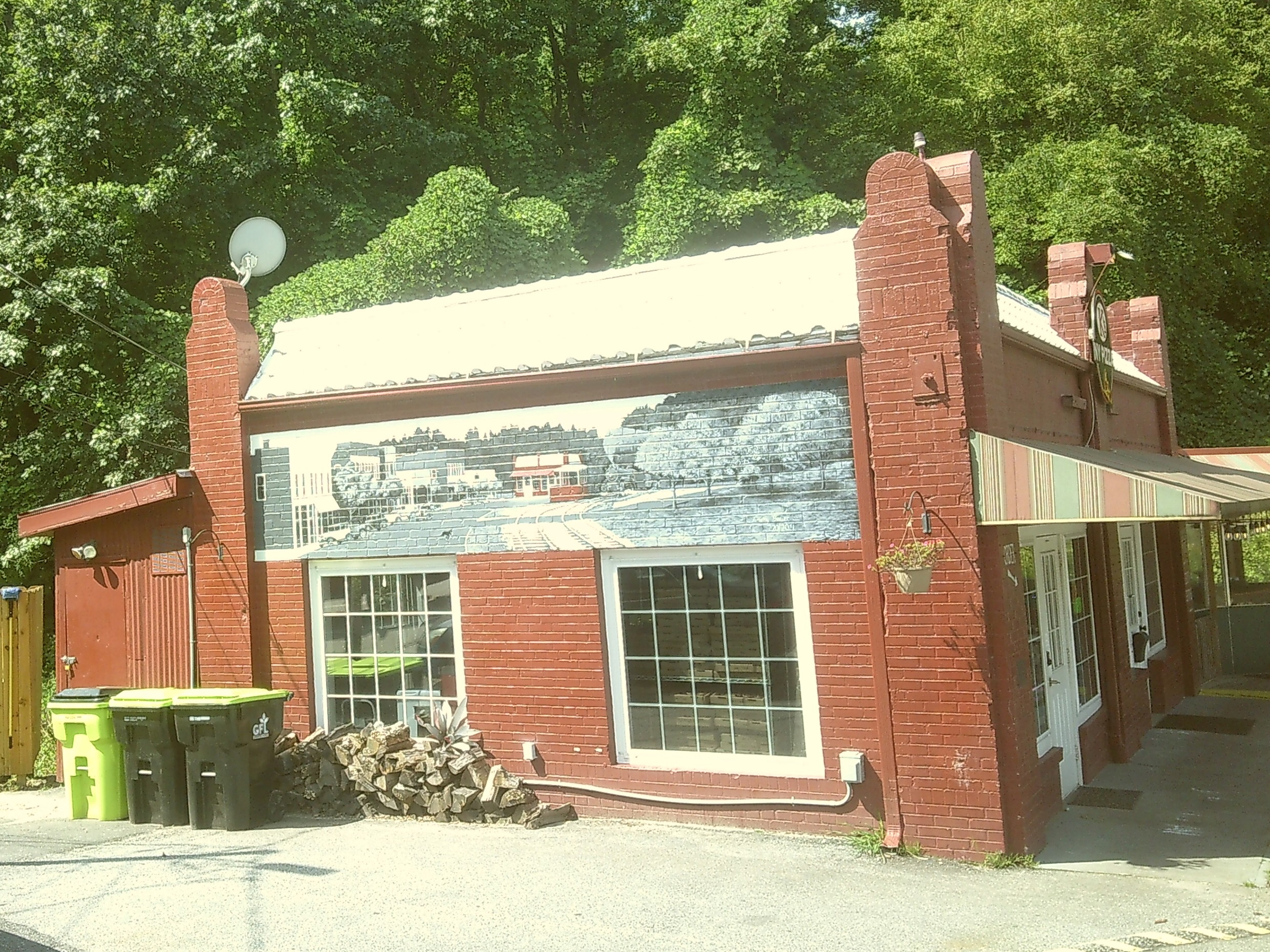
A mural depicting downtown Saluda and the iconic rail lines as seen on side of the building of K’s NY Pizza.

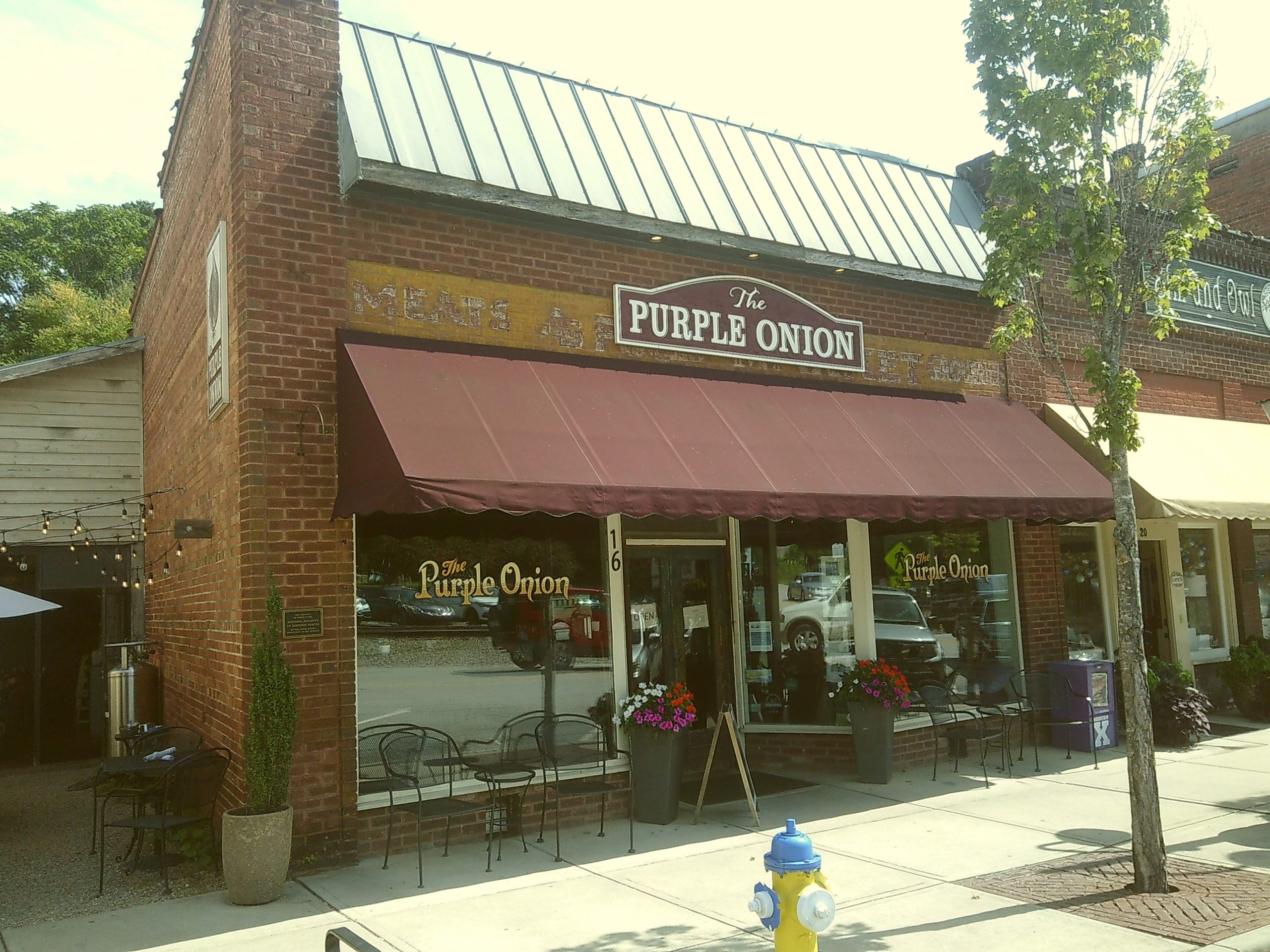
The Purple Onion is an excellent restaurant and cafe and an important community music venue at the heart of Saluda on Main Street. Bluegrass, folk, and Americana artists, bands, and songwriters perform on Thursday and Saturday nights – and select Sundays for their special Sunday Evenings Concert series. It’s intimate, the food is delicious, and the musicians they feature are incredibly talented whether local, regional, or nationally touring acts.

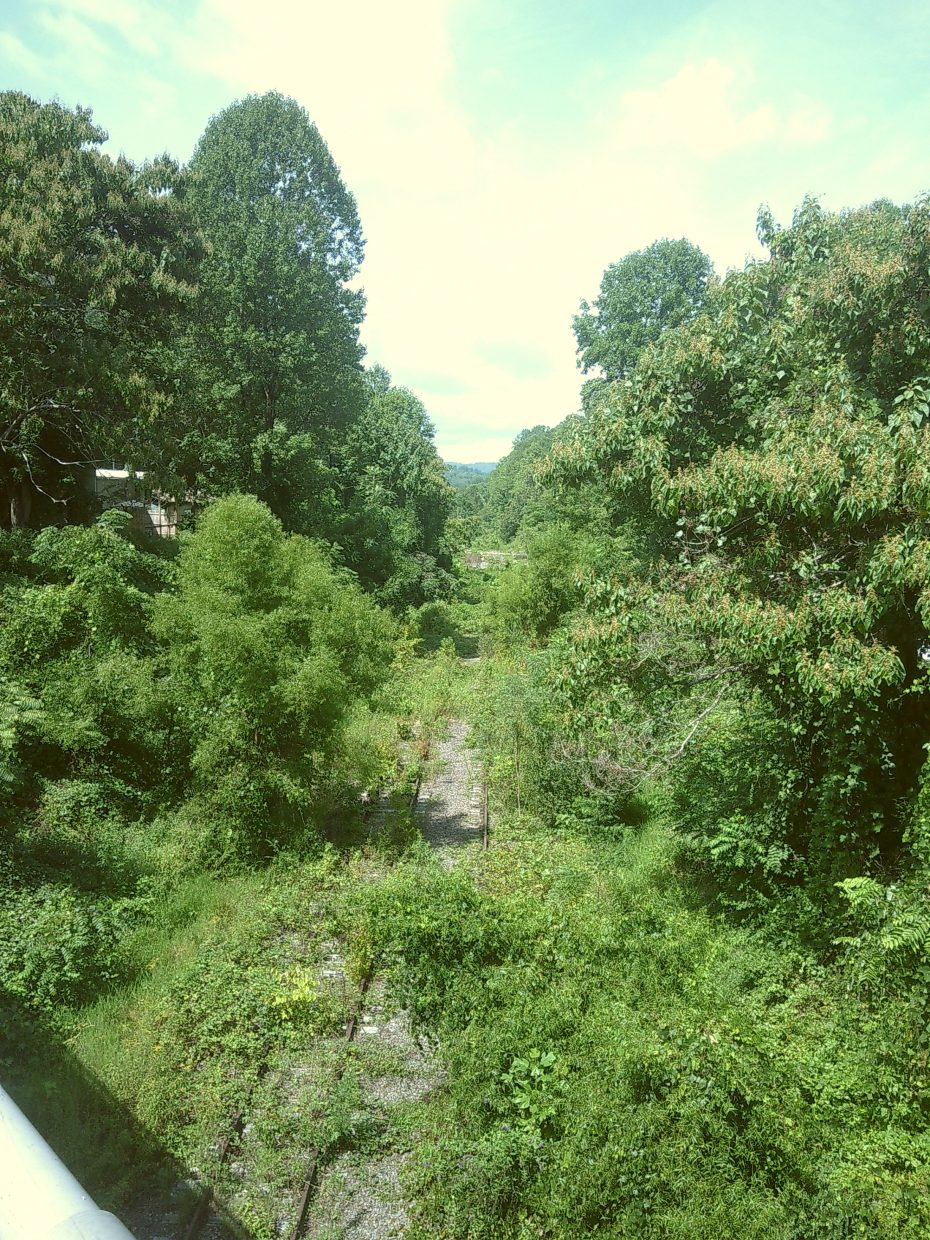
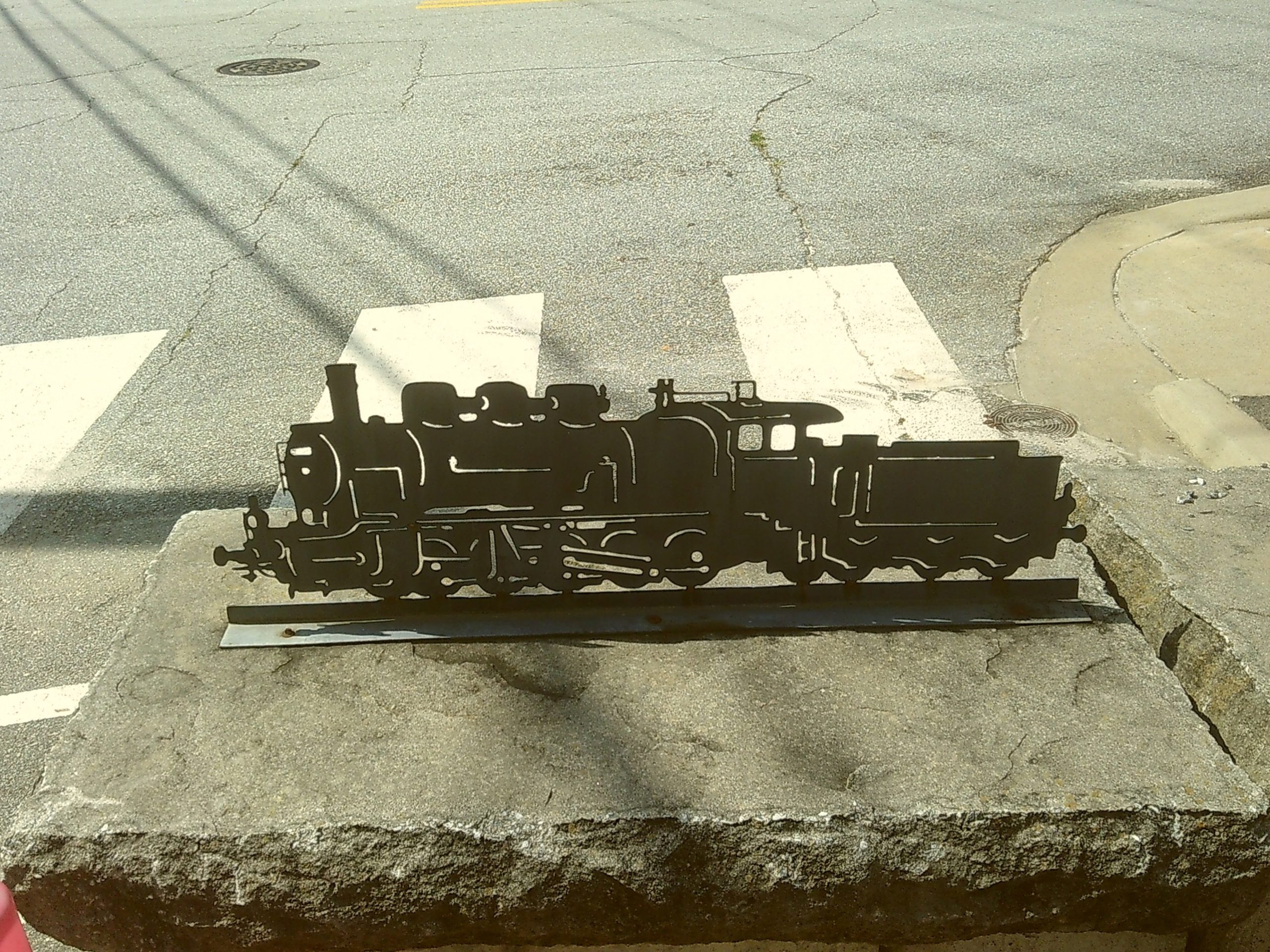
A view of the crest of the now out-of-service rail line topping the Saluda grade.

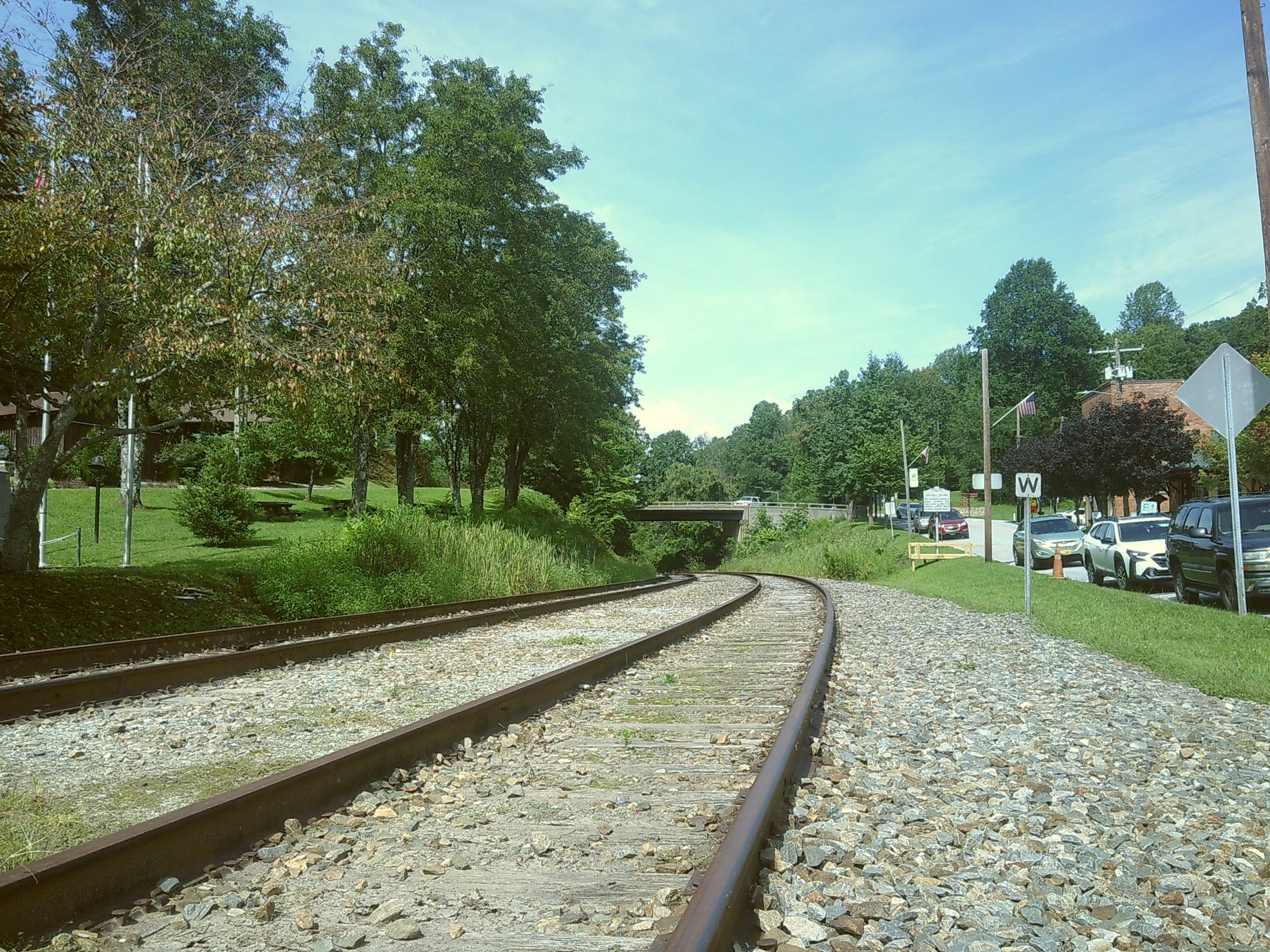
The railroad is clearly an important keystone of the Saluda community, even in the 2020s.

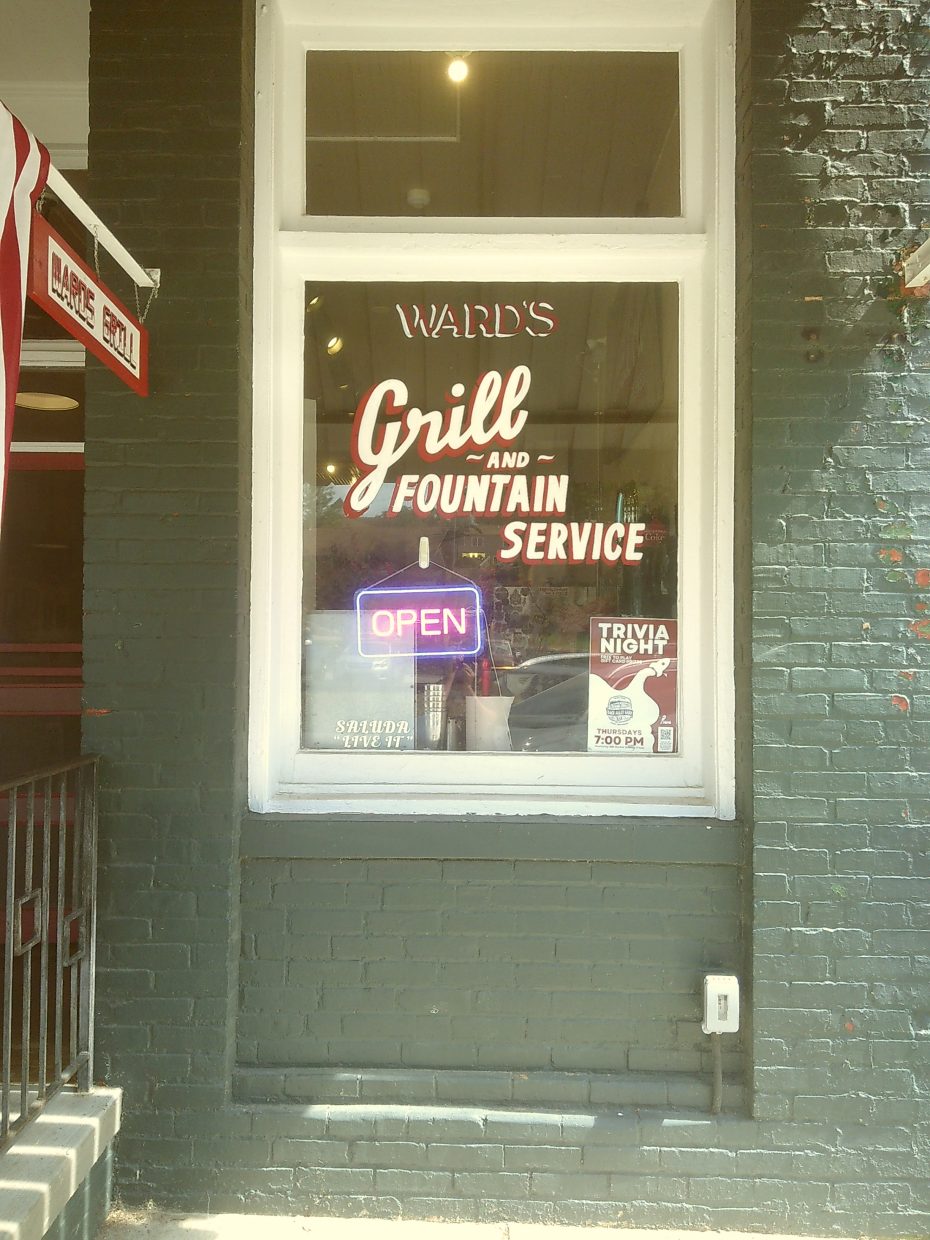
Perhaps stop in for a meal at Ward’s Grill for excellent, down-home Southern cooking and American classics. Wherever you end up in Saluda, there’s plenty to enjoy – and many fine food options for fueling up before heading down the mountains and toward Mill Spring for the festival.


Tryon, North Carolina

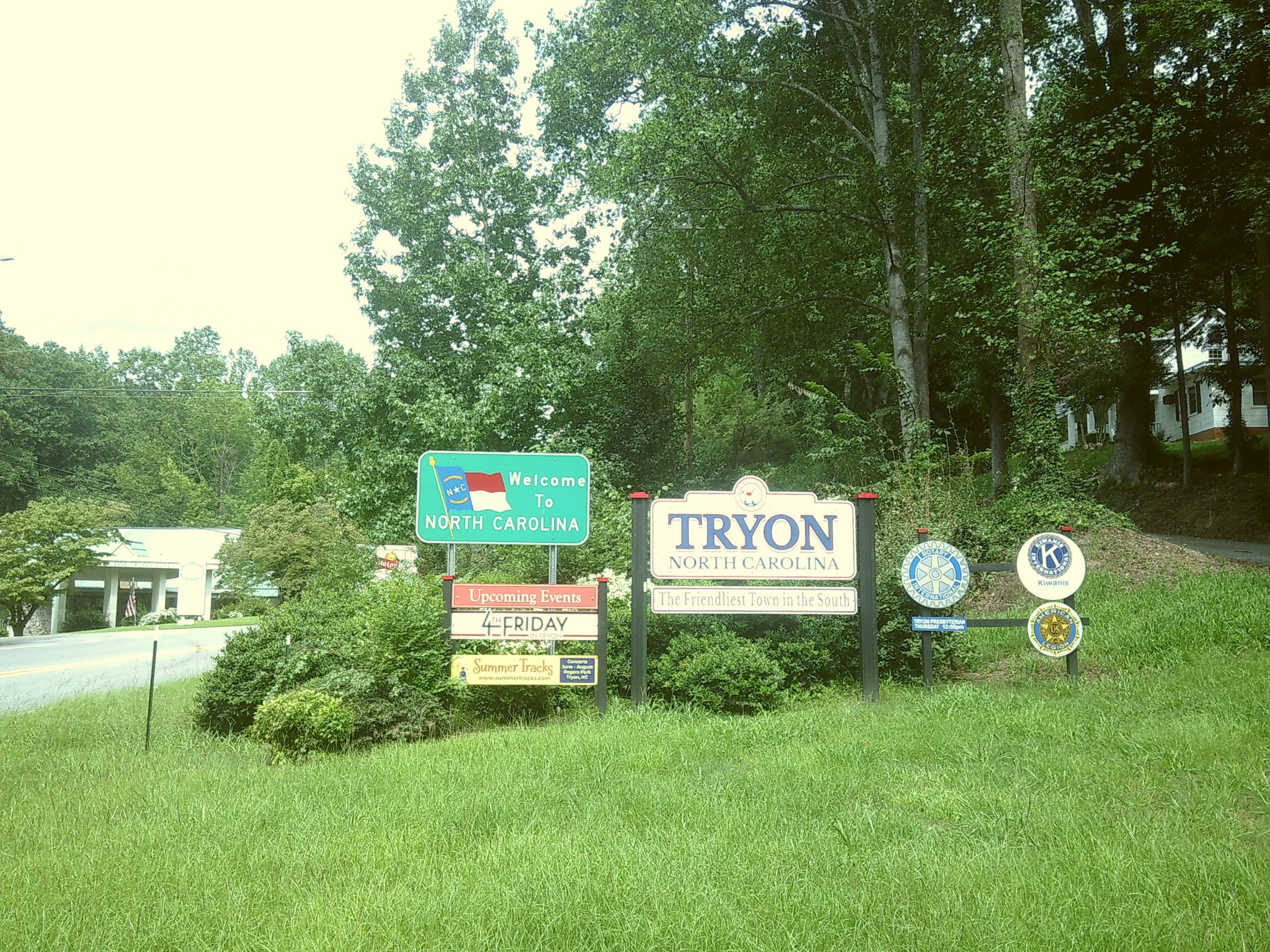
Maybe you’re coming down the grade from Saluda or perhaps you’re driving in from Charlotte, North Carolina, or from Greenville, South Carolina – or beyond! Wherever you’re coming from, Tryon is just a hop, skip, and a jump from the festival grounds at the Tryon International Equestrian Center in Mill Spring. Nestled into a holler in the foothills of the Blue Ridge, it’s a town full of art, music, culture, and heritage. You’ll find that horses and the railroad are important here, too. Stroll down the main drag and enjoy cute shops, tasty food offerings, and more.

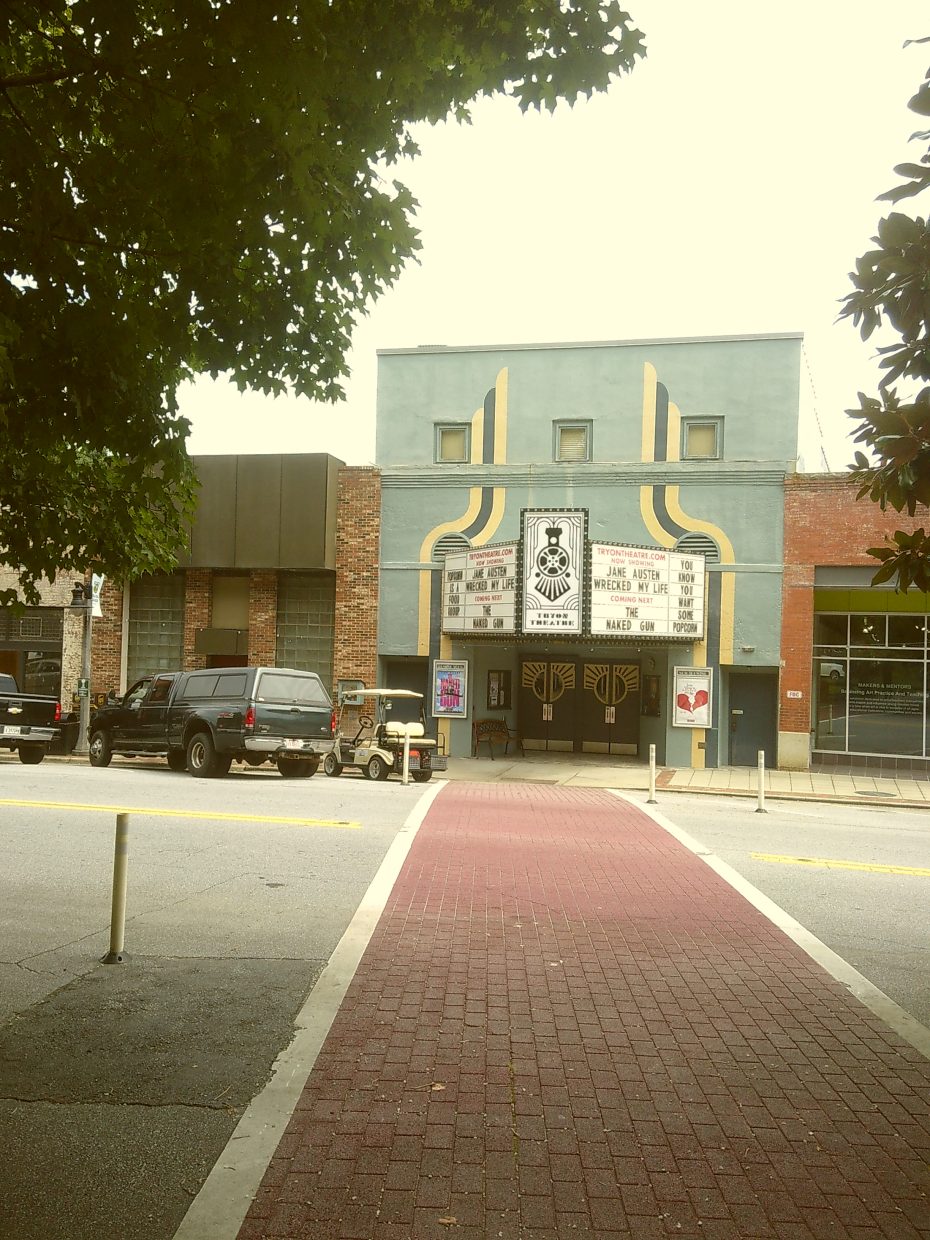
Sometimes it gets hot during the late-August/early-September festival, especially at the lower elevation of the Tryon International grounds, so why not cool off Tryon proper in the cozy dark and air conditioning watching a film at the Tryon Theatre?

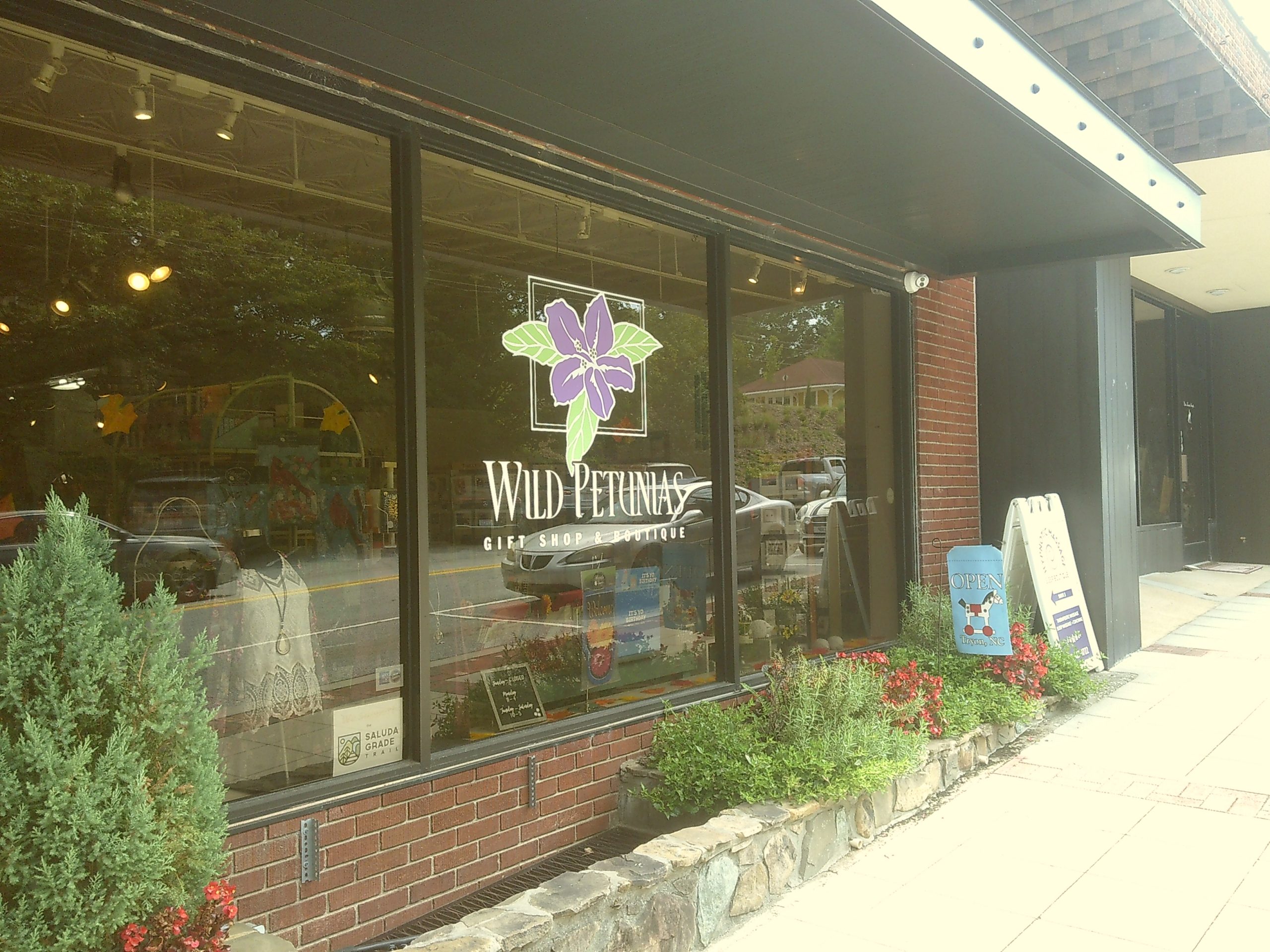
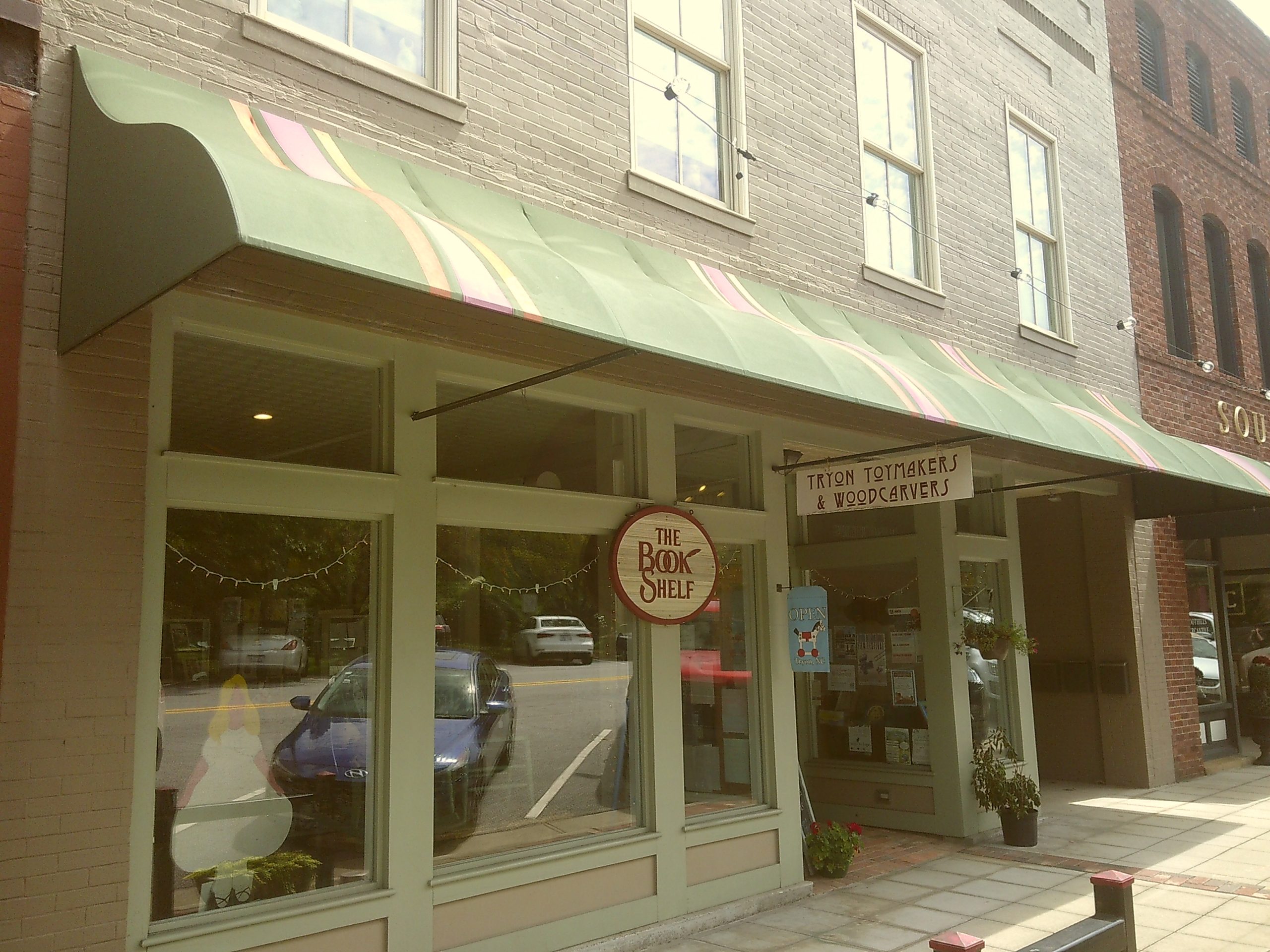
There are plenty of independent shops, boutiques, and retailers in the adorable downtown area offering local and far-flung products.

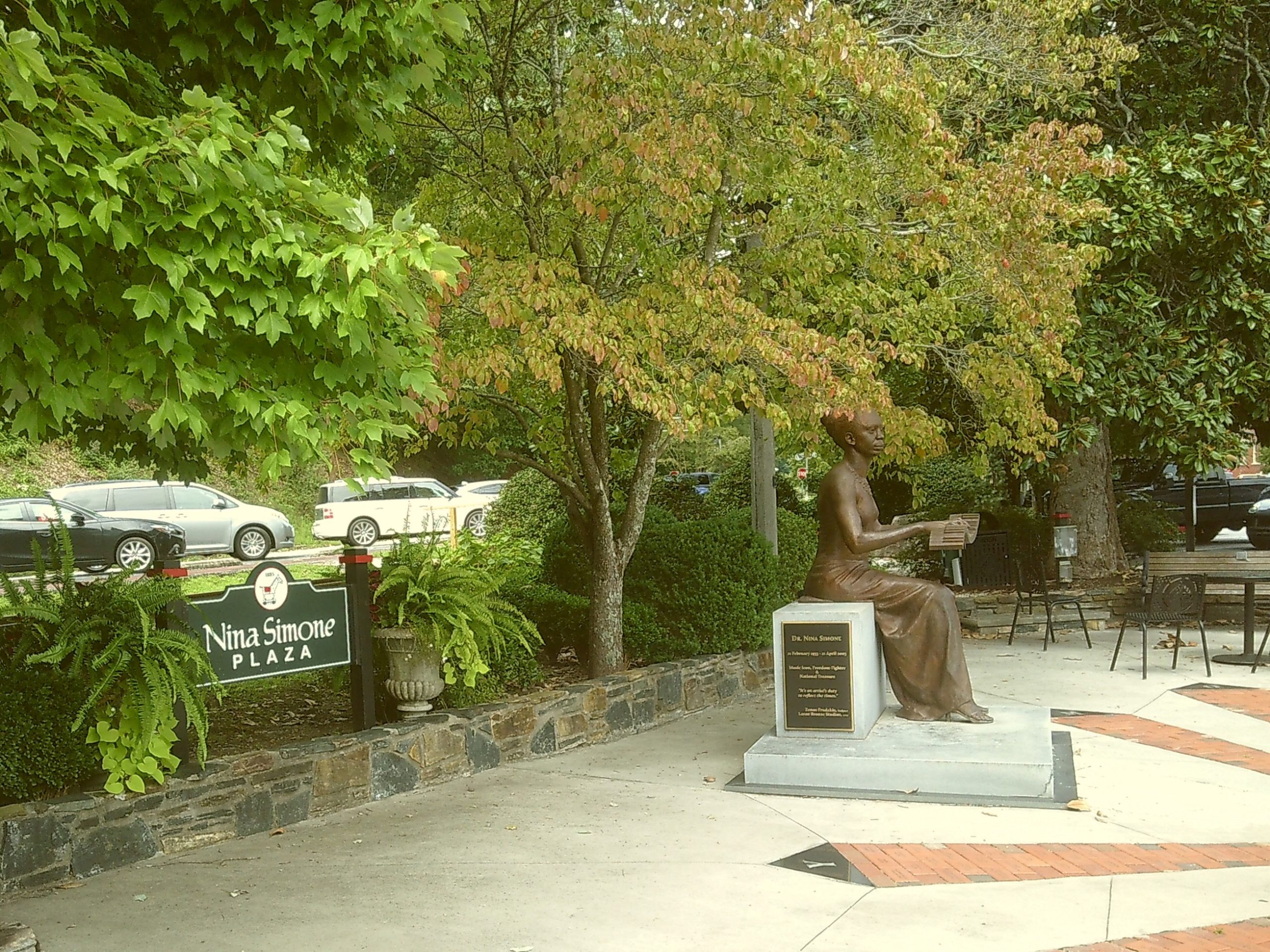
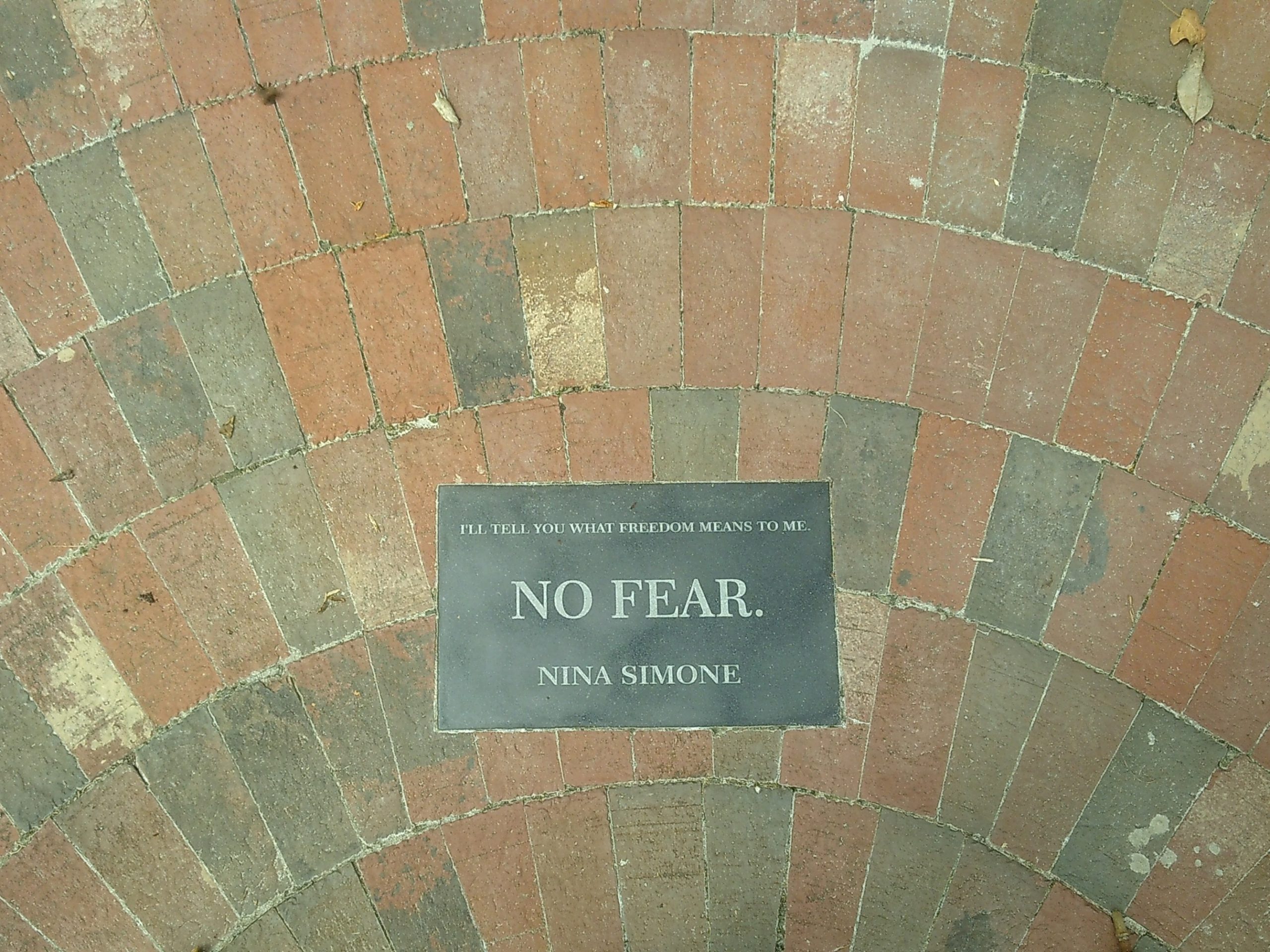
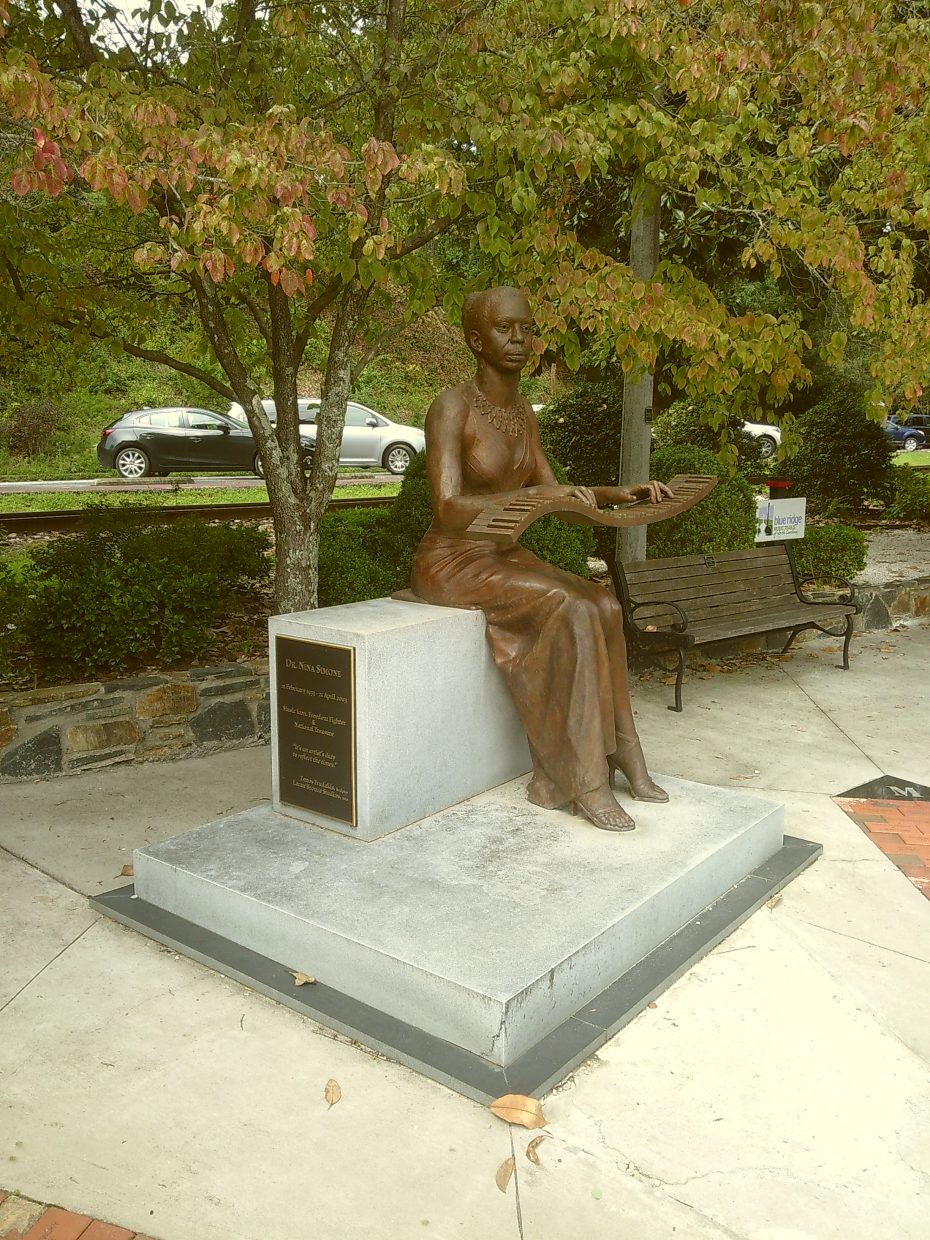
American musical icon Nina Simone was born in Tryon and her presence is felt throughout the little town. Nina Simone Plaza is conveniently located downtown and features a sculpture of Simone by Zenos Frudakis that contains a portion of Simone’s ashes enclosed inside a bronze heart within the gorgeous work of art.

Always a good sign! Blue Ridge Music Trails of North Carolina is such a great resource and community builder in the region, highlighting art and music born in the mountains and made by mountain folk. In 2025, we partnered with Blue Ridge Music Trails, ESMF, and local partners on a special set of music at the festival called “Healing the Hollers,” which raised funds and awareness for the ongoing relief efforts after Hurricane Helene tore through and devastated the area in 2024.

There’s so much more to do, see, and explore via Blue Ridge Music Trails.

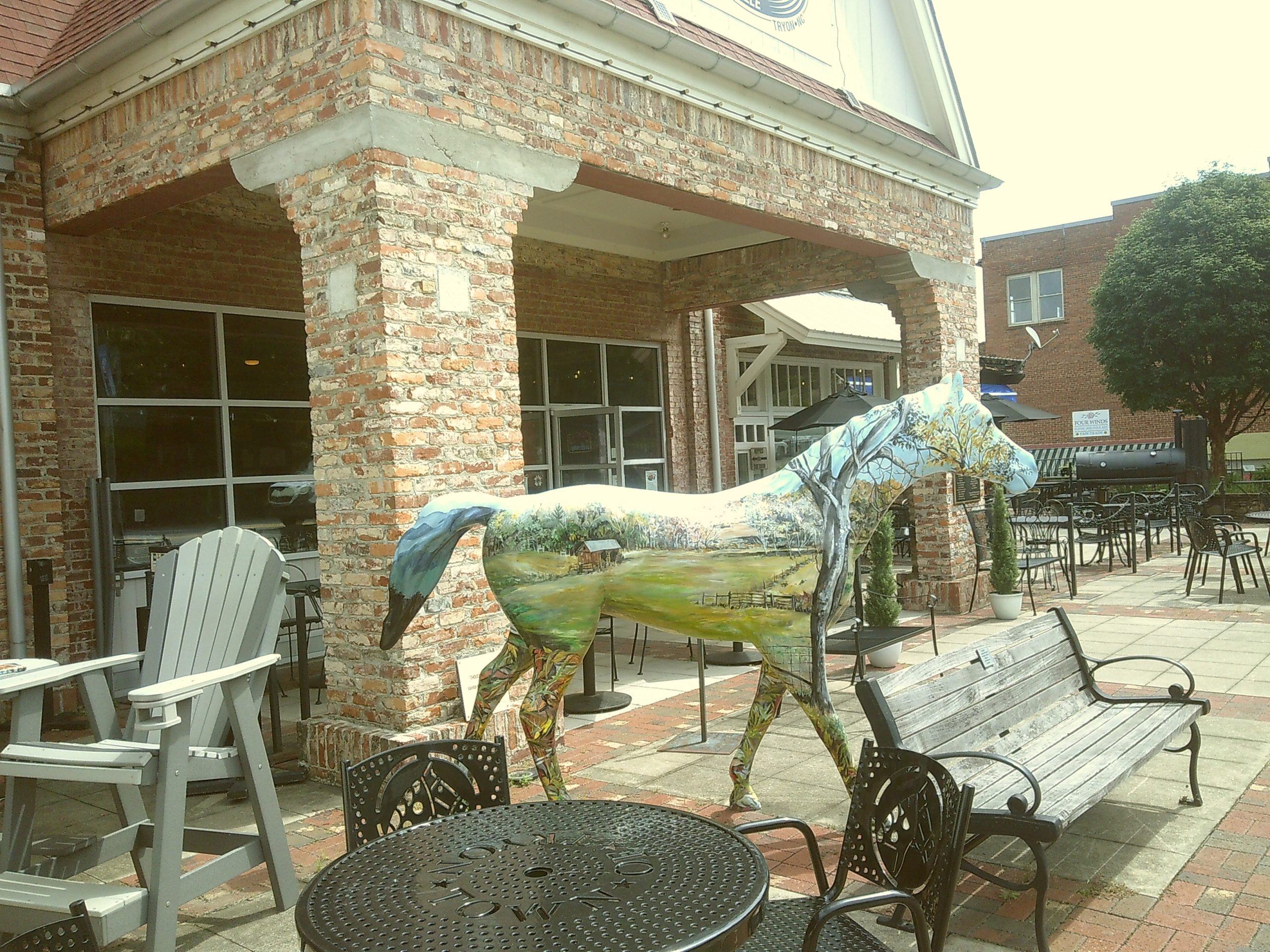
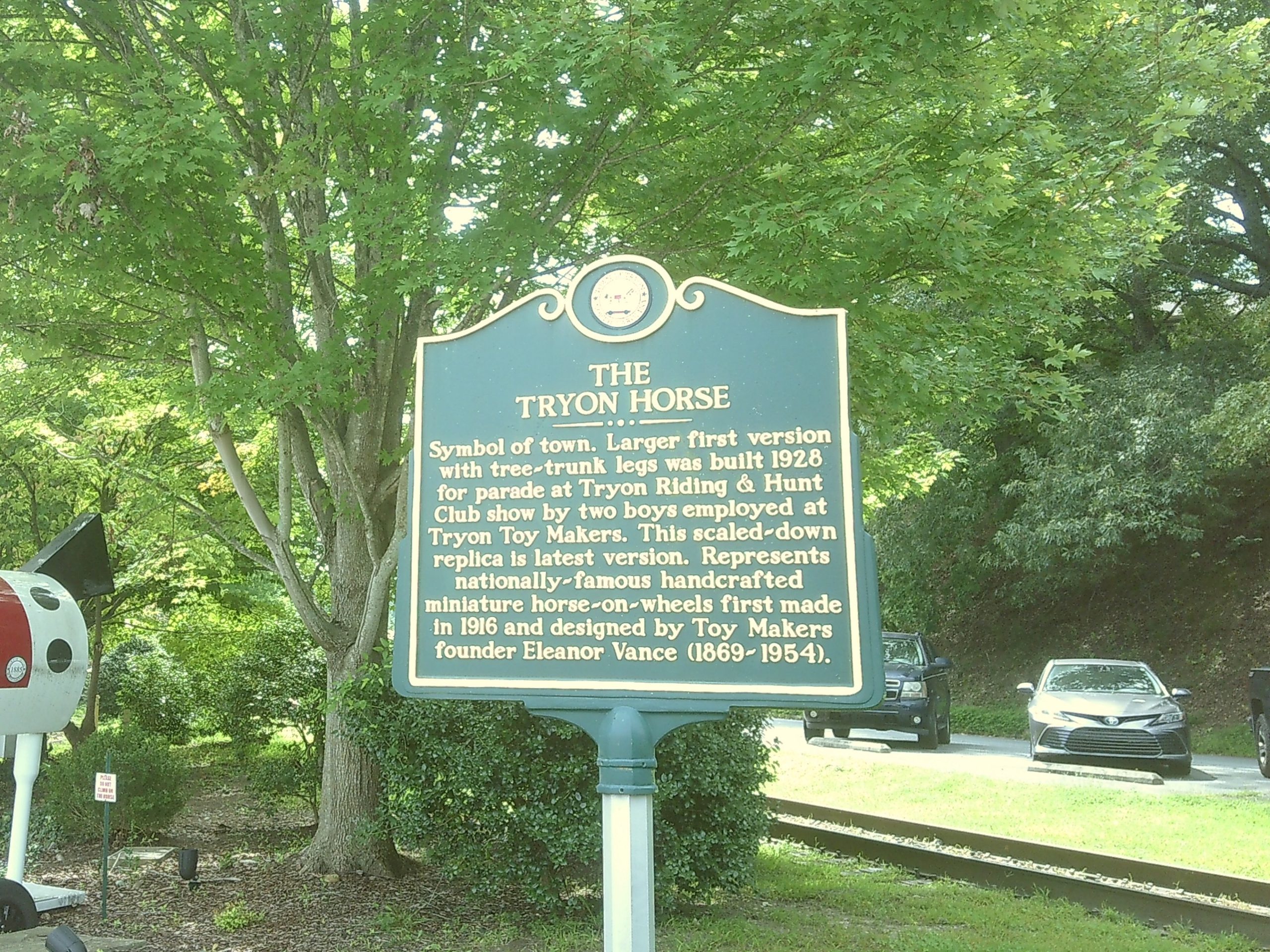
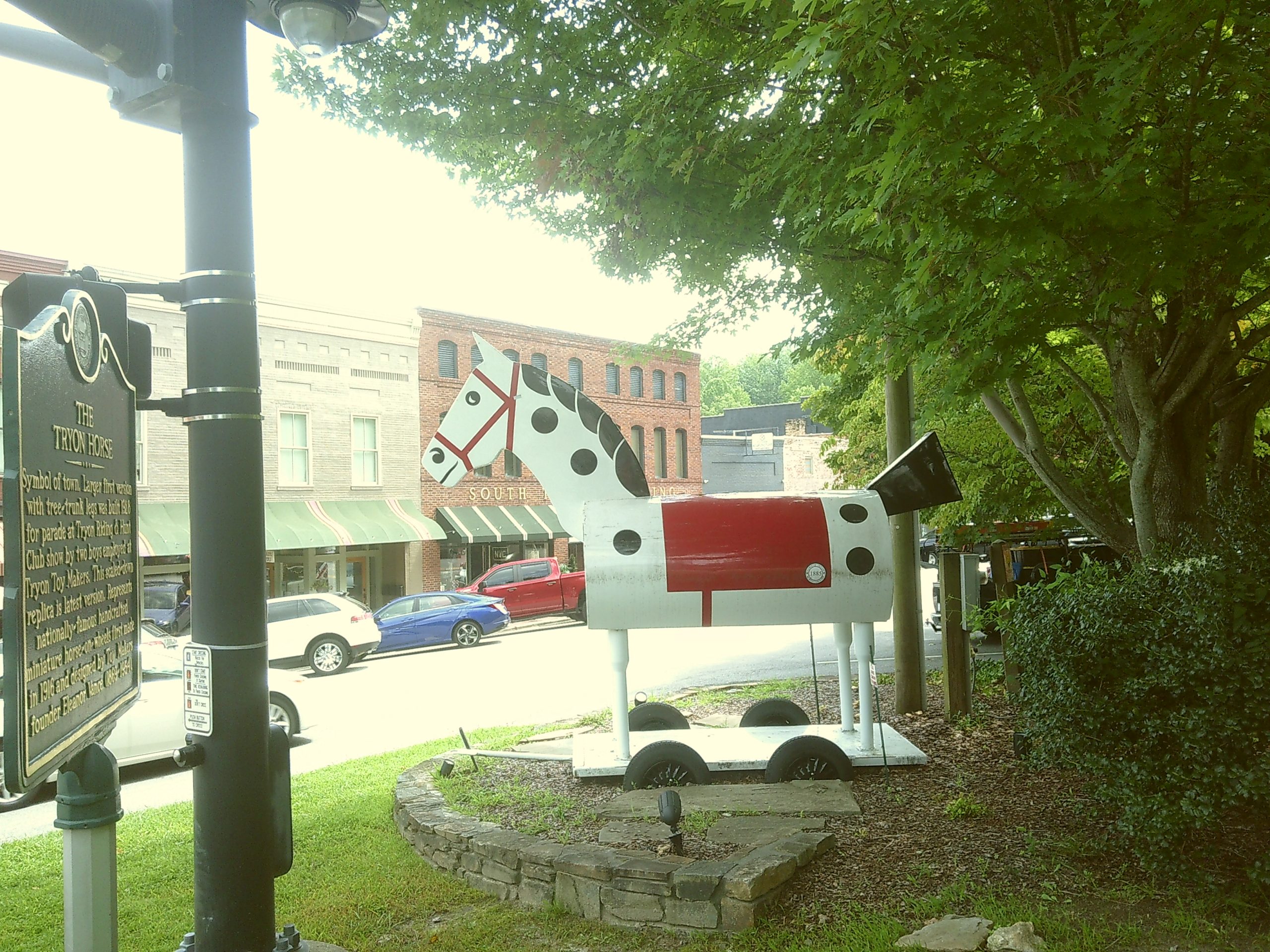
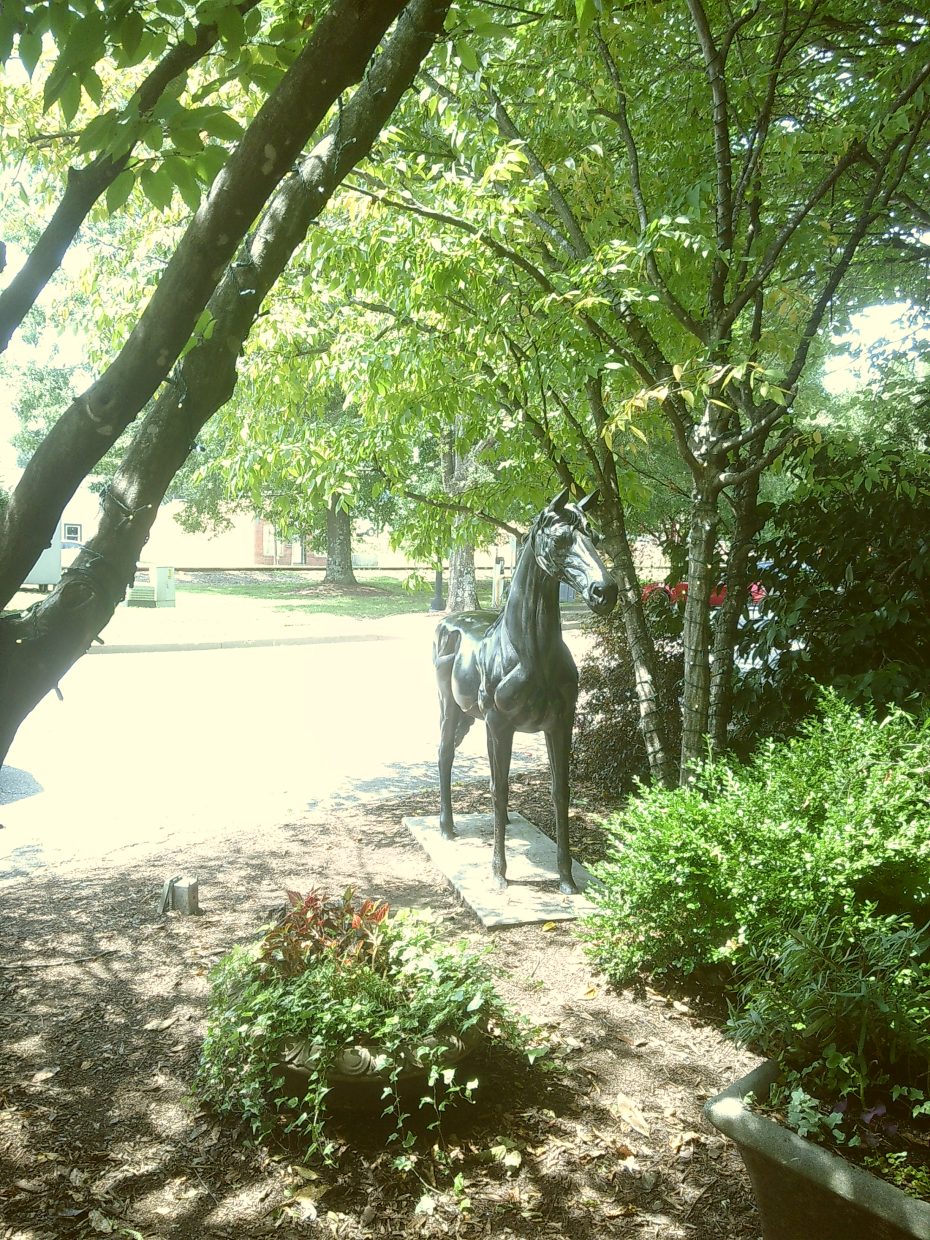
Horses show up in a variety of ways in Tryon – and not just at the equestrian center!

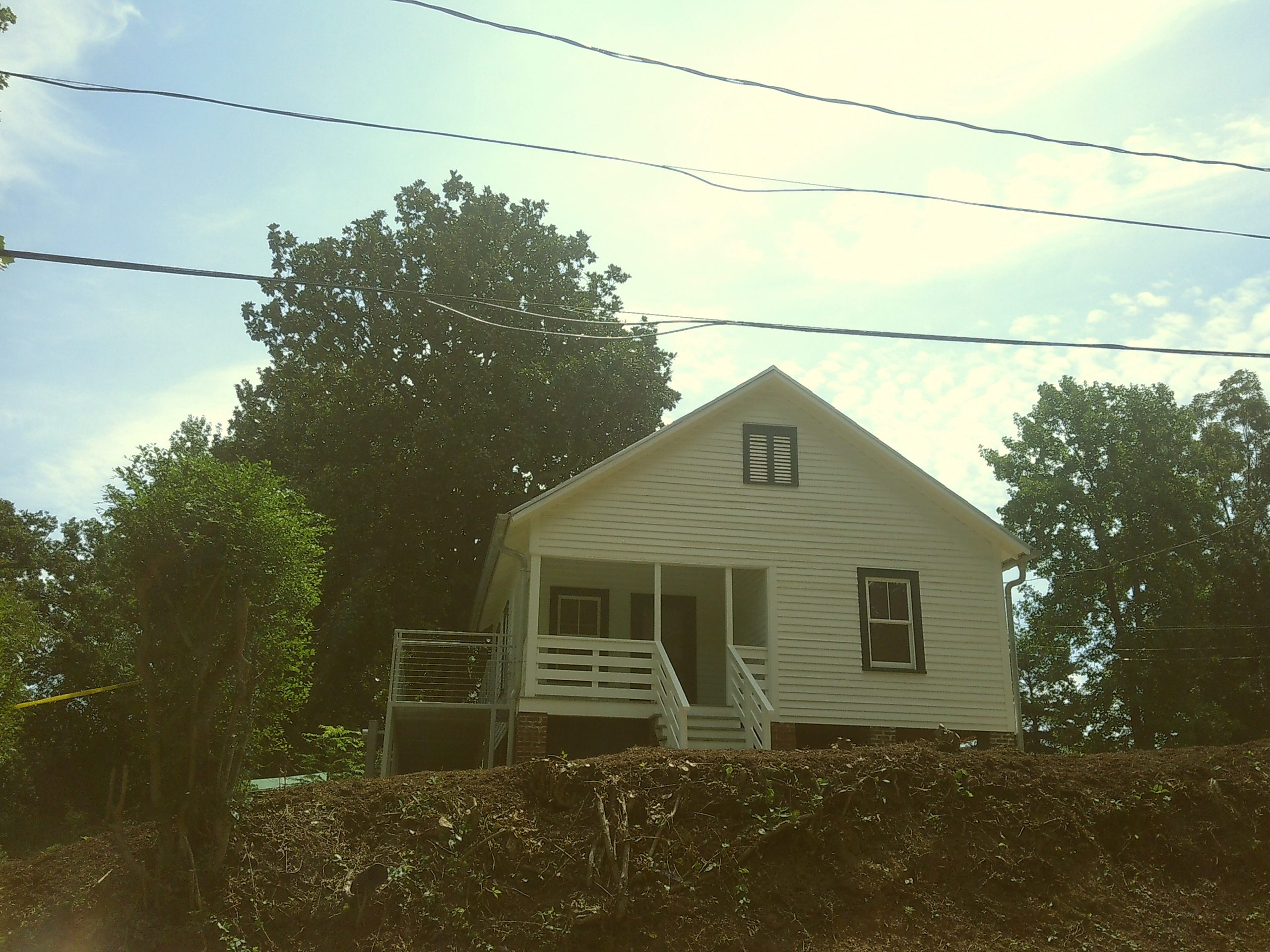
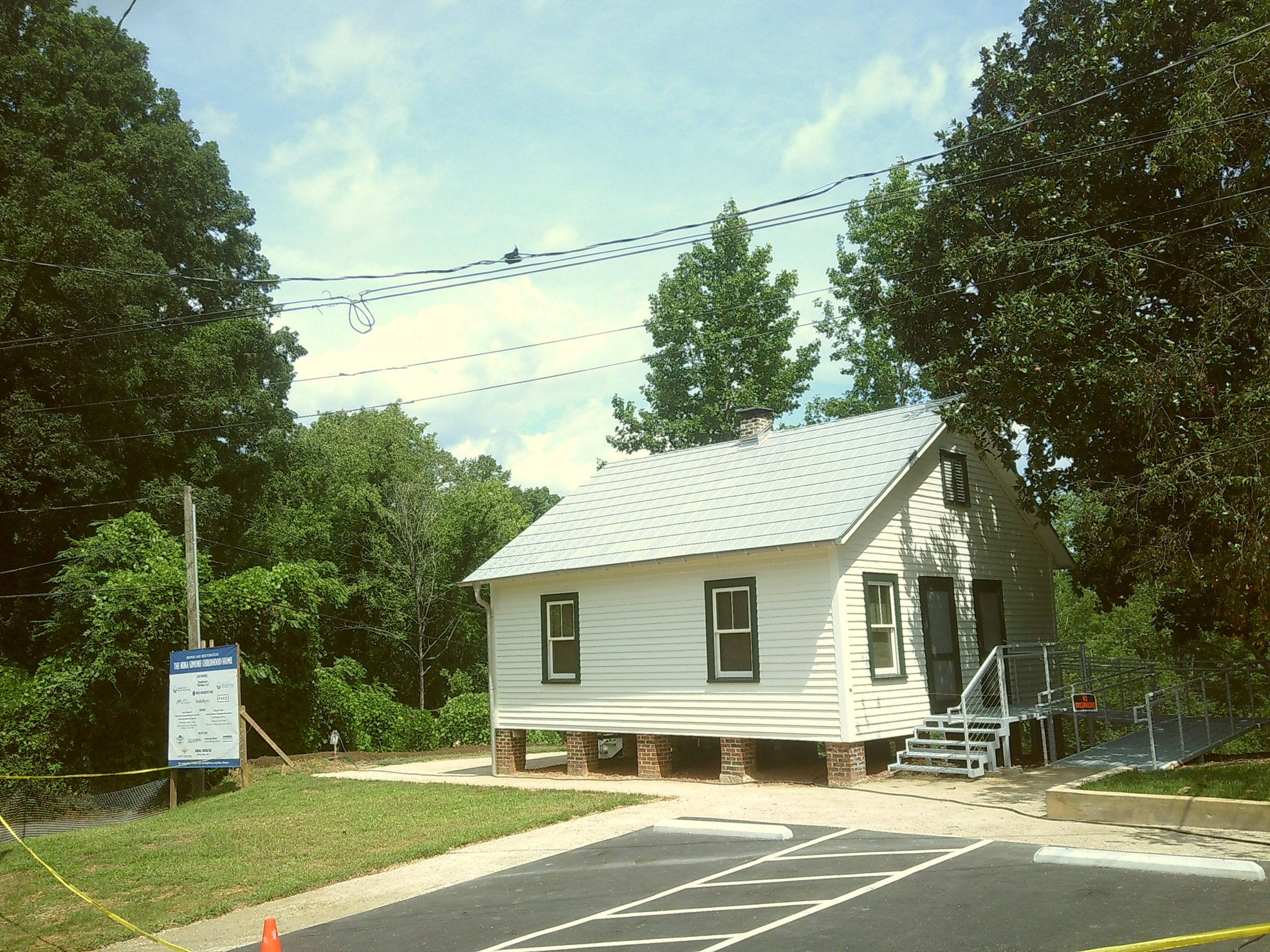
The Nina Simone Childhood Home stands on top of a hill in the middle of Tryon overlooking the village – and with gorgeous views of the surrounding ridge tops. Last year, while traveling to the festival, the humble home was in the final stages of its renovation and preservation by the National Trust for Historic Preservation and many other local, regional, and national partners.

Simone’s impact on American roots music and popular music – nationally and globally – cannot be overstated. Still, she’s rarely placed, understood, or honored as an Appalachian musician, despite where she grew up. A visit to Simone’s homeplace in Tryon is essential for all music fans, especially now that the renovations were completed in fall 2025, just after the festival.

The view of the ridge line of the stunning Blue Ridge Mountains behind St. Luke Christian Methodist Episcopal Church, as seen from the property of Nina Simone’s childhood home.

You can learn more about Tryon and Nina Simone in a bonus episode of our podcast, Carolina Calling, made with Come Hear NC.

Downtown Tryon is full of adorable sights and diverting activities.

Put “Molly & Tenbrooks” or “Goodbye Old Pal” on the speakers and get into the bluegrass and equestrian mindset. No judgment if your horse is on wheels!

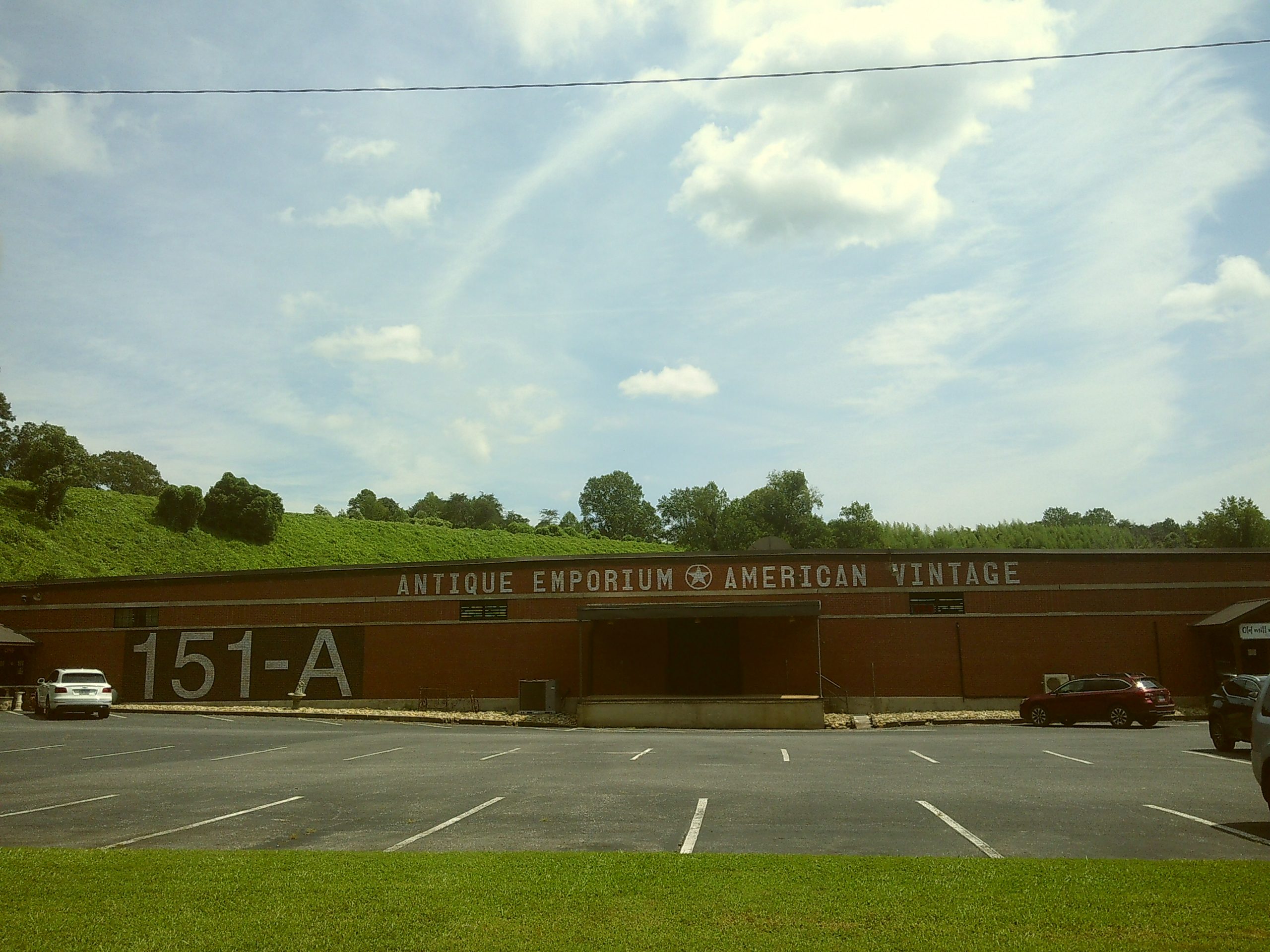
Team BGS always brakes for antique stores, and this area is dripping with excellent shops, flea markets, and antique vendors offering wares at remarkably reasonable prices. On our journey, we traveled from Tryon to Landrum, South Carolina – passing the Antique Emporium & American Vintage, Old Mill Market Square, Tryon Antique Mall & Marketplace, and Dark Horse Antique Market in one fell swoop; all are within a quarter mile of each other and are worth stopping to peruse. Plus, many more antique shops and stands and vintage stores are in the area. Keep your eyes peeled, there are plenty of treasures to find.


Landrum, South Carolina

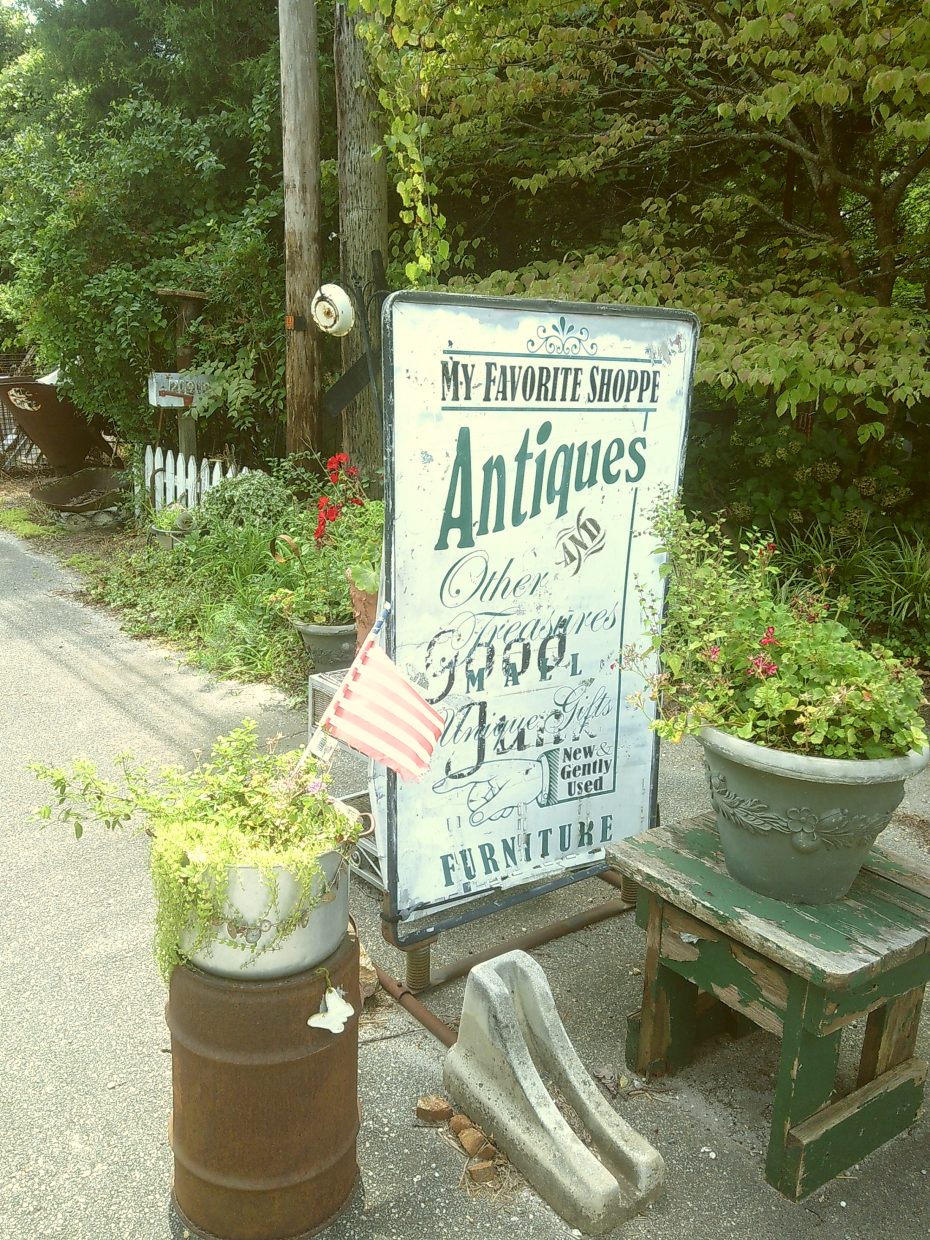
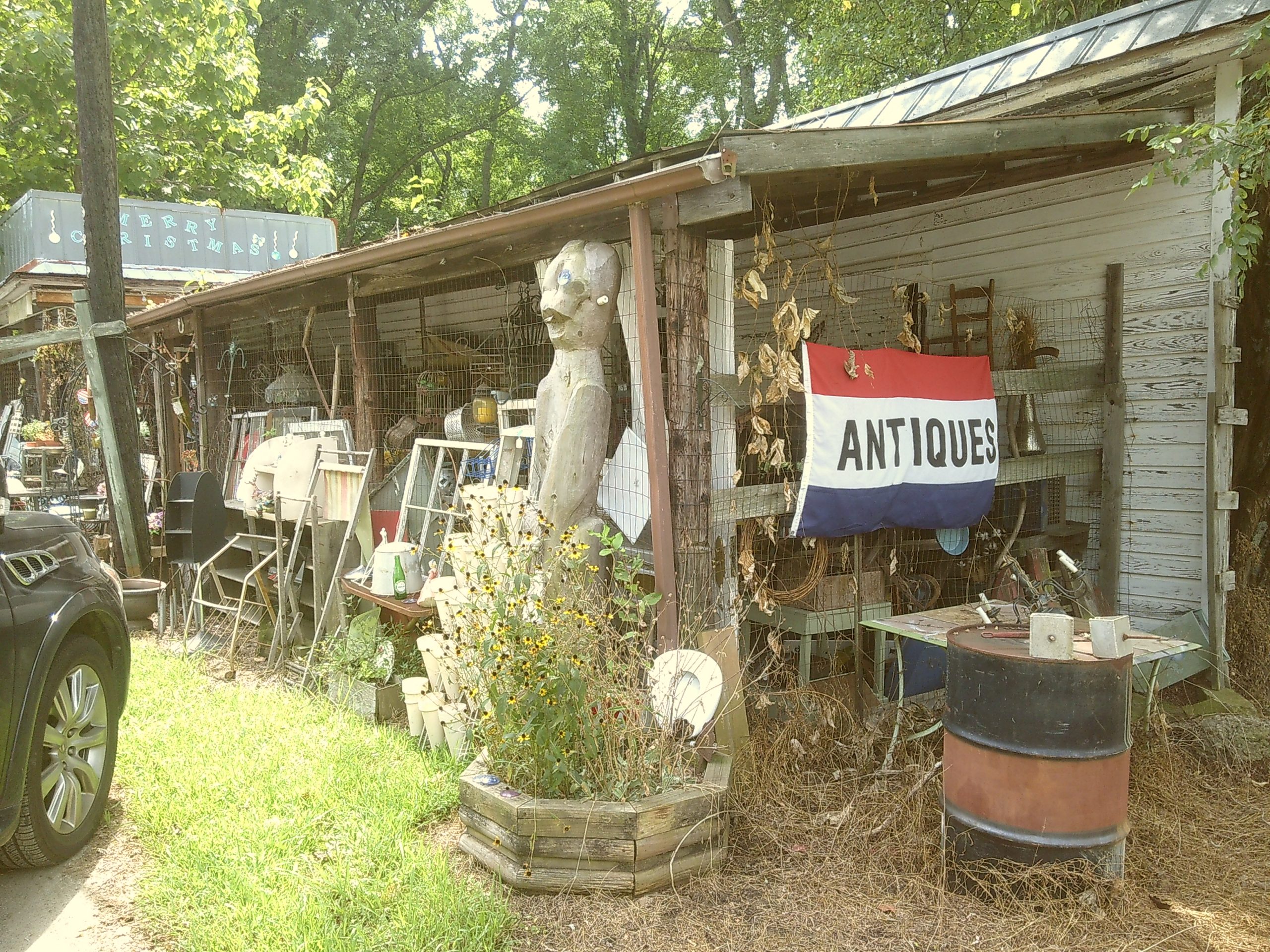
Some of the best little shops and stores we found nearby Earl Scruggs Music Festival, though, were the little holes-in-the-wall or mom-and-pop shops. Our favorite doesn’t have a name, doesn’t have posted hours, doesn’t have a website – or any kind of point on Google Maps at all. Heading out of Tryon toward Landrum, you’ll just cross over the state line on US Highway 176, Asheville Highway, when you come across a couple of small buildings covered in antiques. Stop at the intersection of US 176 and State Rd S-42-183.

Run by a pair of sisters, the shop is only open Thursday through the weekend and takes only cash, but you will find an inventory unlike any other. Sure, they may package your local North Carolina pottery finds in a (clean) reused Burger King bag. It only adds to the charm! The sisters will be happy to give you a tour and show you the historic property. We return every year and strolling through the crowded, historic house full of their collection of finds is a highlight of attending ESMF.

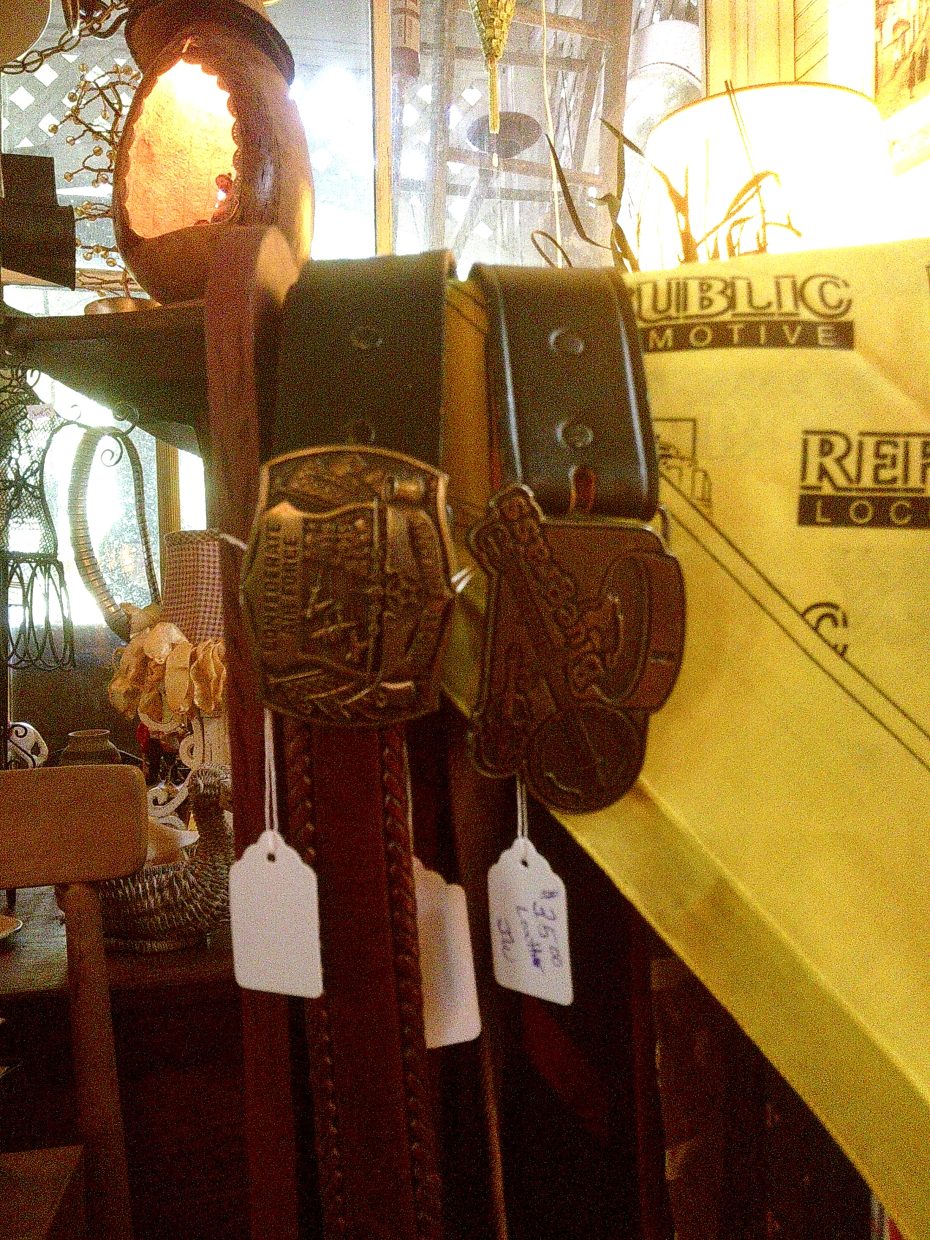
You may even find a bluegrass belt buckle along the way! While we can’t tell you the name of the business or really any more information than what’s included here, we cannot recommend a stop at 21919 Asheville Highway in Landrum enough. It is truly a hidden gem.

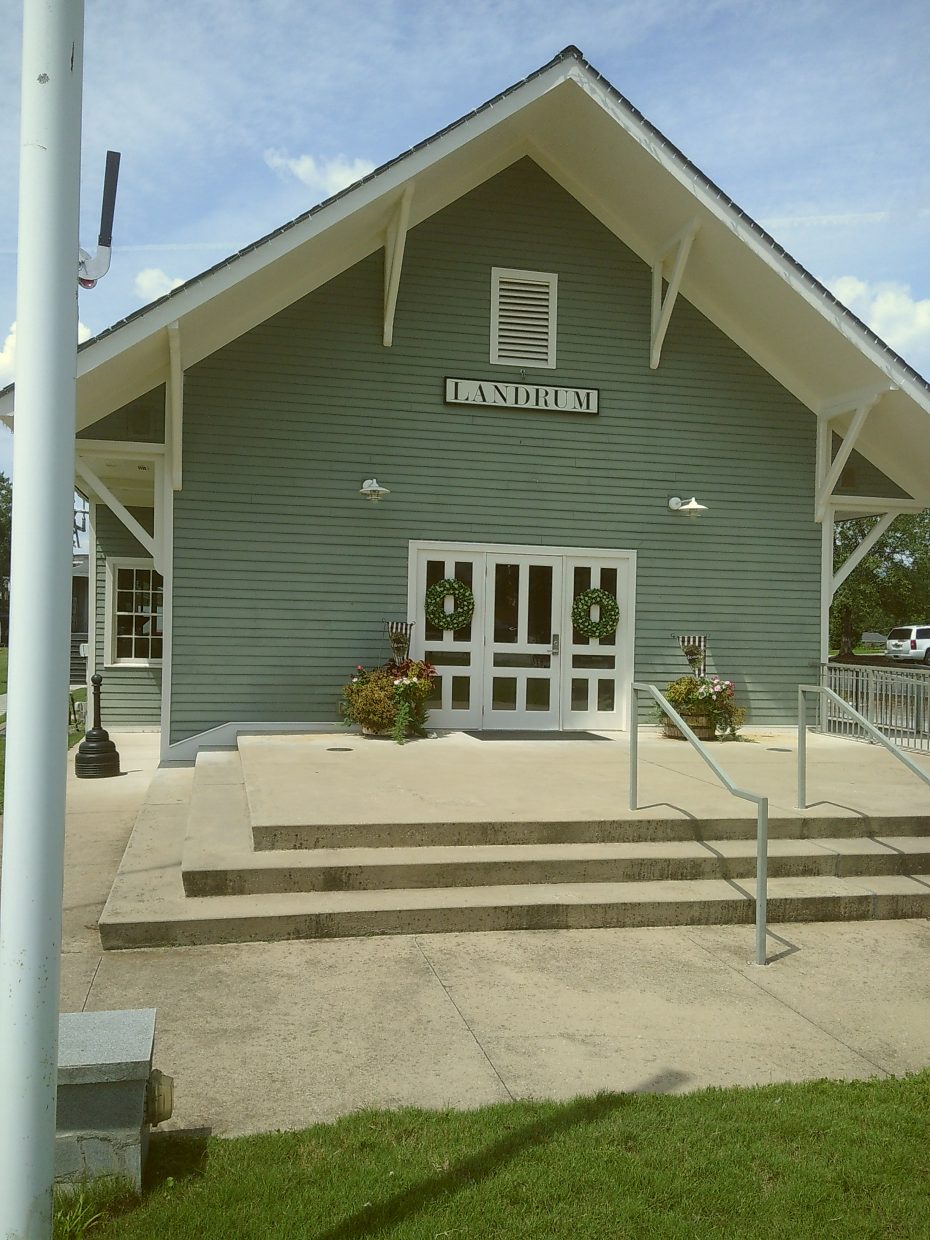
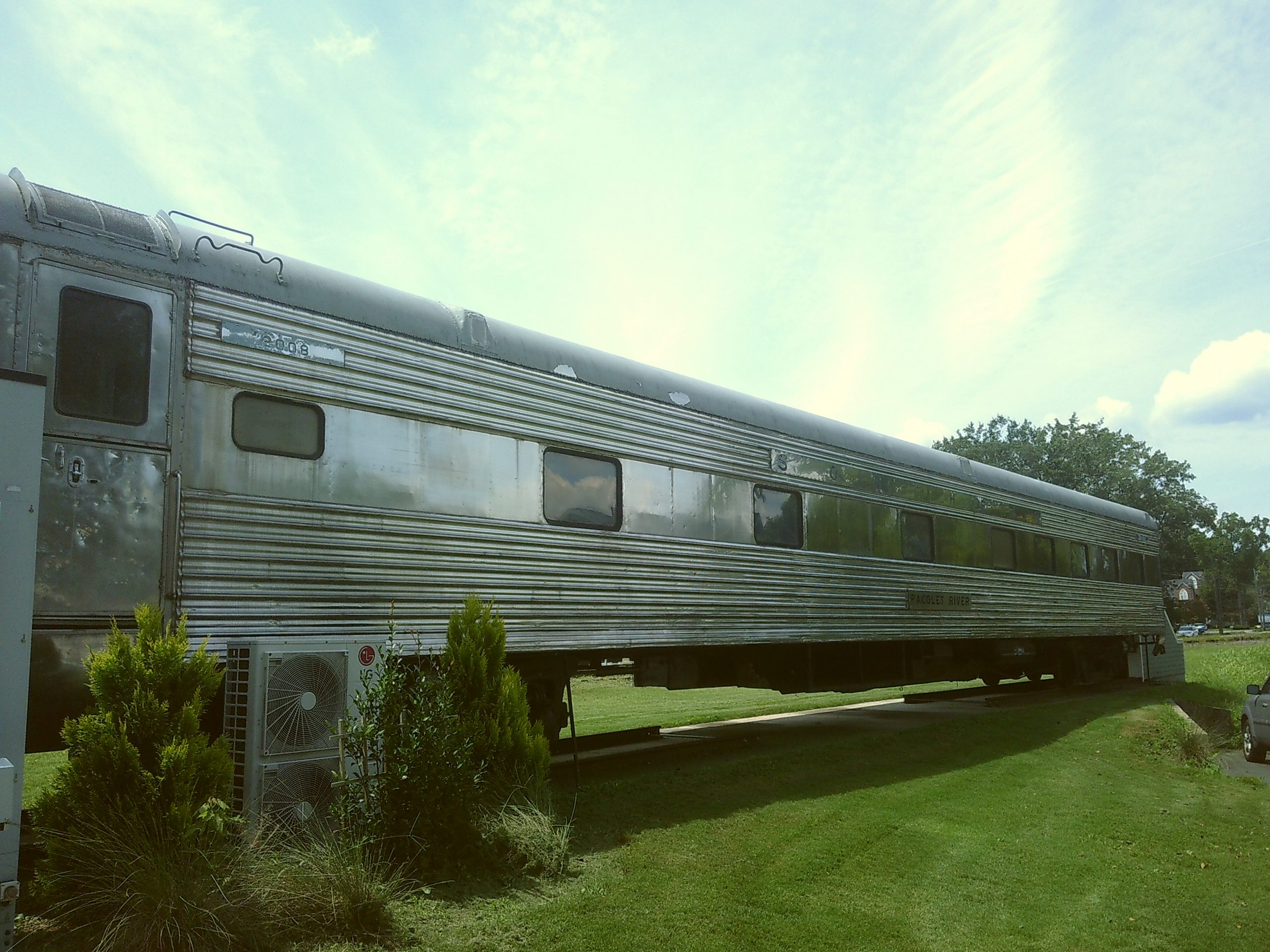
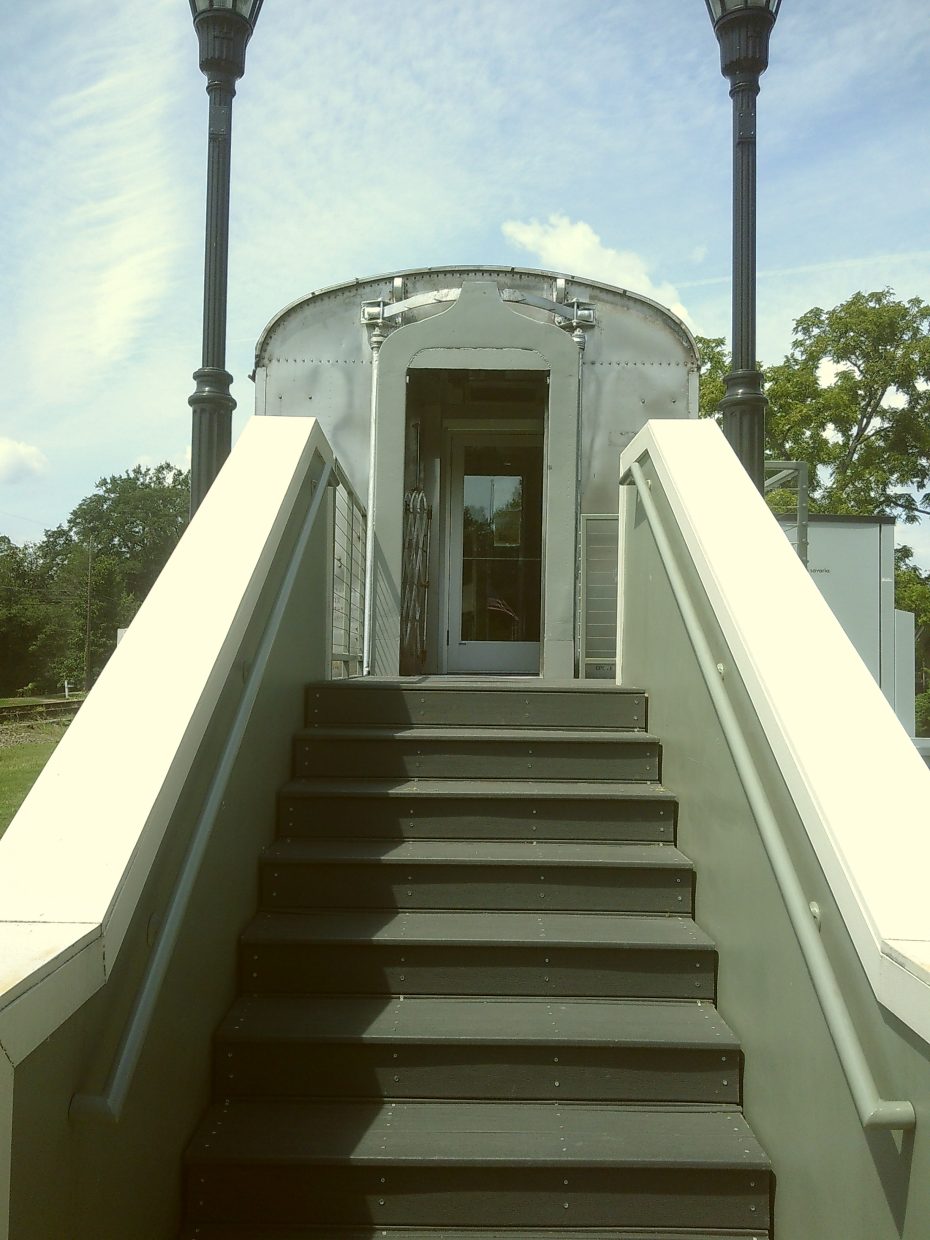
When you get to Landrum, you’ll notice we’ve rolled entirely out of the Appalachian foothills, topographically. Still, horses abound and there’s plenty to do, see, and enjoy. Stop first at the Landrum Depot, a rail and history museum, event venue, and community gathering place – including a refurbished Pullman sleeper car.

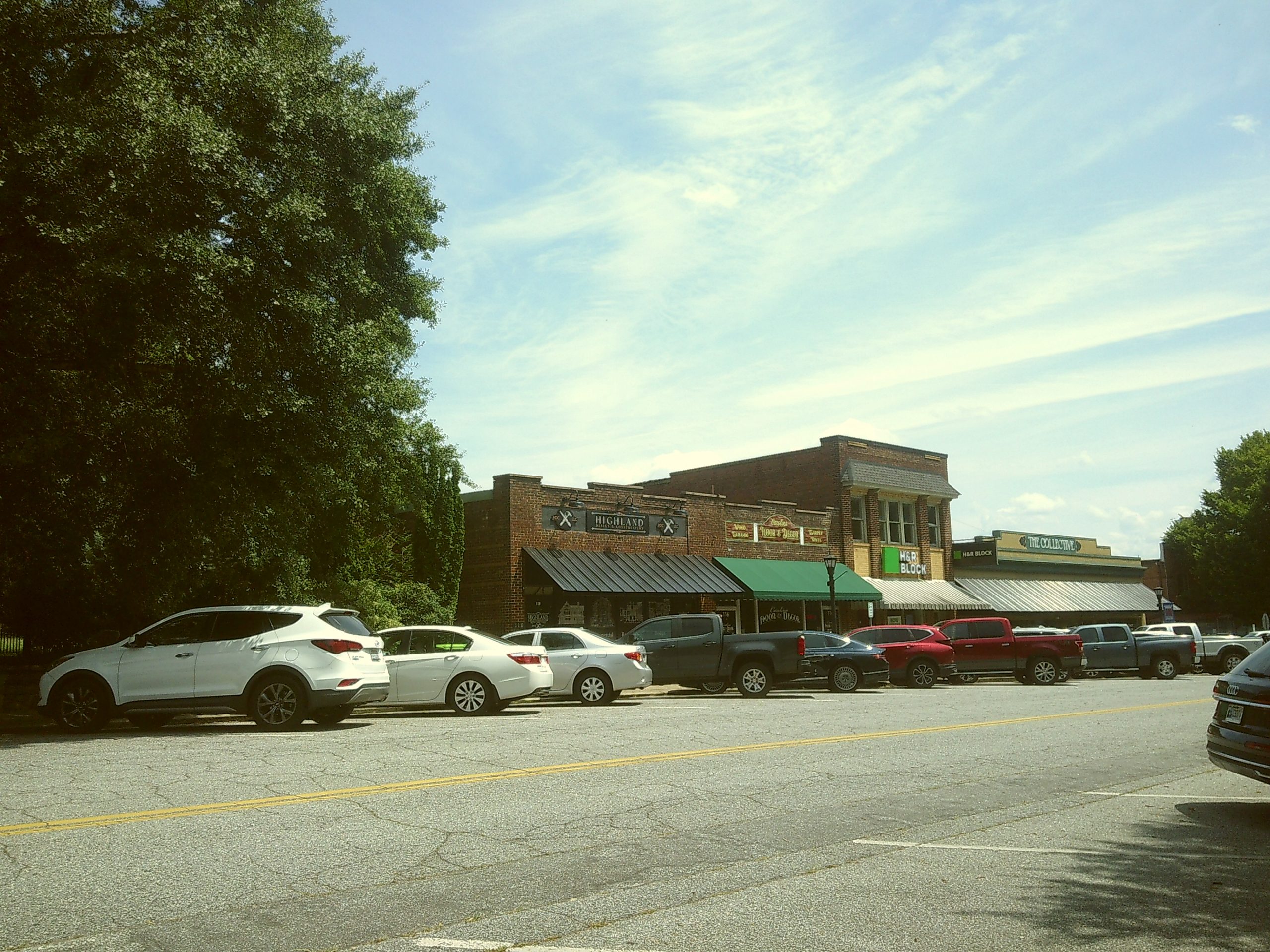
Beautiful and quaint downtown Landrum also includes many restaurants and stores ready for visitors.

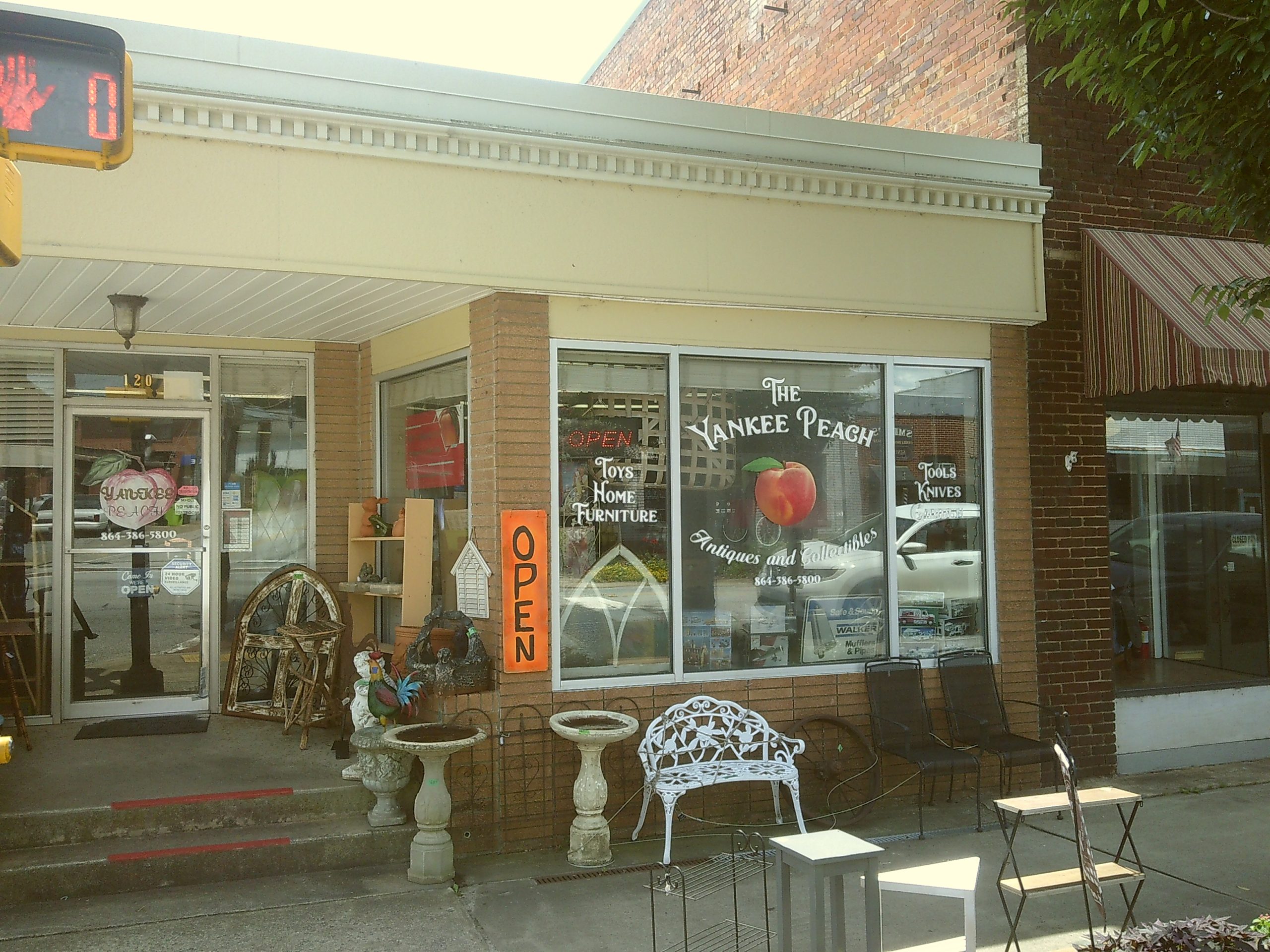
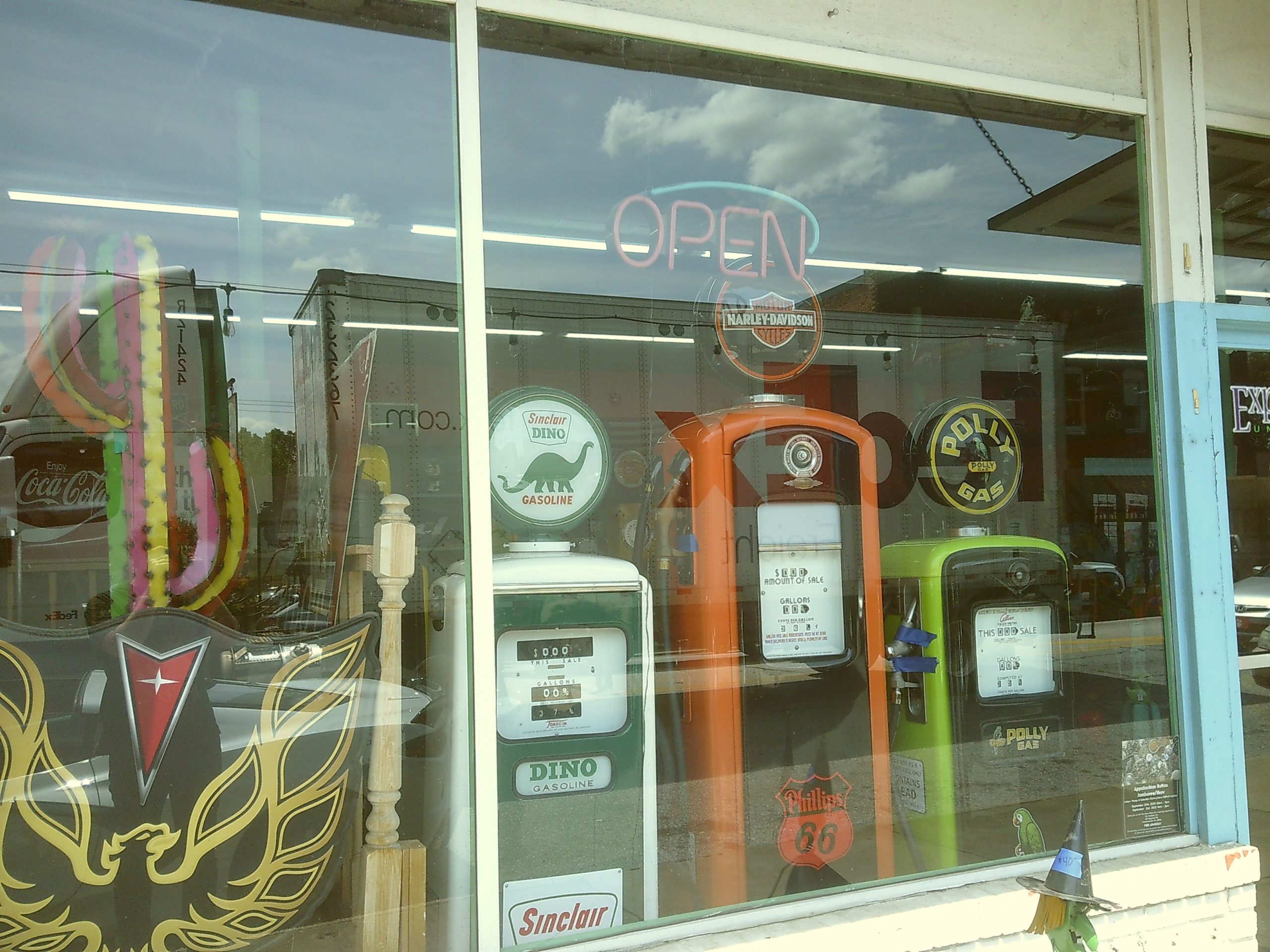
Stop and peruse antiques and goodies at stores like The Yankee Peach (above) or Expressions Antiques (below), just across the street from each other.

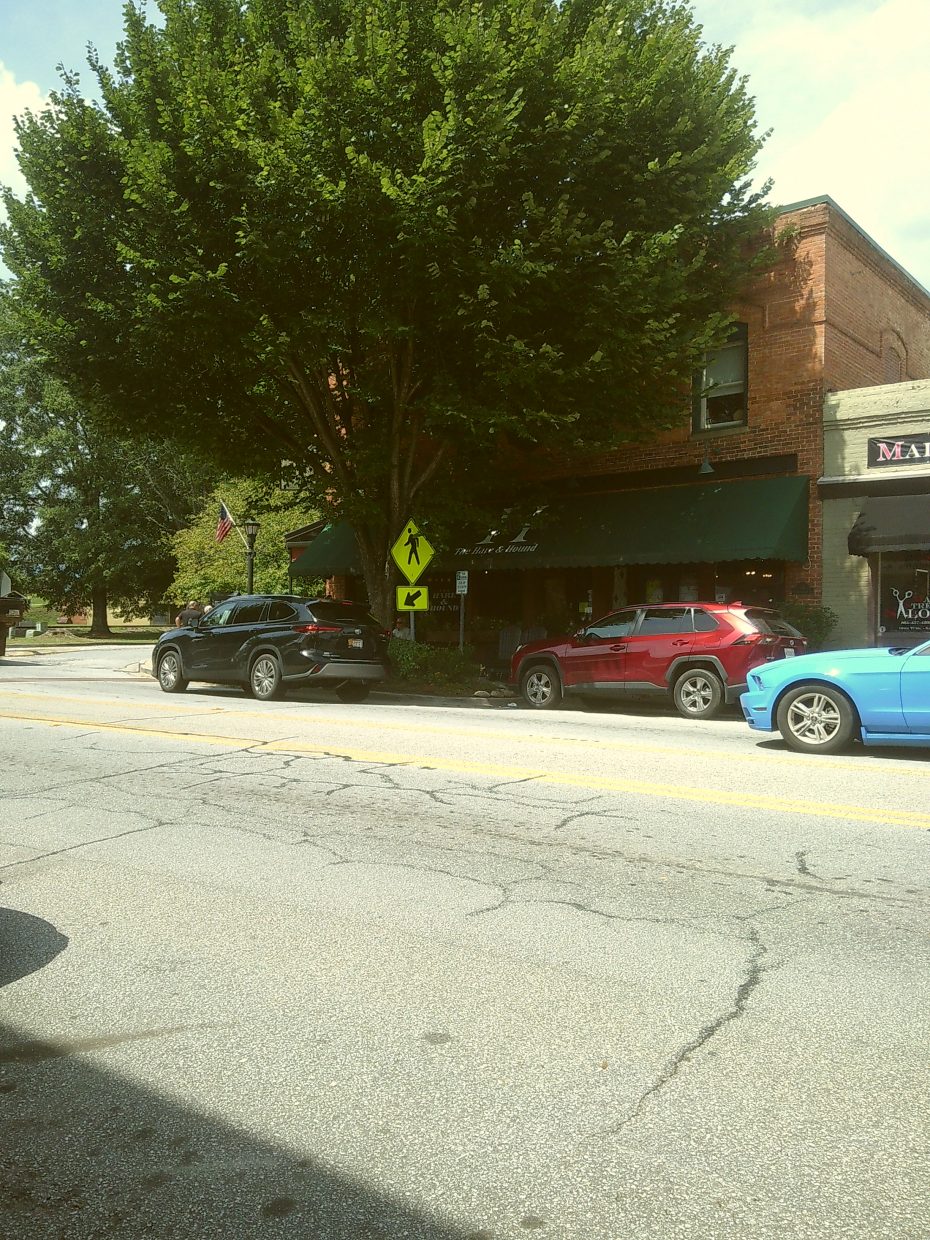
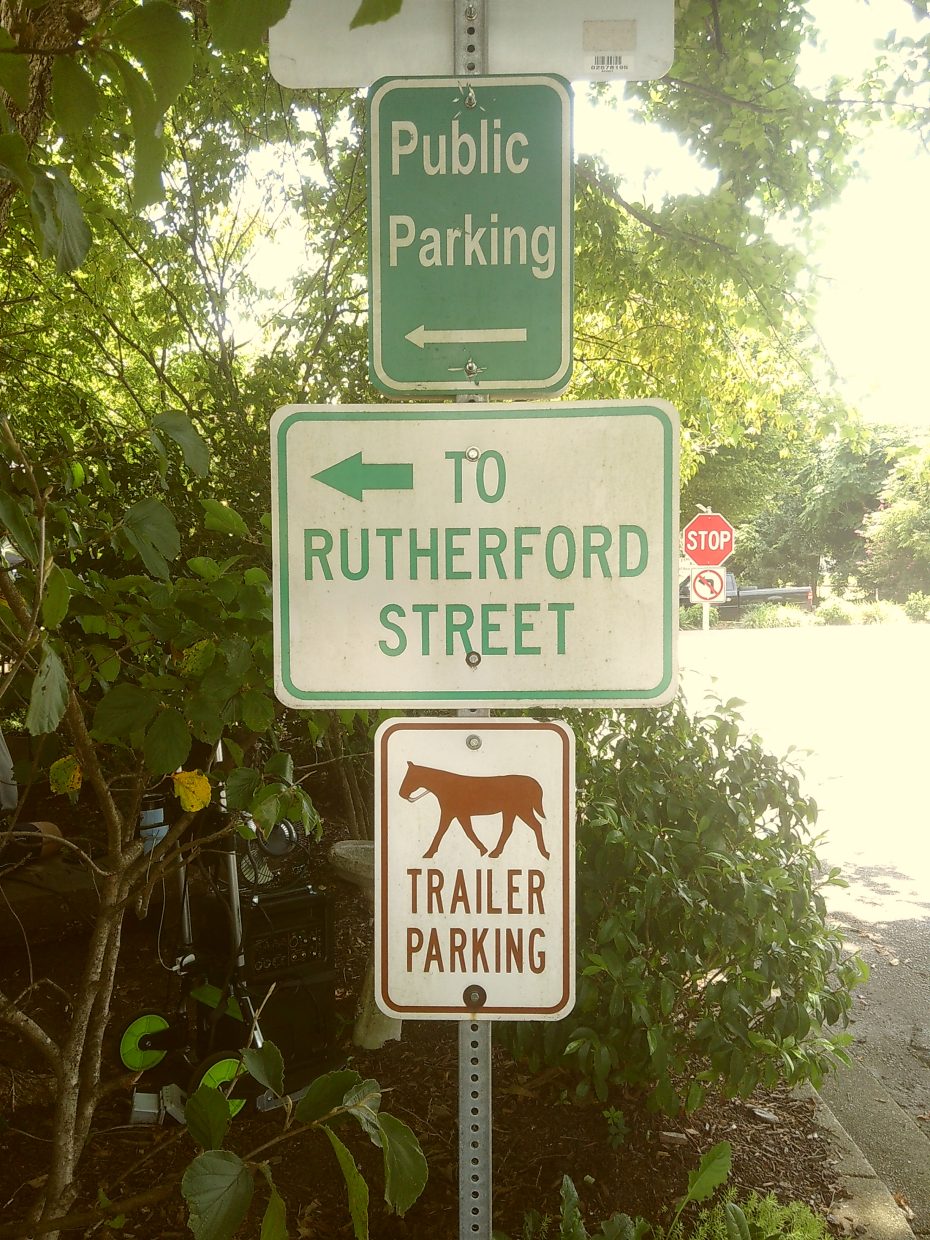
We always enjoy stopping for a drink, lunch, or dinner at The Hare & the Hound in Landrum. They often feature live music and whether you’re sitting in the cozy indoors or outside on the shady street, the vibe is perfect. Need to park your horse trailer? They’ve got that covered in Landrum, too!


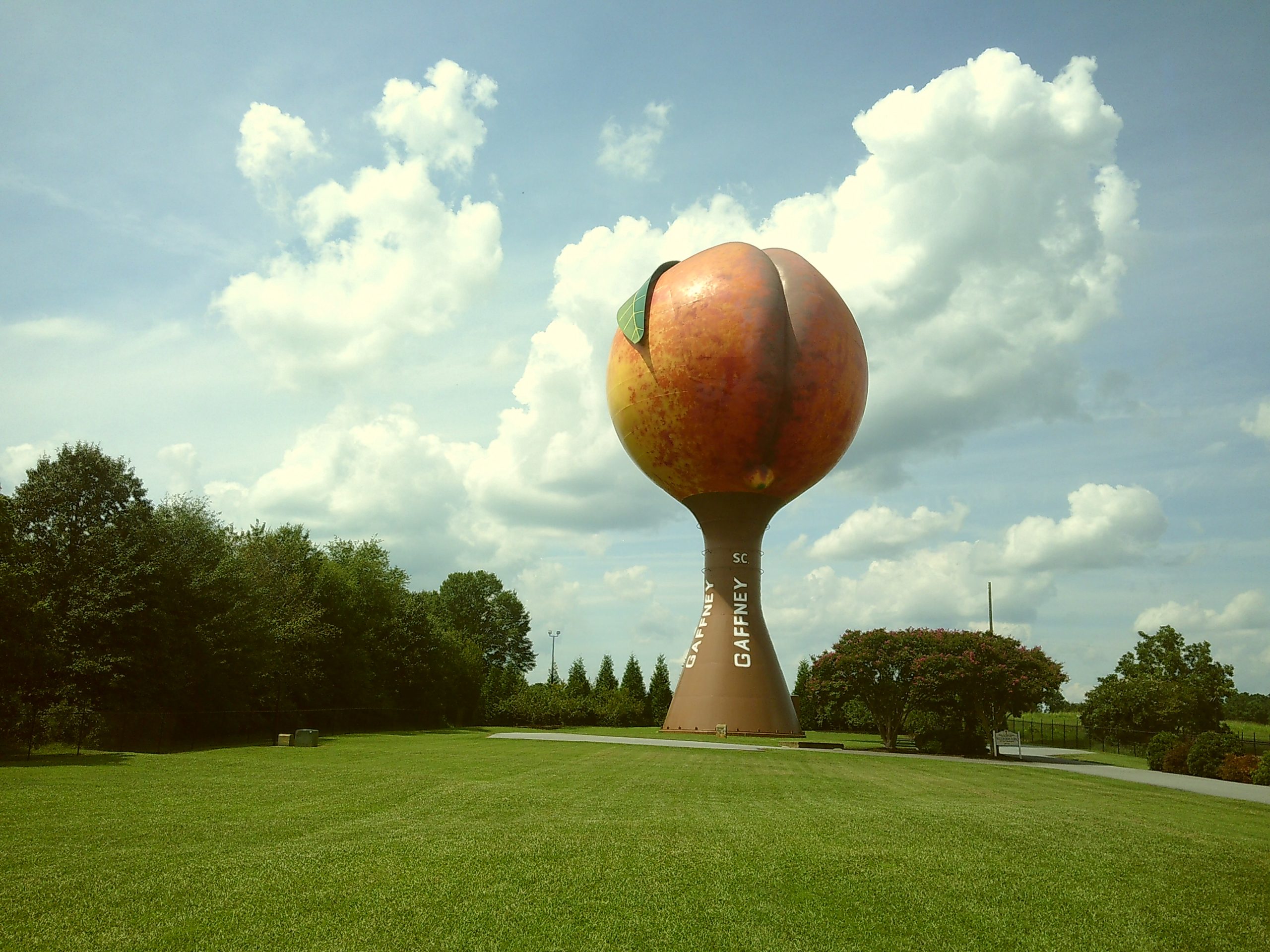
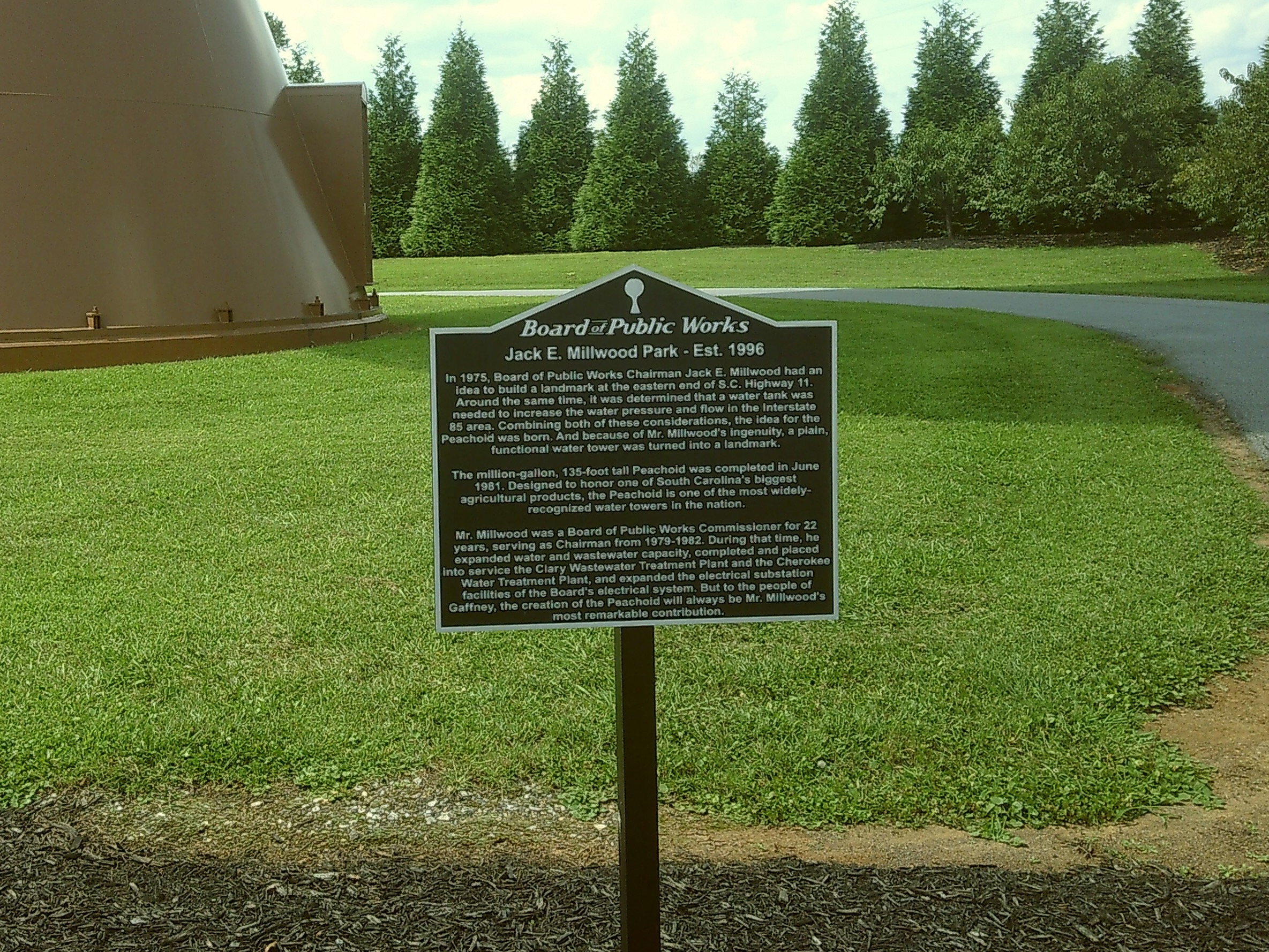
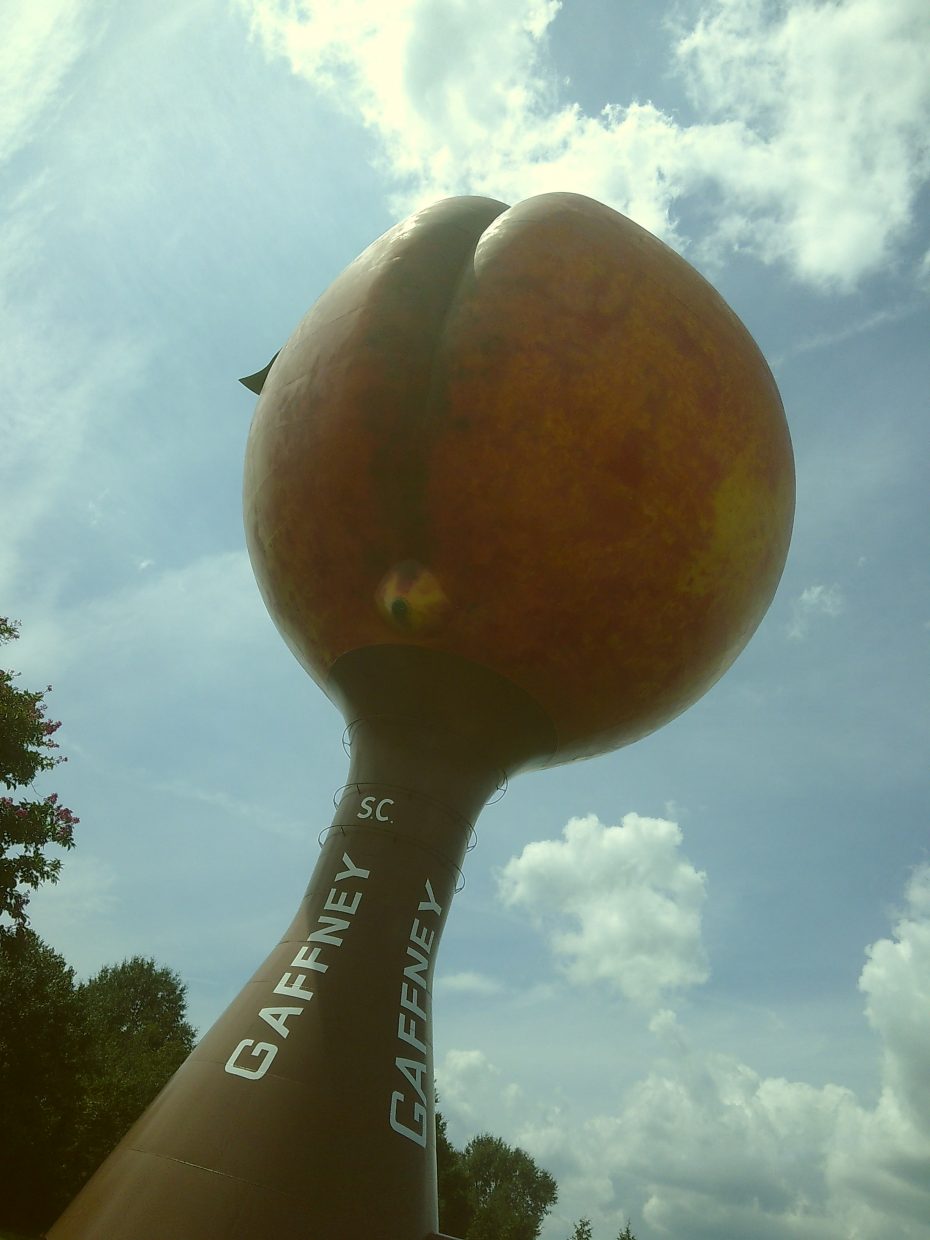
The Peachoid, Gaffney, South Carolina

Just around the corner from Landrum and mere minutes from Earl Scruggs’ childhood home near Boiling Springs, North Carolina, is Gaffney, South Carolina, home of the infamous Peachoid. There are lots of prime roadside attractions worth a visit in the area surrounding Earl Scruggs Music Festival, but the Peachoid may top the list.

If you’re heading to or from Scruggs’ homeplace or the Earl Scruggs Center in Shelby, North Carolina, as we were, stop by for a photo opp – and put Netflix’s House of Cards theme song on full blast.


Boiling Springs, North Carolina

Why not take a tour of historic homeplaces while attending ESMF? The musical dichotomy of Nina Simone and Earl Scruggs is perceived as incredibly distant or far-fetched, yet the two were born and raised barely 40 miles from each other. Why do we perceive one of these megaliths of American music as Appalachian, but not the other? (Meanwhile, Scruggs was raised decidedly outside of the mountains in southern Cleveland County, while Simone was raised nestled within them.)

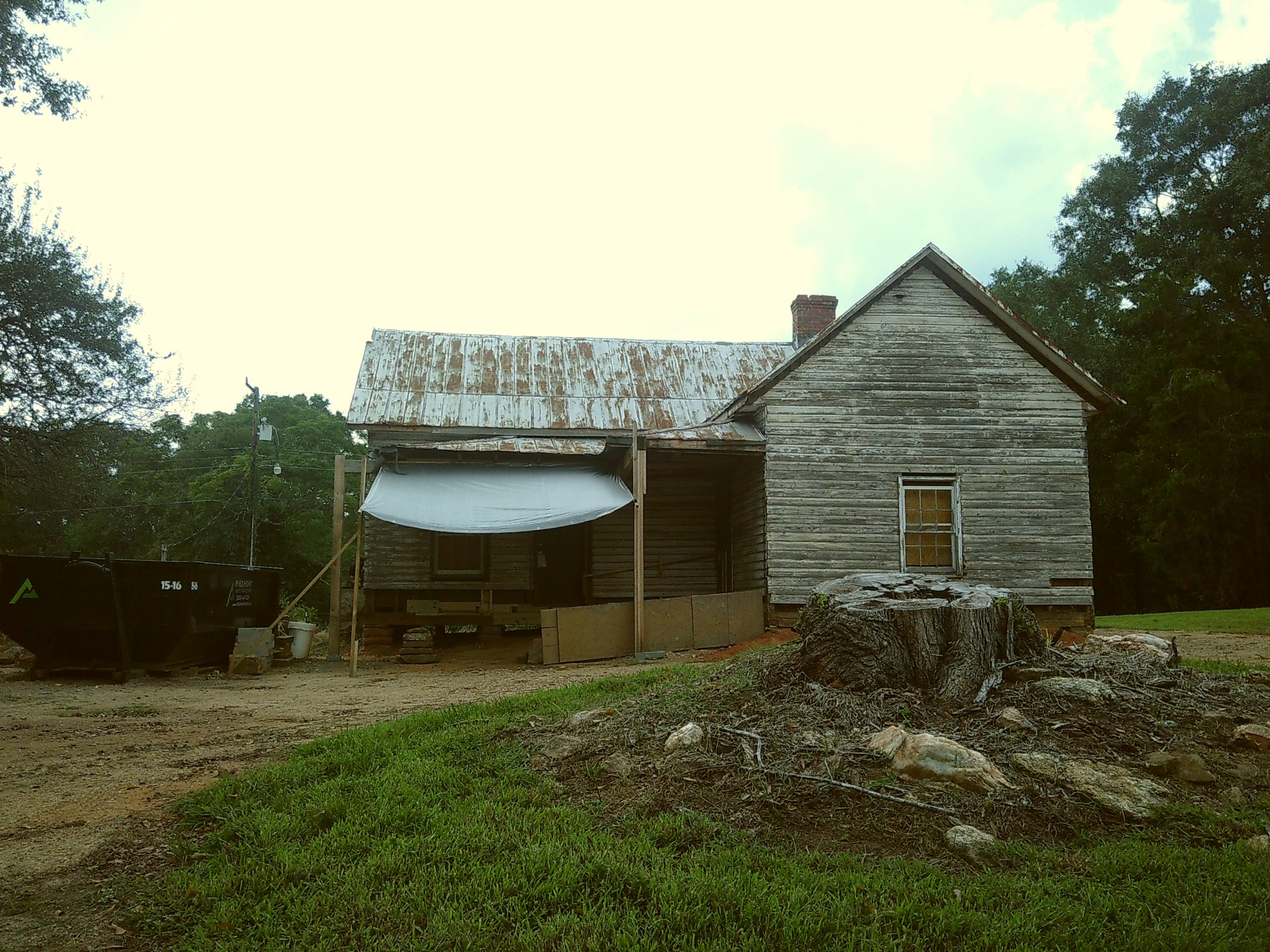
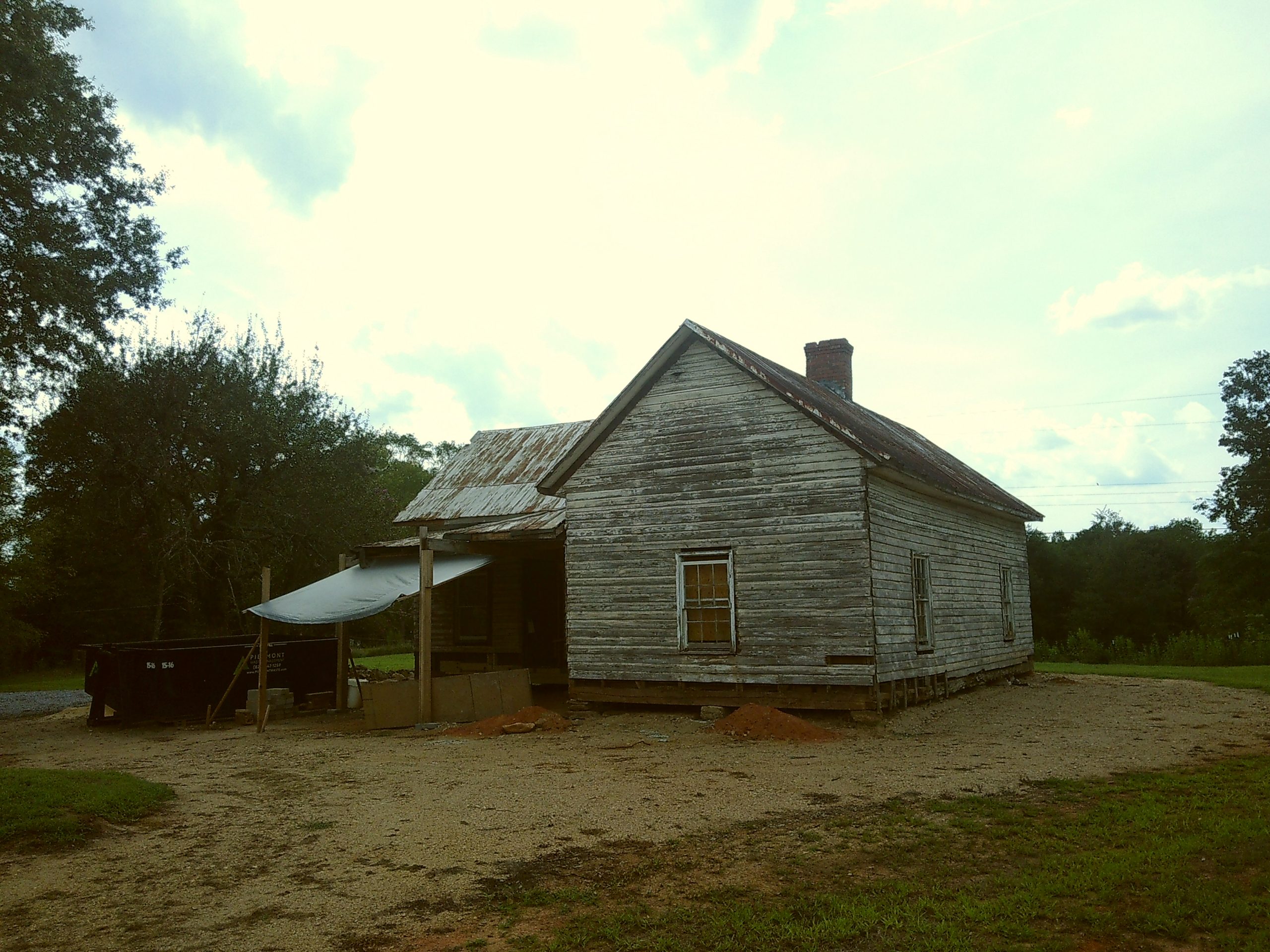
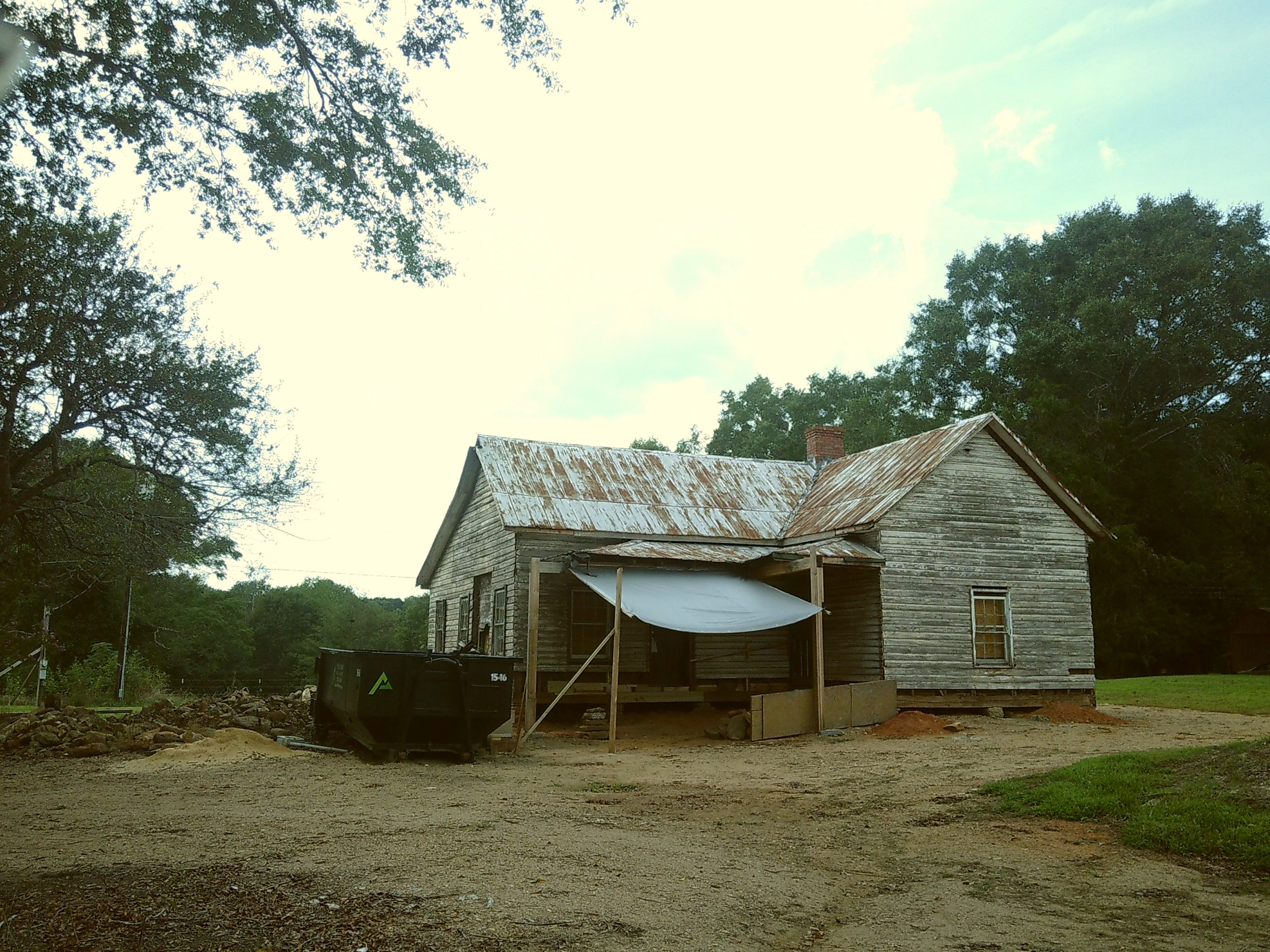
Scruggs’ childhood home was recently purchased by the Earl Scruggs Center and during our visit last year at the time of the festival, preservation and renovation activities had just begun at the property.

Like Simone’s homeplace, the Scruggs property on Riverside Road in the Flint Hill community of Boiling Springs feels sacred, immediately grounding fans, visitors, and passersby while reminding of the humanity of these larger than life musical figures. Hit play on “Reuben” or “Shuckin’ the Corn” and revel in being in the exact place where Scruggs first unlocked three-finger style himself and started a century-long banjo craze that’s still going today, at ESMF and beyond.

Learn more about the Earl Scruggs Center’s plans for Earl’s childhood home here.


Shelby, North Carolina

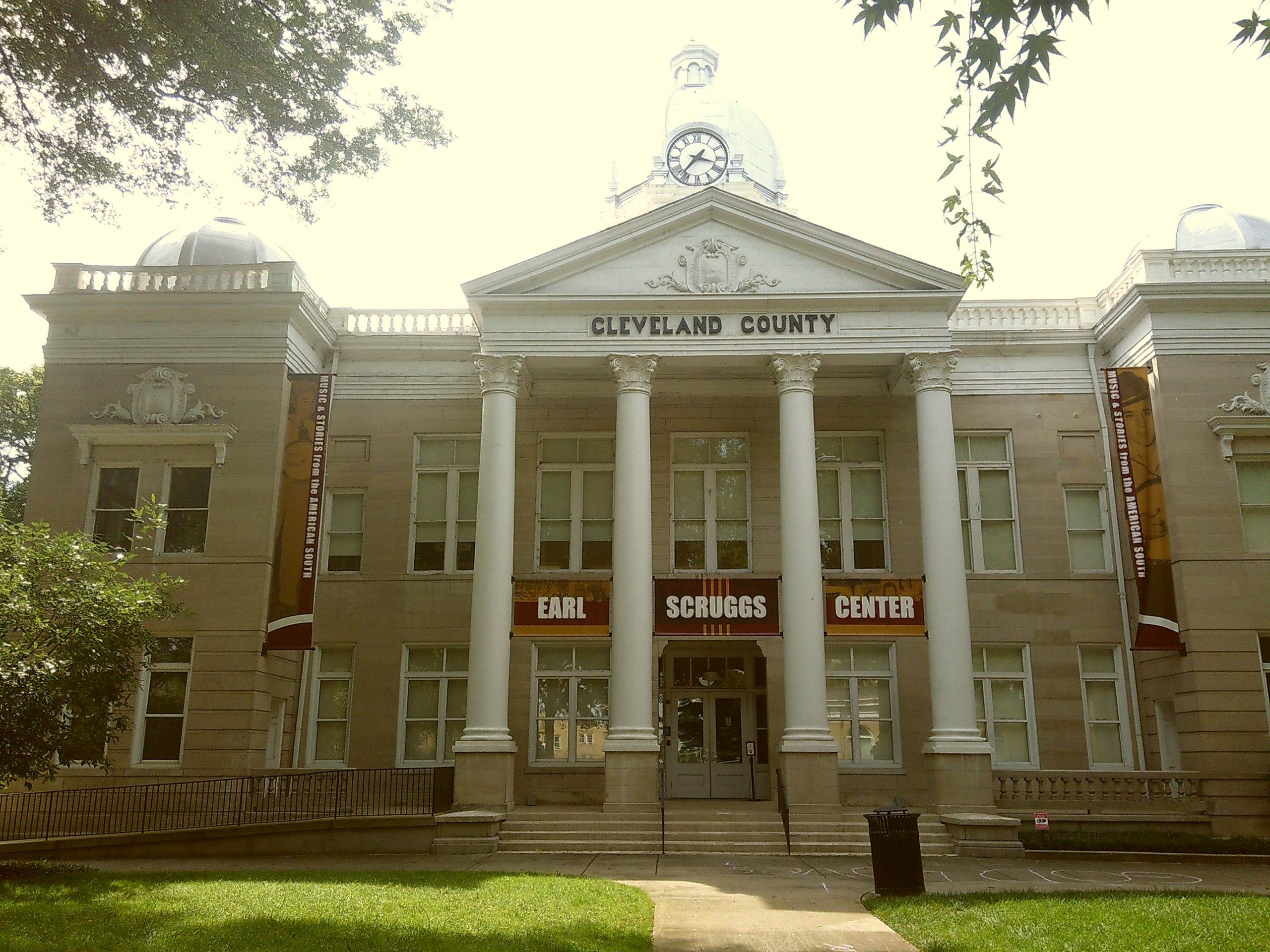
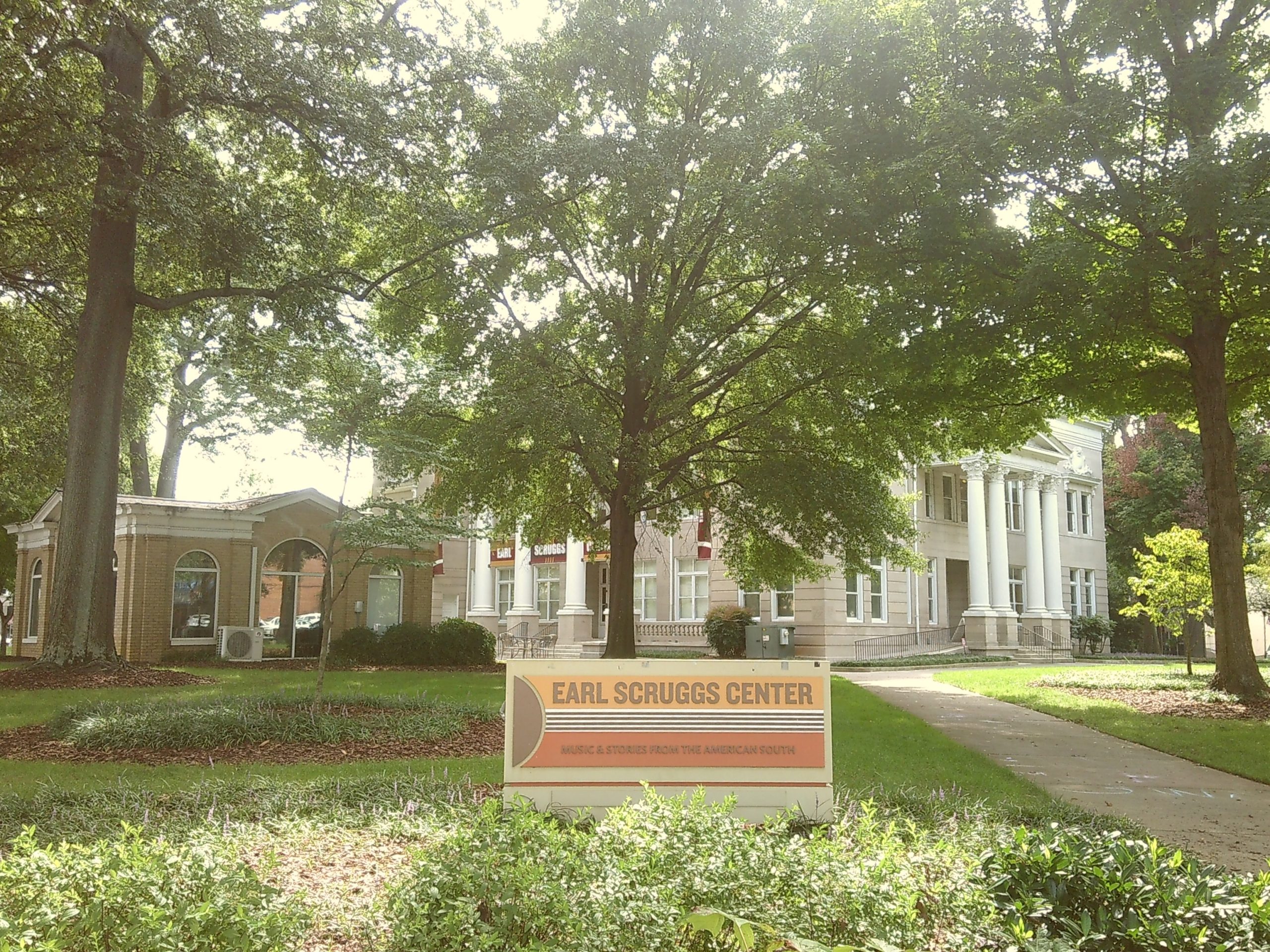
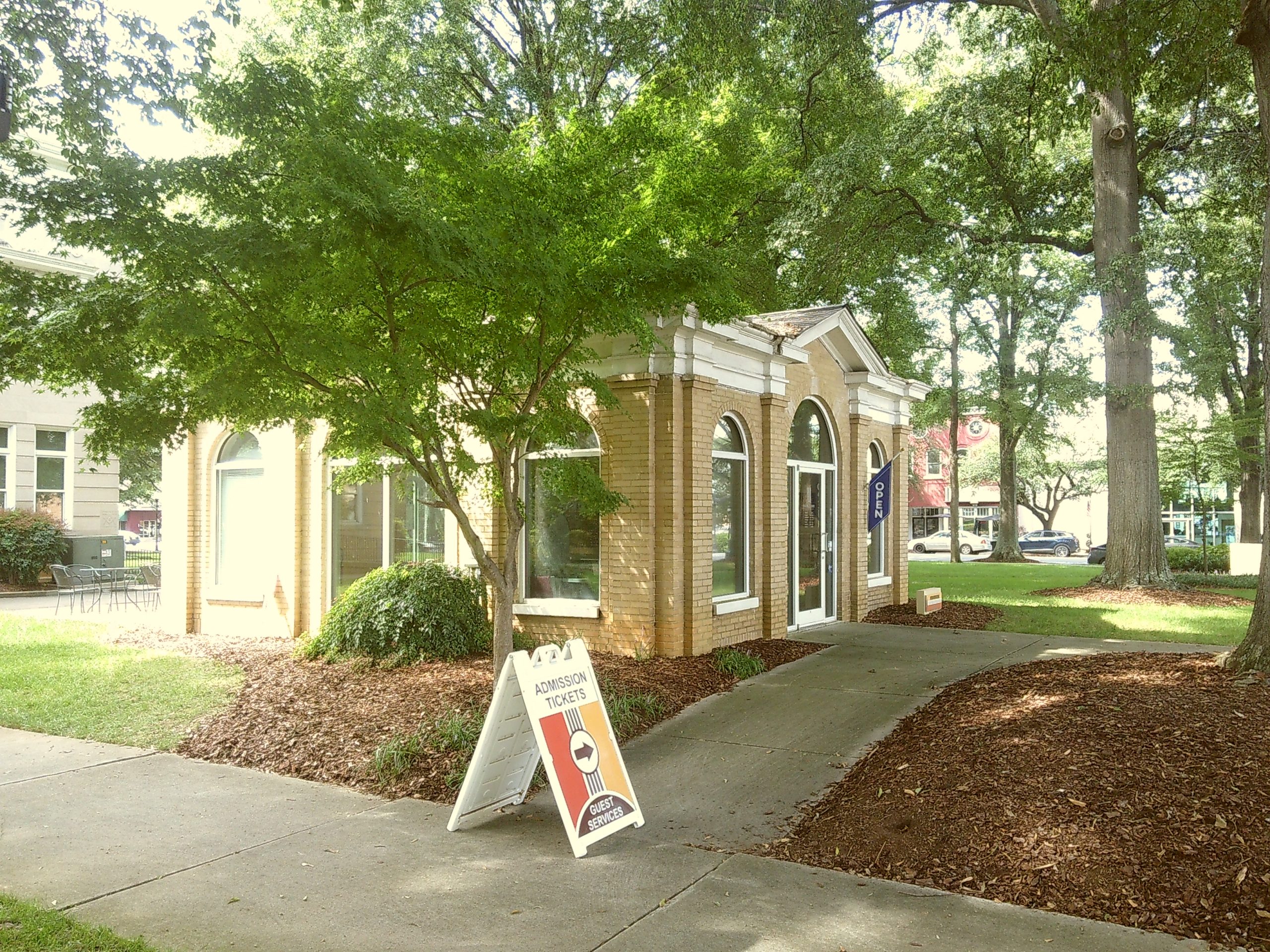
Of course, no visit to Earl Scruggs Music Festival is complete without visiting the Earl Scruggs Center in Shelby, the county seat of Cleveland County, where Scruggs was born and raised. The Center is a host and presenter of ESMF and they offer special events and ticket discounts to ticketholders during the festival.

Over the winter, the Earl Scruggs Center closed for renovations, updates, and new and revitalized exhibits, so it’s worth another visit if you haven’t been in a while. An easy 30 mile drive from the festival grounds, during ESMF there’s plenty of special programming, music, and events worth the field trip. Plus, Shelby boasts great restaurants, breweries, shops, and – of course – antique stores, so there’s something for everyone to enjoy.

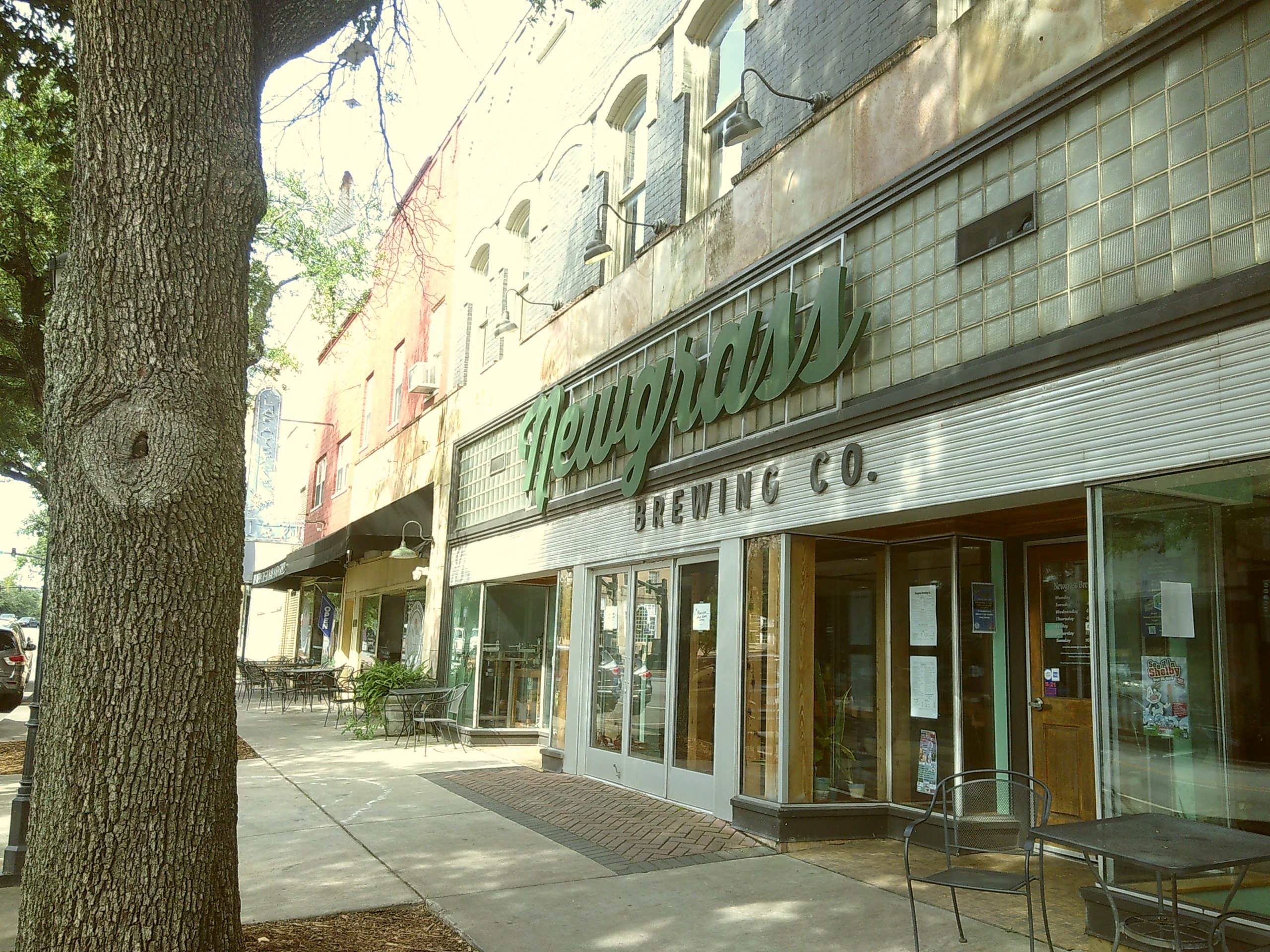
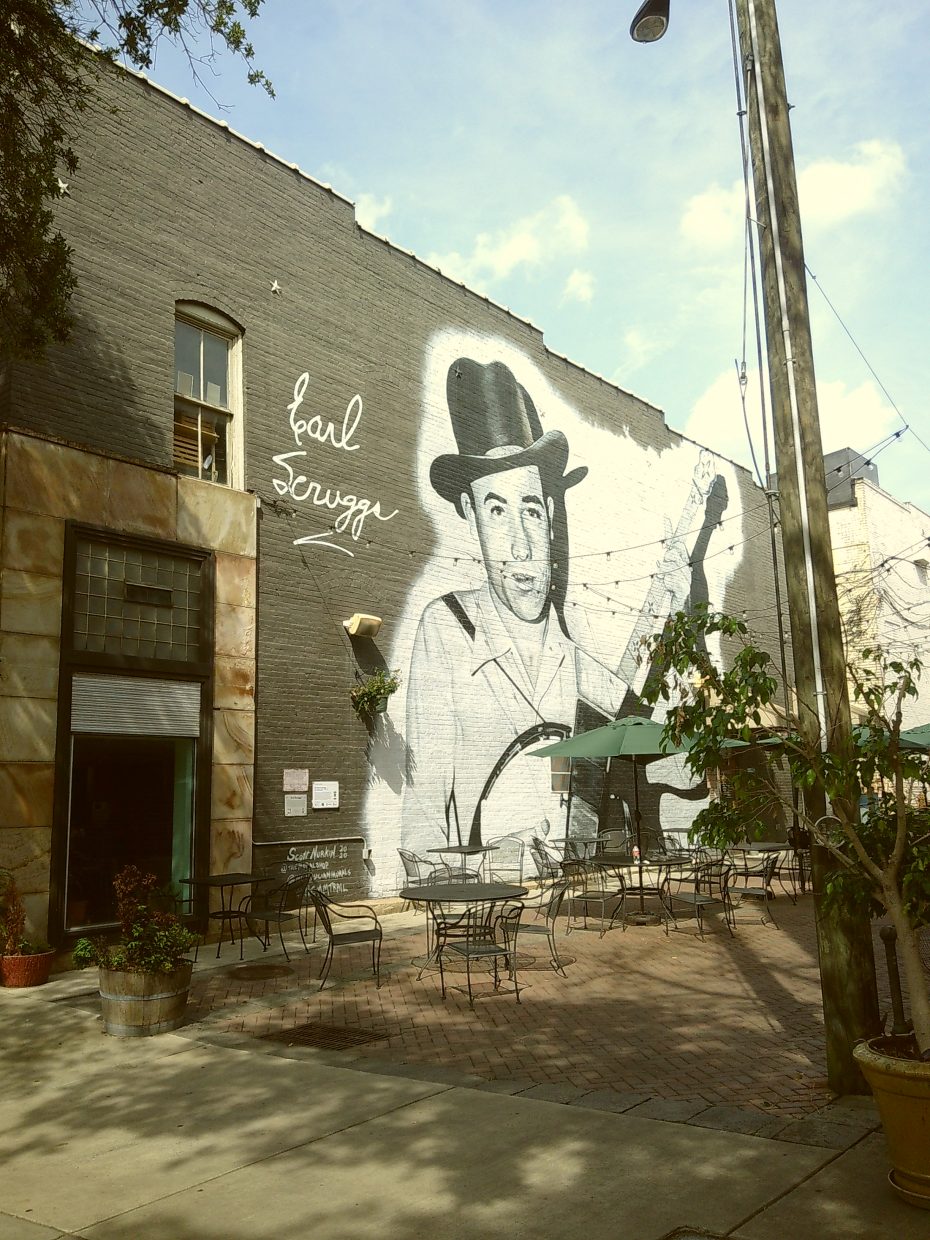
We particularly recommend Newgrass Brewing Co., where the beer is just as good as the name – and the food is excellent, too. Especially the homemade chicken tenders. It’s just around the corner from the Center. Don’t forget to step outside and take a turn into the alley, though, for a superlative mural photo opportunity of the man himself, two stories tall.

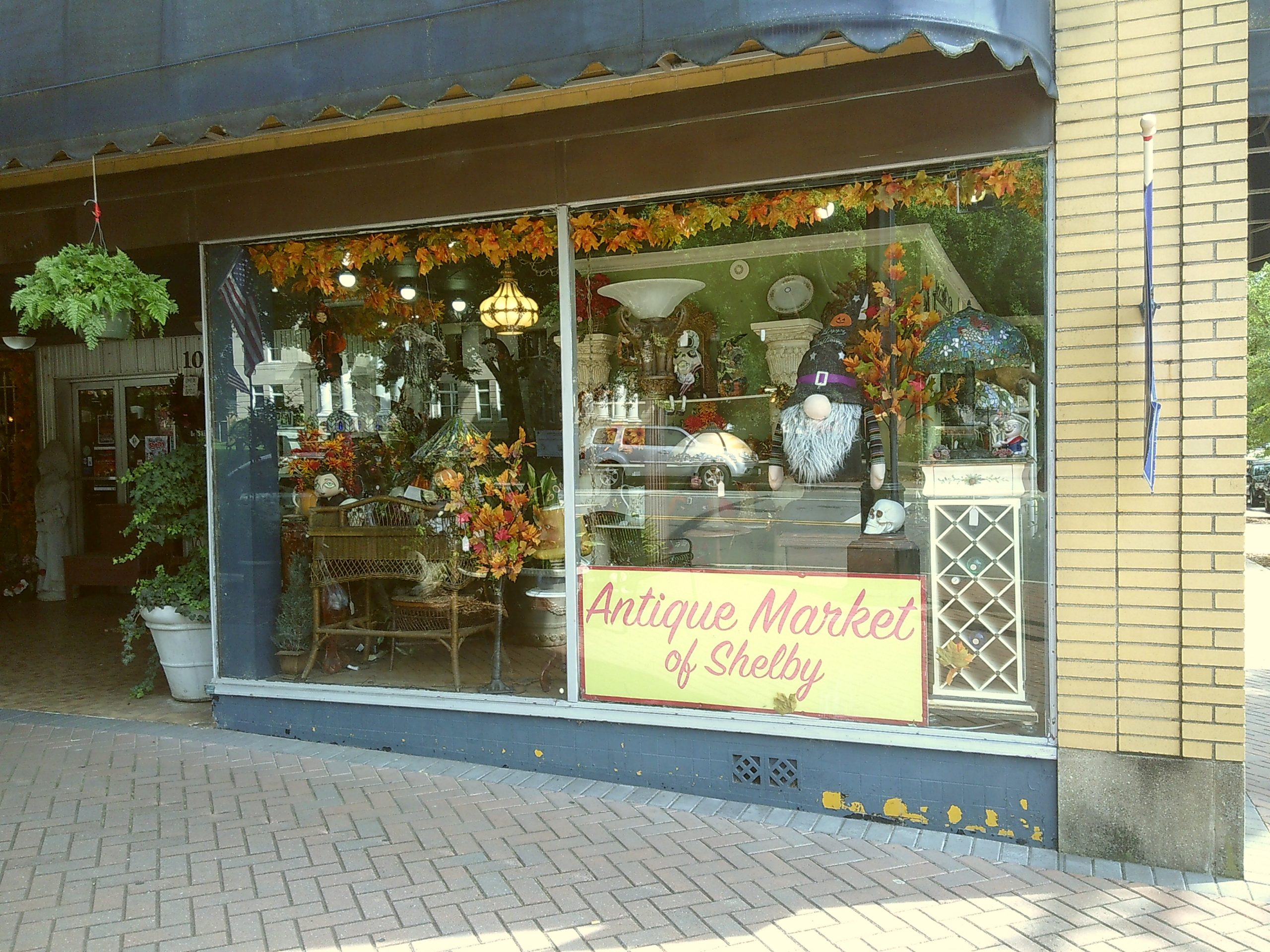
Just across the street from the Earl Scruggs Center on the square you’ll find the Antique Market of Shelby. Because we know, like us, you won’t be sick of antiques yet.

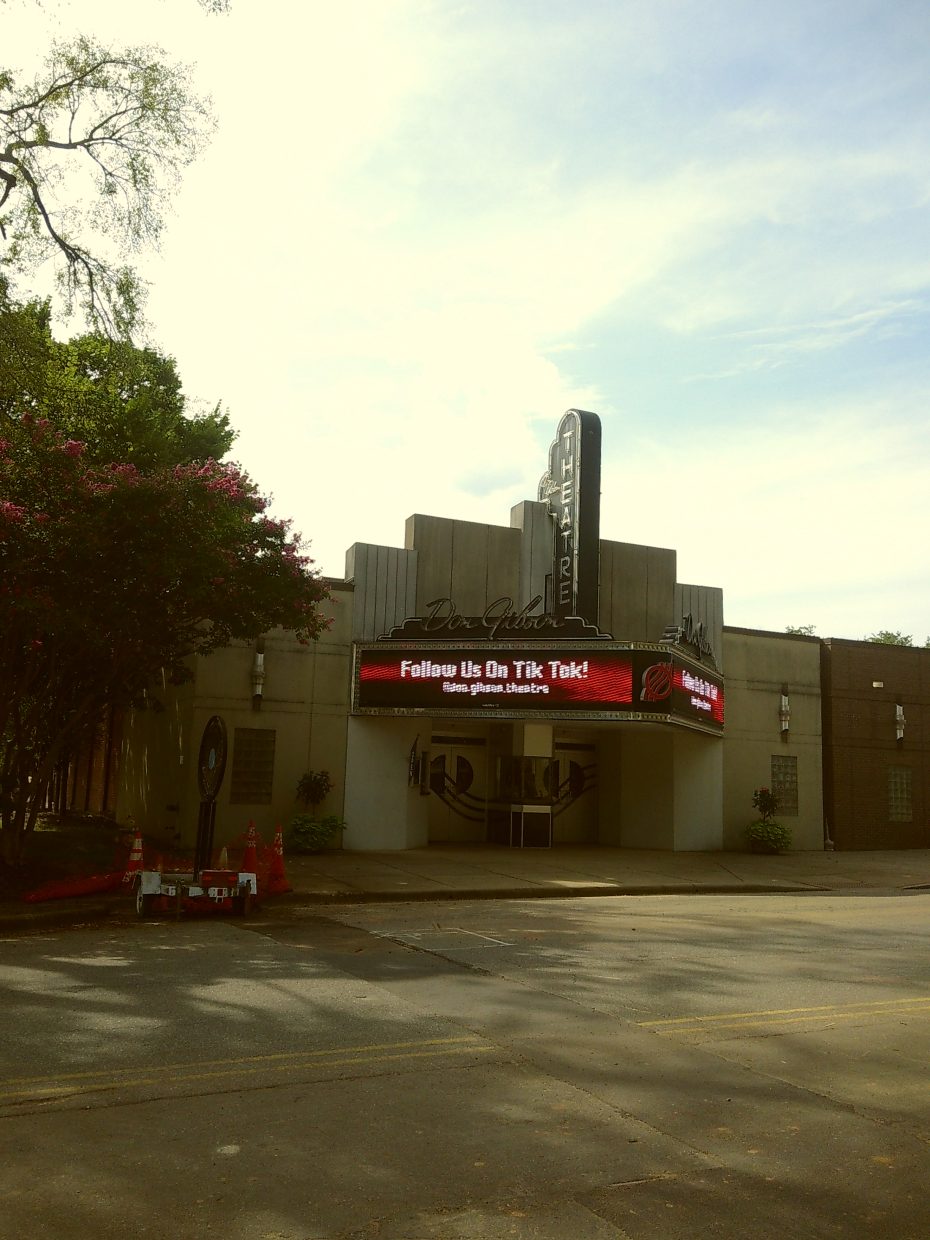
While Scruggs hailed from just down the road in Flint Hill, country star and singer-songwriter Don Gibson was born in Shelby proper. A hitmaker and stalwart of country from the late ’50s through the early ’80s, Gibson’s legacy is on display in Shelby in a variety of ways, chief among them the Don Gibson Theatre. Catch movies, live music, and special events throughout the year – including an incredible slate of bluegrass and country shows. The Don Gibson Theatre is also a stop on Blue Ridge Music Trails.

Learn more about Don Gibson and Shelby in our Carolina Calling episode about the city, featuring Gibson, Scruggs, and more.

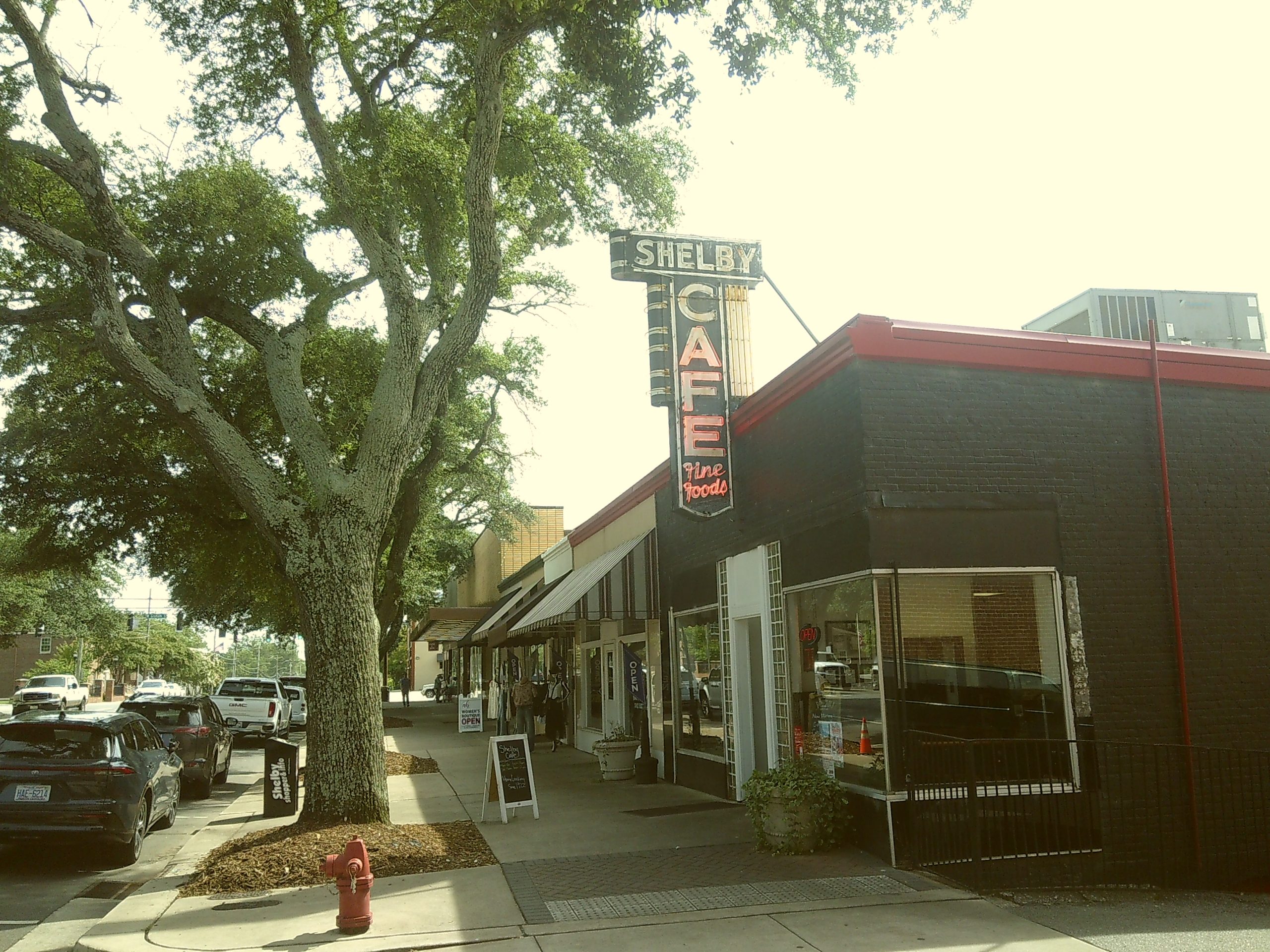
A visit to Cleveland County wouldn’t be complete without a plate of livermush, so head over to the Shelby Cafe for breakfast, lunch, or dinner and a sampling of this local delicacy. Just like Earl would have enjoyed it? Certainly!

There’s so much to see, do, and enjoy at Earl Scruggs Music Festival and the surrounding territory, we know we barely scratched the surface. Hendersonville, Chimney Rock, Gastonia, and Rutherfordton are just up or down the road; so many nature preserves, parks, and trails are nearby; Spartanburg, South Carolina, is a stone’s throw away. While Tryon International is a lush, hospitable location for the festival, we encourage all attendees to get out and enjoy the places that birthed these musical forms we all hold so dear.

We’ll see you in Mill Spring, North Carolina, for Earl Scruggs Music Festival September 4-6, 2026! Tickets are available now. And we hope we run into you out adventuring and antiquing, too. Do you have a favorite local haunt in the area? Let us know on social media.


All photos by Justin Hiltner, shot on Camp Snap. Poster art courtesy of Earl Scruggs Music Festival.

This content brought to you in partnership with Earl Scruggs Music Festival.
Artist of the Month: The Infamous Stringdusters

During the Infamous Stringdusters’ recent holiday gig at The Orange Peel in Asheville, North Carolina, the storied venue was packed out with jamgrass freaks, the performance itself a kickoff of sorts for the band’s 20th anniversary in 2026. I found myself standing sidestage when show opener Bronwyn Keith-Hynes came up next to me. A smile emerged on her face taking in the band and the audience.

“The Stringdusters made me want to start a band,” the GRAMMY-winning fiddler said, turning to me. “The Fork In The Road album was the most influential modern bluegrass album for me when I was at Berklee.”

Keith Hynes’ sentiment conjured numerous memories and moments I’ve been lucky enough to be a part of when it comes to the ‘Dusters. The first time I ever laid eyes and ears on them, it was the 2008 Targhee Bluegrass Festival in Alta, Wyoming. I was 23 years old and a rookie reporter for the Teton Valley News, based just down the mountain in Driggs, Idaho. By that point in my life, both personally and professionally, I was diving deep into the jamgrass world – the intersection of ancient tones, psychedelia, improvisation, and a collective love of the Grateful Dead.

The initial spark of the modern jamgrass movement was lit by Yonder Mountain String Band, Leftover Salmon, and the String Cheese Incident, all three acts coming into the national spotlight by the end of the 1990s. A musical template had been formed, and the ‘Dusters would emerge in the early 2000s to throw gasoline onto that melodic fire, ultimately becoming a missing link (alongside Greensky Bluegrass) between jamgrass originators, those ‘90s propagators, and folks currently carrying the torch into new, exciting realms: Billy Strings, Sierra Ferrell, Molly Tuttle, Sierra Hull, and more.

“That’s what’s so beautiful about bluegrass music, in particular,” Stringdusters fiddler Jeremy Garrett told me recently. “You pass it on to the next generation and they take it and they do their thing with it. Luckily for us, we were around at a time that [that] was very important, and a transitional time in the industry.”

In 2010, a couple of years after my introduction to the band at Targhee, when I returned to my native North Country of Upstate New York, I found myself covering a show at the intimate Showcase Lounge at Higher Ground in Burlington, Vermont. I was there to see the ‘Dusters once again. Their sound and energy immediately transported me back to the Rocky Mountains that I missed dearly. (Sharing the bill was another rising jamgrass act, Trampled by Turtles.)

I remember walking away from that gig feeling in awe and refreshed with a genuine feeling that something was happening. Something was on the horizon when it came to bluegrass and string band music. This wasn’t a traditional bluegrass band in matching suits, standing like statues. It was a rock show with acoustic instruments. Baseball caps and long hair, grins ear-to-ear. More provocative than standstill, more vibrant than just going through the motions of what past generations were instructed to do.

“Being able to showcase our own songs, in our own way, [our] writing skills, and making the decisions on what was chosen to play and how to play it [were] foremost for most of us at the beginning,” Garrett says. “Over time, we realized that we were actually growing a community. And after all these years, that honestly has become the most important part, the most important thing that we could possibly do.”

What I witnessed in Wyoming and Vermont years ago is what I’ve continued to experience with the Infamous Stringdusters, in person and in method, from Florida to Colorado and beyond. They set the pace then for where we stand with jamgrass right now, built on a full-throttle approach, one which remains sonically elusive as well as paying homage to the architects of bluegrass and those who broke from the pack and made something all their own.

Aside from the talents of the Stringdusters, either as individuals or the sum of their parts, you also have a unique setup. Alongside founding members, banjoist Chris Pandolfi and Dobroist Andy Hall, who emerged from the prestigious Berklee College of Music in Boston, you have the tradgrass pedigree of Garrett, who was born and raised in a traveling family bluegrass band hailing from Idaho. This fusing of road-tested grit and grace with conservatory-style techniques is at the heart of what this group does best: jam.

All of which circles back to the Asheville Orange Peel performance in late 2025. There were tightly knit melodies and freewheelin’ improvisational explorations. They broke down the invisible walls between themselves and the audience, maintaining a two-way street of momentum, energy, and inspiration from both sides of the microphone – a vortex of sound and scope, all revolving around a deep sense of community.

“The band is stronger than ever and making some of the best music we’ve ever made,” Garrett says. “But, the thing I see that is the most important being carried on is that community factor. We certainly didn’t invent that, but we took note and applied the philosophy to our scene, and hopefully the next generation realizes how important that piece is.”

Ultimately, this 20th anniversary celebration for the Infamous Stringdusters is a culmination of a tried-and-true effort to bring this hallowed music into the unknown and unfolding musical landscape of the 21st century. With their upcoming album, 20/20 (out February 13 via Ameriana Vibes) they continue their efforts to break new ground and forge ahead, together, whatever the next 20 years hold for jamgrass and the ‘Dusters.

The Infamous Stringdusters are our Artist of the Month. Below, enjoy our Essential Infamous Stringdusters playlist and stay tuned as we share brand new and archive content on the ‘Dusters throughout the month of February here on BGS – and across our social media channels. Like our exploration of their 20-year discography or our oral history of the band featuring all five members in conversation.


Photo Credit: Daniel Milchev

A Musical, The Porch on Windy Hill, Tells an Impactful Story with Bluegrass and Old-Time

Default icon

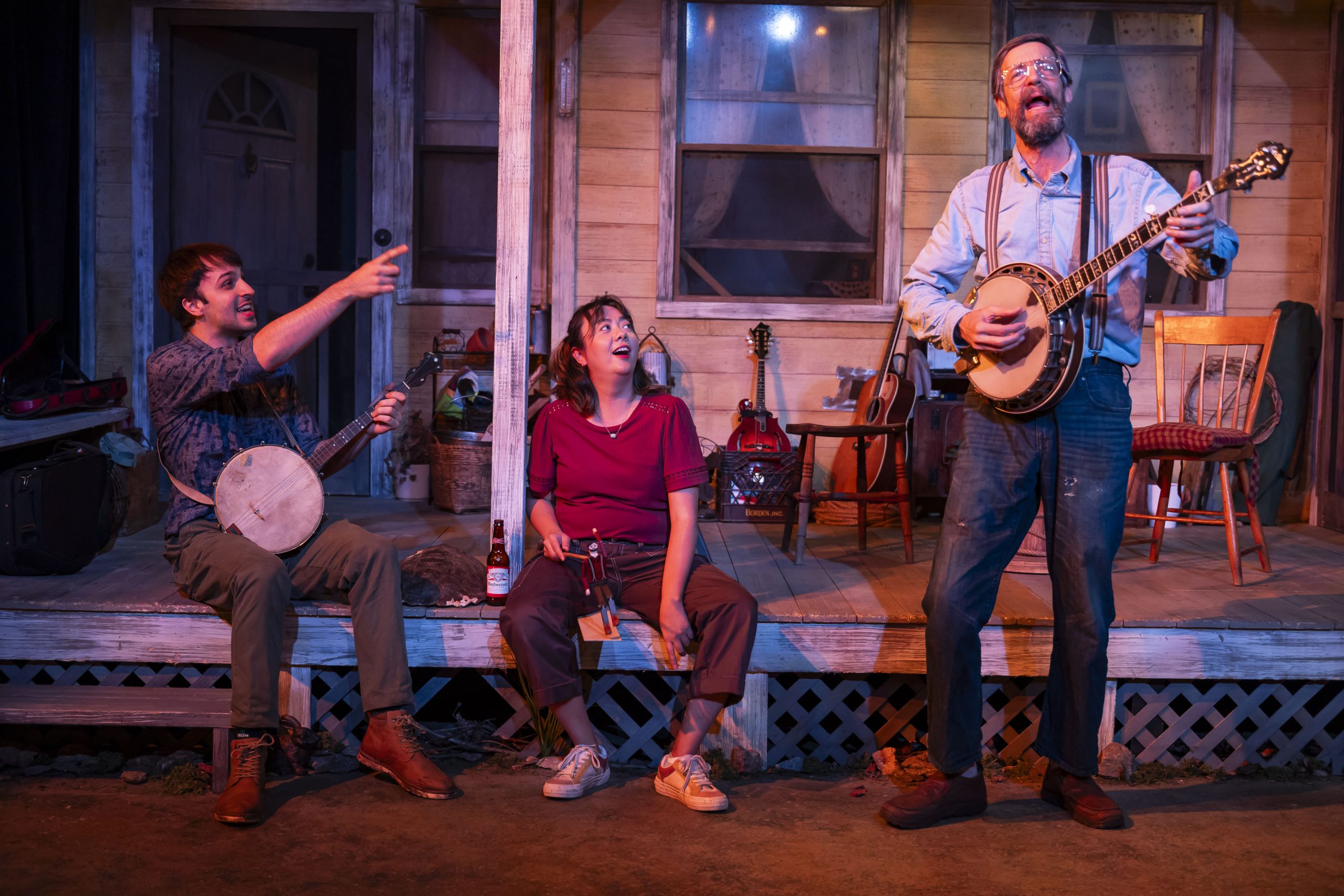
A fantastic new off-Broadway play, titled The Porch on Windy Hill: A New Play with Old Music, has been performed across the U.S. in Vermont, Pennsylvania, and Illinois, before landing at Urban Stages on West 30th Street in New York City where it’s currently playing until October 12, 2025. Written by Sherry Stregack Lutken, Lisa Helmi Johanson, Morgan Morse, and David M. Lutken, and directed by Sherry Lutken, The Porch on Windy Hill was born during the pandemic, when Sherry Lutken found herself having extensive conversations with one of her closest childhood friends, one who happens to be biracial, about their personal perspective and experiences. Sherry Lutken’s formal idea coalesced around April 2021 and the first full performance took place that September in Ivoryton, Connecticut.

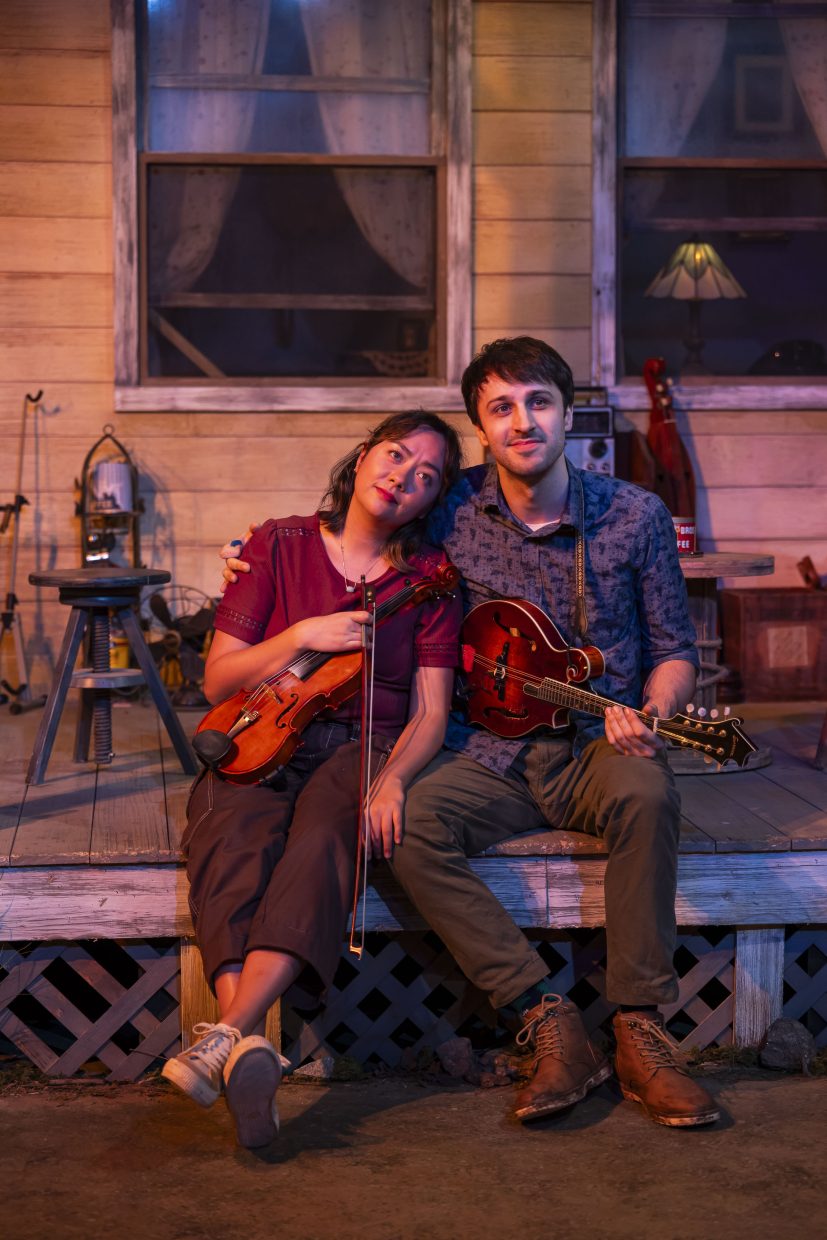
The show centers on Mira, a biracial Korean-American classical violinist, and her boyfriend Beckett, a Ph.D. student passionate about the history and connections of folk music in America, as the couple leave their isolated apartment in Brooklyn and head for the lively pickin’ parties and folk festivals in Atlanta, Georgia. When their navigations and a fussy van engine take them on a detour into the Blue Ridge Mountains of North Carolina, a pit stop leads to a run-in with Mira’s estranged white grandfather Edgar, and Mira and Beck both find more than they bargained for. The encounter goes on to change the three characters in incredibly profound ways.

The music serves as a beautiful and powerful reflection of the many emotions that run high throughout the play, as well as a story-rich catalyst that fills in the blanks of who these people are, what they know and don’t know about one another, and, of course, why Mira and her grandfather grew apart after being so close during her childhood.

The boldness of The Porch on Windy Hill comes from its many contrasts and complements. The story unfolds entirely on the front porch of Edgar’s North Carolina home, which sits in the shadow of an unseen Mount Mitchell. David Lutken, Morgan Morse, and Tora Nogami Alexander – who play Edgar, Beckett, and Mira respectively – move in, about, and out of the setting in very natural ways. A tension rises between Mira and Edgar for most of the first half and the confined space only heightens the impact of the actors’ moods on the audience. The discomfort, though, isn’t just social anxiety. The core narrative mysteries and tensions of Porch are tied to its real world relatability around the ways different folks view race, politics, and in this story especially, folk music.

The first half of the play is also music-heavy, with an abundance of different folk tunes showcasing Lutken, Morgan, and Alexander’s skills on a potpourri of instruments from banjo to guitar to violin to the Chinese erhu, to dulcimer – an instrument that’s key to the story and one special aspect of the cross-generational bond between Mira, her mother, and Edgar. Over the course of the show, Edgar’s home becomes part pickin’ stage and part time capsule for Mira and Edgar to rekindle their long-lost connection. This isn’t without its thorny moments, which peak at the revelation that Mira and Edgar’s estrangement comes from trauma she experienced as a child when her cousin cruelly called her a racial slur, only for her grandfather to turn a blind eye to the incident. The subsequent chasm that formed left Mira and Edgar unsure of how to even begin addressing their discomfort, before their musical connection – and a bit of moonshine – helped to clear the air and start to mend decades-old wounds.

The Porch on Windy Hill isn’t about safe spaces. It isn’t about breaking into folk song to comedically cut the tension, and it isn’t about being a modern PSA for Asian-Americans. But what it does do is give its audiences a reminder of what it means to share space with people who don’t hold a carbon copy of one’s own views. It also gives permission to express anger, hurt, and confusion over the unique pain that comes with discrimination and ignorance of others’ lived experiences.

These characters think, react, question, demand, and forgive in wholly believable fashion. The Porch on Windy Hill gets and keeps you invested. From the first time Mira, Beck, and Edgar play “Little Old Log Cabin in the Lane” together to the moment Mira walks off saying, “Kamsahamnida” – “thank you” in Korean – to Edgar, before he goes inside to finally call Mira’s parents. It’s everything a stellar musical is: thought provoking, entertaining, emotionally stirring, and something that imparts a feeling of growth. The depth of personal stories that hold The Porch together make this play ideal for partnering with the legacy-laden nature of folk music.

David Lutken, Sherry Lutken, Morgan Morse, and Tora Nogami Alexander jumped on a group call and spoke with BGS about the multi-layered nuance behind The Porch on Windy Hill and how all the aspects of the play, from the conflicts to the specificity of the music utilized – even the story behind one made up fiddle convention! – had meaning and purpose to enhance the impact of the characters and the story.

Default icon

What drove the decision to set Porch on the Windy Hill in the mountains of North Carolina, as opposed to another part of Appalachia or even a completely different part of the U.S.?

David M. Lutken: [Porch on The Windy Hill] could be set in many different parts of the United States, but [choosing North Carolina] had to do with several things. The music that I have been most familiar with all my life kind of emanates from a little bit of bottleneck down in the southeastern United States. And also it had to do with the specific instrument – the dulcimer – being something that comes from the Appalachian region, even though its earlier ancestors come from different places as well.

But it had to do with that, with instrumentation, the draw of the entire Appalachian region of the United States, and the metaphor in the show of Mount Mitchell and the highest point in all of the Appalachian region of the United States and all of those things stated there. I have to say, the fact that North Carolina is a decidedly “purple” place these days also has to do with it, particularly Western North Carolina, where you have places like Asheville that are very, very liberal, surrounded by counties that are very conservative, which happens in many other parts of the United States. But all of those things together I would say, pointed me [toward choosing North Carolina as the play’s setting.]

Morgan Morse: I’ll add one last very silly reason that influenced our decision, which is just geography. We have this couple, which is traveling from the East Coast, and they’re on their way to Atlanta, [Georgia], and that’s their next goal. So in general, we were also looking to find a location that sat pretty nicely between those two places.

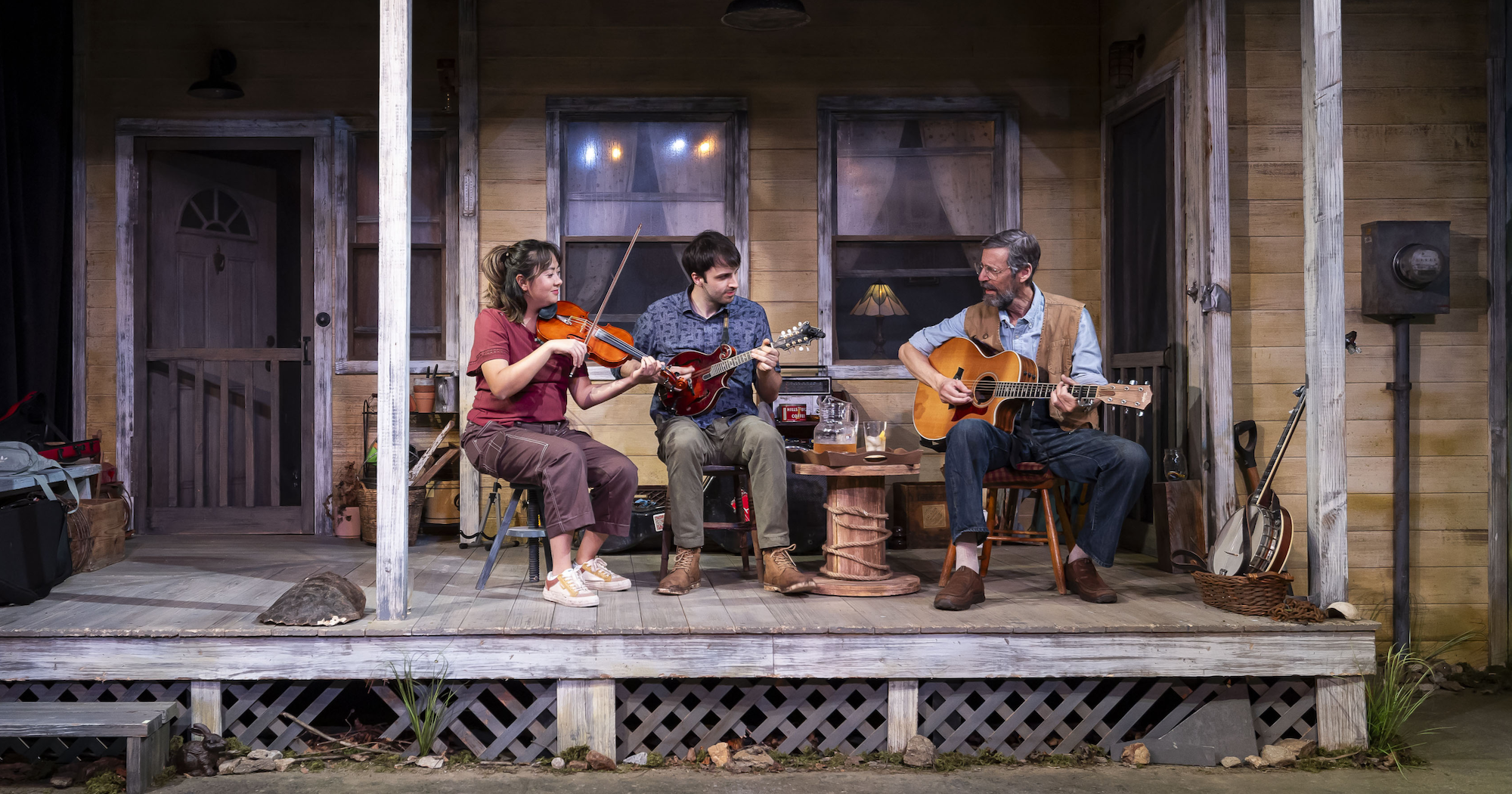
(L to R) Morgan Morse, Tora Nogami Alexander, and David M. Lutken perform ‘The Porch on Windy Hill.’ Photo by Ben Hider.

When it came to determining how the music of the show would not only link the characters and the scenes together but also keep them together, how did you discern the balance of realism, optimism, idealism, and cynicism in the pickin’ performance scenes – particularly the early ones when Mira hesitates to participate – especially given how uncertain and outright tense the characters’ interactions become over the course of the play?

Tora Nogami Alexander: That is the most difficult part of the play and that is the thing that we focused on the most, with me being sort of the new addition to this version of this play. We practiced a lot of this music before we really dug into how the performance would translate. And so, as we were in the real meat of the rehearsals, [director] Sherry [Lutken] was really, really helpful in crafting the balance of the emotional baggage that Mira has and that everybody has within the play.

For me, what’s awesome about doing this play and what’s really fun for me, is that I do think I discover something new every time I do it. Every night, I really listen to my partners and we all listen to each other. It might change every day – how certain things hit us, how we process things. The bones are there but it’s been really interesting to try and tightrope that every night because it is a little bit different every single night, which is exciting and cool. Working with Sherry, she was so helpful in translating it because she’s watching the play and so she’s able to give us tools to help tell a story in a way that people can understand.

MM: Because there are so many emotions sitting under the surface in the first act, especially the first half of the first act, you want to strike a balance of making sure that it’s coming through without feeling like you’re overselling everything that’s happening underneath. So, throughout the results of that – Tora said “tightrope,” that was a word that we used a lot during rehearsals – especially for the character of Mira, she is figuring out what she wants from this situation and she’s figuring out how comfortable she is, how much she wants to engage. It’s something that Tora [does] so beautifully and it’s so fun to watch every night to see exactly how [the emotions] are hitting her and how she translates that to the way she plays [her violin].

DML: Well, the interesting part to me has been Tora’s ability to convey things musically. We set out to make a musical play where the music is a part of the dialogue and the ability to express vulnerability and frustration and a spectrum of emotions without opening your mouth, just playing violin, or even the erhu, or the other things that we all play. But particularly for Miss Alexander, I think that’s a unique talent of hers, and a unique thing to this show, particularly the first half of the first act. That’s a big part of what is happening with the music; it’s [songs] that certainly [Morse and Alexander] are familiar with, and they’re having to play them in a really weird situation.

You all mention in another interview that you wanted music that was “intrinsic rather than performative.” That the songs “aren’t decorative.” That said, the folk songs selected for Porch On The Windy Hill seem like they aren’t exclusive in their ability to convey or heighten the specific emotions desired in a scene. As such, what is it about the songs in the play that make each of them essential in a way other folk songs are not?

MM: On one hand, I can tell you all the reasons why these particular songs ended up there. And I do think that they work very well and they serve very specific purposes. At the same time, you’re kind of right that there are a billion other folk songs that could also fit into those slots. To me, that’s actually the amazing thing: American folk songs cover so many themes and some of them are universal themes and that’s what was so cool about putting these songs into the show.

There’s consideration like, “We need a fast song here.” “We need a slow song here.” “We need a song with this particular mood.” “Okay, we want to break up the flow of things by having an instrumental, what instrumental can we have?” So there’s those kinds of nuts and bolts and there’s the little ways in which, even though these songs were not written for the show, they still managed to reference and inform the action within their lyrics as well, because we’re singing about these universal things like love and loss and family and travel and childhood.

The question is, “What’s going to move these characters in this moment?” Whether that’s moving them emotionally or moving them forward story-wise. And sometimes it’s something like the history or the context of this song that can lead to a really interesting conversation. There’s a couple moments like that in the show, where the history of the song [being played] then becomes a catalyst for conversation between the characters and that leads to explorations of the themes of the show in that discussion because they’re all intertwined: the music, the country, and all those various things.

At a certain point, Beck abruptly recalls from where he recognized Edgar’s name. It was on a specific live recording of the 1972 Charlestown Fiddlers’ Convention, where Edgar is credited as performing with the likes of Roscoe Holcomb, Ola Belle Reed, Lily May Ledford. What was the inspiration behind this fictional recording and why select Holcomb, Reed, and Ledford as the artists meant to be Edgar’s connection to the real world?

DLM: I had met Bascom Lamar Lunsford on a couple of occasions when I was a boy and went to the Asheville Folk Festival regularly in the late 1960s. The others, Roscoe Holcomb and Ola Belle Reed, I will confess they had partly to do with Edgar’s politics. I was trying to keep Edgar a bit ambiguous in his set-in-his-ways old guy [personality] and make him a little bit more open-minded.

The particular selections we chose for the fictional Charlestown Fiddler’s Convention of 1972 were to try to make something that sounded real and give it a little bit of a historical novel perspective, and also to raise Edgar’s banjo playing – elevate it greater than mine could ever be – and to make it so that he would have been in on something like that if it indeed had existed. And with West Virginia being a little bit different from Virginia in its history, and also the history of music there, we just tried to pile on the old-time music references without skewing too much in one direction or the other. In terms of picking for the Bill Monroe Bean Blossom Festival or the Newport Folk Festival, if you know what I mean. So it was really just to put all of that together in a little bit of a historical novel sense and also to paint things with a little bit of an open minded brush.

Over the course of scene five to scene seven, the show moves from the American folk song, “Mole in the Ground,” to the Korean children’s mountain rabbit folk song, “Santokki (산토끼),” and finally the murder ballad “Pretty Polly,” which brings the unique sound of the Chinese erhu from the former into the latter and prompts a conversation about musical traditionalism – which instruments “fit” in a pickin’ party and which don’t.

What are your thoughts on Edgar’s view on the sounds that belong at a pickin’ party or jam? Furthermore, what do each of you think of as the central quality that makes something “folk” music and, in what way do you think people who may share Edgar’s view might be persuaded to consider a wider scope of sonic acceptance?

DLM: Well, I wish you had been at our last post-show hootenanny. Morgan, Tora, Hubby Jenkins of the Carolina Chocolate Drops, and a couple other folks were there and we all did a version of [Chappell Roan’s] “Pink Pony Club.”

It’s instrumentation, it’s sonic qualities of what’s going on, and it’s also the people who are doing it that are all part of how music becomes what it is. I personally am all for the erhu and the tuba and the bagpipes at a hootenanny all playing “Pink Pony Club,” because, it’s as Louis Armstrong said, “All music is folk music. I don’t see no horses listening to it.”

MM: I’m very much in the same boat. And it’s a very, for lack of a better term, fiddly question because it’s another one of these moments where it’s like, “Okay, [Edgar’s] got an open-minded streak about him but he still has limitations, you know?” Like, “Don’t bring an electric guitar, don’t play stuff out of your computer.” So there’s that technological line, which I think you could make an interesting argument for in this day and age, that this technological line maybe shouldn’t exist as much as it does.

You can make the argument that the kind of musicians who could really be considered to be making folk music at this point, and who definitely share a lot in common with the evolution of American folk music, are those who write hip-hop and rap. It’s the same kind of communal development where all of these different people are getting together for essentially, jams, where they’re taking things that they know and they’re remixing them, they’re learning from each other, and advancing with each other. So, you know, I’d be curious to have somebody come in with a little turntable to a hootenanny one time – that could be fun!

TNA: Folk music has to do with people and folk music exists everywhere, not just here. So yes, you know, mixing it up doesn’t seem too crazy to me, since organically it’s what would happen as our world gets more globalized.

Tora Nogami Alexander and Morgan Morse perform an intimate moment during ‘The Porch on Windy Hill.’ Photo by Ben Hider.

When Edgar, Beck, and Mira all exchange heated words with each other and Mira eventually picks up her mother’s dulcimer to play “My Horses Ain’t Hungry,” she’s obviously coming down from a tense and vulnerable place. What combination of emotions is Mira leaning into when she turns to the dulcimer and this song for a short reprieve and, as an actor, what kinds of thoughts and/or experiences are you calling upon to bring out the expression Mira is feeling at that moment?

TNA: In that moment, I think a lot about Elmira, [Mira’s grandmother]. I think a lot about her grandmother and the relationship of her grandmother and Mira’s mother. And I think about that relationship a lot during that song. For me, I think that moment is basically when all the shit blows up, it sucks, and Mira’s in this place where she’s finally alone and working through what happened. But [she’s] also realizing, through this song – one that was her mom’s favorite song and that maybe Mira learned from her grandma – that [it] wonderfully encapsulates the whole story. That [Mira’s] mom needed to get out of North Carolina and she chose the life she did for whatever reason. For me, that moment is sort of thinking about the mom-and-grandma relationship, how they got there. That also is why it leads to Mira calling her mom. She’s thinking through this song and then realizing that she needs to tell someone about it, someone who understands, and that would be her mom.

Sherry Lutken: I think for me, sort of what we talked about is that the dulcimer is the embodiment, in some ways, of Elmira – this sort of ghostly figure that hangs over the play and is there and ever present. They keep talking about her, they keep going back to her. That moment is very much about the matriarchy.

Mira’s surrounded by men the entire show and so the dulcimer and that line of women – of her mother, her grandmother, and the women before who are the reason for Mira’s birth – they mean that emotionally. That’s what I think Tora captures so beautifully and what that moment really embodies, that need to reach out to her mother even though she doesn’t really know what to say, even though she’s in a moment of flux, and even though she knows it’s going to be an upsetting thing. Still, she wants to talk. She’s not gonna let her mother evade the subject anymore. And she’s not gonna let Edgar avoid talking about it anymore – it’s time. That’s a wonderful moment of decisiveness. We get to see Mira’s decisiveness and this is a moment of the emotion really informing what she does next and the choices that she makes in the moment.

Given that the polarization of the U.S. has only become more aggravated since Porch On The Windy Hill was first performed in 2021, how much and in what ways would you say the impact of the story’s vision for self-reflection, forgiveness, and understanding has been affected?

DLM: When we were talking on opening night, Lisa’s [Helmi Johanson] husband was there with us at the party and he said it was ironic that what was written in 2021 has now become a period piece in several ways, because things have changed.

SL: Our relationship to the pandemic and to that time has changed. It’s amazing how quickly we forget that when we were in it, we thought we would never get out of it. We would never get to move forward because we were all stuck and it felt like forever. And now everything has changed. I think the thing for me is that, yes, the play rings differently now, but it’s still such a universal story. I think everyone can see themselves in each one of these characters in some small way, if they’re open to it. I think the play lends itself to self-reflection and also what we still want is the idea that there is hope and that there is a possibility of seeing each other’s humanity.

MM: I completely agree. I think it’s very easy right now to feel like there is no hope and that the wounds are just too deep. And whether it’s realistic or not, whether or not you think it’s idealistic or not, I think the thing that’s wonderful about the show is that it does open up a space where reconciliation is possible. Growth is possible. Forgiveness is possible. Owning up to your mistakes is possible, which is something that we’re missing a lot right now.

That and I think being really willing to admit that one is wrong and to take accountability for those things as well. I think stories like Porch on the Windy Hill do exist in the world and also I want more of them to exist in our world. So it’s a wish for how I think the world is in some ways and very much for how I wish the world could be.


The Porch on Windy Hill is showing off-Broadway at Urban Stages through October 12, 2025. Tickets and more information are available here. The official cast recording is available now via Bandcamp.

All photos courtesy of The Porch on Windy Hill and shot by Ben Hider.

Let’s Party About It

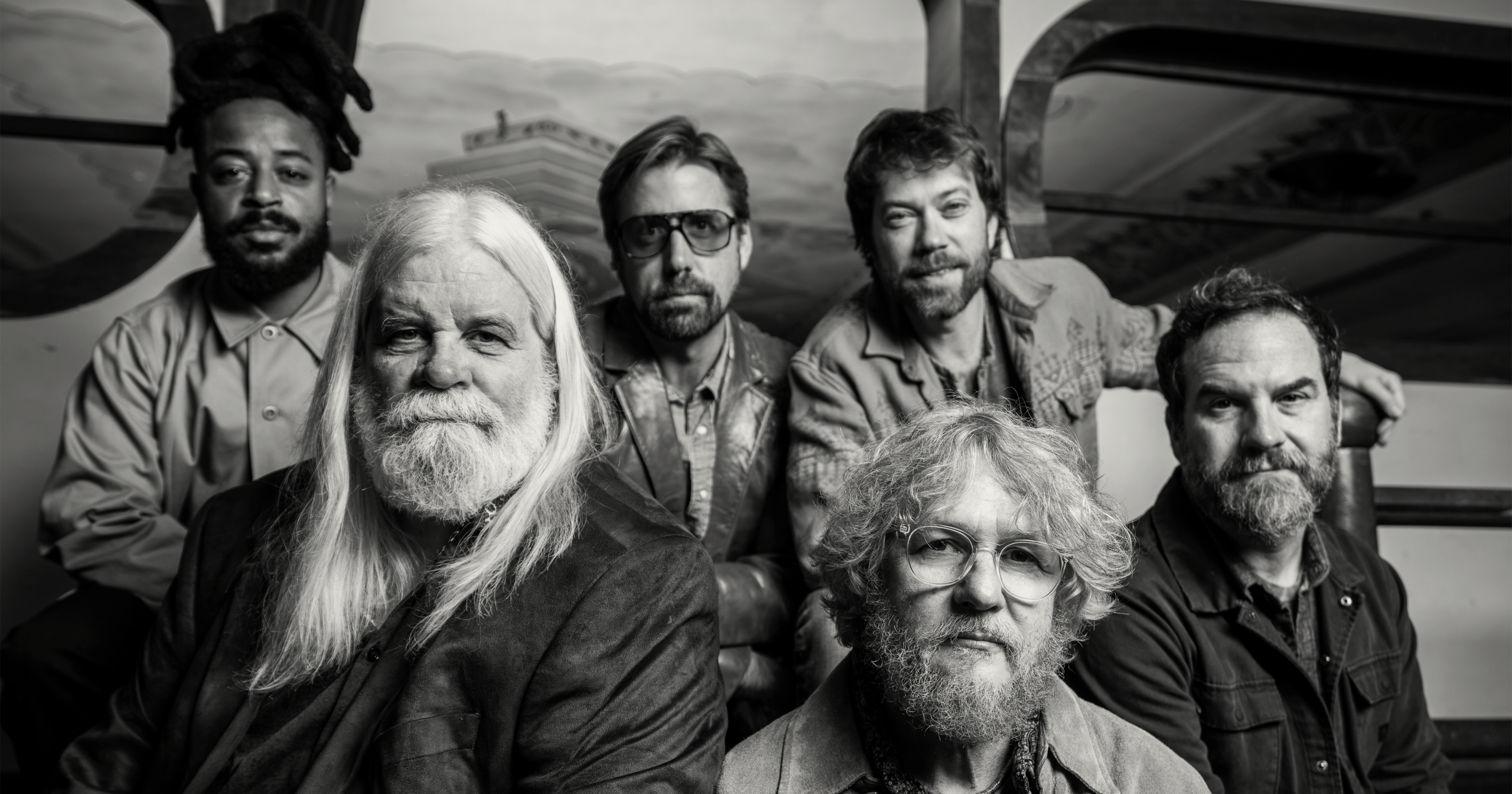
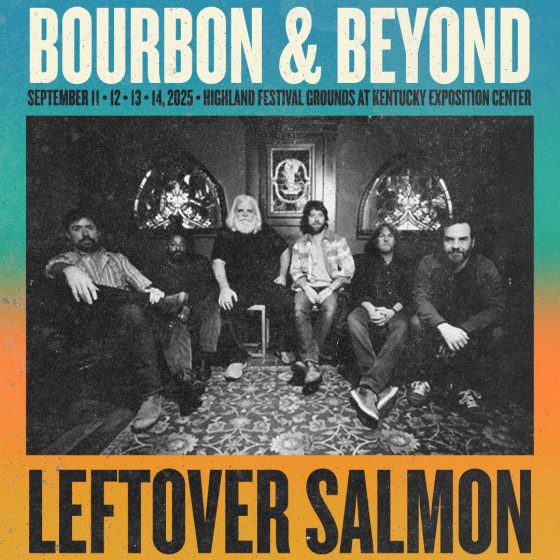
When it comes to the rich, vibrant musical landscape that is American music, few bands have the sonic range, technical capabilities and curious prowess as that of Leftover Salmon — bluegrass to blues, country to Cajun, rock to roots, jazz to jam.

And it’s that jam element at the melodic core of Salmon. They jam under the cascading snowflakes atop a Colorado ski slope or with beads of sweat rolling down their faces in the backwoods of Florida. They jam early in the morning or way late into the night. They jam for massive crowds or simply for themselves. What matters most is the music and where it can take you, onstage and on the road.

Though Salmon is in the midst of its 35th anniversary celebration, the actual timeline goes back four decades, where, in 1985, a young guitarist named Vince Herman took off from West Virginia in search of the “mythical bluegrass scene” in Colorado.

His quest eventually led him to a bar in Boulder one night, the same evening a talented multi-instrumentalist, Drew Emmitt, was performing onstage in the Left Hand String Band. The sign on the door said “Live Bluegrass Music Tonight,” so Herman strolled in.

From there, the duo became inseparable, ultimately joining forces in 1989 to play a New Year’s Eve gig in Crested Butte under the name Leftover Salmon (a combination of Emmitt’s band moniker and Herman’s short-lived Colorado group The Salmon Heads).

With Salmon’s latest album, Let’s Party About It, the outfit once again rises to the occasion, providing soothing, feel-good tunes that radiate gratitude, graciousness, connectivity and compassion in a modern era of uncertainty, confusion and fear.

Backstage before a show in Asheville, North Carolina, Herman and Emmitt talked at length about the road to the here and now. In simplest terms, Leftover Salmon is currently riding a big wave of popularity and cultural importance — a high-water mark of its legend, lore and legacy.

What spurred you to go to Colorado in 1985?

Vince Herman: It was fall [in Morganton, West Virginia]. It was getting cold in this place I was living, which was in an attic of a house that we were remodeling. It didn’t have any heat. I went to college there [at the West Virginia University] and had six credits to go. I kind of ran out of motivation and it was getting cold. We just figured it was time to do something else.

Why Colorado?

Well, it was the bluegrass scene there. I was playing a lot of old-time and some bluegrass in West Virginia. And I knew there was a progressive bluegrass scene based around the Telluride Bluegrass Festival. The band Hot Rize was in Boulder, which was a major influence on me. So, I figured Boulder would have a good progressive bluegrass scene. And it sure did, proven by pulling up and seeing a “Live Bluegrass Music Tonight” sign [at a bar].
Did you drive across the country by yourself?

No, I came across with a guy named Lou Pritchard. There’s all kinds of Pritchards in the music business. He’s a teacher [now] in southern West Virginia. So, I threw the dice and sold a guitar to make the trip. We lived the first week in a storage shed. We rented it. It was a storage shed, but hell, it had power, you know? [Laughs] The plan was, “Let’s go to Colorado and see what happens.” Lou was thinking about starting a brewery because small breweries were just made legal. I ended up getting a job cooking in a restaurant and just playing tunes on the Boulder Mall. [Back in West Virginia], I was playing for free beer and somebody’s wallet, played a little bit in a Grateful Dead band called Nexus. But nothing professional in any way.
Were there aspirations to start a band and really give it a go?

Yeah, definitely. It was, “Go to Colorado and find like-minded players.” I didn’t know for sure whether I’d have a music career, but other things were totally unsatisfying. I’ve had a lot of jobs, man. I’ve been a cook, bartender, fisherman, roofer, painter, landscaper. I’ve done all the jobs you can imagine. But this is by far the best.

So, your first night in Boulder, the stars align. You walk in on a bluegrass jam and run into Drew, who’s been with you since that moment.

VH: Yeah, it’s been 40 years. I said hello [to Drew] that night and, I guess, it was probably six or nine months later I was in the Left Hand String Band. I did about a year there, and then they got a better guitar player. So, I started The Salmon Heads after I got kicked out of Left Hand. [Laughs]

You told me one time that if you tried out for Salmon now, you wouldn’t get in.

Oh, for sure. Definitely. My philosophy has always been to be the worst player in any band I’m in. So, it has served me well over the years. [Laughs]

So, New Year’s Eve 1989, you form Leftover Salmon.

We went through every combination of those two band names — Left Hand String Band and The Salmon Heads — and stuck with Leftover Salmon for the first night, never knowing it would be any more than one night of a gig [in Crested Butte]. The older the tune, the more the bluegrass stomp kind of thing would go on, people would slam dance. We were like, “Something’s good about this.” And we had a bunch of gigs the next morning. All the bar owners talked to each other. There was no plan [to form a group], but we got all those calls the next morning to book the band.

[Drew Emmitt enters the backstage area and sits down.]

What about for you, Drew? You and Vince have been together for 40 years. What was it about Vince that you felt this was a guy you wanted to play with?

Drew Emmitt: Well, I came from more of a bluegrass-serious kind of world. And I always loved the lightness that Vince always brought to the music, all the fun. Playing music with him was always fun, and singing with him. He’s got a very powerful voice. We both sing kind of loud, so we sing well together. The lightness and the fun factor — that’s what, in so many ways, has driven this band. It’s just always been fun. I can’t tell you how many times I’ve been onstage just laughing hysterically because there’s so much madness going on.

I’ve been following you guys for almost 20 years and, no matter what kind of day your day is, you’ll always have fun at a Salmon show. And it seems, lately, that there’s a reinvigoration in the band, a few more logs being thrown on the fire.

VH: Absolutely. Jay Starling on keys, dobro and lap steel adds a great element to it, you know? And [drummer] Alwyn [Robinson] and [bassist] Greg [Garrison] together in the rhythm section. It just brings such energy to it. And Drew, [banjoist] Andy [Thorn] and I just get to ride on that stuff.

What is it about Drew that works for you?

VH: He’s relentless, man. (Turns to Emmitt). You hit that mandolin and just get that tremolo going — nobody like it. It sure gets a crowd riled up.

You have a new album out. What does it mean that people still believe in what the band is and what the band does?

VH: Hot Rize was a real major influence. I saw Tim [O’Brien] and was like, “Okay, so we’ll be in this little musical niche.” It’s never going to be the Rolling Stones or Pink Floyd level kind of stuff. But, it could be this niche that I could age in and stay in, and be able to do it for a long time. That’s kind of what the folk/bluegrass world looked like to me. I just feel very lucky to have kind of imagined that so many years ago, and to have actually lived it. It’s pretty unusual and I’m incredibly grateful.

What’s been the biggest takeaway from this journey thus far?

DE: The fact that people are still coming to see us. And it’s still working, and actually working better than it ever had. The fact that we can keep playing this and that it’s still relevant. And there’s this scene that has built up around this music. There’s a lot of different bands out there that are building the momentum, [with] probably the main driver of that would be our buddy, Billy Strings.

And you guys blazed a lot of that path Billy’s walking on.

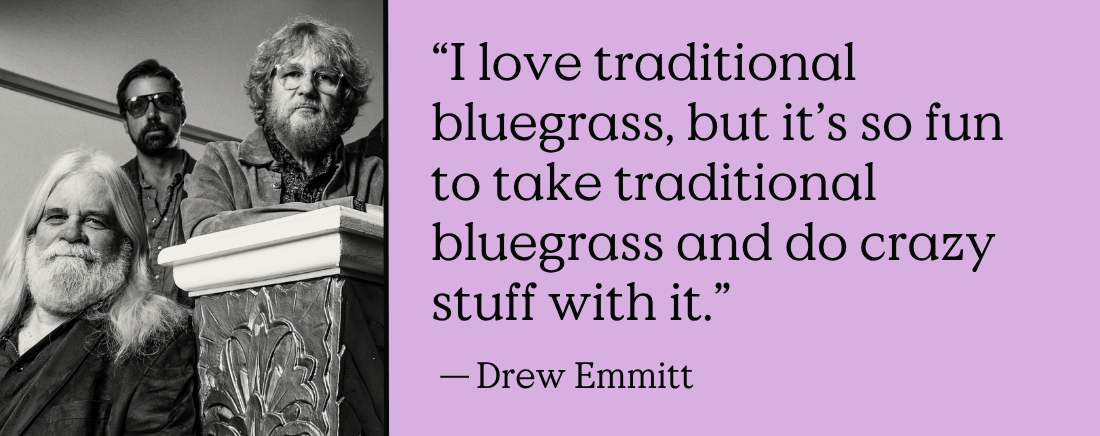
DE: And we followed in a blazed path. We came up behind the people that blazed it for us. And then we contributed our part of it, which was maybe adding a little more rowdiness, a little more rock and roll. But, keeping with that progressive thing that we learned from Hot Rize, New Grass Revival, Nitty Gritty Dirt Band, Old & In the Way — bands that were pushing the limits of bluegrass. I love traditional bluegrass, but it’s so fun to take traditional bluegrass and do crazy stuff with it.

Traditional bluegrass gives you the tools to do whatever you want.

DE: Exactly. Because it’s an art form, and you’ve got to learn it if you want to play bluegrass, which I’m still working very hard at, trying to learn to how to do it. What this band has brought to the scene is a levity, a fun factor. Over the years, so many of these amazing musicians have sat in with us, and they always have such a good time because it’s just wide open. Like, for instance, when Sam Bush sits in with us, he has such a good time ‘cause we just let him go.

Is that by evolution or by design, that ethos?

VH: I guess it has a lot to do with the Grateful Dead. You know, really saying, “It’s okay to have fun with music.” Go out looking for stuff in the middle of a jam. It gave us permission to do that, and [the Dead] brought so many people to bluegrass.

DE: And I hope we can keep doing it for a while. I hope that I can keep looking across the stage and seeing Vince for a long time. I’m glad to still be onstage with this guy. [Turns to Herman]

VH: I just keep being reminded of the importance of community, and helping us all get by with this [music]. Thank God we have music in the midst of all this chaos [of modern society], something that brings people together under a positive banner, and reinforces the humanity in all of us — there ain’t nothing better than music to do that.


Editor’s Note: Don’t miss Leftover Salmon and so many other great artists on the BGS stage at Bourbon & Beyond 2025. More info at bourbonandbeyond.com.

Lead Image: Tobin Voggesser

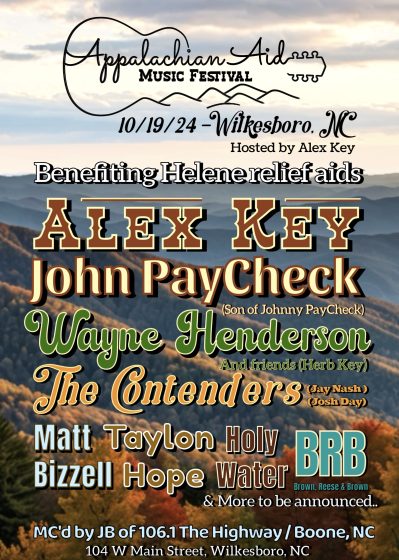
Our Most Memorable Musical Moments of 2024

Music is all about moments. It’s a fact we tend to lose sight of, forest for the trees, despite the fact that music can only exist in this, the present moment. Each pluck of a string, each breath of a voice, each lick, hook, and improvisation – no matter how practiced or free – is but a mere moment.

As we all rewind the calendar year to relive the last twelve months and all of the turmoils and triumphs they held, we asked our BGS contributors to reflect on which musical moments they experienced this year that were most memorable, most moving, and most transportive. Which musical moment would you return to, if you could? Which musical moment returns to you, again and again and again?

Our year-end lists are not intended to center on superlatives or “bests;” we don’t so much care about what “should” or “shouldn’t” land in one of these collections. Curation of this sort is never truly objective, so why pretend it is? Instead, we hope our writers and our readers will be able to demonstrate and appreciate that music is never about measuring or comparison, metrics or accomplishments, accolades or awards. Music is about moments – and about wholly inhabiting those moments, together.

Below, our first-rate writers, thinkers, and contributors share the musical moments from 2024 that impacted them most. From Beyoncé galloping through our hearts with Cowboy Carter to intimate, people-first festivals like Laurel Cove Music Festival in Kentucky. There’s also music from harlequin creators like American Patchwork Quartet, Kaia Kater, and Rhiannon Giddens alongside memories of the late Dexter Romweber and the strength of mutual aid and community solidarity in Western North Carolina post-Hurricane Helene.

2024 held so many intricate, ineffable, one-of-a-kind moments, good, bad, ugly, and gorgeous. We hope you’ll take a second to recall your own most memorable musical moments of the year while we share ours – and while we all look forward to many more in the year to come.

August 20, 2024 – Chris Acker and Dylan Earl at Folk i Storgata, Oslo, Norway

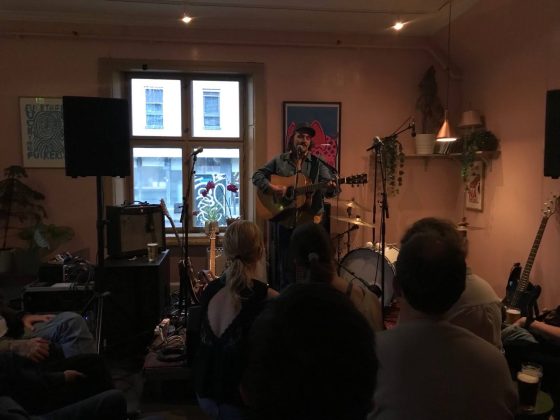
Photo by Dana Yewbank taken at a show by Chris Acker and Dylan Earl at Folk i Storgata in Norway.

While this doesn’t quite fit any stereotypes about Scandinavia, black metal, or Viking-inspired neo-folk, Norway has a thriving Americana music scene that welcomes and celebrates even lesser-known American folk and country artists. Chris Acker and Dylan Earl are two of these undersung artists, both represented by Nick Shoulders’ record label Gar Hole Records out of Arkansas. This past summer, Acker, Earl, and I all coincidentally ended up in Oslo, Norway, at the same time, where the pair put on an intimate, inspiring, and tightly-packed show for a crowd of about 30 people in a tiny bar with pink walls. They bantered with the audience, backed each other up on a few songs, and even spontaneously formed an unrehearsed superband with the bar owner and their Norwegian opener – and they were damn good. Acker and Earl are both deeply thoughtful musicians who use their power and presence as men on stage to question the status quo of “good ol’ boy” country and stoic male musicality. Their candidness and subversive humor drew the room together that night with a sense of camaraderie, safety, and concentrated joy. – Dana Yewbank

Act Now! A Paperface Zine Benefit Tape for the Palestine Children’s Relief Fund

A harrowing statistic from the UN agency for Palestinian refugees (UNRWA) reports that as of March 2024, the number of children killed in Gaza over a mere five months (October 2023 to February 2024) surpassed the number of children killed in global conflict over the four years prior, combined (2019-2022). As of December 2024, we are a year and two months into the ceaseless genocide being waged against the innocent civilians of Palestine and the horrific violence only continues.

I salute everyone who has waged resistance against genocidal powers, be it contacting senators, galvanizing communities to action, participating in rallies, or, in this instance, artists and musicians who have used their platform as an act of protest. Paperface Zine, a blog that writes and interviews an eclectic mix of underground artists, spearheaded this collection of tunes in an effort to express solidarity with Palestine and raise funds towards the Palestine Children’s Relief Fund. This Benefit Tape is a shining example of how most any skill can be mobilized to support greater communities; creativity and care forever go hand in hand. – Oriana Mack

American Patchwork Quartet, American Patchwork Quartet

American Patchwork Quartet have pieced together one of the best albums this year. Don’t take our word for it: they’ve been nominated for a GRAMMY for Best Folk Album. That’s the moment we want to celebrate. With all due respect to the other nominees, it’s exciting to see a brand new project get recognized so quickly – particularly one that colors outside the lines like APQ. The quartet add a number of global influences to traditional American songs: a guitar solo here, a sitar there, and a fine sprinkling of tabla make the quartet live up to their name. Now, especially, we need statements that American traditions were born of a tapestry of European, African, and Indigenous cultures that continue to be built upon by everyone who chooses to make this place a part of their own quilts. – Rachel Cholst

September 26, 2024 – Asheville, North Carolina’s Music Scene and Hurricane Helene

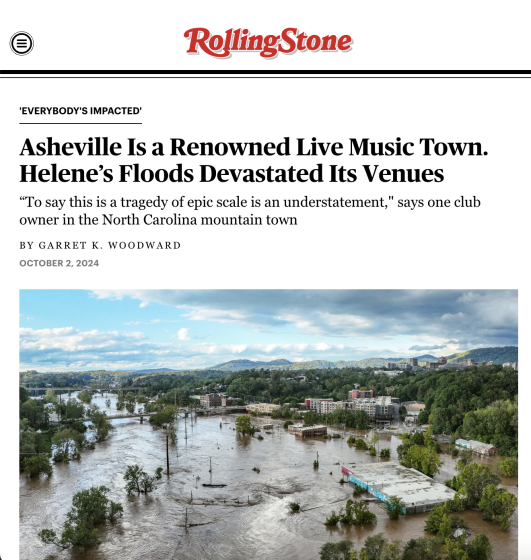
On the night of September 26, Hurricane Helene ravaged Western North Carolina with unprecedented rainfall and flooding. What resulted was a tight-knit area completely decimated and utterly distraught by the destruction of numerous communities. The current death toll for the state sits at 103, with many others still missing.

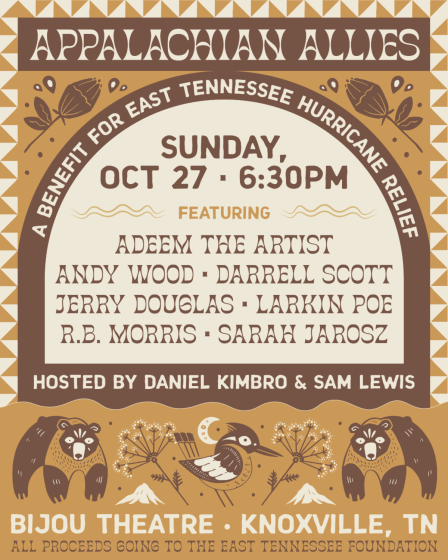
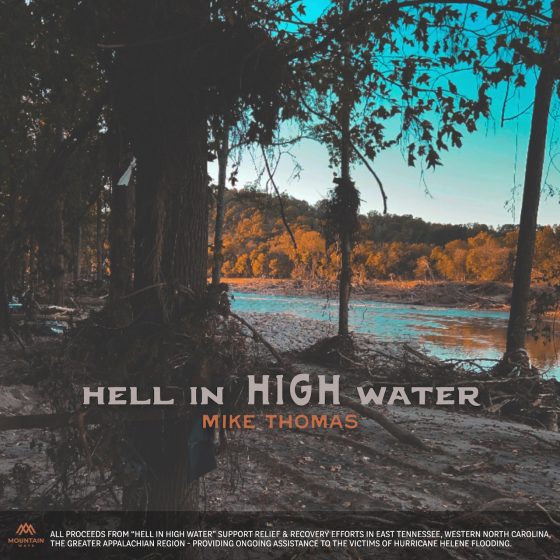
Beyond the cultural, economic, and unbelievable physical devastation to Asheville and surrounding towns, the city’s vibrant and world-renowned live music scene was brought to its knees – a radio silence that lasted several weeks, with numerous unknowns lingering for certain storied venues. But, with great resolve and a steadfast attitude of helping your friends and neighbors, the vast music community in Asheville and greater WNC came together with countless benefit concerts and fundraiser album compilations (Caverns of Gold, Cardinals at the Window) — an effort that remains at the forefront of the region’s recovery that will take years, if not decades, to return to normalcy. – Garret K. Woodward

Beyoncé, “Jolene”

Country music is for everyone and there is something fascinating about an album which ends up in the territory between categories. Beyoncé is a great singer, and has been flirting with country for a very long time; she has the chops to sing “Jolene” better than Dolly. So, when she sings that she’s “still a Creole banjee bitch from Louisiana,” she is making a series of arguments: that country exists in response songs; that the other woman should be given the mic; that the landscape mirrors the territory; and that the gatekeepers should be torn down, like the walls of Jericho. – Steacy Easton

February 4, 2024 – Tracy Chapman & Luke Combs, “Fast Car”

Luke Combs released his version of Tracy Chapman’s “Fast Car” in 2023, but it was his performance with Chapman on the 2024 GRAMMY Awards primetime telecast that rocketed the song from country radio back into the mainstream zeitgeist. Where Combs’s recording highlighted the song’s working-class vibes, seeing him perform it alongside its (Black, queer, female) writer gave the song’s legacy even greater heft. “Fast Car” was always a song about women carrying more weight than any single human can; about the urgent, nagging desire to flee toxic cycles; about how fleeting freedom can sometimes feel. For better or worse, all these things became emblematic of 2024. – Kim Ruehl

Rhiannon Giddens

You would be hard-pressed to cite anyone in any genre who had more memorable musical moments in 2024 than the superb vocalist, composer, and instrumentalist Rhiannon Giddens. Her writing brilliance was showcased through the Silkroad Ensemble group and project. Her arrangements of folk songs were part of their landmark American Railroad tour program along with commissioned pieces from jazz artist Cécile McLorin Salvant and film composer Michael Abels, as well as fellow Silkroad artists Wu Man, Layale Chaker, Haruka Fujii, and Maeve Gilchrist. Giddens was featured on banjo and viola on the hit single “Texas Hold ‘Em,” part of Beyoncé’s huge Cowboy Carter LP. Giddens added another GRAMMY nomination for Best American Roots Performance with “The Ballad of Sally Anne” from the excellent compilation My Black Country: The Songs of Alice Randall, too. Hard to believe there’s any ground left to cover for the MacArthur Genius and Pulitzer Prize winner, but Rhiannon Giddens continues to stun and surprise audiences with everything she does. – Ron Wynn

November 14, 2024 – Zachariah Hickman’s Power Outage Party! at Club Passim, Cambridge, MA

Not sure how bassist and music director Zachariah Hickman (Josh Ritter, Ray Lamontagne, Barnstar!) pulls off his many acts of mischief, but the Power Outage Party! shows are the most creative, beautiful, and emotional musical experiences around. Presented in mid-November by Club Passim, the shows featured a collective of musicians (including members of Della Mae and Session Americana) and guests (this year including Taylor Ashton, Mark Erelli, and Kris Delmhorst) performing without any power in the historic 100-seat club in Harvard Square. The band is lit with camping lanterns and tea lights. The audience is shoehorned in so tight (I was nearly sitting on the cello players’ lap) that you can’t help but feel a part of a very special community. Every time I go, I carry the experience and inspiration with me as we all work through the darkest part of the year. – Cindy Howes

February 24, 2024 – Kaia Kater, “In Montreal” at Folk Alliance International

One of my favorite and most memorable musical moments of the year occurred at Folk Alliance International, where Kaia Kater and her band performed tracks from her brand new album, Strange Medicine, at BGS’s private showcase. In a small hotel room with a handful of audience members, Kater began “In Montreal” with her looping, cyclical, trance-like clawhammer banjo groove. I was immediately transported, immediately grounded, gently – and forcibly – brought to the moment. I still experience the same visceral sensation each time I hear this track begin, the old-time banjo hook leaving and rejoining the beat deliciously, sketching out an expansive pocket. This night, in cold Kansas City, Kater was joined by flutist Amber Underwood (AKA Flutienastiness), who was even further transportive and dreamy in her interpretations of the track. It was a transcendent song, a daring banjo-flute dialogue, a mind-blowing mini set, and a perfect harbinger of what Strange Medicine would cure and balm. – Justin Hiltner

June 7-8, 2024 – Laurel Cove Music Festival

The gem of a festival located just north of the Cumberland Gap in Pineville, Kentucky, has fostered several special moments in recent years, but none come close to matching the memories from Wyatt Flores and The Red Clay Strays headlining sets there this past June.

The first came when Flores’ mics were cut off before an encore, leading to his band sitting atop the speakers lining the stage for a crowd sing along to Tyler Childers’ “Lady May” that to this day still gives me goosebumps. But if that wasn’t enough, The Strays topped it the following night when their show turned into an impromptu baptism after people in the crowd began jumping into the shallow pond surrounding the stage during a performance of their hit song, “Don’t Care.”

Both occurrences were pure magic from two of the year’s hottest country-adjacent acts in an intimate setting with only 1,500 people in attendance, showing that even in the age of corporate mega-festivals the best things still do come in small packages. – Matt Wickstrom

February 16, 2024 – The Death of Dexter Romweber

Though he was never top of the pops – or even on the charts at all, either solo or with Flat Duo Jets – wildman proto-rockabilly guitarist John Michael Dexter “Dex” Romweber was still an inspirational icon in the roots-rock world and a key influence on major bands like White Stripes and Black Keys. Romweber was just 57 years old when he died from a cardiac event this year, a shocking event that inspired a worldwide outpouring of tributes that went on for days. Maybe the best of all came from Jack White, who was always wide open about the depth of Romweber’s influence on White Stripes. Writing on Instagram, White proclaimed that Dex “was the type that don’t get 3 course dinners, awards, gold records and statues made of them because they are too real, too much, too strange, too good.” That’s the truth. – David Menconi

July 27, 2024 – Langhorne Slim, “We the People (Fuck the Man)” Live at the BGS Jam at Newport Folk Festival

While putting together the set list for the BGS Late Night Jam, “A Bluegrass Situation,” at Newport Folk Festival back in July, our old pal Langhorne Slim suggested a new tune he had just written. Would the house band be willing to learn it for this special occasion? In the words of our jam host and BGS co-founder Ed Helms, the song was an “instant Newport Classic.”

Slim’s new tune, “We the People (Fuck the Man)” – later released on streaming platforms just before the election – echoed through the Pickens Theatre that Saturday night and immediately got the audience on their feet. Its lyrics are as timeless and rallying as any Guthrie tune, but amidst all the declarations against greed and polarization there’s an optimistic plea in the chorus:

So let us love our neighbors
Protect the land
Look our brother in the eye
When we shake his hand
It’s been this way a long time
It’s hard to understand
The time has come for everyone
We the people, fuck the man

In these tumultuous times, Slim gave us words (and a performance) we shouldn’t soon forget. – Amy Reitnouer Jacobs

Sam Williams & Carter Faith, “‘Til I Can Make It on My Own”

Sam Williams and Carter Faith drape their fringe-laced voices over Tammy Wynnette’s “‘Til I Can Make It on My Own.” While honoring the song’s 1976 roots, the two rising stars spin their own lonesome and delicate performance that seems to transcend time and place. “Lord, you know I’m gonna need a friend,” they sing, trading stunningly confessional lines and background harmony. “‘Til I get used to losing you/ Let me keep on using you, ‘til I can make it on my own.” Through a honeyed, emotionally resonant arrangement, Williams and Faith demonstrate exactly why they’re among the best of today’s new crop of talent. – Bee Delores

Yasmin Williams, Acadia

The guitar is perhaps the most ubiquitous instrument in the modern world, making it even more notable that a picker like Yasmin Williams could still stake out fresh territory on the instrument, finding and championing her own truly original sound and approach. Acadia is a masterwork, breaking still new ground after Williams’ incredibly successful 2021 album, Urban Driftwood. While Acadia isn’t exactly a reinvention for the picker-composer-innovator, it does limitlessly expand the acoustic universe she’s been fleshing out since releasing her debut, Unwind, in 2018. That’s a fairly short runway for a creative to accomplish so much, especially given Williams seemingly treats her guitars as brand new devices each time she picks them up to compose. The results are often bafflingly, jaw-dropping, and dramatic – but always musical and ceaselessly inspiring. – Justin Hiltner


Photo Credit: Tracy Chapman live on the 2024 GRAMMY Awards; Kaia Kater by Janice Reid; Langhorne Slim with Ed Helms at Newport Folk Festival by Nina Westervelt.

The Travis Book Happy Hour: Luke Bulla

Nashville in the mid-2000s was full of aspiring bluegrass musicians from my generation. People were starting bands, landing gigs as sidemen, and living in large, cheap houses on the east side of town. Almost nightly we’d gather at picking parties that sometimes more closely resembled what you’d see at a fraternity. One of the people I met and played with during these heady years was Luke Bulla. I was in awe of his professionalism and his palmarès and was struck by his calm demeanor. It had been almost 15 years since we’d last played together and I was delighted when he reached out about joining me for the Happy Hour.

LISTEN: APPLE • SPOTIFY • STITCHERAMAZON • MP3

This episode was recorded live at 185 King Street in Brevard, North Carolina on May 5, 2024.


Editor’s Note: The Travis Book Happy Hour is hosted by Travis Book of the GRAMMY Award-winning band, The Infamous Stringdusters. The show’s focus is musical collaboration and conversation around matters of being. The podcast includes highlights from Travis’s interviews and music from each live show recorded in Brevard, North Carolina.

The Travis Book Happy Hour is brought to you by Thompson Guitars and is presented by Americana Vibes and The Bluegrass Situation as part of the BGS Podcast Network. You can find the Travis Book Happy Hour on Instagram and Facebook and online at thetravisbookhappyhour.com.

Photo Credit: Nicola Gell

The Travis Book Happy Hour: Dan Lotti (Dangermuffin)

Dangermuffin’s Dan Lotti writes songs and sings them in a way that makes me feel like everything is going to be just fine. Originally from Folly Beach, South Carolina, much of the band now makes their home in Asheville – but their music retains the laid-back beach vibe of its roots on the Carolina coast.

Positive, inquisitive, conscious and grateful, Dan Lotti is the kinda guy you wish would call you up to have a pint or take a walk in the woods. He’d probably make an amazing neighbor, too. He’s been at the top of my list since I launched this whole Happy Hour thing and it was great to finally get to spend the afternoon with this incredible human.

LISTEN: APPLE • SPOTIFY • STITCHERAMAZON • MP3

This episode was recorded live at 185 King Street in Brevard, North Carolina on September 10th, 2024.

Timestamps:

0:06 – Soundbyte
0:54 – Intro
2:08 – Intro by Bill K.
3:07 – “Waves”
9:10 – “We Push Mountains”
14:23 – “Thanks for bringing most of the band”
15:43 – “Western Skies”
18:48 – “Cicada”
25:13 – Interview
42:27 – “Sarsaparilla”
46:28 – on “I Will Never Forget”
47:17 – “I Will Never Forget”
52:25 – “Big Suit”
57:32 – Outro


Editor’s Note: The Travis Book Happy Hour is hosted by Travis Book of the GRAMMY Award-winning band, The Infamous Stringdusters. The show’s focus is musical collaboration and conversation around matters of being. The podcast includes highlights from Travis’s interviews and music from each live show recorded in Brevard, North Carolina.

The Travis Book Happy Hour is brought to you by Thompson Guitars and is presented by Americana Vibes and The Bluegrass Situation as part of the BGS Podcast Network. You can find the Travis Book Happy Hour on Instagram and Facebook and online at thetravisbookhappyhour.com.

Photo Credit: Ken Voltz

Hurricane Helene: How to Help Roots Musicians and Appalachia

Hurricane Helene tore through Florida, Georgia, the Carolinas, Tennessee, Virginia, and beyond in late September, 2024, leaving a wide wake of devastation and destruction from her high winds, record rainfall, and historic flooding. Central and Southern Appalachia and the Blue Ridge Mountains of Western North Carolina, Southwest Virginia, and East Tennessee were hit especially hard, experiencing what some experts have called a 1,000-year weather event. Due to the particular nature of the geography and topography in the mountains, communities of all sizes – from Boone and Asheville, NC to tiny Chimney Rock and Lansing, NC to Erwin, TN and Damascus, VA – were hit especially hard by flash floods, downed trees, landslides and mudslides, impassable roads, and utility outages.

Slowly but surely over the last ten days, as cell service, power, and communication are restored in a slow trickle to the hard-hit and hard-to-access area, more stories, photos and videos, and first-hand accounts have been disseminated from survivors of Helene’s fury. Their accounts are truly harrowing. The damage nearly unparalleled in recent memory.

Central and Southern Appalachia are a region rich in musical and cultural heritage, with so many of America’s quintessential roots music forms being hugely influenced by these mountains and their neighboring locales. Asheville and Boone are two gems in the American roots music scene and so many smaller towns in the tri-state area have their own bustling arts economies, as well. Musicians, songwriters, and creators from all corners of the BGS family reside in this part of the country; watching from afar as they recover their destroyed lives and livelihoods, build community, support each other, clean up the mud and debris, and act in pure solidarity has been both encouraging and heart-wrenching.

For those of us who adore the Blue Ridge, Appalachia, North Carolina, Tennessee, and Virginia but live elsewhere, it’s been a nearly constant questioning of, “What can we do to help?” since the storm hit. Especially, what can we do to aid our fellow roots musicians in Helene’s track as they rebuild their lives? Gratefully, resources, tips, donation links, volunteer oppportunities, and more have been pouring in as the mountains and neighboring areas come back online.

Below, we gather a few events, donation links, GoFundMes, resources, and more – for folks in and outside of the region – to lend their support to our friends and neighbors whose lives have been forever altered. While we hasten to rebuild and recover, we also hold immense love, care, and grief for all of those who are still missing, unaccounted for, and presumed deceased in the aftermath of Hurricane Helene.

The road to a “new normal” across the southeast, from Florida’s Big Bend to Virginia’s Crooked Trail, will span months and years, if not decades. The only way we’ll get there is by supporting and caring for each other – and that support starts now.

Sturgill Simpson’s North Carolina Benefit Show

Mainstream country outlaw Sturgill Simpson has just announced his Why Not? tour – featuring his new project and persona, Johnny Blue Skies – will hold a special North Carolina Benefit Show on October 21 in Cary, North Carolina at the Booth Amphitheatre with all proceeds benefitting the North Carolina Disaster Relief Fund. Tickets go on sale this Friday, October 11 at this link. As explained in a press release announcing the event, Simpson was originally scheduled to perform at Asheville’s ExploreAsheville.com Arena on the same date, but due to the devastating impact of the storm, that show has been canceled. This quick-pivot rescheduled benefit show is just another indicator of how important North Carolina is to country and roots musicians.

Help Musicians Hasee Ciaccio and Abby Huggins Rebuild

Hasee Ciaccio is a bluegrass bassist who has toured and performed with Molly Tuttle, Sister Sadie, Laurie Lewis, Alice Gerrard, AJ Lee & Blue Summit, and many, many more bands and acts in bluegrass, old-time, and string band music. She and her spouse Abby Huggins, a community builder, dancer, and artist, lost their home to Hurricane Helene-caused tree falls and mudslides.

The California Bluegrass Association has begun a fundraiser to help Hasee and Abby rebuild, as they must continue paying a mortgage on a home that became unlivable in an instant. The outpouring of generosity has been overwhelming, with 60% of their goal already being reached in the short time since the hurricane struck on September 27. Visit the CBA here in order to read more and donate to support Hasee & Abby.

Mandolinist Darren Nicholson and Band Pitch In

Darren Nicholson is a mandolinist, songwriter, and Western North Carolina native who knows first hand how floods of this nature can uproot entire lives and communities. In 2021, his home turf, Haywood County, was devastated by flooding from a tropical depression. He led recovery efforts then, and he’s pitching in again now – with his entire band pulling their weight to bring GoFundMe donations, supplies, and resources to their own communities in Western NC and East TN.

“The entire band is out serving their communities at this time,” Nicholson shares in the GoFundMe description. “Avery is a first responder doing search and rescue;  Aynsley is distributing supplies in Unicoi, TN; Kevin is distributing water and fuel; Darren is cutting trees and distributing supplies in Haywood County, NC.”

If you’re able, you can give directly via GoFundMe to support Darren Nicholson and his band bringing glimmers of hope to their impacted communities. They’ve already exceeded their fundraising “goal” – and the dollars raised back in 2021 – but there is still much work to be done, so consider donating if you can.

BGS Contributor and Music Journalist Garrett Woodward Reports From on the Ground

Frequent BGS contributor and freelance music journalist extraordinaire Garrett Woodward has been reporting – for RollingStone and others – from on the ground in the region about the impact on Asheville, North Carolina’s musicians and beyond. Despite dealing with power and internet outages himself, Woodward has been shining a light on the experiences of those dealing with the immense fall out of this storm.

Here, he describes the impact on venues and music presenters in what has become a hotbed for indie and DIY music of all genres and styles, but especially roots.

Here, he details how musicians and artists have been pitching in – whether from nearby or far away – to help this incredible area of the world recover and rebuild.

You can also find his reporting for Smoky Mountain News on Hurricane Helene efforts and impacts here.

We so appreciate Garrett keeping all of us in the loop with what’s happening on the ground, while spreading the word about relief efforts, resources, and donation pages. All of his stories above include many ways to give and to show up for North Carolina, so dig in and get involved.

Donate to the IBMA Trust Fund

Hurricane Helene hit during IBMA’s World of Bluegrass business conference and IBMA Bluegrass Live! festival held in Raleigh, North Carolina. While the disruption to the event was not insignificant, the organization immediately began messaging more broadly about the impacts to the region and the destruction just down I-40, in the western parts of the state, in Tennessee, and Virginia.

Before the festival had even concluded, IBMA began fundraising through their Trust Fund, which supports bluegrass musicians and professionals facing hardships – whether financial, medical, disasters, etc. Members of the IBMA and its staff and board even already held a benefit livestream show. You can watch that performance here, and donate to the Trust Fund at any time as it supports bluegrass community members in need.

Help Ola Belle Reed’s Hometown Rebuild

Ola Belle Reed’s hometown of Lansing, North Carolina is nestled in the mountains of Ashe County alongside Big Horse Creek. As you drive into the tiny village from the south, you’ll encounter a brightly colored mural of Reed on a local store’s brick wall, a bright barn quilt accenting a gorgeous portrait of this iconic old-time and bluegrass legend. Unfortunately, Helene took its toll on Lansing’s adorable little downtown too, flooding nearly every business and destroying homes, bridges, and livelihoods.

The Old Orchard Creek General Store, a newer business that had become an important community keystone and gathering place in its few short years of business, was almost entirely destroyed. The store is known for hosting nearby and regional musicians – like Cathy Fink & Marcy Marxer, Martha Spencer, Trevor McKenzie & Jackson Cunningham, and many more – on their porch and in their cute cafe, supporting dozens of area artists with a quality local gig. You can donate to support the general store’s rebuild here.

In addition, Lansing and the Ashe County area surrounding it are criss-crossed with mountain creeks and streams, many of which burst their banks and washed out bridges, driveways, and crossings that were critical for folks’ daily lives and safety. As a result, the citizens are banding together to rebuild this critical infrastructure for their neighbors. Give to help rebuild their roads, bridges, and driveways here.

Woody Platt’s Album Release Becomes Rescue Carolina

Many folks are synonymous with the Western North Carolina music scene, but perhaps no single person epitomizes what it means to be a musical community member in Western NC like Woody Platt does. With a new album, Far Away with You, dropping this Friday, October 11, Platt has re-tooled his album release show to be a benefit for Rescue Carolina, raising money for local relief efforts in Brevard, NC and nearby. A bastion venue in the area, 185 King Street, will host the show – and they’ve been pitching in quite a bit with recovery themselves, too. Everyone is pitching in!

Not in the region? You can purchase a livestream ticket and still show up for Woody Platt and for Rescue North Carolina. Give directly to their GoFundMe here.

Star-Studded Concert for Carolina

Announced yesterday, October 7, with tickets going on sale Thursday, October 10, Charlotte, NC’s Bank of America Stadium will be taken over on October 26 by Luke Combs, Eric Church, Billy Strings, James Taylor, Keith Urban, Sheryl Crow, and more for a star-studded benefit show. Proceeds will support relief efforts in the Carolinas. The event will be hosted by ESPN’s Marty Smith and Barstool Sports’ Caleb Pressley and will feature additional artists still to be announced. It’s sure to be a sell out – and for good reason!

Get more information and purchase tickets here.

Hiss Golden Messenger Dedicates Sanctuary Songs: Live in Omaha, NE to Western North Carolina

North Carolina-based indie, folk, and Americana artist Hiss Golden Messenger (AKA M.C. Taylor) has announced his upcoming live album, Sanctuary Songs: Live in Omaha, NE, will benefit BeLoved Asheville, a local organization raising funds for relief efforts. The 18-song project is available for purchase now exclusively via Bandcamp.

“Western North Carolina is really, really hurting, y’all,” Taylor noted on Instagram. “We don’t even know the half yet, and I’m glad to be able to help.”

Safe Water for Hurricane Helene Survivors Via LifeStraw

LifeStraw is a brand all about safe, clean water for all. Their products are popular with hikers, campers, outdoors people, and folks with limited access to clean water around the world. After Helene, the company activated their Safe Water Fund and their disaster response teams to bring their filtration products to those who’ve lost access to clean water. Donating directly to the fund helps bring their large purifier systems like the LifeStraw Community and LifeStraw 8L to the region as well as their LifeStraw Home pitchers and dispensers for use in homes and personal bottle and straw filters for individual use. Get more info and donate here.

Appalachian Aid Music Festival

On October 19 in Wilkesboro, North Carolina, the Appalachian Aid Music Festival will feature performances by host Alex Key, John PayCheck (son of Johnny PayCheck), local great Wayne Henderson, and many more. The event will benefit Musicians Mission of Mercy, a non-profit embedded in rural Western North Carolina, specifically in Ashe County. Tickets are available now via Eventbrite, but first responders – nurses, doctors, firefighters, linemen, EMS, etc. – should know they’ll be admitted for free with their work IDs.

Cardinals At The Window Compilation Album

Released on October 9, Cardinals At the Window is a gargantuan compilation album of 136 tracks – yes, you read that right, 136 – submitted from various artists from across the roots music landscape. The project will benefit three non-profits based in Western North Carolina administering hurricane relief, Community Foundation of Western North Carolina, Rural Organizing and Resilience, and BeLoved Asheville. Compiled by Libby Rodenbough, David Walker, and Grayson Haver Currin, the album is available exclusively via Bandcamp and features tracks from amazing artists like Gillian Welch & David Rawlings, Hiss Golden Messenger, Watchhouse, Calexico, the Decemberists, Iron & Wine, MJ Lenderman, Mipso, Jason Isbell, Tyler Childer, Waxahatchee, Yasmin Williams, and many, many more.

Purchase the project and support the cause here.

Appalachian Allies

On October 27 at the Bijou Theatre in Knoxville, Tennessee an impeccable lineup of roots musicians will gather to raise funds for the East Tennessee Foundation, a non-profit committed to supporting flood victims and flood relief programs in the mountains of East Tennessee. Hosted by bassist Daniel Kimbro and singer-songwriter Sam Lewis, the event will feature performances by Adeem the Artist, Darrell Scott, Jerry Douglas, Larkin Poe, Sarah Jarosz, and more. Tickets are on sale now. Make plans to support Tennesseans by showing up and showing out for Appalachian Allies on October 27.

“Hell in High Water” – Mike Thomas

Singer-songwriter Mike Thomas grew up in East Tennessee. After Helene tore through his home state, the Carolinas, and Virginia, he began writing “Hell in High Water” in early October.

“For generations, my family has called East Tennessee home, and although I have lived in Nashville for 20 years, I will always be an East Tennessean. Watching the aftermath of Helene unfold affected me deeply…” Thomas said via press release. “I couldn’t get those heartbreaking stories and images out of my mind.”

So, he wrote “Hell in High Water,” recorded it in record time, and released the track with all proceeds going to Mountain Ways, a non-profit committed to providing ongoing hurricane relief and assistance in the region. “I started writing ‘Hell in High Water’ on October 4th and finished it on October 6th,” Thomas continues. “I played it for some close friends and family who urged me to record and release it as soon as possible. I sent it to my producer, Tres Sasser, and my bandmates. Everyone dropped what they had planned to record the track on October 17th. There was a sense of urgency and purpose to get the song done and to get it done right.”

The song is now available to stream via Spotify, Apple, and more. Listen to the track below. All proceeds will go to hurricane relief. Listeners and fans can also donate to Mountain Ways directly here.

Our Co-Founder, Ed Helms, Agrees


View this post on Instagram


A post shared by Ed Helms (@edhelms)

Even our co-founder himself, Ed Helms, took to social media to point out how special and important this region of the country is to all of us – BGS and beyond. Like many of us, Ed has had a lifelong relationship with the mountains of Western North Carolina and he understands personally how difficult this recovery process will be. You can find all of the links he mentions in this clip and more below.

Whatever you have to give and contribute to rebuilding after this storm, nothing is too small or insignificant. It will take all of us to rebuild Central and Southern Appalachia and the entire Southeast post-Helene.

Give to the Appalachian Funder’s Network here.

Give to World Central Kitchen here.

Support Operation Airdrop, Concord, NC

Give to BeLoved Asheville

Arts Organizations: Get plugged in with Hurricane Helene resources via the National Coalition for Arts Preparedness and Emergency Response.

For more donations to local, vetted organizations, Blue Ridge Public Radio has compiled this list.

(Editor’s Note: Have a fundraiser, link, benefit concert, or similar hurricane recovery resource you’d like us to share here? Email us at [email protected].)


Photo Credit: Courtesy of NASA Image and Video Library. Sept. 25, 2024 – Hurricane Helene is pictured from the International Space Station as it orbited 257 [miles] above the Gulf of Mexico off the coast of Mississippi.