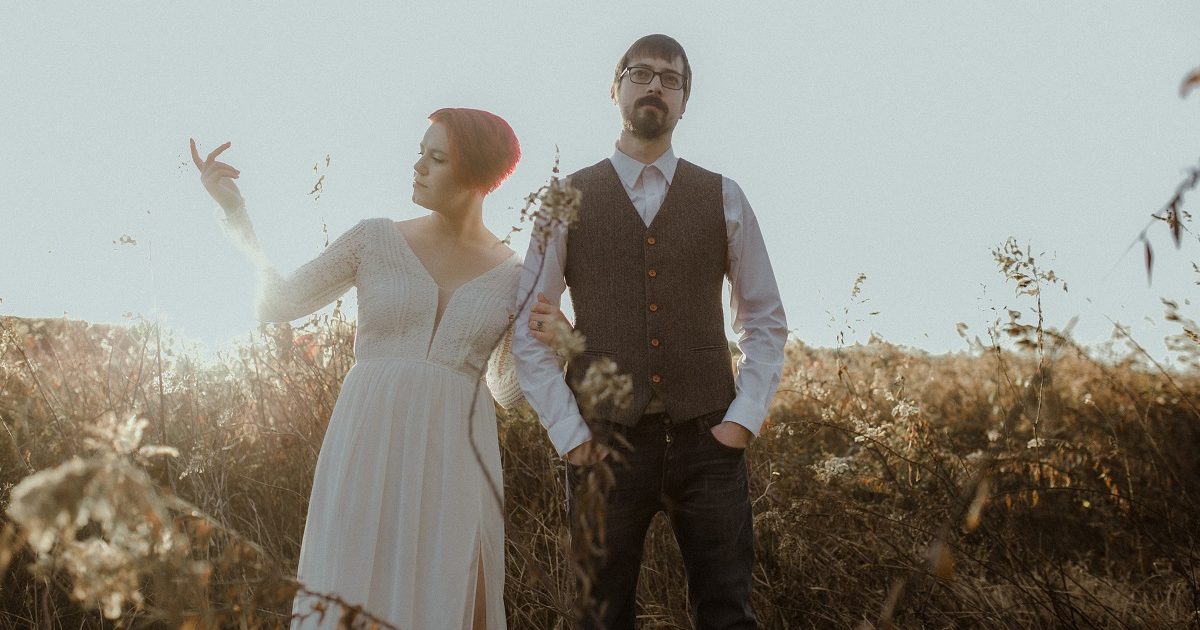
WATCH: Natalie Jane Hill, “Plants and Flowers That Do Not Grow Here”

Artist: Natalie Jane Hill
Hometown: Austin, Texas
Song: “Plants and Flowers That Do Not Grow Here”
Album: Solely
Release Date: October 29, 2021
Label: Dear Life Records

In Their Words: “‘Plants and Flowers That Do Not Grow Here’ is one of my more personal songs on the album. It’s about trying to navigate through a time of addiction while in a disassociated state. I had spent some time trying to distinguish reality from illusion, and I wanted this song to capture the dreamlike quality I was lost in. This video was captured in places that are very familiar to me. It’s based around my neighborhood in San Marcos, Texas. And it ends in the town where I grew up, in Wimberley, Texas. I wanted there to be more of an urban feel to this video while still intertwining some natural aspects. The opening scene is actually footage from a house show I played. It’s meant to portray the idea of me continuing on into the night after the show. I do a lot of aimless walking when I need to clear my head and I felt like this song needed that to be the essence. I love how Jordan Moser captured the early light as dawn approached. There’s definitely a dreamlike quality to this song as these revelations sort of unveil with the morning sunrise. ” — Natalie Jane Hill


Photo credit: Julian Neel

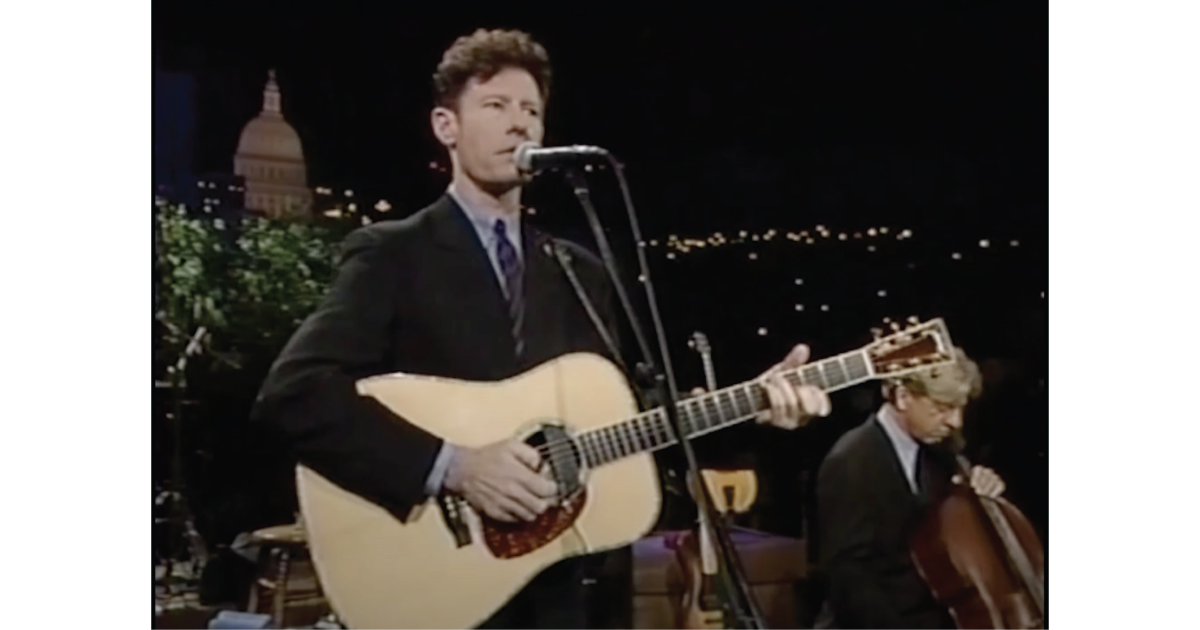
WATCH: Lyle Lovett, “Teach Me About Love” (From ‘Austin City Limits,’ 1997)

Artist: Lyle Lovett
Hometown: Klein, Texas
Song: “Teach Me About Love”
Album: Mighty Fine: An Austin City Limits Tribute to Walter Hyatt
Release Date: October 1, 2021
Label: Omnivore Recordings

Editor’s Note: This Lyle Lovett performance of Walter Hyatt’s “Teach Me About Love” was filmed in 1997 for Austin City Limits as part of a tribute to Hyatt, who was killed in a 1996 plane crash. Cut from the episode due to time constraints, the performance has been unseen until now, coinciding with the release of the full concert on CD and digital, titled Mighty Fine: An Austin City Limits Tribute to Walter Hyatt. Four unheard Hyatt recordings also appear on the album.

In Their Words: “Walter Hyatt is one of the most creative souls to come out of the Austin music scene in the past two decades. Although raised in Spartanburg, S.C., and spent his last years in Nashville, he represented the spirit of Austin. An artist of personal vision, original style and artistic integrity. During the late ‘70s and ‘80s, Uncle Walt’s Band developed a strong loyal following in Austin thanks to their expressive blend of music styles, songs that were street smart, energetic, honest, and inspirational to a lot of younger singer-songwriters like me. Walter Hyatt explored many styles – New Orleans jazz, country honky-tonk, with a bit of Elvis and course Bob Wills. His dry sense of humor made him very special in the eyes of fans and critics. His death was a personal loss for those of us who knew him, and for anyone who ever heard his music. This program is a celebration of extraordinary music by an extraordinary man with a gift for reaching hearts and minds of so many people.” — Lyle Lovett

BGS 5+5: Kelley Mickwee

Artist: Kelley Mickwee
Hometown: Austin, Texas, by way of Memphis, Tennessee

Which elements of nature do you spend the most time with and how do those impact your work?

All of the elements. Mother Nature, the universe and the natural world are my religion and informs my spirituality, so I’d say nature inspires everything I do. As far as on the daily, I have to do something outside at some point no matter what the weather or where I am or how busy I get. It could be anything, from digging and planting in the garden, pruning, cutting the grass, and watering the plants to taking long hikes with my dog, Moe. If I am in town, you can usually find me at one of our off-leash dog hiking trails with Moe. It’s very centering and really impacts my mental health and general well being. Especially when the sun is shining. And THAT, in turn, gives me the inspiration, energy and right mindset to sit down with a pen or with my guitar to work on a song. Or do anything, really.

How often do you hide behind a character in a song or use “you” when it’s actually “me”?

Not enough. Ha! I learned pretty early on as a songwriter that for me to write the best lines I can, I have to just speak from experience from the first person and be as open and honest as I can or am comfortable. I definitely have many “character” songs about other people or from their stories, especially songs that are co-writes, because then you are sharing a narrative with another writer so who knows how many people/experiences are wrapped up in that one song? But, in general, I tend to write from a first-person experience or relationship. Especially if it’s a song I write alone or start on my own before sharing with a co-writer.

What other art forms — literature, film, dance, painting, etc. — inform your music?

I think as songwriters, we are constantly getting input from all kinds of sources and storing it away for when we sit down to write a song. This could be anything from a conversation we had, or another song we heard on the radio, or a movie we just watched. I have written several songs from quick lines I wrote down while watching a film or a documentary. And I am always searching for inspiration and guidance from poetry, especially lately. I took an online poetry course in 2020 and it really gave me some new tools to use when writing lyrics.

Since food and music go so well together, what is your dream pairing of a meal and a musician?

This one was easy! A locally sourced vegan meal in London with Paul McCartney. I am actually a pescatarian who doesn’t eat or drink dairy, so not technically a vegan. But…when in London with Paul McCartney!

What’s the toughest time you ever had writing a song?

Every time! It is not easy for me to complete a song. Very very rarely do they just roll off the end of my pen, or float down from the sky, just waiting to be written down. I have many songwriter friends who have story after story of songs just spilling out of them and it makes me envious of that feeling. I do have one maybe two that came out, say, in a day. But even those were painful and agonizing at times. Like finishing a thesis that’s due the next day. Gosh! That sounds awful. I just mean, I want every line to count and be the best line it can be and as honest and original as possible. I think that’s where the good stuff lives. And so, if it takes me a bit longer to get there, so be it. Because the end result, a song I am proud of and can’t wait to sing, is SO sweet and rewarding, in all of the ways.


Photo credit: Taylor Prinsen

The BGS Radio Hour – Episode 221

Welcome to the BGS Radio Hour! For the past five years, this weekly radio show and podcast has been a recap of all the great music, new and old, featured on the digital pages of BGS. And this week, we say a bittersweet goodbye to the airwaves with our final episode. We want to give a special thank you to our partner station, WMOT Roots Radio 89.5 FM in Murfreesboro / Nashville, and all the stations that have aired our show over the years! And of course, a huge thank you to our readers and listeners for following along as well.

For this final week of the BGS Radio Hour, we have a recap of last week’s IBMA Awards, brand new music from our Artist of the Month — and newly crowned IBMA Entertainer and Guitar Player of the Year — Billy Strings, and much more.

APPLE PODCASTS, SPOTIFY

Billy Strings – “Secrets”

With a brand new album, Renewal, and his win this past week of IBMA’s highest honor, Entertainer of the Year, there’s no one else we’d rather have as our October Artist of the Month than Billy Strings. Check out our Essential Billy Strings playlist and stay tuned for more Billy content all month long.

RC & the Ambers – “Gravy and Biscuits”

Oklahoma-based RC & the Ambers spoke on their biggest musical influence, watching The Golden Girls as a pre-show ritual, kayaking on the Illinois River, and more in a recent edition of 5+5.

Asleep at the Wheel (feat. George Strait and Willie Nelson) – “Take Me Back to Tulsa”

On the latest episode of The Show on the Road, we bring you a conversation with Ray Benson: ringleader of the Grammy-winning, half-century-spanning group, and one of American roots music’s most durable and iconic bands, Asleep at the Wheel.

High Fidelity – “Banjo Player’s Blues”

This song from traditional bluegrass group High Fidelity was nominated for Song of the Year at last week’s IBMA Awards. Hard to have the “Banjo Player’s Blues” when you have news like that to share!

Haunted Like Human – “Ohio”

Americana duo Haunted Like Human wrote “Ohio” inspired by a true story, and the end result is a tale told through letters of a man wanting to do right by his family while also wanting to get back home to them.

Single Girl, Married Girl – “Wreck Cut Loose”

Single Girl, Married Girl has always loved torch songs and big weepy ballads — especially country ones! “Wreck Cut Loose” is placed in a more modern aesthetic and setting, but the lineage — and ties to the likes of Patsy Cline — should be obvious.

Patrick Dethlefs – “If You Listen”

The title track for Patrick Dethlefs’ brand new album explores the idea of still feeling connected to loved ones who have passed on. Patrick tells us, “[It’s] maybe even asking the question, ‘Is this person with me now more than they have ever been?'”

Balsam Range – “Richest Man”

Balsam Range, hailing from Haywood County, North Carolina, are no strangers to the IBMA Awards, having won the 2014 and 2018 award for Entertainer of the Year, among other accolades and awards over the years. And now in 2021, they’ve won Song of the Year for “Richest Man.”

Fireside Collective – “And The Rain Came Down”

Asheville bluegrass band Fireside Collective wrote “And the Rain Came Down” inspired by the many “storms” of COVID and the Great Flood tale from the Old Testament. But, despite the song’s somber overtones and the uncertainty of the story, there is still a message of hope.

Kris Gruen – “Pictures Of”

Alt-folk singer-songwriter Kris Gruen wrote “Pictures Of” about his daughter, as a tribute to her maturation and readiness for the world. In different words “Pictures Of” says, “Be excited for and in love with the world! Regardless of our collective fear in the unknown…”

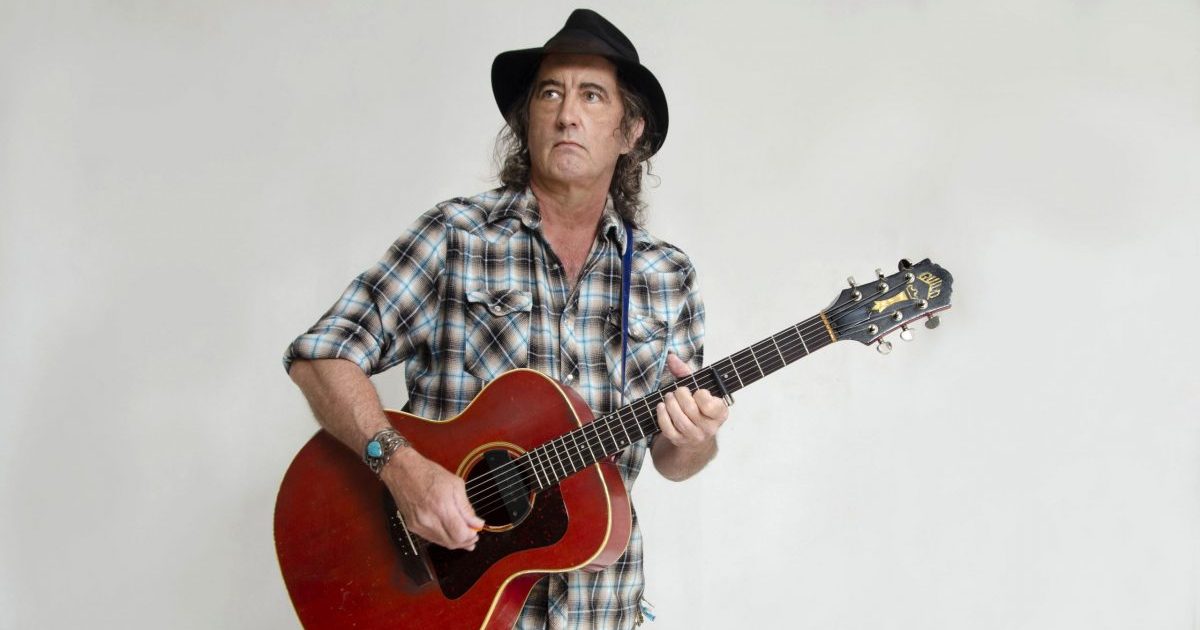
James McMurtry – “Canola Fields”

Holding a conversation with James McMurtry is similar to experiencing his music. He is frank, eloquent, and gets to the heart of the matter with few words. On The Horses and the Hounds, his first album of new material in nearly seven years, he tells sometimes complicated emotional stories through his fictional characters, crafted within the limits of rhyme and meter. His deft chronicling of human nature woven with descriptions of place and scene give the listener context beyond the experience, almost like each song is the essence of a short story or novel. Listen to “Canola Fields” and read our conversation with McMurtry.

Appalachian Road Show – “The Appalachian Road”

At this year’s IBMA Awards, Appalachian Road Show was the second most nominated group, and they were awarded the honors of Instrumental Group of the Year and New Artist of the Year. On top of those wins, this tune, “The Appalachian Road,” was nominated for Instrumental Recording of the Year.

Clinton Davis – “Curly Headed Woman”

Old-time musician Clinton Davis has recorded his own version of “Curly Headed Woman,” a rare rendition of one of the most common American folk songs: “The Hesitation Blues” or “If the River Was Whisky” as most people call it.

Sideline – “Old Guitar Case”

Sideline reminisces on how they became a band, the importance of teamwork, prioritizing having fun every time they step out on stage, and more in a recent 5+5.


Photos: (L to R) Billy Strings by Jesse Faatz; Ray Benson by Mike Shore; James McMurtry by Mary Keating-Bruton

From “Ghost in This House” to “O Death,” Our 13 Favorite Boo-Grass Classics

Ah! There’s a chill in the air, color in the leaves, and a craving for the spookiest songs in bluegrass — it must be fall. Bluegrass, old-time, and country do unsettling music remarkably well, from ancient folk lyrics of love gone wrong to ghost stories to truly “WTF??” moments. If you’re a fan of pumpkins, hot cider, and murder ballads we’ve crafted this list of 13 spooky-season bluegrass songs just for you:

The Country Gentlemen – “Bringing Mary Home”

THE bluegrass ghost story song. THE archetypical example of “What’s that story, stranger? Well, wait ‘til you hear this wild twist…” in country songwriting. (Yes, that’s a country songwriting archetype.) The Country Gentlemen did quiet, ambling — and spooky — bangers better than anybody else in bluegrass.


Cherryholmes – “Red Satin Dress”

Fans of now-retired family band Cherryholmes will know how rare it was for father and bassist Jere to step up to the microphone to sing lead. His grumbling, coarse voice and deadpan delivery do this modern murder ballad justice and then some. 

One has to wonder, though, with so many songs about murderous, deceitful women in bluegrass — the overwhelmingly male songwriters across the genre’s history couldn’t be bitter and misogynist, could they? Could they?


Zach & Maggie – “Double Grave”

A more recent example of unsettling songwriting in bluegrass and Americana, husband-and-wife duo Zach & Maggie White give a whimsical, joyful bent to their decidedly creepy song “Double Grave” in the 2019 music video for the track. Just enough of the story is left up to the imagination of the listener. Feel free to color inside — or outside — of the lines as you decide just how the song’s couple landed in their double grave. 


Alison Krauss – “Ghost in This House”

Come for the iconic AKUS track, stay for the impeccable introduction by Alison. Equal parts cheesy and stunning, if you haven’t belted along to this song at hundreds of decibels while no one is watching, you’re lying. Not technically a ghost story, we’re sliding in this hit purely because a Nashville hook as good as this deserves mention in a spooky-themed playlist.


The Stanley Brothers – “Little Glass of Wine”

Ah, American folk music, a tradition that *checks notes* celebrates the infinity-spanning, universe-halting power of love by valorizing murdering objects of that love. Kinda makes you think, doesn’t it? Here’s a tried and true old lyric, offered by the Stanley Brothers in that brother-duet-story-song style that’s unique to bluegrass. What’s more scary than an accidental (on purpose) double poisoning? The Stanley Brothers might accomplish spooky ‘grass better than any other bluegrass act across the decades.


Missy Raines – “Blackest Crow”


A less traditional rendering of a folk canon lyric, Missy Raines’ “Blackest Crow” might not feel particularly terrifying in and of itself, but the dark imagery of crows, ravens, and their relatives will always be a spectre in folk music, if not especially in bluegrass. 


Bill Monroe – “Body and Soul”

The lonesome longing dirge of a flat-seven chord might be the spookiest sound in bluegrass, from “Wheel Hoss” to “Old Joe Clark” to “Body and Soul.” A love song written through a morbid and mortal lens, you can almost feel the distance between the object’s body and soul widening as the singer — in the Big Mon’s unflappable tenor — objectifies his love, perhaps not realizing the cold, unfeeling quality of his actions. It’s a paradox distilled impossibly perfectly into song.


Rhiannon Giddens – “O Death”

Most fans of roots music know “O Death” from the O Brother, Where Art Thou? soundtrack and the version popularized by Ralph Stanley and the Stanley Brothers. On a recent album, Rhiannon Giddens and Francesco Turrisi reprise the popular song based on a different source — Bessie Jones of the Georgia Sea Island Singers.

The striking aural image of Stanley singing the song, a capella, in the film and on the Down from the Mountain tour will remain forever indelible, but Giddens’ version calls back to the lyrics’ timelessness outside of the Coen Brothers’ or bluegrass universes and reminds us of just how much of American music and culture are entirely thanks to the contributions of Black folks.


Johnson Mountain Boys – “Dream of a Miner’s Child”

Mining songs are some of the creepiest and most heartbreaking — and back-breaking — songs in bluegrass, but this classic performance from the Johnson Mountain Boys featuring soaring, heart-stopping vocals by Dudley Connell, casts the format in an even more blood-chilling light: Through the eyes of a prophetic, tragic dream of a miner’s child. The entire schoolhouse performance by the Johnson Mountain Boys won’t ever be forgotten, and rightly so, but this specific song might be the best of the long-acclaimed At the Old Schoolhouse album. 

Oh daddy, don’t go to the mine today / for dreams have so often come true…


Emmylou Harris, Alison Krauss, Gillian Welch – “Didn’t Leave Nobody But the Baby”

A lullaby meets a field holler song on another oft-remembered track from O Brother, Where Art Thou? The disaffected tone of the speaker, in regards to the baby, the devil, all of the above, isn’t horrifying per se, but the sing-songy melody coupled with the dark-tinged lyric are just unsettling enough, with the rote-like repetition further impressing the slightly spooky tone. It’s objectively beautiful and aesthetic, but not… quite… right… Perhaps because any trio involving the devil would have to be not quite right? 


AJ Lee & Blue Summit – “Monongah Mine” 

Another mining tale, this one based on a true — and terrifying — story of the Monongah Mine disaster in 1907, which is often regarded as the most dangerous and devastating mine accident in this country’s history. AJ Lee & Blue Summit bring a conviction to the song that might bely their originating in California, because they make this West Virginia tale their own.


Jake Blount – “Where Did You Sleep Last Night”

“In the Pines” is one of the most haunting lyrics in the bluegrass lexicon, but ethnomusicologist, researcher, and musician Jake Blount didn’t source his version from bluegrass at all — but from Nirvana. That’s just one facet of Blount’s rendition, which effortlessly queers the original stanzas and adds a degree of disquieting patina that’s often absent from more tired or well-traveled covers of the song. A reworking of a traditional track that leans into the moroseness underpinning it.


The Stanley Brothers – “Rank Stranger”

To close, we’ll return to the Stanley Brothers for an often-covered, much-requested stalwart of the bluegrass canon that is deceptively terrifying on closer inspection. Just who are these rank strangers that the singer finds in their hometown? Where did they come from? Why do none of them know who this person or their people are? Why are none of these questions seemingly important to anyone? Even the singer himself seems less than surprised by finding an entire village of strangers where familiar faces used to be. 

For a song so commonly sung, and typically in religious or gospel contexts or with overarchingly positive connotations, it’s a literal nightmare scenario. Like a bluegrass Black Mirror episode without any sort of satisfying conclusion. What did they find? “I found they were all rank strangers to me.” Great, so we’re right back where we started. Spooky.
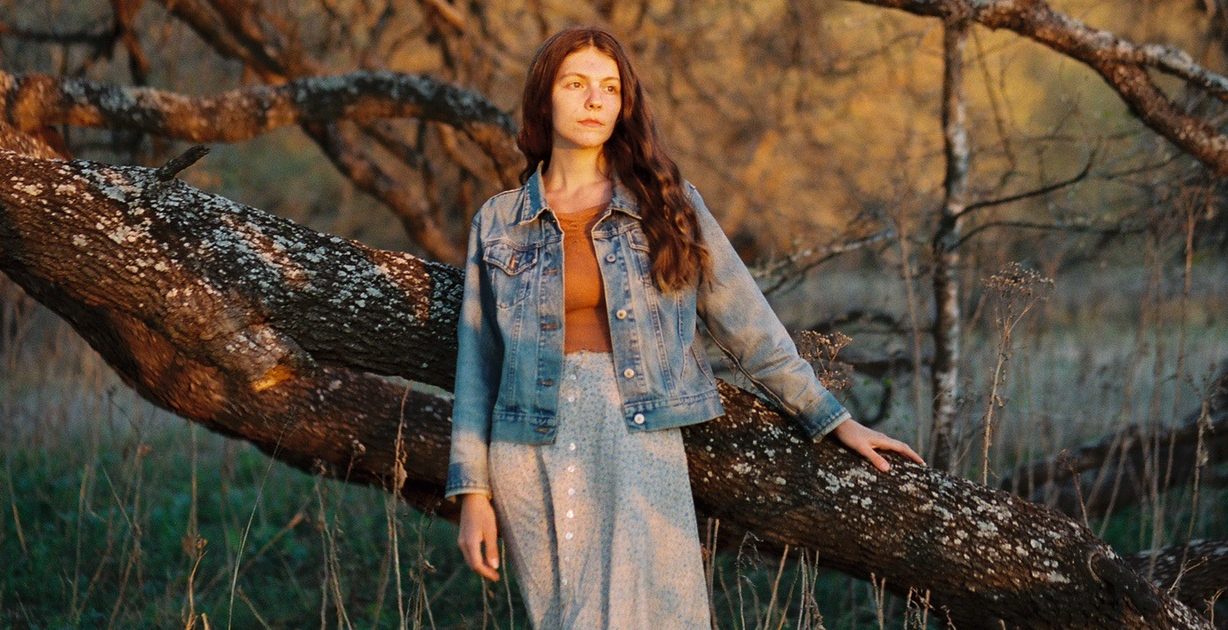
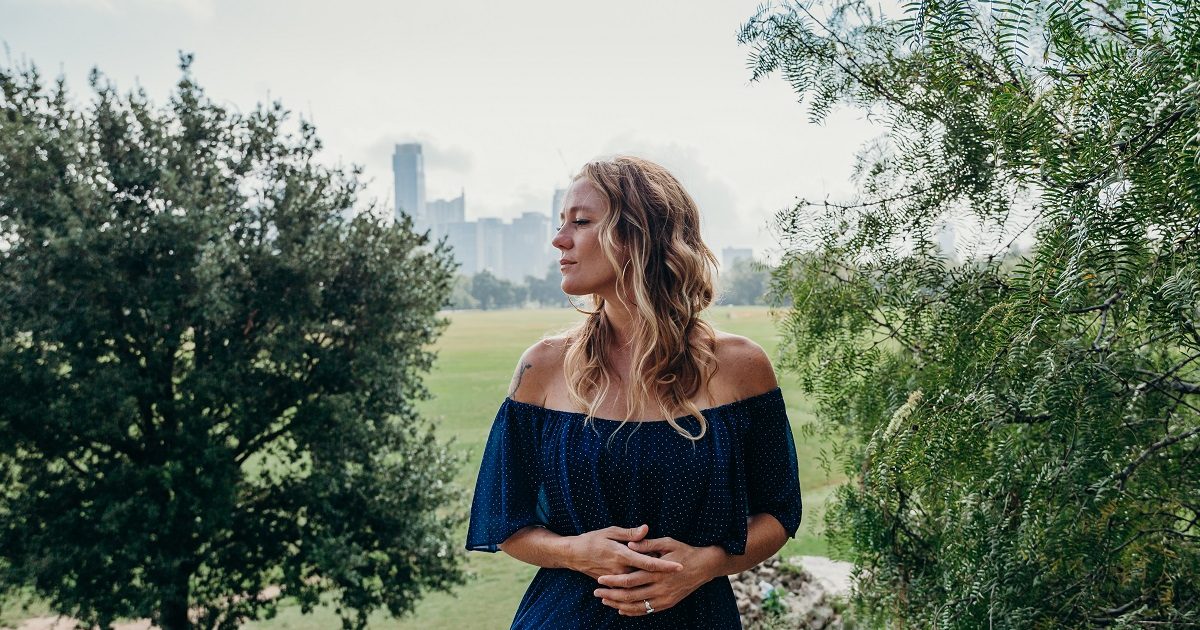
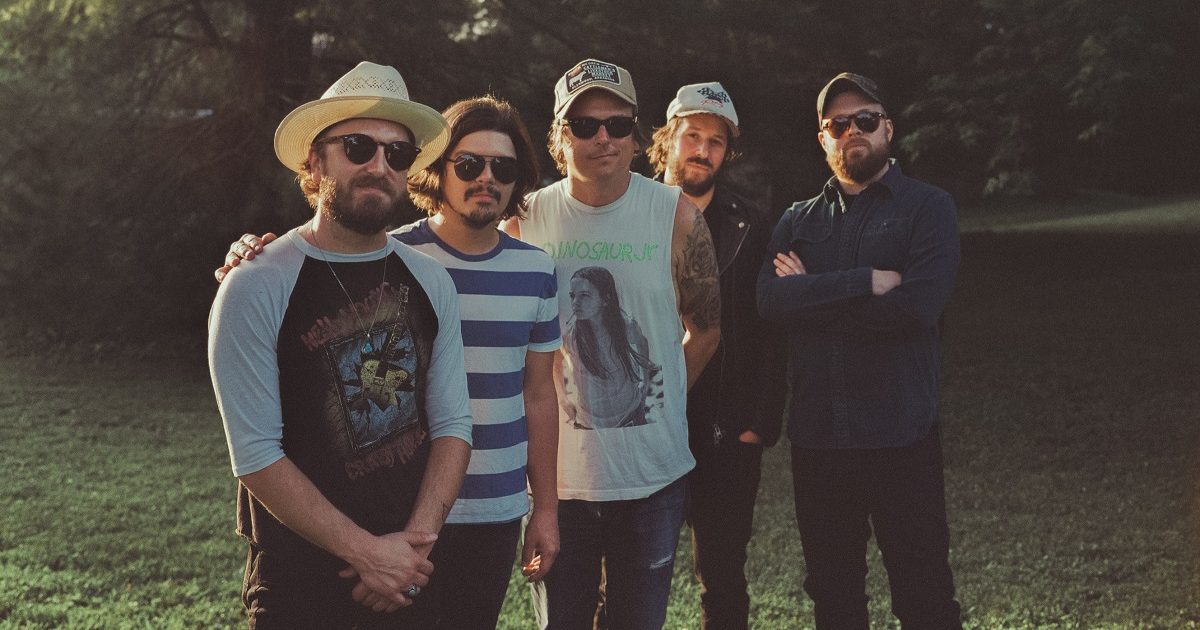
LISTEN: The Wild Feathers, “Get Out of My Own Way”

Artist: The Wild Feathers
Hometown: Nashville, Tennessee
Song: “Get Out Of My Own Way”
Album: Alvarado
Release Date: October 8, 2021
Label: New West Records

In Their Words: “‘Get Out of My Own Way’ is one of those last-minute songs that somehow makes it on the record. We write a lot and there’s just no telling how or why a song will make the final cut. It’s very personal to me and my own struggle to not make things so hard on myself. Sometimes our insecurities and fears get in the way of who we really are and writing this song was me realizing that. It’s OK to have these feelings, but I’m learning to let things go and get out of the way.” — Ricky Young, The Wild Feathers


Photo credit: Alex Justice

WATCH: Brooke Law, “Millionaires” (Feat. Andy Jordan)

Artist: Brooke Law
Hometown: London, England
Song: “Millionaires” (featuring Andy Jordan)
Release Date: September 24, 2021
Label: Archetypes Music

In Their Words: “‘Millionaires’ is really special to me. It’s also my dad’s favourite song of mine. I wrote it with the first person I ever fell in love with and we were best friends. We always wished we’d be playing the song to millions of people. 🤣 ‘Millionaires’ is about a couple who are struggling to make things work without having a lot of security, but as long as they have each other and have love they can still dream.” — Brooke Law


Photo credit: Lou Morris Photography

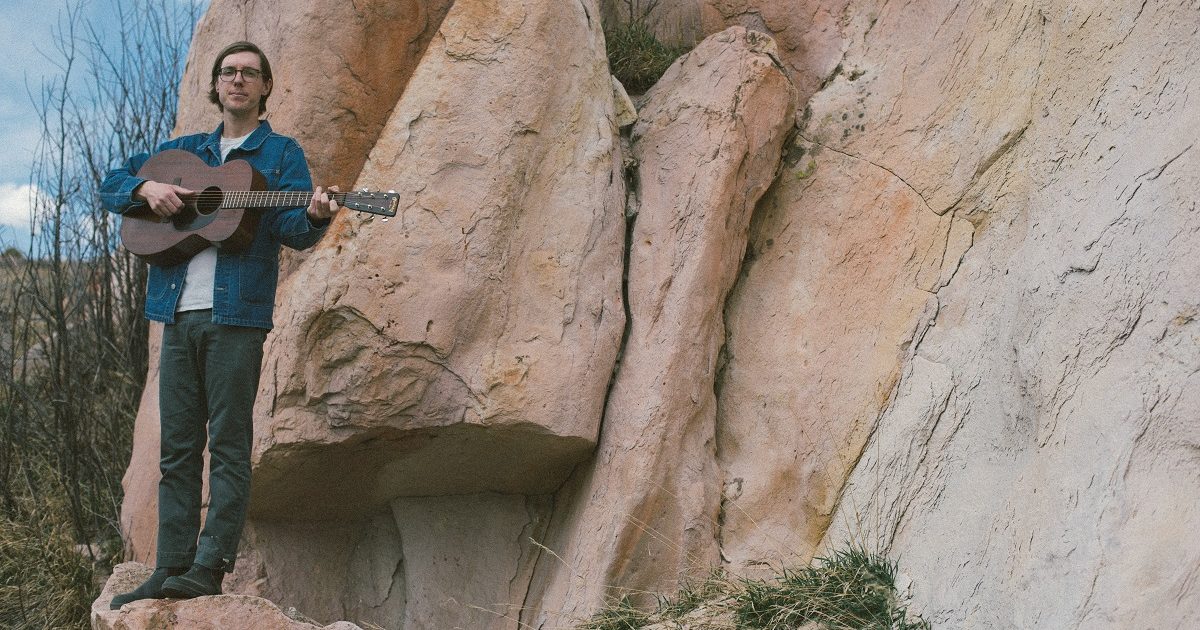
LISTEN: Patrick Dethlefs, “If You Listen”

Artist: Patrick Dethlefs
Hometown: Kittredge, Colorado
Song: “If You Listen”
Album: If You Listen
Release Date: October 1, 2021

In Their Words: “This song explores the idea of still feeling connected to loved ones who have passed on. Feeling their presence even though they are no longer physically here. Maybe even asking the question, ‘Is this person with me now more than they have ever been?’ This theme carries on throughout the rest of the record but on this song particularly that connection feels truly realized and known.” — Patrick Dethlefs


Photo credit: Brooke Svitak

LISTEN: Haunted Like Human, “Ohio”

Artist: Haunted Like Human
Hometown: Nashville, TN; originally Fayetteville, Georgia (Dale Chapman) and Milton-Freewater, Oregon (Cody Clark)
Song: “Ohio”
Album: Tall Tales & Fables
Release Date: October 15, 2021

In Their Words: “‘Ohio’ is a special song for us. It started in the fall of 2018 when we were touring off of our EP Folklore and stopped to spend time with some of Cody’s family in Ohio. In chatting with his grandmother, she was telling the story of falling in love with her husband when he was in her native South Carolina, and how when she was pregnant he sent her up to Ohio to live with his family while he worked and sent money back. Things kept keeping him in South Carolina and she said offhand, ‘You know, he was just trying to get back to Ohio.’ I remember in that moment thinking that there was a song in that one statement and I sat with it for about a year until we really started writing again for this record. The end result is a story told through letters back home of a man wanting to do right by his family while also wanting to get back home to them.” — Dale Chapman, Haunted Like Human


Photo credit: Caroline Voisine

From the Scrap Pile, James McMurtry Crafts a Frank (and Fictional) Album

Holding a conversation with James McMurtry is similar to experiencing his music. He is frank, eloquent, and gets to the heart of the matter with few words. On The Horses and the Hounds, his first album of new material in nearly seven years, he tells sometimes complicated emotional stories through his fictional characters, crafted within the limits of rhyme and meter. His deft chronicling of human nature woven with descriptions of place and scene give the listener context beyond the experience, almost like each song is the essence of a short story or novel. In “Fort Walton”, he describes a knotty internal conflict in three lines as his grumpy narrator admonishes himself for losing his temper at his hotel:

The internet’s down and they don’t know why
And I damn near made the desk clerk cry
And there wasn’t any reason for that

McMurtry dialed in to Zoom for this conversation with BGS.

BGS: You recorded this album in L.A. at Jackson Browne’s studio. When you went to do that, did you have a precise amount of songs ready? Do you overcut or undercut?

McMurtry: It depends on the record. I’ve never really overcut by much. This time it was the way I used to do it when I was in my 20s. I sort of metaphorically do my homework on the school bus. The way this one worked out is Ross Hogarth, the producer, knew Jackson and he found a window when we could get into his studio to track, but he said, “You gotta finish the songs by this date.” Most of the songs were finished within the last month before tracking. Some of them I actually finished in a Rodeway Inn in Culver City the night before we tracked it. Sometimes that works. That adrenaline rush of having a deadline will get you through. Very few of the songs were started and finished from scratch for this record. Mostly I work from a scrap pile. I have a laptop. I scroll through my notes app. I scroll through my writing programs and look for lyrics that go together or something that I want to work on right then. But there were a couple like “If It Don’t Bleed” that I wrote specifically for this record.

How often do you write?

Not very often at all. I write when it is time to make a record usually. And that depends on when my tour draw falls off. When I started making records thirty years ago the strategy was to tour to support record sales. The business model was that you were supposed to sell enough records to make royalties and to live off them. That never happened. My records were very expensive to make when I was on Columbia. They never came near recouping their production expense and so I wound up learning how to tour cheap. That came in handy much later when Napster and Spotify turned the whole business on its head. Everybody had to figure out how to do what I and some of my contemporaries were already doing. Which was just drive around in a van and keep everything cheap and profit on the tour.

I’ve read that you don’t consider your songs to be autobiographical. Where do you find your characters? How do you bring them to life?

I am a fiction writer. There will be a little bit of my life in a song but it is gonna get rearranged for the sake of a better story. Usually, I’ll hear a couple of lines and a melody in my head and I ask myself, “Who said that?” I try to envision the character who would have said those lines then I work backward to the story.

Speaking of melody, when you are writing, rhyme and meter are clearly important to you and you are masterful at both. But do you consider melody as you are crafting lines from the get-go?

Definitely. I’ve put words to music a few times. I have had jams with my band that I did off the cuff and years later I’d put lyrics in them, like “Saint Mary of the Woods,” which was the title track to one of my records. That came out of a jam that we recorded just for the fun of it. But it is very hard to put words to music. I don’t think I have ever tried to start with just words and then tried to put music to that. I usually have to get a little bit of melodic sense.

In terms of the song “Operation Never Mind,” you hone in on the lack of information we have about what war and conflict are really like these days. Can you talk about your inspiration for that song?

When I was a kid, Vietnam was still going on in full force. We only had three or four television networks and everyone listened to Walter Cronkite. He was the voice of the center and everyone right left and center listened to him. That war did not end because kids were marching in the streets. We pulled out because Walter Cronkite got enough of it. His generation decided it was a stalemate and we were never going to get out of it so we left. … One of the things that has struck me over the years is that we no longer have actual war coverage. Back in Cronkite’s day, we’d watch the 6 o’clock news and we’d see actual footage from battles and shots of the troops walking along and looking bored and lonesome on a hot dusty day. We got more of a feel for what that war was actually like. Whereas now, we get nothing.

Now they say there are embeds out there with the troops, some of whom are doing very good journalism but it is not front page, because there is no front page. Everyone has their own channel to go to hear their own opinions shot back at them. We just don’t have coverage. We don’t have any idea of what the actual war is like. Or what it is about or why we are there, really. War is big money. I think there are a lot of powerful people who would have just as soon stayed in. That’s kind of what I tried to do in the song. Just remind people, “Hey, we got people in harm’s way over there. As citizens, we are supposed to question why and we are not doing it. Nobody is pointing the way.

In lieu of being able to tour, you’ve been streaming performances, right? How has it been connecting to fans online?

It is a different skill. I have yet to really elevate it to an art form. But it needs to be done. People need to do more of this. A lot of people looked at streaming as a stopgap measure. I’ve gone into it thinking, this might be what I’m doing. I might have to be this twisted Mr. Rogers guy for the rest of my life. I better figure out how to have fun with it. And I have. I can sit here with six or seven acoustic guitars, all of them tuned and capoed for whatever song I’m going to do. It is easy. I don’t have to move a lot of stuff. I’d never carry that many acoustics on the road. They’d take up half the van.

You have a dedicated page to COVID-19 on your website and you’ve been vocal about the pandemic. Have you had any revelations about how the music industry works or things you would like to see changed?

I’ve never had a firm handle on the music industry. I work my little corner of it. I really can’t predict what is going to happen but I do think that Jason Isbell’s mindset will prevail in the concert industry. I’m trying to impose that myself. I don’t play indoors unless you’ve got a vaccination card and a mask. Outdoors I’ll be a little laxer. We can’t have big indoor gatherings with the delta variant going on.

Austin is just rife with breakthrough cases now, especially amongst musicians. Seems like the drummers and the singers get it first because they are breathing down to their toenails. Drumming is an extremely aerobic activity and the same with singing. If there is some viral load hanging in the air, a singer is going to get it probably. It’d take two hands to count the cases — fully vaccinated COVID cases — among Austin musicians. And that’s just this morning.

I’ve played a couple of outdoor shows and I’m going to New Mexico and Arizona in early September. I had to cancel a show in Phoenix because they wouldn’t agree to my safety protocol but it turns out another venue in Phoenix was fine with it. Jason Isbell has really taken a big stand and he’s had to move a lot of big shows. Overall the trend is going to be towards his state of mind. If we are going to have a concert business in the future, it is going to be mask and vax. It will take a little while for people to flip over or else nobody is going to play.


Photo credit: Mary Keating-Bruton