You Gotta Hear This: New Music From Don Williams, Victoria Bailey, and More

This week it’s absolutely packed in our weekly roundup of new roots music! You Gotta Hear This…

From the Blue Ridge Mountains of Western North Carolina, the Asheville Mountain Boys kick us off with a new performance video for “Don’t Take Me Back Again.” It’s a track from their debut self-titled album, which was just released in February. It’s straight-ahead bluegrass that will transport you right back to their beautiful home turf in Southern Appalachia. Also in bluegrass, from just down the ridge from NC in Boiling Springs, South Carolina, husband-and-wife duo Benson (Wayne and Kristin Scott Benson) have a new single out today, “Maybe It’s You.” Featuring their friend Heath Williams on the lead vocal, it’s a clean and crisp example of modern bluegrass with traditional bones.

You’ll also get to hear a lovely bluegrass-gospel-western rendition of a Randy Travis cut, “He’s My Rock, My Sword, My Shield” below, brought to us by Southern California singer-songwriter and roots artist Victoria Bailey. She effortlessly combines bluegrass, classic country, country & western, and gospel with her version of the familiar tune. The loping, cowgirl feel is just perfect. Plus, impeccable fiddler and multi-instrumentalist Andy Leftwich has a new album out today, Aced. To celebrate, we’re sharing “Crossville” from that collection, a tune from the catalog of Ricky Skaggs – Leftwich’s former boss, who’s a friend and a mentor – that has a transatlantic and somewhat Celtic feel. It features Leftwich on both fiddle and mandolin.

From further territory on the roots genre map, Paula Boggs Band calls on both Blind Boys of Alabama and Valerie June as special guests on their recording of “Ain’t Gonna Let Nobody Turn Me ‘Round.” Soulful string band folk is a perfect backdrop for the languid, marching track – one that remains all too timely and applicable in 2026. Watch a new lyric video for the song below and join the sing-along party, and the struggle for justice, too. Don’t miss Serafima and the Shakedowns’ paean to Seattle, the Queen of the Pacific Northwest. “Shivers” is a chill and vibing Americana track with lush guitars backing gentle ruminations on friendship, community, and place. Whether you have or haven’t felt the “shivers” in a while, this song will be there for you when you do again.

Keep scrolling, as there’s more gold to find. For instance, Gregory Alan Isakov and Sylvan Esso released a track together earlier this week, “Fade Into You.” It’s a lovely cover song of the cult favorite ’80s and ’90s alt-rock band Mazzy Star. For a while, Isakov wasn’t sure the track was finished – that is, until he called upon Amelia Meath of Sylvan Esso to complete the number with her vocals. Like Isakov, we love how it turned out. Finally, a legend of country music returns, posthumously, with a new album on May 29. Don Williams passed away in 2017, but his powerful legacy lives on. We spoke to his son, Tim Williams, about the latest single from Epilogue: The Cellar Tapes, a collection of found recordings made by Don himself dating back to the ’70s. The new single is an alternate version of a favorite track, “I’m The One,” that puts a magical focus on Williams’ vocals. You won’t want to miss it.

So much to love and enjoy is waiting for you below – You Gotta Hear This!

The Asheville Mountain Boys, “Don’t Take Me Back Again”

Artist: The Asheville Mountain Boys
Hometown: Asheville, North Carolina
Song: “Don’t Take Me Back Again”
Album: The Asheville Mountain Boys
Release Date: February 12, 2026 (album)

In Their Words: “‘Don’t Take Me Back Again’ is an original song written by our guitar player, Marshall Brown, and is featured on our new self-titled LP. Marshall brought the song to the group about a year ago and we had so much fun working it up into an early ’50s-style bluegrass song. Zeb and I wrote exchanging mandolin and banjo riffs for the song instead of normal solos; we felt that was an homage to how early Jimmy Martin songs would have more melody-based riffs than conventional solos. We shot the video at Asheville Guitar Pedals in West Asheville as sort of a tongue in cheek reference to our motto: ‘No Plugs No Pedals Only Bluegrass.’ We loved working with Rebecca Jones (video) and Carter Giegerich (audio) on this in-person, fully live take of the song. “ – John Duncan

Track Credits:
Marshall Brown – Lead vocal, guitar
Jacob Brewer – Tenor vocal, bass
John Duncan – Banjo, baritone vocal
Zeb Gambill – Mandolin

Video Credit: Videography by Rebecca Branson Jones, audio by Carter Giegerich. 


Victoria Bailey, “He’s My Rock, My Sword, My Shield”

Artist: Victoria Bailey
Hometown: Huntington Beach, California
Song: “He’s My Rock, My Sword, My Shield”
Release Date: April 24, 2026

In Their Words: “My cover of this Randy’s Travis gospel song, ‘He’s My Rock, My Sword, My Shield,’ truly sets the tone for where I am in music and with my faith. It’s been a few years since my album release (A Cowgirl Rides On) and I continue to grow a deep love for bluegrass and gospel. It only made sense to go in and record one of my all-time favorites by Randy Travis before I dive into my next record.

“This song was recorded live in studio with my bluegrass band at Station House Studio in Los Angeles, produced by my good friend Brian Whelan. It was a sweet reunion being back in that room and to honor such a beautiful, spiritual song. I often describe my sound as ‘a little bit gospel, a little bit bluegrass, and everything in between.’ This next single is a perfect recipe of all those things and I’m looking forward to more of it this year!” – Victoria Bailey

Track Credits:
Victoria Bailey – Vocals
Brian Whelan – Producer, lead guitar, BGVs
Ted Russell Kamp – Bass
Luke Adams – Drums
Philip Glenn – Fiddle
Leeann Skoda – BGVs


Benson, “Maybe It’s You”

Artist: Benson
Hometown: Boiling Springs, South Carolina
Song: “Maybe It’s You”
Release Date: April 17, 2026
Label: Mountain Home Music Company

In Their Words: “We love the tried-and-true themes of classic bluegrass songs. Cabins, farms, and mountains were relevant to the writers then. In fact, if you can find a new song that is reminiscent of those standards, it’s a real find. I think ‘Maybe It’s You’ is a nice representation of a modern bluegrass song, lyrically. Troubled relationships are timeless, but this is a contemporary take on that same theme.” – Kristin Scott Benson

“Heath Williams sang lead on ‘Maybe It’s You’ and we are so lucky to work with him. He has been a huge part of many Benson songs, like ‘Oh Me of Little Faith’ and ‘Lay ‘Em Down.’ He’s not from a bluegrass background, but is perfectly suited for it and has a really fresh, special take. In fact, Terry Herd, one of the co-writers, specifically mentioned him because Terry thought his approach would be ideal. After years of going to church with Heath and playing with him on occasion, it’s a joy to be recording with him now.” – Wayne Benson

Track Credits:
Heath Williams – Lead vocal
Wayne Benson – Mandolin
Kristin Scott Benson – Banjo
Cody Kilby – Acoustic
Kevin McKinnon – Bass
Zack Arnold – Harmony vocals


Paula Boggs Band, “Ain’t Gonna Let Nobody Turn Me ‘Round”

Artist: Paula Boggs Band
Hometown: Seattle, Washington
Song: “Ain’t Gonna Let Nobody Turn Me ‘Round” featuring Blind Boys of Alabama and Valerie June
Album: Sumatra
Release Date: March 27, 2026 (album)
Label: Boggs Media LLC

In Their Words: “Our cover of the civil rights anthem, ‘Ain’t Gonna Let Nobody Turn Me ‘Round,’ feels more relevant today than when we recorded it. To highlight its American roots heritage, we incorporated bluegrass instruments like banjo and fiddle. The featured artists, Blind Boys of Alabama and Valerie June, further enhance the song’s messages of hope and determination. The lyric video grounds the song in present times.” – Paula Boggs

Track Credits:
Paula Boggs – Lead vocals
Tor Dietrichson – Percussion
Jacob Evans – Drums, percussion
Darren Loucas – Acoustic guitar, Dobro, banjo, ukulele
Paul Matthew Moore – Acoustic piano, percussion
David Salonen – Upright bass, fiddle
Blind Boys of Alabama (Ricky McKinnie, Sterling Glass, J.W. Smith, Joey Williams) – Co-lead vocals
Valerie June – Co-lead vocals


Gregory Alan Isakov and Sylvan Esso, “Fade Into You”

Artist: Gregory Alan Isakov and Sylvan Esso
Hometown: Gregory Alan Isakov: Born in Johannesburg, South Africa; grew up in Philadelphia, Pennsylvania. Sylvan Esso: Durham, North Carolina
Song: “Fade Into You”
Release Date: April 16, 2026
Label: Dualtone

In Their Words: “I grew up listening to Mazzy Star and sort of sketched this song out one afternoon. I had read an article about Hope Sandoval (the singer of Mazzy Star) the week before and there was this paragraph about how she played a few shows at the Sydney Opera House in almost complete darkness. Some of the crowd was super disgruntled about it and walked out. I remember thinking, ‘Wow, what a hero.’ I sat on the recording I made for a long time, thinking it wasn’t quite finished, and reached out to Amelia of Sylvan Esso. She has one of my favorite voices of all time. Once I heard her on it, it felt ready. I really love how it came out.” – Gregory Alan Isakov


Andy Leftwich, “Crossville”

Artist: Andy Leftwich
Hometown: Carthage, Tennessee
Song: “Crossville”
Album: Aced
Release Date: April 17, 2026
Label: Mountain Home Music Company

In Their Words: “One of the greatest joys of playing music with Ricky Skaggs was getting a chance to jam on his original instrumentals! They all have great melodies and are structured in a way that gives you an opportunity to stretch out and push yourself. This song is certainly that. Ricky has always inspired me with his creativity and heart behind each note that he plays and I always looked forward to playing this one with him each night! It’s one of my favorites! I thought I’d pay homage to my friend and former boss by recording one of his wonderful compositions, ‘Crossville.'” – Andy Leftwich

Track Credits:
Andy Leftwich – Fiddle, mandolin
Byron House – Upright bass
Cody Kilby – Acoustic guitar
Matt Menefee – Banjo


Serafima and the Shakedowns, “Shivers”

Artist: Serafima and The Shakedowns
Hometown: Seattle, Washington
Song: “Shivers”
Album: Ride Easy
Release Date: April 14, 2026 (single); May 1, 2026 (album)
Label: BWGiBWGAN

In Their Words: “‘Shivers’ is an ode to Seattle, Queen of the Pacific Northwest – a cloud-soaked rumination that finds the song’s lonely voice wondering, is there anyone out there? My friends have left the city and I’ve heard I’m supposed to have a guardian angel – but where is she? Maybe she’s hiding behind the marine layer.

“This is a song about the city I grew up in, missing all your friends that have moved far away, feeling like they lied to you about stuff like having a guardian angel, and wondering if heaven is a real place – either up there or down here.” – Serafima Healy

Track Credits:
Serafima Healy – Vocals, guitar
Sam Burrows – Guitar
Joe McPhee – Bass
Jules Tennyson – Drums
Finn O’Hea – Trumpet
Aaron Khawaja – Piano
Jay Kardong – Pedal steel

Video Credits: Hand animations by Serafima Healy.


Don Williams, “I’m The One (Alternate Version)”

Artist: Don Williams
Hometown: Nashville, Tennessee
Song: “I’m The One (Alternate Version)”
Album: Epilogue: The Cellar Tapes
Release Date: April 17, 2026 (single); May 29, 2026 (album)
Label: Craft Recordings

In Their Words: “I remember this song very well from when I was 13-14 years old. I always loved the song. Obviously, Daddy did too, or there would not have been strings on it. Strings are always about the last thing before mixing (sometimes percussion). When I realized that it was one of the songs on the tapes in the cellar, I was excited. I did, though, want to take a crack at stripping it down a bit or making a little more room for Dad’s vocal, which was my intention and the approach I took. The original version is definitely cool and pretty complicated, actually, but I wanted a version that would be a platform from which maybe there’d be a little more focus on the vocals.” – Tim Williams, son of Don Williams


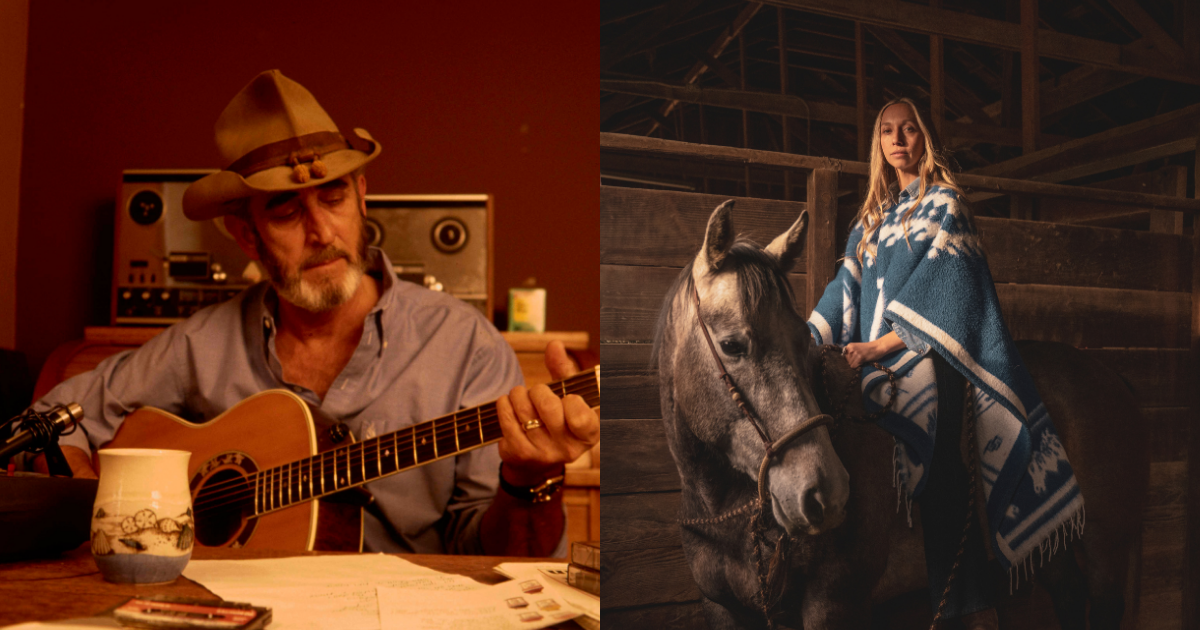
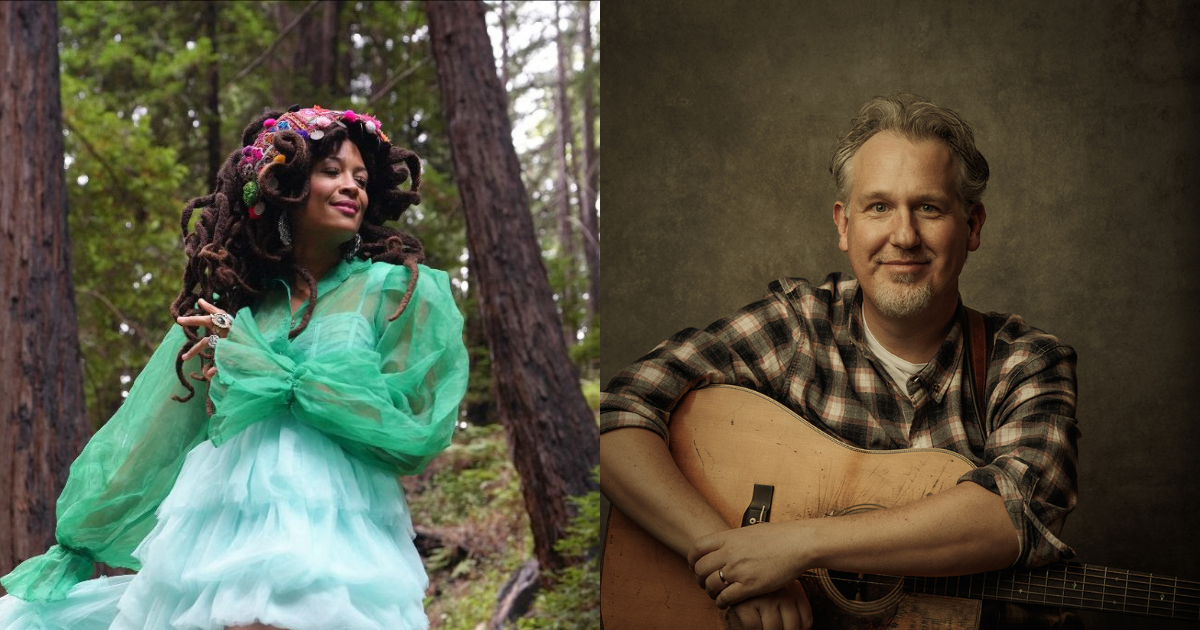
Photo Credit: Don Williams by Jim McGuire via the Grand Ole Opry Archives; Victoria Bailey by Dylan Gordon.
You Gotta Hear This: New Music From Valerie June, Bryan Sutton, and More

Hear ye, hear ye! A fresh collection of new music, premieres, videos, singles, and more is here. You Gotta Hear This…

To start off, Good Country purveyors, Texan duo Briscoe, offer a brand new music video for “Free.” It’s a track from their new album inspired by lessons learned by Truett Heintzelman from his grandfather, as well as an ode to the Texas roots he shares with his grandad – and with his bandmate, Philip Lupton, too. Also bringing a newly minted video, singer-songwriter Rachael Sage and her band the Sequins celebrate love, friendships, and togetherness on “Belong To You.” The adorable music video was created by hosting an open casting call inviting participants to arrive and join in the taping with whomever they “love the most.” Sidle up to your loved ones and click play.

Bluegrass guitar great Bryan Sutton sits down with mandolinist Sierra Hull for a new rendition of an instrumental classic, “Grandfather’s Clock,” this week, too. But, this time, Hull is playing a six-string instead. Did you know she’s an equally accomplished guitar picker? Meanwhile, Sutton quite fittingly performs the tune on a guitar once owned by his own grandpa. Elsewhere, you’ll find South Carolina-based gospel bluegrass band Eighteen Mile sharing a new single below. “What Mercy Means” is an excellent example of how the long relationship between gospel and sacred music and bluegrass and old-time continues today.

Keep scrolling, though, because we have two more videos for you to enjoy. If you have young roots music fans around – or if you’re young at heart – the Okee Dokee Brothers have an adorable new animated music video for their track, “Little Old You.” Sure, the Brothers make children’s music, but this is listenable at all ages, that’s for sure. The message of the track is sweet and timely, as they put it: “…We’re [all] infinitely big in all our little ways.”

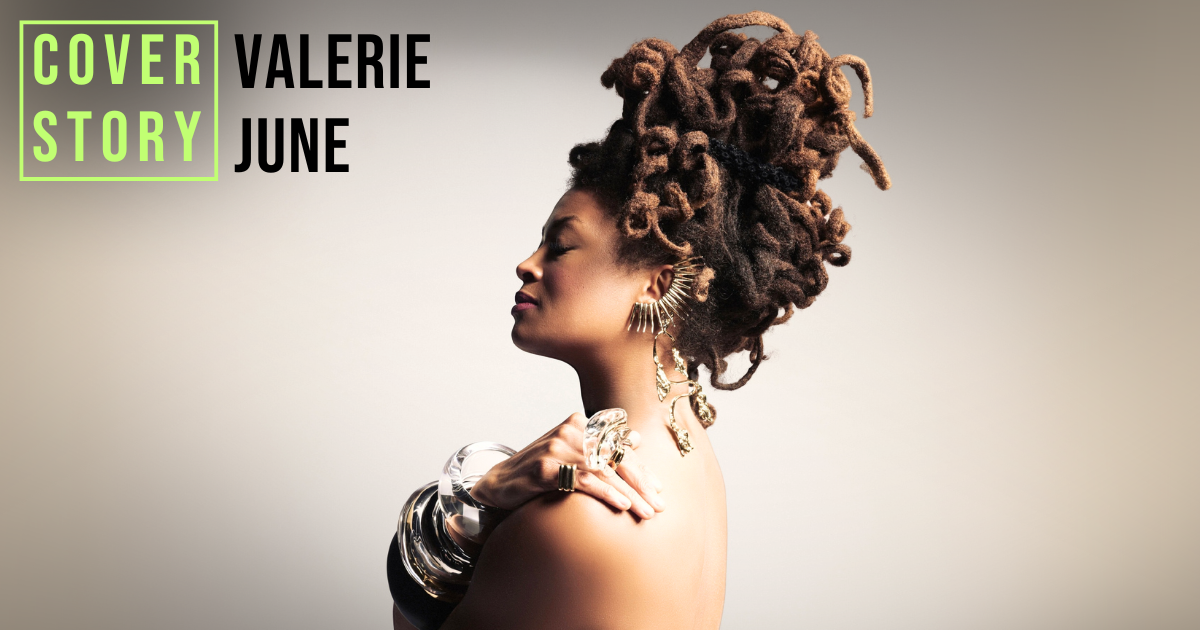
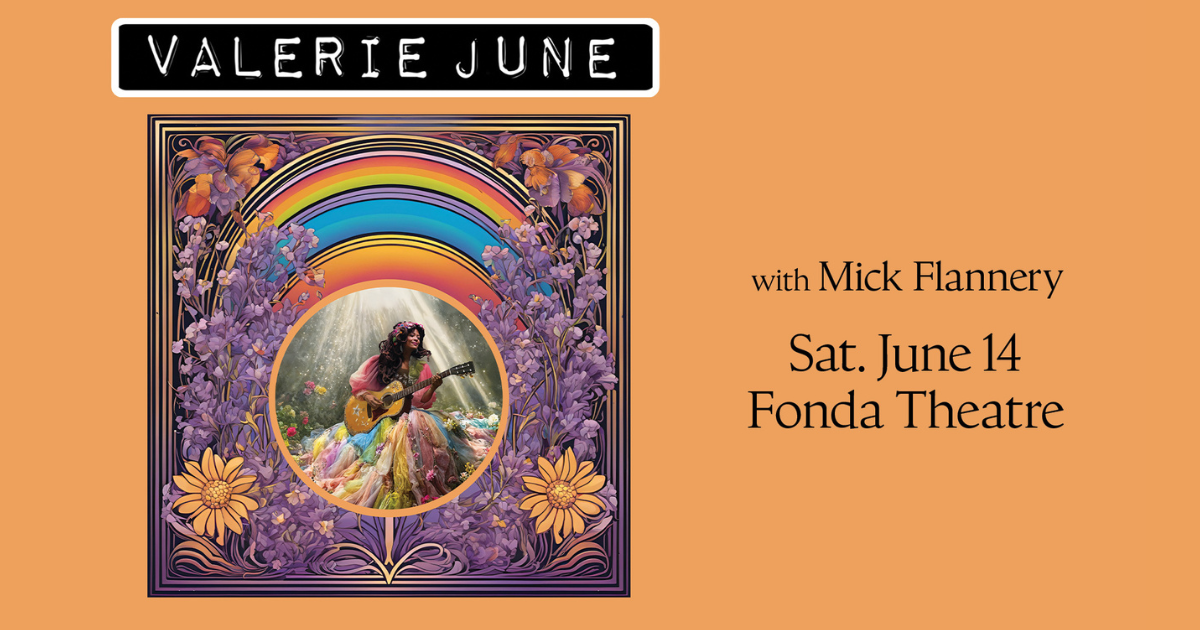
And, finally, the cosmic and (literally) magical Valerie June has a new single out this week and an accompanying visualizer you won’t want to miss. “Rollin’ and Tumblin'” is raucous, impassioned, and brash – just how we like June’s music – and demonstrates yet again how complex and inviting this indie-string-folk mastermind can be. Especially when she brings the blues and the banjo together in exciting ways like this.

There’s plenty to watch and hear, so let’s get to it! ‘Cause seriously, You Gotta Hear This.

Briscoe, “Free”

Artist: Briscoe
Hometown: Austin, Texas
Song: “Free”
Album: Heat of July
Release Date: September 19th, 2025 (album); November 14, 2025 (video)
Label: ATO Records

In Their Words: “I’ve learned a great deal of lessons from my grandfather and the life that he lived so well. He was chock full of wisdom and always keen to share that wisdom with me and my siblings. Perhaps the most important thing he taught me was the art of moderation and the joy in being content with what you have. ‘Free’ is an ode to him and the Texas roots we both share, as well as a reminder for people of all walks to savor a life lived right down the middle.” – Truett Heintzelman

Video Credit: Jackson Ingraham 

(Editor’s Note: Read our recent Good Country interview with Briscoe here.)


Valerie June, “Rollin’ and Tumblin'”

Artist: Valerie June
Hometown: Humboldt, Tennessee (now Memphis, Tennessee and New York, New York)
Song: “Rollin’ and Tumblin'”
Release Date: November 12, 2025 (single)
Label: Concord

In Their Words: “Working with producer and bassist Matt Marinelli and drummer Andy Macleod brings a wild, rambunctious twist to this old blues standard, “Rollin’ and Tumblin’.” I love taking the banjo out of its traditional comfort zone and driving it into a raw, heavy, metallic space – like someone tossing and turning through sleepless nights until they finally let go.

“Decades of digging into how the blues bleeds into every style have taught me one thing – those roots never die. Every time I twist that sound through my own work, I find new ways to grow and let those old ghosts roar again.” – Valerie June

Track Credits:
Valerie June – Vocals, banjo
Matt Marinelli – Basses, producer, engineer
Andy Macleod – Drums

Video Credits: Filmed at Magnolia Pearl in Fredericksburg, Texas by Brights and in Big Sur, California by Dr. Ietef Vita.


Eighteen Mile, “What Mercy Means”

Artist: Eighteen Mile
Hometown: Upstate South Carolina
Song: “What Mercy Means”
Release Date: November 14, 2025

In Their Words: “I’ve always been intrigued by the mental picture of Moses climbing up Mount Sinai to meet God in Exodus 34.The Bible paints a picture that the mountain was dark and terrifying and it even describes earthquakes and thunder, all because the holy presence of God was there. I wrote this song to capture the divine tension of a powerful holy God meeting an unholy man. The song then relates the Bible story to my personal story, that even though I deserve the punishment that comes from being a sinner before a holy God, he surprises me with overflowing mercy every morning instead.” – Carson Aaron

Track Credits:
Hallie Ritter – Upright bass
Carson Aaron – Acoustic guitar, lead vocal, songwriter
Emily Guy – Harmony vocal
Jack Ritter – Banjo, harmony vocal
Savannah Aaron – Fiddle
Andy Leftwich – Mandolin, mandola, acoustic guitar
Steve Pettit – Mandolin


The Okee Dokee Brothers, “Little Old You”

Artist: The Okee Dokee Brothers
Hometown: Denver, Colorado
Song: “Little Old You”
Album: Little Old You
Release Date: November 11, 2025 (video); November 7, 2025 (album)
Label: Okee Dokee Music

In Their Word: “This tune is a special one for us. It reminds us that we’re infinitely big in all our little ways. Even our tiniest feelings ripple like oceans, our dreams comfort the night, and our smiles can light the way for others.” – Justin Lansing

“It’s a gentle anthem to our place in the cosmos – showing that our smallest actions have big effects. We are silly and wise, young and old, and infinitely big in all our little ways.” – Joe Mailander

Track Credits:
Justin Lansing – Vocals, guitar
Joe Mailander – Vocals, guitar
Dean Jones – Organ

Video Credits: Directed by Jack Carr.
Art Directed by Zachariah Ohora.
Animated by Tom Jolliffe & David Jenkins.


Rachael Sage & The Sequins, “Belong to You”

Artist: Rachael Sage & The Sequins
Hometown: Hudson Valley, New York
Song: “Belong To You”
Album: Canopy
Release Date: November 14, 2025
Label: MPress Records

In Their Words: “‘Belong To You’ is the first song I’ve intentionally composed as a gospel ballad. It meant the world to me that many of The Sequins ended up singing on the arrangement, rather than me performing all the harmonies myself (as has often been the case). Kevin J. Killen’s soulful Hammond organ and guitar playing and Will Wilde’s incredible blues harmonica add so much; Dave Eggar’s cello performance keeps everything grounded so beautifully.We all genuinely feel so much love and devotion for one another, so the vibe that was captured via our friendships really mirrors the lyrics and adds so many beautiful layers of emotion.

“Because it’s one of the more universal songs on the record, it’s been really magical to perform it live, and have audience members at the gigs share their individual interpretations of it with us. Trina Hamlin, who also sings on the track, has been singing it with me live lately and it makes it very easy to sing about unconditional love and friendship when one of your best friends is harmonizing with you!” – Rachael Sage

Track Credits:
Rachael Sage – Lead vocals, background vocals, piano
Doug Yowell – Drums
Dave Eggar – Cello
Kerry Brooks – Upright bass
Will Wilde – Harmonica
Kevin J. Killen – Acoustic guitar, electric guitar, Hammond B3 organ, background vocals
Trina Hamlin – Background vocals
Mikhail Pivovarov – Background vocals

Video Credits: Jenny He – Director, producer
Shadow Play Pictures, LLC. – Production company
MPress Records – Executive producer


Bryan Sutton, “Grandfather’s Clock” (with Sierra Hull)

Artist: Bryan Sutton with Sierra Hull
Hometown: Nashville, Tennessee
Song: “Grandfather’s Clock”
Album: From Roots to Branches
Release Date: November 14, 2025 (single)
Label: Mountain Home Music Company

In Their Words: “I’m so happy to have Sierra Hull on this record. We chose the song, ‘Grandfather’s Clock,’ just because it’s a classic, beautiful melody. A lot of people know what a great mandolin player Sierra is, but I’ve always known what a great guitar player she is. This song meant a lot to us and, in fact, I’m playing my grandfather’s old Martin 0-17 guitar on this track.” – Bryan Sutton

“Bryan is one of my favorite musicians in the world to listen to and make music with. He knows how to elevate any musical situation he enters. Whether he is supporting a simple melody with pure tone and restraint or providing a wave of rhythmic brilliance and musical playfulness to ride along with, he always knows how to make things feel and sound easy. He’s one of my biggest heroes, so I’m both honored and thrilled to get to be a part of this new duets project with him!” – Sierra Hull

Track Credits:
Bryan Sutton – Acoustic guitar
Sierra Hull – Acoustic guitar


Photo Credit: Valerie June by Dr. Ietef Vita Photography; Bryan Sutton courtesy of the artist.

Valerie June is Weaving Spells Again

Valerie June’s new album – Owls, Omens, and Oracles (released on April 11 by Concord Records) – begins with a snare and a hi-hat. A simple, straight-forward rhythm. Something to wrest you from your chair and get you moving your body.

After a few bars, her distinct, earnest, energetic vocals enter and it feels as though you’re surrounded by a circle of Valerie Junes singing in delightful unison. Urging you on. It’s just her voice and the drum for thirty-five seconds, then she lands on the word “joy” and the whole song bursts open with a distorted guitar and so many cymbals.
Like the “Joy, Joy” for which the song is titled, sound layers build and build, rippling out further and further until it all fades. By then, you’re well into the room. The colors are swirling. There seems to be joy and love hanging from the chandeliers. If you close your eyes, perhaps you can imagine the colors bursting forth from the guitar when it finally takes a solo.

Indeed, whether or not you experience synesthesia – a condition some musicians report where they associate sound and color – there is something undeniably colorful about the music June puts into the world. This is as true as ever on the new disc, which feels even more focused on joy’s pursuit and on holding joy aloft once it is within one’s grasp.

The celebrated poet and activist adrienne maree brown, who wrote June’s promotional bio for the project, notes: “This album is a radical statement to break with the skepticism, surveillance, and doom scrolling – let yourself celebrate your aliveness. Connect, weep, change, open.”

Indeed, connecting and weeping – through joy and heartache alike – is central to June’s artistic journey. This notion, that her music might be urging its listeners to celebrate aliveness, is particularly resonant on Owls. After all, June, who divides her time between Tennessee and New York, is a certified yoga teacher and mindfulness meditation instructor. One might extrapolate, then, that music, for Valerie June, is equal parts connective tissue and spiritual experience.

“No one who makes music can truly tell you where it comes from,” she said on a recent Zoom call. “We don’t know where we’re getting it from. It’s coming from someplace and I like to think that place is magical.”

Similarly, she adds, “Spirit is something that we don’t really know. We can’t really – exactly – put our finger on where it’s coming from. We just feel it. … I think that it’s a very spiritual thing to make music. It’s not necessarily religious, but it is definitely spiritual. It will connect you to a deeper part of yourself, but it will also connect you to deeper parts of other people – and to nature.”

Across her six albums in nearly twenty years, June has sung about nature plenty. The night sky, the creatures of the forest. From her rendition of a classic, “The Crawdad Song,” (2006’s The Way of the Weeping Willow) to the eagle and rooster in “You Can’t Be Told” (2013’s Pushin’ Against a Stone), to the “still waters” and “dormant seas” of “Stardust Scattering” (2021’s The Moon and the Stars: Prescriptions for Dreamers), June has turned to nature for solace, clarity, and metaphor.

Lately, though, she has been somewhat haunted by owls.

“In Tennessee,” she explains, “we have a pond behind the house and there’s a lot of wildlife. There’s muskrats and frogs and snakes and fish and all kinds [of animals]. We just went and bought like ten carp fish to go in the pond to help keep the algae down and stuff. But one morning, I was walking into the kitchen. I start my day with black tea and there’s mist on the pond in the morning, and so everything’s kind of like foggy. I’m making my tea. It’s like five o’clock in the morning and my eyes are all puffy. … There’s a window where you can see right across the pond and see this mist and everything, and there is an owl on this post of the fence on the far side. It’s just looking in at me, and I’m looking out at it.”

She and this same owl had a few more encounters after that initial one and June started thinking there was something to it. Whether it was a spirit visiting her on purpose, or just a magical coincidence that she and this creature were in the same place at the same time on a planet so full of people and creatures, there was something to this brief, recurring coexistence.

While June admits she never sits down on purpose to write a song – she opens to them and they come – the owl started to worm its way into her periphery while she was writing. She started reading everything she could find about owls, learning about their habits and idiosyncrasies. She felt like she was harnessing some owl energy as she captured the melodies that would make up this album.

“You can listen to the old blues songs,” she explains, “and you will hear about the black snake, or about the mojo, or different things like that. There’s magic in the music, if you ask me. I … enjoy being a root worker and understanding that music can shift moods. It has that power. It can start movements. It can energize people or make them feel so tender that they’re able to cry when they need to.

“I definitely feel like I work with those energies. I don’t just sing, you know. Because, I mean, there’s a lot of singers who have more beautiful-sounding voices than me. I’m weaving spells.”

Indeed, June’s spells weave their way through Owls.

One moment, she’s turning off the news to remember we’re all indelibly connected “like branches of an endless tree” (“Endless Tree”). Then, she’s breathing through doubt with “Trust the Path,” a quiet, echoic piano song that sounds like it blew in on a breeze. There’s the spoken word piece, “Superpower,” with its meditative background and dreamlike soundscape built atop her voice and producer M. Ward’s guitar, among other things. Suddenly June is clawhammering a banjo and singing about misguided love (“My Life Is a Country Song”). And finally, there’s the folky earworm song “Love and Let Go,” with its horns and piano and layered unison vocals.

The album starts with joy and ends with acceptance – which is part of joy. Though it weaves through different styles and soundscapes, there is this throughline of keeping to the path, trusting the light, sourcing the joy.

Most of this is due to June’s songwriting and performance, of course. But at least some of it can be credited to her producer Ward – the chameleon-like guitarist and singer-songwriter who has produced for and collaborated with a who’s who of indie artists. As for her experience with this particular collaboration, June doesn’t hold back when lavishing Ward with praise.

“It was kind of the most amazing experience I’ve had in making records,” she says.

“He can play anything. He’s on the vibraphones. He’s on the keys. He’s on the guitar. I mean. … [For him,] whatever genre a song wants to be is what a song is and at the end of the day I enjoy rocking out. I like turning up my electric guitar and my amp and just going crazy with this kind of like a dirty blues-rock sound. And him – he got the best tones and sounds in his guitar playing.”

The pair first decided to make a record together when they crossed paths at Newport Folk Festival. June noticed that they were on the schedule for the same day, so she texted Ward and he invited her up to sing with him.

“When I got offstage, after watching him play that blues-rock like just a genius, [my] jaw [was] on the floor. Like, that was amazing. It was just him solo, too, with like three or four different guitars up there. So I said, ‘Well, when are we gonna make this record we’ve been talking about making?’”

Two months later, they crossed paths again, this time at San Francisco’s Hardly Strictly Bluegrass Festival. “We were on the same day again, so auspicious,” she remembers. “And so we worked together there. He said, ‘Okay, we have to make this happen now. We’ve seen each other two times in one year.’”

Before another year passed, they were in the studio, running with the genre-defiant sounds that were pouring out of June’s magic mind.

The phrase June used to employ for describing her music was “organic moonshine roots” – a description she’s stopped using since her friend who coined it passed away. Meanwhile, her life has taken on its own metamorphoses. She has found and lost love, has branched out in new directions, has pulled in guitar, ukulele, and banjo. She has made music with artists as variant as the Avett Brothers and Blind Boys of Alabama (the latter appear in the background on Owls). When not on the road, she hosts meditation retreats and teaches mindfulness at places like the Kripalu Center for Yoga and Health in the Berkshires. She writes poetry and has published a picture book for children.

Naturally, all of this has fed her appetite for melody and it’s all added to the tapestry of sound that defines her music. There is country in there, for sure. Also some semblance of jazz, R&B, pop, and just plain individualistic, raw grit. This time around, on Owls, Omens, and Oracles, genre seems like a silly thing to even try to pin down.

During a SXSW interview in 2023, writer Wajahat Ali asked June about the ineffability of her style and she didn’t hesitate. “It’s Valerie June music,” she told him. “I’m a singer-songwriter and whatever comes out, comes out. Sometimes it is honey, sometimes it’s vinegar.”

Sometimes it’s black tea and mist on a pond, crickets chirping and muskrats scattering, an owl standing still on a post, blinking its eyes as you stand there blinking yours. It’s a reminder of what truly matters.

To June, what matters is everything.

“Are you ready to see a world where we can all be free?” she asks. “I’m ready to see a world where we can learn to disagree with each other and still live together peacefully.”

“We’re ready to see this world be a place of togetherness,” she adds later. Learning to cooperate, she says, is “not just important for humans. It’s important for all of nature. … Nature will be okay, of course, without us. But it would be nice if we could figure out ways to move toward a more cooperative existence with all [things] in nature.”


Photo Credit: Travys Owen

Valerie June Announces New Album, Shares Infectious Video for “Joy, Joy!”

Exuberance is the exact right mood on a day when the transcendental Valerie June announces a new album, and exuberant is certainly the vibe of her new track, “Joy, Joy!” and its brand new accompanying music video. (Watch above.) The song was dropped this morning in tandem with an announcement of the Memphis native’s new album, Owls, Omens, and Oracles, produced by M. Ward and arriving April 11 via Concord Records.

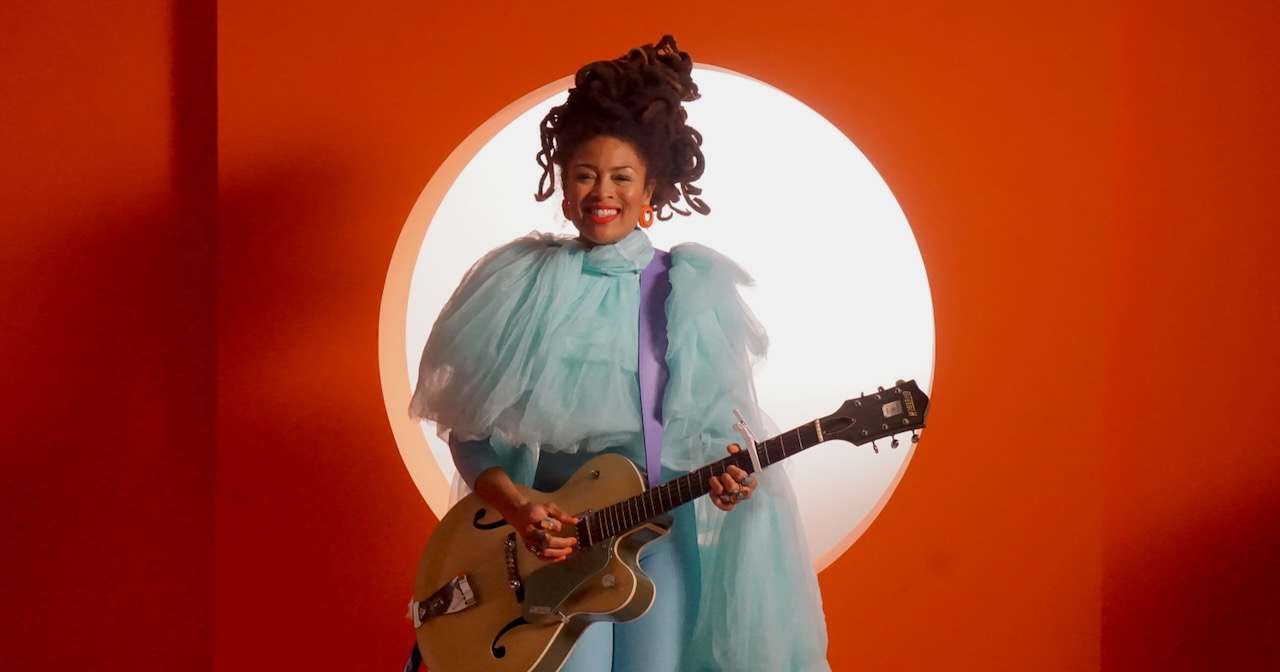
“Joy, Joy!” begins with June planting an illuminated seed singing, “There’s a light that you can find/ If you stop to take the time…” a prescient reminder to stay grounded, connected, and searching for the light. With a Rosetta Tharpe-esque Epiphone SG in hand, the track broadens and blooms, showcasing vibrant colors, whimsical scenes, and a cosmic style that June has become known for.

The antidote for darkness – for all that may challenge us – resides within us, June shouts in the chorus. It’s clear she’s not only reminding her listeners of this fact, but herself, too. “Joy, Joy!” is a delicious three-minute bite that will stick to your ribs and, hopefully, grow a seed of joy in each of our hearts.

“Everyone has felt moments of darkness, depression, anxiety, stress, ailments, or pain,” June explains, via press release. “Some say it takes mud to have a lotus flower.”

“This song reflects on the hard times we might face: to fail, to fall, to lose, to be held down, to be silenced, to be shut out yet still hold onto a purely innocent and childlike joy. I come from a heritage of ancestors who lived this truth by inventing blues music,” she continues. “Generations after theyʼve gone, the inner joy they instilled in us radiates and lifts cultures throughout the world. From the world to home, what would a city council focused on inspiring inner joy for all of a town’s citizens look like? As the times are changing across the planet, what would it look like to collectively activate our superpowers of joy?”

It’s certainly the perfect message and song for this day and age, delivered as only an artist like Valerie June could deliver it. By another creator, it might seem saccharine or twee to face our daily reality with joy exclusively as a shield. But June demonstrates joy is just one of many important tools we all need to hold onto while we face these “hard times.” Except, this is a joy without blinders on – it’s eyes-wide-open to the truth that acknowledging and challenging hardship and inequity requires a joy that need not deny those hardships’ existence in order to have transformative power.

Owls, Omens, and Oracles is poised to continue June’s post-genre explorations of psychedelia, rock and roll, folk, Appalachian music, blues, string band, and so much more, as well as featuring special guests like the Blind Boys of Alabama and Norah Jones. No one is making music quite like Valerie June and, from this first listen especially, it seems the roots music envelope will continue to be pushed and pushed and pushed some more by June with this new release. And, June will be taking the project on the road with an extensive full band tour stretching from March through the summer. Tickets are on sale now.


Photo Credit: Marcela Avelar

Artist of the Month: Sunny War

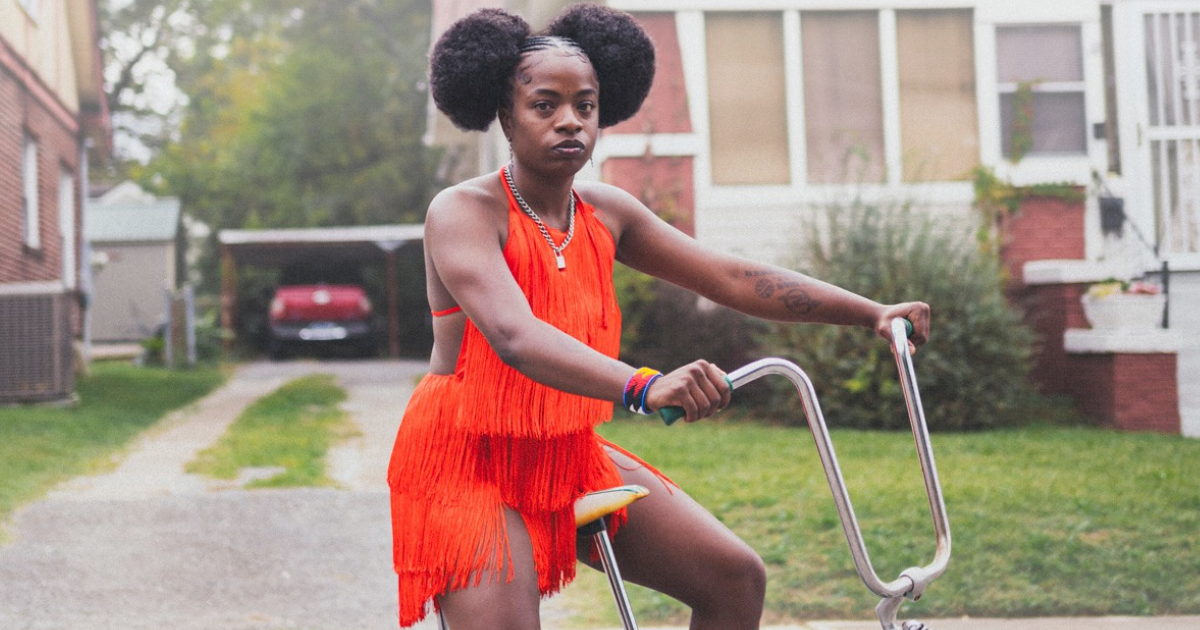
Sunny War has done it again. Her brand new album, Armageddon in a Summer Dress (out February 21 via New West Records), is yet another anarcho-punk-roots masterpiece in her already deep-and-wide catalog of superlative recordings. The project builds on the sonic and rhetorical universe of her critically acclaimed and triumphantly received 2023 release, Anarchist Gospel, further expanding her charming, down-to-earth doctrine of mutual aid, community, and truly radical ideas – musically, and otherwise – exactly when we need them most.

That fact – the apropos timing of this collection of songs and their release – feels most striking because this music wasn’t written expressly to be a response to the current critical mass of fascism, oligarchy, and attacks on human rights in our country and around the world. Instead, the messages and morals in these songs are well-placed, not as slapdash reactions to the current political discourse or as activist-branded cash grabs in a terrifying societal moment, but by focusing on the real day-to-day implications of such imperialism as evidenced within War’s own life and her own inner circle.

On Armageddon’s opening track, “One Way Train,” she sings:

When there’s no one left to use
And no police or state
And the fascists and the classists
All evaporate
Won’t you meet me on the outskirts
Of my left brain
Close your eyes and take a ride
On a one way train

This album is exactly such a refuge on par with the singer’s “left brain” – and stemming directly from it! – in “One Way Train.” Armageddon is a respite from the noise of the news cycle and the sensationalism of consumerist media that needs not deny the realities we all witness and live through in order to be a resting place. This isn’t toxic positivity or “joy” and “hope” as cudgels to smack down criticism of inequalities, corruption, and ruling classes, thereby reinforcing the status quo. The songs of Armageddon in a Summer Dress do feel hopeful– but because they acknowledge and grapple with these issues, instead of willing them away under the rug or into hiding.

The deft and artful positioning of these incisive songs is directly tied to the ways anarchy, mutual aid, and solidarity have been woven into War’s life as an artist – and as a human, since even before she picked up the guitar. These are embodied, real concepts to Sunny, not just intellectual ideas and hypotheticals.

Punk and blues, folk and grunge ooze out of songs ripe for protest and resistance, but never packaged in a pink crocheted pussy cat hat or internet-ready bumper sticker quips. Sunny War knows the violence and tyranny we all face – she has faced it her entire life – and gives it the treatment it deserves, but without ever preaching or finger-wagging. The beliefs evident in Armageddon in a Summer Dress are never contingent on which team, “red or blue,” holds the power. Rather, the hope and tenacity in these songs feels derived from an intrinsic understanding that it’s always been “the many versus the few” and “the powerless versus the powerful” where the battle lines are drawn, instead.

“Walking Contradiction” – which features punk icon Steve Ignorant – is searing in its indictment of toothless neoliberalism having landed us in this exact political and social scenario:

…While the war pigs killed more kids today
Picket signs were made 6,000 miles away
And all the lefties and the liberals were marching so you know
Just because they pay their taxes doesn’t mean that they don’t know
All the pigs and the big wigs foaming at the mouth
Look down at us laughing like we’ll never figure out
All the war outside starts here at home
If they didn’t have our money they’d be fighting it alone
Doesn’t matter what your silly little signs have to say
‘Cause the genocide is funded by the taxes that you pay

Stopping and inhabiting this song, one of the project’s singles, and its message is illuminating. Especially when you realize it was written under the prior administration, but applies to the current one as well. And, perhaps, to every other presidential administration in U.S. history.

Armageddon in a Summer Dress still feels light and rewarding, though. It’s flowing and intuitive, and decidedly charming, even with these stark messages. Because, like most of Sunny War’s creative output, it actually drives to the heart of the issues we all turn over in our minds and on our screens each day, rather than tilting at superficial, sensational windmills that end up reinforcing our oligarchic status quo.

Of course, this album is not solely political and anarchic and intellectual. In fact, it’s not attempting to be cerebral and be-monocled at all. These are songs of love, of grief, of being an individual with a collective mindset in an individualist world with collective blindness.

There are songs of introspection, of perception, of self growth, of regression. Each feels fully realized in production, lush and deep. But there, in the gaps, in the bones of each track, are War’s signature fingerstyle licks, hooks, and turns of phrase on the guitar. She plays banjo throughout the project as well, and though the referenced genres evident on the project are endlessly rootsy, the blues and folk approach that charmed much of the bluegrass, folk, and Americana worlds previously serve a more subtle purpose here. War’s personality on her instruments is still prominent, and is ultimately successful playing more of a support role to the greater whole. Above all else, you can tell creating this album and these songs must have been so much fun to make.

Tré Burt, Valerie June, and John Doe – along with Ignorant – all guest on the record, which was produced by Andrija Tokic and recorded in Nashville, just up the highway from War’s current hometown of Chattanooga, Tennessee. Like Anarchist Gospel, seeing War’s community of collaborators grow and morph on the new project again speaks to the way this guitarist-songwriter-performer’s mission is an active, constructive one. It’s never merely a mantra hung on the wall to be admired from afar.

As we all face an ongoing apocalypse, as we each reckon with the indisputable fact that we are already living in dystopia – and have been – Armageddon in a Summer Dress is the perfect album to bring along with us. Dancing and flowing and twirling through the end of the world is certainly not a winning strategy, but dancing, marching, caring for one another, and lifting each other up despite Armageddon and imperialism might just do the trick.

She perhaps encapsulates this feeling best alongside wailing organ on “Bad Times:”

Had nothing so I had to borrow
What I owe’s gonna double tomorrow
Maybe now or in an hour or so
I’m gonna have to let everything go

So long room and board
And all the other things I can’t afford
You’re overrated anyway
I’ll be good soon as you
Bad times stay away
Bad times stay away
Bad times stay away
Bad times stay away…

This affirmation is not the end game, it is merely the beginning. If we take Sunny War’s ideals to heart, if we sing along at the top of our lungs, if we do mutual aid on a daily basis, if we take each moment, one individual second at a time– we, too, can navigate through Armageddon in a Summer Dress, emerging on the other side in a better, more just, more sunny world.

Sunny War is our Artist of the Month. Check out our exclusive interview with Sunny by her friend and peer Lizzie No here. Make sure to save our Essential Sunny War Playlist below while we gear up for the new album on February 21. Plus, follow BGS on social media as we dip back into our archives every day for all things Sunny during the entire month of February.


Photo Credit: Joshua Black Wilkins

BGS Class of 2023: Reading Recommendations

I call January my reading month. To be clear, I do of course still scan words and decipher syntax throughout the remaining 11 months that fill the calendar, but I always seem to start and finish the most books in the first month of the year. I don’t think it’s because I have a romantic notion of what my new self will be like in this new year – always reading and writing more or doing xyz to “better” myself (though if I’m being honest, that’s probably part of it). Rather, I think it’s more so that in the hangover of the holidays, when the gatherings are over, and there are months of dreary winter to look forward to, I take comfort in the ability to transport myself to another time or place, or simply get lost in someone’s thoughts for hours at a time. 

This community, as much as any, understands the import of passing stories on – allowing a new generation to take the torch and keep honored traditions burning while evolving its culture and extinguishing the shameful parts of its priors. That’s why we at BGS compile notable books that tell the stories by or about these genres’ songs and songwriters and the scenes, places, and events that made them. 

Maybe you’re like me, looking for ideas of books to get lost in this winter, or maybe you are looking for a way to turn the page on the calendar and become your most “badass self” (we’ve got a book for that). You might be here looking for a last minute gift idea for that special music-loving person in your life. In all those cases, you’ve come to the right place! 

We’ve got a book by an esteemed songwriter who waxes poetic on the art form he loves. We’ve got titles about how certain times in certain places scenes have blossomed and sub-genres formed so palpable that listeners can identify a song by its roots. We’ve got biographies of famous musicians, and some of whom have looked back at their own lives and careers. Find all that and more in our list of reading recommendations, organized by categories below: 

Sense of Place

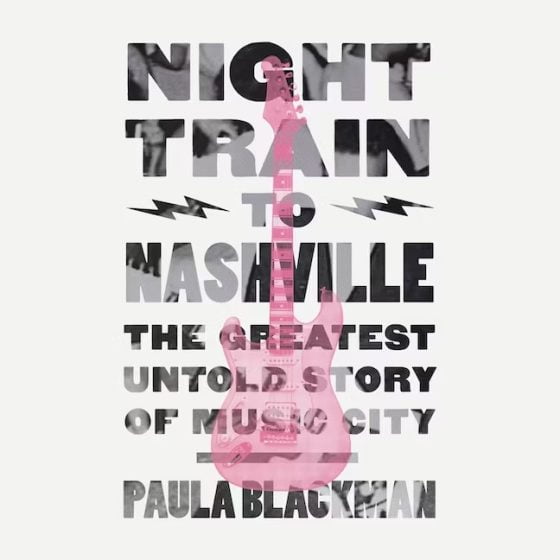
Night Train to Nashville: The Greatest Untold Story of Music City, Paula Blackman

Drawing on stories from her grandfather, E. Gab Blackman, a 30-year radio executive at WLAC, Paula Blackman shares the story of how the Nashville radio station became a pioneering source for Black rhythm and blues music in the 1940s and ‘50s. Seeing the opportunity to reach a more diverse audience – not, as Paula notes, to be a “white savior” – Gab teamed up with disc jockey Gene Nobles to play “race records.” In Night Train, Blackman also profiles William Sousa “Sou” Bridgeforth, the owner of New Era Club, a prominent Black nightclub in Nashville that blossomed as a result of the new artists being spun on WLAC airwaves, many of whom were introduced to Gab by Sou. Fitting that the story of Nashville, in the time leading up to the civil rights era, is told through the music played on the AM radio speakers throughout the city. 

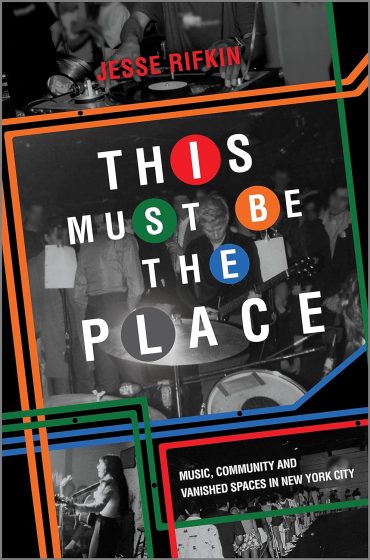
This Must Be the Place: Music, Community and Vanished Spaces in New York City, Jesse Rifkin

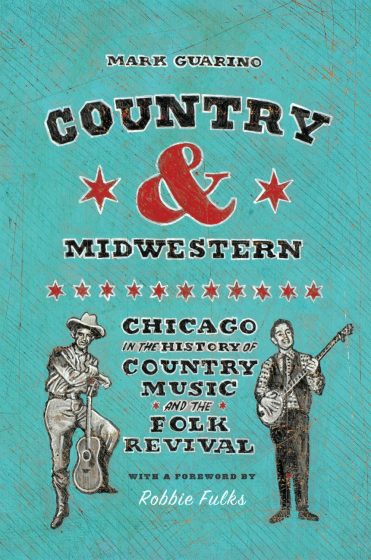
Country and Midwestern: Chicago in the History of Country Music and the Folk Revival, Mark Guarino

In Their Own Words

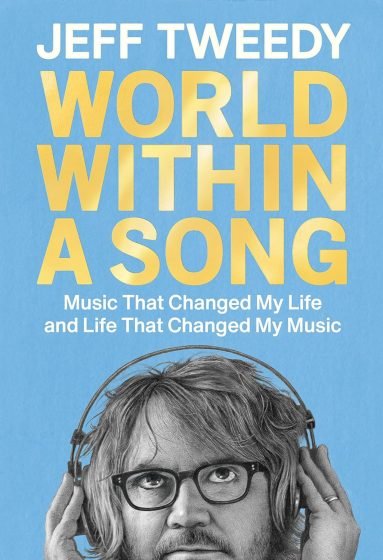
World Within a Song: Music That Changed My Life and Life That Changed My Music, Jeff Tweedy

Wilco frontman and New York Times bestselling author Jeff Tweedy follows up on Let’s Go (So We Can Get Back) and How To Write One Song with a gushing love letter to songs. In it, Tweedy dedicates chapters to many (but clearly not close to all) of the songs that have resonated deeply with him for one reason or another. From Bob Dylan to Billie Eilish, from The Clash to ABBA, Tweedy sheds any and all pretense of what might be considered “cool” in his selections. 

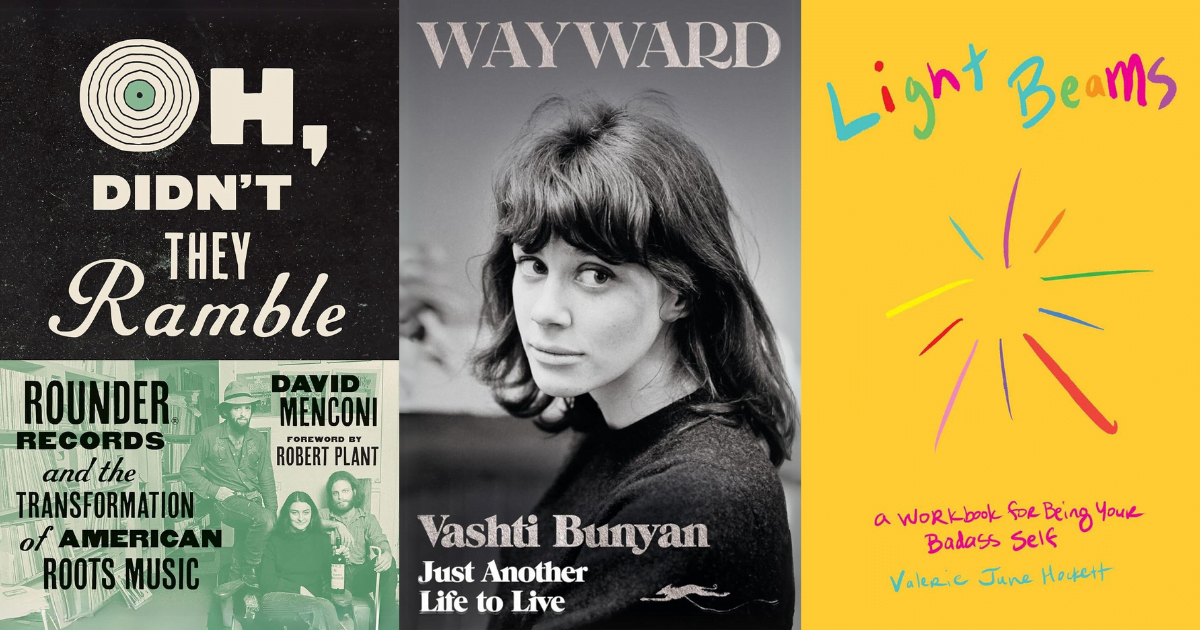
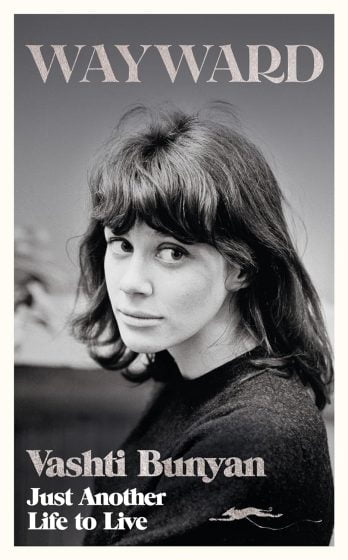
Wayward: Just Another Life to Live, Vashti Bunyan

In Wayward, Vashti Bunyan, an English singer-songwriter, recounts her early career in the mid ’60s leading to her debut release, Just Another Diamond Day, in 1970. Disillusioned by its lack of success (at the time) and the fact that her songs, life, and career were all dictated by men, she left the music industry entirely before re-emerging in the early 2000s. Pick this up for the story of what happened in between, how she reclaimed her life, and is taking her second act in music on her own terms. 

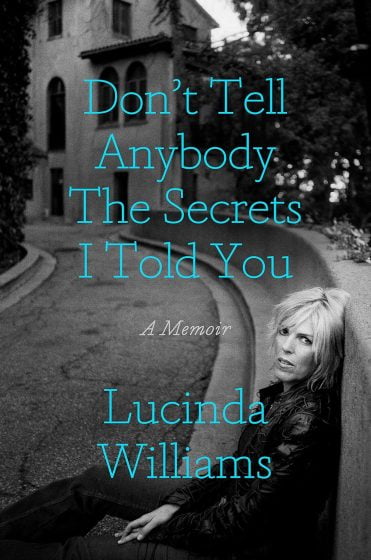
Don’t Tell Anybody the Secrets I Told You: A Memoir, Lucinda Williams

3-time Grammy award-winning songwriter and now New York Times best-selling author, Lucinda Williams, recounts her upbringing and bumpy ride to fame. Once getting feedback from a record company who said her music was “too country for rock and too rock for country,” Williams stayed the course, and became one of the greatest and most influential songwriters of our time.

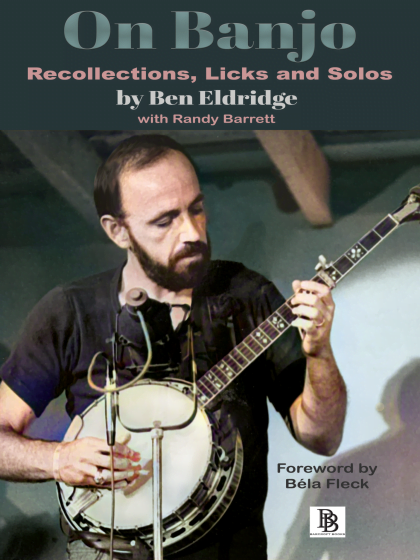
On Banjo: Recollections, Licks and Solos, Ben Eldridge

Born in Richmond, VA, Ben Eldridge fell in love with roots music watching WRVA’s Old Dominion Barn Dance. In this memoir-meets-tablature book, he recalls his path from upbringing to moving to D.C. to become a mathematician, and ultimately going from jam sessions to forming a group that would change bluegrass henceforth – the Seldom Scene. This conversational book with pictures that set the scenes even comes with licks and transcriptions for banjo playing fans. 

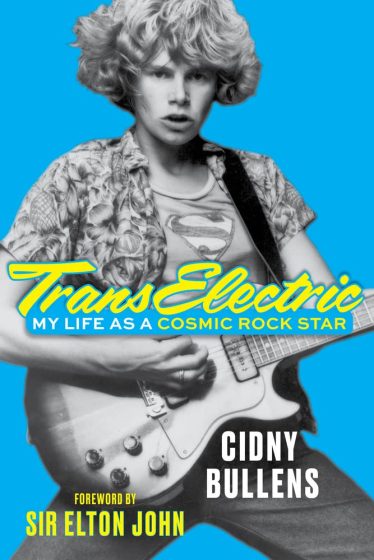
TransElectric: My Life as a Cosmic Rock Star, Cidny Bullens

This book starts with a bang! And I’m not even talking about the foreword from Elton John. As just a 24-year-old Cidny (then referred to as Cindy) had shown up uninvited to a live recording session for Dr. John at Cherokee Studios in Hollywood, and eventually found himself starting an impromptu jam with Ringo Starr, Eric Clapton, Dr. John, and Joe Cocker. This retrospective traces his arc from a backing vocal career in the drug-fueled ’70s for the likes of Elton John and Rod Stewart, and having trouble finding his footing as a solo artist who had expectations of how a woman could behave and perform. Bullens settled into the life of a typical suburban mom, experienced a personal tragedy, and eventually found his true voice. 

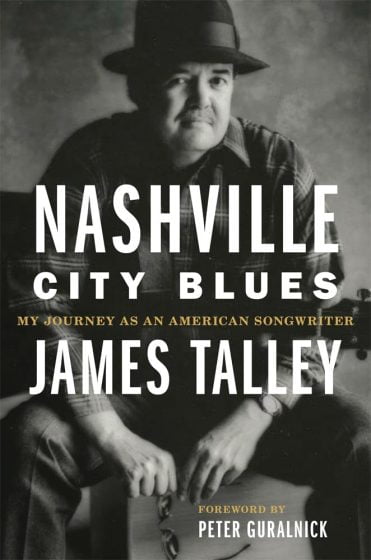
Nashville City Blues: My Journey as an American Songwriter, James Talley

Biographies & Histories

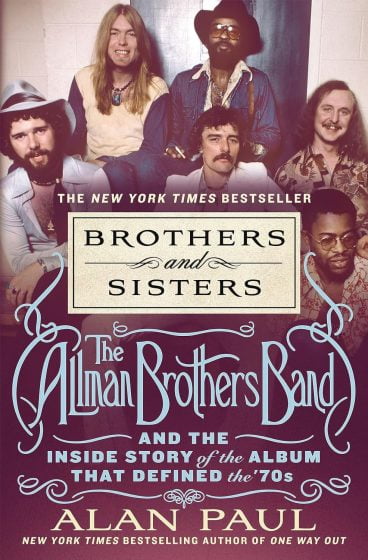
Brothers and Sisters: The Allman Brothers Band and the Inside Story of the Album That Defined the ’70s 

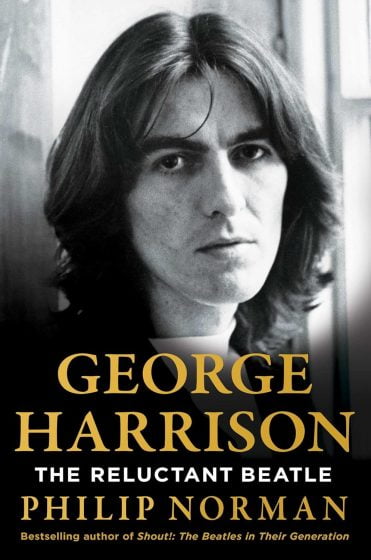
George Harrison: The Reluctant Beatle, Philip Norman

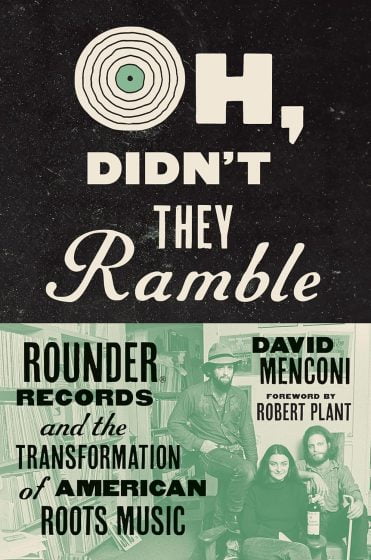
Oh, Didn’t They Ramble: Rounder Records and the Transformation of American Roots Music, David Menconi

Oh Didn’t They Ramble chronicles the comprehensive history of the quintessential folk record label for the last 50-plus years. With extensive access to Rounder artists, staff, and founders Ken Irwin, Marian Leighton Levy, and Bill Nowlin, BGS contributor David Menconi is able to tell Rounder’s story, from its humble but audacious and idealistic beginnings to becoming one of the most influential record labels in the history of recorded music. 

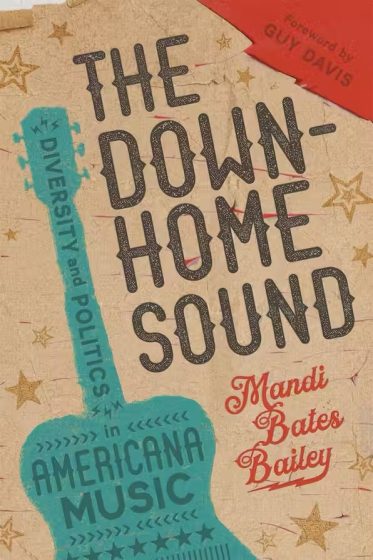
The Downhome Sound: Diversity and Politics in Americana Music, Mandi Bates Bailey

How-Tos

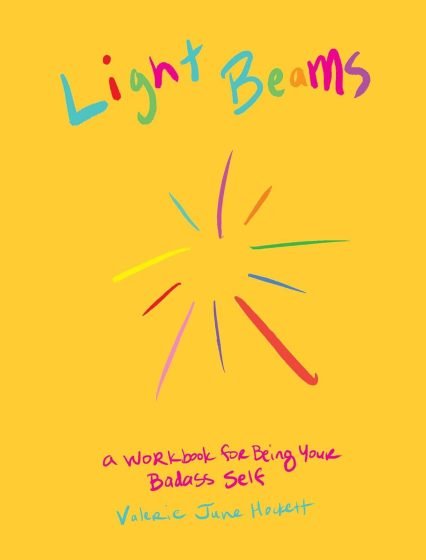
Light Beams: A Workbook for Being Your Badass Self, Valerie June

Like I mentioned, this workbook/journal might be coming just at the right time as you resolve to become your most “badass self.” But even if you’re reading this well into the new year, then there’s no time like the present! Published on Jack White’s Third Man Books, Valerie June’s Light Beams offers its readers “contracts and agreements, self-healing wishes and spells, and maps and prescriptions in exercises” on a journey to self-love and waking up with a promise of choosing kindness and shining like a “badass.”

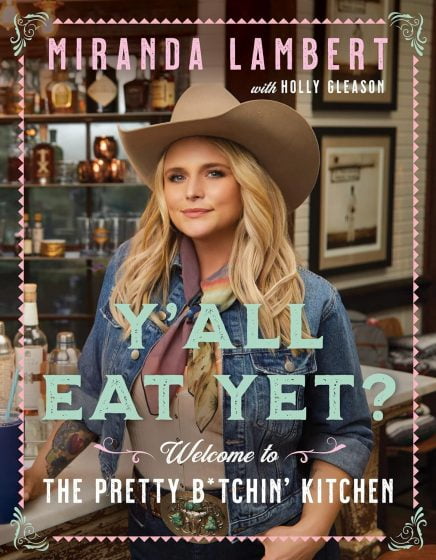
Y’all Eat Yet?: Welcome to the Pretty B*tchin’ Kitchen, Miranda Lambert

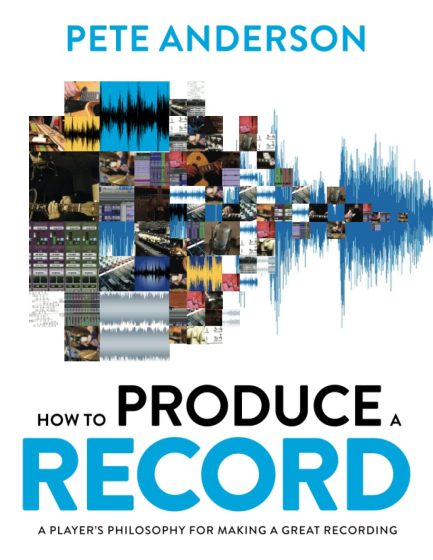
How To Produce A Record: A Player’s Philosophy For Making A Great Recordings, Pete Anderson

Other

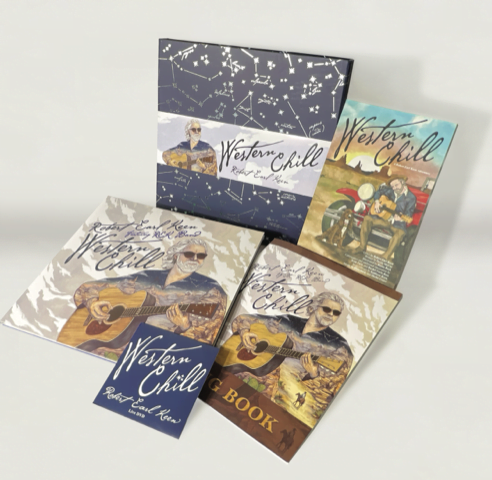
Western Chill, Robert Earl Keen

As a set that features a double sleeve album, a DVD with music videos for every song, a graphic, illustrated novel that explains the writing process, and a songbook with lyrics, notes, and chords so the purchaser can play along, this title certainly belongs in a category of its own. 


Buffalo Nichols Champions Blues in the 21st Century

Singer-songwriter and instrumentalist Carl “Buffalo” Nichols loves and treasures the blues, but he acknowledges that his vision of what the music can and should do differs greatly from that of many performers he’s met in the field. Indeed, Nichols, whose brilliant new LP, The Fatalist – his second for Fat Possum, which dropped September 15 – doesn’t mince words when he discusses the issues he faces and the things he wants to see change in regards to the music, as well as attitudes held by many in positions of authority in regards to its promotion and distribution. 

“I tell folks I’m a songwriter initially, because when you say you’re a blues musician, then there’s a whole bunch of stereotyped impressions that you’ve got to get beyond,” Nichols said during a lengthy recent phone interview with BGS. “There was a period there a couple of years ago, right after George Floyd, where for a time there was this sense, or at least it was being said, that the blues community needed to change, we needed to diversify, to become more relevant and reflective of things happening in America. But now that seems to have passed, and we’re back to the same old thing. There’s too much conservatism among the older crowd, who often are in control of the blues radio stations and who are responsible for why the music isn’t more widely heard and accepted. And there’s too many artists just putting the same stuff out there.”

Nichols is among a growing number of African American artists anxious to smash idiomatic barriers regarding not just blues, but American music, period. He is a master at carefully paying attention to traditional values like keen storytelling, soulful delivery and expressive lyrics, while also utilizing contemporary elements and devices. The Fatalist includes a stunning cover of Blind Willie Johnson’s majestic “You’re Gonna Need Somebody On Your Bond.” The LP’s first single, Nichols’ robust baritone soars through the message of salvation with vigor, driving home both its urgent intensity and evocative theme. However, Nichols also says the song epitomizes another part of the dilemma he faces regarding broadening the blues’ appeal.

“That one kind of gets caught in a double trap,” Nichols continued. “On the one hand, you’ve got religious lyrics, then on the other you’ve got the blues sensibility. So, while the traditionalists who know Blind Willie Johnson love it, it has a hard time getting past the gatekeepers, because it also has some contemporary production touches. That’s kind of the double struggle you face. You’ve got the white traditionalist and conservative types who are dominating the blues marketplace, then when you’re trying to reach the Black audience, you’ve got what they call the ‘urban contemporary market.’ Because it’s blues they won’t play it.”

Still, Nichols is making some headway on the scene, both critically and in terms of gaining followers. He says he’s seeing a lot more young folks in his audience, as well as more Black fans. Though his appeal and notoriety don’t yet match that of a Christone “Kingfish” Ingram or a Shemekia Copeland, Nichols is steadily gaining more attention and acclaim. He opened several dates last year for Valerie June, another marvelous Black performer whose music incorporates classic and current sounds. He stands prominently alongside other rising blues stars like Gary Clark Jr., Marquise Knox and Eric Gales. The Fatalist reflects the vision and scope of a 30-something performer whose background includes at various times being in a grindcore band (Concrete Horizon), and playing folk and Americana, while also being part of a duo in Milwaukee (Nickel & Rose) with bassist Johanna Rose. His disenchantment with an Americana scene he considered overwhelmingly white and less than encouraging to his artistic vision led him to Fat Possum.

“I really felt it was important at this stage to have a label behind me,” Nichols said in response to a question about why he chose to sign with Fat Possum. “While it’s not the type of thing where we’re sitting down and trying to pick songs for radio, it is a thing where they’ve been very supportive and encouraging. They’ve provided me a place and a forum for what I want to do, and they appreciate my vision and are doing all they can to help me.” 

The Mississippi-based label was once widely celebrated for its championing of hill country blues greats R.L. Burnside and Junior Kimbrough, but in recent years had drifted far away from that model. Buffalo Nichols, his debut release, was the company’s first blues outing in two decades. It set the stage for The Fatalist, whose eight songs reveal a strong songwriting focus Nichols says is indicative of both personal growth and his desire to use the blues form to do more than rip through scales and display great individual musicianship. “I’ve been a guitarist for 20 years, but it’s really only been the last 10 that I think I’ve really grown as a songwriter,” he continued. “Being able to express myself is a challenge, and using the blues to do it is what drives me.”

There’s no question that The Fatalist doesn’t necessarily adhere to the standard blues formula, and that’s setting aside the presence of drum machine tracks and enhanced sonic quality. Its song sequencing and overall lyrical flow are edgy and compelling.

Standout cuts like “Love Is All” or “The Difference” offer contrasting views of a relationship. The former is optimism grounded in the wisdom of admitting that even good guys can go astray, while the latter spotlights a breakup that doesn’t so much place blame as document the painful end of something that was once glorious. There’s also the hard-hitting opening number “Cold Black Stare,” and the triumphant finale, “This Moment,” that features special guest vocalist Samantha Rose. The album has a sonic clarity and power that puts it in a league with anything done at a state-of-the-art studio in Nashville, LA, or New York, yet it was recorded in Nichols’ home – and he produced it. The decision to cut it there is also part of a larger career change that Nichols made last year, when he moved back to Milwaukee after spending years in Austin.

“In some ways it’s harder for me now being back home,” Nichols said. “But in other ways it’s good, because now I have to do it myself. I don’t have the machinery or the apparatus or the surroundings that I would have in Nashville or Austin or LA. It’s like it was when I was growing up. I’m being responsible for my own music now, and that’s a good thing creatively, even if from a business aspect sometimes there’s a struggle.” 

Buffalo Nichols is now in the midst of an extensive tour, with the American portion running through mid-December, then a European leg beginning in early January and continuing through mid-February (for now). While being adamant about not setting goals, Nichols says he definitely has things he wants to accomplish career-wise.

“For me, I always want to look ahead, I want to progress as a songwriter and a guitarist,” Nichols concluded. “I don’t ever want to make the same music over and over. I don’t want to be predictable. I want to contribute something original, something that when I’m gone people will look back and say that this was something fresh and inventive that Buffalo Nichols made.”


Photo Credit: Samer Ghani

See Photos from Lexington, KY’s Railbird Music Festival Featuring Tyler Childers and More

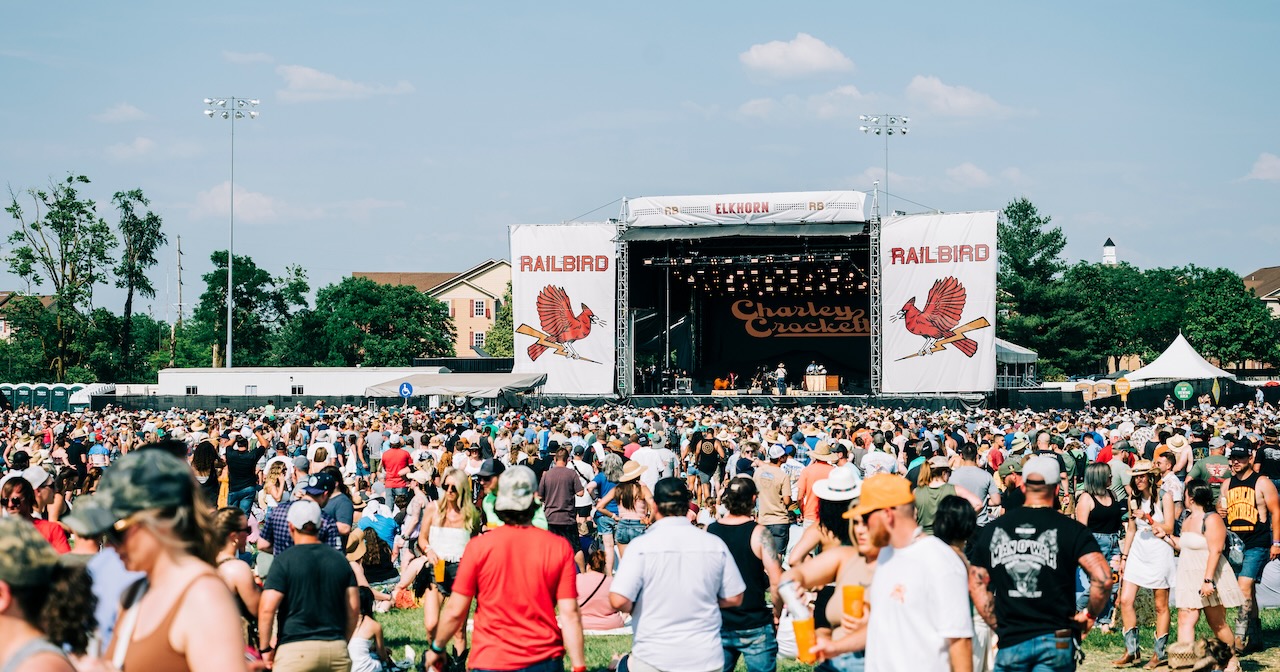
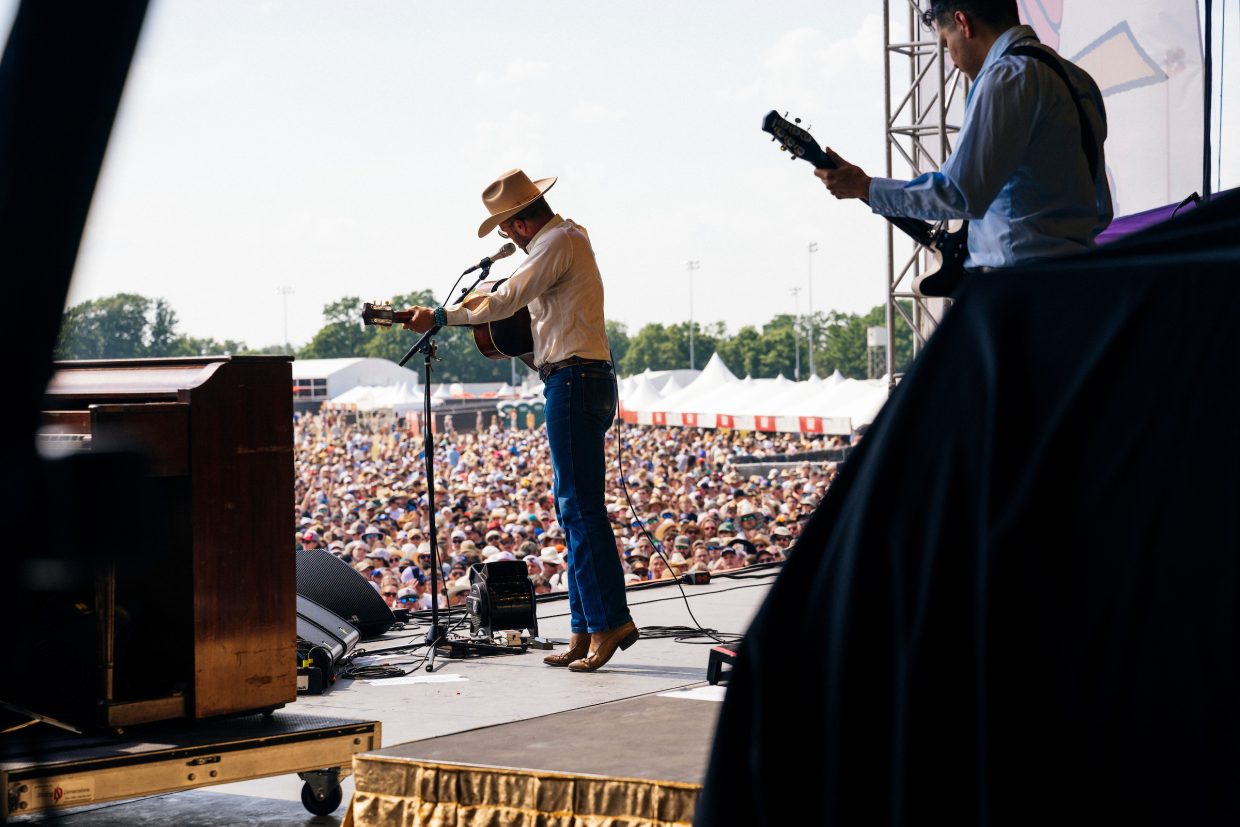
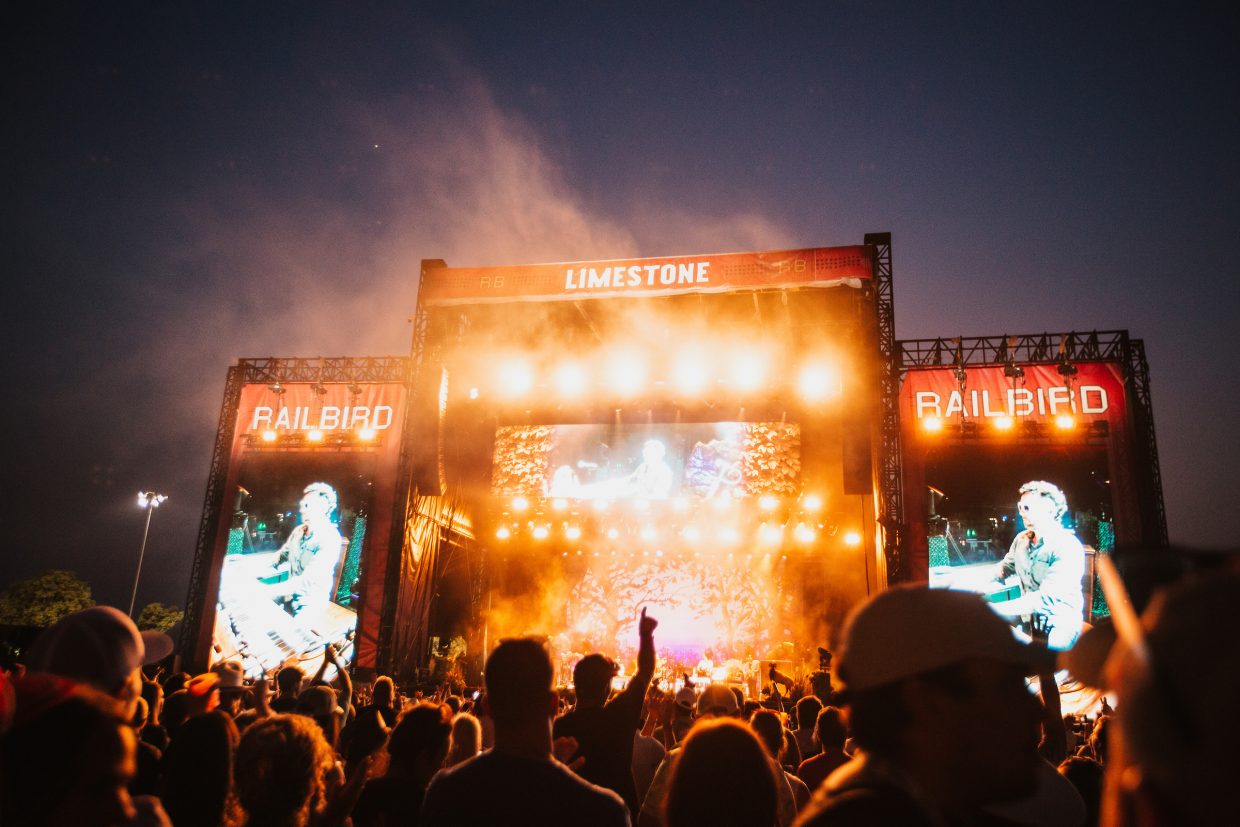
Highlighting the confluence of roots music and the mainstream, Railbird Festival welcomed 32 acts from across the rock, folk, and bluegrass spectrum to Lexington, Kentucky on June 3-4.

Boasting headliners Tyler Childers and Zach Bryan, plus Charley Crockett, Whiskey Myers, Nickel Creek and more, a sold-out crowd of 40,000-plus helped kick off festival season with a uniquely “Americana” lineup – drawing attention to this hidden gem of a city.

Set in the heart of Lexington and spread across three massive stages and a spacious lawn at The Infield at Red Mile (usually a horse racing venue and casino), 2023 marked the third year of a festival turning the “horse capital of the world” into roots-music central while celebrating the rich musical history of the area.

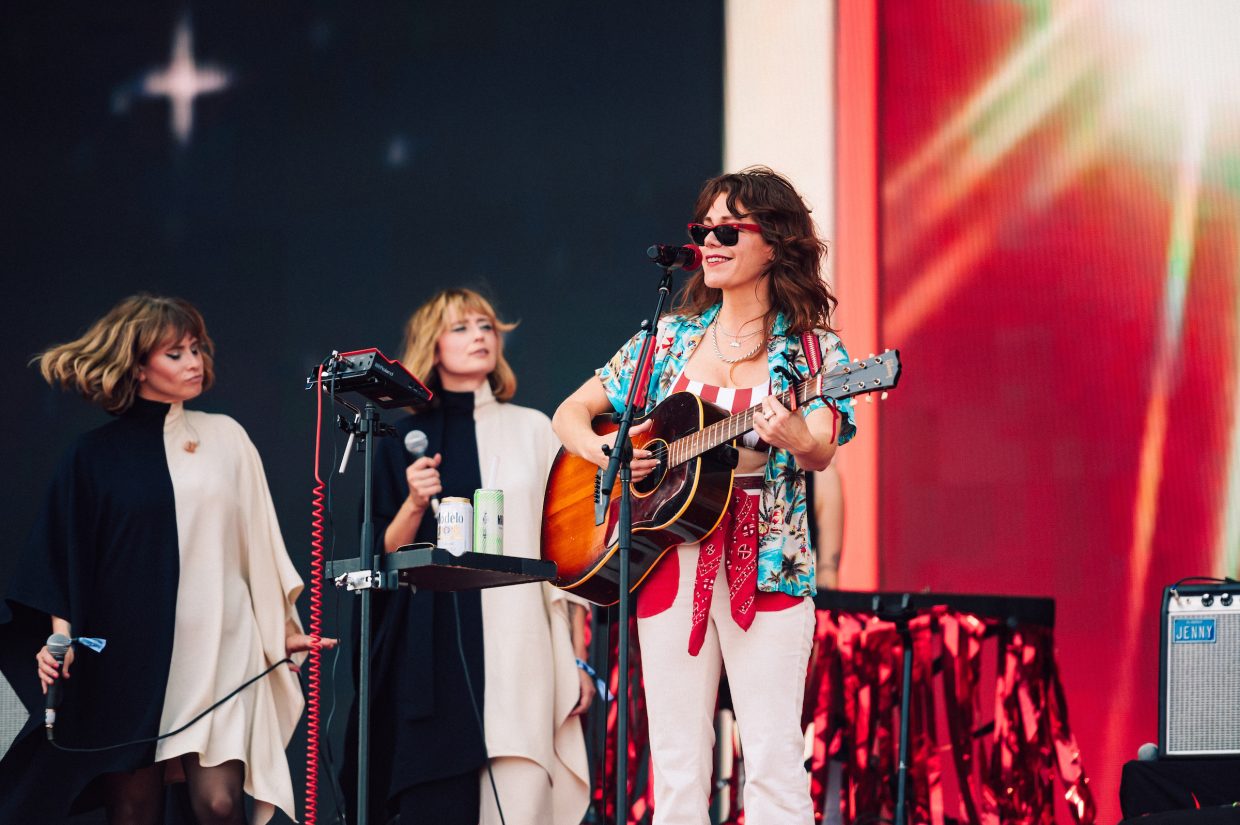
Jenny Lewis (R) with Lucius by Nathan Zucker

Day one kicked off with perfect festival weather– meaning it was blazing hot and dry as a bone. That was no worry, however, since Railbird also featured three huge shaded areas, plenty of refreshments (it is bourbon country, after all) and a merciful breeze. From just about anywhere on the grounds, fans could see everything all at once – and that included 2023’s festival-season fashions.

Charley Crockett (L) by Charles Reagan

Indie pop chanteuse Jenny Lewis was an early draw, singing smart tunes about “psycho men” and hypoallergenic puppies – and also welcoming Lucius, the Grammy-nominated duo who became something like the fest’s house band, for a rich duet.

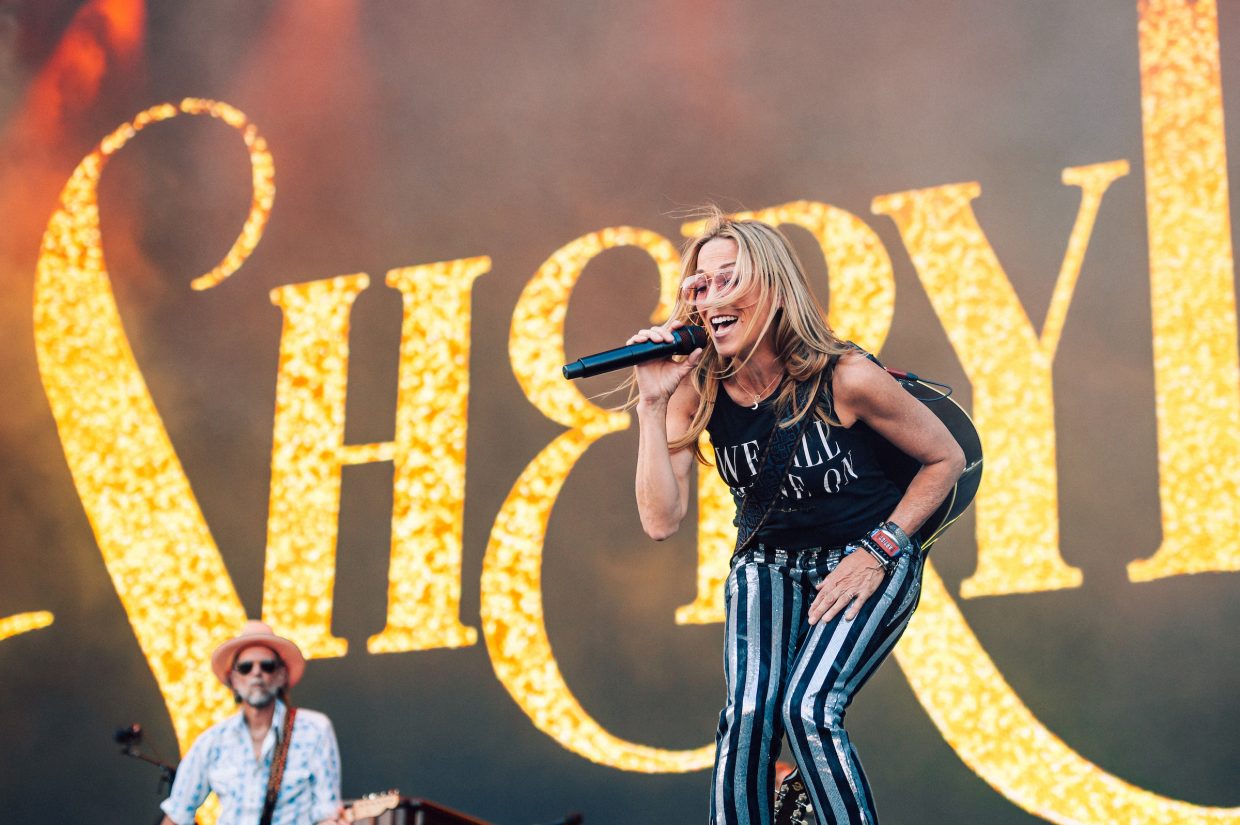
Sheryl Crow by Nathan Zucker

Later on, Charley Crockett herded everyone to the Elkhorn stage for some ballads from a modern day drifting cowboy. And Sheryl Crow showed she could still hang with the kids, even calling for more of them in politics. “I don’t have a lot of hope for people older than me,” the feisty icon said. “But you can bring change.”

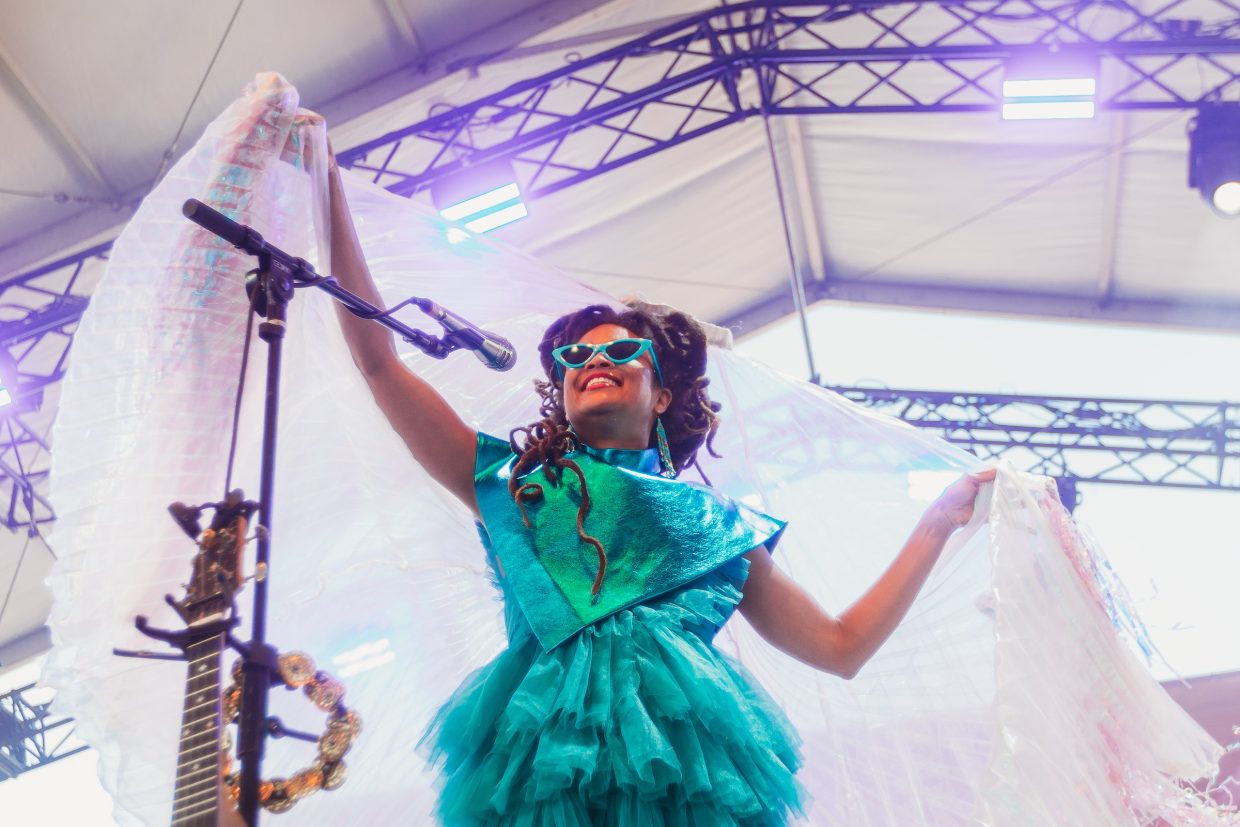
Valerie June by Cora Wagoner

Whiskey Myers brought their own gasoline (and a match), firing up a midday crowd with their rowdy roadhouse rock, and while Valerie June won her crowd over with a big smile and songs connected to the Black-folk past, emerging phenom Morgan Wade unleashed the pent up anger of country girls everywhere, sounding like a combination of Courtney Love and Loretta Lynn.

Morgan Wade by Taylor Regulski

Nineties alt-heroes Weezer united the crowd in a full set of fuzzed out awkward-teenager anthems – but also showed where they fit in the roots world, breaking out some old-timey three part harmony – and the day came to a close with breakout superstar Zach Bryan.

Zach Bryan by Charles Reagan

A self-made headliner who still carries the underground spirit, he gathered the whole crowd as the sun went down, doing his best to stay a songwriter who “keeps truth in songs.” Leading a country band with strong Class of ‘89 vibes, he mixed tender-but-edgy confessions with a well-placed vocal growl, and finished the night off in awe of the Railbird crowd, noting he was on the fest’s smallest stage just a few years earlier.

“I’m nervous as shit!” Bryan admitted. “Never in my life did I think I’d be after Weezer or Marcus Mumford.”

Marcus Mumford by Charles Reagan

Day two started off much the same as the first: hot and sunny, but with a marked increase of tow trucks prowling the Red Mile area. Great herds of humanity seem to migrate from one stage to the next, with wide smiles and a rootsier, more-acoustic lineup for them to enjoy. Luckily, the pacing was excellent and there was rarely any conflict over which stage to check out.

Sierra Ferrell by Cora Wagoner

Winchester 49 took over the big stage early, dodging beach balls and blasting their gritty country/rock/soul as they welcomed the crowd back with calls to drink up life (and beer.) Old-school master Sierra Ferrell had everyone dancing a throwback jig, and while Flipturn mixed fiery rock grooves with huge, danceable swells of energy (like EDM on electric guitars), Ricky Skaggs charmed as the fest’s elder statesman, and Kentucky treasure.

Making bluegrass look beyond easy (maybe more like effortless), a “RICKY!” chant soon broke out as parents answered questions from dumbstruck kids, like “Is it just him playing right now?” – once again proving the timeless, ageless wonder of acoustic music.

Nickel Creek by Charles Reagan

Nickel Creek seasoned their simple ingredients with a playful edge, returning for their first tour as a blood-bonded neo-bluegrass trio in quite a few years, while Amos Lee sampled everything from Memphis soul to Bob Marley and a bit of New Orleans funk.

Amos Lee by Taylor Regulski

Town Mountain found a welcome home for its foot-stomping, wild-child alternative-grass over at the covered Burl stage – as did Molly Tuttle (who will surely be on a bigger stage next year) and Charles Wesley Godwin, the West Virginia troubadour who welcomed night-one’s headliner back for a re-energizing duet, late in the festival and just before its biggest draw.

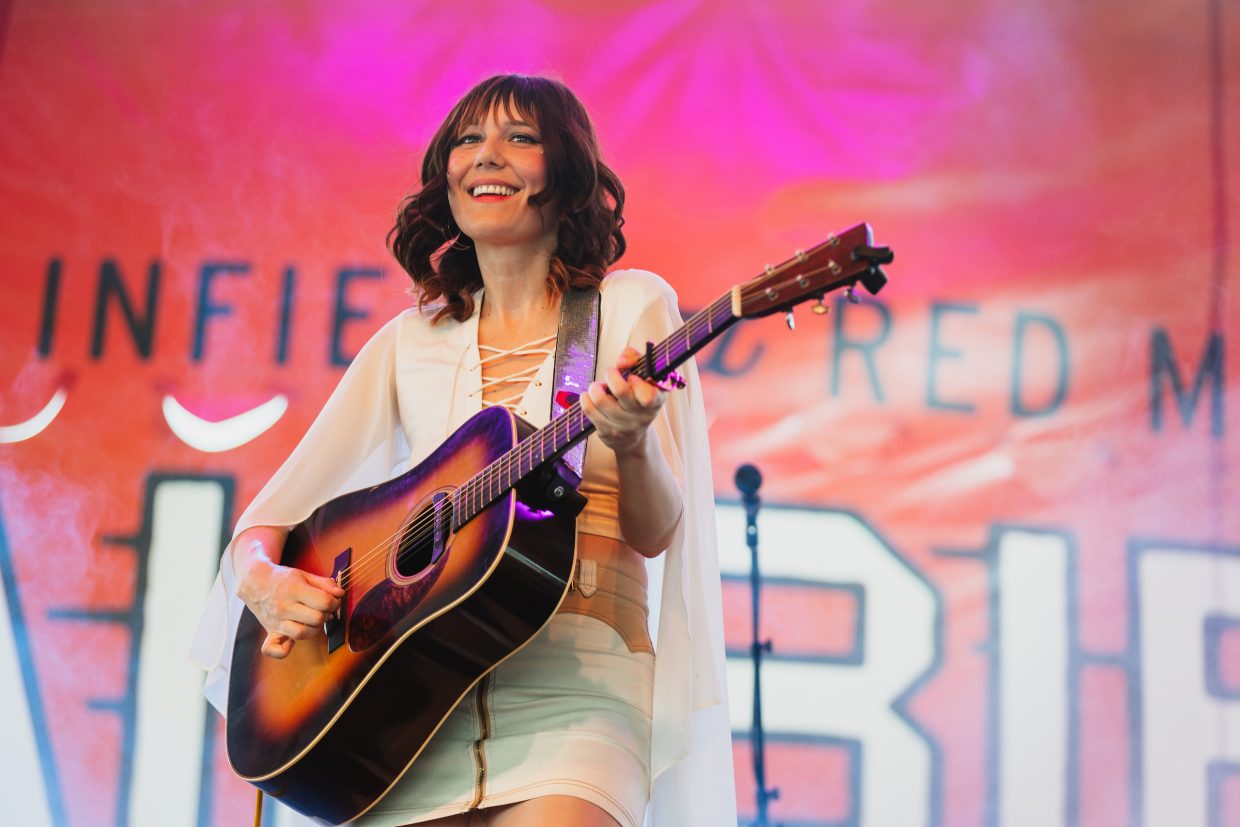
Molly Tuttle by Cora Wagoner

That moment finally came as the deep-red Strawberry Moon rose over Red Mile, with Tyler Childers putting a bold, indie-country cap on an already special event.

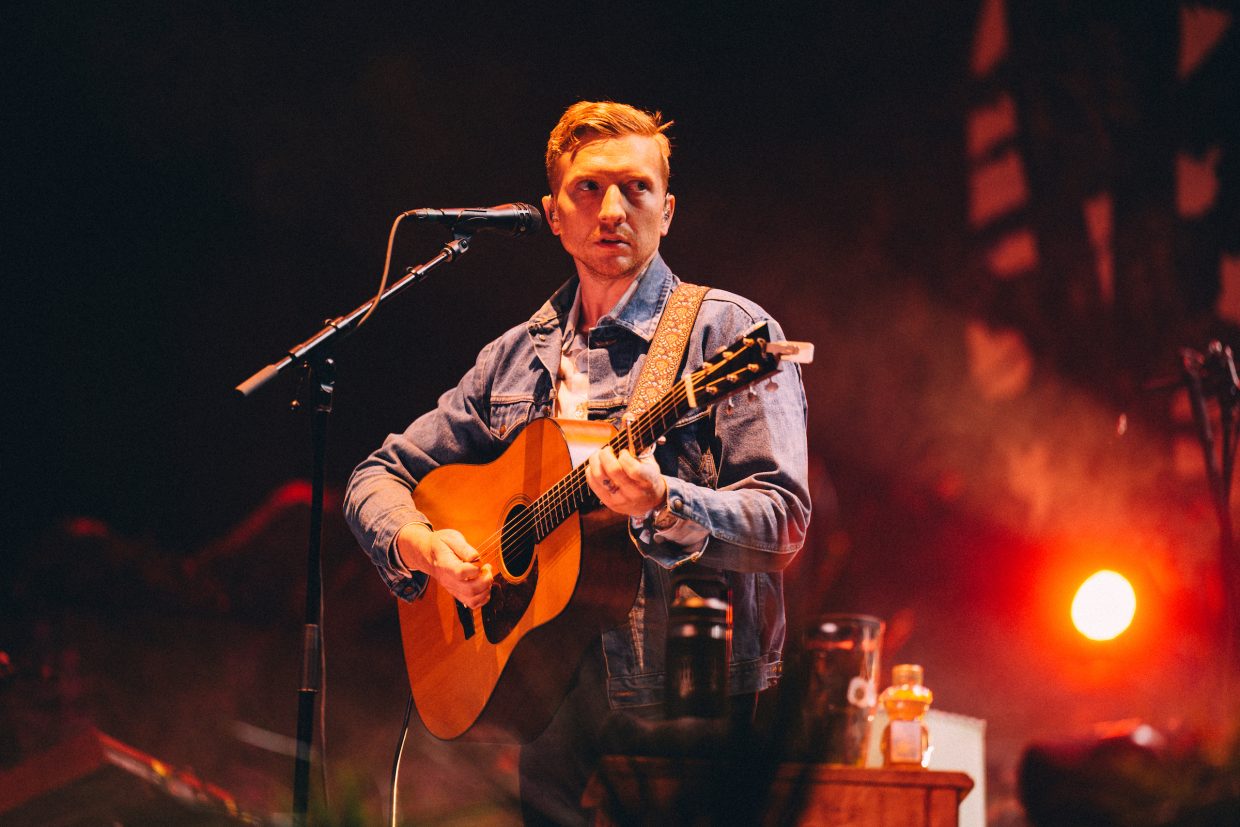
Tyler Childers by Charles Reagan

Welcomed to the stage by Lexington Mayor Linda Gorton – who proclaimed June 4, 2023 as Tyler Childers Day – the Lawrence County native arrived carrying the whole state’s roots-music tradition on his small frame, and never put a foot wrong.

Humble as ever and wielding the witty cadence of a carnival barker, he presided over a rabid hometown crowd in a jean jacket and rusty-blond hair, matching a voice that could cut Kentucky limestone with hardscrabble poetry just as sharp.

Tyler Childers by Charles Reagan

Over a two hour set, all of Lexington seemed to sway and sing along, closing the weekend with proudly down-home tracks like “All Your’n.” On the surface, it’s a holler-kid’s rebellious pledge of true love, that’s obvious enough. But in this case, that pledge seemed applicable in other ways – to the fans, to roots music, to Lexington. Perhaps even to the Railbird Music Festival itself.

I’ll love ya ’til my lungs give out / I ain’t lying,” Childers and his audience sang. “I’m all your’n and you’re all mine.”

Tyler Childers and band by Cora Wagoner

Photos courtesy of Railbird Festival
Lead photo credit: Taylor Regulski