Discovery of Townes Van Zandt Continues With ‘Sky Blue’

“I have a big gun safe next to my desk….”

When a tale starts with those words, you know it’s going to be interesting. But it’s not what you might first think. This safe didn’t contain the weapon for a hunt. It held the prey.

Let’s let the speaker continue:

“…where I keep all the CDs people give me, but can’t listen to them all.”

That’s Jeanene Van Zandt, who was married to the late Texas singer-songwriter Townes Van Zandt. Inside that gun safe in her Nashville home was also a disc containing “lost” recordings Townes made in a friend’s basement studio in the early 1970s. And on that disc were two songs for which she had been hunting around the world for years — as well as what may be the first recorded versions of Townes’ most famous song, the ballad “Pancho and Lefty,” and another favorite, “Rex’s Blues.”

Now 11 songs from that disc, including those four, have been put together for the album Sky Blue, the title coming from one of the previously unheard selections. On March 7, the set was released on his family’s TVZ Records via Fat Possum, on the 75th anniversary of Townes’ birth. And it comes at a time when a new generation — the fourth, by Jeanene’s calculations — is coming to discover Van Zandt’s music, even if some don’t know that he died in 1997 after years of issues with substances and mental health.

“I still get letters from people who have no idea he’s dead,” says Jeanene, who is also executor of Townes’ literary estate. “Things like, ‘We’re working on this tour and heard your music.’ I have to say, ‘Sorry to inform you that he died 22 years ago.’”

Since Townes died, Jeanene has spent a lot of time and effort tracking down recordings he’d made and never-released songs in his rather itinerant life. It’s been a dedicated effort of tracing rumors, following document trails, seeking out his friends and acquaintances, and/or just going with intuition, sometimes paying off, but often finding dead ends.

The current discovery was made by Will Van Zandt, her son with Townes, who took it upon himself to go through the stored material. One of them was a disc simply labeled “1973,” given to Jeanene a while back by Van Zandt’s longtime friend, Atlanta-based journalist Bill Hedgepeth, who had a little studio in the basement of his home where the singer would sometimes record things on which he was working.

“Will came and took some of the discs and had a box of them in his closet and kept telling me about some of the recordings and I said, ‘Bring ‘em!’” she says. “There have been certain missing songs I had looked for for years. Townes would say, ‘I know they’re out there! Find them!’ Over the years I’d stumble across lost songs here and there. And there are two on this one! Two songs I’d scoured the world for.”

“Sky Blue” and “All I Need,” the other missing song, are prime examples of the mix of sorrow and sharp character portrayals plied with starkly economic language that stand as Van Zandt’s artistic signatures. But there’s much more to be treasured on this set, including what may be the first recording he made of “Pancho and Lefty.” That song was made familiar to many when Emmylou Harris recorded it in 1977, and to many more in 1983 when a duet by Willie Nelson and Merle Haggard took it to No. 1 on the country charts, cementing Van Zandt’s stature as a premiere folk songwriter of that era. Townes himself has a cameo in the pair’s video.

Among the others on the album are deeply caring versions of the folk song “Blue Ridge Mountain Blues” and the murder ballad “Hills of Roane County,” plus tributes to fellow songwriters Richard Dobson with “Forever For Always For Certain” and Tom Paxton with a gorgeous “The Last Thing on My Mind,” which is a perfect closer for the new collection.

That there have been so many songs and recordings to be tracked down is a reflection of Van Zandt’s scattered life. The actual dates of these recordings may have come over the course of several years in the early ’70s, a time when he was living variously in Texas, Colorado, and Tennessee, at least when he settled down at all from his wanderlust. He released six albums in that time and had some tentative success, but nothing solid.

Hedgepeth’s home studio, though, was a refuge for Van Zandt, where he felt free to try out songs.

“They were very good friends and he was a very nice man,” Jeanene says. “When Townes would play Hot ‘Lanta he would stay with Bill. Listening to the tapes I’d hear Townes saying, ‘I want this here or that on here.’ So he was working on some project of some sort. Don’t know if this was one sitting or different trips.”

There’s enough variation of sound from song to song that it’s reasonable to assume that it was not all done at one time, but what ties them together is a sense of freedom to express, to try out songs, to sing some things he loved and see how they worked.

“There were 27 tracks, some were repeats, one with a dog barking in the middle, another with the phone ringing,” Jeanene says. “Once we whittled them down we thought, ‘This sounds like a family of songs.’”

A little cleaning up was needed, but the raw unguardedness shines with Van Zandt’s masterful songwriting, guitar playing and singing, connecting the dots between his own spare style and the traditions he revered.

Townes’ own legacy is secure, with dozens of notable artists having recorded his songs and been inspired by his writing, prominently Steve Earle, who not only made a whole album of Van Zandt songs in 2009, but named his son Justin Townes Earle. Others are finding their way to Townes’ music with other new avenues of exposure. Recently Charlie Sexton played him in the movie Blaze, about mercurial singer-songwriter Blaze Foley, a close friend/running partner of Van Zandt and even more of a cult figure.

“[Sexton] was so nervous when they were filming that,” she says. “He knew I’d be there. I came up to him and said, ‘You did fabulous!’”

Townes also figures in the Foley episode of the animated Tales From the Tour Bus series from 2017, in which Jeanene appears sharing her reminiscences of some, uh, colorful exploits.

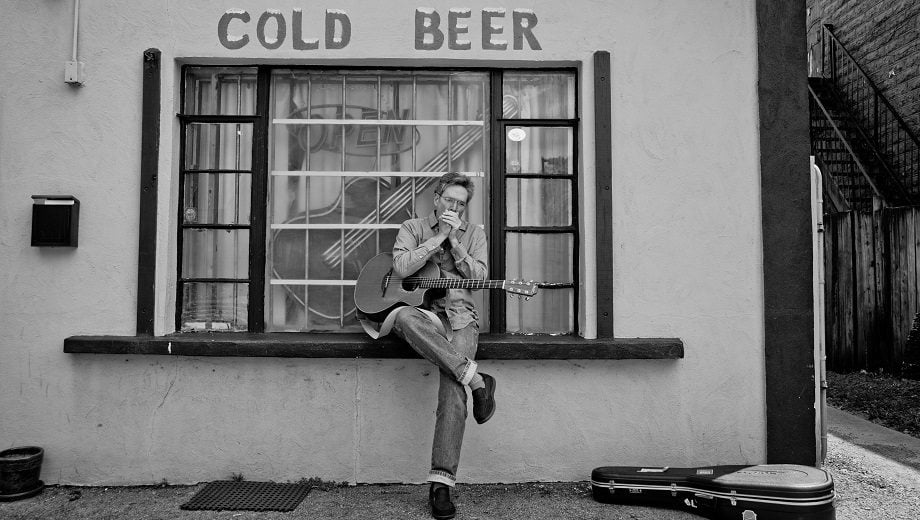
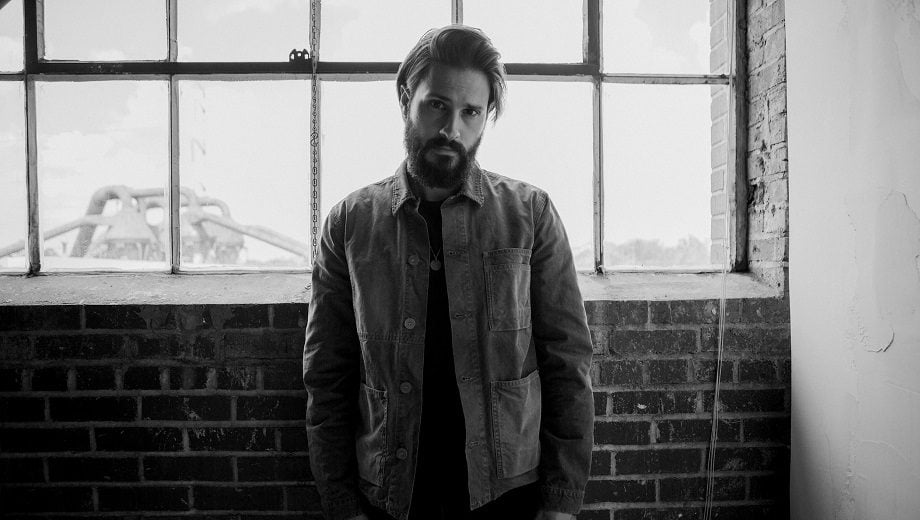
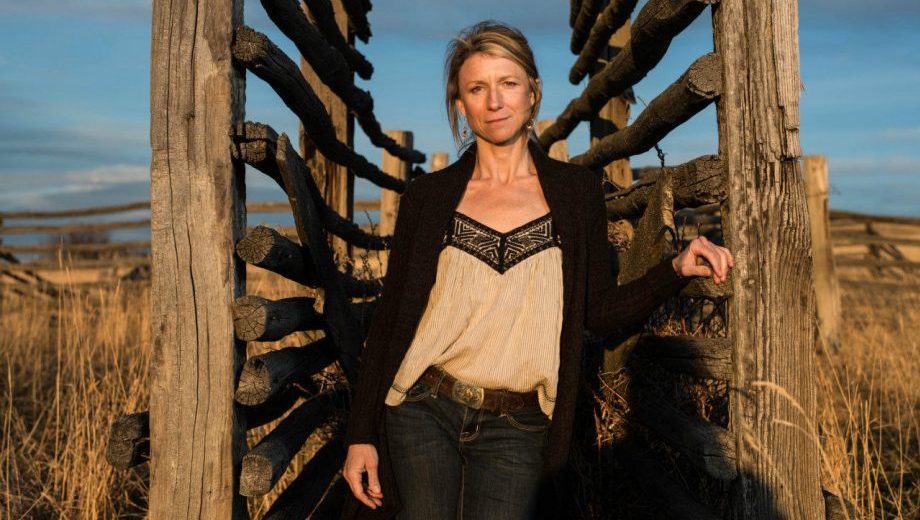
Katie Belle Van Zandt, daughter of Jeanene and Townes, has found many big fans among her contemporaries.

“I have quite a few friends of the same type of lifestyle that he was living at that age,” says Katie Belle, who is not a musician herself. “There are a lot of musicians around my age, in their 20s, hopping trains and traveling, busking on the road and such, making real folk music.”

A few weeks ago she had the opportunity to play the new release for her friends Benjamin Tod and Ashley Mae of the Lost Dog Street Band and another musician, Matt Heckler, who often travels with them.

“They were the first people I played this to,” she says. “They loved it. They thought it was beautiful. Ben said it reminded him of what songwriting’s about.”

For Katie Belle, the sorrow is what comes through most strongly, but also a sense of life in him that she largely missed, as she didn’t get much time with him.

“The very end of ‘Sky Blue,’ the first time I heard it, where he talks about how he longs to be the sun and longs to be the moon, made me tear up,” she says. “It’s beautiful. When my dad passed away I was really young, and when I get new music I hadn’t heard by him, it’s like wearing another piece of him.”

Jeanene Van Zandt is gratified, but not at all surprised, that her ongoing efforts to get her husband’s music to the world, both old releases and new discoveries, is having impact.

“I don’t think there’s going to be a human who can’t identify with these songs, whether 50 years from now or yesterday,” she says. “He was a master of the English language, studied people — in fact a little naughty doing it. He would push buttons and see what reactions he could get out of people and a lot of times they’d be jumping up and down and trying to kill each other and he would giggle and think it was funny as hell.”

And if some people hear him for the first time with this new release, that’s great too, she says.

“He’s not shrinking away,” she says. “I’m pretty sure there will be a fifth, sixth, seventh generation who will try to get ahold of him to go on tour with them.”

Gig Bag: Maggie Rose

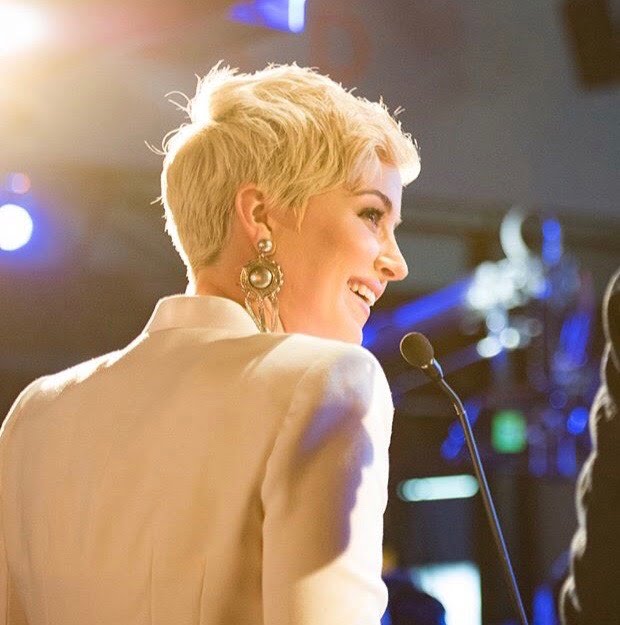
Welcome to Gig Bag, a BGS feature that peeks into the touring essentials of some of our favorite artists. This time around, singer/songwriter Maggie Rose gives us a glimpse at the staple items she always has at the ready while out on the road. 

With my new album Change The Whole Thing, I wanted to capture all the elements of my live shows that my fans are drawn to, so we simply recreated that energy in the studio. I assembled a band made up of a bunch of my talented friends and touring bandmates and we tracked the album live in the studio in one take. It turned out that together, we created this special blend of soul, roots, funk and Ppop music that we love playing and is authentic to us. I’m so thankful that I get to bring that same energy out on the road on Kelly Clarkson’s Meaning of Life Tour and on my own headlining Change The Whole Thing Tour with an ensemble made up of the same people with whom I made this record. I’ve never felt more in love with the music or the people I’m making it with than I do now.

My UE 18+ in-ear monitors with Swarovski crystal detail (as seen above) sound phenomenal. Even when I am offstage and listening to different records, they provide a listening experience that is pretty stellar. I have been using various models of these in-ears over the years and they protect my hearing onstage while letting me hear everything in the mix.


I love these Dannijo earrings. My mother-in-law gave them to me for Christmas one year and I wear them all the time. They have this beautiful, vintage western vibe that goes with almost everything I wear and they provide enough drama and movement without being distracting onstage.


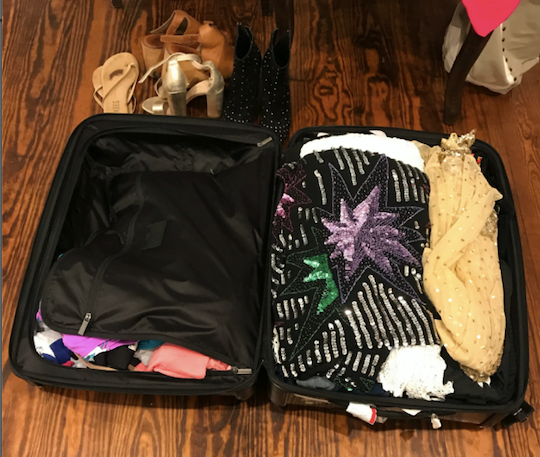
My trusty Tumi suitcase (sparkles not included). It was a wedding present we received a few years ago and I’ve put it through the ringer and it still gets the job done. I’ve seen it thrown onto the belt with impressive force so many times in all sorts of weather and it hasn’t failed me yet.


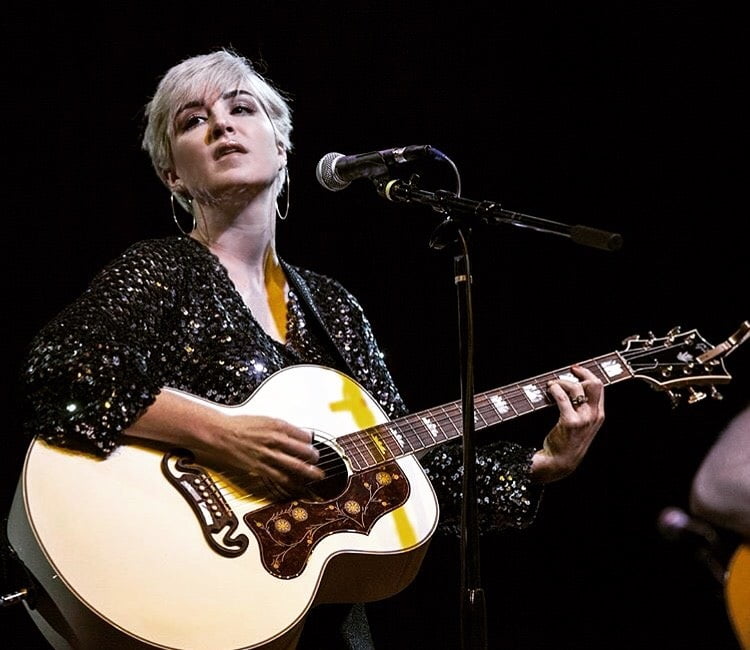
My pearl white Gibson J-200 goes with me most everywhere. She looks and sounds beautiful and has only improved in both arenas with age. I always loved watching Emmylou play her model of this guitar over the years because the body is a little bigger than most, especially for someone of her stature, but she always has had such a command over it, so I am trying to live up to that standard.


My American Apparel disco pants. Without fail, these babies make any outfit pop, even when paired with a vintage tee shirt. They are super sleek with a high rise waist. I’ll admit I have them in multiple colors and I’ve even had my stylist customize a few pairs for me to make them a little unique.


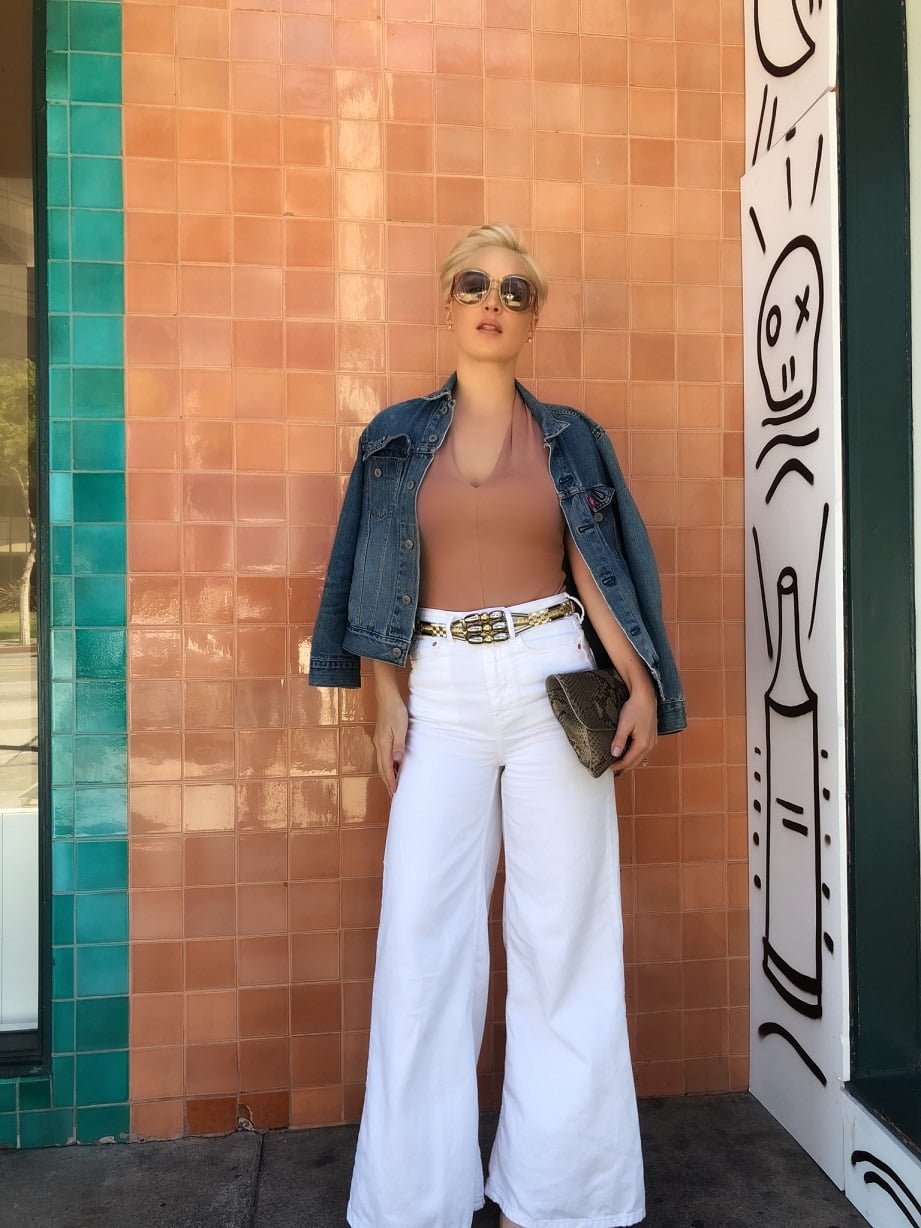
Finally, there is my vintage Levi’s red label denim jacket. If you ever see me in the airport I’ll probably be wearing it. I like the Canadian tuxedo look so I truly wear it with anything. It has a nice convenient pocket on the inside for easy access to my phone and passport. It always looks classic.


All photos courtesy of Maggie Rose

Hayes Carll Finds His Fun Side Again on ‘What It Is’

With his new album What It Is, Hayes Carll is feeling more like his old self. … Scratch that. The Texas-bred singer-songwriter is feeling better than ever.

“I’m still trying to figure my life out and what I want to say creatively,” Carll explains, “but I got back to having fun.”

Hayes Carll admits he was working through a personal funk on his last album, the sparse and serious post-divorce project Lovers and Leavers. But calling What It Is the “culmination of everything I’ve done in the past,” he’s delighting in the surreal nature of everyday life once more – just like he has since 2002’s Flowers & Liquor – but doing so now with an element of hard-won wisdom. Co-produced by Carll with fiancée/fellow roots poet Allison Moorer and Brad Jones, the set features 12 free-spirited tracks that find him happy to be getting on with the business of living. He’s also leaning back into his sardonic wit and letting the full-band energy flow, as he explores the beautiful quirks of his own relationship, a society in upheaval, and most of all, what it means to really be present in the moment.

Your previous album, Lovers and Leavers, was quiet and contemplative, and you were thinking very seriously about your role as a singer/songwriter. What It Is feels more fun and irreverent, like it’s less concerned with being something specific. Why is that?

Well, Lovers and Leavers was a really specific moment in my life when I was trying to make sense of things personally and trying to find my voice creatively – I felt like I had sort of lost it and I wasn’t sure what I was doing anymore. … Since that record was recorded, a lot of life has been lived and I’m not quite in the same spot. I felt a little like a turtle stuck in my shell at that time, and now it’s like I’m starting to come out a little bit again and just relax.

Feeling lost creatively must be terrifying as an artist.

I think I was just not tuned into my life, and one of the themes on [What It Is] was finding that connection. The idea of life passing me by. I just turned 43 last week, and by all measurable metrics I have an incredible life. I knew that, but I wasn’t happy – I was disconnected and feeling dissatisfied. With this record, I feel like I’ve come out on the other side. I don’t have all the answers, but I’m in a much better place.

What do you think changed?

It’s just life. For me a lot of what comes out creatively has to do with what’s happening in my life, and what’s happening in my life is I’m in a solid relationship with a woman I love, who’s also at times my creative partner. Plus I’m feeling more connected in general with the world around me, and feeling able to observe and comment on it because of that.

That’s clearly the theme of the album’s title track, and I love its chorus hook – “What it is, is right here in front of me / And I’m not letting go.” When did that hit you?

I started to write a song called “What It Is, What It Was, and What It Will Be,” and it was a totally different vibe. I took it to Allison and asked her if she would help me sort it out because I just wasn’t landing it in a meaningful way, and she pointed out what now seems obvious to me – which is what we came up with in the chorus. What happened in the past is gone and you can’t change it. The future is out of your control, and what we have is what you’re experiencing right now. Going back to the dissatisfaction I was feeling, that had a lot to do with that – I think I was not present for a lot of my life and I missed a lot of it. That’s what I’ve been working on changing.

You worked closely with Allison on this – since she was not only a co-writer but also a co-producer. Can listeners hear the contribution she made in the studio?

Yeah, she co-wrote six or seven of the songs and she sings on four or five of them, so she’s all over the record in that way. But just having written these songs with Allison and having conversations all the time about where I wanted to go creatively, I thought nobody would be a better translator for that than she could be. That’s never been my comfort zone, and even speaking the language has never been something I excelled at.

It’s challenging for me, but it’s one of her strengths – being able to hone in on something she picked up from hearing me play the stuff, or even hearing me pontificate about what I want to do in a way that sounds like drivel to most people, then take it and turn it into a coherent point and set of instructions. That was one of the big reasons I wanted her to be a co-producer, and the other was I really respect her taste musically.

Has working together with Allison changed your songwriting at all?

We have different styles and strengths. She’s really disciplined and gets her work done on schedule, and is in the chair every day and gets to the point. I can take years to finish a sentence and can be all over the place, vaguely searching for some mythical feeling. She’s certainly poetic but can be really practical in getting down to the craft of the song. So I love that. When we work together I think the whole ends up being greater than the sum of the parts.

“Jesus and Elvis” has that classic Hayes Carll feel to me – it’s clever and vivid and conversational, but also built on a really poignant story. Where did you hear that story to begin with?

I wrote that with Allison and Matraca Berg, and Matraca had the title. She goes “I’ve been thinking about this title ‘Jesus and Elvis,’” and it immediately reminded me of a bar I hung out in in Austin. I’ve since found out this story is not actually the real story, but at the time I had convinced myself it was. [Laughs] This bar has Christmas lights up year-round and a jukebox in the corner with nothing on it past 1968, and I had heard it was because the bar owner’s son went off to fight in Vietnam at Christmas time. She promised she wouldn’t take the lights down until he came home, but he never did, so that’s why they’re still up all these years later.

The album starts with “None’Ya,” which is your first #1 single on Americana radio, and it seems to be very much about your relationship with Allison. It’s a tender song, but in a flirty, teasing way. Is that how you guys really are together?

[Laughs] Well, somewhat. Everything in there is pretty accurate with the exception of the first verse – I can’t remember what I asked Allison, but it wasn’t “Where have you been?” Anyway she just said “none’ya,” and that was the first time I had heard that. She’s from South Alabama and has her own language that leaves me scratching my head sometimes, and “none’ya, tend’ya, mind’ya” is one of her things, like “none of your business, tend your business, mind your business.” I thought “Man, I’ve gotta get that in to a song somehow,” but I didn’t even really think of it being about her at first.

So I spent a lot of time with it, and I had a guitar lick and verse but didn’t know where to go with it. I was sitting there at the table and she walked by and asked me what I was doing, and I said “Trying to finish this song, I think it’s about you and me.” And she just said, “Why don’t you tell them I painted the porch ceiling turquoise to keep out the spirits, and about how we pretend we don’t know each other on airplanes?” She didn’t even sit down, she just walked by and went, “You big dummy, why don’t you just tell them what we actually do?” So of course I went and did that.

You’re also doing some social commentary with tracks like “Fragile Men,” “Wild Pointy Finger” and “Times Like These,” and it’s not like you’ve never done that before, but does it feel different getting political in these hyper-polarized times?

It’s a strange place to be to question whether it’s OK to share your beliefs as an artist, because on one hand that’s your job. But on the other hand there’s a significant chance you’ll lose a portion of your audience should they not agree with you. I hate to have to think about that, but having said it, I don’t really care anymore. [Laughs]

We wrote a song called “Fragile Men” which originally was just about patriarchy, but a week after we started writing it, Charlottesville happened, so I got back together with my co-writer, Lolo, and we finished it with that in mind. Rather than shout about how angry and horrified we were about what happened with these white nationalists and Neo-Nazis and Klansmen, we figured the best way to get out what we were feeling was to make fun of them – to have this faux sympathy for how hard it must be to be a white male in America and how unfair it is that they have to NOT burn crosses.

Anyway, Lolo recorded a demo version and made a quick YouTube video, and I got I-don’t-know how many thousand comments about it, but a lot of them were attacking ME for attacking Nazis [Laughs]. It blew me away! Like, “At what point did we become a country where it’s divisive to make fun of Klansmen?”

We’re closing in on 20 years since your debut album came out. What do you think you’ve learned in that time about life, your work and just being happy? It seems like that’s what the album is getting at.

Exactly. For me this record is a culmination of the 17 years of recorded work and the 20-years plus of playing music for a living. It’s about not living in the past and not trying to control the future, but just trying to experience what’s happening. What I’ve learned is you get one pass, and I’m never gonna be younger than I am at this moment. There’s never gonna be a day where everything falls into place, it is what it is at that moment. That’s been my takeaway over all this time. … That, and too much bourbon and not enough sleep is a bad combo.


Photo credit: David McClister

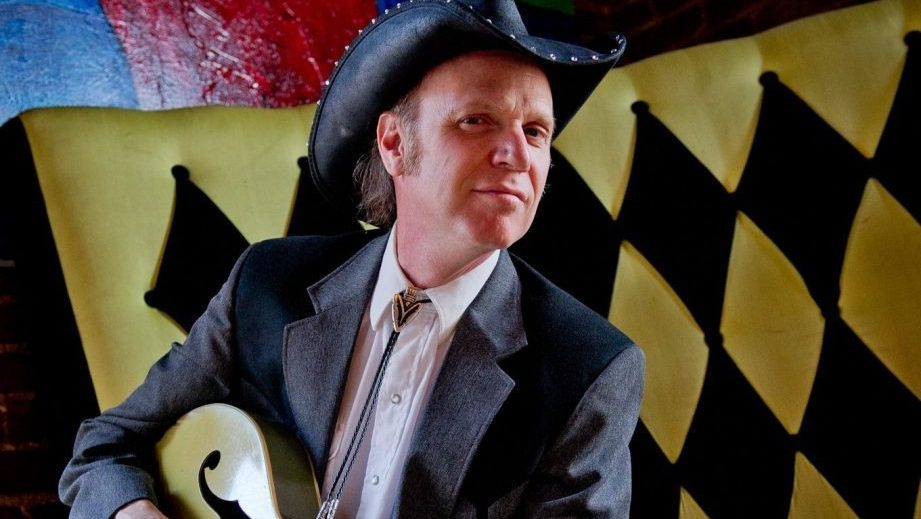
LISTEN: Jason Ringenberg, “Here in the Sequoias”

Artist: Jason Ringenberg
Hometown: Nashville, Tennessee
Song: “Here in the Sequoias”
Album: Stand Tall
Release Date: February 7, 2019
Label: Courageous Chicken

In Their Words: “I wrote ‘Here in the Sequoias’ during my time doing the National Park Service artist-in-residency program at Sequoia National Park. To be among those giant angels made it very easy to release the songwriting muse. Immediately after writing it I felt a bluegrass direction would be best for it. We recorded most of it live in the studio. I think we can hear the spontaneity in the track. Later we brought in Robert Bowlin (who was in Bill Monroe’s band) to add in fiddles and mando. I believe the track does capture the sublime beauty of the Giant Sequoias.” — Jason Ringenberg


Photo credit. Gregg Roth

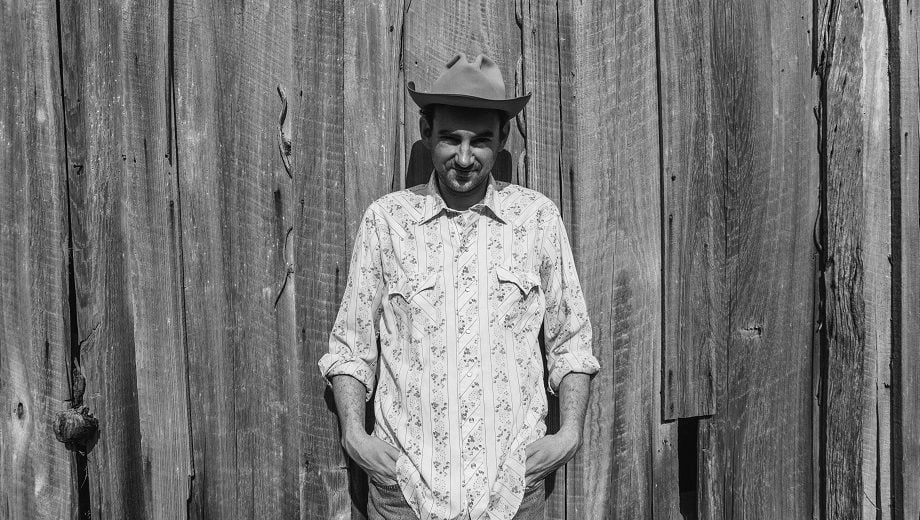
LISTEN: Adam Klein, “Low Flyin’ Planes”

Artist: Adam Klein
Hometown: Atlanta via Athens, Georgia
Song: “Low Flyin’ Planes”
Album: Low Flyin’ Planes
Release Date: March 1, 2019
Label: Cowboy Angel Music

In Their Words: “This is the title track and centerpiece of the record, and the most sparse song in terms of instrumentation. To me, it cuts to the core of what this album is about. The expression of someone still searching, on a journey toward a sense of fulfillment. The narrator is barely lifting off, nearly scraping the ground, one misstep away from some kind of rock bottom. Then again, maybe they will rise — who knows? It may be a song about passivity, not exercising agency in one’s own life, and enduring what can be called the poverty of vulnerability. For those to whom these notions resonate, may we practice peace, acceptance, and compassion, not only to others, but also to ourselves.” — Adam Klein


Photo credit: Jeff Shipman

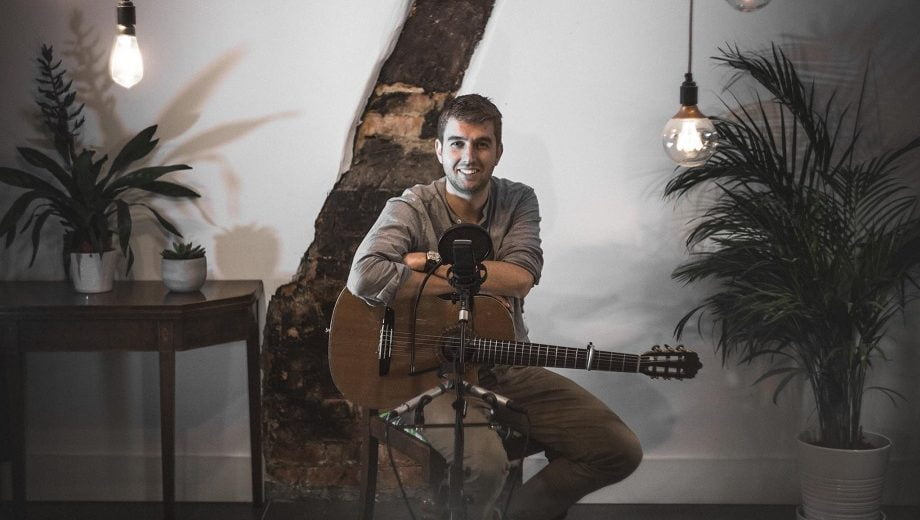
WATCH: Si Cliff, “Run”

Artist: Si Cliff
Hometown: London, UK
Song: “Run”
Release Date: January 15, 2019

In Their Words: “The track ‘Run’ started out as two separate voice recordings of the chorus melody and bass line. An idea that I arranged on guitar later that week turned into what you hear now. The starting groove of the verse came to me when practicing and it fit so well. The lyrics are about having lots of chances not to face up to things these days, with many apps and endless media sources to preoccupy us. We can find excuses to put real life and decisions on hold when the time to do them is now.” — Si Cliff


Photo credit: John Powell

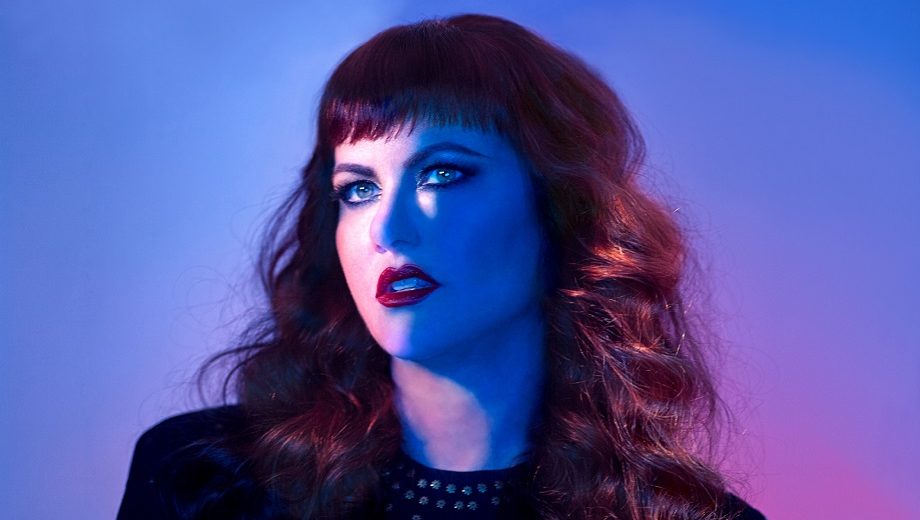
LISTEN: Kim Lenz, “Pine Me”

Artist: Kim Lenz
Hometown: San Diego, California
Song: “Pine Me”
Album: Slowly Speeding
Release Date: February 22, 2019
Label: Blue Star Record Co.

In Their Words: “This song is an answer song to a murder ballad. Murder ballads and answer songs have a long history in American music, both blues and country. I’ve wanted to write a murder ballad for a long time but the storyline is usually quite simple – -the girl gets murdered down by the river. In this song, the girl has indeed been murdered down by the river, and now she is ‘answering’ him. She’s haunting him to come find her, mind her, and do the right thing and take her body to her mother’s house. And in the end, the act he committed will haunt him ’til he dies.” — Kim Lenz


Photo credit: Joseph Cultice

LISTEN: Pierce Pettis, “Your Father’s Son”

Artist: Pierce Pettis
Hometown: Mentone, Alabama
Song: “Your Father’s Son”
Album: Father’s Son
Release Date: January 18, 2019
Label: Compass Records

In His Words: “Pat Walsh & I wrote ‘Your Father’s Son’ several years ago. We were thinking about our dads and dads in general. I always liked the song, but for some reason put it aside and it sort of got lost. Recently, I was going through some old demos and came across it again. I was really moved by the song, but felt it needed something. So I added a little musical hook and it seemed to do the trick. When I played the song out, everybody loved it — especially my producer, Garry. So later when we did the album, it just seemed the natural title song and idea around which to build the whole project.” — Pierce Pettis


Photo credit: Stacie Huckeba

LISTEN: Michael McArthur, “Rest’s Unknown”

Artist: Michael McArthur
Hometown: Lakeland, Florida
Song: “Rest’s Unknown”
Album: Ever Green, Ever Rain
Release Date: January 25, 2019
Label: Dark River Records

In Their Words: “When we were kids, the world we lived in seemed larger than life. The trees we climbed, our backyards, and our bedrooms. As you grow, that perspective grows with you. When I was 5, my older brother and I were racing to the field near our house. He stepped in front of me and I tripped and fell on the asphalt. Broke my writing arm, but I didn’t cry. The greatest lessons in life can’t be taught, they can only be learned. ‘Rest’s Unknown’ tells the story of growing up and going through life, learning that you’re not invincible, but meeting strength and courage for the first time. It’s about losing your innocence and realizing that if you look hard enough, you’ll find it again.” — Michael McArthur


Photo credit: Michael Flore

Martha Scanlan Explores the Depths of ‘The River and the Light’

Growing up, Martha Scanlan says she equated music with “belonging and family and home.” The Montana-based folk singer-songwriter has woven those elements into her fourth album, The River and the Light, but, for Scanlan, home doesn’t exactly signify hearthfire. There’s a wilderness brooding about the album, as she moves throughout the landscapes that shaped her. She’s found her place in the natural world as much as those vistas have found their place in her.

Longtime friend and creative partner Jon Neufeld produced The River and the Light, continuing a collaboration that spans back to her 2011 album, Tongue River Stories. The two blended an array of brooding and beautiful timbres — with fiddle and accordion from Dirk Powell — that speak to those natural landscapes: The expansive skies and pressing quiet of Montana (“Only a River/True Eyed Angel”), the weathered mountainscapes and ancient tones of Appalachia (“West Virginia Rain”), and even, at times, the lush forestry and friendship she’s found in Oregon, where they recorded the LP.

Scanlan herself has described The River and the Light as a journey, which makes sense when you consider that journeys are as much about leaving as they are arriving home. She joined Neufeld on the phone during this interview with the Bluegrass Situation.

Looking back to Tongue River Stories, elements of place and belonging and journeys have always informed your songs. If you look at The River and the Light as a new chapter, what have you learned in that interim?

Martha: There’s this old cowboy saying that just jumped into my mind: “A horse will make a liar out of you.” As soon as you say a horse is one way, like, “This horse never bucks,” it’s going to buck you off. As soon as I say that a song is about something, it’ll end up being about something else. One thing that was interesting in terms of Tongue River Stories, which was such a collaboration with the landscape itself, is we were recording songs outside and the sound between the notes was the actual landscape. This record feels like its own landscape.

You both seem quite interested in atmosphere. I couldn’t get over the timbres on “Too Late.” How did you build those colors into that song?

Jon: Well, I know we got Dirk Powell’s fiddle part. He wasn’t able to make it to the studio, but he sent us a rough mix — he played some fiddle and accordion parts in that. I added some baritone guitar and acoustic guitar. There may have even been omnichord on that one. I ended up sneaking the omnichord on quite a few songs. And then near the end, I was thinking we needed something more, and Martha was back in Montana already, and she sent me… How did you even record that?

Martha: I had this really lame zoom video recorder that I got eight years ago or something, but it has a pretty good microphone. I recorded some brushes, like playing brushes on tambourine, and some harmony parts.

Jon: [Laughs] So she sent that. And I added that to it.

Martha: I think that song is probably the most layered one on the record. Or the most that had an afterwards. What was interesting to me about Jon’s production, I don’t know another musician that’s so in the moment and improvisational when we’re playing live or in the studio or anything. It’s fun because to watch him putting on different layers or overdubbing something because it’s that improvisational. It’s not contrived, it’s not overworked; it tends to feel really alive.

Dick Powell has said about you, “Martha feels the natural world…to such an extent that the stories transcend themselves.” How do you view your relationship with natural space?

Martha: I think there’s an openness, for me, about working and living so close to landscape that’s very much like music. I lived on this small ranch for seven or eight years in southeastern Montana. Doing Tongue River Stories, we recorded most of that outside and we could do that because it’s that quiet — there aren’t cars or planes overhead. To me, writing is more about listening than it is about planning or thinking. I’ve never been good about like, “I’m going to write a song about this.”

It unfolds on its own.

Martha: Yeah and seeing what shows up. As far as a theme in writing and in the music, I think that there was an element of this record that was an exploration of rivers, or different currents that run through and wind together. For both Jon and I, that’s something that occurred early on when we were passing ideas back and forth.

Are you thinking specifically about a certain river or more metaphorically about them?

Martha: Kind of both. I think I’ve always been fascinated with rivers and I’m around rivers a lot.

Jon: Yeah, I remember that back and forth. The theme of rivers was on the last track, “Revival.” I was like, I think it’d be really cool if you were going along a river and this thing pops up. All of a sudden, there’s an acoustic guitar solo for no reason; there’s no acoustic guitar until then. Just the way you go down a river and something appears and is gone. That was a very real theme, like visualizing the river and making a sonic imprint of that.

What keeps this partnership between the two of you so worthwhile in your minds?

Martha: It’s a hard question to answer because it feels really easy and congruent. What would you say, Jon?

Jon: I feel like in the first five seconds you can tell if you’re going to jive with somebody or not; I think it’s especially so with artists and musicians. When we first started playing together, it’s an obvious feeling. It’s obviously not wrong.

Right. You wouldn’t have worked together so many times if it weren’t working.

Martha: Something I really appreciate about working with Jon is there’s this constant sense of improvisation on stage and in the studio. Everything is very alive. We don’t practice a lot. [Laughs] We usually show up on tour and the first time we play together is, like, a radio show or at the sound check. But it keeps things very fresh and alive, I think.

Speaking of being in the moment, I read that “Brother Was Dying” was done in one take.

Jon: That’s probably the truth about most of the album.

Martha: That one, I had just finished putting the words together — I had written most of it, but it was still in this place where I wasn’t sure how it would all stitch together — and we went in and recorded it. I hadn’t sung it as a complete song; that was the first time we’d really played it.

What does your writing process look like nowadays?

Martha: For this record, I had started playing electric guitar; I was pretty psyched about that. It’s a really different animal: It’s a wash of sound, the physicality of it is really different, there’s a lot more fluidity in it. So I think messing around with that influenced some of the writing. It’s still to me such a process of discovery, writing songs. Some things just kind of show up, and then it becomes an inquiry, and sometimes that process continues for years after I write the songs. I feel like I go out and interact with whoever is listening to it and come back changed. I really enjoy that part of it. I think my last record, which Jon also produced, was so much about the current that moves through things, and this record felt even more whittled to the current that’s flowing through.


Photo credit: Yogesh Simpson