BGS Top Albums of 2018

This year, as we revisit the albums that resonated with each of us, we may not find a tidy, overarching message. However, the diversity herein — of style, content, aesthetic, format, genre, perspective, and background — demonstrates that our strength as a musical community, or zoomed-out even further, simply as humans, indeed comes from our differences. To us, these 10 albums are testaments to the beauty, inspiration, and perseverance we found in 2018.
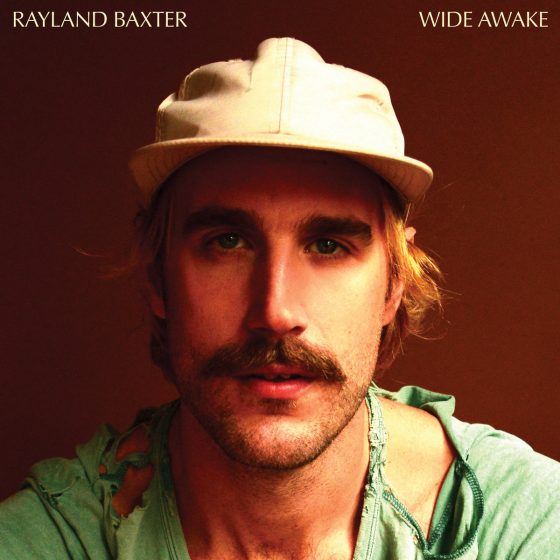
Rayland Baxter, Wide Awake
His career-launching musical epiphanies happened on a retreat in Israel some years ago, so Rayland Baxter’s decision to isolate himself in a contemplative space to write Wide Awake had precedent. The venue this time was an abandoned rubber band factory in rural Kentucky where a friend was installing a new recording studio. In that quiet, Baxter wrote songs about the noisy world beyond the cornfields, with perspective on its tenderness and absurdity. Later in the studio, his posse set the deft verses to enveloping, neo-psychedelic, Americana rock. Social commentary doesn’t have to plod, as the Beatles proved, and Baxter is farming similar terrain with vibrant melodies, saucy beats and a voice that’s entirely his own. – Craig Havighurst
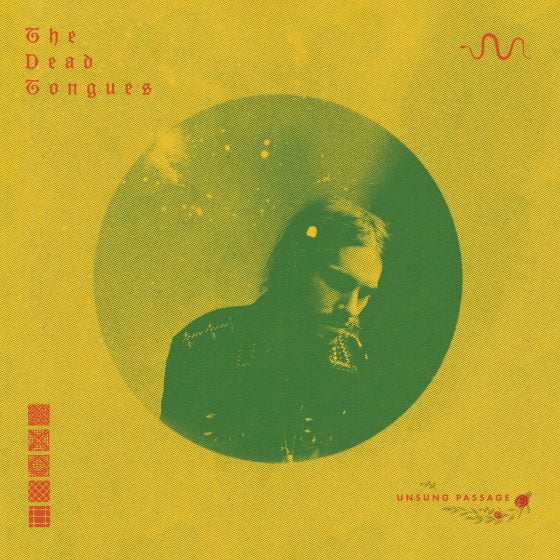

The Dead Tongues, Unsung Passage
I didn’t expect The Dead Tongues (aka Ryan Gustafson, guitarist for Hiss Golden Messenger and Phil Cook) to be my most-listened-to record of the year. But Unsung Passage is an album I find myself returning to again and again. The ten songs form a sort of travelogue for Gustafson, and you can hear the influences and rhythms of other cultures drifting throughout. It’s the rare record that’s both comforting and complex. –Amy Reitnouer Jacobs
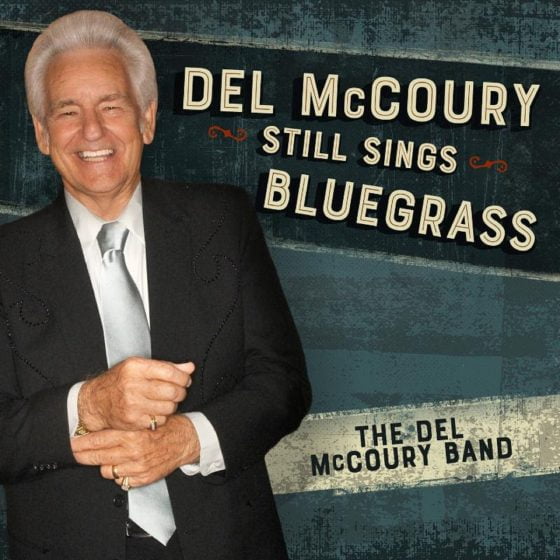

Del McCoury Band, Del McCoury Still Sings Bluegrass
Named after his debut record, which was released fifty years prior, Del McCoury Still Sings Bluegrass seems like a painfully obvious, on the nose title for a record, but upon deeper inspection we realize that, because the album was built on his signature ear for songs and his unfaltering trust in his own taste, it is an immediately digestible statement of McCoury’s worldview. At this point in his long, diverse, uniquely successful career, most listeners would give Del a bluegrass authenticity “hall pass,” letting the more innovative, less bluegrass-normative moments herein by without a blink, but Del, from the outset, avoids letting himself fall into that paradigm. He chooses songs because, well, he likes them, and he doesn’t concern himself with what is or isn’t bluegrass, he just creates music that he enjoys to make with people he enjoys making it with. It’s a simple approach that may border on simplistic, but the result is a resoundingly bluegrass album that doesn’t concern itself with the validity of that genre designation at all. Which, after all, is bluegrass to a T. — Justin Hiltner


Jason Eady, I Travel On

Jason Eady, I Travel On
A fixture on the Texas touring scene, Jason Eady offered his most satisfying album yet with I Travel On. First off, he enlisted Rob Ickes and Trey Hensley for these sessions, giving the project a bluegrass groove with plenty of cool Dobro licks and guitar runs. Second, Eady wrote from the perspective of a man with some miles on him – the album title isn’t a coincidence, after all. His expressive country baritone is made for slice-of-life story songs like “Calaveras County” and “She Had to Run.” At other times, Eady looks inward, drawing on themes like mortality, gratitude and contentment. I Travel On may not be the most obvious album for a road trip but it’s certainly a worthwhile one. – Craig Shelburne
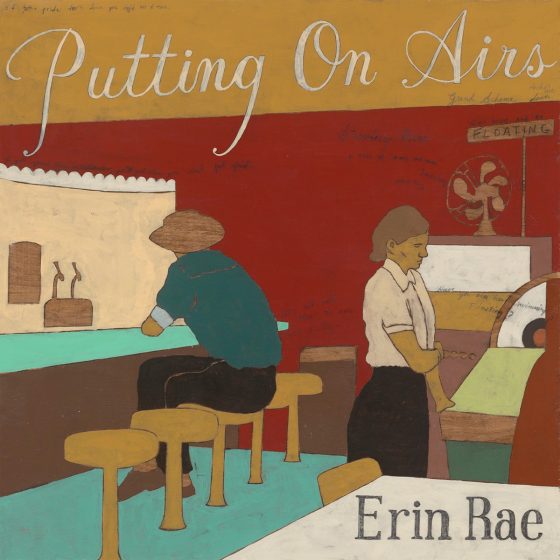

Erin Rae, Putting on Airs
Her velvety, maternal vocals and the subtle, understated alt-folk production vibes of Erin Rae’s Putting on Airs might initially disguise the millennial-reckoning being wrought through these songs and their topics; from top to bottom Rae’s brand, her musical identity, defies comparisons with any one era of music making and songwriting. Her talent oozes through her writing, her melodic hooks, and her musical and rhetorical fascinations, which together in this song sequence feel like they epitomize a microcosm that contains all of our generation’s — and this particular historical moment’s — angst, but without feeling simply capitalistic, opportunistic, or “on trend.” Instead, her viewpoint is decidedly personal, giving us a window into her own individual reckonings — with her own identity, with mental health, with family relationships, with being a young southerner in this modern era; the list is potentially endless, determined only by each listener’s willingness to curl up inside these songs and reckon along with Rae. Which is the recommended Putting on Airs listening strategy espoused by this writer. — Justin Hiltner


High Fidelity, Hills And Home
It’s in the nature of bluegrass to forever be casting backward looks at the giants of the music’s early years; nothing wrong with that, but when those who do it get aggressive about how they’re playing “real” bluegrass, well, that’s another story. High Fidelity’s eyes are firmly fixed on the musical past, but they’re also a modern, mixed-gender band who aren’t afraid to let their music do the talking — and what it says is that there’s a lot more variety, not to mention pure joy, in the under-appreciated gems of old than you might think. – Jon Weisberger
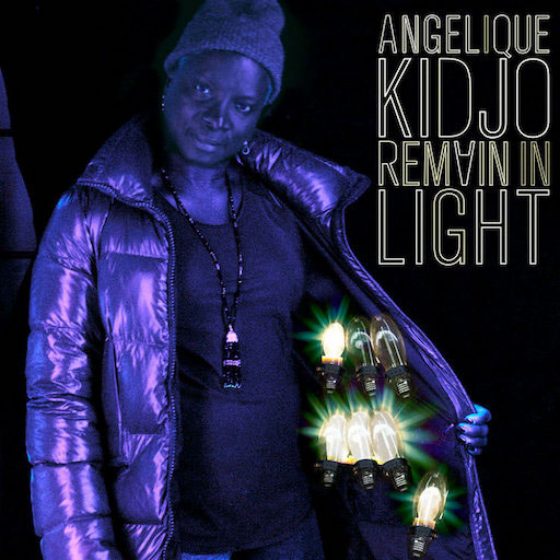

Angelique Kidjo, Remain in Light
It’s not simply a remake of the Talking Heads’ 1980 landmark, but a stunning reimagining by the visionary Benin-born artist Kidjo. She doesn’t merely repatriate (er, rematriate) the African influences that fueled TH’s revolutionary stream-of-consciousness masterpiece — which opened the door for many to discover the wealth of those inspirations — she considers and explores the worlds that have emerged in African music in the time since, all brought together via her singular talents and sensibilities. Remain in Light was arguably the album of the year for ’80, and so it may be again for ’18. – Steve Hochman
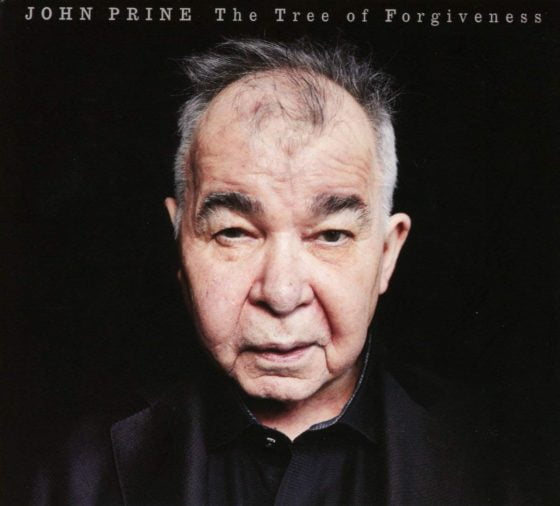

John Prine, The Tree of Forgiveness
No album this year brought me as much pure joy as John Prine’s latest. His first collection of new material in over a decade —which is way too long — The Tree of Forgiveness shows him in fine form, tossing out clever phrases and humorous asides that add to, rather than distract from, the low-level sadness thrumming through these songs. From the Buddy Holly bop of “I Have Met My Love Today” to the percolating existentialism of “Lonesome Friends of Science,” from the rapscallion reminiscences of “Egg & Daughter Nite, Lincoln, Nebraska, 1967 (Crazy Bone)” to the almost unbearable heartache of “Summer’s End,” every line and every word sounds purposeful and poignant, culminating with “When I Get to Heaven.” Prine sings about nine-mile-long cigarettes and bars filled with everyone you’ve ever loved, and it’s one of the most inviting visions of the afterlife set to tape. I hope he’ll save me a barstool. – Stephen Deusner
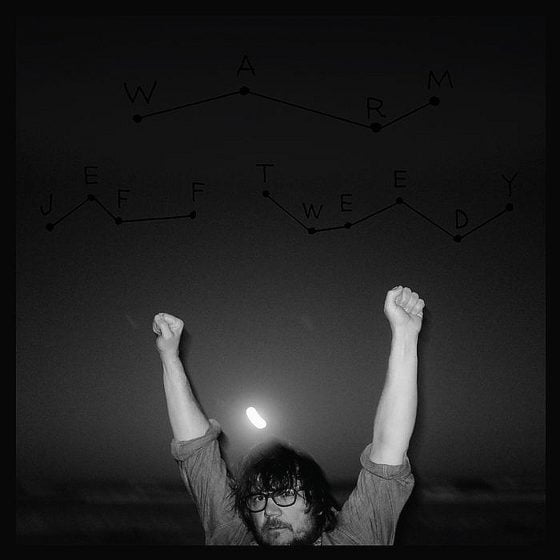

Jeff Tweedy, WARM
The album lives up to its name. Following last year’s quieter Together at Last project, Tweedy now hearkens back to his country punk roots from Uncle Tupelo, and makes a perfect accompaniment to his must-read autobiography, Let’s Go (So We Can Get Back). The new music reminds of his strength as a master songwriter and his place as one of the most tender and raw performers of a generation. It might have almost slid under the radar with its release at the end of November, but it definitely belongs on our year-end list. — Chris Jacobs
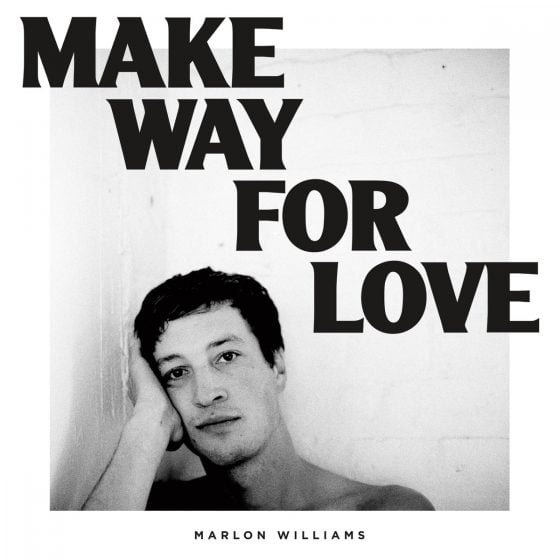

Marlon Williams, Make Way for Love
Mere seconds into hearing Marlon Williams croon the opening greeting of his song “Hello Miss Lonesome” in 2016, I knew I’d found a euphoric talent. After poring over his debut Dark Child, my greedy ears immediately wanted more, and this year finally brought that much-awaited second helping. On Make Way for Love, Williams moves away from the rootsy Americana that defined his first album, and leans into darker, baroque explorations that nod to Scott Walker and Roy Orbison in equal measure. Exploring heartbreak — from the puerile but pacing “Party Boy,” to the seething “I Know a Jeweller,” to the pitious “Love is a Terrible Thing”— Williams dips into the jagged crevices that naturally appear when the heart cracks wide open. – Amanda Wicks

 

BGS Top Songs of 2018

Here at the Bluegrass Situation, we’re always eager to hear a new song. This year it’s likely that thousands of them drifted by, each with their own charms. Yet, rather than ranking our favorites, we decided simply to pick 10 tunes that grabbed our attention — listed here in alphabetical order. Take a look.

Rachel Baiman, “Tent City” 
Written with long, tongue-twisting lines and a laconic melody reminiscent of John Hartford’s “Gentle on My Mind,” “Tent City” replaces the former’s voluntary rambler and train yard denizen with a man down on his luck and reflecting on the ease of his descent into homelessness. It’s a strong song, elevated to greatness through spirited, flawlessly idiomatic performances by Baiman and her specially-assembled posse: Justin Hiltner (banjo), Shelby Means (bass), Tristan Scroggins (mandolin) and Molly Tuttle (guitar). “Tent City” isn’t bluegrass-flavored social commentary, it’s a socially conscious and thoroughly bluegrass song. –Jon Weisberger


Birdtalker, “Be Where You Are”
Nashville’s Birdtalker took flight when husband and wife Zack and Dani Green started writing songs more for enjoyment than with career plans. But they’ve got a career now as a breakout band with an intuitive, joyful flavor of folk rock that brings listeners into a comforting fold. “Be Where You Are” is a lushly arranged meditation on staying in the moment, a rebuke to both brooding nostalgia or anxious speculation, not to mention the great screen hole. From getting the reverb just right on the opening guitar figures to the juicy intervals in the vocal harmonies, this is among the most enchanting and centering tracks of the year. –Craig Havighurst


I’m With Her, “Hannah Hunt”
It’s been a big year for I’m With Her, the supergroup comprised of Sara Watkins, Sara Jarosz, and Aoife O’Donovan. Their album was an expert blend of harmonies and modern roots craftsmanship, but it’s this single (recorded at Spotify Studios) that takes their art to a whole other level. Their cover of “Hannah Hunt” will make you forget that the original Vampire Weekend version ever existed. —Amy Reitnouer Jacobs


Loretta Lynn, “I’m Dying for Someone to Live For”
Loretta Lynn and co-writer Shawn Camp go straight to the heartache on “I’m Dying for Someone to Live For,” a highlight of Lynn’s Grammy-nominated album, Wouldn’t It Be Great. By now, the lonesome whippoorwills and the weeping willows in these lyrics are as entrenched in country music history as the Coal Miner’s Daughter herself. Contributing to the pedigree: Lynn recorded the album in Johnny Cash’s former cabin, with John Carter Cash and Loretta’s daughter, Patsy Lynn Russell, handling production. For those days when nothing but a sad country song will do, you can still count on Loretta Lynn. –Craig Shelburne


John Prine, “Summer’s End”
At 72, John Prine is churning out some of the best work of his already genius-level career. Of all the tracks from The Tree of Forgiveness, however, “Summers End” is Pure Prine Perfection. It’ll make you laugh, then cry, then want to listen to it all over again. –Amy Reitnouer Jacobs


Missy Raines, “Swept Away”
Raines and producer/banjoist Alison Brown brought in the strong-women-of-bluegrass cavalry as the backing band for 2018’s International Bluegrass Music Association Song of the Year, showcasing each woman who was first to win in her respective instrumentalist category at IBMA: Becky Buller, Molly Tuttle, Sierra Hull, and Raines and Brown themselves. Still, the song itself supersedes its virtuosic, socially-important trappings. Written and first recorded by bluegrass legend Laurie Lewis, “Swept Away” is a stunning reminder of Lewis’ artistic ingenuity, constantly creating music that all at once sounds unfathomably brand new and comfortingly timeless. Raines tipping her hat to Lewis, in this context, and then to each of her fellow first-women-to-win, is the cherry-on-top of a song that will always be a testament to the amazing women of bluegrass, in whatever form it may take. –Justin Hiltner


Moira Smiley, “Refugee”
Smiley wasn’t merely inspired by news reports to write “Refugee,” a highlight of her sparkling Unzip the Horizon album. The Vermont native drew on her global interactions with people and cultures shaped by migration and refugee experiences — particularly her experiences in refugee camps in Europe as a volunteer with the Expressive Arts Refuge organization. She even enlisted refugee residents of the so-called Calais Jungle and referenced music of medieval expulsions. “So here we are again, in a different, but related era of diaspora,” she told BGS in March. “What can we learn from the past? How can we be compassionate to each other as these big forces are hurting our brothers and sisters?” –Steve Hochman


Stick in the Wheel, “Follow Them True”
This London band may be one of the unruliest acts in the contemporary English folk scene, finding inspiration in centuries-old work songs that speak to present-day issues of class and marrying acoustic instruments with dance production techniques. Perhaps their boldest move yet is the title track to their second album: “Follow Them True” is a new song that sounds old, with a lilting, quietly majestic melody and a set of lyrics that might serve as the band’s mission statement. But it’s less about what Nicola Kearey sings and more about the way she sings it. She filters her voice through an effects pedal that she manipulates in real time, twisting and bending her voice as though the song is echoing across hundreds of years. The effect is both old and new, conjuring the past to point toward the future. –Stephen Deusner


Aaron Lee Tasjan, “If Not Now When”
I saw ALT perform previews of the songs that ultimately came out on Karma For Cheap at Nashville’s Basement East and didn’t realize how much I needed these weird guitar riffs. Led by “If Not Now When,” the recorded version of this album doesn’t disappoint. Tasjan steps away from his more countrified roots and takes it in a more cosmic, gritty direction and the results are glorious. –Chris Jacobs


Anna Vaus, “The Ground”
The first winner of the Miranda Lambert Creative Fund—which the singer-songwriter created to support women in the arts—Anna Vaus promised to be a formidable songwriter. After all, if she garnered Lady Lambert’s approval, she must have a way with words. Vaus’ debut California Kid showcases her exacting lyrical prowess, leaning into honest moments that aren’t exactly pretty, but she saves her best for last. Closing song “The Ground” opens with ponderous guitar while Vaus’ voice stretches her major moment of self-reflection taut. Laden with grace, she lays bare her penchant for messing up a good thing. “Love sure feels like flying on the way down,” she sings, twisting the final moment with a guitar riff that underscores the weight of her realization. “It ain’t the fall that hurts, it’s the ground.” –Amanda Wicks

LISTEN: Alice Wallace, “The Blue”

Artist: Alice Wallace
Hometown: Los Angeles, California
Song: “The Blue”
Album: Into the Blue
Release Date: January 18, 2019
Label: Rebelle Road Records

In Her Words: “I wrote this song on New Year’s Eve when I was reflecting on the journey I’ve had in becoming a full-time touring musician. California is a place full of people chasing their dreams; even though there are many highs and lows about life on the road, I wouldn’t have it any other way. The great, wide ocean of opportunity is waiting to be explored, but you have to be willing to ‘sail away into the blue’ to experience it. This song has come to mean even more to me because the harmonies at the end are sung by my brother, mother and father. These are the voices I’ve been singing with my entire life, and my family has been behind me from the very start in making my dreams a reality.” — Alice Wallace


Photo credit: Adrienne Isom

The Show On The Road – Robbie Fulks

This week Zach talks to Chicago-based troubadour Robbie Fulks. They talk about how he’s made his own brand of sharp-tongued country music for over three decades, and how he considers Hank Williams the Shakespeare of American Music. They also discuss how he’s become more fearless and less embarrassed to confront heartbreak and the darkness always lurking in America as he’s grown older.

LISTEN: APPLE PODCASTS • STITCHER • MP3

Song: Alabama At Night

A Minute in D’Hanis, Texas, With Jamie Lin Wilson

Welcome to “A Minute In …” — a BGS feature that turns musicians into hometown reporters. In our latest column, Jamie Lin Wilson takes us through D’Hanis, Texas.

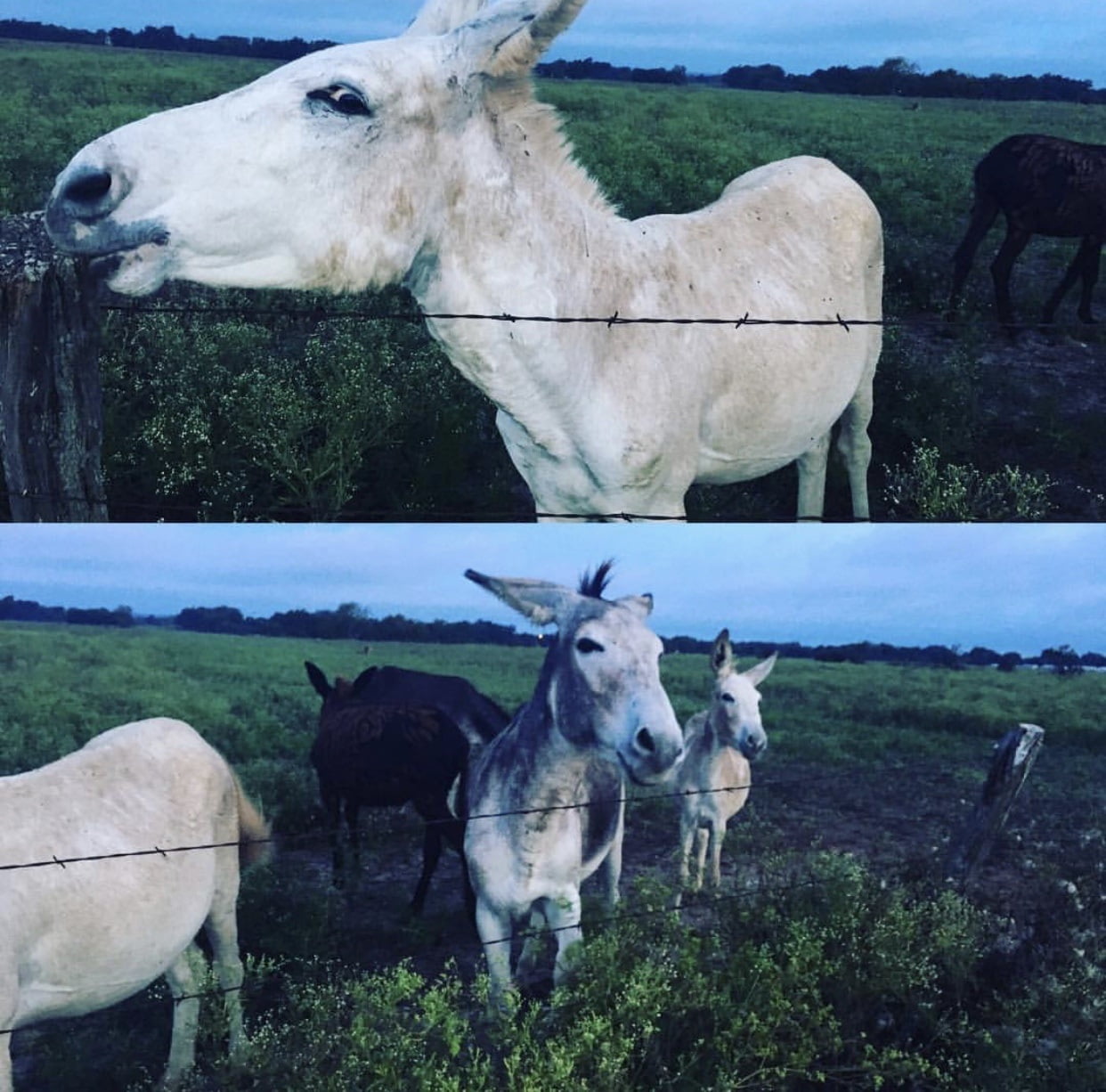
Folks ask me all the time why I live in such a small town. Why not Austin, or some other major city in Texas with a better music scene? Well, the short answer is because it’s nice to live around family, especially when raising your own. The long answer has a lot to do with the fact that I’d rather have to dodge goats and donkeys in the road than sit in traffic. The population of D’Hanis (pronounced by the locals as Dee-Hennis) is around 550, but Roy and I are doing our part in upping that number. We just welcomed our fourth baby, a boy, born right here in our house. Since there’s not a whole lot to see here, I’ll show you what I love so much about this town.

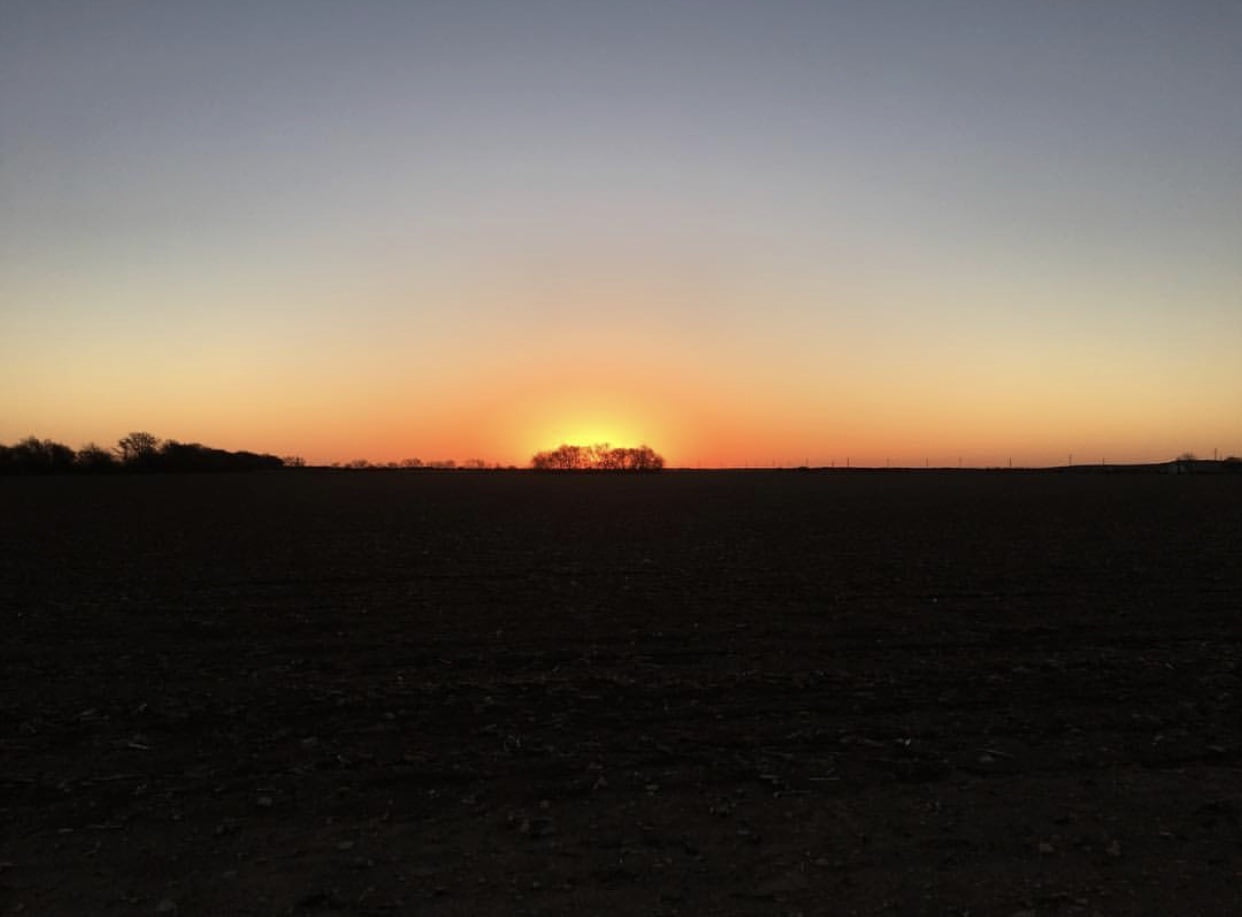
Sunsets/Sunrises: I like to walk early in the morning around what Roy’s family calls the Van Damme block. It’s about a two-mile walk around the perimeter, surrounded by farmland that is now or has been farmed by the Van Damme family. If a picture taken with a phone is this good, imagine what it looks like in real life.


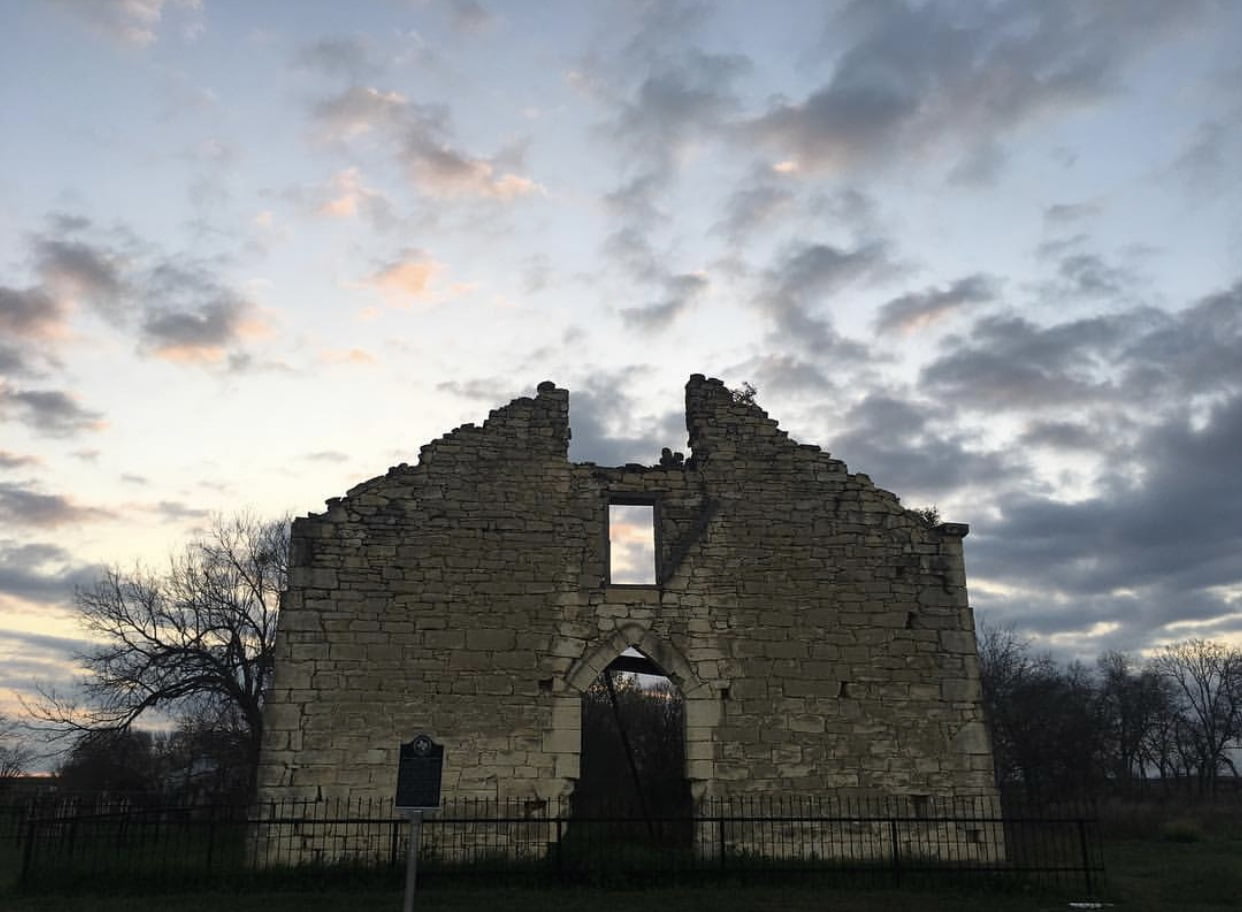
St. Dominic Church Ruins: I live in the area of town called Old Town, where the settlers first came. In the 1850s, they formed St. Dominic Church and this structure was built. In the early 1900s, the railroad came through and the town center moved a couple miles west. This church was abandoned and eventually destructed. It sits behind Roy’s aunt’s house, and just around the corner from ours. There’s an old cemetery next to it with graves from as early as the 1830s. My kids love to go read the stones–a history lesson in our own backyard.


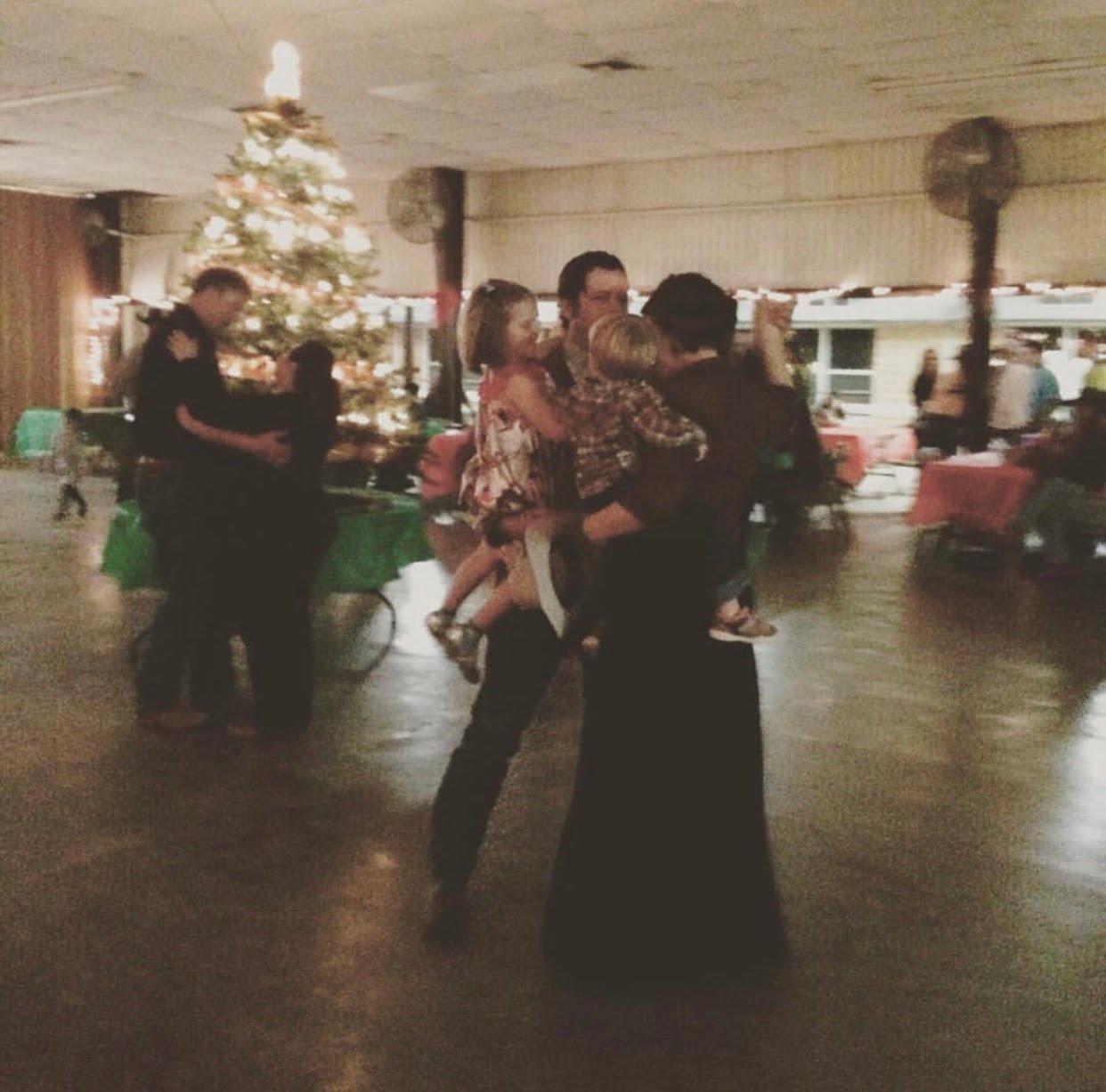
Parish Hall/Catholic Church: There is one church in D’Hanis and it’s Catholic. Most activities in town revolve around the church grounds. The Little League plays at the baseball field there (the only field in town), the soccer teams practice in the church yard, and prom and other school dances are held at the parish hall, along with other various fundraisers like the $100 raffle ($100 a ticket includes a steak dinner and you could win $5k!). This photo is of my family dancing at the annual Christmas Dance. On Christmas night, everyone brings their family out and dances to a local band playing old country music. It’s BYOB and they sell set-ups. The kids fall asleep under the tables with visions of sugar plums and parisa (see next photo) dancing through their heads.


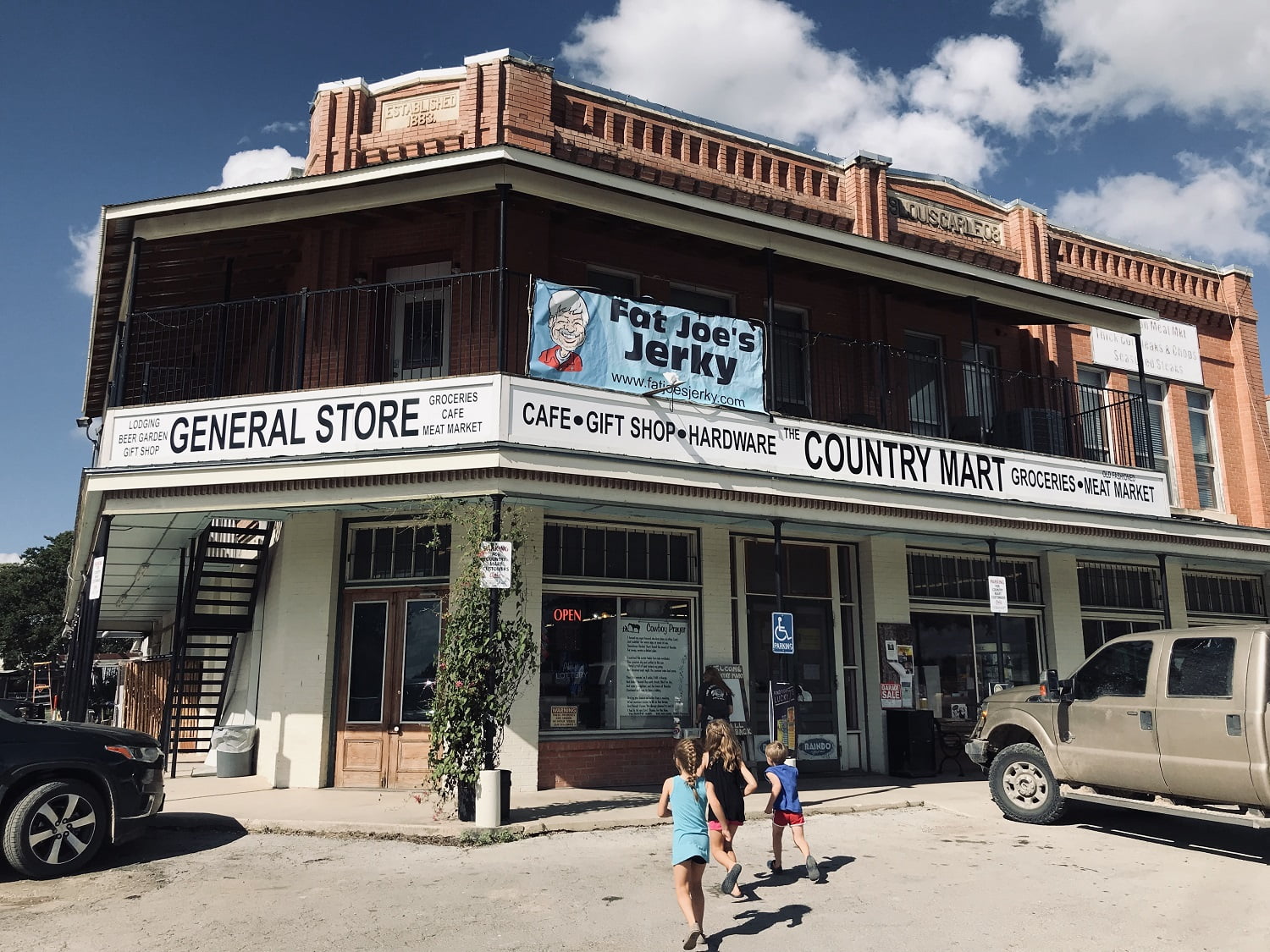
The Country Mart: If there was a hub of D’Hanis, this would be it. You can find pretty much anything you could need in here, and it’s open all the way till 7 pm. They have the best meat market around, selling steaks (especially for Tuesday and Friday open-pit night), ground meat, and parisa — an Alsatian dish that is basically lime juice-cured raw meat with onions, peppers, and cheese mixed in it. You eat it over crackers. It’s actually delicious. In the last few years they’ve started selling burgers and other daily specials at lunch. But get there either before 12 or after 1, because the high school kids have open campus.


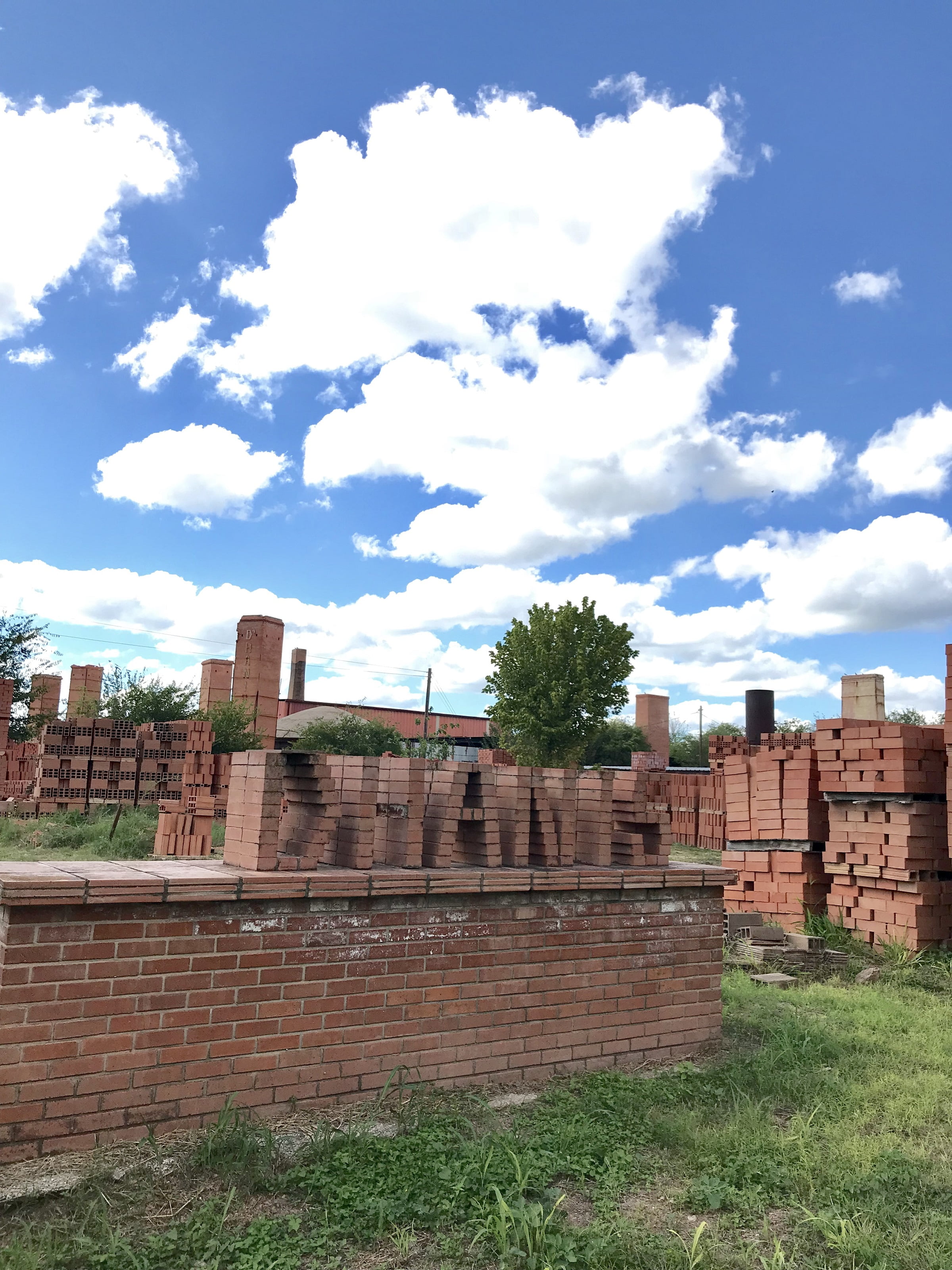
Brick Yard: We can’t talk about this area of Texas without mentioning the D’Hanis brick. You’ve probably seen one and wondered what that word was pressed into the side. They started producing bricks here in the 1890s and now I think they just make specialty orders. But you can’t drive around a block without seeing a house made of D’Hanis structural tile (it’s bigger than a normal brick, but smaller than a cinder block). It’s a beautiful orange clay color, and a great insulator. We lived in a tile house for nine years. If the house isn’t made of that, there’s at least a kitchen or bathroom floor with the 10- or 12-inch tiles. That’s what we have now.


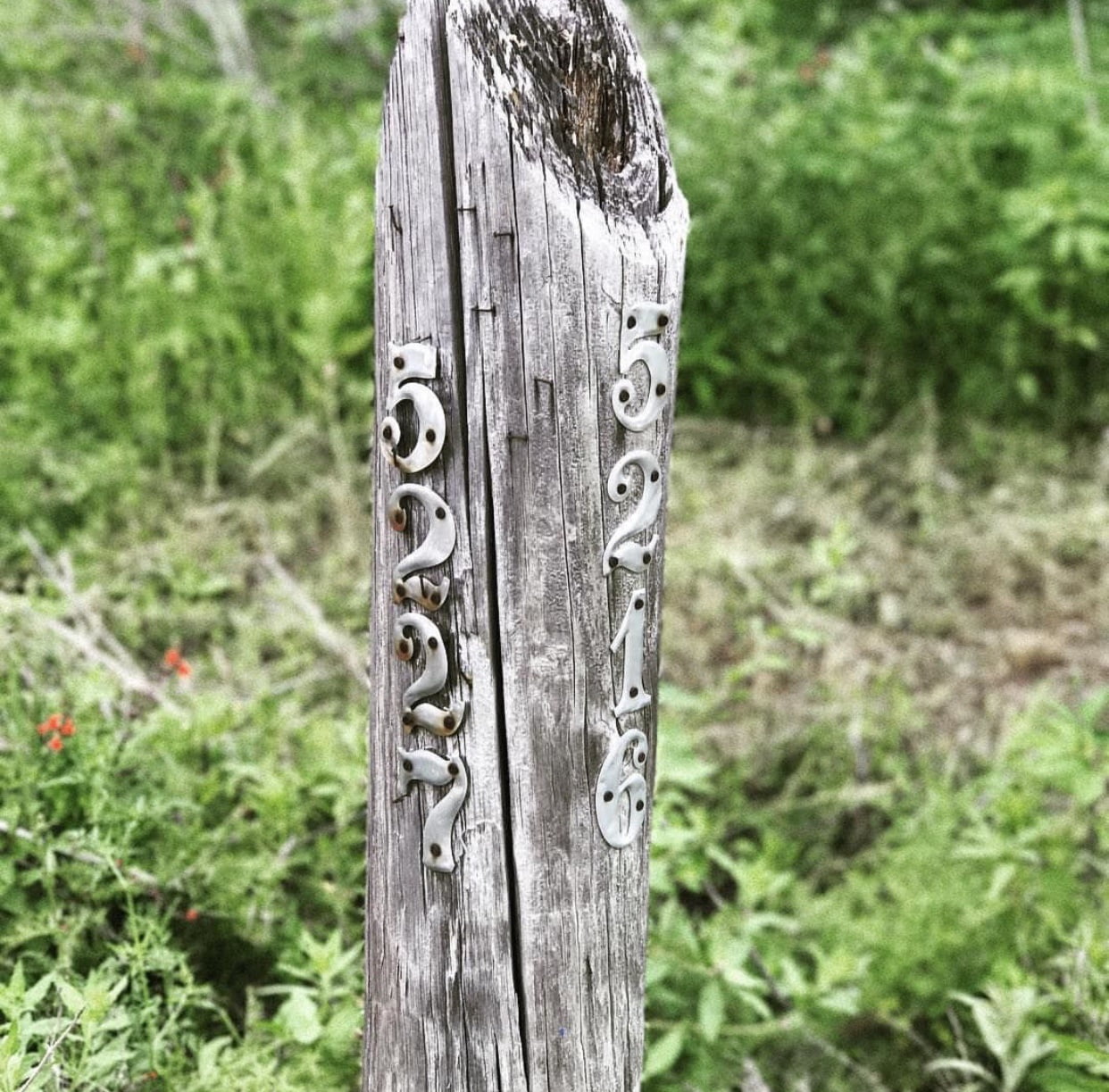
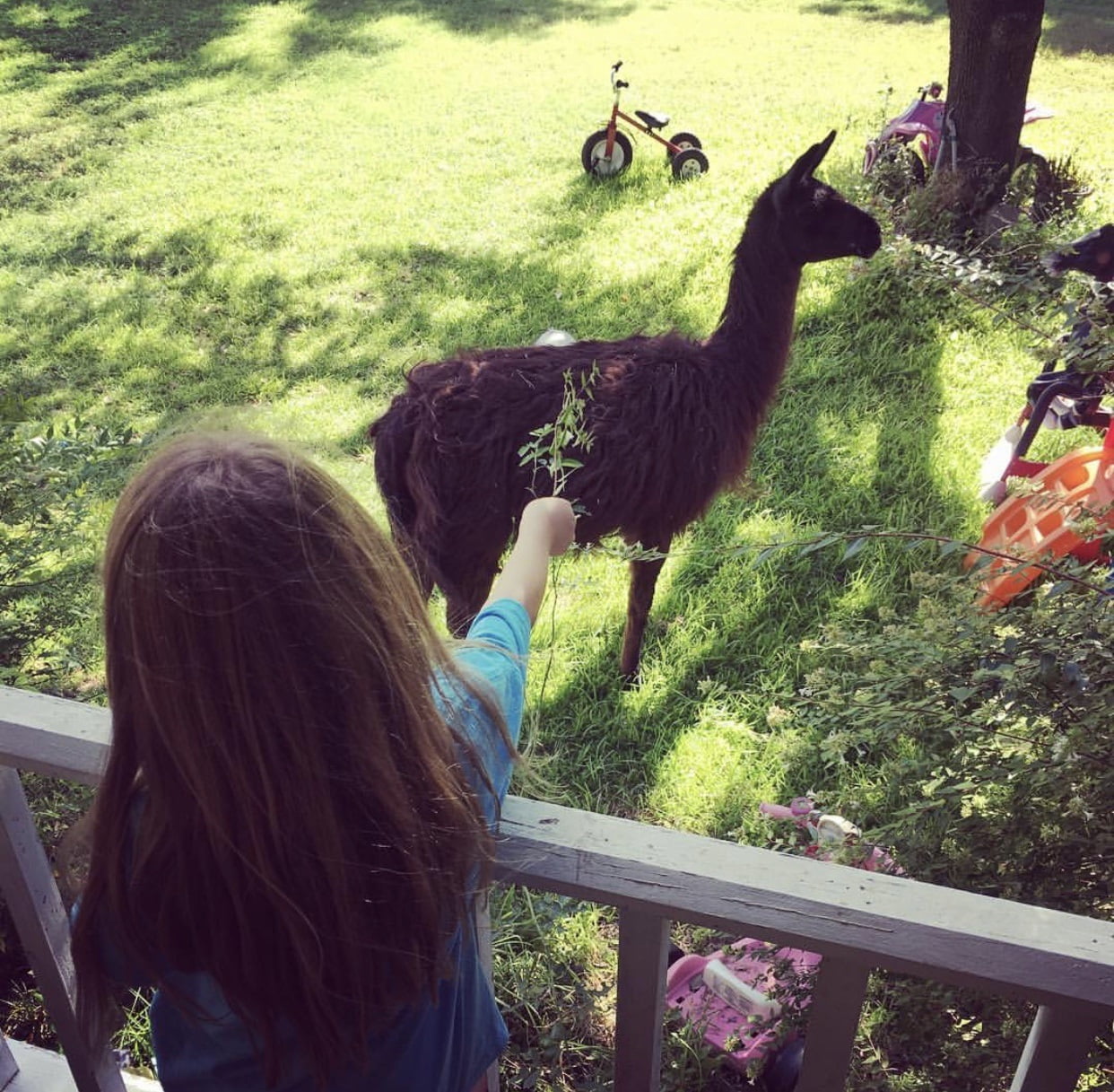
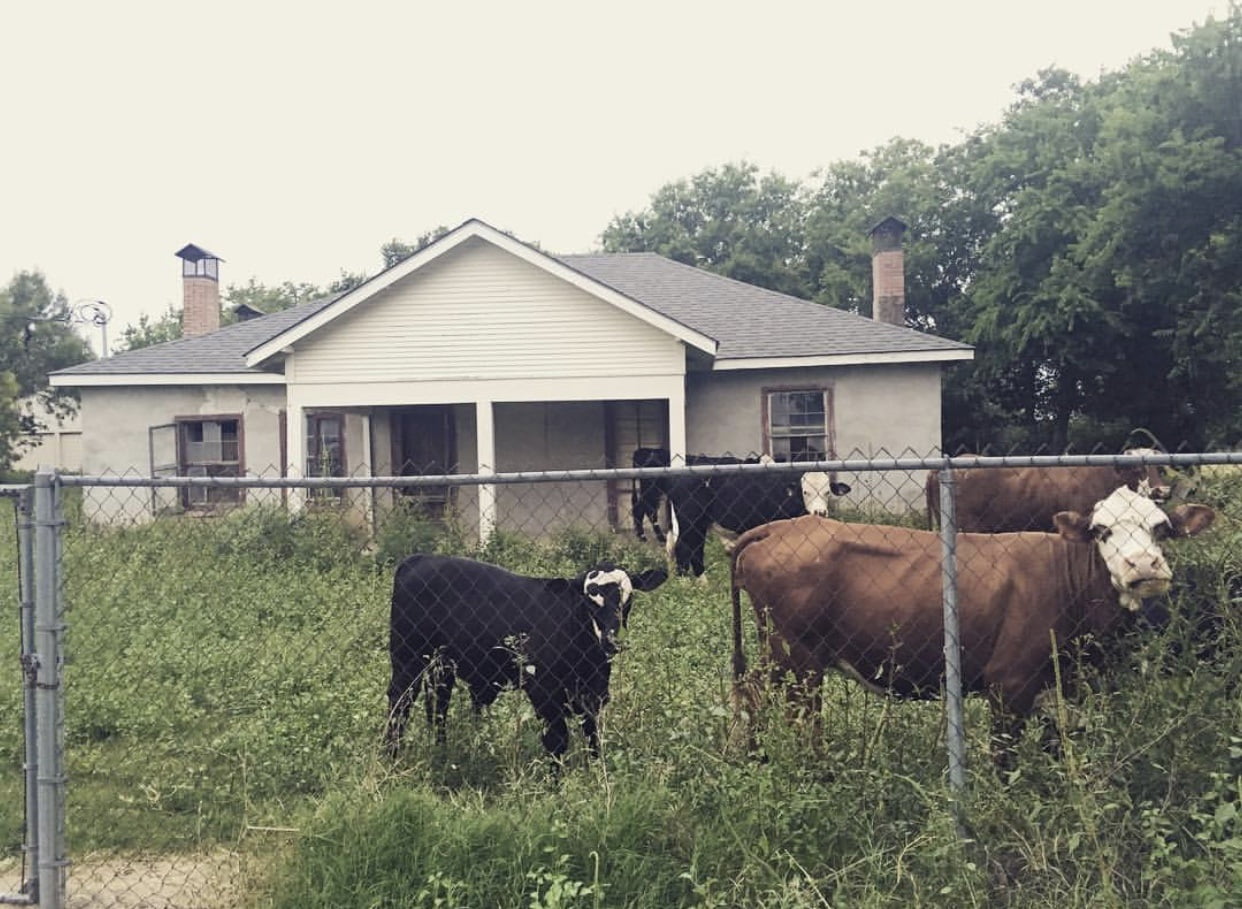
Neighbors! There’s a lot more about this little town that I love. If you’re interested in this little life we live out here, you can follow #realhousewivesofdhanis on Instagram. Here’s a quick look at some of our fun neighbors within walking distance of our house.


All photos: Jamie Lin Wilson

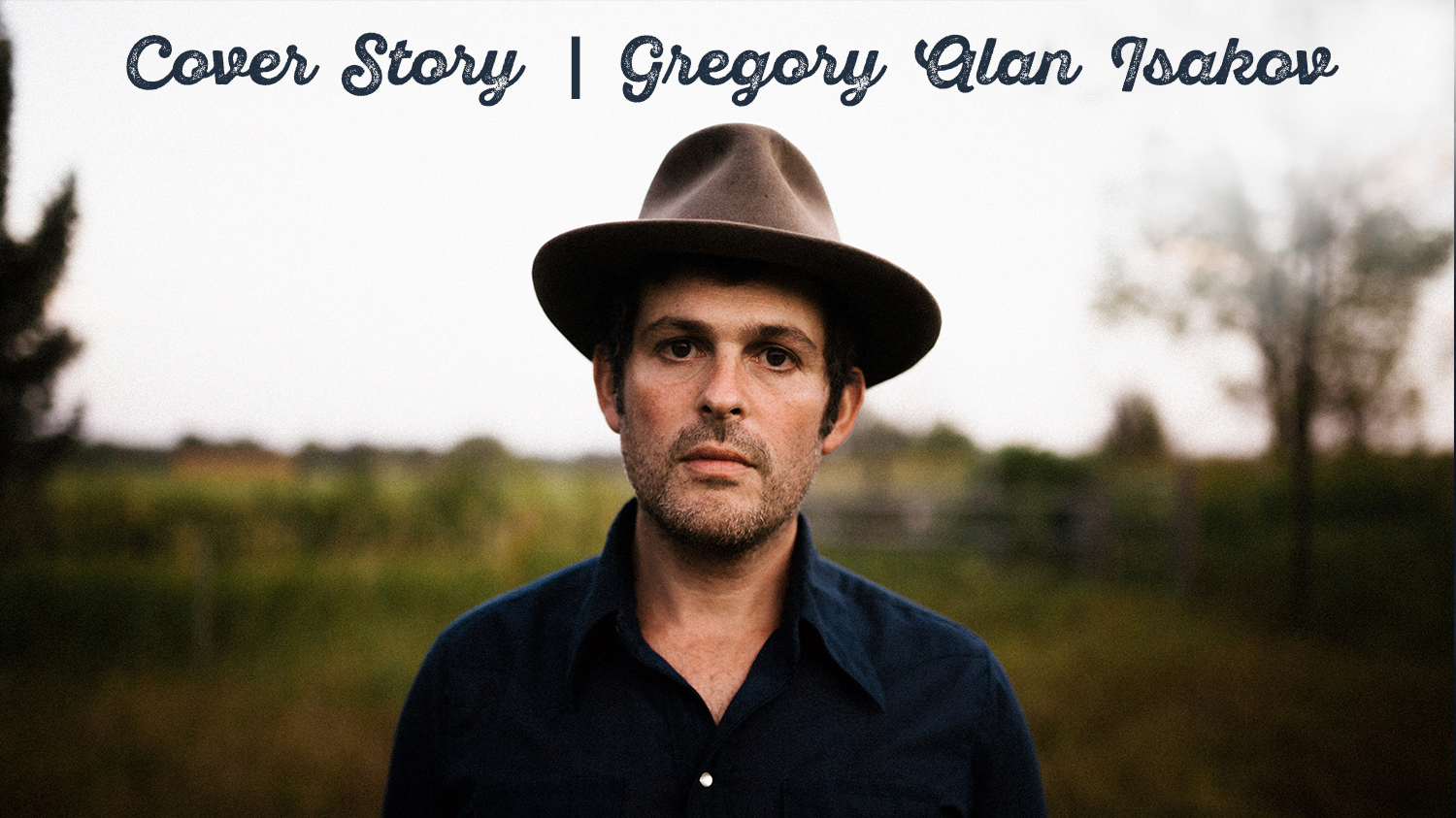
An Otherworldly Landscape: A Conversation with Gregory Alan Isakov

You could call it an epiphany of sorts. Gregory Alan Isakov was riding an elevator with the rest of his band when the doors slid open and a woman got in. She noticed their instruments and asked the question musicians dread. “What kind of music do you play?”

Isakov chuckles. “I never know what to say to that question, you know? So I said, ‘Oh, like, sad songs about space.’” It was, the band immediately agreed, as perfect a genre definition as Isakov could have given.

The singer-songwriter’s new album, Evening Machines, is undeniably dark and cosmic. Atmospheric, opaque, and layered with texture, its electronically accented folk-rock is a departure from the spare, intimate sound Isakov has favoured in the past. And while he is perfectly upbeat today, looking out from his kitchen window onto his four acres of Colorado fields and handful of sheep, he admits that his latest music came from “a pretty dark birth.”

On the face of it, Isakov’s life was going great. But even as he had just fulfilled one of his most fantastic career goals – orchestrating his work for the Colorado Symphony – he was beginning to suffer from a debilitating physical anxiety. “When you’re touring, and trying to figure out how to put out records, you forget about peace and quiet for long periods,” says Isakov, who admits to being a natural introvert. “You’re just hustling all the time. I did that for so long I forgot how to unplug. And it caught up to me in a way I’ve never experienced before.”

And then, on the plane home from Scotland after a six-month tour of Europe, he heard the news that Donald Trump had won the presidential election. “I’ve never had a sense of overwhelming darkness and anxiety like I had that year. You can’t ignore it on an emotional level, whether you read the news or not. And it does make it into the landscape of music or anything that you’re doing. You’re going to feel that stuff. It’s part of being alive.”

Songwriting was a focus and a release; it was also, he says, a reminder that he was someone who needs space and quiet built in his life. Hence the sheep. Isakov took 12 months off from touring and immersed himself in the life of the land he has been working for some years now, supplying vegetables to restaurants and markets. When Isakov was not in his recording “barn” with engineer Andrew Berlin, he was out in the fields, planting salad greens, turnips, and cucumbers, feeding and watering his 10 sheep. “They’re great, they have good vibes when you want to chill,” he smiles. “They’re so easy to look after.”

While the songs on the album draw from what Isakov calls an “otherworldly landscape,” the farm itself is a very real character in his recording process. Apart from the live symphony recording, every album he has released has been made in his own home – “because I really don’t like studios,” he laughs. “I don’t like the glass, I don’t like going into another room to listen, I like to have the words to the songs up everywhere, and all the stations ready to go.”

For Isakov, the key factor is speed: the ability to capture, as quickly as possible, the emotions and sensations he is exploring. Evening Machines, it turns out, is full of first takes. “To maintain whatever feeling you’re having is really important. In the moment you say, ‘This is just an idea, but later I’ll do this good,’ you know? And then I’ll come back to it and something’s different and I can never get back that initial emotive, ineffable something.”

So Isakov developed his own mantra – “sketch to keep” – and created a working space nimble and nearby enough that he could to capture inspiration whenever it struck. The ‘evening machines’ of the title are actually the blinking lights of his electronic equipment, which he visited mostly at night. By the time he came to create the record, he had more than 40 tracks to choose from.

The songs that made the final cut – the ones that felt, to Isakov, to “live together” – share a common, haunting feel. Images return in numerous songs, stars and weightlessness, gunpowder and bullet holes, while the sounds of the machines – a Juno synth from the ‘80s, a compressed drum kit, an Orcoa pump organ that sounds like a toy – provide an unnerving and ethereal backdrop. It is a sound far heavier and, dare one say, dirtier than Isakov’s previous albums. And yet the lyrics remain fraught with the fragility of human essence.

Some, like “Powder,” read off the page like poems – “were we the hammer/were we the powder/were we the cold evening air” – which pleases Isakov to hear. “That’s the goal!” he laughs. “Powder” in particular was inspired by one of Isakov’s favourite poets, Billy Collins. “I bring his poems out with me on the road because I tend to slow down whenever I read them.” And if meaning can feel mysterious in Isakov’s songwriting, it’s not only obscured to the listener: Isakov says he often doesn’t know what his songs are about until after he’s written them.

Take “Berth,” which he wrote with his brother Ilan – a film score composer and “one of my all-time favourite songwriters.” The pair often spend the summers together, engaged in all-night-co-writes. “We start after dinner, and this time I had a melody in my back pocket, that crooked piano part, and I went to one end of the building and he went to the other and we wrote as many verses as we could and then met back up, and mixed them together. The original song was 17 minutes long!” It was only when they edited it down to its final version that they realised what they’d written. “And then we were like: I think this is an immigrant song. We didn’t see that coming.”

Isakov was born in South Africa at the heart of the apartheid era – “a pretty rough situation” – and his family emigrated to the U.S. when he was a young child. For the first couple of years, he lived in a one-bedroom apartment with his parents, his granny, and his two brothers. “A lot of friends I made growing up were immigrants and I really connected to their families a lot. They had a different vibe to the American kids I knew.

“Even now – in no way is our country somewhere that feels safe all the time, or going in a good direction at all – but, man, we are lucky to be in a place where we can have a sense of freedom and be able to work and create whatever we want. That doesn’t exist hardly anywhere and it’s a nice perspective to have.”

His upbringing also created a close bond with his brothers, who would play instruments together in the basement: “I was always excited to get back home from school to play with them. That was the fun part of my day.” Not that music has made any of them any less introverted, Isakov admits. “When we’re hanging out, we don’t even talk,” he laughs. “One of us will ask, ‘Who’s he dating now?’ and the others will be like, ‘I don’t know, we don’t talk about that.’”

But then, Isakov is happy to live with uncertainty. It’s a principle that’s central to his creativity. “I’ll read an interview with another artist saying ‘I wanted to write a song about this or that,’ but that’s never happened to me,” he says. “I never set out to write a song about anything.

“I feel like I’m sort of holding on, not even driving. You just hope you can get it all. Sometimes you do, and when you do it’s the greatest feeling, you’ve struck gold or something. But there’s plenty of times I don’t get it. My trash can’s pretty big.” It makes him reluctant, he says, even to take credit for his songs – and even more so to imbue them with too much narrative. For instance, “Was I Just Another One” can sound to the unknowing ear like a simple love-gone-wrong story. “To me that song’s about a relationship with someone on heroin but it never says that. And it’s not interesting what I think it’s about.”

His fascination with roots – from jazz and blues standards to the old-time clawhammer banjo he learned to give him a break from guitar – has not left him. “Some of the traditional songs that are so relevant today, stuff like Mississippi John Hurt, you can listen to it and they could have been written right now.” And now that his own dark period is, happily, over – “I’m so lucky to be on the other side of that” – the lighter tracks he recorded over the past year will be repurposed into a new, more country-influenced collection. If this record has taught him anything, however, it’s never to assume. “Songs have minds of their own,” he laughs. “And I’m just following them along!”


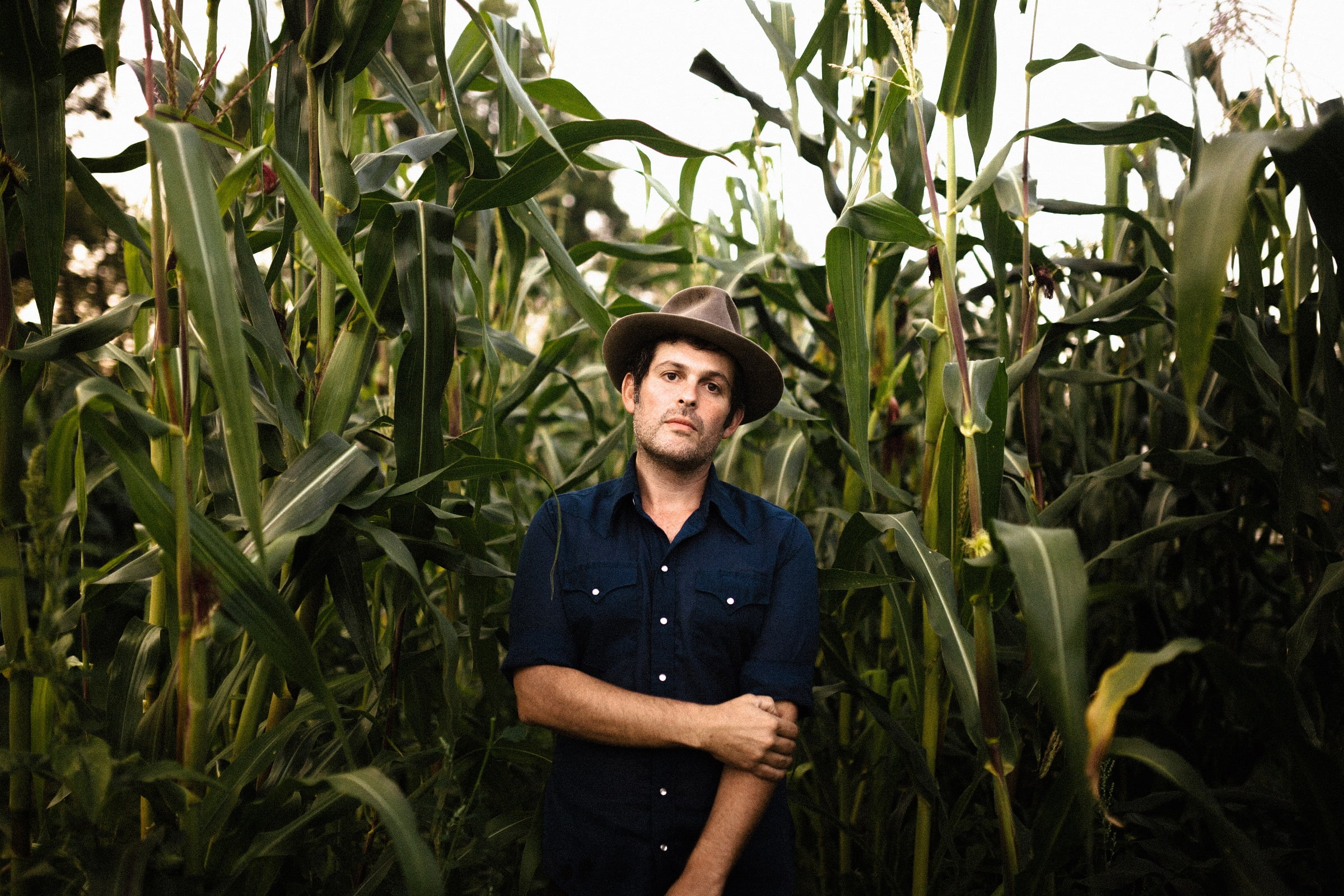
Photos of Gregory Alan Isakov: Rebecca Caridad

WATCH: Missy Raines, “Allegheny Town”

Artist: Missy Raines
Hometown: Nashville, Tennessee
Song: “Allegheny Town”
Album: Royal Traveller
Release Date: October 5, 2018
Label: Compass Records

In Her Words: “I grew up in the Allegheny mountains of West Virginia, leaving home at 18 to follow my dreams. I didn’t realize then the cost of time away from loved ones – time you never get back. I wrote this song ‘Allegheny Town’ for my family, for those who went searching and perhaps more importantly, for those who stayed behind. This video offers a personal glimpse into my life from long ago with scenes and people who are no longer with us. ‘And I can hold you up, against the eastern sky, and we can try our luck, to never say goodbye.’” –Missy Raines


Photo credit: Stacie Huckeba

LISTEN: Emily Scott Robinson, “Westward Bound”

Artist: Emily Scott Robinson
Hometown: Greensboro, North Carolina
Song: “Westward Bound”
Album: Traveling Mercies
Album Release Date: February 22, 2019
Label: Tone Tree Music

In Her Words: “The opening track for my new record carries all the hope of moving somewhere new and starting over. Every time I drive west through Texas and New Mexico, I take the original U.S. highways. I like little towns with 100-year-old brick courthouses and family-run breakfast spots that only take cash. Small-town America is mostly going about its business, getting a little dusty and bent-over, finding it harder to make a living these days. There are folks out there with great stories to tell, but if you take the interstate, you’ll miss them.” –Emily Scott Robinson


Photo Credit: Neilson Hubbard

LISTEN: The Bottle Rockets, “Maybe Tomorrow”

Artist: The Bottle Rockets
Hometown: St. Louis, Missouri
Song: “Maybe Tomorrow”
Album: Bit Logic
Release Date: October 12, 2018
Label: Bloodshot Records

In Their Words: “‘Maybe Tomorrow’ is a personal favorite song of mine, because of the way it was born. I was trying to write a song all day long. Nothing materialized. Around midnight I gave up. Posted about my failure on Instagram, when I read back what I posted, I made this whole lyric out of the hashtags of my post. At midnight I was a failure. This song was completed by 12:15…” –Brian Henneman


Photo credit: Cary Horton

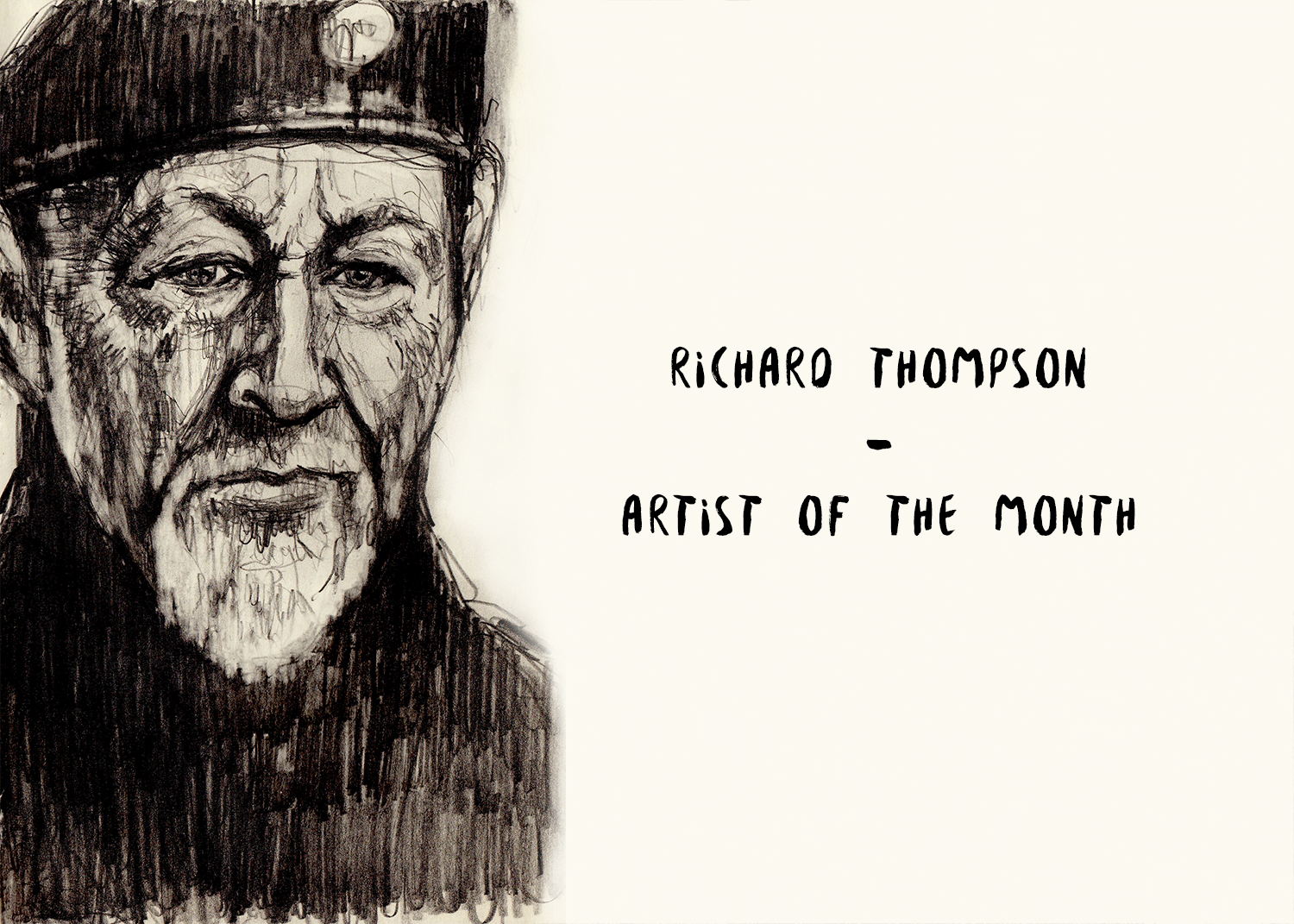
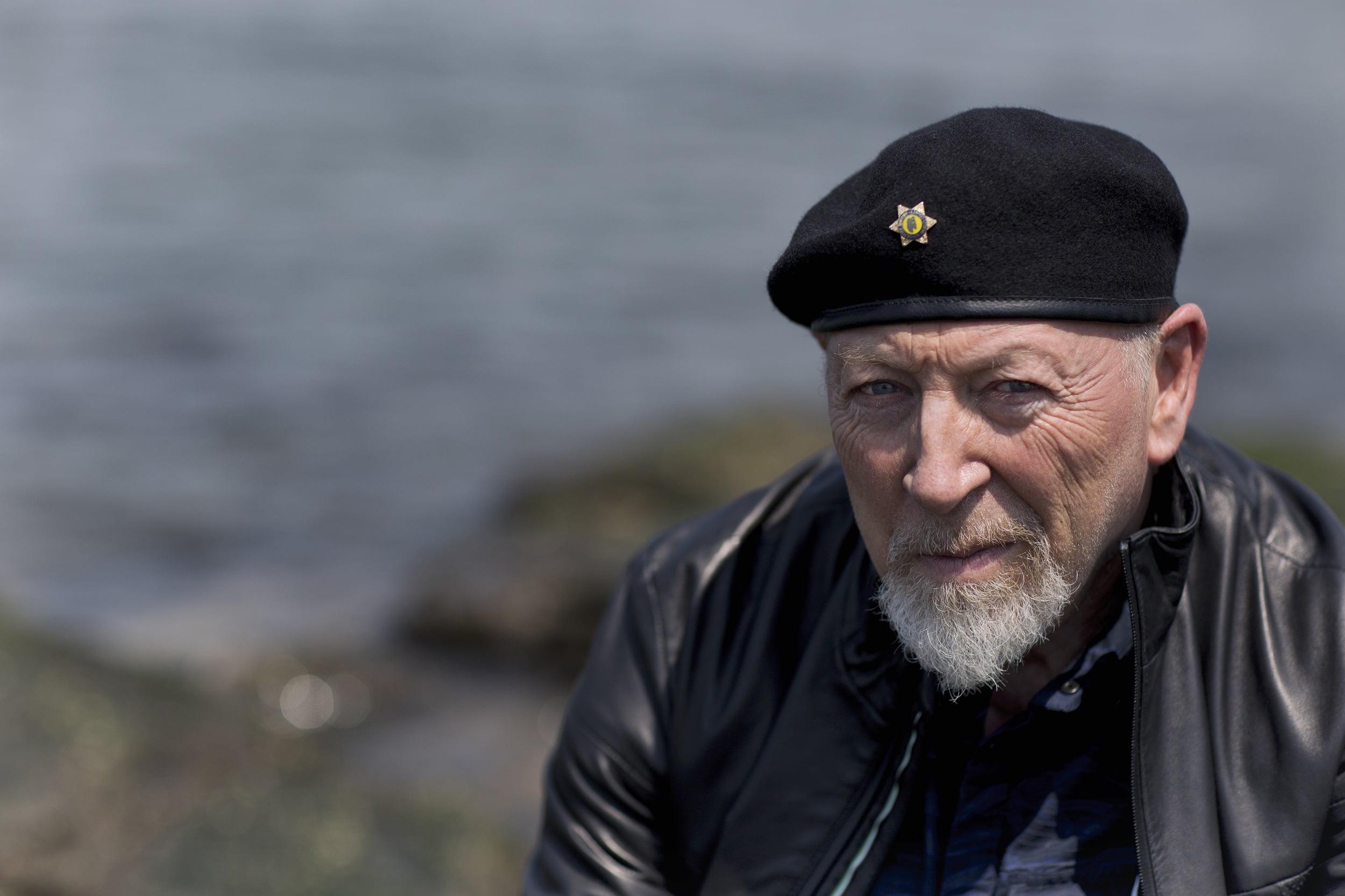
Richard Thompson Lets the Songs Guide ‘13 Rivers’

Richard Thompson’s new album contains 13 tracks and is called 13 Rivers, which suggests an intriguing metaphor regarding music and bodies of water. These are songs as rushing currents, as tributaries cutting through the landscape with unstoppable force; they can be dammed but not contained, their power harnessed but not diminished. Or perhaps they are obstacles to be crossed, either by swimming against dangerous rapids or by devising elaborate feats of engineering. It is any wonder that songs have bridges?

Thompson admits he didn’t think too hard about it. “It’s just a convenient title, and I liked the way it sounds,” he says with a chuckle that sounds both self-deprecating and possibly curious about the idea. “I’m not sure how deep it is or if it stands up to intellectual scrutiny. I guess songs and rivers can be fast or slow, straight or meandering. They have a beginning or end. You should make of it as much as you can. The more you make of it, the better I sound.”

He doesn’t need me or anyone else to make him look smart, but let’s go ahead and make too much out of that metaphor. Thompson’s catalog is full of raging rivers, most with rock rapids and treacherous oxbows, some stretching for miles and miles or years and years. He’s been navigating them for more than half a century, ever since he strummed his first notes as the guitarist and occasional songwriter for the famed London outfit Fairport Convention. That band helped to electrify folk music in the late 1960s, adding drums and Stratocaster to centuries-old rural ballads about maidens and knights, before Thompson went solo to emphasize his own songwriting.

For years he was merely a cult artist in the States, his early records available only as imports, at least until 1980’s Shoot Out the Lights—written, performed, and recorded with his then-wife Linda Thompson—established him as an insightful chronicler of the challenges of commitment and contentment, a songwriter who is neither blandly optimistic nor cynically dismissive, but somewhere right between bitter and sweet.

And, of course, he is a guitar player whose resourcefulness somehow dwarfs his technical virtuosity. A teenager in the late 1960s, he was too young to be as enamored with American blues as other players were, which means he was never a contemporary of Eric Clapton, Jimmy Page, or Jimi Hendrix. Instead his playing is grounded in folk music, aligned with the experiments and excursions of Bert Jansch, John Renbourn, and Davy Graham. Like them, he has significant range, incorporating a range of styles and sounds: African desert rock, urban punk, country & western, Indian ragas. His solos change shape constantly; listening to him play, you never know where he’s going but you know he’s going to get there.

While many of the players listed above have either died or all but retired, Thompson continues to make relevant music in the 2010s, both as a songwriter and as an instrumentalist. “The most important thing is the song—the particular batch of songs you find yourself with. That dictates so much about the way the record sounds,” he says. “The songs are going to tell you how they want to be shaped, how they want to sound in the end. They tell you if they want to be acoustic or electric; they tell you if they want to be simple or complex. If you’re listening to what the songs are saying to you, then making the record should be a fairly easy task.”

The batch of songs that comprises 13 Rivers stemmed from what he calls a “difficult time in my life,” although he declines to discuss the specifics of those difficulties. Still, it’s possible to gauge the general nature of them based on songs like “Rattle Within” and “Shaking the Gates,” which suggest a feisty relationship with the idea of mortality. Writing them, however, is not necessarily a conscious effort to address certain events or predicaments. “It’s a semi-conscious process. You’re not always thinking about the big picture. You’re just kind of floating sometimes. You’re almost allowing yourself to switch off some of your critical faculties in order to write. And once you’ve written it, you think, okay, here’s this song, now what does it mean? But you’re not thinking about that meaning while you’re writing it.”

Take the opening track, “The Storm Won’t Come.” A low, brooding number with a worried vocal and a searing solo, it reverses the typical storm metaphor, casting the thunder and rain as something other than destructive. Especially opening the album, it almost sounds like an invocation by an artist waiting for inspiration to strike like lightning. “That’s not what I had in mind, but that sounds great! I was thinking more than sometimes in life, you can feel stymied and you long for change. Sometimes if you try to change it yourself, it doesn’t work. You have to wait for the world to do it to you,” he says.

One storm arrived just after he had assembled this batch of songs: The producer backed out of the project, leaving Thompson to ponder its fate. Thankfully, pragmatism won out. “I thought, well, the studio is booked, the musicians are booked, we’ve got the material, so I’ll just produce it myself. I’ve done it before. It’s always nice to have the contrast of working with other people, but it can be good to do it yourself. You can get more into the nuts and bolts of what you really intended to find in the songs.”

Perhaps that’s why so many songs have a raw-nerve friction to them, lyrically and musically. After a handful of solo acoustic albums, including 2014’s Still, produced by Jeff Tweedy, Thompson put together a very tight, very agile rock and roll combo to give these songs a jittery energy. He’s worked with bassist Taras Prodaniuk and drummer Michael Jerome for years, “so I know them a bit—what they’re likely to come up with.” They worked quickly in the studio, learning the songs just enough to pound them out but not enough to pound them life out of them. “I try to not get too embedded in learning the song. We just give it a couple of listens at rehearsals,” he says. It’s a way to avoid what Thompson calls “overlearning” the song, to allow room for happy accidents and to keep the possibilities wide open.

When the song goes out into the world, those possibilities shrink dramatically. The song becomes settled, more or less. “What the song is now is public domain. It becomes a kind of public property, and the audience won’t let you change it, even if you want to. I’ve got songs where I’ve snuck in the odd word change, but to change a verse or even a line is just asking for trouble.”

Being the song’s creator doesn’t mean he determines that meaning for anyone else. In fact, his interpretation is only one of so many. “It’s always amazing to hear other people’s ideas of what a song is about. I may have written it as a satirical song or a very pointed song, and people will say, ‘Oh that’s about Bob Dylan’ or something. How did they reach these bizarre conclusions? But I’m glad they can find their own meaning in it.”


Illustration by: Zachary Johnson
Photo by: Tom Bejgrowicz