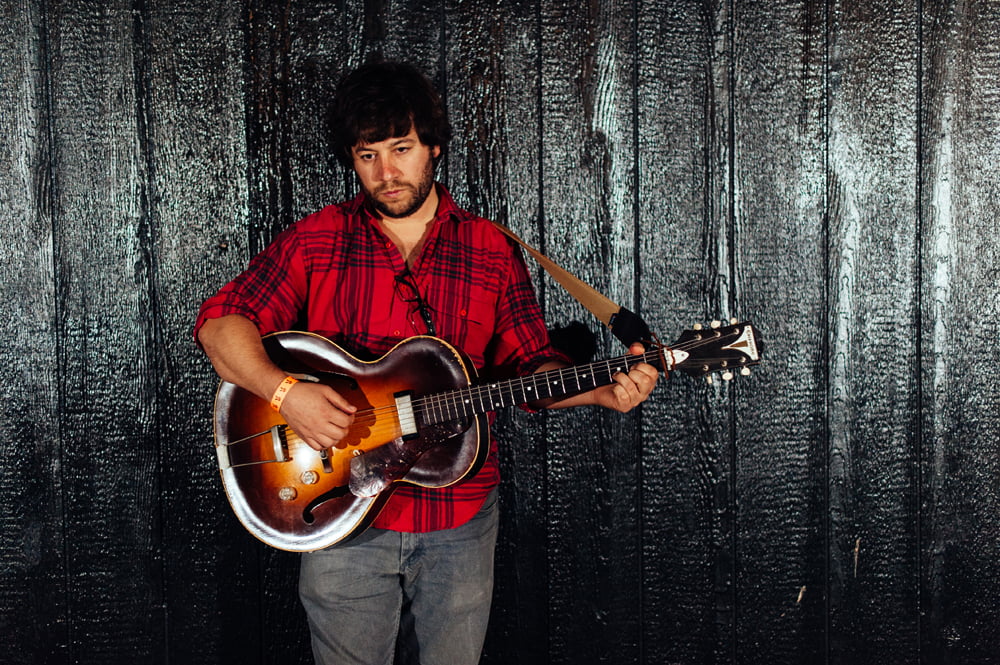
LISTEN: Gasoline Lollipops, ‘Montreal’

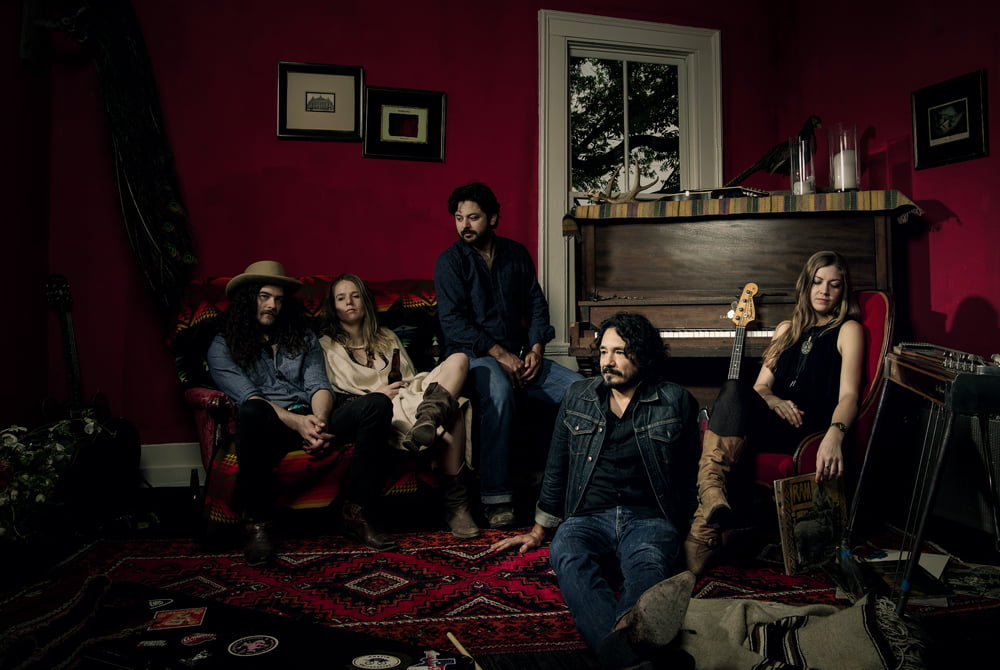
Artist: Gasoline Lollipops
Hometown: Boulder, CO
Song: “Montreal”
Album Title: Soul Mine
Release Date: December 15, 2017

In Their Words: “’Montreal’ was written about a good friend of mine who parted ways with me in order to pursue a life in drug addiction. The song is named after a perfect day we spent on tour in Montreal. We were both clean and sober, grateful to be alive, and living our dreams. My hope is that the recording of ‘Montreal’ has captured the beauty of a perfect day, as well as the heartbreak of losing it.” — Clay Rose


Photo credit: Laura Folden

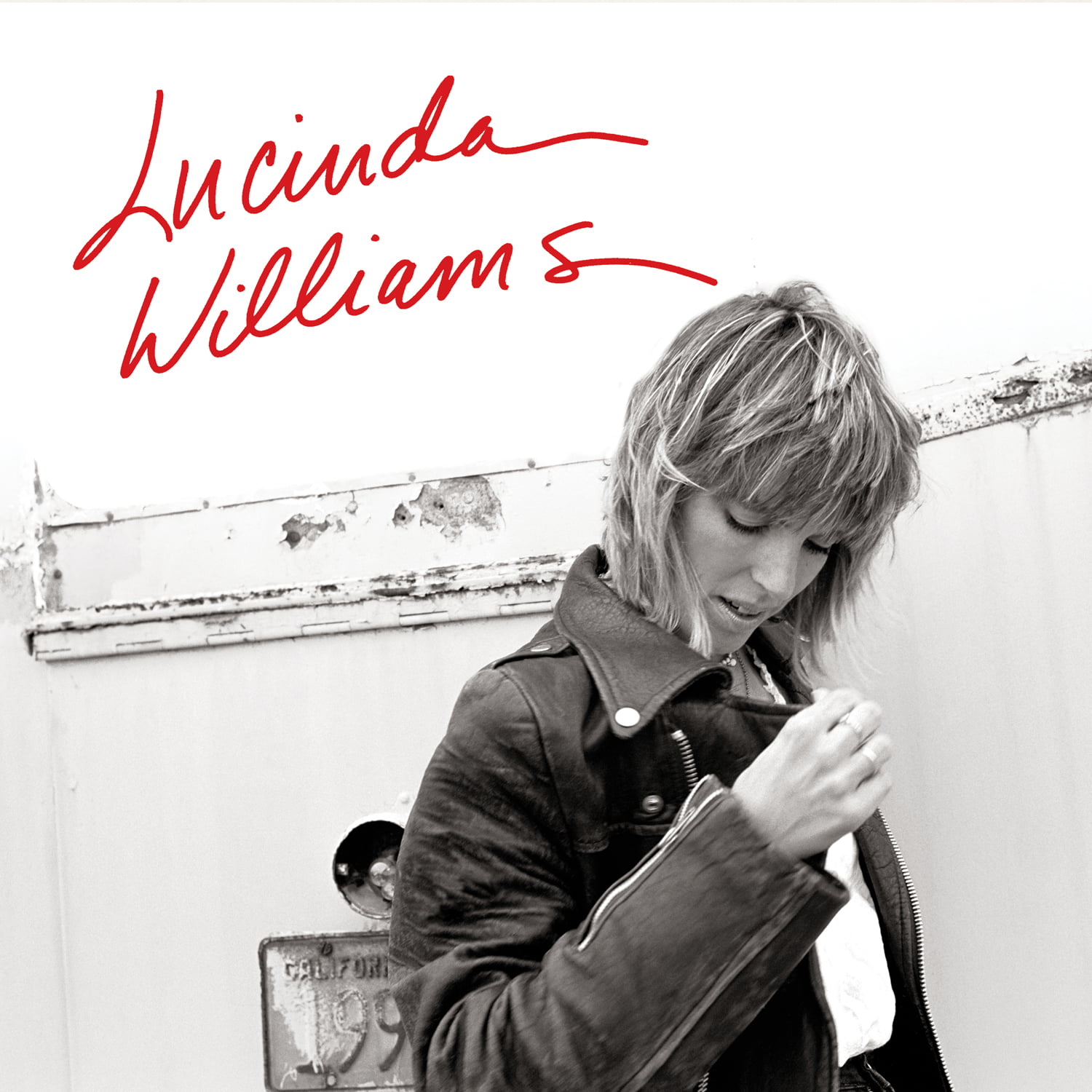
Canon Fodder: Lucinda Williams, ‘Lucinda Williams’

Because she spent so much time between albums — eight years between her second and third, six between her fourth and fifth — Lucinda Williams has been assigned a reputation as a perfectionist, as though country music must be approached with the sonic exactitude of prog-rock. But the near-decade interim separating 1980’s Happy Woman Blues and 1988’s Lucinda Williams doesn’t indicate a maniacal pursuit of a specific vision, although these songs are as close to perfect as just about any country album of that decade. Instead, the Louisiana-born, Los Angeles-based singer/songwriter spent those years redefining her sound away from acoustic blues to something closer to country-rock, moving out of Texas for Southern California, and trying like mad to sell herself to a record label. Recording Lucinda Williams took less than a month. Getting somebody to give a shit took significantly longer.

As Williams has said, in the 1980s, she was perceived as too country for rock radio and too rock for country radio. Lucinda Williams continually writes and rewrites its own rules, with each song presenting a slightly different definition of what “country” and “rock” might be. “I Just Wanted to See You So Bad” opens the album with a bouncy drum beat and a bright guitar lick, with Williams rushing through that title phrase, jumbling the words together as though mid-sprint. It’s full of hope and intense desire, both echoed on the story-song “The Night’s Too Long” and the list of demands “Passionate Kisses.” The blues still informs her songwriting, albeit in different forms: “Am I Too Blue” adheres to the country blues setting, but “Changed the Locks” is something new for Williams, a low-down urban blues tune surprisingly lascivious in its harmonica riff and humorous in its lust and self-delusion. “I changed the lock on my front door so you can’t see me anymore,” she testifies. “And you can’t come inside my house, and you can’t lie down on my couch.” Few singers — including Tom Petty, who covered the song in 1996 — could draw so much sexual promise out of the word “couch.”

Like Wilco’s Yankee Hotel Foxtrot, Lucinda Williams has become symbolic of the old art-versus-commerce debate, a manifestation of the grievous oversight of major labels and radio programmers, held up as evidence that the business of music, by default, ignores good music in favor of marketable product (as though there’s no overlap). Released in fall 1988, the album became a cause célèbre in Nashville, particularly among female musicians: Patty Loveless covered “The Night’s Too Long” in 1990, Mary Chapin Carpenter enjoyed her biggest hit with “Passionate Kisses” in 1991, and Emmylou Harris sang “Crescent City” on Cowgirl’s Prayer in 1993. You could almost reconstruct the tracklist with excellent covers.

Generally perceived as much more conservative than the audience or the artists it ostensibly serves, in the late 1980s, country radio was only just shifting away from the gauzy nostalgia of neo-traditionalists and the last sputterings of legacy artists and moving toward the hat acts who would define the genre into the next decade. In the fall of 1988, when Lucinda Williams finally made it to record store shelves, Dwight Yoakam, Rosanne Cash, Tanya Tucker, and the Oak Ridge Boys all enjoyed number one country hits. Noted country eccentric Lyle Lovett enjoyed two gold records in 1988 and 1989. Mainstream country music has become a thread-bare strawman for alt-country and roots audiences, but it wasn’t just the industry’s prudishness that kept Lucinda Williams off the charts and the playlists, despite that story’s persistence over the years.

It wasn’t something in the lyrics, either. There were rumors that radio executives objected to the prurience of the line, “His back’s all soaked with sweat,” sure to send housewives into a tizzy, but “The Night’s Too Long” was soon a single for Loveless. Williams’ voice was cited as a potentially alienating factor, one that blurred its syllables around the edges, slurring its speech after too many cold Coronas in some lost honkytonk. Williams replaces the recognizable twang with something more idiosyncratic, something more rooted in geography, something that was, at the time (and definitely still is), as foreign to country radio as ouds and zithers. Lovett’s deadpan drawl and Yoakam’s Bakersfield barb were similarly iconoclastic, but they were guys in an industry that preferred women more easily manageable and malleable (which is not to dismiss the self-possession of Williams’ female contemporaries, but more to speak to the considerable feat of their success).

Ultimately, Lucinda Williams just wasn’t designed for radio. It wasn’t meant for the mainstream. It has become exactly what it was supposed to be: a cult record, a foundational document, the wellspring of a new strain of music that would eventually be labeled alt-country. The Jayhawks might have debuted two years earlier, and Uncle Tupelo might have named the magazine, but this album — more than any other — revealed the limitations of Nashville and its neglect of very large swathes of country music listeners. Williams staked out all new territory. She had had a fairly itinerant life, born in Lake Charles, Louisiana, but raised elsewhere. She’d lived in Arkansas with her father, the poet Miller Williams, then Texas, where she made two albums of tentative country blues that even her most avid fans don’t spin much anymore. Most of her 1980s were spent in Los Angeles, which is perhaps the most significant aspect of Lucinda Williams.

That city was a mecca for country music as early as the Great Depression, when itinerant Southerners and Midwesterners moved west looking for work. Singing cowboys proliferated throughout the 1930s and 1940s before they were eventually replaced by crooners and rock stars. The term “country-rock” was coined in Southern California, thanks to Gram Parsons and the Beau Brummels (who recorded the overlooked Bradley’s Barn with Owen Bradley in 1968). Around the same time, Bakersfield became a powerful force in country music; roughly two hours north of Los Angeles, the town supported more than its fair share of roadhouses and honkytonks, where country music was played on electric guitars with strong backbeats and where Buck Owens and Merle Haggard cut their teeth.

Williams might have appreciated those artists, but at least on her self-titled album, her sound never borrowed much from those scenes. Instead, Lucinda Williams sounds bound to a city that, in 1988, would have still been viewed by those back east as a den of crime and ersatz glamour — cocaine and liberalism, yuppies and punks. The city’s punk scene had somehow made room for twang, with X spiking their punk with rockabilly (and sharing stages with Dwight Yoakam) and Lone Justice sneaking out of the underground with “Ways to Be Wicked.” As Williams told Spin in 2016, “There was an actual really cool thing going on out in L.A. in the mid-‘80s, [acts] like the Long Ryders, the Lonesome Strangers, the Blasters, Rosie Flores, and X. I was just opening for bands, and a lot of labels were noticing me and would come to my gigs, but nobody would sign me; they all passed on me, even the smaller labels like Rhino and Rounder.” It took an English label to finally sign her.

To call Rough Trade a punk label would be to minimize the breadth of its catalog, which included a remarkable mix of industrial (Cabaret Voltaire), punk (Stiff Little Fingers), post-punk (the Pop Group), pop (the Smiths), and things in between (Panther Burns). The label opened an American office in 1987, with a mission to sign more U.S. acts. Still, Williams was a departure for the label — a risky bet that paid off. Lucinda Williams peaked at 39 on the Billboard album charts and spawned two EPs in 1989. Her next album would be released by an imprint of Elektra Records, the one after that by Mercury.

The portrayal of Williams as somehow outside the industry — as an alternative to the mainstream — persists today, perpetuated by the woman herself. Williams has continually distanced herself from what she described to Billboard as the “straighter country music industry of Nashville.” In response to that interview, Chuck Klosterman calls her out in Sex, Drugs, & Cocoa Puffs and predicts “Lucinda Williams’ music won’t matter in 20 years. Oh, she’ll be remembered historically, because the brainiacs who write pop reference books will always include her name under W. She’ll be a nifty signpost for music geeks. But her songs will die like softcover books filled with post-modern poetry, endorsed by Robert Pinsky and empty to everyone else. Lucinda Williams does not matter.”

As with so many Klosterman statements, it’s provocative, entertaining, and demonstrably untrue. Fourteen years later, Lucinda Williams still matters — as a songwriter routinely covered by artists in a range of genres, as an industry cautionary tale, as an alt-country figurehead, as an artist boldly reinventing herself on her most recent albums. And Lucinda Williams matters perhaps even more — not because we’re still talking about it 30 years later, but because no one is really from Los Angeles. At its heart, this is an album about small-town transplants in big cities, about Southern ex-pats far from home, and few artists have taken up that musical sensibility as confidently or as comfortably as Williams, an LA native displaced in L.A.

“The Night’s Too Long” makes the theme literal, describing a young woman who sells her belongings to move to where things are actually happening. Williams gives her a name, a job, and a hometown in the song’s first line: “Sylvia was working as a waitress in Beaumont.” She moves away to “get what I want,” which might as well be the laundry list of demands on “Passionate Kisses.” Home and travel and loneliness and melancholy suffuse these songs. “Crescent City” recounts a trip back to Louisiana, where she — maybe Lucinda herself, or perhaps Sylvia — hangs out with her family, listens to zydeco, takes rides in open cars. “Let’s see how these blues’ll do in a town where the good times stay,” she sings, as Doug Atwell’s fiddle solo winds its way through those familiar backroads and across that “longest bridge” over Pontchartrain. It’s a poignant song for any listener who doesn’t live where they grew up. It’s the sound of rediscovering the joy and reassurance of home, a theme that ultimately transcends genre, industry, and even performer.

LISTEN: Fairbanks & the Lonesome Light, ‘Pieces’

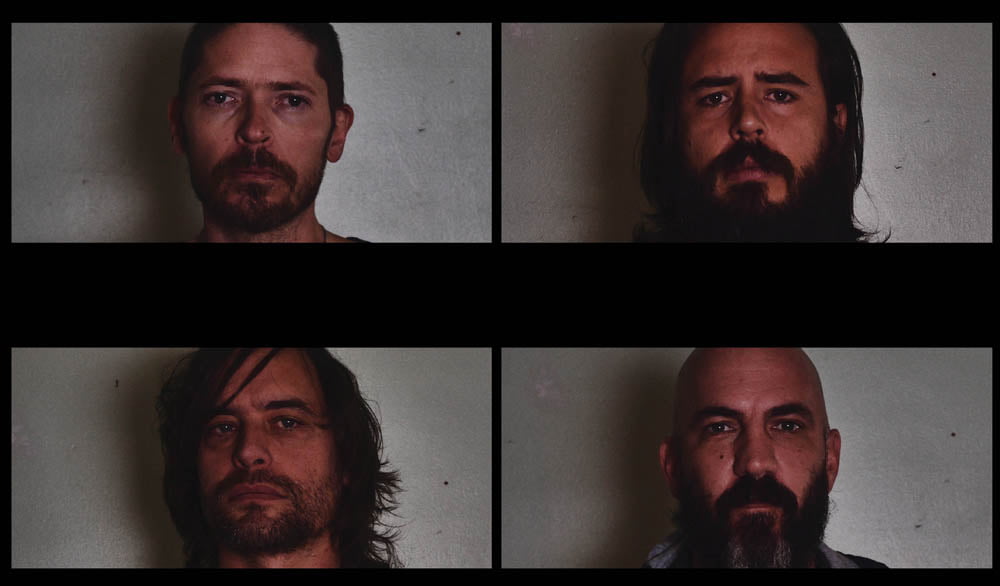
Artist: Fairbanks & the Lonesome Light
Hometown: Austin, TX
Song: “Pieces”
Album: Nothing to Escape
Release Date: August 25, 2017

In Their Words: “‘Pieces’ is one of those songs that kind of wrote itself in a very short amount of time. I was just at the beginning of my decision to try and steer away from drinking and was wrestling with the two versions of my drinking reality: The romanticized freedom and beautiful chaos that was undoubtedly real, on one hand, and the terrifying ugliness and fairly un-poetic destruction that was becoming undeniable, on the other.

This little place that I describe in the song seems to still have both elements floating around in it — an identifiable romantic notion of throwing caution to the wind and embracing the visceral gamble and a sort of self-awareness that the dream is starting to show frayed edges and is coming apart at the seams, letting the light of a painful reality peek through. At the end of the song is a declaration that, in both worlds, at my best, and at my very worst, the single unwavering thing was my love for everyone — even the ones I hurt along the way — and the unlikely hope that maybe they saw that love, despite all my behavior to the contrary. It’s a dangerously vulnerable song and I considered not recording it, but Amelia gave me the assurance I needed to put it out there.” — Erik Flores


Photo credit: Barbara Frigiere

WATCH: The Deadmen, ’55 Days’

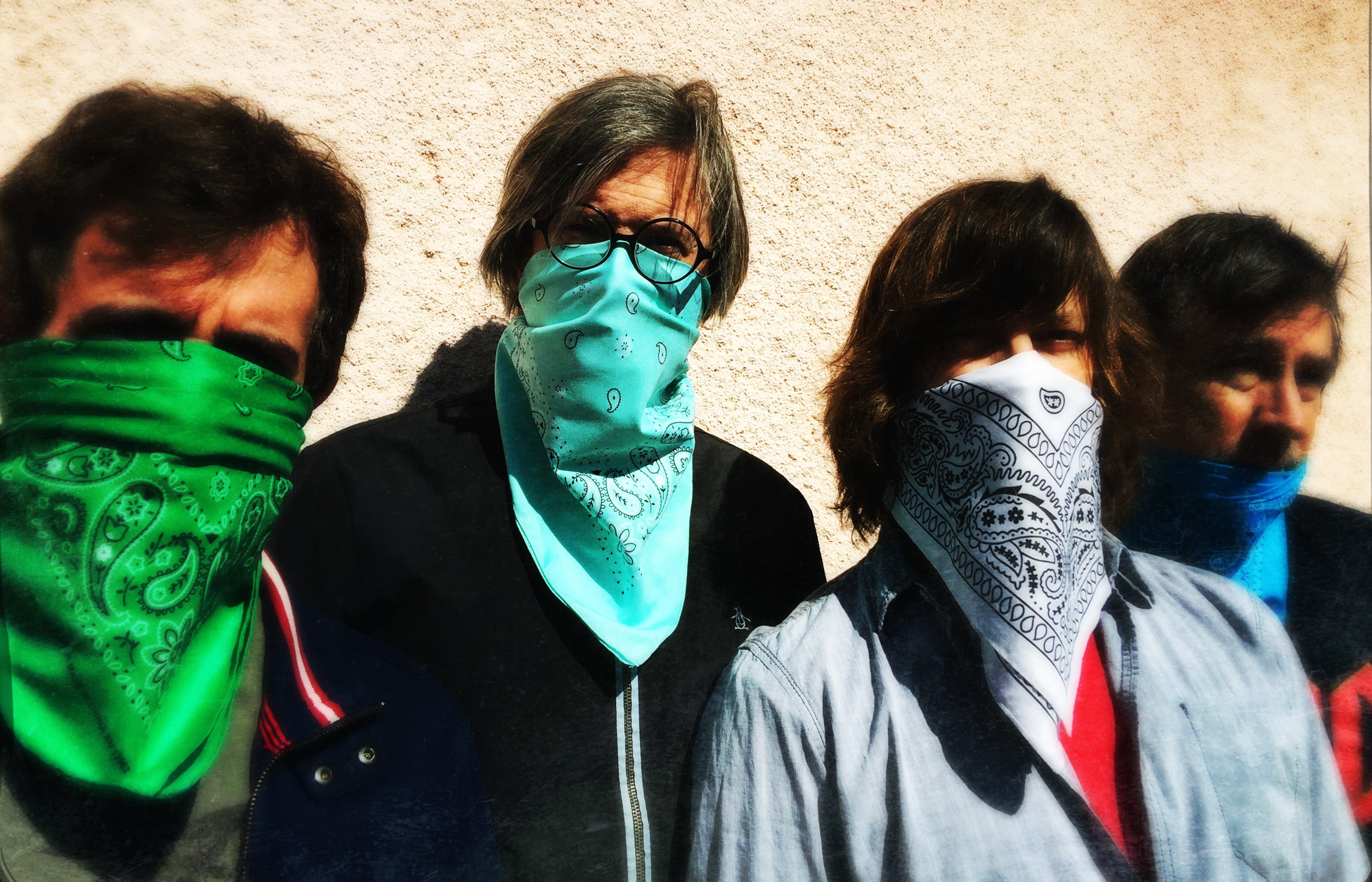
Artist: The Deadmen
Hometown: Washington, DC
Song: “55 Days”
Album: The Deadmen
Release Date: June 9, 2017
Label: 8 Gang Switch

In Their Words: “’55 Days’ is a 21st-century murder ballad about a man adrift in New Orleans on a current of moral ambiguity. It serves as a soundtrack to filmmaker Patrick Mason’s short about an escaped convict attempting to return to a past that no longer wants him.” — Justin Hoben

Reasons to Rock: A Conversation with Rhett Miller

“I only had four hours of sleep last night,” says Rhett Miller of Old 97’s. “I might be more honest than I otherwise would be.”

Truth be told, Miller’s always been honest. Since the early days of Old 97’s — a band that helped define what would come to be known as Americana, something they are arguably not credited with enough — he’s dug deep into his own history to create songs that help unlock the human experience, one story at a time. And for Graveyard Whistling, their 11th album, Old 97’s decided to use a little of their past to help reflect on their own future: They headed back to the West Texas studio, Sonic Ranch, where they made their major-label debut, Too Far to Care, to lay down a collection of tracks that flirt with mortality while still feeling vigorously alive.

“I paid my dues, I paid my debts,” sings Miller on one of the album’s seminal tracks, “Good With God.” “I made a mess, but it’s my bed.” Full of cow-punk fury, it finds God as a woman, with Brandi Carlile playing the role of a maker who doesn’t let her mortals off too easily. Whether 18 or 80, it’s never too early or too late to measure our mistrials and mistakes and see the people we’ve hurt or impacted, not just the gapes in our own conscience.

And while nostalgia can sometimes be a dirty word, Miller and the Old 97’s don’t get mired in it for Graveyard Whistling — old memories and worn-out relics serve as a reminder to keep going and not to just look back. 

You’ve been making records since back when people held up lighters at concerts, not iPhones. Do you find yourself nostalgic for the early days?

The biggest thing that has changed from that era is that we can no longer play a brand-new unreleased song unless we are completely comfortable with whatever shitty version of that song being released. That’s been a bit of a change. But I’ve never minded cameras or recording: You’re trying to put on a good show anyway, and it’s not like the fact that you’re suddenly maybe going to be recorded is going to change the level of performance. There are no shows where I just go out there and think, “Oh, nobody is recording this, so I’ll muddle my way through and just get paid.” I enjoy challenging myself to put on the best show I can every night. People holding up their phones as if this is something worthy of recording for history or posterity is fine with me.

But speaking of nostalgia, going back to the same studio where you made your major label debut, Too Far to Care, must have shook loose so many memories.

That part was crazy, going back to the tiny little down — really a stop on the highway outside of El Paso, near the Mexican border. Since then, the studio itself, in the past 20 years, has grown into a world-class studio with multiple facilities and a lot more lodging. Each of us stayed in the same bedroom where we had stayed 20 years earlier. And that experience was definitely a sweet thing, because it brought back memories of how exciting that time was, and made it feel like there was a full circle component, 11 albums into this band, feeling like we are doing the right thing. Here we are, all these years later, and we are fundamentally the same four people. With added decades and perhaps wisdom, and a lot of gratitude that maybe our younger selves were too inexperienced and green to have discovered yet.

Did you stumble on any particular moments of déjà vu?

When we talk about déjà vu — that sensation of having experienced something before — it’s good luck. It’s an indication that you are on the right track. That was the experience that we had at Sonic Ranch. And I found a note in the bedside table drawer of my bedroom that I had left there 20 years earlier. There was a note in my handwriting: My girlfriend at the time, I wrote down her phone number in New York City. It was yellowed with age and unmoved. It was crazy, since I remember standing in the same exact spot where I had stood when we recorded Too Far to Care and I remember having flashes at the things that would obsessively occupy my brain. I don’t have those kind of fears anymore. I remembered those fears and they seemed quaint to me when, at the time, they were paralyzing.

That note must have felt like a good sign, though.

It felt like a talisman and that the universe was giving me a thumbs up. It also felt like a testament to the shoddy housekeeping.

Old 97’s were at the forefront of what we now generally refer to as Americana. Do you feel like you get credit where credit is due for influencing that genre?

It was “alt-country” then, right? I remember the Bloodshot folks [Old 97’s first label] kept trying to push “insurgent country,” which seems really weird. We’ve always been fueled by this idea that we are underdogs and that we are hungry and that, in some ways, we have been underappreciated and overlooked. As we go on, it’s harder and harder to convince myself of that narrative. I do see more people who point to us as being influential. We wondered if we would ever hit a moment when young bands said they were influenced by us or drew inspiration from us, and now it happens with relative frequency and it’s always a surprise and such an honor.

Anyone in particular?

The Turnpike Troubadours. I’ve gotten to be friends with Evan Felker, and I love his writing, and I discovered him before I became friends with him. They have a song called “7&7,” and I remember thinking, “Either this guy listened to a lot of the same stuff as me and wound up in a very similar place, or maybe he listened to me,” because we are sort of honoring the same principles and finding the same beautiful moments, in terms of turns of phrase and finding little moments in the song to flip it on its head. I just thought he and I were kindred spirits. It turned out, as he explained to me the first time we ever talked, that the whole idea of the Troubadours, according to Evan, is that they wanted to be the Old 97’s with a fiddle. Which is so cool.

Do you remember having moments like that, when you met your idols early in your career?

I remember starting out, the first time I got to meet John Doe, and knowing so much of what I did was from being a fan of X, and trying not to sound like a fanboy. I just think music is a continuum, and one of the reasons I chose music as a profession over other creative endeavors is that it is centered around friendship and a community of musicians. I’ve tried to be something of a mentor to the folks that have presented themselves to me in the way I did to John Doe all those years ago. Getting to work with Waylon Jennings … he was so kind to me, and he could have been a complete asshole, and I still would have cherished the time that we spent with him. I tried to take those lessons from those people I looked up to when I was really young and pass it on.

Do you still think that musical kinship is as strong as it once was? The Internet can make everyone feel a sense of quantity over quality, in terms of interpersonal relationships.

If anything, it is more alive than ever. With the old business models — with the CEOs and the tall buildings you had to pass through — it was a detriment to the music scene. If anything, it created competition where there didn’t need to be, competition and divisiveness. Now, I would be lying if I didn’t watch the Grammys with a level of envy and bafflement, like, “Why? Why are these the people who get the golden or silver ring?” I don’t know what they are; I’ve never gotten one. But I think that we live in a world where the emphasis is less on that and maybe particularly because the prize element has been taken out of it. It’s not so much a lottery to win but music to be made.

Do you ever worry about music becoming too enamored with roots traditions and losing the ability to rock?

Bands with pedal steel can still rock. There is room for everything under the umbrella, and I think kids are always going to like to rock. I like to rock, and I am always grateful when I see a young band that gets out there and shreds. We need more reasons to come together, and live music is such a great reason to come together en masse and celebrate something. Especially when it’s exciting and fun and not everybody has to sit down and be quiet and focus on the performer so he can tell you about his misery. Miserable music and music inspired by misery has fed my children for years. But I personally have found a way to hide it in fun, inclusive sing-along-sounding rock music. And I like it when other people do that.

You definitely address some of the misery of mortality on Graveyard Whistling. Do you think about death a lot?

I think I go through waves of being really aware of mortality. Especially if you have a friend or loved one pass away. [Our last record, 2014’s] Most Messed Up was a record that functioned like a teenager might function: immortal in that teenager sense. You can do anything and get away with anything. The narrator was immune, in his own mind, to repercussions. When I looked at that pile of songs for this record, that narrator was no longer immune and painfully aware of culpability and his own mortality. Sins coming home to roost pervade.

Speaking of sins, asking Brandi Carlile for penance on “Good with God” is pretty genius. She’s a darn good lord and savior.

I grew up going to church a lot. I was in choirs. I was an acolyte. I really liked the music of church and I liked so much of the fundamental message that was conveyed. But I ended up having problems with organized religion. As far as God, I think our society uses that concept more as a tool or a weapon. So when I was writing “Good with God,” I was on tour with Nikki Lane, and Nikki is such a strong female presence to begin with, when I realized that God in this song is a woman. It’s such a fun moment, when this guy in the song realizes that: He realizes he wasn’t going to get away with things he thought he was going to get away with. And Brandi … lyrically, she demanded that he be held accountable, which is important. I’ve got a 10-year-old daughter and I’ve always told her that, throughout history, women have been treated poorly, but it’s a trend I thought was moving in the right direction. Until last year, when suddenly I really started questioning if that was true or not. I didn’t anticipate this song having this darker timeliness that it has wound up having. But I’m certainly proud of it.

But Brandi’s voice is just so huge. She just fills up a room. If you are looking for evidence or proof of God, that kind of voice is just a compelling argument for her existence.

How I Got to Memphis: Cory Branan in Conversation with Coco Hames

Cory Branan and Coco Hames lived in Nashville for years, had mutual friends, moved in the same singer/songwriter circles, released records, played shows, lived life, but somehow managed never to actually meet each other. “We would have absolutely met, if I’d ever left my house for five years,” Branan says, somewhat apologetically. “I just never go out when I get off the road. I stay at home and just look at the wife and child.”

“I never go out,” says Hames. “People are always trying to get me to go to some new bar, and I’m like, ‘I live in bars! I would rather put on some soft pants and stay at home and read.’”

Their homebodiness is well-earned, even if it’s not the only thing they have in common. Both have been road warriors for the better part of the 21st century, Branan as a solo artist and Hames as the frontwoman for the garage-pop outfit the Ettes. He writes witty, roguish songs full of concrete details and wry observations, like John Prine — if he was really into vintage synths and classic rock. Hames’s songs are minimal and smart, eccentric and rambunctious, as though she’s triangulating the spot where the Ramones, Josie & the Pussycats, and Tammy Wynette overlap.

Plus, they’ve both just released what may be their best albums to date. After the Ettes made an amicable split, she went solo with a self-titled record that shows more range and acuity, toggling between a torch song like “I Do Love You” and a country lament like “Tennessee Hollow.” On Adios, Branan writes movingly about the deaths of his father and grandparents and the ongoing trials of small town heroes like the heroine of “Blacksburg” and anyone sentenced to live in “Walls, MS.”

Neither of you live in Nashville anymore. These days, you don’t leave the house in Memphis, Tennessee.

CH: I’ll just tell you: I fell in love, got married. That’s what brought me to Memphis. I left Nashville and moved here a couple years ago, and I love everything about it. I’m very happy here. Actually, in a little bit, I’m going to go see my friend Margo Price at Minglewood Hall. I don’t know if you know her, but I wouldn’t be surprised.

CB: I met Margo, yeah, just a couple times. I’ve been back in Memphis for a whopping two week altogether. Nashville priced us out. We found a cheap place in Memphis, and it was just decided. We got the truck the day we decided to move, and we loaded up. We moved the next day, returned the truck the next day. I told my wife, “Well, it’s a new place, baby. I’ll see you in two months.” She’s already painted the whole place. She’s got it on lockdown. She’s good at moving.

Memphis has great history, but Nashville is still such a big industry city. Did it feel strange to leave that behind?

CH: I have put my foot in my mouth more than once, for more than one city. I’ve lived in New York and L.A. and London and Madrid and Nashville and Austin and Memphis. I always say something stupid about one of those cities, but I don’t really mean it. Nowhere is really home for me anyway, so it’s not really hard for me to leave. I opened a record store in Nashville, but it was getting really expensive. And my husband was visiting me, and I said to him, “What do you do when you’re an adult and you fall in love with somebody and you want to be with them?” He said, “Well, you know, you move to Memphis or I could move to Nashville.” I’m like, “I’ll move to Memphis.” So it wasn’t super weird. It’s a cool place and there’s a lot going on, but nothing I miss too much, to be honest.

CB: What record store did you have?

CH: It’s called Fond Object, and it was up in Riverside Village on the east side.

CB: I didn’t know that was your place. I’ve been up there a few times. I played behind it one time.

CH: Did you get to meet my goats and my pig?

CB: Yes. My son was fascinated. He wanted to take one home.

CH: When I was leaving, I knew it was in capable hands, so I signed off on it and gave it to my bandmates. I think they lost their lease and moved downtown.

CB: I liked living there, but it’s all the same, honestly. Mainly Memphis means geographical ease. There’s a reason FedEx is in Memphis. It has access to Chicago and New Orleans, and it’s so close to Atlanta. When I lived in Austin, you can get in to Mexico before you can get out of Texas. I do well in three or four cities in Texas. L.A., you wouldn’t think it, but it’s pretty isolated. I’m spoiled from being in Memphis. It’s really easy to tour out of. You can do two-week runs in any direction, as opposed to California, where it’s an ordeal going anywhere but the West Coast.

When I lived in Memphis, there a big Memphis-Nashville competition that everybody in Memphis knew about and nobody in Nashville had any clue about.

CB: Exactly. They didn’t know they were in the fight. I’m happy to be from Memphis, but it does give you a little bit of a chip on the shoulder. There’s no scene here. It’s splintered and fractured. There are great musicians who never leave. You can go see somebody who’s amazing, but they’re not touring very much. On the other hand, there’s never anyone in the crowd that can help you. There’s never a producer, never a publisher that’s going to offer to help your career. Nashville has that element. I didn’t enjoy that element. If you’re playing to a stubborn Memphis crowd, it burns off the chaff. If you’re not alive for it or you don’t love it, they’re going to expose you.

CH: Nashville is a hard place to feel comfortable, because I don’t think they’re really interested in anything, which feels very sad and lonely. I’d rather you dislike me than try to chat me up about who we both know. That’s the worst part of what I do. I’m not very schmoozy. I’m probably the least schmoozy person. There are plenty of people to pay for that sort of thing, but I’m not crazy about it.

CB: Don’t get me wrong — there are great things about Nashville and there are shit things about Memphis. It’s a rough town, and there’s a huge gap between the haves and the have-nots. They’re refurbishing downtown, but I don’t know if they’re working a bit on education. Nashville, on the other hand, has no infrastructure for the massive number of people that are moving there, but the city itself is a little more thirsty. They’ll go out to a show: “Oh, I don’t know what it is. Let’s go check it out.” Memphis, they need to know that their buddy is going to be there. But you can be at a party and the guitar will not come out. Unlike Nashville. Some asshole’s always pulling out an acoustic guitar in Nashville. That’s the best way to kill a party right there.

CH: That’s my cue to leave.

I wanted to ask you two about Memphis and Nashville because I feel like place figures very prominently into your songwriting. There are lots of place names in your lyrics, along with a sense of travel and movement.

CH: Cory, you can go first because you’re from here. I’m from Florida, so place has always been something I was trying to get away from.

CB: Really?

CH: I don’t know. It’s more in my record collection than it is outside my window. It’s cooler to be from Mississippi.

CB: That’s the thing. I grew up in a damn suburb. I was a little hoodrat. My grandparents had a farm, but my old man worked at FedEx. He moved us up to the last town in Mississippi, so I was just as much a suburban kid as anybody else. I grew up with the music in the church. Gospel has blues roots, maybe a little more prominent than your typical Southern Baptist reading out of the hymnal. It swings a little more. It depends on where I’m playing whether people consider me country or not. When I’m out opening rock shows or something, as soon as I open my mouth and they hear the accent, they’re like, “Oh, he’s country.” You can’t wash it off. Everything I do, it’s filtered through that lens.

But my music is all over the place. I don’t really play a particular genre. I tend to stay away from a lot of things that I love — old blues, the Piedmont stuff, that’s all scripture for me. Maybe some of the finger picking works its way in, but I don’t really play the blues or anything. I just stay away from that stuff. There’s more of a white suburban thing to me, I think. My music is more about Big Star or the Replacements. That’s sort of blues music, in a way. I’ve always said there’s a reason why Johnny Cash fans are Clash fans and Clash fans are Johnny Cash fans.

Stylistically, both of your albums are all over the map. You get a lot of different sounds and genres, but they all make sense as part of this larger musical personality that you project.

CB: Probably the last record [2014’s The No-Hit Wonder] is the closest I’ve gotten to a consistent sound. I hammered it out really fast, and they just happened to be a bunch of roots-based songs. I’m always about whatever the song sort of wants, and I don’t think as an album, as a whole. I try to structure it later, as far as the pacing of it and what songs go where. I definitely play that loose. Frankly, my obscurity lets me do that. I would probably have a bit more of a career if I didn’t change it up so much. I was on tour with Lucero, and [frontman] Ben [Nichols] was listening to Adios and he said, “Why don’t you do a full album with this kind of song and then another whole album of this kind of song?” I was like, “Because it bores me, and I don’t get to do enough albums to do that.” It takes two-and-a half-years to get a new record through the red tape.

CH: That’s true. At my level, whatever that is, I can do whatever I want, so I do whatever I want. When I was in the Ettes, it was very formulaic without me really knowing it. I was writing for this specific group of people, so of course I kept doing the same thing. There are people who are very sweet and love my band, and I’m sure they want all the songs to be just like that. But with this solo record, I wrote all the songs and let them go wherever they went. It’s all over the place. The whole point was to try these new things, and hopefully I did a good job with them.

That seems most prominent on “I Do Love You,” which reminds me of Dusty Springfield. That’s a nice thing to hear between a country song and a garage song.

CB: I get that same vibe off that one.

CH: I was trying to go for something epic, because I wrote it about my husband. I wanted an epic love story and big feelings. When I was singing it in the studio, I had my arms up like Eva Perón. I’d never really sung like that before. I just assumed I could do it. No one was telling me I couldn’t, so why not?

You’re both writing songs about real people in your lives. That songs about your husband. There are some songs about your dad and your grandparents on Adios.

CB: The one about my father, I wrote that one right after he died, and I never played it out. It seemed a little too specific. I like songs to be useful for other people. I never want to be like, “Oh, look at my pain.” But my wife told me to just shut up, play it out a few times, and see if anybody responds. She was right, as always. Since it seemed to be useful for other people, I went ahead and cut it. But usually, the closer it is to me, the more I will cast it with other characters and other situations. I’ll take all that grief and mourning or even joy and cast it into another storyline. But “The Vow” was very specifically about my dad and it seemed like it worked out all right.

CH: What do you mean? You try to put that sort of emotion or experience away from yourself? You try to insert maybe like a “he” or a “she” where it might be a “me”?

CB: That’s part of it. Also, I’m just not a fan of diary writers. When he died, I did put out a record after that [The No-Hit Wonder], and there was a song on there called “All I Got and Gone.” It’s about a guy in New Orleans and a woman, and there’s a note that he found, but you don’t know if it’s a suicide note or a “Dear John” letter. I was mourning, but I put that feeling in a completely different scenario. That song for me was like, “Okay, here we go. I got this out of me.” But no one would ever connect that, you know? I don’t tend to write with any sort of precision, while I’m still in the whirlwind. I like to get perspective on things and, if I’m going to try to do the old man justice, it’s hard to get a whole human being in a three-minute song.

CH: Yeah. Especially with something like that, do you ever feel like it’s too … I’m going through something that happened recently, and it means so much to me that it feels cheap to approach it where I’m going to put it into song. A lot of people write like that. That’s part of how they get it out, but to me, it’s so precious to me that I can’t distill it.

CB: I know exactly what you’re talking about there. Added on to all of this is that I wanted to do right by the old man and not be maudlin. I didn’t want to manipulate emotions. It’s hard to earn the genuine feeling of “Okay, this was a solid person, a human being.” The second verse is talking about how he gave shit advice. It’s got humor in there, because the old man was funny. But he was also very stoic and his advice usually amounted to, “Don’t do it.”

I Do Love You” is obviously a very different song, but the approach is similar in that you’re writing about a real person and trying to capture that complex relationship in three minutes of music.

CH: I think everybody has had the feelings in that song. I hope everybody has. But I very rarely feel ready to immediately turn my observations or my feelings about important things into a song. It’s not something that I usually need to do, and so I don’t do it. But something that affects your life so strongly, maybe it’s okay not to write about it as a way to understand it, because it’s so big that I don’t think it’s fair for me to understand it yet. So I wait. If something strikes me or I get drunk and write a bunch of stupid lines and one of them is good, maybe it will spur something useful. That’s the most I can do and, if it comes back around and still stands up, if I still know what I was talking about, then it can make me say more.

CB: I won’t mention anybody’s name, but there is an artist I really love and respect. They got successful and found a good relationship, and then they trashed it on purpose, because they thought that’s the only one they could create. It’s the whole tortured artist myth. John Prine has my favorite quote on that: “I’d rather have a hot dog than a song.” Take the joy. You can have both the joy and the song. People say to me, “You’re a relatively sane human being now that you’ve settled down and stopped acting like an asshole, and you have kids, so how do you write when you’re happy?” Well, I know it’s all fleeting. I know all the good stuff is only here for a little bit. My fears and dreams, they go deeper and darker now that I have kids and I’m living for other people. I have no problem writing sad songs, but I take the happy while it’s there.

CH: I don’t like to see somebody who’s a wreck up on stage. I’ll be there. I’ll support them, but really I’m like, “You should take a break, man.” Because I’m not that way. If everything was going wrong and I was unwell, then I couldn’t write. I’d be so depleted and sad and wouldn’t see the point of any of it. I’m a super happy camper right now, but don’t worry, sad things will keep happening — probably as soon as I hang up the phone.


Cory Branan photo by Joshua Black Wilkins. Coco Hames photo by Rachel Briggs.
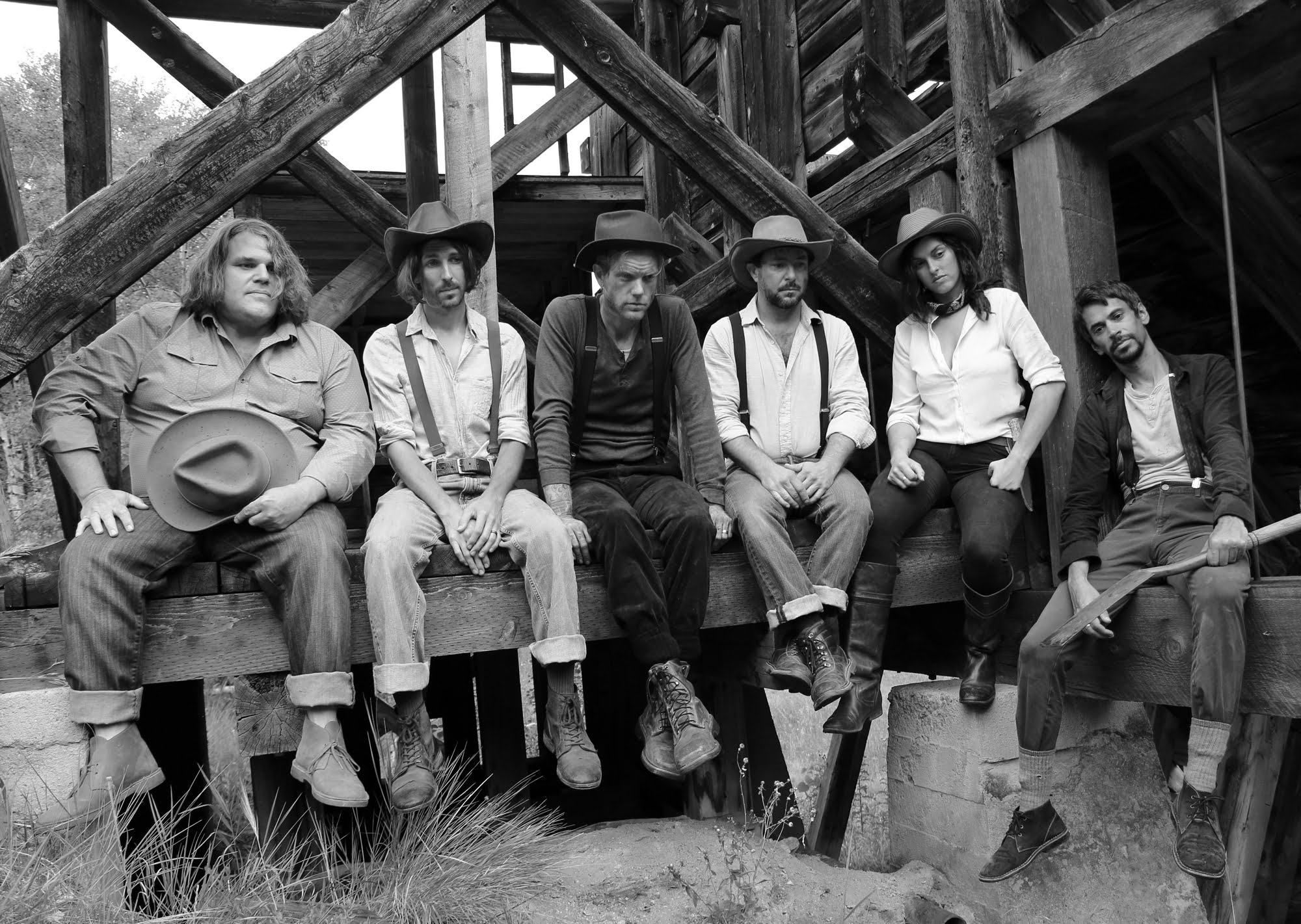
Ha Ha Tonka, ‘Height of My Fears’

Let’s face it: We’re all getting older. Even in the second it took you to read this, you’re one second closer to the inevitable end. It’s a fact, as much as it is a burden, that can be made a little lighter depending on how you view things: We’re either busy being born or busy dying, as Bob Dylan once said. You certainly can’t be both.

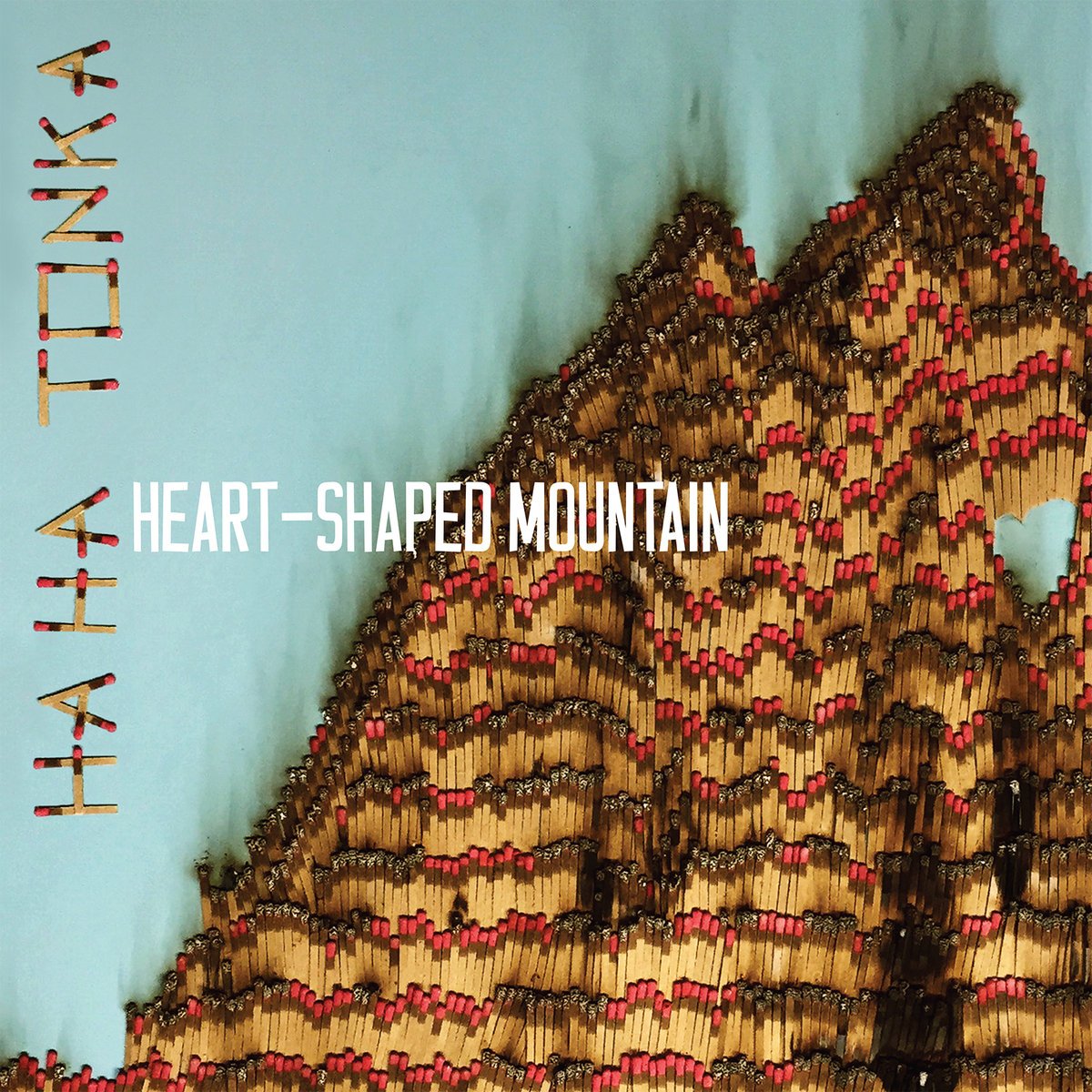
Missouri-based Ha Ha Tonka has been a band for over a decade now, and 10 years in rock years is more like 40 to us regular humans. They’ve gone through all the trappings of adulthood — marriage, birth, death — while realizing that none of these things are anything remotely similar to how you imagine them, coming out with the set of songs on their most recent release, Heart-Shaped Mountain. It’s on “Height of My Fears” where we realize that this mountain — cased in lush keys, their signature rich, rootsy harmonies, and powerful percussion — is not an easy one to climb. “Canyons carved out by rivers of tears,” sings Brian Roberts, “mountains rise up to the height of my fears.” Music sometimes makes us feel invincible, but not even the best melody can cheat death. Roberts feels this weight, as we all do, with insecurities and the unsettling reality of destiny pulling hard. But we can scale that mountain and face down what terrifies us most, or we can tumble down. Ha Ha Tonka shows us a way to keep climbing. Our feet may drag, the air may thin, and the future be nothing if not uncertain, but it’s always possible to keep being born, from our first breath to our last.

LISTEN: Kent Eugene Goolsby, ‘The Great Confessor’

Artist: Kent Eugene Goolsby
Hometown: East Nashville, TN
Song: "The Great Confessor"
Album: Temper of the Times
Release Date: November 11

In Their Words: "'The Great Confessor' is my songwriter's mantra. We're all trying to tell our side of the truth, regardless of the doubts that come with this kind of life. And this is my truth." — Kent Eugene Goolsby


Photo credit: Joshua Black Wilkins

LISTEN: This Frontier Needs Heroes, ‘My Heart Tells Me Yes’

Artist: This Frontier Needs Heroes
Hometown: Originally from Brooklyn, New York, I have been living in Jacksonville, Florida, the last three years and traveling constantly, not sure where I'm going next.
Song: "My Heart Tells Me Yes"
Album: Real Job
Release Date: October 14

In Their Words: "'My Heart Tells Me Yes' is all about the struggle between what your heart wants to do and what your mind thinks is possible. I always let my heart lead the way, but I try to use my mind as much as possible. Playing music is not a rational thing, especially trying to make money at playing music. Love is also not a rational thing. This can be the cause of our suffering." — Brad Lauretti


Photo credit: Dennis Ho