WATCH: Larkin Poe, “Bleach Blonde Bottle Blues”

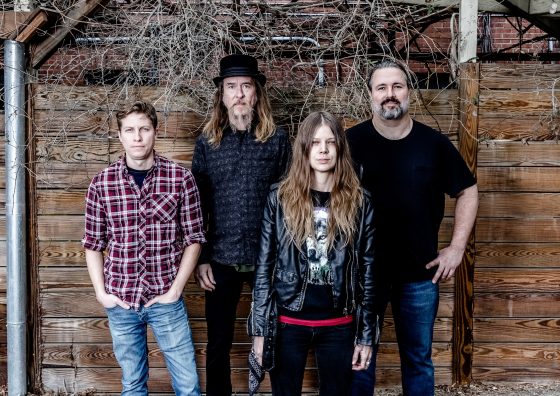
Artist: Larkin Poe
Hometown: Atlanta, Georgia
Song: “Bleach Blonde Bottle Blues”
Album: Venom & Faith
Release Date: November 9, 2018
Label: Tricki-Woo Records

In Their Words: “’Bleach Blonde Bottle Blues’ is a punchy little number that lends itself to a stripped-back performance. We really had fun working it up just the two of us — this is the first time we’ve ever sung three-part harmony with Megan’s slide joining in as the third vocal! During the writing process, the rhythmic imagery of the lyric came so naturally to me that it almost felt like this song wanted to be written; it feels like a reminder of the importance in choosing to vibrantly live our lives while we have them: ‘You’ve gotta ride, feel the fire like a first kiss… you’ve gotta ride at your own risk.’” — Rebecca Lovell


Photo credit: Robbie Klein

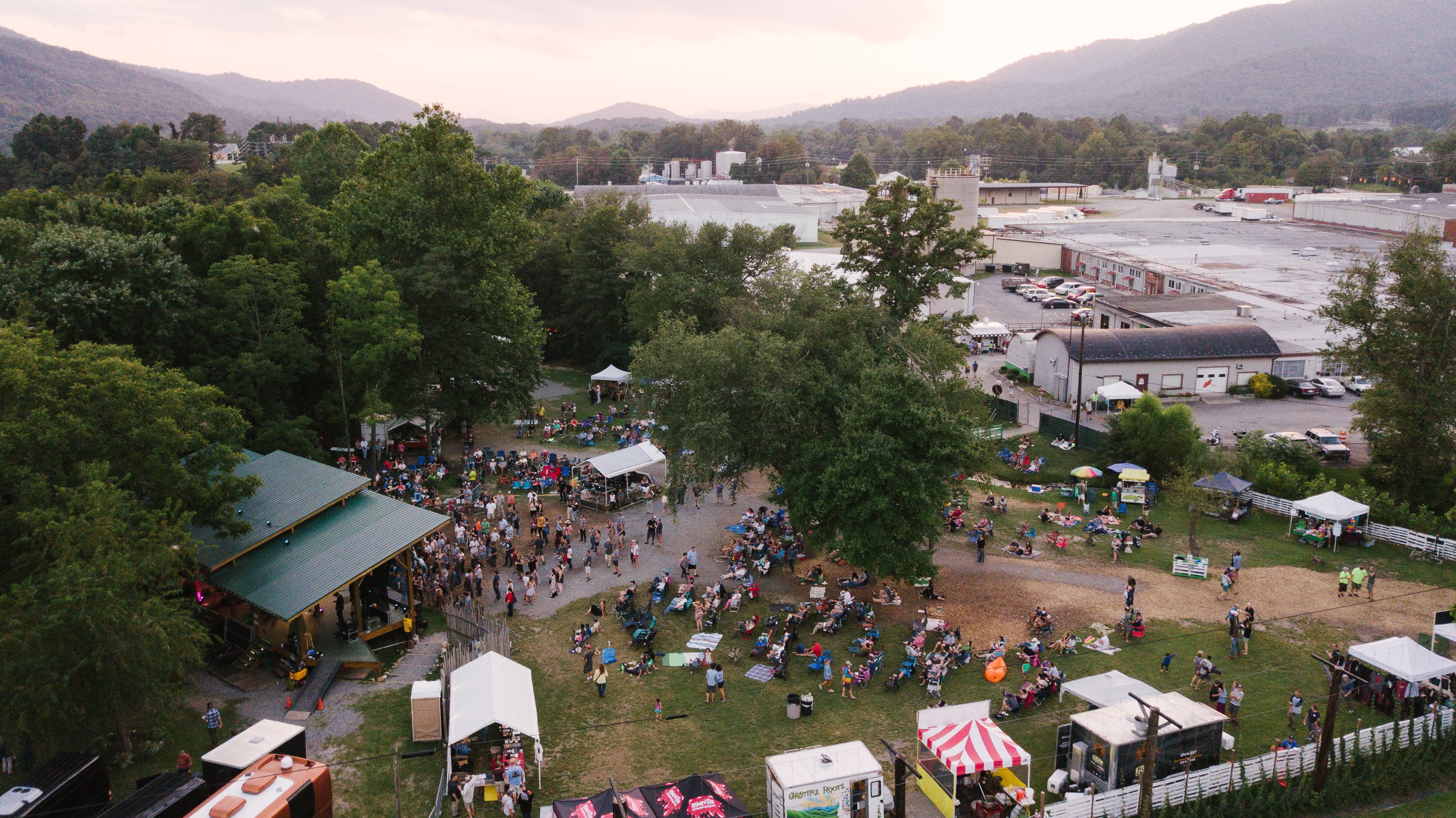
Jam in the Trees 2018 in Photographs

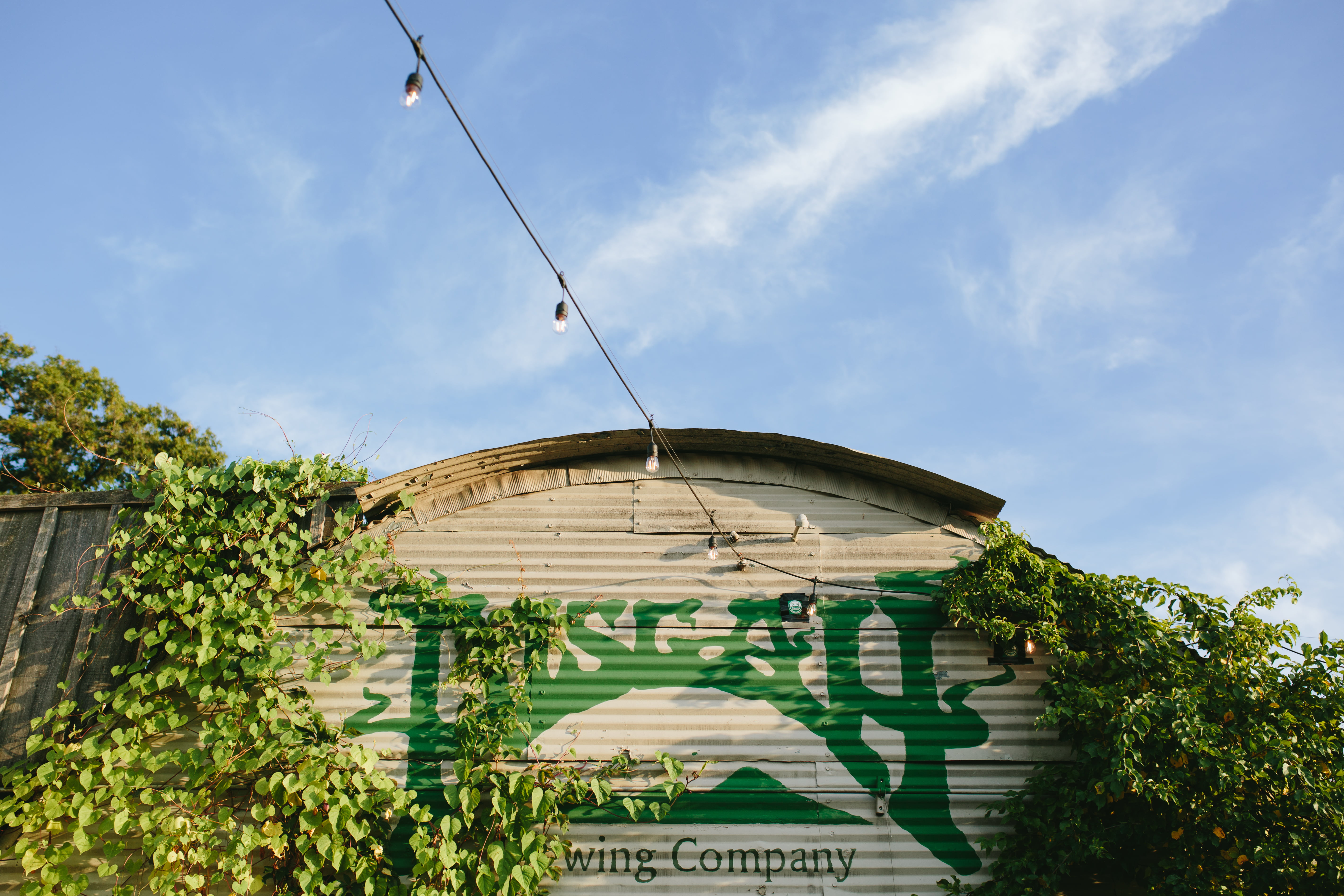
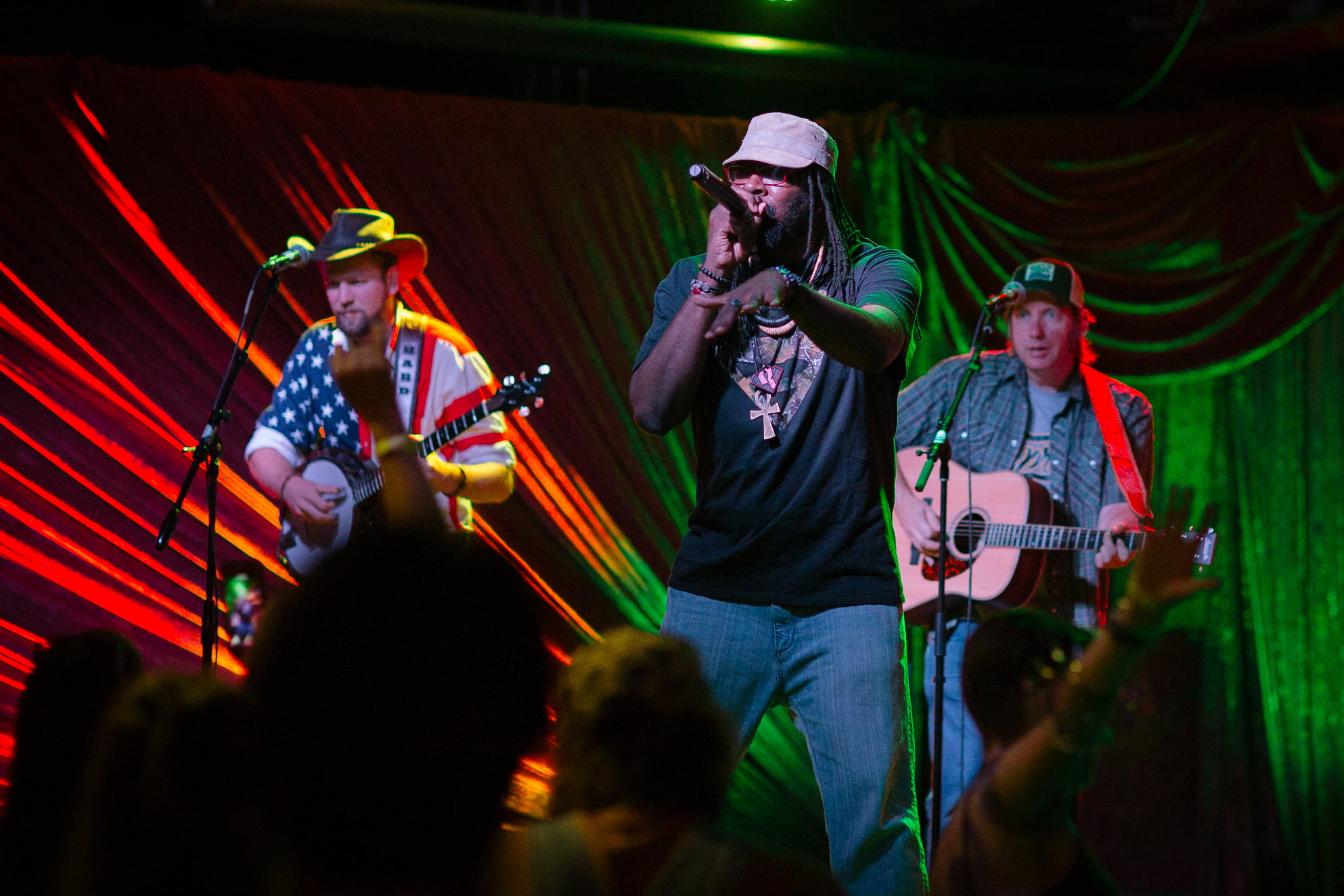
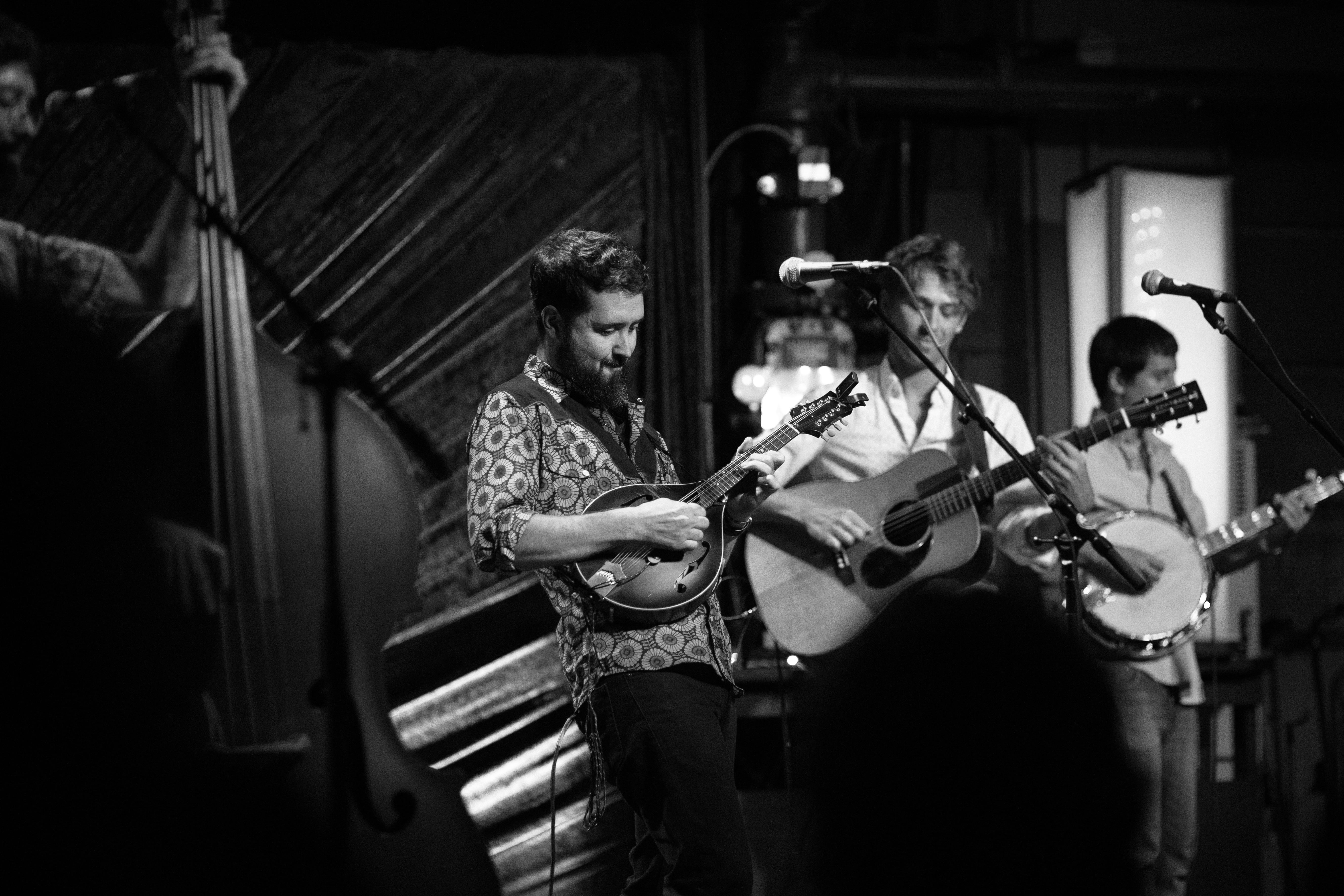
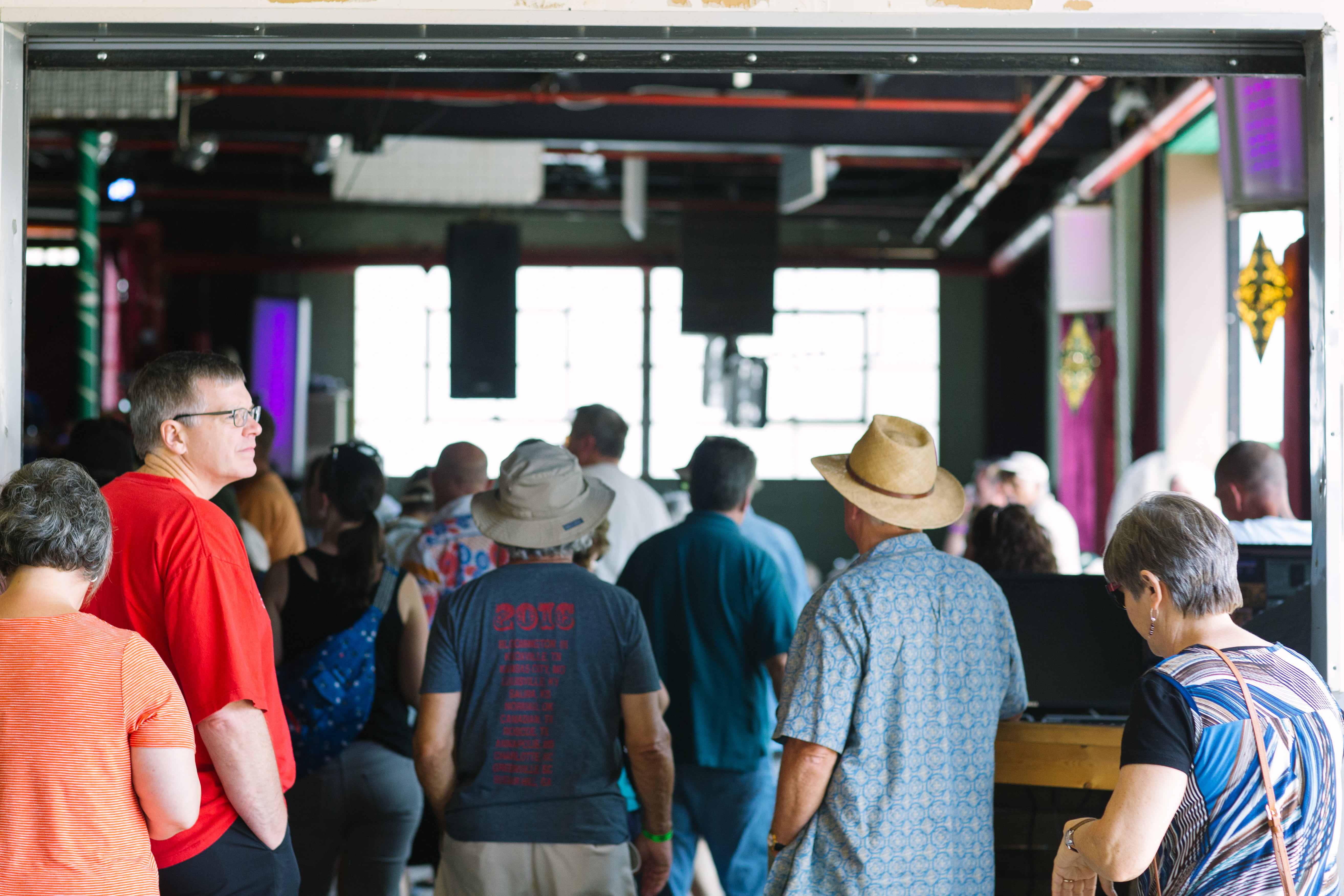
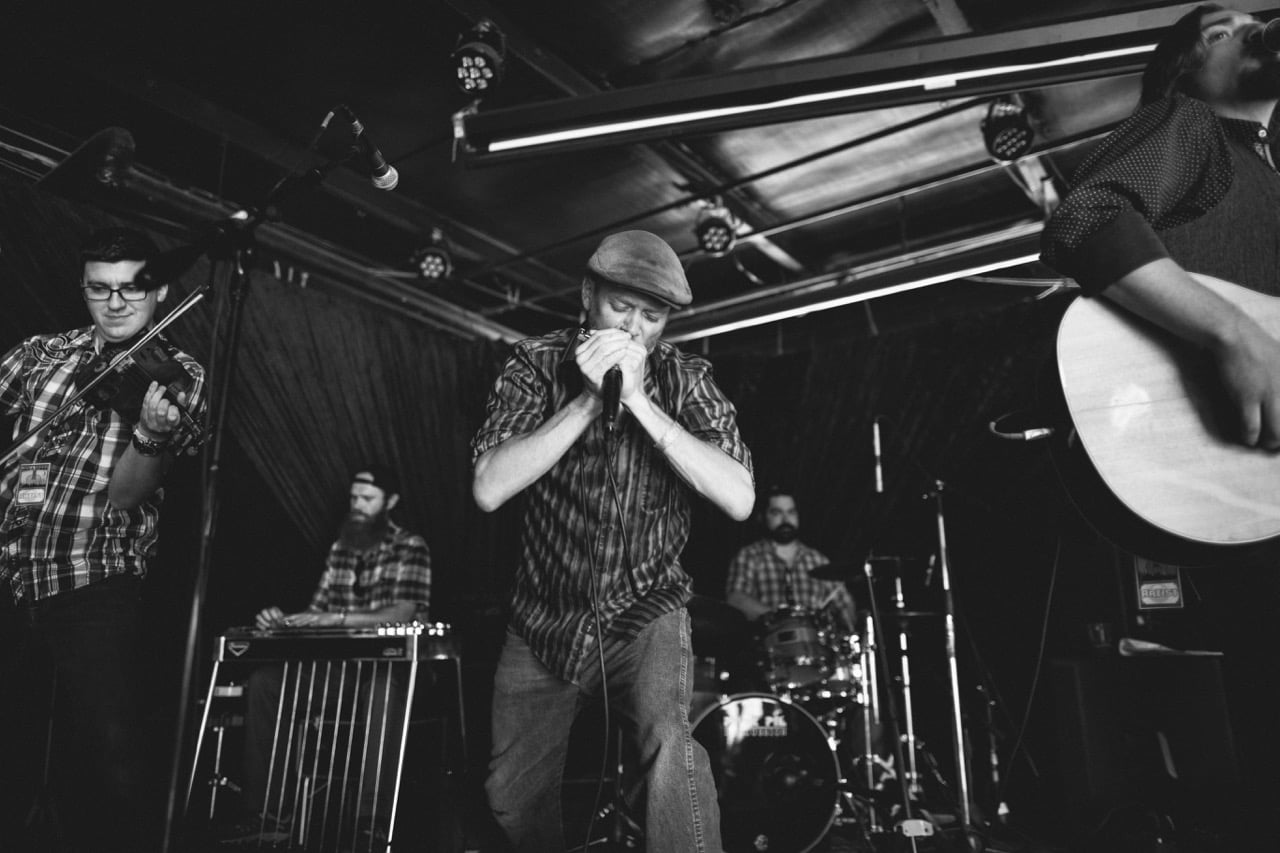
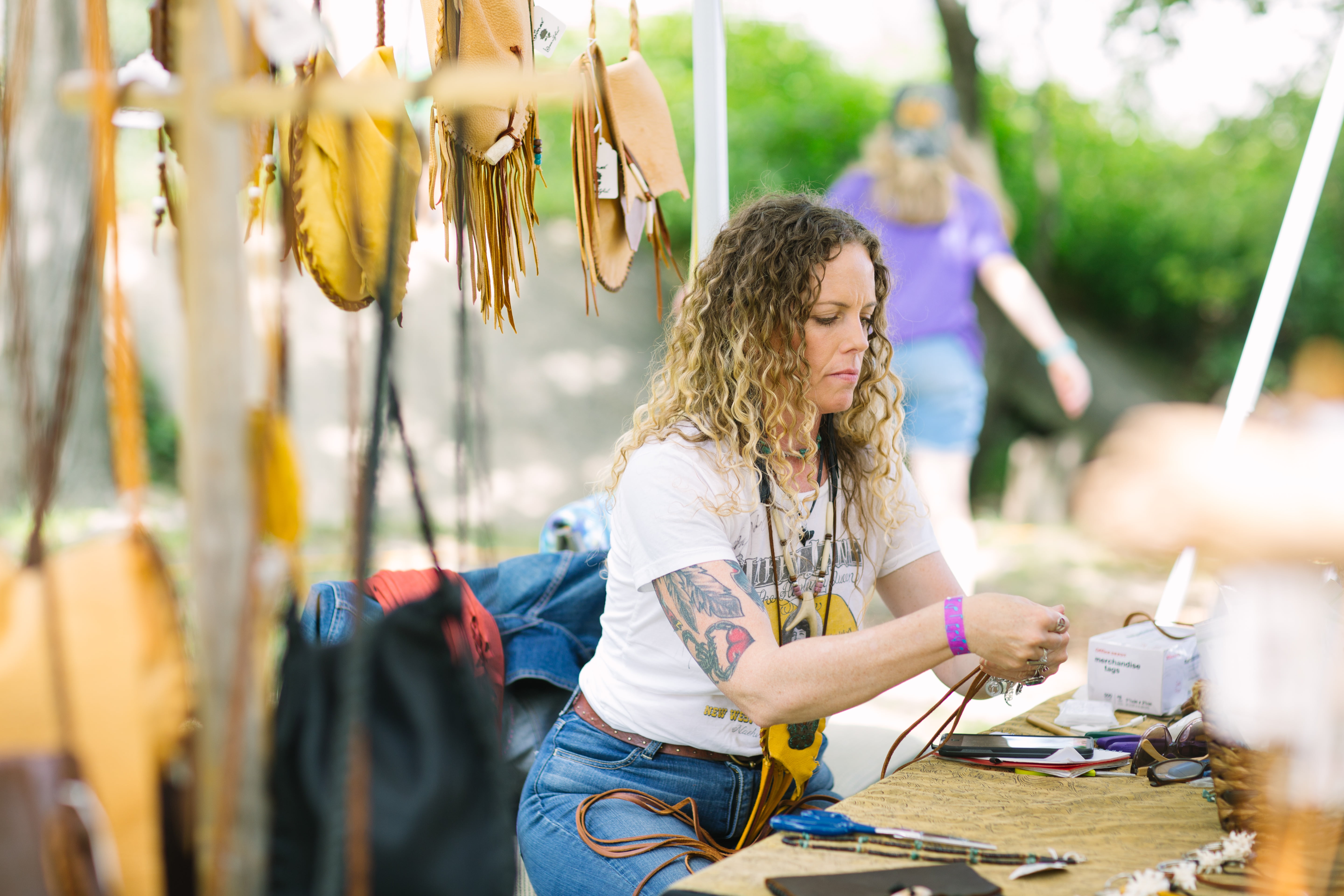
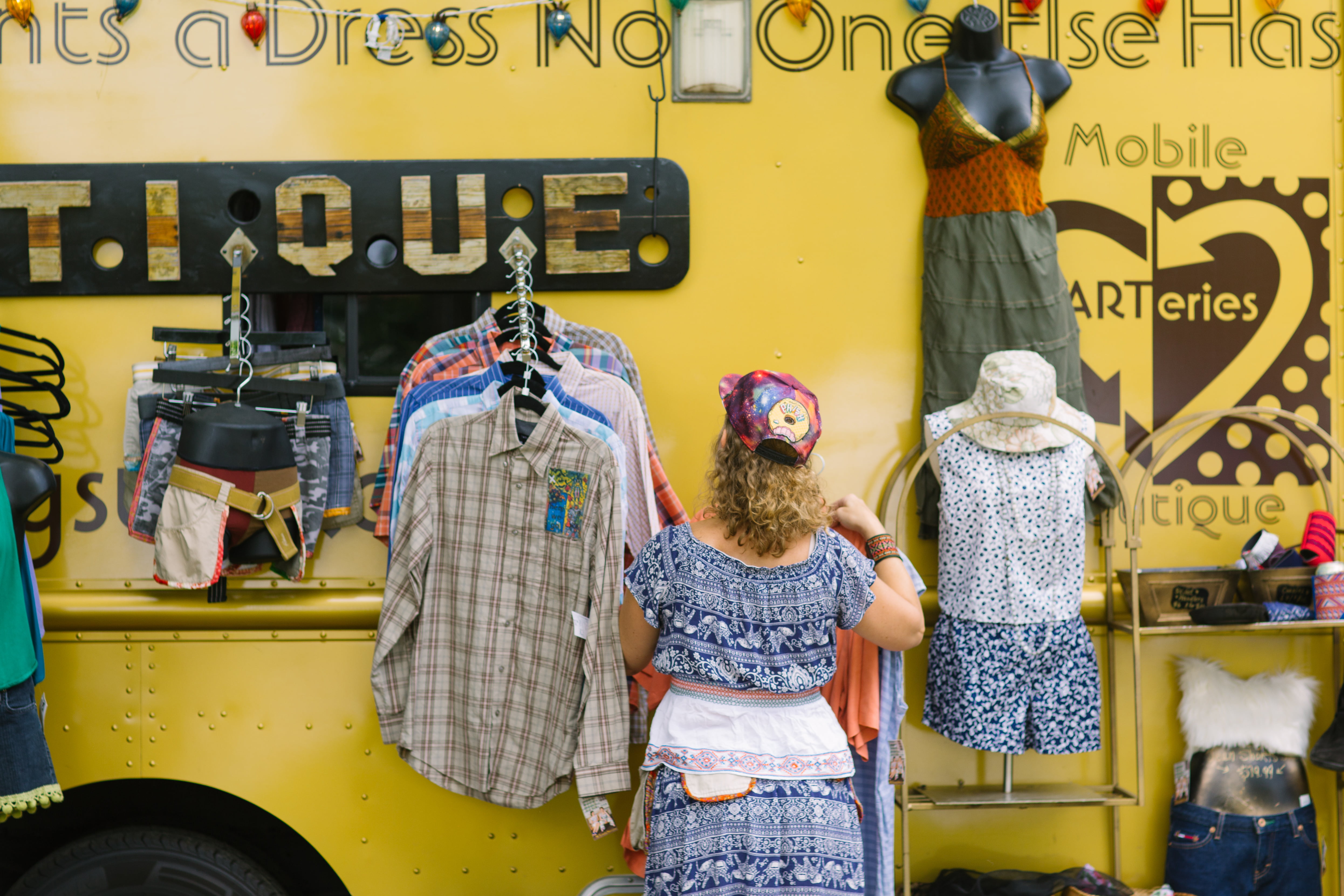
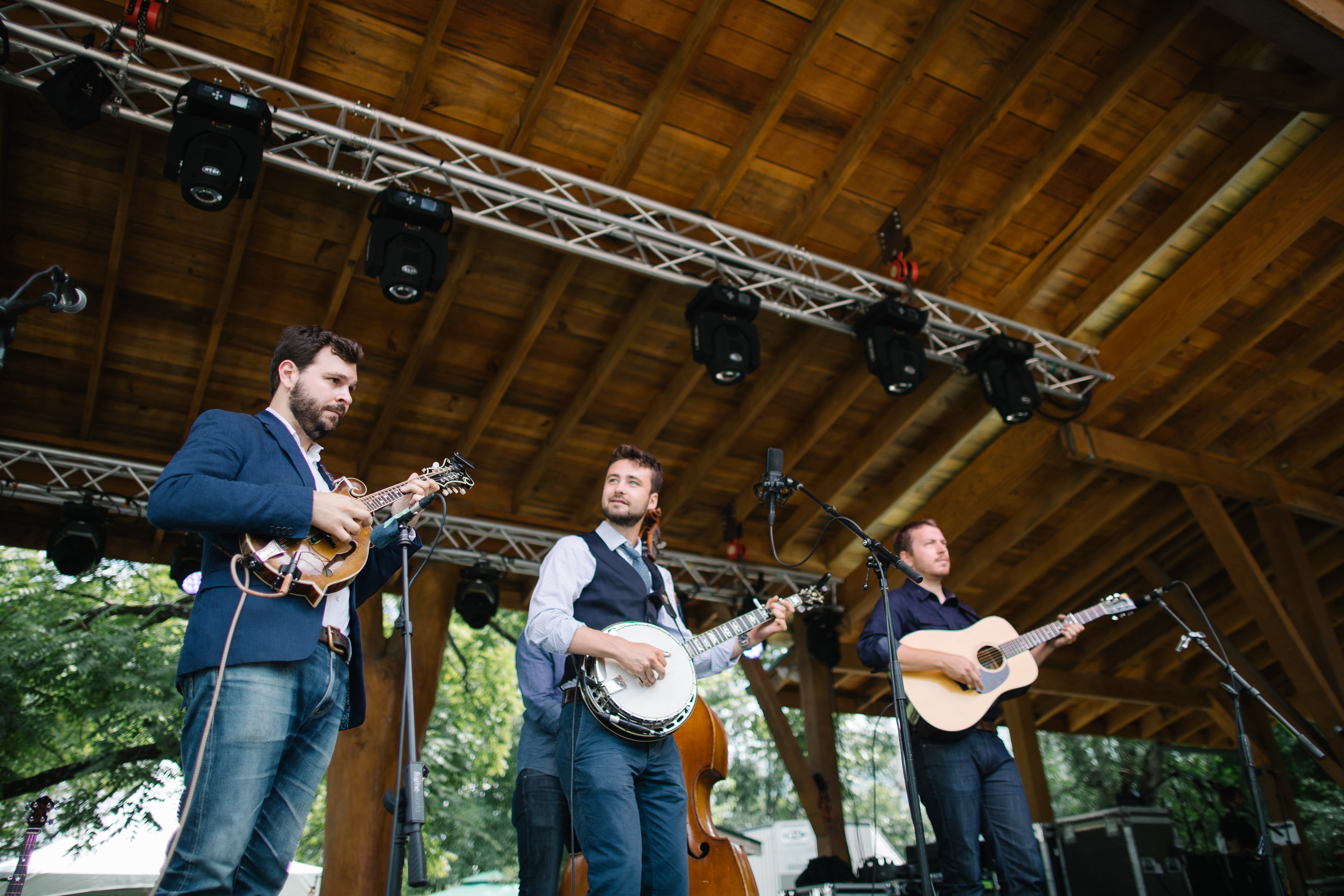
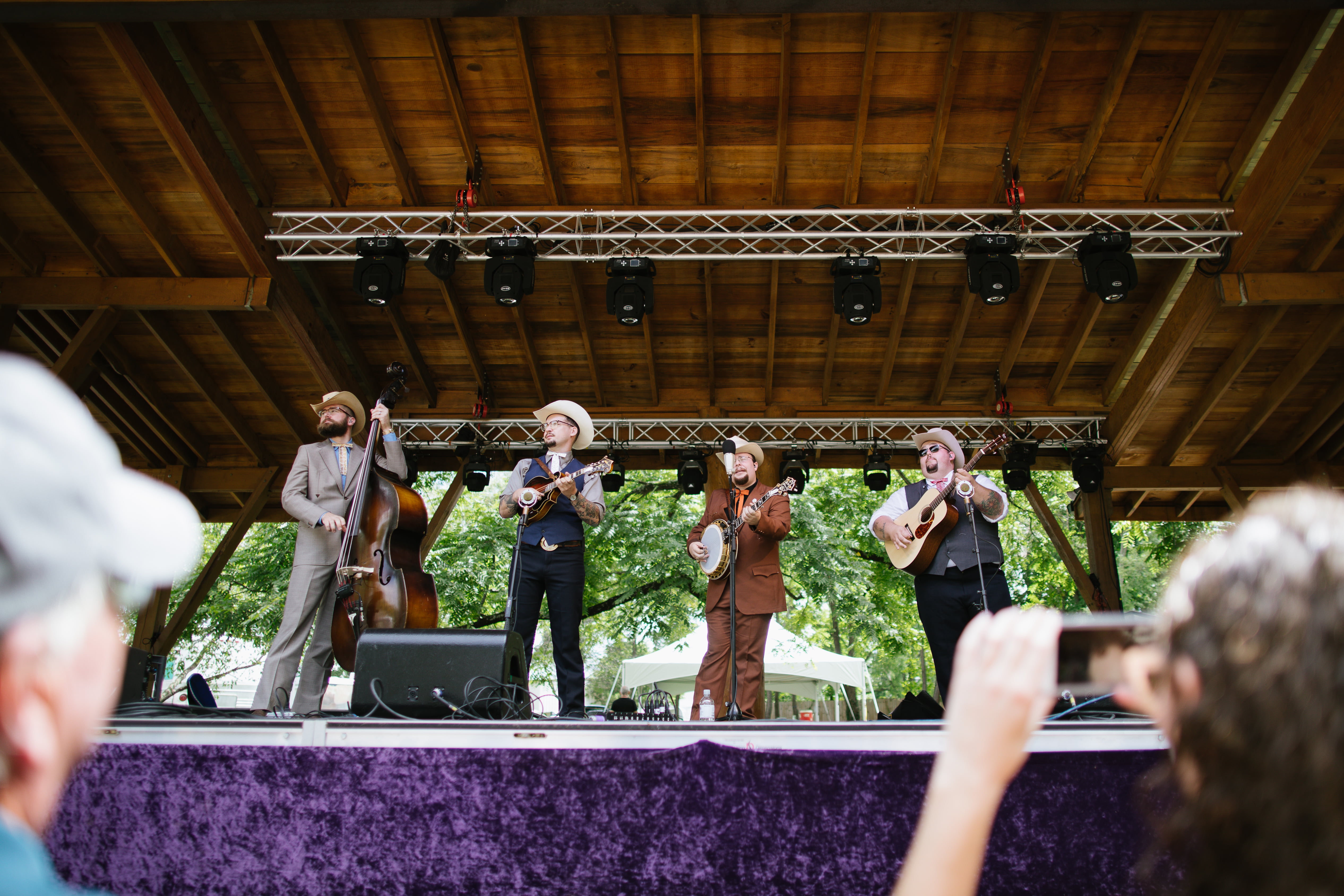
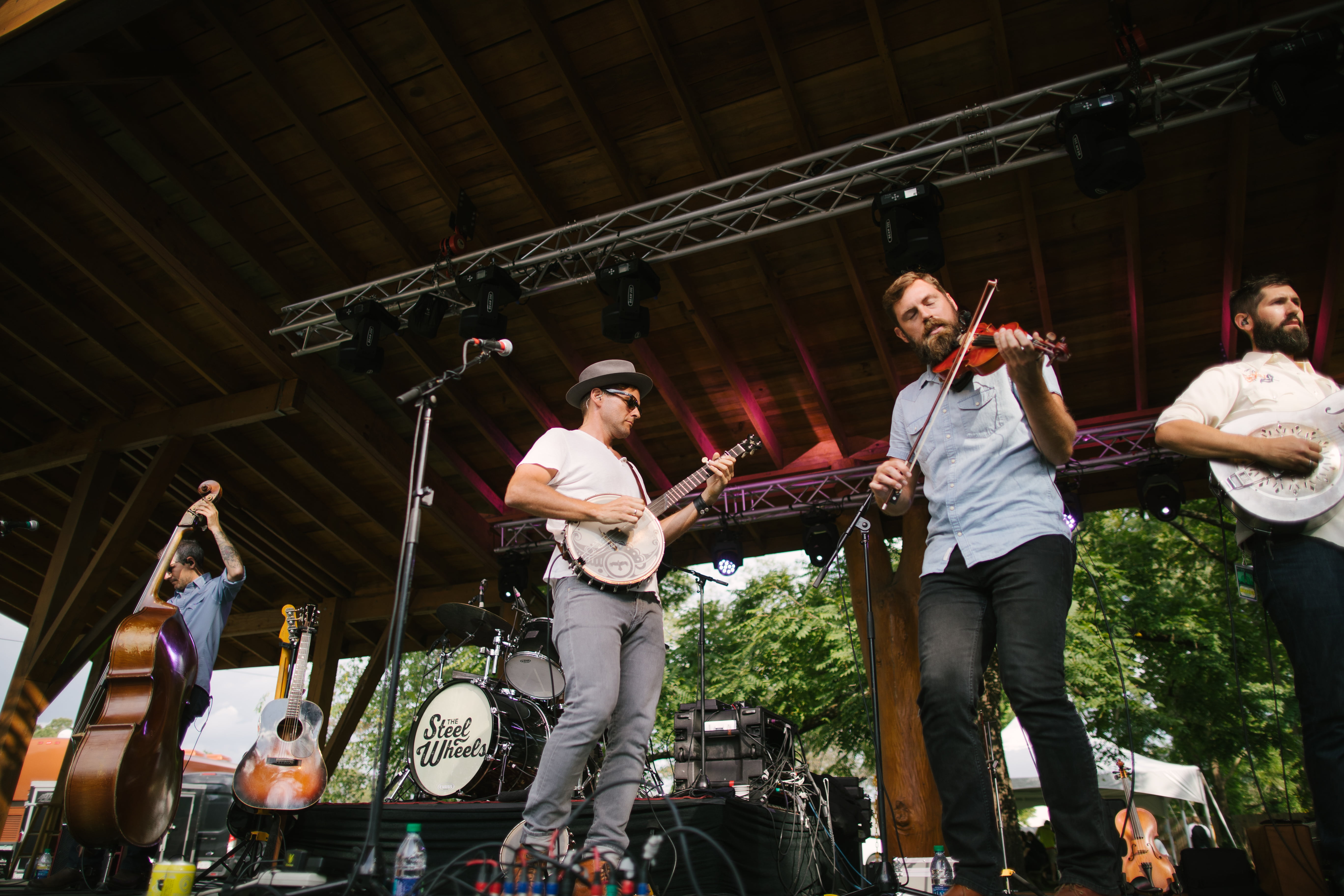
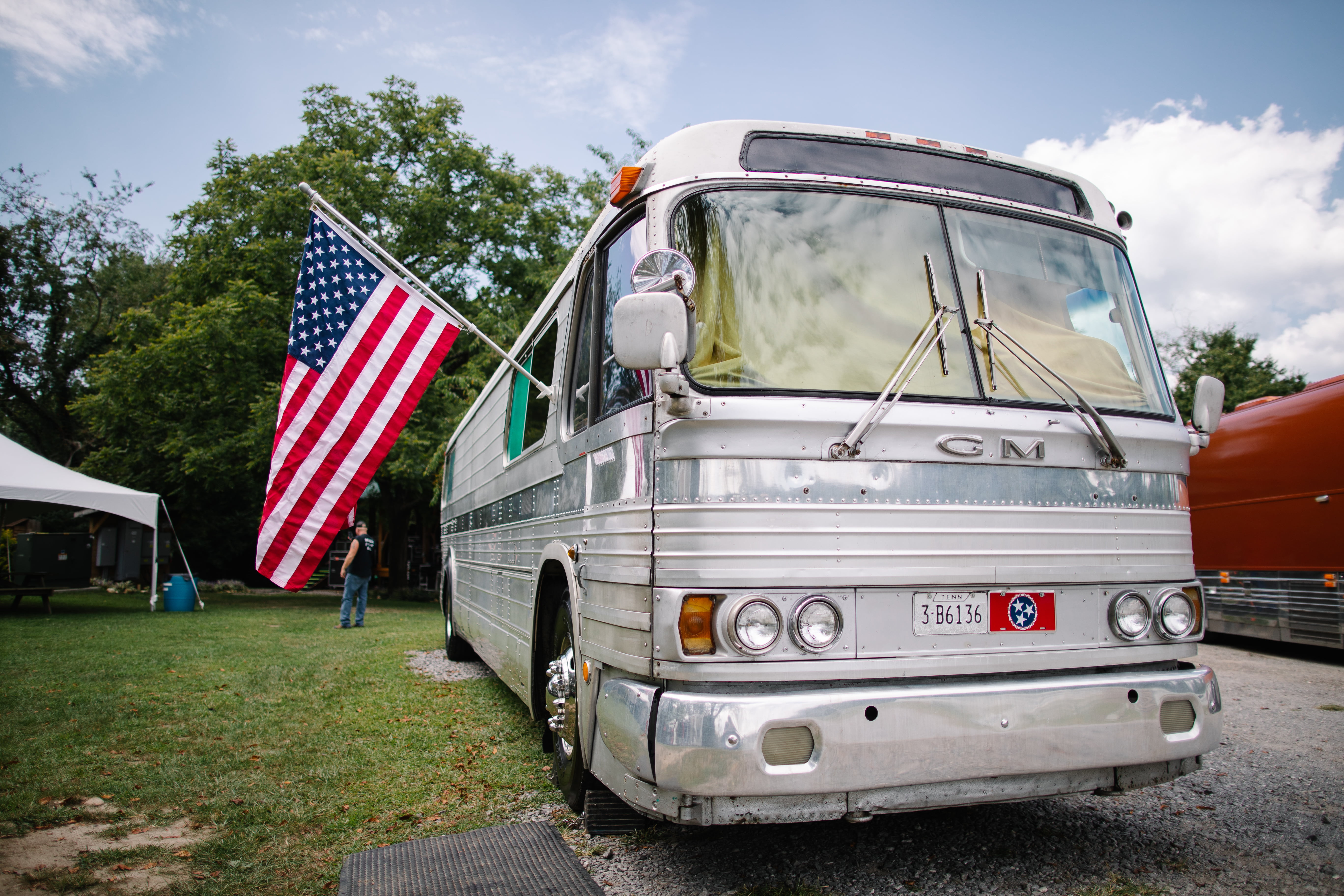
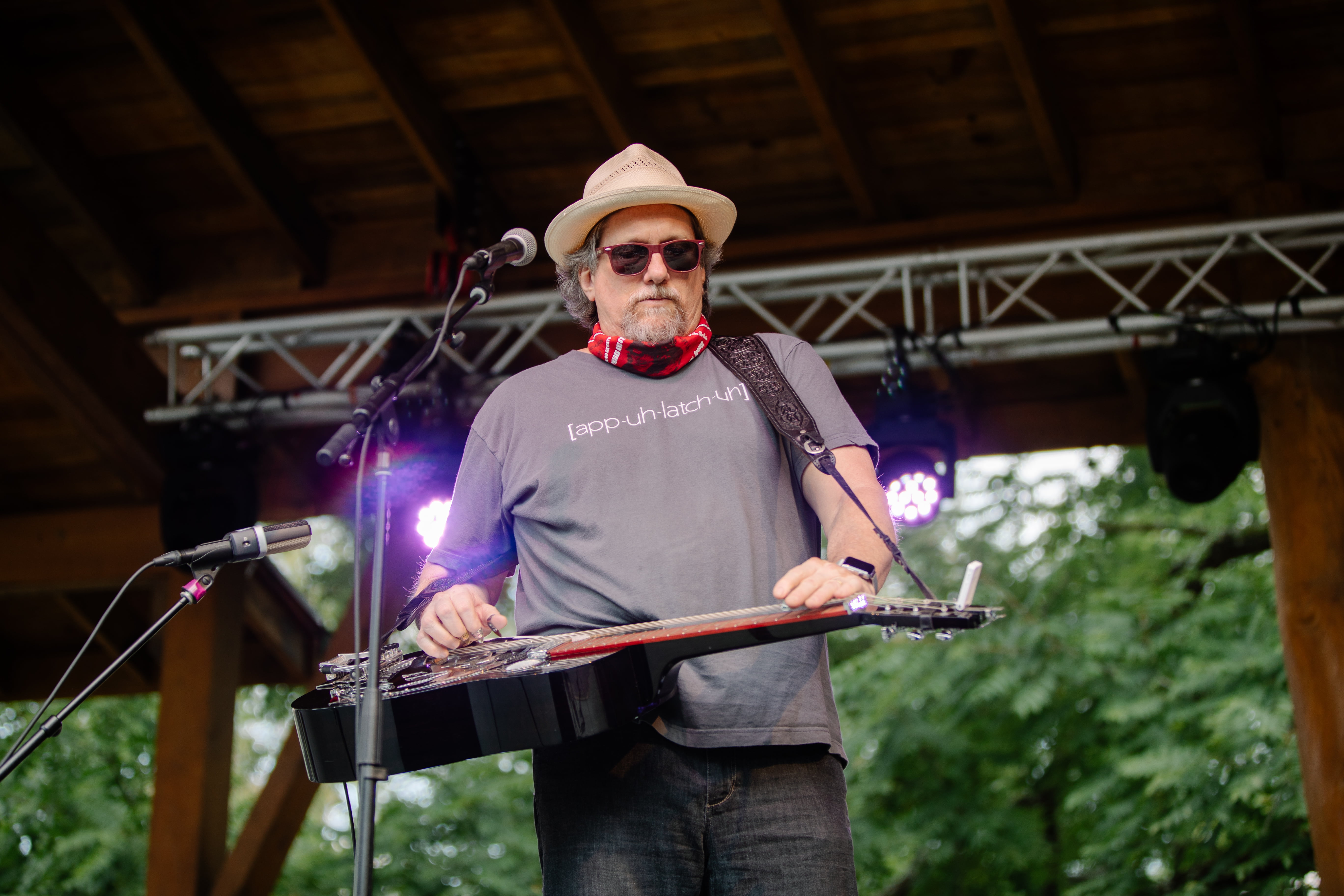
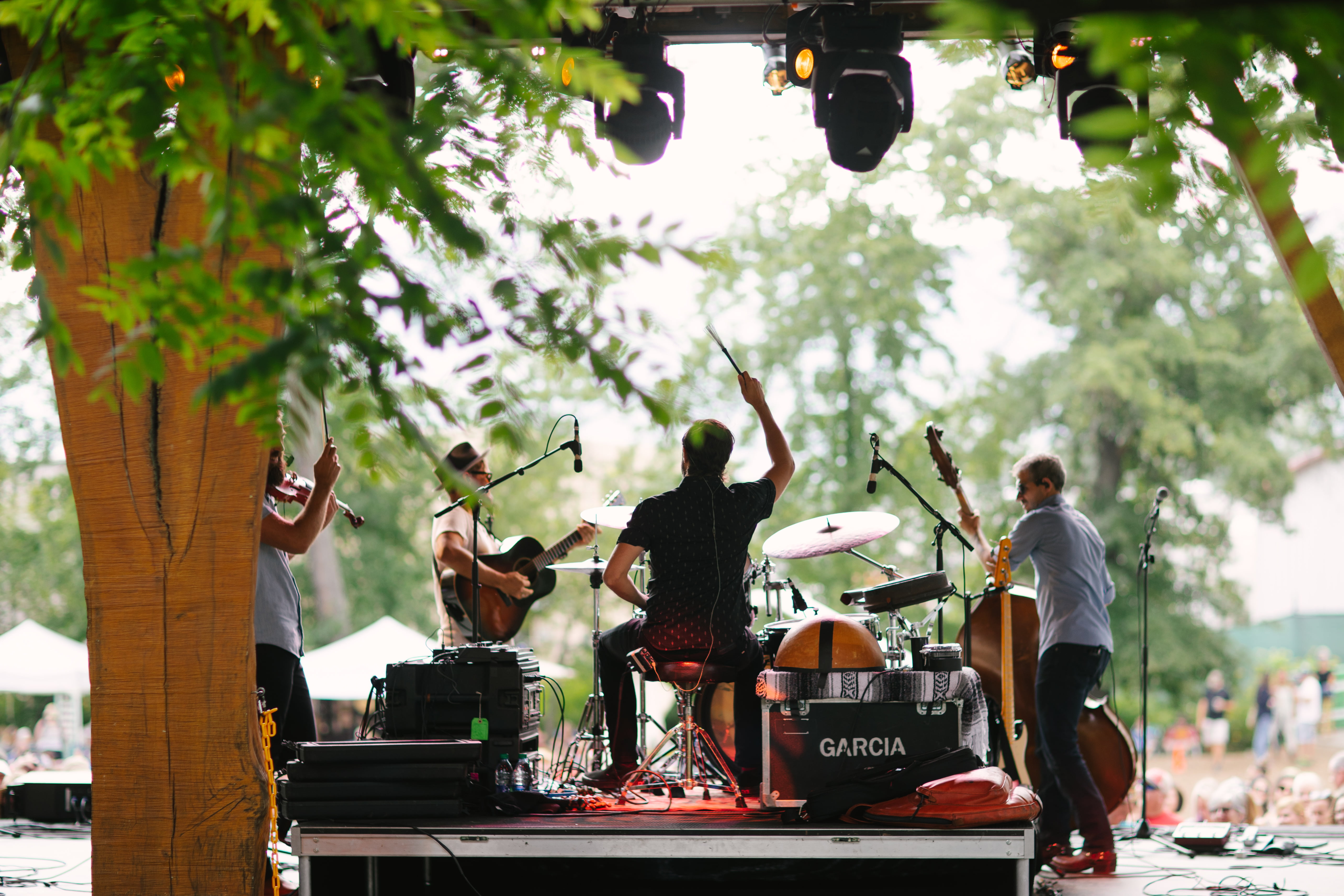
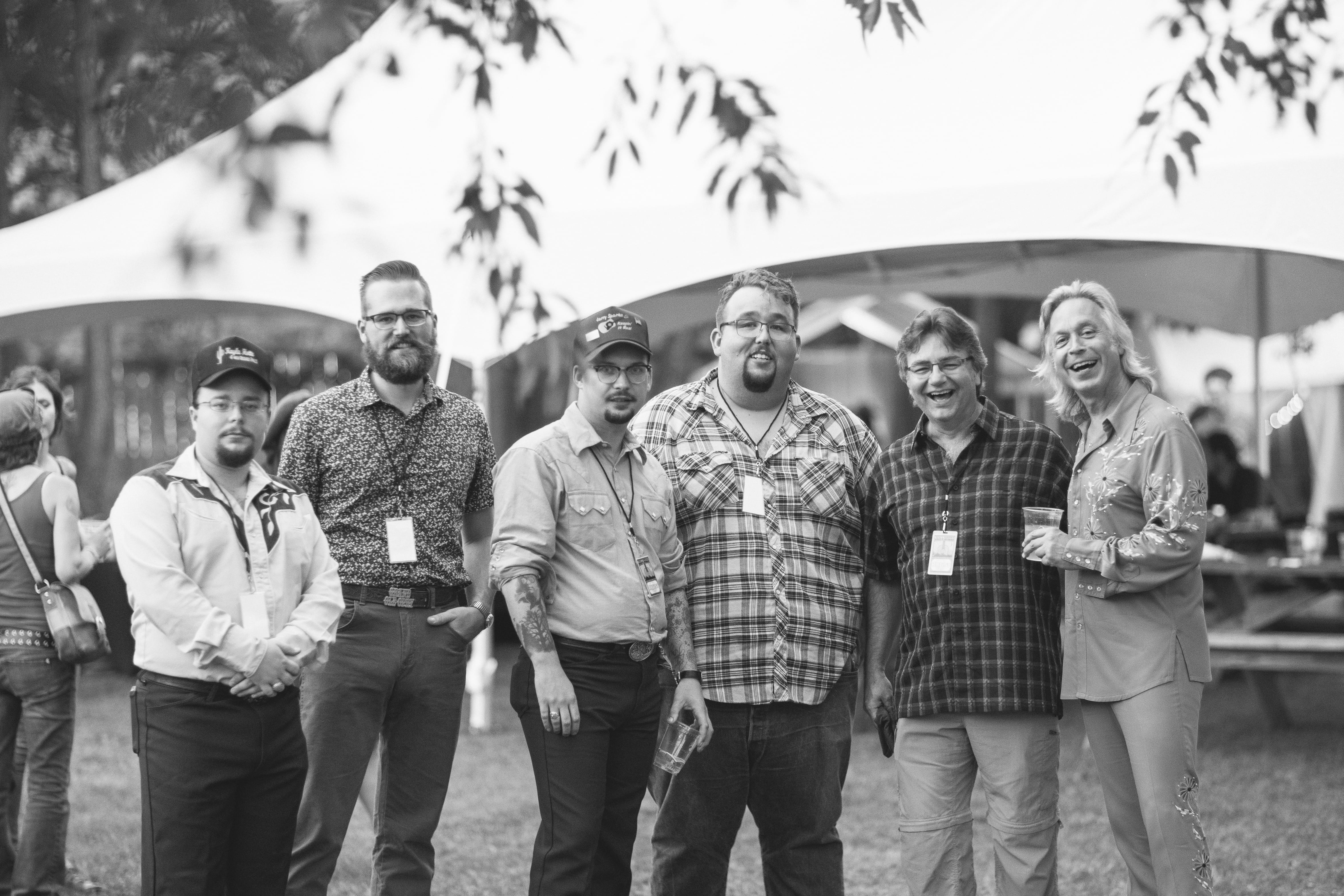
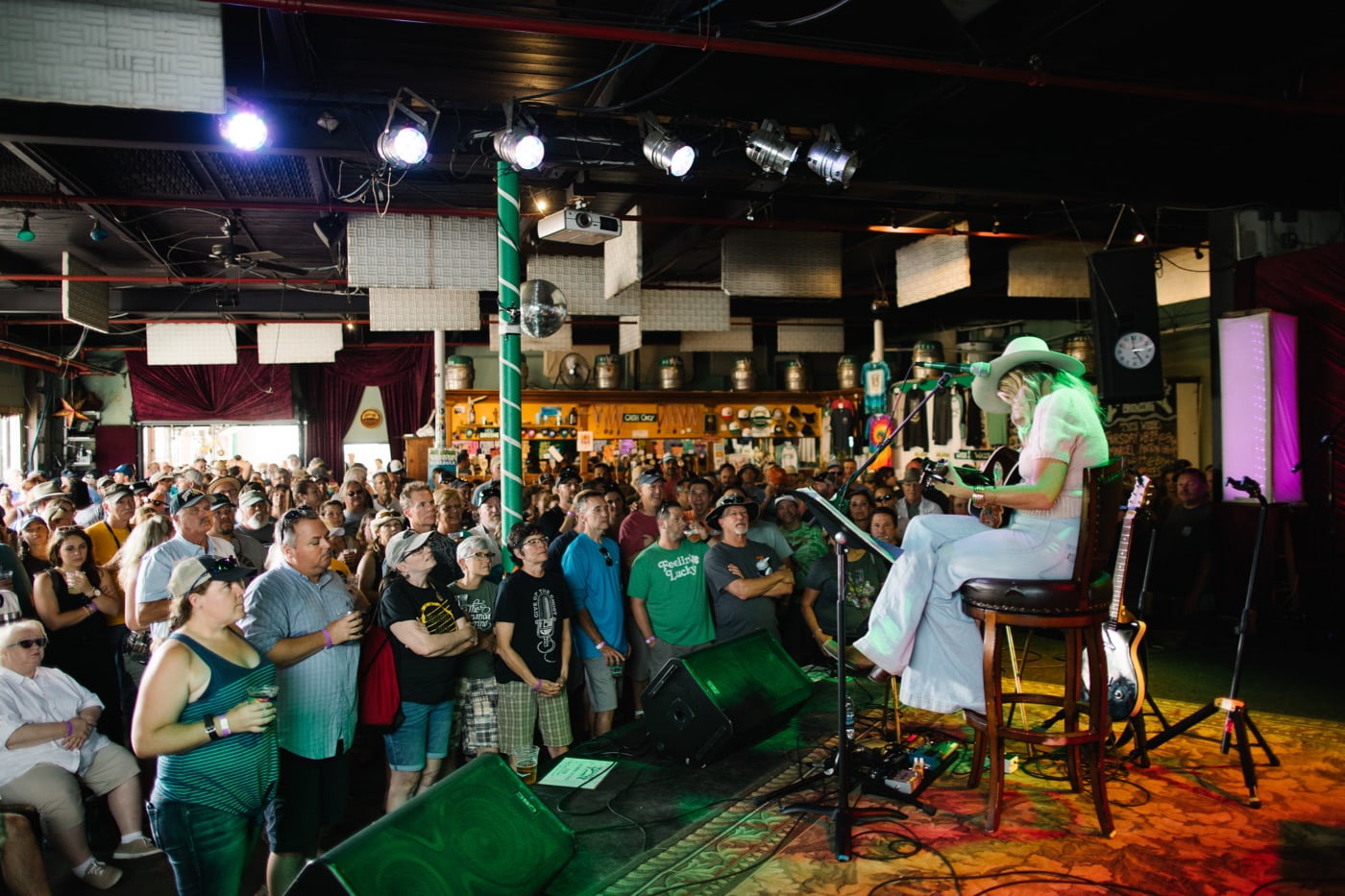
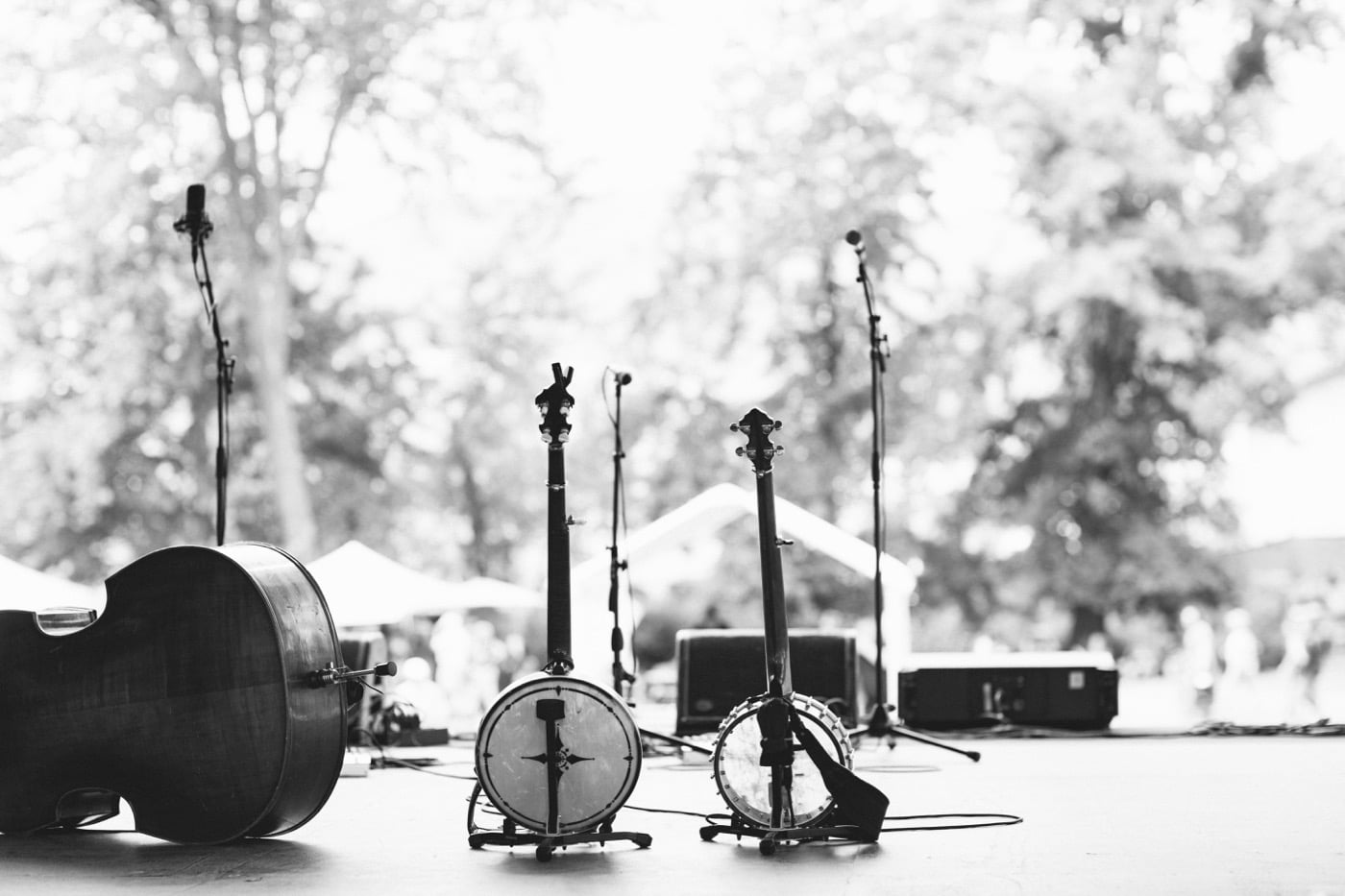
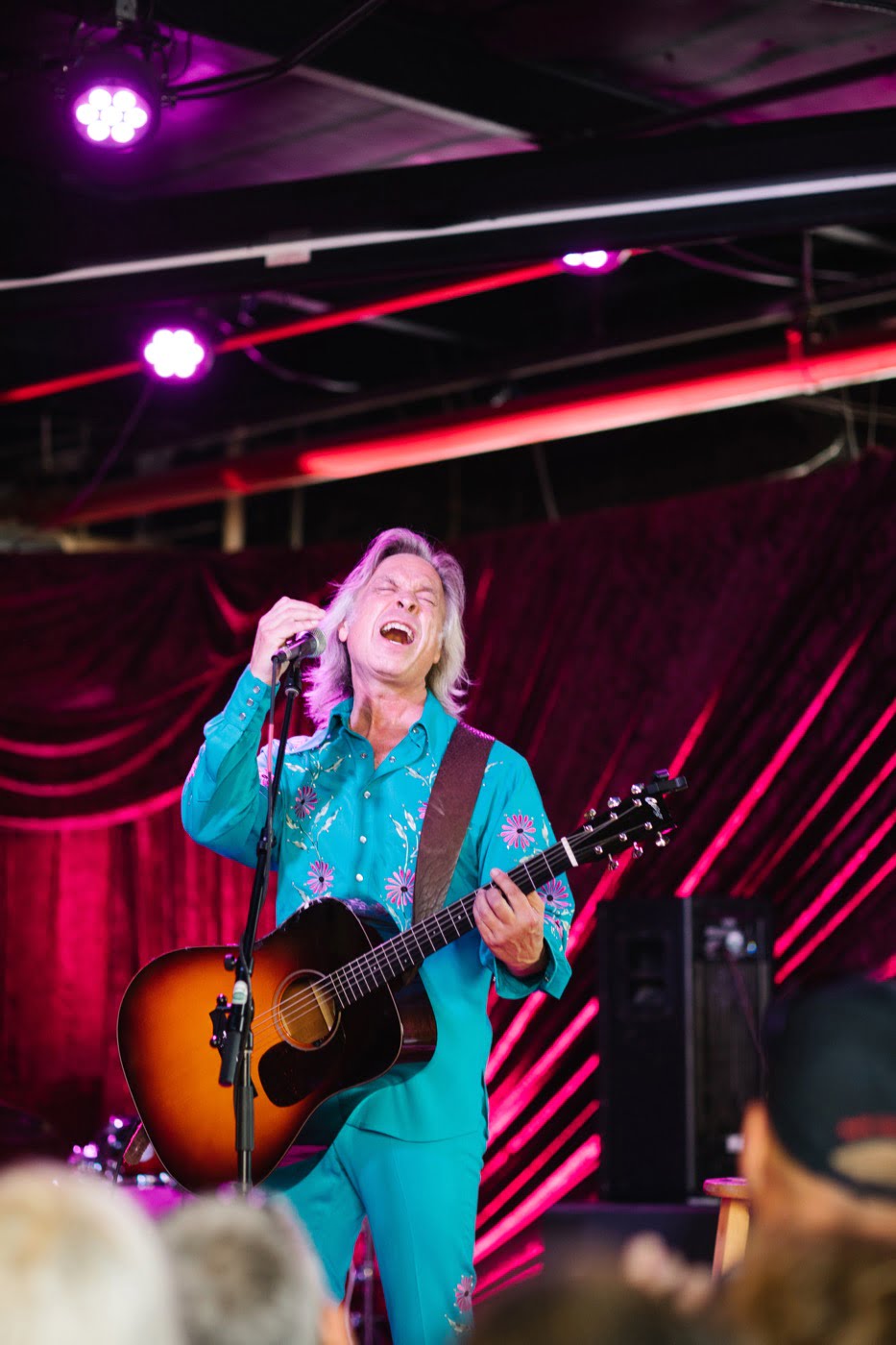
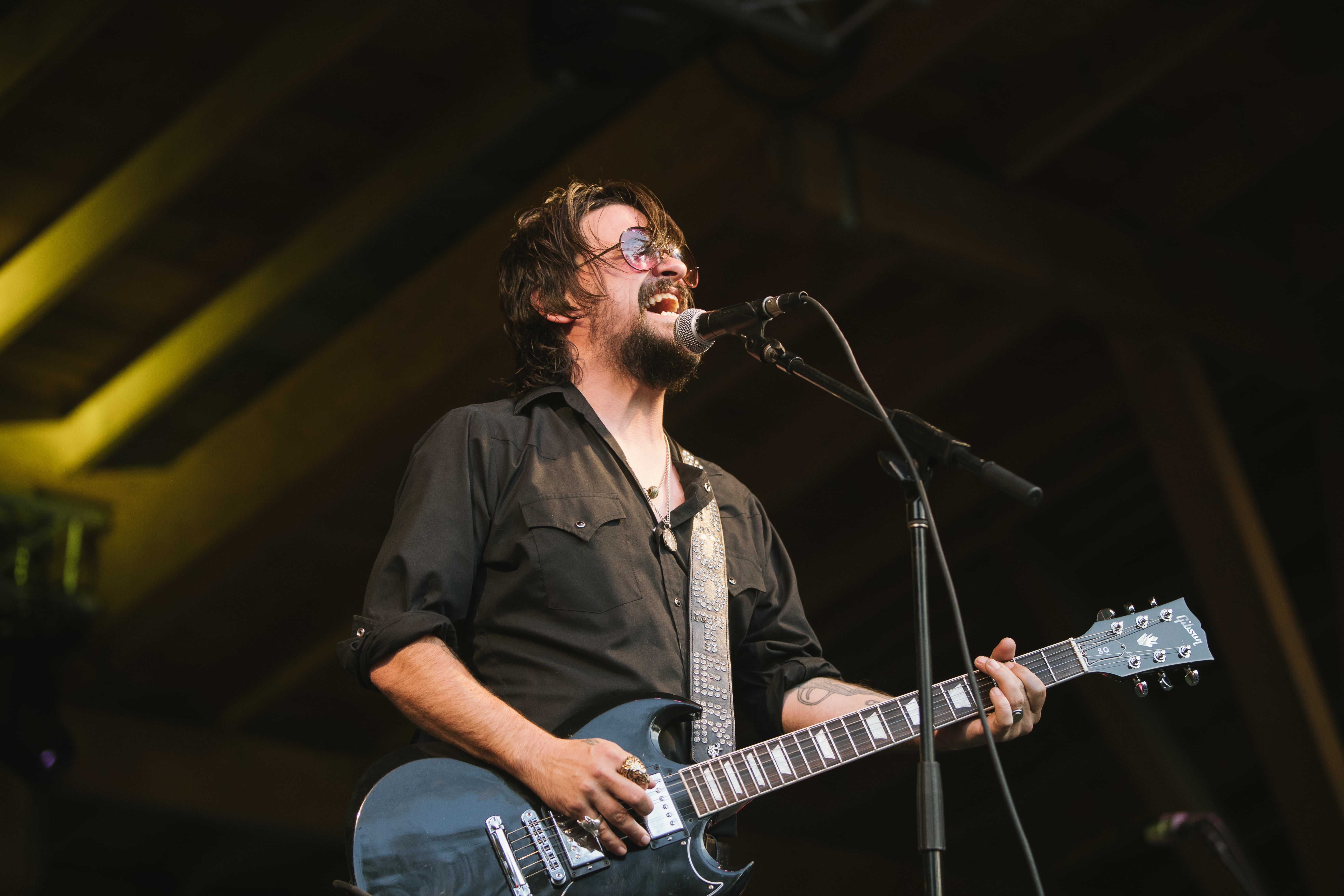
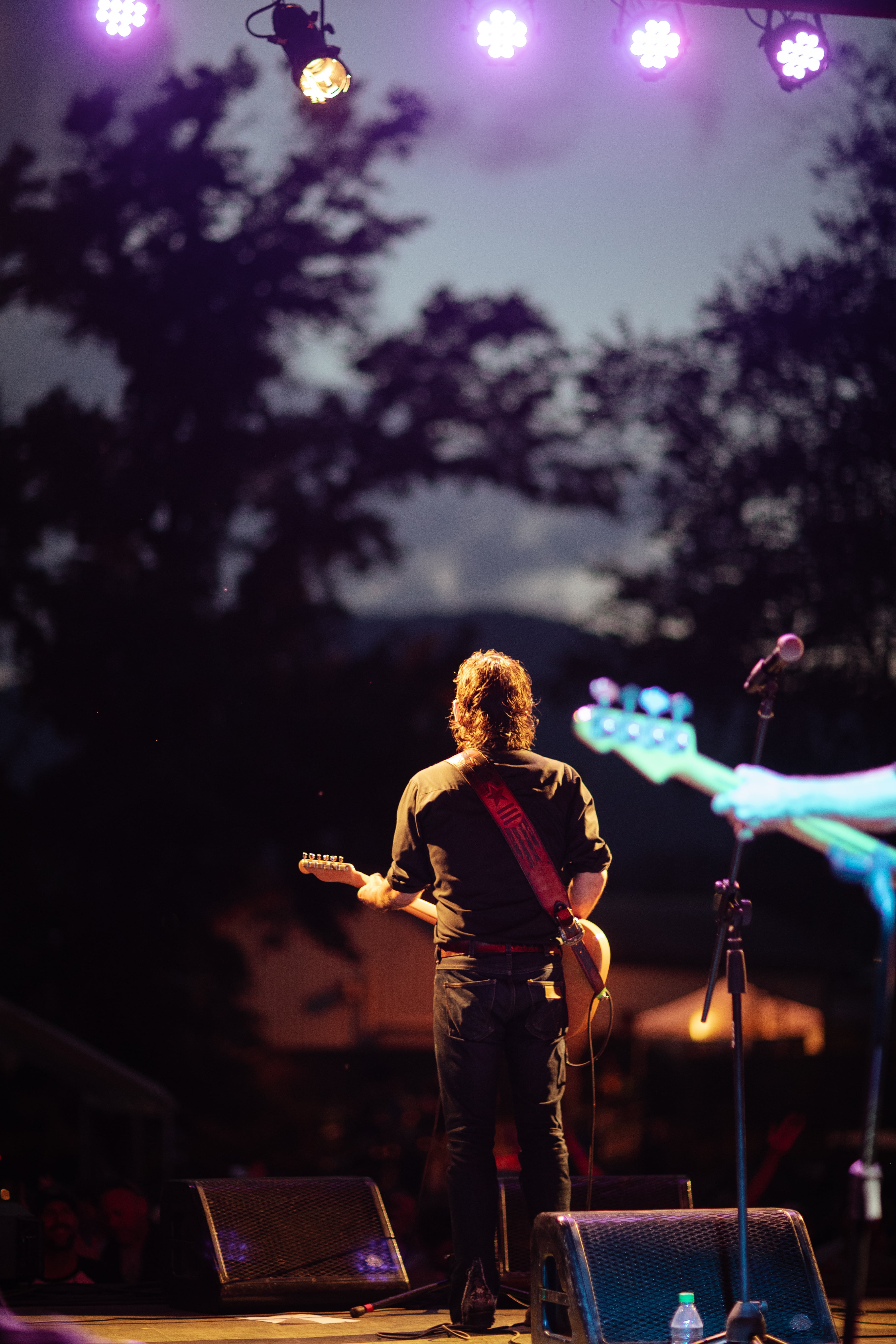
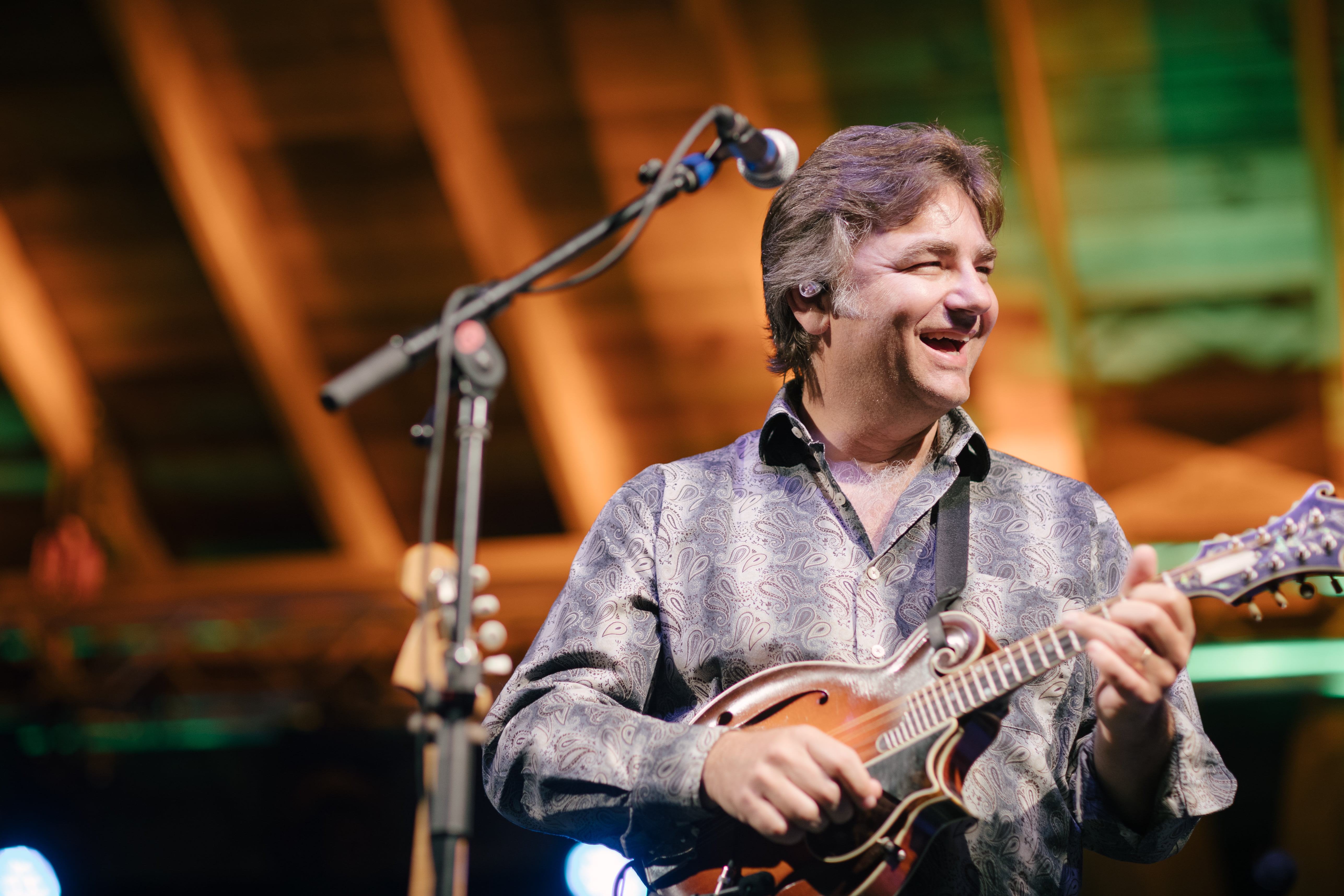
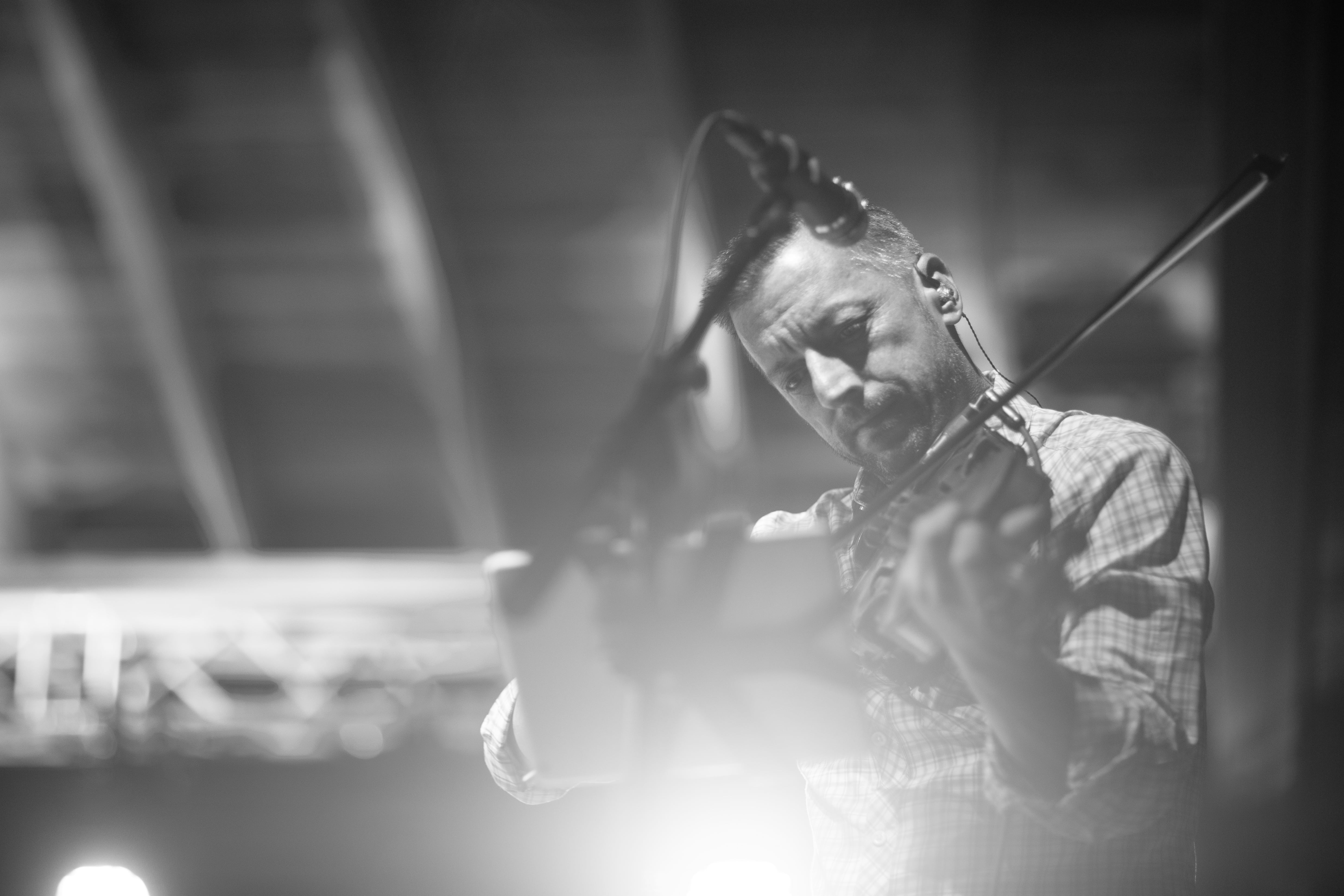
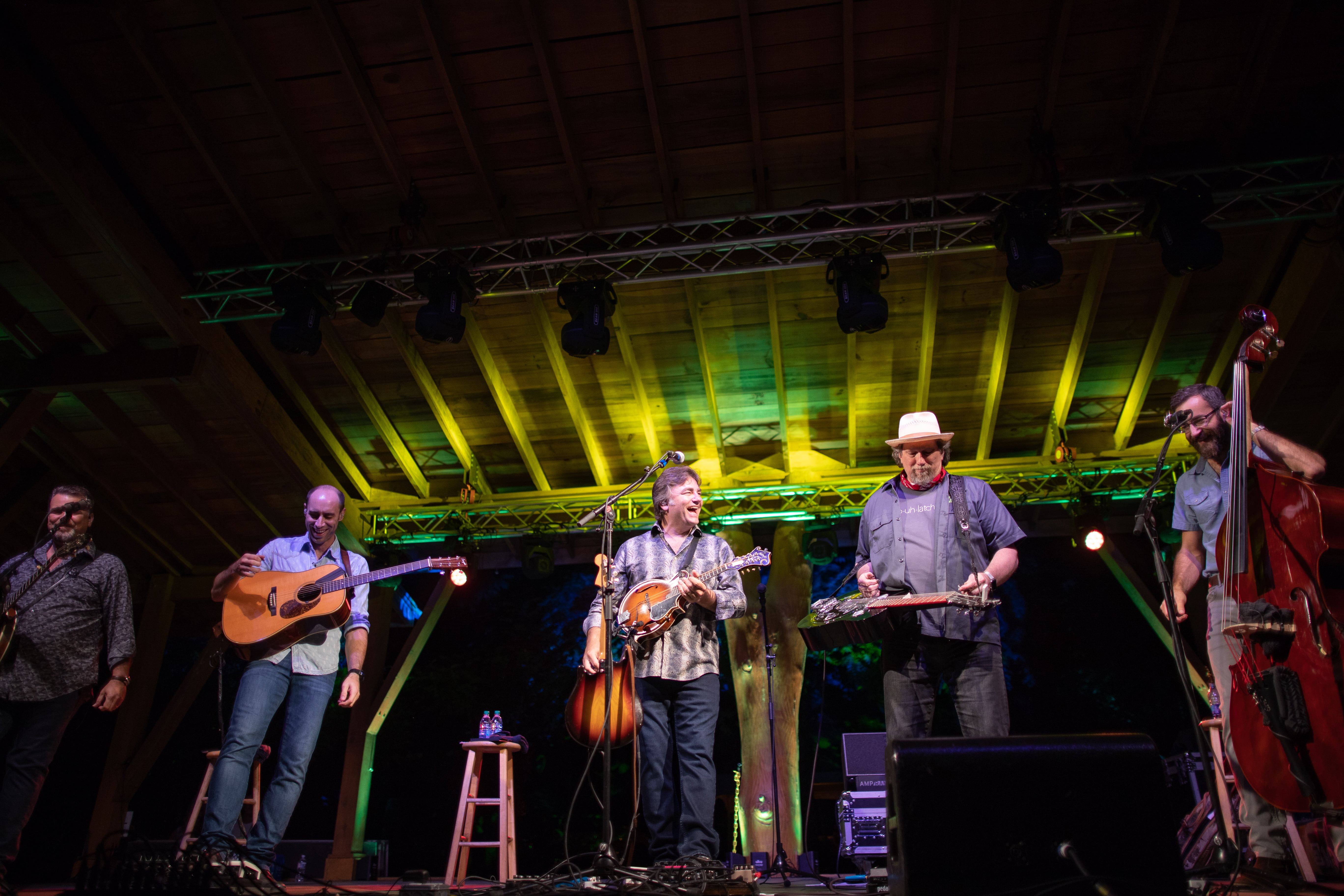
Black Mountain, North Carolina-based Pisgah Brewing hosted their third Jam in the Trees over the weekend of August 24 and 25, bringing together a harlequin lineup of Americana, alt-country, string bands, and bluegrass in the idyllic Blue Ridge Mountains. Whether you were on hand for every second of the musical magic or you couldn’t quite make it to the festival this year, relive the two day roots celebration with our photo recap.


Photos by Revival Photography: Jason and Heather Barr

BGS Preview: The Long Road Festival in the UK

As this is being written, we’re on our way to the UK to prepare for our FIRST EVER international stage takeover, taking place next weekend at The Long Road Festival, in Leicestershire (near Birmingham). It’s a milestone event for BGS, and part of a larger initiative to reach our dedicated audience outside North America and shed light on some incredible talent that is putting their own spin on folk and roots traditions from other parts of the globe.

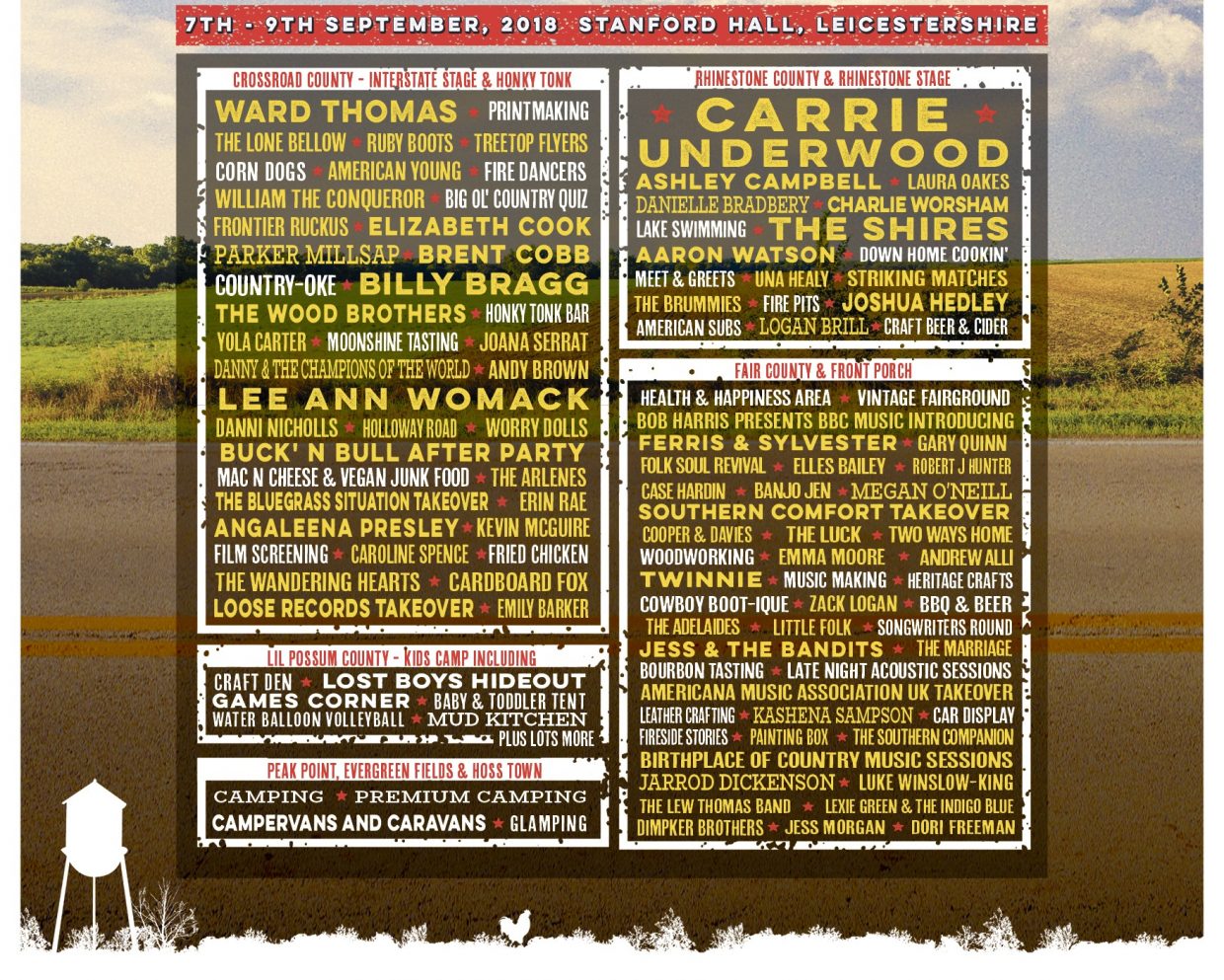
To prepare for The Long Road, held Sept. 7-9, we’ve summed up the top stuff we can’t wait to see and do while we’re in town. Hope some of you can join us to check out these highlights too:

1) That lineup tho…
With main stage appearances ranging from Carrie Underwood and Lee Ann Womack to Billy Bragg and Joshua Hedley, TLR is representing a variety of talent from commercial [read: Pop] Country to Americana with a capital A. The lines between roots and country music seem a bit more blurred over here, and we can’t wait to see how it all comes together.

2) Birmingham
Less than an hour from the festival lies the city of Birmingham. What was once a hardened industrialist town is now a breeding ground for creatives and start-ups, fostering one of the youngest populations in Europe (nearly 40 percent of the population is under 25). There’s plenty to discover here — from the old Custard Factory market to four (4!) Michelin-starred restaurants — so it’s a great stopover before or after the festival weekend.

3) AMA-UK stage takeover
Friday kicks off the fest with our friends at Americana Music-UK curating a stage featuring their freshest crop of British Americana talent. (Stay tuned to the BGS site for an announcement highlighting an upcoming collaboration with that team very soon….)

4) Moonshine + whiskey tastings?!
Say no more. You can find us in the Honky Tonk for more than just the BGS stage…

5) Stanford Hall
This is not your mama’s country festival. TLR is held on the grounds of Stanford Hall, a 400-year-old stately home in the heart of Leicestershire, sitting on over 700 acres of expansive parkland. Not too shabby!

6) Born in Bristol film screening
Produced and presented by the Birthplace of Country Music, retracing the 90 years since the recording of the original Bristol Sessions the resounding impact that music has had on the world, the documentary features the likes of Dolly Parton, Vince Gill, Eric Church, Emmylou Harris, Steve Earle, Marty Stuart, Sheryl Crow, and Doyle Lawson. Special screenings of the film will take place on site at TLR.

7) The Bluegrass Situation Takeover at the Honky Tonk stage on Sunday, September 9 (DUH!)
Featuring a cavalcade of fierce females from three different continents, our BGS-curated stage highlights everything ranging from bluegrass (Cardboard Fox) to country (Ashley Campbell, Angaleena Presley) to folk (Dori Freeman, Worry Dolls) to Americana (Danni Nicholls, Ruby Boots). It’s gonna be great. You can check out the full day’s schedule below:

13:05-13:45: Danni Nicholls
14:10-14:50: Ashley Campbell
15:15-15:55: Worry Dolls
16:20-17:00: Angaleena Presley
17:25-18:05: Cardboard Fox
18:30-19:10: Ruby Boots
19:35-20:15: Dori Freeman

Discover more about The Long Road and stay in the know by liking our BGS-UK Facebook page.

Purchase tickets for The Long Road.

MIXTAPE: Brent Cobb’s Songs from the Road

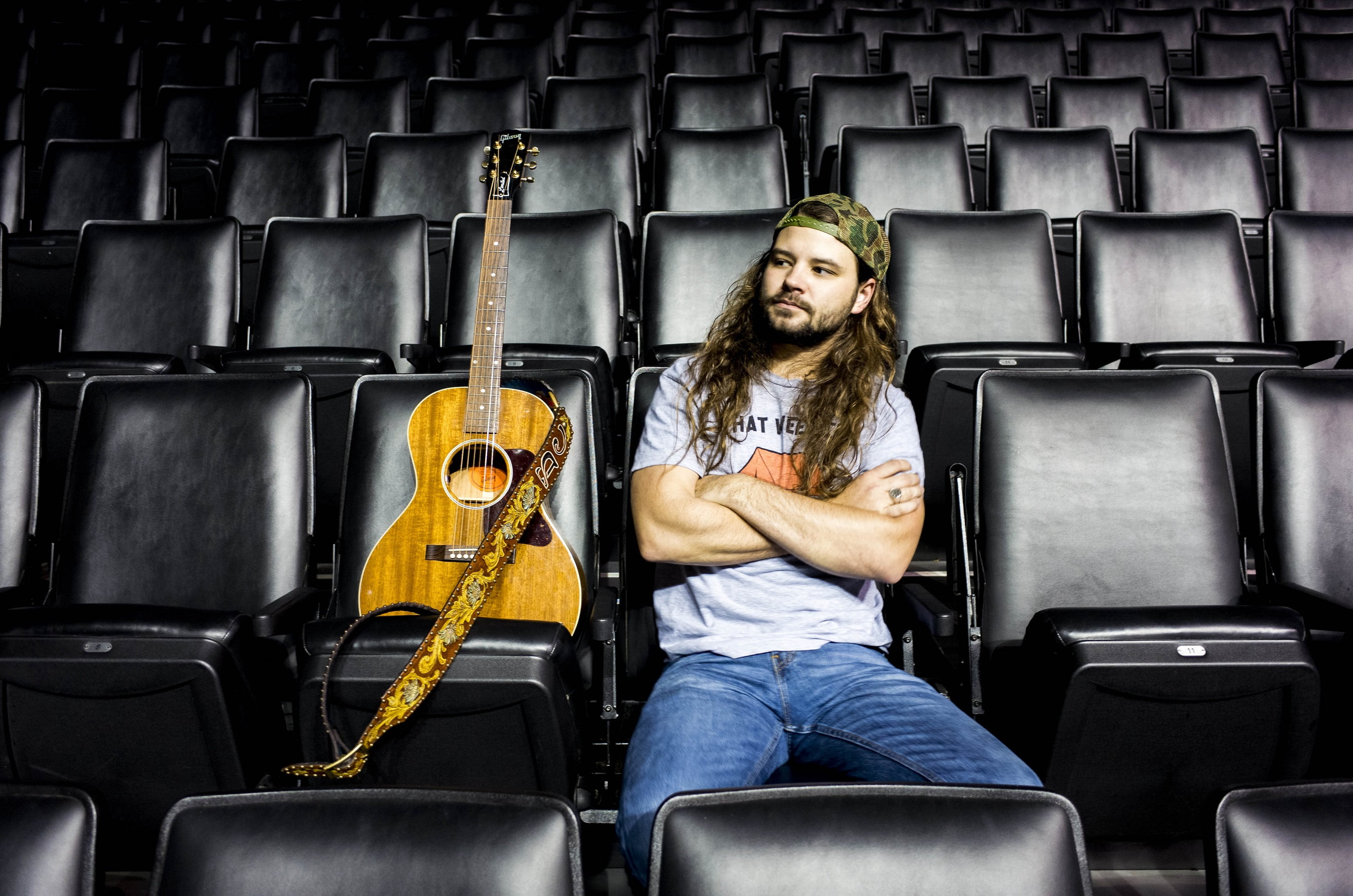
Brent Cobb may have the coolest summer job ever – opening shows across the U.S. for Chris Stapleton and Marty Stuart. During some downtime in Oregon, the Georgia native gave the Bluegrass Situation the lowdown on 11 of his favorite songs.

“Lord, I Hope This Day Is Good” – Don Williams

I woke up today singing Don Williams’ “Lord I Hope This Day is Good.” Because it just felt that way, you know? It’s just a beautiful day, I kind of want to smell the smell of hickory smoke rollin’ around in the wind. That’s also what Don Williams makes me think of, you know? We got a little somethin’ on the smoker and a little Don Williams playin’ – it’s hard to beat that.

“New South” – Hank Williams Jr.

That kind of leads into the next one, it’s sort of the same path, but Hank Jr., “New South.” It’s on his album, The New South, his first record after he fell off the mountain. Waylon Jennings, Toy Caldwell, and Marshall Tucker — they helped him produce that record. The whole album is so good, you want to sit around a campfire sound, you know? That particular song, “New South,” it also makes me want to put something on the smoker on a beautiful sunny day, pick a guitar, and maybe throw some horseshoes.

“I Wonder Do You Think of Me” – Keith Whitley

After that, I got Keith Whitley, “I Wonder Do You Think of Me.” The other night, I was sittin’ up, a lot of times when I’m on the road it’s the only time that I have to go back to my regularly scheduled writing process program. My daughter’s not out here so I don’t have to wake up at 6 o’clock every morning like I do when I’m home, so a lot of times I’ll sit up and play music and I sat up the other night till about three in the morning listening to songs. This particular one – I had forgotten about this song, I rediscovered it and listened to it about 25 times in a row the other night. It’s just so damn well-written and the chords in that song are amazing. It seems like such a simple country song, but I can’t play it. I try to pick it out.

“Leaving Trunk” – Taj Mahal

Something we listen to every night before we go on stage is Taj Mahal, “Leaving Trunk.” It’s just got that dirty south, down south, funky, country feel that I love. You can tell that the Allman Brothers were borrowing a lot from Taj. And well obviously “Statesboro Blues,” that song particularly, it’s just got that … I don’t know, it feels funky. It also would be great on a day like today, just kind of walkin’ around and have that song playin’ in your mind and be-bopping to your own beat.

“Coming Home” – Delaney & Bonnie

That makes me start thinking of other songs you could listen to, to get in the zone. So I got Delaney & Bonnie’s “Coming Home.” That’s another one we listen to before we play. I know you probably know who that is, but for those who don’t, they would have Clapton and George Harrison and folks play on their records. They influenced a lot of their peers of that time, and Dave [Cobb, Brent’s cousin] actually turned me on to that track. I’d never heard it before. Yeah, just kind of that funky country, man, gets ya goin’.

“Ohoopee River Bottomland” – Larry Jon Wilson

Which leads us into Larry Jon Wilson. Larry Jon Wilson was from Swainsboro, Georgia. He did a couple of records in the ‘70s that were super funky country. “Ohoopee River Bottomland” is the song I’m thinkin’ of. It’s also just that pre-show jam, you know? It kind of gets you down the road a little bit, and the way Larry – especially that song – would use Southern-isms or just rural-isms. He’d talk about, “this low rent land has turned to sand and I’ve done stood ’bout all I can I’m leaving…I’m leaving,” and “I got a wore-out mule and a no ‘count tractor quit now…and this is it now.” I just love the way he talks. You really capture his South Georgia background, but then he’s able to put it to some funky music.

“Play Something We Know” – Adam Hood

Alright so after Delaney and Bonnie and Larry Jon Wilson, that made me think of my buddy Adam Hood, because those are two songs that a lot of people may not know. It made me think of my friend Adam, I do a lot of writing with him. We wrote a lot of songs with this newest album of mine. He has a song called “Play Something We Know.” It’s all about hearing “play something we can sing to and play us something we know.” It’s about that guy or girl in the bar that’s slightly belligerent at your show, and they’re like “play me some ‘Brown Eyed Girl.’” You should check it out, it’s hilarious. Adam is just a great all-around artist.

“Forever Lasts Forever” – Nikki Lane

After thinking of Adam, it made me think of some other peers that I’m into, that I love, that have been good to me. Nikki Lane took us out at the top of last year and I think, in my humble opinion, she’s about the most authentic of our time. She has a song called “Forever Lasts Forever.” If you haven’t heard it, you should really check it out. It’s inspiring to listen to anything she writes, but that song is so wonderfully written. Just a wonderful breakup song, you know? Everybody loves a good breakup song.

“Hole in the Sky” – The Steel Woods

That brought me also to some other peers and also pre-show jams. The Steel Woods did a cover of Sabbath’s “Hole in the Sky.” I don’t know if you’re familiar with them, but son of a gun… It’ll get ya goin’, man. Their whole record is great. They’re recording a new record right now. That “Hole in the Sky” song, I remember the first time I heard it, I had no idea it was an old Sabbath song. It blew my hair back, it’s incredible.

“Anyhow, I Love You” – Guy Clark

Now this is gonna take us to after-show jams….the slow jams. Made me think of Guy Clark, “Anyhow, I Love You.” Man, talk about a damn well-written song. It took me a long time to get into Guy, not because I wasn’t into him…it’s just some things you gotta live enough to really appreciate it. That was one of those songs, man, “Anyhow, I Love You.” I could listen to that one, same as “I Wonder Do You Think of Me,” over and over and over and over again.

“Open the Door” – Otis Redding

That made me think of Georgia because Guy Clark is so good at writing about Texas. It made me think of an old Georgia artist, Otis Redding. Everybody knows him. “Open the Door” by Otis Redding feels like church. It’s like being back at Antioch Baptist Church when the preacher’s talkin’ to you and then he lays it on you.


Photo credit: Don Van Cleave

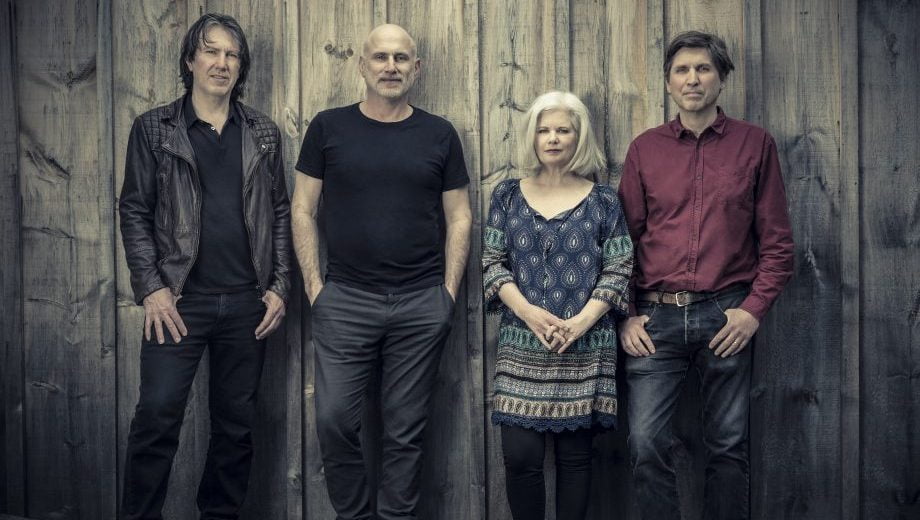
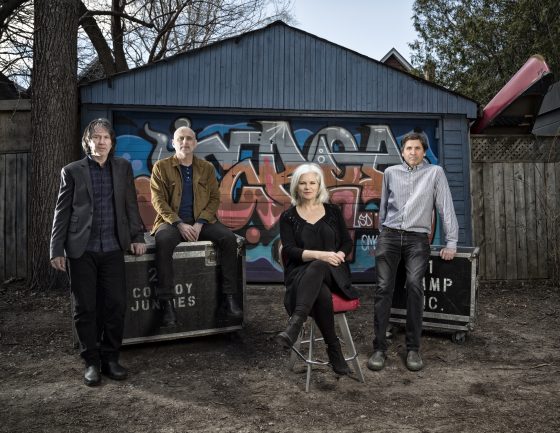
Cowboy Junkies: Everything Unsure, Everything Unstable

It sounds like the start of a horror movie. A husband and father packs up the car with some clothes and a few guitars, bids farewell to his wife and kids, then drives deep into the Canadian countryside. He bunks at a friend’s country retreat, isolated from society, miles from the nearest human being. Or is he? Cue footsteps in the night, a dead bird on the doorstep, a shadowy figure barely glimpsed at the window. Perhaps there’s a death cult searching for the lost city of Ziox. Or some maniac with a pickaxe. Or some unnamed evil haunting the forest.

“It’s exactly like a horror movie!” laughs Michael Timmins, who is the man in that scenario and who write songs and plays guitar for the veteran Toronto band Cowboy Junkies. To pen tunes for their sixteenth studio album, All That Reckoning, he had to get out where nobody could hear him scream. “When I write, I have to be writing full time. As the years have gone by, it’s gotten harder and harder to do that, because I have more and more responsibilities at home. So I have to get away where it’s quiet, where I can sit around and think about nothing but songs. I have to get my head into it, so I have to isolate myself completely.”

He made it out alive, of course, but if All That Reckoning is any indication, the real horrors are the ones he encountered once he returned to society. An angry album whose outrage simmers coolly just beneath the surface, a thorny collection that ranks among the band’s best efforts, it chronicles a period of alienation, disappointment, fear, and paranoia. The guitars lurch and grind, the rhythm section lays out chunky, funky grooves, and singer Margo Timmins spits her brother’s lyrics with a strident combination of disgust and compassion. This is the Junkies in punk mode, decrying the hate and hostility that are scarier than any boogeyman.

“I’m not a protest writer,” says Michael, “but there are times in one’s life when the two collide. When I was all alone writing this album, I began to realize that the personal songs are little political analogies, and the ones that are a little bit political are really personal analogies. One feeds the other, and you really see how they cross. I felt like I was taking stock of what’s going on in my life and in the Western world, thinking about having to pay the price for a few things.”

Cowboy Junkies don’t usually traffic in dissent or social commentary; they’re better at documenting the personal than the political. Over the last thirty years they’ve crafted a sprawling body of work whose main subject is their own lives, their sons and daughters and wives and husbands and brothers and sisters. The band is rooted in their everyday lives, such that it feels more like an extension of family than a profession. “Margo and I are basically the same age,” says Michael. “We’re only about a year apart in age. We have our separate lives and things we go through, but when I write about something, she can relate that to something that’s happening in her world. And then she’s able to relate it to the listener by singing it, by giving it voice.”

It wasn’t always that way. After brief tenures in a punk group called the Hunger Project and an improvisational act known as Germinal, Michael Timmins and bass player Alan Anton returned home to Toronto, where they started a new band and eventually persuaded Margo to join as singer. Early shows were wildly spontaneous, with the band laying down a groove over which she would improvise lyrics or sing snatches of other songs. They covered old blues songs by Bukka White and Robert Johnson; they played “State Trooper” like Springsteen was an old bluesman himself. Released in 1986, their debut, Whites Off Earth Now!!, was a modest success, further entrenching them in the Canadian alternative scene but doing little to break them south of the border.

“Before anybody was listening,” says Margo, “we were just playing for ourselves—like all bands. You start in the garage or the basement or wherever, and playing music is fun. So you do a rock song. And then you do a country song, and then you do a blues songs. Nobody cares because nobody’s there.”

For their follow-up, they booked time in Church of the Holy Trinity in Toronto, claiming to be a Christian vocal band to allay any suspicions of sacrilege or heresy. The band recorded around a single microphone, capturing an ambience so strong, so distinctive, so immersive that the church becomes a member of the band. They reimagined “Blue Moon” as a eulogy for Elvis Presley, reinterpreted Patsy Cline’s “Walking After Midnight” as an anthem of urban paranoia, and most famously recorded what Lou Reed declared to be his favorite cover of the Velvet Underground’s “Sweet Jane.” The Trinity Session sounded unlike anything else at the time, and it pointed in new directions roots and folk music might travel: lo-fi, place-specific, history-steeped, atmospheric yet conceptual, beautiful and weird.

“What happens is you have any album like The Trinity Session and then suddenly everybody wants you to sound like that forever,” says Margo. “They want you to do that quiet album again and again. And we just couldn’t do that. We knew it would kill us. We’d get bored really fast, and it would be the end of the Junkies. We did it the way we wanted to do it, and we’re still here.”

After the misstep of 1990’s The Caution Horses—a little too clean, a little too slick—Cowboy Junkies proved themselves a deeply curious and extremely experimental band, one that had much greater range that previous releases had hinted. Black Eyed Man from 1992 is their country record, featuring songs rooted in Southern experience, some written by Townes Van Zandt (including a lovely version of “To Live Is to Fly”). They followed it up in 1993 with Pale Sun, Crescent Moon, a lowdown and occasionally abrasive album featuring guitarwork from J Mascis. There can’t be much overlap between John Prine and Dinosaur Jr, but the Junkies made it sound like a natural progression.

Since then they’ve largely forged their own path, never fully embracing or embraced by the roots community but also never feted as a major postpunk influence. Their most recent albums have been a linked quartet of experimental releases based on seasons of the year: One record was based on Michael’s experiences living in China, another gathered eleven Vic Chesnutt covers. Cowboy Junkies have reached a point where they can exist well outside the trends and slipstreams of contemporary pop, indie, and roots music, where they become a scene in and of themselves. Perhaps more crucially they’ve shown how a band might settle into a long career, enjoying a cult audience more than hit albums. They’ve shown how to make a life in music.

In that regard All That Reckoning is all the more surprising for how relevant it sounds, for how well it surveys our current climate, most crucially for how it suggests that the band’s defining traits—the quiet vocals, the erratic guitars, the menacing midtempo jams—are specifically calibrated to speak to this very moment. As Margo sings on “When We Arrive”: “Everything unsure, everything unstable.”

It’s not easy to write about these topics, but it can be even harder to sing about them. Before she even records her first notes, Margo road tests her brother’s songs, playing them in front of audiences, living with them so she can burrow into them, figure them out, and devise a plan of attack. For All That Reckoning she set up a makeshift studio in the ski chalet where Michael wrote the songs. “Often I don’t know what a song is about, and Mike won’t tell me. When he writes them, he just writes them. They’re mine to interpret and bring my life to and figure my way around.”

She has always been an imaginative singer, but these songs contain some of her best and most precise performances. The disgust in her voice on “Missing Children” is palpable, as is the disdain on “Shining Teeth,” but she sings “The Things We Do to Each Other” as matter-of-factly as possible, as though the lyrics were self-evident, as though a little compassion might help the lesson go down easier.

“Mountain Stream” plays like a record skipping, Michael’s guitar jangling like a pocketful of ill-gotten coins and Margo sounding hazy even though she’s relating a very grounded story about a king surveying his crumbling kingdom. “I wanted to sing it like… you know when you have a dream and you wake up the next morning and you tell somebody about it? You’re telling it in that kind of confused, almost stilted way of talking? You’re shaking your head going, I was here and I was there and then this dog came along. I wanted to sing it in that bewildered sort of way. But it eluded me. I don’t think I got it.”

Perhaps not getting it, perhaps hitting just off the mark, is what gives the song its haunted quality, as though nothing quite lines up, nothing quite makes sense. Everything unstable, everything unsure. “There’s something weird out there, something undefinable,” says Michael, pinpointing the album’s appeal. “We can’t really define it or figure it out, but it’s been out there forever, and for some reason it seems to be getting more common, more present.” The Junkies stare it down on All That Reckoning and they never flinch.


Photo credit: Heather Pollock

Gig Bag: Joshua Hedley

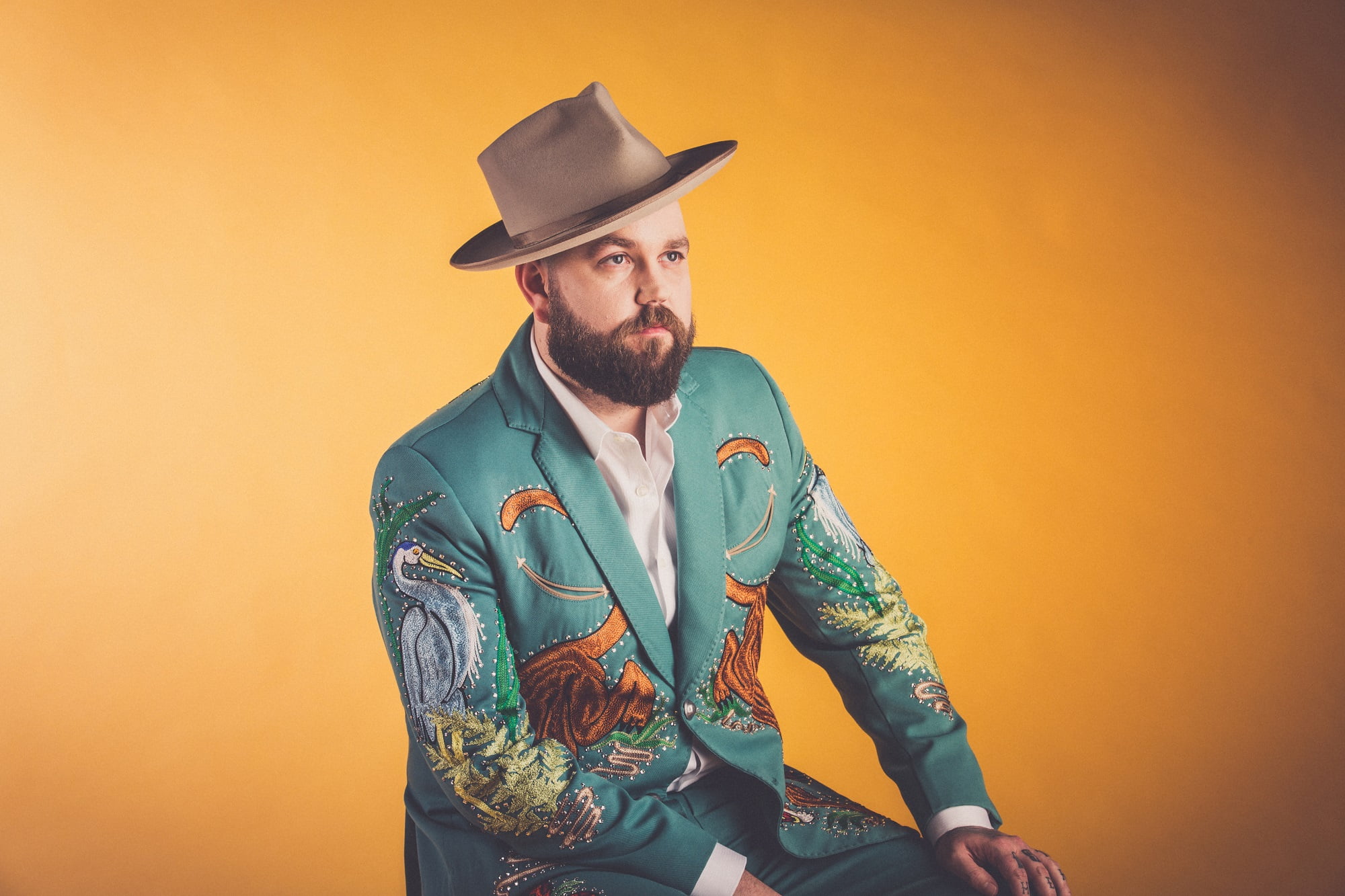
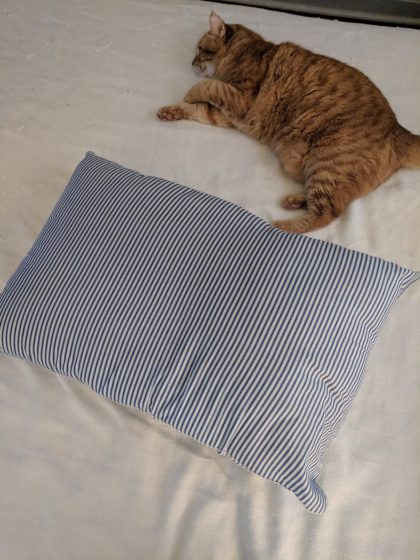
Welcome to Gig Bag, a BGS feature that peeks into the touring essentials of some of our favorite artists. With a guest appearance from his cat, Possum, Joshua Hedley details the items he always has nearby when out on the road.

Truck stop pillow: It’s cheap, it doesn’t need a pillow case, and it’s more comfortable than a van seat headrest.

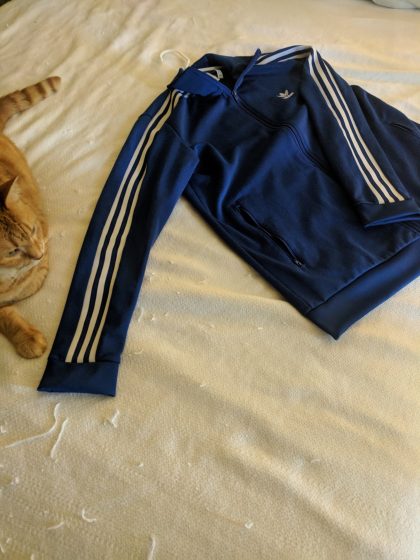
Adidas Tracksuit: It takes up less room than a blanket because you’re wearing it.

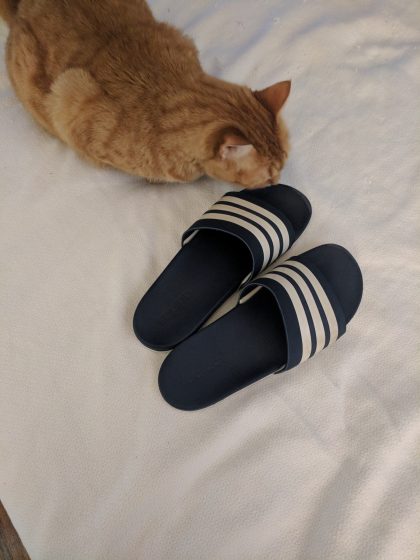
Adidas Adilette Cloudfoam Plus slides: Just get a pair. You’ll see. P.S. definitely wear with socks.

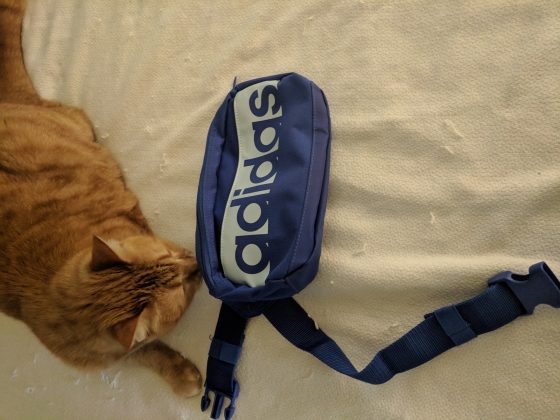
Fanny Pack: It doesn’t matter what brand, I just like Adidas. Anyway you can keep all your stuff in it and it takes up less room than a backpack. It gets cramped easily in the van so minimizing clutter is key.

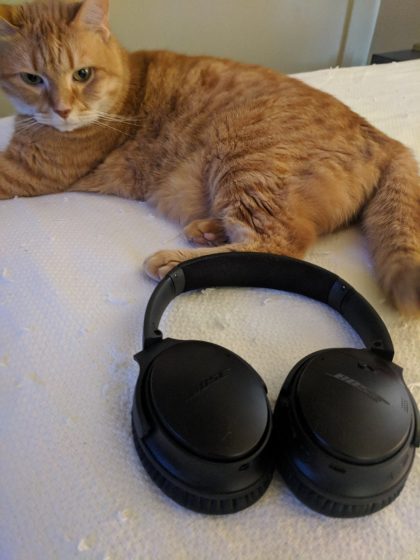
Bose QuietComfort 35 II headphones: I fly to Australia twice a year. That’s a long ass flight and the batteries in these things last FOREVER. They’re not cheap but they’re worth every penny.

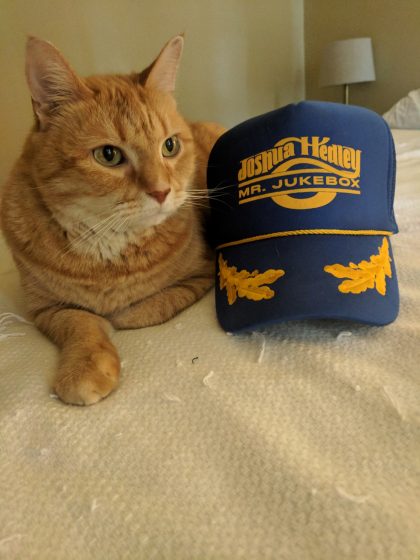
My own hat: Idk, it’s a free hat.


Photo of Joshua Hedley: Jamie Goodsell

Capturing the Outlaws: Country Music Hall of Fame Salutes the 1970s

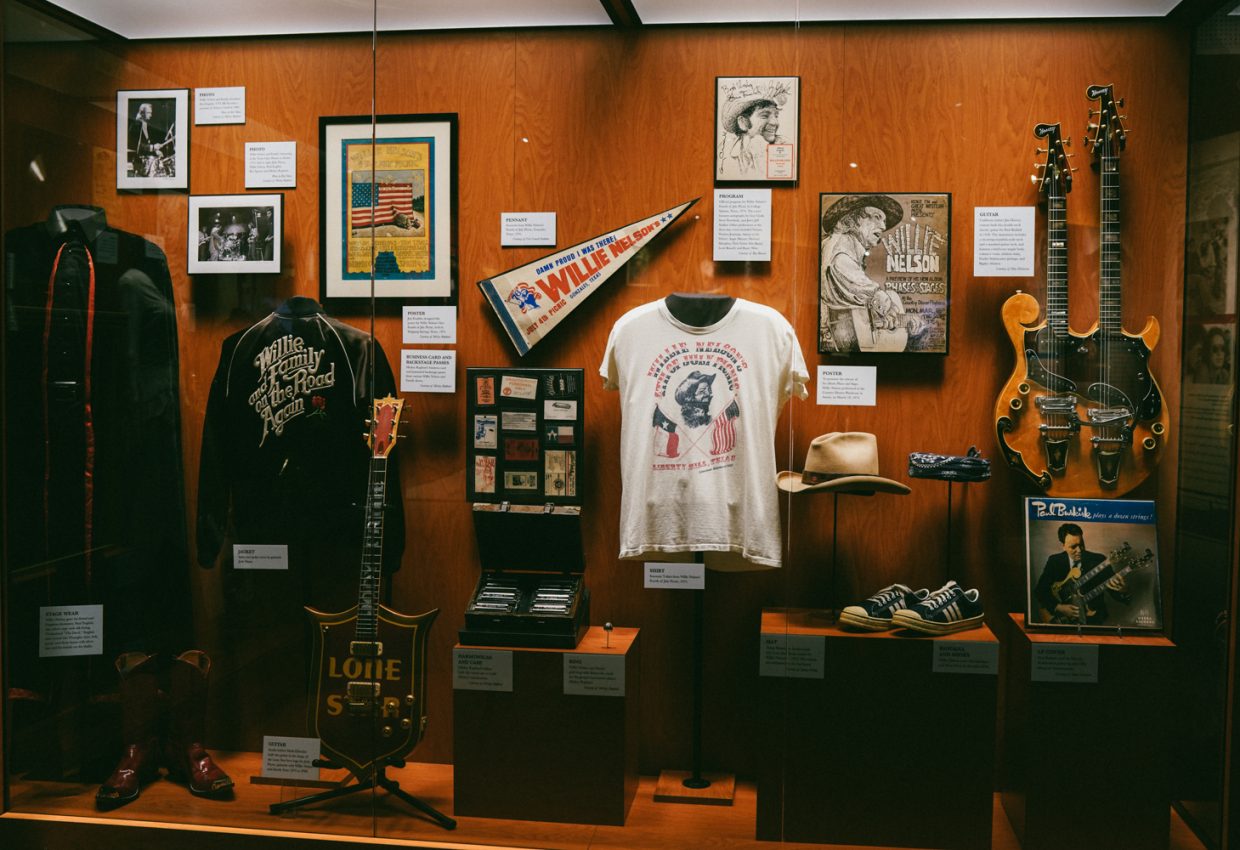
Waylon Jennings and Willie Nelson are familiar to every country fan – and more than a few would consider them the original Outlaws. In a brand new exhibit, Outlaws & Armadillos: Country’s Roaring ’70s, the Country Music Hall of Fame and Museum in Nashville strives to explain how that name stuck. More importantly, it traces the connection between Nashville and Austin to show how these cities shaped country music in the 1970s, considered one of the genre’s most incredible periods of creativity and individuality.

The emergence of Willie Nelson as an iconic Texas musician is central to the exhibit. His blue sneakers and other parts of his casual wardrobe are emblematic of how he stood apart from country entertainers in that era.

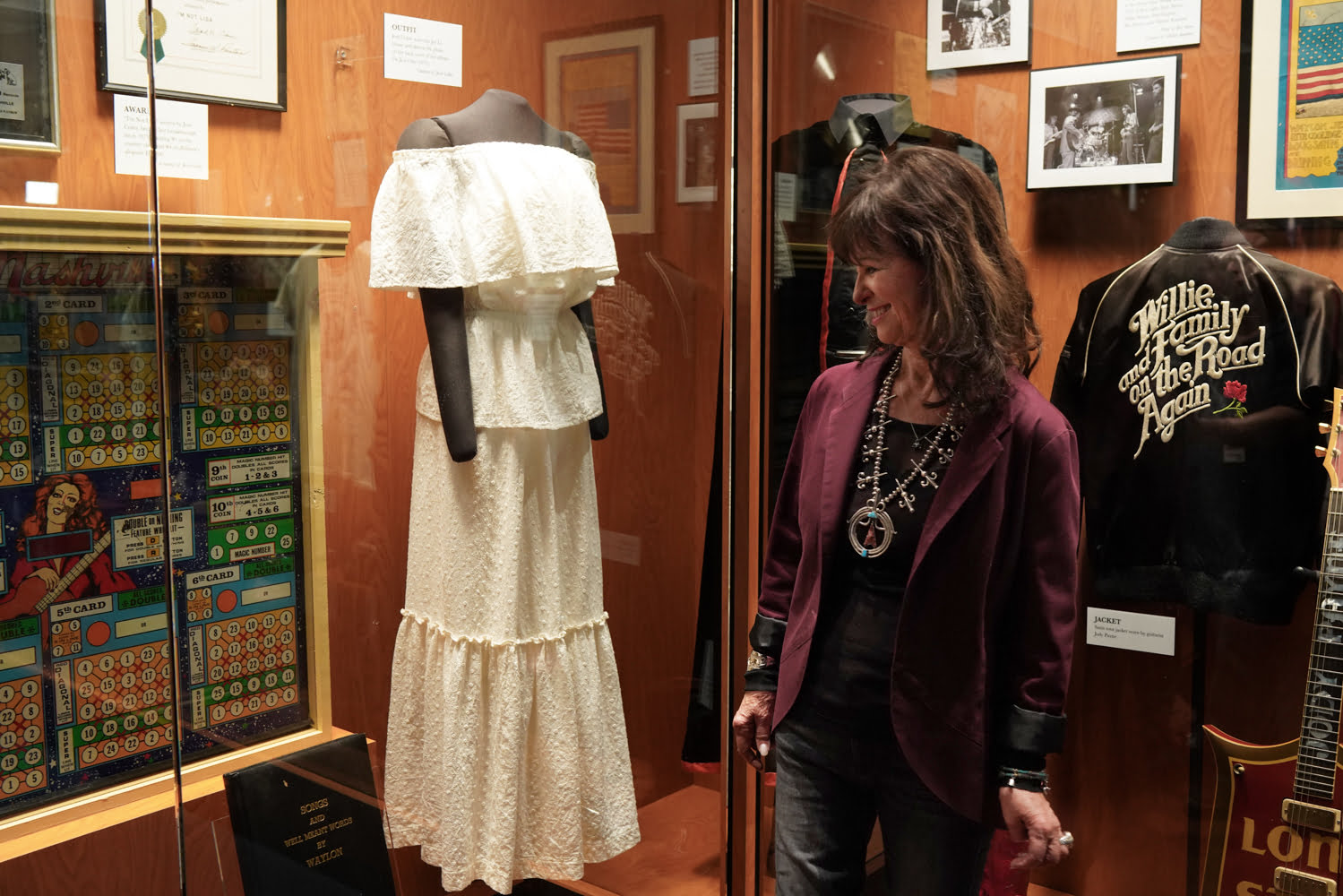
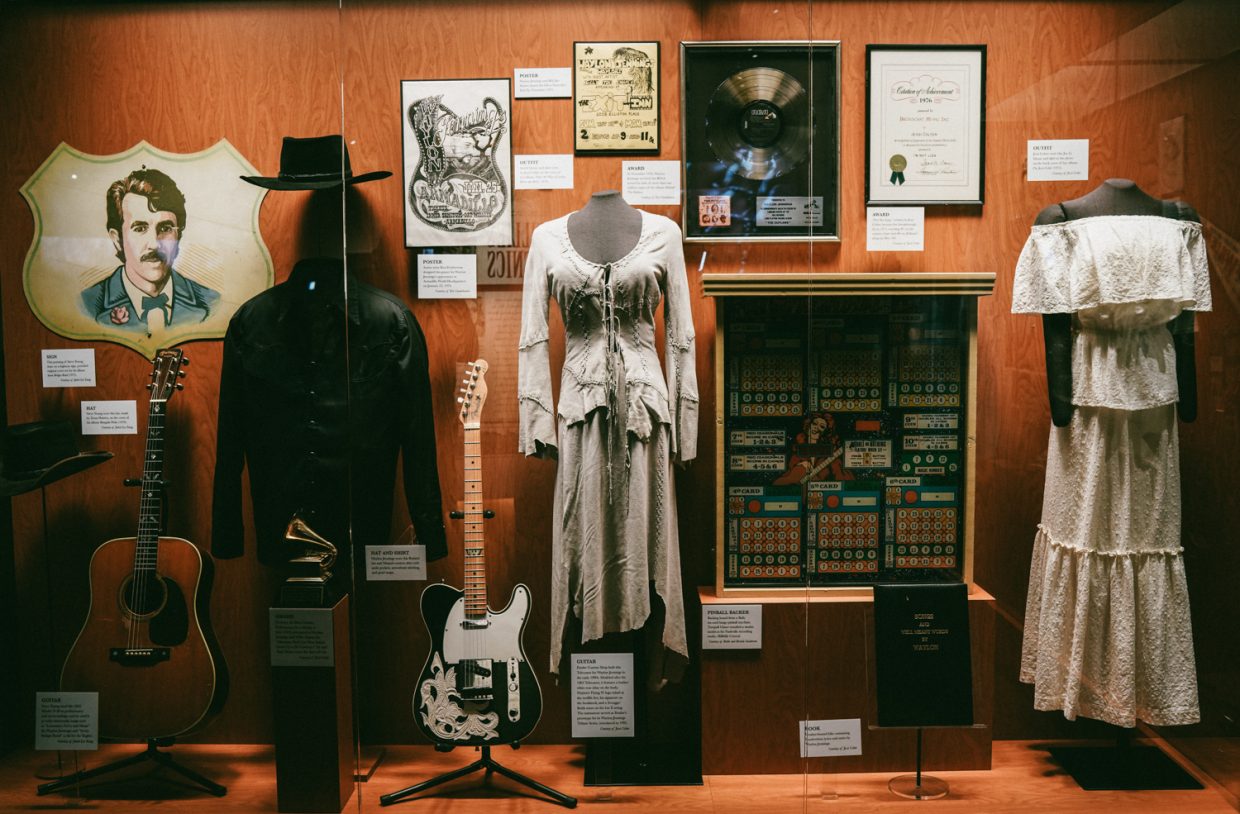
Waylon Jennings and his wife, Jessi Colter (shown above), appeared on the first-ever platinum country album, Wanted! The Outlaws (1976). Guitars, a Grammy Award, and posters from Jennings’ performances in Nashville and Austin are on display.

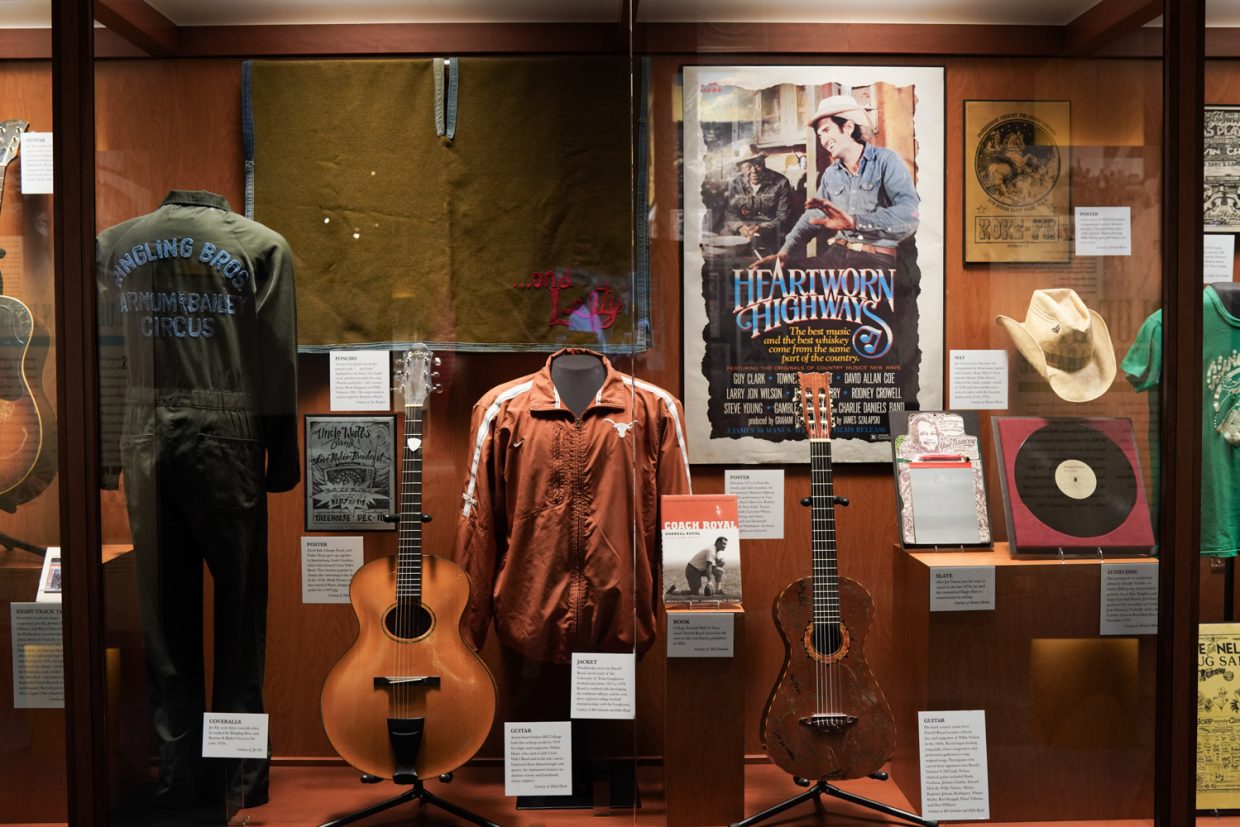
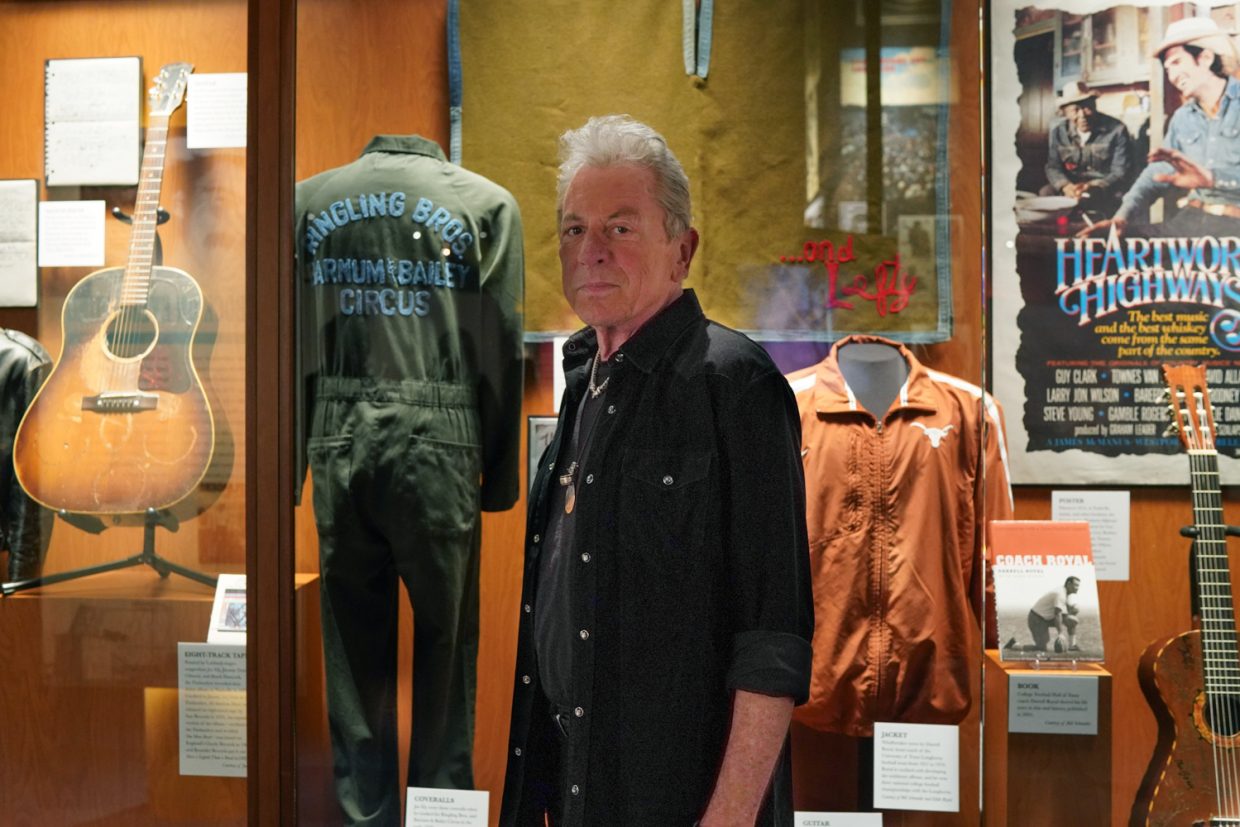
A poster of the film Heartworn Highways is displayed next to a poncho embroidered with “… and Lefty,” which belonged to Townes Van Zandt. Items from Guy Clark, coach Darrell Royal, Alvin Crow, and Uncle Walt’s Band are also featured.

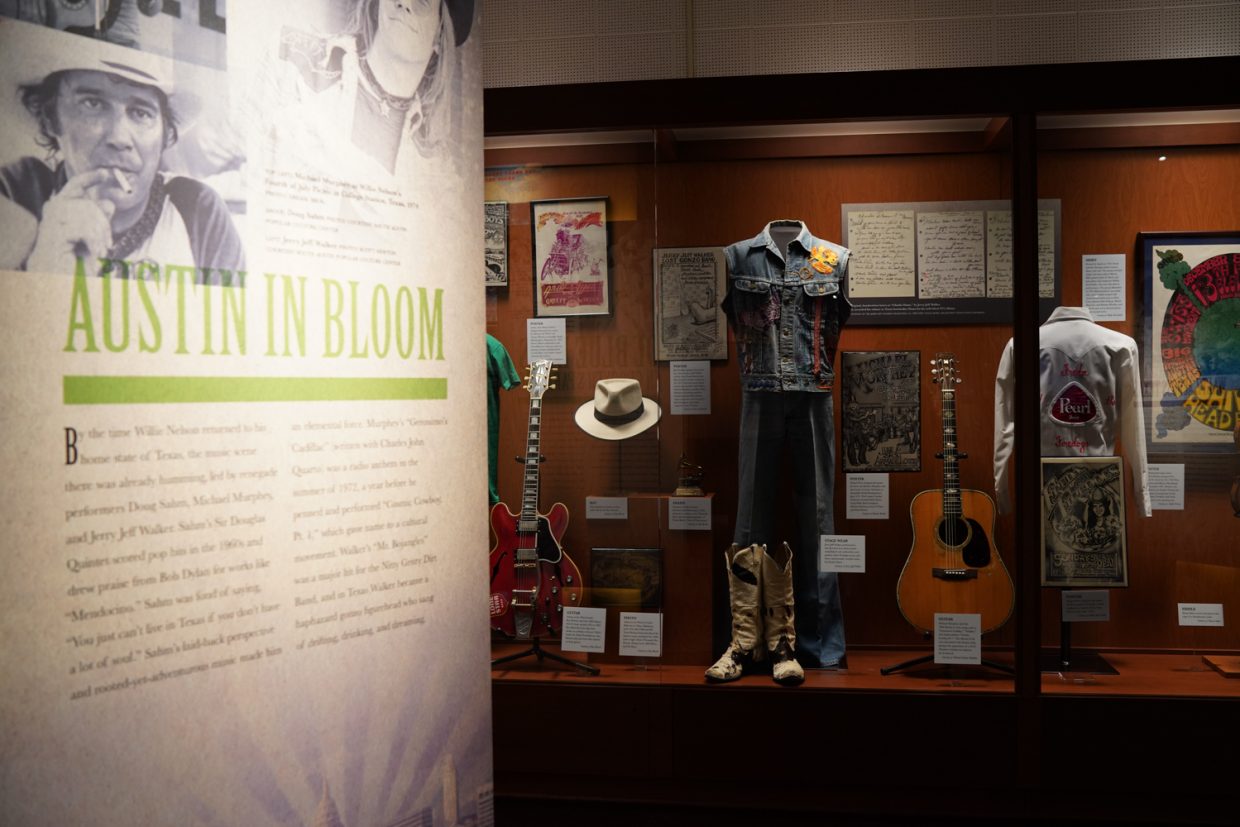
The comprehensive exhibit explains the contributions of Jerry Jeff Walker, Asleep at the Wheel, Michael Murphey, Doug Sahm and Freda & the Firedogs, through rarely-seen memorabilia provided by the artists.

Joe Ely poses next to the uniform he wore while working for the circus. Ely became a force in Texas music as a member of The Flatlanders and through a number of acclaimed solo projects. He also performed on opening night.

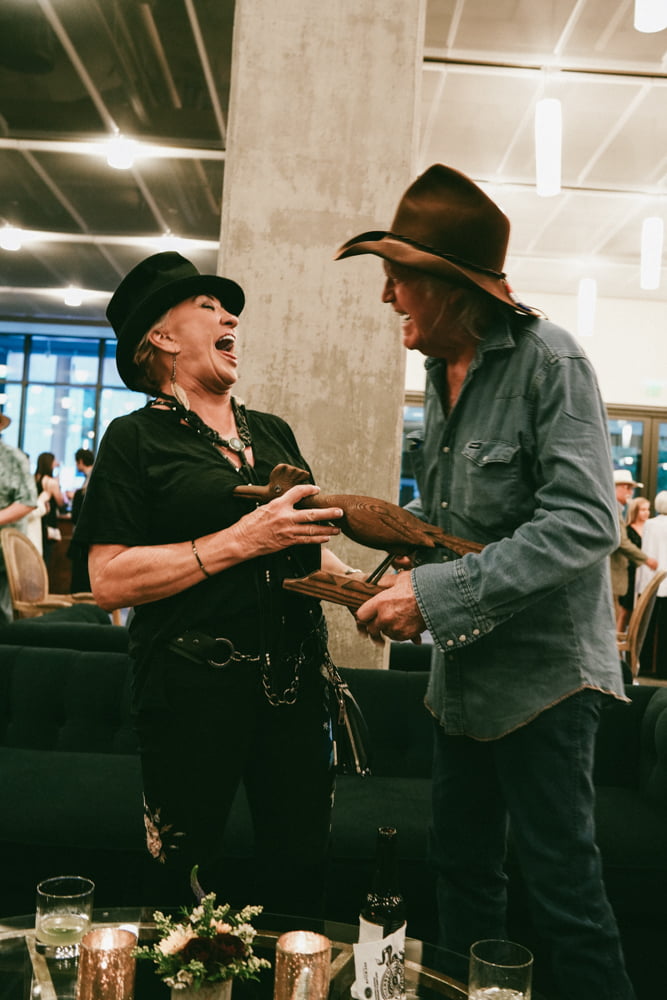
Texas natives Tanya Tucker and Billy Joe Shaver catch up at the opening night party. Jennings’ 1973 album, Honky Tonk Heroes, is composed almost entirely of Shaver’s songs. Tucker broke through in 1972 with “Delta Dawn.”


Text by Craig Shelburne

MIXTAPE: Sons of Bill’s Songs by Other Brothers (and Sisters)

“What is it like to be in a band with your brothers?” is always the introductory question we’re asked in interviews. Sadly, I never really have any salacious stories of drama or rivalry. I just love, trust, and respect my brothers, and we share a deep history. There’s just no one I’d rather be in a band with. — James Wilson

The Louvin Brothers – “The Great Atomic Power”

The Louvin brothers made such terrifying and beautiful music. They are the first band that comes to mind when I think of the famous Tom Waits quote – “beautiful melodies telling me terrible things.” Their gospel music can seem so superficially brimstone Baptist but that’s all just a front for brothers who really knew the depths. You can hear it in their voices. Ira was a wild man – his wife shot him four times. Their gospel music still gives me chills and strangely seems to increase in depth and staying power with the passing decades.

The Beach Boys – “Warmth of the Sun”

This is band that definitively kept us from laying claim to “The Wilson Brothers.” We grew up with their music from my mom’s record collection. I know the term genius is thrown about too often, but Brian Wilson deserves it. He did all of the writing, all of the elaborate vocal and instrumental arrangements, and yet completely abandoned the glory of performing live at the height of their careers. Such a pop music purist.

The Replacements – “Left of the Dial”

We don’t often think of the Replacements as a brother band, since Paul Westerberg is considered the main artistic force of the group, but I think that Bobby and Tommy Stinson are a big part of what made this band so legendarily great. They gave the band this shambolic-fearless-Midwestern-blue collar front which Paul wore like a mask, giving him the courage to be the face of the Replacements. It always seemed that the Replacements “thing” — the drinking, the self-defeating “fuck you” attitude — was all some sort of elaborate defense mechanism for a guy who was probably much too existentially sensitive to handle life without it. It’s this strange combination of ennui and bone-head rock and roll that made me fall in love with this band.

Lamb of God – “Walk With Me in Hell”

As Virginians we’ve got to give it up for Richmond’s Lamb of God. The Adler brothers manage to make virtuosic angry music that is completely free of pretension. We’re taking a band field trip to see them again this summer with Slayer on their farewell tour.

The Jesus and Mary Chain – “April Skies”

I just love this band. You could say they were the brothers that made me want to start a band but it’s more accurate to say they’re the band that made me want to have brothers.

The Stanley Brothers – “Are You Afraid to Die”

My dad loved the Stanley Brothers and we grew up with their songs long before I heard their recordings when bluegrass music came back into fashion in the early 2000s. Individually the Stanley Brothers voices are so raw and honest but when they sing together something altogether different happens—their voices take on this angelic purity. We learned how to sing harmony from a lot of these songs.

The National – “Fake Empire”

Matt Beringer is often the face and spokesman for this group, but I think it’s the two sets of brothers that make them one of my generation’s greatest rock bands, instead of a summer art project. The depth of compositions and chemistry between the brothers is so compelling. You’ve got to experience it live.

The Everly Brothers – “Bye Bye Love”

We grew up with the songs from the Everly Brothers and it’s still some of the best pop music ever recorded. I find myself listening to the Everly Brothers when I want to listen to the Louvin Brothers, but don’t want to hear so much about Satan. It’s a rare occurrence but it does happen.

AC/DC – “Thunderstruck”

Angus got most of the air time but Malcolm held it all together. Everything you could ever possibly want from two guitars.

Dawes – “That Western Skyline”

When you see this band live you can really detect a special chemistry between Taylor and Griffin Goldsmith. It’s such a cool thing to see a band whose primary trust and chemistry is between the drums and vocals. It anchors the song and creates such a cool space and freedom.

Radiohead – “The National Anthem”

Jonny and Colin greenwood are such masters of their respective instruments. So much of what breaks up bands with brothers is ego, but all of their parts feel so perfectly and completely egoless. They are both of one mind in simply serving the music.

Haim – “Falling”

This band gives me faith in modern pop music. It’s so important to be reminded in 2018 that pop music doesn’t have to be terrible.


Sons of Bill’s new album, Oh God Ma’am, will be released on June 29. Photo credit: Anna Webber

Live What You’re Singing: A Conversation with Sarah Shook

Within the bounds of country music, pronoun play doesn’t come easy, but Sarah Shook believes listeners are more than capable of finding ways to see themselves in her songs. With her band, the Disarmers, she deals with gender in her songwriting as a means to challenge the heteronormative forms of representation within country music.

On “The Bottle Never Lets Me Down,” from the band’s new album, Years, she sings about becoming the man she used to be, while on “Parting Words,” she addresses a woman, her former lover, about the way things ended. Not only does she weave together traditional country, honky-tonk, blues, punk, and more, but she conscientiously flips country music’s perspective around in order to be more inclusive.

There’s a definite sense of who belongs and who doesn’t in country music, but that’s slowly shifting.

It’s a really very cool and exciting time for women making country music, especially the sort of throwback traditional country. There’s a lot of buzz centered around this new wave of women outlaw country artists. I think that’s a really good thing, and industry-wide it’s a lot more prevalent than you realize. One of the things that was frustrating for me last year when we put Sidelong out, I probably did 50-some odd phone interviews, and two of them—two of them!—were with women. I had a whole conversation with my manager, like it’s hard enough being a woman playing music, but it’s a tough field to be a woman in journalism. This year with this release, I feel like there’s been more of a balance as far as speaking with male and female journalists, and that’s been encouraging too.

You’ve been mentioned along with country outsiders like Sturgill Simpson and Margo Price. How do you see your relationship within the genre?

I think that we’ve been branded outlaw, and I feel like people interpret that in different ways. Of course outlaw country is the super old school Waylon Jennings beat, but I think the term is evolving pretty rapidly into something that is more inclusive to people doing it their own way. That’s one of the things that was really cool about country music in its heyday, when it was first starting out and all those classic artists were on the radio. As soon as the song started—a few bars in—you could tell whose band it was because all those bands had such a distinct sound. That is really hard to find today, everything sounds the same. It’s very clear that people are just looking for patterns that have achieved success and are popular. And then you have folks out there like Margo Price and Kelsey Waldon and Kacey Musgraves, and they’re kind of doing their own thing. Their bands have respective sounds that are unique and identifiable. That is really cool and very exciting.

You’ve been forthright about your sexual identity. How do you navigate your personal story within the larger scope of representation?

To a degree, I feel like there are certain points in time where it’s paramount to be very outspoken about that stuff. Most of the time, I feel like doing what I’m doing—touring relentlessly, putting out records, and being unapologetically myself—is a very powerful and political maneuver as well. Sometimes it’s more effective in a palpable way to live what you’re saying and be the person that you’re talking about. I think it’s a cool and different way for people to realize, especially within country music, which has a certain, specific demographic of people, that, yes, you can be a pansexual atheist vegan making country music, and does that affect the music? Sometimes lyrically, yes, but the overarching theme is just that I don’t necessarily have to have everything in common with my fans. We can have differences. It’s really cool to have interactions with people who are like, “I never felt comfortable with the idea of homosexuality or bisexuality, and I meet you and we’re talking and hanging out and having a good time. You’re just a regular person.” I’m like, “Exactly, we’re regular people, believe it or not.” [Laughs]

When you put it like that, it’s so depressing, but it rings true. Every time I meet someone who’s uncomfortable about anything outside heterosexuality it’s usually because they haven’t spoken to anyone who’s different from them.

Exactly. And that is such a big thing. We can play New York City and that’s a totally different experience than playing a small town in Alabama. I think consistently being the person who is always willing to talk to fans after a show and be real and be myself and form unlikely friendships, I think that’s a really cool way to create change.


I always thought action over verbiage is the way to go about it. But then looking back, we’ve seen from the Dixie Chicks how speaking your mind can be dangerous. Do the repercussions ever concern you?

You know, I’ve never been concerned about that because I feel it’s important to be honest and forthright as a human being, and as an artist and certainly lyrically as well. The other thing to me that’s really important, from the word go I’ve been very strategic about how I wanted to grow this band and how I wanted to see success. It’s never been my prerogative to go after the country music fan base—and certainly that’s the majority of our fan base. My thing was, “Yes, this is country music, but this is music for anyone who likes it.” It’s inclusive, and anyone that these songs resonate with, it’s for you. Taking that stance and being strategic about it has certainly helped. It’s really encouraging to be a country band playing outlaw country and have a very diverse audience, and I think that’s a thing a lot of traditional artists struggle with. They get pigeonholed. Being outspoken in an honest fashion but not a combative fashion, I feel that’s really helped push our music to demographics that it wouldn’t necessarily otherwise reach.

All this talk of the new outlaw makes me excited for a tour one day, or even a festival.

We need our own cruise. [Laughs] That would be amazing.

An outlaw lady cruise.

Exactly. Oh my god, that’d be a lotta fun.

Critics have referenced the underlying sense of menace in your voice, but your vocals on “New Ways to Fail” have such a biting, sarcastic note. Where does that darker sense of humor come from?

I’m very nihilistic. [Laughs] I’m one of those people that thinks life is way too short to take yourself too seriously. Within this world, there’s this huge danger of being, “I’m so and so, do you know who I am?” I’m just a person playing music and having a good time. Music should be fun, and, yes, it’s business too, but if it’s all business you’re going to get burnt out. You gotta have fun with it.

There’s also a tone of defiance in both your voice and music, which requires constantly stoking that fire inside you in order to stay angry enough to fight. How do you find yourself doing that?

I definitely have a lot of personal experiences that certainly stoke the fire. I have a lot of trans and non-binary friends here at home in Chapel Hill. Chapel Hill is a progressive little community, but even within the context of a progressive community, I’ve been out at bars before and had people give them shit about how they look. That’s a real thing. It’s so wild to me that the trans community is what’s being targeted because they’re already vulnerable to begin with and they’re probably the most non-combative people. They’re not putting up fights, they’re just trying to exist and have a life and be comfortable, like everyone else wants to do. You witness injustice like that firsthand, and you try and de-escalate situations like that. It’s a very real thing and there’s still a lot of work to be done in terms of showing people that we’re not the enemy, and yeah we’re kind of freaks but we’re not out to destroy morality.

Everyone can exist together.

Exactly, yup.

I noticed you play with gender a lot in your lyricism, either by not using specific pronouns or by flipping them in other interesting ways. Can you talk a bit about that process?

I’ve always liked pushing the boundaries with that. I think blurring gender lines is really important because it totally leaves the story open to listener interpretation. People can be like, “Well, I’m not really sure if this song is written from a man’s point of view about a woman, or a woman whose woman lover left her.” Leaving that open to interpretation and letting people wonder and figure it out for themselves and how it applies to them personally, I think that’s a cool way to let people arrive that their own conclusions, and also realize that they feel perfectly OK not really knowing.


Photo credits: John Gessner

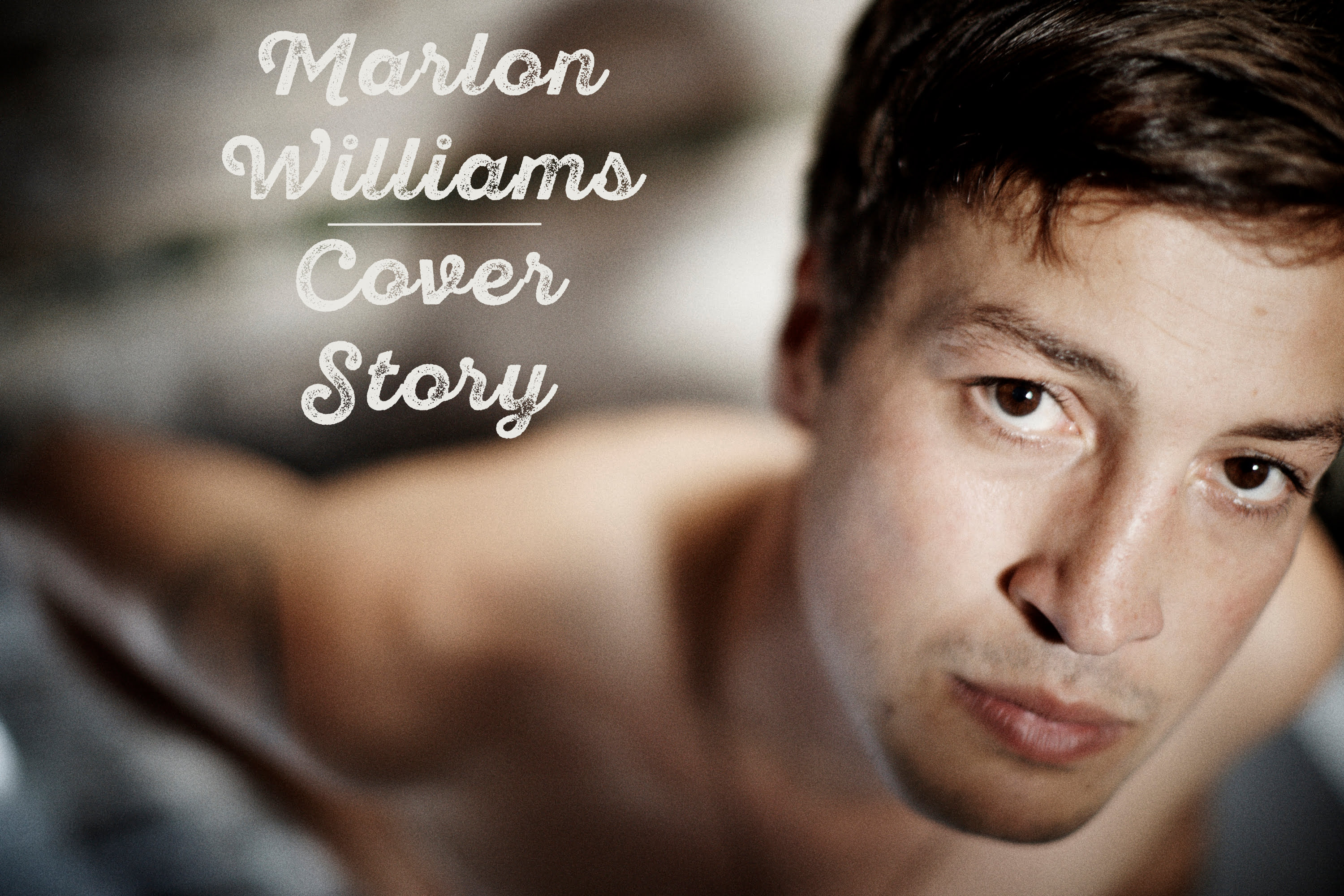
Committing to Reality: A Conversation with Marlon Williams

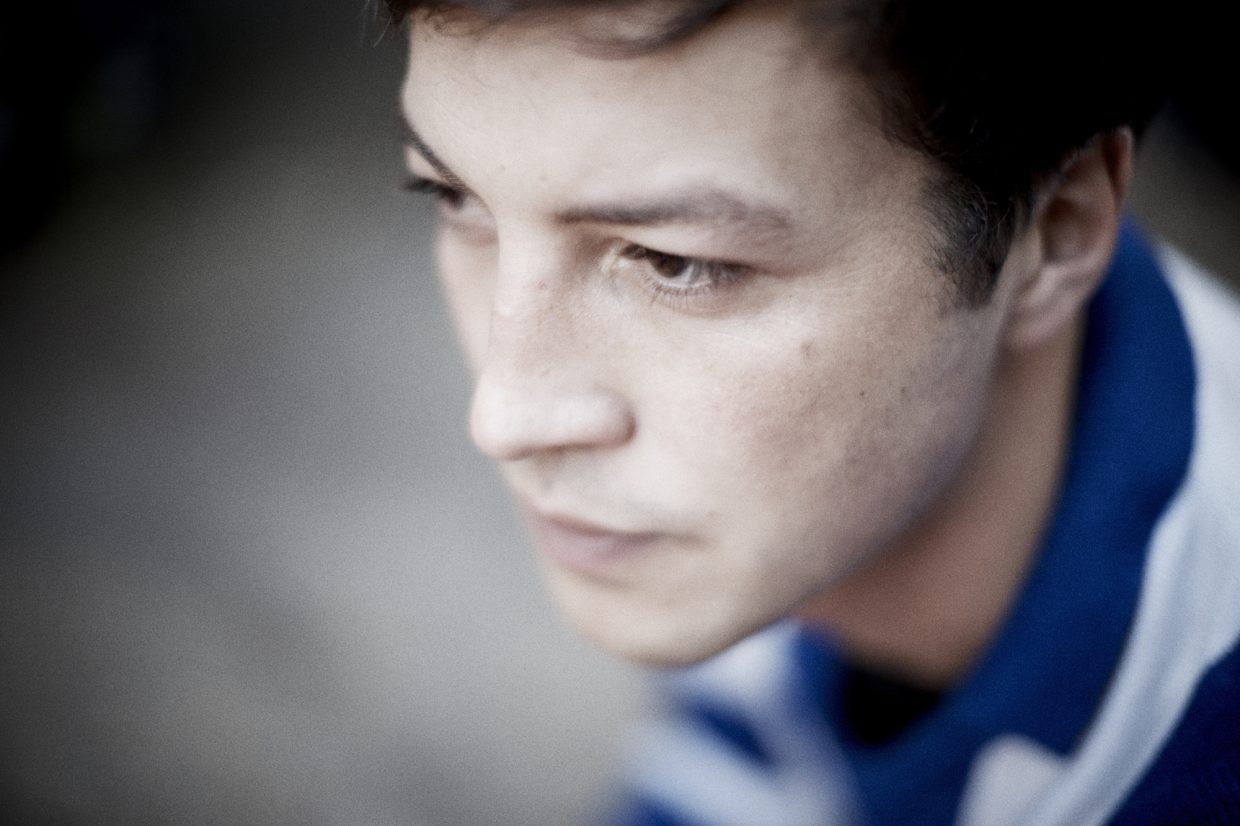
Marlon Williams staked his name on grandiose vocals and an adventurous sound stoked by the Americana fire. When the New Zealand singer/songwriter began touring the States behind his 2016 self-titled debut, his ramped-up “Hello Miss Lonesome” showcased a breathtaking sustain in that it quite literally took Williams a good deal of breath to hold the opening “Hello.” Yet, on his sophomore album, Make Way for Love, he sheds those theatrical moments to pursue a different sound. Williams lets his voice break, searching out quieter moments reflective of his inner anguish, as he worked his way through myriad passions: jealousy, possession, self-loathing, and the one fueling them all, heartbreak.

Heartbreak, as a theme, seems to be the modus operandi for many a singer/songwriter. If they’re not singing about love, they’re singing about its opposite. While Williams wrote his debut through the perspectives of several characters — letting their voices form a barrier to keep his true self private — Make Way for Love takes a different tack. The songs detail his breakup from fellow New Zealand singer/songwriter Aldous Harding. (Interestingly, Harding appears on the penultimate song, “Nobody Gets What They Want Anymore.” The duet, a conversation between former lovers, hangs with a haunting echo of all they’ll never be able to say to one another.) But beyond that overarching subject matter, Williams tackles issues of communication — how seemingly impossible it is to convey an entire truth to another person, let alone oneself.

If Williams was influenced by alt-country and indie folk on his debut, he shows threads of Roy Orbison, Scott Walker, Anohni, and even Jeff Buckley on Make Way for Love. “Can I Call You” begins with an antiquated piano, its keys plunked one by one in heartbeat fashion, before Williams practically pleads the title. One of the album’s standouts, “I Know a Jeweller,” touches on his former sound while nodding at turns to surf rock. With Orbison-like vocals, he demands with a voice oscillating between hope and despair, “Make me a ring for the one who is too afraid to try.” Heartbreak may be old hat for singer/songwriters, but Williams uses it to spin a new thread for his musical development. It is, at once, a man looking around at the wreckage, and a glimpse at a promising musician who’s finally letting his guard down and allowing listeners to get a touch closer.

Your debut involved so many characters and narrators. Besides the heartbreak radiating from the center, why did it feel necessary to peel back those narrative devices and insert yourself more personally this time?

I think the word “necessary” is a very on-the-point description. That’s really how the whole process felt. I didn’t feel I could be so removed this time around, and circumstances were such that I just felt compelled to make a record that was pretty much entirely coming from a personal point of view.

How did you handle the business of confessing and revealing just enough without giving too much of yourself away?

It kind of felt like a crime of passion, you know? I hadn’t really written a song at all in nearly two years and then, in the space of just over three weeks, 15 songs came out. There were ideas that had been floating around in my head for a long time, but there was a fear or reticence about committing them to any sort of reality. It really just happened and I sort of woke up a few weeks later with blood on my hands, and I didn’t know what had happened.

Do you think, if it hadn’t happened that quickly, you might’ve overthought that process more than you let yourself at first?

Yeah, it feels like I sort of blindsided myself. I have always had that relationship with songwriting, where it’s done very frantically and out of fear, really, and I’m left with the results. There’s not a lot of discipline or intentionality going into the way I do it.

I understand that underlying fear, though. You know you have to get it out, but the process can be so overwhelming at times.

Yeah, I don’t listen too closely to myself, so I came out with all these songs, and it wasn’t until right at the end of the process where I realized sort of what I was doing and how personal a body of work it was. I found myself having to choose to make this commitment, this, “Well, I’ve gotten so far with all these songs, is this the right way to do this?” I realized that I had to take the plunge and just commit to it.

It reminds me of the Polar Bear Plunge, where people dive into the icy water so quickly they don’t feel the pain.

That’s the artistic version of that, yeah. [Laughs]

I’m curious if there was any kind of emotional truth you were hoping to unfold over the course of this project, but maybe you weren’t even aware of it until it all came about.

Yeah! I really think it was a means of processing and as real a therapy as anyone ever receives.

Your first album contained such big vocals — both in terms of the volume and also your ability to sustain a note. This is quieter and more introspective for good reason. How did you see your voice serving this project?

I feel like, with this album, I wasn’t writing vocal parts; I wasn’t consciously trying to crack little vocal tricks. All the vocals are serving the song first, so my voice ends up in different and interesting situations that it wouldn’t normally end up in because some of these songs, I guess, represent feelings I’ve never had. “I Didn’t Make a Plan” is just, “This song feels like it wants to be sung down here.” It’s not a part of my personality, but this is what the song wants to do, so it’s what I’ll do.

There are so many styles taking place on this album. What were you listening to ahead of time to shift your mindset away from what you’d recorded in the past?

A lot of stuff. A lot of Scott Walker, obviously. That intensive vocals and tone that’s slightly off and darker than the more obvious Roy Orbison and …Well, obviously Scott Walker is a strange dude. Trying to listen to stuff that really brings my own sense of what I do, of what I’m capable of doing, and how I want to use my voice and present songs. It sort of shifted.

Make Way for Love has been touted as a heartbreak album, but of course any kind of label can be restrictive in a sense. Did you find yourself pushing past those limitations in any way?

The term “heartbreak album” sort of smacks a little bit of sensationalism into it, in a way. But also I’m really curious and really enjoy watching the album squirm under the moniker of “breakup album.” It’s interesting when you give labels to things how you see … I heard someone refer to it as a heartbreak album, and then I listened back to the album myself, and it’s a really interesting re-learning process for me as the album is heard by more and more people.
The song “Nobody Gets What They Want Anymore” is beautifully bleak. Have you reconciled yourself to living with that understanding?

Well, look, that sort of resignation is not eternal nor should it be. It was in the context of the subject matter of the album. I’d sort of come to live with that, I guess. [Laughs]

You can be happily melancholic, as they say.

Yeah, exactly. You can wear sadness well, and it’s fine.

Most of the album is written from a certain perspective, but “Nobody” turns into a dialogue. Why choose to have another character speak on the matter?
I found myself in a unique position of being able to give a voice to … if we’re speaking frankly, there aren’t many breakup albums that are engaged with the subject that the album is about, and kudos to Aldous [Harding] for agreeing to do that. We always had that sort of thread running through our relationship from the get-go, so it didn’t feel that weird to potentially do that.

What was the recording process like?

It was detached and weird. It was one of the last songs we recorded, when we were [recording] in California. I had my parts all done, and then the last thing we needed was her part, but she didn’t record it for another couple of months. She did her part while she was in Cardiff and Wales, and I was in Portland, and we sort of talked it through on the phone. It was a very fitting way to do it.

No kidding, especially considering all the themes of communication that run across the album. To have this significant moment run across time zones and continents …

Exactly, yeah. I would’ve rather we’d done it in person, but it kind of fits.

Speaking of communication, have you thought much about the ongoing struggle to communicate with yourself, and what you’ve learned as a result of this album?

I need some time to think about that one. It’s big.

Save the big ones for the end.

Real big one, yeah! I do feel how I imagine people feel when they’ve been doing a bunch of therapy, where therapy is about picking away the scabs and having a good look at the wounds. I have this weird, manic ecstasy from thinking that you’re confronting these sorts of things. It’s like I’m an alcoholic, and I just want to tell everyone how great AA is. That weird ecstasy that comes from drastic perspective shifts.

I’m just trying to be slow with it and learn to be alone softly and without any pomp and circumstance. I’m having a really interesting and exciting time, where I am starting to feel some sense of individual completeness, which is kind of a new feeling for me.

And a hopeful one, too, I imagine. How do you slow yourself down when you talk about writing an album so quickly? It seems like it’d be tricky to make that momentum shift.

Yeah, it’s tricky, because you make something so quickly and then, by the very nature of what you’re doing, you have to spend so much time talking about it and pouring over it, and I believe you end up inventing the truth afterward. For that reason, I’m either discovering it or inventing it, as I go along. It’s constantly shifting in my hands. You need to be thoughtful and have some degree of slowness and a sense of space and respect for what you’re doing, at that stage.

Lastly, what kind of strings do you use on your guitar?

That’s a very functional question after …

I know!

I just use the Martin Retro strings when I can. Actually, the second album I recorded with an acoustic guitar — an old, beat up one — that I found in the studio because I forgot my guitar.

Oh my goodness. Yeah, and I guess you can’t go back for that once you reach California after leaving New Zealand.

I was kind of stuck.

It sounds beautiful on the album, so good find. That’s lucky.

Aww, thanks. Well, it was a shitty guitar, but sometimes shitty guitars are the ones you want.


Photo credit: Steve Gullick