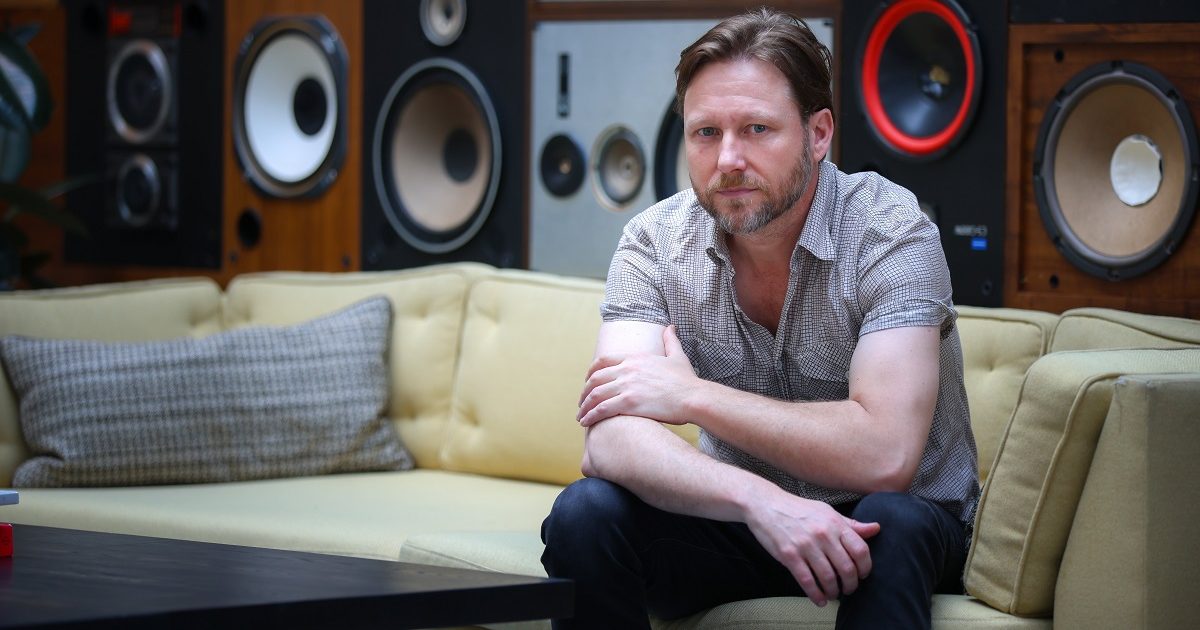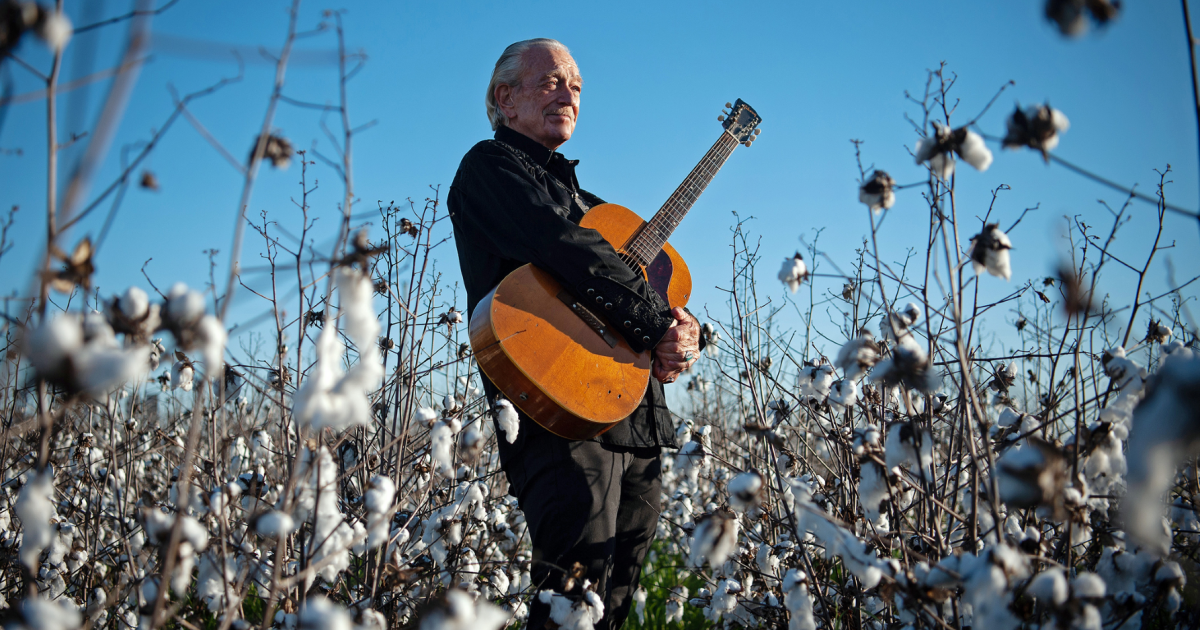
Put Your Movin’ Shoes on and Dance

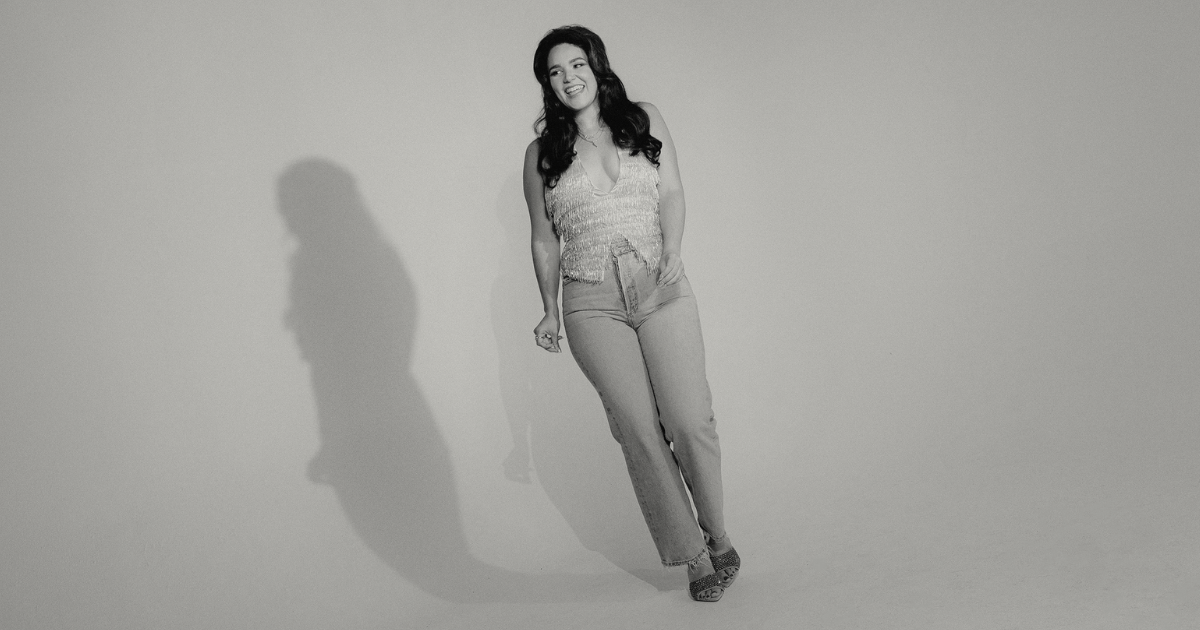
After spending time On The Ranch in 2022 and hopping in the car for 2024’s Drive & Cry, Emily Nenni now finds herself out on the dance floor with her latest record, Movin’ Shoes. Released May 1, the album is the California-born, Nashville-based singer’s third project in collaboration with New West Records.

It’s also her most ambitious and vulnerable to date, with Nenni singing about everything from feeling comfortable in her own skin (“Livin’ In Shame”) to getting caught up in a heated argument (“You Only Said It To Hurt Me”) and doing what makes you happy (“Not A Winner”). All amid a backdrop of Stax horns, pedal steel, and other accompaniments captured in Memphis with producer John James Tourville (of the Deslondes) and engineer Matt Ross-Spang. The two also worked with Nenni on Drive & Cry, but this time around the setting was at Ross-Spang’s new Southern Grooves studio, which offered up new opportunities to stretch out and experiment musically.

The result is a mix of honky-tonk and Southern soul that invokes Booker T & the M.G.’s and B.B. King (“Movin’ Shoes”); William Bell and Aretha Franklin (“What Have I Done Wrong”); Diana Ross (“Not A Winner”) and the Supremes (“Livin’ In Shame”). Even more crossover moments occur with a bluesy rendition of Paul Simon’s “Tenderness” and a reimagining of Cass Elliot’s (of The Mamas & The Papas) “Talkin’ To Your Toothbrush” that illustrate Nenni’s confidence in full bloom.

“This isn’t strictly honky-tonk like my former records, even though it’s still all the same influences,” Nenni explains. “I’m just drawing from more artists and genres than I have in the past.”

Ahead of Movin’ Shoes’ release, Nenni spoke with Good Country about the evolution of her sound, the relationship she has with her dog Edna (whom she sings about on the song “Home With My Dog”), her reverse lip sync video for “Livin’ In Shame,” and more.

One of my favorite songs from Movin’ Shoes that captures your new sound is “Yes It Hurt.” Did you always plan to incorporate horns in it?

Emily Nenni: “Yes It Hurt” was probably the most outside of what I’ve done on any of my past three records. It was a bit nerve-racking, because I initially just planned to record the phrase “yes it hurt” repeated with some harmonies to use as an interlude. I never envisioned it being a full song, but JJ [John James Tourville] came up with a whole thing around it that I added verses to the day before we went in to record. I didn’t really know what I was doing, but I trusted him, and getting to see three horn players shred on my song made it all worth it. I’ve always wanted horns on my record, but didn’t want it to be such a big departure from what I’ve been doing.

What was the timeline for these songs coming together?

Aside from the covers, the entire record was written over the course of a month and a half. I sent JJ voice memos of most songs about a week before heading into the studio, which left him no time for pre-production. We had been talking, though, and had both the musicians and space to record, so I just trusted it would all come together.

The only song I had to build my lyrics around JJ’s production was on “Take My Money.” I had all the lyrics but no melody, because everything I tried didn’t fit right. Then he went and made it into this really cool and funky honky-tonk type song that has become one of my favorites on the entire record.

Was this your first time recording in Memphis?

Yes. We recorded Drive & Cry at the Creative Shop in Nashville, but it was actually mixed in Memphis with Matt Ross-Spang. When JJ and I drove down there for that I could just tell the two of them would work really well together on a full record, so around six months later I emailed them both asking about it. It was bittersweet because this is the first record where I haven’t worked with Jake Davis as an engineer. That being said, we did capture some vocals for “What Have I Done Wrong” at his house, so he still was able to be part of the mix, which was very important for me.

What led to you making “Movin’ Shoes” the album’s title track?

After I wrote the song I began thinking it would be a good name for the record, because I primarily write for the dancers at our shows – it’s my favorite thing! Some of these songs aren’t in that vein as much, but you can dance to anything.

In the end, the idea of moving and the content of that song touching on how you treat others when you’re out in the world is an overarching theme of not just it, but the record as a whole, which made it a natural fit to place as the title track.

You’ve always been an empathetic songwriter. What made you want to lean into that side of yourself even more on this collection of songs?

I spend a lot of time with myself, especially when we’re off the road. I’ve taken time to sort out my thoughts about the world we’re living in and that can get really heavy. It’s starting to affect the way people are interacting with each other, so with every encounter I have I’m thinking nonstop about the best way to handle it. It’s so important to think about and discuss not just how we’re treating each other, but ourselves too. When you’re in a funky headspace it’s nice being able to put on a song as a reminder for how to exist. Sometimes we need encouragement to be ourselves. My hope is that this album can help to remind folks of that.

You just mentioned spending time alone, which I know is at the center of the song “Home With My Dog.” I also love how it directly follows a cover of Delbert McClinton’s “Honky Tonkin’ (Guess I’ve Done Me Some),” a song about wild nights inside Texas dance halls. Did you notice their contrasting messages when you placed them back to back?

They are very much like two sides of the same coin. I’m only 32 now, but in my early 20s I could go out six or seven nights a week and could get up early the next day with no problems, but nowadays I need five nights’ rest for every night I do make it out of the house. [Laughs]. But aside from that, our dog Edna had some health issues while we were on the road in Europe a couple years ago. So now when I’m off the road I just want to be home with her and that’s all that matters. Even though “Honky Tonkin’” is a cover, it got me thinking about my early days in Nashville, hopping around the bars and in and out of conversation, and what those conversations consisted of. It all made me realize what’s most important, which is being here with our sweet little girl, taking care of myself, and not being out past my bedtime.

I can totally relate. I don’t get out anywhere near as often as I do now. However, I also don’t live in Nashville. I imagine the pressure to make appearances is amplified there with everything going on and the industry so close?

Exactly! We also live really close to Skinny Dennis – which I love – but it’s also really easy to go there and have too much fun and [then I] can’t hang around with anyone for a while. [Laughs] It is wonderful though, so I do remind myself to remain involved in our lovely community here. It’s nice being around so many honky-tonk women and checking in to see how they’re doing or sharing stories. The world is a heavy place right now – from what we see in the news to the realities of life on the road – so being home is a good chance to reset. Even if I do it too much. [Laughs]

You also cover Paul Simon’s “Tenderness” and Cass Elliot’s “Talkin’ To My Toothbrush” on Movin’ Shoes. How do you go about deciding which songs from others to tackle?

I often will come up with a list of potential cover songs before going into the studio, because I always like having one to cover. But with this record we wound up doing three. It’s fun to pick a random song that somebody maybe hasn’t heard, to introduce them to a new artist’s catalog. I decided to cover “Honky Tonkin’” because I couldn’t get enough of it and thought it would be a fun one for the dancers, and the riff is really great. Then with “Tenderness,” lyrically it reflects a lot of the message of this record, which is how we’re treating each other. Sonically, I thought Paul Simon’s recording was a nice combination of country and soul and something I could replicate while also making it my own as well. And with “Talkin’ To Your Toothbrush” I just thought it was a great song that would be fun to cover. Cass has such a dreamy voice, and the Dobro on that song was so good too.

How did you get the concept for your reverse lip sync music video of “Livin’ In Shame,” which reminds me of a similar trick you used a few years ago on a video for “On The Ranch”?

Joshua Shoemaker developed and directed both of those videos! “On The Ranch” is a one-take and “Livin’ In Shame” is multi-take and backwards. This was my third music video with him – he also did “Get To Know Ya” [from Drive & Cry]. For “Livin’ In Shame,” Joshua heard the message clear as day, so it was filmed backwards to convey it. Wiping away makeup and left with just me!

The message of “Livin’ In Shame,” feeling comfortable in your own skin, goes hand-in-hand with another of my favorites on the record, “Not a Winner,” and its declaration of realizing your worth. What are your thoughts on those two songs and how they tie together?

The two songs are big on self-reflection. I have put in a lot of work to be more patient and present with myself and my journey. It’s certainly easier some days than others, and that’s okay. I hope these songs help listeners be kinder to themselves too.

Movin’ Shoes is dropping the same day that you celebrate 12 years in Nashville. What’s the biggest thing you’ve learned from your dozen trips around the sun in Music City?

I’ve just learned to be more confident in my own songwriting and the band I have around me. When recording and collaborating, I’ve also gotten more comfortable contributing my own thoughts. When I first moved to town my lack of confidence had me shying away from putting myself out there and sharing what was on my mind. I’ve got everyone I’ve played with these past 12 years to thank for welcoming and embracing me. They’ve all been very non-judgmental, and that’s made all the difference in the world.

What has bringing this record to life taught you about yourself?

That it is okay to step outside of your comfort zone. Trying new things like using different instrumentation, recording outside of Nashville and being more outspoken about asking for what I want have all helped to build my confidence too. I’m more comfortable than ever with the “new” and with myself, which I think will be very helpful to me in all aspects of life, not just music.

Other than releasing Movin’ Shoes, what’s next for you?

I have already started writing a new record and I’m looking forward to getting back to the studio!


Photo Credit: Emilia Pare

Southern Avenue: Music for Peace, Empowerment, and a GRAMMY Nomination

Through joy and sorrow – and they’ve known both in their ten years as a band – Southern Avenue do what they do best: make music. Lead vocalist/songwriter Tierinii Jackson, her husband, guitarist/songwriter Ori Naftaly, and her sisters, drummer/vocalist/songwriter Tikyra “T.K.” Jackson and percussionist/violinist/vocalist Ava Jackson, all reach into their spiritual and emotional wells to tell their stories through song.

It’s there on Family (released in April on Alligator Records), their latest and fourth album. True to its title, it’s a musical journey tracing the band’s personal and professional history. Family was recorded at Royal Studios in Southern Avenue’s home city, Memphis. GRAMMY winners John Burk and Boo Mitchell produced and mixed, respectively.

Southern Avenue write, record, and play with one goal in mind: “We’ve always been a band that speaks about peace and empowerment,” says Tierinii Jackson. “Our music is a place where we can leave the ails of the world outside. We can come together, be equal, and heal.” It’s a noble mission that comes from lived experience and presents in a unique blend of blues, funk, soul, gospel, country, and a healthy serving of guitars.

The rhythmic foundation upon which Southern Avenue is built stems in part from the guitar-and-drums pocket that Naftaly and Tykira Jackson create. “With Ori coming up with really juicy stuff and playing slide, it’s super easy for me to be inspired,” says Jackson. “I feel like what’s actually happening is we all allow ourselves to be creative and truthful to our stories, and we are connected to our ancestors, to our roots, to something much bigger than us. Within that, you get the pocket, because we are locked in.”

Naftaly seconds: “At the end of the day, nothing replaces two people that want to do right by the music, no matter what, and have almost a decade of doing it.”

First interviewed on BGS for Good Country in May 2025, the musicians reunited with BGS just weeks after learning of Family’s GRAMMY nomination for Best Contemporary Blues Album. As requested in their GC 5+5, there were no questions about “how [they] met and how the band started.” You can learn more about that here.

Congratulations on your second GRAMMY nomination. What does this mean to you, musically and personally?

Ori Naftaly: We’re very proud of ourselves, for sure. We felt that this album was special when we were writing and recording it, not just because it’s good music, [but also] because it’s coming from who we are as people. This is the most transparent we ever were. We felt that it is going to resonate. The circumstances for the album are special, and the story behind it. The [nomination] makes us proud because we’ve been so true to ourselves. It confirms our belief that you can create real music, without gimmicks, and it gets appreciated.

Tikyra Jackson: The first time we were nominated [for second album Keep On in 2019], just finding out, in that moment it does something to you that you wouldn’t expect, especially growing up watching the GRAMMYs every year. Five years later, to be nominated a second time, it feels like the first time all over again, because we work so hard.

A lot of times, when you’re the artist, you don’t take time to look at the work you’ve done. You just keep going. With this project being so personal to us, and representative also of our culture and those that came before us, it represents a lot. The GRAMMYs recognizing us also recognizes Memphis in a lot of ways. It gives us hope for the future, that we are becoming the world we live in and not just participants in it; that the world looks like us.

Tierinii Jackson: It makes me feel great. The first time we were nominated, I felt like we had something to prove. We were putting our best foot forward, trying to make everybody happy. But with this project in particular, we really wanted to embrace our roots. It had nothing to do with what people expected of us. It had nothing to do with trying to prove ourselves. It was our time to embrace our lineage, to embrace each other. This nomination is special because it came at a time where we finally found our identity in our journey of self-love. We’re being rewarded for something that’s very, very close to us. We proved we could do it while staying true to ourselves.

Ava Jackson: The previous GRAMMY nomination, I wasn’t [as] involved in the band. I would come in and record background vocals. So the nomination hit, but not as much as it does now. When we found out, my hands were shaking. I had way more involvement in this album as far as contributing to the harmonies, percussion, and fiddle. Having so much of myself involved and getting rewarded with a nomination is something I’m very grateful for. The album is so layered in who we are as individuals and as a family. It’s a triumphant thing to be rewarded and know that you did it wholeheartedly, you put yourself out there, it was authentic. There was so much effort put in even before we stepped into the studio. It’s such a privilege to get a nomination. I’m very appreciative of the process and how everyone has been receiving the album.

In an interview with Rolling Stone, you referred to yourselves as “the spirit of Memphis.” Memphis has a rich musical history … and also a “history.” In those contexts, what is “the spirit of Memphis”?

Tierinii Jackson: The music of Memphis has always reflected the story of Memphis – the struggles, the conflicts, the triumph of being resilient, all the challenges. That’s what we are as a group. We face challenges not only in Memphis, but also in the music business. As young Black women, and for Ori, as a foreigner, we face these challenges, but we turn it into something beautiful.

Our music is uplifting. Our music is positive. No matter what you hear about Memphis and the struggles the city goes through, when you walk into a store, somebody’s smiling at you. You still get that Southern hospitality. It still feels good here. That’s who we are. We are the spirit of Memphis. It doesn’t matter what we’re facing. We come through with this glorious, triumphant spirit. You dance and shout through all those troubles. We have fun. Our crowds – we make sure they’re clapping their hands, and we make it our intention to lift the spirits around us. That’s how you survive in Memphis – by being intentional with your words and how you communicate with your community. That’s how we reflect the spirit of Memphis.

The word “organic” is dreadfully overused, but it’s a bit inevitable with this album. Could you give us some insight into what happens when you create together? Maybe select one track and walk us through the process?

Tierinii Jackson: I would like to start with “Found A Friend In You.” We ladies were raised in church and that was all we knew for years. My father is from Senatobia, Mississippi, and he’s a guitar player. At some point, I wanted to know what the music was like where my father’s from, because I was looking to understand our identity in the blues genre. When I realized that the grooves we grew up playing in church was the sound of North Mississippi blues, we decided to dive in, because that came most natural to us.

“Found A Friend In You” is a Hill Country Blues groove, but it’s also a gospel groove, because blues and gospel are one and the same. That’s what we grew up playing in the church. So, foot-stomping, hand-clapping. It was the easiest to write. The lyrics flowed. The stops you hear right before the choruses – that’s organic. That’s second nature to us. When you hear that “dreadful” word “organic,” [all laugh] it means that when we’re our happiest, that’s the sound you hear, because that’s what comes from inside. That was put in us through generations of rhythms. It’s in our blood.

Tikyra Jackson: Getting into the studio, [there] came organic ideas and things. The tambourines on that song, you’ve got me playing on my hip, and Ava playing as well, and this energy of us being in a setting and worshiping in a way. We’re celebrating. You pull from your environment, and in the environment we grew up in, it was always extra instruments laying around. You just picked up something. In the studio, we came prepared, but a lot was inspired in the moment. When we talk about “organic,” we are so true to the sound and the music that we didn’t have the answers all the time throughout this process, and we trusted that we would find them along the way.

Ava Jackson: We recorded just about everything live and together. We did separate takes of our vocals with separate mics, takes with all three of us on one mic in a booth, and then we doubled all of that. It gives a very dense presence with the harmony. With this song, and in church, we’re hitting tambourines and it’s coming from the Holy Ghost, the spirit, and so you’re hitting it passionately.

What provides the drive in the song is us continuously playing that tambourine rhythm all the way throughout. Sometimes you add rhythmic ad-libs. With the harmonies, it’s like in church – you break out in song and everybody falls into place. I’ll be in the higher range, Tierinii in the mid-range, and TK in the lower range. We break out into that and it continues throughout the song, that reiteration of togetherness and the reflection of how we organically express what we’re singing.

The word “organic”– this style of music is innate for us. You weren’t taught how to do it. You were born into it. The fiddle adds another layer to the harmony and it also feels jovial. So towards the end it’s like you find your way. You’re triumphant. “Found A Friend In You” is like a foot-stomping, hand-clapping, praise type of song, and people receive it that way as well.

Ori, could you address the question from the perspective of guitars within Southern Avenue’s music?

Ori Naftaly: “Found A Friend In You” tells the story of me, Tierinii, and TK meeting and how it felt when we started playing together and finding peace. Past albums were different attempts at “What is the Southern Avenue sound?” When Ava joined full-time, I realized, “We have three singers. This is a family. This isn’t fabricated. This is who we are.” That’s the “organic” we talked about.

We doubled down on what makes us special and that also meant doubling down on guitars. I’ve been listening to Memphis music since I was 6 and I’ve been playing the blues since I can remember. The spirit of Memphis that we talked about earlier also comes from God putting me with Tony Pearson, a Black guitar player from Birmingham, Alabama, for a decade [in Israel], teaching me what it means to play the blues. Many blues purists will tell me that I am not a “blues guitar player,” but the blues is in everything I do; I can’t get away from it. It’s a feeling, not a formula. We play the blues all the time, but we don’t play traditional blues. We play original new music that ends up being blues. So the guitars are a reflection of my existence within the group.

Tierinii Jackson: For years, Ori was the blues guy and me and TK were trying to push the band to be more funk and contemporary. What we’re embracing today, Ori saw years ago. It took us a journey to get to this point where we said, “It’s time for us to embrace our roots and this sound.” We grew up very sheltered, so we were in our rebellious era. We wanted to be rock stars, funk stars, pop stars. We didn’t know who we were. We didn’t know what was special about us. Our fans saw us before we saw ourselves. When we harmonized, they heard the soul, the church, the blues. It took us a while to grow up and ask ourselves, “Who are we?”

When the pandemic set us down and we didn’t have the stage, the crew, the co-writes, and the producers, it was, “Who are we to our core and what can we do?” This is what we came up with. All the tours and festivals that we’ve been through, we haven’t heard anybody do the three-part harmony over the Hill Country grooves. Ori has always been the blues guy. He’s always been trying to get us to see what was special about ourselves. But he also respects us enough to allow us to have this journey.

Given your origin stories, the state of the world, and what you are trying to accomplish – in addition to the stressors of touring, the industry, parenthood, and life in general – how does music help protect your mental health?

Tierinii Jackson: It’s the only tool I’ve had since I was young. I grew up with six siblings. My house was chaos, and I never developed a relationship with my mother where I could talk to her about things and she could give me guiding advice. Music has always been my peace within the chaos. It was always my closest companion. Growing up, I had “friends” at school, but I never had close relationships where I could speak about things. So music has always been my only safe space. When I need to express myself, it’s music that I express myself into. When I need to be hugged, it’s music that will show up in the universe and hit me in the heart. It’s like God’s sign, letting me know I’m not alone. Music is my gift. It’s everything to do with my mental health. It’s the only thing that’s holding me.

Ori Naftaly: All of our albums, we write for our mental health. But there’s two aspects: keeping yourself sane [and] growing spiritually. We do both. We grow spiritually, and we use music as a barrier. We all used music as a gateway when we were kids and as we grew up. We do the same here. We choose to have lyrics that uplift people. If we wrote songs that don’t have messages in them, maybe we wouldn’t touch people the same way.

Ava Jackson: Being raised around music and church, it’s always been a communal thing. There’s always been people jamming and the enjoyment of making music. I think that does provide a certain amount of healing. Music provides release or relief. You hear a song, or you’re singing a song, you’re singing from your heart and soul, and what comes from the heart reaches the heart. Music is where people find true healing and where they can express whatever they’ve been holding in. Music enables you to release all of those emotions or tears. Mentally, I feel a lot better when I’m playing music. If I don’t practice my violin, or if I don’t play for a long time, I start to feel more of a depressive state. But when I do play, I feel that dopamine. I feel the rise in energy and I feel a lot more sharp. To have that at your fingertips is a privilege, and that’s something I know I’ll have forever.

Tikyra Jackson: For me, growing up, music was like drinking water. It was always there. I didn’t know how valuable it was. It was just something I could do. It was music and cinema. We watched so many movies growing up that showed me what the world could look like outside of going to church every day, because that’s really all we did. But in going to church, what did I love about it? The music. Our family was the musicians of the church. My mom was the organist. My dad was a guitar player. My big brother and me — drummers. Then you have the choir. All the girls are in the choir.

Today, music has given me experiences that let me know that as people, it doesn’t matter where you are. We’re all the same. We all want to be understood, we all want to be heard, and we all want to be loved. Music allows me to understand people without having, necessarily, a literal conversation, but a spiritual conversation. Each time you open yourself up in this manner, you evolve, you grow, you expand. Every time you play music, you create new neurological pathways. Within that, I agree with Ava. I have to do this. Music can reach you and touch you in ways that the natural world cannot. It reminds you of what’s important.


Photo Credit: Rory Doyle

GC 5+5: Southern Avenue

Artist: Southern Avenue
Hometown: Memphis, Tennessee
Latest Album: Family
Personal Nicknames (or rejected band names): We don’t remember any rejected band names, but being from Memphis we definitely call everybody “mane.”

Answers have been provided by Tierinii Jackson, Southern Avenue lead vocalist and songwriter.

What was the first moment that you knew you wanted to be a musician?

It wasn’t one moment, it was the absence of one. I never imagined not being a singer and a songwriter. I grew up singing in church with my sisters and family and even when I ran away from all of that, the music stayed with me. Beale Street gave me my second education. That’s where I chose to be a full-time musician, even if the world didn’t choose it for me.

What is a genre, album, artist, musician, or song that you adore that would surprise people?

I love musical theater. It’s drama, it’s storytelling, it’s emotion on 10. I used to want to be on Broadway. Sometimes I still do. The song “Flying” on our new album is just about that. My mom actually turned the plane around mid-air so I wouldn’t fly to New York to make my dream come true. I do believe that it all connects and I have plenty of time to still do something special in that world.

What’s one question you wish interviewers would stop asking you?

People always ask how we met and how the band started. It’s everywhere online already. We just hope to get asked about new things now, go a little deeper. But it’s all good, no hard feelings at all. We love it when we have an interview where the person in front of us already has an understanding of who is in front of them.

What’s your favorite memory from being on stage?

When we toured with Willie Nelson, Bob Dylan, and John Mellencamp, it was already unbelievable. But then we found ourselves on stage at FarmAid, after two weeks on the road with them for the Outlaw Tour. I remember standing there thinking, “Am I dreaming?” It was one of those moments where everything just hits you, how far we’ve come, and how real it all is.

Genre is dead (long live genre!), but how would you describe the genres and styles your music inhabits?

We like to describe our music real simple. It’s Memphis music. That’s what raised us. We’re a mix of where we come from, how we grew up, and everything we dreamed of becoming. It all comes together in the sound.


Photo Credit: Rory Doyle

MIXTAPE: Lucero’s Ben Nichols & Rick Steff Celebrate the Spaces In Between

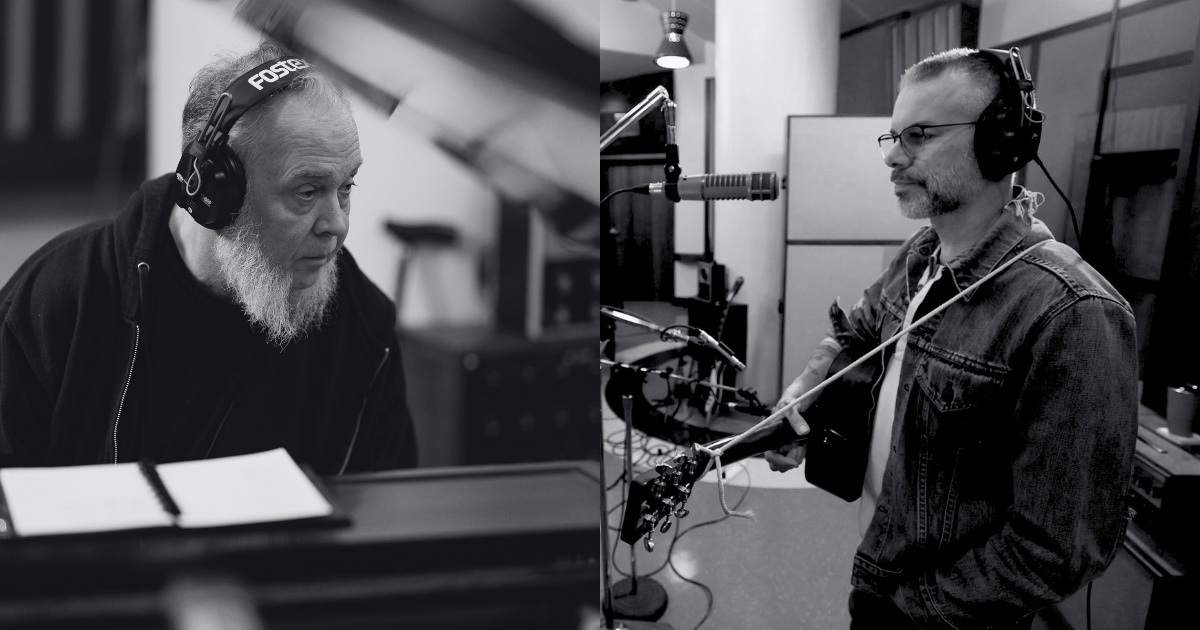
(Editor’s Note: Ben Nichols and Rick Steff, two members of Lucero, recently released a special acoustic album, Lucero Unplugged, reimagining songs from across the band’s 25-year catalog. To celebrate its release on January 24, we asked the pair to curate a Mixtape for BGS.)

Rick and I each chose five songs for this playlist focusing on the spaces in between the notes. We feel these songs illustrate that sometimes it’s the notes that are chosen not to be played that add weight and impact. It’s the spaces in between the notes that bring life to the notes that are there. Rick’s picks naturally focus on piano players and my own choices lean more towards acoustic guitars. It’s easy to tell who suggested which songs. But I love the list we ended up with. Thanks for letting us participate in this and thanks for listening. – Ben Nichols

With all these choices it’s the notes not played, the spaces between, the breaths between the sounds. When making Lucero Unplugged these players and records informed a lot of the choices and approaches I took with regards to dynamics and voicings, and mainly just trying to be a solid accompanist for Ben and to the song. – Rick Steff

“Dayton Ohio 1903” – Randy Newman

Randy Newman is the king of piano voicing. Where he places his notes is always perfect. He’s also an amazing accompanist and I always think of him whenever I record piano. This often overlooked song shows all of that as well as being a portal to another time. – RS

“Florida” – Thomas Dollbaum

One of my favorite (mainly) acoustic records. A friend turned me on to Thomas’ album, Wellswood, and I liked it so much I asked Thomas to come to The Whitewater Tavern in my hometown of Little Rock and play my 50th birthday party with me. In the song “Florida” we hear a story that’s rough around the edges sung in a voice that’s vulnerable, but builds with the music and then pulls the rug out from under you, punching you in the gut. He’s so good he makes me jealous. – BN

 “Waterlow” – Mott the Hoople

Ian Hunter. No band was more influential to me than Mott the Hoople and their early records have amazing keyboard parts. “Waterlow” reminds me of Lucero songs compositionally. Beautiful song and lovely piano arpeggio that follows the vocal. – RS

“Goin’ Down South”  – R.L. Burnside

The haunting drone of this early R.L. Burnside recording captured my imagination the first time I heard it. In between the driving acoustic guitar licks and the churning vocals you can hear the Mississippi Hill Country nights. You can see the Mississippi River and feel its meandering presence as it makes its way south relentlessly, through the middle of the country. – BN

“I Keep a Close Watch” – John Cale

John Cale. Again, all about accompanying. This performance has always been a favorite of mine from the ex-Velvet Underground solo catalog. John’s piano work in the Velvets has also influenced and showed up on Lucero records for sure. – RS

“Good Woman” – Cat Power

The Lucero song “When You Decided to Leave,” featured on the new Lucero Unplugged album Rick and I just released, was written after I heard this Cat Power song. The lyrics about leaving something you love, being a “good” or “bad” woman or man, and the conflict and heartbreak bound up in that hit me hard. The instrumentation and performances accentuate that ache and desire. A desire for someone (maybe ourselves) to be a way they cannot be. – BN

“A Salty Dog” – Procol Harum

Gary Brooker was an amazing pianist and this song features something I’ve tried to achieve on various recordings throughout the years, the piano vignette. A small section removed from everything else that resets the song in a unique way. Like a structured solo, sort of. This is to me one of the most moving songs of the sixties and often still brings me a tear. Same band as “Whiter Shade of Pale,” by the way. – RS

“Bruised Ribs” – Joey Kneiser

I’d been a fan of Joey Kneiser’s band, Glossary, for years and when he released this acoustic solo album I fell in love with it. The straightforward presentation with delicate and thoughtful accompaniment lets the power of his simply perfect lyrics shine through. It doesn’t get much better than this. This album definitely influenced me to write some solo acoustic songs myself. – BN

“Ruby’s Arms” – Tom Waits

It’s difficult to choose one Tom Waits song to show his piano style, having spent decades with his music. His barroom piano voicings and dramatic tempo rises and falls – “Ruby’s Arms” showcases those beautifully and heartbreakingly. – RS

“Living on the Moon” – Adam Faucett

Adam is from Little Rock, Arkansas (like me), and this song is one of my favorites. Again, it goes back to the spaces in between the notes– the choices he made about the sounds we hear. We hear everything we need and nothing we don’t for the ultimate emotional impact. There is a preciseness to the recordings of all the songs on this list that I haven’t been able to capture much in my career. But I love it. And I’m still learning and hopefully there is a little of that on this new Lucero Unplugged album. – BN


Photo Credit: Courtesy of the artist.

Emmy-Nominated Docuseries Highlights the Impact of STAX Records

It all began way back, nearly seventy years ago in Memphis, Tennessee, when an almost unremarkable thing happened: A record store opened its doors.

That a record store might exist in the home of the blues in 1957 was itself no remarkable thing. But this store, Satellite Records, was quite literally a sister operation to the recording studio next door. Satellite’s owner, Estelle Axton, was the older sister of the studio’s founder, Jim Stewart.

Stewart was a fiddler with a passion for country music. Long before the dominance of indie labels, Stewart had the idea to start his own studio and label, to get his music out to the masses. As luck would have it, his original country songs were… just fine. Nothing groundbreaking. But his work sparked the imagination of a young musician named David Porter, who strode into the studio one day and asked if he could lay down some tracks.

Long story short, Porter recruited some other artists who became a band known as Booker T. and the M.G.s – eventually the studio’s de facto house band. Suddenly, the label – named STAX as a combination of Jim and Estelle’s last names – was off to the races.

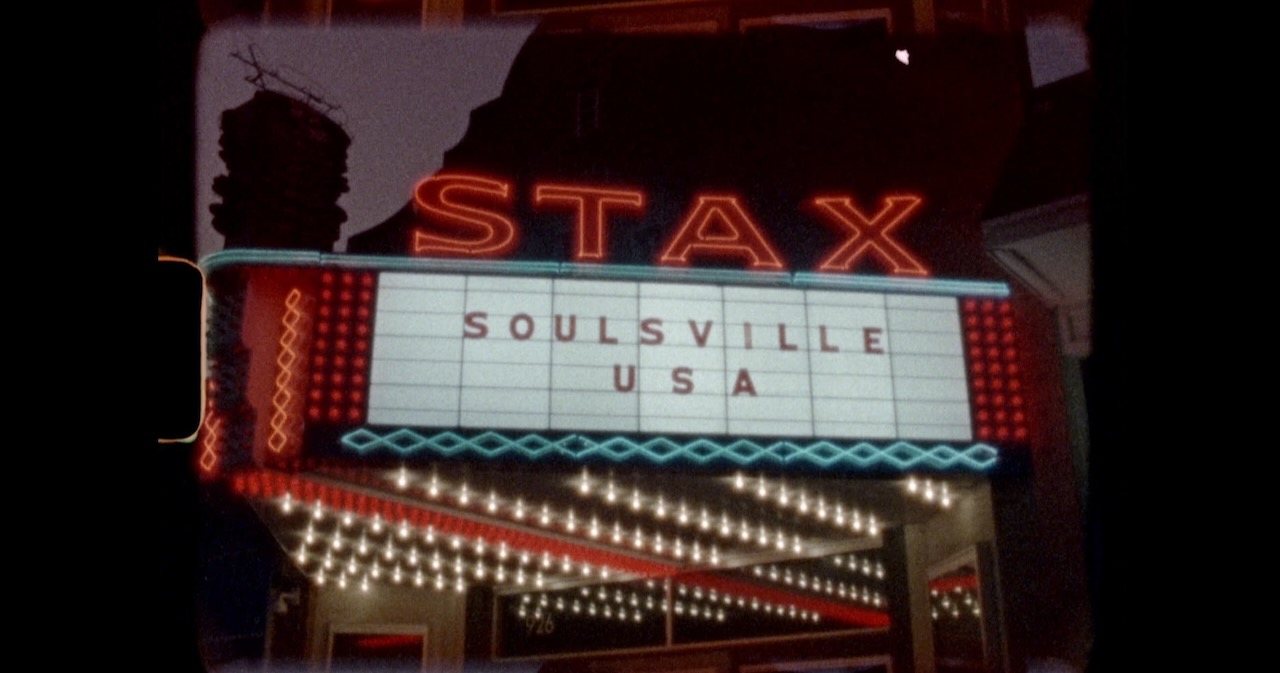
Now, a three-part docuseries from HBO titled STAX: Soulville USA is available for streaming on MAX. The series premiered at South by Southwest earlier this year and earned two Emmy Award nominations (Outstanding Documentary or Nonfiction Series and Outstanding Sound Mixing for a Nonfiction Program). While the series did not prevail in those categories, it is a powerful, thorough, emotional telling of the relationship between music, its makers, and the world in which they live.

The series’ director – Peabody, Emmy, and NAACP award-winner Jamila Wignot – strung together an incredible array of rare and never-before-shared footage of the rise and fall (and rise again) of STAX Records between 1961-1975. But footage isn’t just from inside the studio walls. We see musicians on their first trips to Europe, relaxing in the pool at the Lorraine Hotel – a frequent STAX hangout before it became the scene of Martin Luther King, Jr.’s assassination. There is footage from civil rights protests and speeches and moments of great grief and outrage. There are contemporary interviews with the musicians and staff of STAX and Satellite Records, including Axton and Stewart.

And always, at the heart of it all, there’s the music.

In a For Your Consideration panel also available on MAX, Mignot admitted that, when she was approached to direct the series, she was “really just into it for the music.”

“I thought it was going to be this great-big, beautiful music story,” she adds. “As I started to do more research, and particularly looking into the work that [STAX biographer] Rob Bowman had done, I understood that it was a much bigger story that touched on social issues, history, and [it] really was this beautiful story of these folks who were, I think, led by intuition and desire, and weren’t necessarily trying to do more than the things that they loved. But they were very responsive to the world that was around them.”

Of course, outside the walls of STAX studio and Satellite records, Black people were subject to the cultural and legal realities of living in the Jim Crow South.

“[Jim Crow] was too strong a system to tear down,” bandleader Booker T. notes. “In Memphis, you had to keep your mouth shut and hope for the best. Or fight.”

While that was the rule of the road outside, inside STAX studio, Booker T.’s band had two Black members and two white. Together, they developed an approach to Southern soul music that would become one of the most influential sounds of the 20th Century.

Granted, as the civil rights movement went through its various waves in Memphis and beyond, and STAX players marched on picket lines without their white bandmates beside them, this complicated interpersonal relationships in the studio. But the music continued to compel everyone forward. As a result, music fans got to find solace in some of the greatest roots recordings ever made.

The docuseries’ executive producer Michele Smith commented on the artists’ legacies in a recent phone conversation.

“Those artists were just teenagers who had a love for the music,” she says. “[They] just wanted to be heard. What they did not know at that time was they were forging a path to history. They were working, they did know that what they were doing was technically illegal in the Jim Crow South. … They were young people who just wanted to make music. And they did a whole lot more than that. Their music, to this day, will … outlive all of us. It’s globally renowned and it’s some of the best R&B soul music out there, sampled by young people today.”

Being able to watch this music get made is certainly one major draw of the series. Isaac Hayes and the Bar-Kays developing the “Theme from Shaft”; Sam & Dave rolling out “Soul Man” for a live audience the first time; and Otis Redding onstage at the Monterey Pop Festival.

In interview clips, STAX alumni recall how out-of-place Redding and his band were – sober and polished in their well-pressed suits – among the mostly white hippie, dropped-out crowd. Recognizing the one thread that connected him with his seemingly polar-opposite audience, Redding started his set by asking, “This is the love crowd, right? We all love each other, don’t we?” The crowd roared, so he closed his eyes and lit into “I’ve Been Loving You Too Long” with a passion and emotional clarity that was absolutely intoxicating.

“Otis Redding hit the stage,” recalled trumpet player Wayne Jackson. “All those hippies got quiet. They ain’t seen anything like us.”

Though that was the truth, it often was in those days of STAX artists making the rounds with their groundbreaking sound. But, certainly, nobody present for any of it – no matter if STAX was on its way up or its way down – would ever forget the way the music turned their soul.

Watch STAX: Soulsville USA via MAX.


Images courtesy of HBO.

WATCH: Rosanne Cash, “The Wheel” Live at Austin City Limits in 1993

Artist: Rosanne Cash
Hometown: Born in Memphis, TN; Now lives in New York City
Song: “The Wheel” (Remaster) & “The Wheel” Live at Austin City Limits (1993)
Album: The Wheel 30th Anniversary Deluxe Edition
Release Date: November 17, 2023
Label: RumbleStrip Records

In Their Words: The Wheel was a seminal record for both me and John [Leventhal]. I seldom like looking back, or indulging in nostalgia, as present and future work is still so exciting for both of us, but this record was — and is now, in its re-mastered version, with the new photos, new liner notes, and added live performance disc — a cherished moment in our careers, and our personal lives. We have been partners in life and work since we created it. Every step along the way, we’ve reinvented The Wheel, and with this re-release, we’re proud to say, ‘This record opened a new road. Our lives changed because of this album. This is a moment to remember.'” – Rosanne Cash


Photo Credit: Pamela Springsteen

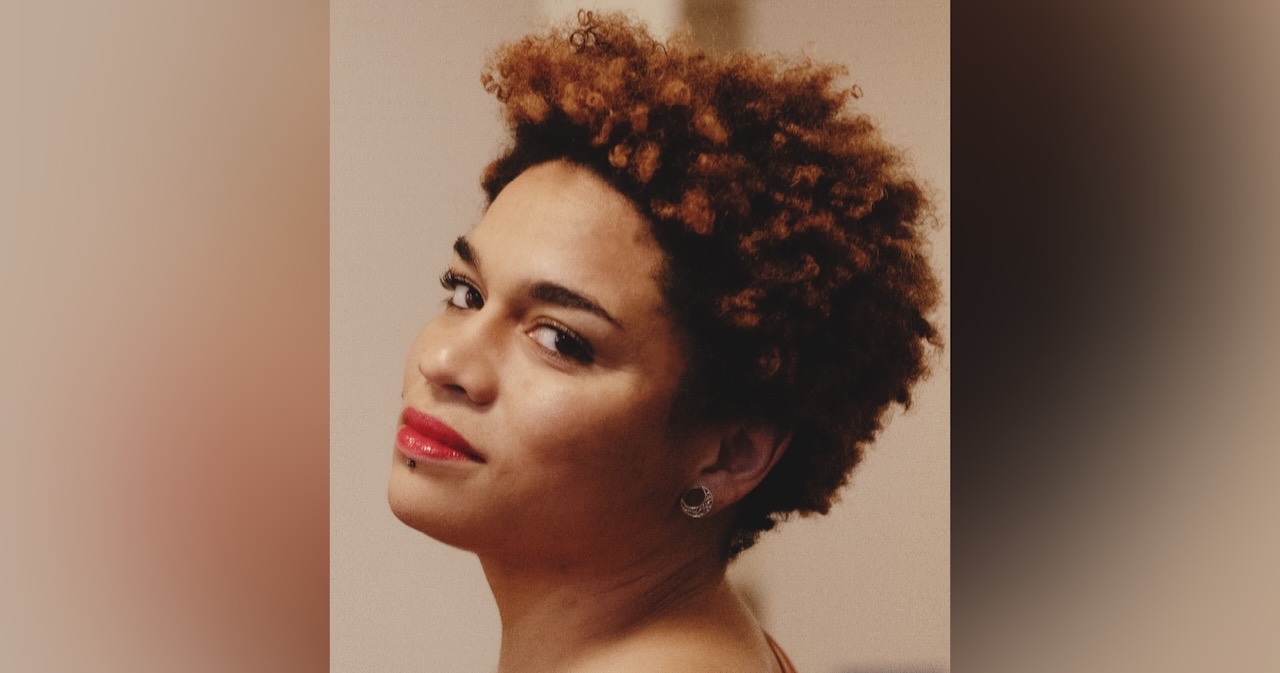
BGS 5+5: Rachel Maxann

Artist: Rachel Maxann
Hometown: Memphis, Tennessee
Latest Album: Black Fae
Personal nicknames (or rejected band names): Fickle Hellcat, I ended up making it my last album name instead.

What rituals do you have, either in the studio or before a show?

I absolutely adore my producer and although this isn’t necessarily a ritual, we tend to fall into a pattern when recording. We sit and talk about our lives for a while and generally catch up as friends while I sit in his massage chair. Sometimes I’ll have a glass of wine while he drinks his favorite new cocktail concoction. Then we’ll dim the lights in his studio and we’ll proceed to record whatever we want to work on that day. I’m excited for the next round of songs that we do! I don’t think it would be the same result if we didn’t have such a good friendship.

What has been the best advice you’ve received in your career so far?

Putting my own name on my music first and foremost. I’ve had a fairly long career with many different formats, some of those being bands. In the past, I would be insistent in creating a new band every time I got new players. An old friend gave me the advice of putting my name out there first, because while different players come and go I’ll always have myself and my songs. It really changed the way I presented myself.

Which elements of nature do you spend the most time with and how do those impact your work?

Wood and the water have a profound effect on my mental health. The album cover of Black Fae is actually at my favorite park in Memphis that is close to my house. On good weather days, I’ll take a run or walk with my dog and just enjoy the shady greenery. Though I love water in all its forms, I feel most relaxed at the beach, and if the ocean is not available I spend time by the lake. “Remember the Stars” was written on a month-long solo trip with my dog in Mexico. Every day I would pack my guitar, a book, and my notebook and sit by the beach and just be.

Since food and music go so well together, what is your dream pairing of a meal and a musician?

I would love to pair my music with comfort foods. The lyrics have a lot of difficult topics and emotions, I would want the listener to be in a warm, safe space in case they are triggered by any of the songs. I have a history as a therapist, and whenever I had a client face an especially difficult feeling I would encourage them to have their loved ones nearby as well as their favorite comfort items. It can ease someone in and out of the process. If it were for myself, I would pick up a vegan oxtail meal from my favorite local Memphis chef, Camri McNary AKA The Vegan Goddess.

How often do you hide behind a character in a song or use “you” when it’s actually “me”?

I wouldn’t describe it as hiding behind it, but rather morphing my experience into a way that is more relatable to the listener. In some cases in the process of writing the song, it becomes more of a message to others rather than about myself, because often what I’m writing about is universal experiences even though they’re deeply personal. With “Last Cut” I first wrote it when I was in a dark place and having suicidal ideations. Shortly after having completed the original version, I lost a friend to an overdose which shifted my focus from my own grief to those of my friends and his family. When I sang it later, it naturally evolved into a story of my sadness into a message of awareness as well as encouragement to those that may be having similar feelings.


Photo Credit: Lucia Lombardo

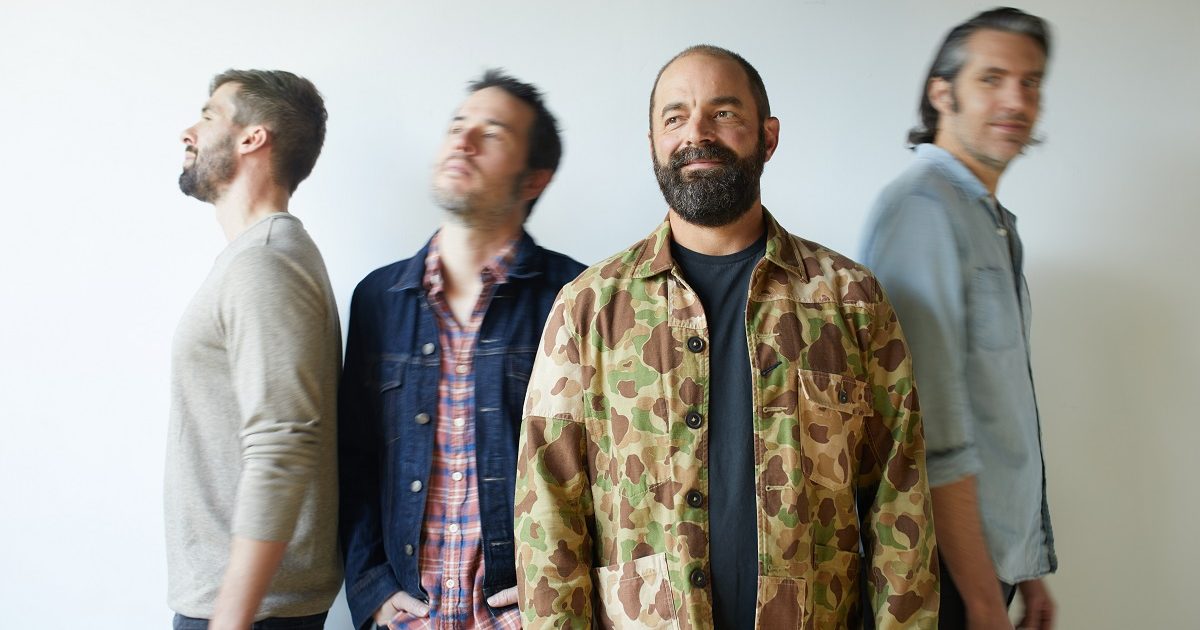
WATCH: Drew Holcomb & The Neighbors, “All the Money in the World”

Artist: Drew Holcomb & The Neighbors
Hometown: Nashville, Tennessee
Song: “All the Money in the World”
Album: Strangers No More
Release Date: June 7, 2023
Label: Magnolia Music/Tone Tree Music

In Their Words: “People often ask me about the songwriting process, how to make a record etc., and I will forever tell the story of ‘All the Money in the World’ to these questions. I wrote this song in 2019 with my friend Dave Barnes. We were just having fun trying to write a classic R&B slow jam. It was written WAY slower than it is on the record. We were exploring parts of my voice I don’t usually put to use. I also grew up in Memphis, but had never really stretched towards any of the classic soul songwriting. We wrote this song, I liked it, but I thought it didn’t really fit the other things I was working on, so I shelved it. In preparation for this album, the band came over monthly to play through songs…I made a list of songs like this one that I had shelved, and showed them to the band just in case they saw a diamond in the rough. I played this for them, then they started playing along and sped it way up, and helped arrange the post chorus gang vocals of ‘all the money’ and the song immediately changed from a random B-side to a front-runner for the record. When we finally recorded it, the room became electric, especially with dual keys parts, Ian on organ and Nate on the Wurlitzer. I had as much fun singing this song as any I have ever recorded. It’s always a joy to find a part of yourself creatively that you didn’t know existed.” — Drew Holcomb


Photo Credit: Ashtin Paige

LISTEN: Cory Branan, “Pocket of God”

Artist: Cory Branan
Hometown: Memphis, Tennessee
Song: “Pocket of God”
Album: When I Go I Ghost
Release Date: October 14, 2022
Label: Blue Élan Records

In Their Words: “I tried to get as much of a story as I could in there, with someone in the hot seat. You don’t know who he’s singing to until the end, and it’s a story of what happened to someone he cared deeply about. That song began as a sweet line about somebody thinking he picked the pocket of God to have met someone, and I thought, ‘That’s too Hallmark,’ so I tried to balance it with a Raymond Carver sensibility, where definitions aren’t the same for everyone, where the narrator is untrustworthy. I’m a big fan of Randy Newman, the songwriter king of untrustworthy narrators. And this song is an exception on the album in that I didn’t try to counteract the dark lyrics with brighter music. I stayed there, I painted an open void, then kept the music staring right there with me. The string arrangement helps with that — put the headphones on to hear the ear candy in those layered strings from Matt Combs! And that’s Spencer Cullum (Steelism) on steel guitar holding drone notes through the whole thing.” — Cory Branan


Photo Credit: Jamie Harmon

LISTEN: Charlie Musselwhite, “Rank Strangers”

Artist: Charlie Musselwhite
Hometown: Memphis, Tennessee
Song: “Rank Strangers”
Album: Mississippi Son
Release Date: June 3, 2022
Label: Alligator Records

In Their Words: “As a child growing up in Memphis, I was first attracted to the field holler blues I heard along Cypress Creek in my neighborhood. A few years later led me to the country blues players I heard on guitar in my neighborhood, in downtown Memphis and on Beale Street. And I haven’t stopped being attracted to this style of guitar some call country blues. When I was 13 my dad gave me his old Supertone guitar. I was already fooling around with playing blues on harmonica, but I loved the sound of acoustic blues guitar, too. I clearly remember sitting in my bedroom in my mom’s house and making an E chord on that guitar and then putting my little finger down to turn that E chord into an E7 chord. And when I played that chord with the blue note added and heard that for the first time, something inside me went ‘ahhhhhhhhhhh….’ That ol’ E7 chord grabbed me and I knew I had to have more of THAT!! …

“Besides blues, I’ve always been a fan of all music that seems to me to be ‘from the heart.’ For this reason I’ve long been a fan of The Stanley Brothers. Their version of ‘Rank Strangers’ resonated with me so much I felt like I had to play it for myself. I love the lyrics. I’ve Blues’d it up for y’all.” — Charlie Musselwhite (from the liner notes of Mississippi Son)


Photo Credit: Rory Doyle