Colors, Textures, Rhythms, and Sounds: A Conversation with River Whyless

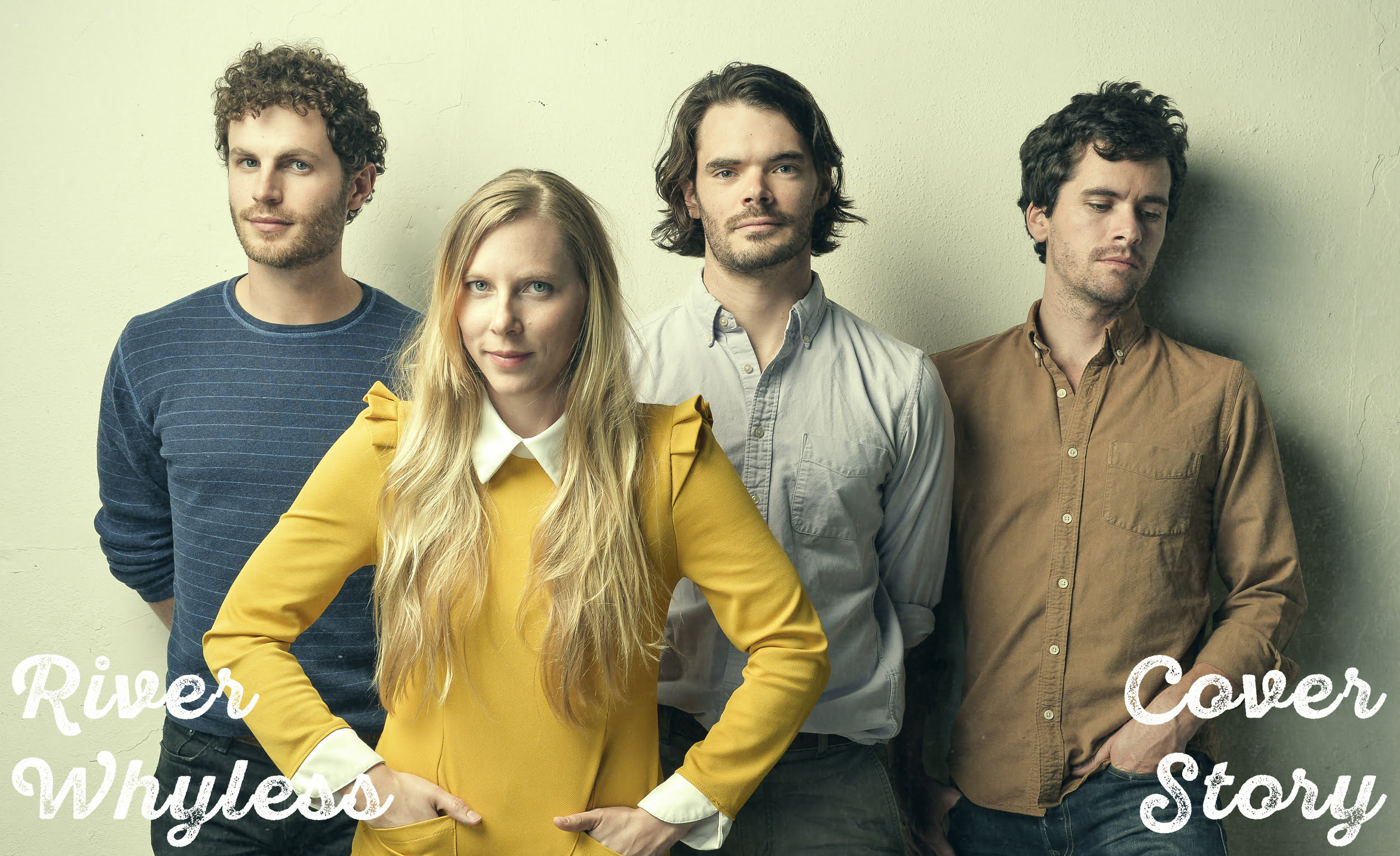
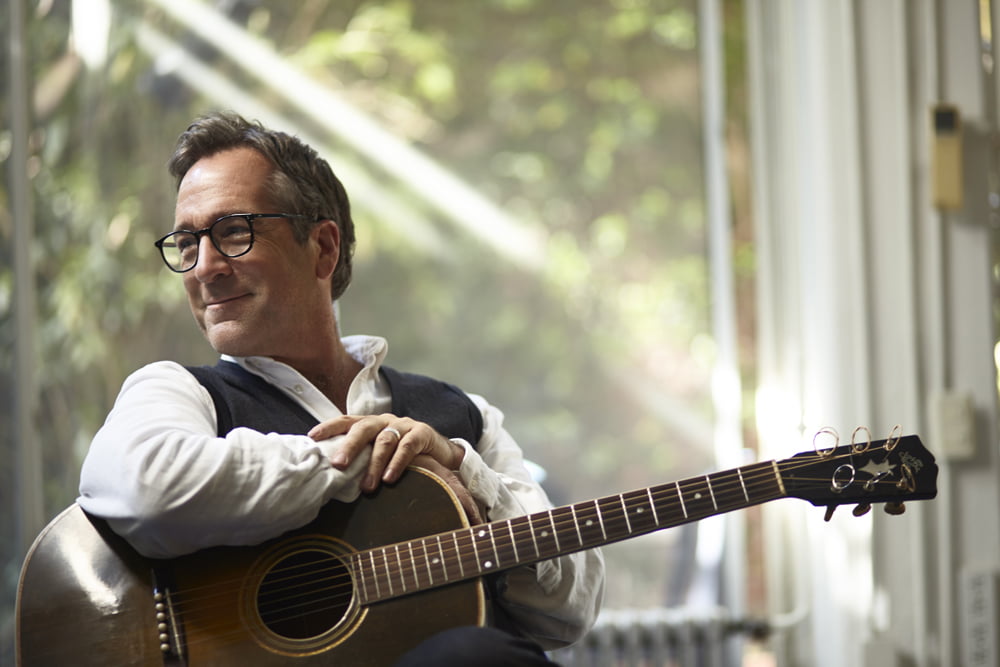
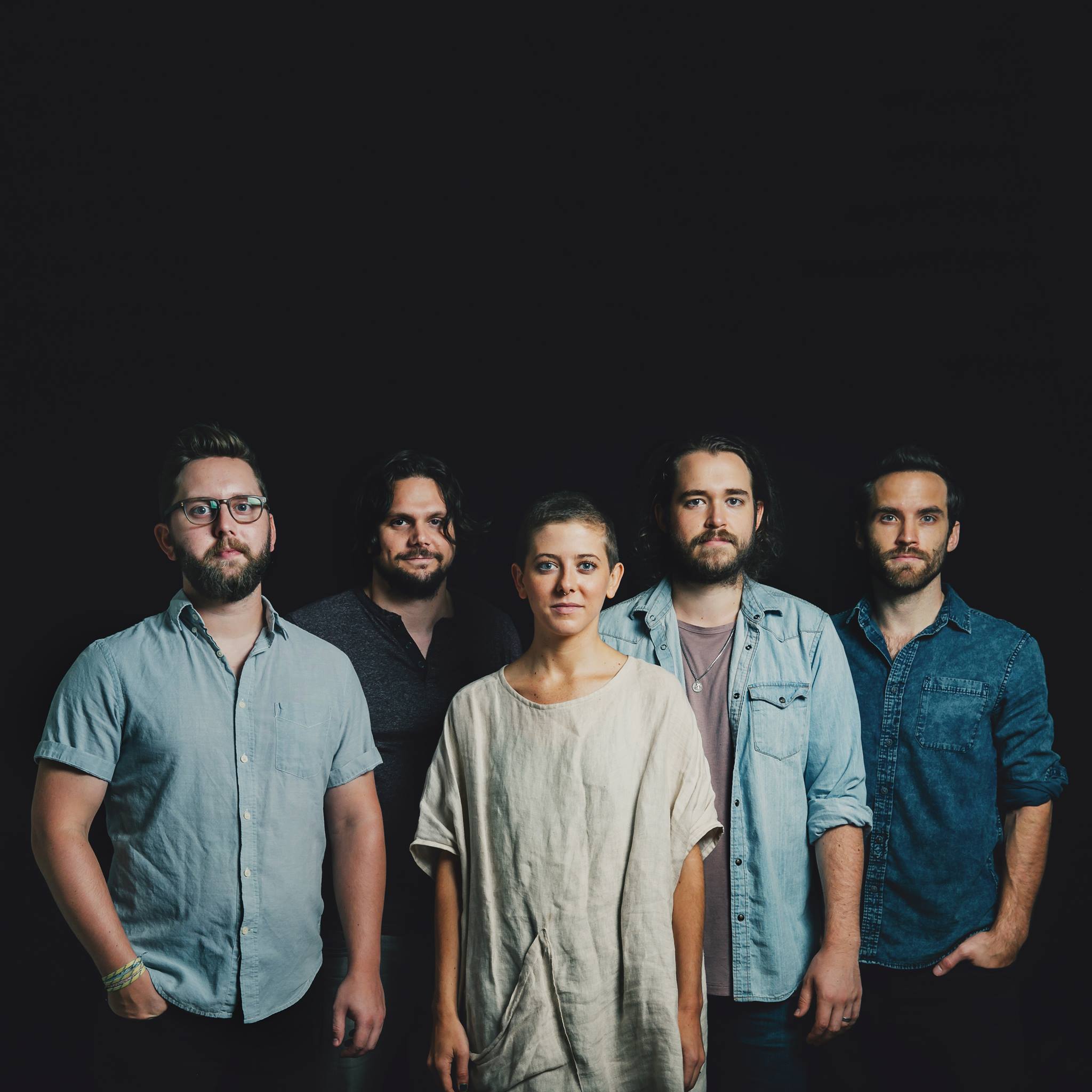
It’s easy to look back on We All the Light, the second studio LP from River Whyless, and say it was all going to work out. After all, hindsight tends to offer that perspective so necessary to see the story for all its parts — as opposed to being stuck in the middle with the outcome still unknown. But when the band, which includes Ryan O’Keefe (guitar, vocals), Halli Anderson (violin, vocals), Daniel Shearin (bass, vocals bass), and Alex McWalters (drums), began working on that project in 2015, the narrative hadn’t yet reached its requisite end. Something wasn’t working, something wasn’t right.

Finishing We All the Light became a journey none fully anticipated. For starters, there was the issue of songwriters. In addition to O’Keefe and Anderson, Shearin brought an eclectic ear to the table, when he joined the band in 2012. But trying to make space for everyone’s voice seemed to be creating further chaos rather than helping refine an album. River Whyless eventually went back to basics, using “folk” as a starting point from which they could explore the many and abundant instances of that style around the world. Their new songs sought out folk in new languages. The touches they integrated are subtle, such as on “All Day All Night,” which finds a Malian influence from the very beginning between rhythmic chanting and a strong, desert guitar riff reminiscent of the band Tinariwen.

But it’s not all entirely new explorations. River Whyless re-recorded “Life Crisis,” which first appeared on their 2015 self-titled EP. Not much has changed about the song, but it’s a gentle, insistent reminder that the band, as a whole, is greater than the sum of its parts, even while figuring out how all those parts work together took a moment. With We All the Light, the band has made the connection from U.S. to world folk, the resulting sounds as shimmering as they are honest, that probity rippling forth from the band’s earlier music.

This was such a moment of experimentation for the band, which can be a huge risk. How did you build up the bravery to go there creatively?

Alex McWalters: We didn’t really have a choice, in a lot of ways. We’d been working on this for a couple of years, at least in thinking about it and trying to get the ball rolling. We struggled a lot with trying to figure out how to incorporate everybody’s ideas and voices. The end result was kind of the only way that we could make it work and have everybody agree on what felt good and sounded good. It was a long process. I think we reached a breaking point, maybe a year ago, where we thought maybe it would never happen because we kept hitting a wall, and then we let go. It was almost like we gave up, in a positive way, and that opened the door to something new. I don’t know if it was a conscious decision to experiment as much as it was the only way forward.

Daniel Shearin: I think we were doing what felt like the right choice. In a way, if somebody is expecting one thing from us, we may have disappointed them with this record, and I guess it could be brave to not worry about that or to think outside of that. I wouldn’t call it bravery, necessarily, as much as doing what we like the best.

The band has been transparent about the struggles involved with reaching this new creative space where collaboration fuels the music. Why keep pushing to work together?

AM: I think because we really believed that it would work, and it had worked in the past. I mean, there are always moments amongst that struggle where you’re like, "Yeah, this does work. There is still something here." It was a matter of pushing through that. Again, we didn’t know we would push through it, but we believed it could work. That was the thing that kept us going.

It’s always so funny, when you’re in the thick of it, you can’t see that narrative arc and the ending, but now that you’re on the other side, you can look back and say "Yes, we were able to push through."

AM: That’s very true. And, in hindsight, it’s definitely easier to say, "Oh yeah, we believed it! It’s simple. Obviously, it was going to work eventually," which was not the way we felt about the process. I do think we’re somewhat gluttons for punishment … me, especially. I almost don’t want it to be too easy, because it doesn’t feel as gratifying, which is a disturbed way of doing things, at times. That’s just kind of how I operate. I like to make it difficult for myself sometimes.

Dan, you’ve been with the band since 2012, so it’s unfair to still pin you as the new member, but how did you find the space to contribute your voice as a songwriter?

DS: We recorded the EP, and that was my first step. We had been writing music together for a couple years, at that point — nothing that had been released — but we had been writing some of Ryan’s songs and some of Halli’s songs. We took a song of mine [“Miles of Skyline”] that had already been recorded and revamped it and changed it a good bit. It felt like a really nice intro because the song had already been released and there was no pressure to make it the essential version. After that, we went back and started working on a group of songs that Ryan had been working on, and they weren’t quite hitting home the way we wanted them to, so we decided to open the floor, and everybody started throwing in ideas, bits and pieces of songs they’d done, or a whole song they’d done.

Alex, how did you challenge yourself on this album?

AM: For almost as long as we’ve been playing together, I’ve been challenged more by my bandmates than I have challenged myself, at least when it comes to playing percussion for this band, if that makes any sense. A lot of times — I don’t ever seem to learn this lesson, but I guess it’s all part of the process — I’ll spend a lot of time by myself working on something, like maybe it’s a particular groove or some idea I have that I want to incorporate into the music, and I’ll present that idea to the band and they’ll very quickly say, "No, it’s not working," or "No, we don’t like that," or "No, that’s not right." That kind of sucks, but usually it’s for the best. I’m usually challenged to step outside of my own head, and step outside of my comfort zone, a lot of times, and not play what comes easiest for me and do what fits best. That’s always been the biggest challenge for me is having to swallow that first moment of "Oh, it’s not working" or "Oh, you don’t like this," and having to go from there.

It’s one of the hardest things to hear as a creative individual. But it forces you to really push yourself.

AM: Totally, and I think that’s really the story of this record is all of us having to do that and to a new level. Just because we finally got to a point where we were able to be totally open and honest with each other, and just put it out there. Once we got over the initial hurdle and discomfort and tension of that, that’s kind of where it all changed. That’s where this particular group of songs started. We were all looking at each other like, "I hate you and you hate me," and now we can get over that and work together instead of trying to fight each other.

Music born out of — not animosity — but a certain tension.

AM: Tension and communication. Getting to a point where we’re able to say that to each other and it doesn’t ruin the relationship. That takes a long time to get to that point.

It’s like a marriage in a way, there’s a safe space to be critical and open and honest.

AM: It is, and that kind of reverts back to your other question about what kept us committed to it, and I think that’s part of what it feels like. You’re in this family, you’re in this marriage, and you have to give it everything you can before you say, "No, it’s not working." That’s how I feel about it anyway. It’s a commitment.

It speaks to your personality; you don’t seem to like taking the easy way out.

AM: Yeah, for better or worse.

Well, those are the vows.

AM: Yep, exactly!

We All the Light draws connections between the American folk tradition and world folk traditions. I love the Mali sounds and structures running through “All Day All Night.” Have you long been a fan of African music?

DS: Something about African music has always connected with me. I think it’s a lot of the rhythms that they use in different parts of Africa. I see myself more like a drummer, honestly, than anything else, which is funny because I don’t play drums at all, but I connect with drums in a very real way. When I listen to music, I’m usually listening to the bass and drums and everything fills in around it. If I really like the song, it’ll take me a few listens to understand what’s going on with the song. In terms of the world music, it’s something … the textures of it and the percussive elements of it and the rhythms of it always really called to me. Something about the soul of it feels really good. It’s true that I’ve listened to it for a long time, but I think everybody else [in River Whyless] has found it on their own terms. It’s something I think I’ve been listening to a little bit longer.

Where do you draw inspiration from? Is it a verbal or a visual thing?

DS: It is a visual thing for me. That’s funny: No one’s prefaced the question that way but, yeah, it’s very visual. And I don’t mean images so much as colors. I can picture colors and atmospheres very visually in my mind, when I’m working on a song, and that can change with the chord changes, that can change with the way it’s recorded. The songwriting is more impressionistic, I guess. I don’t always do this, but I rarely go into writing a song with an idea of what I want the song to be about. It’s more like I kind of accidentally start writing a song and then mumble jumble a bunch of words that don’t really make sense, and then piece together bits of the song after that, and then think about what it means to be halfway through writing it or something. It usually takes me finishing a song before I really understand what it is or what it means.

Have you heard of synesthesia, where people see colors when they listen to music? Not to say you have this.

DS: I haven’t really read about that, but I’ve heard people talk about it. To me, that seems like something you wouldn’t even say — it just feels so obvious. But maybe it’s not obvious. Maybe people experience this to a way more drastic degree than I do, but to me it’s like, "Well, yeah, of course … how else do you hear music without seeing all these colors flashing around?" It’s not like I’m tripping — it’s subtle. I’m not going through a crazy experience, when I listen to music. If I close my eyes, I can picture it all and these weird blobs and flashes and stuff. It could be that thing, but I haven’t read enough about it to know that’s exactly what it is. Listening to classical music and African music, they really tickle that more than anything else.

It’d be interesting if you tried to paint what you saw as you listened to a song.

DS: I could do it, if I were a good painter. I’m not much of one. If I had the skills to paint, I could literally paint you a moment of a song.

I’m curious about the album’s title. Why drop the verb in the phrase?

AM: In the first song of the record and the last song, there’s that line “We all deserve the light.” It’s a line Ryan wrote and we liked how that line resonated, in general. Something about taking out that word — which is how I view it, just taking out that verb “deserve” — it was opening up to be more inclusive and speaking to this idea of equality, both within the band and without. The biggest thing within the band was finding this new sense of collaboration and equality and having all of our voices heard, which was totally new to us and really exciting. And just the idea “We all the light,” which to me is really saying, “We are all the light,” and trying really hard to put that idea into practice, seeing everybody as equal and being as inclusive as you can.

That message, now more than ever, needs to be spread … and spread far and wide.

AM: That’s what we’re trying to get. Trying to have a little, subtle response to some of the stuff that’s been going on recently and trying to counter that in some way. It’s good to make an effort to say something. I think it’s a waste not to.


For more on the intersection of folk and world music, read our Squared Roots interview with Ryley Walker.

LISTEN: Richard Shindell, ‘Stray Cow Blues’

Artist: Richard Shindell
Hometown: Buenos Aires, Argentina
Song: "Stray Cow Blues"
Album: Careless
Release Date: September 9
Label: Amalgamated Balladry

In Their Words: "'Stray Cow Blues' was written out in farm country, way down south. And when I say south, I mean south: on the open Pampa in the Province of Buenos Aires, Argentina. There's a dairy farm nearby. This song is from the point of view of one particular cow, stranded out in the field all night." — Richard Shindell


Photo credit: Alejandro Baccarat

STREAM: Baby States, ‘Baby States’

Artist: Baby States
Hometown: Brooklyn, NY
Album: Baby States
Release Date: August 24

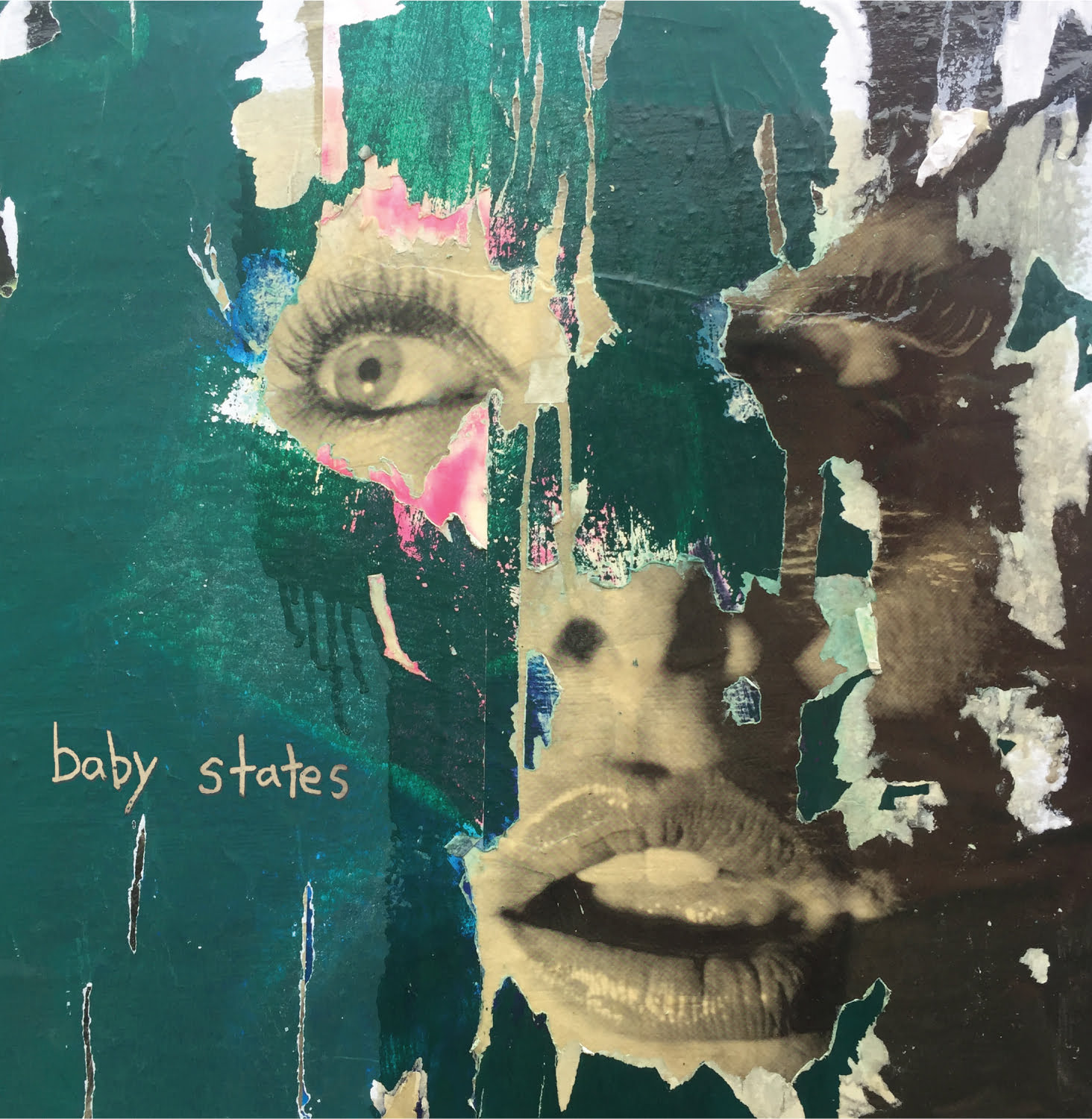
In Their Words: "Baby States is the trio I share with Jeremy Gustin (Delicate Steve, Albert Hammond Jr., Jesse Harris, Star Rover) and Benjamin Lazar Davis (Cuddle Magic, Okkervil River, Bridget Kearney, Joan As Policewoman). This is an album of, mostly, folk material. They are songs and fiddle tunes we have freely reimagined and recombined. With the exception of Vic Chesnutt's 'Whatever the Reason,' they have no singular composer. Our versions borrow — steal? — elements learned from family (Peter Davis), friends (the fiddler Cleek Schrey), books (W.K. McNeill's Southern Folk Ballads), and from source recordings both 'primary' (The Wallin Brothers of North Carolina) and 'secondary' (Arthur Russell's posthumously released demos). The words 'primary' and 'secondary' are, skeptically, in quotes, because all of those primary sources certainly borrowed — stole? — their material from family, friends, books, and recordings, in turn. This is a repertoire without real authorship. It has no beginning. And as long as musicians continue to play these songs, it has no end." — Alec Spiegelman

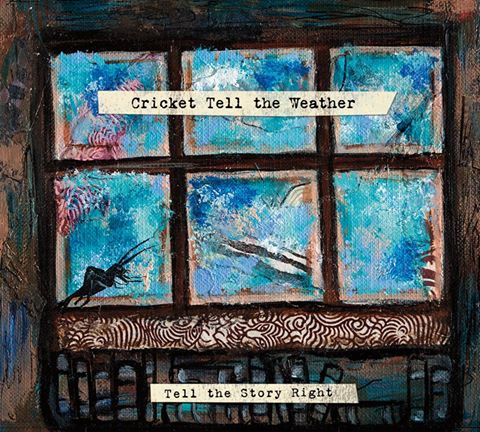
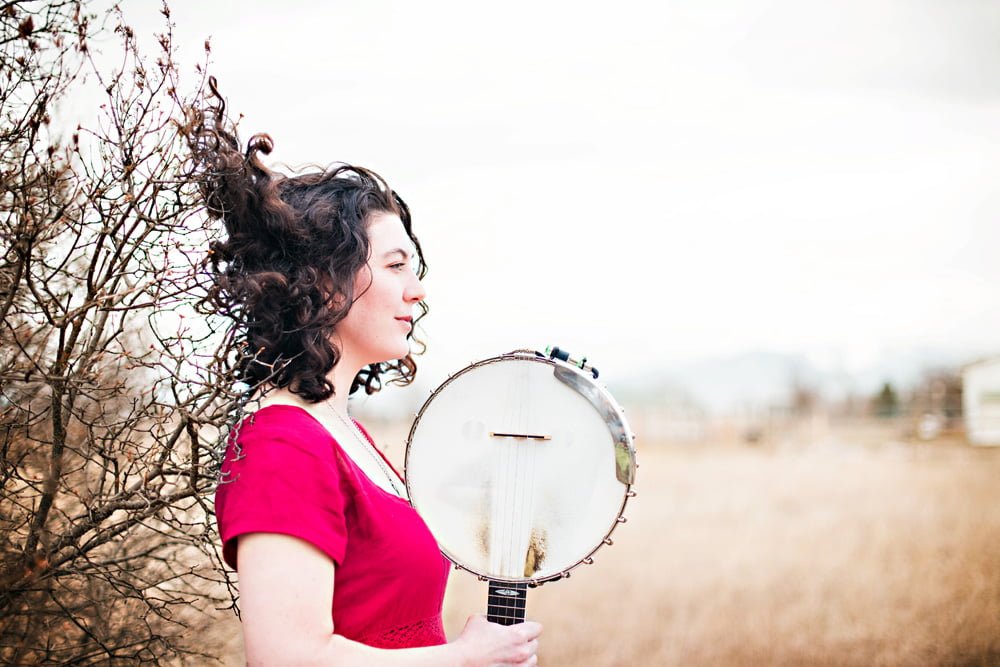
STREAM: Cricket Tell the Weather, ‘Tell the Story Right’

Artist: Cricket Tell the Weather
Hometown: Brooklyn, NY
Album: Tell the Story Right
Release Date: September 6

In Their Words: "The songs I want to write are the same songs I want to sing — the ones that feel true. This album is a compilation of songs I've written or heard that feel reflective of a particular moment or sentiment that has resonated with me over the past few years. I've been inspired by the myths we make for ourselves to help make sense of things — from our own personal narratives, to stories about and for our friends, to ancient Biblical stories and the re-imagining of them.

There's a lot of American traditional music referenced on this album, which reminds us of our country's oral history. I wanted to use that tradition to help us tell our own stories, going on right here and now, as true as we have the bravery to tell them. These songs are all brought to life by a collaborative of musicians and friends that have put a lot of time, talent, and heart into this album, and I'm incredibly grateful and honored to work with them — Doug Goldstein (banjo), Jeff Picker (guitar), Mike Robinson (guitar), Dave Speranza (bass), Sam Weber (bass), Eric Ritter (engineering), and Jason Borisoff (engineering/mixing/production)." — Andrea Asprelli


Photo credit: Brian Geltner

3×3: Birdtalker on Marching Drums, Cool Canadians, and Cats in Boots

Artist: Birdtalker
Hometown: Nashville, TN
Latest Album: Just This EP
Personal Nicknames: Lil’ Coop (Dani), Pizza Loser (Zack), Big Sounds Guy (Jesse), Bagelman (Bry-guy), Andyana Jones (Andy)


A photo posted by Birdtalker (@birdtalkermusic) on

Which decade do you think of as the "golden age" of music?
The 1990s.

If you could have a superpower, what would you choose?
Either to be sleeping all the time while simultaneously awake, or to never have to sleep at all.

If you were in a high school marching band, which instrument would you want to play?
Dani: bass drum
Zack: snare drum.


A photo posted by Birdtalker (@birdtalkermusic) on

What's your go-to road food?
Since we haven’t been on the road yet, probably tacos or pizza (the usual).

Who was the best teacher you ever had — and why?
Life, because it teaches you the real stuff. 

What's your favorite TV show?
Currently Parks and Recreation — we’re late getting on the TV train — but for all time forever, The West Wing.


A photo posted by Birdtalker (@birdtalkermusic) on

Boots or sneakers?
Boooooooooooots, with cats in them preferably.

Which brothers do you prefer — Avett, Wood, Landreth, or Osborne?
Tough to choose between Wood and Avett, but because the Avett Brothers’ music is woven into Zack’s and my love story, I’ll have to go with them.  

Canada or Mexico?
Though I disagree with the dualistic premise of the question, we’d have to say CANADA! For Brian. He’s Canadian. And we love him. 


Photo credit: Gavin Nutt 

LISTEN: Riley Etheridge Jr., ‘Save Me from Myself’

Artist: Riley Etheridge Jr.
Hometown: New York City, NY
Song: "Save Me from Myself"
Album: Secrets, Hope & Waiting
Release Date: September 9
Label: Rock Ridge Music

In Their Words: "'Save Me From Myself' is about taking responsibility for one's decisions — and belatedly admitting our own fallibility in previous life choices. In the song cycle on the album, it is from the perspective of acceptance of the character's current reality. It was inspired by seeing strong people ask for help and not repeat past mistakes. This was one of those songs that write themselves — the changes, melody, and lyrics were all completed in one afternoon session … a rarity for me. Most of the songs on the record were written/shaped over six to 12 months.

We recorded 'Save Me' early one Saturday morning in New Orleans … still waking up and drinking coffee. Think that contributed to the relaxed vibe of the take we used for the record. We had been doing the song live for a few shows — and I hoped we would capture how the song felt on stage." — Riley Etheridge Jr.


Photo credit: Drew Reynolds

STREAM: Michael Fracasso, ‘Here Come the Savages’

Artist: Michael Fracasso
Hometown: Austin, TX
Album: Here Come the Savages
Release Date: June 10
Label: Blue Door

In Their Words: "The album came together over a period of time, actually as two separate projects with two different producers — an album of covers and one of original material. After we finished them, we realized that they were telling the same story. We compiled the best songs from both to present a story of redemption and hope after casting a shadow or two.” — Michael Fracasso


Photo credit: Valerie Fremin

LISTEN: Coty Hogue, ‘Lullaby’

Artist: Coty Hogue
Hometown: Bellingham, WA
Song: "Lullaby"
Album: Flight
Release Date: May 26

In Their Words: "Last Summer, I biked across the country on the Transamerica and Northern Tier bicycle trails — 4,000 miles and 10 states, Yorktown, Virginia, to Seattle, Washington. There were some really poignant moments on that trip where I felt really confident in how I wanted to shape certain things in my life and act on some goals — this new album being one of them.

'Lullaby' was written as a reminder to myself about those moments. Kind of the goal of, 'Okay, when I have forgotten about those feelings or when I am questioning things or feeling stressed (which can happen a lot!), I can have this song, this little lullaby to bring me back and help me remember those times and the clarity I felt.' So, in that way, it's perhaps a bit more internal than some of the other songs I have written, but also a message, in general, of just going for what you know is true to yourself. I think everyone has had those moments, and it's good to find a way to remind yourself on them." — Coty Hogue


Photo credit: Hot Shins Productions

LISTEN, Lula Wiles, ‘Don’t Ask Why’

Artist: Lula Wiles
Hometown: Boston, MA
Song: "Don't Ask Why"
Album: Lula Wiles
Release Date: May 27

In Their Words: "'Don't Ask Why' is an exploration of human strife, loss, and death and the helplessness one can feel in the face of it. The story comes from a time when my younger brother's life hung in the balance. I vividly remember the little field of wildflowers I was standing in when I got the call from my dad, telling me my brother had suffered a traumatic brain injury. I lost my breath and, in that moment, I felt powerless.

As my brother recovered over the next many months, I wrote this song in an attempt to voice the vulnerability I felt during that experience. I've always been fascinated by the old folk songs with lyrics about unspeakable sorrow such as burying a child or murdering a lover, all sung with a plainspoken sense of honesty. The juxtaposition of major chords and heartache feels really powerful to me. With this song, I tried to approach the lyrics in the same way … combining folk idioms and real emotion with an emphasis on simplicity and earnestness as a songwriter." — Ellie Buckland


Photo credit: Louise Bichan

Take This Hammer, Blow Your Kazoo: Skiffle in the 1950s and Beyond

In July, 1954 — the same month that Elvis Presley unleashed his first two world-changing singles — a Scottish-born singer and trad-jazz musician named Lonnie Donegan released a cover of “Rock Island Line” with backing on washboard and bass. Inspired by the African-American singer Lead Belly, Donegan explains the rules of the rails in his spoken-word intro and includes the shouts and cries of the engineers. Though he strums his guitar in a persistent rhythm to evoke the chug and drive of a freight train, the song picks up speed along the way, finally achieving a breakneck momentum as Donegan’s high-pitched vocals grow wilder. It’s a remarkable performance, studious to the point of mimicry, yet reckless like a runaway train.

It took two years, but the single finally caught on and started climbing the British pop charts in 1956. Donegan followed it up with a full-length album, An Englishman Sings American Folk Songs, which became a massive hit on both sides of the Atlantic. In its wake, a series of like-minded folk acts starting popping up all over Britain: young men and women well-schooled in American folk music yet too irreverent and too wiley to be classified as traditional. Emphasizing ingenuity and spontaneity, they played rhythm guitar almost exclusively, along with whatever instruments happened to be on hand: usually kazoos, banjos, washboards, tea cabinet bass, and assorted homemade noisemakers. This was closer in spirit, if not in sound, to the rock 'n' roll coming out of the American South.

Thus was born skiffle, a short-lived scene with a lasting influence.

The word itself has a long history that reveals the concerns of its mid-century practitioners. Skiffle originated in the 1920s as a word to describe wild, impromptu jazz that mixed blues, ragtime, and folk. When Donegan and a few other musicians began playing sets of folk tunes during their trad-jazz shows, he called them “skiffle breaks,” borrowing the term from the semi-popular ‘30s jazz act the Dan Burley Skiffle Group. Eventually, the break would become the entire show, with Donegan and his small outfit often improvising their covers.

After the success of “Rock Island Line,” skiffle groups came out of the woodwork, with trad-jazz musicians migrating to this more lucrative market and kids picking up guitars for the first time. The Chas McDevitt Skiffle Group enjoyed a hit with a cover of Elizabeth Cotton’s “Freight Train” featuring Nancy Whiskey on vocals. A London outfit called the Vipers Skiffle Group — later known as simply the Vipers — rivaled Donegan as the trend’s guiding light, thanks to a string of smash singles like “Cumberland Gap” and “Don’t You Rock Me, Daddy-O” (which was produced by George Martin, later known as the Fifth Beatle). America even produced its own skiffle star, Johnny Duncan, who was born in Oliver Springs, Tennessee, but found fame in the clubs and charts of England with his 1957 hit “Last Train to San Fernando.”

As Rob Young writes in his indispensible 2010 guide to British folk music, Electric Eden: Unearthing Britain’s Visionary Music, “Skiffle’s accelerated swing rhythms and domestic equipment — kazoos, harmonicas, comb and paper — placed music-making in the hands of the amateur, as well as opening up a conduit for the dust-bowl and rust-belt blues and folk poetry of Woody Guthrie and Lead Belly to be siphoned into British ears.”

Like the trad-jazz scene and like the blues revival of the following decade, skiffle was a result of Britain’s obsession with American traditional music. During the post-war years, even as many musicians strove to define and preserve a specifically English folk tradition in pubs and social clubs, much of the country looked west for musical inspiration, finding it in the music made by poor Americans often in rural settings. Granted, those folk songs could be traced back to European sources, brought over by immigrants generations before and gradually mutated over the years, but by the middle of the 20th century, the music sounded distinctly American.

What distinguishes skiffle from imported jazz or blues is its emphasis on labor and class. Most of the main skiffle hits were about workers’ laments: engineers and linemen, sharecroppers and cotton pickers, migrants and chain gang prisoners. Weirdly, skiffle was viewed as largely apolitical at the time, a harmless fascination with another country’s past. However, the subject matter of these songs reinforces the populism that lies at the heart of all folk music, which likely made it more appealing to everyday Brits, especially teenagers.

As Alan Lomax noted at the time, “At first, it seemed very strange to me to hear these songs, which I had recorded from convicts in the prisons of the South, coming out of the mouths of young men who had suffered, comparatively speaking, so little. But I soon realized that these young people felt themselves to be in a prison — composed of class-and-caste lines, the shrinking British empire, the dull job, the lack of money … things like these. They were shouting at the prison walls, like so many Joshuas at the walls of Jericho.”

Skiffle left a mark on an entire generation of men and women who picked up guitars and created some of the best music of the 1960s. The list of musicians who started out in skiffle is long and impressive: Jimmy Page, David Gilmour, Ritchie Blackmore, Pete Townshend … even Cliff Richard. Van Morrison was not only a huge fan of the genre, but also recorded an album with Lonnie Donegan and Chris Barber in the late 1990s. And one obscure skiffle group from Liverpool eventually changed its name from the Quarrymen to the Beatles.

The craze lasted barely five years, replaced by the screams and shouts of American rock 'n' roll, which offered similar freedoms and pleasure. Skiffle remains a brief chapter in pop history, but its lasting influence belies its short life. Although it remains obscure today — unknown by pop fans and often overlooked by folkies — the genre reinforced the idea that popular music is often best left to the amateur, the unschooled, the self-taught: those artists who innovate intuitively, without anyone telling them what they can’t do.


Dewi Peter's Skiffle Group outside Kayser Bondor, Pentrebach C.1957. Photograph courtesy of Clive Morgan.