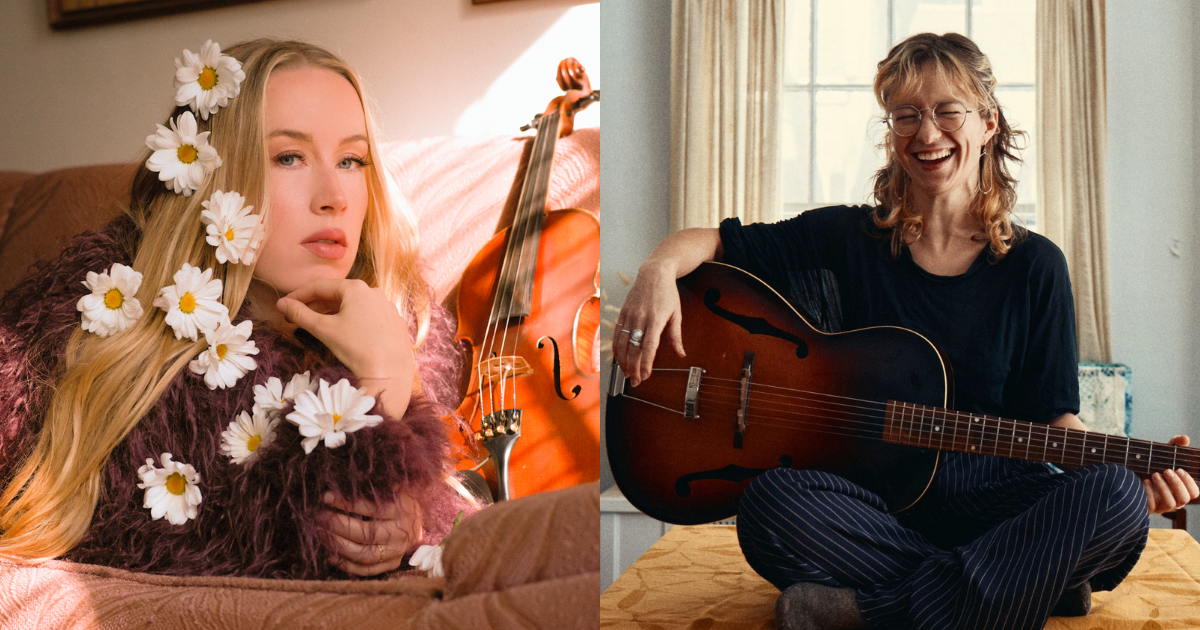
12 Mandolinists We Know You’ll Love

The mandolin’s role in music has changed a lot over time and with its steady pace of change comes a constant flow of new players. Nobody plays or interprets music in the same way as anyone else, bringing plenty of new ideas and explorations.

There have been many different eras of mandolin playing in bluegrass. Ranging from the classic Bill Monroe style to David Grisman to Chris Thile – and, lately, a more string band sound is being popularized by players like Andrew Marlin. And of course, there are countless other mandolin eras beyond and in between.

The mandolin has also been used in many other genres besides bluegrass; it lends itself to genres such as Choro, jazz, classical, and pop. The mandolin even fills major arenas. There have been a lot of folks making incredible music on the instrument and though this is just a starting point, here are 12 mandolinists who you might not be familiar with, but we know you’ll love!

Jean-Baptiste “JB” Cardineau

Franco-American mandolin virtuoso Jean-Baptiste “JB” Cardineau is currently Boston-based, having graduated from Berklee College of Music. JB’s mandolin playing delves into many genres such as bluegrass, classical, old-time, and some traditional French music, too. His style is quite adventurous; he dives deep into the old-school Monroe ways, looking towards Frank Wakefield for much inspiration. JB has spent a lot of time touring with different bands, such as the Ruta Beggars, as well as his own project, JB and Cardineau Sin. As well as being an incredible instrumentalist, JB is also a gifted songwriter. Above is one of JB’s original tunes, “Si Tu Vois Ma Mandoline.” This tune blends the more traditional French style with bluegrass influences.

Ian Coury

Raised in Brazil’s capital, Brasília, Ian Coury is a masterful, well-respected 10-string mandolinist currently based in Boston. Growing up playing Choro, Ian pushes the boundaries of the genre, writing original music that has won him “Best Instrumentalist” awards from the National FM Radio Festival (2020) and second place in Brazil’s eFestival (2021). He has shared the stage with renowned musicians such as Hamilton de Holanda and Armandinho. In 2019, Coury enrolled at Berklee College of Music and later earned his master’s degree from the program. Here is Ian playing an original composition entitled “Solando no Limbo” for Mandolin Mondays.

Maddie Witler

Originally from and based in California, Maddie Witler is a phenomenal musician. Primarily known for her mandolin playing, Maddie is also an incredible guitarist and banjoist. Having also attended Berklee College of Music, Maddie was a founding member of the Boston-based bluegrass group the Lonely Heartstring Band. Maddie also used to tour with powerhouse GRAMMY-nominated band Della Mae. In 2022, Maddie released her debut solo album, Astronaut, a truly incredible compilation of all original songs and tunes from Maddie. In this video, Maddie is joined by Jacob Jolliff at Mandolin Camp North shredding on a classic bluegrass tune by Frank Wakefield, “New Camptown Races.”

Jesse Appelman

Jesse Appelman is both a gifted mandolinist and tune writer. Based in California, Jesse frequently tours with the Sam Grisman Project, as well as his own group, Jesse Appelman’s West Coast Stringband Project. His debut album, Where We Go, which was released in February, is a collection of original tunes and select cover songs and was produced by John Mailander. His tunes are mellow yet groovy, capturing anyone listening. This clip is Jesse’s rendition of “The Hills of Isle Au Haut” joined by Eli West and Patrick M’Gonigle.

Ethan Setiawan

An Indiana native who now makes his home in Maine, Ethan Setiawan is an incredible mandolinist and tunesmith. Ethan was the 2014 National Mandolin Champion, and in 2017 was the first place winner of the Rockygrass mandolin contest. He is also a graduate from Berklee College of Music, and has also done some teaching there, too. Ethan has toured with bands like the Acoustic Nomads, Corner House, and currently tours with both his duo Hildaland and his own group, Ethan Setiawan and Fine Ground. He has released a few albums of his instrumental music, Flux (2018), Gambit (2023), and Encyclopedia Mandolinnica (2025). Bringing in elements of bluegrass, classical, jazz, and Scottish music, Ethan makes his own sound and brings his listeners along for the story. Enjoy a recording of Ethan playing his original tune, “Uncrossed.”

Korey Brodsky

Originally from Connecticut and now based in Asheville, North Carolina, Korey Brodsky is both a talented mandolinist and guitarist. Yet another of our mandolinist picks who studied at Berklee College of Music, Korey has toured all over. In 2021, he joined Boston bluegrass band Mile 12 and he’s traveled and recorded with artists such as Jody Stecher, the Tray Wellington Band, Nefesh Mountain, the April Verch Band, and more. Above, Korey plays a beautiful take of a Karl Suessdorf and John Blackburn tune, “Moonlight in Vermont.”

Megan Cody

Originally from Colorado and now living in New York City, Megan Cody is a killer mandolinist as well as an incredible guitarist and singer. Fronting the band the Cody Sisters alongside her younger sister Maddie, Megan’s mandolin approach is playful and thoughtful. Megan tours year round with the Cody Sisters and frequently plays all over New York City. Here is a recording of the Cody Sisters playing a medley of a few songs and tunes.

Casey Campbell

A rare Nashville native, Casey Campbell is a fourth-generation bluegrass musician. An extraordinary mandolinist, Casey has performed with musicians like Bryan Sutton, Chris Stapleton, Vickie Vaughn, Becky Buller – and the list goes on! Casey was the 2017 winner of the IBMA’s Momentum Award for Instrumentalist of the Year. He has a duo mandolin album that was released back in 2017, Mandolin Duets: Volume One, which features Casey playing with various masters of the mandolin. In the video above, Casey is joined by Sam Bush as the two play a Jethro Burns tune in honor of Sam called “Sam’s Bush.”

Michael Prewitt

Originally from Kentucky, Michael Prewitt spent many years touring with the iconic bluegrass band Special Consensus. In 2024, he released his debut album, The Peerless Mountain Sessions, and then followed that up later that year with an incredible album of all original music, Something He Can Handle. Michael currently tours around the country with his own band, Michael Prewitt & CrunchGrass Supreme. The video above features one of Michael’s original songs, “Winnipeg” played by Prewitt with CrunchGrass Supreme.

Thomas Cassell

From Southwest Virginia, Thomas Cassell now resides in Nashville. A a founding member of the band Circus No. 9, he currently tours with the Wood Box Heroes and performs as a sideman with many other groups. Thomas has won many awards – he was the 2021 National Mandolin Champion and in 2020 he won the IBMA’s Momentum Instrumentalist of the Year Award. Thomas fronts his own band as well and has a few of his own albums out, Voyager (2018), What You Need to Prove (2022), The Never-Ending Years (2024), and he has a forthcoming album soon to be released! The video above is of Thomas’ new single, “Ramblin’ Heart,” featuring Tim Stafford. This is the first single off his upcoming album, so stay tuned.

Lauren Price Napier

Based out of Owensboro, Kentucky, Lauren Price Napier is a talented mandolinist and singer who digs deep into Monroe-style mandolin playing. Fronting the traditional bluegrass band the Price Sisters with her twin sister Leanna, Lauren has been nominated for multiple awards from the IBMA, such as Momentum Vocalist and Momentum Instrumentalist of the Year in 2019 and 2020, respectively. Lauren brings her own spin to playing traditional Monroe-style mandolin while also sticking to the roots of the genre. Above is a video of Lauren playing one of her original tunes entitled, “Tuel’s Landing.”

Tristan Scroggins

Tristan Scroggins is a GRAMMY-nominated mandolinist who also won the IBMA’s Momentum Instrumentalist Award in 2017. He spent years touring with his dad’s band, Jeff Scroggins and Colorado, but he also has a duo with violinist Alisa Rose called Scroggins & Rose and recently toured full time with Missy Raines & Allegheny. In 2019, he released an all-instrumental EP featuring his style of mandolin crosspicking called Fancy Boy. Tristan also has an ongoing, multi-volume project with fiddler George Jackson recording 100 of the most popular old-time tunes called Old Time 100. Tristan currently tours with Bronwyn Keith-Hynes. Here, Tristan is joined by fiddler Ellie Hakanson playing a bluegrass tune, “Ashland Breakdown.”


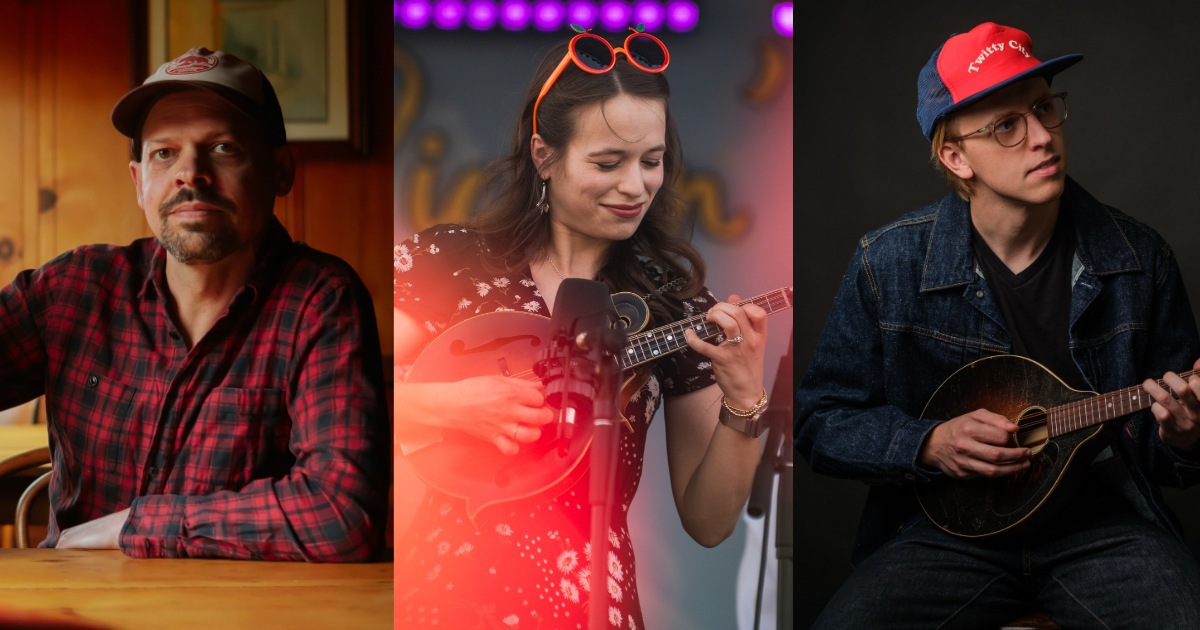
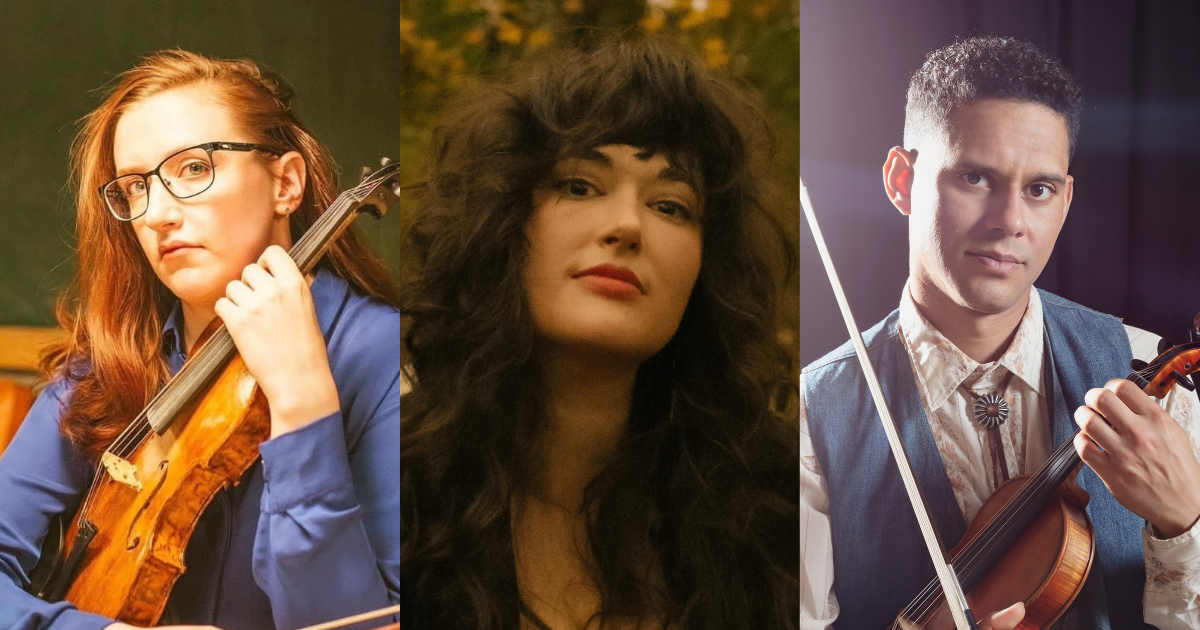
Photo Credit: Lead image (L to R), Jesse Appelman by Giant Eye Photography; Lauren Napier Price by Jay Strausser; Thomas Cassell by Scott Simontacchi.

Darren Nicholson Wants His Style of Bluegrass to Sound Different

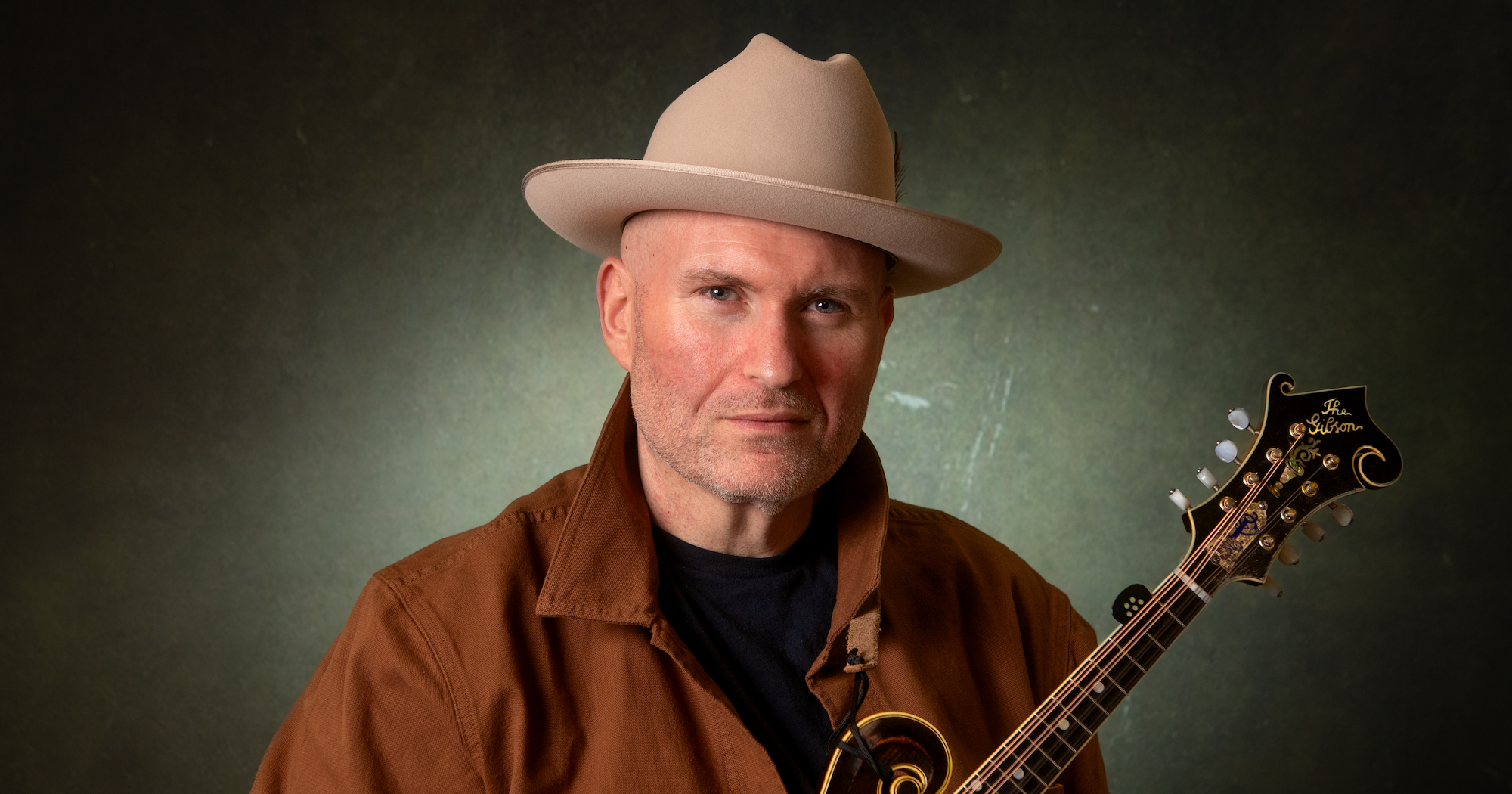
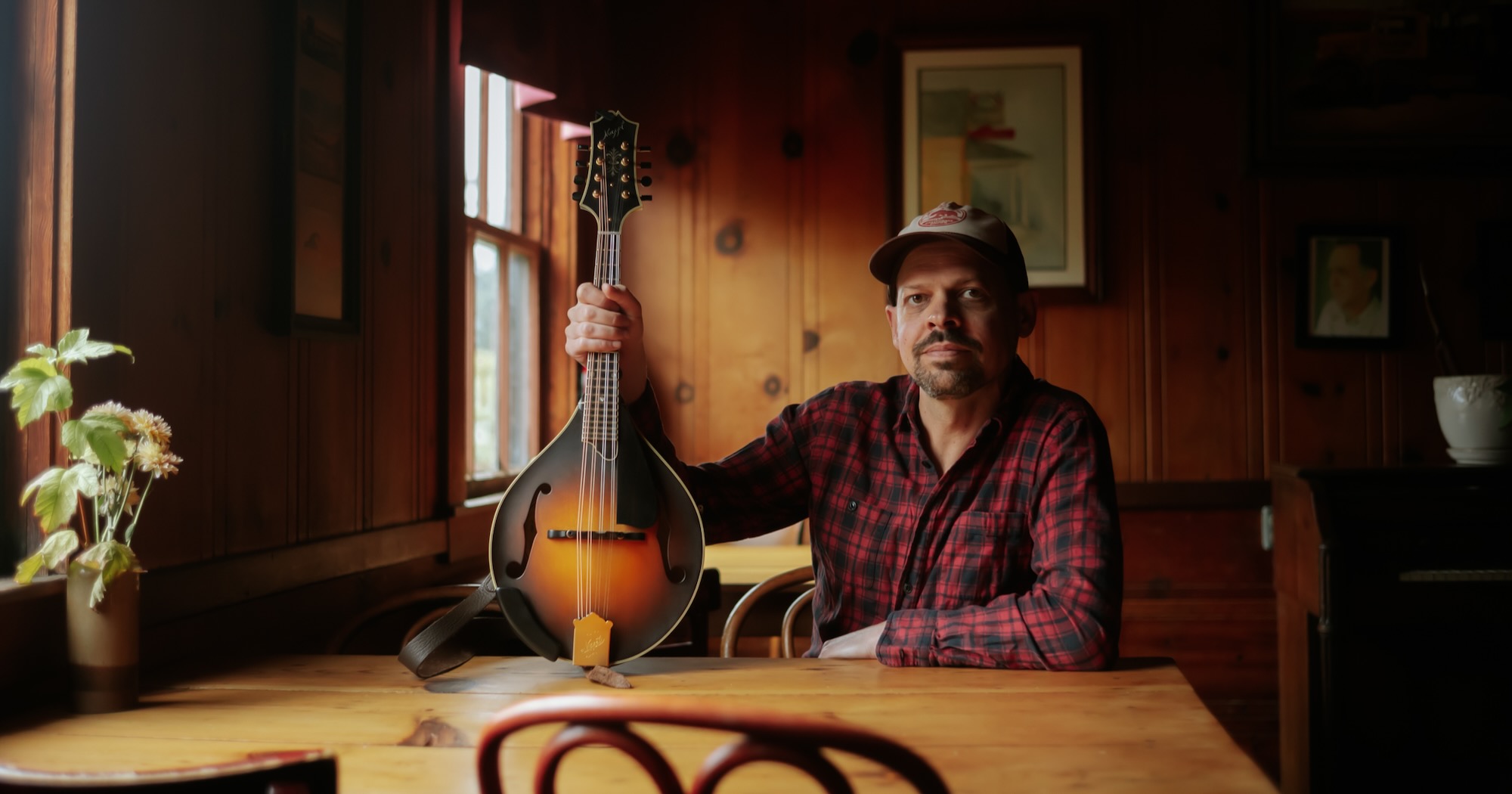
Over the past twenty-some years, Darren Nicholson has played mandolin all over the world – whether with Alecia Nugent, as a member of Balsam Range (a group he co-founded), or on his own (with or without a band). No matter where he traveled, you can be sure that Nicholson was bringing Western North Carolina with him. Nicholson was born, raised, and still lives in the area.

When BGS caught up with Nicholson, he was home in Canton, N.C., a town about 20 miles west of Asheville. It’s a region that he feels has been a bit overlooked in music history. “The oldest folk festival in the country [Mountain Dance and Folk Festival] is held in Asheville,” he shares. “There were recordings that happened in Asheville before the Bristol Sessions.”

The area he pointed out, despite its remoteness, also has been home to many significant musicians – as well as developing a dance-friendly style of bluegrass that drew from many different styles.

Nicholson’s love for the area has led to a rather unique sponsorship for his tour van and trailer. Through a friend he met with representatives of the Avalon Mountain Community, a private mountaintop neighborhood and development in the hills of Western Carolina. Nicholson calls it a “win-win” situation as he receives some financial support for touring expenses while Avalon now has a “rolling billboard.” “I even wrote a jingle for them,” he states.

Nicholson will be traveling around this year touring a fine new album, Lonesome Trails and Tall Tales. He counts it as either his fourth or sixth solo effort, depending on whether you factor in two EPs. Lonesome Trails and Tall Tales arrives after several particularly eventful years for Nicholson, including leaving his longtime band Balsam Range, getting sober, and acquiring a prized 1923 Lloyd Loar mandolin – all among the topics that he was more than willing to talk about with BGS.

How does your new album Lonesome Trails and Tall Tales tie in with your earlier albums?

Darren Nicholson: My records have a sound, you know. I’ve always been pretty much consistent – besides an electric country EP – doing the music that I consider my style of bluegrass or the bluegrass that I grew up on, which is to me the traditional bluegrass of the ’60s. Having a producer like Carl Jackson in the early days influenced how I made records, because Carl had played with Jim & Jesse and he came out of [when] an entire bluegrass movement had almost a country kind of feel to it. I love the sound of those records. And it was partly because I grew up in Western North Carolina and there’s a huge dance element here – the square dance music.

The old-timey driving style of rhythm with that light percussion – like Jimmy Martin, Flatt & Scruggs, the Osbornes – that really fits in with people who danced. And the modern kind of bluegrass – like the Alison Krauss style of bluegrass, which is amazing – does not lend itself to dancing. The modern style of bluegrass that was really kind of heavy on the one and three beat, and then the older style of bluegrass, which was very much more even, rhythmically.

And how does the new album differ from your prior ones?

What separated this particular recording from the others is just my growth as a songwriter… I was picking what I thought were the best songs I had or songs that were different from each other. A lot of times… [with] the way things are being mass produced now, if Nashville finds one song that’s a hit, they’ll write 10 more just like it for all the other artists. So they all start sounding the same.

To me, all the great artists of yesteryear, all their material was different. Their sound was different. Instead of just finding something you could mass produce, make a buck on, and then hop on to the next thing, they were actually creating art and trying to artistically be different. That was what was good about it.

So [in] the same way, I try to pick songs in my set. I don’t want to play five songs in a row that sound the same. Otherwise, it’s boring – I see bands do it all the time. They kick off in [the key of] B and they play five songs that could basically be the same song, you know? I understand why people who are non-bluegrass fans will go, “You know, all bluegrass sounds the same.”

I tried to pick six songs that were completely opposite from each other, so when you go down track by track, it’s a different journey and it doesn’t bore the listener. Every song is a different tempo, it’s a different groove, it’s a different key, it’s a different vibe, and so that’s how I put records together.

Were these songs ones that you’ve accumulated over the last couple years or are they all a recent crop of songs?

A few of them were really old and a few of them were really new. “Big Sky” has been around for a few years and I wrote it with Charles Humphrey. I thought it was “okay,” and this shows you how off-base I can be sometimes.

I’m driving to a gig one day with my buddy Kevin [Sluder]. He plays bass with us. It was a solo gig, but he was just riding with me. We’re listening to songs and Kevin goes, “That song is amazing. You’re an idiot if you don’t cut that song.” I was like, “That song? It’s okay.” He goes, “No, that song’s more than okay. That song is special. You need to cut that.” I took this batch of songs to Jeff Collins, who produced the record, and that was one of the first ones he picked. And sure enough, radio played it. Banjo Radio wore that song out. If it were up to me, I would have probably left that one on the pile of demos.

One of the newer ones was “Eager Overachiever.” I’d just written that song with Andrew Blythe. It was so fun. Every time I would sing it for somebody, they loved it. It’s a funny song about addiction.

It made me laugh, and the song also shows a lot of personality.

That’s the point, you know. That song has personality. One of my favorite artists [growing up] was Roger Miller and he would sometimes do these spoken pieces. Especially in country music, sometimes there would be recitations or things would set up songs. It was interesting and just funny, you know.

Can you talk a little about the music traditions of Western North Carolina where you grew up?

There’s a definite style. If you go across the country, there’s little pockets of bluegrass that have their own sound, for sure. But Western North Carolina and this region was so rural and cut off… If it’s 120 years ago and you’re in the mountains of Western North Carolina, people would walk for 10 miles to get to a barn dance or some place on Saturday night. And the band would be whoever showed up. It might be a banjo and guitar. It might be fiddle and banjo. But it changed the way you played. When Doc Watson plays his leads, he also plays his rhythm; he’s playing lead and rhythm at the same time. Where modern players who have a whole band behind them, they’re like playing rhythm and then when it comes time to take their solo, it’s a whole different mindset.

As [the area] grew and people got together more and more, they still played the same way. They passed it down from generation to generation, that strong sense of rhythm and timing that is a trademark for Western North Carolina. Look at Marc Pruitt and Steve Sutton; you know, Jason Burleson is from Western North Carolina. Doc Watson, Earl Scruggs, Mark Kuykendall, Tom McKinney, Mike Hunter – all of these amazing players are from Western North Carolina. Randy Davis – Bill Monroe introduced him every night for five years: “He’s the man from Asheville, North Carolina; he’s the man with perfect timing.”

At these musical gatherings in Western North Carolina, you’re describing how people frequently would bring whatever instruments they had – acoustic or electric. And it wasn’t doctrinaire about what a bluegrass instrument had to be.

Yeah, it was community. And I’m going to say this, and I don’t care to say this because I’m from here and I’m from generations and generations of people who play this music. It’s always somebody who got into bluegrass in college or they got into it older, and they’re not even from this area. It’s somebody that’s from New York or from California or from Oregon. They write articles, and they become self-proclaimed experts of bluegrass. And they say, “Well, this is bluegrass and this isn’t bluegrass.”

They didn’t come from generations of this music. They don’t know. They’re not at the epicenter of where it came from and how it started, but they’re always the ones who try to dictate. And then most of the time, they don’t even play. But that’s their way of being involved in the music somehow. It really hurts the music because any time you start segregating something, you’re just keeping somebody [out]. That’s not how this music started.

Do you think Earl Scruggs said, “I’m not going to play if there’s an electric bass here”? You know what I mean? Look at the people who created the music: Earl Scruggs, the Osborne Brothers – they had electric bass. They had drums. But there’s somebody, who’s basically a yuppie, who is trying to tell us what the music is. I do take offense to that.

That’s why the Gibson Brothers have that song called “They Called It Music.” That’s great. I love that because that’s what it was. It’s like, they just called it music. We got together and made music and everybody was welcome. And it sounded like bluegrass. It sounded like country. It sounded like old-time. And it’s just sad. It’s like bluegrass has almost tried to put too fine a point on itself. And it’s almost made itself smaller because of that.

To me, sometimes it feels like the more I write or listen to music, the less I know, in a sense – or, the more I learn, to say it another way.

That’s how we all should be. We should remain a green tomato. If we’re red, we’re done, right?

If I moved out to Seattle – I really enjoy grunge. And if after five years, I read about grunge as much as I could, all of a sudden I know more than the people who created it? But I see that happen [with bluegrass], you know. It’s almost like someone is such a fan or likes this so much that they take ownership to a point where they’re hurting it. It’s like a pet. They’re holding it and petting it so much that they’re actually hurting it.

Bluegrass can look like a lot of different things and so there’s different styles depending on the regions, too.

I was wondering who are the main musicians that have influenced your mandolin playing?

Basically, there are four guys who are on my Mount Rushmore of mandolin. Country music or bluegrass or whatever in roots music – and that’s Bill Monroe, Jesse McReynolds, Bobby Osborne, and Jethro Burns.

Every modern style has come out of those four guys or a combination of those guys. That’s where David Grisman, Ricky Skaggs, Doyle Lawson, Sam Bush, [were all] influenced by those. So, there are some songs that I try to sound like Bill Monroe and there’s some songs I cross-pick like Jesse. Then there’re some songs I play more fiddle-note stuff like Bobby and then there’re some songs that get a little swingy and jazzy and I’m channeling my Jethro, you know?

Those guys kind of set the landscape. My big influence, as far as players that I got to see and got close to, is Mike Hunter in Western North Carolina. He was a huge, huge influence. He was an incredible mandolinist.

You have said you tend to let the song guide you and not to impose a style on it. Did this approach come from someone’s advice or was it something you learned along the way?

I had a mentor named Steve Sutton. I started playing with Alecia Nugent in 2004 and Steve was the bandleader. He got me that job. During that time, musicians would come through in little waves, like in five-year clusters. A lot of my peers were Aaron Ramsey, Ashby Frank, Andy Ball, Jesse Cobb, and so there were a bunch of guys during that time. Not all of them are Adam Steffey clones, but a lot of my peers were influenced heavily by Adam Steffey.

It’s like, who can play like Adam Steffey? You can get close, but you’re not going to beat the guy. So, my mentor told me, “All of these other people are in that vein. You would be way ahead to do your own thing and just sound like yourself. You won’t mess up as much either, because instead of thinking about what somebody else did, you’re actually thinking about what you’re doing. So, your brain is actually in the moment with your hands.… Try to play what fits the song and instead of trying to settle into a style – just play what the song or the band needs.”

And, you know, I just never turned back from that. He really helped me with that. Then, all of the sudden, too, if you sound like yourself and everybody else is going after this other thing, then you’re a peacock in a room full of chickens.

A couple years back, you acquired a rare 1923 Lloyd Loar mandolin. How are you enjoying it?

Oh, it sounds incredible. It’s a hundred-year-old wood. You can’t replicate that. Ferdinand [named after the mandolin’s original owner] hadn’t really been played until I got it, but I’ve played it quite a bit. You can play that thing for just a few minutes and it’s just singing. It’s just unreal.

It gets better and better every minute that you play it. It’s balanced. It’s loud, but it’s also got these real pretty, sweet tones in it. It’s just a pretty magical instrument. It’s a life-changing instrument, for sure. It’s a rare bird amongst rare birds.

Early in the pandemic you got sober, which you’ve been quite open about. How has this changed your life?

Getting sober, I had all this time on my hands and I started getting productive. I started recording, writing songs, and all of a sudden, after all these years, I felt my creativity. I started throwing all my time into healthy things… I had my life back. I had my time. I had my energy. I had my mind, my spirit – all that came back because of sobriety.

So, I talk about it because I think talking about it is a great way to maybe touch someone who’s maybe struggling with it out there, you know? Give them a little shot in the arm and say, “You know what? If that poor bastard can do it, I can do it too.”

That was around the time you left Balsam Range too?

When I left that band, people were like, “Why would you leave a high-profile band?” And it’s like, there’s more growth over here [going solo]. The last year I was with them, we went on about 20 dates and I did about 160 dates on my own. I wasn’t stagnant anymore. A band has been together for a long time, people request the same songs and you’re playing the same songs all the time.

The pandemic also resulted in you having something of a revelation about performing music, right?

I found myself doing house concerts for 20 people, and they’re people who saw me on huge stages with Balsam Range. They would cry because they’d never experienced bluegrass like this. I’m like, “Well, this was how it was intended.” This was how it was created in these houses a hundred years ago in the mountains of Western North Carolina — community people entertaining each other.

So, there’s that. Then there’s sobriety. And then there’s like, “Wait a minute, am I doing this for my ego to get famous or am I doing this to be healthy and be part of a community?” It all goes together. Like, I talk about my sobriety to help others. I want to use my music to impact others.

If we do it with a good heart and the right intentions, all that other stuff will fall into place. We want to play anywhere. We’ll go and we’re ready. We’re road ready. We’ve got original music; we can do covers; square dances… I want to be the Bob Wills of Bluegrass.


Photo courtesy of the artist.
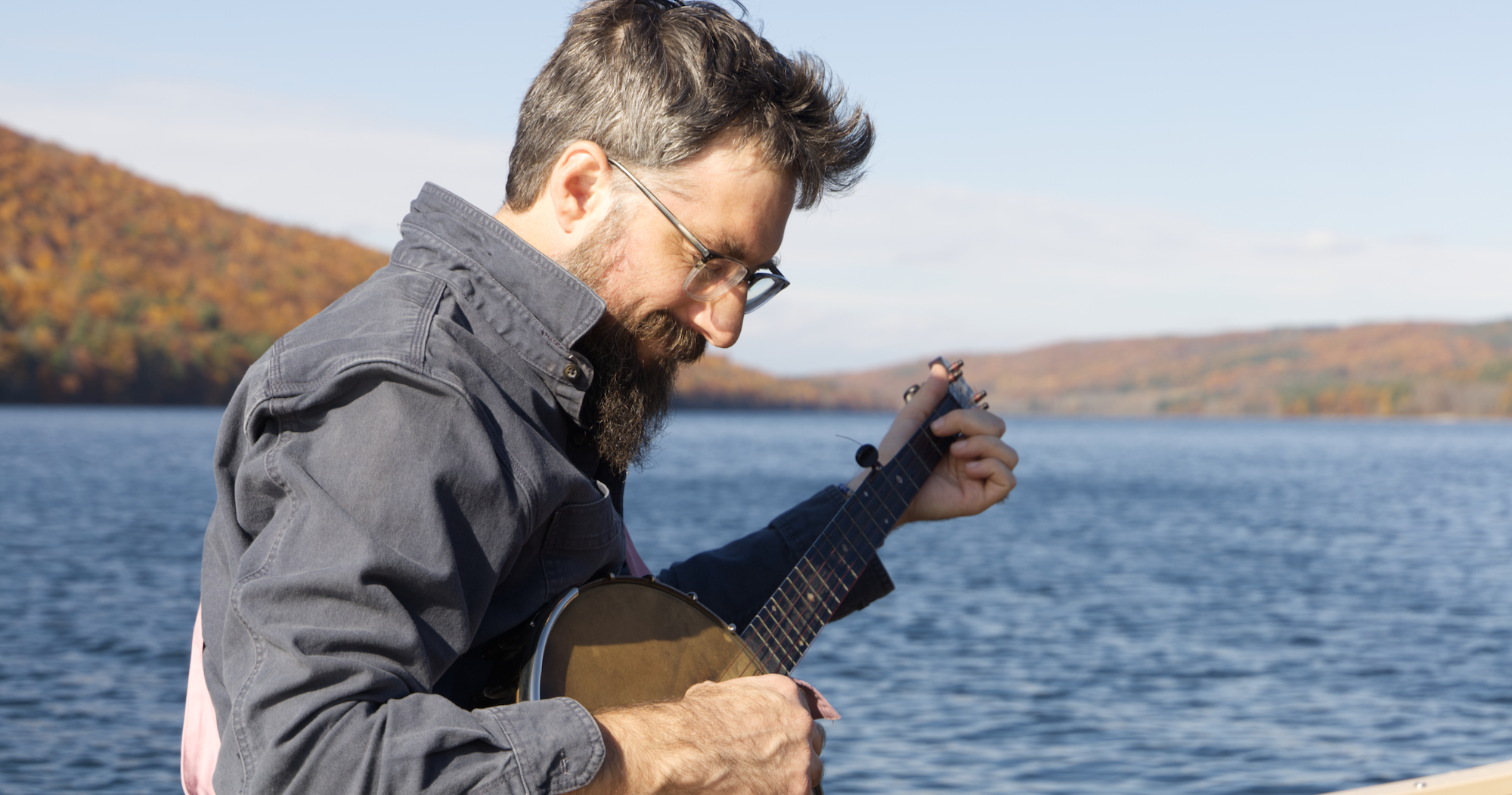
Old Spot’s Transatlantic Old-Time Playlist

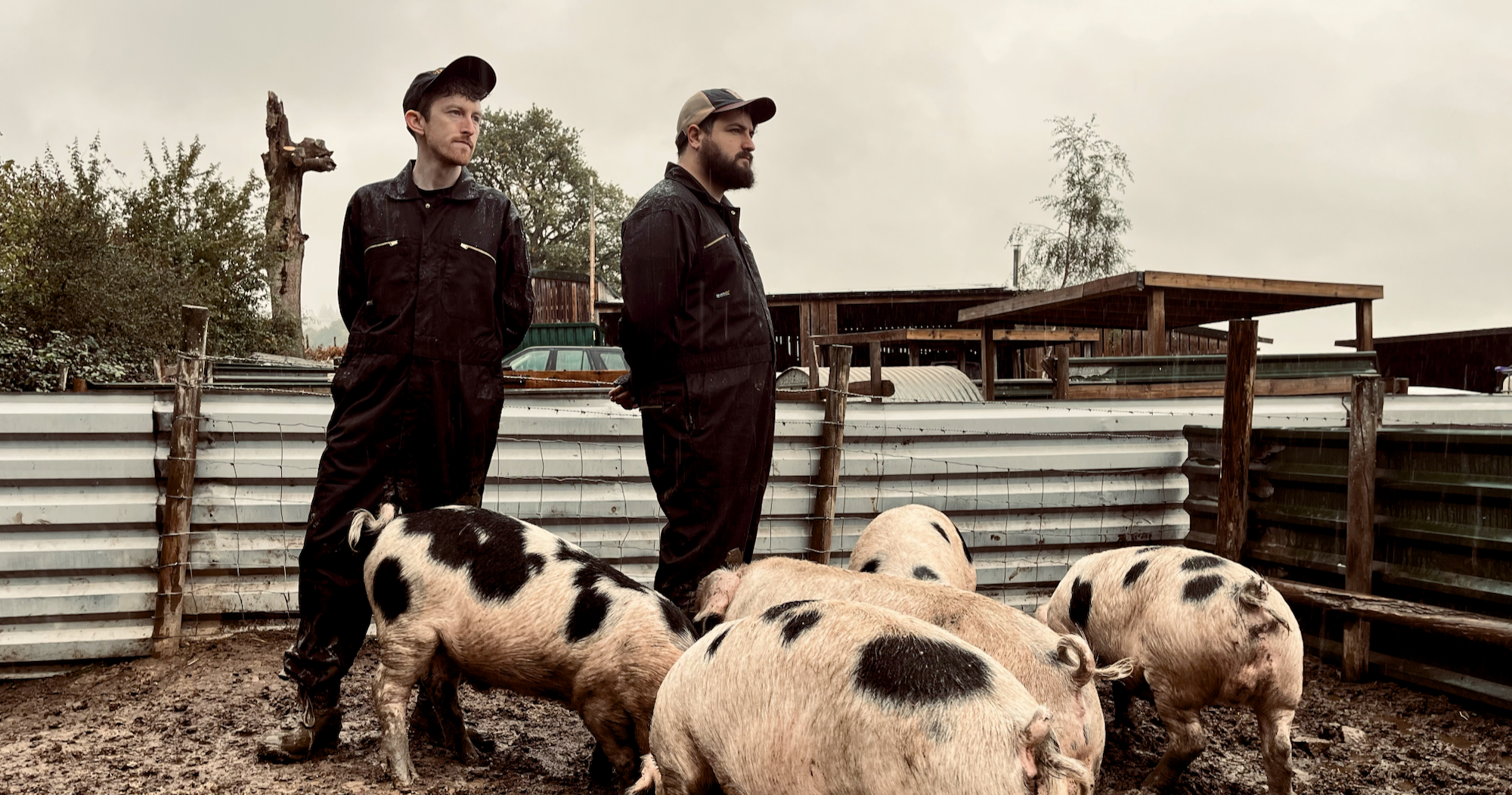
(Editor’s Note: Below, United Kingdom-based old-time duo Old Spot – Rowan Piggott and Joe Danks – curate a Mixtape for BGS celebrating old-time music of the UK and Ireland. In order to include as many tracks as possible representing the vibrant string band scene in the UK, some selections are shared via Spotify and others via Bandcamp, depending on availability. We hope you enjoy listening and learning about transatlantic old-time – and that you support all roots musicians directly whenever possible.)

This is a Mixtape designed to highlight some of the amazing old-time string band music coming out of the UK and Ireland at the moment. Old Spot is a product of a vibrant scene, with the fiddlers and bands around us just as influential to us as their American counterparts.

This playlist looks to reflect some of the musicians performing string band music today, whilst shining a light on lesser-known gems. In compiling it, we’ve realized how much of the music we love on the old-time scene here isn’t on Spotify – if you love any of this music, buy it from the artists who made it! Anyway… less jawin’ more sawin’… – Old Spot

“Elzick’s Farewell” – Rattle On The Stovepipe

Rattle On The Stovepipe formed in 2003 and have played up and down the UK spreading old-time with band stalwarts Pete Cooper and Dave Arthur joined later by Dan Stewart – probably our favorite banjo player in the UK. This groovy version of “Elzick’s Farewell” is from their first album with Dan, No Use In Cryin’.

“Maggie Mead” – Follywren

Follywren is the brainchild of Bristol musician Kai Carter. We love lots of stuff that Kai does – his old-time trio is great and his original music (Kai & Hollis) is also a tour car staple. We have a real soft spot though for this amazing Follywren album, described as a kind of New Orleans-inspired electric string band. The tuba and electric banjo actually end up landing you somewhere between Clyde Davenport, Ghanaian Highlife, and Captain Beefheart’s Shiny Beast era… a good place to be.

“Rainbow” – Cath & Phil Tyler

Cath & Phil Tyler straddle the traditional and experimental music scenes in the UK and run the Newcastle sacred harp singers. Their albums are a treasure trove of ballads, with Phil’s mesmeric guitar and banjo playing supporting Cath’s one-of-a-kind, transportive voice. In some ways though, they are at their best a cappella where their background in shape note style really shines.

“Shanghai Skyline” – Jeri Foreman & Ruth Eliza

Jeri Foreman & Ruth Eliza are a powerhouse fiddle and banjo duo and you always want to see them on a festival lineup. Where these guys go, good tunes follow and their debut album shows off their musical connection beautifully. Recorded live, we’ve chosen one of Jeri’s tunes to highlight here.

“Chicken & Dumplings” – Ben McManus

Welsh musician Ben McManus is a multi-instrumentalist and promoter of old-time music in the UK. He’s schooled in the history of old-time and has done a number of interesting projects exploring the connections between Wales and Appalachia. He’s also interned at the Smithsonian – absolute dude. This is a laid-back clawhammer guitar and cello version of “Chicken & Dumplings,” a favorite of UK sessions. This record makes us miss Ben, and not just because he makes a mean Negroni.

“Dormae” – Hannah Read

Hannah Read’s first Fungi Sessions album is one of our favorite ever records as a band. We loved the sonics of it so much that we travelled to the studio in Scotland where it was recorded to make our new album. Hannah is now based in the US, but hails from Scotland and comes over frequently to collaborate with the incredible Michael Starkey. Hannah has collaborated with indie royalty Big Thief, Julien Baker, and Lucy Dacus, and you can hear this broader sonic palette across her output. But the real star of these Fungi Sessions albums is her incredible composition and the subtle magic of her bow arm.

“Wolves A’ Howlin'” – Kieran Towers & Charlotte Carrivick

Kieran Towers & Charlotte Carrivick can most often be found in the bluegrass scene in the UK, but came together for this one-off old-time album of absolute rippers. Charlotte, one of the best flatpickers in the UK, reveals herself to be one of the finest clawhammer players, and Kieran, best known for shredding bluegrass solos, turns into prime Bruce Molsky. Being able to just casually drop this album as a side project is outrageous. A frustratingly brilliant album from two undeniable musical geniuses.

“Glory In The Meeting House” – Ben Paley & Tab Hunter

In our opinion, Ben Paley is the jewel in the crown of British old-time music. He’s performed in loads of different lineups with musicians from the South of England – probably most notably The Long Hill Ramblers and with his dad Tom Paley of The New Lost City Ramblers. His fiddling is just as good as it gets, full of character, groove, and skill. On this record from 1999, he’s backed by Tab Hunter who is an old-time backer with taste, power, and pocket.

“Pterodactyl” – One Night Stringband (Old Spot, Jeri Foreman, Ruth Eliza)

We recorded this collaborative album with Jeri Foreman and Ruth Eliza over the course of one night and a bottle of whisky. We put it out the following day after some hungover mixing and now we perform sporadically as The One Night Stringband for square dances and concerts. We’ve got our seventh and eighth gigs together this summer!

There’s a kind of exploratory madness in these recordings and we all chose tunes we couldn’t get to hang quite right in our duos. There’s a raging version of Rhys Jones’ “I’ll Reap What I’ve Sown,” a version of “Josie-O,” and this, Ruth’s prog-y old-time wig-out “Pterodactyl.”

“Benton’s Dream” – High Strung Trio

From Cork, Ireland, this is one of our favorite old-time records of the last few years. From ex-members of the Grits & Gravy Stringband comes a new trio record of uncompromising ragers. Fiddle player (and luthier) Ian is an absolute machine on this record, laying down danceable bangers like it’s nothing. A great record to pick up new tunes or to power a long car journey, we can’t stop listening.

 “Two Little Sisters” – Sugarwell Hill

Sugarwell Hill is a trio from Leeds in Yorkshire. This is a new record from them that the scene has been anticipating for a while. Recorded confidently and simply, it’s a great snapshot of what is so magical about this laid-back band. “Two Little Sisters” features Simon’s relaxed vocal delivery and groovy banjo playing set against Mick’s gritty fiddle playing. We’re so lucky to have these three in the scene over here, and can’t think of a bad time to stick this beautiful new record on.

“Walk Me Round” – Rhona Dalling

Rhona is another Bristol-based fiddler, singer, and banjo player. This record is, so far, her only recorded output, but like so many of the best trad musicians, her best music happens in sessions and muddy fields. She has an incredible fiddle style, full of poise and effortless technique, and a beautiful voice. This quietly beloved record features a great waltz and her tune “Balfour Road,” which is played in trad sessions up and down the country and has really transcended the old-time scene, thanks to a recording by bal folk band Topette!. Perfect for a rainy day.

“Bear Creek” – Lankum

Whilst most of their repertoire is drawn from Irish folk, experimental trad behemoths Lankum often close their sets with this old-time tune. We couldn’t not include it after watching 20,000 people bouncing up and down to it at Glastonbury!

“Bowling Green” – Joe Mansfield & The Temperance Two

Bristol-based Joe Mansfield is another person you love to see walk through the door at a jam. He’s got an amazing repertoire and is a great hang. He’s got a new duo called The Low Line (watch that space), but he gigs out all the time with the Temperance Two. This is a great version of “Bowling Green.”

“The Roustabout Song” – Old Spot

We heard “The Roustabout Song” sung at a Morris Dance festival singing session. The song sounded distinctly American – a bit of digging led us to English folklorist Sandy Paton and, in turn, the songwriter Dillon Bustin. The song was written at Pinewoods Camp and according to Paton presented both a cappella and with a “lazy river” banjo accompaniment. We’ve done a new joyful fiddle-singing version, bringing out the song’s subtle political undertones. Unfortunately the parasols are twirling faster than ever.

“June Apple” – The Firecrackers

The Firecrackers are five of the UK old-time scene’s stalwarts, and they whip up a frenzy wherever they go. This album of field recordings is a good snapshot of them doing their thing and Benton Flippen’s “June Apple” is their signature tune.

One of the band’s fiddle players, Dave Proctor, edits Old Time News, the quarterly old-time magazine published by FOAOTMAD (Friends of American Old Time Music and Dance), a grassroots organization that has supported the growth of old-time in the UK so much over many years.


Photo courtesy of the artist.
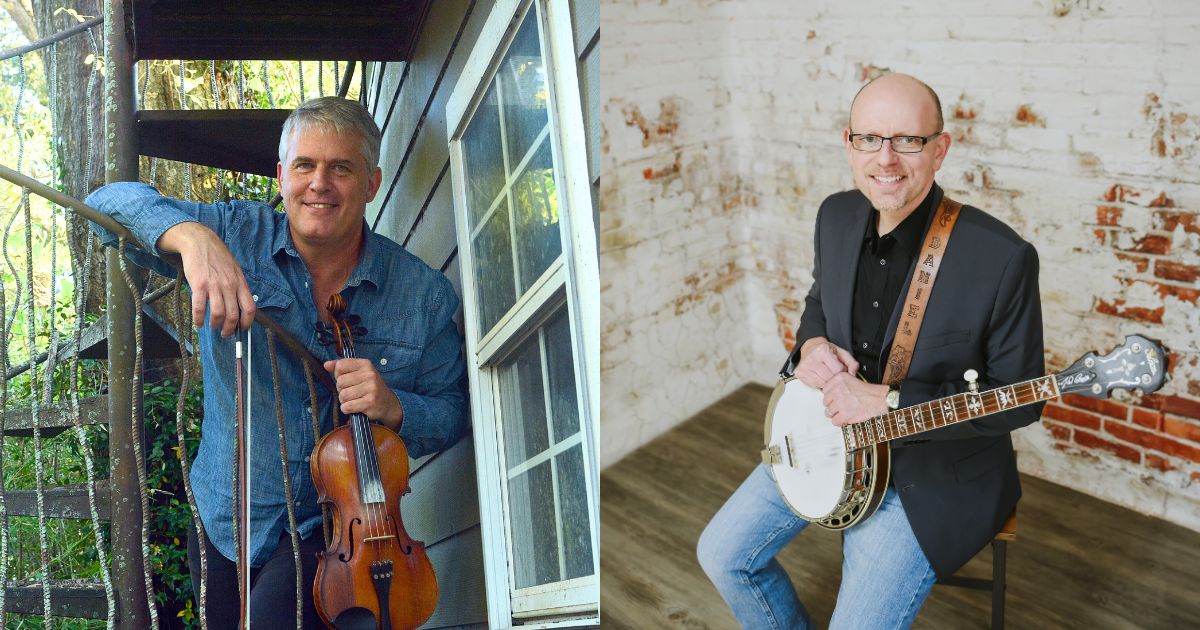
10 Fiddlers We Know You’ll Love

When it comes to fiddlers, we all know that more is more is more.

Lonesome fiddle? Great. Twin fiddle? Even better. Triple fiddle? (Who called Bob Wills?)

But with all this great fiddling, it’s hard to keep up with who is who. We are here to help. It turns out that for all the fiddlers that you may know and love, there are probably 10 more that you haven’t heard of – even if you’ve heard their playing!

Here are some fiddlers making big waves and sawin’ big figure eights who may be flying under your fiddle radar.

Ellie Hakanson

Originally from Portland, Oregon, Ellie Hakanson grew up playing music in her family band. Bluegrass fans will have heard her blazing solos as part of Jeff Scroggins & Colorado, with whom she toured and recorded for five years. She now lives in Nashville, where she plays with Missy Raines & Allegheny and Kristy Cox among many other artists.

Ellie’s fiddling is defined by its traditional bluegrass sound and deep study of the genre. The International Bluegrass Music Association agrees, as Ellie has been nominated for several IBMA Momentum Awards – in 2017 for Instrumentalist of the Year, in 2018 for Vocalist of the Year, and in 2019 for both Vocalist and Instrumentalist of the Year.

Here, she plays “Sally Goodin” with the incredible Michael Cleveland during a workshop at Cowichan Valley Bluegrass Festival in Lake Cowichan, British Columbia, in 2024.

Evan Snoey

Multi-instrumentalist Evan Snoey approaches music with a wide lens. Equally comfortable playing old-time fiddle and jazz saxophone, Snoey’s breadth of musical knowledge finds him playing with everyone from young shredders (like the Litch Brothers) to country artists (like Dylan Gossett). Originally from Seattle, Snoey’s stylistic interests include old-time, bluegrass, Scandinavian, Scottish, swing, jazz, and contemporary improvisational music.

In this video, he performs a medley of tunes – “Busta,” “Sjøvald,” and “Primrose Lass” – with Alex Wilder on piano for the Nashville Contra Dance.

Omar Ruiz-Lopez

Chapel Hill, North Carolina-based fiddler and multi-instrumentalist Omar Ruiz-Lopez may be best known for his work with folk duo Violet Bell. Ruiz-Lopez is currently making a name for himself as a sideman (playing cello, guitar, and fiddle) with artists such as the War and Treaty, Franklin Jonas, Lizzie No, and Langhorne Slim. And he has just announced a crowdfunding campaign for his first record of original music. Born in Panama and raised in Puerto Rico and Florida, Ruiz-Lopez is a bilingual singer-songwriter who brings a cross-cultural perspective to his music.

In the above video clip, Ruiz-Lopez performs “Panavueiro da Rabeca” and “Panariqueño,” an original fiddle tune, accompanied by Jamey Haddad and Clay Ross at Casey Driessen’s Blue Ridge Fiddle Camp in 2025.

Josie Toney

Soon after moving to Nashville, Josie Toney hit the road as part of Sierra Ferrell’s band, which went from a DIY van tour to a bus operation during her tenure. In 2022 she released her solo album, Extra, featuring her songwriting and guitar playing as well as extraordinary fiddle work. Originally from Olympia, Washington, Toney studied at Berklee College of Music before moving to Music City. She now tours with country star Hailey Whitters and appears often around Nashville fronting her own band and picking with others.

In 2022, she was a guest on Cameron DeWhitt’s podcast, Get Up in the Cool, performing a version of “Smith’s Reel” that perfectly shows her style.

Libby Weitnauer

Libby Weitnauer grew up in the shadows of the Great Smoky Mountains and studied classical violin in Chicago before returning to her roots in Tennessee to play old-time and country fiddle. An endlessly curious and evolving musician, she has played for Margo Price and Kelsey Waldon and has performed on Broadway in New York City, as well as founding indie band Dallas Ugly and fronting her own songwriting projects. A solo album is rumored to be on the way.

In this video, she performs “Swannanoa Waltz” for the YouTube channel The Old-Time Fiddler.

Amy Alvey

Old-time expert Amy Alvey is a fiddler from California who focuses on building community wherever she goes. In addition to recording and touring with her duo, Golden Shoals, and her indie solo project Mild Windago, she fronts the string band Hometeam Advantage, hosts a radio show on Middle Tennessee’s WMOT, and has cultivated a weekly old-time jam in Nashville. Amy is an encyclopedia of old-time tunes and sources with a wide range of stylistic ability.

Here, Hometeam Advantage includes George Guthrie (banjo), Charlie Fuertsch (guitar), and Ethan Hawkins (bass) performing “Tanner’s Farm.”

Jamie Fox

Montana-based fiddler (and pilot and aircraft mechanic) Jamie Fox grew up on the Fort Belknap Indian Reservation and is part of the Agniih and Nakoda tribes. Jamie, along with her brothers, learned Métis fiddle styles from traditional players on the reservation such as Old Fatty Morin, as well as Métis fiddlers like Jimmie LaRocque, Mike Page, and Johnny Arcand. She currently tours with her band The Fox Family Fiddlers, and as a solo performer.

This video, uploaded in 2019, showcases three reels in the Métis style performed in Denmark with Malene D. Beck accompanying on piano.

Katie McNally

Scottish fiddler Katie McNally grew up in the Boston area and was mentored by the legendary Hanneke Cassel. Her style is fierce and energetic, drawing inspiration from traditional Scottish and Cape Breton styles – as well as Scottish-American players. Katie records and tours her own music and is also a member of The Pine Tree Flyers with Emily Troll (accordion), Benjamin Foss (guitar), and Neil Pearlman (piano).

In 2024, the Pine Tree Flyers performed “Vidita” together for Seirm during Celtic Connections 2024, taped for BBC Alba. Watch above.

Austin Derryberry

As deeply rooted as they get, old-time fiddler and luthier Austin Derryberry plays with the groove of generations. Originally from Unionville, Tennessee, Derryberry’s duo album with Trenton “Tater” Caruthers focuses on the less well-known fiddling of the Middle Tennessee area. He apprenticed with legendary fiddle maker Jean Horner and now makes and plays fiddle in the region.

In this video, Derryberry is joined by his wife Courtney Derryberry and Greg Reish to perform an Ed Haley version of “Chinese Breakdown” in Ireland for the Westport Folk & Bluegrass Festival in 2023.

Connor Murray

Originally from the Chicago area, Connor Murray Ostrow polished his bluegrass chops studying with Michael Cleveland and he can currently be found gigging all over Nashville and around the country. Connor’s playing is clean and focused, with bluegrass drive and country sensibilities.

A graduate of Belmont University, for his senior recital in 2022 he performed a hot club jazz rendition of a Kenny Baker tune, “Bluegrass in the Backwoods,” illustrating the way his approach to the instrument has cross-pollinated with many styles.


Photo Credits: Lead image (L to R): Ellie Hakanson by Nico Humby; Josie Toney by Natia Cinco; Omar Ruiz-Lopez by Phyllis B Dooney, PHOTOFARM. Alternate image: Ellie Hakanson by Nico Humby.

John Reischman: Between the Salish Sea and Salt Spring

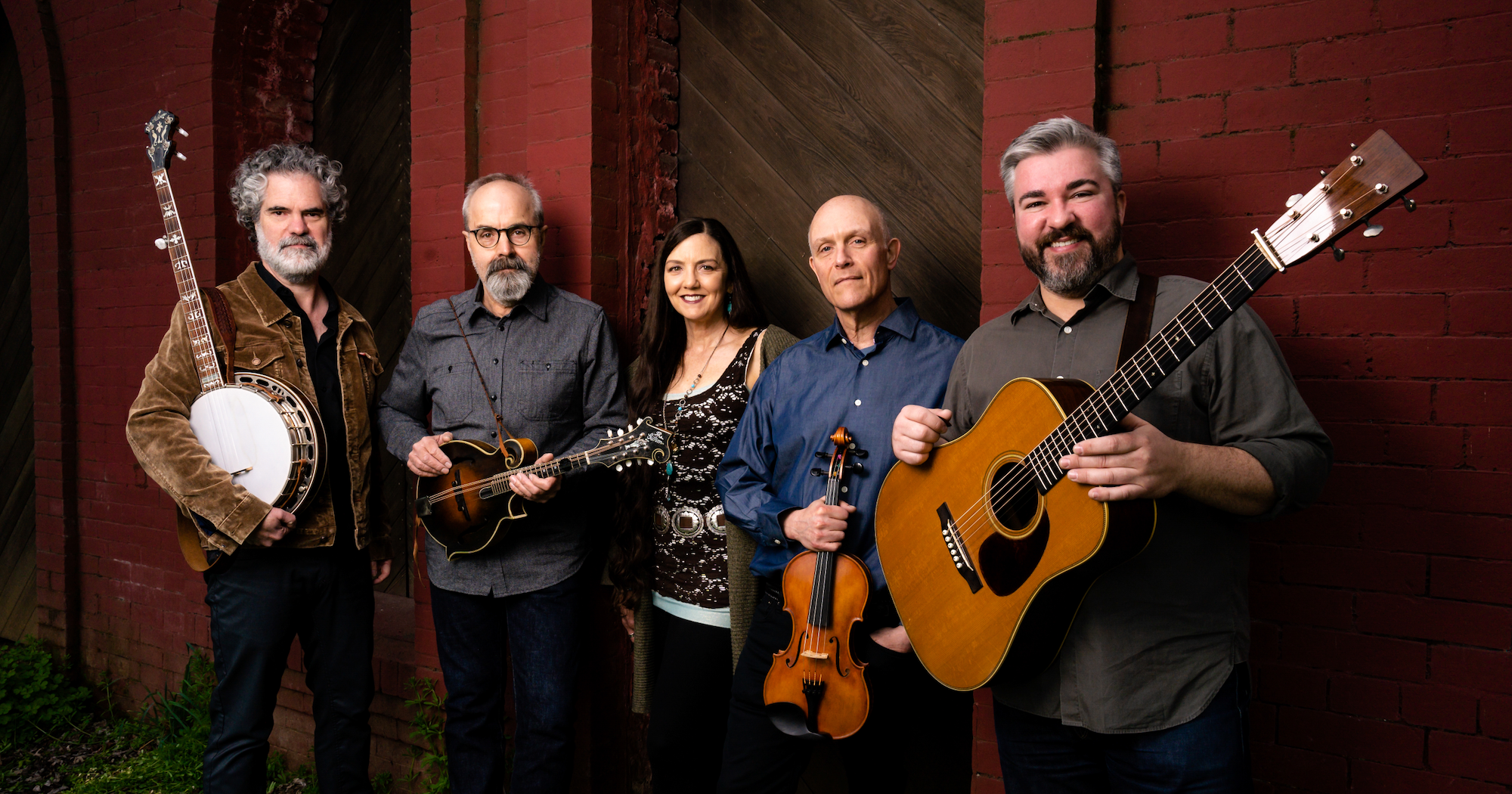
There are no U.S./Canada border wars when it comes to John Reischman. The revered mandolin master was born in Northern California but has lived in British Columbia since the early 1990s. His longtime band, the Jaybirds, are a quartet that includes two members who are also based in British Columbia (bassist/vocalist Trisha Gagnon and banjoist Nick Hornbuckle) and two who reside in America (fiddler Greg Spatz lives in Eastern Washington and guitarist/vocalist Patrick Sauber is from Southern California).

Their latest album, The Salish Sea, refers to the body of water between Vancouver Island and the British Columbia mainland. The record is their first since 2017’s On That Other Green Shore along with being the first to feature “new” guitarist Sauber on the entire album. The song “The Salish Sea” not only serves as the album’s title, but also is part of an original “Bluegrass Concerto” that Reischman was commissioned to create for FreshGrass in 2024. The honor is just one example in a long line of accolades for Reischman, who began his career in the Bay Area bluegrass/folk scene of the 1970s (including a stretch with the Tony Rice Unit) before moving to Canada, where he started the Jaybirds as well as performing solo and in other groupings.

In recent years, Reischman has seen his song “Salt Spring” become something of a modern bluegrass classic. He spoke with the BGS from his home in Vancouver about “Salt Spring” as well as The Salish Sea, his famous Lloyd Loar mandolin, and how he got into bluegrass music.

What was the process of putting the new album together?

John Reischman: There was one venue in Washington State where we had a residency. It was in the fall, in a beautiful spot. It was just ideal. So we took the extra day, worked up like six new tunes, and then started performing them right away. I guess this was October of ‘23.

And then you recorded the album in Vancouver?

In December of ‘23, I wanted the band to check out the studio here in Vancouver, where we ended up ultimately recording. I just want to make sure everybody was cool with it. I knew I liked it, because I had used it for my solo record, New Time & Old Acoustic. They all liked it. At the end of any tour we had that was close to Vancouver in 2024, I’d book a day or two in the studio, and we’d go record two or three or four songs. We were able to perform all this material mostly before we recorded it. … And it was great, because we’d be warmed up from the tour and we’d go in and track some tunes.

This album was the first in a while, and also the first that Patrick Sauber was fully on it.

Right, On That Other Green Shore came out in 2017. That was kind of the tail end of our time with [guitarist] Jim Nunally being a band member. He was exploring other things and decided he’d leave the band. We had a few more tracks to do… and we had some dates on the calendar.

I thought of Patrick immediately, because I’d known him for many years and I thought he’d be good. So he signed on for a tour and then another tour and it was just like, “This works great.” We asked him to join and he immediately said yes. He was a great fit.

How did the Jaybirds come together in the first place?

I didn’t really set out to have a band, except for the fact that I had a solo record called Up in the Woods. There was a local festival, so I put the band together to help promote the record. Seemed like a good idea. And I liked playing with all those people and it just continued on.

It’s called John Reischman and the Jaybirds, because I conceived of it. My name was probably the most well known at the time, but I wanted to be integrated into a bluegrass band. People present stuff, and I almost always accept it. Mostly it’s a pretty democratic presentation, I think. That’s what I like. It’s not Gladys Knight & the Pips.

Can you talk about the title track and how it’s also part of a larger project?

I had been asked to write what they call a “Bluegrass Concerto” by the East Coast festival FreshGrass, and I came up with these three tunes that work together. The first tune was the first movement, which ultimately was called “The Salish Sea.” I thought this will be my contribution to the new Jaybirds record, because they were involved with the performance of the Concerto.

We performed it [at FreshGrass in 2024] and I really liked the idea of having two mandolins and I’ve always loved two fiddles. I knew Darol Anger was going to there, so I asked him if he’d play twin fiddles on it. And then Sharon Gilchrist is a good friend and great mandolinist; we’ve played a lot together, and I asked her to play a mandolin on two of the three pieces.

I’ve got to acknowledge David Grisman, because the music is influenced by his “Dawg Music.” It’s also the sound that I initially heard on his first solo record, The David Grisman Rounder Record. He incorporated harmony mandolin on a lot of it.

It must have been very inspiring and gratifying to receive this commission.

You know, I’ve written a lot of tunes and a lot of folks have learned my tunes, which is really gratifying. But to have been commissioned to write this and have the confidence of this great festival and organization, yeah it was.

I had plenty of time to work on it and the time that it mostly came together was when I think my wife was visiting family. I had the house to myself. That first piece, in particular, really developed over a period of time. The second one [“The Family’s Farewell”], I came up with the A part pretty quickly and it took a while to get a bridge for it.

The third part [“The Little River Ramble”] was similar. … The thing about the concerto format is the third movement typically has an extended solo section and it’s often a bender where it’s just the featured soloist playing solo without any accompaniment. But I wasn’t really comfortable so much with that. I thought, I’ll just have it break down and I’ll solo all through there but have it build back up.

I’m really happy with the response it has gotten. Even playing it just as the five-piece band, I think the band sounds great on it. It’s only like icing on the cake when the twin fiddles and the twin mandolins are there.

And this spring, you’re going to record the entire concerto?

At the end of March, we’re going to be on tour on the East Coast and the FreshGrass Festival has a recording studio. They offered to make the studio available, so we’re going to record that just as we performed it, with Darol and Sharon joining in. That will be part of a solo record, even though I’m using those musicians. And I have other sessions planned. I’ve done one session that will add to the whole thing. Those three tunes of the concerto will just be one component of the new recording.

“Salt Spring,” one of your older songs, has become a highly popular instrumental now in the bluegrass world. How much of a pleasant surprise has that been?

It’s kind of remarkable to me that it’s as popular as it is. I mean, I’m not complaining. It’s great. … But it’s interesting how it’s just traveled all over and people think it’s just a traditional tune in some circles. They have no idea that it was composed by me. That’s cool, too.

The Jaybirds recorded it and it came out on a CD in 2001. We were at a music camp with some folks from Colorado and they learned it. I think that’s largely the beginning of it getting circulated among other people – where they took it back to Colorado. They’re the “patient zero,” I guess.

I know that a certain generation of Berklee students were playing it a lot, and maybe a bit later – maybe 10 years later. It’s pretty cool having people play your tune when you’re not there. That CD was never available digitally until recently, but we made a video of it around 2011… and that was the source, I think, for a lot of people learning it.

And then you recorded it again with Molly Tuttle, Alex Hargreaves, Max Schwartz, and Allison de Groot on your 2021 solo album New Time & Old Acoustic.

I didn’t have all the material when I started that whole project, but I knew I wanted to re-record “Salt Spring” with some of these younger musicians who had grown up playing it.

What do you remember about writing it? And why do you think so many musicians have gravitated to playing it?

I was on Salt Spring Island [in British Columbia] staying with some friends and they had a little old turn-of-the-century Martin small-body guitar. I was just playing the guitar and I was playing out of a D chord shape, and the A part of the tune just kind of took shape under my fingers. It was memorable enough that I don’t think I had to record it to remember it. The B part was just this little phrase I would play on the mandolin, just noodling around … so I just kind of stuck it on there and it worked pretty well.

I think the thing about the tune is the basic melody is very simple, but the way I played on the mandolin, the technique I use, is not quite cross-picking. But it falls into a right-hand pattern that sort of mimics the way the frailing banjo is played with that “bum-ditty, bum-ditty, down-down up, down-down up” pick stroke. So, these extra “down ups” are drone notes and that just kind of enhance the whole overall effect. Because of that, it lays out really nicely on the banjo. Then on the fiddle, you can add drones and add to it that way. And on the guitar also, you can fall into that kind of “bum-ditty” pattern as well.

I think you can learn the tune pretty easily. It’s not super challenging like some fiddle tunes where they’re very detailed in the melody. It’s pretty straight and so I think that’s partly why people gravitate towards it.

You grew up in Northern California. How did you get interested and involved in music, specifically bluegrass music?

Have you heard of a guitar player named Robben Ford? He grew up in the same town where I did in Northern California. He was in a high school band with my neighbors. I must have been 12 or 13. They were rehearsing on a patio and I went over to listen. I was interested in music and I heard them play the Freddie King tune “Hideaway,” which Eric Clapton recorded on the John Mayall & the Blues Breakers record. My brother Steve had that record. I recognized the tune and I thought, “What? This is impossible. This sounds as good as the record!”

From then on, I was just focused on trying to play the guitar. I had taken guitar lessons prior to that, but it didn’t really work. But there were guitars around the house. So that was the thing that really sparked my interest in learning to play. But I was open to all kinds of music. I’d have access to the PBS station KQED and they’d often air Pete Seeger’s Rainbow Quest, where he’d have different folk musicians, bluegrass musicians, old-time musicians. I thought, “Oh, this is cool!” And then the mainstream presentation of bluegrass with The Beverly Hillbillies, having Flatt & Scruggs on it, and the Dillards and the Country Boys playing on The Andy Griffith Show.

At some point, I had access to a mandolin, which I associated [with] bluegrass music, and taught myself to play it. I tuned it to an open chord for a long time, like a banjo, which was incorrect. And I didn’t use a pick. But eventually I got things squared away.

I discovered the John Hartford Aereo-Plain record. I saw them on TV as well. That was very inspiring. Then I discovered Norman Blake and Vassar Clements. I come to find out they had their own records. … That first Norman Blake record, I couldn’t believe it. I just flipped over that, and I thought, “This is so great!” And I’d heard Doc Watson at that point, so I just got really interested in it, and focused on that music, primarily.

So, was the Good Ol’ Persons your first significant band?

Yeah, it was the first real pro band I was ever in, and I was a fan of theirs before that. I [had] lived in San Francisco for a short while and saw their original lineup, which included all women. And it was exciting to get the opportunity to play with these folks. Because I was living near Eugene, Oregon, and I was just playing the mandolin all the time – a lot with my brother, Steve – but I wasn’t in a band, and I was working on a farm, just part-time. And a friend from the Oregon bluegrass scene had joined them and they needed a mandolin player. He said, “I know a guy.”

That placed me in the Bay Area, which was a great scene. There were lots of good bluegrass bands. And the Grisman Quintet was there. … But the thing that set Good Ol’ Persons apart was their original material, because Kathy [Kallick] is a fantastic songwriter. And Paul Shelasky, who was in the band, also wrote great songs. That opened the door for me to try and write tunes – because, “Oh, these guys write tunes. I’ll try it.” I wrote a few and people liked them. That just gave me encouragement to keep at it, which I have done.

So consequently, when Grisman and Tony Rice parted ways, Tony was aware of me. He’d heard me play at the local bar. He wanted to put a band together and needed a mandolin player. So, I went to the audition and he hired me.

You are well known for having an antique Gibson Lloyd Loar mandolin. What do you think makes those mandolins so special?

I guess that [mandolin] was kind of the ultimate expression of Gibson mandolins. But there’s plenty of new makers and a lot of them are using that basic design. So, aesthetically and as far as the craft of the instruments, some of these builders are way better than the Gibson mandolins were to look at, but the Gibsons have 100 years of aging and playing.

I think the playing of the instrument contributes hugely to its sound. Because, if there’s a Lloyd Loar that left the factory and went into someone’s closet and never came out for 50 years, I don’t think it’s going to sound like one like mine that has been played consistently over time.

I feel fortunate to be the caretaker for this great instrument. I think for most bluegrass musicians, it’s not only the music, but it’s the tools. These vintage instruments, like the Martins from the ‘30s and ‘40s, and Gibson mandolins from the ‘20s, and old banjos, it’s just a vibe that goes along with the music and aesthetic.


Photo courtesy of John Reischman.

You Gotta Hear This: New Music From Dirk Powell, Daniel Grindstaff, and More

Need some new music in your life? You Gotta Hear This!

This time, our weekly roundup is kicked off – pun intended – by mandolinist and singer-songwriter Ashby Frank, who has just released “Stokes County Buck Dancing Man.” Written with Mason Via, the track pays tribute to the tradition of flatfooting and buck dancing at fiddlers conventions, old-time jams, and bluegrass festivals – especially giving homage to Todd “The Bod” Inman of Galax Old Fiddler’s Convention fame. It’s modern bluegrass with plenty of fun, down-home, mountain music infusions. Also in bluegrass, Daniel Grindstaff & the Uptown Troubadours have a brand new self-titled album out today. To celebrate, we’re sharing their cover of “Denver,” a song written by the legendary Larry Gatlin. Whatever the genre, whomever the artist, the song certainly shines; Grindstaff and company do it justice.

Old-time, Cajun, and Americana musician Dirk Powell shares a new lyric video with us today, as well. “Down The Line” captures the musical itinerant lifestyle and career Powell has made for himself, reflecting on the journeys he’s taken from his home in Louisiana to points all over the map – but especially Powell’s beloved Southwest. From West Virginia, singer-songwriter Brad Goodall draws from the river town vibes of his native Huntington for “River Water.” Found at the confluence of clean, manicured soft rock and gritty Americana folk rock, Goodall plays with themes well-placed in roots music: home, belonging, leaving, staying, and – eventually – coming to terms with all of it.

Texan artist, songwriter, and cowgirl Candace Hastings has brought us her new song, “Loving Cowboys,” today as well. It’s a song about being left behind by the person you love, watching the dust kick up from their truck tires as they head off to make their living. Jazzy and swinging, it’s country steeped in the “& western” most of the genre has long since dropped, but Texas keeps well alive for all of us to enjoy. To wrap us up, SUSTO’s acoustic iteration, Susto Stringband, team up with Morgan Wade for “Hard Drugs,” off an upcoming second volume of Susto Stringband. The group wasn’t originally planning to include this song on the project, but were convinced by Wade – to the benefit of each of us.

There’s so much to check out and enjoy below! You Gotta Hear This…

Ashby Frank, “Stokes County Buck Dancing Man”

Artist: Ashby Frank
Hometown: Nashville, Tennessee
Song: “Stokes County Buck Dancing Man”
Release Date: March 20, 2026
Label: Mountain Home Music Company

In Their Words: “I wrote this song with my buddy Mason Via. We both attended fiddlers conventions and bluegrass festivals in North Carolina and Virginia when we were kids and, of course, flatfoot buck dancing and clogging are a big part of these events. There were always so many great musicians and dancers there, as well as some larger-than-life personalities, but Todd ‘The Bod’ Inman from Stokes County, North Carolina, might have been the biggest and brightest character of them all.

“We wrote this song as a tribute to Todd and we were able to send him a work tape version of it before he passed away from cancer in 2024. He loved being the life of the party and the star of the show and he seemed to really get a kick out of our song about him. Galax Old Fiddler’s Convention will never be the same without his iconic dance moves and sense of humor. I was so pleased that Mason agreed to sing harmony with me on this track and I’m so very proud of how it turned out. This one’s for The Bodman!” – Ashby Frank

Track Credits:
Ashby Frank – Mandolin, lead vocal
Seth Taylor – Acoustic guitar
Travis Anderson – Bass
Matt Menefee – Banjo
Tony Creasman – Drums
Mason Via – Harmony vocal
Jim VanCleve – Fiddle


Daniel Grindstaff, “Denver”

Artist: Daniel Grindstaff
Hometown: Elizabethton, Tennessee
Song: “Denver”
Album: Daniel Grindstaff & The Uptown Troubadours
Release Date: March 20, 2026 (album)
Label: Bonfire Music Group

In Their Words: “‘Denver’ lyrically paints a picture and tells a story of heartbreak set against the backdrop of the Rockies. Written more than 40 years ago by legendary songwriter Larry Gatlin, I felt it was the perfect time to introduce ‘Denver’ to a new bluegrass audience. There’s so much about the song that I loved when I first heard it – the melody, the storyline, and the vocal lift in the chorus all grabbed me. Being a huge fan of Larry Gatlin’s songwriting and the music of the the Gatlin Brothers, it’s an honor to put our spin on this great song and show how incredible lyrics and melodies can move through genres and generations and stand the test of time.” – Daniel Grindstaff


Brad Goodall, “River Water”

Artist: Brad Goodall
Hometown: Huntington, West Virginia
Song: “River Water”
Album: Hometown
Release Date: March 20, 2026 (single); May 1, 2026 (album)

In Their Words: “Biographical in nature, this song pulled from me a lot of the bittersweet feelings I have regarding my surroundings. ‘You can leave it, it’ll be there when you need it,’ in the hook. West Virginia isn’t going anywhere, and it’s home, but finding my own brand of happiness here took a lot of maturing, because I spent much of my twenties confused, frustrated, and wanting out. As my values changed, my outlook on it brightened.

“This song became more than I imagined in the initial demos. The record version scratches my soft rock itch and even leaves room for a hypothetical live jam in the instrumental bridge section – both of those qualities are pure to me. I was also lucky to have found a defining riff song, which has blossomed again in trending indie and folk songs of today’s landscape. ‘River Water’ is a personal favorite of mine for another reason, it’s malleable. On the road last year and now, I’ve played it as a solo piano ballad, which has brought me close to the tune in inspiring new ways.” – Brad Goodall

Track Credits:
Brad Goodall – Vocals, piano, songwriter, producer
Jason Boesel – Producer
Zack Owens – Guitar, vocals
Griff Goldsmith – Drums, vocals
Macey Taylor – Bass
Jack Tellmann – Engineer


Candace Hastings, “Loving Cowboys”

Artist: Candace Hastings
Hometown: San Marcos, Texas
Song: “Loving Cowboys”
Release Date: March 26, 2026

In Their Words: “I’ve loved a lot of leavers in my life. ‘Loving Cowboys’ is for all of us who stay home and watch the truck kick up dust on the way out of the gate at sunrise or the ship pull away from the dock for yet another six-month tour. It’s about loving someone with a divided heart, a touchstone for those of us who are left behind – how much are we willing to give up of ourselves to make someone else’s dreams come true? ‘Loving Cowboys’ is a song that gets folks to push back the tables in a crowded bar and dance in the dark. It’s a late-night, jazz-tinted country ballad you can’t help but sway to, a dive bar classic jukebox tune that closes out the night for every lonely heart in the joint. So close the blinds and turn down the lights – it’s time to dance.” – Candace Hastings

Track Credits:
Candace Hastings – Vocals, guitar
Lloyd Maines – Guitar
Glen Fukunaga – Upright bass
Chris Gage – Piano
Pat Manske – Drums


Dirk Powell, “Down The Line”

Artist: Dirk Powell
Hometown: Lafayette, Louisiana (Born in Oberlin, Ohio into a family with deep Kentucky roots.)
Song: “Down The Line”
Album: Wake
Release Date: April 17, 2026 (album)
Label: The Last Music Company

In Their Words: “Softly rolling banjos, stark guitars, and distant fiddles paint pictures of journeys from my home in Louisiana through places that have inspired me to lay everything on the line – and given me settings in which to do so. West. South. I’ll take either one, but both at once makes the blood rise in my chest. To feel the moisture of the Gulf give way to chaparral, then to scrubby plains, and finally to the bright desert. Danger and its opposite.” – Dirk Powell


Susto Stringband, “Hard Drugs” Featuring Morgan Wade

Artist: Susto Stringband
Hometown: Asheville, North Carolina
Song: “Hard Drugs” featuring Morgan Wade
Album: Susto Stringband (Volume Two)
Release Date: May 29, 2026 (album)
Label: Missing Piece Records

In Their Words: “‘Hard Drugs’ was written in the early days of SUSTO, shortly after the release of our self-titled debut. It’s a song about loss, and performing it for years has always taken me back to the moment when it was written. It’s one of the songs from our catalog that people have really latched on to over the years and I’m glad to have been able to revisit it for Susto Stringband (Volume Two). I wasn’t originally planning on including this track for the record, but after chatting with Morgan [Wade] about doing a feature for the album, she requested this one in particular and I’m really glad she did. Morgan’s vocals, along with the string band reimagining of the song, have really breathed new life into it for me and reminded me that songs written from the heart can continue to transcend when presented in new light. I’m so grateful for Morgan adding her voice to this song and the stories it represents, and I’m extra glad to finally share it with the world!” – Justin Osborne


Photo Credit: Dirk Powell by Karen Cox; Daniel Grindstaff courtesy of Bonfire Music Group.

BGS 5+5: Jesse Appelman

Artist: Jesse Appelman
Hometown: Oakland, California
Latest Album: Where We Go (released February 20, 2026)

If you had to write a mission statement for your career, what would it be?

For me, music is about community, connection, and collaborative creation.

It’s about the intimacy of singing harmony with someone, or finding musical ideas that only occur to me because of what someone else just played. I’m in awe of people like Keith Jarrett who can carry a full solo show, but my musical voice only feels complete in collaboration. I play best when I have things to respond to.

I leave most festivals with at least one new real friendship, forged through a shared language and the vulnerability of playing music together. There are not a lot of spaces where this can happen so easily, especially once you’re past your 20s, and they only exist because people keep showing up and participating.

I’m most interested in the music that results when musicians prioritize the collective sound while still bringing their full and unique personality to the table. When everyone listens and tries to make everyone else sound better rather than demonstrating their own ability. It’s easy to take for granted the ability to sit down with strangers and create music in real time but we are so lucky to get to do it.

Genre is dead (long live genre!), but how would you describe the genres and styles your music inhabits?

I don’t think anyone involved in this record ever discussed what genre of music we were making. Not John Mailander, who produced the album, and not the band (Eli West, Sami Braman, and Emily Mann). We talked a lot about the how and the why. We talked about density and space, groove, melody, interaction, texture, and flow. Nobody asked if they should be playing these tunes like bluegrass, old-time, Americana, or anything else.

So what kind of music is it? It’s the sound of these particular musicians playing these tunes, trusting their ears and instincts, and adding their unique personalities to the stew. Bluegrass is certainly in there, and old-time, and probably some jazz and classical, but it’s not a conscious “little bit of this and little bit of that,” it’s just what comes out when we play without thinking too hard.

I remember listening back to the tunes at the end of the first day in the studio and John said something like, “Isn’t it cool how you can do all this planning and arranging and preparing, but you have no idea what the album will sound like until you start making it?”

Some musicians immerse themselves in a single tradition or lineage and spend a lifetime going deep inside it. I listen to a lot of stuff like that, and it’s some of my most beloved music, but when I play I’m most interested in what happens when you agree on priorities and principles, and let musical identity emerge. My priorities come from lessons learned from musicians in my West Coast string band community. Some get called innovators, some traditionalists, but all share a commitment to deeply-felt, collaborative, and highly personal music-making.

Music is an activity and genre is a labeling system; the best I can do is focus on the activity and get the right people together and trust that the result will sound like us.

If it needs a label, maybe string band music that breathes?

What rituals do you have, either in the studio or before a show?

I have a loose mental checklist that I try to review before I go on stage or into the studio or even to a jam. I don’t succeed at all of them all the time but it’s a north star to aim for.

The first is from Chick Corea:

1. Play only what you hear.
2. If you don’t hear anything, don’t play anything.

This is simple and sometimes really hard. To me it means that every note should exist in my mind before it comes out of my hands – whether it’s a particular texture when playing backup or a phrase in a solo. Even down to the tonal color, dynamics, and articulation. This takes deep focus and deep listening both outward to the band and internally to your own ideas. When I listen to my favorite improvisers – Jim Hall, Stuart Duncan, Keith Jarrett, David Rawlings – I hear this level of intentionality.

The second is from John Hartford: “Style is based on limitations.” This means giving myself permission to play within my actual capabilities rather than the ones I wish I had. If I have to take solo over something that is outside of my comfort zone in terms of tempo, harmony, or whatever, I search for the most musical solution available within the boundaries of my own technical and conceptual limitations. This might be something simpler and more spacious than what I might feel like I’m supposed to play, and consequently truer to my own voice.

The rest of the checklist: Stay relaxed in mind and body. Listen deeply at all times. Never sacrifice groove or tone to execute an idea. Never go on autopilot when playing behind someone else’s vocal or solo. Search for the most beautiful idea, not the cleverest.

Which elements of nature do you spend the most time with and how do they impact your work?

My happiest place outside of music and family is underwater. I scuba dive and snorkel for the same reasons I play music. It feels like a portal into another universe. Diving requires an intentionality of every movement that I try to apply to making music. Your time underwater is limited by the air in your tank, and the more you exert, the faster you breathe. Every muscle movement costs you air and time, and the best divers carry themselves in the water with a calm and economy of movement that is almost meditative. It’s a flow state that slows your breathing and lets you focus your attention fully on the environment around you. I make my best music when I find that same state and put most of my awareness on what’s happening around me.

I find a lot of inspiration in California’s landscapes and colors. Kelp forests, rocky coasts and windswept coastal meadows with washed-out browns and green, golden hills dotted with green oaks, the pale gray granite of the High Sierra. There’s an aesthetic minimalism to these environments that I think shows up in some of my music, like “Lyell Fork,” a stream that flows from a glacier on a high peak in Yosemite and flows through alpine meadows and over granite slabs before joining the Tuolumne River. Or “Montaran” which is a stretch of coast south of San Francisco. In both cases I thought those tunes sounded like how those places feel.

What would a perfect day as an artist and creator look like to you?

Waking up to my kiddo climbing in bed for a cuddle. Breakfast, immediately followed by some quiet unstructured time with an instrument in my hands with an extremely good cup of coffee, before all the details of life fill my brain. A hike or bike ride with my wife. Some silly afternoon play time with my kid. Cooking mapo tofu for family dinner. Tunes and songs in the evening with a few dear friends. Someone else sends all my emails for the day.


Photo Credit: Giant Eye Photography

Laurie Lewis’ O California!
Was Made With Open Ears
and Open Minds

It’s noon in the Bay Area, and singer-songwriter/multi-instrumentalist/producer Laurie Lewis is sitting in her backyard on what she describes as “a beautiful sunny day.” She spent her morning pulling up oxalis, and now she’s painting a railing she purchased at Urban Ore.

“It’s a good handrail for our front steps and along the walkway for my partner, Tom,” she says, “so I’ve been sanding it, wiping it down, and painting it.” Later during this interview, she’ll continue pulling up weeds, noting, “It’s very liberating for me, getting my hands in the dirt. It feels really good.”

The reason for today’s call is Lewis’s new album, O California! Like its predecessors, it’s an emotional palette of songs – five originals, five traditionals, and a cover of close friend Alice Gerrard’s “Sweet South Anna River” – that blend the many genres influencing her work, from bluegrass to country, jazz, and even a hint of rock. O California! features the stellar musicianship and vocals that define Laurie Lewis and her band, The Right Hands: Brandon Godman (fiddle), Hasee Ciaccio (bass), and George Guthrie (banjo, guitar).

A two-time IBMA Female Vocalist of the Year and a two-time GRAMMY nominee, Lewis is no stranger to BGS readers, as she’s been featured many times. Dedicated fans are also deeply familiar with her longtime partner, mandolinist Tom Rozum, and his Parkinson’s disease diagnosis. “He’s doing pretty well,” Lewis says. “He had spine surgery in November and he’s recovering very well from that. He had been living with intense sciatica pain for a year and a half, and the pain is gone, so that’s great.”

What would you like readers to know about O California!?

Laurie Lewis: Let’s see… all kinds of things. I wrote five of the songs on the album and they’re all over the map, so they’ll say, “She’s got a lot of different musical influences.” We’ve also drawn from the folk tradition and some great traditional songs and thrown that in the mix. It’s all done with the same four people and same four voices on beautiful acoustic instruments. Sonically, it’s really nice. You really hear the personalities of these particular four people working together. It’s what made me want to make the album.

This is album number 25 in your catalog. Artists often speak of albums as chapters in their lives. Which chapter is O California!?

This chapter is this band at this moment in time, these particular four people. I wanted to celebrate our working relationships together. It’s something that wouldn’t have happened at another time in my career, because I wasn’t working with these particular people for as long as I have been on this album. They are all on the previous album, but that was me calling all the shots. This is me settling in, listening to everybody, and trying to make a whole out of the four parts.

How did this approach make the creative process different?

Usually I come into a recording situation with more of an idea of what I want a song to sound like. This one, I came in with snippets and vague ideas for [the band] to have their way with it. We collaborated on arrangements and we listened to every idea. It’s not that I don’t listen to other people’s ideas at other times, but generally there might be more input than just three other people if I’m doing that.

I’m a collaborative artist. One of the reasons I play music is because it’s my best way of communicating in the world. And that is, for me, to an audience. But it’s also true for me to my bandmates and other musicians. It was fun to say, “We’re making a band album. This is what it’s going to be. We’re going to let people toss out songs.” “How does this sound?” “Oh yeah, great. Let’s do that.” It was, “How shall we do it?” “I’ve got an idea.” “How about if we do this?” It’s a very free and open feeling.

[The band are] all very open-eared and open-minded about the music. It doesn’t have to be the way Earl Scruggs did it, or the way Bill Monroe did it, or anything. It doesn’t have to fit into a neat bluegrass category. I’ve played with musicians in the past who have been more or less open, and all it takes is one more closed-off person to direct the band in a particular direction.

You’ve stated in the past, paraphrasing here, that writing is sometimes specific and sometimes spontaneous, sometimes it’s almost random, sometimes it’s unfinished. What was it this time, or was it some of each?

I’d say it was some of each. With the song “O California,” I was writing lyrics in the studio. I did a scratch vocal and changed the lyrics three times before I came home and overdubbed an actual vocal. That’s unusual for me, that it was in such an unformed state when I got into the studio, but it’s when we had the time and I knew the bones of it were good. Some vocal lines, some lyrics, just were not right yet, but I knew what it was about.

When did the songs start coming together as an obvious collection? Was there an intention in mind, a theme, when you all got together?

We started this project in a different way than I have other projects. We had little tours booked, so we would get together a day early before every tour, because we all live in different parts of the country. They would fly out here, we’d rehearse a song, get what we wanted down, figure it out, and then go on our tour and play it every night. We’d have a studio day booked on the day we got back from the tour, so we’d go in and record whatever we had worked out the week before and played on the tour. It was a fun way to approach a project and it spaced it out over a long period of time. It took close to a year.

When it’s spaced apart that way, how do you make it feel like a collection, rather than recording individual pieces of music?

Because it’s all us. It’s like an old friend – you can pick up the conversation right where it was. You haven’t changed your tone or your relationship with each other so drastically that it doesn’t fit together. It would be different if I were doing something like that over a year and just getting together with whoever I thought was the right person to play on a particular song. Then, the only thing that would hold it together would be my production values.

Do you still write ideas on notes, or have you tech-ed your way up to phone apps?

Oh, no. I write. I like to write with a good pen or a pencil on a piece of paper. I will make notes sometimes on voice memos, but mostly that’s it. I’m old-fashioned. I feel like there’s something that happens, the tactile feel of a writing utensil on the paper, that is easier for me to get a thought out than to sit at a keyboard. I’ve been known to still write letters, in fact.

We live in a world of texts, emojis, phone scrolling, and what’s being called “an epidemic of isolation.” Bluegrass is associated with festivals, musicians getting together and jamming, and community. Is this still true?

Oh, definitely. In fact, here in the Bay Area it’s having a real resurgence of community jamming culture. That’s always been at the basis of bluegrass. It’s what everybody wants to do – get together and let their instruments do the talking, let the songs do the talking. It’s a wonderful thing. I love it so much.

You mentor and teach at workshops and music camps, where you connect with younger and up-and-coming musicians. What do they want to know? What do they need to know?

One of the things that I try and impart to people is the importance of finding your own voice, because many young musicians have heroes they want to emulate. That’s how you learn, but at some point you have to find what you want to say with your voice and your instrument. That’s one of the things I try to emphasize and help people feel confident that they have something to say and their own way of saying it.

There is intergenerational connection at these camps and workshops, contrary to the ageism on both sides, that society seems to push: “What do those kids know?” or “What do those old people know?” What is your perspective?

There’s still a lot of that, but luckily there are enough people, young and old, paying attention and willing to listen to each other. It’s especially helpful when there are youth music camps and stuff like that, because then the kids have each other, but they also have their mentors there. They’re there because they want to learn, and it’s usually the older people who are teaching them, but then they get to be with their cohorts, their age group, and that helps a lot.

I certainly learned a lot from teaching at kids’ camps. When I first was asked to teach at a youth-oriented fiddle camp, I thought, “I can’t do that. I don’t know how to talk to kids. I don’t know anything about that stuff.” I said yes because I tend to say yes to things, and I found it to be so enlightening and so important in my life. It’s very enriching.

On a 2021 FolkWorks podcast, you talked about The Good Ol’ Persons playing a trade show luncheon years ago in front of a room full of drunk men. You described it as being “thrown to the wolves.” Many years later, how are we doing?

In terms of women musicians out in the world, there are so many more, and it is so great to see. And the technical abilities – you can’t fault it. You can put Molly Tuttle up against any guy. It’s been some huge steps forward in the time I have been in the music business, but it’s still very male-dominated from the top. It takes generations to change things like this, these ways of thinking, and now there’s a real cultural backlash happening and I don’t know how that’s going to play out. Women have made huge strides and maybe that’s just going to be taken away. Every generation has to fight the same fights, apparently.

Overall, how is bluegrass doing, to your eyes and ears?

That’s a really hard question for me to answer. Honestly, there’s a part of it that has gotten very entrenched in staying within a particular genre. I hear a lot of songs by people singing in a bluegrass style about bluegrass music, or their cabin home and I think it’s in danger of becoming a trope instead of a living, breathing art form.

Luckily, there are enough people out there creating in the art form and doing great stuff. There’s so much of everything happening all the time now that it’s going in all different directions at once. There’s good stuff and bad stuff, and it all depends on your point of view.

Who is making an important contribution, in your opinion?

I hear a few things now and again that I respond to and like a lot. I’m not very impressed with a lot of technical brilliance. I want to be made to laugh and cry, and if it doesn’t do one or the other or both, I’m not all that interested in it.

In terms of bands, Mighty Poplar can do it, and the duo Paper Wings, two young women, Emily Mann and Wila Frank, who I actually met at a fiddle camp when they were teenagers. They’re pretty wonderful. And I always like hearing what my old friends are coming up with in terms of songs and writing. I love hearing whatever 92-year-old Alice Gerrard is coming up with. She has a way of putting her finger on the pulse of what’s happening in the world and is pretty great.

In 1998, you recorded a song called “The Refugee.” Twenty-eight years later, here we are …

Oh, I know. I find it unfortunate that [that] song is still so incredibly relevant – or more relevant. I find it very unfortunate that song has not outlived its message. It’s terrible. I wrote it when Guatemala was in such bad shape, people were fleeing, and there was all this backlash. It’s an empathetic song. These days, empathy – there’s a whole movement, “empathy’s a bad thing.” It’s so crazy.

In a 2020 interview with BGS you said, “Music has a real way of being able to soothe and heal grief.” Could you talk about that healing power, not only as a songwriter, but also as a lover of music, a listener?

Oh, yeah, it’s true. I stand by that. There’s nothing like it. It’s such a direct conduit to the heart. A song can sneak in and express something for you that you had no words for. It can help you, as a songwriter, to figure out a way to express what you might be going through in a way that makes it universal. You put it out there in the world, everybody can feel it and relate to it, and it makes you feel a part of something greater than just your little dark cell that you might be stuck in, or your own personal grief.

It has helped me deal with things, with grief in my life, to be able to learn a song that makes me cry. Every time I hear it, I learn it, and it becomes part of me. It becomes part of my way of being able to express myself, or to write a song that every time I start trying to sing it, I’m in tears or something. You learn to work through your grief by embracing it musically. It’s an incremental way of dealing with things, and it’s really healing.

It’s a sense of support through the company of songs that speak to us.

Yeah. You are not alone. Especially with all the internet stuff, people spend a lot more time not with actual other humans, having conversations or whatever. To hear something, to listen and understand that other people are going through the same alienation or grief or loss, or whatever it is that you are experiencing, makes it easier to bear.

The French author Jean Giono, who wrote The Man Who Planted Trees – I wish I could find this quote – said in an essay that an artist’s duty is to express yourself for all the people who don’t have the words or the art to express themselves. It’s your duty in society, your job, to put it out there for everybody who can’t.


Photo Credit: Dawn Kish

The Lowest Pair Are as Enchanting as Ever

It’s fitting to enjoy the Lowest Pair’s new album, Always as Young as We’ll Ever Be, in the opening weeks of a new year. In particular, the song “Give It All Away” gently offers a theme of letting go amid an orchestration of acoustic guitar, banjo, and other subdued instrumentation. As the song swells, a soft percussion begins to underscore a sense of renewal.

“I feel the lightest when I give it all/ Give it all away,” sings Kendl Winter in the opening moments; she’s later joined by bandmate Palmer T. Lee when they harmonize on a simple yet poetic lyric: “Before the sun, there was the rain/ Before the rain, there was the sun.”

Indeed, it’s been quite a few seasons – six years in fact – since the Lowest Pair released an album of their own. The duo enlisted Tucker Martine to produce the new project, recorded in Portland, Oregon. There are some surprising musical textures for longtime fans of the duo, but at the heart of the Lowest Pair, there’s still the welcoming vibe that’s enchanted listeners since their 2014 debut album.

“We were really excited about the recording situation, being with Tucker Martine in his studio, and having such beautiful musicians paint our songs, to flesh them out more than just the two of us,” Winter says. “They really did lean into the medium of the studio and the sounds that were available to us. There are a lot of instruments and musicians…”

“… A lot of other people’s ideas coming into the mix. We were just feeling open to that,” Lee adds.

Although both Winter and Lee are reluctant to divulge too much about the meanings behind the songs, listeners will certainly relate to lyrics about making it through rough patches (“Diamonds”) and learning to find comfort in the unknown (“Uncertain Seas”). The album’s country-tinged closing track, “Thorn,” is an elegant ode to getting past the pain.

“You visit these things that hurt often. I mean, we all do,” says Winter, who wrote the song. “That’s what grief is, right? You’re kind of hoping you’ll figure it out, and then it’ll go away. …

“With Always as Young as We’ll Ever Be, the whole theme is now, and now, and now, and trying to be in the present with things. There’s a love and there’s a ‘go to hell’ in that song. There’s a wanting to hold things sacred but also let them go.”

The album is actually named for a song that didn’t make the final track listing; Martine loved the phrase so much that he insisted the band should keep it as the title. The words are wistful enough to also call to mind the 2009 bluegrass festival in Minnesota, where Palmer, Lee, and a few other musicians stayed up late jamming along the Mississippi River.

“That was really pretty special!” Winter recalls. “Both of us were playing banjos in different bluegrass bands at the same festival. I saw Palmer playing and singing and I loved his voice and I loved his melodic style. I still hadn’t seen a bunch of other banjo players exploring more, like, off-the-grid playing and more melodic approaches. And after he played, I think I said something about it, right?”

“Well, I think the first time, you were just like, ‘Hey, nice banjo playing.’ And I was like, ‘Thanks, random person,” Lee remembers with a laugh. “Then maybe a few hours later, you were just like, ‘I really dug your melodic style,’ And it’s like, ‘Oh… you’re a banjo player.’”

Growing up in Arkansas, Winter heard the banjo in bluegrass, but considered herself more of a punk rocker. Hearing Béla Fleck & the Flecktones changed her perception of what tones and sounds could come from the instrument. Lee, a Minnesota native, inherited two banjos – one from each side of his family – when his relatives heard about his burgeoning interest in music. He dismantled them both to create one instrument specifically suited to his personal taste.

Several years later, after that initial encounter at the riverbank, Winter decided to quit her band; Lee asked if she needed a singing partner. Remembering their easy musical bond, she invited him to Olympia, Washington, where she’d relocated in her early twenties. In turn, he asked her to make a duo record with some time he’d already booked. Thus, the Lowest Pair was born.

“I think, serendipitously, both of our bands were falling apart at the same time, and I was exploring ideas about how to move forward in my career,” Lee says. “It was like, maybe if I collaborate with somebody and make a record that way, that could be a way forward.”

Now living about a mile apart in Olympia, Winter and Lee will be touring the Pacific Northwest this spring. At the merch table they’ll have some lino-cut carvings and prints, new posters, stickers, and T-shirts, and of course, vinyl copies of Always as Young as We’ll Ever Be. (The album art is a watercolor painted by Winter’s mother, Jill Morgan.) Along with the new material, they’ll also be mixing in catalog cuts like “Too Late, Babe” and “Rosie.”

Asked about the enduring popularity of the former song, Lee chalks it up to placement on an editorial playlist when it was released as a single in 2020. “I have this vague memory at one point of someone after a show mentioning that we played a really good cover of that ‘Too Late, Babe’ song,” he says. “That was like, ‘Hell, yeah!’”

As for “Rosie,” Winter says, “Yeah, that one’s still in the set list. That one is a really early one. I was playing that even before we had started the Lowest Pair. And it’s really interesting what people latch onto, because it’s simple. I mean, I wrote it crying.

“I think with songs, you can kind of feel the ones that come from your heart. They did the thing. They gave you the goosebumps when you wrote it, and then they continue to have that effect, and it’s pretty cool.”

That emotional effect remains in place for Always as Young as We’ll Ever Be, too.

“I took a lot of space from it and hadn’t listened to it for a few months before we started talking about what we’re gonna do with it,” Lee says of the album. “And I remember being kind of surprised. You know, there’s an amount of pride and accomplishment. I was grateful to have contributed to it.”


Photo Credit: Sarah Cass

You Gotta Hear This: New Music From Dale Watson, Jonny Fritz, and More

You know what would be the perfect way to end the week? A bevy of new roots songs and videos! Well, we have just the thing – and You Gotta Hear This.

To start us off, South Carolina-based husband-and-wife duo Benson – Wayne and Kristin Scott Benson – deliver a brand new instrumental, “Slayton Court.” Inspired by Wayne’s first address when he moved to Nashville 30+ years ago, and their young adult son’s similar journey in the present, it’s a thoughtful and tender tune that’s lyrical and evocative. Their labelmates, Unspoken Tradition, who hail from just up the mountains from Benson, also debuted a new single today, “Rhythm of the Ridge.” Written by North Carolina native Milan Miller, it’s an excellent song built on regionality, community, and the importance of the cultures that birth roots music.

Keep scrolling, though, as there’s plenty to explore. Singer-songwriter Cuchulain offers an adorable, painstaking stop-motion video for his new single, “Flip Turns.” As he puts it, it’s a song for swimmers and/or folks trying to keep their head above water wrapped in smooth and jazzy, alt-Americana sonics. New Jersey singer-songwriter Sean Kiely kicked off 2026 with a brand new track featuring his friend and hero, Kaia Kater. We’re pleased to share a live performance video of “This Is The Year,” a perfect song for starting the new calendar year on the correct foot.

Los Angeles stalwart Jonny Fritz returns to his most recent album, Debbie Downers, to offer all of us a woodwinds version of that critically acclaimed LP coming in April. Today he unveils the first delightful woodwinds version from the reimagined collection, “Tea Man,” featuring clarinets, bass clarinet, flute, and Fritz holding it all together himself. For a dose of old-time, check out “Cheeky F” by George Jackson’s Local Trio. Stemming from the tradition of Texas-style old-time fiddling and melodies, Jackson, his trio-mates, and guest guitarist (and producer) Stash Wyslouch pick through the swinging and acrobatic pizzicato head with “Flight of the Bumblebee” aplomb.

To round out our roundup this week, we get a healthy dose of alliterative outlaw country from Ameripolitan crooner Dale Watson. “Willie, Waylon and Whiskey” brings alt-country, the Bakersfield sound, and psychedelic surf rock together as only Watson could. The track is driving and frenetic, leaning forward in the beat and referencing so many classic lines, melodic hooks, and tracks from his fellow outlaws. Would country be country without self-referential songs? It’s hard to imagine.

From bluegrass and old-time to folk and outlaw, there’s plenty to enjoy this week on BGS. You Gotta Hear This!

Benson, “Slayton Court”

Artist: Benson
Hometown: Boiling Springs, South Carolina
Song: “Slayton Court”
Release Date: January 23, 2026
Label: Mountain Home Music Company

In Their Words: “‘Slayton Court’ was the first address that I had when I moved to Nashville, Tennessee, around 1993 with my good buddy Greg Luck. This instrumental is inspired by kind of reflecting on that time when you first gain your independence. For me, I was a young working musician for the first time playing with IIIrd Tyme Out. And you fast forward all these years and now I have a 19-year-old son going through a similar season. We were going to make a slideshow to document those years, especially with his activity as a young angler and going into the world of college fishing. As we made that slideshow it felt like this same melody would serve as great background for that, as well. I hope you guys enjoy ‘Slayton Court.'” – Wayne Benson

Track Credits:
Wayne Benson – Mandolin
Kristin Scott Benson – Banjo
Cody Kilby – Acoustic guitar
Kevin McKinnon – Bass


Cuchulain, “Flip Turns”

Artist: Cuchulain
Hometown: Rock Hill, South Carolina, but currently live in Ithaca, New York. This was recorded in Eugene, Oregon, though, which was our hometown for the past five years.
Song: “Flip Turns”
Album: It’s Always Something
Release Date: January 23, 2026 (single); April 3, 2026 (album)

In Their Words: “‘Flip Turns’ is a song for swimmers, for folks keeping their head above water. Written between swim breaks on summer tour 2024 and recorded live last January 2025, this song was our Tiny Desk Contest submission last year. I’ll be touring East Coast listening rooms in April 2026 to support It’s Always Something, the live in-studio album for which this is the lead single. A stop-motion music video accompanies the single release. The video took me most of fall 2025: I hand-felted the figures, constructed sets, and filmed frame by frame on my phone during my newborn daughter’s nap breaks. Equally at home on a coffee shop playlist or swimming workout playlist, the songs on this album are meant to be photographs of what my Oregon band sounded like at our peak, and love letters to hopeless romantics trying to make sense of this wild world.” – Cuchulain

Track Credits:
Paul Carberry – Bass
Malcolm Orr – Drums
Poom Aempoo – Clarinet
Tom Whaley – Trombone
Cuchulain – Vocals, guitar, songwriter

Video Credits: Video by Cuchulain, color by Ashley Barry.


Jonny Fritz, “Tea Man”

Artist: Jonny Fritz
Hometown: Los Angeles, California
Song: “Tea Man”
Album: Debbie Downers – Woodwinds
Release Date: January 20, 2026 (single); April 3, 2026 (album)
Label: Gar Hole Records

In Their Words: “I love woodwinds and have wanted to make this type of record for as long as I can remember. I’ve had this vision of clarinets playing chicken pickin’-style telecaster solos. Just imagine a Jerry Reed covers album played with clarinets and piccolos. There’s something about the staccato tonguing of a reed instrument that seems to me as enjoyable as playing roadhouse country solos. I’ve never played one, so I don’t know, but I do think about it all the time. I couldn’t be happier to finally hear it out loud and share it with the world.

“The version of this record I brought to Andrew Conrad was very different from what it became. My version was ‘Twinkle Twinkle Little Star’ and he made it into ‘The Star Wars Theme’ (or something like that). He was so clearly overqualified for the job and it made me appreciate him even more.” – Jonny Fritz

Track Credits:
Jonny Fritz – Vocals, songwriter
Christine Tavolacci – Flute
Andrew Conrad – Clarinets
Michael Mull – Clarinets
Brian Walsh – Bass clarinet


George Jackson’s Local Trio, “Cheeky F”

Artist: George Jackson’s Local Trio
Hometown: Originally, Christchurch, New Zealand. Now, Madison, Tennessee
Song: “Cheeky F”
Album: Center Of The Universe
Release Date: January 26, 2026 (single); February 13, 2026 (album)
Label: Adhyâropa Records

In Their Words: “I was inspired by the way Texas-style old-time fiddlers hide all sorts of weird notes on upbeats, so this was a bit of a riff on a Texas-style tune and seeing how many non-chord notes I could hide around the melody on weak beats. Stash took a break from producing in the control room to join us with some driving rhythm guitar, which really helped channel the Texas-style energy. I’m really happy with some of the spontaneous energy that we were able to capture in this take, a real edge-of-your-seat, improvised, studio take.” – George Jackson

Track Credits:
George Jackson – Fiddle
Frank Evans – Banjo
Eli Broxham – Double bass
Stash Wyslouch – Guitar


Sean Kiely, “This Is The Year” Featuring Kaia Kater

Artist: Sean Kiely
Hometown: Jersey City, New Jersey
Song: “This Is the Year” featuring Kaia Kater
Release Date: January 1, 2026
Label: Multiple Logo

In Their Words: “I’ve been working on a new record since the fall and I was thrilled that Kaia Kater joined us on ‘This Is the Year’ singing and playing banjo. She elevated the tune so much, both in the vocal and in the groove of the banjo with the band. It came together really naturally and quickly, so we decided to release it on New Year’s Day, even as the rest of the album is still taking shape.

“I have a long list of favorite things about my friend and hero Kaia, but two in particular are her songwriting and her posture as a performer – the self-possession and power that’s just so right-there in everything she sings. They’re qualities I’m reaching for, so having her bring that craft to something I wrote was so rad.

“This video from the afternoon of New Year’s Eve is actually the first time we ever played the tune just as a duo and I gotta say it was no less exciting (and fun) to sit and pick ‘This Is the Year’ on Kaia’s couch just the two of us.” – Sean Kiely


Unspoken Tradition, “Rhythm of the Ridge”

Artist: Unspoken Tradition
Hometown: Western North Carolina
Song: “Rhythm of the Ridge”
Release Date: January 23, 2026
Label: Mountain Home Music Company

In Their Words: “The first time I heard the demo of ‘Rhythm of the Ridge,’ I realized it was as deeply meaningful for me as it was for Milan [Miller]. I grew up in an immigrant family and straddling two worlds. The mountains of Appalachia are where I found the inspiration to write my American story. It feels timely to tell a story of grounding ideals and identity in a time where external forces attempt to rend us further away from each other. Just as the culture of my family’s home is written on their hearts long after they left it, so too is the ‘Rhythm of the Ridge’ on my own.” – Sav Sankaran

“Although it wasn’t my original intention when I began writing ‘Rhythm of the Ridge,’ the song quickly took on a deeply personal narrative as the lines started falling into place. I left the mountains of North Carolina for Nashville almost 30 years ago, yet home is a melody that follows you long after you leave it – a rhythm in your bones and blood that quietly keeps time. This isn’t a song about longing or looking back; it leans into a sense of place that steadies you and guides you through new endeavors and experiences. Fully adept at honoring the traditions of bluegrass while championing material that feels fresh and forward-thinking, Unspoken Tradition has become one of my favorite bands to emerge in the genre over the past decade, and I am beyond thrilled that they’re adding ‘Rhythm of the Ridge’ to their stellar catalog.” – Milan Miller, songwriter

Track Credits:
Audie McGinnis – Acoustic guitar, harmony vocal
Sav Sankaran – Upright bass, lead vocal
Tim Gardner – Fiddle, harmony vocal
Ty Gilpin – Mandolin
Zane McGinnis – Banjo


Dale Watson, “Willie, Waylon and Whiskey”

Artist: Dale Watson
Hometown: Austin, Texas
Song: “Willie, Waylon and Whiskey”
Album: Unwanted
Release Date: January 23, 2026 (single); April 24, 2026 (album)
Label: 40 Below Records

In Their Words: “This song was written on stage in San Antonio at the Lonesome Rose Bar. Inspired by a large man standing in front of me all night because he was wearing a shirt that simply said ‘Willie Waylon and Whiskey.’ I asked if it was a band name or a song name and he just said, ‘No, I just saw it in Walmart and liked it.’ Well, I liked it, too, so I wrote the song on the spot. I knew it would be a keeper when by the second time the chorus came around the entire crowd was singing it with me.” – Dale Watson

Track Credits:
Don Pawlak – Steel
Manny Pagan – Drums
Zack Sapunor – Bass
Dale Watson – Vocals, guitars, songwriter
Matt Hubbard – Keys


Photo Credit: Dale Watson by Jacob Blinkenstaff; Jonny Fritz by Bobbi Rich.