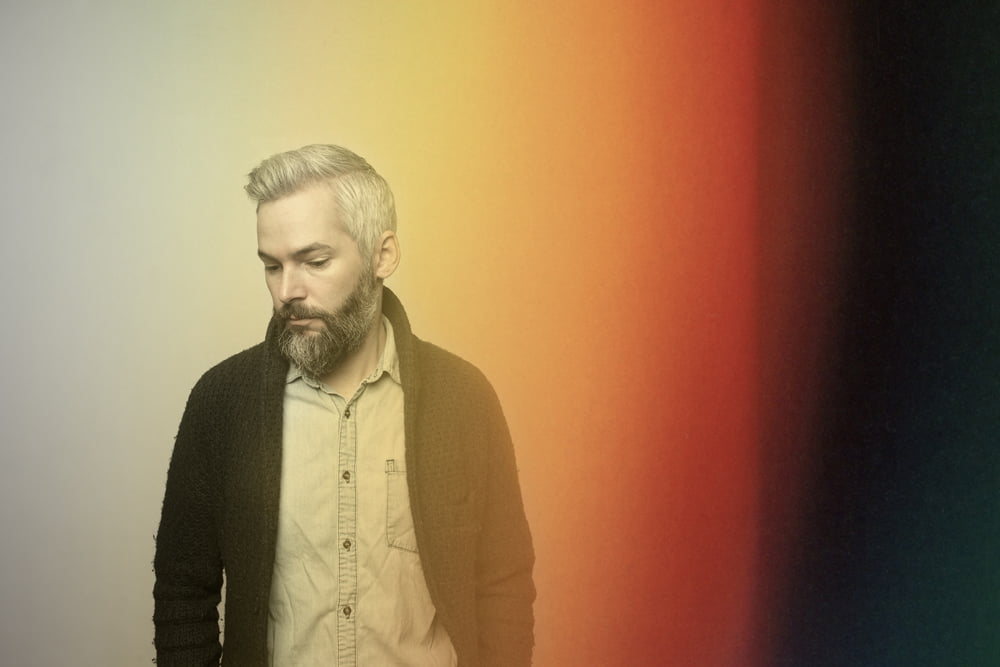
LISTEN: Lee Watson, ‘You Sail Alone’

Artist: Lee Watson
Hometown: Owen Sound, Ontario
Song: “You Sail Alone”
Album: Lee Watson
Release Date: May 19, 2017
Label: Dead Radio, Love

In Their Words: “The original thought was to layer the sounds like a landscape — the bass, the water; the drums, the trees; the acoustic guitar, the sky; and the singing and pedal steel like the birds. This song in the studio happened very organically; I wanted to capture the feeling of a group of musicians playing like it was 3 am at someone’s cottage after everyone else has gone to bed. Jadea Kelly did a great job with the backing vocals on this one.

In retrospect, a lot of the songs on the album are reflections on growing up in Ontario. This is one of those songs. It comes from me thinking about the friends I grew up with — how you can all come from the same place, share so many of the same experiences but, in the end, choose to take such different paths.” — Lee Watson


Photo credit: Wayne Simpson

8 Latinx Americana Artists Breaking Down Musical Borders

While listeners typically associate the “Americana” moniker with blues, country, bluegrass, jazz, and the roots and offshoots thereof, Latin-influenced music should have equal right to inclusion under that umbrella. It’s also no secret that Americana is a majority-white industry with a majority-white audience. Sure, Latin music and Latinx artists are often included, but we believe they aren’t getting their due. Before you quip, “that ain’t Bluegrass,” listen through each of our favorite Latinx folk artists of the moment and try not to tap your toe and/or feel a tear well up.

Gaby Moreno — “La Malagueña”

Native to Guatemala, but currently based in Los Angeles, Gaby Moreno has collected a trove of Latin Grammys, won top prize at the John Lennon Songwriting Contest, and was even nominated for an Emmy. Her recordings shift seamlessly between English and Spanish — often mid-song — without alienating listeners of either language. You may recognize her music from appearances on Prairie Home Companion or from her tours with Punch Brothers, Ani DiFranco, or Calexico. “La Malagueña” translates roughly to “The Charming Woman of Malaga” and tells the story of love for a beautiful woman who is as innocent as a rose.

Carla Morrison — “Eres Tú”

An expert in love songs and the dramatic, soaring balladry of Latin folk and pop, Carla Morrison is a songwriting, singing powerhouse. Her record, Déjenme Llorar, won two Latin Grammys and was certified gold in Mexico. Her most recent project, Amor Supremo, was nominated for the Best Latin Rock, Urban, or Alternative Album Grammy and won another Latin Grammy, as well. She has more than 180 million YouTube views and, though she is so clearly beloved, she’s sorely underrated north of the border. She’s emotive, transfixing, and boldly vulnerable. While her music feels and sounds like pop (with indie tinges), it isn’t overly saccharine or pandering. The traces of Latin folk and roots are undeniable, lending what she creates to the ears of people who typically eschew anything even remotely commercial. What can we say? We’re fans.

Las Cafeteras — “If I Was President”

Natives of Los Angeles and children of immigrants, Las Cafeteras weave threads of rock, punk, hip hop, and traditional Latin folk together with the diverse sounds and cultures of their neighborhoods and communities in L.A. Their instrumentation is just as varied as their influences: jaranas and requintos (small, nylon-stringed guitars), marimbol (like a thumb piano, but larger, more percussive, and played with all of one’s fingers), cajón (the now popular all-in-one drum kit that also acts as the drummer’s seat), tarima (a platform used for dancing in the percussive Zapateado style), and quijada (a donkey’s lower jawbone, played as a percussion instrument.) However outlandish the instrumentation may appear, do not be daunted. The music is an accessible blend of energy, excitement, and authenticity. Their recently released single, “If I Was President,” celebrates their identities while challenging the current administration’s deplorable immigration policies.

Alynda Segarra

Alynda Segarra is the lead singer and driving creative force of Hurray for the Riff Raff. They challenge the precepts and aesthetics of Americana with a singular blend of influences: New Orleans jazz and cajun, Spanish and Caribbean rhythms, Southern roots and folk, and rock ‘n’ roll. Her voice is gentle but passionate, persuasive, sassy, unassuming, and raw. On Hurray for the Riff Raff’s most recent album, The Navigator, they tell the story of Navita Milagros Negrón, a fictitious character who is something of an analog for Segarra and her experiences growing up in Puerto Rican-American communities in the Bronx. “Rican Beach” drops listeners directly into her childhood, detailing gentrification, appropriation, and the insatiable appetite of capitalism with a rollicking Latin feel beneath the dialogue between her vocal and apocalyptic electric guitar.

Lindi Ortega — “‘Til the Goin’ Gets Gone”

Lindi Ortega’s sound is straight-ahead and manicured without sacrificing personality. The instrumentation and production register as Nashville-familiar, but aren’t stale or overtly corporate. She’s seen success in her home country, Canada, where she’s received multiple Juno Award nominations. In the U.S., she’s played just about every late night TV show and has performed on the Grand Ole Opry, too. Just trust us with this. Hit play, listen a little, and before you know it, you will have listened through a whole album and loved every second. It’s easy, but it’s good.

Rabbit and Lorenzo — “Huapango”

Our friends at Spring Fed Records (the label arm of Middle Tennessee State University’s Center for Popular Music) just released Old School Polkas del Ghost Town by Ramon “Rabbit” Sanchez and Lorenzo Martinez. The record is a collection of conjunto music: a unique, Texas-based tradition that began when German immigrants brought button accordions and polkas to south Texas and Northern Mexico in the late 1800s. It remains a regional specialty of Texas, where Rabbit and Lorenzo are revered for their duets on accordion and bajo sexto (a bass, 12-string, guitar-like instrument.) Old School Polkas includes relics of conjunto’s German heritage (such as mazurkas, schottisches, waltzes, and redovas) and you’ll find traces of bolero, country and western, and mariachi influences throughout. It’s an excellent musical example of the American “melting pot” phenomenon. Accordion and bajo sexto might just be Texas and Mexico’s answer to fiddle and banjo.

Carrie Rodriguez — “La Última Vez”

A singer/songwriter based in Austin, Texas, Carrie Rodriguez doesn’t call her music Americana, but “Ameri-chicana.” If puns don’t win you over immediately, her maternally comforting, deliciously mournful, and dramatically soaring voice will. Her songwriting style and subject matter capture her chicana identity, pulling from traditional Texan themes, Mexican Ranchera, and country and western. She ties these all together singing in English, Spanish, and “Spanglish,” sometimes all in one song. Though she grew up playing classical violin, she studied traditional fiddle at Berklee College of Music — and if you go down a Carrie Rodriguez rabbit hole on YouTube, you’ll see her pick up a tenor guitar from time to time. too.

Davíd Garza — “Tumblin’ Tumbleweeds”

Also Austin-based, Davíd Garza is a singer, songwriter, and visual artist whose music falls into the indie rock category, but with a Latin foundation laid well beneath the surface. His list of credits is lengthy and diverse. He’s toured with Fiona Apple, performed with Nickel Creek, collaborated with Gaby Moreno (see above), and this list would proceed indefinitely if we did not arbitrarily cut it short here. In this beautifully captured short film, he plays and sings a rootsy tribute to the Southwest, noodling on his guitar in the picturesque desert and singing “Tumblin’ Tumbleweeds” to the Marfa sunset.

WATCH: Ryanhood, ‘Embers’

Artist: Ryanhood
Hometown: Tucson, AZ
Song: “Embers”
Album: Yearbook
Release Date: March 3, 2017
Label: Four Miles Music

In Their Words: “’Embers’ is a song about coming to grips with the fact that all things, even the things we cherish most, will eventually come to an end. It’s the struggle to enjoy that moment — and to be present for it — even when you know it can’t last. And it taps into the larger theme of the new album, which basically looks at all of the different ways that we handle the passage of time.” — Ryan David Green


Photo credit: Taylor Noel Photography

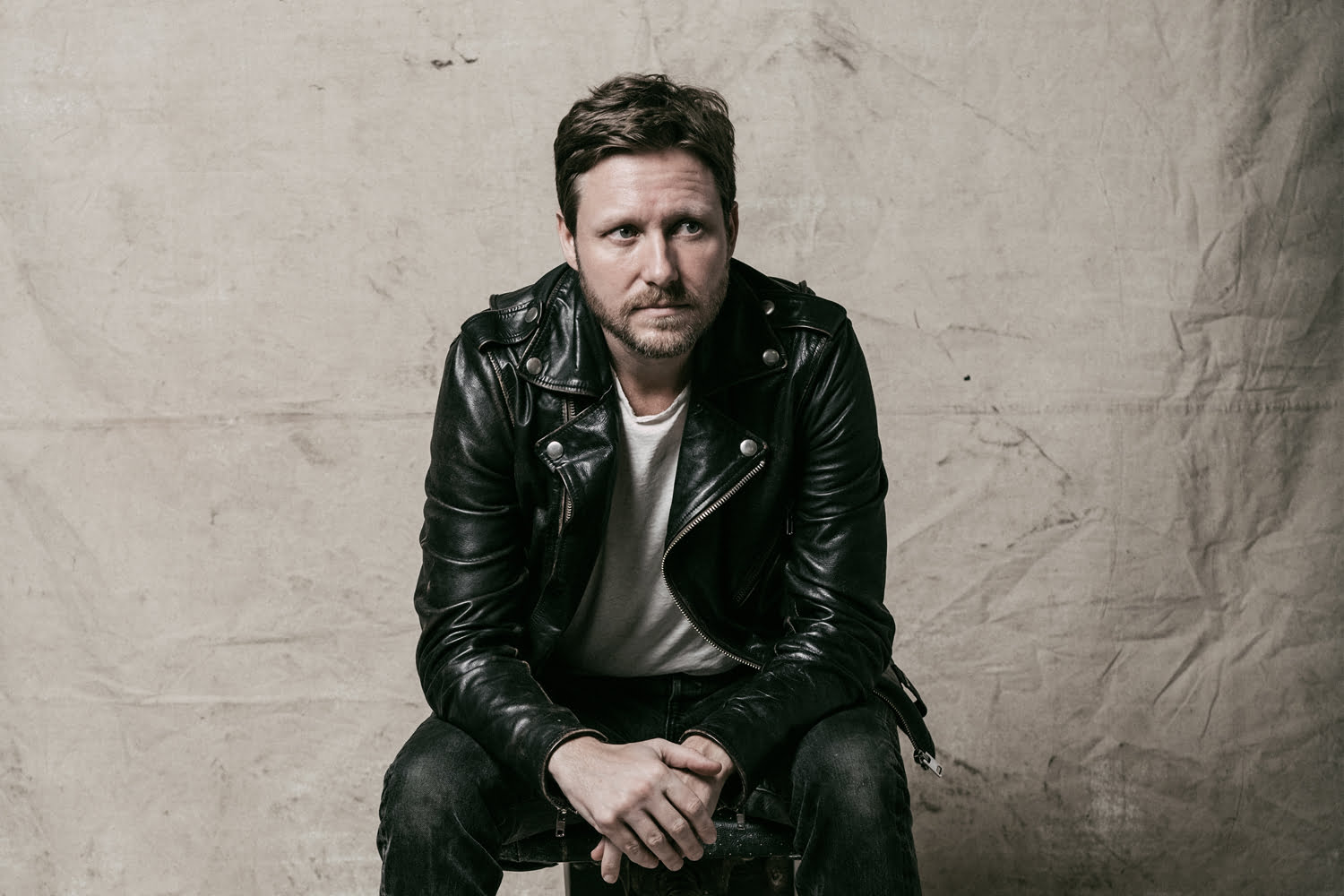
How I Got to Memphis: Cory Branan in Conversation with Coco Hames

Cory Branan and Coco Hames lived in Nashville for years, had mutual friends, moved in the same singer/songwriter circles, released records, played shows, lived life, but somehow managed never to actually meet each other. “We would have absolutely met, if I’d ever left my house for five years,” Branan says, somewhat apologetically. “I just never go out when I get off the road. I stay at home and just look at the wife and child.”

“I never go out,” says Hames. “People are always trying to get me to go to some new bar, and I’m like, ‘I live in bars! I would rather put on some soft pants and stay at home and read.’”

Their homebodiness is well-earned, even if it’s not the only thing they have in common. Both have been road warriors for the better part of the 21st century, Branan as a solo artist and Hames as the frontwoman for the garage-pop outfit the Ettes. He writes witty, roguish songs full of concrete details and wry observations, like John Prine — if he was really into vintage synths and classic rock. Hames’s songs are minimal and smart, eccentric and rambunctious, as though she’s triangulating the spot where the Ramones, Josie & the Pussycats, and Tammy Wynette overlap.

Plus, they’ve both just released what may be their best albums to date. After the Ettes made an amicable split, she went solo with a self-titled record that shows more range and acuity, toggling between a torch song like “I Do Love You” and a country lament like “Tennessee Hollow.” On Adios, Branan writes movingly about the deaths of his father and grandparents and the ongoing trials of small town heroes like the heroine of “Blacksburg” and anyone sentenced to live in “Walls, MS.”

Neither of you live in Nashville anymore. These days, you don’t leave the house in Memphis, Tennessee.

CH: I’ll just tell you: I fell in love, got married. That’s what brought me to Memphis. I left Nashville and moved here a couple years ago, and I love everything about it. I’m very happy here. Actually, in a little bit, I’m going to go see my friend Margo Price at Minglewood Hall. I don’t know if you know her, but I wouldn’t be surprised.

CB: I met Margo, yeah, just a couple times. I’ve been back in Memphis for a whopping two week altogether. Nashville priced us out. We found a cheap place in Memphis, and it was just decided. We got the truck the day we decided to move, and we loaded up. We moved the next day, returned the truck the next day. I told my wife, “Well, it’s a new place, baby. I’ll see you in two months.” She’s already painted the whole place. She’s got it on lockdown. She’s good at moving.

Memphis has great history, but Nashville is still such a big industry city. Did it feel strange to leave that behind?

CH: I have put my foot in my mouth more than once, for more than one city. I’ve lived in New York and L.A. and London and Madrid and Nashville and Austin and Memphis. I always say something stupid about one of those cities, but I don’t really mean it. Nowhere is really home for me anyway, so it’s not really hard for me to leave. I opened a record store in Nashville, but it was getting really expensive. And my husband was visiting me, and I said to him, “What do you do when you’re an adult and you fall in love with somebody and you want to be with them?” He said, “Well, you know, you move to Memphis or I could move to Nashville.” I’m like, “I’ll move to Memphis.” So it wasn’t super weird. It’s a cool place and there’s a lot going on, but nothing I miss too much, to be honest.

CB: What record store did you have?

CH: It’s called Fond Object, and it was up in Riverside Village on the east side.

CB: I didn’t know that was your place. I’ve been up there a few times. I played behind it one time.

CH: Did you get to meet my goats and my pig?

CB: Yes. My son was fascinated. He wanted to take one home.

CH: When I was leaving, I knew it was in capable hands, so I signed off on it and gave it to my bandmates. I think they lost their lease and moved downtown.

CB: I liked living there, but it’s all the same, honestly. Mainly Memphis means geographical ease. There’s a reason FedEx is in Memphis. It has access to Chicago and New Orleans, and it’s so close to Atlanta. When I lived in Austin, you can get in to Mexico before you can get out of Texas. I do well in three or four cities in Texas. L.A., you wouldn’t think it, but it’s pretty isolated. I’m spoiled from being in Memphis. It’s really easy to tour out of. You can do two-week runs in any direction, as opposed to California, where it’s an ordeal going anywhere but the West Coast.

When I lived in Memphis, there a big Memphis-Nashville competition that everybody in Memphis knew about and nobody in Nashville had any clue about.

CB: Exactly. They didn’t know they were in the fight. I’m happy to be from Memphis, but it does give you a little bit of a chip on the shoulder. There’s no scene here. It’s splintered and fractured. There are great musicians who never leave. You can go see somebody who’s amazing, but they’re not touring very much. On the other hand, there’s never anyone in the crowd that can help you. There’s never a producer, never a publisher that’s going to offer to help your career. Nashville has that element. I didn’t enjoy that element. If you’re playing to a stubborn Memphis crowd, it burns off the chaff. If you’re not alive for it or you don’t love it, they’re going to expose you.

CH: Nashville is a hard place to feel comfortable, because I don’t think they’re really interested in anything, which feels very sad and lonely. I’d rather you dislike me than try to chat me up about who we both know. That’s the worst part of what I do. I’m not very schmoozy. I’m probably the least schmoozy person. There are plenty of people to pay for that sort of thing, but I’m not crazy about it.

CB: Don’t get me wrong — there are great things about Nashville and there are shit things about Memphis. It’s a rough town, and there’s a huge gap between the haves and the have-nots. They’re refurbishing downtown, but I don’t know if they’re working a bit on education. Nashville, on the other hand, has no infrastructure for the massive number of people that are moving there, but the city itself is a little more thirsty. They’ll go out to a show: “Oh, I don’t know what it is. Let’s go check it out.” Memphis, they need to know that their buddy is going to be there. But you can be at a party and the guitar will not come out. Unlike Nashville. Some asshole’s always pulling out an acoustic guitar in Nashville. That’s the best way to kill a party right there.

CH: That’s my cue to leave.

I wanted to ask you two about Memphis and Nashville because I feel like place figures very prominently into your songwriting. There are lots of place names in your lyrics, along with a sense of travel and movement.

CH: Cory, you can go first because you’re from here. I’m from Florida, so place has always been something I was trying to get away from.

CB: Really?

CH: I don’t know. It’s more in my record collection than it is outside my window. It’s cooler to be from Mississippi.

CB: That’s the thing. I grew up in a damn suburb. I was a little hoodrat. My grandparents had a farm, but my old man worked at FedEx. He moved us up to the last town in Mississippi, so I was just as much a suburban kid as anybody else. I grew up with the music in the church. Gospel has blues roots, maybe a little more prominent than your typical Southern Baptist reading out of the hymnal. It swings a little more. It depends on where I’m playing whether people consider me country or not. When I’m out opening rock shows or something, as soon as I open my mouth and they hear the accent, they’re like, “Oh, he’s country.” You can’t wash it off. Everything I do, it’s filtered through that lens.

But my music is all over the place. I don’t really play a particular genre. I tend to stay away from a lot of things that I love — old blues, the Piedmont stuff, that’s all scripture for me. Maybe some of the finger picking works its way in, but I don’t really play the blues or anything. I just stay away from that stuff. There’s more of a white suburban thing to me, I think. My music is more about Big Star or the Replacements. That’s sort of blues music, in a way. I’ve always said there’s a reason why Johnny Cash fans are Clash fans and Clash fans are Johnny Cash fans.

Stylistically, both of your albums are all over the map. You get a lot of different sounds and genres, but they all make sense as part of this larger musical personality that you project.

CB: Probably the last record [2014’s The No-Hit Wonder] is the closest I’ve gotten to a consistent sound. I hammered it out really fast, and they just happened to be a bunch of roots-based songs. I’m always about whatever the song sort of wants, and I don’t think as an album, as a whole. I try to structure it later, as far as the pacing of it and what songs go where. I definitely play that loose. Frankly, my obscurity lets me do that. I would probably have a bit more of a career if I didn’t change it up so much. I was on tour with Lucero, and [frontman] Ben [Nichols] was listening to Adios and he said, “Why don’t you do a full album with this kind of song and then another whole album of this kind of song?” I was like, “Because it bores me, and I don’t get to do enough albums to do that.” It takes two-and-a half-years to get a new record through the red tape.

CH: That’s true. At my level, whatever that is, I can do whatever I want, so I do whatever I want. When I was in the Ettes, it was very formulaic without me really knowing it. I was writing for this specific group of people, so of course I kept doing the same thing. There are people who are very sweet and love my band, and I’m sure they want all the songs to be just like that. But with this solo record, I wrote all the songs and let them go wherever they went. It’s all over the place. The whole point was to try these new things, and hopefully I did a good job with them.

That seems most prominent on “I Do Love You,” which reminds me of Dusty Springfield. That’s a nice thing to hear between a country song and a garage song.

CB: I get that same vibe off that one.

CH: I was trying to go for something epic, because I wrote it about my husband. I wanted an epic love story and big feelings. When I was singing it in the studio, I had my arms up like Eva Perón. I’d never really sung like that before. I just assumed I could do it. No one was telling me I couldn’t, so why not?

You’re both writing songs about real people in your lives. That songs about your husband. There are some songs about your dad and your grandparents on Adios.

CB: The one about my father, I wrote that one right after he died, and I never played it out. It seemed a little too specific. I like songs to be useful for other people. I never want to be like, “Oh, look at my pain.” But my wife told me to just shut up, play it out a few times, and see if anybody responds. She was right, as always. Since it seemed to be useful for other people, I went ahead and cut it. But usually, the closer it is to me, the more I will cast it with other characters and other situations. I’ll take all that grief and mourning or even joy and cast it into another storyline. But “The Vow” was very specifically about my dad and it seemed like it worked out all right.

CH: What do you mean? You try to put that sort of emotion or experience away from yourself? You try to insert maybe like a “he” or a “she” where it might be a “me”?

CB: That’s part of it. Also, I’m just not a fan of diary writers. When he died, I did put out a record after that [The No-Hit Wonder], and there was a song on there called “All I Got and Gone.” It’s about a guy in New Orleans and a woman, and there’s a note that he found, but you don’t know if it’s a suicide note or a “Dear John” letter. I was mourning, but I put that feeling in a completely different scenario. That song for me was like, “Okay, here we go. I got this out of me.” But no one would ever connect that, you know? I don’t tend to write with any sort of precision, while I’m still in the whirlwind. I like to get perspective on things and, if I’m going to try to do the old man justice, it’s hard to get a whole human being in a three-minute song.

CH: Yeah. Especially with something like that, do you ever feel like it’s too … I’m going through something that happened recently, and it means so much to me that it feels cheap to approach it where I’m going to put it into song. A lot of people write like that. That’s part of how they get it out, but to me, it’s so precious to me that I can’t distill it.

CB: I know exactly what you’re talking about there. Added on to all of this is that I wanted to do right by the old man and not be maudlin. I didn’t want to manipulate emotions. It’s hard to earn the genuine feeling of “Okay, this was a solid person, a human being.” The second verse is talking about how he gave shit advice. It’s got humor in there, because the old man was funny. But he was also very stoic and his advice usually amounted to, “Don’t do it.”

I Do Love You” is obviously a very different song, but the approach is similar in that you’re writing about a real person and trying to capture that complex relationship in three minutes of music.

CH: I think everybody has had the feelings in that song. I hope everybody has. But I very rarely feel ready to immediately turn my observations or my feelings about important things into a song. It’s not something that I usually need to do, and so I don’t do it. But something that affects your life so strongly, maybe it’s okay not to write about it as a way to understand it, because it’s so big that I don’t think it’s fair for me to understand it yet. So I wait. If something strikes me or I get drunk and write a bunch of stupid lines and one of them is good, maybe it will spur something useful. That’s the most I can do and, if it comes back around and still stands up, if I still know what I was talking about, then it can make me say more.

CB: I won’t mention anybody’s name, but there is an artist I really love and respect. They got successful and found a good relationship, and then they trashed it on purpose, because they thought that’s the only one they could create. It’s the whole tortured artist myth. John Prine has my favorite quote on that: “I’d rather have a hot dog than a song.” Take the joy. You can have both the joy and the song. People say to me, “You’re a relatively sane human being now that you’ve settled down and stopped acting like an asshole, and you have kids, so how do you write when you’re happy?” Well, I know it’s all fleeting. I know all the good stuff is only here for a little bit. My fears and dreams, they go deeper and darker now that I have kids and I’m living for other people. I have no problem writing sad songs, but I take the happy while it’s there.

CH: I don’t like to see somebody who’s a wreck up on stage. I’ll be there. I’ll support them, but really I’m like, “You should take a break, man.” Because I’m not that way. If everything was going wrong and I was unwell, then I couldn’t write. I’d be so depleted and sad and wouldn’t see the point of any of it. I’m a super happy camper right now, but don’t worry, sad things will keep happening — probably as soon as I hang up the phone.


Cory Branan photo by Joshua Black Wilkins. Coco Hames photo by Rachel Briggs.
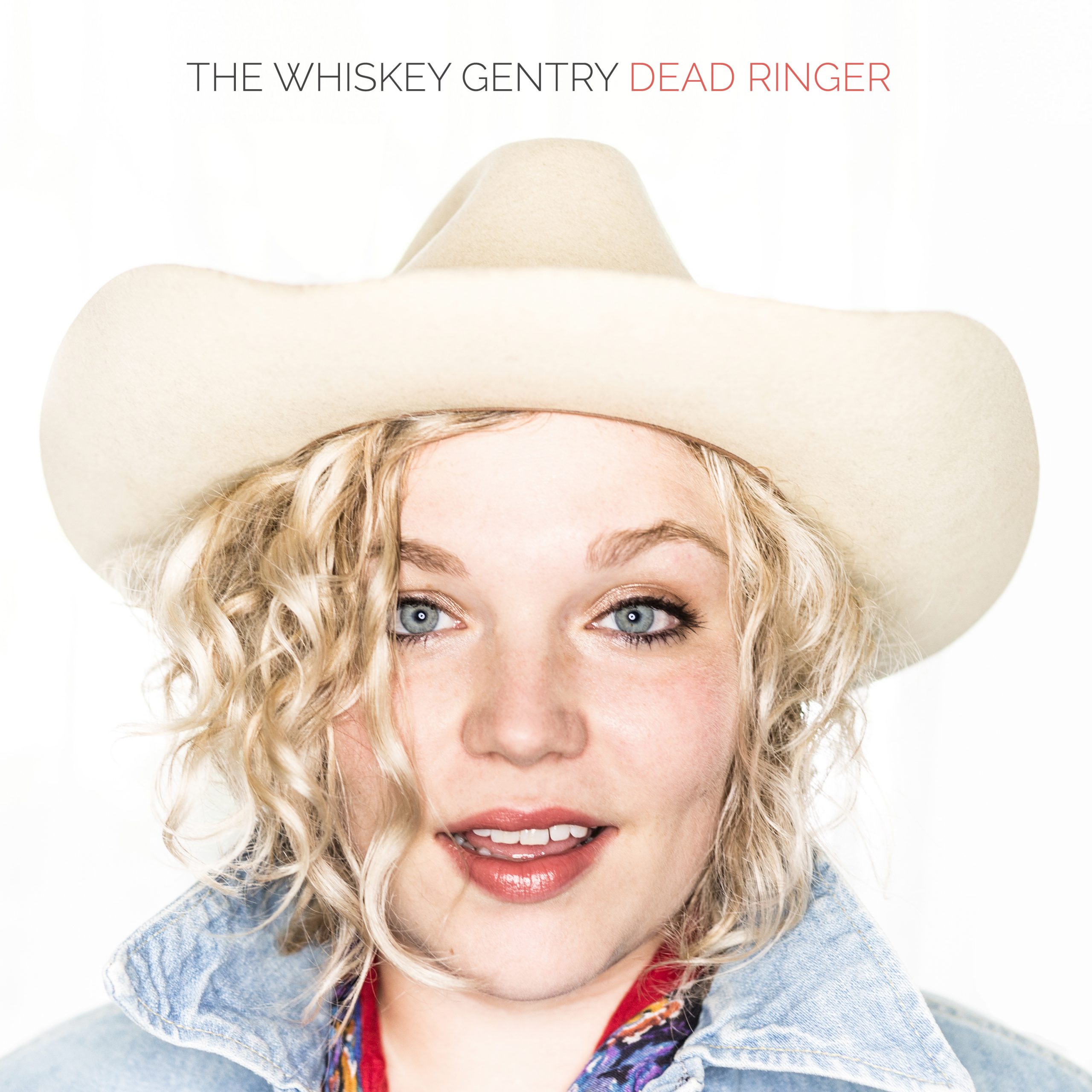
STREAM: The Whiskey Gentry, ‘Dead Ringer’

Artist: The Whiskey Gentry
Hometown: Atlanta, GA
Album: Dead Ringer
Release Date: April 7, 2017
Label: Pitch-a Tent Records

In Their Words: “Everyone says ‘You write what you know,’ and I definitely think the songs on Dead Ringer tell stories of the people we’ve met, experiences we’ve had (both good and bad), and challenges we’ve faced during the last decade of being in this band. Musically and lyrically, we took bigger risks on this record: There’s more of an edge and sass to it. We stopped caring if we said a curse word or if the guitars were too loud or if a note wasn’t executed perfectly. If we wanted to try something different, we did — no matter if it fit in our ‘genre’ or not. Ultimately, I think Dead Ringer has a vibe and a sound that finally seems to truly reflect who we are as people and musicians. We’re immensely happy with the outcome.” — Lauren Staley

LISTEN: Radiator King, ‘So Long (Charlie)’

Artist: Radiator King
Hometown: Brooklyn, NY
Song: “So Long (Charlie)”
Album: A Hollow Triumph After All
Release Date: April 28

In Their Words: “‘So Long (Charlie)’ depicts a scenario of the final moments as an individual accepts the ending of an event or chapter in his life. Someone close to me had gone to jail not too long ago, and I can recall thinking about them a lot during the writing of the song. I tried to imagine this person and how they may have responded to this difficult situation. I sought to focus on their response to the situation rather than the scenario itself because events don’t really define who we are as people — our reactions and response to the events do.

The broader theme of the album centers on things ending and new things beginning. ‘So Long’ is definitely one of the more literal manifestations of this theme. It’s a song with a somber tone, one of reflection, portraying the anguish of a man forced to leave behind what he knows with the hope and intention of returning when times are better.” — Adam Silvestri

Infinite and Unforeseen: A Conversation with Sera Cahoone

There often seem to be seasons in life, when one thing after another takes our breath away — and not always in a pleasant way. Singer/songwriter Sera Cahoone has been experiencing just such a time for the past few years. From losing her cousin to getting engaged to breaking that off to losing one of her best friends, Cahoone has taken a quite a licking over the past few years. But her new album, From Where I Started, proves that she is very much still ticking, and beautifully so.

The 11-song cycle finds her returning to her DIY musical roots, after releasing three albums via Sub Pop and servng as a drummer with Band of Horses and Carissa’s Wierd. It also finds her parsing what it means to be alive, through heartache and hope … emotions that are infinite, unforeseen, and always in season, no matter who you are.

You were warned on Twitter about this first question: Where have you been all my life?

[Laughs] I love that!

Seriously, how have we not crossed paths? I mean, all things considered. I’m in the center of your Venn diagram demographics.

Yeah. Yeah. I don’t know. This is my fourth record and they are all pretty Americana-y.

Part of it is that I never kept up with Band of Horses, even though Bill [Reynolds] and I lived in Ojai at the same time.

Oh, nice! Bill’s awesome. I don’t know. I didn’t really know what I was doing when I released my first record. I had a lot of friends help. And I ended up on Sub Pop, which was amazing, but I didn’t really know that I should be in this vein or anything.

You do play the banjo …

Yeah. Exactly. It’s just been a huge learning process. Now, I’m 41, and it’s like, “OH!” It’s just been a whirlwind. I guess I was just doing the things I thought I should be doing, but maybe not playing for the right people a lot of the time.

Well, this record is everything I want a record to sound like, if that makes sense … just enough banjo, some cool drum grooves, great songs … tastefully hitting all my sweet spots, if you will.

Well, thank you.

That being said, the framing of it, title included, seems to indicate that it’s something of a departure from your previous records. I don’t hear it that way, though. If anything, it’s just an evolution or a refinement.

Well, my very first, self-titled record, I did on my own. I played all the drums and found musicians to piece it together. I didn’t quite know what I was doing. It all just fell together in a really quick way. I think we recorded it in four days. Then I started to get a band, so the next two were with a band, but I still played some drums. But, this record … I had been touring a lot solo or duo, and I was not feeling like I was in a band anymore. At home, I do demos and I know what I want. I record the guitar, then I’ll put a drum thing to it and build it into a song.

I met this guy, John Askew, in Portland, and we just vibed. We did a demo session — I did three songs with him. He brought in this piano guy named Rob Burger who totally blew my mind. I was like, “O-kay! He’s the one!” [Laughs] He just made a totally different sound than I was used to because I’ve had a lot of the same people play on my records. So I knew I wanted the piano and the fiddle to be more of the main focus. I just kind of pieced this thing together, and I did bring in Jeff Fielder and Jason Kardong, who played on my other records. It was just fun. I wanted to keep it as my thing and not worry about anything else.

You were a drummer first, right?

Yeah.

What does having that percussive foundation in your bones add to your guitar and banjo playing?

I think it does a lot. I’m not that great of a guitar player. I’m playing chords, and it sometimes has a rhythm to it that I instantly know I want this or that kind of drumbeat to it. But my playing is very rhythmic, so it always goes back to that.

And how do those melodic aspects, as a singer and player, inform your drumming? Are you keyed in more?

Yeah. I’ve learned a lot, just being a drummer. I feel like, at first, I was like, “It’s about me! It’s about the drums!” [Laughs] And, now … I played with my good friend Patrick Park and I learned a lot from him, that the most simple drums are the best. I’m super-sensitive to the song.

Serving the song … I always love that approach.

Yeah.

I’m a fan-TAS-tic air drummer, though very mediocre on an actual kit. But I know enough that, if I can air hit every fill and crash on my first listen through a song, I think, “Go away.” [Laughs]

[Laughs] Yeah! Totally.

I love to be surprised where I think, “Hang on … what happened just then?”

Totally. Totally. Exactly. Mick Fleetwood is one of my favorite drummers and he’s not Mr. Showy at all. He’s so tasteful.

I love Matt Chamberlain. Just his inventiveness.

I love him! He’s amazing.

Okay. Songs. “Rest my head on the collar of your favorite shirt …” in “Better Woman” … there’s something so soothing about that line to me. The specificity of it evokes intimacy and avoids cliché.

Thanks. [Laughs]

This is a topic I’ve discussed with a couple of other artists lately — the idea that there are so many different ways to say “I love you” because there are so many different experiences of love.

Right. Yeah.

There’s no question in there. [Laughs] But, if you have any thoughts on that …

I understand what you’re saying. I feel like that’s something I try to be aware of. It’s maybe not intentional all the time, but I try not to be too over-the-top cliché.

Or even too saccharin. But the bigger lesson embedded within that tune is of being a better version of yourself, the best version, if you can. Is that something you’re actively trying to put into practice? And have you found it to be not as scary as it might seem?

Yeah. I’ve had a lot of life lessons, especially the last four or five years of my life. Life is really short and throws shit at you. Good stuff, too. You have to keep yourself at a higher level and make sure you’re being the best you can be.

The surrender of “Up to Me” is certainly a part of it. I feel like those are related. You have to have some detachment about it all.

That was a funny song. I wrote that … there’s a thing up on Whidbey Island called Hedgebrook which is a women’s retreat. They have six cabins and, usually, it’s female novelists. But they do a singer/songwriter thing for a week or two. So I went there and wrote that song in five hours, which is really weird because it takes me a really long time to write songs.

Why the long marination?

I get distracted. Then I get bored of it. And I think it sounds stupid. I think it’s mostly that I get distracted. I’m one of those …

So it’s more ADHD than contemplation? [Laughs]

[Laughs] Definitely.

Hey! There’s a shiny new melody over there!”

Yeah. Totally. I had “Better Woman,” or a lot of it, a really long time ago. I didn’t have the words. I just had this song that was there and never finished it. So I do that a lot.

That song and “Tables Turned” share a theme of self-doubt — or maybe it’s just self-awareness. Whether songs like that are confessional or conceptual, the singer is always the blank screen upon which the story is projected. People are going to assume it’s about you, whether it is or not. So what’s your process for deciding how much to reveal or portray?

I’m a pretty private person. In my songwriting, I can reveal it. A lot of this record is very much me.

Was that scary?

Yeah. It always is. Because you just feel so vulnerable. But I don’t know what else I’d be doing. [Laughs]

[Laughs] Writing a bunch of “oh baby, baby” songs …

Yeah, I mean, I could … but then …

What’s easier to write, happy in love or heartbroken in loss?

Definitely heartbroken in loss.

Really?

Yeah, I don’t usually write happy songs. It’s not easy for me.

I’ve had this conversation with Brandi Carlile about how, when she got married and happy and had a kid, she didn’t think she’d be able to write. Then Tim [Hanseroth] told her you can do everything better when you’re happy — even write sad songs. Do you believe that?

I do. I’ve been really happy and written some really depressing songs. [Laughs] I love writing sad songs, even if it’s nothing that’s happening in my life. I like sadness in music, in general. Sometimes too-happy stuff feels a little weird.

We need those, too, but save them for the “oh baby, baby” people.

[Laughs] Exactly.

So, when you have gone through a seismic life shift, as you have, and it’s still sort of fresh, and you have songs representing both sides of the divide, how do you find your way into the performance of them without losing your shit?

Well, yeah, that’s been hard. But they are songs I love, so I’m not gonna not sing these songs because of that. You just have to try and make them take on a new direction and a new life.

I was going to ask that, too: As you carry on with life, do your songs attach themselves to new meanings?

Yeah, I just love singing them live. Some are harder than others. But they take on new meanings.

Public therapy.

[Laughs] Yeah. Totally.

It has to be pretty cathartic. As each layer sheds, it’s like, “Okay, that line doesn’t hit me in the same way anymore. Cool.”

It really is. Yeah. That’s exactly it. That’s nice when that happens. It’s pretty rare. I did a West Coast thing in October and I actually came to AmericanaFest, when things were really … fresh. So that was really hard. But you gotta do it. The last six months have been really challenging and hard. I just lost one of my best friends a couple of months ago. It was really awful. It’s like you’re up on this and then this happens. It’s just been like, “MAN!” It’s so nice playing music and I’m happy that my record is coming out. It’s just … it’s been a ride. It’s just what you do, I guess.

Any time someone tells me a story like that, I flash on Tig Notaro’s bit about, “Oooooh, she can handle a little bit more!” [Laughs]

[Laughs] I know! Right? Totally. So true. “Here’s some more!”

Life comes at you fast.

I feel like I’ve learned a lot. Or, at least, I like to think I have. And, it’s not a new look on life, but it feels so short to me.

It’s our 40s.

It’s so weird. There’s so much bullshit. It’s so exhausting. Now, I’m trying to … I get a little too much in my head still, but I’ve just learned a lot. And I’m trying to not do that to myself.


Photo credits: Kyle Johnson & Stephanie Dore

MIXTAPE: Greg Vandy’s Post-Modern Americana

There’s an exciting new scene of American pickers rooted in tradition who identify more with experimentation and rock ’n’ roll than with simple revivalism. These 15 tracks are representative and songs that I’ve been playing on the radio for some time now. To me, it’s the new breed of roots music. Clearly not interested in genre labeling and especially cringe at the notion of “Americana,” these (mostly) young artists and bands seek the next frontier of American music by adding a new lyricism and psych elements to their music. As Laura Snapes described in a recent article in The Guardian, this “new cosmic Americana” scene contains “a web of fellow travellers recontextualizing American folk music.” What’s most interesting about these artists, and whatever scene they actually inhabit, is that they reject the present and it’s disconnectedness by looking to the past. Drawing inspiration and influence from what came before to create something timeless for now — referencing the old to make new. It’s really always been that way, I suppose. — Greg Vandy, The Roadhouse

Jack Rose — “Sunflower Blues”

The silent father figure to many of these artists, Jack Rose passed away of heart failure in 2009. He was 38. Considered to be our generation’s John Fahey, he was a monster player just beginning his ascent in mastering new interpretations of American traditional forms. This is his take on Fahey’s “Sunflower River Blues.”

Michael Chapman — “Fahey’s Flag”

Another influence to most of the younger players represented here, Chapman is a self-taught elder statesman with an innovative style that was too ahead of it’s time. He’s enjoying late success and more fan admiration than ever. Here is his tribute to Fahey.

Jake Xerxes Fussell — “Have You Ever Seen Peaches Growing on a Sweet Potato Vine?”

A true student of tradition who apprenticed and played with some real old-time greats, Jake’s bluesy folk tunes turn into vibey cosmic laments and crooked rambles. Jake Xerxes (yes, that’s his real middle name, after Georgia potter D.X. Gordy) grew up in Columbus, Georgia, son of Fred C. Fussell, a folklorist, curator, and photographer. This one is from his brand new record on leading North Carolina label, Paradise of Bachelors.

Steve Gunn — “Milly’s Garden”

Gunn is not interested in “Americana,” but instead processes his inspirations into a singular, virtuosic stream of lyrical guitar melody. Hands down, my favorite player who’s developed into a good singer who sounds a bit like Beck. Once in Kurt Vile’s band, the Violators, he produced Michael Chapman’s latest record, 50. This is from his 2014 masterpiece, Way Out Weather.

Luke Roberts — “Silver Chain”

A bit of a vagabond, Roberts started writing his album, Sunlit Cross, in Kenya. Referred to as “redemptive blues,” his music is wide in scope yet spare in structure. This song also features Kurt Vile on banjo.

Joan Shelley — “Brighter than the Blues”

A beautiful singer, Shelley has an ace-in-the-hole on this one: guitarist and curator of the Alan Lomax Archive, Nathan Salsburg. Together, they are magic. According to Catherine Irwin of Freakwater, “Joan lands on a note like a laser beam on a diamond. Colors fly around the room, and her voice bends between them. People say her voice reminds them of Sandy Denny. It’s more than the vocal range. It’s a quiet power that draws you in.” Will Oldham is also on the record.

Marisa Anderson — “Deep Gap”

Marisa Anderson channels the history of the guitar and stretches the boundaries of tradition. Her playing is fluid, emotional, and masterful. This instrumental is an example of how her compositions improvise and re-imagine the landscape of American music.

Ryley Walker — “The Roundabout”

Continuing his amazing development as both a player and singer, Walker’s clear British folk influences have grown into a more baroque folk style on his latest record, which is easily the best thing he’s ever done. Robert Plant is a fan.

Promised Land Sound — “Through the Seasons”

One of my favorite bands, PLS pit harmonies and distortion against meandering folk riffs, resulting in a sound that’s part Lauren Canyon, part gauzy Brit-rock — all held together by firm Tennessee roots. These guys are young and proof that there really is something happening in East Nashville, and it’s great.

William Tyler — “We Can’t Go Home Again” (Lost Colony EP version)

As an artist, guitarist, and producer, Tyler has collaborated with many of the artists mentioned here and is another Nashville cat. Tyler creates cathedral-like psychedelic hymns one minute and pastoral folk and blues melodies the next. A former member of several bands, including Lambchop and the Silver Jews.

Kacy & Clayton — “Seven Yellow Gypsies” 

Some of you may have heard these first-cousins on my KEXP radio show a few years back. Kacy & Clayton were first revealed to me when I was tipped by Ryan Boldt of Deep Dark Woods to check them at Folk Alliance in Toronto — “They’ll blow yer mind,” he texted. They were teenagers fully immersed in the British folk revival and, between Clayton’s precise playing and Kacy’s ethereal voice, I was, indeed, blowm away in that small hotel room. Now recording with a band and expanding their sound with more originals, the future is bright for these Saskatoonans. And, apparently, Jeff Tweedy is onto them. This one is from their latest album, Strange Country.

Itasca — “Buddy”

Itasca is the musical identity of Los Angeles-based guitarist, singer, and songwriter Kayla Cohen. She brings an airy but mysterious late-’60s/early-’70s psych-folk feel to this one, her first record with a full band.

Daniel  Bachman — “Levee”

Often lumped into the American Primitive and drone scene of guitar nerdom, Bachman is certainly an amazing player who first came to my attention via Josh Rosenthal of Tompkins Square Records, who has had a hand in the development of many of the artists listed here. Bachman’s version of “Levee” can’t get much better and displays his command of his instrument.

Nathan Bowles — “Sleepy Lake Bike Club”

A member of Black Twig Pickers with Jack Rose back in the day and a collaborator with Steve Gunn and others, Bowles is an accomplished solo artist exploring the rugged country between Appalachian old-time traditions and ecstatic, minimalist drone. At first a percussionist, his meditative clawhammer banjo on this one is hard to deny.

Kurt Vile — “Wakin’ on a Pretty Day”

Kurt Vile ends it with this favorite about wakin’ and bakin’ … it’s a lifestyle.


Photo credit: kait jarbeau is in love with you via Foter.com / CC BY

LISTEN: The Ferdy Mayne, ‘Slipping on Dimes’

Artist: The Ferdy Mayne
Hometown: Los Angeles, CA
Song: “Slipping on Dimes”
Album: The Ferdy Mayne
Release Date: March 24, 2017
Label: Greater Peaks Records

In Their Words: “This song was conceived out of a long lost Ferdy track from around 2010 entitled ‘Perestroika.’ It’s also a song with more of a character voice, unlike the others where I was really trying to communicate on a deeper level outside of narrative. The main character is an alcoholic illegal immigrant. A lot of things were happenstance in the writing, like mentioning Highway 51, which runs very close to the Mississippi. I wrote this down sporadically, and it created the other spaces in my mind for what kind of landscape the character was surrounded by, mostly imagined in the South. The character is paranoid and lost.

This is one of two songs on the record that did not involve a drummer. Harris [Karlin] and I took turns layering floor tom beats. All of that was sporadic; I initially did not want any percussion aside from shakers and tambourine on this track. The result actually made a lot of the song work harder and frames it. This is also one of the few tracks where I performed all of the guitar parts, as well.” — Shane O’Malley Firek


Photo credit: Alexander Harris