Tag: Americana
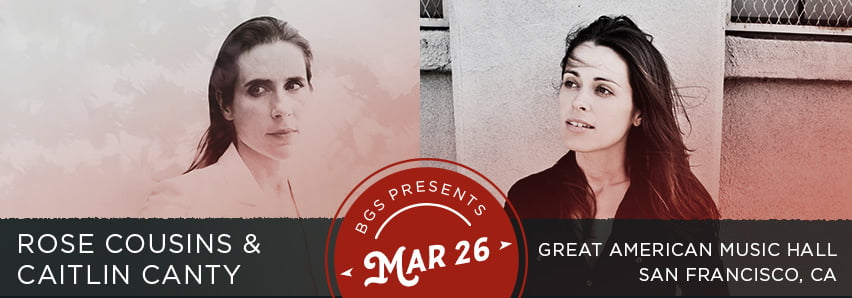
Rose Cousins at Great American Music Hall, San Francisco, CA 3/26
Lauren Barth, ‘Mama Don’t Cry’
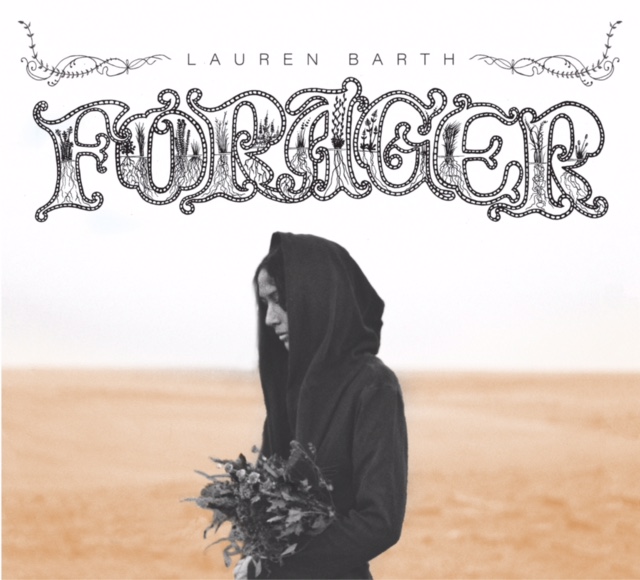
“It ain’t easy to be a girl in the USA,” sings Lauren Barth on “Mama Don’t Cry,” the first release off of her debut album Forager, the video for which is premiering exclusively on the BGS. And you know what? It ain’t. As Barth sings on “Mama,” the American story — unless you’re like our president (aka a white man with a big bank account and a bigger ego) — is often a harsh and difficult one, not filled with dogs and dreams but violence and broken hearts. Born in California but now living in Tulsa, Barth drinks from the well that nurtures Oklahoma’s other modern folk treasures, like John Moreland and John Fullbright, who tap easily and steadily into the human condition. For Barth, it’s the musical heroes — “gods inside the radio,” as she sings — who keep us steady in a world that would rather dust the imperfect and uncomfortable under the rug than confront it head on.
Barth tackles a lot of these imperfect and uncomfortable ideas on “Mama Don’t Cry” and in the video that accompanies it with its spiraling, psychedelic twist: far too many guns, one too many funerals, people who belong in their mother’s arms, not jail cells. “Gimme a break,” she sings with the folk steadiness of Lucinda Williams and the slack sly of Liz Phair. We all want a break … from oppression, prejudice, and hate, to name a few. Sometimes, it just feels like it all keeps rising instead of receding. Luckily, folk music is stepping up to the plate not to dry our tears, but to give us hope that at least someone, anyone, is listening to us wail.
LISTEN: Elli Perry, ‘Love Is a Ship’
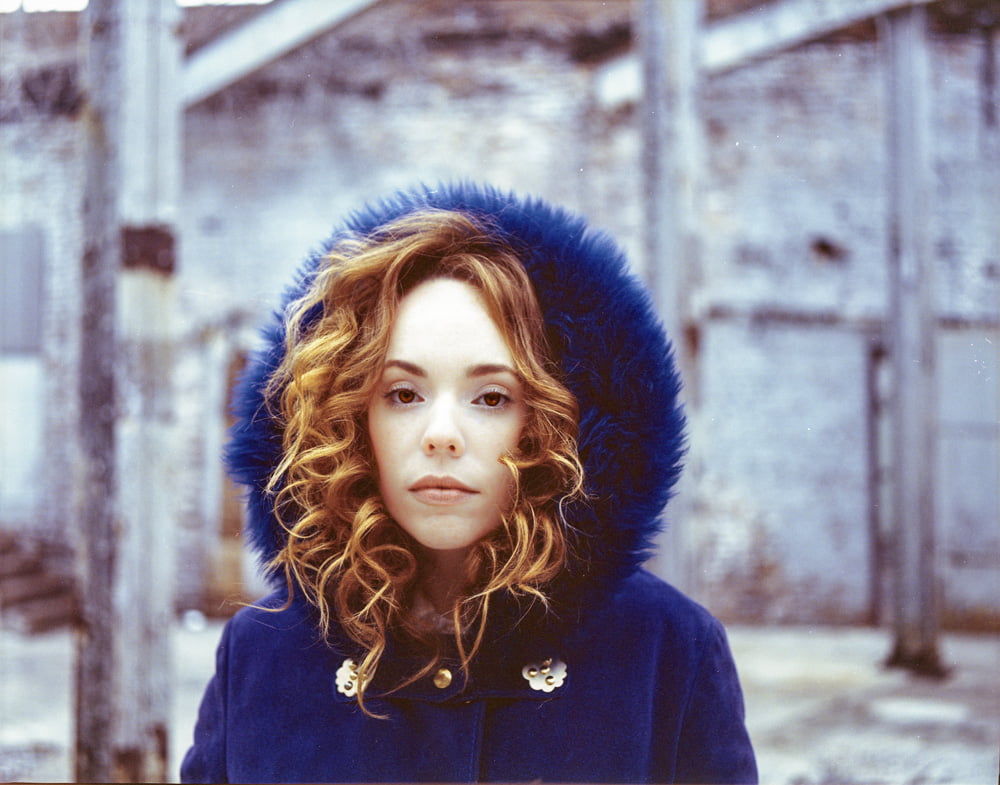
Artist: Elli Perry
Hometown: Northern Georgia
Song: “Love Is a Ship”
Album: Little Thieves
Release Date: March 31, 2017
In Their Words: “I spent almost three years working on this album, slowly chipping away at most of its songs over that time. ‘Love Is a Ship’ was the first song I wrote for it, and was one of the only ones that emerged quickly and fully formed. I think, in a lot of ways, it set the tone for the rest of the album as it gradually took shape.” — Elli Perry
Photo credit: K Phillips
LISTEN: Jessie Smith, ‘In the Morning’
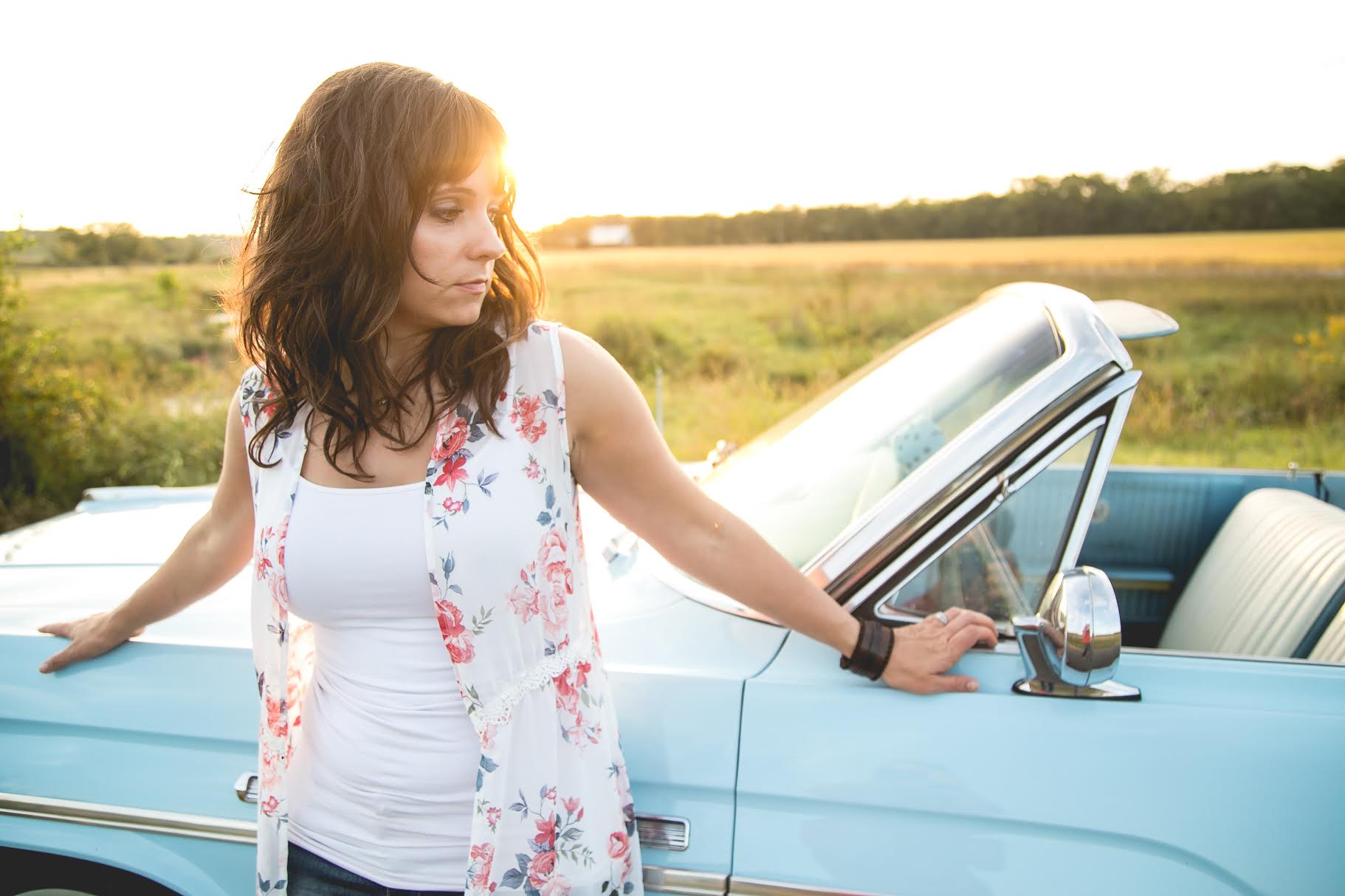
Artist: Jessie Smith
Hometown: Warner Robins, GA
Song: “In the Morning”
Album: Like the Sun
Release Date: March 24, 2017
In Their Words: “I wrote ‘In the Morning’ because I wanted a motivating battle cry when I wake up in the morning — something to get me moving. Inspiration is something I need every day, and I figured, surely, someone out there needs it, too.” — Jessie Smith
Photo credit: Jim Cook, SheHeWe Photography
LISTEN: Mark McKinney, ‘Bridge’
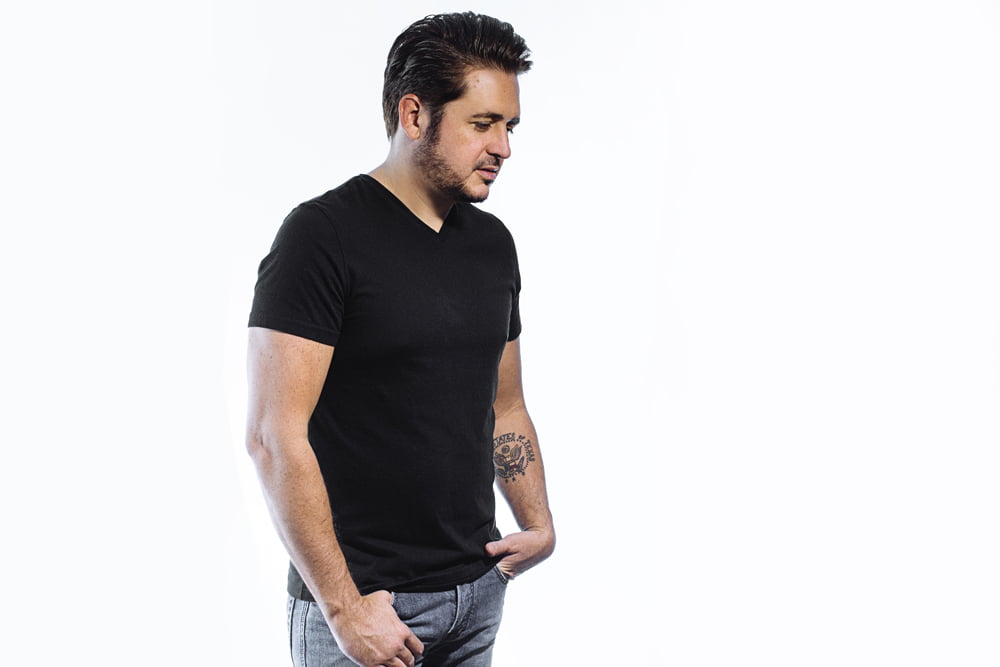
Artist: Mark McKinney
Hometown: Austin, TX
Song: ”Bridge”
Album: World in Between
Release Date: February 24, 2017
Label: Texas Evolution
In Their Words: “I quit throwing matches on the bridge we burned” … “I had the melody for this song since my last album, but could never find the lyrics to fit the haunting ‘minor key vibe’ it had created. Then my wife Cassie and I collaborated on it and finished it together. It’s a song about making the most of every situation, and about letting go, and moving on from those toxic and dead-end relationships in life.” — Mark McKinney
Photo credit: Lindsey Thorne
Rock ‘n’ Roll Isn’t Dead: A Conversation with Black Joe Lewis
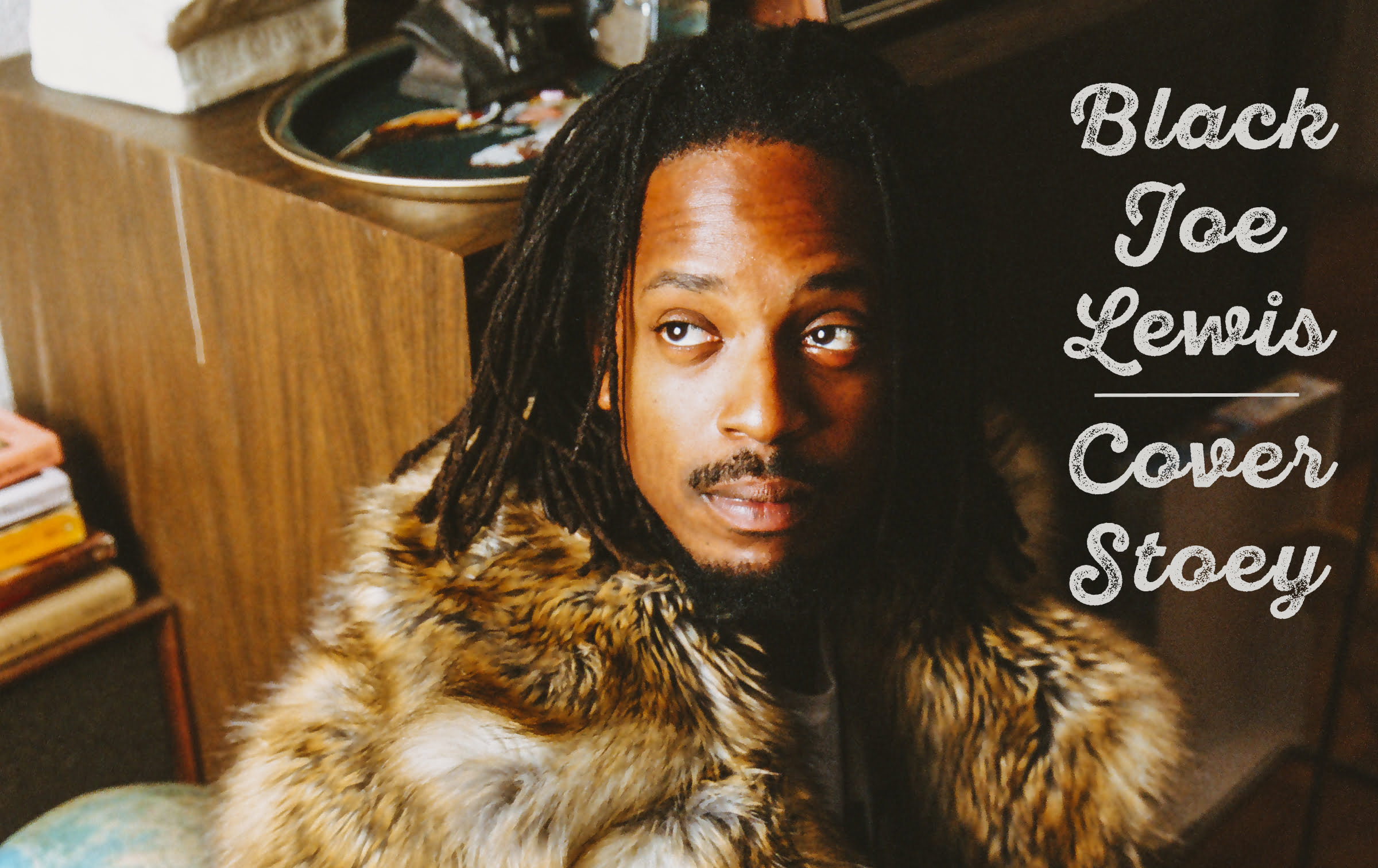
The acronym, as unsexy of a word it might be, has been the base of hundreds of great songs: Michael Jackson’s “P.Y.T,” Kanye West and Jay-Z’s “H.A.M,” Grand Funk Railroad’s “T.N.U.C.” Part of the mystique is often figuring out what the hell those letters actually stand for and why they’re even important to begin with. Or, sometimes, it’s because the result is simply N.S.F.W. (not safe for work). “PTP,” from Black Joe Lewis & the Honeybears‘ new LP, Backlash, is a little bit of all of that. The track, deliciously raucous with unpredictable spirals of guitar and crunched aggression, stands for “Power to the Pussy,” a bit of a calling card he picked up from his cousin Tiffany. It’s a chant about female sexual freedom that seems even more topical in the Trump era, with pink pussy hats marching everywhere from Main Street America to Washington, D.C. There’s a lot of forecasting on Backlash, the band’s fourth album, which even has some Russian lettering on the album art (a covert way to mention, in another language, that he’s back with the Honeybears).
Lewis isn’t a spy for the Kremlin, but he is quite good at taking elements of American sonic lore — classic soul, R&B, and blues — and mixing them with full-throttle rock ‘n’ roll. Though some might tag him “throwback,” it’s really anything but: The urgent grooves of “Sexual Tension,” the blast of horns that ends “Lips of a Loser,” and the punk energy of “Shadow People” are all as modern as anyone who might choose a Big Muff over synth keys.
Backlash is the Austin-based Lewis’s first album in three-and-a-half years — the longest break of his recording career, and a product mostly of a careful, thoughtful process that took a little longer than the normal recording cycle tends to allow.
Backlash has an incredibly strong rock ‘n’ roll spirit, beneath all of the soul references. Does it bother you to constantly be referred to as throwback?
It doesn’t bother me really. You have to have a way to classify stuff. That’s just what people do. I’m more annoyed with how, nowadays, people won’t find out about you unless they’re told by a blog that it’s something good versus actually checking it out. It’s gotten so cheapened.
Do you feel like rock ‘n’ roll, itself, gets a fair shake in the scheme of things? And on those blogs?
In popular music, it’s tougher: Rock ‘n’ roll is just not big anymore. And I feel like, back in the day, you had to go to the record store and actually check shit out, to see if you liked it. There was a word of mouth, but now people need to be told.
So is the live show even more essential these days because of that?
Yeah, with the way that stuff is now, it’s the best way to get the music out. You gotta prove the hype versus what you actually are.
These days, a lot of soul music doesn’t always fall under the umbrella of “Americana,” maybe limiting how much the music is found from those very audiences. Do you think soul and R&B should have more of a table in Americana?
Yeah, dude, for sure. I think blues is; but I would say Americana is traditional American music, if you ask me. And this is classic stuff.
You’ve been outspoken on your Twitter page about the Trump administration. Do you think artists have an obligation to speak out on social and political issues?
I try to keep politics to a minimum because I feel like people want to hear me play music. I think it’s better to say things through your music. Social media is not real life, and I don’t think you can judge a person on social media. I put crazy shit up. But I can’t stand Trump. I fucking hate him and I don’t feel like he’s making people feel like they are welcome in this country. He’s spreading the hate.
Do you think all the resistance and reaction to Trump’s reign will breed music that’s activist at its core?
Yeah, I hope he’ll spark a wave, like in the ’70s or ’80s with angry punk rock stuff. Or the ’60s — you had war and all that shit inspiring music. We’ll see what the youth has, what they’re going to say.
Do you think you’ll react politically in your music?
We’ll see. I think eventually. I try to let the songs go where they want to go, and there will probably be a song.
There’s some Russian lettering on the cover art of Backlash. You sure you’re not trying to send a message to Putin?
I did that before that shit even happened. It’s kind of crazy. That was the Honeybears thing. We tried to drop the name and everyone got confused. I figured, if I had to put the name [of the band] on there, it might as well look cool. People just don’t like to do the research, I don’t think. It was always the same band, but different dudes. It’s kind of weird that stuff is like that now. It blows.
“Power to the Pussy” could be an anthem from the Women’s March, so that’s probably more evidence that you aren’t spying for Russia.
It’s the power of the pussy, dude! My cousin coined the term. It kind of falls into what’s going on — we’ll see if I get it to be in the next march.
A grand marshal role, maybe?
[Laughs] Yeah! We’ll see what’s up.
Where did the phrase “Flash Eyed,” the album’s opener, come from?
That’s from Amos Tutuola, a Nigerian folk dude. He has a story about being lost in a jungle with all these different ghosts and one is “flash-eyed.”
It seems like you take inspiration from all kinds of places — Nigerian folk stories, your cousin, and everything in between.
I take inspiration from life, I guess. I like to read, and I’ll read a cool story about someone and go with that. Life in general — anything I see around me — it ends up coming out in the songwriting. I like having a cleaner vocal sound so you can understand what’s going on lyrically.
What are you reading right now? Do you feel like the value of literature has decreased in the social media era?
Overall, people read less with all the stuff that we have out there, though not artists, I don’t think. I’m reading [Russian writer] Maxim Gorky. I’ve been reading all his stuff lately. One’s about this spoiled rich dude, the Russian version of There Will Be Blood. The kid grows up and is an asshole.
Like Trump?
[Laughs] Kinda. Yeah.
I Am a Poor Wayfaring Stranger: 20 Versions of an American Classic
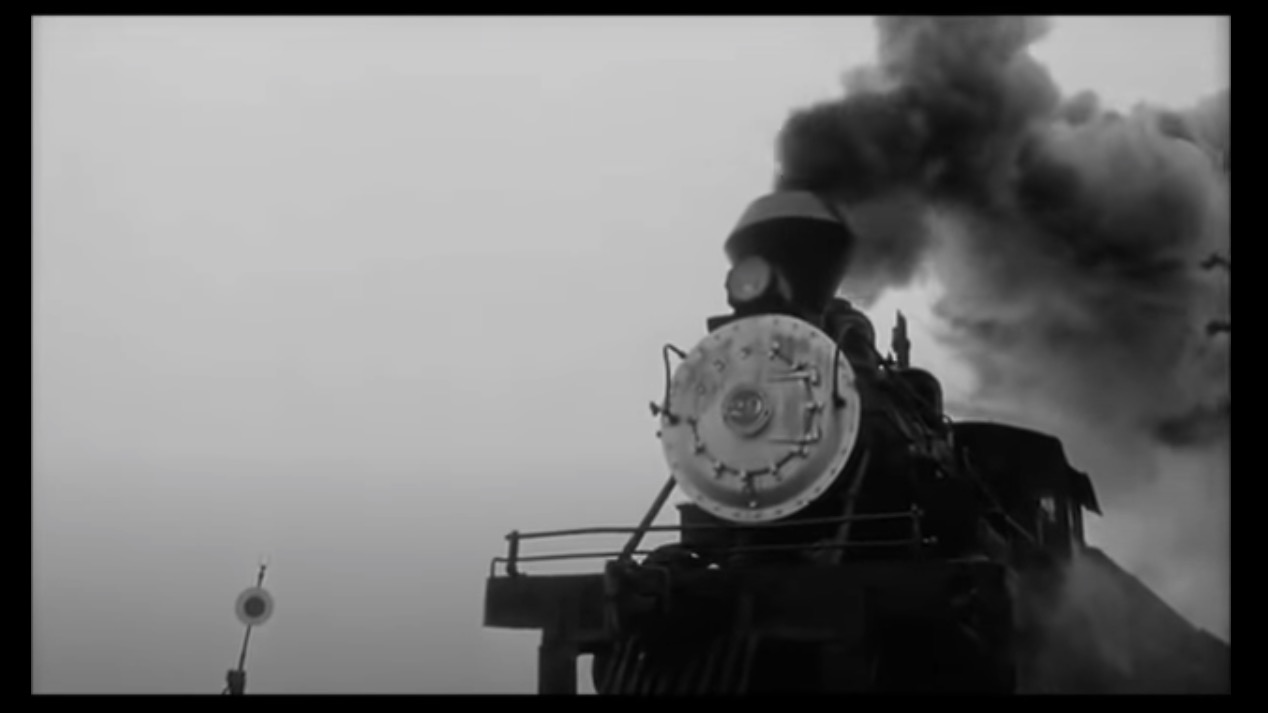
While the traditional “Wayfaring Stranger” has been at the foundation of North American music for at least two centuries, its origin is far from exact.
Some historians have traced its genesis to the 1780s, others, the early 1800s. Depending on who you’re talking to the song may be a reworked Black spiritual, a lifted native hymn, or even a creation of nomadic Portuguese settlers from the southern Appalachian region.
The song, which features its singing protagonist contemplating better times with their family in the afterlife, first gained popularity at Appalachian revivalist sermons before slowly spreading westward with the pioneers. Though “Wayfaring Stranger” has remained a gospel constant ever since, what has probably done more to solidify its place in the American musical tapestry is its constant rediscovery and renewal in the near-secular and popular musical worlds.
In the 1940s, renowned actor and singer Burl Ives made “Wayfaring Stranger” one of his signature songs. By the hippie era late-1960s it was Joan Baez who introduced the free love set to the song. Next, Emmylou Harris turned it into a minor hit in 1980 and then The Man In Black himself, Johnny Cash, reclaimed it in 2000 during that magical late-career renaissance he had. In the song’s latest resurgence, British pop star Ed Sheeran has turned a near a cappella-and-vocal loops version of “Wayfaring Stranger” into a much-copied YouTube phenomenon.
With its evocative lyrics and magnetic melody it’s hard to do “Wayfaring Stranger” wrong. After all, Sunday school teachers and folk festival third-stagers have been churning out entirely competent versions of the song for decades. That said, the best versions of “Wayfaring Stranger” can be so much more. When a musician captures that gravitas and world weary challenge just right it’s like a lightning bolt right to the soul.
We’ve collected 20 soul-stirring performances of “Wayfaring Stranger” below.
16 Horsepower
16 Horsepower/Wovenhand singer David Eugene Edwards has made “Wayfaring Stranger” one of his signature songs, with a version of the track appearing on the 16 Horsepower album Secret South as well as the 2003 Jim White documentary-adventure Searching For The Wrong-Eyed Jesus.
Neko Case
The fire-haired singer recorded a particularly stirring version of “Wayfaring Stranger” for her 2004 album The Tigers Have Spoken.
Bill Monroe
Bluegrass pioneer Bill Monroe performed this version of “Wayfaring Stranger” on the early-1990s TNN program American Music Shop.
Dusty Springfield
British pop star Dusty Springfield’s elegant, melancholy take on the song anchored an episode of her 1966 television show.
Johnny Cash
This song, which appears on Cash’s 2000 album American III: Solitary Man, perfectly captures the mortality that infused much of the Man In Black’s latter period recordings.
Emmylou Harris
Seen here performing the song on Pop Goes The Country in 1980, Harris recorded the song for her album Roses in the Snow. Her version would hit #1 on the Billboard Hot Country Singles chart and #1 on the RPM Country Tracks chart in Canada.
Jack White
White Stripes/Raconteurs band member and Loretta Lynn appreciator Jack White recorded a version of “Wayfaring Stranger” for the Cold Mountain soundtrack. White also had a role in the 2003 film which featured Jude Law, Nicole Kidman and Renée Zellweger.
Tift Merritt
Here’s former Grammy Award nominee Tift Merritt performing “Wayfaring Stranger” in a library in Ringwood, New Jersey. Just because.
Ed Sheeran
The British pop singer’s version of the song uses loops of his own voice as musical accompaniment. The YouTube video of his unique performance has over 12 million views so far and numerous imitators.
Joan Baez
Baez recorded “Wayfaring Stranger” for 1969’s David’s Album, a record of mostly traditionals. It was created by Baez for her then-husband David Harris who was about to be sent to jail for resisting the draft.
The Pine Hill Haints
As this 2007 live version by The Pine Hill Haints attests, adding some rock ‘n’ roll to “Wayfaring Stranger” can yield impressive results. See also defunct gospel-punk band The Schomberg Fair’s version.
The Broken Circle Breakdown Bluegrass Band
Taken from the must-see-for-any-bluegrass-fan Belgian film The Broken Circle Breakdown, this version perfectly bolsters the movie’s tragic narrative.
Sam Bush, Bobby Hicks, Allison Brown
This all-star trio of bluegrass-newgrass players got together to perform a rather epic eight-minute instrumental version of “Wayfaring Stranger” at Harvard University’s Barton Hall in 2010.
Throwing Muses’ Kristin Hersh
Kristin Hersh, from first wave alternative rockers Throwing Muses, performs a rather haunting version of the song.
Tim Buckley
This version by late troubadour Tim Buckley was recorded in 1968 but only came to light in 1999 with the release of his Works In Progress compilation.
Eva Cassidy
Knowing the tragic story of American singer Eva Cassidy’s short life adds a sad edge to this mellifluous rendition from the Eva By Heart album which was released after her death in 1996.
Glen Campbell
The Glen Campbell Goodtime Hour‘s titular country star used his early-1970s variety program to showcase this brisk version of “Wayfaring Stranger.”
Alison Krauss & Union Station
Bluegrass fiddler and Robert Plant collaborator Alison Krauss performed a standard-bearing version of “Wayfaring Stranger” along with Union Station at the Philadelphia Folk Festival in 1987.
Tennessee Ernie Ford
Complete with dark mood lighting, this 1961 performance on The Ford Show perfectly showcased Tennessee Ernie Ford’s booming bass-baritone.
Natalie Merchant
Former 10,000 Maniacs’ vocalist Natalie Merchant unfurled a hypnotic version of “Wayfaring Stranger” on her 2003 traditionals album The House Carpenter’s Daughter.
What versions did we miss? Tell us your favorites in the comments below.
Americana’s Complicated, Resonant Relationship with the UK
Defining the special relationship is pretty hard right now. Donald Trump and Theresa May were pictured holding hands on their very first meeting. Two days later, 10,000 Britons protested against Mr. Trump outside the prime minister’s Downing Street residence. The most appropriate Facebook status update would be: “It’s complicated.” It’s 130 years since Oscar Wilde wrote, “We really have everything in common with America nowadays except, of course, language.” For many Brits, still reeling from our unexpected lurch into Brexit, Trump’s shock election is proof that the two countries still walk a similar path. But to others, our cousins across the pond have never felt more distant and alien.
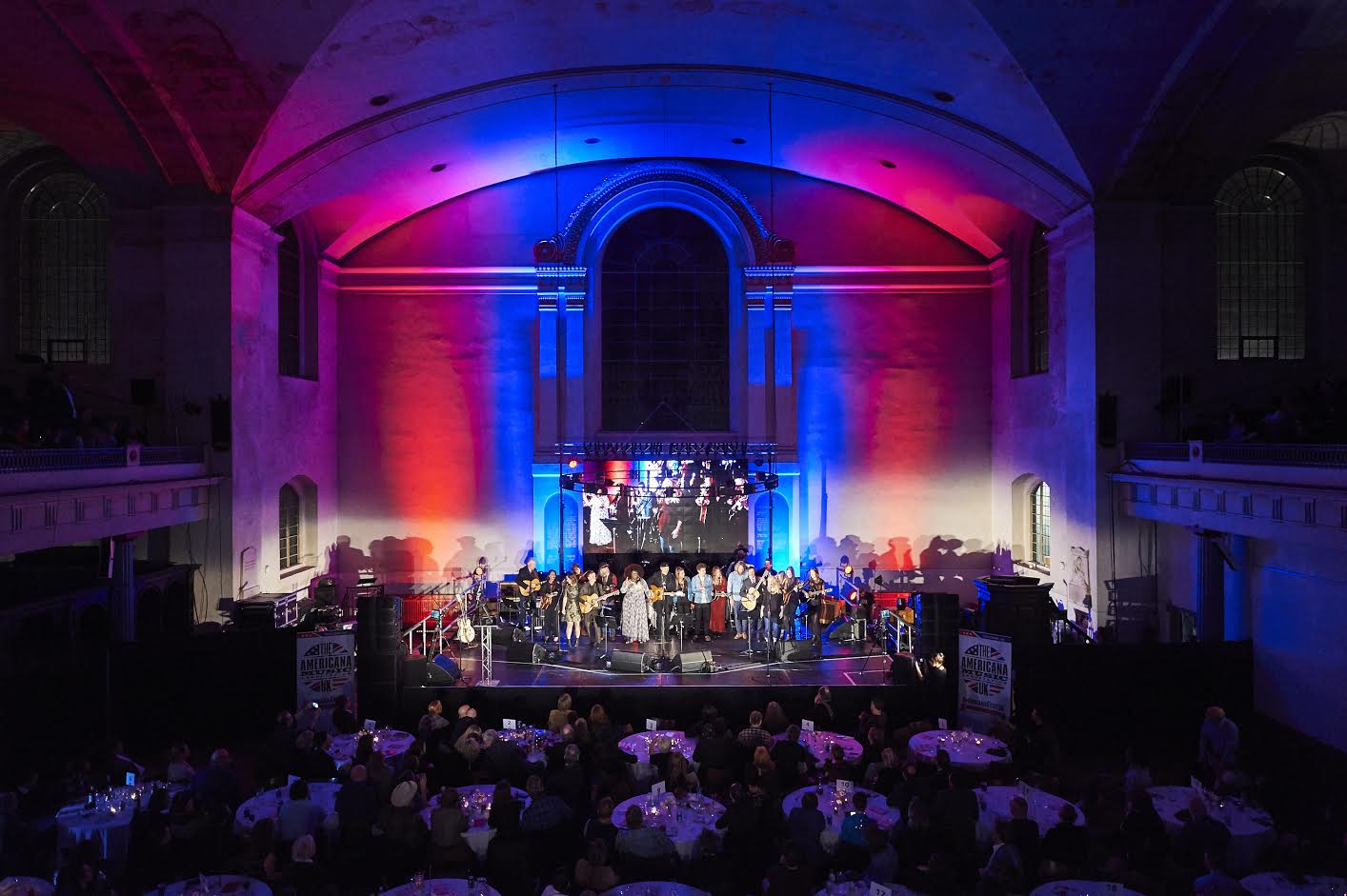
It was in this context that the UK’s Americana scene celebrated itself last week. A fledgling organization, the Americana Music Association UK was hosting its second-ever awards, as well as a two-day conference that offered a chance to consider not only the future of the music here in Britain, but also its present.
Americana has strong roots (excuse the pun) on this side of the Atlantic. Since Mumford & Sons’ mid-2000s breakout, bands like Fleet Foxes, Foy Vance, the Lumineers, and the Shires have found a ready audience, particularly during festival season. Country music has had its own revival — but it can seem remote to the British sensibility and way of life (and its costumes, frankly, outlandish). There’s something in the understated wistfulness of Americana that resonates with our national character: It’s why so many British households own Simon and Garfunkel albums, and why Bob Dylan has long been treated as one of our own.
The contemporary Americana scene is, however, still finding its identity in the UK — as demonstrated by the festival-cum-conference that preceded the AMA UK’s 2017 awards. The two-day affair took place in Hackney, London’s hipster haven where venues such as a vintage clothing store added to the retro appeal of the music; audiences were neatly split into 30-somethings who had raided their dad’s vinyls and the dads, themselves, many wearing jackets they’d had since the ’70s.

Lewis & Leigh
The acts, showcased simultaneously in three neighbouring venues, were more varied. Performances ranged from the folk-inspired Honey Ants to the bluegrass-pop blend of Cornish band Flats & Sharps, from the wild intensity of Henry Senior, Jr.’s pedal steel instrumentals to the delicate voice duos of Ben Smith & Jimmy Brewer. Robert Vincent, winner of last year’s Emerging Artist award, punctuated his charismatic country rock with an unexpected Merseyside accent. Across the road, Glen Phillips (of Toad the Wet Sprocket fame) suppressed his alt-rock instincts in a solo acoustic set that brought the night to a quiet, almost melancholic close.
Growing a more diverse audience will be key for Americana’s development in the UK, industry insiders were admitting. A panel, convened to discuss the genre’s future in the UK and Europe, noted that until recently the very label caused resistance among musicians and promoters, alike. “What has changed recently is that the whole scene has stopped being defensive,” said Sara Silver, head of UK operations at Thirty Tigers, the Nashville-based company that promotes and distributes artists from Lucinda Williams and Patty Griffin to Jason Isbell and the Avett Brothers. “At the beginning, it felt it had to justify itself, but last year’s awards event made me really proud.”
The instigation of an official Americana chart top 40 — some time before the U.S. began their own — is another example of the genre’s newfound confidence, even if 2017’s best-selling album went to a man who has been making music so long that the other nominees could well have been conceived to one of his records. And if Van Morrison’s appearance to accept his award for Keep Me Singing sprinkled stardust (“You’ve made a happy man very old,” he quipped), a performance by Mary Chapin Carpenter, Americana’s grand dame, gave everyone present a masterclass in expressive storytelling.
There was something gloriously authentic about staging the awards at St. John at Hackney — a dilapidated church where the marks in the ceiling aren’t artfully distressed, just genuine leaks — and a similar lack of pretension throughout the ceremony, including the bare-stage performances by nominees like Danni Nicholls, Yola Carter, and Sam Outlaw (who won International Album of the Year for Angeleno).
Perhaps fittingly, the biggest winners of the night were Lewis & Leigh, whose transatlantic partnership (Alva Leigh is from Mississippi, Al Lewis from Wales) claimed Best UK Album and Song. The gentle duo were celebrating the three-year anniversary of writing their very first number together, and their rendition of their award-winning “The 4:19” was the evening’s musical highlight, one whose romantic yearning would give Nashville’s Gunnar and Scarlett a serious run for their money.
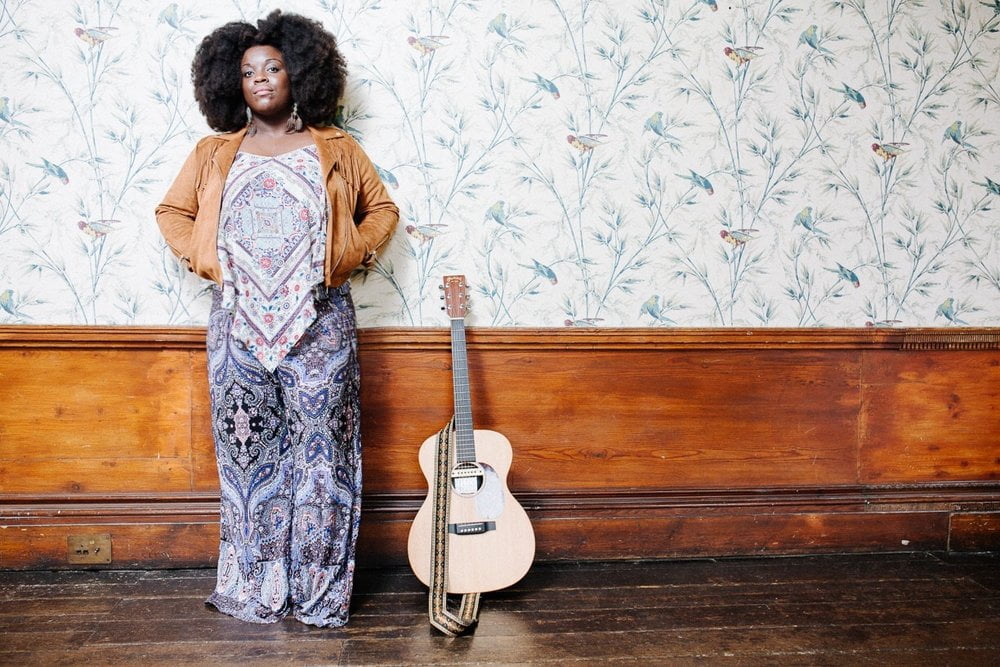
Yola Carter
The event is, at its heart, a chance for what is still very much a family-style musical community to recognize and foster their younger kin — literally so, in the case of Wildwood Kin, the sibling trio from Devon who DJ (and awards host) Bob Harris named his emerging artists of 2017.
Carter, named UK Artist of the Year, pointed out that only 12 months ago she was singing a minor showcase at this same event — “Now, I’m here receiving an award,” she said, acknowledging the “encouragement and community” provided both by her fellow AMA members and by Arts Council-funded organisations like British Underground.
At the end of the night, Richard Thompson was honoured with a Lifetime Achievement Award, in the year that his band Fairport Convention celebrates its 50th anniversary. It was presented by his friend Harry Shearer, who called him a “craftsman, artist, and visionary” and praised his “absolutely idiosyncratic career.”
“This isn’t a subculture,” said Thompson, when he took to the stage. “It’s a parallel culture. And …” — cue huge applause — “it’s getting better.”
LISTEN: Eric Saint Nicholas, ‘3:45’
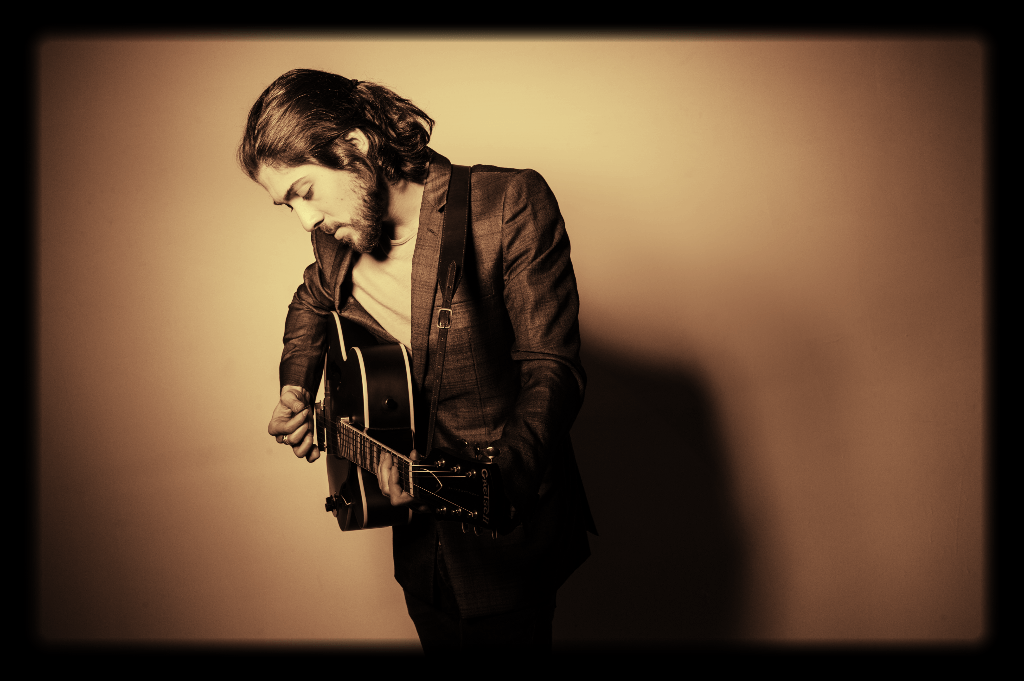
Artist: Eric Saint Nicholas
Hometown: Corona Del Mar, CA
Song: “3:45”
Album: American Heartbreak Radio
Release Date: February 10, 2017
In Their Words: “’3:45′ is about late nights in New York City and dating the wrong person at the right time. Sometimes you roll with things that are no good for you just to see how it feels, to live a little. Maybe ‘3:45’ is doing a little bad so next time you know better.” — Eric Saint Nicholas
Photo credit: Erick Anderson