Canon Fodder: John Mellencamp, ‘The Lonesome Jubilee’

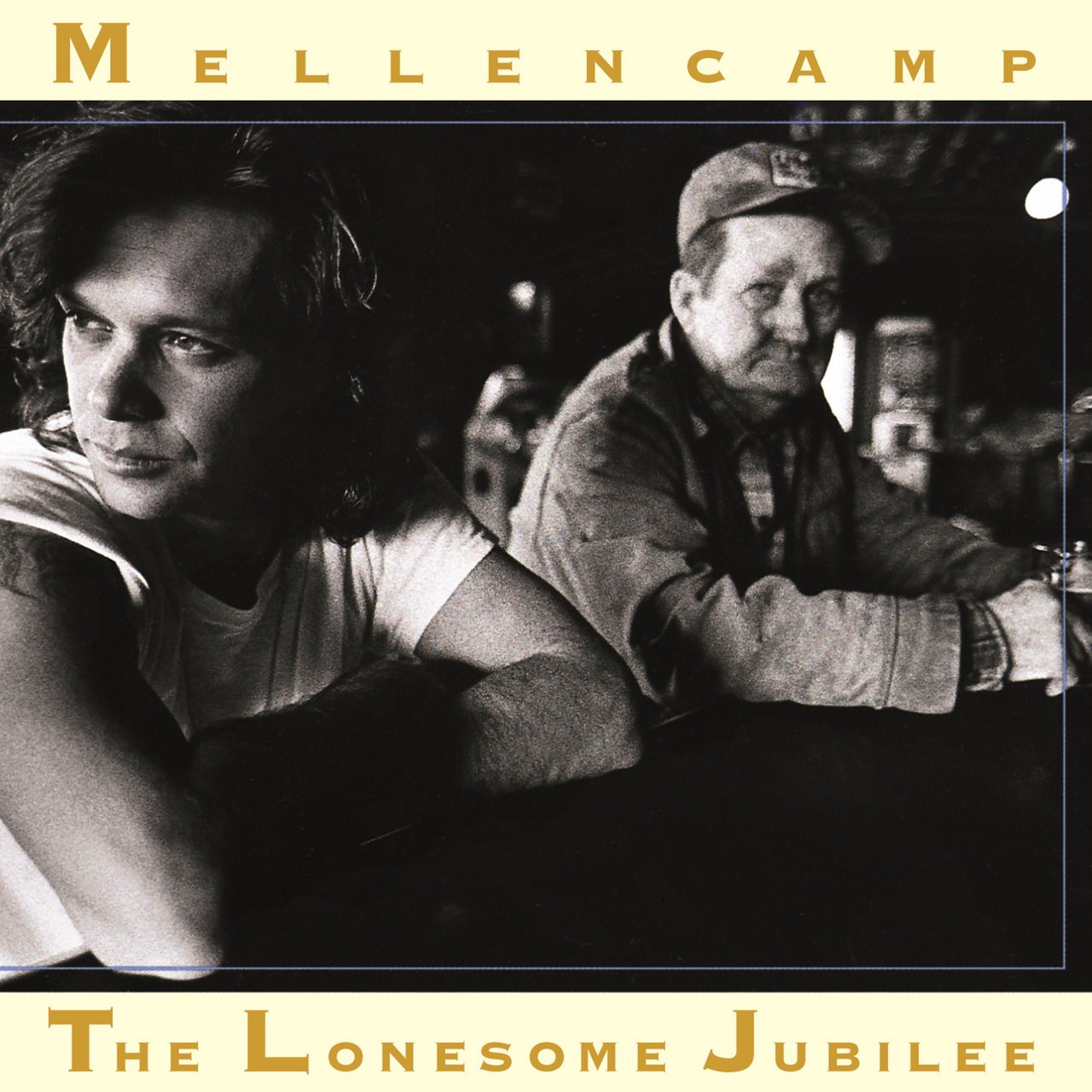
The Lonesome Jubilee was released on August 24, 1987, just a few weeks after Def Leppard’s Hysteria and a few weeks before Belinda Carlisle’s Heaven on Earth. But unlike those two albums, it is not getting a new 30th-anniversary edition. No remastering, no bonus tracks, no unearthed live cuts or alternate takes, no new liner notes, no think-pieces or take-downs. But John Mellencamp’s ninth album certainly deserves the deluxe treatment — and not only because it’s a rousing collection of politically barbed folk-rock songs. The best reissues allow us to hear old music in new ways, providing a fresh context in which artists might speak to a different moment and to a different generation. The songs on Jubilee speak very loudly, and they have as much to say in 2017 as they did in 1987.

Mellencamp recorded the album in late 1986 and early 1987, taking his road-tested touring band into his Belmont Mall Studio outside of Bloomington, Indiana. As usual, he worked with his long-time producer Don Gehman, who had helmed his breakthroughs during the transition from Johnny Cougar to John Cougar Mellencamp. Two crucial things had changed in the singer/songwriter’s life, one professional and the other personal. First, his longtime label Riva Records had gone out of business, leaving him briefly homeless. He soon signed with Mercury, where he remained for the next decade. Second, his uncle, Joe Mellencamp, died from lung cancer, and his passing lends the record an intense mortal resignation. While many of these songs may sound like they’re about other people, in fact they are about John Mellencamp delving into his family’s personal demons. According to a 1987 New York Times feature, he wrote first single, “Paper in Fire,” about “my family’s ingrained anger.”

By all appearances, it didn’t look like he had very much to be angry about. Mellencamp was coming off an incredible run that had established him as one of the biggest stars of the decade, alongside such well-remembered celebrities as Madonna, Whitney Houston, and Michael Jackson. Starting with 1982’s American Fool, he had devised a form of heartland rock that was unpretentious yet inventive, universal enough to appeal to anyone who heard it, yet eccentric enough to show the man behind the music. He had an easy way of rolling social and political issues into his songs, avoiding the all-caps melodrama of Springsteen, as well as the studious obscurity of R.E.M.

Sound followed setting. Mellencamp hailed from Indiana, where small towns were suffering, farmers were hurting, and regular Americans were shouldering the burden of corporate greed with nothing to show for it. In 1986, together with Willie Nelson, he co-headlined the first Farm Aid concert and testified before Congress in support of Iowa Democrat Tom Harkin’s Family Farm bill. In that same New York Times article, he explained that the giant corporations are “willing to exploit John Doe and let America become a third-world country, economically, if it benefits them.”

Throughout the 1980s, his populist mission informed songs that were based in strictly rock and pop sounds, in particular electric guitars. His catalog is littered with sharp and evocative riffs: the ominous growl of “Scarecrow,” the scene-setting rhythm of “Jack & Diane,” the horizon-expanding fanfare of “Rumble Seat.” While present on The Lonesome Jubilee, the electric guitar is primarily an accent to an arsenal of folk instruments largely foreign to MTV and the Billboard pop charts: fiddle and hammer dulcimer, autoharp and mandolin, penny whistle and accordion, dobro and lap steel. It wasn’t country, but it wasn’t folk either. Mellencamp called it a form of “gypsy rock,” rooted in his Dutch and German ancestry.

That musical palette gives The Lonesome Jubilee a special place in Mellencamp’s catalog and perhaps an even more impressive spot in pop music, more generally. Thirty years later, it might be one of the best-selling roots rock albums of all time, a bigger risk than the O Brother Where Art Thou? soundtrack; there is something brazen about Mellencamp’s embrace of these sounds, something ornery in his insistence that these traditions had a place in mainstream pop music. And yet, it still sounds like nothing else. His band deploys these instruments in unexpected ways, giving what might otherwise be guitar riffs to John Cascella’s accordion or Mike Wanchic’s dulcimer or, most often, to Lisa Germano’s fiddle. In particular, the strident urgency of “Paper in Fire” is grounded in her sharp bowing, which is industrial in concept if not in sonics: like squealing brakes on a car, or grinding gears in a factory, or perhaps a quarry saw through a block of limestone.

Mellencamp’s gypsy rock does a lot to tease out the meaning in his lyrics, whether evoking a specific regional setting in which these stories play out or simply providing an optimistic counterpart to his sometimes pessimistic worldview. If Springsteen (to whom Mellencamp is too often and unjustly compared) wrote about dreamers either escaping or succumbing to the drag of life, Mellencamp is much less romantic about the ordinary Americans who populate his songs. Rarely do they even have dreams or vistas that extend beyond the city limits. As Robert Christgau wrote in his A- review, “His protagonists don’t expect all that much and get less, but they’re not beautiful losers — they’re too ordinary, too miserable.”

When his characters reflect on their lives, they do so with a generational nostalgia that often obscures the source of their despair. “Cherry Bomb” is a gentle song about looking back to a more promising time in life. “We were young and we were improvin’,” he sings, but the implication hangs heavy in the melody: Age has brought personal stagnation. They’re just getting by, focused more on the golden past than the uncertain future. It’s easy to mistake the song for exactly what it lambasts — a rosy view of the past as paradise, when America was “great” and life was full of possibility. It’s a deceptive illusion: “That’s all that we’ve learned about happiness,” he realizes. “That’s all that we’ve learned about living.”

A politically left-of-center missive from the heart of the Reagan era, The Lonesome Jubilee requires almost no adjustment for the late 2010s. Mellencamp begins every verse in “Down and Out in Paradise” with the same refrain — “Dear Mr. President …” — before relating some poor soul’s story. It’s a ploy that recalls Woody Guthrie without being precious about the reference or, worse, deferential. Mellencamp knew Reagan wasn’t listening, just as he knows that our current president doesn’t have the capability to empathize with or understand the hard lives of the everyday Americans who inexplicably voted for him. Meanwhile, those same small towns wither, those farmers have long ago sold their fields, and regular Americans shoulder an even greater burden with less to show for it.

Perhaps even more impressive than sneaking dulcimers and autoharps into the mainstream is smuggling this brand of American fatalism into arenas and concert halls around the world. The ordinary Americans suffer while the rich stuff their wallets. Maybe you could have once argued that some things never change, but the discrepancy between 1987 and 2017 suggests that some things actually get worse. “Generations come and go, but it makes no difference,” goes the Bible verse that Mellencamp quotes in the liner notes. “Everything is unutterably weary and tiresome. No matter how much we see, we are never satisfied … So I saw that there is nothing better for men than that they should be happy in their work, for that is what they are here for, and no one can bring them back to life to enjoy what will be in the future, so let them enjoy it now.”

Maybe it’s not the most generous vision of human existence, but it’s certainly one that motivates Mellencamp’s empathy. Life is short, and we should make it as enriching as possible for as many people as possible. We should live squarely in the moment because yesterday, today, and tomorrow will all play out more or less the same. It’s a potent brand of cynicism, yet beautiful and American, too.
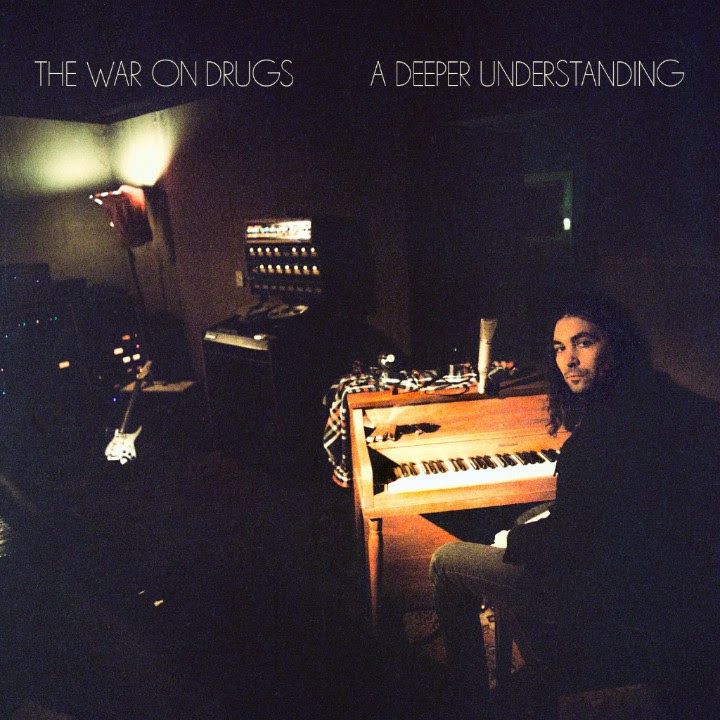
The War on Drugs, ‘Strangest Thing’

My mother just doesn’t get the “electronic” songs, as she puts it. Never did, really, especially when things started getting really wispy, super synth-y, shoegaze-y to the nth degree: Growing up on Janis Joplin and the Rolling Stones, she likes her music with an emotional drive that makes the bones rattle, not one that shoots you into the clouds. And it’s true that, sometimes, heavily electronic music can be difficult to make a visceral connection with, especially if you are used to the organic reverberation of real drums and wood instruments — or especially if you don’t have any hallucinogenic substances to nudge you along on the way to submission.

Part of what has always made the War on Drugs so powerful is the way they bridge that modernity — particularly dreamy splashes of synth — with the organic core of rock and folk (Bruce Springsteen and ’80s Bob Dylan are common references). Lead by the voice of Adam Granduciel, the band’s newest single, “Strangest Thing,” sounds like a song made for those who enjoy being both grounded to the earth and united with the air. Rolling in to a slow, plaintive beat with synth and keys that ring like darts of sunlight, Granduciel asks questions that transcend those generational splits: “Am I just living in the space between the beauty and the pain?” he sings. From their forthcoming release, A Deeper Understanding, it’s the perfect swirl of acoustic and electric to reflect a time obsessed with the past but raging fast into the future.

3×3: Zander Hawley on Books, Boots, and Bruce Springsteen

Artist: Zander Hawley
Hometown: Los Angeles, CA
Latest Album: When I Get Blue
Personal Nicknames: Z


tickets still up for @backstagenashville tmro see you there

A post shared by Zander Hawley (@zhawl) on

If you could safely have any animal in the world as a pet, which would you choose?

That Melanie Griffith-lion relationship was always super interesting to me, but I’d probably want a lady lion instead of a guy.

Do your socks always match?

Absolutely. 

If you could have a superpower, what would you choose?

Whatever gets me on the X-Men.


songs and stories from the album next weekend at @3rdandlindsley with @backstagenashville

A post shared by Zander Hawley (@zhawl) on

Which describes you as a kid — tree climber, video gamer, or book reader?

Book reader. Books would distract me from anything I was supposed to be doing — my parents tell me they would come into my room to find that I’d put on maybe half an outfit before the book took over.

Who was the best teacher you ever had — and why?

Vanessa Mancinelli, senior year high school literature teacher, because she had even more fun reading than I did.

What’s your favorite city?

I was born in New York, but only lived there for the first five years of my life, so whenever I go back, I’m always hit by a strong sense of nostalgia. Last time I was there, I saw Springsteen play for the first time, so that pretty much sealed it. 


A post shared by Zander Hawley (@zhawl) on

Boots or sneakers?

Boots.

Which brothers do you prefer — Avett, Wood, Stanley, Comatose, or Louvin?

Oh man, can I write in a different set? I’d probably choose the Grimms or the Summers.

Head or heart?

I wish I could say both, but I have to say heart. 

3X3: Sara Petite on Love Potions, Fun Runs, and Rainy Days

Artist: Sara Petite
Hometown: Sumner, WA (now resides in San Diego, CA)
Latest Album: Road Less Traveled
Personal Nicknames: SWEET PEA


Sara Petite Band at Humphreys Happy Hour tonight 5 to 7pm #roadlesstraveled #honkytonk

A post shared by Sara Petite (@sweetpetitep) on

If you could go back (or forward) to live in any decade, when would you choose?

Right now is the perfect time.

Who would be your dream co-writer?

Lori McKenna, Brandy Clark, Patty Griffin, Bruce Springsteen, Tom Petty

If a song started playing every time you entered the room, what would you want it to be? 

“Love Potion #9” from Herb Alpert’s Whipped Cream album. It is really sexy music. I would be wearing something really slinky and sexy — when I walked in, everyone would look at me! I would come in with a big sexy “you want me” smile, then I would start to strut my way across the room and I would trip and fall and make everyone laugh! And it would happen every time that song came on! 

What is the one thing you can’t survive without on tour?

Toothbrush, clean underwear, and socks

What are you most afraid of?

I’m not sure — there isn’t really anything to be afraid of anymore. I would like to die the same day as my twin sister. It would probably be too difficult on this planet without her. All the things I thought would kill me or wreck me forever haven’t. I’m still here, still breathing, and have a smile most of the time!

Who is your favorite superhero? 

I just did a fun run and made my own superhero costume. I was Super Sweet Pea. I had a sequined S on my chest, a purple cape I sewed flowers on, and I ran with a bunch of fake colorful hydrangeas in my hand. We ran down through canyons, neighborhoods. I fell on my ass a few times down the hills. It was a lot of fun until people started exposing themselves — very uncomfortable! I didn’t know that was the type of club I joined, yikes! I am totally bummed not to be in the running club anymore because next week was going to be the Big Lebowski run, and me and my best friend were going to run in bathrobes holding a 10-foot joint, whilst partaking in our own joint smoking. I have decided to possibly make my own run club or join the Sierra Club in hopes for more of a PG-13 environment. I was only there to run, drink, and wear my superhero costume, man!


Sitting in with the Sunday band at Pappys

A post shared by Sara Petite (@sweetpetitep) on

Pickles or olives?

PICKLES! I went to a restaurant the other day, and they were out of pickles. How can someone be out of pickles? I ordered a cheeseburger, extra rare with extra pickles.  

Which primary color is the best — blue, yellow, or red?

Not sure. It probably depends how I feel.  

Which is worse — rainy days or Mondays? 

I love rain. I grew up in Washington. And I love Mondays. They are new beginnings!

Blitzen Trapper Head All Across This Land

Since they came on the scene 15 years ago, Blitzen Trapper have made music that blends country and folk ideas with an arena rock attitude. Their newest album, All Across This Land, cuts a broad musical swath through American music, from Springsteen's Jersey to Michael Stanley's Midwest (with even a bit of Jolly Old England in the mix, too). 

You and the band are on road as we speak, right? Somewhere between Austin and Alabama?

Yep, that’s right.

Is it still fun being on the road?

Yeah, the shows are fun.

People are reacting enthusiastically?

Yeah, definitely.

I guess you could say you’re all across this land to promote All Across This Land. [Laughs]

Yeah, pretty much. [Laughs]

Did some of these songs get worked out on the road before they were recorded?

No, no. I wrote them all during a spell when we weren’t touring at all. I’m always trying to write songs, here and there. This is just the kind of group that I came up with, I liked, and they all kind of went together. It just kind of seemed like a record.

Are there bands that have influenced you over the years that were in the back of your mind when you were writing the songs?

I guess I wanted to give more of a kind of classic Americana approach. Older Americana, like Springsteen and Neil Young. Just kind of that eclectic guitar, rock, folk mixture.

“Let the Cards Fall” reminds me of Wilco. Tell me how that song came about.

That one is sort of hard to remember, honestly. I think I had the chorus first. That one has a very personal creative ethos to it. The chorus is kind of just me talking, you know? The verses are images from Oregon — all the wildness. The whole song just kind of came one day.

That one has images of Oregon, but it feels like you’re headed down the road somewhere in this lush, green part of Tennessee or something. That’s the way it sounds to me.

Lyrically, that whole first verse is about a forest fire coming your way.

I love the guitar and vocal textures in “Mystery and Wonder.” Tell me about that one, from a recording standpoint. How was it put together?

That one was initially acoustic guitar, bass, and drums. Then we layered on other guitars. The guitars in that one are pretty ambient. It’s straightforward, as far as that goes. There are keyboards and piano that comes in here and there. It wanted it to sound really lush and full.

I think the whole second side of the record has that sort of feel to it. The first side has got some nice textures; it kind of teases you. The second side gets real big and wall-of-sound-ish. “Nights Were Made for Love” reminds me of listening to the radio when I was a kid. Kid Leo on WMMS used to play Michael Stanley all the time, it kind of reminds me of that sort of thing.

Yeah, for sure.

The title cut has a glam-rock-ish edge to it. It reminds me a little bit of Edgar Winter during the 1970s, when he was really, really popular. [Laughs] How does that sound to you?

That one is more Thin Lizzy.

Thin Lizzy?

The guitar on it, yeah. The riffs and guitar on that are pretty great. I think that Joe Walsh was a big influence on that one.

Well, if you put Thin Lizzy and Joe Walsh together, you kind of have Edgar Winter. [Laughs]

Right, yeah.

At least when he was doing “Frankenstein” and when he was a popular artist, as opposed to when he was doing “Tobacco Road” and [Edgar Winter’s] White Trash and all that sort of business. Which songs, of the new ones, are the most fun to play on the road right now and why?

I think “Cadillac Road” and “Love Grow Cold” are pretty great live. And “Nights Were Made for Love,” those three are probably my favorites to play live.

Are you working in a lot of the older stuff with the newer stuff?

Oh, yeah.

Well, you’re coming to Portland at the end of November. Is that kind of a homecoming show for you?

Yeah, that’s the last show of the tour.

Are you going to go back out in the Spring and hit up other parts of the country?

Yeah, I think we’re going overseas in the Spring. We might do some smaller market stuff in the Spring, as well.


Photo by Jason Quigley

BGS Class of 2016: Books

Yes, indeed, this was a great year for music (just check out our stacked 2016 albums list) and, luckily for all the bibliophiles out there, it was also a great year for music books. Because there's nothing better than reading a good book while your favorite music plays, we've rounded up a few of our favorite books from the past year. From Whisperin' Bill Anderson's life story to a memoir from the one and only Bruce Springsteen, there's something here for everyone.

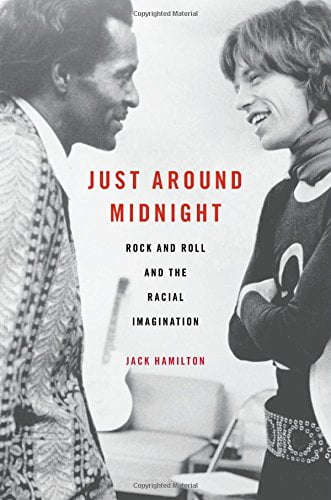
Just Around Midnight: Rock and Roll and the Racial Imagination by Jack Hamilton

Slate writer and University of Virginia at Arlington professor Jack Hamilton tackles the complex relationship between race and rock 'n' roll in the 1960s in this new book. It's an essential addition to the rock 'n' roll history canon that covers new, much-needed ground.

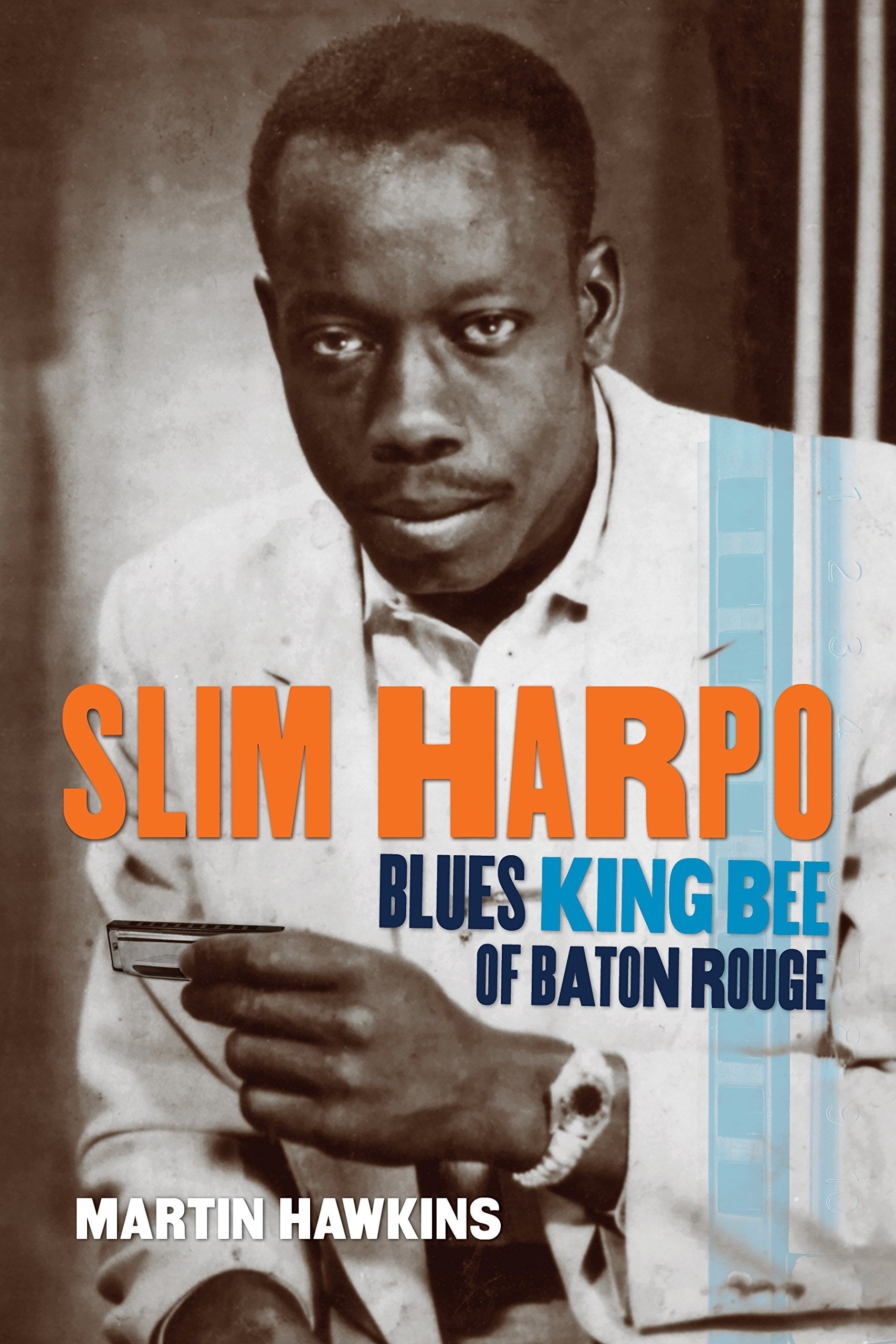
Slim Harpo: Blues King Bee of Baton Rouge by Martin Hawkins

Slim Harpo forever altered the culture of Baton Rouge, Louisiana, with his own take on blues music. The only available biography about Harpo, this book preserves the legacy of one of the genre's most important artists.

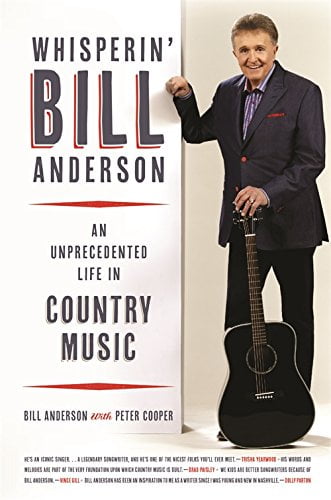
Whisperin' Bill Anderson: An Unprecedented Life in Country Music by Bill Anderson and Peter Cooper

Whisperin' Bill Anderson is one of the most celebrated songwriters in country music, with hits for everyone from Ray Price to Eddy Arnold. In this autobiography — written in tandem with music writer Peter Cooper — Anderson offers a behind-the-scenes look at Music Row, his storied career, and the difficulties he faced as the music industry evolved.

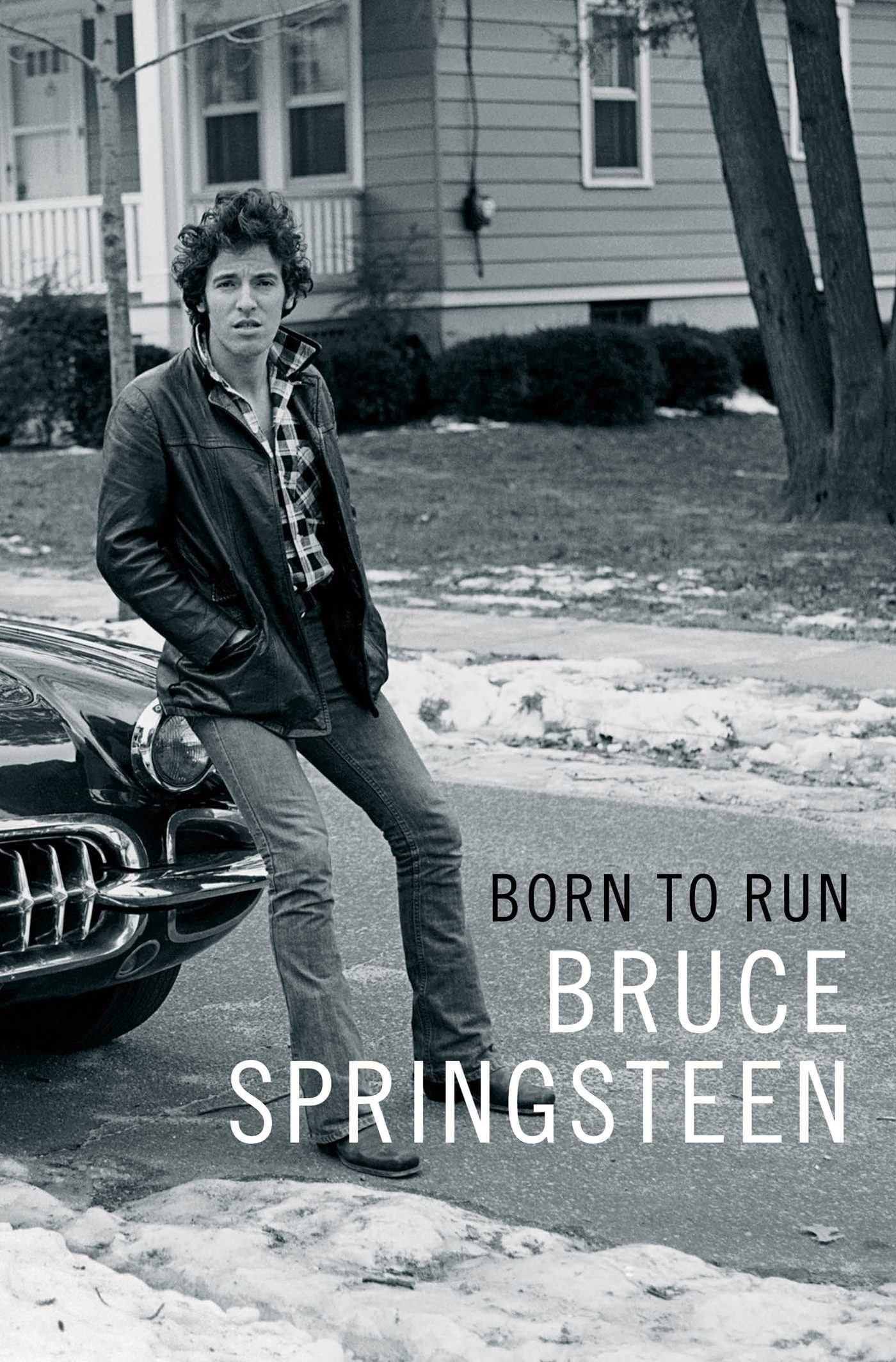
Born to Run by Bruce Springsteen

An autobiography from the Boss … need we say more? 

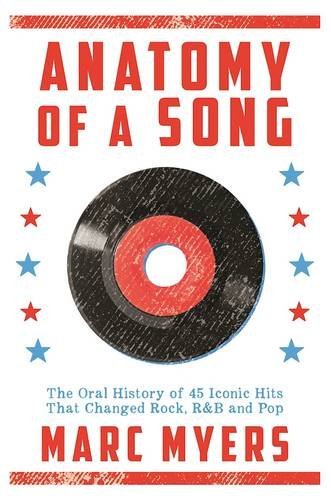
Anatomy of a Song: the Oral History of 45 Iconic Hits That Changed Rock, R&B, and Pop by Marc Myers

"Proud Mary," "Carey," "Mercedes Benz," and 42 other legendary songs get the oral history treatment in this anthology from Wall Street Journal columnist Marc Myers. It's a fascinating read for anyone, but should be especially so for anyone hoping to write the next classic song.


Photo credit: Abee5 via Foter.com / CC BY.

SaveSaveSaveSave

Squared Roots: BJ Barham on the Brilliance of Bruce Springsteen

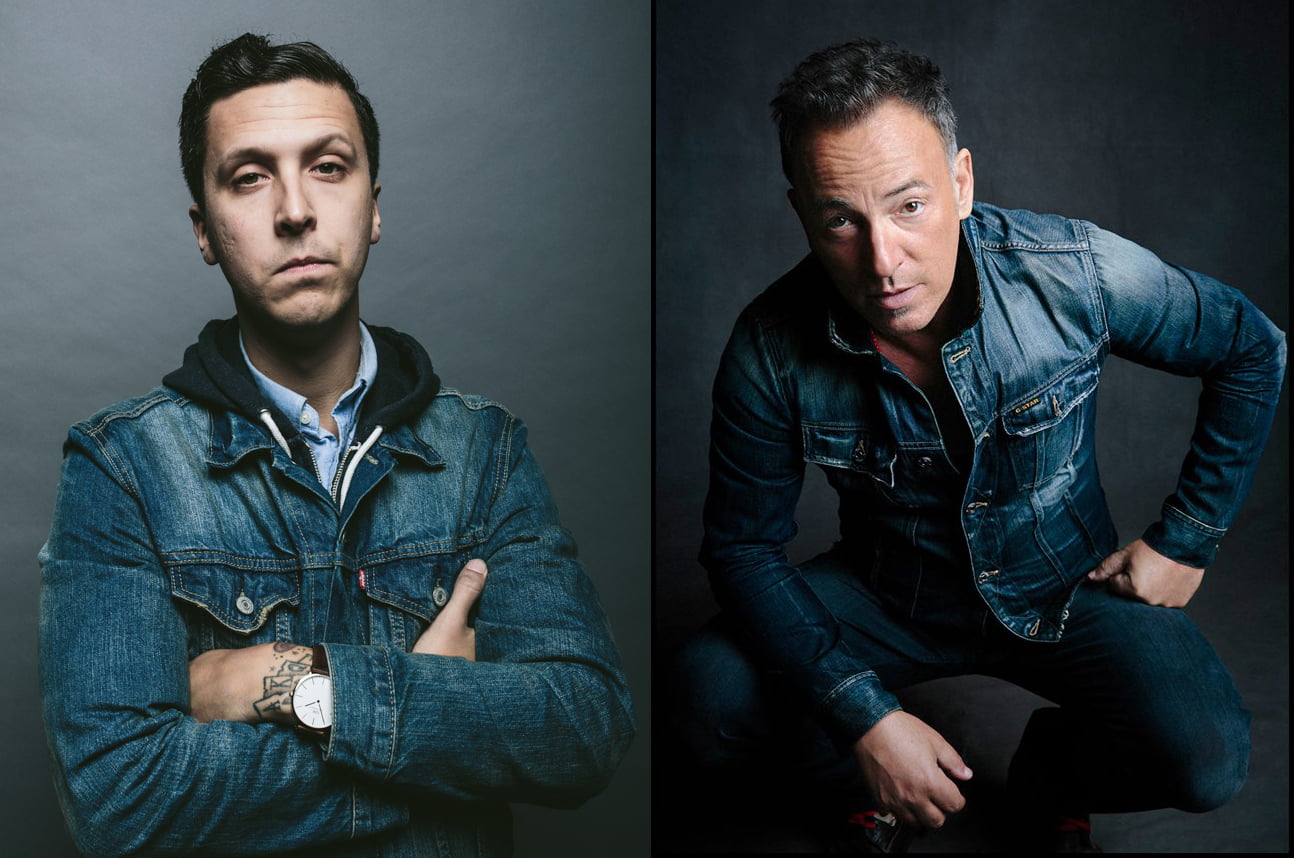
Bruce Springsteen. What, really, is there to write about him that hasn't been written thousands of times? (Although this ranking of all his songs is awfully cool!) He's a working-class hero, a thinking-man's poet, an activist-artist, a national treasure, and a songwriter's songwriter with 18 albums and millions of record sales to his credit. Over the past five decades, Springsteen has witnessed and documented in song the American dream — its promise, its realization, and its demise. For that, he can also be credited as an oral historian.

To American Aquarium's BJ Barham, Springsteen is also the greatest ever. Full stop. On his recent solo debut, Rockingham, Barham puts that admiration and influence on full display, working through an Americana song cycle about small-town living with a gruff voice and a simple message.

What is it, for you, that makes Springsteen so great?

Springsteen, for me — and I've argued this with plenty of people — he's simply the greatest American songwriter we've ever seen. [Bob] Dylan's good. I really like Dylan a lot. I really like Tom Petty a lot. Dylan wrote a lot of artsy, abstract stuff, too. Springsteen always writes to the core of America. Springsteen writes songs that 21-year-old hipsters in East Nashville can relate to or, you can play them for my father, and he relates to the same exact verbiage, same exact song. It's timeless. You play Thunder Road, you play Born to Run … you play anything from Born to Run and it could've happened today; it could've happened in the '60s.

There aren't many songwriters that we come across in this business that have that ability. And I'm one of the countless songwriters who spent my entire 20s at the “Church of Springsteen” and am, really, sometimes just doing a pale imitation. Everybody who writes songs about small-town living that comes out and says Springsteen didn't influence their music are liars. [Laughs]

He taught me that you can have a guitar and three chords and tell people stories about where you're from and people will relate to it. There's no greater lesson that I have learned than from Springsteen: Write what you know. He made New Jersey sound romantic. That's how good Bruce Springsteen is. New Jersey is a terrible place. Springsteen is the only guy who can make New Jersey sound appealing or romantic or nice or not a shithole. I can say this because my bass player and my guitar player are both from New Jersey.

Having never been to New Jersey, on my first tour, I made sure to book a gig in Asbury Park. On the way up, I was like, “Man, this is going to be a game-changer. This is going to be life-altering!” Then, you pull up to Asbury Park, New Jersey, and you're like, “What the hell?!” [Laughs] “Did they do nuclear testing here after the Springsteen records came out?! Maybe this is the desolate wasteland that came after the vibrant city he painted picture of …” Then you realize, that's how good Springsteen is. He's such a good writer, he can make New Jersey sound like a hotspot tourist destination.

Being a guy from a small town that's not really desirable in too many different ways, it taught me that you can sing about what you know — sing about things that are close to you — in a way that made it relatable to the rest of the world. On my new record, Rockingham, all of these songs are about my hometown. They are all about a very specific time and place. And I attempted to make these songs so that somebody in Anchorage, Alaska, or somebody in Wichita, Kansas, can hear these songs and put themselves in these characters' shoes. That's what Springsteen taught me, that most of us have the same perspective.

It's interesting what you said about how his old records are still just as relevant today. That's great for him — that he's able to write such timeless pieces. But it's also a little bit sad for us — that there's been very little progress.

Very much so. If Springsteen came around today, he wouldn't exist as Bruce Springsteen. He would've put out his first record, Greetings from Asbury Park, and he would've been dropped from his label immediately because he only sold 100,000 copies. And he might live in obscurity. If Springsteen came out today, he'd be one of the guys who're on the road 200 days a year playing in empty bars singing songs about common people. It was the right place, right time for Springsteen. Luckily, Columbia Records gave him three shots. That's unheard of today.

Well, he was a critical favorite, right out of the gate, some 43 years ago. But, you're right, the big sales didn't come along until later.

Don't get me wrong, by '84 or '85, that man was playing football stadiums — a level of fame, arguably, nobody today really understands … unless you're Beyoncé.

Right. A singer/songwriter doesn't do that.

Nobody walks into Giants Stadium and plays, at the root of it, folk music. Don't get me wrong: He had the bombastic band and, in the '80s, he made the horrible decision to add synthesizers to everything; but, at the base of everything, those are three-chord folk songs. Nebraska is a great example of what Springsteen sounds like in his room just playing an acoustic guitar.

I was just listening to Nebraska and Tom Joad. That's John Moreland. That's Jason Isbell. That's Lori McKenna. Those are the artists making that kind of music today. But, yeah, they are, at best, playing a nice theatre or maybe a small shed.

If you look at some of the outtakes from Nebraska … “Born in the U.S.A.” was supposed to be on Nebraska and there are acoustic versions floating around of demos he did for “Born in the U.S.A.” It's a haunting folk song about the reality of the Vietnam War and what it did to the American psyche. But, if you talk to anybody my age about “Born in the U.S.A.,” it's, “Oh, that's that cheesy Springsteen song.” It's all because of that synth line that makes it danceable and pop-py and sellable. But, when you strip everything away from any of his songs, they're John Moreland, they're Jason Isbell. They're everybody that we look up to today in the Americana scene. Springsteen just put 20 instruments over the top of it to sell it.

But he was a product of his environment. That's what was going on in New Jersey. If you wanted to play on the beach, you had to have a band that made people dance. He learned that, as long as he had the band to make people move, he can sell it mainstream. And he got to sneak in all these amazing poems. The best part about it was, America thought, “This is really catchy.” But they were listening to, in my opinion, the greatest American songwriter ever to write songs.

It's interesting because, I think, those are the people — much like Ronald Reagan trying to use it for a campaign song — they weren't listening. They're listening on the surface to the riff and the chorus, but they weren't actually tuning into it.

And it blows my mind because the first line of that song is such an epic line: “Born down in a dead man's town. The first kick I took was when I hit the ground.” WHAT?! [Laughs]

[Laughs] So do you have a favorite era or album? Or can you not pick?

For me, it's Born to Run. It's eight songs. It's perfect. A 47-minute record. It's funny that my debut is an eight-song, 45-minute record.

[Laughs] Hmmm. That is interesting.

[Laughs] Springsteen taught me that, nowadays, everybody wants to put out 16-song records with a five-song bonus disc, if you get the deluxe edition. Born to Run, arguably one of the best records that will ever be made, in my opinion … eight songs. It's the perfect four songs on each side of vinyl. I can't even get started. “Jungleland” … I still cry.

Every generation has great songwriters. For my generation, Isbell is that … for me. He's playing big theatres. Let's be generous and say he's playing for 3,000 people per theatre. That's one-tenth of what Springsteen was playing. We'll never see anything like what Springsteen was. It was a cultural phenomenon, the fact that America rallied around a songwriter. Beyoncé is lucky to sell out a football stadium now and she had 16 ghostwriters on every one of her songs. Springsteen was a guaranteed sell-out. So, if he booked a football stadium, he might have to book two or three nights because it sold out so quickly. I don't think we'll ever see that again, in our lifetime. It was such a perfect storm.

Looking back, I don't understand how it happened. It's like if John Moreland got famous, or someone you loved in your record collection that you wondered why nobody else knew about them got extraordinarily famous. The closest we have, to me, is Isbell. Knowing him pre-Southeastern and going to one of his shows now and seeing how big it is, it's still not even a speck on what Springsteen was, which is hard to wrap your head around.

For more songwriters admiring songwriters, read our Squared Roots interview with Lori McKenna.


Photo of BJ Barham by Joshua Black Wilkins. Photo of Bruce Springsteen courtesy of the artist.

3×3: The Outdoor Type on Nag Champa, Weird Feet, and Economical Footwear

Artist: The Outdoor Type
Hometown: Melbourne, Australia
Latest Album: On My Mind (single) & self-titled EP (out now via Nettwerk)
Personal Nicknames (or Rejected Band Names): I’ve never had a nickname — that I’m aware of — but I’ve had my fair share questionable band names: Cacophony, Skirvy Jack, Radio Star. Those aren’t rejected names either.

If Jesus, Buddha, Krishna, and Mohammed were in a band together, who would play what?
Mohammed – lead vocals
Buddha – bass guitar
Krishna – lead guitar
Jesus – drums

If you were a candle, what scent would you be?
Nag Champa. Best scent. 

What literary character or story do you most relate to? 
Probably Rob Fleming from Nick Hornby’s book, High Fidelity

How many pairs of shoes do you own? 
Three pairs, I think — I’m pretty economical with my footwear. I spend 90 percent of my time in my boots.

What's your best physical attribute? 
Definitely not my feet — I have weird feet.

Who is your favorite Bruce: Willis, Springsteen, or Lee? 
The Boss, of course.

Animal, mineral, or vegetable? 
Vegetable

Rain or shine?
Sunshine

Mild, medium, or spicy?
Spicy


Photo credit: An Architect Photographed My Undies
 

3×3: The Suitcase Junket on Mint Chip, Movie Songs, and the Merits of Moonshine

Artist:​ The Suitcase Junket​ (That's not my given name.)
Hometown:​ Cavendish, VT​
Latest Album:​ Dying Star​
Personal Nicknames:​ Someone called me Lenny for a few years. Never knew why. ​(I'm not a Leonard.) My nickname for myself is Tony Stones. ​


Sprang.

A photo posted by Matt Lorenz (@suitcasejunket) on

What was the first record you ever bought with your own money?​ 
Ace of Bass​ ​

How many unread emails or texts currently fill your inbox?​
666 unread emails. Not kidding. Should I be worried? Wait, where am I? ​

If your life were a movie, which songs would be on the soundtrack?​
Hmmm … That would a be a very long soundtrack. I guess most of it would be me singing nonsense really loud in the car. (Also, the album Nebraska by Springsteen and all of Wildflowers by Petty.) ​


Whoa! @brooklynbowl might be the coolest venue ever… Hitting at 8 w/ @wildadriatic and @sistersparrowdb Woot!

A photo posted by Matt Lorenz (@suitcasejunket) on

What brand of jeans do you wear?​
Salvation Army ​​

What's your go-to karaoke tune?​
I only sing karaoke in Albuquerque (this is true) which means I've only done karaoke twice. That being said, I'd definitely do "Heart of Glass" again. ​

If you were a liquor, what would you be?​
Ooh, tough one! I'd like to say moonshine, but if I'm honest with myself, it's probably something not as strong — like schnapps or maybe bottom-shelf bourbon. ​

Poehler or Schumer?​
Radner

Chocolate or vanilla?​
Mint Chip​

Blues or bluegrass?​
Swampyankee


Photo credit: Andrew Rinkhy

Counsel of Elders: Peter Case on Doing the Work

Peter Case’s musical path covers a lot of terrain. He was born in upstate New York and hitchhiked to the West Coast in his teens. He busked on the streets of San Francisco and founded seminal Los Angeles punk band the Nerves in the mid-'70s. Though their small catalog holds up remarkably well, Case is perhaps best known from the influential rock 'n’ roll band the Plimsouls. They were a top draw in California and featured in the cult film Valley Girl. In 1986, Case released his first solo record, which marked a return to roots-based music, and he’s been mining this rich vein ever since.

Case has worked with luminaries like T Bone Burnett, Van Dyke Parks, and Sir George Martin. He’s a favorite of Bruce Springsteen's and John Prine's. There is a grit and honesty to Case’s music that is paired with an unparalleled sense of melody. Basically, his music is equal parts Sleepy John Estes and the Beatles. In 2015, Case released HWY 62 — another fantastic collection that features Ben Harper on lead guitar and DJ Bonebrake from X on the drums.

You were instrumental in the early L.A. punk scene, have worked with major labels and smaller boutique labels like Vanguard, and managed to release excellent albums year after year without slowing down. So I can’t think of an artist more appropriate than yourself to offer up some life lessons to the younger generation.

I asked my seven-year-old daughter what she’d learned at school that day. “Dad, we don’t learn things at school!” was her reply.

I’ve rarely learned any lessons in my life, but the lessons I remember most are the ones I’ve learned hundreds of times: "Don’t rush. Everything comes to the one who waits. Be patient. Don’t judge others until you’ve judged yourself. The love you take is equal to the love you make. A stitch in time saves nine."

One of the most important lessons for a songwriter is, “You never know when you’re doing the work.” That’s how I put it to myself, so let’s see if I can explain it.

The song you labor over for months may get a lot better and still not make the album. But one of its lines could get pulled out and used in a song you worked on for five minutes, and that tune could turn out to be among the best you’ll ever do.

Who knows? Not me — never, when I set out, do I know where the road will end. So the work itself is always some kind of an adventure.

That’s the good news: “You never know when you’re doing the work.” All you can do is be ready to throw yourself in. And it doesn’t necessarily matter if the song is a hit, or grist later, or a Frankenstein monster. Songs are magic birds and they’ll land in your tree if they feel like it. You can’t force ‘em. You suit up and show up. You can write phrases on scraps of paper, do lyrical portraits of friends and strangers, write off the top of your head, imitate your favorites, or invent a new way of walking. But you never know when you’ll be doing the work.

Is there a story behind these lessons? Can you expand on how you learned this?

There are a lot of problems with the idea of me passing along “lessons learned” to other musicians. One is, the lessons I’ve had to learn involve knowledge that many other people may take for granted.

Here are a few:

1) Don’t be in a hurry to marry someone who is always mad at you. (This is self-evident for most.)
2) Check your driver's license before traveling far from home and assuming you can rent a car. The license may expire on your birthday. I was stranded in Colorado with two weeks of gigs I almost missed. Ended up hitching a ride with Robbie Fulks.
3) Know who’s in the room before you start talking. (This, too, is self-evident for most.)
4) File and pay your income tax. I learned this one the very hard way in the mid-'80s. I thought it was all taken care of by somebody else.
5) Always pay attention.