Editor’s Note: Each issue of Good Country, our co-founder Ed Helms shares a handful of good country artists, albums, and songs direct from his own earphones in Ed’s Picks.
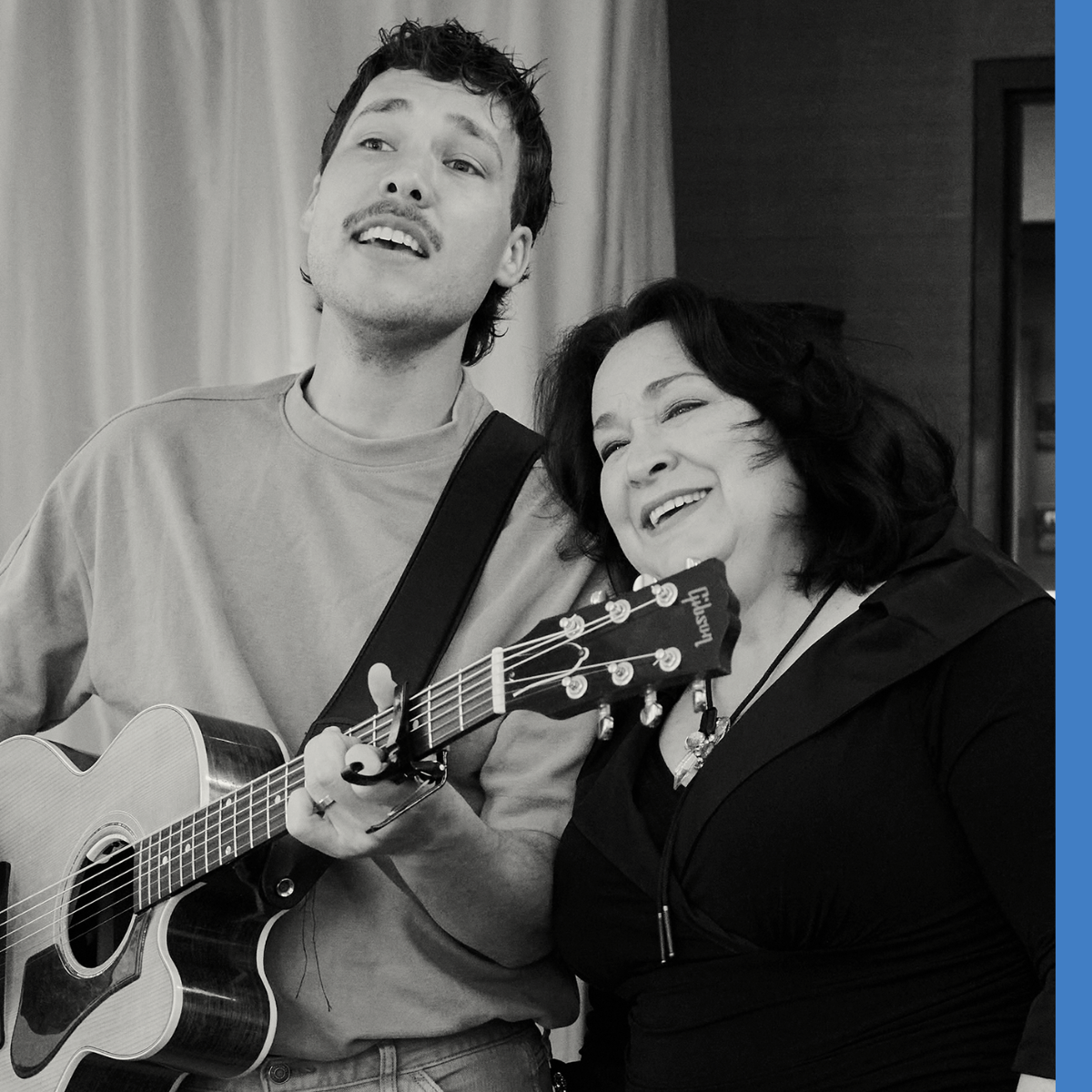
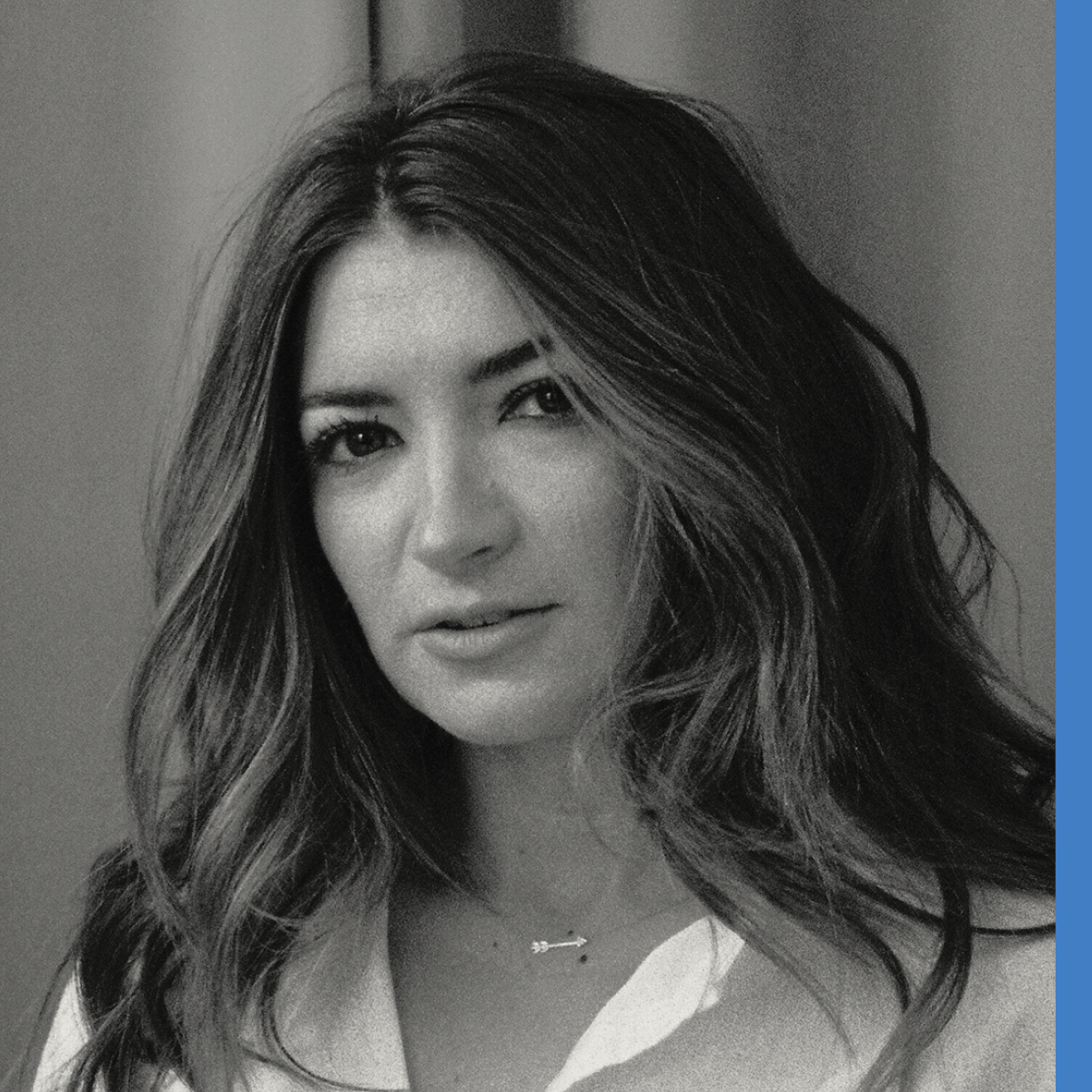
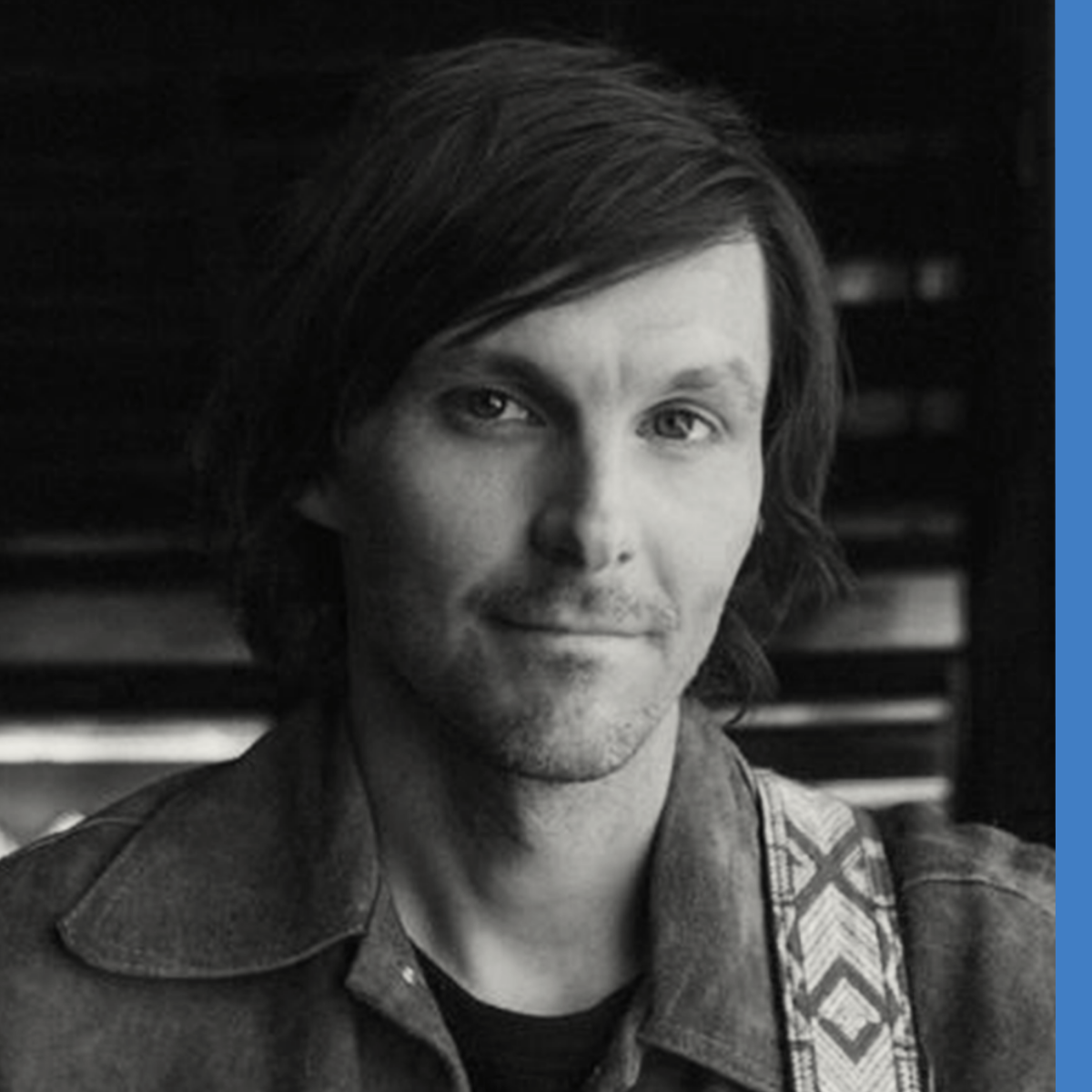
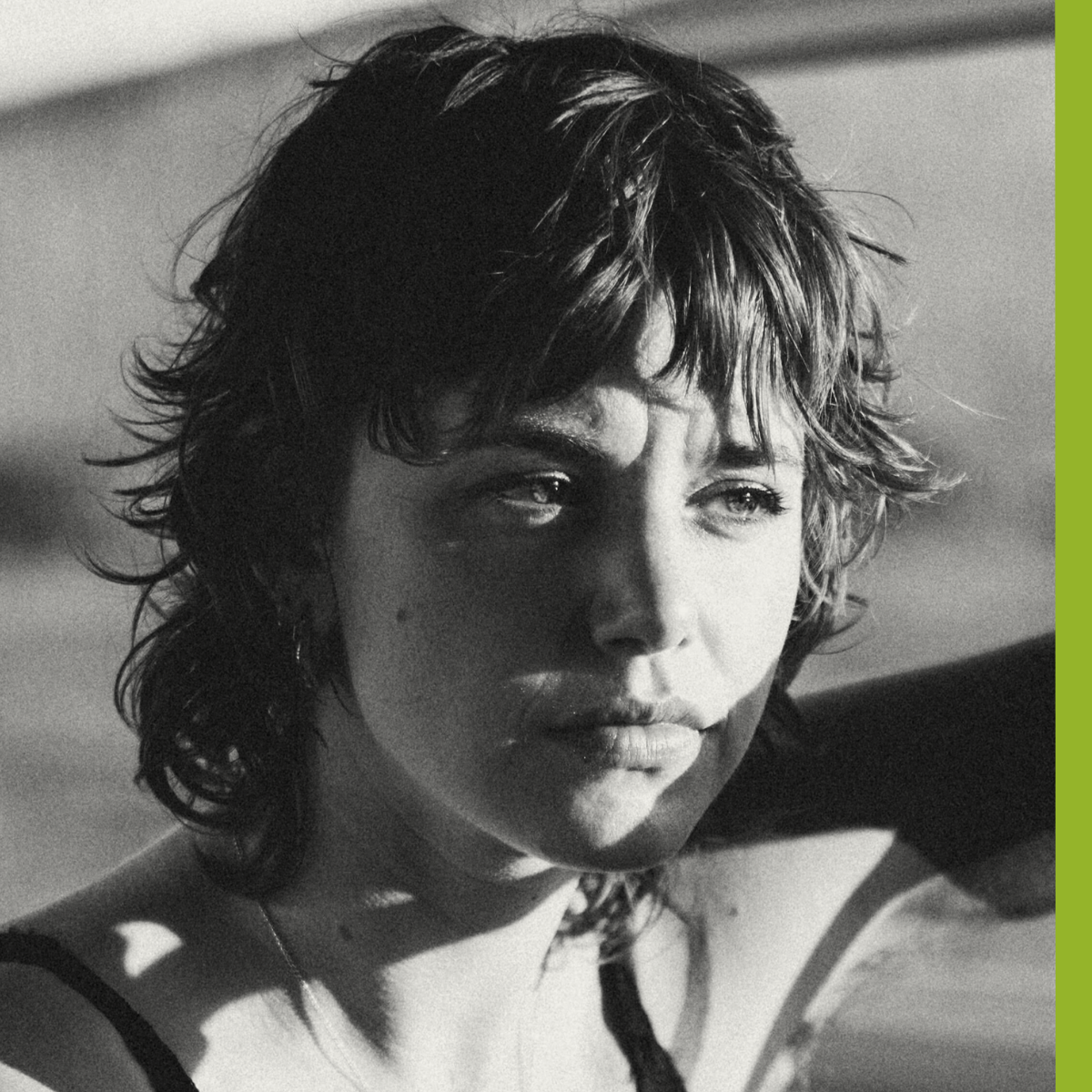
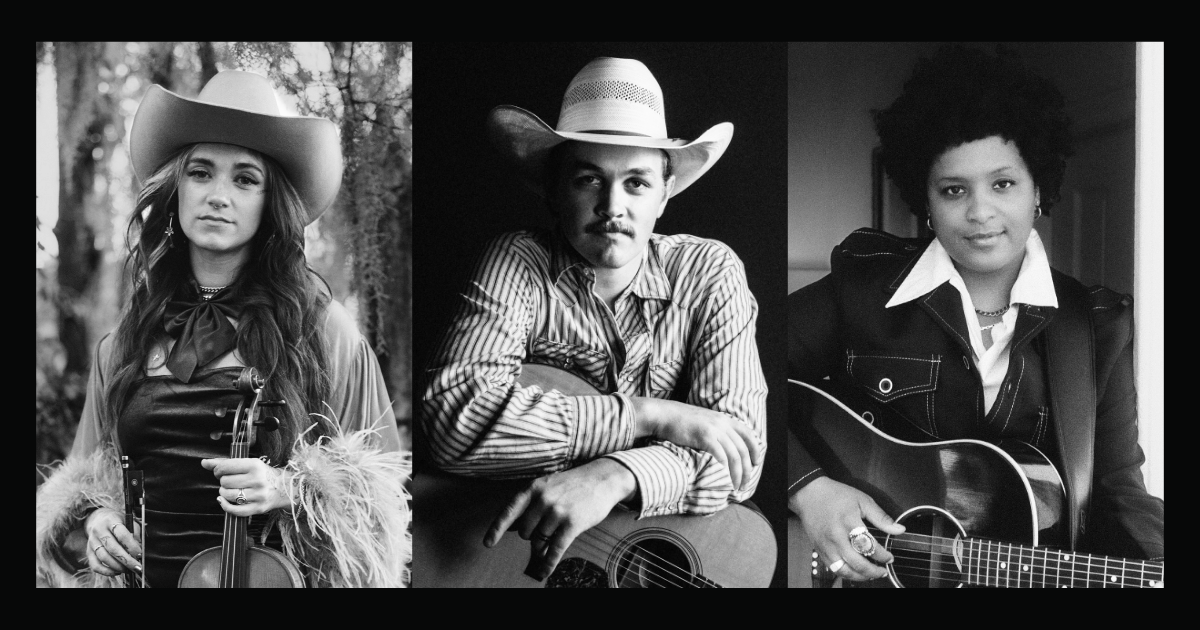
Suzanne Cox (of the GRAMMY-winning bluegrass band the Cox Family) and her son, country singer-songwriter Brandon Ratcliff, are taking the internet by storm with their lovely and tender familial harmonies. Their duets have racked up millions of views and likes on social media, leading to a new EP, Mother/Son Volume 1, and a recent appearance on the Grand Ole Opry. Those voices!
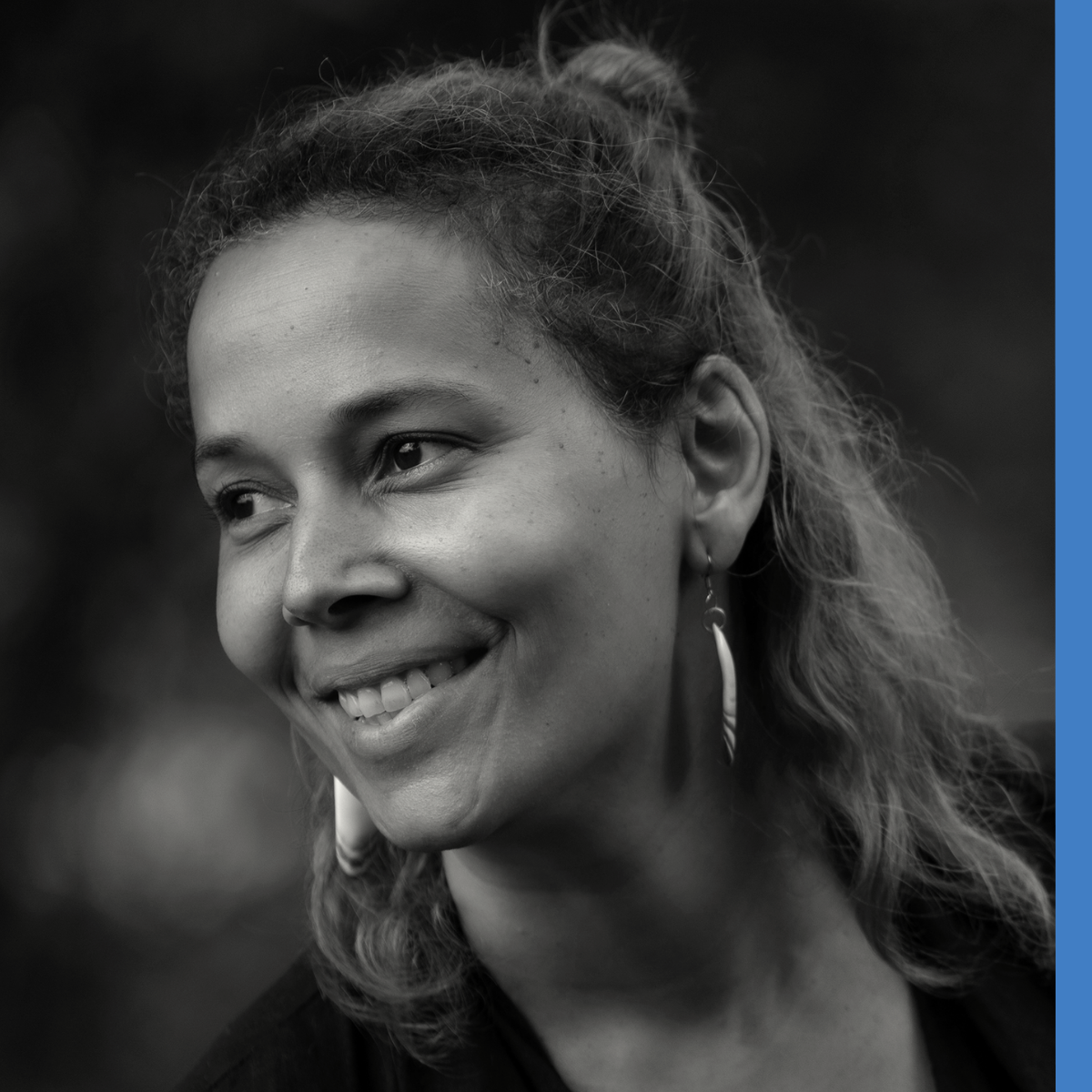
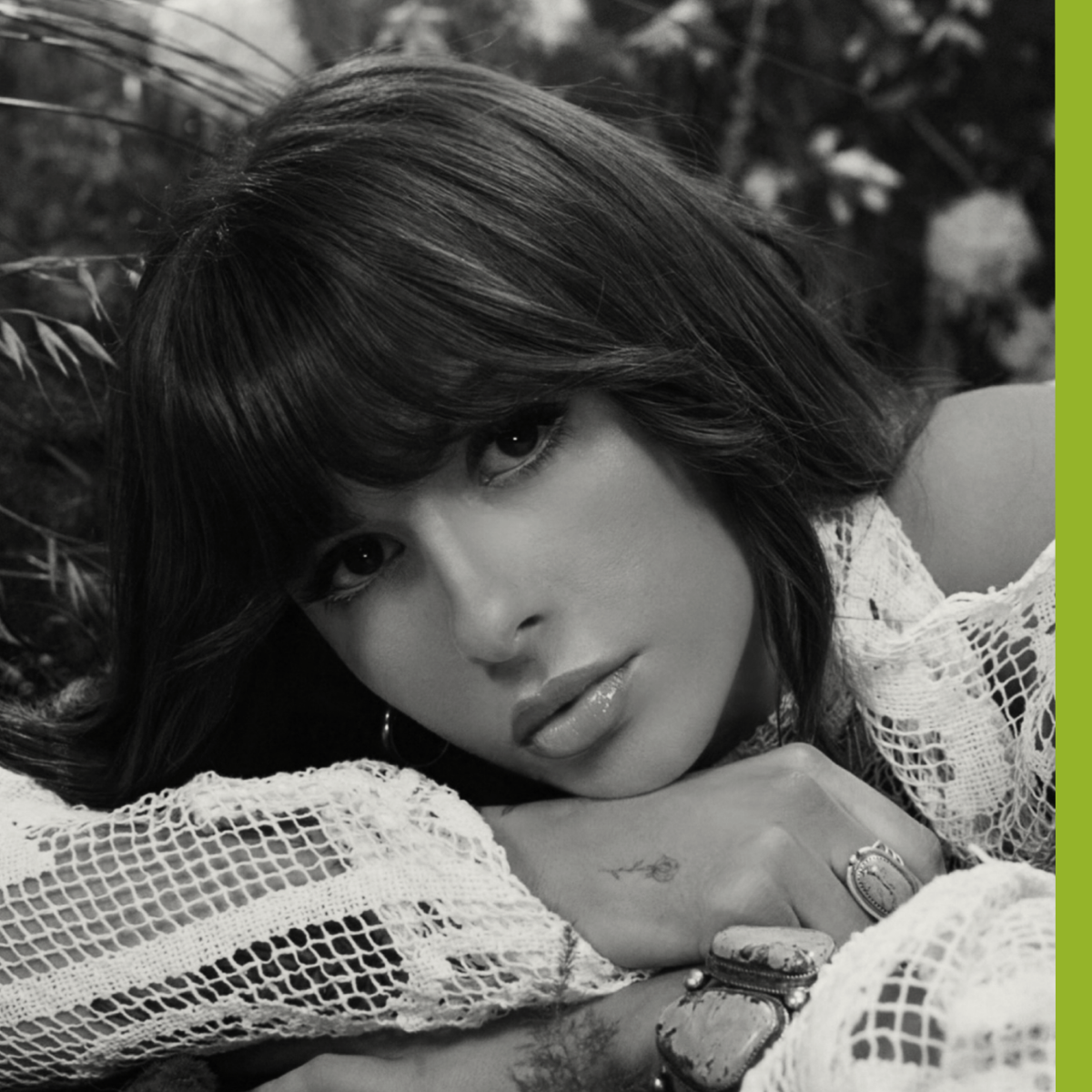
You may have seen, I’ve had the good fortune of getting to spend a lot of quality time making a film – and doing plenty of banjo pickin’! – with Rhiannon Giddens recently. Since shooting An Ode to Mary Jo together, I keep going back to Rhiannon’s catalog of recordings and cannot get enough. This duet with fiddler Justin Robinson is from her most recent release, 2025’s What Did the Blackbird Say to the Crow. Fantastic old-fashioned, down-home fiddle and banjo music drawn from North Carolina.
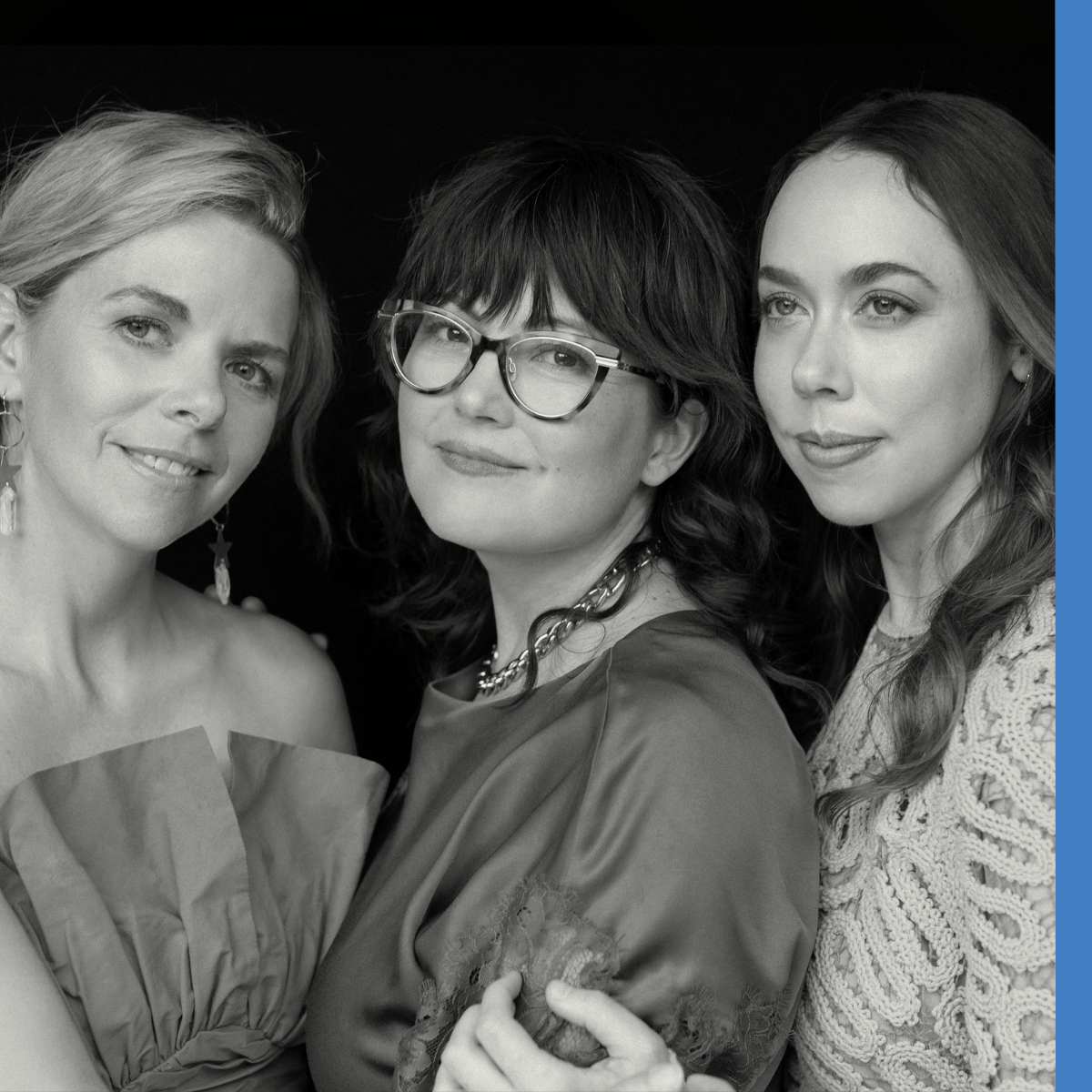
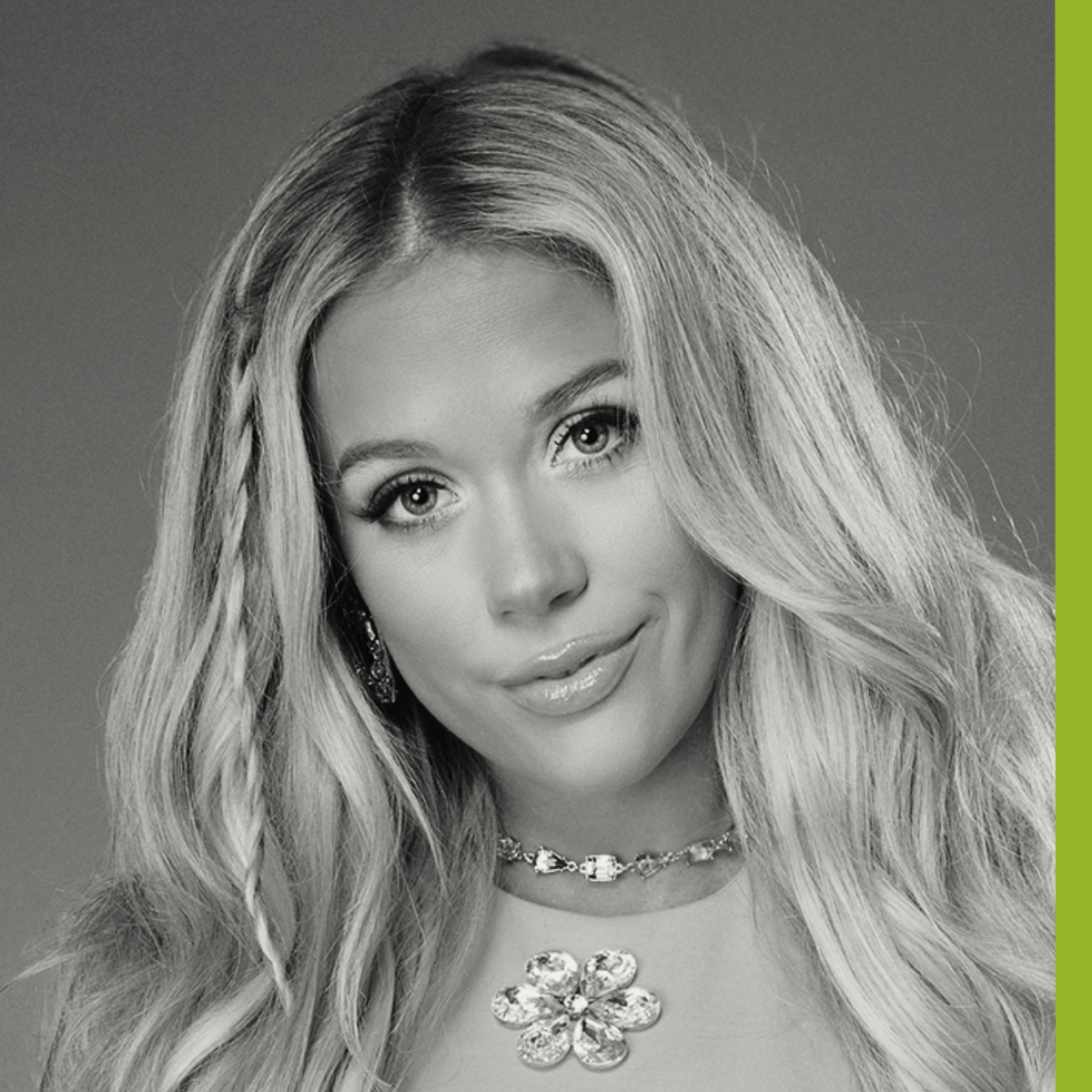
I’m with I’m With Her, too. One of our favorite trios in Americana and bluegrass released a brand new live album today, Sing Me Alive, packed with 20 tracks captured at performances across the country and in Canada. Many familiar favorites can be found alongside cover songs and tracks they’ve never released before. Here, they’re joined by Ye Vagabonds in Rocky Mount, Virginia, on “Rhododendron” in November of 2025.
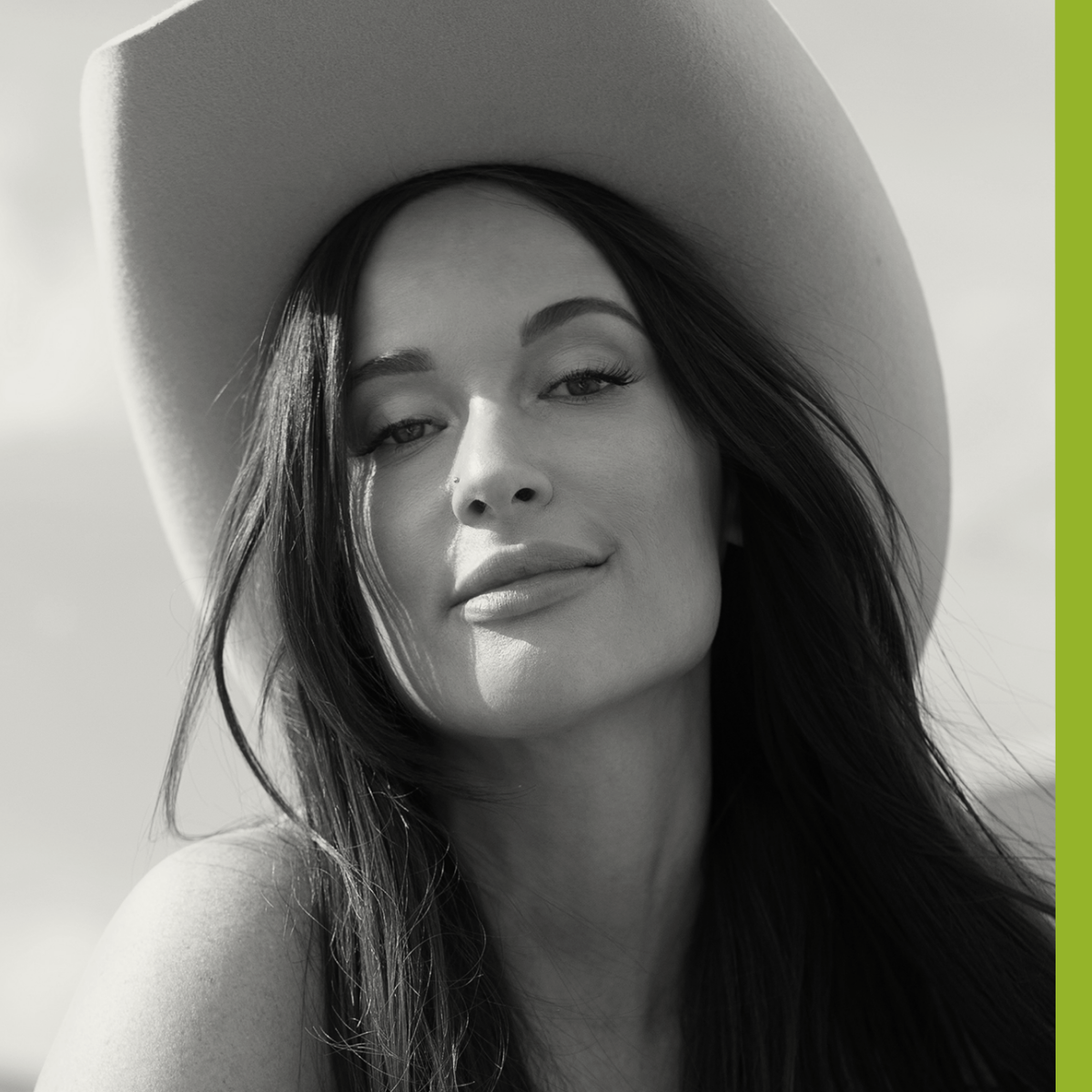
Our Good Country and BGS Artist of the Month, Tenille Townes, released the first full-length album of her independent era last week. As she describes in our exclusive Artist of the Month interview, she took a much different approach to recording this music, doing most of the tracking herself, alone. The songs are deep, meaningful, and cathartic – and damn good. But it’s not an entirely solo album, as I’m With Her (how perfect) and Lori McKenna both feature on tracks. Hear McKenna join Townes on the title track, “the acrobat.”
Our old pal Charlie Worsham is back at it – though he truly never stops. A sideman, radio and podcast host, session player, songwriter, and artist, Charlie does it all. He’s got new music of his own out and the GC team can’t wait for more. As he usually does, he’s once again calling on his superlative cohort of friends in Music City. On his most recent single, “They Never Do,” it’s Lainey Wilson joining in. From some teases on social media, though, we’re expecting many more special guests on Charlie’s outings in the future!
Listen to this issue of Ed’s Picks in one YouTube playlist here.
Listen to the full Ed’s Picks archive playlist here.
Want more Good Country? Sign up to receive our monthly email newsletter – and much more music! – direct to your inbox.
Photo Credits: Suzanne Cox & Brandon Ratcliff by Chase Hentges; Rhiannon Giddens by Karen Cox; I’m With Her by Alysse Gafkjen; Tenille Townes by Madison Rensing; Charlie Worsham courtesy of the artist.
Editor’s Note: Each issue of Good Country, our co-founder Ed Helms will share a handful of good country artists, albums, and songs direct from his own earphones in Ed’s Picks.
We loved Cat Clyde’s 2023 release, Down Rounder, and on her brand new album Mud Blood Bone the Canadian singer-songwriter turns the dial a few more clicks toward alt-country, indie, and rockabilly. There’s a raw, gritty quality to the collection that’s remarkably refined for how unhinged it lands – and very country, too.
Ella Langley’s megalith hit, “Choosin’ Texas,” has brought her to the top of the charts, but we’re zooming in on a new single she just released a little over a month ago. “Be Her,” one of four tracks unveiled so far from her upcoming April release, Dandelion, might end up being the best mainstream country song of the year. Delightfully coy, jealous, and longing, it’s a bop that’s as deep and thoughtful as it is fun.
No one is making mainstream, crispy, hyper-stylized country like Megan Moroney. Her new album, Cloud 9, is certain to lift you up. With a lyric video showcasing beaches, palm trees, and Los Angeles sunshine, the title track perfectly illustrates how Moroney combines pop and twang, city and rural into a country style all her own. Right at home on Top 40 radio, but certainly Good Country, too.
Kacey Musgraves ended her post-Deeper Well dry spell with “Dry Spell,” a hilarious, catchy, and craveable song to bridge eras and albums. Her next LP, Middle of Nowhere (coming May 1), will expand the rat-race-opt-out universe Musgraves began building with Deeper Well. And we’re more than happy to see dashes of the wit and wordplay of Same Trailer, Different Park and Pageant Material infused in the lead single.
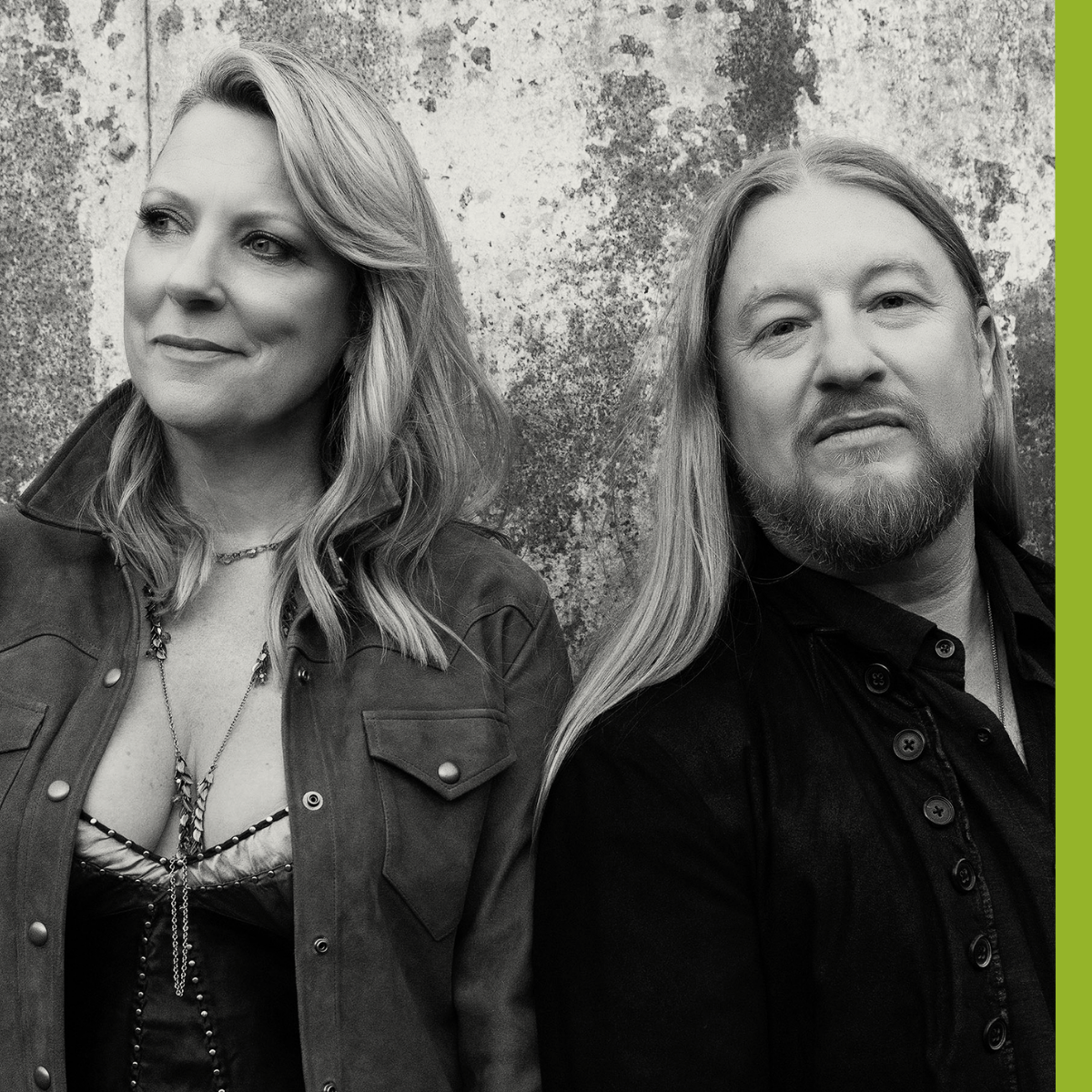
An Americana, Southern rock, and modern blues supergroup, Tedeschi Trucks Band’s 12-person ensemble returns with another no-misses album, Future Soul, released Friday. The project is strikingly diverse sonically and while it features some more genre exploration and subdued moments than you may expect from their stage shows, it’s still an absolute banger. The group kicked off their album release tour beginning a 10-show residency at the Beacon Theatre in New York City that runs through March 28 before they take the show on the road in the spring, summer, and beyond.
Want more Good Country? Sign up to receive our monthly email newsletter – and much more music! – direct to your inbox.
Photo Credits: Cat Clyde by Julio Assis; Ella Langley courtesy of the artist; Megan Moroney by Cece Dawson; Kacey Musgraves by Kelly Christine Sutton; Tedeschi Trucks Band by Chapman Baehler.
Elton John described him as “if Bill Withers made country music,” but for Kashus Culpepper that only scratches the surface of his unique sound, the multitudes of which are displayed in full force on his full-length debut Act I, which was released January 23.
Growing up in Alexander City, Alabama, the singer was always around music, whether it be in church or in the car, but aspirations for a career performing didn’t materialize for the former firefighter and EMT until he found himself stationed in Spain as a Navy corpsman during the pandemic.
“I wasn’t much of a player, but I was listening to so much music growing up,” recalls Culpepper. “I had headphones on all day, even at school, which caused me to get in trouble quite a bit. I would’ve loved to play back then too, but garage bands weren’t really a thing in our town when I was growing up. If they were, I would’ve tried jumping in with folks in a flash.”
During his period of isolation abroad, Culpepper was gifted a guitar, leading him to learn how to play and to eventually post cover songs online. After leaving the Navy in 2022, he returned stateside and began booking cover act shows at honky-tonks and dive bars across the Mississippi Gulf Coast. Although he immediately loved what he was doing, he also noticed that only playing other people’s material would have a short shelf life.
“Once I realized the cover thing would run its course, I knew in order to make a career in music that I needed to start writing my own songs,” he explains. “For so long the thought of writing my own songs and having people sing them back to me was just a silly dream, but now, less than three years later, I’m releasing an 18-track album I helped write the entirety of.”
Ranging from country to blues, rock and roll, pop, and soul, Act I is a full-on musical onslaught that caps off an amazing five-year journey for Culpepper, setting the stage for a continued meteoric rise in the years to come. On the album he’s joined by fellow stars-on-the-rise Marcus King (“Southern Man”) and Sierra Ferrell (“Broken Wing Bird”). But where the compilation really shines is on the tracks in between, like “Alabama Beauty Queen” and “Break Like Me,” that see Culpepper not only pouring his heart out, but doing so with catchy hooks and differentiating styles while remaining fully authentic to who he is – a Southern man making Southern music.
Less than two weeks before Act I’s arrival, Culpepper spoke with Good Country over the phone about his love for Tyler Childers, the importance of co-writing all the album’s material, what it was like earning the support of Samuel L. Jackson, how his collaboration with Sierra Ferrell on “Broken Wing Bird” came about, and more.
How far back do the origins of these 18 songs go? Are most from those early days of writing in 2023 or more recently as you’ve refined your voice?
Kashus Culpepper: Well, the ones that’s already been out [as singles], they’re definitely from around the same time that I was starting out writing. But a lot of songs that haven’t been put out yet, aside from “In Her Eyes” and “Mean To Me,” are all a little more recent.
In reality, none of these songs are that old if you didn’t start writing until 2023!
Exactly! When you think about it, none of these are that old. There’s so many artists who’ve been holding on to songs for years and years – like Chris Stapleton, who just won a GRAMMY for “White Horse” over a decade after first writing it.
Why was it important for you to have a hand in writing all 18 of these songs?
I’m all about developing myself as a songwriter, because it’s something that I can do for the rest of my life even after all the performance stuff is done. Songwriting is something that I truly believe in and love, so I want to be the best at it that I possibly can be. And to be the best at what you’re trying to do, you have to do it all the time and you have to write with people that are way better than you. That’s what I’ve been able to do with this record. I’ve been writing with people that are way better at writing than me. It’s been amazing.
The record is called Act I. Does that mean it’s part of a larger body of music to come?
At the moment, I don’t really know. I called it Act I not as an introduction to who I am, but because I’m a big movie guy. I love theater, movies, dramatics, all of it.
With that in mind, I know you had a run-in with A-list movie star and one of your biggest heroes, Samuel L. Jackson. What was that like?
Samuel L. Jackson is one of my favorite actors of all time. I got a connection with him when “After Me?” was coming out. It definitely makes the world feel a lot smaller when some of your favorite actors or your favorite artists know who you are. A lot of times growing up you think you will never be in connection with your idols, so it really was a humbling experience. It made me realize that anything is possible.
If you have a dream, you can do it. If one day you want to talk to Oprah Winfrey, you can. Don’t take your foot off the pedal just yet!
Has that one happened for you?
No, I have not talked to Oprah Winfrey, but I would like to! And you get a car! And you get a car! [Laughs]
With regard to “After Me?,” wasn’t that one of your first original songs to gain traction online?
My first big song on socials was “Who Hurt You,” but following that I posted a clip of “After Me?” and everything just went crazy. I’m really glad I put it up on socials after writing it with my boy Mark Addison. We didn’t think anything of it at the time – we were just writing. It’s been insane seeing what the song has turned into since then, especially live.
That’s another thing – it’s been cool to see all the new songs develop their own personality with the crowd. For a while, “After Me?” was people’s favorite song, but now it’s been overthrown by some of the newer ones, which I like because it tells me that I’m continuing to write new songs that people want to hear.
Was it always your vision for your debut project to be this massive or did it unknowingly balloon to 18 songs while in the studio?
I think it was the fact that I had so many great songs in my brain that showed the timestamp of a point in my music career and what I’m doing as an artist. Also, I didn’t want to hold back songs that I thought would be cool for my next project – I needed to put them out right now. When people listen to it, I want them to know exactly what was in my head at the moment I was creating it. That way it and everything I do that comes after it can always stand on its own.
You mentioning a desire to curate a specific moment in time reminds me of the intro track that kicks off Act I, where you’re playing the role of a radio DJ on KC 97 FM. Was that intentional on your part?
That’s exactly where I was trying to go with it. I was just trying to show people what it’s like in my head and trying to transport them to a new world as soon as the record starts. If you listen to it start to finish it feels like a radio station tailored by me. My goal is to bring listeners into my world. I hope people don’t skip it, because if they listen to it top to bottom, they’ll understand. It’s like, “Okay, Kash is curating a playlist with all kinds of influences, because he is a man with different sides to him as a person and musically.” I don’t really care about this or that in terms of genre, so long as the song makes me feel something.
And who knows… maybe someday Apple Music or iHeartRadio will come calling and give you the keys to your own real-life KC 97 FM?!
Don’t tempt me! [Laughs] I would love to do something like that. I don’t have time for it right now, but I would make time!
I know the church was a large part of your early musical upbringing, but what role did the radio play in all of it, if any?
For sure. I don’t remember the name of the radio stations, but there was something about summertime in small town ‘Bama, driving around with the windows down that was so freeing. And country music has always given me that same type of feeling. At the same time, I have so many memories not only with country, but also with soul and pop records. I remember a time when I’d even go around singing along to Lady Gaga.
Then when I was in the military and I found out about guys like Tyler Childers, Sturgill Simpson, and Kolton Moore, they turned into my backroad jams and even went on to inspire me to eventually start writing songs myself.
Speaking of Tyler Childers, didn’t you have a moment with his song “Messed Up Kid”?
Yeah, that was one of the first ones that really started popping off for me. Since then I’ve also done “Lady May” – which got a good response, too. I just love Tyler’s music. He’s got one of the most soulful voices I’ve heard in a long time. It reminds me of people I was in church with. In a way, I feel like Tyler and I probably went to the same church growing up. I’ve just connected with his music so much. Not just Tyler, but a lot of other people in Kentucky, too, now that I think about it. One thing musicians from there have in common is they love singing from their soul and being authentic.
Since you were just speaking about soul, one of the most soulful songs on Act I from my perspective is “Break Me Like.” Mind telling me about it?
That song definitely draws from the fact that I am with someone that I should not be with, but it’s okay because we’re in this moment and I know what she’s gonna do to me and it’s fine since right now I need to be with somebody. “Break Like Me” started with that idea in mind, then I had these really weird chords that I came up with while writing with Grady [Block] and Hank [Compton] over at Big Loud. After fumbling around with the lyrics that I had in my head, I came up with something that had a real funky, low-fi kind of vibe. We wanted it to tell a story and be relatively heavy, but while giving it production worthy of cruising to and vibing out with.
What about “Broken Wing Bird” with Sierra Ferrell. How did you bring her aboard, and did you always envision the song as a duet?
I wrote that song with my producer, Brian Elmquist, and at the time wasn’t thinking about it as a duet. We’re both lovers of Willie Nelson and wanted a song that felt like you could be on your back porch and listen to it morning, afternoon, or night with a drink in hand and not have to think about it too much. It’s a song that makes you feel warm and feel at home, but it wasn’t until the production of it when we thought about doing it as a duet.
Once the idea got brought up, one of us made the comment that whoever it is, it would have to be someone that has a voice that feels like it’s not from this time. Eventually Sierra’s name came up and it was like a lightbulb going off. She’s literally the first person that I would want in the whole world to be on this record, but I wasn’t sure if she’d be available to do it. Once we got the green light my excitement went through the roof. I’m so proud that she’s on this record, because she’s an artist that I truly love. I’m hoping somewhere down the line we might have something in the works that’s a bit longer of a project too.
I (and most other people) would not be against that one bit!
Looking back over the past five years, what has your musical journey thus far and bringing Act I to life taught you about yourself?
For so long, I thought I didn’t belong in places, that I wasn’t able to do this or that. The biggest thing I’ve learned is to just dream big because you never know what could happen. You just have to believe in yourself and you can do anything, no matter how crazy it sounds. For the longest time, I didn’t have a dream of doing music because I just thought I couldn’t do it. I thought I wasn’t the kind of person to be singing songs on stage, but look at me now!
With you referencing dreaming big I have to ask, what’s next on your musical bucket list?
My goal is to just keep creating, growing as a songwriter and learning more about myself along the way. If I do that I feel like everything else will follow and I’ll keep growing as a songwriter and as a promoter.
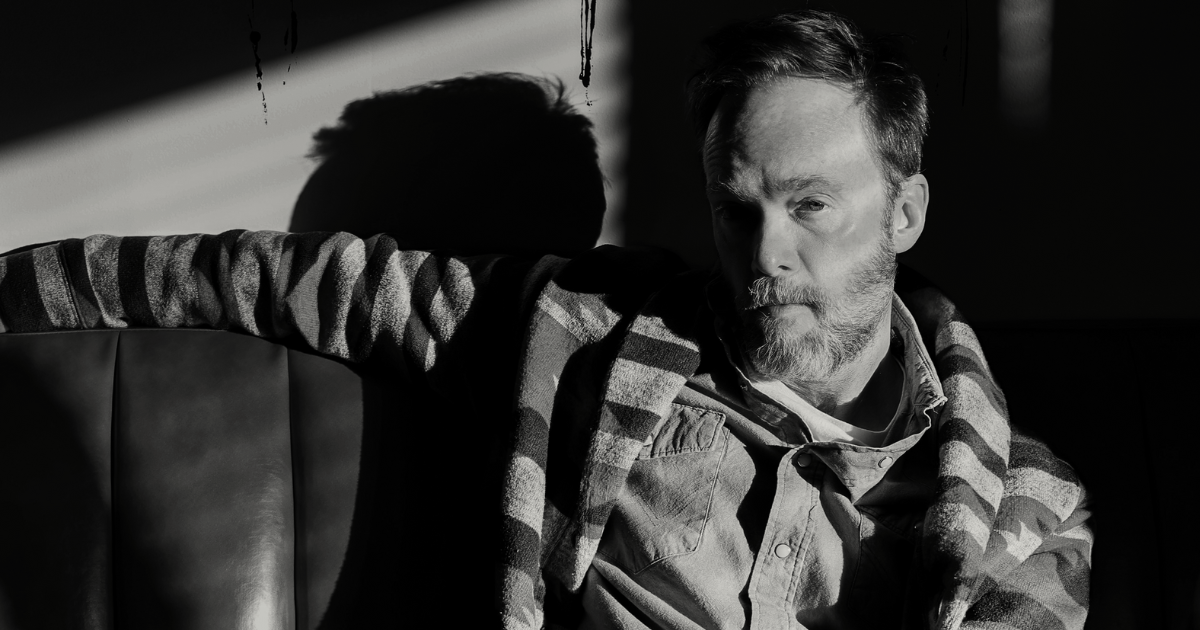
Adam Wright is a songwriter’s songwriter. An artist’s songwriter. A poet whose medium is best set to music. And not just any music, but the absolute highest echelons of bluegrass and country – radio, real, outlaw, Americana, and everything in between and beside. He writes daily from an office nestled between Music Square East and Music Square West in Nashville – the fabled Music Row.
His songs have been cut by stars like Alan Jackson, Lee Ann Womack, Garth Brooks, Trisha Yearwood, Brandy Clark, and Robert Earl Keen. In bluegrass, bands like Balsam Range and Lonesome River Band have carried his originals high up the charts, and he’s co-written with many players in the genre, like Sierra Hull, for example. His songwriting and its distinct, intentional, and artistic voice has gained him award nominations from the GRAMMYs, the Americana Honors & Awards, and the IBMA Bluegrass Music Awards.
Since early February of this year, Wright has been leaving a trail of musical breadcrumbs online and on streaming platforms, teasing out his brand new album, Nature of Necessity, in four parts, which he calls “sides.” Along with singles peppering the release cycle throughout the following months, the prior three sides of the project finally convene with the fourth today, September 25, as a coalesced and cohesive project of 18 songs. The novel delivery mechanism for Nature of Necessity feels like an extension of the intentionality Wright brings to each of these literary, textural, and fantastic songs. They each stand alone, certainly, but together they sing.
These are not Music Row fodder, or craven attempts at radio hits, or tracks churned out day-in-and-day-out for volume and viral potential. These are passion projects. Ideas and stories that stuck in Wright’s creative craw and demanded much more deliberate treatments. It’s not as though songs written with the bottom line in mind can’t be this successful as works of art – they often are. It’s just that it’s immediately tangible to the listener that these works by Adam Wright aren’t just some of his best, they were clearly written and produced without a single thought towards saleability. Rather, Wright and his creative partners – especially producer Frank Liddell – gave each of these songs the artistic treatment they deserved on their own merits as stories and tableaus, vignettes and pantomimes.
If you remember when Bob Dylan was awarded the Nobel Prize in Literature in 2016, there was a whole lot of “discourse” on the internet as to the actual literary value of songs and lyrics. It’s a painfully on the nose, forest for the trees moment to even have to accept the premise of that debate in order to refute it. But with a writer like Adam Wright – ever so rare in country and roots music and becoming even more endangered still – it’s easy, direct, and demonstrable connecting the dots between literature and songwriting. Nature of Necessity being 18 compelling points on that trail. With this album, Wright should perhaps be offered a term as the poet laureate of Music Row. Let each of its four sides stand as a resumé.
I really love the sonics of the album, the production. I’m a bluegrass banjo player, so when I listen to records I want to hear the pick noise, I want to hear the room, I want to hear the distance between a singer’s lips and the microphone. I want it to sound like music and I want it to sound like a moment in time.
Granted, I listen to a lot of music that doesn’t check any of those boxes and I like it a lot for sure, but the first thing I noticed about this album was that it sounds not just live, but alive. Can you talk about that and can you talk about how you accomplished it? It feels like, having heard so much of Frank [Liddell’s] work as producer that he was probably a perfect partner to accomplish that production style, too.
Adam Wright: Yeah, he absolutely was. And we wanted the same thing. We wanted it to be live and to sound live. With all the flaws inherent in performance, like a full unedited, undoctored performance.
‘Cause I’m like you – I’m a pretty poor listener currently but I have, in my long life of listening, listened to an awful lot of music and studied a lot of it. I know when I’m listening to a song that was gridded and then a singer came in and sang very carefully and then they cut it up and got it right. Because I’ve made records like that, too.
You sound your best that way, you truly do. It is so flattering to have someone do that to you and then listen back and go, “Wow, I sound fantastic.” So what I’ve enjoyed, for some reason, [is] getting used to what I sound like, giving it my best effort on a play down all the way through, one whole take, and go, “That’s what I sound like.”
It’s like looking at yourself like in a hotel mirror. [They] are the worst mirrors in the world. Like you go in the bathroom in the hotel room and you look awful and can’t figure out why. Something about the lighting or the quality of the lighting or where they’re placed. Every time I’m in a hotel mirror, I’m just like, “What am I doing out in the world?”
It’s a little bit like that. You listen back to yourself, play this song, and you go, “Man… that is not perfect.” There are things I just really dislike about the way I sing certain things on this record, the way I played. I hear me failing the whole way through. ‘Cause we did track it live. Me and Matt Chamberlain and Glenn Worf tracked us a three-piece, me on acoustic and singing with bass and drums. The idea was just to keep all of that as it is, intact, which we did.
I told Glenn, I said, “You’re the lead instrument. No one’s coming to save us. If something has to happen, we just have to do it right now.” We recorded it with that philosophy. The meat of it is my playing and singing with Glenn and Matt and we didn’t fiddle with it. The caveat was, “Okay, we can add things, but this has to remain what it is.” Whatever we did has to be live as it happened.
We did it a bunch of times. We did every song like seven times. So if I didn’t get it, is it gonna get better? No. That’s how I sing that line, obviously. There was some freedom in that … I’ve just gotten to enjoy it.
These feel like songs for you and not songs to sell or to get cut or to pitch on Music Row. Like, they feel like songs that, as they came out of you, you may have been squirreling them away, caching them for yourself for the future. I wanted to see if that was true or if that resonated with you. To me, they’re poetic and they’re literary without being “pick me” or “try hard.” They’re really thoughtful. I love your lyricism because it’s not too esoteric. But, these traits aren’t exactly regarded as commercial. So how did this collection end up… collected?
That’s exactly how that went. And thank you for the kind words, too. I do write every day for a publisher. Usually that means co-writing. I co-write almost every day of the week. Whether I want to or not. I’m usually writing with younger artists that want a record deal or have a record deal and they have some ambitions about the commercial music industry – and for some reason they thought I could help them. [Laughs] As misguided as that is, that’s usually what our job is in that moment. I don’t think a lot about, “Hey kid, I got a hit for you.” My brain just doesn’t really work that way. I just try to write a really good song that I think is tailored towards that particular artist.
I do a lot of that, but I would never try to force one of these ideas like [that] are on this record on someone that is trying to do something like that. This is a different endeavor. I do categorize it differently. That co-writing with people for their records or for whatever they would like to do is almost like a day job. And these songs are my night job. So they are very different. It feels like a different writing brain altogether. The process of writing ’em is very different. It’s not two hours of looking at each other. Some took me weeks, just because I couldn’t unlock ’em, but I kept tinkering away. It’s a much different thing.
I want to find out the deepest realization of whatever the story was or the idea or the character that I decided the song was gonna be about. Just follow that rabbit through the woods as deep into it and as dark as it got, that’s what we were gonna do. It’s rewarding! It’s a lot of work and it takes a long time and I’m so busy at the moment. I don’t know if I could write some of those songs right now. If you told me to write a song that had a lot of Latin in it about watching the dawn, I’m not sure I could pull it off. [Laughs]
But you know how it is when you find these things. You get a hold of this little spark, you follow it, and then at some point it dims a little. Then you’re looking for another spark to light up. I’m currently between sparks – I’m writing every day, but I haven’t found a new thread that I just can’t wait to chase yet. But sometimes you get a little hint of it.
Let’s talk about some of the music. On “Dreamer and The Realist,” are you the dreamer? Are you the realist? Is it about you?
I never really decided if I contain enough pragmatism to be both a dreamer and a realist. Like in some ways I am. Like when my wife says, “Hey, we’re going to Disney World,” that’s what we’re doing. I would never decide to go to Disney World [on my own], because I don’t like fun. [Laughs] But once I know I’ve gotta go, then I can get pragmatic about it.
But aside from those types of things, I’m pie in the sky. If I could stare out a window 10 hours a day every day for the rest of my life and not starve to death, I would do it.
Thank you!
All I really want to do is walk around the world and roll around inside my own brain. That sounds fascinating to me forever, endlessly. And not because I have a fascinating brain, just because I think it’s fun to just go, “What if” and then, “What if” and then, “What if.”
I feel like this is a long way of trying to say, I feel like everyone is some combination of a dreamer and a realist. Or you couldn’t function. But certainly nobody’s all dreamer or all realist, I don’t think. I think we all compartmentalize our dreaming and our realism to certain areas of our life and hopefully we each find someone that compensates for, or augments, [ourselves] in ways. And that’s never perfect. There’s always like a dueling going on with all that stuff. But I love the push and pull of it; within myself and within a relationship. There’s music in all of that I’ll always find it very interesting. The song really is within the same person.
With “All the Texas,” which features Patty Griffin, one of the first things I thought when I heard it was of Lyle Lovett’s “That’s Right (You’re Not From Texas).” Plus, I was thinking about this moment in time with Texas and politics and the culture wars. Country music tends to feature this thinking like, “Everyone loves Texas and you should too!” “Don’t we all agree, Texas is great??” And then you look at what’s happening in Texas and you’re like, “Oh my gosh, Texas. What the hell?” I’ve had all the Texas…
Help us help you, please! Exactly.
Can you talk to me a little bit about that song? Because I have a feeling that there’s much more going on than just the way we’re all feeling about Texas these days.
It really was written before Texas got so Texas-y, recently. I don’t remember what year it was, but it was probably four or five years ago. Texas is always pretty Texas-y, but this was before it got super Texas-y. It was just about a night opening for Patty Griffin there at the Moody [Center] in Austin. It was just a whirlwind of a trip; flew in day of show, ran around Austin for half an afternoon, and then played a show.
She’s so supernatural. There’s just something like… sorcery around her. Anytime you’re around her, she doesn’t come off that way. She doesn’t walk around like talking wizard speak or anything; she’s just such a lovely, cute, normal, funny individual. But there’s still something that swirls around her that is just supernatural.
With all of that, I was like jotting things down, like the whole 24 hours that we were there. I just kept getting like little snatches of things and they all started to have this kind of mythical quality to ’em. Some of it’s literal, the Driskill and all of that stuff was true. But it turns into a sort of dream logic, mythical stuff – which is like watching [Patty] perform. It was an exercise in playing with almost like a journal entry of that experience and then distorting it with mythical language or symbolism.
I also love “Weeds” – and not just because Lee Ann [Womack] is on it. But also because I am obsessed with wildflowers, with native gardening, and habitat restoration. Something that struck me about that line, “Heaven is a meadow with no weeds” is perhaps heaven is a place where we finally understand that a “weed” is a social construct, right? A weed is a plant that we’ve decided is in a place where it shouldn’t be, but maybe we’re the ones where we shouldn’t be–
Yeah, that’s right.
Maybe we changed so much of the environment that we look out and we see a weed, but that plant has been here all along. And [the habitat is] probably supposed to be all weeds.
Exactly.
When I heard “Weeds” I also thought of Dolly’s song “Wildflowers” and the idea of, “What is the difference between a wildflower and a weed?” So, in my own mind, I heard that line as maybe you get to heaven and you realize all these weeds were wildflowers the whole time. Maybe I’m projecting. [Laughs]
I don’t know how the farmer’s perspective developed [on that song], I just don’t remember. And I’m not trying to put any sort of romanticism on it, it just didn’t come to me. I don’t remember what the jump was, but I remember why I started the song initially. I was at the library looking for something new to read and I came across this book, it was like a catalog of late-1800s farming equipment and the techniques and things. You could order out of these catalogs in like, 1870-whatever.
It also had articles about how to fix your wagon or what to do about this particular tractor part. How to deal with a stubborn mule or a pig that wouldn’t do what you wanted them to do. I thought it was fascinating, and the language of it – I love lingo so much. I love getting into some endeavor or line of work or character where there’s lots of language that I haven’t heard before. Like specialized language to a particular job or whatever. This book was full of it. I was just fascinated by all of it.
The whole thing about the last verse about the pig, all of that, it’s just outta the catalog. Those were all things [from the book]. Like, “Are you dealing with a hog who’s ill-formed? And unquiet in his mind? Here’s what you can do.” I found it all so interesting.
Then the middle verse about the tramp, to me he was dressed in soldiers’ clothes. I imagined he’d been shot and was laid over this farmer’s fence. It would have been just at the close of the Civil War era stuff. I wanted all of it to hang together, but with all of these strange things going on the overarching thing is this farmer going, “I can’t get rid of these weeds.” Why does he care? I don’t know. I just liked the guy [because] the thing that sort of kept him going was that his eternal reward might be a meadow without all of these weeds in it.
Your career has intersected with bluegrass and has been part of your career in so many ways. You’re a picker – which is one of the first things I noticed about this album, you guys tracking it live means we get to hear you pick the guitar. All these bluegrass folks have cut your songs, you’ve been nominated for an IBMA Award. What does the genre mean to you? And of course, the inseparable community that comes with it. How does that fit into the constellation of how you make music, songwrite, and be creative in general?
That’s interesting. I love the world of bluegrass. Maybe I’m just a little particular. Like, if you looked at all genres of music as slices of a pie, there’s really only a sliver that I really love. Out of any genre. Whether it be jazz or a big band or blues or bluegrass or classic country or rock, there’s really only a little bit of it that I really like and most of it, the rest of it I find I can leave alone. Not quite for me.
But I always said, good bluegrass might be the best music ever. Like, when it’s good and it’s right. I wish I had started trying to play that kind of music when I was younger. I got fascinated with it too late to physically do it at a level that I appreciate. I can distinguish the difference in the nuances of really great players, but I’m not able to do that. I don’t lose a lot of sleep over it, but I’ve probably got carpal tunnel trying to figure out Tony Rice licks a few times in my life. There’s so much of it that I really like and I love.
I’ve never really sat down to try to write bluegrass songs. I just write songs. Like you were talking about this interview going under the Good Country category, I’ve always sat somewhere in the mushy in-between of folk, singer-songwriter, bluegrass, and country. I’ve just always existed somewhere in the middle of all that stuff. Some of my favorite artists have done that, as well.
Some of my favorite bluegrass artists were folkier or bluesy-er. Del McCoury or Doc Watson. Tony Rice was such a genre evader. I always appreciated that about certain bluegrass artists. But writing-wise, I just always wrote songs. And because of the nature of what I’ve ingested, they lend themselves fairly well to more traditional bluegrass arrangements. They always play everything a lot faster than I think they’re going to. [Laughs]
Last night at the Bluebird [Cafe] I did my version of “Thunder and Lightning,” which is a moonshining song of mine that Lonesome River Band cut. I think I’m playing my version fast, like it feels fast to me. And then I hear them do it and it’s about twice as fast as I play mine. It sounds great when they do it, but if I try to play it that fast it sounds ridiculous.
I write some with Sierra Hull, she’s so much fun to write with. It’s funny, she hardly plays when we’re writing, which I had to get used to. ‘Cause the first time I wrote with her I was like, “Oh I can’t wait to just watch her play!” And I don’t even know if she touched the instrument a couple of times, just to check a chord. But I got to like her so much and enjoy writing with her that it didn’t matter. [Laughs] …
My dad was a piano player – and still is. His dad was a piano player, too. So I started on piano when I… I think I was like four. I was kinda tugging on their shirt going, “Hey, I wanna play piano!” And they’re like, “Yeah, okay. Sure.” But they did let me, I started, and I did like classical piano for years. Then I went to saxophone and then I heard a Chuck Berry record and I needed a guitar. Today. Right now. This afternoon.
I was talking to a friend of mine who is a bluegrasser, saying, “I just don’t know how you guys do it, the flatpicking. How are you doing this?” And he goes, “You remember when you were learning Rolling Stones songs on a Stratocaster when you were a teenager? Most of these guys were playing D28s with grown men at festivals then.” When they were that age, that’s what they were doing. Picking with grown men.
Who were having pissing contests with those children. [Laughs]
(Editor’s Note: No Skips is a brand new feature from BGS that asks artists, songwriters, musicians, and industry professionals what albums they regard as perfect, with every track a masterpiece – i.e., No Skips!
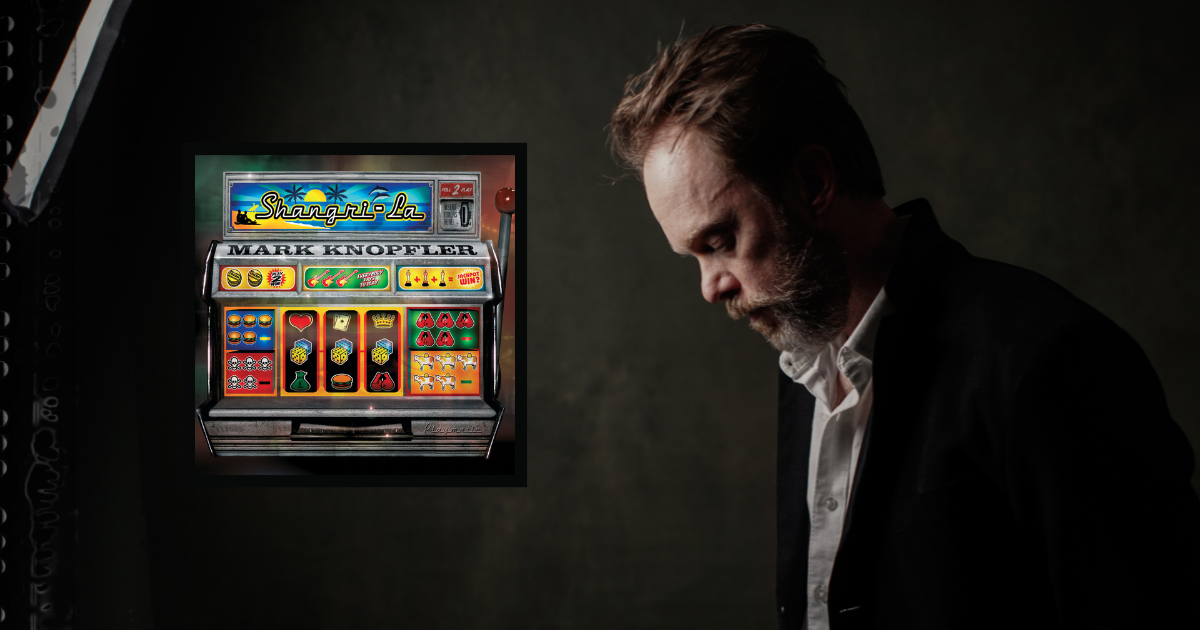
For the first edition of the column, songwriter-artist-musician Adam Wright highlights Mark Knopfler’s seminal album, Shangri-La, as we look ahead to Wright’s own upcoming project, Nature of Necessity, coming later this year.)
There are only a few times in your creative life when someone’s work hits you so hard it rearranges your artistic DNA. I could probably count those moments for me on one hand.
Shangri-La was a big one. It told me that you can write away from the outside understanding of things. That you can start from the inside of your own knowledge and continue inward. It also taught me that you can write about anything you find interesting. That being understood is not as important as whether or not you’ve put something down worthy of working out for whomever decides to try to understand it. And that there are so many things to write about that are not falling in and out of love. (People probably could have stopped writing love songs in 1950 and we still would have too many.)
The depth and perspective of the storytelling, the crafted excellence of the writing and the sublimely tasteful musicianship make it, to me, Knopfler’s masterpiece. He’s done this on all of his albums, they all include brilliant gems of songs, but Shangri-La is just perfection from top to bottom. – Adam Wright
“5:15 AM” (Track 1)
Like all of the songs on this album, “5:15 AM” is exquisitely written and recorded. It is the story of a coal miner on his way home from the night shift discovering a murder victim who turns out to be involved with organized crime. It is chock-full of lingo and references to specifics about gambling machines, nightclubs, and lots of mining terms. The way Mark weaves all of this language into lyricism and brings it back to the tragic lives of the coal miners at the end is exceptional and beautiful writing. The recording is gorgeous and still somehow earthy as dirt. Just a masterclass in songcraft.
“Boom, Like That” (Track 2)
“Boom, Like That” is about the rise of Ray Kroc from a milkshake salesman to a fast food emperor. Like “5:15 AM,” there are plenty of specific references in this one. “Going to San Bernardino, ring a ding ding. Milkshake mixes, that’s my thing now.” You’re in the middle of the beginning of a story right off the bat. I love songs from the character’s perspective and few writers do that as well as Knopfler.
The movie The Founder was filmed in my hometown of Newnan, Georgia. I noticed the town when I saw it, so I looked it up and read a bit about the filming. While the song was inspired by the book about Kroc, I’d read the movie was actually inspired by the song. Even if the song weren’t so well-written, the riff at the end of the chorus is enough to keep any guitar player happily busy for days.
“All That Matters” (Track 11)
Much of Shangri-La is written from the perspective of the characters in its songs. The title track and “All That Matters” seem to be more personal. “All That Matters” is just a sweet, simple song from a father to his children. Again, beautifully written and pretty as porcelain. It has some surprising chordal and melodic turns in the B section to juxtapose the nursery rhymey-ness of the verses. Just perfect. And a nice respite from the mostly cynical tone of much of the album.
“Stand Up Guy” (Track 12)
“Brew the coffee in a bucket/ Double straight man and banjo/ If you don’t got the snake oil/ Buster, you don’t got a show.”
Again, you’re right smack dab in the middle of someone’s story. This time it’s a musician in a group of traveling, Victorian-era pitchmen. They apparently have teamed up with “the Doctor” who peddles snake oil medicine to townspeople and does it well enough to keep them fed on beefsteak and whiskey. Just wonderfully interesting, both lyrically and musically.
If you wanted to become a very good songwriter (or musician or producer, for that matter), you could only study Shangri-La for years and get a very long way toward the goal. I’ve been mining this album for inspiration for twenty years. It always gives me something more.
Music has and continues to be a form of healing for Fancy Hagood. The Arkansas-raised singer who takes his forename from the Drake song – not the Bobbie Gentry and Reba McEntire hit – first began writing songs as a queer junior high student struggling to fit in before dropping out of school at 17 to chase his newfound dreams in Nashville.
Despite growing up listening to everything from contemporary Christian music to The Chicks, Shania Twain, Tim McGraw, Destiny’s Child, and Missy Elliott, it was choir and theatre that brought Hagood’s own creative aspirations to life.
“I really found myself in those classes,” Hagood tells Good Country. “I was dealing with a lot of bullying at the time and writing music became one of the few ways I could truly express myself.”
But upon his arrival to Nashville, Hagood was told that a career as a queer country musician was unlikely. This was followed by a move to Los Angeles, coupled with a transition to pop, that led to him to opening for the likes of Meghan Trainor and Ariana Grande as he juggled a day job at Forever 21. Those opportunities coincided with a decrease in creative control over his own work, something he’s taken back for himself on 2021’s Southern Curiosity and his most recent project, American Spirit, which released October 25.
“I was hell-bent on this album not being a breakup record, but instead one about healing, moving forward, and finding yourself,” Hagood says of American Spirit. “I don’t want to be on the road singing songs about my ex, but I do want to sing about reclaiming your story, bouncing back, and that being the most powerful thing after experiencing something like that.”
Speaking on the phone from his Nashville home, Hagood detailed his ambitious Music City move, experiences with gatekeeping, his work with Apple Music, and more.
What was it like for you moving to Nashville so young? I imagine on one hand it’s quite empowering, but it can also be overwhelming too.
Fancy Hagood: On my song “Fly Away” I sing, “You were scared as hell to take the highway/ You barely knew how to drive…” and that’s the truth. I got my driver’s license when I was 16 and I never drove on the highway until I moved to Nashville, so it was very much a culture shock. I know a lot of people don’t view Nashville as a big city compared to New York or Los Angeles, but when you’re coming from small-town Arkansas it felt like the whole world had opened up for myself. There were parts of it that were really intimidating, but for the most part I had so much enthusiasm that you couldn’t really tell me anything. I had this idea that I was going to be a country superstar and you couldn’t tell me otherwise.
I know things haven’t always been easy for you though. You’ve dealt with some gatekeeping and other hurdles along the way. What’s that been like?
Before I moved to LA, I was getting all this attention in Nashville, selling out shows on my own. A lot was going on for not having any music out in the world yet. I quickly got a publishing deal, but instead of things taking off from there I started getting a bunch of people putting their own opinions on me and putting their own stuff into my music, thus limiting me because of their own fears. That was something I never had going into all of this – fear. It’s a complicated thing when you start mixing art and commerce. The powers that be recognize you have talent, but in figuring out how to make money from it they start thinking of Middle America and who’s going to buy it, leading to a fear game rather than just letting the artist be an artist.
When I moved to LA and got a record deal, that’s where other people’s fears began sinking into my own train of thought and my delusion began slipping away. I was accomplishing all these things, from performing on Dancing With the Stars to hitting the road with Ariana Grande, but on the inside I felt miserable. I realized I’d sacrificed so much of myself and my art to get to a place where other people found it comfortable for me to be successful, but a year and a half into it I just imploded and lost all the deals.
It wasn’t until moving back to Nashville in 2016 that I was able to shake all that off. In 2018 I signed a new publishing deal and began work on my album Southern Curiosity, a slow burn that didn’t release until 2021. It was a really difficult transition having [to go from] a Top 40 hit and everyone treating you like you’re the king of the castle to no hits, no deals, and nobody wants to touch you with a ten-foot pole. It was a humbling experience that taught me that the industry in place was not set up for someone like me to be successful. Because of that, my train of thought stopped being about how do I fit into the industry to thinking about how to create my own, which is exactly what I’ve been doing since Southern Curiosity.
One way you’ve been building that community you speak of is through your role as the host of Trailblazers Radio on Apple Music. What’s that gig meant to you?
I’ve never experienced a company that puts their money where their mouth is quite like Apple. They were supportive of me and my first record before hosting a radio show was even a thought. They first came to me after I guest-hosted on the late Leslie Jordan’s Apple Radio show, which I did three or four times with him. After that, they approached me with the Trailblazers idea and threw me into the deep end. When they offered it to me in 2021 I’d never done radio before and just recently we were picked up for our fourth season. My idea is to feature artists who don’t typically get those opportunities, allowing country music to be for everyone. If you look at our playlist you’ll see all kinds of artists on there, not just what country radio suggests Nashville is.
It’s also been meaningful getting to sit across from actual legends and people who have shattered the glass ceiling in country music. Each artist that’s come through our doors has taught me that not one artist’s journey is the same, which has done a lot for inspiring, motivating, and informing me as an artist.
Are there any particular moments or guests from the show that stand out?
I’d never met Jelly Roll before he came in for his interview and his heart just blew me away. Who he is at his core is so full of joy and his philanthropic side was really inspiring to me. He had just sold out Bridgestone Arena and donated all the money to an organization that helps incarcerated youth. Even when we weren’t recording he was wanting to know more about me, my art, and what I do. He’s just a stand-up person.
A moment ago you mentioned Leslie Jordan, whose loss you touch on (along with your grandmother’s) on the song “Good Grief.” I guess that goes back to songwriting being a method of healing?
Yeah, it came about during a writing session with my friend Jeremy Lutito on a particularly solemn day. We were both in sad moods, but in typical fashion when two guys are alone in a room the last thing they’ll do is ask, “What’s on your heart?” We got to talking about a situation with his family where their dog had passed away the night before, which led to a conversation about grief and having to walk his kids through it for the first time. As he was telling me this I just fell apart thinking of how grief is such a hard thing to come to terms with and reckon with, but sometimes it’s ultimately a good thing. We’d been struggling all day, but that song came about in only an hour or so. It was pure magic.
I’ve seen you refer to this album as a “breakup record,” and I feel like one song that really captures that essence is the title track, “American Spirit.” How’d it come about?
I wrote that with Gina Venier and Summer Overstreet. It started with this idea of cigarette season or a time in your life where you’re smoking and stressed. But with Gina, who’s also a queer artist, it evolved into a song about becoming someone else’s vice. It’s not an unheard-of story in the South, people not being able to fully speak to who they are or how they feel – there’s a lot of closet cases among us. I’ve dealt with that a lot in my time in Nashville and I know others have, too. The song is mostly a nod to those experiences and being an openly queer person dealing with others who aren’t open but are addicted to your openness and freedom and not being able to let that go.
What has music taught you about yourself?
It’s taught me that I’m resilient and can get through anything along with the power of believing in yourself. I’ve gone through a lot in this industry, but I keep coming back. This is what I love and I’m never going to stop.
Need more Good Country? Sign up to receive our monthly email newsletter full of Good Country direct to your inbox.
An entire year of Good Country has blown by! Our new email newsletter and brand has gone so much further and has reached so many more country fans than we ever imagined when we launched in January. The concept is simple: there’s plenty of Good Country out there, and we want to highlight all of it.
As we look back at 2024 and the first twelve months of GC, we asked our pantheon of contributors to collect their favorite country releases from the calendar year. We did not determine for our writers what qualifies as country – or what does not. It’s important for GC to facilitate a country space that attempts to revert this music back to its earliest days, before genres and formats split up the many subgenres and downstream styles of country into various, distinct buckets and boxes.
One of the things most clear to us after a year of GC is that our central premise is certainly true. There’s endless Good Country out there – especially when you’re open to as many styles and aesthetics, influences and entry points as possible. From mainstream, radio country to red dirt, from bluegrass to Southern rock, from old-time to down home blues. Good Country is more than a genre, it’s more than a simplistic pitch to “save” this music we love. Good Country is a place, it’s an idea, a way of viewing the world – musical and otherwise. And we’re so grateful to all of you for joining us in Good Country.
Scroll for the playlist of our favorite 2024 Good Country below!
Kassi Ashton, Made From the Dirt
Kassi Ashton spent the better part of a decade honing her craft and trying out various promotional singles to gain traction. It wasn’t until “Called Crazy,” her third official single, that she hit the Top 40 on country radio. The minor success primed listeners for her long-awaited debut record, Made From the Dirt, a beautifully produced and raucous set blending the best parts of mainstream country. Ashton runs on high-octane energy – with her thick twang packing a punch on each loose-lipped syllable. From the propulsive “Son of a Gun” to the slow rollin’ “‘Til the Lights Go Out,” her debut radiates from the inside out and carries with it cross-generational appeal. – Bee Delores
Kaitlin Butts, Roadrunner!
Set to the timeless musical Oklahoma!, Kaitlin Butts’ Roadrunner! is as much a modern retelling of the epic tale as it is a road map of her own exploits thus far. On the 17-track project she shines on soft, nurturing ballads like the Vince Gill-featured duet “Come Rest Your Head (On My Pillow),” “People Will Say We’re In Love” (starring partner and Flatland Cavalry lead Cleto Cordero — the only song pulled straight from the musical), and “Elsa,” a tune about a woman she met while playing nursing home gigs back in the day.
But, she also revels in its more chaotic moments as well, as is the case with “You Ain’t Gotta Die (To Be Dead to Me)” and a Kesha cover, “Hunt You Down.” Through these vignettes Butts not only shows that the near-century-old musical remains as impactful as ever, but that her music has the power to do the same. – Matt Wickstrom
Denitia, Sunset Drive
Okay, I am shook that Denitia has not been studying, writing, and recording country music for all her life. Formerly an R&B artist (just go on and check out her wicked 2018 album, Touch of the Sky), Denitia’s on her second country record and it sounds exactly how I’d want a country record to sound. Admittedly, I am not a huge country fan (except I know all the words to every song on ‘90s country radio stations), but Sunset Drive rings my bell from top to bottom. Her clear and cool ‘90s-inspired, indie voice and her flawless writing are on full display with songs like “Back to You” and “Gettin’ Over.” The flow of the writing and instrumentation are seamless. No notes, Denitia! Hope they wise up and get you on the radio. – Cindy Howes
Sierra Ferrell, Trail of Flowers
In this instant classic, Trail of Flowers firmly establishes Sierra Ferrell as the voice of a generation. Her indelible songwriting delivered by her uncommon vocals will be revered indefinitely. I’ve had the honor of seeing her perform twice (well, maybe more like once and a half) since the album’s release, each time surrounded by an audience brought to their knees by her sheer, unadulterated power. At DelFest, hundreds of us sheltered for nearly an hour in the grandstand after an untimely lightning storm struck following the opening chords of “Jeremiah.” We rushed back to the stage in troves as soon as the skies began to clear, only to be utterly heartbroken upon learning that her set would not continue. Sierra’s performances are unspeakably transformative – her authenticity and eminence evoke the divine. Trail of Flowers offers us a precious keepsake, a textured collection of harvested treasures both earthly and ethereal. – Oriana Mack
Sam Gleaves, Honest
Maybe country music could leave behind its ongoing debate around “authenticity” forever, because the best country doesn’t need to be “authentic,” it just needs to be honest.
Sam Gleaves is an Appalachian singer, songwriter, multi-instrumentalist, educator, and community builder whose every note, sung or plucked, is as truthful and stalwart as the mountains he calls home. His new album, Honest, combines old-time, honky tonkin’ country, bluegrass, and mountain music in a charming, down-to-earth package that’s never ambitious or try-hard. At the same time, this is one of the best country albums of the year and then some, with impeccable, tear-jerker tracks like “Beautiful” and hilarious, sexy romps like “Queer Cowboy.” There’s no performance of traditional authenticity signifiers here; Gleaves’ most radical act is allowing us to perceive him wholly, through his music. That’s all too rare in mainstream country, but a longstanding legacy that’s alive and well on the genre’s fringes. – Justin Hiltner
Mickey Guyton, This Is Who I’ve Always Been
Although she’s long considered herself an “outlaw,” Mickey Guyton has steadily moved up the country music ladder. She’s ultimately emerged as a consistent example of individuality and creativity. She’s battled since signing her first deal in 2011, refusing to accept the notion that being Black and outspoken placed limits on either outreach or popularity. She’s steadily smashed barriers, most notably being the first Black woman to be nominated in the Best Country Song GRAMMY category, and the first to both perform at and later co-host the Academy of Country Music Awards.
But she’s now also realizing her greatest musical achievements. Guyton’s latest LP, This Is Who I’ve Always Been, is a marvelous declaration of her country roots and legacy, a recorded statement that says everything without being overtly political in lyrical tone and presentation. There are 12 joyous, rousing tracks that spotlight her writing skills alongside Tyler Hubbard and Corey Crowder. It’s only fitting that she’s joined by Kane Brown on the stirring “Nothing Compares to You.” It’s a powerhouse tune co-written by Hubbard, Bebe Rexha, and Jordan Schmidt that is arguably the LP’s definitive performance. Guyton is now a Nashville resident, and this album celebrates her triumph as a true example of country’s diversity and inclusion. – Ron Wynn
Stephanie Lambring, Hypocrite
We should all be talking about Stephanie Lambring more. Like, a lot more. On her sophomore album, Hypocrite, Lambring continues her all-killer-no-filler critiques of patriarchy and oppression. The album opens with the ominous pop of “Cover Girl” before delving into the shattering vulnerability of “Good Mother.” Lambring has had her share of bitter experience in the Nashville machine and sharing those stories of superficial “authenticity” has proved to be the best thing she could have done – liberating for her, yes, but also offering the rest of us a portal to examine our ingrained biases and, hopefully, to break free of them. Hypocrite is not an easy listen – if you are a human being, you will squirm at least once listening to these lyrics – but it’s essential. – Rachel Cholst
Cindy Lee, Diamond Jubilee
Cindy Lee is the non-binary alter-ego of Patrick Flegel, reclusive former leader of Canadian post-punk band Women – and you could say Flegel made some curious decisions about how to put this music out into the world. Instead of the usual streaming sites, Diamond Jubilee lives primarily on YouTube as a two-hour-plus video of all 32 songs as a single track, no breaks. But don’t let that scare you. Diamond Jubilee is spectral late-night soundtrack music to a movie that hasn’t been made yet. You sure can picture it, though. The sonics are proudly low-fidelity, yet the gauzy arrangements are precise (and Flegel is one hell of an evocative less-is-more guitarist). Imagine Brian Wilson conducting teenage symphonies to the afterlife, and you’re in the ballpark. An amazing collection of music, deep as it is broad. – David Menconi
Adrianne Lenker, Bright Future
Indie-country-folk enigma Adrianne Lenker didn’t use a single piece of digital equipment while recording her seventh full-length solo album, Bright Future. Instead, she and five friends hunkered down at a studio that’s only been described publicly as “in the woods” somewhere in New England. They recorded an intimate, intuitive album using a process known as AAA. (That’s analog recording, analog mixing, and analog mastering.)
Despite its decidedly anachronistic engineering, Bright Future is one of the most unique and powerful American folk releases of 2024. It’s even been nominated for a GRAMMY for Best Folk Album, marking Lenker’s first GRAMMY nomination as a solo artist. Listening to the album feels like sitting in a small, warm room with Lenker and her collaborators, with every breath and every shifting movement still audible on the tape. For me, getting releases like this that feel so undeniably rooted in the real, tangible world, really does make the future seem a bit more bright – a small form of resistance against the forced digitization of our lives. – Dana Yewbank
Pete Mancini, “American Equator”
Pete Mancini has been carving a path for himself through the country music landscape since the release of his debut solo album in 2017. Coincidentally, the title of his newest single, “American Equator,” is inspired by the idea of a literal divide carved into the U.S. landscape. Mancini can be playful, imaginative, and solemn with his writing and “American Equator” showcases these qualities sewn together. Much like the faders mentioned in the song’s chorus, Mancini knows when and how to apply blunt honesty for several true-to-life references and when to present the ugliness of the song’s settings through a no less candid but much more palatable metaphor. Even if heavy narratives aren’t what you’re after, the steady groove, power-pop style guitar tone, and hopeful arc of the chord progression make “American Equator” a tune that’s easy to turn up and enjoy – especially on long highway road trips. – Kira Grunenberg
John Moreland, Visitor
For a slice of the country music-listening public, April 5, 2024 had December 13, 2013 energy. In fact, were Beyoncé not the Beyoncé of country music, I might say that John Moreland is the Beyoncé of country music. Both are undeniable stars and underrated producers. Visitor is a beautiful album that reveals brilliant new details with each listen. I sometimes feel fragile when the drums kick in on “Blue Dream Carolina,” but by the end of the track I always feel better. I am so happy that this songwriter’s songwriter keeps growing his audience. I am not entirely sure what country music is. I wish more of it sounded like a John Moreland record. – Lizzie No
Lizzie No, Halfsies
This was the year when Lizzie No seemed to fully embody their inner country crooner. No welcomed 2024 with the release of Halfsies in January on Thirty Tigers. Its songs tell a story of being female in an America that expects more of its women the more the melanin in their skin. When No sang in the title track about leaving her “sandals in a cab” and finding “a snakeskin in the grass,” she was talking about pain and loss and transformation. About the performative nature of identity. When Loretta Lynn sang “You’re lookin’ at country,” she was talking about what people are looking for as much as what they actually see. If Lynn has a legatee in today’s country circles, it just might be Lizzie No. – Kim Ruehl
The Red Clay Strays, Made by These Moments and Live at the Ryman
Bursting out of their native Mobile, Alabama, The Red Clay Strays emerged as the hottest live act of 2024. A snarling blend of Americana, rock, and alt-country tones, the group went from selling 40 tickets a gig to 4,000 in less than 18 months – an incredible feat by any measure, and one immediately justified by the “you had to be there” stage presence of lead singer Brandon Coleman and company.
Rolling into this summer, the Strays offered up their sophomore album, Made by These Moments, to wide acclaim from audiences and critics alike. But, it was the recently-released Live at the Ryman that truly showcases the intricate depth of sonic abilities and fire-and-brimstone vocal prowess at the heart of the outfit. The biggest takeaway? There’s no ceiling to the size and scope of where the Strays can take their music – in the studio or onto the stage. What remains is pure passion and guided purpose for their craft, this platform for compassion they hold with deep respect. – Garret K. Woodward
Zach Top, Cold Beer & Country Music
Rest easy, for country has been saved! But no, because Zach Top himself doesn’t even believe that the genre needs to be rescued. Even so, this young bluegrass-raised artist, who seemingly catapulted overnight into retro, nostalgic country stardom, is doing his utmost to keep the realest kinds of ‘90s and throwback country alive and contemporary. With the mustache and Wrangler jeans to prove it. Watching as his audience has ballooned over the last year demonstrates that Top is certainly not alone in his love for this kind of archetypical country. “I Never Lie” is probably the most impactful and far-reaching single from the genre of the year, as recognizable and requested on Lower Broadway as in the halls of SPBGMA (the Society for the Preservation of Bluegrass Music in America). Top brings so many circles of the country music Venn diagram together, organically, and we are all better for it. I hope I stay embedded on Zach TopTok forever. – Justin Hiltner
Twisters Soundtrack
Twisters is not a great movie, though it would have been better if they let Glen Powell fuck. Or if they let the weirdness that David Corenswet displayed in Pearl show up here. It would have been a more politically relevant movie if the director didn’t refuse to talk about climate change – which is why all of the chaotic weather is happening in Oklahoma.
Its soundtrack, though, is genuinely great. Part of the reason why is how carefully it was marketed – to work through the ongoing genre battles in country, to acknowledge the nostalgia of the original 1990s film, and to think about what country might mean more broadly. Ignoring climate change might be part of the film’s faltering, foisting the bland hegemony of Powell is also part of it, but the album is more disruptive. And more beautiful than it has any right to be. It almost reaches gender parity, it has half-a-dozen Black performers, there are legacy acts and up-and-comers. Listening to the Twisters soundtrack this year made me yearn for a counterfactual country radio. – Steacy Easton
Rhonda Vincent, Destinations and Fun Places
I’m a firm believer that bluegrass sits pretty under the umbrella of “country music.” If you’re a country music lover and are looking to expand your horizons, let my 2024 Good Country selection nudge you towards some ‘grass. You’ll thank me later.
This year, Rhonda Vincent released her highly-anticipated album, Destinations and Fun Places, and it’s soooo Bluegrass Barbie-coded. From her stunning hot pink dress on the cover to her top-notch covers like “9 to 5” and “Please Mr Please,” Rhonda proves she’s still the queen. With featured artists like Dolly Parton, Trisha Yearwood, Cody Johnson, and Alison Krauss, any country music fan would have plenty of familiar voices to enjoy. This record also showcases Rhonda’s musical range, with sweet songs like “I Miss Missouri” to bluegrass ragers like “Rocky Top.” From “Margaritaville” to “The City of New Orleans,” Rhonda Vincent is truly an American treasure. All hail the queen! – Bluegrass Barbie
Need more Good Country? Sign up to receive our monthly email newsletter with endless country, Americana, and more direct to your inbox.
Photo Credit: Sierra Ferrell by Bobbi Rich; Zach Top courtesy of the artist; Denitia by Chase Denton.
For years, Jett Holden dreamt and dreamt about making a living through music, but everywhere he turned he was met with doubt, subtle prejudice, and closeted racism that left him running on empty and searching for something new.
Following a journey to rock bottom, Holden is back stronger than ever on The Phoenix, a 10-song collection that catalogs his rise from the ashes and spotlights the community that embraced him when it seemed nobody else would. Told through a mix of countrypolitan, rock, punk, metal, and R&B sounds, the record is proof that there are no boundaries to who, where, and what good music can come from – and that we all benefit from everyone having a seat at the table, sharing their stories and perspectives.
“This album reflects who I’ve been throughout my entire life,” Holden explains to Good Country. “It’s been really cool to look back on when and where my different influences come from while bringing these songs to life. For example, ‘Karma’ is definitely Paramore meets Stapleton, while ‘West Virginia Sky’ harkens to my Tracy Chapman and Jim Croce influences.”
Fresh off a move to Nashville, Holden spoke with GC over the phone about the doubt and prejudice he’s faced along his musical journey, his work with the Black Opry, using music to heal past trauma, and more.
There’s a lot going on in your song ‘Scarecrow,’ from exploring your family’s reaction to coming out to masking the crippling weight of other’s doubts of what you’re capable of – along with a slew of Wizard of Oz references to the scarecrow, tin man, and cowardly lion. Mind sharing how all those ideas coalesced into one?
Jett Holden: It’s the first song I finished for the album. I wrote it back when I was 25, and at that point my family and I didn’t really have a personal relationship. It had gotten to the point where I came out 10 years earlier and wasn’t sure where I stood with them. I wasn’t disowned, but I also didn’t have anyone to turn to – they all pretty much told me they didn’t want to hear about it. I didn’t want to keep living in limbo, so a few years later I skipped town and moved to East Tennessee, which is where [Black Opry founder Holly G] found me in 2021.
You also had a brief stint living in California around this time that left you on the brink of quitting music for good. What all transpired out there?
I moved out to Long Beach after dropping out of community college. I was in talks about a development deal and during the “get-to-know-you” phase I let it slip that I was gay and they responded by saying that I wasn’t marketable as a Black, gay man doing the kind of music that I wanted to do. Things fell apart from there, which is why I left California and moved back to Virginia before eventually relocating to Tennessee.
Aside from that moment, were there any other circumstances that contributed to you feeling so defeated about your music prospects?
When I first moved out West, there was a very steep trajectory that isn’t common for most people, but it quickly deteriorated after I mentioned being gay, making for a really high peak and a really low low. When I returned to Virginia things got stagnant and didn’t progress at all, even moving backwards at times. It was a frustrating time of trying to figure myself out that culminated in the move to East Tennessee where I was roommates with a close friend before coming home one day after she committed suicide.
Another of my friends got cancer around the same time and just recently passed too, so those were very traumatic years for me. By 2020, I just couldn’t do it anymore, so I started going to therapy right before the pandemic hit and the world shut down. Suddenly [music] was just too much to deal with, so I stopped making it. Being online was toxic so I shut down, got a stay-at-home job with AT&T, and accepted that as my future, working my way up in the company.
Then Holly — and the Black Opry — came around?
Exactly. I’d already called it quits when she found me on Instagram through a video I’d posted of my song “Taxidermy.” I only had that and a couple other covers posted, but it was enough for her to take interest and slowly pull me back into the industry. A couple months later she launched the Black Opry as a blog and it’s crazy to see where things have gone since then.
Within a year I’d gotten to tour all over the country, appear on The Kelly Clarkson Show, and I recorded my first single and EP through a grant I received from [Rissi Palmer’s] Color Me Country. Holly has made so many things possible that had been unavailable to me for my entire career until then, fighting for me in ways nobody else had before. She took chances because she wasn’t an industry person, but rather a flight attendant who was just a fan of country music and wanted to feel connected to it and the artists she was listening to, which is something a lot of others were in search of as well.
When I went to the first outlaw house she threw at Americanafest in 2021, I was expecting a bunch of Black country fans to show up, but it was also the queer community, the Latin community, and the women in country music that didn’t feel like they were getting a fair shake of things. Everyone who felt “othered” in country music showed up and it felt like immediate family. Seeing the excitement around that is what drew me back in.
Speaking of your song “Taxidermy,” I remember you being brought to tears while singing it during a Black Opry panel at Americanafest that same year. What’s that song meant to you, both in its message and what it’s meant to your career?
That song relaunched my career essentially, because I wasn’t chasing music when I wrote it. In fact, when I posted it online I only had one verse and the chorus. Despite it not being complete, Holly still sent it off to Rissi Palmer and got me the grant and I finished writing it the day we recorded. It’s a song of frustration that I didn’t expect many people to watch when I posted it, but Holly really connected with it, spread it around, and helped it blow up into something bigger than I ever imagined.
I was just singing about my frustrations with what was going on around our country at the time concerning police brutality, which was a big reason why I quit social media and music altogether in 2020. Instagram was the [only] online account I had when Holly found me. That song allowed me to vent about those things, but it also helped me gain the community I needed to break myself out of the news cycle that we were constantly absorbing, because we had nowhere to go. The song came about out of all that negativity, but had a huge positive impact on me that I never expected.
In addition to the support you’ve received from the Black Opry, you’ve also got a helluva team behind you for this record including the folks at Thirty Tigers, [producer] Will Hoge, and collaborators like John Osborne and Charlie Worsham (“Backwoods Proclamation”), Cassadee Pope (“Karma”), and Emily Scott Robinson (“When I’m Gone”). I imagine that, after everything you’ve been through, having folks like that working alongside you is incredibly validating?
Definitely! Emily was the first person I asked, since she was a very early supporter of the Black Opry. We both connected over “When I’m Gone” and our similar stories [around] suicide, so it was a no-brainer to have her sing with me on it. Holly ended up reaching out to Cassadee after I mentioned wanting someone similar to Hayley Williams featured, and she nailed it. It’s very cool seeing all these people I’ve looked up to legitimately wanting to work with me. I still haven’t met Charlie or John, but it’s wild knowing that they’ve heard my song and wanted to be involved in it.
Regarding “When I’m Gone,” is that a reference to your friend in East Tennessee that you walked in on after committing suicide? If so I’m sorry for your loss, but I love how you used the song to memorialize them and bring attention to the plight of suicide. It’s an awful thing to experience, but putting your feelings from it to song is a great way to bring beauty to an otherwise unimaginable situation.
You’re completely right. When I play songs like “When I’m Gone” or “Scarecrow” live I always have people coming up to talk to me about them afterwards, whether it’s someone who’s come out, dealt with religious trauma, or a person who’s just lost somebody close to them. There’s something very cathartic and heavy all at once that’s led to a lot of crying, but more importantly a lot of growth. It’s been great feeling like I’m not going unheard – which I did for over a decade – and having interest in what I’m doing where there wasn’t any before.
We’ve talked about a lot of the trauma captured in these songs, which brings me to the album’s title, The Phoenix. Is that reference meant to reflect how your life — specifically your musical dreams — have been reborn in recent years?
That was the intention. It was about the resurrection of my career, plus I also referenced the phoenix in “West Virginia Sky,” so it felt appropriate. Then, weirdly enough, just after recording the album I had a friend, also named Holly, give me a phoenix bolo tie for Christmas. It was a very kismet occurrence and a sign that that was the correct title to move forward with on the project. It makes for the perfect project, one where I have creative control and wrote every song (besides co-writing “Backwoods Proclamation”). I put my heart and soul into it, and am really excited for people to hear it.
If you could go back in time to speak with yourself when you were about to call it quits, what would you tell them?
Prioritize the relationships you build, because those are the people that will help you get to where you are supposed to be.
(Editor’s Note: Sign up to receive even more Good Country content direct to your email inbox.)
With a 40+ year career spanning virtually every aspect of the music business – from performing and songwriting to production, development and even education – Charlie Peacock has battled myriad creative challenges. A standout in the Contemporary Christian format who was also deeply involved in the Americana folk boom of the 2010s (he was even the driving force behind The Civil Wars’ mainstream emergence), no problem seemed too big to handle. But for his new album EVERY KIND OF UH-OH, Peacock had to overcome an obstacle unlike the rest: a rare, debilitating health condition.
Diagnosed with Dysautonomia and Central Sensitization, Peacock has essentially been experiencing a never-ending headache since 2017 – seven grueling years and counting. Needless to say, it has upended the GRAMMY winner’s life, and while some days are better than others, the chronic pain prevented him from music making all together– until a flash of writing in 2023, that is.
Featuring 10 all-new songs penned in a two-week flurry, EVERY KIND OF UH-OH finds Peacock getting back to work, but with fresh appreciation for life’s messy beauty. Co-produced with his son Sam Ashworth, a peaceful mix of dream-folk and gospel match a tender, feathery tenor, as Peacock explores against-the-odds optimism with spirituality, purpose, and humor. In the end, it feels like a veteran songsmith’s statement of revelation; and a set of life lessons delivered with knowledge, not judgement.
Still fighting symptoms on the morning after a party celebrating the album’s arrival, Peacock spoke with BGS about how his life transformed and how it forever changed the way he makes music. Peacock also plans to release his memoir, Roots & Rhythm: A Life in Music in February.
We’re really interested in the way things like creativity and mindfulness and health intersect, so I’m fascinated by your story. Can you just tell me how you’re feeling today – both in a micro sense and in terms of the bigger picture with everything you’ve been through?
Charlie Peacock: Well, just for the background, I have a neurological disorder called Central Sensitization, which is a pain management disorder between the brain and the central nervous system about how pain is managed. So, my brain got tricked into thinking I am in trouble, and it’s sending me pain signals. Basically in the same way that if I scratched my arm on something, that scratch pain is there to tell me, “Hey, there’s something wrong with your arm. You might want to take a look at it.” Well, the brain functions in that way for all our pain management throughout our entire body.
So mine, this disorder that I have is that everyday for almost eight years, I’ve had an intractable headache. I’ve had an eight-year headache basically, and it goes up and down in terms of intensity. Sometimes it’s “You’ve got to go to the hospital” intensity. And most of the time it’s just sort of like a three or a four [on a scale of one to 10]. And I’ve learned to function through various methodologies and mindfulness and various kinds of treatments that I’ve done.
I imagine on top of the physical side of things, it has impacted your creativity. How did this change the way you look at making music?
Well, it got me back in some ways. It got me out of the music business and back into music making.
Really? How so?
At the point when I got sick, I was just turning 60 years old. So I was a 60-year-old man who’d been in the music business for 42 years, who was in writing rooms with 20-somethings. And even though part of my whole thing as a songwriter and a producer is that I’ve stayed relatively current, you’re still a person of your time and your generation. It’s like, could I make a trap song? Absolutely. But will I make one that is convincing to people who listen to trap? Maybe not. …
I was functioning more as the older, experienced sage that comes in and cleans up people’s songs. And so what the illness did was it put me back in that more childlike place of working on my own music and experiencing just the joy of creating, rather than coming in as the expert who’s going to be the song doctor or the producer who’s going to give that artist that extra 23% that makes them commercially viable or something like that. So that has been a real joy. And then of course, as I’ve said many times, it’s like you take care of the music and it takes care of you. That’s been the case just in terms of imagination and creativity during this illness, where it’s been a part of my medicine for sure.
Here we are eight years after the illness started and you’ve got a new record. What changed to bring this music out?
Well, [before] this illness period I had gone to Lipscomb University and created their commercial music program, and then became the head of the School of Music for a year. And it was during that time that I got sick. I was already kind of moving out of the producer-for-hire model and kind of had this education piece that was on my bucket list. So I had gone and done that and then I was just here working, making a lot of music, doing a lot of writing, working on a family, a screenplay for a family story from the 1800s, just doing a bunch of different creative things. …
[After the illness], I just had a willingness to say, “If my music career is over at this point, then I will have been really grateful.” And this memoir is kind the period on the end of the sentence. Then all of a sudden it was like I woke up one morning like “Is that an idea for a song?” It was brewing. So I started working on it and then a few more. And then I asked my son, “Hey, you want to help me finish this song?” I go out to his house and we hang and work on this song. We’re both super excited about it. And then he finally, after hearing more of the music, he was like, “Dad, you got to promise me you’ll take this seriously. Don’t just tell everybody, ‘Hey, I have a new record out on Friday and buy a couple ads on Facebook and call it a day.’ I think you need to actually do an old school release and get a distributor and have them set the record up.”
I said, “I don’t know if I have the energy for that.” But [Sam] said, “Well, I’ll help you.” And so he did help me. Really, the whole family has been a huge help. Sam came alongside me and he co-produced the record and we co-wrote three songs on it. And literally, it’s a 10-song album. Within 14 days. I had all 10 songs written. And it was just one of those times where it was just time to do that. I didn’t know it was, but it was.
Fortunately, I also had some pretty good windows of health that I could [record]. I had some days when I tried to sing where it’s just like, “Man, it’s just not happening.” But I’d wait a few days and get rested up again and go up to the studio and sing, and it would still be there. I was actually surprised myself, some of the range that I was able to sing at still.
Have the songs taken on a new shape for you or a new dimension, topic-wise and thematically?
Well, my great-grandfather was a fiddler in Louisiana and my grandfather from Oklahoma loved to sing all the Okie songs of the era. And I thought, let me just lean into that a little bit. So I would say this record is a little taste of that, especially the instrumentation is pretty much still the same in terms of rootsy guitars and just simple drums and bass and fiddle and pedal steel. And the only difference between this record is I really leaned into the gospel vocal sound. A lot of my friends that have been dominant in Black gospel music. And so that’s a difference. Narrative-wise, I was really trying to do this kind of literary thing that was a mix of plain-speak American roots, with these literary elements, and then also take a spiritual element, but not make it religious, and try to create a narrative that was uniquely American. I think in its influence, it’s almost like reading some of the classic American novelists.
There’s a wonderful mix of storytelling and deeper spirituality, for sure. Thank you, Charlie. I’ll just leave you with the big picture. What do you hope people take away from this record?
I think for me, even listening to the songs and seeing the reaction from folks, what they said afterwards is, “This is a world that I want to enter into. There’s something about what you’re creating on this record, this musical world, and this invitation to come on in that feels really safe and that I will belong here and I’ll be well loved, cared for, not judged – allowed to just be myself.”
And I think that’s what we want. I mean, I think that’s what makes our heart beat, is that we just want to be known totally. We want to be known like the intricacies of our personalities. We don’t want to be known superficially. And I hope there’s something about this music that sends that signal that, yeah, I do too. Come on in and listen and see if you find some of that here.
(Editor’s Note: Sign up to receive even more Good Country content direct to your email inbox!)
The headline takeaways from this year’s CMA Awards nominations may be the inclusion (and exclusion) of pop superstars, with understandable interest in what that says about today’s country format. But the 2024 field features plenty of roots and bluegrass influence, too. Regular BGS and Good Country readers might even be surprised at the confluence of the modern mainstream and its traditional tributaries.
We want to highlight that dynamic as well. Country has always been a big tent, but is it now becoming more receptive to its roots?
Let’s start with the superstars. These days, many can claim a rootsy kind of rebelliousness, and chief among those is Chris Stapleton. With his long history – in bluegrass, in Southern rock, in classic country songwriting, and with a train load of CMA trophies – Stapleton vies once again for what would be his first Entertainer of the Year award – after a record-setting eight nominations. Yet he still sings with the fiery Appalachian soul he debuted at the front of The SteelDrivers.
Others earning top billing this year include Zach Bryan and Lainey Wilson – and both have a reputation for gritty, creative realism. Some of the hottest new names country has to offer, Bryan has been selling out stadiums with his confessional alt-country and Wilson’s bluesy Louisiana swagger earned her last year’s Entertainer of the Year title. Those are not the only established artists holding true to the cause, though.
Kacey Musgraves continues to show salt-of-the-earth songcraft is not mutually exclusive to shimmering pop decadence. And while Ashley McBryde has perfected the art of making arenas feel like a massive, county-line roadhouse, Cody Johnson proves the appetite for hardcore Texas twang did not die with King George’s (semi) abdication. All have become perennial fixtures in the format’s upper echelons.
Likewise, this year’s nominees offer excitement for the future, awash with fresh talent. Shaboozey turned heads with the Number One ear worm, “A Bar Song (Tipsy),” but dig beyond the single and his catalog marks an elusive missing link between the hard-times inspirations of both hip-hop and country. Artists like Zach Top – who also came up through bluegrass – accept no substitute for twangy telecasters and shuffling, two-step beats. And while The War and Treaty continue their mission to bring soul and gospel back into the heart of country, The Red Clay Strays find a home for their blend of heady roots rock and commanding, fire-and-brimstone vocals.
Even the behind-the-scenes nominees highlight this rootsy resurgence, with the Musician of the Year category dominated by keepers of the instrumental flame. Fiddle phenom Jenee Fleenor goes head to head with steel-guitar legend Paul Franklin and the multi-talented guitarist/Americana artist Charlie Worsham – while the other two, guitarists Tom Bukovac and Rob McNelley, are certainly no slouches when it comes to six-string scholarship.
In fact, the commonalities between this year’s CMA Awards nominees and the artists covered by BGS and GC are so striking, we wonder what you think. Take a look at the full list of nominees below, and let us know.
THE 58TH ANNUAL CMA AWARDS – FINAL NOMINEES (by ballot category order):
ENTERTAINER OF THE YEAR
Luke Combs Jelly Roll Chris Stapleton Morgan Wallen Lainey Wilson
SINGLE OF THE YEAR Award goes to Artist(s), Producer(s) and Mix Engineer(s)
“A Bar Song (Tipsy)” – Shaboozey Producers: Sean Cook, Nevin Sastry Mix Engineer: Raul Lopez
“Dirt Cheap” – Cody Johnson Producer: Trent Willmon Mix Engineer: Jack Clarke
“I Had Some Help” – Post Malone (Feat. Morgan Wallen) Producers: Louis Bell, Charlie Handsome, Hoskins Mix Engineer: Ryan Gore
“Watermelon Moonshine” – Lainey Wilson Producer: Jay Joyce Mix Engineers: Jason Hall, Jay Joyce
“White Horse” – Chris Stapleton Producers: Dave Cobb, Chris Stapleton, Morgane Stapleton Mix Engineer: Vance Powell
ALBUM OF THE YEAR Award goes to Artist, Producer(s) and Mix Engineer(s)
Deeper Well – Kacey Musgraves Producers: Ian Fitchuk, Kacey Musgraves, Daniel Tashian Mix Engineers: Shawn Everett, Konrad Snyder
Fathers & Sons – Luke Combs Producers: Luke Combs, Chip Matthews, Jonathan Singleton Mix Engineer: Chip Matthews
Higher – Chris Stapleton Producers: Dave Cobb, Chris Stapleton, Morgane Stapleton Mix Engineer: Vance Powell
Leather – Cody Johnson Producer: Trent Willmon Mix Engineer: Jack Clarke
Whitsitt Chapel – Jelly Roll Producers: Andrew Baylis, Brock Berryhill, Zach Crowell, Jesse Frasure, David Garcia, Kevin “Thrasher” Gruft, Austin Nivarel, David Ray Stevens Mix Engineers: Jeff Braun, Jim Cooley
SONG OF THE YEAR Award goes to Songwriter(s)
“Burn It Down” Songwriters: Hillary Lindsey, Parker McCollum, Lori McKenna, Liz Rose
“Dirt Cheap” Songwriter: Josh Phillips
“I Had Some Help” Songwriters: Louis Bell, Ashley Gorley, Charlie Handsome, Hoskins, Austin Post, Ernest Keith Smith, Morgan Wallen, Chandler Paul Walters
“The Painter” Songwriters: Benjy Davis, Kat Higgins, Ryan Larkins
“White Horse” Songwriters: Chris Stapleton, Dan Wilson
FEMALE VOCALIST OF THE YEAR
Kelsea Ballerini Ashley McBryde Megan Moroney Kacey Musgraves Lainey Wilson
MALE VOCALIST OF THE YEAR
Luke Combs Jelly Roll Cody Johnson Chris Stapleton Morgan Wallen
VOCAL GROUP OF THE YEAR
Lady A Little Big Town Old Dominion The Red Clay Strays Zac Brown Band
VOCAL DUO OF THE YEAR
Brooks & Dunn Brothers Osborne Dan + Shay Maddie & Tae The War And Treaty
MUSICAL EVENT OF THE YEAR Award goes to Artists and Producer(s)
“Man Made A Bar” – Morgan Wallen (feat. Eric Church) Producer: Joey Moi
“you look like you love me” – Ella Langley (feat. Riley Green) Producer: Will Bundy
MUSICIAN OF THE YEAR
Tom Bukovac – Guitar Jenee Fleenor – Fiddle Paul Franklin – Steel Guitar Rob McNelley – Guitar Charlie Worsham – Guitar
MUSIC VIDEO OF THE YEAR Award goes to Artist(s) and Director(s)
“Dirt Cheap” – Cody Johnson Director: Dustin Haney
“I Had Some Help” – Post Malone (Feat. Morgan Wallen) Director: Chris Villa
“I’m Not Pretty” – Megan Moroney Directors: Jeff Johnson, Megan Moroney
“The Painter” – Cody Johnson Director: Dustin Haney
“Wildflowers and Wild Horses” – Lainey Wilson Director: Patrick Tracy
NEW ARTIST OF THE YEAR
Megan Moroney Shaboozey Nate Smith Mitchell Tenpenny Zach Top Bailey Zimmerman
Sign up to receive even more Good Country content direct to your inbox!
This website uses cookies to improve your experience. We'll assume you're ok with this, but you can opt-out if you wish.AcceptRejectRead More
Privacy & Cookies Policy
Privacy Overview
This website uses cookies to improve your experience while you navigate through the website. Out of these, the cookies that are categorized as necessary are stored on your browser as they are essential for the working of basic functionalities of the website. We also use third-party cookies that help us analyze and understand how you use this website. These cookies will be stored in your browser only with your consent. You also have the option to opt-out of these cookies. But opting out of some of these cookies may affect your browsing experience.
Necessary cookies are absolutely essential for the website to function properly. This category only includes cookies that ensures basic functionalities and security features of the website. These cookies do not store any personal information.
Any cookies that may not be particularly necessary for the website to function and is used specifically to collect user personal data via analytics, ads, other embedded contents are termed as non-necessary cookies. It is mandatory to procure user consent prior to running these cookies on your website.