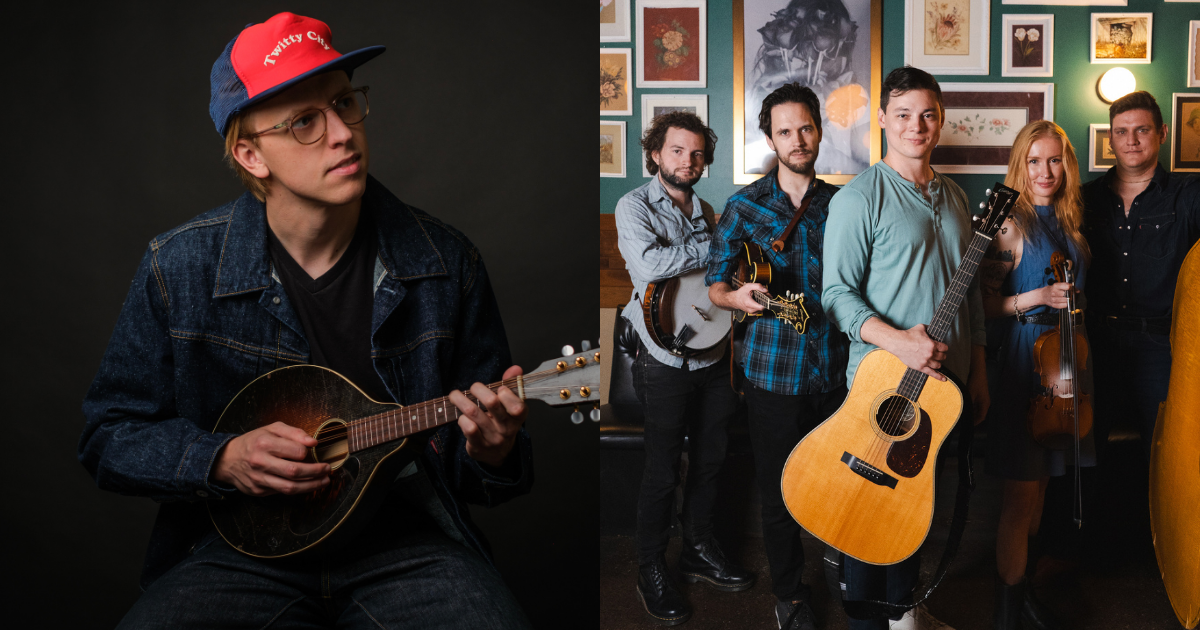
You Gotta Hear This: Thomas Cassell, Greenwood Rye, and More

Another weekly roundup is here! You Gotta Hear This.

To get us started, Thomas Cassell reveals another track from his upcoming duo album. “Makin’ Some Noise” features his longtime friend and shredder Trey Hensley joining in on a Tom Petty & the Heartbreakers track with just enough of a Bill Monroe flair to excel with the bluegrass treatment. Plus, Colorado-based bluegrass band Jake Leg preview their new album with its title track, “No One Lives Here Anymore.” It’s an apt harbinger for the thoughtful, lonesome, and melancholic songs found on their upcoming collection – due to drop in June.

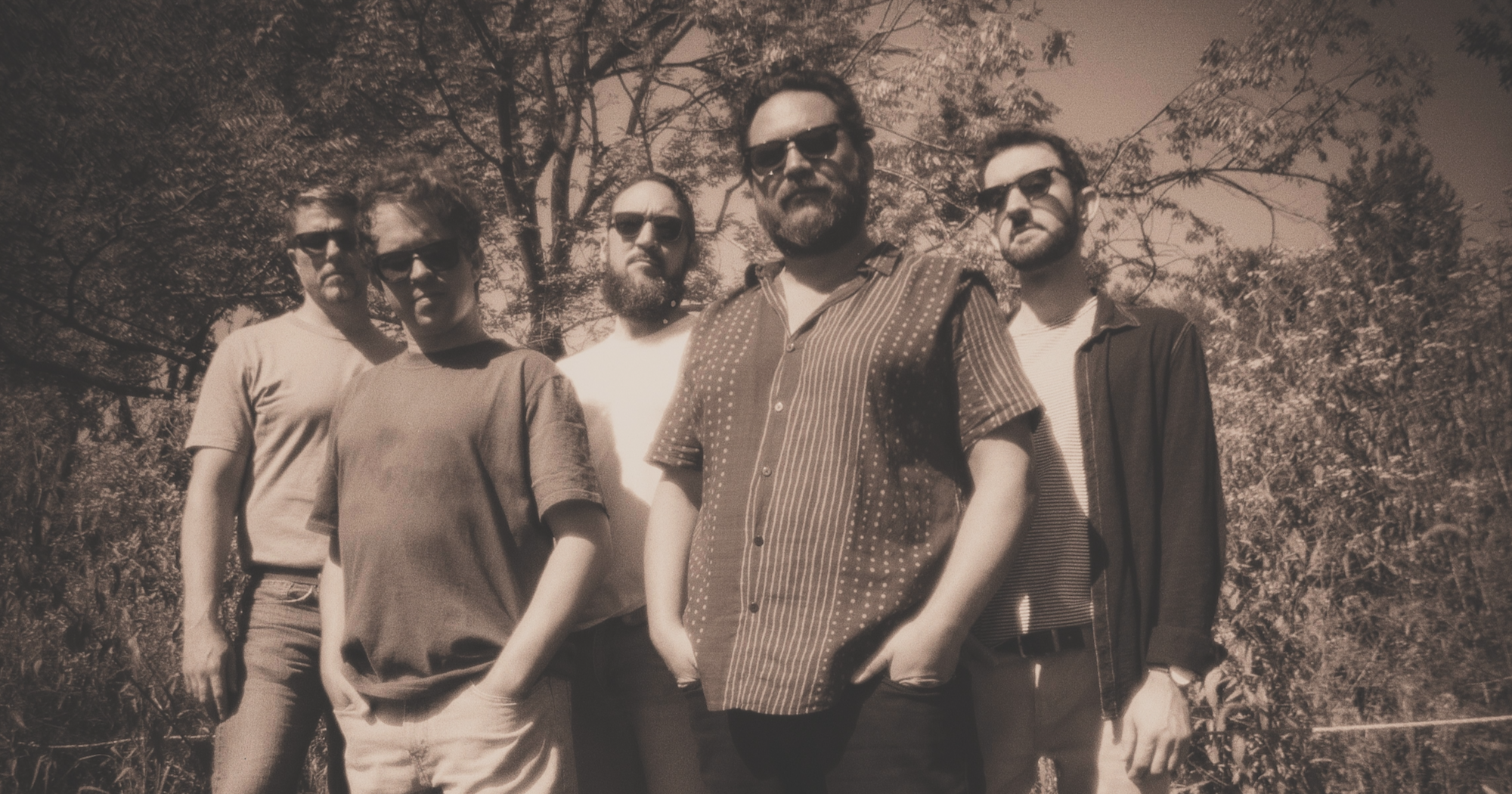
From elsewhere in bluegrass, the Lonesome River Band debut “Back When,” a song dripping with nostalgia that was co-written by LRB member Jesse Smathers with Nick Goad and Barry Hutchens. The track features a traditional instrument all too rare in bluegrass these days – the electric guitar! Nashville bluegrass outfit Greenwood Rye call on some mighty collaborators for their new song, too. “Ready to Burn” is indeed a barn burner, boasting features by Mason Via (who co-wrote the song with Greenwood’s Shawn Spencer), Vince Herman of Leftover Salmon, and IBMA Award winner Vickie Vaughn. It’s jammin’, energetic, and certainly fiery.

Don’t miss folk and Americana duo Great Willow included below as well. Their new song, “Age of Reason,” speaks to these highly divided times we’re living through – and everyone is talking about. “[We] don’t remember a time when the America we love has felt quite this disconnected and hostile against itself,” the duo tells us via email. “Americans can be so sweet and generous – you’d see it in every region as a traveling musician. How did we all fall so far so fast?” Their indie-folk track – lush with sounds and styles of the ’60s, ’70s, and Laurel Canyon – is charming in its consideration of such an existential question.

Singer-songwriter Kyle LaLone encourages all of us to “Slow Down” on his new Americana track. Inspired by quite literally running on fumes, LaLone speaks to the need we all face on the day-to-day to be present, to take deep breaths, and more. Sometimes all you need is to slow down. And make sure to hear the latest from singer-songwriter Mia Kelly, as well. “Big Time Roller Coaster Feeling” is about the highs and lows of having an all-encompassing crush, leaning into that free-falling feeling – of love and rollercoasters, both. It’s vibing and modern indie/acoustic folk that really enables the lyric and stories Kelly tells to shine.

There’s plenty to enjoy! You know what we think – You Gotta Hear This…

Thomas Cassell, “Makin’ Some Noise” (Featuring Trey Hensley)

Artist: Thomas Cassell
Hometown: Nashville, Tennessee via Norton, Virginia
Song: “Makin’ Some Noise” (featuring Trey Hensley)
Album: Guitar Collection
Release Date: May 18, 2026 (single); August 21, 2026 (album)
Label: Common Loon Records

In Their Words: “Trey Hensley has been a longtime favorite of mine and more recently a great friend that I’ve been fortunate to make lots of music with. When I started to plan this collaborative album, Trey was one of the first calls I made. We are both huge Tom Petty fans, so it was natural to choose something from his catalog. This 1990s Heartbreakers track was on my mind as there was something about Mike Campbell’s guitar riff that was so Bill Monroe. It was a pleasure to work with Trey on this track – he’s truly one of the best singers and guitar players to ever do it and every time I stand next to him, I realize that in a whole new way. Hopefully this track is as fun to listen to as it was to make!” – Thomas Cassell

Track Credits:
Thomas Cassell – Mandolin, lead vocal
Trey Hensley – Guitar, lead vocal
Jeff Picker – Bass


Great Willow, “Age of Reason”

Artist: Great Willow
Hometown: Los Angeles, California
Song: “Age of Reason”
Release Date: May 22, 2026

In Their Words: “Erin and I don’t remember a time when the America we love has felt quite this disconnected and hostile against itself. Americans can be so sweet and generous – you’d see it in every region as a traveling musician. How did we all fall so far so fast? Our song is a lament for that lost open-heartedness and a call to hopefully return to it. Maybe reconnecting with the beautiful natural world is a start.” – James Combs

“We recorded ‘Age of Reason’ in producer Susan James’ home studio out in California horse country – with avocado trees and exotic chickens on the hill out back and her hairless Sphynx cat crawling through our cases and being hilarious inside. Susan is a preternaturally gifted artist, arranger and producer. We loved working with her. And we love the amazing Dobro and slide Ben Peeler (Mavericks, Wallflowers) played on our song. It’s the special sauce the puts it over the edge.” – Erin Hawkins

Track Credits: 
Erin Hawkins – Cello, vocal, songwriter
James Combs – Guitar, vocal, songwriter
Susan James – Organ, producer
Ben Peeler – Dobro, slide guitar


Greenwood Rye & Mason Via, “Ready to Burn”

Artist: Greenwood Rye, Mason Via, Vince Herman, Vickie Vaughn
Hometown: Nashville, Tennessee
Song: “Ready to Burn”
Release Date: May 15, 2026

In Their Words: “‘Ready to Burn’ is a jammy bluegrass party song! When Mason Via and I got together to write it, we were both in a place where we had put a ton of effort into our respective albums and everything we were doing was very serious. So we wanted to shift gears a little bit and make something purely for fun. We wrote a song about getting together with our friends and preparing to have an epic barn burner. The recording of the song started as us wanting to get together to make some social media content. We ended up doing it at Parlor Studio where our friend Ethan Greek was working as an engineer. It snowballed into a full studio recording and then we thought, ‘Why stop there? Let’s get some features.’ So we called two of our favorite Nashville bluegrassers, who we love to jam with, Vince Herman (Leftover Salmon) and Vickie Vaughn (Della Mae), and asked them to join the party!” – Shawn Spencer

Track Credits:
Shawn Spencer – Guitar, vocals, songwriter, producer
Mason Via – Guitar, vocals, songwriter
Taylor Shuck – Banjo
Cat McDonald – Fiddle
David Freeman – Mandolin, BGVs
Larry Cook – Bass
Vince Herman – Vocals
Vickie Vaughn – Vocals
Sasha Ostrovsky – Dobro


Mia Kelly, “Big Time Roller Coaster Feeling”

Artist: Mia Kelly
Hometown: Gatineau, Quebec, Canada
Song: “Big Time Roller Coaster Feeling”
Album: Big Time Roller Coaster Feeling
Release Date: May 22, 2026 (album)

In Their Words: “‘Big Time Roller Coaster Feeling’ is a song that details all the instances in which I have fallen for someone. As playful as it is personal, each verse describes a crush. When it came the time to make the video we decided to depict each of these crushes as a classic date, with the date’s face obscured by something ludicrous. The chorus draws from that joyful free-fall, that tummy-flipping feeling you get when you’re in love.” – Mia Kelly

Track Credits:
Mia Kelly – Lead vocals, acoustic guitar
Connor Seidel – Bass, piano, organ, slide guitar, percussion
Olivier Fairfield – Drums, percussion
Ben Plotnick – Fiddle
Aaron Collis – Mandolin, accordion
Adam Brisbin – Electric Guitar, slide

Video Credits: Randy Kelly – Videographer, director, editor


Kyle LaLone, “Slow Down”

Artist: Kyle LaLone
Hometown: Diamond Bar, California
Song: “Slow Down”
Album: Make My Own Way
Release Date: May 15, 2026 (single); June 12, 2026 (album)

In Their Words: “Another song that started with the title and whose lyrics were sparked by a specific event. One morning I had to drive to catch a flight to an out-of-town gig after having played a gig the night before. Once I got in my car I realized I was really low on gas and wouldn’t have enough time to stop to fill up on my way there. Luckily I made it to the parking garage near the airport but knew I would be running on fumes to find a gas station before the drive home. That situation inspired the first verse and got me thinking about my tendency to just keep going until I’m out of gas figuratively and literally when what I really need to do sometimes is slow down.” – Kyle LaLone


Jake Leg, “No One Lives Here Anymore”

Artist: Jake Leg
Hometown: Lyons, Colorado
Song: “No One Lives Here Anymore”
Album: No One Lives Here Anymore
Release Date: May 15, 2026 (single); June 13, 2026 (album)

In Their Words: “‘No One Lives Here Anymore’ is the first single and title track from our sophomore album coming out on June 13. It was probably one of the first songs written for this album and touches on the themes of sadness and isolation that show up throughout this collection of songs. I’ve always really loved and connected with sad songs so that tends to show in my writing fairly often. ‘No One Lives Here Anymore’ is sort of an ‘anti-story’ of someone who has lost connection with the aspects of life that make it fulfilling and has fallen into the pattern of observing life as it goes by rather than participating in it. Musically, the chord progression kind of folds around on itself and I think is representative of the cyclical nature of some of these feelings that we experience throughout life.” – Dylan McCarthy

Track Credits:
Eric Wiggs – Guitar, vocals
Dylan McCarthy – Mandolin, vocals, songwriter
Justin Hoffenberg – Fiddle
Aaron Hoffenberg – Bass


Lonesome River Band, “Back When”

Artist: Lonesome River Band
Hometown: Floyd, Virginia
Song: “Back When”
Release Date: May 15, 2026
Label: Mountain Home Music Company

In Their Words: “I’m so proud to have had a hand in writing ‘Back When’ with my pals Nick Goad and Barry Hutchens. As we had a conversation on Barry’s back porch we reminisced about our youth, the mischief we got into, and of course being musicians, our first chords, and songs we learned. Looking back, those moments are so sentimental and they made me into who I am today. It’s important to be aware of those subtle reminders that take us to our formative years way ‘back when.'” – Jesse Smathers, songwriter, guitarist

“The essence of ‘Back When’ is how the least little thing – a conversation with an old friend, a song, etc. – can cause memories to come flooding back. It was a real privilege for me to have the opportunity to write it with Jesse and Nick. They are both such talented writers and musicians. It’s one of those songs that came about simply by the three of us sitting around and reminiscing about when we were kids and growing up playing music.” – Barry Hutchens, songwriter

Track Credits:
Adam Miller – Mandolin, lead vocal
Sammy Shelor – Banjo, harmony vocal
Jesse Smathers – Acoustic guitar, harmony vocal
Mike Hartgrove – Fiddle
Kameron Keller – Upright bass
Rod Riley – Electric guitar


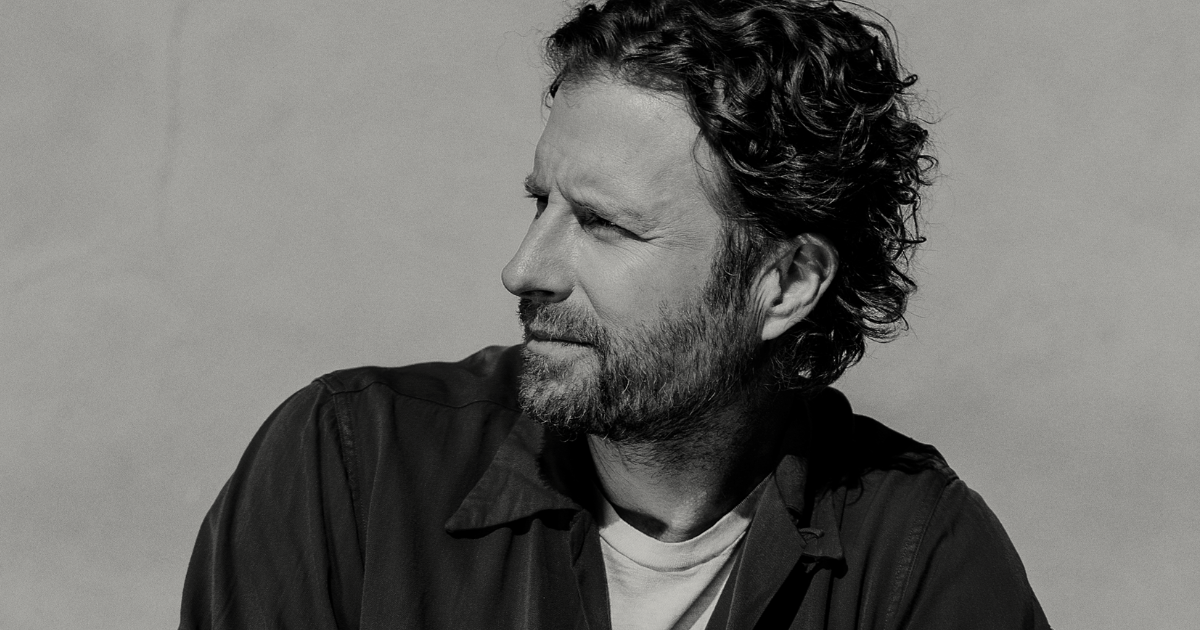
Photo Credit: Thomas Cassell by Scott Simontacchi; Greenwood Rye courtesy of the artist.
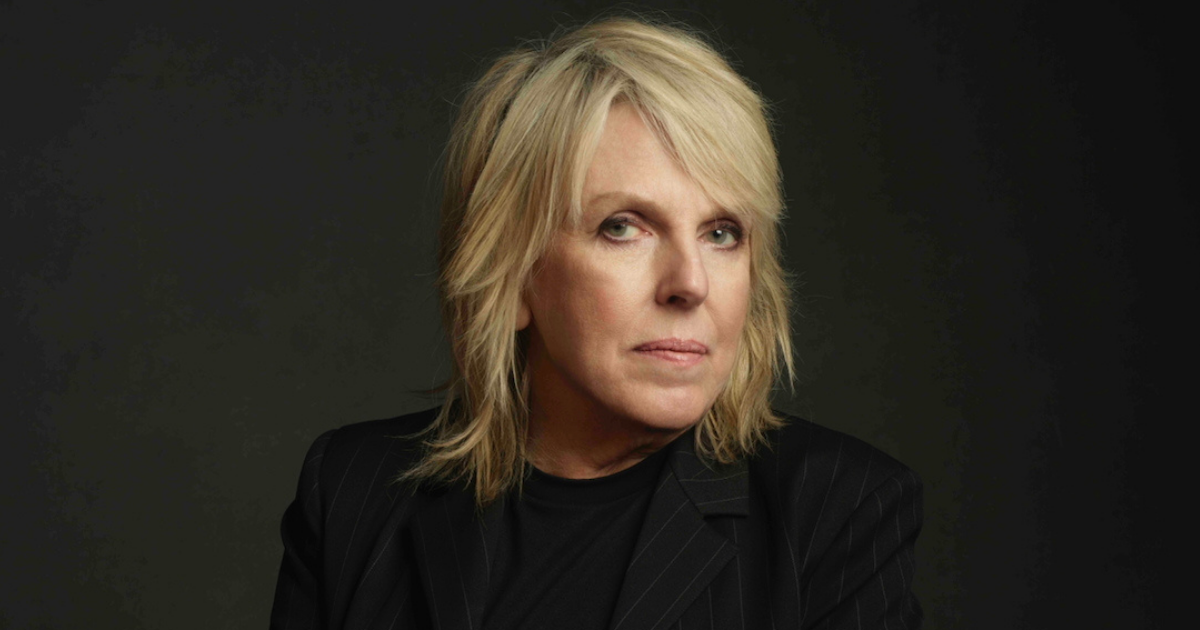
10 Sonically Diverse Covers of Lucinda Williams Songs

Befitting Lucinda Williams’ stature as one of the greatest songwriters of modern times, she might be the most covered artist this side of Bob Dylan (who, as far as I can tell, might be the only major artist never to have covered one of her songs).

From “Are You Alright?” to “You Can’t Rule Me” and all points in between, Williams’ catalog is broad, deep, and multivalent, with lavish emotional content to dig into. Truly, the woman’s body of work contains multitudes.

Where she’s coming from is no mystery, because Williams has always been generous about showing off her own influences and idols. She has covered too many other artists’ songs to count, by the likes of Dylan, Nick Drake, Howlin’ Wolf, and more. She has also done multiple tribute albums in her Lu’s Jukebox series, covering the Beatles, the Rolling Stones, Tom Petty, and even Christmas songs, among others.

There’s almost too much to choose from, but here is a small sampling of what other artists have done with Williams’ songs over the years – focused more on stylistic departures than faithful readings.

“Passionate Kisses” – Saintseneca (2014)

It’s hardly surprising that a great deal of this list of covers will come from 1988’s breakthrough album Lucinda Williams, starting with this forthright statement of purpose. The obvious “Passionate Kisses” cover choice would be Mary Chapin Carpenter’s 1993 hit version, which put both women on the map. But let’s go more left-field with the sprawling, atmospheric grandeur of the cover by Ohio indie-folk band Saintseneca. It’s never sounded more wide-open cinematic, to the point that I kind of can’t believe no one has put it onscreen yet. Cue opening credits.

“Bus To Baton Rouge” – Amos Lee (2023)

This Philadelphia-born soul man thinks enough of the Williams oeuvre to have covered 12 of her songs for an album, Honeysuckle Switches: The Songs of Lucinda Williams. Williams’ original appeared as the penultimate track of her 2001 release, Essence. The lyrics yield up the title phrase of Lee’s tribute LP, and it makes a stunning album-closer here.

“Side of the Road” – Ben Folds (2005)

In Williams’ hands, “Side of the Road” conveys stoic resolve on her 1988 self-titled joint. North Carolina native virtuoso Ben Folds transposes it to winsome piano pop for his 2005 solo album Songs For Goldfish, and the transition works beautifully.

“Change the Locks” – Tom Petty (1996)

Originally titled “Changed the Locks” on her eponymous album, this is in the conversation for Williams’ greatest songs. Her version coursed with undercurrents of the sort of domestic violence that would inspire a woman to, well, change her locks. So it’s interesting that so many men have taken a crack at this song in the decades since, including Silos, Vampire Weekend, Rostam, and Elvis Costello. But maybe best of all is Tom Petty, who recorded it for the soundtrack to 1996’s She’s The One, getting the defiance just right.

“Joy” – Bettye LaVette (2005)

As good as all of Williams’ records have been, it wasn’t until 1998’s GRAMMY-winning Car Wheels on a Gravel Road that she finally got herself a gold record. “Joy” was a high point, equal parts angry and exuberant. Still, powerhouse soul woman Bettye LaVette took it to a whole new level with a swamp-blues rendition on her 2005 comeback LP, I’ve Got My Own Hell to Raise.

“Abandoned” – The Lemonheads (2019)

While The Lemonheads’ troubled leader Evan Dando is a decidedly problematic figure, there’s no denying his taste in covers. The Lemonheads have released two volumes of cover collections with good, bad, and ugly songs by everyone from Townes Van Zandt and Yo La Tengo to Florida Georgia Line and GG Allin. From 2019, Varshons 2 also features a fuzz-toned version of Williams’ very forlorn “Abandoned” (yet another Lucinda Williams song).

“Concrete And Barbed Wire” – Bella White (2022)

There has always been a stateliness to the Car Wheels on a Gravel Road track “Concrete And Barbed Wire,” which was in Canadian songbird Bella White’s onstage setlist years before she released a studio version on 2024’s Five For Silver. The song’s waltz tempo makes a perfect fit for bluegrass – recorded live at the Green Mountain Bluegrass and Roots Fest in Vermont.

“Metal Firecracker” – Mary Lou Lord (2015)

Everybody’s favorite busker, Mary Lou Lord is best-known for solo deconstructions of songs from the indie-rock canon. But on her 2015 LP Backstreet Angels, Lord goes full-band indie-rock for “Metal Firecracker” (which Williams originally cut on Car Wheels on a Gravel Road). Lord sounds dreamy to Williams’ earthiness – but both versions come down to, “All I ask, don’t tell anybody the secrets I told you.”

“People Talkin’” – Hurray For the Riff Raff (2012)

Maybe the acid test of a song’s worthiness is how well it holds up if stripped all the way down to voice and quiet strumming. As if there could be any doubt, Williams’ “People Talkin’” (from 2003’s World Without Tears) is superb in this guitar-and-fiddle version that Hurray For the Riff Raff recorded in a London kitchen for an edition of “notes from mt. pleasant.”

“Fruits of My Labor” – Waxahatchee (2021)

“Fruits of My Labor” seems like a song that’s still going to be played around campfires a century from now. Its structure and vibe bear passing resemblance to that classic spiritual, “A Change Is Gonna Come,” and it’s been covered numerous times since first appearing on Williams’ 2003 LP World Without Tears – fine, fine versions by Margaret Glaspy, Mia Dyson, and Rostam, among others. But Waxahatchee (Alabama-born Katie Crutchfield) gets closest to the song’s soul with her cover from 2021’s Saint Cloud +3 album.

“The Last Time” – Lucinda Williams (2021)

We’ll break the format here at the end and give Williams herself the last word, showing everyone how one pays proper cover homage. From her 2021 tribute LP, You Are Cordially Invited…A Tribute to the Rolling Stones, “The Last Time” is a song with a long and winding road behind it. Originated by the Blind Boys of Alabama, it was famously covered by the Staple Singers in 1961. Four years later, the Stones fit it with a snarling lead-guitar hook that took it out of church – and here Williams moves it right on over to the honky-tonk.


Continue exploring our Artist of the Month coverage of Lucinda Williams here.

Photo Credit: Mark Seliger

BGS 5+5: The Naked Sun

Artist: The Naked Sun
Hometown: Philadelphia, Pennsylvania
Latest Album: Mirror in the Hallway (set for release January 30, 2026)
Personal nicknames (or rejected band names): “Fully Clothed Moon”; “Naked! Son.”; “The Naked Sons”

(Editor’s Note: Responses provided by The Naked Sun guitarist and singer-songwriter Drew Harris.)

What was the first moment that you knew you wanted to be a musician?

I have a very vivid memory from when I was maybe four years old. My mom wasn’t home from work yet, so I was being watched at someone’s house – some kid I barely knew. I was only there once in my life, a strange one-off moment that almost feels like fate. They had one of those old Casio-style keyboards with preset drum loops and out of pure boredom I started messing with it.

To this day, I can remember the feeling of a sort of flow state and being sucked into the music I was making. It’s really that exact feeling that keeps me coming back to the profound play that is making music. Something clicked. When my mom came to pick me up, I didn’t want to let the keyboard go. Something in her must’ve recognized that spark, because not long after we were driving around to strangers’ houses looking for a used piano that we could afford. I started lessons soon after and kept at them for the next six or seven years.

Which elements of nature do you spend the most time with and how do they impact your work?

We all spend a lot of time in nature. Tom, Dylan, and I are pretty avid cyclists. We have some incredible trails in and around Philadelphia that we spend a lot of time riding. Tim’s a trail runner and very recently took up bow hunting. James loves hiking the Wissahickon.

For me, the place that shapes my writing the most is the Delaware Bay. I walk those beaches for hours – staring at the tide, the sky, the sand shifting beneath me. I started doing it out of boredom, stuck at the shore when everyone else was gone, needing some way to fill the time. (Turns out: boredom = creativity.)

One night I walked all the way toward the Cape May–Lewes Ferry and watched a storm crawl across the bay – lightning slowly getting closer. It was beautiful and terrifying and overwhelming. I think that was the first moment I felt truly connected to nature, and something inside me clicked open. I’ve been returning to that shoreline ever since.

I think the ever-changing shoreline informs my music in a deep way. The beach is never the same twice – shaped daily by tides, wind, and waves, scattered with shells, rocks, horseshoe crabs, footprints, and whatever people leave behind. Every sunset lands at a slightly different angle, filtered through a new cloud formation or dropping into a clear sky without interruption.

Change.

Like the shore, our lives are constantly shifting – subtle in some seasons, dramatic in others. Music is how I process that movement. It lets me catalog who I was and who I’m becoming. When change feels heavy or uncertain, music is the valve that releases that pressure. Because the music will always be there, I know I can change.

How often do you hide behind a character in a song or use “you” when it’s actually “me”?

This is a really interesting question, because I think that, at least in my music, every song is about me in some way, shape, or form. Even when I’m writing from someone else’s perspective, when I pull the thread it always comes back to me. Even if it’s years and years after I’ve written a song I’ll look again with a fresh set of eyes and be like, “I thought that was about my mother, but damn, that was really about me.”

I remember writing in a journal years ago that all of my songs are really just letters to myself. And how could they not be? Even when I think I’m writing about someone else, I usually circle back later and realize it was me the whole time. It’s not that I’m hiding behind “you” – it’s that sometimes I don’t yet recognize the reflection I’m writing from.

But I’m increasingly drawn to exploring the true “you” in a song. The songwriters I admire most are shapeshifters – they step into other lives completely, almost like actors. They embody characters, perspectives, flaws, desires. They can disappear into someone else and still reveal something human and true.

That kind of writing fascinates me. It’s difficult – maybe the hardest thing to do, honestly – but I feel like it’s where I’m headed next. If writing has been a mirror, maybe now it becomes a window too.

What is a genre, album, artist, musician, or song that you adore that would surprise people?

Most people don’t expect this, but my all-time favorite band is the Canadian punk group Propagandhi. I first heard them at 14 or 15, walking into a head shop on the Wildwood boardwalk. It was angrier, smarter, sharper than anything I’d heard – political, passionate, direct. Perfect for a rebellious Catholic school kid

I’ve been listening to Propagandhi since their very first record. I’ve even been up to Canada to see them play and met Chris, Todd, and Jord. This style of music is so different from the music I make. I tried, believe me, I tried to write fast punk-metal riffs, I just wasn’t very good at it. (Propagandhi shreds.) I found Bob Dylan at the right age, taught myself how to play guitar and harmonica at the same time, and adopted a more folky sound.

But I think Propagandhi and folk share a similar ethos: anti-corporate, pro-people. I like to think that I’ve combined the two genres at times in my own abstract and artistic way.

Since food and music go so well together, what is your dream pairing of a meal and a musician?

I love to cook and have spent time working in kitchens as a line chef, and I even taught cooking for several years, so cooking, food, and of course music are always paired together. I have a little tradition when I go down the shore in the summer; the first summer meal that I prepare, which is almost always shrimp, scallops, and Jersey corn, I turn on “Mississippi” by Bob Dylan off of The Bootleg Series, Vol. 8: Tell Tale Signs. I just absolutely love this version of this song and it transports me back to making meals at my Mom Mom’s house down the shore.

Sorry, Bob, but since this is a dream meal, my dream meal is with Bob’s friend, Tom. My dream meal would be picking blue crabs, sipping beers (and probably a couple joints), listening to music, and chatting with Tom Petty. Tom’s a southern guy, so I think he’d appreciate some blue crab, corn, shrimp, potatoes, and of course a joint or two.

We’d sit outside down at the Jersey Shore and I’d let Tom control the aux and just shoot the shit while we imbibed. A crab feast is always really long, too, so I’d get some extra time to spend with my hero. Not sure I’d ask Tom any specific questions, I’d just want to listen to his tunes and listen to him tell me why he chose them, what he liked about them, what they remind him of, etc., while we sweat out light beer and fill up on blue crab.


Photo Credit: Bob Sweeney

Dierkscography

In 1994, a not yet 20-year-old Dierks Bentley threw all caution to the wind when he packed up his dorm room at the University of Vermont with hopes to never return. Bentley’s relocation would not only forever change the course of his life – it would go on to catalyze his tremendous impact on roots music at large.

After a trip with his father to Nashville made quite the impression, Bentley decided to complete his college degree at Vanderbilt, dedicating his studies to English (the major most proximal to songwriting). After graduating, Bentley continued to foster both his musical education and career; his day job entailed archiving old country performances at The Nashville Network (in fact, his diligent field work even got him banned temporarily from the Grand Ole Opry), while his evenings were filled with bar gigs and songwriting sessions. After five years of grunt work, 2003 saw Bentley release a self-titled album with Capitol Records. His first single, “What Was I Thinkin’,” made waves on the country charts. Since then, Bentley has been responsible for the release of 20 No. 1 country singles and 10 additional studio albums, the latest of which, Broken Branches, arrived in June.

While Bentley’s career has seen major commercial country success, his deep respect for expansion and immersion has made him a beloved fixture within bluegrass, as well.

Of his instrumental move to Nashville, Bentley has shared, “I moved to Nashville in 1994 – I was trying to find that seed of truth, that authenticity, that thing ‘country music’ that I had in my head. And I got here and it was definitely different than I expected it to be. It’s big business, a lot of money.

“Luckily, for me, I found a little bar called the Station Inn where bluegrass music existed – and I found what I was looking for. Just the sound of a five-piece bluegrass band blew my mind. And they’re not trying to take meetings all the time and meet producers, and get their foot in the door. It’s funny, I moved to Nashville looking for country music, but I found bluegrass.”

Whether it’s his proclivity for cross-genre conversation, songwriting prowess, or patinaed tenor delivery, Dierks has proved himself a mainstay favorite for country, Americana, and bluegrass fans – here at Good Country and BGS, and beyond. In honor of his recent album release and his huge Broken Branches tour with Zach Top and the Band Loula concluding this month, we present you with our Dierkscography, a non-comprehensive compilation of more than 15 songs meant to show off some of our favorite Dierks gems from across genres sampled from the many years of his remarkable career.

“Never You” featuring Miranda Lambert, Broken Branches (2025)

Dierks’s new album, Broken Branches, arrived fresh off the press with a slew of impressive collaborators, from Riley Green to Stephen Wilson Jr. Dierks fondly calls the record a “special” display of “making music in the studio with our buddies.” Country giant and longtime collaborator Miranda Lambert joins Bentley on this banjo-driven track, with the pair’s velvety duet vocals imbuing tenderness and warmth into one of the album’s only love songs.

“High Note” featuring Billy Strings, Gravel & Gold (2023)

This rip-roaring tune off of Bentley’s tenth studio album features a whole handful of bluegrass greats. Not only does Billy’s high tenor soar above Dierks gravelly tones during choruses, his famous flatpicking joins the likes of Sam Bush, Bryan Sutton, and Jerry Douglas for a superjam ending.

Of the collaboration, Dierks recalls, “Bryan Sutton first tipped me off to Billy Strings about seven years ago, mentioning that the future of bluegrass was in good hands. I was totally blown away the first time I saw him. I’ve cut songs like these since my first record, and I knew I wanted to have him on this one, I’m such a huge fan. It was a lot of fun to have him, Jerry, Sam, and Bryan all passing licks around – having them all on this record means a lot to me personally.”

“American Girl” (2024)

Who doesn’t love an Americana “American Girl”? Bentley delivers this country-fied Tom Petty classic alongside some BGS favorites, including Chris Eldridge on guitar and Noam Pikelny on banjo. Dierks reprised the hit single joined by Bronwyn Keith-Hynes, Sierra Hull, and Molly Tuttle on stage at the 2024 CMA Awards, bringing down the house.

“For As Long As I Can Remember,” Broken Branches (2025)

The country canon has seen its fair share of heartache, murder, trains, and drinking. Also on his latest release, “For As Long As I Can Remember” shirks these motifs in favor of something a little more wholesome – a warm and adoring ballad dedicated to the strength of enduring familial bond. An ode to his brother and father, Dierks reminds that respect and love can be country, too.

“Train Travelin’,” Dierks Bentley (2003)

With many of his nascent Nashville days edified by nights at the Station Inn and in the surrounding bluegrass scene, iconic bluegrass family the McCourys quickly became repeat collaborators for Dierks. Their features pepper many of his earlier albums, dating all the way back to his debut self-titled release in 2003. “Train Travelin’” would become the first of many, with other gems such as Good Man Like Me (Modern Day Drifter, 2005) and Last Call featuring Ronnie McCoury (Feel That Fire, 2009) dotting the road to Bentley’s eventual bluegrass-centric album, Up On The Ridge.

“Up On The Ridge,” Up On The Ridge (2010)

The titular track off of Bentley’s bluegrass-inspired album is thrumming with energy, both quickly-paced and haunting with its descending melodic hook. Up On The Ridge was Bentley’s fifth studio album, featuring a star-studded list of bluegrass collaborators including Alison Krauss, Punch Brothers, Chris Stapleton, Tim O’Brien, Sam Bush, and beyond. Del McCoury even joins forces with Bentley and Punch Brothers to deliver a deliciously grassified cover of U2’s “Pride (in the Name of Love)” further evidencing the album as a culmination of both tradition and innovation.

“Freeborn Man,” (Live, 2025)

Another of our favorite timeless covers, Dierks has been adorning his Broken Branches Tour this summer with his vigorous take on “Freeborn Man.” This rendition includes a fiery feature by Zach Top, nearly toppling the stage with talent.

“Hoedown for My Lowdown Rowdy Ways” featuring Dierks Bentley, Lowdown Hoedown (Jason Carter, 2022)

With Jason Carter fiddling his heart out on Dierks’ records since 2003, it’s of course a polite roots custom for Dierks to return the favor. Released as part of Carter’s second solo album, Lowdown Hoedown, “Hoedown for My Lowdown Rowdy Ways” has Dierks singing harmony and strumming away on the bluesy breakdown. Lowdown Hoedown also features a tender Jamie Hartford number, “Good Things Happen,” that Dierks Bentley covered on his 2005 album Modern Day Drifter, yet another frame of conversation between the two artists.

“Prodigal Son’s Prayer” featuring The Grascals, Long Trip Alone (2006)

This acoustic tune features the bluegrass sensibilities of the Grascals, a long-running group lauded for their instrumental prowess. The song loosely follows the parable of the prodigal son, ultimately centering themes of repair and reconciliation. The song also features the stomps and hums of incarcerated individuals from Charles Bass Correctional Complex, who had been in Bentley’s producer’s Bible studies course at the time.

“Free and Easy (Down The Road I Go),” Long Trip Alone (2006)

From the same release, this breezy banger remains a hallmark of Bentley’s career, even after nearly two decades since it dropped. The fifth of his singles to top Billboard’s Hot Country charts, “Free and Easy (Down The Road I Go)” lures in listeners with its fast-paced country twang and life-affirming sentiment.

“Beautiful World” featuring Patty Griffin, Feel That Fire (2009)

No stranger to incredible collaborators, Dierks Bentley asked iconic folk and country singer-songwriter Patty Griffin to accompany him on this track, gushing, “Her voice is one of a kind and she’s such an important figure in the American music scene… She’s just amazing. And so I asked her.”

The result is a tender homage to the beauties of the world, largely inspired by his wife, who was pregnant with their daughter at the time of the song’s conception. “You hear people sometimes say, ‘Man, I can’t imagine bringing a child into this world. It’s so bad.’ That’s just such a negative outlook,” Dierks says. “You cannot live your life with that viewpoint of the world. Yes, there are a lot of things that are wrong, but it is a beautiful world, and you need to find the positive in it.”

“Heart of a Lonely Girl,” Home (2012)

From Bentley’s sixth studio album, Home, comes this spirited, emotionally deep number. The narrative song was penned by the infinitely talented Charlie Worsham, who would go on to join Bentley’s touring band a decade later – and you can currently see him on stage each night during the Broken Branches tour.

“Trip Around the Sun,” featuring Dierks Bentley, I Built a World (Bronwyn Keith-Hynes, 2024)

Fiddler Bronwyn Keith-Hynes first connected with Bentley through Molly Tuttle & Golden Highway, the popular bluegrass group that opened for him several times on tour. She’s also married to Jason Carter, so Dierks wasn’t just a professional collaborator, but a member of her personal Nashville network, as well. It’s no surprise, then, that she’d end up on stage with him at the CMA Awards and, in the same year, he would guest on her acclaimed and GRAMMY Award-nominated album, I Built a World.

“Mardi Gras” featuring Trombone Shorty, Black (2016)

Soaked in Louisiana charm, this tune was inspired by Dierk’s 2015 galavant on a Mardi Gras parade float. Featuring the indelible hornsmanship of Trombone Shorty, the track grooves along with bluesy undertones. “Getting Trombone Shorty to do his thing on it, what a great guy. I love working with him. He is so laid-back and so good at what he does,” Bentley boasts of his collaborator.

“Travelin’ Light” featuring Brandi Carlile, The Mountain (2018)

Featuring the powerhouse vocals of Americana giant Brandi Carlile, this tune appears on Bentley’s 2018 album, The Mountain. The collaboration between the two icons came to fruition after Bentley saw Brandi perform at Telluride Bluegrass Festival, inspiring him to approach her about dueting on the track.

“Sun Sets in Colorado,” Gravel & Gold (2023)

Written reflecting his pandemic move to Colorado (though he has since returned to Nashville), Bentley released this tune on Gravel & Gold. The song shouts out New Grass Revival and Telluride in a verse: “Sing an old new grass song with me/ Telluride along with me,” while also featuring New Grass Revival founding member Sam Bush on mandolin. Bryan Sutton also joins in on the studio recording, yet another sparkling collab with bluegrass greats.


Want more Good Country? Sign up to receive our monthly email newsletter – and much more music! – direct to your inbox.

Photo Credit: Robby Klein

Swedish Singer-Songwriter Sarah Klang Brings ‘Beautiful Woman’ Stateside

I meet Swedish performer and singer-songwriter Sarah Klang in the glorious maximalist backstage area at Nashville’s the Blue Room before her first-ever Music City show in mid-January. She’s cozy on the couch, a tin of pouched nicotine by her side, a hippo skull on the coffee table in front of us, and her brand new album, Beautiful Woman (out February 7) on our minds. The first thing I notice – besides her beautiful tattoos and the shimmering gemstone stud on one of her teeth – is her gaudy and gorgeous red-white-and-blue acrylic nails. Complete with rhinestones and glitter.

To Klang, the country aesthetic is the “coolest,” and in her part of the world she’s seen as something of a country queen. Her work across her discography varies greatly in genres and sonics, including folk, indie, pop, Americana, and so much more. But Beautiful Woman, which was produced by Eric D. Johnson (Fruit Bats, Bonny Light Horseman) doesn’t feel like Klang is just putting on rootsiness because it’s “cool” or “in” or trending. These are sonic spaces she knows well and strides through with ease.

Beautiful Woman boasts bold and brash moments that feel like Adele covering The SteelDrivers alongside tender story songs that could have almost been pulled from the catalogs of country queens this side of the Atlantic like Loretta Lynn and Dolly Parton. Danceable tracks, finger-picked ballads, and honest lyrics speak to impactful issues of motherhood, agency, feminism, embodiment – and so much more – but still feel light and joyful, leaning forward in the beat and finding hope in the melancholic.

Catching her debut Nashville performance at the Blue Room felt a bit momentous, though Klang seemed remarkably chill and relaxed, on and off stage. She and collaborator Theo Stocks (who also helps record and produce her projects) performed in duet, with lush reverbs and simple backing percussion tracks to a rapt audience. An audience who knew they were lucky to have Klang on this “side of the pond.”

Before the show, we dove into Beautiful Woman, speaking about the death of genre, choosing your own joy, always wanting more banjos, and so much more.

Do you see what you do as roots music? How do you place your own music within roots or folk or Americana? Your music has so many things – it’s got moments of grandeur, it’s got moments of subtlety, it’s got indie, it’s got pop, it’s got a little bit of everything. But I wonder how you identify it.

Sarah Klang: That’s sort of a really hard question. I always feel it’s a little bit like I don’t really know the genres. So, mostly when I put out my albums, afterwards people will review them and they will tell me what genre it is and I will be like, “Yeah, yeah! Mhmm, that’s what it is.” Because I don’t really think about it.

I mean, I listen to so much– random indie, folk, Americana, all those things that you mentioned. And I’m introduced to iconic classical things mainly through Theo [Stocks], my guitarist that I make albums with, and also Eric [D. Johnson]. Like a very normal thing in the studio would be that they would say, “Oh, this is very Kris Kristofferson-ish.” And I would be like, “Could you play it for me?” And then they play the song, and I’m like, “Okay!”

I don’t really have a special aim for where I’m going, because I don’t have any roots in anything. Really. I know what I like. I know the feeling [of what] I’m after. I guess the sentimental [and the] bittersweet, those always end up in some sort of Americana thing.

If it’s not the genre, or style, or the aesthetic that you’re going for – or that you’re following – it sounds to me like you’re following the songs themselves and the feeling you’re trying to evoke.

Yes. I mean, it’s just like an imprinted thing in my brain, “What sounds do I like?” It has always been like that, really. I don’t really play any instruments anymore. I used to play the guitar and the piano, but now I don’t. We’ve been here [in Nashville] for seven days and had sessions every day and Theo knows very well how to describe [the sounds]. He’s kind of like my interpreter. How do you say it? My interpreter? When it comes to melodies and shorts [takes], because someone at the session could play me a bit and I’ll be like “Hmmm?” And Theo will say, “It’s the last short. She doesn’t want that last short. Let’s go with that instead.” He understands.

I think I just have quite a small range of melodies that I like. I mean, my songs are kind of similar, how they are made. The aesthetic of country music has always felt like that’s the only way to go. That’s the only aesthetic that really looks cool, you know? When I started to dress up in country-ish things in Sweden, people were like, “Okay, well she makes country music.” That’s how far they would go. So in Sweden I’m often categorized and called the country queen of Sweden. I get a little bit nervous about that, because I know so little about country music and you know that everybody has such strong opinions about it.


What’s funny to me is even with how strong of opinions people have about country and what it is, it’s always in the eye of the beholder.

I’ve obviously been listening a lot – maybe not classic country, whatever that is – but I mean, I’ve been listening to Kurt Vile, Kevin Morby, Sharon Van Etten, you know, those very big country rock people for a long time. I think that is my biggest influence, really. Then we take that and Theo and Eric on this album, who are just very nerdy in music, they put their spin on it.

But for me, it’s not important to me. Where this album lands, in which genre – I couldn’t care less. But, I think that’s why I started having a western aesthetic. ‘Cause it’s the coolest part, I think. I was like, “Okay, I’m gonna start a solo project. Where do I want to be? What’s cool?”

That, probably. [Laughs]

You’re talking about collaborating with Theo and Eric and it sounds like having that trust and having that rapport is really important to getting the music where you wanted to get it. When I listen through and I hear the banjo moments and the really rootsy and Americana moments, trying to connect the dots, how much of that came from Eric producing?

I asked for that specifically! I mean, if it were up to me, I would say, “More banjo! Put banjo on everything!” ‘Cause that makes everything a jam.

But the boys are more tasteful when it comes to that. When [Eric] played, I think I asked him to try and play on like every song – and not because I wanted to be a “diddly doo” out there, but just because that’s my vibe. I mean, when someone plays on a banjo, there is nothing more tearjerking.

Of course, “Last Forever” jumped out at me for that quality. That was the track from Beautiful Woman that we premiered on BGS. I think it’s my favorite song on the record. But there are so many moments that feel like you’re a genre shapeshifter. And I think that that’s the time we’re in too, genre’s dead. Even while we get more and more and more genre names every year, it feels like genre’s dead.

For me, it’s probably a good thing that it is. That I’m not locked in a genre. I don’t think I’m ever gonna have to be like, “Okay guys, I’m breaking free from this [genre.]” I don’t have to do like a Miley Cyrus thing – “look at my new clothes!” – because I wear everything and that’s nice because I think I’m gonna keep on producing albums as long as I can, and I would like to not be stuck if I were to start feeling this [genre] is boring.

I mean, I’m a huge house fan. I love dance music. When I was a teenager, I mostly listened to weird party drinking music from the UK. I always wanted to make a club album. So, hopefully I could just like sneak over there. When the time’s right. [Laughs]

Another song that jumped out at me as feeling really rootsy is “Childhood.” Not only because of the aesthetic of the song, but the storytelling of it and the nostalgia in it. Something about it feels kind of theatrical to me, too, and I think country is so theatrical.

Yeah, it’s very dramatic. I think when I’m making a song, I feel like “more is more” and if you are going in a certain direction, just go all-in and don’t cringe. Because then it’s just going to end up in some halfway world.

For me, with “Childhood” I was like, “Oh, is this song too nice? Is it too sweet?” Like, no! It’s great. It’s a great song. You just have to go all the way with the feelings. Because then if you don’t, I don’t think you’re going to reach the point you wanted to reach.

Many of my melodies, when I write, I ask myself or Theo or Eric, “Is this too pop-y? Does it sound too much like yada yada yada? Is this a rip off?” And they’re, “Let’s go for it!” You just go straight into that vibe and feeling.

Our music goes all the way into the feeling without hesitating if it might be too much. If you are driving your car, you want to listen to Tom Petty. And he wasn’t like, “Oh, I’m gonna write a song that is making people feel free… but it can’t be too much!” [Laughs]

“I want a driving song, but for 35 miles an hour.”

No! [Laughs] Pedal to the metal.

The overarching concepts that the album is talking about, I think what some people, especially in the U.S., would think these are deep topics – feminism, womanhood, gender and gender roles. But I found it interesting that even with these subjects, the music still feels joyful, it feels like it’s looking forward, it feels like it leans forward – in the beat, literally and figuratively. But, it doesn’t feel like cotton candy, and it doesn’t feel like you’re minimizing anything. Can you talk a little bit about that?

I mean, that makes me so happy that you felt that way. I’ve done interviews about this album in Sweden, with women, and they’re like, “Sarah, you do know that you are a beautiful woman now, right? And I’m like, that’s not the fucking point! As if I were singing it, meaning that that was the point. Maybe I thought when I was younger that that was a goal, but it’s not now.

I just want to write whatever comes to mind, and since English is not my first language, I have to write it very straight and simple. Like, “This is what happened, period.” I don’t really have the energy or time to hide the message. That is not my thing. Some people are great with that, leaving clues. I just write words – it’s also like, I’m busy I need to write the lyrics now! [Laughs]

I always ask my friend when I’ve done an album, “What is the catchphrase for this album? What would you say now when you heard it?” So, for VIRGO she was like, “This is your sex album.” And Mercedes, “This is your pregnancy album, obviously.” But this one, she was like, “I think this is a celebration of girlhood, period.” And I was like, “Yep, that’s perfect.” I’ll just use that. Because I obviously just collect songs. Over a period of time, and then I feel, well now it’s done. And I don’t write an album after a theme.

One of the things I love about the album is that it ends on “I Have Everything.” I like that that’s the way that you’re putting a punctuation mark on the album. Right now, I’m really worn out by attention economies, consumption, consumerism, and like, “buying our happiness.” I was really struck by that song. I love having it at the end; it feels like you are not just talking to us, your listeners, but you’re also talking to yourself. So I wanted to ask you about the song and about the placement of it in the sequence.

I think I wrote it to myself. Like, “Listen! Stop being a complete asshole all the time!” It’s annoying, but I’ve learned – and it’s nice, but it’s hard to talk about it without it sounding so cringey and boring – but the only thing that makes you happy is to take walks outside, be with your family, eat right, and take care of yourself. And that is boring, but it’s the truth. I always felt that people who said, “I wake up every morning and tell myself five things that I’m grateful for–” and I’m like, “Okay… that’s weird.” [Laughs]

If you do that, you will probably feel better. If you are nice to people around you, you will probably feel better. If you’re nice to yourself. I mean, grown up people have been telling me [this] all my life. During my 20s, through periods where I was just unhinged and didn’t feel right. They were like, “Well, maybe if you took a little better care of yourself and didn’t party so much and spent time with your family, you would feel better.” And I was like, “Listen, it’s more than that.”

Yeah, like I am so deep. [Laughs] My traumas are so deep! You have no idea! I’m a fuck up. And then, turns out you’re not. That’s a nice thing about getting a little bit older, you just know, “I’m gonna be fine.” And it’s also my responsibility to make that happen.

Every time somebody had ever told me that “joy is a choice” and “happiness is a choice,” I didn’t realize at first that what they meant was joy or happiness that you construct for yourself isn’t fake.

No! And it doesn’t undermine your sad parts. Like, that is always going to be there. Don’t worry. I think so many of us are just melancholic people. I mean, people have had worse experiences than I’ve had and are so chill and so fine.

I think happiness is definitely something you can work on and give to yourself, and it’s not like a miracle.


Photo Credit: Fredrika Eriksson

Dierks Bentley Shines with Sierra Hull, Molly Tuttle, and Bronwyn Keith-Hynes on CMA Awards

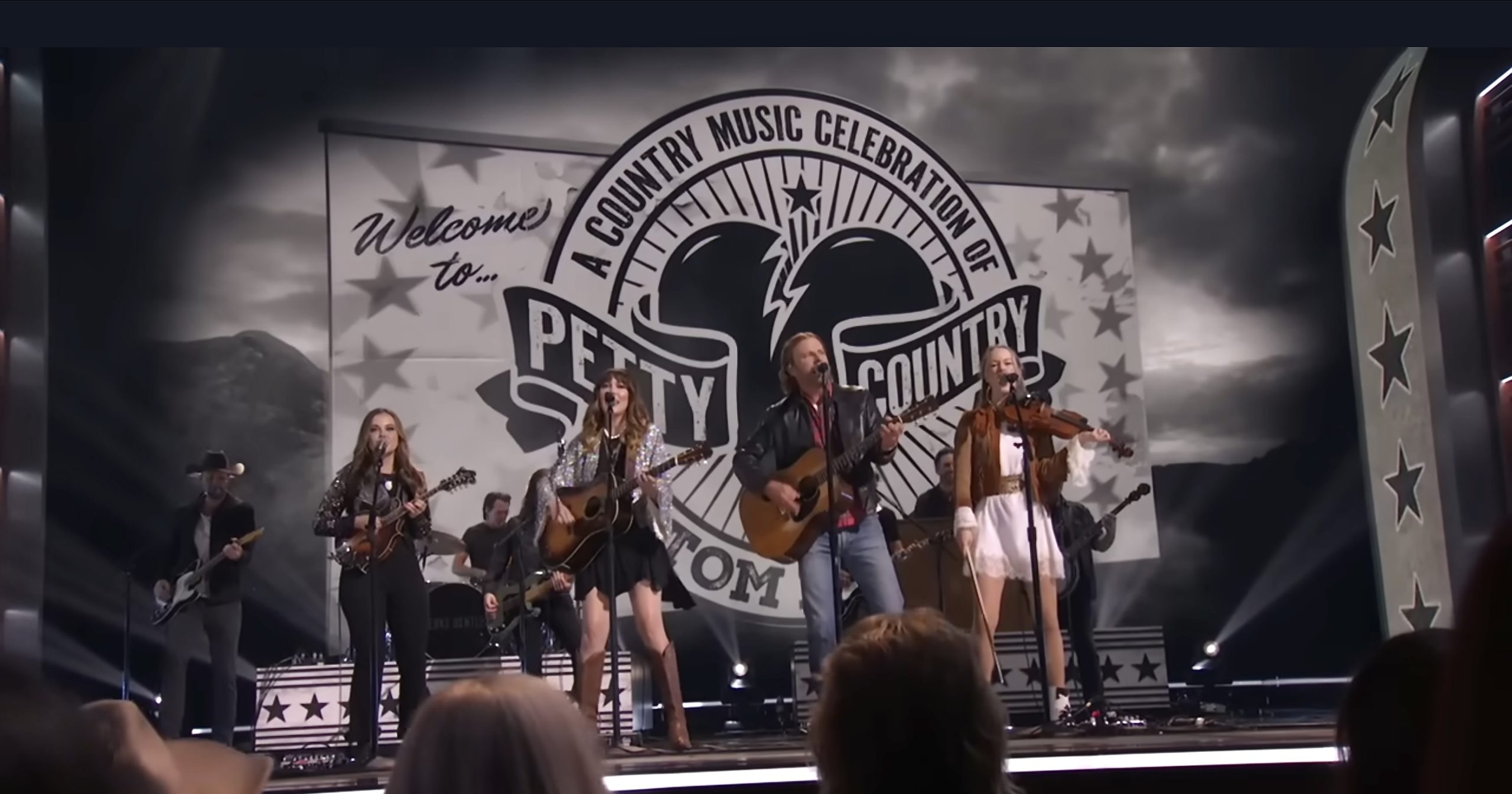
A big night for country music ended up being a big night for bluegrass as well when Sierra Hull, Molly Tuttle, and Bronwyn Keith-Hynes joined country star Dierks Bentley on the CMA Awards stage for a show-stopping performance. The quartet, backed by Bentley’s band (including the evening’s winner of Musician of the Year, Charlie Worsham) played a rousing rendition of Tom Petty’s “American Girl,” a huge single for Bentley this year from the compilation album, Petty Country.

Bentley has released plenty of ‘grassy and string band tracks across his career, especially on his 2010 album Up on the Ridge, and he is close friends with many bluegrass musicians and legends. He used to haunt the World Famous Station Inn in Nashville well before his fame and recognition – and well after, too. He’s even gifted commemorative hit records to the bar (which still hang on the walls today) and he’s appeared at the divey listening room dozens of times. He’s also a friend of the McCoury family and has collaborated with Del and sons on multiple occasions. In addition, he’s brought Tuttle and her band Golden Highway out on the road as an opening act repeatedly, and he guested on Keith-Hynes’ now GRAMMY-nominated album, I Built a World.

Tuttle even shared an image to social media from a past MerleFest where Bentley can be seen braving the North Carolina rain to catch her band’s mainstage set in the very front row of the VIP section. It’s no surprise that he would tap Hull, Tuttle, and Keith-Hynes for the CMA Awards, even if the context feels a bit out-of-left-field for diehard bluegrassers.

“American Girl” was truly a highlight of the star-studded awards show, which despite more than a few perceived flubs and snubs highlighted plenty of Good Country, Americana, roots music – and yes, bluegrass! Here’s to plenty more primetime television moments in the future highlighting incredible bluegrass pickers such as these.


MIXTAPE: Rainbow Girls’ ‘HAUNTING’ Inspirations

Hey BGS! Erin from Rainbow Girls here. Our new record, HAUNTING, just came out October 13th and we put together this Mixtape of reference tracks that inspired the writing or making of the songs on our record. We ended up choosing one reference track per song. Got some help from Caitlin and Vanessa for a couple of these and we ended up creating an awesome playlist. Hope you enjoy! – Erin Chapin, Rainbow Girls

“Sadness as a Gift” – Adrianne Lenker (for “sixth grade girlfriend”)

I’ve always been so inspired by Adrianne Lenker’s style of guitar playing. There’s an intricacy and an intimacy that lends itself so perfectly to the lyrics; the guitar and the poetry of the words stand like a power couple, instead of one falling into the background as support. “Sadness as a Gift” is this beautifully poignant song about losing a relationship, but still wanting to hold the memory in your hand like a moth – it just breaks me. – Caitlin

“Let It Be Me” – The Sweet Inspirations (for “paying my tab”)

The Sweet Inspirations’ 1967 version of “Let It Be Me” inspired me to write a song with a similar groove. I heard that simple intro and it immediately grounded me. Griffin Goldsmith from Dawes played drums on our song, “paying my tab,” and he took this reference track and ran with it to the moon and back.

“Cold Little Heart” by Michael Kiwanuka (for “you must not feel the way i do”)

“you must not feel the way i do” was written after we had already started recording for HAUNTING, but we knew it was the single. We had all the vocals and main instruments recorded, but it needed a hook to open the song. I kept demo-ing this weird sound with my voice we were calling the “vocal theremin” – this ghostly, half-human/half-instrument sound. I knew it would sound too crazy for anyone else in the band to get excited about, so I sent them Michael Kiwanuka’s hit, “Cold Little Heart,” to exorcise any doubts. Thanks, Michael.

“Running Down a Dream” – Tom Petty (for “loser”)

Nirvana loomed large when writing the chord progression for “loser,” but it was a Petty classic that kept rearing its head and ultimately snuck its way into the lyrics. “Running Down a Dream” takes us on a journey that winds towards aspiration. The road is wet and laden with obstacles, but it’s the act of surmounting those blocks that makes accessing the dream so much sweeter. – Vanessa

“Song for Prine” – Jordan Smart (for “how to deal”)

Caitlin wrote “how to deal” the day John Prine died. Part of it is a response to our friend Jordan Smart’s “Song for Prine,” which is about all his attempts to see John Prine perform live, which ultimately he never got to do. But life goes on.

“The Boy Who Blocked His Own Shot” – Brand New (for “if i saw you now”)

The progression and mood of “if i saw you now” was inspired by Brand New’s “The Boy Who Blocked His Own Shot.” Brand New has a way of holding the morose and appalling within their songs that few other artists can capture.

“Ageless Beauty” – Stars (for “ageless beauty, pt ii”)

When we first met and started playing music together in college, “Ageless Beauty” by Stars was on repeat. It was one of the first songs we ever sang together. Our song “ageless beauty, pt ii” reflects on our experience at that time and the beginning of Rainbow Girls.

“Fake As A Dream” – Rainbow Girls (for “sms to the void”)

“Fake as a Dream” is one of our songs, off our record Rolling Dumpster Fire. We had asked our friend Chris Lynch to arrange a string part for it, but what he sent back was so much more. It took the song to another dimension. When we decided that “sms to the void” should be more than an a cappella song, we knew Chris was the person to take the reins. And he did it again – the string arrangements, the piano. It’s both subtle and heartbreakingly gorgeous.

“Last Night” – The Lostines (for “a subtle f u”)

I heard the song “Last Night” by The Lostines and realized there was an entire element of “haunting” missing from our record. Their song opens up with this sweet-yet-spooky melody on an ambiguous keyed instrument and the sound conjures memories of classic ’90s Halloween-esque movies and tv shows like Hocus Pocus, Nightmare Before Christmas, Goosebumps, and Are You Afraid of the Dark. I knew we needed to have a layer like that somewhere on HAUNTING and our song “a subtle f u” won the draw.

“Subterranean Homesick Alien” – Radiohead (for our cover of it)

A cover of one of our favorite Radiohead songs. Alien contact, abduction, insanity. Everything you could ever need from a spooky social commentary.

“motel” – Hot Brother (for “spread me thin”)

We were in the studio recording our song “spread me thin” when we realized that we had 3/4ths of the band Hot Brother recording on the track with us (Nick Cobbett – drums, Ben Berry – bass, Jeremy Lyon – guitar). We decided to ask the 4th (and really first) member, Brittany Powers, to sing on it and that ended up transforming the song into a duet between two women singing about their community. Brittany performs with several other artists in the Bay Area and her voice is an iconic part of the music scene in Northern California. “motel” is the first song off her/Hot Brother’s upcoming record and it is a sheer banger.

“I Want Jesus to Walk With Me” – Mississippi Fred McDowell (for “dead ringer”)

Our song, “dead ringer” is a slide-heavy, minor blues song about being buried alive. It is musically inspired by Mississippi Fred McDowell’s 1959 version of “I Want Jesus to Walk With Me.” The vocal melody parallels the slide guitar’s melody interchangeably throughout the song, creating an eerie, almost trance-like soundscape.

“Cinnamon Tree” – Marty O’Reilly & the Old Soul Orchestra (for “goodnight angel”)

The last track on HAUNTING functions as a sort of secret track, though not-so-secret in the age of streaming platforms. “goodnight angel” is a lullaby we often sing to our friends at the end of long, inebriated nights that was actually a drunken, collective-consciousness co-write with our friend Marty O’Reilly while on tour together in the UK in 2013. We used to play shows together all the time when we first started out and “Cinnamon Tree” was one of our band favs from his first release.


Photo Credit: Kory Thibeault

The Cactus Blossoms’ Modern-Classic Sound Blooms on New Album

With a sound that’s like rain in the desert for fans of early rock and country, the Cactus Blossoms let their modern-classic vibe bloom on their latest album, Every Time I Think About You. But with pair of big shows to help celebrate the launch, this band is living very much in the present tense.

Made up of Minneapolis-based brothers Jack Torrey and Page Burkum, the duo’s new project arrives August 30 and once again captures the full, timeless magic of spacious melodies, tasteful twang, and tightly-wound harmony. That night, they’ll mark the release with a long-overdue debut at the Grand Ole Opry – where they ought to find a few like-minded fans of keeping music’s traditional cool factors alive – and then head home for a milestone gig in St. Paul.

After a trio of well-received albums and more than 10 years of riveting shows, it’s the perfect setup for a duo who seem totally at ease blurring the American roots timeline – and who promise they couldn’t fake it if they weren’t.

“I don’t think we’re very good at striving,” Torrey says, speaking from the verdant midsummer shores of Lake Superior on a much-needed break from the road. “I do think [this record] has a comfort level, especially since we’ve been able to start touring again, and really hit it. It’s been feeling like we’re a unit and we can kind of read each other’s minds a little bit.”

Speaking with BGS ahead of the release of Every Time I Think About You, Torrey and Burkum filled us in on what that telepathic bond helped create, and where it’s coming from.

A lot of Every Time I Think About You features the “modern-classic” sound you have both made a calling card – like it would sound fresh a few decades ago and today as well. But is that dangerous territory for a band? You don’t want to be pigeonholed as a throwback, right? So how do you walk the tightrope?

Jack Torrey: I think there’s an interesting aspect of that from our perspective. I got super into Bob Dylan and Hank Williams and I was singing songs by both of those guys way back, 18 years ago or whatever. Page was into Jimmie Rodgers and those other super old country things. We start singing together and it’s like if you harmonize on a Hank Williams song, it kind of starts to sound like an Everly Brothers song. You’re kind of accidentally falling into that and getting into territory that people went into 60 years ago – but it’s new for us and I think that has kind of kept happening. We’re not recreating or trying to do anything like listening to records and imitating it. It’s almost like we’re carving our own mini canyon, that resembles some of the other ones from the past.

Page Burkum: I was kind of thinking about this as a way of summing up our style and influences: The Band, The Traveling Wilburys. Those are like my four main food groups or something. I love where all those guys are coming from – a little Roy Orbison, a little Bob Dylan. They balance each other nicely. And I was thinking, when that’s your diet, you’re going to make something that comes out [like Every Time I Think About You]. … But we love other totally different kinds of music outside of that realm too, and I hope a little bit of that gets in there, too.

Where is the title track, “Every Time I Think About You,” coming from? It’s got that lovely, warm-and-fuzzy feel of a mid-century romance ballad to it, but maybe something more, too …

JT: That one is kind of a love song to losing a friend – it’s kind of a heartwarming grief, where you’re almost being consoled by the memory of someone. And that’s where that song came from. The way we wrote it, I just had a couple lines, and then Page jumped in and started singing the beginning of the chorus, and then I sang back the next line, “Every time I think about you …”

PB: Sometimes Jack and I have made fun of biopic movie scenes like in Walk the Line, where it’s like Johnny and June or whoever sit down with a guitar and they’re just writing a song in real time. Like, they sing one line and then pause dramatically, and then sing another line and then it cuts to them playing it for a thousand people or something. But in a funny way, that was kind of the closest to that. [Laughs]

JT: I was like, “I didn’t ask you to jump in and work on my song … but that’s pretty good idea. Let’s do it.”

The album kicks off with “Something’s Got a Hold On Me” – which almost has a Southern rock swagger to it. Where does that come from? Is that your Tom Petty influence showing?

PB: When I first had the idea for that one, the very original idea that set it off was actually a weird little piece of a Jimmie Rodgers song. So, I stole that line and that melody, which is about two notes or something, but it kind of inspired the whole song in a weird way. To me there’s some blend of Lead Belly and The Beatles or something in my mind, but then it ends up just sounding like a country-rock two step. That’s just what happens. It’s fun to roll with stuff. … I threw in another Jimmie Rodgers line, that “T for Texas, T for Tennessee,” to kind of keep that tribute going.

Oh that’s right, I should have known. Why did you end up finishing on “Out of My Mind (On Sunday)”? Is there a reason that seemed to wrap things up?

JT: It wasn’t a big dramatic decision, but it seemed like a nice bookend from “Something’s Got a Hold on Me” to end with being a bit of a crazy person. [Laughs]

PB: To me it actually kind of leaves the door wide open. I don’t know if you want to cap things off with the sweetest, most-concise thing you have, you know? There’s something about it that’s a little bit out there to me.

You’ll make your Grand Ole Opry debut the night this album drops. Then you’re having a big hometown party with show at Fitzgerald Theater in St. Paul [on September 13]. What does that mean to you?

PB: We’ve got one of our favorite local bands, Humbird, joining us for that [St. Paul] show, so that’ll be really cool. We’re trying to get some of our collaborators to be involved too, if we can spice it up with an extra ensemble beyond our regular band. So we’re trying to get a piano on stage or something. I mean, it’s a theater show, so it’s a little different. And it’s our first time playing our own show at this theater. It’s a really beautiful building and I never thought I’d play there when I was a kid.

JT: It’s where [A] Prairie Home Companion used to be back in the day. Page and I actually played there when we were first getting started, which was a special time. So it’s cool, and should be fun. Some people can come that don’t like to stand, since we play a lot of clubs. [Laughs]


Photo Credit: Aaron Rice

BGS 5+5: Rose Gerber

Artist: Rose Gerber
Hometown: Portland, Oregon
Latest Album: Untraveled Highway

Genre is dead (long live genre!), but how would you describe the genres and styles your music inhabits?

I like to describe my music as rock meets country, though I have some ’90s alternative and pop influences in there. To mash all those up into one genre, I settle on calling it alt-country.

How often do you hide behind a character in a song or use “you” when it’s actually “me?”

All the time. It’s almost impossible to exclusively divorce my own emotions and experience when creating a character. It’s very freeing, though, and I like to weave in and out of not just the character’s perspective, but the perspectives of other people I know, too, as well as mine.

What’s the toughest time you ever had writing a song?

I wrote a song called “Back of My Mind,” which is about my father who passed away when I was young. I cried my way through writing it and relived a lot of the grief I hadn’t felt in years.

What is a genre, album, artist, musician, or song that you adore that would surprise people?

I love Enya. I put it on when I am super stressed, need to fall asleep, or just want to feel some mystical vibes. Last time I visited Ireland, I fulfilled a dream and put it on full blast as I drove along the Irish west coast taking in the scenery.

Does pineapple really belong on pizza?

I fought it for so long and one day I was high and hungry enough to be talked into it. It was an instant love affair. I’ve since branched out into being open to other fruits on a pizza. Fig, pear… though I might draw the line at watermelon.


Photo Credit: Whitney Lyons Photography.

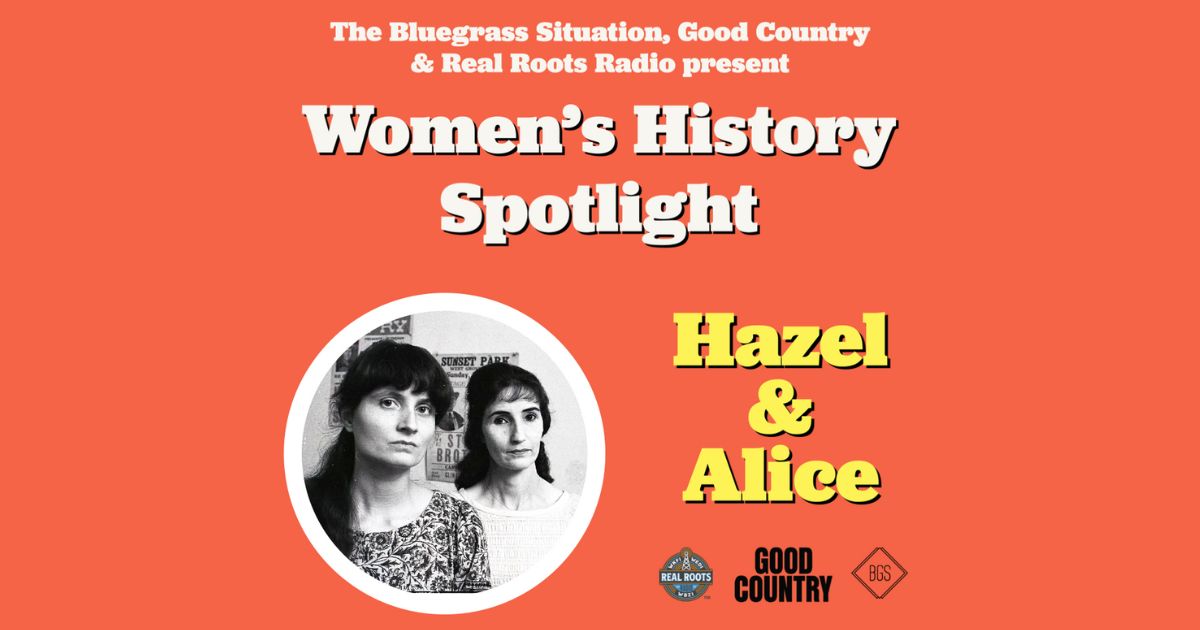
Women’s History Spotlight: Hazel & Alice, Dale Ann Bradley, and More

March is Women’s History Month, and BGS, Good Country, and Real Roots Radio have partnered to highlight a variety of our favorite women in country, bluegrass, and roots music with our Women’s History Spotlight.

Each weekday in March at 11AM Eastern (8AM Pacific) on Real Roots Radio, host Daniel Mullins will be celebrating a powerful woman in roots music during the Women’s History Spotlight segment of The Daniel Mullins Midday Music Spectacular. You can listen to Real Roots Radio online 24/7 or via their FREE app for smartphones or tablets.

Then, we will have a Friday recap here on BGS featuring the artists highlighted throughout the previous week. No list is comprehensive, but we hope to feature some familiar favorites as well as some trailblazers whose music and impact might not be as familiar to you.

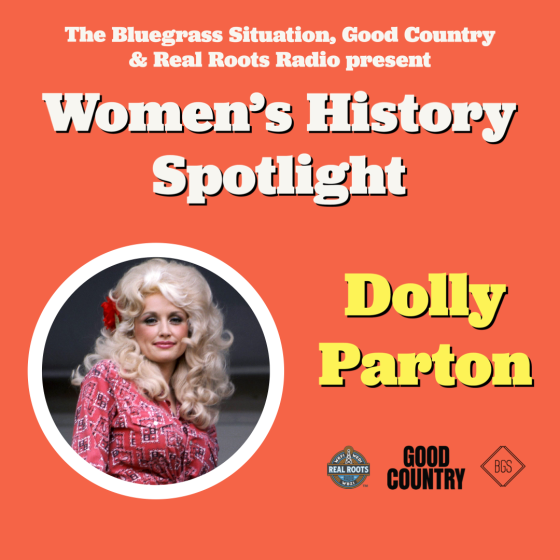
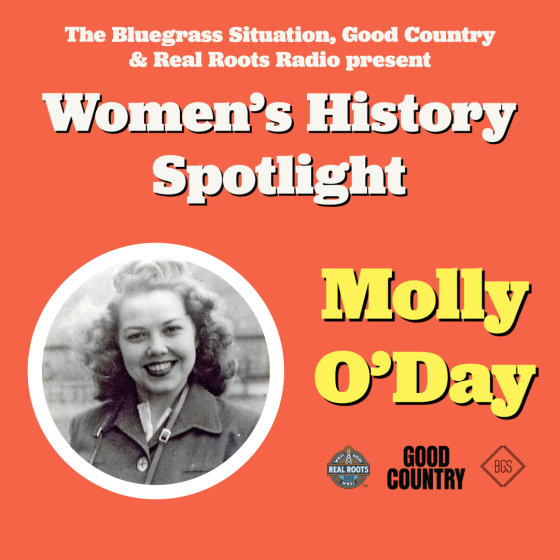
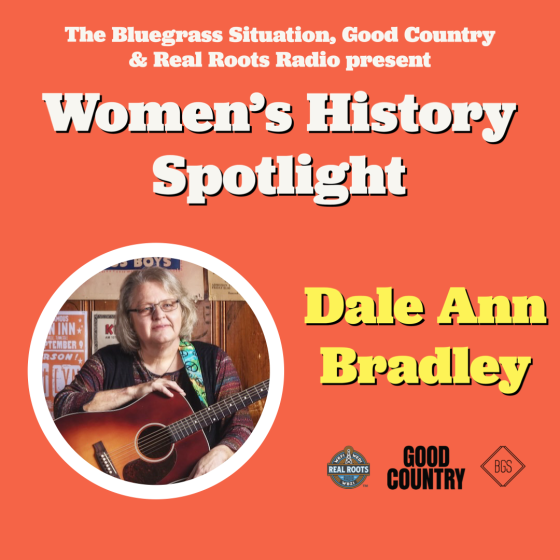
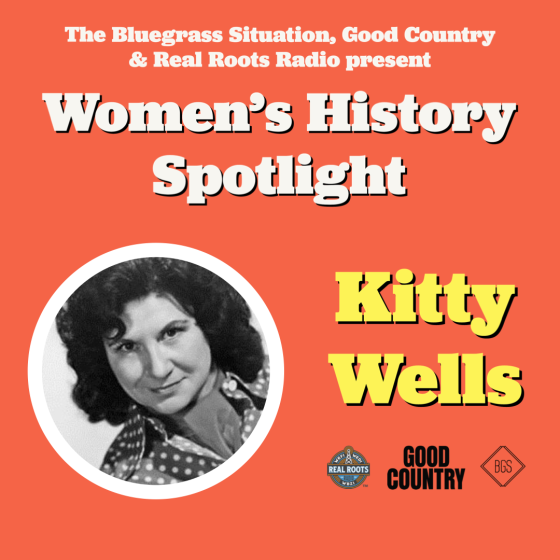
This week’s edition of our Women’s History Spotlight features musicians and artists like IBMA Award winner Dale Ann Bradley, the legendary Dolly Parton, Bluegrass Music Hall of Fame inductees Hazel Dickens & Alice Gerrard, early country hitmaker Kitty Wells, and Kentuckian-West Virginian Molly O’Day. Tune in next week for the final installment of our Women’s History Spotlight!

Dolly Parton

You knew it was coming. You can’t tell the story of country music (or American pop culture) without Dolly Parton. Growing up in Sevier County, Tennessee, she is not just the Queen of the Smoky Mountains, but quite possible the Queen of the Universe (if there was such a ridiculous title). Her rags-to-riches story will continue to be told and re-told for generations. Aside from her beautiful voice and philanthropic work (the millions of books that she gives to children through Dolly Parton’s Imagination Library is her proudest achievement), there are numerous other aspects about Dolly Parton that are remarkable.

Her business acumen is frequently praised, but it still bears repeating. Aside from her numerous endeavors (including Dollywood), it’s often worth remembering that she fought to regain control of her own career and decision-making from Porter Wagoner after her star began shining brighter than his scope of influence. (Remember, it was the ending of this business relationship that was the impetus behind Dolly writing one of her most famous songs, “I Will Always Love You.”) Call it a business decision or just genius, but Dolly’s ability to juggle embracing her role as an undeniable sex symbol and avoiding being labeled as “unwholesome” by conservative crowds has to be one of the most difficult tightrope walks in American entertainment.

Vanity Fair’s 1991 article “Good Golly, Miss Dolly did a deep dive into the dichotomy of Dolly’s role as a sort of clean sex symbol: “Dolly, in her openness, demystifies sex. ‘One of the things that makes the image work is that people understand that I look one way, but am another, that there’s a very real person underneath this artificial look,’ she theorizes. ‘It’s not like I am a joke. People can laugh at me, but they don’t make fun.’ … Indeed, Dolly Parton has become the billboard for sex without being the product itself.”

It is the way that she ensures that the “very real person” that is Dolly Rebecca Parton doesn’t get lost in the glitz, glamor, and boob jokes that is part of the reason why she is so endearing and universally beloved by folks from all walks of life; in a world where polarization is en vogue, Dolly is one of the few topics on which everyone agrees! She epitomizes the best of us.


Hazel Dickens & Alice Gerrard

Members of the Bluegrass Music Hall of Fame, Hazel Dickens & Alice Gerrard were an unlikely pair who blasted down doors for women in bluegrass. Hazel hailed from the mountains of West Virginia, while Alice was from across the country in Seattle, Washington. Alice attended Antioch College in Yellow Springs, Ohio, where she was exposed to folk and bluegrass music. While a student there, she helped coordinate bringing The Osborne Brothers to the Antioch campus, making history as the first major bluegrass concert held on a college campus! After college, she wound up in the D.C. area, becoming active in their flourishing bluegrass scene, where she became friends and musical partners with Hazel Dickens – who had moved to the region with her family to find factory work years earlier.

Hazel & Alice became some of the first female bluegrass bandleaders and recorded some classic albums for Smithsonian Folkways and Rounder Records before embarking on successful solo careers by the mid-’70s. With Hazel’s mountain sound and Alice’s more folk-oriented sensibilities, their music appealed to both traditional bluegrass fans and those who were being introduced to the genre via the Folk Revival. Their original material which highlighted a woman’s perspective were critical in bringing a voice to women in the bluegrass canon. Decades later, their music and legacy is still rippling across American roots music, with artists as diverse as Rhiannon Giddens and Dudley Connell still celebrating their influence and impact.


Molly O’Day 

Born Lois LaVerne Williamson, country pioneer Molly O’Day was born in Pike County, Kentucky. She would become a popular radio star in West Virginia by the early 1940s, eventually leading Molly O’Day & The Cumberland Mountain Folks. Her band crossed paths with Hank Williams on the radio circuit and Molly even sang quite a few of his songs on radio and later in the recording studio. Molly learned “Tramp On The Street” from Hank Williams and it would land her a recording contract with Columbia Records. (Fun Fact: Her band at the time of her first Columbia recording session featured a young Mac Wiseman on bass!)

In an era when the term “hillbilly music” was still commonly used, Molly’s music, retroactively, could have country and bluegrass labels applied to it. Her powerful voice felt just as at home on an ancient balled like “Poor Ellen Smith” as it did on soul-stirring gospel songs like “Matthew 24.” By the early 1950s, Molly and her husband grew weary of life in the limelight and essentially retired from the music business, both dedicating their life to ministry. She would record a few gospel albums for some small record labels in the ensuing years, but her final album was released in 1960. She would pass away in the late 1980s, but she left a mark on country music and earned the respect of her peers at a time when the list of female country pioneers was relatively short.


Dale Ann Bradley

Revered as one of the most heartfelt bluegrass singers of her generation, this Kentucky songbird’s career started in earnest as a member of the Renfro Valley cast in her home state of Kentucky. The Renfro Valley Barn Dance was an extremely popular barn-dance style radio program in the 1930s and it spurred the creation of Renfro Valley as a country music entertainment destination in Kentucky. This helped kickstart the careers of folks like Steve Gulley, Jeff Parker, Dale Ann Bradley, and more by the 1990s.

While at Renfro Valley, Bradley would eventually join The New Coon Creek Girls, one of bluegrass’s only “all-girl” bands at the time, and aptly named after The Coon Creek Girls, a pioneering female string band of the 1930s who also started on The Renfro Valley Barn Dance.

Dale Ann’s soulful voice, largely influence by the Primitive Baptist tradition which she grew up around, quickly gripped the bluegrass world, leading to a successful solo career for the last three decades. In addition to recording songs that hearken to those familiar with mountain people and mountain ways, the appeal of Dale Ann’s voice has led her to adapt songs from outside of the genre to her style of bluegrass, tackling tunes from Tom Petty, Bobbie Gentry, The Grateful Dead, Jim Croce, and everyone in-between! Her diverse material has led me (and many others) to the conclusion that no matter the material, if Dale Ann is singing it, I already know I’m going to like it!


Kitty Wells

Hailed as the original Queen of Country Music, Kitty Wells hit a massive reset button on the role of women in country music after the massive success of her breakthrough hit, “It Wasn’t God Who Made Honky Tonk Angels.” Written by J.D. Miller, it was penned as the antithesis of Hank Thompson’s hit, “The Wild Side of Life.” After writing the song, the search began for a woman to sing it. Kitty Wells had pursued a country career, to little avail, and had essentially consented that maybe it wasn’t in the cards for her, when she was contacted to record the song. “It Wasn’t God Who Made Honky Tonk Angels” would become the first Number One hit by solo female in country music history, and its status as one of the most iconic country songs of all time only grows.

This explosion of success led to many other hit records by Kitty Wells, and opened the doors for those who would follow in her wake like Jean Shepard, Loretta Lynn, Dolly Parton and more! You can’t celebrate Women’s History Month without honoring the gal who famously sang the line, “It’s a shame that all the blame is on us women!” (Still kind of bummed that Margot Robbie didn’t sing that line in Barbie. Seems like a missed opportunity to me!)

As an added bonus, here’s another cool version from 1993, where Dolly Parton, Loretta Lynn, and Tammy Wynette recruited Kitty Wells to join them on a new version of this country classic on their collaborative album, appropriately entitled Honky Tonk Angels.