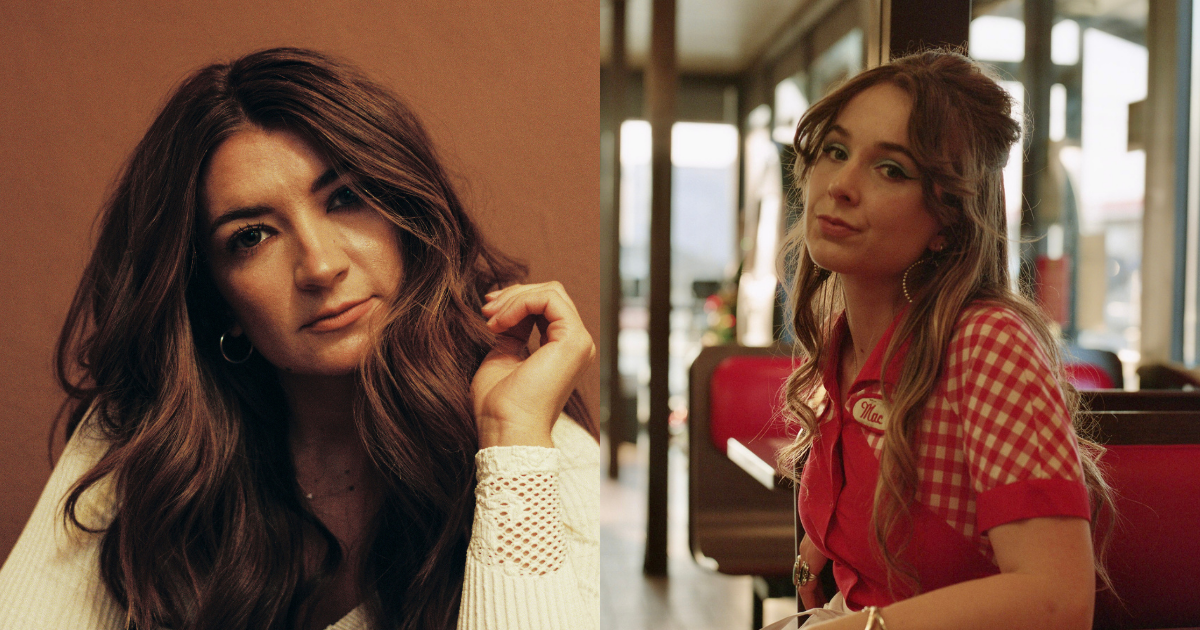
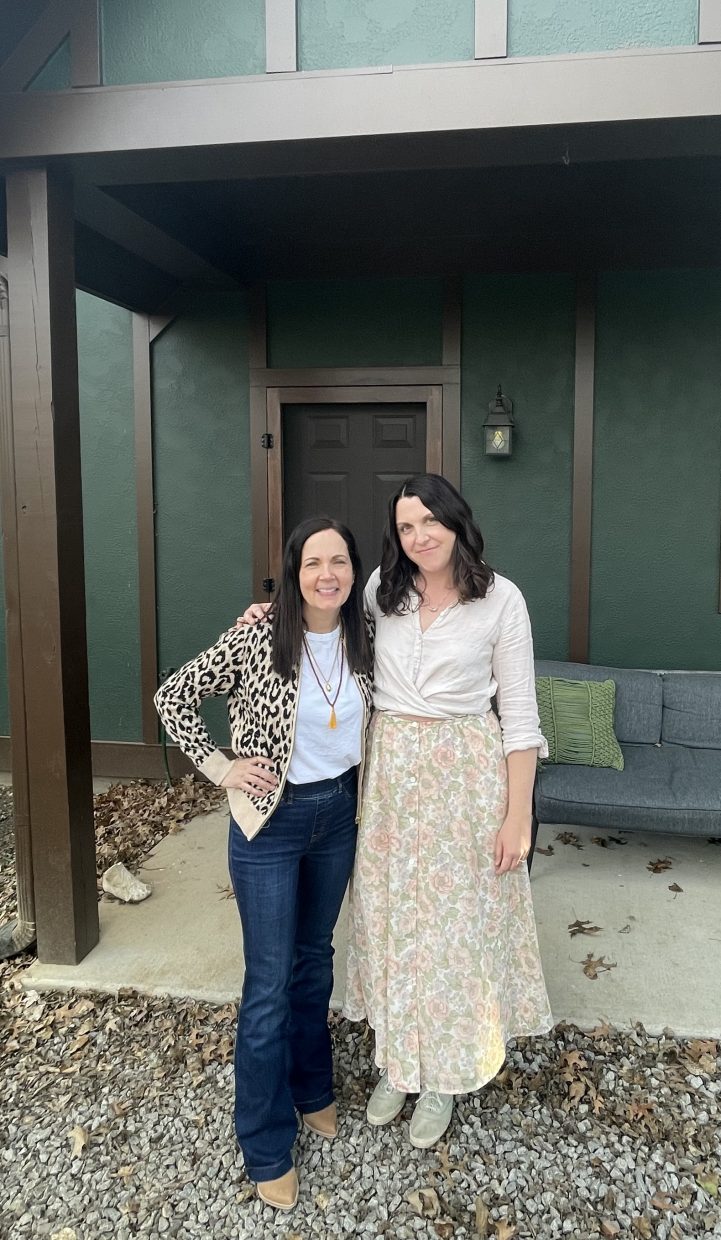
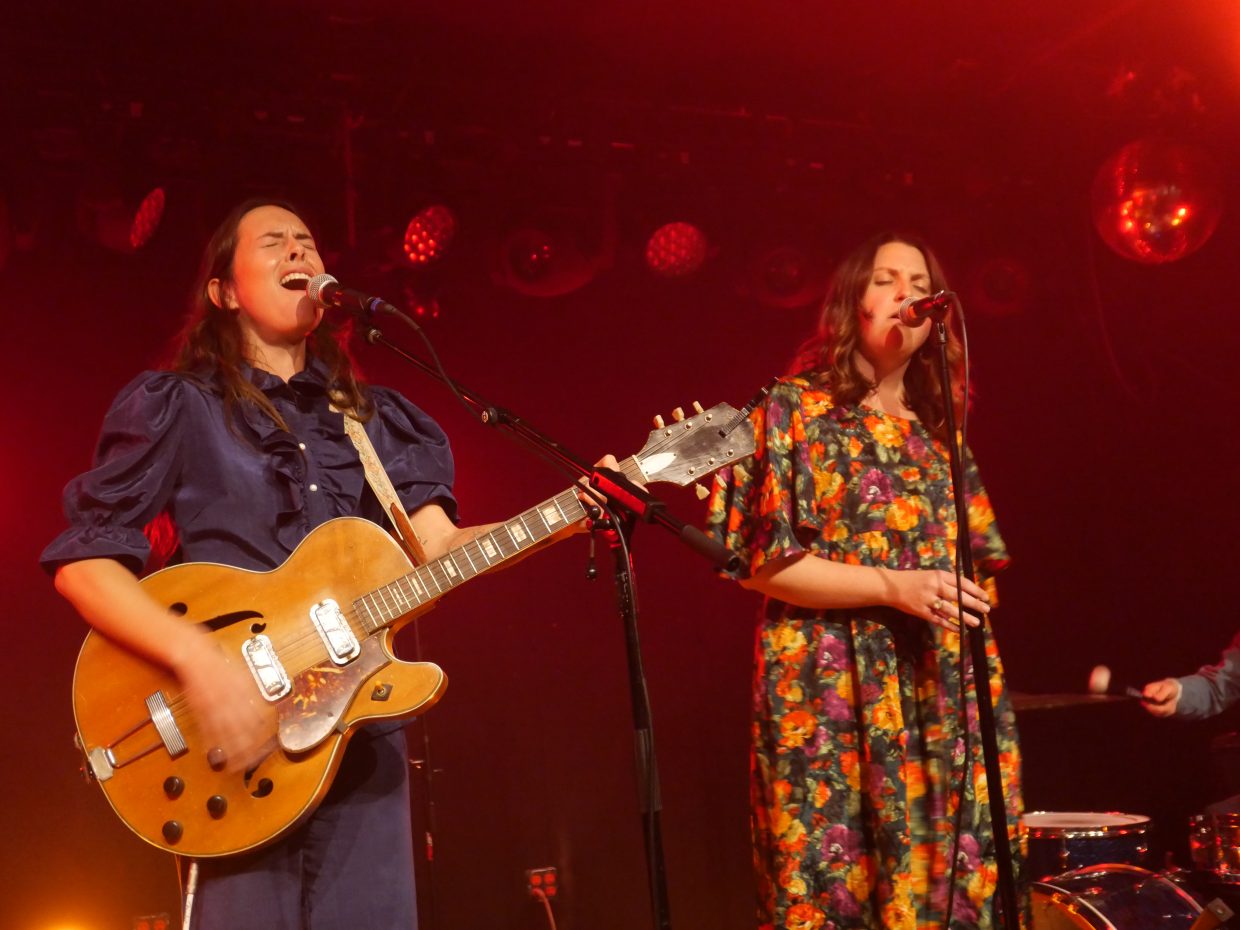
Matt Smith is a living legend with his unbelievable 30-year run at Club Passim, the historic folk venue nestled in a Harvard Square basement. Currently in the role of Managing Director at Passim, Matt is the most passionate music lover I know. He has used his platform at the club to help establish artists like Lori McKenna, Anaïs Mitchell, Lake Street Dive, and so many more. I met Matt while working as a student at WERS 88.9FM, where he brought fantastic shows to a listening room filled with people who were clamoring for honest music in an intimate space. He’s been a very good friend and mentor to myself and thousands of musicians since he began his tenure at the club in 1995.
In honor of Matt’s 30th anniversary at Passim, we brought two longtime friends on the pod to talk to him about his role in the Passim community – and beyond. Musicians Edie Carey and Dinty Child join us in conversation with Matt; he shares advice he would give his younger self, we chat about what a vacation without music would look like, and his incredible memory. That memory is tested in our lightning round where he answers Passim trivia (almost 100% correctly). There’s also a discussion about what Matt is most proud of in all his years at the club: the campfire. festival, which takes place every Memorial Day and Labor Day weekends featuring sets in-the-round of mostly unknown new acts. I would imagine if you’re listening to this episode of Basic Folk, you either know Matt or Club Passim. Hello to all our friends and I hope you enjoy this window into one of the best people we’ve ever known: Matt Smith!
Editor’s Note: Each issue of Good Country, our co-founder Ed Helms shares a handful of good country artists, albums, and songs direct from his own earphones in Ed’s Picks.
Suzanne Cox (of the GRAMMY-winning bluegrass band the Cox Family) and her son, country singer-songwriter Brandon Ratcliff, are taking the internet by storm with their lovely and tender familial harmonies. Their duets have racked up millions of views and likes on social media, leading to a new EP, Mother/Son Volume 1, and a recent appearance on the Grand Ole Opry. Those voices!
You may have seen, I’ve had the good fortune of getting to spend a lot of quality time making a film – and doing plenty of banjo pickin’! – with Rhiannon Giddens recently. Since shooting An Ode to Mary Jo together, I keep going back to Rhiannon’s catalog of recordings and cannot get enough. This duet with fiddler Justin Robinson is from her most recent release, 2025’s What Did the Blackbird Say to the Crow. Fantastic old-fashioned, down-home fiddle and banjo music drawn from North Carolina.
I’m with I’m With Her, too. One of our favorite trios in Americana and bluegrass released a brand new live album today, Sing Me Alive, packed with 20 tracks captured at performances across the country and in Canada. Many familiar favorites can be found alongside cover songs and tracks they’ve never released before. Here, they’re joined by Ye Vagabonds in Rocky Mount, Virginia, on “Rhododendron” in November of 2025.
Our Good Country and BGS Artist of the Month, Tenille Townes, released the first full-length album of her independent era last week. As she describes in our exclusive Artist of the Month interview, she took a much different approach to recording this music, doing most of the tracking herself, alone. The songs are deep, meaningful, and cathartic – and damn good. But it’s not an entirely solo album, as I’m With Her (how perfect) and Lori McKenna both feature on tracks. Hear McKenna join Townes on the title track, “the acrobat.”
Our old pal Charlie Worsham is back at it – though he truly never stops. A sideman, radio and podcast host, session player, songwriter, and artist, Charlie does it all. He’s got new music of his own out and the GC team can’t wait for more. As he usually does, he’s once again calling on his superlative cohort of friends in Music City. On his most recent single, “They Never Do,” it’s Lainey Wilson joining in. From some teases on social media, though, we’re expecting many more special guests on Charlie’s outings in the future!
Listen to this issue of Ed’s Picks in one YouTube playlist here.
Listen to the full Ed’s Picks archive playlist here.
Want more Good Country? Sign up to receive our monthly email newsletter – and much more music! – direct to your inbox.
Photo Credits: Suzanne Cox & Brandon Ratcliff by Chase Hentges; Rhiannon Giddens by Karen Cox; I’m With Her by Alysse Gafkjen; Tenille Townes by Madison Rensing; Charlie Worsham courtesy of the artist.
Editor’s Note: Earlier this month, we shared our exclusive Artist of the Month interview with Tenille Townes exploring the many factors and creative processes that brought about her excellent new album, The Acrobat.
That interview, with BGS contributor Alison Richter, included many more golden moments and special tidbits that ended up cut for length, so we’re excited to share portions of those edits here as a bonus follow-up to our feature conversation. Below, enjoy Townes’ insight, wisdom, and feelings about her songwriting methods, collaborating with Lori McKenna, trusting herself at the helm of her new album, and more.
And, continue exploring all of our Artist of the Month coverage of Tenille Townes – and our Essentials Playlist – right here, on Good Country and BGS.
Songwriting
I have a notes thing on my phone that I’m always picking at. I also have random voice notes in my phone from airplane windows. There’s something about the perspective of zooming out. I think about songs differently up there, so there’s plenty of voice memos of me singing into the window seat with the hum of the engine.
Songwriting is so interesting because it calls you to be present in the moment. When I’m more present, I notice songs around me anywhere. It’s the gift of paying attention. I push myself to keep working on that, striving to notice what’s happening around me and how I feel about it. That’s what inspires me to keep writing.
Working with Lori McKenna
I love Lori so much. Talk about somebody with lived experience, and also she has this way of completely disarming any sort of fear. Obviously she’s a legend. She’s a hero to me. She’s been that forever. When I first moved to Nashville, I saw her play a round at the Bluebird [Cafe] and I was like, “I want to write songs like that someday.” I dove into her whole catalog and learned so much from studying her work. There’s such vulnerability to her writing and there’s so much she isn’t afraid to say. She’s paved the way for so many writers. We’ve all learned from her.
I’ll never forget when we got to write for the first time. I was so nervous, but she made me feel at home and listened to and valued all the things. I had the best day. A lot of times people will say, “Be careful about meeting your heroes.” That could be the farthest thing from the truth about Lori. She’s over and beyond what you would expect. From that, we struck up a friendship and have gotten to write a ton of songs through the years.
She invited me to Boston and I got to spend a few days with her, writing in her music room. I loved every second of that trip. A lot of the songs on this record came from that time with the two of us together. She was always so encouraging about my work tapes. She was like, “You should really make a record of that someday.” So it’s full circle to me to have some of our songs together on this project.
It made sense to extend the invitation, in case she was up for singing on “the acrobat,” and she ever so graciously said yes. It was such a great experience getting to work on that with her. She starts singing as the fortune teller in the song. She enters around that line, which is such a timely entrance because she’s got this perspective of wisdom that comes from lived experience and from somebody who’s a complete master of the craft. I respect her so much, and I’m so glad to call her a friend.
I was maybe four or five songs in. Honestly, if I’d sat down at the beginning of it and gone, “I’m gonna produce a record,” I’m not sure I’d have ever started. I had so much fear and anxiety at that time – that plan never would have worked. But it’s like this record guided me along its way.
I got a few songs done and sent it to a producer friend I’ve worked with in the past. I was like, “This is something I’m excited about. Who should I get to mix this or would you want to maybe guide the rest?” He was like, “I don’t think you need anybody. You should see this through. This sounds wonderful. Just follow your gut and enjoy the ride.” That was so encouraging to hear in that pivotal moment. I kept going and I really enjoyed the process beyond that point.
I think I’m hardwired … in my family system and everything I was always the peacekeeper, and it’s in my nature to make sure everybody else is okay. It was really strengthening to not have to check on anybody else in this process and to trust my own compass again. I’m glad I gave myself permission to do that, but it was never the initial plan.
The Challenges of Self-Producing
Once I decided I was doing it, I had reached the part in my healing, my mental health journey, where I was starting to recognize that the imperfections of this project were actually where the magic was. I think the music guiding me [toward] that was a little bit of a spiritual letting go. That’s the practice.
One of the themes in this record is letting go. Even making it was a practice of that and going, “I could do that fifty more times and get it perfect, or I could accept that I think it sounds beautiful and human just like that,” and that’s what I did.
“she plays the piano”
This song is so special to me and it’s been a special one to me for years. I wrote it with Lori McKenna, Alex Stacey, and Amy Wadge over Zoom during the pandemic. I remember finishing it and going, “This song is so special. I don’t know when its moment is going to be,” because it wasn’t quite in the vibe of what I was releasing at that time. But I knew the song would tell me when it was time and I’m so glad the time is now.
The idea came from visiting my great-grandmother at her nursing home. She was there for close to 10 years and was on the Alzheimer’s and dementia ward. It was so tough, especially watching my grandmother. She went all the time, and watching her with her mom in that space was devastating. The fact that she didn’t recognize any of us or know where she was, that she was always time traveling, that was heartbreaking to have a front row seat to.
We went to visit and have lunch one day and there was this woman, this other patient, in the cafeteria. They had a keyboard, and at lunchtime she would sit and play this polka over and over. This sweet woman couldn’t tell us her name, she had no idea where she was, but she could play that polka like nobody’s business. She’d play the song and then glance around her shoulder and wait for us to clap. We’d cheer every time. It was like she played Carnegie Hall or something. We would applaud her and then she’d turn and face the piano and start the song over again.
I sat there, as a teenager, thinking how music can remember who we are even more than our mind can sometimes. That’s such a powerful thing. I’ll never forget witnessing that. I’ve wanted to write that song for a lot of years, so I’m glad it’s a part of this project. I think of that sweet woman and my great-grandmother every time I play it.
When Good Country spoke with award-winning singer-songwriter Tenille Townes in 2024, she had severed ties with Columbia Nashville and claimed her autonomy as a recording artist. It was a tremendous, liberating step into the unknown.
This month, Townes releases her first independent project, The Acrobat. Over the course of its 10 songs, she transparently and hauntingly channels the healing journey of the past two years – one that intertwined heartache, isolation, a plunge into depression, and the long road back.
She recorded The Acrobat at home, in the company of her beloved dog Sam, played all the instruments, and produced and mixed the tracks. This wasn’t the original plan, but as the work tapes progressed, she found catharsis in the honesty of the stripped-down vocals and guitar. This, she decided, was the album, and the best way to bring it to audiences was to perform it the way it was recorded.
She is now on The Living Room Tour, again with just her vocals and guitar, for intimate performances across the U.S. and her native Canada – with one exception: two dates with the Calgary Philharmonic Orchestra on April 23 and 25.
“I’m working with Dave Pierce, who’s arranging the shows,” she says. “He has written musical interludes between the songs that will accompany the storytelling pieces of what I’m doing and connect it all together. Hearing these songs in a completely different light has inspired me. Thinking about the magnitude of that many people onstage, it’s going to be emotional hearing that wall of sound all around me. It’s unlike anything I’ve ever done.”
You moved from Alberta to Nashville in 2013. Who were you then and who are you now? How has Nashville changed over 13 years and how has Nashville changed you?
Tenille Townes: I still feel that the spark for music, the love for it, the complete joy is intact, and I’m grateful for that. Nashville, as a community, has obviously grown so much and taken on lots of different lives in those 13 years, but the heart of the community feels the same to me.
What drew me to Nashville initially was the creative community, the writers, the songs that are created there every day, and this group of people that creatively have each other’s backs. I still love the heartbeat of that town so much. It’s a little harder to get in to see rounds at the Bluebird [Cafe] these days, or things like that, but the spirit’s the same.
When I first got to town, I was so wide-eyed and just [full of] complete optimism. I had this belief that anything’s possible, everything to prove and nothing to lose, and that tenacious… maybe naivete helped me kick down some doors and get things going.
A lot of the dreamer’s expectation is to show up in town, get the deal, and try to find a tribe of people who believe in what you’re doing. I had such an amazing experience finding wonderful people who believed in it with me, and we had a great run. But the deal is not the finish line. It’s where the whole new page of the dream begins, and I feel like a different person now experiencing the other side of that.
There were a lot of beautiful highs and a lot of hard parts in that journey and losing myself for a while. I feel this return to that same “everything to prove, nothing to lose” situation I started with 13 years ago. So it feels good to be getting back to that feisty energy.
How did the cumulative effect of those years and experiences bring you to this point professionally and personally?
I think it’s just life lived. It’s the experiences of finding out that sometimes the picture we paint in our minds of how we think it’s going to be is completely different than how it turns out. Sometimes that’s for the better and sometimes that’s way harder.
Also I think about cumulative experiences, and about the places I got to travel because of music. Touring around the world, playing shows for people in the U.K. and Australia, and they know the second verses to songs I’ve written. That’s such a crazy thing to think about. My experiences on the road have definitely grown my capacity for seeing a community of music that’s bigger than your own backyard, and I love looking at music like that. It makes the world feel smaller in the best way.
It’s been a lot of experiences. It shaped this record I’ve just made, because for a while I lost my footing a little bit in going, “What artistically is my vision, and what do I want to say in these songs and talk about?” I had certain expectations that were like a moving bull’s-eye, and I got a little lost for a while. When I let that rest, I got back to the art of the truth of the matter, just songs I love that tell stories that are important to me.
I ended up making this record sitting in this spare room of my house, next to my dog. It’s this return to creatively tuning out all the noise around me and getting back to the truth underneath. All the experiences led to my hunger for that sparseness and return to self and that feels good.
You pursued every artist’s dream of a record deal, captured the dream, and walked away from the dream – which can be done in this DIY era. Still, it’s a breakup of sorts. Two years later, what are the lessons learned from being signed and from now being independent?
It really is a breakup of sorts. It’s this group of people that were working towards the same common goal beside me. We had such great experiences together and we moved a lot of mountains in our time together. But it got to this point of, “I think I’m losing myself in this.” It is such a unique opportunity right now, the power being back to the people, and being able to post something and have people get excited about it. There is the opportunity to have that freedom to make my own green lights for releasing music anytime it feels creatively right for me.
It took me a few years of unwinding from that structure and that system of how things used to be. There was a lot of heartache in that, a lot of feelings of failure for a while, and eventually busting out of that. I feel like I’ve gotten to this other side, where it is freedom and liberation and, “I get to do whatever I want now.”
With the label, we’d done vinyl before, but never this way. We launched this album online and I had this feeling in my gut that it needed to be a vinyl project. People got excited about it and it blew past all my expectations. I had planned to try to sell 300, which would have beaten my past goals. We launched it and I told the fans, “I’m doing this independently. Make this leap with me. You guys have been believing beside me for so long.” They totally embraced it. They took the leap and we sold over a thousand copies in one weekend of announcing the record. Feeling that support, I was like, “Wow, I feel so much more capable and able to take the leap into the unknown without the safety net of that system.” Feeling this supportive community behind what I’m doing, it was incredibly encouraging.
The Acrobat is obviously a deeply personal album, as are all your albums. You’ve spoken openly about your battles with mental health challenges, but as relates to this album, how was your mental health going into the creative process, during the process, and now?
I made this record in the heart of the mess and a lot of these songs were written in a really dark place. But I do feel, even though it’s a cliché to say this, the more I worked on this project, and the more I felt the liberating side of the freedom coming back to me, the better my mental health got.
This record was quite healing for me and the fact that I produced this myself and played everything on it was a moment of going, “I’m capable of doing this. I got this.” That feeling was really helpful in my mental health space. I didn’t seek out producing my own record and doing it this way. I started just making guitar vocals of some of my favorite songs that had never seen the light of day, so I could decide which ones to take into the studio for the next record. I got a handful done and I was like, “Wait. I really love these just like this. What if I did this myself? What if I recorded it here and made a record that’s really sparse and vulnerable and messy?”
I’ve never done that before. I’m not a master engineer of any sorts. A lot of the imperfections of this record, the truth that people can hear through it, are due to my limitations. None of these vocals are tuned, because I don’t know how to do that. It was a lesson in letting things be not perfect and that was helpful for my mental health, too. Coming to this place of, “I like this as it is,” and finding that strength on my own two feet again to be okay with that.
All in all, this record was a healing experience. I finished it and had this feeling of an exhale. So much of what I’ve walked through in the past few years is very much in the theme of these songs. There’s also this passage of time that I have a new appreciation for. Stepping back and looking at things from a different way and getting back to more vulnerability helped me see. I think that through line thematically is connected to being in a better state of mind as well.
Whatever happens to this record, I’m excited that people will get to hear it, and hopefully these songs will take on entirely different lives and meanings to other people. What I love about music is it’s so open for everyone’s own experiences, but the thread of emotion that runs through them is the same, and that’s something we can all hold on to together. I’m excited for the invitation of that, and whatever life it takes on beyond is great, but just the experience of making this record was so healing for me. That is a victory in itself, and I’m really grateful for that.
Is it paramount to find co-writers who understand your work from lived experience? What is your vetting process for opening up this way to someone who is going to have their input in your material?
Lived experience is so much a part of that, but also I have to feel safe around those people, to show up and be exactly who I am. There’s something disarming about a great co-writer who’s happy to sit with you in whatever you’re processing, and vice versa. Being a good co-writer means being a great listener. A lot of empathy has to be present, to me, in co-writers.
I’ve gotten to write songs with so many people through the years, and I’ve learned something new from every person. I’m always trying to be a sponge and soak in what somebody’s habits are, how they get past the little blocks that pop up in your mind, or how they keep diving in and not settling until you have complete peace about a line. Everybody’s got their own ways of doing that.
But, to me, it’s just feeling safe to really share the truth. That’s the vetting process. Sometimes that takes a few times and sometimes it happens on the first time. Music is such a magical mystery to me. I could sit with someone I’ve never had a conversation with before, but there’s something unspoken in the room, where you’re like, “Here’s what I’m going through,” and the other person is like, “Yeah, I’ve been there. Let’s talk about this. How can we unpack it?”
The song has its own agenda in the room, too. It’s this thing you can’t quite articulate, but when a song is supposed to be written, I believe it will be. I love getting to find out the characters that will help me pull out those songs. Sometimes it’s trusted friends and sometimes it’s complete strangers. It’s all such a magical thing.
On the Bobby Bones Show in 2024, you said every full record gets a new “time capsule” guitar. What’s your newest?
This album is an LG-2, and I love it. I’ve not had a Gibson before and it’s been so fun to play. I got this guitar a couple years ago, thinking that new music was a lot closer than it ended up being, so this guitar has been waiting in the wings for its moment. I wrote a lot of these songs on this guitar because it was on standby.
After I got to the point of “I think this is an album,” I was like, “I need to tattoo this guitar. It’s a match.” I met up with my friend Lewis Lavoie, who’s an incredible muralist painter in Alberta. I brought it to him and shared the different symbols and themes of the record. It was like, “There needs to be hands letting go.” There’s some azaleas from one of the lyric lines. “The Acrobat” is represented by a petal that turns into a bird, and that leads into “In Love With The Sky.” Every song has its moment on the guitar canvas. It’s a trilogy of the guitar time capsules I’ve made. I’m excited to take that one on the road.
How many guitars do you have?
I have two Martins that are tattooed as well. One was for The Lemonade Stand and one was for Masquerades, and the back was for Train Track Worktapes. I also have a Gibson electric that I love to play, an old D-28 that I love playing at home, and a Taylor 912ce that I got for my high school graduation. My family all wrote their names on little pieces of paper and tucked them into the case and I felt like I headed out into the world with this guitar in hand and all their love and support with it. My grandparents bought me my first guitar. It was a parlor size, not a Sears catalog guitar, but something close to that. It’s at my parents’ place in Canada. That was the first guitar I ever played. The stories that come with the guitars mean so much to me.
Does the guitar play as much a part as the lyrics in terms of expression and what you need to say?
Yeah. It’s really hard for me to separate the two. A lot of people will write the music and then write the lyrics. I respect that process, and I’ve written a couple songs that way, but to me, they really feed each other. I can’t hear the space for the melody and how many words need to make sense for it without the guitar laying that out. They’re like threads completely woven together. I enjoy taking away all the noise to leave space to hear how the guitar and vocal would interpret a song. That’s always the truest form to me. That’s the way I started as a kid, just playing songs in my room.
How do you protect yourself mentally and emotionally when you perform these songs?
There’s an exhale once the song has been recorded, and in the live experience it becomes so much more communal. I feel like my job up there is to hold open doors. Songs have ways of helping us sit inside the rooms in our hearts that are terrifying to go into alone, and the live experience is very much part of the exhale. It doesn’t hurt to relive it onstage as much as I might think it would, because it’s a part of something bigger.
I’m very nervous for these shows because there’s nothing else to fall back on. I’ll miss my band very much. I love those guys, so it’s going to be very different. But it feels timely for this creative season I’m in right now, and I think it will help me continue to build that intuition back even stronger. These shows are more of a living, breathing thing because it is just me up there. It’s going to be a two-way street with the audience and it will be a way for us to maybe chat a little bit, take some requests, and be less locked to a grid that five or six people are working towards the same goal on. It’s just me and the audience, so I’m pretty excited for that.
You posted a video last year in tandem with Mental Health Awareness Month, in which you said that you “came to a whole different low” the previous year and “depression doesn’t care how much you had a grip on positivity and gratitude.” What was different about that low, and how did you claw your way out?
It’s a process. There were a lot of personal changes in relationships for me, career shifts, and feeling a different kind of alone. The unending joy that music has always given me – it was such an indication that something was off, because that light was really dimmed. That was scary, because that has never gone away.
I consider myself a pretty positive person. I grew up learning tools of how to stay looking on the sunny side and all those things. But there’s also an avoidance of the truth that builds up over time, and that all caught up to me in that space, a lot of the people-pleasing tendencies and this realization that I was taking matters into my own hands again.
There’s such waves to it. Everybody’s experience with depression is different, but it’s this big scary thing to talk about because it is really scary. It’s dark. It’s so lonely and isolating and hard. I love when I see other people talk about it. It’s like, “Oh, I’m not the only one. Okay, good.” This is a part of the human experience, and we have to lean on each other to be able to know that it’s okay to feel that low sometimes and you’re not the only one.
I tried medication that helped and got me to a base level where I could go, “How else can I keep chipping away at this?” It’s not easy. It was an incredibly slow return of every day waking up and trying to have the right intention to take a step in a better direction for myself. So going for walks, trying to hit a certain amount of steps every day to keep my body moving, eating healthier foods, and being able to have friends that I force myself to check in with and be honest with.
Those things are not easy for me at all, but it’s part of the process and it definitely helps get me to this place. At that time I wasn’t creatively doing anything. Once I got a little bit better, I was able to start working on this record, and that really helped me continue the mental health journey.
How long were you in that dark place?
It was probably six to eight months of really dark. But I think it had been brewing for a long time and I had been denying its existence and covering it up. So it was a buildup, and then a slow, gradual return from there.
Was this your first experience with depression?
It was my first time acknowledging it for what it was. I think I’d experienced it before, but I hadn’t given myself permission for that to be okay, to be the truth.
Was it tough to record that video and say it publicly?
It was tough, for sure, but it also was part of the exhale. It was scary to make the video and press the button to post it. I didn’t want to do that, but after I did, the encouragement from the community and people reaching out going, “I have dealt with the same thing,” or “This helped me because I have been feeling the same way,” or whatever the responses, it’s like we give each other permission, and that encouraged me to do it, because I do love the community of people. It’s been a long ride, and I felt like I needed to be honest with what I was dealing with. It was powerful and encouraging to see that other people felt the same. It made a really lonely and isolating time feel a little less lonely.
Your awareness of and empathy for youth shelters, food banks, homelessness, the ills of the world, and now mental health, goes back to your school days, when you wrote a song from the perspective of a daughter whose father was in Afghanistan. Feeling so deeply for so many about so much, it’s easy to overload and spiral when you’re carrying everybody else’s struggles along with your own. How do you take care of yourself and find balance?
I don’t think I balance that very well at all, which is why I struggled for a long time. To me, it’s always keeping a connection to something greater than all of us. There’s different phases of what that’s looked like in my life, but that is what intuition is, just listening to that guiding force. If I keep that in check, then my compass tells me what to hold on to and what to let go of. When that “check engine” light is on, I know I’ve got to pay attention and get back to that.
I’m still learning what that balance is, and I don’t have all the answers at all, because I do feel things quite deeply. Maybe that’s an empath thing. I think that’s also part of being a creative and part of being a writer. You have to soak things in and feel them to a certain degree for it to become real in your own interpretation, so that you can write about it. Keeping those channels open is important to me, but I’m still learning ways to protect my own heart in that process.
Music is a big part of your healing, but dog lovers also understand canine therapy. Tell us about Sam.
Sam is 6. He is a pandemic baby. I found him on Petfinder and got him from a rescue in Illinois. He’s been my buddy ever since. He’s coming with me on tour. Because it’s an acoustic show, it’s a smaller crew – just my tour manager, my sound guy, and Sam and I – so Sam’s able to come on his first tour. I’m pretty excited about it.
Sam gets an unwritten executive producer role on this project, for sure, an emotional support credit. I’d be lost without this little guy. He brings me so much joy, but also a dog will force you to be present and in the moment. They need to go outside right now. They need to go for a walk. They need to get out of bed in the morning because they’re hungry. This beautiful creature is a constant reminder of showing up as your most authentic self in every moment. Sam is the perfect example of that.
They’re also such intuitive creatures. In some of those really dark times, he just knew. He would come snuggle right up beside me and put his little chin on my knee like, “Hey, I got you.” I’m so grateful to know and experience that kind of unconditional love from this beautiful little guy. There’s nothing like it.
When people listen to The Acrobat, what do you hope they learn about you, and maybe also about themselves, through your songs?
I hope they hear the courage it took to get to this sort of honesty, and that they feel permission to stand on their own two feet as well. This returning to autonomy, and this ability to let things go and embrace change, even when it’s hard and feels like the worst thing in the world, I hope they feel comforted that somebody else knows what that feels like and that they’re not alone.
That’s always the greatest mission of my music. I hope it helps people feel a little less alone, and that’s definitely one of my hopes with this record. I think there’s a lot more humanness when we talk about these things. That’s what I love about music. It opens the door for those conversations.
Continue exploring our Artist of the Month coverage of Tenille Towneshere.
(Editor’s Note: This article originally published on Good Country in December 2024. At that time, Good Country content was available exclusively on Substack.
Townes was included as part of our end-of-year coverage in 2024, examining how many country artists across the continent have blurred genre lines to connect with new audiences and plumb greater depths of self-expression. Jewly Hight spoke to Townes about her recently becoming an independent artist at that time and together they examined where she stood and where she was headed.
Now, on April 10, 2026, Townes will release the first full-length album of her independent era, The Acrobat. To celebrate, we’re naming her our Good Country and BGS Artist of the Month. And we’re re-sharing this piece from the archives to kick off the month. Below, enjoy an excellent interview on our website for the first time and check out our Essential Tenille Townes playlist. Dive into our brand new feature interview with Townes on The Acrobat and a special bonus article of Townes in her own words.)
“Genres are a funny little concept, aren’t they?” Linda Martell poses rhetorically during the spoken intro to “Spaghettii,” roughly halfway through Beyoncé’s western epic Cowboy Carter.
“In theory,” Martell goes on with sly poise, “they have a simple definition that’s easy to understand. But in practice, well, some may feel confined.” Martell knows what she’s talked about. She endured all manner of efforts to hem in her musical sensibilities and diminish her agency back when she was country music’s most visible Black, female talent.
And now, because she lent her voice to a track where Bey and Shaboozey go hard with down-home boasts over a lurching beat, she’s up for a GRAMMY for Best Melodic Rap Performance. Other tracks from Cowboy Carter are in pop, country and even Americana contention, a staggering range of styles for one project to cover.
That’s the kind of boundary-blurring year it’s been, with Shaboozey translating country gestures and imagery to broody, contemporary hip-hop cadences with tremendous savvy and both Jelly Roll and Post Malone furthering their paths from rap origins to ever more fully embracing – and being embraced by – the country music industry.
Things haven’t been any tidier on the rootsy side of the spectrum. After being treated like a pop prodigal during her Star-Crossed era, Kacey Musgraves’ shimmering, urban folk revival-echoing ruminations on Deeper Well have been received as a country homecoming of sorts. Noah Kahan has helped bring on a resurgence of cozily folk-forward, singer-songwriter sensibilities in pop music.
A major country record label snatched up the Red Clay Strays, the type of crowd-pleasing, Southern blues-rockers that have long been celebrated in the Americana scene, where many other pivotal voices – first Allison Russell last year, then Sarah Jarosz, Amythyst Kiah, Adeem the Artist, Kaia Kater and others – experimented with lusher or more polished arrangements and production aesthetics in their latest work.
Tenille Townes offers us a particularly compelling example of an artist charting her course against the background of that extreme slippage between genre lineage, stylistic markers, and industry affiliation. She tried the major label country route in 2018, greeted as a promising new voice at a moment when the broad appeal of Kacey Musgraves’ Golden Hour ruminations made the industry a little more receptive to artists with a personalized, writerly bent, and she’s emerged independent on the other side. In her mind, being unfettered in a time of great genre fluidity is cause for optimism.
Townes began her tenure on Columbia Nashville with spare acoustic recordings, and concluded it this year in similar fashion. She was, and remains, an ardently openhearted singer-songwriter, bent on tapping deep veins of empathy whether she’s in observational or confessional mode. When I first interviewed her, it made all the sense in the world to hear her say she felt a kinship to singer-songwriters like Patty Griffin and Lori McKenna. It also struck me that Townes’ singing – curling syllables and stretching out lines with feeling, a style sometimes called “cursive” singing – was far from the hearty enunciation for which country music has been known.
In between then and now, Townes dropped an album that bore a super-producer’s digitally sharpened touch, won a pair of ACM awards to go with the pile of honors she’s received from the Canadian Country Music Association – which began to recognize her promise when she was a teen with dreams of pursuing music beyond Grande Prairie, Alberta – and she toured with big country names like Miranda Lambert and Dierks Bentley. Townes also faced enough professional hurdles, and observed enough changes in the landscape around her, to reconsider where her songs might belong. And I very much wanted to hear about that.
You’re presently on tour in Canada, aren’t you?
Tenille Townes: I’m having the best time on this run. It feels like a community at these shows. We’ve done a few tours through Canada at this point, but this was our first time going as far east as we did. I feel like live music in general is a little bit more scarce over there. They don’t get as many people making the trek. And so [I could feel] the appreciation.
They sold out the shows so fast and they’re singing all the words. And very quietly listening intently and leaning in a really vulnerable way. And then also having a blast and being loud, which is so cool to me, for it to feel like a living room and a rock club at the same time. That’s been such a big part of my vision.
I don’t know how far out you planned this tour, but I wonder if it’s become an important chance for you to return to your home turf, regroup and get reinvigorated.
Yeah, it honestly feels really essential in my creative journey. I could not be more grateful for the way the timing has aligned this year for this moment on the road. It feels like the ingredient that I’ve been craving. In January, I’m going to be so ready to dive in with my whole heart and make [the music] I’m going to share next. I don’t think that the recipe could have ever been complete without this tour in this moment. It feels so timely, because so much of this past year has felt terrifying.
And just standing on my own two feet as an artist again, pretty much entirely, I feel so excited and grateful to be making this leap into the arms of these people showing up at the shows who are so excited about this new chapter. And it’s such a wave of encouragement to go, “Oh yeah, I think I’m on the right path, doing the right thing.”
How is it different from when you’ve toured the U.S., in terms of headlining versus being an opener, the size of venues and how you’re engaging with the audience?
There’s been a lot of theaters for us on this run, which have a bigger capacity than some of the clubs that we’ve played in these towns before. It’s our first time playing a handful of these [places], but this is our third headlining tour in Canada.
What I noticed that’s different is when it’s our shows and our community, it just feels like people show up with open arms and they’re requesting songs that I haven’t played in so long. They know the deep cuts. They’re showing up excited for a night of feeling whatever they need to feel. And I think that emotional permission feels different at our shows than it does at a show where we’re a guest [in the opening slot] going to make some new friends. And it’s been really cool hearing from people that were like, “I saw you on the Dierks [Bentley] tour and this is our third Tenille show.”
One thing I always say at the top of the shows is I want our time together around my songs to be a place where everyone who walks in the door feels safe to show up and be whoever they are and to feel embraced and welcomed for that. And I thank everyone for buying a ticket and for showing up as that community. And I really feel like they’re embodying what that means.
Years back, I took note of the fact that Corb Lund had what was considered fairly mainstream country success in Canada, but he played Americana events when he came to Nashville. I’m curious whether you’ve seen folk, Americana and country are treated as separate genre categories in the Canadian market, like they are in the U.S. How do you tend to get categorized in Canada?
At least from my experience, it feels different to me. Because in Canada, I have been really grateful to have felt super embraced by the country community, by the CCMAs, by country radio, by the community of people listening to country music. And we have fit in that bubble there. And I don’t know that we fit the same way in the States.
I relate to what you’re saying about Corb Lund. I think maybe the lane is just not as narrow in Canada. And I think that they’re just more in it for live music of any capacity. I think most fans [who come see me] would be like, “Oh, I’m at a country show.” Which is funny because when we play shows here, that doesn’t necessarily feel the same. I do feel like the Canadian country music community definitely jumped on board with what I’m creating. And the music [I release in both markets] is very much the same, so it’s so strange.
I will say that the people coming to our shows, our headline club shows that we’ve done in the U.S., they feel very similar, like-minded people to me.
You’re a little more than a decade into your Nashville tenure at this point. Why is it important to you to stay?
Even though this town has a lot of jagged edges or hard things about it, I really do still feel inspired here. I feel like there’s a tapestry of artists who have come to this town with their dream and worked at sharing their art and building a group of friends and people around them who support that. I have a front row seat, you know, going to an Emmylou Harris fundraiser at City Winery and watching all of these people that she’s embraced in her life that she’s written with or jammed with that’s really a legacy.
I love this community, and I do feel inspired musically, having access to so many songwriters and musicians and producers. There is a heartbeat to this town that I want to continue to be present in and be a part of for sure.
I can picture the show that you were just describing. The atmosphere was very similar at the tribute to Mary Gauthier during Americanafest, a multi-generational gathering of Nashville’s singer-songwriter community.
When we first talked all those years ago, you described being an astute student in Nashville, paying particular attention to singer-songwriters like Lori McKenna and Patty Griffin. At the time, you considered them touchstones because of how they used the language of the heart in their storytelling.
In terms of their career arcs, their material’s been recorded by big names in country, but as respected as they are among songwriting connoisseurs in that world, they’ve had contemporary folk careers as performers. They’ve often released their music on independent labels. Were you also taking note of what their professional paths have looked like? Or are you now?
I honestly don’t know that I was conscious of it back then. It was just the music that I loved. I don’t think I even had an understanding of the choices made on an artist’s path to stay true to that route.
I’ve learned a lot in the last handful of years: “Oh, that makes sense why a certain path, like Patty Griffin’s, unfolds in a certain way.” I never thought of it as a ceiling or an alternate route. It just was where the music had taken her. That’s been inspiring to me.
I never want to look at any options of teams to work with or whatever with any closed-doors feelings. I would love to play the music that I make in stadiums. That’d be great if that still unfolds that way. But I also just really want to tell my stories and my truth, and whoever is going to come as the audience, that’s amazing to me. The idea of seeing it as a wider horizon than maybe a stereotypical path, that doesn’t seem scary to me. I think that’s because I’ve looked up to people like Patty or Lori, people who have always stayed true to what they’re doing and figured out the path there regardless. But I don’t know if I’ve ever actually intentionally thought about it that way.
Your intention has been clearer than ever this year. It wasn’t lost on me that the final two songs you released earlier this year, before you parted ways with your label – “As You Are” and “The Thing That Brought Me Here” – each were expressions of commitment to staying the course. What did you want to communicate?
I love that you noticed these themes. At the end of that journey, “As You Are” felt like such a great theme to end that season on. There was lots of resistance [from the label] in several years of working on music and getting to a point of actually getting to put it out. But that song always had a green light from them, which I really appreciated.
I wrote that song thinking it was about showing up and being a support system for someone. I had friends in mind that I was thinking of. It was just like, “I will be that safe place.” And then listening back to the demo after the [session] on the drive home, I was like, “No, I wrote this ‘cause this is what I want to hear when I’m struggling to let somebody in.” That’s been something that I’ve felt even in my professional journey for sure, just wanting to feel seen.
It really seems like you’re the one communicating on your own TikTok. In recent months, a lot of your posts have been about celebrating your professionally “single” era. When you shared the news that you were no longer in your major label deal, you framed it as a breakup that you were happy about. What felt right about striking that tone?
It felt honest. It was a lot building up to that decision, and it was not easy, and it was terrifying. All of those emotions were a part of it. I just felt like, “I can’t continue to share the music I want to make if I’m not letting people in on my process of that vulnerability, even when it’s hard.” Making those videos felt scary, for sure. But that just feels like the kind of artist that I want to be, to walk the walk.
Also part of my intention was, “This is something that creatively feels really empowering to me, to take back the ownership of my music.” And for any young girls out there, I want them to know, “That’s a possible feeling for you, to stand up for yourself at any moment in any kind of career, or on any path of your life.” It’s brave to take that step. And I guess I just want that invitation to be there for anyone following along.
And I want to bring together the community of people. Like, it is an “independent artist,” but I think it should be called a “community village artist,” because you can’t get your stuff out there without people believing in what you’re doing and coming with you. I wanted it to be very clear that we’re in this together. We’ve always been in it together, but it feels very defined to me now. And I wanted to make sure everyone knew that.
And now we have the benefit of accumulated perspective, so I want to reflect back. At the beginning of your label journey, what was in the atmosphere at the time in Nashville or the country music scene in the U.S. that contributed to a sense of possibility for you?
At the beginning, it was excitement. And [I] look back and think, “How crazy cool that I got to be a part of a major label deal that let me put out a debut single about homelessness, and then follow it up with a song called ‘Jersey on a Wall’ about losing someone in a car accident?” I’m so glad they gave me a chance to put out songs that were different and that sonically didn’t sound like a sure bet. I will always appreciate that. And it set me up with so many people who heard this record and the songs because of the way that they helped lift it up.
So I have nothing but love for that season. It might not have hit the thing over all of the world’s fences by any measure of what you measure as success. But to me, it’s a win to think that I got to share that art and that people found it and that they get to keep finding it because of that.
Years back, you told me that in one of your initial meetings, when you played some songs in a boardroom, the head of the label compared you with Jeff Buckley, which was a funny thing. In hindsight, I think that kind of speaks to the fact that you were bringing a sensibility as a singer-songwriter that might’ve been a little bit outside of their frame of reference.
And maybe the Jeff Buckley comparison – as much of a stretch as it was – was a gesture of someone who lacked the frame of reference or language for what they were hearing. Because the way you elongate your vocal phrases and hold onto lines is more akin to the “cursive” singing style that’s been a thing in indie music, folk, pop and R&B than in country, with its crisp enunciation. What kinds of conversations did you have about what you were doing, how they heard it and how they thought it fit into that world?
It is really fun to reflect on that. I definitely think from that initial meeting, they were going, “This is something that doesn’t necessarily fit in what that normal trajectory would be.”
I think that has been the compass that’s directed it a little bit left of where things would traditionally fit coming out of the system that they’re used to. I think they knew that all along. And at moments, that definitely made things a little bit bumpier or harder, because it wasn’t something that naturally made all the sense in the world, I don’t think. And I’m totally great with that.
I revisited the body of work that you released on the label, and I didn’t hear you bending your songwriting approach, singing style or artistic identity to any kind of mold that was really popular in country music at the time. What did it take to maintain that?
There was never an intention of, “Okay, that’s mainstream, so I’m closing the door to that.” I’ve always felt very openhearted in the writing room. It’s just what was coming out of what I was making that I loved the most. The Lemonade Stand came out in 2020. Then I wrote the songs for Masquerades all on Zoom in my house by myself. It was a time when I didn’t feel as much outside influence of commerciality. I was just honestly writing to express something and feel better.
We certainly, production-wise, had moments of trying to be strategic about what kind of things might — I don’t know — reach more people or something, or sonically be something that could be more mainstream. So there wasn’t a lack of strategy in that. I just had to follow the songs, I think.
On TikTok, you’ve shared clips of songs that you’ve had in the can for years that you said the label didn’t want to release. How did the disagreements over your artistic direction begin to emerge? And what was at stake for you when they did?
I think the biggest rub maybe was being able to plan far enough down an artistic vision, because it was just like, “We’ll see how this one does.” And the targets just kept moving. Mentioning putting out an EP or a record was scary. They were like, “No, we can’t. We gotta just take it one step at a time.” So I think that became the hardest thing, and where a lot of songs fell through the cracks, because we didn’t hit certain measures to be able to go to the next. We still found ways to push through and get music out. It just didn’t happen in a guaranteed, planned-out manner, necessarily.
What brought you to the place where you were ready to part ways?
I could feel it building for a while, for sure. And when it came to the point of putting out “As You Are,” there was a group of songs that were ready, and we were just getting resistance on putting out more than one or two out again. And honestly, they came to us and [said], “I don’t think we can put out the rest of these.” And it was like, “Okay, I think it’s time to go.” It wasn’t like I’d arrived at this place of courage. Circumstances were like, “Okay, I think the arrows are really pointing that this is the moment to take the leap, and I’m just going to do it.”
What did you see yourself as leaving behind and moving towards instead?
The idea of taking back ownership of what I create and jumping into this place of freedom in the sense of less hoops to get through to actually get songs to people. I think creatively, I needed change as well.
I’m so proud of that whole journey. I have no regrets, but in a lot of ways, it’s like the metaphor of having a [limited] number of crayons in your hand and trying to make a picture out of that. I felt I wanted the whole box back. I never felt like I was trying to create something to fit within [the industry], but I do feel like that kind of a system can’t not have an effect on what you’re doing creatively. I feel this freedom in my hands. What do you do? That’s a whole other process that I’m in the middle of right now, trying to figure out exactly what I want to say and how I want to sound next. It’s so liberating, and it’s also just, “Oh, this is up to me now.”
When you look back on it, do you think that label partnership was no longer the right fit for you, or that the mainstream country marketplace that it exists in was not the right fit for you?
I don’t know. I think maybe a little bit of both. But mostly, I think the major label system just ran its course for me. And I feel open to whatever team there may or may not be in the future. I wouldn’t write that experience off ever again. I think it just depends on the season I’m in creatively and what people are behind it.
What’s funny to me is looking back on the history of country music, the things that have [at certain moments] laid on the outside have actually [become] pillars of what’s created the format that we love and know. So it doesn’t scare me to [say], “I don’t actually feel like I belong in what we call right now the mainstream of country music.” I’m just going to do my thing and whatever we want to call it later, looking back, it’s fine with me.
Earlier we were talking about the singer-songwriter ecosystem that’s long existed in Nashville and has amorphous boundaries – those songwriters play their own intimate shows and write for bigger names in other lanes.
But there’s been far more visible crossing of boundaries than that this year. We’ve had pop superstars going country, and Kacey Musgraves – who never fully left her country label, but was viewed as drifting towards pop – made a folk-pop album that’s gotten her country awards nominations again. And then there are artists like Noah Kahan. I know you’ve expressed admiration for what he does. He’s been having great success with songs that are grounded in folk, but he exists in the pop world – and yet he’s also gotten Americana and country nominations. Have you been looking around you and taking note of how other artists are transcending genre boundaries?
Yes, and it feels so encouraging to be like, “How about you just make what’s you?” And then, what if there are different categories of music lovers who want to listen to stories and songs and voices and actually don’t care what sticker you put on it?
[As for] Noah, that’s just songs that are speaking to people at such a loud volume. I don’t know what you call it, and it doesn’t matter. Longterm-wise, I think Brandi Carlile’s path is a flashlight, to have something that’s just evolved with her as an artist and fit in so many different places. And I think about Patty Griffin. Even somebody like Billy Strings, Marcus King, I think is incredibly inspiring looking at all of these people who are not sticking to one lane.
You are actively narrating the decision-making process for your audience and frequently discussing what it looks like to be an independent artist, what that means, what your aims are, what challenges you face. From what I’ve read, you’ve kept some important parts of your team, management and publishing, but other aspects of the model have changed. What do you feel are the most significant differences in how you’re operating at the moment? What do you most want people to know about your present reality?
I think the biggest shift is how much making videos is a part of actually getting a song to be heard at all. And the creative output of just trying to make noise in a place that’s got way too much noise going on, the internet. That’s the most overwhelming thing that’s very different than what I thought it meant to be a singer-songwriter and write songs and tour.
I’m trying to balance the creative output of constantly being like, “Hey, I’m over here. This is what I’m working on.” And also making sure that my soul is in a good place, not just spinning on a hamster wheel, so that I can make something that I’m really proud to stand on in my life.
I’ve heard that you are working on new music. Are you broadening your circle of collaborators?
Yeah, definitely. I’ve been reaching out to people I’ve not written with before, people I’m just fans of their music and [asking], “Hey, let’s write or let’s get together and just jam.” And then I’m in the stage [where] I’m always writing. I’m at a point where I have a lot of songs and I’m trying to just zoom out and go, “Which ones are speaking the loudest to me?” The theme for me right now is very much about betting on yourself and getting to the heart of the matter without everything feeling too heavy and serious.
I’m at the spot of taking song inventory and trying to make some new friends and keep writing, and working on what might be next.
Won’t it be wild if you have an album that is on a Canadian country chart and then in the U.S., is on Americana and folk charts, the same collection of songs?
I think it’s possible. I believe it is. I love you putting that out there. I’m declaring it right now.
The expression of music is going to fit differently in different places. And I think that’s more possible in the landscape we’re in now than it ever has been.
Read our 2026 interview with Tenille Townes on her brand new album, The Acrobat, here.
Want more Good Country? Sign up to receive our monthly email newsletter – and much more music! – direct to your inbox.
Photo Credit: Lead image by Madison Rensing; inset image by Robert Chavers.
It’s Friday and it’s new music time! We’ve got a few things on the slate that you simply gotta hear.
Starting us off, quickly rising bluegrass up-and-comer 16-year-old Asher Brinson gives us a sneak preview of his upcoming single, “Midnight Hurricane,” the title track for an album the young songwriter and picker has set for release in early April. “Midnight Hurricane” features Sierra Hull on mandolin and Lindsay Lou on vocals – and Brinson more than holds his own among the talented roster on the track.
Also in bluegrass sounds, Jesse Smathers turns the clock and calendar back to the primordial musical ooze before bluegrass with his rendition of “Take A Drink On Me.” The track was inspired by Charlie Poole and the North Carolina Ramblers, with whom Smathers shares a hometown. As the artist and mandolinist puts it, “This tune is a prime example of early popular dance music” – the kinda stuff that inspired the earliest bluegrass artists like Bill Monroe, Earl Scruggs, and many others. In the hands of Smathers and his band, it’s a bluegrass song fit for any era.
There’s Good Country to enjoy below, as well. Mac Cornish unveils a new track, her cover of Ian & Sylvia’s “Trucker’s Cafe.” You can almost catch the glint of bright sunshine off a chromed truck stop diner listening to the tune, lush with pedal steel and honky-tonkin’ guitar. The boot scootin’ track was recorded in Nashville and produced by Andrija Tokic.
To round us out, Tenille Townes returns to the site with “The Acrobat,” a contemplative and resonant song featuring another of our favs, Lori McKenna. “When you’re barely hanging on it’s easy to let go,” Townes sings, her voice rich with emotion and conviction. The song is the title track for Townes’ upcoming album, set for release in April, and is a fitting nexus point for the LP. “After losing my way for a while,” Townes shares with BGS, “this song felt like such an important anchor for this album.” You can watch the brand new music video for “The Acrobat” below.
Take a scroll and enjoy your listen – You Gotta Hear This!
Asher Brinson, “Midnight Hurricane”
Artist:Asher Brinson Hometown: Newport, North Carolina Song: “Midnight Hurricane” Album:Midnight Hurricane Release Date: March 6, 2026 (single); April 3, 2026 (album)
In Their Words: “When Chris Henry and I got together to write, I told him I was having an ‘off’ day and he said to let it flow – say whatever was on my mind. Those thoughts became the first line of ‘Midnight Hurricane.’ Growing up on the North Carolina coast, hurricanes have always just been a part of my life. And it seemed like they always hit at night! Midnight is quiet, but your thoughts aren’t, and hurricanes are like that — all of your feelings hitting at once. It’s a love story wrapped in chaos and after the storm, there’s a calm that makes you appreciate what’s steady and real. With Sierra Hull on mandolin and Lindsay Lou on vocals, this song instantly became one of my favorites. I feel like they both added just the right touch. While hurricanes unfortunately bring destruction, they also have a way of bringing people and communities together… to uplift each other, support, and rebuild.” – Asher Brinson
Track Credits: Asher Brinson – Guitar, lead vocal Cory Walker – Banjo Jason Carter – Fiddle Christopher Henry – Bass, baritone vocal Sierra Hull – Mandolin Lindsay Lou – Tenor vocal
Mac Cornish, “Trucker’s Cafe”
Artist:Mac Cornish Hometown: Currently Nashville, Tennessee, but grew up in the Bay Area, California Song: “Trucker’s Cafe” Release Date: February 27, 2026
In Their Words: “This single is a cover of the Ian & Sylvia song, ‘Trucker’s Cafe.’ The song is from their 1969 record, Great Speckled Bird, which they also used as the name of their newly formed band, including the likes of Buddy Cage and David Briggs. Ian and Sylvia are a huge influence on me because of their blending of folk, rock ‘n’ roll, and country – especially on this album and this song. The song is a subversive take on the trucking country fad of the 1960s and ’70s, taking the perspective of a heartbroken truck stop diner waitress. The vocals are distinctly folk with their vibrato and falsetto, but the instrumentation is all rockin’ country goodness with walking bass and ripping pedal steel. I’ve always said that the best year in music was 1969. This is one of the many songs I absolutely love from that year in music and it only felt right to record a cover and honor my influences. My cover was recorded in October of 2025 at the Bomb Shelter in Nashville, TN and was produced by Andrija Tokic.” – Mac Cornish
Track Credits: Mac Cornish – Vocals, acoustic guitar Charlie Fuerstch – Electric guitar Jeff Taylor – Piano Cooper Dickerson – Pedal steel Jack Lawrence – Bass Dave Racine – Drums
Jesse Smathers, “Take A Drink On Me”
Artist:Jesse Smathers Hometown: Floyd, Virginia Song: “Take A Drink On Me” Release Date: February 27, 2026 Label: Mountain Home Music Company
In Their Words: “Though my familial roots are deeply planted in Western North Carolina, I was raised in Eden, NC – the home of Charlie Poole. I spent my youth picking and competing at the Charlie Poole Festival there. The festival was held at Morehead Park, on the same grounds where the cotton mill Poole used to work at once stood. I heard the music of Charlie Poole and the North Carolina Ramblers ringing throughout my childhood. He, along with his bandmates, were some of the most prominent precursors to bluegrass stylings that came nearly 20 years later. Tales of Poole, Posey Rorer, and Norman Woodlief are still being told today, as you would expect, with larger-than-life personalities and musicians.
“I often imagine this scene: walking down Morgan Road in Spray (one of three small communities that made up Eden) in 1926 as a bystander and hearing the centric bounce of Piedmont Mill music in the distance. As I approach, I witness the North Carolina Ramblers sitting on a stoop sharing tunes and a jug of the best white liquor that the area along the NC/VA line is so notorious for. That sight is exactly what came to mind when recording this tune and what comes to mind when I hear it back. This tune is a prime example of early popular dance music. Hunter Berry on fiddle masterfully captured the necessary musical essences all while integrating his own spontaneous and playful liveliness. The same can be said of Corbin Hayslett who mixed in popping Charlie Poole banjo techniques. Whether it’s a Coke, glass of tea, a beer, or a jar of Shooting Creek’s finest, all you rounders get ready to party and ‘Take A Drink On Me’!” – Jesse Smathers
Track Credits: Jesse Smathers – Guitar, lead vocal Hunter Berry – Fiddle Corbin Hayslett – Banjo Nick Goad – Mandolin, harmony vocal Joe Hannabach – Upright bass Patrick Robertson – Harmony vocal
Tenille Townes, “The Acrobat” featuring Lori McKenna
Artist:Tenille Townes Hometown: Grande Prairie, Alberta, Canada Song: “The Acrobat” featuring Lori McKenna Album:The Acrobat Release Date: February 27, 2026 (single); April 10, 2026 (album)
In Their Words: “There’s an underlying whisper in this song saying you don’t have to make yourself smaller anymore, and it is my greatest hope that someone hearing this could believe it’s true. I have been navigating a return to self season in my life and reclaiming the belief that I don’t have to contort myself to fit what anyone else needs. After losing my way for a while, this song felt like such an important anchor for this album. Writing this song through the lens of a character helped me to hold enough distance from myself to be able to write the truth, and name the quiet damage that comes from performing, instead of just being.
“Lori McKenna has been a compass influence for me and it’s an honor to have her singing on this song we wrote together. I love how she enters the recording on the line about the fortune teller with all her knowledge, because Lori has been that voice of wisdom for me for years through her songs. The honesty in her lyrics and the way her voice holds emotional tension has given me permission to explore that kind of vulnerability in my own writing. I’m grateful for our friendship, and for the opportunity to share a love for the craft of a song with someone I am still so inspired by.” – Tenille Townes
Photo Credit: Tenille Townes by Madison Rensing; Mac Cornish by Mandi Fountain.
Caroline Spence knows better than anyone the importance of community in the roots music scene. Since her 2015 debut album, Somehow, the singer-songwriter has risen through the ranks with four additional solo albums including her latest, Heart Go Wild. Stylistically, Spence fits within the realm of Natalie Hemby, Aoife O’Donovan, Lori McKenna, and Mary Bragg, with a smattering of Mary Chapin Carpenter sensibility. She has garnered praise from both direct peers and industry giants alike. From signal-boosting her work online to recording her songs, many musicians and artists have used their platforms to give Spence a well-deserved spotlight.
Throughout the past decade, Spence has used these moments to nurture friendships within a thankless industry. “The acknowledgement and validation from artists that I respect have been vital in keeping the fire burning under me when parts of the industry have threatened to put it out,” Spence tells BGS.
“No ‘suit’ can convince me I’m not good enough when I have worked with my heroes and have the respect of artists I admire.”
Lori McKenna and Caroline Spence after recording “The Next Good Time” together. Photo by Jordan Lehning.
Reciprocated applause and mutual admiration prove essential to building relationships, in addition to contextualizing an artist’s music within the scene for those fans who may not be familiar. For example, Miranda Lambert has enlisted countless lesser-known artists for her tours, including Gwen Sebastian, Ashley Monroe, and Angaleena Presley. These placements introduce her loyal audience to talent they might not have discovered elsewhere, thus giving those artists more name recognition.
Even more importantly, Spence finds these shout-outs and promotional spots to be her “life force” in keeping her inspired to push through trying times. “My primary goal has always been to be good at my craft and to get better at it,” she says. “To me, the most important judges of that are those who are masters of theirs, and it’s been deeply meaningful every time someone I admire has paid attention to, let alone praised, what it is that I do.”
In her career, Spence has tumbled into the orbits of countless artists who have shown unwavering support for her work. A big Hayes Carll fan, she covered his song “It’s a Shame,” from his 2002 album, Flowers & Liquor, early in her career and later toured with him in 2021 – a moment Spence describes as coming “full circle.” She’s also toured with John Moreland and Madi Diaz. In addition, she wrote “Heavy” with Carl Anderson for Andrew Combs’ album Worried Man and another song she wrote, “We Don’t Know We’re Living,” was recorded by Lucie Silvas, Brandi Carlile, and Joy Oladokun. “[Brandi] called it ‘a once in a century song,’” notes Spence.
Madi Diaz performs with Spence as special guest and opener on tour in 2022.
Despite not having a “game-changing platform,” as she puts it, she pays it forward by sharing “the work of my peers and what I am loving listening to. I think word-of-mouth from trusted personal sources is still the best way to get someone to pay attention to music.”
She takes a moment to shout out others, beginning with Ken Yates & Brian Dunne before mentioning several other artists she’s been listening to, including Angela Autumn (“Her song ‘Electric Lizard’ is intoxicating and reminds me of some of the tracks that made me fall in love with music in high school,” she says), Brennan Wedl & Mariel Buckley, and Danny Malone, “an incredible songwriter out of Austin that I recently saw at a house show in Nashville and was absolutely floored by.”
In our conversation, Spence names an additional six artists, from Miranda Lambert to Tyler Childers, who have uplifted her music over the years.
The National
“The fact that I have a duet with Matt Berninger is still completely insane to me. When I was in college in Ohio, falling in love with The National, I could have never even dreamed that I would cross paths with Matt, let alone have him sing words I wrote. I love that band, and his voice is legendary. It still feels unreal.”
Miranda Lambert
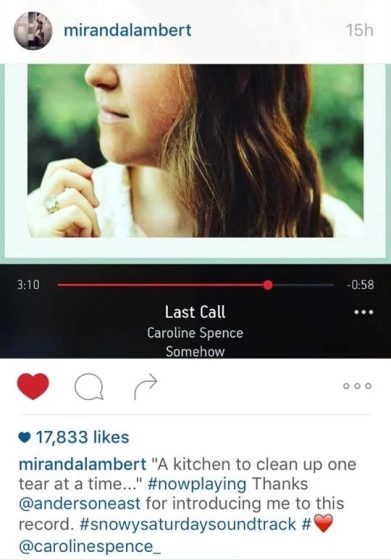
“[She] posted about my first record back in 2016, and that totally blew my mind. I had just been in the studio making my second record [Spades and Roses] and was questioning a lot, and that really felt like a sign to keep doing what I was doing. Part of my dream when I moved to Nashville was to write songs for her, so that was an incredibly validating moment.”
Miranda Lambert shared a Spence original, “Last Call” on her Instagram in 2016.
Lori McKenna
“Lori added my music to her monthly favorites playlists that she makes. She featured on a song we wrote together called ‘The Next Good Time.’ One of my biggest heroes and one of the people who inspired me to start pursuing this work.”
For our Artist of the Month feature, Spence joined McKenna for an intimate and engaging conversation. Read here.
Clare Bowen
“Clare recorded my song ‘All The Beds I’ve Made’ on her self-titled album.”
Tyler Childers
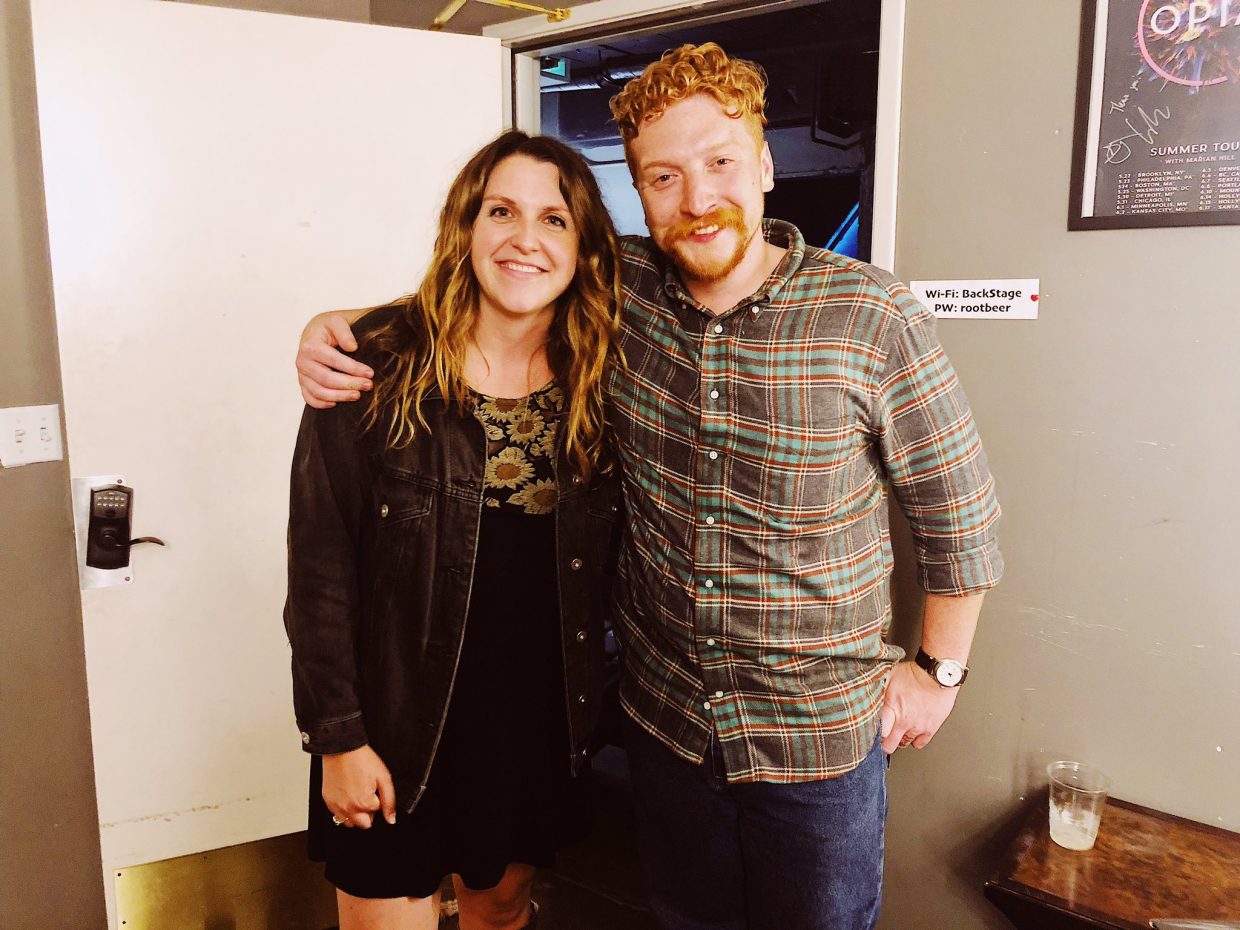
“I’ve known him since 2014 and he opened for me in early 2016 – a month after Miranda posted about my record, and she actually came to the show. I toured opening for him in 2017 and 2019. At some point, he posted about my album on his IG.”
Spence and Tyler Childers backstage together on tour in 2019. Photo by Jace Kartye.
Mary Chapin Carpenter
“We connected on social media and she eventually invited me to open some shows for her. A treasured memory was performing in the round with her at the Edmonton Folk Festival and her asking me to play ‘I Know You Know Me’ and her singing it with me.”
Caroline Spence and Lori McKenna are both lauded for writing songs that cut straight to the heart. In conversation, it’s clear they also share admiration and a generosity of spirit, offering insight into how a life built around family can both coexist with and deepen a life in music. The two met with BGS via Zoom to discuss Spence’s new record, Heart Go Wild, produced by Peter Groenwald, Mark Campbell, and Spence herself.
As Spence charts her first year of motherhood, McKenna reflects on building a catalog of piercingly honest songs while raising five children of her own. Together, they explore the mysteries of publishing, the influence of mentors like Mary Gauthier, and the butterfly effect of one songwriter’s choices on another’s path.
Their exchange drifts from songwriting craft to the role of co-writers in self-discovery into the bigger questions of life: how family and creativity intertwine, how community ripples outward, and how songs become offerings that carry meaning long after they leave the writer’s hands.
What emerges is a portrait of two artists at different points along similar paths, each proving that family life and creative life are not competing forces, but intertwined sources of inspiration and strength.
I know you two have a lot to talk about, but I’d love to start, if we can, with how you know each other? Did you know of each other musically first, and then how did you come to know each other personally?
Lori McKenna: I think the first time we met might have been at breakfast that time?
Caroline Spence: Right. I think that was another Bluegrass Situation connection. I think that was the first time I met you.
I had a good friend from summer camp and we would often trade mixes. She put one of your songs on a CD for me. I had already found Patty Griffin and was having my singer-songwriter love affair. That led me to The Kitchen Tapes, which led me to everything else. And I distinctly remember when Faith Hill cut “Stealing Kisses” and I thought, “Wait, that’s how that works?” I didn’t know what publishing was. I didn’t know how music worked in that way and that became a new little baby dream of mine that I carried with me: to write a song that was good enough that maybe somebody else would want to sing it. I feel like I would not be aware of the job that I have had I not found you, Lori.
LM: That is really cool. I remember not knowing anything about publishing, how it works and all that stuff, too. And I still feel like I know just a tiny bit more.
CS: I know, totally. It’s still a mystery.
LM: We were at a wedding over the weekend and my son Chris, who’s a writer in town, has his first single that he co-wrote that’s going to radio. So we were singing songs and at the end of the night, my brother was like, “Chris sold the song!” I’m like, “It’s not called selling the song.” He’s like, “Well, how does it work?” Nobody knows.
CS: Yeah, nobody knows. They just stream it now into the abyss.
LM: The only reason I knew anything was because of Mary Gauthier. I did know people who had moved to Nashville before Mary, but because I’m in the Boston area, they came back saying, “Yep, it’s very different.” It is very different in Nashville. I didn’t know anyone who had stayed before Mary, you know? I love being inspired by other people. I love it that that’s how life works, that you see someone else do something, and you’re like, “Wait! I can do that! At least I can try!”
CS: I’ve been thinking about that a lot lately, the butterfly effect, and how that happens within our community. Like, if Mary hadn’t done this, then this wouldn’t have happened for you, and if you hadn’t done that, then I wouldn’t have known about this, and I’ve been thinking about that as I’ve been in this creative community for a decade now. There’s so much stuff that you never know your little ripple is doing.
LM: The ripple is such a good word. It’s such a ripple, isn’t it? It’s crazy. We’re really lucky. I know you just had a baby, but the number of people that come up to me and ask, “How did you do this with kids?” Nobody told me that I couldn’t. I know stories of other artists that someone’s told, “You can’t do this and have a family at the same time.” I’ve heard those stories, but nobody ever told me that.
It didn’t seem impossible at the time. But now my son Chris has a baby. I look at them and I’m like, “Wait, how does anybody do that ever? How does anybody have a baby?”
CS: Man, some days it really feels that way. Most days it feels that way. No one ever said that to me either, but those are absolutely the cultural messages you absorb. There are certain gigs I might not get because of my familial obligations, but you just make your choices. And I’m not building my life around what I “might get.” I want to build my life around what I know I want to have. I just feel like all of that is gonna feed your person. You can’t starve yourself of these big, beautiful growth opportunities for some sort of potential. My life is bigger than my career, and I would like it to be as big as possible.
LM: And it’s crazy, right?
CS: Yeah, it’s nuts. Absolutely nuts. The fact that I got a shower this morning is a big win.
LM: Well, that and the fact you’re putting a record out!
CS: Yeah, yeah, and the record!
LM: You did good.
CS: It’s a little bit cuckoo, but it’s been done for a while. A lot of the heavy lifting was done even before I was pregnant, so that was an accidentally smart idea and we’ve just had to be strategic about everything else. I feel like there’ll be a lot of people who assume this is a record about marriage and family, which it’s not. I’m sure I will have that, but this feels like a record that’s more about the chaos before I decided I could do all that.
LM: From the minute I knew who you were, I’ve always loved the way that you express your feelings in such a way that makes other people be like, “Oh! I’ve felt like that! This song makes me realize that I’m not alone in feeling that.”
There’s something in the way that you write that is like arms are reaching out, but they’re also like, “I know you feel this way, too and it’s okay that we all feel this way.” I feel like that’s why music exists. For someone pulling over their car and being like, “Oh my god, okay, I’m not gonna die today because I just heard the song!” It is the biggest reason, the service of songwriting, as Mary Gauthier says. You don’t do it consciously, but it just is your way of doing it. It just seems so innate in the way you write.
CS: That’s so kind and means a lot to me, because that’s really how I feel about it. It’s been a progression. I started writing because I needed to get these hard things out when I was a younger person and as I started putting those out there, I would have conversations where someone would say, “I feel that way, too.” That kind of cemented in me to keep writing from that place, because that’s what music did, and still does for me.
What is personal is universal. I feel like someone smart said that before I did, but it’s so true. And Mary’s perspective of songs as a service resonates so deeply with me. There’s a quote I read when I was doing The Artist Way a few years ago that says, “The artist has to be humble, for he is essentially a channel.” To let the divine in, whatever it is, to flow through you, you have to get small and get in your humanity.
And when I’m feeling really in my head and when I don’t want to perform or I’m feeling self-critical, I think about what I’m doing as an offering, and it makes me feel better and more inside what I’m trying to do.
LM: I love the offering.
CS: People want to feel understood. As a listener, you want to find your soundtrack for your hard time or your good time.
LM: Well, congratulations on doing all this, because the record’s beautiful, as usual. You co-produced this whole thing, right? Did you always co-produce? Because this record seems, and I hate to use the word “rockier,” but it feels like it moves a little bit more. Was that intentional?
CS: I think a lot of that might sort of be a songwriting change for me. I feel like I’ve gotten better at translating what I’m hearing into the actual thing, so I think that’s a skill I’ve slowly developed from my slow folk songs for years.
LM: The transition is so beautiful. With the song “Soft Animal,” if I wrote that song, it would be just the slowest. It wouldn’t move the way [it does].
CS: It totally started on the page, too. It was very much like a poem. Sometimes I sit down to a piece of writing, if I’m going through my ideas, and if something’s sort of dead on the page, I’ll just start playing. That one was one where it sort of just came out that way. The clash of “Soft Animal” to something that felt really thrashy, the irony of that felt celebratory to me, and it was fun. That’s one of my favorites production-wise on the record.
LM: Oh, that’s great. When I work with a producer, you can tell. You can listen to the record and know that this is definitely different. But there’s been this really consistent line with you the whole time, which is kind of remarkable when you think about how much you’ve changed in life and as a person over the years. There’s this vibe that really just comes through where you can tell that you are a big piece of the production of everything.
CS: Thank you for saying that. That was actually a dealbreaker thing for me for this record, that I would only work with people who would give me a production credit, because I felt like over the years – and not to discredit the people who are credited as producers on my albums – but because of who they are as producers, it was collaborative, and there were times when I was making sure that my vision got to the finish line in spite of their initial instincts. I didn’t know it mattered to me until maybe I’d read some press that would bring that person’s name into it and it made me feel a certain way.
Producers are important because I think it’s really helpful to get outside of yourself and your own instincts, and to be challenged. But sometimes what’s helpful is to be challenged, and then you know exactly how firmly you feel about something.
For this record, I really wanted to know that it was collaborative from the jump. That felt incredible, and I worked with two people who had the best energy and a healthy sense of ego, and it was just really fun.
LM: That’s awesome. You come through. I’m exactly the opposite, because I can’t stand being in the studio.
CS: I understand that as well.
LM: I don’t know how you do it, because I literally only hear the song and what it sounds like when I sit at my kitchen table and sing it. People kept telling me over the years that I’d start to hear parts. So I am a person who needs producers… I’m just like, “Here are the songs.”
CS: Yeah, I’ve done that so many times, I’ve given a pile of songs and been like, “I don’t know what I made. What’s speaking to you?”
LM: Well, this morning I was listening to the album again, and I thought, “Oh, she’s gonna produce other people’s records someday.”
CS: That’s very kind and, honestly, a thought I hadn’t really had for myself, but I really did enjoy it. I think if I ever do that, it’s gonna be because of the experience I just had with these people that built up my confidence in that space. It was a lot of fun.
LM: You have this beautiful voice. I have an unpretty voice and you have a very pretty voice that you know how to use really well. You can say the hard things with that beautifully well-orchestrated production and then your beautiful voice, and it still makes you feel all the feels, versus I always feel like no matter what I sing, it’s gonna sound sad.
CS: I feel like a lot of the time I try to be like, “I’m not so sweet,” and grit up the production or avoid certain songs. I was self-conscious about it, which I think may be some internalized misogyny, because I have such a high female voice.
Speaking of songs being of service, babies and children come out singing, you know? It’s such a natural thing to do. We’re meant to do it. It’s joyous; it’s a release. And knowing the way it feels in my body to perform or really sing has changed the way I perceive my own voice.
LM: It is the first thing anybody knows how to do.
CS: Your voice has this wisdom to it. It kind of doesn’t matter what you’re singing; it sounds like you believe what you’re saying and you trust what you’re saying. You have this earnestness to your voice. If you were singing “Red Solo Cup” I’d be like, “That song means a lot to me.”
LM: I actually was at a round at the Bluebird [Cafe] with the Warren Brothers a couple of weeks ago, and they sang “Red Solo Cup.” I am so jealous of songs like that, because I could never write them.
In terms of writing for you, how have things changed since the baby?
CS: I haven’t had the same amount of headspace. My publisher held a sync camp and my mom came to town to help. I wrote for days straight and that felt really good to get back at it. As far as writing by myself, that’s just now kind of coming back.
LM: Is your son enjoying you playing the guitar?
CS: It’s a pacifying thing. I could put him in his playpen if I want to and mess around on guitar, and he’s super happy to listen. The other day, I was practicing for this Springsteen cover night that I got asked to do and I just started kind of riffing around. The flow started and that felt really good. I was like, “Oh, okay, it’s still in there.” I just hadn’t had the circumstances to put myself in the position where I’m visited by that energy. Being in creative spaces with others has been really nice right now, too, to slowly rebuild.
LM: When my kids were little, I actually wrote a lot. They all shared a bedroom and, after dinner, my husband would work on the house while I tried to sing them songs – sometimes terrible ones – or make up songs while they fell asleep. That routine gave me more time to write than I expected.
Two of my kids are songwriters now, though at the time they probably went to sleep just to get away from me singing the same line over and over. But honestly, if I hadn’t had that hour and a half every night with them, I don’t think I would have learned how to write. I wasn’t planning to be a musician. My children gave me the time and space to discover that.
By the time I had five kids, I started doing open mics. I never would have had the courage to get up there if I didn’t have my kids. They were my world, so if people didn’t like what I did on stage, I could always just go home and sing in the living room with them. That gave me the confidence to try.
CS: That balance is so important and it’s hard to reverse-engineer for people. If you move somewhere completely career-focused, you can get lost in that and miss the balance of family and partnership. I feel like any sense of longevity in life or career needs that.
For me, I’ve realized that to be a happy, well-rounded person – good partner, good friend – I need a rich family and personal life. Otherwise, my career just eats me alive. I think the reason you’ve been able to sustain your career and create a catalog of songs full of humanity is that you’ve always had that balance.
LM: Exactly. And it’s not just a woman’s thing. I know men who do it, too. But when you put family first, you have to say no to some things. You can’t always do that week-long tour, for example. But the things you say no to fade away; you don’t remember them. You only remember what you did. Instead, you stayed home and sat in the backyard with your kids and that’s the summer you wrote that one song that you’re still singing years later.
Love is supposed to be the thing you surrender to. It just opens up the universe wider. I’ve seen it happen again and again; even songwriters who know exactly what they want in their twenties, after falling in love or having a child, the world opens up in new ways.
CS: That’s making me emotional. That’s exactly where I am right now. I feel like my life is starting in a really good way. My career feels like it is starting over again. It is making me recalibrate how I want to show up in the world. And it’s freeing to have my compass aligned around my family. It feels like a new beginning. It’s really beautiful.
LM: That’s exactly it. Parenthood gives you a stream of love you hadn’t experienced before and it changes everything creatively. For me, it didn’t really happen until my fifth child, but it always happens. The universe shows up when you do something hard, like having a baby. I remember putting out a record in May, right around the birth of my son, David. By Thanksgiving, I had Faith Hill cuts. It’s like the universe says, “We should remind her that she gets to keep doing this.”
CS: That really resonates.
LM: I always listen to the last song on a record first.
CS: I love that because some of my favorite songs on your records are the last songs.
LM: When I heard “Where the Light Gets Through,” that song is such an offering, such a service. I don’t know if you want to talk about where that song came from, but years from now you are still going to have people tapping you on the shoulder saying “thank you” for that song.
CS: We’d made the record basically and we couldn’t figure out the last one. I said to the producers, “What if we write this one together?” Mark and Peter started building the track. I was going through ideas and I’d been writing a lot about my brother-in-law’s passing away. It just so happened that something I’d written fit almost exactly word for word and we shaped it from there. It couldn’t have just been me on that record, because it needed to feel lighter than I wanted it to.
LM: I know exactly what you are talking about. That’s why I love co-writing. You get perspectives that you could never create alone. Sometimes you can’t do it by yourself, and the song only exists because of that.
I’ve had that experience with Liz [Rose] and Hillary [Lindsey]. I had a song I’d been trying to write for a month by myself and I was so mad I couldn’t. I showed it to them and Liz was writing and singing it immediately. Hillary was like, “Do you know this song?”
CS: Do you feel like that is possible because you know each other so well that they can meet you where your brain is?
LM: Absolutely. And that’s another thing I love about co-writing. You fall in love with each other so quickly in the room. And when you trust yourself with someone, you can say the dumbest thing and it might turn into the smartest thing. I rarely sit with someone who doesn’t make me feel like I can speak my mind. With Liz and Hillary, Liz can read my mind and Hillary is like a musical and emotional genius. They both are.
Parenthood also gives you that focus. You don’t have all the time in the world, so you go straight to the point.
CS: I’ve heard many parents say they become more productive because they have to think differently about time and energy. I feel that now, with my baby being a little more self-sufficient.
LM: Exactly. And think of all the things you can do since having a kid! You weren’t opening drawers with your feet before, were you! Well, I love what you do, and I was genuinely happy when I heard you were pregnant. It’s a good thing for artists to step into family life.
CS: There’s a class of women my age choosing to have families now, balancing careers – it feels like a statement in all the best ways.
LM: Parenthood changes your perspective. You look back and wonder how you managed everything, but the flow and the creative life meet you there. You make the things you have to make because that’s what we’re here for.
CS: Man, there’s a lot of stuff I needed to hear today that you just spouted out. Thank you for spending time with this record.
LM: Congratulations. The record is so good. I hope the biggest challenge with it is all the things you have to say no to.
Alison Krauss has been recording and releasing music with her band, Union Station, for longer than she’s been able to legally drink or vote. Along the way, she’s been a key influence in the lives and careers of countless other musicians, many of whom have recorded and performed covers of their favorite Alison Krauss material.
Famously signing with Rounder Records when she was just 16, Krauss has spent the past four decades offering inspiration to multiple generations of artists spanning many genres, from bluegrass and country to Americana, folk, and beyond. She’s collaborated with fellow legends like Dolly Parton, Neil Young, and Robert Plant, and her list of honors includes not one, not two, but 27 GRAMMY Awards. In fact, she’s the fifth-most GRAMMY-awarded musician of all time, across all genres and categories.
As we highlight the vibrant legacy of Alison Krauss & Union Station, our Artist of the Month, in celebration of Arcadia, their first album in over a decade, we’re carving out some space for the performers who have skillfully and reverently covered Krauss and her music over the years. From big names and bluegrass stalwarts to some less expected artists that land a bit further off the beaten path.
While not all of our selections are Alison Krauss & Union Station originals, you can tell each of these musicians have been distinctly inspired by Krauss and her musical legacy. The internet is chock full of Alison Krauss covers, and we think these are six of the best.
“Whiskey Lullaby” – Kaitlin Butts and Flatland Cavalry
Originally released by Brad Paisley on his 2003 album, Mud on the Tires, “Whiskey Lullaby” was penned by Jon Randall and Bill Anderson and remains one of Krauss’s most popular songs as a featured guest artist. This cover by country phenoms Kaitlin Butts and Cleto Cordero of Flatland Cavalry – and featuring multi-instrumentalist Kurt Ozan on Dobro – infuses fresh grit and intimacy into the somber sensitivity of the original. While it’s hard to compete with Krauss’s bright, soaring vocals, Butts honors them well while staying true to her own rich vocal timbre.
We also recommend checking out this version where Paisley and Krauss perform the track at Carnegie Hall back in 2005.
Plus, the pair recently reunited on the special Opry 100: A Live Celebration TV broadcast to perform the song, as well. It was one of our favorite moments from the event.
“The Boy Who Wouldn’t Hoe Corn” – Dan Tyminski
You might know Dan Tyminski as the voice of Ulysses Everett McGill (AKA George Clooney’s character in O Brother, Where Art Thou?), but he was also a longtime member of Alison Krauss & Union Station. In 2001, Tyminski arranged and recorded a version of “The Boy Who Wouldn’t Hoe Corn” for the band’s album New Favorite.
In this video recorded for BBC Four, Tyminski leads the charge, belting this stunning rendition of the American folk traditional. While admittedly not a cover in the truest sense of the word (since Tyminski also sings lead vocals on the original), we couldn’t help but include this heart-stopping performance with Jerry Douglas, Russ Barenburg, Aly Bain, and more.
Tyminski performs the song as a member of Alison Krauss & Union Station in this equally impressive video from a 2002 performance in Louisville, Kentucky.
Tyminski left AKUS before the release of Arcadia and has been replaced in the band and on the recordings by bluegrass veteran Russell Moore. Still, Tyminski does appear on Arcadia on a couple of tracks and he also co-wrote “The Wrong Way.”
“My Love Follows You Where You Go” – Lori McKenna
Another unconventional cover, Lori McKenna co-wrote “My Love Follows You Where You Go” for Alison Krauss, but she didn’t record or release it herself until 2013. Alison Krauss & Union Station had recorded and released it on their acclaimed 2011 album, Paper Airplane.
This offbeat love song captures the richness and complexity of Krauss’s singing and performance style; hearing McKenna perform it adds another layer of depth. McKenna wrote the track with Barry Dean and Liz Rose as a bittersweet love note to her children. She shared her feelings about it with American Songwriter in 2013: “I was able to sing it pretty well. Not as beautifully as Alison Krauss, of course. But I’m happy that one made my record because it is such a message to our kids.”
Watch AKUS performing the number on a live television performance from 2011:
“Let Me Touch You For A While” — Mary Spender
Mary Spender isn’t too well-known in the American bluegrass scene, but she’s an acclaimed British singer-songwriter and YouTuber. Guitarist Magazine even called her “one of the most dynamic, expressive young British singer-songwriters working today.” She’s one of many young musicians who draws inspiration from Alison Krauss.
Spender has one of those rich, soulful voices that makes you stop and catch your breath when you first hear it. It’s hard to anticipate and it’s also very distinct from Krauss’s light, angelic voice. But in this cover of “Let Me Touch You For A While,” Spender offers a simple yet jaw-dropping performance that boldly honors the original while taking things in a unique direction. Accompanied only by her guitar, Spender brings a sultry, driving energy to the song’s emotional complexity and leans into her impressive vocal range.
Originally recording the track in 2001 for New Favorite, it would go on to become one of their most recognizable hits. Krauss & Union Station performed “Let Me Touch You For A While” alongside Jerry Douglas at the Opry 100 celebration last month.
“No Place to Hide” – Adam Steffey
If you’re a diehard AKUS fan, you’ll definitely recognize Adam Steffey’s name; he’s another past member of Union Station from 1990 to 1998. Here, Steffey and his own band (including Tyminski) give a raucous rendition of “No Place to Hide,” a song Steffey recorded with Union Station on So Long So Wrong (1997). A straightforward “mash” bluegrass track, “No Place to Hide” booms and rolls with the band’s strong vocal harmonies and tight, effortless timing.
Here’s a much earlier live version of the song that’s got a more traditional bluegrass sound by Krauss and band:
“The Lucky One” – Jessica Willis Fisher, Gavin Trent
One of Krauss’s major country hits, “The Lucky One” was originally released on New Favorite in 2001. That same year, it won two GRAMMY Awards: Best Country Song and Best Country Performance by a Duo or Group. This stripped-down cover by Jessica Willis Fisher and Gavin Trent honors Krauss’s voice and musicianship in a way few other musicians can. Fisher has a similarly bright, soprano voice, and she can definitely hold her own on the fiddle, which she’s been playing since she was a child. As soon as you start listening, it’s clear Fisher is inspired by Krauss and this rendition serves as a fitting tribute.
A lifelong musician, Fisher has received praise from CMT, American Songwriter, and Billboard, and she’s worked with some of the same songwriters who write for AKUS – but it’s still possible you’ve never heard of her. Fisher has intentionally stayed out of the public eye in recent years (despite releasing her debut solo album, Brand New Day, in 2022) due to significant personal trauma tied to her family history. Fisher now uses the trauma she’s endured to help others heal, both through her music and her writing.
Alison Krauss & Union Station performed “The Lucky One” live on CMT in 2005:
Wherever you are on this wintry week, we hope our collection of roots music premieres warms you all the way up. We expect it will!
In this edition of our premiere roundup, don’t miss a brand new track from stupendous string trio, The Devil Makes Three, who debuted “Ghosts Are Weak” from their upcoming album on Wednesday on BGS. Plus, there’s straight-ahead bluegrass to be found, too, from Tyler Grant, who pays homage to a towering train bridge on “Goat Canyon Trestle.”
Singer-songwriter Bre Kennedy has reimagined “Before I Have a Daughter,” a song co-written with Lori McKenna about breaking generational cycles, healing, and motherhood. (A theme shared with another premiere this week.) And, Tobacco & Rose repurpose a love song infused with a Buddhist twist with their new track, “Tara.”
In the mood for some music videos? Catch Leslie Jordan’s new video for a Sarah McCracken co-write, “The Fight,” that also grapples with parenthood, discipline, and family. And, the sensational Max McNown brings us the video for the title track for his brand new album, Night Diving, which releases today.
Just in time to shepherd out the once-in-a-lifetime blizzards across the Deep South, Miss Tess showcases her music video for “Louisiana,” a centerpiece of her upcoming album, Cher Rêve. Then Sarah Quintana, who calls New Orleans home, brings us down the road to the Big Easy with an artful music video made with Kat Sotelo for the title track of her soon-to-be-released project, BABY DON’T.
It’s all right here on BGS and, you know the drill – You Gotta Hear This!
The Devil Makes Three, “Ghosts Are Weak”
Artist:The Devil Makes Three Hometown: Santa Cruz, California Song: “Ghosts Are Weak” Album:Spirits Release Date: January 22, 2025 (single); February 28, 2025 (album) Label: New West Records
In Their Words: “‘Ghosts Are Weak’ is about breaking free from destructive habits and patterns. It reflects on how leaving behind a substance or lifestyle often comes with losing certain friends along the way…” – Pete Bernhard
Artist:Tyler Grant Hometown: Boulder, Colorado Song: “Goat Canyon Trestle” Album:Flatpicker Release Date: January 24, 2025 (single); March 28, 2025 (album) Label: Grant Central Records
In Their Words: “The largest wooden trestle ever built still stands in the Mojave Desert of eastern San Diego County. I wrote this uptempo bluegrass song to tell the story of the trestle and the ‘Impossible Railroad,’ which was conceived by sugar and shipping magnate John D. Spreckels in 1906 and completed in 1919. History songs are tricky and I am very proud of this one. It will tickle the ears of any enthusiast of the classic railroad songs. I furnish some Doc Watson-style flatpicking and Michael Daves delivers on the hot tenor vocal part. The moral of the story is, if you take on the desert, it will always win.” – Tyler Grant
Track Credits: Tyler Grant – Guitar, lead vocal Andy Thorn – Banjo Adrian “Ace” Engfer – Bass Dylan McCarthy – Mandolin Andy Reiner – Violin Michael Daves – Harmony vocal
Leslie Jordan, “The Fight”
Artist:Leslie Jordan Hometown: Johnson City, Tennessee Song: “The Fight” Album:The Agonist Release Date: April 25, 2025
In Their Words: “‘The Fight’ was written with Sandra McCracken on her back porch in September of 2023. When I read the piece that my grandfather wrote with the same title, I knew I had to save it for my co-write with Sandra. I have long admired Sandra’s ability to tell a story in her songs with honesty and raw vulnerability. I knew she could help me capture the true intention of this piece. It is heartbreaking. Gut-wrenching. A mother’s internal dialogue after she loses control and hits her son. We sat for a while and chatted through what we thought was really happening in the story, how it made us feel, and then I started playing the chord progression you hear. The story my grandfather wrote begins with these two lines:
‘The rebellion was over, and she had sent him to wash-up. There comes a time when children must be made to realize limitations and authority.’
“Sandra immediately started scribbling in her notebook and turned it around to show me.
‘The rebellion was over She sent him to wash his hands She tried to reason with him But he could not understand There comes a time when you find the limit’
“I started singing the words along to the chords and it felt like we had caught lightning in a bottle. I was also very excited to have my friend Brittney Spencer lend her incredible vocals on this song! When she heard it, she immediately had an idea that would lift the chorus. She really brought the song to another level.” – Leslie Jordan
Track Credits: Leslie Jordan – Acoustic guitar, vocals Brittney Spencer – BGVs Kenneth Pattengale – Guitar Harrison Whitford – Resonator guitar Daniel Rhine – Upright bass Joachim Cooder – Drums, percussion Evan Vidar – Pump organ
Video Credit: By Jake Dahm. Edited by Leslie Jordan.
Bre Kennedy, “Before I Have A Daughter” (featuring Lori McKenna)
Artist:Bre Kennedy Hometown: Nashville, Tennessee Song: “Before I Have a Daughter” featuring Lori McKenna Release Date: January 24, 2025 Label: Nettwerk Music Group
In Their Words: “I am so excited to share this version of my song ‘Before I Have a Daughter’ with the one and only Lori McKenna. I wrote this song with Lori a few years back after small talk that led to a conversation about me not knowing my mother, who struggled with addiction as I grew up, and wanting to get to know her and heal with her before I have a daughter. Writing this song was the beginning of a healing journey with not only my mother, but with myself. [It’s] how I have learned to have grace and appreciation for my journey, as well as hers. This song continues to grow with me in real time and I am so honored I get to share this version with Lori with you all from where I am on my journey now.” – Bre Kennedy
Max McNown, “Night Diving”
Artist:Max McNown Hometown: Bend, Oregon Song: “Night Diving” Album:Night Diving Release Date: January 24, 2025 Label: Fugitive Recordings x The Orchard
In Their Words: “We stepped into the writing room and Erin [McCarley] asked, ‘What’s something in your life that you keep fighting and can’t seem to overcome?’ ‘Night Diving’ became the answer to that question – it’s a song that addresses addiction and I think it’ll resonate with people on a lot of different levels. The ‘Night Diving’ song and video contain the deepest waters of symbolism I’ve created to date.” – Max McNown
Track Credits: Jedd Hughes – Electric guitar Todd Lombardo – Acoustic guitar, mandolin, additional electric guitar Jamie Kenney – Bass, acoustic guitars, additional electric guitars, drum programming Aaron Sterling –Drums Max McNown – Lead vocals, background vocals
Miss Tess, “Louisiana”
Artist:Miss Tess Hometown: Nashville, Tennessee Song: “Louisiana” Album:Cher Rêve Release Date: January 24, 2025 (single); February 7, 2025 (album)
In Their Words: “‘Louisiana’ was the first song inspiration for my new album Cher Rêve, coming out February 7. It was deep in the pandemic and I had reached a point where I was really missing traveling, friends, live music, and dancing. I became fixated on my memories of basking in the Cajun culture of South Louisiana (Lafayette & Eunice, mainly during the Blackpot Festival and music camp), and started to write a song about it.
“My excellent co-writer friend and fellow Blackpot visitor, Maya de Vitry, helped me work on it for about six hours one day while she was house-sitting. Since it was a challenging time to hang out with people in person, we finished it over the next month via email. It is one of my favorite songs on the album and really sums up my feelings and nostalgia for being down there, playing and enjoying music beneath the tall Louisiana pines. I am thankful this recording includes the talents of so many amazing Lafayette-area musicians, including Joel Savoy (fiddle + studio engineer), Trey Boudreaux (bass), and our dear friend Chris Stafford (Wurlitzer), who passed away tragically this past May.” – Miss Tess
Track Credits: Thomas Bryan Eaton – Electric guitar, vocals Joel Savoy – Fiddle Miss Tess – Vocals, guitar Kelli Jones – Vocals Chris Stafford – Wurlitzer Trey Boudreaux – Bass Matt Meyer – Drums
Sarah Quintana, “baby, don’t”
Artist:Sarah Quintana Hometown: New Orleans, Louisiana Song: “baby, don’t” Album:BABY DON’T Release Date: January 24, 2025 (single); March 28, 2025 (album)
In Their Words: “Kat Sotelo is the amazing performance artist and videographer behind this video. She designed and executed the concept, built the set, and asked the band to wear blue jeans. We wanted the first single to feel like something off The Ed Sullivan Show in the ’60s with a live performance lip-sync and vintage transitions. Silly moments of stop-motion animation flaunt Adrienne Battistella’s stunning band photos.
“I love Kat Sotelo’s work. She is a longtime friend and collaborator and my muse. She is a lovely human, creative powerhouse and inspiration to us all! She and I have been working together since my first project, Mama Mississippi, in 2012. Thanks for this adorable video, Kat!” – Sarah Quintana
Track Credits: Cello: Chris Beroes-Haigis – Cello Drums: Rose Cangelosi – Drums Saxophone: Rex Gregory – Saxophone Sousaphone: Jason Jurzak – Sousaphone Recorded by Justin Tockett at Dockside Studios
Video Credit: Video and set design by Kat Sotelo, photography by Adrienne Battistella.
Tobacco & Rose, “Tara”
Artist:Tobacco & Rose Hometown: Victoria, British Columbia, Canada Song: “Tara” Release Date: January 31, 2025 (single)
In Their Words: “‘Tara’ is a repurposed love song. The initial melody and lyrics were inspired by a crush that subsided as quickly as it appeared, but I was inspired to revive the song after following along to some guided Tara meditations. The Buddhist deity, Tara, is known for her compassion, but also for her encouragement to action. So I dedicate it to her, and, in fact, the writing of this song spurred into action the completion of my record, as it was the last song I wrote for it, and a standout track at that. I love this song, in part for the unusual wide guitar voicings that I got from my viola studies as a teenager, and for the melody that soars into head voice at the end of the chorus. And lyrically, I treat this song as a Buddhist-themed reminder for myself to stay awake and aware, and to treat all challenges, afflictions, and aversions as opportunities to get better at human being.” – Richard Moody
Track Credits: Richard Moody – Guitar, vocals, strings, keyboards Joey Smith – Bass
Photo Credit: Max McNown by Nate Griffin; Miss Tess by Jo Vidrine.
This website uses cookies to improve your experience. We'll assume you're ok with this, but you can opt-out if you wish.AcceptRejectRead More
Privacy & Cookies Policy
Privacy Overview
This website uses cookies to improve your experience while you navigate through the website. Out of these, the cookies that are categorized as necessary are stored on your browser as they are essential for the working of basic functionalities of the website. We also use third-party cookies that help us analyze and understand how you use this website. These cookies will be stored in your browser only with your consent. You also have the option to opt-out of these cookies. But opting out of some of these cookies may affect your browsing experience.
Necessary cookies are absolutely essential for the website to function properly. This category only includes cookies that ensures basic functionalities and security features of the website. These cookies do not store any personal information.
Any cookies that may not be particularly necessary for the website to function and is used specifically to collect user personal data via analytics, ads, other embedded contents are termed as non-necessary cookies. It is mandatory to procure user consent prior to running these cookies on your website.
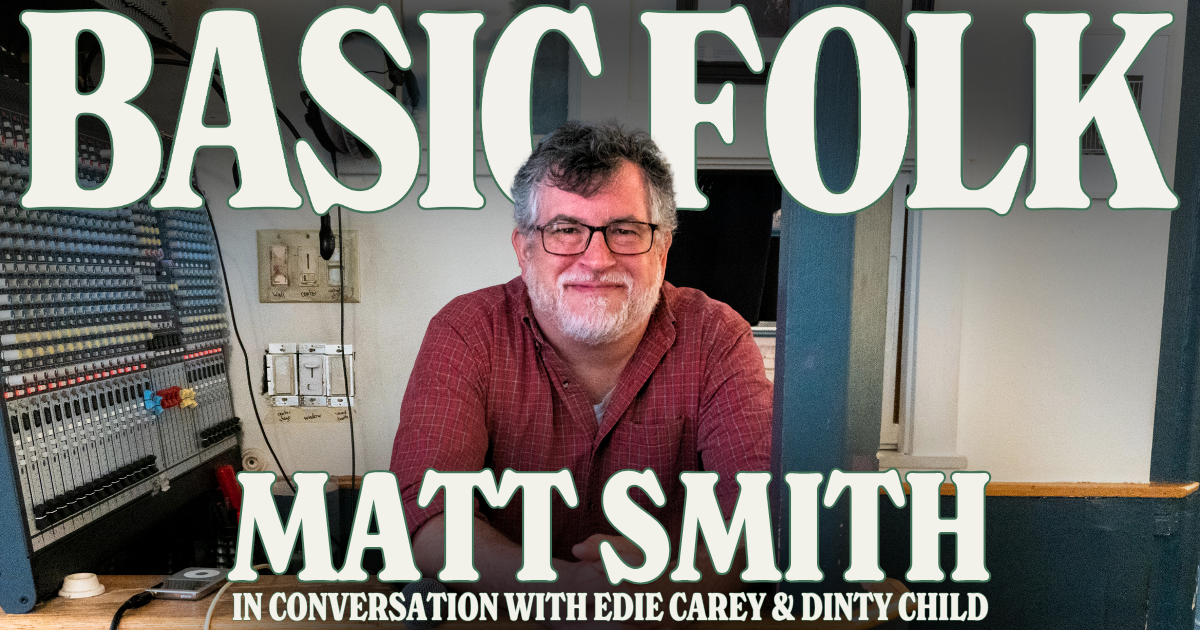
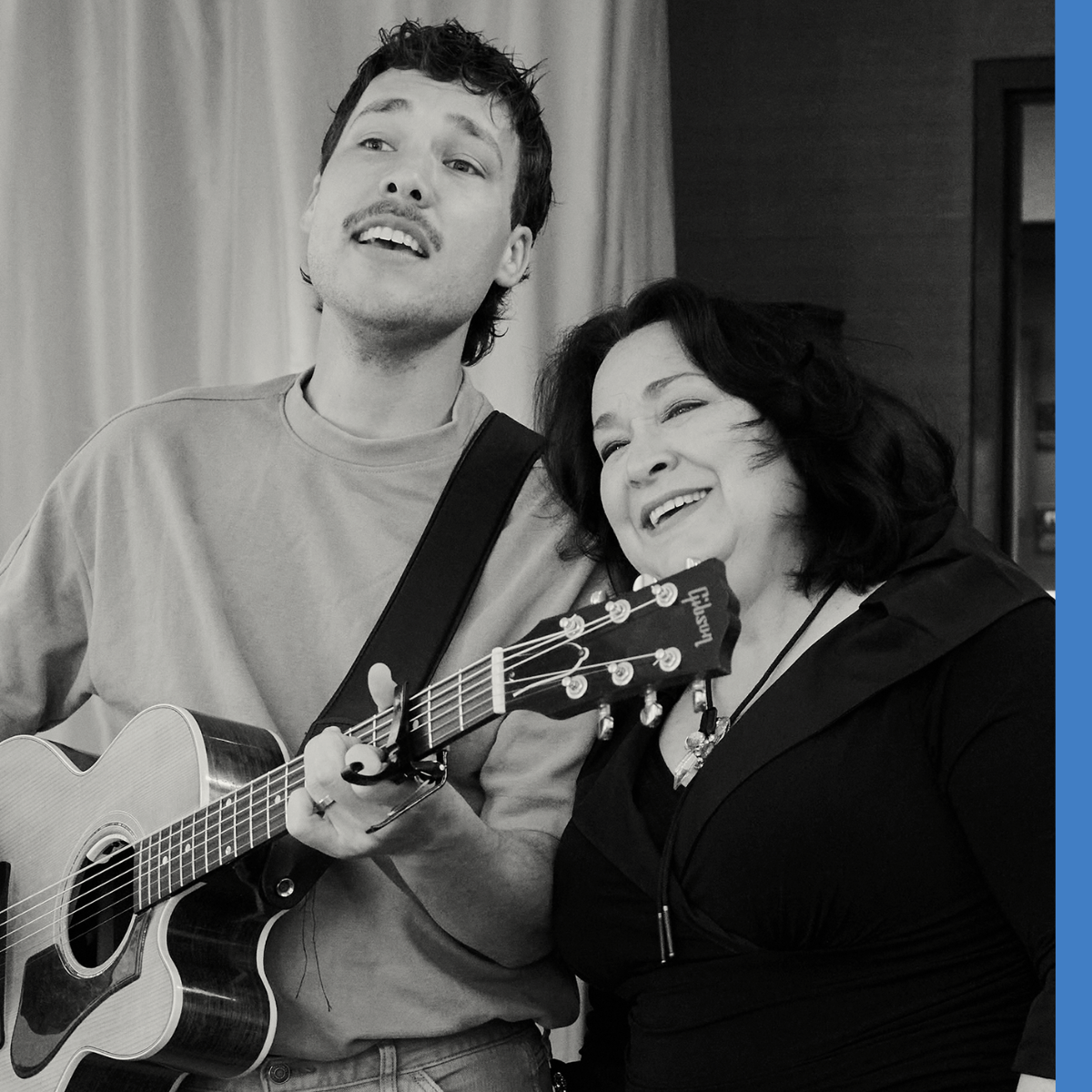

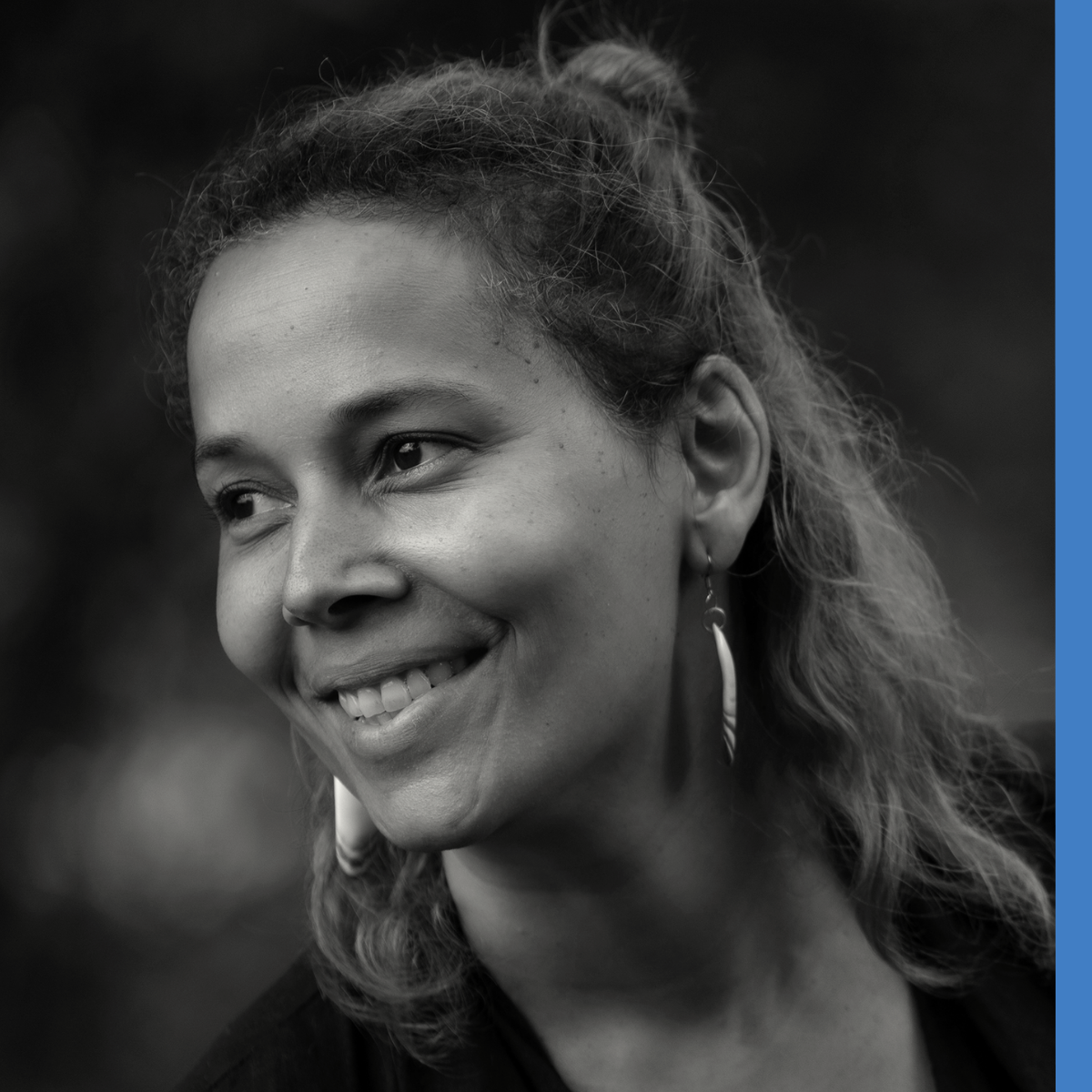

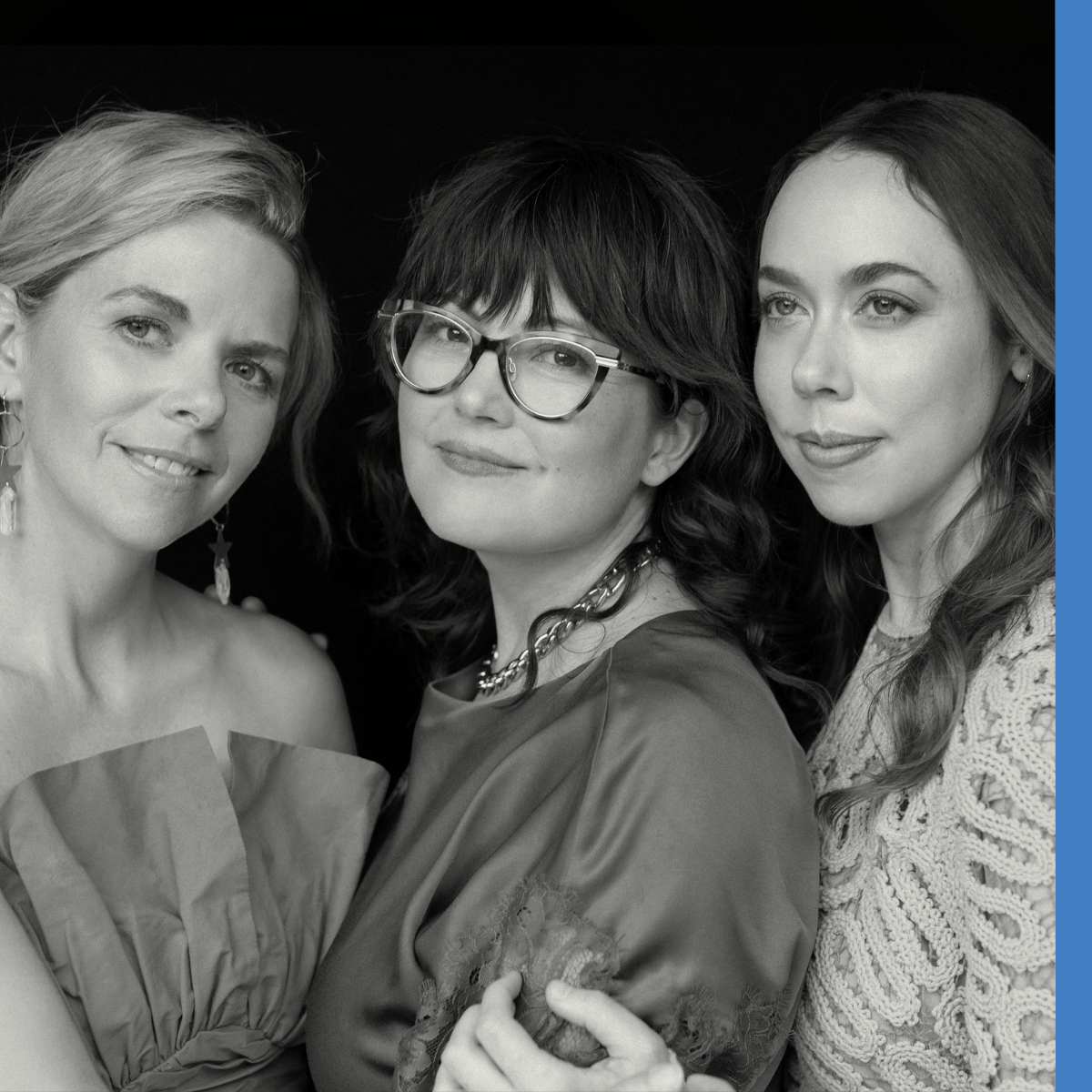
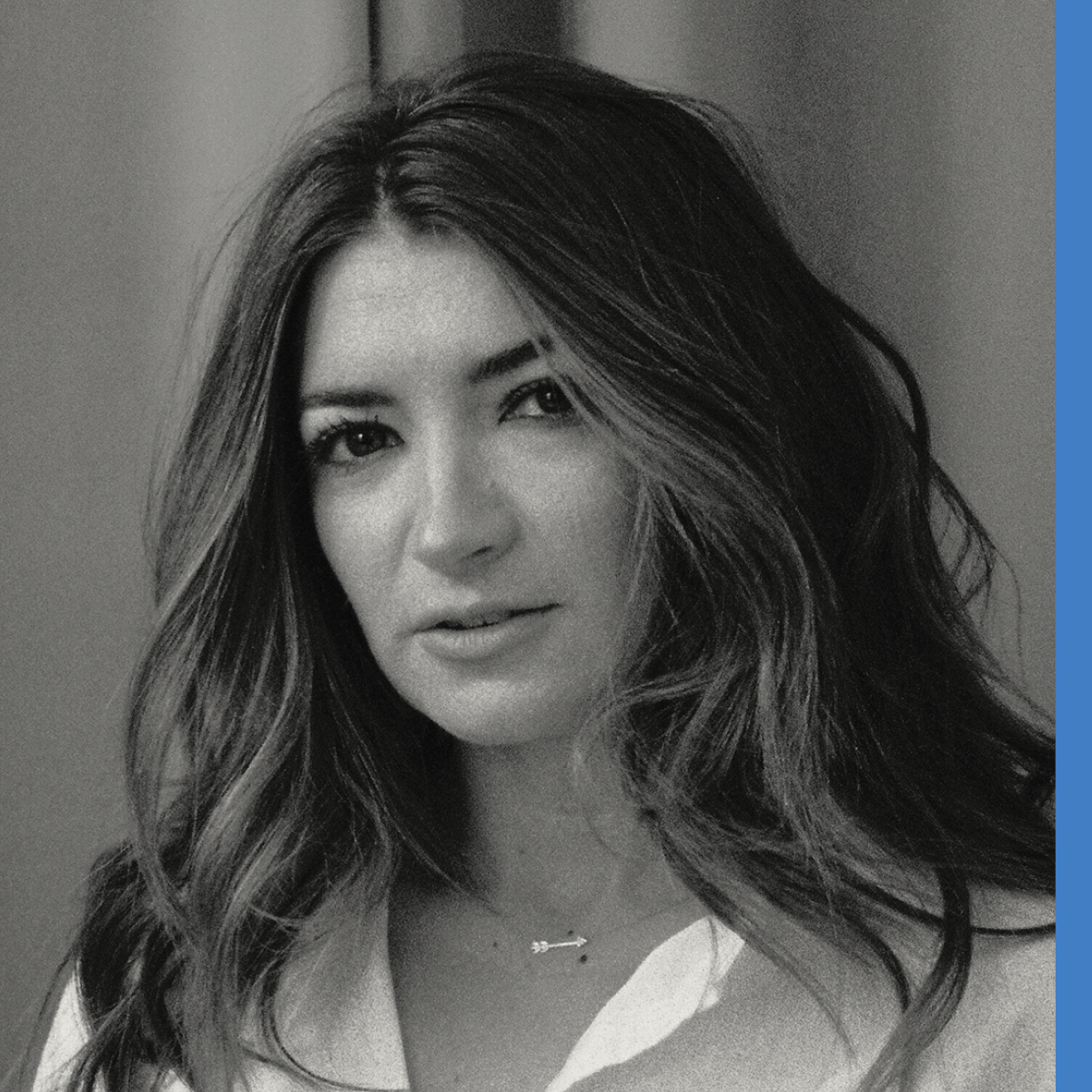

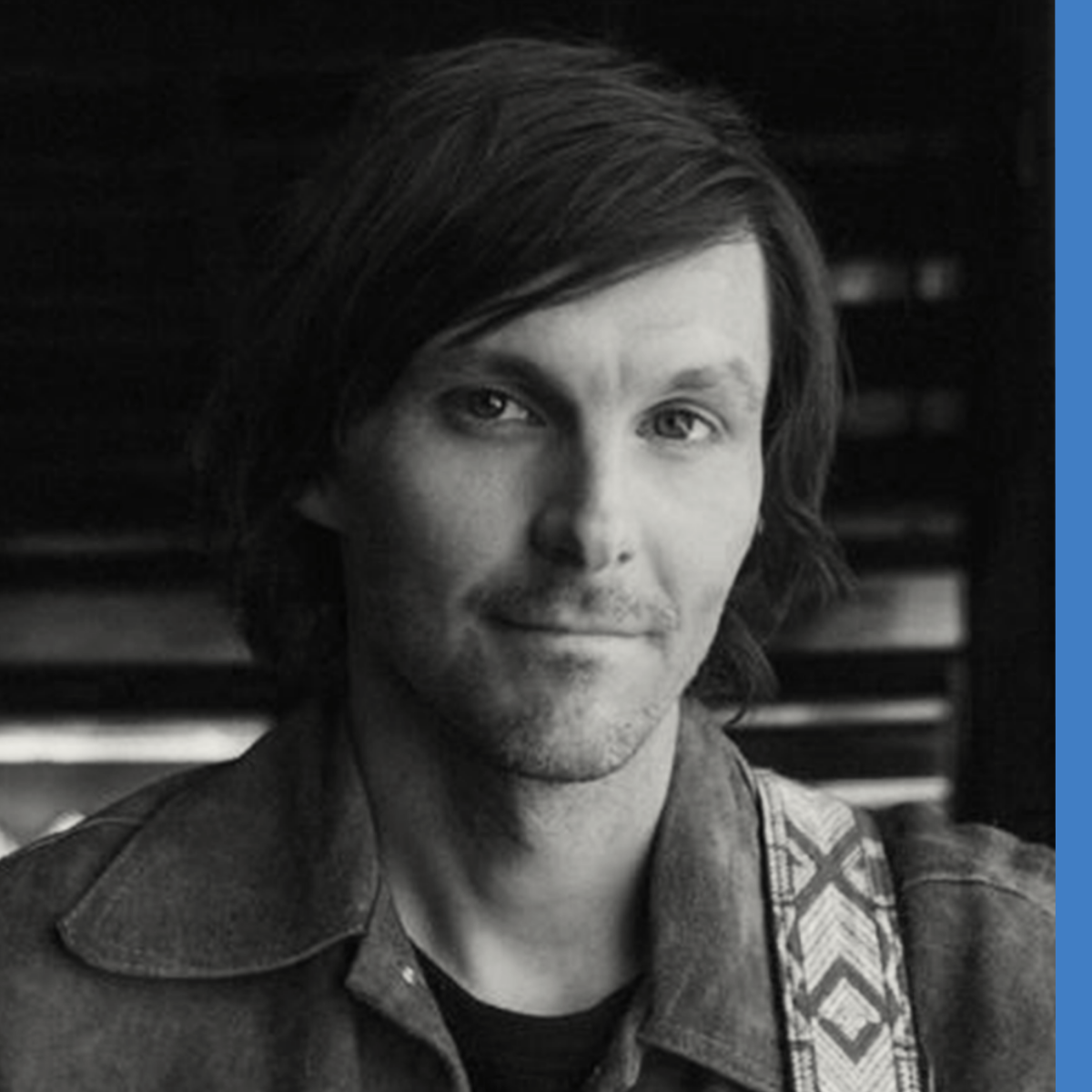
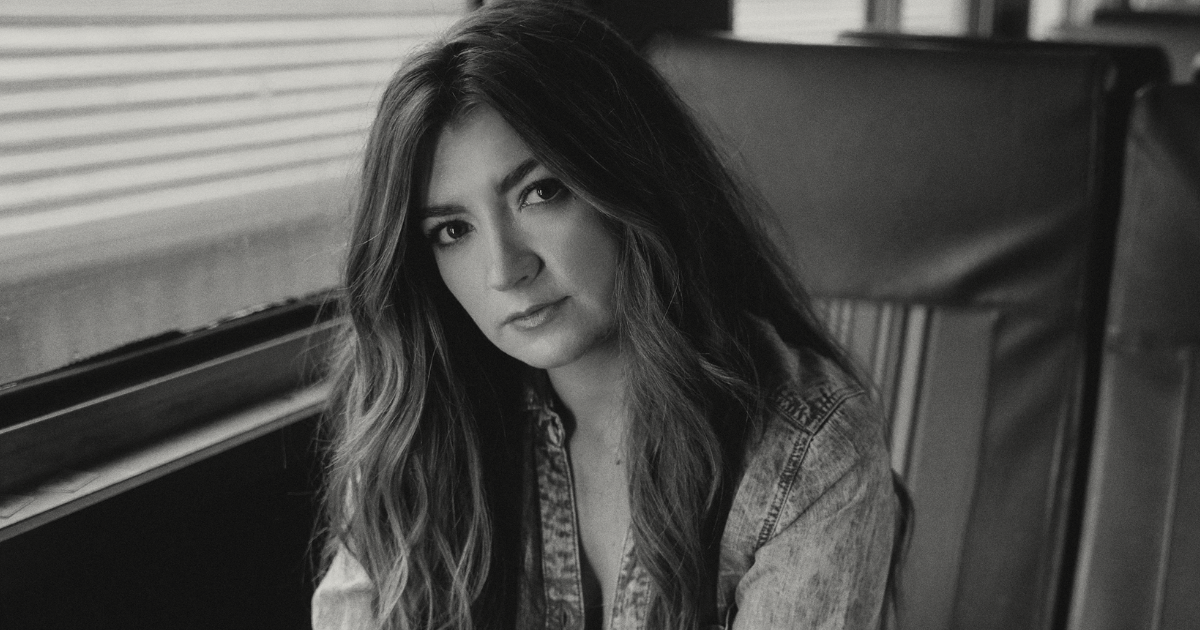
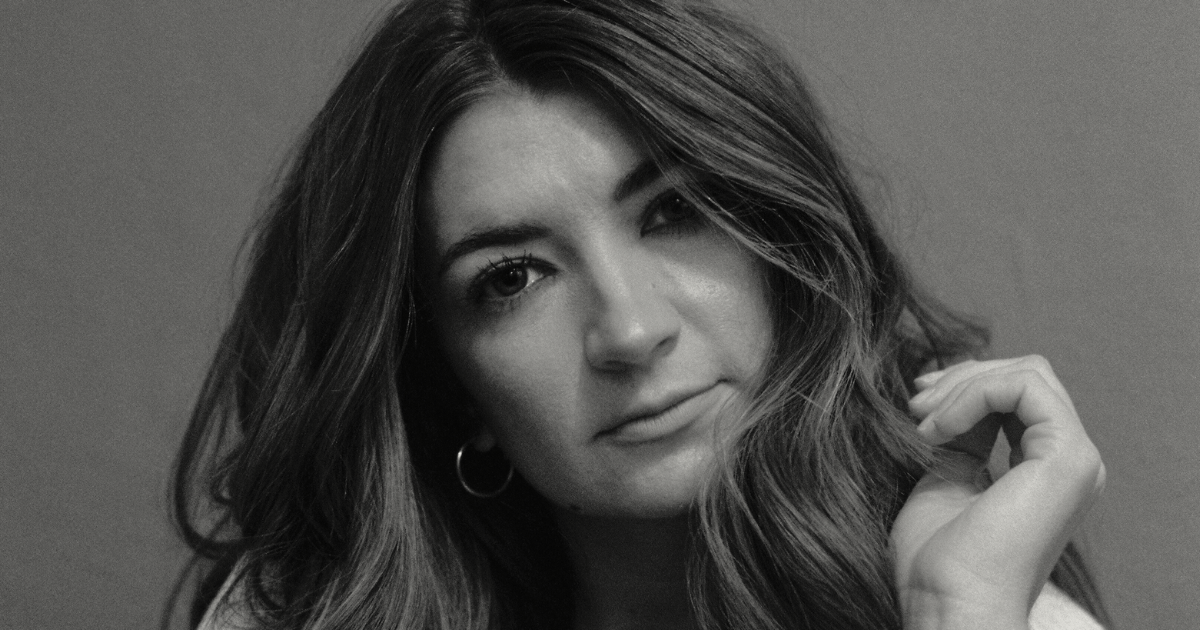
![“It's like the metaphor of having a [limited] number of crayons in your hand and trying to make a picture out of that. I felt I wanted the whole box back.” - Tenille Townes](https://thebluegrasssituation.com/wp-content/uploads/2026/03/TenilleTownes_GC_QuoteGraphic.png)