Three decades ago at the Telluride Bluegrass Festival, two bands of oddballs who couldn’t get invited to play the main stage said “screw it,” and teamed up for a bar gig back in town… And the rest, as they say, is history.
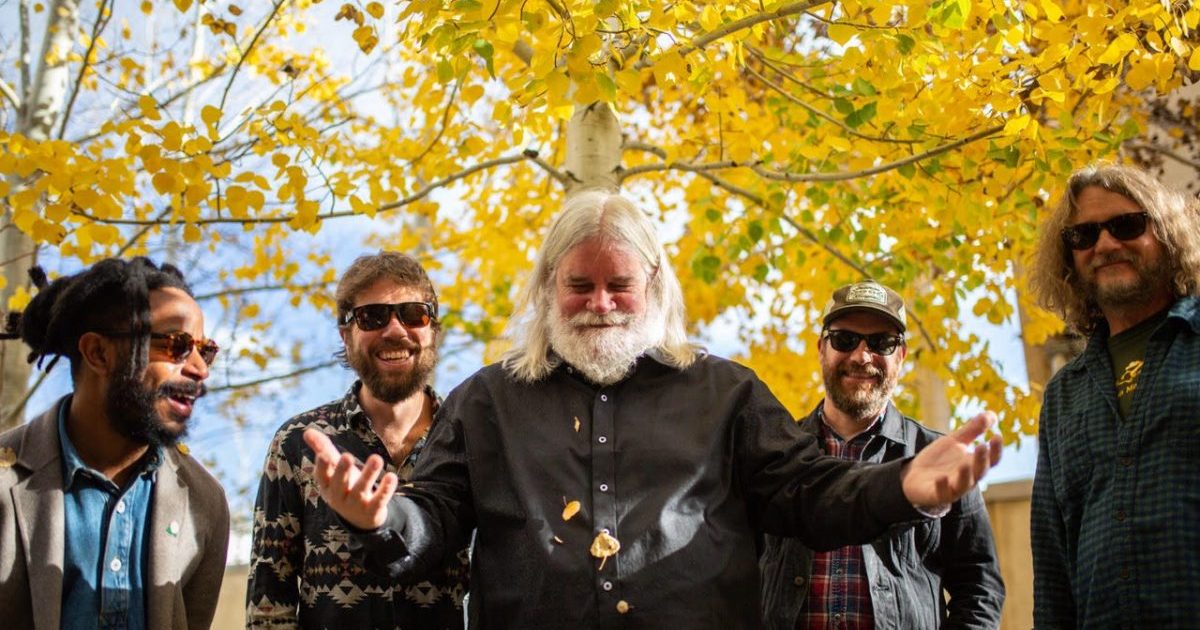
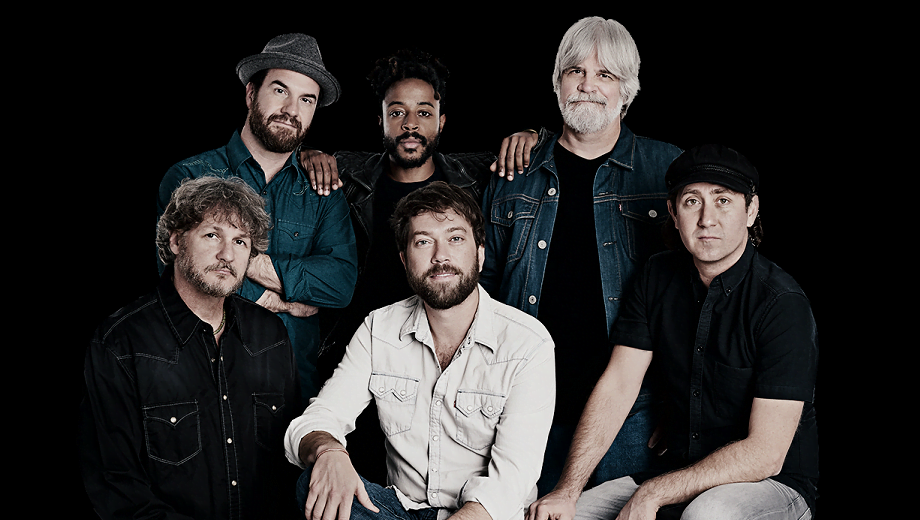
That slapped-together combo took the name Leftover Salmon. They’ve since gone on to influence an entire generation of bluegrass-based music. Most fans are familiar with the broad strokes of their tale — the renegade musical brotherhood of Vince Herman and Drew Emmitt, the band’s bluegrass/rock fusion and resulting evolution into the prototypical jamgrass group, and the spirit of good times, good friends, and good tunes which still permeates the scene they helped create. But few have heard the entire story until now.
In Leftover Salmon: Thirty Years of Festival!, author Tim Newby dives deep into hazy memories and unforgettable highlights, tracing the twisted path that led the band to its current, esteemed place in roots music lore. Across 13 chapters and more than 300 pages Newby coaxes the story from the band’s revolving lineup — deftly treading the line between historian and hardcore fan — and in the end much is revealed of the band’s high-minded beginnings and unshakable ethos, as well as the struggles they’ve seen along the way. And it’s all done with a wild “Festival!” yell running between the lines.
To be sure, the Leftover Salmon story is not over yet. The band continues to traverse the country on tour – recently swinging through Nashville’s Ryman Auditorium and thrilling a hometown crowd at Denver’s Red Rocks Amphitheatre shortly after — and they plan on returning to the studio this fall to record “three or four tunes” for release “over the interwebs.” But in the meantime, Herman shared some laughs with The Bluegrass Situation about the process of looking back, what the book means to the band, and why none of this would have happened if not for the Iran-Contra scandal.
BGS: Were you surprised Tim wanted to do this book?
Herman: Absolutely. It’s a massive endeavor and he put like three years into it. That alone is an amazing honor — no matter how it came out. [Laughs] But no, we were definitely surprised and delighted that he wanted to do it.
Was there any hesitation in laying everything out there?
Not on my part. We were pretty psyched about all the fun we’ve been able to have over the years, and to have somebody locate it within the larger picture of the music community, it just felt like an honor. Sure, we had some rowdy times and wild things have happened, and it might sound a little more like a rock ‘n’ roll band in the book than a bluegrass band, but I hope it throws some light on how deeply we respect the bluegrass tradition, where that all sprang out of and how we are trying to integrate that along with a more inclusive rock ‘n’ roll vision. I think the book addresses pretty well how we tried to walk that tightrope.
Tim told me you let him root around in your lives for weeks at a time. He said he was at your house digging through old file cabinets and everything. What was that like from your perspective?
Well, it was comforting because I’ve moved around a whole lot over the years and I’ve been toting that stuff with me for a long time. [Laughs] There was finally some validation of “All right, maybe it was a good idea to keep this stuff.”
Did he dig up anything you had forgotten about, or give some insight on how the others viewed things that happened?
One of the things he dug up that I hadn’t looked at in years and years were [late, founding banjo player] Mark Vann’s calendars. He was sort of like our manager early on, and it was cool because they had notes on them about booking gigs and what we got paid, some expenses and all that. Man, we played a lot of years for $500 a night! [Laughs]
One thing I learned was that the Iran-Contra scandal helped create the band, and this was not a connection I would have made on my own. Can you explain?
[Laughs] Well, there are two ways it affected me. When I moved to Boulder, [Colorado] from Morgantown, [West Virginia] in 1985, I was just gonna be here for a couple of months and then go be a witness for peace on the border of Nicaragua, so that part of the Iran-Contra scandal was definitely on my mind when I moved here.
But a few years later when I started a band called The Salmon Heads, we had played our first gig on the hill at Taylor’s in Boulder, and we had an accordion and washboard instead of drums. We played our first set and the bar manager said, “You guys don’t have to do your second set. We’re gonna call it, you don’t play college music.” But we said “Fuck that shit” and continued to play, and it was fun.
That night after the show, someone threw a brick through the window of the club in a random act — and it was not related to us in any way shape or form — but the next morning everyone on the hill was wondering what happened to Taylor’s last night. So we seized that opportunity and made some posters for a house party we were playing, and they said, “Come see what the Aya-Taylor had determined was not college music!” At the time the Ayatollah was in all the papers, so we created the Aya-Taylor, and that party was raging that night. It’s the intersection of history and music.
It’s not all funny stories, as the book goes into some of the more difficult decisions you’ve had to make and plenty of hard times. Were there any tender spots where it still hurt to think about?
Oh yeah, definitely. Especially around Mark Vann [who died from cancer in 2002] and rebuilding and trying to keep going. We finally decided to call it quits for a while and didn’t really expect to come back, and that was an intense time. We were driven to the point where we just weren’t having fun hanging out together anymore, and it was tough because we never really took the time out to grieve Mark, I think. We had to push on because that’s how we all made our living — it’s always been a blue collar band working paycheck to paycheck. That was really difficult and eventually the spiritual price of it was just too much.
The book also traces the evolution of Colorado’s music scene, which you guys were sort of inadvertently at the epicenter of.
Yeah, when we got to town there wasn’t a bluegrass scene. I rolled into a Left Hand String Band show when I drove here from West Virginia and that connection was made immediately. But bluegrass was kept in its corner and the big thing in town was blues and electric stuff. We just felt like we were this musical niche that was best used for Grange Halls and old-timey dances, and to see it move out of Grange Halls and into concert halls over time was definitely a satisfying experience for us, and something I think we might have had a little to do with.
But it’s certainly not like we started anything new, and I’ve always been the guy who says we were really just walking in the footsteps of New Grass Revival and the Nitty Gritty Dirt Band. People like to say, “This started here” and “That started there,” but it’s always a continuation of some tradition with a new twist, perhaps.
After looking back on these 30 years, do you feel like the band has changed – musically or as friends? Or is it still the same spirit as when you began?
I just had a friend from Japan who was my college roommate in 1982 come visit, and I hadn’t seen him all those years. He came and we went to our show at Red Rocks, and then a friend of mine gave him a ride to the airport. On the way my friend asked my old roommate, “So how’s Vince seem to be doing all these years later?” And he answered, “Vince is still in college!” So I guess we won!
Maybe that’s part of why this thing has worked for so long.
We get to have these joyous jobs where we meet new friends and constantly reconnect with old ones, and play a lot of festivals, which is when humans are at their finest form, I think. And through all this stuff, we’ve been able to build this life that’s pretty dang pleasurable. Not that it’s easy on relationships or anything, but our day-to-day living is pretty dang pleasant.
Photo credit: Bob Carmichael