You Gotta Hear This: Thomas Cassell, Greenwood Rye, and More

Another weekly roundup is here! You Gotta Hear This.

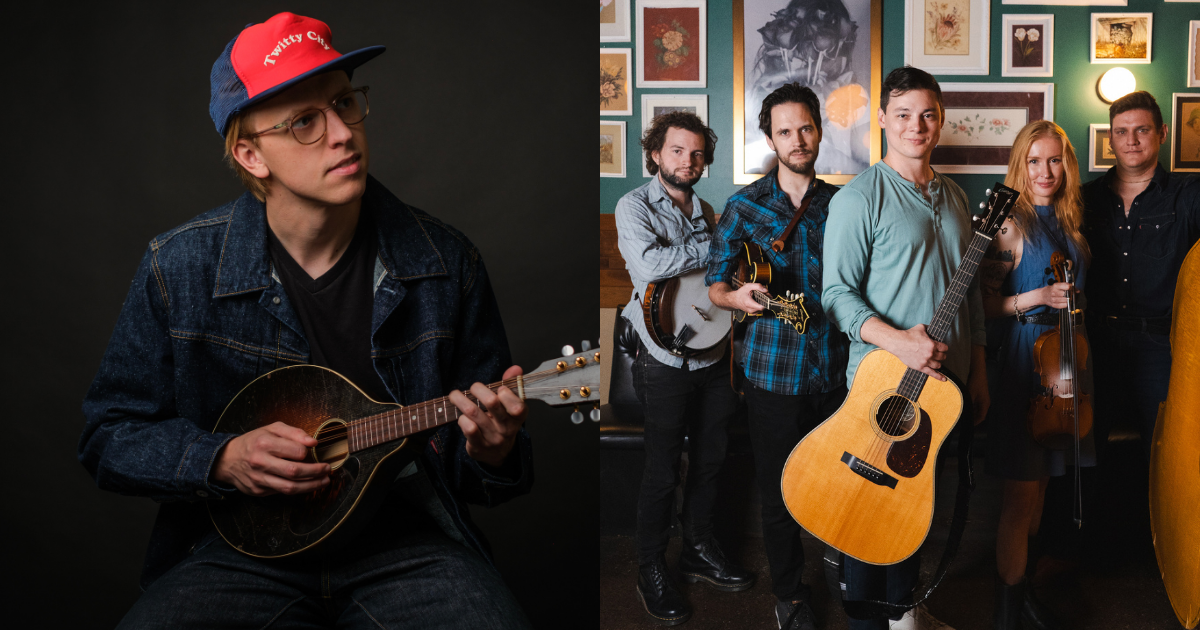
To get us started, Thomas Cassell reveals another track from his upcoming duo album. “Makin’ Some Noise” features his longtime friend and shredder Trey Hensley joining in on a Tom Petty & the Heartbreakers track with just enough of a Bill Monroe flair to excel with the bluegrass treatment. Plus, Colorado-based bluegrass band Jake Leg preview their new album with its title track, “No One Lives Here Anymore.” It’s an apt harbinger for the thoughtful, lonesome, and melancholic songs found on their upcoming collection – due to drop in June.

From elsewhere in bluegrass, the Lonesome River Band debut “Back When,” a song dripping with nostalgia that was co-written by LRB member Jesse Smathers with Nick Goad and Barry Hutchens. The track features a traditional instrument all too rare in bluegrass these days – the electric guitar! Nashville bluegrass outfit Greenwood Rye call on some mighty collaborators for their new song, too. “Ready to Burn” is indeed a barn burner, boasting features by Mason Via (who co-wrote the song with Greenwood’s Shawn Spencer), Vince Herman of Leftover Salmon, and IBMA Award winner Vickie Vaughn. It’s jammin’, energetic, and certainly fiery.

Don’t miss folk and Americana duo Great Willow included below as well. Their new song, “Age of Reason,” speaks to these highly divided times we’re living through – and everyone is talking about. “[We] don’t remember a time when the America we love has felt quite this disconnected and hostile against itself,” the duo tells us via email. “Americans can be so sweet and generous – you’d see it in every region as a traveling musician. How did we all fall so far so fast?” Their indie-folk track – lush with sounds and styles of the ’60s, ’70s, and Laurel Canyon – is charming in its consideration of such an existential question.

Singer-songwriter Kyle LaLone encourages all of us to “Slow Down” on his new Americana track. Inspired by quite literally running on fumes, LaLone speaks to the need we all face on the day-to-day to be present, to take deep breaths, and more. Sometimes all you need is to slow down. And make sure to hear the latest from singer-songwriter Mia Kelly, as well. “Big Time Roller Coaster Feeling” is about the highs and lows of having an all-encompassing crush, leaning into that free-falling feeling – of love and rollercoasters, both. It’s vibing and modern indie/acoustic folk that really enables the lyric and stories Kelly tells to shine.

There’s plenty to enjoy! You know what we think – You Gotta Hear This…

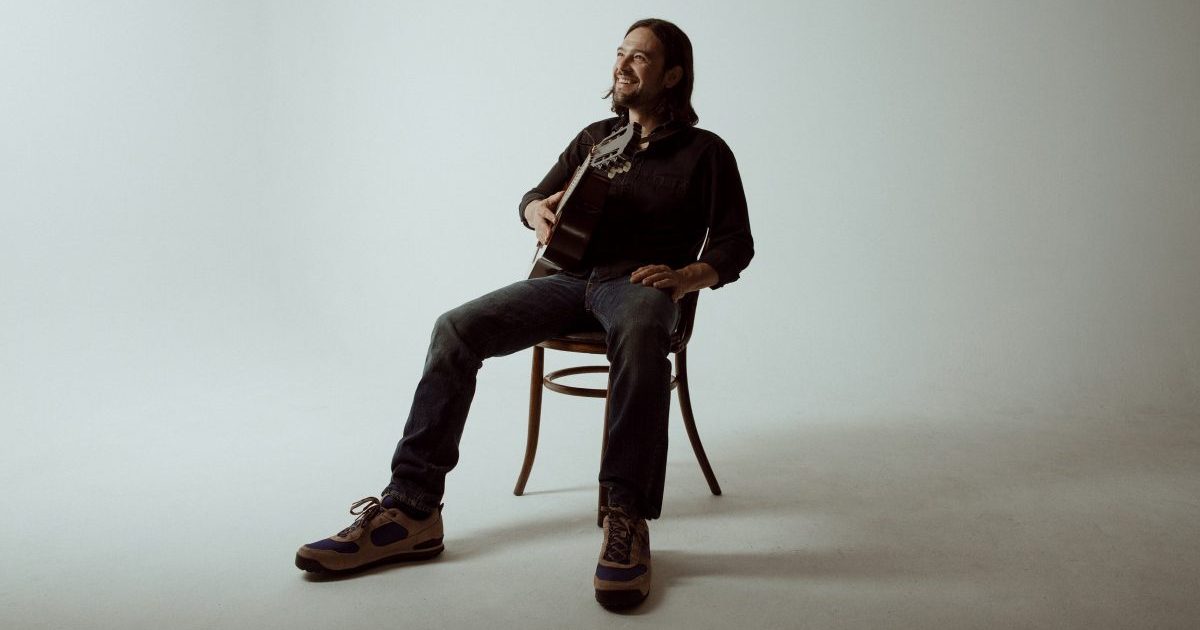
Thomas Cassell, “Makin’ Some Noise” (Featuring Trey Hensley)

Artist: Thomas Cassell
Hometown: Nashville, Tennessee via Norton, Virginia
Song: “Makin’ Some Noise” (featuring Trey Hensley)
Album: Guitar Collection
Release Date: May 18, 2026 (single); August 21, 2026 (album)
Label: Common Loon Records

In Their Words: “Trey Hensley has been a longtime favorite of mine and more recently a great friend that I’ve been fortunate to make lots of music with. When I started to plan this collaborative album, Trey was one of the first calls I made. We are both huge Tom Petty fans, so it was natural to choose something from his catalog. This 1990s Heartbreakers track was on my mind as there was something about Mike Campbell’s guitar riff that was so Bill Monroe. It was a pleasure to work with Trey on this track – he’s truly one of the best singers and guitar players to ever do it and every time I stand next to him, I realize that in a whole new way. Hopefully this track is as fun to listen to as it was to make!” – Thomas Cassell

Track Credits:
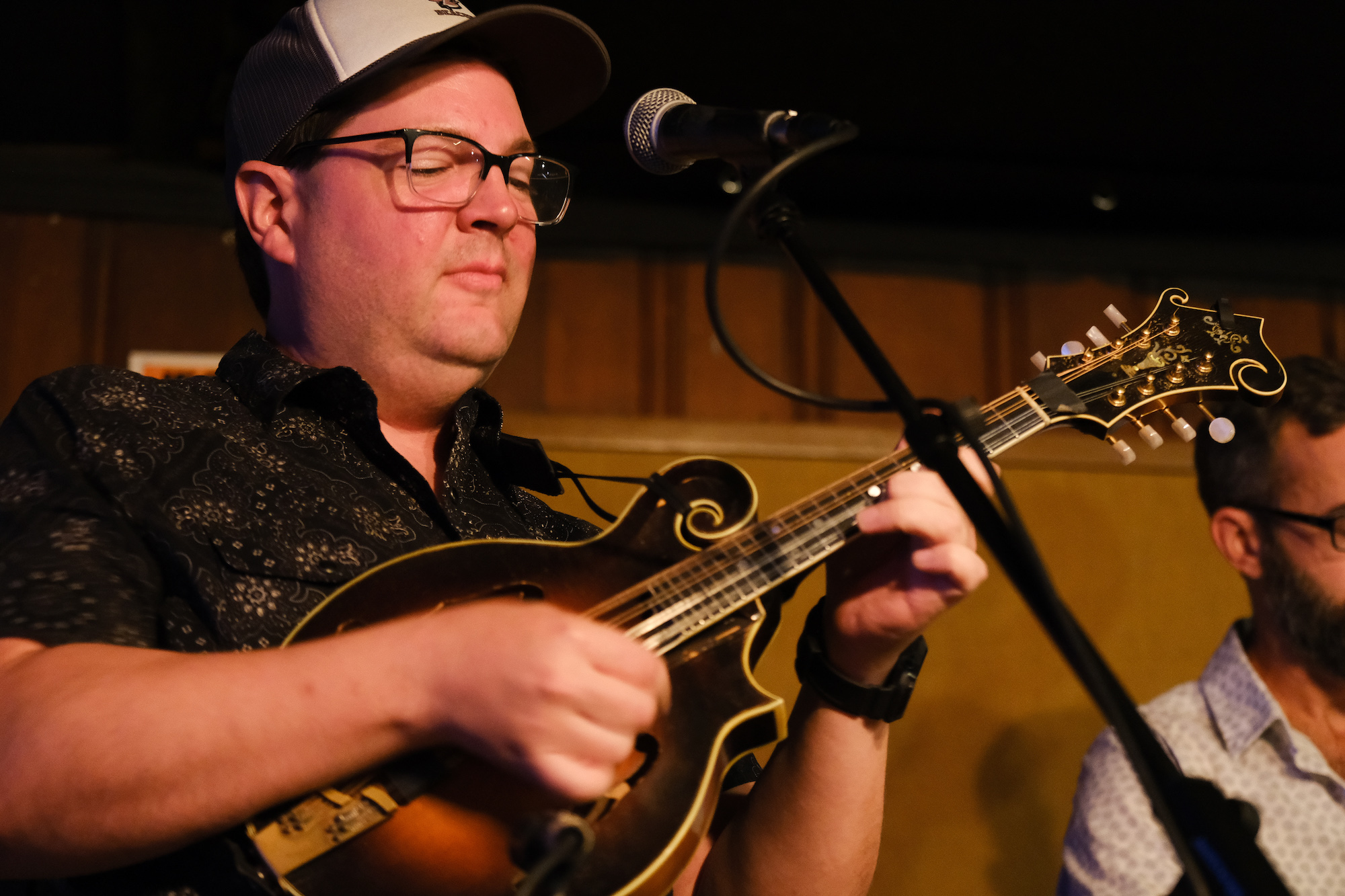
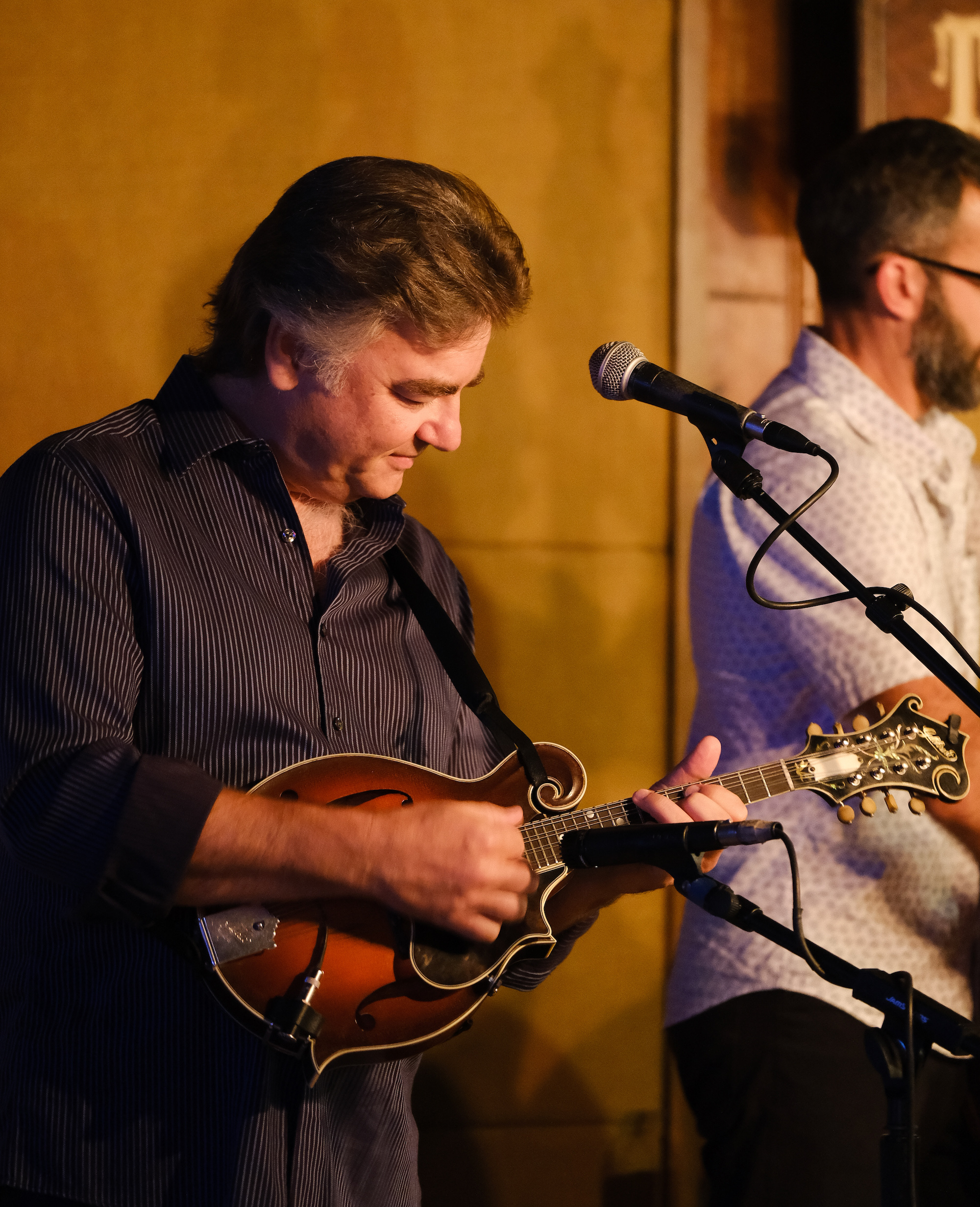
Thomas Cassell – Mandolin, lead vocal
Trey Hensley – Guitar, lead vocal
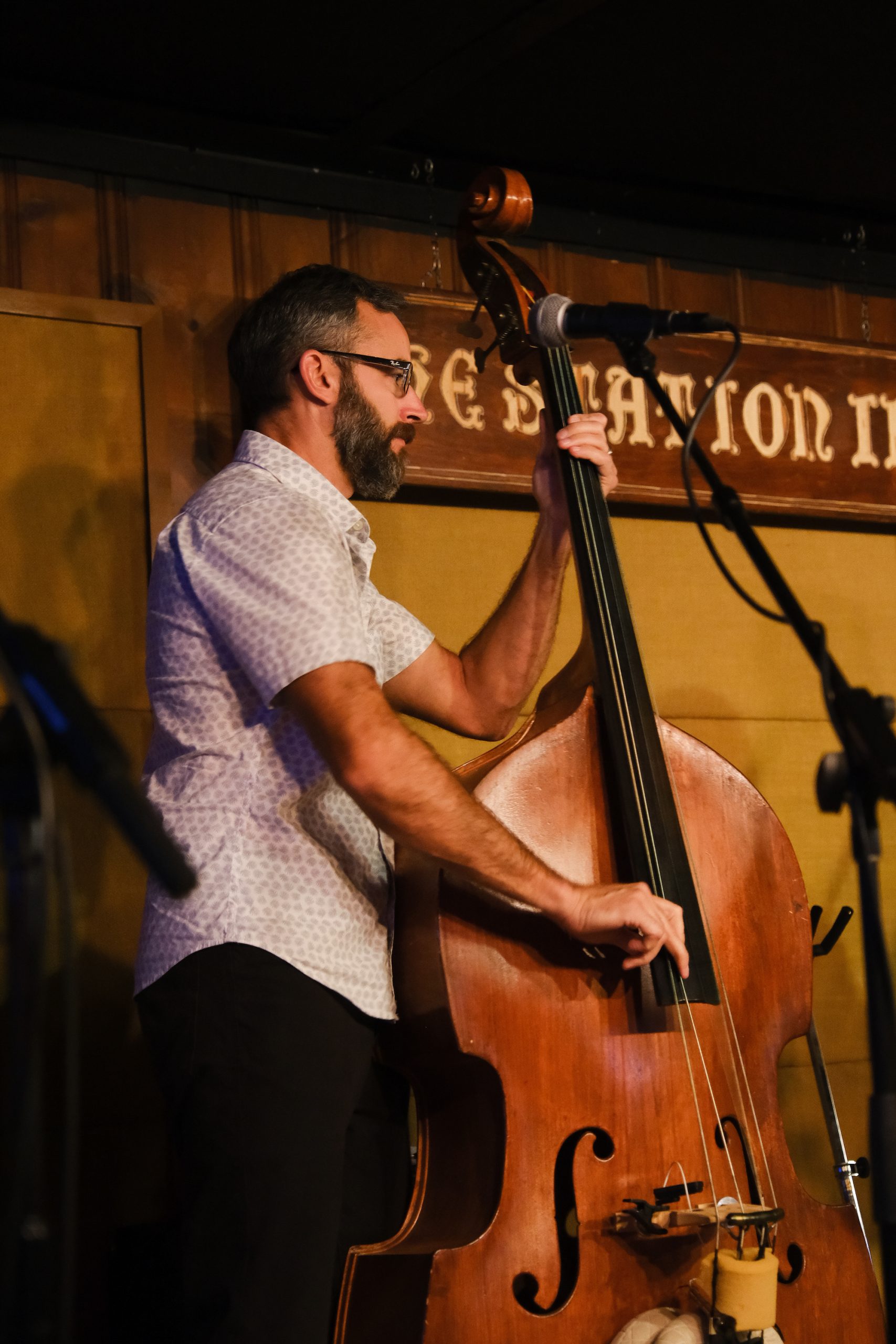
Jeff Picker – Bass


Great Willow, “Age of Reason”

Artist: Great Willow
Hometown: Los Angeles, California
Song: “Age of Reason”
Release Date: May 22, 2026

In Their Words: “Erin and I don’t remember a time when the America we love has felt quite this disconnected and hostile against itself. Americans can be so sweet and generous – you’d see it in every region as a traveling musician. How did we all fall so far so fast? Our song is a lament for that lost open-heartedness and a call to hopefully return to it. Maybe reconnecting with the beautiful natural world is a start.” – James Combs

“We recorded ‘Age of Reason’ in producer Susan James’ home studio out in California horse country – with avocado trees and exotic chickens on the hill out back and her hairless Sphynx cat crawling through our cases and being hilarious inside. Susan is a preternaturally gifted artist, arranger and producer. We loved working with her. And we love the amazing Dobro and slide Ben Peeler (Mavericks, Wallflowers) played on our song. It’s the special sauce the puts it over the edge.” – Erin Hawkins

Track Credits: 
Erin Hawkins – Cello, vocal, songwriter
James Combs – Guitar, vocal, songwriter
Susan James – Organ, producer
Ben Peeler – Dobro, slide guitar


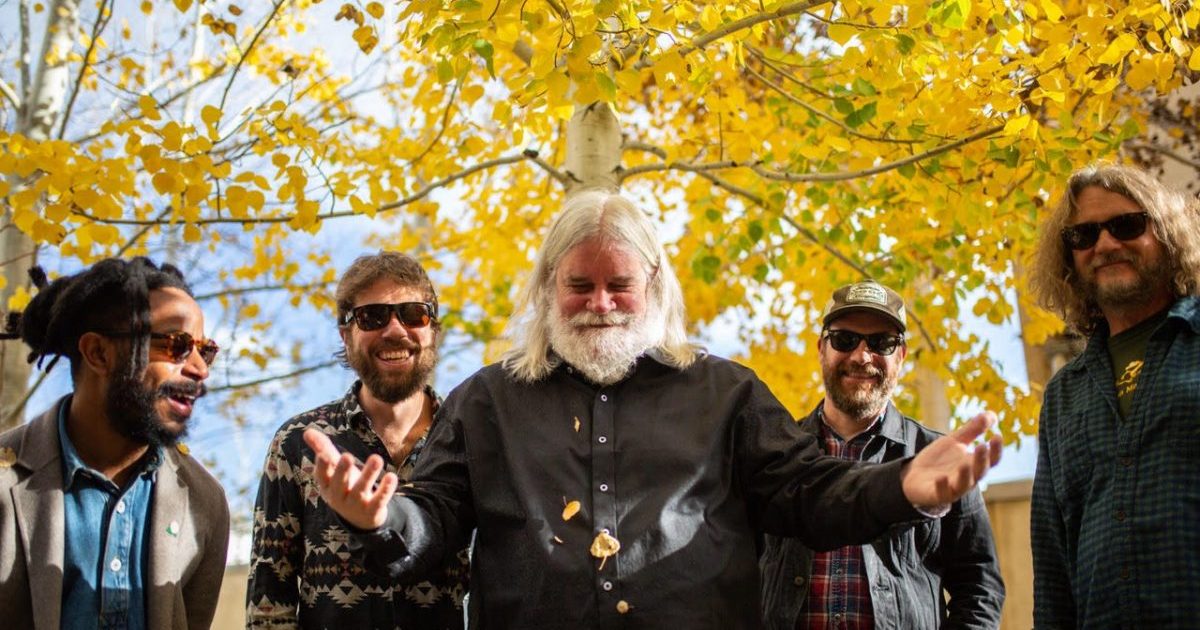
Greenwood Rye & Mason Via, “Ready to Burn”

Artist: Greenwood Rye, Mason Via, Vince Herman, Vickie Vaughn
Hometown: Nashville, Tennessee
Song: “Ready to Burn”
Release Date: May 15, 2026

In Their Words: “‘Ready to Burn’ is a jammy bluegrass party song! When Mason Via and I got together to write it, we were both in a place where we had put a ton of effort into our respective albums and everything we were doing was very serious. So we wanted to shift gears a little bit and make something purely for fun. We wrote a song about getting together with our friends and preparing to have an epic barn burner. The recording of the song started as us wanting to get together to make some social media content. We ended up doing it at Parlor Studio where our friend Ethan Greek was working as an engineer. It snowballed into a full studio recording and then we thought, ‘Why stop there? Let’s get some features.’ So we called two of our favorite Nashville bluegrassers, who we love to jam with, Vince Herman (Leftover Salmon) and Vickie Vaughn (Della Mae), and asked them to join the party!” – Shawn Spencer

Track Credits:
Shawn Spencer – Guitar, vocals, songwriter, producer
Mason Via – Guitar, vocals, songwriter
Taylor Shuck – Banjo
Cat McDonald – Fiddle
David Freeman – Mandolin, BGVs
Larry Cook – Bass
Vince Herman – Vocals
Vickie Vaughn – Vocals
Sasha Ostrovsky – Dobro


Mia Kelly, “Big Time Roller Coaster Feeling”

Artist: Mia Kelly
Hometown: Gatineau, Quebec, Canada
Song: “Big Time Roller Coaster Feeling”
Album: Big Time Roller Coaster Feeling
Release Date: May 22, 2026 (album)

In Their Words: “‘Big Time Roller Coaster Feeling’ is a song that details all the instances in which I have fallen for someone. As playful as it is personal, each verse describes a crush. When it came the time to make the video we decided to depict each of these crushes as a classic date, with the date’s face obscured by something ludicrous. The chorus draws from that joyful free-fall, that tummy-flipping feeling you get when you’re in love.” – Mia Kelly

Track Credits:
Mia Kelly – Lead vocals, acoustic guitar
Connor Seidel – Bass, piano, organ, slide guitar, percussion
Olivier Fairfield – Drums, percussion
Ben Plotnick – Fiddle
Aaron Collis – Mandolin, accordion
Adam Brisbin – Electric Guitar, slide

Video Credits: Randy Kelly – Videographer, director, editor


Kyle LaLone, “Slow Down”

Artist: Kyle LaLone
Hometown: Diamond Bar, California
Song: “Slow Down”
Album: Make My Own Way
Release Date: May 15, 2026 (single); June 12, 2026 (album)

In Their Words: “Another song that started with the title and whose lyrics were sparked by a specific event. One morning I had to drive to catch a flight to an out-of-town gig after having played a gig the night before. Once I got in my car I realized I was really low on gas and wouldn’t have enough time to stop to fill up on my way there. Luckily I made it to the parking garage near the airport but knew I would be running on fumes to find a gas station before the drive home. That situation inspired the first verse and got me thinking about my tendency to just keep going until I’m out of gas figuratively and literally when what I really need to do sometimes is slow down.” – Kyle LaLone


Jake Leg, “No One Lives Here Anymore”

Artist: Jake Leg
Hometown: Lyons, Colorado
Song: “No One Lives Here Anymore”
Album: No One Lives Here Anymore
Release Date: May 15, 2026 (single); June 13, 2026 (album)

In Their Words: “‘No One Lives Here Anymore’ is the first single and title track from our sophomore album coming out on June 13. It was probably one of the first songs written for this album and touches on the themes of sadness and isolation that show up throughout this collection of songs. I’ve always really loved and connected with sad songs so that tends to show in my writing fairly often. ‘No One Lives Here Anymore’ is sort of an ‘anti-story’ of someone who has lost connection with the aspects of life that make it fulfilling and has fallen into the pattern of observing life as it goes by rather than participating in it. Musically, the chord progression kind of folds around on itself and I think is representative of the cyclical nature of some of these feelings that we experience throughout life.” – Dylan McCarthy

Track Credits:
Eric Wiggs – Guitar, vocals
Dylan McCarthy – Mandolin, vocals, songwriter
Justin Hoffenberg – Fiddle
Aaron Hoffenberg – Bass


Lonesome River Band, “Back When”

Artist: Lonesome River Band
Hometown: Floyd, Virginia
Song: “Back When”
Release Date: May 15, 2026
Label: Mountain Home Music Company

In Their Words: “I’m so proud to have had a hand in writing ‘Back When’ with my pals Nick Goad and Barry Hutchens. As we had a conversation on Barry’s back porch we reminisced about our youth, the mischief we got into, and of course being musicians, our first chords, and songs we learned. Looking back, those moments are so sentimental and they made me into who I am today. It’s important to be aware of those subtle reminders that take us to our formative years way ‘back when.'” – Jesse Smathers, songwriter, guitarist

“The essence of ‘Back When’ is how the least little thing – a conversation with an old friend, a song, etc. – can cause memories to come flooding back. It was a real privilege for me to have the opportunity to write it with Jesse and Nick. They are both such talented writers and musicians. It’s one of those songs that came about simply by the three of us sitting around and reminiscing about when we were kids and growing up playing music.” – Barry Hutchens, songwriter

Track Credits:
Adam Miller – Mandolin, lead vocal
Sammy Shelor – Banjo, harmony vocal
Jesse Smathers – Acoustic guitar, harmony vocal
Mike Hartgrove – Fiddle
Kameron Keller – Upright bass
Rod Riley – Electric guitar


Photo Credit: Thomas Cassell by Scott Simontacchi; Greenwood Rye courtesy of the artist.
Let’s Party About It

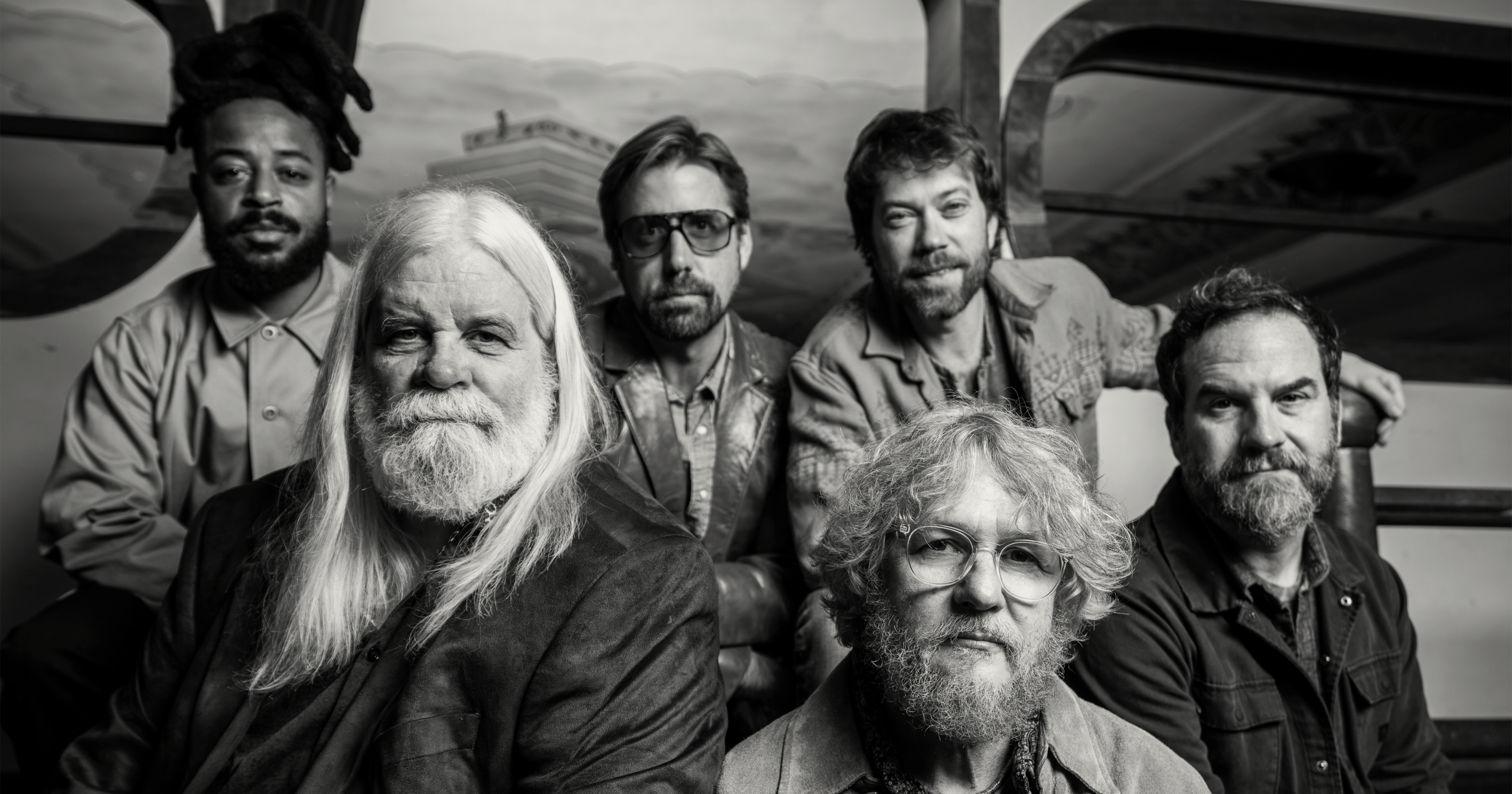
When it comes to the rich, vibrant musical landscape that is American music, few bands have the sonic range, technical capabilities and curious prowess as that of Leftover Salmon — bluegrass to blues, country to Cajun, rock to roots, jazz to jam.

And it’s that jam element at the melodic core of Salmon. They jam under the cascading snowflakes atop a Colorado ski slope or with beads of sweat rolling down their faces in the backwoods of Florida. They jam early in the morning or way late into the night. They jam for massive crowds or simply for themselves. What matters most is the music and where it can take you, onstage and on the road.

Though Salmon is in the midst of its 35th anniversary celebration, the actual timeline goes back four decades, where, in 1985, a young guitarist named Vince Herman took off from West Virginia in search of the “mythical bluegrass scene” in Colorado.

His quest eventually led him to a bar in Boulder one night, the same evening a talented multi-instrumentalist, Drew Emmitt, was performing onstage in the Left Hand String Band. The sign on the door said “Live Bluegrass Music Tonight,” so Herman strolled in.

From there, the duo became inseparable, ultimately joining forces in 1989 to play a New Year’s Eve gig in Crested Butte under the name Leftover Salmon (a combination of Emmitt’s band moniker and Herman’s short-lived Colorado group The Salmon Heads).

With Salmon’s latest album, Let’s Party About It, the outfit once again rises to the occasion, providing soothing, feel-good tunes that radiate gratitude, graciousness, connectivity and compassion in a modern era of uncertainty, confusion and fear.

Backstage before a show in Asheville, North Carolina, Herman and Emmitt talked at length about the road to the here and now. In simplest terms, Leftover Salmon is currently riding a big wave of popularity and cultural importance — a high-water mark of its legend, lore and legacy.

What spurred you to go to Colorado in 1985?

Vince Herman: It was fall [in Morganton, West Virginia]. It was getting cold in this place I was living, which was in an attic of a house that we were remodeling. It didn’t have any heat. I went to college there [at the West Virginia University] and had six credits to go. I kind of ran out of motivation and it was getting cold. We just figured it was time to do something else.

Why Colorado?

Well, it was the bluegrass scene there. I was playing a lot of old-time and some bluegrass in West Virginia. And I knew there was a progressive bluegrass scene based around the Telluride Bluegrass Festival. The band Hot Rize was in Boulder, which was a major influence on me. So, I figured Boulder would have a good progressive bluegrass scene. And it sure did, proven by pulling up and seeing a “Live Bluegrass Music Tonight” sign [at a bar].

Did you drive across the country by yourself?

No, I came across with a guy named Lou Pritchard. There’s all kinds of Pritchards in the music business. He’s a teacher [now] in southern West Virginia. So, I threw the dice and sold a guitar to make the trip. We lived the first week in a storage shed. We rented it. It was a storage shed, but hell, it had power, you know? [Laughs] The plan was, “Let’s go to Colorado and see what happens.” Lou was thinking about starting a brewery because small breweries were just made legal. I ended up getting a job cooking in a restaurant and just playing tunes on the Boulder Mall. [Back in West Virginia], I was playing for free beer and somebody’s wallet, played a little bit in a Grateful Dead band called Nexus. But nothing professional in any way.

Were there aspirations to start a band and really give it a go?

Yeah, definitely. It was, “Go to Colorado and find like-minded players.” I didn’t know for sure whether I’d have a music career, but other things were totally unsatisfying. I’ve had a lot of jobs, man. I’ve been a cook, bartender, fisherman, roofer, painter, landscaper. I’ve done all the jobs you can imagine. But this is by far the best.

So, your first night in Boulder, the stars align. You walk in on a bluegrass jam and run into Drew, who’s been with you since that moment.

VH: Yeah, it’s been 40 years. I said hello [to Drew] that night and, I guess, it was probably six or nine months later I was in the Left Hand String Band. I did about a year there, and then they got a better guitar player. So, I started The Salmon Heads after I got kicked out of Left Hand. [Laughs]

You told me one time that if you tried out for Salmon now, you wouldn’t get in.

Oh, for sure. Definitely. My philosophy has always been to be the worst player in any band I’m in. So, it has served me well over the years. [Laughs]

So, New Year’s Eve 1989, you form Leftover Salmon.

We went through every combination of those two band names — Left Hand String Band and The Salmon Heads — and stuck with Leftover Salmon for the first night, never knowing it would be any more than one night of a gig [in Crested Butte]. The older the tune, the more the bluegrass stomp kind of thing would go on, people would slam dance. We were like, “Something’s good about this.” And we had a bunch of gigs the next morning. All the bar owners talked to each other. There was no plan [to form a group], but we got all those calls the next morning to book the band.

[Drew Emmitt enters the backstage area and sits down.]

What about for you, Drew? You and Vince have been together for 40 years. What was it about Vince that you felt this was a guy you wanted to play with?

Drew Emmitt: Well, I came from more of a bluegrass-serious kind of world. And I always loved the lightness that Vince always brought to the music, all the fun. Playing music with him was always fun, and singing with him. He’s got a very powerful voice. We both sing kind of loud, so we sing well together. The lightness and the fun factor — that’s what, in so many ways, has driven this band. It’s just always been fun. I can’t tell you how many times I’ve been onstage just laughing hysterically because there’s so much madness going on.

I’ve been following you guys for almost 20 years and, no matter what kind of day your day is, you’ll always have fun at a Salmon show. And it seems, lately, that there’s a reinvigoration in the band, a few more logs being thrown on the fire.

VH: Absolutely. Jay Starling on keys, dobro and lap steel adds a great element to it, you know? And [drummer] Alwyn [Robinson] and [bassist] Greg [Garrison] together in the rhythm section. It just brings such energy to it. And Drew, [banjoist] Andy [Thorn] and I just get to ride on that stuff.

What is it about Drew that works for you?

VH: He’s relentless, man. (Turns to Emmitt). You hit that mandolin and just get that tremolo going — nobody like it. It sure gets a crowd riled up.

You have a new album out. What does it mean that people still believe in what the band is and what the band does?

VH: Hot Rize was a real major influence. I saw Tim [O’Brien] and was like, “Okay, so we’ll be in this little musical niche.” It’s never going to be the Rolling Stones or Pink Floyd level kind of stuff. But, it could be this niche that I could age in and stay in, and be able to do it for a long time. That’s kind of what the folk/bluegrass world looked like to me. I just feel very lucky to have kind of imagined that so many years ago, and to have actually lived it. It’s pretty unusual and I’m incredibly grateful.

What’s been the biggest takeaway from this journey thus far?

DE: The fact that people are still coming to see us. And it’s still working, and actually working better than it ever had. The fact that we can keep playing this and that it’s still relevant. And there’s this scene that has built up around this music. There’s a lot of different bands out there that are building the momentum, [with] probably the main driver of that would be our buddy, Billy Strings.

And you guys blazed a lot of that path Billy’s walking on.

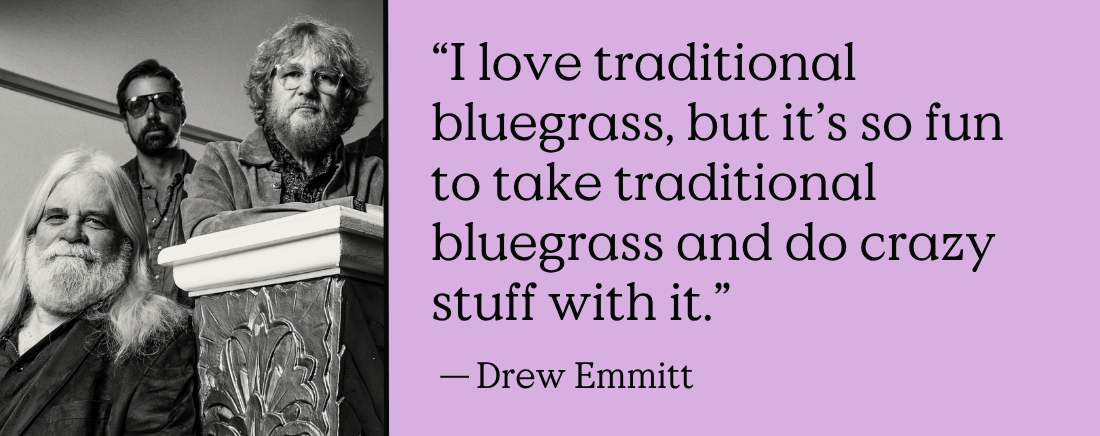
DE: And we followed in a blazed path. We came up behind the people that blazed it for us. And then we contributed our part of it, which was maybe adding a little more rowdiness, a little more rock and roll. But, keeping with that progressive thing that we learned from Hot Rize, New Grass Revival, Nitty Gritty Dirt Band, Old & In the Way — bands that were pushing the limits of bluegrass. I love traditional bluegrass, but it’s so fun to take traditional bluegrass and do crazy stuff with it.

Traditional bluegrass gives you the tools to do whatever you want.

DE: Exactly. Because it’s an art form, and you’ve got to learn it if you want to play bluegrass, which I’m still working very hard at, trying to learn to how to do it. What this band has brought to the scene is a levity, a fun factor. Over the years, so many of these amazing musicians have sat in with us, and they always have such a good time because it’s just wide open. Like, for instance, when Sam Bush sits in with us, he has such a good time ‘cause we just let him go.

Is that by evolution or by design, that ethos?

VH: I guess it has a lot to do with the Grateful Dead. You know, really saying, “It’s okay to have fun with music.” Go out looking for stuff in the middle of a jam. It gave us permission to do that, and [the Dead] brought so many people to bluegrass.

DE: And I hope we can keep doing it for a while. I hope that I can keep looking across the stage and seeing Vince for a long time. I’m glad to still be onstage with this guy. [Turns to Herman]

VH: I just keep being reminded of the importance of community, and helping us all get by with this [music]. Thank God we have music in the midst of all this chaos [of modern society], something that brings people together under a positive banner, and reinforces the humanity in all of us — there ain’t nothing better than music to do that.


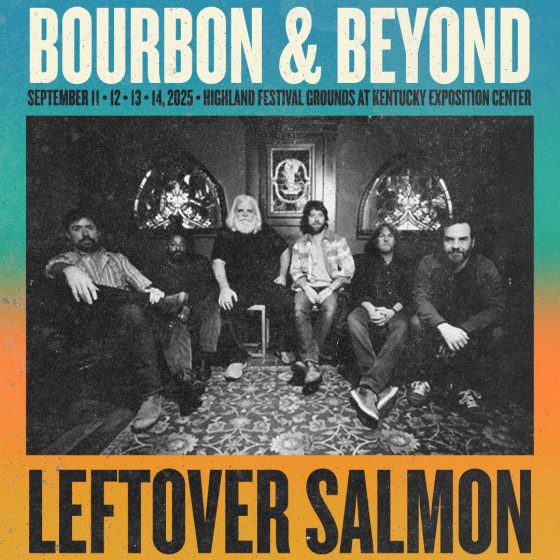
Editor’s Note: Don’t miss Leftover Salmon and so many other great artists on the BGS stage at Bourbon & Beyond 2025. More info at bourbonandbeyond.com.

Lead Image: Tobin Voggesser

New Exhibit, “Jerry Garcia: A Bluegrass Journey,” Opens at Bluegrass Hall of Fame

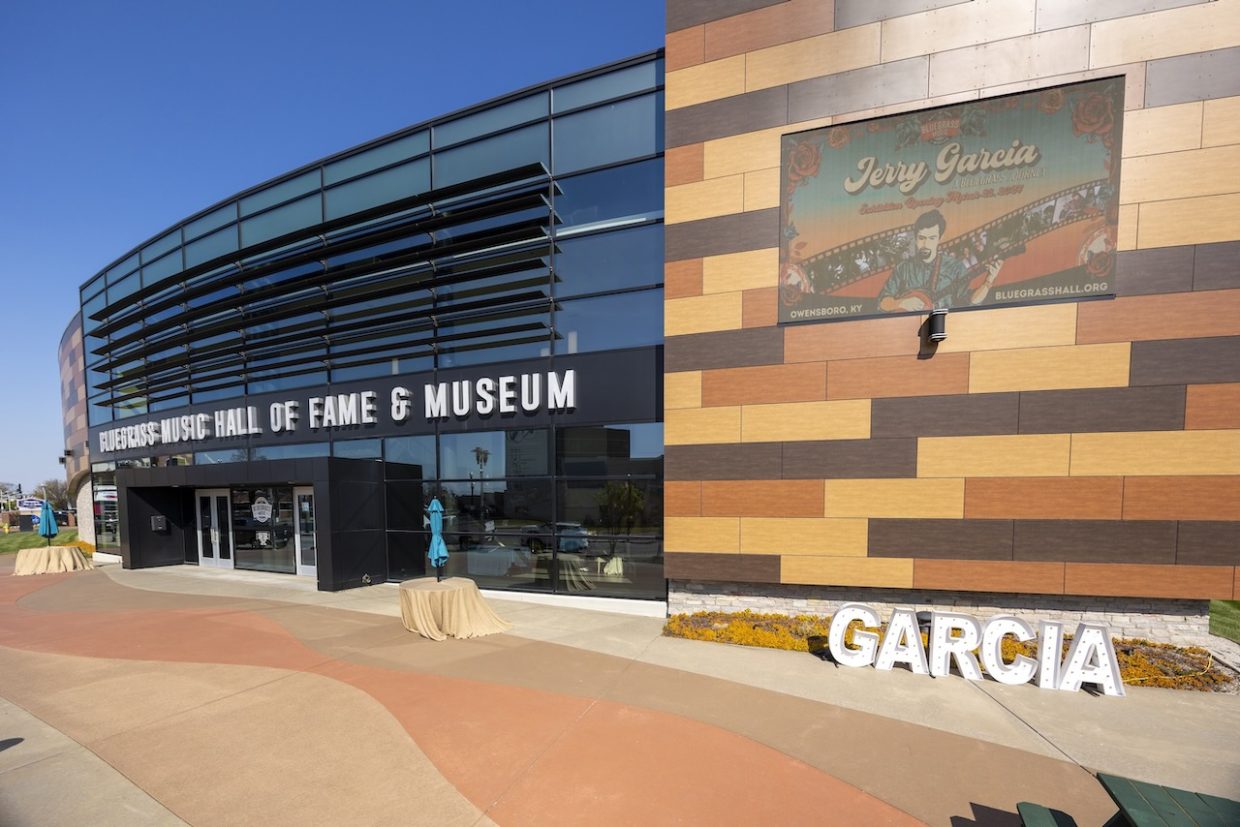
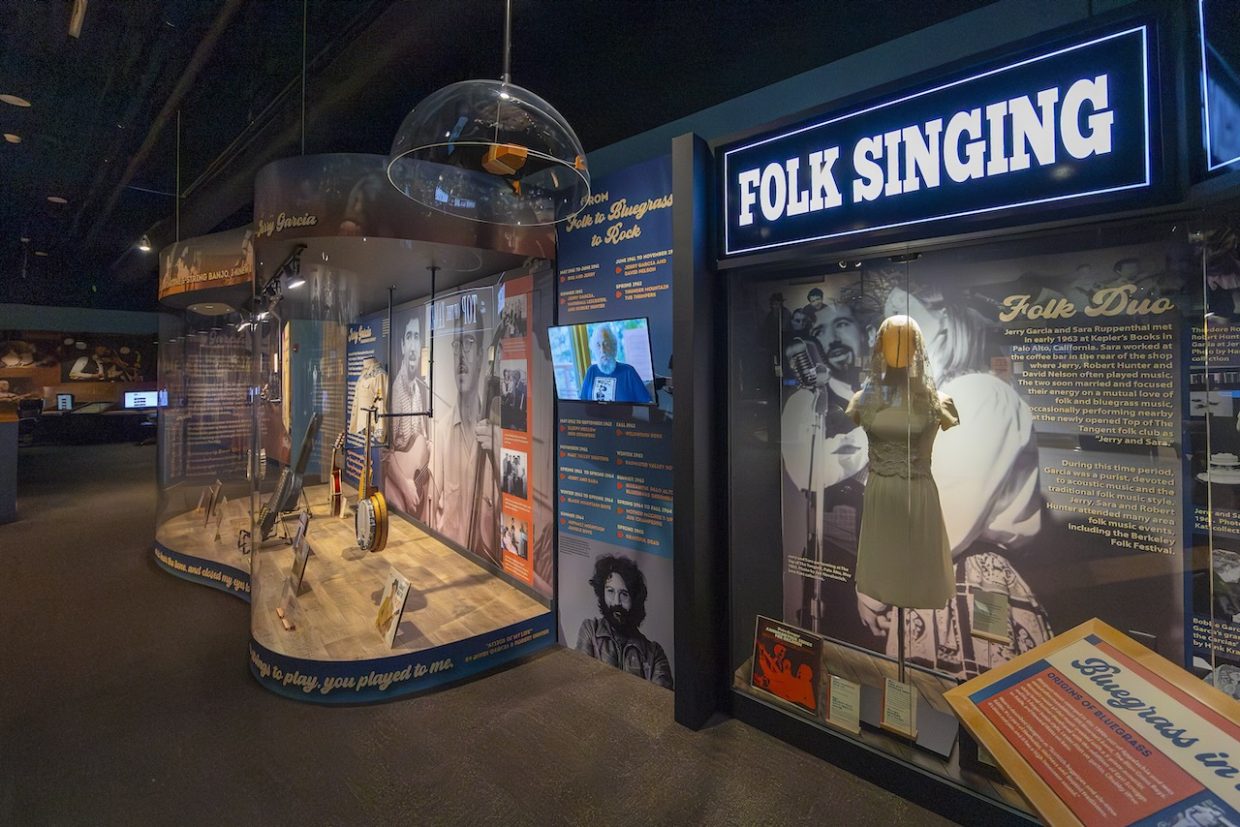
Although it will be showcased for the next two years, the recent grand opening celebration of the “Jerry Garcia: A Bluegrass Journey” exhibition at the Bluegrass Music Hall of Fame & Museum will go down as not only a monumental gathering of musical legends, but also an unforgettable moment in time for all involved.

“This exhibit is coinciding at a great moment for bluegrass,” says Carly Smith, museum curator. “[Jerry] funneled so many people to [bluegrass]. And a lot of present day artists — Billy Strings, Molly Tuttle — are incorporating Jerry’s style into what they’re playing.”

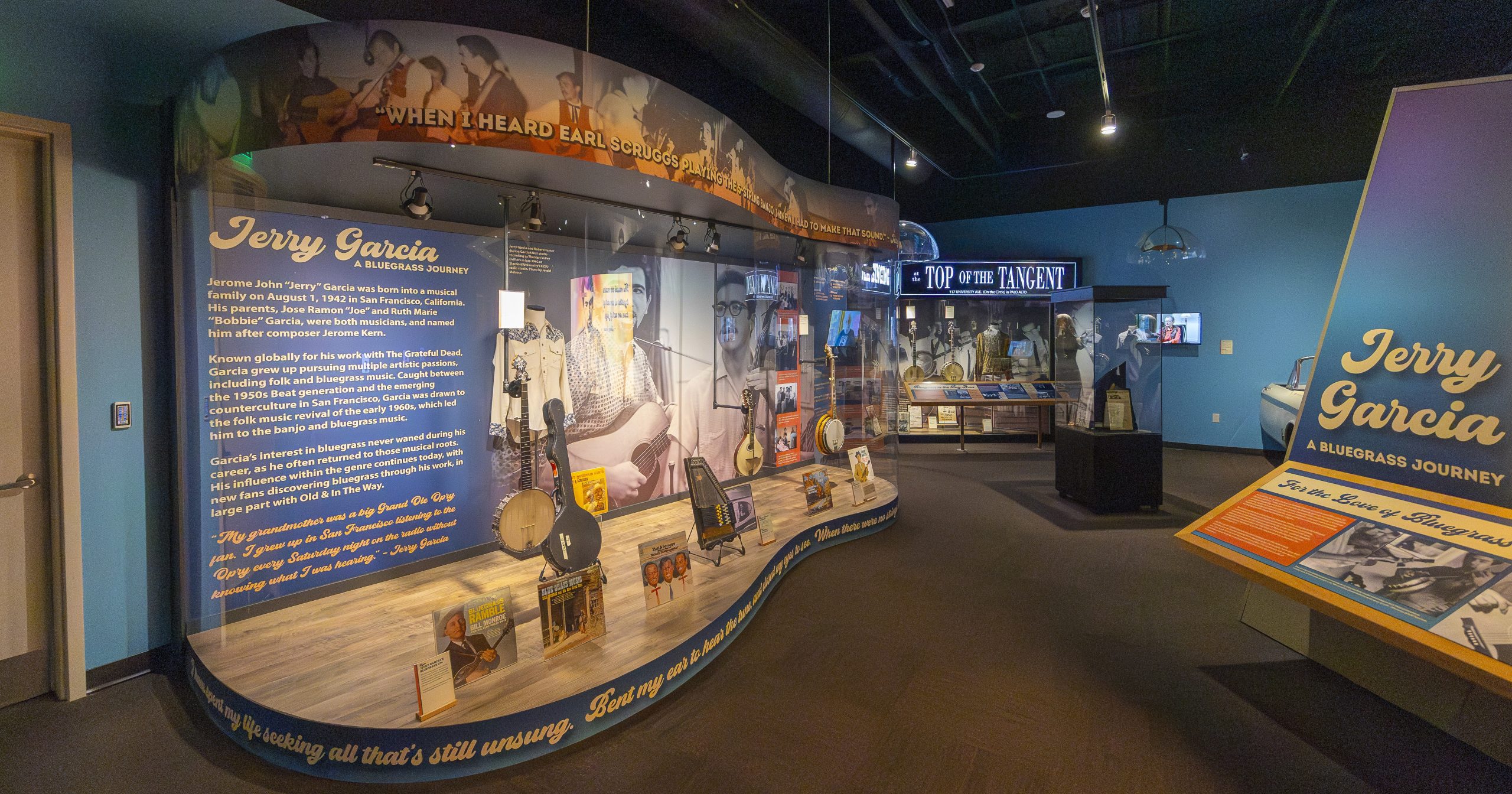
Located in downtown Owensboro, Kentucky, along the mighty Ohio River, the Bluegrass Hall of Fame has created an incredibly impressive and intricate ode to Garcia and his undying love of the “high, lonesome sound,” demonstrating how his indelible fingerprint on the genre is still clearly visible in this current high-water mark moment for bluegrass.

Known as one of the finest electric guitarists to ever pick up the six-string instrument, Garcia, who passed in 1995, is eternally known as the de facto leader and musical zeitgeist at the helm of the Grateful Dead. And yet, the foundation of Garcia’s playing and skillset lies in American roots music — folk, blues, and bluegrass.

Photo by Chris Stegner, courtesy of the Bluegrass Music Hall of Fame & Museum.

The exhibit weaves through Garcia’s early years as a folk musician in the 1950s, his lifelong friendship with musician/lyricist Robert Hunter, his time in a slew of acoustic outfits in the 1960s – including Mother McCree’s Uptown Jug Champions (an early footprint of the Dead) – as well as a keen focus on Garcia’s work in Old & In the Way and New Riders of the Purple Sage.

“I cried through the entire [opening weekend] press conference,” Cliff Seltzer, the exhibit’s creative director, says in a humbled tone. “I’ve been trying to keep my composure for this weekend because it’s overwhelming.”

For Seltzer, the journey to the opening weekend has been five years in the making. A well-known former artist manager, Seltzer was touring the museum in 2019 with one of his friends and clients, Vince Herman of Leftover Salmon. With curator Smith guiding the duo through the building, the group started kicking around ideas for what to put in a then-empty gallery portion of the second floor.

Photo by Chris Stegner, courtesy of the Bluegrass Music Hall of Fame & Museum.

“We’ve always talked about a Jerry Garcia exhibit, and it just kind of snowballed from there,” Smith says. “And it was very unexpected how open Jerry’s family was with [helping] us. What I’ve learned over the last two years, really working with them, is that bluegrass was part of [Jerry] — that’s what he was doing when he wasn’t on the road, that’s what he did at home.”

For the better part of the last half-decade, Smith, Seltzer and a small crew of folks roamed America, not only in search of Garcia artifacts to display (instruments, photographs, family heirlooms), but also numerous interviews with some of the biggest names in bluegrass to share in the exhibit — each talking at-length about Garcia’s cosmic lore, larger-than-life legends, and lasting legacy.

“Every genre of music has to morph and change. New people enter the fold and introduce new things,” Seltzer said. “With Billy [Strings], Molly Tuttle, Sierra Ferrell, and others, bluegrass is bigger [now] than it’s ever been — it’s only going to continue to grow.”

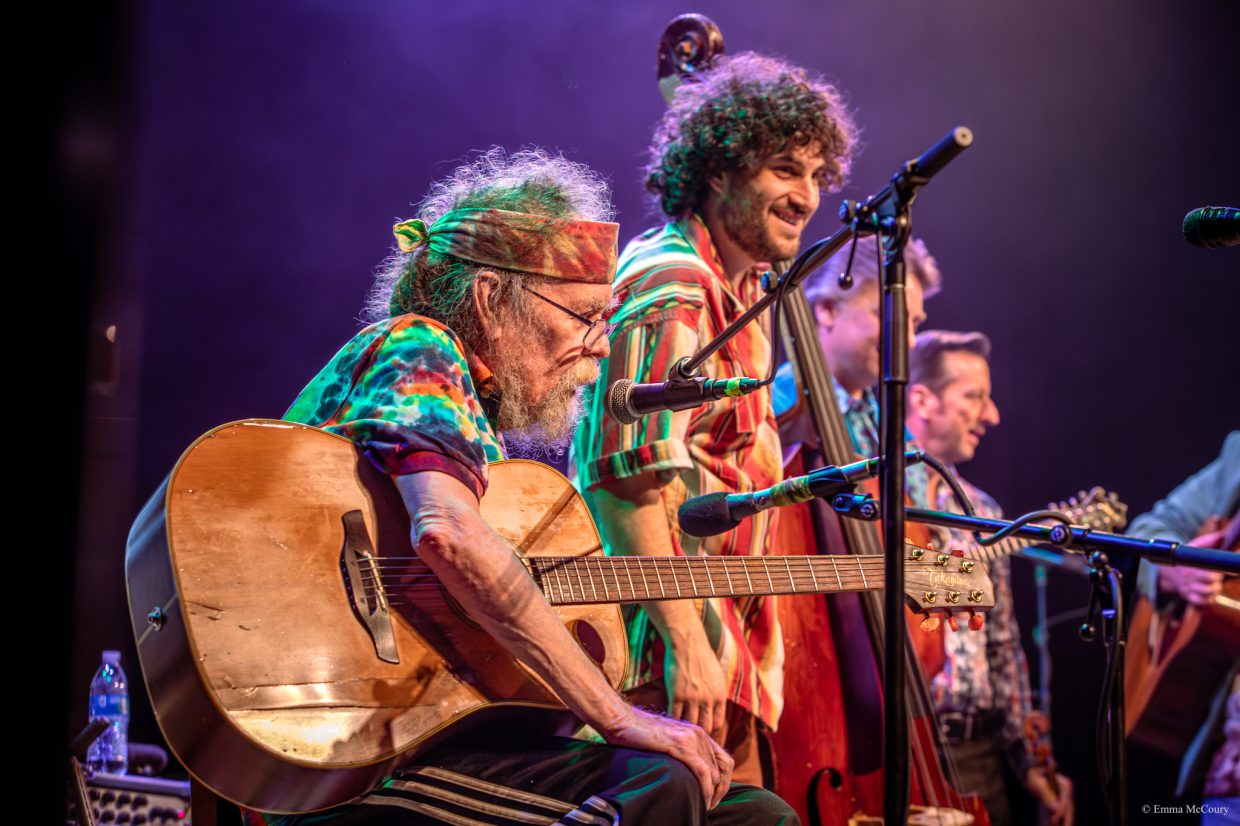
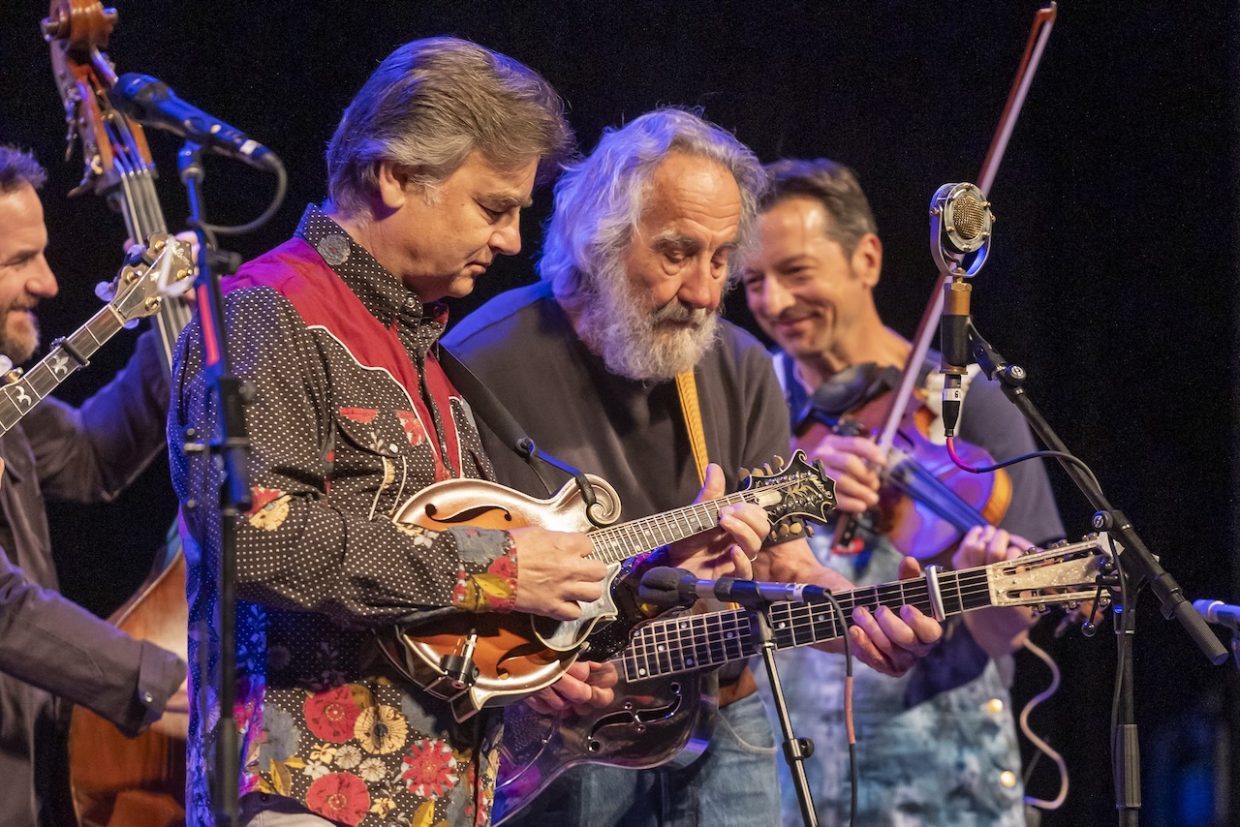
David Nelson joined by Sam Grisman, Ronnie McCoury, and Jason Carter on stage at the Bluegrass Hall of Fame. Photo by Emma McCoury.

Way before the Dead — before any of the melodic chaos and intrinsic beauty of what that band created onstage any given night for its 30-year tenure — there was Garcia himself, simply a huge bluegrass freak who, perhaps someday, would become a member of Bill Monroe & The Blue Grass Boys.

And although Garcia would eventually swerve into the electric sounds of rock and roll and blues, he was never too far from bluegrass. There were always side projects and low-key jam sessions with a bevy of acoustic musicians throughout the early years of the Dead in the 1960s and 1970s.

Most notable of those collaborations was with mandolin virtuoso David Grisman. Through Grisman, Garcia met guitarist Peter Rowan in 1972. A former member of Monroe’s Blue Grass Boys, Rowan found a kindred spirit — in sound and in attitude — with Garcia. The kismet trio would jam often at Garcia’s Stinson Beach, California, home, with Garcia plucking his trusty banjo.

“We started picking every night after supper [at Jerry’s],” Rowan says. “We went through old song books and learned a bunch of material. I remember singing ‘Land of the Navajo’ and looking at Jerry like, ‘This is really weird, isn’t it?’ He goes, ‘Keep going, man.’”

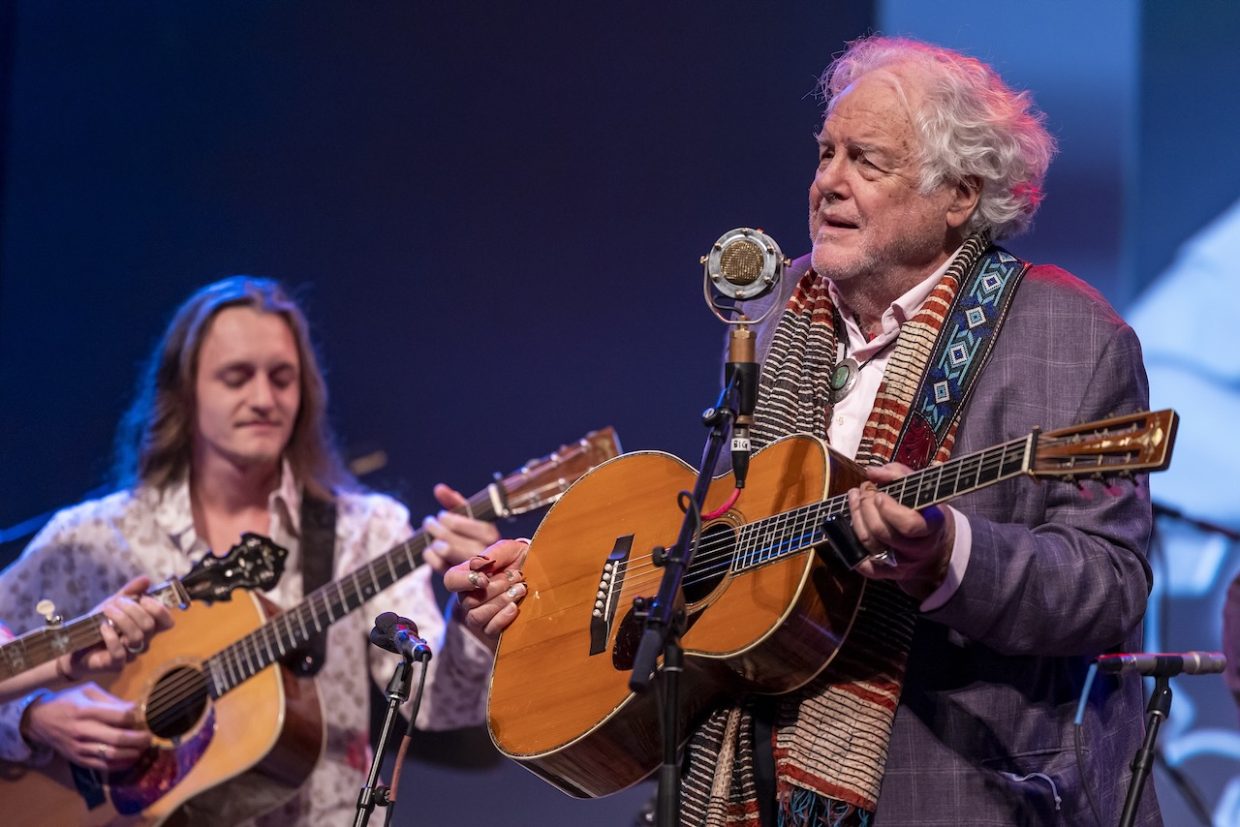
Peter Rowan speaks as Heaven McCoury looks on during the exhibition opening weekend festivities. Photo by Chris Stegner.

What was birthed from those happenstance pickin’ and grinnin’ sessions became bluegrass super group Old & In the Way. Like a shooting star in the tranquil night sky, the band — featuring Garcia, Rowan, Grisman, bassist John Kahn, and a revolving cast of fiddlers (Richard Greene, John Hartford, Vassar Clements) — would only last the better part of two years (1973-1974).

But, in it remains one of the most important and groundbreaking acts to ever emerge in the bluegrass scene. To note, Old & In the Way’s 1975 self-titled debut album went on to become the bestselling bluegrass album of all-time – until it was dethroned by the O Brother, Where Art Thou? soundtrack released in 2000.

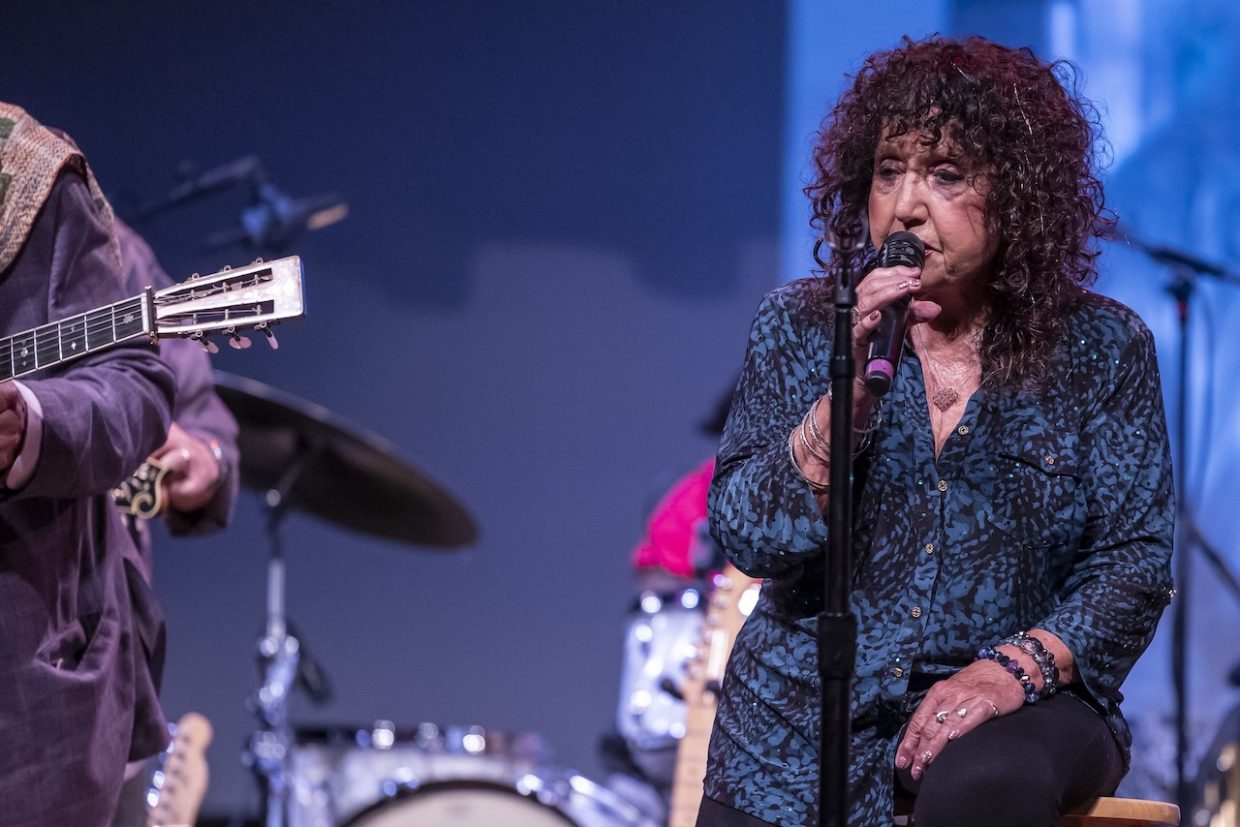
Maria Muldaur performs. Photo by Chris Stegner.

Alongside an onslaught of beautifully touching performances (Leftover Salmon, Maria Muldaur, Jim Lauderdale, Kyle Tuttle, Peter Rowan, Ronnie McCoury, Sam Grisman Project) and poignant gatherings of artists and music lovers throughout the “Jerry Garcia: A Bluegrass Journey” opening weekend, there were also several panels taking place each day at the museum.

Of which, “Garcia: Legend & Lore of a Bluegrass Freak” featured Peter Rowan (Old & In the Way), David Nelson (New Riders of the Purple Sage), Pete Wernick (Hot Rize), Sam Grisman (son of David Grisman) and Eric Thompson (Mother McCree’s Uptown Jug Champions).

“Old & In the Way really helped everything get bigger,” Wernick says. “It was this whole group of material that means so much to all of us in the bluegrass scene — it suddenly became something that people all over the world knew about.”

Greg Garrison, Ronnie McCoury, Eric Thompson, and Jason Carter perform. Photo by Chris Stegner.

Below are a few excerpts for that artist panel conversation:

Eric Thompson: I grew up in Palo Alto, California, kind of the nexus point for the folk world in the early ’60s. Joan Baez was from there. The Kingston Trio was from there. I got into the bluegrass guitar in [1961]. [Jerry] ended up there after he got thrown out of the Army. He got into all kinds of folk music and he would just devour a style. [He’d say], “Oh, I’m going to do that,” then two weeks later he’s got a whole repertoire. I was 15 years old and made friends with Jerry right away — it changed my life.

David Nelson: We’d go down to Kepler’s bookstore, which is an old hangout in Palo Alto. There was a section of it where you could get an espresso, sit down at a picnic table, and read a book. And there’s this guy [there]. It’s summer, so he’s got his shirt open and [big] hair. And he’s playing a 12-string guitar. Somebody comes up and says, “That’s Jerry Garcia.” We went over and pitched the idea [of jamming together]. Sure enough, next Tuesday night, we’re waiting and waiting. Then, all of a sudden, here comes the car and there’s Jerry coming up the stairs with a guitar and some friends. It started off a whole [jamming] thing at the Boar’s Head [Tavern], which just went on for months and years maybe. [Jerry] was interested in bluegrass banjo and I was interested in bluegrass guitar. I got me a banjo. Jerry said, “Oh, man, borrow my guitar. Can I borrow this banjo?” He happened to have a 1940 Martin D-18 [guitar].

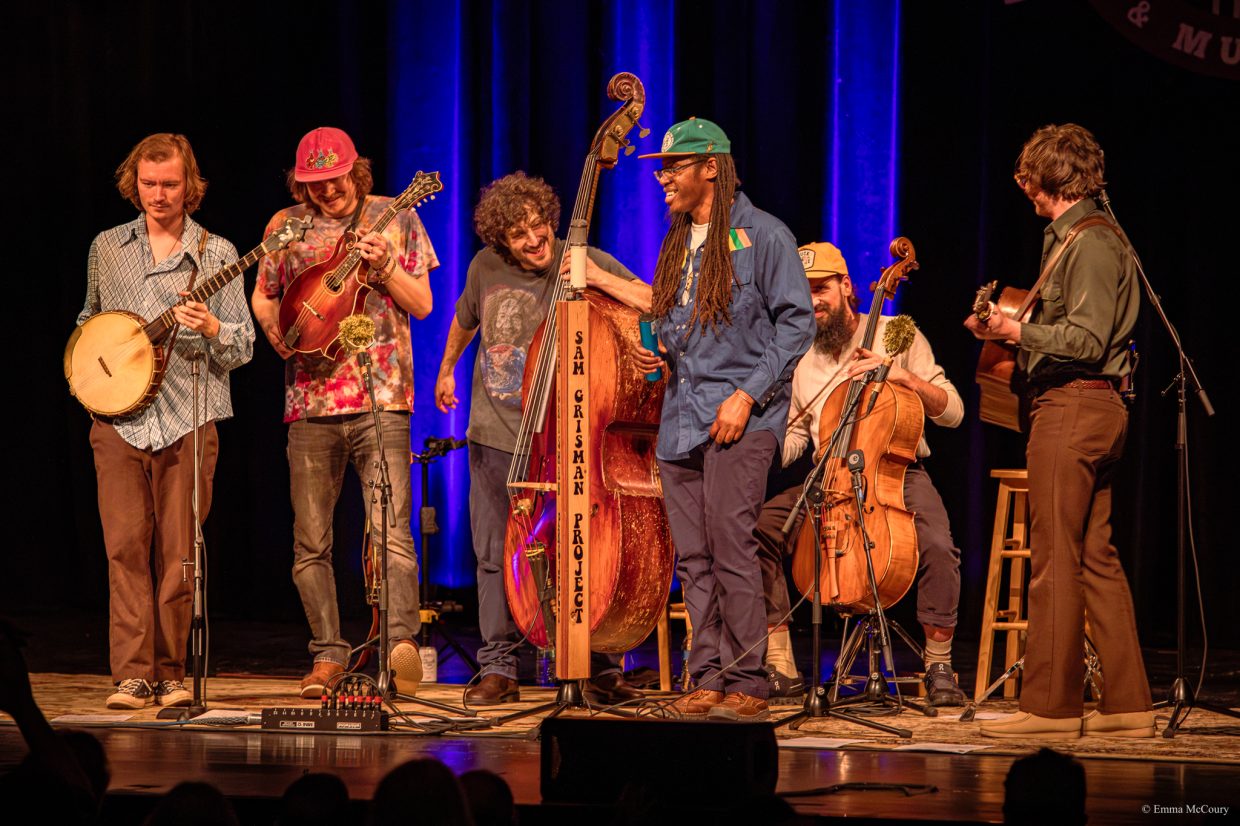
The Sam Grisman Project – featuring Victor Furtado, Logan Ledger, and more – take a bow. Photo by Emma McCoury.

Thompson: [Jerry] brought some openness to the approach [of bluegrass music]. I know [so] many people, who are mostly not bluegrass musicians, who found out about [bluegrass] because of Old & In the Way. It was open and expressive and, at the same time, paid respect to what came before. It was this new, intelligent thing. And intelligence is what Garcia brought to the music, [as well as] imagination, articulation.

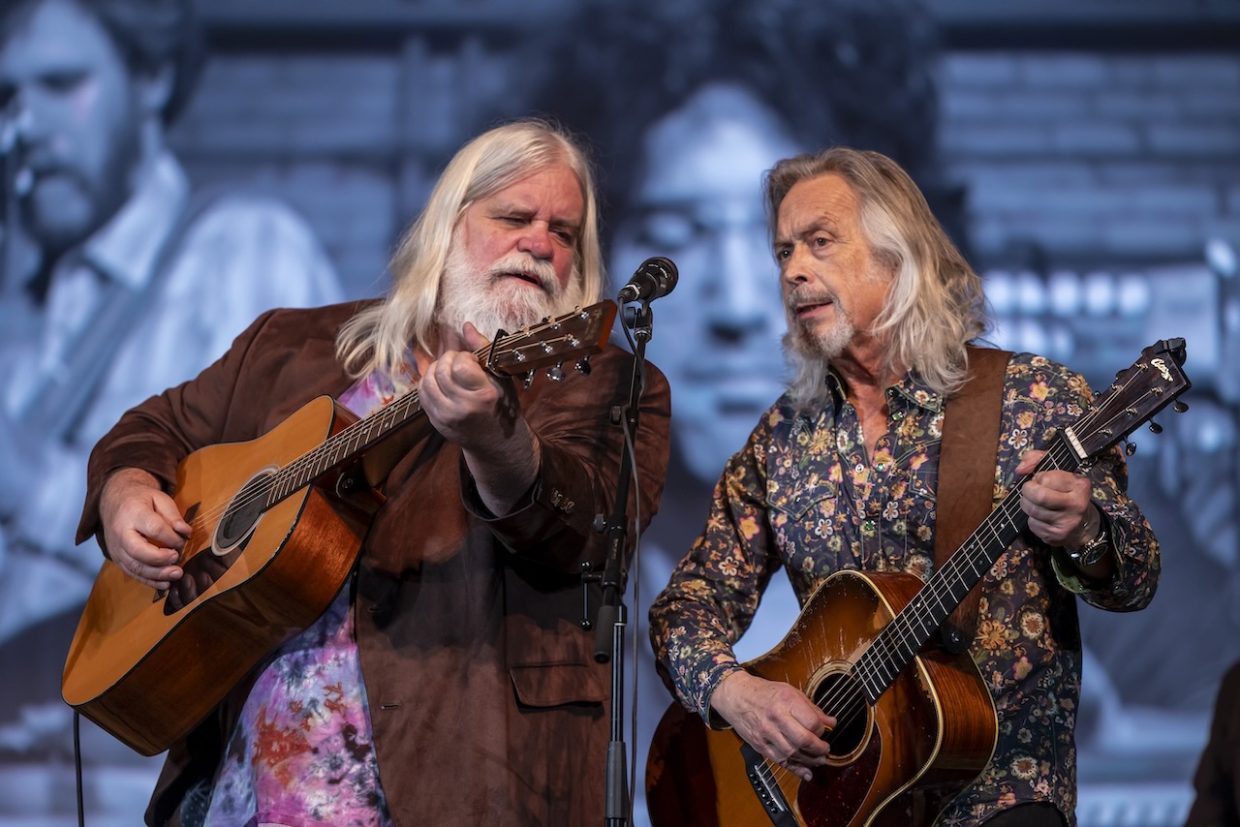
Vince Herman and Jim Lauderdale harmonize. Photo by Chris Stegner.

Get more information on “Jerry Garcia: A Bluegrass Journey” and plan your visit to the Bluegrass Music Hall of Fame & Museum here.


Photo Credit: All photos by Chris Stegner and Emma McCoury, as indicated. Courtesy of the Bluegrass Music Hall of Fame & Museum.

You Gotta Hear This: New Music From Ben Sollee, Sideline, and More

This week, BGS readers were graced by two special, Valentine’s Day-themed premieres from jamgrass supergroup The High Hawks and singer-songwriter Caroline Cotter. Plus, our old friend, Kentucky-based cellist Ben Sollee, brought us a gorgeous new performance video of a John Prine cover shot surrounded by verdant houseplants.

Below, catch up on that new music you might have missed from earlier in the week and discover brand new, exclusive premieres from bluegrass group Sideline and indie/Americana duo the Ballroom Thieves. It’s all right here on BGS and… You Gotta Hear This!

Sideline, “The Lives of the Innocent”

Artist: Sideline
Hometown: Raleigh, North Carolina
Song: “The Lives of the Innocent”
Release Date: February 16, 2024
Label: Mountain Home Music Company

In Their Words: “It was great getting back in the studio after over two years. There was a lot of bottled-up magic that came bursting out when we hit the first downbeat. This song fit the very definition of what Sideline is as a sound and the energy we project. It certainly enters the catalog as a blood-pumping, foot stomping, Sideline hit for the ages.” – Skip Cherryholmes, guitar

“‘The Lives of the Innocent’ was a song that was inspired by the Hibriten Guards during the Civil War that mustered in Alexander County, North Carolina. They saw heavy combat during the war, suffering a high casualty rate, and this tune chronicles what potentially could have been one of the soldiers in those ranks. Steve [Dilling] and the guys bumped the tempo a little and captured the essence of the song and the singing is just top-notch!” – Shannon Slaughter, songwriter

Track Credits:
Skip Cherryholmes – Guitar
Steve Dilling – Banjo, harmony vocal
Matt Flake – Fiddle
Nick Goad – Mandolin, harmony vocal
Kyle Windbeck – Bass
Bailey Coe – Lead vocal


The Ballroom Thieves, “Tender”

Artist: The Ballroom Thieves
Hometown: Easton, Massachusetts
Song: “Tender”
Album: Sundust
Release Date: April 12, 2024
Label: Nettwerk Music Group

In Their Words: “We were listening to the band Watchhouse at Newport Folk Festival in 2022 and their sparse instrumentation and fluid melodies inspired us to start writing ‘Tender’ right on the spot. We learn a lot from our peers, and in this case, the lesson was about the importance of creating space for your songs to breathe so you can hear what’s happening between the notes.” – The Ballroom Thieves


Ben Sollee, “Only Love” (John Prine Cover)

Artist: Ben Sollee
Hometown: Louisville, Kentucky
Song: “Only Love”
Release Date: February 13, 2023

In Their Words: “John Prine had a knack for folding mantras in to his songs. This song has a message that resonates deeply with my journey as a creative, father, and husband [and] that is so needed in this fitful world. ‘When love comes your way, you learn to say, I love you!’” – Ben Sollee

More here.


The High Hawks, “This Is What Love Feels Like”

Artist: The High Hawks
Hometown: Boulder, Colorado and All Points Between, USA
Song: “This Is What Love Feels Like”
Album: Mother Nature’s Show
Release Date: February 16, 2024

In Their Words: “This song sits in a slightly different world than the rest of The High Hawks’ new record. It’s a step into the mind of a hopeless romantic at a show, waiting for the band to come on with his love by his side. Sometimes the world just seems to conspire to make everything just right. This is about one of those nights. The song came out of a co-write with Chris Gelbuda, Shawn Camp, and myself one Nashville summer afternoon. I’m glad it found a home with The High Hawks!” — Vince Herman

More here.


Caroline Cotter, “Do You Love Me?”

Artist: Caroline Cotter
Hometown: from Providence, Rhode Island; currently living in Ellsworth, Maine
Song: “Do You Love Me?”
Album: Gently As I Go
Release Date: August 18, 2023

In Their Words: “‘Do You Love Me?’ is a love song, short and sweet and perhaps a bit tongueincheek, echoing desperate and anxious attempts from a hopeless romantic to their new love (and the universe) to get some certainty in very uncertain territory. This anxiety and excitement come together in a fun little package, trading places depending on the day or the moment, and sometimes it’s best to laugh at the silliness of it all, and realize that attempts to know or pretend to know by reading the signs are likely futile, but if nothing else, they’re fun to sing about. I love how Fernando’s illustrations in the video bring out the whimsy, playfulness, and sweetness of the lyrics.” – Caroline Cotter

More here.


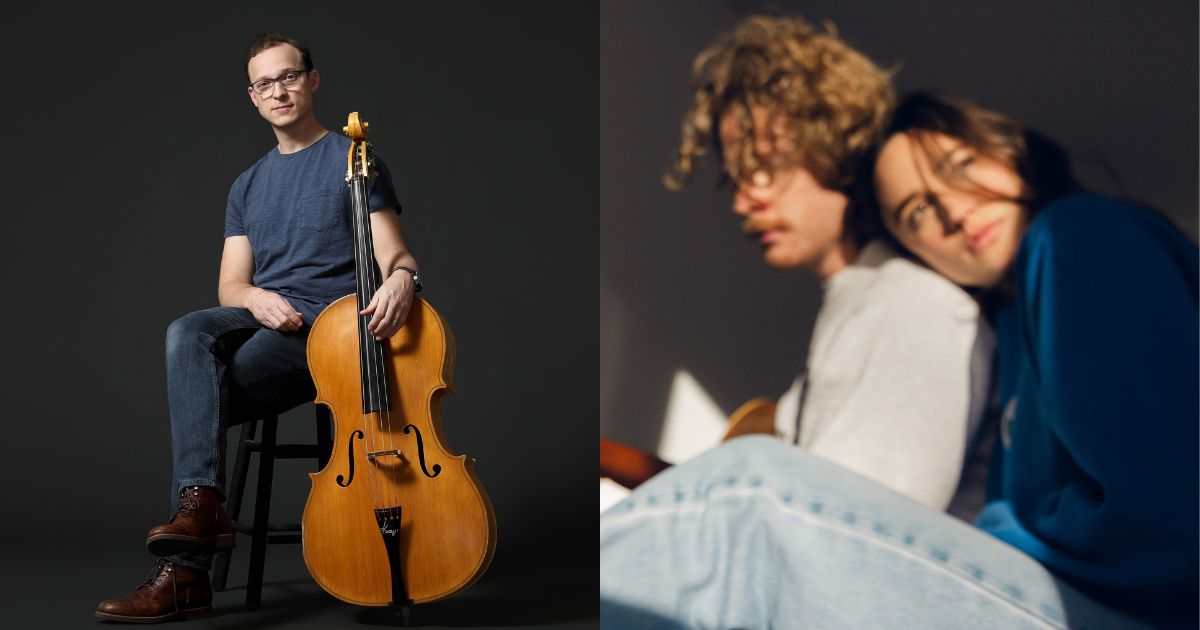
Photo Credit: The Ballroom Thieves by Meredith Brockington; Ben Sollee by Jessica Ebelhar.

LISTEN: The High Hawks, “This Is What Love Feels Like”

Artist: The High Hawks
Hometown: Boulder, Colorado and All Points Between, USA
Song: “This Is What Love Feels Like”
Album: Mother Nature’s Show
Release Date: February 16, 2024
Label: LoHi Records

In Their Words: “This song sits in a slightly different world than the rest of The High Hawks’ new record. It’s a step into the mind of a hopeless romantic at a show, waiting for the band to come on with his love by his side. Sometimes the world just seems to conspire to make everything just right. This is about one of those nights. The song came out of a co-write with Chris Gelbuda, Shawn Camp, and myself one Nashville summer afternoon. I’m glad it found a home with The High Hawks!” — Vince Herman

Track Credits: Written by Vince Herman, Shawn Camp, Chris Gelbuda

Vince Herman – lead vocals, acoustic guitar
Adam Greuel – background vocals, acoustic guitar
Tim Carbone – fiddle
Chad Staehly – piano, mellotron
Brian Adams – bass guitar
Will Trask – percussion


Photo Credit: Michael Weintrob

Banjo Player Kyle Tuttle Reflects on Personal Growth and ‘Labor of Lust’

One of the most talented and sought after banjo players in bluegrass, Kyle Tuttle’s life has been full of the highest of highs and lowest of lows in recent years, from a marriage and divorce to the surprise death of close friend and bandmate Jeff Austin to the loss of his job due to COVID and finally hitting the road as a member of Molly Tuttle & Golden Highway.

All of that and more are documented on Labor of Lust (out February 16), an 11-song expedition taking listeners on a deeply personal and sonically diverse journey of tragedy and triumph. Recorded across three separate sessions in Nashville dating back to 2018, the record also documents a significant chunk of Tuttle’s life that, despite the length of time and changes that come with it, aren’t lacking a central theme. This led him to describing the project as “a long work-in-progress,” due to how its focus shifted throughout the more than five years of bringing it to life.

“By the time it was all said and done, this was a pretty eclectic group of songs,” Tuttle tells BGS. “There’s some stuff with an electric band that includes drums and me on electric banjo, others with traditional string band arrangements and some that meet in the middle for a more jamgrass sound.”

One of the songs that bridge the gap between these two worlds of bluegrass is “Hard to Say,” a song that sees Tuttle grieving the loss of Austin, his marriage, and his job all at the same time. It’s anchored by his blistering banjo backbone with introspective lyrics like, “Knowing that it’s gone and gone for good, makes you wonder what the hell you’re waiting on?” that serve as a message to himself and anybody listening to ask the questions you need to ask, then play another one.

“Even though the music and lyrics were written over a handful of years, loss and learning to deal with it on a personal level is central to this record,” indicates Tuttle. “That being said, there’s a lot of joy within these songs too. I don’t want to make it seem like I wrote music for five years and all I experienced was misery. Loss is something we all have to deal with at one time or another, and my way of dealing with it was to write some of this music.”

Speaking by phone from his snowed-in Nashville home following a mid-January winter storm, Tuttle opened up about how he approaches being a bandleader compared to his current gig with Golden Highway, being stuck in a Bob Ross painting, choosing to work doing something you love, and more.

You’re notorious for staying extremely busy in your musical endeavors, from sitting in with folks on stage and in the studio to your stints with the Jeff Austin band, (your current gig with) Molly Tuttle, and your own compositions and projects, like Labor of Lust. With that in mind, how do you approach your own music versus being a member of someone else’s band?

Kyle Tuttle: It’s a bit different, because with my own show I’m the bandleader, along with other variables. With my shows, I play with lots of different members, I don’t have one set group of people that know my body of material super well, but rather lots of friends I can call on who all have different strengths. For that reason, when fronting my own band I’m more in the headspace of trying to wrangle all these people and variables together for a cohesive show, whereas with Molly we all have our roles that are specifically defined. One role isn’t more comfortable to me than the other, they just both require different things from me.

Is that comfort what had you leaning on friends like Travis Book, Dominick Leslie, and Lindsay Lou in the studio instead of session players?

It speaks very similarly to what we were just talking about with putting together a version of the Kyle Tuttle Band for shows. I wouldn’t use the term session player though, because even though all of these people are my friends they can also be called “session players” for their work on other’s records, because they’re all so good at what they do. I pick them very specifically based on their strengths and what they’ll bring to the music. I’ve been lucky through my years in the business to build personal connections with an awesome group of people that I can call when I’m looking to create something.

Although not an original, I really enjoy your cover of Harry Nilsson’s “Turn On The Radio” that closes the album. What drew you to that song of his in particular instead of “Coconut” or another of Nilsson’s gems?

I’m gonna have to work on a “Coconut” cover next, because that song is awesome! In all seriousness, [“Turn On The Radio”] felt like a thematically appropriate way to close this album. At the end of the day, I’m just a jamgrass stoner that plays banjo wanting to make a record that people can enjoy and have fun with. This record has some heavy undertones, so I felt like it deserved a nice ribbon on top to end it. It speaks to me big time, [about] remembering those near and dear who you’ve lost, especially if they’re an artist doing something you can hear. That sentiment of “turn on your record player, listen to my song, turn on your night light baby, I’m gone” felt like the right words to capture that feeling even though I didn’t say them, Harry did! I’ve loved the song for a while, so when I began putting this record together it immediately made sense to close it with this.

In terms of your own songs, I understand that “Trailer In Boulder Canyon” came together at two different times, similar to the recording process for all of Labor of Lust?

That’s a funny one, because as I said previously, I’m just a jamgrass stoner banjo player. First and foremost it’s a fun, feel good song about a magical place — a shitty little trailer on the side of a mountain up in Nederland, Colorado, where you don’t have to worry about any of your troubles or cares and just get to play fiddles and banjos and have fun all day. There’s a great jamgrass scene up there due to Vince Herman and Drew Emmitt basically starting Leftover Salmon up there. Years later some of The String Cheese Incident guys moved there followed by Jeff Austin, leading to the eventual forming of Yonder Mountain String Band there as well. There’s such a rich history of the music I love so much in that goofy little mountain town.

I initially wrote the chorus and first verse for the song as a goofy little ditty after it bounced around in my head for a while. I went up there when Vince put together a memorial concert for Jeff to help raise money for his family and so people could grieve together and ended up writing the second half of the song driving up the canyon road to get there. So like a lot of things on this record, part of it came to me at one point before finishing it off much later.

You’ve got three instrumentals on this record and another mostly instrumental tune in “Two Big Hearts.” What variations do songs like those have compared to ones with lyrics in the creation process?

The process is relatively the same, because no matter if I write with lyrics or melody I’m starting with some short idea and building around that nugget of information piece by piece. If it’s a melody, it’ll probably come out as an instrumental, but if it’s with lyrics it’s probably going to come out as a song with vocals. Even though it’s one track, “Two Big Hearts” is really two songs. The lyrics in it don’t come in until the second song, nearly four minutes in, but I felt that both were similar enough that they should be together and presented as one idea. I don’t think I’ll ever play one part of it without playing the other.

On “Not Quite Spring,” you’re singing about being stuck inside a Bob Ross painting. How’d that idea come about?

That’s a COVID song. I was sitting around on the couch watching a lot of Bob Ross’s The Joy Of Painting, just killing time like we all were back then. All of his paintings were titled and each episode of his show is titled after the painting he does in it. [“Not Quite Spring” is season 25, episode 3]. It’s of this spooky, huge mountain that’s covered in snow and frozen. A lot of his paintings are happy sunsets and warm things like a pond reflecting the trees around it, a stark contrast to this one that’s cold, dark and lonely, which is exactly how I felt at the time trapped inside my house.

In the album’s liner notes you allude to a life in music often being painted in glamor, when in reality it’s a consistent grind where persistence pays off. Is that message of sticking to it what you’re singing about on “Saddle Up?”

“Saddle Up” is the term I have for getting up every day and doing it again. It’s the idea that you may not have succeeded today or done everything you wanted to do the way you wanted to do it, which is what I’m touching on with the lyric, “The past can’t be where my best is.”

I feel like persistence defines my own life and career. Anyone who works in pursuit of a skill or art is always striving to get better. Even outside of that, we’re all working on our personal relationships and doing better by the people around us. Hopefully our best work, whether it be art or personal growth, is ahead of us and it’s not all downhill from here. It’s also a message I wish to impart on any listener or friend going through a rough patch to remind them that brighter days are on the horizon.

With Labor of Lust’s themes of personal growth in mind, what’s one resolution you have for yourself, music or otherwise, in 2024?

I’m actually trying to play the banjo even more, not from the standpoint of traveling and playing more shows, but just tinkering with it more in my downtime. It’s an interesting duality, tying your work to something you love. It’s a tricky thing to do because the lines between work and play are instantly blurred and made one. If it’s all work and no play it makes Jack a dull boy, so my resolution is to just keep the banjo in my hands for fun and to work smarter, not harder, which comes back to the idea that the past is not where my best work is.


Photo courtesy of the artist.
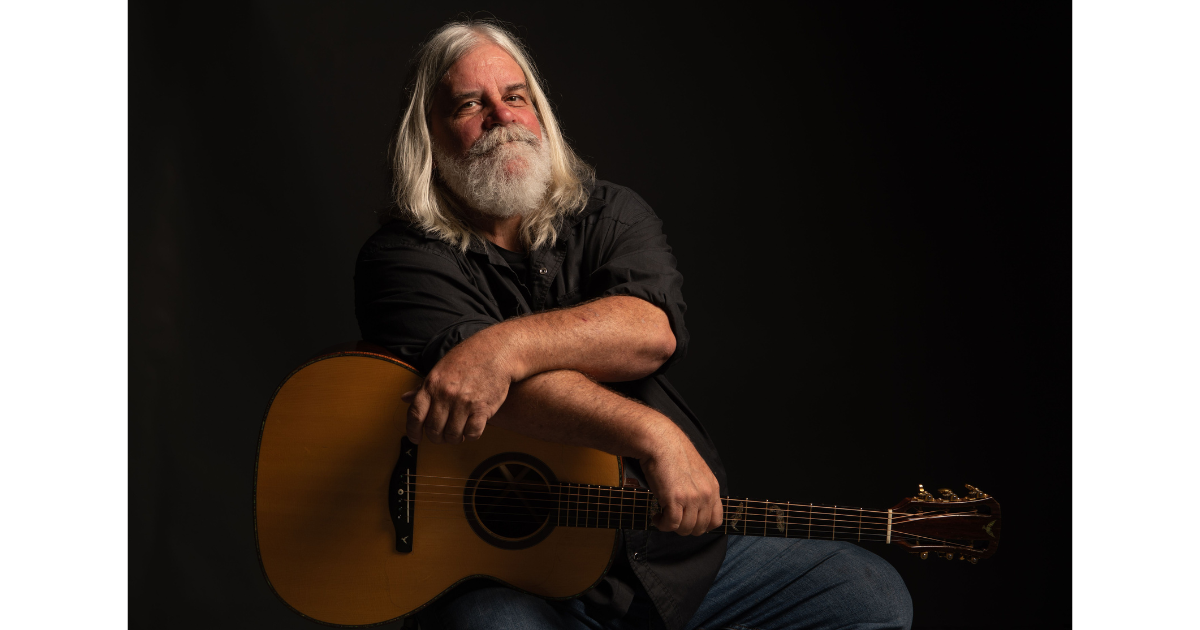
BGS 5+5: Vince Herman

Artist: Vince Herman
Hometown: Madison, Tennessee
Latest Album: Enjoy the Ride

Which artist has influenced you the most … and how?

As far as big influences go, polka bands were my first taste of live music. Family weddings always had a polka band. Often Frank Granata’s band from Carnegie, Pennsylvania. As far as playing music myself, I’d have to say that seeing David Bromberg with his big band in 9th grade really set me on the path to developing a bluegrass obsession. They played several instruments each and really dug into traditional music in a lot of forms. I’m still musically ADD from that experience. The first time hearing Doc Watson also blew my mind.

What was the first moment that you knew you wanted to be a musician?

The first time I knew I wanted to be a musician is way too early to remember. I have a photo of myself at three-years-old playing a plywood guitar my brother made for me, dressed as a Beatle. Ten years later, I went to the Smoky City Folks Festival in Pittsburgh and saw 40 old time musicians playing a tune together under a tree in the park. The social aspect of music dawned on me there. I realized I could travel and meet people by playing music. Boom. I was all in.

If you had to write a mission statement for your career, what would it be?

My musical mission statement is centered around having a good time. Music brings people together usually as their best self. It’s my job to make them happy. They made the choice to spend time with me and the band. Dancing’s fun. Humor goes a long way and improvising about the here and now always seems to bring folks further into the moment we’re all sharing. Making the world go away for a bit is a good thing. On the other hand, artists have a responsibility to interpret the current cultural situation and that may involve politics. That doesn’t scare me. Some of the best moments of my career have been singing a song from my heart that makes you think of social justice issues.

What has been the best advice you’ve received in your career so far?

I’d say the best advice I’ve ever received is to be myself and know that expressing your real self is far more important than trying to play to some imagined level of perfection. Bruce Hampton really drove this home. He’d be on stage with monsters like Jimmy Herring or Otiel Burbridge yet his simple soulful notes would bring the house and his band to their knees. It’s about the intention. Why are you playing something rather than how!

Since food and music go so well together, what is your dream pairing of a meal and a musician?

My ideal meal/musician combo would be to be in South Louisiana making a big seafood gumbo while BeauSoleil played in a picnic shelter next to the water. Food and music that reflect a place and the culture it grows out of is my jam!


Photo Credit: Michael Weintrob

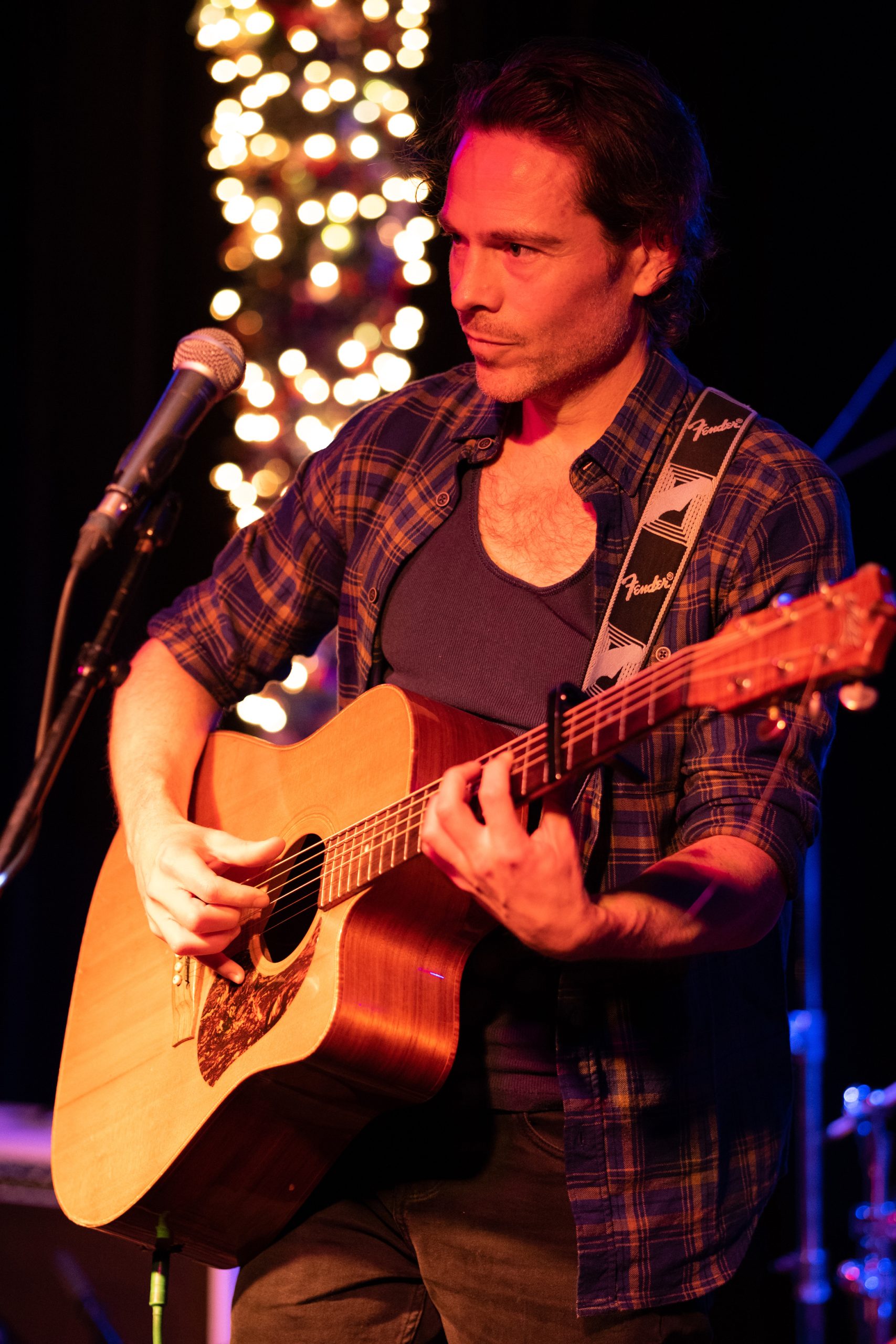
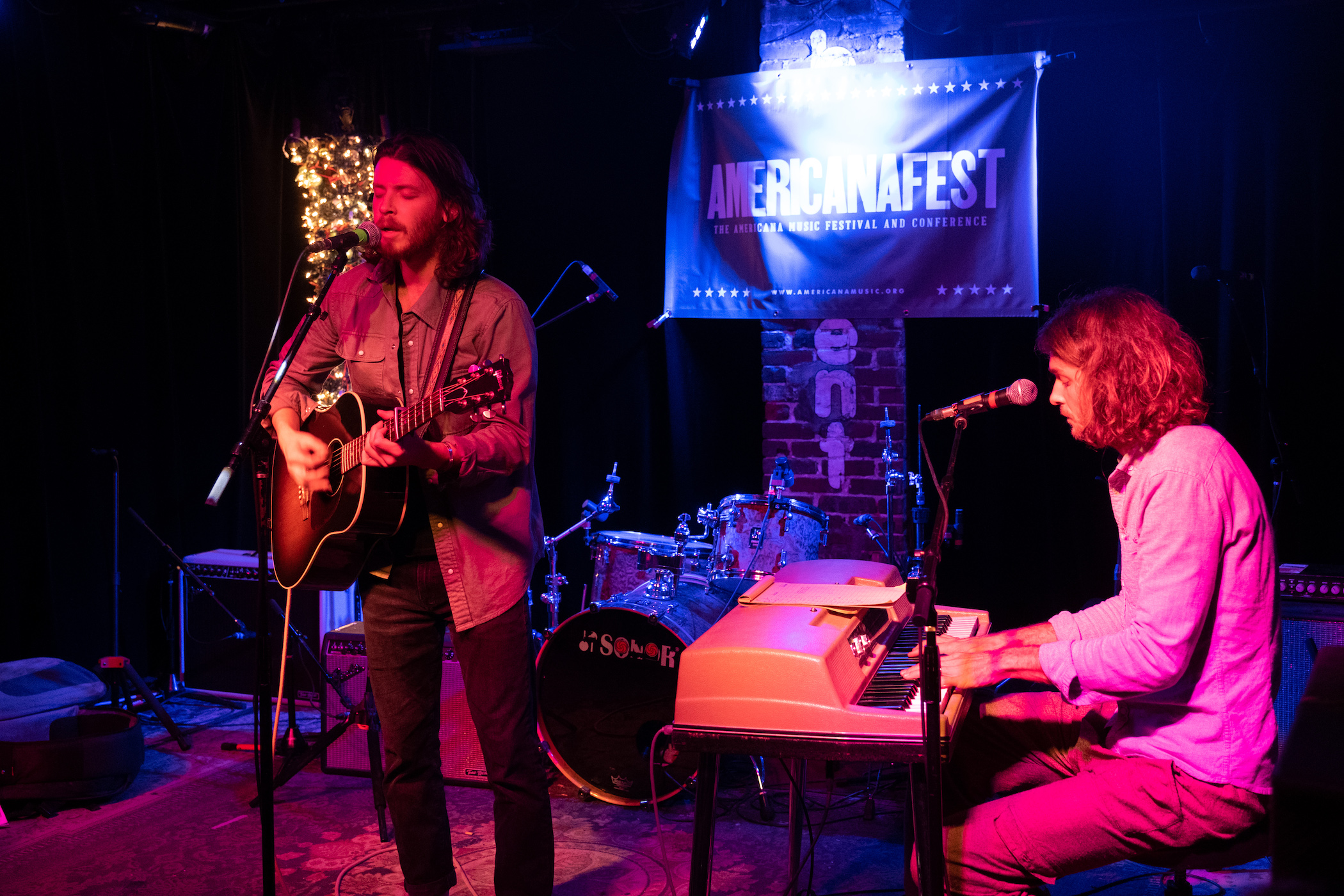
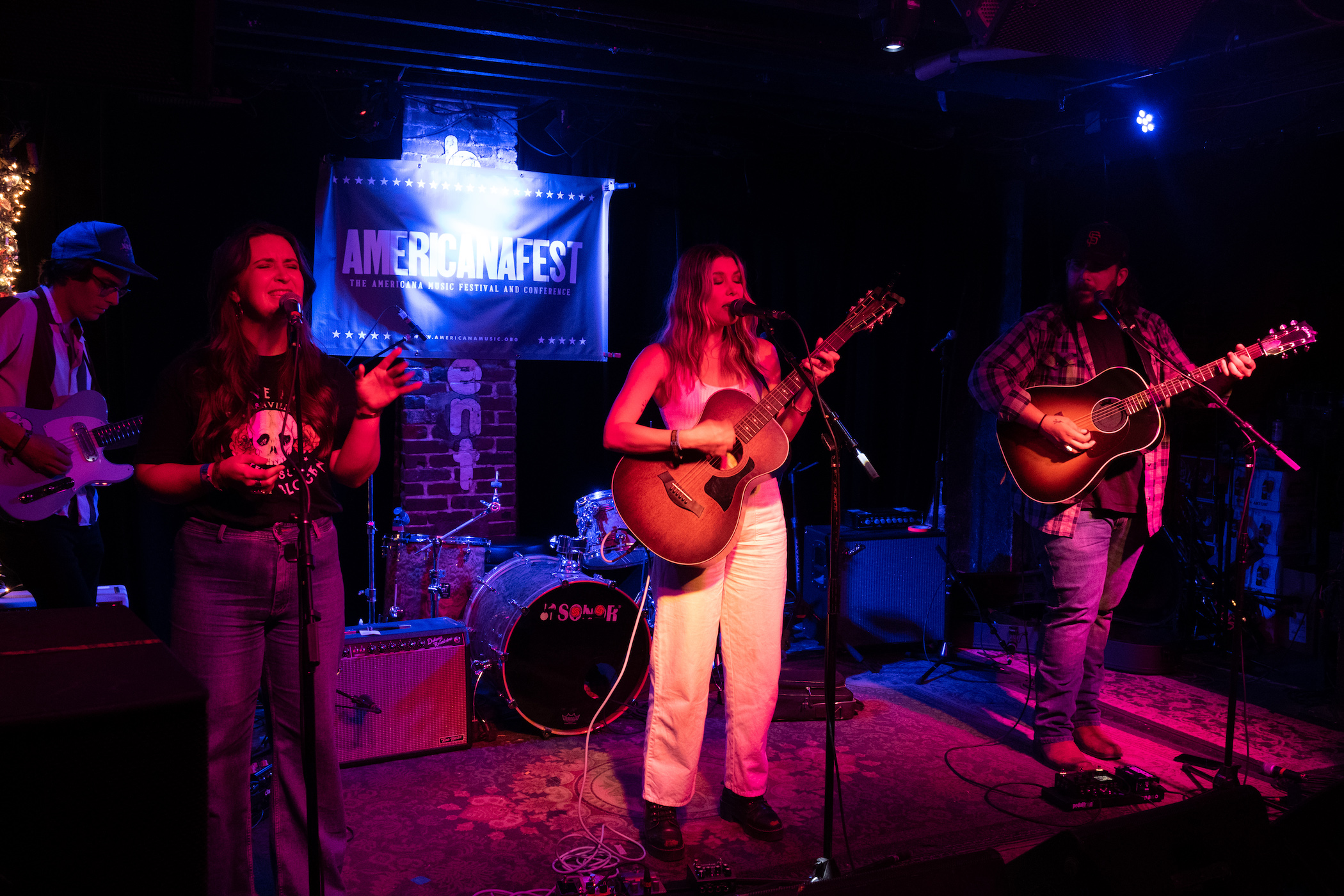
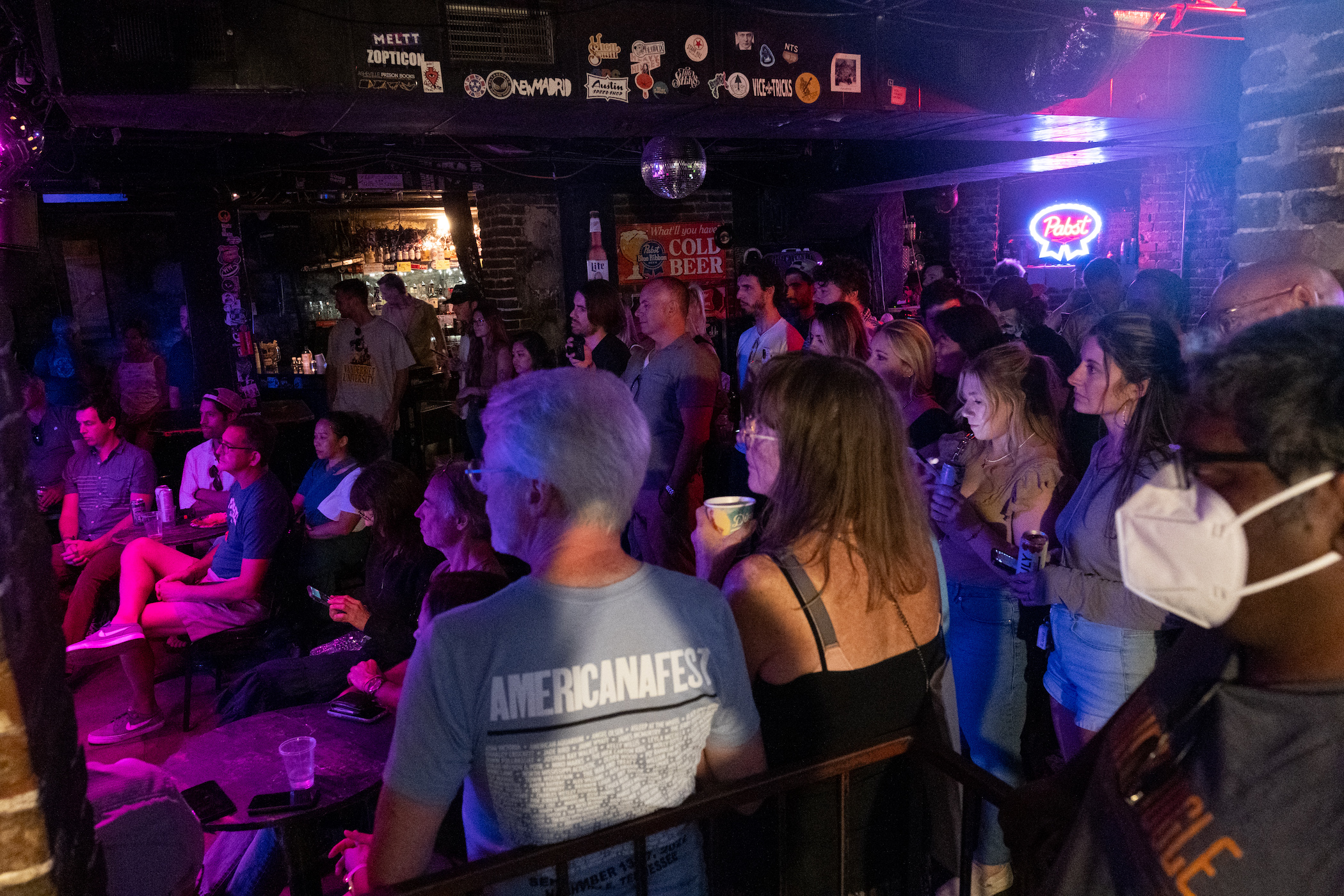
A Bluegrass Family Reunion at AmericanaFest: Photo Recap

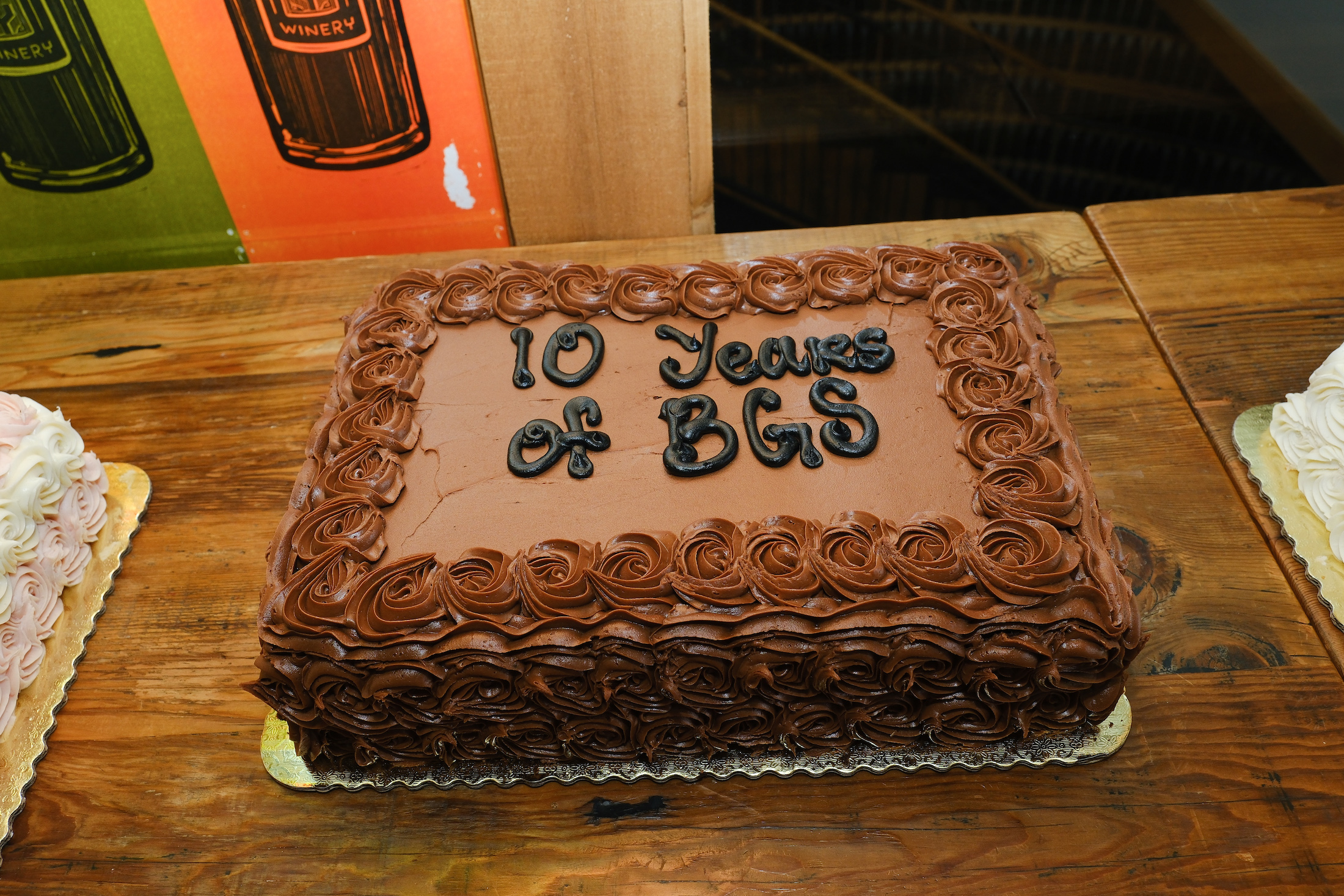
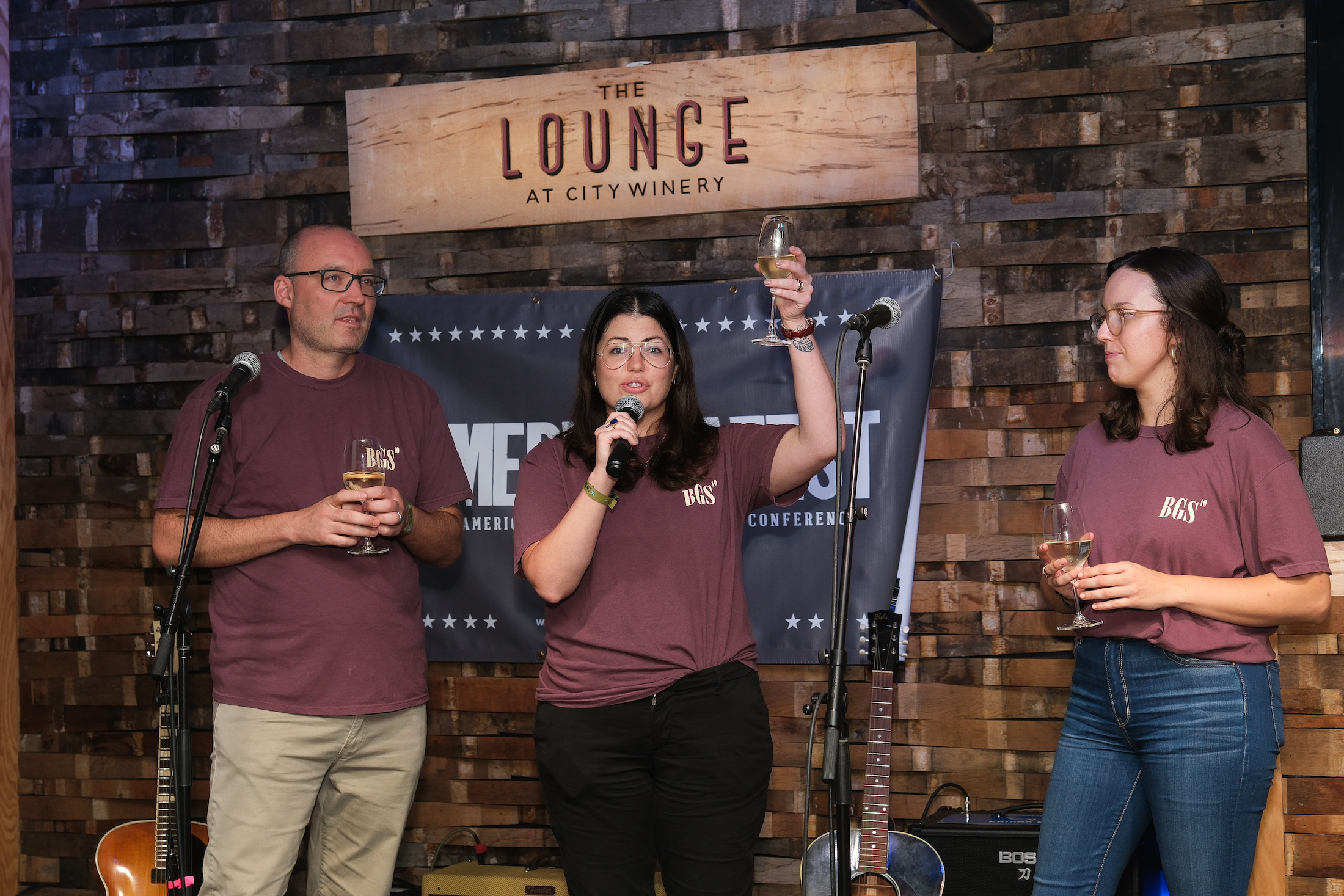
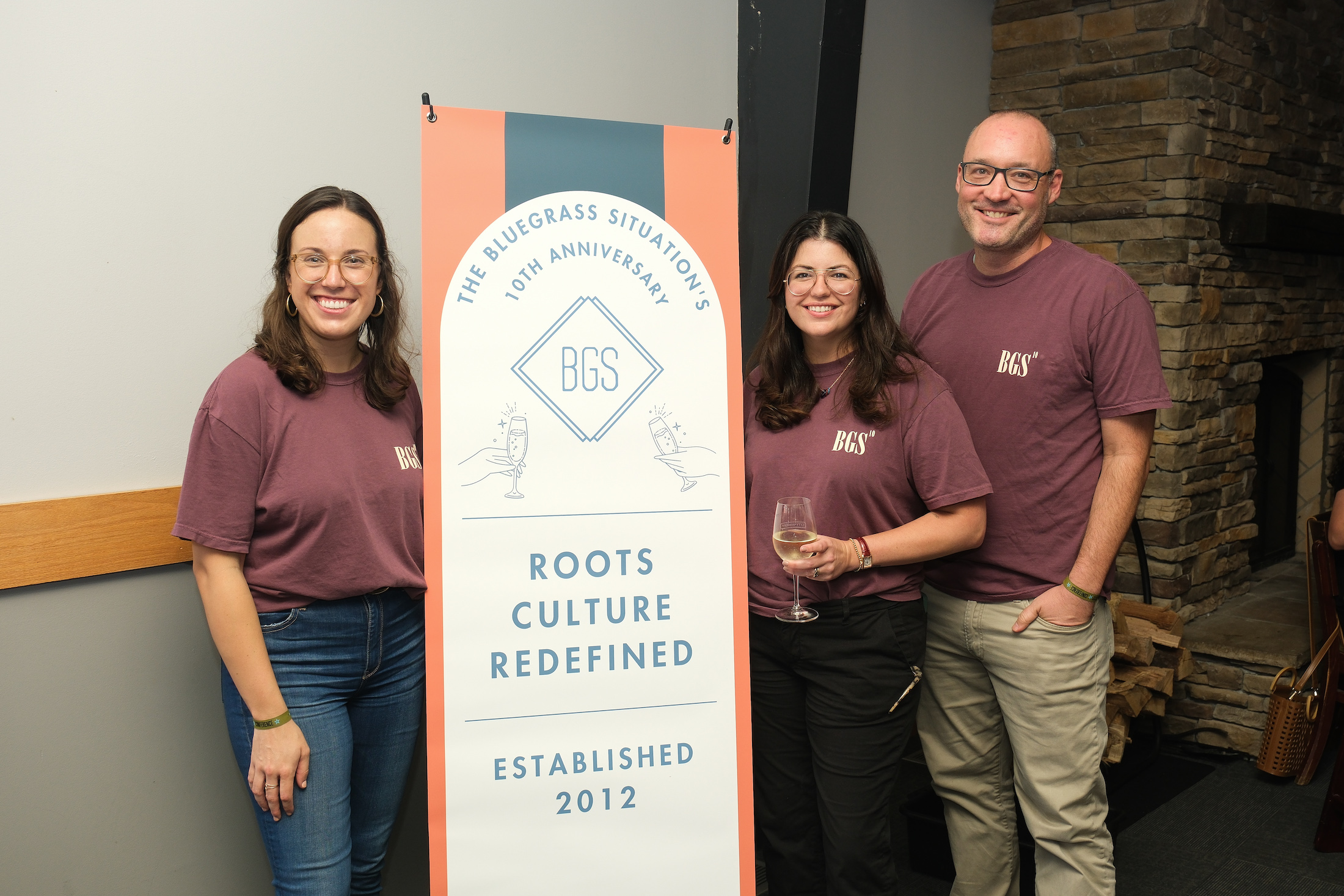
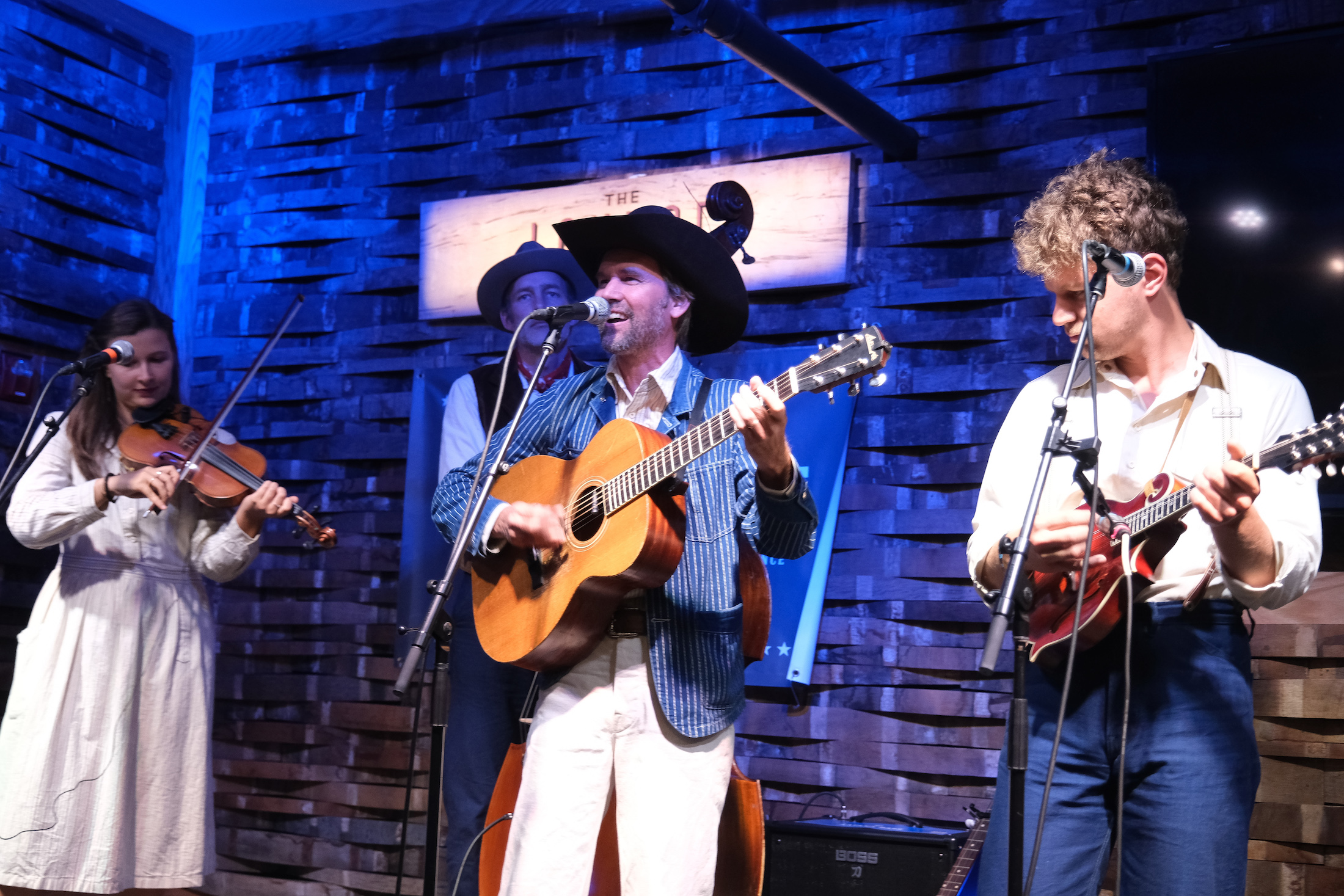
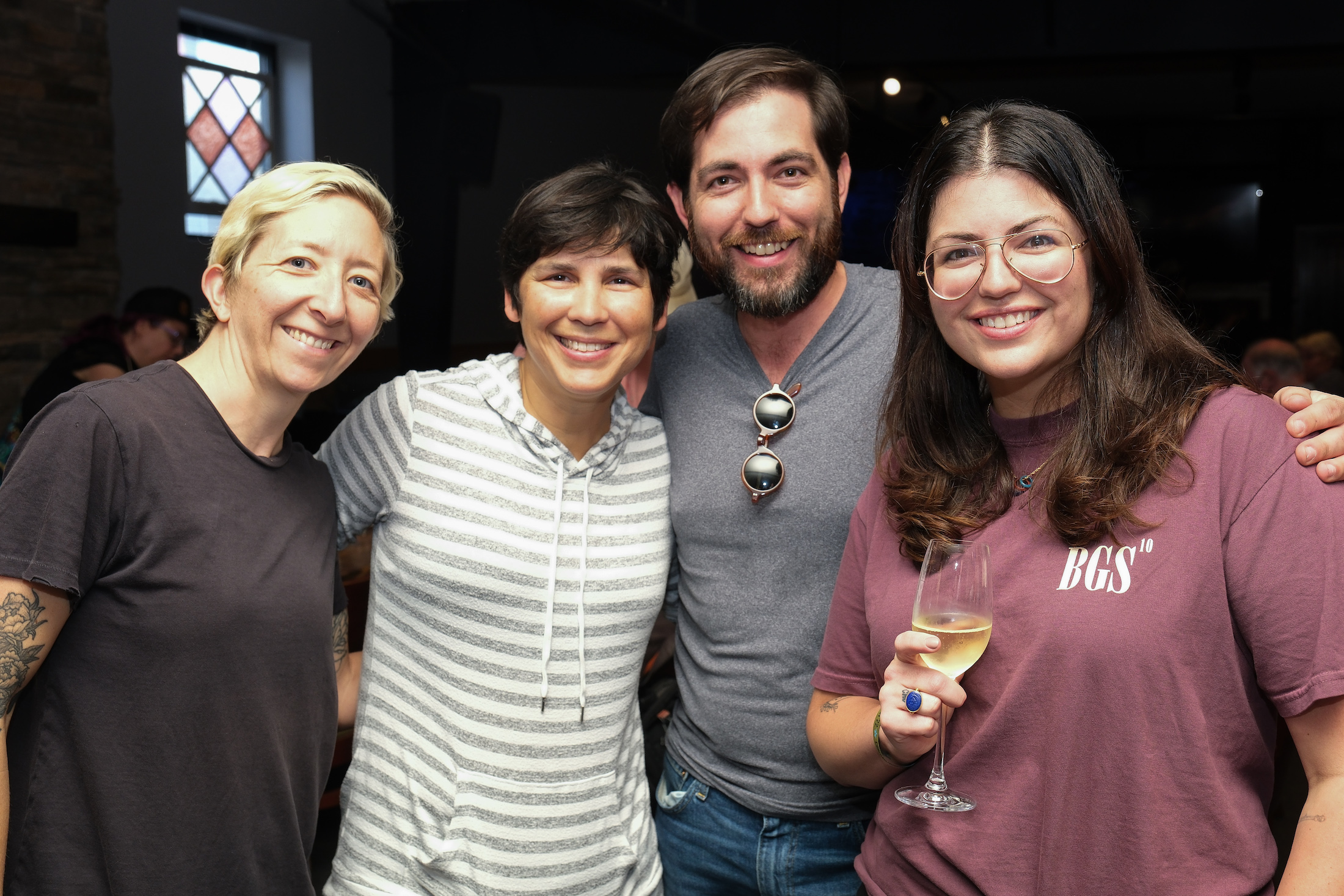
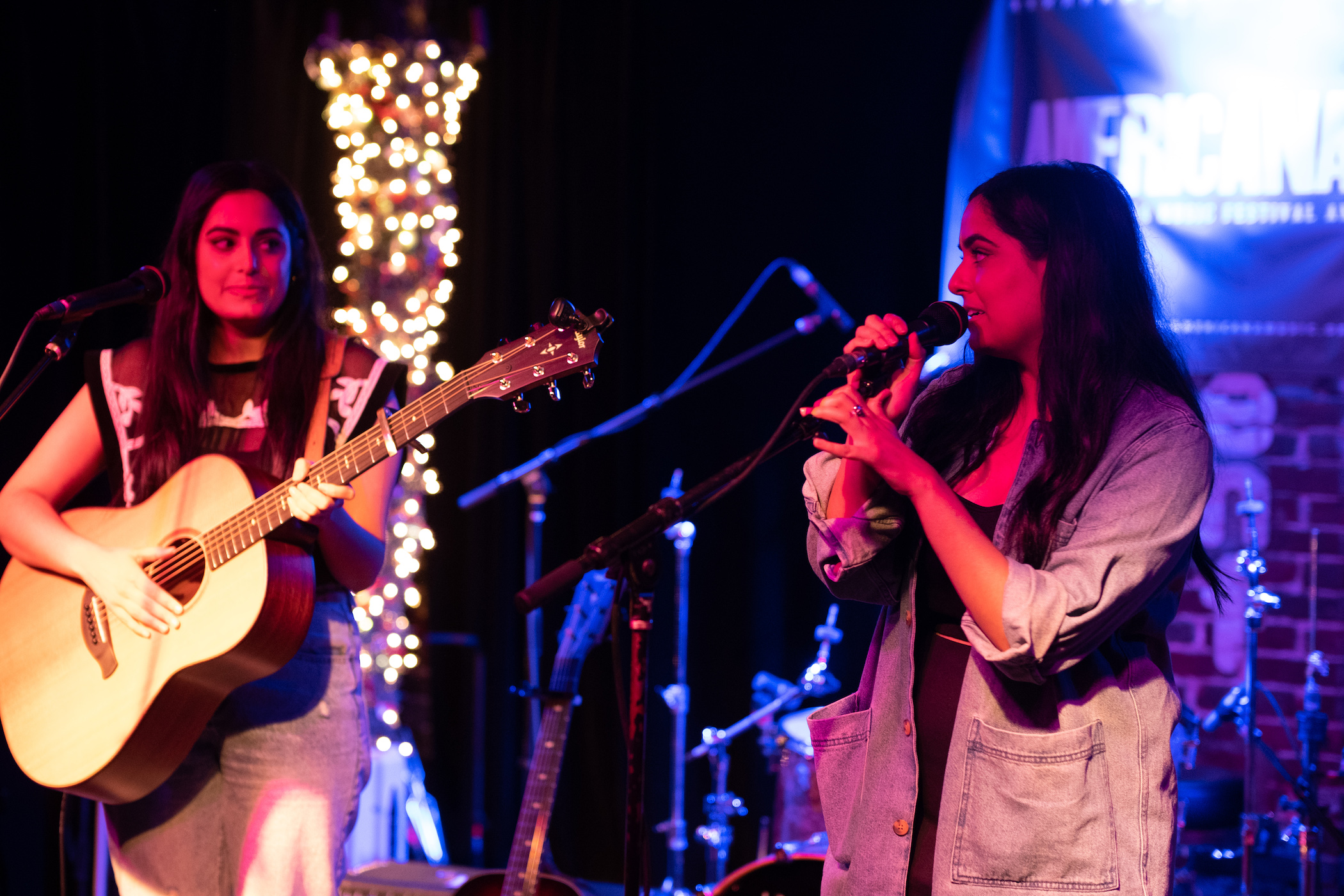
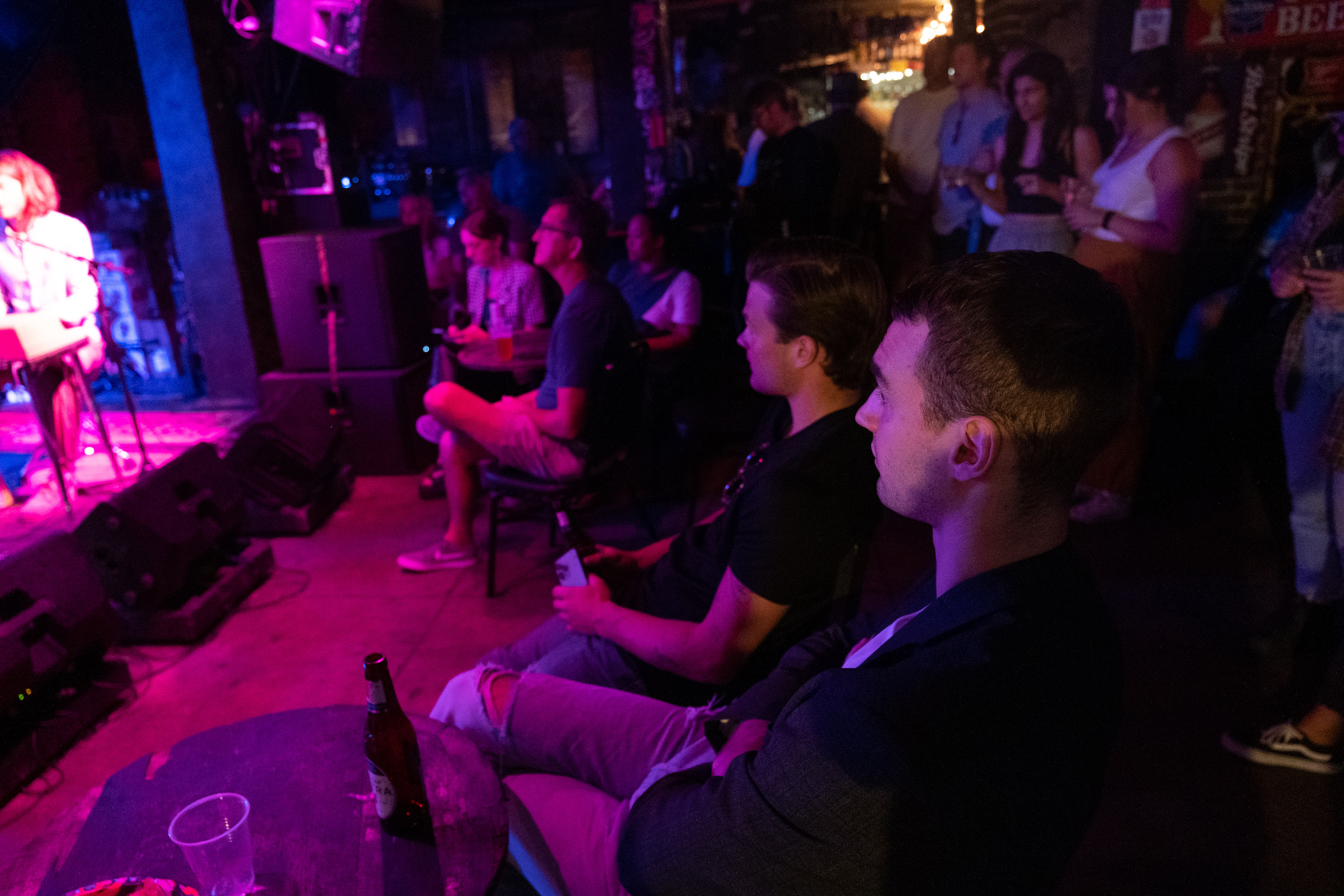
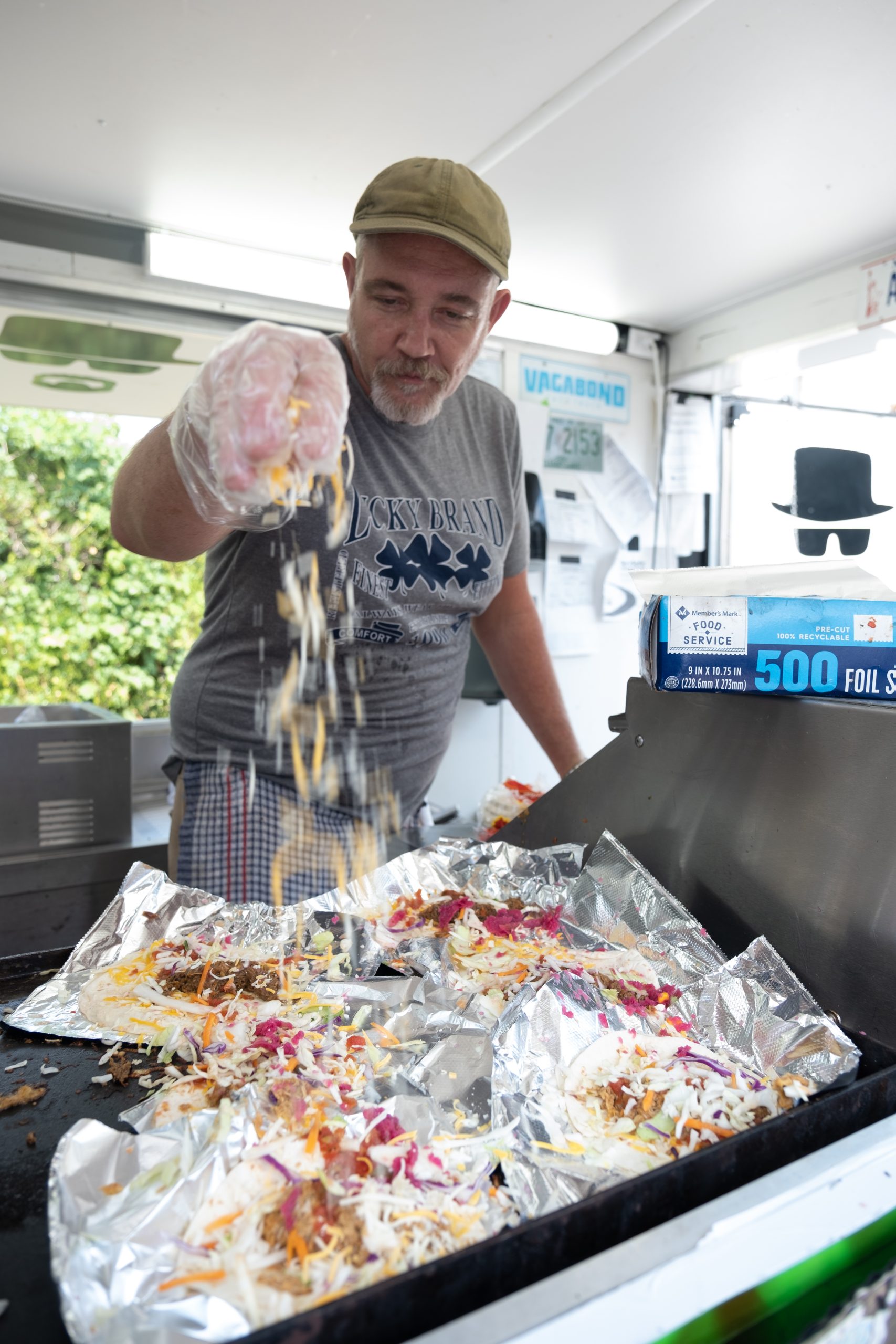
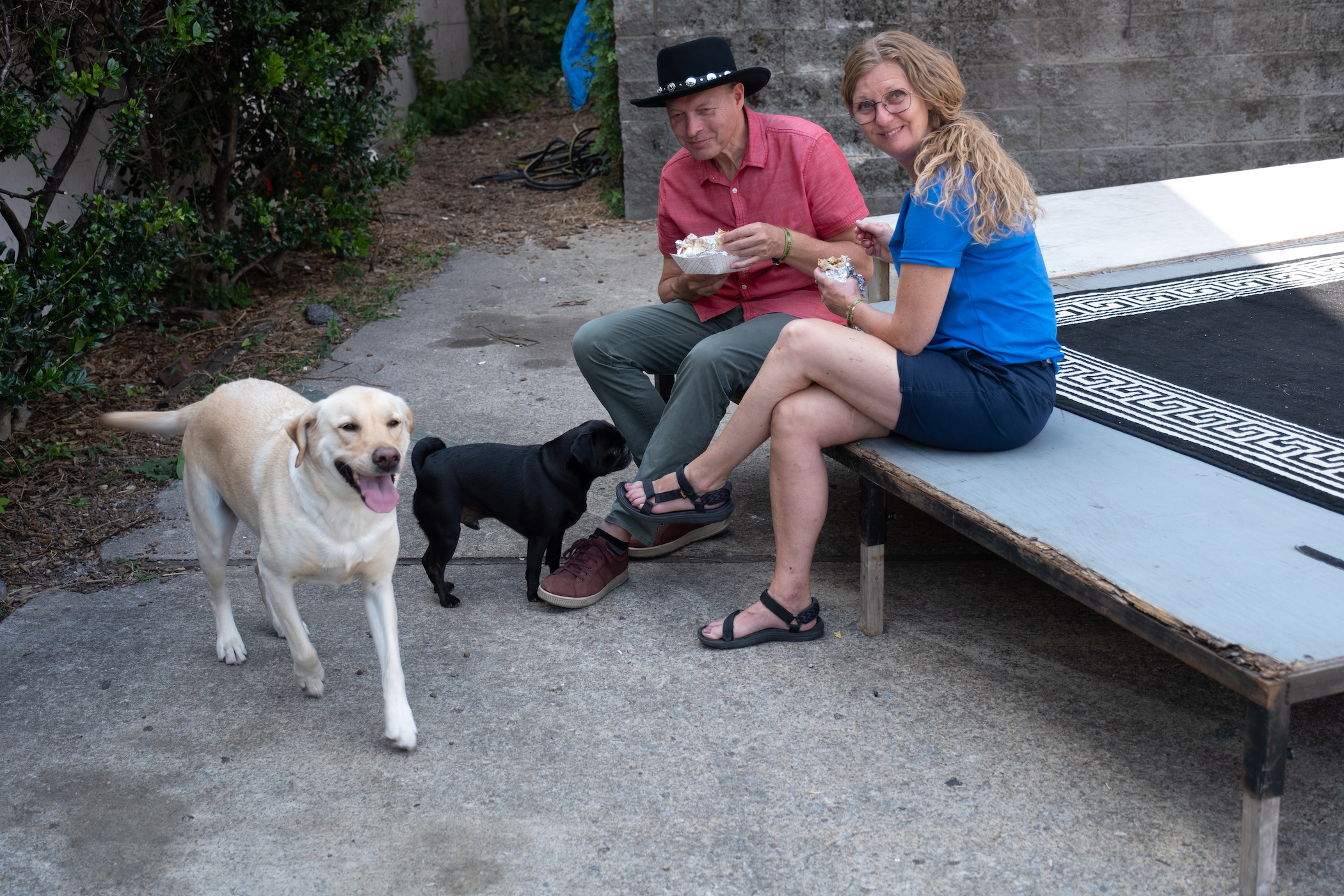
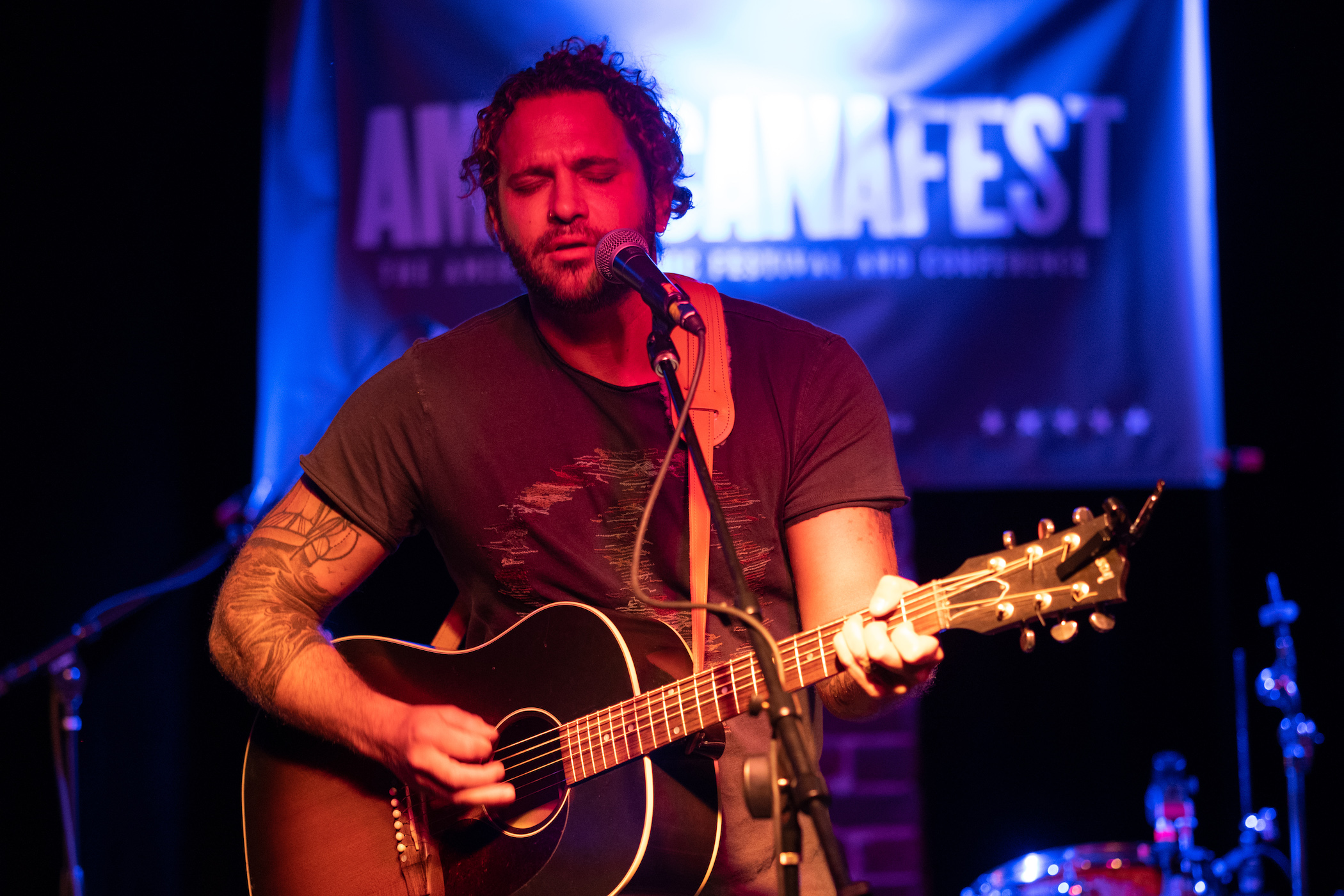
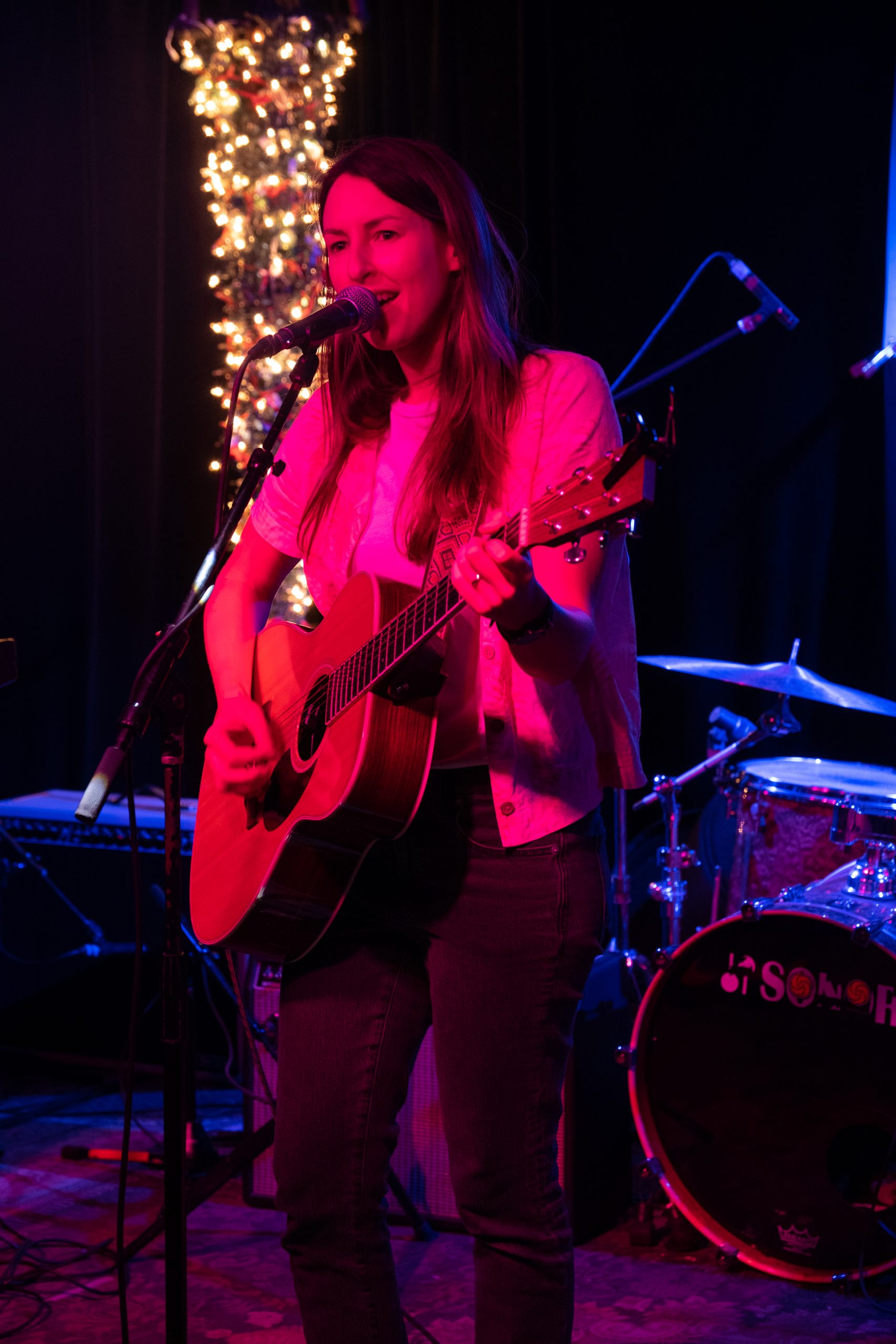
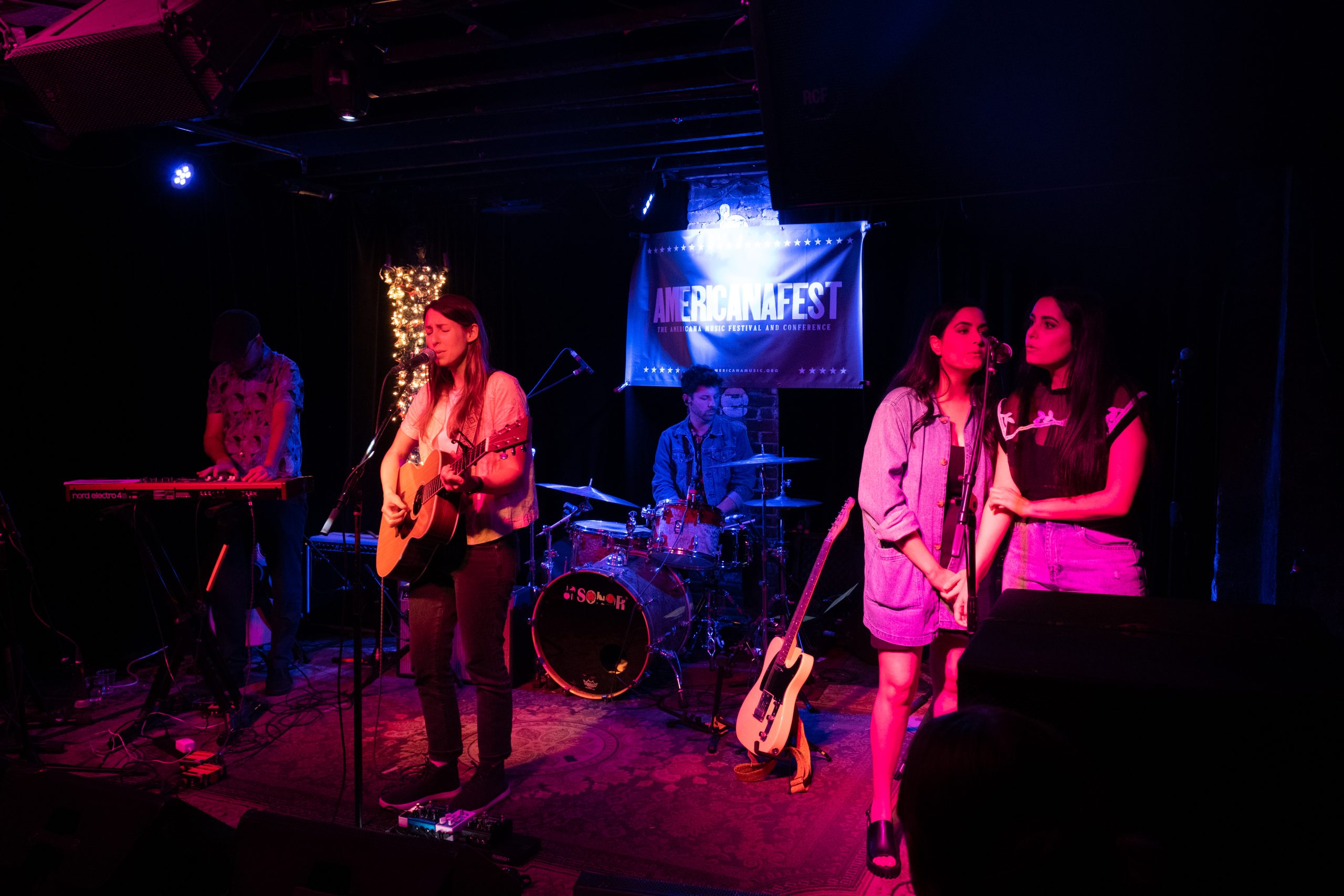
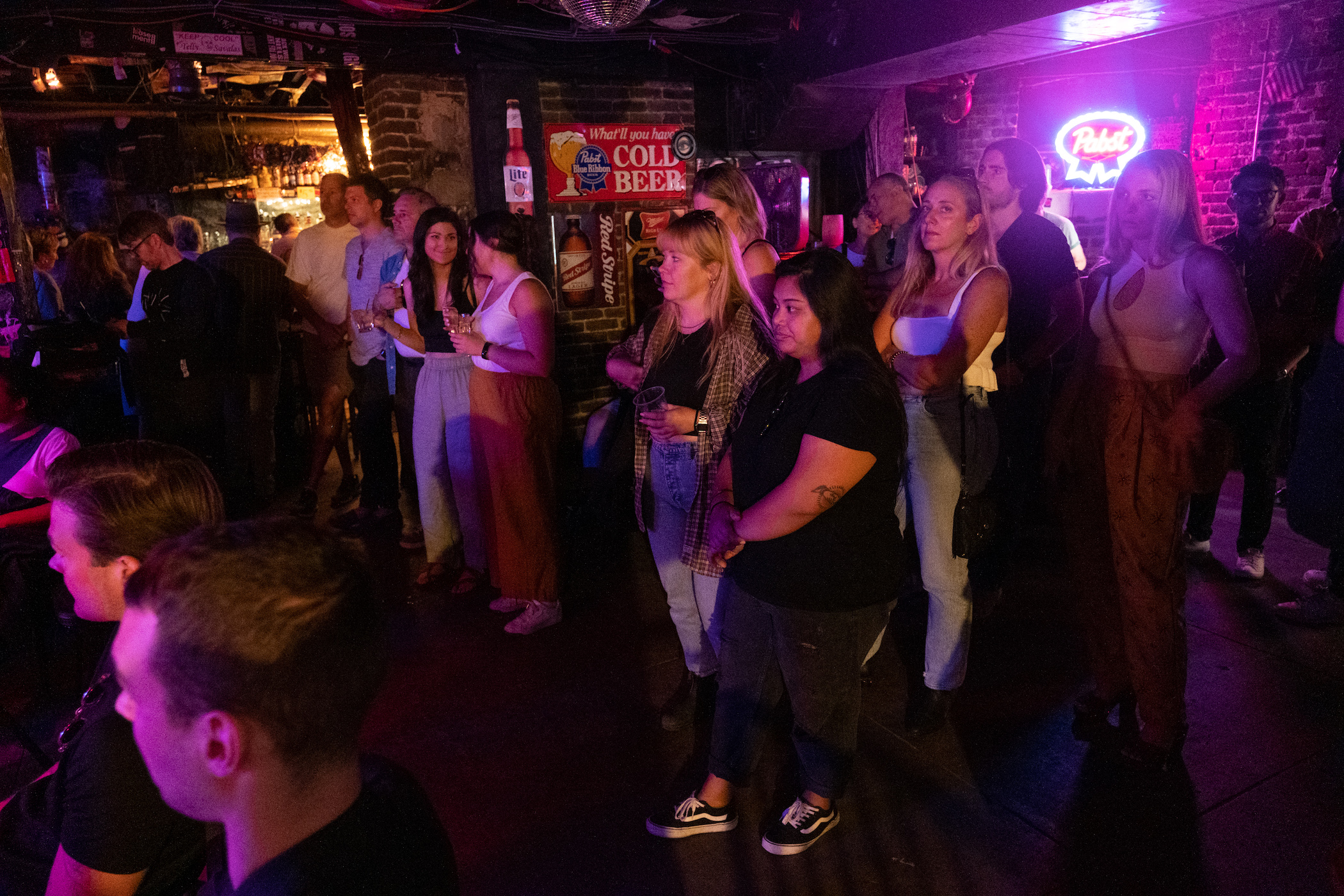
Ahh it was good to be back at AmericanaFest this year. While last year’s conference felt a bit lighter than normal years, with the pandemic bringing a tentative air, 2022 felt like a bit of a family reunion as we came back in full swing, especially as BGS gathered through the week with so many of those closest to us to celebrate our 10th year. After all, BGS is nothing without our community. BGS is the community! Take a look at the gallery below for a photo recap of our week in Nashville.

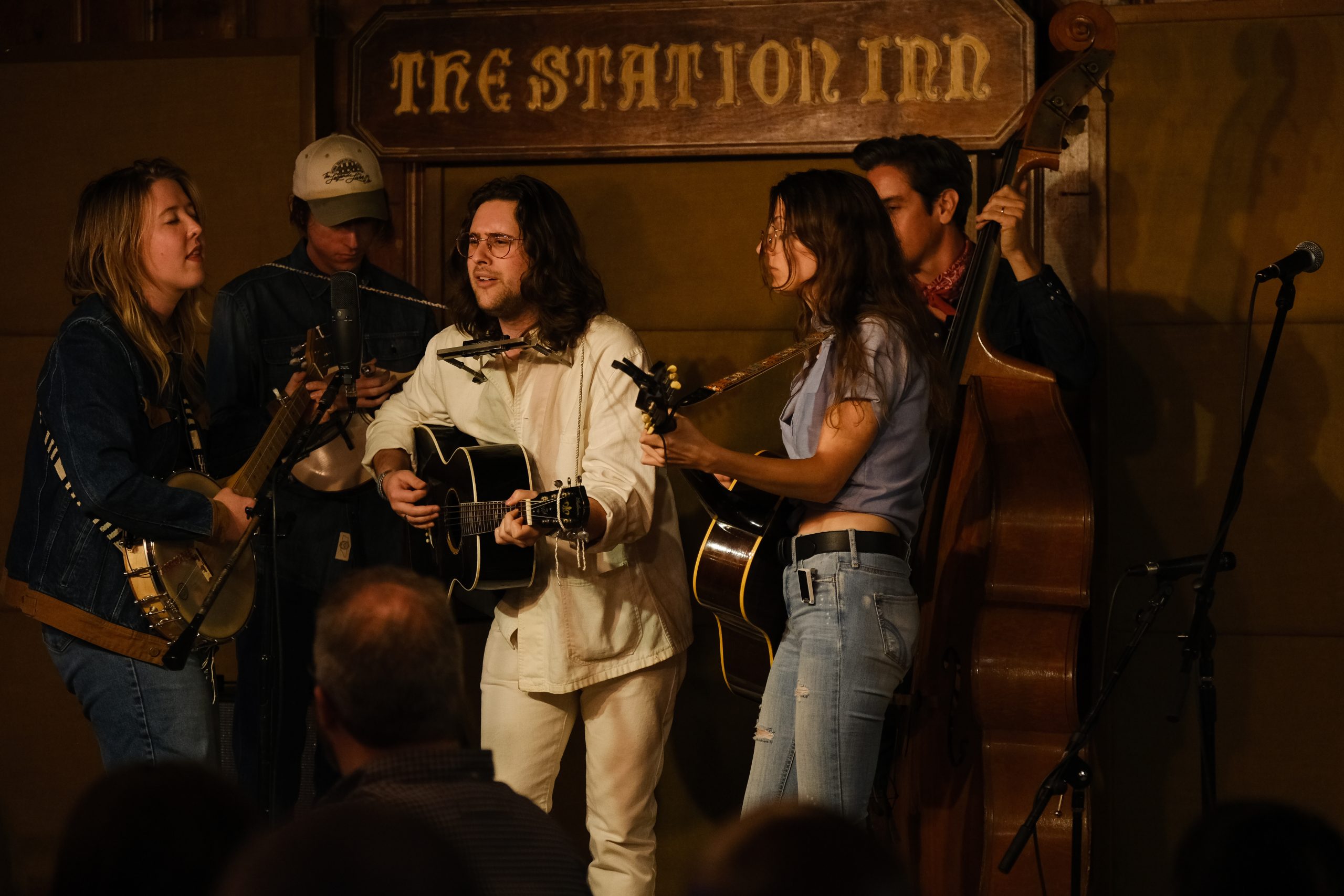
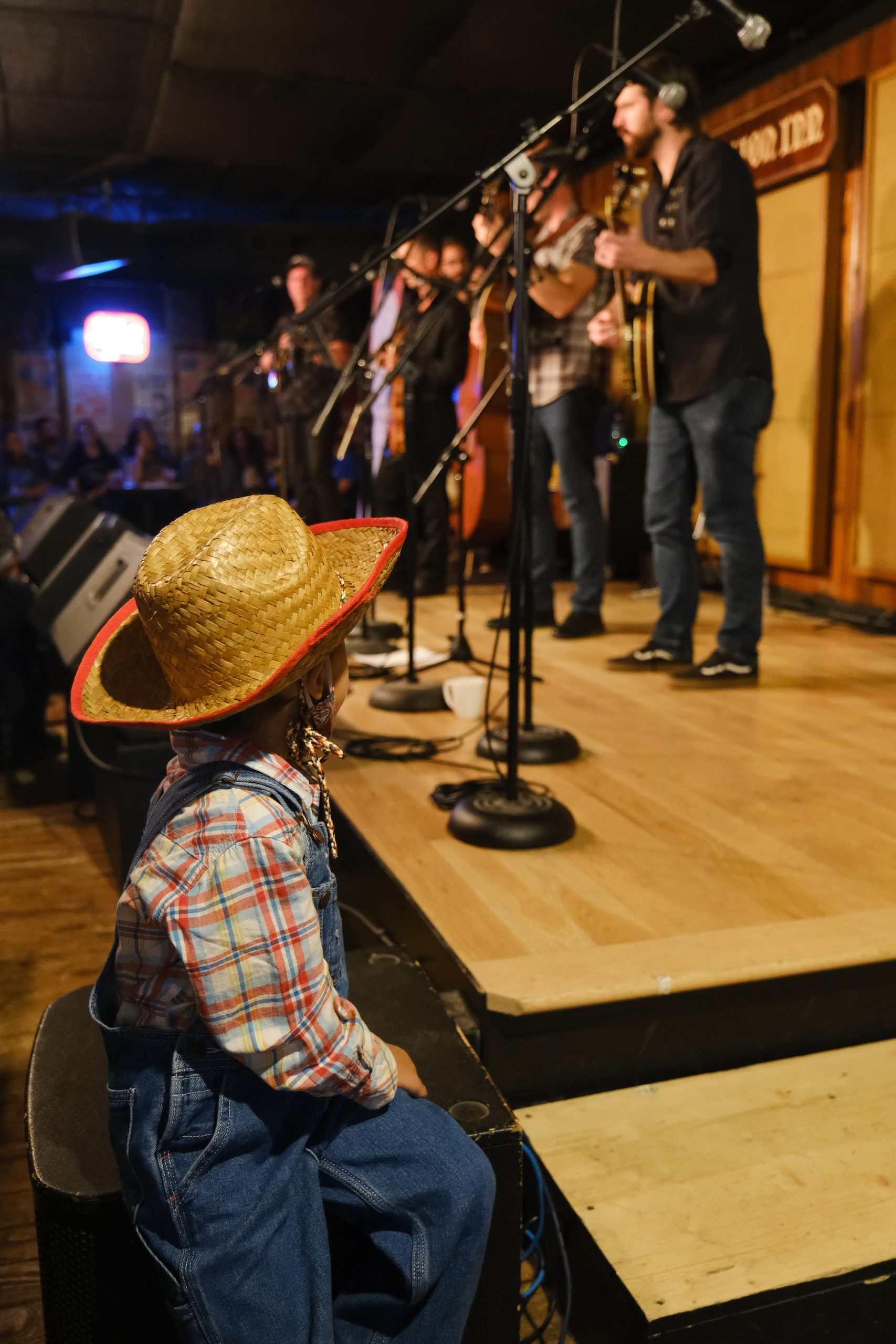
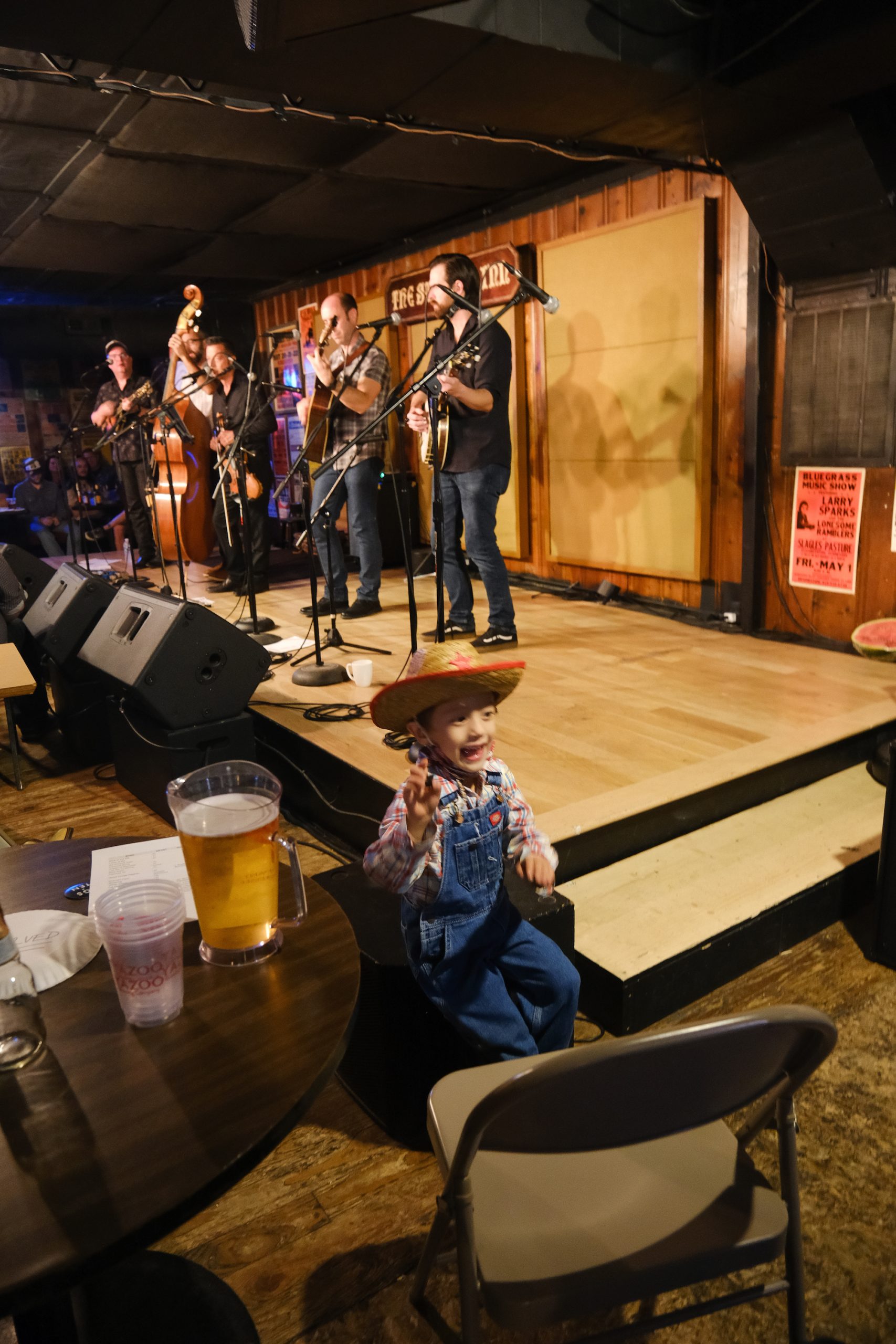
We started things off on Tuesdat at a packed Station Inn for a night of bluegrass with Jason Carter and Friends, featuring special guests like Ronnie and Rob McCoury, Michael Cleveland, Ketch Secor, Bronwyn Keith-Hynes, Shelby Means, Kyle Tuttle, Vince Herman, and David Grier.

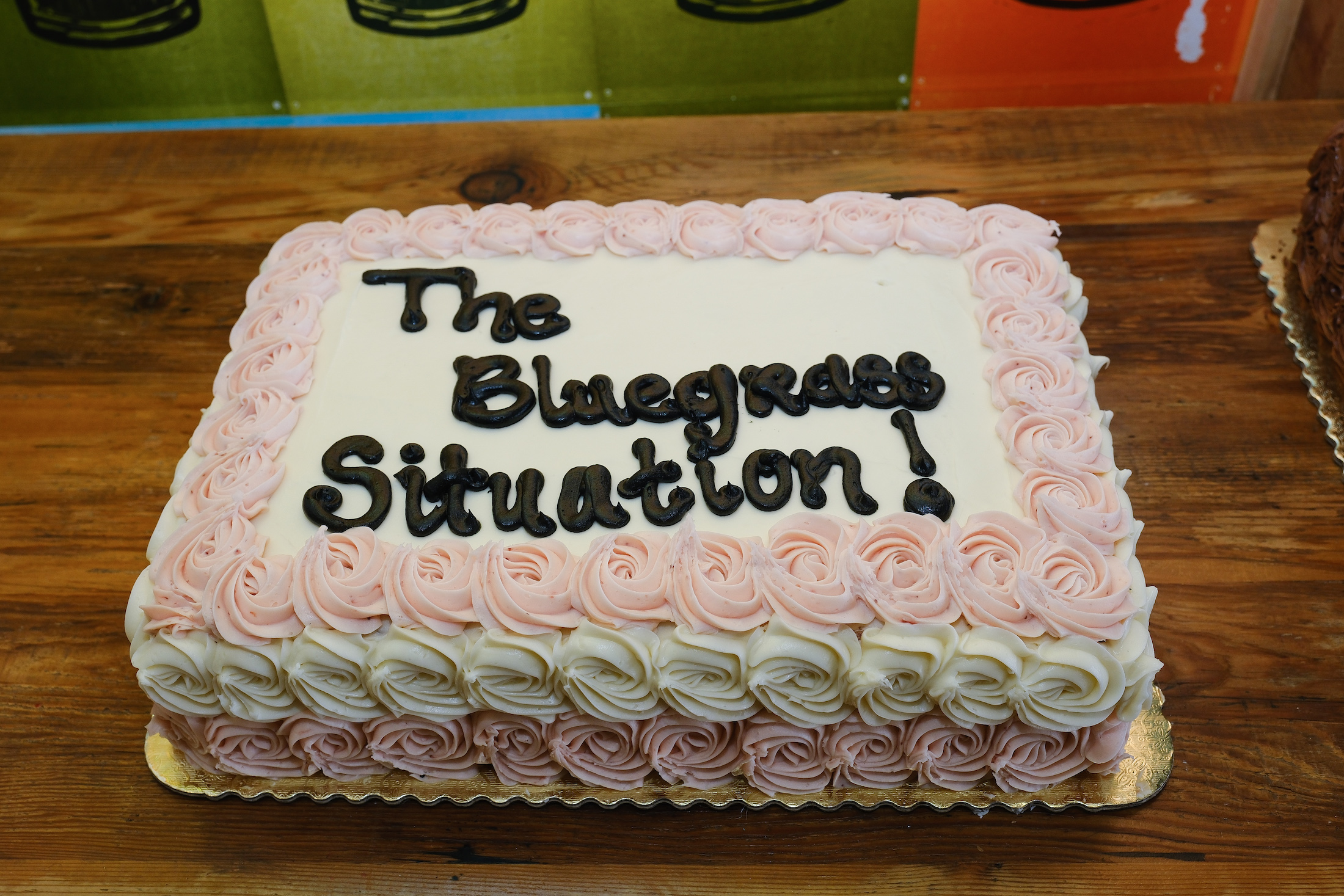
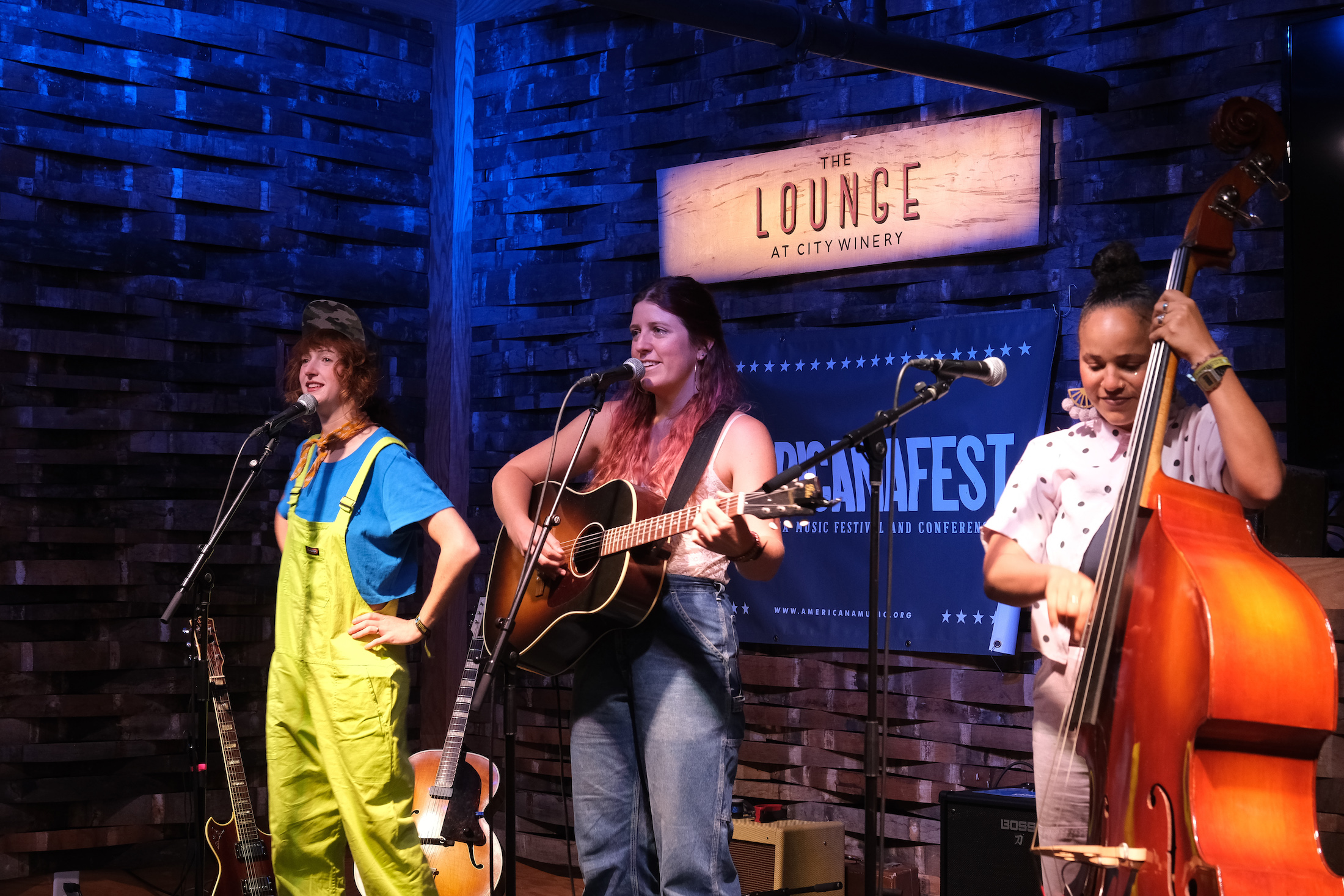
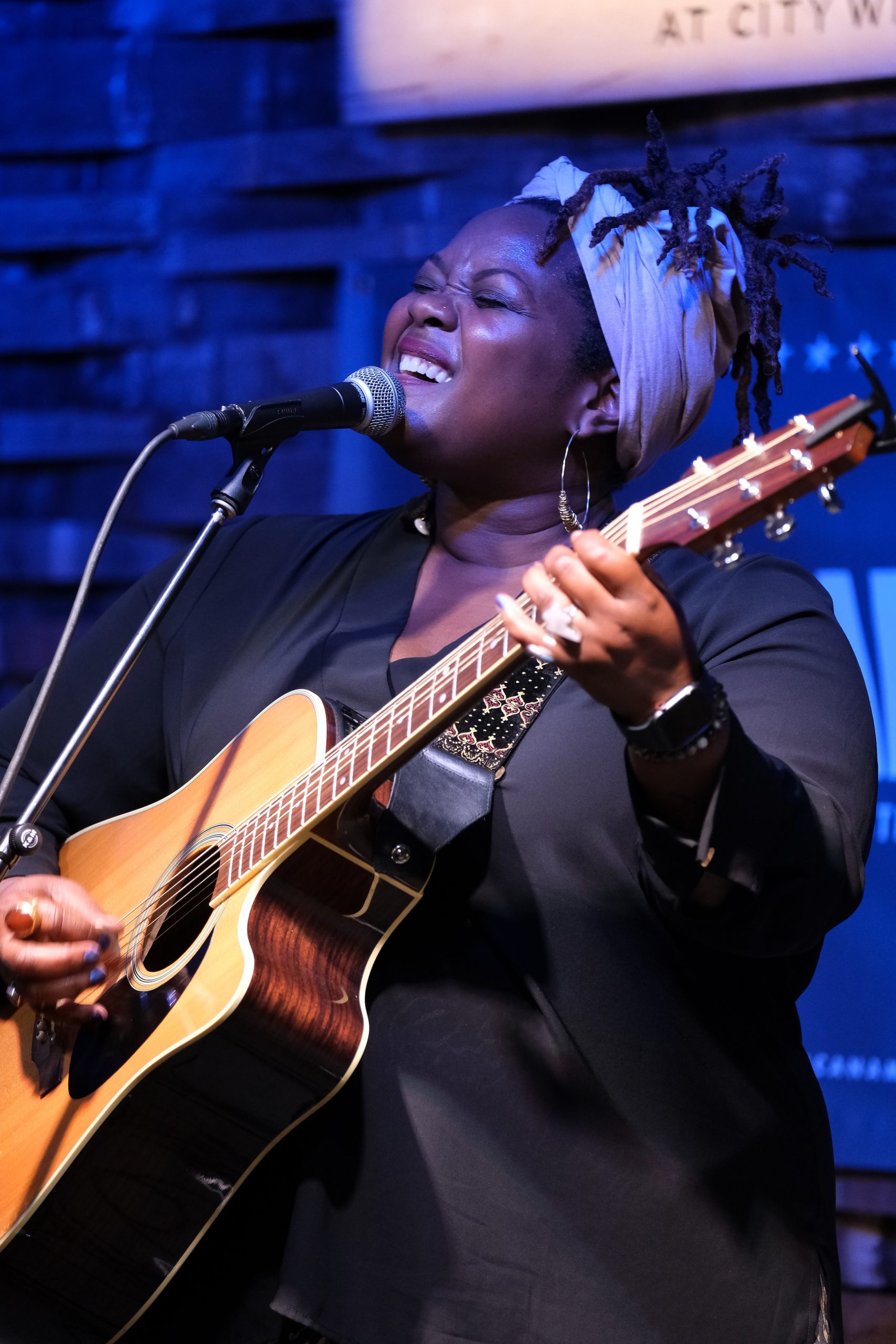
Wednesday brought a happy hour at the City Winery Lounge ahead of the Americana Honors and Awards that evening, as we officially celebrated 10 years of BGS (featuring a ton of birthday cake – thanks to the Cupcake Collection!) and an afternoon of music from Rainbow Girls, Willie Watson, and Kyshona.

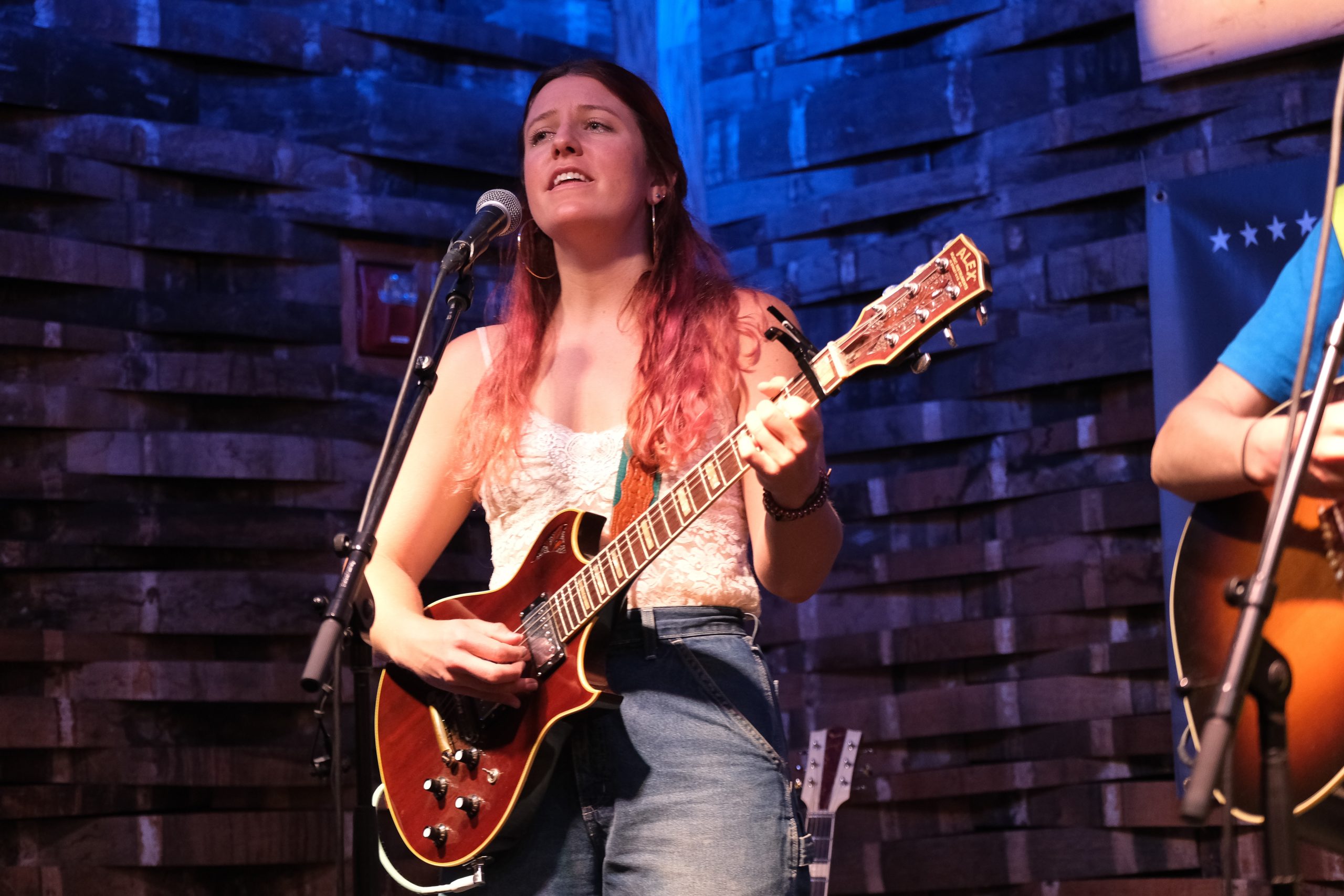
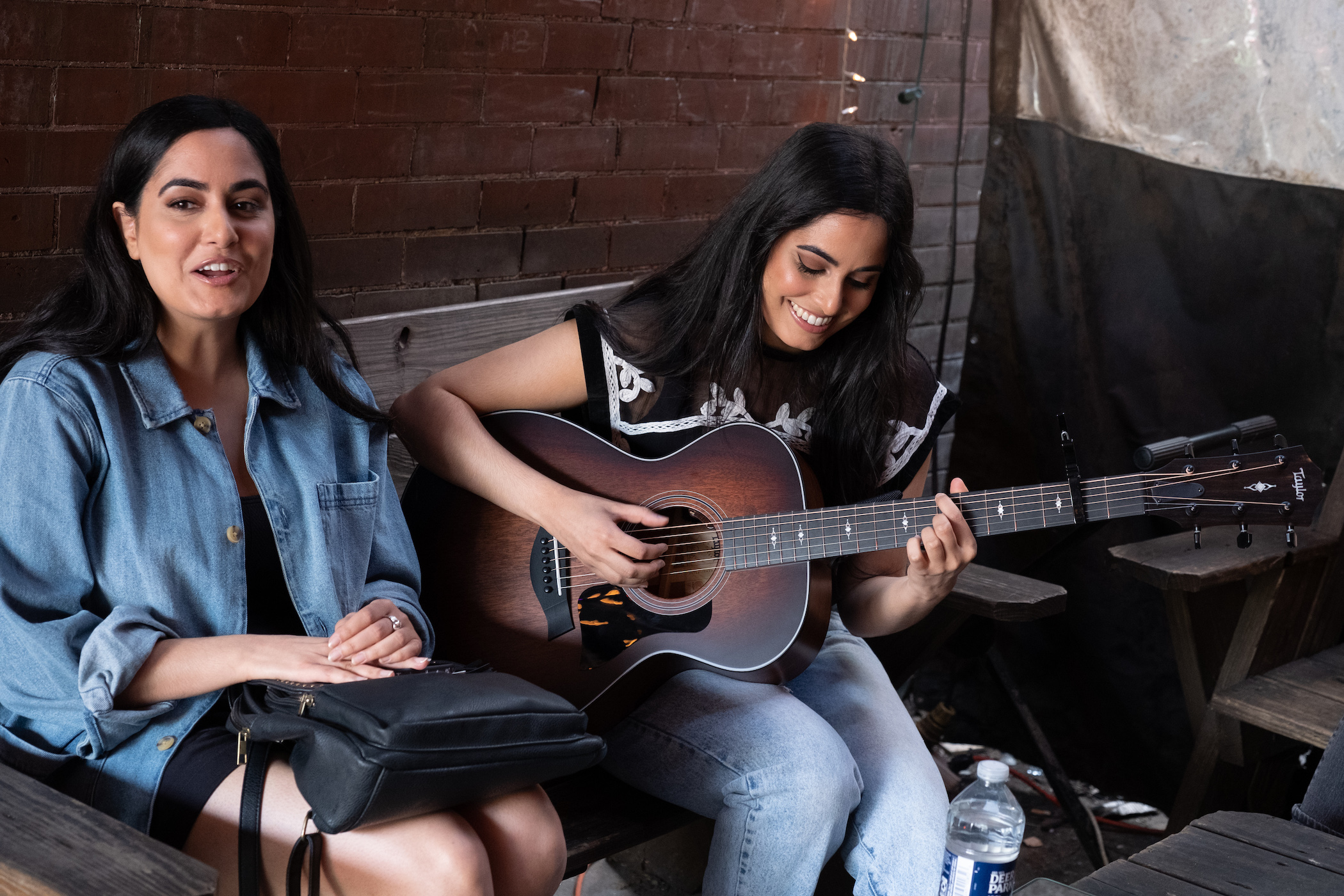
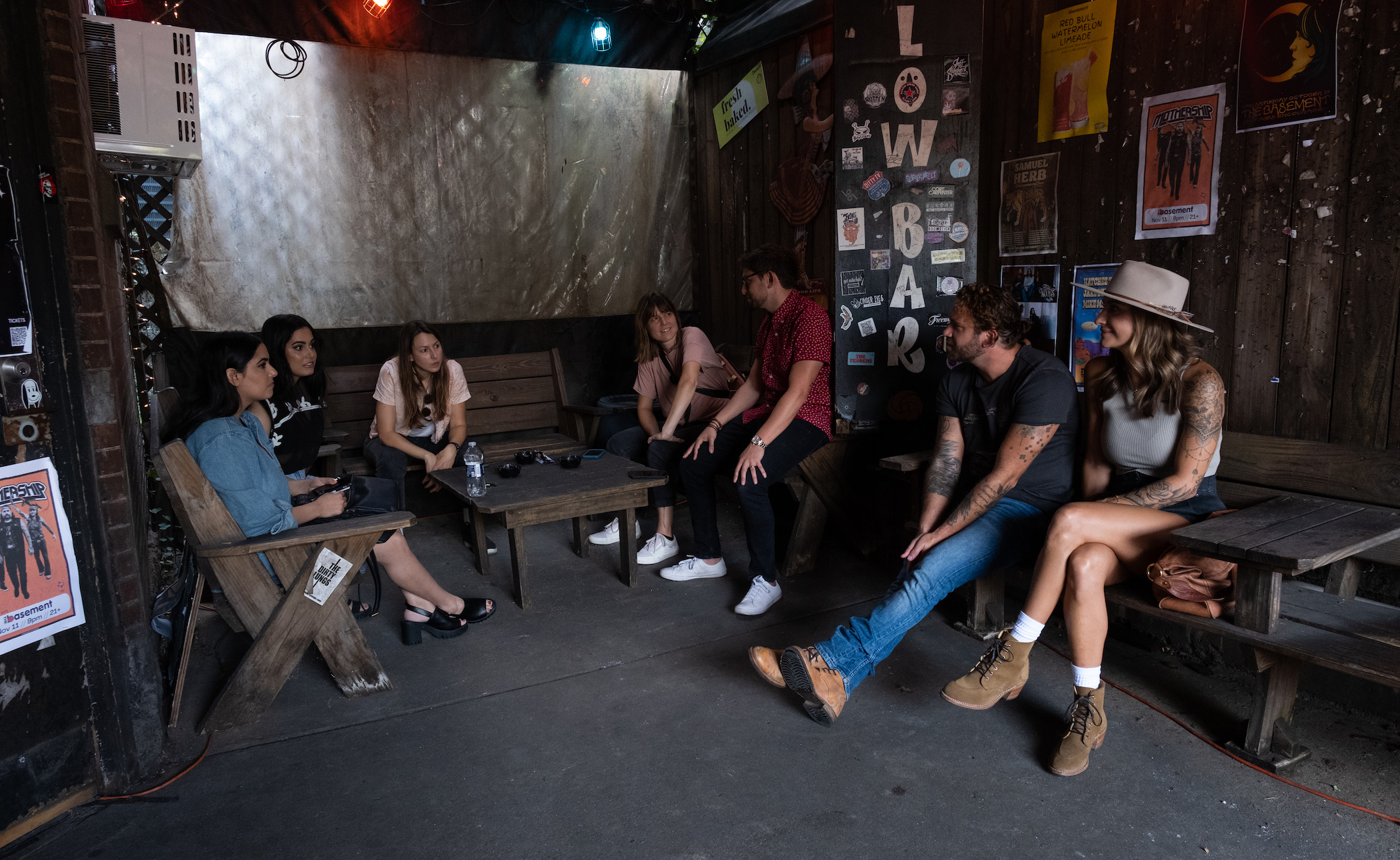
Finally, on Friday we gathered at the Basement with our friends at Nettwerk Music Group and Taylor Guitars, with performances from Lullanas, Phillip LaRue, Brooke Annibale, Mark Wilkinson, Old Sea Brigade, and Bre Kennedy.


Photos by Steve Lowry

BGS 5+5: Aaron Raitiere

Artist: Aaron Raitiere
Hometown: Danville, Kentucky
Latest Album: Single Wide Dreamer
Personal Nicknames: Rat

What was the first moment that you knew you wanted to be a musician?

I was in high school and went to see a band called Leftover Salmon at the All Good Music Festival in Virginia. It was the first time I had ever seen grown people gettin’ wild in the mountains. A true mess of music, community, and insanity. Leftover took the stage and Vince Herman was dancing around with a big foam cheeseburger on his head. The band went into the traditional bluegrass song “Hot Corn, Cold Corn” and Vince grabbed a burlap sack full of corn and started throwing it at the crowd just yelling out “CORN!” — that was the moment I knew I wanted to be a musician. I couldn’t believe that guy was getting paid. What a job.

What has been the best advice you’ve received in your career so far?

The deals that take the longest to make are the deals that last the longest. And never write anything down on paper that you don’t want someone else to know.
If you had to write a mission statement for your career, what would it be?

My mom just retired from 40 years as a Case Manager in the ER in Central Kentucky. When I was tryin’ to figure out what I wanted to do she always said she didn’t care what I did as long as I helped people. I try to help people with my songs. I think my mission statement would be “Help People.”

Which elements of nature do you spend the most time with and how do those impact your work?

I’m a water baby. A lifetime swimmer. I prefer a river over a pond, lake, or an ocean. But most any water will do. I’ve got a spot I like to spend time at just north of Nashville. It’s quiet. Silence is golden, right?
How often do you hide behind a character in a song or use “you” when it’s actually “me”?

The best songs are found in the truth. When I’m writing, the You is always Me or some version of a Me. It’s someone I can relate to. Someone with similar opinions and feelings. Someone I can write down what they are saying. It’s hard to hide behind anything anymore. People aren’t stupid, and there are cameras everywhere.
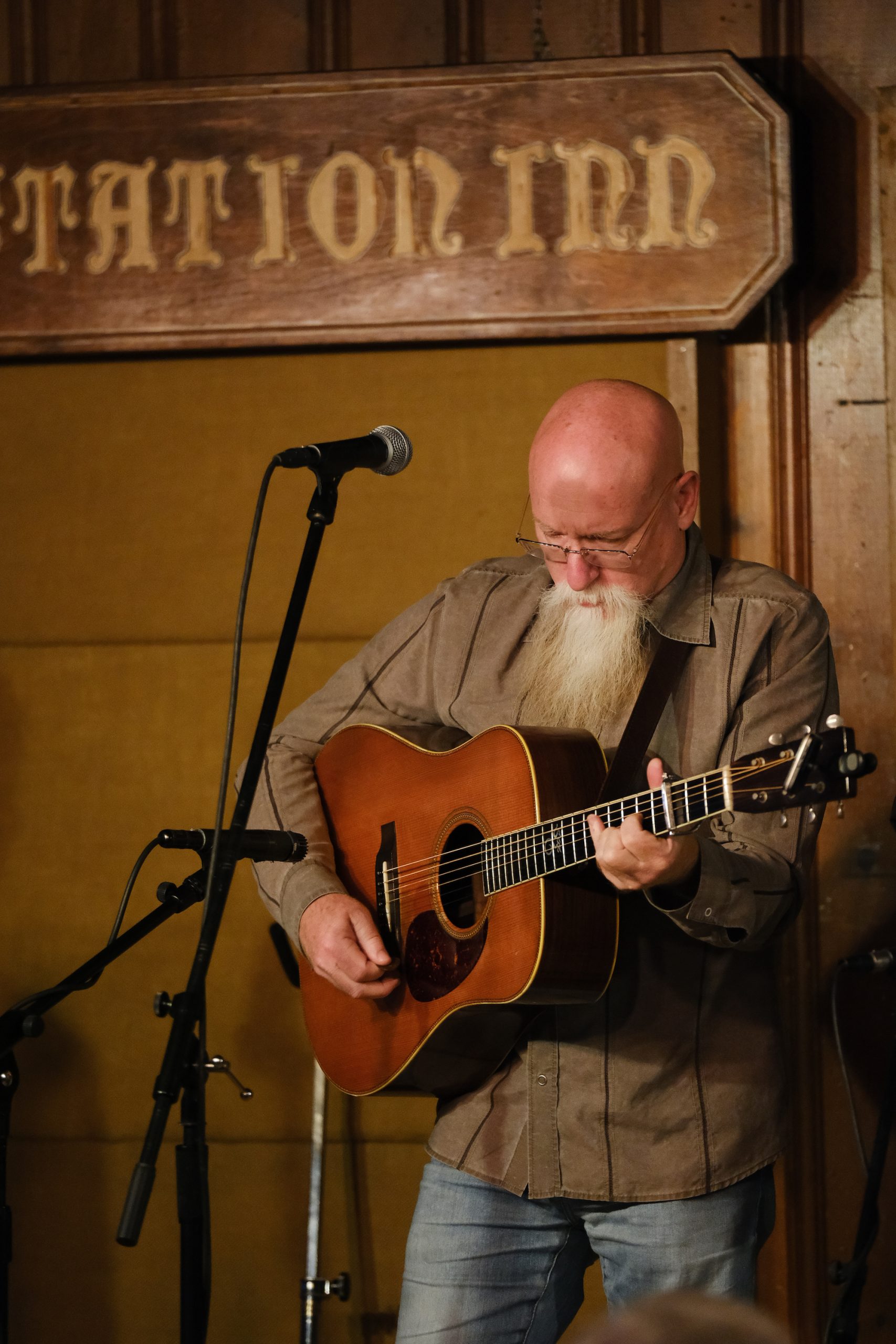

Photo Credit: Alysse Gafkjen

LISTEN: Leftover Salmon, “Boogie Grass Band”

Artist: Leftover Salmon
Hometown: Boulder, Colorado
Song: “Boogie Grass Band”
Album: Brand New Good Old Days
Release Date: May 7, 2021
Label: Compass Records

In Their Words: “This old Conway Twitty song was recommended for the band by our friend Ronnie McCoury years ago. It speaks to where we sit on the musical spectrum. We love country, bluegrass and rock music and like to do them all at the same time! This song acknowledges that while taking it taking it in a uniquely Salmon direction.” — Vince Herman, Leftover Salmon


Photo credit: John-Ryan Lockman