An Oral History of the Infamous Stringdusters

BGS was founded 14 years ago and from the very beginning, we’ve been covering, collaborating with, and cheering on the Infamous Stringdusters. Our first posts about the group published to our site in 2013 – not even a year after our launch – spotlighting banjoist Chris Pandolfi’s Bluegrass Manifesto, the band’s only-four-years-old marquee event The Festy Experience, and their most recent album at that time, Silver Sky. Now, in 2026, they’re not only our Artist of the Month for the second time, they’ll be headlining our stage at Bourbon & Beyond this September, too. But, our love for the band – and the many partnerships we’ve built together – began, like most, back in 2007 with their now iconic debut album Fork in the Road and a banner year for the group at IBMA’s World of Bluegrass and the IBMA Awards.

Back then, when the Stringdusters took home trophies for Song of the Year (“Fork in the Road”), New Artist of the Year, and Album of the Year, perhaps no one – not even the band themselves – would have predicted the seismic, existential impact they would end up having on bluegrass and the as-yet-unnamed subgenre thereof: jamgrass. Twenty years on, the Stringdusters celebrate their duo of decades with 20/20, an album of 20 songs celebrating 20 years of defining and redefining bluegrass and jamgrass.

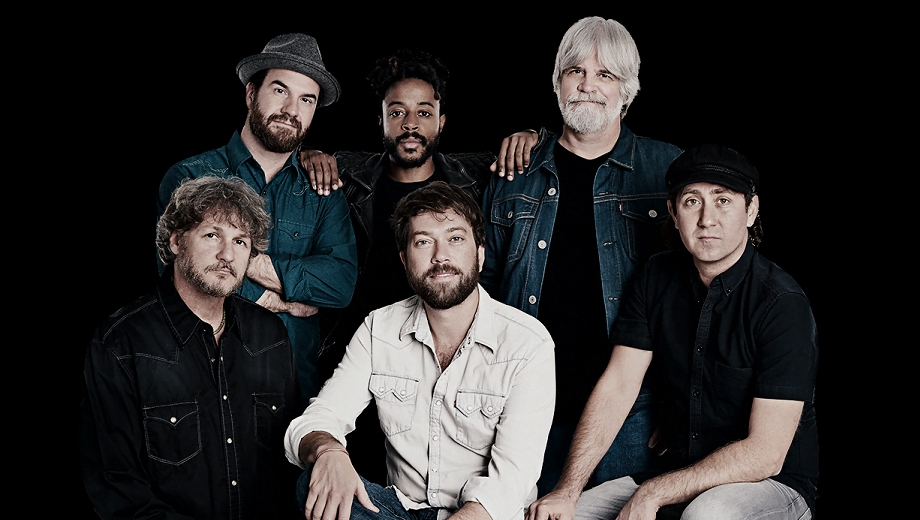
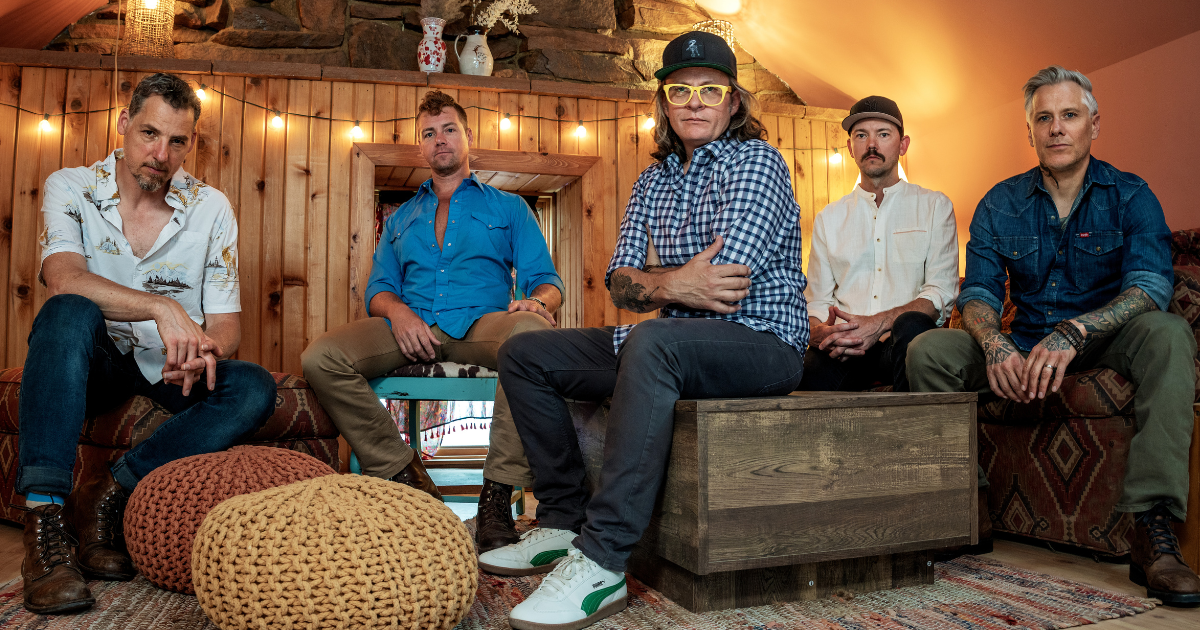
For our Artist of the Month coverage, BGS and Good Country co-founder Amy Reitnouer Jacobs sat down with all five members the Infamous Stringdusters for a wide-ranging conversation of a band that epitomizes bluegrass, jamgrass, and psychedelic string band music in the 2000s.

First of all, again, I wanna just thank you for doing this. We are so thrilled to have you guys as our Artist of the Month and congratulations on 20 years of the ‘Dusters.

I wanna start this with Panda actually, and this is not gonna be just an oral history interview, but I think, looking back on 20 years, it feels appropriate to start from the beginning. So let’s talk about origins and start back at Berklee [College of Music], if that’s cool. Tell us a little bit about the beginning of the band.

Chris Pandolfi: I arrived at Berklee in 2001, which was the year that Andy [Hall] had just left Boston for Nashville. I first met Critter [Chris Eldridge] through Zach Hickman, who was playing in Josh Ritter’s band. He went to Oberlin [University] with Critter. We got together and we were playing, and Zach had some free studio time at a spot in New Hampshire and we were gonna go record some music, just for fun. Our careers were not underway in any way, shape, or form. We didn’t have any grand designs here. We were just gonna go record some music and have some fun.

Then, on the precipice of this recording, we went down to the Cantab Lounge to meet this guy named Andy Hall. We went there and–

Andy Hall: [It was] The Plough and Stars.

CP: The Plough and Stars! Andy was playing–

AH: I don’t remember exactly if I was playing or if you were playing.

CP: And the next day we were in New Hampshire at this recording studio and we made this EP called Stable Horse. Essentially, Andy was already living in Nashville, so around that same time, he had met Jeremy [Garrett] and they were playing together. It was that recording session that got the wheels turning for me. Like, “Oh, we could do this thing with other people our age,” and not fall into the very sort of common thing in bluegrass where you get hired by someone else and you’re essentially a sideman.

We were recording and teeing things up, and we all had other gigs at that time. It was me, Andy, Jesse [Cobb], Critter, and Alan Bartram from the Del McCoury Band. But that was my earliest memory of “We could start a band with our contemporaries.” And Zach Hickman, I give him credit, he facilitated that.

I don’t even think we had the name “Stringdusters” yet. Alan got the offer to go play with Del McCoury and we had met Travis [Book] at IBMA, so we called him up and he came and lived in my driveway for a few months. True story.

Travis Book: You can really get away with a lot if you park your car in someone’s driveway and then try to stay outta the way.

So Andy and Jeremy, what are the origins of you guys starting to play together?

AH: Was it Ronnie Bowman? Was that the first time? I was in Ronnie Bowman’s band and the fiddle player and Ronnie had a bit of a falling out while we were on the road and–

CP: We were all at a festival, so we scooped up Jeremy and he got on the bus with Ronnie Bowman!

Jeremy Garrett: Yeah, I definitely knew about you two beforehand. And, of course, in bluegrass everyone’s a fan of Ronnie Bowman. He’s such a crooner and such a cool cat. I definitely had plenty of experience before, but this was like one of my first major Nashville gigs. And it was eye-opening very quickly that, as a sideman, it’s pretty limiting.

The conversations I remember started happening pretty fast in the back rooms: “Hey, let’s maybe consider doing something of our own. Long-term, how can we make this happen?” But it was just like whispers. I remember going to IBMA – that’s where I met Chris Pandolfi and he blew me away with his melodic banjo playing style and this futuristic sound that he had. I’d really never played with that before, because I came from a very traditional side of bluegrass.

CP: Didn’t I give you a copy of my record? I remember you telling me that.

JG: Yeah. And I listened to that record all the way home from IBMA – I’ll never forget – and my dad was riding with me. I was just like, “This guy’s awesome.” Overall, it felt like all of us coming together through our connection in Nashville and these music parties that used to happen on the reg. I don’t know if they still do. We would have huge jam sessions, especially at Panda’s Pad. There’d be 20-30 people all gathered up in somebody’s backyard, picking. And it was almost every night. So you can’t help but get tight and start seeing the writing on the wall, the possibilities, through those kind of connections.

CP: These days in Nashville are so different. It’s so much “cooler” now. There’s so many young people playing bluegrass and when you hear about a lot of the socializing in Nashville, it’s a lot of young musicians. When we were having these parties, it was a real diverse mix of ages. You had Sam Bush there, you had Scott Vestal, you had Ronnie Bowman, and the McCourys. We were the young cats around and there wasn’t a very vibrant young scene. We were intermingling with a lot of the elder statesmen of bluegrass.

That’s a really special time in Nashville. I can remember that’s when I started hanging out in town and there was like a magic in the air. That intergenerational mix doesn’t organically seem to be happening as much, but maybe it is and I’m just not invited to parties anymore.

So Travis, were you coming to Nashville from Colorado? Where were you before then?

TB: Yeah, I was living in Durango and Anders Beck from Greensky [Bluegrass] and I started playing music together in maybe 2002. There were gigs and we were learning this music and then Andy Thorn and some other friends – that’s Leftover Salmon – they just showed up in a music store one day. Andy was probably 19 on college break and we hung out with him for three days straight. When he went back to North Carolina, we called him up. We’re like, “Dude, you gotta come back! We gotta make a band! We’ll play RockyGrass, you’ll win the banjo contest, we’ll win the band contest.” Anders and I were like, “We can see the future, but we need Andy Thorn,” because he was such a compelling musician and just such a natural. Still is.

We started this band called the Broke Mountain Bluegrass Band with Jon Stickley, who’s also a visionary in our music. We were all picking and almost entering that same path as Leftover Salmon or Yonder [Mountain String Band]. We were already doing this like hippie bro band, just loving playing music and camping and playing festivals and going to hot springs and just fucking around. It was brilliant.

But then we went to IBMA, which at the time was the best way to show off your band and position yourself in the context of the larger [bluegrass] world. Try to get some gigs and go party your absolute brains out for a week. We were pretty rough around the edges, but one night I stepped off an elevator and Chris Eldridge came around the corner. [He] was like, “We need a bass player for this jam. Will you come jam with us?” I went into this little alcove and it was essentially the Stringdusters. It was Critter and Pandolfi and Andy Hall and Jeremy and Jesse Brock. I was just hanging out, holding on for dear life. I’m partying, I have a backpack full of beer, I have no shoes on, and I looked around and all my band mates were just there sitting along the hallway floor listening to the jam.

Andy’s partner at the time, Janice, said, ” Do you ever think about moving to Nashville?” I just laughed. Absolutely not. But I had fixed myself in their mind and once they exhausted all the possibilities of people who could play bass in Nashville – at least this is my understanding – they dug into their collective consciousness and called me up to audition. They’re like, “We think you’re the guy. When can you move to Nashville?” So I went out there to work on Fork in the Road that summer. What was this, 2004? Am I right, guys?

AH: I think that would’ve been 2005.

TB: Yeah, you’re right. 2005. [I] moved out there in September and lived in this guy’s driveway. It was kinda wild.

Falco, I promise we’re getting to you. We’re almost there!

In pretty quick succession though, you’ve got the core crew with Critter and Jesse [Cobb] at that time, you record the album, and get signed to Sugar Hill. And then things just start happening! Can you walk me through the time between recording and the IBMA Awards in ’07?

CP: There’s a lot of extremely disorganized touring. We’re driving around in two cars. I still have the notebook from the gigs – we were getting paid a few hundred bucks a night, maybe a thousand on a good night. Doing everything that we could.

We didn’t have grand designs on anything. The IBMA Awards was a really big moment for our band. Thinking back, it was a moment of legitimacy, of just getting [to] one of the hardest things as a band, which is the collective feeling that this thing is gonna stick together. That’s the peril of starting a band with players who you think are really good: at any time anyone could get hired away for something. But we were playing gigs, we were loving life, we were working on our music, and we were poor as could possibly be. I just remember the IBMA Awards as a big moment of solidity, of that feeling like we could really do this, we could really be in this for a long time.

TB: There was that first summer we had a couple of big anchor gigs, but a lot of it was really just driving around and killing time in between these anchors and hoping that we could reach the right audiences. I think that the big bluegrass scene was ripe for some young pickers who were taking it seriously and committed to each other.

JG: Yeah, getting gas in the tank right off the bat was huge for us, that’s for sure. And we spent a lot of time in between those gigs just going to be in the wilderness and spending time together. I don’t know, for lack of a better way of explaining it, [we were] bonding like a band.

But man, when you’re a real band and you’re not just like a frontman or whatever, you’ve got a real synergy with other guys in a group. It’s special. And I feel like a lot of what brought us together and [what] makes us as tight as we are now was those off times where we were discovering our lives and just doing cool stuff like that. Creating this thing together.

I do need to know who came up with the name. Where did the name come from?

CP: Ben Eldridge.

AH: Yeah!

CP: We were working with a list of pretty mediocre names and Ben came up with “Stringdusters.” After 20 years, I can say there’s a lot of bad band names out there, but the Stringdusters – I think it’s a cool band name and it suits us.

All right. Now we bring Falco into the mix. So how did you get mixed up in all this? Tell us your origin story.

Andy Falco: So, Critter fell off the back of a truck and I got picked up – no! What happened was, I’d known Pandolfi and Andy Hall from the Northeast bluegrass scene. I was playing with this guy, Buddy Miriam, who’s on Long Island, and who actually was friends with Bill Monroe because he got struck by lightning at the Berkshire Mountain Bluegrass Festival, which of course was Grey Fox. And Monroe found out about it and reached out and they became friends. So he learned a lot of mandolin directly from Monroe.

My brother was getting into bluegrass and was like, “You should come to this bluegrass festival.” I went up there and saw Doc Watson and really got into playing bluegrass. ​I moved to Nashville maybe a year after Panda and Critter did. Andy Hall was already playing in Dolly Parton’s band. And I had met Jeremy, actually by accident, at SPBGMA. My first time in Nashville, some guy came up to me and said, “Hey man, how are you doing? How’s everything been?” I was like, “Great. This is my first time in Nashville. Everything’s been great.” Then he stopped and said, “Man, I thought you were someone else.” And he says, “Come meet my son.” That was Jeremy’s dad, and that’s the first time I met Jeremy.

When I moved to Nashville, these guys were starting the band. I was watching them doing their sets at IBMA. It was killer. Then when Critter left, they asked if I’d be in. I wasn’t gonna start until September and one month later was the IBMA Awards. So I just joined the band and here they are, winning all these awards.

JG: I would like to say, I’ll never forget your first gig. You killed it harder than literally anybody I’ve ever worked with to this day. Absolutely stepped into the role and blew it away. And it was very obvious at that moment that he was the right man for the job, for the Stringdusters.

AF: I had big shoes to fill with Critter – and Critter and I were friends. In fact, I knew Critter before I met anybody in the Stringdusters. We met at seven o’clock in the morning on the last day of IBMA, when we’d pick all night and our door was open. And here comes Critter with his guitar.

CP: Critter introduced us.

AF: Yeah.

CP: He said to me, “Do you want to go hear the fastest guitar player alive?” And I said yes.

AF: I worked with Critter, too. Critter was very supportive of coming over when I was preparing to join the band, showing me the parts that he played on the record. So I had a really good foundation, thanks to Critter, of what he had done. Then I was able to put my stamp on it.

So what is that pivot then? You all mentioned the kind of shift that occurred, moving you away from traditional bluegrass and more towards jamgrass. How did you find your own sound? What was the decision to pivot?

AH: I remember a specific show where we decided we were gonna try and extend some [of the] set. I think it was the Animus Theater in Durango and it was a Colorado bluegrass crowd, which was more of a dancing crowd. They were used to more diverse sounds. I don’t remember, we were just like, “Let’s try and put a jam in this one song,” or whatever. So we’re playing, we’re jamming, and we’re extending whatever song it was. The whole crowd was just dancing. The energy was feeding back and forth and it was like, “Whoa! This is so much more exciting,” in contrast to everyone sitting silently and clapping in between songs. We made a choice one night and we saw the crowd just light up and dance and lose themselves in the music, and that fed our energy.

CP: Also, we were into that stuff.

AH: Yeah.

CP: But we hadn’t really made that connection yet. The real moment that I remember is we opened three shows for Railroad Earth. We played the 9:30 Club. We played Theater of the Living Arts and, I think, and we played Burg Williamsburg, when our van broke down and we showed up last minute. Those are the gigs that I referenced in the Bluegrass Manifesto. When I did the IBMA keynote that grew out of that, it really referenced those. I remember a few shows, too, where we would come off stage and we’re like, “Oh my god, that jam. Let’s do that again.”

We played these shows with Railroad Earth and it connected some dots that didn’t connect automatically, even though we had Grateful Dead, Phish, playing all the time. We were really coming from that IBMA buzz and awards. And, like anything, it took some time to discover, [it took] some experience. That was when some real change started happening around our business. Then the music really followed that trend.

JG: I’ll say, you guys, don’t forget about the Zeltfestivals. They were beyond anything that I personally had ever experienced. We went out and these people were going absolutely bonkers for our music – they had barricades out there and stuff. I’d never seen any of that at a bluegrass show. To me, that was fire in the tank.

AF: I think that also a big part of that is just, I know for myself, not growing up playing bluegrass music and then getting turned onto it by Garcia and Grisman and people like that. But I think it was just like when I started learning bluegrass. There’s a way that you have to do it and then, finally, you get to a certain point where all these dots are being connected, where you start to let these other influences come out, because you start to get more comfortable as a band. You start to allow that like, “Yeah, why can’t we do it? Why can’t we mix these things?” Even just as individual players. Why can’t you play this style? Blending these kind of jammy elements and these rock elements and then seeing how it worked.

You all have such varied individual projects and influences. Do you still think that you’re shifting your sound? What are you listening to and is that influencing what you’re doing?

AH: It’s definitely influencing what we’re doing. I think, to Falco’s point, I feel like I’m allowing [in] more and more of my original influences that I grew up with. I was a metal dude in high school. I think the older I get, the more I enjoy letting in who I am.

AF: Getting away from the “that ain’t a part of nothing” bullshit, right? Like, what? Who’s to say, right?

JG: Yeah, at the end of the day it’s art and you gotta let that lead itself, if you’re a true artist. Otherwise, you’re doing a preservation society kind of thing in the bluegrass world. For the longest time, I felt we were all paying homage to this awesome music, but we’re not letting it breathe like it should sometimes. It’s very fun to be an artist and be able to have the permission to just kinda let it flow, which is what we let ourselves do. We let the art dictate what we did, and we were true to ourselves in that way. That was something that served us very well. Still does.

You all live in different places now. I know the band is not as centered in Nashville as it used to be, but you did talk about the off-times and how that bonded the group early on. How do you stay bonded as a band now? How have things shifted? Being a decentralized band, how has the writing recording process changed for y’all over the last 20 years?

JG: I think that’s an important point. Yes, we’ve changed a lot over the years, but we’ve been able to stay tight because of those early formative years when we were all just broke traveling around in a band. I didn’t have any brothers growing up, but these guys are definitely my brothers and they know more about me than anybody else in this world. To allow each one of us to have the freedom to live where we wanna live and come together the way that we want to come together, I think that has been really one of the main things that have kept us together.

Over the years we’ve all developed little side things outside of the band. I think that’s been healthy. For me, I like to do my own solo music, music that I write and I like to perform – and stuff that wouldn’t necessarily fit within the confines of the Stringdusters. But I still want to get that art out there. We continue to challenge each other. Music can be competitive in a not-healthy way. But I feel like we do it in a healthy way, in the sense that we drive each other to just be the best that we can be at what we do.

CP: I got married last fall and in the run up to my wedding, one of my aunts asked me, “Are all your bandmates gonna be there?” In my mind I had this moment where I was like, “Are my band mates gonna be there?” You might as well ask me if my family is gonna be there! It’s just life at this point. After 20 years, it’s cool to observe the level to which you become each other’s family.

That’s the definition of community and you don’t think about these things when you’re going into this life, but there are some incredible unintended consequences. That informs the music and that informs all the life experiences too.

And here we are, 20 years later. That’s pretty cool.


Explore more of our Artist of the Month coverage of the Infamous Stringdusters here.

Photo Credit: Daniel Milchev
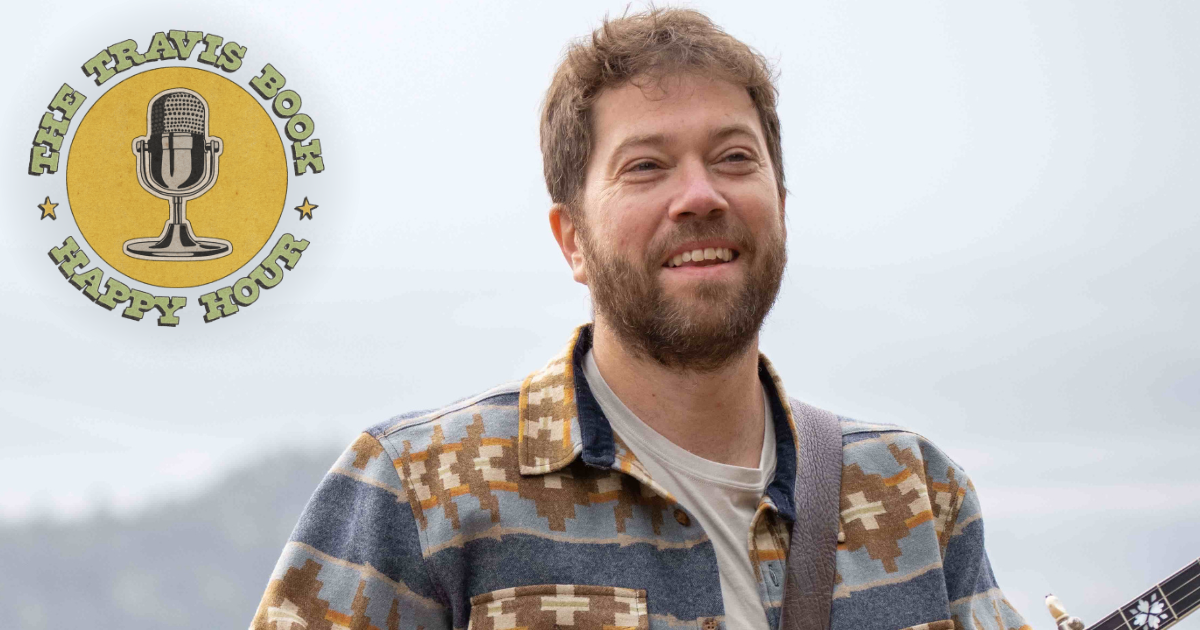
The Travis Book Happy Hour: Andy Thorn

I met Andy Thorn during the winter of 2002/2003 when he was visiting Durango, Colorado on a ski trip. We played and traveled over two summers as members of The Broke Mountain Bluegrass Band, which broke up – or went on an 18 year hiatus – after the summer of 2005. Andy and I remain and always will be great friends, and sharing the stage with Andy and Jon Stickley when recording this episode was an honor. It captures three old friends rehashing old memories and jokes and making new ones. I know you’ll enjoy.

LISTEN: APPLE • SPOTIFY • STITCHERAMAZON • MP3

This episode was recorded live at 185 King Street in Brevard, NC on October 24, 2023.

Timestamps:

0:07 – Soundbyte
0:20 – Introduction
1:32 – “Carolina Song”
2:50 – We have legal marijuana
4:35 – “Blazing New Frontiers”
9:19 – “All That I Can Take”
15:50 – Interview
35:25 – “Aesop Mountain”
38:29 – “What Child Is This”
41:02 – On fox hunts
42:42 – “Red Fox Run”
49:20 – “Long Lonesome Day”
53:36 – Did you skip my interview?
54:30 – “Long Winding Road”


Editor’s Note: The Travis Book Happy Hour is hosted by Travis Book of the GRAMMY Award-winning band, The Infamous Stringdusters. The show’s focus is musical collaboration and conversation around matters of being. The podcast is the best of the interview and music from the live show recorded in Asheville and Brevard, North Carolina.

The Travis Book Happy Hour is brought to you by Thompson Guitars and is presented by Americana Vibes and The Bluegrass Situation as part of the BGS Podcast Network. You can find the Travis Book Happy Hour on Instagram and Facebook and online at thetravisbookhappyhour.com.

Photo courtesy of the artist.

BGS Wraps: Brenda Lee, Andy Thorn, Joy Clark, and More

Hanukkah has begun, advent calendars have barely three weeks left, and days will start getting longer when we reach winter solstice in merely 13 days – but who’s counting? As we lean further and further into the coziest, roots music-iest time of year, we’re rounding up our favorite seasonal and holiday albums, tracks, and shows each week on BGS Wraps. Scroll to find this list in playlist form, plus don’t miss our Classic Holiday Album Recommendation of the week.

We’ll be back next Friday with more BGS Wraps! Until then enjoy some hot cider or some eggnog and some delightfully festive bluegrass, country, and roots music.

Hayes Carll and Melissa Carper, “Christmas in Prison”

A perennial favorite penned by none other than John Prine, “Christmas in Prison” is a rare country Christmas song that can be sung year-round. Like your favorite holiday movie that’s actually not specifically a holiday movie – Die Hard? Little Women? – this is a song so classic, so iconic, that it demands recognition across the calendar and not merely in December. Hayes Carll and Melissa Carper join together on this brand new rendition and they do the song justice, for sure.


Joy Clark, “Gumbo Christmas” 

As most holidays are, Christmas is its own familial and cultural melting pot, and guitarist and singer-songwriter Joy Clark highlights her own New Orleans traditions with “Gumbo Christmas.” It’s a song with a recipe both literal and figurative, a combination all of the best holiday dishes know intimately. That Big Easy horn section is fit to carry us into 2024.


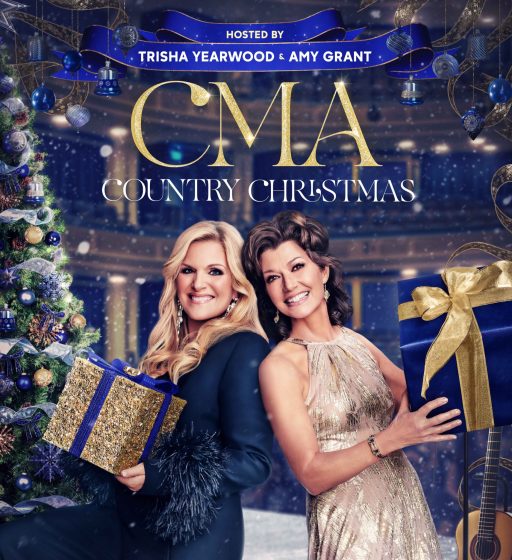
CMA Country Christmas (December 14, ABC; December 15, Hulu and Disney+)

The queen of Christmas in Nashville, Amy Grant, is co-hosting this year’s CMA Country Christmas TV special on ABC with none other than Trisha Yearwood. With performances by The War & Treaty, Ashley McBryde, Jon Pardi, reigning CMA Entertainer of the Year Lainey Wilson, and more. Tune in on Thursday, December 14 for the live program, or watch the following day – and throughout the season – on Hulu and Disney+. For those of us who won’t make Vince Gill and Grant’s annual holiday residency at the Ryman in Nashville, this show will be an excellent consolation prize.


Rose Cousins, “I’ve Got My Love to Keep Me Warm”

There’s almost no better artist to turn to for delicious melancholia than Rose Cousins. Her new holiday single, “I’ve Got My Love to Keep Me Warm,” demonstrates this fact and then some. Winter songs without a specific religious or traditional bent are too rare, so we especially love this track for its “agnosticism” and relatability. Why care how much it may storm, if you’ve got your love to keep you warm? We hope you are surrounded by love this holiday season, and however lonesome or joyous you’re feeling this year, Cousins’ voice will envelope you like a toasty hug.


Bridget Kearney, “Don’t Think About the Polar Bear”

A vibey and meditative new track from Lake Street Dive bassist Bridget Kearney is another holiday track of the Die Hard sort – not demonstrably seasonal, but it works so we’re accepting it with open arms into our wintry celebration. The accompanying animated music video is whimsical enough to be a fitting addition to any lineup with The Grinch, Rudolph, and all of your other favorite Christmas animated TV specials. If your intention is to not think about someone this holiday season, you might just find them wandering across your mind – so don’t think about the polar bear, instead.


The Kody Norris Show, “Mountain City Christmas”

The territory surrounding Mountain City, Tennessee, in the Blue Ridge Mountains of East Tennessee, Western North Carolina, and Southwest Virginia is home to most of the farms that grow most of the Christmas trees for the eastern seaboard of the United States. It’s more than fitting, then, to take this nostalgic and magical Kody Norris Show-led journey through the picturesque counties they call home. What’s more bluegrass than singing about snow, home, family, faith, and rhyming “there” with “Christmas carol”?


Larry & Joe, “Mi Burrito Sabanero”

Bluegrass banjo player and fiddler Joe Troop and harpist, multi-instrumentalist Larry Bellorín are Larry & Joe. Their new holiday single, “Mi Burrito Sabanero,” is a funny, raucous, and enjoyable version of a quintessential Latin American holiday tune written by Venezuelan harpist and composer Hugo Blanco. Much of Troop’s work connects the dots between Latin folk music and American roots music, crafting idiosyncratic amalgamations often expected to be more disparate and dissonant than they really are. For this track, Bellorín set aside the harp and picked up the cuatro, with Troop adding twin fiddles and banjo in another instance of remarkable latingrass fusion.


Maddie & Tae, We Need Christmas

Maddie & Tae, of “Girl in a Country Song” fame, recently released an extended cut of their 2020 holiday EP, We Need Christmas, adding three new tracks – each classic Christmas carols – to the fan favorite collection. Both women are now married and starting families and there’s a confidence and ease they’ve grown into at this phase of their careers. Easily some of the most interesting pop country being made, and certainly an excellent holiday manifestation of the form.


Brenda Lee, “Rockin’ Around the Christmas Tree”

For the first time in her 60+ year career Brenda Lee has scored a Number 1 hit on Billboard’s Hot 100 chart with her truly unforgettable holiday single, “Rockin’ Around the Christmas Tree.” How she supplanted Mariah Carey’s “All I Want for Christmas,” we’ll never know, but we are so glad for Lee that she’s notched this incredible milestone even at this late stage in her lifelong music-making. She first recorded the iconic track as a thirteen-year-old and in an emotional video posted by Billboard and to her social media, you can tell she never imagined this song would be the gem it is in the crown of her music career. Congratulations, Brenda Lee!


Kaitlyn Raitz, “River”

Cellist, composer, and arranger Kaitlyn Raitz released a stunning, instrumental string-centered cover of Joni Mitchell’s “River” a handful of weeks ago, a timely tune drop for those of us struggling to navigate the holidays without Mitchell’s catalog available on a certain streaming service. Lush and romantic, Raitz’s cut of the track is high concept while down to earth, like a perfect Christmas Eve program at a local church, stained glass bookended by poinsettias and candles. A must-add for your instrumental holiday playlists or perfect to soundtrack your cookie icing party or frenzied gift swaps.


Matt Rogers, Have You Heard of Christmas?

BGS Wraps would be simply incomplete without a laugh-so-hard-you’re-crying option, supplied here by comedian Matt Rogers’ holiday outting, Have You Heard of Christmas? With guests such as Muna (swoon-a), Bowen Yang (Rogers’ co-host of the hit podcast, Las Culturistas, known from SNL), and Leland, Have You Heard of Christmas is pure chaos, absolutely unhinged. Melodrama meets the chronically online. Joe’s Pub, dragged through 54 Below. When you’re offered aux this year at your holiday gatherings, put this one on. We dare you.


Andy Thorn, High Country Holiday

Banjoist Andy Thorn was known as Leftover Salmon’s banjo player, before a video of him serenading a wild fox went mega viral and eclipsed all other entries on his resumé. Thorn – who is a self-professed Christmas fanatic – has recently released a brand new holiday album, High Country Holiday, drawing on inspiration from his Colorado backyard and his musical community to put together a bevy of carols and one bespoke original, “The Bells of Boulder.” Add it to your stack of bluegrass Christmas records! It’s destined to become a classic in that category.


Tim and James, A Tim and James Christmas

Los Angeles-based string duo Tim and James – Tim Reynolds and James Spaite – have followed up their popular debut, Lemon Tree, with a holiday EP, A Tim and James Christmas and it’s already a favorite of ours. These simple duets feel fully realized, even while they remain contained, and draw on folk, new acoustic, and chambergrass influences. The kernel within Tim and James’ music – that took their songs from beginning as a regular Tuesday collaboration to tens of thousands of streams – is on full display. There’s something entrancing about this bare bones, four-song collection.


Our Classic Holiday Album Recommendation of the Week:
Béla Fleck & the Flecktones, Jingle All the Way

Each year we are reminded of the sheer genius of Béla Fleck & the Flecktones’ Jingle All the Way. It’s a Christmas album we return to again and again and we know we aren’t the only ones – it was chosen by magazine (yes, Oprah’s publication) as 2008’s Best Christmas Album and it peaked at Number 1 on the contemporary jazz charts. Béla and the Flecktones’ cultural impact was certainly solidified by the time Jingle All the Way had released, but this album – perhaps more than any other music by the group in the 21st Century – cemented their broad, far-reaching influence.


Photo Credit: Joy Clark by Nkechi Chibueze; Rose Cousins by Lindsay Duncan; Andy Thorn courtesy of the artist.

LISTEN: Deutsch & Thorn, “Scorpio Sun”

Artist: Deutsch & Thorn (Erik Deutsch and Andy Thorn)
Hometown: Mexico City, Mexico and Boulder, Colorado
Song: “Scorpio Sun”
Release Date: December 4, 2020
Label: Thornpipe Music

In Their Words: “When I first wrote this tune, I recorded it with the Colorado Playboys (Travis Book, Jon Stickley, and John Frazier), and called it ‘Sicks Ate.’ (We thought we were very clever.) Over a decade later, playing it with pianist Erik Deutsch, it took on a whole new life. As fellow Scorpios, Erik and I retitled it ‘Scorpio Sun.’ We recorded this EP in Erik’s beautiful Mexico City apartment, between playing shows at Zinco Jazz Club in the city’s vibrant Centro neighborhood. I never thought I’d bring my banjo to Mexico City, to mingle with Erik’s jazz influences and the sights and sounds of a dazzling culture. But that’s kind of what it’s like playing with Erik — you never know what might happen next.” — Andy Thorn


Photo credit: Josh Timmermans

MIXTAPE: Songs That Changed Jon Stickley’s Life and Still Blow His Mind

When I was a senior in high school, my lacrosse teammate Andy Thorn loaned me a couple CDs and a mandolin. The two CDs were the original David Grisman Quintet album and Sam Bush’s Glamour and Grits. I was an angsty teen drummer in a punk band, and when I popped the Grisman album in my Sony Discman and pushed play, my life changed forever.

We started a little band and I started learning mandolin and making weekly trips to the local record store to buy every “newgrass” album I could. I didn’t know anything, so searching through the bluegrass/country section was an adventure of discovery. I learned to recognize the font that Rounder Records used and started using liner notes to find other musicians to listen to.

A lot of the tracks on this list are track #1 on the album, and I think that’s because when I heard them for the first time, they magically seared themselves into my brain. When I hear them today they inspire the same excitement as they did when I first heard them, and they have had an enormous impact on the music that I create for the Jon Stickley Trio. — Jon Stickley

David Grisman – “E.M.D.”

The first track I ever heard in the vein of bluegrass/newgrass. I heard David Count “1,2,3,4…” just like the Ramones! Then they launch into the most indescribable, unbelievable, clean, rockin’ jam I’ve ever heard. Also my first introduction to my guitar hero, Tony Rice. Nothing compares to this track!

Sam Bush – “Whayasay”

Another leading cut. This was my introduction to the one and only Sam Bush. His kickoff tells you everything you need to know about Sam’s music. It’s masterful, tasteful, and it freakin’ ROCKS. Then he goes totally Mark Knopfler at the end. Blew my young mind!

Jerry Douglas, Russ Barenburg & Edgar Meyer – “Big Sciota”

I picked this record up at the store because, on the back cover, they are dressed in gorilla suits. I thought, these dudes MUST be cool. Something about the tone of this record is unparalleled. It’s just the nicest-sounding acoustic record I’ve ever heard. Still cook dinner to it almost every night and my wife walked down the aisle to another track from the album called “The Years Between.”

Ricky Skaggs & Kentucky Thunder – “Pig In A Pen”

Holy crap. This is another album I bought blind at the record shop knowing absolute nothing about the music. To this day I have never heard anything rock this hard! Also, my first intro to a big guitar hero, Bryan Sutton.

Bryan Sutton – “Decision At Glady Fork”

Senior year of high school my uncle Pat took me to the Béla Fleck Bluegrass Sessions concert. I knew who Sam Bush and Béla were, but it was my first time hearing Jerry Douglas, Stuart Duncan, and the young Bryan Sutton. They played this song and the audience pooped their pants!

Béla Fleck – “Blue Mountain Hop”

The ultimate supergroup in my opinion. This song got me thinking about composition and arrangement in a new way. It seems like each new part of the song was written with each individual soloist in mind. Also the giggles and growls in the intro remind you that they’re having a ball.

Béla Fleck & the Flecktones – “Sinister Minister”

Two words. Victor Wooten. Blew. My. Young. Mind! I’ve listened to this version of this song more times than I can count, and it’s one of the covers that we do in the trio. The Flecktones probably had more of an impact on our trio than anyone else out there.

The Bluegrass Album Band – “Blue Ridge Cabin Home”

This is another album where I had no idea what I was buying. It wasn’t until I looked at the back of the CD that I realized that Tony Rice was on it. It was my introduction to J.D. Crowe, Doyle Lawson, Bobby Hicks, and Todd Phillips. I fell in love with bluegrass banjo by listening to this song, and I was thrilled to find out there were five more volumes!!!

The Nashville Bluegrass Band – “Dog Remembers Bacon”

Another record store score that I grabbed just because “bluegrass” was in the title. LOL. These guys became my favorite group for years and this was always one of my favorite tracks. I learned about Gillian Welch from this album. Stuart Duncan is the best fiddler in the world!

Acoustic Syndicate – “No Time”

Man, I love these dudes SO much. My Uncle Pat gave this album to my dad around ‘98, and I promptly stole it. The chill energy of this album really spoke to me and I feel like it really embodies the spirit of the North Carolina festival scene. Super sentimental band for me!

Tracks from our new album “Scripting the Flip” that draw heavy on these influences:

Jon Stickley Trio – “Scripting the Flip”

This song is pretty much a bluegrass fiddle tune turned on its head. It reminds me of some of my favorite newgrass instrumentals that take the music somewhere new.

Jon Stickley Trio – “Driver”

Well, given that my buddy Andy Thorn got me into this music waaaaay back in the day, I had to bring it full circle and write a tune for him to come in and play on. This piece definitely draws on the music of the Flecktones and some of the tunes they play in odd meters.

Jon Stickley Trio – “Bluegrass in the Backwoods”

Kenny Baker, Bill Monroe’s longtime fiddler, was surprisingly one of the most innovative of the classic bluegrass pickers! He is thought of as a traditional fiddler, but his music is really anything but. I think this tune was way ahead of its time and we love the elements of gypsy jazz and Latin music in the melody. We HAD to cover this on at some point and it was so much fun!


Photo credit: Sandlin Gaither

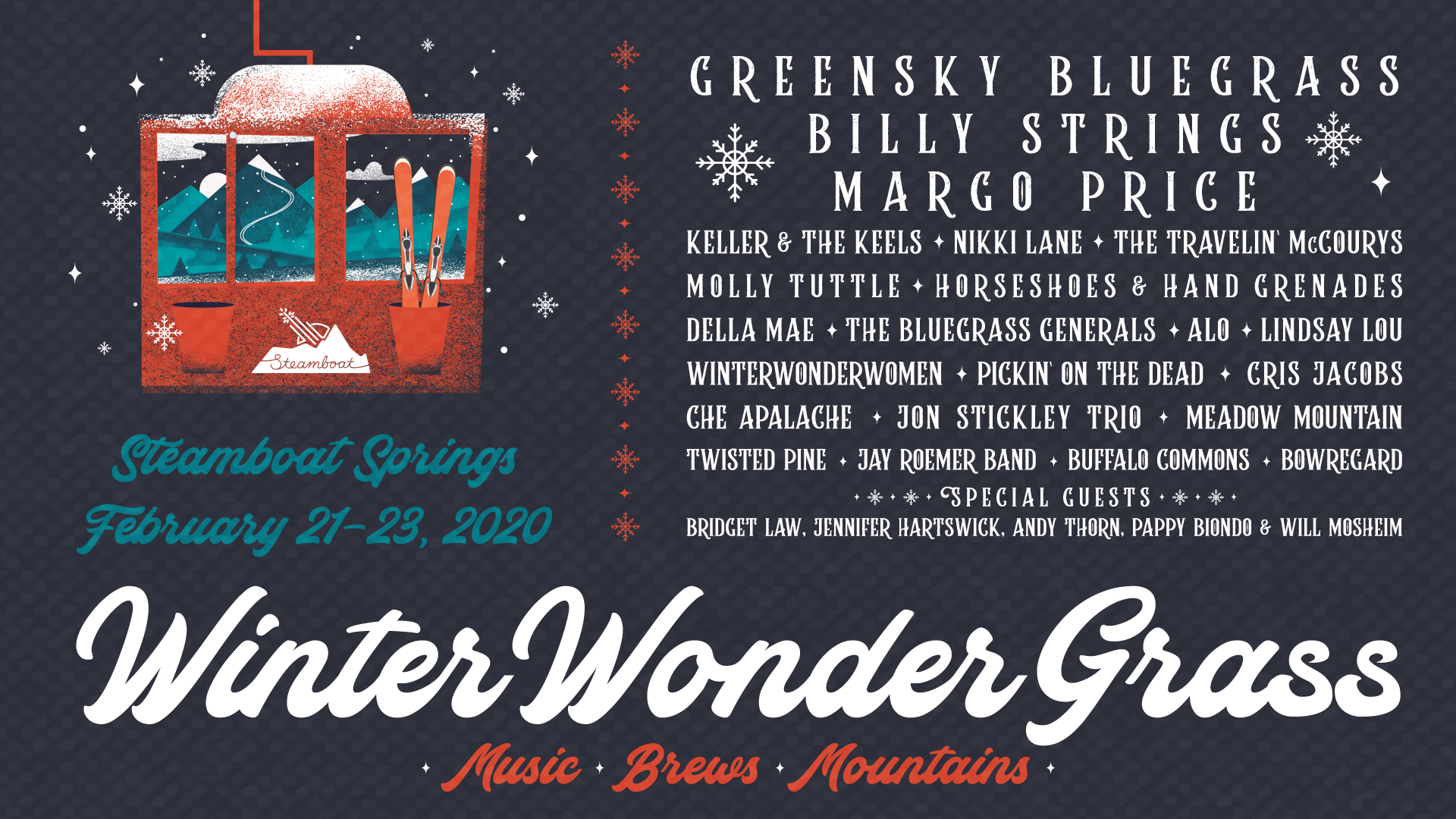
GIVEAWAY: Win Tickets to WinterWonderGrass (Steamboat Springs, CO) Feb 21-23

Three Decades In, Leftover Salmon Let out a ‘Festival!’ Yell

Three decades ago at the Telluride Bluegrass Festival, two bands of oddballs who couldn’t get invited to play the main stage said “screw it,” and teamed up for a bar gig back in town… And the rest, as they say, is history.

That slapped-together combo took the name Leftover Salmon. They’ve since gone on to influence an entire generation of bluegrass-based music. Most fans are familiar with the broad strokes of their tale — the renegade musical brotherhood of Vince Herman and Drew Emmitt, the band’s bluegrass/rock fusion and resulting evolution into the prototypical jamgrass group, and the spirit of good times, good friends, and good tunes which still permeates the scene they helped create. But few have heard the entire story until now.

In Leftover Salmon: Thirty Years of Festival!, author Tim Newby dives deep into hazy memories and unforgettable highlights, tracing the twisted path that led the band to its current, esteemed place in roots music lore. Across 13 chapters and more than 300 pages Newby coaxes the story from the band’s revolving lineup — deftly treading the line between historian and hardcore fan — and in the end much is revealed of the band’s high-minded beginnings and unshakable ethos, as well as the struggles they’ve seen along the way. And it’s all done with a wild “Festival!” yell running between the lines.

To be sure, the Leftover Salmon story is not over yet. The band continues to traverse the country on tour – recently swinging through Nashville’s Ryman Auditorium and thrilling a hometown crowd at Denver’s Red Rocks Amphitheatre shortly after — and they plan on returning to the studio this fall to record “three or four tunes” for release “over the interwebs.” But in the meantime, Herman shared some laughs with The Bluegrass Situation about the process of looking back, what the book means to the band, and why none of this would have happened if not for the Iran-Contra scandal.

BGS: Were you surprised Tim wanted to do this book?

Herman: Absolutely. It’s a massive endeavor and he put like three years into it. That alone is an amazing honor — no matter how it came out. [Laughs] But no, we were definitely surprised and delighted that he wanted to do it.

Was there any hesitation in laying everything out there?

Not on my part. We were pretty psyched about all the fun we’ve been able to have over the years, and to have somebody locate it within the larger picture of the music community, it just felt like an honor. Sure, we had some rowdy times and wild things have happened, and it might sound a little more like a rock ‘n’ roll band in the book than a bluegrass band, but I hope it throws some light on how deeply we respect the bluegrass tradition, where that all sprang out of and how we are trying to integrate that along with a more inclusive rock ‘n’ roll vision. I think the book addresses pretty well how we tried to walk that tightrope.

Tim told me you let him root around in your lives for weeks at a time. He said he was at your house digging through old file cabinets and everything. What was that like from your perspective?

Well, it was comforting because I’ve moved around a whole lot over the years and I’ve been toting that stuff with me for a long time. [Laughs] There was finally some validation of “All right, maybe it was a good idea to keep this stuff.”

Did he dig up anything you had forgotten about, or give some insight on how the others viewed things that happened?

One of the things he dug up that I hadn’t looked at in years and years were [late, founding banjo player] Mark Vann’s calendars. He was sort of like our manager early on, and it was cool because they had notes on them about booking gigs and what we got paid, some expenses and all that. Man, we played a lot of years for $500 a night! [Laughs]

One thing I learned was that the Iran-Contra scandal helped create the band, and this was not a connection I would have made on my own. Can you explain?

[Laughs] Well, there are two ways it affected me. When I moved to Boulder, [Colorado] from Morgantown, [West Virginia] in 1985, I was just gonna be here for a couple of months and then go be a witness for peace on the border of Nicaragua, so that part of the Iran-Contra scandal was definitely on my mind when I moved here.

But a few years later when I started a band called The Salmon Heads, we had played our first gig on the hill at Taylor’s in Boulder, and we had an accordion and washboard instead of drums. We played our first set and the bar manager said, “You guys don’t have to do your second set. We’re gonna call it, you don’t play college music.” But we said “Fuck that shit” and continued to play, and it was fun.

That night after the show, someone threw a brick through the window of the club in a random act — and it was not related to us in any way shape or form — but the next morning everyone on the hill was wondering what happened to Taylor’s last night. So we seized that opportunity and made some posters for a house party we were playing, and they said, “Come see what the Aya-Taylor had determined was not college music!” At the time the Ayatollah was in all the papers, so we created the Aya-Taylor, and that party was raging that night. It’s the intersection of history and music.

It’s not all funny stories, as the book goes into some of the more difficult decisions you’ve had to make and plenty of hard times. Were there any tender spots where it still hurt to think about?

Oh yeah, definitely. Especially around Mark Vann [who died from cancer in 2002] and rebuilding and trying to keep going. We finally decided to call it quits for a while and didn’t really expect to come back, and that was an intense time. We were driven to the point where we just weren’t having fun hanging out together anymore, and it was tough because we never really took the time out to grieve Mark, I think. We had to push on because that’s how we all made our living — it’s always been a blue collar band working paycheck to paycheck. That was really difficult and eventually the spiritual price of it was just too much.

The book also traces the evolution of Colorado’s music scene, which you guys were sort of inadvertently at the epicenter of.

Yeah, when we got to town there wasn’t a bluegrass scene. I rolled into a Left Hand String Band show when I drove here from West Virginia and that connection was made immediately. But bluegrass was kept in its corner and the big thing in town was blues and electric stuff. We just felt like we were this musical niche that was best used for Grange Halls and old-timey dances, and to see it move out of Grange Halls and into concert halls over time was definitely a satisfying experience for us, and something I think we might have had a little to do with.

But it’s certainly not like we started anything new, and I’ve always been the guy who says we were really just walking in the footsteps of New Grass Revival and the Nitty Gritty Dirt Band. People like to say, “This started here” and “That started there,” but it’s always a continuation of some tradition with a new twist, perhaps.

After looking back on these 30 years, do you feel like the band has changed – musically or as friends? Or is it still the same spirit as when you began?

I just had a friend from Japan who was my college roommate in 1982 come visit, and I hadn’t seen him all those years. He came and we went to our show at Red Rocks, and then a friend of mine gave him a ride to the airport. On the way my friend asked my old roommate, “So how’s Vince seem to be doing all these years later?” And he answered, “Vince is still in college!” So I guess we won!

Maybe that’s part of why this thing has worked for so long.

We get to have these joyous jobs where we meet new friends and constantly reconnect with old ones, and play a lot of festivals, which is when humans are at their finest form, I think. And through all this stuff, we’ve been able to build this life that’s pretty dang pleasurable. Not that it’s easy on relationships or anything, but our day-to-day living is pretty dang pleasant.


Photo credit: Bob Carmichael

LISTEN: Andy Thorn, “Thornado”

Artist: Andy Thorn
Hometown: Boulder, Colorado
Song: “Thornado”
Album: Frontiers Like These
Release: June 21, 2019
Label: Thornpipe Music

In Their Words: “This tune came from exploring the key of A on banjo with no capo. Playing in A with no capo opens up a lot of different melodic possibilities on banjo and when I found the main riff I started basing a song around it. The tune really comes to life with the tasteful back and forth of Bobby Britt’s fiddle and Andrew Marlin’s mandolin. I love Jon Stickley’s creative use of open strings and harmonics on the jam. And Miles Andrews holds the whole thing together on his gut string bass. At just over six minutes it’s longer than your typical banjo tune, but if you give the whole track a chance it will take you on quite a ride. Enjoy ‘Thornado’!” — Andy Thorn


Photo credit: John Ryan Lockman (Show Love Media)