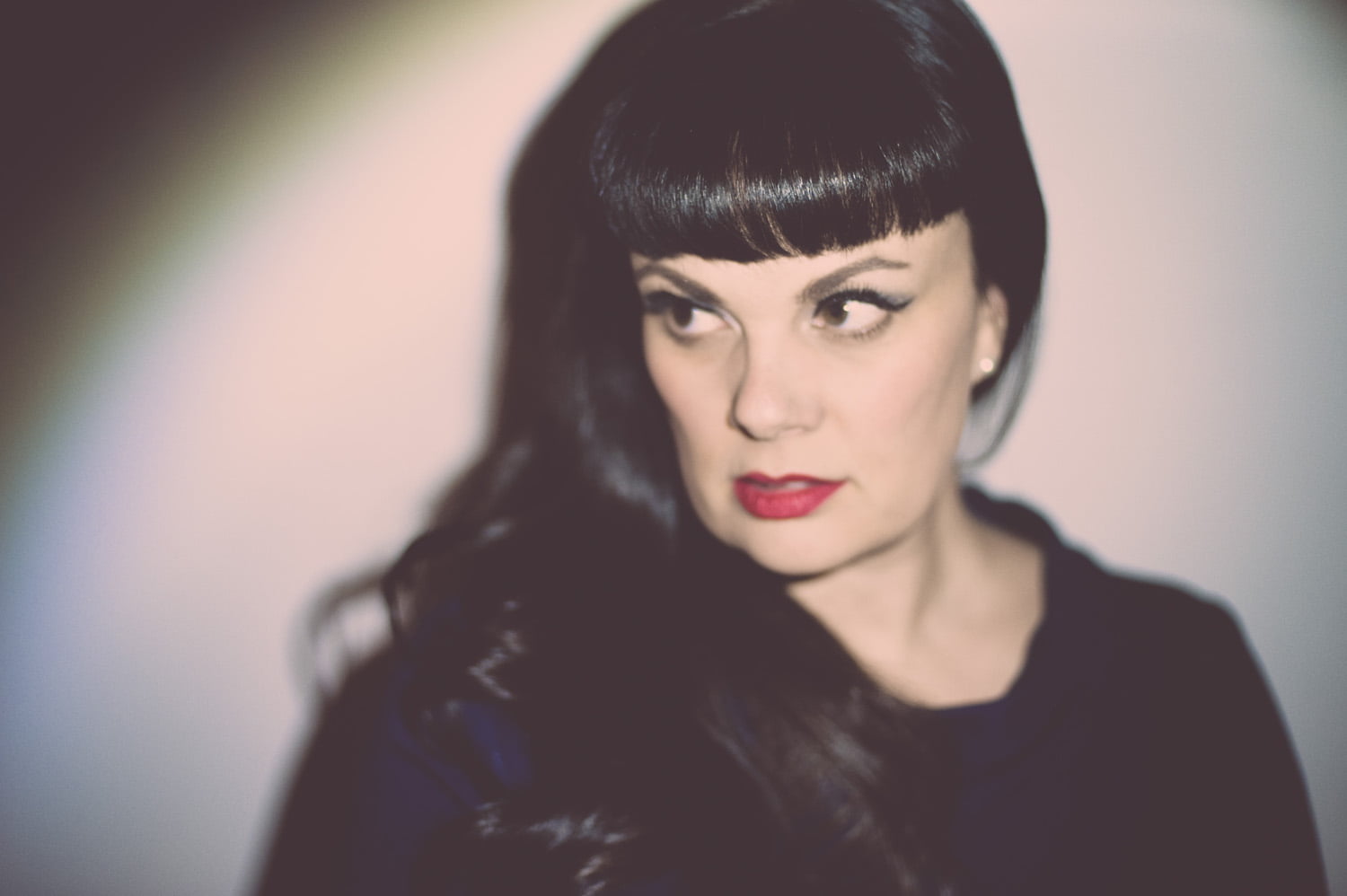
3×3: Sonya Kitchell on First Seasons, Mediterranean Days, and the Sophie’s Choice Between Coffee and Tea

Artist: Sonya Kitchell
Hometown: Brooklyn, NY
Latest Album: We Come Apart
Personal Nicknames: None

Who would play you in the Lifetime movie of your life?
A young Meryl Streep would be pretty rad.

If money were no object, where would you live and what would you do?
I would live on the Southern coast of Spain or Italy and do exactly what I do, but visit the sea daily.

If the After-Life exists, what song will be playing when you arrive?
“Knocking on Heaven’s Door,” Bob Dylan


It takes three to fulfill eccentricity

A photo posted by Sonya Kitchell (@sonyakitchell) on

What brand of toothpaste do you use?
Weleda Salt Toothpaste

What was the last movie that you really loved?
Wild Tales

What's your favorite TV show?
Either Arrested Development or True Detective (first season of both)


Drink Tea

A photo posted by Sonya Kitchell (@sonyakitchell) on

Morning person or night owl?
Both

Johnny or Willie?
Johnny

Coffee or tea?
Both

On Love and Loss: An Interview with Tami Neilson

The Venn diagram crossing "traditional musicians poised for breakout in 2016" and "based in New Zealand" yields, unsurprisingly, only one name: Tami Neilson. Gifted with a voice that summons Patsy Cline's ghost, hair high enough to make Dolly proud, and a style lifted straight from the Saturday night stage at the Grand Ole Opry, Neilson's most recent records — the just-released-in-Canada Dynamite and New Zealand-only Don't Be Afraid — time machine back to the era of classic country with a few sidesteps into Sun Records-style rock 'n' roll, blues, and soul.

If this all seems unlikely from a nation whose biggest musical exports have been Lorde, Crowded House, and, er, Flight of the Conchords, that's because it is. But Neilson, who has won multiple New Zealand Music Awards, as well as the prestigious APRA Silver Scroll for songwriting (in 2014, the year after Lorde won), has paid her dues on the long, dusty trail.

Born in Canada, Neilson spent most of her tweens and teens touring relentlessly across North America as part of the Neilson Family, an old-fashioned gospel family band featuring her late father Ron, her mother Betty, herself, and two younger brothers — Jay and Todd. Having moved to New Zealand in 2007 for love and marriage, and, eventually two young sons, it's only now that Neilson is making her first steps to plug back in to her past life.

I want to start with an "Origins of Tami Neilson" question. From a young age, you were part of the Neilson Family, a touring family band. Would it be fair to say you had a nomadic youth?

We were just a pack of gypsies, really, the Neilsons. I look back now as a parent, I think, by taking their kids on the road full-time, my parents were either the bravest people I know or the craziest. But we definitely grew up on the road full-time and that was normal to me. Being in the same house with a dog and a white picket fence and the same friends your whole life, that was just so exotic to me.

Did you used to play in prisons with your family?

We did. That was when we were quite young. Mom and dad would bring us in, and Todd, my youngest brother, was probably four or five. I would have been about nine or 10. We would go in and dad would do his comedy, and he and mum would do a talk in the prison, and then we would get up and sing gospel songs as a family. I can remember my mom saying to my little brother, "Todd, when mommy and daddy are on stage, you stay with …" the Salvation Army lady or whoever had brought us in. "You don't go anywhere by yourself." And without fail they'd be onstage singing, and mom would see him get up and go up to a prisoner: "I need to go potty." She'd be mortified. So there were some heart-stopping moments on the prison performances.

Is it true there was a point where you and your brothers had to busk to earn money to survive?

Yep. In Midland, Ontario. On the main street. To make money to eat.

I know the town of Midland. It's not a music-friendly cultural hotbed. I can't see that being a gainful experience.

No, it was not gainful. But it did the trick for what we needed, at the time. At that time, we had just come off the road after a really bad management experience — we had basically lost everything due to our management and went back to my mom's hometown to lick our wounds, as a family. My dad plunged into a deep depression because he held the full weight of responsibility on his shoulders, and we all started looking for jobs. At that time, he didn't want to pick up a guitar; he didn't want to be anywhere near music because he felt that he'd failed us so abysmally. So my brothers and I went out on the main street every day and busked. Fifty bucks was a good day. We'd put it on the kitchen table and give it to mom and we'd get groceries until we could all find jobs.

If that isn't an authentic country music tale of woe, I don't know what is.

That's country. It doesn't get more country than that.

Do you have a band because of an earthquake?

That's actually not too far from the truth. I hadn't thought of it that way, but yes, I definitely have a producer [Delaney Davidson, Dynamite co-producer and part of the duo Delaney Davidson & Marlon Williams]. I was on tour when the earthquake in Christchurch hit. I knew the Eastern, who are a band from Lyttelton, and the venue we were supposed to play at was flattened. It had crumbled and caved in. There were just bits still standing and my poster was still in the window.

A few days later, I called Adam [McGrath] from the Eastern and said, "I'm supposed to be doing a show there" — of course, nobody's going to shows across the entire country because everybody's devastated by this news — and they were doing these pop-up acoustic shows. There was no power at all in the city. They're doing shows in parks around the city to boost the morale and lift the spirits of all the people who were living in mud and crumbled ruins. So I got in touch with him and said, "We're going to be in town, we've got instruments, let us know where you're playing and we'll come play with you." He texted me the details of the park they were going to be playing in, so we rolled up and I'm like, "Are we in the right place?" and then I saw this tall, skinny beautiful man with a white cowboy hat on looking like the ghost of Hank Williams. It was Marlon Williams (who has guitar and vocal credits on Dynamite), and next to him was a very serious, grumpy-looking guy with piercing blue eyes, and that was Delaney Davidson. We went to a barbecue after the show and really connected there. It's one of those things that's really burned on to your memory when it's in the midst of something so surreal.

To do the music you do in the style you do it, it's a very conscious decision. You've got a very traditional image, but it feels very authentic. How do you define the music you make?

The music side of it, it's Americana. It's not just country, it's not just blues, it's not just soul. But so many of those artists weren't. Johnny Cash, Elvis, the Staples … all of these people were just a hotbed of all of those genres.

Speaking of Johnny Cash, did you tour with him?

We opened for him at the Merritt Mountain Music Festival.

Did you get to talk to him or anything?

There's a story to that: The night before the gig, we had had a fire in our motorhome. Our motorhome caught on fire when we were driving to the gig. We had finished a gig in Kelowna, British Columbia, and got in the car to drive to the festival the next morning, so we were going to drive to Merritt that night. After a gig, if we were driving in evening, I would always change into my jammies in the motorhome to be comfy.

So we're on the road and these people are signaling to roll down the window, and we all thought that they had seen the show so we're waving back like this big happy family in the window. Dad rolls down the window and they're like, "You're on fire!" And dad's like, "Thank you, thank you." "No, you are on FIRE!" And we looked out and there was black smoke just billowing out the back of the motorhome. So we all got out and all of our clothes were ruined. Our instruments were stored underneath so there was smoke damage — they stunk, but they were still playable. All I had was my pajamas.

We rolled up to the festival the next morning, they gave us all festival t-shirts, and I opened for Johnny Cash in my pajamas and a t-shirt. So, yeah, my dad and my brother chatted with him, but I was too completely humiliated by the fact I was wearing my pajamas to talk to him. I was a teenager and you're just so concerned about being cool. I was just totally mortified. Of course now you're like, "Who cares?! Go back!" But when you're 18 and you're mortified, nothing matters except the fact I was wearing pajamas.

Is it true Roy Orbison held you as a baby?

Yes, and it actually makes me cry that I don't have the photo of it. That would be the cover of not just one album, but of every album I've ever put out. My dad was playing in the same venue as Roy and dad said, "Can I please get a photo of you with my daughter Tami?" Dad said Roy just lit up holding me. I can still remember the photos in our photo album. I was in this little white dress and this little bonnet. Then I took them to school for show-and-tell when I was a kid and stupidly lost them. I can still see them in my mind but it breaks my heart.

Dynamite has some songs specifically inspired by the birth of your children, whereas your newest album, Don't Be Afraid, revolves around the death of your father. In the last few years, you've experienced a really heavy, really full cycle of life.

It's definitely a lot of living in just a couple years. So I think that impacts so deeply on you as a person that you're never the same, so my music will never be the same. It will always be colored by, not necessarily grief, but the experiences of the death, of parenthood, and all those things. But love and loss are what country music is about, right?

And earthquakes and prisons and motorhome fires?

Oh my God. When you put it that way, I'm going to be writing about it 'til the day I die. I've got so much material. It's always a little bit daunting to think about what's next, especially because the latest album is something that's so deeply me and exposes me and it's the most vulnerable I've ever been. So you can't think about that too much and, when it's the next step, then you just take it. Otherwise, you get sucked up by earthquakes and fires and prisons.


Photo credit: Justyn Denney Strother

WATCH: Grant-Lee Phillips, ‘Loaded Gun’

Artist: Grant-Lee Phillips
Hometown: Nashville, TN
Song: "Loaded Gun"
Album: The Narrows
Release Date: March 18
Label: Yep Roc Records

In Their Words: "'Loaded Gun' is really about the volatile force of youth, that time in our life when we feel indestructible. It’s sort of your first encounter with the notion of what it means to be on your own, however ill-prepared. Your foot is on the gas, the radio’s up loud.

I’m drawing on an old rockabilly rhythm here, which is sorta’ souped-up country. I really love [Johnny] Cash’s Sun records. They have a dangerous edge. It’s one you can feel in your whole body. I was driving through Atlanta and something about the way people drive down there inspired this one. I wrote most of it behind the wheel in Georgia, but I was thinking back to where I grew up — in rural Stockton, California. Lots of back-roads, trees to get wrapped around. There was a boy’s detention center with hot flood lights that lit up the night, just beyond the orchards. That was one place I didn’t want to wind up." — Grant-Lee Phillips


Photo credit: Denise Siegel

LISTEN: Jeremiah Tall, ‘Big River’

Artist: Jeremiah Tall
Hometown: Bucks County, PA
Song: “Big River” (Johnny Cash Cover)
Label: Randm Records

In Their Words: "'Big River' with its thumping guitar riff has always got me tapping and air strumming along. After hearing it, it's hard to not have the lyrics 'I taught the weeping willows how to cry cry cry' stuck in your head. Love this song and that's why I wanted to play it." — Jeremiah Tall


Photo credit: Randm Records

A Trip to Bristol: The Birthplace of Country Music

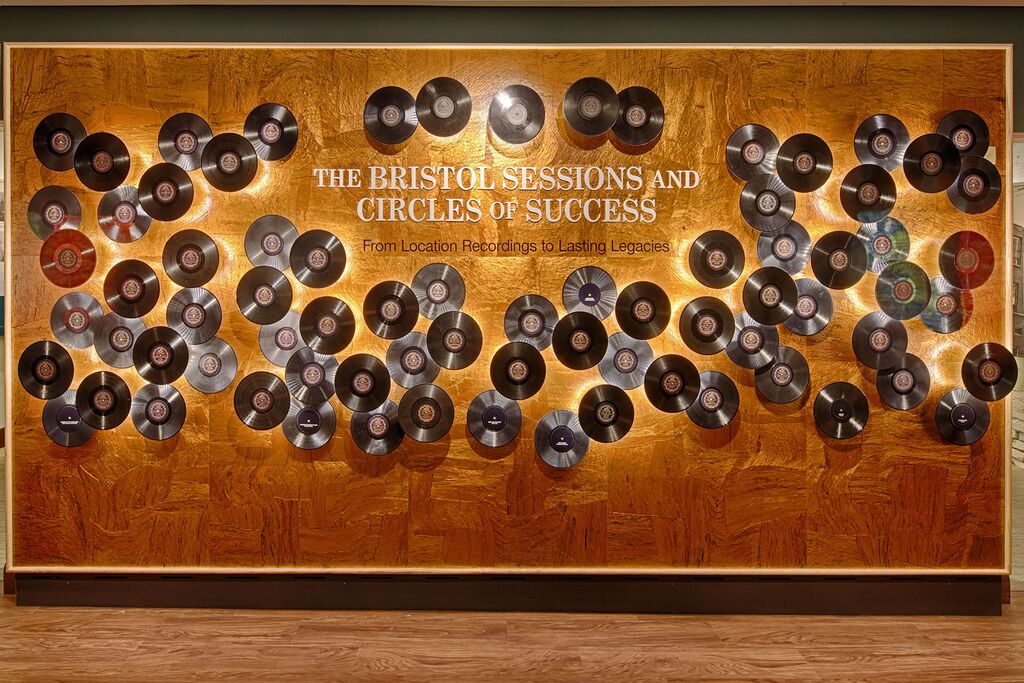
Nestled in the foothills of the Appalachian mountains 300 miles east of Nashville, the Virginia-Tennessee border city of Bristol has long been widely known as “The Birthplace of Country Music” — the mythical small town where the “big bang of country music,” as music historian Nolan Porterfield first called it in 1988, took place during 10 apocryphal days during the summer of 1927.

Due to its relative proximity to varying regions, from Asheville, NC, to the Virginia Blue Ridge Mountains to the Clinch Mountain ridge in Kentucky, the town of Bristol was where New York-based talent scout Ralph Peer set up an open audition in order to attract regional Southern talent to the fast-growing recording industry of the pre-Depression mid-1920s. Among the dozens of artists that showed up for the open call during that summer were Jimmie Rodgers and the Carter Family.

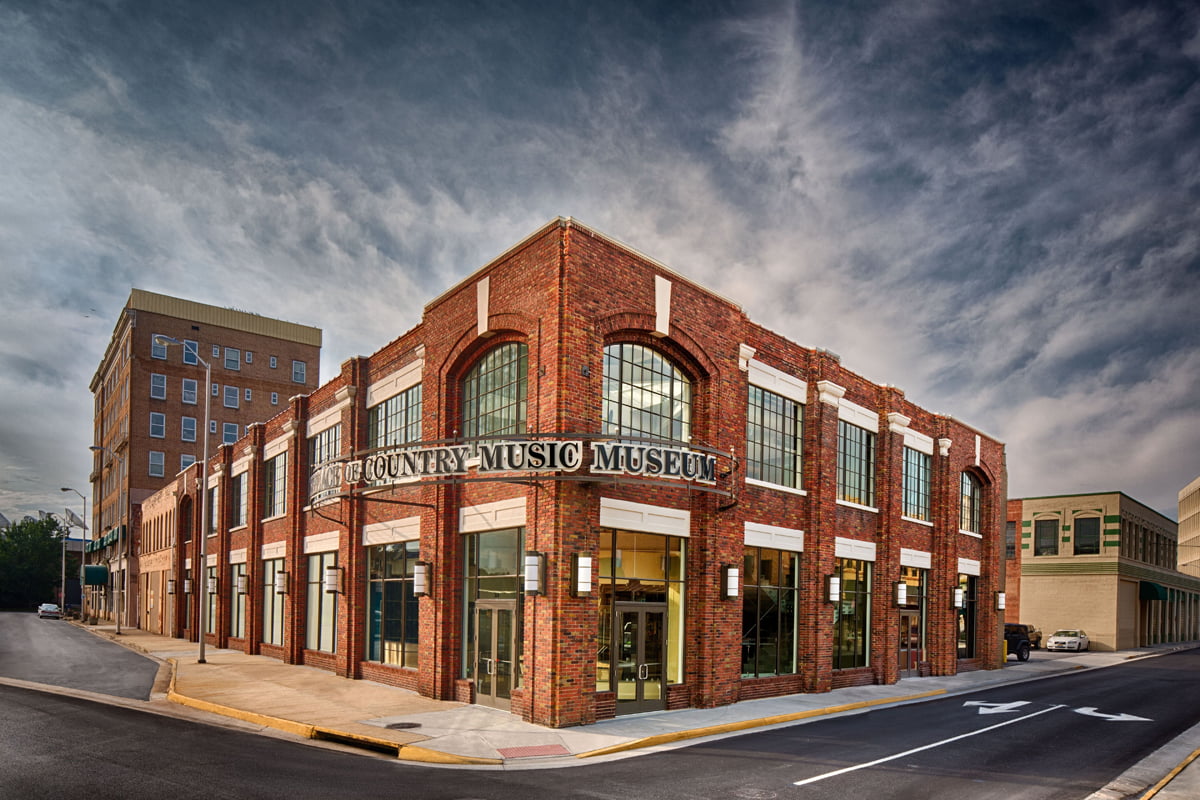
Nearly 90 years after the historic ‘27 sessions, the Birthplace of Country Music Museum opened in Bristol in the summer of 2014. The museum, which earned immediate affiliation with the Smithsonian, cost $11 million to build and is surprisingly expansive, devoted not only to the history of the ‘27 Bristol Sessions and the early roots of country and bluegrass music, but also to the history of the town of Bristol and the region at-large.

Here are some of the museum's highlights:

The Original ‘27 Newspaper Ad Announcing the 10-Day Audition

“Don’t deny the sheer joy of Orthophonic music,” begins the advertisement announcing Ralph Peer’s open audition. That phrase, Orthophonic Joy, was used as the title to a new album released earlier this year featuring artists Ashley Monroe, Vince Gill, Emmylou Harris, and Dolly Parton and Marty Stuart remaking some of the most famous Bristol Sessions material. “The Victor Co. will have a recording machine in Bristol for 10 days beginning Monday to record records,” reads the plainspoken ad. “Inquire at our store.”

WBCM Studio

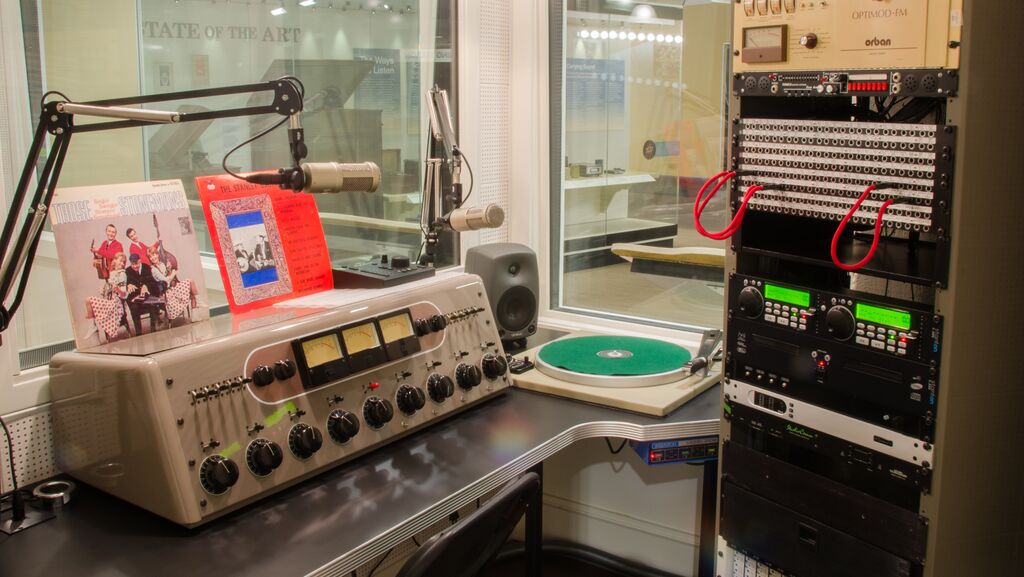
One interesting facet of the museum is that it also functions as a fully operational contemporary radio station. WBCM Bristol Radio, an FM station that also be found online, plays a selection of bluegrass, roots, country, and old-time traditional music, and hosts a regular array of live studio performances and modern-day Radio Bristol sessions.

Recording Your Own Bristol Session

One of the silliest, most entertaining aspects of the museum is a recording booth where you sing your vocals over newly recorded instrumental versions of several original Bristol session tunes. You can even lay down an earth-shattering rendition of the Carter Family’s “Single Girl, Married Girl.”

Will The Circle Be Unbroken Short Film Immersion Theater

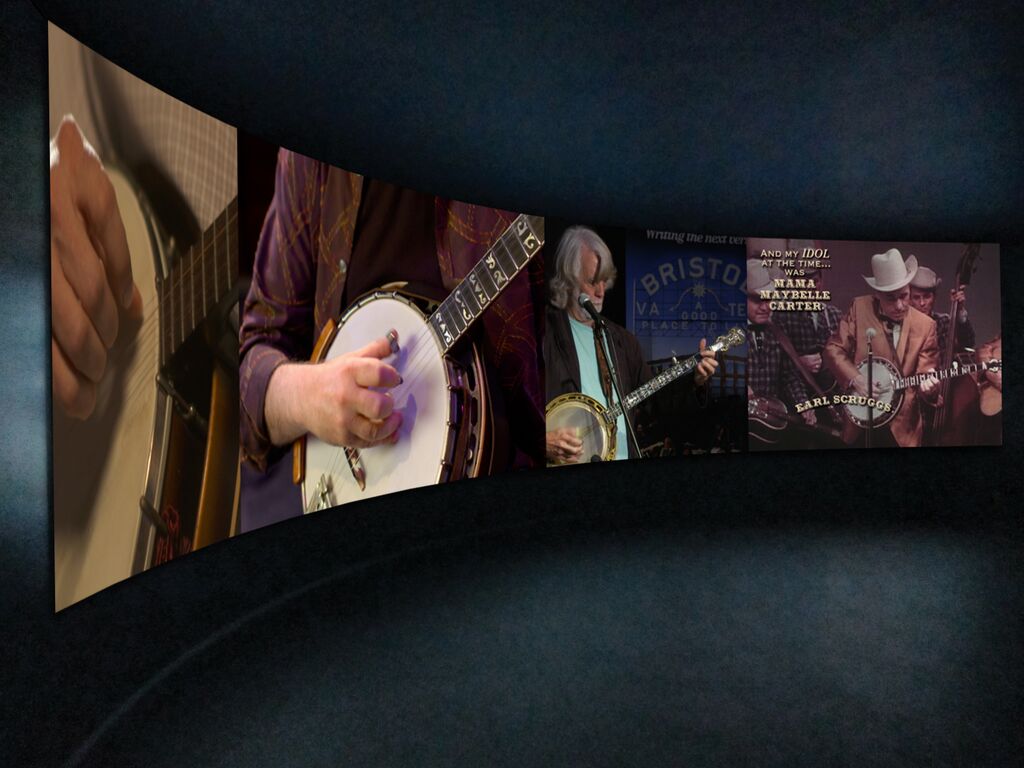
Toward the end of the museum tour, there’s a short film that is functionally an audio collage of countless different recordings of the spiritual “Will the Circle Be Unbroken.” In the film, the song is performed by everyone from Faith Hill to Mavis Staples to Spirit Family Reunion and the Black Lillies. The film is, perhaps, the best example the museum has to offer of the wide-ranging, ongoing influence the original Bristol Sessions still have on music in the 21st century.

Johnny Cash’s Signed Guitar 

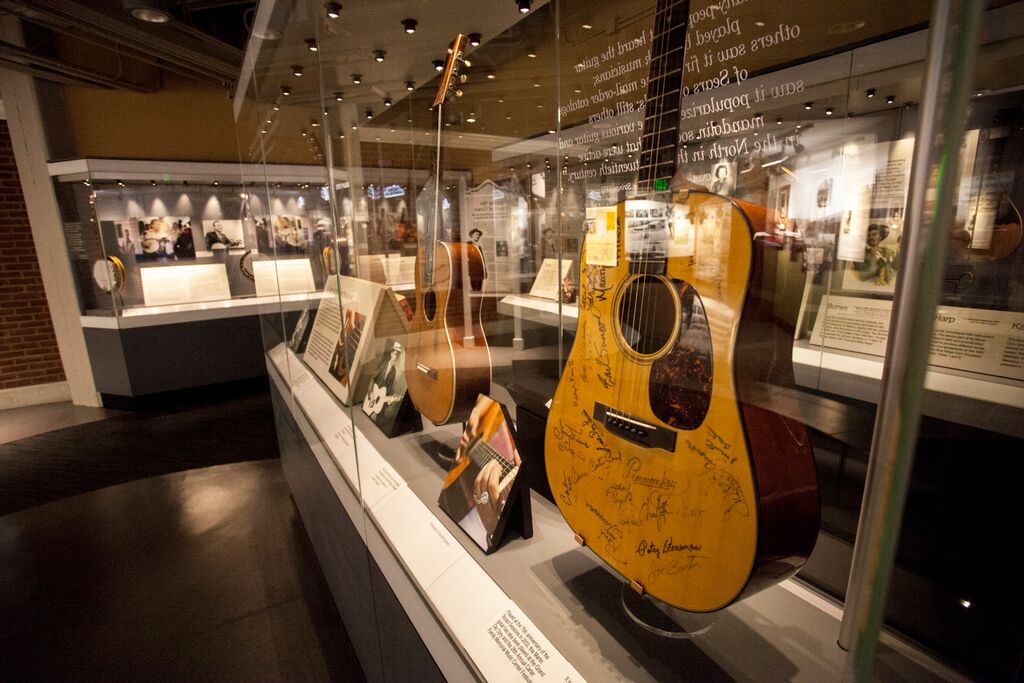
Though his relationship to the central focus of the museum is arguably tangential, Johnny Cash forever became a part of Bristol’s musical story when he married June Carter, the daughter of founding Carter Family member Maybelle Carter, in 1968. One of the museum’s most star-studded artifacts is Cash’s Martin guitar from that very year. In addition to Cash and Carter, other country legends, including Bill Monroe, Waylon Jennings, and George Jones, have signed the guitar.

Mapping the Sessions 

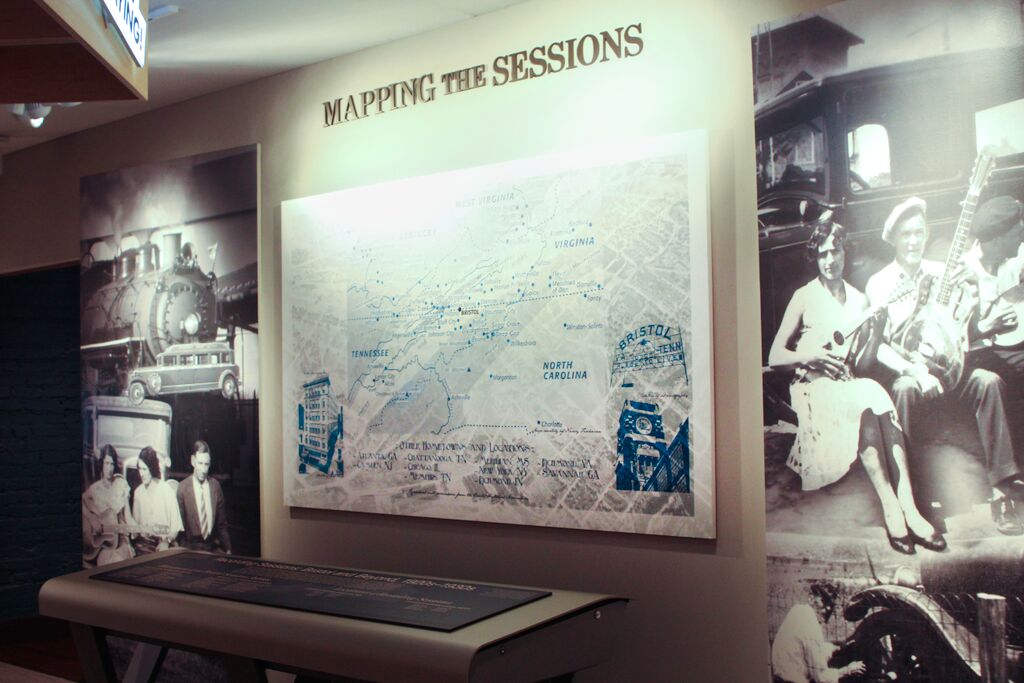
The museum nicely highlights the early 20th century music of not only Bristol, but, necessarily, its plentiful surrounding areas. One panel notes the individual home towns of each performer at the original 27 sessions who came from at least five different states, from Mississippi to West Virginia.

Segregating the Bristol Sessions

The museum does a particularly good job addressing the racial hypocrisy and discriminatory practices of the recording industry during the 1920s. Blues music recorded in Bristol by white artists like Henry Whitter were marketed as hillbilly records to mainstream white audiences, while similar-sounding recordings by blues player El Watson were marketed and distributed as “race records” to black audiences. Kudos, too, to the museum gift shop for selling Segregating Sound, Karl Hagstrom Miller’s fantastic book that outlines how the early 20th-century recording industry so often imposed harsh racial boundaries and segregations on the musicians and artists they recorded.

Bound to Bristol

John Carter Cash narrates a 20-minute film near the beginning of the museum tour called Bound to Bristol. The piece gives a fairly comprehensive overview of the story behind Peer’s recording sessions and touches on the importance and centrality to early country music of Ernest Stoneman, the hillbilly singer who encouraged Peer to record in Bristol.

The Hill Billies

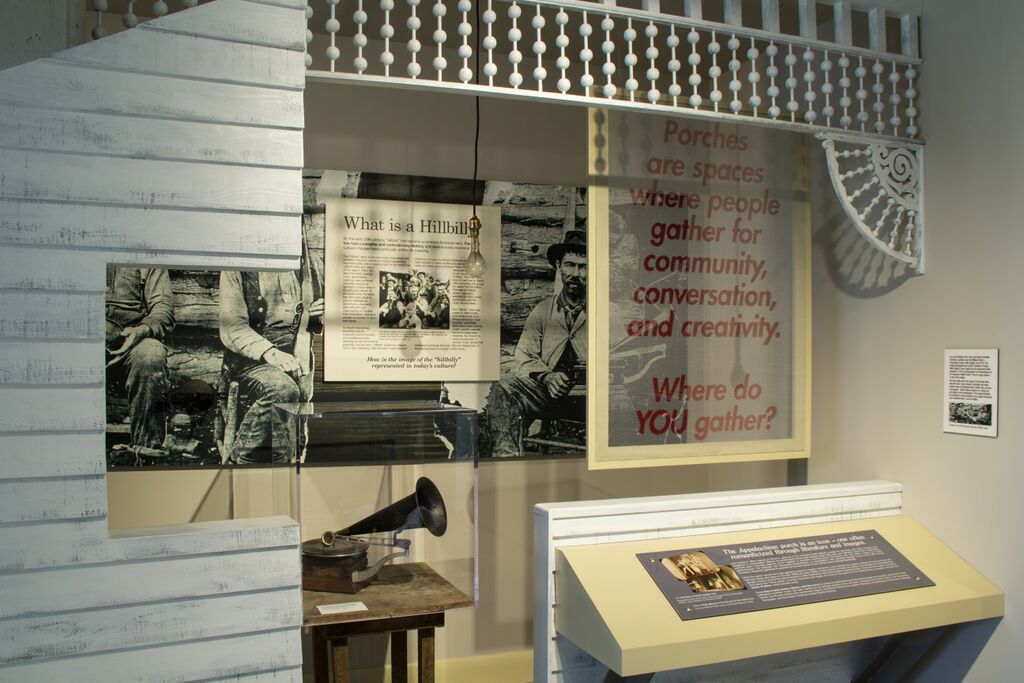
One of the most informative panels of the museum is the one that explains the derivation of the term hillbilly as a way of denoting country/white rural music during the first half of the 20th century. Peer was recording a string band in 1925 and when he asked them for their name. They shrugged and said, “the Hill Billies.” For the next 20 years, country music would be marketed, distributed, and commercialized as “hillbilly” music.

The Birthplace of Country Music Museum is currently hosting an expansive special exhibit on the career and life of pioneering American roots singer Tennessee Ernie Ford. The exhibit runs until February, 2016.

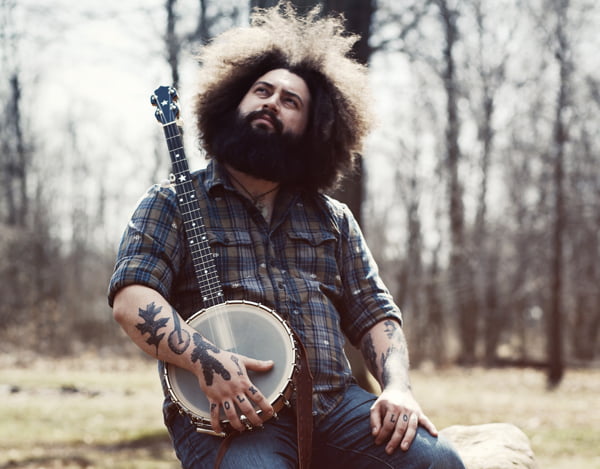
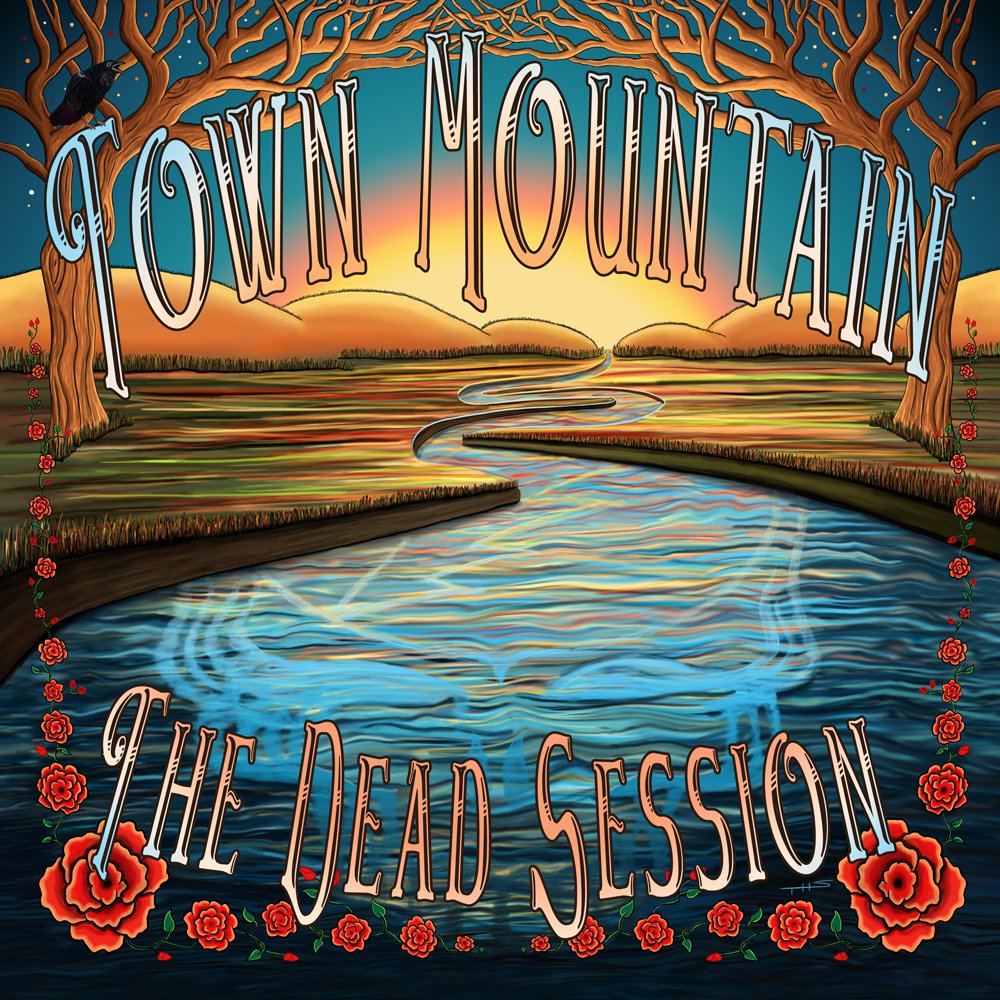
LISTEN: Town Mountain, ‘Big River’

Artist: Town Mountain
Hometown: Asheville, NC
Song: "Big River"
Album: The Dead Session
Release Date: November 13

In Their Words: "The Grateful Dead have always had a knack for taking other artists' material and making it their own. All throughout their career, they dipped into country music hits, and the music always seamlessly sounded like Grateful Dead songs. 'Big River' is no exception to that. Johnny Cash sang it with conviction and Bob Weir followed suit. However, Bob seemed to sing it with a bit more playfulness. We took that idea and plugged it into the Town Mountain sound.

Town Mountain has always loved JD Crowe and the New South, especially the early stuff and specifically an album titled Bluegrass Evolution. He recorded some material with drums and pedal steel trying to bridge the gap between bluegrass and country. We immediately saw the potential for 'Big River' to have that same element. We got some of our good friends — Evan Martin (drums) and Jack Deveraux (pedal steel) — to come into the studio and lay their parts down. The final recording fits right into our wheelhouse: the country side of bluegrass." — Jesse Langlais


Artwork: Taylor Swope

Between the Lines: ‘Cocaine Blues’

It was Christmas Eve. A silent snow blanketed the yards in South St. Louis while occasionally one could hear boots crunching along the sidewalks in the darkness. Henry and Larissa sat together around the coffee table, looking down at the bag of cocaine and the money — single dollars — ready to be rolled into tubes. This is how far they had strayed, like terrible horses, on the night of the birth of Christ, some calling him Lord, worshipping Him at midnight mass. A terrible feeling of hunger, worry, and rebellion hung around the air in the apartment. Snow began to fall, white and soft, and it did not stop until morning. Henry began to wonder if this would kill him. His heart raced, his brain felt ill. Larissa — no novice to the drug but certainly no aficionado — watched the snow outside through the windows, and occasionally shed a tear, missing desperately her mama. A lone SUV sailed down the icy street like a great, pale hull sliding along the moat where a fire hydrant had burst and stopped and frozen. The vehicle went running on and disappeared.

Earlier that evening, Larissa met her connection at a bar downtown. A few skeletal men sat coughing and drinking at the counter. She undid her scarf as she entered and shook out the snow from her blonde hair. The dealer was a dirty, bearded man who sat in a back booth and signaled to her without seeming to look up from his paper. Something about Tangiers. Something about the history of the Straits of Gibraltar. Some picture of a great, colorful boat on the cover that didn’t seem to fit the coldness of this heavy season.

“Well, as I live and breathe. It’s my love, my heart, Miss Larissa,” Randolph muttered, still staring at the paper with its boat. “You get around, don’t you? Something on the brain?”

“I feel sick even doing this,” she said. “Here.” Larissa put down a hundred dollar bill and waited on a gram. He pulled it from his great coat and laid it on the table.

“You know,” said Randolph, “they say this kills you but not when.” He laughed and pushed the bag of white toward her.

“At least you’re quick,” Larissa muttered. “I might even say efficient.

“How was your morning?”

“What do you mean?”

“I mean how was it? What did you do?”

“I woke up. I woke up and jumped out of bed and felt pain in my legs due to all this damn cold around us.”

“Well, this should help with all of that.”

“No. None of this is any damn good. What a Christmas.”

“It ain’t for men.”

“What does that mean?’

“None of this — the cold, the season, that — none of it’s any good. But you be careful. Bye now.”

He looked back into the paper and rolled the hundred in his fingers, absent-mindedly. As Larissa opened the door to the bar, the cold roared in and the skeletal men looked up abruptly from their beers. They coughed and looked back down. Her breath hung in the air like smoke. The car seats were as cold as the man who’d sold her the cocaine.

She went into the apartment and could spy Henry then, sitting nervously around the glass table. He was reading the Bible, some verse about the day being sufficient to the evil thereof.

“Do you want to start?” she asked Henry.

“Not really. Not tonight. I’m frightened for some reason.”

“I paid rent today.”

“It’s not the money,” said Henry. “It’s the feeling I have that this is not the right night for it.”

“When would be a right night?”

“I don’t know. Not now, though.”

That evening their Christmas tree flickered with lights as Henry and Larissa held onto each other in their cold bed. They made love and then got up to eat a late breakfast at one in the morning. They went back to bed. Larissa prayed while Henry slept, muttering something about disappearing and life out West and a better time of things. They didn’t open anything, any of the gifts that sat silently beneath the boughs of the pine. It was over.

Story based on "Cocaine Blues" which was written by T.J. Arnall and recorded by Johnny Cash, Townes Van Zandt, Woody Guthrie, and others. Photo credit: amseaman / Foter / CC BY-ND.